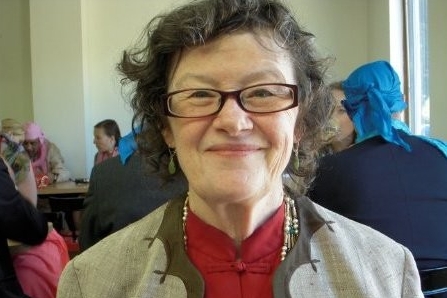
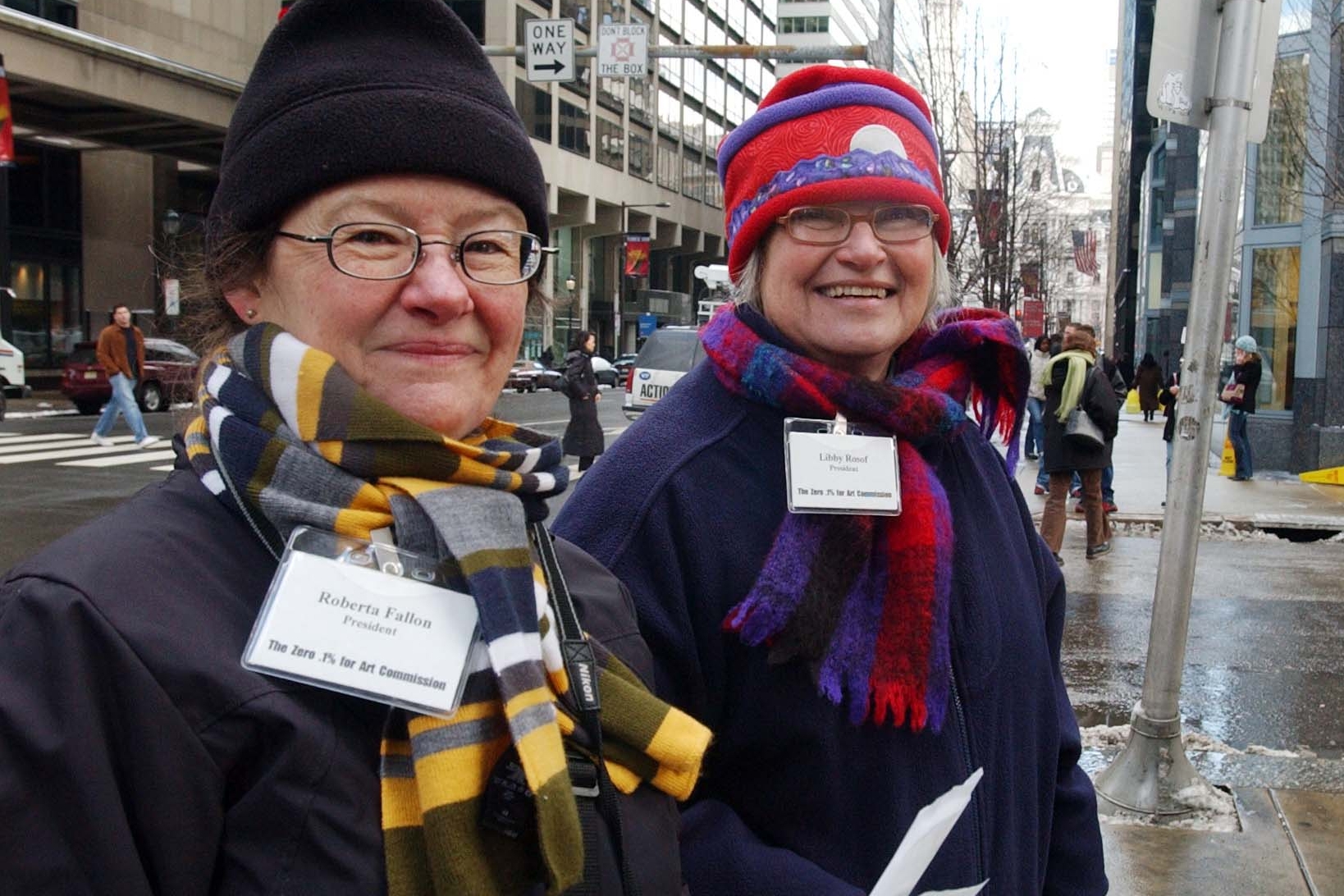
Roberta Fallon, 76, of Bala Cynwyd, cofounder, editor, and longtime executive director of theartblog.org, prolific freelance writer for The Inquirer, Daily News, and other publications, adjunct professor at St. Joseph’s University, artist, sculptor, mentor, and volunteer, died Friday, Dec. 5, at Thomas Jefferson University Hospital of injuries she suffered after being hit by a car on Nov. 24.
Ms. Fallon’s husband, Steven Kimbrough, said the crash remains under investigation by the police.
Described by family and friends as empathetic, energetic, and creative, Ms. Fallon and fellow artist Libby Rosof cofounded the online Artblog in 2003. For nearly 22 years, until the blog became inactive in June, Ms. Fallon posted commentary, stories, interviews, reviews, videos, podcasts, and other content that chronicled the eclectic art world in Philadelphia.
The site drew more than 4,500 subscribers and championed galleries and artists of all kinds, especially women, LGBTQ and student artists, and other underrepresented innovators. “I think we have touched base with every major arts organization in Philadelphia at one point or another, and many of the smaller ones,” Ms. Fallon told The Inquirer in May. “We became part of the arts economy.”
She earned grants from the Knight Foundation and other groups to fund her work. She organized artist workshops and guided tours of local studios she called art safaris.
For years, she and Rosof raised art awareness in Center City by handing out miniatures of their artwork to startled passersby. She said in a 2005 Inquirer story: “We think art needs to be for everyone, not just in galleries.”
She mentored other artists and became an expert on the business of art. “She was so generous and curious about people,” Rosof said. “She was innovative and changed the way art reached people.”
Artist Rebecca Rutstein said Ms. Fallon’s “dedicated art journalism filled a vacuum in Philadelphia and beyond. Many of us became known entities because of her artist features, and we are forever grateful.” In a 2008 Inquirer story about the city’s art scene, artist Nike Desis said: “Roberta and Libby are the patron saints of the young.”
Ms. Fallon never tired of enjoying art.
Colleague and friend Gilda Kramer said: “The Artblog for her was truly a labor of love.”
In November, Ms. Fallon and other art writers created a website called The Philly Occasional. In her Nov. 12 article, she details some of her favorite shows and galleries in Philadelphia and New York, and starts the final paragraph by saying: “P.S. I can’t let you go without telling you about what I just saw at the Barnes Foundation.”
She worked at a small newspaper in Wisconsin before moving to West Philadelphia from Massachusetts in 1984 and wrote many art reviews and freelance articles for The Inquirer, Daily News, Philadelphia Weekly, Philadelphia Citizen, and other publications. In 2012, she wrote more than a dozen art columns for the Daily News called “Art Attack.”
She met Rosof in the 1980s, and together they curated exhibits around the region and displayed their own sculptures, paintings, and installations. Art critic Edith Newhall reviewed their 2008 show “ID” at Projects Gallery for The Inquirer and called it “one of the liveliest, most entertaining shows I’ve seen at this venue.”
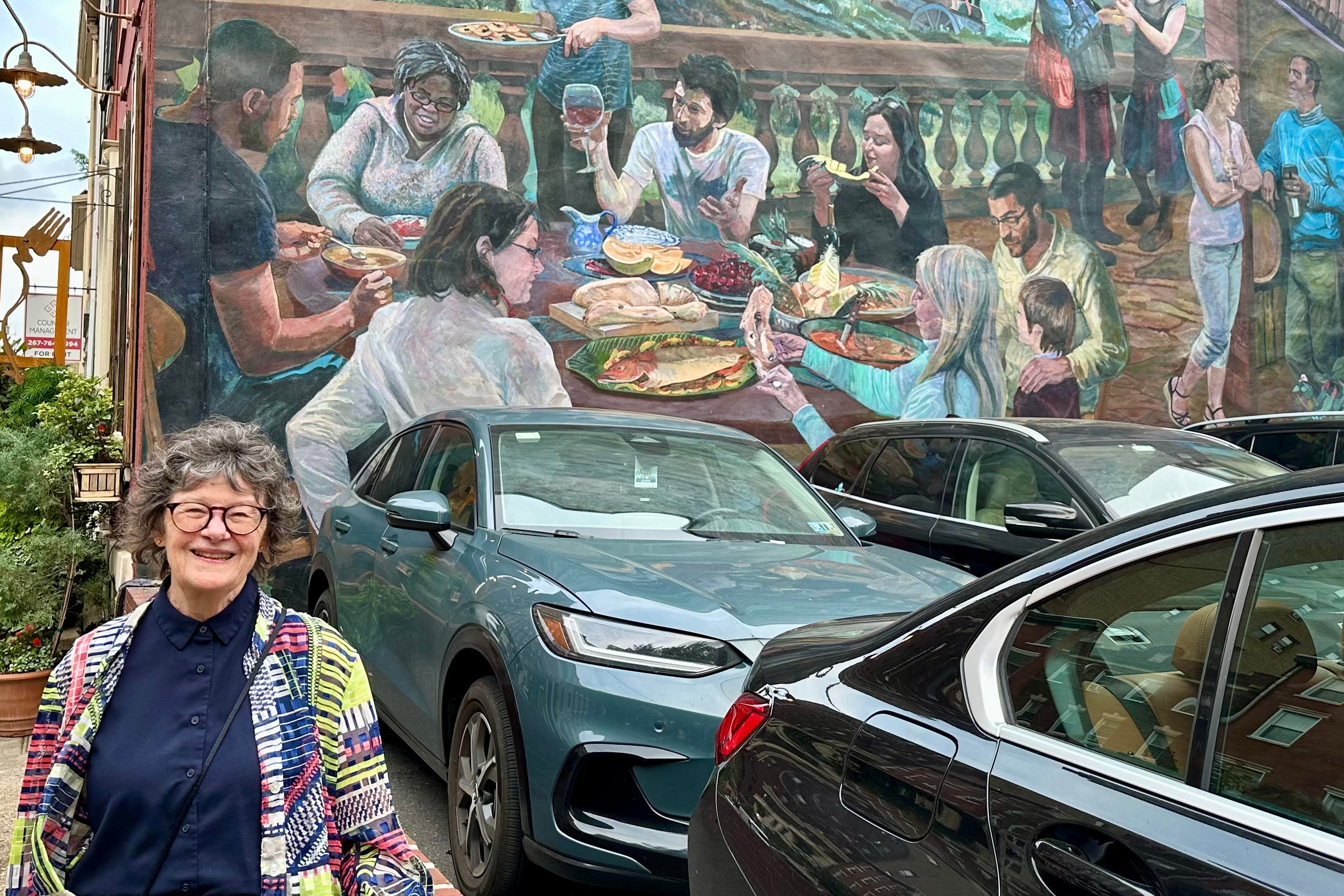
Ms. Fallon stands in front of a mural at 13th and Spruce Streets. She is depicted as the figure profiled in the lower left in the white blouse.
Most often, Ms. Fallon painted objects and sculpted in concrete, wood, metal, textiles, and other material. She was a founding member of the Philadelphia Sculptors and Bala Avenue of the Arts.
She studied at the Pennsylvania Academy of the Fine Arts and Temple University’s Tyler School of Art and Architecture, and later taught professional practice art classes at St. Joseph’s. Moore College of Art and Design, which will archive Artblog, awarded her an honorary doctorate.
“Roberta was an exceptional creative artist” and “a force,” artist Marjorie Grigonis said on LinkedIn. Artist Matthew Rose said: “Robbie was a North Star for many people.”
Her husband said: “Her approach to life was giving. She succeeded by adding value to wherever she was.”
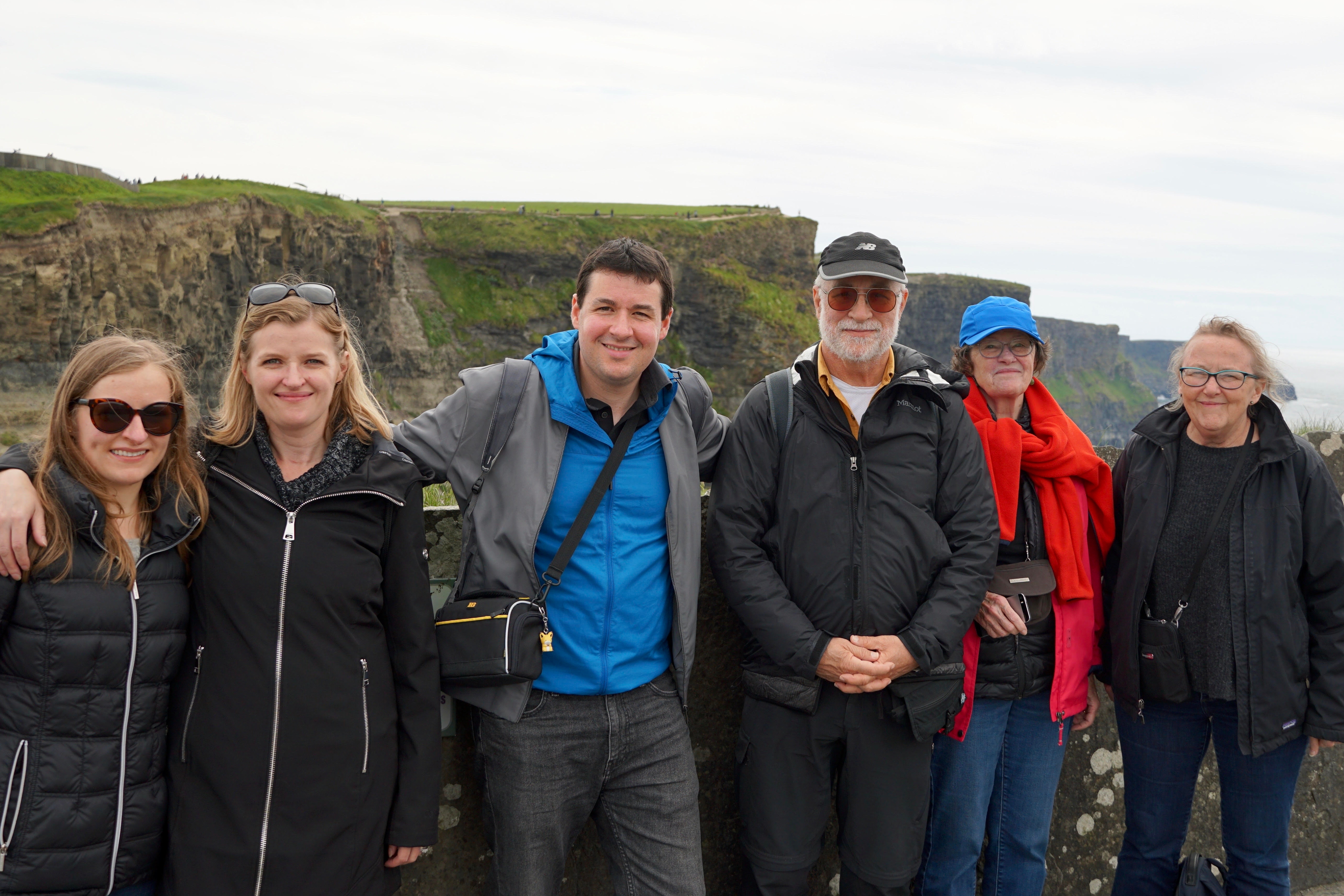
Ms. Fallon (second from right) enjoyed time with her family.
Roberta Ellen Fallon was born Feb. 8, 1949, in Milwaukee. She went to the University of Wisconsin-Madison to study sociology after high school and dropped out to explore Europe and take art classes in Paris. She returned to college, changed her major to English, and earned a bachelor’s degree in 1974.
She met Steven Kimbrough in Wisconsin, and they married in 1980, and had daughters Oona and Stella, and a son, Max. They lived in West Philadelphia for six years before settling in Bala Cynwyd in 1993.
Ms. Fallon was a neighborhood political volunteer. She enjoyed movies and reading, and she and her husband traveled often to museums and art shows in New York and elsewhere.
They had a chance to relocate to Michigan a few years ago, her husband said. But she preferred Philadelphia for its art and culture. “She was like a local celebrity in the art scene,” her daughter Stella said.
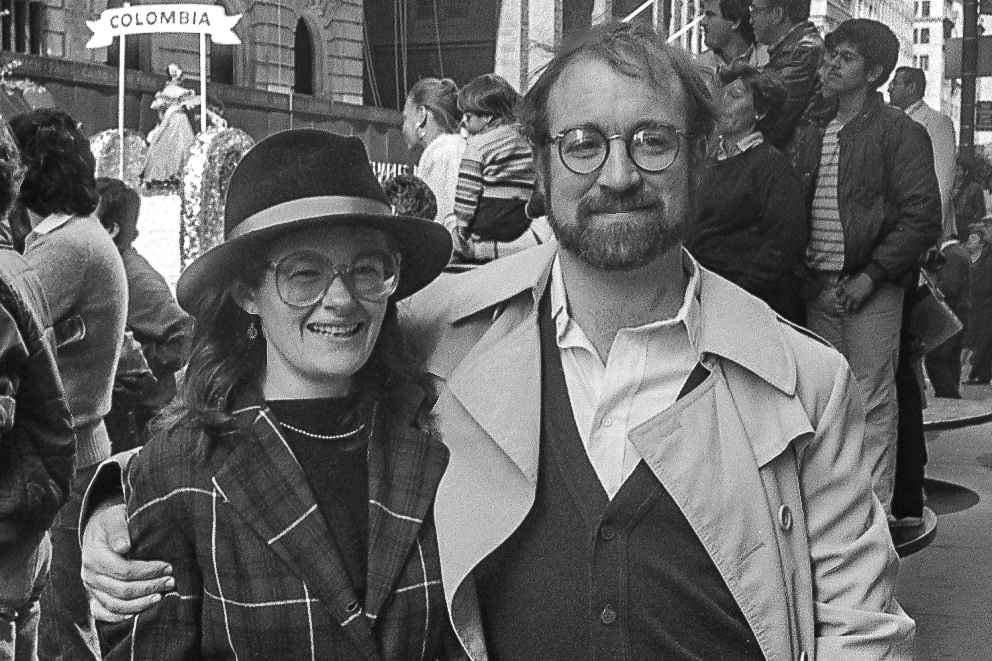
Ms. Fallon and her husband, Steven Kimbrough, visited New York in 1982.
Her husband said: “Everybody likes her. Everybody wants to be around her. She made a difference for a lot of people.”
Her daughter Stella said: “The world would be a better place if we all tried to be like my mom.”
In addition to her husband and children, Ms. Fallon is survived by four grandchildren, a sister, a brother, and other relatives.
More than two years ago, a Chester County Voter Services employee made a dire prediction.
In an eight-page grievance against Voter Services Director Karen Barsoum, the employee described a hostile work environment in which election workers were subjected to “bullying” from the department’s director.
At the time of the complaint, the employee wrote, 15 people had left the 25-person department since Barsoum was hiredin 2021.
“I have very legitimate fears that there will be a mass exodus from voter services in the coming months,” the employee, who asked not to be named for fear of retaliation, wrote in the grievance document he provided to The Inquirer. “My concern is how this will impact the 370k voters of Chester County.”
Two years later, it appears that his prediction had come true. The number of staff departures since Barsoum took over grew to 29 by November of this year, according to a Chester County spokesperson.
Election offices across the nation have experienced a high level of turnover and staff burnout in recent years in the face of election denialism and threats, but Chester County’s churn-rate is nearly double the number of departures in Montgomery and Delaware Counties’ elections departments that have lost 16 and 15 people respectively in the same time period. Both departments are larger than Chester County’s election office.
Accounts and records from three former staffers at Chester County Voters Services Department, two of whomasked not to be named, paint a picture of a hostile work environment where employees were often made to feel as though management had placed a target on their back.
These concerns have been raised to elected and non-elected county leaders for more than two years.
Barsoum saidin an interview that she couldn’t respond to allegations from employees but described her management style as collaborative.
Employees, she said, had left for a variety of reasons including jobs in other Southeast Pennsylvania election offices that pay better than Chester County. Others, she said, left to pursue other opportunities or for family reasons.
Some, she said, left because of the increased pressures of election work as state law changes and the intensity increases.
“I encourage everyone to do what is the best for them,” Barsoum saidThursday.
Though Barsoum acknowledged it was challenging for the office when people left, she said she and other managers were very hands-on in training staff and ensuring that staff members knew the ins and outs of various positions.
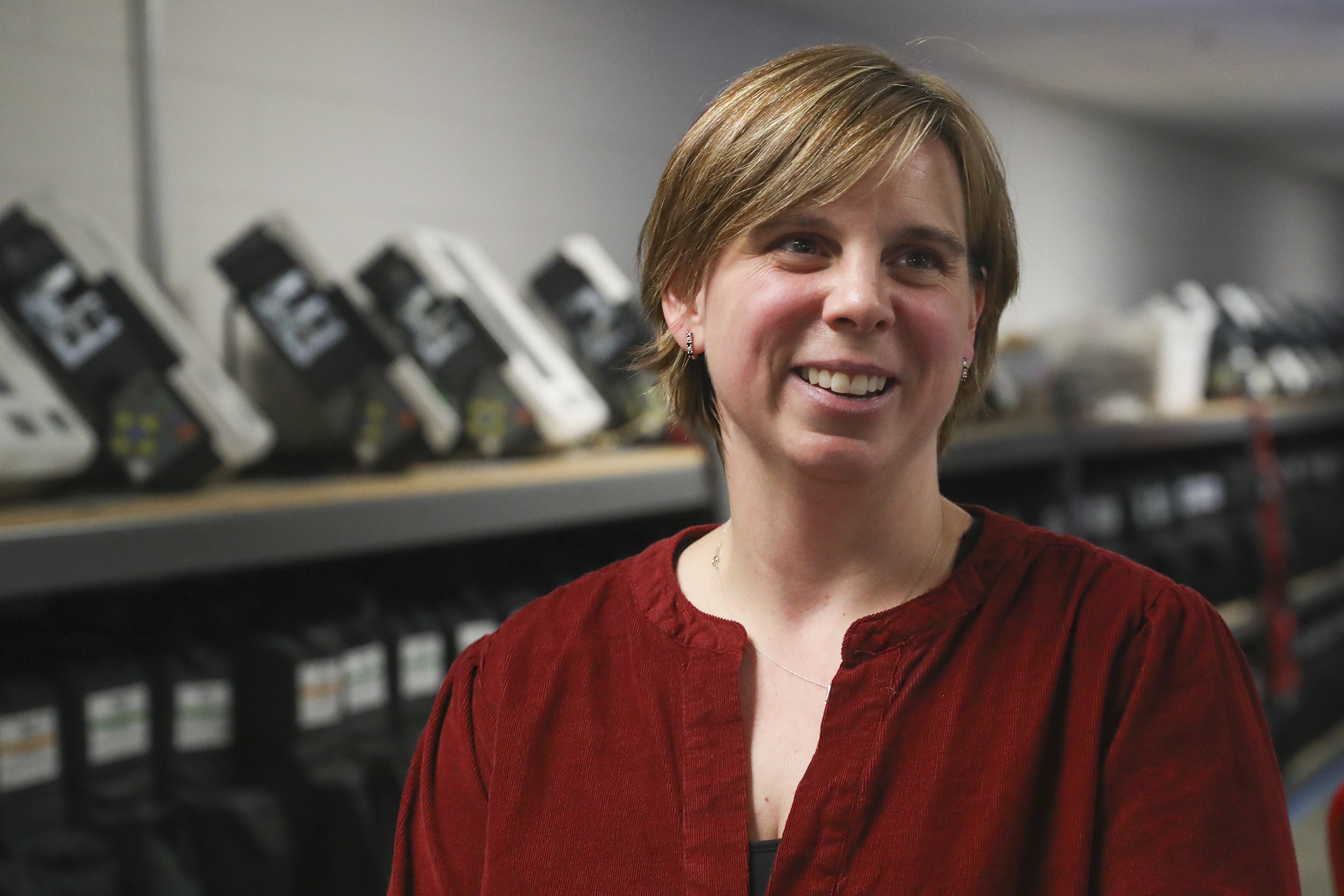
Karen Barsoum, Chester County’s director of voter services, at the Chester County Government Services Building in 2022.
The employee who filed the grievance said he feared that the attrition would leadto mistakes during the 2024 presidential election, when the eyes of the nation were on Pennsylvania.
Ultimately, everyone who wanted to vote was able to, county officials said. But the error created a chaotic scene as the county kept polls open two additional hours and more than 12,000 voters were asked to cast provisional ballots — which require more steps from election workers and voters to be counted.
The county hired a WestChester law firm to investigate how and why the poll book error occurred.
Chester County’s CEO David Byerman, the county’s top unelected official, said that turnover across all departments can be attributed to a variety of factors in the county including pay and managers.
He described working in elections today as a “pressure cooker” as a result of the political climate.
The investigation, he said, would look closely at management in the department and whether factors existed that would have hindered staff from identifying or reporting concerns.
“The very fact that we’re doing an investigation into what happened last month … indicates that we want to learn more about what happened in this particular election,” Byerman said. “Part of that investigation is looking at the performance of our management team in voter services.”
It’s unclear at this stage whether the error can be attributed to the turnover and environment in voter services, but Paul Manson, a professor at Portland State University who researches challenges faced by election workers, said the turnover seen in Chester County is unusual and alarming.
Often, Manson said, staff tends to be relatively stable in election offices because they care deeply about the work. Stressors of reduced staffing and the toxic environment described by threeformeremployees, he said, could create a dynamic that makes mistakes more likely.
“When we have these periods of turnover local election officials really sort of grit their teeth because they worry about these small errors turning into big errors,” he said.
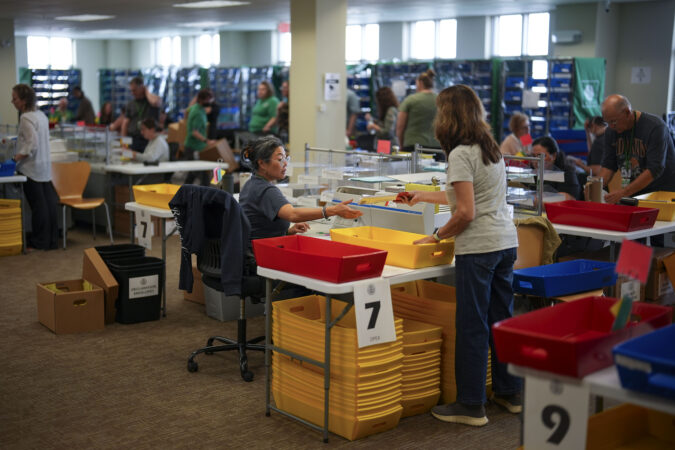
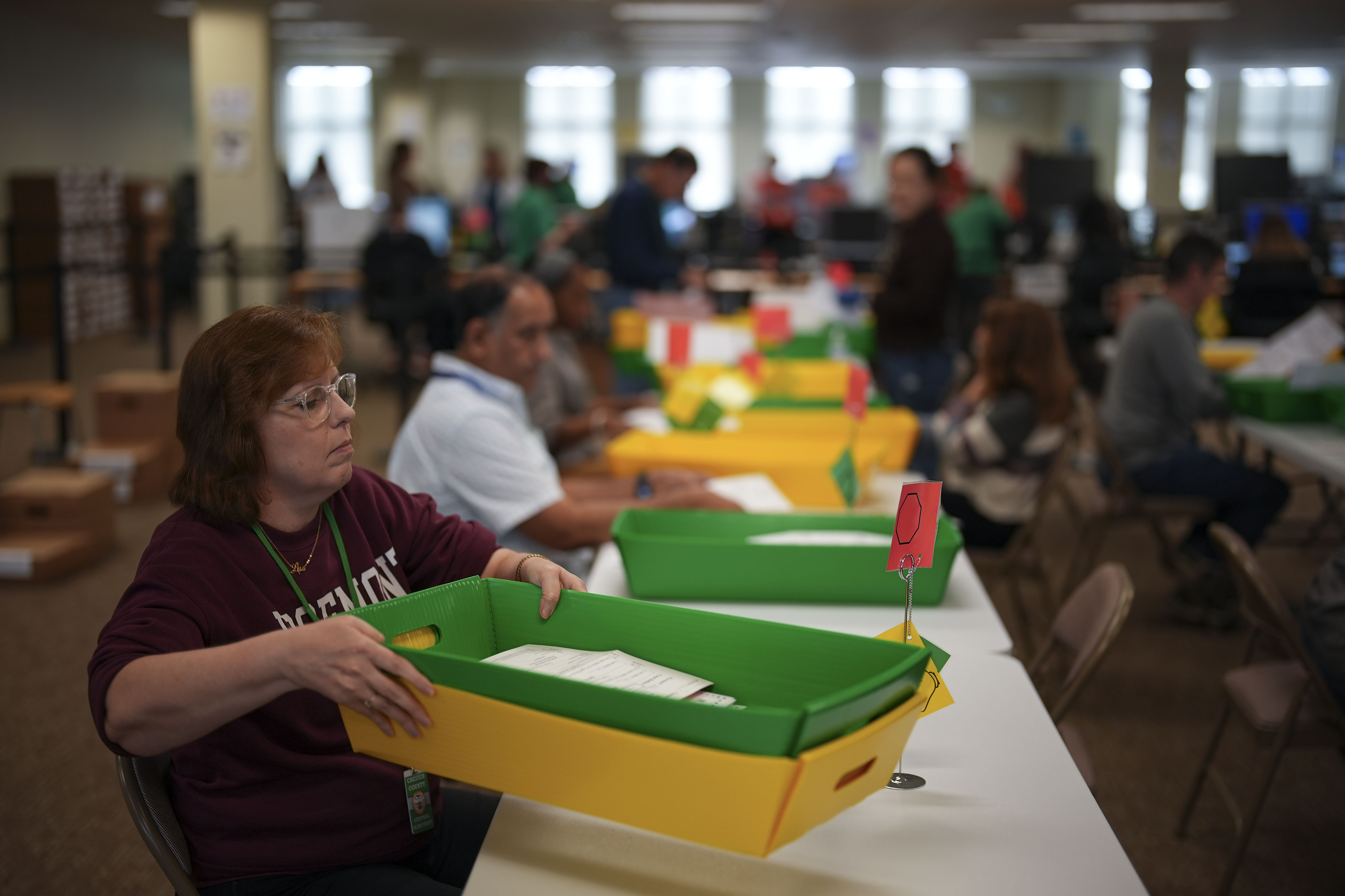
Election workers process mail ballots for the 2024 general election at the Chester County, administrative offices in West Chester. (AP Photo/Matt Slocum)
Allegations of ‘hostility’ toward staff
Barsoum, who came to Chester County from Berks County in 2021, has earned respect in the election field nationally and within Pennsylvania. Barsoum had been the assistant director in the Berks election office.
“Karen Barsoum has an extraordinary knowledge that is a resource both statewide here in Pennsylvania and has been a resource nationally. I don’t think anyone doubts her knowledge of election processes,” said Byerman, the Chester County CEO.
“At the end of the day I think any manager needs to combine two abilities. An ability to manage an office effectively and an ability to be knowledgeable and an expert.”
Byerman said each manager in the county is evaluated on these criteria regularly, but when asked whether Barsoum possessed both qualities, Byerman did not respond.
Former county employees said Barsoum’s high reputation outside Chester County did not align with what they experienced in their jobs.
The employee who filed the grievance against Barsoum said he got along with her well when she started and he received high marks on performance reviews, according to documents provided to The Inquirer.
But after a reorganization in the department in 2022, he said, he noticed that more and more staff members were leaving. The employee was promoted to a new role and during the 2022 election did that job while maintaining responsibilities from his prior role.
He said he expressed concern about being overworked and received little support in the new role. After the employee said he dropped the ball on a minor item and reported it to Barsoum, she began treating him differently.
“In Karen’s eyes you’re either 100% right or 100% wrong,” he said in an interview.
The employee filed his grievance in August of 2023 after a meeting where, he said, Barsoum listed accomplishments of staff members and refused to acknowledge any of his work.
Barsoum’s “hostility” toward him in the meeting was so noticeable, he wrote in the complaint, that eight colleagues approached him afterward to say they noticed it.
“After so many months of mistreatment and disrespect in such a hostile work environment, it eventually gets to the point that something needs to be said. If the Presidential Election were to not run smoothly next year and ChesCo voters were disenfranchised due to the Voter Services, I would forever regret not sending this grievance,” the employee wrote in his grievance.
That employee left the department the next year. He was placed on a performance-improvement plan weeks after submitting his grievance, and, after completing that plan, he was placed on another as a result of a low performance review and quit before he could be terminated.
Elizabeth Sieb, who worked at the election office for eight years before leaving in 2022, said she had similar experiences with Barsoum to those detailed in the grievance. For the past year and a half she has been telling county officials about her concerns.
In 2022, Barsoum reorganized the office to respond to the new stressors of elections and new responsibilities that come with mail voting. Since then, she said, she and staff work to evaluate after each election what worked and what didn’t so adjustments can be made.
But Sieb said Barsoum didn’t take constructive criticism well when changes were made and stifled discussion among staff members.
Sieb was fired from the department in 2022. She said she was placed on a personal-improvement plan that demanded that she seek mental health treatment and subsequently placed on a three-day unpaid suspension.
Following the suspension, Sieb said, she was directed not to speak to her colleagues if it was not directly related to her work. She said she was fired for violating that rule when she reported to a lower-level manager concerns about another manager speaking disparagingly about a job applicant in earshot of other employees.
Sieb, who at times questioned Barsoum’s decisions, said she felt that the director was threatened by long-term staff and was prone to outbursts when employees would correct her.
“She was slowly but surely wearing down and getting rid of all the people that had been there a long time,” Sieb said.
Jennifer Morrell, the CEO of the Elections Group, a company that assists local election officials, said turnover in election offices happens for a variety of reasons — including the long hours and relatively low pay civil servants receive.
She noted that training programs from state agencies and associations are designed to help prevent errors as a result of turnover and that a larger department, like Chester County, may be able to fill rolls with election workers from other counties.
“Karen is highly respected in the election community, super professional,” Morrell said. “Our hearts just ached with what happened because it could have happened to anybody.”
Commissioners respond to concerns
After leaving the department, Sieb said, she believed she suffered from PTSD related to her experience.
Beginning in 2024 she began reaching out to Republican Commissioner Eric Roe with her concerns. Roe, Sieb said, investigated the complaints and brought them to the other commissioners, Democrats Josh Maxwell and Marian D. Moskowitz. The commissioners also serve as the county’s election board.
“I have had a lot of people come to me with various concerns throughout county government, and voter services is certainly one of them,” Roe told The Inquirer, explaining that his role as minority party commissioner makes him a frequent recipient of workforce complaints.
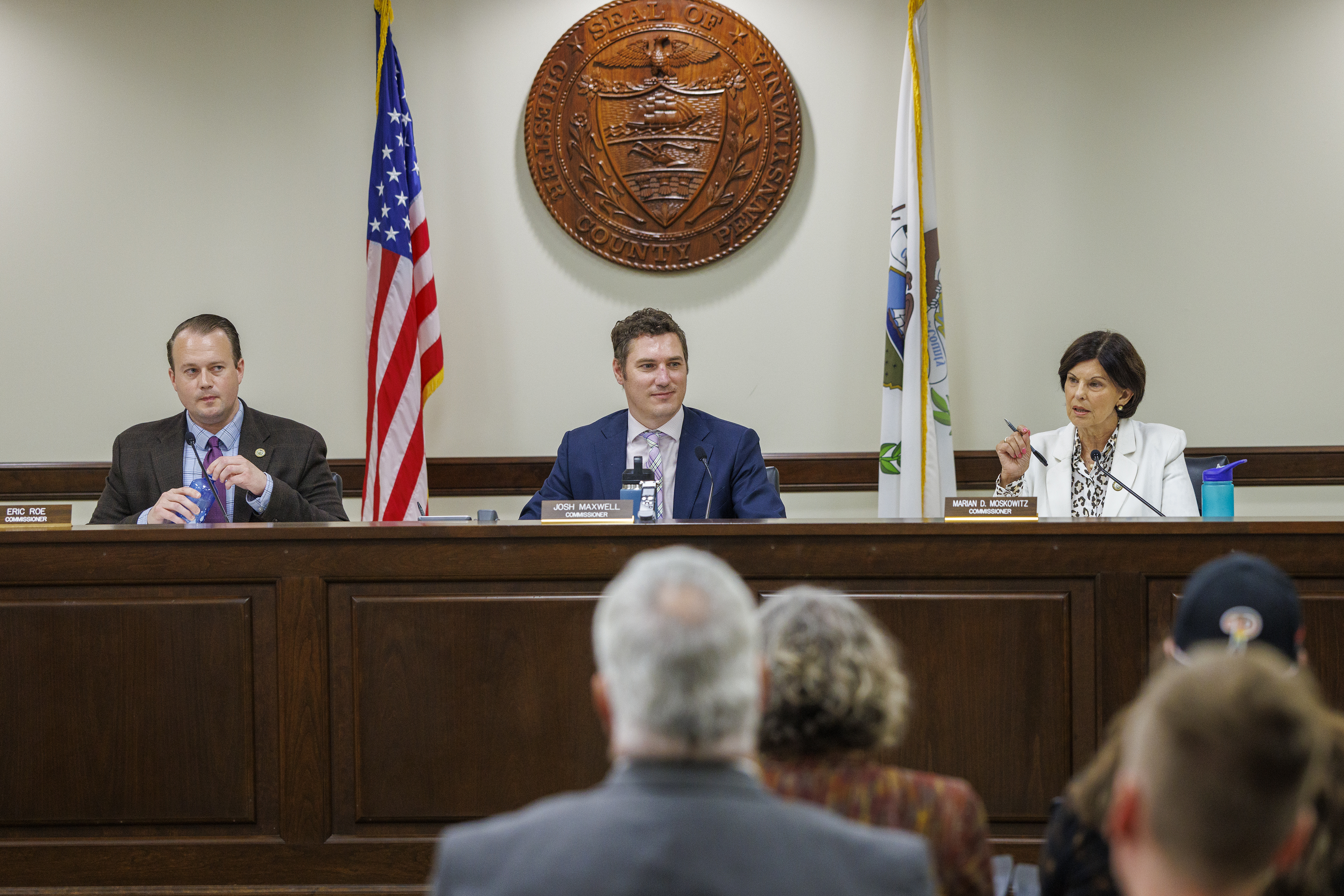
Chester County Commissioners (from left) Eric M. Roe, Josh Maxwell, and Marian D. Moskowitz at a board meeting in September.
But a year and a half later, Barsoum remained in her role and Sieb continued to hear from her former colleagues with concerns. Twice this year, Sieb went before the Chester County Election Board to raise public concerns about turnover under Barsoum.
Maxwell, who chairs the Chester County Election Board, said the county reviews reports from departments when they receive them. He said he was unable to comment on specific departments or personnel matters but said the county needed to do everything it could to support its election workers.
“We need to do a better job, I think, making sure that people feel valued. Including the folks that unfortunately we’ve lost,” he said.
Election work in Pennsylvania and elsewhere has gotten increasingly fraught. The work itself is more intense than it once was with more mail voting, and workers now deal with threats, longer hours, and a camera on them when they’re working with ballots.
“We were seen as clerical people, maybe, in the past; now we are wearing many different hats,” Barsoum said.
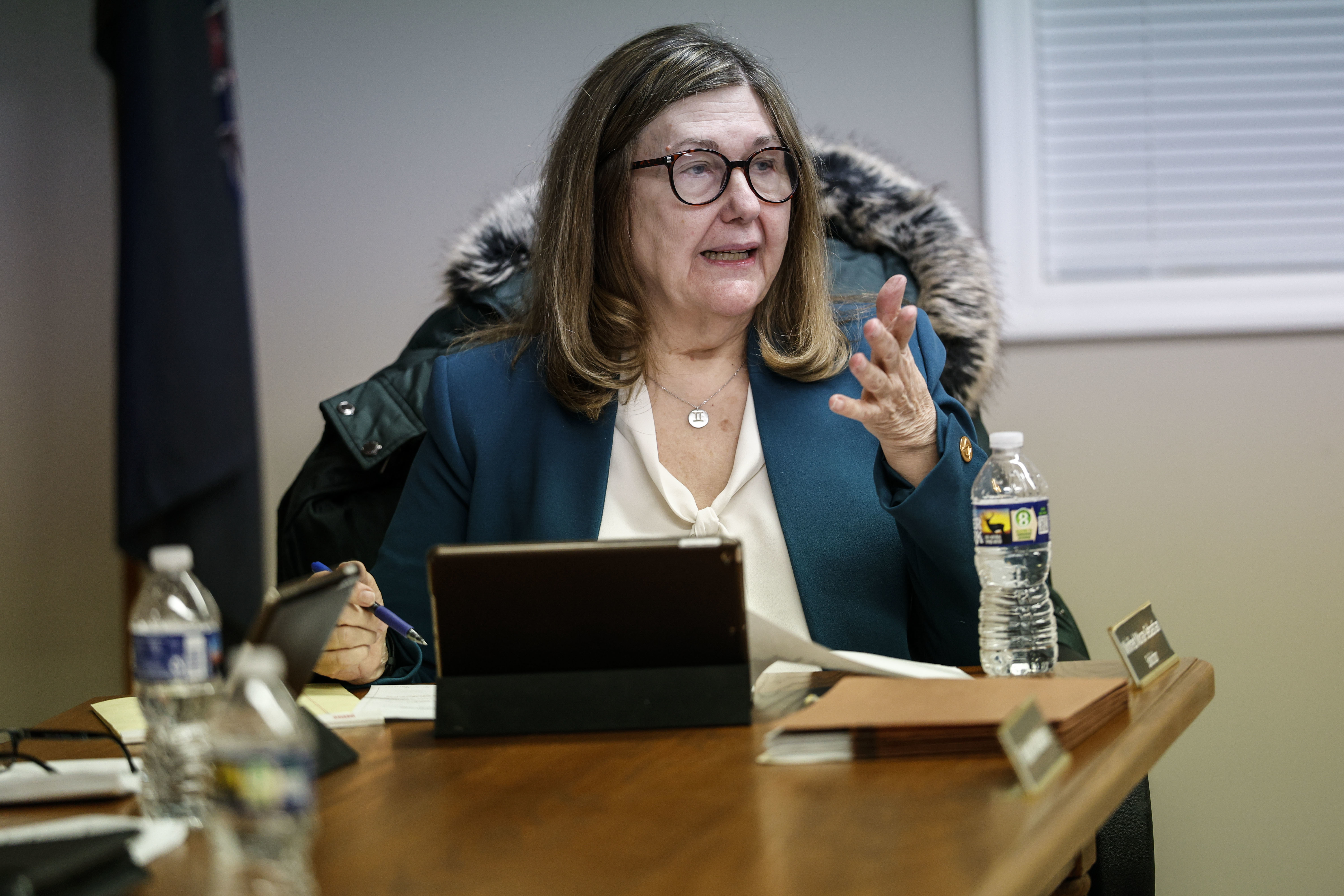
Moskowitz attributed much of the turnover in the county to burnout and noted the threats that election employees have faced in her years on the job.
Barsoum became emotional as she said she had worked to ensure that her staff had the resources they needed to feel safe, including mental health resources through the Human Resources department, team building outside election cycles, and a space for workers to step off camera.
“We can count on each other; we lean on each other. It’s a strong bond, a camaraderie,” she said.
When hiring new staffers, Barsoum said she warns them of what’s to come — that they’re not walking into a normal 9-to-5 job, that they won’t be able to plan vacations through about half of the year, and that they’ll be asked to take phone calls from irate people.
It’s a lifestyle, she said, that isn’t right for everyone — including some parents.
“If you’re leaning on a daycare and that is your sole, the go-to, it will be very hard to work in the department because there is 24/7 operations, and there are so many things that are going off and beyond the regular work schedule.”
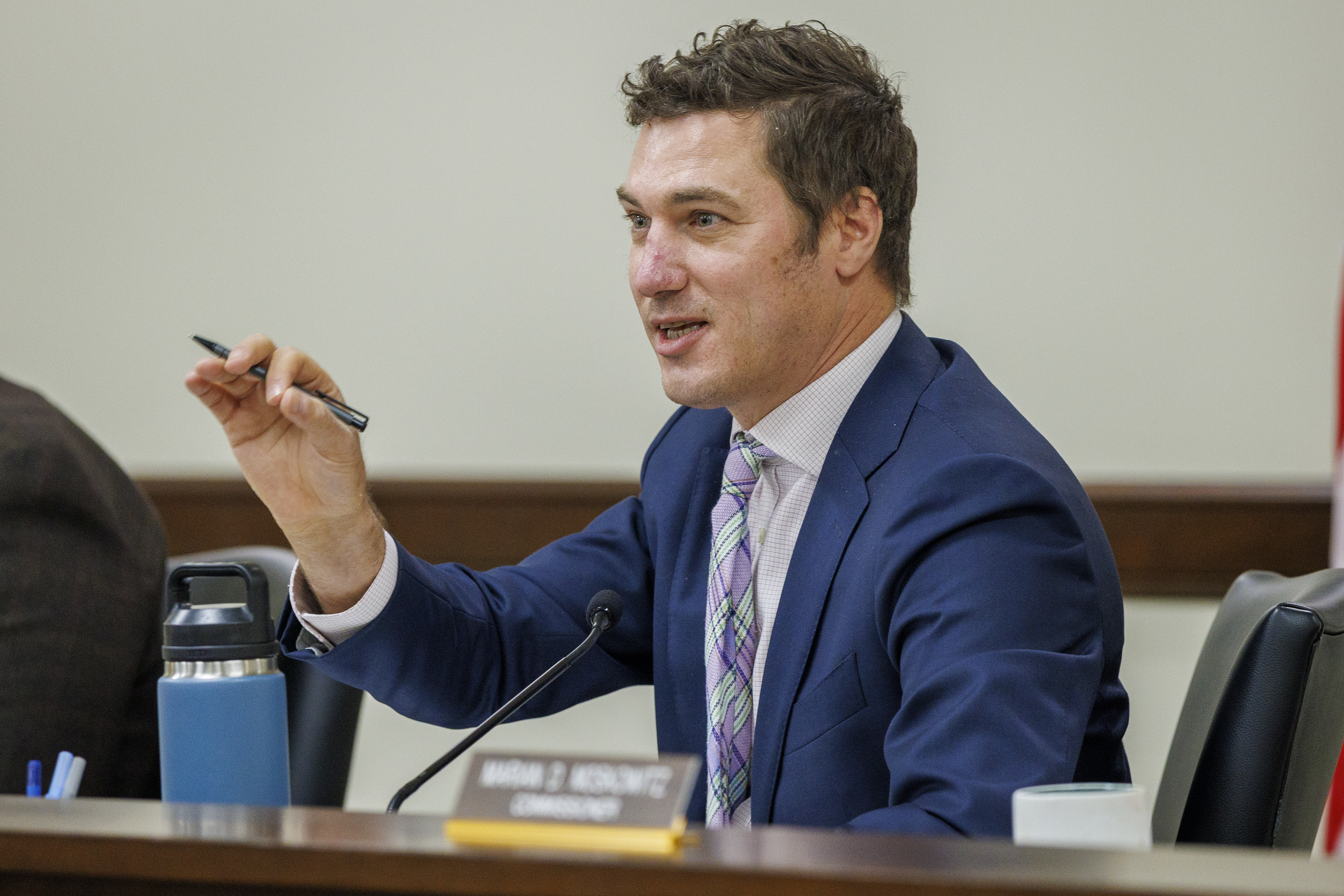
Josh Maxwell, chair of Chester County Commissioners and the county Elections Board, presides over a September commissioners meeting.
Maxwell and Moskowitz declined to comment specifically when asked if they were confident in Barsoum’s leadership, but Maxwell has repeatedly asked residents to direct their anger at November’s error at him rather than Barsoum or her staff.
“I think it’s important that we protect these folks and we empower them to make the best decisions possible,” Maxwell said at an election board meeting last week.
Speaking to The Inquirer, he reiterated that point.
“We want to make sure that people feel welcomed and empowered and are in a working environment they appreciate,” Maxwell said in an interview.
“Elections have changed so much in five years it’s not surprising to me that some people want to find something new to do.”
This suburban content is produced with support from the Leslie Miller and Richard Worley Foundation and The Lenfest Institute for Journalism. Editorial content is created independently of the project donors. Gifts to support The Inquirer’s high-impact journalism can be made at inquirer.com/donate. A list of Lenfest Institute donors can be found at lenfestinstitute.org/supporters.
As Jews around the world celebrate Hanukkah, a deadly attack in Australia has shocked Jewish communities in the Philadelphia region, leading some to increase security at services.
Authorities said two gunmen opened fire at an event on Bondi Beach in Sydney at 6:45 p.m. local time, killing at least 15 people.
Rabbi Yitzchok Kahan of the Chabad in Medford said the attack on a Chabad Hanukkah celebration in Australia was devastating.
Kahan’s son Yosef is studying in and running youth programs in Melbourne, and had communicated with one of the victims shortly before the attack. A yeshiva student who was later shot in the attack had asked Yosef Kahan to deliver menorahs to Melbourne residents, Yitzchok Kahan said.
“The fact that it comes as we Jews are beginning the holiday that conveys just the opposite of what this did — it conveys light. It conveys positivity. It conveys making a difference in a good and kind way,” Yitzchok Kahan said. “So the message we must take from it: not to capitulate to darkness, not to capitulate to hate; rather to strengthen our commitment, our dedication to who we are as Jews.”
Pennsylvania Gov. Josh Shapiro, who is Jewish, said the story of Hanukkah is “a story of resilience and strength in the face of adversity, and one that reminds us to be proud of our faith. Those lessons are so important today.”
Shapiro was the target of an assassination attempt in April, when a man set the governor’s mansion ablaze while Shapiro and his family slept, hours after celebrating Passover. Cody Balmer, who told investigators that he harbored a “hatred” for the governor, pleaded guilty to attempted murder in the attack.
On Sunday, Shapiro urged Pennsylvanians to “pray for the loved ones of those killed and for a full recovery for those injured in Australia and continue to bring light into the world.”
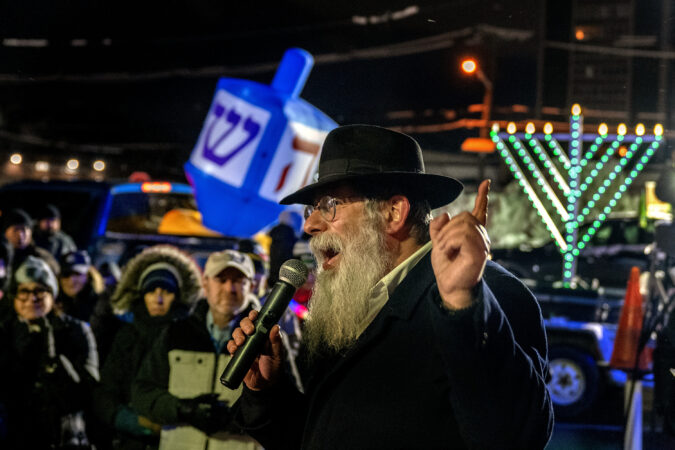
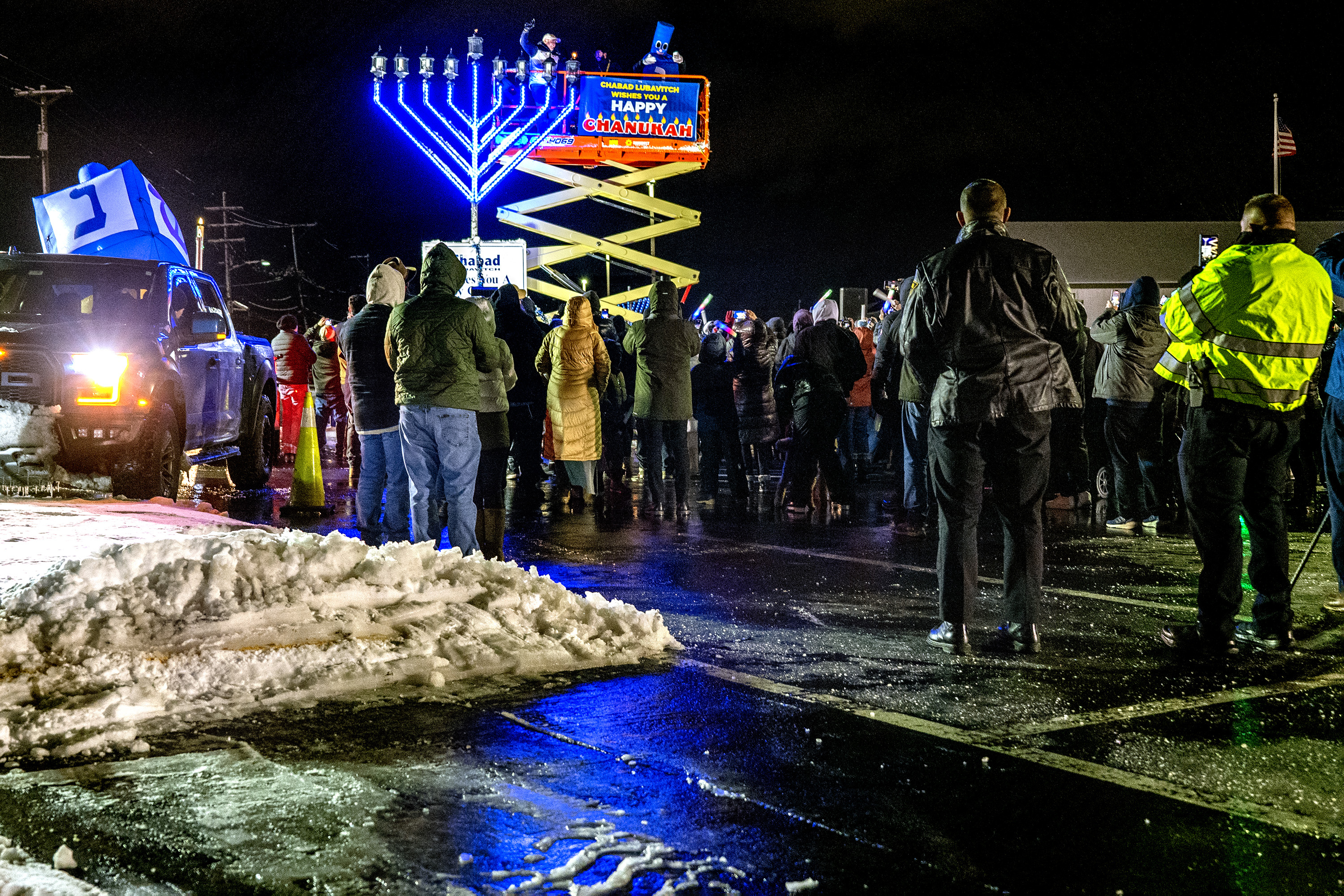
The frigid weather in Cherry Hill did not dissuade some 100 people from coming out to the Barclay Farms Shopping Center for Chabad Lubavitch of Camden County’s 32nd annual Hanukkah celebration with a menorah lighting ceremony, car parade, latkes, hot chocolate, and LED sticks.
Rabbi Mendel Mangel, founder and codirector of the Chabad, addressed the crowd of bundled-up families alongside his son Laizer Mangel and his father, Nissen Mangel, a survivor of the Holocaust who lives in Brooklyn.
“I spent two years beginning my rabbinical ordination in a yeshiva in Sydney, Australia, and I know some of those friends, some of those fellows, [whose] lives were cut short today, no different than it was 2,000 years ago,” he said, referencing the origins of the holiday. “But my friends, we know we never back down in the sight of evil. While they take out the fires of AK-47 we take out the fire of light, of holiness and goodness.”
Cherry Hill Mayor David Fleisher and other local officials joined the event as well.
“Very simply, I want you to know that we will light the menorah as a celebration,” said Fleisher. “Tonight, we will light the menorah with determination, and tonight, we will light the menorah in defiance of hate and in the belief that life will prevail.”
They prayed for the recovery of those injured in Australia.
Rabbi Laizer Mangel helped organize the event, and said it was particularly painful to learn of the attack on another Chabad, which is a Jewish outreach organization with local affiliates around the world.
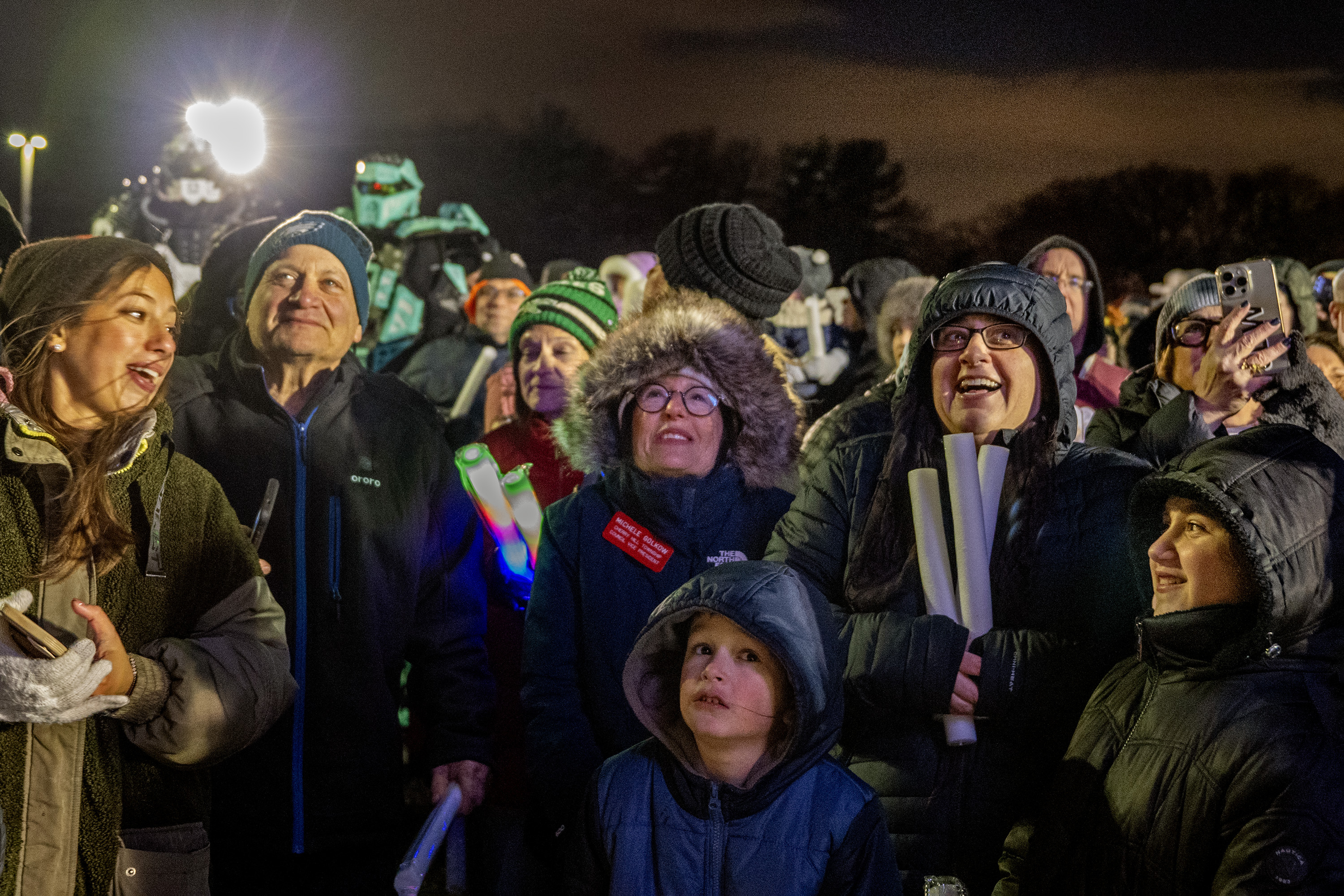
The audience watches the lighting of 18 ft. menorah by Chabad Lubavitch in Cherry Hill Sunday, Dec. 14, 2025.
Mangel said Cherry Hill police planned to provide additional security for the celebration.
The Cherry Hill Chabad has increased security over time as a result of previous antisemitic attacks, Laizer Mangel said. Its security team met Sunday to discuss taking further steps as a result of the Australia attack, though hadn’t made a final decision on what they would be, he said.
For Jonathan Bloom, 57, a Cherry Hill resident who works in finance, it was an emotional evening that brought him to tears. It was his first time attending the menorah lighting ceremony.
“There’s not a lot of Jewish people in the world, so it’s important that I show strength,” Bloom said.
Danielle Margulis, 42, a financial planner in Mount Laurel, brought her 6-year old daughter Raya to participate in the car parade for a third year in a row. They had already planned to attend, but following the Sydney events, she felt it was “even more important” to show youth “that you have to persevere,” she said.
“Light in the face of darkness is a lot of what Judaism is about,” Margulis added.
Mendel Mangel founded the Chabad Lubavitch of Camden County in 1993, shortly after he studied in Sydney in the late 1980s. One of the victims in the shooting was the son-in-law of a close mentor.
“It’s very, very painful, but you know, I’m sure I hold hands with people around the entire world — Jews, non-Jews alike — who are disgusted by this kind of evil, this absolute hatred for no reason,” said Mendel Mangel. “In a day like today, when there’s so much darkness, in the last year, too, and the pain and the suffering, evil, and cruelty — the message is that light can dispel all of that.
“I would add how proud I am of our community to come out and celebrate. It’s very impressive to see that we all get together and hold hands and support each other, and generations support each other. We’ve overcome hardships in the past, and we will overcome hardships again.”
An 18 ft. menorah is lighted for Hanukkah by Chabad Lubavitch in Cherry Hill Sunday, Dec. 14, 2025.
New Jersey Gov. Phil Murphy said in a statement he was horrified by the attack, adding that antisemitism is a growing global problem that must be condemned forcefully and unequivocally.
Murphy said that while there were no specific threats to New Jersey at this time, “out of an abundance of caution, we are boosting security at synagogues and community Hanukkah celebrations throughout the state.”
Murphy directed state officials to meet Sunday with rabbis concerned about the safety and security of their houses of worship.
The Jewish Federation of Greater Philadelphia said in a statement it and other Jewish federations were “on full alert” for holiday celebrations in their communities, and working with local law enforcement.
“We will use every tool at our disposal to make sure our communities are safe and that our lights burn all the brighter,” the statement read.
In Montgomery County, Chabad of Penn Wynne planned a menorah lighting Sunday at the Penn Wynne Library.
“Darkness does not win by force — it loses when light appears,” said Rabbi Moshe Brennan.
A Philadelphia city police spokesperson said the department is actively monitoring the situation after the Australia attack, and maintaining communication with law enforcement partners.
“We will continue to be vigilant in safeguarding our local Jewish places of worship to ensure the safety of all community members,” the spokesperson said, adding that there is no known connection to Philadelphia with the attack.
Staff writer Gillian McGoldrick contributed to this report.
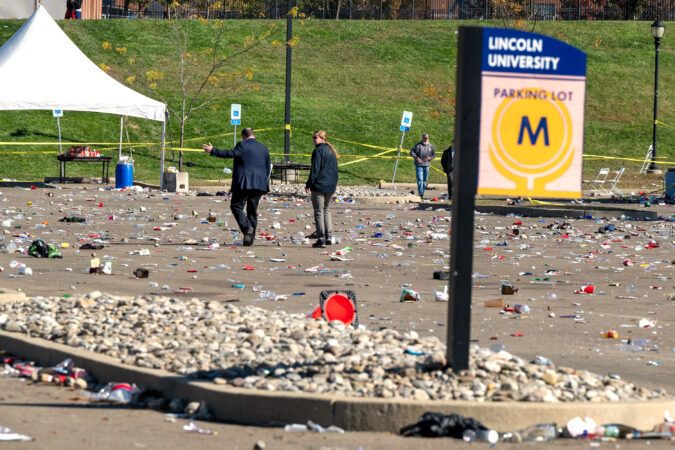
AfterLincoln University’s homecoming in October ended with seven people shot, including one killed, the rural Chester County township where the school is located plans to pass new regulations on large events.
Several officials in Lower Oxford Township said there have been ongoing problems with parking, trash on neighbors’ lawns, disturbances and, in some cases, crime when the 1,650-student university hosts events. After the Oct. 25 shooting, when thousands of people gathered for homecoming, emergency personnel had to use all-terrain vehicles to transport patients on stretchers because ambulances could not access the campus, given how many cars were parked around the venue, they said.
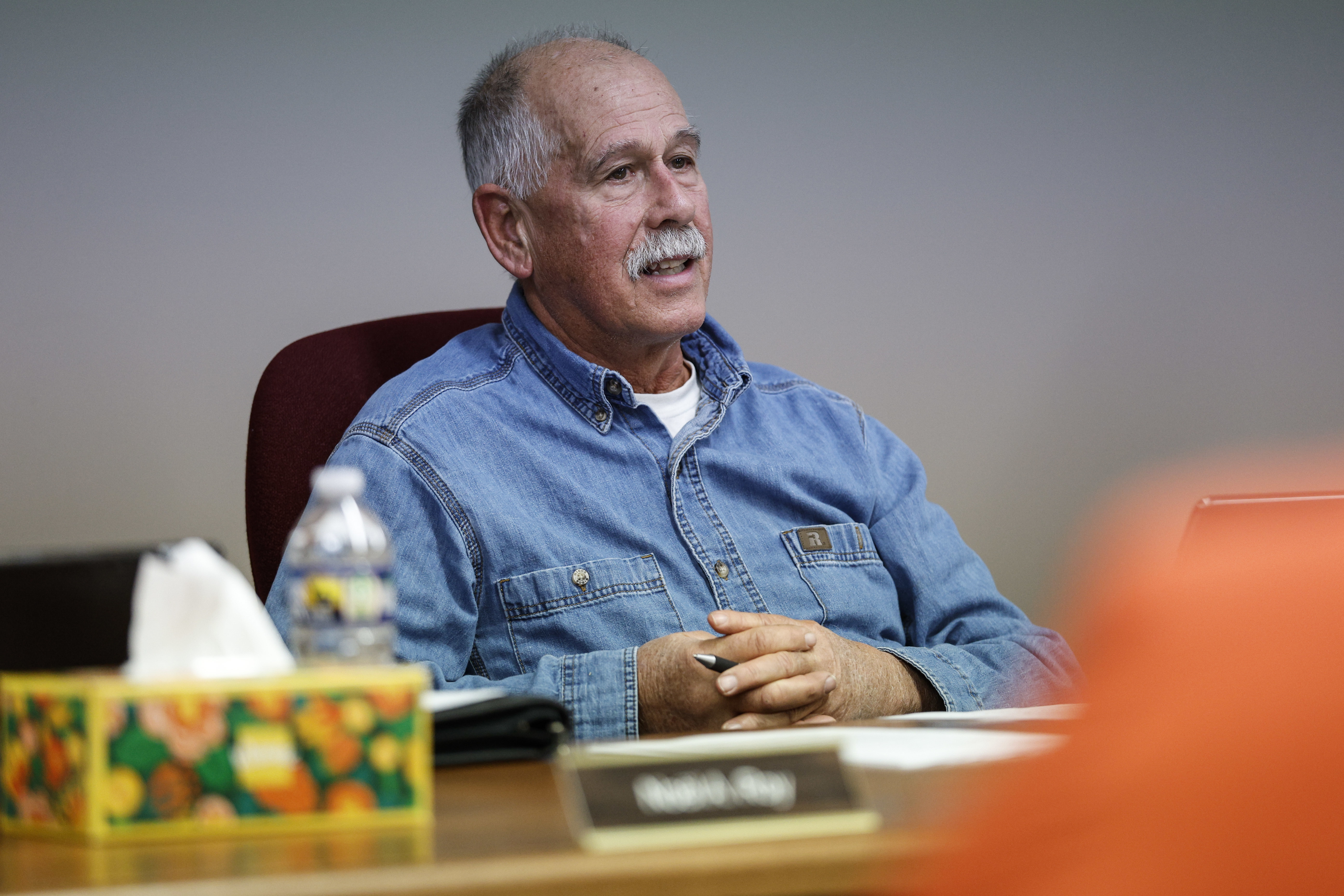
“We have had meetings with people at Lincoln,” said township supervisor Noel Roy, who oversees emergency management. “They’ve been somewhat reluctant to do what needs to be done to try and control the situation.”
Lincoln University has declined to answer specific questions from The Inquirer, but President Brenda Allen at a board of trustees meeting last month acknowledged that changes were needed, especially around the school’s large events, and that the school has to do a better job of collaborating with the township.
“Our top priority remains the safety of our students, faculty, staff, alumni, and community,” the school said in a statement to The Inquirer Thursday. “The university continues to refine our safety measures and protocols.”
At a township supervisors meeting this week, university officials pledged to work with the township.
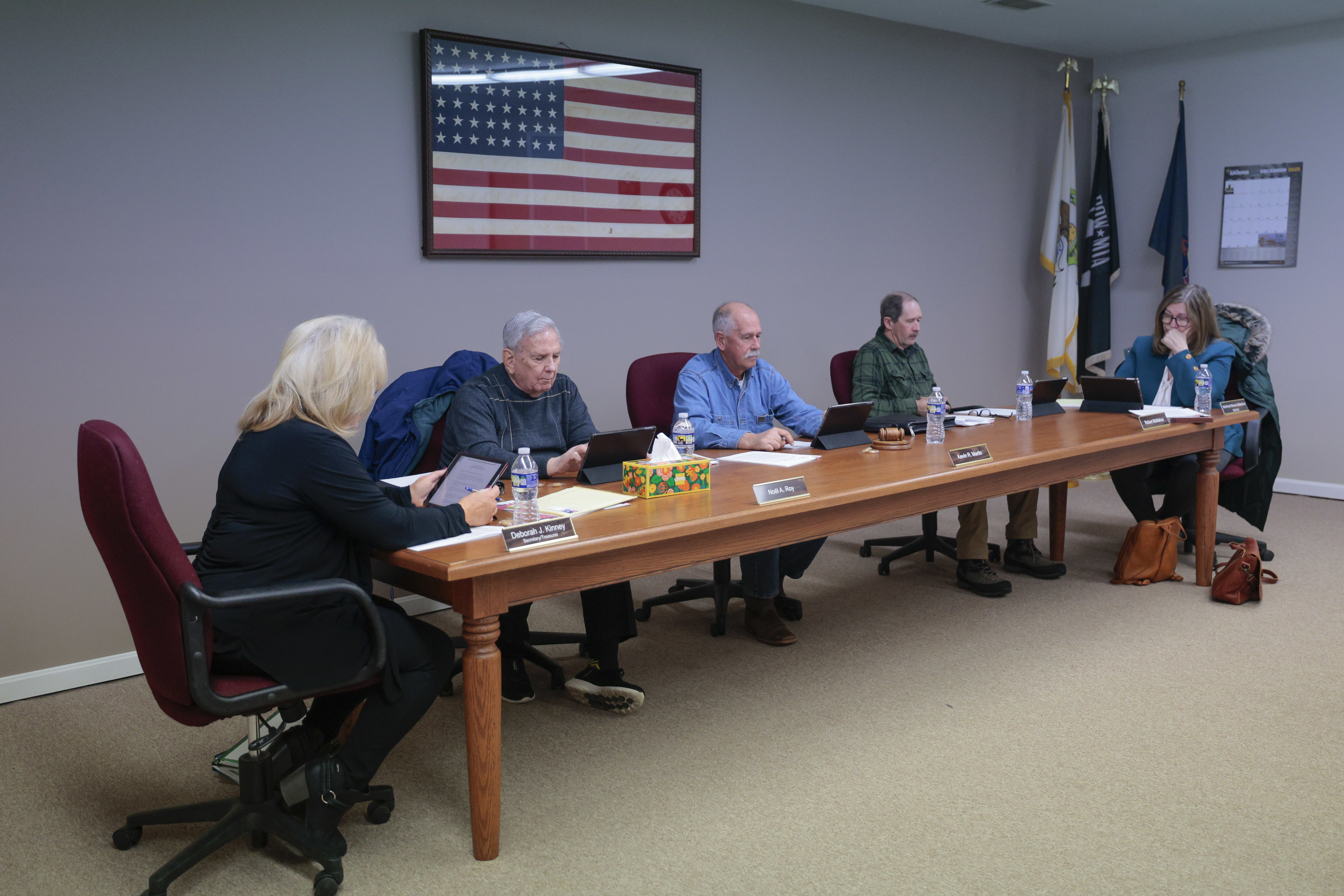
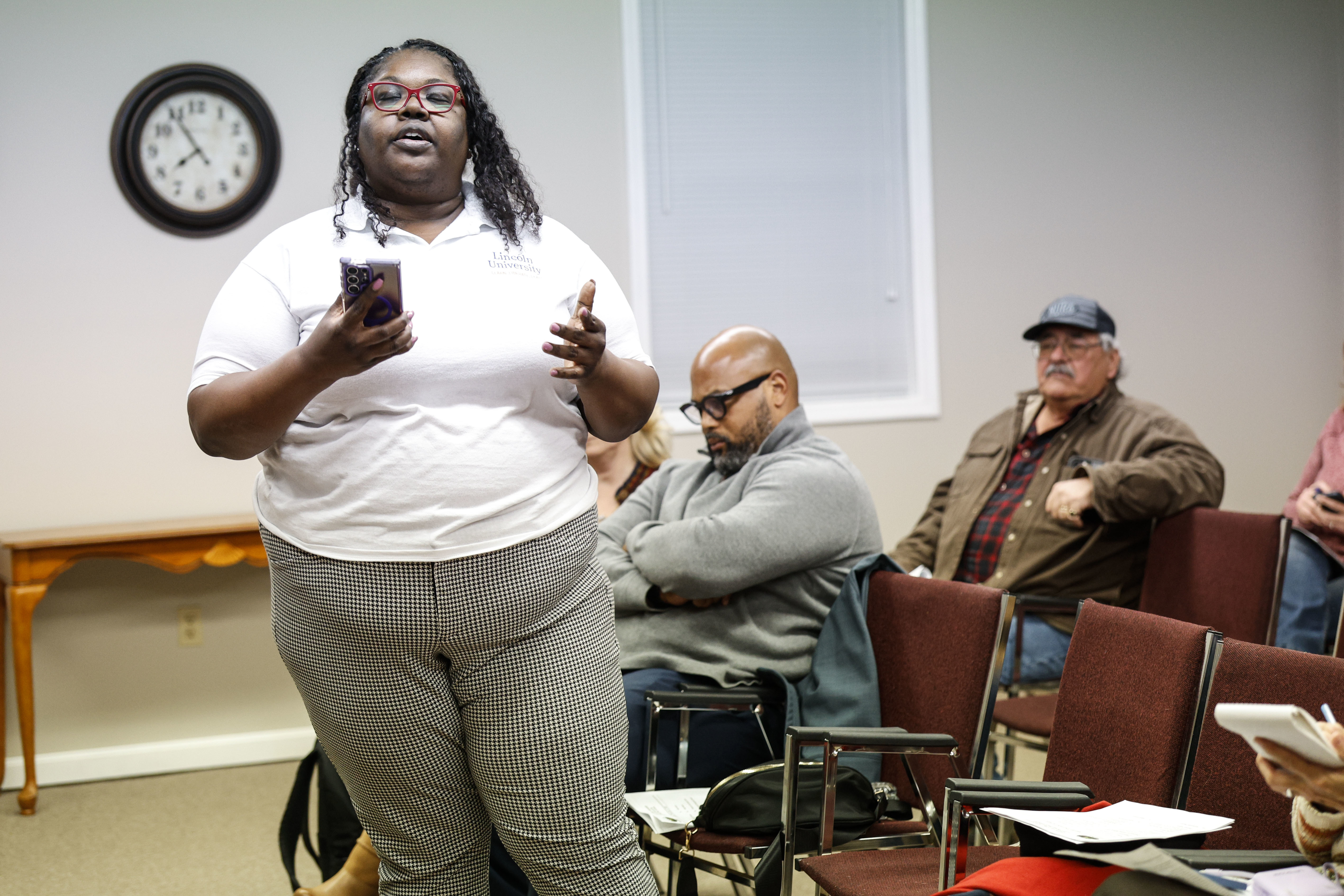
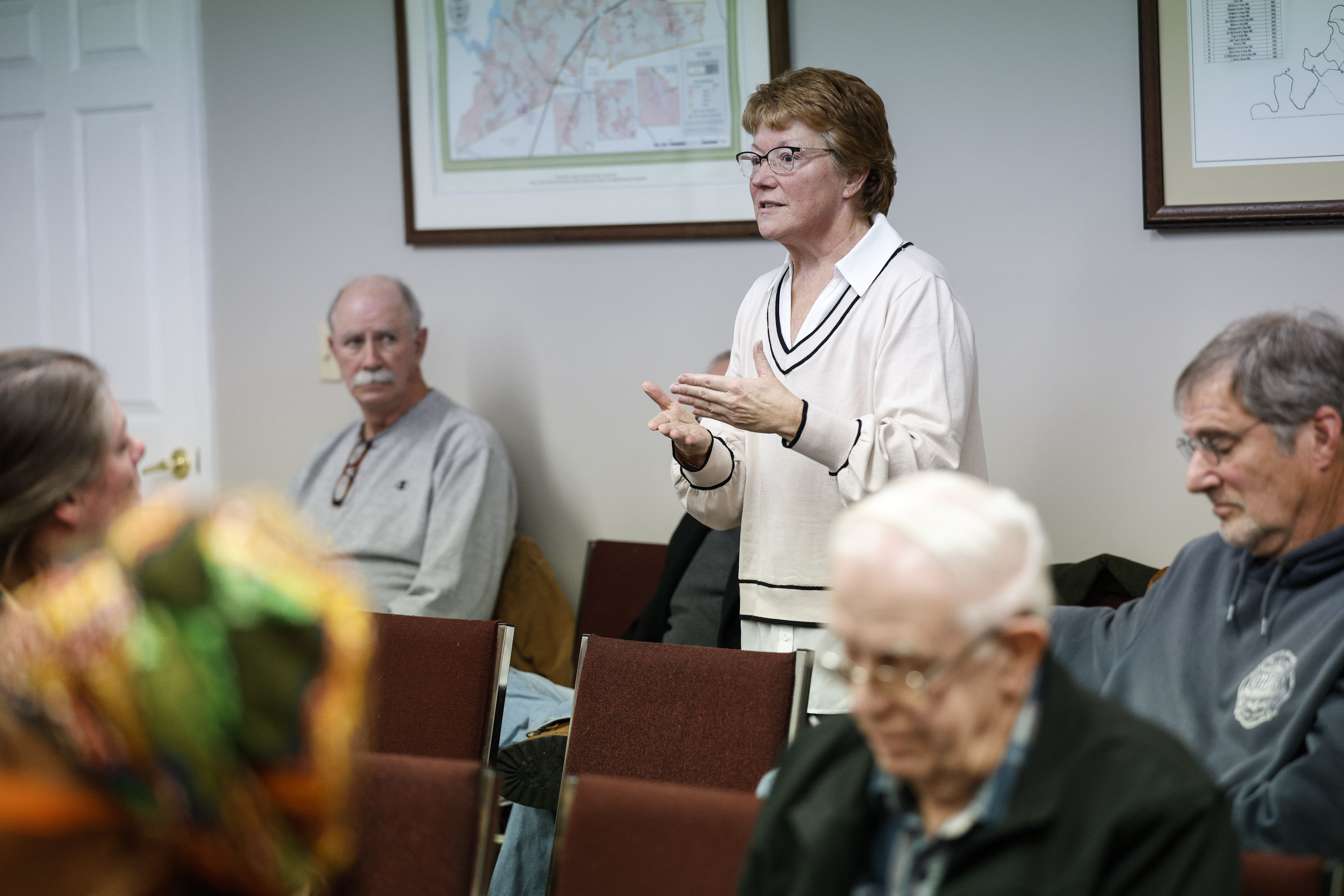
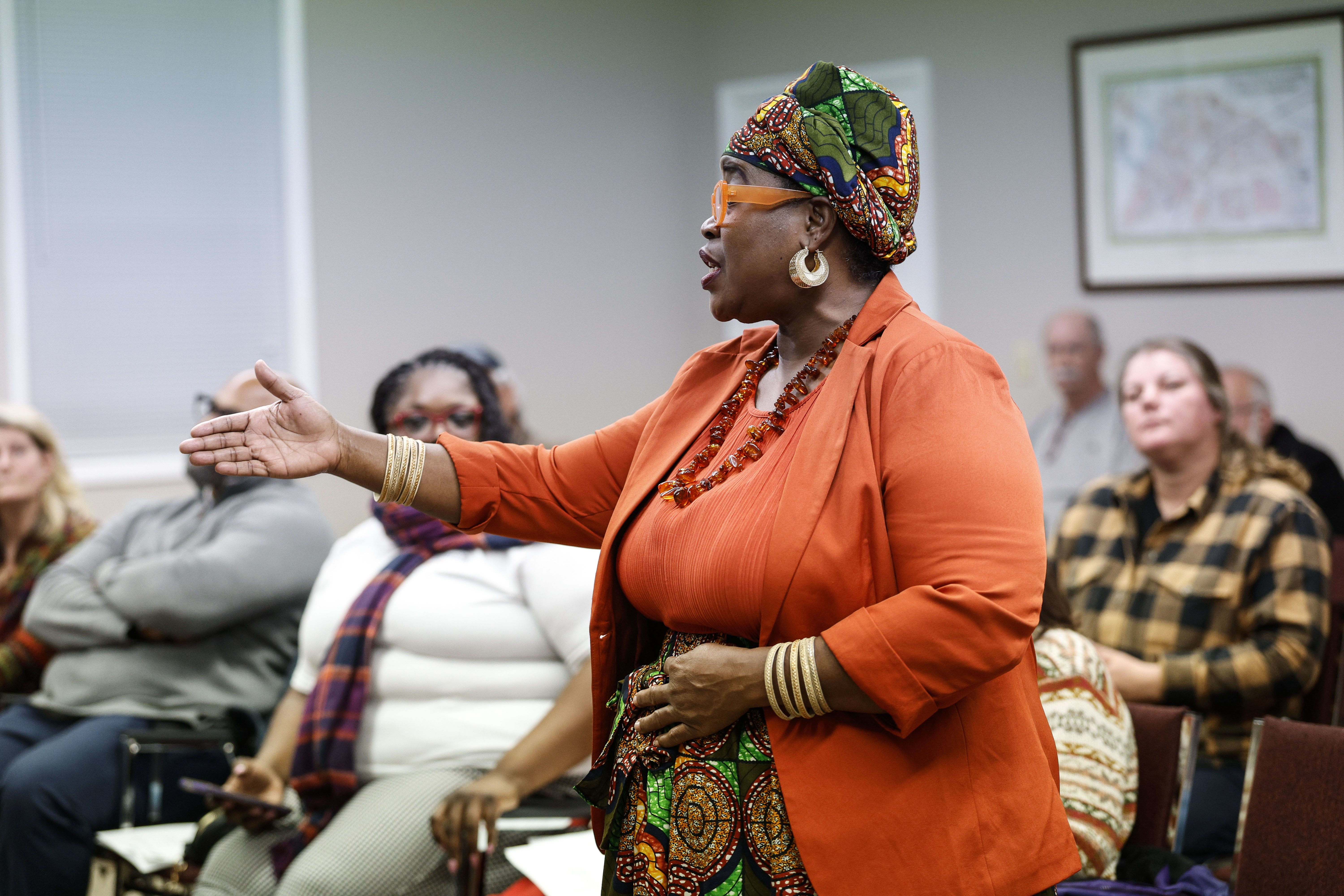
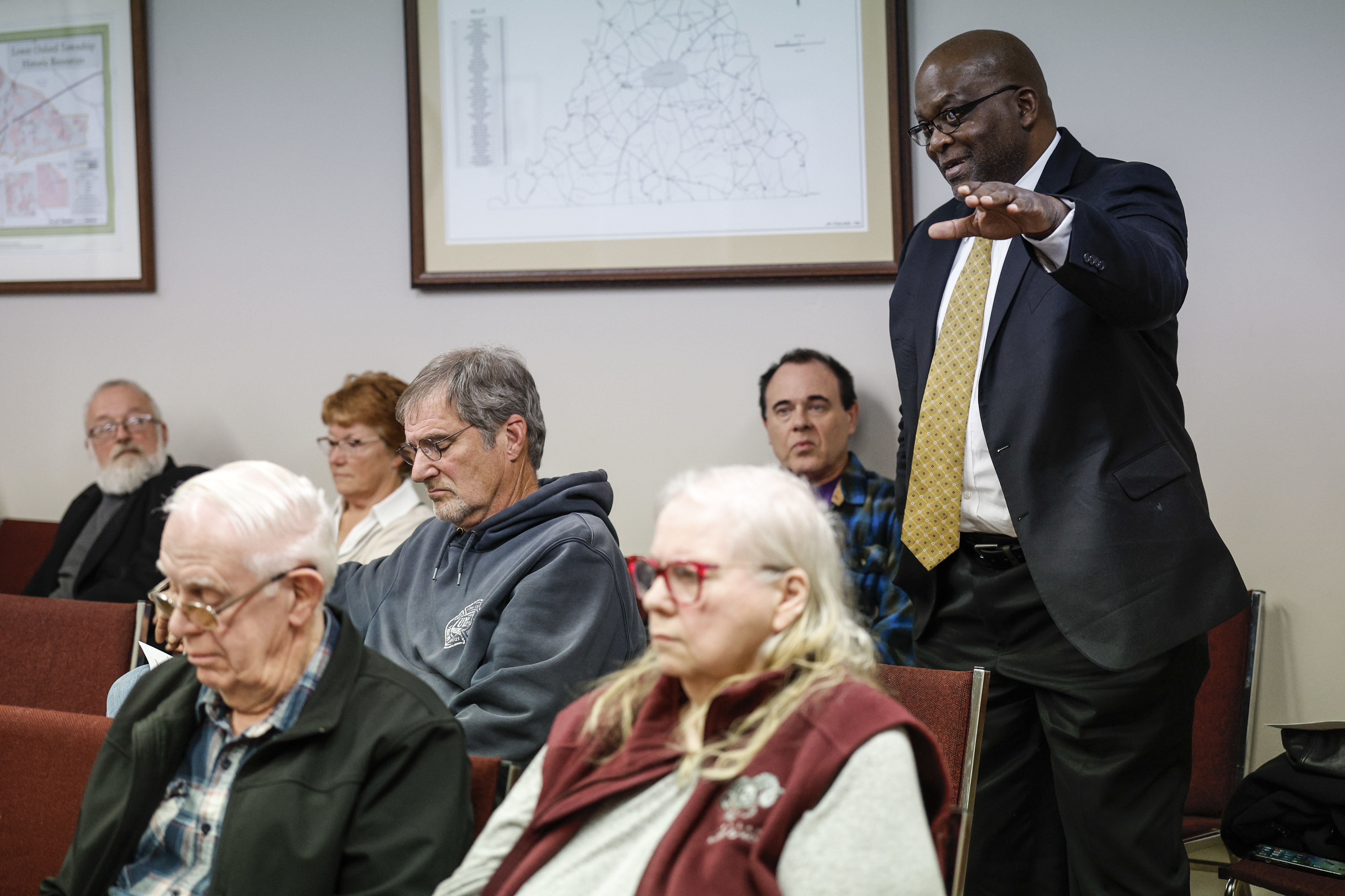
Lower Oxford Township officials meet and discuss a potential large event ordinance following the homecoming shooting at Lincoln University.
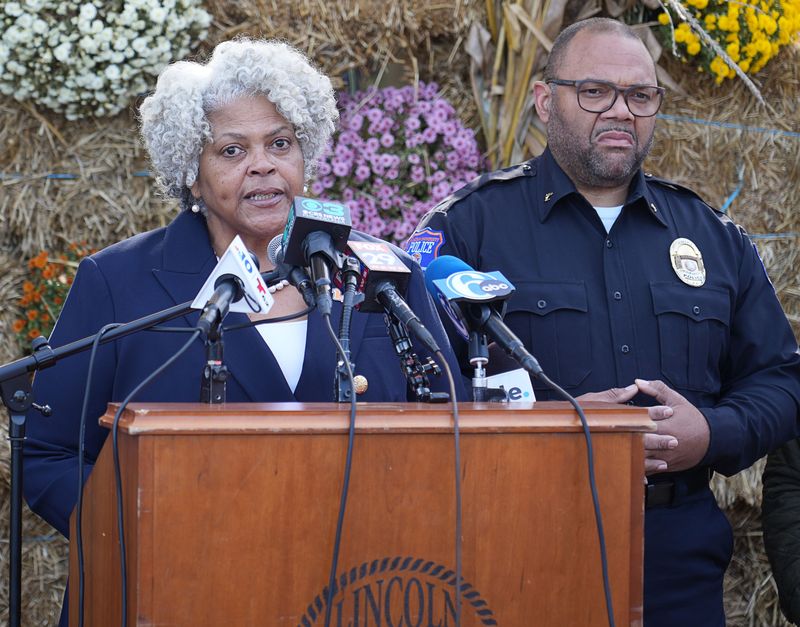
“We want to come together because we are a part of this community as well,” said Venus Boston, Lincoln’s general counsel.
Yeda Arscott, Lincoln’s associate vice president of facilities and program management, told supervisors the university is considering several steps to improve safety, including ending all outside events at dusk, eliminating open invitations, requiring guest registration, and canceling large events such as Spring Fling. The school also is looking at parking and safety protocols, she said.
Yeda Arscott, associate vice president director of facilities and program management at Lincoln, speaks at the Lower Oxford Township meeting and shares actions the university is considering following the homecoming shooting.
“This shows real commitment,” said Arscott, who lives five minutes from Lincoln, “but real safety requires joint planning between the township, Lincoln, other major businesses, our neighbors, and emergency services.”
Township and Lincoln officials said they plan to meet privately to discuss solutions.
“Our goal is to work with Lincoln to make this better,” said Kevin R. Martin, chairman of the board of supervisors. “We need to think this through, but we also have a sense of urgency because it does affect our community.”
Kevin R Martin, chairman of the township supervisors, said the township wants to work with Lincoln on improvements.
Chester County Commissioner Josh Maxwell said county officialsand the university also will meet in January to discuss best practices for emergency services and student and community safety.
“It’s important that the kids feel safe,” said Maxwell, who also is an adjunct professor at Lincoln. “No one wants this to ever happen again.”
The shooting remains under investigation.Jujuan Jeffers, 20, of Wilmington, was killed, and six others, ages 20 to 25, including a student, were also shot. Zecqueous Morgan-Thompson, 21, of Wilmington, was charged with possessing a concealed firearm without a license. Neither Jeffers nor Morgan-Thompson have any known connection to Lincoln.
Arscott also urged township leaders to “broaden the conversation beyond event permits” and look to address the problem of gun violence.
“We were a victim, too,” Boston said.
“We were a victim, too,” said Venus Boston, Lincoln University’s general counsel.
Tensions with neighbors
The proposed township ordinance would require those seeking to hold special events to apply for a permit 30 days in advance and outline how they will control the number of guests, traffic, alcohol, and security, said township solicitor Winifred Moran-Sebastian. The township couldapprove or reject applications.
Township supervisors last spring passed a parking ordinance to cope with access problems created during past large events at Lincoln, but parking at homecoming still led to issues for emergency responders.
Several residents who attended this week’smeeting were skeptical of Lincoln’s intent to make improvements and called for larger fines than the $1,000 proposed in the ordinance.
Vanessa Ross lives about a half a mile from campus and said she was afraid for her family the night of the homecoming shooting. She spoke at the Lower Oxford Township supervisors meeting.
“I feel my life is in jeopardy with how things are being currently managed,” said Lincoln neighbor Celestine Getty, fearing what could happen if vehicles were unable to get to her house in the event of an emergency.
Vanessa Ross, who has lived about a half mile from Lincoln for 14 years, said crime and disruption have happened at large Lincoln events for half those years.
“There is no excuse whatsoever why the college cannot increase their police force and install the metal detectors that are necessary,” she said. “I can’t even go see Barry Manilow in Philadelphia without going through a metal detector.”
Founded in 1854, Lincoln is known as the first degree-granting historically Black university in the nation. Its 429 acres are nestled in a township of farm fields with a little over 5,000 residents, the majority of them white. Racial tensions have come into play over the years, with township residents saying they have been unfairly accused of racism for raising safety issues.
Allen, the Lincoln president, has not pointed to racism as a factor in the conversations about safety, said Boston, the university’s solicitor.
A storied institution with recent safety issues
Lincoln has a storied history. The first presidents of both Nigeria and Ghana are Lincoln graduates, as are Philadelphia Mayor Cherelle L. Parker, former U.S. Supreme Court Justice Thurgood Marshall, and poet Langston Hughes.
The school hasreceived $45 million in gifts fromphilanthropist MacKenzie Scott, ex-wife of Jeff Bezos. And Allen, who in 2020 had survived an internal battle to oust her and had her contract extended to 2030, was named a top historically Black college leader by a national nonprofitin 2021.
But over the last decade, the university has struggled with safety issues.
In spring 2023, two women were shot and injured on Lincoln’s campus during its annual Spring Fling event. In 2022, a student was fatally stabbed during a fight inside a dorm by the sister of a student. During an on-campus dance in 2018, 15 students were taken to the hospital following a brawl in which a security officer was assaulted. In 2016, there was a robbery and shooting on Lincoln’s campus following homecoming. And in 2015, Lincoln tightened security after shots were fired in a dorm.
Some residents said it’s time for the township to put in additional controls.
“We can no longer wait and see or hope the university will simply do the right thing,” said Andrew Cope, who lived near Lincoln for nearly two decades and still owns property there. “The pattern is too long, the consequences too severe, and the community’s trust too damaged.”
Carmina Taylor, former president of Lincoln parents association, addresses the Lower Oxford Township supervisors.
Carmina Taylor, who led Lincoln’s parent association from 2013 to 2016, said she has had longstanding safety concerns.
When a student was killed in the dorm in 2022, Taylor told The Inquirer she had previously sounded the alarm: “I had said, ‘If Lincoln doesn’t do something, we’re going to have a death on campus.’”
The university’s response to the homecoming shooting, said Taylor, who got a master’s degree from Lincoln in 2011 and whose son graduated from Lincoln in 2016, is “beyond fluff.”
“Until someone does something from the outside to bind them,” she said, nothing will change.
Security expert Brian Higgins said measures, including controlled entrances and screening of guests with hand-held wands, metal detectors or bag checks, are typically used for large crowd events. He acknowledged that imposing strict guest screening may not create the welcoming, upbeat environment characteristic of college homecomings.
“But in light of what happened, it’s very prudent to do so,” said Higgins, president of Group 77, a public safety and security consulting firm, based in the New York metro area.
Higgins, whosecompany has colleges among its clients, said drones increasingly are being usedas part of safety monitoring at large events. Traffic control measures and the setting of crowd size limits are other issues the school should consider, he said.
Anthony Floyd, a former police chief at Lincoln and a Philadelphia city police officer for about 20 years, said the university’s police chief and president should attend every township meeting and work more closely with the township on addressing safety issues.
Anthony Floyd Jr., who was police chief at Lincoln in 2013 and also had been a Philadelphia city cop, told the supervisors at the meeting that better coordination is needed between the community and the university. The school’s police chief and president should attend the supervisor meetings every month, give updates on safety and security, and be held accountable, he said.
Lincoln says it’s working on changes
Last month at a Lincoln board of trustees meeting, Allen, the president, said the campus had been focused on restoring a sense of safety for students and making sure they and staff had counseling support. Allen, a 1981 Lincoln graduate who has led the school since 2017, said the university was examining “safety protocols, parking, traffic, registration for guests,” and the process for inviting guests as part of its review process.
Lincoln University President Brenda A. Allen (left) announces plans for an after action review following the homecoming shooting.
Allen said the university is seeking feedback from the student government association and faculty and staff.
Roy, one of the township supervisors, saidparking restrictions put into place earlier this yearwere not heeded, and the township had to tow 60 cars the night of the homecoming shooting.
“Every time they towed a car, another car would pull into that space,” he said.
An event that would draw 10,000 people to a township with half that population and no police force is concerning, said Moran-Sebastian, the township solicitor. Lower Oxford relies on Pennsylvania State Police for law enforcement. For the homecoming event, the university requested state police, but only got two, Arscott, the facilities’ head, said.
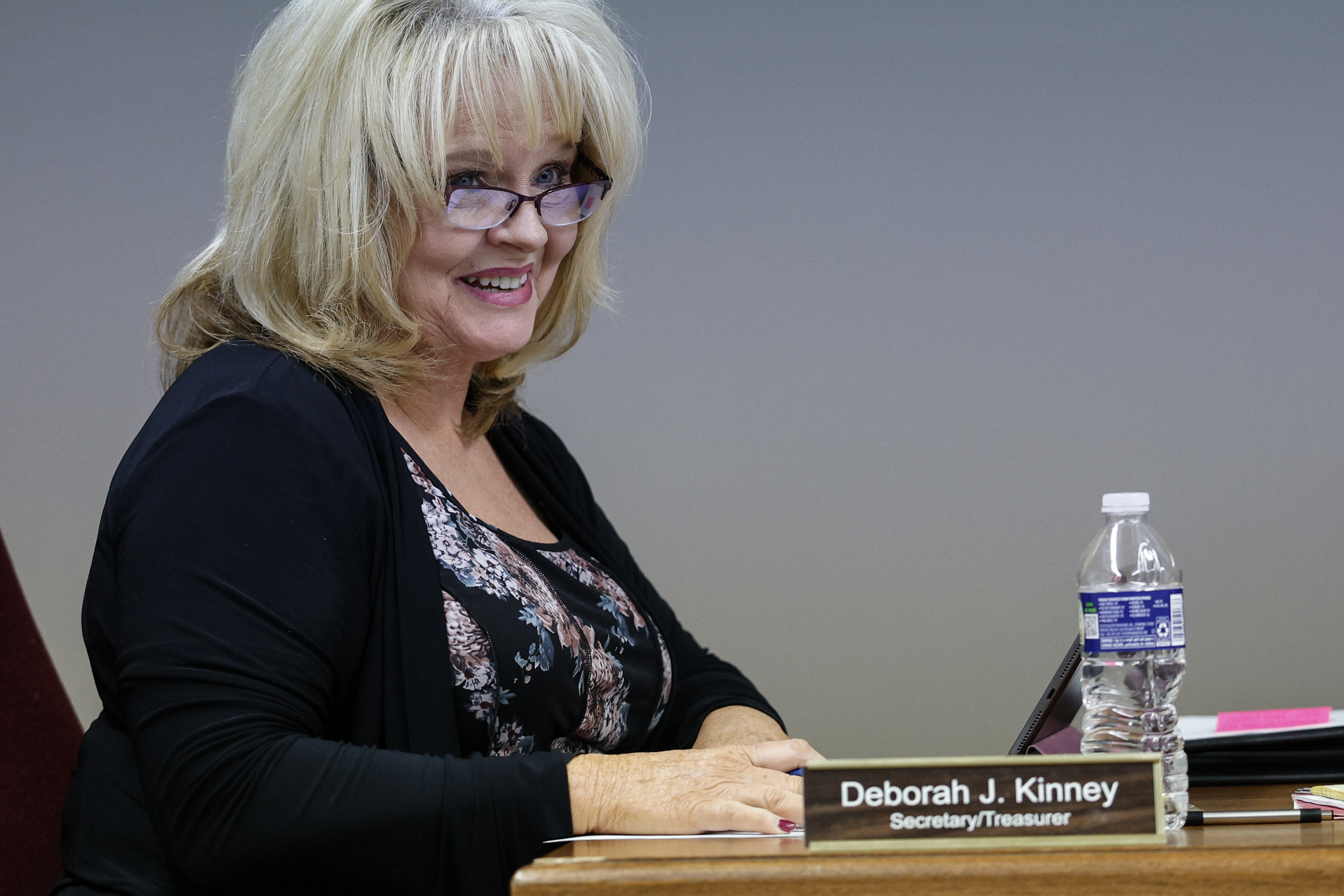
Deborah J Kinney, secretary/treasurer and code enforcement officer, listens during the Lower Oxford Township supervisors meeting.
Township officials have been frustrated with the responses from Lincoln in the past. When a meeting was held in November 2024 to discuss parking-related problems during the previous Spring Fling event, Allen said she didn’t need the township’s help, said Deborah Kinney, township secretary/treasurer and codes enforcement officer. Kinney said she had suggested an event process that would have included a plan for parking.
“So we decided we needed to be proactive on our end, not just for our residents but for their students,” Kinney said. “It’s not the students. It’s the outside influences that are coming in to these events.”
She also said that in 2024, Lincoln accounted for 183, or 26%, of the township’s emergency calls.
Winfred Moran-Sebastian, Lower Oxford Township solicitor, outlines the proposed ordinance to regulate large events in the township. The ordinance is still under draft.
Veronica Carr, a 2016 Lincoln alumna, said she had been concerned about safety when she was a student, and conditions seem to have gotten worse. She did not attend homecoming.
Carr, who works for an African American heritage consulting firm and lives in North Carolina, said she is concerned that two people have been killed on the campus in less than four years.
While you may be familiar with kombucha’s benefits for your gut, one brewer is determined to show that the beverage and its byproducts can also make for excellent skincare.
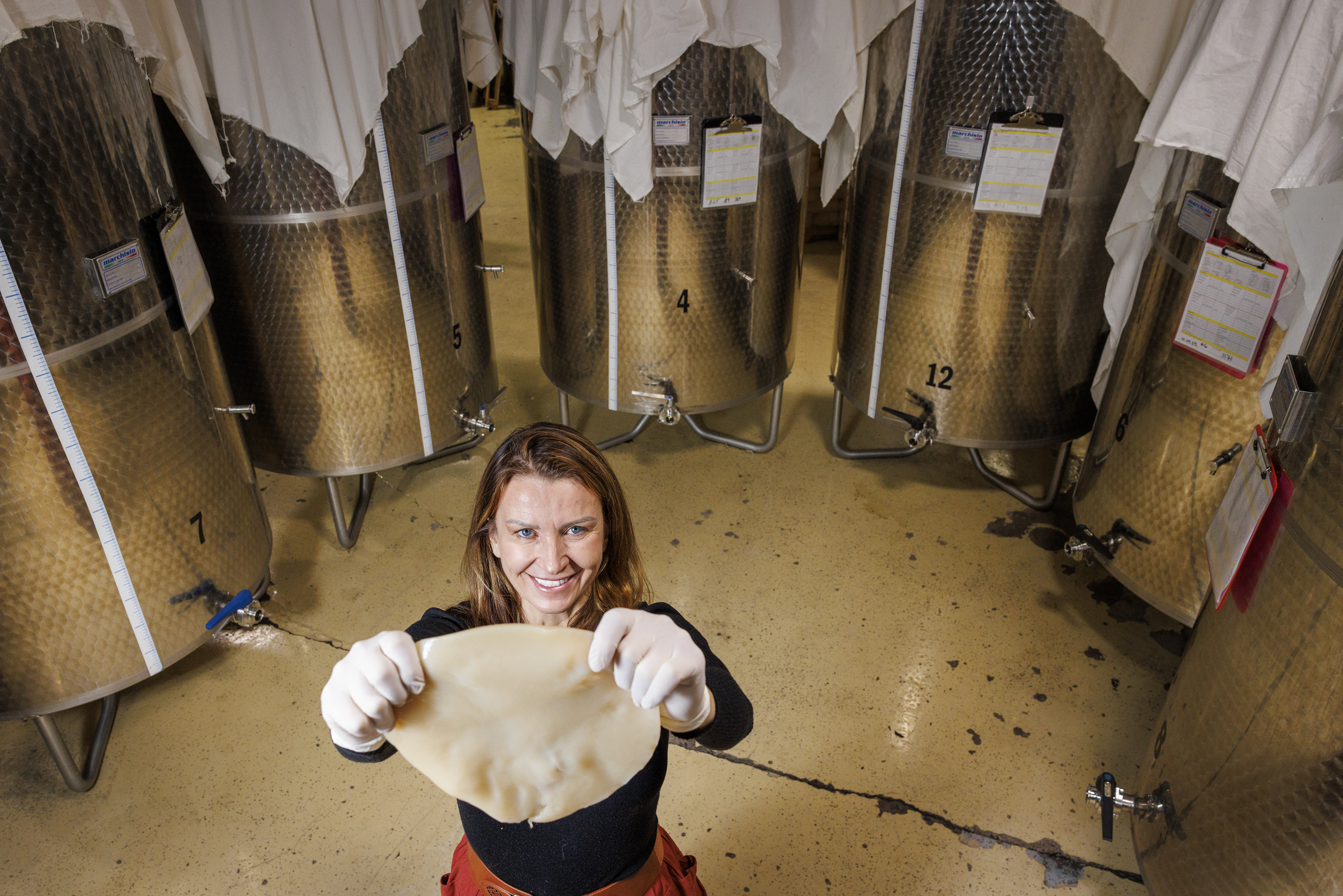
Phoenixville-based Olga Sorzano, 49, the owner and brewer behind decade-old Baba’s Brew as well as a chef and culinary instructor, has an expansive, multifaceted career — but all her varied interests are united by one thing: fermentation. Her newest venture is A Culture Factory, a line of kombucha-infused skincare products that ranges from toners and masks to scrubs and serums.
Olga Sorzano, owner of Baba’s Brew of Phoenixville, holding a scoby in the brewing room, Wednesday, December 10, 2025.
“Our skin is alive. Most skincare is like Wonder Bread, designed for shelf-stability, but what if it could be like a beautiful, artisanal loaf of sourdough, which is living and nourishing? It feeds you with a living culture,” said Sorzano.
“As a chef, I want to feed you. And I have a chef’s approach to the skin as well. My great-grandmother and grandmother didn’t have all these [store-bought] solutions. They had lard and they would put it on their elbows. And kombucha vinegar on their skin. If they had berries leftover from making jam, they’d mix it with yogurt for a face mask.”
Sorzano‘s kombucha company generates large amounts of scoby, or the mother culture used as a kombucha starter. “It’s loaded with all these enzymes and I was thinking, how awesome to use some surplus scoby and turn it into face masks.”
Many ingredients from Baba’s Brew — like turmeric, which Sorzano also ferments — make it into A Culture Factory’s products, too, along with tallow from Breakaway Farms in Mount Joy, which Sorzano renders, refines, and blends with green coffee oil for a bright yellow eye butter.
Paying tribute to Baba
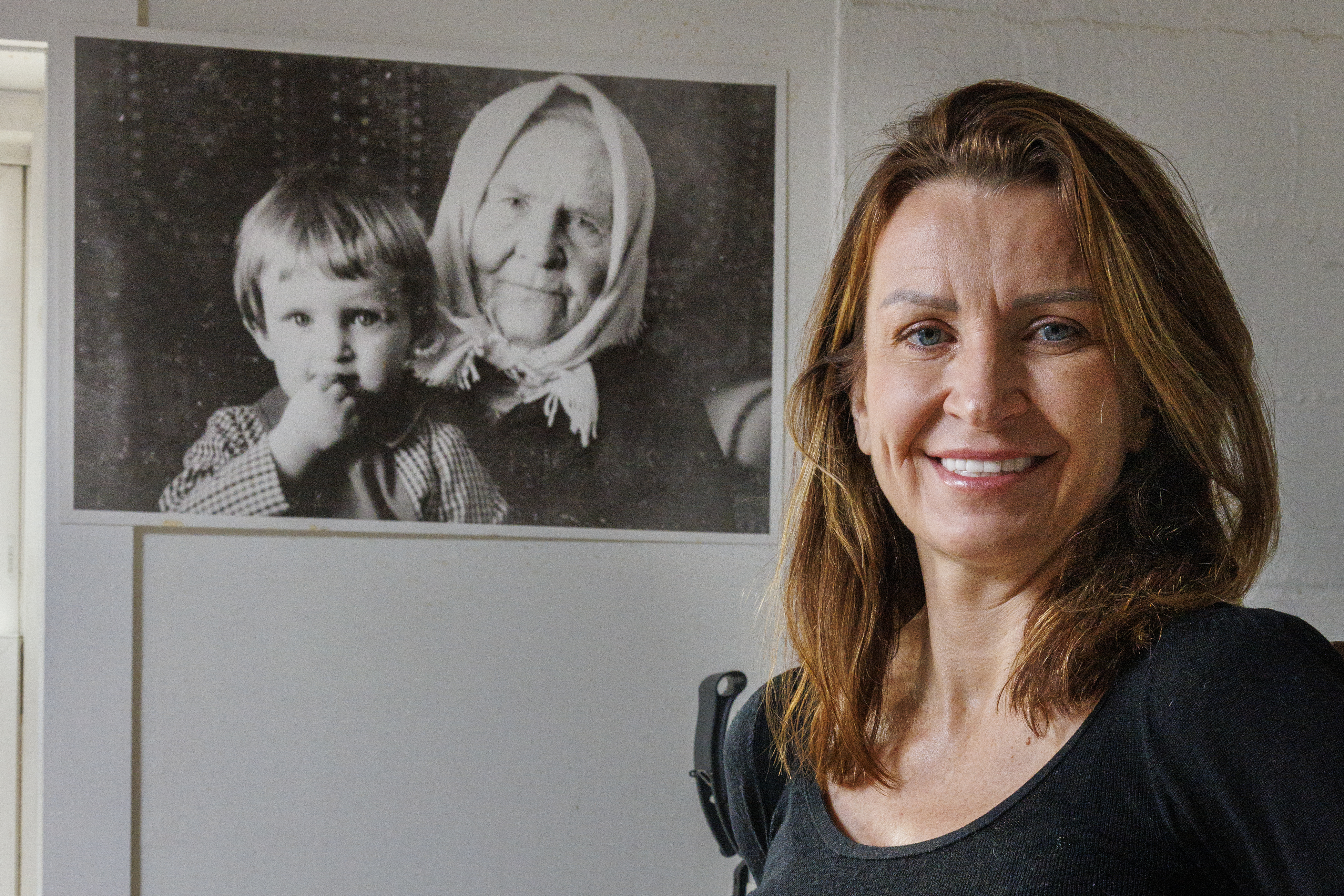
“Baba” means grandmother in Russian. Sorzano’s kombucha company, in both its branding and its recipes, is an homage to her great-grandmother, who raised Sorzano in the town of Barnaul, Siberia (close to the Mongolian border) when she was very young.
“I would say, ‘Baba, my belly hurts,’ and she would say, ‘Have some kombucha.’ Or I would say, “My leg hurts,’ and she would also say, ‘Have some kombucha,’ ” said Sorzano with a laugh. She grew up thinking kombucha was everywhere, that everyone had access to it, and that it was a balm for all ills.
If Sorzano’s Baba made kombucha that over-fermented, “she would put it on her skin as a toner.” This was a beauty tip that has followed Sorzano her entire life, brewing as an idea for years until finally blooming into a business concept.
Olga Sorzano, owner of Baba’s Brew, Phoenixville, on Wednesday, December 10, 2025. She is shown in a portrait as a child with her great-grandmother.
Fermentation, and the patience it demands, has long been a part of Sorzano’s family. To survive the long, bitter winters, the women in Sorzano’s family fermented everything they grew in their garden. “When I tell people about my childhood, they think I grew up in the 1700s,” she joked. “We foraged, we would go on mushroom hunts, we’d have a big cabbage day where several families would get together, chop cabbage, and preserve it for the winter.”
Baba’s Brew uses organic, fair-trade tea and sugar as the base for its kombuchas, but otherwise all its ingredients are local, like plums from Frecon Farms, blueberries from Hamilton, N.J., and honey from Swarmbustin’ Honey. They also brew many one-off, seasonal kombuchas, with ingredients like black currants, which frequently show up on Sorzano’s doorstep, brought by small farmers.
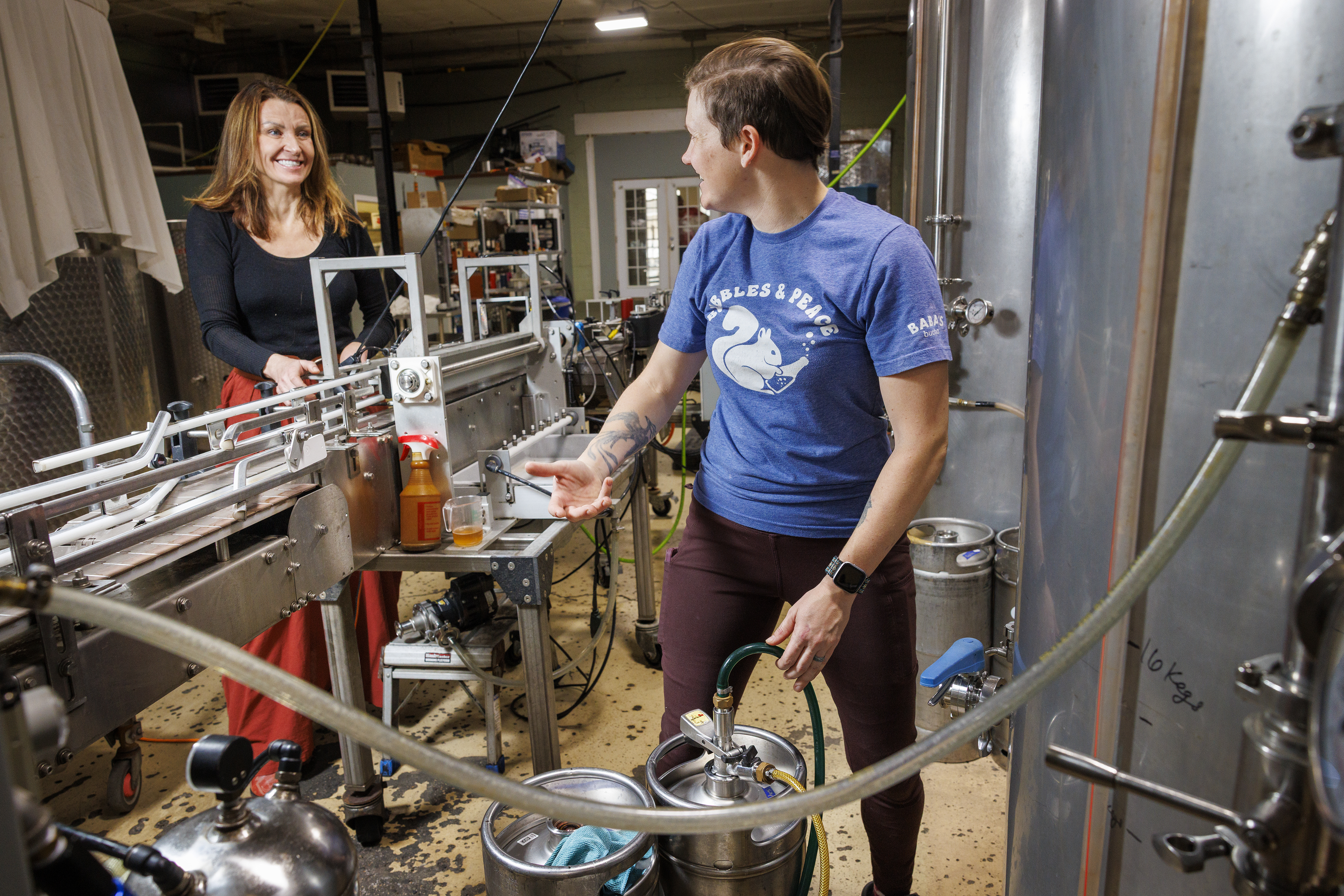
Olga Sorzano, owner of Baba’s Brew, with brewer Sarah Jagiela in the brewing room in Phoenixville on Wednesday, December 10, 2025.
Sorzano came to the U.S. in 2000 as an exchange student with Future Farmers of America after receiving a doctorate in veterinary medicine in Moscow. She worked on a dairy farm in Nebraska for a year, milking cows and doing other farm work, then moved to Florida, met her husband, and when he was offered a job in Philly, moved to the area. She enrolled at the Restaurant School at Walnut Hill College and applied her veterinary school-informed chemistry knowledge to cooking.
“I found cooking very easy, because to me, everything is about chemical reactions,” she said. Cooking eventually led to her opening Baba’s Brew, the spark of which was born at a fermentation festival, where she realized there was a community of people in the U.S. fermenting single ingredients, just as her Baba had. In a sense, she found her own culture, through cultures.
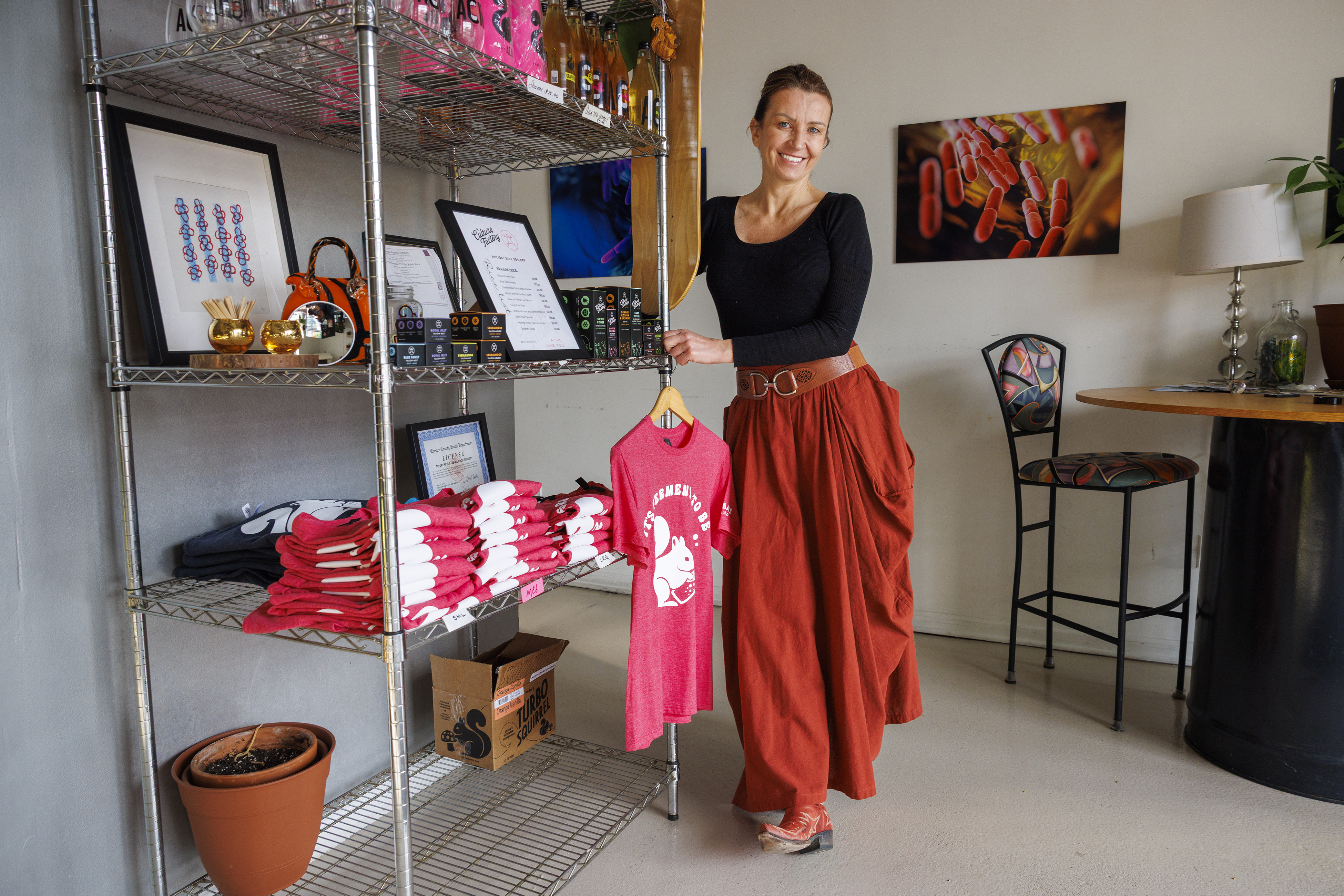
Olga Sorzano, owner of Baba’s Brew, in Phoenixville, Wednesday, December 10, 2025.
A Culture Factory skincare launched this month and shares its name with the tasting room where Sorzano hosts private events and teaches cooking and fermentation classes (such as making your own kimchi or mastering basic cooking skills). “It’s where I bring people in and teach them to cook but focus on techniques like how to season or layer flavors,” said Sorzano.
An assortment of kombucha beverage flavors by Baba’s Brews, a Phoenixville, company, Wednesday, December 10, 2025.
Like the notions of producing fermentation “mothers” and the actual mothers in Sorzano’s family who treated every ailment with kombucha, Sorzano’s life has been threaded with yet another motif: the squirrel. She constantly “squirrels” ingredients away to ferment them.
The logo for Baba’s Brew is a squirrel because “Baba’s nickname was Belka [the Russian word for ”squirrel”]. And when we moved into this brewery, we had a squirrel infestation and we had to call animal control to remove them from the attic. And when we moved to our farmhouse, we had a flying squirrel infestation. I safely captured and released all 18 of them,” said Sorzano, proudly.
The tasting room is adjacent to the now-squirrel-free brewery in which Baba’s Brew produces 4,000 liters of kombucha per week. There, along with Baba’s Brew’s eight kombuchas on tap, you can now purchase Sorzano’s handmade skincare products, as carefully and locally sourced as the fruit that goes into her kombuchas.
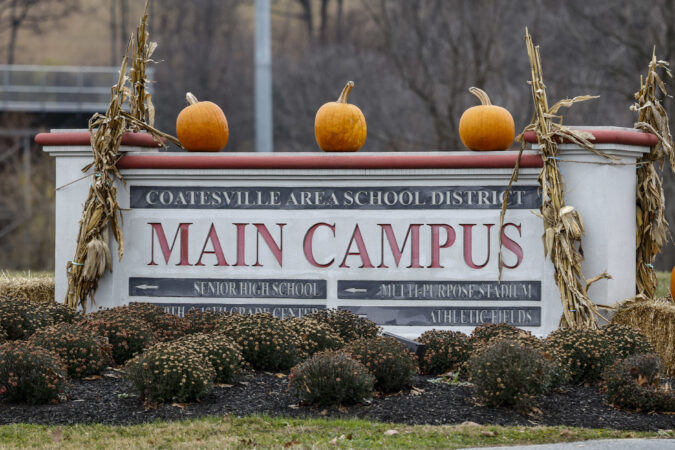
The Coatesville Area School District will soon see a swath of changes as it prepares to shutter two elementary schools at the end of the school year, open a new one, and realign its attendance boundaries to ensure equity amid the transition.
The new map, approved by the school board Tuesday, splits the district into four geographic regions, intended to keep communities together while maintaining ethnic and socio-economic balance, according to the district’s presentation.
“We’re proud of our diverse population that we have in Coatesville, so we were looking to sustain that in each of our elementary schools as well,” the district’s superintendent, Anthony P. Rybarczyk, said in an interview Thursday.
The update,slated to take effect next school year, comes as the district has been rolling out a new facilities plan over the last several years, while its enrollment has declined and its budget has been squeezed by charter schools. When students leave Caln and East Fallowfield elementary schools for the summer, the two nearly century-old schools will close permanently. The schools, which both serve kindergarten through fifth grades, enroll roughly 730 students between them.
Under thenew attendance zones, families in the Indian Run Village are being reassigned to Kings Highway Elementary School. Families in the area of Millview Park will be reassigned to Kings Highway, rather than split among three of the district’s elementary schools. The community divided by Barley Sheaf Road will now attend Reeceville Elementary. The district began communicating the changes Wednesday.
“Geographically, it made sense,” Rybarczyk said during the school board meeting. “We met with transportation as well, they were very promising in how they said this could save time on their runs and avoid the crossovers between going from one community to the next.”
The middle school feeder pattern will be split into two sections, with Kings Highway and Reeceville matriculating to North Brandywine Middle School. Rainbow Elementary School and the new Doe Run — which will open in August on the former South Brandywine Middle School site — will feed to Scott Middle School.
Fourth graders at elementary schools will be “grandfathered in” to complete their fifth-grade year at the elementary school they’ve been in, even if its enrollment is set to shift. The district plans to ask parents to provide transportation for those students next year, Rybarczyk said.
As the district winds down two of its schools, it will celebrate their history over the summer, with legacy walks and celebrations.
“The great thing about Coatesville is the children are in the schools where their parents went,” he said.
The district will keep the buildings, with an eye toward potential growth in the future, Rybarczyk said, though the district has no immediate plans for them.
The schools’ closure and the opening of Doe Run Elementary School are part of a broader effort to update the district’s aging facilities, which Rybarczyk said would continue next year.
“I think the community has been looking for something like this for a long time as well,” he said.
With “a shift of a number of charter school families coming back to our district” and new development, Rybarczyk said he believes the district could see its enrollment grow. Its campaign to bring students back from cyber and charter schools, launched alongside its upgrading of facilities in the last few years, has gained back 64 students, and hundreds of thousands of dollars, he said.
“We’re going to see what the need will be in the future, because we could have an influx where we need to repurpose them in some way,” he said at the board meeting. “Obviously, they’re two older schools …There’s some work to be done if we were to repurpose those.”
This suburban content is produced with support from the Leslie Miller and Richard Worley Foundation and The Lenfest Institute for Journalism. Editorial content is created independently of the project donors. Gifts to support The Inquirer’s high-impact journalism can be made at inquirer.com/donate. A list of Lenfest Institute donors can be found at lenfestinstitute.org/supporters.
It had all the markings of a good, old-fashioned bit of porch piracy.
The man appeared one recent morning in front of a Nether Providence home. He looked to be between 20 and 30 years old, around 5 feet 8, and balding. He wore a black puffer jacket.
For a long while, he paced back and forth in front of the home in the 300 block of South Providence Road.
Then, he opened the mailbox, fiddled with something inside, and walked away.
When the homeowner, who witnessed the incident, went to investigate, however, she was struck by what she found. Inside her mailbox was what Nether Providence police are calling “a significant amount of cash.”
In a season more closely associated with pinched parcels and pilfered packages, police in this Delco township are trying to get to the bottom of something far more novel: An individual apparently passing out a large sum of money through a mailbox.
So far, authorities have been left stumped; a spokesperson for the Nether Providence police on Thursday called the incident an “open investigation” but declined to comment beyond a brief news release issued earlier in the week on the matter, which occurred shortly before 11 a.m. on Dec. 6.
One theory is that the delivery could have been a simple mix-up: According to the homeowner who discovered the cash, the property once housed a psychiatrist’s office, and she suspected the money could’ve been left by a former patient unaware that the previous owner was no longer there.
Police are asking that anyone with information about the curious delivery — or the individual behind it — contact them at 610-892-2875.
“NPPD is urging anyone with information to come forward as detectives work to determine the circumstances surrounding the cash drop-off and identify the individual involved,” according to the department news release.
Bancroft, a South Jersey nonprofit provider of services for people with intellectual and developmental disabilities, has hired Gregory Passanante to succeed Toni Pergolin as president and CEO.
Passanante, who will be the 10th president in the organization’s 143-year history, is scheduled to start Jan. 7.
Since 2023, Passanante has been northeast market administrator for Shriners Children’s Hospital Philadelphia. Before that, he was chief nursing officer at Wills Eye Hospital.
Passanante will take over a Cherry-Hill-based organization that is in solid financial condition, especially compared to 2004 when Pergolin arrived as chief financial officer and had to worry about making payroll because the organization was so weak financially.
In the 12 months that ended June 30, the nonprofit had operating income of $13 million on $284 million in revenue, according to its audited financial statement. Bancroft had 1,642 clients and employed 2,853 people on a full-time basis at the end of the fiscal year.
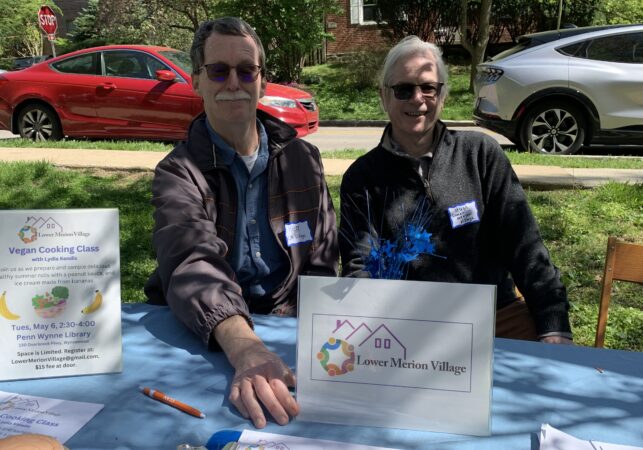
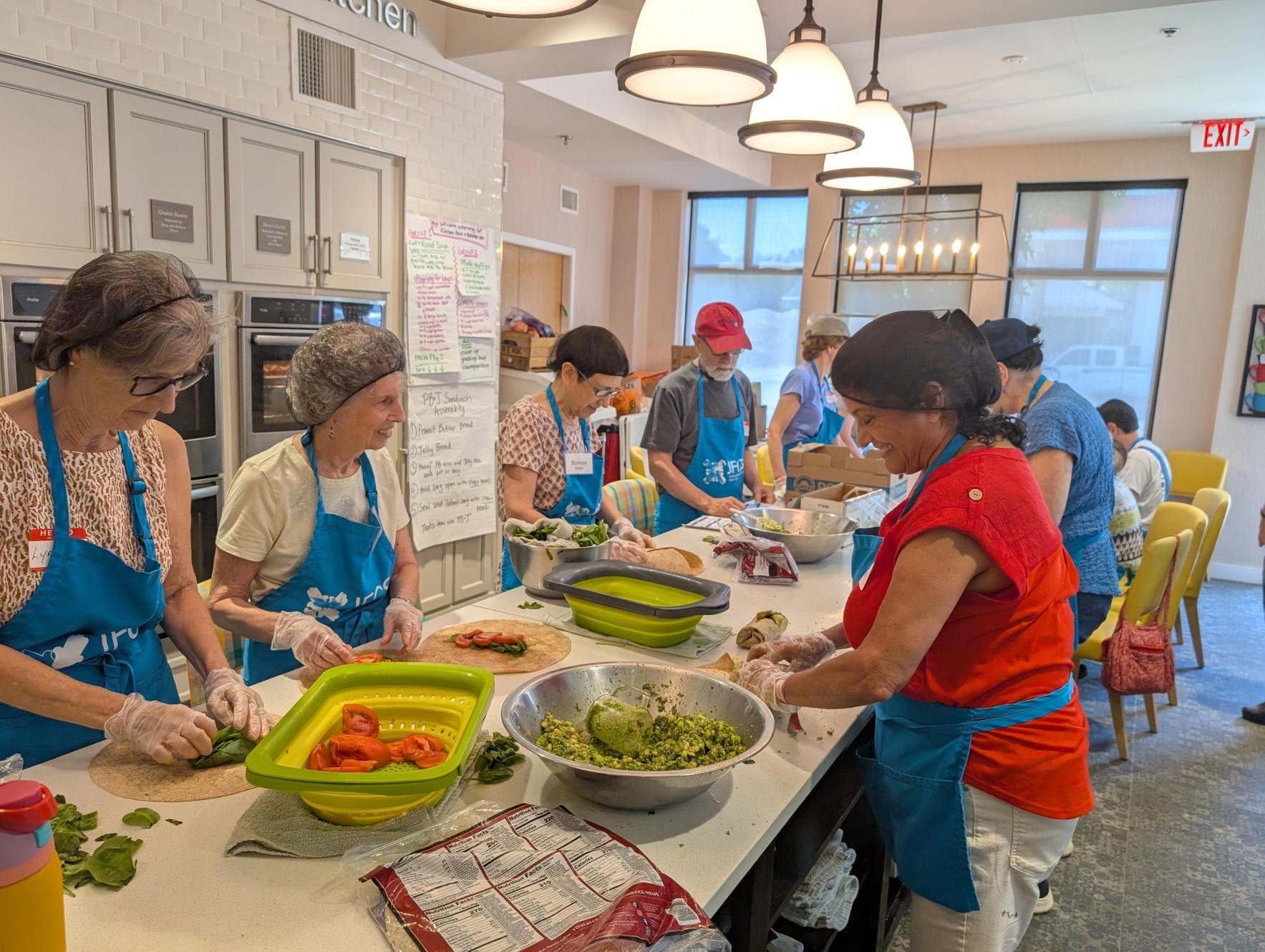
The Lower Merion Village offers social activities and volunteer opportunities for older adults and people with disabilities in the Main Line community.
A group of Lower Merion residents has come together to help one another age in place. More and more older adults prefer to remain in their homes, a choice that comes with some logistical concerns.
Lower Merion Village, part of the national Village to Village Network, is setting out to ease some of those burdens by connecting residents to social events, as well as transportation, household help, and other services.
While Lower Merion Village isn’t accepting members yet, its organizers have their sights set on being a resource to help longtime residents thrive in the community they love.
SEPTA missed Friday’s federally imposed deadline to finish repairs to the heat-detection system on its Regional Rail cars. The agency said the lapse was due to a shortage of the thermal wire required to make the repairs. Installation of the backordered wire for 30 of SEPTA’s remaining trains is expected to be completed next week.
Narberth residential parking permits for 2026 are now available. Fees range from $10 for a single car to $100 for a fourth vehicle.
Bryn Mawr College last week announced Airea “Dee” Matthews, professor and co-chair of the creative writing department, as its next provost. Matthews will assume the role on Jan. 1.
Looking for a crafty holiday gift for those on your list? Several Lower Merion shops, including Past Present Future in Ardmore, and Something Different by Eric in Bryn Mawr, have goods like funky snow globes, cat-themed pillows, and other unique housewares.
For those shopping in Ardmore, township metered parking spaces and the township garage on Cricket Avenue are free on Saturdays this month.
On Sunday and Monday, Santa will be visiting parts of Lower Merion aboard a Merion Fire Company of Ardmore fire truck. The big man will visit Wynnewood, Ardmore north of the railroad tracks, and Haverford on Sunday, and then the Ardmore section south of the railroad tracks on Monday.
Brook J. Lenfest sold his 14,000-square-foot Haverford home, which was the most expensive recorded residential sale in the Philadelphia area among public records last week. The CEO of telecommunications company NetCarrier’s Avonwood Road home went for $5.9 million. (Philadelphia Business Journal)
Narberth’s GET Café is the subject of a new documentary that will debut at the Bryn Mawr Film Institute tonight at 7 p.m. David Block’s Brewing Possibilities focuses on the cafe’s mission to support neurodivergent individuals through employment and community building. Tickets to the premiere are $30. (Patch)
Black Rocks’ book fair runs through tomorrow and winter concerts continue throughout this week and next. See the district’s full calendar here.
Lower Merion tackle/defensive tackle Kechan Miller has signed on to play college football at Temple University next year.
🍽️ On our Plate
Hanukkah begins Sunday night. Looking for takeout or catering options? Main Line Today has rounded up 10 local spots offering everything from sides to main dishes.
🎳 Things to Do
🎄 Home for the Holidays: Take a look inside the main house at Stoneleigh, all decked out for the holidays. There will also be seasonal treats and musical performances. ⏰ Saturday, Dec. 13-Sunday, Dec. 14, times vary 💵 $15 for Natural Lands members and $20 for non-members 📍Stoneleigh
🛍️ Ardmore Holiday Market: Over 20 vendors will be selling handcrafted goods at this inaugural event. ⏰ Saturday, Dec. 13, 11 a.m.-3 p.m. 💵 Pay as you go 📍Schauffele Plaza
🎵 Funky Brunch: Holiday Edition: Shop local vendors while sipping beer and enjoying brunch at this family-friendly event. ⏰ Sunday, Dec. 14, 11 a.m.- 3 p.m. 💵 Pay as you go 📍 Ardmore Music Hall
✡️ Menorah Lighting: Celebrate the first night of Hanukkah with a lighting of the giant menorah at Suburban Square. There will also be food, drinks, and activities like donut decorating. ⏰ Sunday, Dec. 14, 5 p.m. 💵 Free 📍Suburban Square
🖌️ Kwanzaa Crafternoon: Kids can make a colorful Kwanzaa craft out of paper, stickers, and markers during this drop-in event. ⏰ Wednesday, Dec. 17, 3-5 p.m. 💵 Free 📍 Gladwyne Library
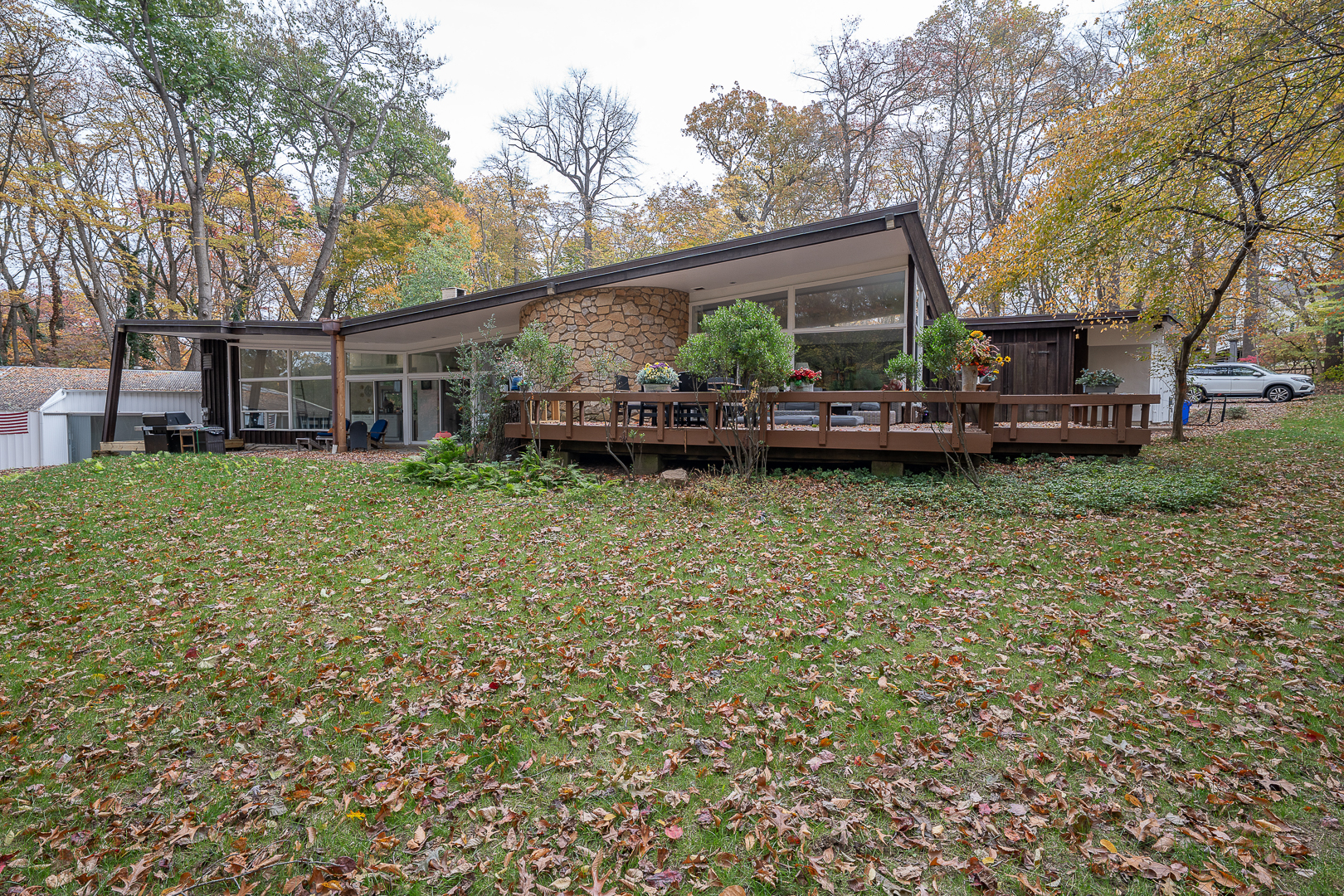
This Penn Valley home has a distinctive look thanks to its midcentury modern design. The majority of the home’s living space is on the first floor, which has an updated eat-in kitchen and six of the home’s seven bedrooms. The primary suite has three walk-in closets and sliding glass doors that lead to an atrium and an office. There’s another suite on the lower level, but perhaps most unique is the glass-encased indoor pool. The home also has a large deck and patio.
By submitting your written, visual, and/or audio contributions, you agree to The Inquirer’s Terms of Use, including the grant of rights in Section 10.
This suburban content is produced with support from the Leslie Miller and Richard Worley Foundation and The Lenfest Institute for Journalism. Editorial content is created independently of the project donors. Gifts to support The Inquirer’s high-impact journalism can be made at inquirer.com/donate. A list of Lenfest Institute donors can be found at lenfestinstitute.org/supporters.
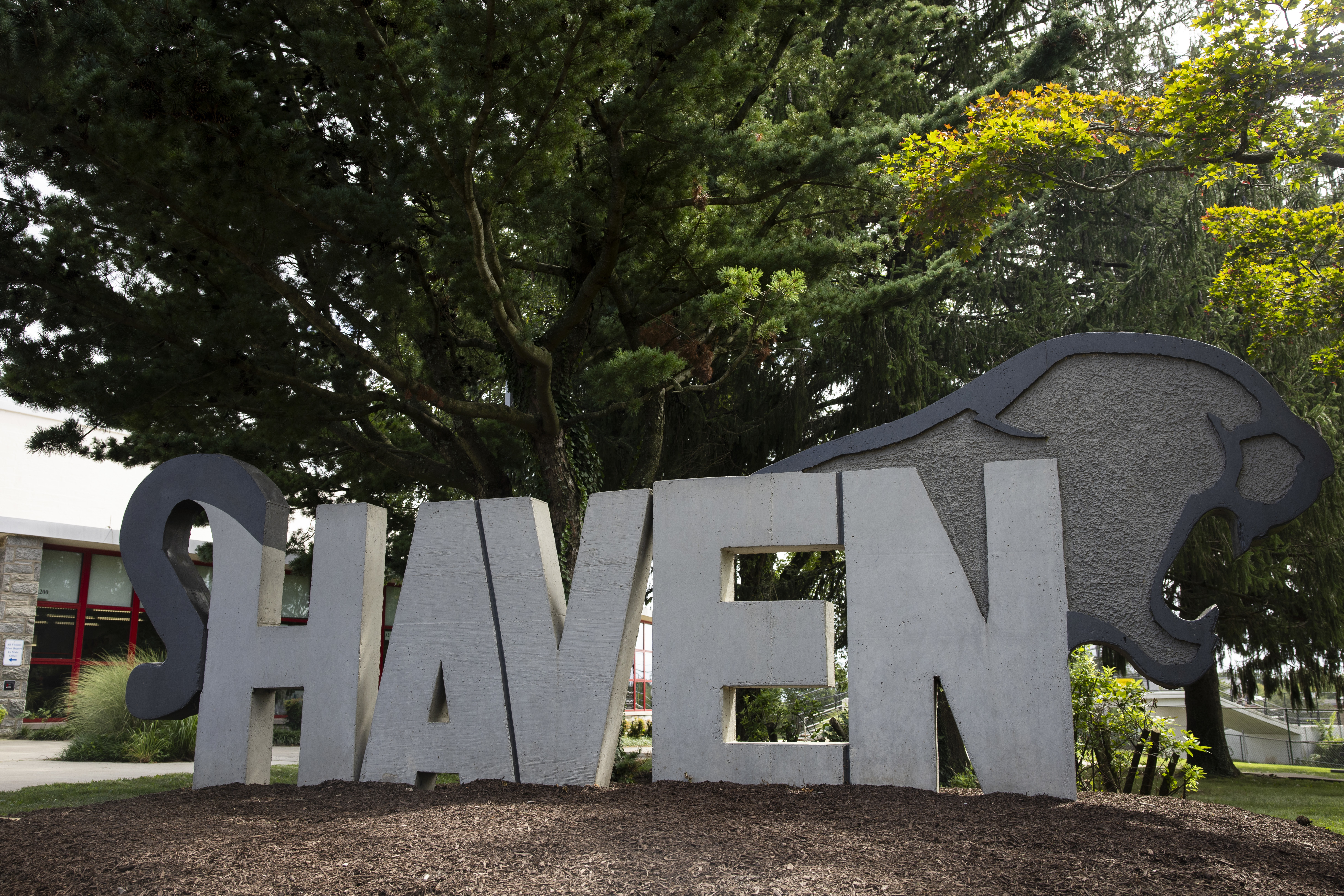
Wallingford-Swarthmore School District held listening sessions about its budget at Strath Haven Middle School on Monday.
Facing a $2.6 million budget deficit for the 2027-28 school year, Wallingford-Swarthmore School District is considering any idea to trim that figure.
That was the takeaway from a Monday listening session, where Superintendent Russell Johnston said the district is “turning over every stone” in its quest and took suggestions from the public.
Unlike neighboring districts, WSSD is predominately supported by homeowners’ tax dollars, many of whom already feel stretched thin, The Inquirer’s Denali Sagner reports.
While some attendees left the meeting feeling better about the school’s objectives, others still wonder how it got in this hole in the first place.
Remediation work to clean up a September oil spill that contaminated Ridley Creek is nearing completion.
Work to clean up oil that spilled into Ridley Creek when a tanker crashed on the Route 1 Bypass in September is nearly finished. Officials expect to wrap up next week, with road closures on Ridley Creek Road continuing until then.
Crews have been remediating the area, where an estimated 1,000 to 2,000 gallons of oil spilled, including removing contaminated soil and refilling the site, The Inquirer’s Torin Sweeney reports.
SEPTA missed Friday’s federally imposed deadline to finish repairs to the heat-detection system on its Regional Rail cars. The agency said the lapse was due to a shortage of the thermal wire required to make the repairs. Installation of the backordered wire for 30 of SEPTA’s remaining trains is expected to be completed next week.
Now in its 50th year, the Festival of Lights officially got underway last week at Rose Tree County Park in Media, and will be lit nightly through Jan. 3. We take a look back at highlights from the opening night.
Residential parking permits for 2026 are now available for Media borough residents. Fees are $5 each for a household’s first two cars and $15 each thereafter. New for 2026, the borough will not distribute a physical sticker, but will instead track registration through the Passport Parking app.
Newlin Grist Mill has named a new executive director to lead the historic Concord Township site. Amy Ricci, who most recently held that same role at former Philadelphia paper mill Historic Rittenhouse Town, will assume the position in January, becoming the organization’s fourth executive director.
Wawa is opening its 1,000th fuel store today at 675 Baltimore Pike in Springfield. The first 250 guests will get a free T-shirt and coffee. (Daily Times)
🏫 Schools Briefing
Notre Dame de Lourdes School in Swarthmore took home first place in the kindergarten through eighth grade category of B101’s annual Christmas Choir Competition for its rendition of Like It’s Christmas. The school will receive $5,000 for its music program and will perform the winning song at the Philly Pops’ A Philly Holiday Spectacular on Sunday.
There’s a school board meeting tonight at Penncrest High School. On Monday and Tuesday, Rose Tree Elementary will host its fifth grade band concert. Penncrest High School’s winter choral concert is on Wednesday. See RTMSD’s full calendar here.
Tonight is Swarthmore-Rutledge School’s winter concert, Strath Haven High’s orchestra concert is Monday, and its choral concert is Tuesday. Wallingford Elementary is hosting winter concerts on Wednesday and Thursday. See WSSD’s full calendar here.
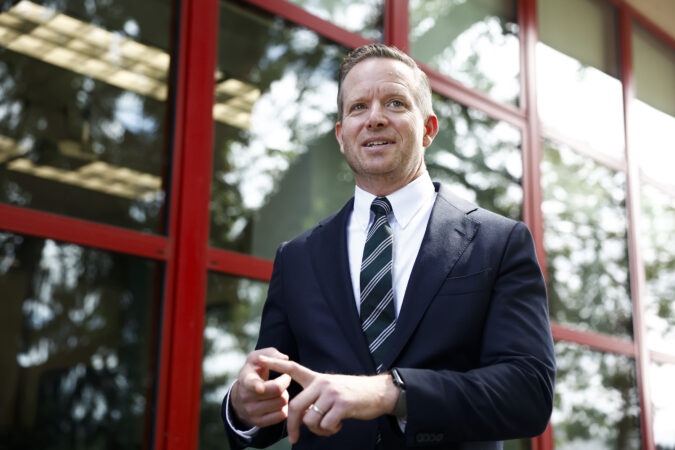
WSSD is also hosting a community artificial intelligence forum tonight from 6 to 7:30 p.m. at Strath Haven Middle School’s library, where attendees can provide feedback about policies.
The Towne House in Media has been transformed for the five-week run of “Holly Jolly.” The holiday décor will be on display through Jan. 4, during which time festive drinks can also be ordered. Options include the Mistletoe Kiss, made with vodka, rosemary simple syrup, lemon, and club soda, or Holly’s Hot Chocolate, which gives hot cocoa a kick thanks to vanilla vodka and Irish cream.
Santa will be making a stop in Glen Mills this weekend alongside Mrs. Claus when the duo visit Harvest Seasonal Grill Saturday from 9 a.m. to 11 a.m. Kids can also decorate cookies during the holiday brunch buffet. Tickets are $25 for children and $35 for adults. Reservations are required.
🎳 Things to Do
🌃 Night Market: Swarthmore merchants will stay open later on Friday, and there will also be pop-up vendors, food, drinks, and an ugly sweater competition. ⏰ Friday, Dec. 12, 5-8 p.m. 💵 Pay as you go 📍 Swarthmore town center
🎙️ The Newspaper Taxis: Hear tunes from this Beatles tribute band. ⏰ Friday, Dec. 12, 8 p.m. 💵 Free 📍 Shere-E-Punjab, Media
🍪 Cookie Walk: Love holiday cookies but don’t love baking? Or just want to get a larger array? This annual event lets attendees pick and pay for the homemade sweets they want. ⏰ Saturday, Dec. 13, 9 a.m. 💵 Pay as you go 📍 Middletown Church, Media
☕ Cocoa and Photos with the Clauses and Friends: Write a letter to Santa, decorate cookies, and pose for festive photos with Olaf, Jolly Bear, and the big man himself. ⏰ Saturday, Dec. 13, 10 a.m.-noon 💵 Free 📍 Media Community Center
🕎 Chanukah Village: A number of stores throughout Media will host crafts and other activities in celebration of the first night of the holiday. A 4:30 p.m. menorah lighting will be held at the Delaware County Courthouse. ⏰ Sunday, Dec. 14, 3-5 p.m. 💵 Free 📍 Various locations
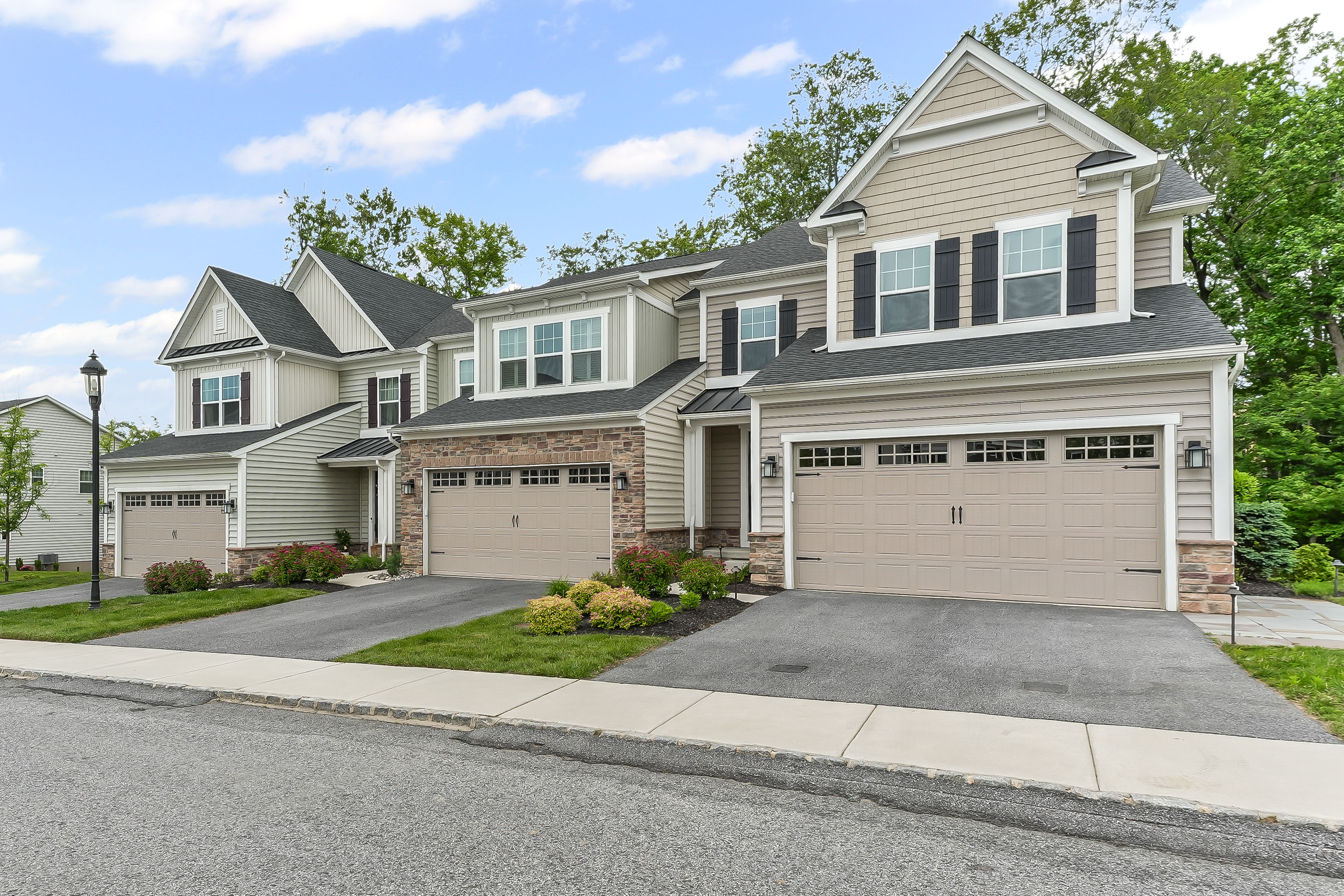
The townhome spans over 3,600 square feet and backs up to woods.
Built in 2022, this spacious townhouse’s first floor features an open-concept kitchen, dining, and living area, which has access to a deck overlooking the woods. There are four bedrooms upstairs, including a primary suite with double vanities and a walk-in closet. It also has a finished walk-out basement with a full bathroom, and access to the community clubhouse and a tot lot. There’s an open house this Saturday from noon to 3 p.m.
By submitting your written, visual, and/or audio contributions, you agree to The Inquirer’s Terms of Use, including the grant of rights in Section 10.
This suburban content is produced with support from the Leslie Miller and Richard Worley Foundation and The Lenfest Institute for Journalism. Editorial content is created independently of the project donors. Gifts to support The Inquirer’s high-impact journalism can be made at inquirer.com/donate. A list of Lenfest Institute donors can be found at lenfestinstitute.org/supporters.