Tag: Jamie Gauthier

  • Property values in Kensington went up more than any other Philly neighborhood this year

    Property values in Kensington went up more than any other Philly neighborhood this year

    The biggest jump in Philadelphia’s property assessments this year occurred in Kensington, a measure that means many homeowners in the long-struggling neighborhood are likely to see higher taxes amid a concerted effort by the city to clean up the area.

    That is according to an Inquirer analysis of recently released property assessments of single-family homes, which found that, citywide, there was a 3% median change in valuations from the 2025 tax year, the last time there was a mass reassessment.

    That increase is far more modest than the widespread jump in valuations that homeowners saw two years ago, which captured multiple years of real estate growth and the volatile post-pandemic market.

    What remains the same: who will be most affected.

    The Inquirer’s analysis of this year’s property assessment data shows that low-income neighborhoods near gentrifying areas saw the sharpest jumps in valuations compared with the rest of the city.

    The four areas that saw the largest percentage increases in median assessments — Kensington, Mantua, Grays Ferry, and Kingsessing — all border more gentrified neighborhoods like Fishtown, University City, and Point Breeze. The results of the analysis are a further sign that market pressures in higher-income areas are pushing into pockets of the city that have long been primarily home to Black and brown working-class residents.

    Of the eight neighborhoods that saw the largest increases between the 2025 and 2027 tax years, five have median annual household incomes around $40,000 or less, according to an analysis of U.S. Census data. The federal poverty level is $33,000 for a family of four.

    (function(){function e(){window.addEventListener(`message`,function(e){if(e.data[`datawrapper-height`]!==void 0){var t=document.querySelectorAll(`iframe`);for(var n in e.data[`datawrapper-height`])for(var r=0,i;i=t[r];r++)if(i.contentWindow===e.source){var a=e.data[`datawrapper-height`][n]+`px`;i.style.height=a}}})}e()})();

    In a statement, officials with Mayor Cherelle L. Parker’s administration noted that many homeowners in those five neighborhoods are benefiting from a popular city tax break. The city said that the median 2027 value in those five neighborhoods is $123,600, so for many homeowners in those areas, the median taxable assessed value is just $23,600.

    That is because of the homestead exemption, a tax break for homeowners who live in their house as their primary residence that exempts the first $100,000 in home value from property taxes. Homeowners must sign up to be included in the free program.

    At least 60% of homeowners in those neighborhoods have signed up for property tax relief programs, according to the city.

    James Aros Jr., the chief assessor of the Philadelphia Office of Property Assessment, and Revenue Commissioner Kathleen McColgan said enrollment rates in property tax relief, including the homestead exemption and multiple tax freeze programs, are “encouraging.”

    They said the city will “build on this progress through extensive targeted outreach, community partnerships, and efforts to make enrollment as simple and accessible as possible.”

    The current property tax rate is 1.3998% of assessed value, which has not changed for nearly a decade. The revenue is split between the city and the Philadelphia School District.

    Rising home values in Kensington

    Citywide, the steepest increase in valuations was in Kensington, where the median property value jumped 15.3%, from $115,700 in the 2025 tax year to $133,400 now. That median increase would translate to a roughly $250 annual property tax hike.

    That comes after Parker’s administration in 2024 launched a multipronged effort to address the long-entrenched open-air drug market in Kensington, which is the epicenter of the city’s opioid crisis and a site of sprawling homelessness.

    While the administration has increased law enforcement’s staffing in the neighborhood and scaled up programs for people who are in addiction, Kensington has also for years seen creeping gentrification from Fishtown to its southeast.
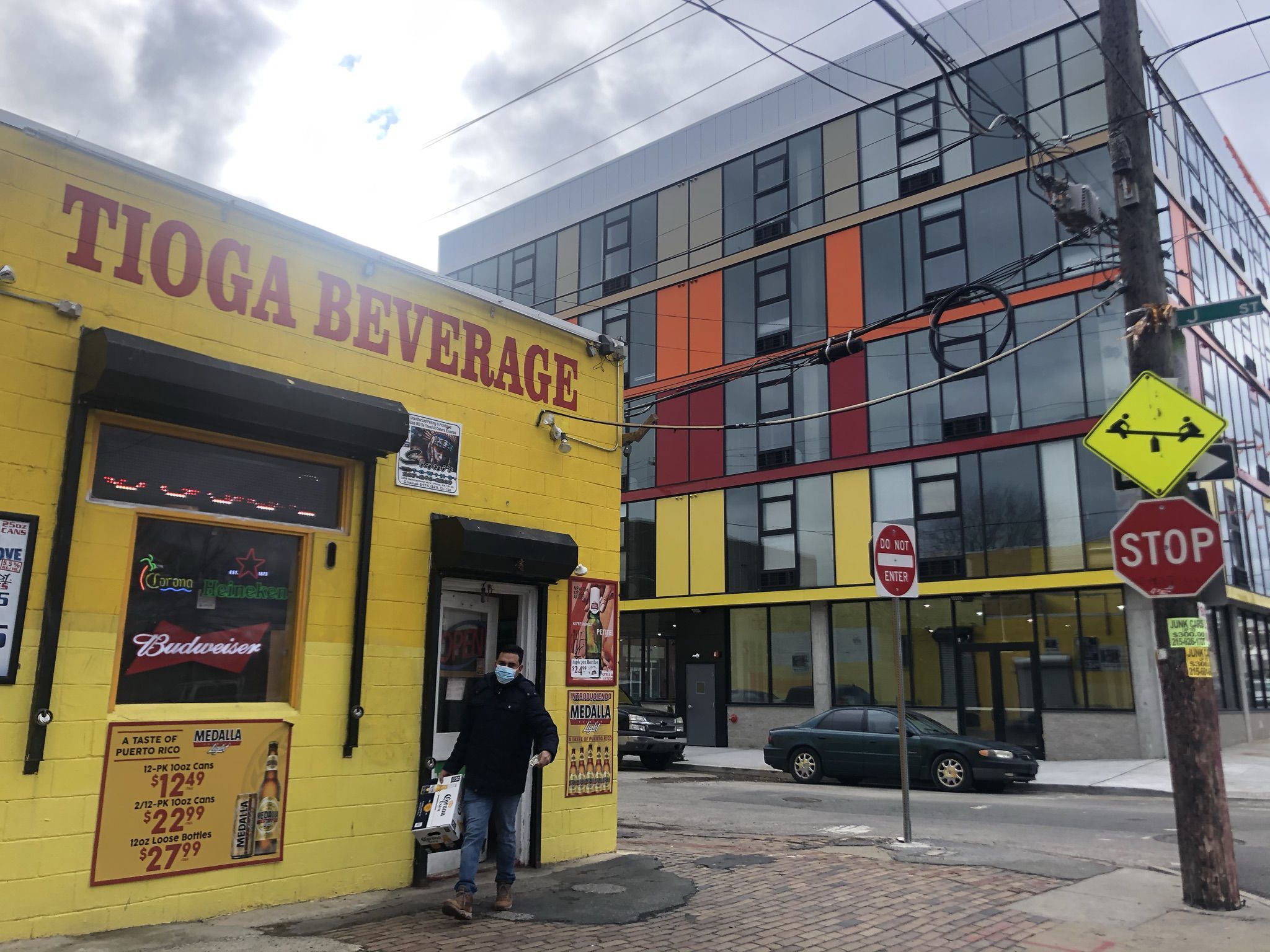
    In this 2021 file photo, a glass building at J and Tioga sits near a beer store in Kensington.

    Some neighborhood leaders have watched with anxiety as luxury housing developers and out-of-town investors gobbled up properties in the neighborhood, fearing that poorer residents and middle-class homebuyers may be priced out.

    City Councilmember Quetcy Lozada, a Democrat who represents the 7th Council District, which includes parts of Kensington, said she knew speculators from outside the area would want to make it “the next gentrified neighborhood” once the city changed its strategy to more aggressively clean up trash and improve public safety.

    But Lozada said there are not enough programs specific to Kensington aimed at preventing displacement as a result of rising property values, especially as the city is investing millions of dollars a year to improve the neighborhood. She said her office is exploring additional tax relief measures.

    “I’m going to do whatever I have to do to make sure that residents who have lived in that community can stay there, can raise their families there,” Lozada said. “We have witnessed what has happened on the southern end of the district, where there has been rapid gentrification.”
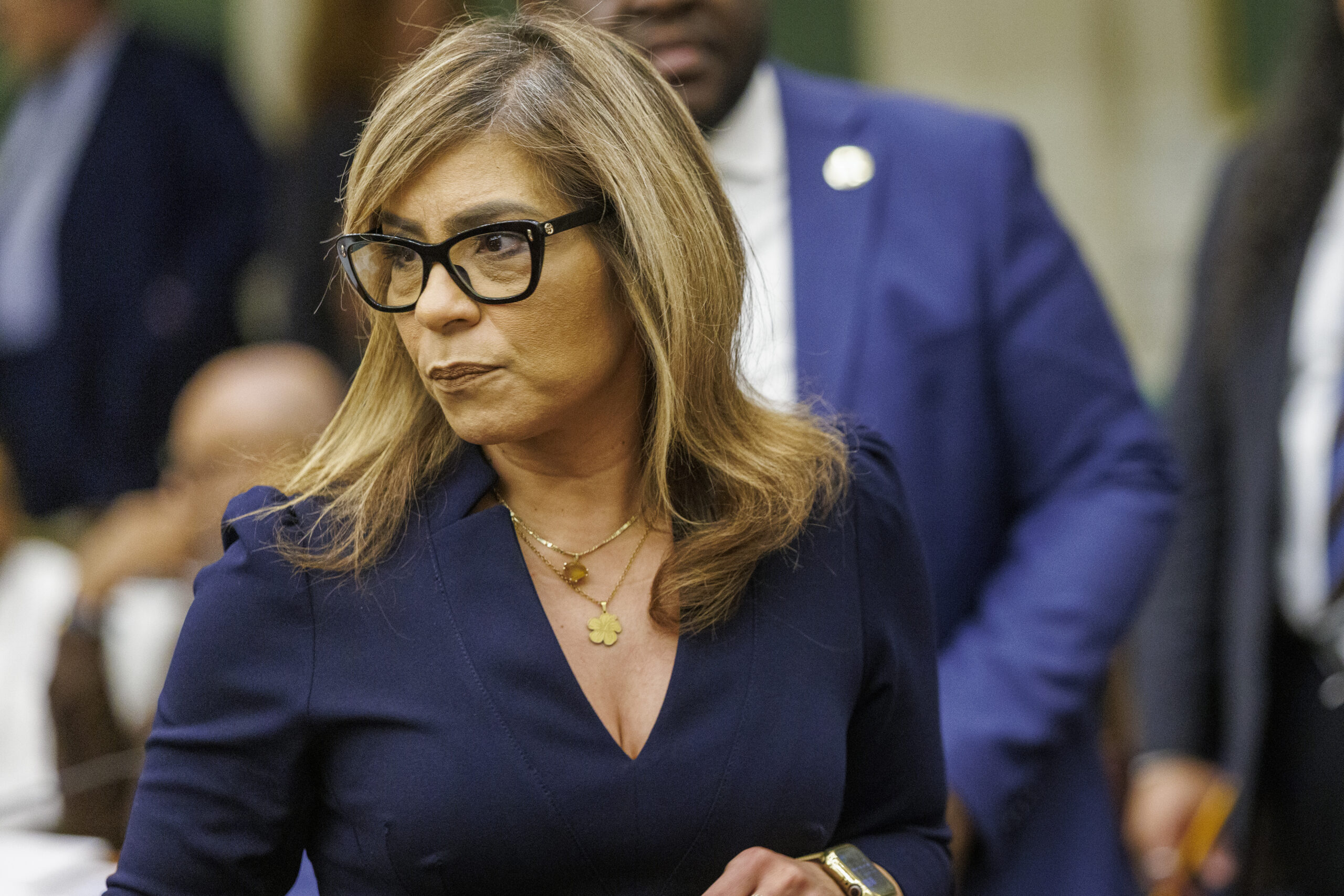
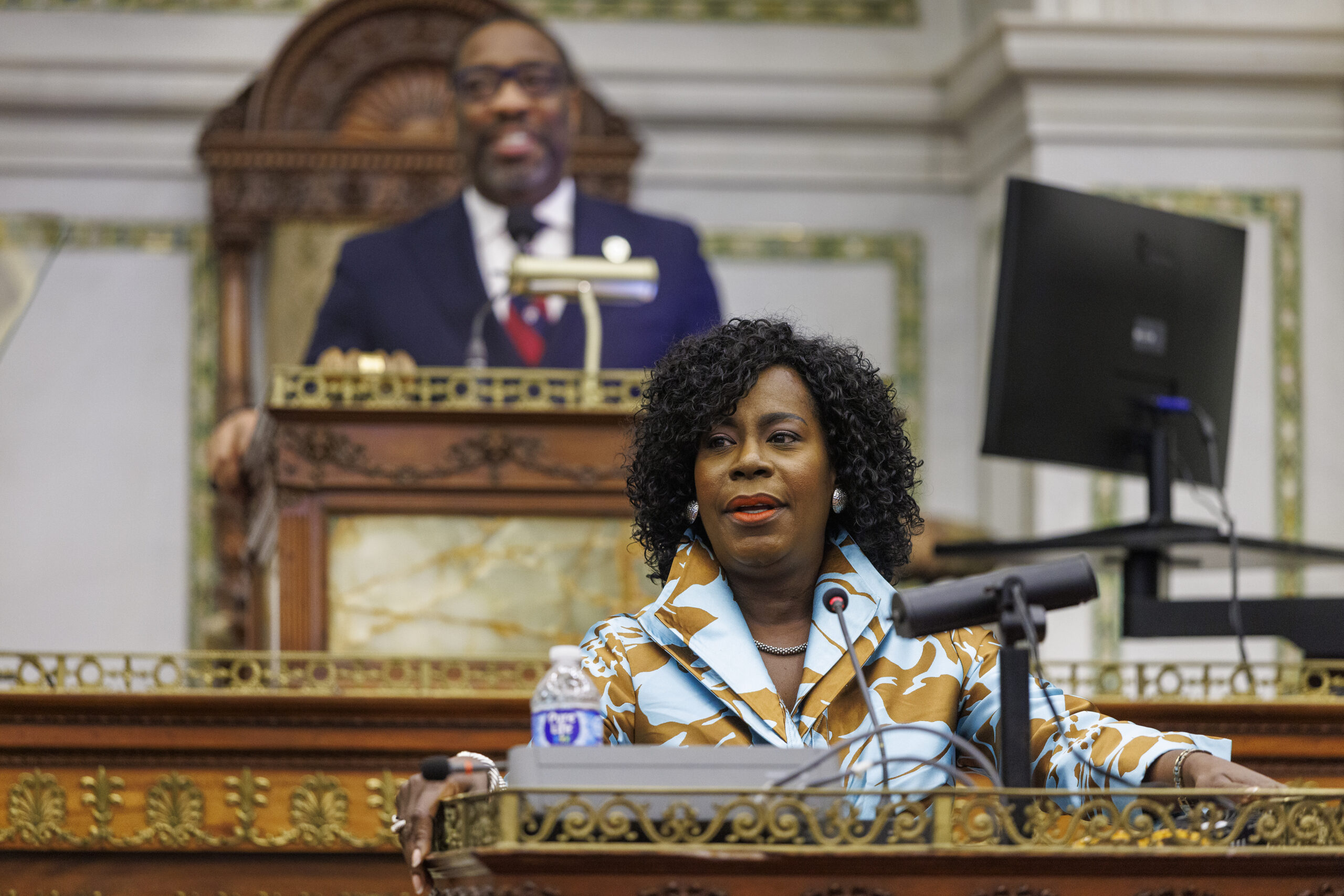
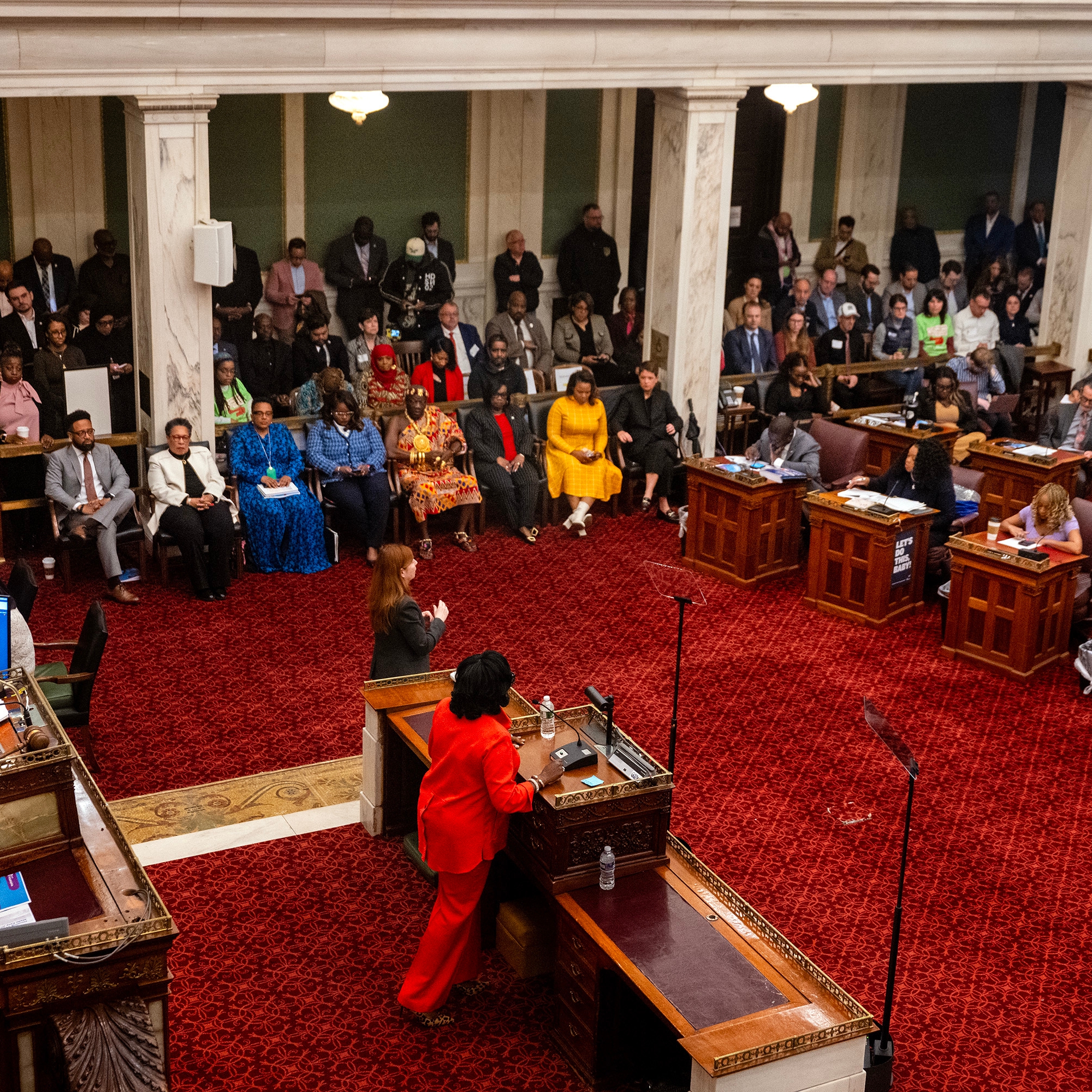
    In this March file photo, City Councilmember Quetcy Lozada stands in Council chambers during Mayor Cherelle L. Parker’s budget address.

    Lozada also said rising property values in Kensington are part of why she has been “so careful with projects presented to me” and has prioritized what she sees as equitable development in the neighborhood — at times to the chagrin of developers who think she has been too restrictive.

    “I’m all about people making a return,” she said, “but you can’t continue to do it on the backs of poor people.”
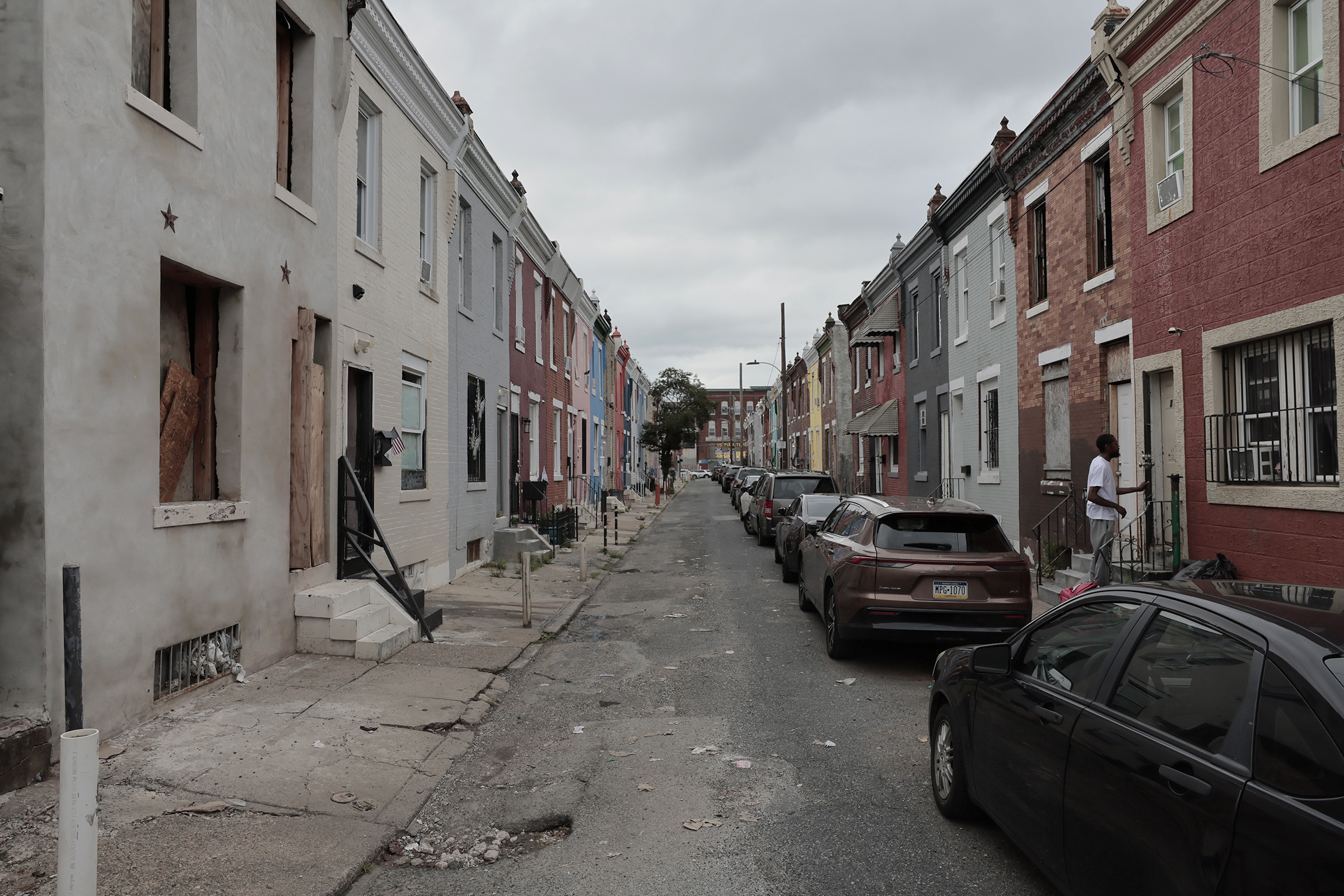
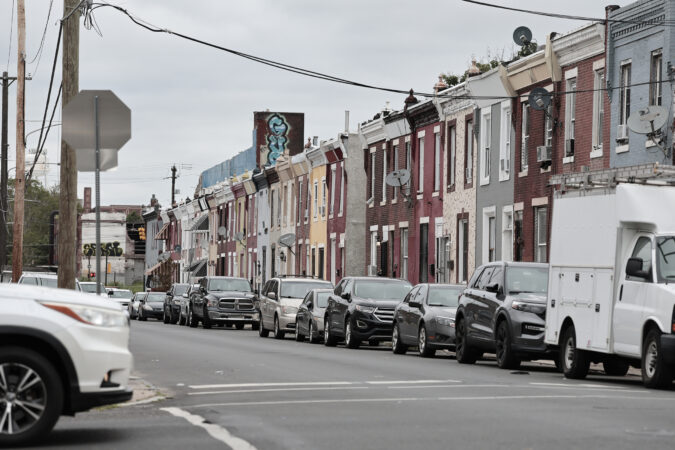
    The 3100 block of Arbor Street in Philadelphia on Tuesday, July 7, 2026.

    Continuing change in pockets of West Philly

    There were also significant property value increases in parts of West Philadelphia.

    The median increase in Mantua, the neighborhood north of University City, was the second highest in the city, at 15%, according to The Inquirer’s analysis. The median increase was 12% in Kingsessing, the neighborhood south of University City that in 2025 saw the largest jump of any neighborhood in Philadelphia.
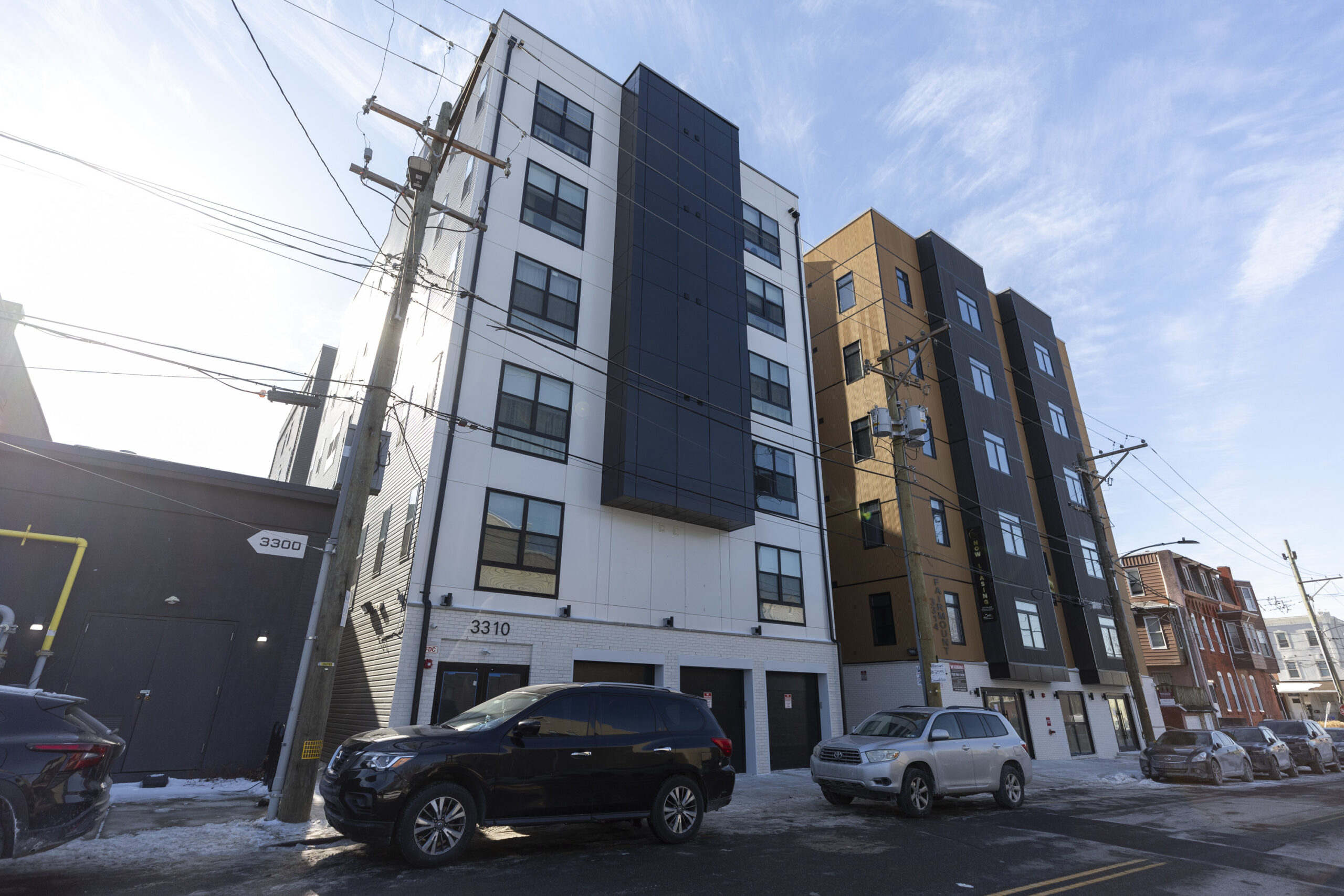
    Newly developed buildings along Fairmount Avenue in the neighborhood of Mantua in Philadelphia, Pa., on Thursday, Jan. 23, 2025.

    Councilmember Jamie Gauthier, a Democrat who represents West Philadelphia and has made preventing displacement a key initiative, said that there has long been racial bias in the city’s property assessments and that the city must “get serious” about protecting low-income homeowners by revamping its system.

    “There has to be a higher level of urgency in making sure that the city doesn’t have a hand in pushing out all of these homeowners that make Philadelphia what it is,” Gauthier said. “It’s unconscionable for us to destabilize our neighborhoods and the longtime homeowners who live there because we didn’t take enough care to make sure that our process was fair and equitable.”

    For too long, she said, city officials have said they intended to examine the property assessment practices and identify improvements. In 2024, Parker convened a task force to study the process.

    Aros told Council in April that the task force’s report was “being finalized.” He said OPA would look to implement recommendations from the report, including conducting more regular reassessments and improving property-level data such as property condition.

    The city is also planning to hire an outside consultant to examine its mass appraisal practices, according to city records. The analyst will be responsible for drafting a report by the end of this year.

    Deputy creative director John Duchneskie contributed to this article.
  • Historic church at 42nd and Pine to become apartments after Penn declined to buy the building

    Historic church at 42nd and Pine to become apartments after Penn declined to buy the building

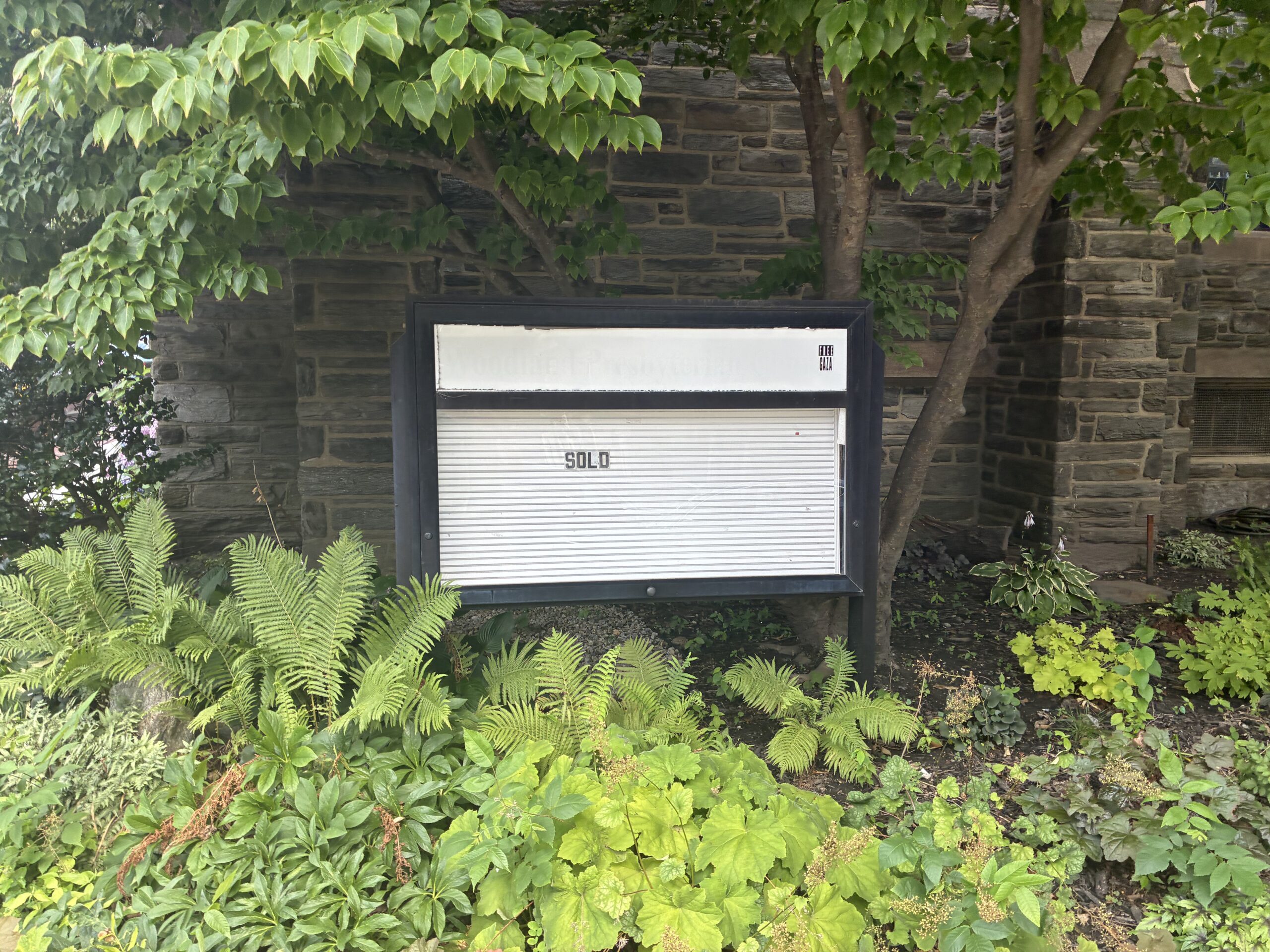
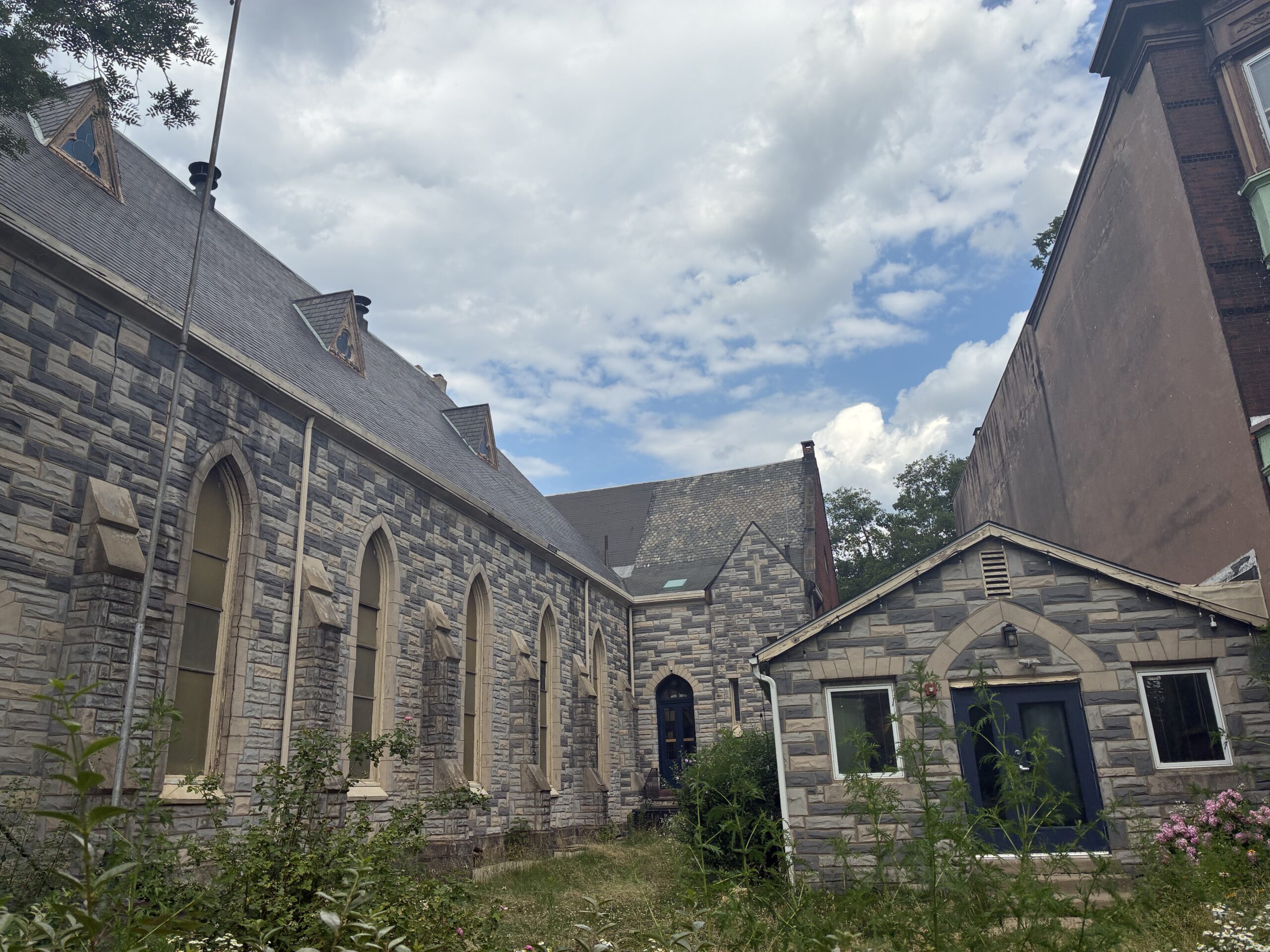
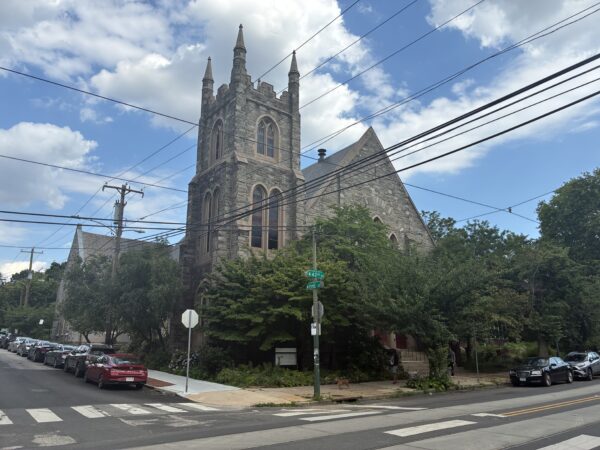
    The former Woodland Presbyterian Church at 401 S. 42nd St. is being converted to 35 apartments, mostly studios, with seven set aside at affordable rents.

    The oldest parts of the church complex date to 1871. But after the COVID-19 pandemic and with a shrinking membership, Woodland Presbyterian merged with several other Philadelphia congregations in a Center City building.

    They decided to sell the 42nd Street building after determining it would cost millions to rehabilitate.

    In November the property sold for $1 million to a limited liability corporation that shares the address of Bala Cynwyd-based Finch Development.

    The company has extensive rental property holdings in Philadelphia and on its website boasts a 37-unit redeveloped former church building at 1629-39 S. 28th St. in Grays Ferry.

    “It was the highest offer, and they did have a track record of one or two conversions of a house of worship,” said David Brindley, a Reformed Church leader involved with the sale. “They seemed to be people that could get things through to the finish line.”

    The building sold for $1 million at the end of last year.

    The company did not respond to requests for comment. The project’s design firm is Raymond F. Rola Architecture.

    The former Woodland Presbyterian Church is three blocks from the University of Pennsylvania’s campus. At first Brindley sought to interest other congregations, including those who cater to college students, but when those efforts failed, he approached Penn itself in 2024.

    The university made an offer in early 2025, he says.

    “It could be a space to bridge the gap between the town and the gown, and they were very interested,” Brindley said.

    “They were going to make it the new Rotunda,” a Penn-owned community space at 41st and Walnut, he said. “They were going to move the Rotunda and its activities there, the community art space there, and then be able to expand.”

    But as 2025 progressed — a year where Penn and the rest of the higher-education sector faced federal funding loss and other uncertainty — the university decided against moving forward, citing the expense of shoring up the building, Brindley said.

    “I don’t blame Penn at all, but at that time, they just couldn’t [take the] risk,” Brindley said.

    The university declined to comment.

    Plans on the Department of Licenses & Inspection’s website show units ranging from a smallest of 324 square feet to the largest at 848 square feet, which would be housed in a one-story annex on the south side of the property.

    The annex on the right-hand side of this photo will have the largest apartment in the new complex.

    Due to the proximity to the university, Brindley says he expects that renters will mostly be students associated with Penn.

    The project falls within Councilmember Jamie Gauthier’s mandatory inclusionary zoning overlay (MIN), which requires that one-fifth of units in large projects be set aside for those earning 40% or less of area median income. That’s roughly $35,000 for a one-person household.

    “Project will comply with MIN overlay affordability rules as necessary,” the apartment conversion’s June 25 zoning permit reads.

    The project is zoned for duplex construction. But the former church is within the Spruce Hill Historic District, which means that Finch Development can build without a zoning variance — due to a 2019 law passed by City Council that allows historically protected special buildings like churches to be redeveloped beyond their underlying zoning.

    The law was created in reaction to the controversy over St. Laurentius Church in Fishtown, where a handful of neighbors fought against the redevelopment for so long that the church deteriorated to the point it had to be demolished.

    The Spruce Hill Historic District, like many of the newly created historic districts, is being challenged in court by local property owners, including the major student housing companies in the area like Campus Apartments and University City Housing.

    After being rejected by a local judge, an appeal is pending in Commonwealth Court.

    “I’m very glad it’s not going to get demolished,” Brindley said. “It’s not a sad story about what the building will become from my perspective. We would have certainly loved for it to have had a community-centered use, but the building was just too far gone.”

  • Mayor Parker declares public safety emergency at Bartram Village after squatters cause major damage

    Mayor Parker declares public safety emergency at Bartram Village after squatters cause major damage

    Mayor Cherelle L. Parker has declared a public safety emergency at Bartram Village, a vacant Philadelphia Housing Authority (PHA) complex in Southwest Philadelphia, after squatters moved in and caused extensive damage.

    This declaration clears regulatory hurdles that had delayed PHA’s plans to rapidly demolish the 45-building complex, where the last tenant moved out in 2025.

    “For too long, these vacant buildings have posed serious safety risks to surrounding residents and the broader community,” Parker said in a statement Thursday. “This action clears the way to remove those hazards and replace them with new housing, new opportunity, and new investment.”

    Bartram Village dates to World War II, when it was built to host defense workers during the wartime industrial boom. The site was later transitioned to the traditional public housing program, providing affordable housing for up to 500 households.

    The complex is among the oldest in PHA’s portfolio. As federal funding for public housing declined precipitously in recent decades, the agency struggled to keep up with the maintenance of the aging structures. At the same time, drug dealing and other crime increased at Bartram Village.

    PHA has been planning a probable demolition for a major redevelopment since at least 2018, when it was estimated the buildings required repairs reaching almost $200 million in today’s dollars. Former residents would have a right to one of the 688 new units planned for the site.

    But after tenants were moved out, the 22-acre property attracted squatters despite PHA’s security patrols in the area. Beyond occupying the space, squatters tore copper wiring from the buildings and damaged the popular neighboring park and historic site of Bartram’s Garden.

    “We boarded it up, it was secured, and almost immediately we realized that folks were penetrating those areas in the back and coming in through Bartram’s Garden,” said Kelvin Jeremiah, president of the housing authority. “But because of the size … it became a real issue. The more we removed people, the more they came in.”

    Councilmember Jamie Gauthier’s office began raising alarms in February about the state of Bartram Village.

    “I warned that failing to act quickly would [exacerbate] safety issues and cost taxpayers’ money,” Gauthier said. “The buildings became hot spots for squatters and provided cover for inflicting over half a million dollars of damage to Bartram’s Garden.”

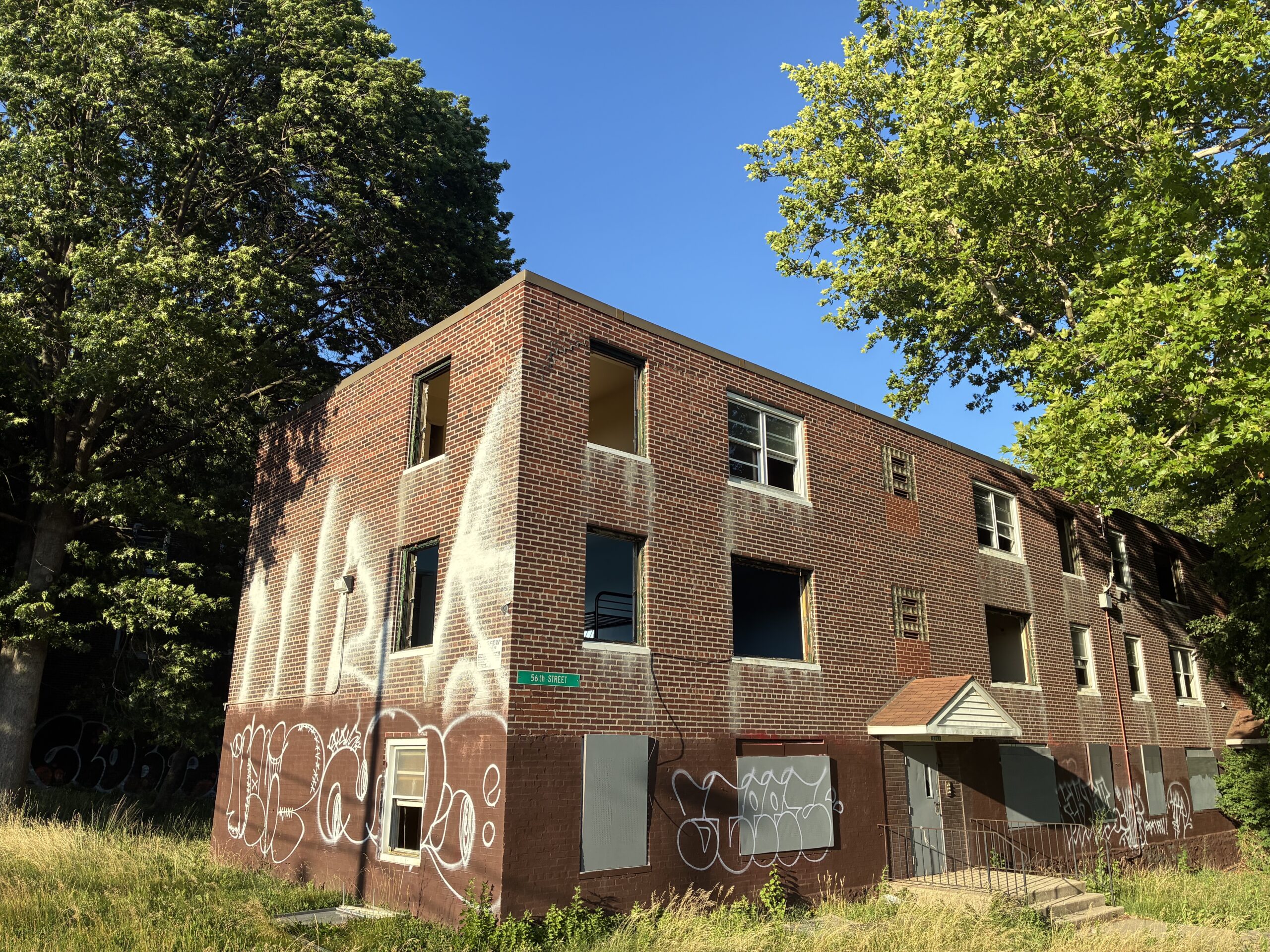
    An abandoned Bartram Village apartment, which will soon be demolished.

    Jeremiah said the housing authority couldn’t move to demolish the buildings immediately because Bartram Village is eligible for inclusion on the National Register of Historic Places. The mayor’s emergency declaration allows the agency to bypass a lengthy federal review process. The buildings are not protected by local preservation regulations.

    Following Parker’s actions Thursday, “we are now prepared to move forward on an expedited basis to have the site demolished,” Jeremiah said.

    PHA plans nine apartment buildings and over 150 townhouses for the Bartram Village site, supported in part by a $50 million grant from the federal government.

    It is a major part of Jeremiah’s aggressive plan to renovate all of the authority’s existing holdings while building 3,000 new units and buying at least 4,000 units from the private sector.

    The redevelopment has been years in the making because of tenant relocations and the federally mandated delay in demolition.

    “Southwest Philadelphians have waited far too long for promised improvements at Bartram Village,” said Gauthier, who represents the area.

    “I’m glad that Mayor Parker took the important step today of signing a public safety declaration giving PHA permission to demolish existing structures because they have been causing unsafe conditions to the community for a very long time,” Gauthier said in a statement.

  • ‘Unattainable’: POWER Interfaith calls on City Hall to address affordability crisis. But Philly doesn’t have many good options.

    ‘Unattainable’: POWER Interfaith calls on City Hall to address affordability crisis. But Philly doesn’t have many good options.

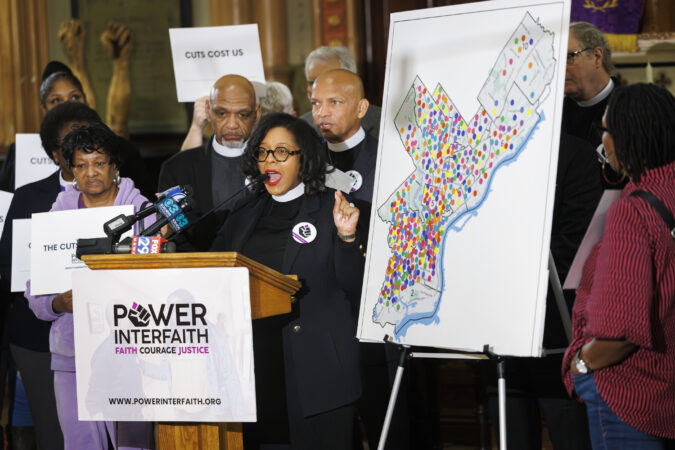
    Philadelphians are facing a growing affordability crisis, and City Hall needs to act quickly to counter the impact of funding reductions from the federal and state governments, leaders of the progressive group POWER Interfaith said Monday.

    “Living comfortably in our city is becoming unattainable,” the Rev. Cean R. James, senior pastor of the Salt + Light Church, said at the gathering at Arch Street United Methodist Church. “The mayor’s recent budget does focus on economic mobility, and that is noble. But it does not go far enough. It’s not sustainable.”

    POWER, an influential coalition that includes more than 50 congregations in the city, on Monday released a report based on interviews with 750 city residents at church meetings, neighborhood gatherings, and other events. The informal survey found:

    • About two-thirds of respondents had to forego another bill to pay mortgage or rent, and 80% struggled to afford property taxes.
    • A majority of congregations surveyed have seen the number of unhoused members in their congregations increase.
    • Ninety percent of respondents said the city hasn’t done enough to “invest in their community’s needs.”

    POWER leaders on Monday called on City Council to hold a hearing on affordability. But the report did not include policy prescriptions for addressing the crisis it described, and it’s far from clear what city lawmakers or Mayor Cherelle L. Parker can do to make it easier to get by in the city.

    Philadelphia already has a relatively small property tax burden, and the city has some of the strongest protections in the nation for people struggling to stay in their homes.

    Philadelphia Mayor Cherelle L. Parker speaks to City Council, guests, and dignitaries at start of her budget presentation in Council Chambers last Thursday.

    Parker last year unveiled her Housing Opportunities Made Easy, or H.O.M.E., initiative, which involves selling $800 million in city bonds to fund programs aimed at making housing more accessible and affordable. Last week, she unveiled a $7 billion proposal for the next city budget with a focus on economic mobility, including investments in workforce development training, internship opportunities, and financial counseling.

    But with little ability to affect the cost of goods and state-imposed restrictions on how it can collect taxes — preventing the city from imposing higher rates on wealthier residents — Philadelphia officials have limited options when it comes to addressing affordability.

    window.addEventListener(“message”,function(a){if(void 0!==a.data[“datawrapper-height”]){var e=document.querySelectorAll(“iframe”);for(var t in a.data[“datawrapper-height”])for(var r,i=0;r=e[i];i++)if(r.contentWindow===a.source){var d=a.data[“datawrapper-height”][t]+”px”;r.style.height=d}}});

    The POWER report acknowledged the predicament.

    “To be very clear: There are no easy answers to these challenges,” the report said. “We must prepare serious and sober projections about the impacts of the impending revenue losses we face, and then we must develop a menu of policy options to soften those impacts and mitigate harm to residents. And we must ensure that any actions we take do not make the current cost-of-living crisis even worse.”

    The city’s limited options on addressing affordability won’t stop it from being a major topic during this spring’s budget negotiations. Affordability has recently become a political buzzword, and Democrats are hoping to win back Congress in November in part by blaming rising costs on President Donald Trump’s administration.

    This year, thousands of Pennsylvanians are abandoning the state’s Affordable Care Act insurance exchange after congressional Republicans declined to renew expanded healthcare subsidies. Trump’s efforts to increase tariffs and the war with Iran threaten to increase inflation nationwide. SEPTA last year increased fares and is still facing a fiscal crisis due, in part, to objections by GOP lawmakers in Harrisburg.

    It’s unlikely the city could meaningfully address any of those losses without significantly increasing taxes, which would in turn make Philadelphia less affordable. And hiking any of the city’s three major sources of local revenue — the wage, property, and business taxes — all come with significant downsides or political roadblocks.

    Increasing the wage levy alone would make the city’s tax structure more regressive, meaning a greater share of the overall tax burden would be paid by poorer workers.

    Increasing the real estate tax rate could make the tax structure more progressive, because property owners tend to be wealthier than the average resident. But POWER and other left-leaning groups generally oppose that option due to concerns about displacing low-income homeowners.

    And when it comes to the business income and receipts tax, or BIRT, City Hall has recently been moving in the opposite direction of POWER’s goals. Council last year approved a proposal championed by Parker and Council President Kenyatta Johnson that will provide annual cuts to the BIRT rate over the next 12 years.

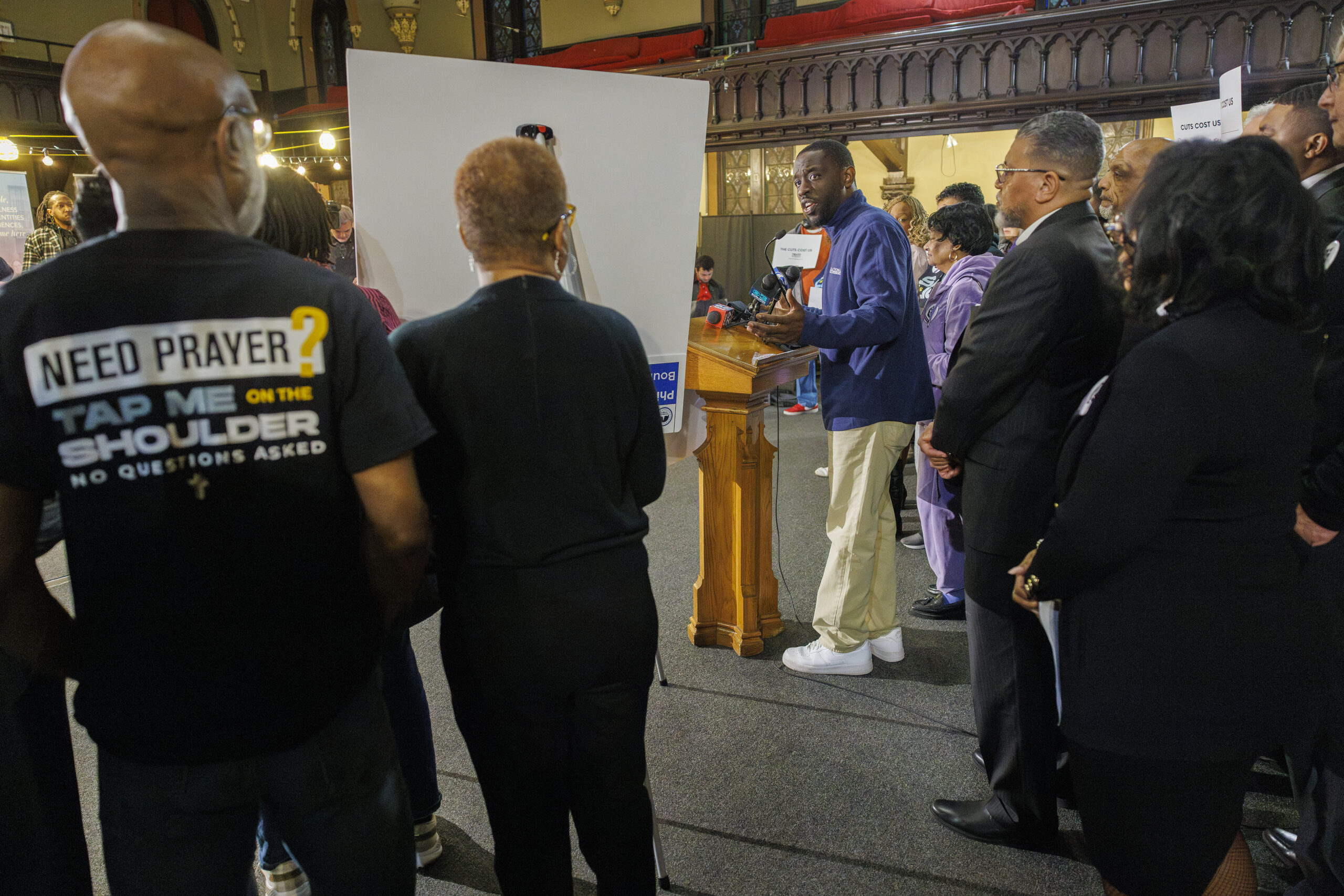
    Philadelphia City Councilmember Isaiah Thomas addresses members of POWER Interfaith during a news conference on affordability at Arch Street United Methodist Church. at Broad and Arch Streets, on Monday.

    POWER leaders have called on lawmakers to pause those reductions or even increase the tax. But the political headwinds they face in City Hall were evident at Monday’s news conference. Two of three Council members in attendance voted for the business tax cuts last year: Democrats Jamie Gauthier of West Philadelphia, and Isaiah Thomas, who represents the city at-large.

    “It’s very difficult, as we discussed in the past, for local government to be able to step up and address some of these concerns,” Thomas said at the event. “There’s not much we can do as it relates to the catastrophe that we’re seeing around healthcare. There’s not much we can do as it relates to all the tariffs and the cost of living that’s going up significantly. But there are things that we can do, that we control.”

    He pointed to efforts by Councilmember Nicolas O’Rourke to preserve a program that provides free SEPTA fares for low-income Philadelphians and to Gauthier’s advocacy to direct more housing money to the city’s poorest residents.

    The Rev. Carolyn C. Cavaness, pastor of Mother Bethel AME, said she understands that lawmakers have to deal with complicated political dynamics. But she said she hopes that POWER’s focus on the affordability crisis will reset the conversation.

    “I always think about context. … Sometimes we’re in tight spaces,” Cavaness said at the POWER event. “I think also conditions then were much different than what they are now. … We’re really back to ground zero.”

  • Mayor Parker backs legislation to boost housing development around SEPTA stations

    Mayor Parker backs legislation to boost housing development around SEPTA stations

    Mayor Cherelle L. Parker’s administration sent City Council a bill on Thursday to encourage more apartment construction around SEPTA stations, in hopes of boosting ridership.

    The proposal expands an existing law. Currently, if a SEPTA station is made a “transit-oriented development” district — a designation City Council must adopt — then most properties within a 500-foot radius receive a variety of benefits that allows developers to build more housing with less parking than otherwise allowed.

    The legislation sent to Council by the Parker administration would expand that radius to 1,320 feet, or a quarter of a mile.

    The bill is part of a package of zoning legislation meant to boost Parker’s effort to build or repair 30,000 homes in the coming years.

    “Zoning is how we turn housing ambition into housing reality,” said Angela D. Brooks, chief housing and urban development officer. “These bills help us put more homes where our infrastructure can support them, near transit, near jobs, and near opportunity, while respecting the character of the neighborhoods Philadelphians already love.”

    The hope is that SEPTA will benefit from a ridership boost if more housing is built close to transit, and more people will be able to afford to live near public transportation — which, in some areas, is in more expensive and sought-after neighborhoods.

    The zoning overlay grants different types of development benefits depending on the existing zoning around transit stations.

    In a bid to avoid controversies that have undermined similar laws in other cities, land zoned for single-family housing would not be given any development advantage under the law.

    But properties already zoned for dense housing would be allowed to build many more units, with additional benefits given if they provide affordable housing or environmentally friendly design.

    “This package will also increase ridership, reduce costly trips to the [zoning board], and allow more investment in transit stations,” Brooks said. “Zoning may sound technical to some, but investments in transit are something residents can see, touch, and feel every day.”

    Projects that have benefited from the existing transit-oriented development overlay include The Noble, with 360 units, near the Spring Garden stop on the Market-Frankford Line, and a proposal for a 134-unit mixed-income development at the Frankford Transportation Center.

    Land zoned for more modest density would be allowed to build 50% more units. That means if developers could build four units under normal conditions, in a transit-oriented development district, they could build six.

    The overlay requires that the ground floor of commercially zoned buildings have active uses. Curb cuts, parking garages, and one-story buildings are not allowed.

    Parker’s bill further eases some parking requirements, although the requirement for developers building in such areas is already less than under normal zoning rules.

    The bill was circulated to City Council on Wednesday. Members wanted more time to review it before it was formally introduced.

    “In general, I’ve been a proponent of the basic concept of increasing density around our transit stops,” said Councilmember Jamie Gauthier, who chairs City Council’s housing committee.

    “It makes our neighborhoods more lively, more livable,” Gauthier said. “We have a great transit system, and we should be trying to help it be as successful as possible.”

    Because City Council must pass legislation to include transit stations in the zoning overlay, district Council members are given effective control over how many stations will be included in the law’s benefits.

    Both the Broad Street and Market-Frankford Lines run between Council districts, which means half of many stations are under one Council member’s purview while the other half are in another’s control.

    Transit advocates have long hoped for legislation that would automatically apply to all major transit stations, but that idea could prove difficult to get through City Council.

    Gauthier is one of the few Council members who have embraced transit-oriented development. All of the Market-Frankford Line stations in her district are covered by the overlay.

    No stations on the Broad Street Line are included so far.

    “I don’t want to speak about areas of the city that are not mine,” Gauthier said. But in her transit-rich West Philadelphia district, “I do think we can consider expanding that radius more. We know that less people are driving nowadays.”

    City Councilmember Jamie Gauthier is one of the most enthusiastic proponents of transit-oriented development on City Council.

    The urbanist advocacy group 5th Square says that Parker’s bill should be broader.

    The group called for the elimination of parking minimums near transit, an even larger coverage radius, and for multifamily housing to be allowed on land zoned for single-family homes near stations.

    “These bills are a welcome step toward more housing near transit, but their scope doesn’t quite address our massive housing shortage,” said Fae Ehsan, board member with 5th Square Advocacy.

    The other housing-related bill Parker sent to Council includes legislation that would make it easier to build more apartments above commercial buildings on the ends of some rowhouse blocks, which are currently allowed to have only one unit above ground-floor retail.

    The bill would allow owners to convert the ground floor to residential uses if they cannot fill the storefront. The administration believes 7,000 to 12,000 more housing units could be allowed under the change.

  • The Philly school board finally began considering the superintendent’s school-closing plan — and the community is not happy

    The Philly school board finally began considering the superintendent’s school-closing plan — and the community is not happy

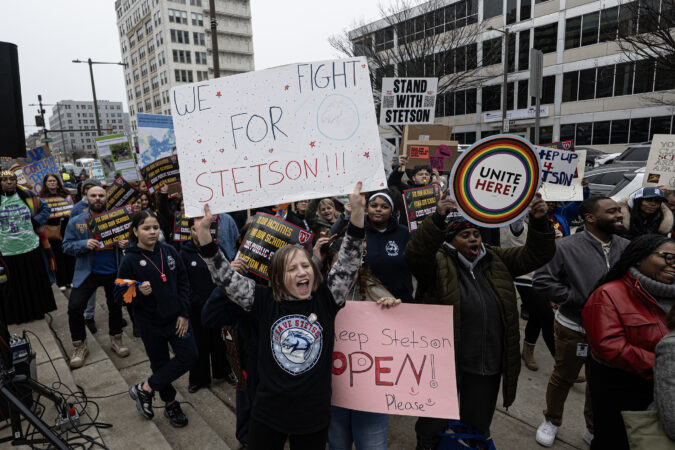
    Frustration and anguish spilled over Thursday night as Superintendent Tony B. Watlington Sr. presented his sweeping, $2.8 billion facilities plan to the school board at a heated, lengthy meeting.

    Watlington revised the plan to include 18, not 20 school closings — saving Conwell Middle School and Motivation High — and still wants to modernize 159 schools over a decade. He pitched it as a “once-in-a-lifetime” opportunity to drive academic improvement.

    But the community did not seem impressed — at an anti-school-closure rally prior to the meeting, and at the public session itself, which stretched on for more than eight hours, into the early hours of Friday morning.

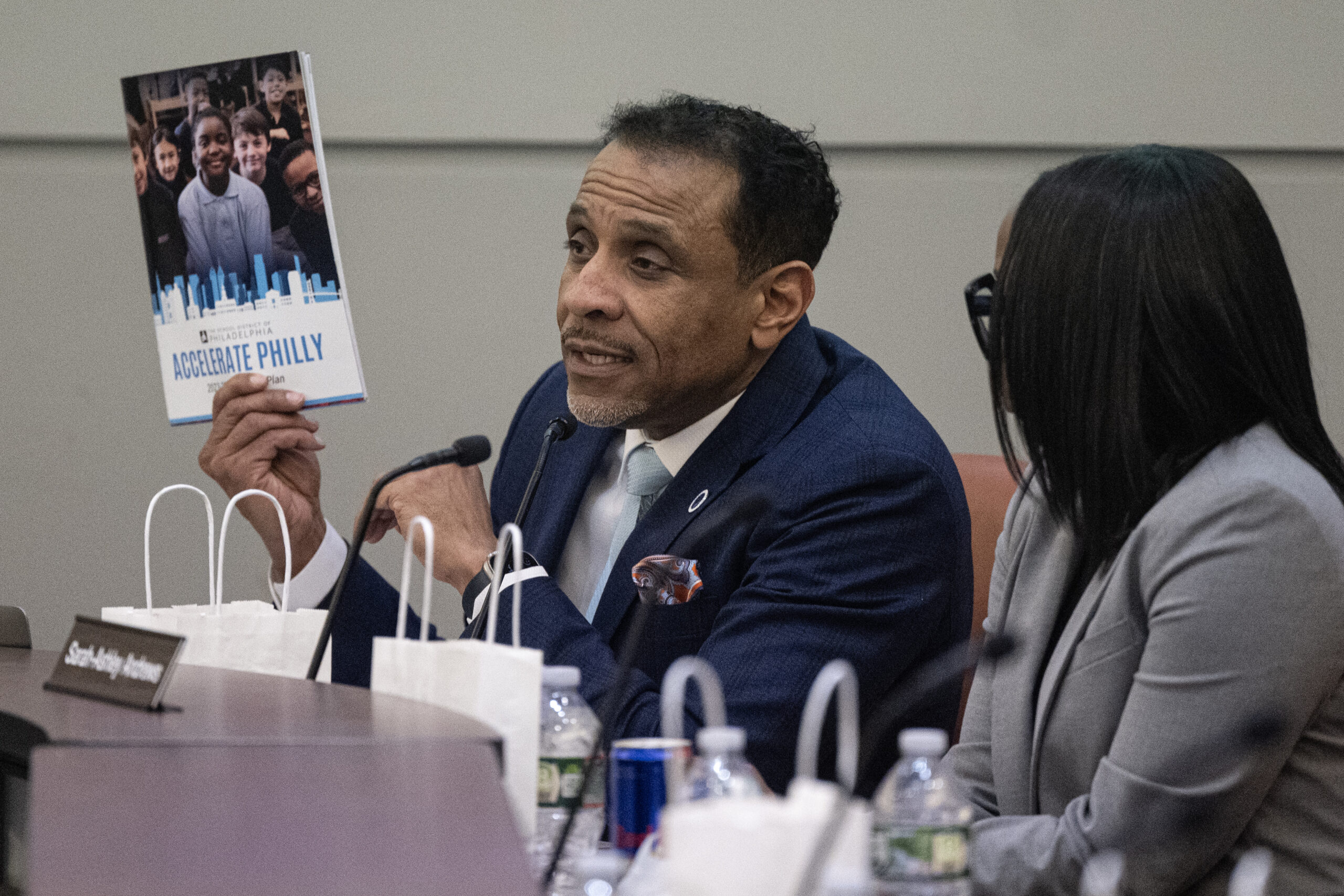
    Tony B. Watlington Sr., superintendent of the School District of Philadelphia, presents his facilities plan during Thursday’s board meeting.

    “Dr. Watlington, you’re breaking my heart,” said Amanda Chandler, a teacher at Harding Middle School, one of the schools on the chopping block.

    The district’s plan “isn’t an opportunity — it’s calculated abandonment,” said Beth Cole, a teacher at Stetson Middle School, which is also slated to close.

    Watlington first unveiled the facilities plan, which was years in the making, in January. After weeks of community meetings, the superintendent formally presented the blueprint — with some tweaks — to the school board Thursday. The board has not yet said when it will vote on the plan, but has scheduled a March 12 town hall to hear more public feedback.

    ‘Massive upheaval’

    The district has 70,000 empty seats in schools citywide. For example: Watlington said he recently watched a recording of a 1969 Overbrook High graduation. The school educated 5,000 students then. Now, it has fewer than 500.

    And while some schools are underenrolled, some are overfull, particularly those in the Northeast. Inequities are widespread, also. For instance, only half of city students have access to Algebra 1 in eighth grade, barring them from admission to Masterman, a top city magnet that requires algebra for admission.

    The board must address all those issues, said Reginald Streater, school board president.

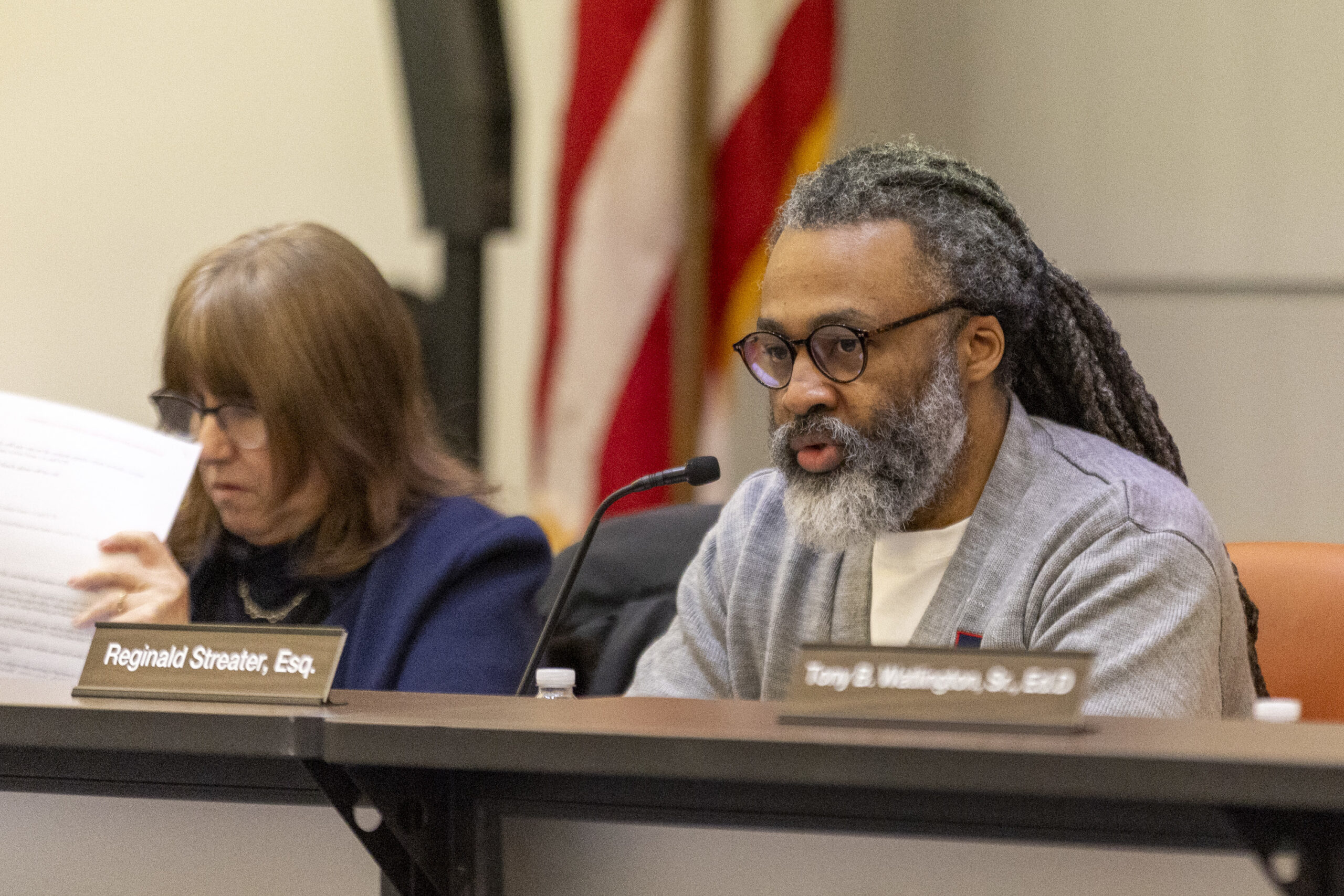
    School board president Reginald Streater said the board must deal with 70,000 empty seats in city schools.

    “We have chronic underfunding, coupled with enrollment shifts that have materially created structural challenges that no district board can simply absorb without consequence to the district,” Streater said. “These realities have materially affected our ability to accelerate our fight against systemic chronic underachievement within the School District of Philadelphia.”

    Streater did not weigh in on the details of the plan, but some other board members did, indicating there may be some pushback when it comes time to vote.

    Board member Crystal Cubbage said she wanted a “bolder plan” including more new buildings. (Watlington’s version proposed a single new building in the lower Northeast for the Arts Academy at Benjamin Rush.)

    “I’m struggling to reconcile this massive upheaval, and the $2.8 billion price tag, with the fact the plan is not explicitly designed to produce better outcomes for all of our children,” Cubbage said.

    Audience members in the packed board room cheered as board member Wanda Novales voiced criticisms of the plan.

    Novales said she recognized the complex challenges the board and district face, but “the standard cannot simply be operational efficiency,” Novales said. “I am struggling to see the heart …that sees the lived realities of our neighborhoods.”

    Areas like Kensington and Fairhill have long been underresourced, Novales said, and the plan falls short in providing opportunities to students there.

    “This conversation cannot just be about buildings. It must be about students,” Novales said.

    Joyce Wilkerson, the longest-serving member of the school board, and a member of the School Reform Commission, the board’s predecessor, said the district has known it had to “rightsize” for years.

    “We can’t afford to be locked in inaction,” Wilkerson said.

    More pushback

    Students from the affected schools spoke pointedly about the proposed changes.

    Jade Colon, a student at Stetson Middle School, in Kensington, said her school’s roof has leaked for years. It’s never been properly fixed.

    “We are told this plan is about equality, yet we see our neighborhood — one that has already faced decades of disinvestment — being asked to sacrifice yet again,” said Colon. “True equality isn’t found in a swing space or a longer walk to a different building across dangerous intersections like Kensington and Allegheny. True equality is found in investing in schools we already have.”

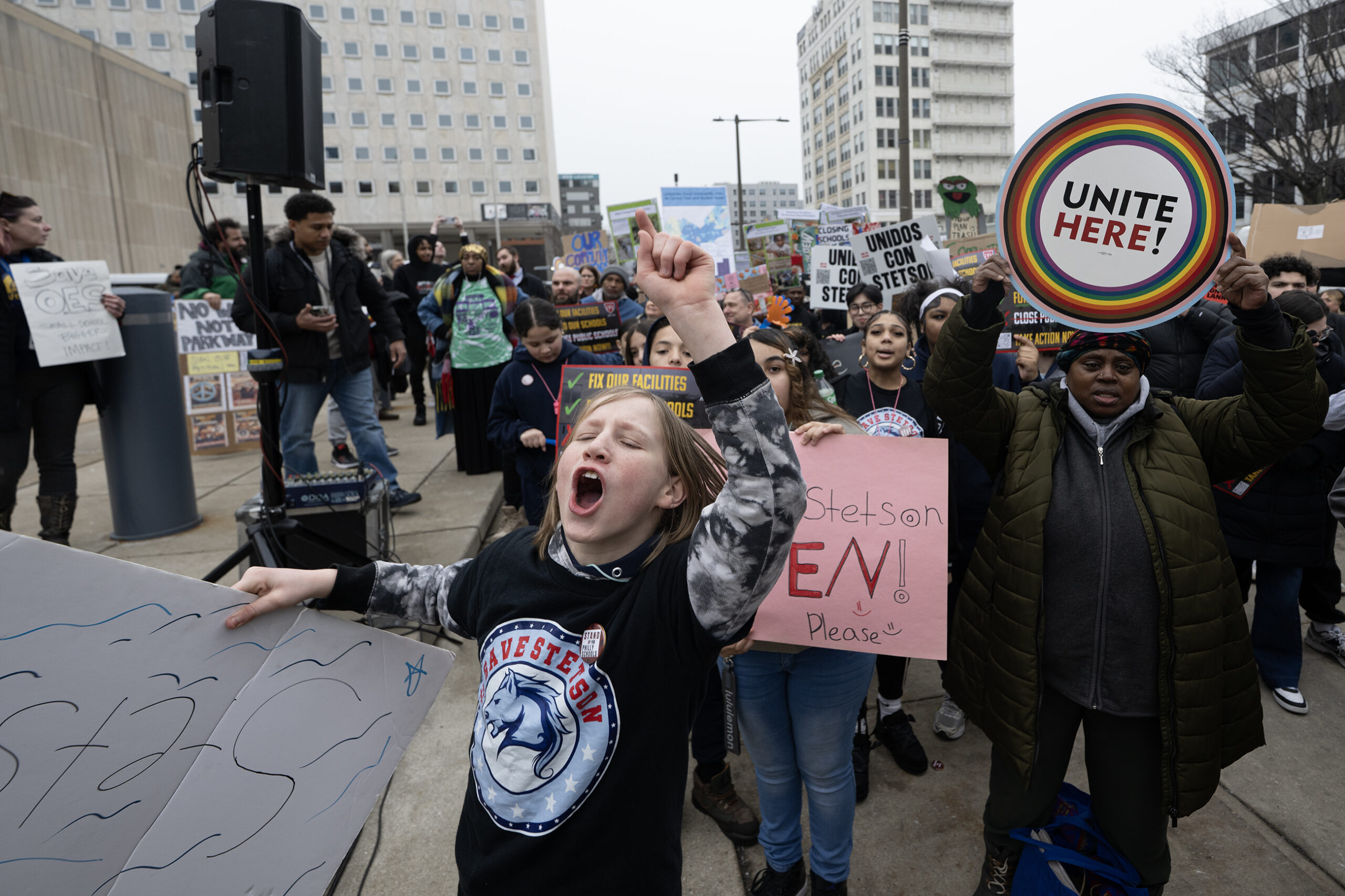
    Students rally before a School District of Philadelphia board meeting Thursday outside the district’s headquarters in Philadelphia, as community members protest proposed school closures.

    David Samuel, who attends Parkway Northwest, another school on the closing list, said the school is “building strong children.”

    Virtually all Parkway Northwest students are on track to graduation.

    “Those are lives being moved forward,” Samuel said. “Closing Parkway Northwest wouldn’t be closing a school; it would be closing my home.”

    The plan drew pushback from a number of politicians who showed up to voice displeasure to the board.

    “I do not have the words to describe how disappointed I am by the district’s proposal today,” City Councilmember Jamie Gauthier said, underscoring concerns about harm to Black and brown students.

    Removing Motivation from the closing list is a good step, said Gauthier, who represents a West Philadelphia district. But she wants Watlington to consider removing Robeson, Blankenburg, and Parkway West, too.

    “Robeson did send a student to Harvard, and you still want to close it,” said Gauthier.

    The superintendent said the district has done its best to spread opportunity, but he acknowledged the difficulty of the decisions in front of the board.

    “In an ideal world, I never believe in closing schools,” Watlington said, a remark met with some groans from the crowd. “I would never want my child’s school to be closed, to be frank.”

  • Philadelphia’s Managing Director Adam Thiel was once everywhere. Now, he’s largely faded from public view.

    Philadelphia’s Managing Director Adam Thiel was once everywhere. Now, he’s largely faded from public view.

    When Mayor Cherelle L. Parker stood in the city’s emergency management center last month and announced that her administration was preparing for the worst winter storm Philadelphia had seen in years, she was flanked by the police commissioner, the head of public schools, and a dozen other deputies.

    Missing from the news conference of Philadelphia’s top officials was Managing Director Adam K. Thiel, whose job it is to oversee the delivery of city services.

    It wasn’t the only time over the last year that Thiel, Philadelphia’s No. 2 public official, was noticeably absent.

    Thiel, who is effectively the city’s chief operating officer, was out of office last year for a total of nearly five months, much of which he spent on military leave, according to 2025 payroll register records obtained by The Inquirer. His increasingly low profile in Philadelphia City Hall has generated frustration and fueled questions about his job performance among some lawmakers, especially as the city faced criticism over the recent snow cleanup.

    Almost half of Thiel’s $316,200 city salary last year was for paid time off, according to payroll records. He is one of the highest-paid officials in the government and made more than Parker, who last year earned $280,000.

    In addition to his top city role, Thiel is a major in the U.S. Army Reserves. He joined the reserves in August 2024, eight months after beginning his job as managing director.

    Thiel also holds other positions outside government. In 2024, while he was managing director, he made more than $300,000 working as a consultant, according to financial disclosures. He is an adjunct faculty member at two universities and sits on several nonprofit boards.

    Five City Council members told The Inquirer that it has been months since they interacted directly with Thiel.

    “The managing director of the city is an extremely important job,” said Councilmember Jamie Gauthier, a Democrat from West Philadelphia. “I do not understand how someone who is absent as much as Thiel is able to carry out this job effectively.”

    Managing Director Adam Thiel during graduation ceremonies for the police academy Class #402 of the Philadelphia Police Department and Temple University Police Department at Temple University Performing Arts Center June 17, 2024.

    The administration declined requests to interview Thiel and Parker for this article. In a statement, Thiel thanked Parker for her “continued support of our city of Philadelphia employees who also serve the United States of America.”

    Sharon Gallagher, a spokesperson for the managing director’s office, said in a statement that Thiel has been employed by the city for nearly 10 years and “earns leave offered by the city the same way as other city employees accrue vacation, sick days, family, medical, military and other leave categories.”

    Payroll records show that Thiel logged six weeks of military leave time last year — the maximum amount the city offers employees. Gallagher said he also used 11 weeks of accrued vacation time to cover additional military assignments.

    The administration declined to answer questions about Thiel’s military service, including details about his location and unit. His LinkedIn page says he “helps provide emergency management subject matter expertise to combatant commands and partner nations.”

    Thiel is also founding partner of one consulting firm and the president of a second, though the specific nature of that work is not known and he has declined to disclose his clients publicly.

    In 2024, Thiel said his consulting work took fewer than 10 hours per week. Gallagher said Tuesday that “nothing has changed” since then.

    The Parker administration did not publicly announce when Thiel was on leave last year, but officials acknowledged it once asked by reporters last summer. At the time, Deputy Managing Director Michael Carroll filled in on an interim basis.

    Thiel, 53, is a nationally recognized expert in emergency management. He held a variety of firefighting, public safety, and disaster preparedness roles across the country before coming to Philadelphia in 2016 to serve as fire commissioner and deputy managing director under former Mayor Jim Kenney.

    Despite that, he did not appear alongside the mayor at multiple briefings the city conducted to update residents on the response to last month’s snowstorm. Instead, the face of the snow emergency response was Carlton Williams, the head of the city’s Office of Clean and Green Initiatives, a position Parker created.

    Thiel said in a statement Tuesday that Williams was “the best choice to lead our city’s unified response to the recent snowstorm operation and is the right leader for future snow and ice events.”

    Gauthier said the city’s handling of the storm “needed a higher-level emergency response.” She said while she respects Thiel’s military service, she raised his consulting work as a concern.

    “A decision needs to be made what he wants to do. Does he want to serve locally, or does he want to do other things?” Gauthier said. “We need a managing director who will serve full time.”

    The administration did not answer questions about whether Thiel was in town through the duration of the city’s 26-day winter emergency response.

    Parker’s chief of staff, Tiffany W. Thurman, said in a statement that the city is proud to offer benefits such as military and administrative leave that support employee well-being and professional development.

    Thurman said Thiel “is always reachable and fulfills the responsibilities of his position as needed based on the situation.”

    “His leadership — as is the case with the leadership team of any large city — is not limited by time designated as leave,” she said.

    The purpose of the Philadelphia managing director

    The authors of the 1950s-era Philadelphia Home Rule Charter created the position of managing director to serve as a barrier between the mayor’s political appointees and the city’s operational departments.

    The idea was that having a bureaucrat at the helm would ensure city service delivery would be apolitical, and the mayor cannot fire the managing director without cause.

    In reality, different mayors have granted their managing directors varying levels of power.

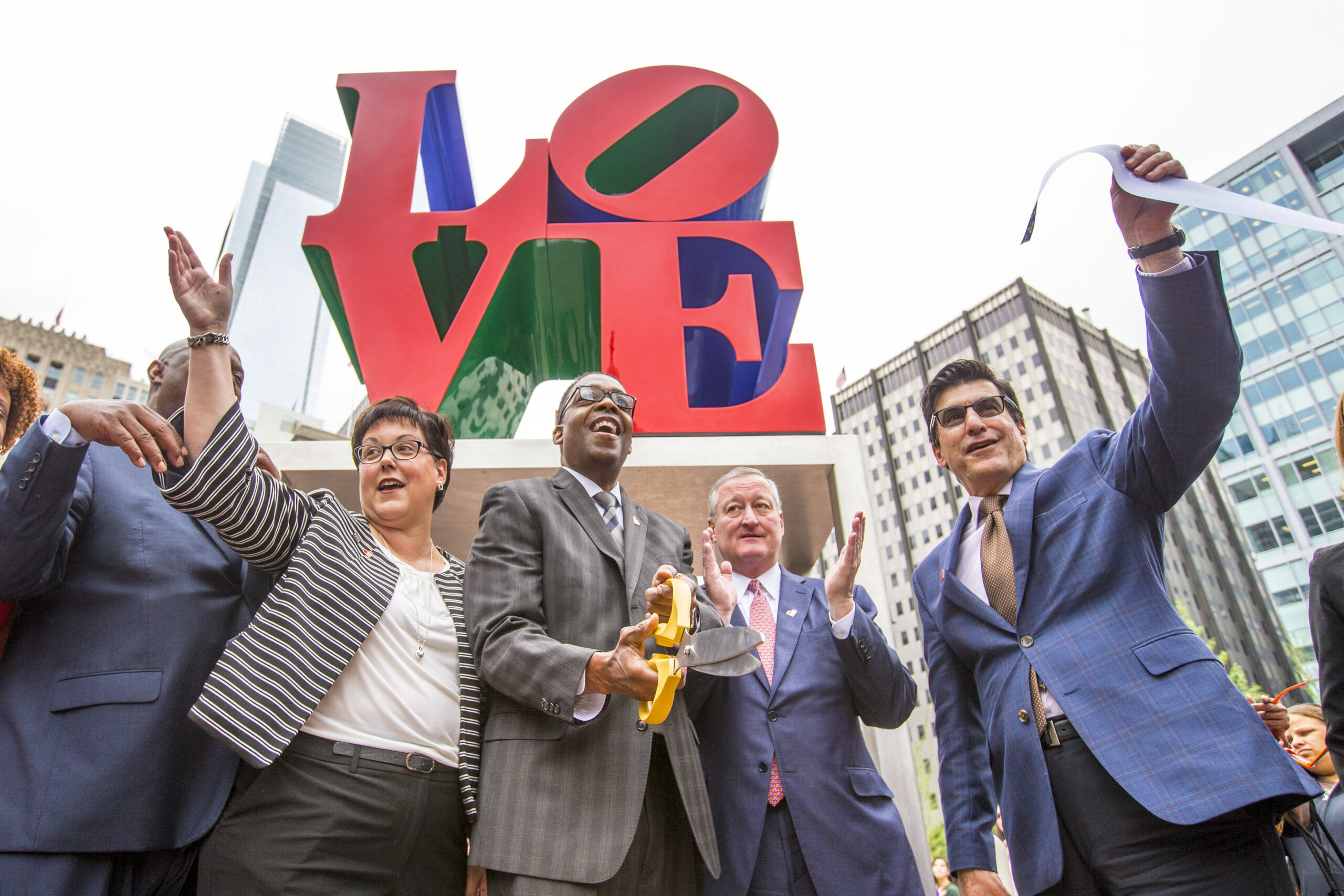
    In this 2018 file photo, LOVE Park is by (left to right) then-Philadelphia Parks and Recreation Commissioner Kathryn Ott Lovell, former City Council President Darrell Clarke, former Philadelphia Mayor Jim Kenney and then-Managing Director Michael DiBerardinis.

    For example, former Mayor Michael Nutter dispensed with decades of tradition and assigned robust portfolios to several deputy mayors. While his managing directors were important figures in his administration, they oversaw fewer operating departments than their predecessors.

    Nutter’s first managing director, Camille Barnett, left the administration after facing criticism for going on a two-week vacation in 2009 while the Phillies made a World Series run and SEPTA workers went on strike.

    Kenney, Parker’s immediate predecessor, sought to re-empower the city’s managing director position, while his deputy mayors took on advisory roles. He reassigned almost all departmental oversight to the managing director’s office.

    “We’re going to have a managing director that’s actually a managing director,” Kenney said before he took office.

    Council members who were in office before Parker’s 2024 swearing-in became used to the managing director being accessible. Several lawmakers said that under Kenney’s administration, they routinely communicated about constituent services matters with ex-Managing Director Tumar Alexander and his predecessor, Brian Abernathy.

    That hasn’t been the case with Thiel in the role.

    “Since the beginning of this administration, I have gone to Carlton Williams,” said Councilmember Jeffery “Jay” Young Jr., a freshman Democrat who represents parts of North Philadelphia.

    Mayor Cherelle L. Parker is applauded by members of her administration at City Hall Wednesday, Jul. 9, 2025, hours after reaching a tentative contract agreement with District Council 33 leaders overnight, ending the workers’ strike. At left is Carlton Williams, director of the Office of Clean and Green Initiatives and Chief Deputy Mayor Sinceré Harris is behind the mayor at right.

    Several other members said that instead of going to the managing director’s office, they take administrative needs to legislative affairs staff, agency heads, or Thurman.

    “Almost everything goes through Tiffany, and she’s able to get things done,” said one Council member who spoke on the condition of anonymity to preserve relationships with the administration.

    Parker doesn’t deny that little happens at the top rungs of city government without Thurman’s involvement. The mayor has come to see her chief of staff as the central figure in her administration and calls her the city’s “chief air traffic controller.”

    Phil Goldsmith, who served as managing director for two years under former Mayor John F. Street, said Thiel’s minimized public role may be because Parker appears to favor “a very strong mayor’s office.”

    “It seems to me that the managing director may have to go through more hoops to get things done than, for example, I had to do,” Goldsmith said. “That’s just a function of what a mayor wants and feels comfortable with.”

    Fading out of public view

    Thiel’s lack of public appearances over the last year has been unusual for a managing director.

    It has been 10 months since he testified before City Council, despite the managing director in previous administrations being a mainstay in hearings to answer lawmakers’ questions about city services ranging from street repaving to emergency preparation.

    And in December, when a half-dozen top Parker administration officials spoke during the mayor’s State of the City event, Thiel was not on the roster.

    The decrease in visibility marks a departure from his first year in office, when Thiel had a more consistent public presence and was often seen beside the mayor.

    Ahead of a snowstorm in January 2024, Thiel stood with Parker during a news conference about preparations. He donned a suit while snowflakes fell, and he reassured the city that the administration was ready for the service disruptions that bad weather can bring.

    Mayor Cherelle L. Parker (center) with Managing Director, Adam Thiel (right) and at left Carlton Williams, Director of Clean & Green Initiatives, at a news conference with city officials in Northeast Philadelphia on Friday, Jan. 19, 2024 to share the city’s response to the snowstorm.

    Through his first year in the position, Thiel also faced scrutiny as the face of some of the mayor’s most controversial initiatives.

    He took a leading role in Parker’s efforts to end the open-air drug market in the city’s Kensington neighborhood, and he oversaw the development of the Riverview Wellness Center, a new city-owned recovery house for people with substance use disorder.

    Today, much of Kensington initiative is overseen by the public safety director, who reports directly to Parker. A new head of community wellness is leading development at Riverview, and Williams was the face of the storm response.

    Mayor Cherelle L. Parker finishes a news media briefing with her leadership team at the Tustin Playground at 60th St. and W Columbia Ave. Tuesday, Jul, 1, 2025, on the first day of the strike by District Council 33. At left are Carlton Williams (Phillies cap), Director of Clean and Green Initiative with the Dept. of Streets Sanitation Division; and Managing Director Adam Thiel (at lectern).

    Last summer, during the eight-day strike by municipal workers that brought city services to a halt for the first time in 40 years as trash piled on sidewalks and streets, Thiel initially spoke nearly every day at news conferences to update citizens on the crisis.

    But by the time the strike was resolved, Thiel had faded from public view, departing from his city job for one of his stints on military leave. After Parker reached an agreement with the union, she held a news conference with 20 top deputies and thanked each of them by name.

    Thiel, absent from the City Hall news conference, was not one of them.

    Staff writers Ryan W. Briggs and Sean Collins Walsh contributed to this article.
  • City Council seeks to stop demolitions as anti-blight measure

    City Council seeks to stop demolitions as anti-blight measure

    Late last year, some members of Philadelphia City Council began pursuing legislation to further regulate demolition.

    Philadelphia has many thousands of vacant properties, and historically, some local politicians have sought to encourage razing such structures to prevent fire risks or eliminate drug havens.

    But in the last couple of decades, as real estate development heated up in many neighborhoods, concerns emerged that potentially historic older buildings were being destroyed to make the vacant land more valuable.

    “We know that when these properties are demolished in certain communities, that typically is a sign of gentrification,” Councilmember Jeffery Young, who represents much of North Philadelphia, said at a Tuesday hearing.

    “When you demolish that property and you build up, you’re trying to make more money than the property was originally stated as a shell,” said Young, whose district also includes parts of Center City.

    Young introduced a bill last year that would ban demolition permits from being issued in his district unless a property owner had secured building permits for a new project.

    He said he saw the legislation as a means to encourage property owners to repair existing buildings and to ensure that vacant lots would not scar his district.

    “When you rehab a property, the price is typically lower than a brand-new house, and so we’re trying to keep homes affordable,” Young said, “and prevent blight from our communities.”

    Young’s bill would not apply to buildings deemed imminently dangerous by the Philadelphia Department of Licenses and Inspections.

    Last year Councilmember Jamie Gauthier passed a law containing a similar provision, but for a more tightly proscribed area that covered properties held by large higher education institutions in University City.

    The Building Industry Association (BIA) presented a litany of concerns about Young’s bill at Tuesday’s Rules Committee hearing.

    The BIA feared the legislation would delay projects, as many developers demolish structures while they are waiting for their building permits. The additional months in limbo would increase insurance, security, and financing costs, the group argued.

    The bill could also encourage bad actors to engage in dangerous behavior, the BIA said.

    “To qualify for an exception based on structural danger, certain property owners may be compelled to intentionally incur code violation or enforcement action to demonstrate instability,” said Kenn Penn, a local developer, who spoke on the BIA’s behalf. It “incentivizes the very condition that the city seeks to avoid.”

    Penn also warned about the danger of preserving long-vacant properties.

    “The bill would prevent demolition of vacant and unsecured structures that are highly susceptible to unlawful occupation,” Penn said. “Philadelphia has already experienced multiple fires this winter, many historically linked to squatters and abandoned buildings.”

    Penn asked Young to limit the legislation to properties that do not have a vacant property license.

    But the bill passed from the committee with only technical amendments.

    “I understand the impacts this will have on the development community,” Young said. “But what I think this bill does is ensures that property owners maintain their properties in a prudent manner.”

  • How Jamie Gauthier charted a new path to power in Philadelphia City Hall

    How Jamie Gauthier charted a new path to power in Philadelphia City Hall

    When Mayor Cherelle L. Parker unveiled her much-anticipated plan to address Philadelphia’s housing crisis last year, there was predictable criticism from the political left. Activists said the proposal drafted by the moderate Democrat would not do enough for the city’s poorest residents.

    Less predictable was that a majority of City Council stood with them.

    Even the Council president, a centrist ally of the mayor, sided with a progressive faction that just two years ago had been soundly defeated in the mayor’s race — but whose new de facto leader in City Hall has proven adept at building alliances across the ideological spectrum.

    At the center of that shift was Jamie Gauthier.

    The second-term Democratic lawmaker from West Philadelphia has solidified herself over the last year as a leading voice on Council and a counterweight to Parker. She has worked within the system as opposed to trying to break it, maintaining relationships with power players who disagree with her on policy.

    She counts Ryan N. Boyer — the labor leader who is Parker’s closest political ally — among those who consider her a “thought leader.”

    “Over the last year, what you saw,” Boyer said, “is her modulate her positions to become more practical.”

    Gauthier has generally voted with progressives, including last year when she opposed the controversial Center City 76ers arena proposal. But she has also endeavored to be a team player, at times compromising on ideological battles to focus on priorities in her district.

    Last year, she voted for Parker’s plan to cut taxes for businesses and corporations when other progressives opposed it, because her main priority was securing housing funding. She has not opposed some tough-on-crime efforts in the Kensington drug market, instead allowing her colleagues who represent that area to dictate the policy there.

    She says she is trying to use her political capital where it matters.

    “Why would I take a protest vote and tank a relationship with a colleague when I’m going to need them later?” she said. “I want to win.”

    Councilmember Jamie Gauthier talks with news media following a special session of City Council on March 24, 2025.

    The fact that Gauthier is a district Council member who represents a large swath of the city west of the Schuylkill also gives her cachet with colleagues. Council has a long tradition of honoring how members want their own neighborhoods to be governed.

    Gauthier, who leads Council’s housing committee, has used the influence to make West Philadelphia something of a testing ground for left-of-center policy. Plenty oppose what they see as draconian restrictions on real estate development in her district.

    Others see a progressive champion, and some political observers think Gauthier could amass enough support to run for mayor one day. She doesn’t deny that she has thought about it.

    But for whatever politics Gauthier can navigate in City Hall, she knows she can rise only if she is successful at home.

    ‘Not just a lone actor’

    When Parker took office, Council was in a moment of upheaval. Council President Kenyatta Johnson was the new leader of the chamber, and several prominent voices were gone after they had resigned to run for mayor themselves.

    One was Helen Gym, who was seen as the leader of Council’s left flank. There were questions about who would fill the void once Gym was gone.

    Gauthier, 47, an urban planner by trade, did not come up through an activist movement in the same way Gym did, and was a bit more reserved in her style.

    But she carries the mantle for the same theory of governance: that lawmakers should prioritize the vulnerable, and that what is good for business is not necessarily good for everyone else.

    That set Gauthier on an ideological collision course with Parker, a former Council member who ran for office on a promise to uplift the middle class, a group the mayor believes has been too often ignored.

    It came to a head in the fight over Parker’s Housing Opportunities Made Easy, or H.O.M.E., initiative.

    Parker wanted to set unusually high income eligibility thresholds for some of the programs so that middle-class families could unlock government subsidies they may not otherwise qualify for. A significant portion of Council, meanwhile, wanted the money to go initially to Philadelphians most vulnerable to displacement.

    Parker was clear-eyed about who was leading the charge.

    “Councilmember Jamie Gauthier, she may be comfortable and OK with telling Philadelphia homeowners, working-class Philadelphians, that they have to wait and there is no sense of urgency for them,” Parker said in a December interview on WHYY. “But that is not a sentiment that I support or agree with.”

    Gauthier is quick to point out that she did not work alone, and that one member of a 17-member body cannot accomplish much. Alongside Councilmember Rue Landau, a fellow Democrat and a housing attorney by trade, Gauthier worked for months to win over her colleagues.

    In the end, Council approved a version of the housing initiative closer to Gauthier’s vision.

    Gauthier didn’t think Parker helped her own cause. A “line was crossed,” she said, when Parker took the fight outside City Hall and to the pulpit. Amid negotiations with Council, the mayor went to 10 churches on one Sunday in December to lobby for support, saying her vision was to not “pit the ‘have-nots’ against those who have just a little bit.”

    Mayor Cherelle L. Parker speaks to the crowd at The Church of Christian Compassion in the Cobbs Creek neighborhood of West Philadelphia on Sunday, Dec. 7, 2025. Parker visited 10 churches in Philadelphia on Sunday to share details about her HOME housing plan.

    To Gauthier, the divisiveness was coming from the mayor’s office.

    “I wish the mayor and her administration were more open to other people’s ideas, were more OK with disagreement on policy issues, and more aware of Council as a completely separate chamber of government,” Gauthier said, “as opposed to a body that works for her.”

    That is a candid assessment of the relationship between Parker and City Council from Gauthier. Few lawmakers from the mayor’s own party have criticized her publicly.

    Philadelphia Mayor Cherelle Parker holds a press conference regarding her first budget flanked by members of city council in her reception room, Philadelphia City Hall on Thursday, June 6, 2024. Council members from left are Kendra Brooks, Jamie Gauthier, council president Kenyatta Johnson, and Quetcy Lozada.

    State Rep. Rick Krajewski, a West Philadelphia Democrat and a progressive who has worked closely with Gauthier, said the fight over H.O.M.E. showed that Gauthier has learned “the diplomacy required to be an effective legislator.”

    “It was a good example of not being afraid of a conflict that felt important to stand up for,” he said, “but then to not just be a lone actor, but organize with other colleagues and allies.”

    Gauthier’s most important ally was Johnson, who negotiated directly with Parker through the process and controls the flow of legislation in the chamber.

    The two go back years. Before Johnson was Council president, he made a point of welcoming new members, a gesture that has always stuck with Gauthier. They worked closely to secure funding for gun violence prevention. And Gauthier said that since Johnson took the gavel, he has been more open to working with progressives than his predecessor was.

    She was also key to Johnson’s ascent. When he was locked in a tight battle for the Council presidency, it was Gauthier who became the ninth Council member to commit to voting for Johnson, allowing him to secure a majority of members and the presidency.

    He does not talk about that publicly. What he will say is that he works in partnership with Gauthier because she understands “the bigger picture in terms of how we move forward as the institution.”

    “I consider her to be a pragmatic idealist,” Johnson said. “She wears her heart on her sleeve, and she really believes in actually doing the work.”

    Creating a testing ground in West Philly

    When Gauthier first ran for office in 2019 against a member of one of Philadelphia’s most entrenched political families, she ran as a good-government urbanist. She railed against councilmanic prerogative, the city’s long tradition of allowing district Council members final say over land-use decisions in their areas.

    She was also supported by real estate interests, some of whom now have buyer’s remorse.

    After Gauthier pulled off a shock win, she arrived in Council and quickly aligned with the progressive bloc. Through her first two terms, she has used councilmanic prerogative often, and has voted with her district Council colleagues so that they can do the same.

    She admits that it is an effective tool for accomplishing her goals quickly.

    Carol Jenkins, a Democratic ward leader in West Philadelphia, said Gauthier’s use of councilmanic prerogative is “part of her maturation.”

    “That’s the power you have,” Jenkins said.

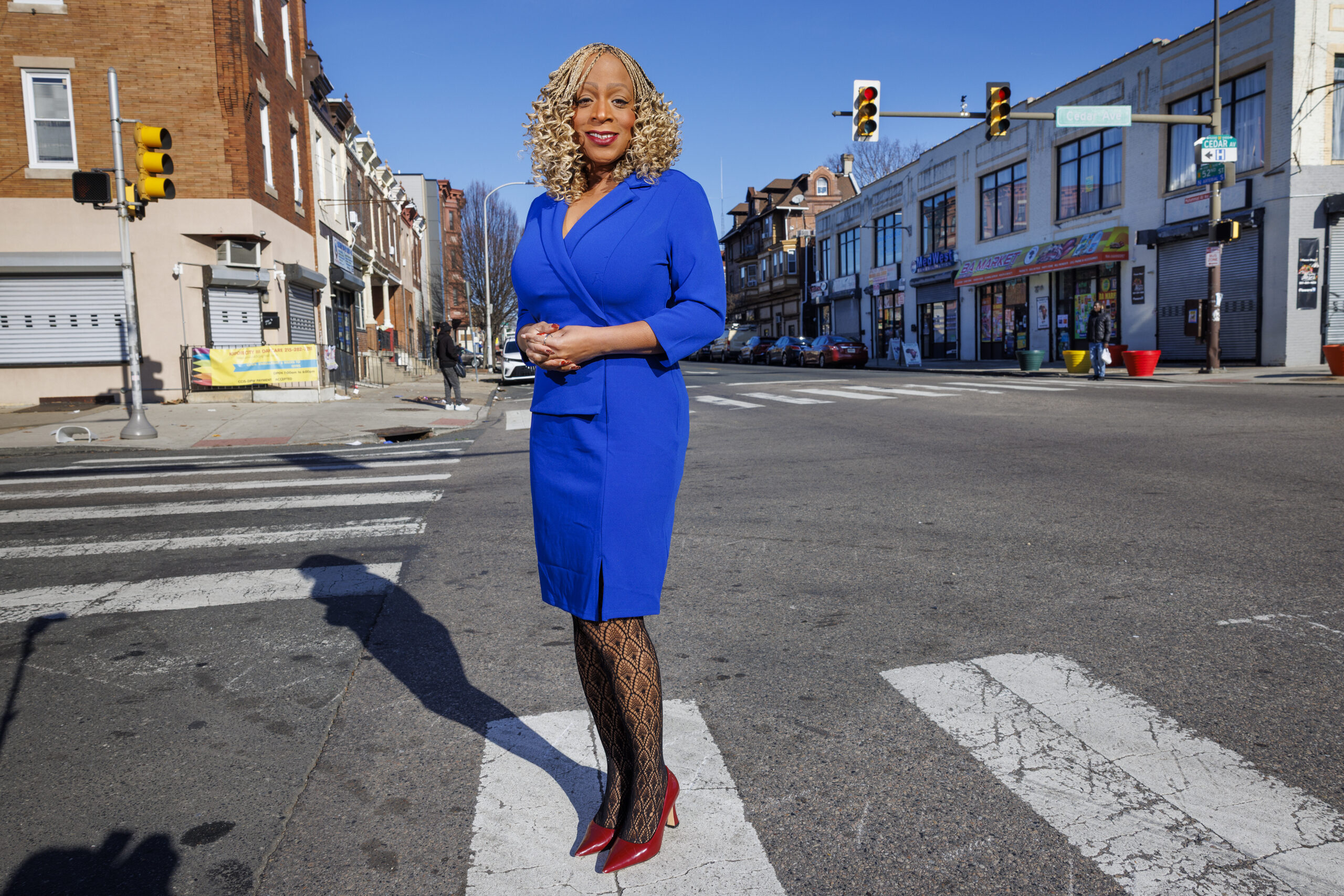
    City Councilmember Jamie Gauthier in her district near 52nd Street and Cedar Avenue in Philadelphia on Monday, Dec. 22, 2025.

    Gauthier has at times used the power in ways that the city’s urbanists and development interests can get behind. She has quickly approved bike lane expansions. And she recently was the only district Council member to allow her entire district to be included in legislation that cuts red tape for restaurants that want to offer outdoor dining.

    However, her most notable use of councilmanic prerogative has been in housing policy, and some developers say her district is now the most hostile to growth in the city.

    In Gauthier’s first term, she championed legislation to create what is known as a Mixed Income Neighborhood overlay. In essence, it requires that developers building projects with 10 or more units in certain parts of her district make at least 20% of their units affordable. That is defined as accessible for rental households earning up to 40% of the area median income.

    For Gauthier, it’s a tool to slow the rapid gentrification of her majority-Black district.

    But developers say that growth has slowed significantly in the areas covered by the overlay since it took effect in 2022. Some have said they avoid seeking to build in the 3rd District entirely. The only major project currently in the works in the area is a parking garage.

    Ryan Spak, an affordable housing developer who said he considers Gauthier a friend, has been among the most outspoken critics of the overlay. He said while Gauthier’s “moral compass is pointed in the right direction, her policies don’t math.”

    “You would never ask a restaurant to give away its ninth and 10th meal for 40 cents on the dollar, with no additional discounts or benefits,” he said, “and expect that restaurant to survive.”

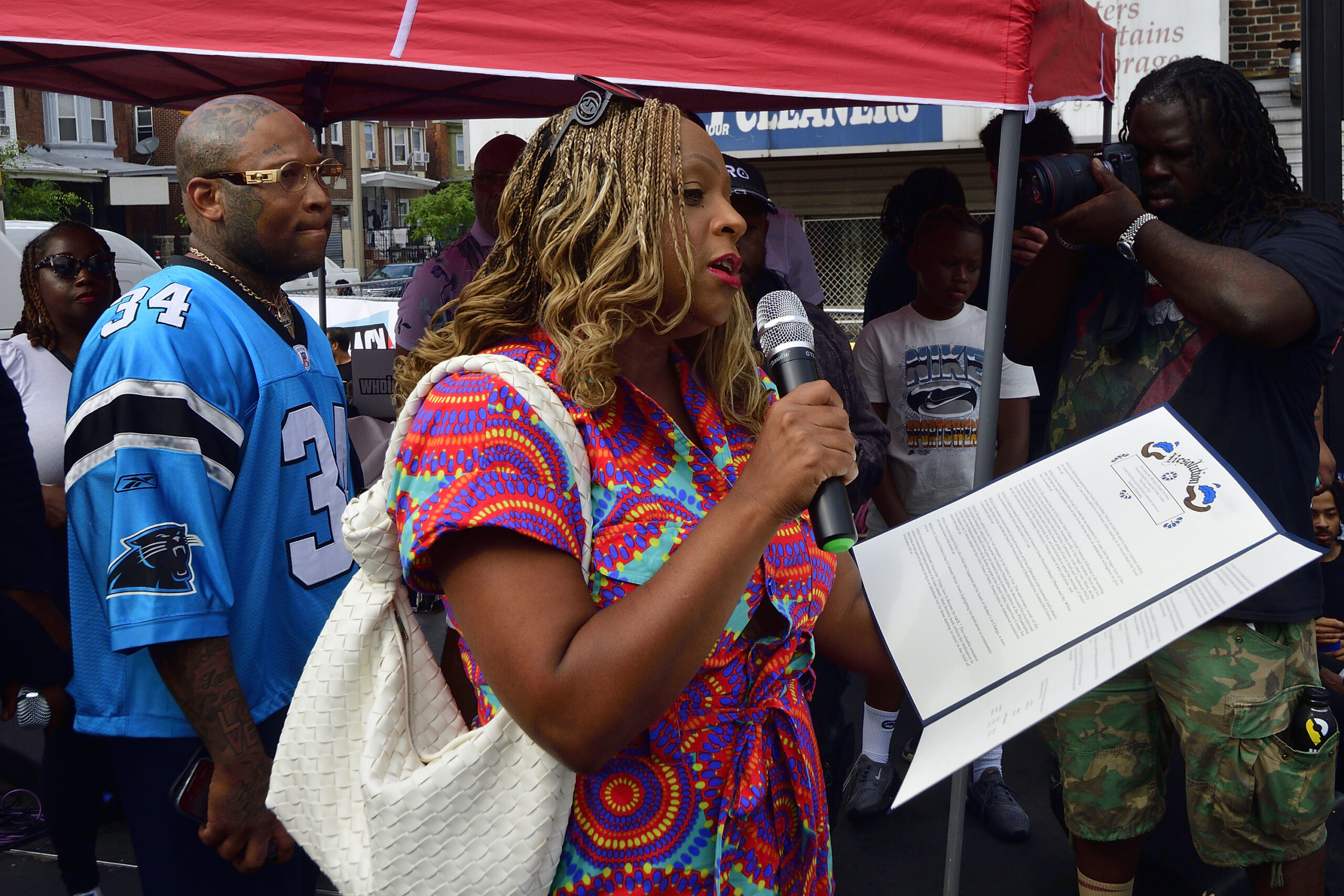
    Councilmember Jamie Gauthier reads out a citation honoring Rapper Mont Brown during a street naming ceremony for the Southwest Philadelphia native at the 13th Annual Stop the Violence Kickback Block Party at 55th Street and Chester Avenue, in Southwest Philadelphia on August 17, 2024.

    Gauthier said she has made adjustments, and she championed legislation to accelerate permitting and zoning approvals. The mandate, she said, is necessary because the market won’t build enough affordable housing on its own.

    “As untenable as it is to them that they can’t make the numbers work, it’s untenable to me that people can’t afford to live here,” Gauthier said. “So we can come together and we can fix that. But I’m not going to move from my position that we have to demand affordability.”

    Mayoral buzz, but no ‘stupid campaigns’

    Gauthier is one of several names that have been floated in political circles as potential candidates for mayor in 2031, which would be Parker’s final year in office if she runs for and wins a second term. Several of her Council colleagues, including Johnson, are seen as potential contenders.

    “I’d be lying if I didn’t say that mayor could be interesting one day,” Gauthier said. “I also don’t believe in stupid campaigns. So I would never do that if I didn’t think I had a path.”

    Boyer said he has counseled Gauthier to pursue moderate policy and avoid being “label-cast” as far left. He said Philadelphia is not Chicago or New York, and he doesn’t see the city electing an uber-progressive to be the mayor any time soon.

    “Philadelphia has always been a real center-left community,” Boyer said, “and just because you’re the loudest isn’t the most popular.”

    The left may have other plans. Robert Saleem Holbrook, a progressive activist, said that Gauthier would be an “ideal candidate” for higher office and that the city’s leftists would back her.

    Probably.

    “So long as she stays true and supportive of progressive ideals,” Holbrook said. “You can’t compromise on your way up.”

  • Mayor Cherelle Parker’s housing plan is back on track after Council again reapproved $800 million in city bonds

    Mayor Cherelle Parker’s housing plan is back on track after Council again reapproved $800 million in city bonds

    Mayor Cherelle L. Parker’s housing initiative is back on track.

    In its first meeting of the year, City Council on Thursday reapproved a bill to authorize the administration to issue $800 million in bonds to fund the Housing Opportunities Made Easy, or H.O.M.E., initiative.

    Parker wasted no time, signing the bill into law at a news conference Thursday afternoon to fast-track the process for the city to sell the first $400 million tranche of bonds in late March or early April. The administration plans to sell the second $400 million in 2027.

    “We are signing into law the largest and most significant investment in housing in the city of Philadelphia’s history, a $2 billion plan that will create and preserve 30,000 units of housing here in the city of Philadelphia,” Parker said, citing a sum for H.O.M.E.’s budget that also includes other funding steams and the value of city-owned land the administration hopes to redevelop into housing through the plan.

    In March 2025, when Parker unveiled her housing plan — with the goal of helping the city build or preserve 30,000 units of housing in her first term — she wanted to issue the bonds that fall. Council initially approved the bond authorization and other legislation related to H.O.M.E. in June.

    But in the fall, lawmakers made significant changes to a related piece of legislation — which details the $277 million first-year budget for spending the bond proceeds — that triggered a redo of the bond bill.

    The most notable changes, championed by progressive Councilmembers Jamie Gauthier and Rue Landau, lowered the income thresholds for some of the programs funded by H.O.M.E. to prioritize lower-income Philadelphians.

    Mayor Cherelle L. Parker unveils her long-awaited plan to build or preserve 30,000 units of housing during a special session of City Council Monday, Mar. 24, 2025. Council President Kenyatta Johnson is at left.

    Parker opposed the amendment, and administration officials testified that H.O.M.E. was meant to serve residents at a variety of income levels, including middle-class households that are struggling but often make too much to qualify for government support programs.

    But Council members argued that even with the new infusion of funds, Philadelphia’s resources are too limited to help the city’s hundreds of thousands of impoverished residents — let alone aid middle-income residents as well.

    “City Council demonstrated through its actions — not just its words — that it’s serious about putting City Hall to work for communities that have too often been left behind,” Gauthier, Landau, and their allies said in a group statement Thursday.

    The dispute proved to be the most significant public disagreement to date between Parker and Council President Kenyatta Johnson, who sided with Gauthier and Landau.

    The changes required Council to pass an updated bond authorization before moving forward because the previously adopted version no longer aligned with the language in the budget resolution. Lawmakers ran out of time to pass the new bond bill before adjourning for their winter break in December.

    They approved it unanimously on Thursday.

    A couple of hours later, Johnson and Parker profusely praised each other at the bill-signing ceremony, going out of their way to show that their strong working relationship remains intact now that the conflict was behind them.

    “My commitment is to make sure that our 100th, first woman, mayor is successful,” Johnson said.

    The moment of congeniality was a stark contrast to the dynamic between the two late last year.

    Parker at one point said Council’s delay “means homes are not being restored” and “homes are not being built or repaired.” Johnson fired back, “Council’s responsibility is not to rubber-stamp legislation.”

    City Council President Kenyatta Johnson speaking at the City Council’s first session of the year in Philadelphia, Pa., on Thursday, Jan. 22, 2026.

    But on Thursday, there was enough feel-good energy between the mayor and Council that it extended beyond Johnson to members who have more frequently clashed with the administration.

    Gauthier and Councilmember Isaiah Thomas, who questioned the mayor’s agenda last year over concerns that she was taking out too much debt for housing, also stood alongside the mayor at Thursday’s news conference.

    After the delays to her agenda at the end of last year, the mayor appears to be trying to regain control of the narrative this week. Thursday’s bill-signing ceremony marked Parker’s third major update related to H.O.M.E. in three days.

    On Tuesday, she announced that her administration was partnering with the city’s building trades unions and the Philadelphia Housing Authority to redevelop the Brith Sholom House, a notoriously dilapidated senior facility that closed in 2024, into affordable housing for seniors.

    And on Wednesday, she laid out a vision to build a modular housing manufacturing facility on the long-vacant Logan Triangle tract in North Philadelphia. The city issued a request for information from developers potentially interested in building such factories in the city, with a deadline in late March.

    Parker on Thursday only indirectly responded to a question about how many units could be built or repaired in the two years left in her term.

    But she said that her administration is working on a second package of zoning legislation to accelerate home construction in Philadelphia, and that she is working with Council to speed 1,000 properties through the land bank.

    She also expects Gov. Josh Shapiro, at his forthcoming budget address, to announce state-level housing reforms that would help “as it relates to streamlining state processes [to] run more efficiently.”

    Staff writer Anna Orso contributed to this article.