Tag: Jefferson Health

  • FDA is removing the ‘black box’ warning on hormone treatments for women in menopause. Here’s what you need to know.

    FDA is removing the ‘black box’ warning on hormone treatments for women in menopause. Here’s what you need to know.

    For years, Cathleen “Cat” Brown, a Philadelphia obstetrician and gynecologist, would listen to patients complaining of hot flashes, brain fog, and painful sex and prescribe estrogen as a safe option for easing their menopausal symptoms.

    But when the women read the drug label and pharmacy package insert, they’d recoil at a “black box” warning, Brown said. The bold, black-bordered alert warned women that estrogen may put them at higher risk of breast cancer, cardiovascular disease, stroke, and dementia.

    “It was making liars out of doctors,” Brown said. “It frankly scared the crap out of patients, and it really caused distrust between the patients and the providers.”

    A black box warning is the highest safety alert that the U.S. Food and Drug Administration requires drug manufacturers to include on medications in which clinical data shows the drug can cause death or serious health risks.

    But the warning label placed on all estrogen-based treatments since 2003 was based on an outdated and flawed government-funded study, known as the Women’s Health Initiative.

    Newer scientific research shows that the benefits of hormone replacement therapy, or HRT, far outweigh the risks for most women, experts say, particularly those who are younger than 60 or within 10 years of menopause.

    More recent evidence also suggests that estrogen can reduce the risk of breast cancer, cardiovascular disease, Alzheimer’s, bone fractures, and cognitive decline, extending women’s lives by about 10 years.

    In November, FDA Commissioner Martin Makary announced that the agency was taking steps to remove the black box warning on hormone treatments for women.

    “We are going to stop the fear machine steering women away from this life-changing, even life-saving treatment,” Makary said at a news conference.

    Brown, an ob-gyn at Jefferson Abington Hospital, said the FDA’s reversal will lead to more medical schools teaching doctors how to treat menopause and provide women with more access to hormone therapies.

    “It’s causing kind of a tidal wave in the medical community,” Brown said. “It was a relief to see the FDA catching up with the science.”

    The Inquirer spoke with Brown, who also serves as the medical director for a national menopause telehealth provider called Winona, about the FDA’s shift on HRT and what that means for aging women. This conversation has been edited for length and clarity.

    What prompted the FDA warning on estrogen treatments?

    The black box warning was one of the aftereffects of the whole Women’s Health Initiative study released in 2002. They basically published the results before they really had a chance to have it peer-reviewed and really analyze the data, and it went all over the news, and suddenly there was this widespread panic. Doctors across America got scared. Patients got scared, and everyone was taken off their HRT.

    Why was the 2002 study misleading?

    In that study, they were giving HRT to much older women, like in their late 60s, who weren’t great candidates to start it. They were also using different forms of HRT than we’re using now, so a lot of more synthetic hormones. The most popular one back then was Premarin, which came from a pregnant mare’s urine, so horse estrogens.

    We were also giving these women higher doses of hormones, and it was causing more medical problems.

    What has changed since?

    Now we really lean toward giving you bioidentical hormones, like the same compounds that your ovaries were making on their own. It’s much safer. Our body processes it better, and we’re able to use lower doses to have the same effectiveness than those old synthetic hormones that they had to do at higher doses before. We also learned from that study that there’s a magic window — the safest time to initiate hormone replacement therapy is within 10 years of a woman going through menopause.

    What led to the FDA’s reversal?

    So the FDA held an expert panel last July. They invited all these experts on hormone therapy to speak and basically give their justification for why that black box warning needs to be removed. It’s really been a disservice to women, because all the women who were taken off HRT ended up with bad osteoporosis, weak bones, and more medical problems from the loss of estrogen from their bodies.

    They also talked about the fact that we should not have this black box warning on estrogen products, especially estrogen vaginal cream, which is so safe that it really could be over the counter. For women in nursing homes, a little bit of vaginal estrogen could have prevented recurrent urinary tract infections. So many women die of urinary sepsis and bacteremia that has come from a UTI. Topical vaginal products also significantly improve sex life for women.

    What is HRT?

    We’re actually starting to call it hormone therapy, because we’re not trying to replace your levels back to what you were making on your own in your 20s or 30s. It’s about giving you enough dosage of hormone to give you the health benefits and mitigate bothersome symptoms and help women with that menopausal transition.

    When we are aging, within our 40s and into our 50s, we lose estrogen at a dramatic rate. We also have testosterone in our bodies as women and that drops, too. That fluctuation of hormones causes this whole litany of symptoms, like hot flashes, night sweats, brain fog, joint pain, dry skin, brittle hair, hair loss, so many things.

    Estrogen is a powerhouse hormone that keeps all the tissues in our body healthy.

    Why is this a win for women’s health?

    More women are demanding better and not wanting to go gently into old age and suffer anymore. This is also pushing more medical education institutions to start infusing menopause into the curriculum. Women’s health has never been in the forefront.

    It’s always been something we do secretly and quietly, which I think is kind of a parallel to the gender disparities in the world, like once we’re done childbearing and we’re no longer in our fertile peak, it’s like we’re less important to the world, and nobody wants to focus on it. This is causing a trend where more women are going to get educated and more doctors are going to start learning.

  • Union membership dipped in Pa. and N.J. amid Trump’s anti-labor push, data suggests

    Union membership dipped in Pa. and N.J. amid Trump’s anti-labor push, data suggests

    Following several years of major worker organizing efforts and high-profile strikes, 2025 brought a change in momentum for the labor movement. President Donald Trump’s administration sought to end federal workers’ union contracts and, through a firing, left the National Labor Relations Board without a quorum and unable to make decisions.

    But the percentage of workers who are union members nationwide has stayed pretty steady in the last year, new data shows. And in Pennsylvania and New Jersey, union membership rates fell.

    In 2025, 10% of the country’s total workforce was part of a union, compared to 9.9% in 2024, according to new data from the U.S. Bureau of Labor Statistics. It’s the first time since 2020 that the rate has inched up — albeit slightly — instead of down.

    However, BLS noted, this year’s estimates are not fully comparable to past years because they are based on a BLS survey that is missing October figures due to the government being shut down in October and part of November.

    In the past year, there have been “a lot of kind of anti-labor efforts coming out of the White House,” said Todd Vachon, assistant professor of labor studies and employment relations at Rutgers University.

    Despite those efforts Vachon said, “labor has pretty much maintained the same at the national level. … The Trump attacks haven’t really had any effect yet, at least in the first year.”

    window.addEventListener(“message”,function(a){if(void 0!==a.data[“datawrapper-height”]){var e=document.querySelectorAll(“iframe”);for(var t in a.data[“datawrapper-height”])for(var r,i=0;r=e[i];i++)if(r.contentWindow===a.source){var d=a.data[“datawrapper-height”][t]+”px”;r.style.height=d}}});

    Union membership rates dropped to an all-time low nationwide in 2023 and remained pretty similar in 2024. During those years, roughly one in 10 U.S. workers was part of a union.

    When BLS first started recording this data in 1983, about two in 10 U.S. workers were unionized. There were 17.7 million unionized workers in 1983 and 14.7 million last year.

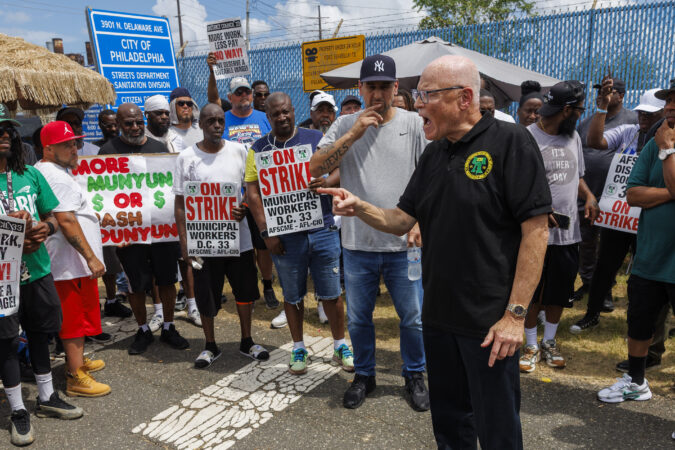
    Danny Bauder, president of the Philadelphia Council AFL-CIO, speaks at an event supporting federal workers in October.

    Unionizing in N.J. and Pa.

    In New Jersey, 14.7% of workers were unionized last year, and in Pennsylvania, it was 10.9%.

    In both states, that was a decline of around one percentage point from 2024, but BLS noted that state-level data “should be interpreted with caution,” due to the shutdown-related incomplete data.

    window.addEventListener(“message”,function(a){if(void 0!==a.data[“datawrapper-height”]){var e=document.querySelectorAll(“iframe”);for(var t in a.data[“datawrapper-height”])for(var r,i=0;r=e[i];i++)if(r.contentWindow===a.source){var d=a.data[“datawrapper-height”][t]+”px”;r.style.height=d}}});

    Some local labor action highlights from this past year include:

    What happened in labor organizing last year?

    The Trump administration moved to end union contracts for government workers, amid a push to reshape the federal government.

    Some 271,000 federal jobs were cut between January and November. Meanwhile, the union membership rate in the public sector increased by 0.7% nationally in the last year according to the new BLS data.

    Vachon notes that the vast majority of public sector workers are at the municipal level, not federal.

    “The hiring of police, and teachers, and sanitation workers across the thousands of cities around the U.S. more than compensated for [cuts at the federal level], because we see an increase in the public sector,” he said.

    Trump also fired a member of the National Labor Relations Board (NLRB) early last year, which left it without a quorum to issue rulings. In some cases that can slow down the formation of a new union — at the Amazon-owned Whole Foods in Philadelphia, for example.

    The number of union elections overseen by the NLRB declined last year and the overall number of workers involved in those elections dropped too, according to the nonpartisan Center for American Progress.

    “A huge percentage of new union organizing is required every year just to maintain the same level of unionization, because of the churning and the growth of the overall labor force,” said Vachon. “If the labor force is not growing, then you can actually see increases in union density.”

    And unions are being cautious of reaching out to the NLRB under the Trump administration, he notes.

    “There’s a fear [that] if something gets sent up to the NLRB that the ruling is going to set a precedent that makes it even more difficult to organize,” said Vachon. “It’s kind of had a dampening effect in that way.”

  • Jefferson Health and the Eagles Deepen a Commitment to Better Health

    Jefferson Health and the Eagles Deepen a Commitment to Better Health

    When two of Philadelphia’s most trusted institutions come together, the impact can extend far beyond the field and well outside hospital walls. This February, Jefferson Health and the Philadelphia Eagles announced a landmark new chapter in their long-standing partnership. The team’s training facility will be renamed the Jefferson Health Training Complex, anchoring a collaboration focused on community health, education, and long-term well-being across the region. For both organizations, the name represents a shared statement of purpose.

    “Our mission is rooted in our core values: to put people first, pursue excellence, and do what’s right,” Joseph G. Cacchione, MD, the CEO of Jefferson, said. “By aligning with an organization that shares our commitment to excellence, teamwork, and community impact, we’re creating new opportunities to elevate health education, expand prevention efforts, and inspire people across the region to engage with their own well-being. This partnership amplifies our ability to meet people where they are, while staying grounded in the values that define Jefferson as a not-for-profit anchor institution.”

    The renaming of the Eagles training facility is only one recent example of Jefferson’s ongoing commitment to the Philly community. Over the years, the health system has advanced health education and workforce development initiatives designed to expand access to care beyond traditional clinical settings.

    In 2023, for instance, Jefferson launched its Community Health Worker Academy, a 13-month training and workforce development program that prepares new patient care professionals to support individuals and families within their own communities. Jefferson has also partnered with local venues, including faith-based organizations, to provide health services and outreach in places where people already gather, helping to reduce barriers to preventive care. To underscore this commitment, Jefferson Health recently announced a new collaboration with the Hatfield Ice Center in Colmar, Pa., where it has provided health screenings and wellness programming. The iconic rink will now be known as Jefferson Health Arenas at Hatfield Ice.

    In 2025, Jefferson partnered with Enon Tabernacle Baptist Church for a Black Maternal Health Community Baby Shower. The event offered health screenings, diabetes education, maternity care support, childbirth education, and more.

    Recently, the system also partnered with the Cherry Hill, N.J., mayor’s office on its “Healthier Together” wellness campaign, a community‑focused effort aimed at improving health through education, screenings, and active living. In 2026, Jefferson hosted the “Champion Your Health” event at Jefferson Cherry Hill Hospital, created in collaboration with Mayor David Fleisher. The event offered engaging, family‑friendly demonstrations such as CPR practice, fitness sessions, and healthy cooking, all designed to empower residents with practical tools for better living.

    As part of the “Healthier Together” partnership, Jefferson Health also plays a central role in supporting the mayor’s monthly Wellness Walks, a community tradition that encourages people of all ages to stay active. Jefferson clinicians contribute to the campaign by providing blood pressure and glucose screenings, as well as by leading educational sessions on mental wellness, resilience, and setting healthy intentions.

    Overall, the “Healthier Together” initiative reflects a shared commitment to giving New Jersey residents accessible, preventive health resources. By combining education, movement, and nutrition guidance, the partnership seeks to strengthen community well‑being and promote a balanced, active lifestyle.


    A Cornerstone Investment in Community Health

    The Jefferson Health Training Complex will serve as the physical and symbolic cornerstone of its Eagles partnership, a home for elite athletic performance. The naming reinforces Jefferson’s role as a regional and national leader of health, education, workforce development, and research — the $17 billion enterprise includes more than 30 hospitals and 700 care sites across Pennsylvania and New Jersey, a health plan, and a leading academic institution that employs more than 65,000 people.

    For the Eagles, the partnership reflects a decades-long commitment to using the sport of football as a force for good, a value long championed by the organization’s ownership. Its impact is ensured by Jefferson’s broad reach and the institutions’ shared connection to the same communities. Jefferson has been one of the Eagles longest-running relationships. Over the years, that partnership has fueled many community initiatives, which have supported breast cancer, autism research, and other causes.

    Reaching Communities Where They Are

    Jefferson’s community health efforts currently span the full range of programs for the public, including healthy food access, workforce development, and mobile cancer screenings. Other initiatives like JeffCARES empower members of the Jefferson community to take action to address critical social needs, foster engagement, and make a meaningful impact in our diverse neighborhoods and communities through partnerships with local non-profits.

    “We’ve seen extraordinary results from programs like our Community Health Worker Academy, a program that creates pathways into health care careers and measurably improves patient outcomes,” Cacchione said.

    In October 2025, JeffCARES partnered with the Malcolm Jenkins Foundation to organize Get Ready Fest in Philadelphia. The community event provided 800 families with groceries, health screenings, and employment resources.

    The Community Health Worker Academy, which recently became the first in the United States to earn CHW accreditation from the Utilization Review Accreditation Committee (URAC), trains trusted local residents to serve as health advocates in their own neighborhoods, helping to bridge the gap between communities and access to care. “Our partnership with the Eagles strengthens those efforts,” Cacchione said.

    What distinguishes the expansion of this partnership between Jefferson and the Eagles is this explicit focus on providing care to their communities outside of traditional health settings. Instead, the partners are offering educational resources and more at gathering places like Eagles games.

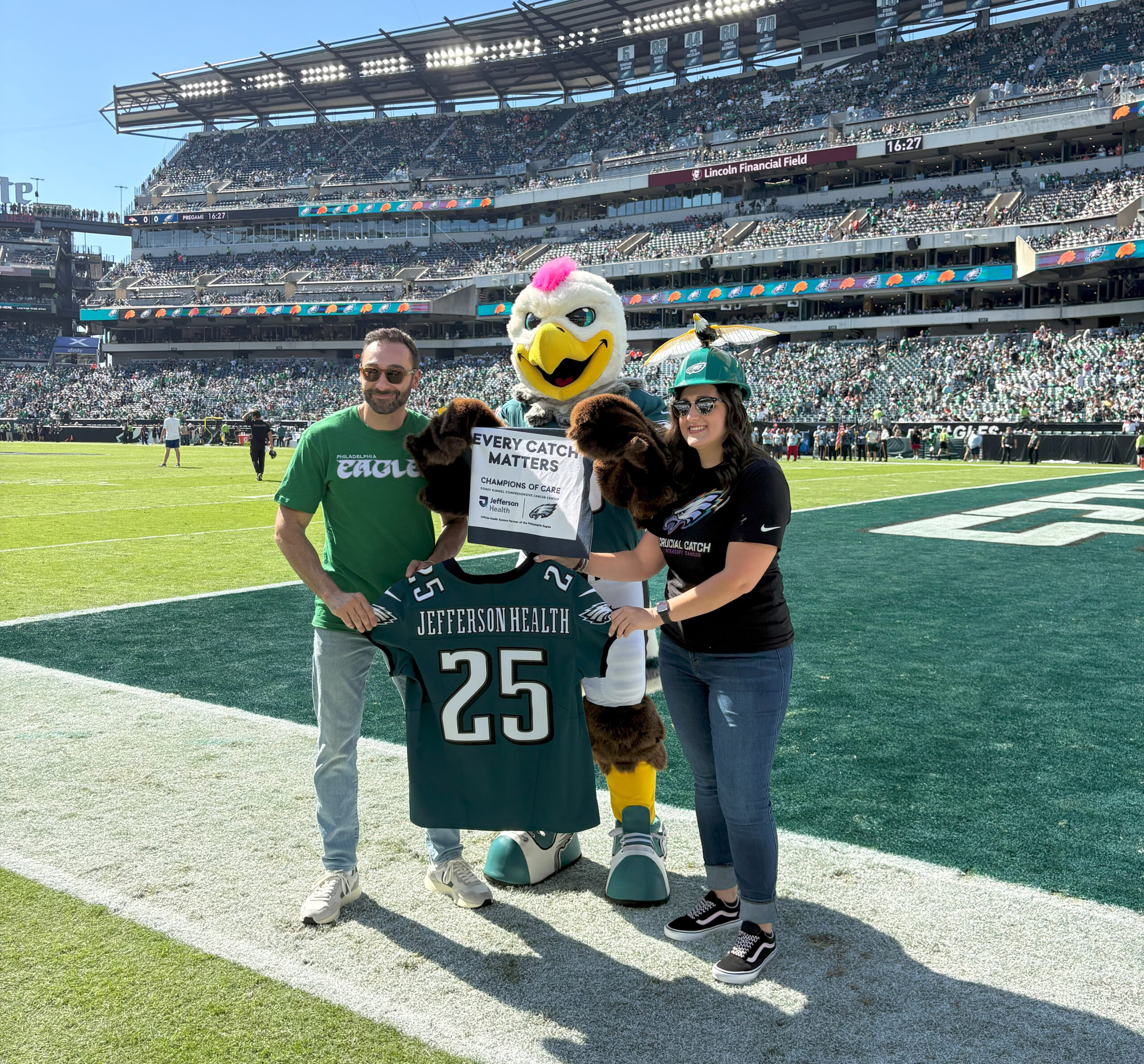
    Through programs like Crucial Catch, the NFL and the American Cancer Society’s campaign to fight cancer through early detection, the partnership has provided health care workers at the stadium and recognized cancer survivors during halftime events. Jefferson’s mobile cancer screening vans have also appeared at games, offering screening education and information, proving their slogan: “Driven to Improve Lives.”

    “The credibility and visibility the Eagles bring helps us reach individuals who may be hesitant to engage with traditional health care settings,” Nick Ragone, the Jefferson executive vice president and chief marketing officer, said. “When the Eagles encourage fans to prioritize their health, it opens doors we couldn’t open alone.”

    “That’s exactly the kind of partnership we want to build on,” Cacchione said. “Meeting people where they are, using trusted voices to break down barriers, and ultimately saving lives through early detection and prevention.”

    A Legacy of Philanthropy and Purpose

    The partnership also aligns naturally with the Eagles’ long track record of philanthropy. After purchasing the team in 1994, Jeffrey Lurie and his family built robust community impact platforms, including the Eagles Youth Partnership, the Eagles Eye Mobile, and the Go Green initiative, one of the first comprehensive sustainability efforts in professional sports.

    The Eagles’ commitment to health-related causes is most visible in the Eagles Autism Foundation, launched by Lurie in 2017 and inspired by his younger brother, who was diagnosed with the condition as a child. The foundation has raised more than $40 million to support autism research and services, directing funds to institutions like Jefferson.

    Baligh Yehia, president of Jefferson Health, and Danielle Klingerman, an oncology nurse at Jefferson Einstein Montgomery, celebrate the NFL’s Crucial Catch initiative and honor cancer survivors during an on-field ceremony at a 2025 Eagles game.

    “As the team’s Official Health System Partner, Jefferson Health will collaborate with us on year-round community initiatives, focusing on health education and screenings, preventive care awareness, and engagement programs aligned with many of the team’s key priorities, such as the Eagles Autism Foundation and the annual ‛Crucial Catch: Intercept Cancer’ game,” Don Smolenski, the president of the Eagles, said. “Jefferson is an ideal partner because they share our core belief that a sports organization is a force for good far beyond the playing field,” he said.

    “The long-standing partnership between the Eagles and Jefferson Health has been built on a shared commitment to the region we serve,” Smolenski said. “This [new] multi-year extension marks a defining moment in our partnership, one that will now call the Jefferson Health Training Complex home to the Philadelphia Eagles.”

    Building Healthier Futures Together

    In 2024, Jefferson invested $1.8 billion in community benefits, in addition to providing 10 million patient visits, while expanding programs that address social determinants of health. “By working with the Eagles, we’re able to take those initiatives out into the community with even greater visibility and reach,” Cacchione said. “It strengthens our ability to improve long-term health outcomes and ensure every community has access to the resources they need to thrive.”

    “I hope it sends the message that health is something to be proactive about, not something to wait on,” Cacchione said. “Whether you’re a young athlete, a parent, or simply a fan, taking care of your health today builds a stronger future. This partnership is a reminder that prevention matters, that early action saves lives, and that Jefferson and the Eagles are united in supporting the well-being of every person in our region.”


    Lucy Danziger is a journalist, an author, and the former editor-in-chief of Self Magazine, Women’s Sports & Fitness, and The Beet.

  • After 20 years of growth, this Philadelphia-born company says it’s ready to help in the caregiver crisis

    After 20 years of growth, this Philadelphia-born company says it’s ready to help in the caregiver crisis

    Just over 20 years ago, when Geoff Gross founded Medical Guardian, his vision was to empower older adults to live more independently.

    The company launched in 2005 out of Gross’ apartment in Center City with a focus on emergency response for seniors and individuals with disabilities.

    “At the time, the industry was largely reactive and built around moments of crisis,” he said.

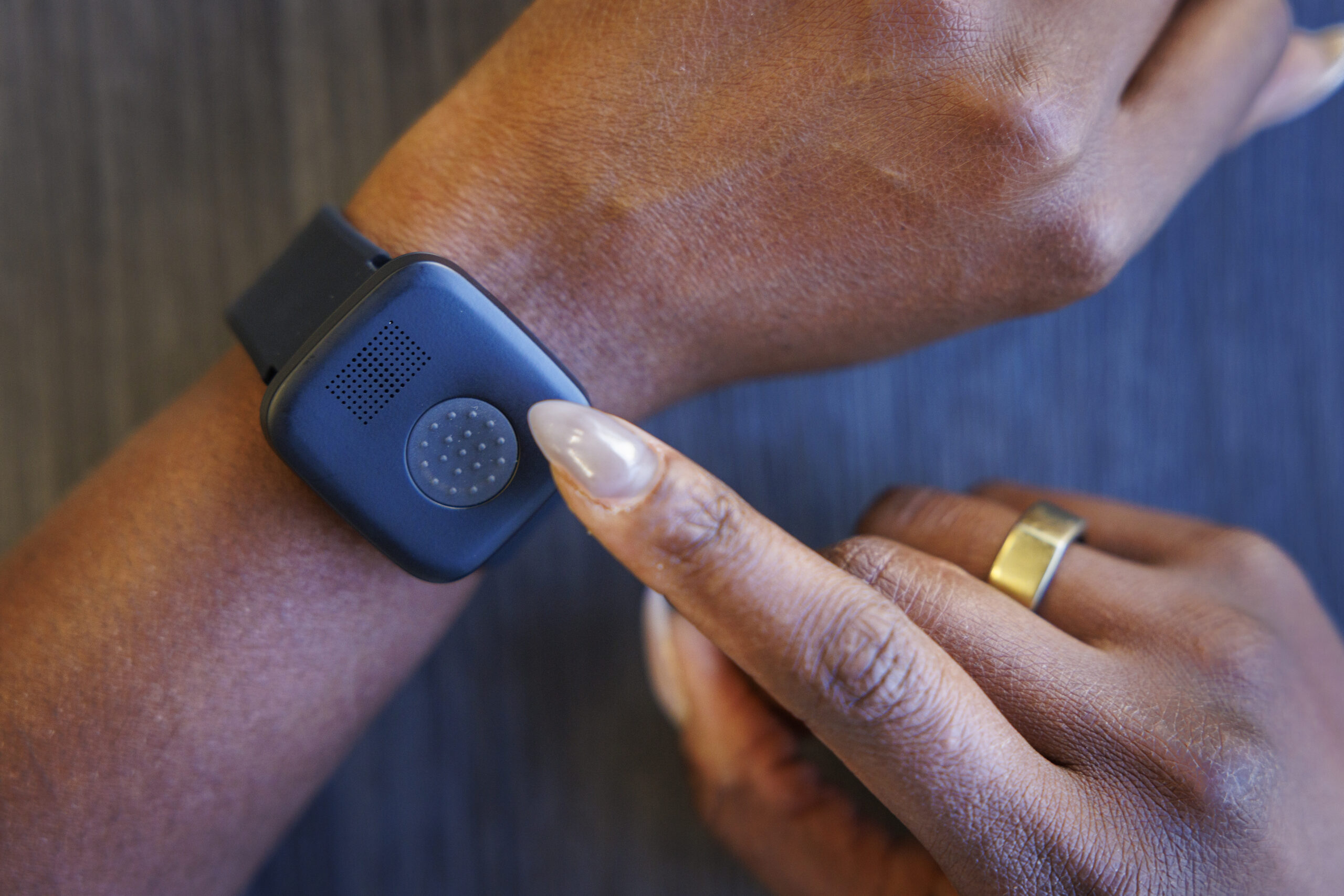
    It now has 630,000 active members, who can choose from lightweight medical alert devices worn as a necklace or on the wrist. One of them, which looks like any other smartwatch on first glance, allows users to track health and activity stats.

    The company employs more than 600 people and is approaching $250 million in annual revenue. Gross said it is poised to step in as aging-in-place becomes an urgent challenge facing families, healthcare systems, and policymakers.

    By 2034, the number of older adults in the U.S. will surpass the number of minors for the first time in history, according to the U.S. Census Bureau. Simultaneously, families and caregivers are experiencing increased demands, and traditional care models are proving to be less sustainable. Over 53 million Americans serve as unpaid family caregivers, according to a recent study from the Shirley Ryan AbilityLab, and they provide an estimated $600 billion worth of unpaid labor each year.

    “Caregiving is now widely recognized as a public health, workforce, and economic issue, not just a personal one,” Gross said. “Burnout, anxiety, and sleep deprivation are increasingly common, yet caregivers are still underserved by technology that focuses almost entirely on emergencies instead of daily reassurance and support.”

    From peace of mind to longevity

    Gross founded Medical Guardian based on a “simple but deeply personal belief” that “people deserve to age with confidence, dignity, and the freedom to live life on their own terms,” he said.

    That was informed by his family’s experience with Gross’ grandmother, Freda, a retired nurse who lived alone later in life and experienced frequent falls. “She was fiercely independent, but those moments created real anxiety for our family,” he said.

    She became Medical Guardian’s first member.

    The MGMini Lite by Medical Guardian.

    “People who are older, frail, or have a disability or chronic illness” need to be able to easily, reliably contact family or emergency services, said Richard C. Wender, who chairs the Department of Family Medicine and Community Health at the University of Pennsylvania’s medical school.

    He recommends choosing a system that’s affordable and delivers on promises made. These services can offer more independent options for vulnerable individuals.

    “Most people want the same things as they get older, as they did before: control over their daily lives, privacy, and the ability to remain in their own homes and communities for as long as possible,” Gross said. “When done thoughtfully, connected health and safety tools can remove barriers rather than impose them.”

    People often find Medical Guardian through referrals from adult children, caregivers, clinicians, and community organizations, Gross said. He noted that such decisions are “often made collaboratively, and our approach is designed to reflect that reality.”

    The company also does direct-to-consumer marketing, as well as social media advertising and influencer outreach. And it works closely with health plans, providers, senior living operators, and state programs focused on helping aging adults remain safely at home.

    “That blend of consumer and healthcare channels mirrors how aging and caregiving actually happen, in real homes, with real families, over time,” Gross said.

    Gross says Medical Guardian members have shared feedback that their devices’ biggest impact is not a dramatic moment, but the everyday reassurance.

    Medical Guardian’s MGMini device, which is worn around the neck.

    “Feeling steady taking a shower, walking outside without hesitation, or knowing help is there if something feels off,” Gross said. “Those small moments of confidence shape how people experience independence.”

    With that in mind, one of the company’s goals is to support people earlier — before a fall, a health scare, or a rushed decision.

    “Our services often come years before in-home care or assisted living, which gives us the opportunity to build trust while people are still living independently and confidently,” he said.

    Medical Guardian also has wellness advocates, many of whom have social work backgrounds, as well as emergency response specialists and care teams.

    “Our platforms use data, automation, and intelligence to notice patterns and surface insights, but when something matters, a real person is always involved,” Gross said.

    Philly-based medical device competes with Big Tech watches

    Many of the people answering Medical Guardian’s emergency calls, building its software, supporting members, and working with health plans are doing so from Philadelphia, where the company is headquartered. More than half its employees are based in the area.

    Geoff Gross, CEO of Medical Guardian, in the Technology Product Innovation Lab at the company’s Center City Philadelphia office.

    “We’ve built and scaled this company in Philly, and that matters to us,” Gross said. “There’s a strong work ethic here, a deep healthcare ecosystem, and a sense of community responsibility that aligns with our mission.”

    Some of Medical Guardian’s partners are based in the region — such as AmeriHealth Caritas, Independence Blue Cross, and Jefferson Health.

    Some may feel that an Apple Watch can do as much as one of Medical Guardian’s devices by providing vital stats, location tracking, and communication capabilities. But Gross said Medical Guardian’s products offer a unique alternative.

    “Many of our members do not want dozens of apps or daily charging. They want something reliable, intuitive, and built for real life, especially in moments when clarity and speed matter,” he said.

    Gross cited that Medical Guardian can monitor location and, when appropriate, biometrics like oxygen levels or blood pressure. That’s not meant to overwhelm people with data but to create meaningful context for families and care teams.

    “For many older adults,” he said, “that focus on usefulness over features is more appealing than a general-purpose smartwatch that tries to do everything.”

  • Jefferson Health reported a $201 million operating loss in the first half of fiscal 2026

    Jefferson Health reported a $201 million operating loss in the first half of fiscal 2026

    Jefferson Health had an operating loss of $201 million in the six months that ended Dec. 31, compared to a $55 million loss the year before, the nonprofit health system said in a notice to bondholders Friday.

    The $201 million loss included a $64.7 million restructuring charge related to severance for 600 to 700 people laid off in October and other changes designed to improve efficiency in the 32-hospital system that stretches from South Jersey to Scranton.

    Excluding the restructuring expenses, Jefferson’s operating loss was $136.3 million in the first half of fiscal 2026.

    Jefferson said in a statement that it continues facing significant financial headwinds, like health systems nationwide, citing rising pharmaceutical costs.

    “We remain focused on driving efficiency, advocating for reimbursement rates that better reflect the true cost of care in Pennsylvania, and advancing the long-term stability of our academic health system,” the health system’s chief financial officer Michael Harrington said.

    Here are some details:

    Revenue: Patient revenue reached nearly $6 billion in the first half of fiscal 2026. The figure for the previous year is not comparable because it does not include Lehigh Valley Health Network for the full six months. Jefferson acquired the system on Aug. 1, 2024.

    Jefferson’s total revenue of $8.6 billion included $145.9 million of investment income that directly boosted operating income. Competitors who use heath-system reporting rules do not include investment income in revenue. Jefferson, by contrast, follows rules for higher-education reporting.

    Insurance business: Jefferson noted improvement in its health insurance arm. Jefferson Health Plans’ loss in the six months ended Dec. 31 was $90.7 million, compared to a $118.5 million loss in the same period the year before. The number of people insured in the plans climbed to 371,005 from 359,662. Medicaid recipients account for most of that enrollment.

    Notable: Both Moody’s Ratings and Standard & Poor’s Ratings Service in December and January revised their outlooks on Jefferson to negative, which means the agencies could downgrade the organization’s credit rating if Jefferson’s finances don’t improve over the next two years.

    “The negative outlook reflects the magnitude of current operating losses as well as anticipated difficulties in returning to or near operating profitability for several years,” Standard & Poor’s said.

  • Philly-area bariatric surgery programs face upheaval amid growing GLP-1 use for weight loss

    Philly-area bariatric surgery programs face upheaval amid growing GLP-1 use for weight loss

    At Roxborough Memorial Hospital in Philadelphia, surgeon Piotr Krecioch has his hands full launching a program offering surgical interventions to treat obesity.

    One in three Philadelphians are living with obesity, putting them at higher risk of chronic conditions like diabetes and heart disease, but these days fewer are seeking the bariatric surgical procedures long considered a leading medical treatment for the condition.

    “I’m trying to start a bariatric program at probably the worst possible time you can ever imagine because everybody’s losing patients, and I don’t even have a patient to begin with,” Krecioch said.

    Tower Health’s Reading Hospital recently closed its bariatric surgery program, and other local health systems have seen declines in weight-loss operations approach 50%.

    Independence Blue Cross, the Philadelphia region’s largest insurer, said the number of bariatric surgeries it paid for dropped by half in the five years ended June 30.

    Those shifts in the bariatric surgery landscape have followed the meteoric national rise in the use of GLP-1s and related drugs for weight loss.

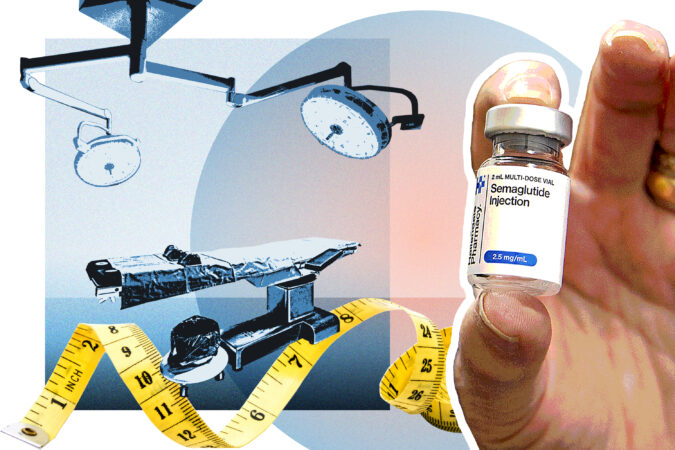
    So far, the drugs have benefited patients by allowing them to avoid an invasive surgery. With bariatric surgery, people lose weight because the procedures restrict the amount of food a person can eat. Drugs in a class known as GLP-1s make people feel full longer.

    For hospitals, the upheaval in treatment options cuts into a profitable business line and adds to the financial pressure health systems have been experiencing since the pandemic.

    Despite the ever-increasing popularity of GLP-1s for weight loss like Novo Nordisk’s Ozempic and Wegovy and Eli Lilly’s Mounjaro and Zepbound, it’s too soon to write off bariatric surgery as an option, some doctors say.

    Insurers are imposing limits on coverage because of the long-term cost of the drugs compared to surgery, and doctors are watching for side effects that may emerge as more people take the drugs for longer periods of time.

    It’s not the first time a new technology has reduced surgical volumes.

    Whenever a less-invasive treatment has come along, “surgical volumes always have taken a beating,” said Prashanth R. Ramachandra, a bariatric and general surgeon at Trinity Health Mid-Atlantic’s Mercy Fitzgerald Hospital. Declines in peptic ulcer and open heart surgeries are past examples of the phenomenon, he said.

    Such industrywide moves away from profitable procedures can create financial challenges for individual clinics or independent hospitals, said Daniel Steingart, who leads the nonprofit healthcare practice at Moody’s, a major credit ratings agency.

    “But I also see it as an opportunity, because there’s other patients out there, there’s other services that can be provided. This is a matter of the management team being nimble,” he said.

    Sharp decline in bariatric surgeries

    National data show a 38% decline in bariatric surgeries from the beginning of 2024 through September, according to data firm Strata Decision Technology. Comparable local data were not available.

    A substantial portion of the drop is from patients who previously had bariatric surgery but regained weight, physicians say. In the past, they would have had a type of surgery called a revision. Now, those patients are more likely to start taking GLP-1s, local doctors said.

    Prashanth R. Ramachandra is a general and bariatric surgeon at Trinity Health Mid-Atlantic’s Mercy Fitzgerald Hospital in Darby.

    Only two Philadelphia-area health systems provided details on changes in bariatric surgery volumes in recent years as GLP-1s for weight loss took off.

    At the University of Pennsylvania Health System’s three Philadelphia hospitals, the annual number of bariatric surgeries has fallen by more than half, from a peak of 850 three or four years ago to around 400 in the year that ended June 30, said Noel Williams, a physician who leads Penn’s bariatric surgery program.

    At Mercy Fitzgerald in Darby, the number fell from an annual peak in the 220-230 range to about 125 last year, Ramachandra said.

    The volume at Mercy Fitzgerald was likely buoyed by the closure of the bariatric surgery program at nearby Crozer-Chester Medical Center in Upland.

    Tower did not provide details on the Reading closure, which was part of cutbacks Tower announced in early November. The program closed last month after a 60-day notice to the state health department.

    Main Line Health, which only offers bariatric surgery at Bryn Mawr Hospital, said surgeries have declined, but provided no details.

    Virtua Health did not provide comparable data but said that its Virtua Complete Weight Management Program, which opened in spring 2024 to expand into medication treatments, experienced a 35% increase in visits last year.

    The number of bariatric procedures is also down at Temple University Health System, but patients with complex conditions and more severe obesity are still coming to Temple for surgery, said David Stein, who is surgeon-in-chief at Temple University Hospital.

    To adapt to this rapid change in medicine, Temple is adopting a multidisciplinary approach to the disease, building on what is done in cancer care, Stein said.

    Jefferson Health did not respond to requests for information about its bariatric surgery program.

    How health systems are responding

    While full-scale closures like Reading’s are unusual, cutbacks are occurring broadly.

    When the bariatric surgeon at Penn Presbyterian Medical Center retired amid declining numbers of surgeries across the entire system, Penn did not replace him, Williams said.

    Penn does the procedures locally at the Hospital of the University of Pennsylvania and at Pennsylvania Hospital.

    “If the numbers were to continue the way they are now,” Williams said, “we may want to consolidate into one of our hospitals in the city.”

    Outside of Philadelphia, Penn has bariatrics programs at Lancaster General Hospital and Penn Princeton Medical Center.

    After Jefferson Health acquired Einstein Healthcare Network in late 2021, it consolidated bariatric procedures at Jefferson Abington Hospital, according an Inquirer analysis of inpatient data through 2024 from the Pennsylvania Health Cost Containment Council.

    Jefferson did not respond to a request for information about the changes.

    Piotr Krecioch is a bariatric and general surgeon at Roxborough Memorial Hospital in Philadelphia.

    Not the end for bariatric surgery

    GLP-1s don’t mean the end of bariatric surgery, even though the procedures are not likely to return to previous peaks, physicians said.

    Some patients don’t respond to GLP-1s and others can’t tolerate them, which means they remain candidates for surgery, Williams said. Surgery is still recommended for patients who are considered severely obese, with body-mass indexes over 50, he added.

    Outcomes cannot yet be compared over the long-term. Ramachandra and other doctors are keeping their eye on the ratio of fat loss and muscle loss in patients taking GLP-1s compared to those who have bariatric surgery. Losing muscle can lead to falls and fractures.

    A study published last month in the Journal of the American Medical Association found that bariatric surgery is associated with a favorable ratio of fat loss.

    At Roxborough Memorial Hospital, Krecioch, who also works as a general surgeon, sounds optimistic as he works on his new program. He became a Roxborough employee in April 2024 after eight years at Mercy Fitzgerald, where he worked with Ramachandra.

    Krecioch’s strategy for years has been to offer weight management services in addition to surgery. Patients come for a GLP-1, giving him a chance to build a long-term relationship.

    “I have a feeling that these people are going to come back to my office,” he said. ”I’m gonna keep seeing them, and that they will actually convert to bariatric surgery at some point.”

    Editor’s note: This article has been updated with information from Temple University Health System.

  • Jefferson Health plans to boost capacity at the Abington Hospital emergency department

    Jefferson Health plans to boost capacity at the Abington Hospital emergency department

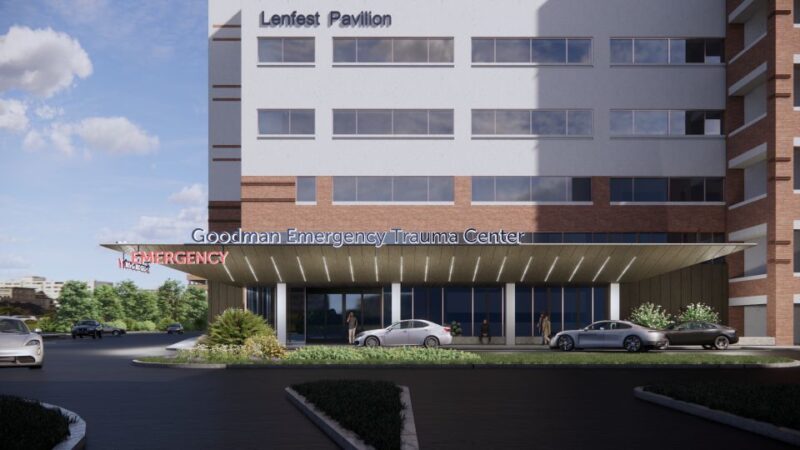
    Jefferson Health is boosting emergency department capacity at Abington Hospital to enable it to receive 100,000 visits annually, up from 80,000 now, the nonprofit health system said Tuesday.

    The department, which is also a Level II trauma center, will be named the Goodman Emergency Trauma Center in honor of an unspecified donation from Montgomery County residents Bruce and Judi Goodman. Bruce Goodman is a commercial real estate developer and a longtime Abington board member, Jefferson said.

    Jefferson, which acquired Abington in 2015, described the Goodman gift as the cornerstone of a $30 million ongoing fundraising campaign for the hospital’s emergency department.

    The project will reconfigure more than 24,000 square feet of existing clinical space and reallocate 10,000 additional square feet from a courtyard and a gift shop to the ED to expand capacity from 80 to 116 treatment spaces, Jefferson said.

    In November, Jefferson said it had closed Abington’s inpatient behavioral health unit to accommodate extra patients in its emergency department.

    Also last year, Jefferson announced $19 million in upgrades to the emergency department at Thomas Jefferson University Hospital in Center City. The system also added a 20-bed observation unit in the ED at Jefferson Einstein Philadelphia.

  • One year of inspections at Thomas Jefferson University Hospital: November 2024 – October 2025

    One year of inspections at Thomas Jefferson University Hospital: November 2024 – October 2025

    Thomas Jefferson University Hospital was cited by the Pennsylvania Department of Health in the last year for failing to keep a patient from setting fire in their hospital bed, turning away a person who came to the emergency department, and neglecting to monitor a patient’s vital signs.

    The incidents were among nearly three dozen times health department inspectors visited Jefferson Health’s flagship hospital in Center City to investigate potential safety violations between November 2024 and October 2025.

    Here’s a look at the publicly available details:

    • Dec. 3, 2024: Inspectors visited for a monitoring survey and found the hospital was in compliance.
    • Dec. 3: Inspectors followed up on a citation from August 2024 and found the hospital was in compliance. The hospital had been cited for failing to properly document details from cardiac monitoring for a patient with septic shock.
    • Jan. 24, 2025: The hospital was cited with immediate jeopardy, one of the state’s most serious warnings and a sign of potentially life-threatening safety problems, after a patient suffered first- and second-degree burns in their room. Inspectors found that the patient had attempted to light a cigarette while receiving treatment that involved supplemental oxygen, which can cause materials near it to catch fire. Inspectors found that Jefferson staff had failed to check the patient for smoking paraphernalia and educate them about no-smoking rules, as required by hospital protocol. The hospital posted more “No Smoking” signs, retrained staff, and updated its policies requiring smoking screening for all patients.
    • Jan. 30: Inspectors came to investigate a complaint but found the hospital was in compliance. Complaint details are not made public when inspectors determine it was unfounded.
    • Feb. 3: Inspectors came to investigate a complaint but found the hospital was in compliance.
    • Feb. 6: Inspectors came to investigate a complaint but found the hospital was in compliance.
    • Feb. 11: Inspectors came to investigate four complaints but found the hospital was in compliance.
    • Feb. 11: The Joint Commission, a nonprofit hospital accreditation agency, renewed the hospital’s accreditation, effective November 2024, for 36 months.
    • Feb. 12: Inspectors came to investigate a complaint but found the hospital was in compliance.
    • Feb. 14: Inspectors came to investigate two complaints but found the hospital was in compliance.
    • March 11: The hospital was cited for violating rules that require emergency departments to evaluate all patients who arrive seeking care. Inspectors found that a person walked into the emergency department saying they needed to use the restroom, and was asked to leave because the hospital does not have a public restroom. The patient said they were having an emergency and planned to check into the emergency department, but were still told to leave. Inspectors found that the dismissal violated Jefferson’s emergency department policies designed to comply with the federal Emergency Medical Treatment and Labor Act (EMTALA) — anti-patient dumping laws that require hospitals to evaluate and stabilize any patient who seeks emergency treatment. Administrators retrained staff on EMTALA protocol and updated their system for recording security incidents to better document when a provider is called by security to assess a patient who has a non-medical request, such as needing to use the restroom.
    • April 15: Inspectors followed up on the immediate jeopardy citation from January and found the hospital was in compliance.
    • April 29: Inspectors came to investigate a complaint but found the hospital was in compliance.
    • May 5: The hospital was cited for failing to follow protocol designed to prevent patient falls. In December 2024, an 80-year-old patient with impaired vision was admitted to the emergency department and given a drug known to cause patients to need to urinate more often. Inspectors found that the patient was initially evaluated to have a low risk of falling, but was not re-evaluated after being prescribed the medication that could increase how often they needed to get up to use the bathroom and their risk of falling. In response to the complaint, which was reported in December 2024 and finalized in May 2025, hospital administrators retrained staff on fall risk protocols and said they would monitor patient charts.
    • May 28: Inspectors came to investigate a complaint but found the hospital was in compliance.
    • May 30: Inspectors came to investigate a complaint but found the hospital was in compliance.
    • Aug. 14: Inspectors came to investigate a complaint but found the hospital was in compliance.
    • Aug. 19: Inspectors came to investigate a complaint but found the hospital was in compliance.
    • Aug. 19: The hospital was cited for failing to properly monitor a patient’s vital signs. Inspectors found that a provider had ordered continuous pulse oximeter monitoring for a patient, and instructions to report when the blood oxygen levels dropped below 90%. A staff member assigned to the patient could not find a pulse oximeter machine for the patient and told inspectors that they reported the issue to another provider, “but she never got back to me.” Hospital administrators acquired more pulse oximeters, retrained staff on medical supplies protocol, and said they would monitor patient hand-offs between nursing shifts.
    • Oct. 3: Inspectors came to investigate a complaint but found the hospital was in compliance.
  • Virtual nursing programs get mixed reviews in Penn Nursing study

    Virtual nursing programs get mixed reviews in Penn Nursing study

    The rollout of so-called virtual nurses in hospitals remains a mixed bag, University of Pennsylvania researchers have found in the largest survey to date on nursing care delivered remotely through a screen.

    One hospital staffer said virtual nurses are a huge help getting patients checked in.

    Another said they worry hospitals are trying to cut corners by keeping floors fully staffed by using virtual nurses.

    And sometimes, patients think the virtual nurse is a television advertisement and try to press fast forward, researchers were told.

    A new study out of University of Pennsylvania School of Nursing surveyed 880 registered nurses in 10 states, including Pennsylvania, about the virtual nursing programs that have sprung up at health systems across the country.

    About half — 57% — of the nurses surveyed said virtual nurse programs did not reduce their workload, with some saying they felt virtual nurses created more work.

    But similar numbers also said they thought virtual nurse programs improved the quality of care patients received.

    Others said they didn’t think the technology had any impact — positive or negative — on quality of care, according to a study of results published online in December in JAMA Open Network.

    “It can be beneficial or a headache,” one nurse interviewed by Penn researchers summed up.

    Virtual nursing programs became more widespread during the COVID-19 pandemic, when health systems needed to limit physical interaction to protect patients and medical staff, and have continued to expand in Philadelphia and across the country. Administrators embracing technology and artificial intelligence say they can help streamline administrative responsibilities that can burden staff, provide extra patient oversight, and improve how quickly clinicians can respond to emergencies.

    Local examples include Penn Medicine’s use of virtual nurses to monitor patients at risk of falling or pulling out tubes and wires. Jefferson Health assigns a virtual nurse to patients who doctors have decided need to be monitored around the clock.

    And virtual nurses handle administrative work, like reviewing medications and giving discharge instructions at Virtua Health hospitals in New Jersey.

    The new study from Penn is among the largest to date to evaluate how well the programs are meeting goals, and the mixed results should be a warning to hospital administrators to proceed cautiously, researchers say.

    “Virtual nursing programs have been heralded as an innovative silver bullet to hospitals’ nurse staffing challenges, but our findings show that most bedside nurses are not experiencing major benefits,” said lead author K. Jane Muir, an assistant professor of nursing in the university’s Department of Family and Community Health.

    Virtual nursing on the rise

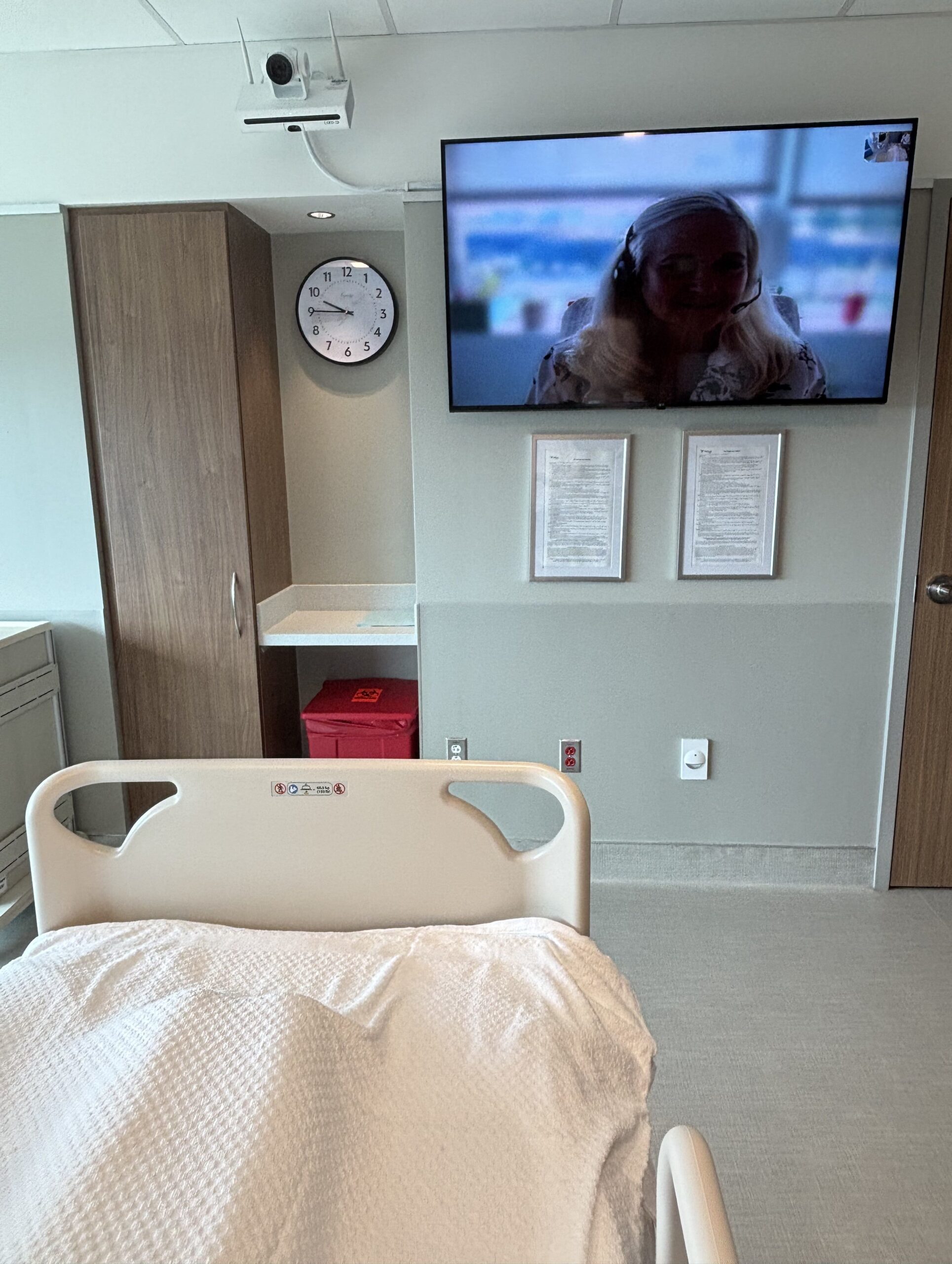
    Virtual nurses at Virtua Health appear on the television in a patient’s room.

    Virtual nursing refers to patient-care responsibilities managed by a team of nurses stationed at a remote hub, where they monitor screens and electronic information feeds.

    They are not intended to replace bedside care, but rather to serve as an extra set of eyes to monitor patients.

    If a patient who is known to be unsteady on their feet moves as if to get up from bed, a virtual nurse could speak through a screen or sound system asking if they need something and call a nurse on the floor to help them. If the patient falls, a virtual nurse can quickly alert medical staff.

    Virtua Health officially launched its program last year.

    Virtual nurses make sure patients have the appropriate medications before going home, know their discharge instructions, and have a follow-up appointment scheduled. They work in partnership with the bedside nurse, who focuses on the physical tasks in caring for a patient, while the virtual nurse handles the majority of the discussion.

    “It’s something that our patients are requesting and they’ve come to expect,” said Kristin Bloom, a nurse by training who serves as assistant vice president of clinical operations for Virtua’s Hospital at Home program.

    Virtua also uses virtual nurses in its intensive care units to help monitor and identify early signs of deterioration. These nurses have access to bedside cameras and can view the patient’s heart rhythms, lab results, and vital signs.

    Participants in the Penn survey, conducted in late 2023 and early 2024, did not include nurses working in New Jersey, where Virtua’s hospitals are based.

    Virtual nursing challenges

    Nurses surveyed by Penn’s researchers said they appreciated the extra set of eyes on patients, but not all were convinced that the virtual monitor was any more effective than bed alerts that can sound when they sense a patient leaving, according to the study.

    Karen Lasater, an associate professor of nursing and co-author of the study, urged health systems to include in-hospital nurses when shaping their virtual care programs.

    She said including bedside nurses in the conversation about what’s working and not working is “imperative.”

    “It’s important that nurses have a seat at the table,” Lasater said.

    Nurses surveyed also expressed concern that health systems were using virtual workers to avoid hiring more on-site staff.

    Bedside nurses questioned why they were being asked to take on more responsibility because administrators said they couldn’t afford to hire more staff, yet still found funding to build virtual programs.

    “They felt like investments in virtual nursing was a workaround,” Lasater said. “Why did they have money to invest in virtual nurses who couldn’t do all the work of the bedside nurses, but couldn’t invest in more bedside nurses?”

    At Virtua, administrators have turned to veteran bedside nurses to staff their virtual nursing program.

    “It’s an avenue to retain our experienced nursing staff,” Bloom said.

    Philadelphia-area hospitals have seen some virtual nursing challenges. In 2024, for instance, Jefferson Abington Hospital was cited by the Pennsylvania Department of Health after inspectors said the power cords attached to the monitors for virtual nursing created a strangulation risk for behavioral health patients.

    The hospital treated the incident as a learning experience, adjusting how the mobile monitors are used.

    The technology can also be confusing for some patients, who may not grasp the concept of a virtual nurse or may get conflicting instructions from their virtual and bedside nurses, Lasater said.

    Penn initially planned to use virtual nurses to help monitor behavioral health patients, who often require one-on-one monitoring around the clock.

    But staff found that patients who were experiencing behavioral or mental health challenges were too often confused or unsettled by virtual nurses, and unable to follow their instructions, Bill Hanson, Penn’s chief medical information officer, told The Inquirer in 2024.

    “We’re all learning as we go,” he said at the time.

  • The new owner of Crozer-Chester Medical Center wants to restore hospital and emergency services

    The new owner of Crozer-Chester Medical Center wants to restore hospital and emergency services

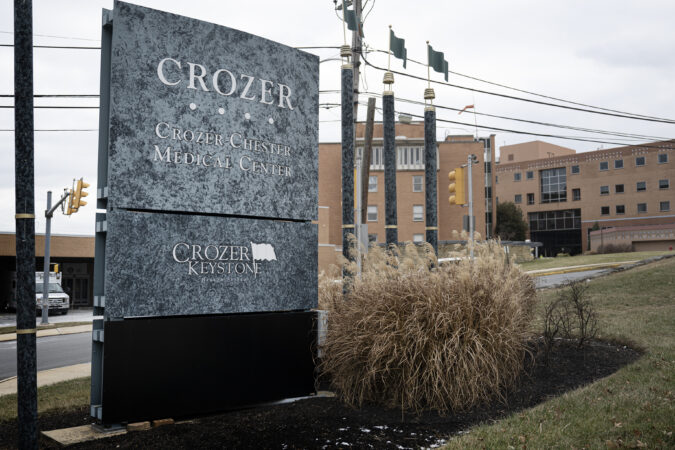
    The new owner of the defunct Crozer-Chester Medical Center wants to restore hospital and emergency services to the 64-acre campus that straddles Chester and Upland Township in Delaware County.

    Newly formed Chariot Equities completed the $10 million purchase Wednesday. The for-profit entity said it expected within six months to have an agreement with a health system that would operate a “right-sized” hospital and emergency department at the facility that had been the county’s largest provider of those services before closing last year.

    The idea is then to open the first phase within two years, Chariot said in a statement.

    Chariot did not say how much it would spend on refurbishing Crozer-Chester, which had suffered from years of neglect under its two previous owners.

    Chariot’s partner at Crozer-Chester is Allaire Health Services, a Jackson, N.J.-based for-profit operator of nursing homes.

    The partners said they are in talks with regional and national nonprofit health systems regarding an operating partnership, but provided no details. The amount of money needed for the project would likely depend on what prospective tenants would want to do at the property.

    “Our belief in Delaware County’s future, and the community’s need for sustainable healthcare access, made this an effort worth committing to well before the finish line,” said Yoel Polack, Chariot’s founder and principal.

    Little is known about the new owners. Polack worked in healthcare real estate in the New York City area before setting his sights on redeveloping Crozer-Chester.

    Federal records list Allaire’s CEO Benjamin Kurland as an owner of 20 nursing homes, including three in the Philadelphia area. Chariot’s statement said Allaire owns a total of 29 facilities in five states.

    Philadelphia-area facilities associated with Kurland are the Center For Rehab & Nursing Washington Township, which was acquired from Jefferson Health; Riverview Estates Rehab & Senior Living Center in Riverton; and West Park Rehabilitation & Nursing Center in West Philadelphia.

    Local interest?

    Main Line Health has been involved in discussions about reopening emergency services at three former Crozer hospitals — Crozer-Chester Medical Center, Springfield Hospital, and Taylor Hospital — at the request of state lawmakers and the property owners, Ed Jimenez, CEO of Main Line Health, said Wednesday at a Riddle Hospital event.

    Jimenez said he would “entertain the concept” of restoring emergency services at one of the hospitals as part of a partnership with other health systems, but only if it can be done on a break-even basis.

    All three of the former hospital buildings visited by Main Line officials are in poor condition and were stripped of medical equipment after the closures. Main Line’s experts estimated it would cost between $15 million and $20 million just to make the emergency department at Taylor functional, Jimenez said.

    ChristianaCare, Delaware’s largest health system, considered acquiring Crozer in 2022. Instead, it took a different path to expansion in Southeastern Pennsylvania. It is planning to open two micro-hospitals in Delaware County. The nonprofit system also took over five former Crozer outpatient locations. Its credit rating was recently downgraded by one notch because of lower profitability.

    The importance of Crozer-Chester

    Crozer-Chester closed in early May during the bankruptcy of owner Prospect Medical Holdings Inc., a for-profit company based in California, and after the failure of government-supported efforts to form a new nonprofit owner for Crozer-Chester and other Crozer Health facilities.

    Crozer-Chester was particularly important as a safety-net provider for a low-income area of Delaware County that has few other nearby options. The Crozer system, which had four hospitals, was the county’s largest health system and largest employer for many years.

    Two local Democratic officials, State Rep. Leanne Krueger and Delaware County Council member Monica Taylor, said they were encouraged by the approach being taken by Chariot and Allaire.

    At Taylor Hospital, the other Crozer hospital that closed last year, new owners are also looking for healthcare tenants. Local investors bought the Ridley Park facility for $1 million. It is less than four miles from Crozer-Chester.

    The same group agreed last week to pay $1 million for Springfield Hospital, another facility that had previously shut down under Prospect ownership.