Tag: Main Line

  • Tired Hands Brewing turned its original Ardmore outpost into a private event space as it navigates the future

    Tired Hands Brewing turned its original Ardmore outpost into a private event space as it navigates the future

    Tired Hands Brewing’s Ardmore Brewing Company brewpub has been turned into a private event space, for now, as its owner navigates the future of the beer company.

    Tired Hands’ Kennett Square taproom and bottle shop is permanently closed, owner Jean Broillet confirmed to The Inquirer on Thursday. Tired Hands’ Beer Park in Newtown Square also will not reopen this summer as the property’s owners are looking to redevelop it, Broillet said.

    Tired Hands’ Ardmore Fermentaria and Fishtown restaurant St. Oner’s remain open for business. The brewing company’s MT. Airy Biergarten is a seasonal operation that will reopen in the spring.

    Broillet said the decision to shift to private events at the Ardmore Brewing Company location was born out of a number of factors: having two Tired Hands locations in Ardmore was confusing for customers; ongoing construction in Ardmore created a “prohibitive environment” for doing business; and the changing landscape of brewing has prompted Tired Hands to begin reimagining parts of its business model.

    The changing face of Ardmore, and of Tired Hands

    When Broillet opened the first Tired Hands location, the BrewCafé, in 2012, he said there was little by way of interesting, high-quality food and drink in Ardmore. At the time, he said, Tired Hands’ craft beer and artisan meats and cheeses stood in stark contrast to the Wawas and Irish pubs the area was accustomed to. Now, that era is a distant memory as Ardmore blossoms as a culinary destination on the Main Line.

    Ardmore “went from zero to 60 really quickly in terms” of dining and entertainment options, said Broillet. He added that Tired Hands was a catalyst for that progress.

    In 2015, Broillet and his business partner and wife Julie Foster opened the Fermentaria at 35 Cricket Terrace, just blocks from Tired Hands’ first location at 16 Ardmore Ave.

    The Fermentaria was a major expansion for Tired Hands. It offered food options that extended beyond the BrewCafé‘s sandwich-and-salad-based menu, like steak frites and baby back ribs. It also quadrupled Tired Hands’ production capacity. At the BrewCafé, Tired Hands’ brewers were able to produce 1,000 barrels of beer annually. At the time of its opening, Broillet anticipated the Fermentaria would increase production to 4,000 barrels per year.

    Tired Hands opened St. Oner’s, a Fishtown restaurant and brewpub, in 2020.

    In the years that followed, Tired Hands opened the seasonal Biergarten in Mount Airy, the Kennett Square taproom, and the Beer Park in Newtown Square.

    In 2021, Broillet stepped down from daily operations after allegations of sexism and racism at Tired Hands proliferated on social media, including claims that women were held to different standards than their male counterparts and employees were berated or publicly humiliated for mistakes. Broillet returned to his post at the helm of Tired Hands a year later.

    Broillet said that “lots of valuable lessons, worldly lessons, were learned during that process” and that Tired Hands is doing everything it can to “prevent that from ever happening again.”
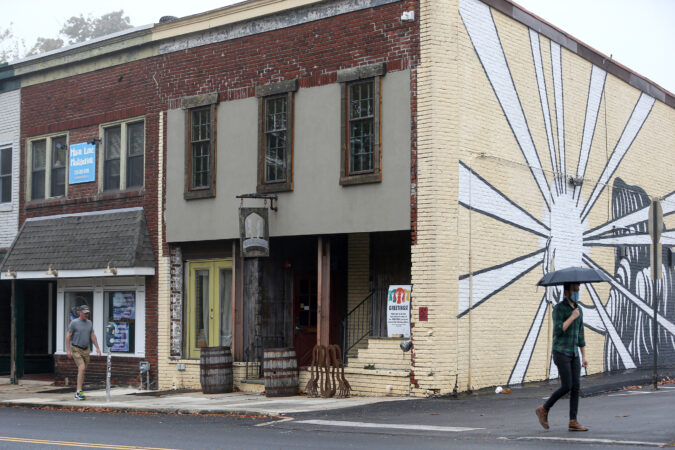
    Ardmore Brewing Co., located at 16 Ardmore Ave. in Ardmore, Pa. Owner Tired Hands Brewing Company has transitioned the brewery into a private events space for the time being.

    Changes in Ardmore, closure in Kennett Square

    While opening a second Ardmore outpost helped grow Tired Hands’ footprint on the Main Line, having “two of the same company” also made things “pretty confusing for people,” Broillet said.

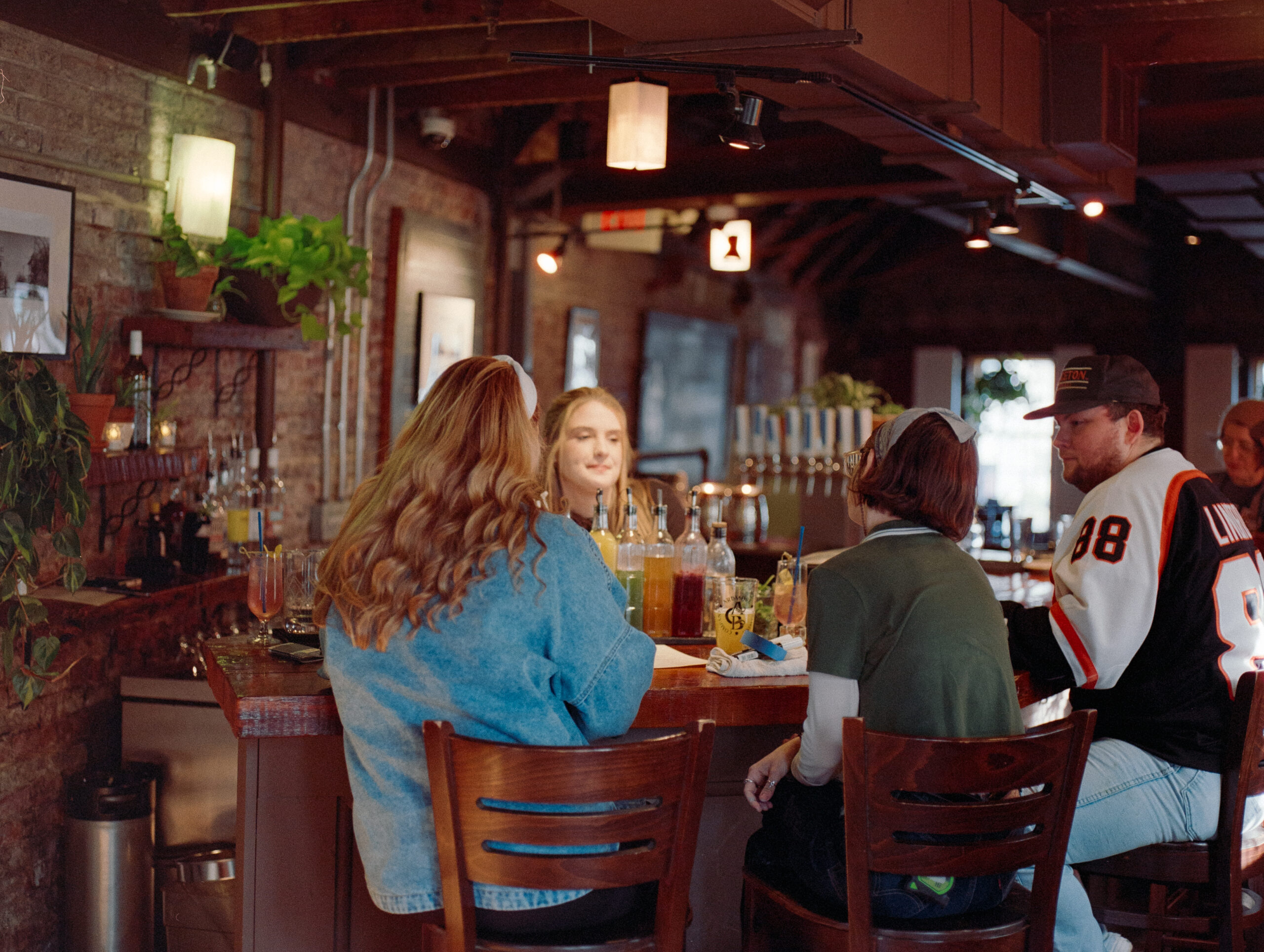
    In efforts to iron out the confusion, Tired Hands rebranded its BrewCafé last spring, renaming it the Ardmore Brewing Company, upgrading its interior, and adding more food and cocktail options while cutting down its beer list.

    “The confusion was still there,” Broillet said.

    Broillet also brought on a culinary team that had extensive experience with private events. They began to host a handful of events at the brewery — retirement parties, birthdays, etc. — which were a success.

    At the same time, major construction had created a “prohibitive environment for us to do business here on Ardmore Avenue,” Broillet said. Construction on the mixed-use Piazza project and Ardmore Avenue Community Center are ongoing, both of which are proximate to Ardmore Avenue and the businesses that operate there.

    The brewery shifted to exclusively hosting private events in the last few months, a decision Broillet said he “couldn’t be happier” with.

    The brewery owner said the Ardmore Avenue location will be open to the public again in the future, but did not specify in what form.

    The taproom and bottle shop in Kennett Square will not reopen.

    Broillet said he opened a Tired Hands outpost in Kennett Square, in part, to have a presence near his family members who lived there. Though it was a “fun” chapter, Broillet said it no longer made sense to operate in Kennett Square, where Tired Hands already has a strong network of distributors that can get their beers into people’s hands without making them trek to the bottle shop.

    What comes next?

    Broillet offered assurances that Ardmore Brewing Company will open up to the public again, but said the specifics aren’t clear yet. Tired Hands also plans on expanding its Mount Airy footprint with a permanent restaurant space.

    For brewers across the country, the specter of people drinking less alcohol looms large. Sales of craft beer fell 4% in 2024, and there were more brewery closings than openings in late 2024 and early 2025, the first time in 20 years such a phenomenon had occurred. Brewerytown’s Crime & Punishment Brewing shuttered last April, with its owners citing a shifting culture around alcohol among the reasons for its closure. Iron Hill Brewery & Restaurant, a Philly-area craft brewing pioneer, abruptly shuttered all of its locations in September.

    Broillet said that while the changing dynamics of the industry remain on his mind, Tired Hands was not “acutely a victim of that downturn.” Sales had been down slightly over the past few years, but Broillet attributes that more to having two locations in Ardmore than to the state of the industry. He’s bullish about Tired Hands’ ability to distinguish itself and sees excitement in the changes.

    “Those sentiments have a way of just propelling you forward,” Broillet said.

    This suburban content is produced with support from the Leslie Miller and Richard Worley Foundation and The Lenfest Institute for Journalism. Editorial content is created independently of the project donors. Gifts to support The Inquirer’s high-impact journalism can be made at inquirer.com/donate. A list of Lenfest Institute donors can be found at lenfestinstitute.org/supporters.
  • Murray Wolf, Avalon’s legendary beach patrol captain, has died at 87

    Murray Wolf, Avalon’s legendary beach patrol captain, has died at 87

    Murray Wolf, 87, of Avalon, the legendary no-nonsense beach patrol captain whose half-century reign inspired and guided generations of lifeguards, while aggravating some famous and not-so-famous beachgoers along the way, died Monday, Feb. 16, at AtlantiCare Regional Medical Center in Atlantic City following a stroke.

    “He was probably the most loyal person I’ve known in my life,” said his wife of 43 years, Vicki Wolf. “Anybody who came into contact with him, he made them a better person, no question about it.”

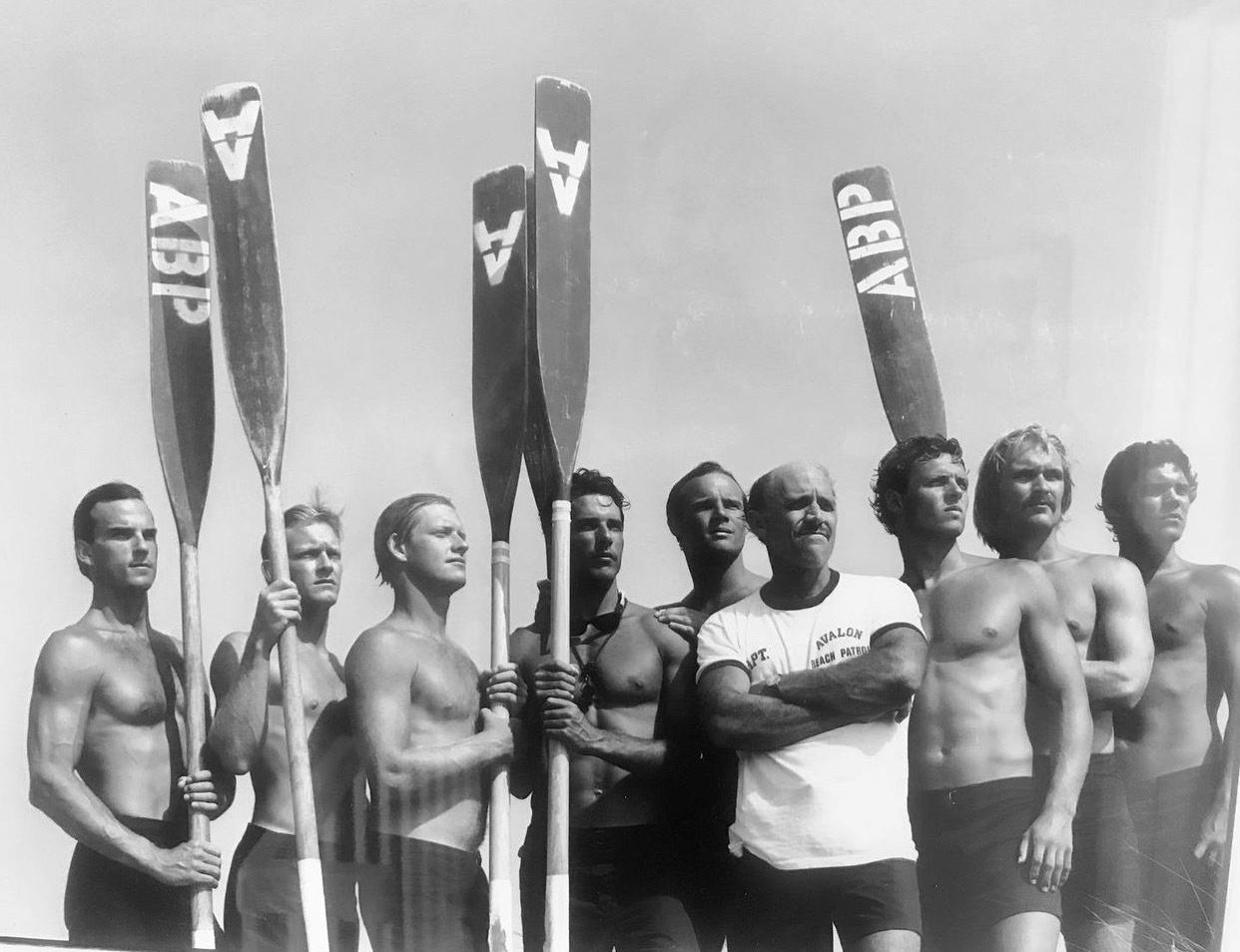
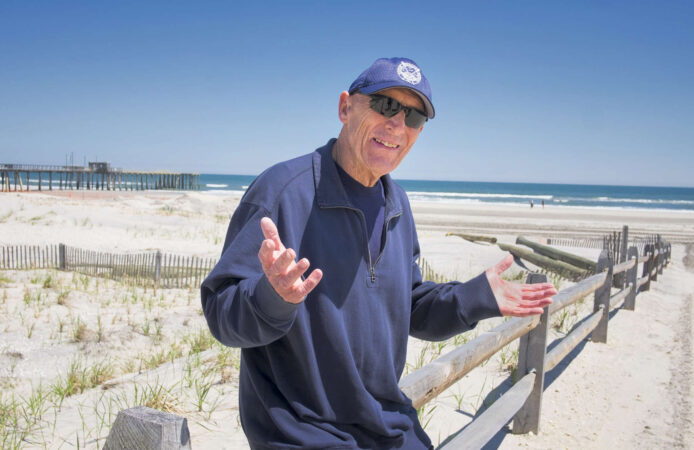
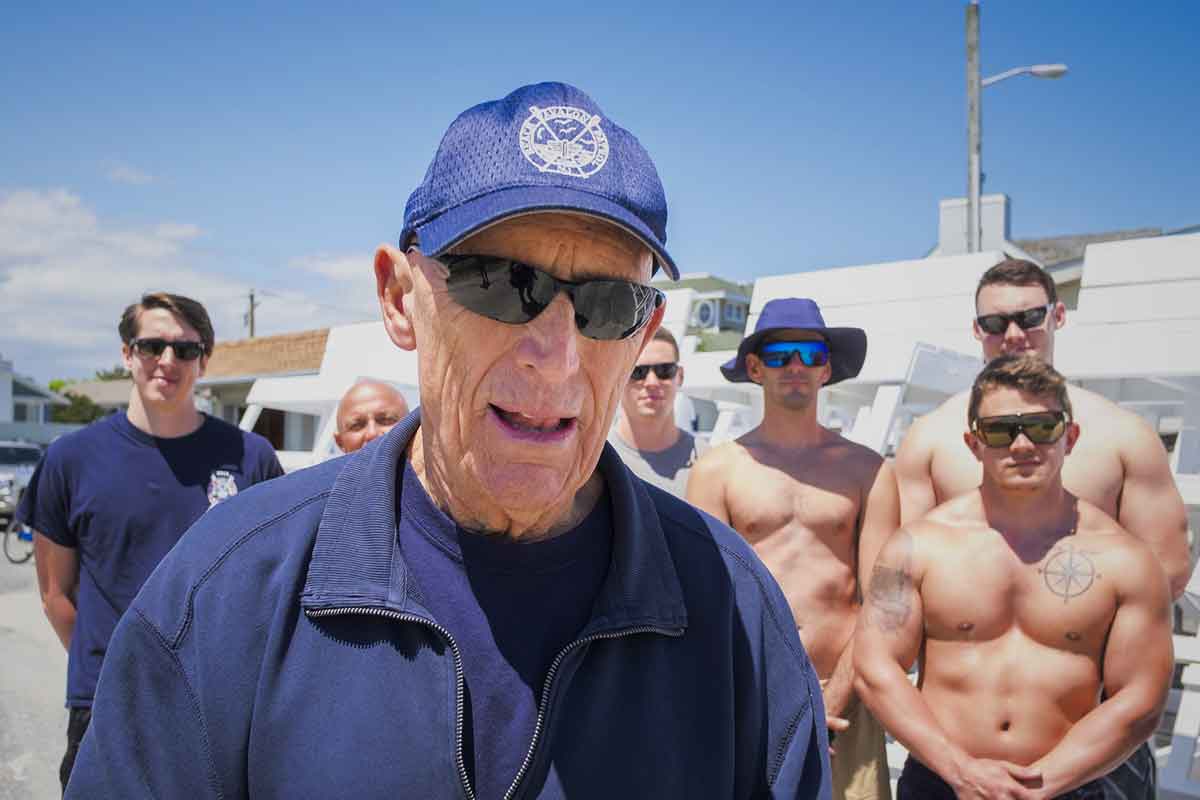
    Murray Wolf was captain of the Avalon Beach Patrol for more than a half-century and spent 65 years on the patrol. “He had the highest of standards,” said John Glomb, who served under him for decades.

    “He had the highest of standards,“ said John Glomb, who served under him for decades. ”When the conditions were not favorable, he drove around the beaches and made sure the guards were on top of their bathers, making sure that nobody was in harm’s way. He had a record where in his 65 years, there was never a drowning. That’s a record that is absolutely spectacular.”

    Not everyone appreciated Mr. Wolf’s brand of beach enforcement. In 1999, he famously tangled with then-WIP sports radio personality Angelo Cataldi over a beach tag, showing him no mercy. Cataldi endlessly railed about it on air, and never truly got over it, saying in 2016, as Wolf entered his 61st year on the beach patrol, “I do harbor ill will toward Murray Wolf, and I always will.” Cataldi did not respond to an email following news of Mr. Wolf’s passing.

    Mr. Wolf brushed off the Cataldi encounter like he did most of his encounters on the beach, a place he patrolled with military precision, complete with nightly wave-offs, stand by stand, from his jeep. Rules were meant to be enforced. But he could laugh about it, even if Cataldi couldn’t.

    There was also Frank Wilson, formerly of Chester County, who sued Avalon in 2001 and won $175,000, driven arguably mad after being repeatedly whistled out of the water when he tried to swim after 5 p.m. “We have the right to protect our bathers,” Mr. Wolf said at the time.

    Murray Wolf, shown here rowing with his son, Tyler, during his final year on the Avalon Beach Patrol.

    Within the ranks of his family — wife Vicki, sons Matthew, Erich, and Tyler, and his 10-year-old black Lab, Ruger — Mr. Wolf’s loyalty, kindness, and appreciation for Avalon’s simple pleasures were deeply admired. The same was true for the ranks of lifeguards, wrestling teams, his Pleasantville school district physical education classes, and the multiple championship South Jersey beach patrol teams he coached in Avalon with the utmost of pride.

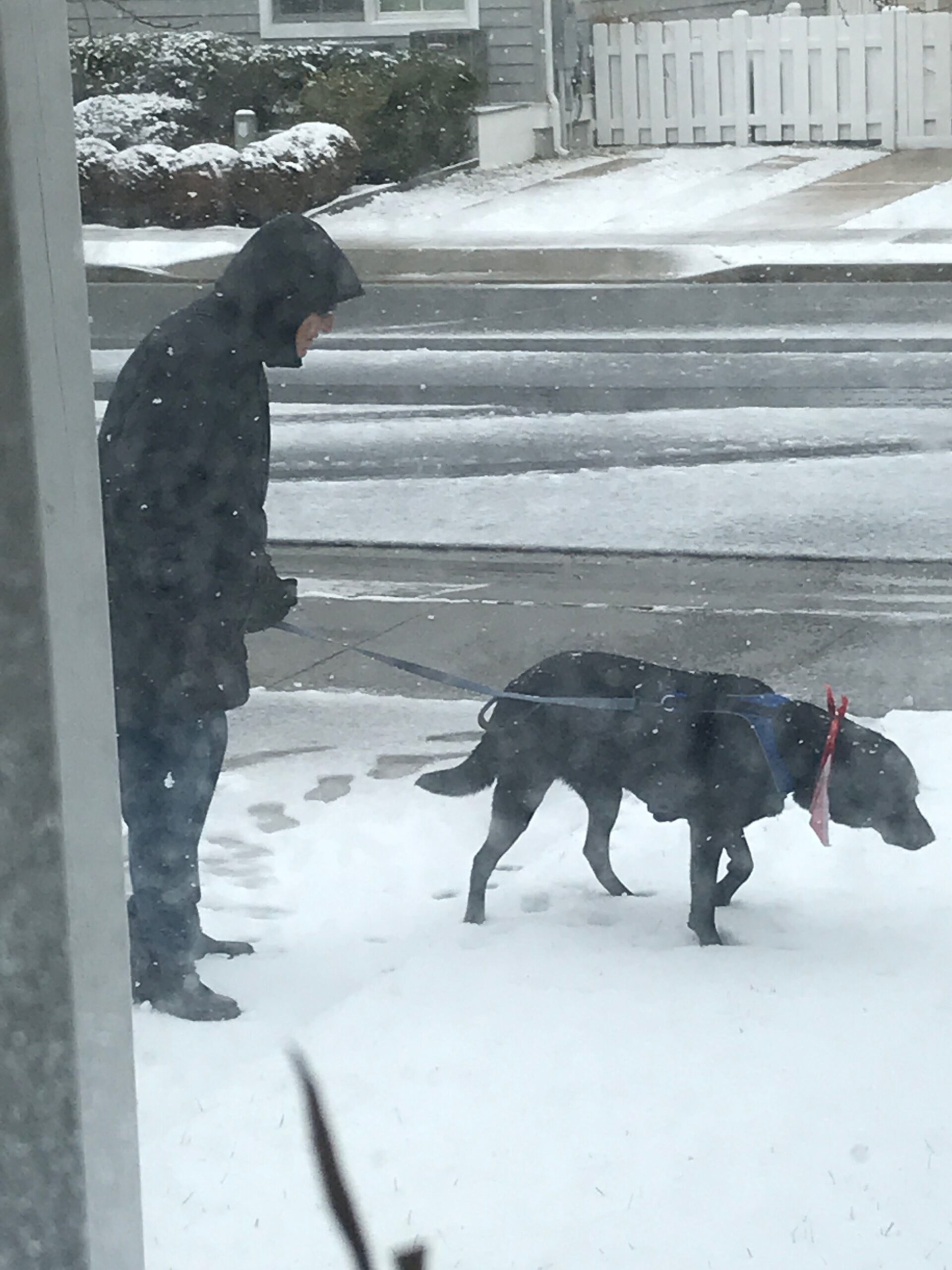
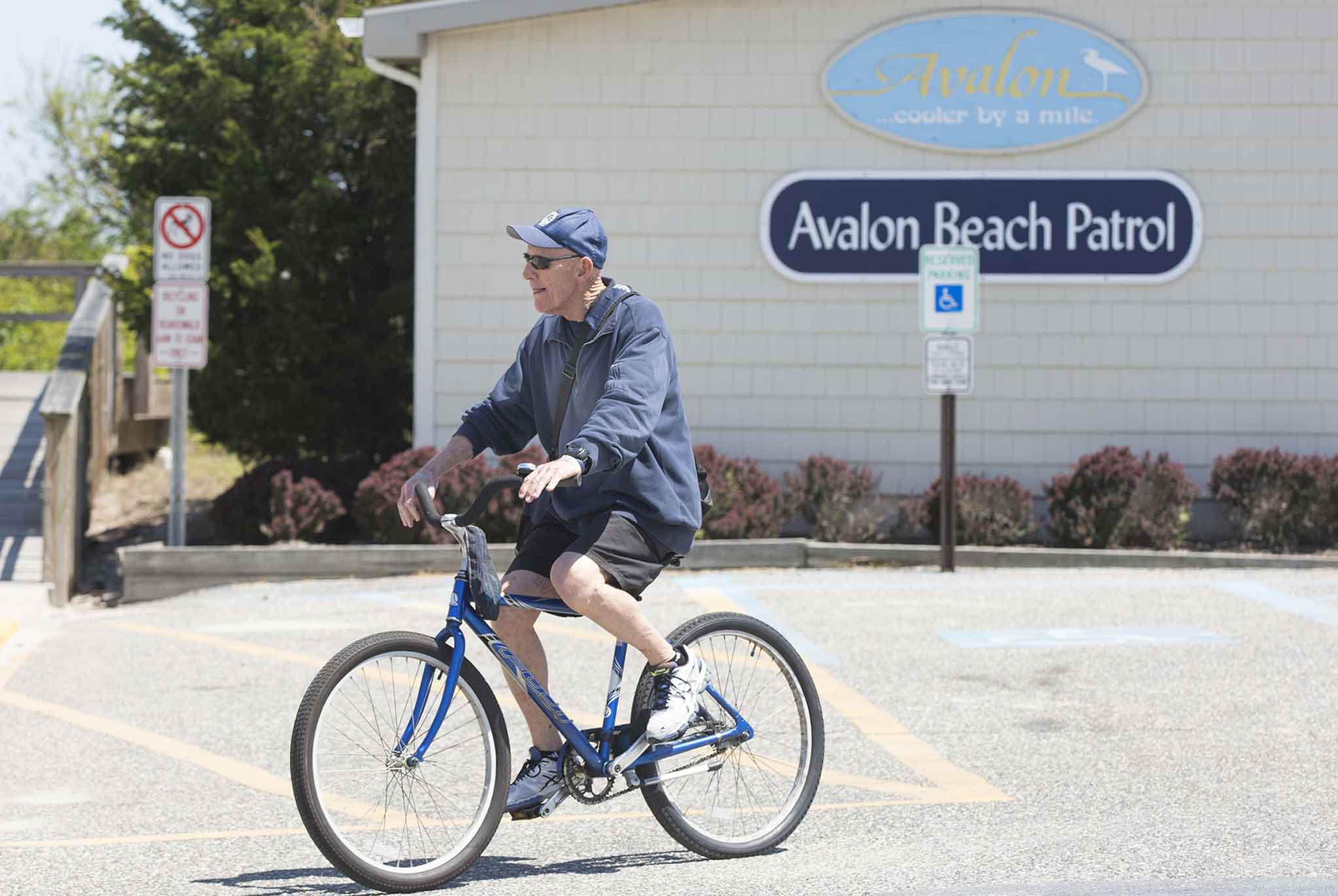
    Mr. Wolf rode his bike around Avalon almost to the end, and walked Ruger in the deepest of snows.

    Murray Wolf, pictured here at age 77, longtime captain of the Avalon Beach Patrol. Here, King takes a break from preseason preparations to watch his son coach his baseball team.

    “He was happy to sit home and watch the football game, sit on the couch, yell at the dog for running in and out,” his wife said. “He loved his Avalon. There wasn’t one time we rode over the bridge into town when he didn’t say, ‘Oh, that was the best decision I made, moving to Avalon.’ He was just a content man, satisfied.”

    His blunt style could rub some the wrong way. Vicki Wolf, who met her husband at the Princeton, Avalon’s iconic bar, spotting at first his muscular arms, she recalled, said she always knew when someone in town had had an uncomfortable encounter with Mr. Wolf when they would veer away from her in the supermarket. He led his patrols through a pandemic, hurricanes, and new technology: He vowed to fire any guard caught with a cell phone on the stand. “It says Lifeguard on Duty,” he said in 2016. “It’s a duty.”

    “There was nothing phony about him,” Vicki Wolf said. “He was never one to take low blows about him. Not everybody liked him. He had enemies, but they respected him.”

    “He took a lot of pride in Avalon doing well — that was in everything Murray did,” Glomb said. “He ran a tight ship. He ran a tight beach.”

    In the offseason, Mr. Wolf coached championship wrestling teams and was a physical education teacher in the Pleasantville school district for 50 years. His son, Matt, took his place as Avalon beach patrol captain in 2021, and also coaches wrestling in Middle Township.

    Murray Wolf, longtime captain of the Avalon Beach Patrol pictured here in 2016 with some of his lifeguards at the patrol’s headquarters. ED HILLE / Staff Photographer

    Matt Wolf said his father had a stroke on Nov. 11 and was hospitalized until his Feb. 16 death. It seemed to so many that he might live forever, given his lifelong physical fitness and vigor, the devotion to his routines of bike riding and dog walking through town. “I think people saw him as very serious when he was in that public spotlight,” Matt Wolf said. “He had a great sense of humor. He didn’t need to be out with a bunch of people. He was happy to be home with his family.”

    The generations of guards who worked under him paid tribute to Capt. Wolf following his passing. “It was an honor to work with The Captain — there’s nobody quite like him,” Ryan Finnegan wrote on Facebook. “He taught his guards countless life lessons over the decades. Thousands of lives were saved because of him. The beaches in heaven are much safer now! Rest easy Capt.”

    Murray Wolf was captain of the Avalon Beach Patrol for more than a half-century and spent 65 years on the patrol. “He had the highest of standards,” said John Glomb, who served under him for decades.

    George Murray Wolf III was born Aug. 16, 1938, in Philadelphia to Elizabeth Gerhard and George Murray Wolf II and was raised on the Main Line. He and his family vacationed in Avalon from the time he was a child.

    He graduated from Conestoga High School and, after briefly working in a steel mill, Mr. Wolf attended Western State College in Gunnison, Colo., where he competed in wrestling and won a team national championship. He graduated with a degree in physical education and later earned a master’s in educational administration from Rider University.

    Mr. Wolf spent more than 50 years teaching physical education in Pleasantville. As head wrestling coach, he led the Pleasantville High School Greyhounds to the 1974 District 32 Championship. “He loved his job working with students and his colleagues at Leeds Avenue School,” his son wrote in the family obituary.

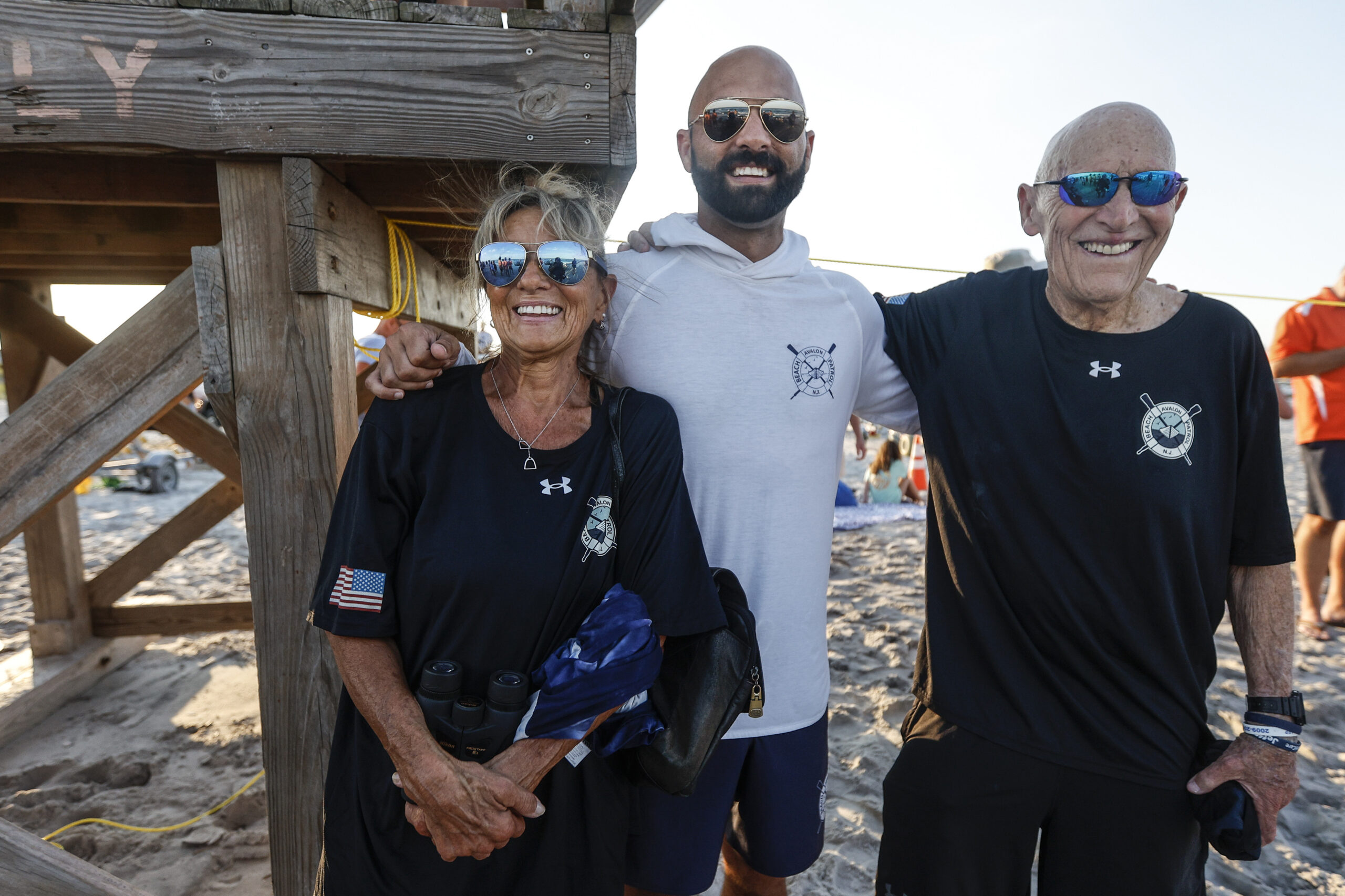
    Avalon Beach Patrol Chief Matt Wolf center, with his dad Murray and mom Vicky at the . Lifeguard Championships in Brigantine New Jersey. Monday, August 12, 2024.

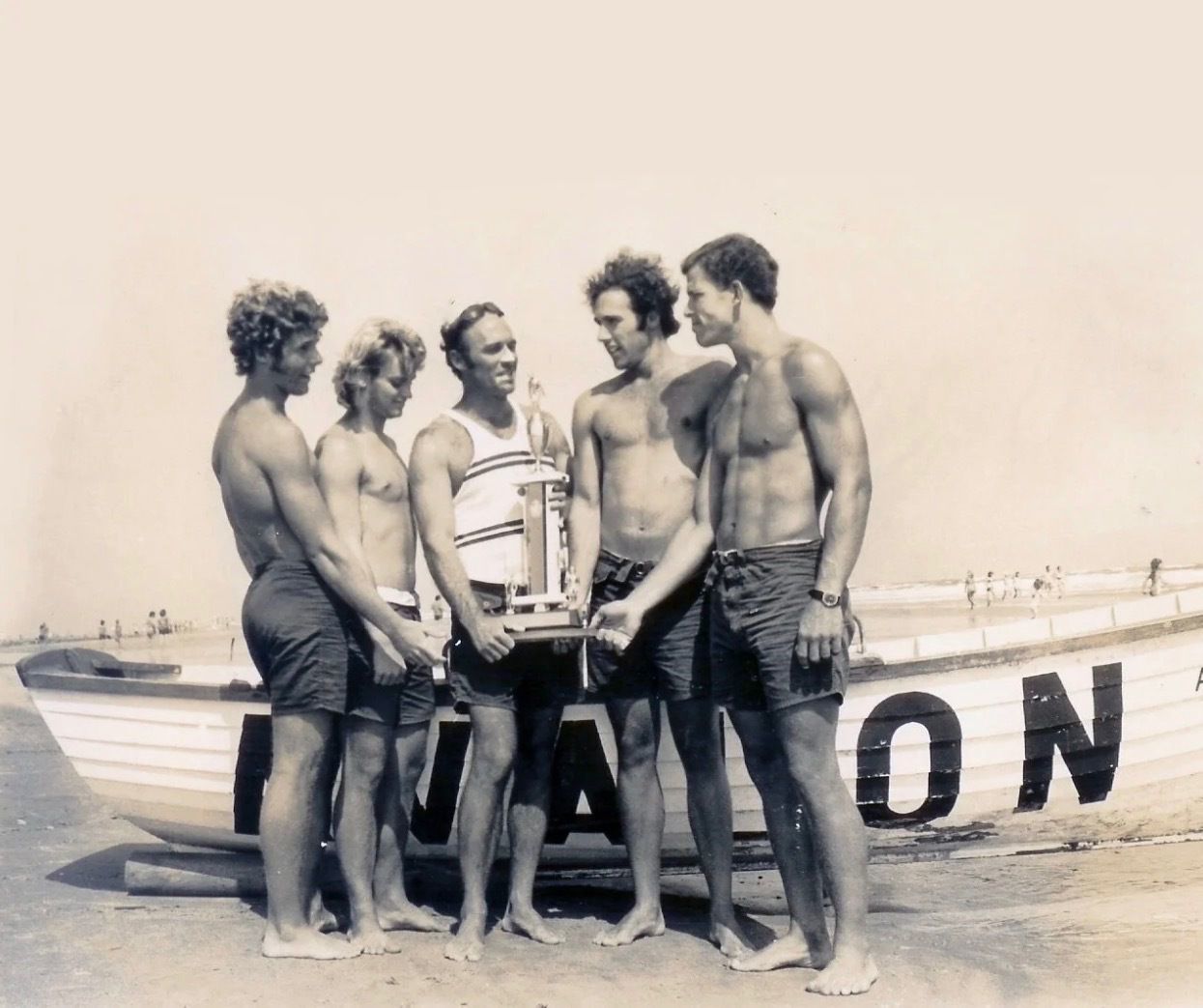
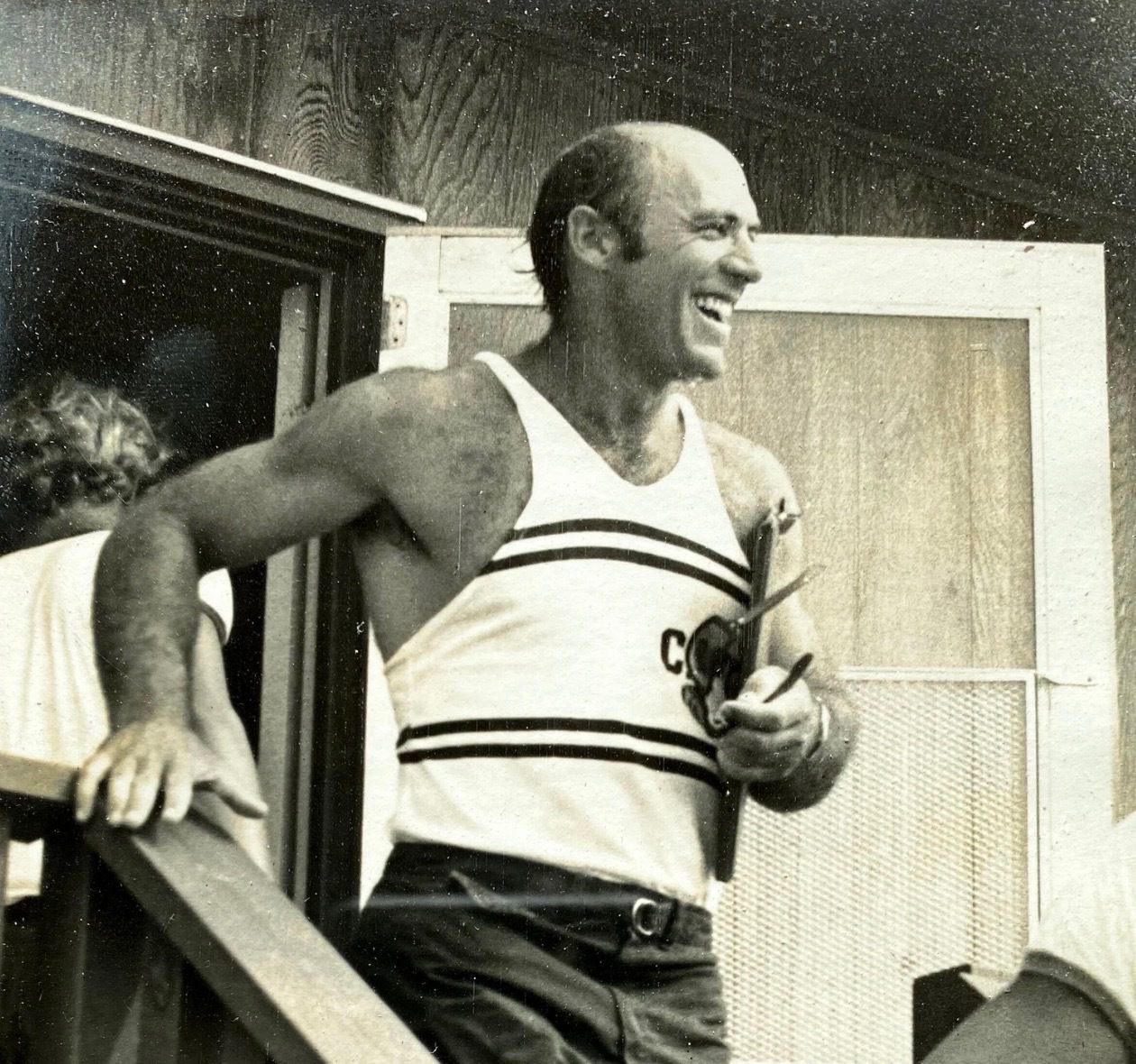
    Mr. Wolf served as captain of the Avalon Beach patrol from 1967 to 2020, and served a total of 65 years on the patrol. His teams, competing in the storied lifeguard races every summer, won nine South Jersey Lifeguard Championships, and Mr. Wolf had the joy of coaching his sons in winning boats.

    Mr. Wolf and his wife were fixtures at their sons’ football, wrestling, baseball, and track and field games and meets, when their sons were competitors and, later, when their sons became coaches themselves.

    Ventnor’s retired beach patrol chief Stan Bergman, himself a legendary chief and coach, has called Mr. Wolf “a warrior.” “He’s battle-tested,” Bergman said in a 2016 interview. “They have a tough beach.”

    Murray Wolf was captain of the Avalon Beach Patrol for more than a half-century and spent 65 years on the patrol. “He had the highest of standards,” said John Glomb, who served under him for decades. He took great pride in his teams winning the South Jersey Lifeguard Championships.

    “He was a very staunch competitor,” said Ed Schneider, chief of Wildwood’s beach patrol and also a wrestling coach. “I was always nervous going up against his teams. He commanded a presence around him. He made people push themselves to be the best.”

    After Matt Wolf took his place as captain of the patrol, he would include his dad as much as possible, taking him in the jeep along the beach. Murray Wolf always attended the lifeguard races, talking to the guards about the David J. Kerr Memorial Races, a competition he began in 1984 to honor a guard who died of cancer.

    In his final weeks, when the family came into his hospital room, his wife said, he would look for his boys, and “always blow a kiss and say I love you.”

    “Every night I would get home, the dog would go sit on the deck and look down the street,” Vicki Wolf said. “It broke my heart. He was looking for Murray.”

    In addition to his wife and their three sons, he is survived by another son, George Murray IV, and a sister. A son, Michael, died earlier.

    Services will be at noon Friday, Feb. 27, at our Savior Lutheran Church, 9212 Third Ave., Stone Harbor, N.J. Visitation will be 10 to 11:45 a.m.

    Donations may be made to the Middle Township Wrestling Program or the Helen L. Diller Vacation Home for Blind Children.

    Murray Wolf was devoted to his three black labs, including Ruger.
  • Narberth artist Emily Stewart is making ‘ephemeral’ public art out of snow

    Narberth artist Emily Stewart is making ‘ephemeral’ public art out of snow

    After the biggest snowstorm in a decade dumped more than nine inches of snow on the Philadelphia region, Narberth artist Emily Stewart woke up to a blank canvas.

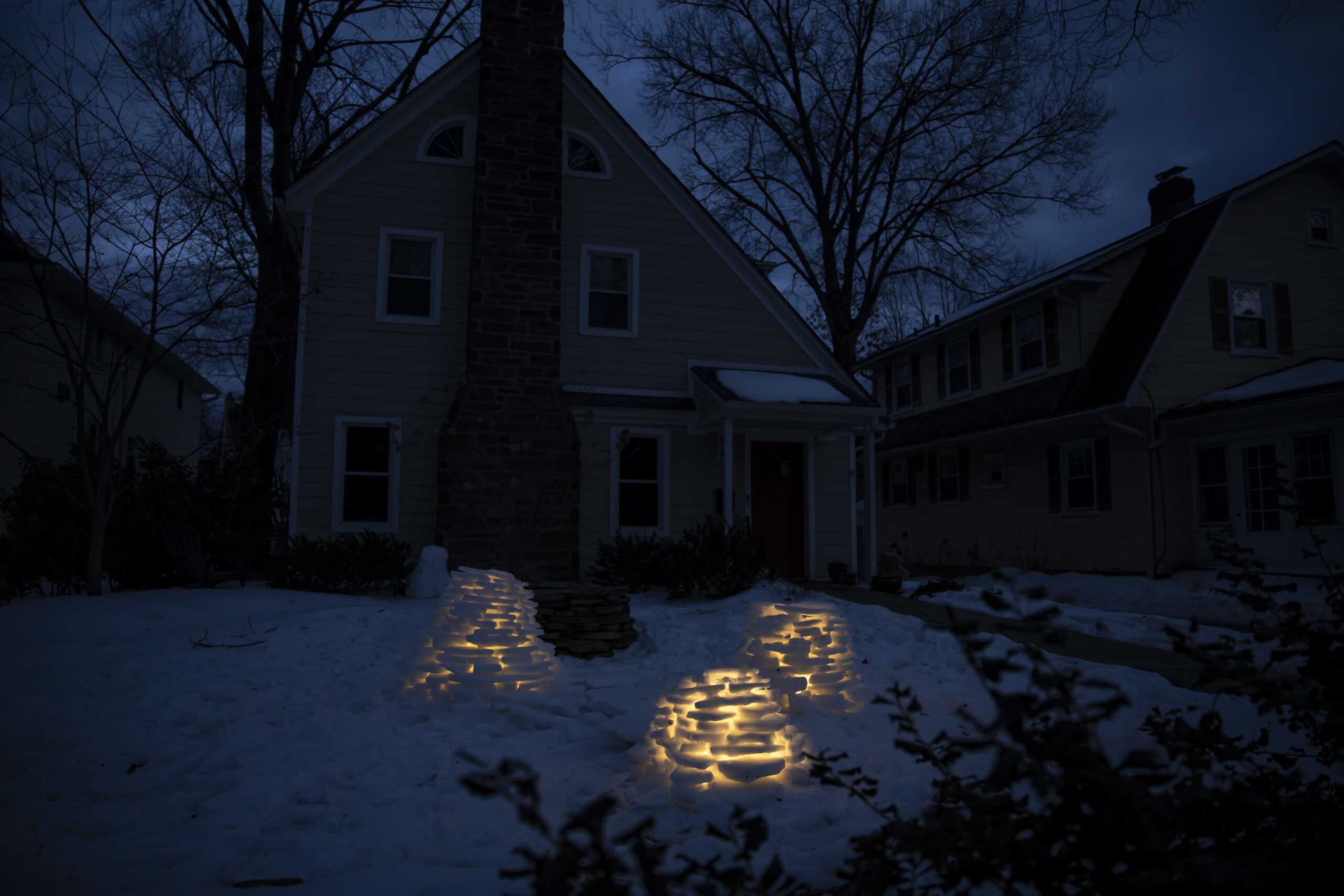
    With her front yard dusted in snow, Stewart zipped up her coat, laced up her boots, and braved the cold to build three Swedish lanterns out of snow and ice. Set against the darkness of winter, the lanterns have offered a glimmer of warmth during the coldest days of a historically frigid period in and around Philly.

    Ice sculptures made by artist Emily Stewart outside her Narberth home on Wednesday, Feb. 11. Stewart said she was inspired to make the structures after reading about Swedish lanterns. “I love working with snow in my yard or other public places because it is inherently social,” Stewart said. “As I work, people walk by, cars pull over, I get to have conversations with neighbors and meet new friends.”

    Stewart is a Main Line-based artist and community organizer who works with ink, graphite, wood, and, yes, snow. She is a lover of art and community building, passions that arose from her time in art school and serving in the Peace Corps. She is also the coordinator of Narberth Public Art, a community group that brings public art displays to downtown Narberth.

    An Ohioan by birth, Stewart isn’t bothered by the snow. In fact, she prefers a long, snowy winter to the Philly area’s increasingly hot summers.

    “I love, love winter,” Stewart said, adding that she has the “opposite of seasonal depression disorder.”

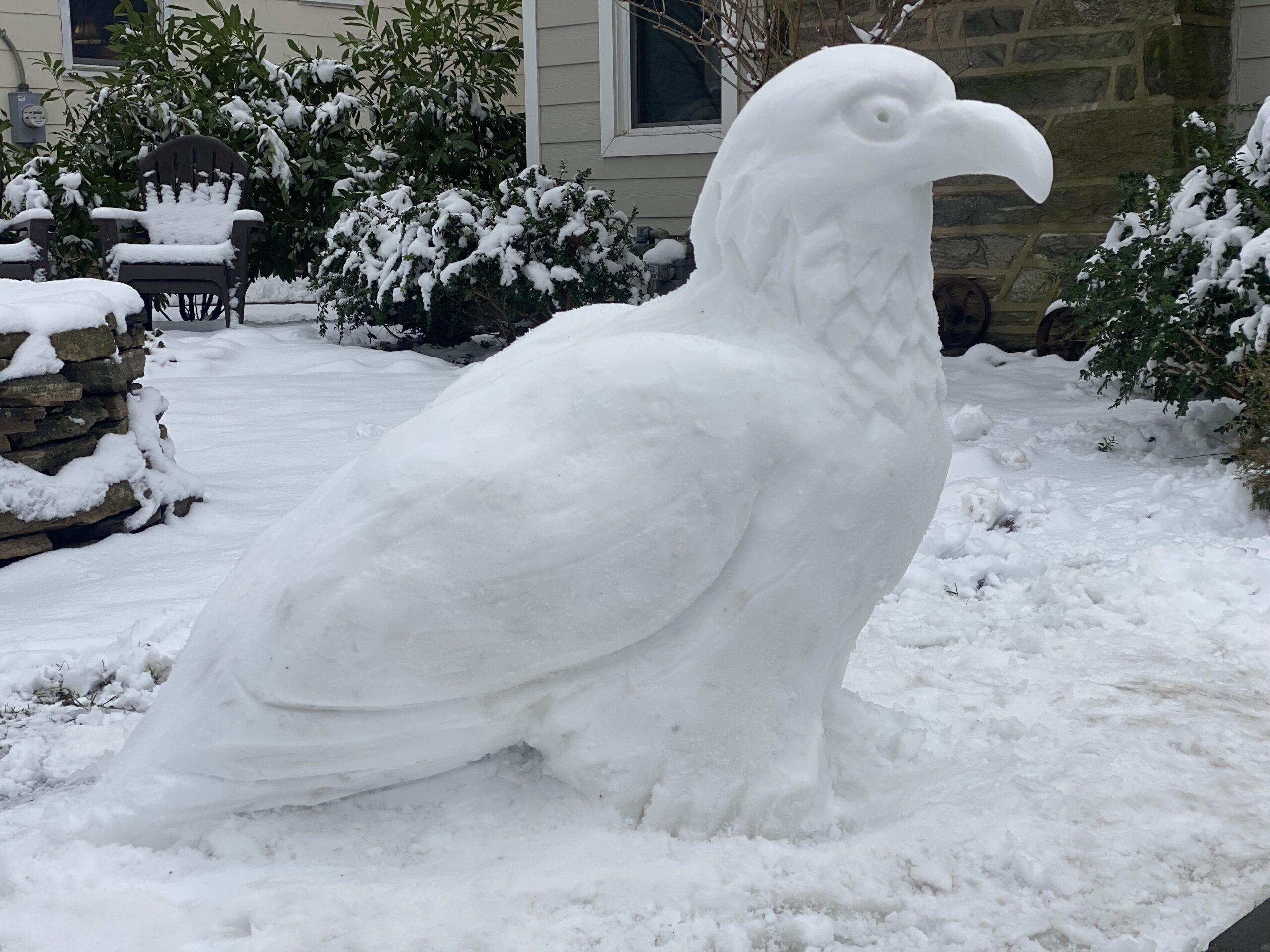
    Stewart grew up making snow sculptures in her hometown of Cleveland. In 2021, as pandemic measures kept Stewart and her family cooped up in their home, she picked up her kitchen spatula and began sculpting snow once again. She built life-size bears, an owl, a giant horse, and an eagle (go Birds). Neighbors began stopping by to ask about the sculptures, and people from outside Narberth even started paying visits to Stewart’s yard after hearing about her art through the grapevine.

    A creature built out of snow by artist Emily Stewart at her home in Narberth in February 2021.

    Though her snow sculptures began as a low-stakes artistic outlet, Stewart says they have become something deeper — a point of connection among neighbors in increasingly polarized and technologically dominated times. Public art provides a “cool little communal social interaction” that “detracts from all the negativity in the world,” she said.

    There’s much that Stewart loves about working with snow. It’s free, abundant, and surprising.

    When asked about the fleeting nature of her snow works, Stewart said it’s part of the beauty. Snow is temporary, as is everything.

    “It’s ephemeral,” she said. “Like, enjoy it, and it’s not yours to keep.”

    An eagle built out of snow by artist Emily Stewart in her Narberth backyard in February 2025.

    This suburban content is produced with support from the Leslie Miller and Richard Worley Foundation and The Lenfest Institute for Journalism. Editorial content is created independently of the project donors. Gifts to support The Inquirer’s high-impact journalism can be made at inquirer.com/donate. A list of Lenfest Institute donors can be found at lenfestinstitute.org/supporters.

  • Missing Di Bruno’s on the Main Line? Carlino’s has your back — and has for decades

    Missing Di Bruno’s on the Main Line? Carlino’s has your back — and has for decades

    As the Main Line contends with the recent abrupt closure of Di Bruno Bros. markets in Ardmore and Wayne, a homegrown Italian-specialties purveyor — just as storied as its South Philly-rooted counterparts — remains open for business.

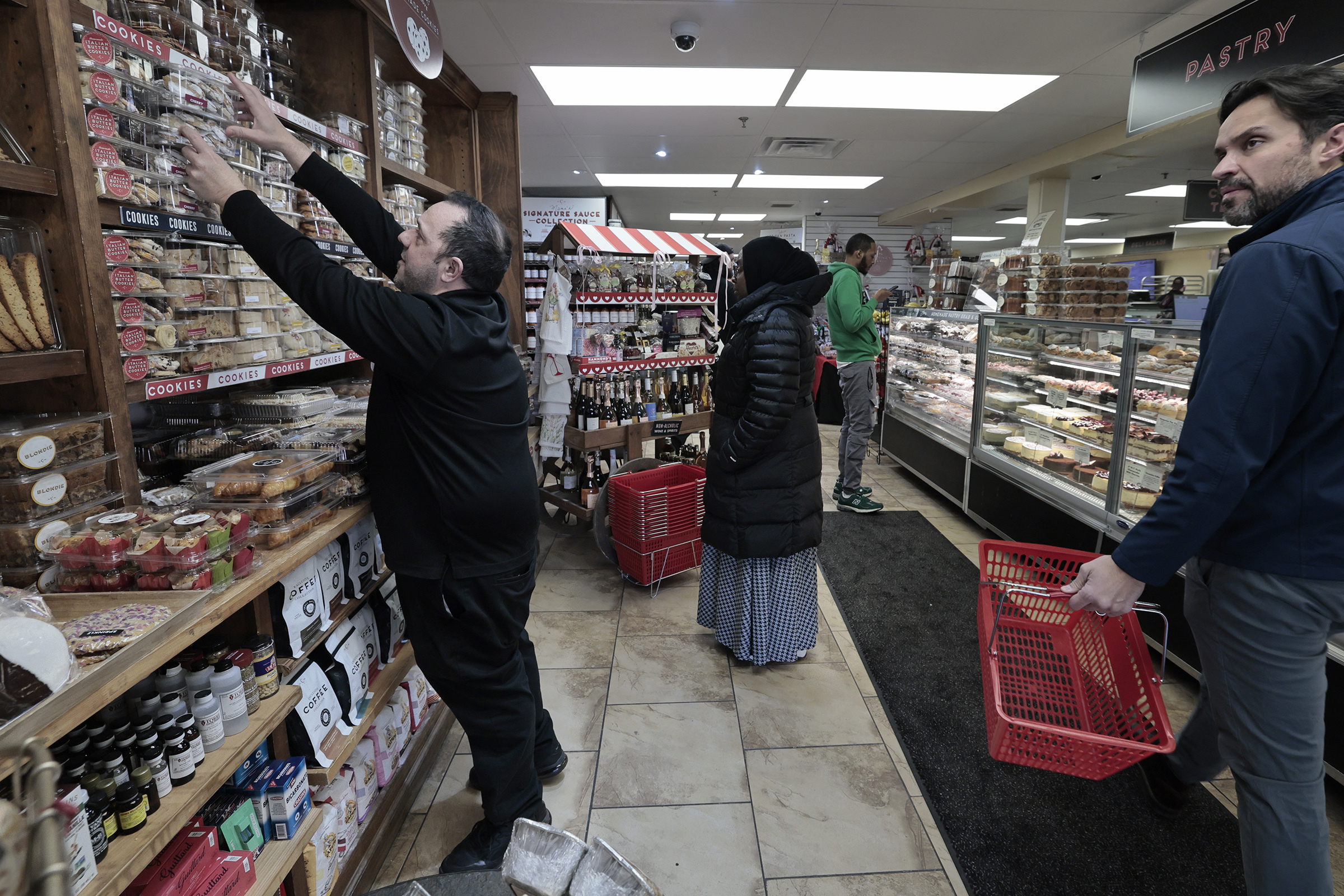
    On the day before Valentine’s Day, shoppers at Carlino’s Market on County Line Road tucked heart-shaped macarons and chocolate-dipped cannoli into baskets already full with marinara sauce, freshly packed chicken cutlets, and imported cheese. Regulars stopped by for their pre-weekend deli orders, and shoppers took refuge from the cold amid aisles of dried pasta and prepared foods.

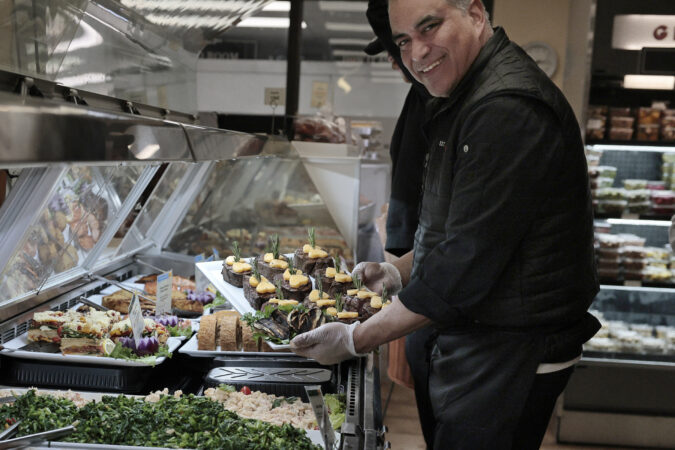
    Carlino’s is an Ardmore institution, founded in 1983 as a small, family-owned pasta shop serving Lower Merion’s Italian community. In the decades since, the market has grown into a suburban powerhouse, supplying Ardmore, West Chester, and the surrounding towns with prepared foods, baked goods, and high-end groceries seven days a week.

    The Carlino’s brand has started to transcend its Ardmore roots: In recent years, the family-run operation has expanded its wholesale business to hundreds of grocery stores, from New York to Delaware and as far as Texas. Even as the company grows, its second- and third-generation leaders remain grounded in its origins as a mom-and-pop shop.

    Carlino’s Market general manger Bruno DiNardo (left) restocks cookies, pastries and treats, all homemade, at Carlino’s Market in Ardmore on Friday, Feb. 13, 2026.

    From Abruzzo to Ardmore

    Carlino’s was founded by Nicola and Angela Carlino, who left Abruzzo in 1968 to move to the United States with their two sons, Pasquale (“Pat”) and Carmen. In Abruzzo, the Carlinos tended to olive groves and grape vineyards and raised livestock on Nicola’s family farm. They left in search of better opportunities for their sons, landing in Ardmore, where Nicola initially worked as a bus driver and groundskeeper at Mitchell Prep, a private school, while Angela sold cookies, fresh pastas, and sauces out of their home.

    When Mitchell Prep closed in the early 1980s, Nicola and Angela decided to take a chance on a family business. They opened Carlino’s Homemade Pasta in a former barbershop on East County Line Road in South Ardmore — at the time, an Italian American enclave. Residents in search of a taste of home regularly patronized Carlino’s, and the family started wholesaling some products to local restaurants and casinos.

    According to Pat Carlino, 63, now the company’s CEO, it’s easy to take the Philly area’s formidable Italian-food scene for granted. But when his parents opened Carlino’s in the 1980s, Pat said, you could barely find marinara sauce in the grocery store. No one knew what tiramisu was, or how to tell the difference between high-quality Parmigiano Reggiano and grocery-store sprinkle cheese. Mention of ciabatta would prompt blank stares.

    Carlino’s was “an education to the public,” he said.

    Customers look over some of the homemade soups, salads and ready to go meals available at Carlino’s Market in Ardmore on Friday, Feb. 13, 2026.

    As time went on, the store expanded, subsuming other houses on its block, and shifted to a retail focus. The family renamed it Carlino’s Market and expanded offerings to include baked goods, pizza, sandwiches and wraps, imported meats and cheeses, and groceries like sauces, olive oils, and coffee. By the mid-1990s, Carlino’s selection and specialties — handmade ravioli, freshly stuffed sausage, garden-grown bruschetta on house-baked bread, tiramisu cake, and more — attracted savvy customers from as far as New York City and Washington, D.C.

    A growing business

    The Carlinos opened a second market, on Market Street in West Chester, in 2007. Angela, aka “Mama Carlino,” died two days after the second store opened. (Many of Mama Carlino’s recipes, the backbone of market’s origin story, have been recorded in two cookbooks, including a 2023 volume compiled and written by granddaughter Nadia Carlino.) Nicola Carlino died in 2020.

    In 2022, Carlino’s began wholesaling its sauces, dry pastas, and pestos — which you can now find at other small, local retailers like Riverwards Produce and Kimberton Whole Foods, as well as large grocery chains like Wegmans and Giant. Carlino’s products are available in parts of Pennsylvania, Delaware, New Jersey, Maryland, Virginia, Washington, D.C., Florida, Texas, New York, and Massachusetts, and will soon be on shelves in California and the Chicago area.

    Pat declined to share specifics about the company’s business model, though he said future growth will be in wholesaling and the grocery market, not retail. (Many former patrons of Di Bruno’s now-shuttered suburban outposts said the company grew its retail presence too hastily, diminishing its quality).

    While Carlino’s business is growing, Pat said his core customers are still people he knows “people that I grew up with.”

    Carlino’s also remains a family operation. Pat and his wife, Laura, are the company’s top executives, and their children — now the third generation of Main Line Carlinos — help manage marketing, wholesaling, importing, and manufacturing.

    Talking about Carlino’s products, a word Pat comes back to regularly is “clean.”

    Before influencers and foodies popularized the idea of “clean eating,” Carlino’s was doing it, Pat said. Nicola cooked with fresh tomatoes, cucumbers, and herbs he grew in his Ardmore garden. Pat said Carlino’s continues to rely on fresh produce, organic flour, and high-quality olive oil and French butter.

    “Things that are trending now, we were doing 40 years ago,” Pat said.

    “You can pick up anything and it’s clean,” he added, just like how your grandma would make it (or at least how a Carlino grandma would).

    This suburban content is produced with support from the Leslie Miller and Richard Worley Foundation and The Lenfest Institute for Journalism. Editorial content is created independently of the project donors. Gifts to support The Inquirer’s high-impact journalism can be made at inquirer.com/donate. A list of Lenfest Institute donors can be found at lenfestinstitute.org/supporters.
  • In Philly music this week, Mariah the Scientist plays the Met. Plus, Jason Isbell, Miguel, Margo Price, Say She She, and more

    In Philly music this week, Mariah the Scientist plays the Met. Plus, Jason Isbell, Miguel, Margo Price, Say She She, and more

    This week in Philly music features a busy week at the Met with Jason Isbell, Miguel, and Mariah the Scientist. Plus, R.E.M. guitarist Peter Buck’s new supergroup, two dates with Alejandro Escovedo, and ‘Hard Headed Woman’ Margo Price and her country band playing on South Street.

    Wednesday, Feb. 18

    Say She She

    Say She She is the nomadic vocal trio Piya Malik, Sabrina Mileo Cunningham, and Nya Gazelle Brown — who have connections to New York, London, and Los Angeles. The band name is a play on the “Le Freak? C’est chic!” lyric from Chic’s 1978 disco hit “Le Freak.” On Say She She’s third album, Cut & Rewind, tracks like “She Who Dares” and “Disco Life” qualify as subtle protest music as the band members stand up for diversity and express feminist prerogatives while deftly moving listeners to the dance floor. With Katzù Oso. 8 p.m., Ardmore Music Hall, 23 E. Lancaster Ave., Ardmore, ardmoremusichall.com

    Say She She plays Ardmore Music Hall on Wednesday. The disco group’s new album is “Cut & Rewind.”

    Jason Isbell & the 400 Unit

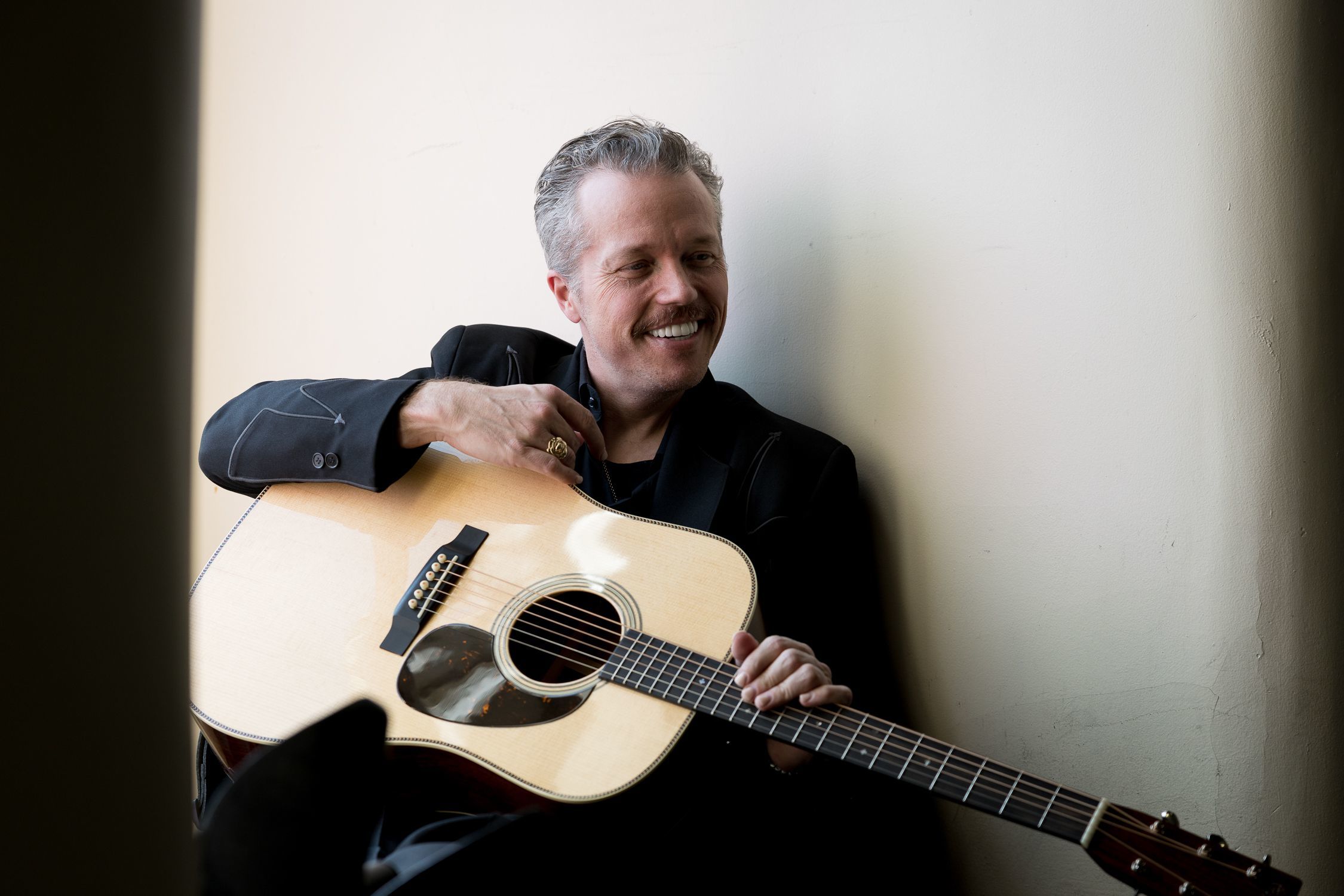
    Jason Isbell never made it to town on his 2025 tour behind his stark, solo acoustic album Foxes in the Snow. So this full band show will be the first Philly opportunity to hear those break-up songs written after Isbell’s split from then-wife Amanda Shires, played live. They will be mixed in with the impressive body of work that Isbell — a terrific guitarist, singer, and bandleader as well as a masterful storytelling songwriter — has amassed going back to the 2000s with the Drive-By Truckers. 8 p.m., Met Philly, 858 N. Broad St., themetphilly.com.

    Jason Isbell & the 400 Unit headline the Met Philadelphia on Wednesday.

    The Rural Alberta Advantage / The Barr Brothers

    Fans of Canadian indie bands are facing a Wednesday night dilemma. Toronto’s Rural Alberta Advantage, which tends to rock out, headlines Johnny Brenda’s. The band’s most recent album is 2023’s The Rise & The Fall. Meanwhile at Underground Arts, there’s a show by Toronto’s Barr Bothers, which leans more toward the folk, with singer-guitarist Bad Barr and his drummer brother Andrew. Their new album is Let It Hiss. 8 p.m., Johnny Brenda’s, 1201 N. Frankford Ave., johnnybrendas.com; and 8 p.m., Underground Arts, 1200 Callowhill St., undergroundarts.org.

    Alejandro Escovedo and James Mastro, who will play separately and together in Sellersville and Wilmington.

    Thursday, Feb. 19

    Drink the Sea

    Peter Buck of R.E.M. is a serial collaborator. The long list of the uber-influential guitarist’s side projects have included Tuatara, the Minus 5, the Baseball Project, Filthy Friends, and others. Add to the list Drink the Sea, which is the second supergroup Buck has formed with Barrett Martin of the Screaming Trees. The band, which is influenced by global rhythms that reach beyond rock, makes its Main Line debut this week. 8 p.m., Ardmore Music Hall, 23 E. Lancaster Ave., Ardmore, ardmoremusichall.com.

    Alejandro Escovedo

    The great Austin, Texas, songwriter Alejandro Escovedo played Philly last year on a solo tour, while working up a theater show that chronicles his 50-plus year music career. Now he’s back, plugged in, and ready to rock with his band Electric Saints. Further good news is that his opening act is North Jersey veteran rocker and Health and Happiness Show leader James Mastro. He will be joining Escovedo for a few songs on stage , just as he did with Patti Smith’s band at the Met last November. 8 p.m. Thursday, Sellersville Theater, st94.com, and 8 p.m. Friday, Arden Gild Hall, 2126 The Highway, Wilmington, ardenconcerts.com.

    Friday, Feb. 20

    Ben Arnold & the 48 Hour Orchestra

    Philly songwriter Ben Arnold, just back from a European tour with his band U.S. Rails, is home promoting his excellent new solo album XL, which he showcased with an impressive show in Wayne back in October. Noon, World Cafe Live, 3025 Walnut St., xpn.org.

    Margo Price

    Margo Price was positioned as a country — or at least alt-country — artist when she debuted with Midwest Farmer’s Daughter in 2016. She then expanded her sound in a rock direction, even adding psychedelic touches in three subsequent albums. Now she’s again focused on country on Hard Headed Woman, the Grammy-nominated collection that will bring her to the TLA on her “Wild At Heart Tour.” Hot tip: Last time she played Philly, Kurt Vile showed up to jam. Pearl Charles opens. 8 p.m., Theater of Living Arts, 332 South St., tlaphilly.com.

    Miguel at the opening night his CAOS Tour in Atlanta on Feb. 10. He plays the Met Philly on Saturday.

    Saturday Feb. 21

    Miguel

    Miguel Jontel Pimentel has been a frequent visitor to Philly, between multiple visits to the Made in America festival in addition to regular tour stops. Now the R&B love man with vocal chops beyond reproach and a frisky, subversive sensibility is headlining the Met on tour for his 2025 album CAOS. 8 p.m., Met Philly, 858 N. Broad St., themetphilly.com

    Roger Harvey / Roberta Faceplant / Maxwell Stern

    This is another quality multiband bill upstairs at the Khyber Pass pub. Nashville songwriter Roger Harvey is the headliner, with rising Philly acts Roberta Faceplant and Maxwell Stern also playing the Old City venue. 8 p.m., Upstairs at the Khyber, 56 S. 2nd St., khyberpasspub.com

    Mariah the Scientist plays the Met Philly on Tuesday.

    Tuesday Feb. 24

    Mariah the Scientist

    Mariah Amani Buckles was studying to be a pediatric anesthesiologist at St. John’s University before she dropped out to concentrate on her music full time. Thus, she became Mariah the Scientist! The R&B-hip-hop singer — who is engaged to rapper Young Thug — sings about conflicted love affairs, sometimes to chilling effect, on her fourth album, Hearts Sold Separately, which features a sultry duet with Kali Uchis on the hit “Is It A Crime.” 8 p.m., Met Philly, 858 N. Broad St., themetphilly.com.

  • Looking for gluten-free baked goods on the Main Line? Flakely is open for business in Bryn Mawr.

    Looking for gluten-free baked goods on the Main Line? Flakely is open for business in Bryn Mawr.

    Gluten-free bakery Flakely has opened its doors in Bryn Mawr, bringing its signature pastries to the Main Line after five years of doing business out of a commercial kitchen in Manayunk. The cross-river move marks a major expansion for Flakely, which, for years, has sold most of its pastries in a frozen take-and-bake form because of space constraints.

    Now, Flakely is giving Main Line customers a rare opportunity to buy fresh gluten-free baked goods, namely its acclaimed croissants, which are a notoriously difficult item to make without gluten.

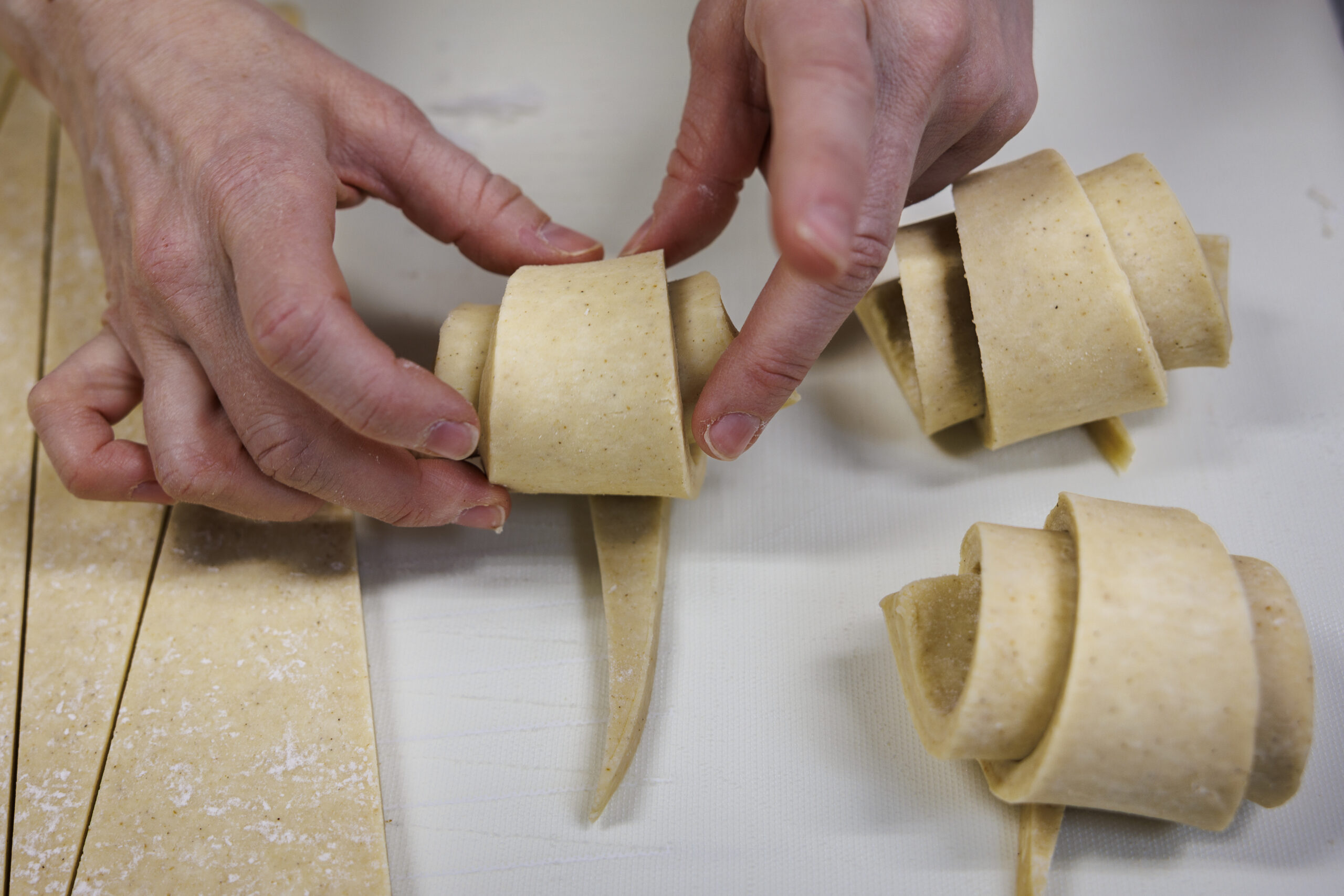
    Lila Colello owner of Flakely a gluten free bakery. She is rolling a plain croissant at her new location on Lancaster Avenue, Bryn Mawr, PA, Friday, Feb. 13, 2026.

    Flakely’s new Bryn Mawr headquarters is located at 1007 W. Lancaster Ave. in the former Grand Middle East hookah lounge (though one would never guess the storefront’s previous identity given all of the pastel pink decor that now adorns the walls).

    On the morning of Flakely’s soft opening last week, bakery staff bustled around the open concept kitchen. A glass display case of treats, including sweet and savory croissants and elegantly decorated cupcakes, shimmered in the early morning light.

    The move to the Main Line is “a homecoming” of sorts for owner Lila Colello, who grew up in Ardmore and attended the Shipley School. Colello worked her way up in Philadelphia’s dessert world, staging at the Ritz Carlton and serving as a pastry chef at Wolfgang Puck Catering. When she was diagnosed with celiac disease, an inflammatory autoimmune disorder triggered by eating gluten, in 2010, she feared her days in the pastry world were numbered.

    But instead, Colello mastered the art of the gluten-free pastry. She started Flakely in 2017 as a wholesale operation and moved into the commercial kitchen in Manayunk in 2021.

    Flakely was voted one of the best gluten-free bakeries in the country in 2024 by USA Today, and Inquirer restaurant critic Craig Laban said Colello had “found the secret” to making laminated pastry, like croissants.

    The Manayunk kitchen helped put Flakely on the map, but it also constrained Colello. Because there was so little foot traffic, Flakley couldn’t make fresh goods for fear of having to throw out large quantities at the end of the day.

    A box of gluten free pastries from Flakely, Lancaster Avenue, Bryn Mawr, PA, Friday, Feb. 13, 2026. Clockwise, Heart Shaped Twix, Plain Croissant and Vanilla Cupcake with Raspberry Curd and Whipped Honey Lemon Mascarpone Buttercream.

    Colello’s new storefront has given her the space to hire a larger staff, expand her fresh pastry offerings, and give patrons a true bakery experience.

    “I don’t know another place, maybe outside of New York, that has gluten-free croissants that you can even have fresh,” Colello said.

    “It’s a totally different experience,” she added.

    Demand for gluten-free goods is high in Lower Merion, Colello said. Many Main Line patrons used to make the trek to Manayunk to buy Colello’s take-and-bake goods and are happy to have a gluten-free option closer to home.

    Flakely joins a small contingent of gluten-free bakeries in the Philly suburbs, including The Happy Mixer, which has locations in Wayne, Chalfont, and Newtown, and Laine’s Gluten Free Bakery in Berwyn.

    Colello said Flakely is still figuring out its hours, but she plans to be open from 10 a.m. to 3 p.m., Tuesday through Friday, and from 10 a.m. to 2 p.m. on Saturday. For more information, you can visit Flakely’s Facebook or Instagram, where Colello will post weekly hours and menus.

    This suburban content is produced with support from the Leslie Miller and Richard Worley Foundation and The Lenfest Institute for Journalism. Editorial content is created independently of the project donors. Gifts to support The Inquirer’s high-impact journalism can be made at inquirer.com/donate. A list of Lenfest Institute donors can be found at lenfestinstitute.org/supporters.
  • Howard Lutnick’s name is on the library at Haverford College. Will that change after his appearance in the Epstein files?

    Howard Lutnick’s name is on the library at Haverford College. Will that change after his appearance in the Epstein files?

    As U.S. Commerce Secretary Howard Lutnick’s relationship with Jeffrey Epstein gains new scrutiny, questions have emerged on Haverford College’s campus about how to address their mega-donor’s involvement.

    Lutnick, a 1983 Haverford graduate who has donated $65 million to the college and whose name is on the school’s library, had contact with the late financier as recently as 2018, long after Epstein pleaded guilty to obtaining a minor for prostitution and soliciting a prostitute, according to documents released by the Justice Department. And during congressional testimony this week, he said he visited the sex offender’s private island with his family in 2012. That’s even though Lutnick previously said he had not been in a room with Epstein, whom he found “disgusting,” since 2005.

    At Haverford, where the library at the heart of campus is named after Lutnick, two students have floated a proposal to remove Lutnick’s name from the building and wrote a resolution that could be discussed at a forthcoming student-led meeting, according to the Bi-College News, the student newspaper for Haverford and Bryn Mawr Colleges. Fliers that say “Howard Lutnick is in the Epstein Files — What Now?” have been posted around campus, according to the publication.

    And in an email to campus Thursday, Wendy Raymond, president of the highly selective liberal arts college on the Main Line, said she and the board of managers are monitoring the situation.

    “We recognize that association with Epstein raises ethical questions,” she wrote. “While Secretary Lutnick’s association with Epstein has no direct bearing on the College, as an institution, we are committed to our core values and cognizant of broader ethical implications raised by these disclosures.”

    Commerce Secretary Howard Lutnick listens during an event with President Donald Trump in the Oval Office of the White House earlier this month.

    A Commerce Department spokesperson told the Associated Press last month that Lutnick had had “limited interactions” with Epstein, with his wife in attendance, and had not been accused of “wrongdoing.” Lutnick told lawmakers this week: “I did not have any relationship with him. I barely had anything to do with him.”

    Lutnick, formerly chairman of Cantor Fitzgerald L.P., a New York City financial firm that lost hundreds of employees in the 9/11 World Trade Center attacks, served on Haverford’s board for 21 years and once chaired it. In addition to the library, the indoor tennis and track center bears the name of his brother Gary Lutnick, a Cantor Fitzgerald employee who was killed on 9/11, and the fine arts building carries the name of his mother, Jane Lutnick, a painter. He also funded the college’s Cantor Fitzgerald Art Gallery.

    In making a $25 million gift to the college in 2014 — which remains tied for the largest donation Haverford has received — Lutnick told The Inquirer the college had helped him during a particularly difficult period. He lost his mother to cancer when he was a high school junior, and one week into his freshman year at Haverford, where he was an economics major, his father died as the result of a tragic medical mistake.

    The then-president of Haverford called Lutnick and told him his four years at Haverford would be free.

    “Haverford was there for me,” Lutnick said, “and taught me what it meant to be a human being.”

    Lutnick’s gift was used to make the most significant upgrades to the library in 50 years. Lutnick left Haverford’s board in 2015.

    He was confirmed as commerce secretary a year ago, after President Donald Trump took office for the second time. Since the Epstein documents were released, Lutnick has faced bipartisan calls to resign.

    Some in the Haverford community have spoken out online about Lutnick’s ties to Epstein.

    “How soon can we petition to make Magill Magill again,” one alum, who said they were at Haverford when Lutnick attended, wrote anonymously on a Reddit thread, referring to the library’s prior name. “More urgently, does Haverford plan to express compassion and support for the survivors and publicly condemn Lutnick for his involvement?”

    The Haverford Survivor Collective’s executive board, a group founded in 2023 and led by Haverford students and survivors of sexual assault, also called on the college to “re-examine” its ties to Lutnick.

    “At what point will the College confront its relationship with this individual?” the group asked. “At what point will it say, unequivocally, ‘enough is enough’? At what point does a reluctance to do so extend beyond mere negligence into a moral failing?”

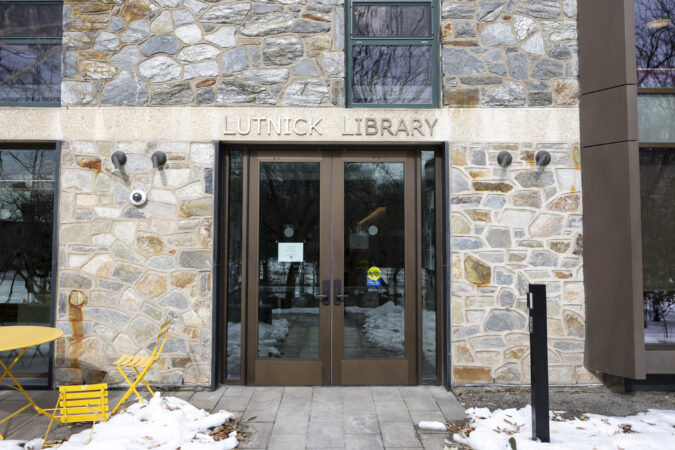
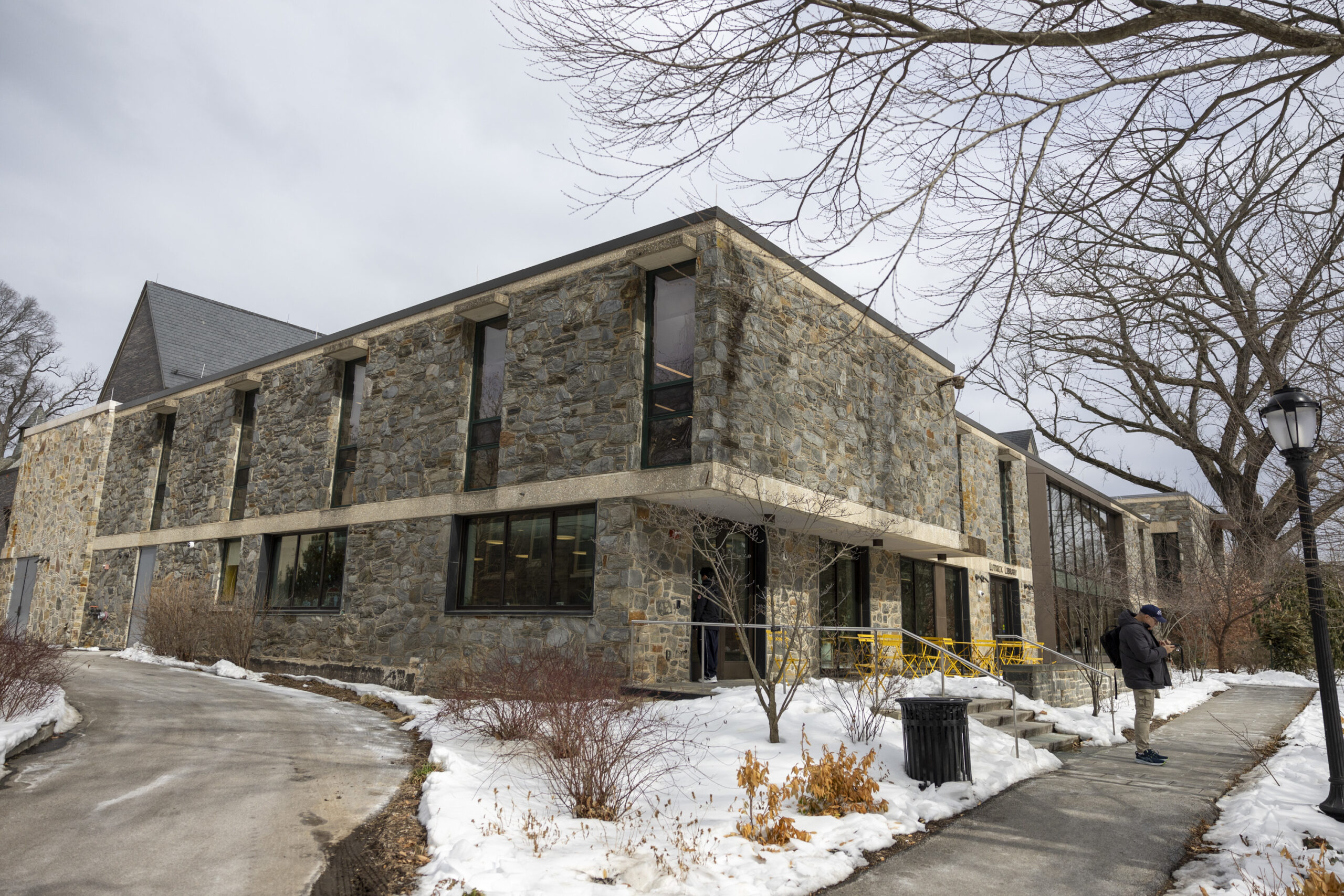
    The outside of the Lutnick Library at Haverford College

    Push to rename the library

    Earlier this month during a Plenary Resolution Writing Workshop — part of Haverford’s student self-governance process — students Ian Trask and Jay Huennekens put forth a resolution that would change the name of the library, the student newspaper reported.

    At plenary sessions, which take place twice a year in the fall and spring, the student body discusses and votes on important campus issues. On March 23, a packet of plenary resolutions will be released to the student body, with the plenary session scheduled for March 29.

    “We feel that it is important that the college reflect the values of the student body, and that those values do not align with the Trump administration or the associates of Jeffrey Epstein,” the students told the Bi-Co News.

    Attempts to reach Trask and Huennekens were unsuccessful.

    If the student resolution passes, it would go to Raymond for signing.

    But even then, it’s no easy feat to remove a name from a college building. There would be a review process involving the board of managers that could take a while.

    Under Haverford’s gift policy, the school can rename a building if “the continued use of the name may be deemed detrimental to the College, or if circumstances change regarding the reason for the naming.”

    Raymond would have to convene a committee, consider that committee’s recommendations, and make her recommendation to the external affairs committee of the board of managers and its chair and vice chair. The external affairs committee then would make its recommendation to the full board of managers.

    At nearby Bryn Mawr College, it took years before M. Carey Thomas’ name was removed from the library. Thomas, who was Bryn Mawr’s second president, serving from 1894 to 1922, was a leading suffragist, but also was reluctant to admit Black students and refused to hire Jewish faculty.

    In 2017, then-Bryn Mawr president Kim Cassidy issued a moratorium on using Carey’s name while the college studied how to handle the matter. A committee in 2018 decided students, faculty, students, and staff should no longer refer to the library using Thomas’ name, but decided to leave the inscription and add a plaque explaining the complicated history.

    The college faced continued pressure from students to take further action and removed Thomas’ name in 2023.

    Other colleges have taken similar actions. Princeton University in 2020 stripped former President Woodrow Wilson’s name from its public affairs school and presidential college.

  • Brandywine Realty Trust is opening a $60 million hotel in Radnor

    Brandywine Realty Trust is opening a $60 million hotel in Radnor

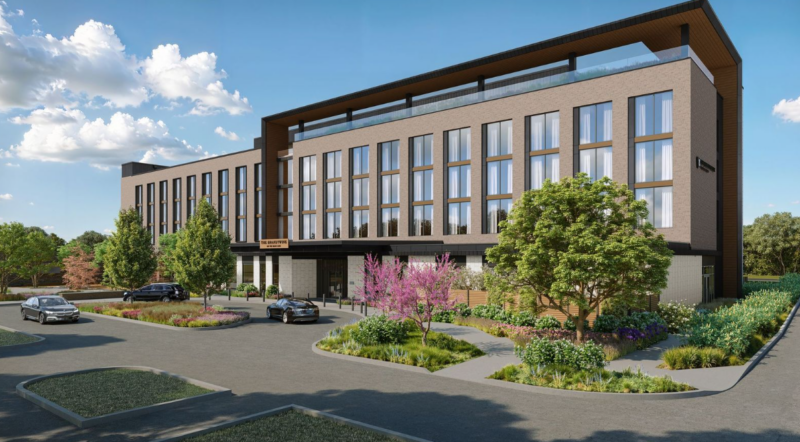
    Brandywine Realty Trust plans to open a 121-room Marriott Tribute Portfolio hotel this spring in Radnor.

    The company is the region’s largest office building owner, and the five-story project at 165 King of Prussia Rd. is meant to cater to their tenants in the suburbs.

    Dubbed The Brandywine, it cost $60 million to develop and will include an expansive roof deck and two restaurants with almost 260 seats between them.

    The 80,000-square-foot hotel will be in the midst of the company’s 2.1 million square feet of holdings in Radnor, its largest suburban cluster.

    “We were constantly hearing from our tenant base that as they were bringing people in from out of town, there was no real high-end, luxury hotel for them to spend time in,” said Jerry Sweeney, Brandywine’s CEO.

    Brandywine’s other large suburban office holdings are in King of Prussia and Conshohocken.

    “We saw a real window of opportunity to really upscale the hospitality experience available on the Main Line,” Sweeney said. “That’s very important to us because we have 3 million plus square feet of office space in the Pennsylvania suburbs, and over 2 million is concentrated within walking distance of this hotel.”

    Sweeney estimates that over a quarter of the hotel’s business will come from Brandywine’s tenants in their Radnor office buildings, which include Lincoln Financial Group, Arkema, and Penn Medicine among many others.

    In Brandywine’s second-quarter earnings call last year, Sweeney said he anticipates additional demand will be drawn from the seven colleges, including Villanova University, that are within a five-mile radius and from nearby healthcare facilities.

    The Brandywine is expected to be open in time for graduation this year, and the company anticipates a boost from sporting events and celebrations this summer, which include World Cup games, a PGA tournament, the MLB All-Star Game, and the 250th anniversary of the United States.

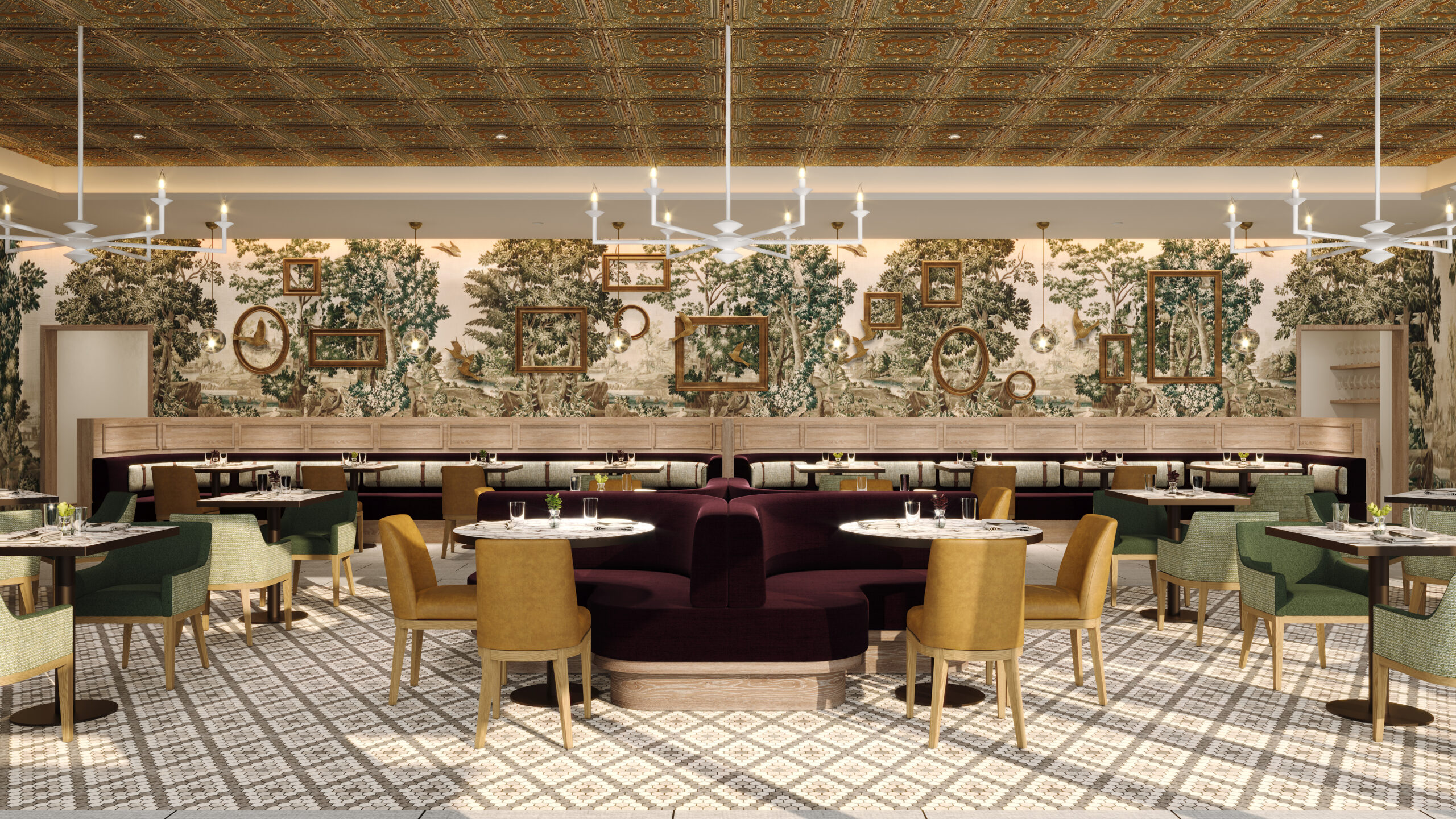
    The hotel’s ground floor will include the 114-seat Merrick’s Tavern, serving regional American dishes, a cocktail list anchored by bourbon and rye, local beer, and what is billed as a wine program. It’s intended for everyday dining and groups.

    The 145-seat Pomelo Rooftop Terrace will operate year-round, serving botanical-forward cocktails and a locally sourced menu.

    Merrick’s Tavern is named after Samuel Vaughan Merrick, the first president of the Pennsylvania Railroad and a founder of the Franklin Institute.

    “With this hotel we really used the historical evolution of the Main Line as a theme, which is tied to the history of the Pennsylvania Railroad,” Sweeney said. “Even some of the motif and interior space designs we have are very reminiscent of the great age of American railroads, where travel was upscale.”

    A rendering of Merrick’s Tavern within Brandywine Realty Trust’s new hotel, opening this spring in Radnor.

    The hotel is next to the Radnor stop on SEPTA’s Norristown High Speed Line and close to two Regional Rail stations.

    The building’s architect is the DLR Group, while interior design is by Restoration Hardware and Bergmeyer. The Brandywine will be operated by Aimbridge Hospitality.

    As part of the Marriott Bonvoy Tribute portfolio, the brand is a boutique hotel within the larger chain, which allows more flexibility for decor and furnishings.

    Brandywine Realty Trust has developed hotels before, notably the AKA University City in the FMC Tower, in partnership with Korman Communities.

    “For us, it was really brand building, expanding our tenant service program to our tenants and creating more connective tissue between us and our customers,” Sweeney said.

    “We saw a great window of economic opportunity to build a high-end hotel that was positioned along two interstates, two train lines that would appeal to a much broader base of customers beyond just the Brandywine universe,” he said.

    The Brandywine will be just the latest hotel added to the Main Line.

    New venues have been opening in recent years in municipalities like Newtown Square and Conshohocken.

    “It wasn’t all that long ago when you just had the [65-year-old] Radnor hotel, but wherever there’s a big business presence, you’re going to need hotel rooms,” said Ed Grose, CEO of the Greater Philadelphia Hotel Association. “These aren’t your typical limited-service hotels. They’re nice. They’re hotels that cater to businesses that are also growing in that area.”

  • Shareholders approve merger of American Water and Essential Utilities, which serve Pa. and N.J.

    Shareholders approve merger of American Water and Essential Utilities, which serve Pa. and N.J.

    Shareholders of Camden-based American Water Works and Bryn Mawr-based Essential Utilities, which owns the Aqua water and sewer companies, voted overwhelmingly Tuesday to merge and create a combined company with nearly $30 billion in yearly water and sewer sales.

    More than 99% of the 161 million American Water shares that were voted were cast in favor of the deal, the company told the Securities & Exchange Commission. Essential’s online proposal to merge was approved by around 95% of voting shareholders.

    The planned combination of these rivals, which have competed for more than 100 years to manage water and sewer for the small number of U.S. communities that allow for-profit operators, still needs approval from state public utility commissions.

    The combined companies’ sales are concentrated in Pennsylvania and New Jersey. In suburban Philadelphia, Aqua serves West Chester, northern Delaware County, parts of Lower Bucks, and Main Line communities. American Water serves Abington, King of Prussia, Norristown, Phoenixville, and nearby towns.

    New Jersey American Water serves towns along the PATCO rail line in Camden County, in northern and central Burlington County, and in Shore communities such as Absecon and Ocean City. Aqua New Jersey has customers in the three suburban South Jersey counties and at the Shore.

    American Water’s 14 million U.S. customers include systems in 12 other states, and on 18 U.S. military bases. Essential has around 3 million customers, including systems in six other states, and Pittsburgh-based Peoples Gas, which serves 750,000 in western Pennsylvania and Kentucky.

    American Water is already the nation’s largest private operator of water and sewer systems, and the deal will make it a larger player in competition with Florida-based NextEra Water Group and France-based Veolia’s U.S. operations, among other private systems that have been seeking to expand.

    A separate vote on an Essential executive pay package drew some opposition, with 85%approving.

    That package included more than $17 million in severance compensation and stock grants for departing Essential CEO Christopher H. Franklin, plus medical benefits and up to three years’ professional assistance helping him land another job, plus millions more for his four top deputies.

    The merged company’s larger size, as big as many of the leading natural-gas companies that dominate utility stock-index funds, will boost its visibility to investors, John C. Griffith, the American Water chief executive who will run the combined companies, said in announcing the deal last fall.

    The companies disclosed the approvals Tuesday afternoon and said more details on the vote and their plans would come later this week.

    Deal backers say the combination should enable Griffith to cut management costs, boost profits, drive up the share price, and could ease pressure to keep raising water rates.

    Regulators in New Jersey and Pennsylvania are weighing the company’s latest rate increase requests. American Water’s New Jersey affiliate is asking the state Board of Public Utilities for an average 10% water and 8% sewer rate hike on Jan. 16 for 2.9 million customers, which it said would fund improvements to aging water and sewer systems. Customers would pay an average of $18 more a month.

    Pennsylvania’s Public Utility Commission said last month that it would consider the company’s request to boost water and sewer rates on 2.4 million customers by an average 15%, or $20 a month.

    Critics had urged Essential to seek rival buyers to drive up the share price and shareholder profits from the sale, noting that both stocks had dropped after the merger was proposed last year.

    Tim Quast, founder of Colorado-based ModernIR, a consultant the companies hired to help explain the merger, said share price declines are now typical, even for merger-target companies like Essential whose shares command a premium from buyers like American Water because index-fund investors such as Vanguard and BlackRock tend not to buy more shares of merging companies until a deal is completed.

    Even after long competition from U.S. and foreign utility owners, private water companies serve only about one in six Americans. In recent years, customers of public utilities serving parts of Chester, Delaware, and Bucks Counties have defeated privatization campaigns, though some towns in Pennsylvania and New Jersey have signed on. Pennsylvania also has asked private operators to take over small, troubled public systems.

  • Lower Merion and Narberth want to make Montgomery Avenue safer. Here’s how you can weigh in.

    Lower Merion and Narberth want to make Montgomery Avenue safer. Here’s how you can weigh in.

    Lower Merion and Narberth are seeking residents’ input as they embark on an effort to make Montgomery Avenue safer for drivers, cyclists, and pedestrians.

    At a meeting Feb. 3, officials from the township and the borough laid out long-standing safety issues on Montgomery Avenue and took feedback from attendees, many of whom said they no longer feel safe walking and driving along one of the Main Line’s busiest arteries.

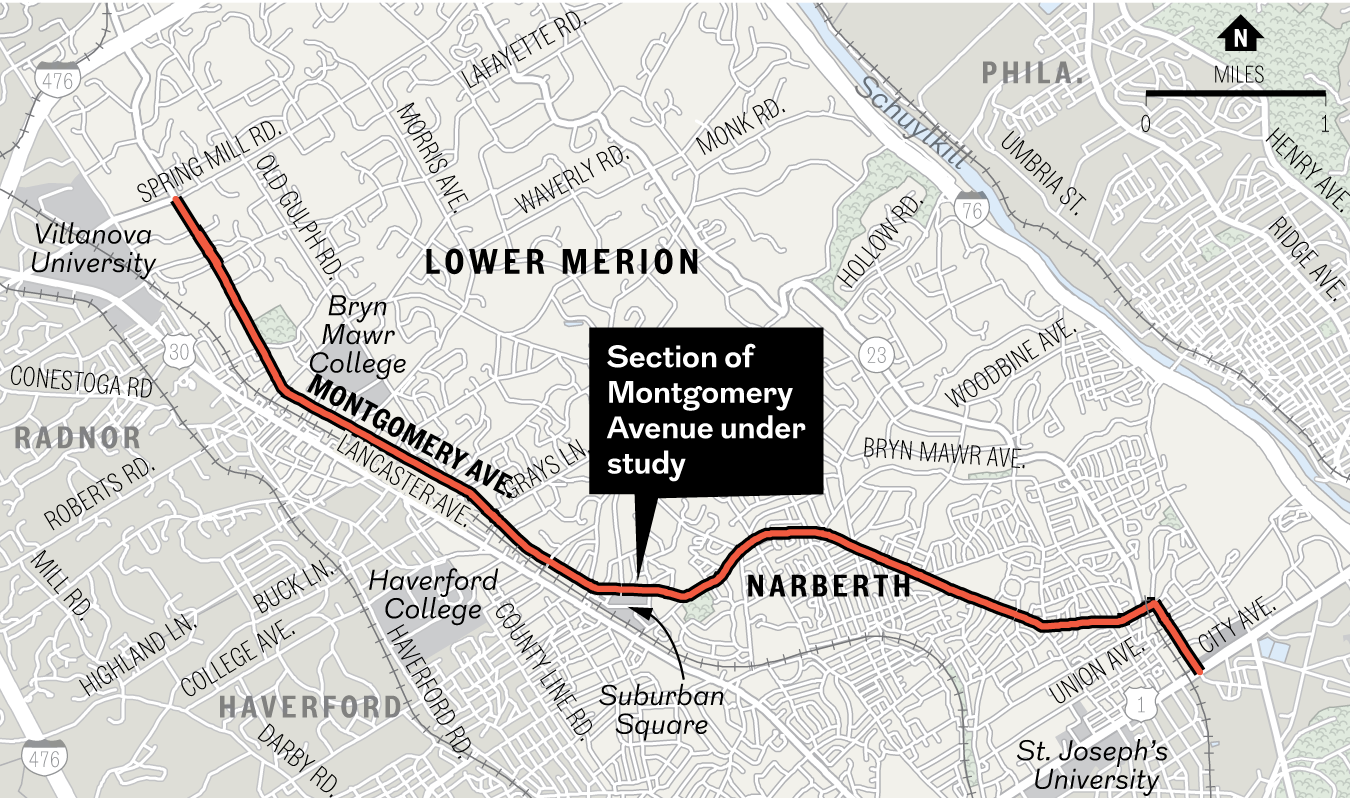
    The U.S. Department of Transportation has awarded Lower Merion and Narberth $340,540 to study a seven-mile stretch of Montgomery Avenue, from Spring Mill Road to City Avenue, through the federal Safe Streets and Roads for All program. The program awards funds to municipalities working to limit roadway deaths and serious injuries. The study will inform safety improvements at 35 intersections on that stretch of Montgomery Avenue.

    Map showing the section of Montgomery
    Avenue in Lower Merion and Narberth undergoing a comprehensive traffic safety study.

    Officials cited a long list of safety issues on Montgomery Avenue, from out-of-date pedestrian push buttons, sidewalk curb ramps, and crosswalk lighting to regular speeding and weaving by drivers. Without proper turn lanes and signals, drivers making left turns on Montgomery Avenue often slow traffic and can endanger pedestrians and other motorists, township representatives added.

    The traffic-calming effort comes at the heels of Lower Merion’s Comprehensive Safety Action Plan, which was published in 2025. The plan calls for eliminating all roadway fatalities and serious injuries in Lower Merion, with a goal of achieving a 50% reduction by 2030. Last summer, township commissioners approved a plan to install automated red-light enforcement cameras at four intersections, beginning with the intersection of Lancaster Avenue and Remington Road.

    Unlike previous traffic studies that focused on individual intersections, this project will take a more comprehensive approach, officials said.

    Between 2020 and 2024, there were 532 reportable crashes on Montgomery Avenue between Spring Mill Road and City Avenue. A reportable crash is defined as a crash resulting in an injury or vehicle damage serious enough to require towing. Around 2.5% of such crashes involved a serious injury. Just over half involved a minor injury, and the rest, around 46%, involved property damage only. In the same time frame, there were 920 minor crashes, or incidents with no injury and no need for towing.

    In total, 3,767 crashes were reported in Lower Merion at-large between 2019 and 2023. In that time frame, Lower Merion Township accounted for 8% of crashes with a fatality or serious injury within Montgomery County.

    Pennsylvania is the only state in the country where local police officers are prohibited from using radar for speed enforcement, said Andy Block, Lower Merion’s police superintendent, making it difficult for his department to enforce speed limits.

    At the meeting, residents told stories of their own crashes and near-misses on Montgomery Avenue.

    Kim Beam, a social worker at Bryn Mawr Hospital, used to walk to work along Montgomery Avenue every day before she was nearly hit by a car a few weeks ago.

    “I had an event which would have made me one of your fatalities,” Beam said, describing her walk to work as poorly lit, contributing to dangerous, and almost deadly, conditions for pedestrians like herself.

    Residents of Lower Merion and Narberth were encouraged to complete a survey that will inform officials as they develop a preliminary set of safety recommendations. A public meeting will be held once the recommendations are developed to gather additional feedback.

    Residents can fill out the survey online via www.lowermerion.org/Home/Components/News/News/5605/50 or print it out and drop it off at Narberth or Lower Merion’s municipal buildings. Completed forms can also be mailed to Brandon Ford, Assistant Township Manager, Lower Merion Township, 75 E. Lancaster Ave., Ardmore, Pa. 19003.

    This suburban content is produced with support from the Leslie Miller and Richard Worley Foundation and The Lenfest Institute for Journalism. Editorial content is created independently of the project donors. Gifts to support The Inquirer’s high-impact journalism can be made at inquirer.com/donate. A list of Lenfest Institute donors can be found at lenfestinstitute.org/supporters.