Tag: Main Line

  • A suburban office park in Chester County is getting converted to apartments. Is it a sign of things to come?

    A suburban office park in Chester County is getting converted to apartments. Is it a sign of things to come?

    When COVID-19 pushed many professionals to work from home, empty buildings across the country showed that the United States had too much office space.

    At the same time, the nation also had too few homes. Some real estate experts saw an opportunity to take advantage of the crisis in commercial real estate to produce more housing. Vacant office buildings could be transformed into apartments or, in some cases, razed to make way for new development — especially in high-demand suburban areas.

    But six years later, some sprawling campuses in suburbs like Horsham, Plymouth Meeting, and Wayne have soaring vacancies — and there are only a couple suburban conversions underway.

    Developers agree that the primary challenge is the buildings themselves, which have more difficult floor plans for residential development than their urban counterparts, making demolition easier than conversion in many cases.

    “Transforming an office building tucked inside a suburban office park is a completely different equation than converting a building on Walnut Street steps from Rittenhouse Square,” said Sarah Maginnis, executive director of the Philadelphia chapter of the Commercial Real Estate Development Association. “Location, context, and building design all matter a lot.”

    The lack of suburban office redevelopment is partly due to the fact that many of the highest-vacancy buildings are in remote, less desirable corners of the region. The patchwork quilt of hyperlocal zoning regulations across dozens of municipalities is a challenge, too, as builders have to negotiate with officials on almost every project.

    “A lot of townships are fighting residential development because it comes with burdens on the school systems. Office buildings don’t do that,” said Glenn Blumenfeld, principal with Tactix Real Estate Advisors. “Zoning is more liberal in the cities [which is why residential conversion] has not come to the suburbs.”

    Architectural challenges of conversion

    Most suburban office buildings date to an era when office and residential structures began to look very different from each other.

    When office work began to move into undeveloped land surrounding cities in the mid-20th century, developers generally built out instead of up, taking advantage of the abundant space. Almost everyone commuted by car, so vast parking lots were required.

    Suburban office buildings often have a lot of dark interior space. The windows that do exist mostly cannot be opened because of ubiquitous air-conditioning. The parking lots that wreath the buildings make for unsightly and dull vistas.

    In large rectangular glass buildings, residential conversion would entail what longtime suburban developer Eli Kahn calls “bowling-alley-shaped apartments … that just don’t work.”

    “In the city, a 30-story office tower doesn’t look a whole lot different from an apartment building,” said Kahn, president of E. Kahn Development Corp.
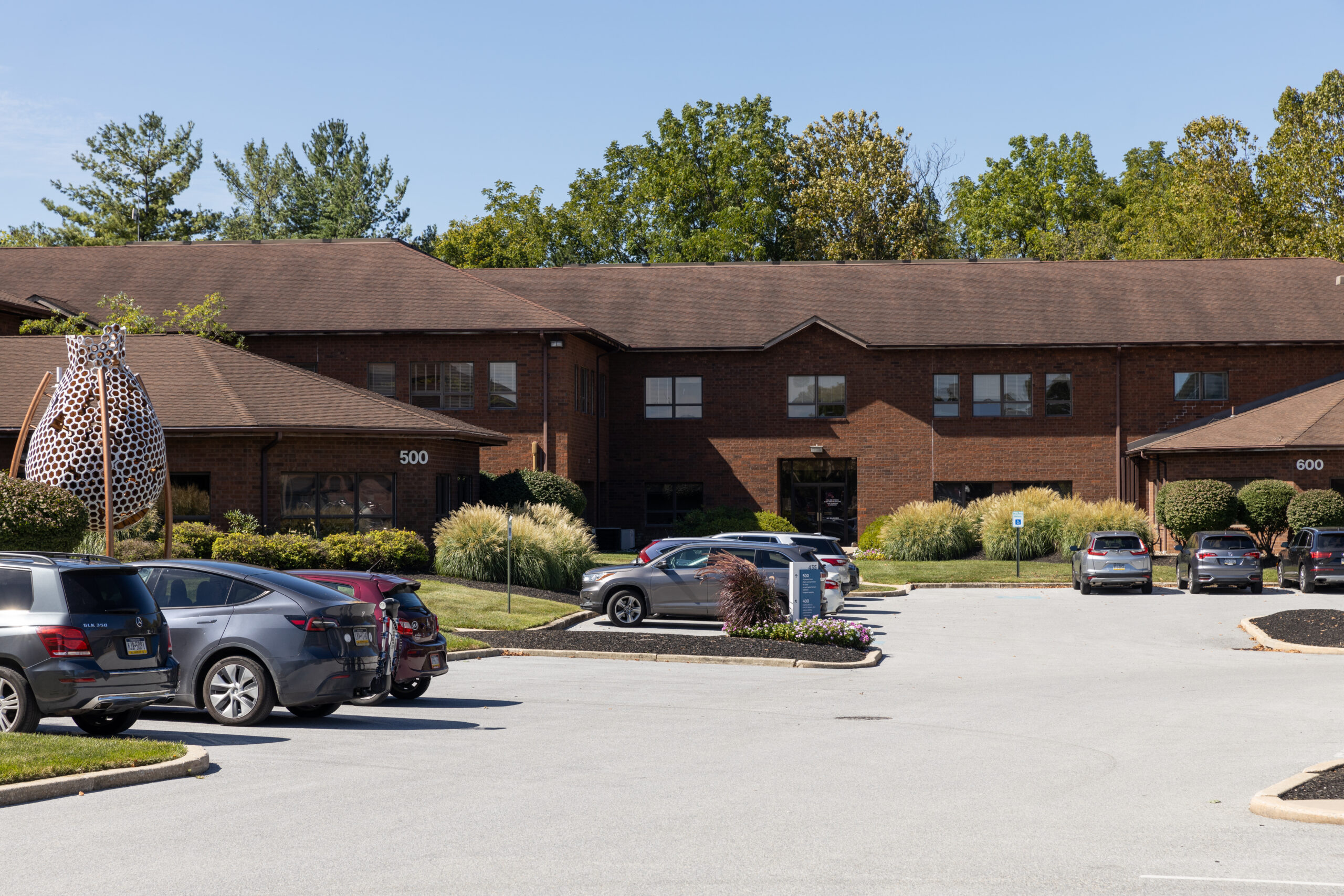
    One of the eight two-story buildings at 435 Devon Park Dr. that have been used as offices and are being turned into apartments.

    An exceptional suburban conversion

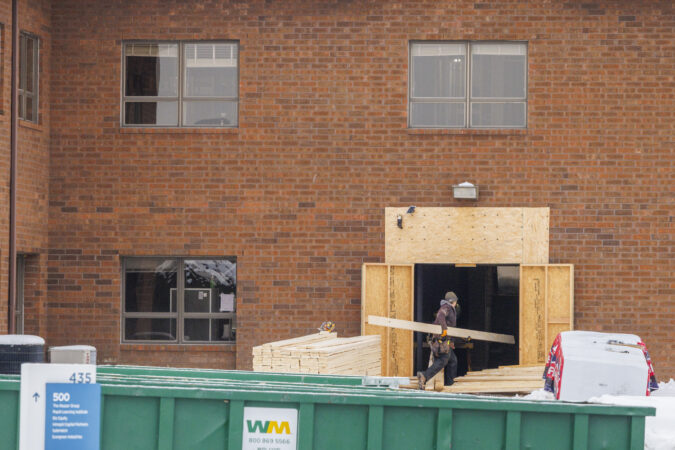
    The redevelopment of an eight-building office complex at 435 Devon Park Dr. in Chester County’s Tredyffrin Township is one of the only suburban office-to-residential conversions underway right now.

    Notably, none of its former office structures are big glass rectangles.

    “This just happened to be perfect for conversion,” said Mark Thomson, founder of Love Communities, which is developing the project in partnership with E. Kahn Development Corp. and Triple Crown Corp.

    “It’s going to be the largest garden-style suburban conversion in the whole Northeast, maybe even a bigger area than that,” Thomson said.

    Kahn also is part of the team behind the conversion of 435 Devon Dr., and he developed the complex when it was built in the 1980s.

    This office park broke from the standard big glass box model of suburban offices and instead offered two-story, L-shaped buildings with brick facades and windows that open.

    That makes conversion cheaper, too. To make those big box buildings livable, the glass facade would need to be torn off and windows installed that actually open.

    “The most expensive part of construction is the windows,” Thomson said. “If we had to do that, it would probably make this not economically feasible.”

    The project is also able to move forward because it accords with the goals of local political leadership, who are wary of family-size apartments.

    The 162-unit office-to-residential project will be largely composed of studio and one-bedroom apartments in an attempt to appease concerns about strains on the school district and to produce unsubsidized affordable housing in this wealthy township.

    Zoning rules everything

    In many suburbs, building apartments, townhouses, and other more modestly scaled housing is often not allowed by zoning laws. Office parks are usually zoned to exclude residential development.

    That’s a sharp contrast with Philadelphia, which has few barriers to office-to-residential conversion in Center City, and a citywide 10-year property tax abatement is available for building renovations. Wilmington also offers a variety of incentives.

    In Tredyffrin, officials were opposed to the idea of either very high density apartments — at almost 10 acres, the site could support hundreds of units — or new single-family homes.

    So to make 435 Devon Park Dr. work, the developers knew they couldn’t demolish the buildings and construct new homes.
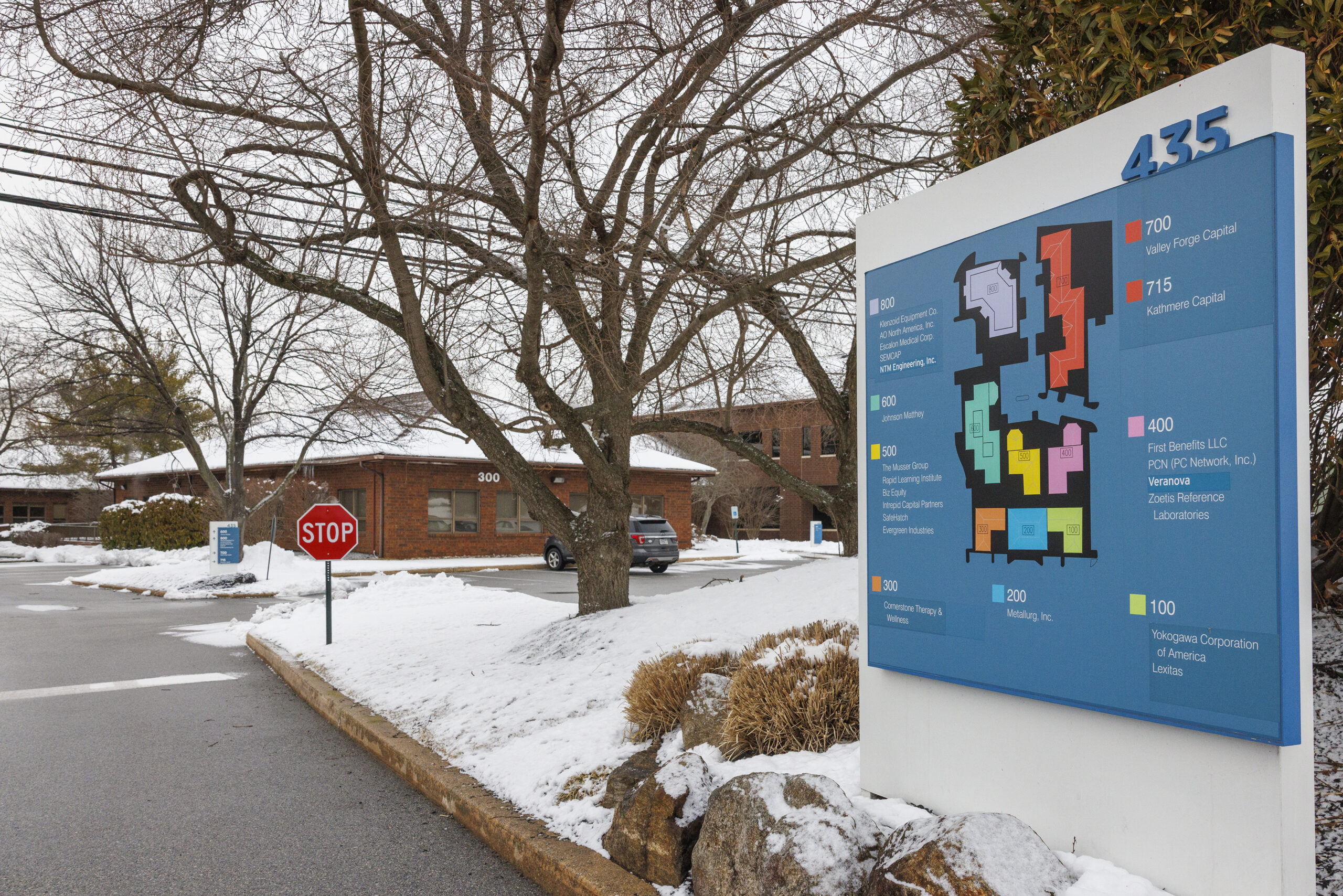
    The entrance to 435 Devon Park Dr. with the brick office buildings, which are planned to be converted to residential in the background.

    Instead, the developers pitched the conversion not as luxury apartments, but as affordable homes for nurses, teachers, and other middle-income workers in Tredyffrin. They also plan to convert some parking lots into green space for residents.

    The units can be priced more affordably because of the relatively small scope of the conversion and because the developers essentially purchased the campus for its land value.

    Working in partnership with Triple Crown Corp. also helps because the company has in-house contractors and architects.

    The paucity of multi-bedroom units lowers rental costs, too, and assuages fears about overburdening schools.

    “None of these communities have made it easy like Philadelphia, because they’re all their own fiefdoms,” Kahn said. “But if you make the right argument and you show them how it’ll benefit them financially, they generally come around.”
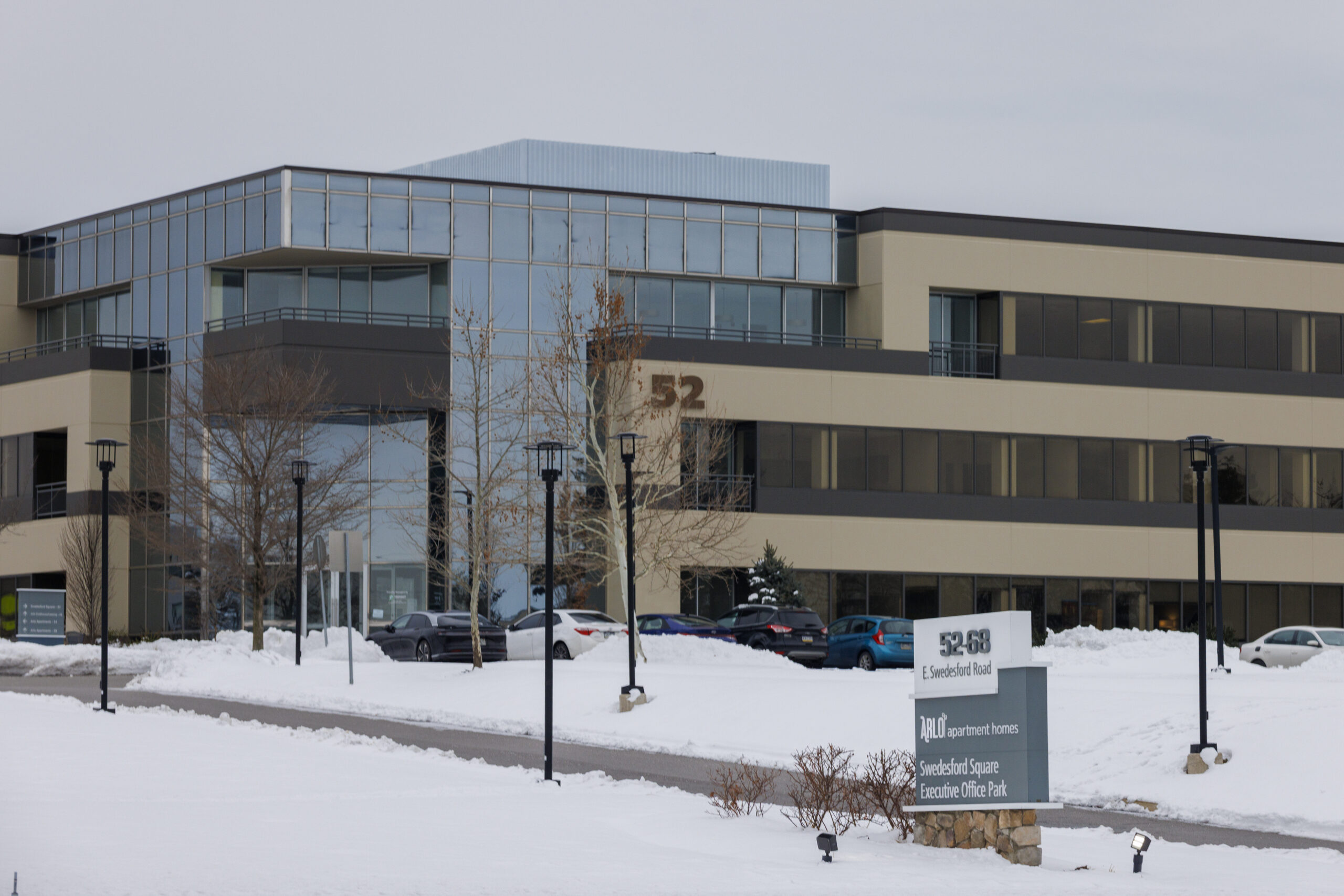
    The East Whiteland office building at 52 Swedesford Rd., which is slated by TriPoint Properties for demolition and replacement with apartments.

    The future of (some) suburban offices

    There are few other conversion projects underway in Philadelphia’s suburbs.

    Keystone Property Group has a more traditional office-to-apartment tower in the works at the Plymouth Meeting Mall. The Parkview Tower next to the Valley Forge casino was considered for conversion last year. The Buccini Pollin Group is weighing a conversion project at BNY Mellon’s old headquarters in Bellevue State Park, north of Wilmington, and is looking at opportunities in the Pennsylvania suburbs.

    But it is more common for developers to consider demolishing old office buildings to make way for something new.

    In Chester County’s East Whiteland Township, which contains the Great Valley Corporate Center, office-to-residential conversion proposals have met a chilly reception.

    “The proposals to rezone large vacant office buildings for direct conversion to apartments were really viewed negatively,” said Scott Lambert, chairman of the East Whiteland Township Board of Supervisors. The plans were seen as “short-term fixes that created long-term challenges.”

    An overhead rendering of the 250-unit apartment project that will replace an old office building at 52 Swedesford Rd.

    East Whiteland’s government looked more kindly on Tripoint Properties’ proposal to demolish a standalone office building at 52 Swedesford Rd. — outside the corporate center — and replace it with 250 apartments.

    The vacant office building is surrounded by four-lane roadways, which eased congestion concern. Developers also proposed mostly small apartments, with 30 rented for below market rate, which helped earn support from the township.

    “On the school side, they were OK with limiting the units to either one- or two-bedroom apartments,” Lambert said. “We would like to be in a position to limit the number of three-bedroom apartments in the township because of the impact it has on schools.”

    But some real estate experts say eventually, municipalities will need to replace the tax revenue lost from dead office buildings.

    “The centerpiece of tax bases in commercial areas has been office space,” Kahn said. “If the tax base goes down, and they can’t pay for the schools, who gets the burden? A couple years of 30% property tax increases on your constituents, you’re going to get voted out of office real quick.”
  • Main Line Health reported an operating profit of $8.7 million in the first half of fiscal 2026

    Main Line Health reported an operating profit of $8.7 million in the first half of fiscal 2026

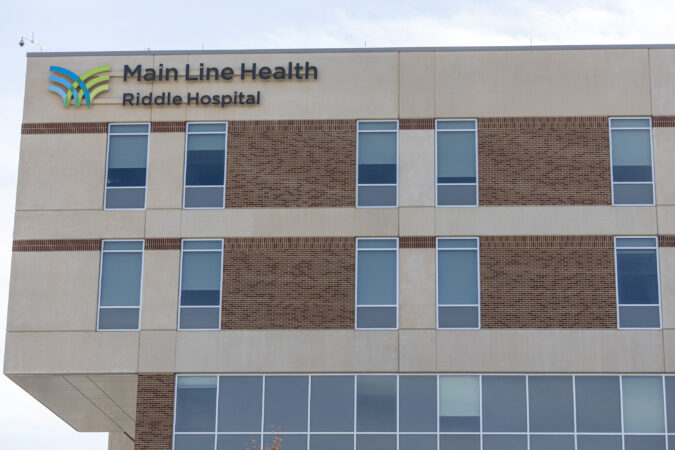
    Main Line Health had an $8.7 million operating profit in the six months that ended Dec. 31, the nonprofit health system reported to bond investors Wednesday.

    Main Line’s swing from an $8.9 million loss in the same period of 2024 benefited from a change in accounting for depreciation that reduced expenses. Without that change, Main Line would have had another loss.

    “We have been pleased with our continued improvement in fiscal performance year over year, which has been strong outside of the change in depreciation,” Main Line’s chief financial officer, Leigh Ehrlich, said in a statement.

    Here are more details on Main Line’s results:

    Revenue: Main Line reported $1.35 billion in patient revenue in the first six months of fiscal 2026, up 10.5% from $1.22 billion a year ago. Strong gains in hospital discharges, emergency department visits, and same-day surgeries contributed to the increase. Main Line’s Riddle Hospital near Media has seen a 36% increase in patients following the closure of Crozer Health’s hospitals last spring, contributing to revenue growth, Ehrlich said.

    Expenses: Last year, Main Line changed how it accounts for investments in facilities and equipment, significantly reducing depreciation and amortization expenses. In the first two quarters of fiscal 2026, Main Line’s depreciation and amortization expense was $68.8 million, down from $84.5 million the year before. Excluding those expenses from both years, Main Line’s operating profit margin fell slightly, to 5.5% from 5.9%.

    Notable: Main Line provides more detail than most systems on its patients’ health insurers. After just two years in Southeastern Pennsylvania, Pittsburgh insurance giant Highmark accounted for 12.5% for the business at Main Line Health. That is just 2 percentage points less than Aetna, which as been in the market for decades.

  • Hair stylist Artur Kirsh to open Narberth and Center City studios following Bala Cynwyd Saks closure

    Hair stylist Artur Kirsh to open Narberth and Center City studios following Bala Cynwyd Saks closure

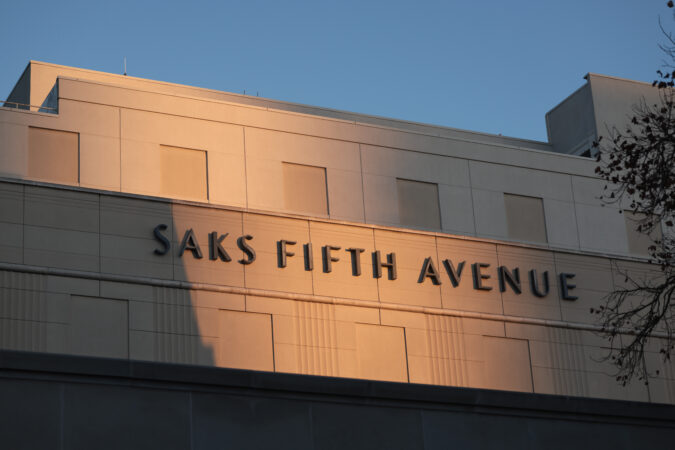
    Hair stylist Artur Kirsh, who has long served clients out of his Saks Fifth Avenue salon in Bala Cynwyd, will be relocating to Narberth in April as Saks prepares to close. Kirsh will open a second salon at Boyds in Center City this fall.

    Kirsh’s relocation comes after Saks Global, the owner of Saks Fifth Avenue and Neiman Marcus, announced the closure of numerous department stores, including the Bala Cynwyd Saks, in February. Saks Global filed for bankruptcy in January.

    Kirsh said he was surprised to hear about the closure, but decided to take the opportunity to “do something huge” and open two new studios, expanding his presence in the region.

    Kirsh will open Artur Kirsh Hair Studio, his new Narberth location, in April at 948 Montgomery Ave. He described the studio as “very artsy” and “very hip.” The Narberth outpost will have ample parking, a “fun and intimate” vibe, and will allow clients to move beyond traditional salon hours and schedule based on their availability, according to a news release. Kirsh called the Narberth studio a “boutique concierge salon concept.”

    The hair stylist will continue to see clients at Saks through March to ensure a “seamless transition” ahead of the department store’s closure in April.

    Kirsh said he chose Narberth because it’s minutes from his old Saks studio and would allow him to maintain some continuity for Main Line clients.

    Kirsh will also expand his footprint in Center City in September, where he plans to open Artur Kirsh Salon on the fourth floor of Boyds department store at 1818 Chestnut St.

    “I’ll have best of both worlds,” he said. “I’ll have the suburbs and the city.”

    Though the changes happened quickly, Kirsh said he’s ultimately looking forward to the next chapter.

    “When you’re in an old place, you kind of get stale,” he said. “Things happen for a reason.”

    Kirsh was born and raised in Russia and moved to New York in the mid-1990s. After training at a Manhattan salon, Kirsh relocated to the Philadelphia area. He has worked out of the Bala Cynwyd Saks for six years. Kirsh specializes in coloring and “dry cutting” and describes himself as the ”go-to stylist for models and local celebrities.”

    In addition to his Bala Cynwyd salon, Kirsh sees clients at the Rittenhouse Spa & Club in Center City, John Barrett Salon in New York City, and Oasis Salon & Med Spa in Boca Raton, Fla. Over the years, Kirsh has styled a number of celebrity clients, including Dorinda Medley, Betsey Johnson, Carolina Herrera, Celine Dion, Kathy Griffin, and Ken Downing.

    This suburban content is produced with support from the Leslie Miller and Richard Worley Foundation and The Lenfest Institute for Journalism. Editorial content is created independently of the project donors. Gifts to support The Inquirer’s high-impact journalism can be made at inquirer.com/donate. A list of Lenfest Institute donors can be found at lenfestinstitute.org/supporters.

  • Mavis Staples is playing Phoenixville, plus Florry, Ratboys, Sheer Mag, and more in Philly music this week

    Mavis Staples is playing Phoenixville, plus Florry, Ratboys, Sheer Mag, and more in Philly music this week

    This week in Philly music features gospel-soul great Mavis Staples in Phoenixville, Philly favorites Florry and Sheer Mag returning to town, Culture Club in Atlantic City, and the Everyone Orchestra and zydeco scion C.J. Chenier on the Main Line.

    Wednesday, Feb. 25

    Homegrown Live

    This is the South Jersey edition of the free Homegrown Live concert series presented by WXPN-FM (88.5). The three-act bill is topped by Linwood quartet Fat Mezz, who blends classic rock influences with a touch of jazz. The band’s name was inspired by late clarinet player and civil rights advocate Milton Mezzrow. Nicoletta Giuliani fronts Ocean City’s Polaroid Fade, whose beguiling full-length debut, Chaos Into Poetry, displays an affection for jangly 1990s bands like the Smiths and Sundays. The band’s sound meshes nicely with Atlantic County quartet Te Vista, whose dreamy power pop recalls melodic guitar bands Nada Surf and Gin Blossoms. 7:30 p.m., The Lounge at World Cafe Live, 3025 Walnut St., xpn.org

    Thursday, Feb. 26

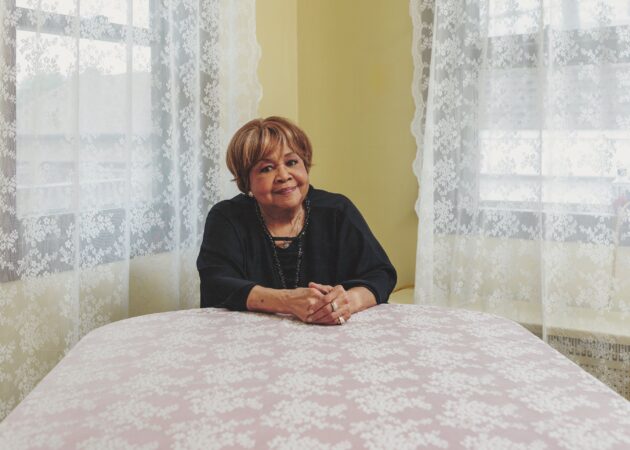
    Mavis Staples

    Mavis Staples’ place in music history has long been secure. Her family band, the Staple Singers, marched with the Rev. Dr. Martin Luther Ling Jr. during the Civil Rights Movement in the 1950s and 1960s, and her powerful vocals anchored counterculture-era hits like “Respect Yourself” and “I’ll Take You There.”

    But the 86-year-old national treasure’s creative output has continued and even increased in recent years with the Chicagoan recording a series of albums with Jeff Tweedy and Ben Harper. Her newest is the soulful and deeply moving collection Sad and Beautiful World, which was produced by Brad Cook and includes covers of Frank Ocean, Tom Waits, Leonard Cohen, and Curtis Mayfield.

    The title cut is by Mark Linkous of Sparklehorse. Another new song, “Human Mind,” is written by Allison Russell and Hozier. Massachusetts singer-guitarist Kimaya Diggs opens. 8 p.m., Colonial Theatre, 227 Bridge St., Phoenixville, ColonialTheatre.com

    Blackwater Holylight play Johnny Brenda’s on Thursday. The California band’s new album is “Not Here Not Gone.”

    Blackwater Holylight

    Portland, Ore.-born and now Los Angeles-based doom metal-meets-shoegaze heavy rock band Blackwater Holylight is touring behind its bruising fourth album Not Here Not Gone. The Sunny Faris-fronted band will be joined by like-minded Austin, Texas, trio Glassing and Philly’s Cigarettes for Breakfast. 8 p.m., Johnny Brenda’s, 1201 N. Frankford Ave., johnnybrendas.com

    Friday, Feb. 27

    The Record Company & Jontavious Willis

    Los Angeles blues rock trio the Record Company is celebrating the 10th anniversary of its 2016 breakthrough album, Give It Back to You. Make sure to arrive on time for Jontavious Willis, the country blues singer and guitarist whose sound is shaped by regional predecessors like Blind Willie McTell. 8 p.m., Union Transfer, 1016 Spring Garden St., utphilly.com

    Marshall Allen + John Morgan Kimock

    The hardest-working centenarian in showbiz, Sun Ra Arkestra leader Marshall Allen, makes his way to Bucks County for this noteworthy show in Henry Chapman Mercer’s Moravian Pottery and TileWorks building in Doylestown. Drummer John Morgan Kimock will also perform. The show is part of the Tileworks’ monthly “A Night of Song” series. 6:30 p.m., Tileworks of Bucks County, 130 E. Swamp Road, Doylestown, thetileworks.org

    Everyone Orchestra

    Matt Butler conducts two nights of improvised music from a cast of leading musicians from the jam band world, including Dave Matthews’ associate Tim Reynolds, Aron Magner of Disco Biscuits, Rob Mercurio of Galactic, and Camden trumpeter Arnetta Johnson, who has toured with Beyoncé. 8 p.m. Friday and Saturday, Ardmore Music Hall, 23 E. Ardmore Ave., ardmoremusichall.com

    Boy George and Culture Club

    Boy George and original Culture Club members Roy Hay and Mikey Craig are back together for a 2026 tour. The British New Wave-era band, which scored hits with “Karma Chameleon” and “I’ll Tumble 4 Ya,” is playing two nights in the region. 8 p.m. Friday, Borgata Event Center, One Borgata Way, Atlantic City, borgata.mgmresorts.com, and 8 p.m. Saturday, Wind Creek Event Center, 77 Wind Creek Blvd., Bethlehem, windcreekeventcenter.com

    Philadelphia band Sheer Mag plays Johnny Brenda’s on Sunday. Left to right: Tina Halladay, Kyle Seely, Matt Palmer, and Hart Seely.

    Sunday, March 1

    Sheer Mag

    Mighty Philly foursome Sheer Mag — most recently heard from on its 2024 album Playing Favorites, released on Jack White’s Third Man Records label — tops a four-band bill. The similarly hard-hitting acts opening are Dirty Fences, Nancy, and the Smarthearts. 8 p.m., Johnny Brenda’s, 1201 N. Frankford Ave., johnnybrendas.com.

    C.J. Chenier & the Red Hot Louisiana Band

    Zydeco accordionist C.J. Chenier has spent his life carrying on the legacy of his father, Creole musician Clifton Chenier. That legacy got a welcome boost with 2025’s A Tribute to the King of Zydeco, featuring Chenier, Geno Delafose, the Rolling Stones, and Taj Mahal, winning a Grammy earlier this month. Rev Chris and Les Garçons Crasseux open. 7 p.m., 118 North, 118 N. Wayne Ave., Wayne, 118NorthWayne.com.

    C.J. Chenier & the Red Hot Louisiana Band at 118 North in 2024. The zydeco accordion player and band leader returns to the Wayne venue on Sunday.

    Monday, March 2

    The Ike Reilly Assassination

    Pugnacious rock and roll troubadour and Sirius/XM satellite radio host Ike Reilly has released 12 albums since his 2001 debut, Salesmen and Racists. He’s also the star of the documentary Don’t Turn Your Back on Friday Night, which was produced by Tom Morello, whom he shared a bill with last month at the anti-ICE benefit show in Minneapolis. It’s the same where Morello brought onstage Bruce Springsteen, who has added Morello to the E Street Band for his upcoming tour. Another cool booking at Nikki Lopez. 7 p.m., Nikki Lopez, 304 South St., @nikkilopezphilly on Instagram.

    Chicago indie band Ratboys play the First Unitarian Church on Tuesday with Florry.

    Tuesday, March 3

    Ratboys & Florry

    A double bill headlined by Ratboys, the Chicago quartet fronted by Julia Steiner and founded in 2010. The band hit its stride with 2023’s The Window. It keeps up its winning streak on the new twangy, Neil Young-ish Singin’ to an Empty Chair, produced by Death Cab for Cutie’s Chris Walla. It is well-matched with Florry, the Philly-bred loose-limbed collective led by Francie Medosch, whose 2025 Sounds Like… landed on this publication’s best albums of the year list. 8 p.m., First Unitarian Church, 2125 Chestnut St., r5productions.com.

  • Tired Hands Brewing turned its original Ardmore outpost into a private event space as it navigates the future

    Tired Hands Brewing turned its original Ardmore outpost into a private event space as it navigates the future

    Tired Hands Brewing’s Ardmore Brewing Company brewpub has been turned into a private event space, for now, as its owner navigates the future of the beer company.

    Tired Hands’ Kennett Square taproom and bottle shop is permanently closed, owner Jean Broillet confirmed to The Inquirer on Feb. 19. Tired Hands’ Beer Park in Newtown Square also will not reopen this summer as the property’s owners are looking to redevelop it, Broillet said.

    Tired Hands’ Ardmore Fermentaria and Fishtown restaurant and brewpub St. Oner’s remain open for business. The brewing company’s MT. Airy Biergarten is a seasonal operation scheduled to reopen in the spring.

    Broillet said the decision to shift to private events at the Ardmore Brewing Company location was born out of a number of factors: having two Tired Hands locations in Ardmore was confusing for customers; ongoing construction in Ardmore created a “prohibitive environment” for doing business; and the changing landscape of brewing has prompted Tired Hands to begin reimagining parts of its business model.

    The changing face of Ardmore, and of Tired Hands

    When Broillet opened the first Tired Hands location, the BrewCafé, in 2012, he said there was little by way of interesting, high-quality food and drink in Ardmore. At the time, he said, Tired Hands’ craft beer and artisan meats and cheeses stood in stark contrast to the Wawas and Irish pubs the area was accustomed to.

    Now, that era is a distant memory as Ardmore blossoms as a culinary destination on the Main Line.

    Ardmore “went from zero to 60 really quickly in terms” of dining and entertainment options, Broillet said. He added that Tired Hands was a catalyst for that progress.

    In 2015, Broillet and business partner and wife Julie Foster opened the Fermentaria at 35 Cricket Terrace, just blocks from Tired Hands’ first location at 16 Ardmore Ave.

    The Fermentaria was a major expansion for Tired Hands. It offered food options that extended beyond the BrewCafé‘s sandwich-and-salad-based menu, like steak frites and baby back ribs. It also quadrupled Tired Hands’ production capacity.

    At the BrewCafé, Tired Hands’ brewers were able to produce 1,000 barrels of beer annually. At the time of its opening, Broillet anticipated that the Fermentaria would increase production to 4,000 barrels per year.

    Tired Hands opened St. Oner’s in Fishtown in 2020.

    In the years that followed, Tired Hands opened the seasonal Biergarten in Mount Airy, the Kennett Square taproom, and the Beer Park in Newtown Square.

    In 2021, Broillet stepped down from daily operations after allegations of sexism and racism at Tired Hands proliferated on social media, including claims that women were held to different standards than their male counterparts and that employees were berated or publicly humiliated for mistakes. Broillet returned to his post at the helm of Tired Hands a year later.

    Broillet said that “lots of valuable lessons, worldly lessons, were learned during that process” and that Tired Hands is doing everything it can to “prevent that from ever happening again.”

    Ardmore Brewing Company, located at 16 Ardmore Ave. in Ardmore. Owner Tired Hands Brewing has transitioned the brewery into a private events space.

    Changes in Ardmore, closure in Kennett Square

    Though opening a second Ardmore outpost helped grow Tired Hands’ footprint on the Main Line, having “two of the same company” also made things “pretty confusing for people,” Broillet said.

    In efforts to iron out the confusion, Tired Hands rebranded its BrewCafé last spring, renaming it the Ardmore Brewing Company, upgrading its interior, and adding more food and cocktail options while cutting down its beer list.

    “The confusion was still there,” Broillet said.

    Broillet also brought on a culinary team that had extensive experience with private events. They began to host a handful of events at the brewery — retirement or birthday parties, for instance — which were a success.

    At the same time, major construction had created a “prohibitive environment for us to do business here on Ardmore Avenue,” Broillet said. Construction on the mixed-use Piazza project and Ardmore Avenue Community Center are ongoing, both of which are proximate to Ardmore Avenue and the businesses that operate there.

    The brewery shifted to exclusively hosting private events in the last few months, a decision Broillet said he “couldn’t be happier” with.

    The brewery owner said the Ardmore Avenue location will be open to the public again in the future, but did not specify in what form.

    The taproom and bottle shop in Kennett Square will not reopen.

    Broillet said he opened a Tired Hands outpost in Kennett Square, in part, to have a presence near his family members who lived there. Though it was a “fun” chapter, Broillet said it no longer made sense to operate in Kennett Square, where Tired Hands already has a strong network of distributors that can get their beers into people’s hands without making them trek to the bottle shop.

    What comes next?

    Broillet offered assurances that Ardmore Brewing Company will open up to the public again but said specifics aren’t clear yet. Tired Hands also plans on expanding its Mount Airy footprint with a permanent restaurant space.

    For brewers across the country, the specter of people drinking less alcohol looms large. Sales of craft beer fell 4% in 2024, and there were more brewery closings than openings in late 2024 and early 2025, the first time in 20 years such circumstances occurred.

    Brewerytown’s Crime & Punishment Brewing shuttered last April, with its owners citing a shifting culture around alcohol among the reasons for its closure. Iron Hill Brewery & Restaurant, a Philly-area craft brewing pioneer, abruptly shuttered all of its locations in September.

    Broillet said that though the changing dynamics of the industry remain on his mind, Tired Hands was not “acutely a victim of that downturn.” Sales had been down slightly over the past few years, but Broillet attributes that more to having two locations in Ardmore than to the state of the industry. He’s bullish about Tired Hands’ ability to distinguish itself and sees excitement in the changes.

    “Those sentiments have a way of just propelling you forward,” Broillet said.

    This suburban content is produced with support from the Leslie Miller and Richard Worley Foundation and The Lenfest Institute for Journalism. Editorial content is created independently of the project donors. Gifts to support The Inquirer’s high-impact journalism can be made at inquirer.com/donate. A list of Lenfest Institute donors can be found at lenfestinstitute.org/supporters.

  • Murray Wolf, Avalon’s legendary beach patrol captain, has died at 87

    Murray Wolf, Avalon’s legendary beach patrol captain, has died at 87

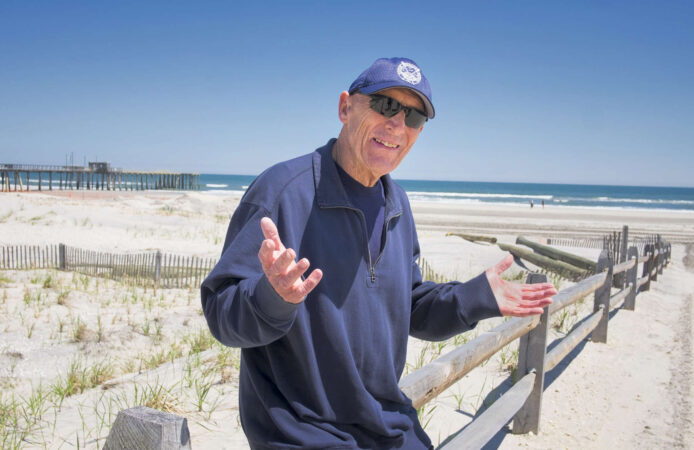
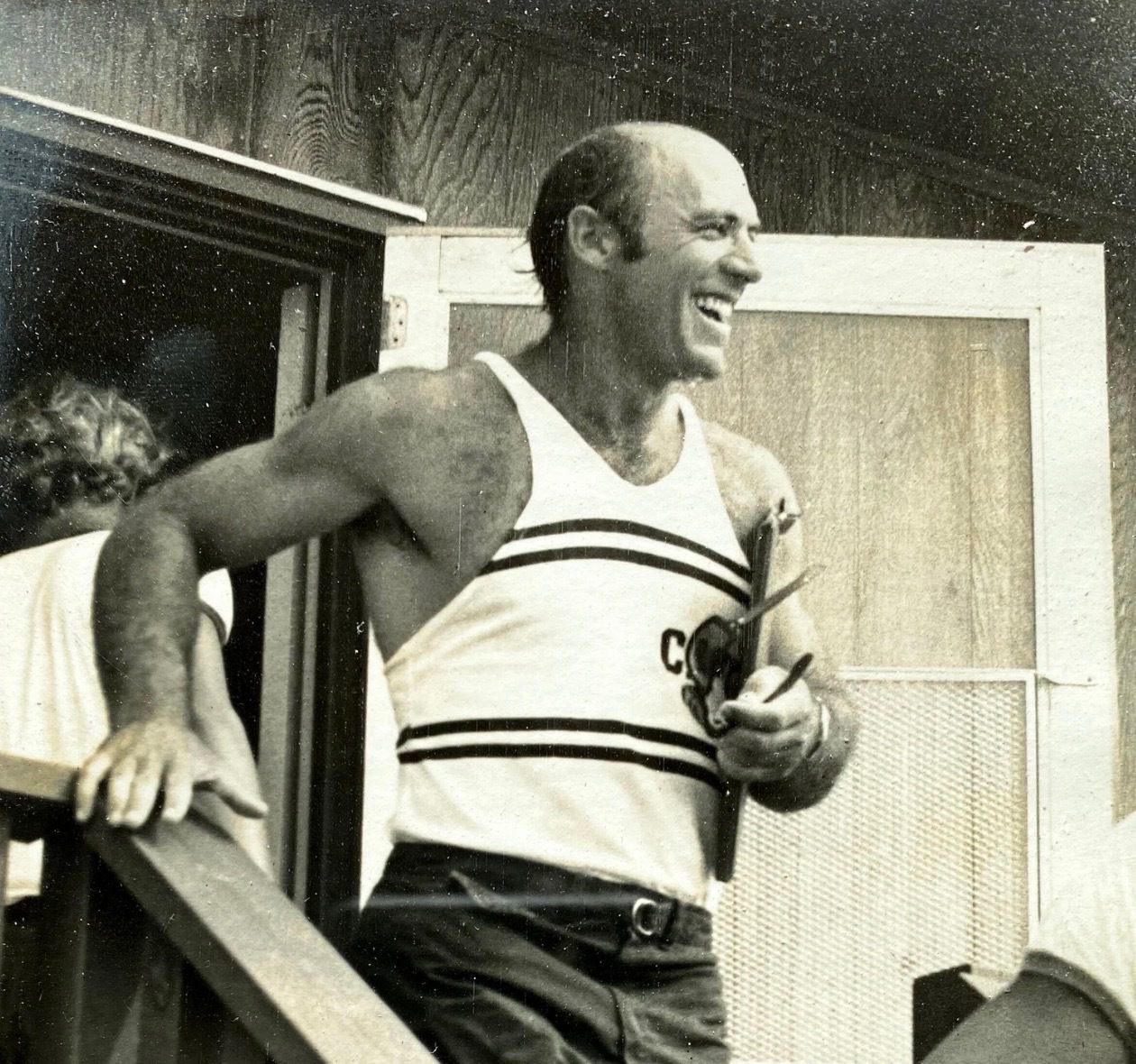
    Murray Wolf, 87, of Avalon, the legendary no-nonsense beach patrol captain whose half-century reign inspired and guided generations of lifeguards, while aggravating some famous and not-so-famous beachgoers along the way, died Monday, Feb. 16, at AtlantiCare Regional Medical Center in Atlantic City following a stroke.

    “He was probably the most loyal person I’ve known in my life,” said his wife of 43 years, Vicki Wolf. “Anybody who came into contact with him, he made them a better person, no question about it.”

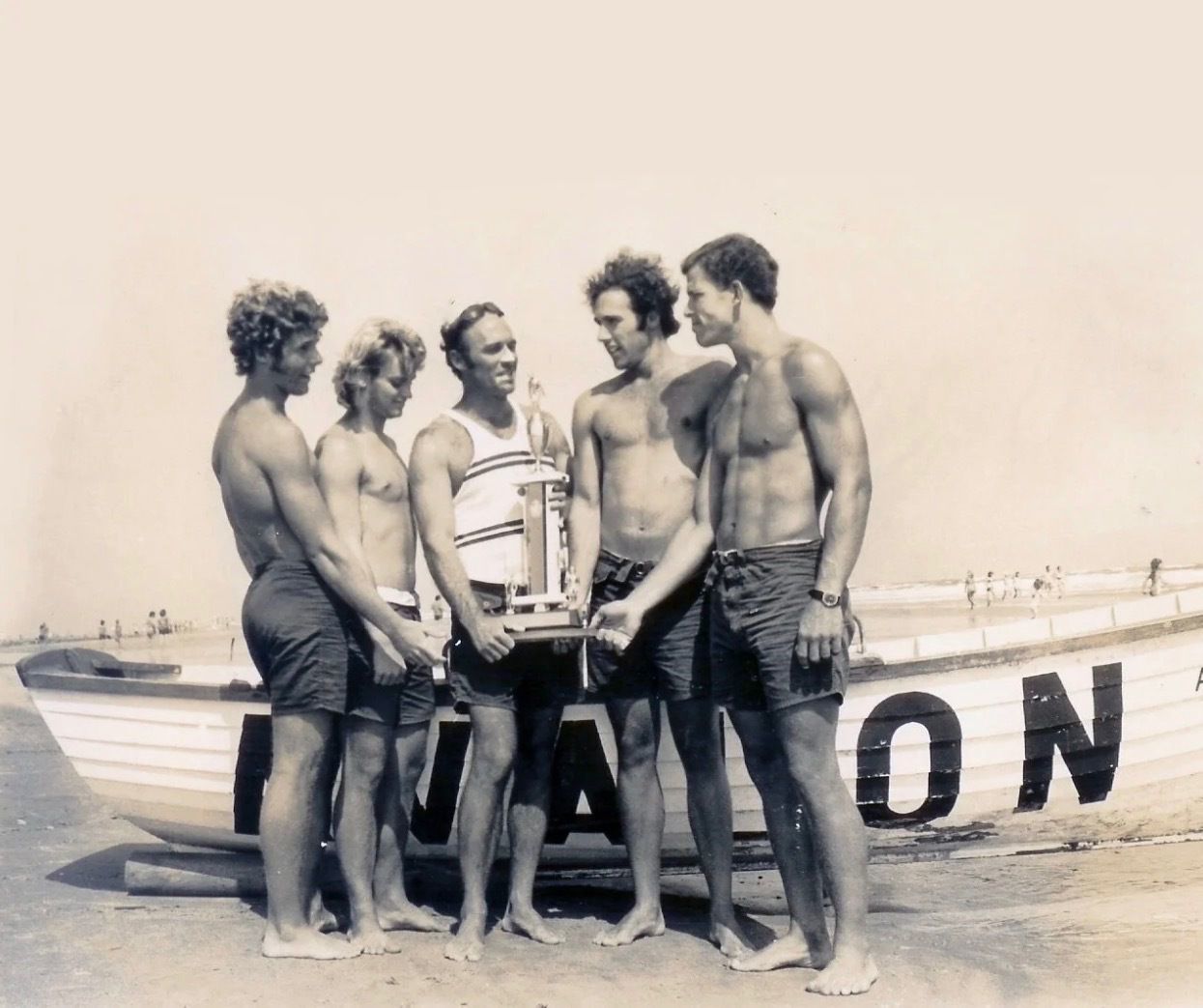
    Murray Wolf was captain of the Avalon Beach Patrol for more than a half-century and spent 65 years on the patrol. “He had the highest of standards,” said John Glomb, who served under him for decades.

    “He had the highest of standards,“ said John Glomb, who served under him for decades. ”When the conditions were not favorable, he drove around the beaches and made sure the guards were on top of their bathers, making sure that nobody was in harm’s way.

    “He had a record where in his 65 years, there was never a drowning. That’s a record that is absolutely spectacular.”

    Not everyone appreciated Mr. Wolf’s brand of beach enforcement. In 1999, he famously tangled with then-WIP sports radio personality Angelo Cataldi over a beach tag, showing him no mercy.

    Cataldi endlessly railed about it on air, and never truly got over it, saying in 2016, as Wolf entered his 61st year on the beach patrol, “I do harbor ill will toward Murray Wolf, and I always will.” Cataldi did not respond to an email following news of Mr. Wolf’s passing.

    Mr. Wolf brushed off the Cataldi encounter like he did most of his encounters on the beach, a place he patrolled with military precision, complete with nightly wave-offs, stand by stand, from his jeep. Rules were meant to be enforced. But he could laugh about it, even if Cataldi couldn’t.

    There was also Frank Wilson, formerly of Chester County, who sued Avalon in 2001 and won $175,000, driven arguably mad after being repeatedly whistled out of the water when he tried to swim after 5 p.m. “We have the right to protect our bathers,” Mr. Wolf said at the time.

    Murray Wolf, shown here rowing with his son Tyler during his final year on the Avalon Beach Patrol.

    Within the ranks of his family — wife Vicki; sons Matthew, Erich, and Tyler; and his 10-year-old black Lab, Ruger — Mr. Wolf’s loyalty, kindness, and appreciation for Avalon’s simple pleasures were deeply admired.

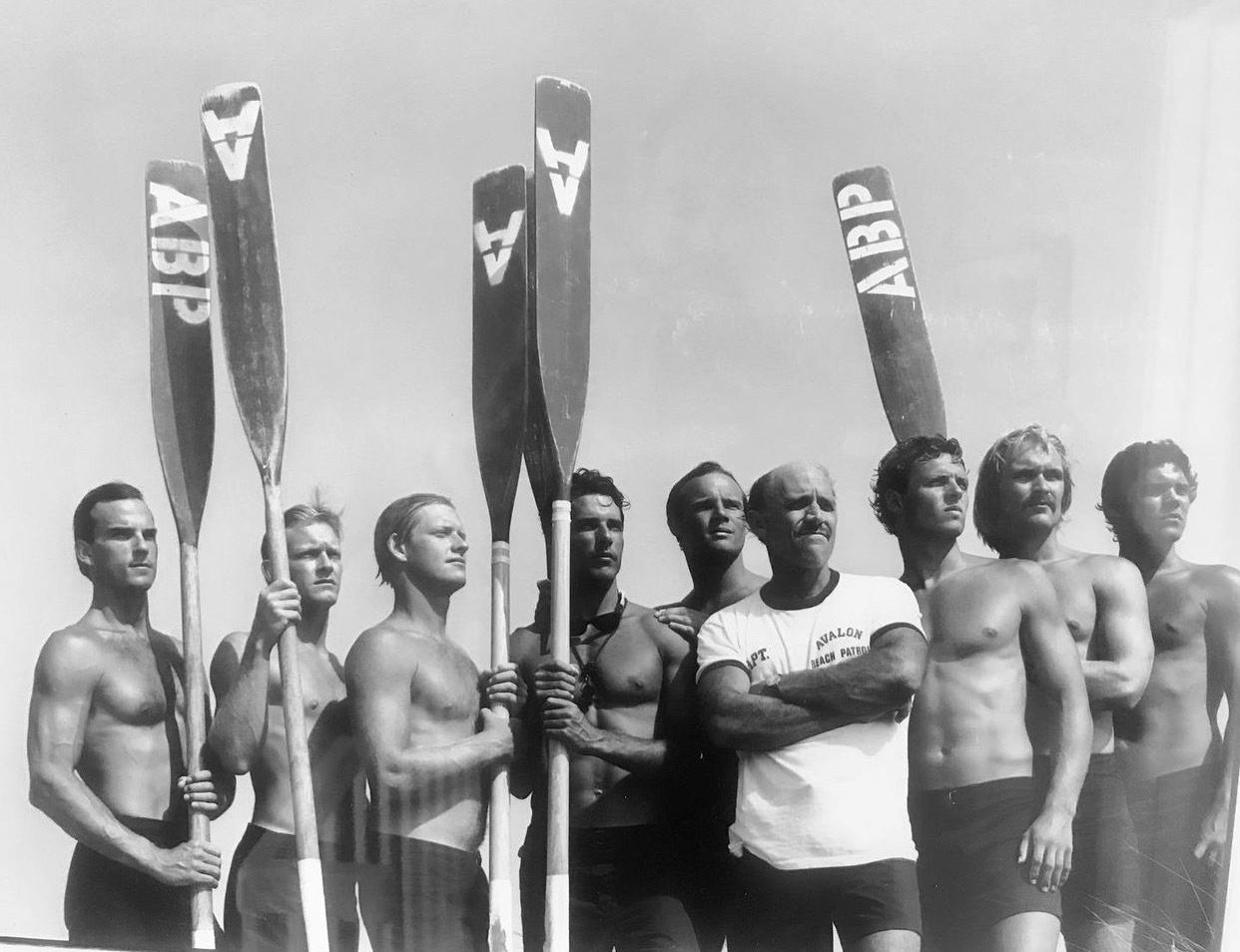
    The same was true for the ranks of lifeguards, wrestling teams, his Pleasantville school district physical education classes, and the multiple championship South Jersey beach patrol teams he coached in Avalon with the utmost of pride.

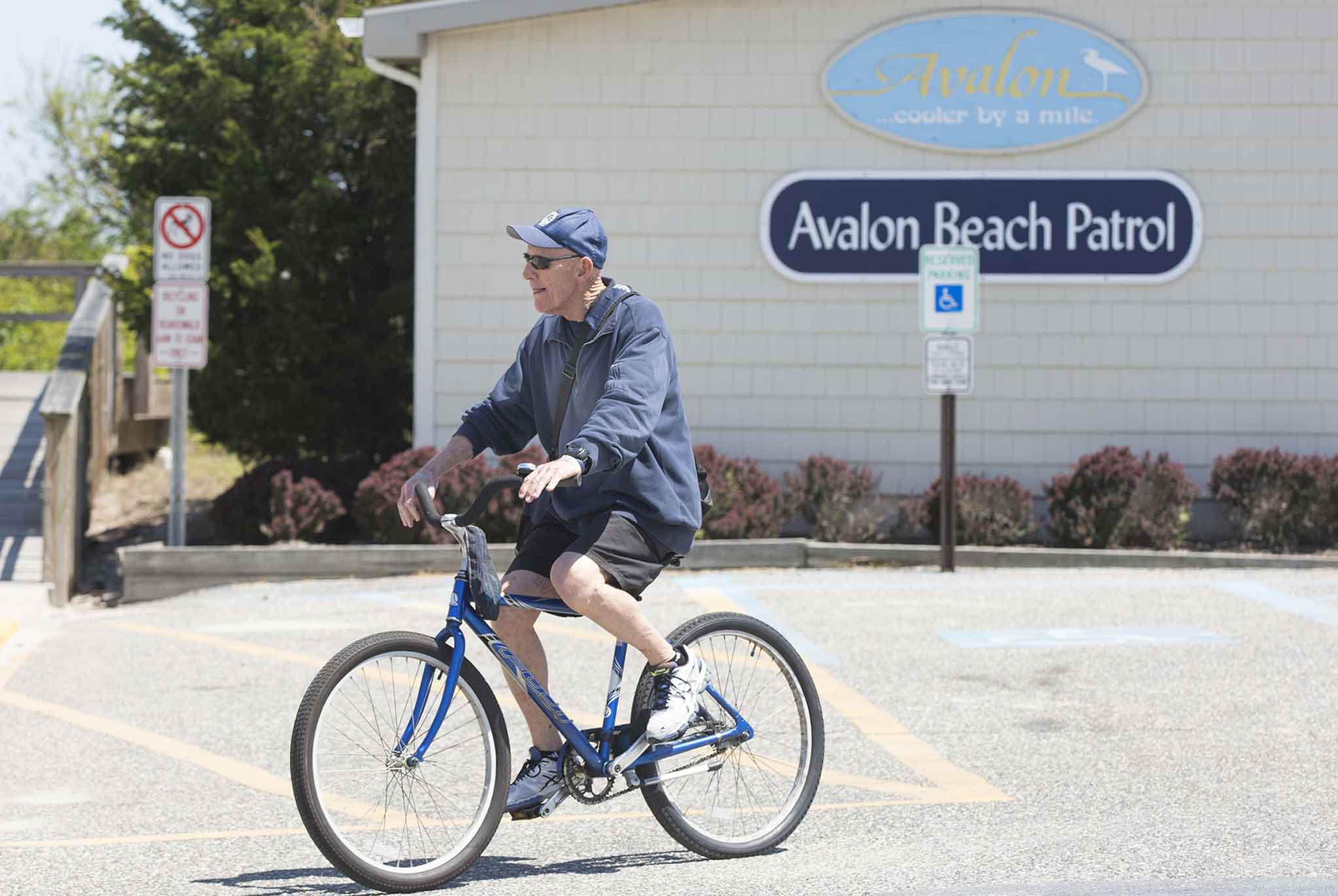
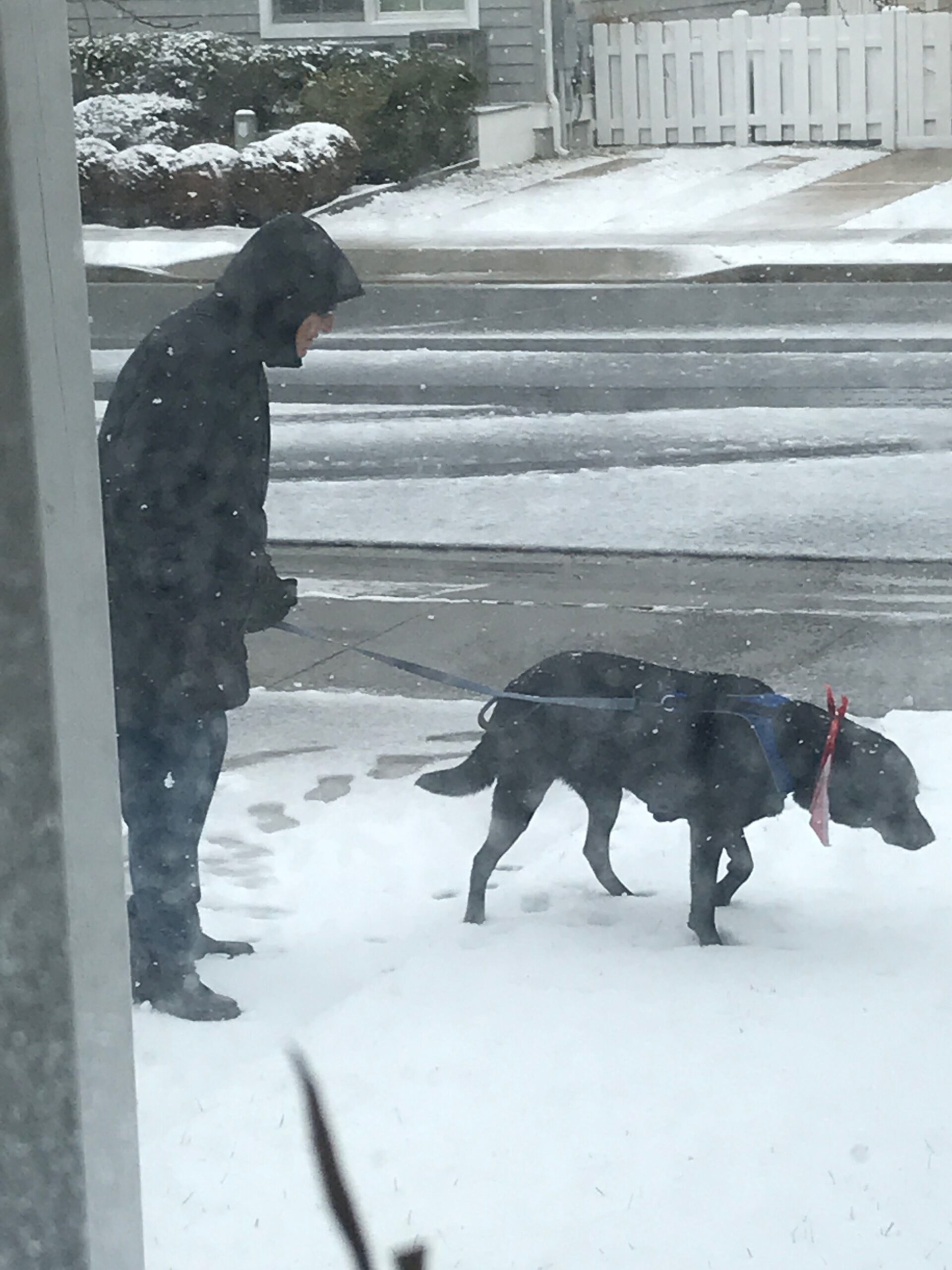
    Mr. Wolf rode his bike around Avalon almost to the end and walked Ruger in the deepest of snows.

    Murray Wolf, longtime captain of the Avalon Beach Patrol, taking a break from preseason preparations at age 77 to watch his son coach his baseball team.

    “He was happy to sit home and watch the football game, sit on the couch, yell at the dog for running in and out,” his wife said. “He loved his Avalon. There wasn’t one time we rode over the bridge into town when he didn’t say, ‘Oh, that was the best decision I made, moving to Avalon.’ He was just a content man, satisfied.”

    His blunt style could rub some the wrong way. Vicki Wolf, who met her husband at the Princeton, Avalon’s iconic bar, spotting at first his muscular arms, she recalled, said she always knew when someone in town had had an uncomfortable encounter with Mr. Wolf when they would veer away from her in the supermarket.

    He led his patrols through a pandemic, hurricanes, and new technology: He vowed to fire any guard caught with a cell phone on the stand. “It says Lifeguard on Duty,” he said in 2016. “It’s a duty.”

    “There was nothing phony about him,” Vicki Wolf said. “He was never one to take low blows about him. Not everybody liked him. He had enemies, but they respected him.”

    “He took a lot of pride in Avalon doing well — that was in everything Murray did,” Glomb said. “He ran a tight ship. He ran a tight beach.”

    In the offseason, Mr. Wolf coached championship wrestling teams and was a physical education teacher in the Pleasantville school district for 50 years. His son Matt took his place as Avalon beach patrol captain in 2021 and also coaches wrestling in Middle Township.

    Murray Wolf, longtime captain of the Avalon Beach Patrol pictured here in 2016 with some of his lifeguards at the patrol’s headquarters. ED HILLE / Staff Photographer

    Matt Wolf said his father suffered a stroke on Nov. 11 and was hospitalized until his Feb. 16 death. It seemed to so many that he might live forever, given his lifelong physical fitness and vigor, the devotion to his routines of bike riding and dog walking through town.

    “I think people saw him as very serious when he was in that public spotlight,” Matt Wolf said. “He had a great sense of humor. He didn’t need to be out with a bunch of people. He was happy to be home with his family.”

    The generations of guards who worked under him paid tribute to Capt. Wolf following his passing. “It was an honor to work with The Captain — there’s nobody quite like him,” Ryan Finnegan wrote on Facebook. “He taught his guards countless life lessons over the decades. Thousands of lives were saved because of him. The beaches in heaven are much safer now! Rest easy Capt.”

    Murray Wolf was captain of the Avalon Beach Patrol for more than a half-century and spent 65 years on the patrol. “He had the highest of standards,” said John Glomb, who served under him for decades.

    George Murray Wolf III was born Aug. 16, 1938, in Philadelphia to Elizabeth Gerhard and George Murray Wolf II and was raised on the Main Line. He and his family vacationed in Avalon from the time he was a child.

    He graduated from Conestoga High School and, after briefly working in a steel mill, Mr. Wolf attended Western State College in Gunnison, Colo., where he competed in wrestling and won a team national championship. He graduated with a degree in physical education and later earned a master’s in educational administration from Rider University.

    Mr. Wolf spent more than 50 years teaching physical education in Pleasantville. As head wrestling coach, he led the Pleasantville High School Greyhounds to the 1974 District 32 Championship. “He loved his job working with students and his colleagues at Leeds Avenue School,” his son wrote in the family obituary.

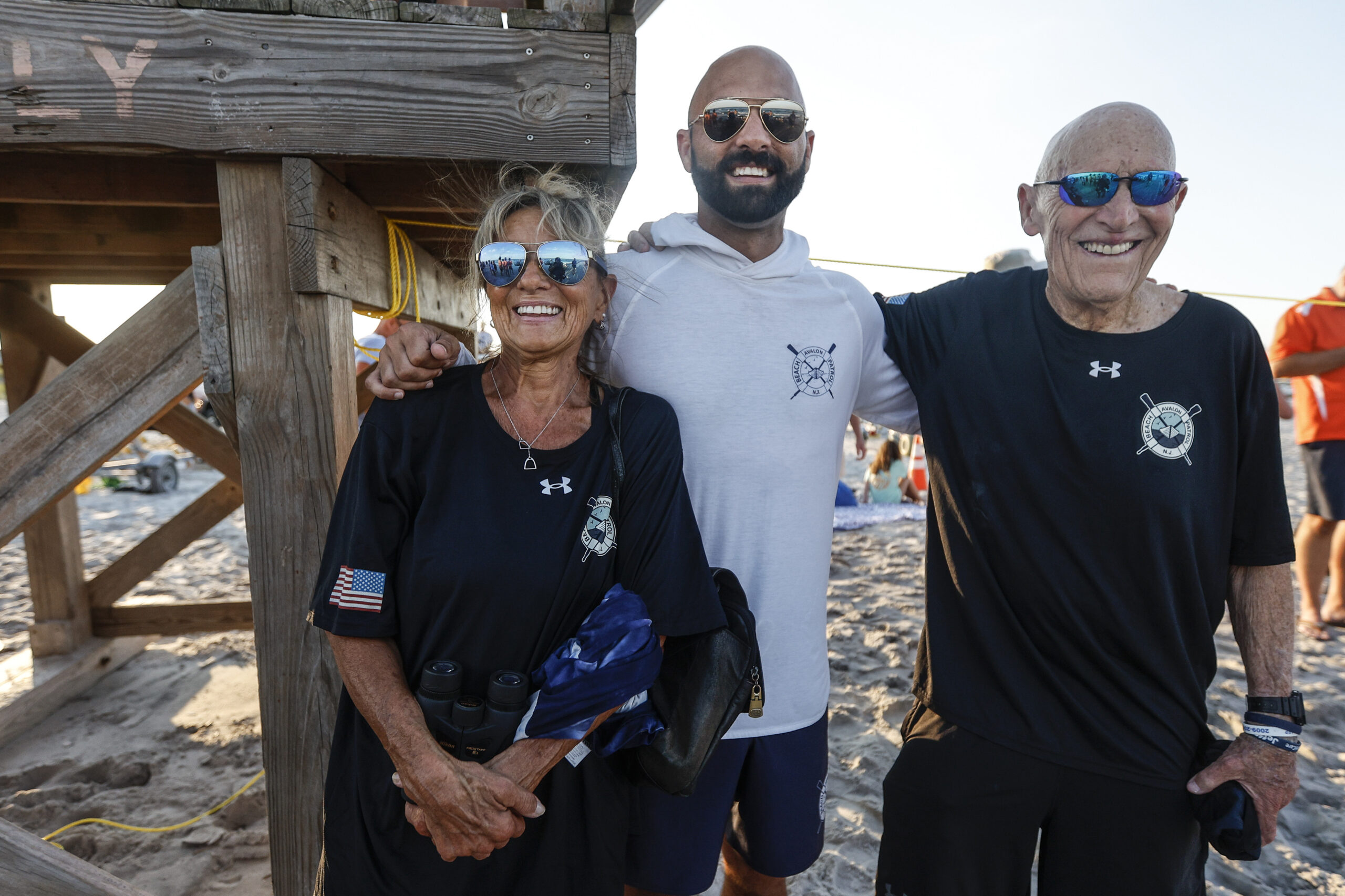
    Avalon Beach patrol chief Matt Wolf (center) with his parents Vicki and Murray at the 2024 South Jersey Lifeguard Championships in Brigantine.

    Mr. Wolf served as captain of the Avalon Beach patrol from 1967 to 2020 and served a total of 65 years on the patrol. His teams, competing in the storied lifeguard races every summer, won nine South Jersey Lifeguard Championships, and Mr. Wolf had the joy of coaching his sons in winning boats.

    Mr. Wolf and his wife were fixtures at their sons’ football, wrestling, baseball, and track and field games and meets, when their sons were competitors and, later, when their sons became coaches themselves.

    Ventnor’s retired beach patrol chief Stan Bergman, himself a legendary chief and coach, has called Mr. Wolf “a warrior.” “He’s battle-tested,” Bergman said in a 2016 interview. “They have a tough beach.”

    Murray Wolf was captain of the Avalon Beach Patrol for more than a half-century and spent 65 years on the patrol. “He had the highest of standards,” said John Glomb, who served under him for decades. He took great pride in his teams winning the South Jersey Lifeguard Championships.

    “He was a very staunch competitor,” said Ed Schneider, chief of Wildwood’s beach patrol and also a wrestling coach. “I was always nervous going up against his teams. He commanded a presence around him. He made people push themselves to be the best.”

    After Matt Wolf took his place as captain of the patrol, he would include his dad as much as possible, taking him in the jeep along the beach. Murray Wolf always attended the lifeguard races, talking to the guards about the David J. Kerr Memorial Races, a competition he began in 1984 to honor a guard who died of cancer.

    In his final weeks, when the family came into his hospital room, his wife said, he would look for his boys, and “always blow a kiss and say, ‘I love you.’”

    “Every night I would get home, the dog would go sit on the deck and look down the street,” Vicki Wolf said. “It broke my heart. He was looking for Murray.”

    In addition to his wife and their three sons, he is survived by another son, George Murray IV, and a sister. A son, Michael, died earlier.

    Services will be at noon Friday, Feb. 27, at our Savior Lutheran Church, 9212 Third Ave., Stone Harbor, N.J. Visitation will be 10 to 11:45 a.m.

    Donations may be made to the Middle Township Wrestling Program or the Helen L. Diller Vacation Home for Blind Children.

    Murray Wolf was devoted to his three black labs, including Ruger.
  • Narberth artist Emily Stewart is making ‘ephemeral’ public art out of snow

    Narberth artist Emily Stewart is making ‘ephemeral’ public art out of snow

    After the biggest snowstorm in a decade dumped more than nine inches of snow on the Philadelphia region, Narberth artist Emily Stewart woke up to a blank canvas.

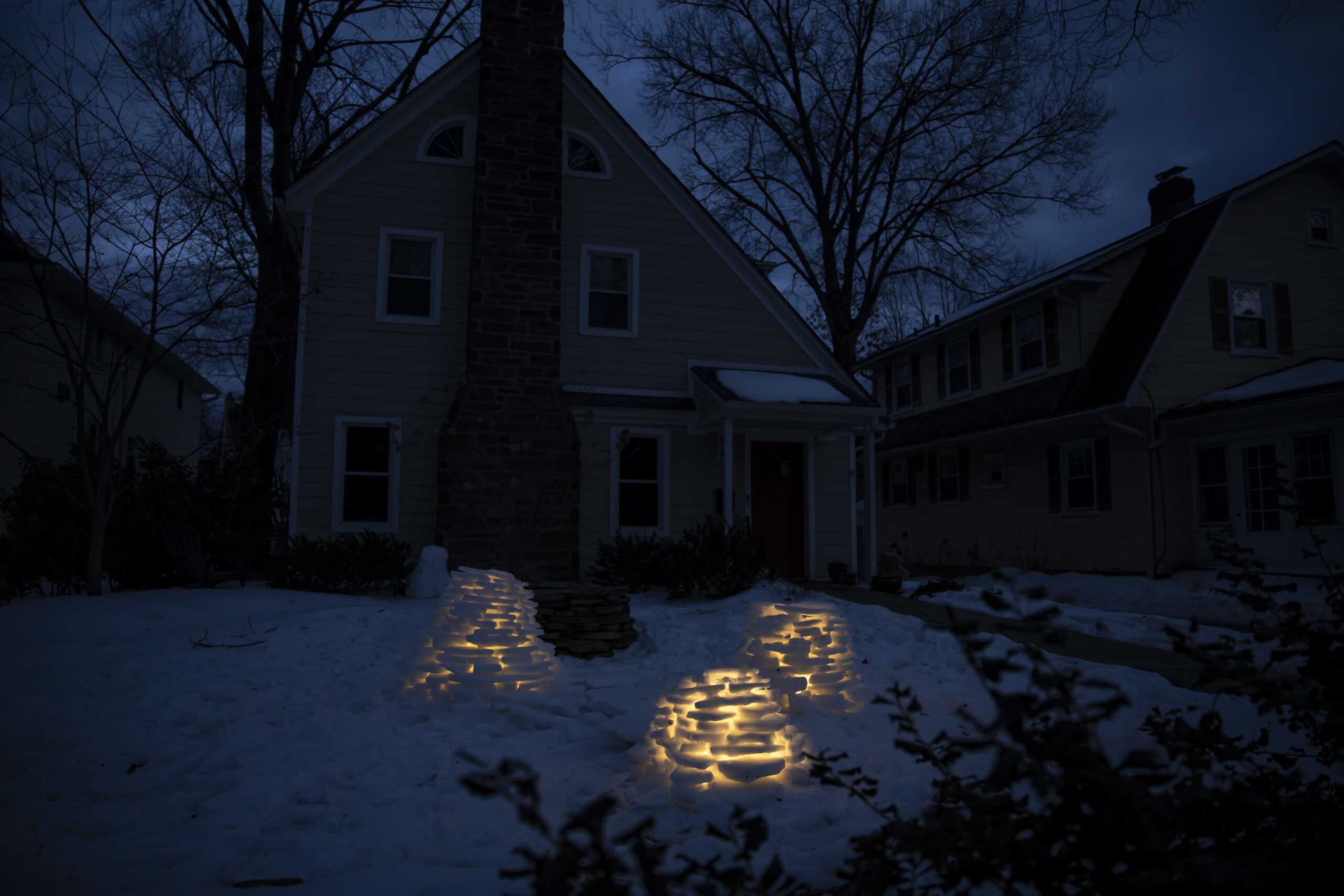
    With her front yard dusted in snow, Stewart zipped up her coat, laced up her boots, and braved the cold to build three Swedish lanterns out of snow and ice. Set against the darkness of winter, the lanterns have offered a glimmer of warmth during the coldest days of a historically frigid period in and around Philly.

    Ice sculptures made by artist Emily Stewart outside her Narberth home on Wednesday, Feb. 11. Stewart said she was inspired to make the structures after reading about Swedish lanterns. “I love working with snow in my yard or other public places because it is inherently social,” Stewart said. “As I work, people walk by, cars pull over, I get to have conversations with neighbors and meet new friends.”

    Stewart is a Main Line-based artist and community organizer who works with ink, graphite, wood, and, yes, snow. She is a lover of art and community building, passions that arose from her time in art school and serving in the Peace Corps. She is also the coordinator of Narberth Public Art, a community group that brings public art displays to downtown Narberth.

    An Ohioan by birth, Stewart isn’t bothered by the snow. In fact, she prefers a long, snowy winter to the Philly area’s increasingly hot summers.

    “I love, love winter,” Stewart said, adding that she has the “opposite of seasonal depression disorder.”

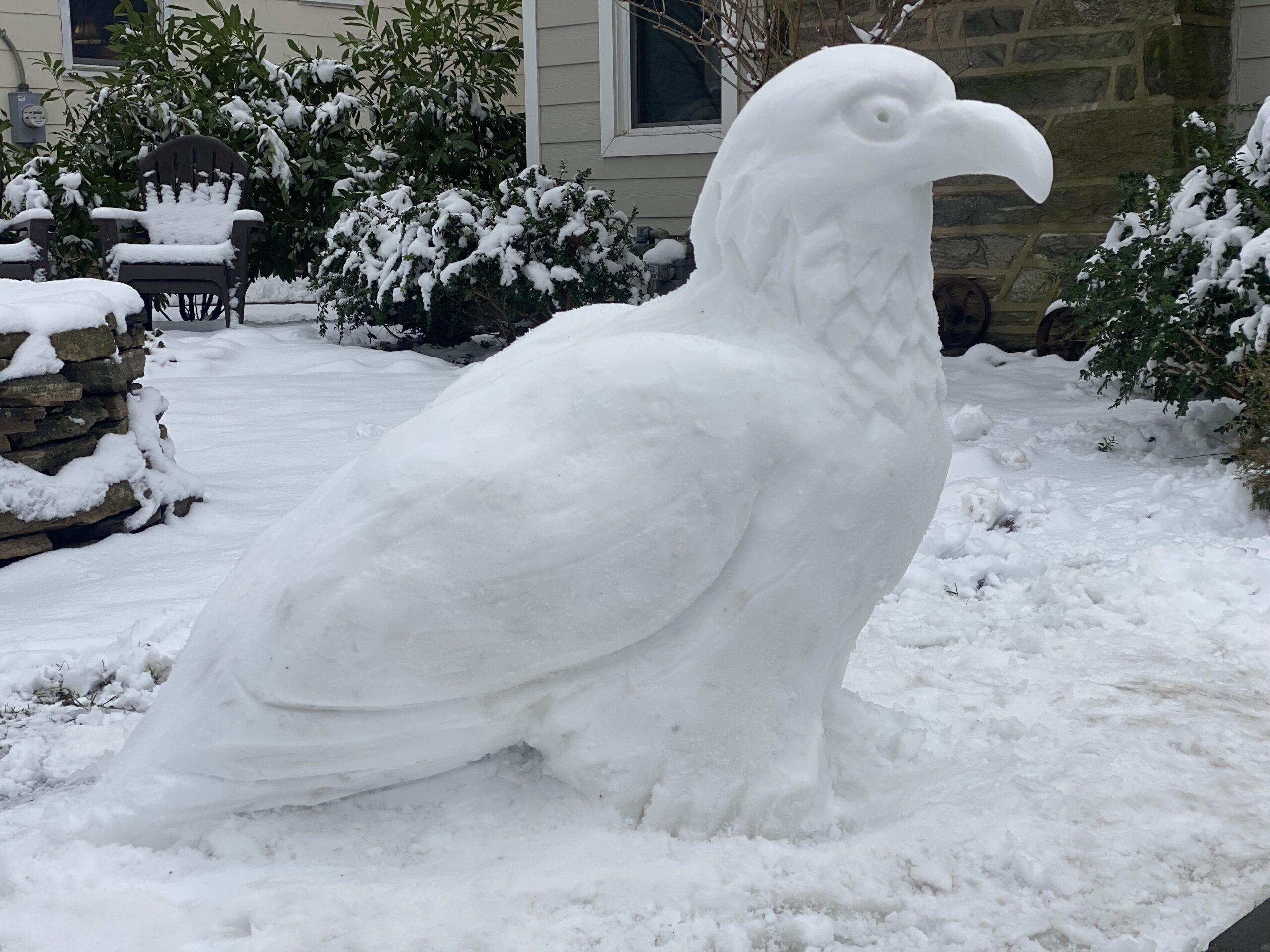
    Stewart grew up making snow sculptures in her hometown of Cleveland. In 2021, as pandemic measures kept Stewart and her family cooped up in their home, she picked up her kitchen spatula and began sculpting snow once again. She built life-size bears, an owl, a giant horse, and an eagle (go Birds). Neighbors began stopping by to ask about the sculptures, and people from outside Narberth even started paying visits to Stewart’s yard after hearing about her art through the grapevine.

    A creature built out of snow by artist Emily Stewart at her home in Narberth in February 2021.

    Though her snow sculptures began as a low-stakes artistic outlet, Stewart says they have become something deeper — a point of connection among neighbors in increasingly polarized and technologically dominated times. Public art provides a “cool little communal social interaction” that “detracts from all the negativity in the world,” she said.

    There’s much that Stewart loves about working with snow. It’s free, abundant, and surprising.

    When asked about the fleeting nature of her snow works, Stewart said it’s part of the beauty. Snow is temporary, as is everything.

    “It’s ephemeral,” she said. “Like, enjoy it, and it’s not yours to keep.”

    An eagle built out of snow by artist Emily Stewart in her Narberth backyard in February 2025.

    This suburban content is produced with support from the Leslie Miller and Richard Worley Foundation and The Lenfest Institute for Journalism. Editorial content is created independently of the project donors. Gifts to support The Inquirer’s high-impact journalism can be made at inquirer.com/donate. A list of Lenfest Institute donors can be found at lenfestinstitute.org/supporters.

  • Missing Di Bruno’s on the Main Line? Carlino’s has your back — and has for decades

    Missing Di Bruno’s on the Main Line? Carlino’s has your back — and has for decades

    As the Main Line contends with the recent abrupt closure of Di Bruno Bros. markets in Ardmore and Wayne, a homegrown Italian-specialties purveyor — just as storied as its South Philly-rooted counterparts — remains open for business.

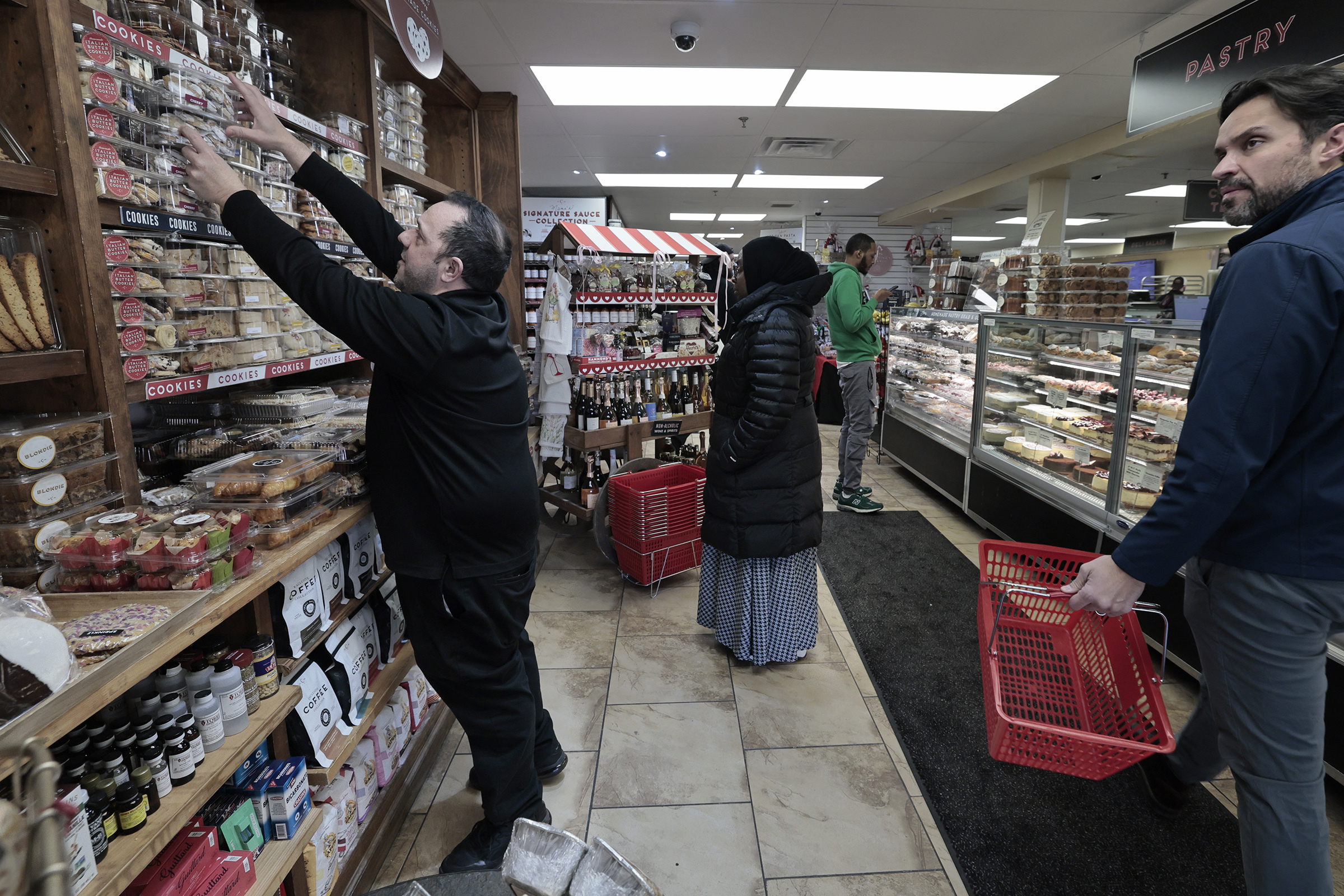
    On the day before Valentine’s Day, shoppers at Carlino’s Market on County Line Road tucked heart-shaped macarons and chocolate-dipped cannoli into baskets already full with marinara sauce, freshly packed chicken cutlets, and imported cheese. Regulars stopped by for their pre-weekend deli orders, and shoppers took refuge from the cold amid aisles of dried pasta and prepared foods.

    Carlino’s is an Ardmore institution, founded in 1983 as a small, family-owned pasta shop serving Lower Merion’s Italian community. In the decades since, the market has grown into a suburban powerhouse, supplying Ardmore, West Chester, and the surrounding towns with prepared foods, baked goods, and high-end groceries seven days a week.

    The Carlino’s brand has started to transcend its Ardmore roots: In recent years, the family-run operation has expanded its wholesale business to hundreds of grocery stores, from New York to Delaware and as far as Texas. Even as the company grows, its second- and third-generation leaders remain grounded in its origins as a mom-and-pop shop.

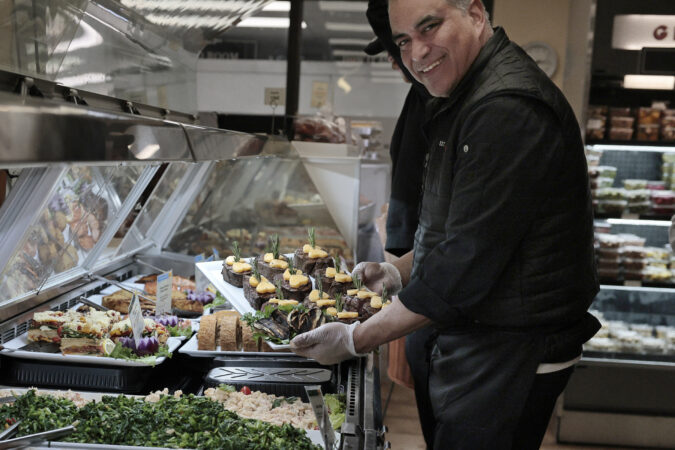
    Carlino’s Market general manger Bruno DiNardo (left) restocks cookies, pastries and treats, all homemade, at Carlino’s Market in Ardmore on Friday, Feb. 13, 2026.

    From Abruzzo to Ardmore

    Carlino’s was founded by Nicola and Angela Carlino, who left Abruzzo in 1968 to move to the United States with their two sons, Pasquale (“Pat”) and Carmen. In Abruzzo, the Carlinos tended to olive groves and grape vineyards and raised livestock on Nicola’s family farm. They left in search of better opportunities for their sons, landing in Ardmore, where Nicola initially worked as a bus driver and groundskeeper at Mitchell Prep, a private school, while Angela sold cookies, fresh pastas, and sauces out of their home.

    When Mitchell Prep closed in the early 1980s, Nicola and Angela decided to take a chance on a family business. They opened Carlino’s Homemade Pasta in a former barbershop on East County Line Road in South Ardmore — at the time, an Italian American enclave. Residents in search of a taste of home regularly patronized Carlino’s, and the family started wholesaling some products to local restaurants and casinos.

    According to Pat Carlino, 63, now the company’s CEO, it’s easy to take the Philly area’s formidable Italian-food scene for granted. But when his parents opened Carlino’s in the 1980s, Pat said, you could barely find marinara sauce in the grocery store. No one knew what tiramisu was, or how to tell the difference between high-quality Parmigiano Reggiano and grocery-store sprinkle cheese. Mention of ciabatta would prompt blank stares.

    Carlino’s was “an education to the public,” he said.

    Customers look over some of the homemade soups, salads and ready to go meals available at Carlino’s Market in Ardmore on Friday, Feb. 13, 2026.

    As time went on, the store expanded, subsuming other houses on its block, and shifted to a retail focus. The family renamed it Carlino’s Market and expanded offerings to include baked goods, pizza, sandwiches and wraps, imported meats and cheeses, and groceries like sauces, olive oils, and coffee. By the mid-1990s, Carlino’s selection and specialties — handmade ravioli, freshly stuffed sausage, garden-grown bruschetta on house-baked bread, tiramisu cake, and more — attracted savvy customers from as far as New York City and Washington, D.C.

    A growing business

    The Carlinos opened a second market, on Market Street in West Chester, in 2007. Angela, aka “Mama Carlino,” died two days after the second store opened. (Many of Mama Carlino’s recipes, the backbone of market’s origin story, have been recorded in two cookbooks, including a 2023 volume compiled and written by granddaughter Nadia Carlino.) Nicola Carlino died in 2020.

    In 2022, Carlino’s began wholesaling its sauces, dry pastas, and pestos — which you can now find at other small, local retailers like Riverwards Produce and Kimberton Whole Foods, as well as large grocery chains like Wegmans and Giant. Carlino’s products are available in parts of Pennsylvania, Delaware, New Jersey, Maryland, Virginia, Washington, D.C., Florida, Texas, New York, and Massachusetts, and will soon be on shelves in California and the Chicago area.

    Pat declined to share specifics about the company’s business model, though he said future growth will be in wholesaling and the grocery market, not retail. (Many former patrons of Di Bruno’s now-shuttered suburban outposts said the company grew its retail presence too hastily, diminishing its quality).

    While Carlino’s business is growing, Pat said his core customers are still people he knows “people that I grew up with.”

    Carlino’s also remains a family operation. Pat and his wife, Laura, are the company’s top executives, and their children — now the third generation of Main Line Carlinos — help manage marketing, wholesaling, importing, and manufacturing.

    Talking about Carlino’s products, a word Pat comes back to regularly is “clean.”

    Before influencers and foodies popularized the idea of “clean eating,” Carlino’s was doing it, Pat said. Nicola cooked with fresh tomatoes, cucumbers, and herbs he grew in his Ardmore garden. Pat said Carlino’s continues to rely on fresh produce, organic flour, and high-quality olive oil and French butter.

    “Things that are trending now, we were doing 40 years ago,” Pat said.

    “You can pick up anything and it’s clean,” he added, just like how your grandma would make it (or at least how a Carlino grandma would).

    This suburban content is produced with support from the Leslie Miller and Richard Worley Foundation and The Lenfest Institute for Journalism. Editorial content is created independently of the project donors. Gifts to support The Inquirer’s high-impact journalism can be made at inquirer.com/donate. A list of Lenfest Institute donors can be found at lenfestinstitute.org/supporters.

  • In Philly music this week, Mariah the Scientist plays the Met. Plus, Jason Isbell, Miguel, Margo Price, Say She She, and more

    In Philly music this week, Mariah the Scientist plays the Met. Plus, Jason Isbell, Miguel, Margo Price, Say She She, and more

    This week in Philly music features a busy week at the Met with Jason Isbell, Miguel, and Mariah the Scientist. Plus, R.E.M. guitarist Peter Buck’s new supergroup, two dates with Alejandro Escovedo, and ‘Hard Headed Woman’ Margo Price and her country band playing on South Street.

    Wednesday, Feb. 18

    Say She She

    Say She She is the nomadic vocal trio Piya Malik, Sabrina Mileo Cunningham, and Nya Gazelle Brown — who have connections to New York, London, and Los Angeles. The band name is a play on the “Le Freak? C’est chic!” lyric from Chic’s 1978 disco hit “Le Freak.” On Say She She’s third album, Cut & Rewind, tracks like “She Who Dares” and “Disco Life” qualify as subtle protest music as the band members stand up for diversity and express feminist prerogatives while deftly moving listeners to the dance floor. With Katzù Oso. 8 p.m., Ardmore Music Hall, 23 E. Lancaster Ave., Ardmore, ardmoremusichall.com

    Say She She plays Ardmore Music Hall on Wednesday. The disco group’s new album is “Cut & Rewind.”

    Jason Isbell & the 400 Unit

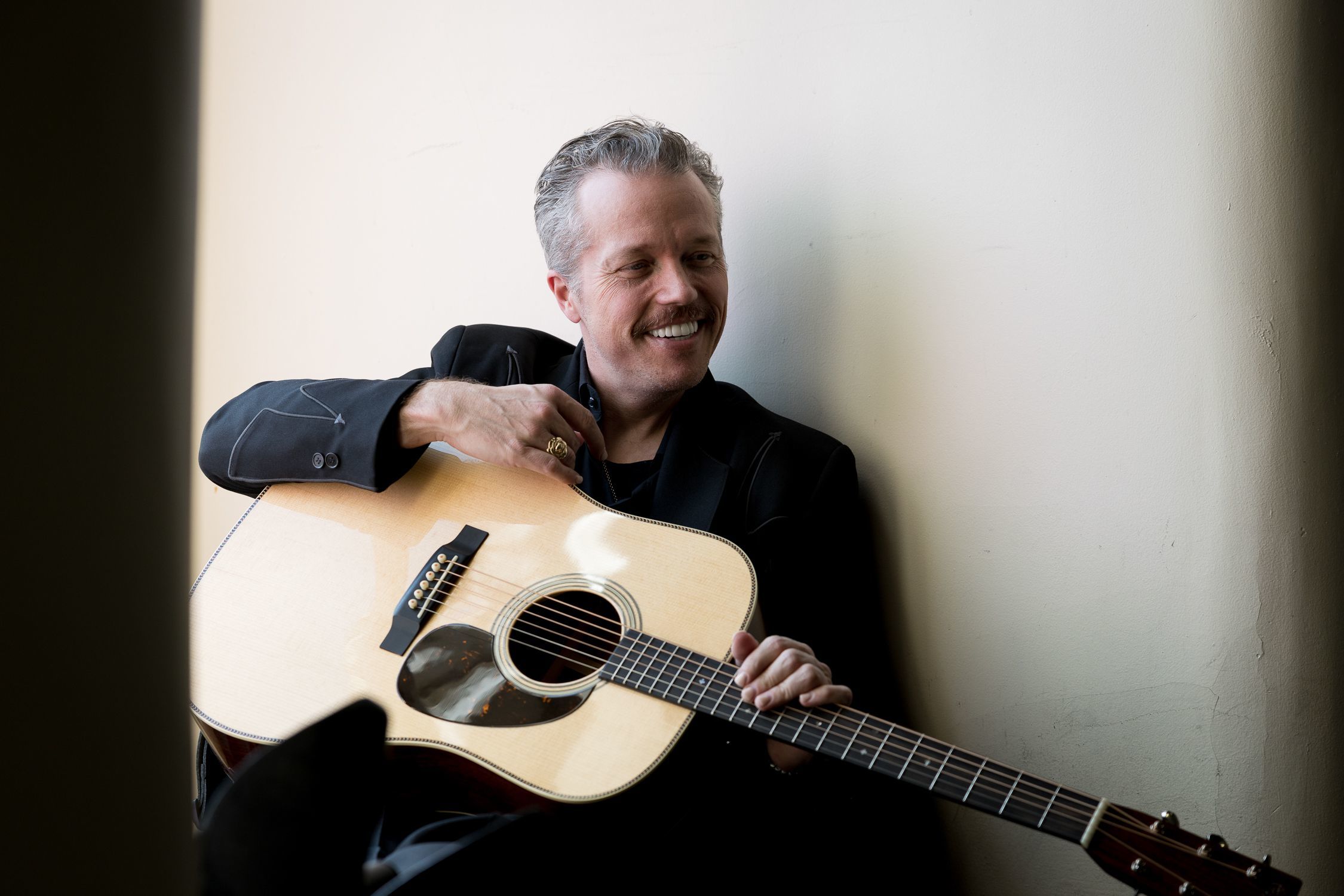
    Jason Isbell never made it to town on his 2025 tour behind his stark, solo acoustic album Foxes in the Snow. So this full band show will be the first Philly opportunity to hear those break-up songs written after Isbell’s split from then-wife Amanda Shires, played live. They will be mixed in with the impressive body of work that Isbell — a terrific guitarist, singer, and bandleader as well as a masterful storytelling songwriter — has amassed going back to the 2000s with the Drive-By Truckers. 8 p.m., Met Philly, 858 N. Broad St., themetphilly.com.

    Jason Isbell & the 400 Unit headline the Met Philadelphia on Wednesday.

    The Rural Alberta Advantage / The Barr Brothers

    Fans of Canadian indie bands are facing a Wednesday night dilemma. Toronto’s Rural Alberta Advantage, which tends to rock out, headlines Johnny Brenda’s. The band’s most recent album is 2023’s The Rise & The Fall. Meanwhile at Underground Arts, there’s a show by Toronto’s Barr Bothers, which leans more toward the folk, with singer-guitarist Bad Barr and his drummer brother Andrew. Their new album is Let It Hiss. 8 p.m., Johnny Brenda’s, 1201 N. Frankford Ave., johnnybrendas.com; and 8 p.m., Underground Arts, 1200 Callowhill St., undergroundarts.org.

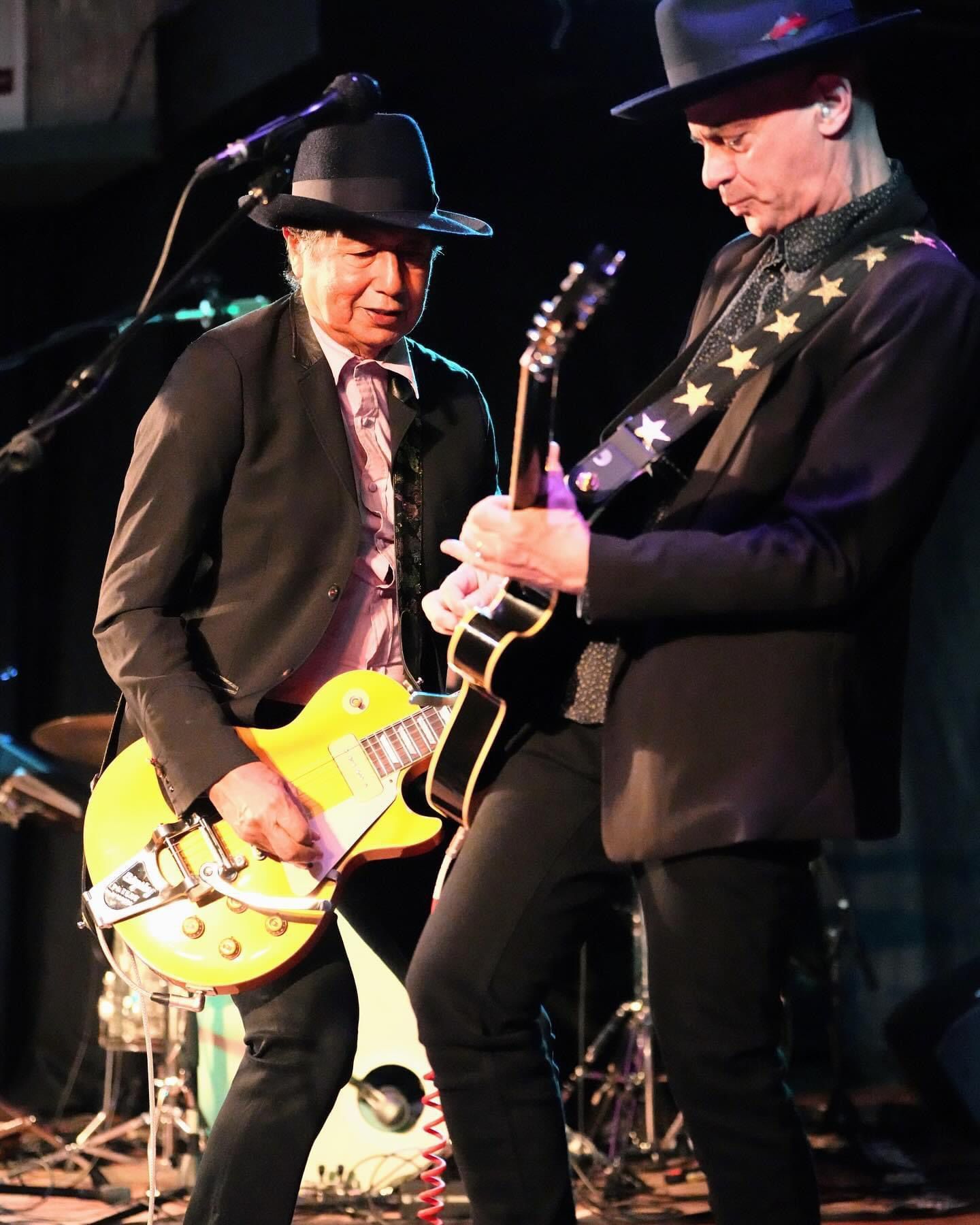
    Alejandro Escovedo and James Mastro, who will play separately and together in Sellersville and Wilmington.

    Thursday, Feb. 19

    Drink the Sea

    Peter Buck of R.E.M. is a serial collaborator. The long list of the uber-influential guitarist’s side projects have included Tuatara, the Minus 5, the Baseball Project, Filthy Friends, and others. Add to the list Drink the Sea, which is the second supergroup Buck has formed with Barrett Martin of the Screaming Trees. The band, which is influenced by global rhythms that reach beyond rock, makes its Main Line debut this week. 8 p.m., Ardmore Music Hall, 23 E. Lancaster Ave., Ardmore, ardmoremusichall.com.

    Alejandro Escovedo

    The great Austin, Texas, songwriter Alejandro Escovedo played Philly last year on a solo tour, while working up a theater show that chronicles his 50-plus year music career. Now he’s back, plugged in, and ready to rock with his band Electric Saints. Further good news is that his opening act is North Jersey veteran rocker and Health and Happiness Show leader James Mastro. He will be joining Escovedo for a few songs on stage , just as he did with Patti Smith’s band at the Met last November. 8 p.m. Thursday, Sellersville Theater, st94.com, and 8 p.m. Friday, Arden Gild Hall, 2126 The Highway, Wilmington, ardenconcerts.com.

    Friday, Feb. 20

    Ben Arnold & the 48 Hour Orchestra

    Philly songwriter Ben Arnold, just back from a European tour with his band U.S. Rails, is home promoting his excellent new solo album XL, which he showcased with an impressive show in Wayne back in October. Noon, World Cafe Live, 3025 Walnut St., xpn.org.

    Margo Price

    Margo Price was positioned as a country — or at least alt-country — artist when she debuted with Midwest Farmer’s Daughter in 2016. She then expanded her sound in a rock direction, even adding psychedelic touches in three subsequent albums. Now she’s again focused on country on Hard Headed Woman, the Grammy-nominated collection that will bring her to the TLA on her “Wild At Heart Tour.” Hot tip: Last time she played Philly, Kurt Vile showed up to jam. Pearl Charles opens. 8 p.m., Theater of Living Arts, 332 South St., tlaphilly.com.

    Miguel at the opening night his CAOS Tour in Atlanta on Feb. 10. He plays the Met Philly on Saturday.

    Saturday Feb. 21

    Miguel

    Miguel Jontel Pimentel has been a frequent visitor to Philly, between multiple visits to the Made in America festival in addition to regular tour stops. Now the R&B love man with vocal chops beyond reproach and a frisky, subversive sensibility is headlining the Met on tour for his 2025 album CAOS. 8 p.m., Met Philly, 858 N. Broad St., themetphilly.com

    Roger Harvey / Roberta Faceplant / Maxwell Stern

    This is another quality multiband bill upstairs at the Khyber Pass pub. Nashville songwriter Roger Harvey is the headliner, with rising Philly acts Roberta Faceplant and Maxwell Stern also playing the Old City venue. 8 p.m., Upstairs at the Khyber, 56 S. 2nd St., khyberpasspub.com

    Mariah the Scientist plays the Met Philly on Tuesday.

    Tuesday Feb. 24

    Mariah the Scientist

    Mariah Amani Buckles was studying to be a pediatric anesthesiologist at St. John’s University before she dropped out to concentrate on her music full time. Thus, she became Mariah the Scientist! The R&B-hip-hop singer — who is engaged to rapper Young Thug — sings about conflicted love affairs, sometimes to chilling effect, on her fourth album, Hearts Sold Separately, which features a sultry duet with Kali Uchis on the hit “Is It A Crime.” 8 p.m., Met Philly, 858 N. Broad St., themetphilly.com.

  • Looking for gluten-free baked goods on the Main Line? Flakely is open for business in Bryn Mawr.

    Looking for gluten-free baked goods on the Main Line? Flakely is open for business in Bryn Mawr.

    Gluten-free bakery Flakely has opened its doors in Bryn Mawr, bringing its signature pastries to the Main Line after five years of doing business out of a commercial kitchen in Manayunk. The cross-river move marks a major expansion for Flakely, which, for years, has sold most of its pastries in a frozen take-and-bake form because of space constraints.

    Now, Flakely is giving Main Line customers a rare opportunity to buy fresh gluten-free baked goods, namely its acclaimed croissants, which are a notoriously difficult item to make without gluten.

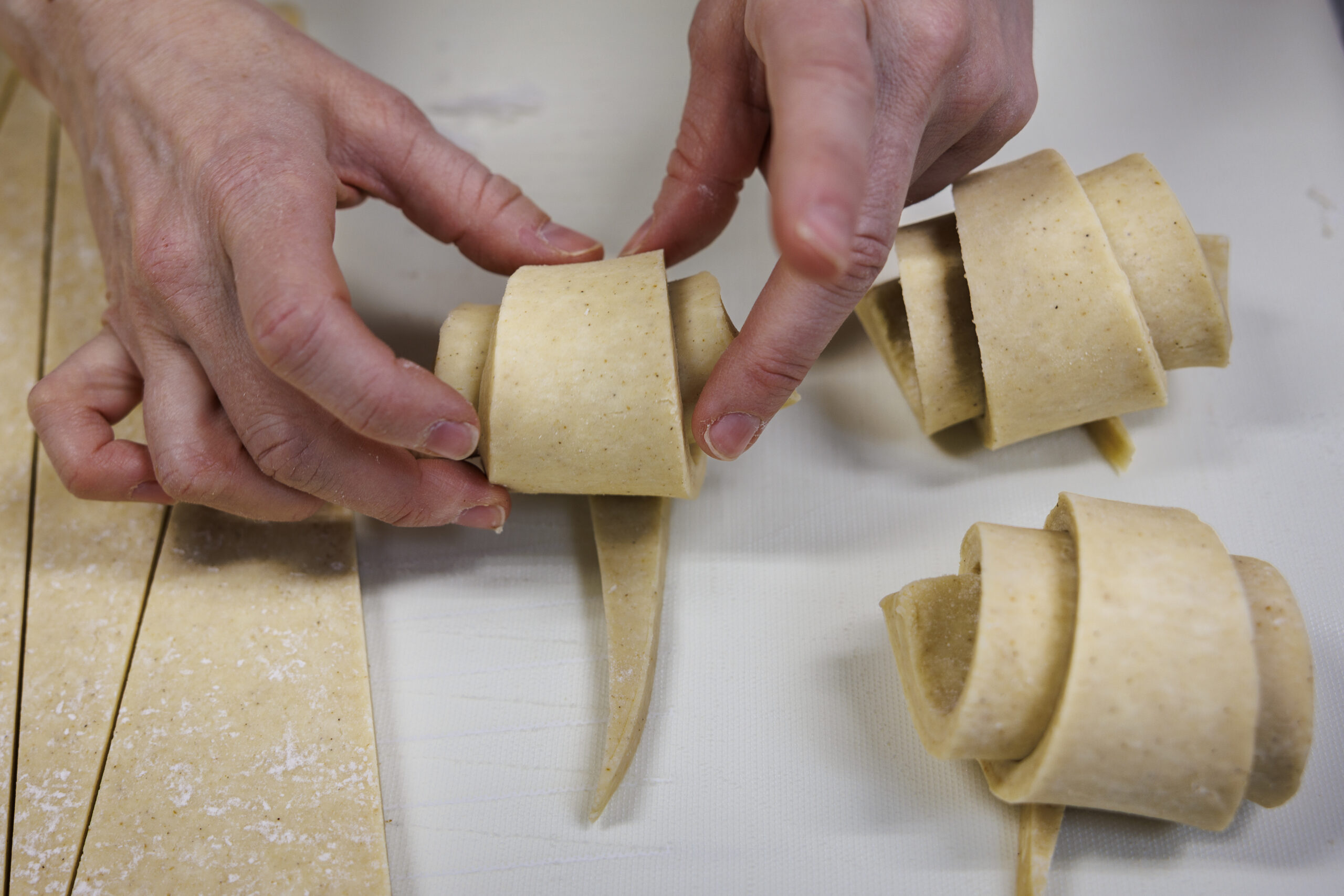
    Lila Colello owner of Flakely a gluten free bakery. She is rolling a plain croissant at her new location on Lancaster Avenue, Bryn Mawr, PA, Friday, Feb. 13, 2026.

    Flakely’s new Bryn Mawr headquarters is located at 1007 W. Lancaster Ave. in the former Grand Middle East hookah lounge (though one would never guess the storefront’s previous identity given all of the pastel pink decor that now adorns the walls).

    On the morning of Flakely’s soft opening last week, bakery staff bustled around the open concept kitchen. A glass display case of treats, including sweet and savory croissants and elegantly decorated cupcakes, shimmered in the early morning light.

    The move to the Main Line is “a homecoming” of sorts for owner Lila Colello, who grew up in Ardmore and attended the Shipley School. Colello worked her way up in Philadelphia’s dessert world, staging at the Ritz Carlton and serving as a pastry chef at Wolfgang Puck Catering. When she was diagnosed with celiac disease, an inflammatory autoimmune disorder triggered by eating gluten, in 2010, she feared her days in the pastry world were numbered.

    But instead, Colello mastered the art of the gluten-free pastry. She started Flakely in 2017 as a wholesale operation and moved into the commercial kitchen in Manayunk in 2021.

    Flakely was voted one of the best gluten-free bakeries in the country in 2024 by USA Today, and Inquirer restaurant critic Craig Laban said Colello had “found the secret” to making laminated pastry, like croissants.

    The Manayunk kitchen helped put Flakely on the map, but it also constrained Colello. Because there was so little foot traffic, Flakley couldn’t make fresh goods for fear of having to throw out large quantities at the end of the day.

    A box of gluten free pastries from Flakely, Lancaster Avenue, Bryn Mawr, PA, Friday, Feb. 13, 2026. Clockwise, Heart Shaped Twix, Plain Croissant and Vanilla Cupcake with Raspberry Curd and Whipped Honey Lemon Mascarpone Buttercream.

    Colello’s new storefront has given her the space to hire a larger staff, expand her fresh pastry offerings, and give patrons a true bakery experience.

    “I don’t know another place, maybe outside of New York, that has gluten-free croissants that you can even have fresh,” Colello said.

    “It’s a totally different experience,” she added.

    Demand for gluten-free goods is high in Lower Merion, Colello said. Many Main Line patrons used to make the trek to Manayunk to buy Colello’s take-and-bake goods and are happy to have a gluten-free option closer to home.

    Flakely joins a small contingent of gluten-free bakeries in the Philly suburbs, including The Happy Mixer, which has locations in Wayne, Chalfont, and Newtown, and Laine’s Gluten Free Bakery in Berwyn.

    Colello said Flakely is still figuring out its hours, but she plans to be open from 10 a.m. to 3 p.m., Tuesday through Friday, and from 10 a.m. to 2 p.m. on Saturday. For more information, you can visit Flakely’s Facebook or Instagram, where Colello will post weekly hours and menus.

    This suburban content is produced with support from the Leslie Miller and Richard Worley Foundation and The Lenfest Institute for Journalism. Editorial content is created independently of the project donors. Gifts to support The Inquirer’s high-impact journalism can be made at inquirer.com/donate. A list of Lenfest Institute donors can be found at lenfestinstitute.org/supporters.