Tag: Main Line

  • A plan to redevelop Gladwyne has residents split on their town’s future. What happens next?

    A plan to redevelop Gladwyne has residents split on their town’s future. What happens next?

    Three weeks after developers unveiled a sweeping plan to revitalize much of downtown Gladwyne, the affluent Main Line community has been abuzz with excitement, and skepticism, about the village’s future.

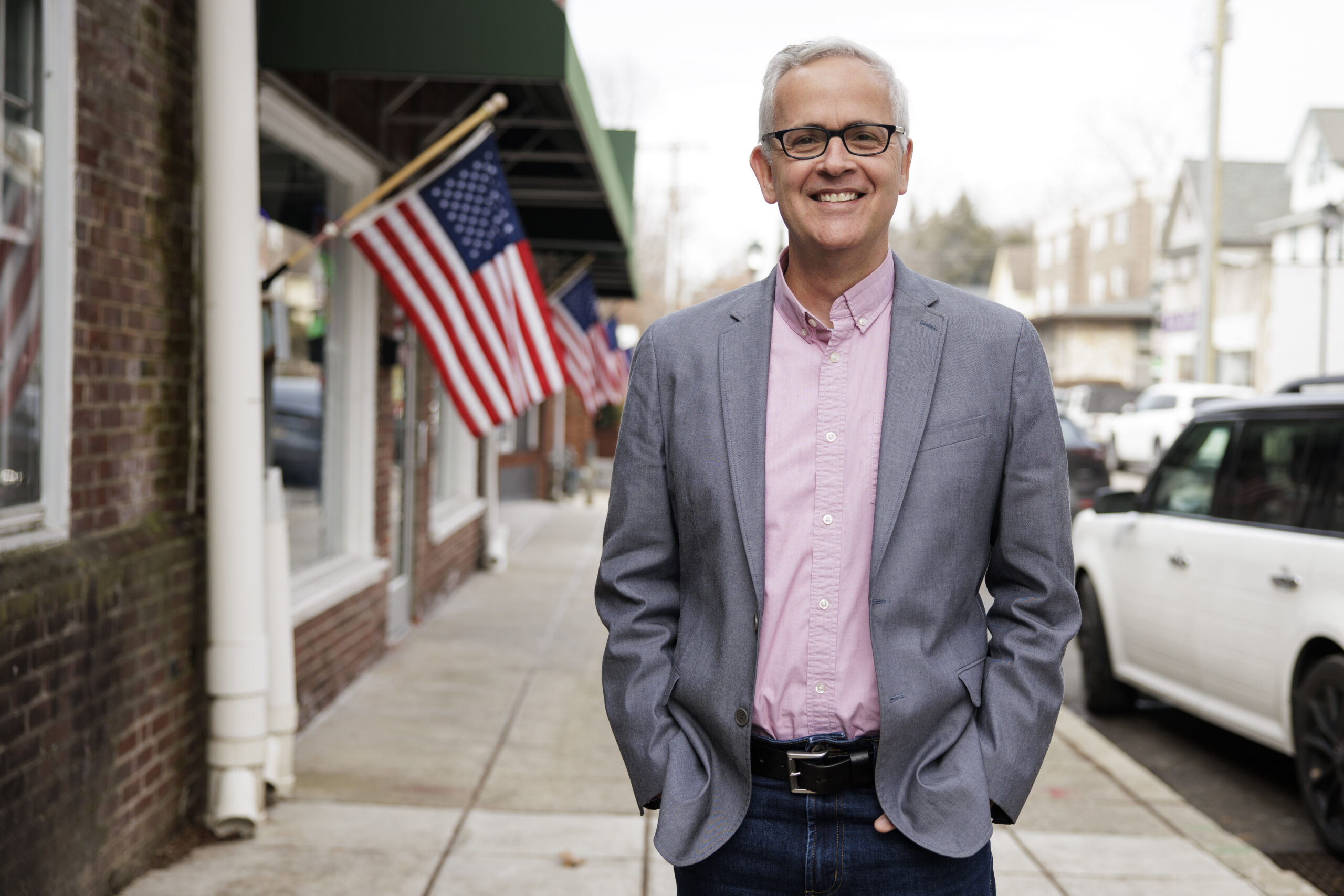
    On Jan. 8, Andre Golsorkhi, founder and CEO of design firm Haldon House, presented plans for a revitalized town center, complete with historic architecture, green spaces, and businesses that “fit the character” of the area. Golsorkhi told a packed school auditorium that Haldon House plans to bring in boutique shops, open an upscale-yet-approachable restaurant, and create spaces for communal gathering.

    At the meeting, Golsorkhi also revealed that the project was backed by Jeff Yass, Pennsylvania’s richest man, and his wife, Janine. Golsorkhi said the Yasses want to revitalize Gladwyne as part of a local “community impact project.” Haldon House and the Yasses, who live near Gladwyne, have spent over $15 million acquiring multiple properties at the intersection of Youngs Ford and Righters Mill Roads.

    The news drew a flurry of social media posts — and a write-up in a British tabloid. While some praised the proposal, others protested the changes headed toward their quaint community, and the conservative donor financing them.
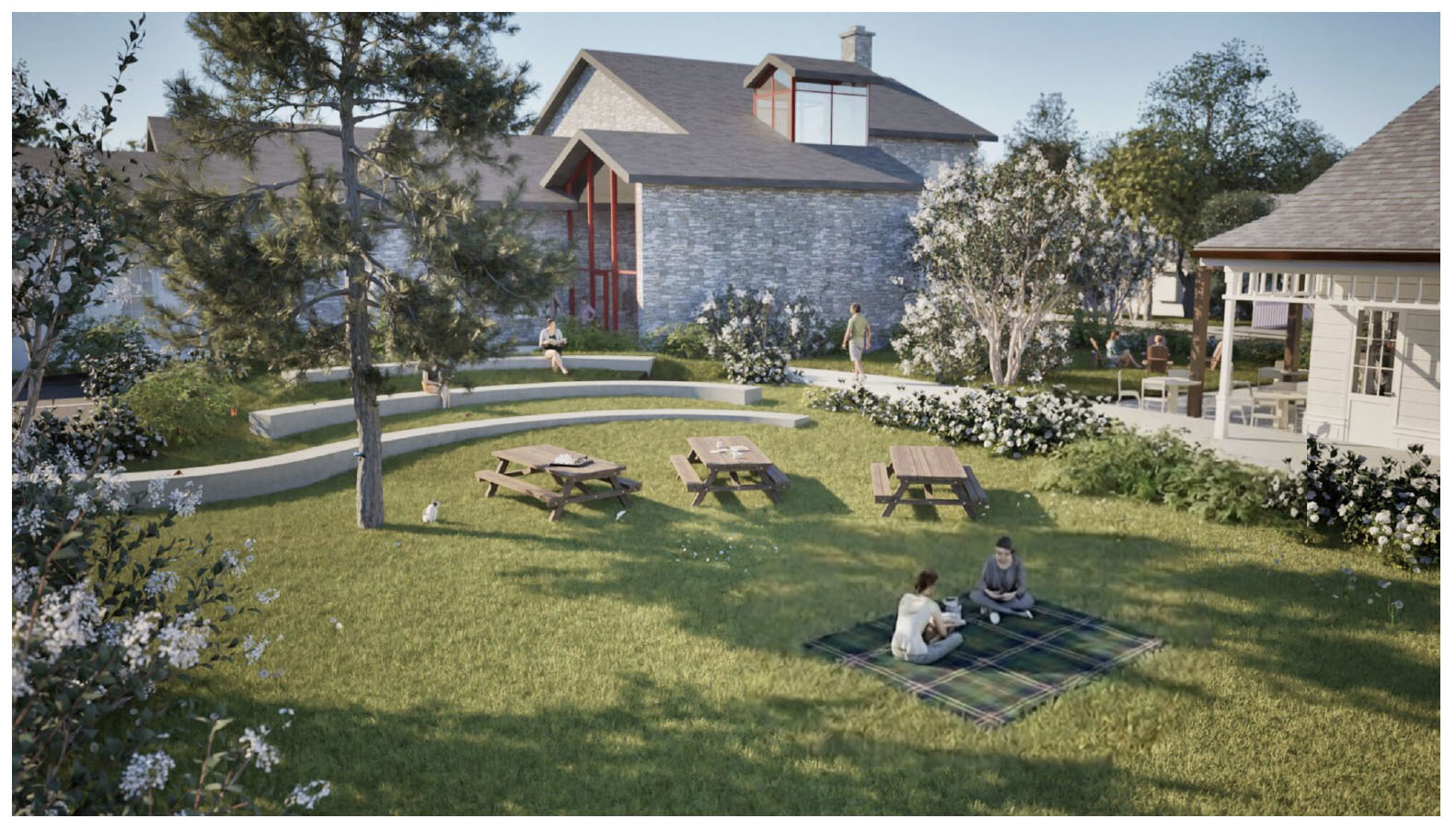
    Renderings of a proposed revitalization project in Gladwyne, Pa. Design firm Haldon House is working with billionaire Jeff Yass to redevelop the Main Line village while preserving its historic architecture, developers told Gladwyne residents at a Jan. 8 meeting.

    What is, and isn’t, allowable?

    For some residents, one question has lingered: Is one family allowed to redevelop an entire village?

    A petition calling on Lower Merion Township to hold a public hearing and pass protections preventing private owners from consolidating control of town centers had gathered nearly four dozen signatures as of Friday.

    Around 4,100 people live in the 19035 zip code, which encompasses much of Gladwyne, according to data from the 2020 U.S. Census.

    “Residents deserve a say before their town is transformed. No one family, no matter how wealthy, should unilaterally control the civic and commercial core of a historic Pennsylvania community,” the petition reads.

    Yet much of Haldon House’s plan is allowable under township zoning code, said Chris Leswing, Lower Merion’s director for building and planning.

    Plans to refurbish buildings, clean up landscaping, and bring in new businesses are generally permitted by right, meaning the developers will not need approval from the township to move forward. Gladwyne’s downtown is zoned as “neighborhood center,” a zoning designation put on the books in 2023 that allows for small-scale commercial buildings and local retail and services. The zoning code, which is currently in use in Gladwyne and Penn Wynne, ensures commercial buildings can be no taller than two stories.

    The developers’ plans to open a new restaurant in the former Gladwyne Market and renovate buildings with a late-1800s aesthetic, including wraparound porches and greenery, are generally within the bounds of what is allowed, once they obtain a building permit.
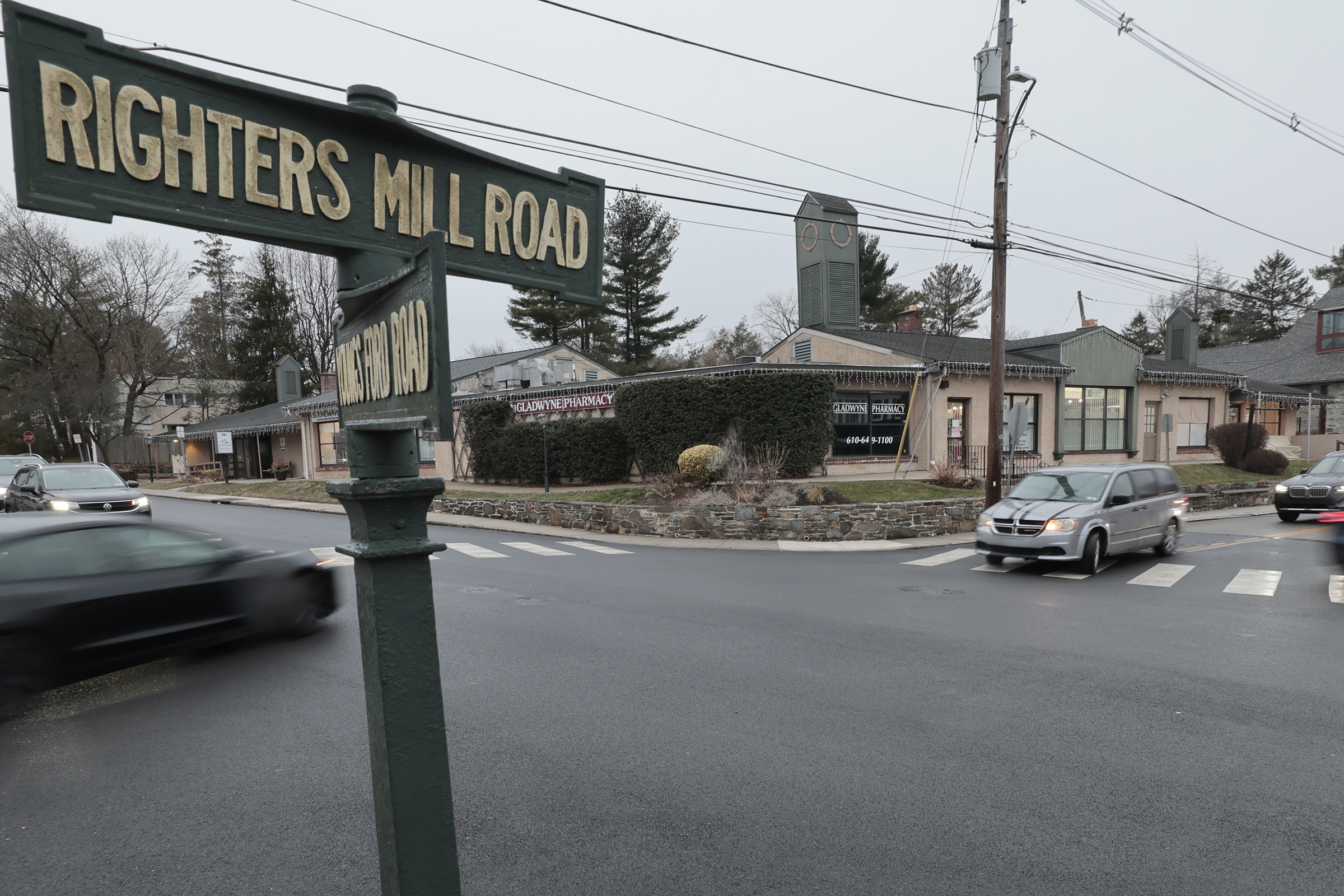
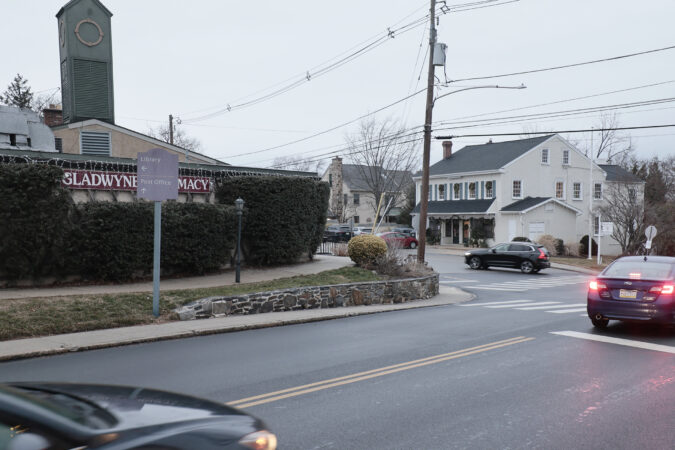
    The Village Shoppes, including the Gladwyne Pharmacy, at the intersection of Youngs Ford and Righters Mill Roads in Gladwyne on Friday, Jan. 9, 2026.

    More ambitious plans, however, like converting a residential home into a parking lot or burying the power lines that hang over the village, would require extra levels of approval, Leswing said.

    The developers hope to convert a residential property on the 900 block of Youngs Ford Road into a parking lot. Lower Merion generally encourages parking lots to be tucked behind buildings and does not allow street-facing parking, a measure designed to avoid a strip mall feel, Leswing said. In order to turn the lot into parking, the developers would need an amendment to the zoning code, which would have to be approved by the board of commissioners.

    Various approvals would also be needed to put Gladwyne’s power lines underground, an ambitious goal set by the Haldon House and Yass team.

    Leswing clarified that no official plans have been submitted, making it hard to say how long the process will take. It will be a matter of months, at least, before the ball really gets rolling.

    Leswing added the developers have been “so good about being locked into the community” and open to constructive feedback.

    Golsorkhi said it will be some time before his team can provide a meaningful update on the development, but expressed gratitude to the hundreds of residents who have reached out with questions, support, and concerns.
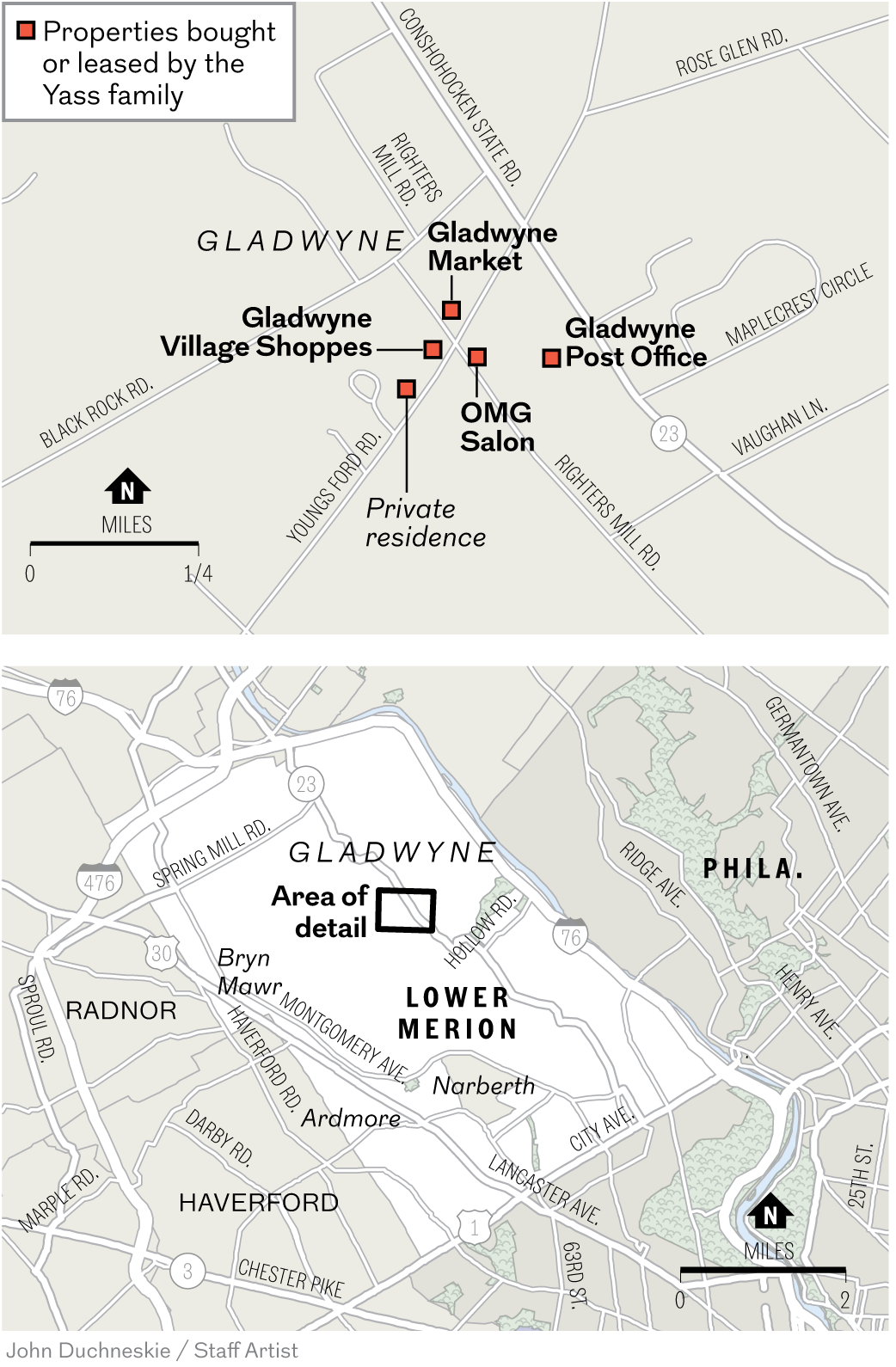
    Map of properties in Gladwyne bought or leased by the Yass family.

    From ‘110% in favor’ to ‘a tough pill to swallow’

    Fred Abrams, 65, a real estate developer who has lived in Gladwyne for seven years, said he and his wife are “110% in favor” of the redevelopment, calling it an “absolute no-brainer.”

    Many Gladwyne residents live in single-family homes that keep them in their own, sometimes isolating, worlds, his wife, Kassie Monaghan Abrams, 57, said.

    “Here’s an opportunity for being outside and meeting your neighbors and, to me, getting back to spending time with people,” she said of the proposal to create communal gathering areas.

    “I think it’s a very thoughtful, beautiful design,” Monaghan Abrams added.

    Some social media commenters called the proposal “charming” and “a fantastic revitalization.”

    Others were more skeptical.

    Ryan Werner, 40, moved to Gladwyne in 2012 with his wife, who grew up in the town.

    “One of the things I’ve kind of fallen in love with about Gladwyne is the sense of community,” said Werner, who has a background in e-commerce sales and is transitioning to work in the mental health space.

    Werner is not necessarily opposed to the renovations (although he loved the Gladwyne Market). Rather, he said, it’s “a tough pill to swallow” that Yass is promoting a community-oriented project while supporting President Donald Trump’s administration and Trump-affiliated groups.

    “I’m less opposed to just the commercial side of it and more grossed out by the involvement of certain people in it,” Werner said.

    Gladwyne is a Democratic-leaning community that voted overwhelmingly for former Vice President Kamala Harris in the 2024 election.

    On social media, some griped about the changes.

    “The Village will be just like Ardmore and Bryn Mawr. Can’t undo it once they build it,” one commenter wrote in a Gladwyne Facebook group.

    Golsorkhi said in an email that the “enthusiasm, excitement and support” from the community have been “overwhelming.”

    This suburban content is produced with support from the Leslie Miller and Richard Worley Foundation and The Lenfest Institute for Journalism. Editorial content is created independently of the project donors. Gifts to support The Inquirer’s high-impact journalism can be made at inquirer.com/donate. A list of Lenfest Institute donors can be found at lenfestinstitute.org/supporters.
  • A Gladwyne estate that can be split into three lots is for sale for $8.5 million

    A Gladwyne estate that can be split into three lots is for sale for $8.5 million

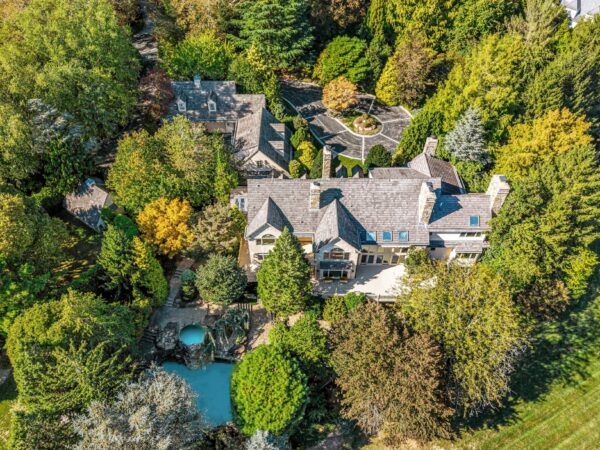
    The possibilities are what make a Gladwyne estate for sale on Country Club Road “a significant property,” said listing agent Lisa Yakulis.

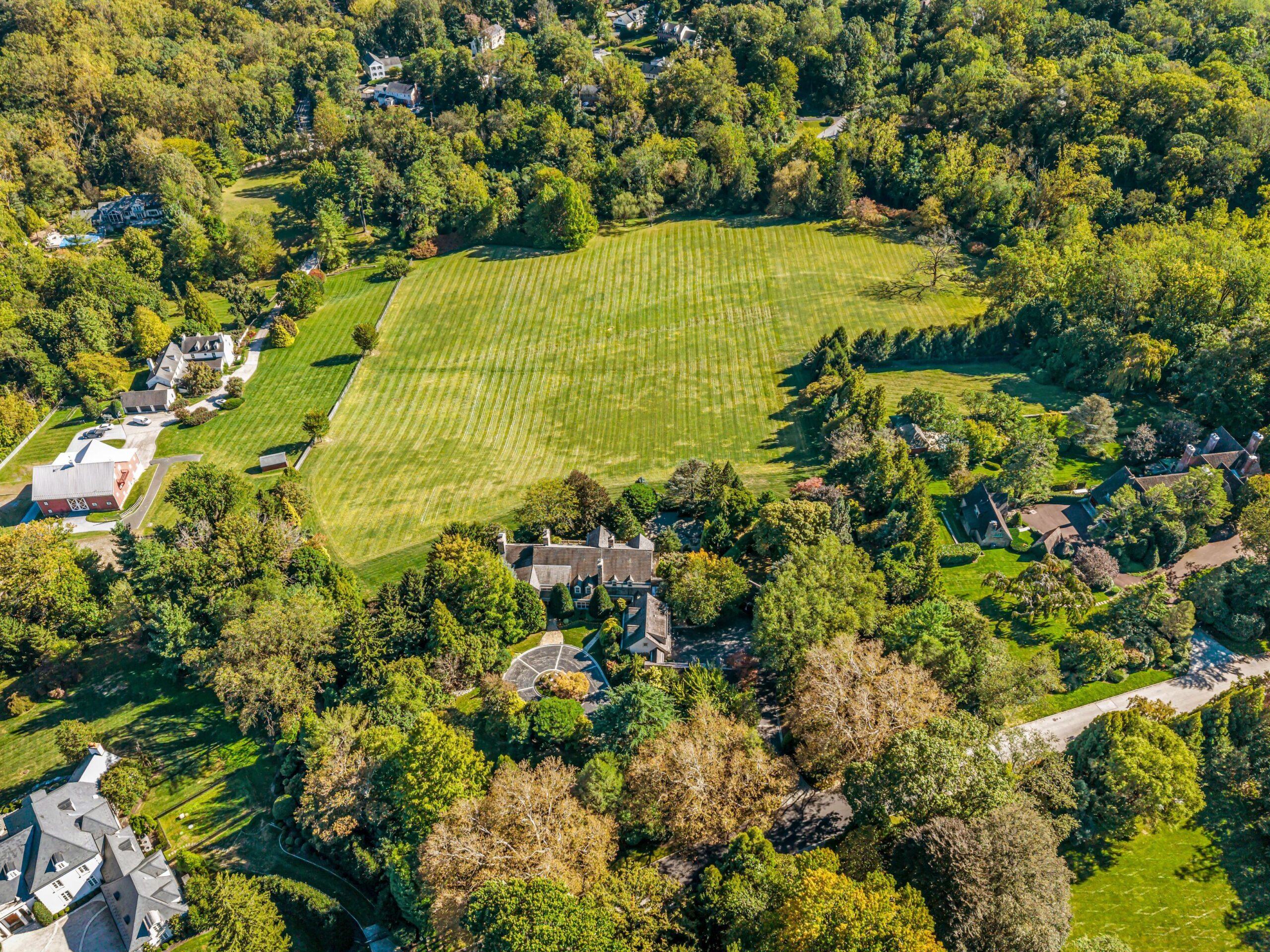
    It spans 12.76 “very private” acres, said Yakulis, a broker associate at Kurfiss Sotheby’s International Realty. “It’s hard to find that size of a property in that area.”

    The 9,166-square-foot home sits on about four acres. A future owner could subdivide the lower part of the property to create two roughly four-acre lots. An existing easement would provide access to the additional lots.

    The property is on the market for $8.5 million.

    The home for sale on Country Club Road in Gladwyne sits on almost 13 acres, which can be broken into separate lots.

    Yakulis said she’s seen that on the Main Line in the years since the pandemic, “desirable building lots with that kind of acreage are, No. 1, very hard to find, and No. 2, there’s a fairly large buyer pool out there that’s looking for land in that location to build exactly what they want to build vs. buying a resale home.”

    The home on the property was custom built in 1993, and its floor plan is more open than homes of that time. It was designed to host the owners’ family and friends, which it has done for the last three decades.

    The house has six bedrooms, eight full bathrooms, and three half bathrooms. Many large windows provide panoramic views of the property. The home has an elevator, six fireplaces, a library, two laundry rooms, and flexible living spaces.

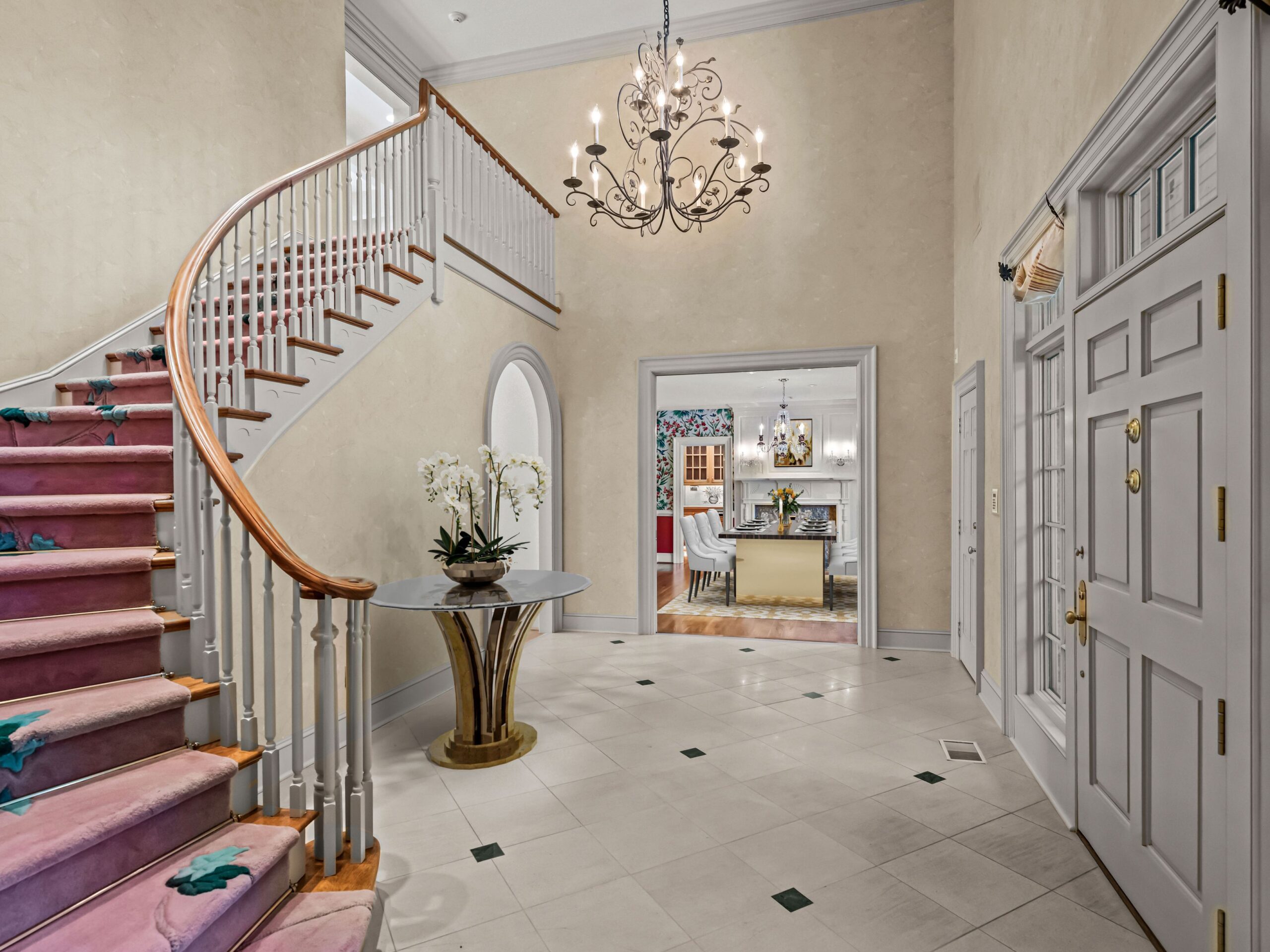
    The front door of the home opens to a chandelier and winding staircase.

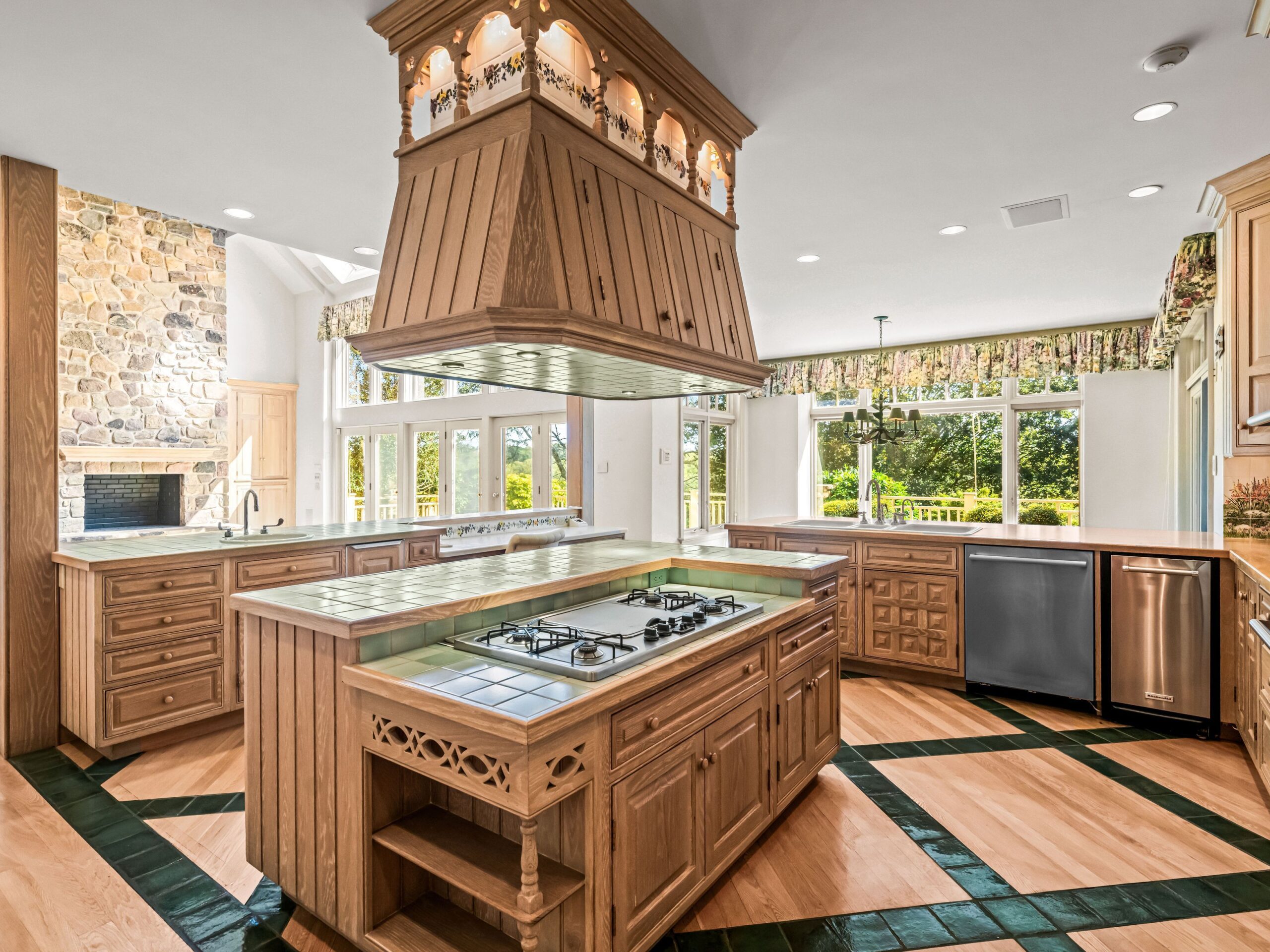
    The primary suite has two separate bathrooms and large dressing rooms. The main kitchen includes two ovens, a large island with a stove, bar seating, and a refrigerator that can be concealed behind sliding wooden panels.

    The property has a total of three guest suites on the lower level, in a private section of the main level, and above one of two oversized two-car garages.

    The home’s lower level includes another large kitchen, a sauna, entertainment space, and a walk-in safe.

    The main kitchen includes three sinks, two ovens, and a large island with a stove.

    The property features stone terraces, a pool, landscaped grounds, and acres of open land. A cottage-like utility building equipped with a half bathroom is where the owners cleaned their dogs. But it also could be used as a gardening shed or workshop.

    Potential buyers who have toured the home said they like the privacy, views, and location. The Main Line property is near preserved open space, the Schuylkill Expressway, and Philadelphia Country Club. Yakulis said the home is on a quiet street with plenty of space between neighbors.

    The property has attracted people of various ages, including empty nesters who like the elevator and the guest suites that offer spaces for visiting children and grandchildren.

    “I get the comment when people come through that it’s a happy house, and it’s true,” Yakulis said. “You walk in there and the light pours in, and you can just tell that it’s a happy house. It has a good vibe.”

    The property was listed for sale in October.

    A gate opens to the circular driveway in front of the home.
  • Fitness classes, juice bars, and cryotherapy: The new, upscale gym coming to Cherry Hill and Lower Merion

    Fitness classes, juice bars, and cryotherapy: The new, upscale gym coming to Cherry Hill and Lower Merion

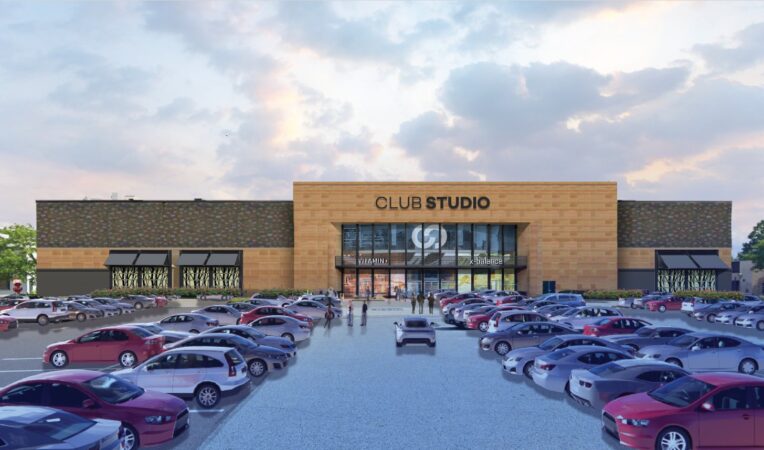
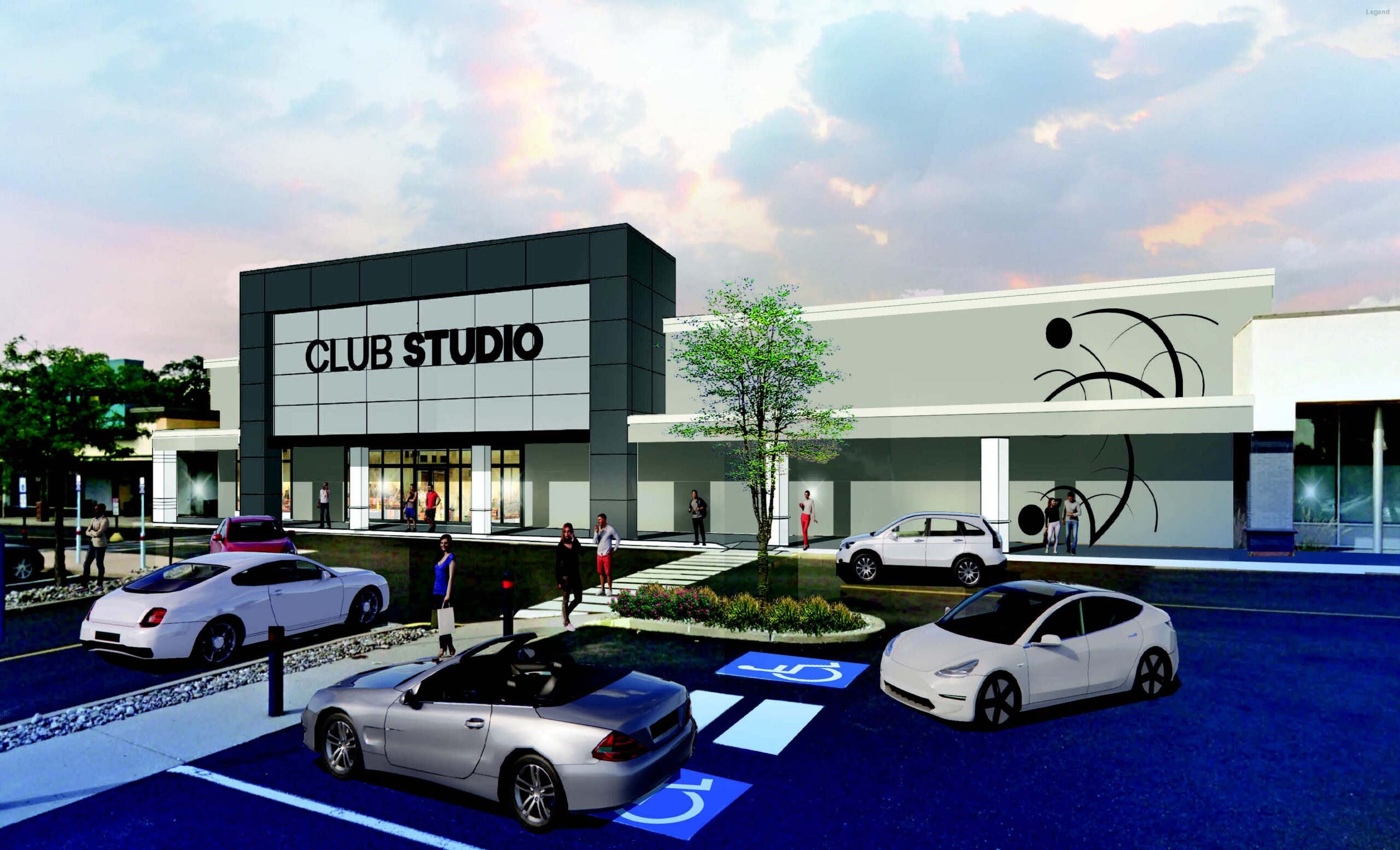
    Boutique gym Club Studio Fitness is expanding to the Philadelphia area with new locations in Cherry Hill and Wynnewood.

    Club Studio is set to take over 30,240 square feet at Cherry Hlil’s Ellisburg Shopping Center in the former BuyBuy Baby storefront. The gym is expected to open in spring 2027.

    The Cherry Hill gym will be Club Studio’s second New Jersey gym. The California-based chain opened its first Garden State location in Edgewater in May.

    A rendering of the Club Studio Fitness gym slated to open in the Ellisburg Shopping Center in Cherry Hill, N.J., in spring 2027.

    The high-end gym chain is also set to open on the Main Line late this year. Club Studio will take over a 50,000-square-foot space in the Wynnewood Shopping Center, a space formerly home to Bed Bath & Beyond. The Wynnewood gym is expected to open toward the end of 2026.

    Both shopping centers are owned by Federal Realty Investment Trust, a Maryland-based real estate trust with a large Philadelphia-area footprint.

    The addition of Club Studio is “an exciting new chapter for Wynnewood Shopping Center” that continues “the evolution towards more relevant shopping, dining, and now, wellness” experiences, Jeffrey Fischer, Federal Realty’s vice president of leasing, said in a news release.

    The Cherry Hill and Wynnewood gyms will have boutique fitness classes; free weights areas; strength and functional training zones; cardio equipment; juice bars; cryotherapy and red-light therapy; and personal stretch stations.

    Club Studio is planning to open another Pennsylvania location in Collegeville. The chain has around a dozen locations across the U.S., with a large presence in California, and has around 20 new gyms in the works, according to its website.

    This suburban content is produced with support from the Leslie Miller and Richard Worley Foundation and The Lenfest Institute for Journalism. Editorial content is created independently of the project donors. Gifts to support The Inquirer’s high-impact journalism can be made at inquirer.com/donate. A list of Lenfest Institute donors can be found at lenfestinstitute.org/supporters.
  • How to shovel a ton of snow safely

    How to shovel a ton of snow safely

    With a significant snowfall expected in the Philadelphia region this weekend, doctors are urging people to be cautious when digging out.

    About 100 people a year die from heart attacks brought on by shoveling snow. Thousands more wind up in the emergency department with sprains, strains, chest pain, and other heart problems.

    Shoveling may not seem like a cardio workout, but it can put as much strain on your heart as a treadmill stress test, according to the American Heart Association. People often mistakenly lift with their arms, which is more taxing on the heart than lifting with their legs. In extreme cold, blood vessels constrict to conserve heat, but that can further elevate blood pressure.

    People with a history of heart problems, smoking, or obesity may be especially at risk.

    In the Philadelphia area, shovelers are more accustomed to an inch or two of powder or slush. This weekend’s storm, which could bring several times that, will be a bigger and more dangerous challenge, said Jonathan Stallkamp, a senior vice president and chief medical officer for Main Line Health, a nonprofit system with four hospitals in the Philadelphia suburbs.

    “All of a sudden your heart goes from beating normally, and now you’re putting in this additional heavy work of shoveling,” said Stallkamp.

    Here’s how to shovel safely and make sure the upcoming storm isn’t your downfall.

    Ask for help

    The best way to prepare for clearing massive amounts of snow is to make sure you’re in good physical shape, said Stallkamp.

    Shoveling uses muscles people may not be accustomed to exercising, and puts stress on the heart.

    “A lot of our older community members aren’t in as good shape as they think,” Stallkamp said.

    He encouraged people to be realistic about their abilities, and ask for help from a younger neighbor or relative, if possible.

    Some cardiologists say that anyone over age 45 should use extra caution when shoveling.

    Treat it like a sport

    Prepare to tackle snow the way an athlete would prepare for a big game: Drink lots of water, avoid caffeine (which can raise blood pressure), and wear the right gear (mittens are generally warmer than gloves). And don’t forget to stretch. Warming up your joints, and muscles in your legs, arms and back will reduce the risk of injury, according to Mayo Clinic.

    Lift with your legs

    Bending your knees to scoop and lifting with your legs will reduce strain on your back. Lifting with arms and back are more likely to result in a pulled muscle.

    Shovel often

    Stallkamp recommends getting out early, clearing snow as it falls, rather than waiting for the big event to be over. It’s easier to shovel an inch of snow multiple times than to dig out of a foot of snow. While the forecast for the Philadelphia region is still in flux, some forecasts suggest snow could turn to ice, which adds to the challenge of clearing driveways and sidewalks.

    Ice will be easier to clear if it falls on a thin layer of snow, than directly onto pavement, Stallkamp said.

    Keep fingers away from snowblowers

    This maybe goes without saying, but Stallkamp said he’s seen it enough that he’s sending a clear warning: Do not put your hands inside the opening of a snowblower.

    When a stick or chunk of ice gets stuck in a snowblower, people may instinctively reach in to try to dislodge the object.

    “But once that jam clears, those blades spin and your fingers go with it,” he said.

    Take breaks and warm up

    Mayo Clinic experts recommend taking breaks to check in with your body. If you feel out of breath, lightheaded, or just off, go inside to warm up and relax.

    With ice in the forecast, Stallkamp recommends taking steps to keep your house warm if your home uses electric heat and you lose power.

    Generators can help restore enough electricity to turn the heat on, but they should be kept as far from the house as possible and never used inside. Generators produce large amounts of carbon monoxide that can be deadly, especially in the winter when windows and doors are closed up.

    If possible, turn up the heat in advance, so your home stays warm longer if power goes out.

  • Villanova one of several colleges hit with threats nationwide, as university declares ‘all clear’

    Villanova one of several colleges hit with threats nationwide, as university declares ‘all clear’

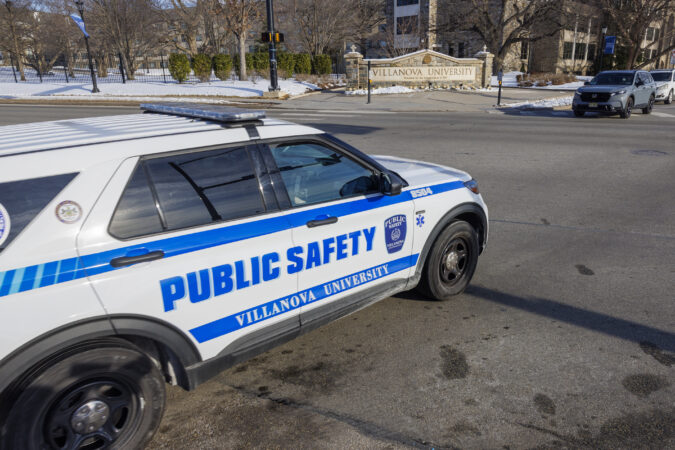
    Villanova University was one of several colleges nationwide that saw its operations disrupted Thursday by a series of hoax threats.

    The Main Line Catholic university with 6,700 undergraduates closed the campus early Thursday morning, advised students on campus to stay in their residence halls, and warned others to stay off campus while authorities investigated. The move followed an undisclosed threat about one of its academic buildings.

    By 2 p.m., the private university gave the all-clear and said while in-person classes would remain canceled, students could leave their residences and get into some buildings, including the library, main dining halls, the health center, and the Connelly Center.

    “It is safe to be out on campus,” the university said in an alert.

    The campus will resume normal operations Friday, the school said.

    For Villanova, it was the third time in less than a year that threats had upended the school.

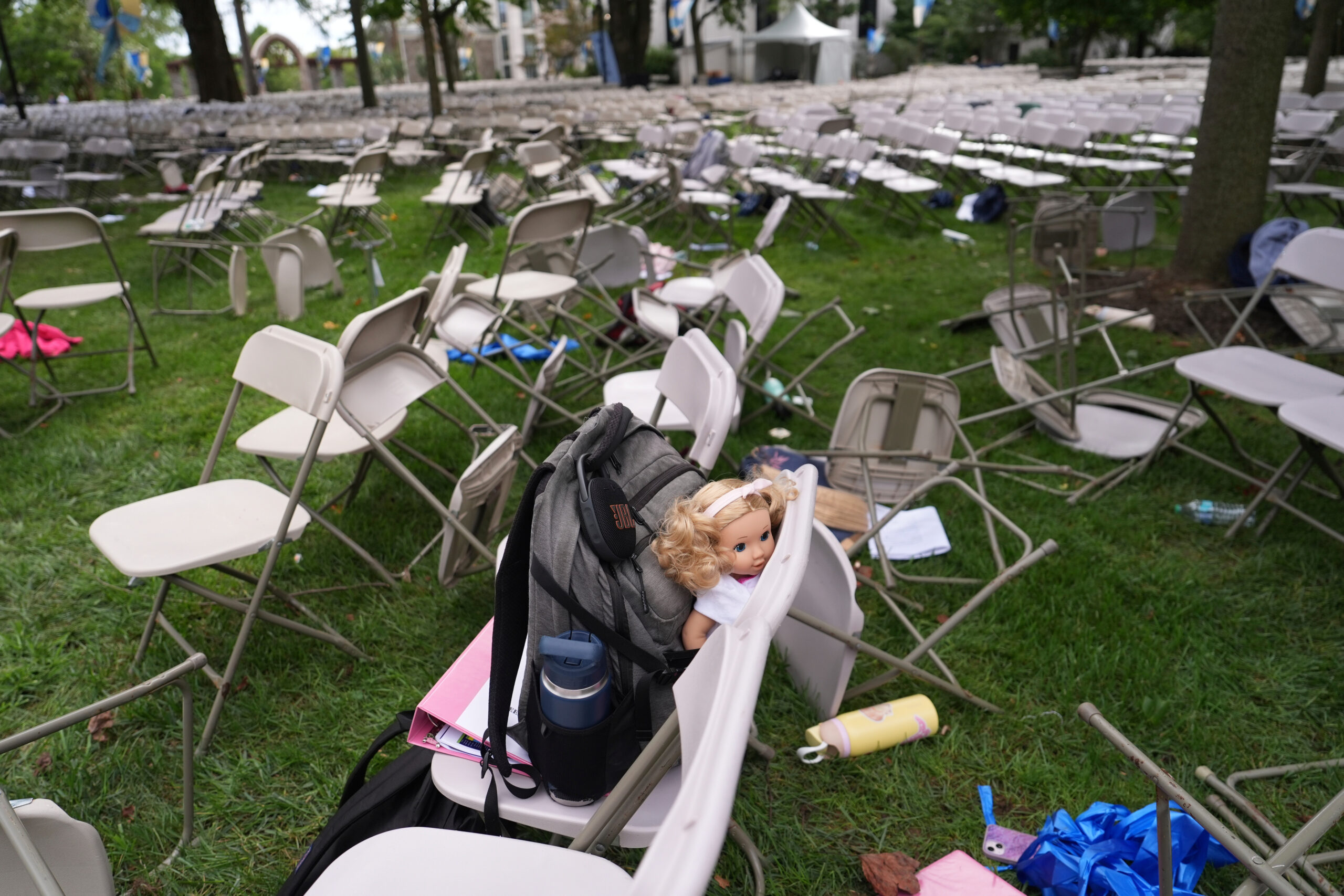
    In August, the university went into lockdown during an orientation session after reports of an “active shooter” on campus.

    Officials later learned that it was what the university president called a “cruel hoax.” But that was not before panic spread throughout the region, with students and faculty fleeing the school in tears and Pennsylvania’s top officials, including Gov. Josh Shapiro, weighing in. And days later, Villanova experienced a second hoax threat.

    Villanova’s threats were part of a swatting pattern nationwide. In September, the Associated Press reported that about 50 college campuses had been hit with hoax calls nationwide in recent weeks. The U.S. Department of Education put out tips on how to recognize fake calls, including questions to ask callers to determine if there are inconsistencies.

    Locally, colleges including Temple, Drexel, and Villanova said in September they had taken steps in response to the spate of swatting incidents nationwide, including upgrading training on how to handle them.

    On Thursday, another wave of calls appears to have occurred. New York University received threats against two school buildings, the school announced around the same time as Villanova. One threat included mention of bombing an NYU building. NYU did not go on lockdown.

    The threats, according to Gay City News, included anti-LGBTQ+ rhetoric.

    Alcorn State University, a historically Black college in Mississippi; Dallas Baptist University; and Wiley University in Texas, which is also an HBCU, got threats as well, according to news reports. The message to Wiley was sent from outside the United States, according to KTAL news.

    The FBI’s Philadelphia Field Office said in a statement that it was aware of the threats made to universities on Thursday.

    “We continue to stay in close coordination with our law enforcement partners,” an FBI spokesperson said. “As always, the FBI encourages members of the public to remain vigilant and immediately report anything they consider suspicious to law enforcement.”

    Villanova said the FBI was investigating, alongside state and local law enforcement. There were no reports of activity posing a danger to the campus.

    In its 2 p.m. update, the schools said that classes that are fully online could continue on Thursday and that graduate courses meeting in the evening could be “offered remotely at the discretion of the professor.”

    Intramurals scheduled for Thursday evening, the school said, also would be held.

    University spokesperson Jonathan Gust declined to say which Villanova building was targeted or describe the nature of the threat, given the investigation is ongoing.

    “In an abundance of caution, the university made the decision to close,” he said earlier Thursday.

    Additional police will remain on campus, the school noted.

    A backpack sits around toppled chairs at the Villanova University campus where an active shooter was reported Thursday, Aug. 21, 2025, in Villanova, Pa.

    Villanova students and staff on Thursday were trying to cope with another disruption to their campus life.

    At First Watch restaurant just off campus, freshman finance major Nolan Sabel said he woke up to a university alert on his phone, warning him of “an unknown threat of violence.”

    Sabel said he was disappointed to learn that an academic building had been targeted — for the third time in a year.

    “It’s kind of crazy,” Sabel said. “You hear that Villanova is really safe. It doesn’t feel that way.”

    Now, he and his lacrosse teammates are wondering whether a scrimmage set for Thursday afternoon would be canceled.

    The university told the students they were “on lockdown,” Sabel said. But that didn’t stop them from walking just off campus to get breakfast.

    “We needed food,” he said. “We have a game today.”

    Villanova senior James Haupt said he learned of the threat and class cancellation about 7:30 a.m. He lives off campus and had not yet headed to the school for his morning class.

    “After the last incident, it’s hard to take it completely seriously when we know that was a hoax,” said Haupt, 21, a communications major from Long Island. “But it’s still a little scary knowing this can happen at any point.”

    He said he was glad that the school canceled classes.

    “It’s a great gesture by the school,” he said. “I’d rather not have to go into class and be worried.”

    Haupt had one class scheduled for Thursday and an intramural basketball game in the evening.

    While students seemed to be taking the incident in stride, parents were expressing concerns on private Villanova Facebook pages, said one staff member who was not authorized to speak to the media and asked not to be named.

    “Terrible sign of the times we live in,” one parent wrote, according to the staff member. “Thinking of everyone. These poor kids and us parents having to deal with this. Hope it’s nothing and all are safe and whoever is behind this is brought to justice.”

  • This 28-year-old is about to open his third restaurant in the Philly suburbs

    This 28-year-old is about to open his third restaurant in the Philly suburbs

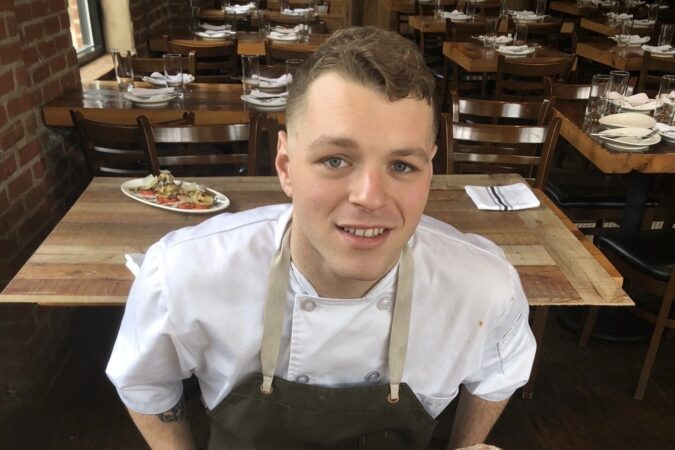
    Main Line restaurateur Alessandro “Alex” Fiorello — who is slowly growing a suburban Italian portfolio, with a Wayne osteria and West Chester pizzeria — is preparing to open a new, bar-forward concept at Bryn Mawr Village, 915 Lancaster Ave.

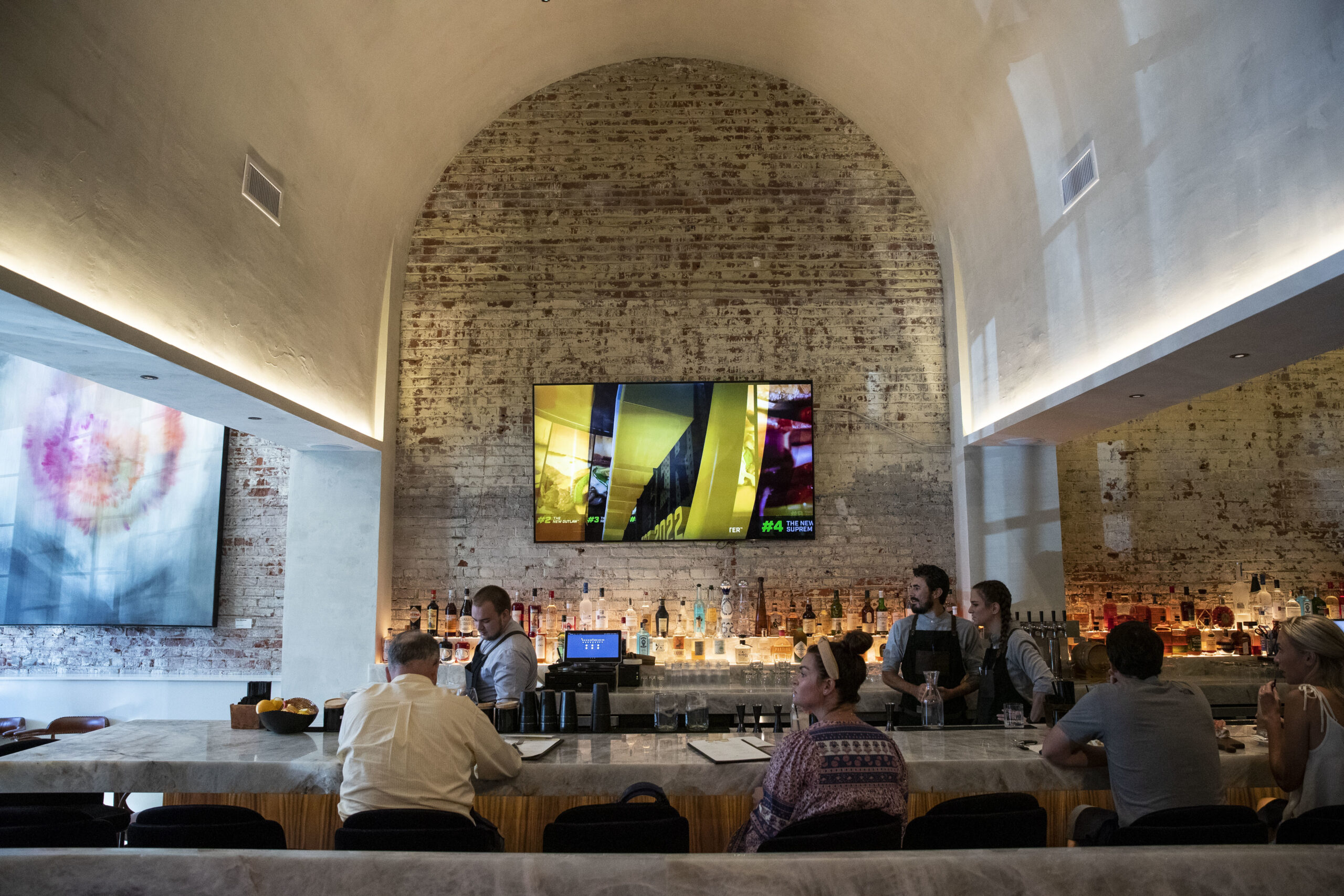
    The Bryn Mawr space, which opened in 2022 as the short-lived Marc Vetri-operated Fiore Rosso, most recently was Il Fiore. It closed last month.

    The bar at Fiore Rosso in Bryn Mawr, which was operating most recently as Il Fiore. It closed at the end of 2025.

    The new project will sit at the top of Fiorello’s three-tier restaurant lineup. His Wayne restaurant, Alessandro’s Wood Fired Italian, opened in 2020 as an upscale-casual neighborhood osteria with a strong takeout business and a busy dining room. Alessandro’s Pizzeria, which the self-taught chef opened in April, is positioned as a casual lunch and slice shop serving pizza, cheesesteaks, and salads.

    Fiorello grew up in the restaurant business. His father ran Fiorella’s Café in West Chester, while his mother’s family operated pizza shops in New York. Raised in Brooklyn, Fiorello worked in kitchens from a young age before returning to Chester County as a teenager.

    Fiorello said Enoteca Alessandro’s or Alessandro’s Enoteca were in the running for the name of the new Bryn Mawr spot.

    Fiorello, who said he is backed by investors, plans to maintain the restaurant’s industrial look, adding that the restaurant’s solid infrastructure would allow for a relatively fast turnaround.

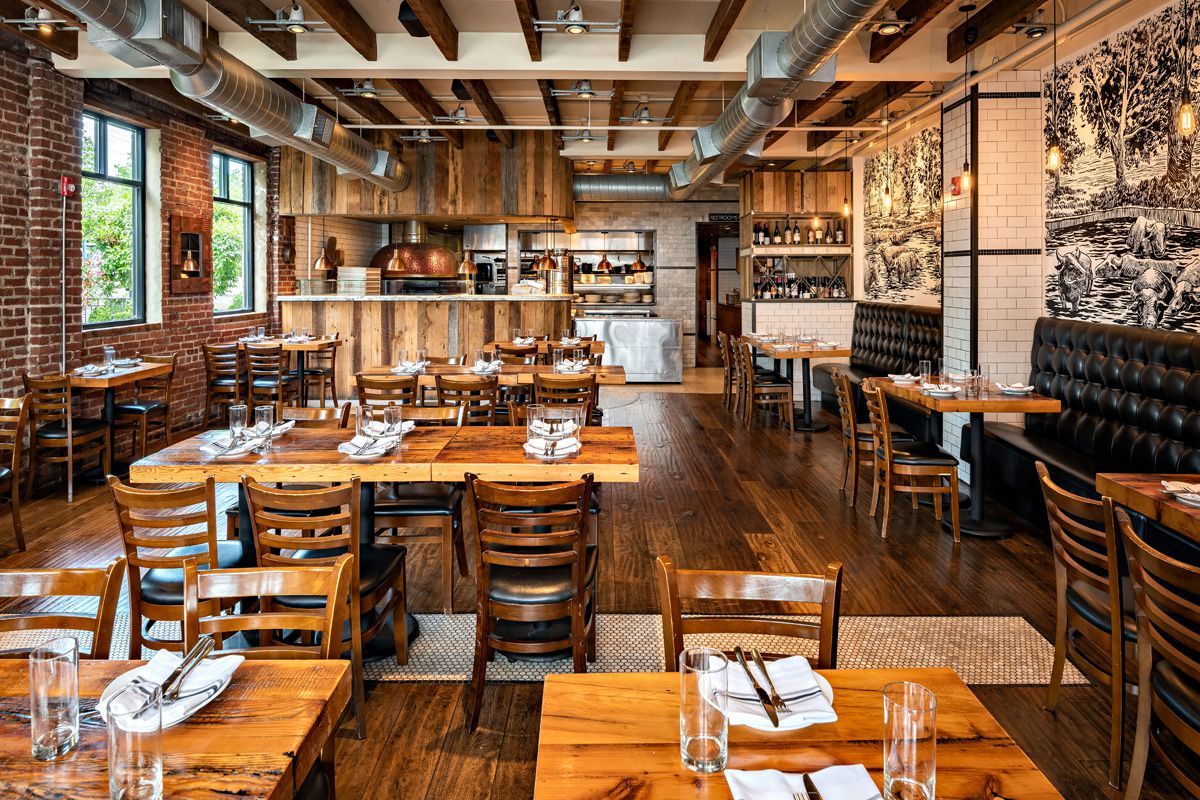
    Dining room at Alessandro’s Wood Fired Italian, 133 N. Wayne Ave. in Wayne.

    “This new place will be a step up from Wayne,” Fiorello said. “Still approachable but more bar-focused, with a great bar scene.”

    The menu will remain Italian at its core, built around house-made pasta, wood-fired pizzas, and a wood-fired grill, with several signature dishes from Alessandro’s Wood Fired Italian carrying over. The new kitchen will also feature dry-aged proteins, using on-site aging refrigerators inherited with the space, and may incorporate subtle Japanese influences, including a small number of sushi-style items.

  • Get to know Narberth’s new mayor | Inquirer Lower Merion

    Get to know Narberth’s new mayor | Inquirer Lower Merion

    Hi, Lower Merion! 👋

    Dana Edwards may be a fairly new Narberth transplant, but the recently sworn-in mayor has a clear vision for the borough. Also this week, we look back at how Kobe Bryant spurred a high school basketball rivalry, Villanova University is now paying some of its athletes, plus the surprising spot that one Inquirer reporter says serves the best meal she’s eaten on the Main Line. We’re also gearing up for a (potentially big) snowstorm this weekend. Follow along here for the latest forecast.

    If someone forwarded you this email, sign up for free here.

    Narberth’s new mayor has a clear vision for the borough

    Dana Edwards was sworn in as mayor of Narberth earlier this month.

    Narberth’s new mayor may have only lived in the 4,500-person borough for five years, but he’s already got a vision for it.

    Dana Edwards, 53, was sworn into office earlier this month after securing the backing of Narberth’s Democratic committee and running unopposed in both the primary and general elections.

    Now the Puerto Rico native who’s lived in several other parts of the U.S. before settling in Narberth is focused on sustainable growth while maintaining the borough’s “hometown feel,” The Inquirer’s Denali Sagner reports.

    Read more about Edwards’ background and some of his goals for his term.

    How Kobe Bryant spurred a decades-long high school basketball rivalry

    Lower Merion, Chester, Kobe Bryant
    When the late Kobe Bryant came to Lower Merion, he helped shape a rivalry with Chester that endured.

    Decades may have passed, but a longtime rivalry between two high school basketball teams, begun in part by legend Kobe Bryant, still lives on today.

    When Bryant joined the Lower Merion Aces his freshman year, the school wasn’t a basketball powerhouse. But as the program improved, it soon built a rivalry with the much-more-stacked Chester High School, so much so that their matchups would often sell out venues.

    The Inquirer’s Alex Coffey delves into the rivalry’s roots and how Bryant played a role.

    💡 Community News

    • Saks Fifth Avenue’s parent company filed for Chapter 11 bankruptcy last week, leaving some questions about the future of its stores. For the time being, the Saks on City Avenue in Bala Cynwyd will remain open while the company restructures. Here’s what we know so far.
    • Women’s apparel and accessories store Francesca’s, which has a location at Suburban Square in Ardmore, is reportedly closing its remaining stores after years of financial turmoil. Francesca’s filed for Chapter 11 bankruptcy protection in late 2020. (Fox Business)
    • Villanova University is among a handful of Pennsylvania colleges that are now paying some of its athletes directly. The move comes after a federal class-action lawsuit last year regarding student athlete compensation. Villanova said it will primarily pay athletes on its basketball teams.
    • Coulter Place, an apartment community at Suburban Square, is now open. The 131-unit, five-story building has a fitness center, clubroom, game room, pool, coworking spaces, and pet-care spaces with rents ranging from about $3,030 to $7,035 per month.
    • A handful of Philadelphia Police Department employees live in and around Lower Merion, according to a new Inquirer analysis. An increasing number of Philadelphia police employees — about a third of full-time staff — live outside the city, with four who reside in Bala Cynwyd, three in Bryn Mawr, and two each in Ardmore, Narberth, Villanova, and Wynnewood. See a map of where employees live here.
    • Bala Cynwyd resident Jenny Sved has been named the new executive director of Teach PA, the statewide affiliate of Jewish education advocacy organization Teach Coalition, which represents Jack M. Barrack Hebrew Academy and Perelman Jewish Day School.
    • A new pet boutique, Mila’s Pup Tienda, is coming to Ardmore, taking over the space at 18 E. Lancaster Ave.
    • 6abc recently caught up with Carolyn Vachani, the owner of Plant 4 Good in Ardmore. When the former nurse was ready to retire, she decided to open the shop at 100 Cricket Ave. to help connect others to plants and gardening. See the segment here.
    • Wynnewood’s English Village recently marked a milestone, turning 100 last year, and a century later still remains a coveted, if under-the-radar spot for homebuyers. The village sits between Cherry Lane and Wister Road and spans 29 Tudor-style homes. (Main Line Today)

    🏫 Schools Briefing

    • The district is hosting its third strategic plan community input meeting on Wednesday from 6:30 to 8:30 p.m. at the Lower Merion High School cafeteria. There, members of the community can share their thoughts on the district’s strategic plan for 2026 to 2031.
    • Tonight is Welsh Valley’s winter choral concert. The school board will meet from 7 to 9 p.m. on Monday, and there will be tours of Harriton High for eighth grade students and their families on Wednesday, which is also course selection night. See the district’s full calendar here.
    • Lower Merion High School’s wrestling team recently took home third place overall in the Central League Championship Tournament, held at Harriton High School. It was the team’s best overall performance. Senior Sam Soeffing also took home first place in his competition.

    🍽️ On our Plate

    • With a more than 700-person waitlist, a Gladwyne restaurant is surprisingly tough to get into, but it’s the best meal The Inquirer’s Kiki Aranita has eaten on the Main Line. Why’s it so difficult to score a table? Partly because Carlton Commons is in senior-living community Waverly Heights and requires residency. For those with friends or relatives there, it’s worth tagging along for the osso buco, butternut squash risotto, rigatoni alla vodka, or the signature tomato aspic.
    • Bikini Burger, a new eatery at 44 Rittenhouse Place in Ardmore, is hosting a ribbon cutting today at 11:30 a.m. to mark its official opening. Its menu includes burgers, milkshakes, and fries.
    • Looking for a non-alcoholic cocktail? Char & Stave in Ardmore has a barrel-aged “Old Fashioned,” which Philadelphia Magazine says is among the best alcohol-free sips on area menus currently, noting its barrel-aged espresso base gives it “a bourbon-like, oaky smoothness.”

    🎳 Things to Do

    🎶 The Music of Beyoncé and More for Kids: This kid-friendly show will feature music from the iconic artist. ⏰ Sunday, Jan. 25, 11:45 a.m. 💵 $20.44 📍 Ardmore Music Hall

    🎥 The Awful Truth: Catch a screening of this Cary Grant and Irene Dunne screwball comedy. ⏰ Wednesday, Jan. 28, 7:15 p.m. 💵 $11.75-$16.25 📍 Bryn Mawr Film Institute

    🏡 On the Market

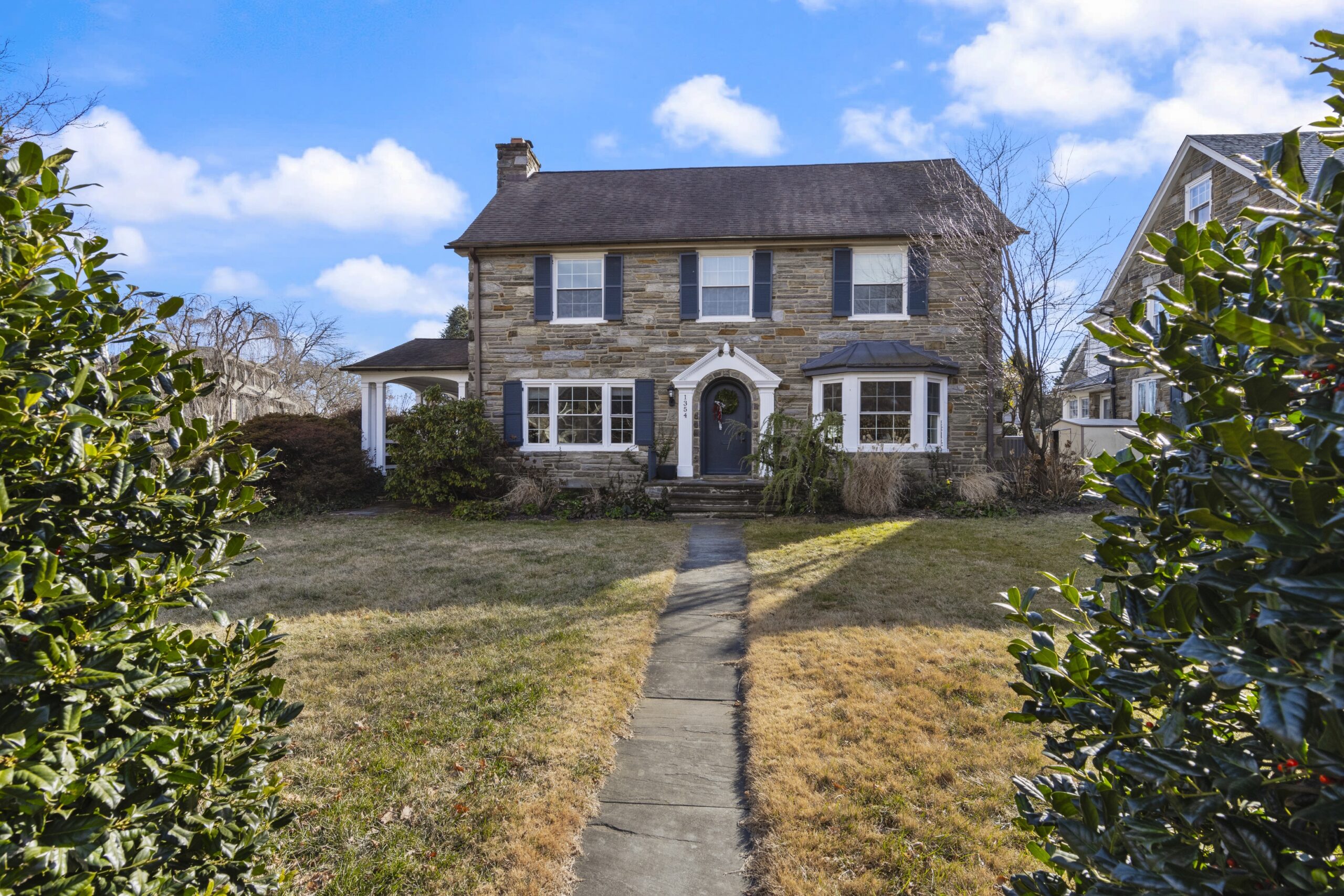
    A four-bedroom Wynnewood stone Colonial

    The stone Colonial was built in 1925 and spans over 4,000 square feet.

    Built in 1925, this spacious Wynnewood stone Colonial has a classic exterior and a contemporary updated interior. The home’s first floor features a living room with a fireplace, and a dining room that opens onto the kitchen, which has a waterfall peninsula with a breakfast bar. There are four bedrooms and three full bathrooms on the second floor, and a “bonus room” on the third floor. The home also has a finished basement with a half bathroom.

    See more photos of the home here.

    Price: $1.25M | Size: 4,173 SF | Acreage: 0.18

    🗞️ What other Lower Merion residents are reading this week:

    By submitting your written, visual, and/or audio contributions, you agree to The Inquirer’s Terms of Use, including the grant of rights in Section 10.

    This suburban content is produced with support from the Leslie Miller and Richard Worley Foundation and The Lenfest Institute for Journalism. Editorial content is created independently of the project donors. Gifts to support The Inquirer’s high-impact journalism can be made at inquirer.com/donate. A list of Lenfest Institute donors can be found at lenfestinstitute.org/supporters.
  • Riddle Hospital receives $4M in state funding to expand healthcare access in Delaware County

    Riddle Hospital receives $4M in state funding to expand healthcare access in Delaware County

    Two Delaware County hospitals are getting $6 million in additional funding to help them address a sharp increase in patients after Crozer Health, the county’s largest hospital and busiest emergency department, closed last year.

    About $5 million of the funding had previously been allocated to Crozer Health under a program that supports hospitals that care for a high portion of low-income patients with Medicaid. About $3 million of that money was redistributed to Riddle Hospital in Media; Mercy Fitzgerald Hospital in Darby $2 million. Local lawmakers secured an additional $1 million for Riddle.

    “They really have stepped up to fill a big void, and we want to make sure they have the resources they need,” said Rep. Lisa Borowski, a Delaware County Democrat.

    The additional funding will allow Riddle, part of the nonprofit Main Line Health system, to hire more staff, said Ed Jimenez, Main Line Health’s CEO.

    When there aren’t enough nurses or other clinicians to cover the hospital’s needs, Riddle has had to turn to staffing agencies, which charge three to four times the rate Main Line pays staff providers, he said.

    Main Line executives and local lawmakers marked the funding announcement at Riddle Wednesday with a check presentation ceremony and roundtable discussion about ongoing regional healthcare challenges.

    Rep. Gina Curry, a Delaware County Democrat, urged hospital executives to continue trying to connect with patients who may be without doctors after Crozer was closed by its bankrupt for-profit owner, Prospect Medical Holdings, based in California.

    Crozer-Chester Medical Center in Upland and its sister hospital, Taylor Hospital in Ridley Park, served a disproportionately low-income population in Chester and other densely populated communities outside Philadelphia with high rates of chronic health problems, such as asthma and heart disease.

    “You’re working very hard inside here to try to help, but how are you including the community to let them know that Main Line Health is wrapping around them,” Curry said.

  • Dana Edwards fell in love with Narberth 5 years ago. Now, he’s the mayor.

    Dana Edwards fell in love with Narberth 5 years ago. Now, he’s the mayor.

    As he stands outside the Narberth Bookshop on a frigid January afternoon, it’s clear Dana Edwards has a vision.

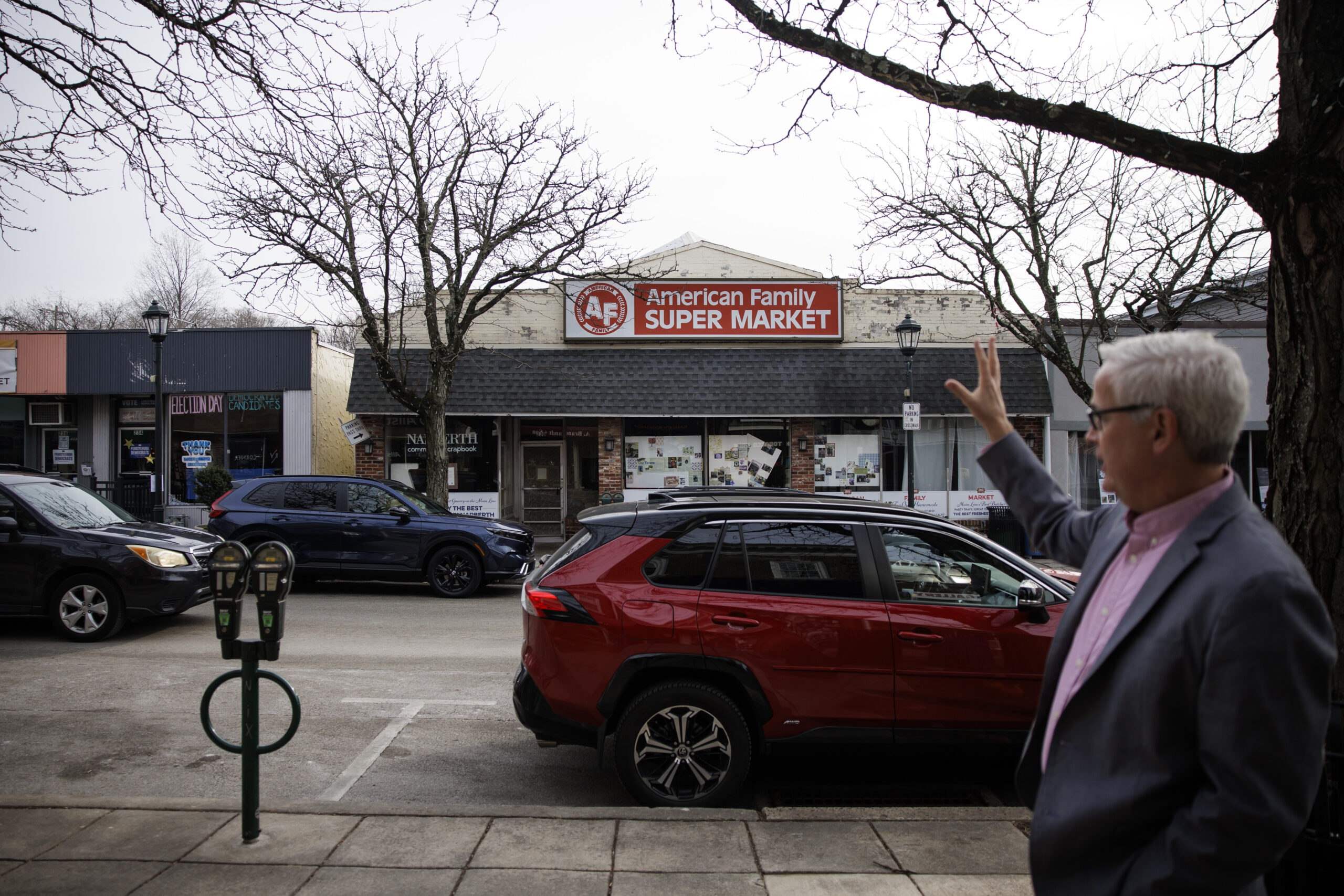
    Imagine, he says, as he sweeps his hands toward the borough’s downtown corridor, getting off the train and stopping into a small grocery for a bite to eat before heading home on foot. Maybe you buy a gift, or an ice cream cone, or a bottle of wine.

    Like anywhere, Narberth “could use a little bit of revitalization here and there,” Edwards said. But you can “see the potential.”

    Edwards, 53, was sworn in as Narberth’s mayor earlier this month. The longtime financial technology officer moved there from Pittsburgh five years ago with his wife, Miranda. They have a 2-year-old son, and Edwards has two older children, 19 and 22, from his first marriage. Edwards had never run for office before, but after falling in love with the borough (and being encouraged by neighbors), he stepped into the public eye last year. He won the local Democratic Party’s endorsement, then ran unopposed in the primary and general election. This month, Edwards replaced Andrea Deutsch, who had served as Narberth’s mayor since 2017.

    As the 0.5-square-mile, 4,500-person borough faces infrastructure challenges and debates over development, Edwards says he is ready to steer Narberth in the right direction through communication, thoughtful growth, and a social media presence he calls “purposely cringey and fun.”

    Narberth Mayor Dana Edwards talks about the empty storefronts on Haverford Avenue on Tuesday, Jan. 6, 2026 in Narberth, Pa.

    From San Juan to Narberth, with stops in between

    Edwards grew up in San Juan, Puerto Rico. There, Edwards says, he saw power outages, infrastructure issues, and food shortages. It was a formative experience that taught him about the collective — what it means to come together in the face of persistent challenges.

    He earned a degree in chemistry in 1994 from the College of Charleston in South Carolina. Though the goal was to become a doctor, Edwards was drawn to technology. He went back to school, and in 1997 earned a degree in computer science, also from the College of Charleston. Edwards has a master’s in business administration from Queens University of Charlotte in North Carolina.

    Edwards has spent three decades in the world of information technology, working mostly for major banks. He was the chief technology officer of the Mitsubishi UFJ Financial Group, then for PNC Bank. He is now the group chief technology officer for Simply Business, a London-based online insurance broker. He has lived in Puerto Rico, South Carolina, Los Angeles, Pittsburgh, and now Narberth. He has over 18,000 followers on LinkedIn.

    By his own admission, Edwards’ civic background is “a little bit light.” He has given to various causes over the years, and said he was involved in the ACLU in the early 2000s. He helped organize Narberth’s first Pride in the Park event in 2022 and said he has joined the Main Line NAACP chapter.

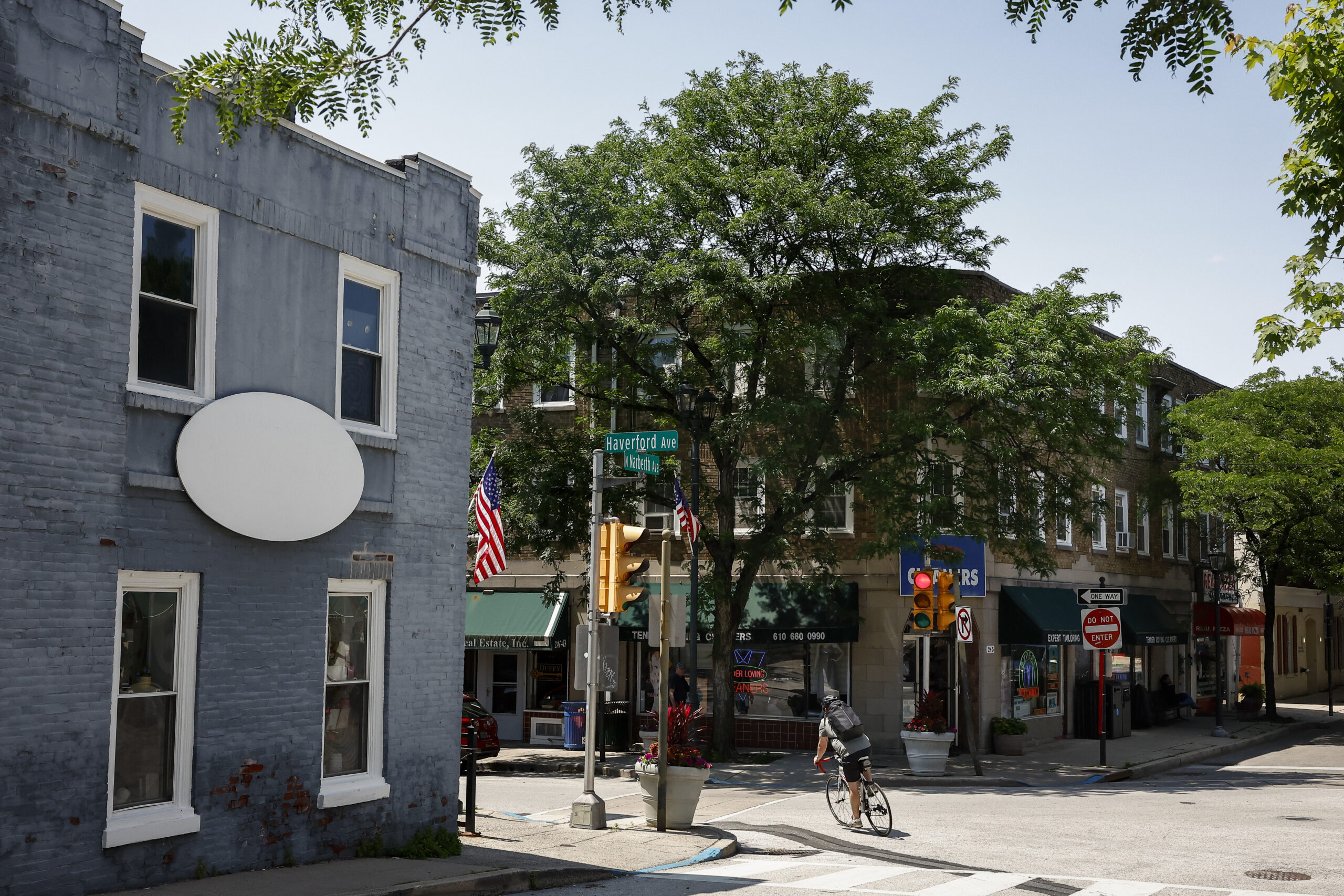
    The corner of Haverford and North Narberth Avenues on Monday, June 2, 2025 in downtown Narberth, Pa.

    Polarization happening ‘in our little town’

    Edwards started thinking about running for office “when the national scene changed dramatically.”

    He described beginning to sense a deep polarization both between and within America’s political parties.

    “I felt like I saw it happening locally. I saw it happening in our little town,” he said.

    As the mayoral race approached, neighbors began telling Edwards he had the right “thing” to run. He could build a strategic plan, lead an organization, and understand financials. At a candidate forum last year, Edwards said he originally planned to run for mayor in 2029, but decided to move his campaign up to 2025.

    Edwards earned the backing of Narberth’s Democratic committee people last April, beating out attorney Rebecca Starr in a heated endorsement process.

    During a March 2025 meeting, local Democrats squabbled over whether or not to endorse a candidate, citing “animosity” in the race (candidates are discouraged from running as Democrats if they do not receive the endorsement of the local committee). The committee ultimately voted to make an endorsement, which went to Edwards.

    After the meeting, Starr withdrew from the race, citing “vitriol” in the campaign.

    “I think [in] any good race, at some point, you have to have more than one candidate. Because otherwise, people are just getting selected, not elected,” Edwards said, referencing the endorsement process. “I do think that she would be a great candidate also, and I hope she runs again.”

    Edwards believes the community has largely moved on from any division that colored the primary. Really, he added, it’s more important to get people talking about the issues the mayor can solve — streets, garbage pickup, infrastructure.

    “I’m just really focused on Narberth,” he said.

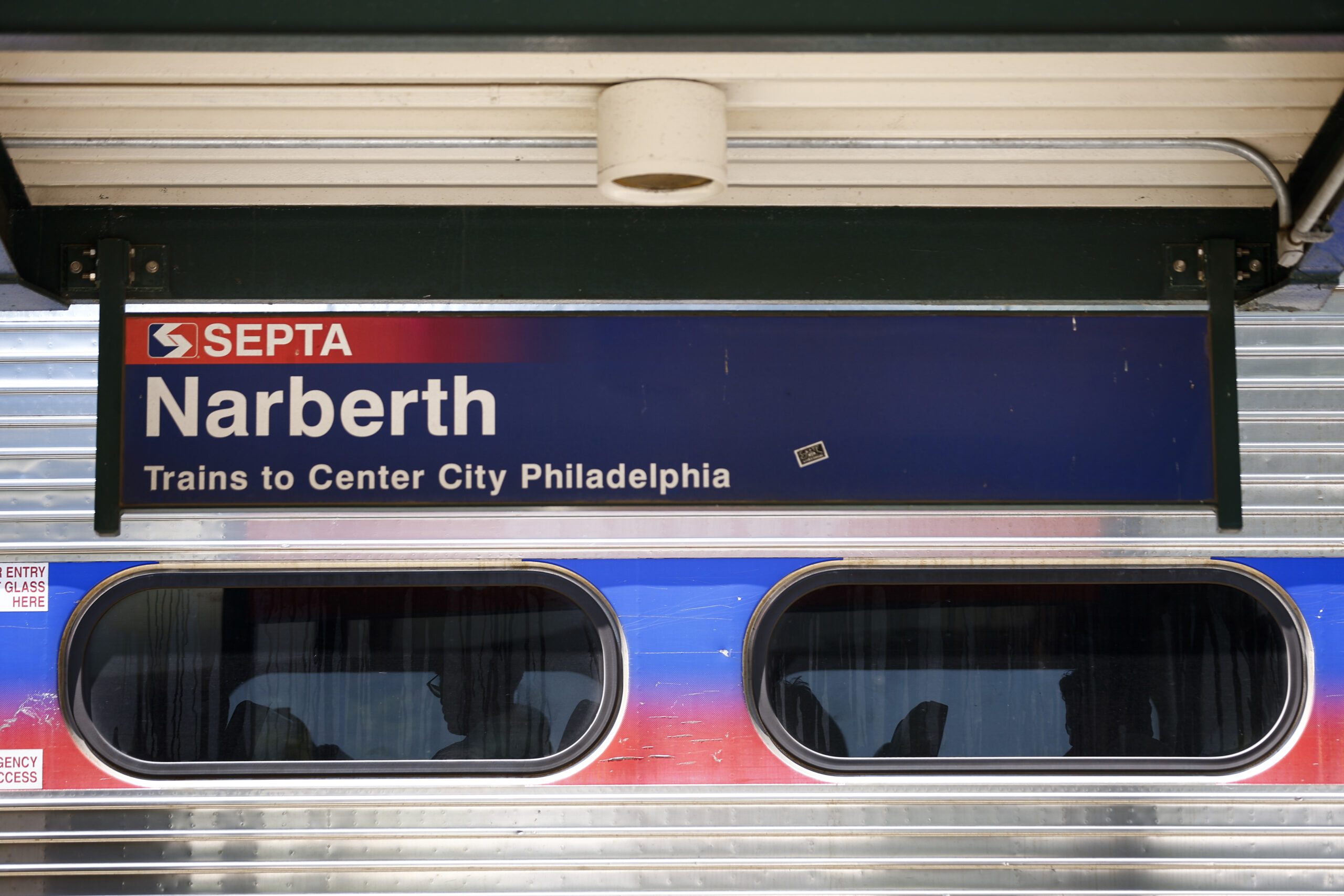
    The SEPTA train station on the Paoli/Thorndale Line on Monday, June 2, 2025 in Narberth, Pa.

    Building a ‘community-oriented’ future

    Edwards says he is committed to sustainable growth in a borough whose residents have diverse, and sometimes competing, visions for its future.

    There are two extremes, Edwards says. On one end, the borough could leave everything as it is. The buildings might fall apart, but they would be the same buildings that everyone knows and loves. On the other end, there is rapid growth, like bringing a Walmart Supercenter to Haverford Avenue.

    “It’s that thing in the middle that we’re looking for,” he said — a “hometown feel” with “community-oriented” businesses.

    Edwards is eager to get the 230 Haverford Ave. development across the finish line. The long-awaited project plans to bring 25 new apartment units and ground-floor retail to Narberth’s commercial core. The project, helmed by local real estate developer Tim Rubin, has been in the works for over five years, but faced pandemic-era setbacks that have left a number of vacant storefronts downtown.

    The mayor is also focused on the Narberth Avenue Bridge, a century-old span and main artery that has been closed for several years due to safety concerns and subsequent construction. Road-Con, the contractor updating the bridge, anticipates it will be completed by summer 2029.

    Edwards plans to write a regular newsletter, hold town halls, and host coffee chats. He hopes to put together an unofficial advisory group to bring together people, and opinions, from across the small borough.

    Edwards believes “the DNA of Narberth is alive and kicking,” from the Dickens Festival to the Narberth Outsiders baseball team. To keep it alive, though, the borough needs to bring business in and remind people why they love to live, shop, and work in Narberth.

    “It’s all about relationships and commerce,” he said. “[That] is going to be what brings us together.”

    This suburban content is produced with support from the Leslie Miller and Richard Worley Foundation and The Lenfest Institute for Journalism. Editorial content is created independently of the project donors. Gifts to support The Inquirer’s high-impact journalism can be made at inquirer.com/donate. A list of Lenfest Institute donors can be found at lenfestinstitute.org/supporters.

  • A homegrown and scrappy beauty boom is taking shape right here in Philadelphia

    A homegrown and scrappy beauty boom is taking shape right here in Philadelphia

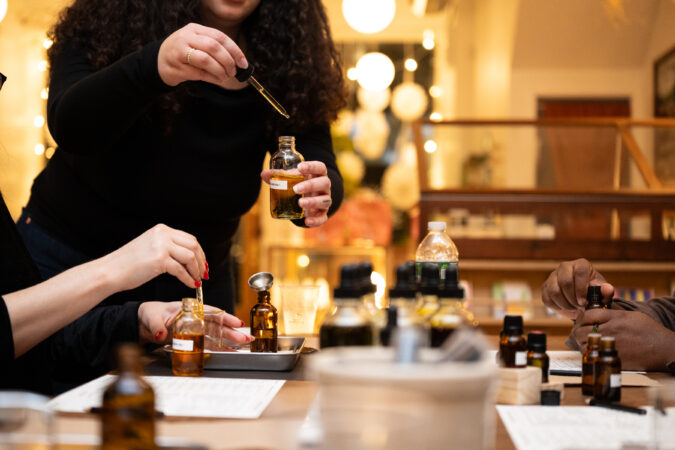
    On a recent wintry evening at Queen Village’s Moon and Arrow, a group of 10 women poured essential oils into beakers, mixing them with carrier oils.

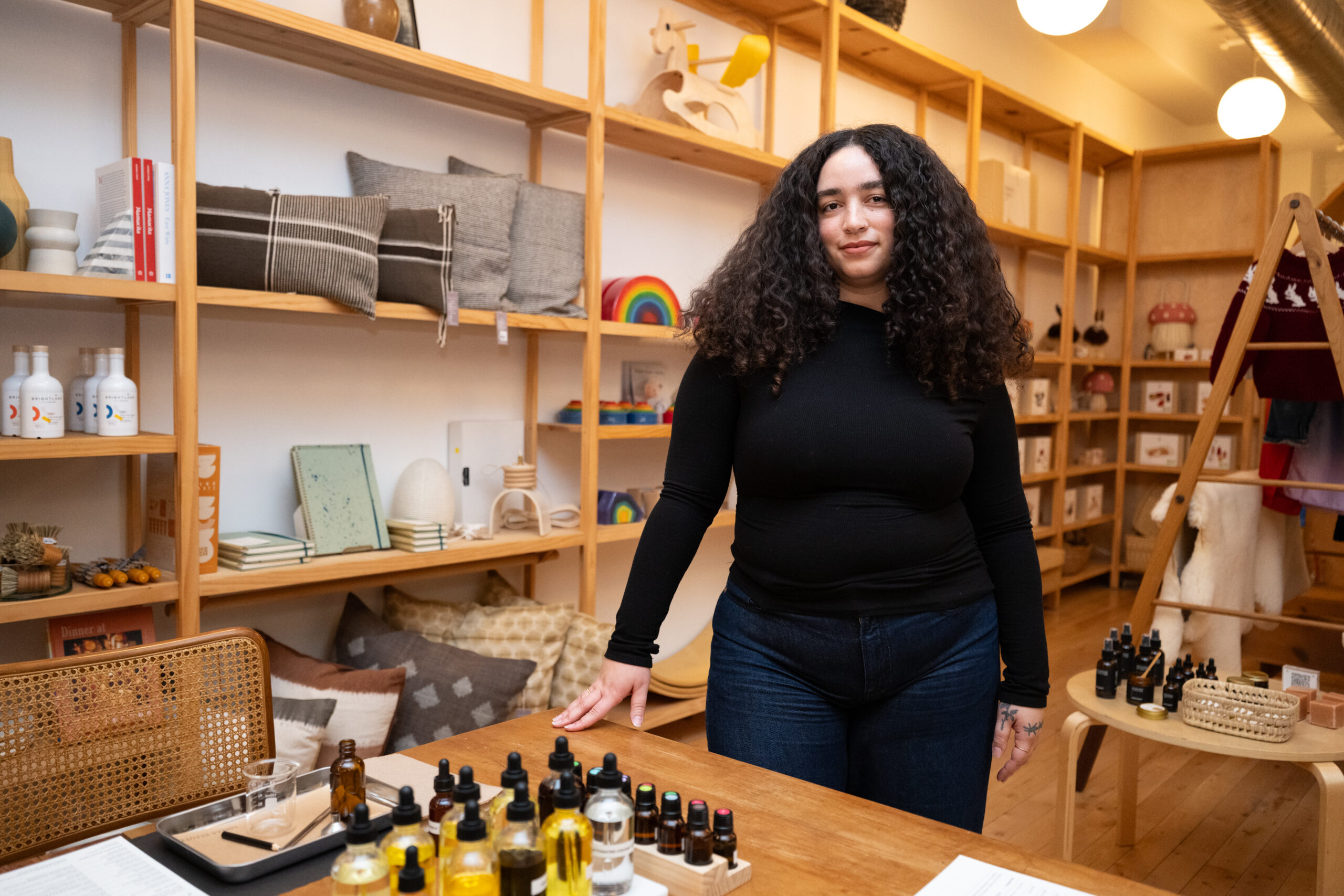
    They’d gathered for a workshop led by Tasha Gear, founder of local brand Linear Beauty, who instructed as they created a formula for body oils.

    The 10 women took a whiff of each other’s potions, commented on their notes, and took in the smells.

    Here was a perfect picture of Philadelphia’s beauty scene, which is having a moment — not the glossy, influencer-backed boom of coastal cities, but something scrappier, smarter, and deeply local.

    Across the city, indie founders are hand-batching serums, mixing skincare in one-kilogram beakers, and designing products meant to withstand SEPTA, summer humidity, and long work shifts.

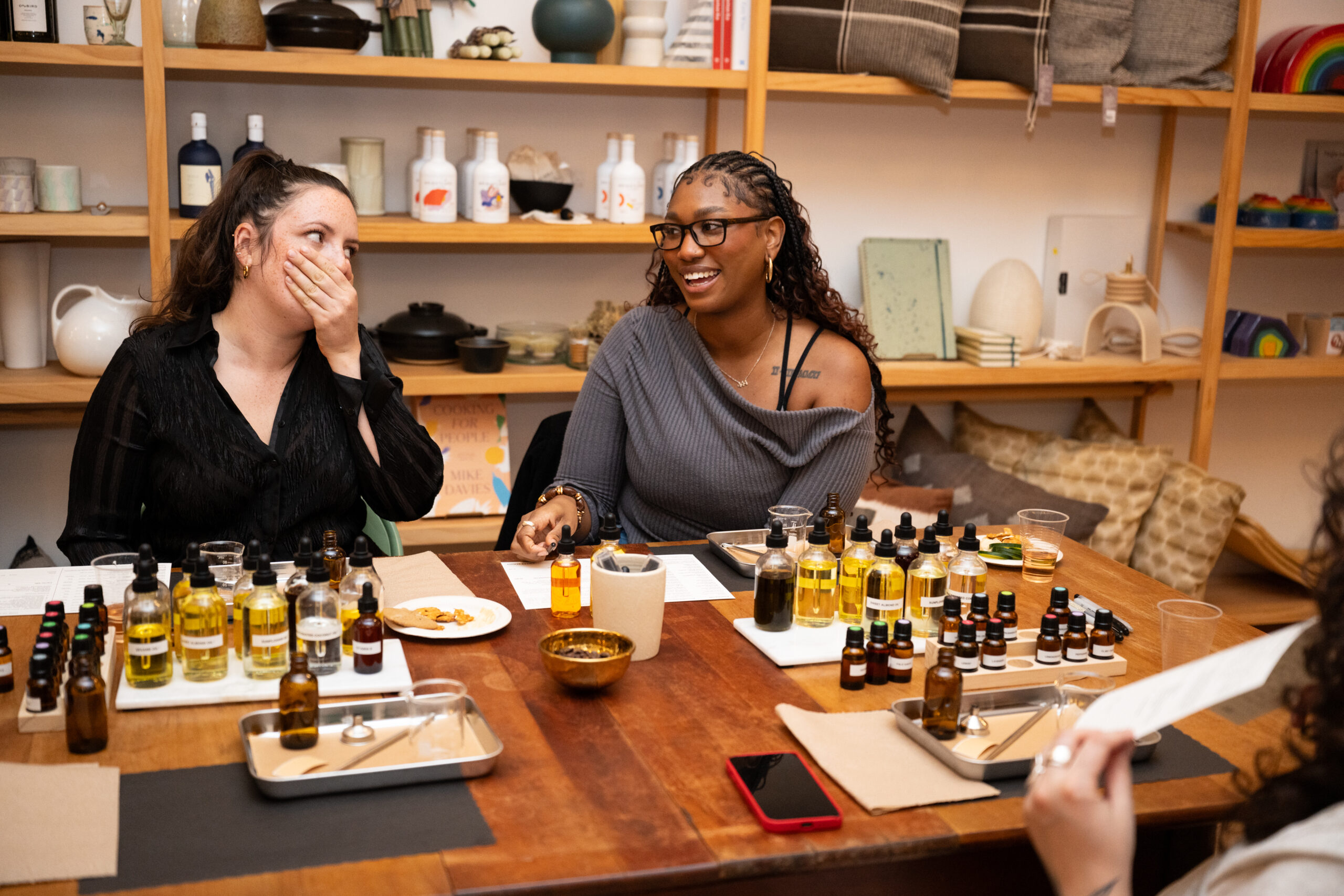
    Leila McGurk (left) laughs with Leah Antonia at a DIY body oil workshop organized by local skincare brand Linear Beauty at Moon and Arrow, a boutique in Queen Village on Thursday, Dec. 4, 2025.

    They are united by a commitment to science, transparency, and community,

    At the center of this shift is Indie Shelf in Grays Ferry and Malvern, where cosmetic scientist Sabeen Zia helps customers navigate an often confusing clean-beauty landscape.

    “Clean beauty goes beyond ingredient lists,” the Main Line resident said. “It’s how a product is developed, packaged, and the values behind it.” Zia doesn’t draw up fear-based “toxic ingredient” lists. Instead, she relies on science-backed safety standards and direct conversations with product founders.

    “People come in because they want to support small businesses, but they stay because they’re stunned by the changes in their skin,” she said.

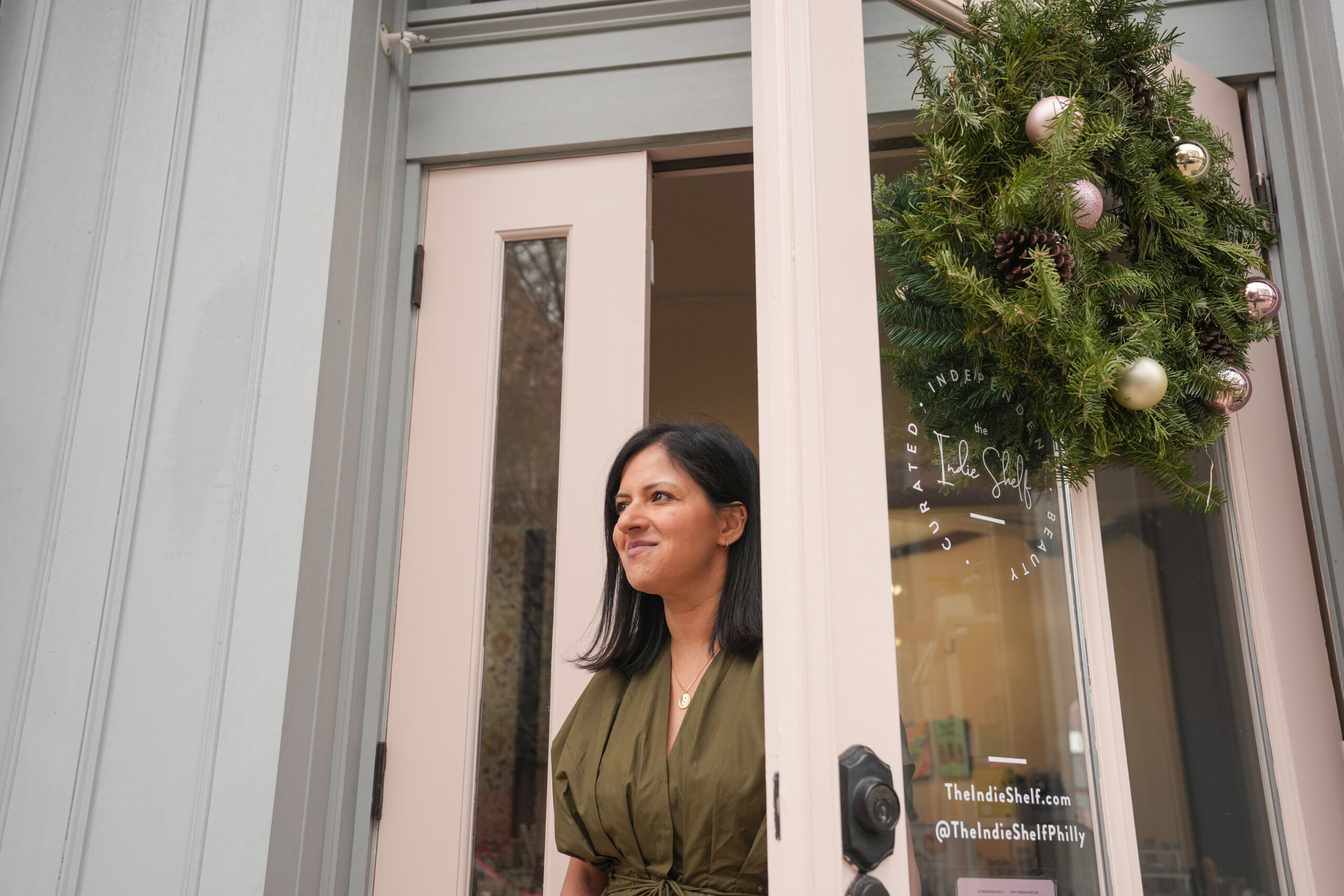
    Sabeen Zia runs Indie Shelf, which stocks a bunch of indie beauty brands. She also runs a brand called Muskaan that she sells at the store, in Philadelphia, December 11, 2025.

    Before opening the shop in 2019, Zia ran her own makeup line, Muskaan Beauty, which was cruelty-free, vegan, gluten-free, and halal. It struggled to get visibility — a challenge she realized many indie founders shared. “Philly didn’t have many clean beauty shops at the time,” she said. “It felt like a real gap in the market.”

    A gap that Indie Shelf aims to fill.

    Other local founders, too, swear by that community-first ethos.

    A former professor of English at Stockton University, Adeline Koh of Sabbatical Beauty, hand-batches high-concentration, K-beauty–inspired products, often using ingredients from neighborhood businesses, like Câphe Roasters and Baba’s Brew.

    “I wanted formulas that actually deliver what they promise,” she said. “Philly has so much pride in Philly-owned businesses. That made me feel this would be a really good market to build in. People here show up for their community.” She’s based in the Bok building.

    As for what feels uniquely “Philly” in Sabbatical Beauty’s identity, she doesn’t hesitate when asked.

    “We’re unapologetic about who we are, and that shows up in our emphasis on diversity: skin tones, body sizes, age. We want to expand what beauty means, not narrow it.”

    Sabeen Zia runs Indie Shelf, which stocks a bunch of indie beauty brands. She also runs a brand called Muskaan that she sells at the store, in Philadelphia, December 11, 2025.

    The brand is sold at local shops and spas.

    Sabbatical Beauty also pours back into the city’s maker ecosystem — donating masks and sanitizer during COVID, hosting holiday toy drives, running small-business markets, and partnering with the Equitable Skincare Project to fund donation facials for the trans community.

    It’s a similar story with brow artist Tara Giorgio.

    When the Lancaster native grew frustrated by the discontinuation of her favored brow beauty products, she created Brow Gang — her line of high-pigment brow mousse and powders that are, as she says, made “for real life.”

    Her products are sold in her two salons — in West Chester and Northern Liberties — and online.

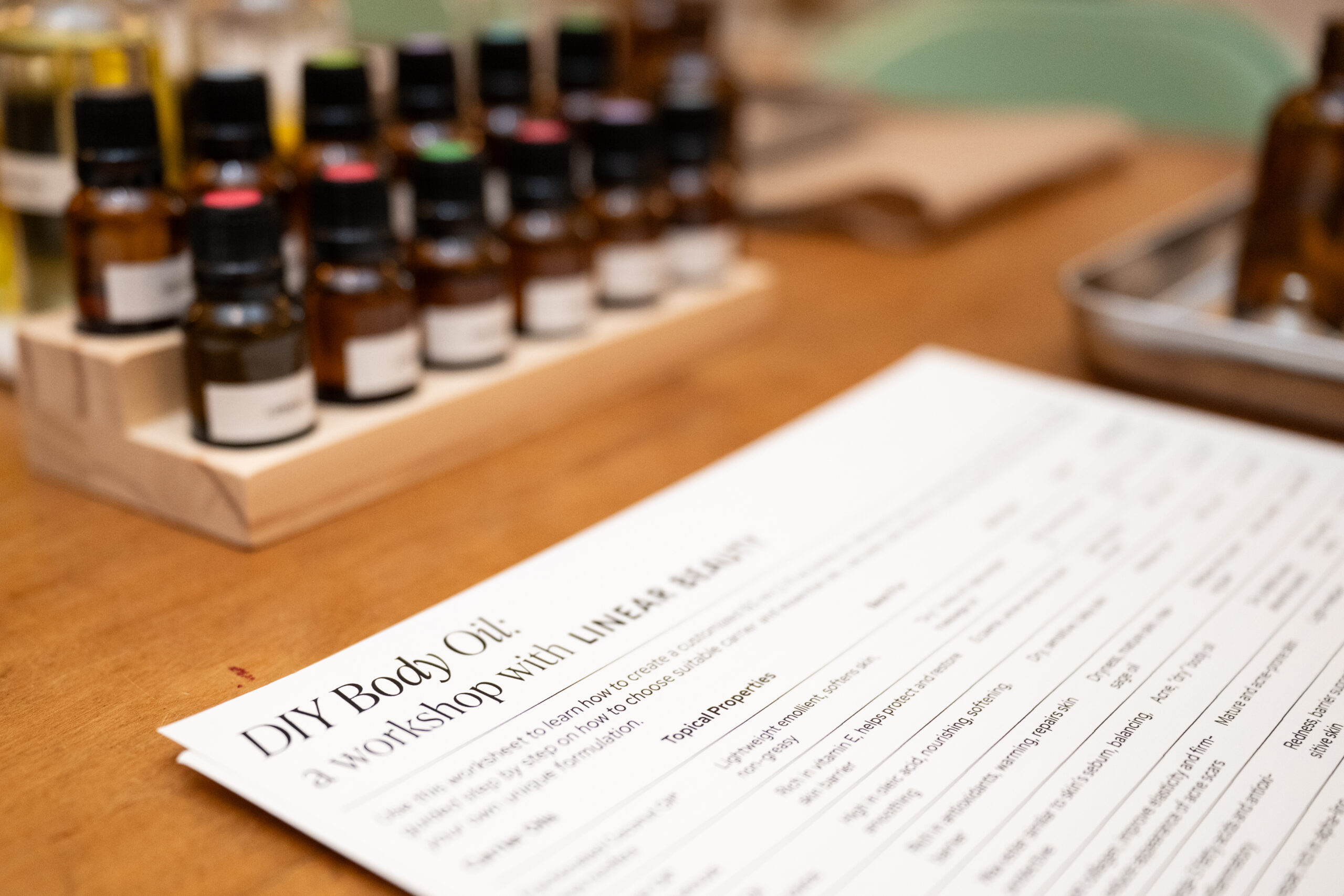
    Essential oils and an instruction sheet are pictured before Linear Beauty’s DIY body oil workshop at Moon and Arrow, a boutique in the Queen Village section of Philadelphia, on Thursday, Dec. 4, 2025. Linear Beauty is an independent Philadelphia-based botanical skincare brand founded by Tasha Gear.

    Philly’s beauty customers, she said, are unique because this city is “a true melting pot — all cultures, all backgrounds, all brow textures, all lifestyles. We don’t like fluff in Philly and we want things that work and are priced reasonably.”

    People here are busy and “they want products that make their lives easier — fast routines, long-lasting wear, and formulas that hold up through humidity, work shifts, SEPTA, the gym, real everyday life.”

    Cosmetic chemist Tina D. Williams feels “there’s still a real lack of handmade, natural skincare” in the local market to feed that need.

    Her Center City-based DVINITI Skincare crafts small-batch, food-grade blends of natural oils like argan, jojoba, and almond, which are designed for customization. Her philosophy, too, is rooted in the city: “The first ingredient in every DVINITI product is love — and this City of Brotherly Love is the perfect home for a brand built on self-care.”

    Williams, who grew up in the Olney area and graduated from the Philadelphia High School for Girls, is all too familiar with the city’s cold winters and hot summers. “I grew up here, so I understand the kind of skincare [Philly] people need,” she said. She also sees the city’s scientific backbone as a natural fit for a chemistry-driven brand. “Philly is a tech hub and a leader in research and development. DVINITI is positioned well to scale and grow with the local resources here to support our clients’ needs.”

    Linear Beauty founder Tasha Gear poses for a portrait at a DIY body oil workshop hosted by the beauty brand at Moon and Arrow, a boutique in the Queen Village section of Philadelphia, on Thursday, Dec. 4, 2025.

    Another brand shaping the city’s beauty identity is Haiama Beauty, a Black woman–owned haircare line built in Philadelphia “because I love this city wholeheartedly,” said founder Allison Shimamoto.

    Haiama’s Grow & Strengthen Elixir takes four months to make and uses premium, organic argan oil — not because it’s the most profitable, but because it’s the right way to make it.

    Small-batch production allows the brand to source intentionally from BIPOC, LGBTQIA+, and women-owned suppliers and to design products that work across all curl patterns— from the Leona red-light scalp stimulator to the multipurpose Everything Cream.

    What resonates with her Philly consumers, Shimamoto said, is connection. “People here want to know who’s behind the brand.”

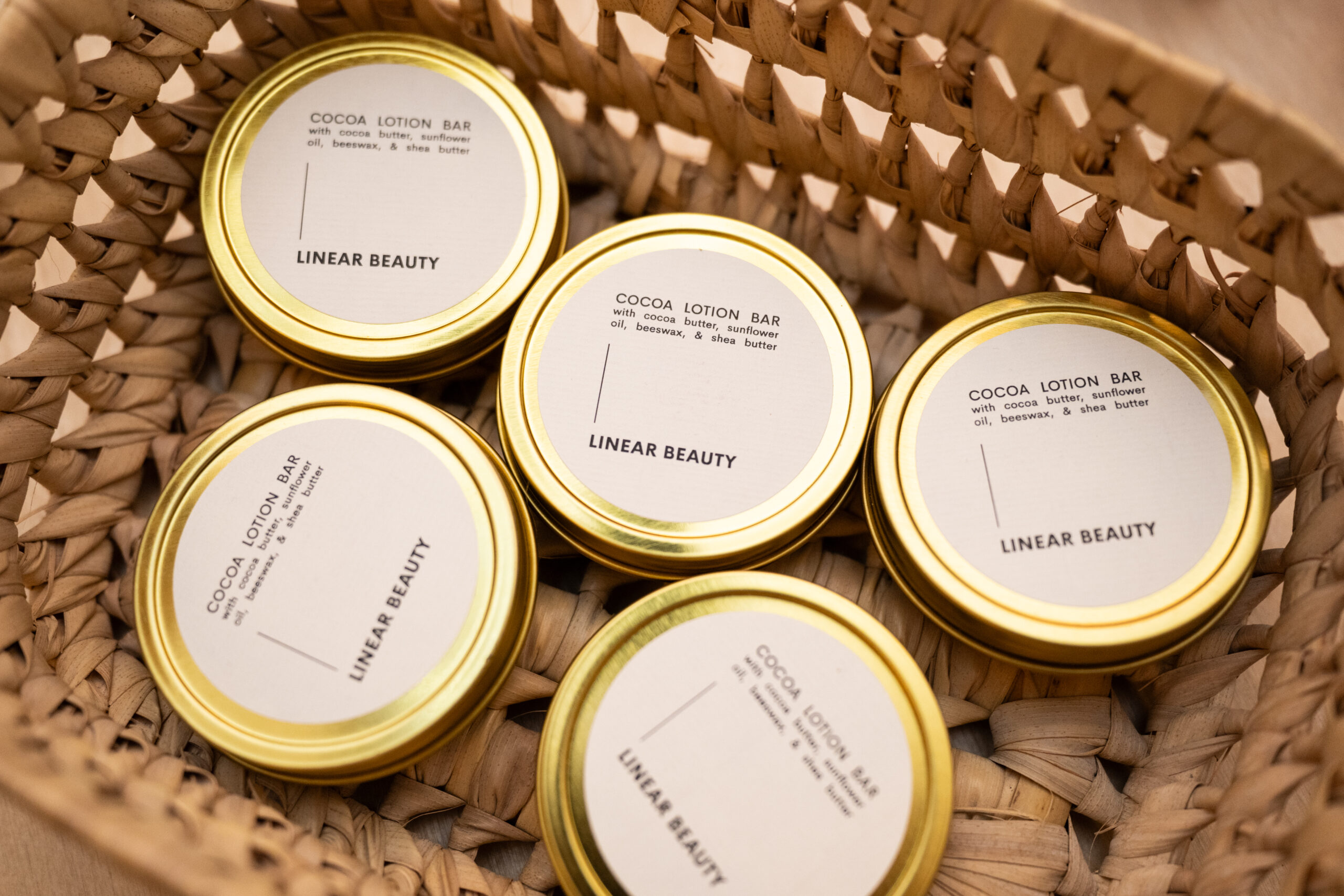
    Linear Beauty products are pictured at a DIY Body Oil Workshop hosted by the brand at Moon and Arrow, a boutique in the Queen Village section of Philadelphia.

    Markets like Made@Bok and Art Star have helped Haiama meet customers face-to-face, build community, and grow within the city’s tight-knit maker ecosystem.

    Philadelphia’s indie founders agree that the city’s beauty identity is defined by three traits: creative, authentic, community driven.

    “The passion for high-quality products and supporting small business truly sets Philly brands apart,” said Zia. Even small details — easy drop-offs, quick restocks, face-to-face conversations with founder-formulators — become part of the city’s distinctive customer experience.

    Local customers meet founders in person, pick up their products, return for refills, and show up at pop-ups and farmers markets.

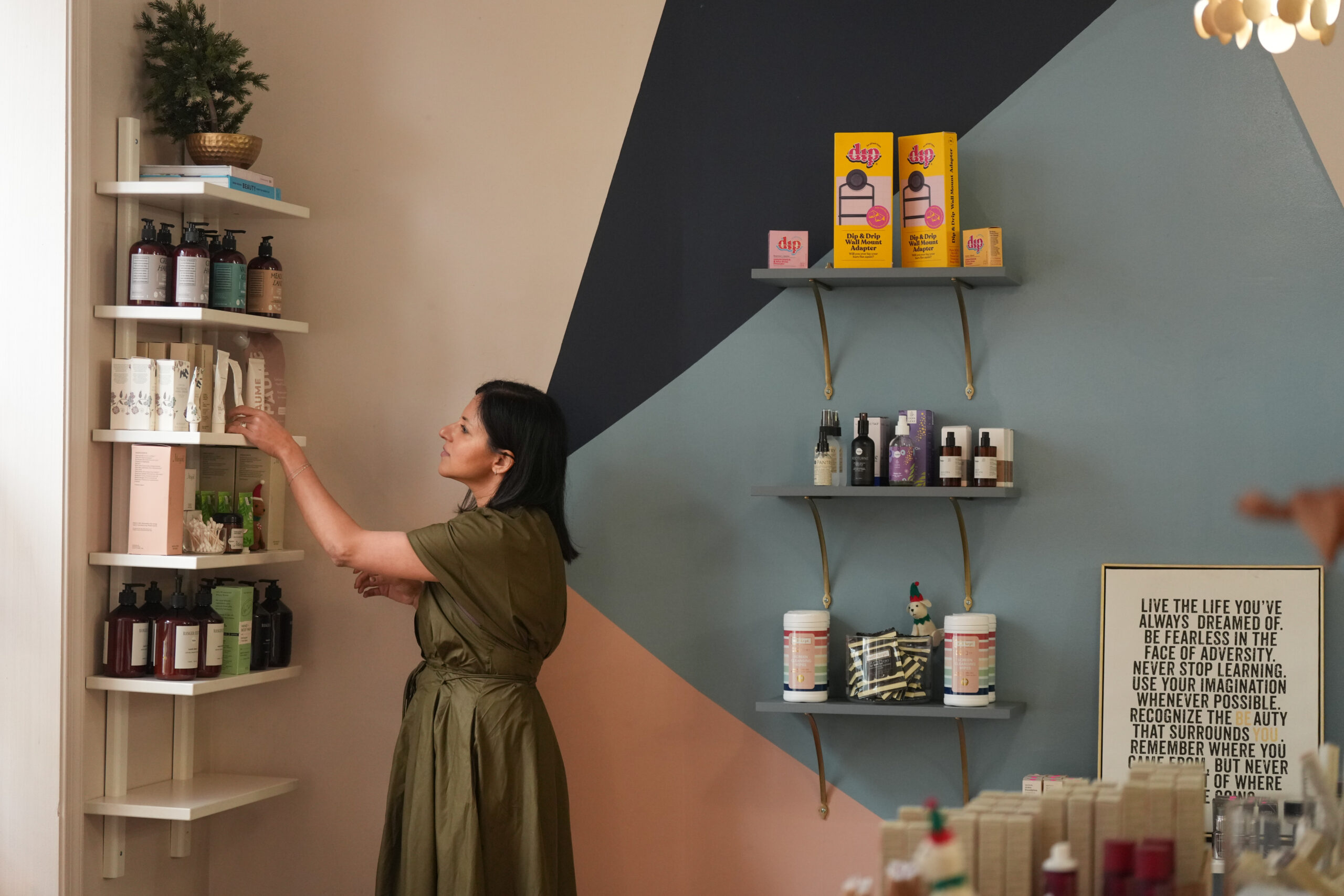
    Products at Indie Shelf, which stocks a bunch of indie beauty brands.

    Despite challenges like tariffs, supply-chain delays, and seasonal slowdowns, Zia remains hopeful. Her dream? “For Philly to be known as the city for indie beauty — a place where founders can scale without losing their authenticity.”

    Gear, who moved to Philadelphia in 2019 after spending a decade working in New York City’s Package Free Shop, agrees.

    “Philly is a pretty no-B.S. city,” she said. “That shows up in everything I make.”