Tag: Northeast Philadelphia

  • Philly lawmakers approved $800M for Mayor Parker’s housing plan in June. Now they have to redo it. | City Council roundup

    Philly lawmakers approved $800M for Mayor Parker’s housing plan in June. Now they have to redo it. | City Council roundup

    Call it a H.O.M.E. repair.

    City Council President Kenyatta Johnson on Thursday introduced legislation that will amend a bill lawmakers approved in June that authorized the city to take out $800 million in debt to fund Mayor Cherelle L. Parker’s Housing Opportunities Made Easy, or H.O.M.E., initiative.

    It’s the latest development in a saga that has seen several procedural squabbles, the most significant public dustup between Johnson and Parker to date, and a monthslong delay in the administration’s plan to issue city bonds to launch the housing initiative.

    The fix was needed because Council earlier this week amended a separate but related piece of legislation — called the H.O.M.E. budget resolution — that sets the first-year spending levels for the housing programs funded or created by the initiative.

    Council’s changes, which Parker largely opposed, were significant enough that the budget resolution no longer aligns with the bond authorization bill Council approved in June, meaning the administration cannot rely on the original legislation as its legal basis for taking out city debt.

    The new bond bill introduced Thursday reflects Council’s changes, which include increasing the first-year H.O.M.E. budget from $194.6 million to $277.2 million and changing eligibility requirements for some programs to make sure the lowest-income Philadelphia households were prioritized.

    “We want to make sure that this is a H.O.M.E. plan that supports everyone, but obviously members of Council had an issue and concern about making sure those most in need are supported throughout this process,” Johnson said.

    The bill now heads to committee, and Johnson said negotiations could lead to further changes. Next week is Council’s final meeting of the year, and Johnson on Thursday ruled out adding an extra session, meaning the bill likely will not pass until January at the earliest.

    Parker originally had hoped to issue the first of two planned $400 million tranches of H.O.M.E. bonds this fall. She said Tuesday that the legislative delays mean they might not go to market until March or later.

    “Working with Council President Johnson and the Members of City Council, we are laser-focused on building, repairing and restoring 30,000 units of housing and making H.O.M.E. a reality for the people of Philadelphia,” Parker said in a statement Thursday.

    ‘That’s my sister’: Johnson says relationship with Parker still strong

    Parker-Johnson pact intact: The Council president on Thursday downplayed his spat with Parker that saw both issue pointed statements Tuesday night blaming the other for delays in issuing the bonds.

    The exchange was notable because the two city leaders, who meet in person weekly, have forged an unusually close working relationship since both took office in January 2024.

    But Johnson said Thursday their relationship remains the same and has always involved disagreements — just not ones that have spilled out into public view.
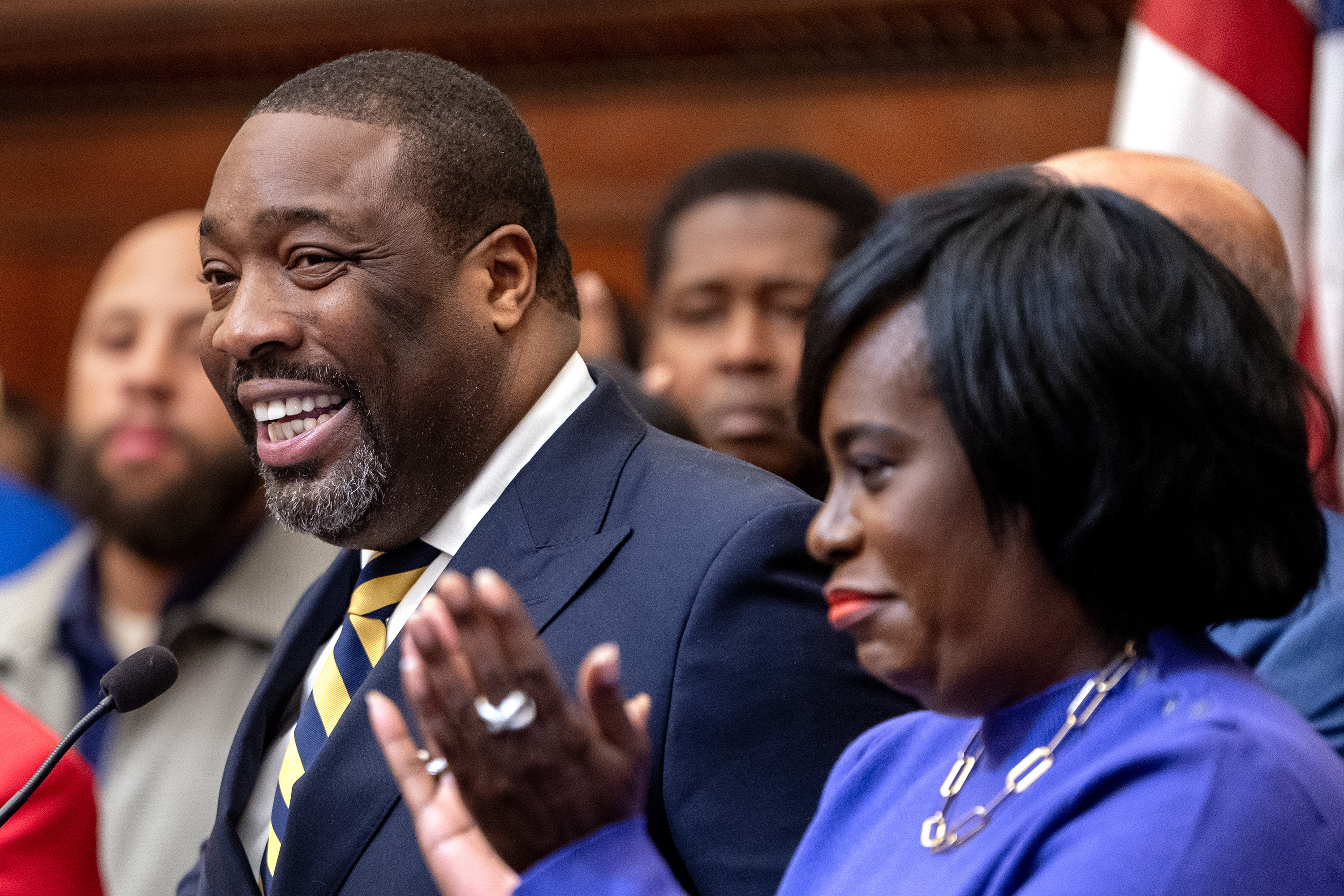
    City Council President Kenyatta Johnson and Mayor Cherelle L. Parker have maintained a close working relationship.

    “That’s my sister,” Johnson said. “Most of the time, when we do have disagreements, y’all just don’t see it. We meet every week, so you don’t get a chance to see the back-and-forth. But at the end of the day, the mission is to move the city of Philadelphia forward together.”

    Council makes it harder to open convenience stores and pharmacies in Kensington

    No new nuisances: Members passed legislation Thursday that aims to make it significantly harder for convenience stores and pharmacies to open in Kensington and sections of North Philadelphia.

    The bill, authored by Councilmember Quetcy Lozada, forces any new “sundries, pharmaceuticals, and convenience sales” businesses in her 7th District — which covers much of Kensington and parts of North and Northeast Philadelphia — to get approval from the Philadelphia Zoning Board of Adjustment. That process is notoriously long and can be expensive for applicants.

    Lozada has said that the bill is targeted at corner stores and smoke shops, not chain businesses like CVS and 7-Eleven.

    The legislation is part of the body’s broader war on so-called nuisance businesses, which lawmakers say attract crime and disrupt neighborhoods. And it comes in addition to a controversial 11 p.m. business curfew in Lozada’s district that took effect earlier this year.
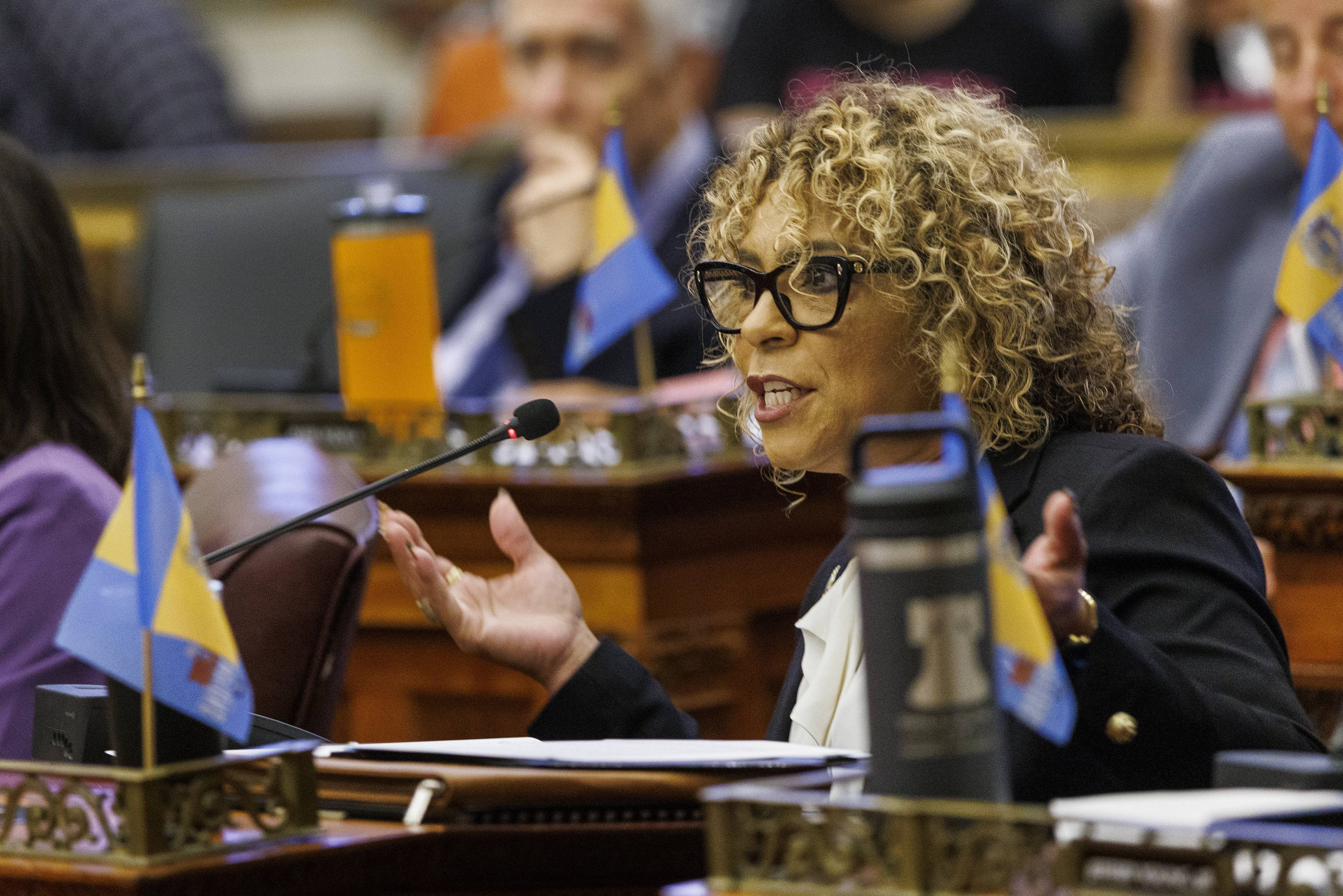
    City Councilmember Quetcy Lozada represents Kensington.

    It’s one of several legislative remedies lawmakers have undertaken to curb small businesses like smoke shops and convenience stores that have unregulated slot machine-like “skill games,” sell marijuana-like products, and peddle drug paraphernalia without a license to do so.

    Seriously … no nuisances, please: Lozada was not the only lawmaker taking aim at “nuisance” businesses Thursday, when Council approved two bills by Majority Leader Katherine Gilmore Richardson on the same topic.

    One measure makes it easier for the Philadelphia Department of Licenses and Inspections to issue stop-work and cease-operations orders to businesses violating city regulations. The other is aimed at closing loopholes that “let nuisance business owners avoid enforcement by changing their name or ownership, ensuring those with similar ownership or operations remain accountable for past violations,” Gilmore Richardson’s office said.

    The measures, which were both approved 16-0, were aimed at stopping “the spread of dangerous and destructive businesses and the need for further action to address their impact on our communities,” Gilmore Richardson said.

    “While I am encouraged by the steps we are taking today, I am also working on additional legislation to more aggressively crack down on these businesses and the bad actors behind them,” she said.

    Quote of the week
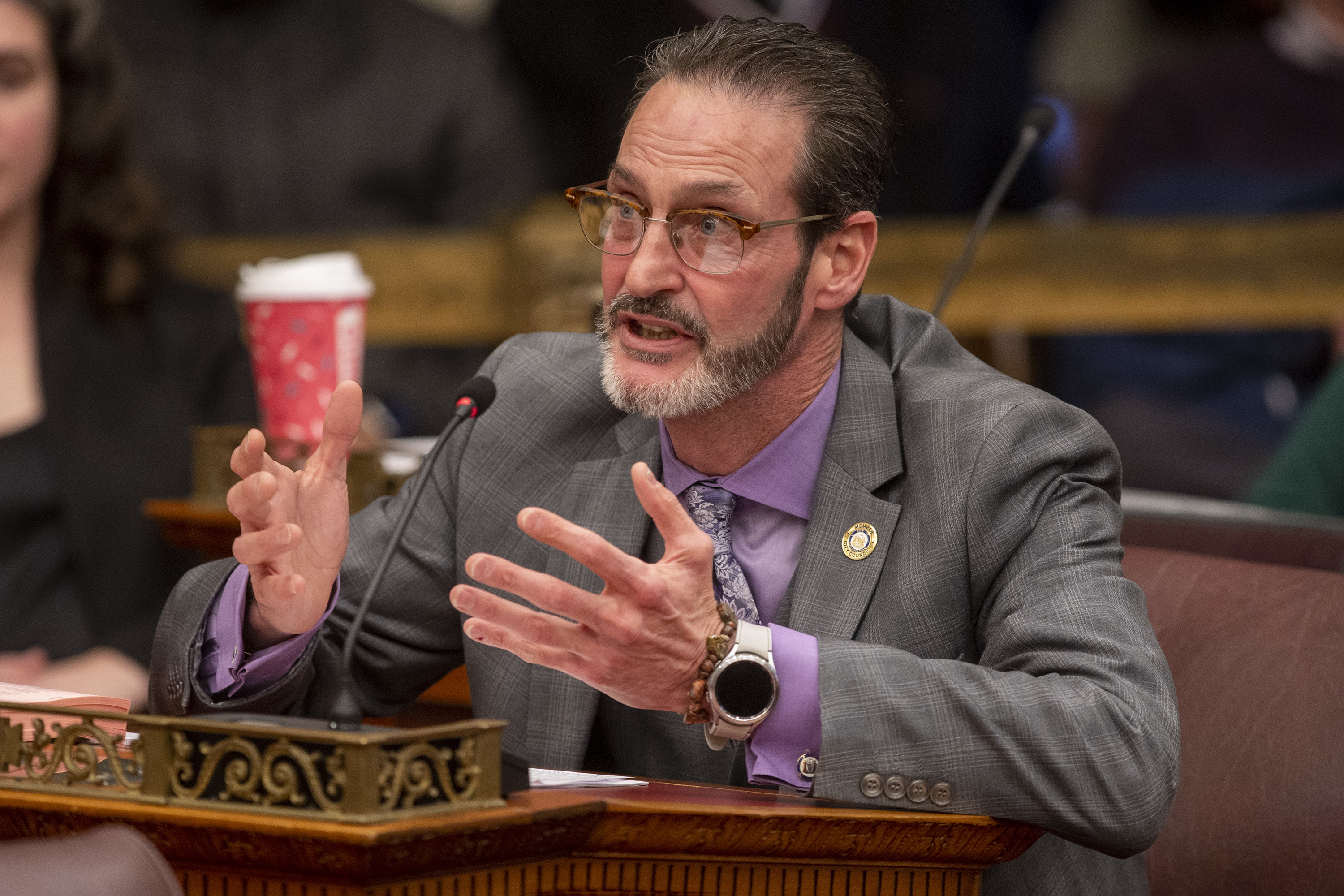
    Councilmember Jim Harrity in December 2023.

    Fond farewell: City Councilmember Jimmy Harrity gave an emotional speech in Council lamenting the loss of his friend Paul Staico, who died suddenly Sunday and was the owner of Big Charlie’s Saloon in South Philadelphia.

    Staico stood by Harrity when the future lawmaker was struggling with addiction, Harrity said.

    “Anybody that knew Paul will tell you he really was that guy, that guy who would give you the shirt off his back,” Harrity said. “He’s the only person I truly knew never lost faith in me, even when I was at my lowest 10 years deep in my addiction.”

    Councilmember Curtis Jones Jr. thanked Harrity, who often gives impassioned speeches, for his heartfelt tribute to Staico.

    “I want to shout out Jimmy Harrity for making crying in Council cool,” Jones said. “Nobody does it better, brother.”

    Staff writer Jake Blumgart contributed to this article.
  • Northeast Philly’s Franklin Mills mall is for sale

    Northeast Philly’s Franklin Mills mall is for sale

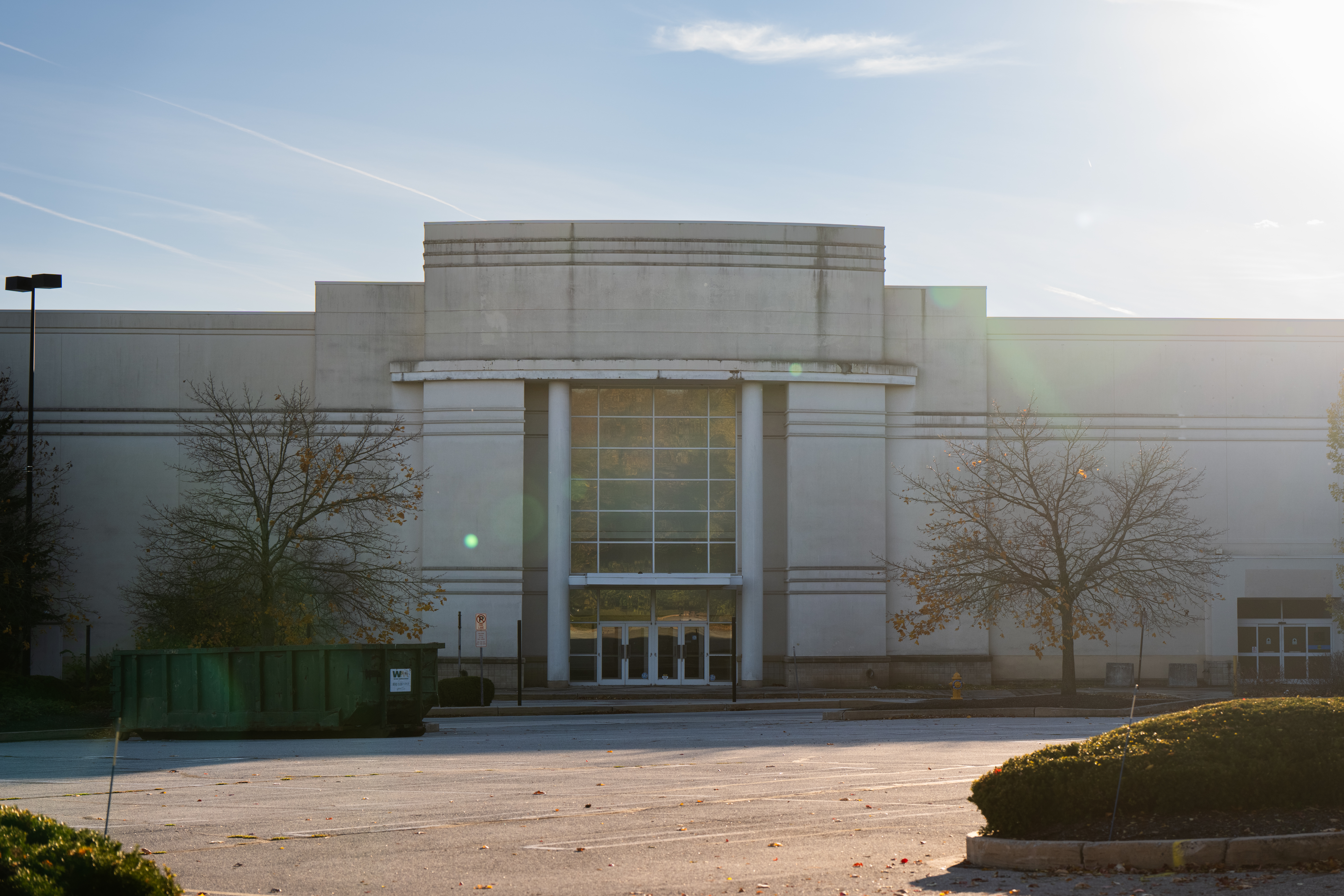
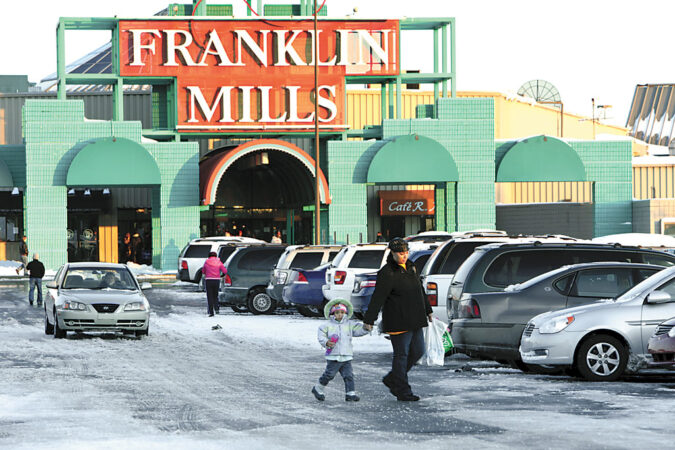
    Northeast Philadelphia’s Franklin Mall — better known by its original name, Franklin Mills — is for sale after years of plummeting valuation, occupancy, and visitor numbers.

    A listing on the website of real estate brokerage Jones Lang LaSalle (JLL) includes possible uses a new owner can consider, including industrial and office development. The parcels including Sam’s Club and Walmart are not included in the sale.

    “Franklin Mall presents the opportunity to acquire meaningful control of more than 137 acres … in a densely populated location that may support additional densification and redevelopment,” the listing reads.

    The move comes amid a wave of mall sales and redevelopments in the region, with demolition and residential construction a common fate for many struggling shopping centers.

    Over 68% of Franklin Mall is occupied, which could be an incentive for continued retail operations. But sales and visitor numbers have been falling for years, and JLL reports the average existing lease lasts for only another 1.7 years.

    If a new use is sought, the mile-long, one-story structure would be difficult to repurpose.

    “I think it’s unlikely to be a shopping mall” again, said Jerry Roller, founder of the design firm JKRP and a longtime architect in Philadelphia. “What could it be? Obviously, residential. It might be a warehouse. It’s essentially a large vacant piece of land. It was fairly inexpensive when it was built, so it’s not hard to demolish.”

    The hundred acres of land that Franklin Mills sits on at the edge of Far Northeast Philadelphia is zoned for auto-oriented commercial use.

    JLL’s listing advertises the site’s suitability for industrial redevelopment.

    “The property’s infill location and highway access make it a strong candidate for redevelopment into a modern industrial facility,” the listing reads. The zoning “could provide a basis for an investor to pursue the development of up to 1.4 million square feet of new warehouse space.”

    The residential redevelopment opportunities for the site could be aided by a promised 20-year property tax abatement for the conversion or demolition of outmoded commercial buildings into housing, which Mayor Cherelle L. Parker’s administration promises next year following enabling legislation from Harrisburg.

    But the existing zoning would not allow that, so a residential project would need to win the permission of the city’s Zoning Board of Adjustment or have the land-use rules changed legislatively by Councilmember Brian O’Neill.

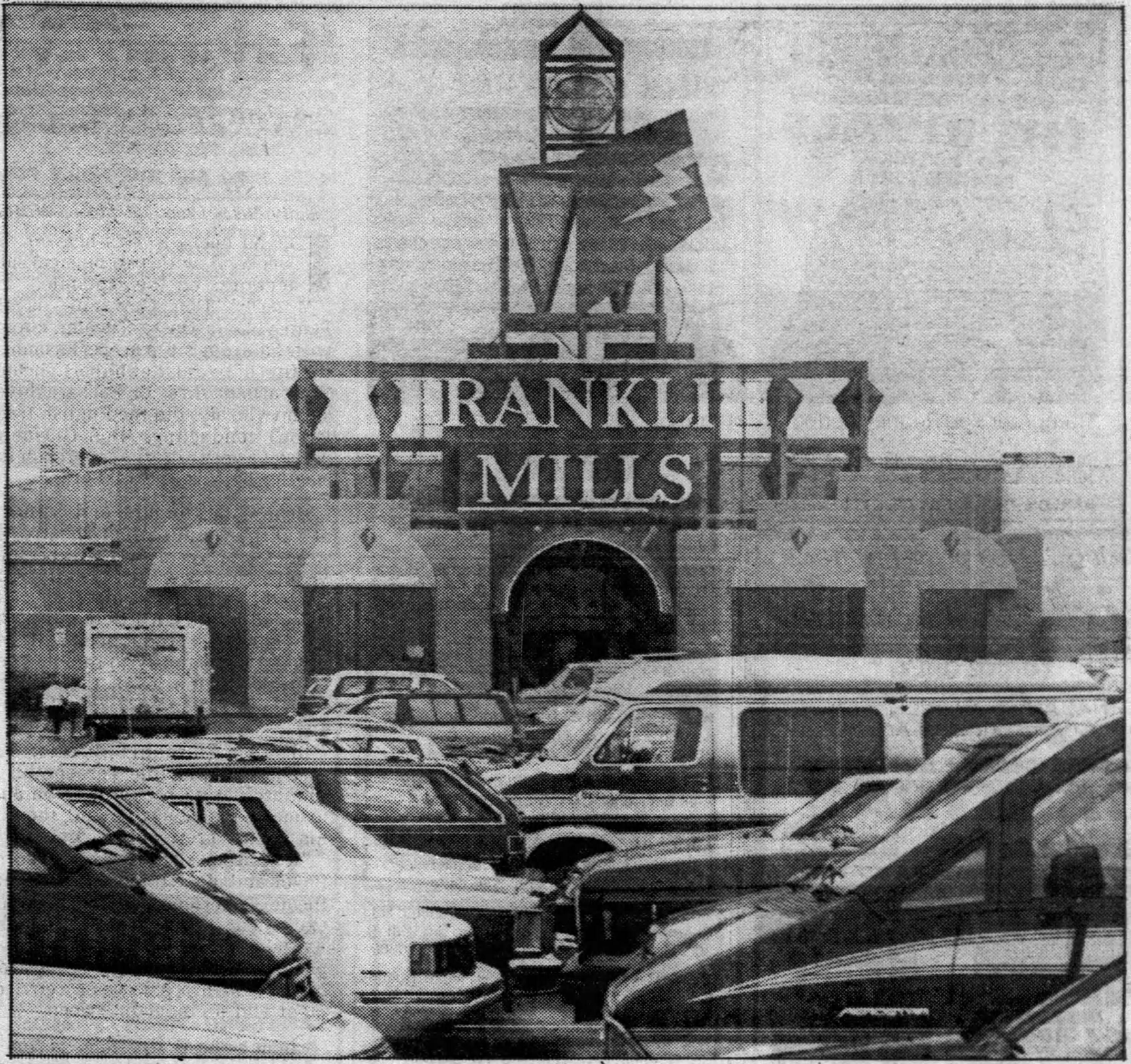
    The mile-long Franklin Mills mall drew Christmas-size crowds at its opening in May of 1989.

    Tribulations of a Northeast Philly icon

    The 36-year-old, 1.8-million-square-foot facility at Knights and Woodhaven Roads is the second largest mall in the Philadelphia area after King of Prussia. But while its larger cousin remains a dominant retail force, Franklin Mall has been struggling for years.

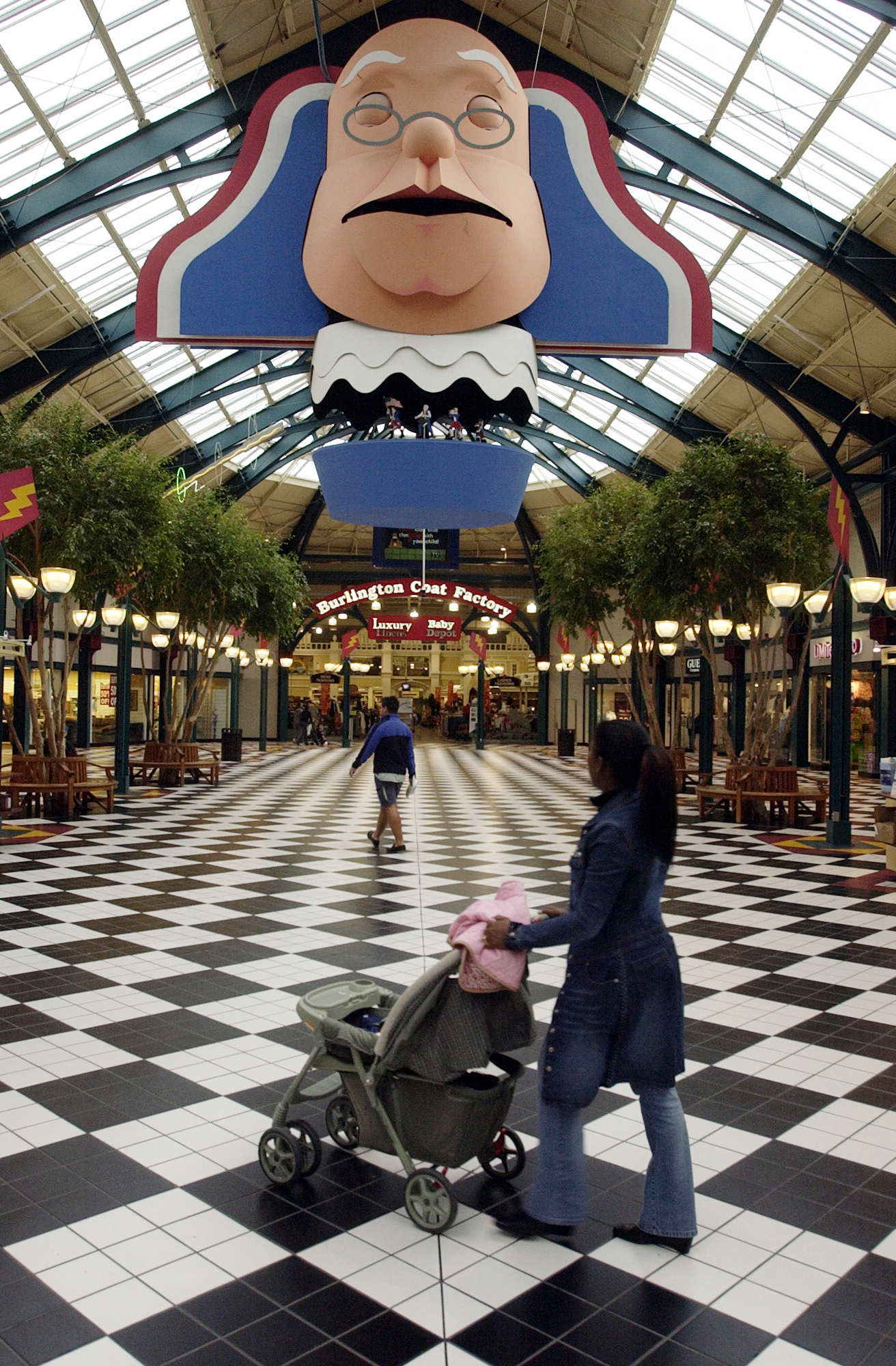
    The mall opened in 1989 to great fanfare as the largest outlet mall ever, with an iconic zigzag-shaped concourse that stretched for 1.2 miles.

    In its 1990s heyday, it attracted 20 million visitors annually. The latest numbers, provided by JLL, are 5.6 million visitors a year.

    In 2007, in retrospect near the end of Franklin Mills’ golden era, the property and the rest of the Mills Corp. was taken over by Simon Property Group, the largest mall owner in the country. The new ownership group rehabbed the property in 2014, although there were already signs Simon was distancing itself by moving Franklin Mills (renamed Philadelphia Mills) into a different balance sheet category than its core properties.

    Simon’s loan on the property had been intermittently distressed since 2012. An April 2024 report from real estate analytics firm Morningstar Credit was headlined “Legacy Philly Mall Back to Special Servicing for the Umpteenth Time.”

    Shoppers stroll through the Franklin Mills mall in 2014.

    The 2007 loan still had an outstanding balance of almost $250 million when it came to maturity in July 2024. Simon stepped away from the day-to-day operations at that time, with Philadelphia-based OPEX CRE Management appointed as receiver of the distressed property. The name was changed to Franklin Mall because Mills was trademarked by Simon.

    Last year Franklin Mall’s appraised value was $76 million, a precipitous decline from its $201 million valuation in 2012 and $370 million in 2007. According to Morningstar Credit, a new appraisal is likely in the next month.

    Full financials haven’t been publicly updated since last year, but at that time, the cash flow for the property was $9.5 million, the lowest since Simon took over in 2007. That’s down from 2019, when cash flow was $17.5 million, according to Morningstar, and from $11 million in 2022.

    According to Morningstar, the latest reports from the special servicer for the property, Greystone Servicing Co., say cash flow is even lower this year and occupancy has fallen to 65.4%.

    Possible reuses for Franklin Mills

    Franklin Mall’s for-sale status comes as some old-school regional shopping destinations are declining.

    While some of its counterparts like King of Prussia and the Cherry Hill Mall are still thriving, there has been a wave of sales and redevelopments of area malls as the nature of retail evolves.

    Some ailing malls have been purchased on the cheap, allowing their new owners to reinvest and refurbish the property in its previous mold.

    “In terms of using the buildings that are there, it’s a challenge because they are generally big box retail, and they’ve got a center mall, which is completely out of fashion,” Roller said. “Could somebody, if they had the right tenants, recreate the mall? Turn it inside out, open the thing up?”

    “Maybe it’s possible,” Roller said. But “I don’t see a lot of uses for the buildings that are there right now.”

    The redevelopment of Exton Square Mall is in legal limbo.

    When regional malls are redeveloped, more commonly, the retail options are reduced with much of the old structure demolished. Diverse new uses often take a faded shopping center’s place.

    Two weeks ago, the sale of Plymouth Meeting Mall was announced with the new owner planning residential development. The contentious redevelopment of the Exton Square Mall would also see a burst of residential development and expanded healthcare options — if the owner can win a lawsuit against the township.

    In New Jersey, the Echelon, Moorestown, and Burlington Center malls have or are going through a variety of demolition and redevelopment options. The commonality is that residential building is a part of all three plans.

    At Franklin Mall, redevelopment would likely require demolition of the existing building.

    “Ultimately, it may just be a piece of land” for sale, said Roller.

    JLL’s listing, however, pitches the property as either redevelopment or continued mall use.

    “This offering presents prospective purchasers with the opportunity to acquire a strategically positioned super regional shopping center with significant upside potential and/or redevelopment opportunity,” it reads.

    JLL’s managing directors on the sale are John Plower, David Monahan, and Jim Galbally.

  • A Philadelphia police officer critically injured in a motorcycle crash six years ago has died

    A Philadelphia police officer critically injured in a motorcycle crash six years ago has died

    Andy Chan, a Philadelphia Highway Patrol officer who suffered a devastating brain injury in a motorcycle crash while on his way to work six years ago, has died.

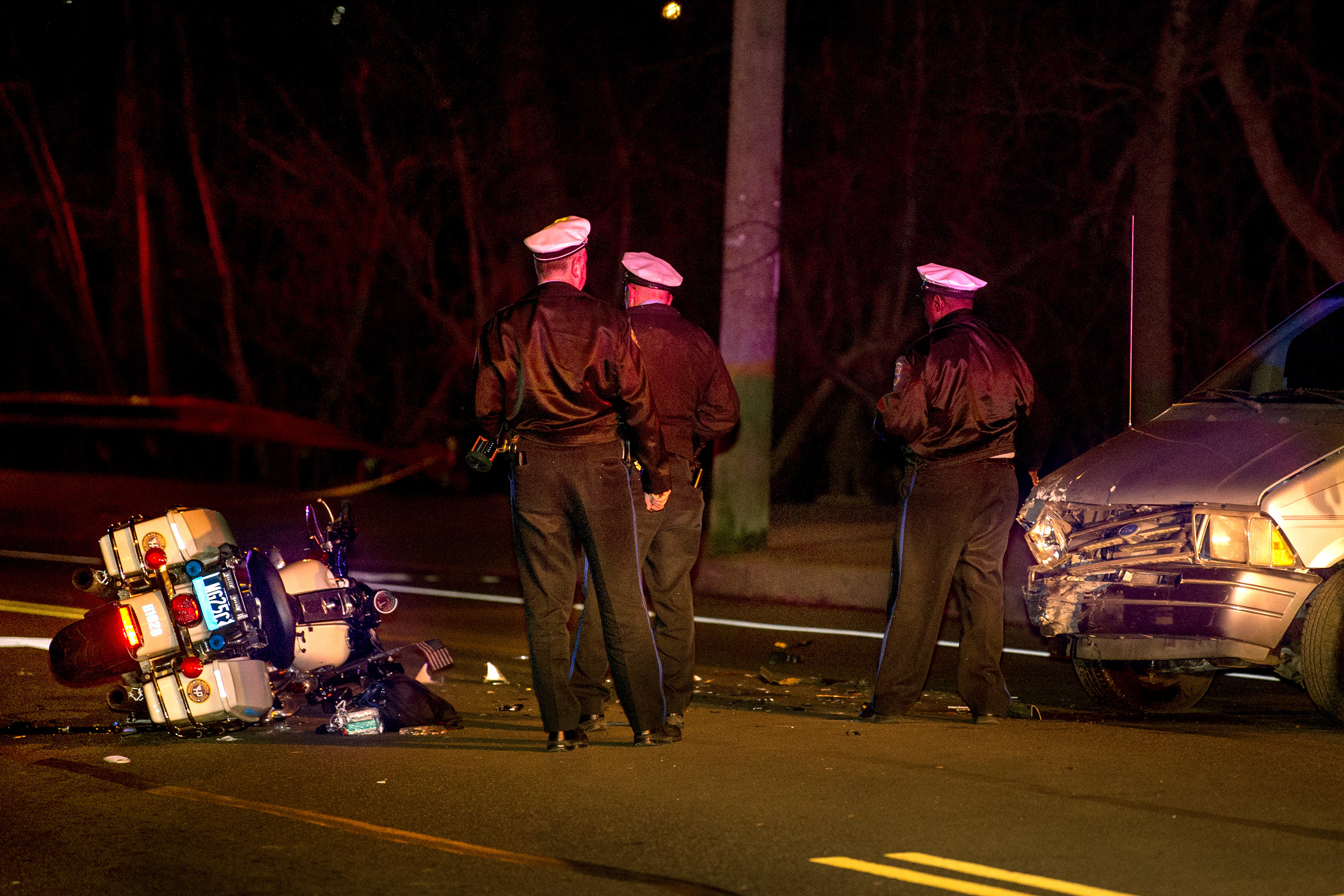
    Chan, 48, was riding through Northeast Philadelphia one evening in January 2019 when an elderly driver unintentionally struck him on the 3300 block of Rhawn Street. He was thrown about 20 feet, police said, and was critically injured.

    Chan, a 24-year veteran of the force, was in a prolonged coma and was hospitalized for weeks on a ventilator. In the years since, his injuries have required around-the-clock care, with family, friends, and colleagues in the Philadelphia Police Department regularly at his side.

    The Fraternal Order of Police Lodge 5 announced Chan’s death on Tuesday. The cause of death was not immediately clear.

    “Andy died a hero and we will always remember and honor his sacrifice,” the union wrote on Facebook.

    Andy Chan was thrown from his highway patrol motorcycle and critically injured in a crash on the 3300 block of Rhawn Street on January 3, 2019.

    Chan, a father of three, grew up in Chinatown and had always dreamed of being a highway patrolman. His family recalled how he watched with awe when the leather-clad officers approached his parents’ restaurant on their motorcycles.

    He decided, they said, that would be him one day.

    “That was the only place he strived to be in,” his wife, Teng, said years ago.

    After becoming a Philadelphia police officer in 1996, he was first assigned to the 39th District, working as a bike cop. Eight years later, he was promoted to the elite highway unit.

    He took such pride in his work that when he walked into police headquarters, instead of yelling, “Hi,” he would shout, “Highway!”

    And even when he met Teng nearly two decades ago, he introduced himself as such: “I’m Highway.”

    Chan and his partner, Kyle Cross, were among the first officers who responded to the Amtrak crash in 2015 that left eight people dead and nearly 200 injured. Cross, in an earlier interview, recalled how Chan kept his composure as he sought to rescue survivors from the wreckage.

    “What I remember from Andy was his poise — he stayed so calm, he really just led the way,” Cross recalled. “I followed his lead.”

    Police Commissioner Kevin Bethel, in an email to the department Tuesday morning, described Chan as “larger than life, not because of what he did, but because of who he was.”

    “He was the kind of officer whose reputation reached every corner of this Department and City; not because he sought attention, but because his work, his character, and his heart made him impossible to forget. Andy represented the very best of who we are and what we aspire to be: skilled, humble, kind, and unfailingly courageous,” Bethel wrote.

    “Andy,” he said, “will forever remind us of why this work matters.”

    Funeral arrangements have not been announced.

    Since Chan was injured, police and community members have gathered each December to support his family and raise money for his recovery. Supporters will continue to gather in his honor this year, on Dec. 12 at Craft Hall at 4 p.m., for the sixth annual Andy Chan Block Party.

  • People who are self-employed could become exempt from paying a Philly business tax | City Council roundup

    People who are self-employed could become exempt from paying a Philly business tax | City Council roundup

    Philadelphia-based independent contractors and others who are self-employed could soon become exempt from paying certain business taxes as part of a measure aimed at easing tax burdens on small businesses.

    City Councilmember Mike Driscoll, a Democrat who represents parts of Northeast Philadelphia, introduced legislation Thursday to carve out entrepreneurs, sole proprietorships, and businesses that have only one employee from having to pay the city’s business income and receipts tax, commonly known as BIRT.

    Also on Thursday, members floated legislation to address the rising cost of water bills and introduced a bill to make it easier for restaurants to secure outdoor dining permits.

    What was the meeting’s highlight?

    Relief for the small(est) businesses: The bill is likely to find support in Council, where lawmakers have been searching for ways to provide relief to small businesses after earlier this year eliminating a popular tax break that allowed companies to exclude their first $100,000 in income from business taxes in Philadelphia.

    That exemption effectively meant that thousands of small businesses did not have to pay the tax. However, Mayor Cherelle L. Parker’s administration in June successfully moved to eliminate the exemption, saying the city was likely to lose a court battle over the matter.

    The change came after a medical device manufacturer sued the city, saying the exemption violated state law, which includes a “uniformity” clause that prohibits municipalities from creating different classes of taxpayers.

    Now, thousands of businesses newly have to pay the BIRT beginning with 2025 tax bills that are due in April. If Driscoll’s measure is adopted, it would begin in the 2026 tax year, meaning that eligible business owners would see the exemption when paying taxes due in April 2027.

    He said the legislation addresses concerns from small businesses that the impending tax bills will be financially unsustainable for them.

    “A $50,000 business should not face a $3,200 tax hike,” Driscoll said. “That is not policy. That is displacement.”

    Driscoll said that the city’s law department approved his legislation and that he is confident it does not violate the uniformity clause.

    What else happened this week?

    Making water more affordable: Council will consider a package of legislation to address rising water bills. Councilmember Jamie Gauthier of West Philadelphia introduced three measures:

    • A bill that expands eligibility for payment assistance programs to people who earn up to 300% of the federal poverty level. (This year, the FPL is $32,150 for a family of four.) There is currently a tiered assistance structure for people who earn up to 250%.
    • A bill requiring that the city reduce a resident’s water bill if it rose because of a water meter failure that lasted more than a year.
    • A resolution to hold hearings on whether lawmakers can expand assistance programs to renters. The Philadelphia Water Department does not allow bills to be in renters’ names.

    A spokesperson for Gauthier said the package of legislation has 10 cosponsors — a majority of Council — making it likely to pass.

    Parker opposes incineration ban: A Council committee on Monday advanced a bill to ban the city from incinerating trash, over the objections of Parker’s administration.

    Currently, the city sends about two-thirds of the trash it collects to landfills and one-third to a waste-to-energy incinerator in Chester operated by Reworld, formerly known as Covanta.

    Both of those contracts expire June 30, and Gauthier wants to prohibit the Parker administration from signing a new deal.

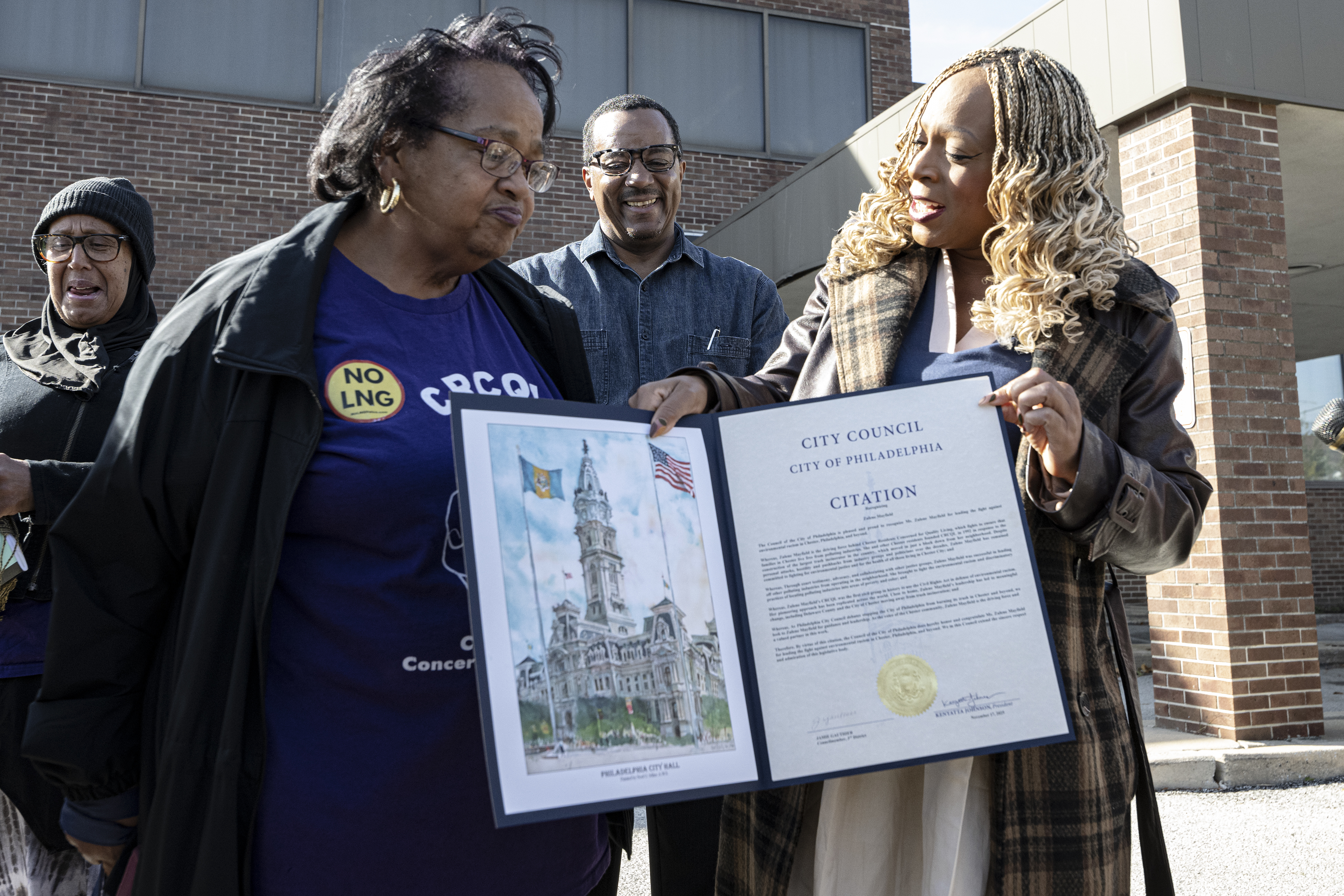
    Chester resident Zulene Mayfield, left, Philadelphia Councilmember Jamie Gauthier, right, and Chester Mayor Stefan Roots meet to discuss Gauthier’s “Stop Trashing Our Air Act,” which would ban the city from incinerating waste, during a visit with lawmakers and staff in Chester, Pa., on Friday, Nov. 7, 2025.

    On Monday, Chester officials pleaded with Philly to end its relationship with the facility, saying it contributes to high rates of illness.

    Reworld defended its record, saying it exceeds government regulations.

    Carlton Williams, who leads the Philadelphia Office of Clean and Green Initiatives, asked lawmakers to hold off approving a ban on incineration to allow the city time to study the issue.

    But the committee approved the measure, sending it to the full Council for a vote as early as Dec. 4.

    Dining out: Council is taking another crack at streamlining the city’s drawn-out permitting process for outdoor dining.

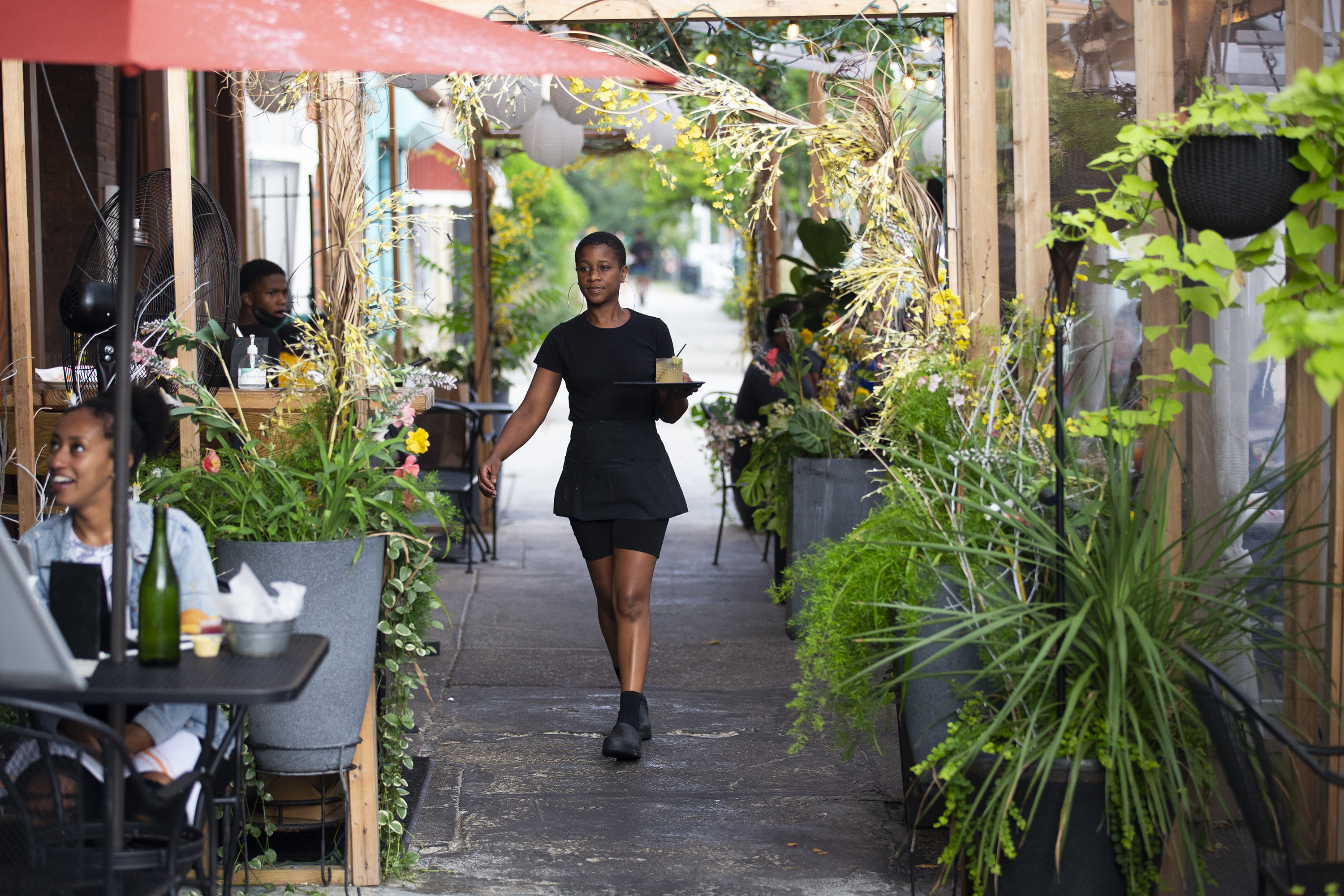
    The outdoor dining area at Booker’s Restaurant and Bar at 5021 Baltimore Ave. in 2021.

    Councilmember Rue Landau, who represents the city at-large, said it can take more than a year and a half for restaurants to get licensed if they are not in areas around Center City and a handful of commercial corridors in other neighbors.

    Beyond those locations, restaurants must get their district Council person to sponsor zoning legislation, which can take months.

    Landau introduced legislation Thursday to expand the “by-right” areas where sidewalk cafes can exist without special zoning. Where the areas are expanded to will be up to district Council members.

    Quote of the week

    Danny Garcia trains for an upcoming fight in August 2024.

    All in the family: Council members on Thursday honored boxer Danny Garcia, a North Philly native and an illustrious fighter who is retiring from the sport. He appeared in Council chambers to thank members and tell the city how much he loves it back.

    Staff writers Jake Blumgart and Beatrice Forman contributed to this article.
  • The parents of a 16-year-old shot and killed last month want Philadelphia to know not just how he died, but who he was

    The parents of a 16-year-old shot and killed last month want Philadelphia to know not just how he died, but who he was

    Angelica Javier was sitting at home on a Saturday evening last month when her son’s uncle called in a panic.

    Xzavier, her 16-year-old, had been shot, he said — one of the teen’s friends had called and told him, but he knew nothing else.

    Javier, 32, frantically checked a news website and saw a brief story mentioning that a man was shot and killed in Northeast Philadelphia.

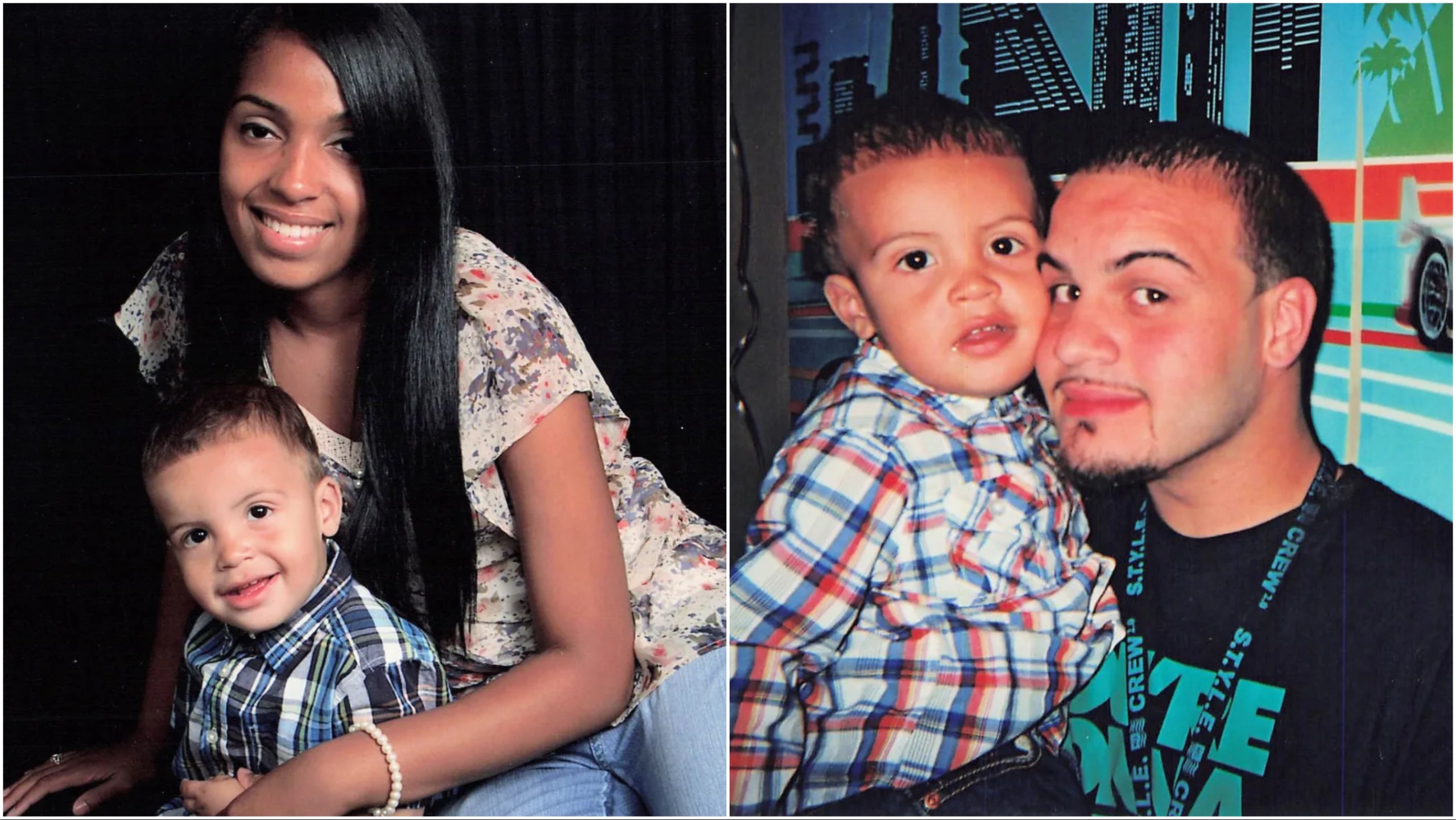
    That could not be her son, she told herself. Xzavier was only a boy, she said — tall but lanky, with the splotchy beginnings of a mustache just appearing on his upper lip.

    She called around to hospitals without success. Xzavier’s father, Cesar Gregory, drove to Jefferson Torresdale Hospital, desperate for information.

    Then, just before 10 p.m., she said, a homicide detective called to say their eldest child, their only son, had been shot and killed that afternoon near Teesdale and Frontenac Streets.

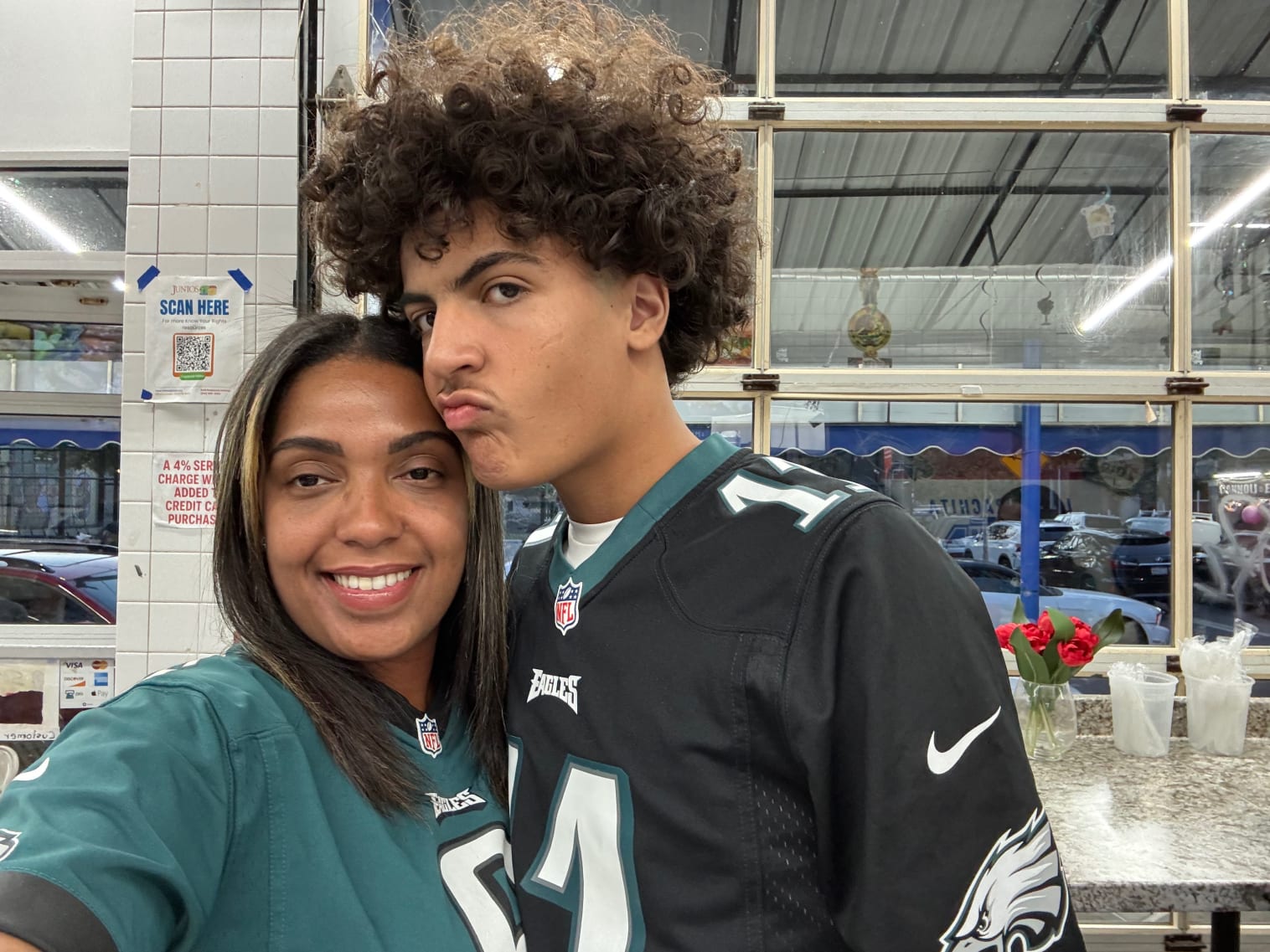
    Angelica Javier (left) and her 16-year-old son, Xzavier Gregory, getting tacos after watching the Eagles beat the Los Angeles Rams earlier this year.

    The shooting, police said, stemmed from a dispute among teens at the Jardel Recreation Center, just blocks away, earlier in the week. Xzavier’s parents said the detective told them that one of their son’s friends may have slapped a young woman that day.

    On Oct. 11, they said, police told them that Xzavier and his friends stopped by the young woman’s house shortly before 4 p.m. to talk with her, apologize, and resolve the conflict. They shook hands, the parents said, and started to walk away.

    Then, police said, the girl’s 17-year-old boyfriend, Sahhir Mouzon, suddenly came out of the house with a gun and started shooting down the block at them. Someone shot back, police said, but it was not Xzavier. In total, 45 bullets were fired.

    An 18-year-old woman walking by the teens was wounded in the leg.

    Xzavier was struck in the chest and died within minutes.

    Mouzon has been charged with murder and related crimes.

    Javier and Gregory have been left to navigate life without their “Zay” and to reckon with a loss that comes even as gun violence in the city reaches new lows — but which still persists among young people and brings pain to each family it touches.

    They don’t understand how a 17-year-old had a gun, they said, or why a seemingly minor — and potentially resolved — conflict had to escalate.

    But mostly, they said, they want Philadelphia to know and remember their child: a goofy junior at Northeast High. An avid Eagles fan. A lover of Marvel movies and spicy foods.

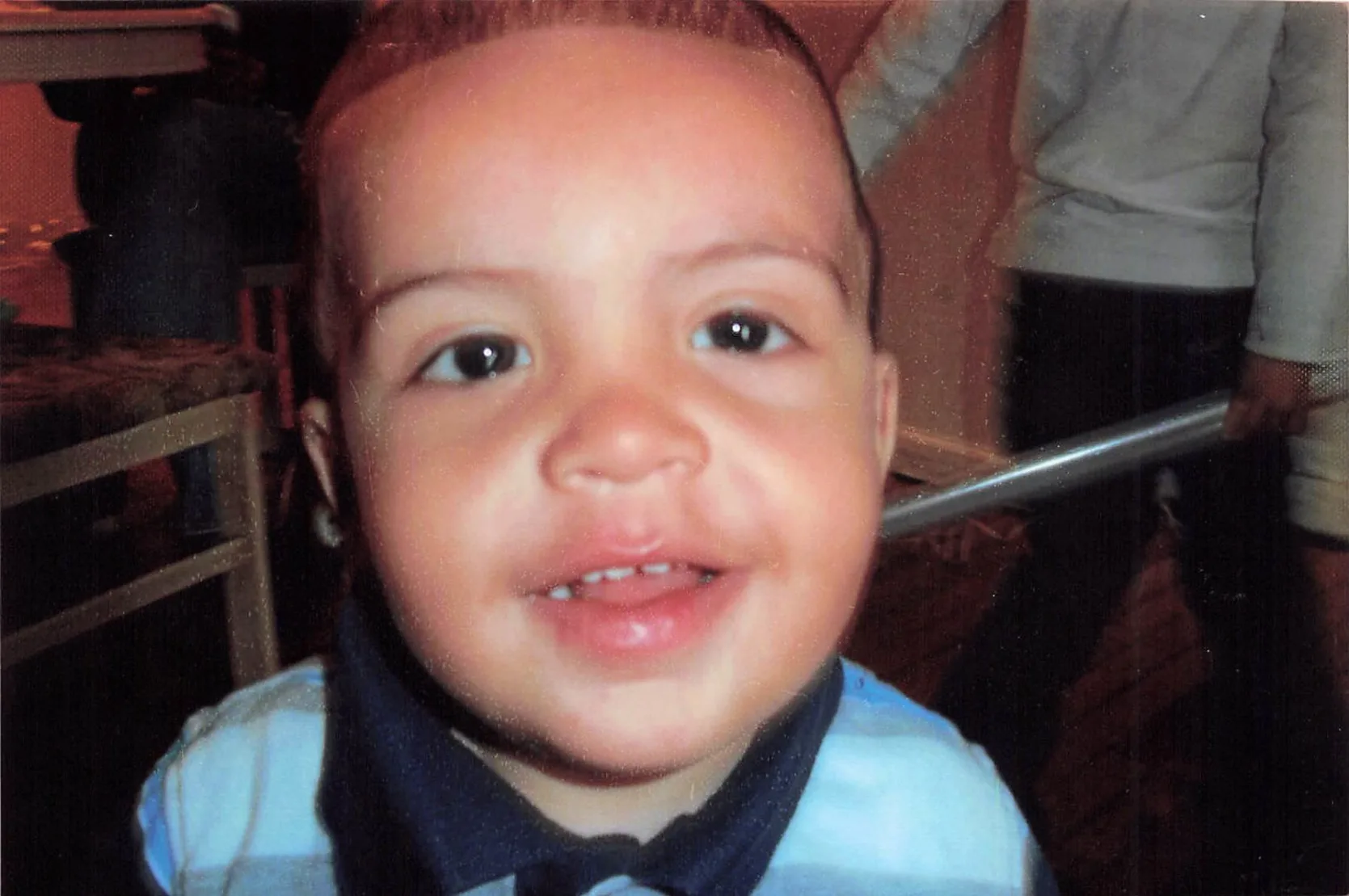
    Xzavier Gregory was born in Philadelphia. His parents loved his chubby cheeks.

    Xzavier Gregory was born Sept. 20, 2009, to Angelica Javier and Cesar Gregory.

    Xzavier Giovanni Gregory was born Sept. 20, 2009, at Temple University Hospital in North Philadelphia. His parents, just teens at the time, were immediately taken by his chubby cheeks, which he kept until his teenaged years.

    He lived in Kensington until he was about 10 years old, his mother said, when they moved to the Northeast. He attended Louis H. Farrell School, then spent his freshman year at Father Judge High before moving to Northeast High.

    He loved traveling, and often visited family in Florida and the Dominican Republic, attended football camps in Georgia and Maryland, and tagged along on weekends to New York with his mother as part of her job managing federal after-school programs.

    He played football for the Rhawnhurst Raiders, typically as an offensive or defensive lineman, and had a natural skill for boxing, his parents said.

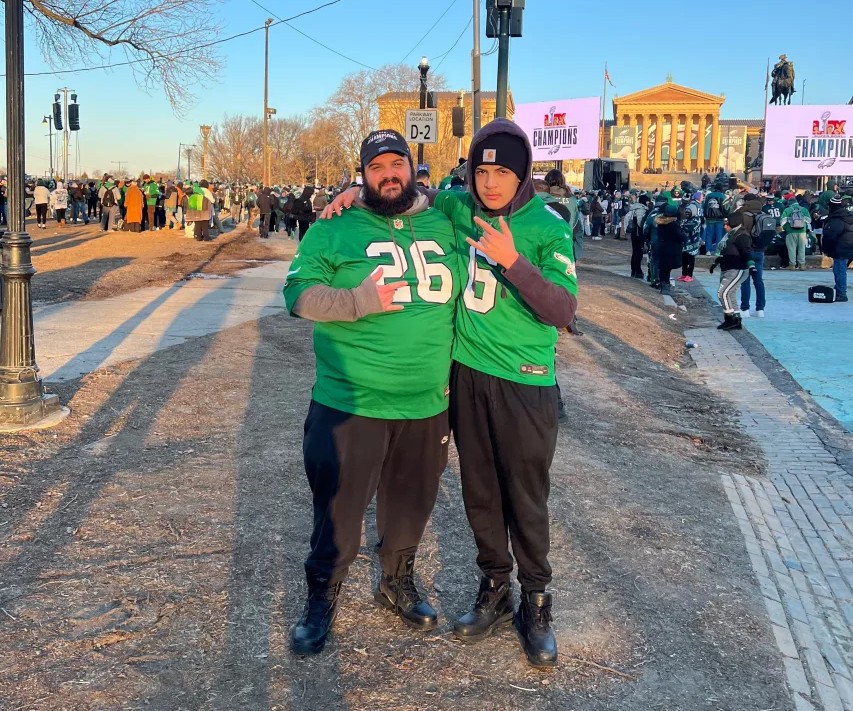
    Philadelphia sports were in his blood — particularly the Eagles. DeVonta Smith and A.J. Brown, his father said, were his favorite players. (Before his death, he agreed that Brown should be included in more plays this year, Gregory said.)

    Some of Gregory’s favorite memories with his son revolve around the Eagles. Sitting front row at the Linc on his 13th birthday. Erupting in cheers as the team won its first Super Bowl in 2018. Embracing in tears when they won a second this year.

    Cesar Gregory (left) and son Xzavier at the Eagles Super Bowl parade near the Art Museum in February. It is a day with his son that the father said he will never forget.

    Xzavier was the oldest of three children. His sisters are still too young too fully understand what happened, the parents said.

    “He went to heaven,” Javier told 7-year-old Kennedy.

    “He went with God,” Gregory told 9-year-old Mia.

    Even as shootings across Philadelphia have fallen to the lowest level in 60 years, children are still being shot more often than before the pandemic.

    The number of kids shot peaked in 2021 and 2022, when violence citywide reached record highs and guns became the leading cause of death among American children. So far this year, 105 kids under 18 have been shot — a sharp drop from three years ago, but still higher than pre-pandemic levels, according to city data.

    Xzavier is one of at least 11 children killed by gunfire this year.

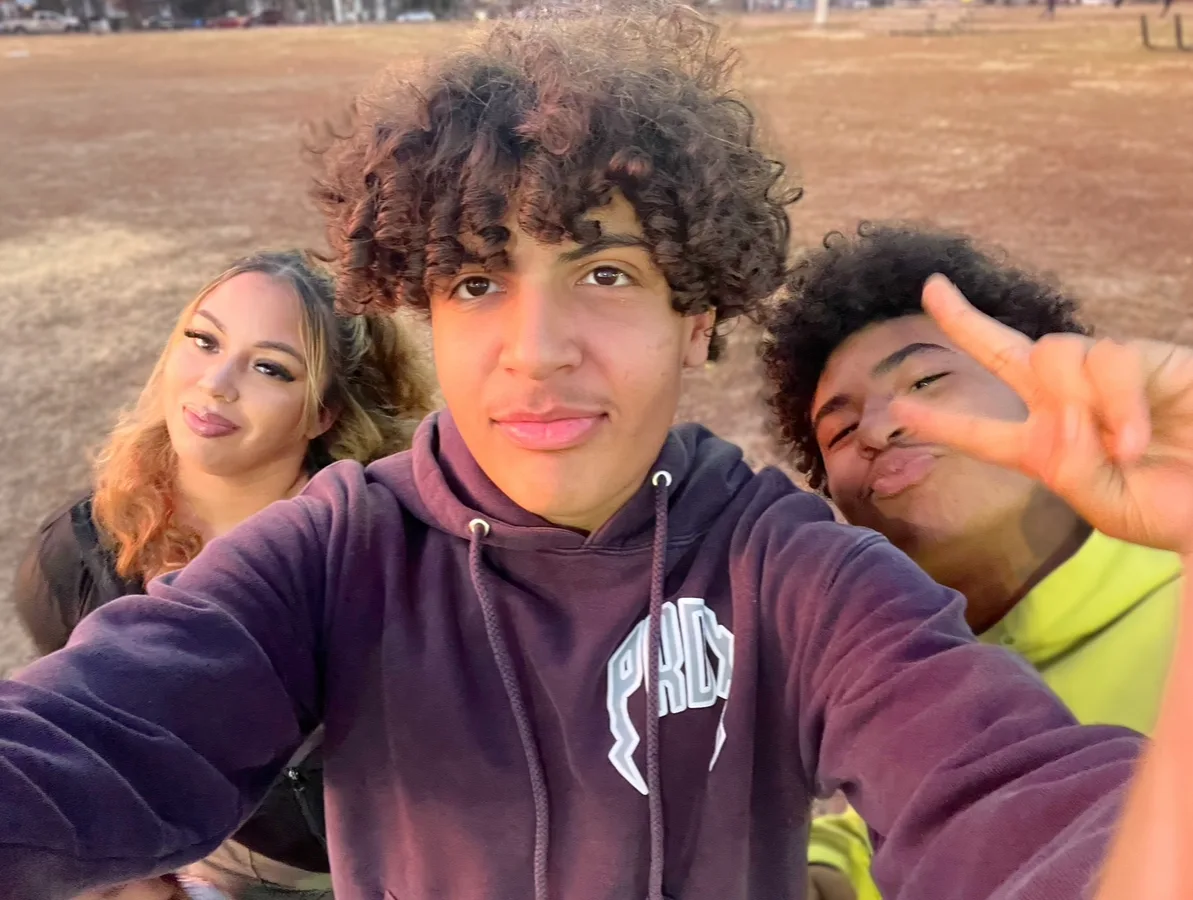
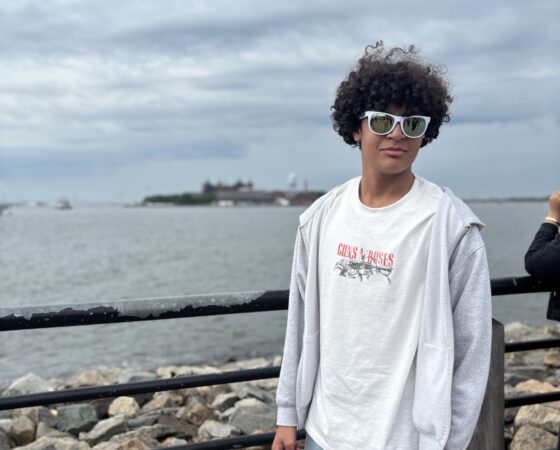
    Xzavier Gregory (center) was a goofy teen who attended Northeast High School, his parents said.

    Javier and Gregory said some relatives are considering leaving Philadelphia, shaken by Xzavier’s killing and a feeling that teens don’t fear consequences.

    But the parents said they will stay. They want to be near Magnolia Cemetery, where Xzavier is buried, and to feel closer to the memories that briefly unite them with him.

    On harder days, they said, they go into his bedroom, which is just as he left it, a relic of a teenage boy.

    His PlayStation controller sits in the middle of his bed, and a photo of him and his mother hangs on the wall above it. His Nike sneakers are scattered. His black backpack rests on the floor, and a Spider-Man mask sits on the corner of his bedframe.

    On Thursday, his parents stood in the room they used to complain was too messy, that smelled like dirty laundry.

    “Now, I come in just to smell it,” Javier said.

    She took a deep breath.

    Staff writer Dylan Purcell contributed to this article.
    @paigeloveslife92

    My review of the Showgirl pajamas. Returning these immediately. 🤣 #taylorswift #taylorswiftmerch

    ♬ original sound – paigeloveslife92
  • Johnny Doc played a pivotal role electing his brother to the Pa. Supreme Court. Ten years later, things are different.

    Johnny Doc played a pivotal role electing his brother to the Pa. Supreme Court. Ten years later, things are different.

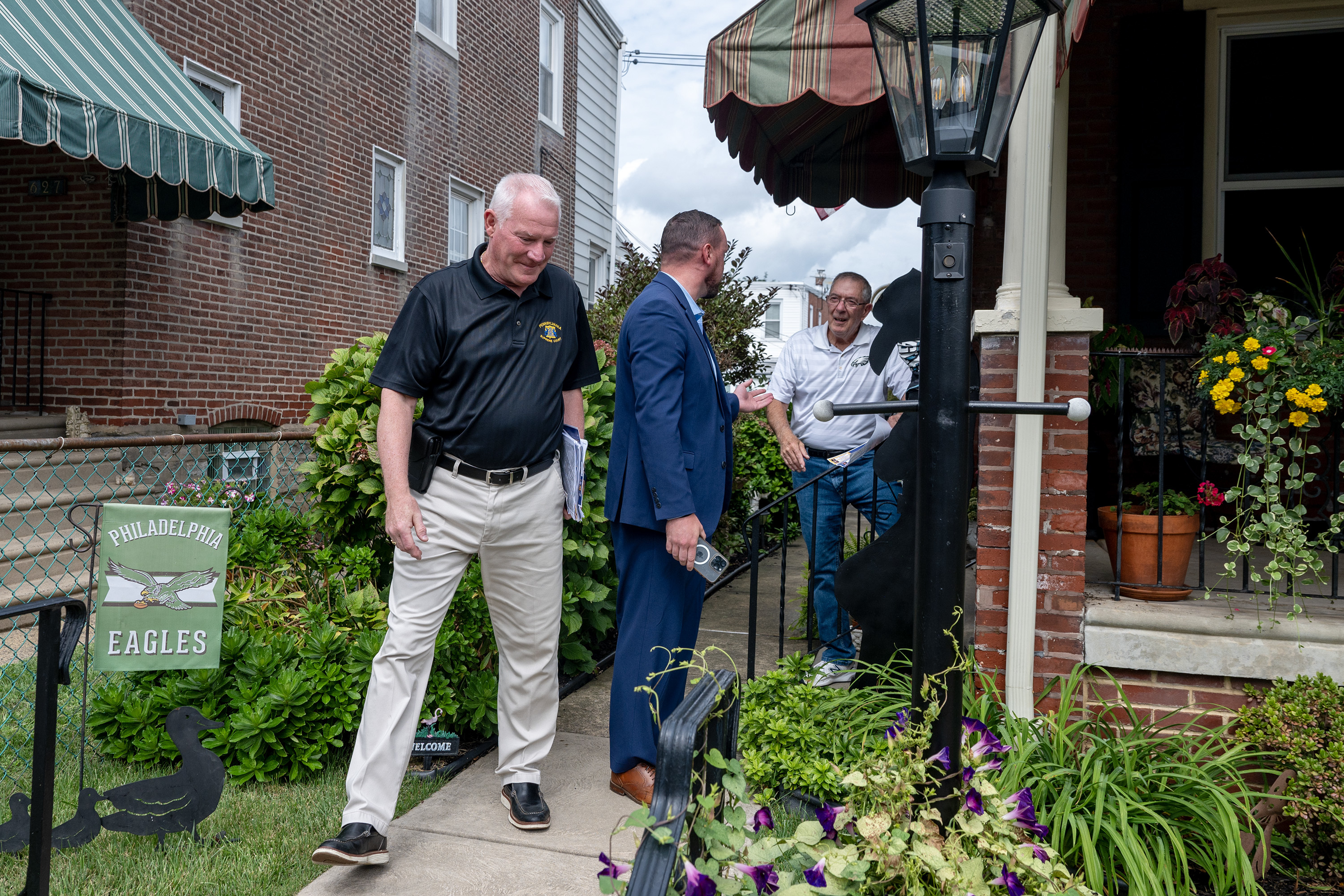
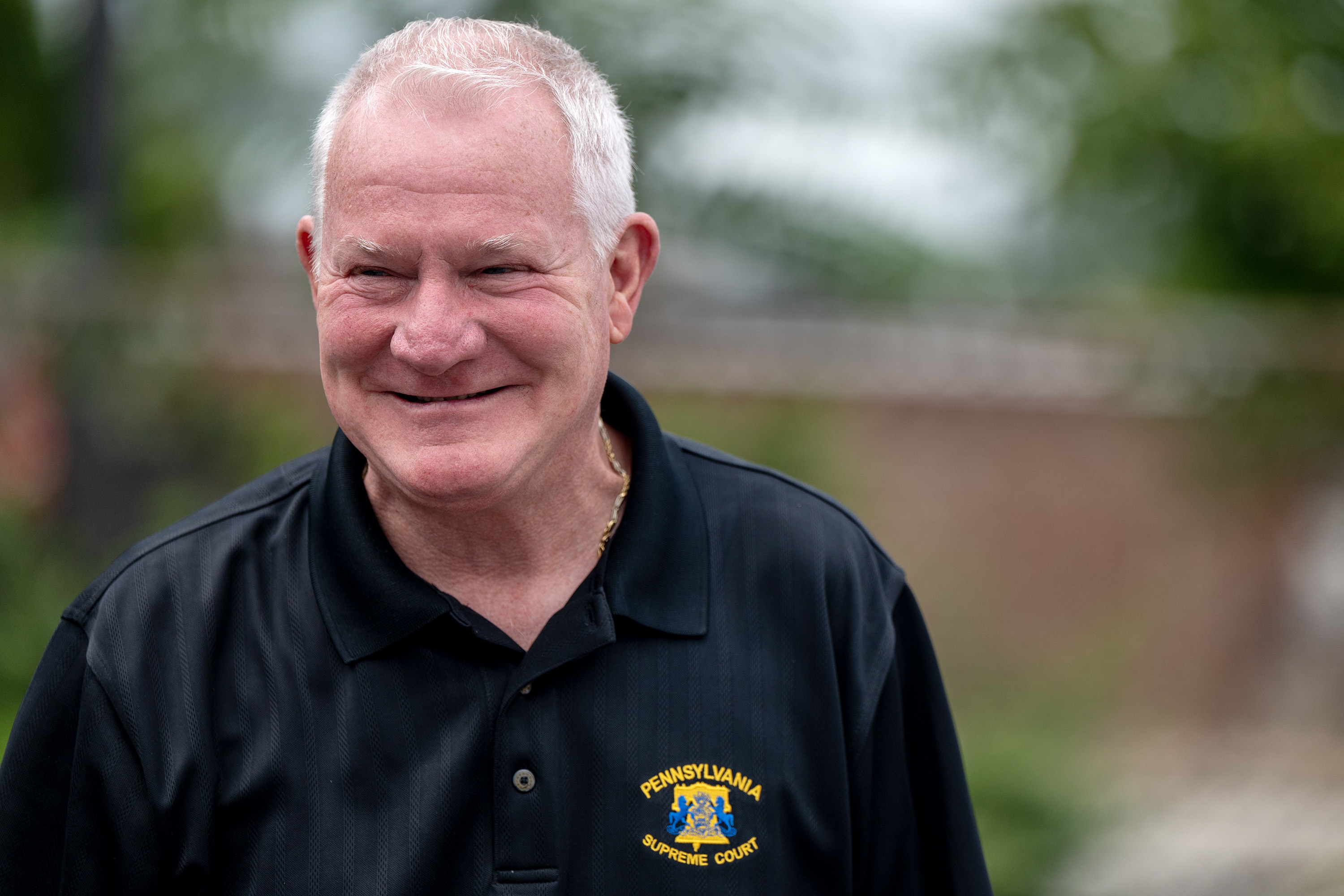
    As Pennsylvania Supreme Court Justice Kevin Dougherty knocked on doors in Northeast Philadelphia last month, a voter made a connection.

    Peering out his front door on a sunny September day, the man asked if the mild-mannered and smiling white-haired justice standing on his front porch was related to former labor leader John Dougherty. Widely known as “Johnny Doc,” the former head of Local 98 of the International Brotherhood of Electrical Workers and a onetime kingmaker in state and local politics was sentenced last year to six years in federal prison on embezzlement and bribery convictions.

    Despite the public fall from grace, the voter said he missed John Dougherty’s leadership in Philadelphia, adding that he believed Dougherty had been good for workers in the city. They are brothers, Kevin Dougherty confirmed.

    Justice Kevin Dougherty (left) canvasses with his son, State Rep. Sean Dougherty (center) in Fox Chase Sunday Sept. 7, 2025, stopping at the home of a voter. The elder Dougherty is one of three Pennsylvania Supreme Court justices up for retention.

    The justice had spent the day asking voters in his neighborhood to keep him and two other justices on the state’s Supreme Court for an additional 10-year term. At that stage, many voters were not even aware of the typically sleepy and nonpartisan contest on which both parties are spending millions in the lead-up to the Nov. 4 election.

    But in this year’s unusually high-profile state Supreme Court retention race, the connection has, in some circles, become unavoidable. Republicans seeking to oust Kevin Dougherty and two of his colleagues, all initially elected as Democrats, have sought to tie the judge to his brother’s misdeeds. The justice, a son of South Philadelphia who previously led Philadelphia’s Family Court, has sought to distance himself, and has seen the continued support of labor unions in his retention campaign.

    “Over the course of 25 years as a judge, including ten years as a Justice on the Supreme Court, Justice Dougherty has had the privilege and the benefit of meeting a multitude of Pennsylvanians including the working men and women of organized labor,” Shane Carey, Kevin Dougherty’s campaign manager, said in a statement. “Our campaign is proud to receive their support, as well as the support from almost 5,000 other individual donors.”

    How Johnny Doc helped elect his brother to the Supreme Court in 2015

    Kevin Dougherty didn’t choose to be related to one of the city’s most prominent power brokers, but he certainly benefited from his brother’s former union’s help, with significant support from the politically powerful Local 98 during his 2015 campaign for the state bench.

    Local 98, where John Dougherty was the longtime business manager, contributed more than $620,000 during Kevin Dougherty’s 2015 campaign for the Pennsylvania Supreme Court. Local 98’s spokesperson at the time also served as Kevin Dougherty’s campaign manager and appears from campaign finance filings that year to have been paid by Local 98. The union also spent more than $480,000 on in-kind contributions for “professional services,” mailers, merchandise, and more.

    Justice Kevin Dougherty talks with volunteers before they head out the canvass in Fox Chase Sunday Sept. 7, 2025. Dougherty is one of three Pennsylvania Supreme Court justices up for retention.

    Kevin Dougherty is the only justice up for retention from Southeastern Pennsylvania. The other justices, Christine Donohue and David Wecht, live in Pittsburgh. They will each appear on the November ballot with no party and no home county. Voters will simply be asked “yes” or “no” whether each individual justice should be retained for another term.

    Republicans working to oust the three justices this year have tried to leverage Kevin Dougherty’s past support from his brother to encourage voters to oppose his retention.

    Scott Presler, an influencer aligned with President Donald Trump who has more than 2.4 million followers and runs a political action committee aimed at registering Republican voters, posted an AI-generated image of John Dougherty behind bars, tying, without evidence, Local 98’s contributions to Kevin Dougherty’s 2015 campaign to his brother’s convictions.

    “Coincidence?” Presler wrote.

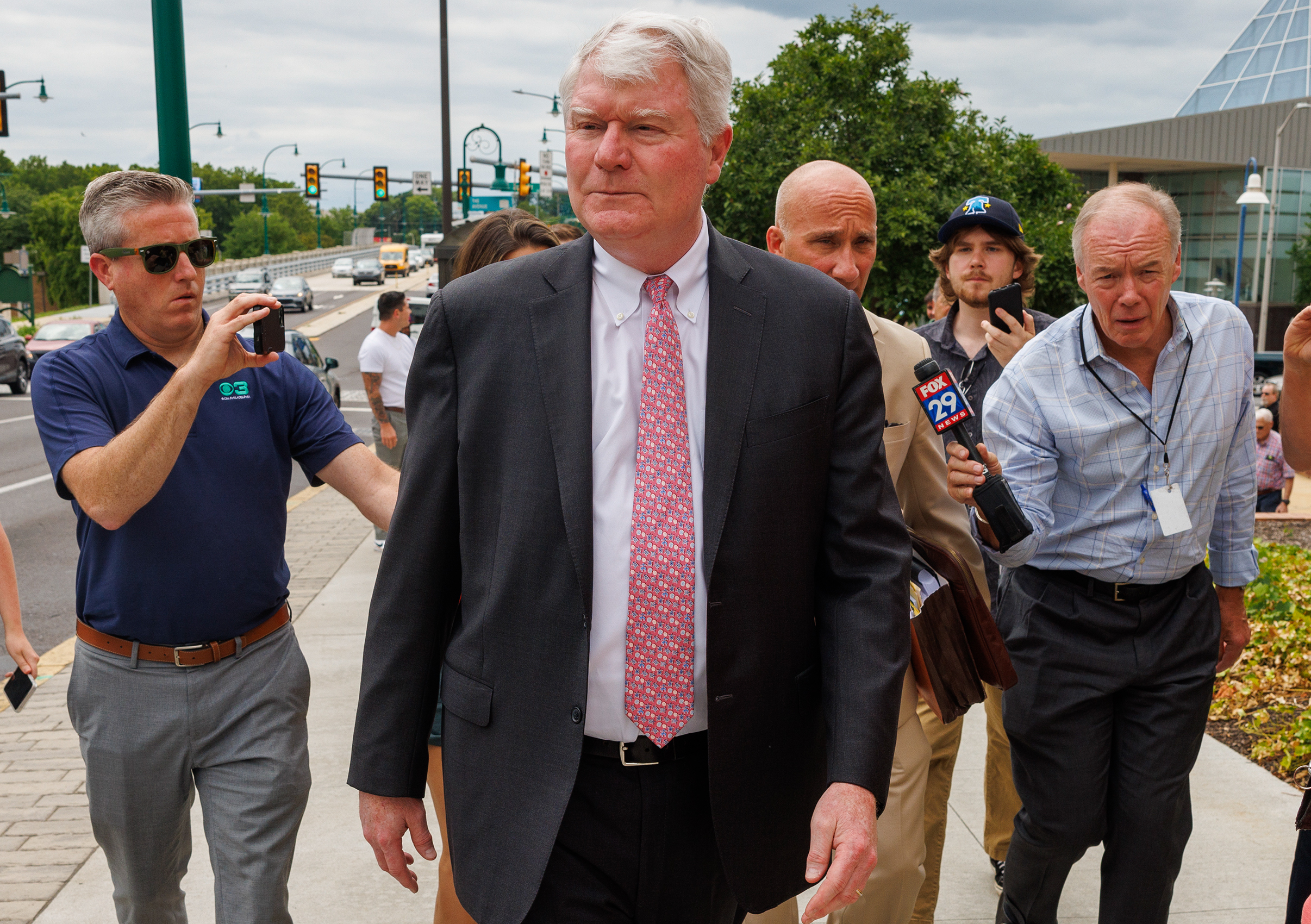
    Johnny Dougherty, the former IBEW business manger, and his attorney Gregory J. Pagano as they leave the U.S. District Court, Reading, Pa. on the day he was sentenced to 6 years in prison Thursday, July 11, 2024.

    For months, the conservative influencer has posted on social media urging followers to vote against retaining Kevin Dougherty and his colleagues, citing the times his name was mentioned during John Dougherty’s trials, such as when prosecutors alleged the justice received free home repairs or snow removal on the union’s dime. Kevin Dougherty’s lawyer at the time of the embezzlement trial said the judge never knowingly accepted services paid for with union funds.

    While door-knocking in September, Kevin Dougherty dismissed attacks against him related to his brother as “misinformation,” noting his decades-long career as a judge.

    Kevin Dougherty, 63, spent more than a decade as a Common Pleas Court judge in Philadelphia before his election to the state Supreme Court. During his tenure on the state’s highest court, he has authored majority opinions and is leading a statewide initiative to improve how Pennsylvania’s judicial system interacts with people with behavioral health issues.

    “I spent close to a quarter of a century being a judge,” Dougherty said on a sidewalk in Northeast Philly. “I just don’t accept people’s comments and judgment. I want to know what the motive behind those comments are. Some of these comments are just partisan … and I believe in my reputation.”

    The justice should be vetted on his own merits, said John Jones, a former U.S. District Court judge for the Middle District of Pennsylvania who was appointed to the bench by former President George W. Bush.

    “You can pick your friends, but you can’t pick your relatives,” Jones, now president of Dickinson College, added. “You have to judge the justice on his own merits. This is not a country where we favor guilt by association.”

    This time on the campaign trail, Kevin Dougherty has new familial support. State Rep. Sean Dougherty, a Democrat who was elected last year to represent parts of Northeast Philadelphia, has joined his dad to stump for his retention.

    Kevin Dougherty still has broad union support, including from Local 98

    With John Dougherty no longer at the helm of Local 98, labor unions in Pennsylvania this year still overwhelmingly supported the justice for retention, contributing $665,000 to Kevin Dougherty’s campaign as of September. While trades unions contributed the most of any interest group to all three justices — for a total of $903,000 as of the latest filings — Kevin Dougherty is the largest beneficiary of that support.

    Among those contributors: Local 98. The union, which has reorganized and distanced itself from John Dougherty since he was first convicted in 2021, gave $70,000 to Kevin Dougherty’s retention campaign.

    “IBEW Local 98 does not support candidates based on personal relationships,” said Tom Lepera, Local 98’s political director, in a statement. “We support candidates who understand and stand up for the needs of working men and women in organized labor. Justice Dougherty, along with Justices Donohue and Wecht, have consistently demonstrated their commitment to protecting the rights and interests of middle-class workers across this commonwealth.”

    Kevin Dougherty’s campaign did not respond to several questions this week about his brother’s role in his 2015 campaign or whether his brother’s reputation has influenced the retention campaign.

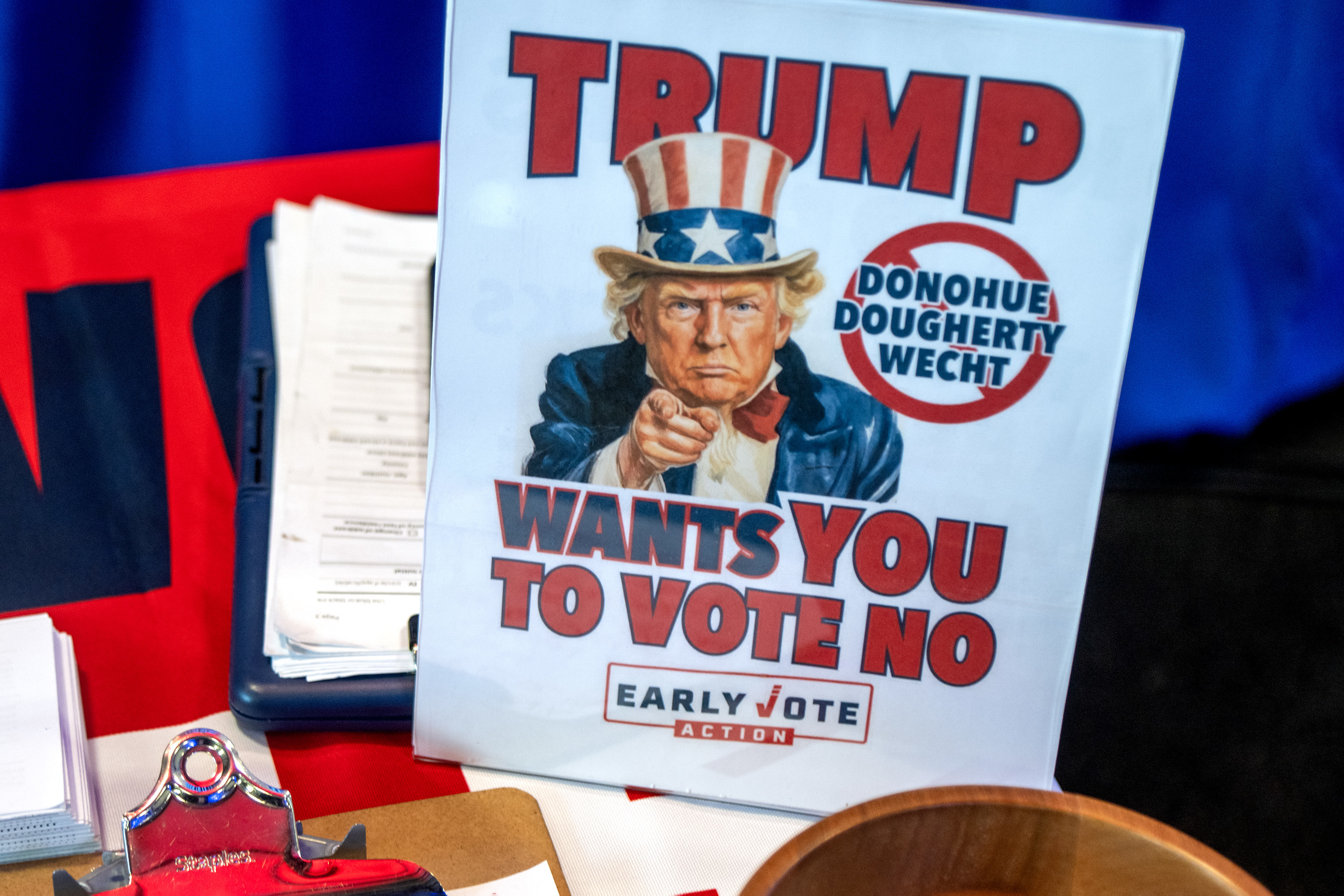
    Anti-retention material featuring President Donald Trump as Uncle Sam was on display at Republican rally in Bucks County last month headlined by Treasurer Stacy Garrity, a candidate for governor. The material is from Early Vote Action, a group led by GOP influencer Scott Presler.

    Union leaders insist their support for Kevin Dougherty this year has nothing to do with his brother and is a reflection of his quality work in the judiciary. Labor unions often support Democratic candidates, who are often seen as more beneficial to unions and their priorities.

    “It’s about keeping good judges on the bench,” said Ryan Boyer, leader of the Philadelphia Building and Construction Trades Council, an umbrella organization of local trades unions once commanded by John Dougherty. This year, the building trades gave just over $33,000 to each justice.

    “We don’t live on Mars where we don’t know that sometimes familial connections can be there,” Boyer said, “and they try to exploit those things.”

    Nonpartisan and Democratic groups favor Dougherty’s tenure on the bench

    Like his colleagues running for retention, Kevin Dougherty has earned broad support from nonpartisan and partisan groups alike.

    Dougherty was recommended for retention by the Pennsylvania Bar Association, which is a rigorous, nonpartisan decision based on a jurist’s behavior on the bench, and endorsed by several law enforcement organizations.

    Lauren Cristella, CEO of the Committee of Seventy, the Philadelphia-based good-government group, noted that the justice was never charged or found guilty of wrongdoing.

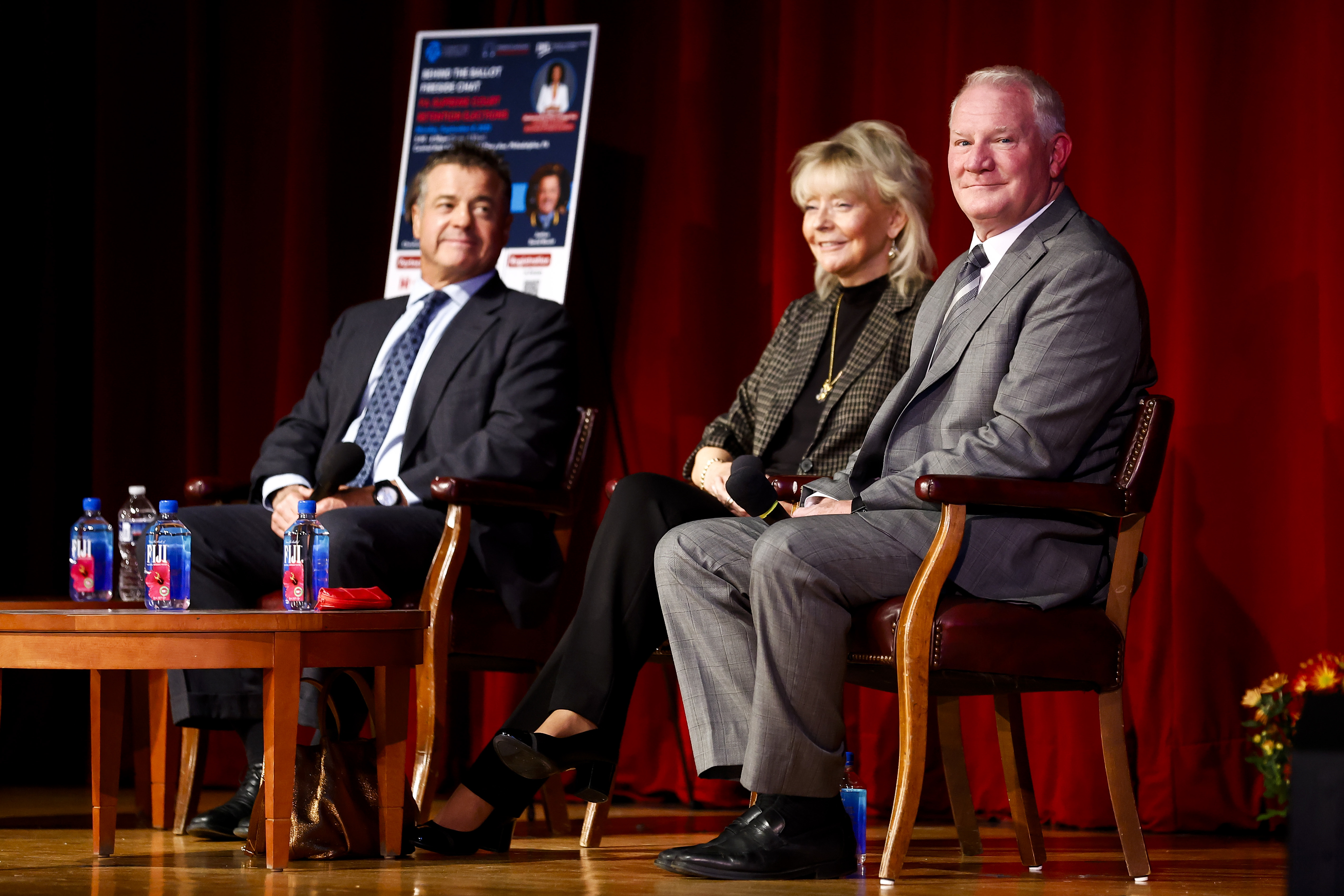
    Justices David Wecht, Christine Donohue and Kevin Dougherty sit onstage during a fireside chat at Central High School on Monday, Sept. 8, 2025 in Philadelphia.

    “The Committee of Seventy relies on the findings of law enforcement and professional oversight organizations, such as the Bar Association, when evaluating judicial candidates. This year, the Pennsylvania Bar Association has evaluated Justice Dougherty and recommended him for retention. Our focus remains on transparency, accountability, and maintaining public trust in Pennsylvania’s courts,” Cristella said in a statement.

    Dougherty and his fellow justices have also gained the support of Gov. Josh Shapiro, Pennsylvania’s popular Democratic governor, who in a fundraising email to Pennsylvania Democrats on Thursday urged voters to mark “yes” on retaining Dougherty, Donohue, and Wecht.

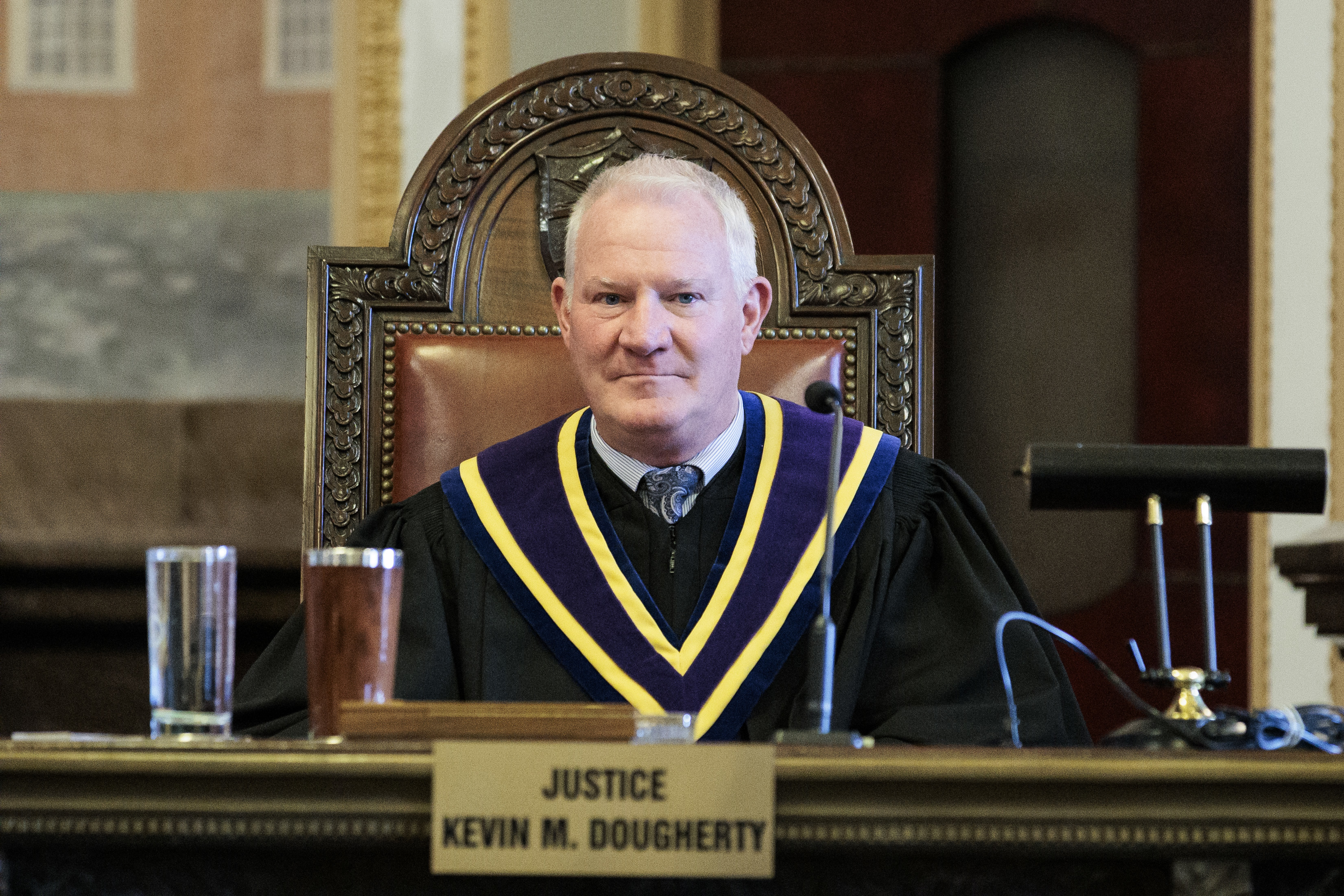
    Justice Kevin M. Dougherty listens during a Courtroom Dedication Ceremony at the Supreme Court Courtroom in Philadelphia City Hall on Tuesday, Sept. 9, 2025 in Philadelphia.

    “The threats to our freedoms are coming from all directions, and we need a Court that stands up for what’s right,” Shapiro said in the email. “Justices Donohue, Dougherty, and Wecht have proven that we can count on them to protect freedom, reproductive rights, and the rule of law.”

    In a statement to The Inquirer, Kevin Dougherty didn’t mention his brother by name.

    “With regard to my personal relationship I love my big brother. For obvious reasons, my brother is not participating in my Retention campaign,” he said.

  • How one family found room for eight in Mount Airy | How I Bought My House

    How one family found room for eight in Mount Airy | How I Bought My House

    The buyer: Kim Sephes, 40, learning coach

    The house: a 1,380-square-foot 1950s twin with three bedrooms and 2½ baths

    The price: $255,000

    The ask: Kim Sephes didn’t want to live in a house attached to her father’s church anymore. It “felt strange,” she said, living there after he passed away in 2019.

    So in 2022, she and her husband, Matthew, began searching for a home for their family of eight. Safety, location, and a driveway were top priorities. They needed four bedrooms and dreamed of a backyard.

    The search: At first, the couple searched in Northeast Philadelphia, where they found a lot of nice houses, but were worried about their kids walking around safely without supervision. They expanded their search to Mount Airy, but the competition was stiff. They made offers on four houses only to get outbid every time.

    “It was a crazy housing market where people were offering cash offers left and right,” Sephes said.

    Soon after, the family “stepped on the gas” with their search and found a house they loved in August 2022.

    The appeal: The house was move-in ready. Only the kitchen needed updating.

    But they had to make a few compromises.

    It was three bedrooms, not four — but it had a finished basement that Sephes says could be converted. It was a twin, not their preferred single, home — but it was attached to the corner house.

    “At least we weren’t in the middle of the block,” said Sephes. Most importantly, it was in a great section of Mount Airy, and it had a back patio.

    Kim Sephes with children (from left) Darius, 8, and Solomon, 4, on the steps of their home. She is carrying 1-month-old Adam.

    The deal: They offered $5,000 over the asking price of $250,000. The house attracted several offers from investors but “the sellers really wanted to sell it to a family,” said Sephes. “Our real estate agent went hard trying to convince them to sell it to us, because they did have a cash offer on the table for more than what we were going to offer.”

    In the end, the Sepheses’ offer was accepted and, after a little back and forth about the inspection, they sealed the deal with a $5,000 non-refundable earnest money deposit.

    The money: The couple saved $18,000 for a down payment, socking away the previous two years’ tax returns and parts of their paychecks. For three years, they put a little bit away every time they got paid.

    “I was so determined,” said Sephes.

    They also got a $15,000 forgivable loan through the Neighborhood Lift program, which they do not have to pay back as long as they stay in the house for 10 years.

    Through their lender, Fulton Bank, they secured an additional $2,000 grant and a Federal Housing Authority (FHA) mortgage with a 5% interest rate.

    The Neighborhood Lift grant “helped get us in the home,” Sephes said. Without it, they “would’ve qualified for something way less.”

    The move: The Sepheses closed on Sept. 26 and started moving right away.

    To ensure they had enough time to move, they paid October rent. However, they were officially out of the house within the first week, so the church gave them the full month’s rent back. “I really appreciated that because they didn’t have to do that,” Sephes said.

    Any reservations? The only issue with the house is that “it’s a little small,” Sephes said. But the garage has extra space for storage.

    More than anything, Sephes is grateful they were able to move.

    “We were ready to leave the church house,” she said.

    Life after close: Sephes says the best thing about their new home is the neighborhood.

    “It’s a beautiful block, very quiet, and it’s wide, too, so we don’t have to worry about traffic.”

    She also appreciates its 2½ bathrooms.

    Did you recently buy a home? We want to hear about it. Email acovington@inquirer.com.