You can’t turn around these days in Philly without someone telling you this is going to be a big year for the city, including me. You get it, things are happening, people are coming, but I bet you mostly just want to know how you can either join in on the parties or figure out how much they’re going to annoy you.
I usually try to temper my expectations — one, because I’ve learned a few things in 18 years here and two, because I like to be pleasantly surprised. But I’ve recently found myself imagining what the big moments will be like: the NCAA Division I men’s basketball tournament in March; the PGA Championship in May; the FIFA World Cup and MLB-All Star games this summer; and the yearlong celebrations marking the 250th anniversary of the signing of the Declaration of Independence.
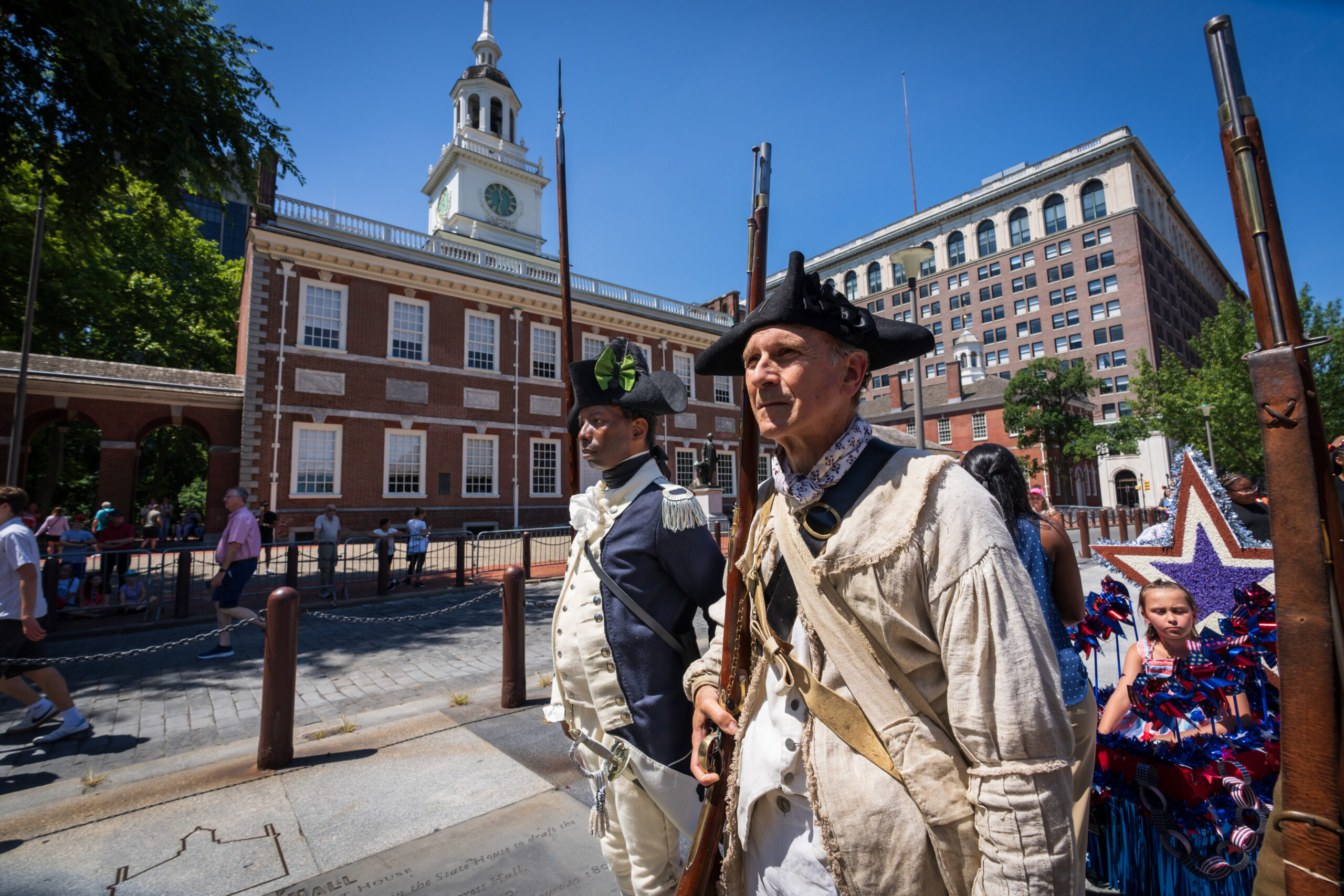
Antoine Watts, back left, and Michael Clement, front center, participate in the Red, White, and Blue To-Do Pomp & Parade at Independence Hall in 2024.
I have big hopes and some worries for Philadelphia, just like I do for everything I love.
And while the stuff above is a lot, it’s not everything going on here this year, not even close. So if you’re seeking alternatives to the big to-dos, looking to keep your calendar full all year long, or just hoping to run into Mark Ruffalo, here are 14 more Philly happenings to look forward to this year.
(Dates are subject to change. Check related websites for updates.)
Jan. 30: Philly is Unrivaled
The first big event features incredible athletes you won’t see in any of the major sporting events I mentioned above: women.
Unrivaled, a three-on-three format women’s basketball league, is holding a doubleheader at Xfinity Mobile Arena to kick off its first tour later this month.
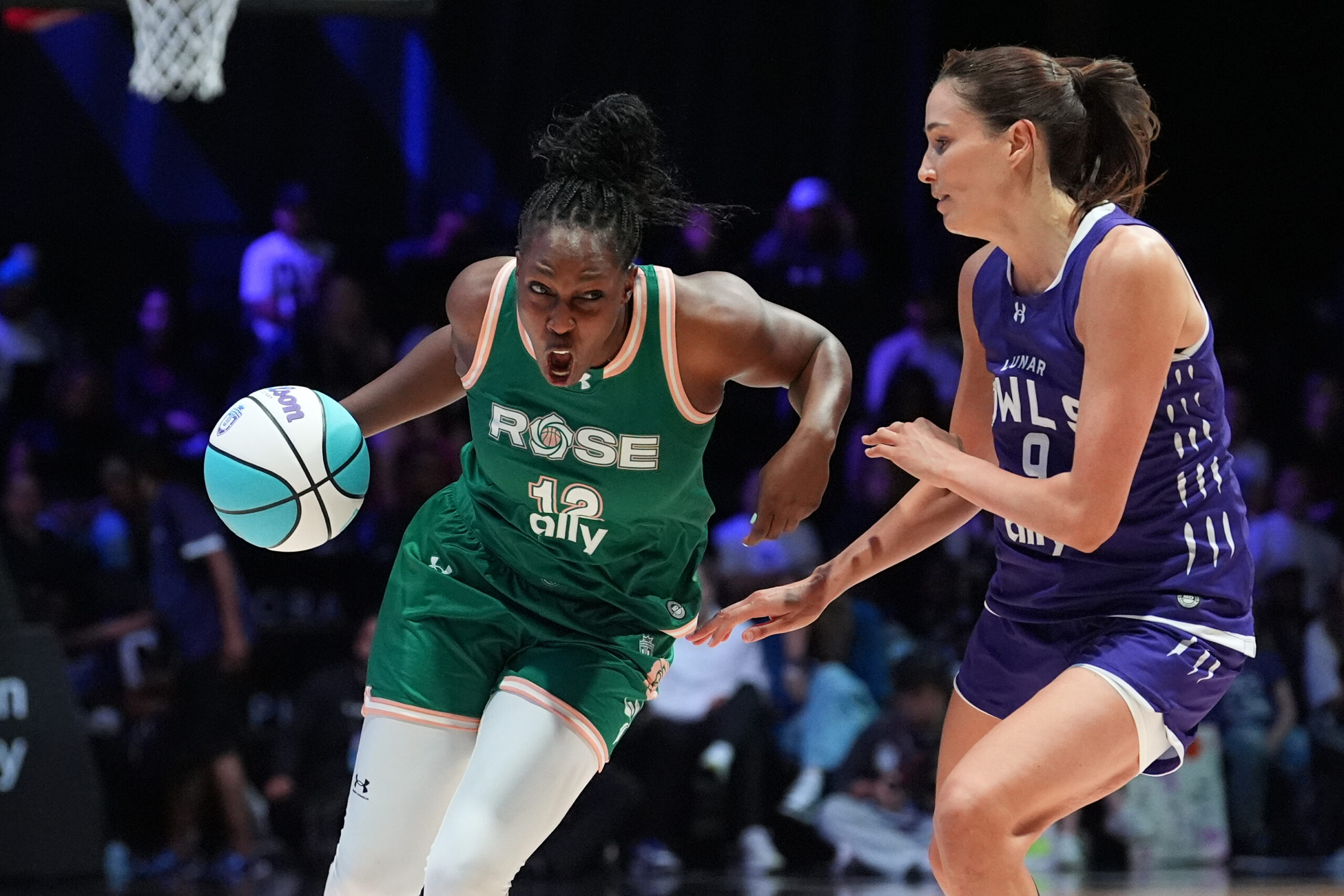
Rose BC guard Chelsea Gray (12) drives past Lunar Owls wing Rebecca Allen (9) in their Unrivaled 3-on-3 basketball game Jan. 5 in Medley, Fla.
The games will undoubtedly hype up fans for when Philly gets its own WNBA expansion team in 2030 and prove to any doubters that Philly is a women’s sports town (we even have a shirt that says it).
The Milano Cortina 2026 Winter Olympics in northern Italy will feature a host of local athletes and at least one famous Philly podcaster. Watching it also doesn’t require you to leave your house, so win-win.
Four Philadelphia Flyers will be playing Olympic hockey: Travis Sanheim for Canada, Rasmus Ristolainen for Finland, Dan Vladar will represent Czechia, and Rodrigo Abols will take the ice for Latvia.
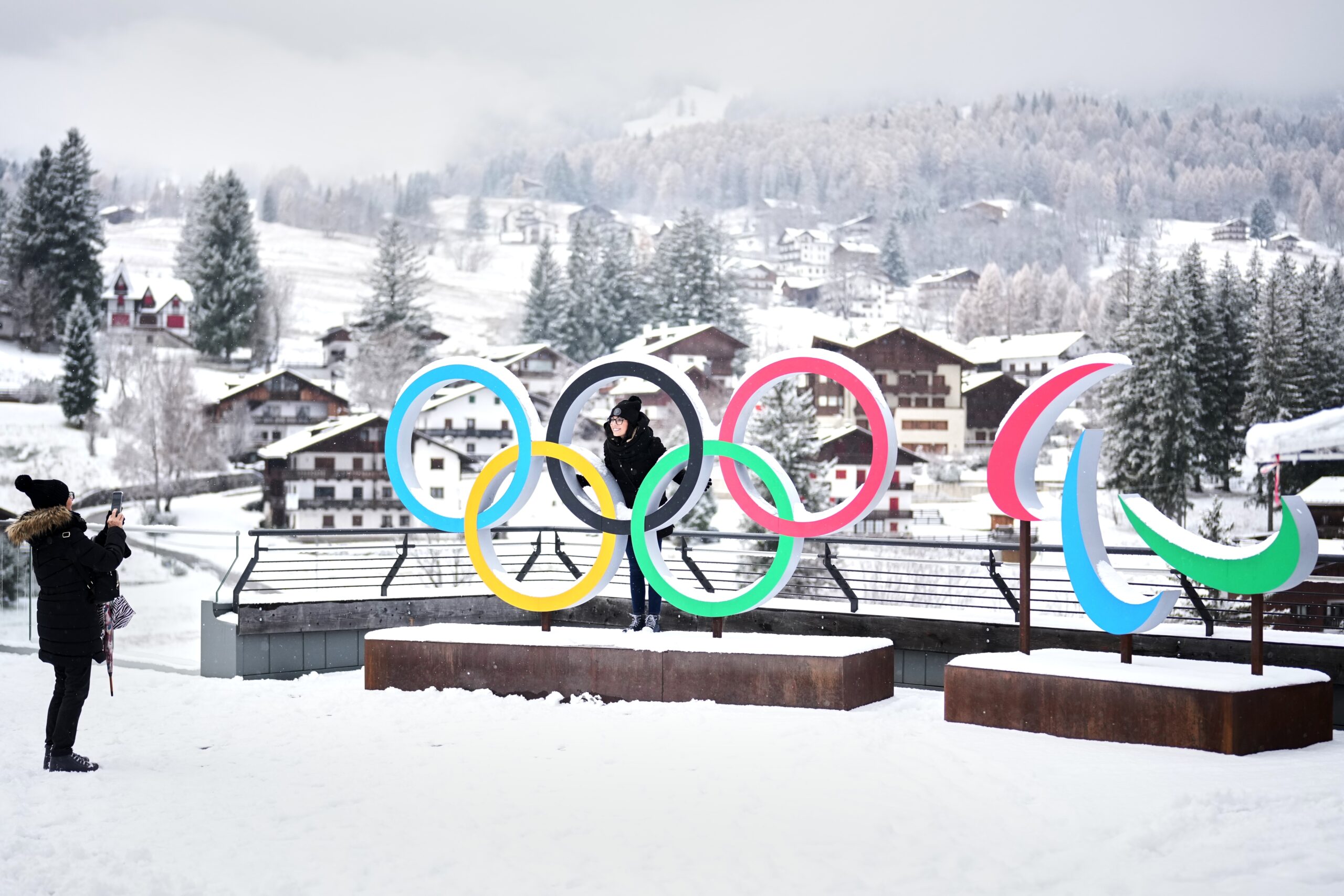
People take photos in front of the Milan Cortina Winter Olympics and Paralympics rings, in Cortina D’Ampezzo, Italy.
Other local athletes will undoubtedly qualify, but I don’t have a full list yet so don’t email me asking why I didn’t mention your cousin-in-law on the U.S. Curling Team.
Kylie Kelce will also serve as a digital content creator for NBCUniversal’s Creator Collective and she’ll have on-the-ground access to the games to produce social media content.
Go Birds. Go Team U.S.A.
Feb. 14: ‘Universal Theme Parks: The Exhibition’
How much fun can learning about theme parks be without the roller coaster rides, immersive lands, or concession stands? Philly will find out next month when the Franklin Institute premieres: “Universal Theme Parks: The Exhibition.”
An artists’ conceptual rendering of the Franklin Institute’s “Universal Theme Parks: The Exhibition,” which is slated to open Feb. 14.
The new exhibit spans eight galleries and tracks the history and world-building of Universal’s theme parks. It was created by the team at the Franklin, who hope it will introduce young visitors to science and tech careers in the theme park industry.
I’m hoping there’s a section about whatever alien incantation protects the E.T. Adventure ride, which opened in 1990 and is the last remaining original ride at Universal Studios Florida. The high-tech stuff is awesome, but there’s nothing that beats the nostalgia of that flying bicycle ride and the flashlight-fingered alien.
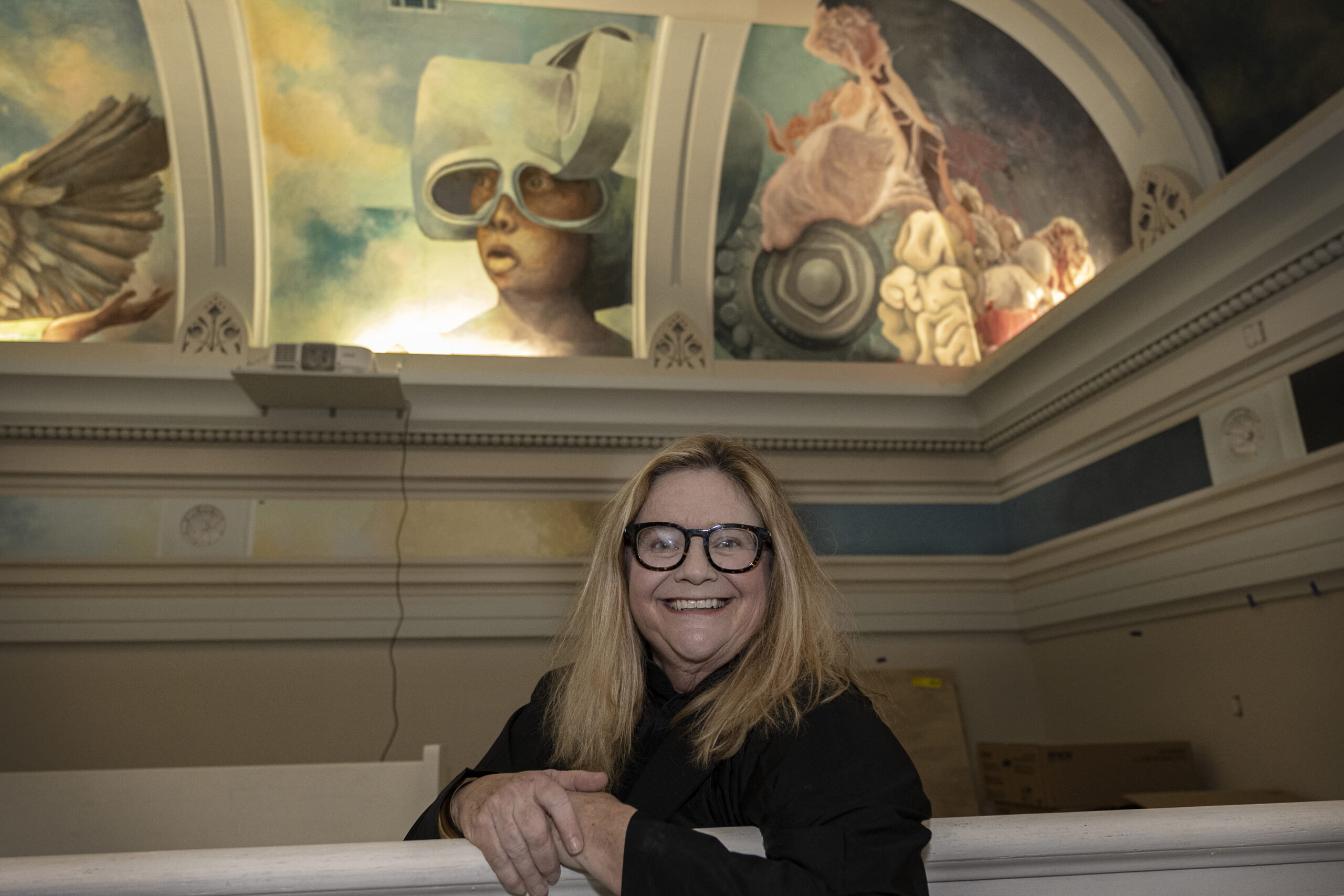
March 14: Ministry of Awe opens
The more I hear about the Ministry of Awe the less I understand it, and the more intrigued I become.
The permanent, six-story immersive art experience helmed by Philly muralist Meg Saligman inside of Manufacturers National Bank in Old City “transforms an abandoned 19th-century bank into a fantastical, seemingly impossible institution that trades in the many enigmatic facets of humanity,” according to its website.
Guests will be encouraged to question what they value and to wander the multimedia art space, which will lean into a banking theme and includes a room for counterfeiting. Actors will be on hand to enliven their experiences.
Muralist Meg Saligman inside of the still-under-construction Ministry of Awe in November. Opening date is March 14.
“There’s a teller that smells you. You will walk through and be delighted and surprised along the way,” Saligman told The Inquirer.
The Ministry of Awe says we all already have accounts open there and one thing is for certain, my interest rate is sky-high.
April 14 — May 31: ‘1776 The Musical’
There are not many musicals set in Philadelphia and the one thing you can say about 1776 is that it’s one of them.
The production about the events that led to the signing of the Declaration of Independence never became a juggernaut like Hamilton and didn’t produce any smash songs. But after rewatching the film version last Independence Day, I can safely say it’s still a pretty good musical. Especially if you hate John Adams, or love watching people hate on him.
While it would have been epic if this production could have been staged at Independence Hall this year, seeing it at the Walnut Street Theatre — the country’s oldest theater, which opened just 32 years after 1776 — is a close second.
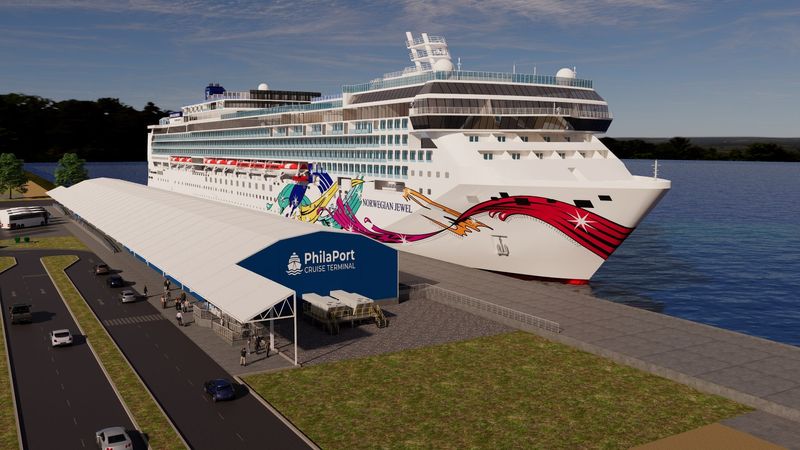
April 16: Cruise ships begin sailing out of Philly
For the first time in nearly two decades, cruise ships will return to the region this spring, offering locals a chance to seas the day with an aquatic trip abroad.
Construction of the Port of Philadelphia (PhilaPort) Cruise Terminal began last month in Tinicum Township, Delaware County, at a site adjacent to the Philadelphia International Airport that was formerly known as the Hog Island Dock Terminal Facility.
(How’s that for a local word salad — a Philly port in Delco at a dock named after the place that may have inspired the word hoagie.)
A conceptual rendering of the future PhilaPort Cruise Terminal, a 16-acre site adjacent to Philadelphia International Airport.
Norwegian Cruise Lines has exclusive rights to sail out of the PhilaPort Cruise Terminal through March 2033. According to its website, the first voyage will be a seven-day round-trip to Bermuda.
Fear not the Bermuda Triangle, my fair Philadelphians, for we’ve weathered far stranger things here following Super Bowl wins, and on an average Tuesday.
April 18: Monster Jam at the Linc
If you think the Birds are beasts on their home turf, buckle up, because 12,000-pound trucks are coming to Lincoln Financial Field this spring as part of Monster Jam’s Stadium Championship Series.
Foam teeth line the front of the Megalodon monster truck at Monster Jam at Lincoln Financial Field in 2023.
When I hear Monster Jam my first thought is “It’s probably boysenberry,” or “I wonder if it’s as fun as a mash?” but if you have little ones who love things that go vroom — or you do — this auto be wheelie good time.
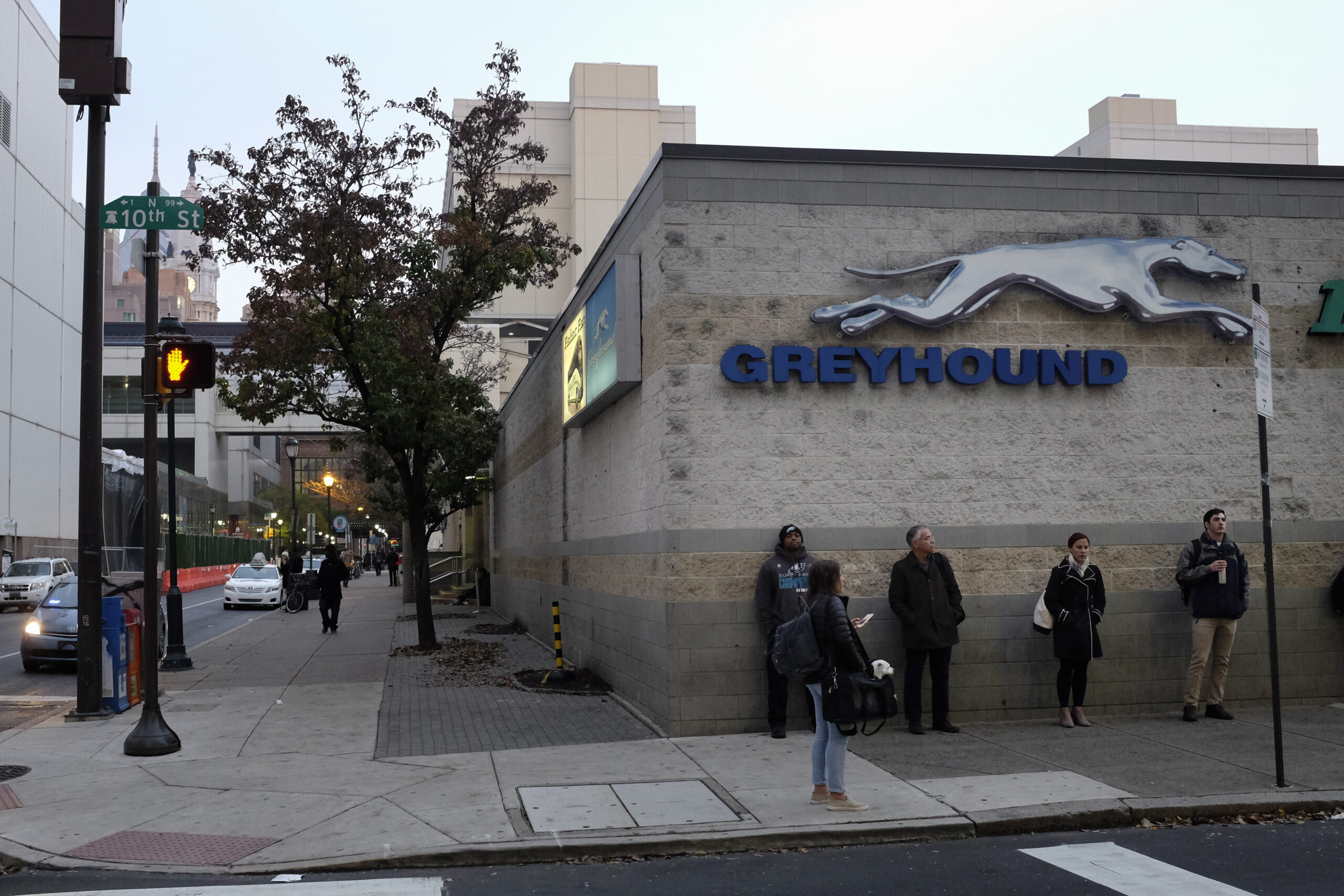
May: The Greyhound station reopens
Slated to come back from the dead this spring like it was Kenny or Jon Snow will be Philly’s intercity bus terminal, formerly known as the Greyhound station.
The Philadelphia Parking Authority will operate the terminal on behalf of the city, which has gone more than two years without a facility since Greyhound left the terminal at 10th and Filbert Streets in 2023 after 35 years.
Corner of the former Greyhound station at North 10th and Filbert Streets in 2018.
In the aftermath, buses used public street curbs to pick up travelers, who were forced to wait outdoors in the elements and had very little access to basic amenities, like bathrooms. The whole situation was bus-ted and I’ll be glad to see it fixed.
June 12: ‘Disclosure Day’ premieres
Filmed in parts of South Jersey last year and featuring Philly’s own Colman Domingo, Disclosure Day is an alien thriller from director Steven Spielberg that I can’t wait to get my tentacles on.
I love good sci-fi and this one has a screenplay by David Koepp, who also wrote the screenplay for Jurassic Park, one of my favorite movies of all time. The trailer for Disclosure Day is intriguing, unsettling, and reveals little about the plot, but I already find the movie authentic: If aliens were to land anywhere, South Jersey seems like a fitting place.
At the end of the trailer, a nun says “Why would He make a vast universe yet save it only for us?” which hearkens to a famous Carl Sagan quote:“The universe is a pretty big place. If it’s just us, seems like an awful waste of space.”
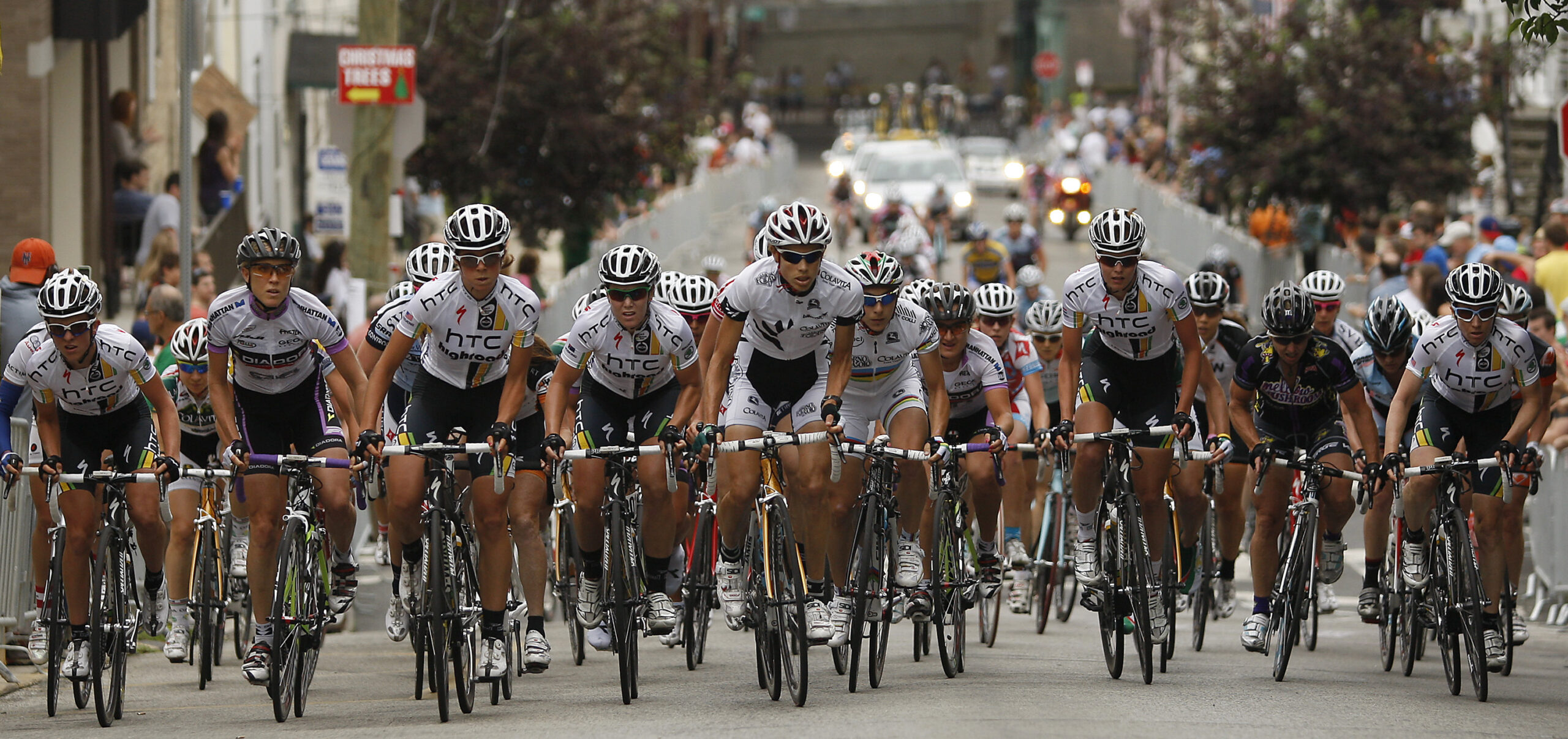
Aug. 30: Philadelphia Cycling Classic returns
If there’s one thing Philadelphians love doing, it’s partying while watching other people exercise and this year they’ll get to do it again at the Manayunk Wall when the Philadelphia Cycling Classic returns after a 10-year hiatus.
Held for 30 years before it was canceled in 2016 due to lack of sponsorship, the race follows a 14.4-mile course from Center City to Manayunk, where cyclists must climb the “Manayunk Wall,” a stretch of Levering Street with a 17% gradient.
Women cyclists pedal up Levering Street, aka the “Manayunk Wall,” during the Liberty Classic TD Bank International Championship race in 2011. The race is returning this year as the Philadelphia International Cycling Classic.
Back in the day, people partied like it was Two Street on New Year’s along the route in Manayunk, particularly at the Wall. As bikers cycled through the course, spectators cycled through kegs and cowbells, with some folks on Levering Street charging admission to their house parties and others hanging beer banner ads on their porches for a fee.
Also slated in 2026, but dates remain unknown:
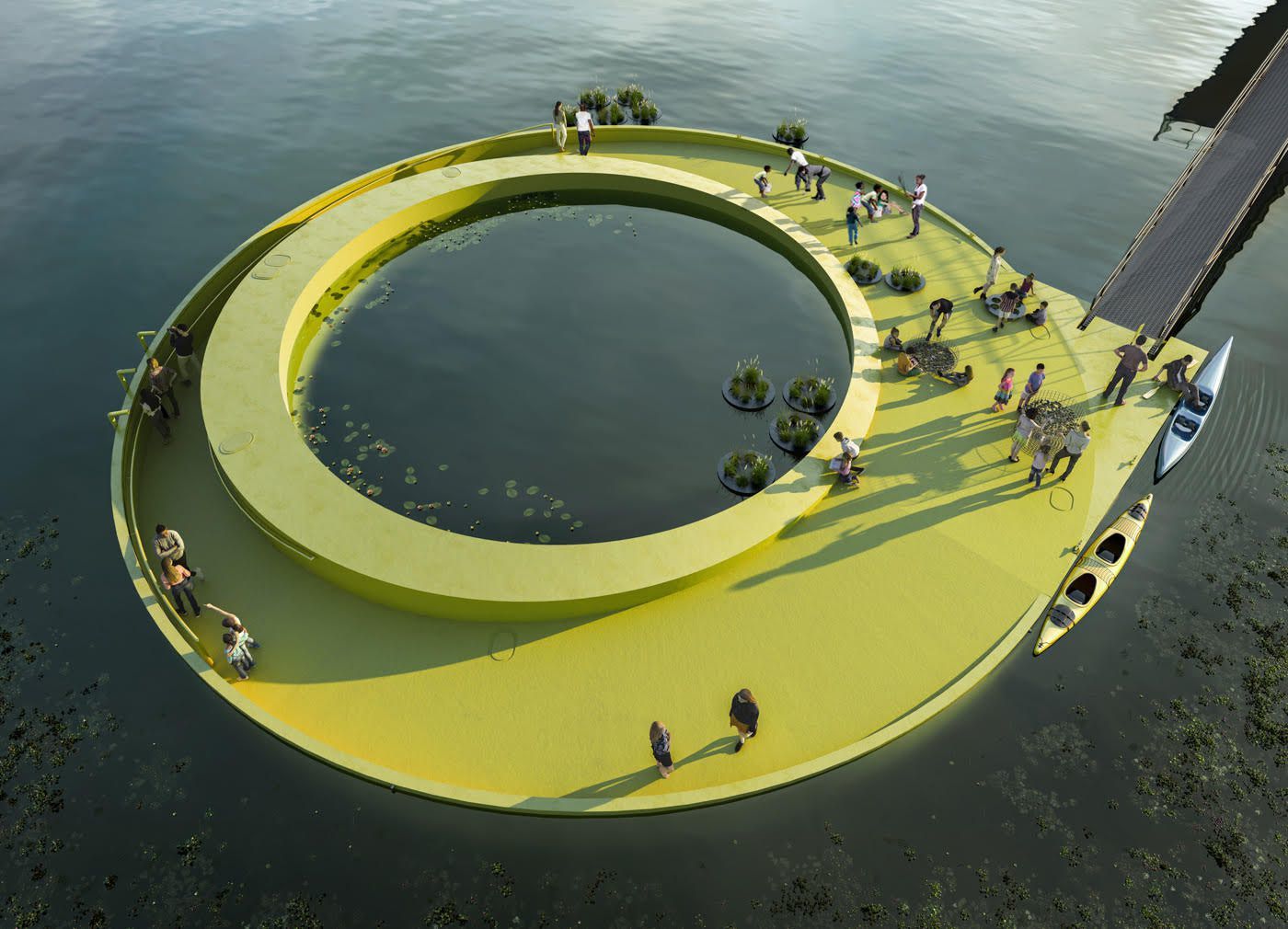
A conceptual rendering of FloatLab, set to be installed at Bartram’s Garden on the Schuylkill in 2026.
Opening of Mural Arts’ FloatLab: Located in the Schuylkill at Bartram’s Garden, FloatLab is a 75-foot installation and environmental center that will be “a convergence of art, architecture, and nature,” according to its creator, J. Meejin Yoon. The sloped, ADA-compliant circular platform, which allows visitors to look eye-level at the river while standing in it, will serve as both an educational and artistic space.
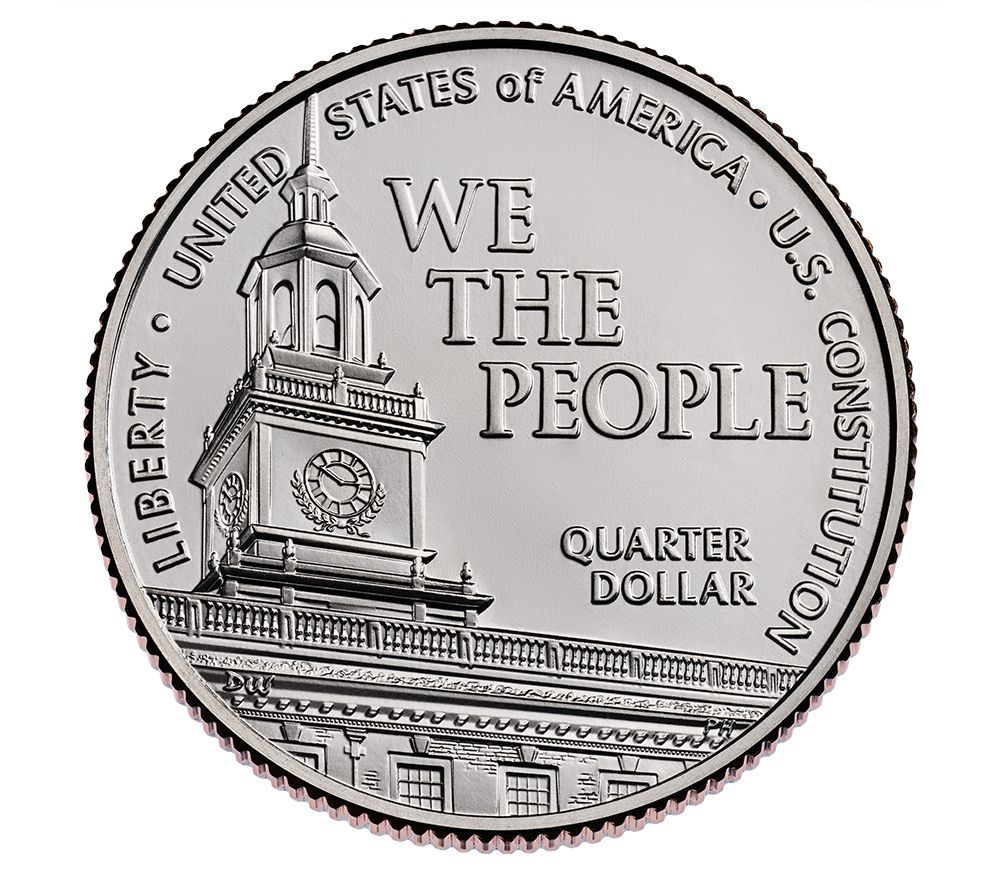
Gimme my Philly money: To mark the nation’s 250th, the U.S. Mint is releasing quarters with Independence Hall and the Liberty Bell on them this year and I’m going to need some of those for my piggy bank. Just to be clear, this does not change the fact that I’m still salty at the Mint for stopping penny production. What will people put in their loafers? How will Penny from Pee-Wee’s Playhouse see? It’s just cents-less.
This new design for the quarter commemorates the U.S. Constitution and depicts Independence Hall in Philadelphia, where the Declaration of Independence and U.S. Constitution were signed. The other side of this quarter has a depiction of President James Madison.
Rumored in 2026, but in no way confirmed:
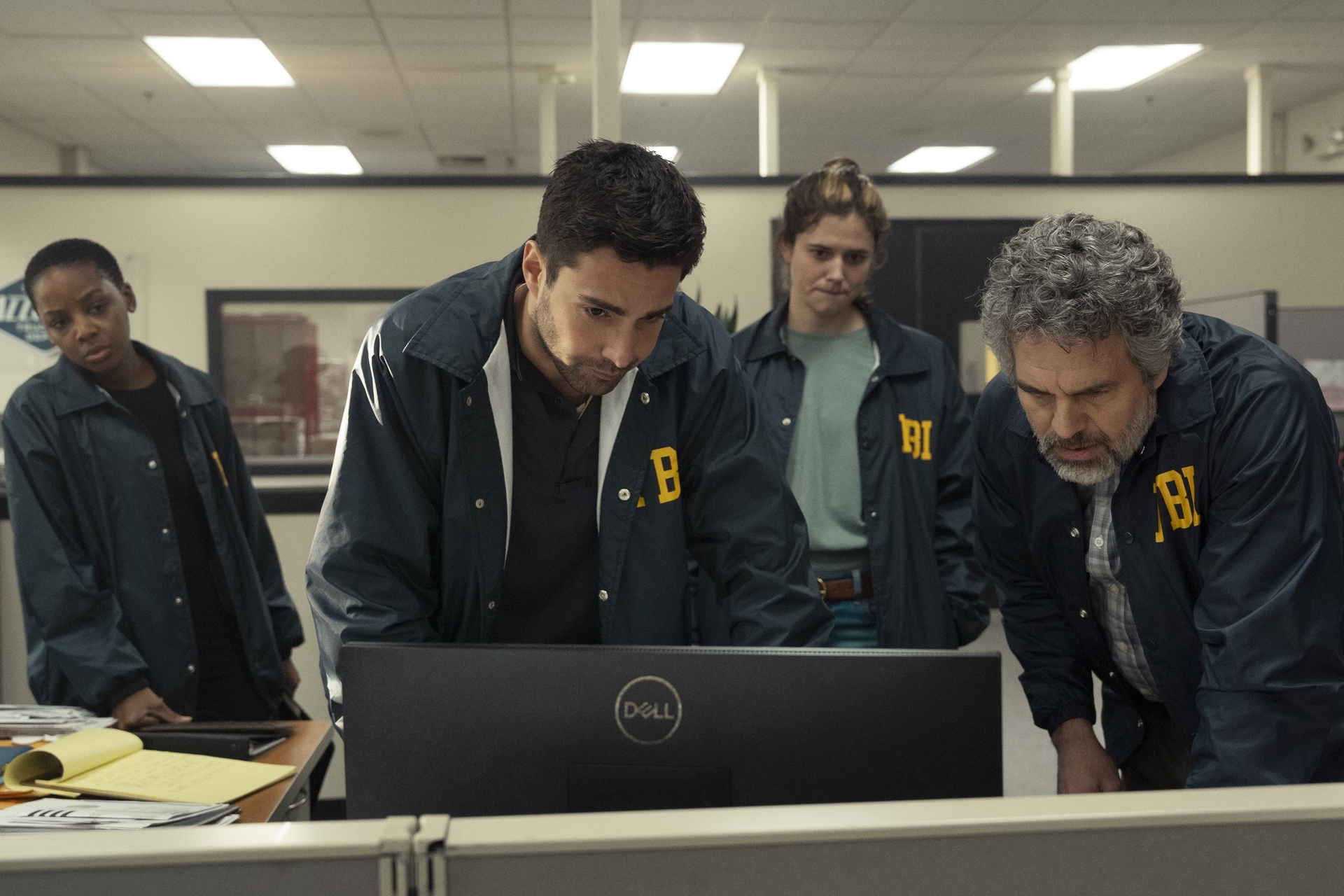
From left: Thuso Mbedu (Aleah Clinton), Fabien Frankel (Anthony Grasso), Alison Oliver (Lizzie Stover), and Mark Ruffalo (Tom Brandis) in “Task.”
Task season 2: The Delco-set HBO thriller starring Mark Ruffalo was renewed for a second season and I’m hoping they start filming around Philly’s weirdest suburb this year (though creator Brad Ingelsby may have to write the script first). While it’s unclear if Ruffalo will reprise his role as FBI agent Tom Brandis, one of my resolutions this year is to frequent more local hoagie shops in the hopes of running into him, but also because I love hoagies.
Stranger Things spinoff?: Philly was named-dropped in the finale of the beloved sci-fi show, which got fans hypothesizing that the home of one of the greatest urban legends of all time — the Philadelphia Experiment — might be the setting for one of the confirmed spinoffs. Or it could just be subliminal advertising for Netflix House Philadelphia (which is actually in King of Prussia). An Instagram post from the show and Netflix on Wednesday only fueled rumors, with its caption: “meet me in philly.”
Adam Cesare knew by the third date that if he and his future wife were going to end up together, he was going to have to start calling sub sandwiches hoagies. “She’s a Philly lifer,” the New York-born, USA Today best-selling author said. Sure enough, after graduating from college in Boston, the couple relocated to Philadelphia, where Cesare threw himself into the city’s film and literary scenes. “I took to Philly like a fish to water,” Cesare said. That was 15 years ago.
Fast forward to today, and the former high school English teacher is an acclaimed local author with more than a dozen horror novels under his belt, including the popular Clown in a Cornfield series, the first of which was adapted for the big screen and released in theaters this past summer. Now, Cesare is gearing up to release Clown in a Cornfield 4: Lights! Camera! Frendo!
When he’s not busy editing his manuscript, Cesare still loves to explore Philly’s extensive film and lit scenes, roaming through used bookstores or catching a flick at PhilaMOCA.
Here’s how Adam Cesare would spend a perfect day in Philadelphia.
9 a.m.
First, I would make sure it’s not a Sunday because I want to go to Beiler’s Doughnuts in Reading Terminal, and it’s closed on Sundays.
11 a.m.
After Beiler’s, I’d pop over to Old City to go to The Book Trader. I could name-drop all the current new bookstores, but there’s something about used bookstores that I really like. I’d swing by the comics shop, Brave New Worlds, because it’s right next door, then I’d head to Mostly Books on Bainbridge. I love that place. It’s great because they have a pretty decent VHS, DVD, and Blu-ray selection too, so I’ll get a few movies.
I might also pop into the Philly AIDS Thrift. It’s fun to walk around. They have a good book section. It’s mostly general fiction. I like their physical media section too. You can get the DVD or VHS of every television series that’s been kicked off Netflix.
1 p.m.
For lunch, I’m definitely going to Monster Vegan. It is what it sounds like. It is a really good vegan restaurant themed on monsters. They play clips from Count Yorga and stuff on the walls. They do events, too. I once saw Lloyd Kaufman present Class of Nuke ‘Em High.
3 p.m.
After lunch, I might drive over to Manayunk to check out Thrillerdelphia. It’s a new bookstore that exclusively sells horror and thrillers. They just opened two months ago, and I did one of their first events. They’re really nice people, and they have a great selection.
5 p.m.
It’s time to beam back down to South Street for dinner and a movie. On a perfect day, I’m going to Royal Izakaya, a Japanese restaurant I like to go to on my birthday. Since money is no object on my perfect day, I’ll order the omakase. Let the chef decide.
7 p.m.
There are so many good places to see a movie in Philly. There’s the Philadelphia Film Society. There’s also PhilaMOCA. It’s probably my favorite place to go. They work closely with Exhumed Films, which is a group of film fans who screen 35mm and 16mm films from their private collection in local theaters. They do a lot of work with The Colonial in Phoenixville as well.
The last time I went to PhilaMOCA, I saw Hedwig and the Angry Inch, and John Cameron Mitchell was there doing a live commentary, which was sick. They do really cool stuff like that all the time.
The American colonies in the autumn of 1775, then under the thumb of King George III and his sprawling British Empire, were divided on the prospect of independence.
Revolutionary ideas start in refined quarters, but they must spread to the masses to surge into action.
And the 13 colonies were divided in threes: those who favored independence from English rule, those who opposed it, and those who wished to remain neutral.
And then the spark arrived as a pamphlet.
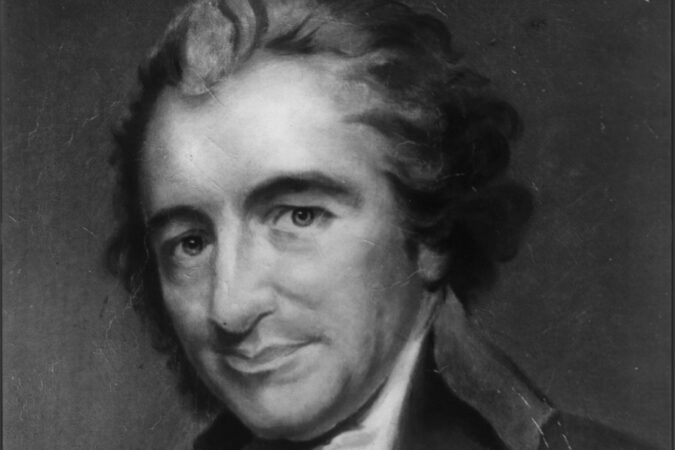
On Jan. 10, 1776, in a small publishing house at Third and Walnut Streets in present-day Old City, Englishman Thomas Paine published his 47-page document. It promoted the cause of American independence, and stoked the fires of revolution.
This pamphlet, titled “Common Sense,” was first printed anonymously.
But the colonists knew who wrote it.
An original English printing of “Common Sense,” the pamphlet written by Thomas Paine, combined with a rebuke entitled “Plain Truth” by James Chalmers, a British Loyalist officer. The two pamphlets were reprinted together in a book in London in 1776.
Paine was a self-educated rabble-rouser who had found little success making corsets or collecting taxes.
And who, upon meeting Benjamin Franklin after giving a speech in London,opted to join the upstart colonists and move to America in 1774.
After following Franklin to Philadelphia, he followed him into journalism, writing and editing for Pennsylvania Magazine.
It’s where he displayed a knack for speaking to the common people through essays denouncing slavery, promoting women’s rights, and dumping on English rule.
And again he took from Franklin, turning his pamphlet into a lightning rod.
In it he laid out his arguments in plain language.
An island, he argued, should not rule a continent.
“Every thing that is right or natural pleads for separation,” he wrote.
More than 500,000 copies circulated the colonies, convincing the commoners, the people who would actually take up arms against the Royal military,to support a war against Great Britain.
Despite his outsized role in lighting the fires of rebellion, Paine’s services would go unrecognized for a generation.
Hetemporarily returned to Europe after the war, and his later denouncing of Christianity did him no favors on either side of the Atlantic. He died in poverty in New York in 1809 at age 72.
It wouldn’t be until the mid-1970s for historians to recognize the enduring power of Paine’s pamphlet, which now holds a place of honor a step below Thomas Jefferson’s Declaration of Independence.
The new pedestrian bridge extension coming to Society Hill and Queen Village, which will better connect the neighborhoods to the Delaware River waterfront, is reaching a milestone.
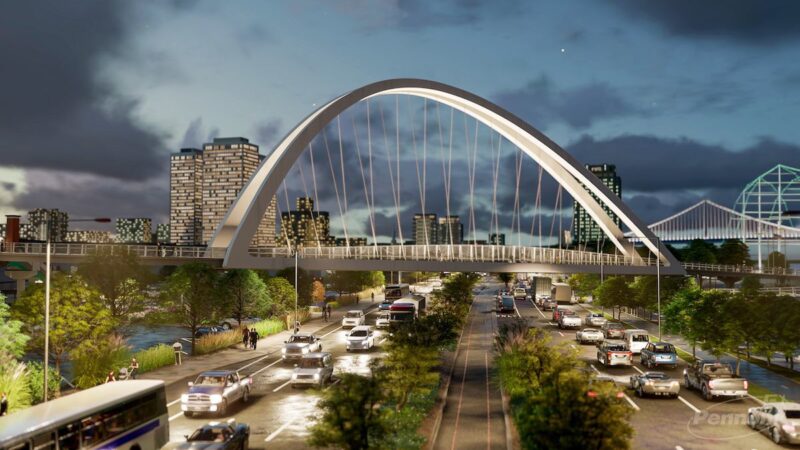
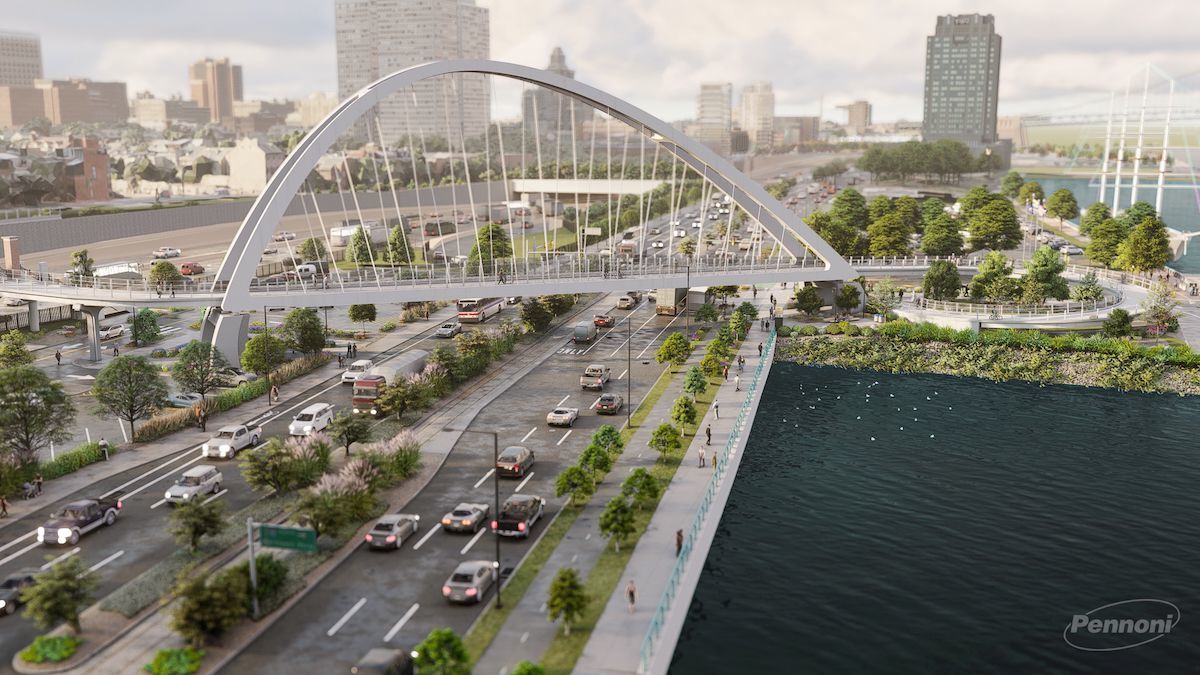
The South Street Pedestrian Bridge expansion will extendthe existing redbrick footbridge constructed in the mid-1990s with a longer and more distinctive suspended archway bridge, as part of the long-planned I-95 capping project. Construction begins this spring, but the bridge will not be open to the public until 2027, a Pennsylvania Department of Transportation spokesperson said.
A rendering of the South Street Pedestrian Bridge extension that will better connect South Street to the Delaware River waterfront. Construction will begin in Spring 2026 and go through 2027, when the bridge will open to pedestrians and cyclists.
The 250-foot-long bridge will allow pedestrians to cross over Columbus Boulevard and I-95 with entrances at South Street and Lombard Circle that have more accessible walkways for people with disabilities. Pedestrian access to the waterfront is crucial for people on South Street visiting attractions like Penn’s Landing, Cherry Street Pier, and Spruce Street Harbor Park.
(function() {
var l2 = function() {
new pym.Parent(‘southstreetbridge’,
‘https://media.inquirer.com/storage/inquirer/projects/innovation/arcgis_iframe/southstreetbridge.html’);
};
if (typeof(pym) === ‘undefined’) {
var h = document.getElementsByTagName(‘head’)[0],
s = document.createElement(‘script’);
s.type = ‘text/javascript’;
s.src = ‘https://pym.nprapps.org/pym.v1.min.js’;
s.onload = l2;
h.appendChild(s);
} else {
l2();
}
})();
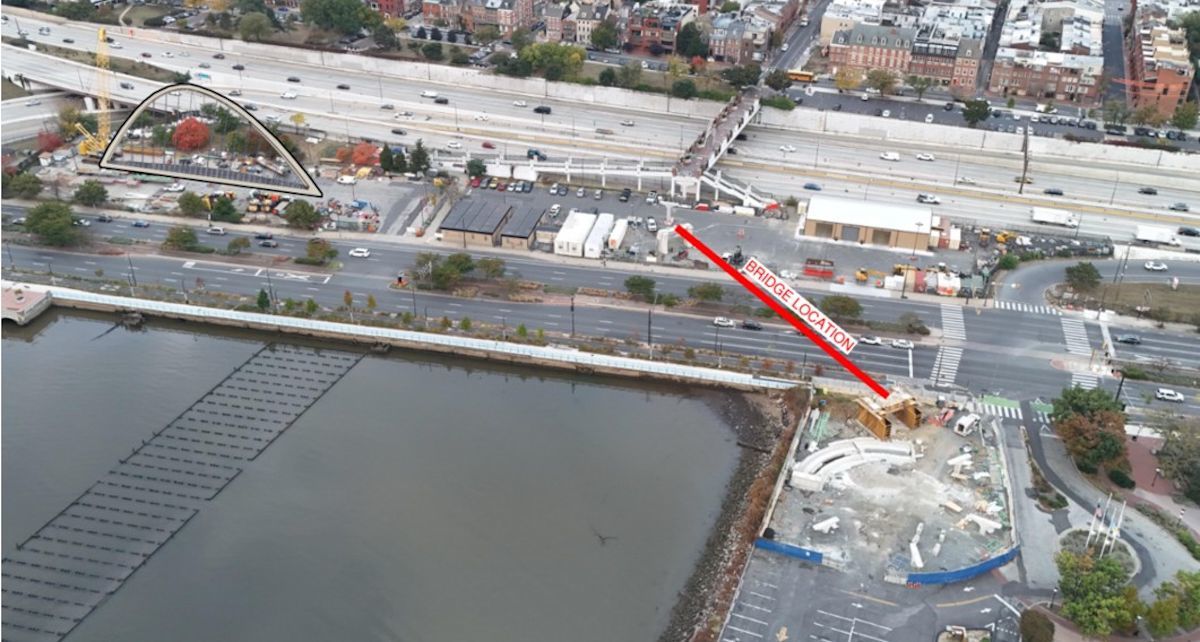
Construction will use an installation method in which the archways are built at a nearby location and then rolled into place, instead of being built on-site.
“The contractor was able to eliminate long-term lane closures and full closures on Columbus Boulevard,” PennDot spokesperson Brad Rudolph said. “While this method is fairly common, it is the first time PennDot has performed it in [Southeastern Pennsylvania] with this type of pedestrian structure.”
An aerial view of the construction site where the South Street Pedestrian Bridge extension will take place. A rendering of the archways in a nearby parking lot show where the bridge structure will be assembled and then later rolled into place where a red line marks its installation site. Construction begins in Spring 2026, with the bridge open to the public in 2027.
The bridge structure will be assembled for about two months in a parking lot near the installation site this spring. The new structure will then be rolled into place by mid-2026, according to PennDot. Additional work, including pouring the bridge deck, will take an additional year, with the span expected to open to pedestrians and cyclists in 2027.
Sitting 258 feet long and 100 feet from the ground to its highest arch, the footbridge will feature 14-foot-wide walkways with lit archways and handrail lighting. The entrance at Lombard Circle will have a spiraling ramp to allow for cyclists to stay on their bikes and to provide easier wheelchair and mobility access.
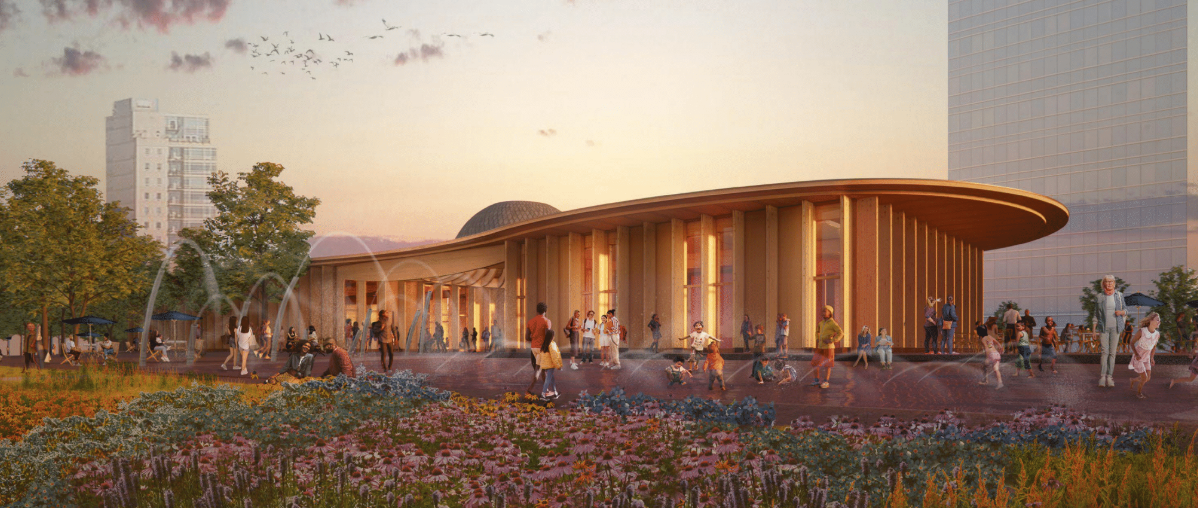
A rendering of the mass timber building planned for the Penn’s Landing park.
The pedestrian bridge is only a small part of PennDot’s $329 million project to build a cap over I-95 at Penn’s Landing, which will house a 12-acre Penn’s Landing Park with green spaces, playgrounds, and an amphitheater. Construction on the cap is nearly 30% complete as of this month.
Nearby, Old City is getting a revamp of Market Street, where the road will be shrunk and more pedestrian thoroughfares will be added, with the new Tamanend Square plaza at Second and Market Streets to serve as the centerpiece.
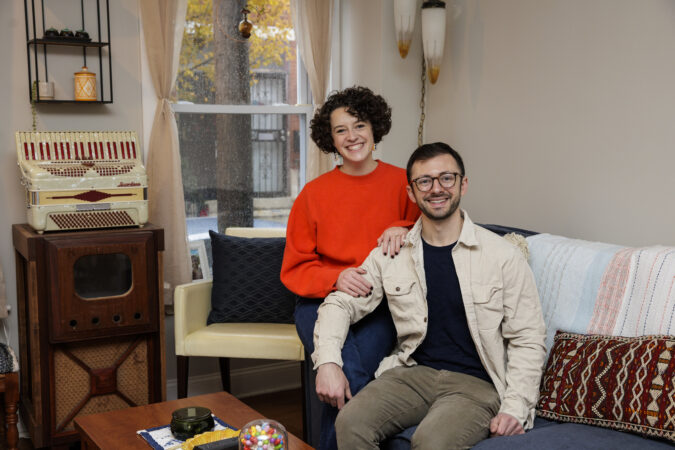
The buyers: Casie Girvin, 30, performer and voice teacher; Steve Crino, 32, musician
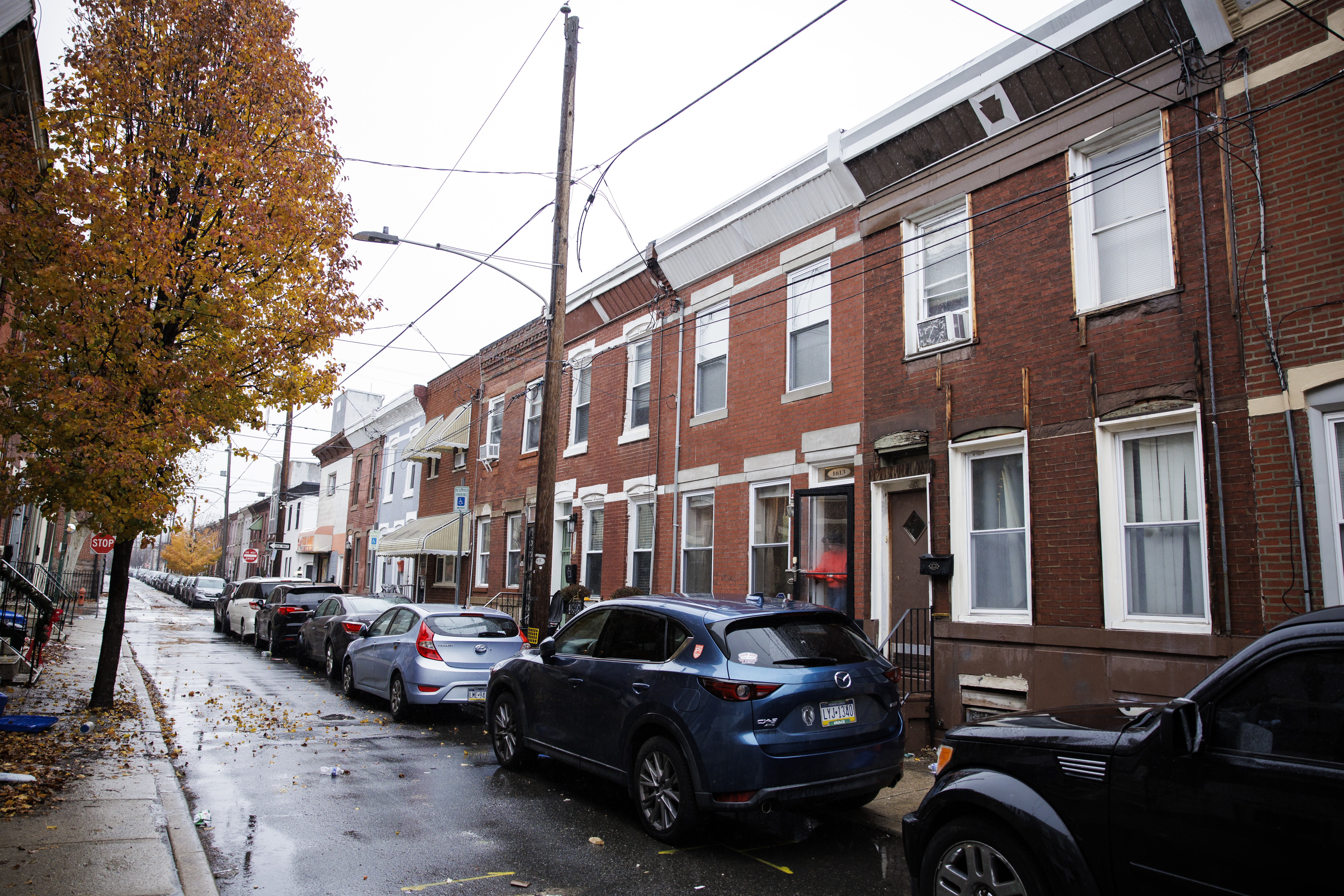
The house: A 984-square-foot rowhouse in Point Breeze with three bedrooms and one bath, built in 1923.
The price: Listed and purchased for $305,000
The agent: Benjamin Camp, Elfant Wissahickon
The ask: For Casey Girvin and Steve Crino, the home-buying journey began long before they opened Zillow. “We always knew that we wanted to be homeowners,” said Girvin. “It’s something we were saving for a long time.”
Both musicians, they spent years learning what did and did not work for their lifestyles. They started in a one-bedroom, which didn’t work because their practice sessions often overlapped, creating a cacophony of noise. Eventually, they moved into a bi-level apartment where they had room to work.
That experience shaped their home-buying wish list. That meant they needed at least three bedrooms — one for sleeping and two for music studios — and a layout that let two musicians practice without driving each other mad. “We needed it to be either like a bi-level space, or we needed a buffer room between the two of us,” Girvin said.
They also wanted a backyard. “We learned during COVID that having an outdoor space was really important to us,” she added. So was being close to the Broad Street SEPTA line. Fixer-uppers were a nonstarter.
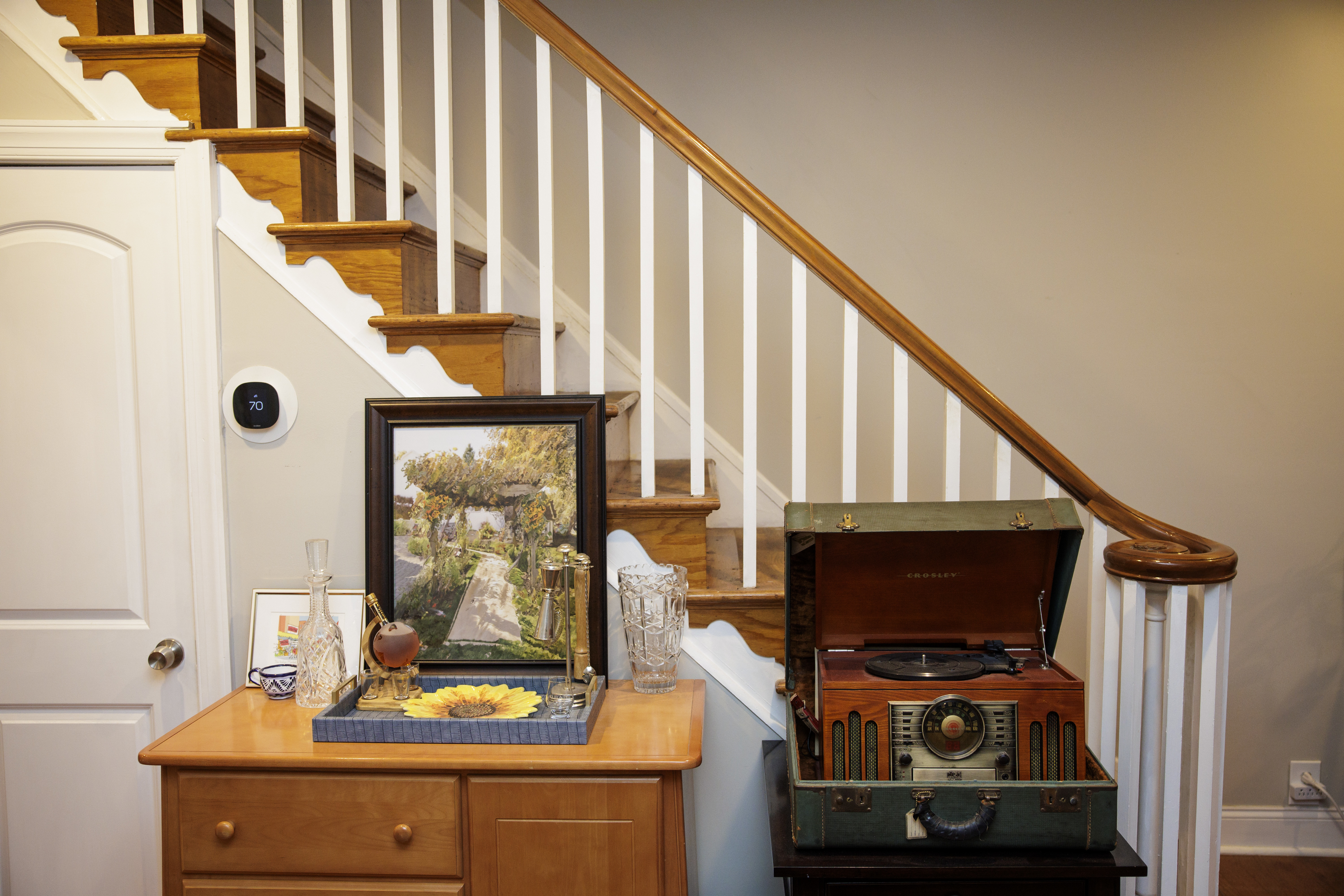
Upon entering the house, the couple immediately fell in love with the staircase, especially its architectural detailing.
The search: The couple intentionally waited until winter to search, hoping for lower prices. They saw 21 houses in Point Breeze and liked a lot of what they saw, but tried to be ruthless when it came to making an offer. “That was a very informative part of the process, Crino said, “because when you’re contemplating actually putting an offer down, your preferences emerge.”
They ended up making only one other offer on a house they nicknamed “the Grandma house” because of its funky carpeting and wallpaper. The seller verbally accepted it but eventually pulled it from the market.
“Ultimately, we’re happy with what happened,” said Girvin.
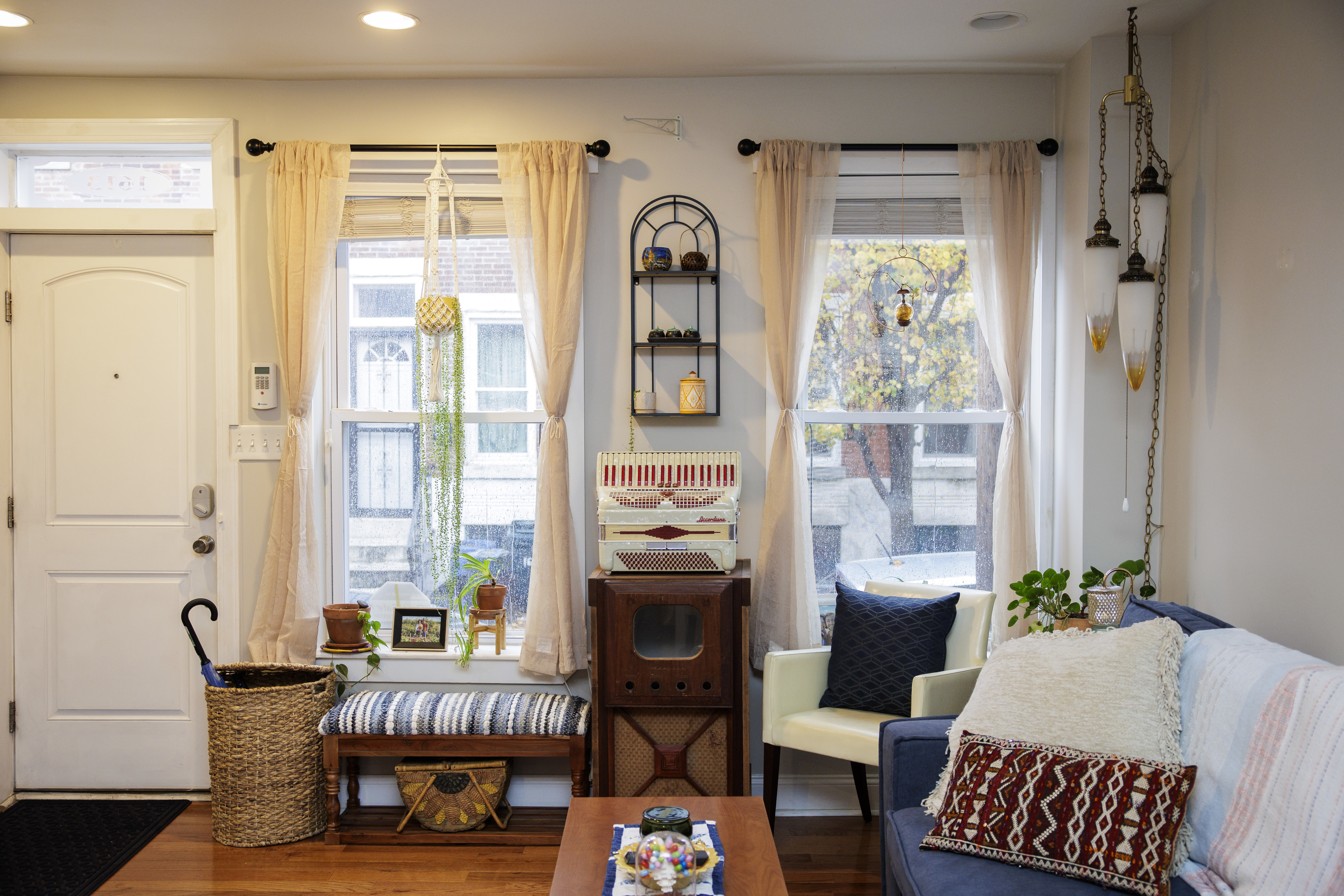
Girvin and Crino love all the natural light pouring through the living room windows.
The appeal: Girvin had a good feeling about the house when she saw it online. “I was like, ‘Wow, that looks exactly like where we want to be, at a price point that was quite exciting,’” she said. Even better, it had central air, beautiful hardwood floors, and matched the couple’s aesthetic. But the couple panicked when they saw an open house the next day. They called their agent and secured a same-day viewing.
Inside, the house aligned almost perfectly with what they had been searching for. What they weren’t expecting, though, were interesting artistic details, like the sunflower etched into the banister and the mural in the backyard. They loved the staircase, the amount of natural light pouring through the living room windows, and the view from their bedroom window of a church they admired. “The house is on a nice, little, cute side street,” Cirsi said. And crucially: “It’s so close to the subway.”
The second floorsealed the deal. The layout was perfect: a bathroom between the two smaller bedrooms. A built-in sound buffer for their future studios. “Most Philly rowhomes, you go up the stairs, it’s like a bathroom right at the top, and then the three bedrooms in a row,” Girvin explained. “But this one has bedroom, bathroom, bedroom, bedroom. That was ultimately one of the main reasons we bought the house.”
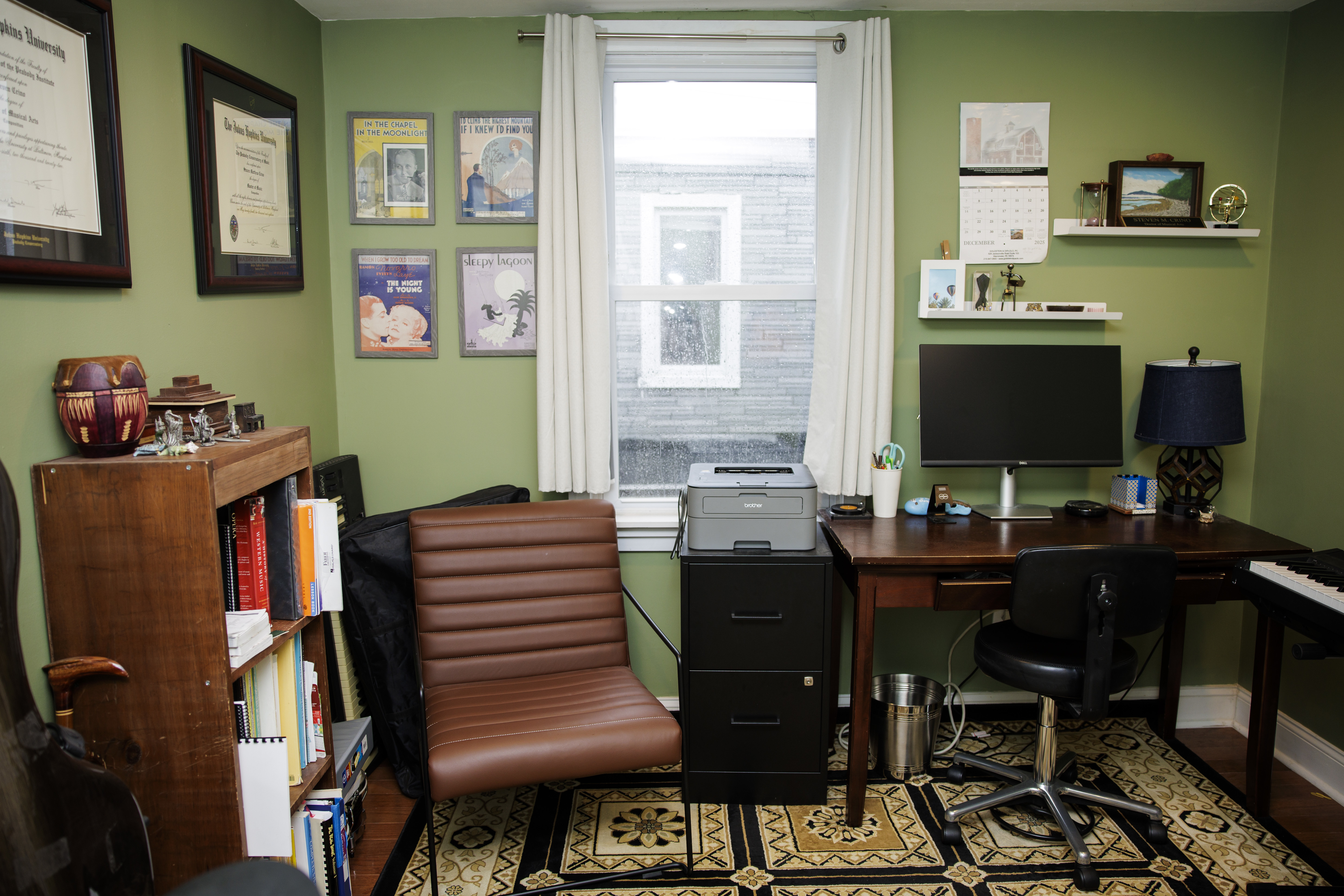
Crino’s studio is separated from Girvin’s by a bathroom, allowing the couple to practice music at the same time without disrupting each other.
The deal: The couple made an offer that evening. They offered the listing price — $305,000. “We felt that the house was worth what it was asking,” Girvin said. The sellers accepted right away.
The inspection revealed two issues. First, the oven needed to be replaced. The sellers issued the couple a credit to buy a new one.
The bigger issue was the HVAC system. The breaker tripped during the inspection. “We watched it go boop,” Crino said. The fix required electrical work, and they insisted it be completed and certified before closing. “That was the right decision because it definitely was pricier than they thought it was going to be,” Crino said.
The money: Girvin and Crino had been saving for almost a decade. Every month, they set aside a portion of their earnings in a separate account. They also had money saved for a wedding that they decided to put toward their house instead. “At one point we thought about having a really big wedding,” Girvin said, “but we decided to do the whole micro wedding, DIY backyard thing.”
The small side street the couple lives on was no sweat for their movers, Old City Moving Co.
Between their life savings and the wedding savings, plus generous gifts from wedding guests, Girvin and Crino had “$80,000-ish” to spend. They put 20% down, which was $61,000, and spent the rest on closing costs, which were $27,000. “That was the $80K right there,” Girvin said. Their mortgage is a little less than $1,800, which is exactly what they had been paying in rent.
The move: The couple moved in mid-March, one month after they closed. “Moving was relatively painless,” Girvin said. “We hired Old City Moving Co., and they were really great.” They navigated getting a giant moving truck down a tiny side street like pros, backing in so that they could get out more easily.
Any reservations? None worth mentioning. The only thing they’d add is a second bathroom — another half bath someday, maybe in the basement. But that feels like a future luxury, not a present problem. “Most days we’re like, I love this house,” Girvin said.
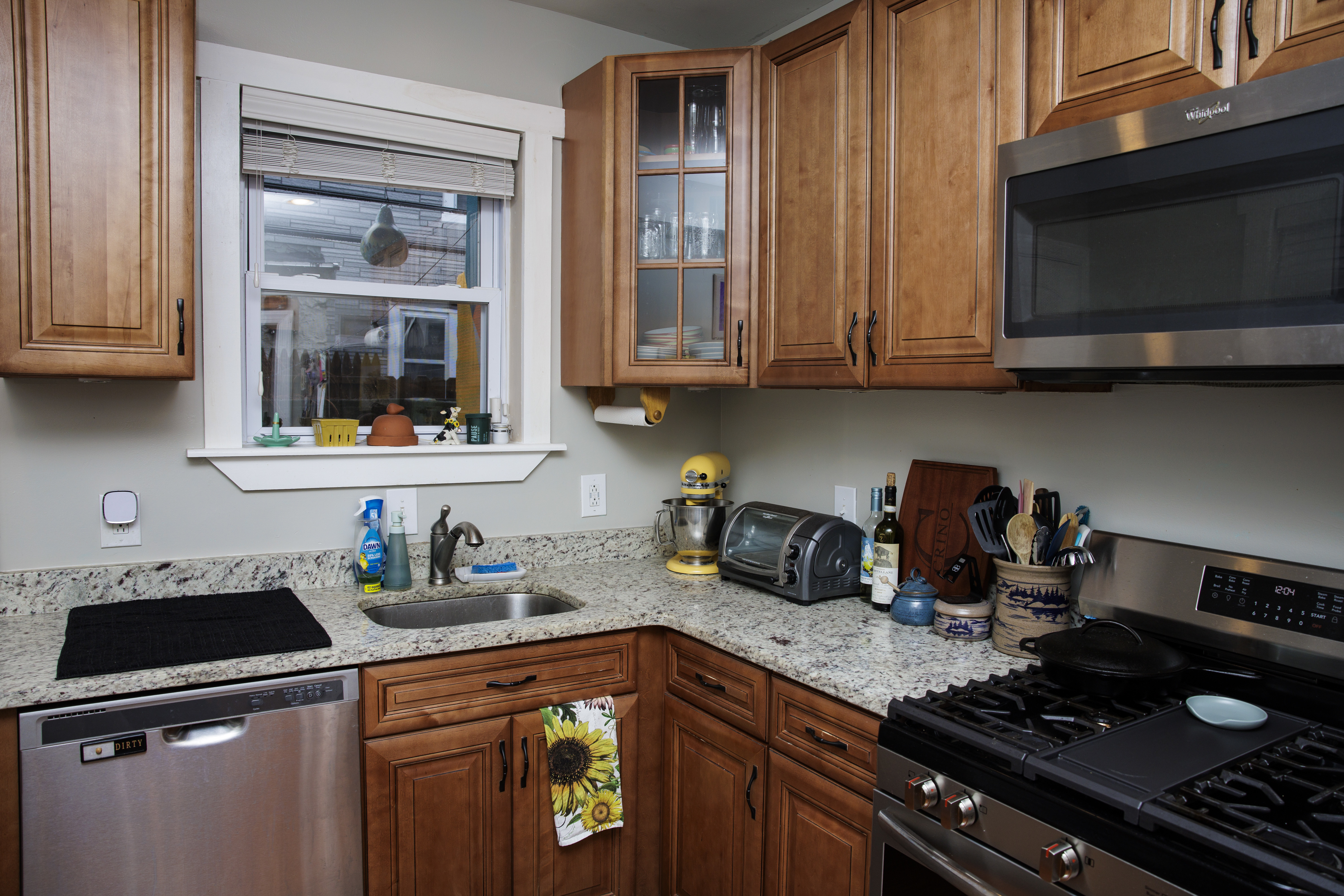
Girvin and Crino purchased a new oven with help from a seller’s credit.
Life after close: Their first major purchase was a new oven. “When people come to the house, I’m like, ‘You know, we bought that oven,’” Crino said, laughing. Decorating has been slow and thoughtful. The most sentimental change is the three-teardrop lamp from Steve’s grandmother, now hanging from their ceiling — something they never would have installed in a rental. The backyard is next.
Tourists arriving in Philadelphia next year may find it easier and far more inviting to stroll through what is now a tucked-away stretch of Old City.
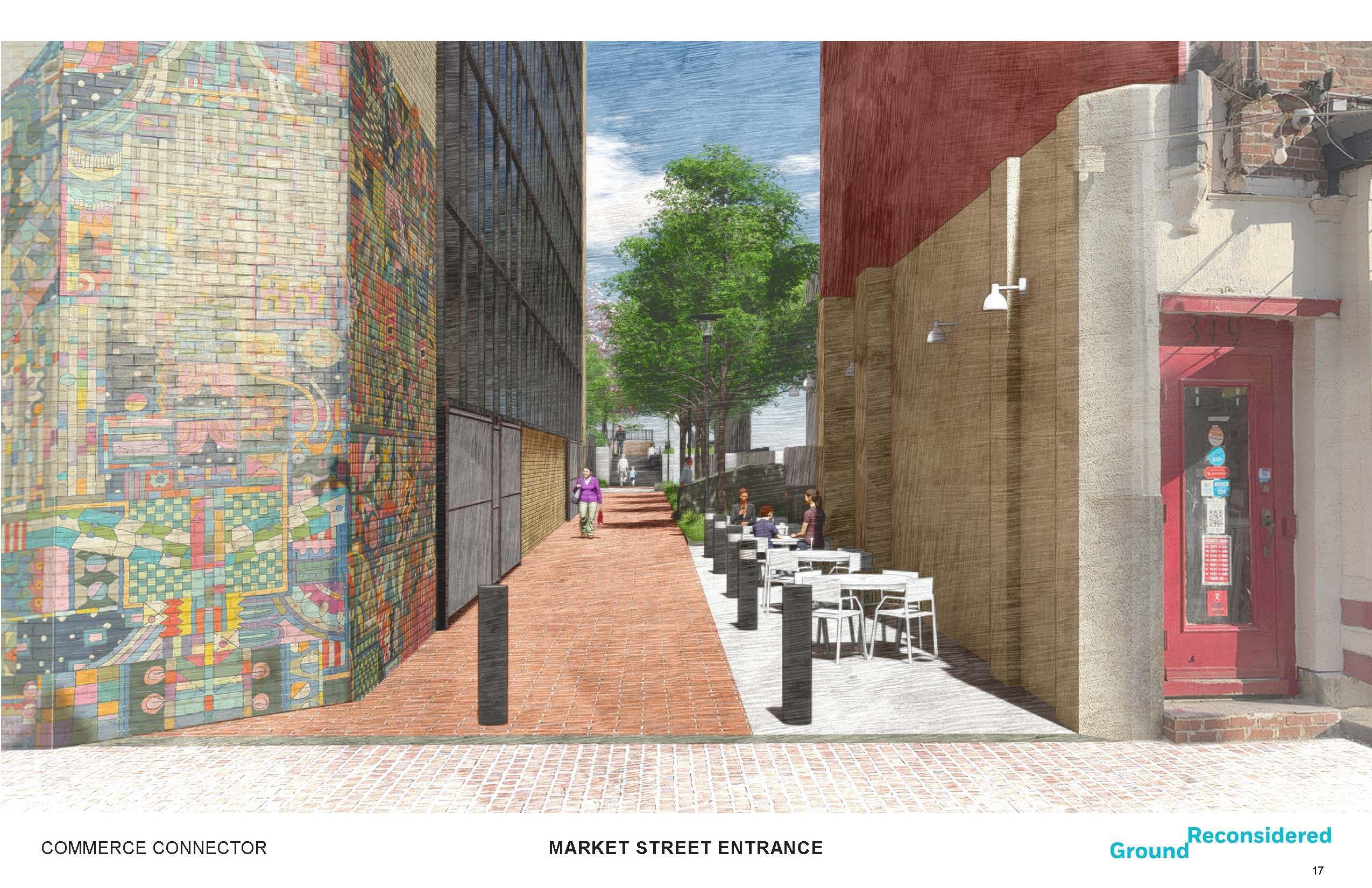
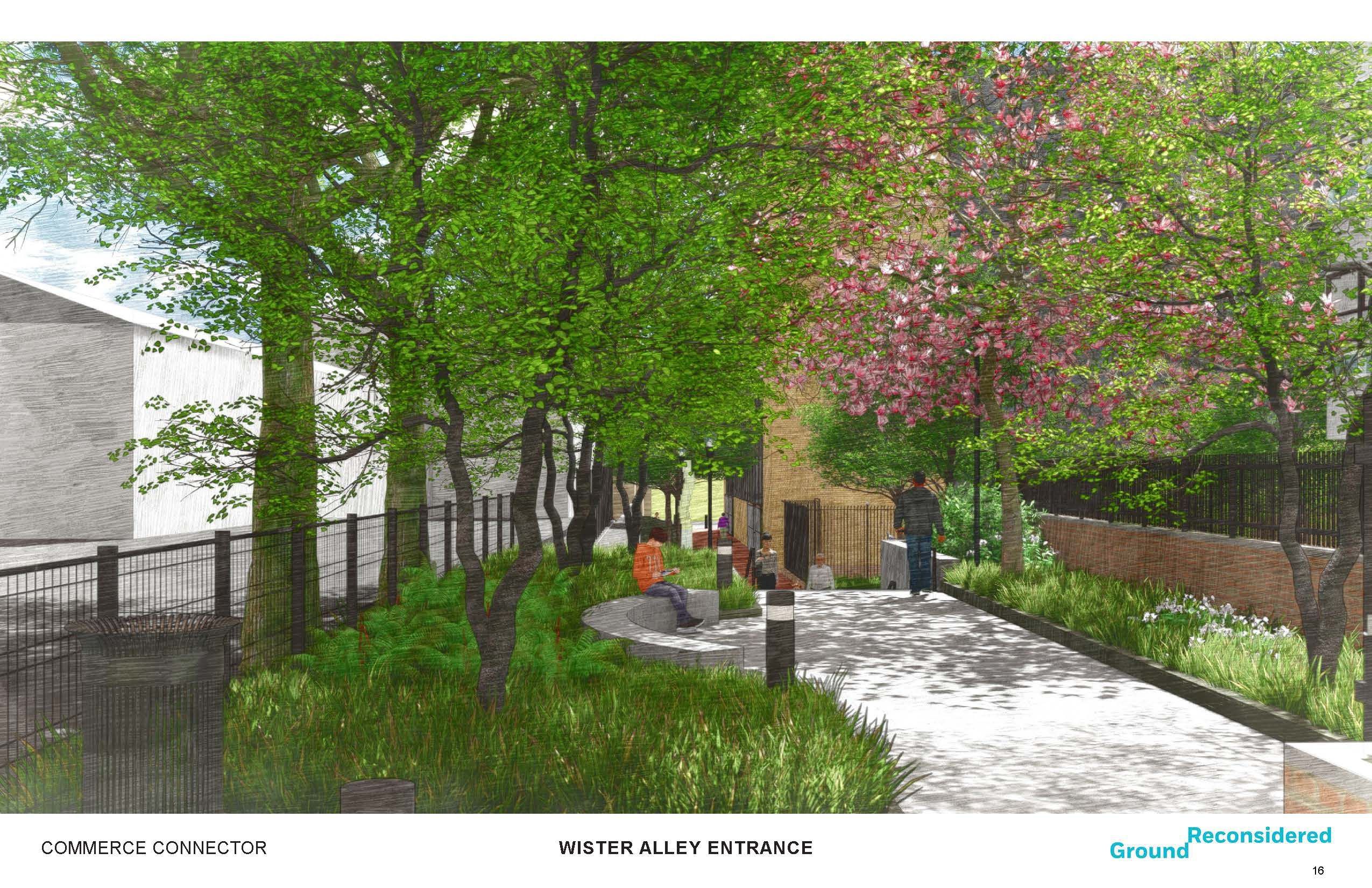
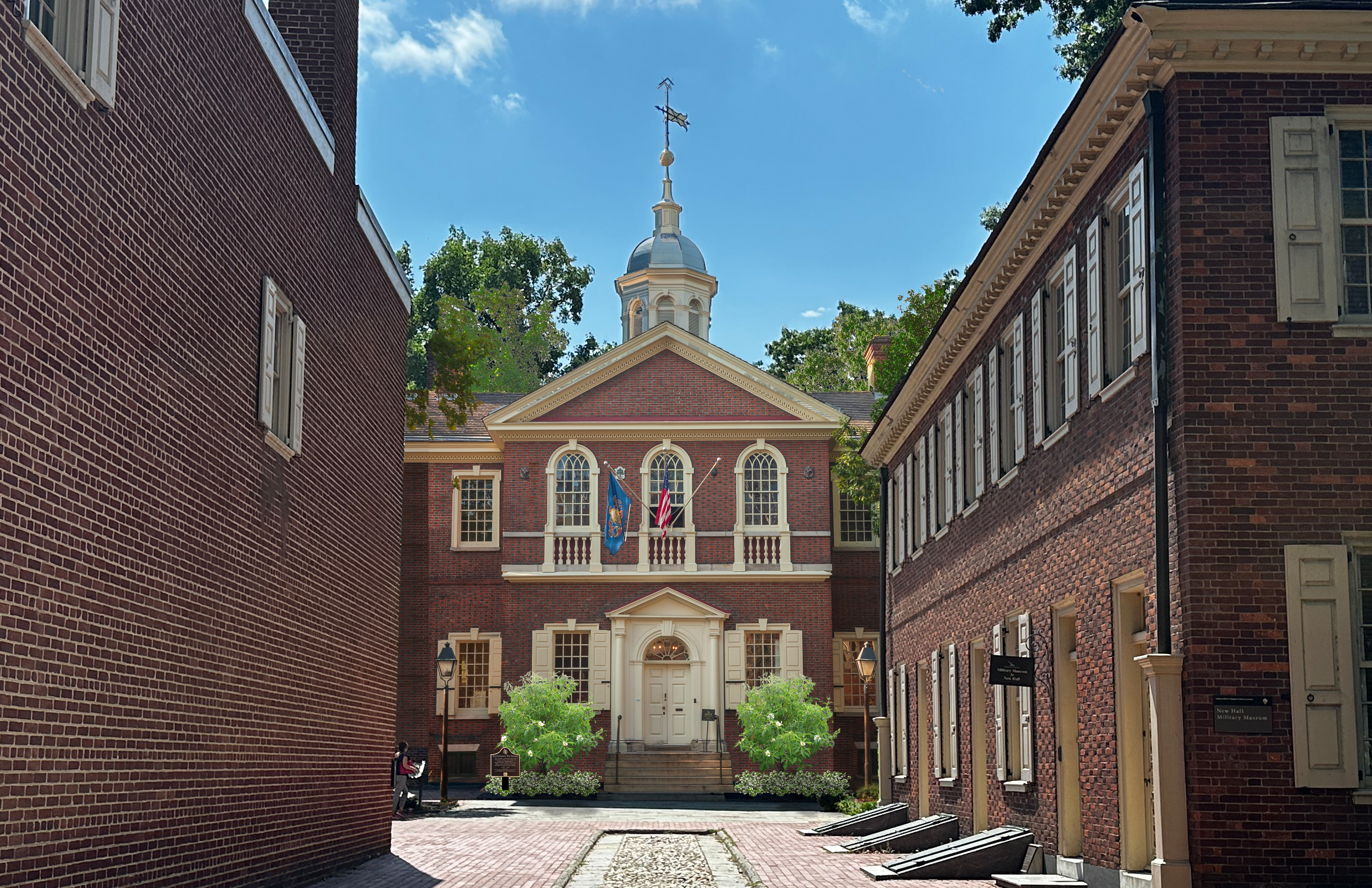
On Wednesday, the city launched construction on what officials call the Commerce Connector, a pedestrian path designed to guide visitors from the Independence Visitor Center to Carpenters Hall along a brick‑lined walkway adorned with seating and ornamental plantings, while bypassing a congested area.
The city has allocated $2.7 million toward the project.
The project is spearheaded by the nonprofit Independence Historical Trust in collaboration with the city; Old City Green, a neighborhood beautification group; and Old City District, a business support organization.
Bill Marrazzo, chair of Independence Historical Trust, called the connector “an important step forward.”
“The Commerce Connector enhances the visitor journey between some of Philadelphia’s most treasured sites while also improving everyday walkability for residents and workers,” he said in a statement.
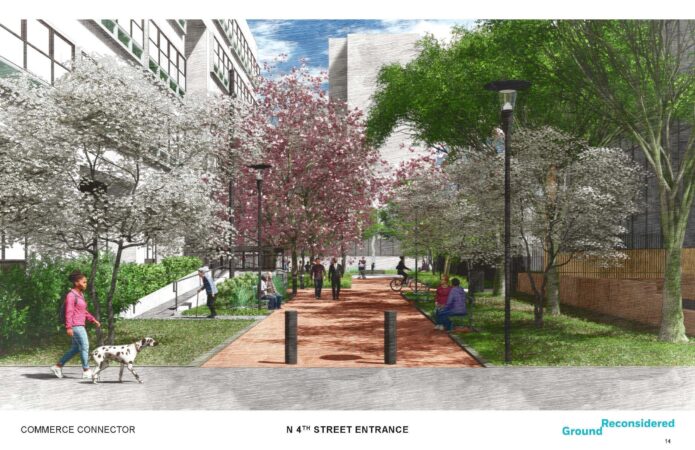
A rendering of a new connector pathway planned in Old City.
The bigger picture
The connector is part of a larger effort by the city and nonprofits, led by Independence Historical Trust, to craft a broader vision for the city’s historical area. Some will be complete by the Semiquincentennial, and others might not.
That vision, which could take $100 million to implement, calls for more walkable and bike-friendly streets, new plazas, additional green spaces, and easier navigation to cultivate a sense of cohesiveness they say is lacking.
The Historical Philadelphia Vision Framework plan aims to create ways for people to “wayfind” easy-to-follow, less car-centric routes through Independence National Historical Park, Old City, and other historic or local neighborhoods.
The current redo of Market Street in Old City, now under construction, is part of that. It will include a new Tamanend Plaza at Second and Market Streets, and a “road diet” to accommodate bike lanes. Workers were busy Thursday putting down blocks for the new plaza.
Work is also underway by the National Park Service at the Declaration House at Seventh and Market Streets, where Thomas Jefferson stayed while he wrote the famed document, and at the Benjamin Franklin Museum off Chestnut Street, both part of Independence National Historical Park. Also, the 25,000-square-foot, Greek Revival-style First Bank of the United States is undergoing $27 million in work, timed to reopen as a new park attraction for the Semiquincentennial.
What’s the route?
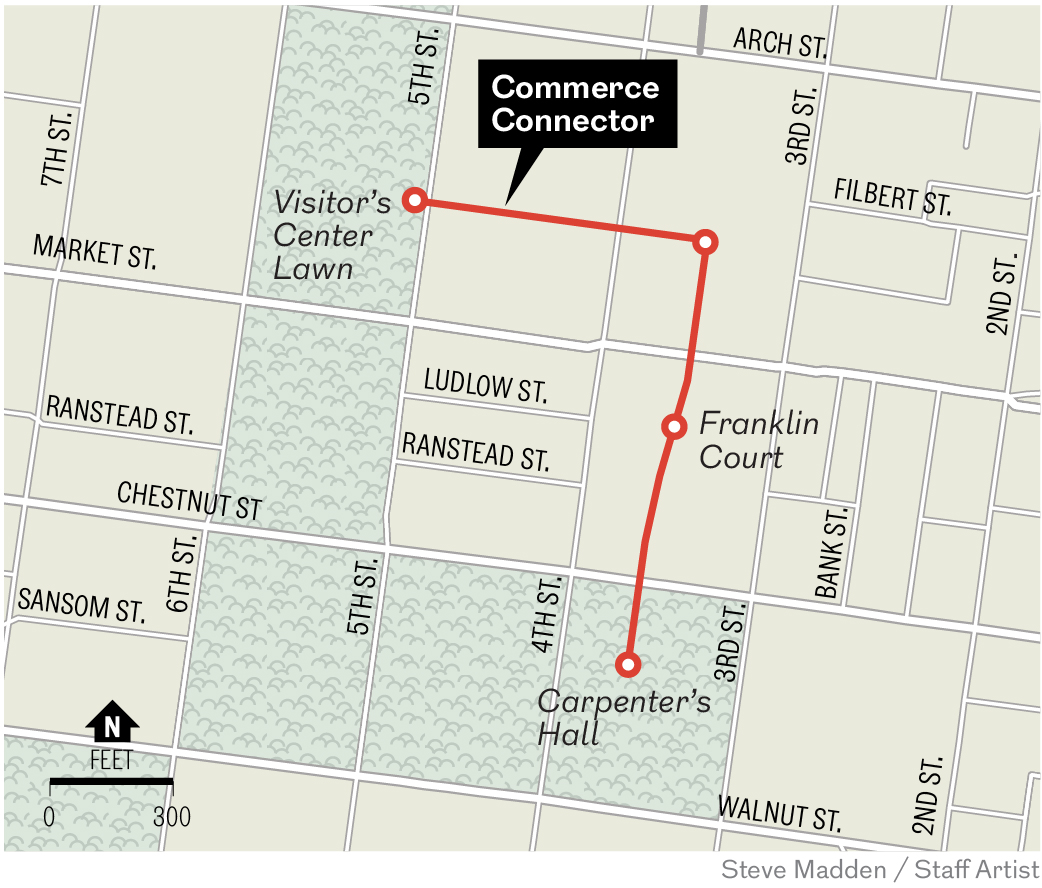
The roughly 2,000-foot-long Commerce Street foot path will lead travelers from the edge of the visitor center’s lawn at Fifth Street, east across Market Street, and onto Commerce Street, now an unmarked alley that runs parallel to Market Street. From there, they will continue east before turning right onto another alley, which leads to Market Street.
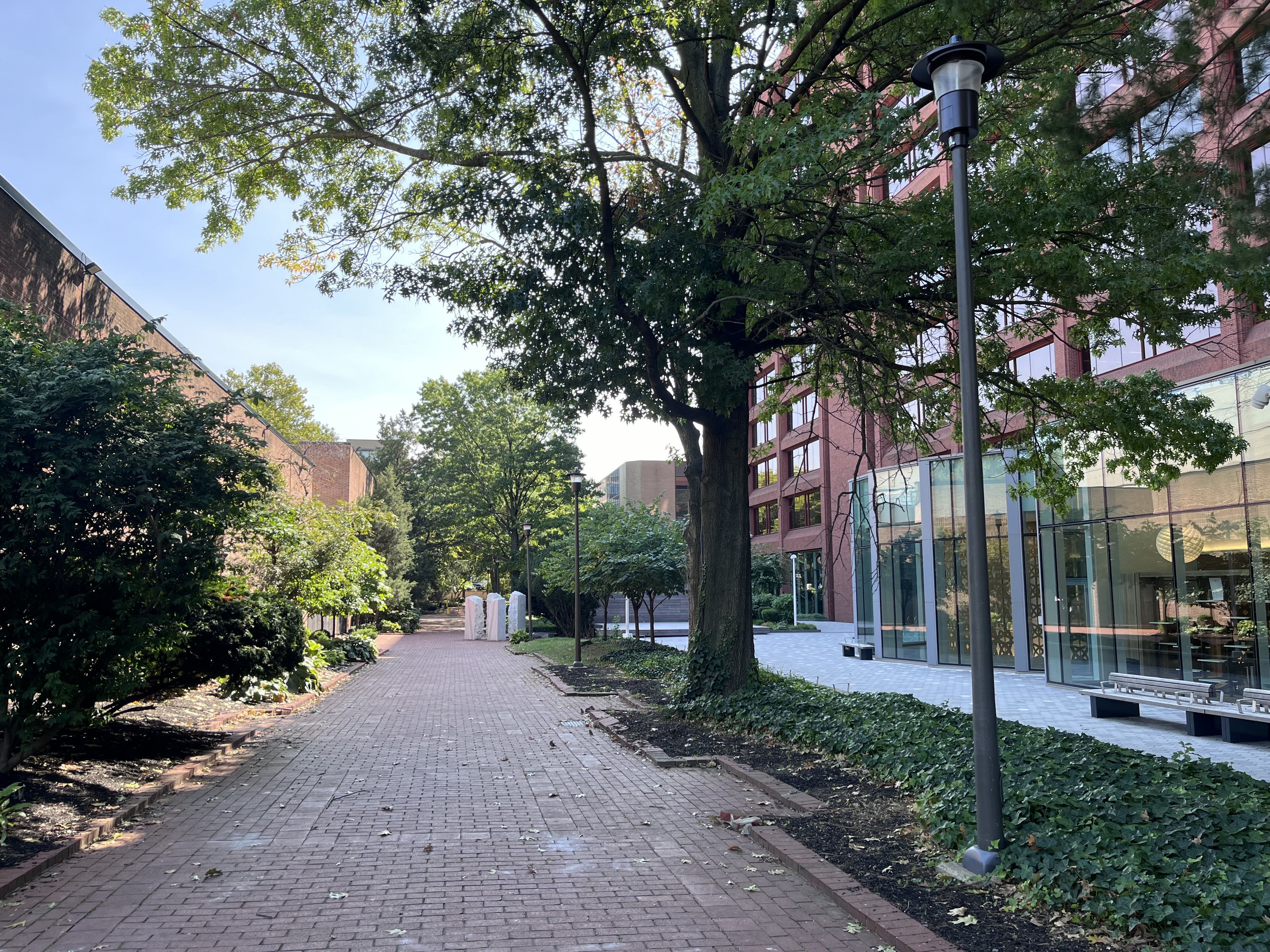
A 2024 view of Commerce Street, an alley that starts on Fifth Street, midway between Arch and Market Streets. Commerce Street would become a way to connect Independence Visitor Center with Carpenters Hall under a plan led by Independence Historical Trust.
After crossing Market, they will cut through Franklin Court, cross Chestnut Street, and arrive at Carpenters Hall.
Once at the hall, visitors can branch out into the wider Independence National Historical Park and other notable areas.
Officials emphasize that the connector will deliver a mostly traffic‑free passage to Carpenters Hall in time for an anticipated surge in tourism tied to the 250th anniversary of the Declaration of Independence. Carpenters Hall was the site of the first Continental Congress in 1774.
A rendering of a new connector walking path being built in Old City.Commerce Connector pedestrian route through Old City.
Other enhancements
Officials say existing paving, benches, lighting, and plantings are all in poor condition.
The redesigned corridor will get new furnishings, better lighting for security, ornamental trees and bushes, and other enhancements to make it more inviting. It would include a “gathering area” and new entrances.
To slow traffic for pedestrians, a speed bump mid-block on Fifth Street would connect Independence Visitor Center and the alley. Another mid-block bump on Fourth Street would help pedestrians cross Market Street to Franklin Court.
Fourth Street would get a bike lane.
New signs would note area history.
The path would also help connect people to Christ Church Burial Ground, Commodore Uriah Phillips Levy Park, and the Faith and Liberty Discovery Center.
Construction is expected to be complete before July Fourth, ahead of the nation’s Semiquincentennial.
Carpenters Hall.
“The Commerce Connector reflects our commitment to making Old City safer and easier to navigate for everyone,” said City Councilmember Mark Squilla, who helped secure funding.
Job Itzkowitz, executive director of Old City District, said the connector “strengthens the backbone of Old City by transforming an underused passageway into a vibrant, welcoming public space” that will make it easier for residents and tourists to move between iconic city sites.
Old City Green launched the early planning efforts for the corridor and will continue to help maintain the path.
“By introducing new plantings, shade, and thoughtfully designed landscape elements, we’re creating a greener and more accessible environment for everyone who walks through this historic neighborhood,” said Joe Schiavo, vice president of Old City Green.
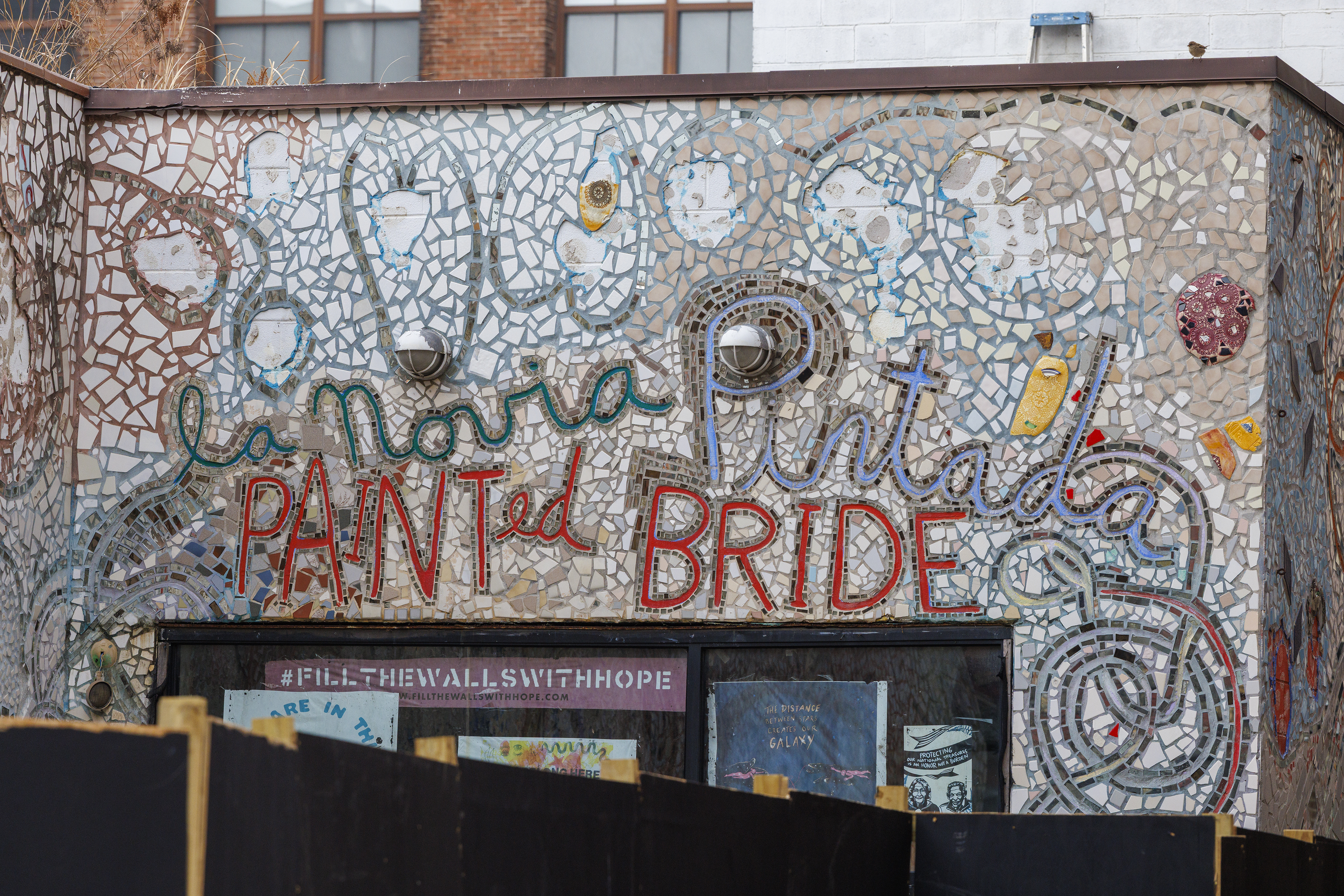
Eight years after the Philadelphia arts community learned it could lose the 7,000-square-foot mosaic that for decades wrapped around an Old City building, the structure’s current owner has started to demolish it.
The fate of the building was the subject of an almost six-year legal battle. Artists and preservationists wanted to save the building. Neighbors opposed a developer’s plans to preserve it.
That developer — architect and building owner Shimi Zakin of Atrium Design Group — had proposed constructing apartments above the mural with a design The Inquirer’s architecture critic called “a terrific work of architecture.”
Zakin received a permit from the city in September to tear down the building. He plans to replace it with 85 apartments and about 6,000 square feet of commercial space. The new building would be six stories and 65 feet tall.
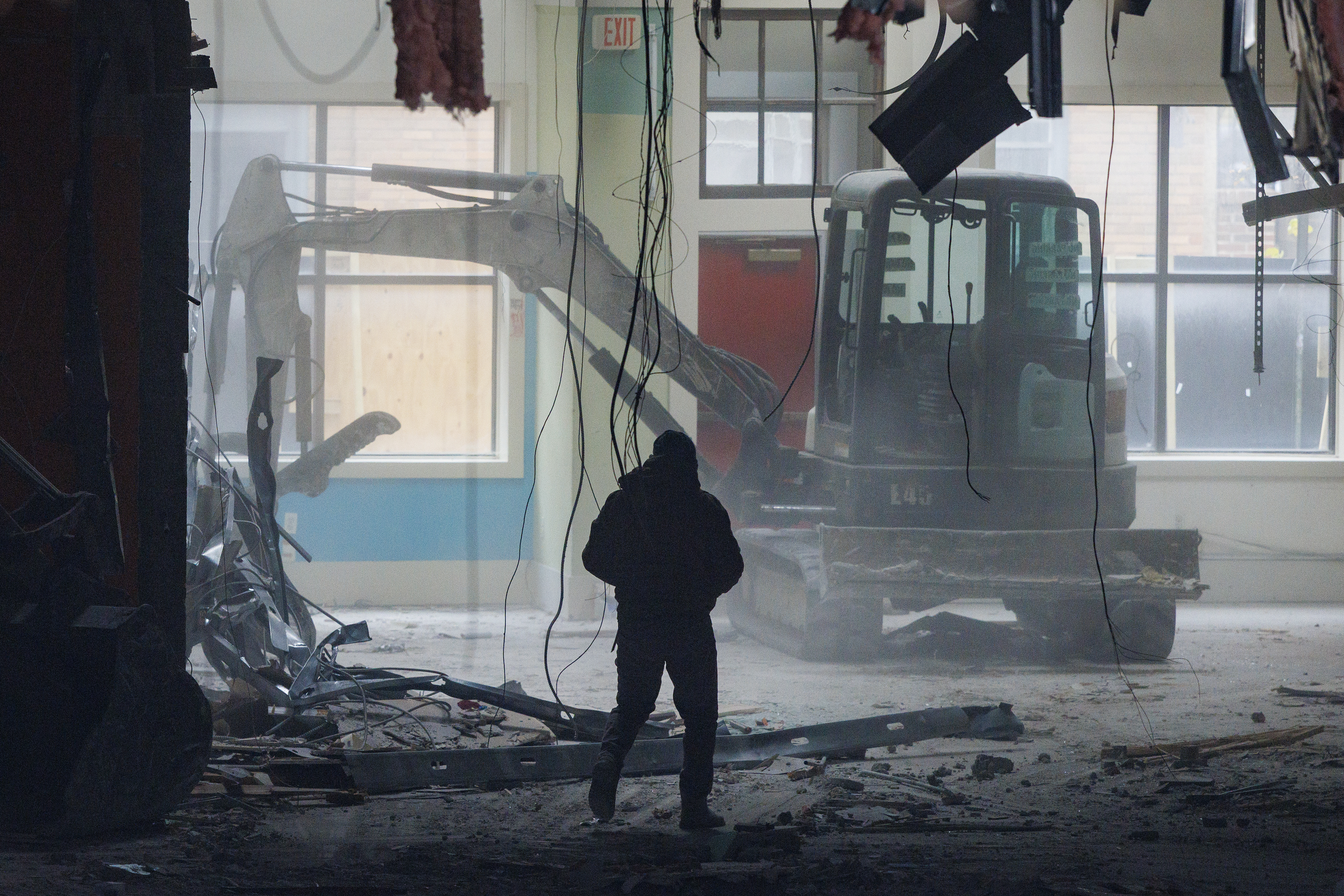
A digger operator walking through inside of the former Painted Bride building, Old City Philadelphia, Monday, December 8, 2025.
Zakin did not respond to a request for comment about the start of demolition at the site. In September, he told The Inquirer: “We are moving forward with an amazing project at an amazing location.”
He estimated that his apartment building would take about 2½ years to complete.
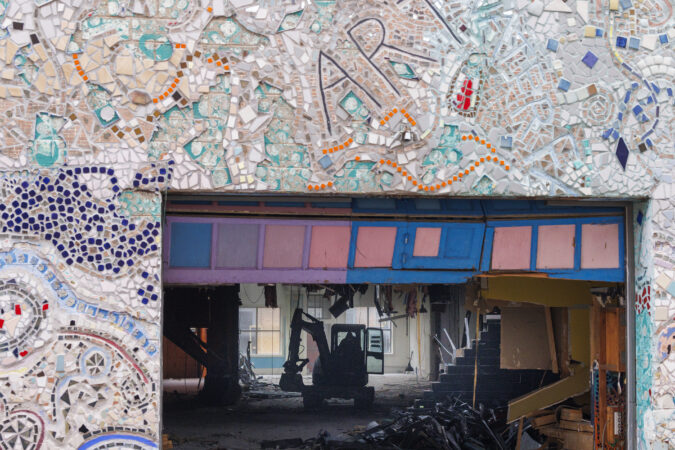
For now, a black wooden fence surrounds the former Painted Bride building while demolition equipment tears out its insides, and the walls await their turn.
After a nearly six-year legal battle between artists, preservationists, and neighbors, the Old City building and its celebrated mosaic were demolished.
The former Painted Bride Art Center building, once home to world-renowned artist Isaiah Zagar’s 7,000-square-foot mirror-and-tile mosaic, has started to come down.
The demolition equipment and growing dust at 230 Vine St. closes the book on a yearslong saga over the distinctive Old City building’s future.
Founded in 1969 as a gallery on South Street, the Painted Bride helped transform Old City into an artists’ corner of Philadelphia when it moved to the neighborhood in the ‘80s.
story continues after advertisement
Decades later, Zagar’s mosaic, titled Skin of the Bride and wrapped around the exterior of the building, became a point of contention when the organization tried to sell the building in 2017. The debate led to a nearly six-year legal battle involving artists, real estate developers, city government officials, and neighbors.
As demolition of the celebrated building begins, take a look back at the complicated legal battles that led to its razing.
Using grants and donations for a down payment, the Painted Bride moved to 230 Vine St. from its initial digs in South Philadelphia. The former elevator factory in Old City spanned 15,000 square feet and sold for $300,000.
Alley Friends Architects, a local firm, drew up plans for the space, which included a 225-seat performance venue and galleries.
Artist Ruth McCann arrives with her paintings at the new Painted Bride at 230 Vine St. on December 2, 1982..James L. McGarrity / Staff Photographer
"There's never been an Academy of Music for people who weren't famous, and now Philadelphia has one. We've deserved this for many years. New York has a dozen such spaces,” said Keith Mason, the Bride’s program director at the time.
1991
Isaiah Zagar begins installing his mosaics
Zagar worked on the Bride’s distinctive mural for nine years.
“Isaiah woke up at 5 a.m. each morning and drove down to 230 Vine St.,” recalled his wife, Julia Zagar. “He dreamed of it as being his masterpiece and worked 10-12 hours a day until he collapsed with exhaustion.”
Artist Isaiah Zagar working on his giant mosaic at the Painted Bride Art Center on Vine Street in the 1990s.Courtesy of Philadelphia Magic Gardens
story continues after advertisement
November 2017
Vine Street property goes on the market
After 35 years on Vine Street, the Painted Bride announced the building would be sold. Executive director Laurel Raczka said the organization was not in financial distress but chose to ditch the building so the Bride could explore new ways to present the arts.
The following month, Raczka also noted the changing vibes of Old City: "We don't feel like we belong here anymore,” she told The Inquirer.
The entrance to the Painted Bride Art Center, covered in Zagar’s mosaics.Tom Gralish / Staff Photographer
Many in the arts community were perplexed. Performance artist Tim Miller, a founder of artistic spaces in New York City and Santa Monica, Calif., said, "Once [the Painted Bride] is gone, it will never be replaced. To discard it, to me, it feels reckless, unless it's the only way to survive."
March 2018
Painted Bride building is nominated for historic preservation
"The Painted Bride is one of his masterpieces," Smith said. "The building itself is a treasure."
Zagar, photographed for The Inquirer in the fall of 2017.Margo Reed / For The Inquirer
April 2018
Arts leaders beg the Bride to suspend sale plans
More than 30 of the city's most prominent artists, performers, and arts officials cosigned a three-page public letter calling for "a reexamination" of the Bride's situation and community-wide discussion about the organization's future.
Signers included: Joan Myers Brown, founder and executive artistic director of Philadanco; hip-hop dance sensation Rennie Harris; architect Cecil Baker; and Wilma Theater cofounder and director Blanka Zizka. The city’s chief cultural officer offered to facilitate a community conversation between the Bride’s leadership and local artists and art patrons.
The Bride’s leaders rebuffed the offer and said that they would continue to pursue "a sustainable business model."
June 2018
Historical designation passes the first hurdle
A committee of the Philadelphia Historical Commission unanimously agreed the Painted Bride building should be protected.
September 2018
Historical designation is denied
After a three-hour, public debate, Philadelphia’s Historical Commission voted 5-4 to reject designation, a move that opened the door for developers to acquire and demolish the building.
A few days earlier, Lantern Theater Company made a bid of over $2 million for the building, which would have preserved it as an arts space. The offer was rejected.
Lawyers for the Bride said that the law did not require approvals from the court but that the Painted Bride sought them nonetheless.
Architect and developer Shimi Zakin of Atrium Design Group poses with a sign on an interior mosaic in the Painted Bride Art Center building before closing on the sale.Courtesy of Shimi Zakin
The Bride’s petition stated that “given the history” of the building, the Bride “wishes to obtain approval of the sale from both the Pennsylvania Office of the Attorney General and the Philadelphia Orphans’ Court.”
August 2019
City allows townhouses
Philadelphia’s Department of Licenses and Inspections issued a zoning permit to allow Atrium Design Group to build 16 townhouses at the site.
September 2019
Court blocks the sale, citing ‘priceless’ mosaic facade
Philadelphia Orphans’ Court blocked the sale, citing the likely destruction of the Bride’s “priceless” mosaic facade. Judge Matthew D. Carrafiello said the sale would "all but ensure the destruction of what many individuals consider to be a true treasure.”
“It is the sale of its property, including the mosaic, that will result in the liquidity necessary for Painted Bride to continue to fulfill its charitable purpose,” wrote Judge J. Andrew Crompton.
January 2021
Neighborhood group opposes proposal that would save the mosaics
The Zoning Board of Adjustments approved Zakin’s proposal, paving the way for him to move forward with the apartment building.
Shortly after, neighborhood groups appealed the decision.
March 2022
Building officially sold for $3.85 million
Despite the looming appeals hearing, many involved with the Bride and supporters of preserving Zagar’s artwork believed the mural had been saved when the building was sold to Zakin.
A Philadelphia Common Pleas Court judge agreed with some neighbors that the mosaic in Old City could be preserved without allowing the developer to build taller and more densely than local zoning rules allow.
This rendering shows a potential design of the building proposed to replace the Painted Bride Art Center in Old City.Courtesy of Atrium Design Group
Emily Smith, executive director of Philadelphia’s Magic Gardens, which preserves and provides access to Zagar mosaics, said the planned destruction of the Painted Bride mosaic was a case of “NIMBY-ism at its most tragic.”
Over several weeks, the Magic Gardens Preservation Team used chisels, hammers, and small power tools to remove as much as they could from the facade. The mosaic was well-adhered to the brick, and this was a difficult process physically and emotionally. The crew was able to remove approximately 30% of the tiles for reuse in new mosaics.
Magic Gardens’ representatives attempt to save pieces of the iconic Zagar mosaic on all the exterior walls of the former Painted Bride before the building is demolished.Tom Gralish / Staff Photographer
September 2025
Demolition permit granted
Zakin received a demolition permit from the city and told The Inquirer that he plans to start demolition in late October. He said he anticipates that his building will be completed in about 2½ years.
Late November/Early December 2025
Demolition begins
Workers began to take down the interior of the building.
A digger works to demolish the inside of the former Painted Bride building on Dec. 8, 2025.Alejandro A. Alvarez / Staff Photographer
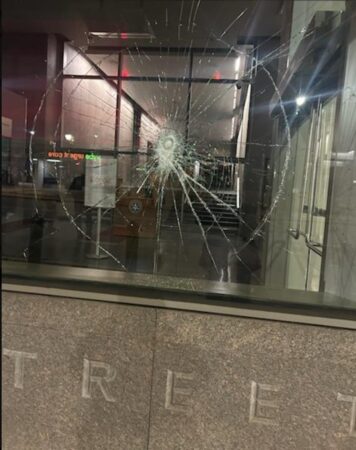
Federal authorities are searching for someone who shattered two windows at Philadelphia’s federal courthouse this week.
The vandalism occurred late Monday night when someone used a cobblestone brick to smash two glass windows at the front entrance of the James A. Byrne U.S. Courthouse on the 600 block of Market Street, said Supervisory Deputy U.S. Marshal Robert Clark.
Clark said it was not clear if the attack was targeted. Authorities were also looking into whether there was any link to another report of windows being smashed around the same time that night a few blocks away in Old City, he said.
Investigators were reviewing surveillance video in hopes of identifying a suspect, Clark said, and the brick that was used was left at the scene.
The courthouse is where most of the region’s federal civil and criminal cases are heard. It also houses the Third Circuit Court of Appeals.
Philadelphia’s FringeArts will return to offering seasonal programming, in addition to its monthlong Fringe Festival, beginning with a Winter-Spring 2026 season, the organization announced this week.
The legendary festival, known for experimental and boundary-pushing theater, previously offered year-round programming before the COVID-19 lockdown in 2020. In recent years, it has seen record-breaking audience growth, prompting producing director Nell Bang-Jensen to expand beyond the month of September.
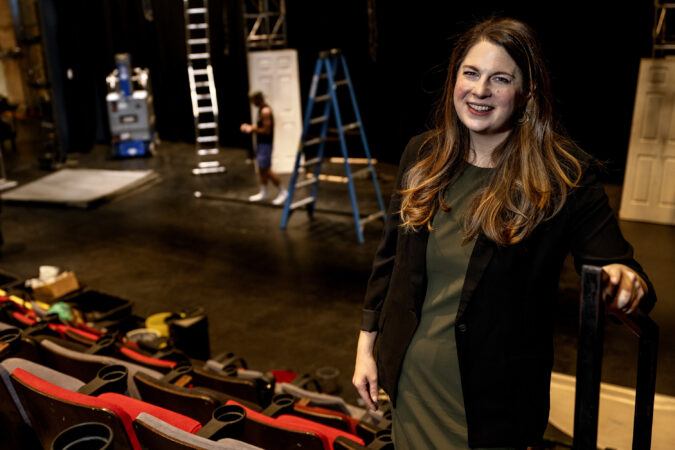
“I’m really proud to say [Fringe Festival 2025] was actually, numbers-wise, our most successful festival ever, which just feels like a light shining, in terms of arts organizations having a win right now,” said Bang-Jensen, who took the helm last year after serving as Theatre Horizon’s artistic director. “It’s an experience that can’t be replicated on a screen, and an experience that celebrates Philly, and I think people are really here for that.”
The Philly Fringe is one of the largest festivals of its kind in the country. Based on the number of participating venues across the city, Bang-Jensen said, Philly Fringe ranks first ahead of other notable festivals in Rochester, N.Y., and Minneapolis.
The 2025 Fringe Festival was the largest-ever produced in its 29-year history with 353 shows. More than 35,000 tickets were sold during the month of September, which was a record high, and saw a 17% increase in unique ticket buyers from last year, which “means it’s not just the same people buying more tickets,” said Bang-Jensen.
She added that they have seen success in reaching younger audiences this year as well, with more than half of the audience composed of Millennials and Gen Z for the first time.
For the Winter-Spring 2026 season, FringeArts will present four productions from local and international artists at its Old City venue, along with a monthly series of Scratch Nights that invite artists to present works in progress.
Philadelphia artist Jenn Kidwell will stage her new work “we come to collect: a flirtation with capitalism” at FringeArts in January 2026.
Jenn Kidwell, the Obie Award-winning cowriter behind The Underground Railroad Game, will stage the Philadelphia premiere of her new work, we come to collect: a flirtation with capitalism (Jan. 22-24), with ASL artist Brandon Kazen-Maddox. It’s an irreverent exploration of “the pigsty of American consumerism.”
Frequent Fringe artist Lee Minora will bring back her solo show, Baby Everything (Feb. 26-28), for another run. The interactive performance follows a protagonist who doomscrolls through her anxieties about the state of the world. Minora “challenges us to see ourselves as others do, no matter how endearing or insufferable,” wrote Julie Zeglen in The Inquirer’s roundup of the best shows of Fringe Fest 2025.
Japanese artist Hiroaki Umeda is globally renowned for combining choreography and dynamic digital staging. He’s presenting two shows on a U.S. tour as a double billing: Moving State 1 and the solo performance, assimilating (March 14-15).
Lastly, FringeArts will stage Girl Dolls: An American Musical (May 8-17) from Philadelphia artists Jackie Soro and Pax Ressler, who’ve teamed up with the Bearded Ladies Cabaret for a production billed as “part tea party, part identity crisis.” They ask, “What does your favorite doll reveal about your childhood trauma?”
In addition to year-round programming, FringeArts will launch an artist-in-residency program for fostering original works. The Albert M. Greenfield Residency at FringeArts — funded by the local foundation of the same name — will invite three individuals or artist groups to develop new theatrical productions. The inaugural 2026 recipients will be selected by a panel of Philadelphia creatives.
Bang-Jensen said she’s grateful that Philly audiences have shown up for the “city of makers” every year and she hopes to continue expanding FringeArts’ reach.
“As many arts organizations are actually feeling pressure in 2025 just based on the economic environment and the political environment to do work that’s a little more mainstream, we have this wide-open field to do more for people who like things off the beaten path,” said Bang-Jensen.
Tickets for FringeArts’ Winter-Spring 2026 season go on sale to FringeArts members on Dec. 10 and the public on Dec. 12 at fringearts.com.