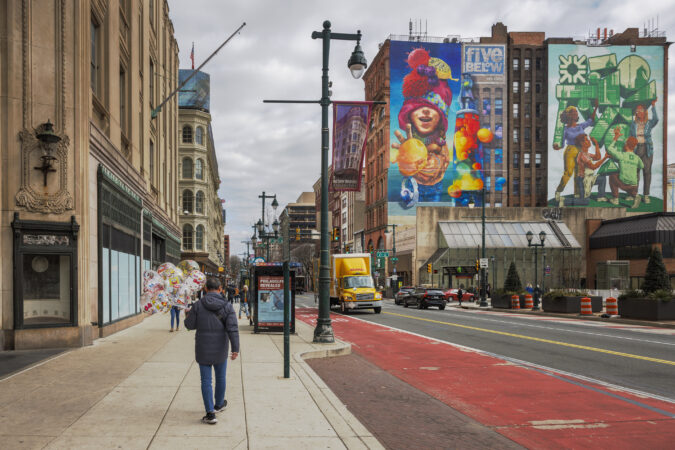
Philadelphia officials are planning a major renovation of Market Street’s sidewalks, landscaping, and streetscapes, from Sixth Street toward City Hall.
The announcement of a $2.5 million federal grant to begin the planning and design comes on the heels of the recently completed renovation of the thoroughfare in Old City from Second to Sixth streets. That effort took 18 months of construction and $16 million.
Most recently, the row of storefronts on the 900 block of Market owned by Comcast and Harris Blitzer Sports & Entertainment have begun hosting small pop-up businesses for the summer,as the city celebrates the 250th anniversary of the Declaration of Independence.
The Department of Planning and Development is overseeing the revitalization, and the public-private Market East Corridor Advisory Group is helping to craft a vision.
The new $2.5 million grant from the U.S. Department of Transportation, which the city will match, is limited to planning the streetscape along Market Street between 6th and Juniper Streets.
Construction is years away, said Kelley Yemen, Philadelphia’s director of the Office of Multimodal Planning. Her office is gathering information to evaluate everything from traffic patterns to potential road diets and bike lanes.
“Everything’s on the table at this point,” Yemen said.
Safety remains a primary driver, she said, given that the section of Market Street is situated on the city’s “high-injury network.”
However, she said redesigning the corridor poses unique logistical challenges compared with the recent improvements in Old City.
Market East serves as a major commercial hub with heavy transit use, requiring planners to balance the needs of transit riders, pedestrians, and cyclists.
Additionally, the shallow depth of the underground subway system may constrain surface-level landscaping.
Yemen explained that any trees or plantings must account for the height of the subway ceiling, potentially leading to elevated planters rather than vegetation that’s rooted in the ground.
The city is working with the consulting firm WSP and a team of subconsultants to develop design options.
Yemen anticipates the design will take two to three years, as the city also has to navigate federal environmental reviews.
Though the planning phase is now paid for, the city does not yet have money to fund construction and will likely look to federal or state grants for help in the future.
Public involvement will be a key next step, she said.
The planning commission is expected to launch a broader public engagement push this July to gather community input on the larger Market East revival.
When chef Christopher Kearse was planning Forsythia, the French restaurant he opened in Old City in 2019, he had two ideas that could not fit into the same room.
One was Forsythia. The other opens in Washington Square West on Friday, seven years later.
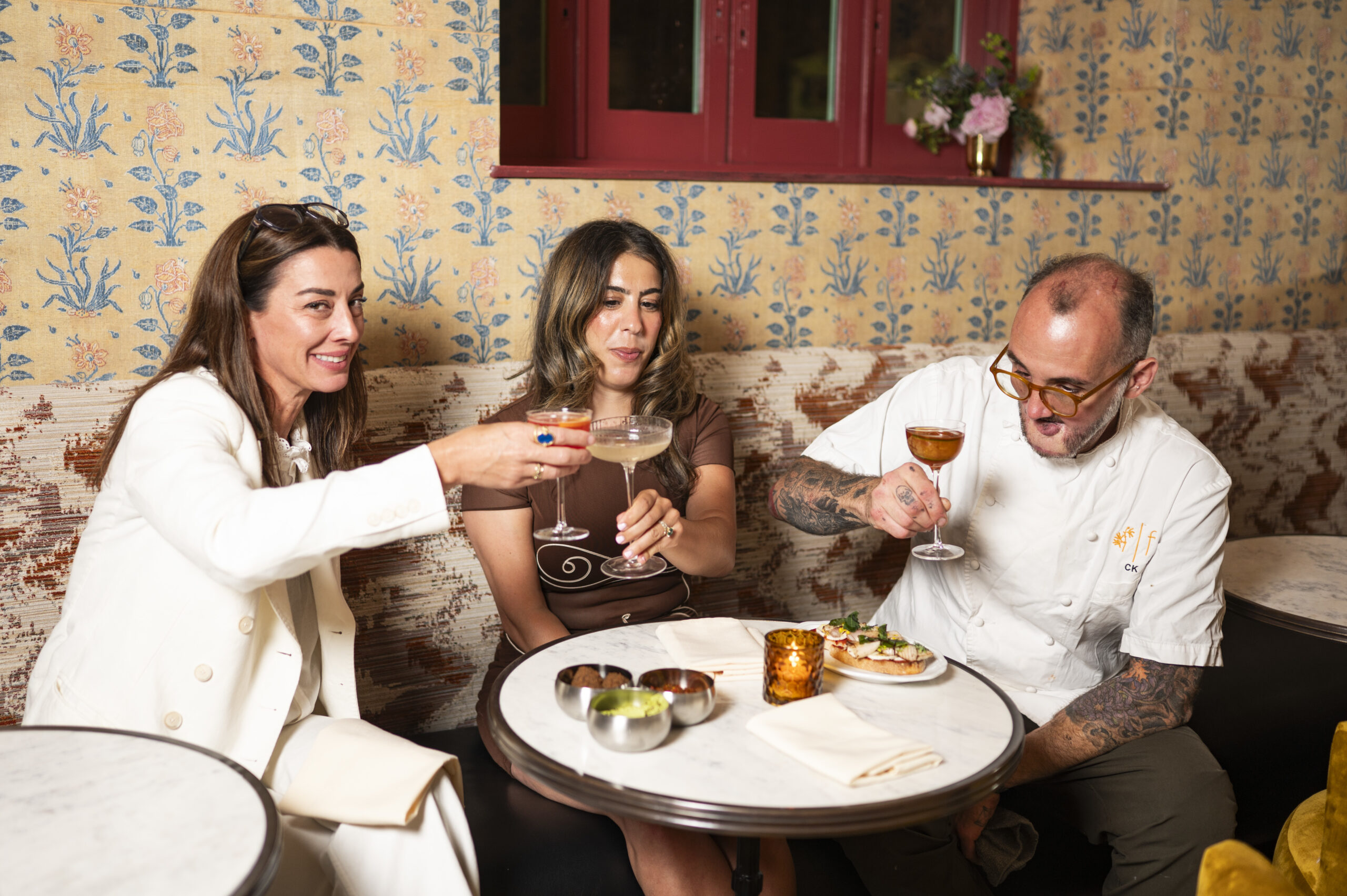
Phoebe Schuh of PS & Daughters (left) with owners Lauren and Christopher Kearse toast on a banquette at Known Associates.
It’s a 40-seat cocktail bar called Known Associates, taking over the corner space at 10th and Spruce Streets that previously housed Varga Bar. The concept is built around cocktails and a compact food menu rather than full dinner service, though the fare is substantial.
For Kearse, the opening is another chapter in a career that began far from cocktail bars and French dining rooms. He grew up in Levittown, one of eight children, and learned to cook while recovering from a serious car crash at 16 that left him with severe facial injuries. During that long recovery, he cooked for his parents and siblings. He later worked in some of the country’s most exacting kitchens — Charlie Trotter’s and Alinea in Chicago, and the French Laundry in California — before returning to the Philadelphia area to become sous chef at Lacroix and Blackfish, followed by 2½ years as chef de cuisine at Pumpkin. In 2012, at 28, he opened Will BYOB on East Passyunk Avenue, closing it to move uptown to open the French restaurant Forsythia in the former Capofitto space in Old City. Forsythia earned a Michelin recommendation last year.
The tile floor is one of the few elements saved from Known Associates’ previous incarnation, Varga Bar.
Known Associates is not intended to be an extension of Forsythia. Kearse and his wife, Lauren, who is also an owner, said the concept came into focus during their honeymoon trip through Europe, traveling by train from Zurich to Florence and spending time in smaller bars and cafés in places like Lake Como and Milan.
Lauren Kearse said one nearly empty bar in Como became the image they kept returning to: quiet, low-key, hospitable, and free of the sort of self-conscious “experience” building that now attaches itself to so many cocktail bars.
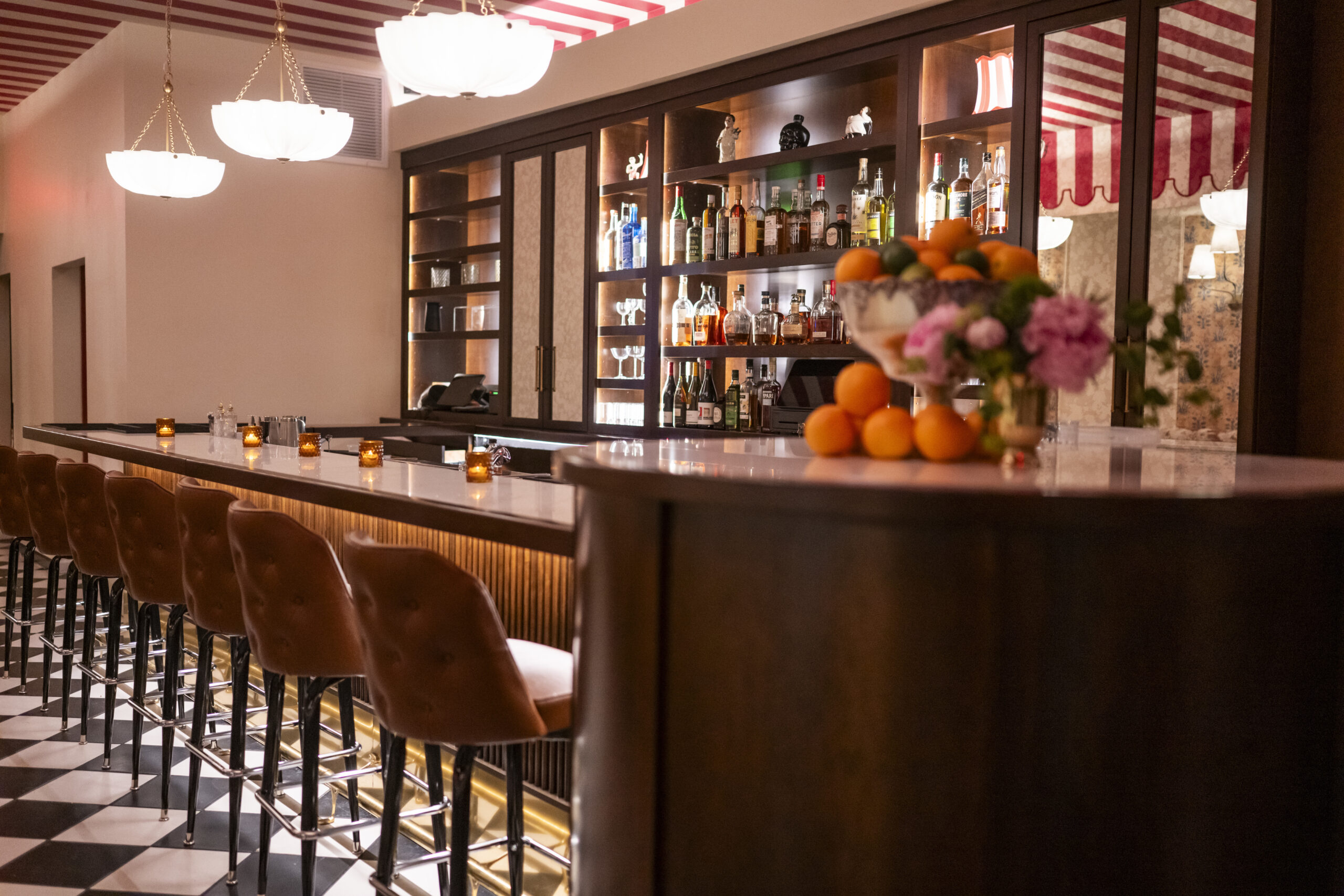
The bar at Known Associates, chef Chris Kearse’s new cocktail bar on 10th and Spruce streets, on Tuesday, June 16, 2026.
That idea is reflected in the room itself, which was rebuilt almost entirely. Phoebe Schuh of PS & Daughters, who also designed Forsythia, said the black-and-white tile floors were among the few elements retained from Varga, an unassuming gastropub with serious beer chops that closed after the unexpected death of owner Rich Colli in February 2025.
The Varga Bar murals painted on the ceiling — the “Varga girls” that were part of the bar’s identity for years — were salvaged and may be auctioned, with proceeds going to a fund in Colli’s memory, Schuh said.
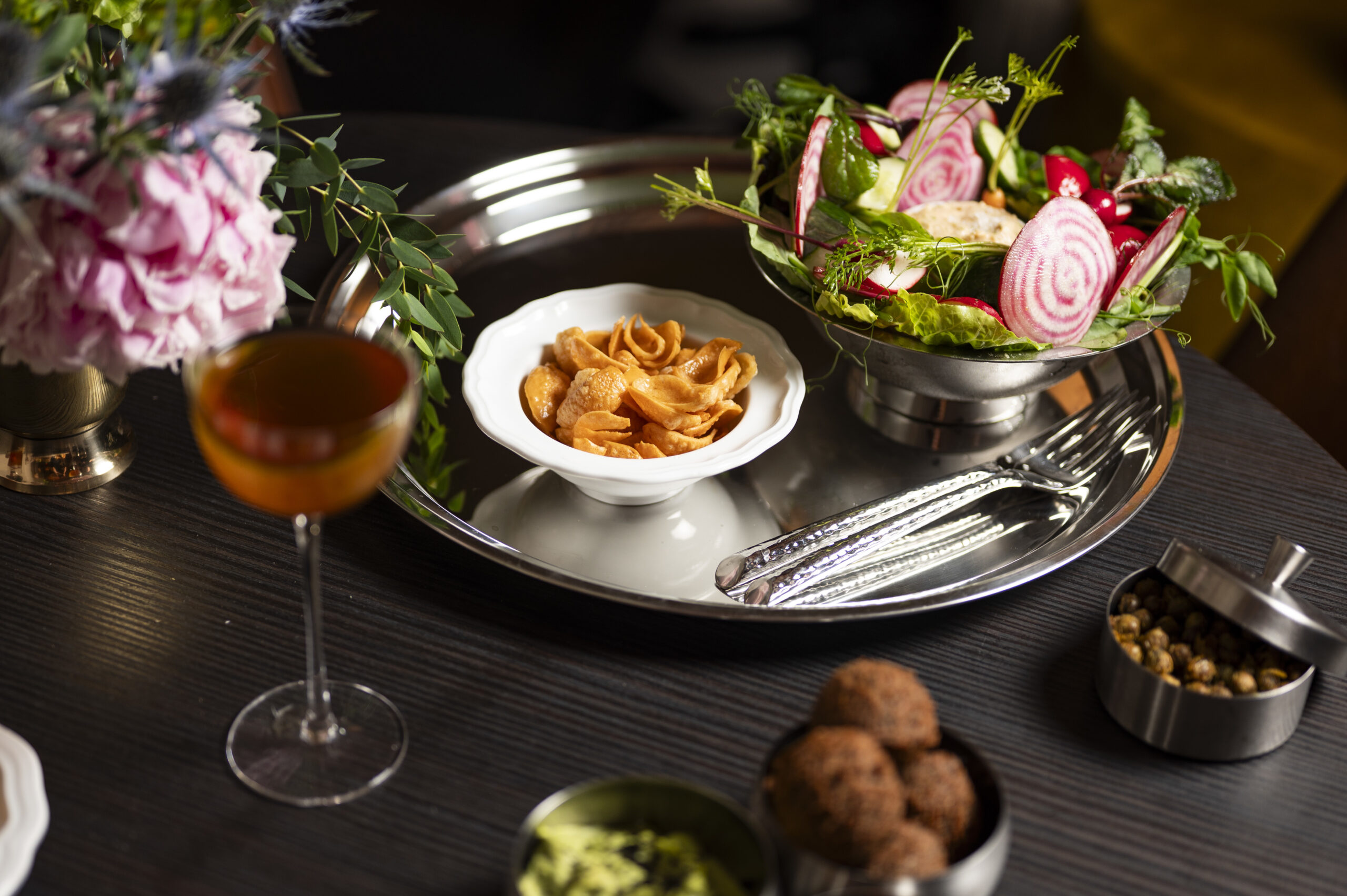
Crudite with potato puffs and caramelized sour cream and onion dip at Known Associates.
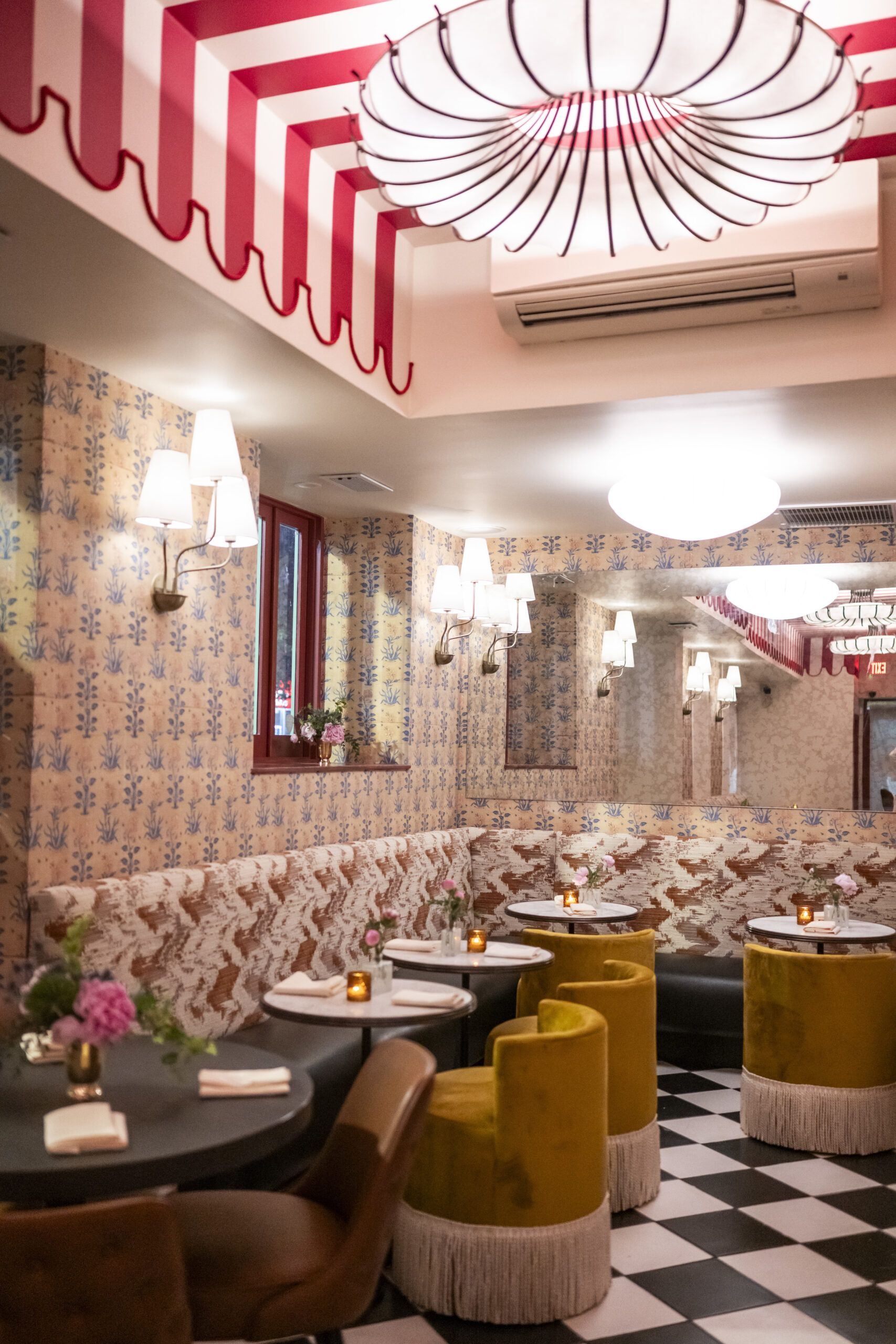
The finished room is emphatically café lounge, not neighborhood drinking den. Floral wallpaper wraps the walls. Patterned banquettes line marble-topped tables. Mustard velvet chairs sit beneath wall sconces, with checkerboard flooring underfoot and a red-and-white striped canopy treatment stretched overhead. The overall effect is layered and slightly theatrical.
Schuh said her working relationship with Kearse is built on familiarity. “Chris and I just kind of speak the same language because we’re both artists,” she said. “We’re not that great at talking about our work, but we’re great at producing our work.”
The location — within blocks of Jefferson, Wills Eye, and Pennsylvania Hospitals — also helped shape the project. Lauren Kearse said they envisioned a room that could work for after-work drinks and dinner-adjacent snacking as much as destination cocktail traffic.
That balance shows up on the food menu, which is limited to 10 savory dishes and two desserts. Kearse said the kitchen’s role is to support the bar rather than turn it into another restaurant. Still, the menu is more ambitious than standard bar snacks and has some of Forsythia’s cheffy feel.
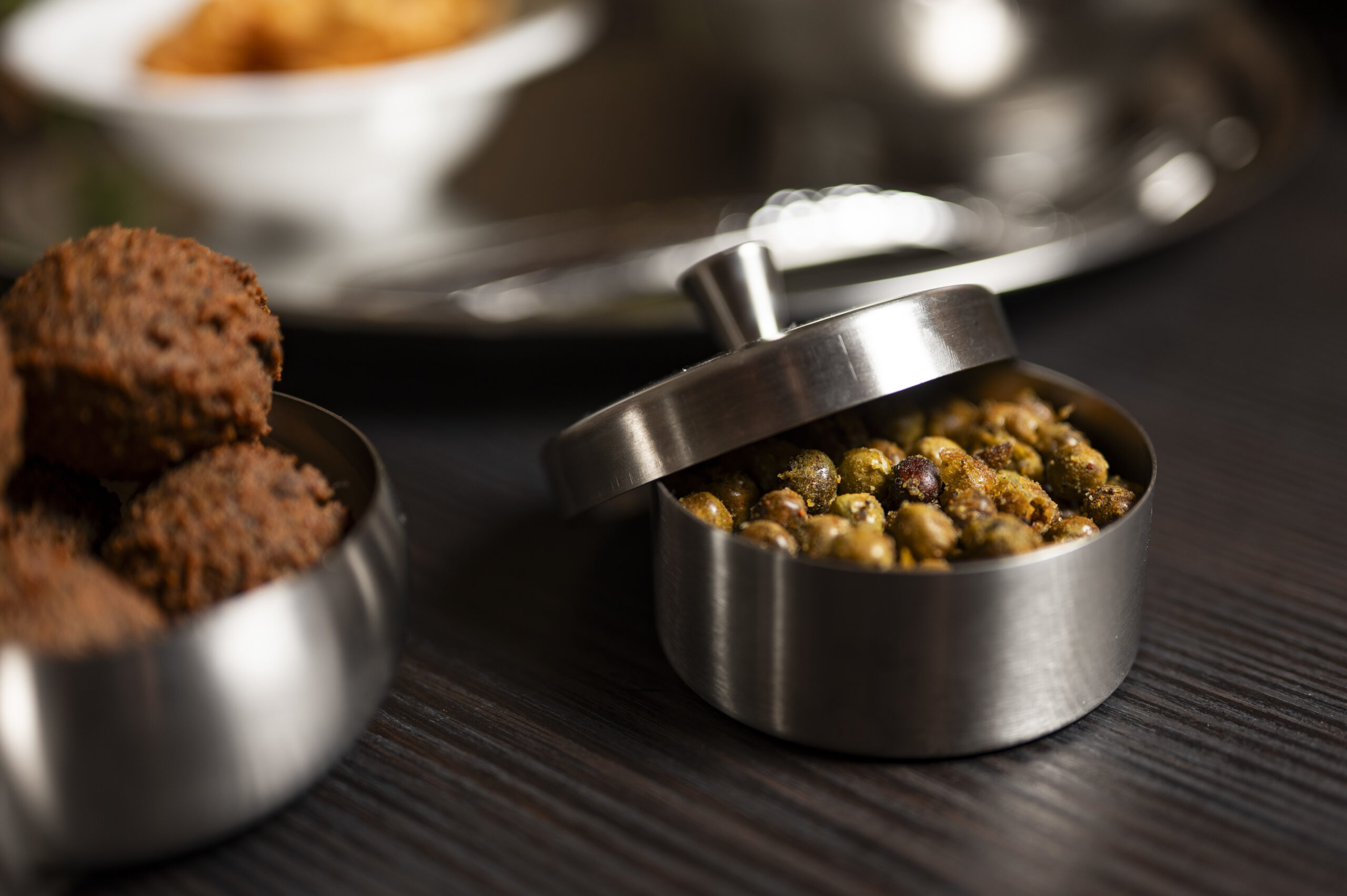
Cool ranch peas at Known Associates.
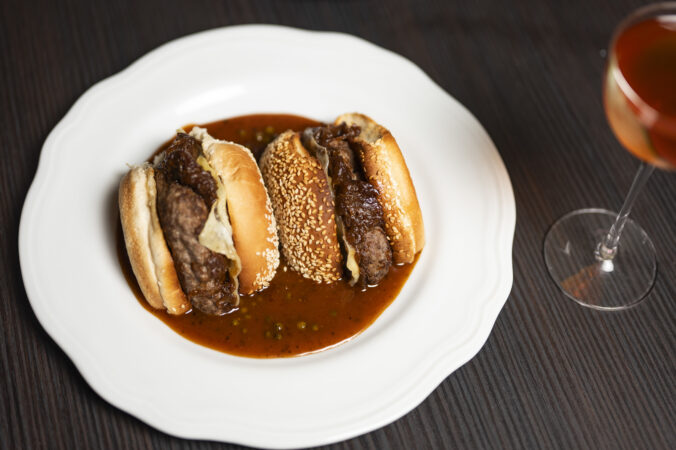
The burger that is a signature at Forsythia appears at Known Associates as burger au poivre, topped with Comté, cut in half, and served cut-side down in a pool of peppercorn reduction ($20). Char siu duck legs ($22) come on a pretzel milk bun with fish sauce and pickles. There’s also a chicken club ($23) with green goddess dressing and Benton’s bacon.
Lighter dishes include black-eye pea falafel with muhammara and green-scallion hummus ($15); hamachi toast with hard-boiled egg and piri piri ($22); pomme frites with Comté cheese foam ($10); and freeze-dried cool ranch peas meant for snacking with drinks. Seasonal crudité ($12) comes with potato puffs and a caramelized sour cream and onion dip. Desserts ($12) are limited to two: toasted rice milk ice cream with sesame and peanut brittle, and triple chocolate mousse with dulce de leche and toasted hazelnut.
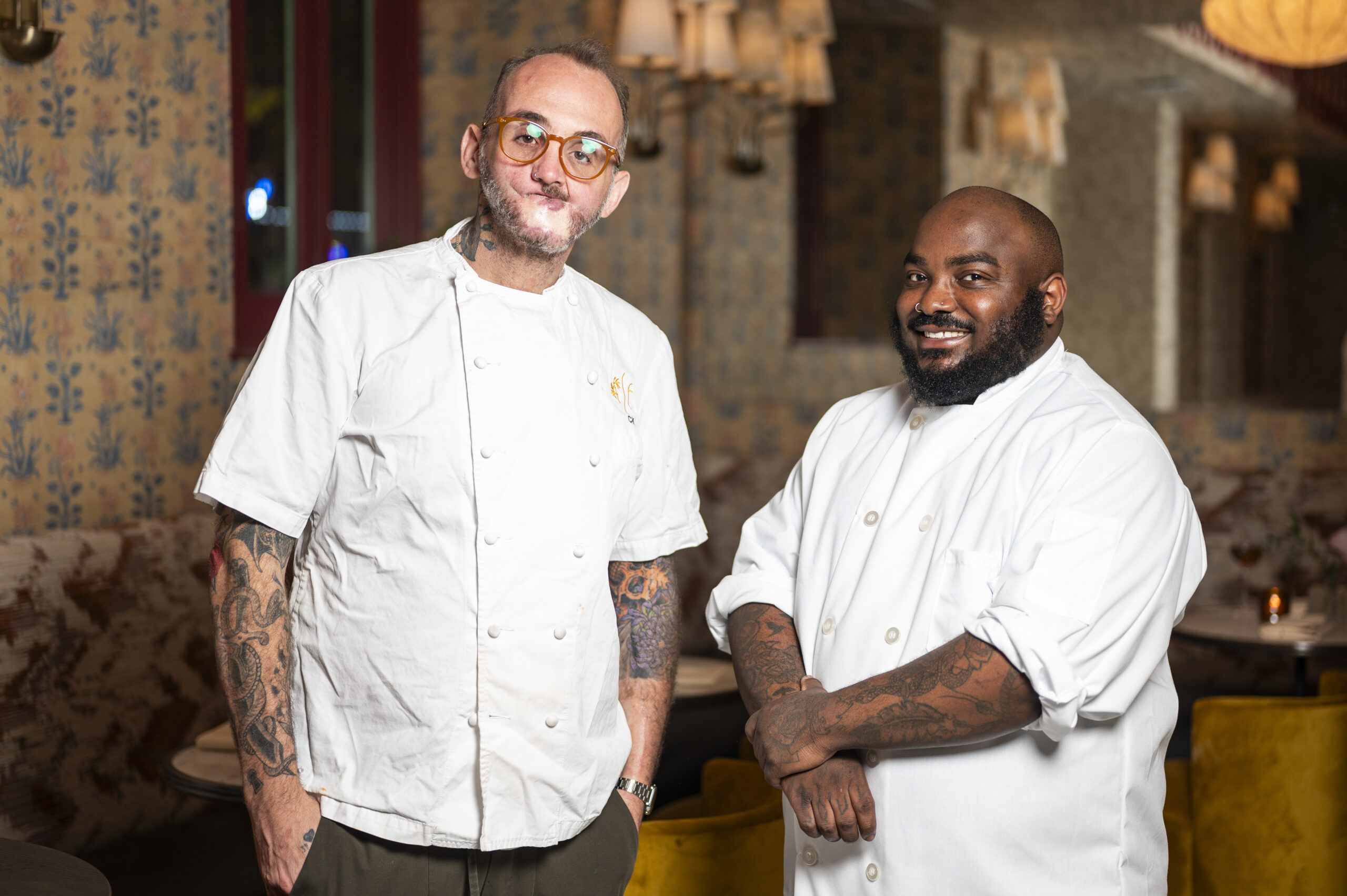
The kitchen is led by chef Brandon Brokenbough, formerly of Enswell and Scarpetta.
Chefs Christopher Kearse (left) and Brandon Brokenbough at Known Associates.
Beverage director Chris Harrop’s cocktails are built around prep work and technique. The TNT ($18) — tomato and tonic — uses clarified tomato water made from tomato, red bell pepper, shallot, fennel, and cucumber. The solids left behind after clarification are dehydrated and served as chips alongside the drink. Harrop said the same clarified base can also be used as a zero-proof savory soda.
The Bittered in Bond ($20), a Boulevardier variation, is made with a house mezcal amaro, Bonal Gentiane, Cappelletti Aperitivo, Licor 43, and salt. It is bottled in a small flask with a batch number and bottling date and poured tableside, a nod to bottled-in-bond whiskey labeling.
Between Harvest ($19), meanwhile, is a Martinez variation with Hayman’s Old Tom gin, Luxardo Maraschino liqueur, Nardini Rabarbaro, and muddled cucumber. Harrop said the name came from a Forsythia customer’s observation that rhubarb and cucumber almost never overlap in season — one fading as the other begins. For summer, he said, the bar has a frozen zombie ($19) assembled to order, with the rum blend kept separate from the slush machine so each drink can still be measured and built fresh.
The name Known Associates carries a passing wink to spy movies — the Kearses are fans of Bond films — but Lauren Kearse said the bar is not built as a themed concept.
“We have no interest in doing that,” she said. “We wanted something punchy that had a little bit of mystery to it.”
Known Associates, 941 Spruce St., opens June 26 and will be open daily from 3 p.m. to midnight.
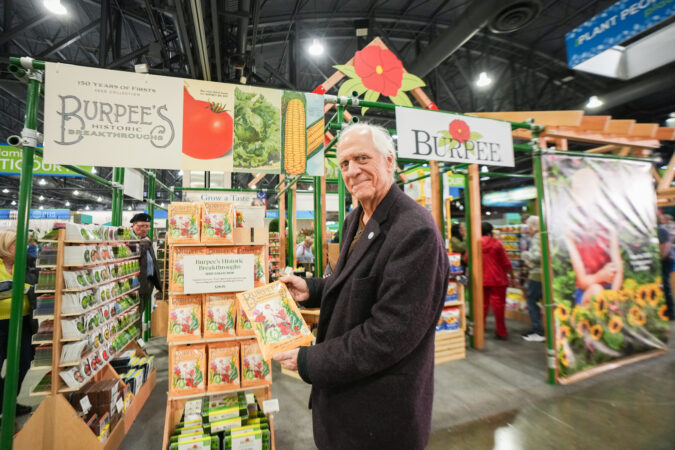
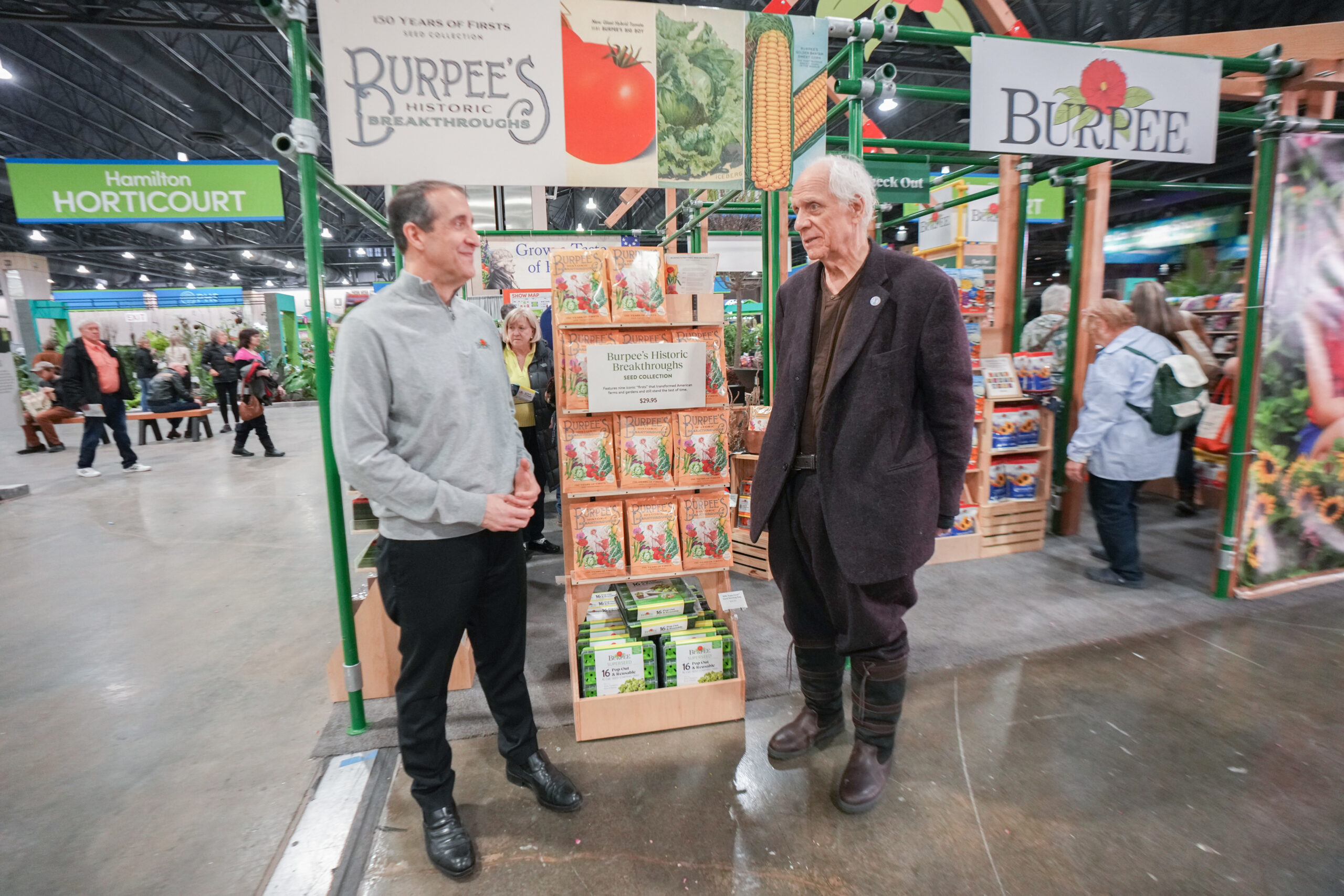
George Ball stood at the W. Atlee Burpee & Co. booth at the Philadelphia Flower show last week and lifted the company’s artfully designed 150th anniversary seed collection from a wooden rack.
Ball, 74, traced a finger down the list of nine packets of “Historic Breakthroughs” and told stories about some of them: Iceberg lettuce (1894). Big Boy tomatoes (1949). Snowbird sugar snap peas (1978).
Golden Bantam sweet corn (1902) wasn’t an instant hit, Ball noted, despite its sweet, buttery flavor. Americans were accustomed to white corn.
“This is the first yellow sweet corn. Before that, yellow corn was hog feed. The kernels were hard,” Ball said. “This yellow corn was a totally new taste. It’s delicious. But for two years, nobody bought it because to them it was hog feed.”
Only when an assistant coined the phrase “Looks like butter, tastes like butter” did the variety take off.
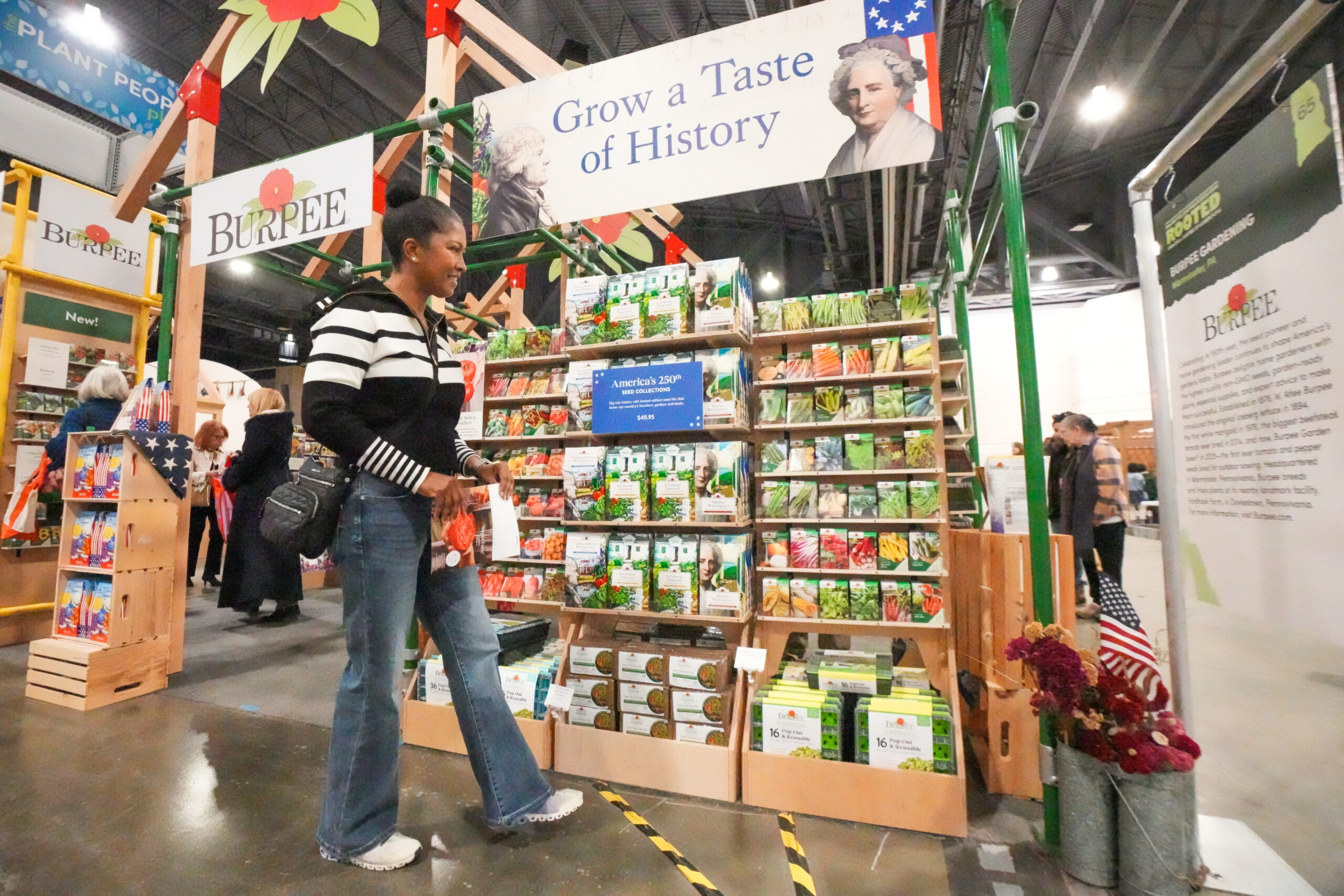
Burpee’s display at this year’s Philadelphia Flower Show highlighted the brand’s historical roots.
Burpee has been rooted in the Philadelphia area since its founding by W. Atlee Burpee in 1876. Now, more than a century later, having once teetered on the brink, it’s again thriving and positioned for the future with seed, plant, and product sales in big box stores and online.
“We’re celebrating our 150th” and still selling those same seeds, Ball said.
Regrowing Burpee
When Ball came to buy Burpee in the 1980s, the company was in serious financial trouble, and its staying power was anything but certain.
“Burpee was going to be padlocked,” Ball recounted. It had fallen 240 days behind on payments, some of which were owed to his family’s company, Ball Horticultural.
Ball had become president of PanAmerican Seed, a Ball Horticultural company, by the mid-1980s and was breeding plants in Costa Rica. When he returned to the United States, he read a story in the Wall Street Journal that industry giant Burpee was teetering.
Sensing an opportunity, Ball moved to buy the historic brand for a fraction of its value, or as he phrased it, for “kind of a poem.”
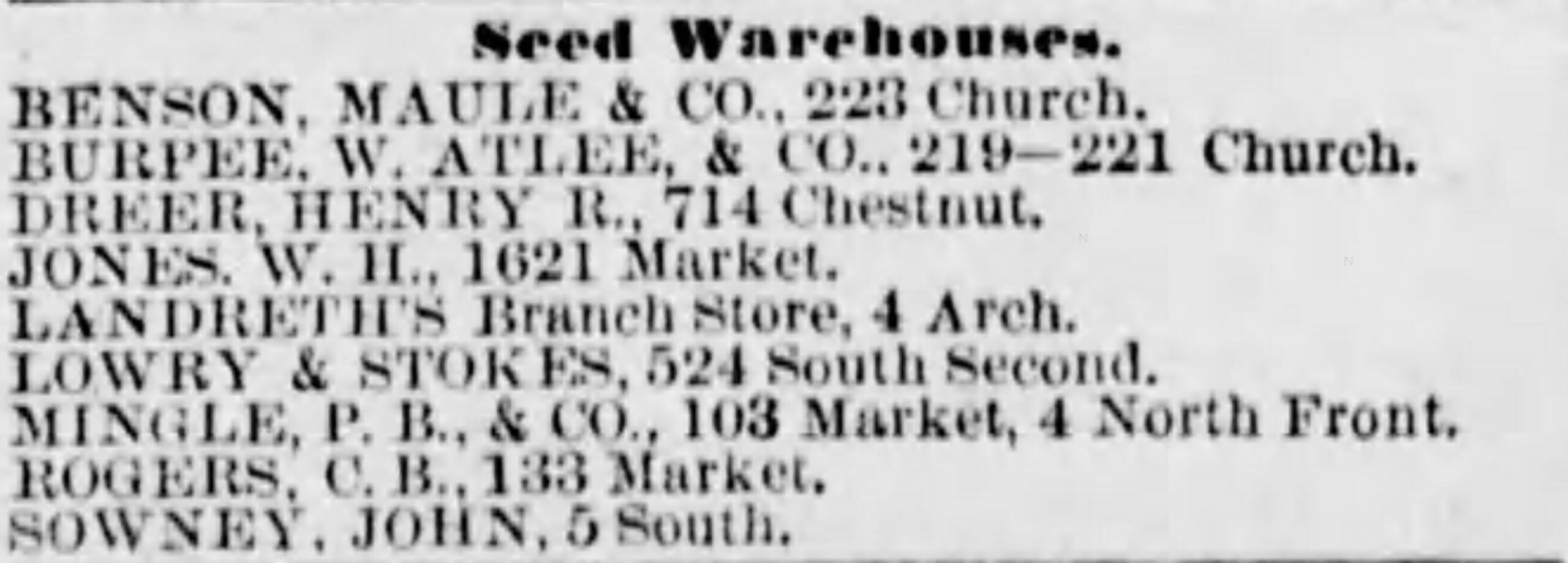
More than a century before that,W. Atlee Burpee, scion of a prominent Philadelphia medical family, started his seed company in 1876, the same year he visited the Centennial Exposition in Philadelphia. It featured robust agricultural and horticultural displays. By 1881, a notice for the company’s Old City warehouse appeared in The Inquirer.
The first mention of W. Atlee Burpee & Co. in The Philadelphia Inquirer on Jan. 3, 1881.
Burpee seized on the emerging power of mail-order catalogs — the era’s version of the internet — and the catalog became a rural household staple since most of his customers were originally farmers.
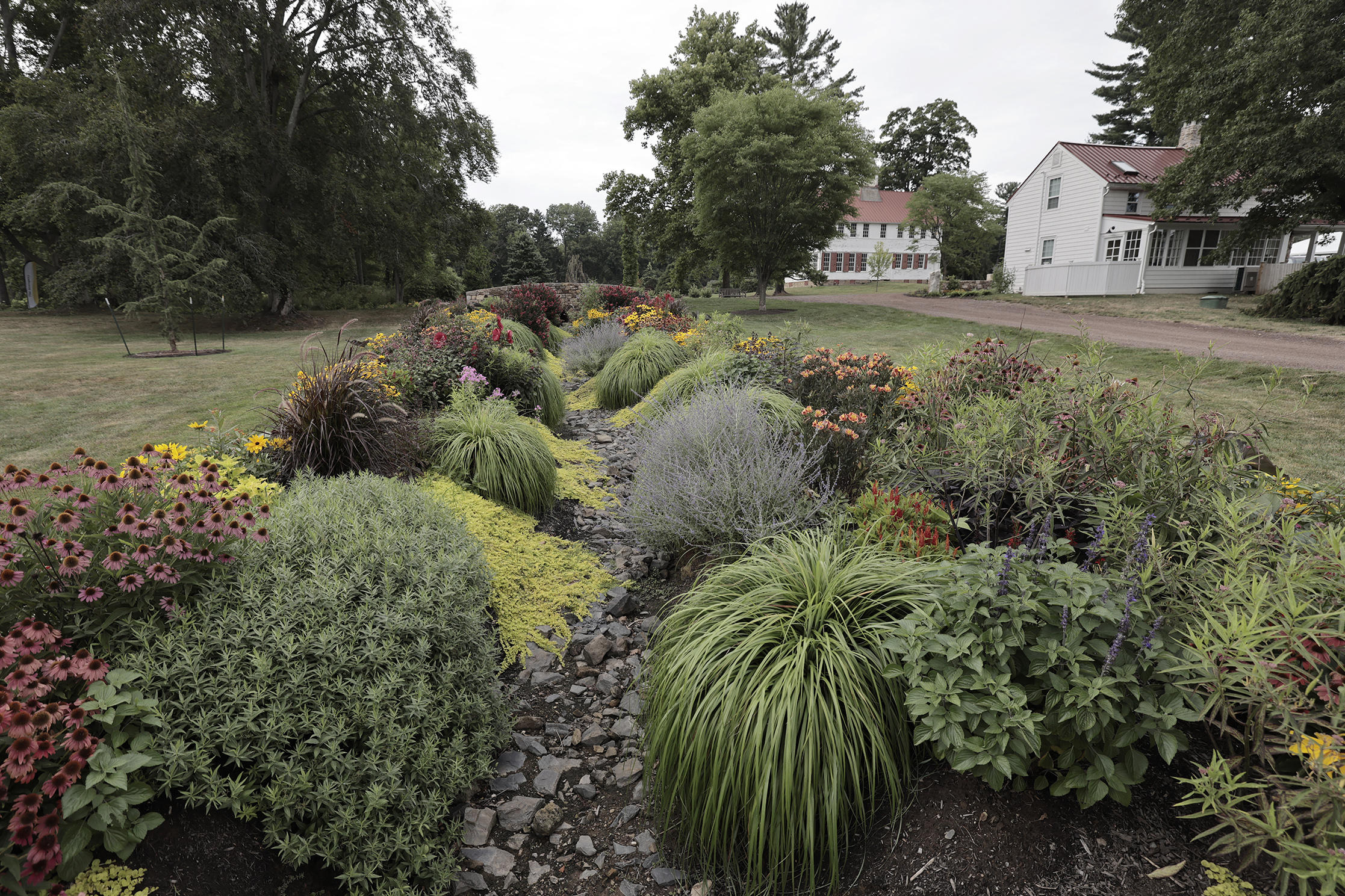
In 1888, Burpee bought a farm on New Britain Road in Doylestown. He named it Fordhook and transformed it into the company’s experimental garden and began conducting thousands of seed trials. The 60-acre property still opens to the public once a year.
Burpee died in 1915, leaving the business to his 22-year-old son, David, who expanded the company’s flower offerings and cemented a reputation for innovation. The company soon found a market for its seeds with home gardeners.
Christopher DeMairo, a former archivist for the Smithsonian Institution and the author of a book on the history of Burpee, calls W. Atlee Burpee, “a really fascinating man, and one of the most prolific businessmen in American history.”
DeMairo credits David Burpee as a visionary who steered the company through the turbulent 20th century when many competitors went bankrupt. Under David’s leadership, Burpee pushed hard on innovation, pioneering hybrid vegetables through controlled pollination experiments.
“Even if you may not know Burpee now, your ancestors certainly did,” DeMairo said. “It is still really important when you think of where agriculture and gardening are today.”
In 1970, David Burpee sold to General Foods, and the corporate headquarters moved from Philadelphia to Warminster, where it remains.
Eventually, ownership passed to a private equity firm,and the company fell into financial trouble.
Then Ball, who views himself as a turnaround specialist, stepped in to save Burpee,officially becoming its sole owner in 1991. He’s run the companyever since and still lives at Fordhook Farm.
The Creekbed Garden at Fordhook Farm in Doylestown in 2024. The seed barn is second building from the right.
“I was very interested in the basic virtues and values of life,” Ball said, and felt that the nursery business fit with that essence.
DeMairo, the archivist, believes the founding Burpee family would be relieved to know the company is privately held by Ball, who has no plans to sell.
“I can almost say for a fact that both David and Atlee would be very happy to know that the company is in the hands of a true gardener,” DeMairo said, “and not a boardroom.”
Burpee today
Under Ball’s leadership, Burpee expanded into retail aisles and into the digital age.
When COVID-19 hit in 2020, Burpeeexperienced a surge in demand, CEO Jamie Mattikow said, and the companyhas retained much of that momentum.
He declined to share financial details or an employee count. But, he said, consumers spent $242 million on Burpee products last year, a 120% jump from 2019. Growth, he added, is in the “mid-single digits.”
“Fortunately, seeds have proven to be a recession-resistant type of category,” Mattikow said, “so the growth is pretty steady.”
Burpee president and CEO Jamie Mattikow (left) with owner George Ball at the Burpee Seed display at this year’s Philadelphia Flower Show.
Burpee has long focused on home gardeners. Its products appear in major chains including Walmart, Target, Home Depot, and Tractor Supply.
Mattikow describes Burpee as a full-service “gardening company” rather than simply a seed supplier, offering live plants and supplies like soil and cages. Online sales through Burpee.com and Amazon continue to expand.
The company also maintains a niche business sellingseeds to small growers who supply farmers markets and restaurants.
The company has leveraged social media to reach younger customers. It has about 725,000 followers across Meta’s Facebook and Instagram platforms, and offers advice such as “the easiest tomatoes to grow for beginner gardeners.”
Burpee relies on its own horticulturists and traditional seed breeders to adapt to changing customer preferences.
For example, a seven-year breeding process resulted in the company’s new line of “garden sown” tomatoes and peppers — seeds hardy enough to be planted in ground after the last frost, bypassing indoor tray-starting.
That painstaking breeding process has been with the company since the beginning. In his history of Burpee, DeMairo cites a Life magazine article describing the painstaking work behind developing seed varieties.
The company, the article noted, “hired 60 girls from Vassar, Smith, Bryn Mawr and other colleges to spend the summer with tweezers and brushes” to control pollination and create new hybrids.
Mattikow said Burpee faces typical challenges such as supply chain issues, tough competition, and tariffs.
“We do a great balance of holding on to a loyal base of customers, and every year we bring in new customers,” Mattikow said.
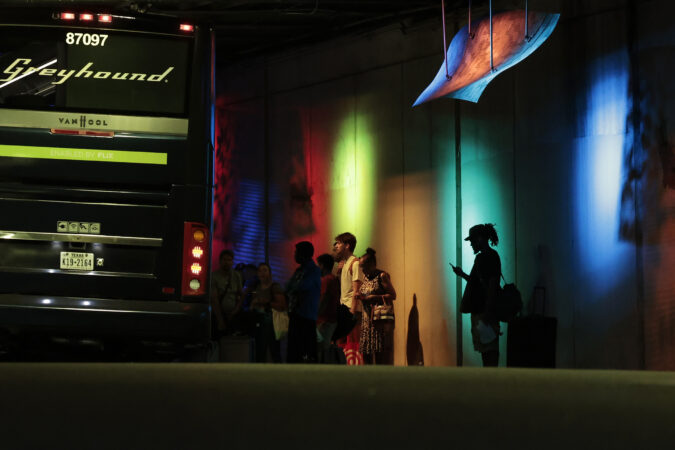
Lights shine from a window of the abandoned Greyhound intercity bus terminal on Filbert Street as construction crews demolish fixtures and begin renovations ahead of a May reopening.
While the old depot is ready for crowds of travelers attending high-profile special events this year, the city Department of Planning and Development has identified three possible locations for a permanent intercity bus station.
Officials sifted through 208 possible locations over the past two years before zeroing in on the three sites:
Eighth and Arch Streets: A pair of parking lots on Arch Street near Eighth Street next to the African American Museum. The lots, at 701-709 and 721-737 Arch St., are owned by the city and Parkway Corp.
15th and Vine Streets: The Philadelphia Gateway Garage at 1540 VineSt. along with an adjoining parking lot. They are owned by the Pennsylvania Department of Transportation and the Philadelphia Parking Authority.
Near 30th Street Station: A parking lot just north of 30th Street Station, at 2931 ArchSt., near the Cira Centre office tower.
On Wednesday, the city Planning Commission is holding a public open house at Independence Visitors Center from 6to8 p.m. People can learn about the sites, share their ideas, and ask questions about the future home of an intercity bus facility.
There’s also an online survey collecting opinionsaboutwhat the intercity bus station needs andwhere it should go, due March 13.
The former Greyhound terminal at 1001 FilbertSt. “is not a long-term solution for the city’s intercity bus needs,” city officials say, though it will provide a safe and comfortable indoor station for travelers, as opposed to the current, haphazard outdoor curbside loading zones along Spring Garden Street near Columbus Boulevard.
It is scheduled to reopen in plenty of time for eventscelebrating America’s 250th birthday and World Cup soccer tournament matches in the summer.
The city says its goal is a modern “transportation hub” with amenities for travelers and bus operators and, ideally, some development built around the facility. It would be owned by the city.
“Public ownership means it won’t be closed down by a landlord or private bus company,” the planning department said in a statement. In addition, the forever depot “could be designed to have housing in the floors above the station or retail spaces within the station. These uses could help support … construction and operation.”
Why was Philly’s Greyhound terminal moved?
Greyhound ran the terminal at 10th and Filbert for more than three decades but pulled out in June 2023, ending its lease with the owners amid the bus company’s push to cut costs by shedding real estate it owned or rented nationwide.
Other intercity bus carriers have done the same, operating from curbsides in a number of cities.
When those plans fell through, the building was empty again, while Greyhound, its parent company FlixBus, and family-owned Peter Pan Bus Lines were operating at curbside on the 600 block of Market Street. That site, chosen by city officials, lacked benches, bathrooms, or shelter for customers.
Traffic was a mess, and SEPTA had to reroute some of its metro bus routes for a time.
In November 2023, Greyhound and the other carriers moved operations to a corner in Northern Liberties along Spring Garden Street with more space than the Market Street block. City officials promised it was temporary, but the “station” is still there, with attendant trash and disruptions to local business.
Consultants and city planners picked 35 potential sites for closer analysis. They were looking for places that could accommodate a multistory, mixed-used development in addition to a station and that were close to Center City or University City, transit, and highway ramps.
Strengths: Proximity to several transit stops and to I-676 and I-95, as well as the potential to build public parking above the station and to use the African American Museum building when that entity moves to the Parkway.
Challenges: The ownership, split between the city and a private corporation, could require coordinating with the Federal Detention Center there on the southwest corner, and buses may need to be routed through Chinatown.
Challenges: Amtrak owns the property, however, and the city would have to coordinate with the company to develop over the railroad tracks and the structural work needed to strengthen the lot and ramps for heavy bus traffic. PennDot also has said there would have to be substantial work to the entrance and exit ramps to the Schuylkill Expressway.
What’s next?
The city plans to consider the feedback it gets Wednesday, update the schematics, and then hold another public event later in the year. It hopes to have a final report by the end of 2026 that names the site.
And then begins the long process of acquiring the site, designing the project, and figuring out how to pay for it.
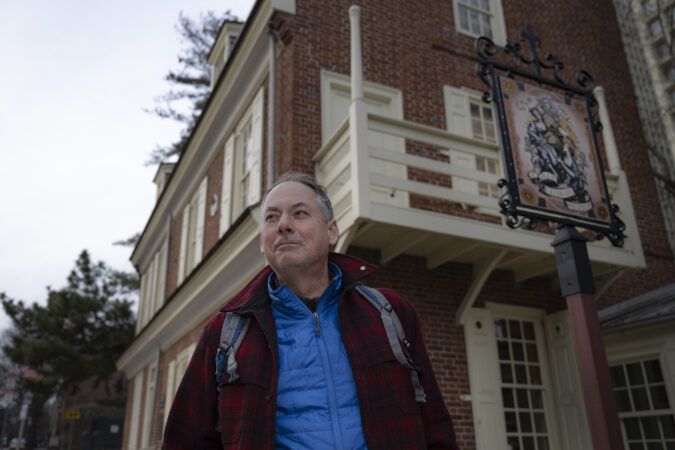
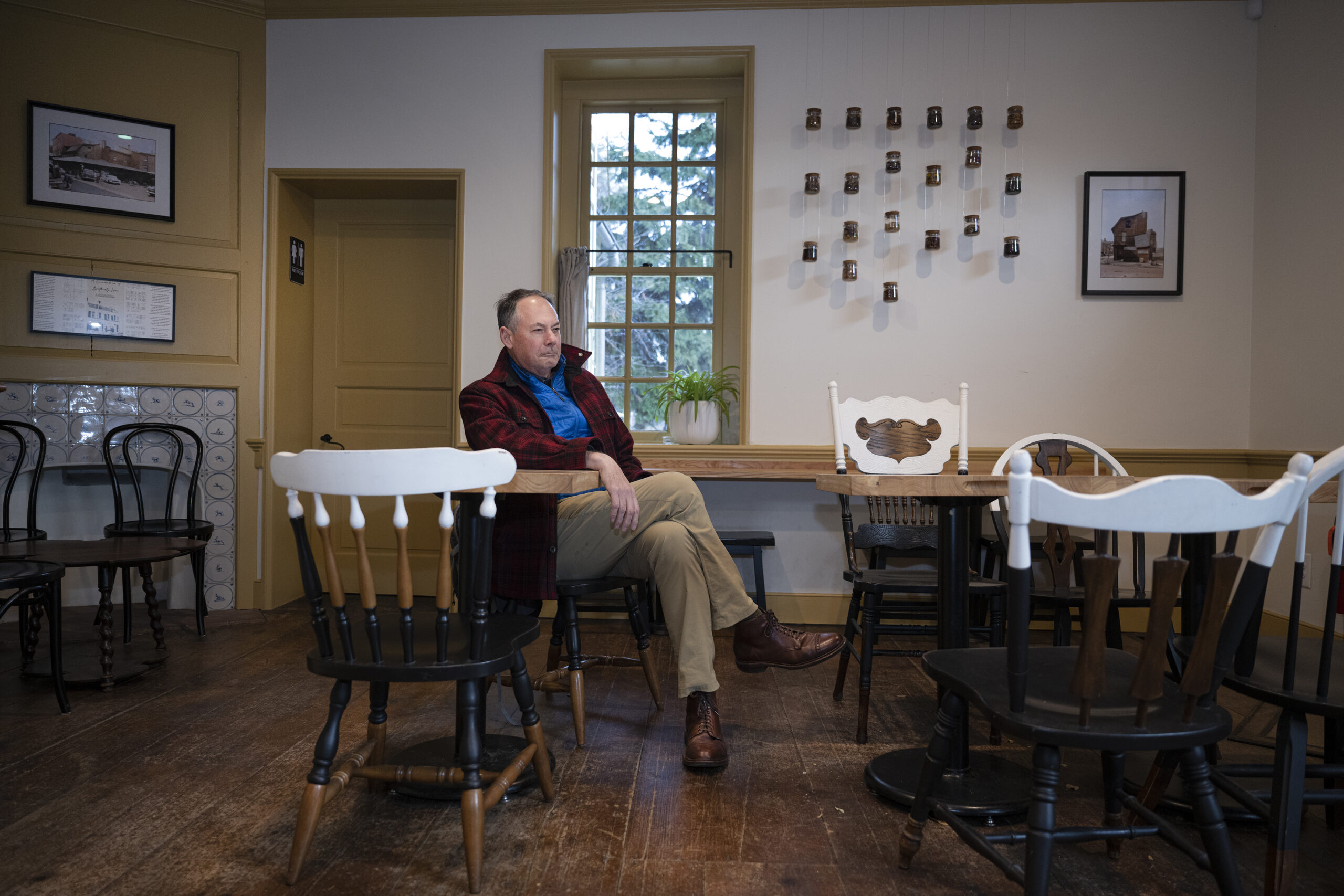
For R. Scott Stephenson, the ghosts of the Revolution are easily conjured. They are found on every block and every corner of his daily walk from his 18th-century home in Queen Village to the Museum of the American Revolution in Old City, where Stephenson has served as president and CEO since 2018.
“If you close your eyes, you can feel it,” Stephenson wrote about “The Declaration’s Journey,” the museum’s ongoing grand exhibit celebrating America’s 250th anniversary. “Over there, irascible John Adams and taciturn George Washington stroll to their first meeting. Down the street, brooding Thomas Jefferson takes a break from drafting a declaration to stretch his legs and find a nice pint of cider.”
R. Scott Stephenson has been president and CEO of the Museum of the American Revolution since 2018. This year, as the nation turns 250, the museum takes center stage.
As Philadelphia takes center stage in 2026 for the national milestone, also known as the Semiquincentennial, Stephenson will no doubt have a little less time to stretch his legs. This year, it falls to him to conjure the spirits of those fiery days of rebellion for the more than 1.5 million visitors Philadelphia is expecting in 2026.
It is a moment of celebration and introspection the museum has been planning for since before it opened in 2017. With the lauded exhibit exploring the history and global impact of the declaration, and their most robust slate of programming and exhibitions ever, the museum and its staff of about 100 historians and researchers, is ready, said Stephenson.
“It’s akin to a playwright,” he said. “You’ve written the play, you’ve cast all the characters, you’ve made all the costumes, you built the stage and been through endless rehearsals. We feel so supremely confident to meet the visitors that are coming.”
A Pittsburgh native, who earned a PhD in American History at the University of Virginia, Stephenson and his wife, a physician, and two adult children, have lived in the Philly area for 25 years. His perfect Philly day would include coffee before dawn, Italian Market shopping and exploring with his daughter, oysters and bookstores, Philly’s only Colonial-era tavern, and a home-cooked meal with the family. And all, with those ghosts trailing close behind.
Stephenson, 60, a Pittsburgh native, lives in Queen Village with his wife and daughter.
This interview has been condensed and edited for length.
5:30 a.m.
Our beloved adopted Philadelphian, Benjamin Franklin, said, “Early to bed, early to rise makes a man healthy, wealthy and wise.” So far, I’m just healthy, the other two may have not necessarily come (laughter). But I think maybe with the thousands of years of farmers in my past, my circadian clock has never changed. I am up without an alarm between 4:30 a.m. and 5:30 a.m. I start my day with a pot of really strong black coffee. Those first couple of hours before anyone is up is golden time for me. I read my periodicals, my newspapers. I still like the sound of paper wrinkling.
7:30 a.m.
We are a cooking family. On weekends, we are all about ending the day with a big meal that we make together. So a perfect day is my daughter and I walking to the Italian Market to browse around at the various shops, figuring out what protein we’re going to build dinner around. And nosing around the produce stands and cheese stops. At Fante’s Kitchen Shop are great reproductions of 18th-century German cookie molds for making gingerbreads.
I do not have one path to get from Point A to Point B anywhere in Philadelphia, so I’m usually going to want to zigzag around a bit. We like to do a little exploration as we bring the groceries back to the house.
11:30 a.m.
My wife and I love to walk over to Rittenhouse. Lunch at the Oyster House. I love that block of Sansom. It’s a street that feels like a previous era. There’s an original oyster house in Pittsburgh. That was a place both of my grandfathers ate lunch often. My father would go there. I was taken there as a kid. Although ironically, I have a great grandfather who died from eating, what was called on his death certificate, a “poisoned oyster.” He ate a bad one and died in 1905 when he ate a bad one that was a little too far from the Jersey Shore when it was consumed.
1 p.m.
I’d definitely pop into Sherman Brothers Shoes right next door. Incredible shoe store. I am sort of obsessed with Alden shoes, these great, super sturdy, American made, old school leather shoes. So I am at least going to go drool a little bit, and think, “Oh, when I wear this pair out, what’s my next pair of Alden’s going to be?”
2 p.m.
On a perfect day, I’m popping into the museum, and trying to remain anonymous. Just for an hour, and go wander around the galleries or sit through a showing of “Washington’s Tent” — and just talk to guests. A lot of my job is storytelling. Being able to talk about the impact we have on people — the best way to do that is to actually tell a story that happened to me.
3 p.m.
Our other routine would be to go to Plough & the Stars in Old City. We absolutely love Plough & the Stars, particularly in the winter, to be able to sit in front of the fire there. Have a shephard’s pie or fish and chips and a Guinness.
4:30 p.m.
I’m gonna spend some time up at the Book Trader on Second Street. I’m not actually allowed to buy any more books. My library is mostly in storage right now. We just don’t have the room. But I do love a bookstore, particularly a used one.
Stephenson said of Man Full of Trouble tavern and museum: “That’s the only surviving tavern in Philadelphia from the 18th century, where you can literally sit in a room where rum punch and revolution was the game.”
5:30 p.m.
Walking home, and frankly whether or not I have been to Center City or Old City, I am almost certainly going to stop, and this a new addition since it just reopened, but at the Man Full of Trouble tavern and history museum. That’s the only surviving tavern in Philadelphia from the 18th century, where you can literally sit in a room where rum punch and revolution was the game. To me, it’s just another reason why this is the greatest city in the nation. Being a few blocks from the Man Full of Trouble, creates a lot of trouble (laughter).
6:30 p.m.
It’s probably time to start dealing with those groceries at this point (laughter). At least one weekend day every weekend is family dinner day, where we’re all going to be cooking. So my son and his girlfriend will be in — my daughter’s there, my wife’s there, and we’ll have figured out what’s on the menu. We have a long table. We love to have candles and a candlestick on the table, and turn the lights down. A no device moment, where we really are in each other’s presence.
8 p.m.
We are probably going to be playing Wingspan, it’s a board game. There’s a new one called Finspan, which is all about fish in the ocean. We are almost exactly a two minute walk from Queen & Rook Game Cafe. So we’re kind of in a board game neighborhood. We’ll be right at our dining room table and we’ll be playing for a while and drinking a little wine.
9 p.m.
Going back to Franklin for a minute, and you remember his aphorism was “Early to bed, early to rise.” I am not the life of a party. Most nights by 9 p.m., my eyes are closed and I am sawing wood (laughter).
A new all-day lounge in Old City is betting on kava and kratom — two controversial psychoactive plants — to pull crowds away from bars.
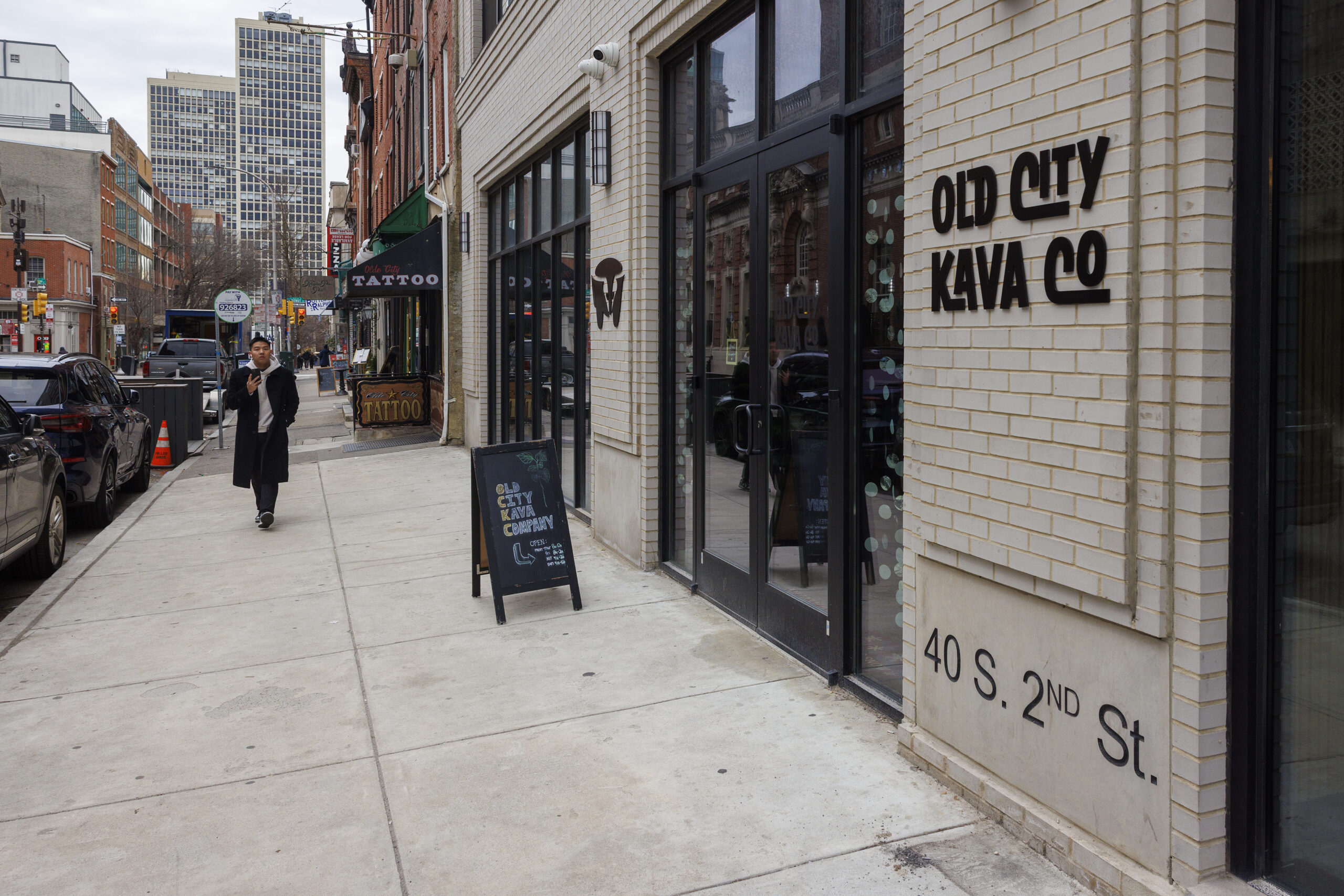
Old City Kava Company opened in December at 40 S. Second St., across from a Fine Wine & Good Spirits and a honky-tonk bar. The lounge specializes in kava and kratom mocktails intended to boost mood and lower inhibitions, not unlike knocking back a couple of drinks. The establishment’s co-owners, Luca Kobza and Adam Lagner, believe the substances can open up a new social scene in Philly — namely, one that isn’t centered on alcohol.
“We’ve had groups of people showing up who I otherwise believe would’ve been at bars … maybe having a cocktail and then regretting it the next day,” said Kobza. Customers have told them the space is a welcome change from bars and nightclubs, Kobza said.
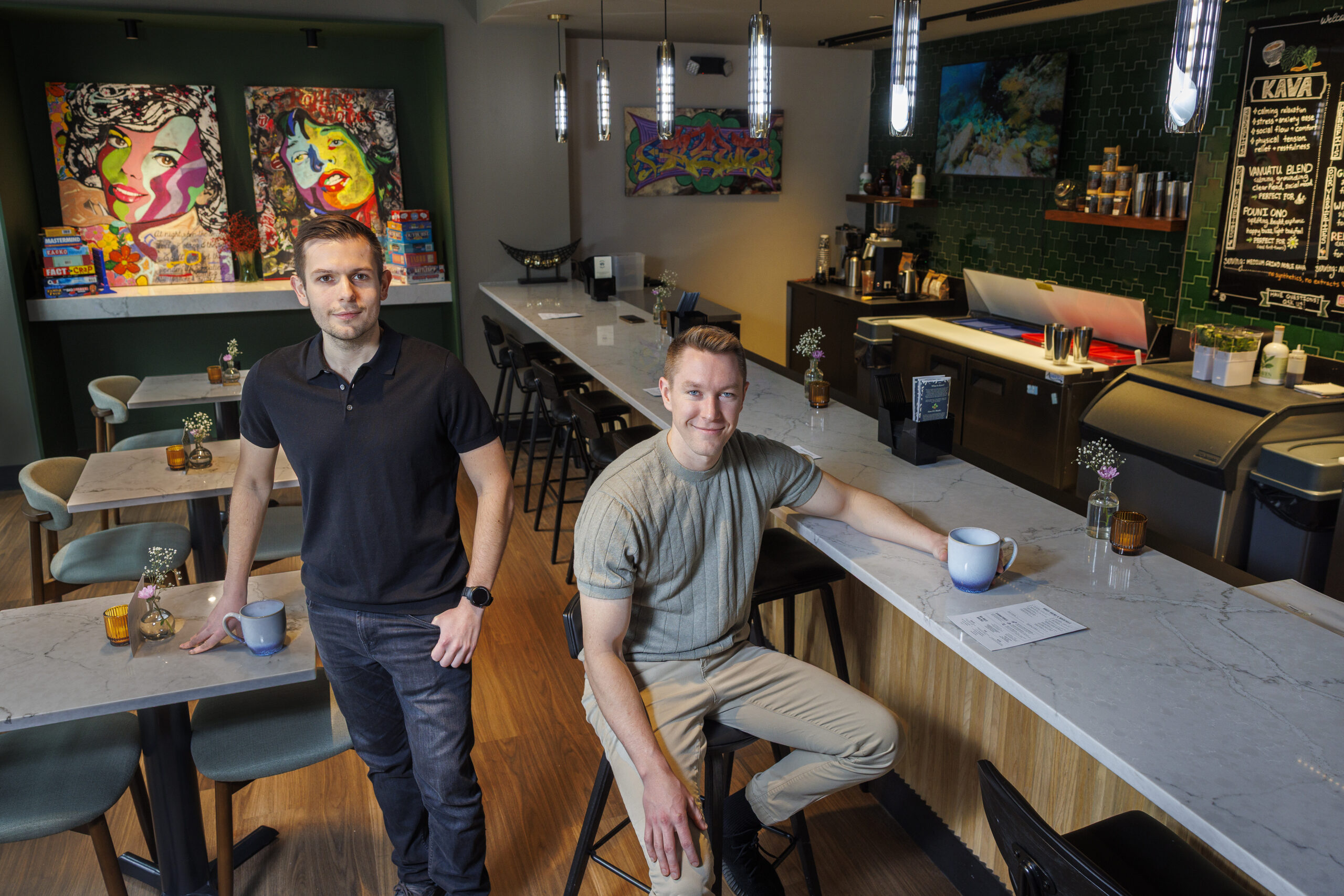
Old City Kava Company co-owners Luca Kobza (left) and Adam Lagner (right) met in college at the University of Miami and ran a kava bar in Naples, Fla. before moving to Philly.
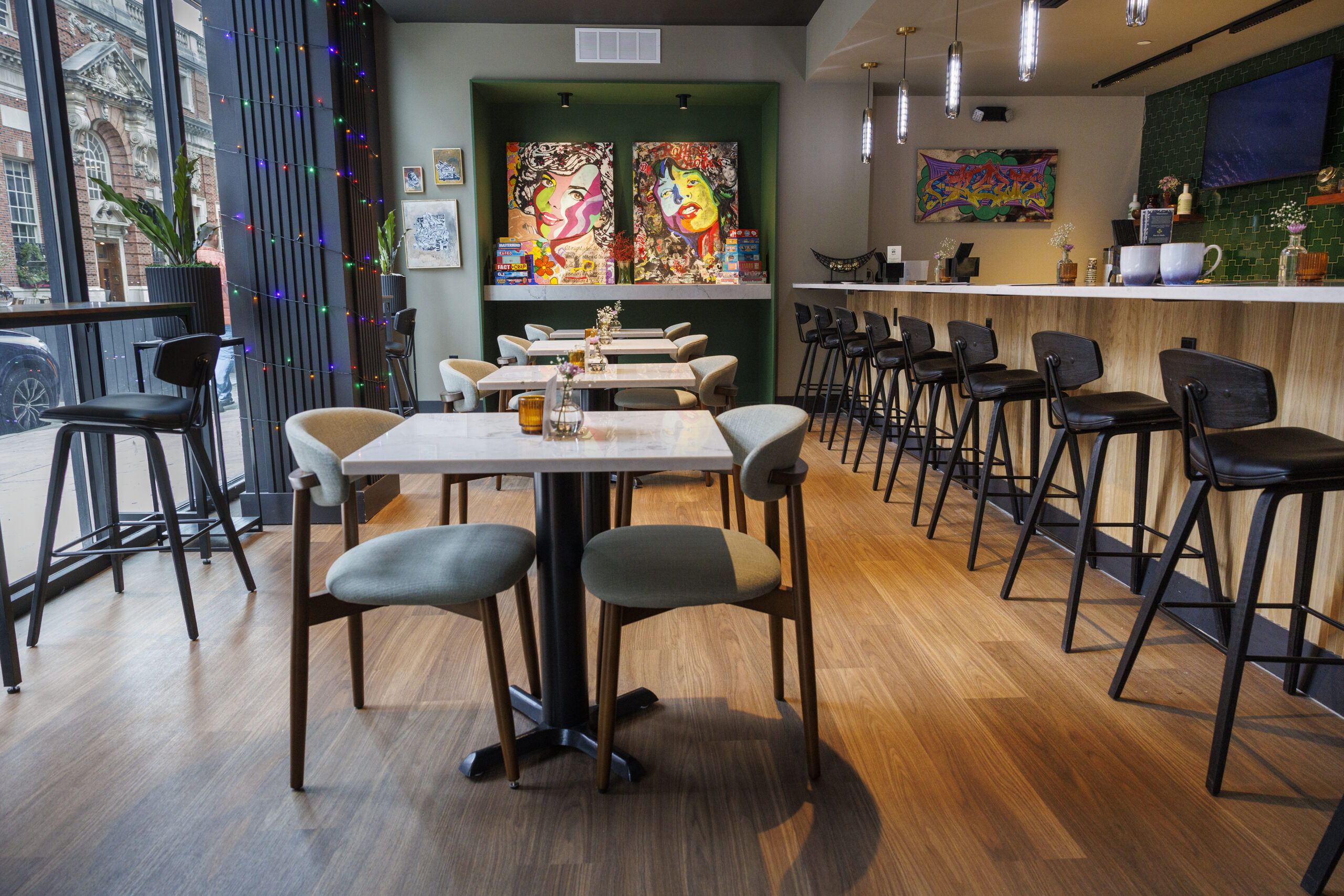
The 1,900-square-foot lounge is designed for lingering, with 60 seats between its bar, two-top tables, and plush jeweled-toned couches. The space has a small-yet-serviceable board game collection, plus a rotating display of contemporary art for sale from Kensington’s Vizion Gallery.
Old City Kava opens at 10 a.m. daily, serving its kava and kratom-infused mocktails alongside drip coffee from ReAnimator, teas from Random Tea Room, and a selection of pastries from wholesaler Au Fornil. By day, it largely functions as a coworking space.
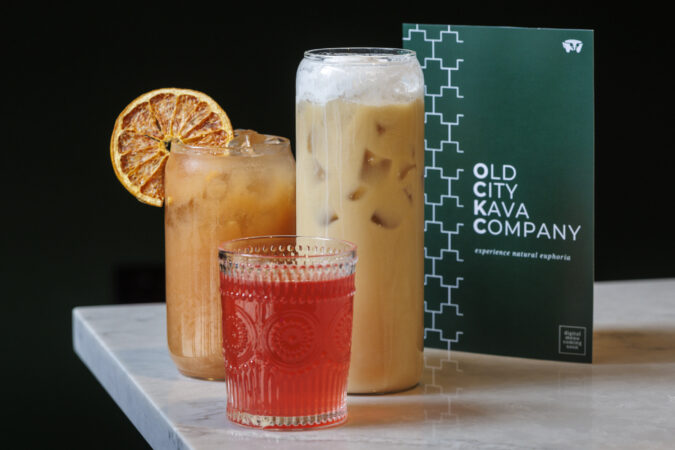
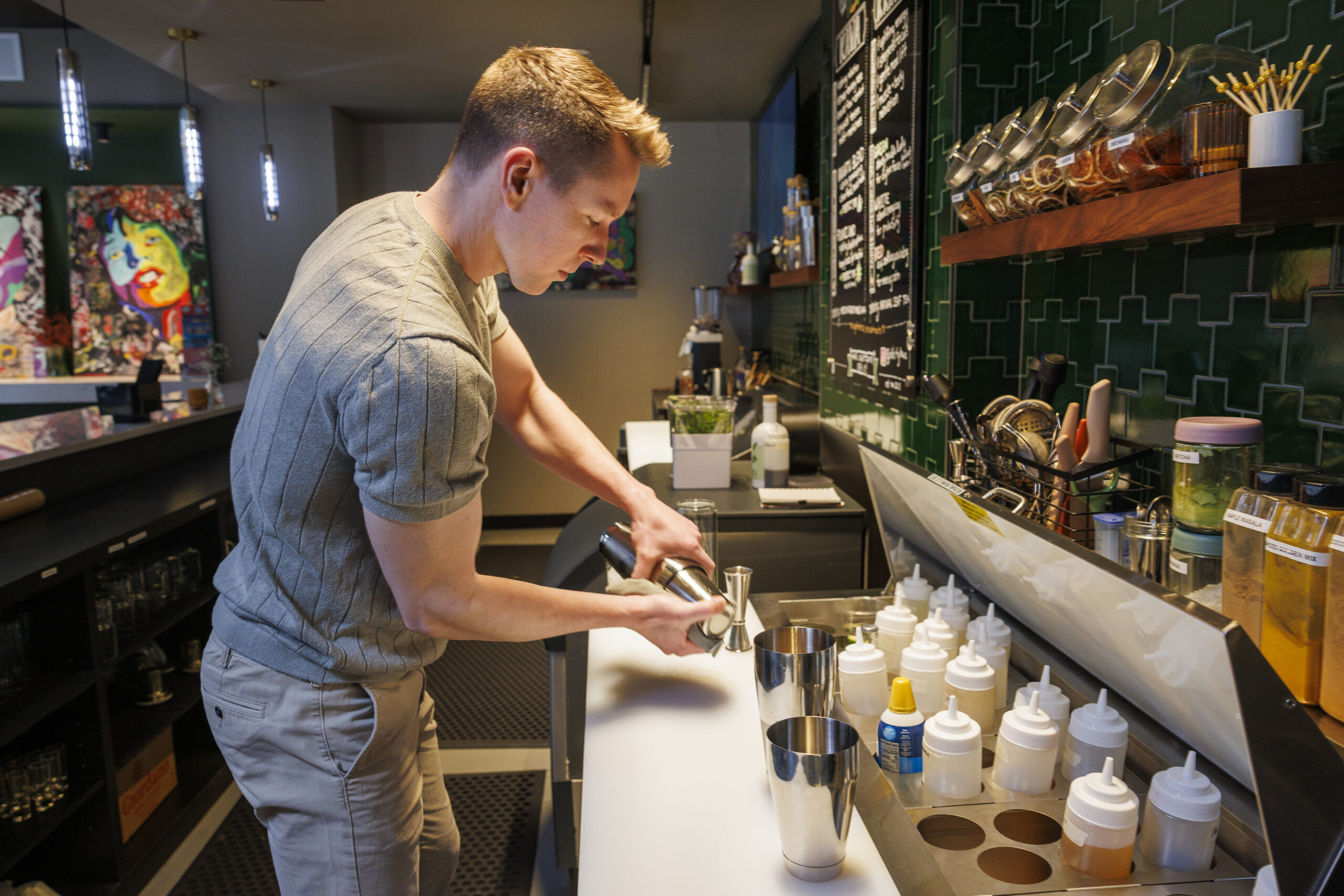
The atmosphere shifts at night. Open till midnight on weekdays and 2 a.m. on weekends, the space feels cocktail bar-adjacent, with a menu of 16 kava and kratom-infused mocktails. They range from a kava-lemongrass-and-guava paloma to a kratom-kombucha-ginger beer mule and a matcha tonic shaken with kava and kratom. Lagner and Kobza have already hosted run clubs, singles events, and book clubs to highlight the spectrum of Philly’s sober-curious scene.
The interior of Old City Kava Company at 40 S. 2nd Street.
What are kava and kratom?
Old City Kava sources kava — derived from the leaves of the piper methysticum, a large plant that grows in Hawaii and other South Pacific islands — from Fiji, Tonga, and Vanuatu and kratom from Vietnam, Thailand, and Malaysia. They brew both as teas, adding roughly a tenth of an ounce to each mocktail.
The lounge’s eight employees had to undergo 15 hours of in-house “kava-tending” training, which mostly involves learning how to educate first-timers. Lagner hated kava the first time he tried it.
“It’s bitter, earthy. I was very off-put,” said Lagner. At the age of 30, he now prefers drinking it straight.
Adam Lagner making Old City Kava Company’s Lemongrass Paloma, which swaps alcohol for kava.
A visit to the lounge starts with a kava-tender offering samples of pure kratom or kava tea, the latter of which makes your lips tingle with a mild numbness. Despite having no real relationship with one another, kava and kratom often come as a package deal in kava bars across the U.S., which have exploded in popularity as an alternative to traditional bars during a time when fewer young people are choosing to drink.
These laws and the FDA’s plan include carve-outs for the botanic kratom from the leaf — which Old City Kava uses in its mocktails. The varieties are fundamentally different, Lagner said.
“A lot of people conflate the two … when they hear ‘kratom,’ they think of the products you’re seeing in gas stations,” he explained. “We serve natural kratom leaf tea how it’s been consumed safely for centuries in Southeast Asia. They’re much less potent in their natural form.”
That may be true, but experts still have concerns about botanic kratom. According to Dr. Adam Scioli, chief medical officer of Wernersville, Pa.’s Caron Treatment Centers, botanic kratom is five to 20 times less potent than its synthetic counterpart.But it still carries an addiction risk, Scioli said, and can cause other health issues, such as nausea, high blood pressure, a racing heartbeat, and averse drug interactions, particularly when consumed with sedatives.
“What concerns me most clinically is that kratom is often perceived as ‘natural and therefore safe,’” said Scioli. “History has repeatedly shown us that natural substances can still carry significant addiction risk, especially once commercialized.”
A bar, but not
Lagner, a Blue Bell native and La Salle High School grad, met business partner Kobza, also 30, when they were both students at the University of Miami. The duo would study together at kava bars on South Beach, and after graduating in 2018, opened their own, called Nektar Lab, in Naples, Fla.
Lagner and Kobza sold their stakes in Nektar in 2022. They moved to Philly shortly after, where they found a far less vibrant scene than what they were used to in Florida, the kava capital of the U.S. (Philly has only one other kava bar, Queen Village’s Lightbox Cafe.)
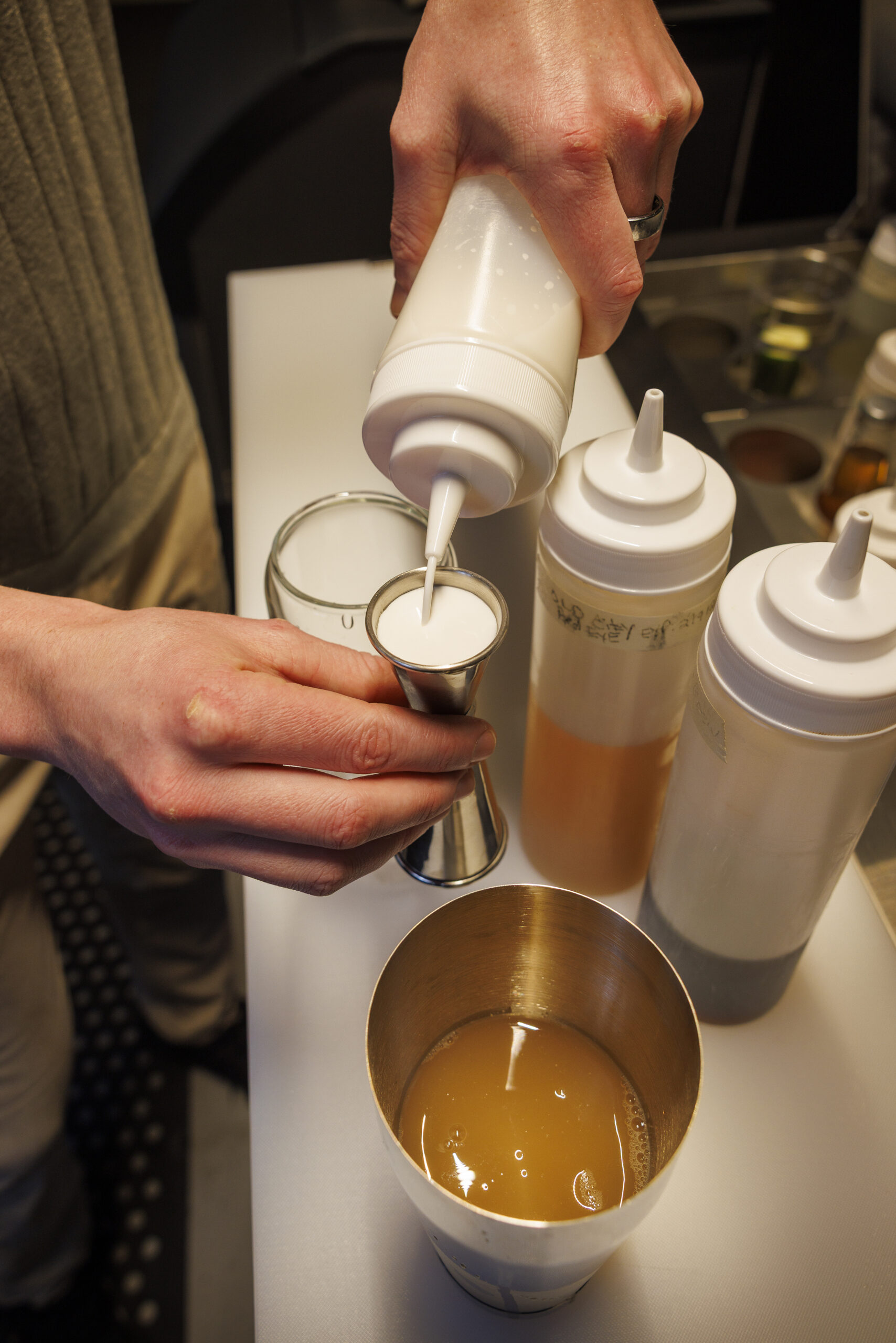
Adam Lagner pours a shot of creamer for Old City Kava Company’s Old City Red Eye, a coffee drink that includes kava and kratom.
“Most kava bars around the country are very grungy and tiny,” said Lagner. “And there haven’t been enough concepts [in Philly] to show people that this can be a nice alternative to the social scene that revolves around alcohol and can also fill gaps in some of the daytime third-space sort of sphere.”
Old City Kava’s bestseller is the Old City Red Eye: kava and kratom tea shaken together with ReAnimator cold brew, oat milk creamer, agave, and vanilla syrup. “You would think the kava and kratom cancel each other out because, at face value, it’s an upper and a downer in the same drink,” said Kobza. “But in reality they complement each other. The kava takes the edge off the coffee … the [kratom] just adds a mild euphoria.”
Kobza said first-timers shouldn’t have kava or kratom on an empty stomach, or try too many cocktails at once. (That’s what this Inquirer reporter did, and she ended up with a splitting headache plus lingering nausea.)
The exterior of Old City Kava Company at 40 S. 2nd Street.
Carissa Kilbury, 24, goes to Old City Kava weekly. Sometimes, she spends full workdays at the lounge, sipping a few infused drinks while at her computer. A slow drinker, Kilbury said she doesn’t feel much other than mild relaxation.
“When I’m stressed at work, I feel a little bit less stressed, which is nice,” she said. “It feels like a bar without really being a bar. I like that vibe.”
Old City Kava Company, 40 S. Second St., 215-402-7047, oldcitykava.com. Hours: 10 a.m. – 12 a.m. Sunday through Thursday; 10 a.m. – 2 a.m. Friday and Saturday.
This week in Philly music features a busy week at the Met with Jason Isbell, Miguel, and Mariah the Scientist. Plus, R.E.M. guitarist Peter Buck’s new supergroup, two dates with Alejandro Escovedo, and ‘Hard Headed Woman’ Margo Price and her country band playing on South Street.
Wednesday, Feb. 18
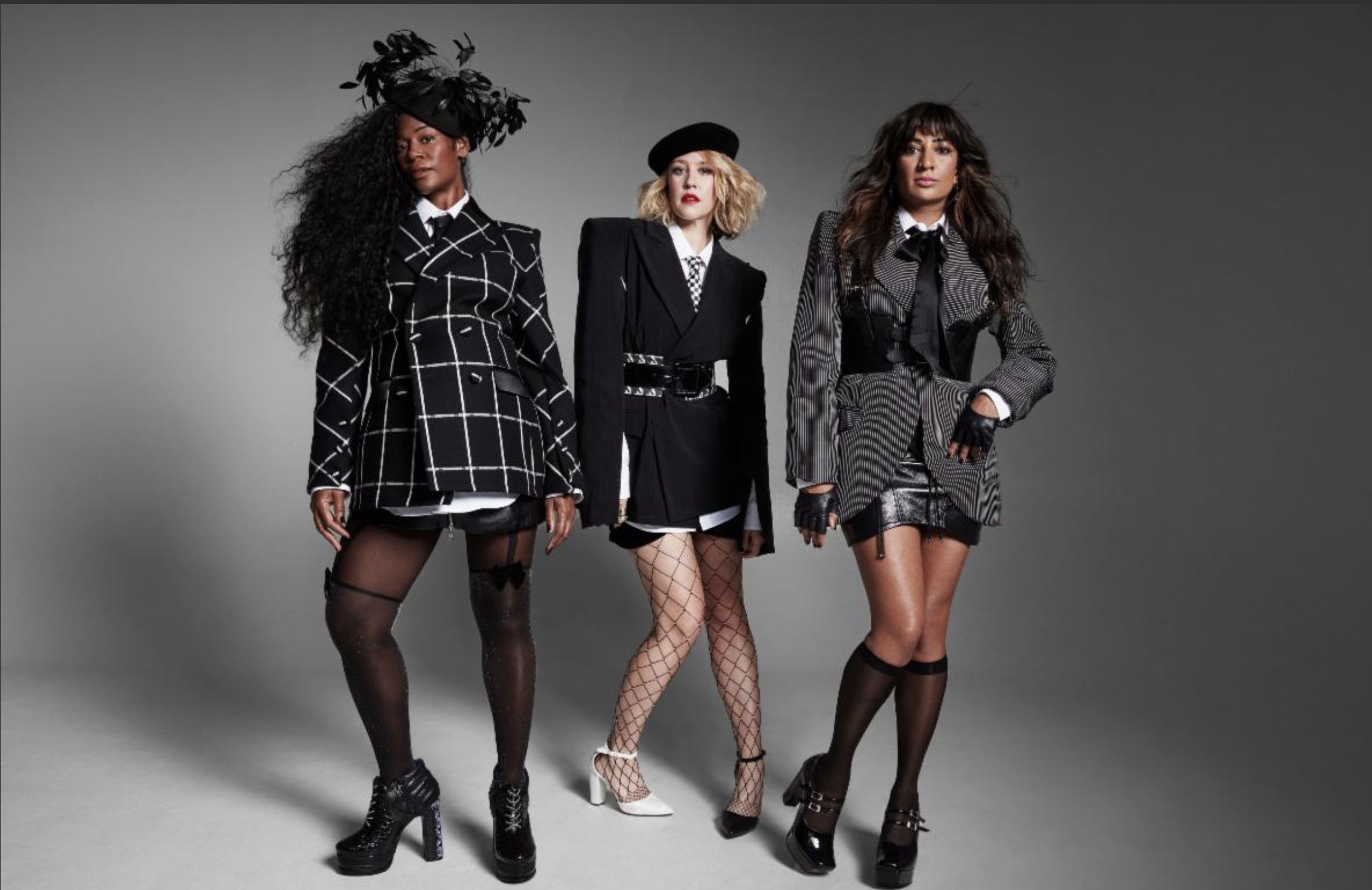
Say She She
Say She She is the nomadic vocal trio Piya Malik, Sabrina Mileo Cunningham, and Nya Gazelle Brown — who have connections to New York, London, and Los Angeles. The band name is a play on the “Le Freak? C’est chic!” lyric from Chic’s 1978 disco hit “Le Freak.” On Say She She’s third album, Cut & Rewind, tracks like “She Who Dares” and “Disco Life” qualify as subtle protest music as the band members stand up for diversity and express feminist prerogatives while deftly moving listeners to the dance floor. With Katzù Oso. 8 p.m., Ardmore Music Hall, 23 E. Lancaster Ave., Ardmore, ardmoremusichall.com
Say She She plays Ardmore Music Hall on Wednesday. The disco group’s new album is “Cut & Rewind.”
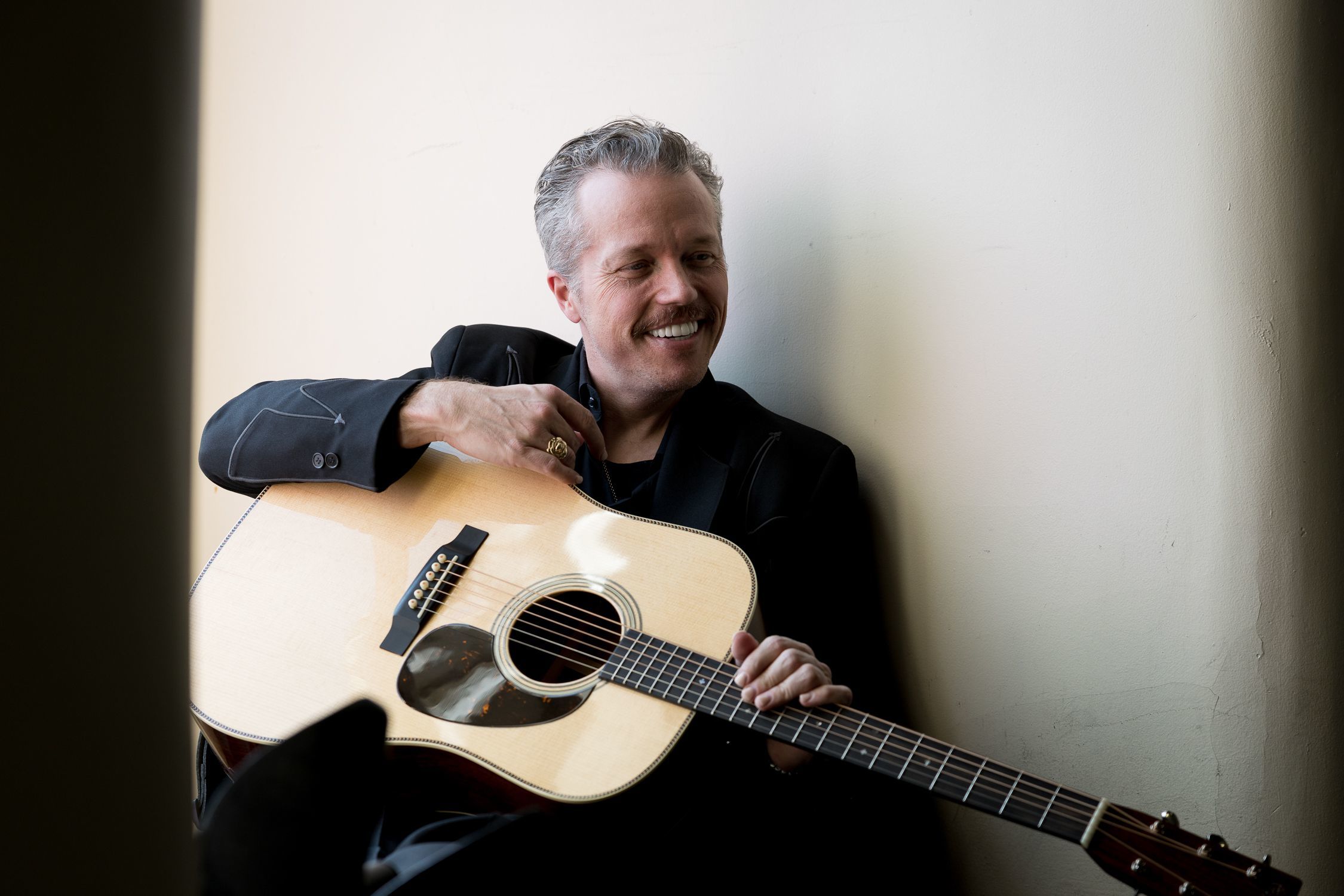
Jason Isbell & the 400 Unit
Jason Isbell never made it to town on his 2025 tour behind his stark, solo acoustic album Foxes in the Snow. So this full band show will be the first Philly opportunity to hear those break-up songs written after Isbell’s split from then-wife Amanda Shires, played live. They will be mixed in with the impressive body of work that Isbell — a terrific guitarist, singer, and bandleader as well as a masterful storytelling songwriter — has amassed going back to the 2000s with the Drive-By Truckers. 8 p.m., Met Philly, 858 N. Broad St., themetphilly.com.
Jason Isbell & the 400 Unit headline the Met Philadelphia on Wednesday.
The Rural Alberta Advantage / The Barr Brothers
Fans of Canadian indie bands are facing a Wednesday night dilemma. Toronto’s Rural Alberta Advantage, which tends to rock out, headlines Johnny Brenda’s. The band’s most recent album is 2023’s The Rise & The Fall. Meanwhile at Underground Arts, there’s a show by Toronto’s Barr Bothers, which leans more toward the folk, with singer-guitarist Bad Barr and his drummer brother Andrew. Their new album is Let It Hiss. 8 p.m., Johnny Brenda’s, 1201 N. Frankford Ave., johnnybrendas.com; and 8 p.m., Underground Arts, 1200 Callowhill St., undergroundarts.org.
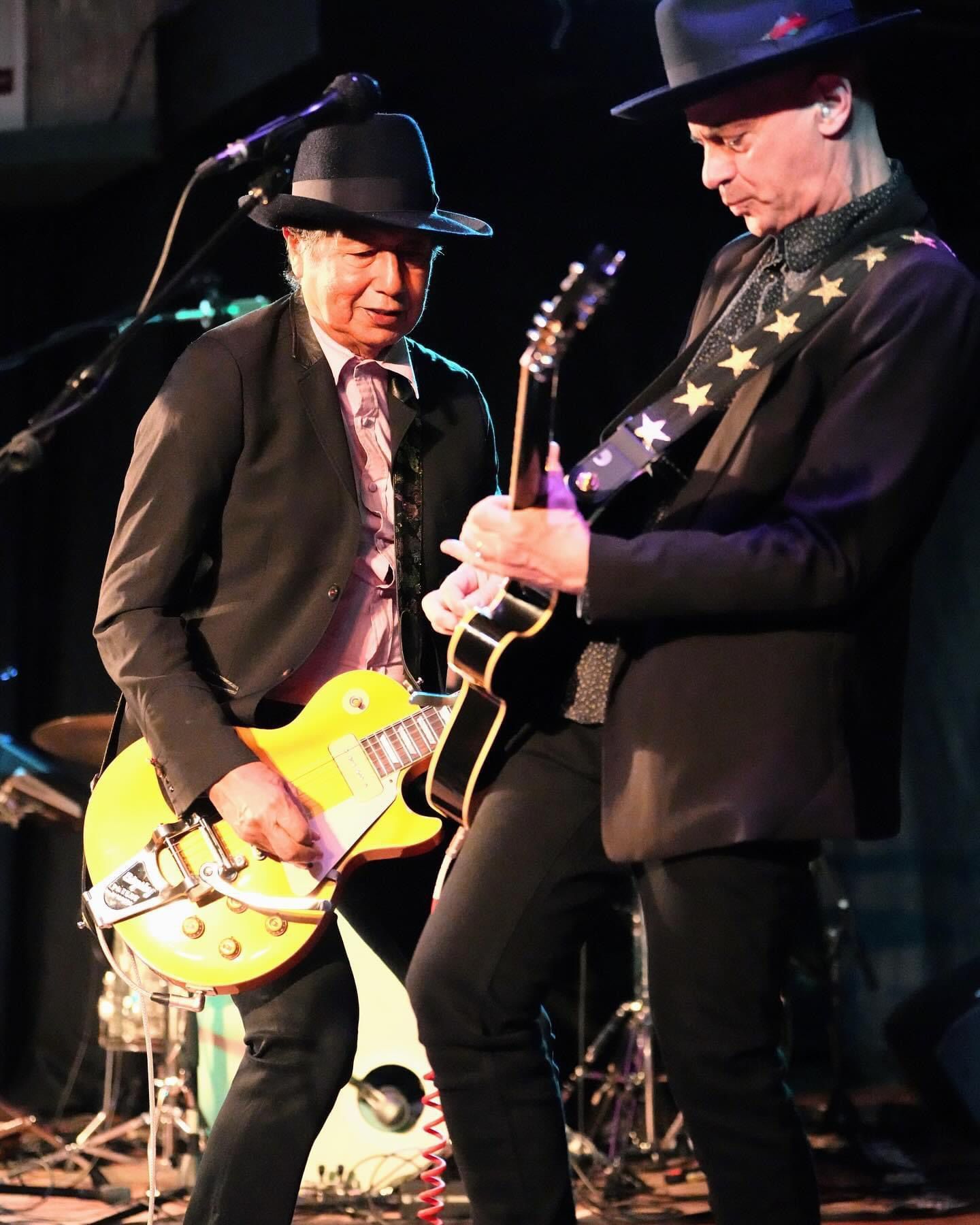
Alejandro Escovedo and James Mastro, who will play separately and together in Sellersville and Wilmington.
Thursday, Feb. 19
Drink the Sea
Peter Buck of R.E.M. is a serial collaborator. The long list of the uber-influential guitarist’s side projects have included Tuatara, the Minus 5, the Baseball Project, Filthy Friends, and others. Add to the list Drink the Sea, which is the second supergroup Buck has formed with Barrett Martin of the Screaming Trees. The band, which is influenced by global rhythms that reach beyond rock, makes its Main Line debut this week. 8 p.m., Ardmore Music Hall, 23 E. Lancaster Ave., Ardmore, ardmoremusichall.com.
Alejandro Escovedo
The great Austin, Texas, songwriter Alejandro Escovedo played Philly last year on a solo tour, while working up a theater show that chronicles his 50-plus year music career. Now he’s back, plugged in, and ready to rock with his band Electric Saints. Further good news is that his opening act is North Jersey veteran rocker and Health and Happiness Show leader James Mastro. He will be joining Escovedo for a few songs on stage , just as he did with Patti Smith’s band at the Met last November. 8 p.m. Thursday, Sellersville Theater, st94.com, and 8 p.m. Friday, Arden Gild Hall, 2126 The Highway, Wilmington, ardenconcerts.com.
Friday, Feb. 20
Ben Arnold & the 48 Hour Orchestra
Philly songwriter Ben Arnold, just back from a European tour with his band U.S. Rails, is home promoting his excellent new solo album XL, which he showcased with an impressive show in Wayne back in October. Noon, World Cafe Live, 3025 Walnut St., xpn.org.
Margo Price
Margo Price was positioned as a country — or at least alt-country — artist when she debuted with Midwest Farmer’s Daughter in 2016. She then expanded her sound in a rock direction, even adding psychedelic touches in three subsequent albums. Now she’s again focused on country on Hard Headed Woman, the Grammy-nominated collection that will bring her to the TLA on her “Wild At Heart Tour.” Hot tip: Last time she played Philly, Kurt Vile showed up to jam. Pearl Charles opens. 8 p.m., Theater of Living Arts, 332 South St., tlaphilly.com.
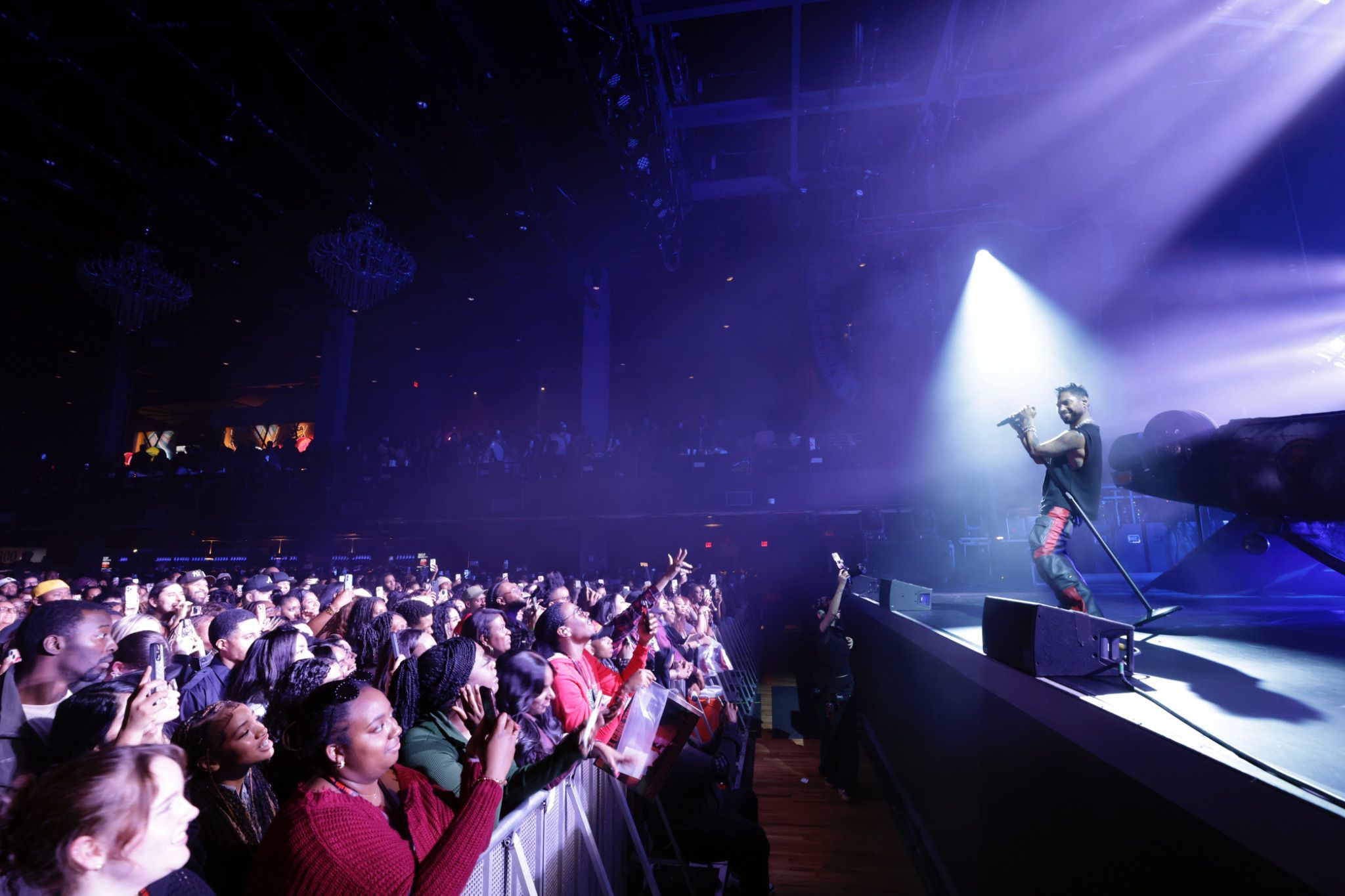
Miguel at the opening night his CAOS Tour in Atlanta on Feb. 10. He plays the Met Philly on Saturday.
Saturday Feb. 21
Miguel
Miguel Jontel Pimentel has been a frequent visitor to Philly, between multiple visits to the Made in America festival in addition to regular tour stops. Now the R&B love man with vocal chops beyond reproach and a frisky, subversive sensibility is headlining the Met on tour for his 2025 album CAOS. 8 p.m., Met Philly, 858 N. Broad St., themetphilly.com
Roger Harvey / Roberta Faceplant / Maxwell Stern
This is another quality multiband bill upstairs at the Khyber Pass pub. Nashville songwriter Roger Harvey is the headliner, with rising Philly acts Roberta Faceplant and Maxwell Stern also playing the Old City venue. 8 p.m., Upstairs at the Khyber, 56 S. 2nd St., khyberpasspub.com
Mariah the Scientist plays the Met Philly on Tuesday.
Tuesday Feb. 24
Mariah the Scientist
Mariah Amani Buckles was studying to be a pediatric anesthesiologist at St. John’s University before she dropped out to concentrate on her music full time. Thus, she became Mariah the Scientist! The R&B-hip-hop singer — who is engaged to rapper Young Thug — sings about conflicted love affairs, sometimes to chilling effect, on her fourth album, Hearts Sold Separately, which features a sultry duet with Kali Uchis on the hit “Is It A Crime.” 8 p.m., Met Philly, 858 N. Broad St., themetphilly.com.
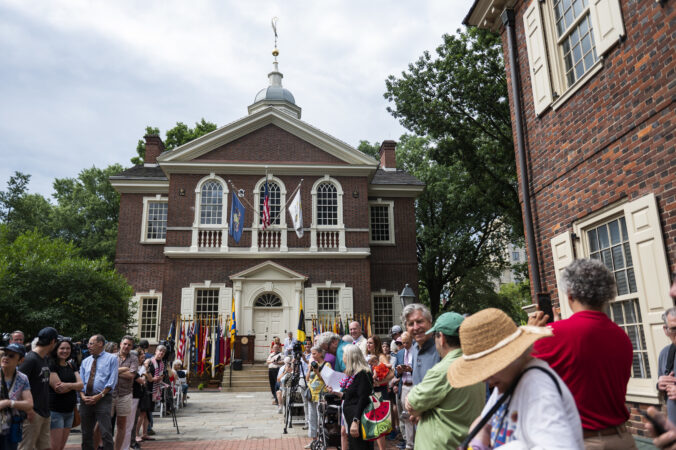
In June 1776, before the Declaration of Independence was signed, a group of leaders from Philadelphia and its surrounding 10 counties — Bucks, Berks, Chester, Lancaster, York, Cumberland, Bedford, Northampton, Northumberland, and Westmoreland — met in Carpenters Hall for the Pennsylvania Provincial Conference. There, the Commonwealth of Pennsylvania was born.
Carpenters Hall, a hidden landmark just two blocks from Independence Hall in Philadelphia’s Old City, is the true birthplace of Pennsylvania, where the state declared its independence from Britain — jump-starting the framework of the state’s influential constitution that would serve as a model for the U.S. Constitution.
Now, the little-known and privately owned historic site is celebrating Pennsylvania’s 250th birthday — which coincides with America’s Semiquincentennial — by holding commemorative events across the state to reflect on Pennsylvania’s history and ask residents how the state constitution should be strengthened in 2026 and beyond.
“It’s the piece of the story we should own and celebrate and use as a platform for civic engagement,” said Michael Norris, the executive director of Carpenters Hall.
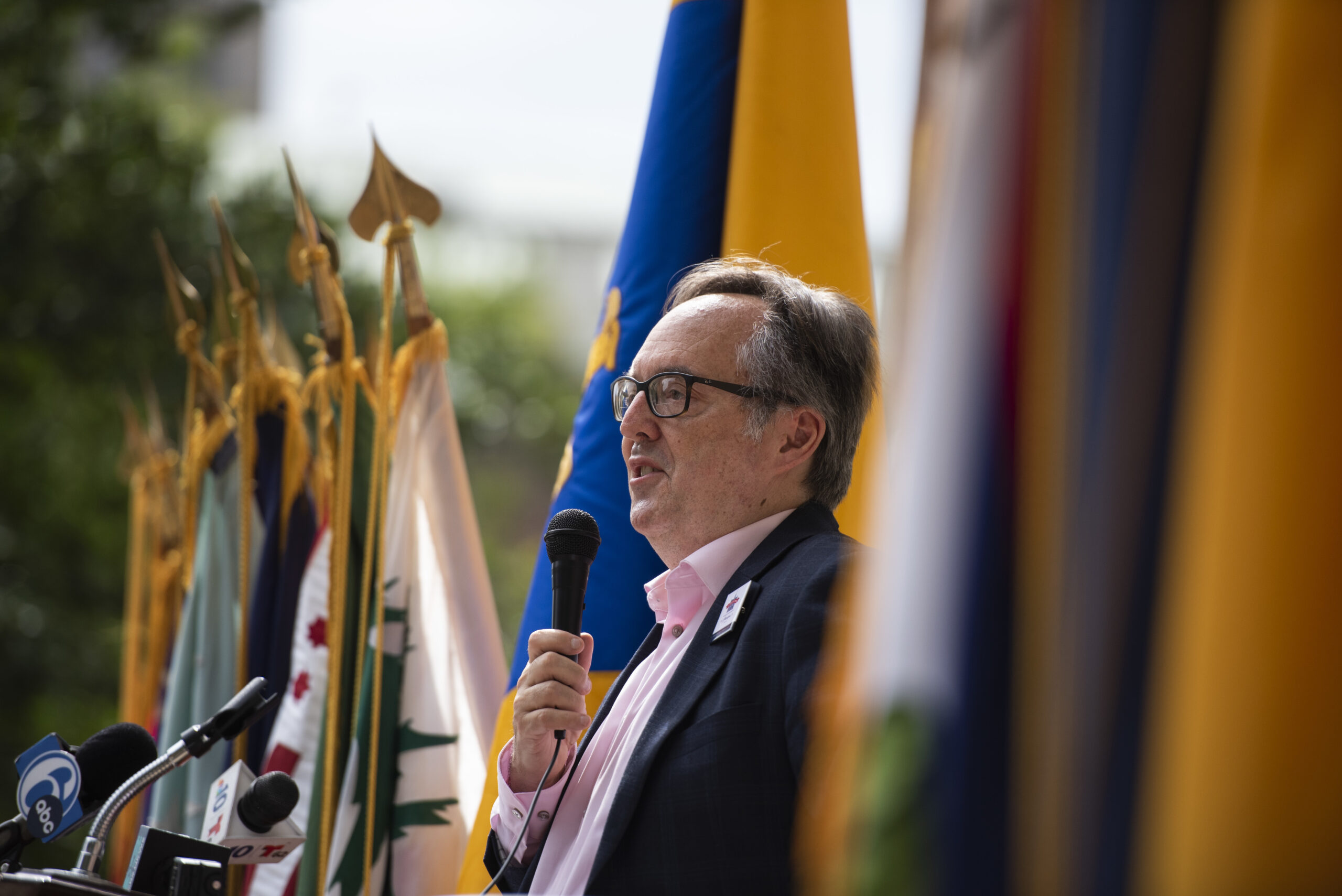
Executive director Michael Norris makes remarks at the reopening ceremony at Carpenters Hall on July 3, 2023.
Last week, Norris and others from Carpenters Hall traveled from Philadelphia — the state’s first capital— to Harrisburg to announce their yearlong schedule of events celebrating Pennsylvania’s founding, including those about the state’s constitution and its past and future.
At a news conference last week, Rep. Mary Isaacson (D., Philadelphia) noted that she occupies the seat once held by former Pennsylvania House Speaker Benjamin Franklin. She said she sees the Carpenters Hall events as “more than learning about a key moment in Pennsylvania history.”
“It’s also about exploring the vital importance of our state constitution in our democracy today and what citizens can do to engage,” she added.
The commemorative events include an interactive town hall series hosted in Philadelphia, Pittsburgh, Harrisburg, and Erie to discuss the importance of the Pennsylvania Provincial Conference in the United States’ founding. The group will also host several events at Carpenters Hall, including the installation of a blue historical marker outside the hall on June 18, in addition to a three-part virtual lecture series on Pennsylvania’s constitution.
The events, funded by America 250 PA and the Landenberger Family Foundation, are open to the public and intended to reach Pennsylvania’s “lifelong learners” who are interested in history and civics,as well as the legal community, who will be eligible for Continuing Legal Education credits for attending the virtual lectures, Norris said.
“To me, 250 is about reflection and engagement,” Norris said. “It’s not about parties and buildings. It’s really a moment to reflect and say, ‘What are we doing here? Do we still want this democracy, and how do we protect it and keep it going?’”
The Carpenters’ Company — the nation’s oldest craft guild, which built and still owns Carpenters Hall — will also conduct polling about how Pennsylvania’s constitution, as well as the U.S. Constitution, should be changed to better represent citizens in a modern time, Norris said. The poll results will be made public at an in-person event in Philadelphia on Sept. 28, the 250th anniversary of when the state constitution was ratified.
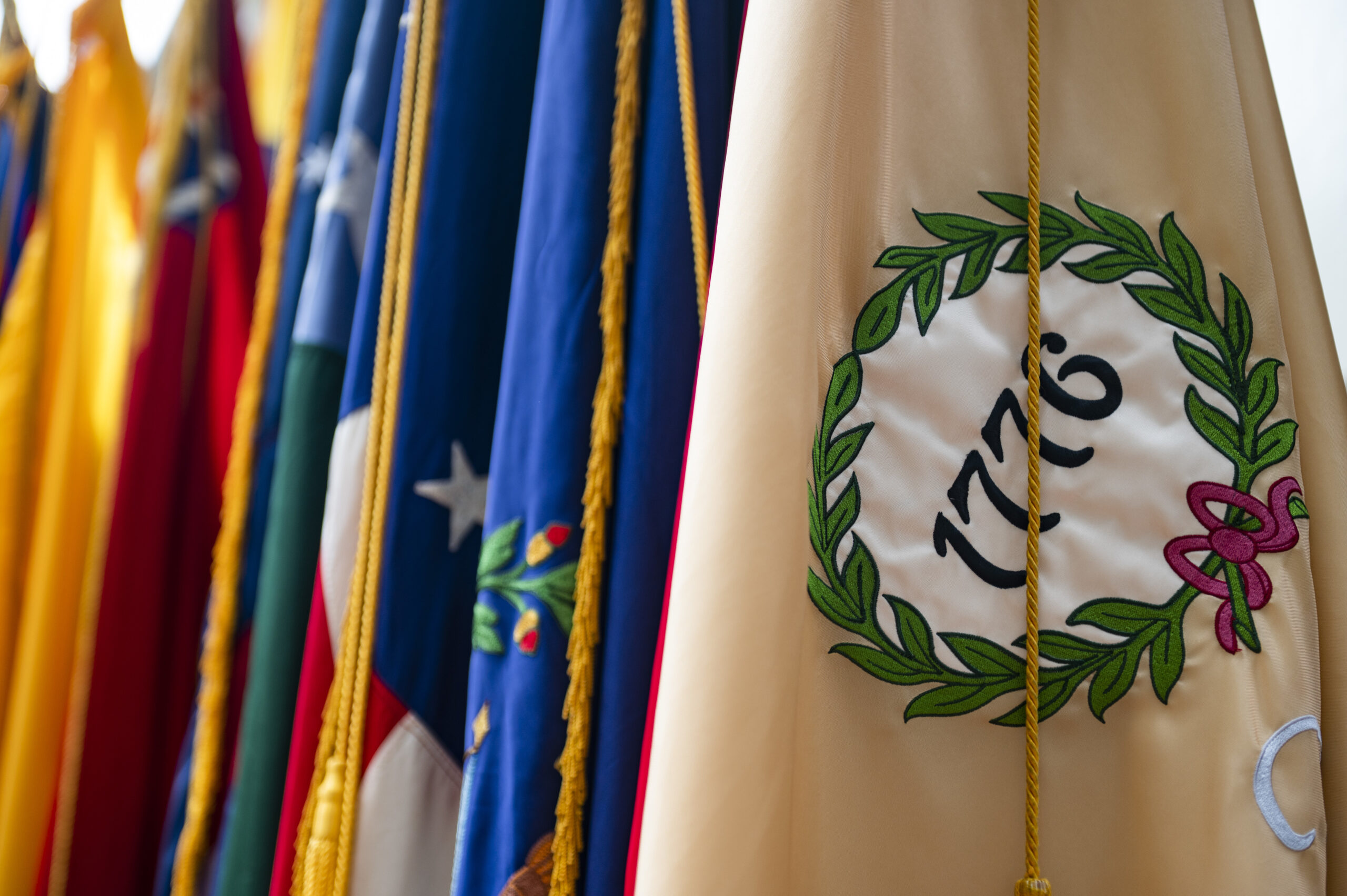
Historic flags are displayed outside at the reopening ceremony at Carpenters Hall on July 3, 2023. The building opened for the first time to the public since April 2022.
Rhode Island was the first colony to declare independence from England in May 1776, and Delaware became the first state in December 1787. Pennsylvania followed days after, and its constitution influenced the country’s founding documents. Pennsylvania’s expansive constitution — viewed as radical at the time — focused on personal freedoms and liberties in its “Declaration of Rights,” after which the Bill of Rights was modeled.
Carpenters Hall was the nation’s first privately owned historic landmark, and remains owned by the Carpenters’ Company today, which offers free admission for 150,000 visitors each year. Because it is privately owned, it is not overseen by the National Park Service, which has in recent weeks dismantled exhibits about slavery at the nearby President’s House Site in Independence National Park thatPresident Donald Trump’s administration contends “inappropriately disparage” the United States.
February’s crop of restaurant openings includes two restaurants’ expansions to Narberth, a reopened brewery in South Jersey, a chic restaurant/lounge in Center City, an intriguing wine bar/bottle shop in Chestnut Hill, and two French newcomers.
Restaurants can take awhile and owners are often hesitant to pinpoint an opening date. I’ve listed the targeted day where possible; for the rest, check social media.
Duo Restaurant & Bar (90 Haddon Ave., Westmont): Brothers Artan and Arber Murtaj and Andi and Tony Lelaj, who own the Old World-style Italian Il Villaggio in Cherry Hill, are taking over Haddon Avenue’s former Keg & Kitchen with a pub serving a bar menu supplemented with seafood.
Eclipse Brewing (25 E. Park Ave., Merchantville): Last August, food trucker Megan Hilbert of Red’s Rolling Restaurant became one of the youngest brewery owners in New Jersey when she bought this 9-year-old Camden County brewery, open as of Friday.
Lassan Indian Traditional (232 Woodbine Ave., Narberth): The second location of the well-regarded Lafayette Hill Indian BYOB takes over the long-ago Margot space in Narberth.
LeoFigs, 2201 Frankford Ave., as seen in January 2026.
LeoFigs (2201 Frankford Ave.): Justice and Shannon Figueras promise the delivery of their long-awaited bar/restaurant, with an urban winery in the basement, at Frankford and Susquehanna in Fishtown. The food menu will be built around comfort-leaning small plates.
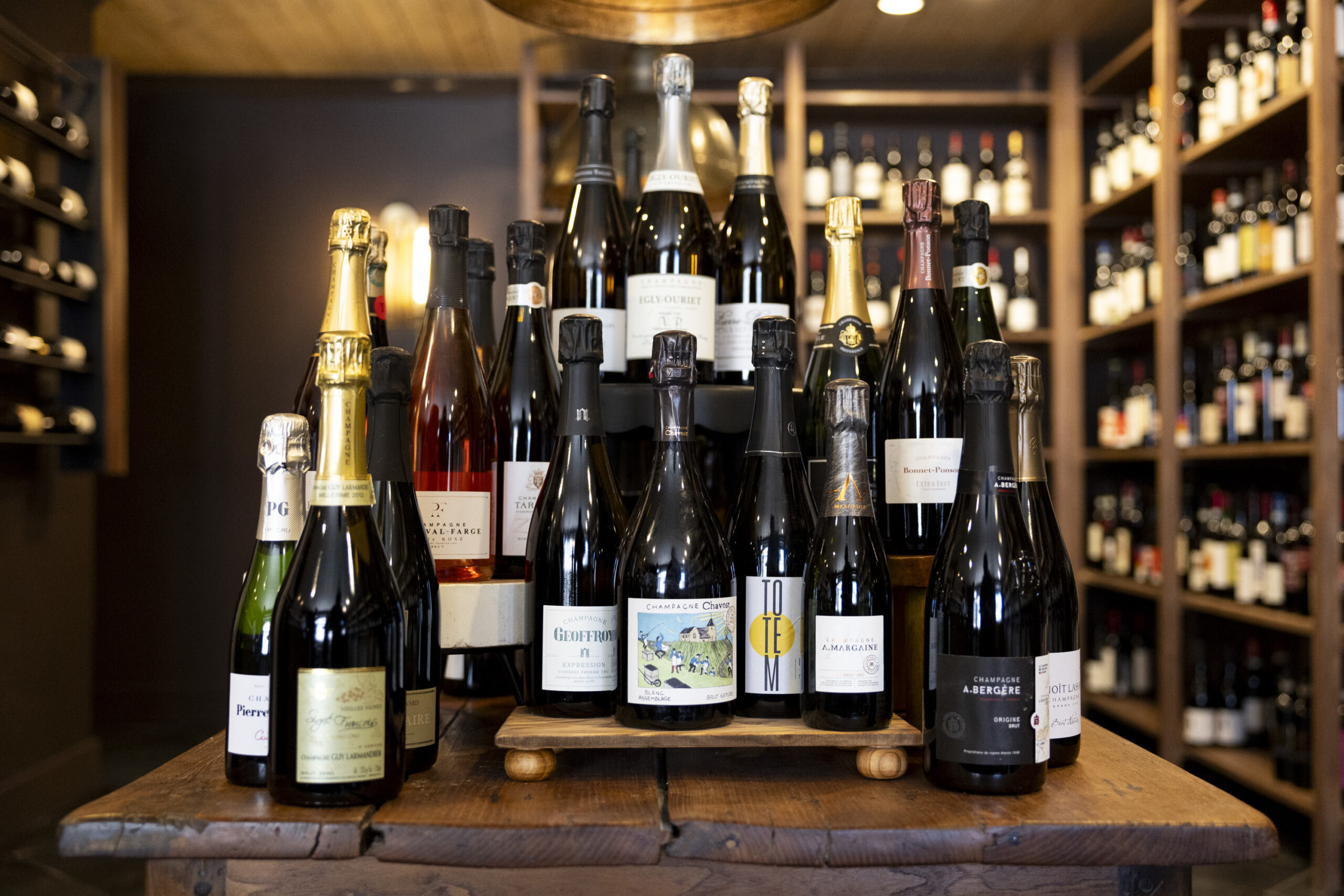
The bubbly selection at Lovat Square in Chestnut Hill.
Lovat Square (184 E. Evergreen Ave.): Damien Graef and Robyn Semien (also owners of Brooklyn wine shop Bibber & Bell) are taking over Chestnut Hill’s former Top of the Hill Market/Mimi’s Café property for a multiphased project: first a wine shop with indoor seating, then a courtyard with a full dinner menu, followed later by a cocktail bar/restaurant component. Opens Feb. 12
Malooga (203 Haverford Ave., Narberth): The Old City Yemeni restaurant is expanding to Narberth with lunch and dinner service plus a bakery, with expanded indoor/outdoor seating and space for groups.
Mi Vida (34 S. 11th St.): Washington, D.C.-based restaurant group Knead Hospitality + Design is bringing its upscale Mexican concept to East Market, next to MOM’s Organic Market. Target opening is Feb. 18.
Napa Kitchen & Wine (3747 Equus Blvd., Newtown Square): A California-inspired restaurant rooted in Midlothian, Va., opens in Ellis Preserve with an extensive domestic and international wine list in a polished setting. Opens Feb. 9.
Ocho Supper Club (210 W. Rittenhouse Square): Chef RJ Smith’s Afro-Caribbean fine-dining supper club starts a six-month residency at the Rittenhouse Hotel, tied to the Scarpetta-to-Ruxton transition, serving tasting menus through July. Now open.
Piccolina (301 Chestnut St.):A low-lit Italian restaurant and cocktail bar at the Society Hill Hotel from Michael Pasquarello (Cafe Lift, La Chinesca, Prohibition Taproom). Targeting next week
Pretzel Day Pretzels (1501 S. Fifth St.): James and Annie Mueller’s pretzel-delivery operation is becoming a takeout shop in the former Milk + Sugar space in Southwark. Expect classic soft pretzels plus German-style variations (including Swabian-style) and stuffed options.
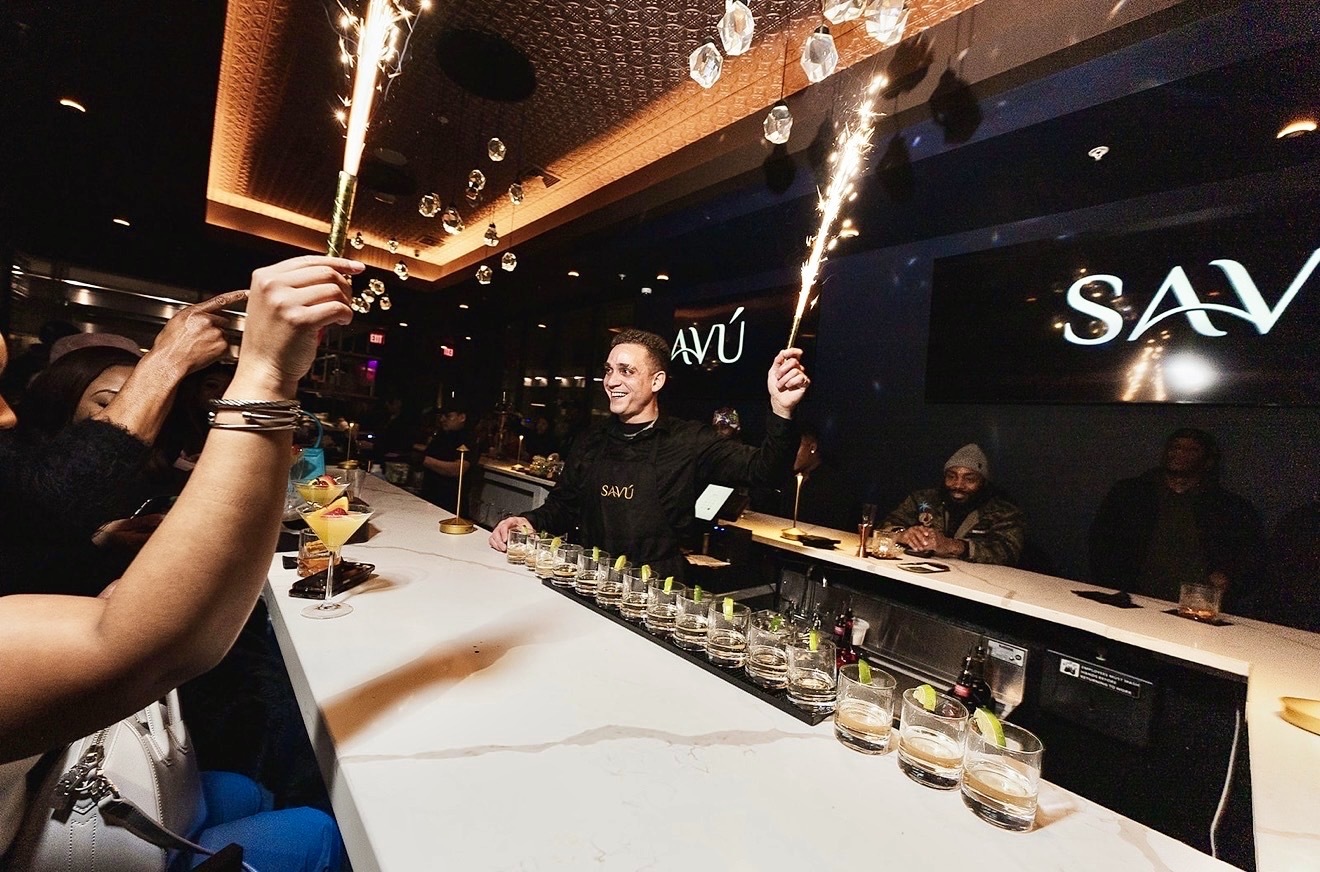
Merriment at the bar at Savu, 208 S. 13th St.
Savú(208 S. 13th St.): Kevin Dolce’s Hi-Def Hospitality has converted the former Cockatoo into a modern, bi-level dining and late-night lounge with a New American menu from chef Maulana Muhammad; it just soft-opened for dinner Thursday through Sunday and weekend brunch.
Bar-adjacent seating at Side Eye.
Side Eye (623 S. Sixth St.): Hank Allingham’s all-day neighborhood bar takes over for Bistrot La Minette with “French-ish” food from chef Finn Connors, plus cocktails, European-leaning wines, beer, and a late-night menu. Opens 5 p.m. Feb. 7 with 50% of the night’s proceeds going to the People’s Kitchen.
Soufiane at the Morris(225 S. Eighth St): Soufiane Boutiliss and Christophe Mathon (Sofi Corner Café) say there’s a 90% chance of a February opening for their new spot at the Morris House Hotel off Washington Square. It’s billed as an elegant-but-approachable restaurant inspired by classic French bouillons/brasseries, with a menu spanning small plates and full entrées alongside Moroccan-influenced tagines. Expect evening service indoors, daytime service outdoors.
South Sichuan II(1537 Spring Garden St.): A second location for the popular Point Breeze Sichuan takeout/delivery specialist, near Community College of Philadelphia; this one will offer more seating.
March openings are in the offing for the much-hyped PopUp Bagels in Ardmore, as well as the long-delayed Terra Grill (a stylish room in Northern Liberties’ Piazza Alta) and ILU (the low-lit Spanish tapas bar) in Kensington.
The doors of Independence Hall had been flung open, and the British were coming.
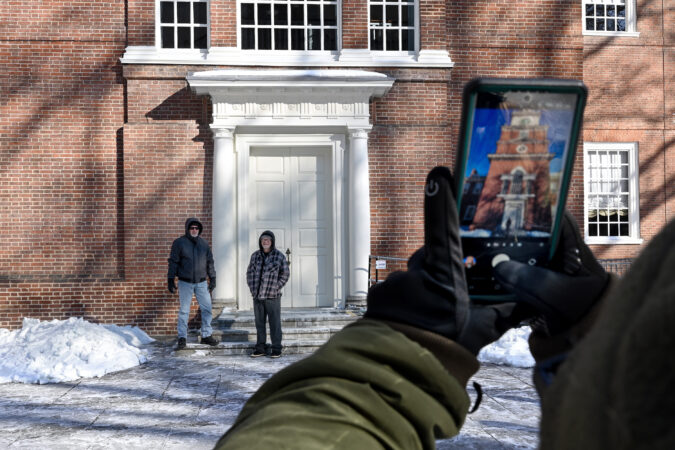
More specifically, English tourists Chadi Rahim and his daughter, Sophia Rahim, 18, shivered in their parkas Thursday, awaiting one of the first tours of Independence Hall since its 119-day closure.
The historic state house, where American democracy was born in 1776, had been closed to the public since Oct. 1 — a temporary pause of access, stretching through the federal government shutdown and weeks of planned preservation work ahead of Philadelphia’s Semiquincentennial celebrations this year. The revamp included restoration of wood, masonry, plaster, and metal, historically accurate paint finishes, and the construction of accessibility ramps. The work would ensure that Independence Hall would continue as a “beacon of American freedom,” the National Park Service had said.
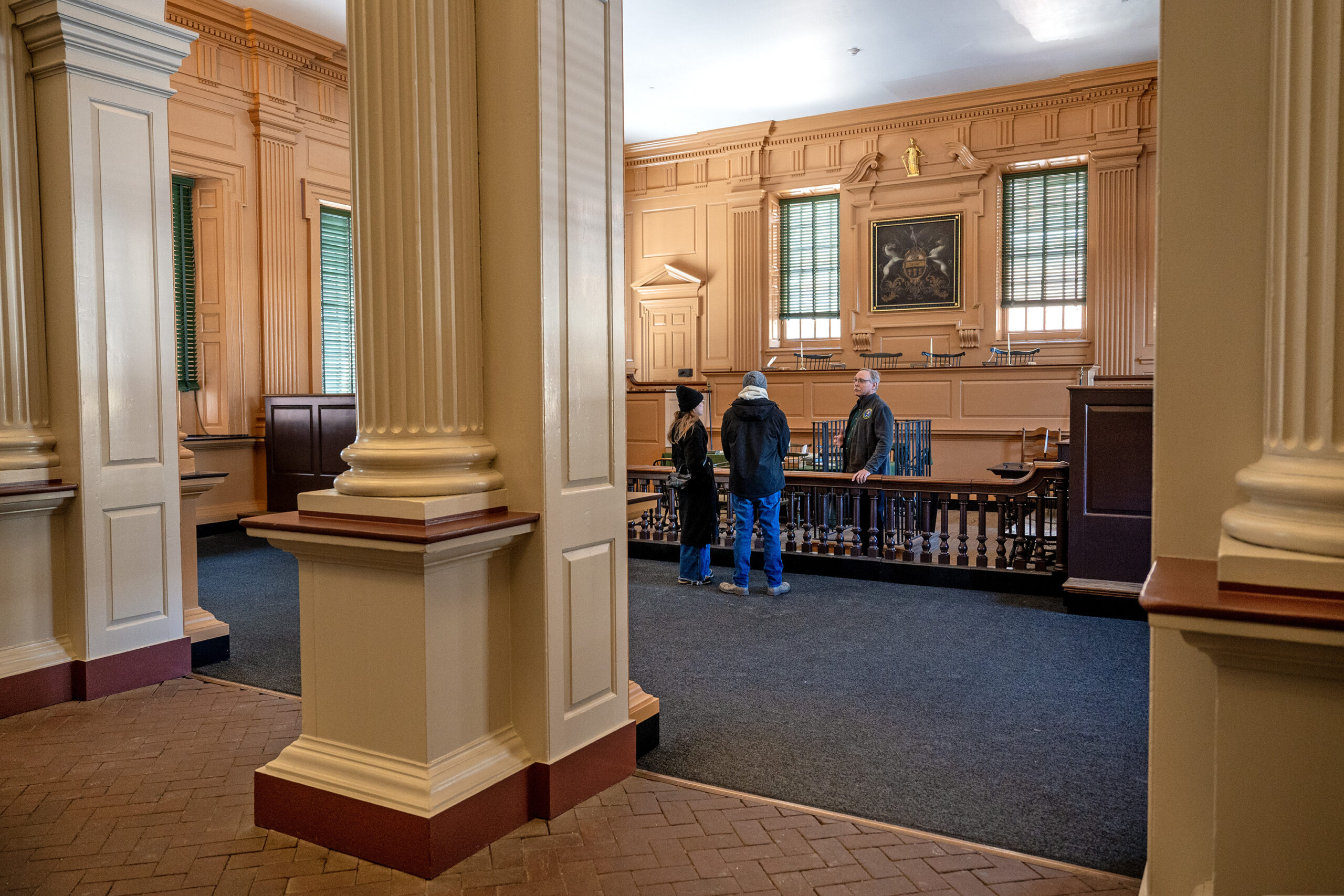
Tourists Jenna Lippert and Brandon Camperlino from Syracuse, NY listen as park service volunteer Bill Rooney (right) gives a tour in the Pennsylvania Supreme Court Chamber in Independence Hall Thursday, Jan. 29, 2026.
As part of the Independence Square Improvement Project, similar repairs were planned for Congress Hall and Old City Hall, which are part of the Independence Hall complex.
“Wear and tear,” National Park Ranger Hugh Evans assured 14 visitors assembled for the 11:30 a.m. tour.
All morning, a steady trickle of travelers trekked to the redbrick building in Old City where the Founding Fathers staked their necks on the promise of a freer and more perfect future.
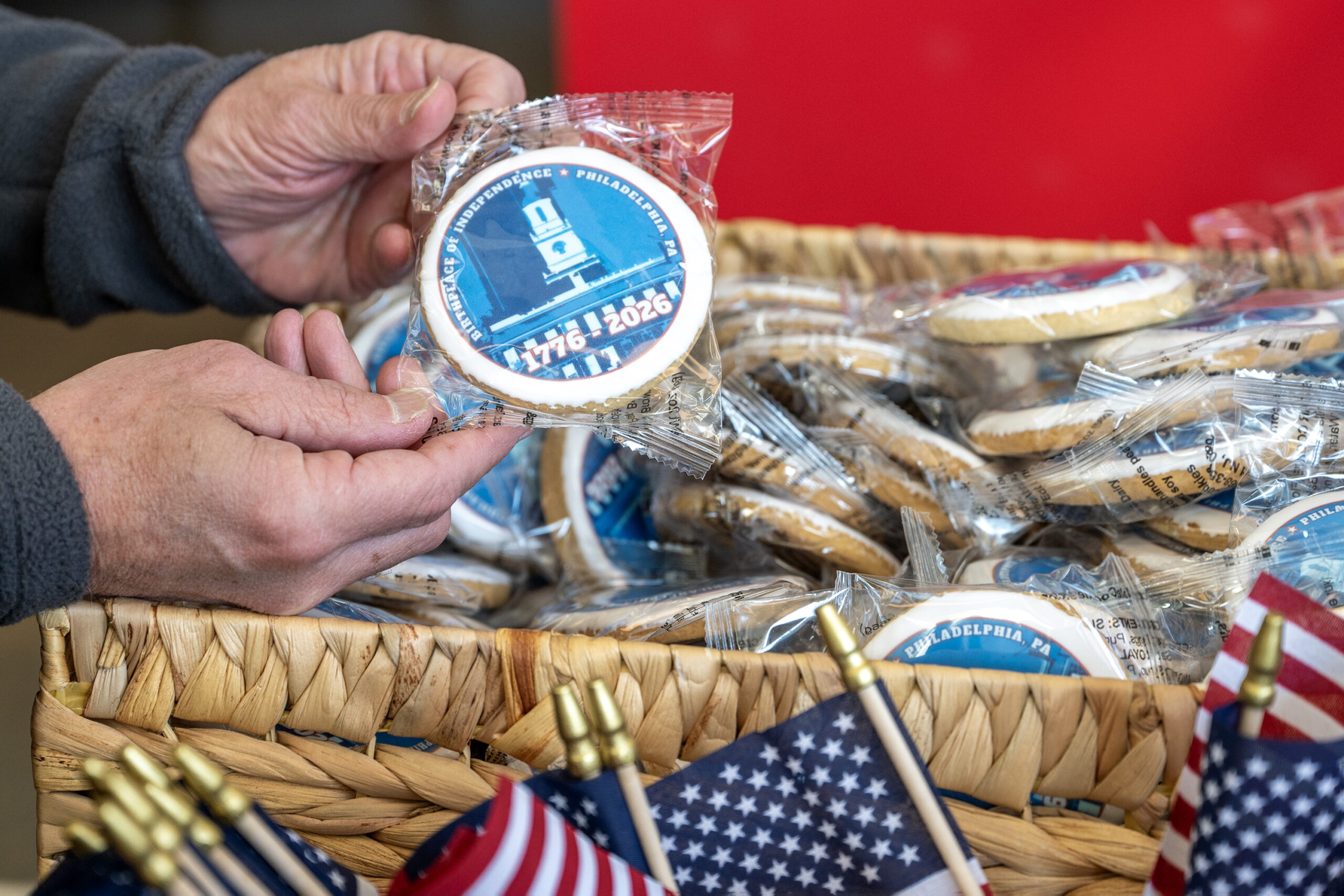
Independence Visitor Center information desk host Woody Rosenbach displays a free Independence Hall cookie offered to the first 250 visitors on Thursday.
In Thursday’s cold, the tourists came from the rocky coasts of Oregon and the sunlit shores of California, from small towns and big cities, from red states and blue states. And their presence on such an auspicious day was completely by chance. None of the more than a dozen pilgrims to American democracy who braved frozen temps and icy footpaths said they had been aware that Independence Hall had only just reopened.
The site where the Declaration of Independence was signed 250 years ago, the building is one of Independence National Historic Park’s central attractions. The Liberty Bell Center, which was also closed during the shutdown, reopened in November. Officials expect that more than five million people will visit Independence Hall in 2026 for the national milestone.
Learning that their visits had fallen on the reopening of the historic site only lent more power, visitors said.
Rahim, a business owner with the sturdy frame of a Victorian boxer, said he and his daughter had decided on a Philadelphia holiday for shopping and relaxation and Rocky (Sophia is also a fan of National Treasure, a 2005 Nicolas Cage history caper that was filmed at Independence Hall and other historic district sites). But also because of the story only Philadelphia can tell about America’s founding.
And especially now, when the future of American democracy feels more at stake than ever.
“We know the story about independence,” Rahim said, buttoning up against the cold. But he and his daughter had wanted to experience it up close. “Sometimes stuff gets in the way. But if you see the history, it makes you realize what people went through to get us where we are now.”
During the 11 a.m. tour, National Park Ranger David Powers welcomed a half-dozen visitors into the stately, Georgian state room, where the Founders first passed independence. Walls and floors in the rooms where it happened reflected a new polish, while some painting could still use touching up.
After four months of closure and renovations, guided tours resumed every half hour Thursday. Security staff said they did not encounter crowds of guests seeking to stroll the sun-streaked confines where profound compromises of democracy were hashed out 2½ centuries ago.
Rather, on the day of the building’s reopening, many of the visitors represented just normal Americans, looking for signs of hope in uncertain times.
Rachel Lawson of Bend, Ore., and Amanda Shapiro of Southern California, colleagues in town for a work event, admired the simple elegance of the original woodwork design inside Congress Hall, home of the U.S. Congress from 1790 to 1800.
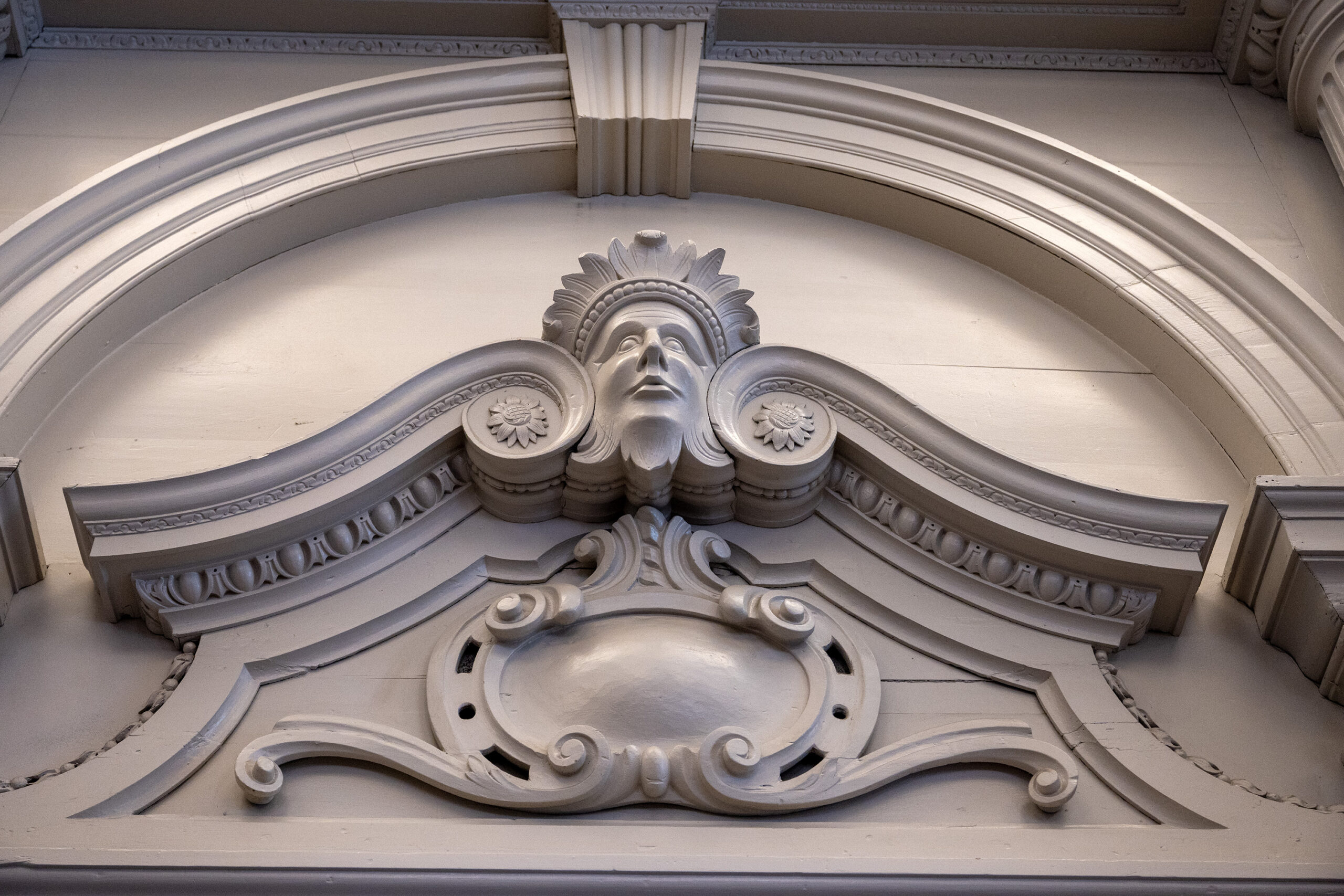
A newly painted pediment above a doorway in Independence Hall on Thursday, Jan. 29, 2026.
“The attention to detail, the thoughtfulness, the regal energy,” she said.
Nearby, Luke Morris, a 20-something political podcaster from Washington, had planned his visit to Independence Hall as a reminder that Americans are still fighting for that promised future amid all the pain and turmoil.
“We are still fighting for what we think is right,” he said.