Tag: Penn State

  • Data centers to casinos, retired investor Ira Lubert says he’ll give until he’s dead — and after

    Data centers to casinos, retired investor Ira Lubert says he’ll give until he’s dead — and after

    When he turned 74 last year, Ira Lubert retired from the day job that had consumed him since the 1990s — raising more than $20 billion for the investment funds he set up with partners.

    A top IBM salesman and former IT exec before he set up his constellation of investment funds, Lubert is rich enough to focus on investing what he’s kept and giving the profits away.

    Lubert is a salesman, planner, and recruiter, not an investment genius, he said.

    “The key is to always hire people smarter than you,” he said at his family investing office at the Battery, the former electric generating station on the Delaware River that his real estate group, Lubert-Adler Partners, renovated into hotel suites, offices, recreation sites, and apartments. It opened in 2023.
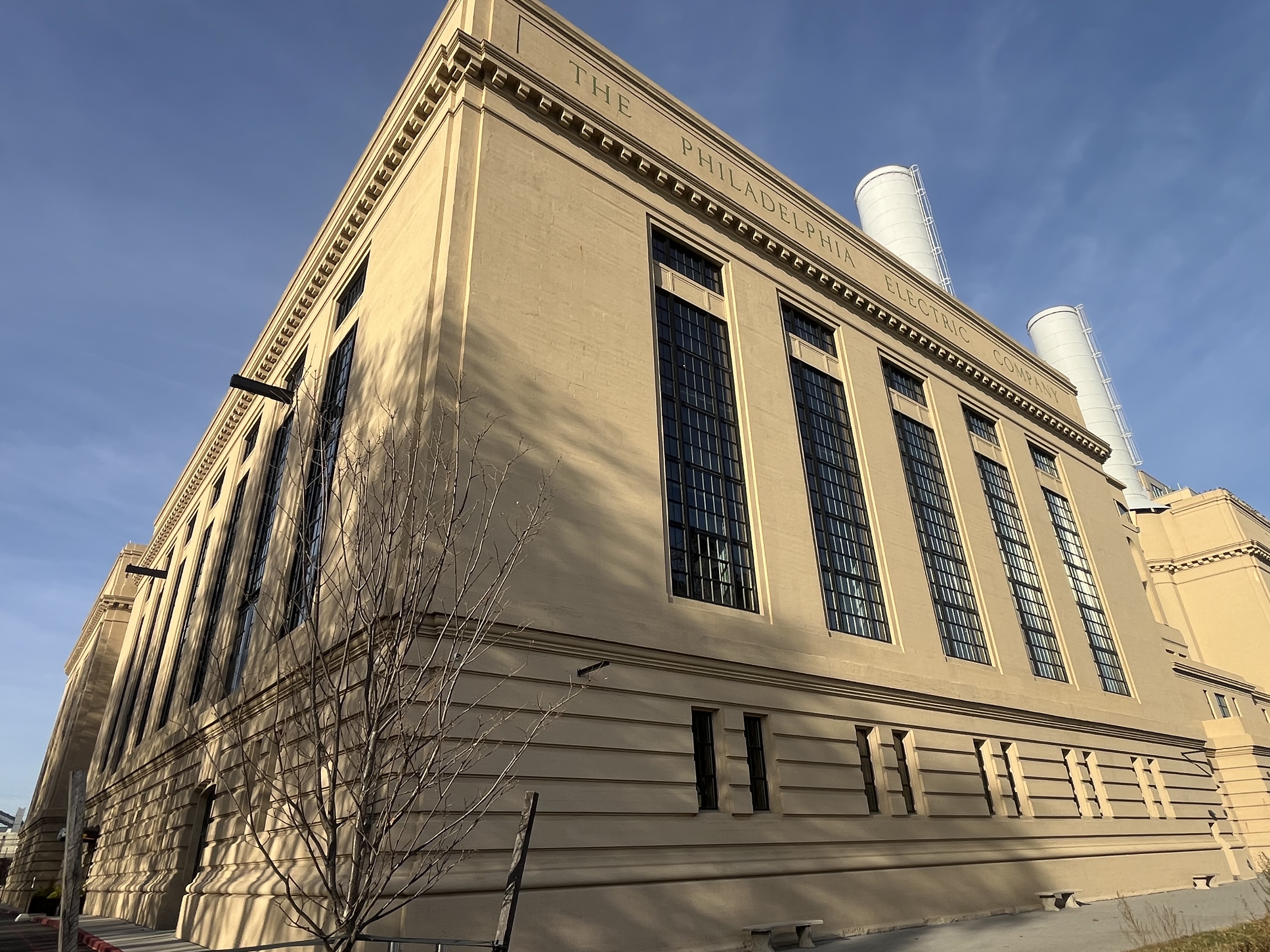
    The Battery, formerly an electric generating station, was converted to apartments, offices, meeting spaces, and a hotel by Lubert-Adler Partners in 2022-2023.

    Those funds own or have financed hundreds of enterprises and properties around the U.S., including locally familiar Acme Markets, Five Below, and Philadelphia’s Aramark and Bellevue buildings. They have generated billions in net client profits, and a fortune in fees for Lubert and his partners, including hundreds of millions from his key early clients, Pennsylvania‘s state pension funds.

    Lubert built a business renting trailers to Penn State varsity wrestlers and grad student couples, before graduating in 1973 with a hotel management degree.

    After IBM, he spent the 1980s running big IT businesses, then the ’90s as top aide to Warren “Pete” Musser, Philadelphia’s best-known venture capitalist. He quit, Lubert said at the time, because he didn’t understand how to make money from the early internet (as it turned out, neither did Musser, or a lot of pro investors).

    Instead of just trusting his gut, Lubert then partnered with real estate veteran Dean Adler, investment banker Seth Lehr, venture accountant Howard Ross, turnaround ace Greg Segal, and other experts to run his funds, while he focused on convincing state treasurers and other big investors to bet on their projects. Like others, he was solicited by and gave to state officials’ campaigns: only in 2010 did the SEC curb firms paid to manage state and local funds from making political contributions.

    The funds include Lubert-Adler; LLR (military contractors and other private equity); LEM Capital (apartments); LBC Credit Partners (distressed debt); and bank, biotech, and other specialty enterprises, most of them owned by Pennsylvania’s pension funds since they started.

    Lubert also invested separately from his funds, on what he considered riskier projects, like the Valley Forge Casino Resort. And he lost money, for himself and private partners, during the data center frenzy of the early 2010s, long before the current AI boom.

    He was a Penn State trustee and chaired the board as his alma mater coped with the Paterno-era scandals, stepping down for the last time when he got a license to build the Happy Valley Casino near State College.

    In retirement, Lubert oversees his family office, Belgravia Management LP, named for the Locust Street building he and his partners renovated as their first operating base. He also oversees his charitable foundations, with assets over $100 million, that give away profits to Penn State, University of Pennsylvania and Jefferson hospitals, Project HOME, Jewish causes, and other nonprofits. He relies on a veteran staff of seven, plus advisers such as Philadelphia trust lawyer Lester Lipschutz.

    Lubert recently spoke with The Inquirer about his goals in retirement in light of his career. The conversation has been edited for brevity and clarity.

    Who drew you toward business?

    My grandfather, Isidore Brody, was an immigrant from Romania. Age 18, he came through Ellis Island and went to his aunt in Newton, N.J. My father grew up there; he had an appliance-repair business. But with my grandfather, it was a lot of businesses. He had a butcher shop, a liquor store, a Sunoco station. He had apartments, the largest had nine units.

    A couple days a week, I’d walk a mile to his house from school. He showed me a lot about business and real estate.

    Pro investors like to call their shots. Why let your partners pick investments?

    At age 47, my expertise was in raising capital. I wasn’t an engineer. I had tremendous respect for people [with specialized knowledge]. I wanted them to do their thing and then at a cocktail party they would be able to say ‘I founded Versa’ or ‘I founded LLR.’ Not ‘I work for Ira.’

    I get recognized because my name came out in the different funds. And they got bigger.

    Why did you buy high-return assets you didn’t put in clients’ funds?

    Not all investments were appropriate for them. But when I did buy something personally, we had to bring it to the fund compliance people to make sure there wasn’t a conflict of interest.

    You had a reputation for getting intense in meetings. Did you dial that back as you got bigger?

    I don’t believe I have an aggressive style. I am focused and disciplined. I don’t deviate from a plan. I look for partners who are honest, ethical, committed, and capable.

    Your son Jonathan is also an investor, now based in Florida. Will family members succeed you?

    I have it set up so when I pass, my net worth will go to donor-advised funds and charitable foundations.

    Philadelphia had big multi-company investors — the Fox brothers, the Perelmans, Ralph Roberts of Comcast. Did you learn from them?

    They were brilliant business people and entrepreneurs. I’m really different from those guys. They each had a major operating business that they started, then they sold it and used the money to start their funds. I just started funds from the beginning [in the late 1990s] and partnered with top talent.

    It was a great run. Now I really want to do this, while I have something left.

  • The Trump administration changed the name on a portrait of former Health Secretary Rachel Levine. She is staying quiet.

    The Trump administration changed the name on a portrait of former Health Secretary Rachel Levine. She is staying quiet.

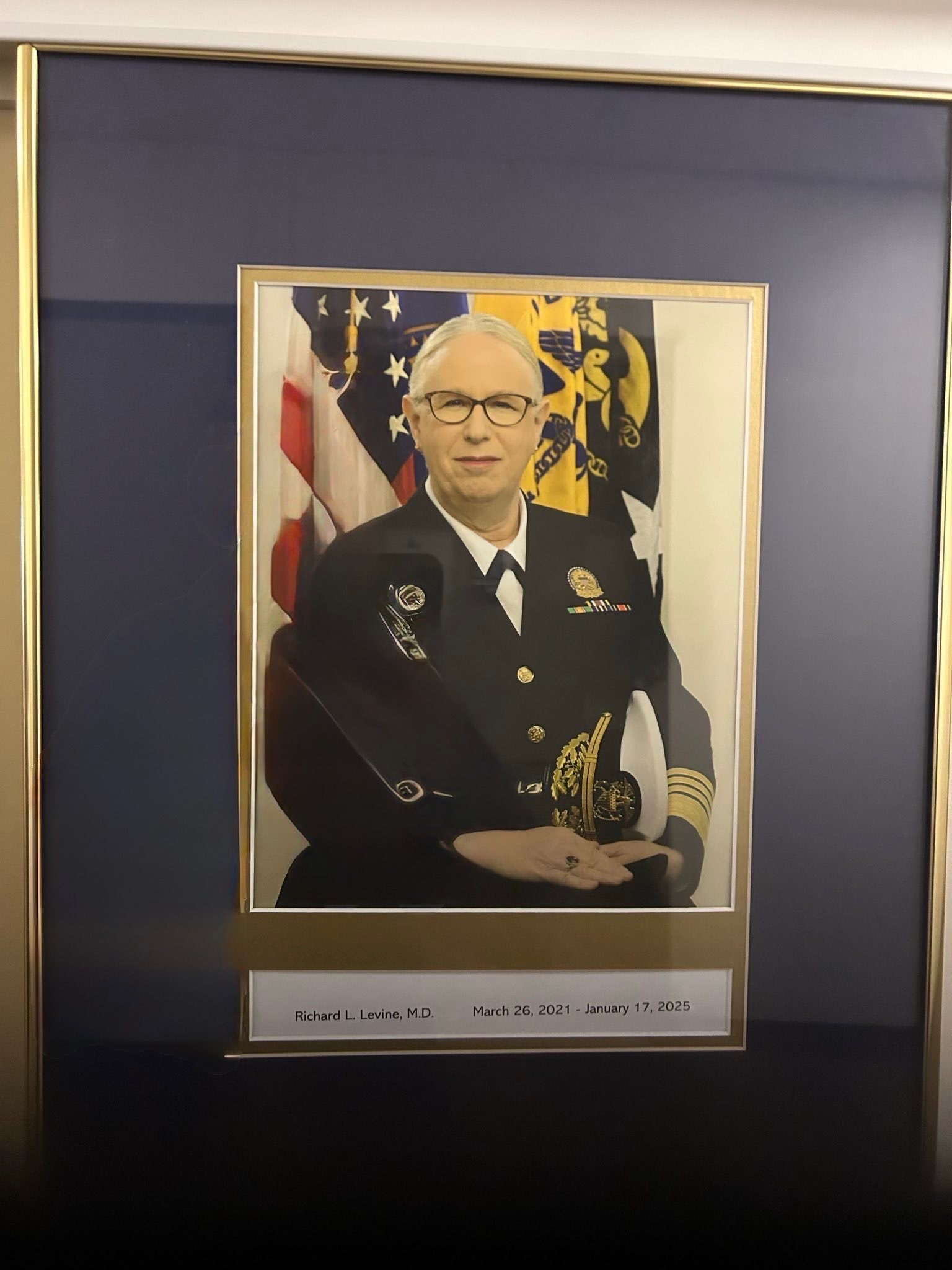
    While the federal government was shut down, the U.S. Department of Health and Human Services altered the name under the official portrait of Admiral Rachel Levine, a Pennsylvania doctor who served as the agency’s assistant secretary under former President Joe Biden, to her birth name or “dead name.”

    Levine, who had previously served as Pennsylvania physician general and secretary of health under Gov. Tom Wolf, was the first openly transgender official confirmed by the U.S. Senate.

    This photograph shows the official portrait of Admiral Rachel Levine, former assistant secretary for health. The portrait hangs in the hallway of the Humphrey Building in Washington, D.C., where Levine served under President Joe Biden at the U.S. Department of Health and Human Services. Someone in the Trump administration changed Levine’s name to her birth name or deadname. The photographer does not want to be identified.

    “Deadnaming” — using a transgender person’s birth name rather than the one they chose — is “a horrible thing to do to vilify a group of people,” said Deja Alvarez a LGBTQ community leader. “It’s beyond reprehensible.”

    Levine has not spoken publicly about the action, which was first reported Friday by National Public Radio. In a brief statement delivered by her former deputy assistant secretary for health policy Adrian Shanker, Levine described the name change as a “petty action” and said she wouldn’t comment. Shanker, a fellow at the Lehigh University College of Health, manages Levine’s public engagements.

    Levine, 68, has received expressions of “sympathy and outrage” since Friday, Shanker said.

    Condemning the alteration of Levine’s portrait, he said, it was “hard to understand that this was a priority under a government shutdown.”

    ”What do you expect from people acting more like high school bullies than federal officials?”

    HHS didn’t respond to requests for comment. Agency officials told NPR in a written statement: “Our priority is ensuring that the information presented internally and externally by HHS reflects gold standard science. We remain committed to reversing harmful policies enacted by Levine and ensuring that biological reality guides our approach to public health.”

    As Pennsylvania’s health secretary, Levine led the state’s response to COIVID-19 and became a familiar figure in 2020, standing at a lectern in Harrisburg, answering questions about the deadly pandemic.

    Prior to the pandemic, Levine led the state’s response to the opioid epidemic. She also helped establish Pennsylvania’s medical marijuana program.

    Under Biden, Levine also worked on issues related to HIV, syphilis, climate change, and long COVID.

    Levine was a pediatrician who worked at Penn State Health Milton S. Hershey Medical Center for 20 years before moving into public life.

    Throughout her career, Levine “earned … recognition through decades of expertise and leadership,” said State Rep. Dan Frankel (D., Allegheny) in a statement Tuesday. HHS’s decision to “strip [her legal] name is an act of political malice.”

    The Trump administration has made numerous efforts to counter civil rights gains transgender and LGBTQ Americans had previously won.

    These include issuing an executive order on Jan. 20 that redefined the word “sex” in federal programs and services to refer only to biological characteristics “at conception” as well as restricting gender-affirming medical care for people under age 19, banning trans Americans from military service and eliminating protections for transgender people.

    Staff writer Gillian McGoldrick contributed to this article.

  • Penn State faculty say they will vote on forming a union

    Penn State faculty say they will vote on forming a union

    A Pennsylvania State University faculty group has taken the next step to form a union across the system’s campuses, which eventually could represent some 6,000 faculty.

    Officials from the Penn State Faculty Alliance and the Service Employees International Union said they had filed Tuesday with the Pennsylvania Department of Labor after having obtained at least the required signatures of 30% of eligible faculty.

    The next step would be an election, and if approved by a majority, a union would be formed and contract negotiations could begin. How long it takes to schedule an election depends on whether the university opposes the move.

    “It would be the largest single union election in the public sector in the history of the Commonwealth if not the last 50 years,” Steve Cantanese, president of SEIU 668 said at a news conference held at the Capitol building Tuesday in Harrisburg.

    The announcement comes about a month after graduate student workers at Penn State voted to unionize, with 90% in favor. That vote came nearly a year after the Coalition of Graduate Employees at Penn State filed the required signature cards with the labor board. Their vote came amid a wave of graduate union workers’ efforts to unionize.

    Penn State is the only state-related university of the four in the Commonwealth without a faculty union. Faculty concern about the university’s decisions began to accelerate during the pandemic and have continued to mount amid budget cuts and the decision in May to announce the closure of seven of the school’s Commonwealth campuses. A seeming lack of shared governance, salary, and workload inequities across campuses, and transparency are among other concerns cited by faculty involved in the effort.

    “Penn State faculty are filing for a union election to bring transparency to their workplace, to bring job security to their workplace, to have an opportunity to have a greater voice at their workplace, to have some economic security at their workplace,” Cantanese said.

    Julio Palma, associate professor of chemistry at Fayette, one of the campuses selected for closure, said faculty tried to fight the Commonwealth campus closure plan but didn’t have enough power.

    “We organized,” he said. “We held rallies on campus. We talked to our elected officials. Nothing moved the needle.

    “If we had a faculty union, we wouldn’t be in this situation… We need a faculty union now.”

    Cantanese said SEIU reached out to the university in the hope that it will welcome faculty’s efforts to unionize.

    Penn State in a statement said it would review the petition when it is received.

    “Penn State deeply values the teaching, research, and service of our faculty, who play a critical role in fueling the success of our students and advancing our mission,” the school said.

    Faculty at the press conference said a union is needed.

    “As a teacher, I know that my working conditions are my students’ learning conditions,” said Kate Ragon, an assistant clinical professor of labor and employment relations at University Park, Penn State’s main campus. “We want a voice in the decision-making that affects us, affects our students, and affects our work.”

    The three other state-related universities in Pennsylvania ― Temple, the University of Pittsburgh, and Lincoln ― already have faculty unions. Temple’s has existed for more than 50 years, and its graduate student workers have been unionized for about 25 years. Lincoln’s formed in 1972. Pitt’s is more recent. It was established in 2021.

    Faculty at Rutgers, New Jersey’s flagship university, are unionized, too. So are the 10 universities in the Pennsylvania State System of Higher Education.

    Faculty in the alliance have said they hope to secure better wages and benefits, job security protections, and a greater role in decision-making. When they announced plans to form a union last March, they said they wanted full and part-time, tenure, and nontenure faculty to be included as members and believed all campuses would be involved except for the medical school faculty at Hershey.

  • Kathleen A. Case, longtime writer, pioneering medical journal editor, and award-winning historian, has died at 80

    Kathleen A. Case, longtime writer, pioneering medical journal editor, and award-winning historian, has died at 80

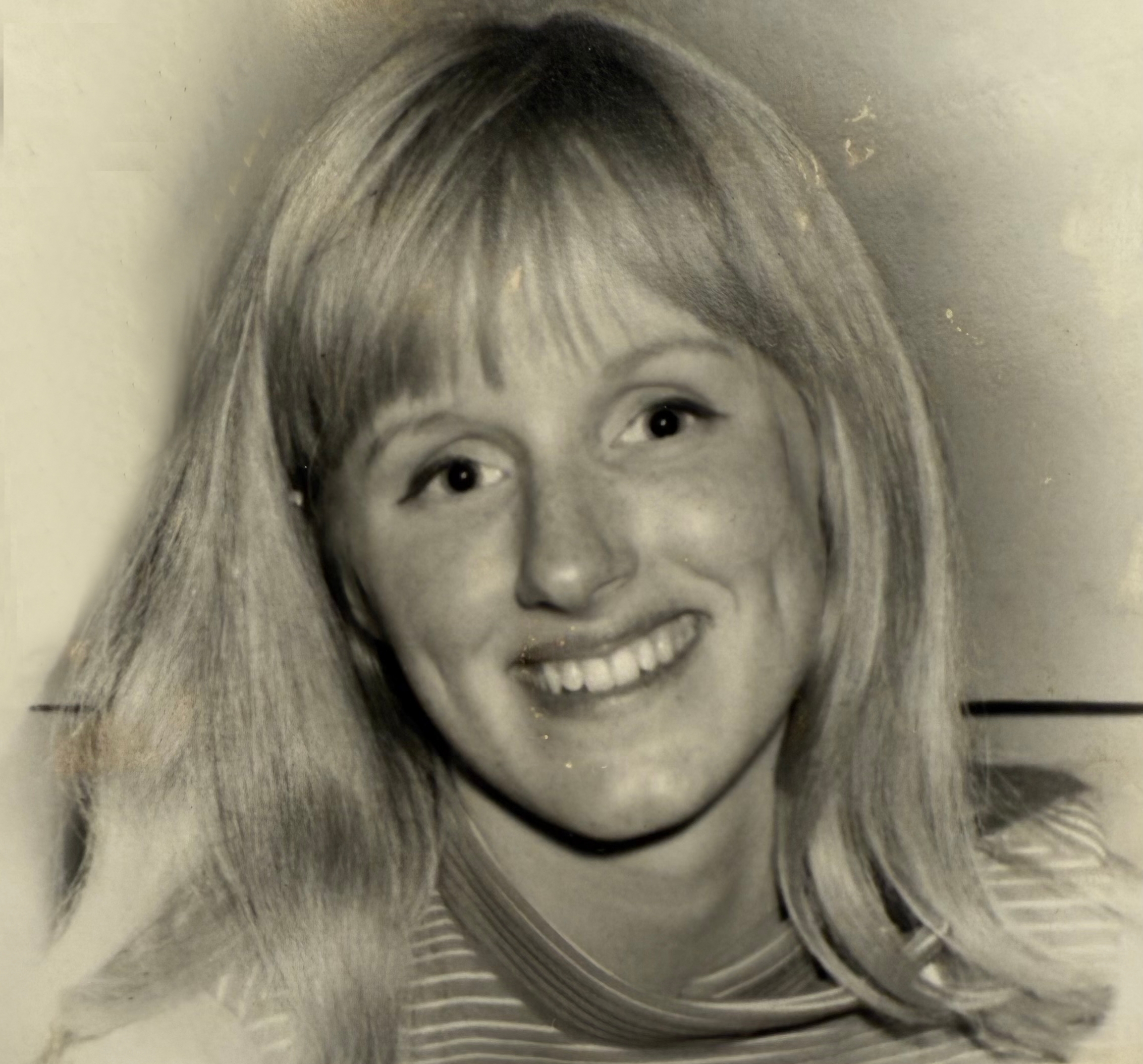
    Kathleen A. Case, 80, of Bryn Mawr, longtime writer, pioneering medical journal editor, award-winning historian, researcher, and volunteer, died Friday, Nov. 14, of heart failure at Bryn Mawr Hospital.

    A natural wordsmith who was interested in the origins and nuances of language as well as its use, Ms. Case spent 24 years as a top editor for the Annals of Internal Medicine and vice president for publishing at the Philadelphia-based American College of Physicians. Later, for 15 years, she was publisher, archivist, historian, and director of strategic planning for the publishing division of the Philadelphia-based American Association for Cancer Research.

    She was adept at understanding and organizing complex research and other medical information, and helped Annals of Internal Medicine digitize its production process and content, expand its reach, and become one of the world’s most influential and cited medical journals. “She loved precise, concise, and unambiguous writing,” her family said in a tribute.

    She was one of the few female editors in the medical publishing industry when she joined Annals as an assistant editor in 1977, and she rose to managing editor, executive editor, and senior vice president for publishing by 1998. She attended many international medical publishing conferences around the world, and other journals tried unsuccessfully to lure her away from Philadelphia.

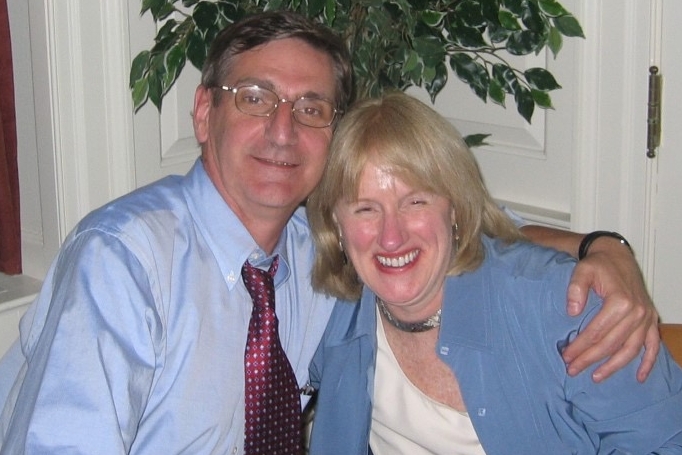
    Ms. Case and her husband, Jacques Catudal, married in 1995.

    “She set the highest editorial standards in medical publishing and expected the best from everyone around her,” a former colleague said in an online tribute. “But she also took the time to teach. … The lessons I learned from her have shaped my work ever since.”

    Ms. Case joined the American Association for Cancer Research in 2001, served two stints as head of the publishing division, and supervised its marketing campaigns, advertising sales, and product development. She retired in 2008 but continued part time as the AACR archivist, historian, and director of strategic planning until retiring for good in 2016.

    Away from her day jobs, Ms. Case was past president of the Society for Scholarly Publishing and what is now the Council of Science Editors. She also served on boards and committees for the American Medical Association, the American Chemical Society, the American Heart Association, and the International Committee of Medical Journal Editors.

    Even in retirement, she continued to work as a board member, writer, researcher, and historian for the Haverford Township Historical Society. She served on the Haverford Township Historical Commission, was a member of the Historical Society of Pennsylvania, chaired the Friends of the Polo Field, and helped establish the Brynford Civic Association.

    Ms. Case graduated from Radnor High School and Pennsylvania State University.

    “She was always busy, always involved with some project,” said her husband, Jacques Catudal. She edited his published academic papers, he said, and routinely marked up her two sons’ school reports in red ink for years.

    In 2019, she won a historic preservation award from the Heritage Commission of Delaware County. “She was an endlessly inspiring woman whose intelligence was matched only by her sharp wit and her extraordinary cultural sensitivity,” a friend said in a tribute.

    Kathleen Ann Case was born Sept. 13, 1945, in Westfield, N.J. The youngest of three children, her family moved to Omaha, Neb., and then Radnor when she was young.

    She graduated from Radnor High School, studied journalism at Pennsylvania State University, and earned a bachelor’s degree in English in 1967. She was a reporter and editor for the Penn State student newspaper and so active that school officials waived their prohibition of female students living alone off campus so she could reside near the paper’s office. In 1987, she earned a master’s degree in technical and science communication at Drexel University.

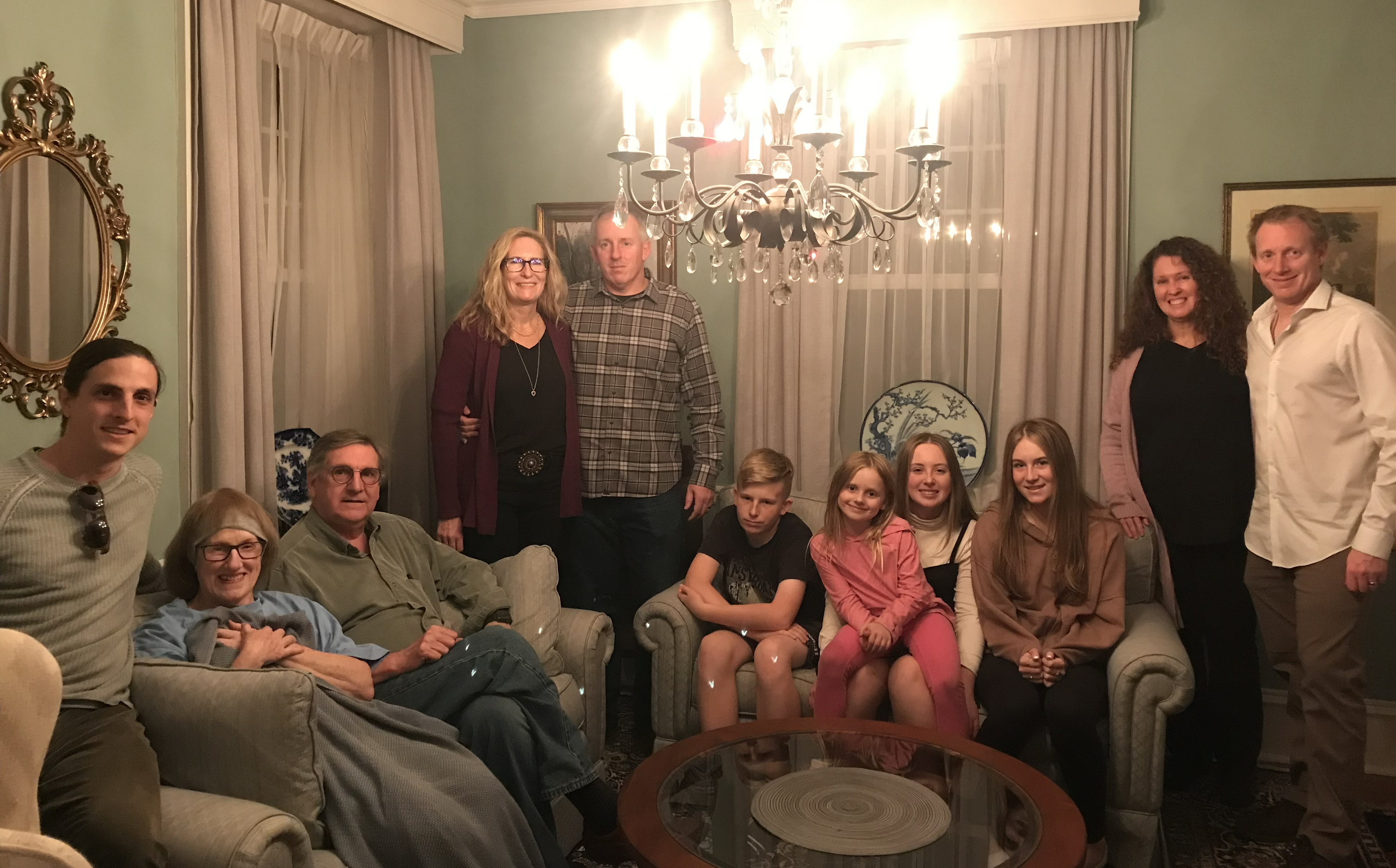
    Ms. Case (second from left) enjoyed time with her family

    She married D. Benjamin van Steenburgh III, and they had sons Ben and Jason. After a divorce, she married Peter Moor. They divorced, and she married Catudal in 1995.

    Ms. Case raised her sons as a single mother in Avondale, Chester County, for years and moved to Bryn Mawr in 1979. She read voraciously about history, collected antiques, and enjoyed travel, classic rock, and Irish folk music.

    She rode horses, was an expert archer, and followed the local sports teams. She tended her garden and investigated her genealogy.

    She liked to refinish and paint furniture and discuss current events. She and her husband camped, hiked, and canoed all over the world.

    Ms. Case enjoyed hiking and the outdoors.

    She also dealt with metastatic breast cancer and three heart attacks. “She always gave as much honesty, opinion, perspective, experience, literary acumen, word knowledge, help, advice, comfort, and love as could be needed,” said her son Jason.

    Her husband said: “She was brilliant and extremely funny. She was an organizer and always giving of herself.”

    In addition to her husband, sons, and former husbands, Ms. Case is survived by four grandchildren, a sister, a brother, and other relatives.

    A celebration of her life was held earlier.

    Donations in her name may be made to The American Association for Cancer Research, 615 Chestnut St., 17th Floor, Philadelphia, Pa. 19106; and the Haverford Township Historical Society, P.O. Box 825, Havertown, Pa. 19083.

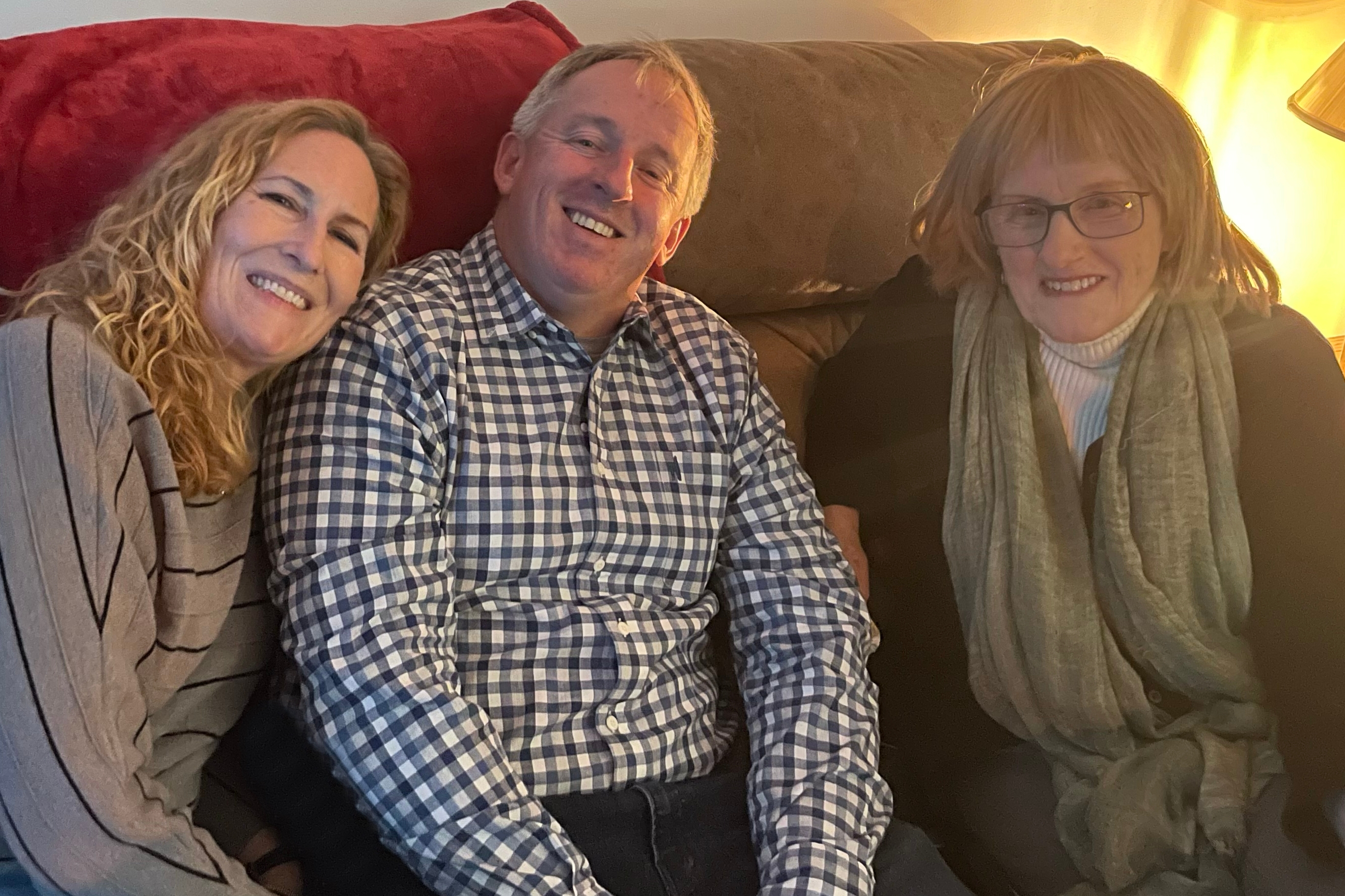
    Ms. Case (right) rode horses, was an expert archer, and followed the local sports teams.
  • These professors say they’re part of a growing movement banning laptops from the classroom

    These professors say they’re part of a growing movement banning laptops from the classroom

    Biology professor Jody Hey was lecturing on human evolution one recent day at Temple University.

    His students vigorously took notes by hand in paper notebooks.

    There wasn’t a laptop in sight. Nor an iPhone. No student’s face was hidden by a screen.

    Hey said he stopped allowing them about a year and a half ago after seeing research that students are too often distracted when laptops are open in front of them and actually learn better when they have to distill lectures into handwritten notes.

    “The clearest sign that it’s making a difference is that students are paying attention more,” said Hey, who has taught at Temple for more than 12 years. “And they want to participate much more than before.”

    Hey is among a seemingly growing number of professors who have chosen to keep laptop and phone use out of class, with exceptions for students with disabilities who require accommodations. Several said they made the decision after seeing what some students were doing on their laptops during class.

    Temple University biology professor Jody Hey stopped allowing laptops to be used in class about a year and a half ago. He said he’s noticed improvement in student performance.

    Jessa Lingel, an associate professor of communication at the University of Pennsylvania and director of the Gender, Sexuality, and Women’s Studies Program there, stationed teaching assistants in the back of her room to observe.

    Students “were out there booking flights and Airbnbs,” Lingel said. “Fun fall cocktail recipes. They were online gambling in class. I thought, ‘This is not acceptable.’”

    She originally disallowed laptops in 2017, but decided to go easy in 2021 as students returned after the pandemic, she said. She reinforced the ban after her teaching assistants’ observations.

    “It’s a movement,” Lingel said. “More and more people are headed in this direction.”

    In Hey’s class, students have warmed up to the laptop ban.

    “At first I didn’t like it,” said Jess Nguyen, 20, a junior genomic medicine major from Broomall, “because I kind of organize all my notes on my laptop. But I feel I’ve been learning better by writing my notes.”

    When she took notes on her iPad, she sometimes got distracted and played computer games, she said. In Hey’s class, that’s not an option.

    Students said it takes more time to write notes and sometimes their hands get tired.

    “After a couple classes, you kind of get used to it,” said Sara Tedla, 22, a senior natural sciences major from Philadelphia.

    She’s on the fence about which way she prefers to take notes.

    “It’s good that for an hour and 20 minutes you can just sit down and, without any technological distractions, focus because that’s a part of your brain you can work on,” said Quinn Johnson, 20, a senior ecology major from Philadelphia. “The more you do it, the easier it becomes to focus on something for a long period of time.”

    ‘Students learn better’

    Professors say laptops are pretty ubiquitous in the classroom when they are permitted.

    Hey conducted research on laptop use and presented it at a Temple department faculty meeting earlier this year.

    “As early as 2003, a study was done contrasting the retention of lecture material by two groups of students, one who had laptops and unrestrained internet access and a second who worked without laptops,” he said. “In that study, students with laptops scored 20% lower on average in the subsequent exam.”

    Four of every five students who used laptops in a general psychology class said they checked email during lectures, another study showed, while 68% used instant messaging, 43% surfed the net, 25% played games, and 35% said they did “other” activities.

    He also cited studies showing students who took notes by hand performed better on tests. Others cited that research, too.

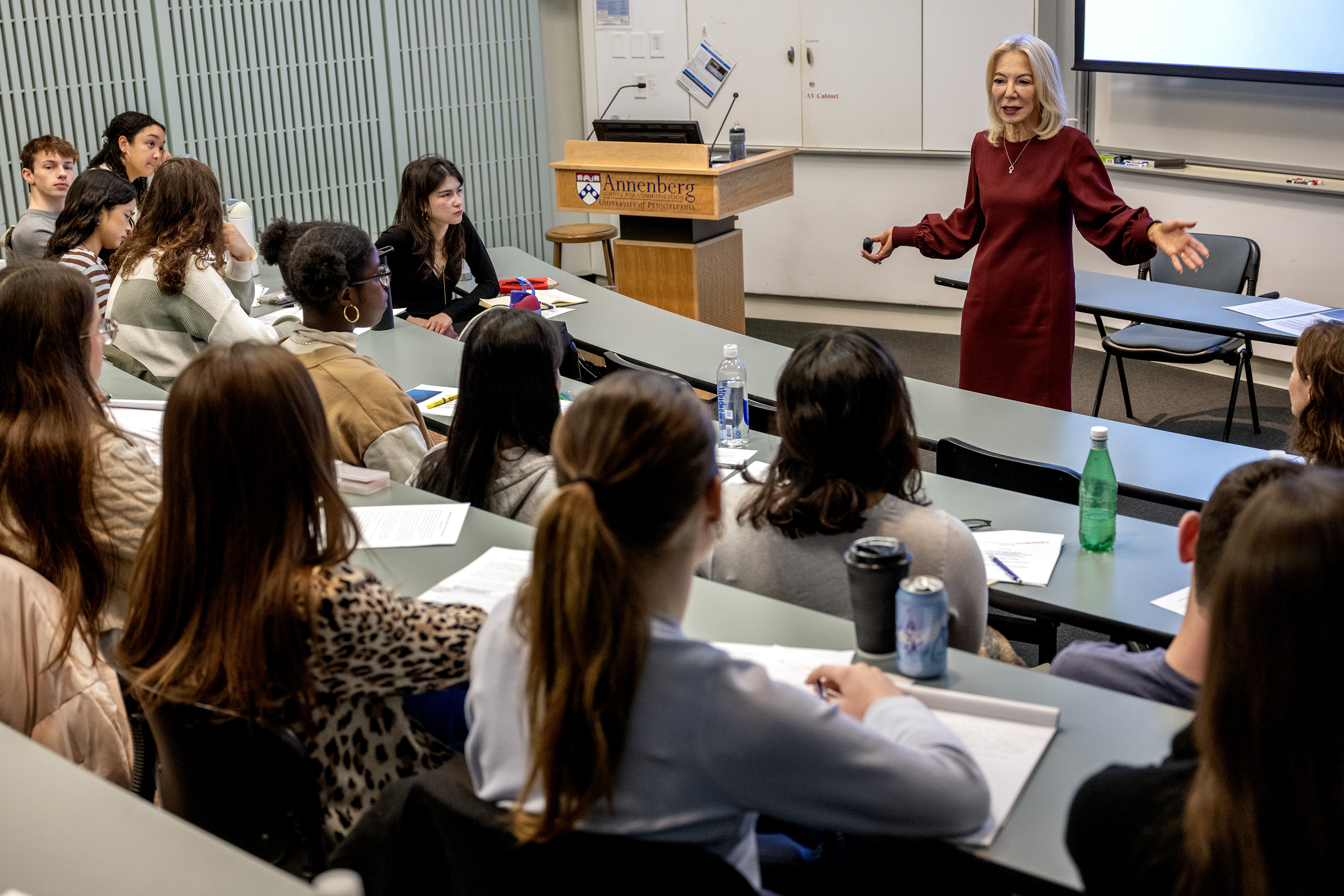
    Penn President emerita Amy Gutmann co-teaches a class at Penn’s Annenberg School for Communication with the dean Sarah Banet-Weiser. They don’t allow laptops or phones to be used in the classroom.

    “I read the literature on it and it really showed that students learn better when they’re taking notes rather than trying to type as fast as they can verbatim what you say,” said Amy Gutmann, Penn president emerita, who is co-teaching a class at the Annenberg School for Communication this fall.

    Gutmann and co-teacher Sarah Banet-Weiser, dean of Annenberg, do not provide students with copies of their lecture slides, either.

    “We give them time to write down what’s on the slides,” Banet-Weiser said.

    Benefits of technology

    Some professors say laptop use in class can be beneficial.

    Sudhir Kumar, a Temple biology professor, said he asks his class of 150 students to respond to questions on their laptops every 10 minutes. Their answers count toward their grades.

    “It’s constantly keeping them on their toes,” he said.

    He would not want to see everyone give up on laptop use in class.

    “We cannot fight technology,” he said. “Teachers have to embrace technology, whether it is artificial intelligence or computers. That is a standard mode of operation for most people today.”

    (Left to Right) Jess Nguyen, 20, a junior from Broomall, Allan Thomas, 22, a senior from Philly, and Sara Tedla, 22, a senior from Philly, in a class taught by Temple University biology professor Jody Hey last month.

    In Cathy Brant’s social studies methods class of 20 to 25 students at Rowan University, laptops are key. Brant, an associate professor of education, said there are lots of hands-on group projects, and she frequently asks students to check New Jersey standards online as they prepare their lessons. She also teaches them how to use AI appropriately in the classroom.

    One of her students, she said, recently handed in a paper with very detailed notes from Brant’s lecture that she probably got only because she was able to type quickly on her computer.

    “You’re responsible for paying attention in class,” she said. “Maybe it’s a little harsh, but I’m just like, ‘If you want to be on Facebook the entire time during class, that’s on you.’”

    Jordan Shapiro, an associate professor at Temple, more than a decade ago used to make a point of having his students post on Twitter, now X, during class and counted it toward classroom participation.

    Now, he tells students to put their laptops away during class.

    “I tell them I have no problem with tech or laptops,” he said. “I just think that none of us get enough time in our lives to just focus on ideas or to listen in a sustained way to the people around us.”

    He also became concerned about students doing homework during class, he said, and using artificial intelligence to supply them with questions and comments to ask in class. They were “outsourcing class participation to the robots,” he said.

    Mark Boudreau, a biology professor at Penn State Brandywine, disallowed laptops for the first time this semester.

    “I thought I would get real pushback … or people might even drop the class,” he said. “But … a lot of students have had other faculty who have this policy.”

    Exam scores in his three courses are better this year, he said.

    Hey noted student grades have gone up, too. But he can tell some students struggle with note-taking; some just listen and don’t take notes.

    “That’s better than sitting there and going on Facebook,” he said.

  • Penn Medicine is investing more than $500 million in new cancer facilities

    Penn Medicine is investing more than $500 million in new cancer facilities

    The University of Pennsylvania Health System, the Philadelphia region’s biggest provider of cancer care and a national leader in developing new treatments, is spending more than $500 million on two new cancer facilities in Philadelphia and central New Jersey to keep growing.

    Those big projects — a fourth proton center at Presbyterian Medical Center in University City and a large cancer center at Princeton Medical Center in Plainsboro — follow years of expansion through outpatient centers in communities like Cherry Hill and Radnor. Its newest is a relocated, $18.5 million infusion center in Yardley that opened in June.

    “What we’ve seen pretty consistently is that demand is there to meet any capacity increases,” Julia Puchtler, the health system’s chief financial officer, said in an interview about fiscal 2025 financial results.

    Penn is not alone in its push to expand cancer services. Jefferson’s Sidney Kimmel Cancer Center, Temple’s Fox Chase Cancer Center, and the MD Anderson Cancer Center at Cooper are pushing into the suburbs to reach more patients.

    The same thing is happening nationally as financially pressured health systems are looking for ways to increase revenue in a growing and lucrative market for cancer care.

    Penn stands out locally for the scale of its investment in a strategy to deliver cancer care seamlessly across its seven hospitals and a growing network of outpatient clinics, with the expectation that patients will keep coming back for their ongoing health needs.

    Penn sees an opportunity to expand its market share even more, as cancer diagnoses rise. The U.S. is expected to see a nearly 40% increase in cancer diagnoses between 2025 and 2050, according to the Philadelphia-based American Association of Cancer Research.

    Experts attribute the rise to a wide variety of factors, from better early detection, to longer life spans, and to environmental exposures that are poorly understood.

    Much of Penn’s investment is in outpatient facilities, including a $270 million center being built in Montgomeryville that will have radiation oncology and an infusion center. “More and more patients want to receive care closer to home,” according to Lisa Martin, a senior vice president at Moody’s Rating. “All of that is really what’s behind all of this investment.”

    Cancer treatment overall is profitable. At Penn, cancer services account for up to 60% of the system’s operating margin by one simple measure that subtracts direct costs from direct revenue and excludes back-office expenses and other centralized costs.

    Puchtler attributed the profitability of cancer care to the prevalence of drugs, such as chemotherapy, that Penn can buy at a discount, while getting the full price from insurers, and the higher percentage of younger cancer patients with better-paying private insurance than is typical for many healthcare services.

    The expansion efforts are expensive in an industry where the consumers both benefit from advances and pay ever-rising healthcare costs. Proton therapy, in particular, costs more, but has not yet been proven to have better outcomes across a wide range of cancers.

    The intensifying competitive landscape

    Penn treats about one-third of adults with cancer in its market area, which stretches from central New Jersey to the Susquehanna, according to Robert Vonderheide, who is director of Penn’s Abramson Cancer Center and leads all of Penn’s efforts in oncology treatment and research.

    Penn counted 47,053 new cancer patients in the 12 months that ended June 30, up 40% from five years ago, according to Penn. The system has 14 locations where patients can receive chemotherapy and even more radiation oncology sites.

    Competitors are also trying to expand their reach, and Temple’s Fox Chase Cancer Center is succeeding.

    window.addEventListener(“message”,function(a){if(void 0!==a.data[“datawrapper-height”]){var e=document.querySelectorAll(“iframe”);for(var t in a.data[“datawrapper-height”])for(var r,i=0;r=e[i];i++)if(r.contentWindow===a.source){var d=a.data[“datawrapper-height”][t]+”px”;r.style.height=d}}});

    Fox Chase had 21,442 new patients in fiscal 2025, up 148% from 2020, the nonprofit said. Fox Chase has added suburban offices in Voorhees and Buckingham, Bucks County, and is expanding its infusion capacity at its main campus on Cottman Avenue. Fox Chase has a significantly smaller footprint than Penn, with six locations for infusions and four for radiation.

    The MD Anderson Cancer Center at Cooper said it had 4,326 new patients last year, up 27% over the last five years. Cooper has taken the MD Anderson Cancer Center brand to the former Cape Regional Medical Center, which it acquired last year and which used to be part of the Penn Cancer Network. Cooper also offers cancer services at its new Moorestown location.

    Jefferson Health’s Sidney Kimmel Cancer Center did not respond to requests for patient data, but has in recent years opened cancer center locations at its Torresdale and Bucks County Hospitals. Jefferson’s cancer center also attained the highest designation from the National Cancer Institute last year — the Philadelphia region’s third comprehensive cancer center, matching Penn and Fox Chase.

    Virtua Health, Penn’s partner in a proton therapy center in Voorhees, is exploring a merger with ChristianaCare, which has already been expanding from its Delaware base into Chester and Delaware Counties. Another South Jersey system, AtlantiCare, has signed a contract with the Cleveland Clinic to boost its competitiveness in cancer care.

    How Penn is trying to build a ‘cancer system’

    Lancaster County resident Susan Reese, 56, said she experienced smooth cooperation between her doctor at Penn’s Lancaster General Hospital and the team at HUP during her treatment for non-Hodgkin lymphoma.

    “I never had any question in my mind that one doctor didn’t know what the other doctor was doing,” said Reese, who received CAR-T therapy at HUP in September 2022. Penn has since started offering CAR-T at Lancaster General.

    After she relapsed in early 2023, she came back to HUP for a stem cell transplant. She could have gone to Penn State Health’s Hershey Medical Center for that. It’s significantly closer to her home in Willow Street, but she wanted to stay within the Penn system.

    Reese’s experience of integration of services at HUP and Lancaster General is what Penn is aiming for in a territory that stretches from central New Jersey to central Pennsylvania.

    Oncologist Robert Vonderheide, director of Penn Medicine’s Abramson Cancer Center, oversees all Penn’s cancer services and research.

    Electronic medical records help with the integration needed to ensure the thousands of cancer patients Penn physicians treat annually get the most advanced care possible, according to Vonderheide, whose research focuses on cellular immunotherapies.

    “We treat patients’ cancers now in a very precise way; the precise mutation, the precise type of chemotherapy, the precise dose” are the focus for doctors, Vonderheide said. “This is no longer appropriate for the telephone game. This has to be data-driven.”

    Reese’s decision to stay within Penn is part of a broader trend of patients tending to receive all their care within one health system, according to Rick Gundling, a healthcare expert at the Healthcare Financial Management Association in Washington, D.C.

    That’s particularly important in oncology, which typically involves multiple specialties, such as medical oncology, radiation oncology, and surgical oncology, he said.

    “Seamless coordination across all those disciplines really makes it a better patient experience and clinical experience because it reduces delay, improves access,” Gundling said.

    Taking advanced treatments from HUP to the network

    Part of Penn’s strategy is to begin offering advanced services at locations beyond HUP. That’s where Penn pioneered CAR-T cell therapy, which harnesses the immune system to attack cancer, and for years that was the only place Penn offered it.

    HUP still performed the bulk of the CAR-T treatments for blood cancers, 123 inpatient cases and 14 outpatient cases last year, but now CAR-T is also available at Lancaster General and at Penn’s Pennsylvania Hospital in Center City.

    Fox Chase was the next biggest center in the region for the relatively new treatment that Penn scientist Carl June and his research teams helped develop. For the fiscal year that ended June 30, 2025, Fox Chase had 21 inpatient cases and 67 outpatient cases, the center said.

    In the Penn system, certain kinds of bone marrow transplants also used to be available only at HUP. “Now we do them at HUP and Pennsylvania Hospital,” Vonderheide said.

    Even the most complicated pancreatic surgeries are going to be done at Princeton, in conjunction with experts at HUP, Vonderheide said. Penn held a ceremonial groundbreaking Monday for the hospital’s $295 million cancer center.

    Remaining only at HUP are bone marrow transplants that use another person’s cells to treat blood cancers, Vonderheide said. HUP performed 118 of those so-called allogeneic bone marrow transplants on the top floor of its $1.6 billion patient pavilion, now known as the Clifton Center.

    Pennsylvania’s next-biggest provider of the treatment was Hershey Medical Center, near Harrisburg, with 71, according to state data.

    window.addEventListener(“message”,function(a){if(void 0!==a.data[“datawrapper-height”]){var e=document.querySelectorAll(“iframe”);for(var t in a.data[“datawrapper-height”])for(var r,i=0;r=e[i];i++)if(r.contentWindow===a.source){var d=a.data[“datawrapper-height”][t]+”px”;r.style.height=d}}});

    Penn started offering proton therapy at HUP in 2010, and expanded its availability in the last three years to Lancaster General and Voorhees, through a joint venture with Virtua Health. Those two centers only have one proton machine each, compared to five at HUP.

    It’s a type of radiation that is designed to precisely target tumors and do less damage to surrounding tissues. That makes the treatment, which costs more, particularly helpful for children, and it is proving beneficial for treating certain neck and throat cancers. The use of proton therapy for the more common prostate cancer has been more controversial.

    Penn’s fourth proton center, with two machines, is under construction and is expected to open at Presbyterian in late 2027. When that $224 million center opens, Penn will have more proton treatment rooms than the entire West Coast, said Jim Metz, chair of radiation oncology at Penn.

    Currently about 10% of Penn’s roughly 10,000 annual radiation oncology patients are treated with protons, though it’s a higher percentage at locations with proton machines, Penn said.

    Penn officials have noted that some cancer patients come to Penn for proton therapy. Even when it’s not appropriate for them, they tend to stay within Penn. “We have seen, when we build protons, our market share increases, ” Metz said.

    Editor’s note: This article has been updated with more recent Fox Chase data.