Tag: Philadelphia Police Department

  • Police searched Olney home last summer, but drugs — not missing women — were the focus

    Police searched Olney home last summer, but drugs — not missing women — were the focus

    About a year before police raided a crumbling Olney twin in connection to a missing woman last month, Philadelphia narcotics officers scoured Eugene Horsch’s basement and found telltale signs of a drug dealer.

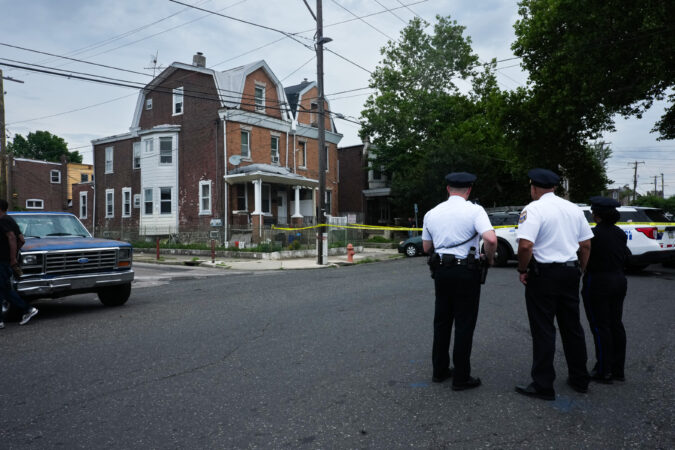
    Firefighters had responded to a small blaze on the second floor of the property on May 18, 2025, alerting police to what they said was a sprawling marijuana grow operation. And when narcotics cops searched the home later that morning, court records show they recovered a modified fully automatic assault rifle with an obliterated serial number, a sawed-off shotgun, a pistol, and ammunition.

    The top floor was filled with cannabis plants, tents, and UV lights, with exposed wires running between the floors and into the basement, where vats of chemicals were stored, apparently to “cultivate marijuana,” the records said.

    The police report detailing the drug bust at the Olney house made no mention of missing women, despite the fact that concerned relatives and friends had told police years earlier that at least two women who stayed at the house had vanished.

    Now, the disappearance of one of those women, Blair Tonzelli, is central to an ongoing search at the property, where police found fake IDs and bank cards in her name, among other disturbing evidence.

    That law enforcement did not appear to connect the missing women to the search for drugs at the same address raises questions about whether the officers who searched the property last summer were aware of the two missing persons cases. The Philadelphia Police Department declined to comment, citing the ongoing investigation.

    Police began reexamining Tonzelli’s disappearance on June 19 after arresting Horsch, whose companion had a fake ID in her name. Investigators reinterviewed witnesses and viewed footage of a statement given in February 2023 by Tonzelli’s friend, who told officers Tonzelli was last seen at 417 W. Chew Ave. Police have also revisited the 2016 disappearance of Amy McHale — the ex-wife of Horsch’s father, erotic filmmaker Raymond C. Horsch — whose mother said she vanished from the Olney home.

    Gloria McHale, Amy’s mother, said she was surprised to learn that police had searched the property for drugs in 2025.

    “I wish they would have looked deeper,” she said.

    Police have not charged Horsch with any crimes linked to missing women. He has been jailed since his arrest last month on $500,000 bail for gun and drug charges, as federal and local police prepare to excavate the property in search of more evidence.

    His attorney, Jerome Brown, declined comment. Brown has previously said police had interviewed Raymond Horsch several times over the years about McHale’s disappearance.

    When local and federal law enforcement officers searched Horsch’s home last month in connection to the missing women, police said they again found guns, ammo, and drugs. More troubling, according to police records, is that they also found a “significant amount” of blood, a handwritten letter referencing serial killer Ted Bundy, and fake IDs and bank cards in Tonzelli’s name.

    The latest search began after police arrested Horsch in his black BMW with an array of weapons, drugs, and a woman donning a fake ID in Tonzelli’s name. A sworn affidavit to initiate the search includes witness testimony that suggested Horsch was a “sociopath” who knew how to dispose of human remains.

    But it was a fire that brought police to Horsch’s property one morning in May 2025.

    Eugene had been living in the twin with two other women, including his father’s longtime companion, Krista M. Killen. City firefighters said the small blaze was started by “careless smoking” on the second floor, according to Horsch’s arrest report. While extinguishing the fire, a fire marshal and police patrolman on the scene discovered a “marijuana grow operation” on the home’s third floor and basement.

    Officers with the PPD Narcotics Strike Force later searched the home and seized 26 pounds of marijuana, 131 grams of dried mushrooms, $1,200 worth of methamphetamine, $800 cash, and “numerous gold colored and silver” coins in a safe, records show.

    Police also recovered a BCI Defense AR-15 style rifle modified to be fully automatic, a 12-gauge Stevens Model 67 pump-action shotgun with a sawed-off barrel, a 9mm Girsan MC28 pistol and more than a hundred rounds of ammunition. The serial numbers had been destroyed on all three firearms, according to records.

    Horsch had previous felony convictions for drug manufacturing charges and was not legally allowed to own firearms. He was arrested and held on $750,000 bail for manufacturing drugs, illegal gun possession, and related crimes.

    Brown, the family attorney, told a judge that the weapons belonged to Horsch’s father, who had died just three days before the drug raid. Brown said Eugene Horsch was planning to properly dispose of the firearms, according to a spokesperson for District Attorney Larry Krasner.

    His health became a factor in determining an appropriate resolution to the case. Sources familiar with the case, who were granted anonymity because they are not authorized to discuss the details publicly, said Horsch appeared frail at the time of his 2025 arrest and could barely walk into court.

    Horsch pled guilty to manufacturing drugs, and prosecutors withdrew the additional gun charges. He received three years probation.

    Within months of his release from jail, Horsch would be locked up again.

    In March, police arrested Horsch and charged him with stabbing a man at Eighth and Market Streets. Prosecutors dropped the charges after a witness failed to appear in court, records show, and he was released from lockup in May.

    Three weeks later, U.S. Park Police stopped him in his car near Independence Mall, where they recovered a fake ID in Tonzelli’s name.

    The search of the Olney property continued Wednesday.
  • Pa. Attorney General Dave Sunday talks Supreme Court’s Krasner ruling, abortion appeal

    Pa. Attorney General Dave Sunday talks Supreme Court’s Krasner ruling, abortion appeal

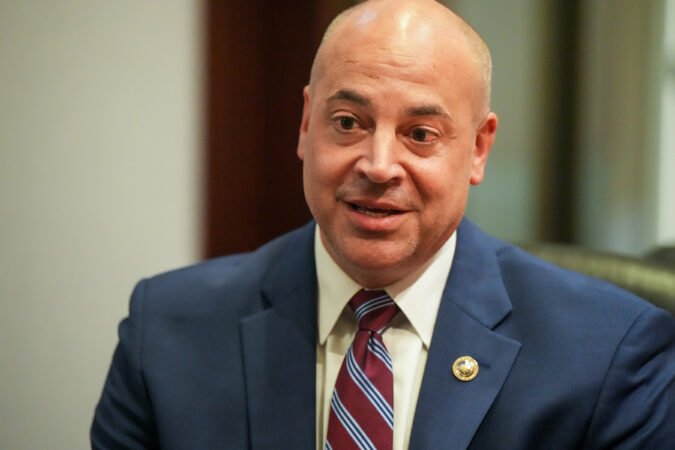
    Attorney General Dave Sunday has spent 18 months as the state’s chief law enforcement officer, overseeing a sprawling office that handles criminal prosecution, civil litigation, consumer protection services, civil rights enforcement, and more.

    In that time, the 51-year-old Republican and Harrisburg native says, he has taken on issues ranging from the opioid crisis to illegal crime guns. And last week, the Pennsylvania Supreme Court handed his office broad authority to review the efforts of Philadelphia prosecutors to overturn murder convictions they have called unjust, a signature initiative of District Attorney Larry Krasner’s office.

    In a recent interview at his Philadelphia office, Sunday talked about that and more.

    What is your reaction to the Supreme Court ruling on the work of District Attorney Larry Krasner’s Conviction Integrity Unit?

    Obviously, it’s an unprecedented ruling.

    Oftentimes, the best outcome is through the adversarial process. We work with the Philly DA’s office in a lot of different areas, and I viewed this ruling as any other that provides me with instructions on a way on which I have to run my office.

    Moving forward, the ruling requires your office to review any post-conviction concession that Krasner’s office aims to pursue. How will that work?

    There are questions. How many times will we have to intervene? What will that do to staffing? Will we have the logistics and resources to do it appropriately? I think that process will unfold over the next month or so.

    There’s no other real comparison for this ruling, and so what I can say very simply is this: It is absolutely crucial that there is a voice for the families of victims, and at the same time, I think it’s crucial to make sure that we protect the rights of individuals who are charged with crimes and convicted of crimes.

    That balance is found in applying the law and the facts to the issue. That’s something we will enthusiastically do.

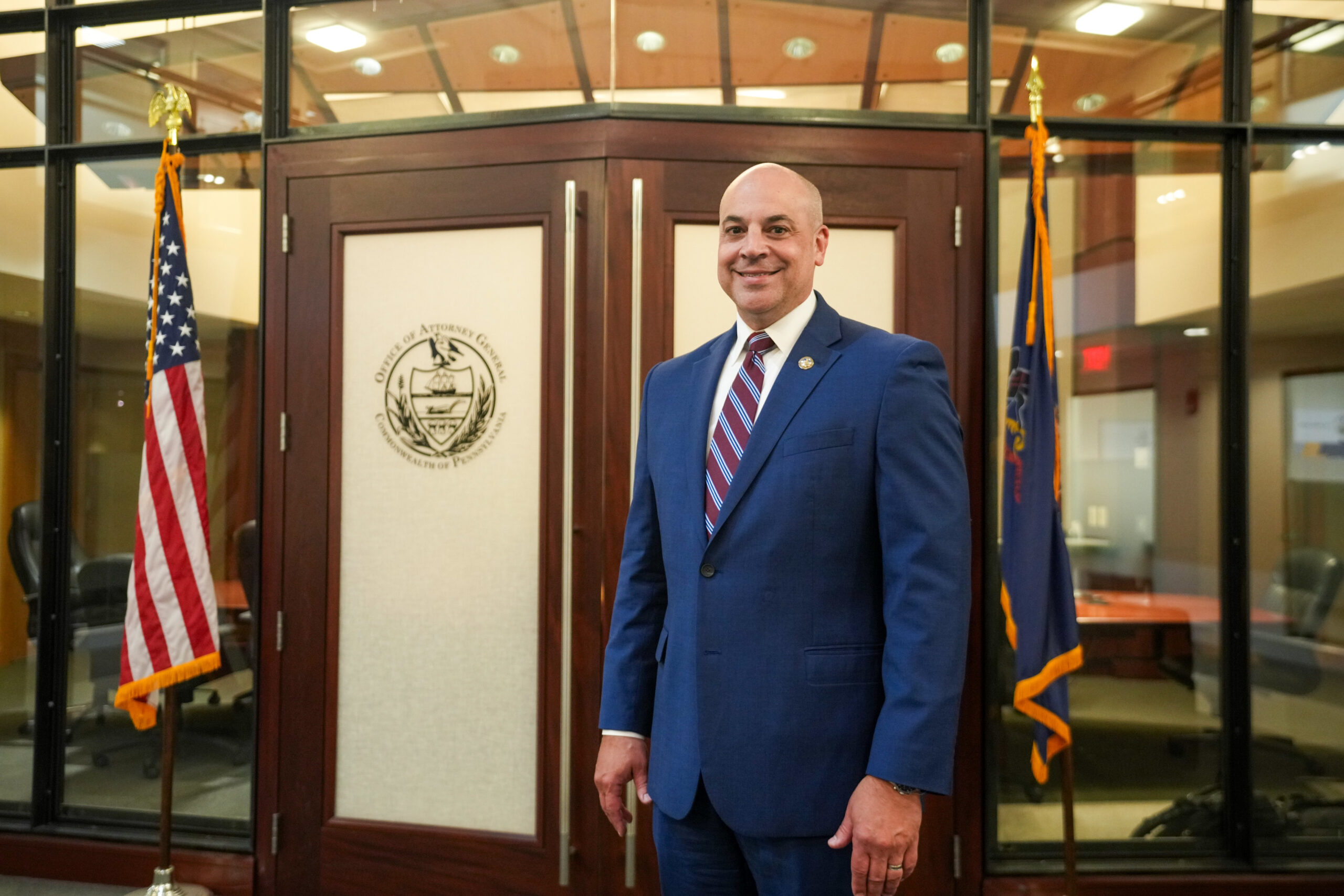
    .Assistant General David Sunday, in Philadelphia, June 23, 2026.
    Since Krasner first took office, his prosecutors have supported efforts to overturn around 115 convictions. Given the Supreme Court’s findings, do you now question whether some of those overturned convictions should be reconsidered?

    Well, we have to look at the legal process there. For individuals who the court has already ruled in a manner in which they’re out of prison, those cases are done.

    But with cases that are still going through the appellate process, individuals that are incarcerated, those are situations where we’re going to have to take a look at it. I mean, this is very serious, and when the Pennsylvania Supreme Court rules in this manner — not just the ruling itself, but the verbiage — I, as attorney general, take that extremely seriously.

    We will do our job, and we’ll do our duty, and we’ll review it, but it’s also important to understand that this isn’t a quest to prove someone wrong. It’s a quest to ensure that all parties are zealously advocated for.

    Krasner has strongly opposed the ruling. He’s likened this issue to the struggles of the Civil Rights Movement and said that the decision undermines the votes of those who elected him to office. What is your response to that?

    I don’t think that it benefits anyone for criminal justice leaders to editorialize a lot of the work we do.

    It’s critical that the citizenry knows and understands that their case will be dealt with by applying the facts to the law — and I know that’s not the most exciting answer, but there are things that are in my control and there are things that aren’t in my control, and his reaction to anything is completely out of my control.

    The last thing individuals who live in the community want to hear are elected officials yelling at each other. They want to see outcomes.

    Earlier this year, justices ruled that mandatory life sentences without parole for those convicted of second-degree murder are unconstitutional. What are your thoughts on that?

    Third-degree murder, second-degree murder, those are cases where the acts resulting in the crime are vastly different case to case. As a prosecutor, I’ve tried horrific second-degree murder cases — one was an in-home burglary where an individual was left face down on the ground, duct-taped, and they ultimately died from positional asphyxiation, which really is torture.

    At the same time, there are second-degree murder cases where you have multiple codefendants, and — this case is highlighted a lot — one of the codefendants pulls a gun out, kills an individual, and all those codefendants, because they were acting in concert and furthering some conspiracy, they’re all guilty of second-degree murder and they’re in for life.

    So there are second-degree murder cases where the individuals should have an opportunity for parole, and at the same time, there are cases that are absolutely horrific, where individuals should spend the rest of their lives in prison.

    The important place we’re in now is the legislative process, moving forward to ensure that the punishment is commensurate with the harm caused in the crime.

    Violent crime has fallen dramatically from its pandemic-era highs in Philadelphia and across the state. Should the attorney general’s office get some credit for that?

    There is no one individual or agency that can take credit for these outcomes. We’re with our federal partners, we work with everybody.

    After I was elected, some of the very first calls I made were to the Philadelphia mayor and the police commissioner, and I made it very clear that we’re partners. I’m excited, let’s go. And that’s what we’ve done.

    The Attorney General’s Gun Violence Task Force is a huge part. We do everything we can every day to go after gun traffickers, illegal straw purchasers. We’ve removed more than 500 crime guns off the streets [statewide] in 2025.

    In addition to that, our Bureau of Narcotics works every day in Philadelphia. Last year, we removed 56 million doses of fentanyl from the streets, and a large portion of that was in the city.

    The Commonwealth Court struck down a decades-old law that banned Pennsylvanians from using their Medicaid benefits to pay for abortions, and last month, your office appealed. Why?

    A lot of people don’t understand the role of the AG in a lot of issues. In Pennsylvania, we have the Commonwealth Attorneys Act, the rules that dictate the job, and one of the rules in there is that the attorney general shall defend the constitutionality of statutes in Pennsylvania.

    I have irritated the entire political spectrum, because I am defending statutes whether you like them or not. That’s literally my job. What a lot of people don’t understand is that the [Medicaid] law is part of the Abortion Control Act — the same law that allows abortions to occur up to six months of pregnancy, the very same law.

    In that law is a subsection that also says that government funds cannot be used for abortions — so I’m defending the abortion law in Pennsylvania, just like I would any other section of that law.

    Critics say that by appealing the ruling and prolonging this issue, you are denying Pennsylvanians of what the court called a “fundamental right to reproductive autonomy.” How do you respond?

    Just like every law we defend — every single one — there are people that like it and don’t like it, and they will have commentary. I certainly respect their absolute right to have that commentary.

    What I will say is, this decision has nothing to do with that. It is the job of the attorney general to defend the statute.

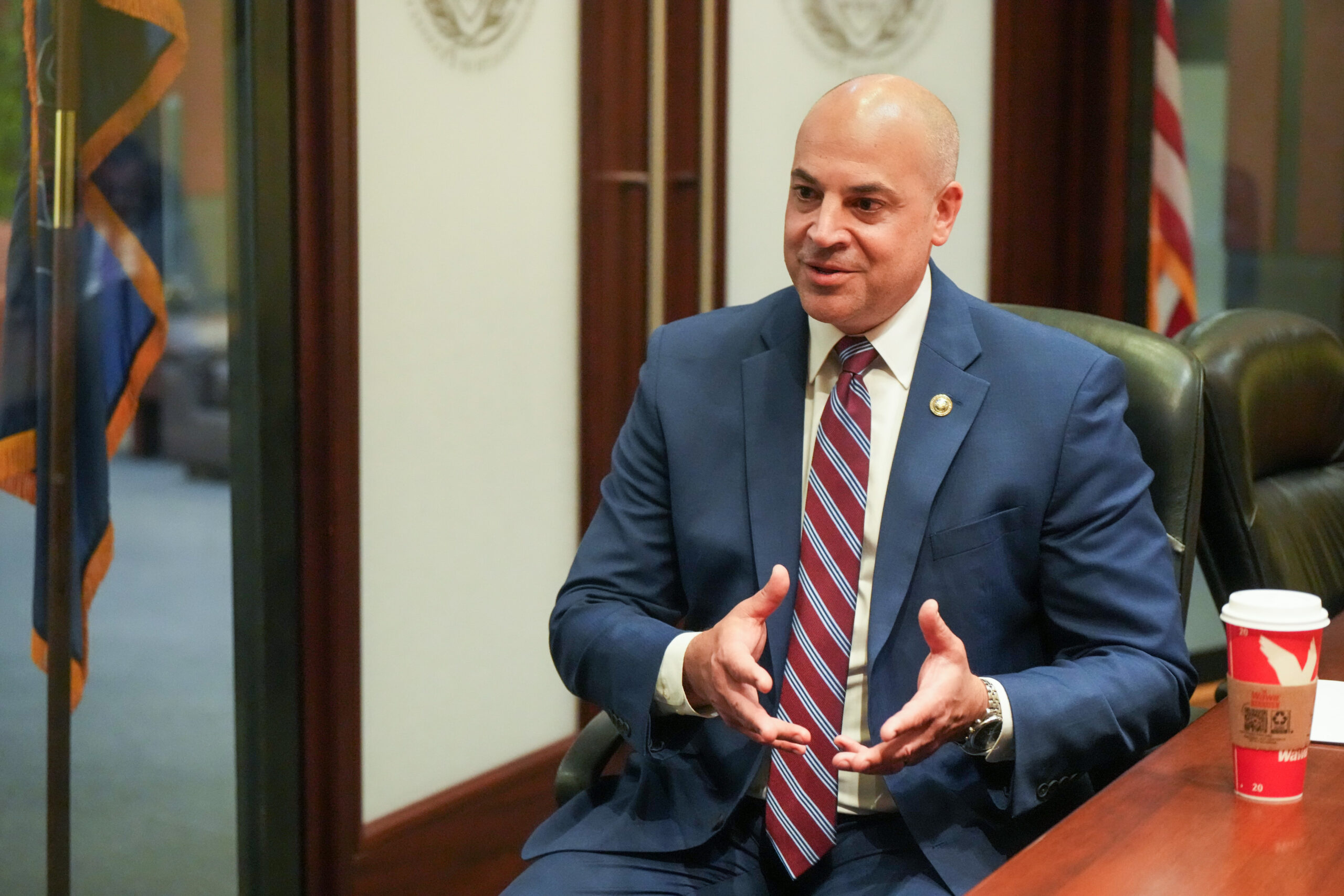
    .Assistant General David Sunday, in Philadelphia, June 23, 2026.
    What would you say has set your tenure apart from your predecessor, Gov. Josh Shapiro, and his appointed successor, Michelle Henry?

    Very simply, I came into this job as a prosecutor. I ran on public safety. I wasn’t a legislator, so when I look at the office, I view it as a place where you follow the facts in the law, and you fight hard to keep people safe.

    With that being said, I have hyper-focused on issues impacting citizens. We have huge crises in Pennsylvania that need to be addressed, specifically the mental health crisis.

    When I came into office, I saw our prisons are full of people that have mental and behavioral health challenges. Individuals go to jail solely because they have a mental health crisis, and what I want to see are people getting treatment.

    What we did was create a new initiative that gives police a toolbox, so when they come into contact with someone in a mental health crisis [who is committing a low-level criminal offense], they can get that person into treatment [if the person chooses to do so]. At the same time, that person can be charged, and the police have the flexibility to hold that charge.

    This is brand-new, and we have nine counties that are already signed up and are rolling. We have five more lined up and ready to roll over the next few months.

    President Donald Trump held a rally in Pennsylvania on Tuesday, and he was joined by some of the state’s other top Republican officials, such as Stacy Garrity. Is that an event you would have liked to attend?

    In all candor, I have events that have been scheduled for months and months, and the reality is, a lot of these [presidential] events pop up pretty quickly.

    On Tuesday, I had an event with the first elected attorney general in Pennsylvania, LeRoy Zimmerman. I was with him at a fireside chat, talking about what the AG’s office has looked like, and how it’s changed over the last 30 years.

  • Man arrested for killing one man and injuring another near Chickie’s & Pete’s last year

    Man arrested for killing one man and injuring another near Chickie’s & Pete’s last year

    A man has been arrested in connection with two shootings last year that left one person dead and another hospitalized.

    Nasir Brooks, 24, turned himself in to the Philadelphia Police Department on Tuesday for the killing of 23-year-old Hasan Mason. Brooks allegedly fatally shot Mason near Broad Street and Packer Avenue in October and shot another 23-year-old that same day in front of the Chickie’s and Pete’s nearby, police say.

    Police previously arrested Abou Keita, 22, a month after the shooting, charging him with murder, attempted murder, aggravated assault, and other offenses in relation to the Oct. 9 shooting.

    The shooting unfolded just after 6:10 p.m., when police responded to reports near Packer Avenue and Broad Street. What they found on scene was an Audi sedan filled with 15 bullet holes just south of the intersection, police said.

    Police found Mason lying on Broad Street just north of the intersection with multiple gunshot wounds. He was taken to Thomas Jefferson University Hospital, where he was pronounced dead.

    The other 23-year-old, who police have not identified, was found in front of the Chickie’s & Pete’s near the sports complex on Packer Avenue, with gunshot wounds to the torso. He was taken to Penn Presbyterian Medical Center, where he was placed in stable condition.

    Nick Vadala contributed to this article.

  • Five Philly police officers sue over DEI, backed by a Trump-aligned legal team

    Five Philly police officers sue over DEI, backed by a Trump-aligned legal team

    Five police officers say in a new federal lawsuit they were skipped over for promotions because of a Philadelphia policy change to promote diversity, equity, and inclusion in the municipal workforce.

    The officers — Christopher Bloom, Kollin Berg, Joseph Musumeci, Marc Monachello, and Leroy Ziegler — claim they were victims of an “illegal and discriminatory” policy change adopted by City Council and Philadelphia voters in the aftermath of Black Lives Matter protests that swept the nation.

    The lawsuit is a proposed class action on behalf of “all white male employees” of the Philadelphia Police Department who were passed over for promotions since 2021 in favor of a candidate with lower exam scores. The complaint was filed by a team of attorneys affiliated with President Donald Trump who have sued the city previously over diversity initiatives.

    The change at the heart of the latest lawsuit is related to the so-called rule of two that required city managers to choose between the two candidates with the highest Civil Service exam scores. The rule was an often-cited reason for the limited diversity in the city workforce.

    Voters got rid of the requirement through a ballot question in 2021, giving the city more discretion to tailor the number of finalists for a position.

    The five officers sought promotions in November, three from lieutenant to captain and two from sergeant to lieutenant. All were “passed over for one of these promotions on account of their race and sex,” the suit says.

    The complaint, filed Wednesday in the Eastern District of Pennsylvania, quotes from legislative documents and statements from politicians to argue that the rule change was racially motivated.

    A 2022 resolution calling on then-Mayor Jim Kenney to study the impact of the rule change “repeatedly bemoans the fact that white men were obtaining too many promotions under the city’s merit-based promotion system,” the suit says, calling it “one of the many examples of the city of Philadelphia’s determination to impose illegal DEI practices that consciously and intentionally discriminate against white men.”

    Another example cited in the lawsuit is a statement by Mayor Cherelle L. Parker, a Council member at the time, who championed the change. She is quoted as saying that “for too long, the Rule of Two has held back Black and Brown employees.”

    The suit is the latest filed by a team of conservative lawyers against Philadelphia over efforts to address racial inequity. The attorneys include Pennsylvania’s self-described “go-to” lawyer for Republicans, Wally Zimolong; Jonathan Mitchell, the former Texas solicitor general who is credited as the legal mind behind that state’s abortion ban; and attorneys from American First Legal, an organization formed by Trump adviser Stephen Miller.

    In October, the group settled a lawsuit that claimed the city violated the Constitution by forcing bidders to sign agreements that included diverse workforce goals. The city agreed to pay $417,000 in attorneys’ fees and clarify that diversity benchmarks in project agreements were aspirational goals, not mandatory quotas.

    Parker’s administration ended a Philadelphia policy prioritizing businesses owned by women or people of color in city contracting shortly after the settlement.

    And earlier this month, the U.S. Court of Appeals for the Third Circuit revived a lawsuit brought by Philadelphia School District parents challenging admission-policy changes to selective schools as racially motivated.

    Delaware County-based attorney, Wally Zimolong, has been filing lawsuits challenging Philadelphia’s programs to increase diversity, equity, and inclusion in hiring and schools.

    The attorneys are not targeting Philadelphia, according to Zimolong.

    “Philadelphia just so happens to habitually enact policies that violate the United States Constitution,” he said.

    Zimolong declined to comment on the current lawsuit, as did the city’s law department.

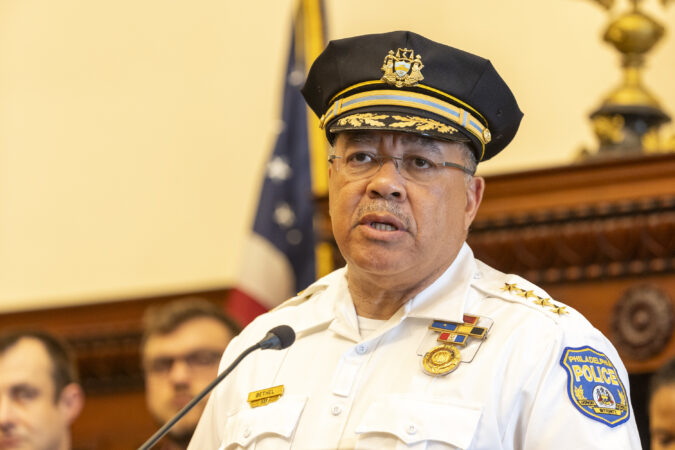
    The complaint names as defendants the city, the police department, Police Commissioner Kevin Bethel, Deputy Commissioner Krista Dahl-Campbell, and Philadelphia Chief Human Resources Officer Candi Jones. It asks a judge to order the promotion of the officers and declare that the city’s current hiring policies are unlawful because they consider race and gender.

    Passed over

    Police lieutenants Bloom, Berg, and Musumeci sought promotions in fall 2025. There were 10 available positions, and the trio ranked eighth, 11th, and 13th, respectively, on the “captain eligibility” list based on exam scores.

    After interviews, six candidates were passed over in favor of those with lower scores, according to the complaint. Five of those six were white males.

    The lawsuit alleges a similar pattern when the department decided not to promote sergeants Monachello and Ziegler.

    “Monachello and Ziegler were passed over for promotion in favor of lower-ranked female or minority candidates with lower scores on the civil-service examination,” the suit says.

    The Fraternal Order of Police Lodge 5 blasted the police department in a statement following the November promotions, saying the union filed grievances and was considering other actions against “unfair DEI practices in law enforcement.” The FOP also sent a letter asking the U.S. Department of Justice asking to review the promotion criteria, the suit says.

    The police department workforce is 50% white, 34% Black, 12% Hispanic, and 3% Asian, according to data from the city. Nearly 40% of new hires this fiscal year have been Black, compared with 33% white.

    In comparison, the city’s population is 44% white, 42% Black, 16% Hispanic, and 9% Asian, according to the Census Bureau.

    The department has faced racial discrimination lawsuits from employees, including regarding promotions. But usually the candidates allege they were passed over for a white candidate.

    For example, in October, an Asian officer sued after not getting promoted to captain, noting in the complaint that “no person of Asian descent has been promoted to the rank of Captain since 1976.”

    Leslie Marant, the department’s first DEI chief, was fired after less than two years and has filed a suit alleging she became a victim of the systemic sex discrimination she was tasked with fixing.

  • Philly bars open past 2 a.m.? A new push for late-night bars amid FIFA World Cup

    Philly bars open past 2 a.m.? A new push for late-night bars amid FIFA World Cup

    A new push to let Philadelphia bars stay open past 2 a.m. is being mounted by local trade groups and bars as the largest global sporting event arrives in the city in June.

    The Pennsylvania Restaurant and Lodging Association, which represents restaurants, bars, and other hospitality businesses, wants state lawmakers to create a temporary permit that allows Philadelphia bars to serve alcohol until 4 a.m. during the 2026 FIFA World Cup, which will come to Philadelphia and 15 other cities in North America from June 11 to July 19.

    “When we’re trying to attract tourists from all over the world to a destination in the United States to enjoy the World Cup, we want to make sure that Philadelphia is offering at least the same amenities as the other host cities,” said Ben Fileccia, senior vice president for strategy for the restaurant and lodging association.

    Many of the most popular U.S. host cities allow bars to serve alcohol past 2 a.m., including New York, Miami, and Kansas City. Other popular international destinations, such as Mexico City and Toronto, also allow it.

    Philadelphia officials did not immediately return a request for comment.

    Any changes to bar closing times would have to come from new legislation, as the Pennsylvania Liquor Control Board does not have the authority to change the liquor code to allow bars to sell alcohol after 2 a.m., said PLCB spokesperson Shawn Kelly.

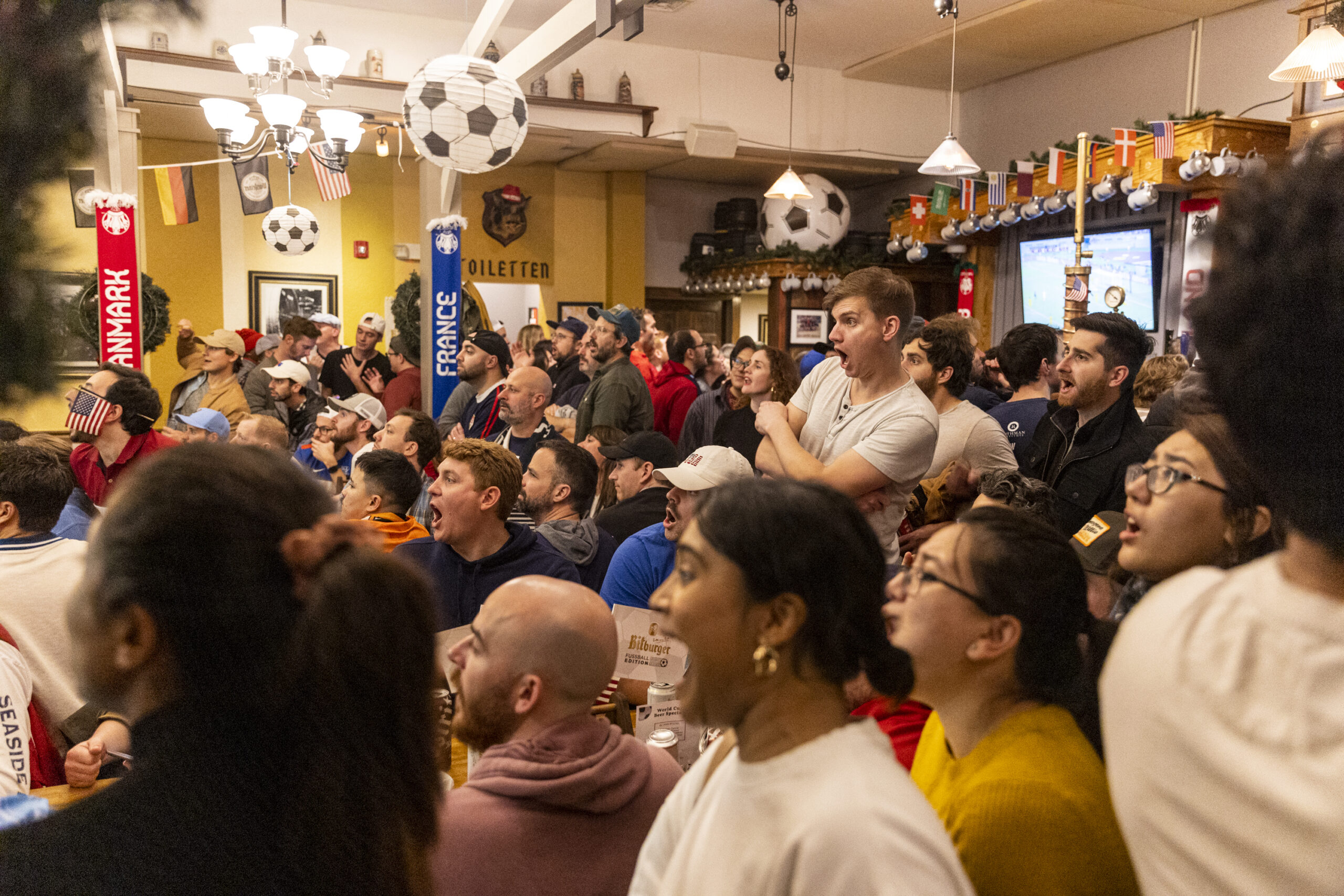
    The crowd cheers and celebrates USA’s first goal against the Netherlands in the World Cup at Brauhaus Schmitz bar in Philadelphia, Pa., on Saturday Dec. 3, 2022.

    Philly’s chance to prove 4 a.m. closing times work

    Fileccia said this permit would allow bars to take advantage of the estimated 500,000 soccer fans expected to stay in Philadelphia for the six matches being played at Lincoln Financial Field.

    Zek Leeper, co-owner of Founding Fathers sports bar in Southwest Center City, does not see this just as a way to earn more revenue with a surge of tourists coming to Philadelphia.

    “This is our chance to prove that 4 a.m. nightlife can work in Philadelphia. Setting up a temporary license also allows the city and state to pull it back, depending on how it goes,” Leeper said. “With the amount of tourists this year, when is this opportunity going to come up again to justify giving this a try?”

    It doesn’t hurt that an estimated 1.5 million people, including the half million soccer fans, are expected to stay overnight in Philadelphia this summer as the city also hosts America’s 250th celebration and the MLB All-Star Game.

    Leeper and other local bar owners feel confident that the crowds will show up for late-night matches. “We host soccer games from leagues around the world, and those fans are committed. They have consistently shown up whenever the game is on,” Leeper said.

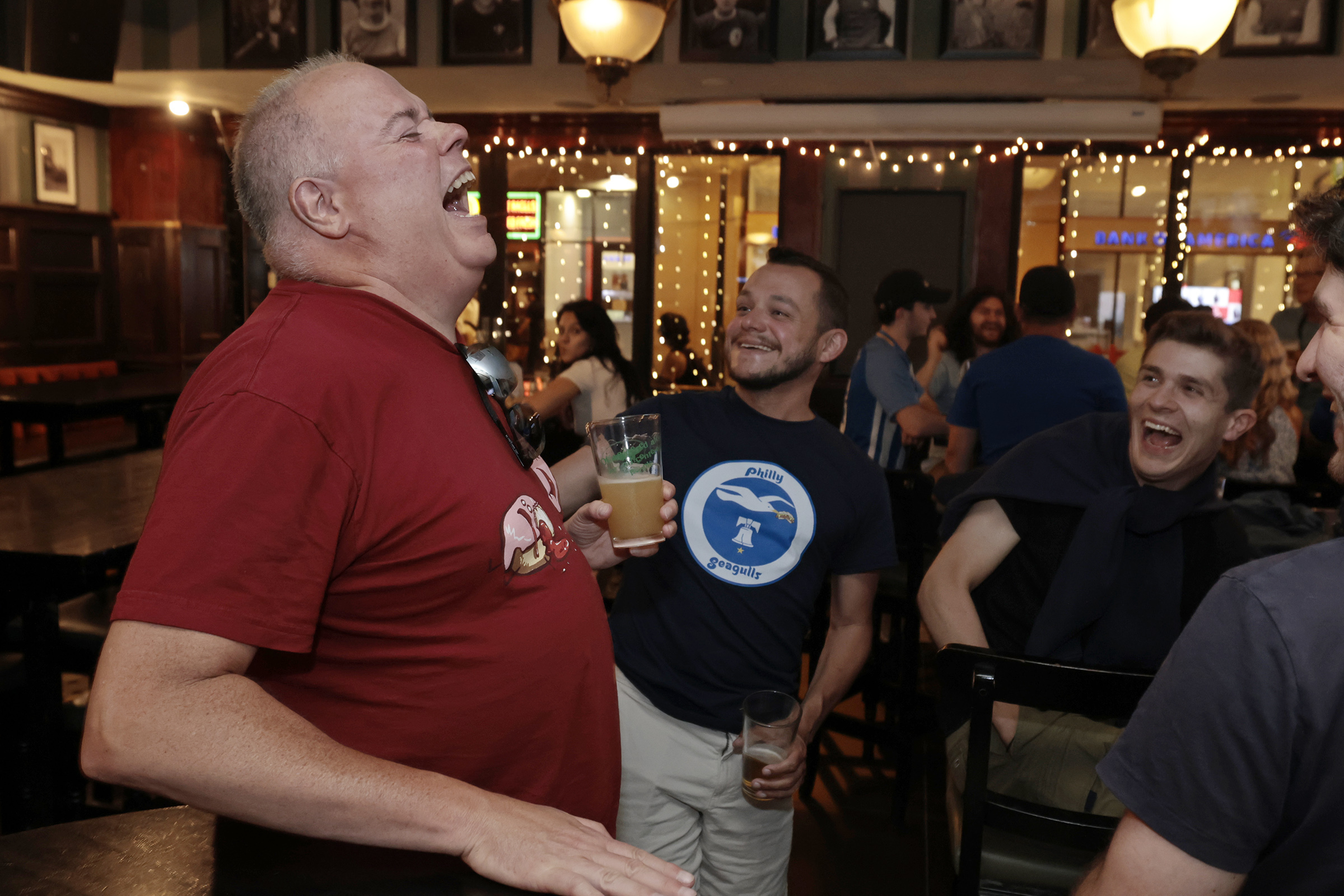
    Steve Maehl (left) of Oconomowoc, Wisconsin laughs as Philly Seagulls President John Fitzpatrick and Dan Peck of Brighton, England (right) look on during the supporter meetup, to kickoff the summer series weekend, at Fadó Irish Pub in Phila., Pa. on Thursday, July 20, 2023.

    Philadelphia soccer fans are already known to work deals with local bars to open as early as 7 a.m. Leeper said upward of 50 people will pack into the bar at sunrise to watch games. While there are no games being played in Philadelphia past 9 p.m. during the World Cup, at least eight of the group stage matches in June will be broadcast on the East Coast starting at midnight or 11 p.m.

    With a 90-minute match, plus halftime and added time, there could be a handful of cases where bartenders have to face down a packed crowd of fans and ask them to leave before the final whistle, Leeper said.

    There’s also the element of international tourists coming from cities that do not have a 2 a.m. cutoff, such as London and Tokyo, leading some visitors to find ways to late-night party outside of licensed establishments, Fileccia said.

    Philly bars were allowed to close later during the 2016 DNC

    Lawmakers allowed bars to stay open until 4 a.m. during the 2016 Democratic National Convention in Philadelphia. Bars and restaurants with contracts or association with the convention could apply for $5,000 special-event permits to serve alcohol past 2 a.m.

    Fileccia said the details for a similar permit in 2026 are not available yet, as the effort is just underway. But he and others at PRLA want to bring the Philadelphia Police Department, the Philadelphia Department of Commerce, and other stakeholders to the table to find out the best resolution, he said.

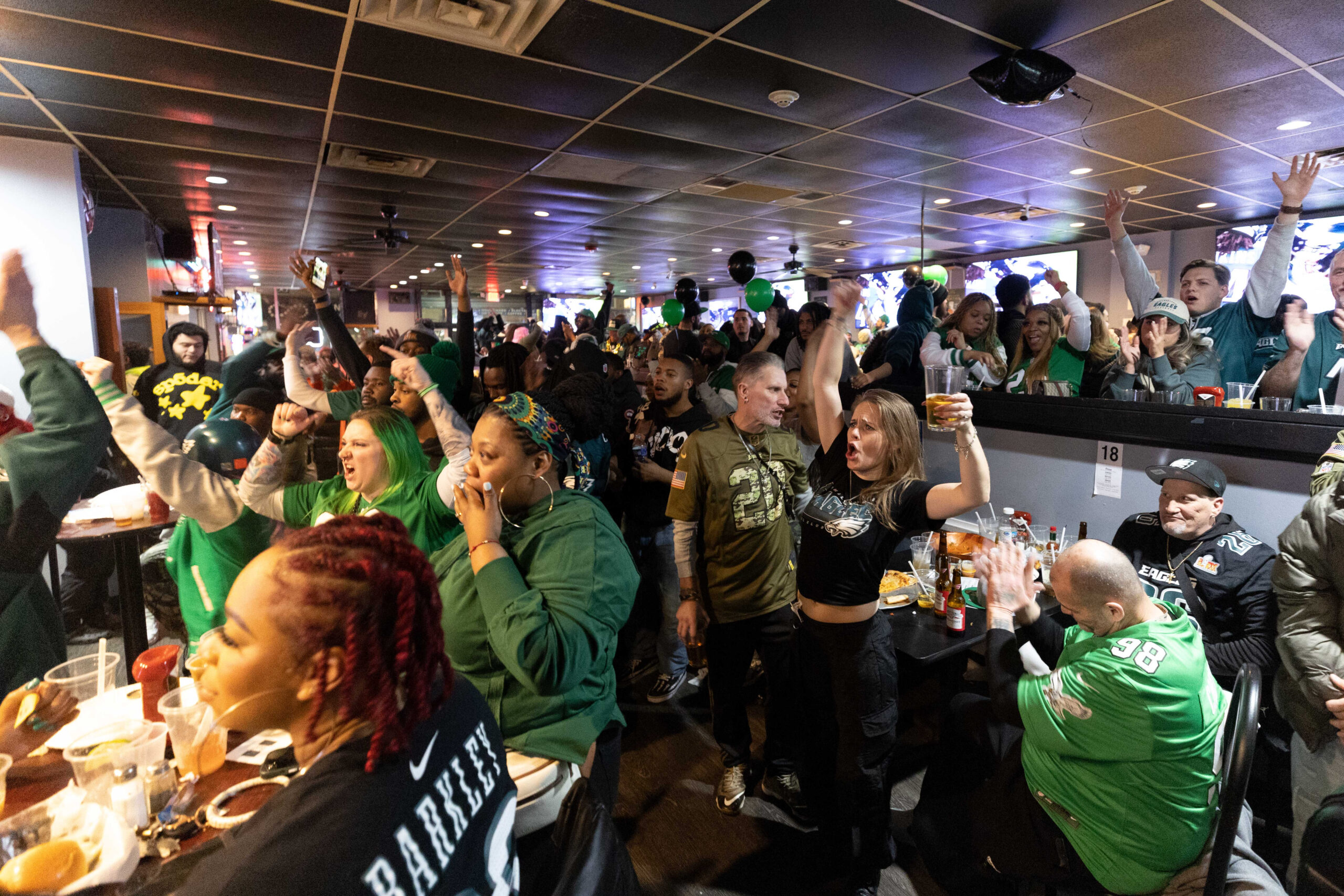
    Fans react to the Eagles play the Chiefs in the NFL Super Bowl LIX, in a bar near Frankford and Cottman Aves., Saturday, Feb. 8, 2025, in Philadelphia.

    Will there be enough interest in late-night partying?

    With millions of tourists in Philadelphia this year for the international and national events, there will be increased foot traffic throughout the city, but will there be a late-night crowd to meet the moment?

    That is the question Chuck Moran, executive director of the Pennsylvania Licensed Beverages and Taverns Association, is asking despite his support for temporarily keeping bars open later.

    “The one thing that I’ve been hearing across the state is that ever since COVID, the late-night crowds have left,” Moran said. “There could also be issues with finding staff who want to work till 4 a.m. in a bar.”

    Moran said he would rally behind the cause but would look to other measures to maximize revenue for local restaurants and bars, such as allowing liquor-license holders to operate a “satellite location,” letting them serve liquor at a second establishment under their original license. That would open the door to partnerships with restaurants without liquor licenses, Moran said. State Rep. Pat Gallagher, a Philadelphia Democrat, introduced a bill to do just that last June.

    No legislation on keeping Philly bars open later has been introduced yet, but Fileccia hopes to get the ball rolling with lawmakers in the coming months before the first match in Philly on June 14. Even with the window closing on getting new rules passed, Kelly said the PLCB turned around special-event permits in less than two weeks before the start of the 2016 DNC.

  • Her brother was killed in the Kingsessing mass shooting. Now her only son is dead from gun violence, too.

    Her brother was killed in the Kingsessing mass shooting. Now her only son is dead from gun violence, too.

    In December, Katrina Williams watched as the man who killed her brother was sentenced to decades in prison and felt, she said, as if a two-year nightmare was coming to an end.

    But weeks later, another shooting took the life of her only son.

    Williams’ brother, Lashyd Merritt, 21, was one of five people killed in a mass shooting in Kingsessing in July 2023, when Kimbrady Carriker walked through the Southwest Philadelphia neighborhood with an AR-15 rifle and fired at random passersby.

    Then, in January, her 19-year-old son, Russell, was killed by a man who, like the Kingsessing shooter, committed a spree of crimes, police say.

    “I’ll never understand it,” said Williams, 43. “There’s no reason for it.”

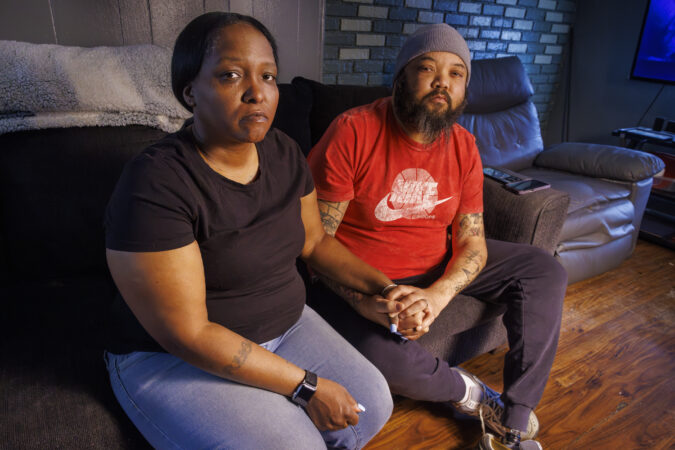
    A high school photograph of Russell Williams being held by his father and mother, Katrina and Russell Williams Sr. at their home in Southwest Philadelphia on Feb. 6.

    For Williams, the trauma of Merritt’s violent death never fully dissipated, she said, and the fatal shooting of her son only compounds her pain.

    It’s a cycle of violence that is not unfamiliar in the city.

    For others with relatives killed in the Kingsessing attack, the traumatic impact of gun violence did not end on that July day. Nyshyia Thomas lost her 15-year-old son, DaJuan Brown, to the gunfire and, while she was still mourning, her 21-year-old son, Daquan Brown, was arrested last year in connection with another mass shooting in Grays Ferry.

    Asked about the evening of Jan. 28, when she and her husband, Russell Williams Sr., learned of their son’s death, Williams said two things came to mind:

    “Déjà vu,” she said, and “hell.”

    A seemingly random crime

    Around 10 p.m. near 64th Street and Lindbergh Boulevard, police said, 19-year-old Zaamir Harris stepped off a SEPTA bus and stole a bike from the vehicle.

    He rode up to Russell Williams, who was walking home from night school, where the teen was studying to become a commercial truck driver. Harris then pulled a gun and fired at Williams multiple times, striking him in the throat, police said.

    Williams collapsed near 66th Street and Dicks Avenue, just three blocks from home. After the shooting, Harris ditched the bike and stole an e-scooter before fleeing, according to police.

    Police tracked Harris to a Wawa at 84th Street and Bartram Avenue, where he was arrested. He was charged with murder and gun crimes. Investigators recovered three fired cartridge casings from the scene, as well as a 9mm handgun, according to police.

    A spokesperson for the Philadelphia Police Department declined to say whether investigators have determined a motive for the shooting, citing the ongoing investigation.

    Katrina Williams said her son did not know Harris, and a police detective told her the shooting was random.

    After he was shot, Russell Williams was rushed to Penn Presbyterian Medical Center, where he died from his injuries. It was the same hospital where Williams’ brother, Merritt, was taken after being shot in Kingsessing, she said.

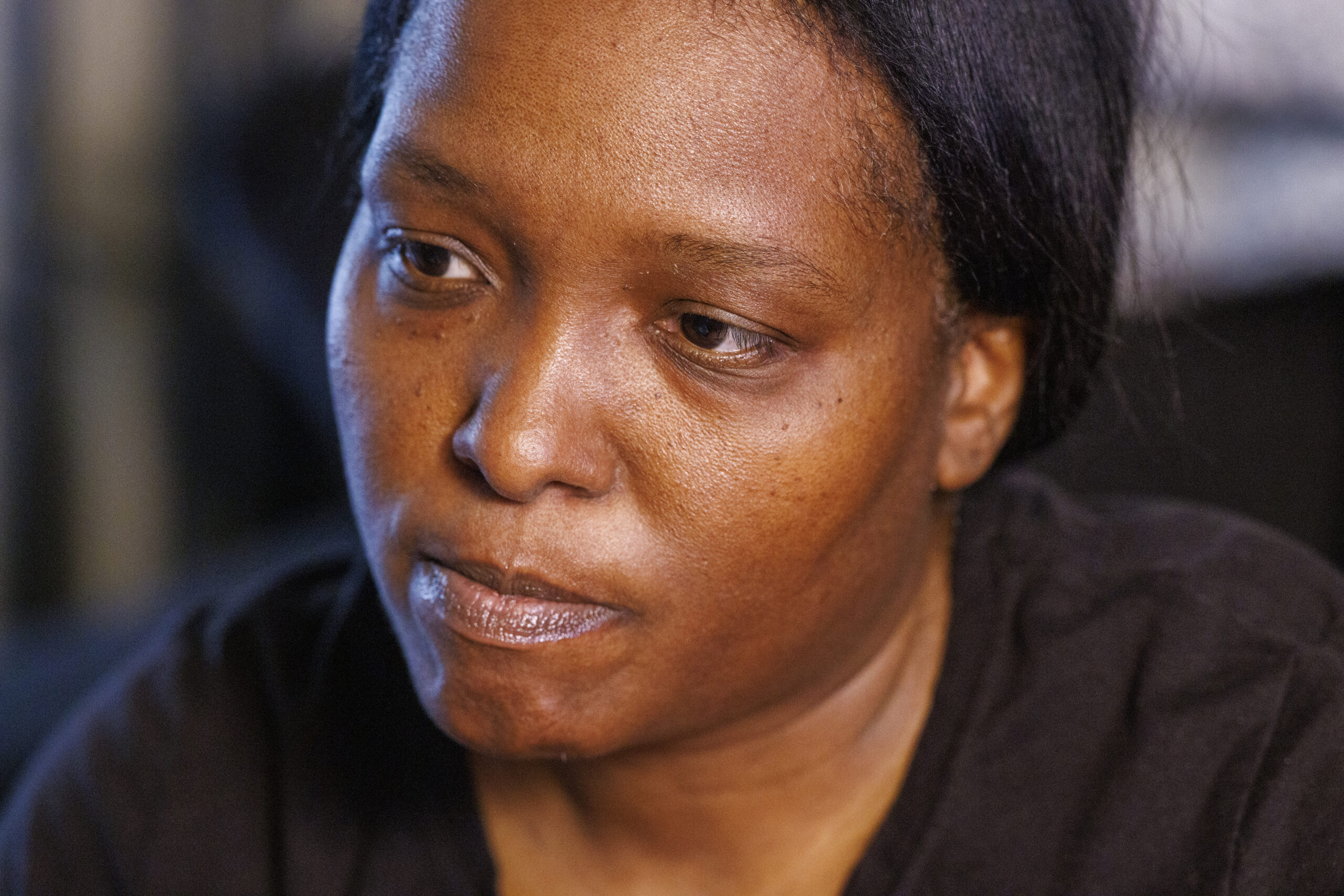
    Katrina Williams, whose son, Russell, 19, was shot and killed not far from family home in Southwest Philadelphia.

    Russell Williams had recently graduated from Philadelphia Electrical and Technology Charter School and dreamed of an entrepreneurial career in stock trading.

    Like her son, Williams said, Merritt was a hard worker who wanted to better his life. He worked for the IRS, had a girlfriend, and wanted to travel the world, she said.

    “We lost two great people,” Williams said. “Two of them.”

    That police made an arrest in the slaying of their son has brought little solace, Williams and her husband said as they sat in their Southwest Philadelphia living room on a recent February day. Family photos filled the space, and a portrait of Russell, smiling and wearing a tuxedo, hung on the wall.

    As the case against her son’s accused killer proceeds, Williams said, she will be in court every step of the way, just as she was when Carriker pleaded guilty in the death of her brother.

    In December, as Carriker faced sentencing, Williams said, she could not bring herself to address the judge and ask for a long prison sentence, as relatives of other victims did. She was so overcome with anger, she said, that she feared she might physically attack her brother’s killer.

    But she was in the room when Common Pleas Court Judge Glenn B. Bronson sentenced him to 37½ to 75 years in prison. In Williams’ view, Carriker should have received a life sentence for each person he killed, she said, even if no punishment could make up for the loss of Merritt.

    Now, Williams is preparing to head back to court as she once again seeks justice.

    Since her son’s death, Williams said, she has taken comfort in the kindness of friends and family. She was touched, she said, to see a “block full of people” gather to honor his life and release balloons in his memory. But the ache of her loss remains.

    “It’s like pain on top of pain — it’s just always gonna be hard,“ Williams said. ”I just gotta deal with it the best way I can.”

  • ‘She was struggling alone’: Family mourns Bucks County woman killed after reporting a sexual assault

    ‘She was struggling alone’: Family mourns Bucks County woman killed after reporting a sexual assault

    When Yuan Yuan Lu’s boyfriend sexually assaulted her in his Pennsport home last week, her cousin said, she broke up with him and went to the police.

    The 28-year-old Bucks County woman thought she was doing the right thing by reporting the crime, her cousin Natalie Truong said.

    “She told me how safe she felt, how much better she felt opening up and telling the cops her story,” said Truong, who spent time with Lu the evening she reported the assault.

    That was the last time Truong saw Lu alive.

    On Sunday, less than 12 hours after Lu called police to say that her ex-boyfriend, Yujun Ren, had attacked her, police said, Ren, 32, stalked her. He followed her to her home in Levittown, police said, approached her as she sat in her car outside her house, and shot her in the head, killing her.

    Lu’s death shook her loved ones and led to calls on social media for increased awareness of intimate partner violence.

    Truong said Lu leaves behind dreams unfulfilled. Lu grew up in a small village in south China, and moved to the United States with her father in 2009 to seek a more prosperous life.

    In Philadelphia, she attended Constitution High School, perfected her English, and always kept her friends abreast of her latest entrepreneurial pursuits, Truong said.

    Lu went into the food business with friends, cooking homemade Asian cuisine and selling it in carts on local college campuses, and later worked in a bubble tea shop and at a nursing home.

    Yuan Yuan Lu loved to eat at Philadelphia’s restaurants, according to her cousin, Natalie Truong.

    She loved her pets — a corgi named Dundun and a cat named Milk Cap, after a creamy bubble tea topping. Lu and Truong frequented Philadelphia restaurants, most recently dining together at Kalaya in Fishtown, and took day trips to places like New Jersey’s Swaminarayan Akshardham, the second-largest Hindu temple in the world.

    Despite the cousins’ close relationship, Truong said, Lu did not share a lot of details about her personal life, perhaps not wanting to trouble others with her concerns.

    Truong said Lu did not talk a lot about her relationship with Ren, whom she had met at her nursing home job and had dated for about a year. Truong’s perception of the relationship changed the night her cousin opened up about Ren’s behavior, she said.

    “She was struggling alone for a while,” Truong said, adding that initially, Lu “liked him, so we all trusted her judgment.”

    On Sunday, the day after Lu reported the assault, Ren turned himself in to police in Middletown Township, and officers discovered Lu’s body in her white Hyundai shortly after noon, authorities said. He was charged with murder, stalking, and a firearms crime.

    Ren told police that Lu had said “hurtful things” to him that day and that, in an attempt to scare her, he had brandished the firearm, which he said accidentally discharged. He was licensed to own the weapon, according to the affidavit of probable cause for his arrest.

    Ren’s aunt later turned in her nephew’s 9mm handgun — a weapon Lu had told police he “carried everywhere,” leading her to fear for her safety, the affidavit said.

    Truong said she wished law enforcement had had more time to investigate the sexual assault before Lu was killed. Her death was tragic, her cousin said, a life ended all too soon.

    Lu’s father had recently left Philadelphia to join his wife and son in China. Truong has started a GoFundMe campaign to raise money to help the family with funeral expenses and to pay for travel to Philadelphia to attend the service.

    As the family mourns Lu’s death, Truong said, they are hopeful that law enforcement officials will hold her killer accountable.

    “We just want her to get the justice that she deserves, because she’s a really kind person,” Truong said. “She never thought this would happen to her — because you would never think someone you love can hurt you like that.”

    Yuan Yuan Lu poses with her corgi, Dundun, and her cat, Milk Cap.
  • Why a film about the fight for immigrant rights in Philly during Trump 1.0 feels so relevant now

    Why a film about the fight for immigrant rights in Philly during Trump 1.0 feels so relevant now

    It’s 2018 in Philadelphia.

    Donald Trump is president. Cristina Martinez, immigration advocate and chef of South Philly Barbacoa, is featured on Netflix’s Chef’s Table and is one year away from her first James Beard Award nomination. The U.S. Immigration and Customs Enforcement office in Philadelphia is one of the busiest in the nation, arresting around 3,000 people in the first six months of the year alone.

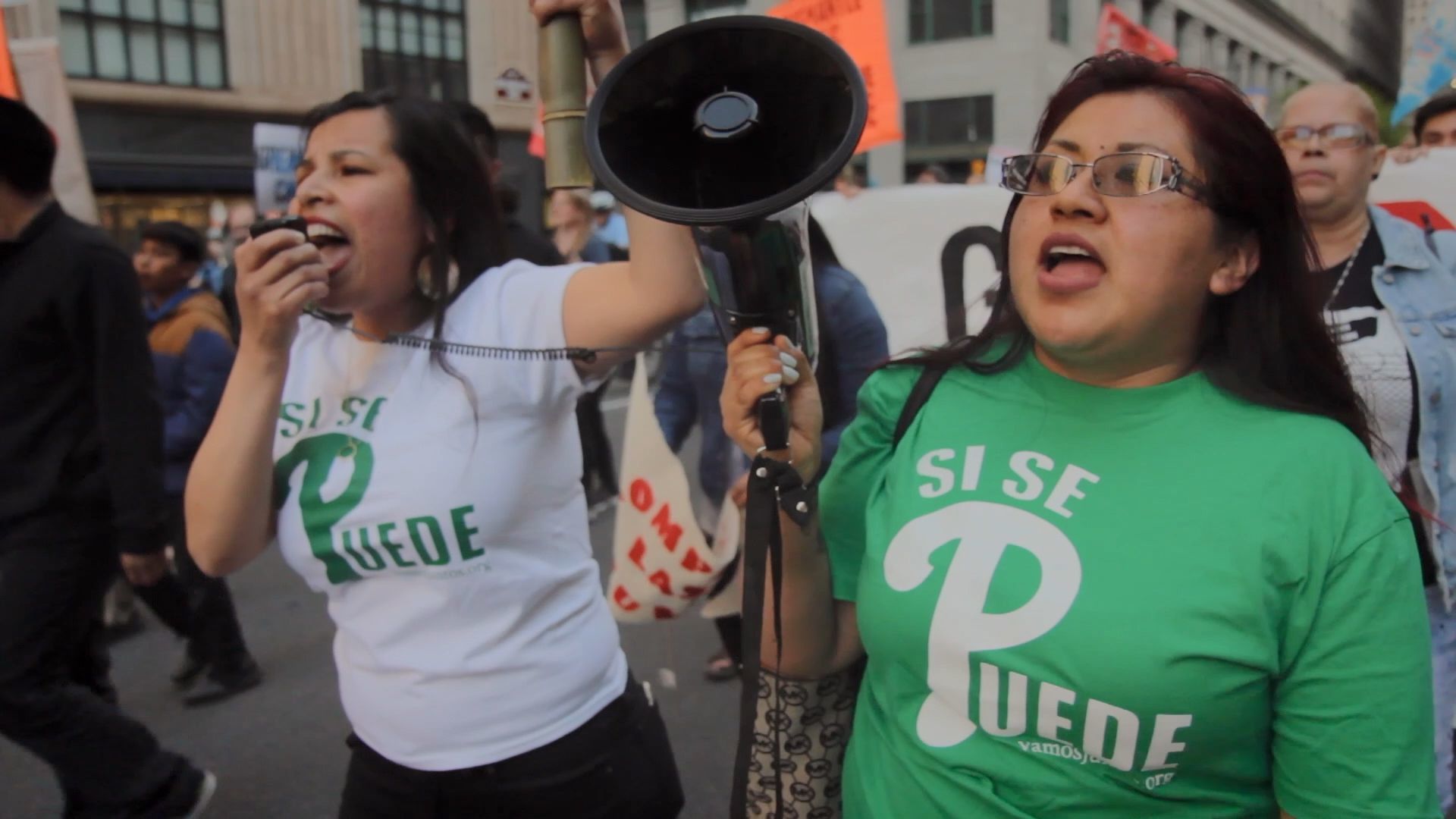
    The community organization Juntos — in its signature green-and-white “Sí Se Puede” T-shirts — is visible at rallies and meetings to convince city officials to limit ICE access to the Philadelphia Police Department’s Preliminary Arraignment Reporting System database.

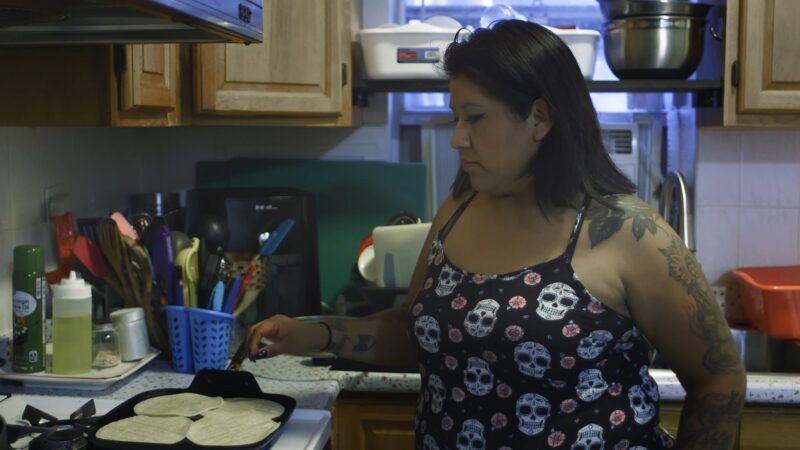
    A still image from the documentary “Expanding Sanctuary” by Philadelphia filmmaker Kristal Sotomayor. The 2024 BlackStar award-winning short film will have a virtual screening on Wednesday, Feb. 11, and a local screening on April 29 and 30, as part of the Table Sessions at Bartram’s Garden.

    For anyone viewing Philadelphia filmmaker Kristal Sotomayor’s short film, Expanding Sanctuary, for the first time at a free virtual screening and Q&A on Wednesday at 8 p.m., the issues depicted as impacting the lives of Philadelphia’s unauthorized immigrants will seem both meaningfully the same, and poignantly different, than they are today.

    Philadelphia immigrants haven’t changed really — they still fall in love, get married, tend to their children, work hard, and look out for neighbors in need. They still give their time to building strong and loving communities.

    But Philadelphia’s current mayor, Cherelle L. Parker, is markedly less defiant about Trump’s anti-immigrant efforts than then-Mayor Jim Kenney was. And in this second term, the Trump administration’s direction of ICE has pushed the agency to become more gleefully militaristic and violent.

    Legislation, like the Laken Riley Act, has passed with bipartisan support, essentially treating immigrants accused of a criminal offense as if they had already been found guilty of it — codifying the violation of their constitutionally protected rights. Plus, thanks to Trump’s “Big Beautiful Bill,” ICE now has an extraordinary amount of funding to do with what it will.

    A still image from the documentary, Expanding Sanctuary, by Philadelphia filmmaker Kristal Sotomayor. The 2024 BlackStar award-winning short film will have a virtual screening on Wed. Feb. 11, and a local screening on April 29 and 30, as part of the Table Sessions at Bartram’s Garden.

    So, I asked Sotomayor: Why release the film now, into a U.S. that speaks more frequently in virulent terms about immigrants, when the national justice picture is grimmer, and our municipal leaders have chosen to stay more silent than before?

    “Yeah, many things have changed,” Sotomayor told me via email. “Politically in Philadelphia, you are right that there is now a mayor who is less willing to push back against the federal government to protect immigrant rights. The mayor has not been willing to uphold sanctuary status or sanctuary policies. We are also dealing with far more mass surveillance than there was in 2018 … ICE now has access to everything from tax records to hospital records to things we probably are not even fully aware of yet.”

    “I also do not think immigrant rights are as much of a national issue as they were in 2018,” Sotomayor added, “when the photo of the young boy in a detention center (essentially a cage) sparked widespread national outrage. I am not really seeing that same level of response right now [even though] there are protests around the country against the ramping up of ICE enforcement.”

    Kristal Sotomayor, the award-winning, nonbinary, Philadelphia-area Peruvian American director and producer of “Expanding Sanctuary” will lead a Q&A after the film’s virtual screening on Feb. 11.

    But, Sotomayor added: “For me, it is vital that this film is circulating now. Expanding Sanctuary is a hopeful story. In many ways, the film feels like it could have been shot last week. It shows how communities organized, changed policy, and protected their families during the first Trump presidency, and [it] reminds us that collective action is still possible now.”

    “At a time when so many people are feeling overwhelmed and hopeless, this film offers a success story,” they added. “It demonstrates that change is possible, that policy can be shifted, and that families can be protected, not just in the past, but moving forward into the future.”

    The Wednesday virtual screening of the documentary, which was honored at the 2024 BlackStar Film Festival, will be followed by a Q&A. Featured speakers are scheduled to include Sotomayor, Linda Hernandez, the Philadelphia-based community leader and holistic wellness practitioner who is the protagonist of Expanding Sanctuary, and Katie Fleming, an immigration lawyer and the director of public education and engagement at the Acacia Center for Justice.

    The in-person screening of the film at the Table Sessions at Bartram’s Garden on April 29 and 30 will include live music from Mariposas Galácticas and food by South Philly Barbacoa’s Martínez.

    I’ll be honest, I came away from my most recent viewing of Sotomayor’s film feeling a bit nostalgic. Not only was it filled with the faces of beloved community members — some of whom have recently stepped away from decades of work helping people see immigrants as human beings, not abstractions — but also because of the intimate specificity of what Expanding Sanctuary celebrates.

    There on the soundtrack are the musicians who once told me that making space for convivencia is making space for life, for community, and, yes, for resistance. There on screen is the Philadelphia I adore — where James Beard winners feed desperate families living in sanctuary, where people show up to protest in their wedding dresses, where sidewalks become sign-making studios, and where mothers raise their families on both tortillas and hope.

    The huge anti-ICE protests these days are amazing, but they should never obscure the fact that while we must always fight against injustice and the weakening of democratic norms, we cannot forget who we are fighting for — real people, real neighborhoods and communities, real cities whose civic leaders may have forgotten their voices, but whose residents never will.

    For their part, Sotomayor is hopeful. “I think we are ramping up toward something that could be just as strong and just as powerful as what is portrayed in Expanding Sanctuary,” they told me.

    “It may take some time for immigrant rights to become a national talking point again, as it was in 2018, but I do believe that moment will come with larger protests, deeper outrage, and, ultimately, real change.”

    To attend the virtual screening and Q&A on Feb. 11, click here. For more information about the Table Sessions at Bartram’s Garden on April 29 and 30, click here.

  • How Philadelphia merchants can get help paying for improvements, equipment, and security| Expert Opinion

    How Philadelphia merchants can get help paying for improvements, equipment, and security| Expert Opinion

    Running a retail or restaurant business in Philadelphia isn’t easy.

    But some local programs can provide much-needed cash for specific purposes like equipment purchases, store improvements, and security.

    Here are four to consider.

    The Storefront Development Program

    Operated by the Philadelphia Department of Commerce, the Storefront Development Program provides as much as $15,000 in matching funds to upgrade and beautify your storefront, including masonry and brick pointing, exterior painting, new windows or doors, facade lighting, signage and awnings, see-through security grills, cornices, and similar enhancements. Only businesses in certain commercial corridors are eligible and projects must be planned and approved in advance.

    Justin Coleman, owner of Bake’n Bacon in South Philadelphia, used the program to replace deteriorating windows, update doors, and repaint his storefront’s exterior.

    “The program helped us cover half the expenses for our 11-foot windows, which was a tremendous assistance,” he said. ”The new paint made a significant difference, and the upgrades to the exterior of my business improved visibility and curb appeal.”

    InStore Forgivable Loan Program

    Also administered by the city’s Department of Commerce, the InStore Forgivable Loan Program offers forgivable loans of up to $100,000, which are interest-free for the first five years. They can be used for interior build-outs, equipment purchases, and other improvements.

    Forgiveness is given if the business is open and operating at the same location for the full five-year term. Like the Storefront Development Program, only businesses located in certain areas of the city are eligible.

    Business Security Camera Program

    The city’s Department of Commerce also provides up to $3,000 in matching funds for businesses and property owners that install exterior security cameras through the Business Security Camera Program.

    Companies that participate must register their cameras with the Philadelphia Police Department’s SafeCam system, so police can request access to footage when needed. Participants must either own the property or have permission from the landlord and can only use contractors approved by the city. The application process also requires photos and cost estimates.

    “I wanted to have as many exterior security cameras around my storefront, as there can be a lot going on out there,” said James Singleton, owner of men’s clothing store Smooth Like That in Olney. “These cameras are good for the commercial area, making everyone feel safer.”

    Stabilization grants

    The Merchants Fund was founded in 1854 in Philadelphia to initially support retired merchants with pensions. But today the fund aids active small businesses with financial needs.

    The fund offers stabilization grants, which are intended to help stabilize a business when it can identify a specific issue or challenge that it doesn’t have the financial means to address, said Jill Fink, the fund’s executive director.

    “Often these are capital expenses — equipment, repairs, or improvements — that have a real shelf life, and small businesses simply don’t have the thousands of dollars needed to replace them,” she said. “Our goal is to make an investment that actually fixes something so that the business can keep operating, serve its neighborhood, and in some cases create a new revenue stream.”

    The fund provides one-time grants of up to $10,000 to eligible Philadelphia-based small businesses. They must be independently owned; have a physical storefront, food truck, or kiosk; have been in business for at least two years; and demonstrate financial need, with annual revenue between $50,000 and $750,000. Professional services firms, nonprofits, and real estate, childcare, and eldercare businesses are not eligible.

    At the Link Studios in Old City, which sells hair and beauty products and services, the fund helped owner Carla Clarkson turn an unused space into something functional. She used the grant to buy shelving, storage, air purifiers, heating and air, and paint. She was also able to access coaching and mentorship from other business owners.

    “The networking alone was incredibly valuable,” Clarkson said. “I met other entrepreneurs and nonprofit leaders, and that directly led to new opportunities for my business.”

    Fink, a former business owner, stresses the additional resources that her fund provides beyond just grants.

    “We work to try and find ways to connect businesses with each other because being a small-business owner can be a very lonely place,” she said. “There’s lots of times in their business they might have friends or family that don’t necessarily understand the stress and pressure that a small business is under.”

    When machines at the NV Optical store in West Philadelphia went down, owner Tiffany Easley said, the business couldn’t afford the necessary repairs, and the Merchants Fund was an enormous help.

    “It was less than 30 days from application to repair. The timing lined up perfectly and made a huge difference for our business,” she said. “They don’t just give you money. They understand small business struggles and connect you to resources that are vital to long-term growth.”

    The Merchant Fund’s next enrollment period opens March 15.

    Whether you’re pursuing a City of Philadelphia program or a stabilization grant from the Merchants Fund, your business is expected to be licensed, registered, and have all necessary permits from the city and state. And it must be current on both federal and local taxes or enrolled in an approved payment program.

  • Shootout in North Philadelphia home leaves one dead, three hospitalized

    Shootout in North Philadelphia home leaves one dead, three hospitalized

    A man is dead, and three others are hospitalized after a shooting inside a North Philadelphia house early Monday morning.

    The Philadelphia Police Department responded to a report of a person with a gun on the 1700 block of North Croskey Street at around 4:15 a.m. Upon entering a home on the block, officers say they found four adult male shooting victims.

    One man, estimated to be in his 50s, was found with a gunshot wound to the head. He was pronounced dead at the scene by medical personnel at 4:23 a.m., according to police.

    Police said the three other men were transported to Temple University Hospital and are in stable condition at the time of writing. None of the victims have been identified.

    A 48-year-old man suffered multiple gunshot wounds to the torso. A second man, 46, sustained two gunshot wounds to the stomach. Both are listed as in critical but stable condition.

    The third man, 54, who was shot once in the right shoulder, is in stable condition.

    Police recovered two firearms and found several spent shell casings inside the home where the men were found. No arrests were made, and no motive has been established as of publication.

    Tips and information about this incident can be shared with PPD’s tip line at 215-686-8477.

    This morning’s quadruple shooting comes during a January that saw some of the lowest numbers of homicides in Philadelphia in more than a decade, according to police data.