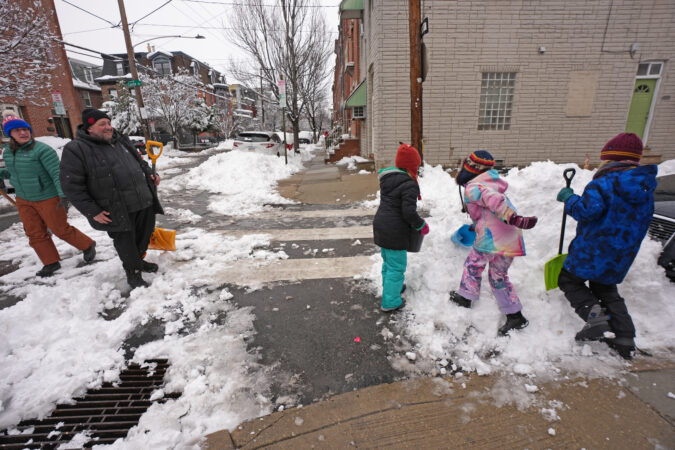
School districts around the region made varying calls for how they’re handling classes Tuesday as the region continues to dig out from the massive snowstorm that dumped more than a foot of snow in many places — with some closed altogether, others fully open, and others open, but delayed.
The Philadelphia School District opted for another day of virtual instruction.
Superintendent Tony B. Watlington Sr. has said the nation’s eighth-largest school system favors in-personinstruction, but places student and staff safety as its highest priority.
In Upper Darby, Delaware County, Superintendent Dan McGarry made the call to bring students in on time.
“The district transportation team and facilities team have been working hard all day to clear snow from our facilities for in-person instruction,” McGarry wrote in a message to families and staff. “We have been in communication with the township as well, and I want to thank them for their hard work getting roads clear for school tomorrow.”
Districts including Council Rock and Pennridge, both in Bucks County, called two hour delays.
In Montgomery County, Cheltenham and Lower Merion schools both announced a two-hour delay.
“Buses are expected to arrive at bus stops two hours after their normal pickup times; however, please be patient as snow and ice on some streets may cause additional delays,” Lower Merion spokesperson Amy Buckman said in a message to families Monday evening.
Cherry Hill and Moorestown, in Camden County, will also hold classes with a two-hour delay.
Renewed debate over virtual instruction in New Jersey
And while some Pennsylvania districts pivot to virtual instruction when significant snow falls, that’s not possible in New Jersey, where state law prevents it.
A handful of New Jersey districts opted for total closures. Lenape Regional, Evesham, and Medford schools, all in Burlington County, cancelled classes altogether.
Winslow schools in Camden County will remain closed Tuesday for a second consecutive day, said interim Superintendent Mark Pease. The district was shut down for three days during the last storm.
Pease said the district would use two days from its spring in April to make up the missed days. The break will be cut to three days, he said.
“If we get another storm, we will be extending the school year,” Pease said. “Let’s hope this is it for the winter.”
The snow storm renewed calls among some New Jersey educators to the state to allow virtual and hybrid instruction to avoid closing schools due to inclement weather.
In a social media post, Camden Education Association President Pam Clark said she was asking Gov. Mikie Shirrell to revisit the virtual option for traditional public schools. She used the hashtag “not fair.”
New Jersey allowed virtual and hybrid instruction when the pandemic shut down schools.
However, state law now strictly limits remote learning, according to the state Department of Education. Districts must meet a state requirement of 180 days.
School districts may seek approval for virtual learning for school closures lasting more than three consecutive days because of a declared state of emergency or a declared public health emergency.
There has been pushback against virtual learning because of concerns about learning loss suffered during the pandemic. There also are concerns that some schools don’t have enough Chromebooks or devices for students to log on.
Timothy Purnell, executive director of the New Jersey School Boards Association, said districts should have the flexibility to pivot when circumstances warrant such as a snow day.
Districts have invested in technology and training to successfully implement virtual instruction, he said.
“Limiting virtual instruction days exclusively to public health emergencies is yesterday’s logic,“ Purnell said in a statement.
The Philadelphia School District is walking away from middle schools — mostly.
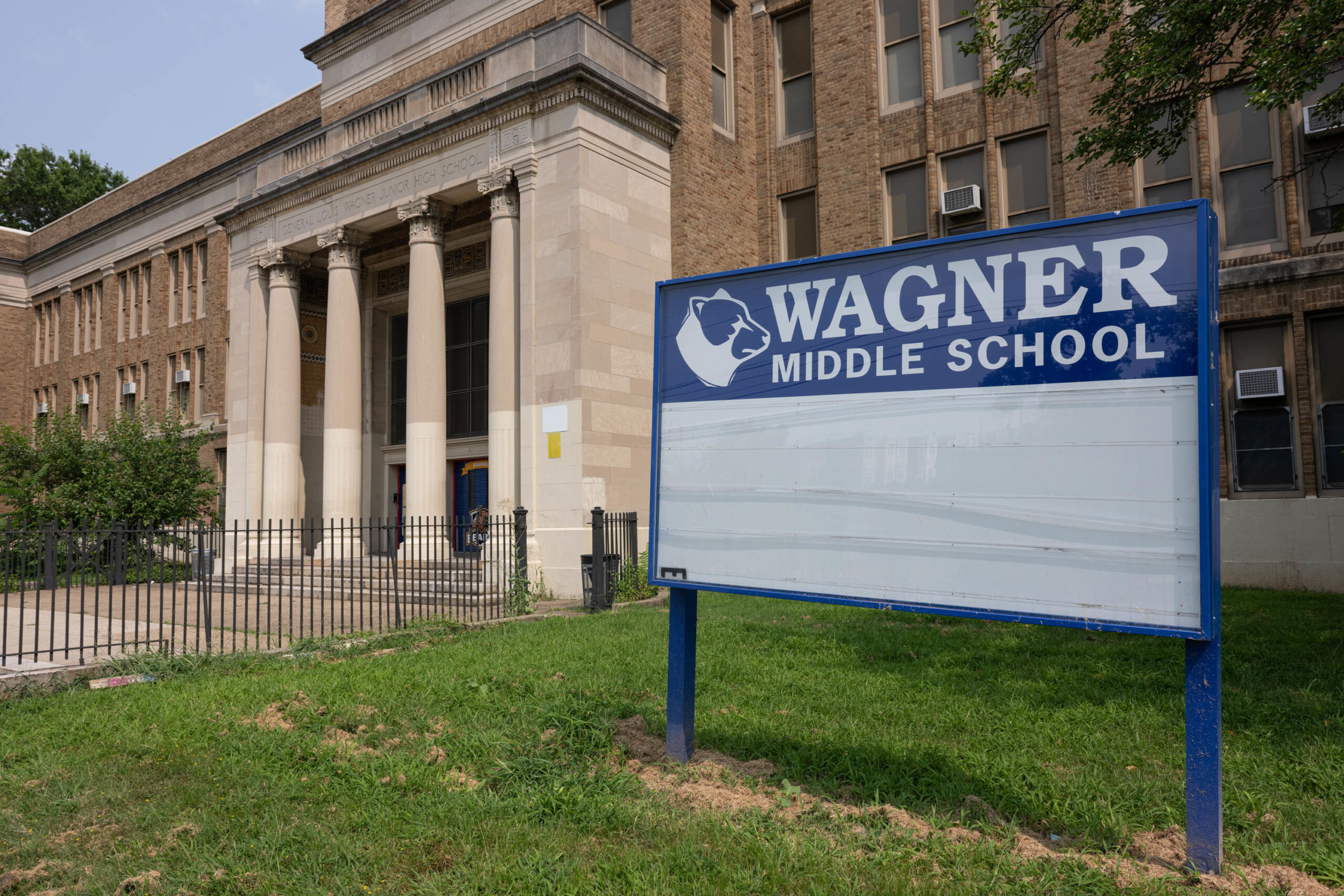
Of the 20 schools Superintendent Tony B. Watlington Sr. has recommended to close, six are middle schools — AMY Northwest, Conwell, and Stetson in Kensington; Harding in Frankford; Tilden in Southwest Philadelphia; and Wagner in West Oak Lane.
The district plans to expand elementary schools to take in those students in most cases, and Conwell, a magnet middle school, would send students to AMY at James Martin.
“Our research does not say that traditional middle school children in Philadelphia perform better academically than K-8 students,” Watlington said when he rolled out his tentative plan in January. “Nationally, and in Philadelphia, there’s a mixed bag.”
While the school district says the K-8 model reduces transitions for students and helps maximize resources, critics of the district’s plan say closing middle schools will uproot their children and abandon successful schools.
Education experts, meanwhile, say instructing middle school-age students has long been a complex and controversial issue — and it’s a debate that Philadelphia district officials are reigniting with their sweeping facilities proposal.
Among the top complaints from critics of the plan: The pivot isn’t absolute. Though many middle schools are disappearing, Philadelphia will still have13 standalone middle schools and secondary-middle schools if those six close. And some will even grow.
Middle-grades students from Masterman, the popular and elite city magnet, wouldtake over the closing Laura Wheeler Waring school building in Spring Garden “to expand access” to Masterman, officials said.
The district is also adding a new Academy at Palumbo Middle School to give students a feeder pattern into the South Philadelphia high schoolmagnet. The new middle school will co-locate with Childs Elementary in Point Breeze.
And in the Northeast, where schools are bursting at the seams, two standalone middle schools — Castor Gardens and Baldi — will be untouched. Sowill a handful of others, including Roberto Clemente in North Philadelphia, Feltonville School of Arts and Sciences, Grover Washington in Olney, AMY at James Martin in Fishtown, and MYA and Science Leadership Academy Middle School in West Philadelphia.
Why is the district targeting middle schools?
Though officials said the facilities plan is not driven by finances, it’s clear that the underfunded school system needs to shrink its footprint.
With 70,000 empty seats citywide and an inequitable distribution of programs and opportunities, system officials say they need to make changes to do better for all kids.
“We can more efficiently distribute our limited resources in a K-8 model by operating 13 grade spans as opposed to six,” Watlington told City Council at a hearing on March 17. “This is an efficiency issue.”
At present, the district has 13 different grade spans throughout its schools — from a single K-2 to K-4s, K-5s, K-8s, 5-8s, 6-8s, and others. It is proposing shrinking, mostly, to six different grade bands, and emphasizing K-8 or 5-12 as preferred models.
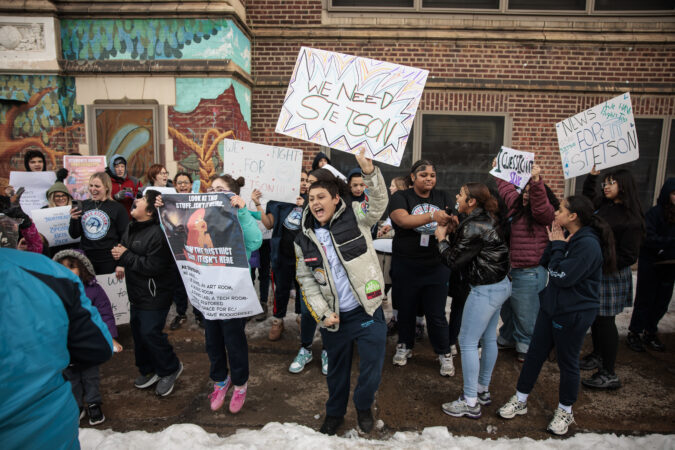
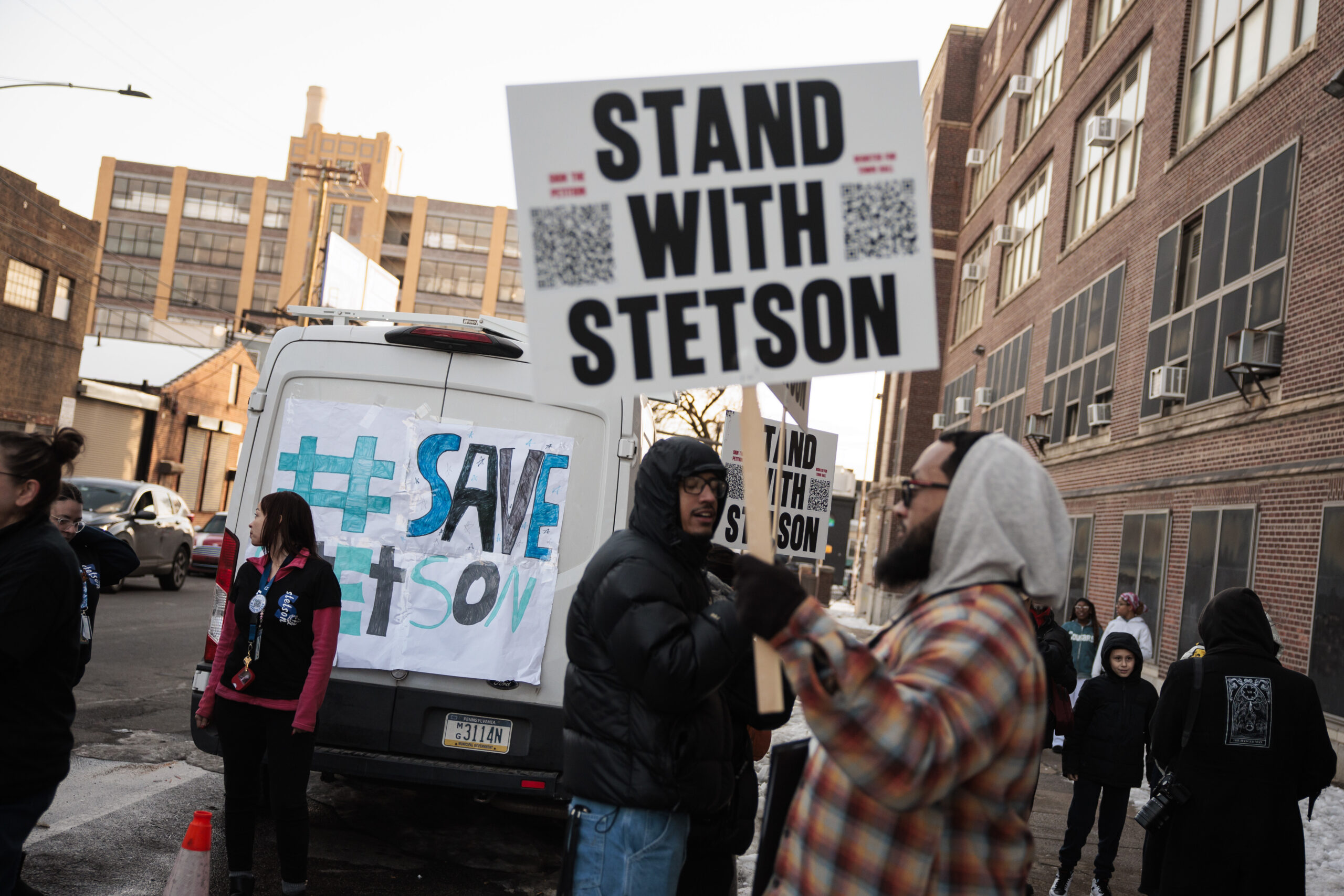
Students, teachers, and supporters rally before a community meeting at John B. Stetson Middle School this month. It’s one of six middle schools that is slated for closure.
Officials say they’re also relying on feedback received in surveys taken and meetings held prior to the plan’s release, despite critics’ worry that the feedback was crafted to give the district the answers it wanted.
Hilderbrand Pelzer III, an associate superintendent, told a crowd of more than100 people gathered at a Stetson Middle School meeting this month that in the surveys, families told the district they wanted to minimize transitions.
“Think of safety in the sense that young people should remain in one place longer, pre-K to 8,” Pelzer said. “Hence why we want to recommend some of our K-4s, K-5 schools grow to K-8. Now that may not be the answer you want to hear, but the voices that have informed that have allowed us to make that a recommendation.”
But critics of the district’s plan say they worry that the feedback was crafted to give the district the answers they wanted. And the audience at Stetson that day pushed back: Minimizing transitions is not what they want. They want their middle school to stay at their current school.
“Why can’t you inform recommendations from people at Stetson?” one person shouted.
The long and thorny history of middle schools
Wrestling with where middle-grades learners should attend school is nothing new, said Penny Bishop, dean of Boston University’s Wheelock College of Education and Human Development.
“We have been struggling to figure out how to provide appropriate schooling for this age group for well over a century,” Bishop said. “It’s a question with a long and thorny history” dating to the 1800s, she said, with much back and forth.
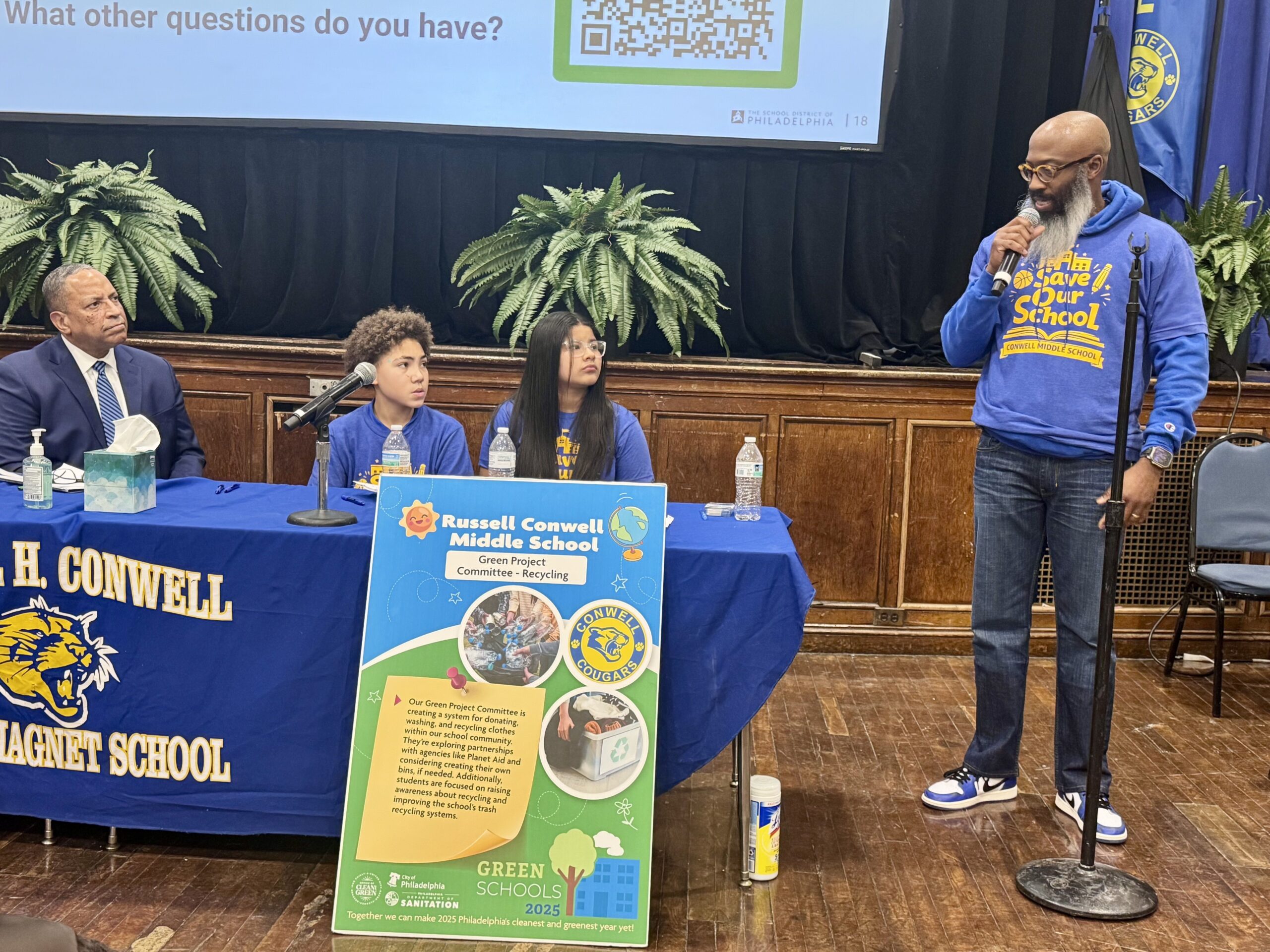
Philadelphia School District Deputy Superintendent Oz Hill (left) and student moderators listen to Andre Sanford-Adams, Conwell Middle School’s health and physical education teacher, speak during a recent community meeting about why he thinks it’s a mistake to close Conwell.
Many of Philadelphia’s middle schools began as junior highs. Middle schools as a concept first surfaced in the United States in the 1960s and took off in the 1980s as part of an explicit attempt to create schools “designed based on the developmental needs of this particular age group, as opposed to saying, they’re short high schoolers or they’re tall elementary students,” Bishop said.
But tweens and early adolescents can be a tough age group to educate well, and middle schools got a bad rap among some, said Bishop. As school choice and shifting birth rates caused belt-tightening in some places, some districts began to shift grade configurations.
Both Bishop and Katie Powell, director for middle level programs at the Association for Middle Level Education, said that research doesn’t support one kind of grade configuration or another.
“What matters most for middle school-age students is that we understand that they are going to need a different experience than their elementary counterparts in a K-8 building, and having a defined middle school, even within that K-8 school — that’s what tends to be most successful,” Powell said.
And, Bishop said, “a lot of this is tied up in the degree to which the leadership understands the developmental needs of the students.”
At a recentmeeting at slated-to-close Wagner Middle School, Kim Newman, another Philadelphia associate superintendent, vowed that the district will spend time and resources planning thoughtful transitions as grade configurations change.
Adding middle grades to elementary schools hasn’t always been done well in the district, Newman said.
“In the past, what we’ve done is said, ‘Let’s just add some furniture and books, great,’ grow a grade each year, and that’s really not what children need,” said Newman.
She said she hopes receiving schools and closing middle schools will work together on what middle-grades learners need in the newly expanded elementary schools.
Philly skepticism
Claire Andrews has taught at Wagner Middle School for 40 years — years ago, it had 1,000 students, buttoday, fewer than 300 are enrolled.
In the past, “we had opportunities for students, and as the years have gone on, they have just disappeared,” Andrews said. “Over the years, everything has just been pulled away.”
Wagner Middle School is one of six middle schools that is facing potential closure in Philadelphia.
Andrews, like others in the city, raised questions of equity.
“Are they closing schools in the Northeast?” Andrews said.
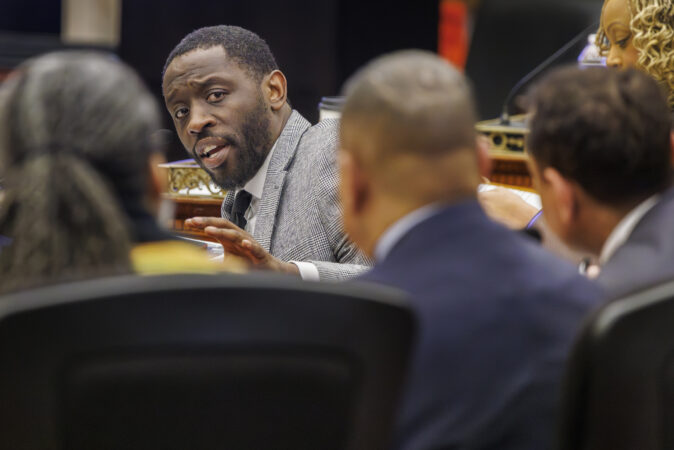
Councilmember Isaiah Thomas, chair of City Council’s education committee, highlighted Philadelphia’s complicated middle school position at a Council hearing last week.
The district’s talking points around middle school sound good,he said. But he questioned decisions to expand middle grades at magnet schools, like Masterman and Carver High School of Engineering and Science, whileclosing a number of neighborhood middle schools.
“I want us to have nuanced dialogue around where we are and what we need to do,” said Thomas, who has spoken out against closing Conwell, of which he’s an alumnus. “And I also recognize that there’s pushback on every decision you made. I understand that we have to make tough decisions somewhere else, there is no real facilities plan, and we do need a plan.
“But the reality is that we’re still not sending the right message to people, and I think our position around middle school is problematic.”
Watlington stressed the research around middle schools and the surveys.
The superintendent said the district is committed to modernizing and expanding receiving schools, where needed, and was not just focused on the Northeast.
“We absolutely will not present a plan that just pushes resources in parts of the cities that’s growing fastest,” Watlington said. “I think this is as strategic a plan as we could create.”
Its size is also a reason the Philadelphia School District wants to shut it down.
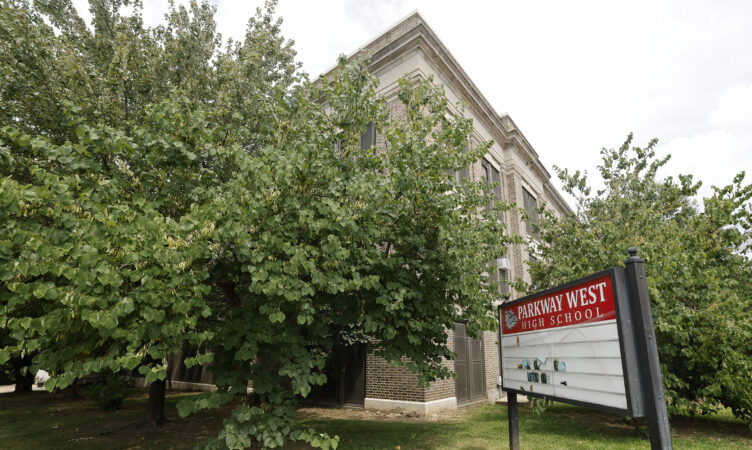
It is among the 20 schools the district is proposing to close, citing its low enrollment. The district plans to merge the Mill Creek magnet school into Science Leadership Academy at Beeber, two miles northwest in Overbrook. That move would dissolve the Parkway West name — and its storied history of alternative education, its supporters say.
Community members say the merger would do away with what makes Parkway West special and successful: the only curriculum in the city tailored for teens interested in becoming early childhood educators, specialty classrooms to support students with disabilities, and intimate class sizes that foster tight-knit relationships. And some say it would unfairly limit school options in West Philadelphia.
“It’s a safe environment — a small school which allows for greater touches, and you just don’t get swallowed up in the size of a big school,” said Earl Morgan, a Parkway West special education teacher who coaches three Hoya sports teams.
Morgan added: “We’re losing a real, safe alternative to private education in West Philadelphia.”
The district’s facilities plan, which the school board is expected to vote on this winter, looks to address systemic issues like declining enrollment, aging infrastructure, and disparate programming in part by targeting some schools with large numbers of empty seats. Parkway West is operating with 140 students, or 40% capacity; its 11th-grade class — possibly its last graduating cohort — has just 18 students. Comparatively, there are nearly 500 students at Beeber, which is 54% full.
Morgan said the proposal poses a “logistical nightmare.” Community members have raised concerns about safety and transportation woes to get children to Beeber. Inside Parkway West, emotions range from indifference to outrage, Morgan said.
The closure would leave “a hole” in the neighborhood, said Cecelia Thompson, a Mill Creek resident and former school board member who regularly interacts with the Parkway West community.
West Philadelphia is now staring down an educational landscape devoid of choice: The number of small, individualized magnet high schools, like Parkway West, in the area would shrink to one, while the district prioritizes reinvesting in neighborhood schools. The proposed school closures would disproportionately affect Black students, according to an Inquirer analysis, though the district says its plan is aimed at boosting opportunities and achievement.
This troubles City Councilmember Jamie Gauthier, whose district includes Parkway West and a handful of other schools affected by the plan.
“It feels like they’re hollowing out my district,” Gauthier said. “They’re essentially shuttering criteria-based schools that people value and that are accessible to Black and brown children in West and Southwest Philadelphia. They’re completely taking it away … or dumping them into much larger schools that are not going to provide the experience that people want.
“Those kids deserve to have high-quality options right where they live.”
The Parkway model was a pioneering approach to alternative education, hallmarked by nonconformism, wandering classrooms, and a casual, personable learning environment where students called teachers by their first names, alumni told The Inquirer. Shaunda Watson graduated from Parkway Gamma, which later became Parkway West, and said the program took her from a C average to honor-roll student.
“Students like me will get lost in larger classrooms,” Watson, 48, of West Philadelphia, said. She added: “We have students that are exceptional and they will get lost in the sauce if they have to go to neighborhood schools. I don’t think that’s fair.”
For Gamma graduate Shannon Sherrod, 54, of Delaware County, preserving the model is more important than the name: “It’s bittersweet. I hate to see it die off,” Sherrod said.
For nearly a century, the Samuel Pennypacker School has survived — a three-story brick anchor of the West Oak Lane neighborhood in Northwest Philadelphia.
Now it faces the threat of extinction.
ThePhiladelphia School District says the school’s building score is “unsatisfactory” and modernizing it would cost more than $30 million. District officials are calling for shutteringPennypacker following the 2026-27 school year, funnelingits students to nearby Franklin S. Edmonds or Anna B. Day schools— part of a citywide proposal to close20 district schools.
The recommendation, district officials say, is no reflection of the “incredible teachers, community, [and] students” at Pennypacker. Rather, it is an attempt by the district to optimize resources and equity for students.
Like many district schools, Pennypacker, which serves students in kindergarten through eighth grade, is aging and outdated, having opened in 1930. At just over 300 students, it is among the city’s smaller schools — and operating at about64% of building capacity.
Yet, it is those same qualities — its size and longevity — that represent some of its greatest strengths, say those in the school community who are not happy about the proposed closure.
It’s a school, they say, that is more than the sum of its aging parts.
On the school’s walls are pocks of chipped paint, yes, but also the colorful detritus of a small but vibrant student population: a poster composed of tiny handprints in honor of Black History Month; a “Blizzard of Positivity” — handwritten messages reading “Smile” and “Hugs” and “Help your friends when they fall.”
It’s where Wonika Archer’s children enrolled soon after the family emigrated from Guyana — the first school they had ever known.
“A lot of firsts,” Archer said. “Their first friends, their first teachers outside of their parents.”
It’s where, since 1992, Andreas Roberts’ youth drill team has been allowed to practice. The team, which includessome Pennypacker students, recently participated in its first competition andwon first place.
“Pennypacker has been very, very useful to us,” he said. “We have nowhere else to practice for the kids.”
It’s where Christine Thorne put her kids through school, her son and her daughter, and where her grandchildren now go. Around the school, they call her “Grandmama.”
“I feel as if my household is being destroyed,” she said recently.
For students, news of the imminent closure has been no less jarring.
When Janelle Pearson’s fourth-grade students learned recently that their school was poised to be shuttered under the district’s plan, they took it as a grim reflection on themselves.
“It makes them feel like, ‘What did we do wrong that they want to close our school?’” said Pearson, who has taught at Pennypacker for abouta decade. “That’s the part that tugs at your heart.”
Unwilling to go down without a fight, the fourth graders resolved to do what they could. Soon, a poster took shape, in marker and crayon, a series of pleas addressed to Philadelphia Superintendent Tony B. Watlington Sr.
“Pennypacker is our home.”
“Don’t uproot our education.”
“Our neighborhood depends on this school!”
The poster was presented to district officials earlier this month at a community meeting held in the school’s wood-seated auditorium.
At that meeting, representatives from the district did their best to explain the reasoning for the proposed closures. They presented a tidy PowerPoint and talked of student retention and program alignment, of building capacity and neighborhood vulnerability scores.
It stood in stark contrast to the parents and teachers and staffers who, one by one, held a microphone and spoke of love and family and community, of teachers and staffers who routinely went above and beyond to make their children feel safe. To make them feel special.
“It’s not just about a building,” said Richard Levy, a onetime Pennypacker teacher who now works at St. Joseph’s University. “The challenges here aren’t reasons to close the school — they’re reasons to strengthen it.”
Whether their appeals might affect the district’s decision remains to be seen. Other schools in the district slated for closure have mounted efforts of their own, and, despite a recent grilling by City Council members, it seems all but certain that several schools will ultimately shutter.
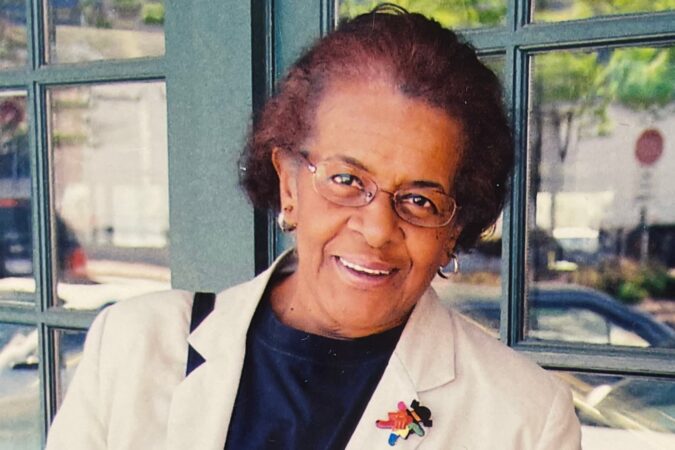
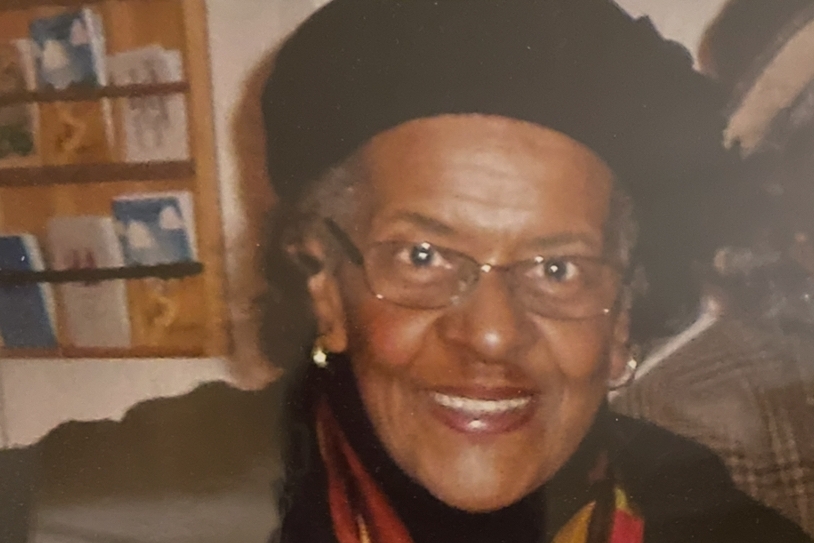
Mae Laster, 87, of Philadelphia, retired French, algebra, and photography teacher for the School District of Philadelphia, longtime president of Friends of Wynnefield Library, award-winning committee chair for the Philadelphia section of the National Council of Negro Women Inc., community center adviser, church trustee, volunteer, and undisputed Laster family Scrabble champion, died Friday, Jan. 2, of age-associated decline at Lankenau Medical Center.
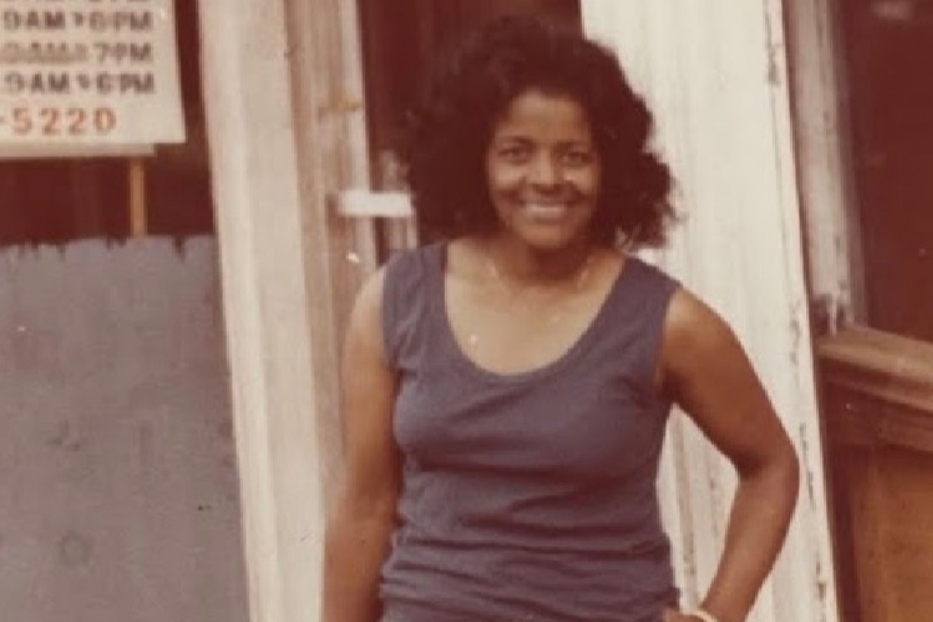
Born in Philadelphia, Ms. Laster earned academic degrees at West Philadelphia High School and Temple University. She was a lifelong reader and stellar student, and she tutored her high school classmates in math and later taught elementary and middle school students for 30 years.
“She was a firm and no-nonsense kind of teacher,” a former student said in an online tribute. “But she was a lot of fun. As an adult, she always offered guidance and advice.”
Her daughter, Lorna Laster Jackson, said: “She had a passion for learning and sharing with others. She was always an advocate for children.”
Ms. Laster chaired community service and Founder’s Day committees for the National Council of Negro Women Inc.
Ms. Laster served as president of Friends of Wynnefield Library for more than 20 years and was active at its many book readings, content discussions, concerts, and fundraisers. She earned several important financial grants for the library, and her personal collection of books at home numbered more than 1,000.
“She loved reading to our young patrons, especially during our Dr. Seuss birthday celebrations,” library colleagues said in a tribute.
She chaired community service and Founder’s Day celebration committees for the National Council of Negro Women and earned the local section’s achievement award in 1998. “Mae was a blessing to the Philadelphia section,” colleagues said in a tribute. “We will always remember her feisty way of asking questions and not easily put off.”
Ms. Laster was an advisory board member at the Leon H. Sullivan Community Development Center and a trustee at Zion Baptist Church. Colleagues at the community center called her “a very thoughtful and talented person.” They said: “She was always forthright and had a strong opinion.”
Ms. Laster (center) especially enjoyed reading to young people at the Wynnefield Library.
At church, she was a member of the New Day Bible Class and proofreader for the newsletter. She also volunteered with the Wynnefield Residents Association, the Girl Scouts, and the 4-H Club.
In a citation, City Council members praised her achievements regarding “education, community service, and all those whose lives were enriched by her wisdom, kindness, and unwavering faith.” In a resolution, members of the state Senate noted “her extraordinary life, her enduring contributions, and her lasting impact on education, community, and faith.”
Friends said in online tributes that she “had a great sense of humor” and was “the sweetest mom on the planet, who was always like a mom to me.” One friend called her “a community-minded leader who advocated tirelessly to preserve the quality of life in Wynnefield.”
At home, Ms. Laster studied the dictionary, knew words that nobody else did, and became the undisputed Scrabble champion of her family and friends. She was so good, her daughter said, that nobody volunteered to play against her. “It was humiliating,” her daughter said.
Ms. Laster was a lifelong advocate for children.
Mae R. Johnson was born June 5, 1938, in Philadelphia. She grew up in Winston-Salem, N.C., with her grandmother and returned to Philadelphia in the 1950s to live with her mother and begin high school.
She was an excellent student, especially good with words and numbers, and she graduated from West Philadelphia High in 1956 and earned a bachelor’s degree in early childhood education at Temple.
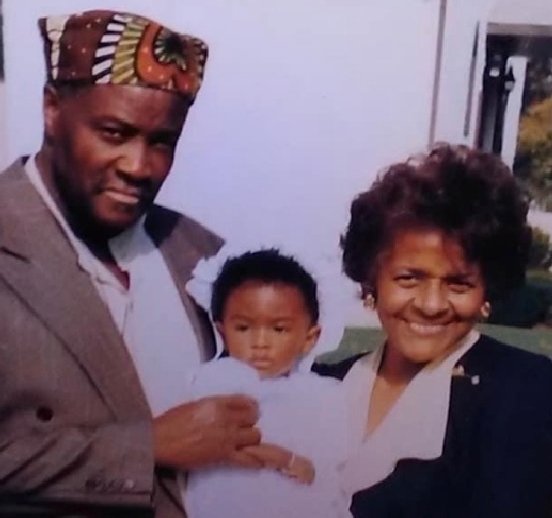
She met Francis Laster in the neighborhood, and they married, and had a daughter, Lorna, and sons Francis Jr., Charles, and Ahman. Her husband owned and operated the popular Rainbow Seafood Market, and they lived in West Philadelphia and Wynnefield. They divorced later. He died in 2020.
Ms. Laster enjoyed bowling, photography, and horticulture. She listened to jazz, classical, and gospel music. She collected butterflies and stamps.
Ms. Laster was “all about positive change,” her daughter said.
She shared recipes with friends and kept in touch through memorable phone calls. She helped organize high school reunions and appreciated the educational TV shows on the Public Broadcasting System.She retired from teaching about 20 years ago.
“She was all about positive change,” her daughter said. “She spoke from compassion and her truth. She did more good than she knew. She was dynamite.”
In addition to her children, Ms. Laster is survived by six grandchildren, three great-grandchildren, three great-great-grandchildren, a sister, and other relatives. A brother died earlier.
A celebration of her life was held earlier.
Donations in her name may be made to Friends of Wynnefield Library, Attn: Terri Jones, 5325 Overbrook Ave., Philadelphia, Pa. 19131.
Ms. Laster graduated from West Philadelphia High School in 1956 and earned a bachelor’s degree in early childhood education at Temple.
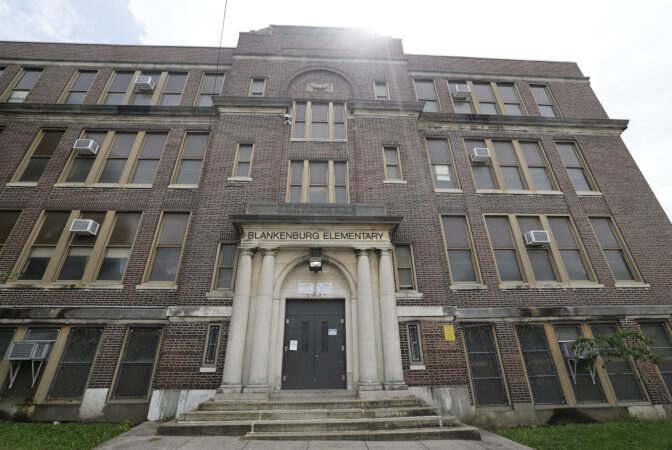
Rudolph Blankenburg Elementary School in West Philadelphia serves kids with complex needs — and test scores reflect that.
The school, where nearly 95% of students are considered economically disadvantaged, had been a Comprehensive Support and Improvement school — a federally mandated designation for schools performing in the bottom 5% statewide.
But last fall, Blankenburg shed that label. Many students are still struggling but are making gains, teachers said — progress they fear will be threatened by a district proposal to close the schoolas part of a sweeping facilities plan.
“We’ve worked really hard, with a consistent staff and all types of resources in place, for our students to pull ourselves out of that status,” said Flori Thomas, a middle school science teacher at Blankenburg.
That’s her biggest fear, she said: “You’re going to impact our scholars.”
Blankenburg is one of 20 district schools proposed for closure under the plan released last month. Six other schools would be colocated and more than 150 modernized as part of the proposal — which is facing resistance from City Council.
District officials say closures are needed in a system that has lost more than 80,000 students over the last 30 years, many to charter schools. The district has struggled to fund repairs of aging buildings — including at Blankenburg, where staff report chipping paint and roof leaks.
Marquita Jenkins, the school’s dean of climate and culture, does not disagree that the building, which opened in 1925, needs repairs — or that it is underutilized. The K-8 school, which currently enrolls 278 students, has room for almost 600. Officials said the school’s enrollment has declined by about 100 students over the last four years.
But the relatively low enrollment has also enabled smaller class sizes, helping student growth, Jenkins said. A former fourth- and sixth-grade teacher at Blankenburg, she recalled teaching a class of 33 students, 11 of whom had individualized special education plans: “It was tough.” Classes now are smaller, she said.
Like other staff, she worried about where Blankenburg students would end up. The district proposes to reassign them to Edward Heston School, James Rhoads Elementary School, and a newly colocated Martha Washington Academics Plus School and Middle Years Alternative School.
Blankenburg‘s building near 46th and Girard, meanwhile, would be conveyed to the city for “affordable workforce housing and/or job creation,” according to the district.
Jenkins and other staff questioned the safety of the routes to schoolfor reassigned students.
They also voiced concern for particularly vulnerable students: Blankenburg is surrounded by at least seven homeless shelters and “tends to have attendance fluctuations,” assistant principal Sandra Pitts said at a virtual community meeting with district officials this month. She questioned how families would be “assisted to avoid further trauma.” (Officials said they would be supporting students with housing instability in placements.)
Staffers noted that Blankenburg also has a significant population of students with special needs, who make up 25% of its enrollment.
Among them is Sherell Robinson’s kindergartener, Illiyin, who has autism and medical complexities.
Robinson, who lives in West Philadelphia, said that Illiyin had been denied enrollment at other district schools, and that she was told she had to send her daughter to Blankenburg.
Robinson initially had a negative impression of Blankenburg but was impressed with the school’s principal, Sheena Wilson, who “didn’t try to sell me, or placate me” — just presented what the school had to offer, she said.
What Robinson found was a small environment, “loving people,” and a routine for Illiyin. Now she is panicked at the prospect of the school closing.
“For them to be taking this whole community away is really devastating,” Robinson said. “It takes time to find the correct programming and environment and teachers who are neuro-affirming, especially for Black children.”
A real estate agent, Robinson said there was an irony to the district’s plan to convert Blankenburg to workforce housing — something she believes she currently would qualify for. But if she does not find a stable school environment for her daughter, she isn’t sure she will be able to keep her job.
“They might look at me as a single case, but I can assure you I am not an anomaly,” said Robinson, who also works for a disability nonprofit and is in touch with other parents of autistic children. “This is going to affect how we can take care of our families, how that perpetuates what we’re already experiencing. … I don’t want to normalize that struggle to them.”
Teachers said they are committed to Blankenburg’s students. “We bring a lot of positivity and try to keep our kids safe,” said Jenkins, who has led field trips to places including the Kimmel Center in Center City and the National Museum of African American History and Culture in Washington.
Thomas, who grew up in the neighborhood around Blankenburg and now lives in New Jersey, said that whenever students learn about her commute, she tells them they are worth the drive.
Others outside the city see headlines about crime, Thomas said, but she tells students: “I see you.”
As cars whizzed by on B Street, one student banged a drum and another struck a cymbal. Others waved signs and marched in circles.
“Save our school!” the group of about 50 middle schoolers shouted outside Stetson Middle School in Kensington last week. “Save Stetson!”
Stetson is one of 20 schools Superintendent Tony B. Watlington Sr. has proposed closing as part of a $2.8 billion facilities plan. Officials say closures are necessary to improve educational outcomes and equity system-wide, and to balance enrollment in a district that has 70,000 empty seats.
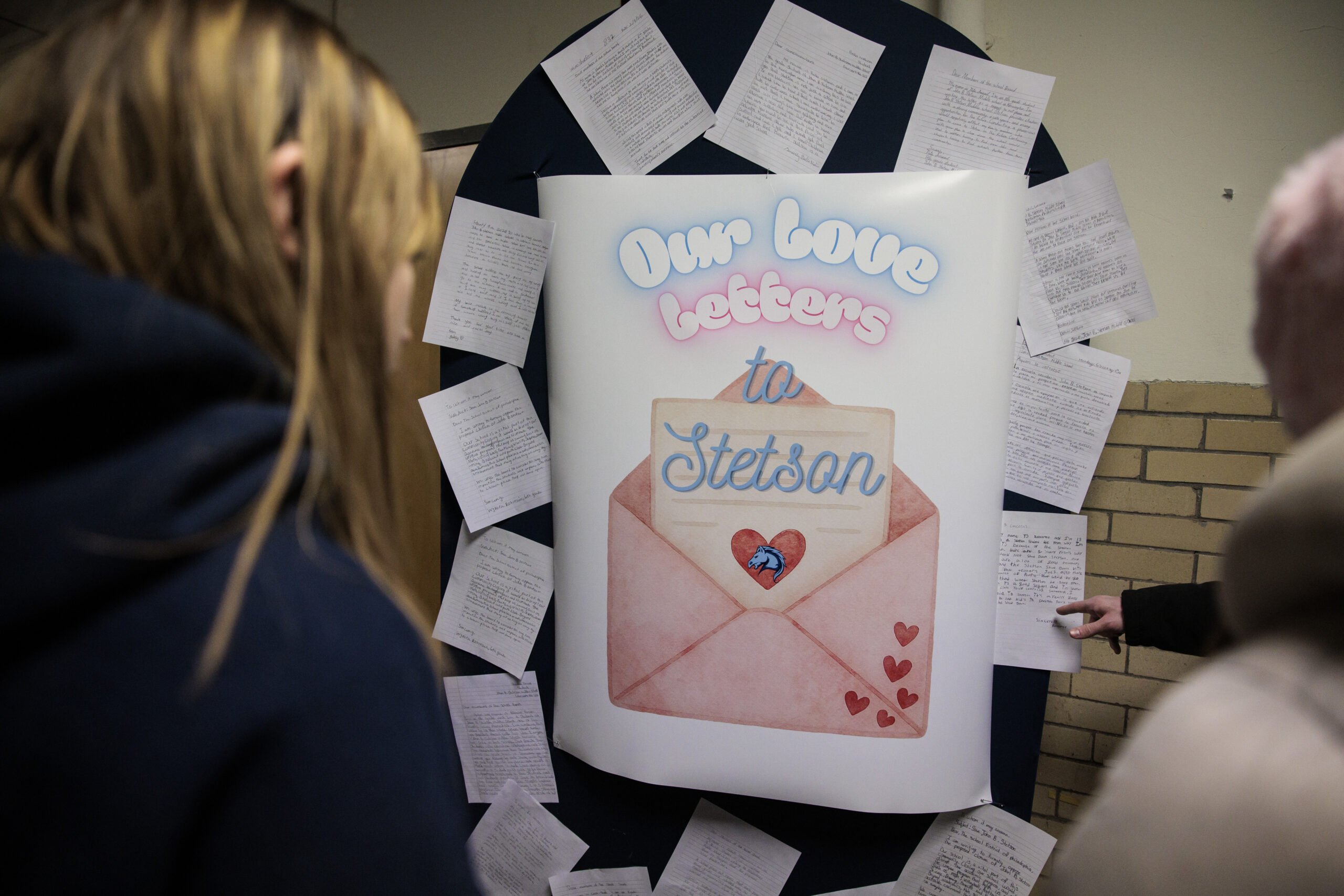
Love Letters to Stetson decorate the hallway during a community meeting at John B. Stetson Middle School in Kensington last week. Stetson is one of 20 Philly public schools facing closure.
But Stetson isn’t going down without a fight.
The school is 59% occupied, by the district’s calculations, and its building is in “unsatisfactory” condition. Stetson also scored “poor” on program alignment, a measure that takes into account a school’s ability to offer “appropriate spaces” for things like art, music, physical education, and career and technical education.
Its supporters say Stetson has been left to languish and that their neighborhood is overrepresented on the closure list. The district, they say, is taking away a community that’s been a constant for families in a struggling neighborhood at the center of the city’sopioid crisis.
“You tell this community that they are not worth investment,” one Stetson studentsaid at a meeting at the school last week. “How is it equitable to shut a school in a neighborhood that already lost so much? If this building needs repair, fix it for the children, not for the administration.”
Twelve requests to fix a leaky roof
The district has said it plans to hold on to the Stetson building and operate it as “swing space” — a building that can be used to relocate students from other schools that must temporarily shut down to accommodate repairs.
Instead of closing soon, the district is proposing phasing Stetson out gradually. The school would stop accepting new fifth graders in 2028, and close in 2030.
Students who previously would have gone to Stetson will go to Cramp and Elkin elementaries, which will grow to accommodate middle grades. Both schools are less than a mile from Stetson.
Students, teachers and supporters rally before a community meeting at John B. Stetson Middle School on Thursday, Feb. 12, 2026 in Philadelphia. Stetson is one of 20 Philly public schools facing closure.
Officials have also said the move to shut downStetson is part of a larger strategy of movingaway from middle schools and focusing instead onK-8 schools.
Community angst spilled over at the closing meetinglast week, with audience members booing district officials who were there to present information and answer questions, and applauding for those who spoke up for Stetson.
If the district has money to spend on fixing up buildings, why not spend on Stetson’s building, students asked.
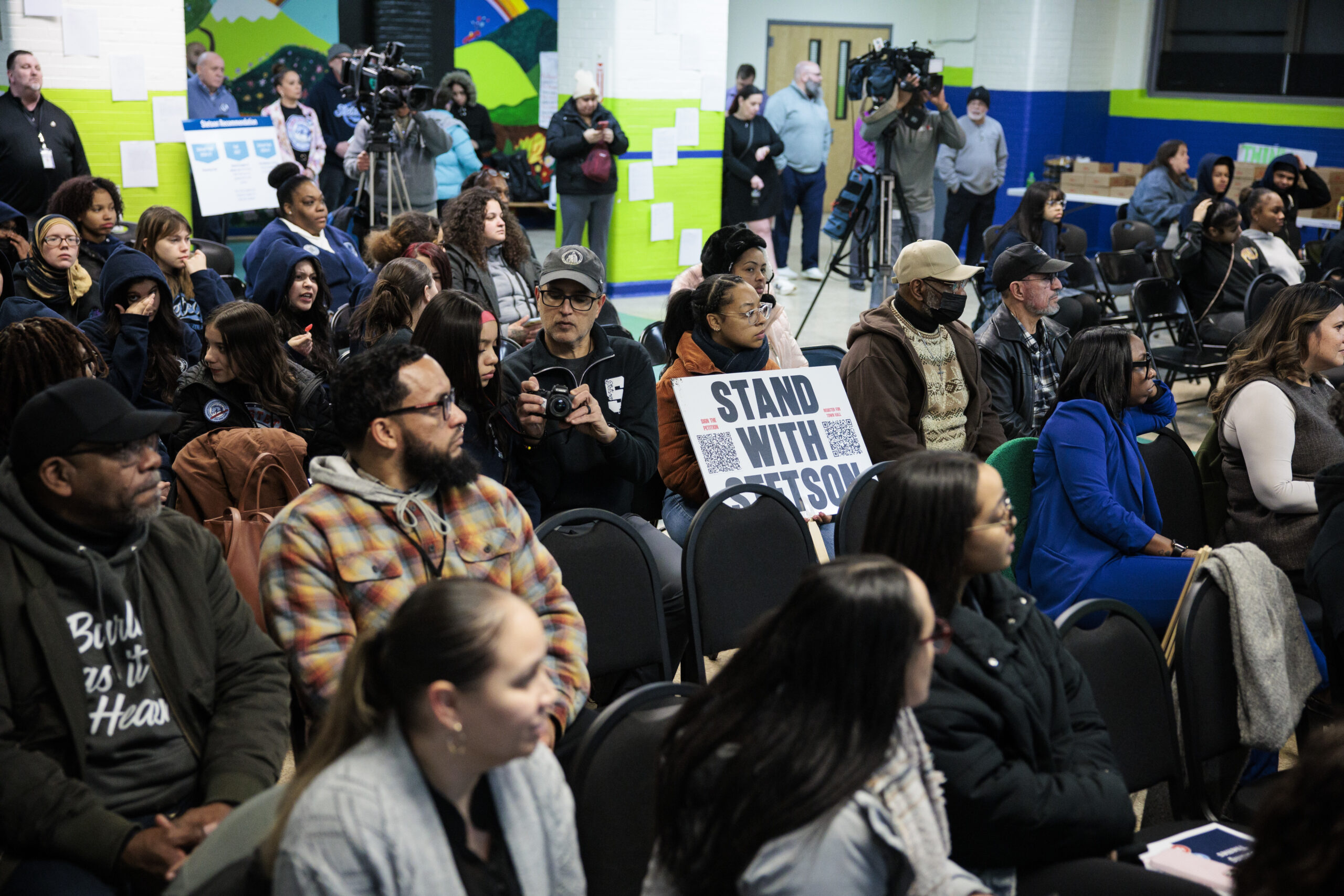
Students and attendees listen during a community meeting at John B. Stetson Middle School last week.
“We have a fourth floor,” one sixth grader said. “Y’all could just fix that, y’all could fix the pipes, y’all could fix everything.”
Another student said she was frustrated by mold in the school, and a leaky roof.
“I heard that it’s your fault,” the student said.
Later, at a Tuesday City Council hearing, Councilmember Quetcy Lozada told Superintendent Tony B. Watlington Sr. that Stetson staff have put in 12 separate requests to fix the leaking roof.
“That roof is still leaking,” a frustrated Lozada said. “Can I have someone please today commit to going to Stetson and checking their leaking roof?”
Watlington said he would “make that happen.”
‘The void that it’s going to leave behind’
The district got the Stetson call wrong, said Kathryn Lajara, a special-education teacher at the school.
“Our school is being penalized for allegedly lacking space — P.E., special education, art,” Lajara said. “These conclusions are based on incomplete and misleading information, not on lived reality of what happens in our building every single day.”
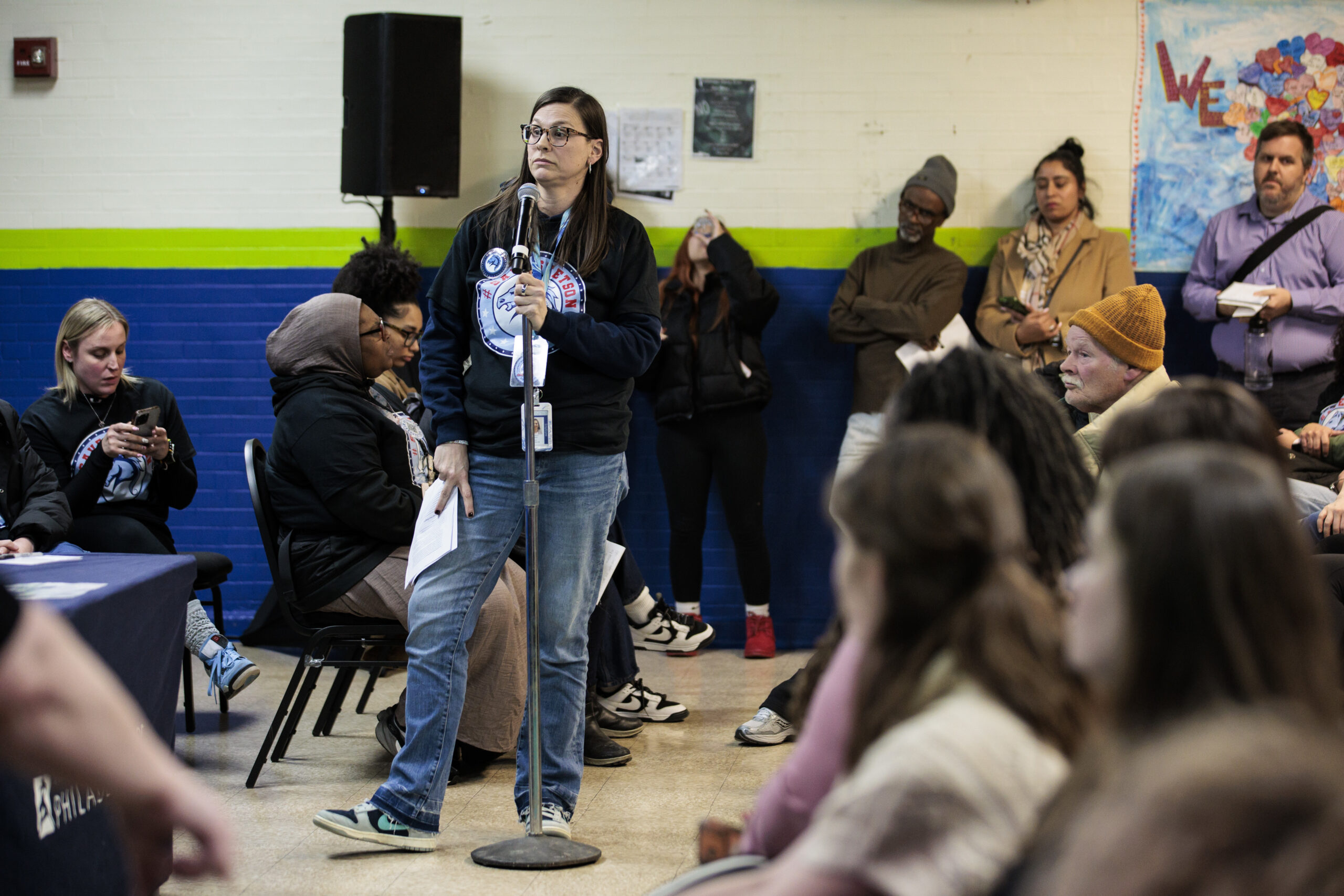
Special ed coordinator Kathryn Lajara speaks during a community meeting at John B. Stetson Middle School last week. Lajara and others spoke out against the recommendation to close the school in Kensington.
Stetson has an art lab, rooms for piano class, dance, a music room, anda photography room, Lajara said. And it serves 140 students with disabilities, despite the district saying it had inadequate special-education spaces.
Lajara was also frustrated by the district’s upkeep of the building.
“We fight the dripping water every day from the roof that you continue to neglect,” Lajara told district officials at the community meeting.
“I’m going to admit to you: We have neglected this building over decades,” Deputy Superintendent Oz Hill told the audience.
Lajara looked at Hill.
“Instead of continuing to neglect, how about we decide that our community and our students are best to invest in?” she said.
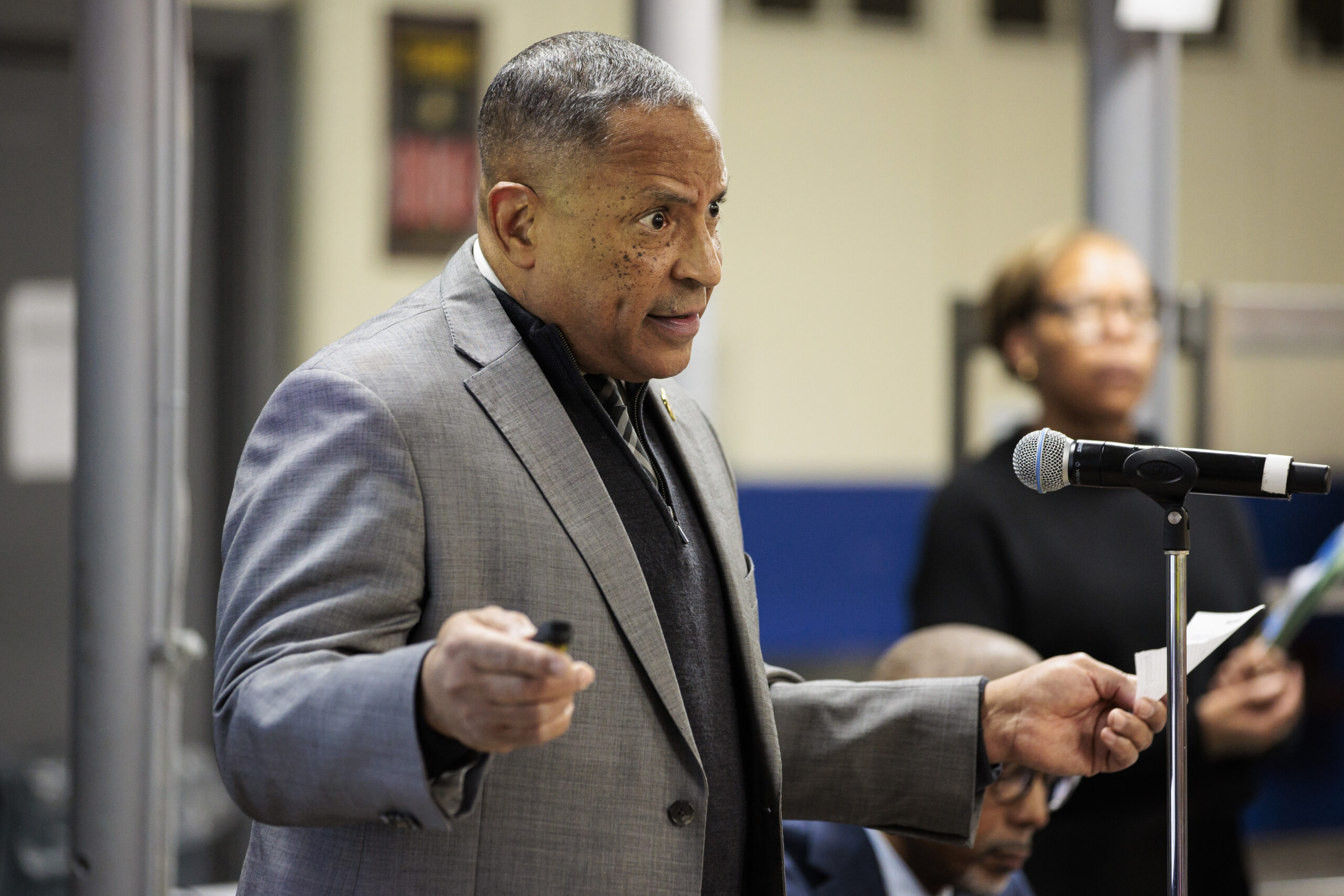
Deputy Superintendent Oz Hill speaks during a community meeting at John B. Stetson Middle School last week.
Crystal Pritchett, another Stetson teacher, suggested the district’s decision to send students to Cramp and Elkin was not in tune with neighbors’ wishes about safety and comfort.
Families have safety concerns about sending their kids to other schools, Pritchett said.
“You know nothing about this community,” Pritchett said. “You aren’t listening.”
Stetson opened in 1915 and was a district schoolfor nearly 100 years. It turned into a charter school runby the nonprofit Aspira in 2010, but the district took it backin 2022 after Aspira failed to meet district standards.
Abandoning it altogether is unthinkable, said the Rev. David Orellana, a pastor at CityReach Church in Kensington.
“I don’t think we’re taking into account the negative impact and the void that it’s going to leave behind,” Orellana said. “Taking Stetson away is taking the heartbeat of this community.”
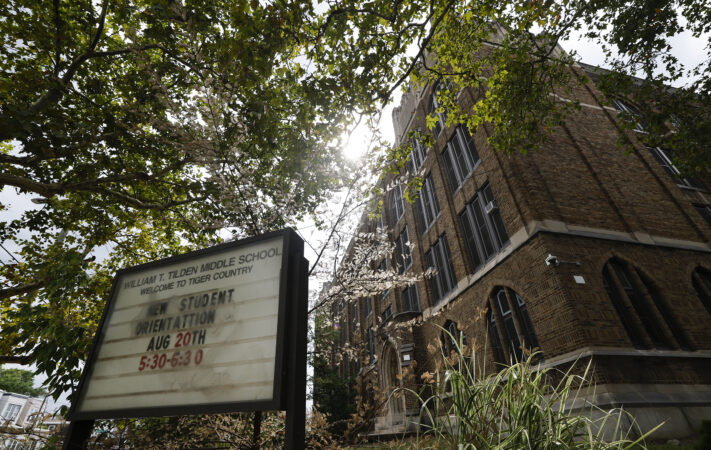
Students streamed out the front doors of William T. Tilden Middle School on a recent Friday afternoon, past the “Welcome to Tiger Country” sign at the corner. As they shouted to friends and threw snowballs to celebrate the weekend, they were dwarfed by the massive brick school building behind them.
That building, which spans half a city block in Southwest Philadelphia, is a primary reason the Philadelphia School District has proposed closing Tilden alongside19 other schools.
Capable of holding roughly 1,400 students, Tilden had only 266 enrolled last year, the district said. That means it is at just 18.5% capacity — the second-lowest of all the schools tapped to close, according to an Inquirer analysis. While enrollment in the school district overall has increased in the last four years, it has declined at Tilden, with just 24 students in this year’s fifth-grade class, district data shows.
The district has rated Tilden’s building as “poor” when it comes to being safe and accessible, meeting environmental standards, and having modern technology. Tilden is also one of six middle schools that Superintendent Tony B. Watlington Sr. has proposed closing in an effort to shift the district’s focus to the K-8 model.
Unlike some of the otherschools on the chopping block, the Tilden community so far has not mounted an organized fight against its closure as the school board prepares to vote this winter on Watlington’s recommendations. Just a dozen employees and residents showed up to an in-person meeting on a frigid Saturday morning earlier this month to discuss the school’s possible closure, according to Chalkbeat Philadelphia, and about 30 attended a virtual meeting about Tilden a few days later. There is no online petition to keep it open, as there are for manyother schools slated for closure.
Students who were set to graduate before the proposed changes would take effect said in interviews outside the school that they did not care much about the possible closure, though some adults expressed more concern.
“This school has had, and still does have, excellent community programs,” said Tilden teacher Cheryl Padgett through tears at the virtual meeting.
The district’s draft facilities plan recommends that in the fall of 2027, Tilden stop accepting new fifth graders, and then gradually phase out its remaining classes, closing for good in 2030.
All of Tilden’s current students would be able to graduate from the school under the proposal; new students who would have attended Tilden for middle school will instead stay at Patterson, Catherine, and Morton — the elementary schools that currently feed into Tilden. The district said all three of those schools would receive increased investment as they add grades and become K-8 schools.
Tilden is in a neighborhood deemed especially vulnerable by the district, which ranked it as “high risk” to account for its experience with previous school closures, as well as its high poverty rate, lack of publictransportation, and language barriers. (The district’s top vulnerability ranking is “very high risk.”)
Tilden’s building would eventually be repurposed as a sports facility for Bartram High and the broader neighborhood under the plan.
At the virtual meeting, community members worried that the buildings slated to become K-8 schools are not equipped for older children, and that younger students would be exposed to problematic behavior from older kids.
Some community members said they feared that changes resulting from the district’s plan, which spans a 10-year period, would not come soon enough.
“Do something now,” said Mama Gail Clouden, a longtime community activist. “While you’re talking about ‘in two years,’ and what you’re planning to do — right now, children and parents and staff are suffering in these schools.”
Tilden also has received additional support and funding from the city’s tax on sweetened beverages through the community schools program pioneered by former Mayor Jim Kenney.
“Our kids can succeed,” Kenney said at a 2017 news conference at Tilden announcing funding for the first group of schools. “They can meet their potential if we give them the resources.”
Asa community school, Tilden’s building serves as a center for such resources: The school hosts a food pantry every Friday, and families can access case management and utility and housing assistance and other supports through a partnership with Methodist Services.
“These kids, they have a way of growing on your heart,” said Wanellie Cummings, an attendance case manager with Methodist Services assigned to Tilden.
Cummings works with kids who have three or more absences to try to address any barriers at home that might prevent them from getting to school. She said she has not heard much from her clients about the potential school closure, though she did worry about Tilden’s food pantry closing.
“When you take that away from a community, what’s left? If those grandmoms and grandpops have to go somewhere else to get food …,” she said.
The district has said it would spend the 2026-27 year planning for how to maintain the resources now offered at Tilden.
Philadelphia City Council may not have a vote on Superintendent Tony B. Watlington Sr.’s sweeping facilities plan, but it indicated Tuesday that it will have a say in school closings.
As a packed hearing began in Council’s chambers Tuesday morning, both Council President Kenyatta Johnson and Isaiah Thomas, chair of the Education Committee, said Council refused to be a “rubber stamp” to Watlington’s proposal to close 20 schools, colocate six, and modernize 159.
“I’m infuriated that we don’t get a say,” Councilmember Jimmy Harrity said, warning the district officials who appeared before him. “But, Council president, you and I both know we do get a say, because budget’s coming. And we will be looking. Mindful is the word I would use for today — be mindful.”
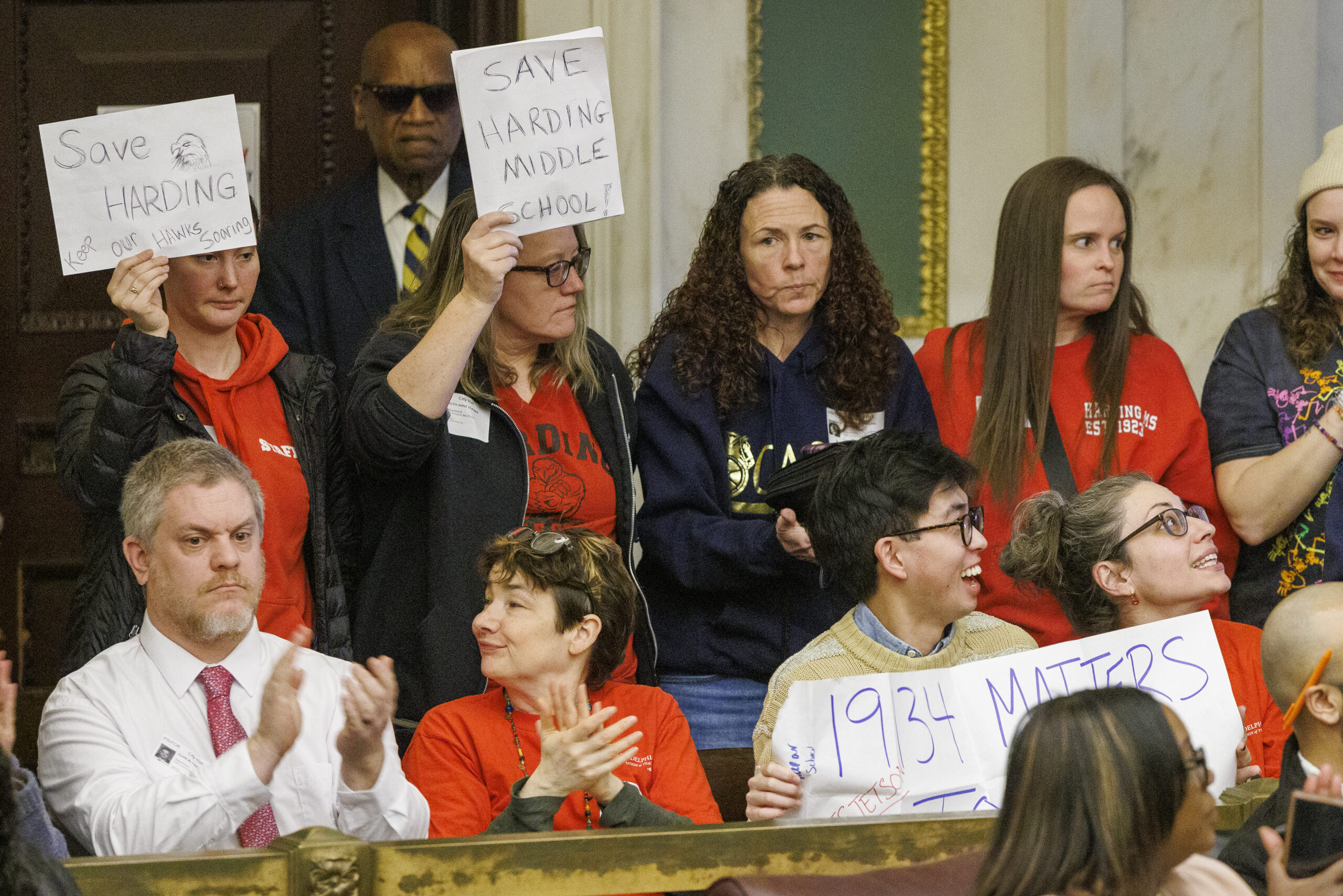
Concerned citizens stand with signs in support of Harding Middle School before the start of a Philadelphia City Council hearing Tuesday at City Hall on the school district’s plan to close 20 schools.
About 40% of the district’s nearly $5 billion budget comes from local revenue and city funding, which City Council and Mayor Cherelle L. Parker must approve in the annual city budget by the end of June.
Harrity, an at-large Council member, said he was “tired that every time cuts come, they come from a certain neighborhood. You know, I live in Kensington, in the 7th District. I talk to these kids. They’re good kids. They deserve everything that other kids in other neighborhoods are getting. … You can see that this isn’t what our people want.” Watlington has proposed closing four schools in the 7th District.
More than 100 community members holding babies and waving signs opposing the facilities plan filled Council chambers on the fourth floor of City Hall on Tuesday as Council members spent hours grilling Watlington and other district officials.
Watlington, meanwhile, stood by his plan in testimony to Council on Tuesday, sayingthat 20 closings was a much smaller number than he could have settled on.
“We could have come here and presented a plan that closed twice as many schools and been able to defend it,” Watlington said.
A once-in-a-lifetime opportunity?
District officials have said thefacilities process is not about saving money, but about optimizing education and equity for the city’s 115,000 students.
But it was clear Tuesday that finances played a part: The district has lost 15,000 students in the last 10 years, and over 80,000 since 1997, when charter schools were first authorized in Pennsylvania. It has 300 buildings, many of them 75 years and older and in poor repair, and some schools with more than 1,000 empty seats, while others are overcrowded.
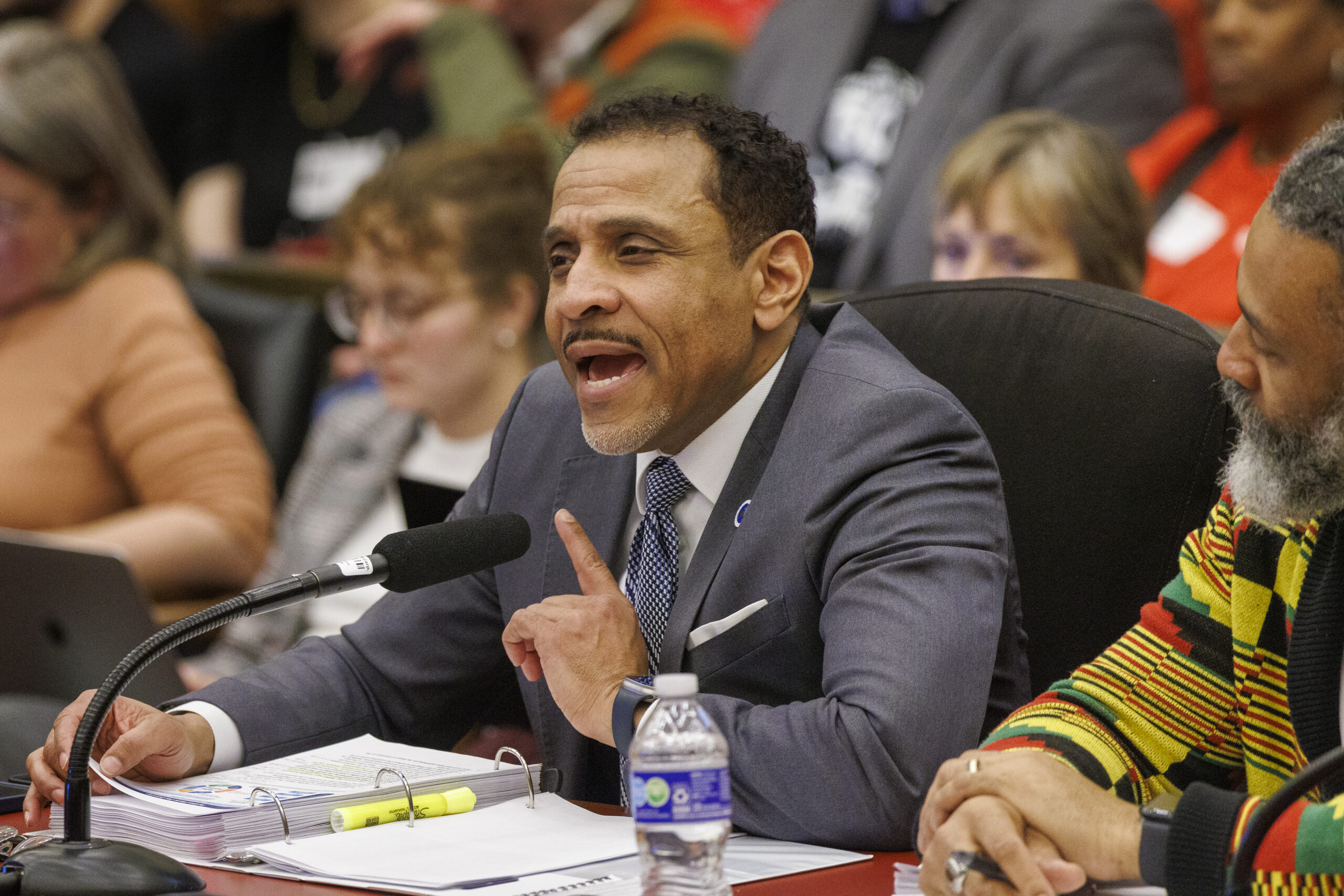
Tony B. Watlington Sr., superintendent of School District of Philadelphia, speaks at a City Council hearing Tuesday on his proposal to close 20 schools.
“We’ve got to be very careful with our limited resources in a historically underfunded district,” Watlington told Council.
Watlington and board president Reginald Streater, who also testified, pitched the plan as a way to add things the district cannot now offer — Advanced Placement courses in every high school, the opportunity for all eighth graders to take algebra, more prekindergarten, and career and technical education programs.
“I do not believe we’ll get this opportunity again in our lifetime,” Watlington said.
The superintendent dropped a few previously undisclosed facts about the facilities road map, indicating that his recommendations could shift slightly before he presents the plan to the school board on Feb. 26. No date has been set for the board’s final vote, which is expected later this winter.
“It’s premature to say how the final recommendations will land,” Watlington said.
But, the superintendent said, “if there are schools that Council wants me to take off the list, and add others on that list, we are open to you telling me what those are, but we cannot get to a place where we address our 35% non-utilization rate in buildings if no changes are made.”
Philadelphia City Council President Kenyatta Johnson (left) greets Dr. Tony Watlington, Superintendent of School District of Philadelphia Philadelphia City Council holds hearing with board members of School District of Philadelphia, Tuesday, Feb. 17, 2026. Reginald L. Streater, Esq., President Board of Education. (center)
Debora Carrera, the city’s chief education officer, who spent three decades as a district teacher and administrator, told Council that Parker believes “the current district footprint is unsustainable.”
Carrera said her own experience as principal of Kensington High School for Creative and Performing Arts shows that it is right for the district to focus resources on neighborhood high schools.
“My high school was a small high school,” Carrera said. “I could only offer my children two AP courses, when other schools like Central — where my son went — could offer them over 20-plus AP courses.“
‘Breaking down of public education’
The hearing got tense at times.
“I feel like this is the breaking down of public education in Philadelphia,” said Councilmember Cindy Bass, who said some of the district’s own decisions had led to closures.
Several members of Council raised questions about the plan’s price tag. Prior district and city estimates put the cost just under $8 billion, but members of Watlington’s team said they could they could actually do the work for $2.8 billion — $1 billion from district capital funds, and $1.8 from yet-unpromised state and philanthropic sources.
In the past, the district had made public detailed facilities condition assessments for every school in the district, Councilmember Rue Landau noted.
Residents could look up their school and see exactly what the condition of every system in the building was, and how much money would be required to fix those that needed repair.
“We don’t have any of those details,” said Landau, who went so far as to say she believed the district should be spending more than $2.8 billion on the plan. “What is the increased investment, and why don’t we have any of those details? They are not out there in the public for us, so none of us have any understanding as to why this is happening, This should all be public so all of the public can see.”
“You need much more money than that,” Roseman told Council. “We need more money than this plan comes close to.”
Some Council members pushed the district and the board on the plan’s timing.
The city has been asking for a long-range facilities plan for years, Councilmember Quetcy Lozada pointed out.
“It’s taken us all this time,” Lozada said. “Now, you guys have come up with a plan, and now we want to rush through it. Now all of a sudden there’s this urgency to get through this plan, which I don’t understand.”
Streater said the board is moving forward with hearing Watlington’s plan on Feb. 26, but won’t vote until it hears more feedback.
But ultimately, he said, the board will vote on “a plan that is dynamic, that can evolve over time. … I think that we all understand that things change, facts change, funding changes, enrollment trends change.”
And, Streater said, there will also likely be policy changes based on redrawing some catchment areas, or boundaries that determine which neighborhood schools children attend.
Streater, who introduced himself at the beginning of the hearing as “Reggie from Germantown,” underscoring his history as a graduate of two district schools that closed — Germantown High and Leeds Middle School — said that changes must be made.
“I think if we continue doing the same thing, expecting a different result — which I would argue is chronic underachievement — we are doomed.”
The city’s teachers union has significant concerns with the Philadelphia School District’s sweeping facilities plan, and it has taken them to a City Council committee.
Superintendent Tony B. Watlington Sr.’s $2.8 billion proposal “does not provide sufficient detail or data to inform binding decisions about school closures, co-location, re-purposing, or widespread impact and disruption that will be incurred,” Philadelphia Federation of Teachers president Arthur Steinberg wrote in a letter to Council’s education committee obtained by The Inquirer.
The appeal, sent late last week, comes as the district prepares for a Tuesday Council hearing on the school blueprint, which currently calls for 20 school closings, six colocations, and 159 modernization projects.
Council members are not the decision-makers — Philadelphia’s school board will ultimately vote on the plan sometime this winter — but as one of the district’s main funders, “you hold powerful levers that may be used to encourage the district to craft a more equitable [plan] that achieves our shared goals of improving student learning conditions and educators’ working conditions,” Steinberg wrote.
About 40% of the district’s nearly $2 billion budget comes from local revenue and city funding, which City Council and Mayor Cherelle L. Parker must approve in the annual city budget by the end of June.
What does the PFT letter say?
Before any decisions are made about what to do with the district’s buildings, the PFT wants system officials to do better by “showing their work and providing all data used to reach their determinations and recommendations for school improvement,” Steinberg wrote.
The teachers union also flagged compliance inconsistencies with the district’s own standards, implementation questions, and “substantial problems with data interpretation and application.”
The conclusions came after Jerry Roseman, the PFT’s longtime director of environmental science, scrutinized the plan. Roseman has decades of experience working with district officials on environmental issues.
The PFT and Roseman want access to all data. The district has released some details officials used to make their calls, but some remain opaque.
“How is the district ensuring that decisions regarding closing and receiving schools are based on comprehensive, up-to-date, and easily verifiable facility data (e.g., lead, asbestos, ventilation, overall condition)?” Steinberg wrote.
The PFT also wants to “definitively show that the facility condition of receiving schools is not, in fact, worse than the facilities thatare slated to close. If students are moving to a facility with worse current conditions, what will happen at the facility to improve it prior to students being moved there?”
District officials outlined some modernization and renovation plans ahead of Tuesday’s Council hearing, but some remain a mystery to the public. Watlington has promised all projects will be detailed before Feb. 26, when he’s scheduled to formally present the plan to the school board.
Don’t close schools or displace students based on incomplete data, PFT says
The school system’s own data contains some inconsistencies, Steinberg said — including some schools judged to be in “good” or “fair” building condition by the district’s metrics that have “severely inadequate” critical systems, such as roofing, windows, or electrical and plumbing systems.
And though the district said it could modernize all 85 school buildings currently in poor or unsatisfactory condition for $2.8 billion, the PFT questioned that price tag as overly optimistic. (City and district officials had previously put the system’s total deferred maintenance cost at $7 billion or more.)
“The cost to fully repair poor-inadequate buildings and systems could actually exceed $3.5 billion,” the PFT said.
The teachers union also highlighted the inequitable distribution of adverse conditions, noting that “Black and brown children and children from economically disadvantaged families are more vulnerable — to health risks, learning disruptions, and the long-term effects of instability and displacement.”
While the information the district has made public is “useful and has value as a ‘baseline,’ it is insufficient for its use in supporting the proposed conclusions, recommendations and other plan details released,” Steinberg said.