Tag: Swarthmore

  • Teddy Einstein, a West Philly mathematician, was about to hit his stride. Then he was killed while riding his bike.

    Teddy Einstein, a West Philly mathematician, was about to hit his stride. Then he was killed while riding his bike.

    Eduard “Teddy” Einstein, a beloved professor and mathematician, was biking home from a haircut when a driver killed him earlier this month.

    Einstein, 38, was struck and killed by the 18-year-old driver on Dec. 3 while riding his bicycle on Providence Road in Upper Darby. No charges have been filed in Einstein’s death, according to Upper Darby police, but an investigation is continuing, and police said the driver cooperated with police at the scene of the crash.

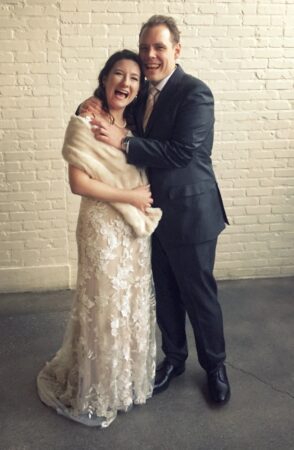
    The West Philadelphia husband and father of two young children, Charlie and Lorcan, was known for his sharp wit, encouraging students, and scouring cities for the most interesting, and spiciest, foods. Einstein was, above all else, dedicated to his family.

    “He didn’t need much more than me and the boys. It was like he was my home, and I was his,” Einstein’s wife, Ruth Fahey, 45, said. ”That’s kind of how we agreed that we would move around the country together as a family, and it was wonderfully freeing.”
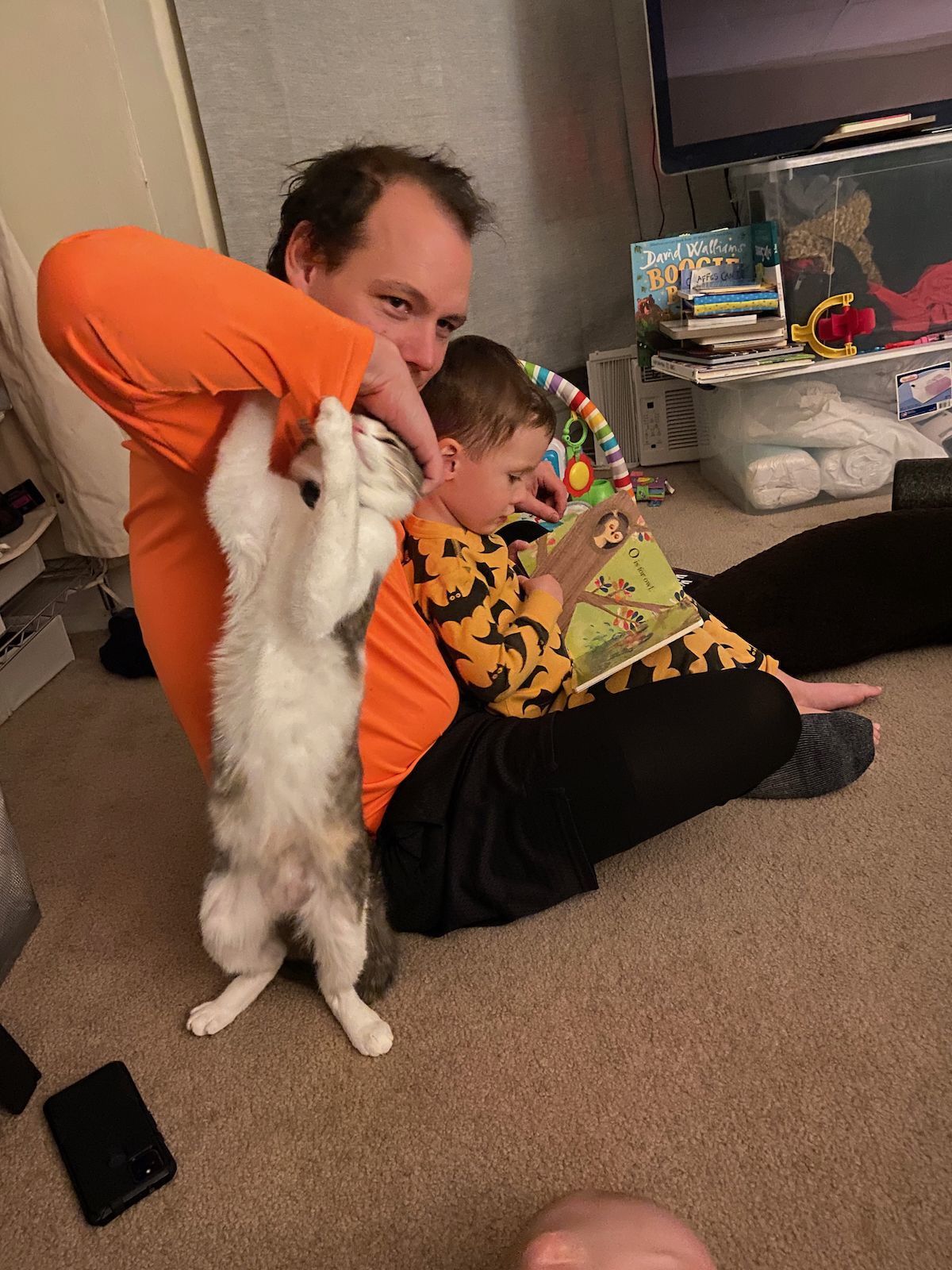
    Teddy Einstein (left) reading a book to his son while the family cat plays with his arm. Einstein was a devoted husband and father who covered the lion’s share of storytelling and bedtime, but especially cooking, as he was an avid chef who liked trying new recipes, his wife Ruth Fahey said. Einstein was killed on Dec. 3, 2025, while riding his bike in a bike lane when he was hit by a driver on Providence Road in Upper Darby, Pa.

    Born in Santa Monica, Calif., Einstein graduated from Harvard-Westlake School before receiving a bachelor’s degree in mathematics from Pomona College, a master’s in mathematics from University of California, Santa Barbara, and his Ph.D. from Cornell University. He would go on to hold postdoctoral fellowships at the University of Chicago and the University of Pittsburgh, where he taught, and most recently completed a three-year teaching term at Swarthmore College.

    “He loved mathematics and wrote a first-rate thesis,” said Einstein’s Ph.D. adviser, Jason Manning. “Many mathematicians, even those who write a good thesis, don’t do much after graduate school. But Teddy’s work really accelerated during his postdoc at the University of Illinois at Chicago, and he was doing even more exciting work when he passed.”

    His colleagues describe a mathematician working at, to put it simply, the intersection of algebra and geometry. Building on the work of mathematicians before him, including modern geometric breakthroughs in years past, Einstein studied abstract 3D shapes that cannot be visually represented in the real world. Work like that of Einstein and others contributes to a tool chest of solutions that scientists can use to study physics, neuroscience, and more.

    “It is a terrible loss, especially to his family,” Manning said. “But also to his part of the mathematics community.”
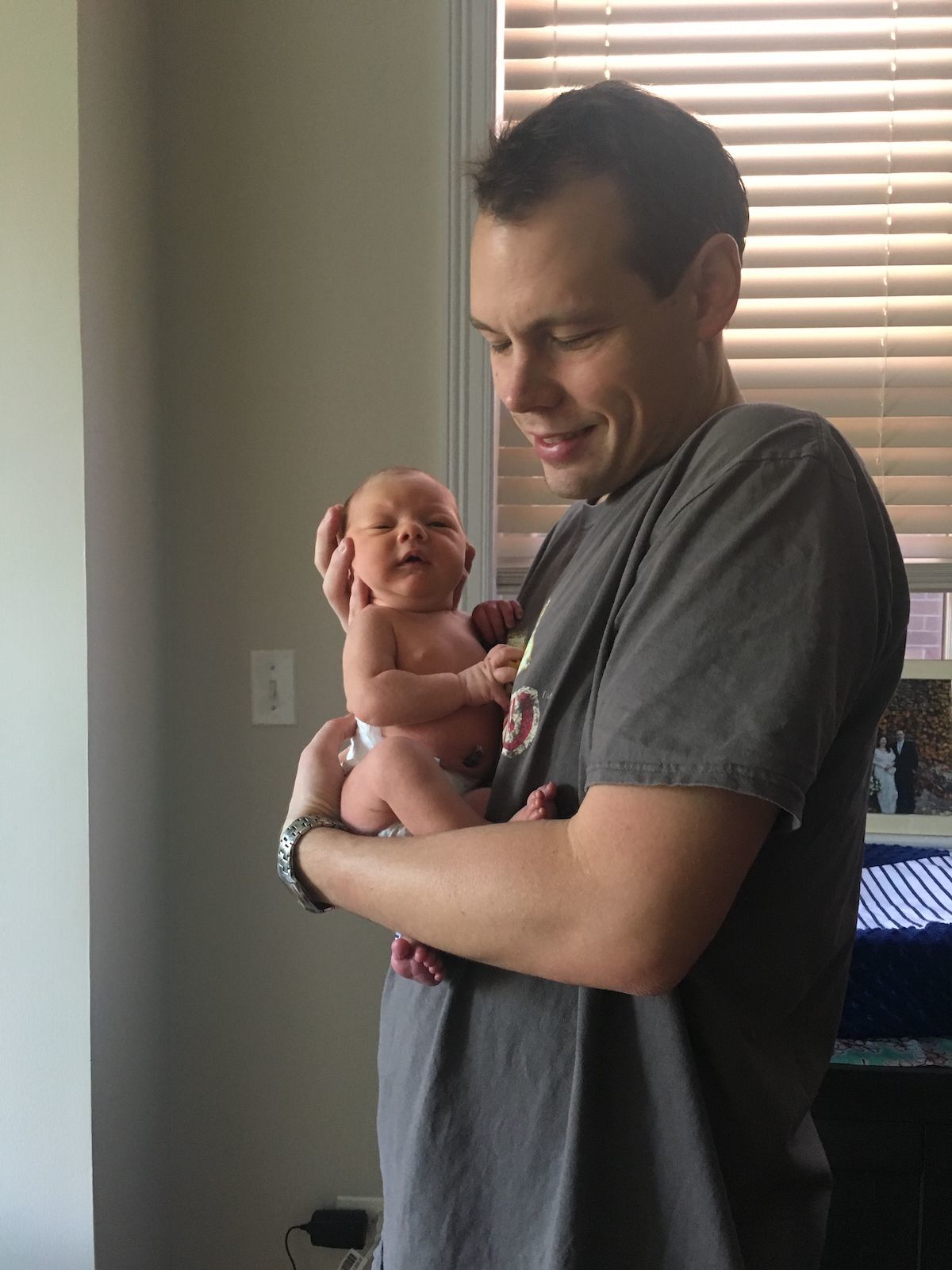
    Teddy Einstein (right) holds his second-born, Lorcan, soon after he was born.

    As his term at Swarthmore ended earlier this year, Einstein had been working on research that was seven years in the making, Fahey said. This would help springboard him into the next chapter of his career.

    Fahey said the day he was killed, Einstein was biking back from a fresh haircut to impress his potential new employers at Florida Gulf Coast University.

    Mr. Einstein’s work ethic matched his appetite for camaraderie. He fed grad students out of his tiny Cornell kitchen and hosted a weekly trivia night. That is where he met Fahey. “He just loved to entertain with food,” she said.

    Every week, he cooked for Fahey and the boys, from his prized favorites of Korean short ribs and fried chicken to testing out falafel recipes. A keg of home-brewed beer was always in the house so that Einstein could share his creations with friends. Fahey said his most recent yeast yield is still waiting to be processed.

    Maddie Adams-Miller, who took Einstein’s math classes in her freshman year at Swarthmore, said her funny and wise math teacher never wanted to see a student fail.

    “I loved talking to my friends from high school and telling them I had ‘Professor Einstein’ for math. Teddy always wore funny T-shirts to class and made a lot of jokes,” said Adams-Miller, now a senior. “When I was taking his course, I was struggling with my confidence and was not performing my best academically. Teddy reached out to me to offer support and genuinely wanted me to succeed in his class.”
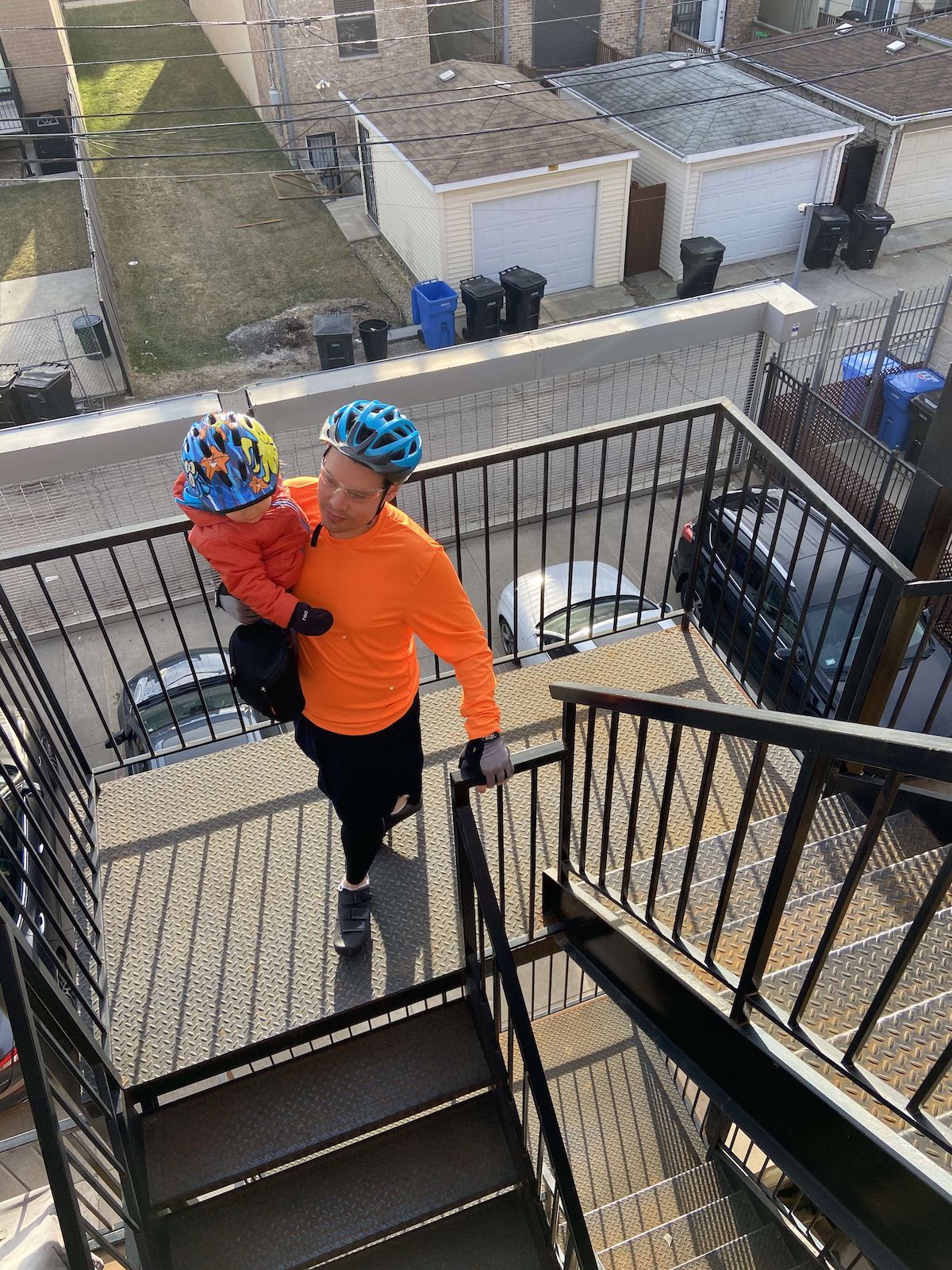
    Teddy Einstein (left) holds his eldest son, Charlie, while he walks down a flight of steps wearing the usual safety gear that he wore while riding his bike. The precautions Einstein took to bike safely weren’t enough to stop a driver from crashing into him on Providence Road in Upper Darby earlier this month, leaving his wife, Ruth Fahey, and their two sons without a father.

    An avid cyclist who biked everywhere and advocated for safer streets, Einstein was killed doing one of the activities he loved most. Philly Bike Action, an advocacy organization that Einstein and his wife frequented and his friend Jacob Russell organizes for, shared that he was hit by the driver while riding in an unprotected bike lane and wearing a helmet and high-visibility clothing.

    “But there will never be a helmet strong enough or a clothing bright enough to make up for dangerous infrastructure. All Philadelphians deserve the freedom to travel without fear of tragedy,” the group said in a statement.

    Russell believes safety improvements will not come solely from attempting to change laws or behavior, but rather by changing the road infrastructure, so that even “when mistakes happen, there aren’t tragedies,” he said.
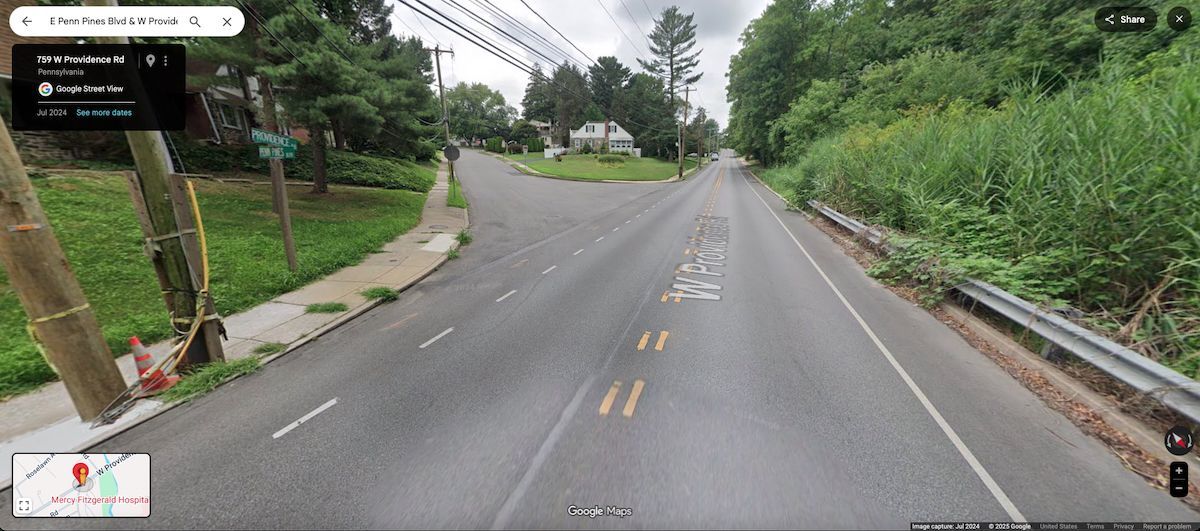
    A screenshot, dated July 2024, from Google Maps showing the intersection where Teddy Einstein was killed on Dec. 3, 2025, in Upper Darby, Pa.

    Providence Road, where Einstein was hit and where he biked weekly, is considered a dangerous road by local planning commissions, appearing on the Regional High Injury Network map as a thoroughfare where multiple people have died or been seriously injured in vehicle, pedestrian, or bicycle crashes. Delaware County is currently in the process of onboarding most of its townships onto a “Vision Zero” plan to end all traffic fatalities by 2050 — similar to Philadelphia’s own Vision Zero.

    The Delaware County Planning Commission said the county does not own the roads, which are overseen by the Pennsylvania Department of Transportation or specific municipalities; however, officials are “actively working to obtain additional funding for further safety improvements, and are continuing to work with our partners in our 49 municipalities on either our Vision Zero plan or to help them develop their own,” said Delco spokesperson Michael Connolly.

    Fahey said she won’t rest until Providence Road’s lack of safety is addressed and will continue campaigning for safety improvements in Philadelphia.

    A GoFundMe has been set up for Fahey to help fund efforts to protect Einstein’s legacy as a teacher and advocate, as well as to invest in campaigns to make streets safer, with an emphasis on the road where Einstein was killed. It has already raised more than $60,000.

    In addition to his wife and children, Einstein is survived by his parents, K. Alice Chang and Thomas Einstein, and siblings, Michael Einstein and Lily Einstein. The family encouraged people to donate to Fahey’s GoFundMe to honor Einstein’s legacy.
  • WSSD seeks ideas to fix its dire budget issues | Inquirer Greater Media

    WSSD seeks ideas to fix its dire budget issues | Inquirer Greater Media

    Hi, Greater Media! 👋

    Last night, Delaware County Council approved a tax hike for 2026. We share more details below. Also this week, Wallingford-Swarthmore School District is looking at ways to stem its budget deficit, plus Ridley Creek remediation to clean up a September oil spill is nearing completion.

    If someone forwarded you this email, sign up for free here.

    Wallingford-Swarthmore is looking for ways to dig out of its budget deficit

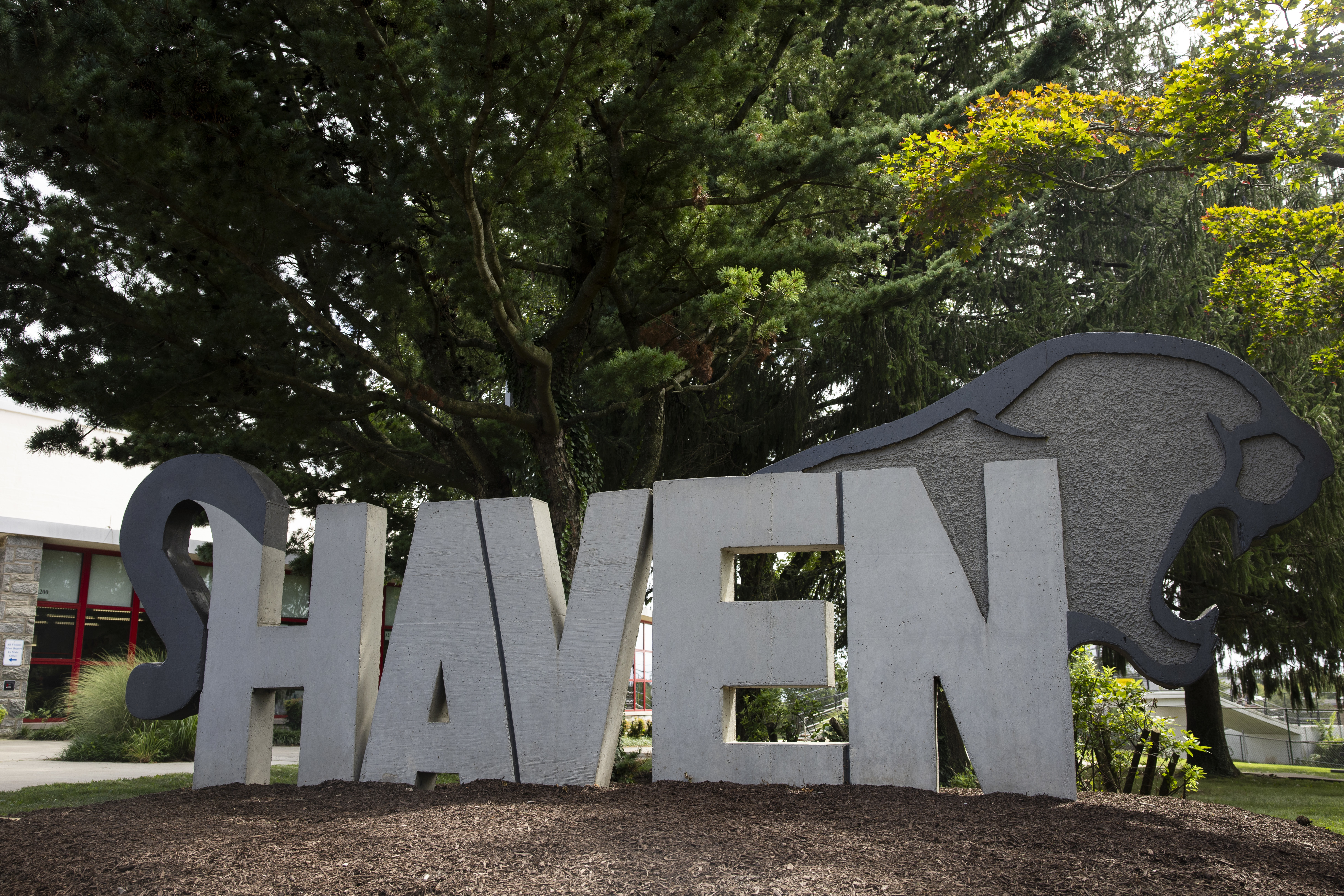
    Wallingford-Swarthmore School District held listening sessions about its budget at Strath Haven Middle School on Monday.

    Facing a $2.6 million budget deficit for the 2027-28 school year, Wallingford-Swarthmore School District is considering any idea to trim that figure.

    That was the takeaway from a Monday listening session, where Superintendent Russell Johnston said the district is “turning over every stone” in its quest and took suggestions from the public.

    Unlike neighboring districts, WSSD is predominately supported by homeowners’ tax dollars, many of whom already feel stretched thin, The Inquirer’s Denali Sagner reports.

    While some attendees left the meeting feeling better about the school’s objectives, others still wonder how it got in this hole in the first place.

    Read more about Wallingford-Swarthmore’s plans to address its budget woes here.

    Ridley Creek cleanup is nearing the finish line after an oil tanker crash earlier this year

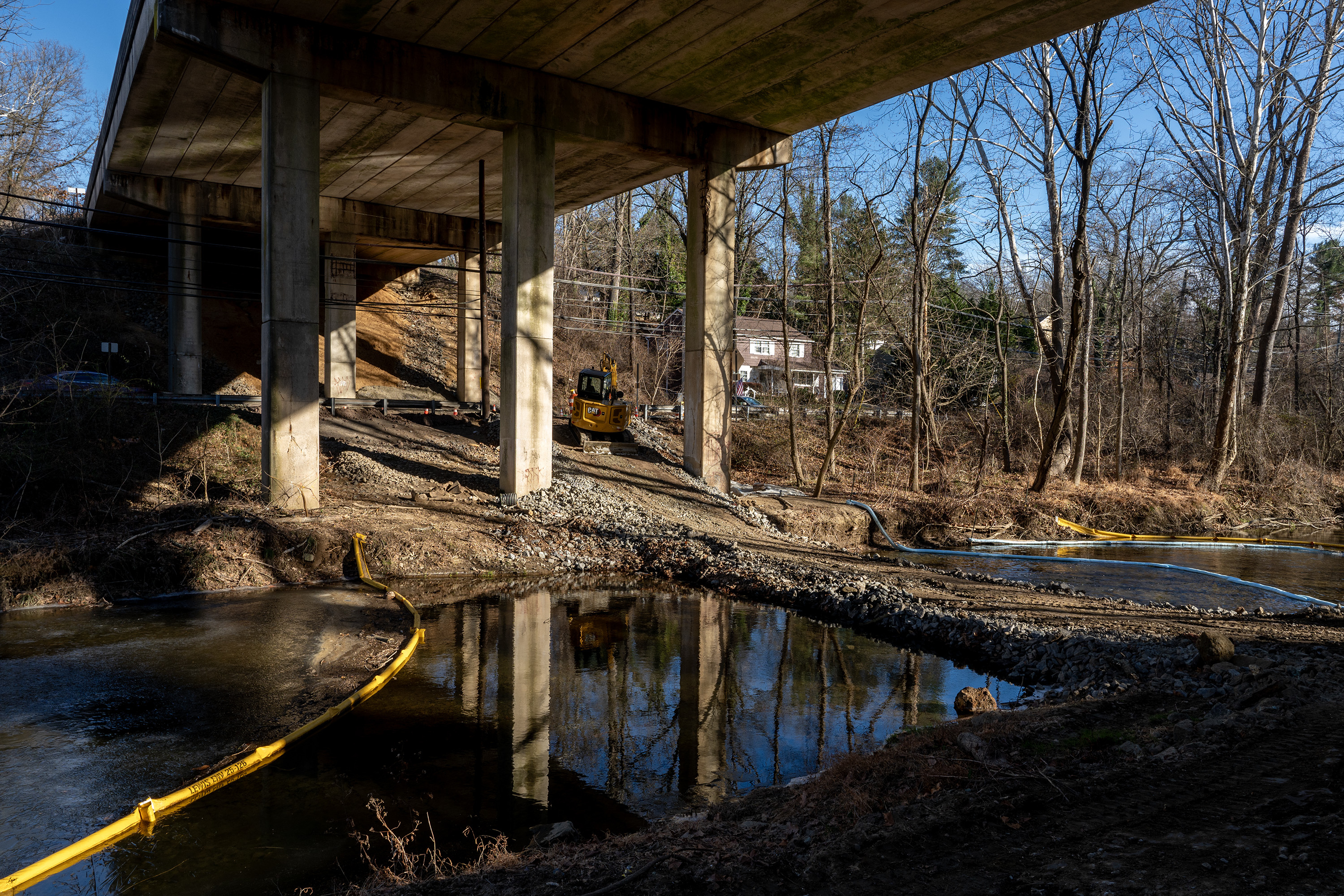
    Remediation work to clean up a September oil spill that contaminated Ridley Creek is nearing completion.

    Work to clean up oil that spilled into Ridley Creek when a tanker crashed on the Route 1 Bypass in September is nearly finished. Officials expect to wrap up next week, with road closures on Ridley Creek Road continuing until then.

    Crews have been remediating the area, where an estimated 1,000 to 2,000 gallons of oil spilled, including removing contaminated soil and refilling the site, The Inquirer’s Torin Sweeney reports.

    Read more about how crews have tackled the cleanup here.

    💡 Community News

    • Last night, Delaware County Council voted to approve a 19% property tax hike for 2026. Despite pushback from residents, the council enacted a double-digit increase for the second consecutive year. For the average assessed home, taxes will go up an additional $188 annually.
    • Delaware County Council voted unanimously last week to enact a policy protecting LGBTQ+ individuals from discrimination based on sexual orientation, gender identity, and gender expression. It is one of at least 79 local governments in Pennsylvania to adopt similar nondiscrimination ordinances.
    • SEPTA missed Friday’s federally imposed deadline to finish repairs to the heat-detection system on its Regional Rail cars. The agency said the lapse was due to a shortage of the thermal wire required to make the repairs. Installation of the backordered wire for 30 of SEPTA’s remaining trains is expected to be completed next week.
    • Now in its 50th year, the Festival of Lights officially got underway last week at Rose Tree County Park in Media, and will be lit nightly through Jan. 3. We take a look back at highlights from the opening night.
    • An Inquirer analysis of a year’s worth of Riddle Hospital inspections found that the Media hospital was cited once between last November and this October for failing to properly monitor a patient’s vital signs while waiting for care in the emergency department.
    • Residential parking permits for 2026 are now available for Media borough residents. Fees are $5 each for a household’s first two cars and $15 each thereafter. New for 2026, the borough will not distribute a physical sticker, but will instead track registration through the Passport Parking app.
    • Newlin Grist Mill has named a new executive director to lead the historic Concord Township site. Amy Ricci, who most recently held that same role at former Philadelphia paper mill Historic Rittenhouse Town, will assume the position in January, becoming the organization’s fourth executive director.
    • Wawa is opening its 1,000th fuel store today at 675 Baltimore Pike in Springfield. The first 250 guests will get a free T-shirt and coffee. (Daily Times)

    🏫 Schools Briefing

    • Notre Dame de Lourdes School in Swarthmore took home first place in the kindergarten through eighth grade category of B101’s annual Christmas Choir Competition for its rendition of Like It’s Christmas. The school will receive $5,000 for its music program and will perform the winning song at the Philly Pops’ A Philly Holiday Spectacular on Sunday.
    • There’s a school board meeting tonight at Penncrest High School. On Monday and Tuesday, Rose Tree Elementary will host its fifth grade band concert. Penncrest High School’s winter choral concert is on Wednesday. See RTMSD’s full calendar here.
    • Tonight is Swarthmore-Rutledge School’s winter concert, Strath Haven High’s orchestra concert is Monday, and its choral concert is Tuesday. Wallingford Elementary is hosting winter concerts on Wednesday and Thursday. See WSSD’s full calendar here.
    • WSSD is also hosting a community artificial intelligence forum tonight from 6 to 7:30 p.m. at Strath Haven Middle School’s library, where attendees can provide feedback about policies.

    🍽️ On our Plate

    • Wonder is opening next week at the Promenade at Granite Run. The food hall at 1145 W. Baltimore Pike will host a “friends and family” preview Monday through Wednesday ahead of its grand opening next Thursday.
    • The Towne House in Media has been transformed for the five-week run of “Holly Jolly.” The holiday décor will be on display through Jan. 4, during which time festive drinks can also be ordered. Options include the Mistletoe Kiss, made with vodka, rosemary simple syrup, lemon, and club soda, or Holly’s Hot Chocolate, which gives hot cocoa a kick thanks to vanilla vodka and Irish cream.
    • Santa will be making a stop in Glen Mills this weekend alongside Mrs. Claus when the duo visit Harvest Seasonal Grill Saturday from 9 a.m. to 11 a.m. Kids can also decorate cookies during the holiday brunch buffet. Tickets are $25 for children and $35 for adults. Reservations are required.

    🎳 Things to Do

    🌃 Night Market: Swarthmore merchants will stay open later on Friday, and there will also be pop-up vendors, food, drinks, and an ugly sweater competition. ⏰ Friday, Dec. 12, 5-8 p.m. 💵 Pay as you go 📍 Swarthmore town center

    🎙️ The Newspaper Taxis: Hear tunes from this Beatles tribute band. ⏰ Friday, Dec. 12, 8 p.m. 💵 Free 📍 Shere-E-Punjab, Media

    🍪 Cookie Walk: Love holiday cookies but don’t love baking? Or just want to get a larger array? This annual event lets attendees pick and pay for the homemade sweets they want. ⏰ Saturday, Dec. 13, 9 a.m. 💵 Pay as you go 📍 Middletown Church, Media

    Cocoa and Photos with the Clauses and Friends: Write a letter to Santa, decorate cookies, and pose for festive photos with Olaf, Jolly Bear, and the big man himself. ⏰ Saturday, Dec. 13, 10 a.m.-noon 💵 Free 📍 Media Community Center

    🕎 Chanukah Village: A number of stores throughout Media will host crafts and other activities in celebration of the first night of the holiday. A 4:30 p.m. menorah lighting will be held at the Delaware County Courthouse. ⏰ Sunday, Dec. 14, 3-5 p.m. 💵 Free 📍 Various locations

    🏡 On the Market

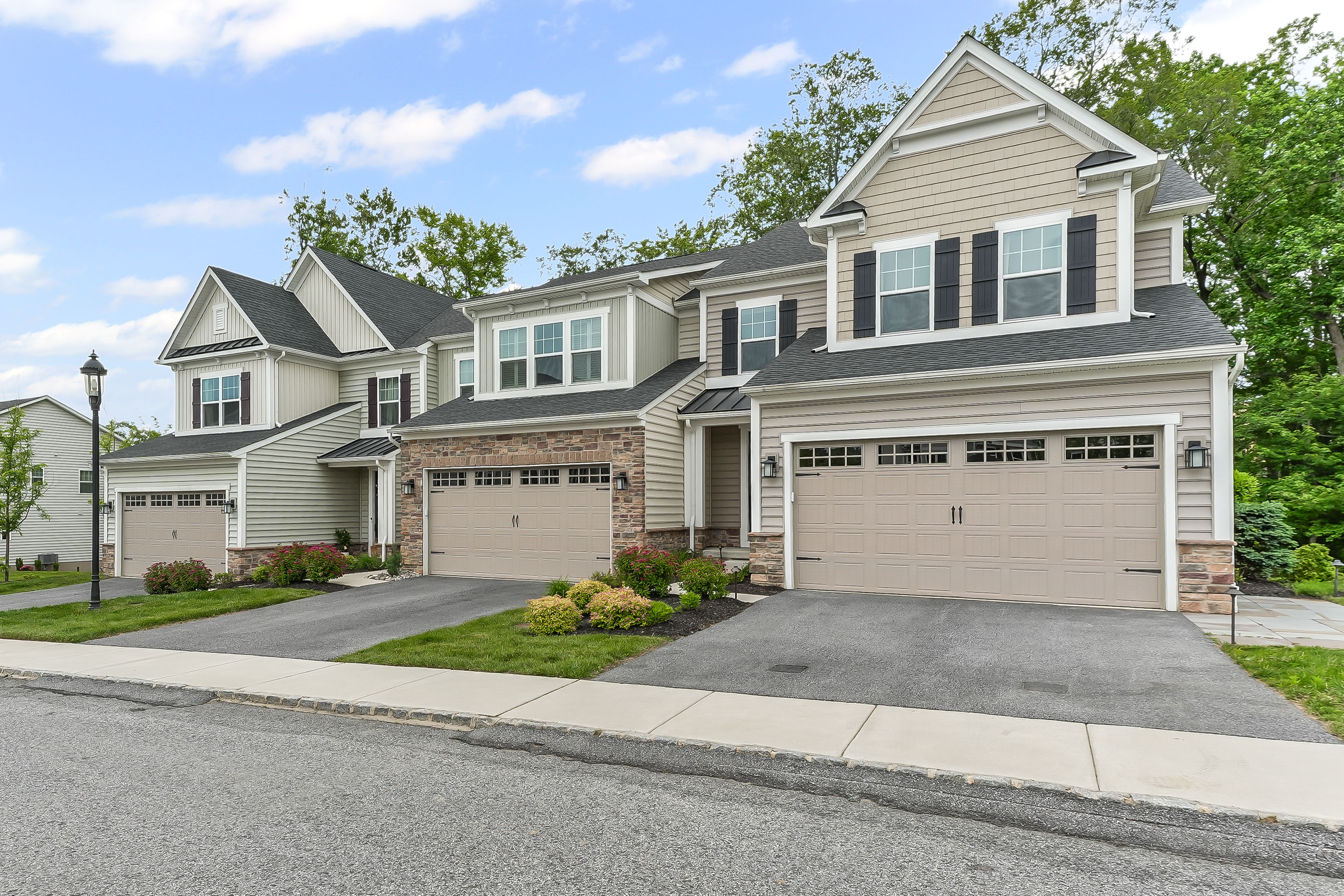
    A modern four-bedroom townhouse in Middletown Township

    The townhome spans over 3,600 square feet and backs up to woods.

    Built in 2022, this spacious townhouse’s first floor features an open-concept kitchen, dining, and living area, which has access to a deck overlooking the woods. There are four bedrooms upstairs, including a primary suite with double vanities and a walk-in closet. It also has a finished walk-out basement with a full bathroom, and access to the community clubhouse and a tot lot. There’s an open house this Saturday from noon to 3 p.m.

    See more photos of the townhouse here.

    Price: $815,000 | Size: 3,640 SF

    🗞️ What other Greater Media residents are reading this week:

    By submitting your written, visual, and/or audio contributions, you agree to The Inquirer’s Terms of Use, including the grant of rights in Section 10.

    This suburban content is produced with support from the Leslie Miller and Richard Worley Foundation and The Lenfest Institute for Journalism. Editorial content is created independently of the project donors. Gifts to support The Inquirer’s high-impact journalism can be made at inquirer.com/donate. A list of Lenfest Institute donors can be found at lenfestinstitute.org/supporters.

  • ‘Everything is up for consideration’ as Wallingford-Swarthmore tackles $2.6 million budget deficit

    ‘Everything is up for consideration’ as Wallingford-Swarthmore tackles $2.6 million budget deficit

    Standing before a room full of parents, administrators, and taxpayers on Monday morning, Wallingford-Swarthmore School District Superintendent Russell Johnston opened the conversation: “None of us is as smart as all of us.”

    At the listening session at Strath Haven Middle School, Johnston and members of the Wallingford-Swarthmore administration took suggestions from the public and laid out the district’s dire budget issues, which came into the public eye at a board meeting last month.

    The main message Johnston came to deliver: As Wallingford-Swarthmore works to cut its budget, everything is on the table, no idea is too big, and no cut is too small.

    “None of this is easy and, like I said, everything is up for consideration right now,” Johnston said, emphasizing that the district is “turning over every stone” and is eager to hear good ideas.

    The Wallingford-Swarthmore School District is facing a $2.6 million budget deficit for the 2027-28 school year. Administrators say the shortfall is due to a combination of factors, including runaway spending, rising staffing costs, a stagnant revenue base, and costly infrastructure repairs, which are needed due to years of deferred maintenance.

    At the community meeting (which was the first of two sessions that took place on Monday), Johnston and colleagues broke down expenses related to staffing, transportation, special services, curriculum, and the district’s long-range capital plan, which was approved in June.

    The conversation stretched across the big picture and the nitty-gritty.

    How often should classrooms be deep-cleaned? How important is renovating the swimming pool? Should the district run late buses for students in after-school clubs? Could the number of district administrators be reduced?

    Suzanne Herron, a parent of young children in the district, said the meeting felt “thoughtful and transparent.”

    “I walked out of there feeling pretty confident that they were going to think about the right things,” Herron said.

    Johnston took the helm of Wallingford-Swarthmore in May, closing an embattled chapter for the Delaware County school district. The district parted ways with its former superintendent, Marseille Wagner, with a $330,000 payout in August 2024. Wagner was accused of spending excessively on administrative initiatives and facilitating an unhealthy work environment for staff, including pitting staffers against one another and dismissing efforts for consensus building.

    The district and Wagner said in a statement at the time that they had “mutually agreed to amicably end their contractual agreement.”

    Wagner’s tenure hung over the conversation at Strath Haven Middle School. Attendees asked how many administrators had been added under the prior superintendent and how the administrator-to-student ratio compared with neighboring districts (administrators said they didn’t have exact numbers off the top of their heads). One parent said that while she was grateful for the open discussion, she struggled to understand how the district got to such a dire place.

    Parents also raised concerns that a disconnect remains between school needs and what taxpayers, especially those without children in the district, see as wasteful spending

    In contrast to neighboring districts like Rose Tree Media and Radnor, which are home to a mix of residential and commercial properties that feed their tax bases, Wallingford-Swarthmore is small and largely residential. This means its school district tax base is powered almost completely by homeowners, many of whom feel stretched thin by the growing tax burden. Swarthmore College, a major presence in the borough, pays limited taxes as a 501(c)3 nonprofit.

    On top of local taxes, Delaware County is expected to increase residential property taxes by 19% for next year. That’s in addition to the 23% increase the county approved for 2025.

    Joyce Federman, an attendee who recently moved to the area and does not have children in the school district, said she has been “staggered” by the amount of school taxes she pays.

    “My tax burden is unbearable,” she added.

    District officials emphasized that there will be continued opportunities for feedback as the budget process continues. The school board finance committee is set to present a potential budget reallocation strategy on Tuesday, and the board is set to vote on reallocation expectations on Dec. 22. A budget must be adopted by June.

    This suburban content is produced with support from the Leslie Miller and Richard Worley Foundation and The Lenfest Institute for Journalism. Editorial content is created independently of the project donors. Gifts to support The Inquirer’s high-impact journalism can be made at inquirer.com/donate. A list of Lenfest Institute donors can be found at lenfestinstitute.org/supporters.

  • Swarthmore College hopes to redevelop Cunningham Fields as its athletic infrastructure ages

    Swarthmore College hopes to redevelop Cunningham Fields as its athletic infrastructure ages

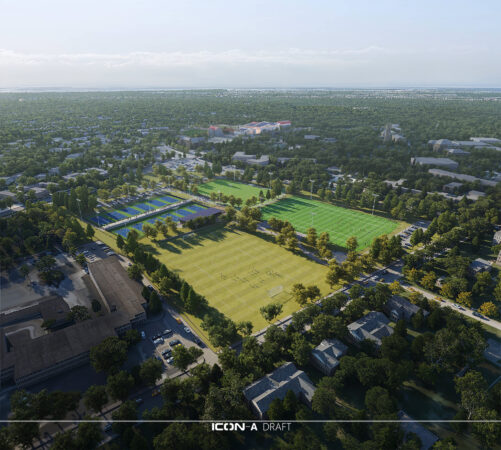
    As Swarthmore College embarks on an ambitious campaign to update its campus infrastructure, plans for a redeveloped athletic complex are taking shape. Under the college’s proposal, Cunningham Fields, a set of playing fields located off College Avenue and North Chester Road, would be redesigned to include updated grass and turf fields, new tennis courts, spectator seating, and a pavilion with restrooms and team meeting areas.

    As the lengthy development process between the borough and the college continues to play out, here’s what you need to know about the proposed redesign.

    What is Cunningham Fields?

    Cunningham Fields is a set of athletic fields located on the Swarthmore College campus, off College Avenue and North Chester Road. The complex currently includes four grass fields, six tennis courts, locker rooms, and restrooms. The fields are used for lacrosse, field hockey, soccer, rugby, and Ultimate Frisbee practice. They are open to the public when they are not in use by the college.

    What does the proposed renovation look like?

    The Cunningham Fields redesign proposes the construction of three new sports fields; a pavilion with restrooms, team meeting areas, a training room, and storage; additional spectator viewing areas; and the addition of six tennis courts and relocation of existing tennis courts.

    One all-purpose turf field would be installed for soccer, lacrosse, rugby, Ultimate Frisbee, kickball, and flag football. The all-purpose field would not have lighting, a sound system, or permanent seating.

    A second proposed turf field would be used primarily for field hockey. That field would include spectator seating for up to 160 people, a press box, a scoreboard, a sound system, and lighting, per NCAA regulations. The field may be lit from 4 to 8 p.m., depending on the season, with the option to extend to 10 p.m. one day a week for fall night games. The use of the sound system would be limited to intercollegiate games, which the college says typically occur twice a week during the season.

    A new grass field would be put in primarily for soccer, rugby, and other recreational activities. The field would not have lighting or a sound system, and would be designed as a “quiet and calm environment,” the college says.

    The proposal also includes renovating existing tennis courts and adding six courts, which the college says would allow the men’s and women’s teams to play side by side.

    Why does the college want to renovate Cunningham Fields?

    The Cunningham Fields renovation is part of a larger plan for Swarthmore’s athletic facilities, which the college says are in need of major updates.

    Cunningham Fields currently presents “a unique set of challenges,” according to the college. The natural grass fields require significant maintenance. Its tennis courts have poor drainage and no spectator seats and are split between two locations, creating scheduling conflicts during meets. In addition to Cunningham Fields, the college says, Swarthmore’s Lamb-Miller Field House is “at the end of its usable life” and no longer meets NCAA requirements.

    A spokesperson for the college said in a statement that the proposed development is “an exciting project designed to meet the needs of our students while also serving as a resource for the broader Swarthmore College and Borough community.”

    The proposed renovation follows the 2024 adoption of “Swarthmore Forward,” a strategic plan that articulates the college’s vision for nurturing “all aspects” of students’ well-being, including health and wellness.

    How has the Cunningham Fields proposal changed over time?

    After receiving community feedback, the college says it has made significant changes to its initial plans and is “committed to preserving a true parklike character” through modern lighting and sound technology, quiet hours, deliberate scheduling, and environmentally responsible materials, among other measures.

    While the college initially planned to put lighting on all of the new fields, it now plans to light only the tennis courts and field hockey field. Plans for a new fitness court have been eliminated. Spectator seating and new netting have been pared back.

    To address the complaint of buses waiting along College Avenue, the South Cunningham Lot would be used as the main entry point, and drop-off and pickup would take place at a dedicated area near the parking lot entrance off South Chester Road.

    Has the borough approved the renovations?

    Not yet. Swarthmore College is in the middle of a development process with the borough that could take months, or longer.

    When property owners want to build something that does not comply with the existing zoning code (like the Cunningham Fields proposal), they can go through one of two avenues. Developers can either request that a municipality rezone its specific parcel of land, or propose a text amendment, which changes the municipality’s zoning code at-large.

    The college has gone the latter route, requesting an amendment to the borough’s zoning code. As proposed by the college, the amendment would add various permitted uses to the current IN-B Institutional District code, including changes that would affect the allowance of tennis courts, walking paths, safety netting, and scoreboards.

    Before a text amendment can be passed, it has to go through the borough’s planning and zoning committee, borough council, and planning commission. At a meeting on Dec. 1, the Swarthmore Borough Council discussed traffic, environmental impacts, and noise issues, raising questions like how late the college could use its field lights and where and when spectators could park for games. The council plans to send a list of questions and concerns to the planning commission by the end of the month. The commission will then study those issues before returning with a recommendation.

    If the zoning amendment is approved, the college’s development proposal would then have to go through an approval process with the county and borough, introducing another set of public meetings.

    How do residents feel?

    At a Nov. 20 meeting of Swarthmore’s planning and zoning commission, fears about changing neighborhood character and environmental impacts dominated public comment, according to the Swarthmorean, a community newspaper. Some residents expressed concerns about disruptive late-night athletic games, while others questioned the college’s decision to pursue a text amendment rather than a zone change.

    In its statement, the college said it looks forward to “continued engagement with our neighbors and the Borough as the process moves forward and to creating a space that benefits both the College and Swarthmore residents.”

    This suburban content is produced with support from the Leslie Miller and Richard Worley Foundation and The Lenfest Institute for Journalism. Editorial content is created independently of the project donors. Gifts to support The Inquirer’s high-impact journalism can be made at inquirer.com/donate. A list of Lenfest Institute donors can be found at lenfestinstitute.org/supporters.

  • Wallingford-Swarthmore is facing a $2.6 million deficit. Officials blame a ‘spending problem.’

    Wallingford-Swarthmore is facing a $2.6 million deficit. Officials blame a ‘spending problem.’

    The Wallingford-Swarthmore School District is headed for a $2.6 million budget deficit, district officials said during a presentation on Tuesday night.

    At a meeting of the district’s finance committee on Nov. 18, Superintendent Russell Johnston and business administrator DeJuana Mosley presented a dire picture of the school district’s finances. Increased staffing costs, subpar inventory management, and costly building repairs have coincided with a shrinking revenue base in the district, officials said. Without implementing a “cultural shift” around spending, Mosley said, the district is staring down major fiscal problems for the 2027-28 school year.

    “Bottom line, the district has a spending problem,” Mosley said.

    Why is Wallingford-Swarthmore facing a budget deficit?

    District administrators say Wallingford-Swarthmore‘s fiscal issues are largely related to runaway spending and insufficient recordkeeping.

    The school district’s budget has increased by 18%, or around $16 million, over the last five years. Administrators said the district has had to pour resources into its security, nursing staff, and costly building repairs that had been put off for years. On top of that, Mosey outlined a lack of inventory management, describing a culture across the district of “just ordering stuff.”

    Johnston was hired earlier this year to replace former Superintendent Wagner Marseille. The school district parted ways with Marseilles in 2024 amid mounting criticism of his management style and spending decisions.

    The district’s unsustainable spending has been set to the backdrop of a decreasing tax base, officials said. The 2025 taxable assessed value in the school district is $2.6 billion, a $5.8 million decrease from 2024. The decrease resulted in a $174,000 loss in revenue.

    School districts in Pennsylvania are limited by the Act 1 Index, a formula used to determine the maximum tax increase a district can levy (without voter approval). The index is calculated using the statewide change in wages, the nationwide change in school employee compensation costs, and an individual district’s relative wealth. Wallingford-Swarthmore’s 2026-27 Act 1 Index is 3.5%.

    Unlike neighboring school districts like Rose Tree Media, which has seen continued population increases and new construction, Wallingford-Swarthmore is small and almost entirely residential. Limited construction and growth leaves few opportunities to increase the district’s tax base.

    Around 20% of the district’s revenue comes from state and federal subsidies. Mosey said poor recordkeeping had impacted state subsidy and grant revenue (the issue has since been cleaned up, she added).

    How is the district planning to balance the budget?

    If no changes are made, the school district is set to be short about $2.6 million for the 2027-28 school year. Mosley recommended the district cut the budget by double that amount ($5.2 million).

    “I know it’s alarming and it’s aggressive and it’s a lot,” she said. “We’re trying to change the trajectory of what we’re doing.”

    Johnston said the district should look at cost savings that are “furthest away from the classroom,” citing examples like professional development and travel for staff, a reduction of the size of the district’s capital plan, and a review of “potential redundancies in services and staffing.” He also suggested evaluating which services the district is required to provide and which are optional.

    “I almost have to take a deep breath when I say this out loud, but kindergarten transportation is not required,” he said, offering cutting buses for kindergartners as an example.

    Johnston emphasized that he was not making a suggestion to cut kindergarten transportation from the get-go, but was offering it as an example of an optional service the district provides.

    What happens next?

    The district has to present a 2027-28 budget draft by June of next year. Johnston and Mosley said they were deliberately bringing the budget process to the public months in advance to allow for ample conversations with teachers, staff, parents, and the school board.

    In early December, Johnston will host optional community forums with school faculty and the community. The school board’s finance committee will present a potential budget reallocation strategy at its Dec. 16 meeting. On Dec. 22, the board is set to vote on its reallocation expectations.

    This suburban content is produced with support from the Leslie Miller and Richard Worley Foundation and The Lenfest Institute for Journalism. Editorial content is created independently of the project donors. Gifts to support The Inquirer’s high-impact journalism can be made at inquirer.com/donate. A list of Lenfest Institute donors can be found at lenfestinstitute.org/supporters.

  • Swarthmore Borough drops income tax proposal after contribution from Swarthmore College

    Swarthmore Borough drops income tax proposal after contribution from Swarthmore College

    Swarthmore Borough is tabling a proposal to implement an earned income tax after Swarthmore College stepped up to cover a funding gap left by the closure of Crozer-Chester Medical Center.

    Under a memorandum of understanding passed by Swarthmore Borough Tuesday, Swarthmore College will contribute $638,000 to the borough to help cover rising emergency service costs.

    The contribution allows the borough to drop a proposal to implement an earned income tax, which faced pushback from residents and some members of borough council.

    In a message to the community, Rob Goldberg, Swarthmore College’s vice president for finance and administration, said, “We’re happy we were able to work with the borough to avoid a new tax being imposed on College employees. We also value our long-standing partnership with the borough and remain committed to supporting the community we share. We’re grateful for the constructive dialogue that led to this outcome and for the continued collaboration that benefits both the borough and the College.”

    In a presentation given last month, the borough projected a 1% earned income tax would bring in at least $3.13 million in the second year of collection (some collection lags would occur in the first year). This would include $760,000 to $1.5 million in taxes collected from nonresidents who work in Swarthmore.

    An earned income tax is a local tax on salary, wages, and tips, but not on passive income like interest, dividends, capital gains, pensions, and Social Security benefits. These taxes are generally capped at 1%.

    If a taxpayer lives in a community with an earned income tax, they pay into their home community’s income tax base. If their home community does not have an earned income tax and the community where they work does, they pay into their work community’s income tax base. One major exception is Philadelphia’s wage tax, which overrides local earned income taxes. This means if a person works in Philadelphia and lives in a suburban municipality with an earned income tax, they would pay Philadelphia’s wage tax rather than their home community’s earned income tax.

    Cindy MacLeod, chair of the borough council’s finance committee, said the borough’s financial outlook is starkly different this year after the loss of Crozer’s ambulance services both increased the borough’s costs and brought down its revenue.

    In April, the borough adopted a declaration of disaster emergency following the closures of Crozer-Chester Medical Center in Chester and Taylor Hospital in Ridley Park. The closures resulted in “significant impacts” to emergency services in the region, the declaration said, including burdening remaining medical centers and increasing wait times for patients.

    According to preliminary estimates, the borough’s public safety costs are set to increase by 41% next year — from $3.1 million to $4.3 million. In addition to the loss of Crozer’s ambulance services, the borough is staring down steep fire equipment repair costs and a drop in the number of volunteer firefighters.

    “The cost assumptions around all these emergency services is a real and meaningful change,” said councilmember Scarlett McCahill at a Sept. 8 meeting. “It’s not that all of a sudden, surprise, we weren’t minding the shop and now we’re really behind and need to do a catchup. The actual costs to the community have changed significantly.”

    In addition to emergency service needs, Swarthmore officials say the borough has not been immune to more general inflationary pressures. Costs are rising for community services that the borough doesn’t want to cut, MacLeod said.

    Though the earned income tax is off the table for now, the borough is considering implementing an emergency services tax, a specific type of property tax that would be earmarked just for emergency services.

    “We hope we don’t have to do an emergency services tax, but we haven’t ruled that out,” MacLeod said.

    Budget discussions will continue at the borough’s Oct. 27 finance committee meeting.

    This suburban content is produced with support from the Leslie Miller and Richard Worley Foundation and The Lenfest Institute for Journalism. Editorial content is created independently of the project donors. Gifts to support The Inquirer’s high-impact journalism can be made at inquirer.com/donate. A list of Lenfest Institute donors can be found at lenfestinstitute.org/supporters.