Tag: topic-link-auto

  • The man, the myth, the bar crawl: Jenkintown goes all out for Nic Cage-themed night

    The man, the myth, the bar crawl: Jenkintown goes all out for Nic Cage-themed night

    In an unbearably massive oversight, the city of Philadelphia has left National Treasure Nicolas Cage completely out of its Semiquincentennial festivities, despite the fact that he’s the only known person to have stolen the Declaration of Independence and climbed Independence Hall free solo in the last 250 years.

    But fear not, for a group of suburban bars have mustered to pay homage to this chameleon king of cinema, this skin-shedding Snake Eyes of the silver screen with their revolutionary event: “Uncaged in Jenkintown: A Nic Cage cocktail crawl.”

    Nic nugget: Cage has portrayed twice as many people as there were members of the First Continental Congress.

    From 4 to 8 p.m. June 28, four Jenkintown bars within stumbling distance of each other — the Keep Easy, the Drake Tavern, Buckets Bar, and Kings Corner — will be featuring Cage-themed cocktails, showing Cage movies, and hosting “Cage matches.”

    Songs from Cage’s films will be performed live in an alley, the local movie theater is hosting a late-night screening of a Cage film, and, for the Wild at Heart, even a tattoo parlor is getting in on the festivities.

    Nic nugget: Cage has a tattoo of a lizard wearing a top hat.

    In an Adaptation of a typical bar crawl, participants who register for this event will receive a pretty Kick Ass “Uncaged Cocktail Crawl Kit” filled with goodies that would be a Dream Scenario for any Cage fan.

    Mel Hager — an owner of the Keep Easy who described her Cage fandom as “AhaHAhahAA [maniacal Cage laughter] OUTRAGEOUS OOooOO!!” — said the participating bars host a Festivus-themed crawl during the holidays and they wanted to create a summer-themed crawl too (luckily, there’s no chance of getting Snowden at this time of year).

    “Who doesn’t like Nic Cage?” she said. “It’s insane how he puts in the work. Every time I turn around I’m like ‘Is he a robot? How does he do so many movies?’ He’s an enigma but yet he does seem like all of us but also maybe he’s an alien? I don’t know, but it’s fantastic.”

    Nic nugget: Cage has never played an alien, but he was convinced he was one as a kid.

    The event is free to attend, but participants who want to compete for Cage-themed prizes will need to either preregister online for $15 or register in person the day of at the same price to receive their Uncaged kit. Each kit contains one of five random Cage masks to be worn during face-offs against opponents in “Cage matches.”

    Every bar will have its own Cage match competition that will pit two players in a tête-à-tête game based on a different Cage movie to determine who’s the Lord of War. The game at Buckets, for example, is called the “Flying Elvis” and it’s based on the scene in Honeymoon in Vegas where Cage goes skydiving with a group of Elvis impersonators. Contestants will have to throw toy parachute soldiers (hand-painted to look like Elvis) to see who can land them closest to a tiny mock-up of the Vegas strip.

    The games are designed to move quickly, with each Gone in 60 Seconds or so.

    Nic nugget: When Cage is gone he will be buried in a 9-foot-tall white stone pyramid he had built in a New Orleans cemetery.

    For every challenge won, participants will get a stamp in their Cage pub passport, which is included with the kit. At 7:30 p.m., an awards ceremony will be held and those with the most stamps will receive Cage-themed prizes. Hey, It Could Happen to You.

    Cage crawlers are also urged to get stamps in their passport for every Cage-themed beverage they consume. The Keep Easy will be serving “Mandy’s Electric Lemonade,” a reference to the surreal horror film, Mandy, that’s made with blue Curaçao, a libation just as colorful as Cage’s career.

    “We’re trying to bring out his spirit in our spirits,” Hager said.

    Also included in the kit is a photo scavenger hunt with challenges at every establishment, like snapping a picture with Picolas Cage, a life-size cut-out of Cage as a pickle (he’s kind of a big dill).

    “We had Picolas Cage already because we had a pickle crawl one year and I love Nic Cage…so he’s making a comeback,” Hager said, gherkin out.

    Those who preregister will also receive a piece of Cage cash, a very not legal form of tender with Cage’s face on it that will get you a specialty shot at one of the four participating bars, if you want to cash it in.

    Nic nugget: Cage once spent $276,000 on a dinosaur skull he later had to turn over to the Mongolian government.

    A Nic Cage-themed bar crawl? Just take our money now.

    During the crawl, local musician Gerard Regan will Rage in nearby Yorkway Alley, playing songs from Cage movies. Prior to the festivities, Nobleheart Tattoo Gallery will have a special on Cage-themed tats from 1 to 4 p.m. And following the crawl at 9:30 p.m., the Hiway Theater will show Cage’s 1988 film, Vampire’s Kiss, if you have Time to Kill.

    Costumes are encouraged and given that Cage has portrayed every kind of character from an angel to a vampire, the possibilities are endless. So get Primal with it, because you don’t want to be Left Behind.

    “It’s like the whole town is getting involved,” Hager said. “Like Nic Cage would, just come on out and have fun. You deserve it.”

    For more information on Uncaged in Jenkintown, visit the event’s Facebook page. To preregister for the crawl visit: uncagedinjenkintown.bigcartel.com.

  • A history of Black electronic music can’t exist without Philly. Philly DJ, producer, and UCSD professor King Britt tells us why.

    A history of Black electronic music can’t exist without Philly. Philly DJ, producer, and UCSD professor King Britt tells us why.

    King Britt is bringing Blacktronika back home.

    In 2020, the Philadelphia DJ and producer — then a newly hired computer music professor at University of California, San Diego — created a course called “Blacktronika: Afrofuturism in Electronic Music.”

    The popular class honors “people of color who pioneered groundbreaking genres within electronic music,” citing innovators like Sun Ra, Flying Lotus, and Philadelphia poet Moor Mother. Featured guests have included Herbie Hancock, Questlove, and Nile Rodgers.

    It has also grown into a music festival: Britt has presented Blacktronika events in New York, Paris, Los Angeles, and Durham, N.C. And now, as part of ArtPhilly’s festival What Now: 2026, Britt has curated the series “Blacktronika: Philadelphia Now and Then.” It is supported with a $50,000 grant.

    It takes place over seven nights in four venues around the city.

    The Southwest Philly-raised artist, who founded the Ovum Recordings label with then musical partner Josh Wink, and created the Philly house and soul music project Sylk 130 in the 1990s, has a full week worth of musical history lessons in store for his hometown.

    ‘Illuminate just Philly’

    “This is different from any other Blacktronika festival,” said Britt, 58, speaking via Zoom from the UC San Diego campus. “At all of the other Blacktronika events, I fly people in from all over the world,” said the DJ, who was born King James Britt. “For this one, I wanted to illuminate just Philly.”

    King Britt is the curator for ArtPhilly’s “Blacktronika: Philadelphia Now and Then,” taking place for seven consecutive nights starting June 23.

    Philadelphia’s role in Blacktronika history dates as far back as Sun Ra’s forays into electronic music in the 1960s and forward to 102-year-old Arkestra leader Marshall Allen’s mastery of the electronic valve instrument.

    Britt’s personal connection to Philadelphia’s Afrofuturism goes back to when his mother, who was friendly with members of the Arkestra, would take him to rehearsals at the Sun Ra house in Germantown.

    “I didn’t understand the music when I was a kid,” he said. “But I loved the costumes.”

    The band members were all dressed in colorful space-age outfits.

    A Central High School graduate, Britt was studying marketing at Temple when he dropped out as his career took off.

    Working with Wink under the name E-Culture, the duo had an international deep house hit with “Tribal Confusion” in 1990, when Britt was the dance music buyer at the Tower Records store on South Street. He toured as DJ for the Grammy-winning hip-hop group Digable Planets early that decade and teamed with Wink for a long-running series at Fluid nightclub called “The Womb.”

    The 2005 album King Britt Presents: Sister Gertrude Morgan married dance beats with street-corner sermons by the New Orleans folk artist. And his Afrofuturist project Fhloston Paradigm showcased his love of sci-fi, in particular Luc Besson’s 1997 film The Fifth Element.

    Prof Britt

    Britt never thought of himself as an educator until an ex-girlfriend and his daughter, Summer Sloane-Britt, now an art professor at Occidental College, urged him to apply for the post at UC San Diego in 2019.

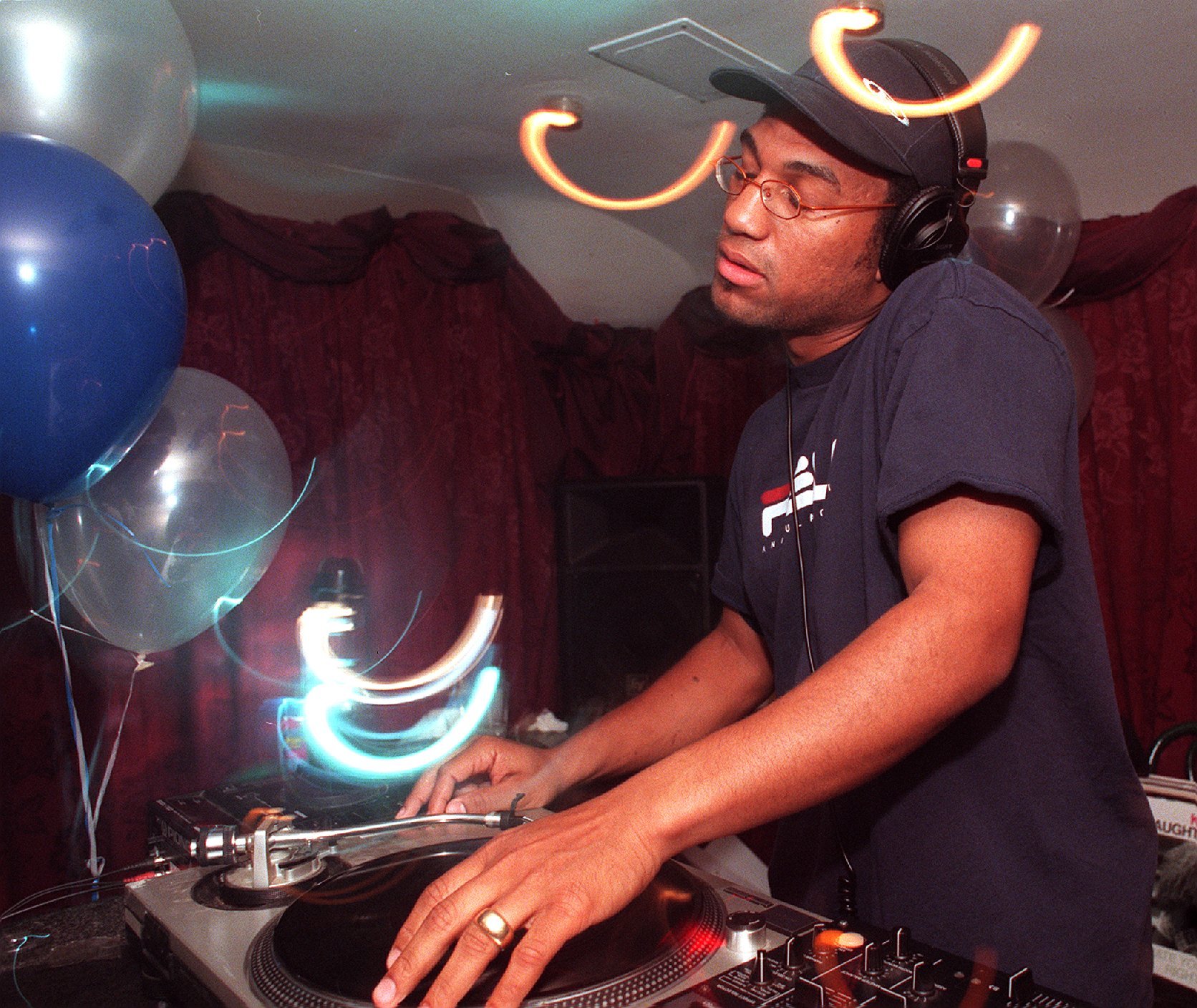
    DJ King Britt at Filo’s downstairs club, 408 S. Second St., in 2000.

    He did a Skype job interview while in Portugal for a gig, and though he doesn’t have an undergraduate degree, got hired on the basis of a lifetime of experience.

    “My CV was 40 pages long,” he said. “It was crazy.”

    Shortly after moving from Philly to Southern California, Britt realized that “no one was talking about Chicago house, Detroit techno, drum & bass, dub. Ninety percent of the dance music we listen to is rooted in Black culture. But the pedagogy was nonexistent. So I created Blacktronika.”

    The course debuted with 20 students the first week of the COVID-19 lockdown, with guests including Greg Tate, the critic who Britt calls “my mentor.” Tate died in 2021; his seminal book Flyboy in the Buttermilk has just been reissued on Questlove’s AUWA imprint.

    Now, Britt has 420 students for his virtual Blacktronika class. Interviews with guests like George Clinton, Patrice Rushen, and the Arkestra’s Allen and Knoel Scott are archived at Blacktronika.com.

    In a post-Zoom-interview email, Professor Britt — who is now tenured and was named MacArthur Foundation Endowed Chair in Digital Media and Learning in 2025 — expounded on Philadelphia’s central role in Blacktronika history.

    He cited drummer Earl Young’s “development of the four-on-the-floor rhythmic approach that became foundational to Disco and later House music” and Dexter Wansel “expanding the sonic palette of Philadelphia International Records.”

    The prof, who is working on a Blacktronika book, gives props to “the turntablism of Cash Money and Jazzy Jeff,” plus gangsta rap pioneer Schoolly D, as well as The Roots and their keyboard player James Poyser.

    A homecoming

    It was ArtPhilly cofounder Bill Adair who brought in Britt, says Tania Isaac, a curatorial director of the fest. Britt “is singular in terms of what he represents,” said Isaac. “Artists who are from Philly, whose work is grounded in Philly, but are global. We’re able to support artists coming home.”

    Britt’s series kicks off at Fishtown cocktail lounge Margolis on Tuesday, spotlighting TastyTreats, the party hosted by Stacey “Flygirrl” Wilson. DJs Mike Nyce and Yameen Allworld will be joined by a just-announced special guest: DJ Jazzy Jeff.

    Wednesday night’s Johnny Brenda’s showcase was designed as a tribute to Wansel, the songwriter and producer whose groundbreaking synth-centric album Life on Mars was released in 1976.

    Wansel was scheduled to join a Philly all-star band with Black Buttafly on keys, Anthony Tidd on bass, Tim Motzer on guitar, Elliot Levin on sax, and singers Lady Alma and Tonja Dixon. Poet Ursula Rucker was also on the bill.

    Wansel died last month at 75, so the inaugural Blacktronika Icon Award will be presented posthumously to his son, producer Pop Wansel. Black Music Month founder Dyana Williams will host.

    The week also includes a celebration of the Beat Society hip-hop party hosted by rapper Hezekiah on Thursday at Johnny Brenda’s, followed by Moor Mother’s Rockers at Solar Myth on Friday, and an Illvibe Collective soiree at King Fu Necktie on Saturday.

    On Sunday at Silk City, Tracey Moore of Jazzyfatnastees hosts a tribute to Black Lily, the neo-soul incubator that helped birth the careers of Jill Scott, John Legend, and others. That band will include many Wansel tribute players, plus punk rock skateboarder and drummer Chuck Treece.

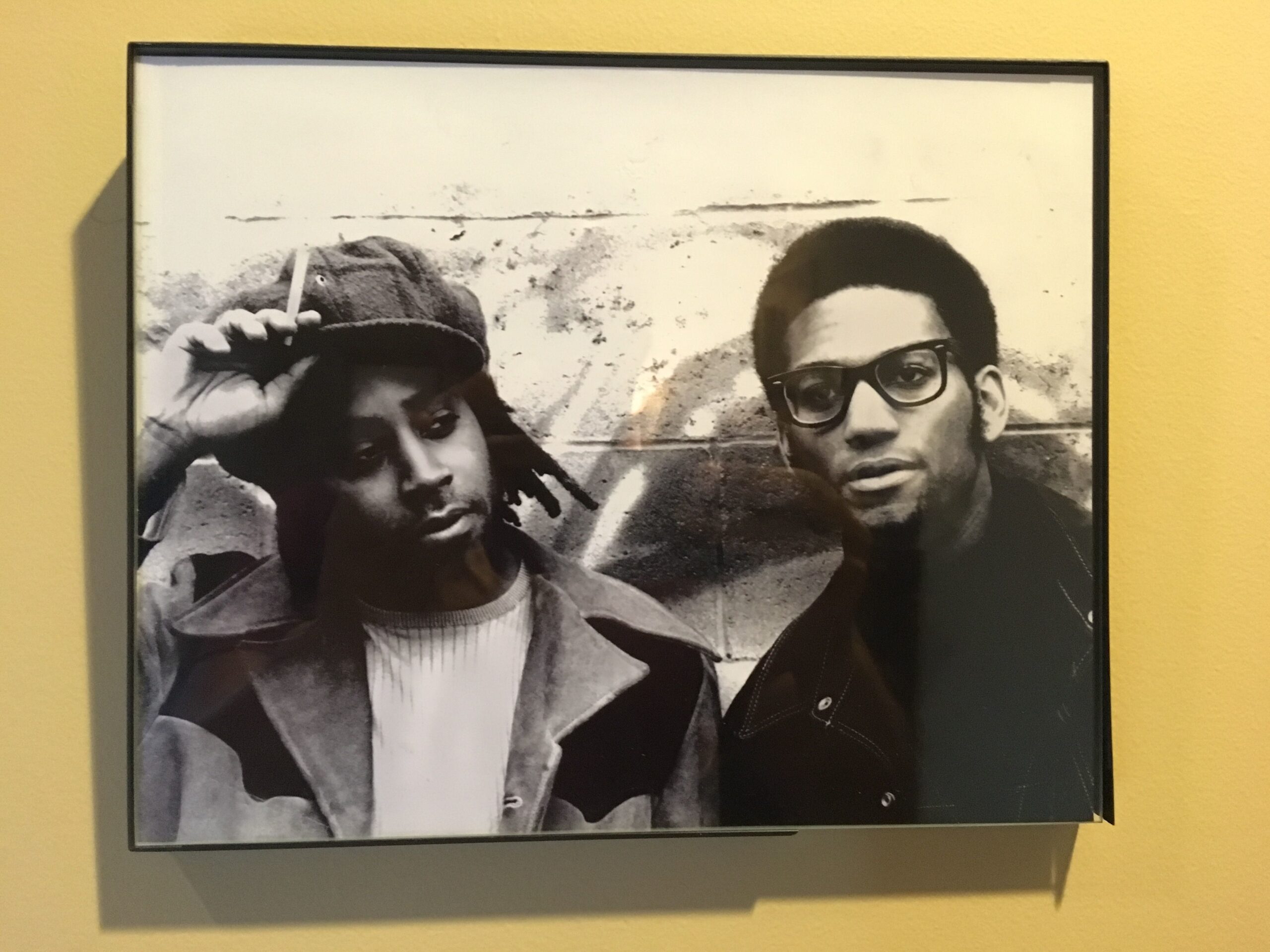
    Dozia Blakey and King Britt in Philadelphia in 1992. Britt, now a music professor at the University of California, San Diego, has curated the ArtPhilly festival “Blacktronika: Philadelphia Now and Then,” taking place over seven consecutive nights starting June 23, at venues throughout the city, including Margolis, Johnny Brenda’s, Kung Fu Necktie, Silk City, and ARS Nova Workshop at Solar Myth.

    Britt will perform on Monday, when he’ll DJ and be joined by guests at Silk City, paying homage to Back2Basics, the party that blended DJs with instrumentation, which he created with Dozia Blakey in 1990.

    Each day during Blacktronika week except Saturday, Britt and guests will join Clubfriends Radio and Records founder Alexa Colas for conversations at her Meantime pop-up at 926 Market St. It’s free.

    And “Philadelphia Now and Then” is only part one of Britt’s plan to bring Blacktronika back to his hometown.

    In November 2027, he’ll partner with the African American Museum in Philadelphia for “Tangible: Blacktronika Artifacts and Archives,” an exhibit funded by a $360,000 grant from the Pew Center for Arts & Heritage. That will be accompanied by a second Britt-curated Blacktronika festival, which he says will include artists “from all over the world.”

    But before he brings the world to Philadelphia, “Philadelphia Now and Then” will first tell the story of how Blacktronika blossomed in his hometown.

    “It’s important to honor all the parties that were pushing the sonics, the sound of electronic Blackness in Philly,” Britt said. “From Philly, born in Philly, all the musicians are Philly. Everything’s Philly.”

    King Britt’s “Blacktronika: Philadelphia Now and Then” takes place daily from Tuesday, June 23, to Monday, June 29, at venues across the city. Information at artphilly.org.

  • How Haverford High’s national teacher of the year is coaching aspiring teachers, on topics from racism to connecting with students

    How Haverford High’s national teacher of the year is coaching aspiring teachers, on topics from racism to connecting with students

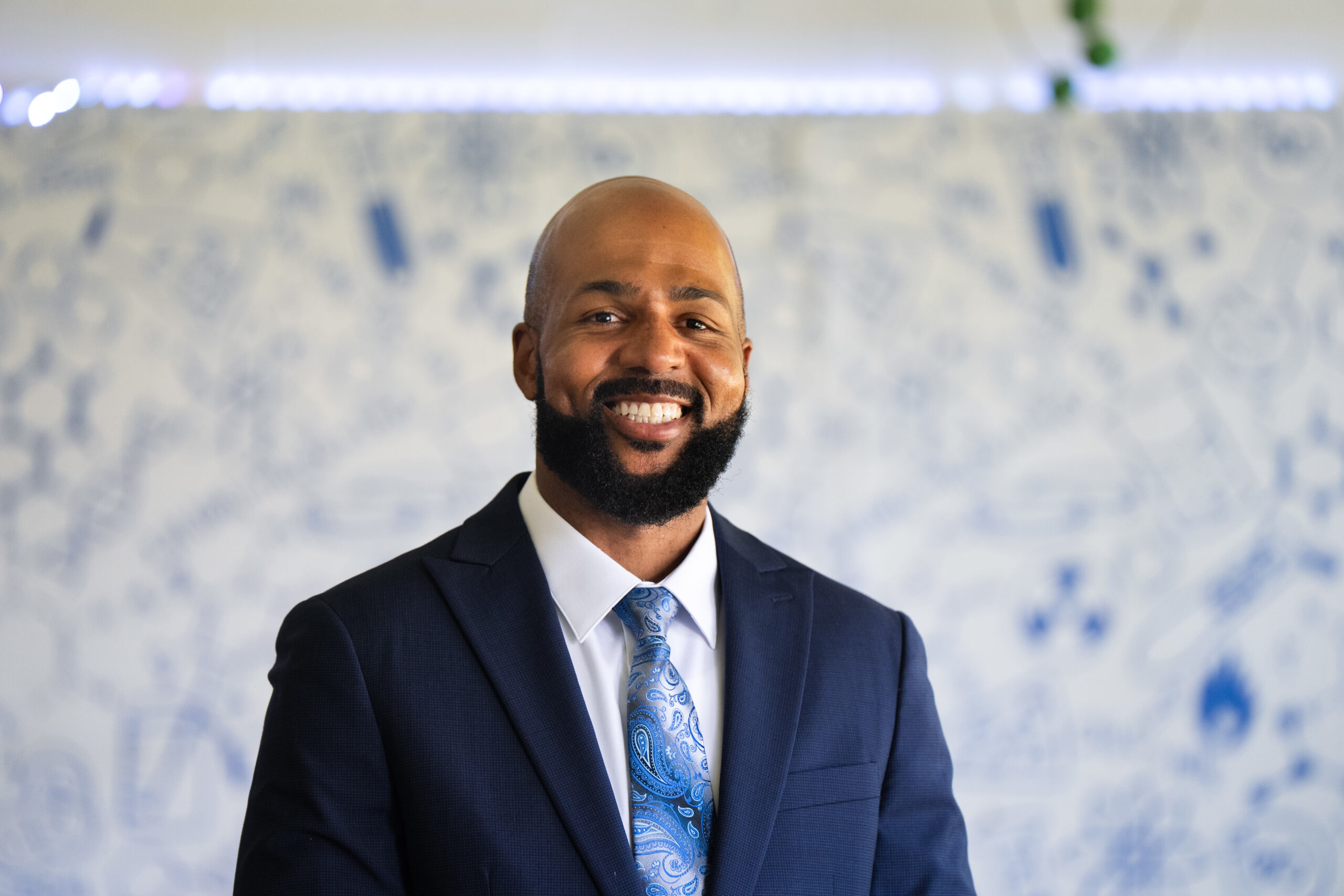
    As the newly appointed National Teacher of the Year, Haverford High School’s Leon Smith has been celebrated on television: from CBS Mornings and Good Morning America to the Kelly Clarkson Show.

    But as the lone Black teacher when he started teaching at Haverford 25 years ago, Smith got a different reception. He experienced racism, he told a group of young people interested in teaching, and if it weren’t for a Black vice principal that listened and supported him, he might not still be teaching today.

    “She would just be very honest with me, and be like, ‘First of all, you’re an excellent educator. … Keep being you. Somebody calls and says something crazy, I’m just hanging up,’” Smith told teaching fellows gathered in Germantown on Wednesday with Breakthrough of Greater Philadelphia, a nonprofit that trains aspiring teachers to lead enrichment programs for middle-school students.

    The event, sponsored by the Equitable Foundation, was just one of many for Smith during his yearlong stint as Teacher of the Year, a platform he was awarded in April by the Council of Chief State School Officers. In that role, he’s spending the year traveling the country to advocate for the teaching profession and growing its ranks.

    Smith, who teaches Advanced Placement U.S. History and Advanced Placement African American Studies at Haverford, spoke passionately to the fellows Wednesday about his motivation to be the teacher he didn’t have growing up, and the immense impact teachers can have on students’ lives — presenting the profession as a deeply rewarding opportunity to help kids recognize their talents.

    But he was also honest about the challenges. Fielding questions about his career from fellows gathered in an auditorium on the Germantown Friends School campus, Smith said he had struggled to find his way as a new teacher, staying up too late trying to perfect lessons.

    He described the sometimes lonely experience of being his predominantly white high school’s only Black teacher, and how he developed strategies to respond to racism, including learning when to walk away and when to speak out.

    He told fellows to find supportive colleagues and to be selective when they considered job offers.

    “Do your research. Make sure it’s a space that’s going to take care of you,” he said.

    Smith also described feeling self-conscious when he was younger about some of his lessons — worrying that students would say, “‘Oh, all he does is talk about Black history,’” Smith said. But he began hearing from students about how grateful they were to have learned about subjects that hadn’t been covered in other classes; an audit later identified African American studies as a class community members wanted to see added.

    ‘My why’

    His comments resonated with the teaching fellows, some of whom said they’re committed to careers in education.

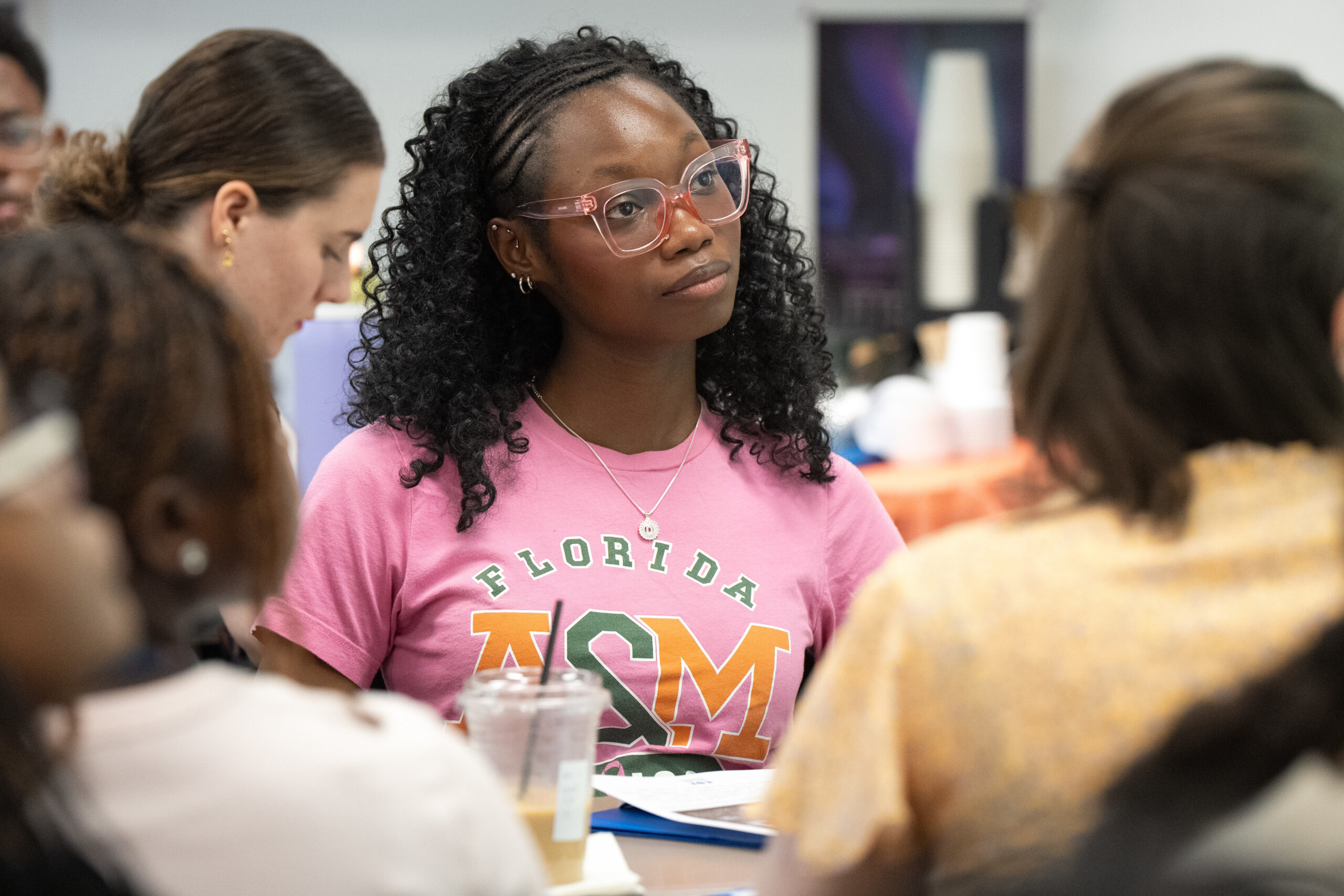
    Dominique Sidae, a 23-year-old rising senior at Florida A&M University, is planning to become a special-education teacher. She said she was inspired by her appreciation for a teacher who helped her younger brothers, who have autism.

    Sidae said she is often the only Black person in teaching spaces. “It feels good to know this isn’t only happening to me,” she said. “You don’t really learn that in college.”

    Dominique Sidae, 23, a fellow with the Breakthrough of Greater Philadelphia, listens to a talk by Leon Smith last week.

    Miles Baldwin, an 18-year-old graduate of Harriton High School in Lower Merion, isn’t sure he wants to become a teacher. But he enjoyed working with students last summer in the Breakthrough program — “a lot of kids came in hating it, and left wanting more,” he said — and Smith’s pitch about being a mentor was compelling to him.

    “Honestly, yeah,” he said, when asked if hearing from Smith made him more interested in teaching.

    That’s part of the goal of Smith’s role as Teacher of the Year, as a dwindling pipeline has challenged recruitment efforts.

    Smith’s agenda this summer includes attending the National PTA Convention in Pittsburgh and giving a keynote speech at the Smithsonian’s National Education Summit. He also will be joining other state teachers of the year at Space Camp in Alabama and participating in professional development.

    But addressing the Breakthrough teaching fellows Wednesday “reminds me of my why,” Smith said in a brief interview. He said the fellows’ eagerness to ask questions “shows they want to be the best they can be,” and reflects qualities of good teachers: “You have to be curious, sometimes silent … often humbled,” Smith said.

    Leon Smith, a teacher at Haverford High School, was named National Teacher of the Year this spring.

    Teaching students to lead

    In a model lesson after his talk, Smith put some of those skills on display. He started by gathering the 34 fellows in a circle, asking them each to share their name and a brief story about it; the group periodically broke into laughter at humorous anecdotes.

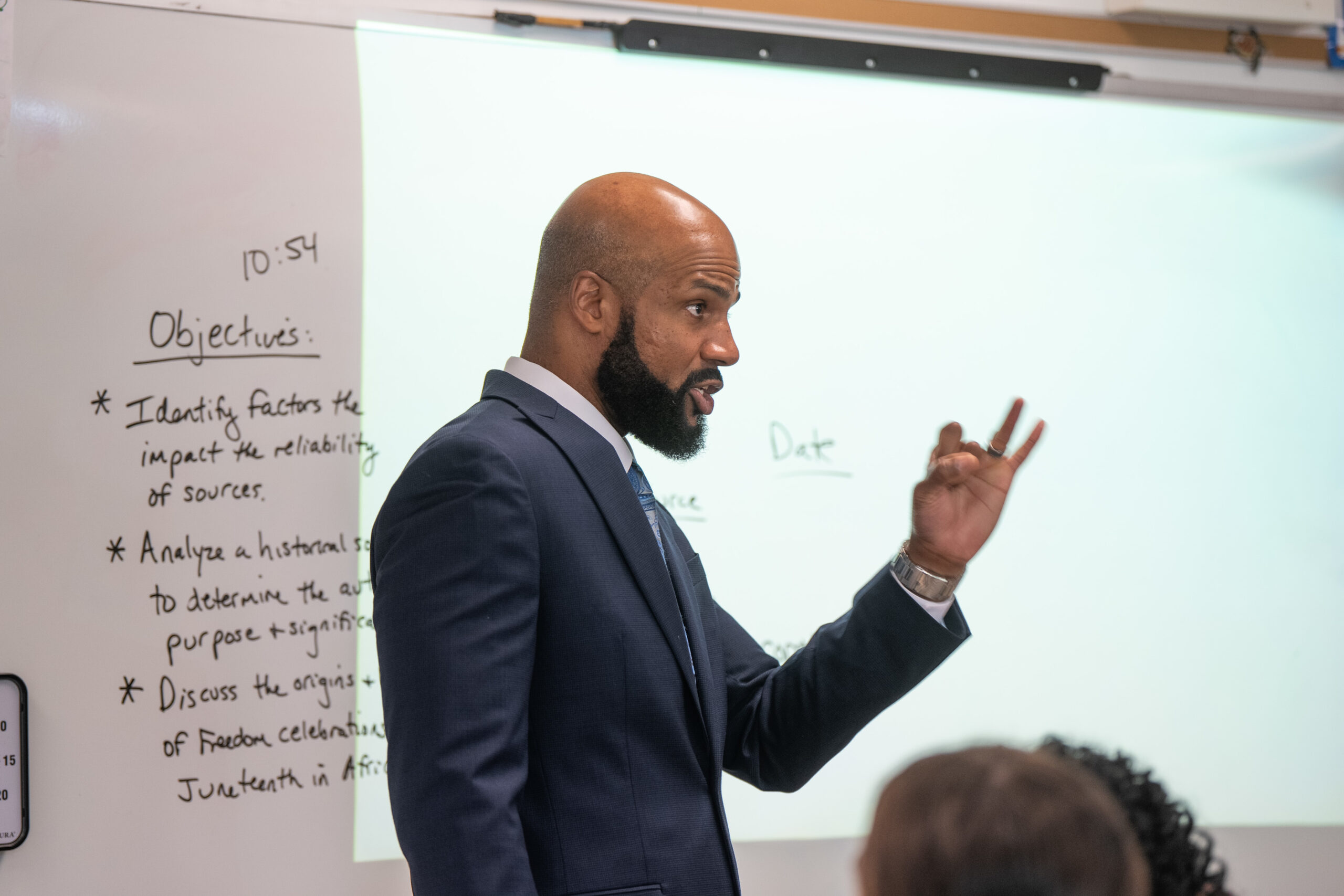
    Smith then outlined the objectives for his lesson about assessing the credibility of sources. He passed out copies of a photo, asking fellows to silently write and then discuss in small groups whether it provided strong evidence of the Fukushima power plant explosion.

    “I always tell my students, you want to be a leader,” Smith said, encouraging fellows to stand by their analyses, even if others disagreed. He then called on people, asking them to explain their thinking while challenging some of their points.

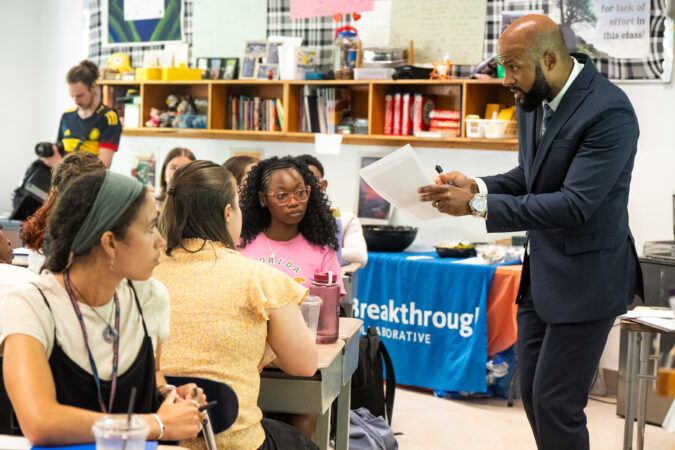
    Leon Smith talks to fellows at Breakthrough Collaborative last week.

    Matt Greenawalt, co-dean of faculty for the Breakthrough summer program and a teacher at Germantown Friends — which supports Breakthrough — was planning to breakdown Smith’s approach for the fellows after the lesson. He noted how Smith was walking through the room, engaging with the fellows as they talked, and Smith’s ability to affirm and redirect them when an answer wasn’t on point.

    Smith’s visit came on day three of a two-week orientation for the fellows, before they would begin teaching students during Breakthrough’s six-week free summer program.

    While access to academics is key for the program’s students, many of whom come from Germantown, “a big piece of it too is having role models,” Greenawalt said.

    Smith told fellows that when the students arrived, “they’re going to just admire you so much.”

    “You’re going to be able to see the light inside of them, and sometimes it just takes someone else to notice, right? … They’ll just kind of be doing their work, and then as you get to know them, you’ll notice certain characteristics and you’ll just pour into it.”

    What really helps make a connection with kids, Smith said, is “just you being yourself.”

    “You walking in there and walking in your own life, and bringing your passion and all the reasons why you wanted to become a teacher,” he said. “Your students are going to feel that.”

  • Can the USMNT really win this World Cup? Probably not, but the players are allowed to believe it.

    Can the USMNT really win this World Cup? Probably not, but the players are allowed to believe it.

    IRVINE, Calif. — On any given day in Seattle, there are a lot of things in the air: the breeze off Puget Sound, the seagulls that steal your french fries, and other substances for which the city is well-known.

    It wouldn’t be fair for an outsider to ask if the last of those factored into the sudden outbreak of hype around the U.S. men’s soccer team. The atmosphere at Friday’s U.S.-Australia game needed no enhancement, with that crowd showing the nation and the world why Seattle’s soccer culture is the real deal.

    But something has caused people to start asking if the U.S. men can win this World Cup. So let’s answer it.

    No, this team is a long way from such a … height, let’s say.

    A sign from U.S. fans at the game against Australia, with two teams that call the sport “soccer” instead of England’s “football.”

    Yes, the Americans have won two games in a men’s World Cup group stage for the first time since 1930. Yes, they have won their group for the first time since 2010, and clinched qualification for the knockout rounds with a game to spare for the first time in the program’s modern era, which started in 1990.

    But the teams they’ve beaten so far, Paraguay and Australia, looked the part of the 41st- and 27th-ranked teams in FIFA’s global standings, which they were when the tournament kicked off. The U.S., meanwhile, has done something that should be within reach for a No. 17 team with home-field advantage on the world’s biggest stage.

    When the U.S. faces Turkey in the group stage finale on Thursday in Inglewood, Calif. (10 p.m. Fox29, Telemundo 62), the hosts will again face a team ranked below them. Turkey is No. 22. How much will that actually prove, compared to a potential matchup with Belgium in the round of 16 or Spain in the quarterfinals?

    Even the first knockout game in the round of 32 could be a trap. Though the U.S. is already set to head to the Bay Area for a game on July 1, the team across the field won’t be known until the group stage ends. It will be the third-place team from group B, E, F, I, or J, depending on which eight of the 12 third-place finishers in the tournament advance.

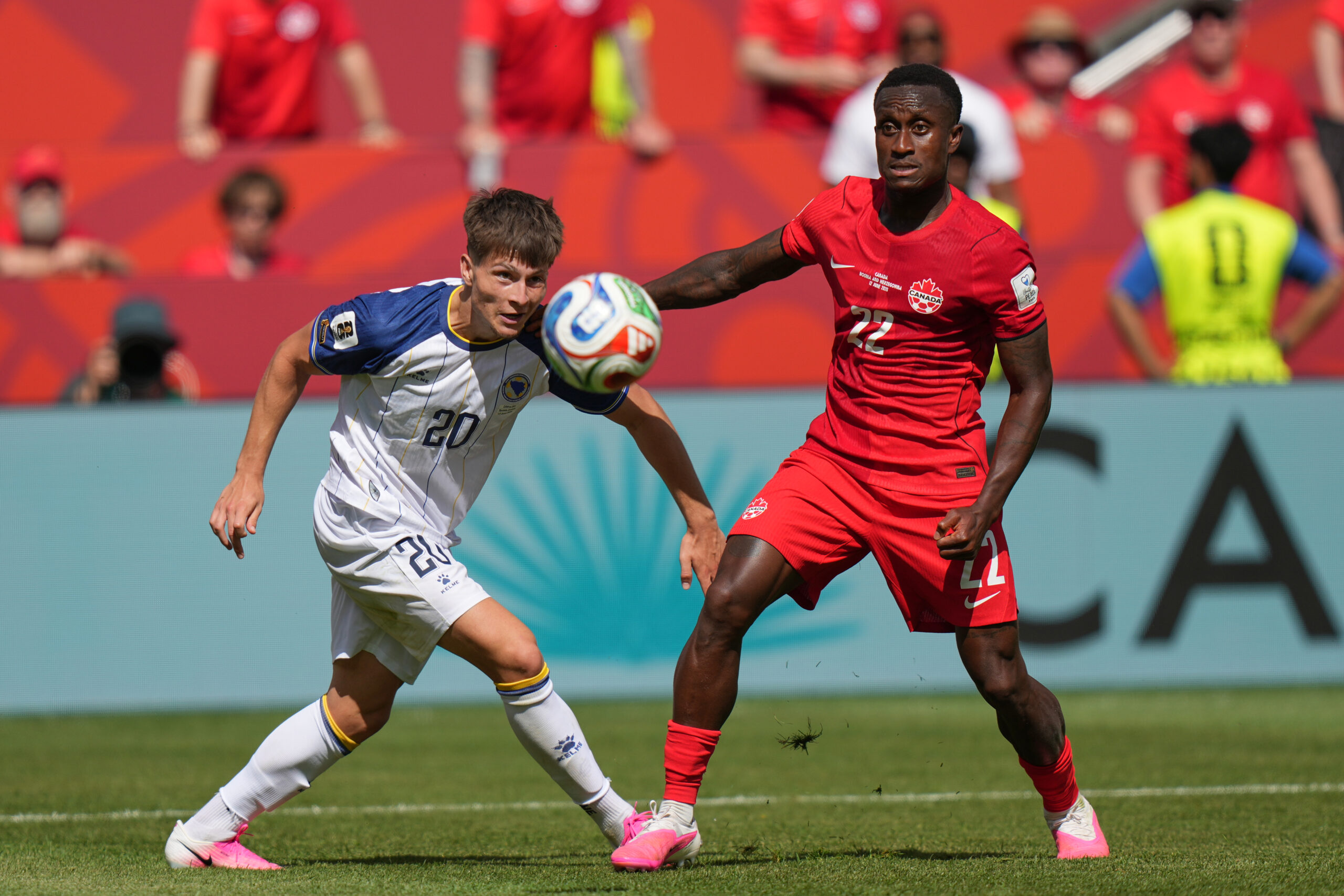
    A U.S.-Bosnia game would be a reunion for Bosnia’s Esmir Bajraktarević (left), who grew up in Wisconsin and played for the New England Revolution.

    The Athletic has a forecasting formula that projects Bosnia & Herzegovina, ranked No. 64, as the most likely candidate right now. As they’d say on “Let’s Make A Deal,” you take the offer right there. Upcoming games could put Ivory Coast, Ecuador, Japan, Sweden, Norway, or Senegal behind the other doors.

    But if it is Bosnia, it would still be a measuring stick, and not just because the U.S. men have won just one knockout-round game in their history (against Mexico in 2002).

    The Americans’ all-time record against European teams in World Cups is 3-14-7, and the only win of the modern era was against Portugal in 2002. The other two were against England in 1950 and Belgium in 1930. (Coincidentally, both games had heroes from Philadelphia, Walter Bahr and Bart McGhee.)

    Sometimes, the insistence on measuring American soccer against Europe is just a thing in the heads of fans and media. But the results record is still long and one-sided, even compared to other continents. The U.S. is 3-2-0 against teams from South America, 2-2-0 against teams from Africa, and 2-1-1 against teams from Asia.

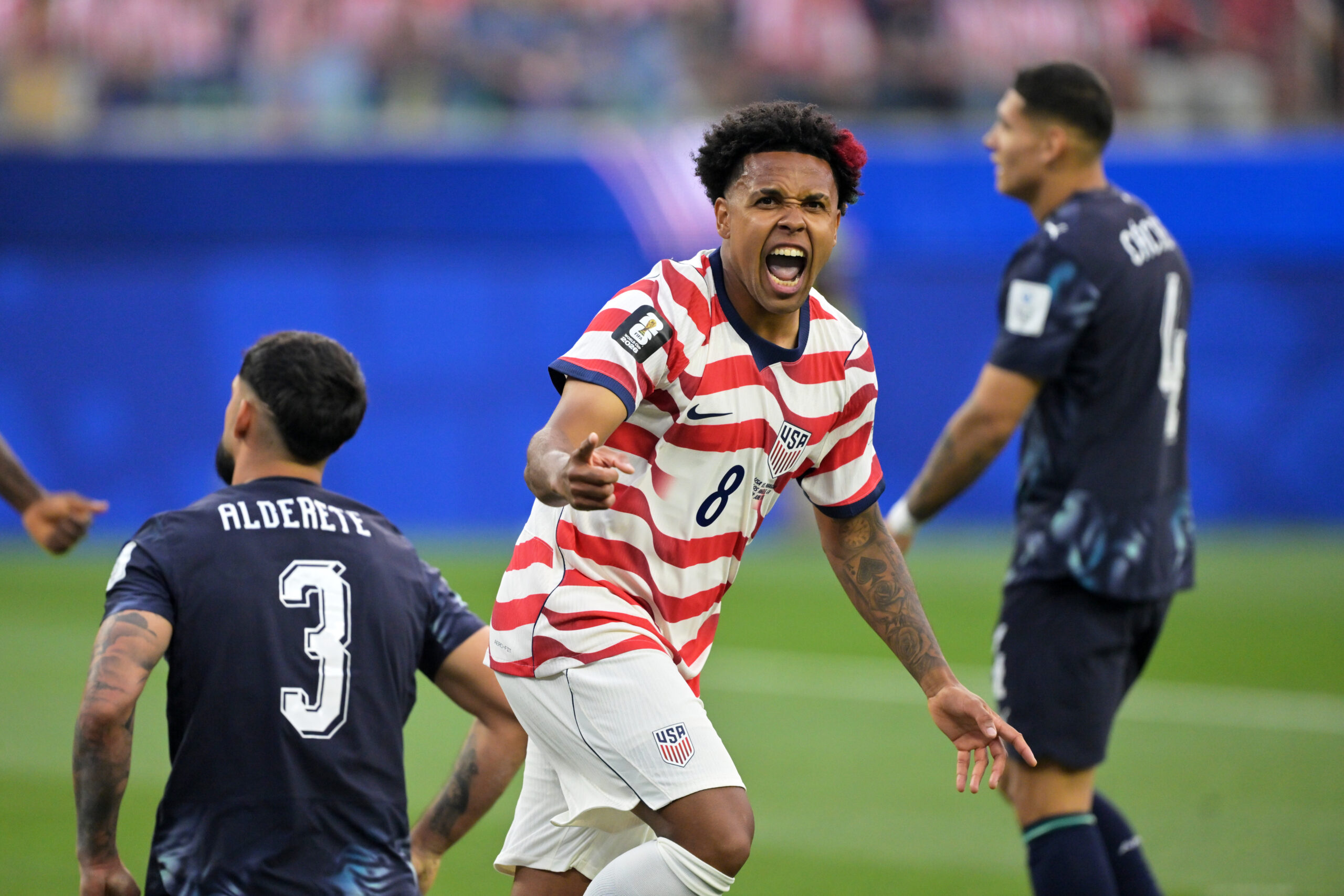
    Weston McKennie (center) and the U.S. men recorded their third World Cup win over a South American team by beating Paraguay.

    Why it’s different for the players

    If reading this makes you feel like it’s spoiling the party, sometimes that’s the job of a professional cynic. So we’ll balance it by saying the warning only applies to outsiders. It’s perfectly fine for the players and coaches to believe they can go all the way, because they need that belief along with everything else to win games on the biggest stage.

    “Obviously, we take it one game at a time, but every game, every tournament that we play, we want to win,” centerback Chris Richards said. “So I don’t think it’s ridiculous to say that we want to win it.”

    Nor was it outrageous, even if it was certainly headline-grabbing, when manager Mauricio Pochettino told The Athletic last week that “we should dream without limits.”

    “If I dream of touching the moon, of being up on the moon, maybe I can get close to the moon,” he said. “If I only dream of getting close to it, I’ll stay on Earth. It’s so powerful, isn’t it? Believing that you can do it.”

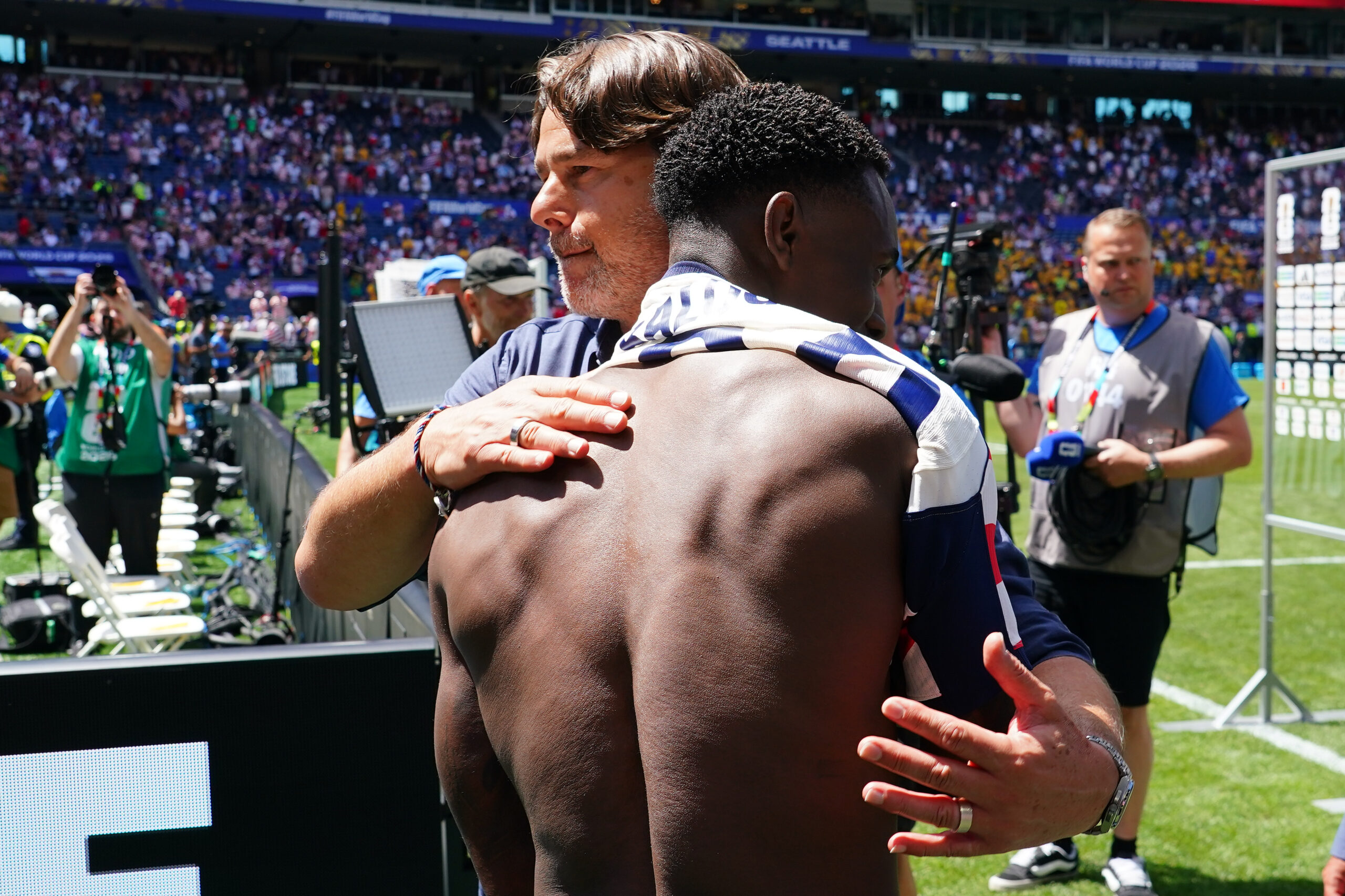
    Mauricio Pochettino embracing Folarin Balogun after the U.S.’ win over Australia.

    It had to help Friday. The players found out that morning, just a few hours before kickoff, that its catalyst, Christian Pulisic, wasn’t healthy enough to play.

    “We were all ready to prepare for this game, and whenever we heard that the coach gave us the lineup, the next player, the next man up was ready,” said Ricardo Pepi, who was that next man.

    “I think that we built the victory in our attitude,” Pochettino said after the Australia game. “I told the player: the first action when we started the game, did you see how Pepi and Balogun go to press?”

    We sure did, and it set the tone that led to the game’s first goal in just 11 minutes. Australia had to boot the ball out to beat it, and one of those clearances led to the throw-in that started the scoring play. The U.S. worked the ball around the back line, Antonee Robinson sprung Balogun down the left wing, Pepi charged up the middle, and Cameron Burgess put the ball in his own net.

    They didn’t let up, either, as physical as the game got. After winning the first game with style, the U.S. won the second with grit, as the teams combined for 28 called fouls and plenty more uncalled.

    How the Turkey game will go is impossible to know right now, with the U.S. already group winners and Turkey already eliminated. It’s the first game without qualification stakes for the Americans since 1998, when they lost their first two games and were eliminated before the third.

    Will Pochettino rotate his lineup a lot? It makes sense at first, but there are caveats. There’s a history of teams that rest players in their third game ending up rusty in their first knockout game, and this time there are six days between the second and third group contests — then another six between the round of 32.

    There’s a clear case to rest Pulisic and players on yellow cards: Tyler Adams, Robinson, Richards, and Balogun. If they get another booking in this game, they’re out of the round of 32 contest. But beyond them (and it’s a lot, for sure), Pochettino might want to keep the rest in a good rhythm.

    At least it’s a good problem to have. The results so far and the manner of earning them signal that the U.S. can make a run in this World Cup. But winning the title is a different question. That still feels too high of a task, and it will eventually become clear.

  • ⚾ What a show | Sports Daily Newsletter

    ⚾ What a show | Sports Daily Newsletter

    Bryce Harper did something on Saturday that the Phillies star has never done in his 15 year career.

    He hit for the cycle — in only four at-bats during a 15-3 rout of the Mets.

    It marked the 11th time a Phillies player hit for the cycle, but Harper ran for it, too. Overaggressive base running has always been part of Harper’s game, and it paid off.

    To add on to the historical night, Kyle Schwarber crushed three homers and became the fourth Phillies player to homer twice in one inning.

    Their performance was quite spectacular. The two stars put on a dueling talent show for the ages. It almost makes you wonder what Schwarber and Harper could have in store for an All-Star encore.

    Neither will commit to the Home Run Derby until they know if they’ll be named to the All-Star team. But is there any doubt? If anything, they just gave everyone one heck of a preview.

    The Phillies continued to rally against the Mets on Sunday night, behind what amounted to a 6-2 series finale.

    — Isabella DiAmore, @phillysport, sports.daily@inquirer.com.

    If someone forwarded you this email, sign up for free here.

    ❓Where does Bryce Harper rank in your eyes among all-time Phillies players? Email us back for a chance to be featured in the newsletter.

    Who makes the Eagles roster?

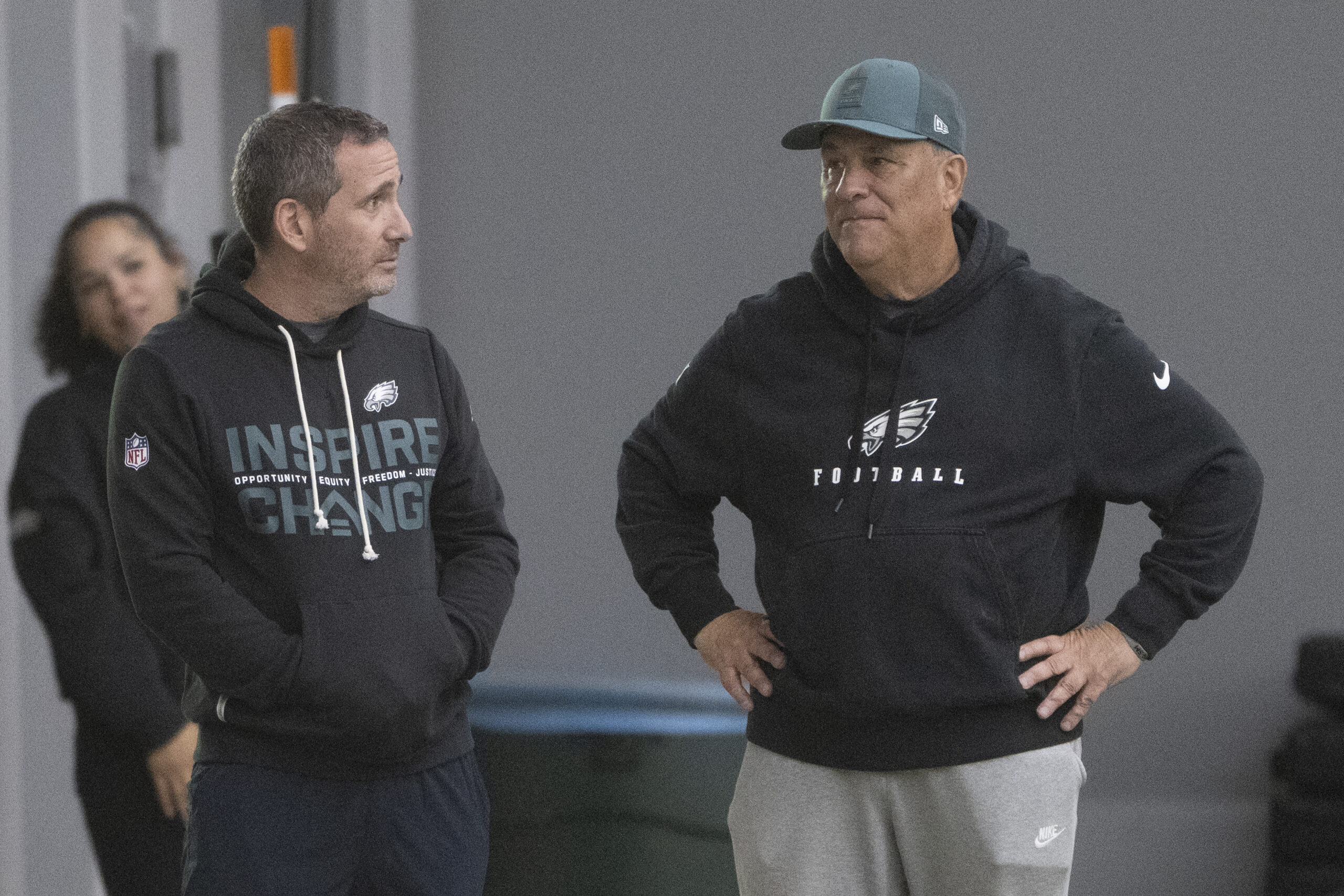
    How Eagles general manager Howie Roseman (left) might tinker with the personnel on Vic Fangio’s defense — particularly as it applies to the safety position — remains an open question.

    The Eagles still are more than two months away from cutting their roster down to 53 players by the Aug. 30 deadline. A lot can change between now and then.

    With that being said, we’re going to make our roster predictions throughout training camp, and since the Eagles just finished their offseason program and have some downtime, it’s worth taking a shot at the roster now.

    Here is our initial 53-man roster prediction for the 2026 Eagles.

    What we’re…

    👏 Applauding: Makai Lemon attended an Open Door Abuse Awareness and Prevention football combine to inspire the youth.

    🤔 Wondering: Why was Eagles’ Jalyx Hunt at Deptford High School’s graduation? To support the students who created his fan account.

    👀 Seeing: Kahleah Copper debuted a custom “Norf Philly” Adidas Harden Vol. 10 player-exclusive sneaker during a game vs. the Las Vegas Aces.

    📖 Reading: Behind the scenes at Pocono Raceway with 22-year-old South Jersey native Lavar Scott, who is one of three active Black drivers in NASCAR.

    A sweet escape

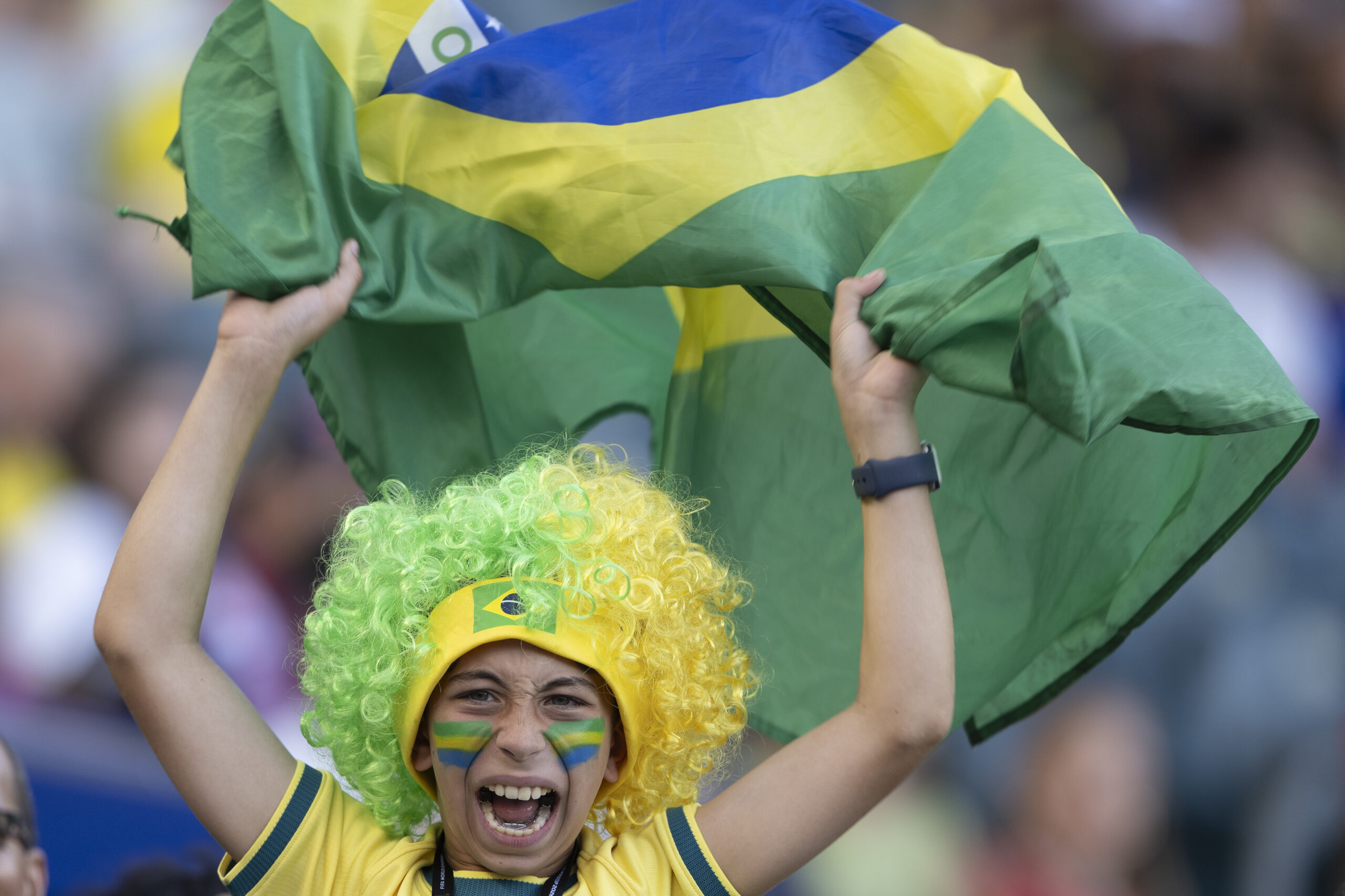
    A Brazil fan waves his national flag before Friday’s FIFA World Cup Group C soccer match between Brazil and Haiti.

    As Philadelphia gets ready for another World Cup game today — France vs. Iraq at 5 p.m. — let’s look back on this past weekend’s festivities, where a true spectacle was on display.

    For the past two games in the city, the attraction has been about the fans and the unbridled passion people have for a team, its players, and the nation they represent.

    The World Cup came at the perfect time in an America that felt fractured into sides and factions — it’s the escape we didn’t know we needed, writes Kerith Gabriel.

    And can the USMNT really win this World Cup? People are starting to ask after the U.S. team’s wins at the World Cup. The truth is the games to come will be much harder than the ones so far.

    In case you missed, Delco was very much mentioned on the world’s biggest stage as Matt Freese and Auston Trusty helped the U.S. win two games in a World Cup group stage for the first time since 1930.

    NHL draft countdown

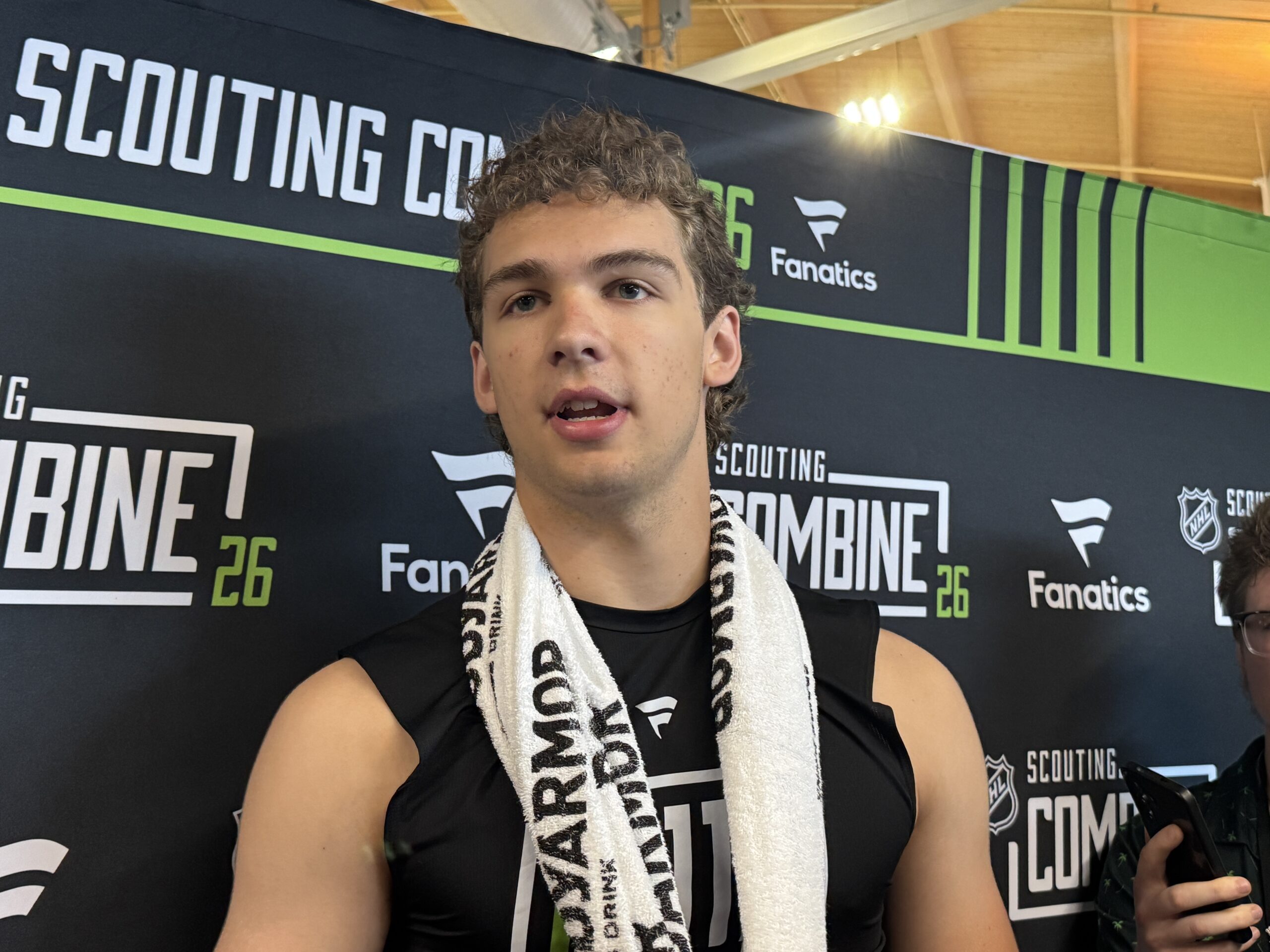
    Center Jack Hextall finished among the top 25 in five fitness tests at the NHL’s scouting combine.

    The NHL draft is looming. Starting on Friday, the Flyers will select their next generation in the 2026 NHL draft.

    They have 21st pick in the first round, and will be making their selctions in Atlantic City. So let’s roll the dice here with another mock draft — which is only two rounds since the Flyers traded away their third-rounder to Toronto.

    Sports snapshot

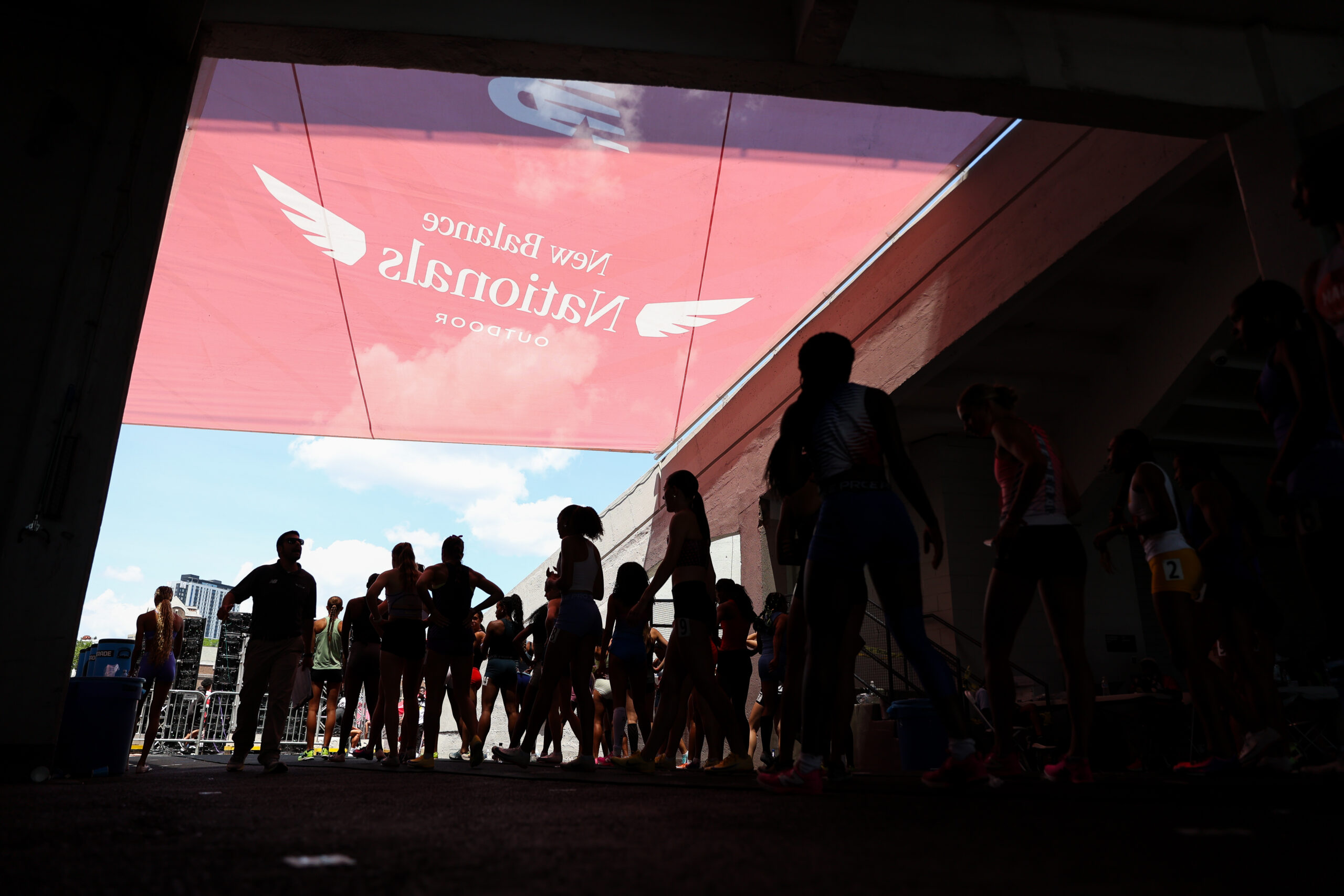
    Athletes prepare to take the field during the New Balance Nationals Outdoors Championship at Franklin Field on Sunday.
    • Changing landscape: Franklin Field played host to the New Balance Nationals this weekend, but that wasn’t the only major high school track meet happening.
    • More than a title: La Salle’s ‘super special’ boys’ lacrosse season ended with its first state crown since 2019.

    Marcus Hayes’ take…

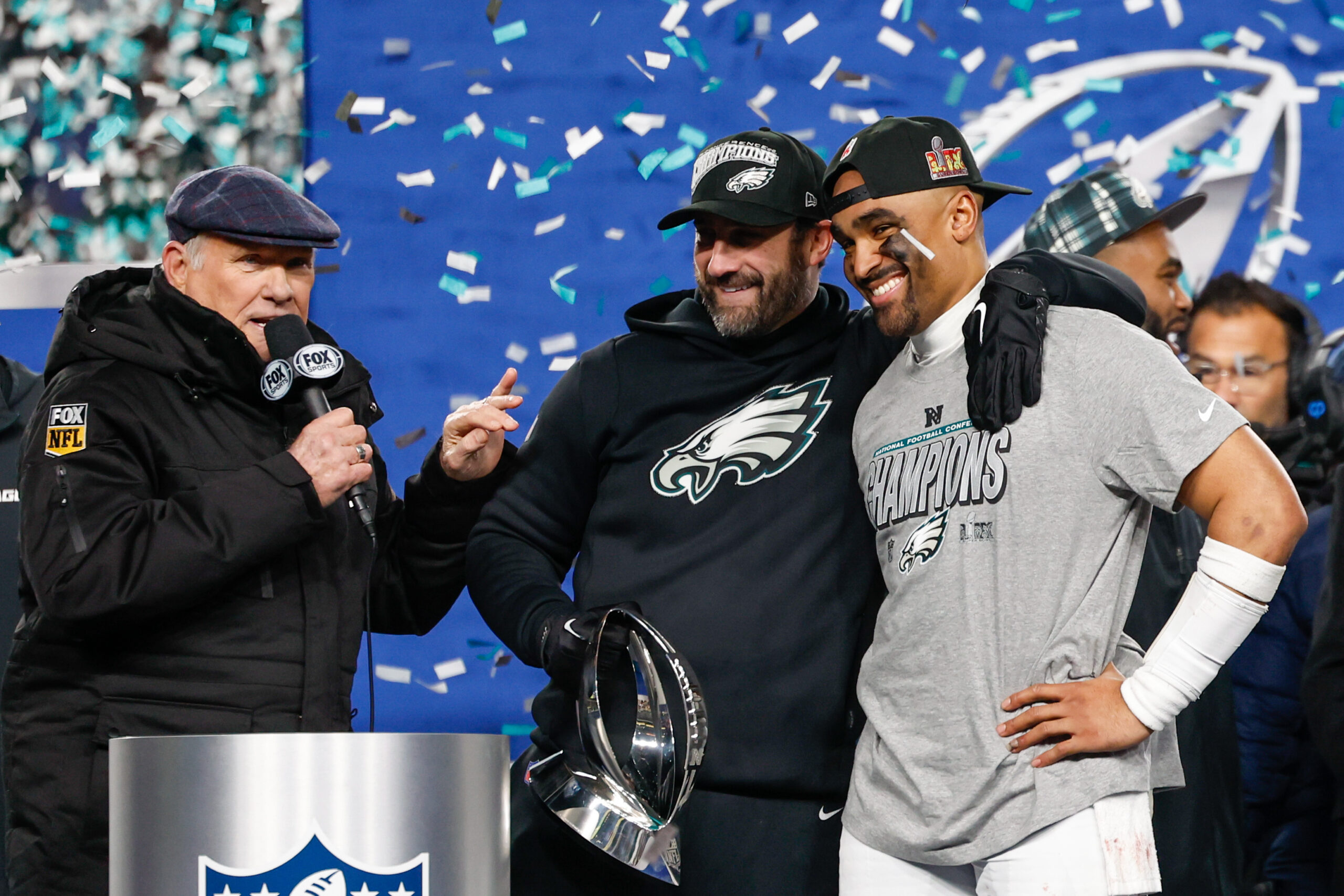
    Nick Sirianni (left) has always had stability at quarterback with Jalen Hurts. Is that about to change?

    It’s rare that, in the same week in June, you see three separate stories that pull back the curtain on the most secretive team in town, the Eagles. That’s what’s happened over the past few days.

    And it brought some revelations: Just 16 months ago, the coach and the quarterback were celebrating a Super Bowl LIX win. Now, there are concerns about their futures and legacies, and the owner’s kid is in the middle of it, writes columnist Marcus Hayes.

    We compiled today’s newsletter using reporting from Scott Lauber, Jeff Neiburg, Kerith Gabriel, Jonathan Tannenwald, Marcus Hayes, Jackie Spiegel, Devin Jackson, Conor Smith, Mia Messina, Ethan Kopleman, and Lauren Jones.

    By submitting your written, visual, and/or audio contributions, you agree to The Inquirer’s Terms of Use, including the grant of rights in Section 10.

    Happy Monday ☀️ — thanks for getting your morning started with me. I’ll be back in your inbox tomorrow. — Bella

  • Mike Gansey should consider drafting Zuby Ejiofor at No. 22, or trading up for Morez Johnson, or …

    Mike Gansey should consider drafting Zuby Ejiofor at No. 22, or trading up for Morez Johnson, or …

    The tale of the tape is no tale at all for Mike Gansey and Bob Myers. The last month-and-a-half has yielded about 60 minutes of on-the-record comments from the Sixers’ new personnel regime and about zero seconds of actual insight into their immediate plans for the roster.

    Perhaps there is some gamesmanship involved. In a world where information is currency, the first goal is to keep your competition in the red. More likely, the Sixers realize that they need to be in read-and-react mode.

    “These answers are not simple,” Myers said last month after the Sixers announced the hiring of Gansey as their new president of basketball operations. “You wake up in the middle of the night thinking about these things. And when you get fortunate enough to win, it’s all that work and toil that make it worth it.

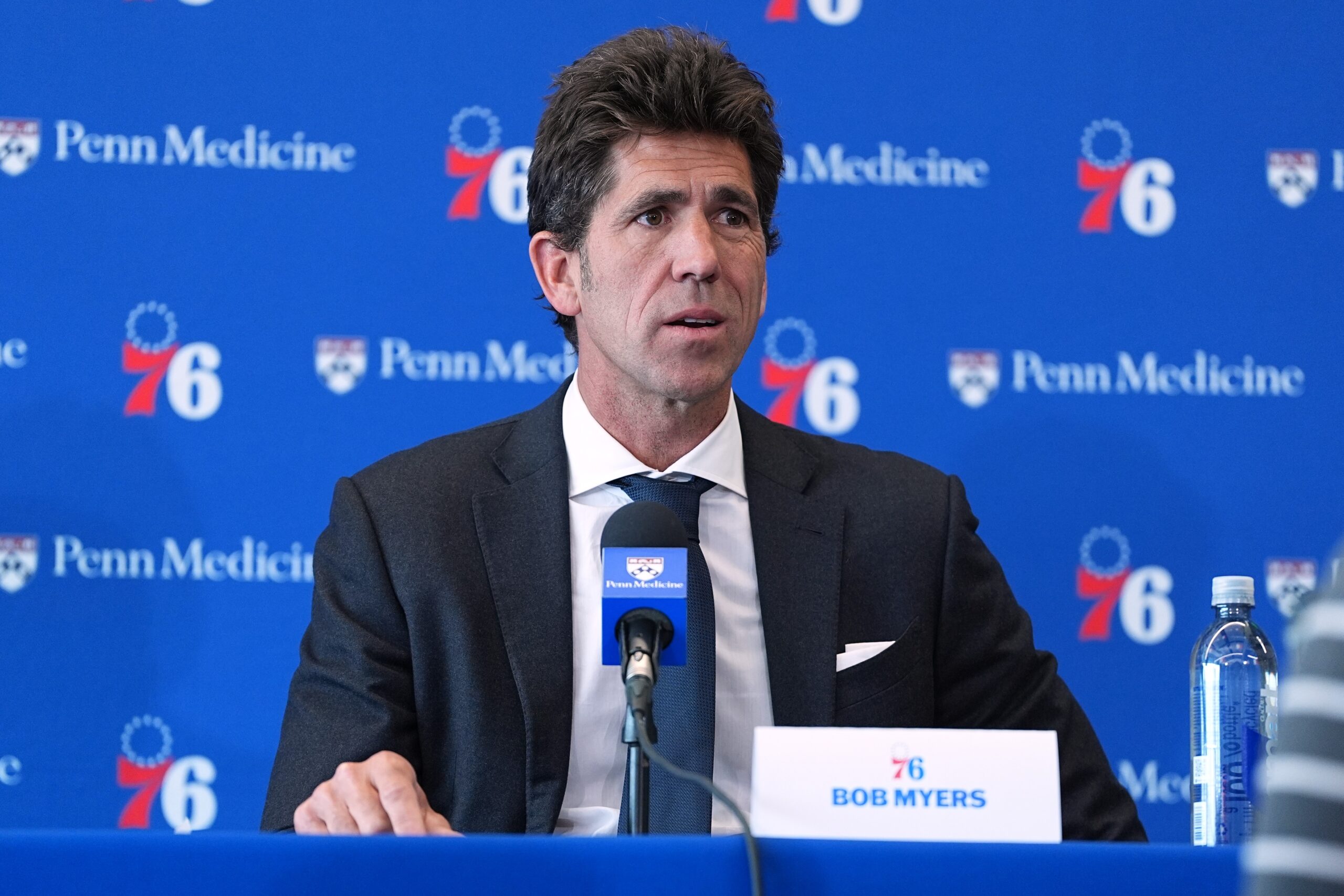
    Bob Myers, president of sports for Harris Blitzer Sports & Entertainment, says that right now the moves being made within the Sixers organization need to be methodical ones.

    “But there’s nothing more challenging than winning. You can’t buy championships. You have to go through it together. Each decision you make, each transaction you make, is hopefully moving in that direction. But that’s why you do it. That’s what makes it fun.”

    The Sixers’ lack of clarity about their short-term direction has added a layer of intrigue to Tuesday night’s draft. Most years, the No. 22 pick wouldn’t be a major plot point in the trajectory of a roster. The last three players drafted at No. 22 overall have combined to play 116 games in their six NBA seasons. This is not the range where a team expects to draft a future playoff rotation player, let alone a star.

    This year’s draft is better than most. Maybe not to the extent the experts once projected, especially given the lack of a clear No. 1 between BYU’s AJ Dybantsa, Kansas’ Darryn Peterson, and Duke’s Cameron Boozer. But the draft is clearly deep, with Michigan’s Morez Johnson Jr. projected to go toward the back end of the Top 15, and for Houston’s Chris Cenac Jr. and Washington’s Hannes Steinbach to go even later than that.

    Johnson is exactly what the Sixers need at the wing right now, so much so that they would have to think long and hard if presented with an opportunity to move aggressively up the draft board.

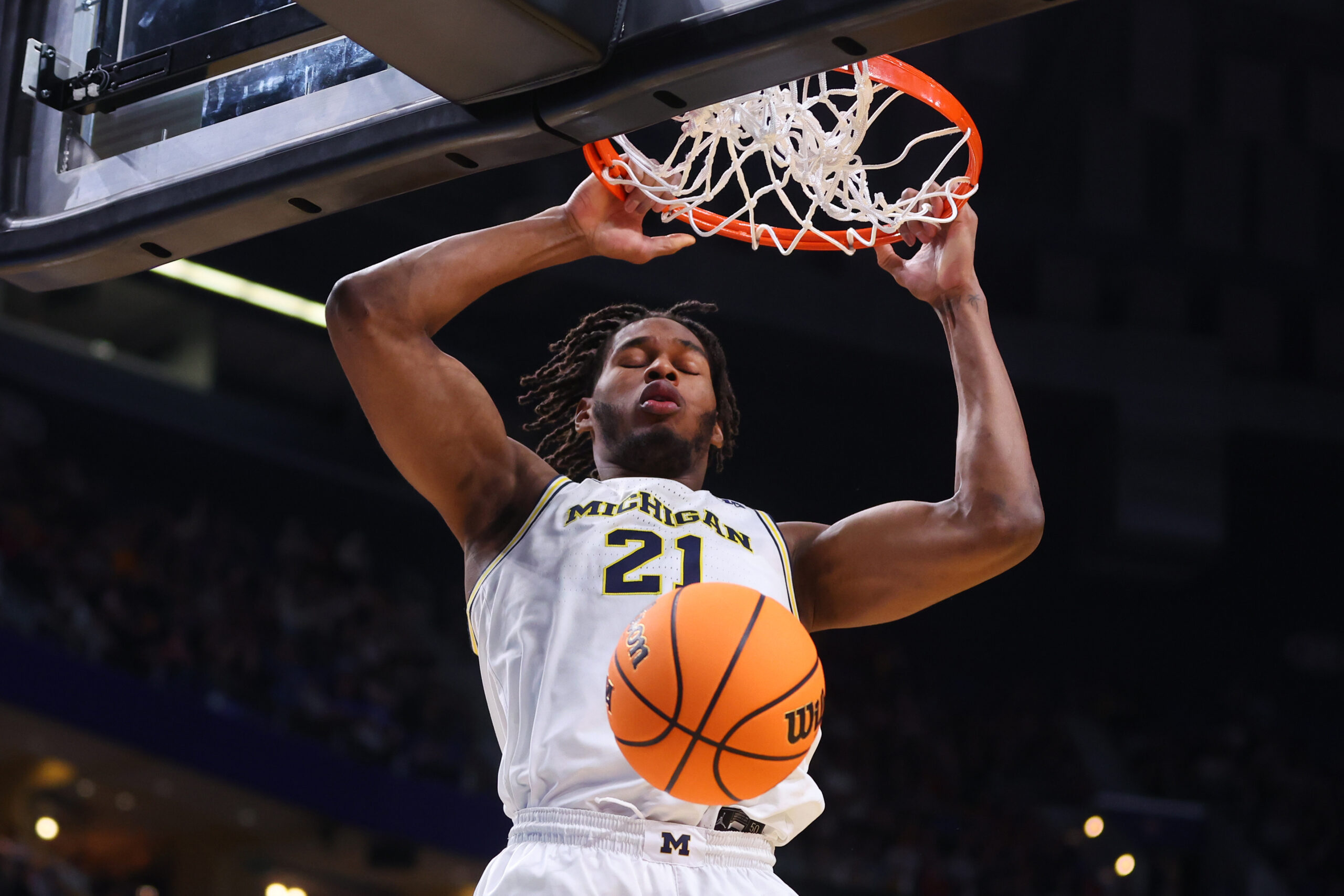
    Michigan forward Morez Johnson Jr. is a player who would fit the Sixers’ scheme. But would the team consider moving up to get him?

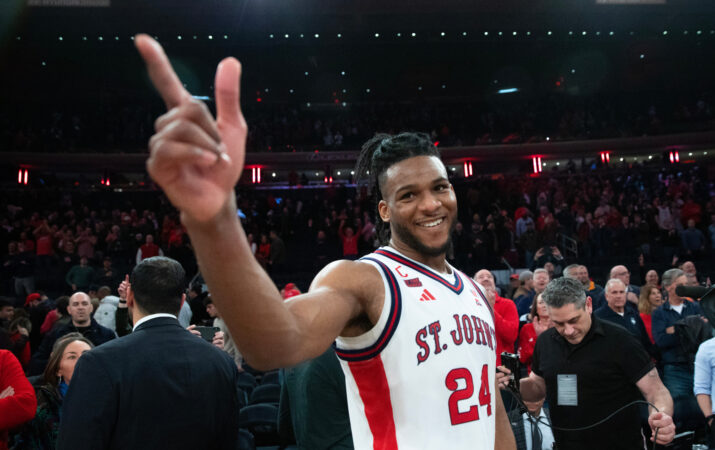
    Cenac and Steinbach both have the potential to become such a player, though both could be gone by the time the Sixers pick at No. 22. More likely to be there is St. John’s wrecking ball Zuby Ejiofor, who would be perfect for the team the Sixers hope to become, at the expense of some ceiling.

    The big question is the one that Gansey and Myers have both avoided thus far.

    What is the timeline?

    What is the three-year plan?

    “I don’t look at it as a timeline,” Gansey said. “I just look at it like we have those four, and we [have] got to maximize those four. Obviously, VJ [Edgecombe] and Tyrese [Maxey] are younger, but Paul [George] and Joel [Embiid] can still play at a high level … Like, we gotta rely on those four, and obviously keep on the floor, and then just build around them.”

    Your interpretation of that comment hinges on your interpretation of one word.

    Build.

    When Daryl Morey acquired a first-round pick from the Thunder as part of a package for second-year guard Jared McCain, he acknowledged that he did not make the trade with the thought that the Sixers would hold onto the pick long enough to use it. Even Morey, who once upon a time drafted Maxey at No. 21, understood that the No. 22 overall pick is typically more valuable as a trade chip than as a building block.

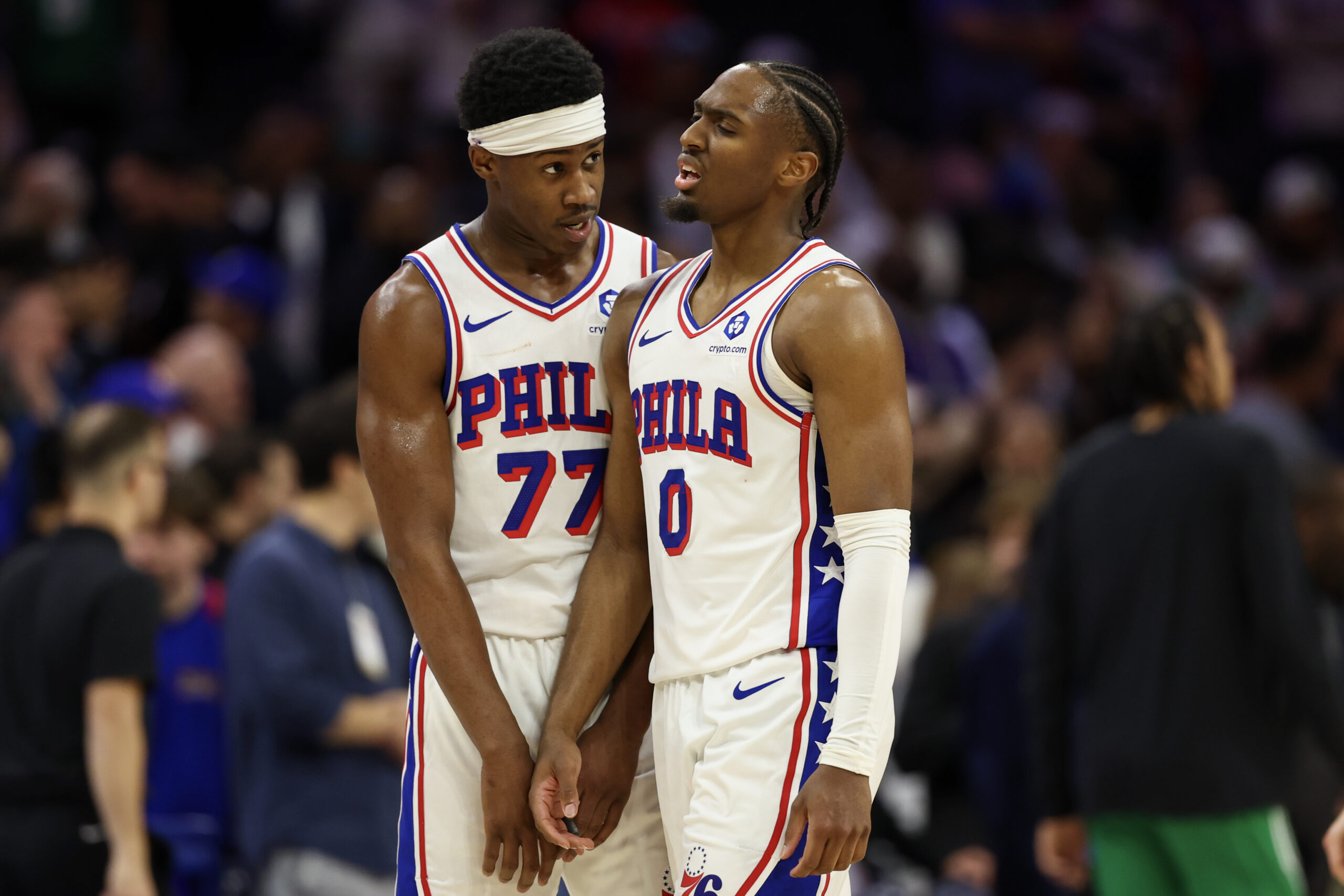
    The one-two punch of Sixers guard VJ Edgecombe (left) and Tyrese Maxey is a duo that Mike Gansey and the Sixers can build around for the future.

    In 2022, the former Sixers president traded the No. 23 pick to the Grizzlies (in the form of David Roddy) for fifth-year guard De’Anthony Melton. Three years later, Melton signed as a free agent with Golden State, and Roddy ended up playing a few games with the Sixers on a 10-day contract after having been traded by the Grizzlies and later waived by the Hawks.

    Is there a world where the Sixers “build” for next year rather than taking their chances at No. 22?

    A lot could depend on what unfolds across the NBA over the next few weeks. We could be on the verge of an arms race that can create plenty of interesting opportunities for wise teams searching for value.

    There’s a belief that Milwaukee star forward Giannis Antetokounmpo (center) could be trade bait this offseason.

    One superstar — the Bucks’ Giannis Antetokounmpo — is almost certain to be traded. A second — the Celtics’ Jaylen Brown — has generated enough smoke to conclude that a deal is possible. The Clippers’ Kawhi Leonard and the Mavericks’ Kyrie Irving are potentially in play. So are younger building blocks like the Pelicans’ Trey Murphy III. After a relatively tepid couple of offseasons, the circus is rolling back into town.

    All of this would be true even without the competitive pressures that should exacerbate and expedite this summer’s decision-making. As it happens, those pressures are at an all-time boil. The Knicks just rattled off one of the great postseason runs in NBA history. The Spurs and the Thunder are both well-positioned to consolidate their talent and make a major move.

    Each is aware that a major move by the other could reduce them to the Harden-era, second-ran Rockets. Both would be wise to get ahead of the curve, like the Knicks did with OG Anunoby, and then Mikal Bridges, and then Karl-Anthony Towns. Both will be drafting ahead of the Sixers, the Thunder twice (at No. 12 and No. 17).

    Zuby Ejiofor fits the mold of a player the Sixers could benefit from. If he’s still on the board with the No. 22 pick, the Sixers should strongly consider using their pick.

    There’s a sense that the Sixers will likely need to play it straight and to make the best of what is there at No. 22. In which case, we should consider some of the keywords that Gansey and Myers both used when describing their vision, as abstract as it was.

    Character. Work ethic. Competitiveness. Accountability. Teamwork. Identity. Culture. Rebounding.

    “I want fountains, not drains,” Gansey said.

    Ejiofor checks off a lot of those boxes. He navigates the court like a linebacker in pass coverage. He rebounds and relocates and screens and drops like a man who just wants to win. He has the makings of a jump shot, the footwork of a seasoned pro, and the quick-twitch bounce of a guy who is more wing than big.

    If he is there at No. 22, Gansey shouldn’t hesitate, whatever the mock drafts say.

  • A way-too-early Eagles 53-man roster prediction: How might the personnel picture change before training camp begins?

    A way-too-early Eagles 53-man roster prediction: How might the personnel picture change before training camp begins?

    It goes without saying, but we’ll say it anyway. The Eagles still are more than two months away from cutting their roster down to 53 players by the Aug. 30 deadline for the 2026 NFL season.

    A lot can change between now and then.

    It’s almost a guarantee that there will be some player movement on and off the 90-man roster between now and then, and probably even before the Eagles take the field for the first time at training camp at the end of July.

    OK. The necessary caveats are out of the way.

    Who’s going to be on that initial 53-man roster? We’re going to make predictions throughout training camp, and since the Eagles just finished their offseason program and have some downtime before camp begins, it’s worth taking a shot at predicting the roster now. Future iterations of this list will be more informed (not that this one isn’t!).

    Without further ado, here is our initial 53-man roster prediction for the 2026 Eagles — and a first guess some players who will stick around on the practice squad, too.

    How much would Cole Payton’s presence on the roster factor into what the Eagles do ahead of him at QB2?

    Quarterbacks (3): Jalen Hurts, Andy Dalton, Cole Payton

    Traded: Tanner McKee

    Practice squad: TBD

    Something’s got to give, right? The Eagles aren’t going to use four roster spots at the quarterback position. They also may be reluctant to expose a fifth-round pick (Payton) to waivers unless his camp is that uninspiring. But Kyle McCord was a sixth-round pick last year and the Eagles were able to pass him through waivers. Still, the Eagles have been rotating Dalton and McKee with the second-team offense throughout the offseason program, which means McKee’s grip on the No. 2 spot has loosened. The Eagles probably are hopeful McKee plays well at camp and in preseason games so they can deal their 2023 sixth-round pick for a draft asset.

    As for that TBD spot in the practice squad, if McKee is dealt, count on the Eagles bringing in another body late in camp with the goal of keeping that player on the practice squad.

    Running backs (4): Saquon Barkley, Tank Bigsby, Will Shipley, Cameron Latu (fullback)

    Cut: Dameon Pierce, Elijah Mitchell, Carson Steele

    Practice squad: Mitchell

    Count Barkley and Bigsby as locks, but behind them is a real competition for roster spots. Shipley gets the nod here, but we’ll see what happens when camp starts rolling. Pierce and Mitchell bring some experience. Steele, meanwhile, is a fullback. Latu is listed as a tight end by the Eagles, but he transitioned to fullback last year and his best path to the roster is at that position. Whether the Eagles keep a fullback or not remains to be seen, but Latu is a pretty solid blocker and has made an impact on special teams.

    Darius Cooper (left) and Dontayvion Wicks are part of a crowded receiving corps.

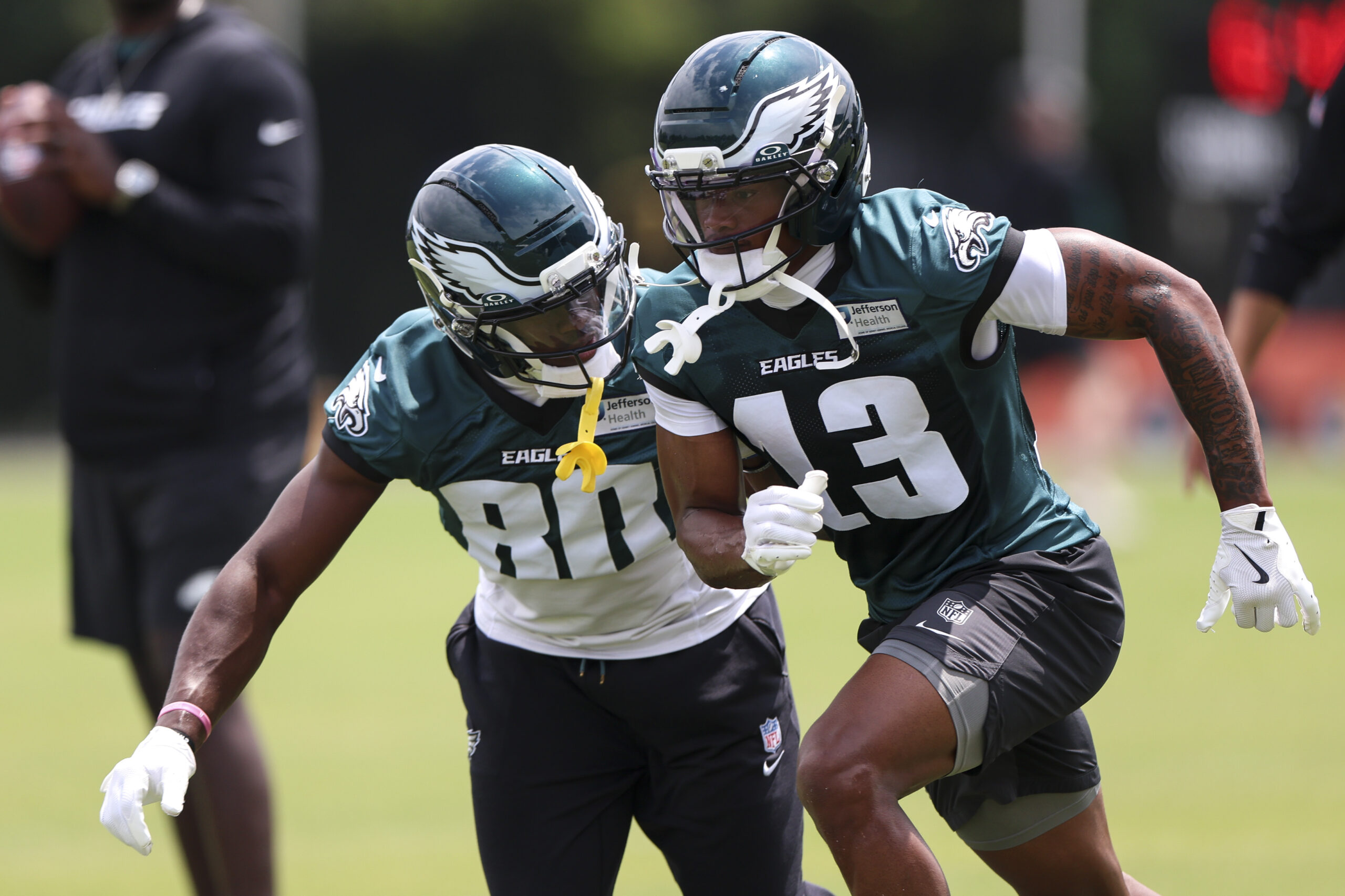
    Wide receivers (6): DeVonta Smith, Makai Lemon, Dontayvion Wicks, Hollywood Brown, Darius Cooper, Elijah Moore

    Cut: Johnny Wilson, Britain Covey, Danny Gray, Quez Watkins, Erik Ezukanma, Samori Toure

    Practice squad: Covey, Wilson

    The Eagles have begun life after A.J. Brown. There’s a pretty clear pecking order as things stand right now. The top four receivers seem pretty etched in stone, but there will be healthy competition for the back end of the depth chart. They could end up keeping five instead of six, too. Cooper and Moore slot in on this first pass and get the nod over Wilson, who should be easy to get through waivers since he’s coming off injury.

    The Eagles liked what they saw out of Cooper, an undrafted free agent, last season and Nick Sirianni raves about the “dirty work” Cooper and Wilson bring to the table. Having them both may be a little redundant. Moore may be considered a relative long shot to make the team, but he has had his moments in the NFL and could push for a spot for a team that might need some more playmaking at wide receiver with A.J. Brown gone. Covey, meanwhile, could slot in on the practice squad and be called upon in the punt return game.

    Can Grant Calcaterra stick on a team with bolstered depth at the tight end position?

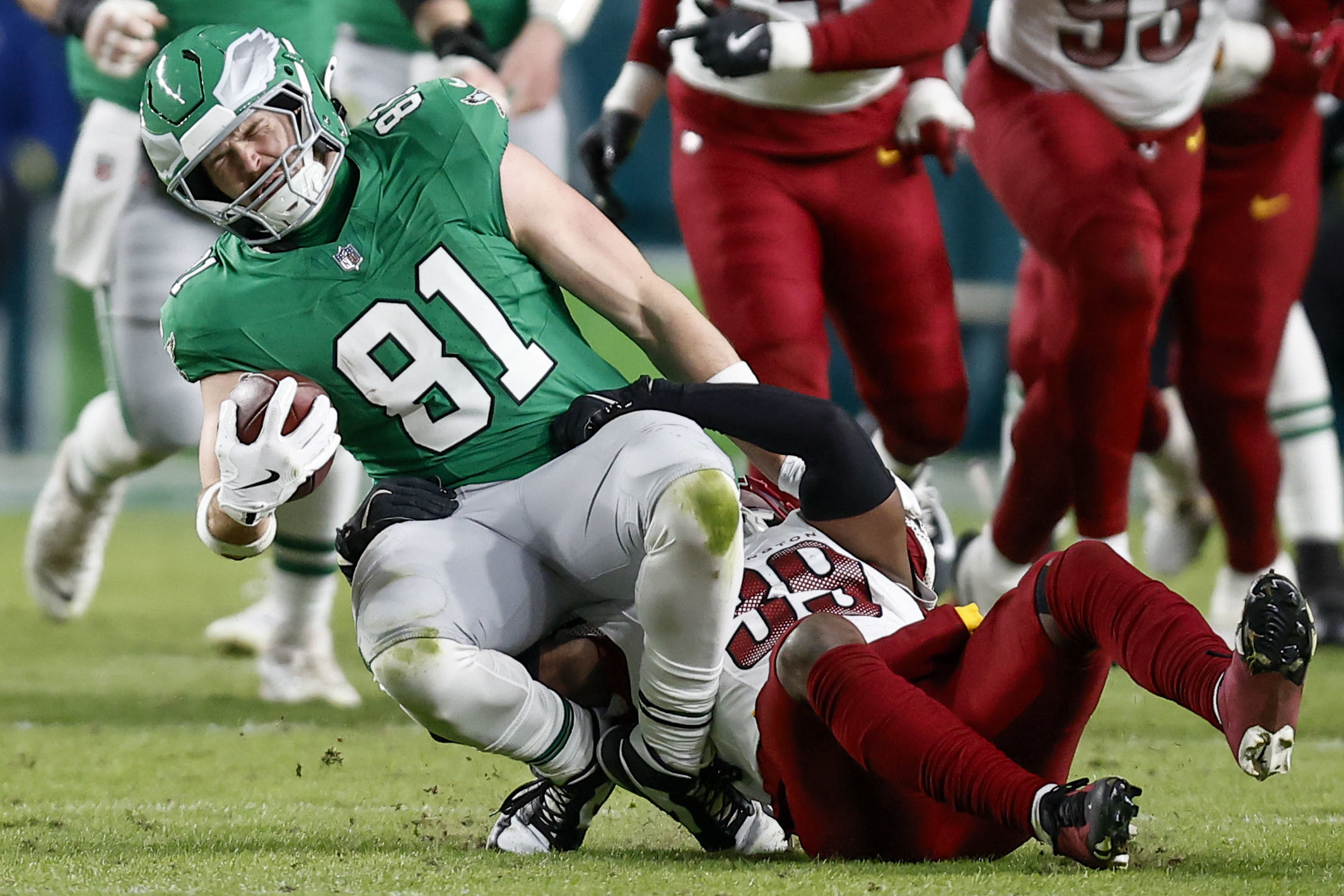
    Tight ends (3): Dallas Goedert, Eli Stowers, Johnny Mundt

    Cut: Grant Calcaterra, Stone Smartt, E.J. Jenkins, Dae’Quan Wright

    Practice squad: Wright

    If all goes as planned for the Eagles, this position might be the most boring one in camp when it comes to figuring out who to keep and who to cut. Mundt was brought in to provide a big boost in the blocking department, and the Eagles drafted Stowers in the second round. There’s a world where they keep four, but Calcaterra, who has been a mainstay on the team over the last four seasons, seems like a long shot to make the roster given his deficiencies as a blocker and his slot work being superfluous with Stowers in the mix.

    Offensive linemen (11): Jordan Mailata, Landon Dickerson, Cam Jurgens, Tyler Steen, Lane Johnson, Markel Bell, Fred Johnson, Drew Kendall, Michael Jordan, Micah Morris, Cameron Williams

    Cut: Myles Hinton, Willie Lampkin, Jake Majors, Jaedan Roberts, Hollin Pierce, John Ojukwu

    Practice squad: Hinton, Lampkin, Majors, Pierce

    The five starters are pretty set unless someone wows in camp and pushes Steen for a spot. Behind the starting unit is more talent than there was at season’s end. The Eagles made a concerted effort to add some depth to the offensive line. They brought back Fred Johnson and drafted Bell. The third-round pick might have first dibs on the swing tackle job. They also added some more experience on the interior in Jordan, who started 20 games over the last two seasons. Having Jordan makes it so that Kendall and Morris aren’t the primary backups on the interior. The Eagles likely will have a decision to make on the two tackles they drafted last season: Hinton and Williams. It seems unlikely both make the team.

    Can Uar Bernard progress quickly from major project to a spot on the active roster?

    Defensive tackles (5): Jalen Carter, Jordan Davis, Moro Ojomo, Byron Young, Uar Bernard

    Cut: Ty Robinson, Gabe Hall, Zion Wilson, Ta’Quan Graham

    Practice squad: Robinson, Wilson

    This is a tricky one. How likely is Bernard to be claimed by another team if the Eagles waive him? Remember, the claiming team needs to put the claimed player on the 53-man roster. The first-time football player has some elite athleticism, but he doesn’t know how to play football. It’s hard to justify keeping a player on the 53 that is unlikely to dress for a single game. But Bernard is unique. Robinson is the roster casualty here, but last year’s fourth-round pick gets through waivers in this prediction and gets onto the practice squad, where he can be elevated for game days. Wilson is an intriguing prospect the Eagles probably would like to keep around.

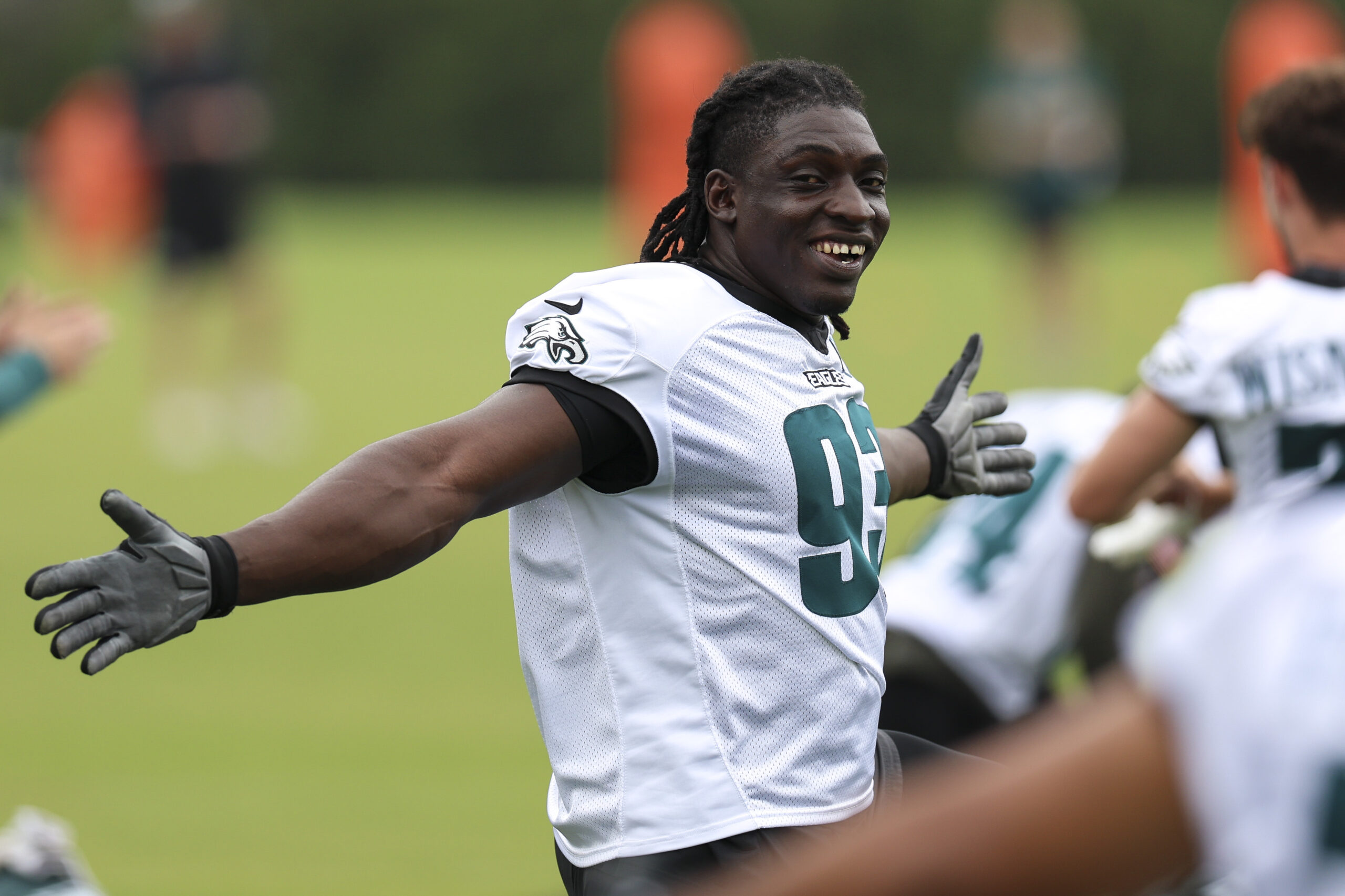
    Edge rushers (5): Jonathan Greenard, Jalyx Hunt, Nolan Smith, Arnold Ebiketie, A.J. Epenesa

    Cut: Keyshawn James-Newby, Jose Ramirez, Joshua Weru

    Practice squad: James-Newby, Weru (IPP)

    The first four spots offer little intrigue. There’s an obvious trio at the top in Greenard, Hunt, and Smith, and Ebiketie, who signed a one-year deal worth more than $7 million, slots in as a rotational rusher. The last spot likely will come down to James-Newby, a seventh-round pick in this year’s draft, and Epenesa, who signed with the Eagles on the day minicamp ended after his free-agent deal with Cleveland fell through following a physical. We’ll give the nod to the experienced Epenesa and put the rookie on the practice squad for now, where he’ll join Weru, who won’t count against the 17-player limit on the practice squad due to his International Pathway Player (IPP) designation.

    Jeremiah Trotter Jr. should see a lot of action at LB during the preseason.

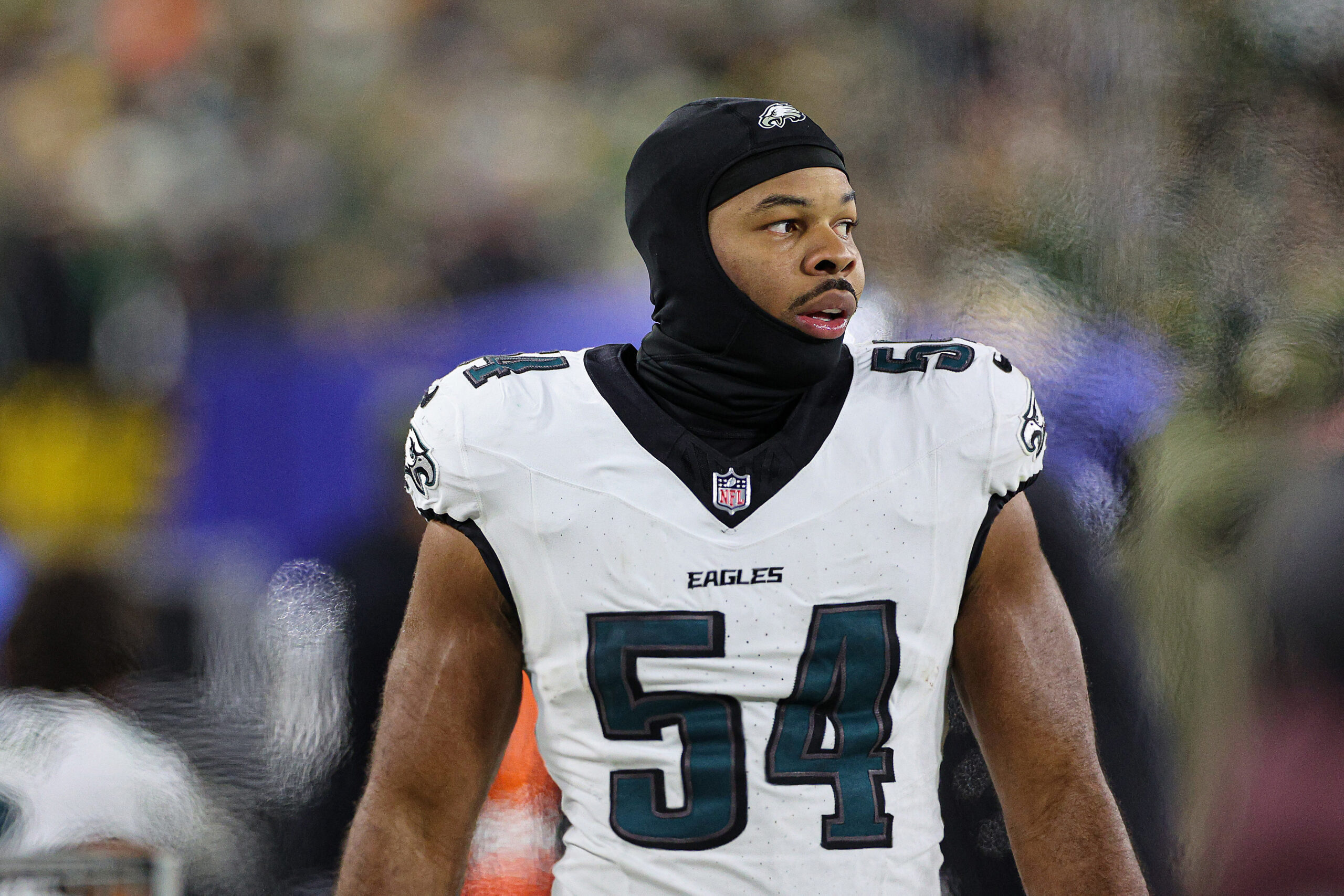
    Linebackers (4): Zack Baun, Jihaad Campbell, Jeremiah Trotter Jr., Smael Mondon Jr.

    Cuts: Chance Campbell, Deontae Lawson

    Practice squad: Chance Campbell

    With Jihaad Campbell recovering from shoulder surgery, Trotter got a chance to shine during the offseason program. The Eagles have two clear starters and a very capable backup in Trotter. Mondon had some moments on special teams last season. Could Chance Campbell push for a roster spot? Special teams would get him there. But the Eagles went heavy at offensive line in this projection and don’t have the space to keep five off-ball linebackers. Chance Campbell should get through waivers cleanly and onto the practice squad.

    Cornerbacks (6): Quinyon Mitchell, Cooper DeJean, Riq Woolen, Jonathan Jones, Kelee Ringo, Mac McWilliams

    Cuts: Jakorian Bennett, Ambry Thomas, Shaun Wade, Tariq Castro-Fields

    Practice squad: Thomas

    The Eagles should have one of the best defensive backfields in the league in 2026. Mitchell and Woolen will man the outside and DeJean, an All-Pro in 2025 like Mitchell, slots into the nickel spot, though he’ll play safety in base. Jones was brought in to provide some more depth on the outside. Ringo has had his chances and seems like a change-of-scenery candidate, but he’s been great on special teams and should earn his spot that way.

    Will Marcus Epps (right) break camp manning a de facto starting role at safety?

    Safety (3): Drew Mukuba, Marcus Epps, Michael Carter II

    Cuts: Cole Wisniewski, Andre’ Sam, Kapena Gushiken, J.T. Gray, Max Pulley, Tucker Large

    Practice squad: Wisniewski, Sam, Gushiken

    We’re going light here for now since DeJean will play some safety. When the Eagles aren’t in base, which is the majority of the time, Epps is, as it stands, the guy who will play next to Mukuba. Carter II is a converted nickel corner who the Eagles will slot in a backup safety spot. Wisniewski was a seventh-round pick who could have some upside. If the Eagles keep 10 offensive linemen, or five receivers, Wisniewski likely makes the team if four safeties are kept. Keeping four is the more orthodox route. But it’s June, and we’ll start our first roster prediction with a little twist.

    Special teams (3): Jake Elliott (kicker), Braden Mann (punter), Rocco Underwood (long snapper)

    No cuts, no practice squad. These are the only three specialists on the roster.

  • Stacy Garrity on potentially being the first female governor of Pennsylvania: ‘It’s my least favorite thing to talk about’

    Stacy Garrity on potentially being the first female governor of Pennsylvania: ‘It’s my least favorite thing to talk about’

    If elected in November, Stacy Garrity would become Pennsylvania’s first female governor in the state’s 238-year history.

    Even now, she is one of only two women in history to receive the Republican Party’s nomination for the job.

    The state has never had a woman as its governor; no woman has been elected as U.S. senator; and both times a woman ran for president, she lost the state. Over the last two centuries, Pennsylvania’s political glass ceiling has proven stubbornly resistant to cracks.

    But on the campaign trail against Democratic Gov. Josh Shapiro, Garrity, 62, said she doesn’t give that too much thought.

    “It’s my least favorite thing to talk about,” she said. “I was the oldest of four daughters, and we were just told that we were expected to work hard.”

    Navigating gender dynamics in politics can prove to be a particularly fine balance. Republicans, in particular, often emphasize that candidates should rise on their skills and talent, not personal identity.

    Garrity emphasized her attention is on issues like the power grid, education, and reining in spending, though she recognizes the historic significance of a potential win.

    “Republicans, for the most part, are based on merit, and that’s how I was raised,” said Garrity, who spent decades serving in the Army Reserve and as an executive in the manufacturing industry before becoming state treasurer. When she was reelected in 2024, she broke the record in Pennsylvania for the most number of votes cast in her favor for a statewide office, a distinction formerly held by Shapiro.

    In addition to taking on centuries of male-dominated leadership, Garrity will face other challenges in November.

    She is a Republican who has aligned herself closely with President Donald Trump — including campaigning at his Mar-A-Lago Club in Florida — at a time when Trump has been experiencing historic dissatisfaction among voters and the national political environment favors Democrats.

    And she is running against Shapiro, a Democratic incumbent with a rising national star who is popular even among independents. He has $38 million banked as of May, vastly outpacing Garrity’s $2.8 million. Shapiro is also counting on a strong showing in the midterms to help Democrats win the majority in the U.S. House.

    “I think [voters] are excited to have a first female governor, but I don’t think that is the reason anybody would vote for me,” she said.

    In Pennsylvania and 16 other states

    It is hard to be what you can’t see. And for voters who have never experienced a woman at the top of the hierarchy, it is difficult to imagine what that could look like, experts said.

    It has been 300 years since a woman led Pennsylvania — before it was a state.

    Hannah Callowhill Penn led the colony of Pennsylvania, governing first while her husband, William Penn, suffered several strokes, and then alongside a group of trustees after he died. Over 14 years, she settled boundary disputes, appointed and replaced government officials, and navigated relations with the monarchy in England.

    Other Pennsylvania women made attempts to break gender barriers but came up short. Barbara Hafer ran as a Republican against Democratic incumbent Bob Casey Sr. in the 1990 governor’s race, but lost with just 32% of the vote.

    Former U.S. Rep. Allyson Schwartz lost to Tom Wolf during the Democratic primary for governor in 2014, and Laura Ellsworth was defeated by Scott Wagner in the 2018 Republican gubernatorial primary.

    “It could just be a coincidence, but also it’s very hard to break political traditions, and one of those traditions in Pennsylvania, unfortunately, is male leadership,” said Nichola Gutgold, a professor at Pennsylvania State University’s Lehigh Valley campus, who has researched women in politics.

    Pennsylvania, however, is not alone. There are 17 states that have never had a female senator, and 17 states have never had a female governor, according to the Pew Research Center. That distinction spans geographic ranges and party control.

    Still, Pennsylvania is one of just four states that has never had either, along with Idaho, Indiana, and Colorado. Among them, only Colorado went for Democrats Hillary Clinton and Kamala Harris for president.

    “We have certain variables at play in the Commonwealth of Pennsylvania that make it more challenging for women to run for elected office,” said Dana Brown, executive director of the Pennsylvania Center for Women and Politics.

    The role of the parties on the state and county levels means they have a strong influence on recruiting candidates and pushing them up through the pipeline. Historically, recruiting tended to come from more masculine bases — such as fire stations or township supervisor positions.

    Now, though, “both sides of the aisle recognize that women can win here in Pennsylvania, and so Republicans and Democrats have been purposely recruiting more women,” she said.

    Women have made strides in other Pennsylvania elected offices.

    In Harrisburg, State Rep. Joanna McClinton (D., Philadelphia) is the first woman and second Black person to serve as speaker of the Pennsylvania House. Republican State Sen. Kim Ward of Westmoreland County is the first woman in Pennsylvania history to serve as Senate president pro tempore and Senate majority leader.

    When former Democratic U.S. Rep. Susan Wild, the first woman to represent the Lehigh Valley in Congress, was elected in 2018, “it took a real concentrated effort from [political action committees] and from groups that really wanted to see a woman win to make that happen,” Gutgold said.

    In other cases, as in neighboring New Jersey or Virginia, women have ascended with a combination of fortunate timing, skill, experience, and deft campaigning.

    When Gov. Mikie Sherrill last year became the second woman elected to lead New Jersey, Brown said, “it was a change election for New Jersey, and it was a sign of pushing back against what the federal government is doing with ICE and immigration and also with the economy.”

    Even though Sherrill, a Democrat, shares the same party as her predecessor, Phil Murphy, New Jersey’s vote for a woman represents change, Brown said. “She also worked really, really hard for it, as most women do,” she added.

    Sometimes, female candidates succeed by pushing against expected norms for women by emphasizing military experience or work in male-dominated trades, Gutgold said. Garrity has emphasized her military and business experience on the campaign trail, holding a Veterans for Garrity rally last week.

    “I think that, rhetorically speaking, it would be easier to elect a woman who appears to hold more conservative views, because of the way we, the electorate, still views women’s role in society,” Gutgold said.

    Republican women have scored victories in the Deep South by upholding conservative values such as opposition to abortion and support of gun rights. Kay Ivey holds the governor’s mansion in Alabama, and Nikki Haley previously led South Carolina for two terms. In Tennessee, U.S. Sen. Marsha Blackburn has represented the state since 2018 and publicly repudiated gender-specific titles, such as congresswoman vs. congressman.

    Garrity, on the campaign trail, has also vowed to clean up the “boys will be boys” culture in Harrisburg and has criticized Shapiro’s handling of a sexual harassment case involving a longtime aide.

    The aide, Mike Vereb, abruptly stepped down in 2023, while the administration quietly agreed to pay $295,000 to settle claims from an employee in the governor’s office that Vereb had made repeated sexual advances toward her, and made lewd claims about her and other women.

    “We don’t need to settle for a governor who will sweep sexual harassment and abuse charges under the rug. We don’t need to accept that our state government is a cesspool where intimidation is the norm and public employees fear retribution,” Garrity said during a news conference this year.

    Manuel Bonder, a spokesperson for Shapiro, rejected those accusations.

    “Governor Shapiro has a track record of taking on powerful institutions, exposing sexual abuse, and putting predators behind bars — and he continues to fight to deliver real accountability and justice for survivors here in Pennsylvania,” he said.

    Could Pa. women give Garrity a boost?

    Nationally, women voters tend to lean more toward the Democratic Party, Pew Research Center data show, so it’s unlikely that the Republican Party will attract a huge turnover — even with a female candidate on the top of the ticket.

    Sometimes, however, the gender divide can become even more entrenched. In 2024, for example, when the candidates were broadly polling neck-and-neck, Harris saw a 17-point advantage with Pennsylvania women, while Trump led with men in the state by 11 points, according to a Philadelphia Inquirer/New York Times/Siena College poll.

    Garrity said she is putting together agendas that speak to various coalitions of voters, such as veterans, Latinos, and small-business owners.

    “I don’t think we’ve done specifically females, but that might be a good idea,” she said. A campaign spokesperson added that Garrity would be rolling out women-focused events in the coming weeks.

    Campaigns can target women by speaking directly to certain issues. Democrats have often focused their message on support for reproductive access and abortion rights, especially since the 2022 Supreme Court decision overturning Roe v. Wade.

    According to a Pew Research Center report in March, 64% of women and 55% of men say abortion should be legal in all or most cases. But Garrity has been inconsistent on the issue. She said “Roe was wrong from the beginning” on the day the ruling came out and sold T-shirts on her campaign website that opposed abortion. But in an interview last September, Garrity said she would “respect” Pennsylvania’s current abortion law and would not support a state ban.

    Republicans, meanwhile, often promote public safety and have sought to make women’s sports a wedge issue in recent elections by pushing restrictions on the participation of transgender athletes.

    It is a tactic Garrity will use against Shapiro, who has called attempts to silo transgender athletes discriminatory.

    “A lot of people think that he’s moderate because he likes to be all things to all people, and they don’t understand, he is really for boys competing against girls in sports,” Garrity said.

    There are other issues women candidates are often seen as more trusted on, such as education, healthcare, and children’s needs, Gutgold said.

    Amy Widestrom, executive director of the League of Women Voters of Pennsylvania, said top of mind for members of her organization right now is the right to vote. She said some women have expressed concern that requiring documentary proof of citizenship, which Republicans say is meant to ensure immigrants in the country illegally do not vote, could affect those who change their legal name and do not have matching identification records.

    Appealing to women on these issues can pay off, as they represent a significant voting bloc. Among registered voters in Pennsylvania, 52% are female. Of registered Democrats, 59% are female, and 47% of registered Republicans are female. Roughly 40% of unaffiliated voters are female, according to Widestrom, via voter data.

    But Macy Charles of Concerned Women for America, a socially conservative political nonprofit focused on women, said candidates should speak more expansively when courting women voters.

    “It’s pretty offensive to assume that when we’re talking about issues women care about, it’s only women’s specific issues, like abortion,” said Charles, a legislative strategist. “Women care about the economy, women care about the U.S. borders. Because they have maternal instincts, they care about their families, they care about the well-being of America’s future.”

    Rather than leaning into identity, Charles said, Garrity is reinforcing her reputation of competence.

    “More than just her identity as a woman, she is willing to stand up for common sense and truth and really put families first,” she said.

    Still, Garrity recognizes the achievement her potential victory could bring.

    To be Pennsylvania’s first female governor, “I think it would be great,” she said, “but I think it will be because I am absolutely the best candidate.”
  • Inside the $70 million makeover of Roosevelt Mall

    Inside the $70 million makeover of Roosevelt Mall

    As Brixmor Property Group executives began transforming the Roosevelt Mall, they briefly debated whether to change the name.

    After all, the 60-year-old Northeast Philly shopping center is undergoing a more than $70 million makeover that promises to bring it into the modern age with new tenants, upgraded facades, and a better layout.

    As Brixmor executives walked around the 620,000-square-foot complex on a recent day, they said they already see the outdoor mall becoming a community hub — with a gym, an organic grocer, and new fast-casual dining options.

    Despite these changes, they have decided the Roosevelt Mall should not be rebranded.

    “It’s an iconic name,” said David Vender, Brixmor Property Group’s executive vice president for the north region, who is based in Conshohocken. “People know it as a landmark.”

    Brixmor operates about 350 shopping centers nationwide, but some of its top executives — including new CEO Brian Finnegan, who grew up in Roxborough — have soft spots for Philly, forged by personal or family connections to the region.

    During a visit to the Roosevelt Mall last week, they said they were proud of their local properties.

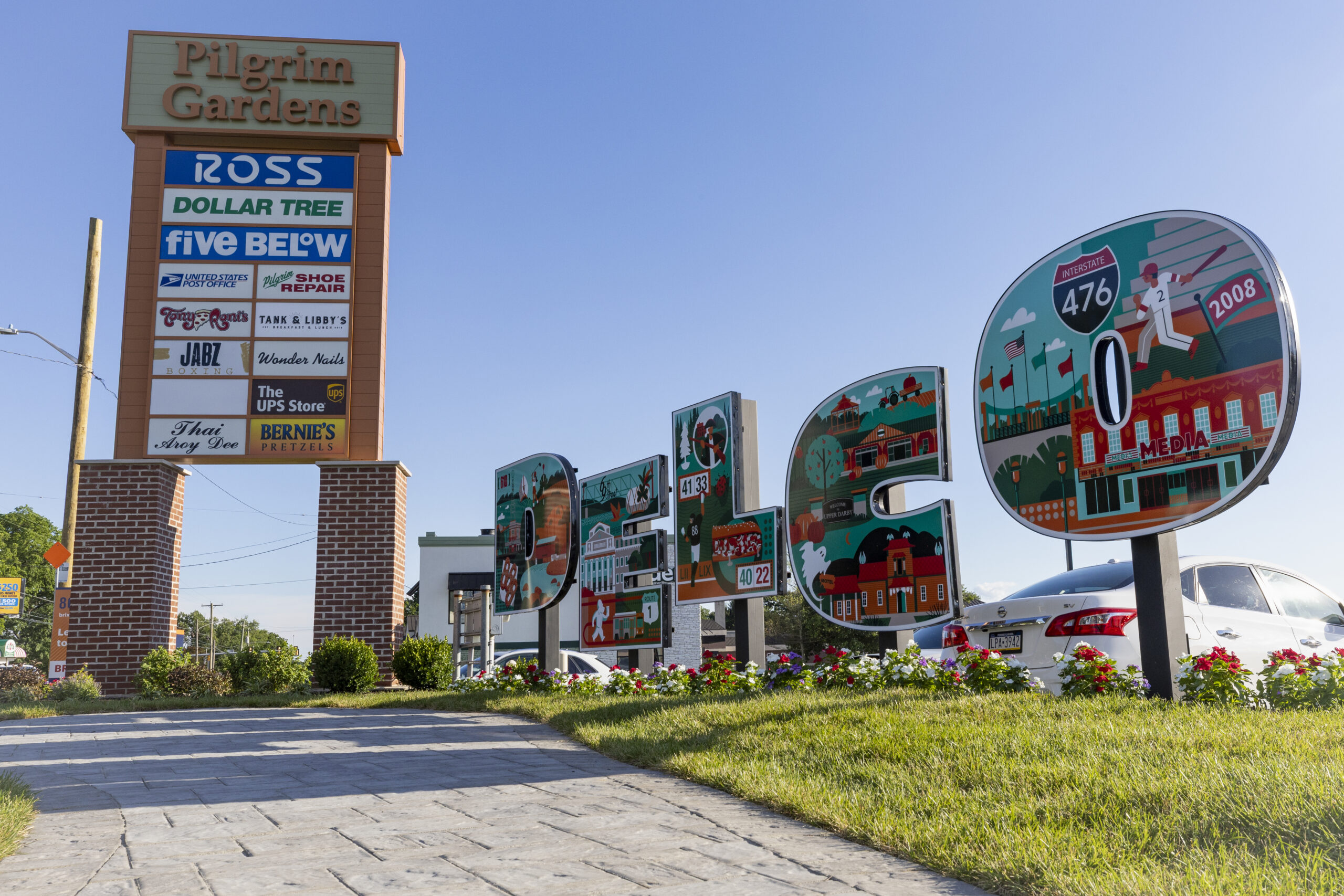
    Those include the Village at Newtown in Bucks County and Pilgrim Gardens in Drexel Hill, where the company recently built an artful “Delco” sign to tap into local pride.

    A new Delco sign is shown at Pilgrim Gardens in Drexel Hill on June 16.

    And they said their connection to the community around the Roosevelt Mall has only grown stronger since last year’s plane crash, which killed eight people, injured two dozen, damaged nearby homes, and left an 8-foot-deep crater in front of the mall.

    Even before the tragedy, they said, they considered how their local redevelopments affected the Philly-area residents who shop, eat, and drive by their centers every day.

    At the Roosevelt Mall — which sits on 36 acres between Cottman Avenue, Roosevelt Boulevard, and Bustleton Avenue — these decisions have begun to pay off.

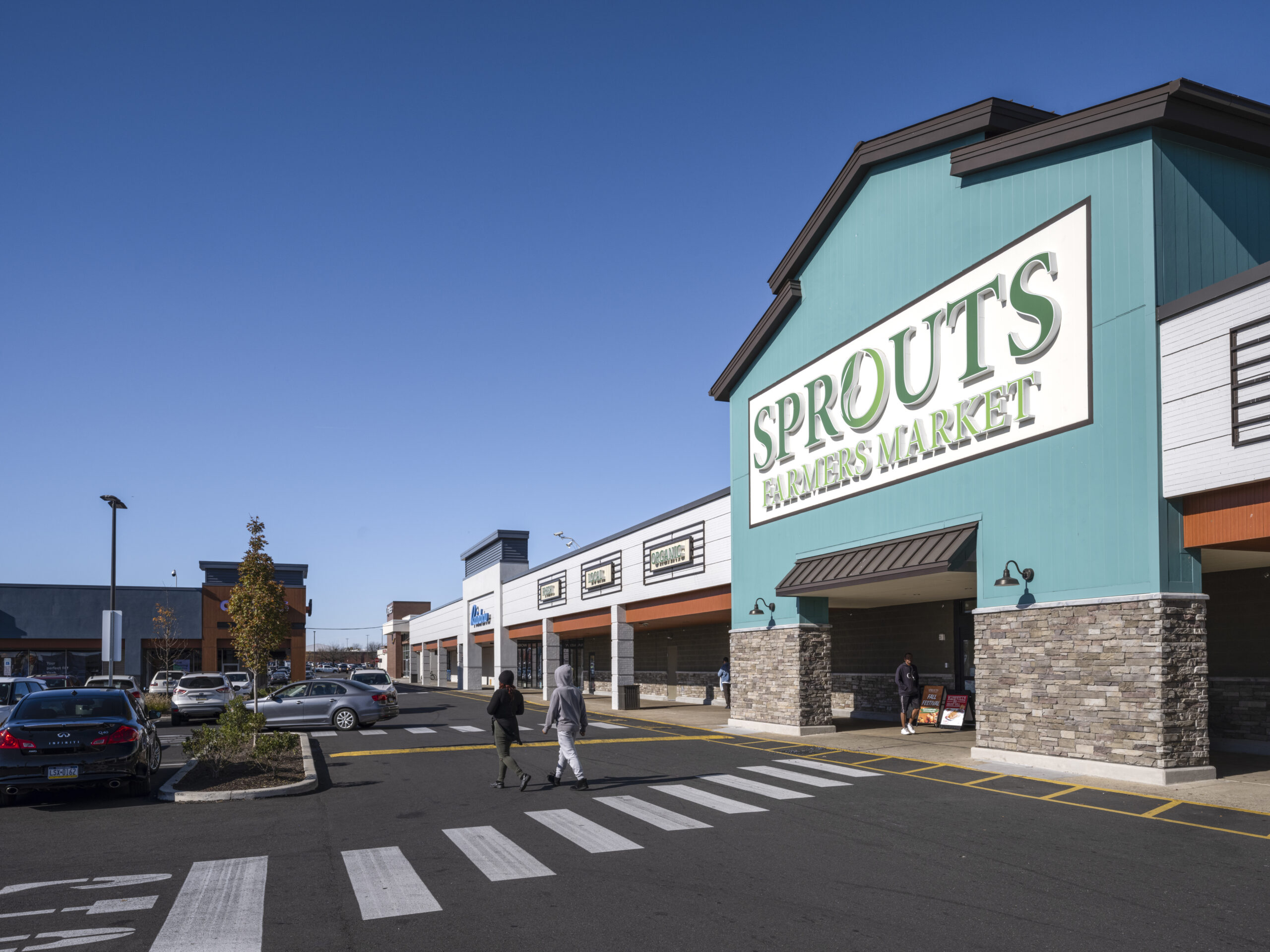
    In the last year, the center logged 6.3 million visits, a 5% year-over-year increase and a 19% jump when compared with the 12 months before Sprouts Farmers Market’s 2024 opening, according to company executives.

    Occupancy was over 98% this spring, they said, and customers spend about 35 minutes there on average, on par with the national average for all Brixmor complexes.

    When you’re able to bring together “higher-quality food and beverage, fitness, service … then you’re also able to attract more elevated retail” stores, said Finnegan, noting that Ulta Beauty and Victoria’s Secret are among the tenants signed on for the next phase of the Roosevelt Mall’s redevelopment.

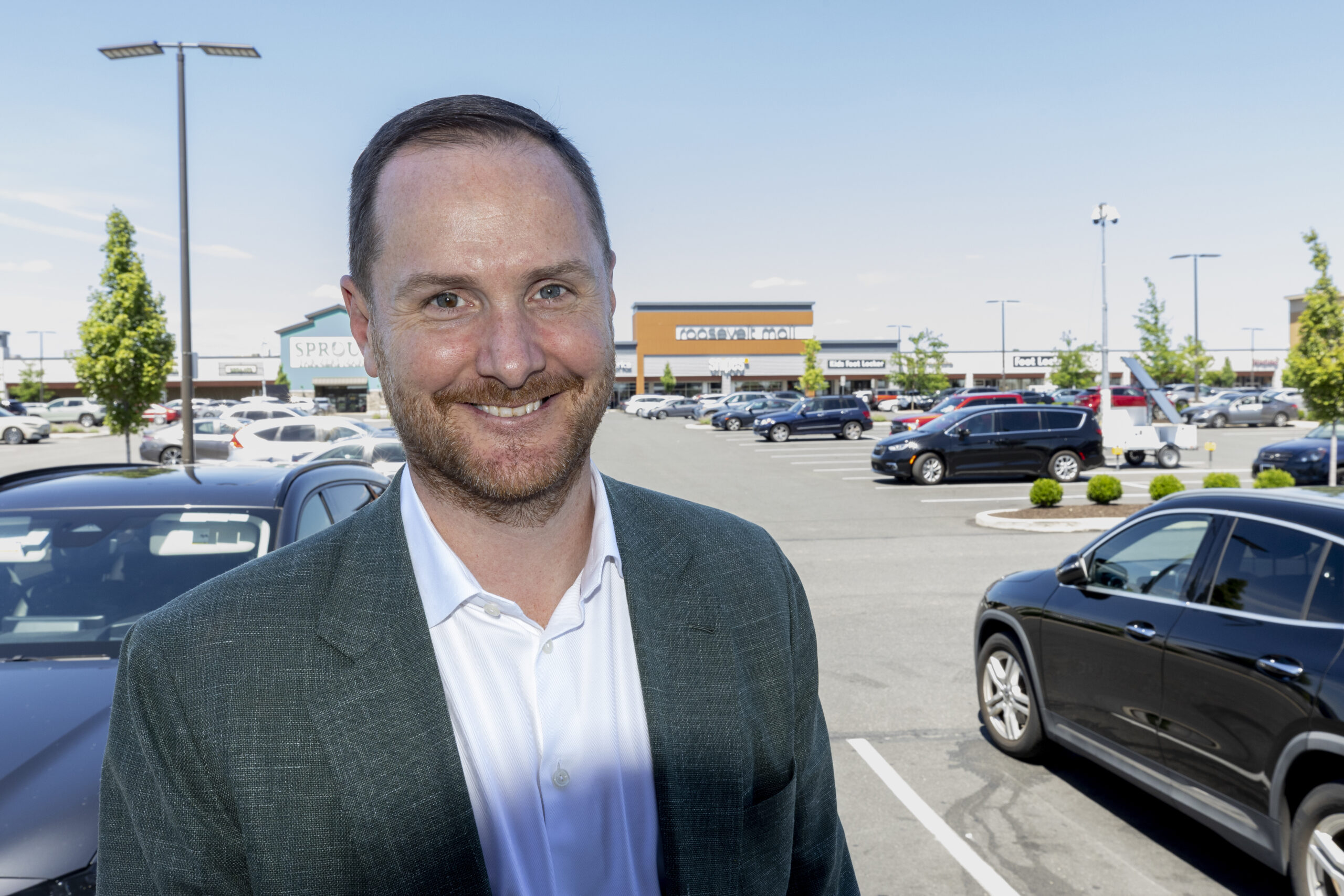
    Brian Finnegan, CEO and president, at Brixmor Property Group, at the Roosevelt Mall in Northeast Philadelphia.

    Achieving the tenant mix of a modern shopping center

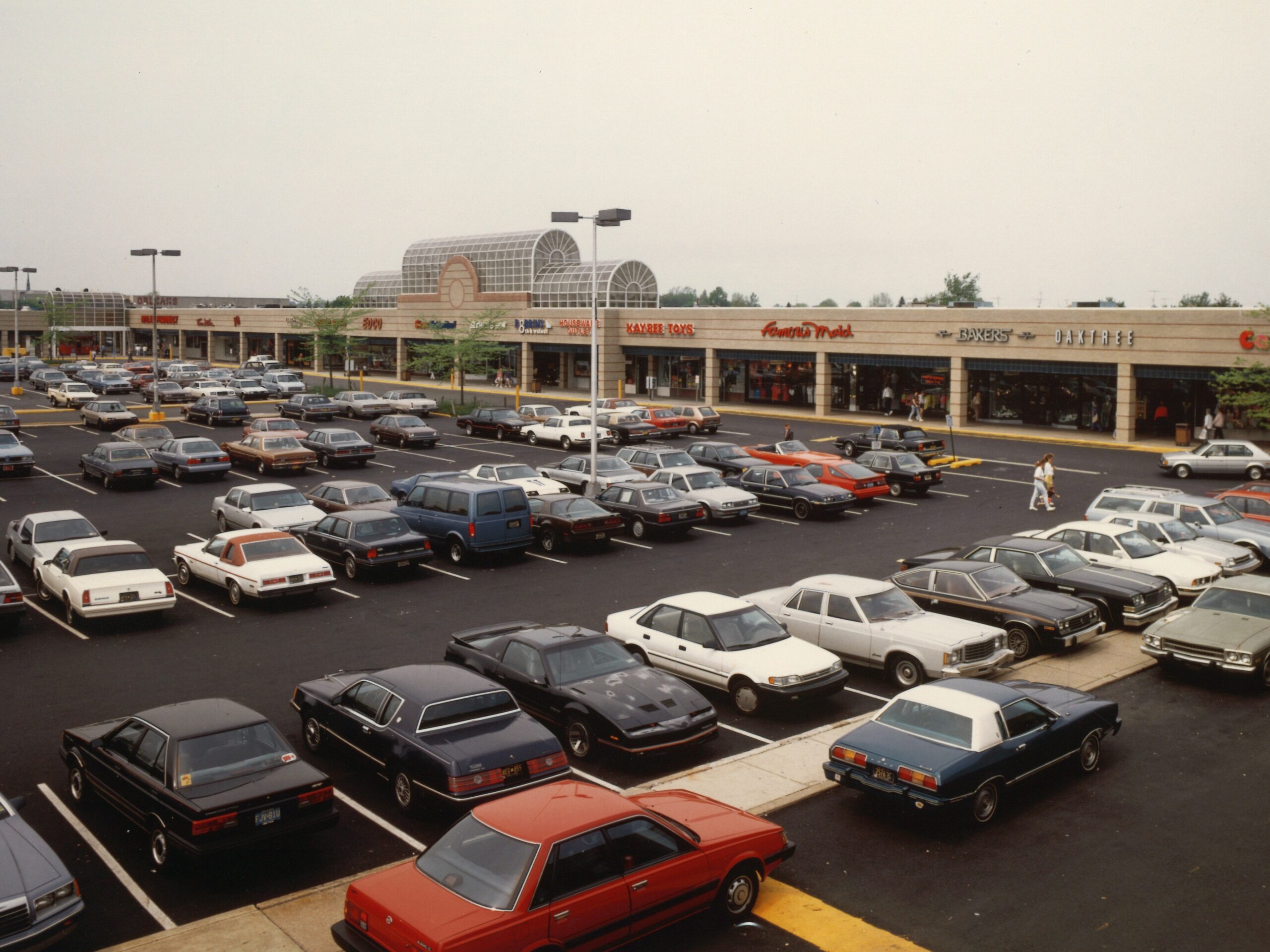
    When the Roosevelt Mall opened in 1964, its main promenade was referred to as “Chestnut Street Northeast,” with several outposts of Center City clothing stores, according to an Inquirer article from the time.

    The shopping center had apparel shops, such as Baker Shoes and Famous Maid, as well as “the Cavalier, a cafeteria-style restaurant with a game room and a retail bakery,” The Inquirer reported. It was anchored by an S. Klein’s discount department store.

    The Roosevelt Mall was built as part of the Roosevelt Boulevard shopping complex, bordered by Cottman and Castor Avenues. The larger development — which also had Gimbels and Lit Bros. department stores — was called the country’s largest “in-town” shopping center at the time.

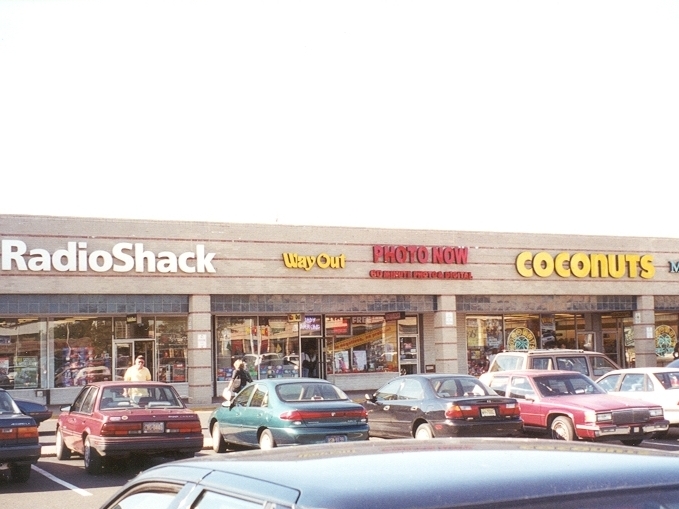
    Roosevelt Mall in Northeast Philadelphia is shown in earlier days, long before Brixmor Property Group remodeled the property.

    Decades later, consumers can buy clothes, home goods, even groceries online with just a few clicks. So shopping centers need more than just retail stores, said executives at Brixmor, which became the Roosevelt Mall’s owner more than a decade ago.

    They said they have intentionally brought in tenants that customers may visit multiple times a week and added more pedestrian walkways, open-air plazas, and outdoor seating.

    “Historically, shopping centers were very utilitarian, and now they’re really becoming more community assets, so we’re really careful about our merchandising mix,” said Ryan Guheen, Brixmor’s senior vice president of development.

    Roosevelt Mall in Northeast Philadelphia is shown in earlier days, long before Brixmor Property Group remodeled the property.

    The latest redevelopment push began around 2020, when Brixmor opened an LA Fitness outpost on the site of a former Turf Club off-track betting venue, near a new Oak Street Health clinic.

    Since then, the company has constructed buildings in underused sections of the parking lot and filled them with popular chain eateries like Raising Cane’s chicken; the American-Chinese food spot Panda Express; and Tous les Jours, a Korean-French bakery and coffee shop.

    The Sprouts organic grocer has driven traffic to the center since it opened in 2024, and a nearby Wonder dine-in food hall and delivery kitchen opened last year.

    Annual customer visits to Roosvelt Mall have increased 13% since Sprouts organic grocer opened there in 2024.

    The 37,000-square-foot under-construction building, set to house a Victoria’s Secret and an Ulta, will also include fast-casual staples like Shake Shack and Cava, which serves Mediterranean bowls and pitas.

    Tenants like these, Guheen said, provide “multiple opportunities for people to stay on property to shop retail, get their workout in, go to the bakery, get a coffee.”
    Some mall retailers have found homes in shopping centers

    As Brixmor executives diversify the tenant mix at their shopping centers, they say they do not see retail stores going extinct.

    In fact, as some indoor malls deteriorate or become residential-focused town centers, “the open-air strip centers benefit,” Vender said, as traditional mall retailers look to open more stores in outdoor complexes.

    Elsewhere in the Northeast, the Franklin Mall, formerly Franklin Mills, has been in decline for years and was recently listed for sale. Real estate investor Dean Adler has said he wants to buy the 137-acre mall and turn it into a youth sports complex with a hotel and Margaritaville-themed water park.

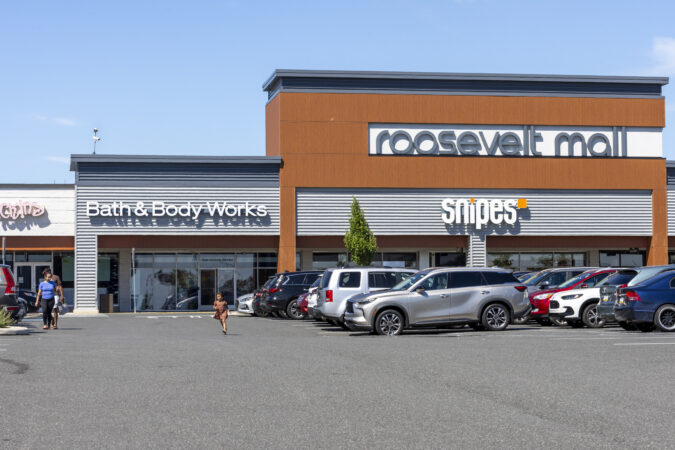
    Seven miles away, the Roosevelt Mall is home to several shops that were once found almost exclusively in enclosed malls, such as Bath & Body Works, Foot Locker, and the forthcoming Victoria’s Secret. These companies’ higher-ups have pivoted in recent years, adding more locations in open-air centers.

    “It’s not like retailers are leaving malls en masse … at least in the best malls,” Finnegan said. But “as they open stores in open-air shopping centers with grocery stores, with fitness uses, with elevated food and beverage, they’re seeing the sales performance” — and then want to keep investing in shopping centers.

    Longer-standing retail tenants are continuing to see success, too. Finnegan said the Roosevelt Mall’s 300,000-square-foot standalone Macy’s is among the company’s top-performing locations in the region, rivaling the King of Prussia Mall store.

    The department store is the center’s largest driver of traffic, recording more than 900,000 annual visits, said Brixmor executives, who are not worried about the department store closing as the Center City store did last year.

    As seen in September, the Macy’s in the Wanamaker Building in Center City now sits empty. It closed last year.

    A Rita’s Water Ice franchise has also stayed put in the Roosevelt Mall for decades, Finnegan said.

    Company executives said they are optimistic this momentum will continue. Along with the under-construction section, redevelopment plans also include another standalone building that has yet to break ground — and the cost of which is not included in the current price tag.

    Finnegan put it simply: “Opportunity begets opportunity.”
  • Pharmacy benefit manager legislation proposed by Pa. GOP legislators would harm Black and brown communities

    Pharmacy benefit manager legislation proposed by Pa. GOP legislators would harm Black and brown communities

    Pennsylvania’s Republican lawmakers are on the verge of deepening the state’s pharmacy access crisis — and Black and brown communities will pay the highest price.

    Earlier this year, three Republican state senators announced intended legislation that purports to “protect” Pennsylvanians’ access to care. While not yet introduced, this proposed legislation would do the opposite, forcing the closure of chain pharmacies that are owned by companies that also own pharmacy benefit managers.
    Verbatim, the announcement says the bill would, “prohibit PBMs from holding a pharmacy license in Pennsylvania.” If enacted, hundreds of brick-and-mortar and mail-order pharmacies could lose their licenses and be forced to shut down.

    Closing pharmacies is not protection. It is a deliberate harm to vulnerable seniors, working families, and the communities that already struggle most to access care. Academic studies document that socioeconomic barriers can influence access to pharmacies.

    Pennsylvania is already deep in a pharmacy desert crisis. Since 2020, more than 1,100 independent and chain pharmacies have closed across the commonwealth — including Rite Aid, which filed for bankruptcy and permanently shuttered in 2025.

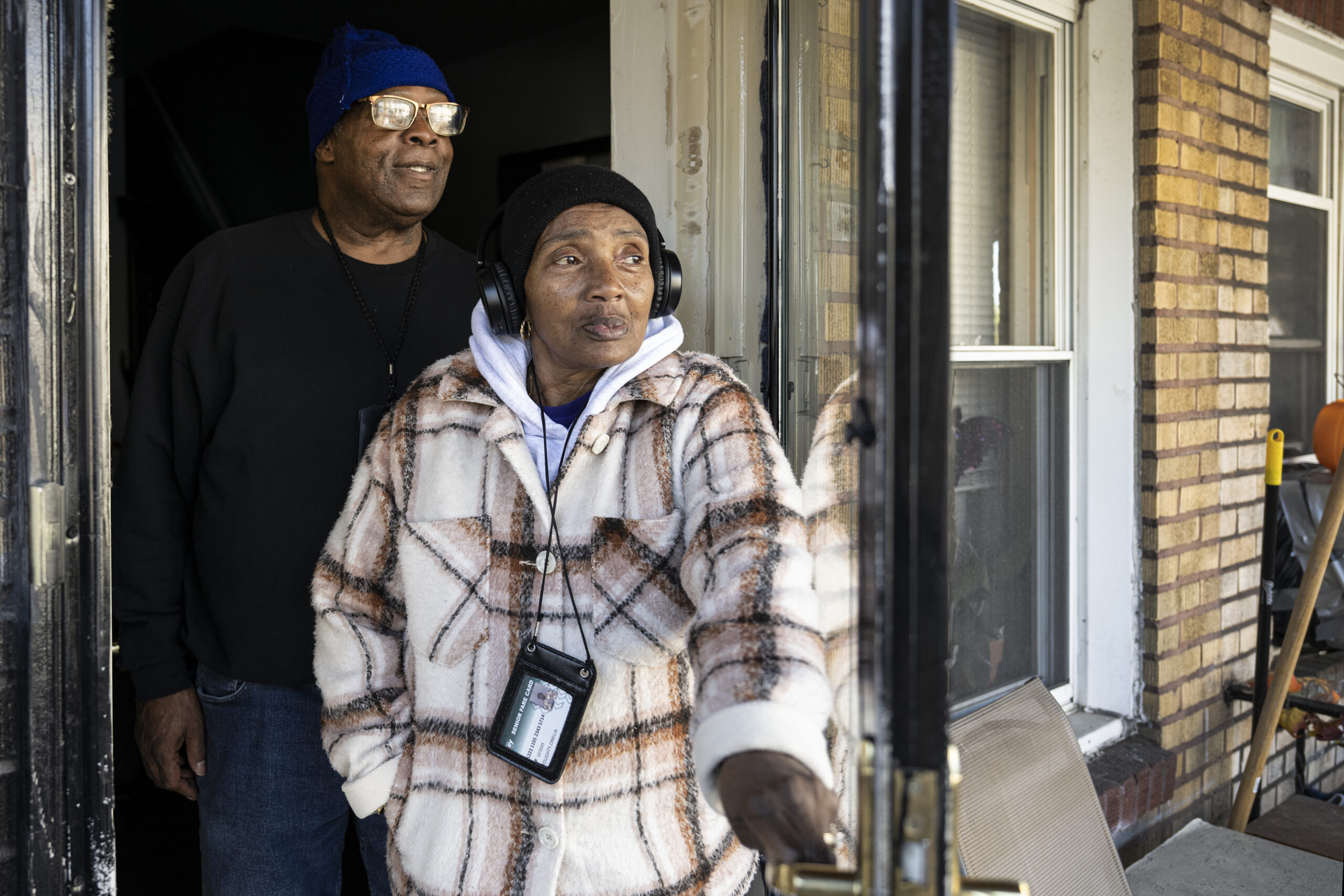
    Ronald and Onelia Doughty, photographed at their Grays Ferry home in November 2023, take dozens of medications between them for various health conditions. But to get those medications, Ronald, who walks with a cane, now has to get a bus to South Broad Street or borrow a car from his son who lives in West Philadelphia. Their neighborhood Rite Aid was among those that closed earlier in 2023.

    Residents in predominantly Black and brown neighborhoods in Philadelphia, Pittsburgh, and Allentown, as well as those in rural townships, already face long distances and real hardships just to fill a prescription.

    The health stakes are high. Hispanic Pennsylvanians, in particular, experience higher risk factors for chronic disease, asthma, and multiple cancers than white residents. Managing chronic conditions requires consistent, affordable access to medication — and when that access is severed, patients split pills, skip doses, or abandon prescriptions entirely.

    Managing chronic conditions requires consistent, affordable access to medication — and when that access is severed, vulnerable communities are the most impacted.

    Medication adherence is already lower in minority communities. This legislation would make a serious problem catastrophic.

    Proponents argue that independent pharmacies can fill the void. We’ve seen how that plays out. When Rite Aid collapsed, independent pharmacists reported being overwhelmed, creating waitlists and turning away patients on less profitable insurance plans. The chaos that followed will repeat — and intensify — if hundreds more pharmacies are shuttered at once.

    This legislation also ignores legal reality. Arkansas passed a similar law that was immediately halted in federal court for violating the Commerce Clause and interfering with TRICARE, the healthcare program for veterans and military families. Tennessee faced fierce opposition from patient advocates and state Medicare officials.

    Pennsylvania should avoid repeating these costly mistakes.

    Pennsylvania’s Act 77, passed in 2024, already established meaningful oversight, transparency, and fairness in pharmacy benefit management — with the explicit goal of preventing pharmacy closures. These new proposals directly contradict that intent.

    Communities of color cannot absorb more neglect. The National Hispanic Health Foundation strongly opposes this legislation and urges its immediate rejection.

    Pennsylvania’s must instead pursue reforms that strengthen — not destroy — the healthcare lifelines our communities rely on.

    Elena Rios is president of the National Hispanic Health Foundation, a leading national organization dedicated to transforming the healthcare system through leadership, research, and education to improve the health of Hispanics.