Tag: topic-link-auto

  • ‘I learned early on to leave while on top’: Bucks County Playhouse’s beloved producing director is stepping down after leading the theater through remarkable growth

    ‘I learned early on to leave while on top’: Bucks County Playhouse’s beloved producing director is stepping down after leading the theater through remarkable growth

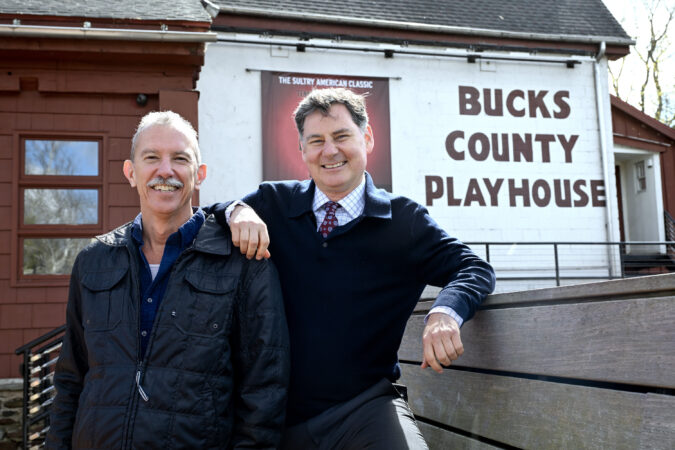
    Before the opening of every new production at Bucks County Playhouse, producing director Alexander Fraser scans the audience and walks to the front of the stage to deliver a speech.

    In his 12 years with the Playhouse, he has talked about preparation, execution, and the magic of seeing all these things coalesce. He’s thanked all the people involved in the production and the rows of theatergoers who’ve made it worth the grind.

    When he arrived in New Hope over a decade ago, Fraser was “terrified” of these speeches. Now he relishes the spotlight.

    “I hated doing them in the beginning, but now I’ve turned into Joan Rivers,” he joked.

    Saturday’s opening of the 1949 musical South Pacific, however, won’t have him do his usual spiel. The opening of the Rodgers and Hammerstein classic is his last as the Playhouse’s producing director.

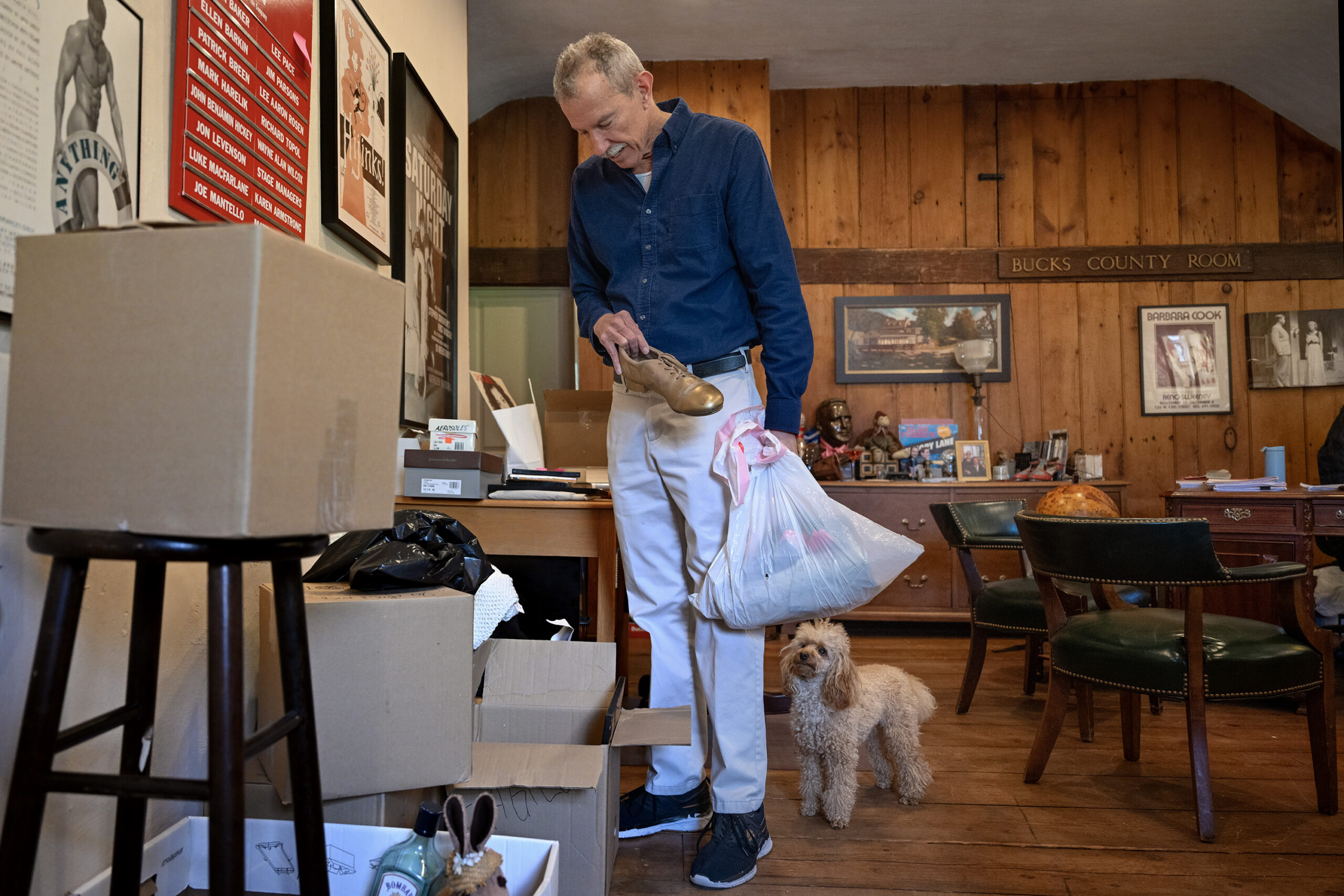
    Alexander Fraser finds a pair of shoes from the 1975 musical A Chorus Line as he clears out his office Tuesday, April 7, 2026. His dog is Milo.

    “It’s just surreal,” Fraser, who announced his departure last year, said. “It’s been a whirlwind couple of months …It’s been sweet and I feel really complete. I don’t have any regrets about it. I think it’s the right thing to do.”

    Fraser is retiring from full-time production, and instead lending his services to develop new musicals and nightclub experiences. His production partners, Robyn Goodman and Josh Fiedler, will also be departing to work on current and future productions under their company, Aged in Wood.

    Fraser said he already has a few irons in the fire, but he plans on spending the majority of his days sun-soaked on a beach in Puerto Vallarta, Mexico, and tanning like the “raisins” that walk the beaches of Palm Springs.

    The departure, Fraser said, is easier knowing there’s an incoming leader with experience and ideas that mirror his own.

    On June 22, theater veteran BT McNicholl will step in as the Bucks County Playhouse’s producing artistic director.

    “I’m at home here,” said McNicholl, who grew up in Connecticut and led Los Angeles’ La Mirada Theatre for a decade.

    Like Fraser, McNicholl has worked on several Broadway plays and musicals , including Billy Elliot, Cabaret, and A Funny Thing Happened on the Way to the Forum. As director, his work spans productions across Europe, Asia, and Australia, and his regional directing credits include productions at Goodspeed Musicals, the Walnut Street Theatre, and other places.

    He said he’s excited to be at the helm of the nonprofit theater and embrace its audience, one that’s seen tremendous growth under Fraser’s leadership.

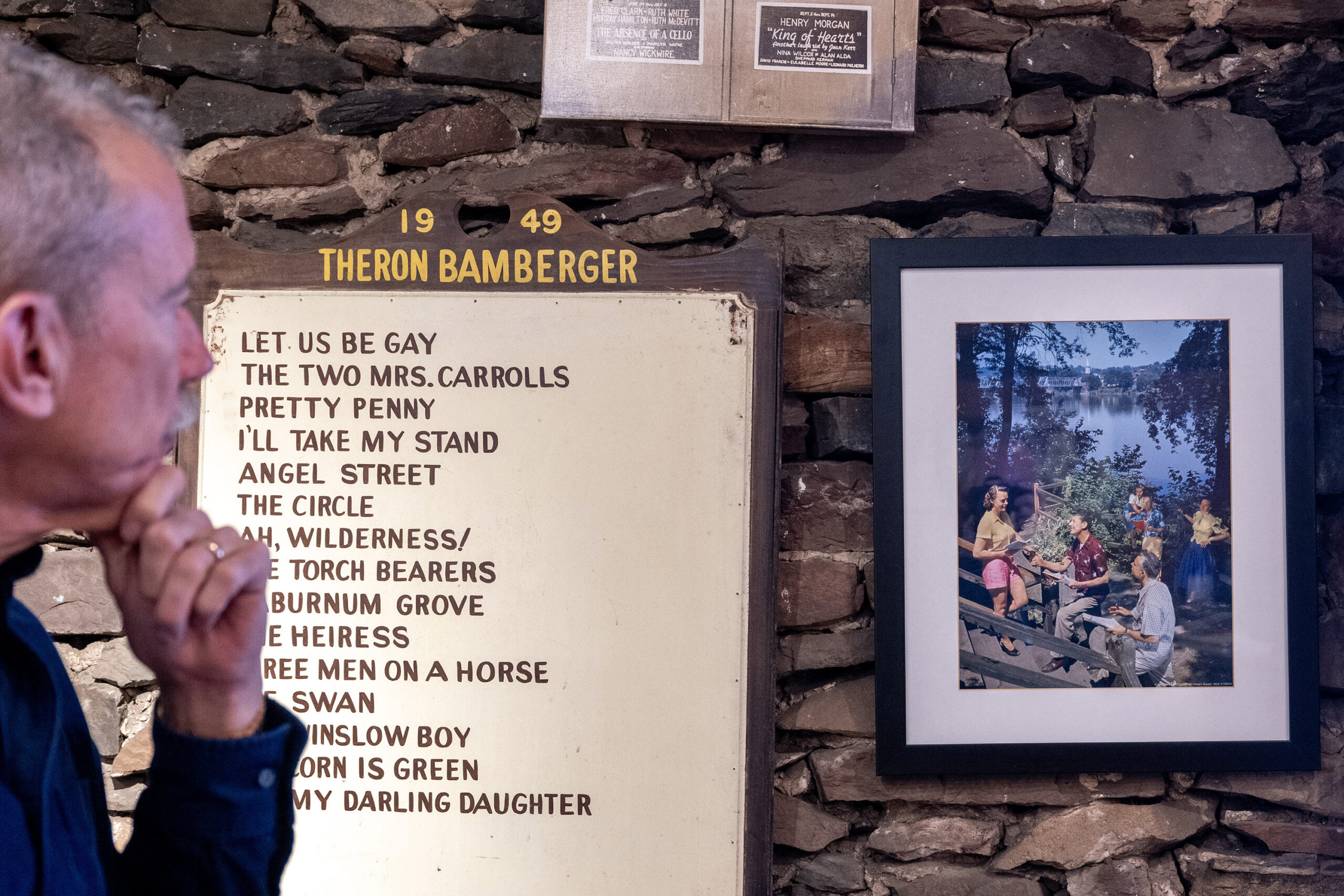
    Alexander Fraser, producing director of Bucks County Playhouse, looks at memorabilia as he clears out his office on April 7, 2026. At right is a photo from the July 1952 issue of National Geographic, by photographer Robert F. Sisson for an article about the Delaware River. The caption reads, in part,: “June Lockhart Rehearses Her Lines on the Steps of Bucks County Playhouse. At left is list of plays produced by Theron Bamberger in 1949.

    Fraser came to the Playhouse in 2014 from New York, where he produced on and off-Broadway productions for decades. It had only been three years since the historic theater’s $3 million facelift, thanks to Doylestown couple Kevin and Sherri Daugherty.

    The theater, founded in 1939, was in dire straits after longtime owner Ralph Miller fell into debt in 2010. The theater lost its status with the Actors’ Equity union and Miller’s mortgage holder seized the venue.

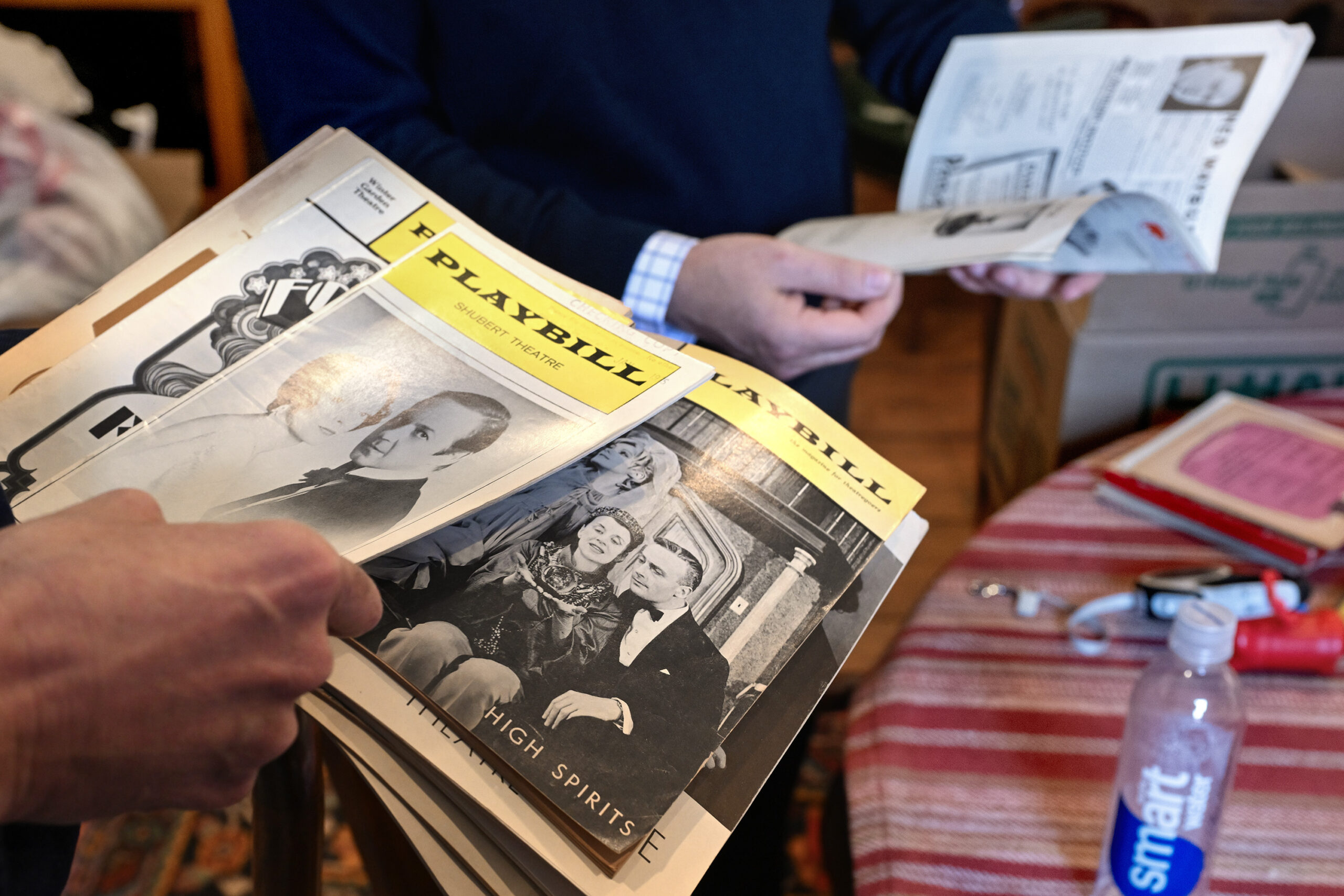
    Alexander Fraser (left), outgoing producing director of Bucks County Playhouse, clears out his office on April 7, 2026, joined by newly-appointed producing director BT McNicholl (right) going over old Playbills.

    The Daughertys purchased the Playhouse in 2011, and reopened the theater after a year of renovations and repairs. Jed Bernstein, then producing director, set the revamp in motion and went on to become the president of New York’s Lincoln Center. That’s when Fraser stepped in to expand the theater’s revitalization. He recruited Goodman and Fiedler to the Playhouse.

    The goal was to reinvigorate the Playhouse and New Hope’s theater community within two years. “It was naive on my part,” Fraser said.

    He said people talked about the theater’s heyday, but the majority of people who came to New Hope were “bikers” and not interested in local theater.

    “I didn’t realize how depressed [New Hope] was, and frankly, it was a challenge for me and my two producing partners to motivate this community and make this work,” he said.

    Around 2019, Fraser said he finally felt things had turned around.

    The trio went on to bring in productions like Steel Magnolias, Anastasia, Bridges of Madison County, Other Desert Cities, and Candace Bushnell’s one-woman show, True Tales of Sex, Success, and Sex and the City.

    The productions drew theatergoers, both from in and outside of the borough.

    During Fraser, Goodman, and Fiedler’s tenure, the organization’s annual attendance doubled, growing from just under 40,000 in 2014 to more than 85,000 in 2025, according to Playhouse officials. Subscriptions also increased, from 1,479 in 2015 to 3,303 in 2026.

    The Playhouse then transitioned from a seasonal producing theater to a year-round producing organization.

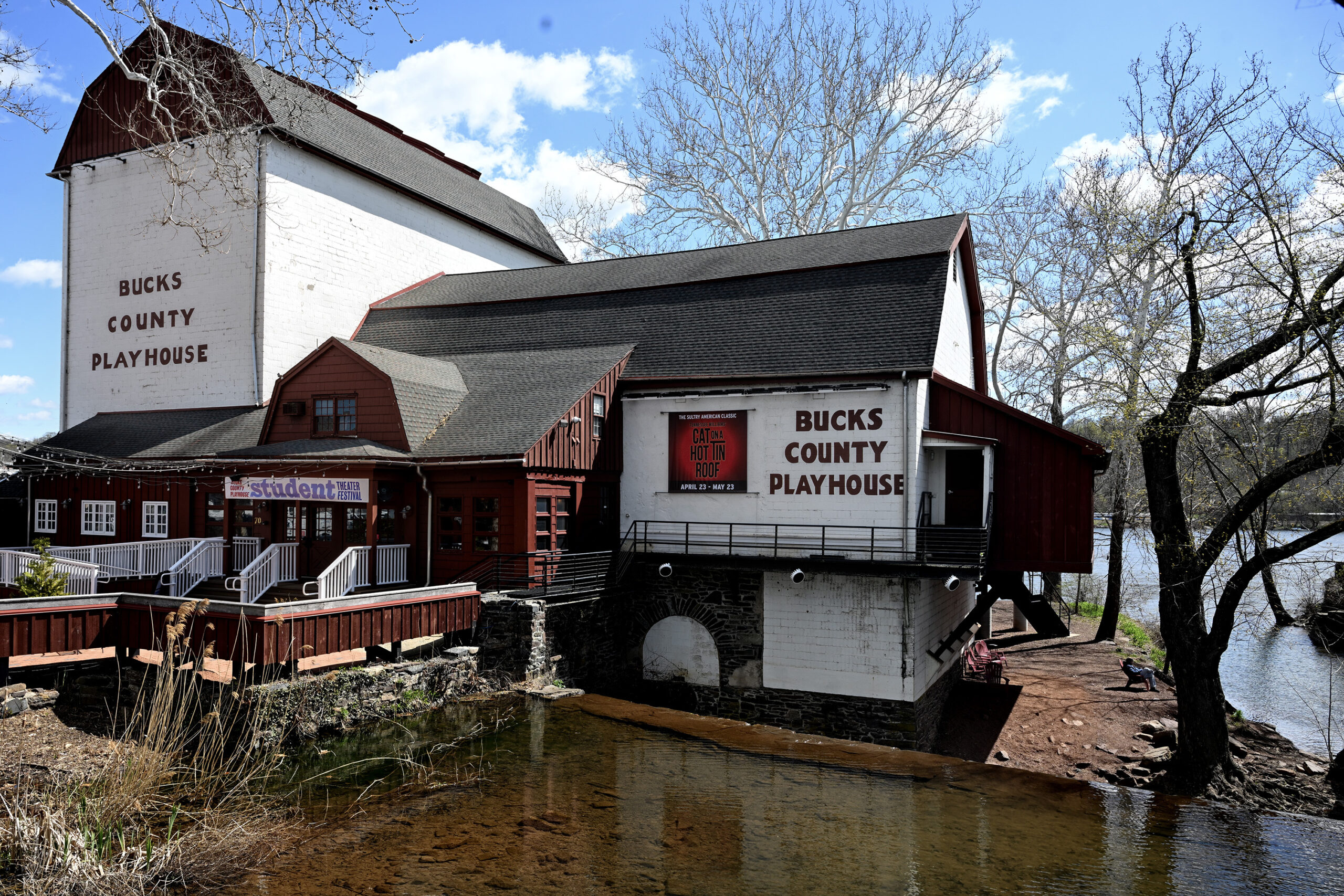
    The Bucks County Playhouse on April 7, 2026.

    Nicole Hackmann, executive director at the Playhouse, said Fraser was on the front lines, ensuring there was enough funding to bring in top-end productions, and Goodman and Fiedler used their resources and connections to fill in the gaps.

    The Playhouse’s revival didn’t just enliven the region’s theater community. It sparked an economic boom in the borough. As new restaurants, shops, and other businesses populated the town, New Hope Mayor Frank DeLuca said the Playhouse’s resurrection helped drive up support.

    “The Playhouse is far more than a theater. It’s one of the cornerstones of New Hope, and a vital part of our community’s identity,” DeLuca said in a written statement to The Inquirer. “It enriches the lives of residents, attracts visitors from throughout the region, and helps support our local businesses by bringing people into town year-round.”

    While leadership changes are difficult to navigate, Hackmann said, McNicholl is coming into a theater and arts community with “strong bones.”

    “The brick work has been done so well, and [McNicholl] can come in and take off like a shot,” she said. “He’s inheriting an organization with an incredible staff that’s dedicated, determined, and has built something, which means he can fly.”

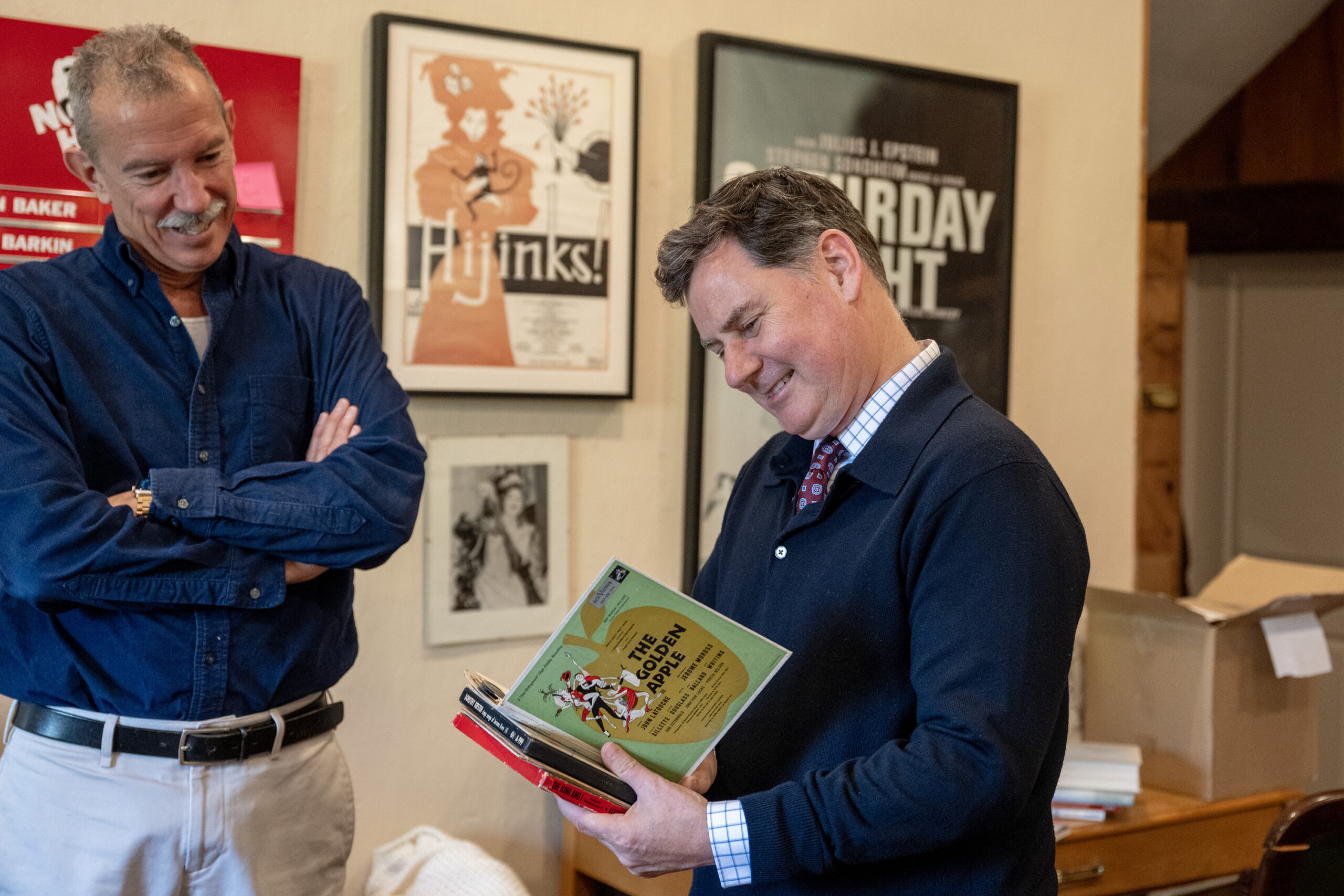
    Alexander Fraser (left), outgoing producing director of the Bucks County Playhouse, clears out his office Tuesday, April 7, 2026, giving his old Broadway musical CDs to newly-appointed producing director BT McNicholl (right).

    With the “magic set in place,” McNicholl said he’s ready to accept the baton Fraser, Fiedler, and Goodman are handing off to him.

    “We’re part of the relay race,” he said. “I’m taking the next step on the trajectory that they’ve set in motion.”

    McNicholl intends to strengthen the “symbiotic relationship” between the New Hope theater and Broadway, not only by bringing New York artists to Bucks County, but also by nurturing in-house productions that end up on Broadway.

    At the top of his priority list, however, is to listen to the community that Fraser helped rebuild and the longtime theatergoers who grew up attending the regional gem.

    “My job as a steward is to continue that growth and expand upon it,” he said.

    Fraser is confident McNicholl will make those strides.

    “I learned early on to leave while on top,” Fraser said. “I’m really happy this all worked out. The theater is doing great and there’s a great person coming in after me.”

    As for his last speech on Saturday, Fraser doesn’t have notes prepared. He’s usually an “easy crier,” he said, so a friend convinced him to place a rubber band on his wrist, and then snap it whenever he felt the tears coming.There’s no telling how many times he will flick the rubber band against his wrist.

    He looks forward to the journey that lies ahead but doesn’t think about his legacy.

    “It sounds pompous to me.”

  • The joy the World Cup has brought to Philadelphia feels like the escape we didn’t know we needed

    The joy the World Cup has brought to Philadelphia feels like the escape we didn’t know we needed

    By the time you read this, Philadelphia will have hosted two matches in the FIFA World Cup and will be steadfastly preparing for a third in quick succession come Monday.

    France, a favorite by many to win the whole tournament, will take on Iraq in the second game of Group I, but if it’s anything like the previous two matches, the game itself will once again not be the story.

    Because for the past two games, the attraction has been that of the fans, and the unbridled passion people have for not just a team and its players, but the nation so many have bought jerseys for, the emblem they proudly wear above their heart, or in the middle of their chest.

    This spectacle of what will result in 104 matches of underdogs becoming story lines, a U.S. men’s national team exercising the type of dominance very few expected, has also seen Philly lead the way on the main stage, creating lasting memories for thousands of fans who have flocked to the city, all while becoming lore, in the process.

    In the lead-up to the World Cup, the story lines circulated the unforeseen, the question marks that surrounded what the World Cup’s return to the United States would look like.

    In the U.S., it arrived amid the backdrop of widespread deportations by Immigration and Customs Enforcement officials and travel bans on over 70 countries.

    It came on the heels of perceived rampant greed from FIFA, which enacted dynamic pricing for the first time, sending ticket prices soaring to the highest they’ve ever been. They opened the door for broadcasters to run advertisements midgame, under the guise of hydrating tired players.

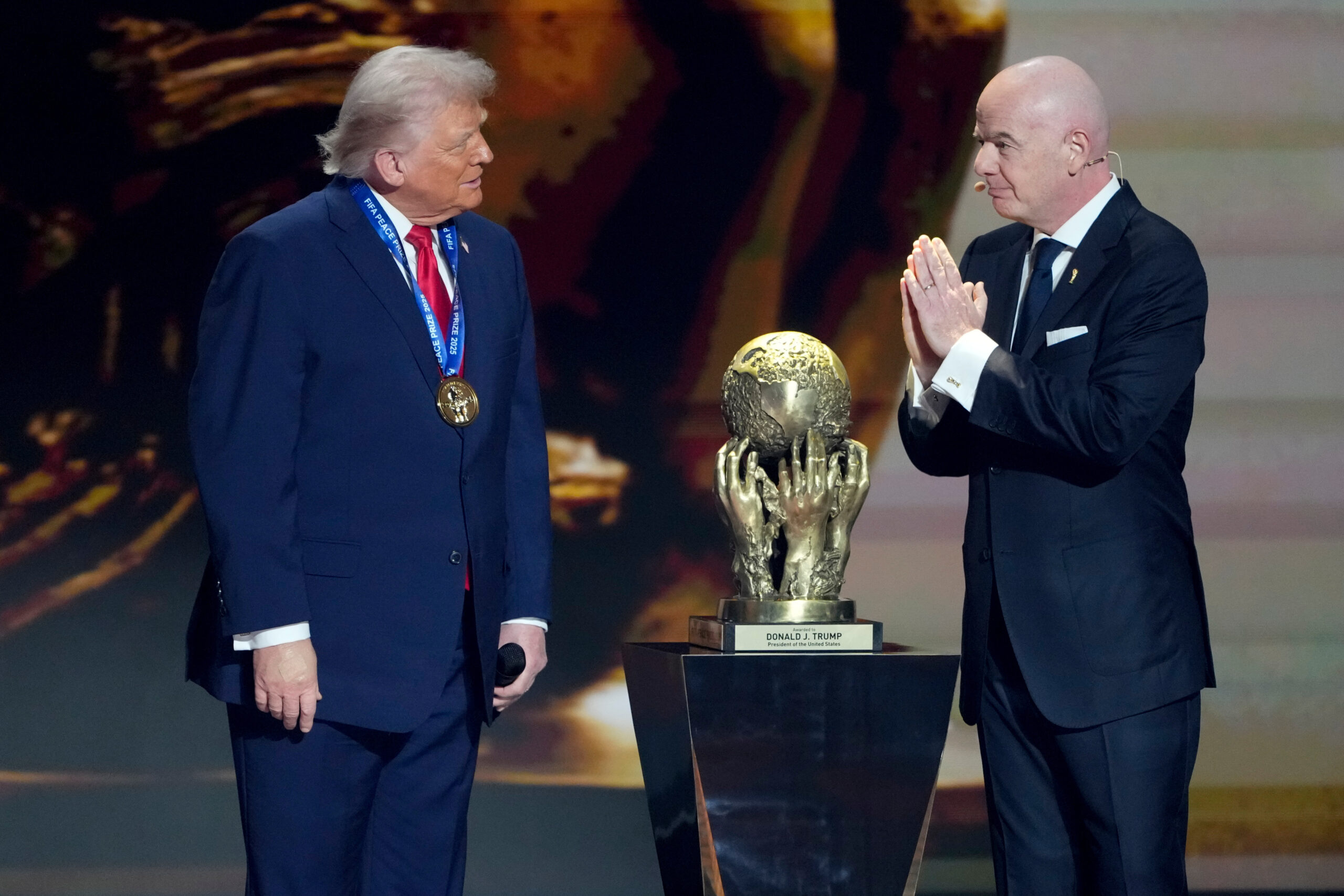
    FIFA president Gianni Infantino (right) gives President Donald Trump the inaugural FIFA Peace Prize at the World Cup draw last December.

    Let’s not forget the lobbying of the sitting U.S. president in the process, going as far as to create an inaugural peace prize for him while his administration destabilized governments and enabled a war in the Middle East.

    But look at how quickly all of that has fallen into the backdrop.

    Soccer in its purest form has provided an escape for a nation that desperately needed one. And what it’s also proved in the process is that people of different races, colors, and creeds don’t hate each other as much as their social media algorithms might suggest.

    Proof was on display right here in Philly in the form of fans who packed the stands over the last two matches.

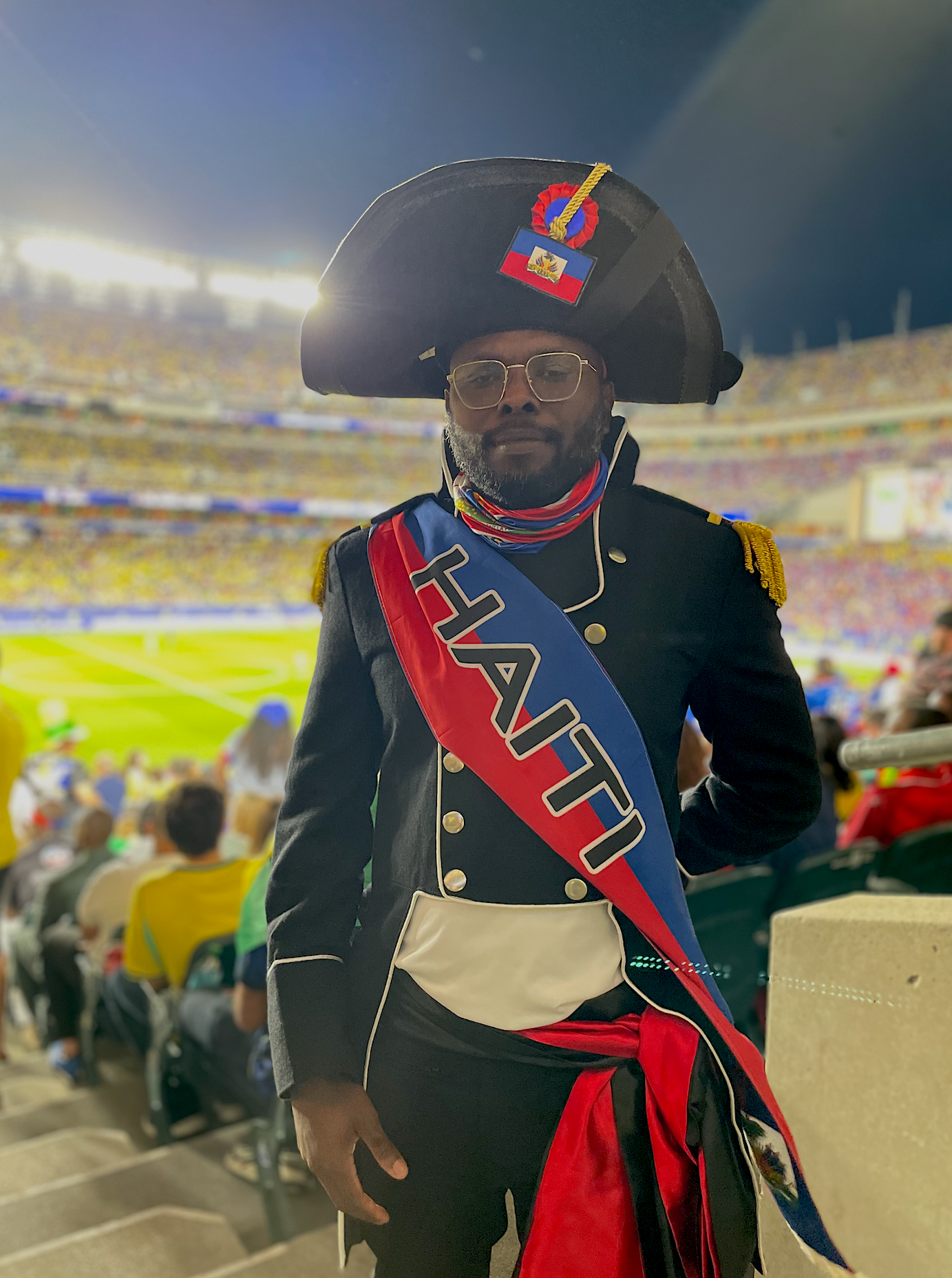
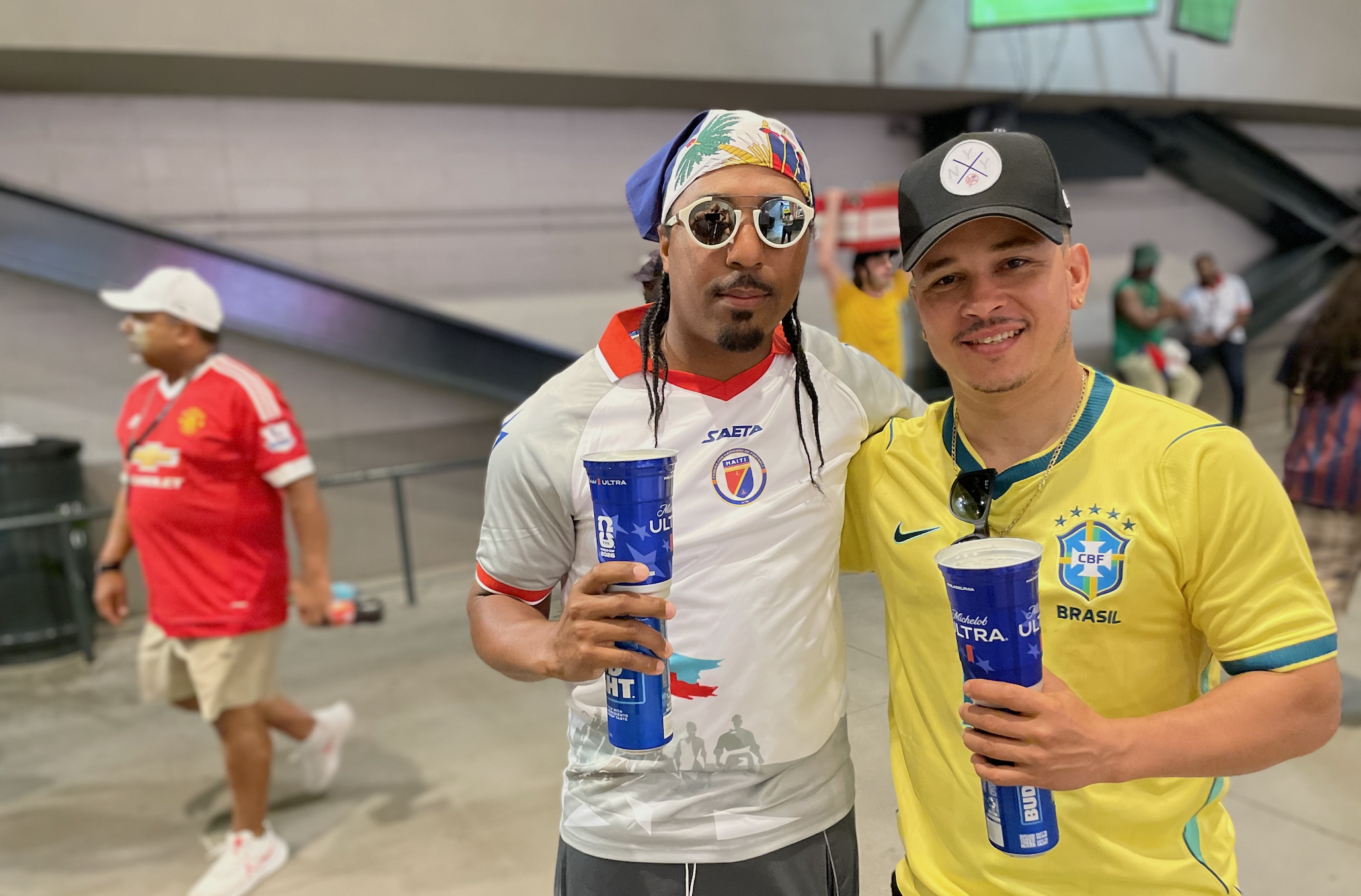
    Fans like Maxence Jeanty, a 41-year-old Haitian native living in Chicago who traveled to Philly from the Windy City, dressed in a suit depicting liberator Jean-Jacques Dessalines, a key figure of the Haitian Revolution.

    Maxence Jeanty, 41, a fan from Chicago arrived at the FIFA World Cup game between Brazil and Haiti, dressed as Jean-Jacques Dessalines, the leader of the Haitian revolution.

    “When I was growing up in Haiti as a kid, I watched the World Cup, and I’ll never forget watching the 1994 World Cup,” Jeanty said. “It’s been so long that my people haven’t made it to the World Cup that the choice was to choose either Brazil or Argentina [as the nation to support]. But now, we’re stepping on the field as equals, and no matter what happens, we’re stepping on the field as equals. The pride that brings to me and to every Haitian fan here, man, that’s indescribable.”

    We witnessed massive gatherings on the most iconic steps of our fair city from supporters who, like Jeanty, boarded planes just to be a part of the moment.

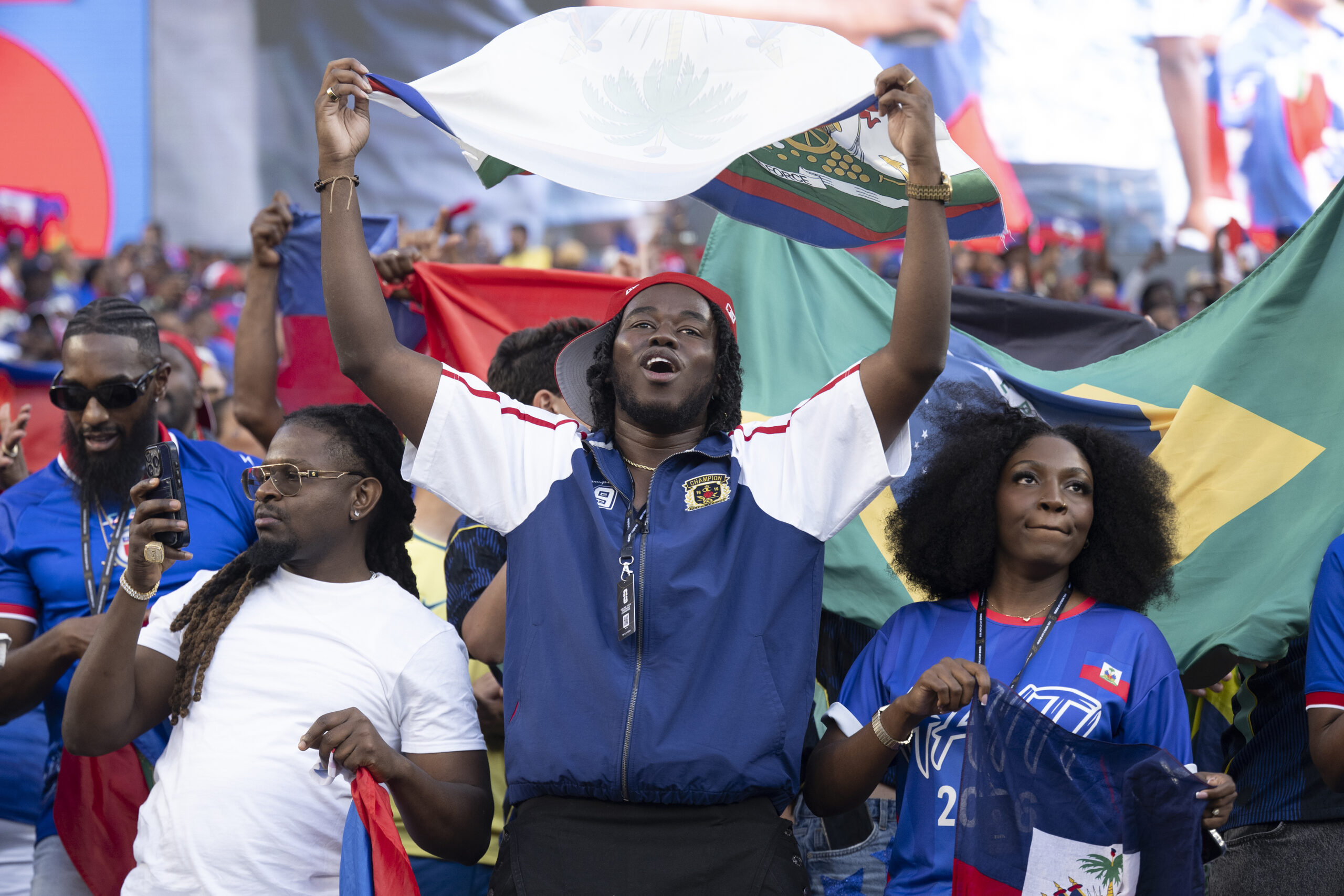
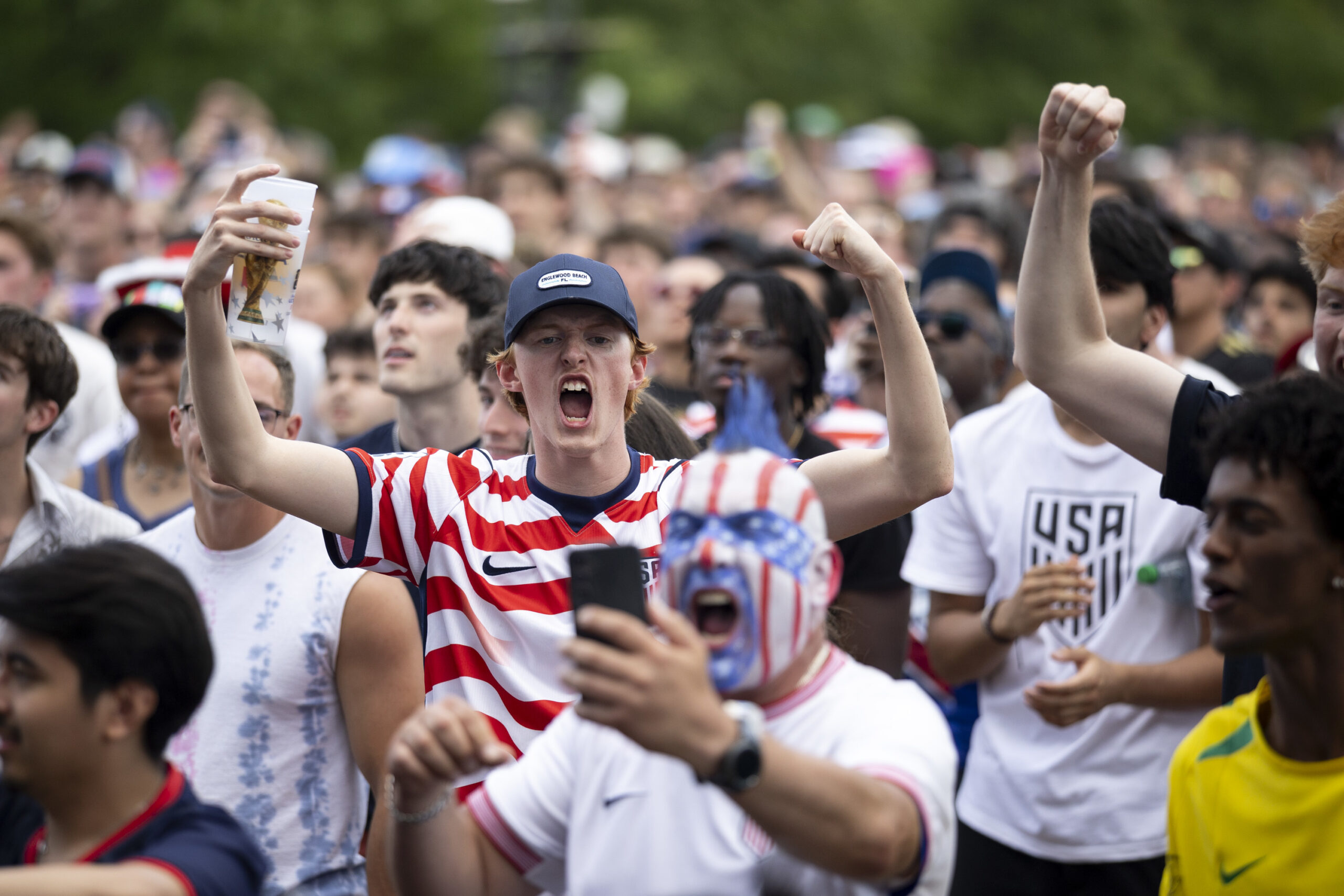
    Haiti fans celebrate during Friday’s FIFA World Cup Group C soccer match against Brazil.

    Only a week and a half in, the World Cup has become for so many a momentary cure for what ails, the escape we didn’t know we needed. Lifelong supporters hang onto every kick, and casual fans are amazed by the sights and sounds.

    Along the way, we’ve met supporters of other nations who’ve never met and have become instant friends. We saw dance parties on subway cars, in parking lots, and in the middle of streets.

    Lucas Maninhu, 31, who arrived from New York and was draped in Brazil’s jersey, wanted to introduce me to his “new best friend,” a Haitian man who only wanted to go by Greguity. The two met in the parking lot on the day of the Brazil-Haiti match, struck up a conversation, walked into the stadium, and watched most of the game together.

    Brazil fan Lucas Maninhu (right) and Haitian fan Greguity met at the World Cup match in Philly between Brazil and Haiti. Both said they’ve become “best friends” in the process.

    “We met tonight,” Maninhu said. “We are here for different teams, but it doesn’t matter, tonight this is my boy. We’re all here for the same reason.”

    And look, FIFA knows this. It knows the unifying power this tournament has had on the masses since before the end of the Second World War.

    It’s why, despite laying the claim of being “Football for All,” this edition of the World Cup, from a financial perspective, has felt like football for the few.

    But those few continue to sell out arenas, flock to stadium stores to buy World Cup merchandise, and drink $7 purified water. Outside the stadium, games are setting broadcast records, and people are filling the bars and restaurants across North America. There’s money to be made all around.

    Let’s not forget the FIFA Fan Festivals, the official watch party situated in Philly at Lemon Hill. It’s made that neighborhood a noisy one, but it’s a good noise.

    Think about it. At its core, the first 10 days of the World Cup have allowed many Americans to take a sigh of relief, to have something to look forward to, or have on in the background while life is happening in real time.

    Cam Gorman, 23, of Gilbertsville, Pa., cheering with Philly Sports Guy Jamie Pagliei (front, center) at the FIFA Fan Festival in Lemon Hill as the U.S. beat Australia on Friday.

    Here at home, you can try to equate the fervor to the Eagles winning it all in 2018, and then again in 2024, but it’s a different vibe, because this isn’t about wins or losses. To many fans, this is about the sheer joy that having the sport in their backyard has delivered.

    It feels like the reprieve America needed, and Philly’s place in all of it has not gone unnoticed.

  • Summer arrives officially Sunday in Philly, with El Niño, drought, and the moon as major players

    Summer arrives officially Sunday in Philly, with El Niño, drought, and the moon as major players

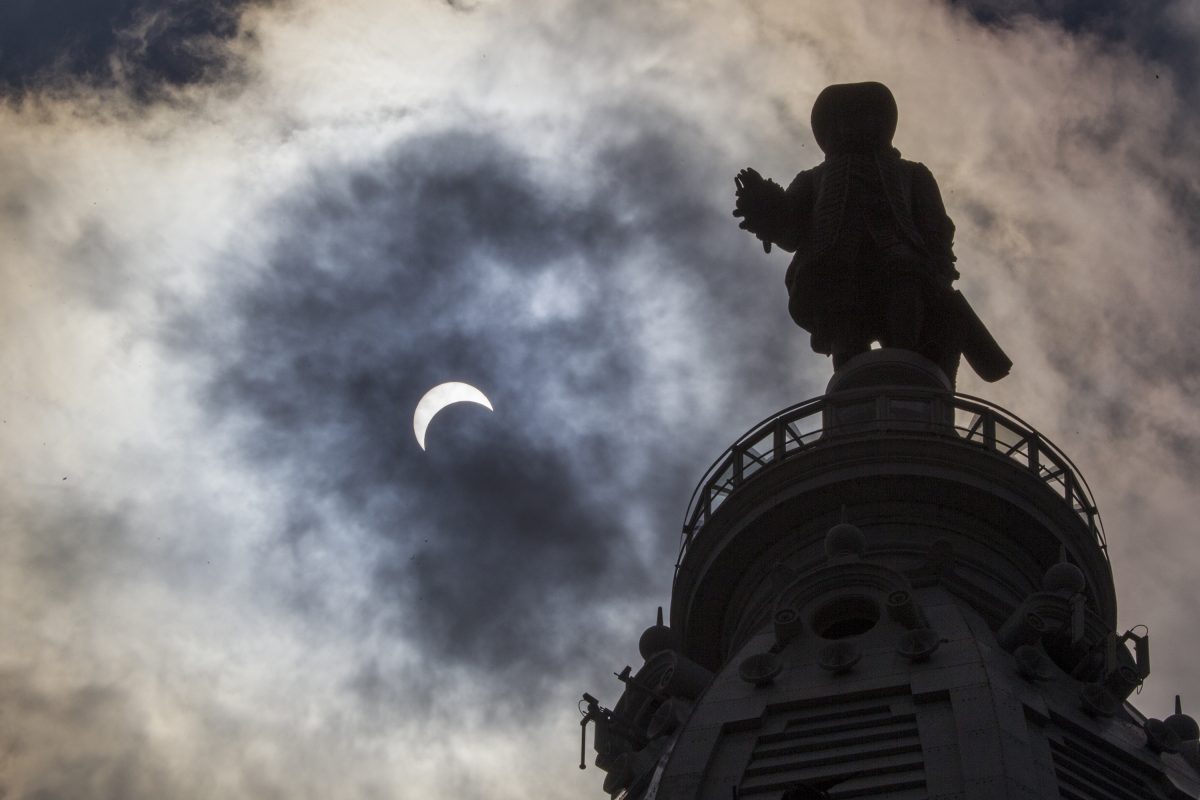
    Given the atmosphere’s impatience, it would be understandable if some folks believe that the summer of 2026 began weeks ago.

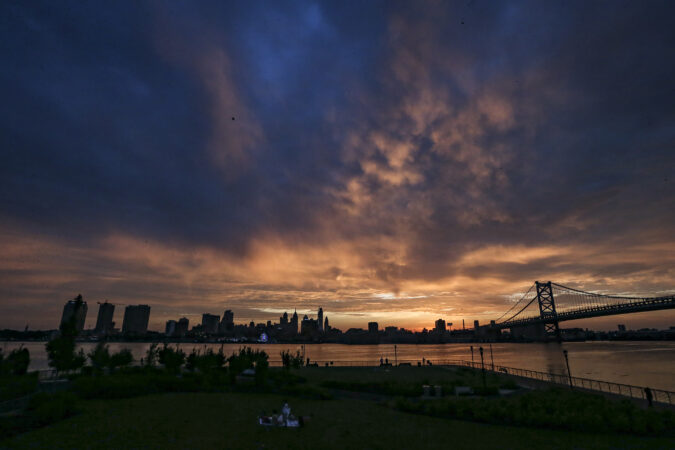
    But officially, the astronomical summer does not start until 4:24 a.m. Sunday, the instant of the solstice, when the sun beams its most direct light on the Tropic of Cancer. (That’s the one that bisects Mexico.)

    Perhaps the pleasant temperatures this weekend are an overdue solstice gift to the region.

    Officially, on 14 days this year, the temperature has reached at least 90 degrees at Philadelphia International Airport. While not a record — this happened 21 times before the 1991 summer solstice — that is a total more appropriate to midsummer. The annual average is about 30, and usually this kind of heat doesn’t get a jump start in mid-April.

    Is it going to get hot again?

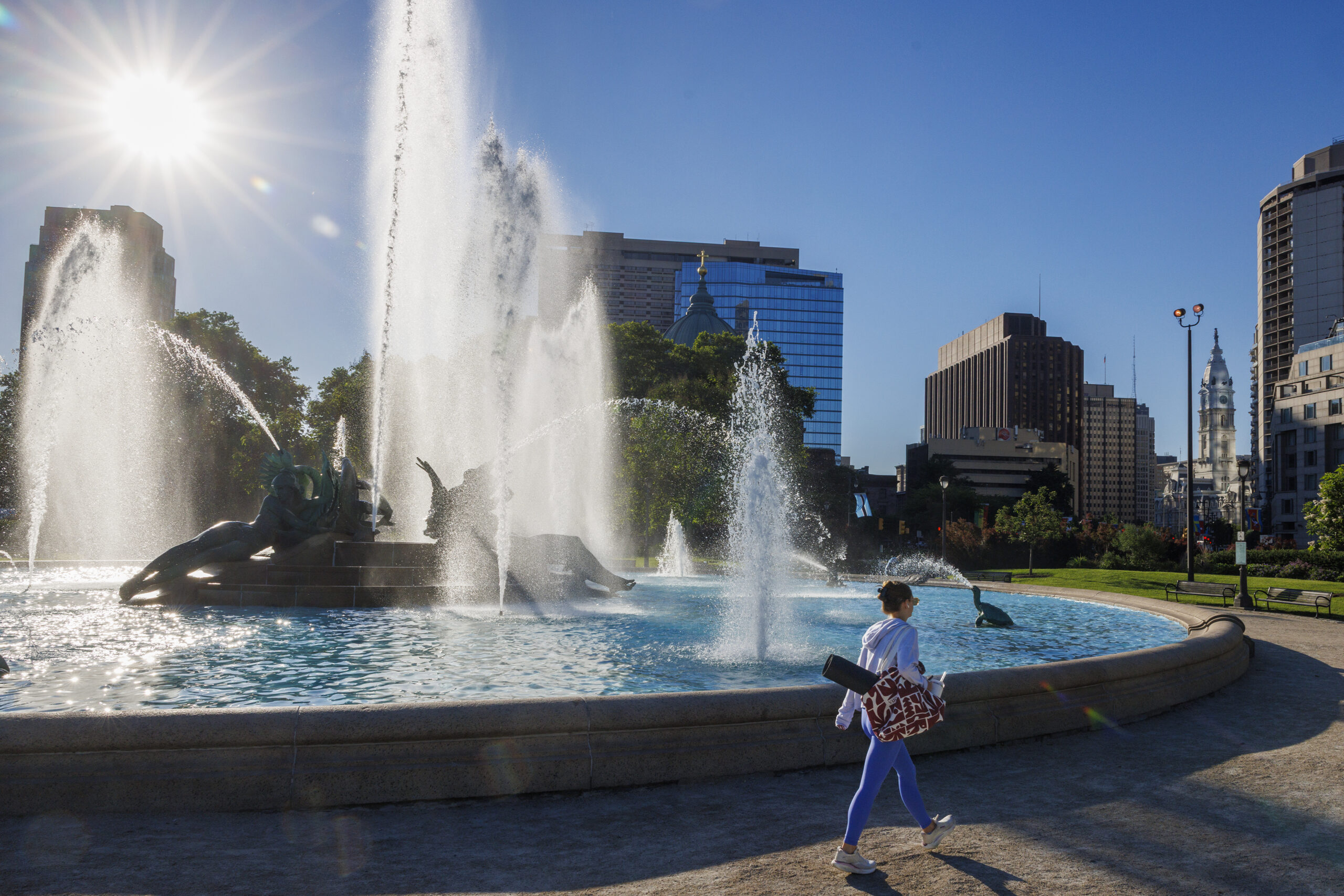
    A woman walks past Swann Memorial Fountain as the sun rises last month.

    Are polar bears white?

    At least three veteran seasonal forecasters have commented that they expect the burgeoning El Niño event to work against punitive hot spells in the region.

    During El Niño, sea-surface temperatures remain above normal in the tropical Pacific for several months, agitating the overlying air and affecting weather across the globe. This one may be among the strongest and is forecast to mature during the summer, earlier than usual.

    During six early-developing strong El Niños, summer temperatures in Philadelphia were near or below average.

    However, the scientists at the government’s Climate Prediction Center evidently are not buying it. In both the July and the July 1-through Aug. 31 outlooks posted Thursday, they saw the odds favoring above-normal temperatures.

    On average Philly has a combined 20 days of 90-degree highs in July, when the Earth is the farthest it gets from the sun, and August. (Along with a September bonus of two more.)

    How come it’s warmer, if we’re farther from the sun?

    On average the Earth is about 93 million miles from the sun, but since its orbit is an imperfect circle the distance varies by roughly 3 million miles.

    At 1 p.m. on July 6 our planet will be 94.5 million miles from the sun, by EarthSky’s calculation, its farthest distance of the year. It makes its annual closest approach in January, which is why winter in the Northern Hemisphere is the shortest season; the gravitational bump speeds up the trip, and February gets shortened.

    The seasonal weather rhythms are about the Earth’s axial tilt, not distance from the sun, and the planet takes its time responding to the changes in solar energy. Just as January is colder than December on average, July is more than 5 degrees warmer in Philly than June on average. Just how warm it gets the rest of this summer may have a lot to do with how much drier it gets.

    Will the drought conditions ever end?

    They always have, but this has been quite an extraordinary run, even if the plant life has managed to avoid major distress.

    The entire region, save for extreme northeastern Bucks County, is in a state of “severe drought,” according to the U.S. Drought Monitor, with Cape May County in “extreme drought.”

    The promised rain to start the workweek should help, but Philadelphia has experienced 10 consecutive months of below-normal precipitation, a rarity in an area in such proximity to bodies of water that are sources of rainfall. All of New Jersey and Chester County remain under drought emergencies.

    Dryness can promote heating, since the sun does not have to divert energy evaporating water.

    However, unusual coolness also can accompany dryness, said Sarah Johnson, warning coordination meteorologist at the National Weather Service office in Mount Holly. Having lived in North Dakota for 20 years, she knows her dry air.

    A lack of moisture can be a boon for cooler nights. Water vapor in the air inhibits nighttime cooling by blocking heat from escaping into the atmosphere.

    It also happens that less vapor in the air is ideal for sky-watching, and that could come in handy in August.

    This could be a big year for the Perseids

    In this long exposure photo, a Perseid meteor streaks above Madrid.

    Last year, you may recall that the moon showed its big face during the peak of the annual Perseid meteor showers, the most popular of the year.

    This time around, the moon is getting out of the way, and will be in its “new” phase during the peak early mornings of Aug. 12 and 13.

    While the Geminids, which occur in December, are considered the most prolific showers of the year, according to the American Meteor Society, they are not as popular as the Perseids: People tend to prefer August nights to December’s.

    The Perseids are so named because the cometic detritus that is ignited by the atmosphere appears to radiate from the constellation Perseus. In the early-morning hours, that typically is low in the northern sky.

    Under ideal conditions — ultra-dark, light-pollution free skies — as many as 90 meteors an hour might be visible, EarthSky says.

    But the moon will be the star in late August

    Billy Penn waves at the moon during a lunar eclipse.

    Two weeks after the Perseid peak, Philadelphia and most of the rest of the Western Hemisphere will be treated to a lunar eclipse in which just about all of the moon will be in shadow.

    The show begins at 9:24 p.m. Aug. 28, and more than 90% of the moon will be obscured by Earth’s shadow three hours later. It will be all over around 4 a.m.

    Chances are excellent that the region will still be needing rain, but may it choose another night.

  • See it, hear it, feel it: All the Philly art we loved this week

    See it, hear it, feel it: All the Philly art we loved this week

    Searching for meaning with the 94-year-old John Williams in “Disclosure Day”

    There’s plenty of wonder and foreboding in John Williams’ score to Disclosure Day. Anyone hoping for Williams the bellicose, or Williams the painter of twinkling stars that make us look to the Beyond, will find him here.

    But what’s fascinating about the orchestral-vocal soundscape of Williams’ and Steven Spielberg’s 30th collaboration is its subtlety. The composer always was more nuanced than he’s generally given credit for being, and here is something unusually introspective.

    Williams, 94, has been praised for his understatement in the score (released June 12). The soundtrack titles are listed in lowercase letters with ellipses and names like so many perfumes: “unseen …”, “believe …”, “empathy …”

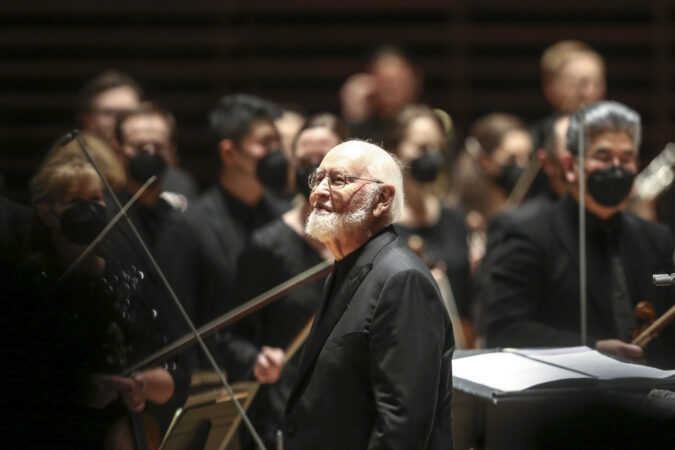
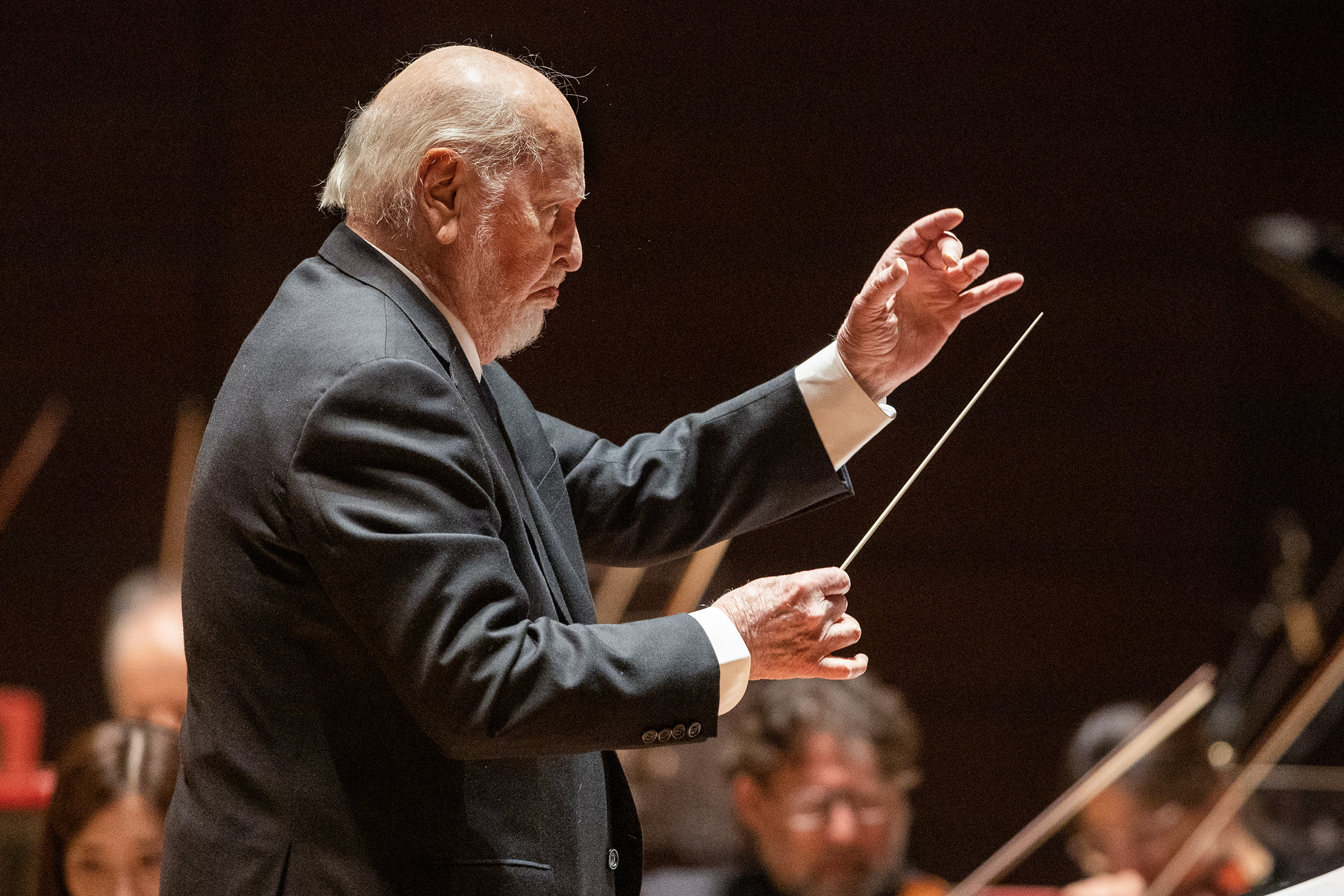
    John Williams conducting the Philadelphia Orchestra at the Kimmel Center, Feb. 20, 2024.

    But as Spielberg has said:

    Disclosure Day is probably the most restrained score he has ever written for one of our collaborations — at least until it is not.”

    As always, Williams — whose film and concert hall music have become a staple at the Philadelphia Orchestra — makes you feel things you can’t put into words. What is a memory if not ineffable, as the music in a so-titled track shows? The narrative progression of “caught…” from poignant oboe and bassoon, to mysterious celesta, to chilling strings and a heart-pounding race, make the track a piece in itself. It’s as good as any concert overture.

    There’s no big signature melody or sweeping gesture à la E.T. anywhere in this music. What it does offer is something perhaps better suited to the times: a score that gives listeners the space to search for meaning in a world of ambiguity.

    “Disclosure Day” is playing in theaters across the country. John Williams’ soundtrack is available on all streaming services.

    — Peter Dobrin

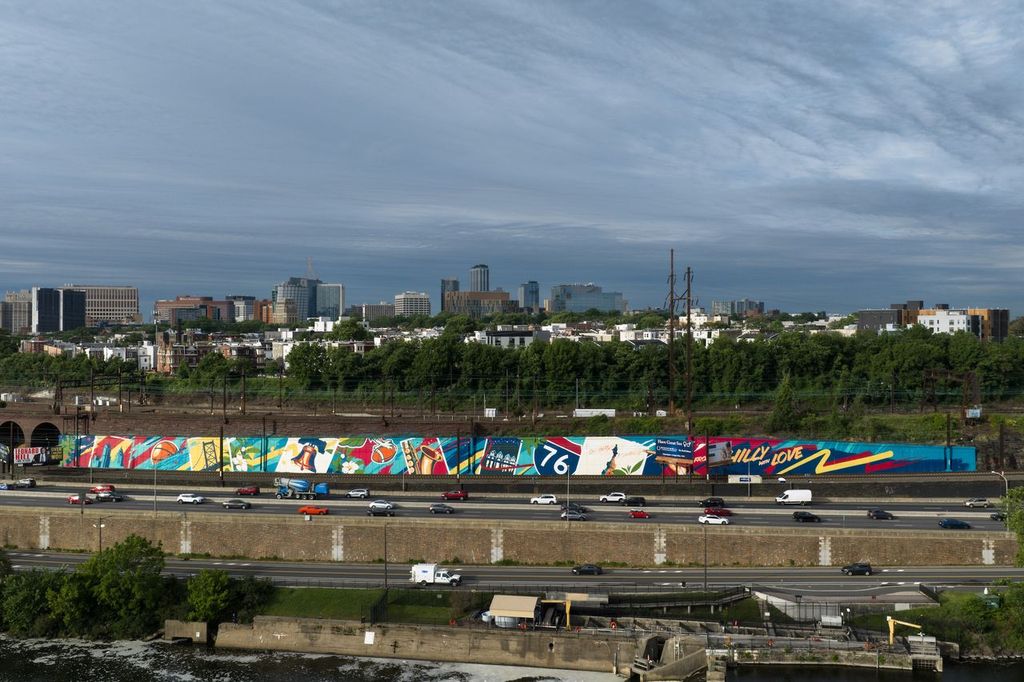
    The mural “One Philly, a United City, With Love” overlooks I-76, using bright colors to reflect the highlights of the city.

    A burst of color on I-76

    I think most everyone can agree that our highways could use a touch more color. A new mural overlooking the Schuylkill Expressway now provides 16,000 square feet of it.

    One Philly, a United City, With Love stands over part of I-76, paying homage to the city ahead of the country’s 250th anniversary. It was commissioned by the City of Philadelphia as part of “Gateways to Philadelphia,” an anti-graffiti and highway beautification initiative headed by Mayor Cherelle L. Parker’s Office of Clean and Green Initiatives, the Pennsylvania Horticultural Society, and Mural Arts Philadelphia.

    The mural took by artist Carlos Lopez Rosa, a Philly resident, two months to paint. There are depictions of the Benjamin Franklin Bridge, an eagle’s talons holding a football (Go Birds!), the Liberty Bell, an I-76 road sign, and the William Penn City Hall statue. There are arts-focused elements, too, like a blaring saxophone that reflects the city’s vibrant music scene.

    Highways can often feel lifeless, simply a means of getting from point A to B. But if you’re ever traveling along the I-76, be sure to glance up and be reminded of the vividness of Philly.

    “One Philly, a United City, With Love” mural can be seen on I-76 at Spring Garden Street.

    — Morgan Ritter

    America’s Reconstruction story with a little dose of Philly history, narrated by Malcolm Gladwell and Barack Obama

    As I listened to the History Channel’s eight-part podcast Reconstruction: The Unfinished Promise hosted by Malcolm Gladwell and featuring special commentary by former President Barack Obama, I was amazed to learn of the political progress African Americans made in the 12 years after the Civil War.

    The founding of Alabama State University by nine formally enslaved men, the rise of the Black politicians like Florida Sen. Emanuel Fortune, the oratorical genius of Frederick Douglass, even the unfortunate demise of the Freedman’s Savings and Trust Company are fascinating pieces of American history rarely taught in school.

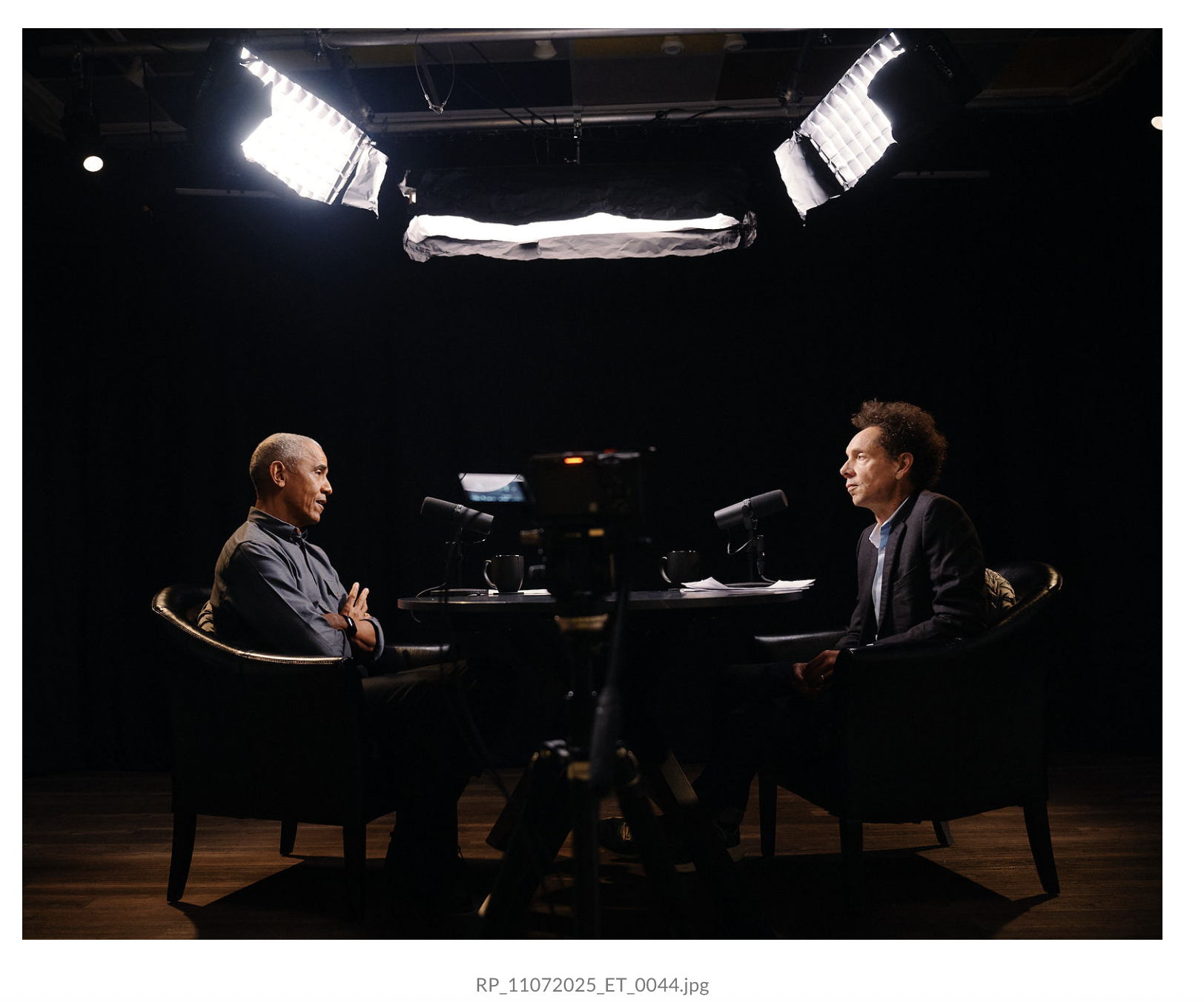
    Former President Barack Obama and Malcolm Gladwell recording “Reconstruction: The Unfinished Promise.”

    I found myself most interested in the firsthand accounts of Addie Brown, a Black woman born free in Philadelphia in the 1840s, who found herself in Connecticut during Reconstruction working as a domestic. There, she formed a friendship and romantic relationship with Rebecca Primus, the daughter of the Black family for whom she worked.

    The podcast draws from archives, letters, diaries, court records, eyewitness testimonies, and the work of some of America’s most accomplished scholars and storytellers, including Jelani Cobb, Kellie Carter Jackson, and Ashley C. Ford

    Archival letters, according to historians, provide details about how women’s careers were limited by their sex, how they were forced into marriages, and followed social mores that simply did not serve them.

    Salamishah Tillet, Pulitzer Prize-winning critic for the New York Times, distinguished professor of Africana Studies and Creative Writing at Rutgers University-Newark, and University of Pennsylvania graduate and former professor, also makes a brief appearance.

    Tillet explains how the 1915 film Birth of a Nation was used to defend Jim Crow, the laws based on racial segregation put in place to undo the progress formerly enslaved people made during Reconstruction.

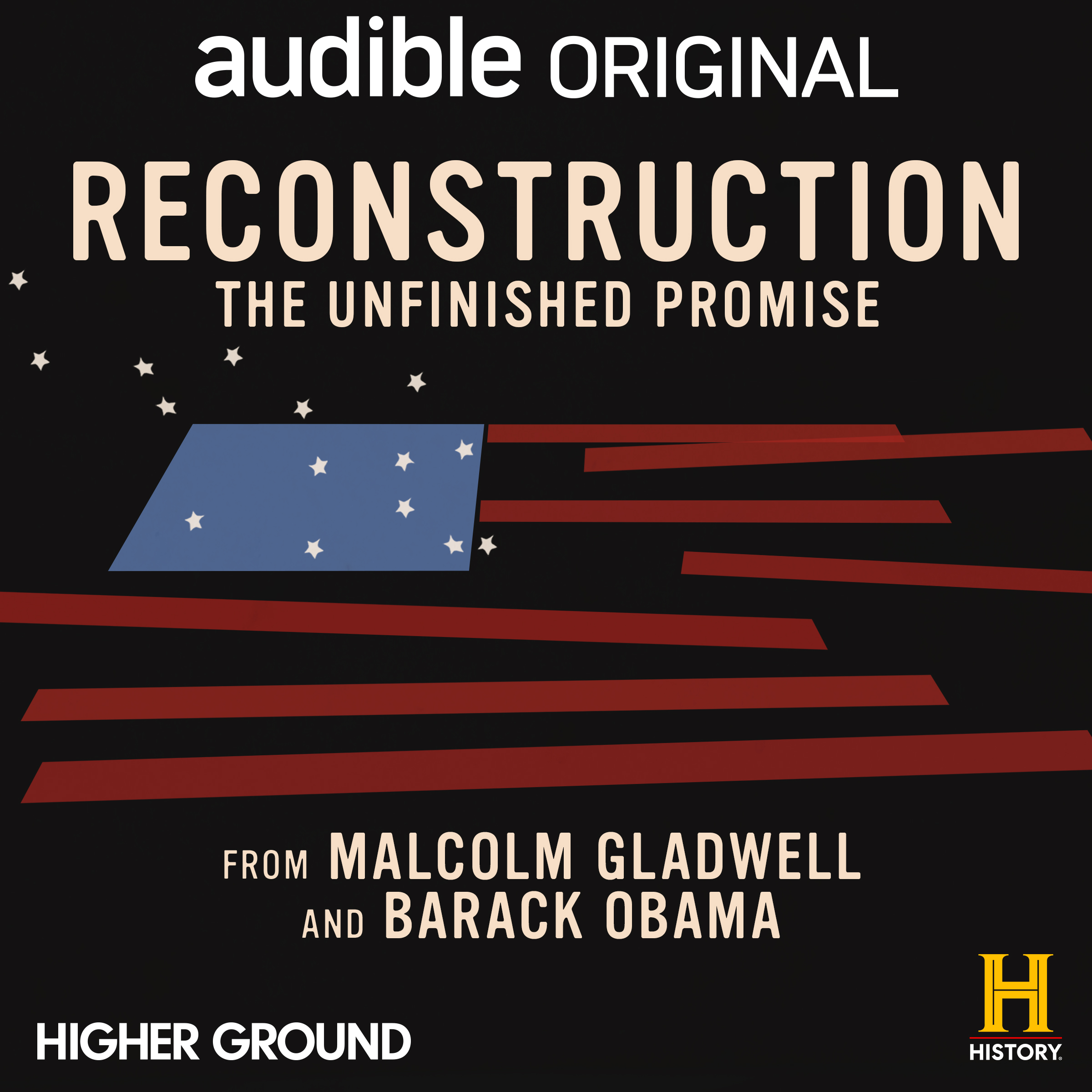
    Cover art for “Reconstruction: The Unfinished Promise,” an eight-episode history lesson about how the 12-year period just after the Civil War impacted the America. It’s narrated by Malcolm Gladwell with guest narration by former President Barack Obama.

    Both Gladwell and Obama repeatedly make the same point: The end of Reconstruction is proof that North won the war, but the South won the peace. Meaning, in order to appease Southern Dixiecrats, America was forced to abandon its attempts of creating a truly multiracial society.

    “The Reconstruction Era was a brief but pivotal and turbulent chapter in our nation’s history,” Obama said in a news release. “One that is often overlooked even though its consequences are still felt today.”

    In light of today’s political climate in which politicians are again trying to undo progress made by our country’s most marginalized, Reconstruction: The Unfinished Promise must be listened to, studied, and shared.

    “Reconstruction: The Unfinished Promise” is available on Audible. It was produced in collaboration with Barack and Michelle Obama’s Higher Ground, Malcolm Gladwell’s Pushkin Industries, and Audible.

    Elizabeth Wellington

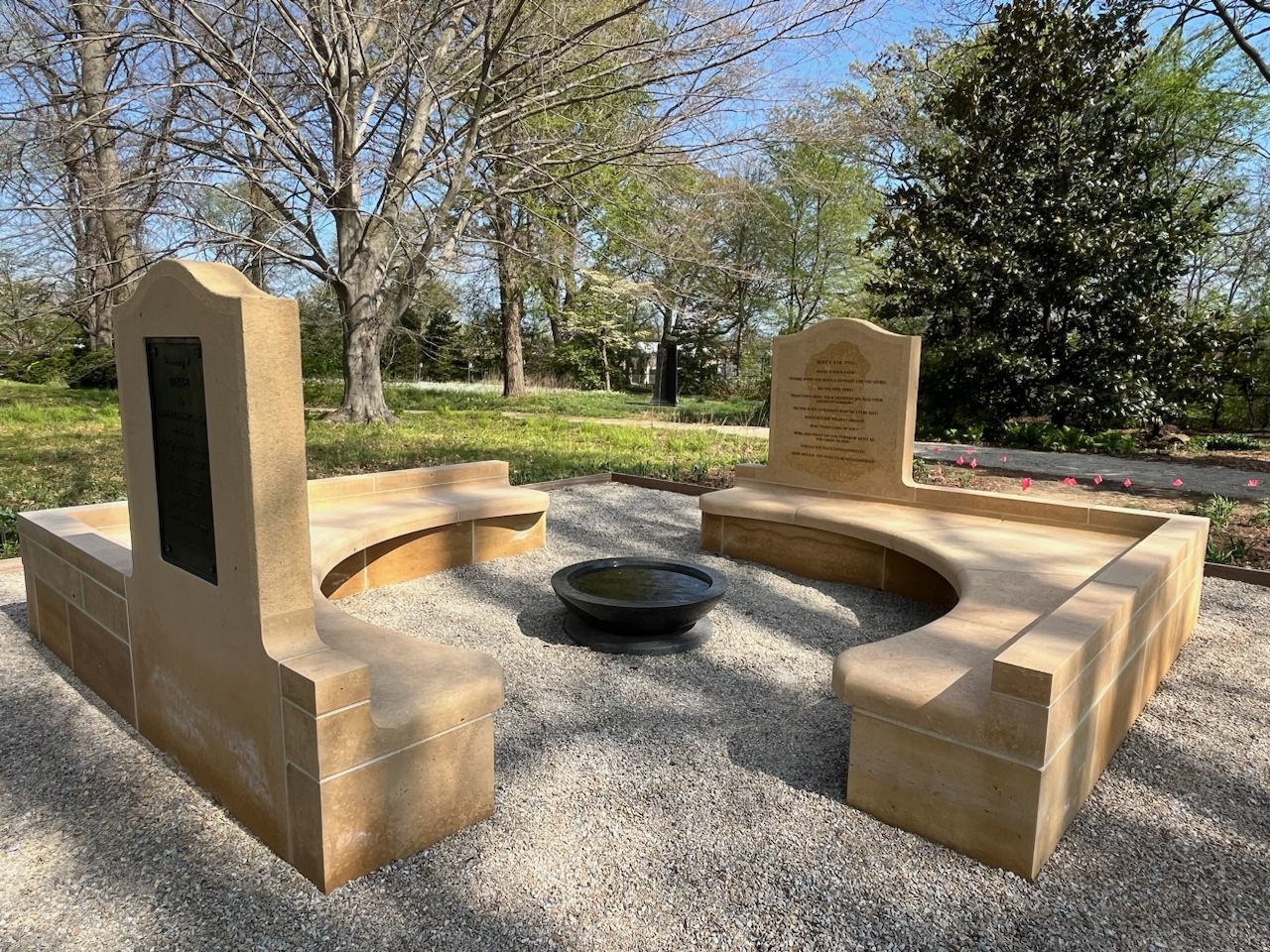
    The memorial to Dinah by Philadelphia sculptor Karyn Olivier at the Stenton Museum at 4601 N. 18th St.

    Remembering Dinah at Stenton Museum

    On a humid day, just hours before a downpour, five Black women in brightly colored colonial-era gowns took the stage on the grounds of Stenton Museum in Germantown. That afternoon, they were all called Dinah as each actor represented the historical figure at different ages throughout her lifetime.

    In the winter of 1777, an enslaved woman named Dinah saved the Stenton mansion from British soldiers who planned to burn it down. History has only remembered her with one name. In recent years, Black artists have continued to examine her story.

    In this play by Philadelphia poet Trapeta B. Mayson (who codirected alongside fellow poet Yolanda Wisher), Dinah was revived in a lyrical portrayal that presented a fuller picture of the brave woman who rescued her enslavers’ home during wartime, demanded freedom, and received emancipation.

    On the night of the show, with a neighboring home blasting dance music that occasionally distracted the audience, the ensemble delivered an ambitious and compelling performance full of profound emotion.

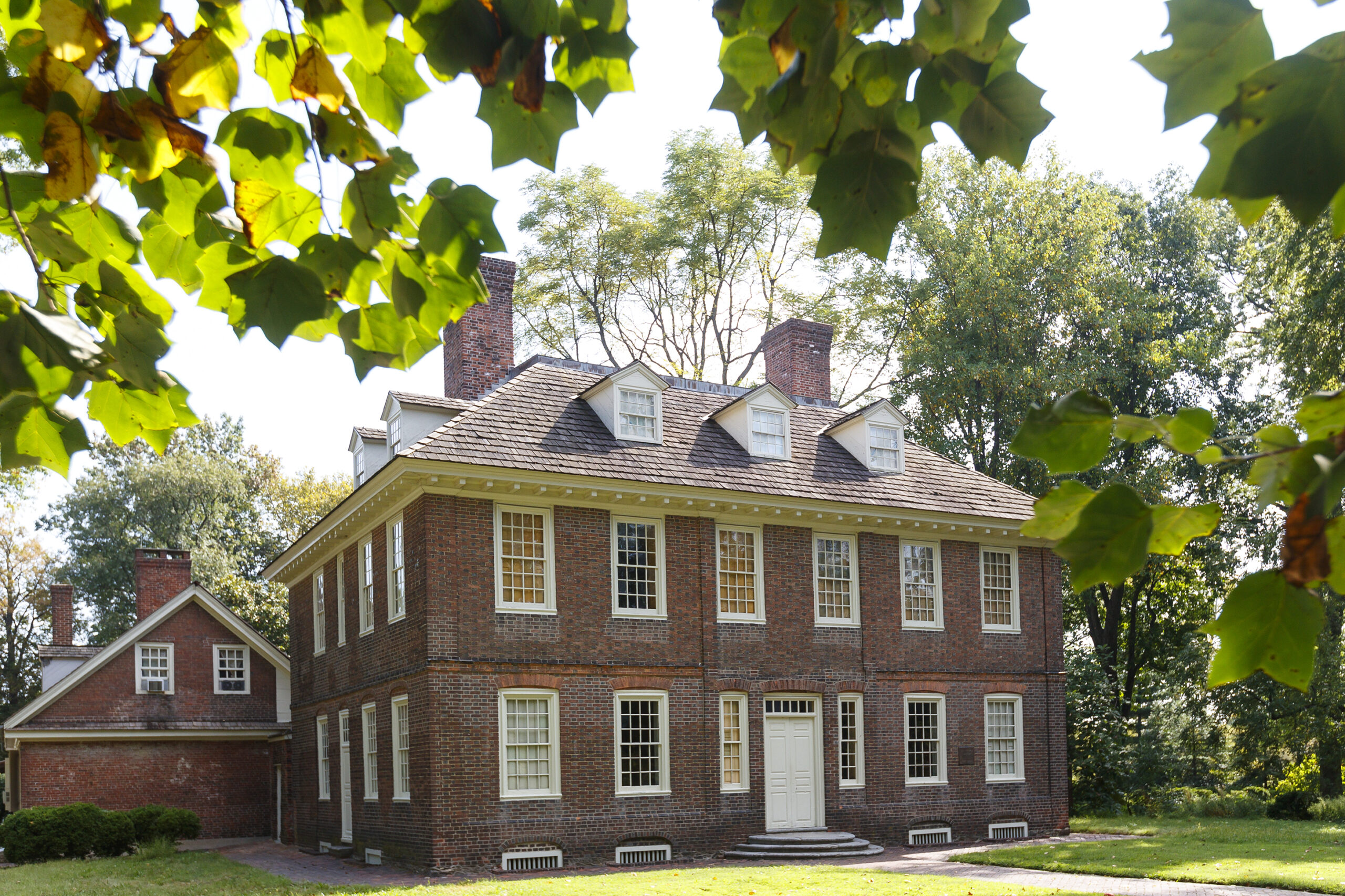
    The exterior of Stenton Museum, 4601 N. 18th St., in Germantown.

    It was powerful to see their interpretation of Dinah as the actors walked on the same ground she did some 250 years ago. Mayson has said it’s just the first chapter of this project — part of ArtPhilly’s ongoing What Now festival — and I look forward to seeing future iterations as she continues to develop it.

    Though it was just a one-day performance, Stenton Museum and its surrounding gardens are open to the public.

    Permanently on view is the memorial to Dinah, from Philadelphia sculptor Karyn Olivier, with a stone tablet listing questions she wished she could ask: What was your wildest dream? How did freedom feel? Did you ever wish you had let it burn?

    The Stenton Museum is at 4601 N. 18th St., stenton.org

    — Rosa Cartagena

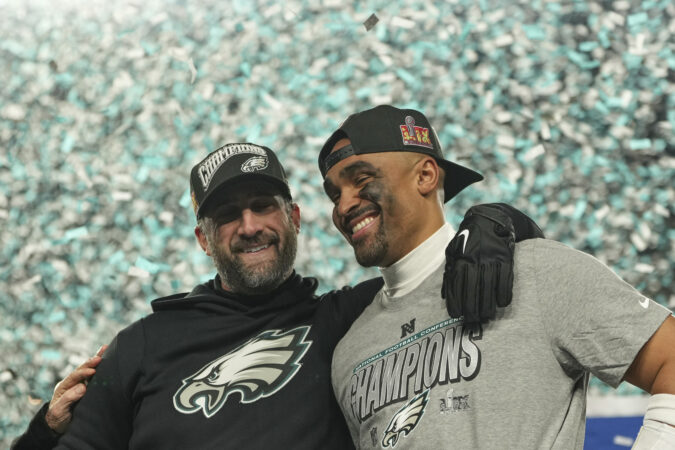
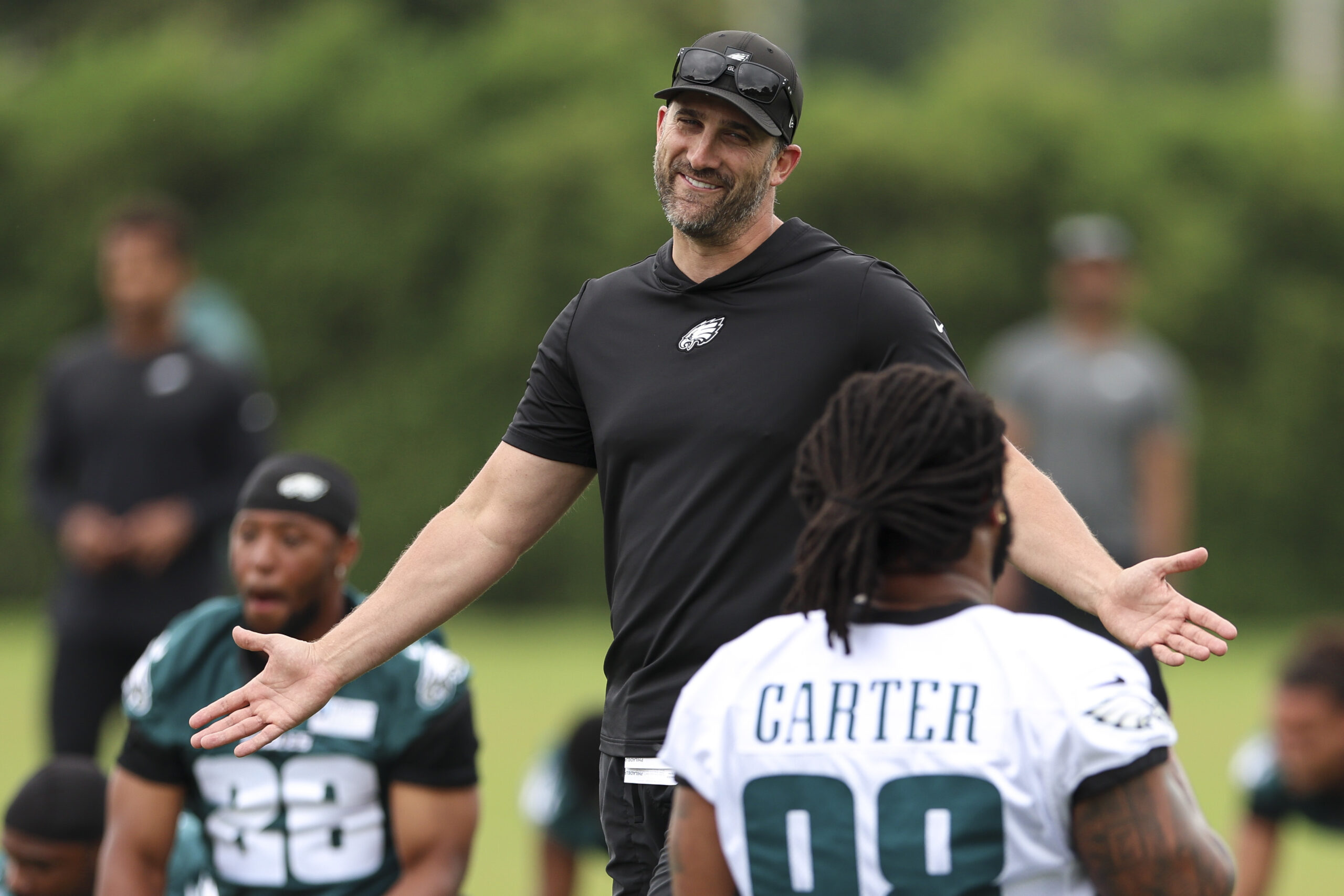
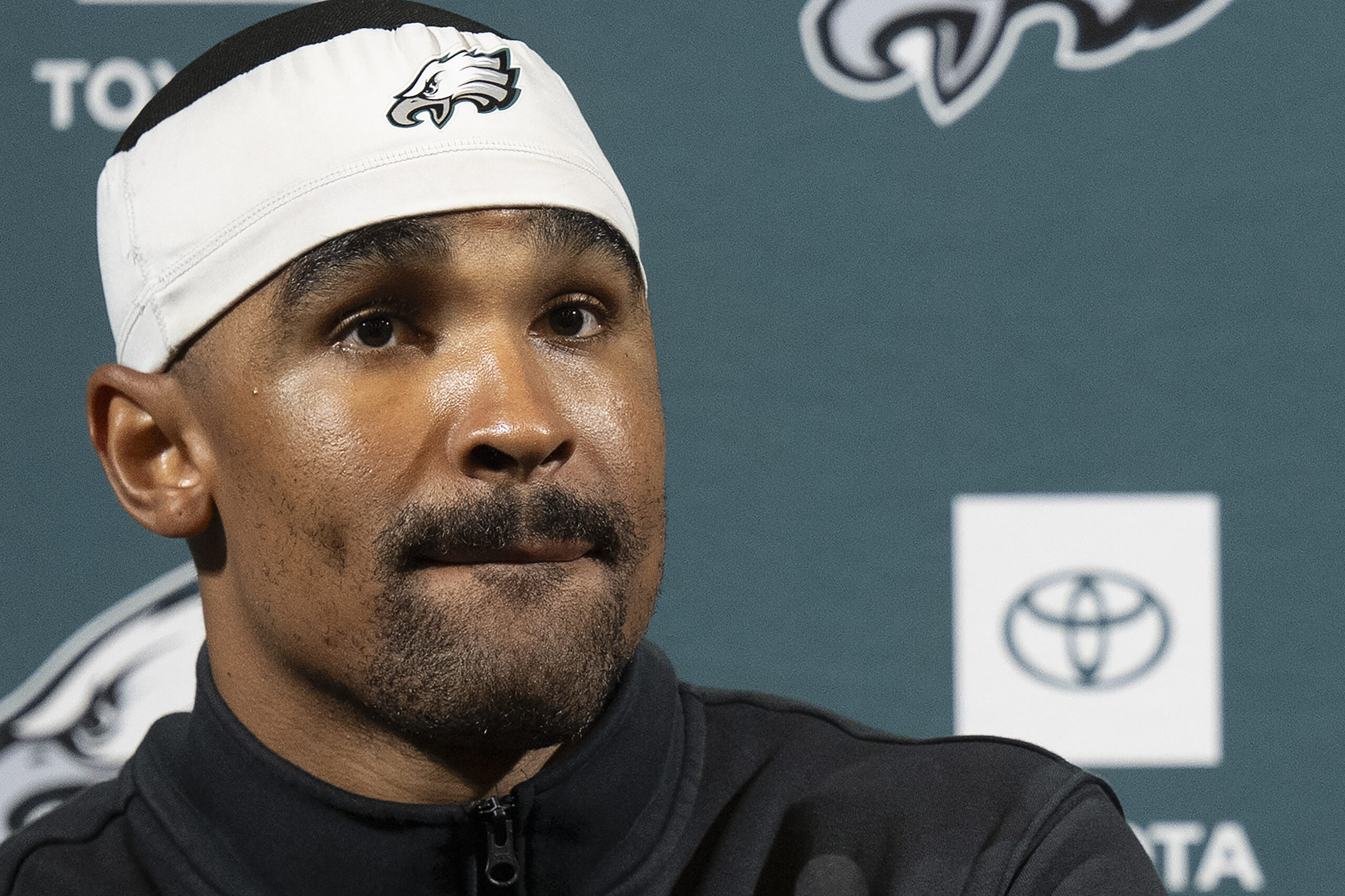
  • Is Nick Sirianni ‘legendary’? Is Jalen Hurts salty? Is Julian Lurie a worthy heir? Eagles revelations abound.

    Is Nick Sirianni ‘legendary’? Is Jalen Hurts salty? Is Julian Lurie a worthy heir? Eagles revelations abound.

    It’s rare that, in the same week in June, you see three separate stories that pull back the curtain on the most secretive team in town, the Philadelphia Eagles.

    That’s what’s happened over the past few days. They sent NFL junkies into paroxysms of delight. They turned radio waves all atwitter with fresh meat during a typical time of famine.

    The most significant and best done of the three pieces involved a look at Julian Lurie, who will one day ascend to the throne occupied by his father Jeffrey, who has owned the Eagles since 1993. Jeff McLane of The Inquirer gave us our first look at the sensitive 31-year-old who already lends his voice to the team’s biggest decisions, just as a crown prince should do.

    Mike Silver was the most prolific and capable NFL profile writer when Sports Illustrated remained the industry standard 30 years ago, and he has not lost his fastball at the Athletic. Silver joined combustible coach Nick Sirianni at the Eagles’ annual playground construction project and walked away with superb detail regarding Sirianni‘s unlikely interview and subsequent hiring in 2021, all done from the beach, in flip-flops with a white board. But Silver also got an endorsement of Sirianni from superstar running back Saquon Barkley that sparked debate about how valuable and competent Sirianni is compared with his peers.

    Finally, our old friend (and sometimes colleague) Joe Santoliquito, a local freelancer who specializes in in-depth exposés and, apparently, in infuriating Eagles executives. He dropped a brief piece on the Bleeding Green Nation website about the most polarizing figure in the city. The story indicates that starting quarterback Jalen Hurts is upset that the Eagles seem willing to replace him if he struggles to produce better numbers for a third straight season.

    McLane‘s trademark thoroughness left little room for controversy or discussion despite the delicate nature of his subject, but that’s to be expected, since McLane is the best-sourced reporter in town.

    But Barkley’s contention to Silver that Sirianni is “legendary,“ and Santoliquito‘s revelation that Hurts is unhappy … well, those struck a nerve.

    Legendary?

    Only four coaches who have coached at least 60 games, including playoffs, have a better winning percentage than Sirianni. All of them — Guy Chamberlin, Vince Lombardi, John Madden, and George Allen — are in the Pro Football Hall of Fame.

    Sounds pretty legendary, right?

    Barkley thinks so, as he told Silver:

    “He doesn’t get enough credit at all, in my opinion. I don’t get why he doesn’t. Like, what he’s doing, in real time, is legendary.”

    Is it, though?

    A head coach’s primary job is to win games, to reach the playoffs, and to battle for a title. Sirianni has not missed the playoffs in any of his five seasons. He’s reached the Super Bowl twice. He’s won it once.

    Sirianni did all that winning while developing Hurts, a quarterback of limited skills but unlimited ambition — a mirror, in some ways, of Sirianni himself. But that’s a different topic for a different day. He won while handling malcontent receiver A.J. Brown. He won while handling distractions that Sirianni himself created, mainly jeering fans of both his opponents and his own team.

    Which brings us to the crux of the matter. Fairly, or not, the narrative surrounding Sirianni is that the team often wins in spite of its coach.

    He has been heavily involved in the offense three times: 2021, 2023, and 2025. Each time, it foundered. The other two seasons, the Eagles went to the Super Bowl and the offensive coordinators were hired away as head coaches.

    An elite defense and a legendary season from Barkley sent the Eagles to their second Super Bowl. Sirianni has no involvement with the defense, which was run by first-year coordinator Vic Fangio, and Sirianni is considered a pass-first coach.

    The Eagles have made the playoffs in each of Nick Sirianni’s five seasons as coach.

    When Sirianni was hired in 2021, he was required to retain Jeff Stoutland, the assistant coach who ran the best overall offensive line in the NFL from 2013-2025. Stoutland, like Fangio, operated with almost complete autonomy, and he was the run-game coordinator to boot.

    Sirianni also took over a talent-heavy team from Doug Pederson, who was fired mainly because Carson Wentz didn’t want him around any more. Sirianni inherited a wealth of mature locker-room leaders with incredible pedigrees: elite tackles Lane Johnson and Jordan Mailata as well as center Jason Kelce; first-round receiver DeVonta Smith; defensive tackle Fletcher Cox; and defensive end Brandon Graham.

    Finally, general manager Howie Roseman has consistently replenished the talent pool — Jalen Carter, Quinyon Mitchell, Cooper DeJean, Jordan Davis, Zach Baun, Landon Dickerson, Cam Jurgens, and Brown — to the degree that it’s fair to wonder if any coach could have failed to win, and win big.

    So now you have a portrait of a coach with a sterling record but without a tangible identity. Nobody questions the character of Vince Lombardi, John Madden, or George Allen, and they all coached for at least a decade.

    It’s hard to call anybody “legendary” five years into a career. Very good? Sure. Excellent? Maybe.

    Legendary?

    Let’s let that one breathe.

    After all, Sirianni has always had stability at quarterback. Is that about to change?

    The 2026 season is shaping up to be a big one for Jalen Hurts.

    Hurt feelings?

    Like McLane, Santoliquito specializes in long-play reporting that coalesces into bombshell stories that cause a sensation. Such was the case in 2019, when his piece just after the disappointing 2018 season included Eagles sources who called Wentz “selfish,” “uncompromising,” and “egotistical,” with crippling insecurities. After the story ran, Santoliquito received death threats, had property vandalized, and was castigated by both the Eagles organization and by Wentz’s camp.

    I ripped him, too, for not giving the Eagles a fairer chance to respond. He admitted his error to me.

    Within weeks, however, Santoliquito’s reporting was largely confirmed … by Wentz himself.

    Unlike the landmark Wentz story, the recent article about Hurts was an opinion piece. The headline read, “Philadelphia better watch itself, or it will lose another superstar,” and Santoliquito wrote, “The fear here is that Philadelphia may be pushing another superstar out of the door.”

    On that: No athlete since Phillies slugger Dick Allen was “pushed out” of Philadelphia by either the fans, the team, or the media. Not future Hall of Fame third baseman Scott Rolen, who was traded after contract negotiations collapsed; not ace Curt Schilling or stud Charles Barkley, who embraced trades after the Phillies and Sixers proved unable to build around them; and not even, as Santoliquito suggested, Wilt Chamberlain, who sought the brighter lights and cooler culture of Los Angeles as the Sixers underwent seismic changes after the 1967-68 season.

    In this instance, Santoliquito, who has long been close to people in Hurts’ camp, relays signals from those contacts that Hurts is displeased that:

    1. The Eagles, who wrote the book on saving money with early contract extensions, have not offered Hurts an extension; and,
    2. The Eagles did not support him well enough when an ESPN story on April 1, citing sources on the team, painted Hurts as stubborn, uncoachable, and reluctant. The fallout from the story created a narrative that these traits have the Eagles considering moving on from Hurts if he struggles with the more complex scheme of new coordinator Sean Mannion.

    Two things.

    First: So what? So what if 2026 is a prove-it year for Hurts? If he plays well, he gets paid. Trust me, he won’t turn down cash. If he doesn’t play well he might get traded.

    Second: The Eagles were irate that, as in 2019, Santoliquito did not come to them for comment in a timely manner (or at all, in this instance). Broadly, that’s a fair point. However, it’s a strange complaint in this instance, since it’s irrelevant whether Eagles players, executives, and coaches actually sufficiently supported Hurts. They did have a few words of support to offer, but it was not overwhelming.

    What’s relevant is that Hurts, or his camp, feels that they didn’t support him enough.

    In Santoliquito’s opinion, that might cost the Eagles the services of Hurts at some point in the future.

  • ‘Two Delco-heads,’ Matt Freese and Auston Trusty, helped the USMNT make World Cup history

    ‘Two Delco-heads,’ Matt Freese and Auston Trusty, helped the USMNT make World Cup history

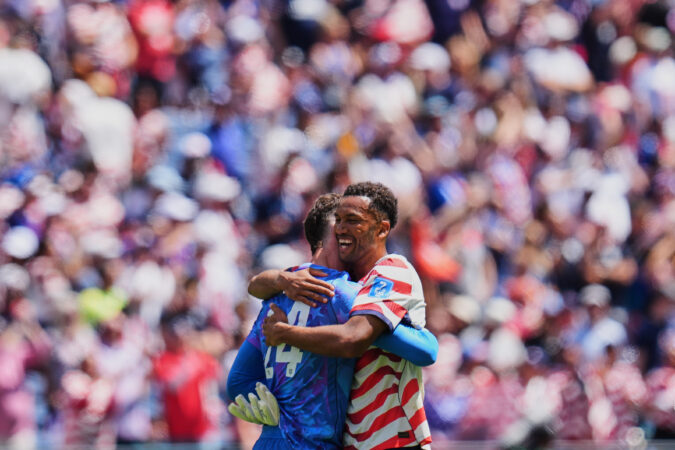
    SEATTLE — At the final whistle of the U.S. men’s soccer team’s 2-0 win over Australia on Friday, Auston Trusty walked over to Matt Freese to offer a big hug.

    They didn’t know that a photographer from the Associated Press was standing nearby to capture the moment. But soon enough, everyone found out.

    Yes, Delco was very much mentioned on the world’s biggest stage.

    “He came over to me and said, ‘Two Delco-heads just had a shutout in the World Cup together. That’s fate,’” the Wayne-born Freese said after his shutout in net. “And I laughed and I said, ‘Yeah, who would have thought?’”

    Perhaps Jim Curtin, or other coaches across the Union ranks who worked with the duo over the years. But not too many people beyond Chester, or Wayne in those days, since that was YSC Academy’s first home.

    “It’s obviously such a cool thing to have known him for so long, and I knew him outside of the soccer world too,” Freese said of Trusty. “We were just friends. So it’s incredible.”

    That wasn’t the only karmic coincidence of the day. Trusty made his World Cup debut in front of not just his wife, daughter, in-laws and cousins, but also two of his first youth soccer coaches with the old Nether United club in Nether Providence, Delaware County: Tor Hotham and John Waraksa.

    Like so many people around American soccer, they circled this day in this soccer-mad city and decided they had to be there. The reward was beyond measure.

    “To have them fly here, not knowing if I’m going to play or not, to come here and be here for this game where I actually make my World Cup debut, it’s just all meant to be,” Trusty said.

    The Media native beamed with pride again when he reflected on finally reaching this moment at age 27, 11 years after going to an under-17 World Cup with Christian Pulisic, Tyler Adams, Alejandro Zendejas, and Haji Wright.

    “When you’re a little kid, dreaming about the stadiums you play in and the atmospheres and everything involved, to play in a home turf World Cup, get minutes, it’s a dream come true,” Trusty said.

    Freese had his family in attendance too, plus his girlfriend’s family, and old friends from high school at Episcopal Academy. He shouted out one of the closest, Michael Hinkley, a soccer teammate back then who went on to play basketball at Dickinson.

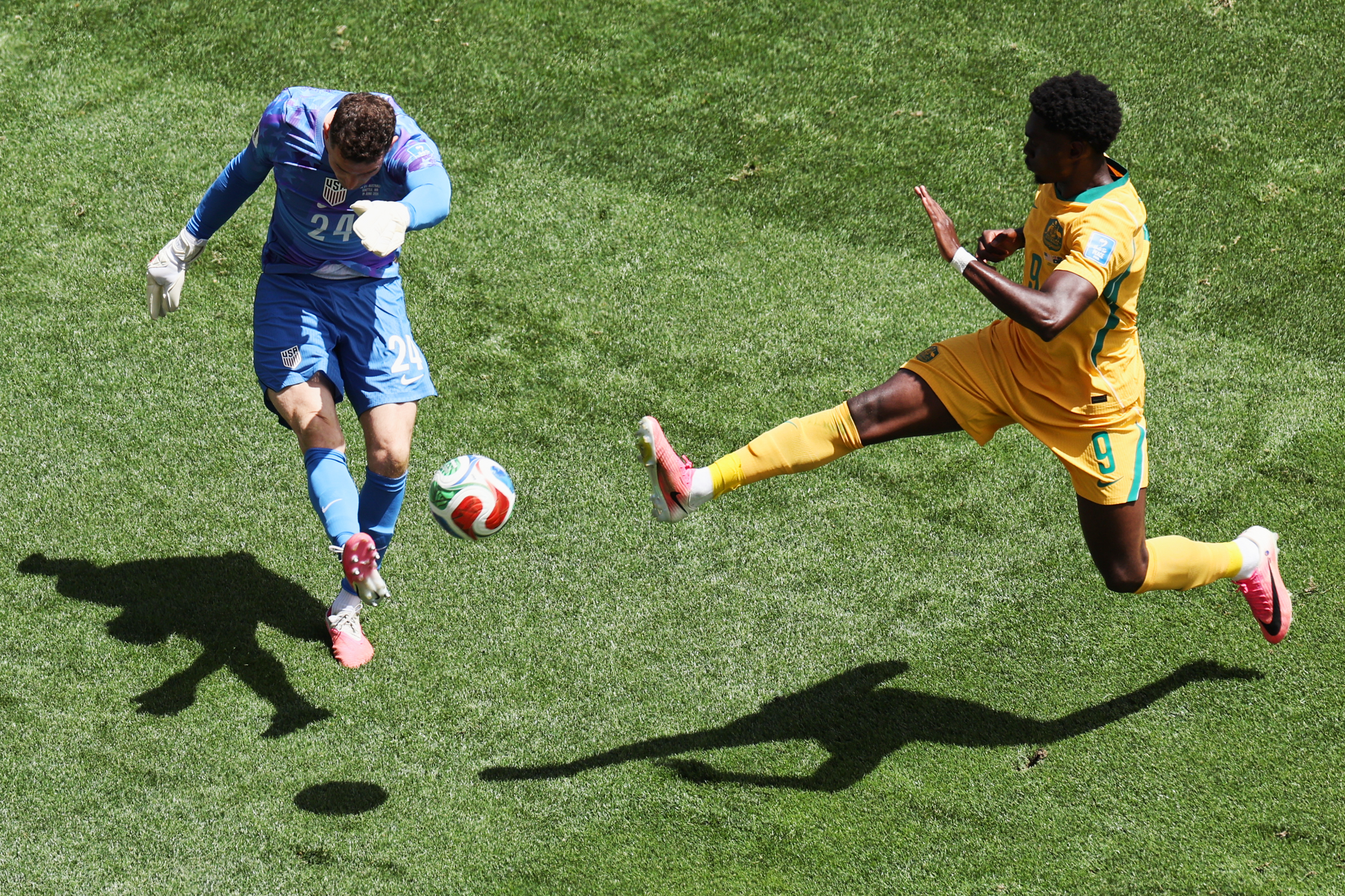
    Matt Freese (left) clearing the ball in front ofAustralia’s Mo Touré during the first half.

    “Obviously incredible support,” Freese said. “It means a lot to play in front of them, and play in front of everyone in this country.”

    That support fueled the U.S. team all day, with the stands full and roaring well before kickoff. Trusty said the atmosphere “gives you chills,” especially when the crowd sang The Star-Spangled Banner over the orchestral rendition on the speakers.

    “The atmosphere is one of those things you dream of,” Freese said. “I’ve heard ‘the 12th man’ is what they call the crowd here. It was definitely a 12th man for us — I think it was a 12th, 13th, 14th, 15th man for us today.”

    But things were getting dicey when Trusty and Joe Scally entered the game in the 80th minute as defensive reinforcements. Australia was gaining momentum even though it hadn’t scored, and an already physical game was getting even more fractious.

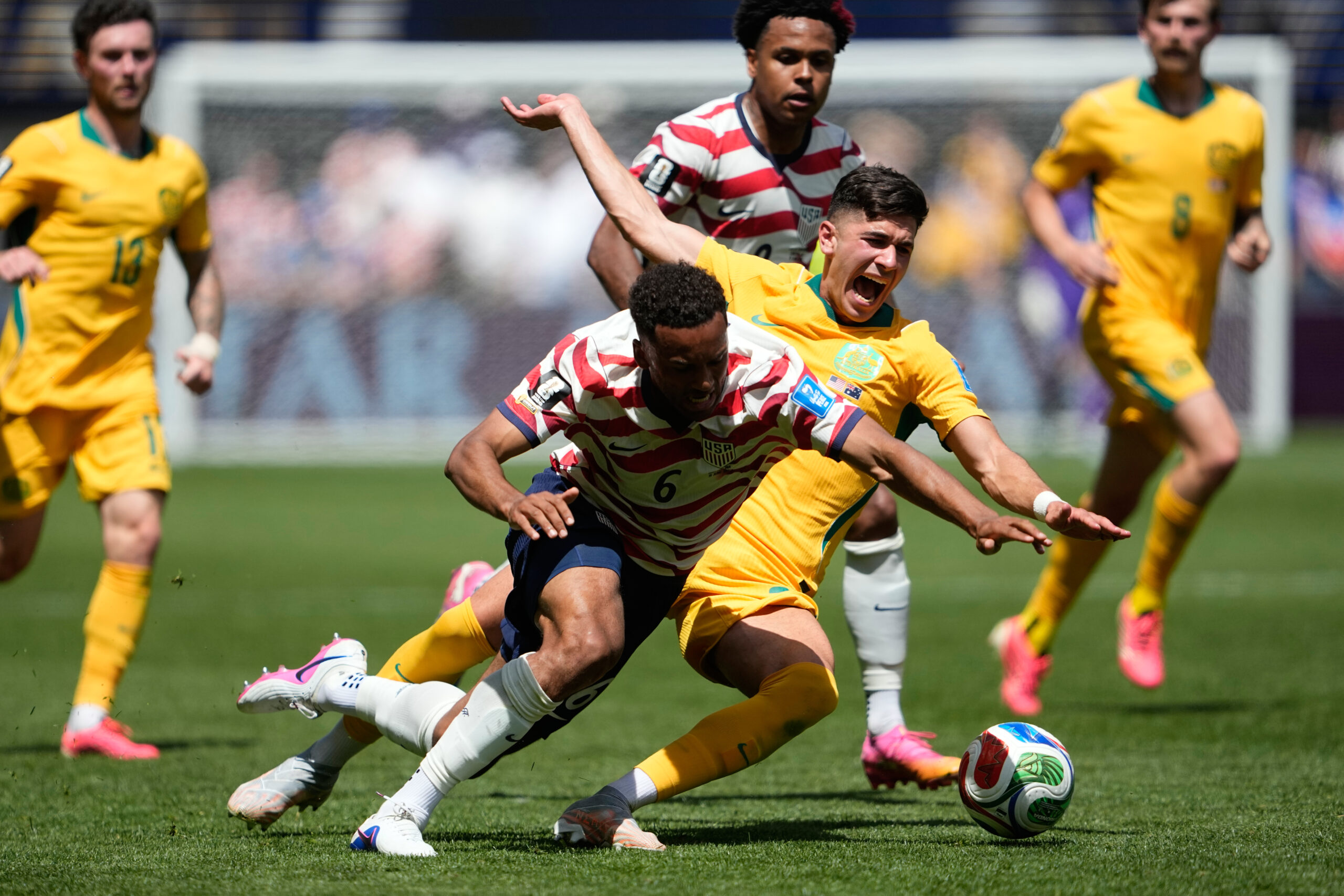
    Auston Trusty (left) tussling with Australia’s Cristian Volpato.

    It got especially chippy in the last few minutes, but those two and the rest of the Americans kept their heads and finished the job. They did so at both ends, ensuring Australia didn’t score while also keeping a foot on the gas pedal in attack.

    “Just keep the pressure up,” Trusty said. “They weren’t really pressing too much, they kind of had like a halfway-block [formation], and obviously in a back five [defensively], they want pressure on them. So just continue the press that we had and the movement we had, and really just keep momentum.”

    Mission accomplished on all counts. Not only did the U.S. men qualify for the knockout rounds before the group stage finale against Turkey, but the program has two wins in one World Cup group stage for the first time since the inaugural tournament in 1930. And thanks to Turkey’s loss at the end of the night, the U.S. clinched first place with a game to spare.

    “We came into the tournament wanting to make a statement,” Freese said. “The first part of that’s done, but, you know, there’s a lot more statements we want to make.”

  • A Chestnut Hill home was an ‘amazing deal,’ even with the cost of a new septic system | How I Bought This House

    A Chestnut Hill home was an ‘amazing deal,’ even with the cost of a new septic system | How I Bought This House

    The buyers: Rebecca, 43, surgical oncological nurse, and Ryan Taylor, 43, chief financial officer

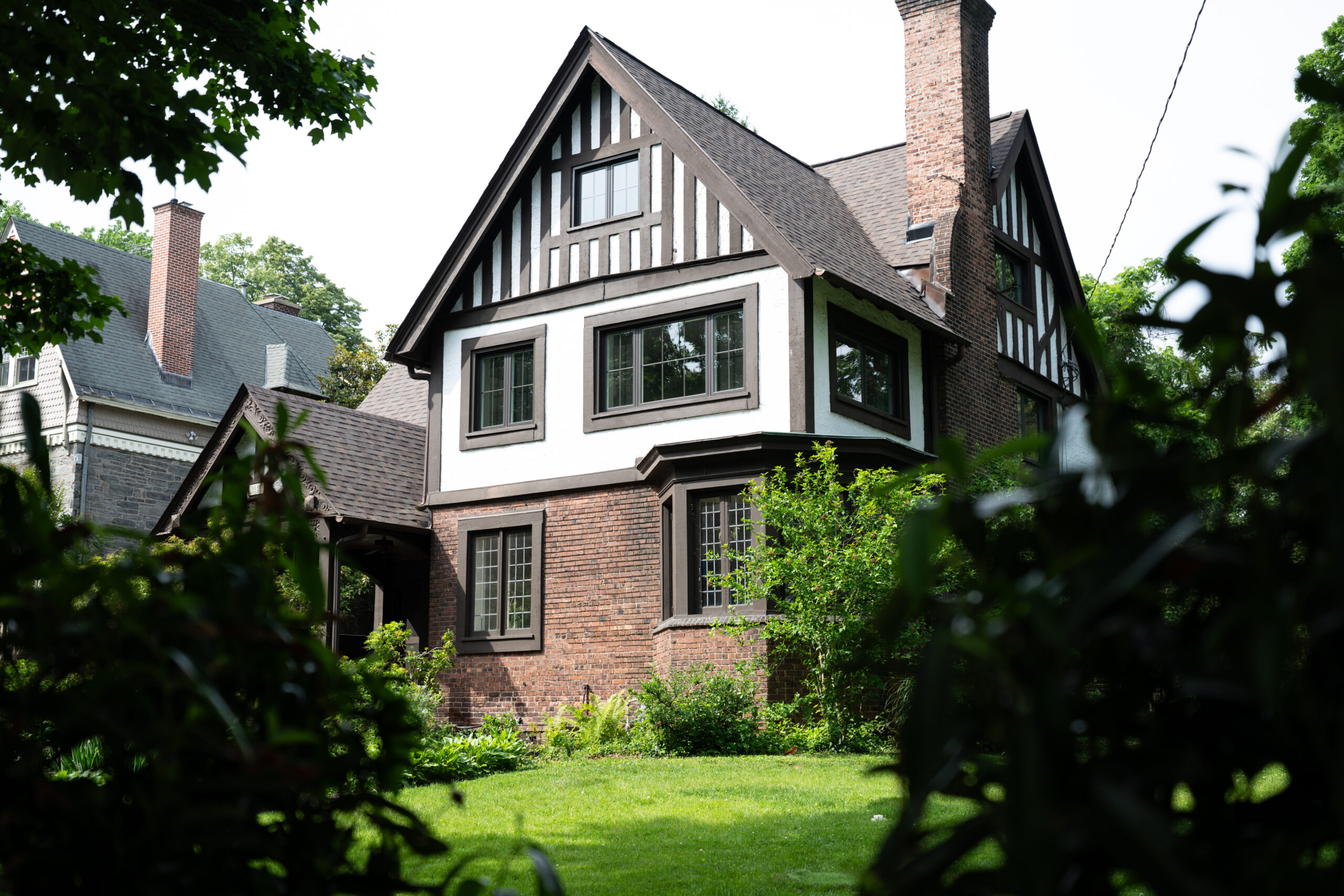
    The house: A 3,250-square-foot home in Chestnut Hill with five bedrooms and 4½ bathrooms built in 1898.

    The price: $925,000. Originally listed for $1,100,000.

    The agent: Jacob Markovitz, Elfant Wissahickon Realtors

    Rebecca and Ryan Taylor’s home in Chestnut Hill became “an amazing deal” after they negotiated for repairs, the couple said.

    The ask: Originally from Westchester, N.Y., and Wayne, respectively, Rebecca and Ryan Taylor have been in Chestnut Hill since they bought their first house there in 2017. They loved their other house — a 1920s twin off Germantown Avenue with beautiful architecture, and the place where they’d had their two children, Lily, 3, and Asher, 5. But they felt the need for more space.

    “We wanted property for the kids to run around, at least four bedrooms, and two-plus bathrooms,” said Rebecca.

    The search: The couple were on the lookout for a new house since they had their second child. But it had to be right, so they took their time exploring options. School districts were a big factor in their decision. “We hadn’t fully decided if we wanted to stay in the city or not,” said Rebecca.

    They toured a few houses in Glenside, but that didn’t feel like the right fit. Eventually, they decided they wanted to do whatever they could to stay in Chestnut Hill and upped their search in the area with their agent.

    The family of four wanted several bathrooms in their new home. This one has 4 and a half.

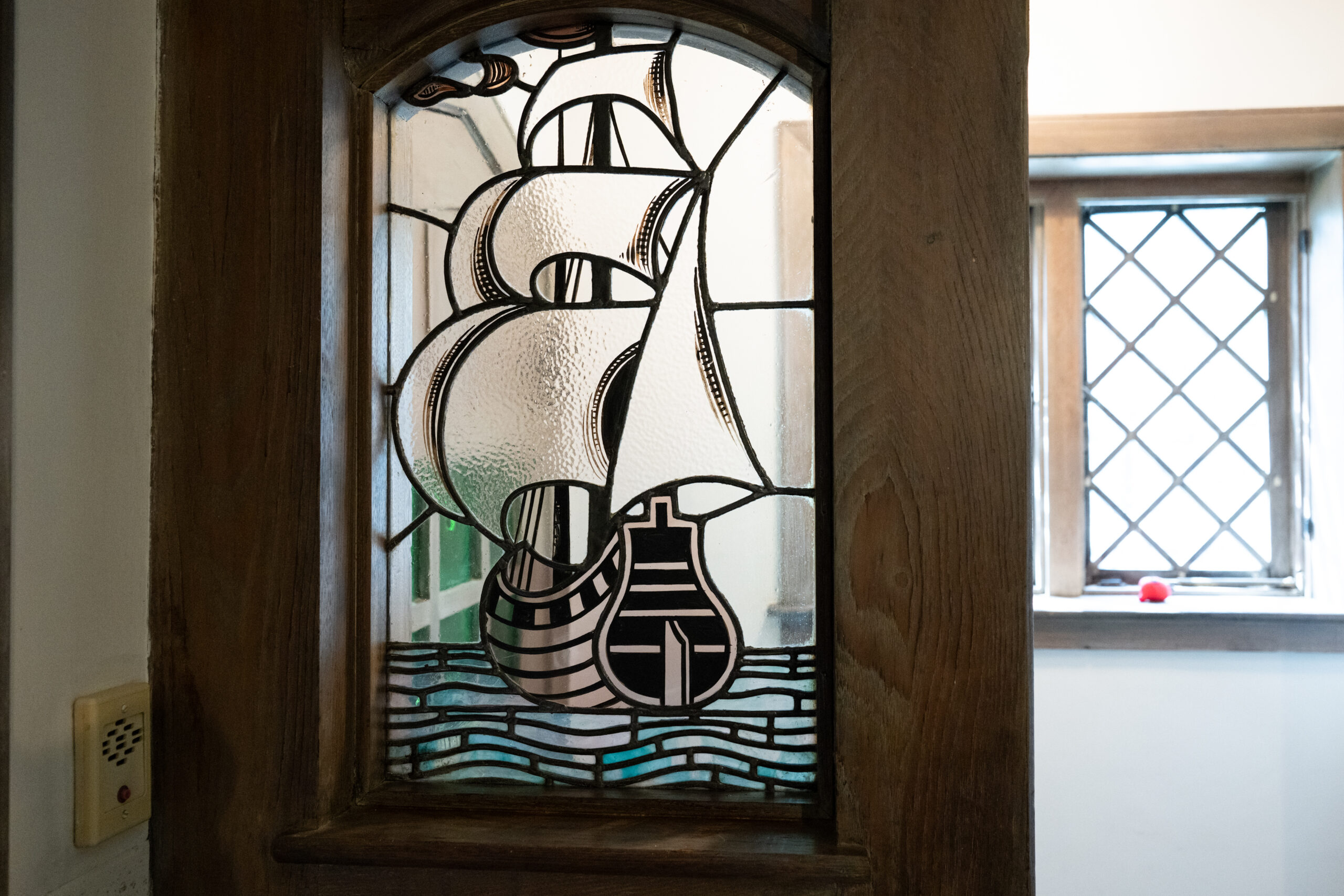
    The appeal: After two years of searching, their agent found a five-bedroom, 4½-bathroom house, listed in an estate sale. They both fell in love with the historical details: heart carvings in the stairwell, stained glass all over the house, as well as the Dutch tiling in the dining room.

    “There’s craftsmanship that you can’t find anymore,” Ryan said. “This house was built largely by hand 127 years ago.”

    Plus, the location was right: Chestnut Hill, with its small-town feel, city access, and plentiful nature.

    “The community with small children is huge,” she said. “There’s so many trees. You can hike in the Wissahickon, and Pastorius Park is right in town.”
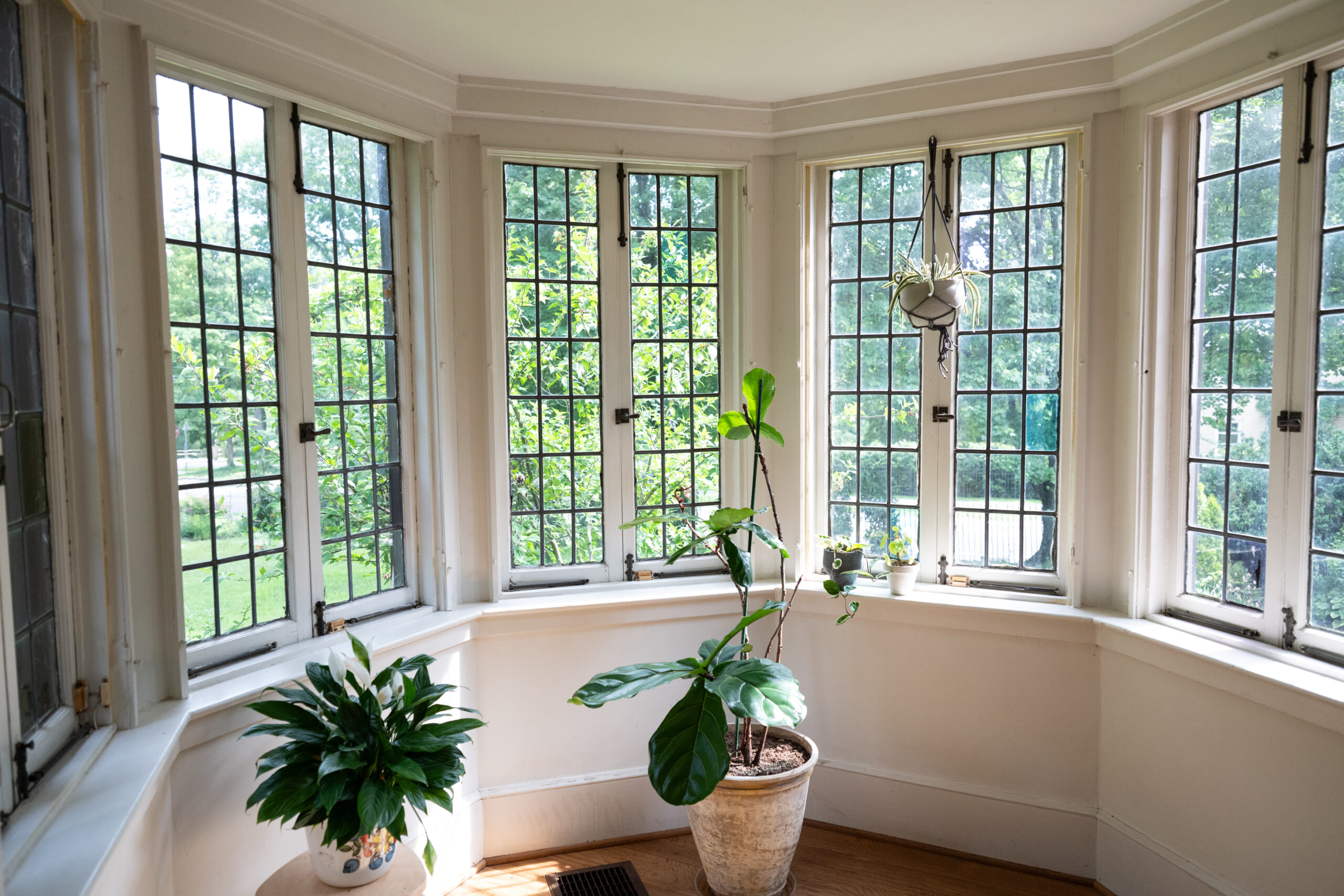
    Equally important was public transportation. Rebecca’s commute on the Chestnut Hill West Line to Center City would take only 40 minutes.

    But the house was old and in need of repairs.

    The deal: The Taylors were surprised to find the house’s septic system was eroded, and they had to use a private septic system, rather than city water management. An initial evaluator told them they might not be able to put in a new septic at all.

    A nautical stained glass window in the front entryway of the Taylors’ home. The couple loved the historical details of the old home.

    “That was scary. We backed out from the deal because we felt like, ‘Oh my God, this wouldn’t be a livable house.’ I mean, what would we do?” said Rebecca.

    When they took steps to walk away from the sale, their agent suggested they ask the sellers to drop $100,000 so they could figure out the issue. They agreed, and the sellers accepted their negotiated offer on the house in a verbal contract. The Taylors then listed their own home, which sold within a week.

    “We got an amazing deal on this,” said Ryan.

    The money: They purchased the home for $925,000 after negotiation. It was originally listed for $1,100,000. The mortgage rate is 6.625%. They borrowed $740,000 (80%). The down payment was $185,000, paid with the proceeds from the sale of their previous home, which they sold for $675,000. The closing costs were $42,500, and their monthly payment is $5,750 with escrow, interest, and principal.

    The move: They closed on Aug. 6, 2025, and moved in shortly after, going on a preplanned vacation to the beach the day after move-in. They immediately had the original quarter sawn floors refinished in white oak.

    Outdoor space for the kids and natural light were selling points in the Chestnut Hill home.

    “The floors had a dark stain,” Rebecca said. “As soon as we did the floors, the whole house lit up.”
    They had a lot of work planned, including the new septic system, so they rented a house in Conshohocken for a month while the larger renovations were ongoing.

    Life after close: The house needed significant renovations and repairs, which Ryan estimated at $200,000 so far.

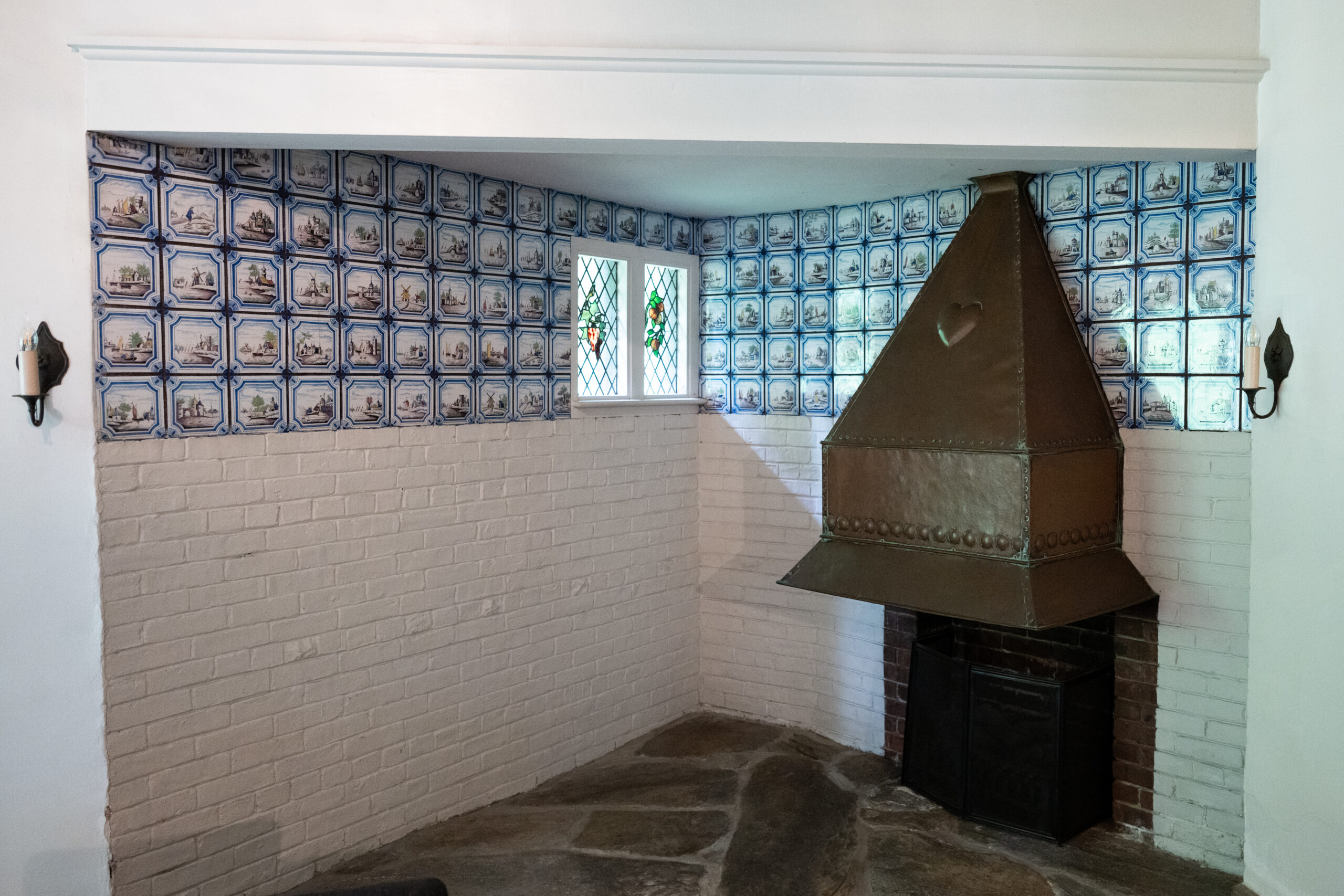
    Projects included asbestos removal in the basement, replacing the septic system, refinishing the floors, replacing the roof on the garage, renovating the kitchen, renovating the master bathroom, replacing the windows, landscaping with privacy hedges and tree removal, and converting a second-floor closet into a laundry room. The windows in the sunroom had been plastered over, so they exposed those. They wanted to make the bathroom feel luxurious with green tones and exposed the brick of the old stove in their kitchen.

    After investing in their first round of repairs, they find the home to be peaceful and idyllic, with trees and greenery outside and a natural flow inside. “It’s been a wonderful transition, a wonderful home. The house is just easy to live in,” said Rebecca.

    Details like Dutch tiles in the kitchen made the Chestnut Hill home appealing.

    Did you recently buy a home in the Philadelphia area or South Jersey? Share the story of how you did it. Email Inquirer real estate reporters at properties@inquirer.com.

  • A perfect summer weekend on Seven Mile Island | Field Trip

    A perfect summer weekend on Seven Mile Island | Field Trip

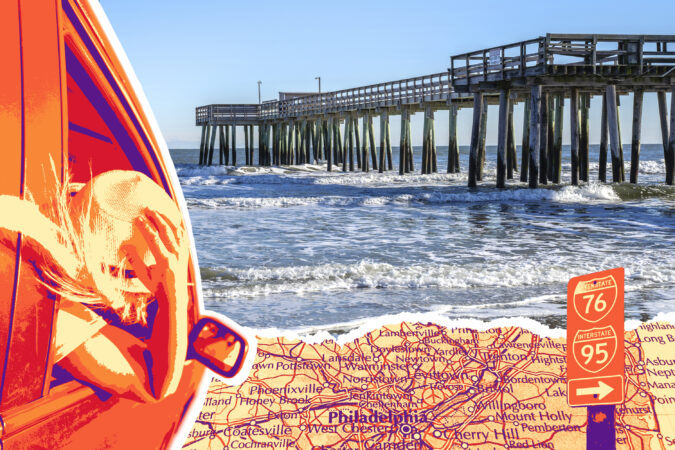
    Yes, Memorial Day weekend is the official start of summer, but there’s a pleasant lull down the Shore between then and when kids get out of school. These are the final moments to enjoy the excellent weather and relative serenity of the microseason, and Seven Mile Island — home to the bougie siblings of Stone Harbor and Avalon — has rolled out the white-sand carpet.

    These towns contain some of the most expensive real estate at the Jersey Shore, and in the height of the summer, staying anywhere nice is prohibitively expensive for anyone who is not on a Comcast C-suite salary or whose grandparents didn’t buy a house in 1975. This is another benefit of visiting before July 4. Rates are lower, reservations are easier, and the line at Springer’s is only slightly less insane.

    Start the car.

    Stay: ICONA Avalon

    Situated right in the center of Seven Mile, at the southern end of Avalon, beachfront ICONA has the location edge over the island’s other luxury hideout, the Reeds at Shelter Haven, which is convenient to Stone Harbor’s 96th Street shopping district. Both properties are expensive, but you can still find some lingering June rates under $400 a night. ICONA’s beach is beautiful and peaceful, with a breezy bar and lounge between the property and the shoreline, and Avalon Brew Pub is a popular canteen for locals and Shoobies alike.

    📍 7849 Dune Dr., Avalon, N.J. 08202

    Shop: Pete Smith’s Surf Shop

    The origins of Pete Smith’s Surf Shop lie in Virginia Beach, but the boutique has been part of the Jersey Shore for decades. The Stone Harbor location, spread across two storefronts, stocks men’s and women’s swimwear, woolly shackets for chilly nights, and enough Sun Bum for the entire summer. Pick up a branded T-shirt; Pete’s releases a new design every Christmas.

    📍 285 96th St., Stone Harbor, N.J. 08247

    Learn: The Wetlands Institute

    Whether you’re visiting the Shore with kids or simply marine-curious, the Wetlands Institute, located just before crossing the bridge into Stone Harbor, makes a perfect stop. Learn about the local terrapin turtles, pet a sea star in the touch tank, or walk along the marsh trail and elevated boardwalk for views of an integral Jersey ecosystem that most of us rarely see up close.

    📍 1075 Stone Harbor Blvd., Stone Harbor, N.J. 08247

    Surf: Avalon Surf Camp

    Don’t be dissuaded by the multitude of kids on Avalon Surf Camp’s website. Their instructors teach wannabe surfers of all ages and experience levels through group and private lessons on 12th Street beach at the north end of Avalon. The camp provides everything you need: boards, wetsuits, and a working knowledge of the ocean’s mercurial temperament before ever getting in the water. With a little luck and a little wind, you’ll be up on a board by noon.

    📍 12th Street Beach, Avalon, N.J. 08202

    Relax: 7 Mile Island Massage

    Because surfing is a workout, and because you’re a good person who deserves nice things, book a treatment with 7 Mile Island Massage. This isn’t a spa but a mobile studio that comes to you. Owner and therapist Nik Pattantyus, who’s also a registered nurse and avid stand-up paddleboarder, will set up in your hotel suite, on the back porch of your rental house, or wherever else you happen to be staying. In addition to deep-tissue, reflexology, and other massage styles, he’s recently added manual lymphatic drainage to the menu.

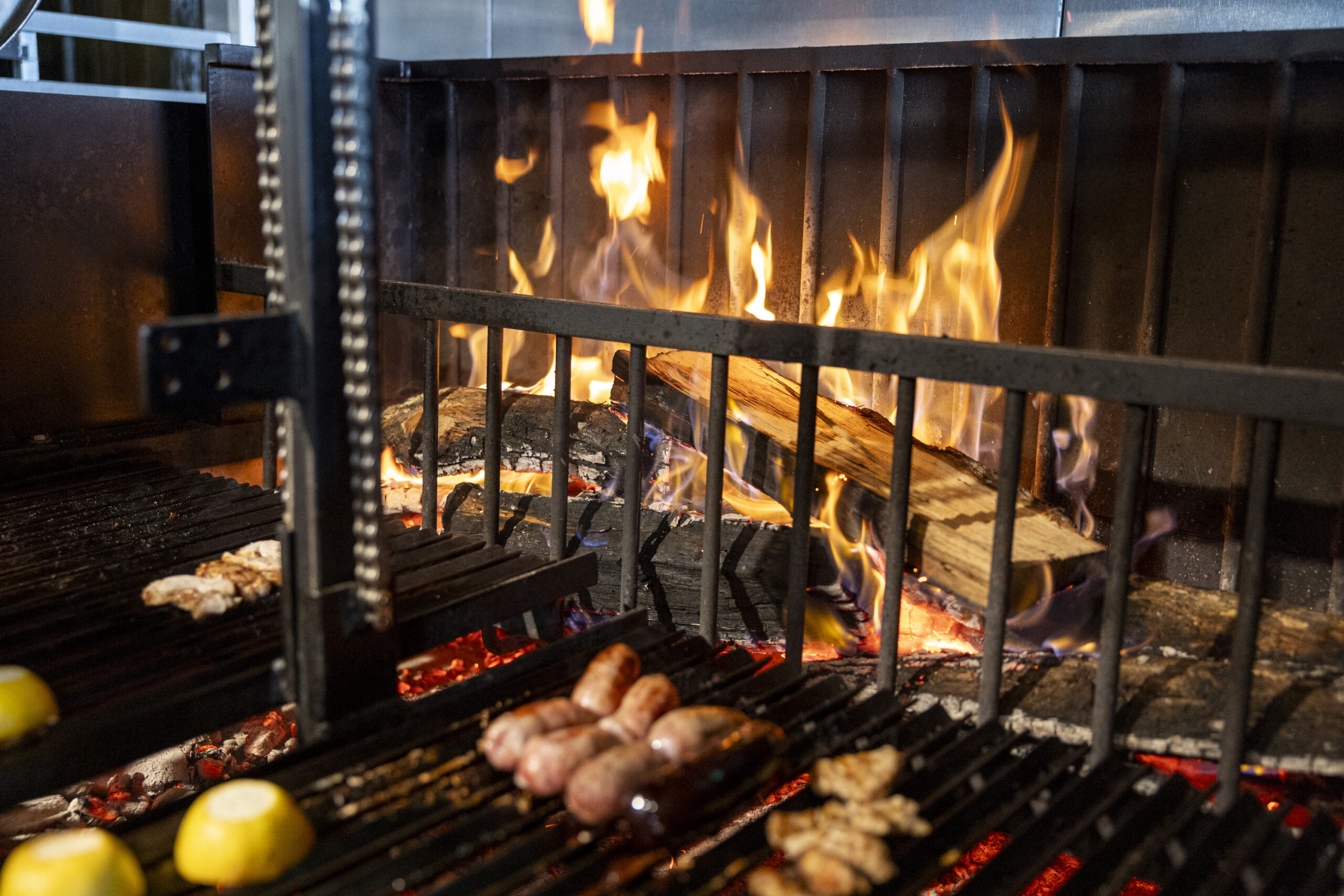
    The fire wood grill cooking various meats at La Portena in Stone Harbor, N.J., on Thursday, June 12, 2025.

    Dine: La Porteña

    Lucas Manteca has been cooking down the Shore for two decades, and La Porteña, a few blocks from his Quahog’s seafood tavern, is his most personal project yet. The menu and family-style format draw from the chef’s Argentine heritage. Every table receives a spread of snacks and salads to share, including Manteca’s famous empanadas, followed by each diner’s choice of entrée: New York strip, short ribs, Iberico pork secreto, and more. At the time of this writing, dessert is dulce de leche rice pudding with compressed rhubarb. Make reservations.

    📍 9426 Third Ave., Stone Harbor, N.J. 08247

    Indulge: Springer’s Homemade Ice Cream

    The line stretching from the white-sided front porch of Springer’s Homemade Ice Cream down Third Avenue is legendary. You might run into your college lacrosse coach, the kids you babysat who are now disconcertingly grown and lifeguarding on 88th Street, or the local girl you spent that one magical summer with in 10th grade. Springer’s has been scooping since the early 1900s, and the nostalgia it inspires is as much a part of the appeal as flavors like banana fudge, the slightly salty butterscotch brickle, and Cookies in My Coffee, crushed Oreos veined through dark coffee ice cream. Worth the wait, always.

    📍 9420 Third Ave., Stone Harbor, N.J. 08247

  • The best things we ate this week

    The best things we ate this week

    Tacos al pastor at Tu Rinconcito

    “Tu Rinconcito” is Spanish for “your little corner.” The tiny 22-seater that bears this name in Old City is tucked into a sunny, brick-lined corner space on Third Street just north of Market, and could so easily be missed. That would be a mistake, especially if you love tacos.
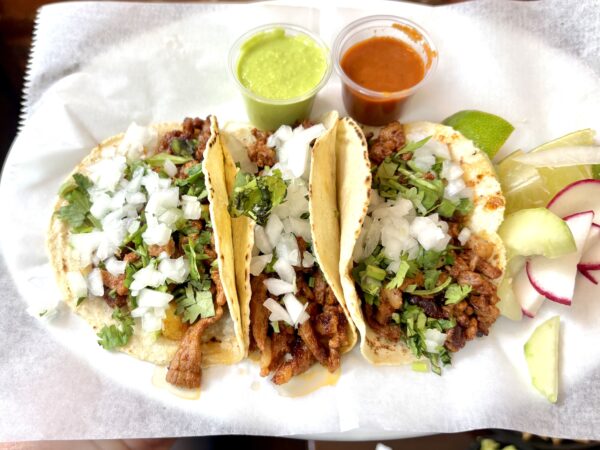
    The menu is fairly straightforward at this casual counter-service collaboration between chef Eugenio Guevara and his daughter, Elena. But the recipes — a blend of flavors from Eugenio’s native Puebla and his wife Ernestina Martinez’s hometown of San Luis Potosí — benefit from an unmistakable handmade touch. The tacos al pastor are a perfect example. The ribbons of pork are cooked on the plancha rather than a usual trompo spit, but remain incredibly juicy and tender. Ernestina’s vivid orange al pastor marinade is bright and zesty, with pineapple juice and guajillo chiles that spark against the micro crunch of minced raw onions and cilantro.

    And as always with great tacos, details make all the difference. The succulent meat comes wrapped inside three house-pressed tortillas that are dainty but pliant and warm. Add a splash of the excellent and tangy salsa verde cruda or the earthy and herbaceous salsa rojo from the self-serve salsa bar, and the combo hits yet another level of magnetic force that is all this little corner needs to draw me back for more. Next time? Carnitas and a breakfast burrito. Tu Rinconcito, 17 N. Third St., 445-223-2733, turinconcitophilly.com

    — Craig LaBan

    The bibingka waffle at Manaong, 1833 Fairmount Ave.

    Bibingka Waffle at Manong

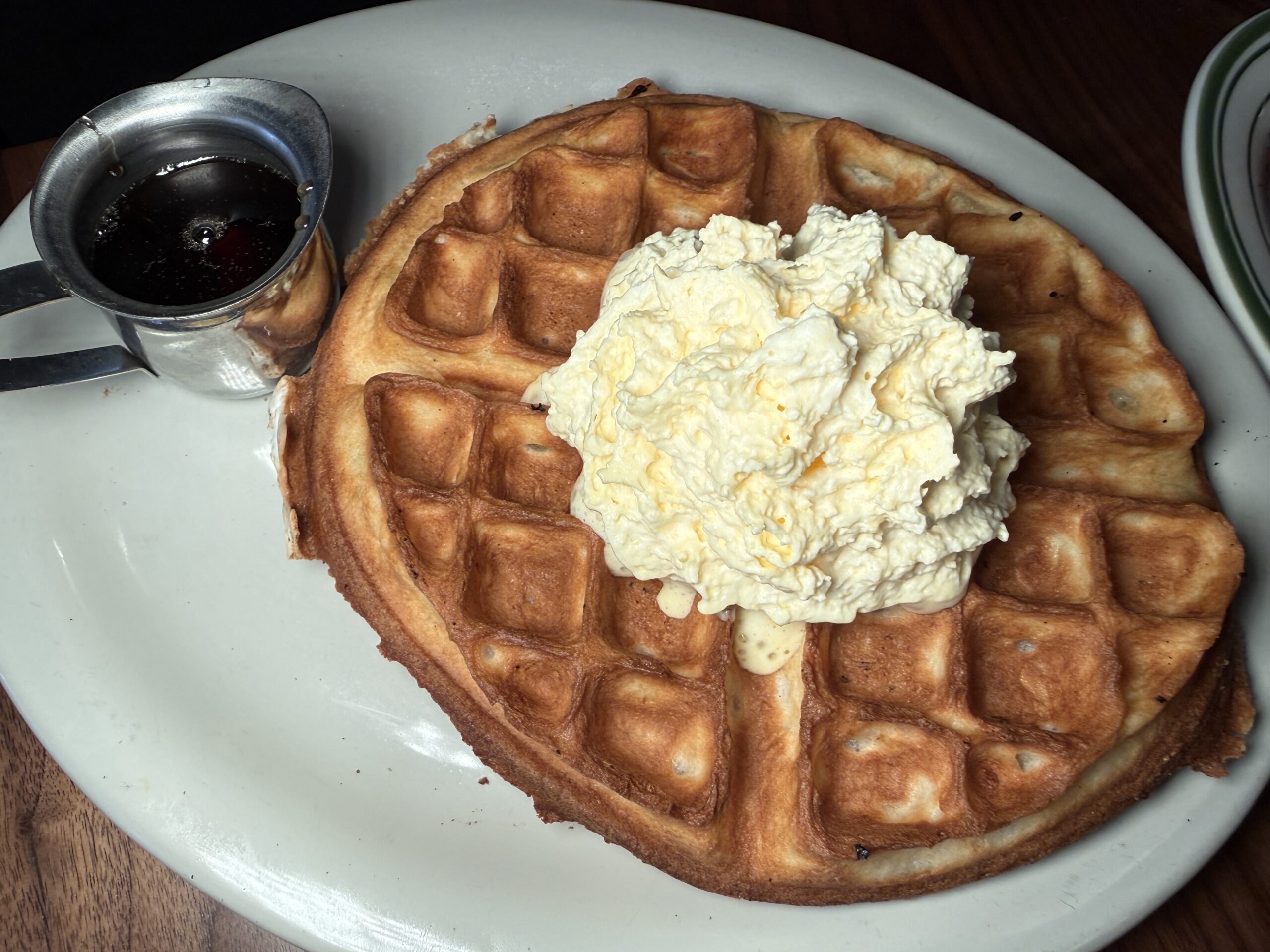
    Manong’s $11 bibingka waffle, available only on their newish brunch menu, is startlingly straightforward. You have a crispy, delicate waffle with a delightful chew — pulling it apart with your hands is particularly fun — topped with an enormous cloud of whipped cream. But just as the simplicity of the waffle’s appearance doesn’t prepare you for its eggy, rice flour texture, neither does gazing upon its accoutrements prepare you for their flavors. That cream cloud has salted egg yolk whipped into it, adding a lovely, savory balance to inherently sweet cream. The tiny pitcher of maple syrup is also spiked with spicy ginger for a sneaky kick. All the components come together beautifully. Manong, 1833 Fairmount Ave., 445-223-2141, manongphilly.com

    — Kiki Aranita

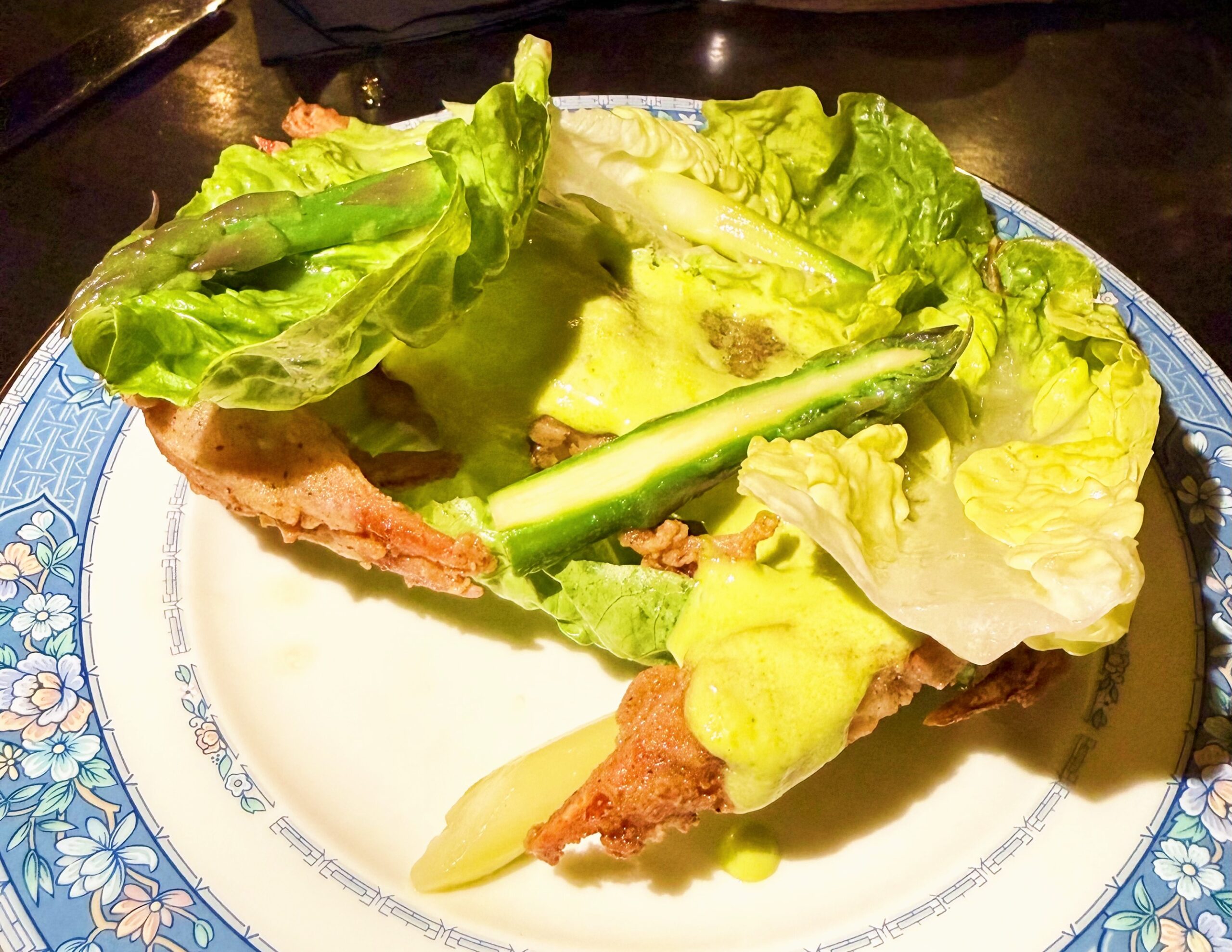
    Soft-shell crab at My Loup, 2005 Walnut St.

    Soft-shell crab at My Loup

    When the season turns from spring to summer, there’s a good chance that chef Alex Kemp will have a soft-shell crab dish on My Loup’s menu. In recent years, Kemp’s crab setup has included a highbrow riff on a BLT with roasted tomatoes, shredded lettuce, and bacon bits, and a supersimple version with Hollandaise sauce and caviar. The current plating puts a crispy crab under gem lettuce, spears of fresh asparagus, and a lemony-herby sauce. It’s a delight of contrasting textures and temperatures, and my annual reminder that summer is indeed here. My Loup, 2005 Walnut St., 267-239-5925, myloupphl.com

    — Evan S. Benn

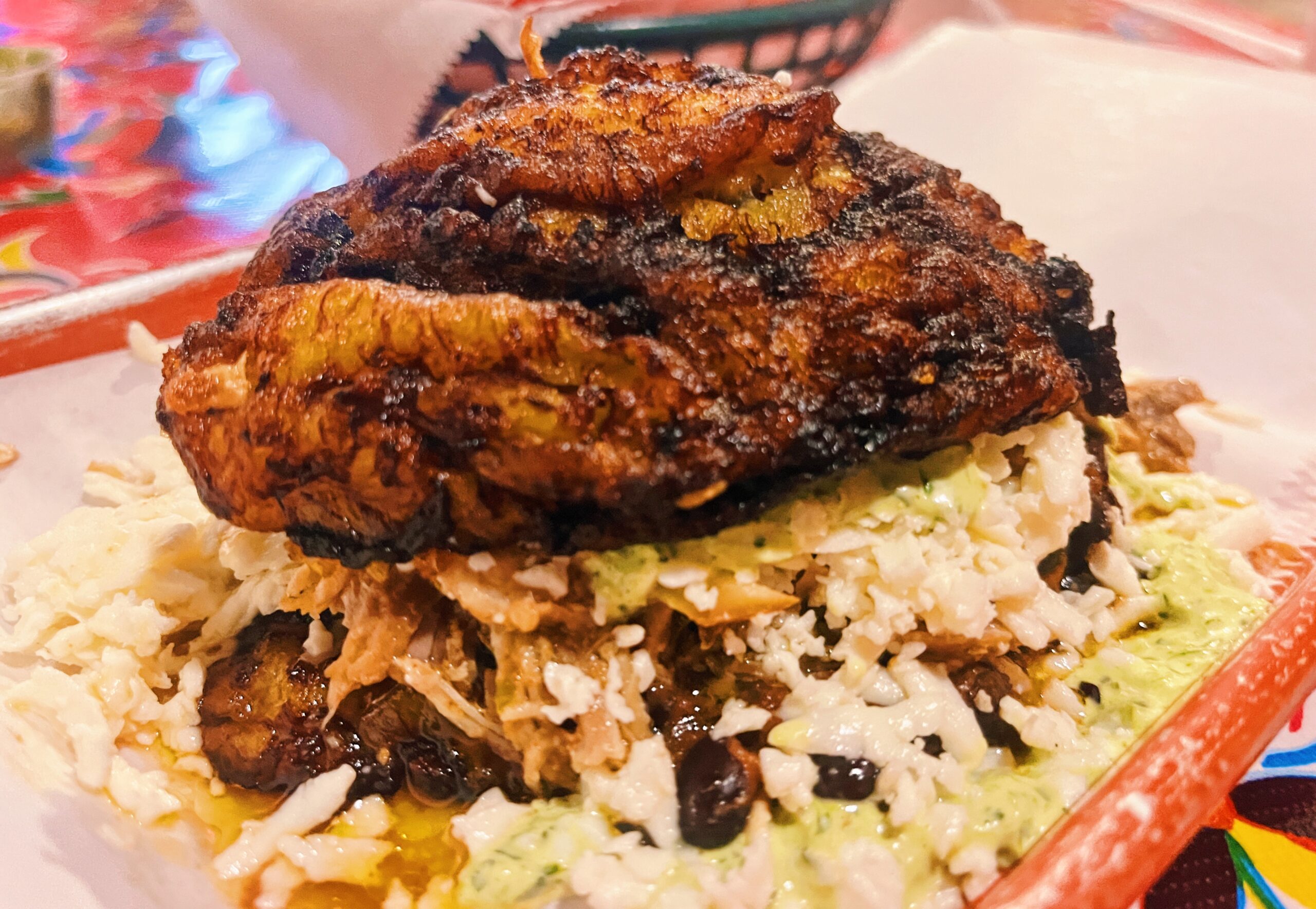
    The patacón pintón at Puyero Venezuelan Flavors, which has locations on South Street and in University City.

    Patacón Pintón at Puyero Venezuelan Flavors

    If you’re not venturing beyond the arepas at Puyero Venezuelan Flavors, you’re doing it wrong. The casual Venezuelan restaurant with locations on South Street and in University City overstuffs the doughy cornmeal pocket tender beef and juicy roast pork, but the real magic is in everything else on the menu: buttery tequeños with cheese pulls that put even the best mozzarella sticks to shame, crispy tostones, and the patacón pintón, a sandwich that brings one of my favorite intrusive thoughts: What if maduros were bread?

    The patacón pintón comes served on two giant pieces of caramelized sweet plantains piled high with shredded beef, black beans, and white cheese with a creamy green mayo. The maduros are surprisingly sturdy and add an extra dimension to an otherwise very salty — and heavy — sandwich. I think more sandwiches should come like this. Puyero Venezuelan Flavors, 524 S. Fourth St., 267-928-4584, puyeroflavor.com

    — Beatrice Forman

  • A Rocky curse, a no-hitter jinx, and a big night for Philly food | Weekly Report Card

    A Rocky curse, a no-hitter jinx, and a big night for Philly food | Weekly Report Card

    The Rocky statue curse claims another victim: A

    An Ecuadorian influencer wrapped his country’s flag around the Rocky statue before Sunday’s World Cup match and immediately learned a lesson generations of visiting fans have learned before him.

    Don’t mess with Rocky.

    After Ecuador lost 1-0, social media quickly concluded the curse had struck again. The poor guy spent the next 24 hours apologizing to an entire nation and explaining that he simply didn’t know the rules. (Another fan also put a custom jersey on the statue.)

    But Philadelphians weren’t content with one curse. Almost immediately, attention shifted to Ecuador fans gathering at the Hard Rock Cafe, prompting comparisons to Commanders fans who famously “took over” the same restaurant before getting flattened by the Eagles in the NFC championship game.

    The Rocky curse has decades of lore behind it. The Hard Rock curse appears to have been invented sometime this week.

    Which is exactly how sports superstitions are supposed to work, right?

    Hawker John Culin sells Surfside canned cocktails during a Phillies game at Citizens Bank Park in 2024. Surfside canned cocktails led the Phillies’ stadium drink sales last year.

    Surfside has become the official drink of saying, “Fine, I’ll get one”: A-

    There was a time when a Philadelphia summer meant a soft pretzel, a hot dog, and a beer.

    Now, it apparently means spending $16 on a Surfside at Citizens Bank Park, and somehow doing it again the next inning.

    Stateside says it sold more than 11 million cases of Surfside last year, has moved into a massive new Center City headquarters, and is turning down offers from major beverage companies that want a piece of the business.

    Not bad for something many people first encountered while standing in line at a Phillies game.

    The annoying thing is that it’s also very good, which makes it much harder to complain about the price (not impossible, just harder).

    At this point, Surfside has joined the ranks of Wawa coffee, Tastykakes, and water ice: a local product that quietly became part of Philadelphia culture.

    The team from Kalaya on stage at the 2026 James Beard Awards with chef Chutatip “Nok” Suntaranon (from left): Al Lucas, Nick Kennedy, Greg Root, Jerome Skaggs, and Benjamin Duignan.

    Philly’s James Beard haul: A

    For years, Philadelphia food stories came with a chip on their shoulder. The city was seen as underrated and overlooked when compared to New York and D.C. But now, that argument gets harder to make every year.

    This week, Kalaya won outstanding restaurant at the James Beard Awards and Jesse Ito finally captured best chef: Mid-Atlantic after what felt like an annual pilgrimage to the finalist list — he had been nominated for the award NINE times!

    Kalaya has spent years introducing diners to southern Thai cooking at a level that made national critics pay attention. Ito’s Royal Sushi & Izakaya is so sought-after that getting a reservation is almost impossible.

    So these really aren’t underdog stories anymore, they’re expectations. Philadelphia sent seven finalists to Chicago for the awards and came home with two major wins.

    A decade ago, that would’ve been a breakthrough, but now it feels like a normal year.

    Fans reach for a ball that entered the stands during a FIFA World Cup Group E match between Ecuador and Ivory Coast on June 14, 2026, at Lincoln Financial Field. The match marked the first FIFA World Cup game played in Philadelphia.

    Philadelphia’s World Cup debut: A

    For months, the conversation centered on everything that might go wrong.

    Traffic, transit, crowds, security, weather — if anyone would actually show up.

    Instead, the first week of the World Cup has mostly served as a reminder that Philadelphia can throw a pretty good party. The city is filled with visiting fans, flags, jerseys, and the sort of international energy that rarely comes through town at this scale. SEPTA has had a few hiccups. The weather has done what Philadelphia weather does. But the city itself has looked good.

    More important, Philadelphians seem to have embraced the whole thing.

    There was always going to be some skepticism, but somewhere between the FIFA Fan Festival, the packed stadium, and thousands of visitors wandering around Center City, the World Cup stopped feeling like something Philadelphia was hosting and started feeling like something Philadelphia was enjoying.

    And we’re only getting started.

    PPA towing residents with permits: F

    Like we just said, the World Cup has gone better than many people expected, which is why this one stands out.

    Fairmount residents were told to register for special parking permits during the FIFA Fan Festival. They registered, but then some got ticketed anyway and a handful even got towed. The PPA says the tickets will be canceled and fees refunded, which is good.

    But “we’ll fix it later” tends to land differently when you’re standing in an empty parking spot wondering where your car went.

    The encouraging part is that the number of mistakes was relatively small compared with the thousands of tickets issued around the festival. But, if you’re one of the people who had to Uber to a tow lot in South Philly to retrieve your vehicle, that statistic probably isn’t very comforting.

    Mike Gansey’s first Philadelphia sports lesson: Never say it out loud: D+

    Every city has its rules, and Philadelphia’s are simple.

    Don’t mess with Rocky. Don’t wear Cowboys gear. And under absolutely no circumstances should you mention a no-hitter while it’s happening.

    The newly hired Sixers president learned that lesson the hard way this week when he casually noted on a TV broadcast that Jesús Luzardo’s no-hitter was still intact.

    Seconds later, it wasn’t. To Gansey’s credit, he immediately did what any reasonable Philadelphian would do: apologize.

    The good news is that Luzardo still pitched well, the Phillies still won, and Gansey appears genuinely remorseful. The bad news is that his first viral moment in Philadelphia involved accidentally becoming the physical embodiment of every fan yelling “shut up!” at their television.

    Welcome to town, Mike!

    The Highmark Mann Center, in Philadelphia, June 15, 2026.

    The new Mann: A

    For a city that never really got a big Semiquincentennial gift, the renovated Highmark Mann will do nicely.

    Fifty years after opening in 1976, the Mann has emerged from a yearslong renovation looking like the sort of project Philadelphia hoped more places would undertake ahead of 2026. There’s a dramatic new entrance, upgraded sound, expanded public spaces, and a massive digital wall that feels more Times Square than Fairmount Park.

    The Mann opened in 1976, the last time America threw itself a big birthday party.

    It’s fitting that one of the best things to come out of the 250th conversation is a 50-year-old Philadelphia institution getting ready for its next 50 years.