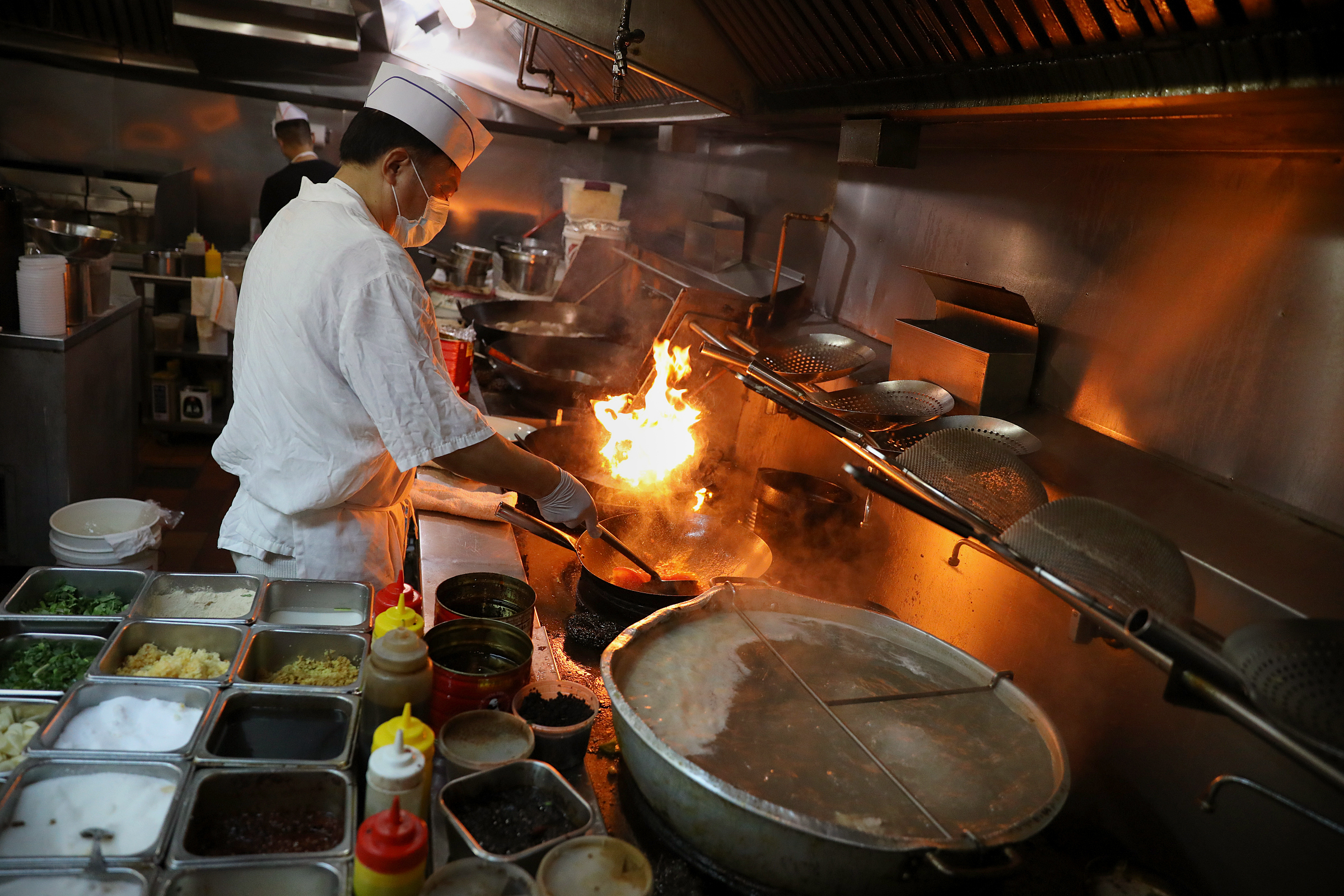
The golden age of brunch has arrived in Philadelphia, borne on the menus of chefs who are reinventing the genre.
All over the city, from Manong in Fairmount to dancerobot and Little Water in Rittenhouse and Rice & Sambal in South Philly, chefs who had long focused on dinner are turning their attention to brunch-specific menus, some available just one day a week. The results are dazzling.
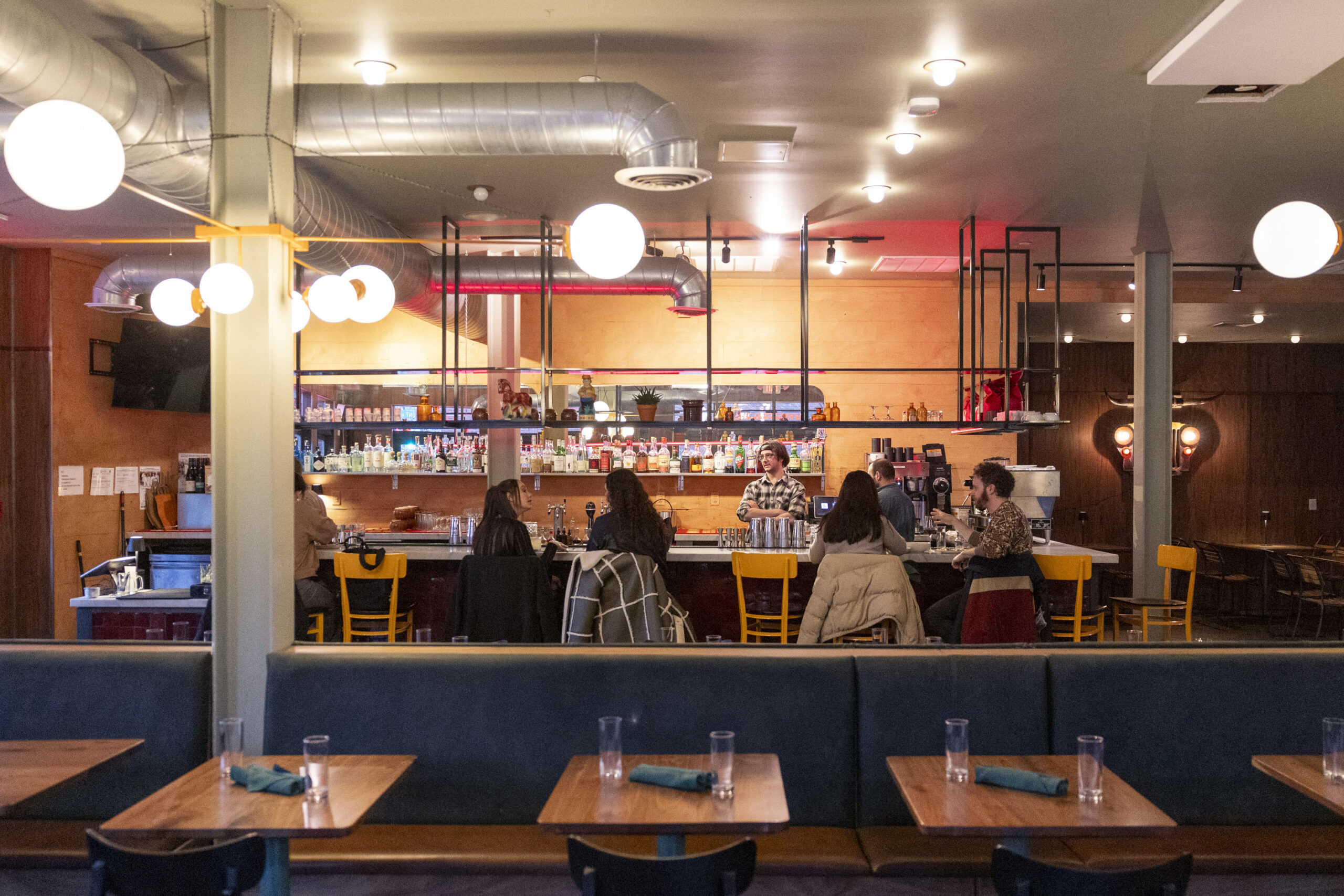
Customers enjoying drinks and food at the bar at Manong.
To many in the restaurant industry, the very word brunch conjures up feelings of dread. “Brunch menus are an open invitation to the cost-conscious chef, a dumping ground for the odd bits left over from Friday and Saturday nights or for the scraps generated in the normal course of business,” Anthony Bourdain wrote in his seminal memoir, Kitchen Confidential. And the stigma against the not-quite-breakfast, not-quite-lunch meal, often accompanied by endless mimosas, has endured. Until now.
For Chance Anies of Manong, brunch is an opportunity.
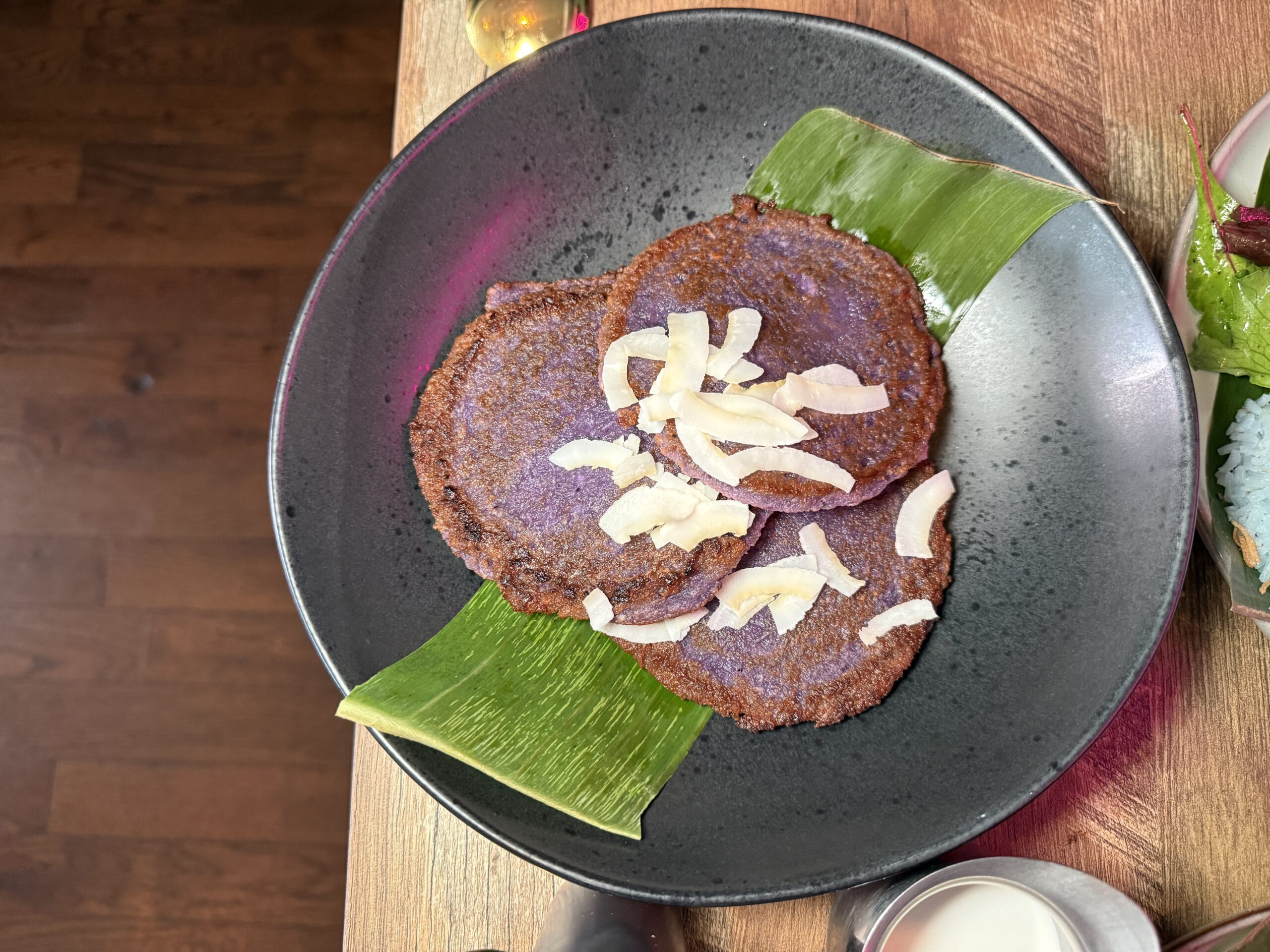
Wingko, cassava, and coconut pancakes on Rice & Sambal’s new brunch menu.
“I love that we’re making Spam,” said Anies. “It’s ironically the first food I got made fun of for eating at school because my dad would make me Spam and rice for lunch as a kid. I had kids calling me ‘Spam.’”
Anies is also making his own version of the processed meat, a highly labor-intensive activity compared to popping open a can. “We grind pork shoulder and smoked ham, and some other ingredients, then set the farce in a terrine mold to steam. After pressing overnight, we slice them into little Spam squares,” he said.
Manong’s house-made Spam is served on pandesal, a soft, buttery Filipino bread, in the breakfast sandwich at brunch, served seven days a week from 8 a.m. to 2 p.m. “Pandesal was the thing that got me into cooking, so having an outlet for the recipe I’ve been developing for over 10 years has been a cool full-circle moment,” said Anies.
Diana Widjojo’s Rice & Sambal on East Passyunk in South Philly has been open for two years, but only recently started serving Sunday brunch. Widjojo had toyed with starting brunch service last year, “but I didn’t market it very well.” She officially restarted brunch two weeks ago because “I thought it would be fun.”
Rice & Sambal’s brunch-specific snacks, savory items, and sweet dishes are extensive and only served on Sunday from 11 a.m. to 3 p.m. (a la carte, no reservations taken). They range from crispy tofu to lumpia (vegetable and bamboo-stuffed spring rolls) to a Sumatran rendang that is cooked far longer than her typical Javanese rendang, so that it’s “spicier and more fragrant — I cook the curry until the coconut milk turns into oil.”
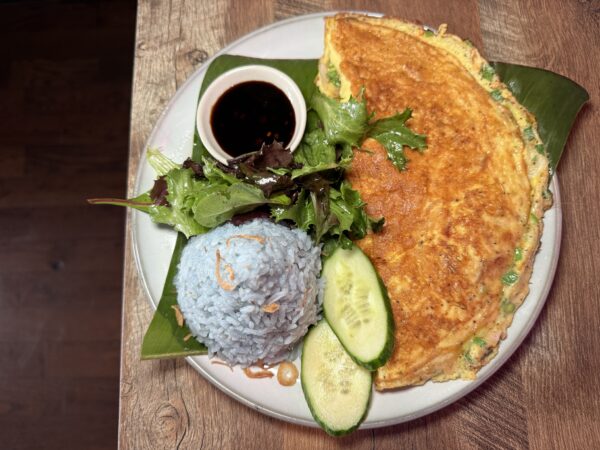
And then there are dishes like her Indonesian omelet ($17) and Wingko ($12). The omelet is stuffed with fragrant shallots and served with spicy sambal ketchup. The Wingko pancakes are made of cassava and shredded coconut and colored a deep purple with ube. No maple syrup here, but rather a little pitcher of coconut milk and a squeeze bottle of sweet palm sugar syrup are provided for you to decorate your pancakes.
There are also fun drinks like Happy Soda, served in a wine glass and consisting of coconut-pandan syrup, seltzer, and condensed milk, Indonesian coffee, and numerous tea drinks, including a deeply nourishing Beras Kencur ($7), made of ginger, turmeric, and rice. There’s excitement, creativity, and joy embedded in all these beverages — it’s a menu that dovetails with a rise in Indonesian cafes in Philadelphia.
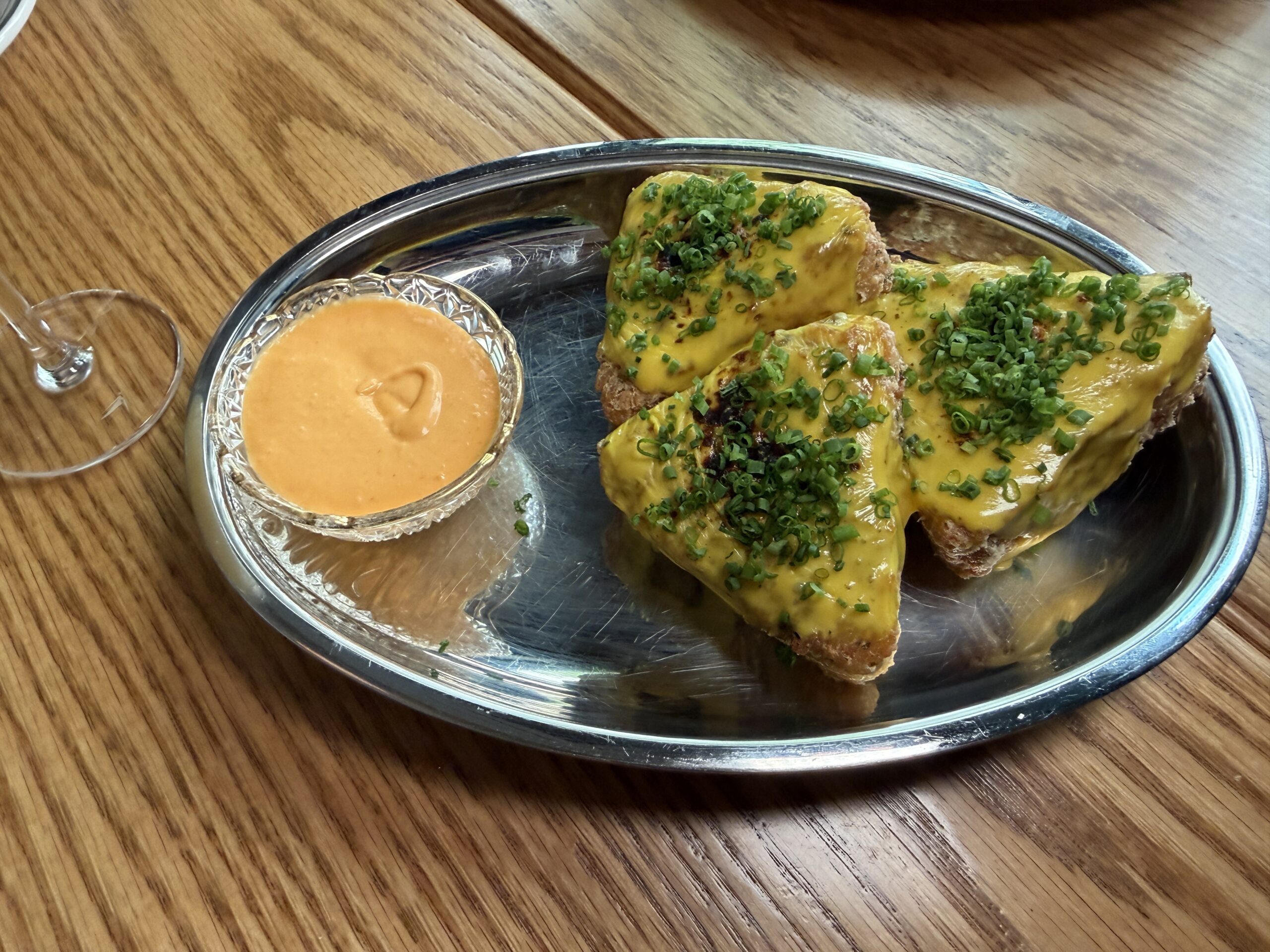
In Rittenhouse, other previously dinner-focused fine-dining chefs are celebrating brunch. Little Water’s Sunday brunch (11 a.m. to 4 p.m.) is spectacular. On the menu, there’s a dish of fried oysters on beef tartare, blanketed in golden hollandaise and tucked in with pickled surprises, sometimes a gherkin, sometimes another pickled vegetable, that you discover through little bites. You can also add caviar to fancy seafood, like Sweet Amalia oysters slicked with Alabama white sauce.
La Jefa’s brunch is equally marvelous, served Wednesday through Sunday (10 a.m. to 2:45 p.m.). It features Guadalajaran twists on American brunch standards, like chilaquiles tucked into omelets or lengua given the pastrami treatment and layered into a sandwich. You get to wash it down with a beverage menu spiked with corn, tepache, and other fascinating ferments.
Also in Rittenhouse, dancerobot’s weekend brunch (Saturdays and Sundays 10:30 a.m. to 3 p.m.), has quietly become an incubator for incredible creativity, led by chef Justin Bacharach and sous chef Christina Betz, but featuring dishes from many other chefs and cooks on staff.
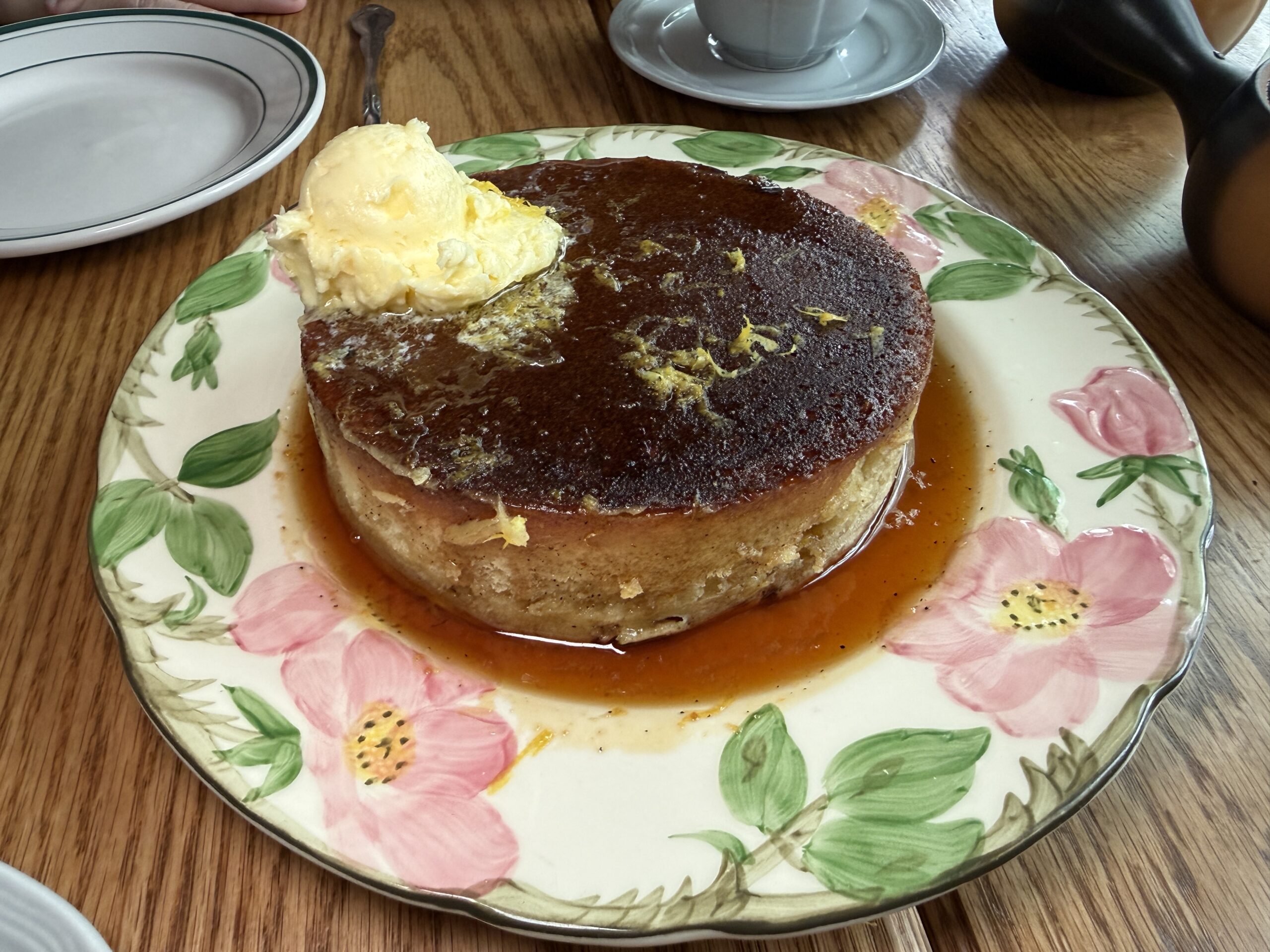
The sourdough pancake at dancerobot should be shared with everyone at the table.
Bucks County native Bacharach grew up with classic diner omelets, pancakes, French toast, and bacon, egg, and cheese breakfast sandwiches, but these brunch stalwarts are completely scrambled up at dancerobot, where bacon, egg, and cheese are fashioned into crispy, crusted onigiri, and omelets are omurice, splayed open table-side into a blanket of egg curds and pancakes are meant to be shared with the whole table.
“It’s an homage to fluffy Japanese pancakes,” Bacharach said. But his have more depth and oomph. They also have delightfully crispy edges. His sourdough pancakes, by the way, are made with the starter Amanda Shulman, the Michelin-star earning chef who also recently opened a restaurant serving brunch, gave him five years ago.
The Caesar salad inari at dancerobot is a riff on the “girl dinner” trend.
Pastry chef Sophie Wieber contributed cinnamon buns served with amazake-cream cheese frosting. Sous chef Drew Kornrumpff conceived a brilliant interpretation of “girl dinner” by stuffing pockets of aburaage, or fried tofu skin, with Caesar salad and topping them with ikura. Everything is original, delicious, and a little wacky.
Bacon, egg, and cheese onigiri at dancerobot.
“Brunch is a breath of fresh air,” Bacharach said. “The people are happier, the sun is out.”
Dancerobot is also leaning into the creativity brunch can offer by teaming up with chef friends in Philly and beyond, hosting brunch club events with Chicago’s Kasama and soon, Middle Child Clubhouse.
This new era of brunch is whimsical and riveting, a far cry from the dreaded services Bourdain once complained about.
But all these chefs reinventing brunch have one more thing in common: they don’t have time to go out for brunch themselves. “Usually I am too tired to go to brunch,” Widjojo said. “I can’t remember the last time I did, but if I could, I would.”
A dozen new businesses have opened in downtown Ardmore so far this year, bringing Japanese barbecue, build-your-own salads, and organic dog treats, among other goods, to the Main Line community. New and incoming businesses include mom-and-pop shops, national chains, and expansions of popular Philly-area names, such as decorated Szechuan eatery EMei and New Jersey-based burger chain Gouldsburger’s.
Here’s a breakdown of the new retailers that have opened in Ardmore this year, and some others that are on the horizon.
What’s new?
OGYU Japanese BBQ
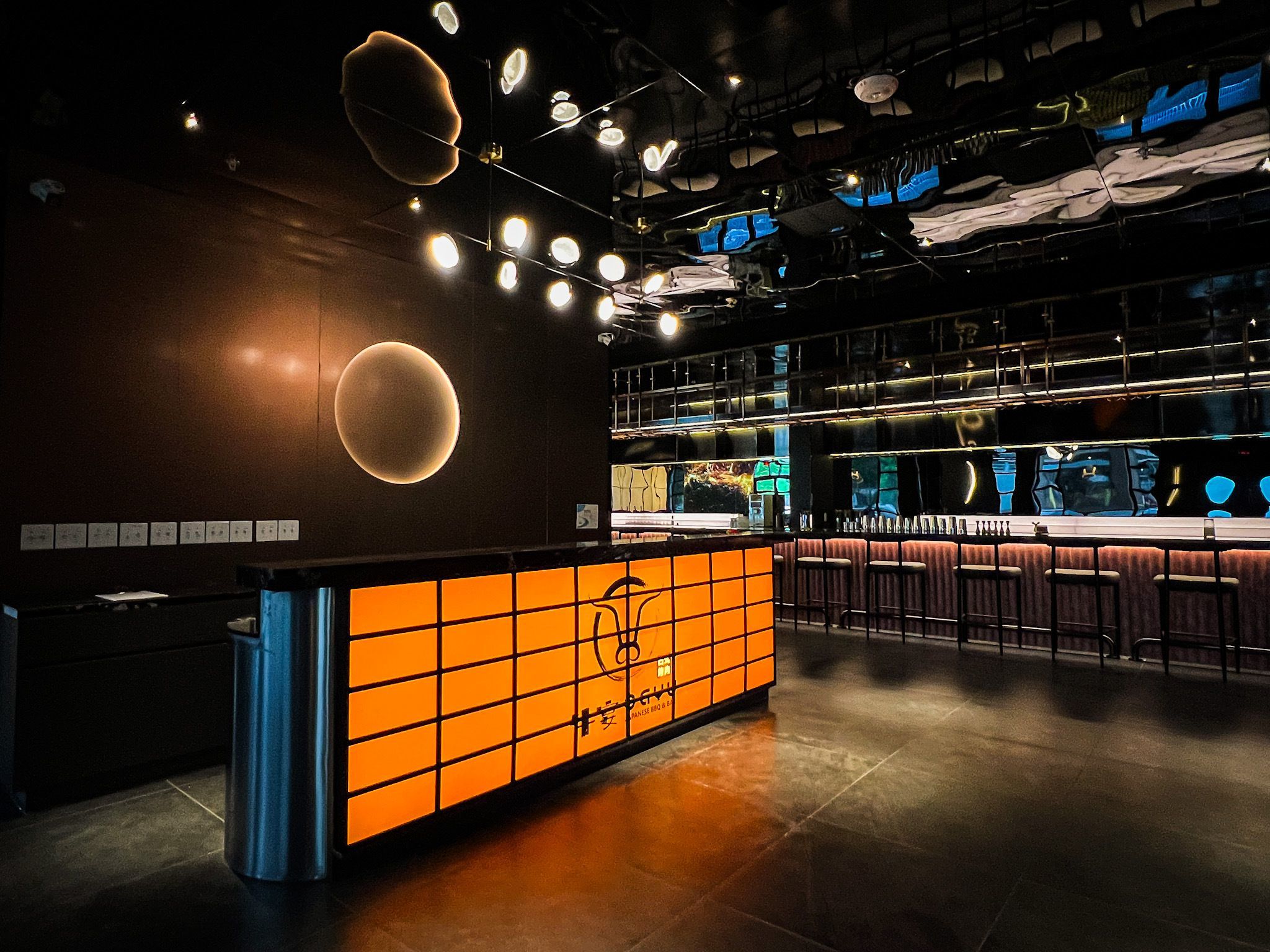
OGYU Japanese BBQ (60 Greenfield Ave.) is a tabletop cooking Japanese steakhouse experience from Osushi owner Sam Li. OGYU offers an all-you-can-eat, tiered, fixed-price menu, as well as a full bar. Li has opened Osushi locations in Wayne, Ardmore, and Marlton, as well as upscale eatery Hiramasa in Newtown Square. OGYU opened last month.
Just Salad
Healthy food chain Just Salad (167 W. Lancaster Ave.) opened in Ardmore in May, adding to the company’s more than 100 locations across seven states. Just Salad serves fast-casual salads, warm bowls, wraps, and smoothies.
Barizi
Barizi (29 W. Lancaster Ave.) is a design, home, and gift store offering curated ceramics, textiles, leather goods, vintage furniture, and self-care items. Barizi’s Ardmore store opened in May and is its second after New York City.
Gouldsburger’s
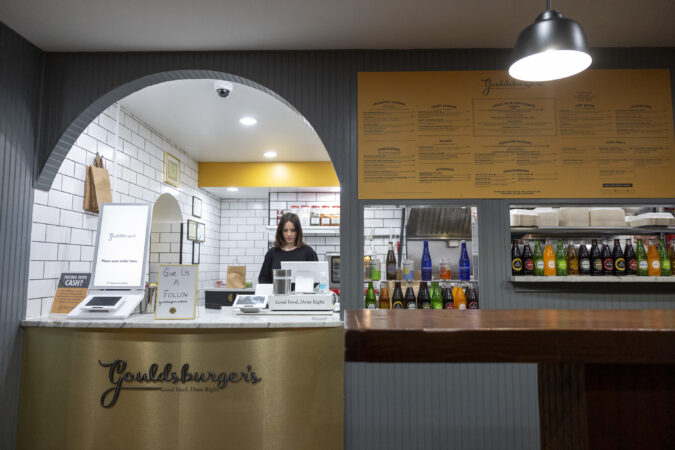
Gouldsburger’s (4 Station Rd.), a Jersey-based mini-chain serving up burgers, cheesesteaks, chicken sandwiches, and other fried snacks, opened across from Ardmore’s train station in February. The restaurant has vegan and vegetarian options, and its cheesesteak has even made the ranks of the Inquirer’s favorites.
Inside OGYU Japanese BBQ in Ardmore.
CorePower Yoga
CorePower Yoga (169 W. Lancaster Ave.), a heated yoga and strength training studio with hundreds of locations across the U.S., opened in Ardmore in April. This is the chain’s third location in the Philadelphia area, after Center City and Northern Liberties.
Bikini Burger
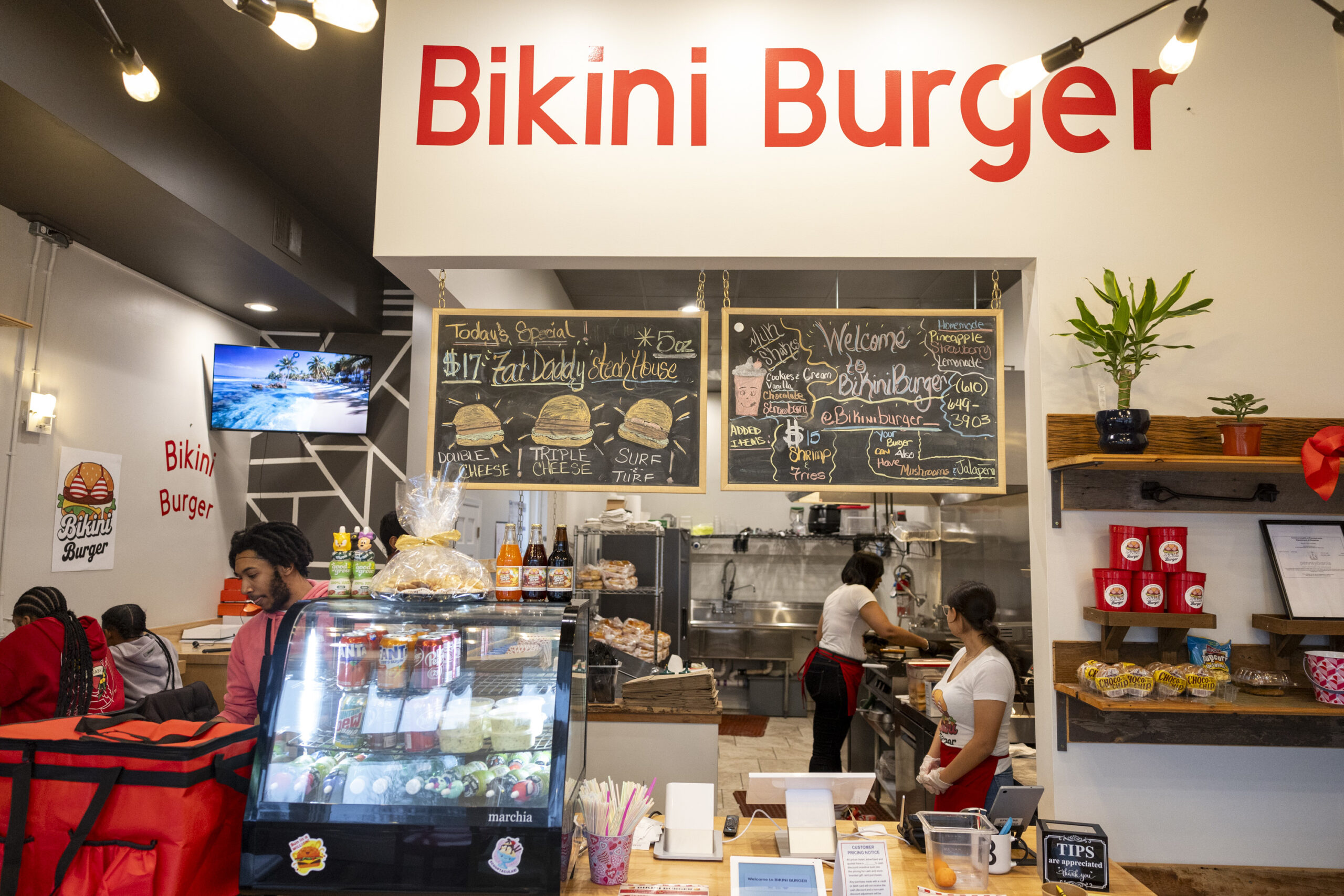
Penn Valley resident Mia Robertston opened Bikini Burger (44 Rittenhouse Pl.) in January with the goal of bringing a simple and “really good burger” to the area. Robertson’s Burgers are made with beef from a Lancaster County butcher, can be topped with Cooper Sharp, among other accoutrements, and are never smashed.
R3 Gaming & Toys
R3 Gaming & Toys (6 W. Lancaster Ave.) is a toy and game shop built for collectors and “curious minds of all ages.” The store stocks classic toys, board games, puzzles, comics, graphic novels, and other novelties.
Jersey Mike’s
Sub sandwich giant Jersey Mike’s (20 Greenfield Ave.) opened its doors in the former Revitalize Aesthetics storefront in March. The sub shop is open seven days a week and offers both hot and cold sandwich options.
Mia Robertson, owner of Bikini Burger, makes a cheeseburger at the Bikini Burger in Ardmore. The burger joint is one of a slate of new businesses to open in Ardmore this year.
Revivéa Health
Revivéa Health (20 Ardmore Ave.) opened in Ardmore in April and offers various wellness treatments including IV therapy, vitamin injections, and red light therapy. Ardmore is Revivéa’s second local storefront after West Chester.
Raffs Italian Cuisine
Raffs Italian Cuisine (65 Cricket Ave.) is the second restaurant of chef and owner Raffael Kupa, who also runs Buona Vita in Somers Point, N.J. Raffs, which opened in April, is BYOB, open for dinner seven days a week, and offers traditional Italian fare.
Bored Trading Café
Bored Trading Café (43 Cricket Ave.) is an all-day eatery serving bagels, sandwiches, salads, wraps, smoothies, and burgers, among other items. The cafe held its grand opening in January.
What’s coming soon?
Mango Mango
At Mango Mango (38 Greenfield Ave.), an Asian-inspired dessert chain with locations across the U.S., “mango’s our muse.” Mango Mango serves mango- and non-mango-flavored cakes, waffles, smoothies, ice creams, and teas. Its Ardmore franchisewill be opening later this month.
Vintner’s Table
Vintner’s Table (24 Cricket Ave.) is an Italian-inspired wine bar affiliated with Folino Estate Winery & Restaurant in Kutztown. The Ardmore location will be the third Vintner’s Table after Phoenixville and Wyomissing. Vitner’s Table has not shared an anticipated opening date yet.
Chef Yongcheng Zhao preparing a crispy whole boneless sea bass dish at EMei in Chinatown. The restaurant is set to expand to Ardmore.
EMei
Inquirer food critic Craig Laban says EMei (98 Cricket Ave.) is a “Szechuan feast with few peers in Philly.” The lauded Chinatown eatery, owned by Dan Tsao, is expanding to South Philly and Ardmore in the near future, though the timeline for expansion has been pushed back due to permitting and architecture hiccups.
Pure Green
Cold-pressed juice company Pure Green (56 E. Lancaster Ave.) is set to open in Ardmore next year. Pure Green offers superfood smoothies, acai and pitaya bowls, steel-cut oatmeal bowls, sourdough toasts, and cold-pressed juices.
Calm and Strong Yoga and Pilates
Calm and Strong (46 Rittenhouse Pl.) is a yoga and pilates studio bringing a variety of sculpt, flow, and strength classes to Ardmore. The studio is set to open this fall.
This suburban content is produced with support from the Leslie Miller and Richard Worley Foundation and The Lenfest Institute for Journalism. Editorial content is created independently of the project donors. Gifts to support The Inquirer’s high-impact journalism can be made at inquirer.com/donate. A list of Lenfest Institute donors can be found at lenfestinstitute.org/supporters.
In a world full of blowhard self-promoters who lack expertise in anything outside hat-backward bro-chat, it’s refreshing to hear smart guys talk about interesting stuff in plain words.
That’s what you’ll get when you find Episode 12 of the Negotiation Warriors podcast on YouTube. On the podcast, former Chicago Bears executive Cliff Stein spends 75 minutes discussing the evolution of NFL front-office practices with a certain former Eagles and Cleveland Browns executive.
The episode is titled “The Salary Cap Godfather with Joe Banner.”
This is not hyperbole.
Banner entered the NFL in 1994 as the salary cap and free agency became the league’s most important drivers of roster construction. Banner was, simply, smarter and braver than almost everybody else making those decisions. It was he who designed the template for salary-cap management, free-agent pursuit, and, to a degree, the maximization of early- and late-round draft pick evaluation.
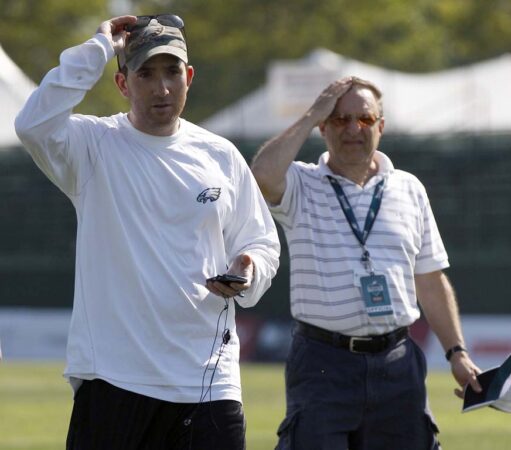
Banner (with an assist from his then-administrative assistant, Lee Ann Hartley, who gets name-dropped in the episode), also invented Howie Roseman, who since has led the Eagles to three Super Bowls, two championships, and today generally is considered the NFL’s top executive.
But everybody has a godfather.
Banner served a similar role to Stein, a North Philly kid who played receiver for Ron Cohen at George Washington High School and rose from fringe-player agent to the role of senior vice president for 22 years with the Bears, until regime change in 2023 ended his tenure.
Stein, 59, then became a consultant for college programs dealing with NIL challenges, helped develop software called Front Office 360 to help schools manage their salary caps, and, of course, started the pod. He’s already hosted super-agents Drew Rosenhaus and Peter Schaffer, and he has about 30 more in the bank. None, he said, was as rewarding as the Banner pod.
“He’s not known as a very tall man, but he is a giant when it comes to negotiations,” Stein says, introducing Banner in anatomically and metaphorically appropriate terms.
Why Banner? Why now?
Because the business of the NFL was uncharted territory in the mid-’90s. Banner was Magellan. Now semiretired and semiforgotten by a generation that uses his methods but has no appreciation of their origins, it is important to Stein to shine light on Banner’s massive contribution, from negotiating stadium deals to navigating the cap to assigning values to players on the front and back ends of their careers.
“My biggest takeaway was the value of a negotiator in the role of a GM, and to show that’s what he was doing,” Stein said.
Banner’s one of the most respected sports executives, one of the most brilliant minds and canniest negotiators the NFL has ever seen. Some would even call him the Godfather.
From North Philly to the South Side
Stein got his business and law degrees at Temple, then began work as a union lawyer in 1994 when he also got his NFL agent’s license. Three years later he partnered with Jerrold Colton, continued his law practice, and acted as agent for a few low-level players such as former Eagles offensive lineman Jerry Crafts and kick returner Michael “Beer Man” Lewis, the 29-year-old Arena Football League speedster who delivered Budweiser but did not play college football. The Eagles cut Lewis in 2000, but he eventually reached the Pro Bowl with the Saints.
In 2002, the Bears solicited Stein’s application to be their contract negotiator. He spent much of the next 22 years in that role and several others as senior vice president and general counsel, a vital adviser for Bears executives and ownership, until Kevin Warren was hired as president in 2023 and dismissed him.
Banner was instrumental in nurturing Stein’s development.
The podcast is 75 minutes of two of the deepest sorts of sports insiders discussing not only the inner workings of the NFL’s well-cloaked business models and practices but also the origins of those practices in the salary-cap, free-agency world, the very creation of which they played a crucial role.
Detail-oriented pod
That’s the word that keeps popping up: detail. Banner’s philosophy in preparing to negotiate: be detailed. The key trait in every hire Banner makes or recommends: obsession with detail.
Stein learned from Banner, and the stories in the podcast episode are clinically detailed.
They discuss how, under Banner, the Eagles used principals of analytics years before the Moneyball revolution coalesced in the later 2000s.
The most poignant anecdote involves Roseman’s biggest hit. In 2004, as a low-level assistant — director of football administration — Roseman, in his fifth year with the organization, was eager to add a kid named Jason Peters. At that time, Peters not only was a rookie tight end, but he was on the Buffalo Bills’ practice squad. It would have cost the Eagles nothing to acquire him except a minimum salary. Coach Andy Reid didn’t want to use the roster spot for Peters.
Four years later, again at the insistence of Roseman, who now was vice president of player personnel, Banner traded three picks for Peters, gave him a six-year, $60 million contract, and watched him go to seven of the next eight Pro Bowls.
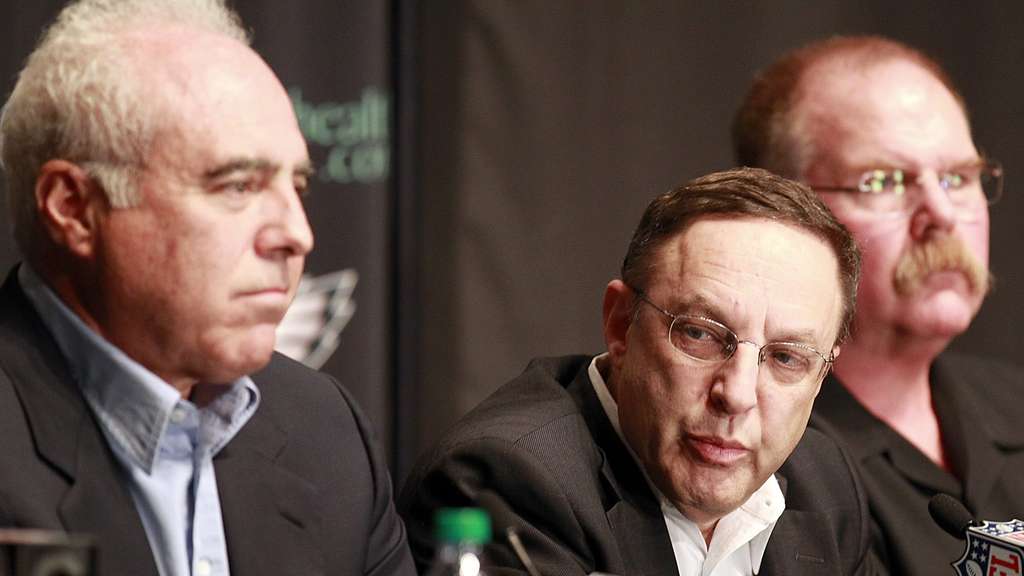
Joe Banner (center) and Jeffrey Lurie (left) came to the Eagles in 1994.
Banner had more stories Sunday afternoon, stories that didn’t make the pod. Such as:
Lurie bought the Birds in 1994, the same year Stein got into the agent game. As newcomers, Banner thought it would be wise to introduce himself and Lurie by entertaining the adversaries.
In October 1994, at the owners’ meetings in Chicago, Banner and Lurie hosted a cocktail hour for the Eagles’ agents at the time. This was tantamount to Abraham Lincoln, in 1863, inviting Jefferson Davis and his generals to Thanksgiving dinner. The other owners and league office were furious.
Banner claimed ignorance.
“We were flagrantly breaking the ‘rules,’” Banner said, “But we honestly didn’t realize how bad a line we were crossing.”
When Stein was with the Bears, they regularly crossed that line.
Later in the podcast, in addressing the number of front-office executives who began their careers under Banner, Stein recalled his introduction to Roseman.
For months, Hartley had received and rebuffed Roseman’s daily letters pleading to join the Eagles — a plea he sent to virtually every other team, too — in any capacity. Roseman’s persistence impressed her, which, Stein said, was key: “I knew that if someone like Lee Ann likes you, you’re going to get the respect of Joe Banner and Jeffrey Lurie.”
In 2000, after Jets GM Mike Tannenbaum met and vetted Roseman — a Fordham Law graduate, just like Stein — Banner finally relented and gave Howie an interview.
“I think I saw a little of me in him,” Banner said.
Banner then fired his current numbers guy and hired Roseman, who took up residency on the corner of Hartley’s desk outside of Banner’s office on the fourth floor of Veterans Stadium. And the rest, as they say, is history.
Fast forward
Stein says he’s content to continue his life in Chicago to be near his two grown children, unless some team comes at him with an offer he can’t refuse. For now, he’s eager to plumb the podcast depths. He says he’s gotten a commitment from an executive who said he’d never do a podcast but changed his mind after seeing the Rosenhaus pod.
Until then, Stein is positively giddy at the chance that the Eagles might make Hartley available for an episode. She now is the vice president and senior adviser to Lurie; essentially, the job she used to do for the president she now does for the owner.
Imagine the stories she could tell.
“I’m going to do a behind-the-scenes on someone who knows everything about the business, part of the NFL population that never gets credit,” Stein said. “To have her as a potential guest? I mean, she’s half the reason Howie got hired!”
As for Banner, he left the Eagles in 2012 to become Cleveland’s CEO, but he was out by 2014. He’s been an adjunct professor at Villanova, a role in which Stein, still in Illinois, now serves at Northwestern. Banner has acted as a consultant on dozens of NFL coach and executive searches; cofounded the 33rd Team group of football consultants with Tannenbaum; acted as an adviser during the 2021 NFL CBA negotiations; and has sat on the board of Patricof Co, a venture capital firm that caters to pro athletes.
In his dotage, Banner, like so many, splits time between Maine and Florida, enjoys his grandchildren, and hopes to stay relevant and appreciated.
The pod, and maybe this column, will serve that end.
“I gotta say, I feel like that 45-year-old golfer who’s leading the Masters after the first round,” Banner said with a chuckle.
Well, Jack Nicklaus won it at the age of 46. Banner might not be the Nicklaus of the NFL, but he’s at least the Fred Couples of the boardrooms.
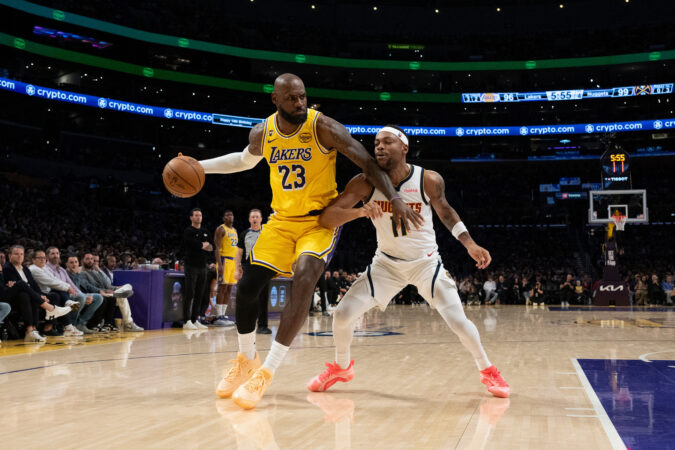
Coming out of the holiday weekend, the 76ers and NBA at large are still on LeBron James Watch.
Free agency’s initial wave also is over, with players beginning to officially sign new contracts after the moratorium lifted. The Sixers’ new deals with Dean Wade and Anfernee Simons were officially announced Monday afternoon, as was the blockbuster trade for All-NBA forward Jaylen Brown.
Those moves leave the Sixers with only a veteran’s minimum contract available to fill their final full-time roster spot. One two-way slot also is available.
It is still possible, however, to find productive players on those types of small deals. Kelly Oubre Jr. joined the Sixers on a veteran’s minimum contract in September of 2023, before three productive seasons. Last year, Dominick Barlow signed a two-way contract in the middle of summer league, before becoming a part-time starting forward and getting converted to a standard deal.
If James decides to play elsewhere, here is a breakdown of still-available free agents that could fill that spot instead:
Trendon Watford
After the Sixers declined the team option for 2026-27 in Watford’s contract, the versatile forward remains uncommitted to a new team. Perhaps he has already signaled his plans to move on no matter what, after he posted Future’s song “Ain’t Coming Back” on his Instagram story shortly after his option was declined. But if he lingers on the market, could a return to Philly be possible? Though Watford was not a consistent member of the Sixers’ rotation, his close friendship with All-NBA guard Tyrese Maxey is a perk.
The Sixers declined Trendon Watford’s option this summer but he remains unattached to a team.
Bruce Brown
Brown played a critical role on the Denver Nuggets’ 2023 NBA championship team. Though his return to Denver last season did not feature the same scoring impact, he is still regarded as an offensive connector and played in all 82 games. He averaged 7.9 points, 3.9 rebounds, and 2.1 assists last season.
Khris Middleton
Once an All-Star and running mate for Giannis Antetokounmpo on the Milwaukee Bucks’ 2021 title team, the 34-year-old Middleton has been derailed by injuries in recent seasons but still flashes ability to get his own shot. He averaged 10.2 points on 42% shooting, along with 3.7 rebounds and 2.8 assists, in a 2025-26 season split between the Washington Wizards and Dallas Mavericks.
DeMar DeRozan
DeRozan, who was reportedly waived by the rebuilding Sacramento Kings on Monday, is still a professional scorer. The six-time All-Star is expected to choose a contender as his next destination after averaging 18.4 points on nearly 50% shooting along with 4.1 assists in 77 games last season. Though deadly from the midrange, the 36-year-old DeRozan has never been a high-volume three-point shooter.
If the Sixers are a tad wary of the raw, unpredictable play of Adem Bona (whose $2.3 million salary for 2026-27 becomes guaranteed Tuesday) and free-agency addition Ariel Hukporti, Richards is a capable veteran option at backup center. He averaged 5.8 points and 5.1 rebounds in 14.6 minutes last season split between the Phoenix Suns and Chicago Bulls.
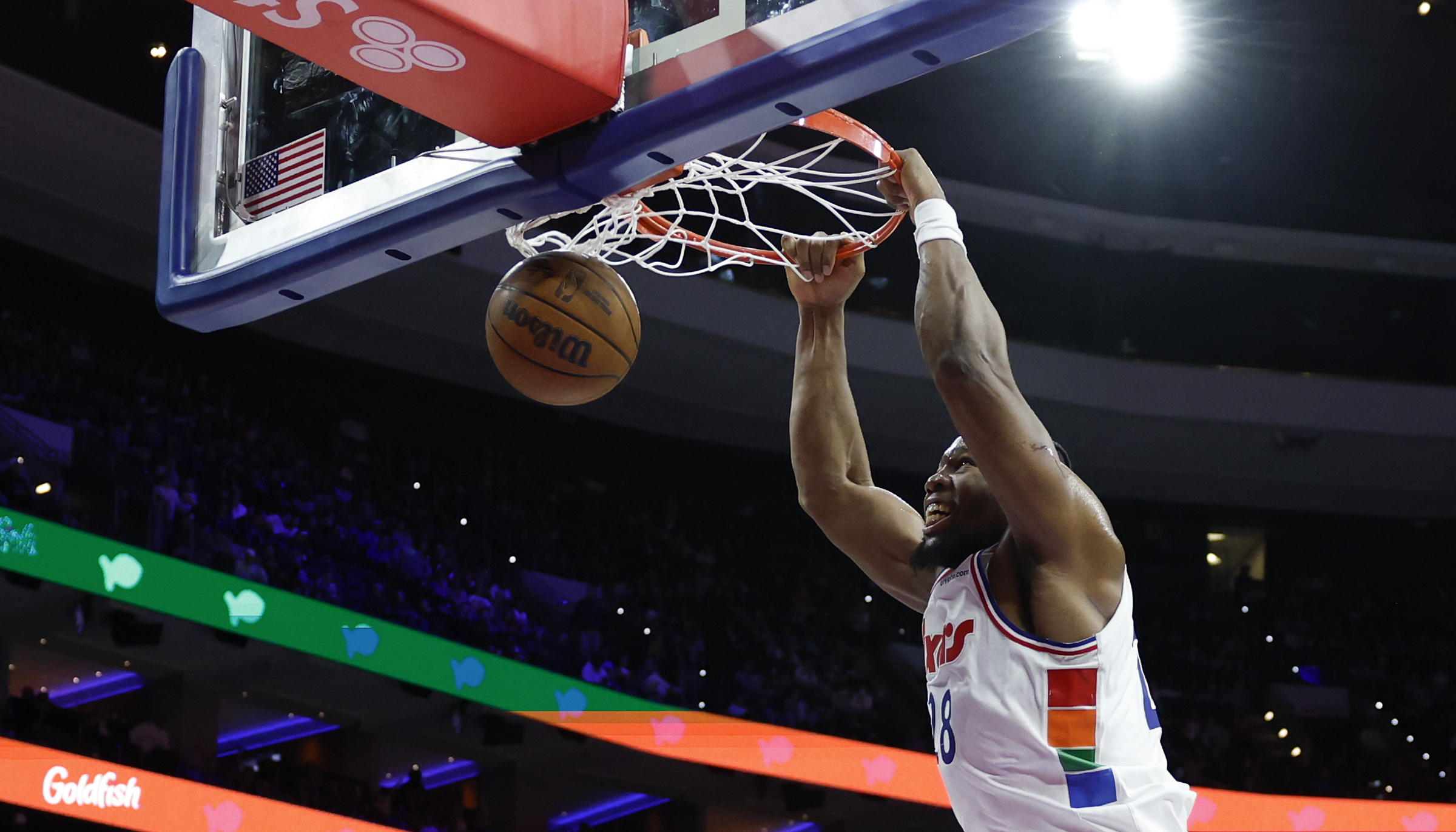
Guerschon Yabusele
A rare feel-good story during the Sixers’ disastrous 2024-25 season, Yabusele parlayed his NBA comeback into a pay raise with the New York Knicks. To say things did not work out in New York is an understatement, and he was traded at the deadline to the Bulls. Could he successfully slide back into a complementary frontcourt role with the Sixers? Or will his performance two seasons ago go down as a career anomaly on a bad team?
Guerschon Yabusele had a stellar season for the Sixers in 2024-25 but did not see similar success with the New York Knicks.
Kevon Looney
A Bob Myers connection, Looney spent his first 10 NBA seasons developing into a well-regarded big man on the Golden State Warriors dynasty teams. The 30-year-old only played in 21 games last season for the New Orleans Pelicans, but is another beloved locker room presence.
Nico Batum
The Los Angeles Clippers declined Batum’s $5.9 million team option last weekend, making him an unrestricted free agent. Sixers coach Nick Nurse (and Joel Embiid) had an affinity for Batum’s veteran savvy during his time with the Sixers in the 2023-24 season, when he swung the play-in game against the Miami Heat with his three-point shooting and even became the team’s designated inbounds passer. But he is 37 years old and feels deep family connections to Los Angeles and the West Coast.
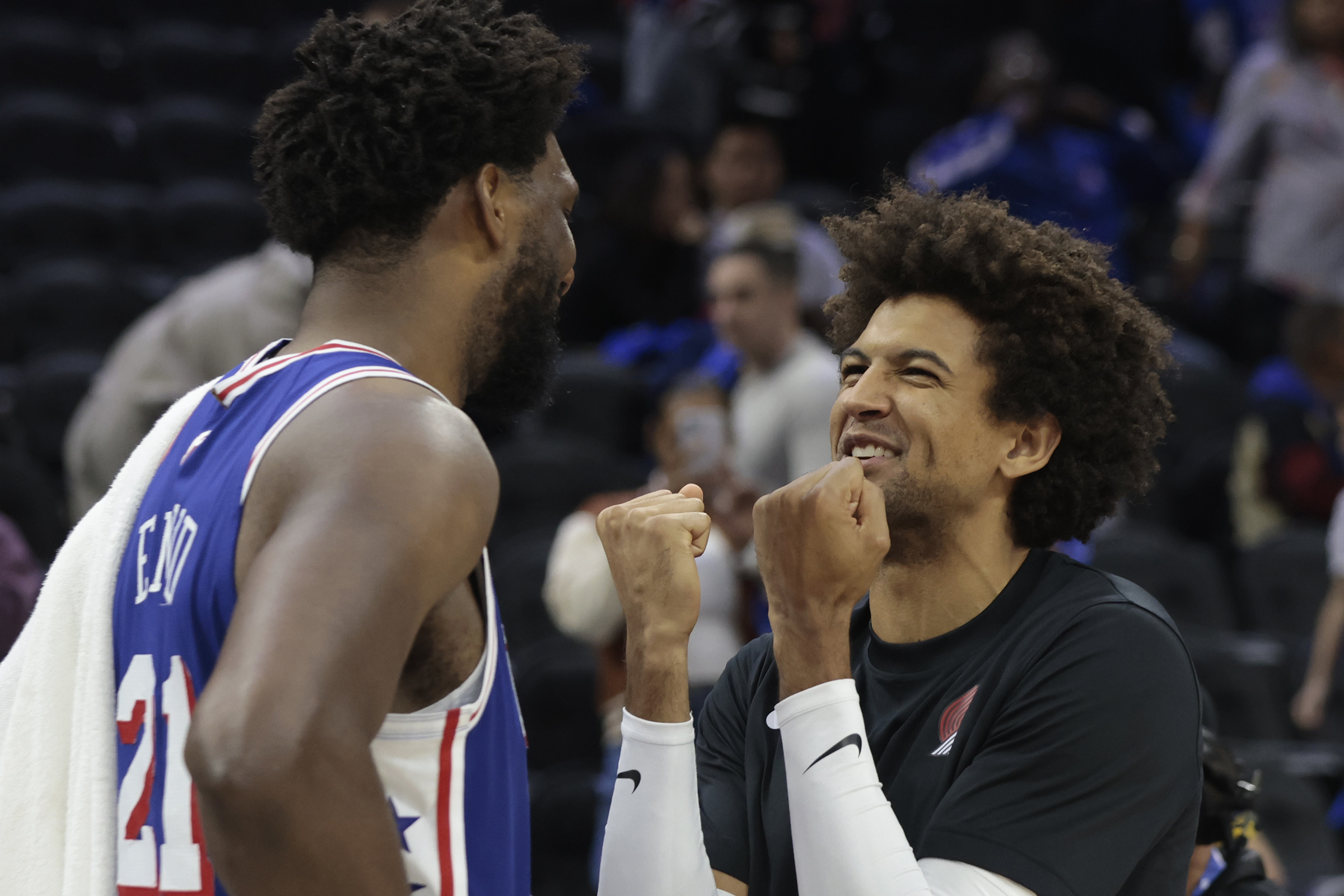
Matisse Thybulle
The former Sixers wing was once a member of the NBA’s All-Defensive Team before being traded at the 2023 deadline. He went through injury struggles in parts of four seasons with the Portland Trail Blazers but had a strong finish to 2025-26. He averaged 2.0 steals and shot 39.8% on 3.3 three-point attempts in 30 regular-season games, and played double-digit minutes in three of Portland’s five playoff games against the San Antonio Spurs.
Matisse Thybulle has been affected by injuries over four seasons with the Portland Trail Blazers after serving as a key defensive cog in Philly.
KJ Martin
The former Sixer is a non-shooter but hyper-athletic forward who is a lob threat with defensive versatility. He also displayed ability as a small-ball center, and in playing in the short roll alongside Maxey. Last season, he played for the Ningbo Rockets of the Chinese Basketball Association.
Gary Payton II
Another Myers connection, Payton has been a physical defender even going back to his college days. The 33-year-old averaged 7.5 points, 3.6 rebounds, and 1.7 assists in 73 games for the Warriors last season.
Amir Coffey
Coffey boasts prototypical wing size at 6-foot-7 and 210 pounds. He also is a career 38.2% shooter from beyond the arc, including when he connected on nearly 41% on 3.4 attempts in 72 games for the Los Angeles Clippers in 2024-25.
Ben Simmons
Obligatory inclusion of Simmons, who recently told Men’s Health that he is attempting an NBA comeback and would consider a return to the Sixers.
Citizens Bank Park will host the 96th All-Star Game on July 14, a showcase for the game’s best with a healthy contingent of Phillies.
After two phases of fan voting, Major League Baseball announced the starters on Saturday along with the reserves and pitchers. The remaining roster spots were determined through a players’ ballot and the commissioner’s office.
Let’s meet the cast of stars who were selected to play in South Philly (statistics through Sunday):
(Editor’s note: This story has been updated with roster moves on Tuesday).
American League starters
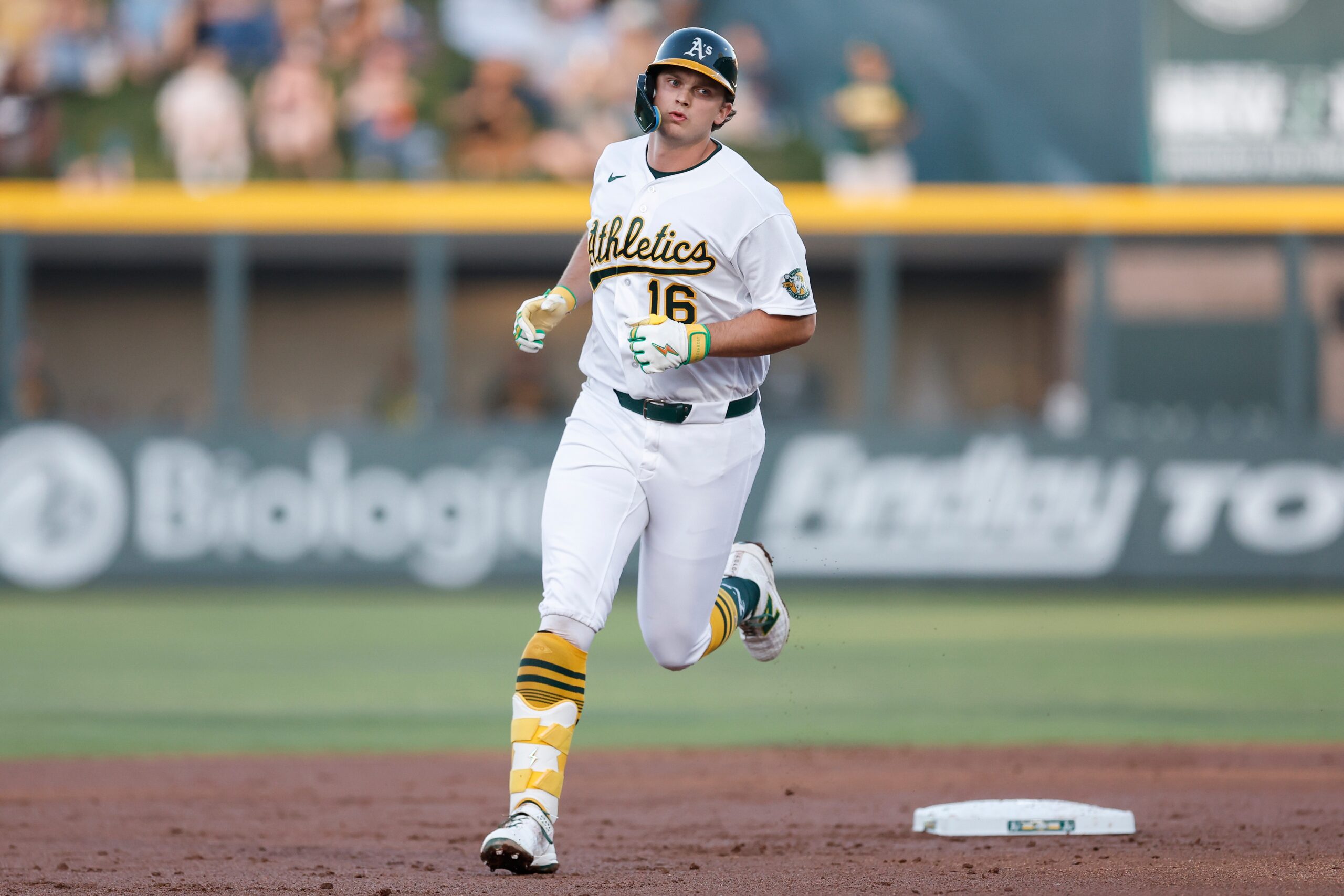
First base: Nick Kurtz, Athletics
All-Star selections: First
2026 stats: .275/.415/.512, 20 HR, 66 RBIs
What to know: Kurtz gets the starting spot at first after top vote-getter Vladimir Guerrero Jr. declined to play as he recovers from a lower back issue that has plagued him for weeks. The 23-year-old Kurtz won the AL Rookie of the Year last season and is on pace to have an even better season in 2026.
All-Star stat: Kurtz is an on-base machine. He leads baseball with 76 walks and is second in walk percentage (.189) and on-base percentage (.415). And when he makes contact, he mashes. He’s in the 99th percentile in hard-hit percentage, up from the 92nd last season.
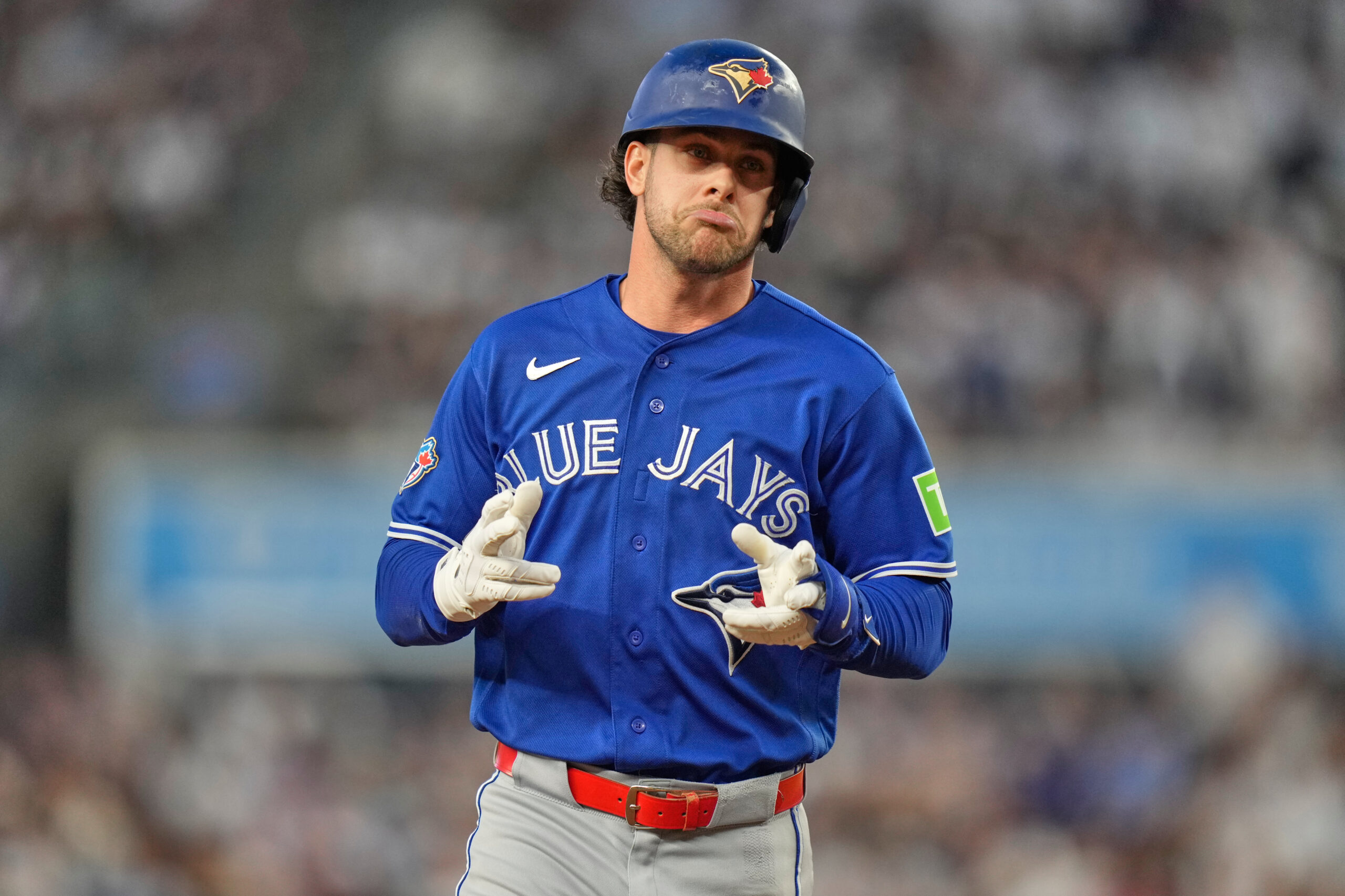
Second base: Ernie Clement, Blue Jays
All-Star selections: First
2026 stats: .293/.316/.429, 7 HR, 29 RBIs
What to know: Clement was the top vote-getter in the AL for Phase 1, earning him a starting nod. It’s the latest achievement for an unlikely star, who has become a fan favorite in Toronto and delivered a record-setting postseason performance with 30 hits during the Jays’ run to the 2025 World Series.
All-Star stat: Clement is among the game’s toughest hitters to strike out with a 9.9% whiff rate, which is in the 97th percentile among MLB hitters.
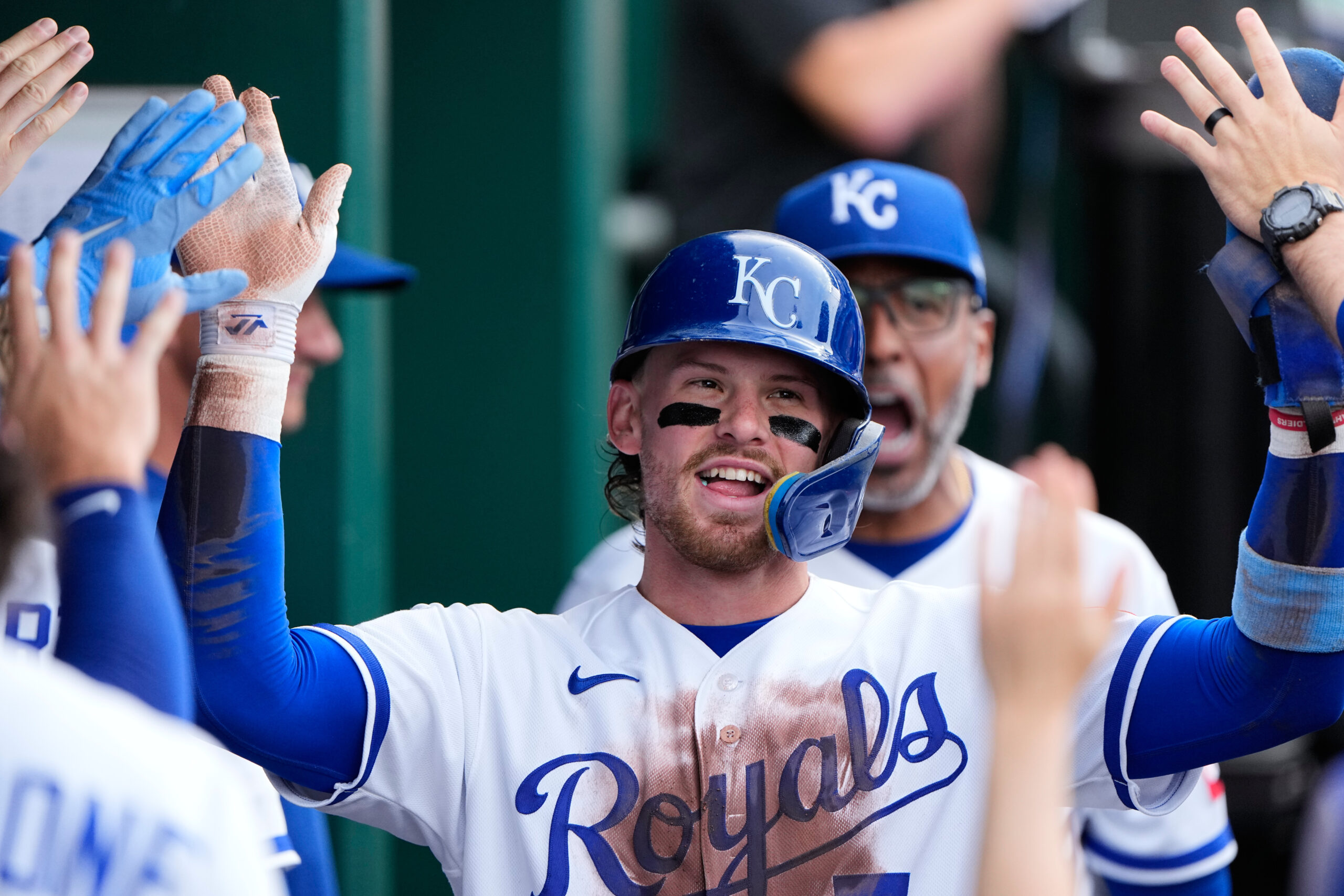
Shortstop: Bobby Witt Jr., Royals
All-Star selections: Third
2026 stats: .290/.362/.466, 12 HR, 36 RBIs, 30 SBs
What to know: A Team USA teammate of Bryce Harper and Kyle Schwarber in the World Baseball Classic in March, Witt Jr. is a five-tool player who is in the 99th percentile in sprint speed and is second in fielding range (outs above average). He’s averaged 23.4 home runs, 81.8 RBIs, 35.6 stolen bases, and an .842 OPS in his five major league seasons.
All-Star stat: Witt Jr. leads the American League with 4.7 WAR (Baseball Reference), and is fourth in baseball.
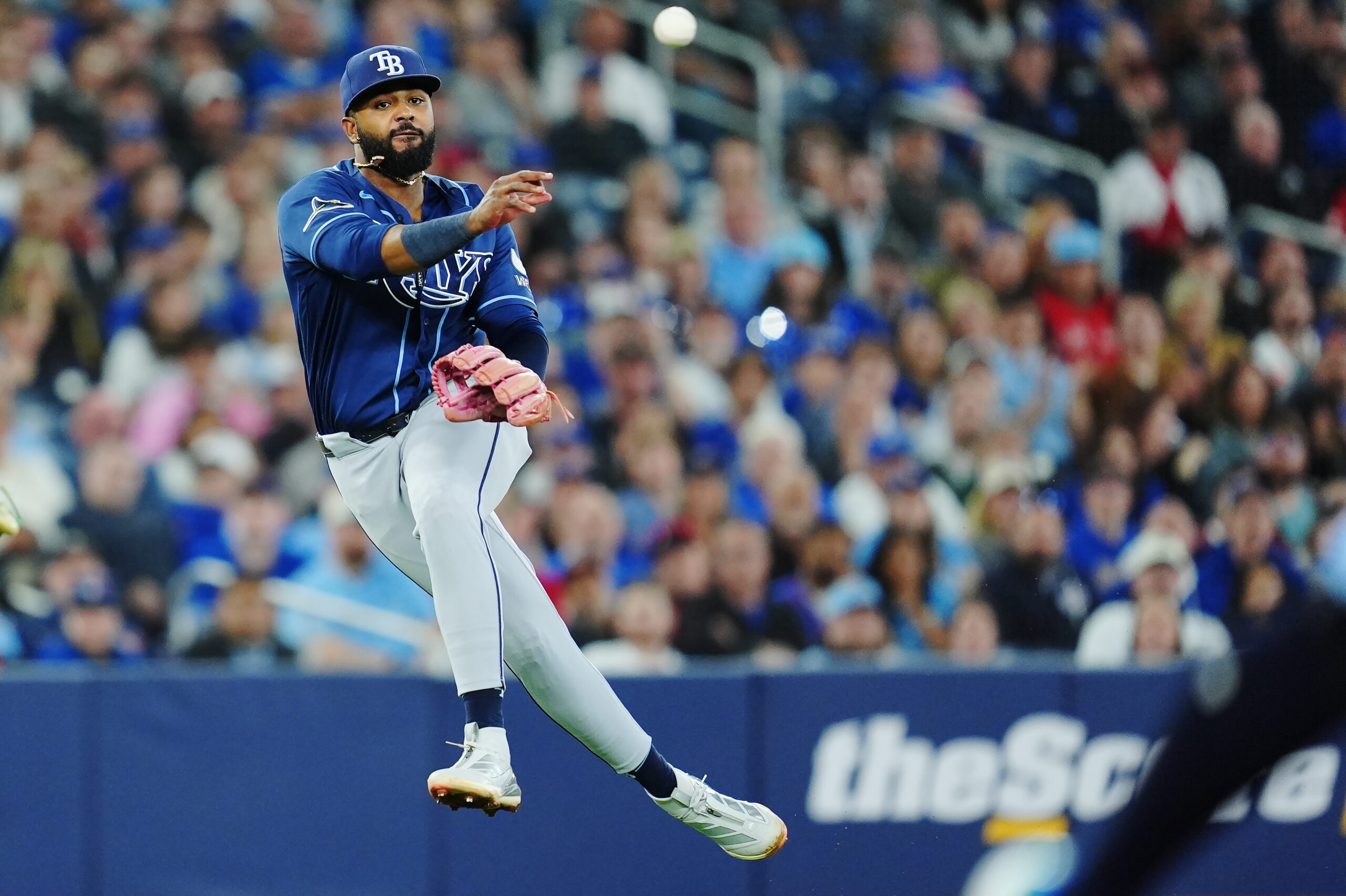
Third base: Junior Caminero, Rays
All-Star selections: Second
2026 stats: .288/.378/.561, 26 HR, 56 RBIs
What to know: The 23-year-old Caminero, who also will compete in the Home Run Derby, is starting his second straight All-Star Game, but this is his first time being voted in. Nicknamed “La Máxima,” Caminero has a brother named Girardi, after former Phillies manager Joe Girardi, then the manager of the Yankees.
All-Star stat: Caminero has elite bat speed, averaging 79.9 mph, tops in baseball, and has a hard-hit rate of 51.7%, a career best and in the 93rd percentile in MLB.
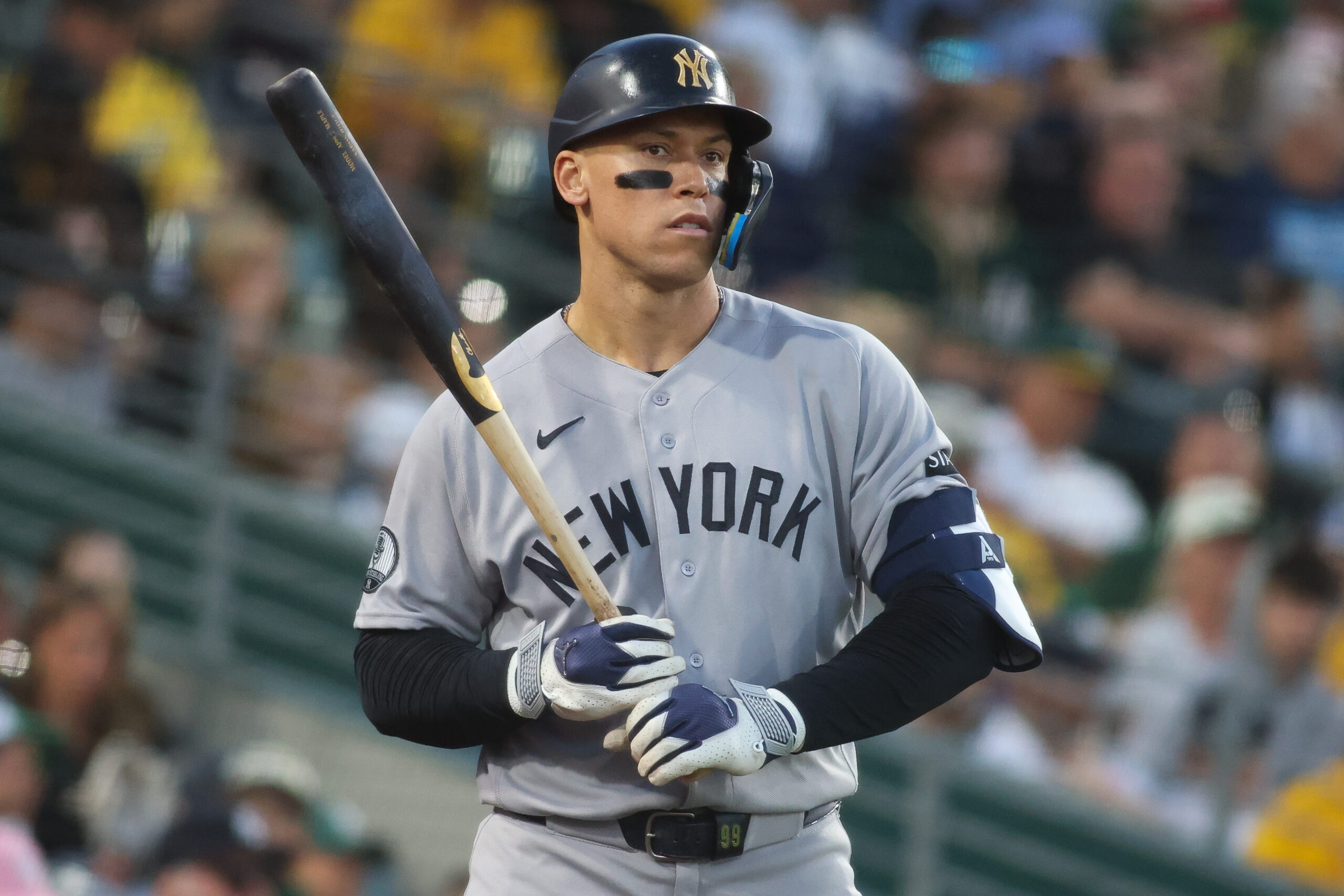
Outfield: Aaron Judge, Yankees
All-Star selections: Eighth
2026 stats: .248/.375/.533, 17 HR, 38 RBIs
What to know: The reigning AL MVP won’t play in the game because of a fractured rib that has kept him out since early June and will sideline him likely into August.
All-Star stat: Not much has stood out from Judge’s 2026 season, on pace to be his worst non-COVID season since 2019. But he’s Aaron Judge, and he has the Yankees fan base behind him voting.
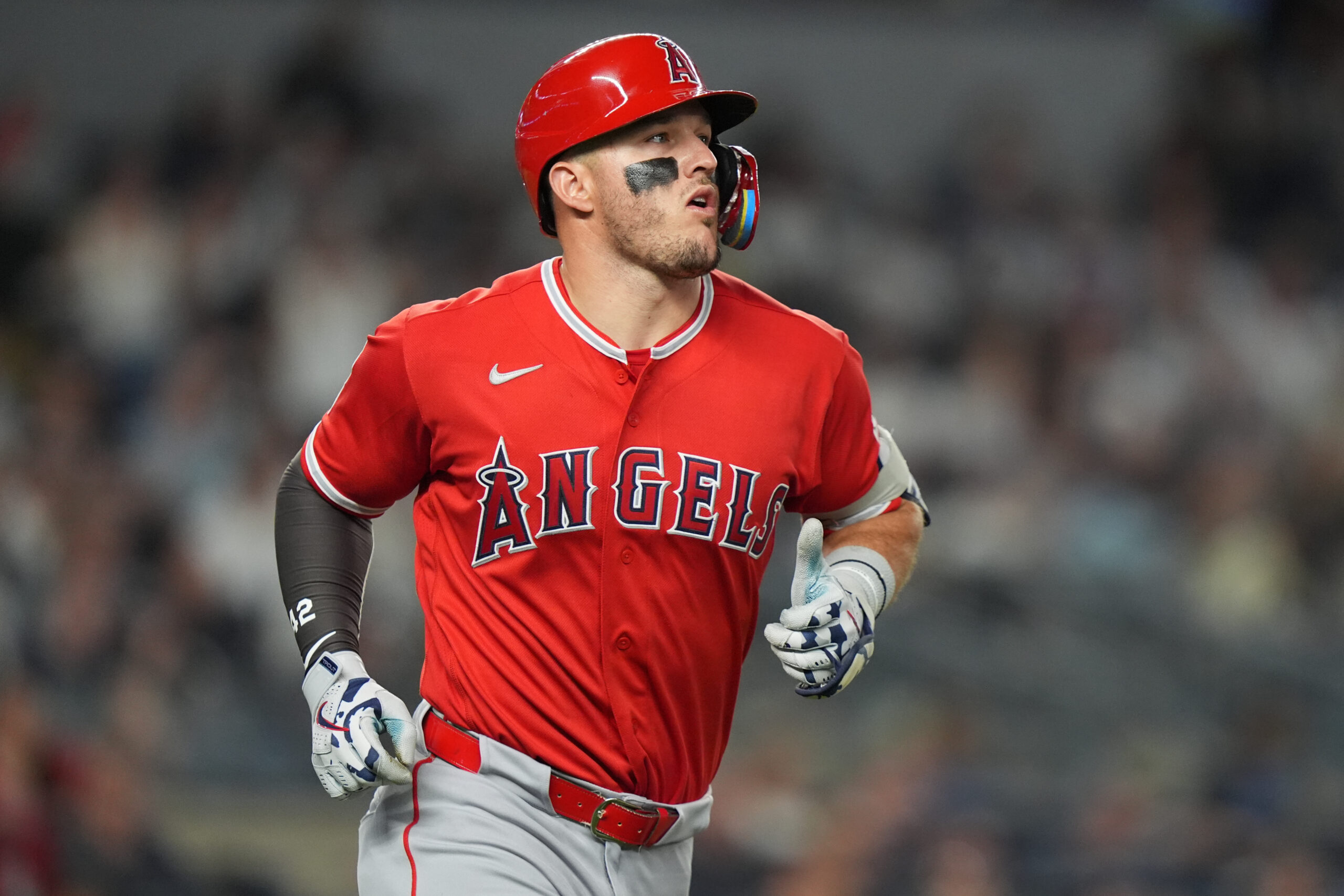
Outfield: Mike Trout, Angels
All-Star selections: 12th
2026 stats: .234/.394/.472, 17 HR, 36 RBIs
What to know: The three-time MVP’s 90.5 career WAR is tops among active players. After playing in 130 games last season — his most since 2019 — Trout has played in 74 of the Angels’ 91 games this season, but has been out since June 18 with a strained right hamstring. With the Angels going nowhere again, will the Millville native and rabid Eagles fan finally ask to be traded? Expect that to be a topic of conversation during All-Star festivities with the Phillies among the teams in the market for a right-handed hitter.
All-Star stat: A career .291 hitter, Trout is way down at .234, but his on-base percentage remains elite at .394. And with 17 home runs so far, he is on pace to surpass the 26 he hit last season, his most since his 40 in 2022.
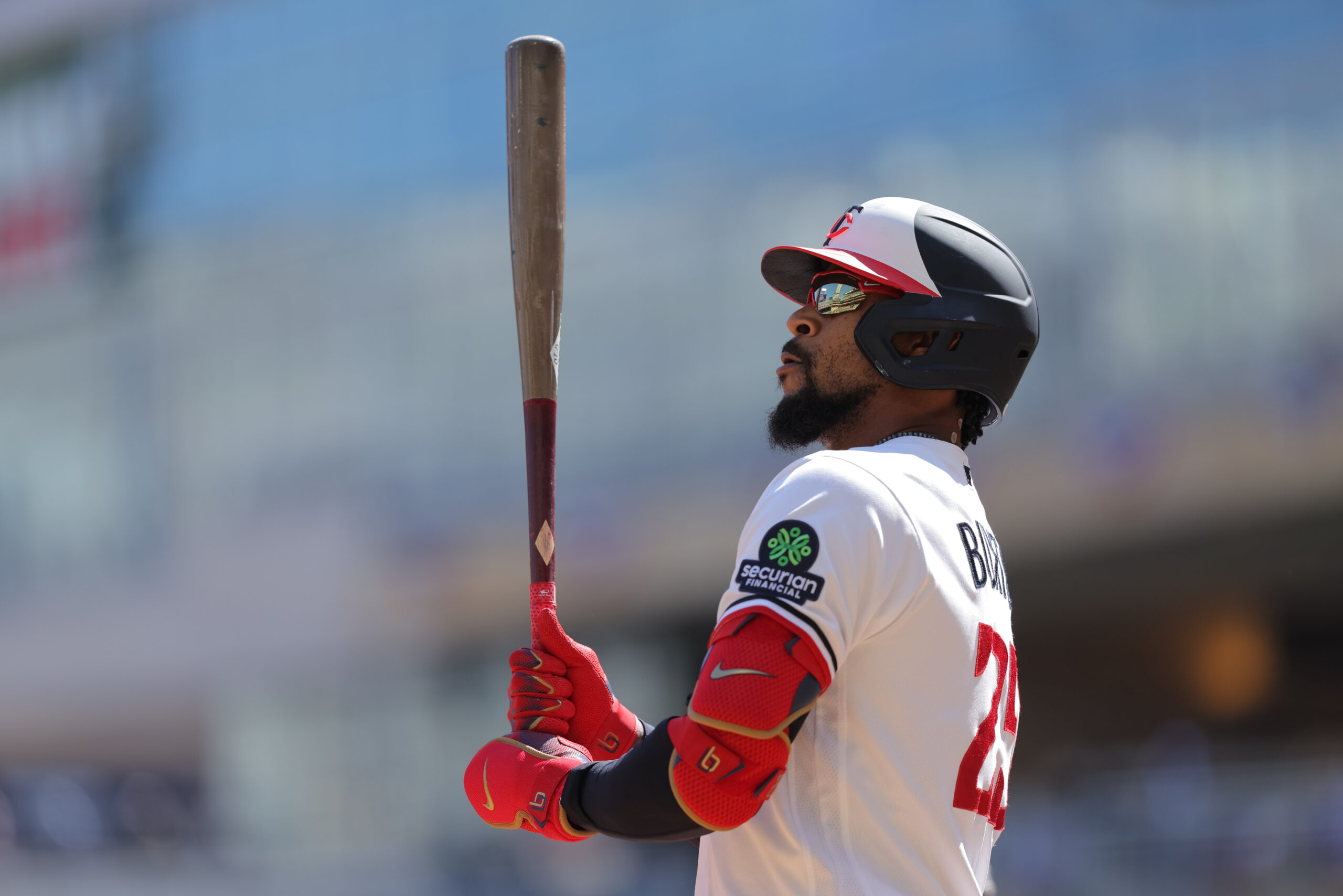
Outfield: Byron Buxton, Twins
All-Star selections: Third
2026 stats: .271/.328/.575, 25 HR, 45 RBIs
What to know: Another potential trade candidate for the Phillies playing in the All-Star Game, Buxton has said he’s not interested in moving on from the Twins. The 32-year-old still has elite speed, ranking in the 98th percentile in sprint speed, and remains one of the game’s top center fielders.
All-Star stat: After hitting a career high 35 home runs last season, Buxton is on pace to surpass that total in 2026. His 25 homers rank fifth in baseball.
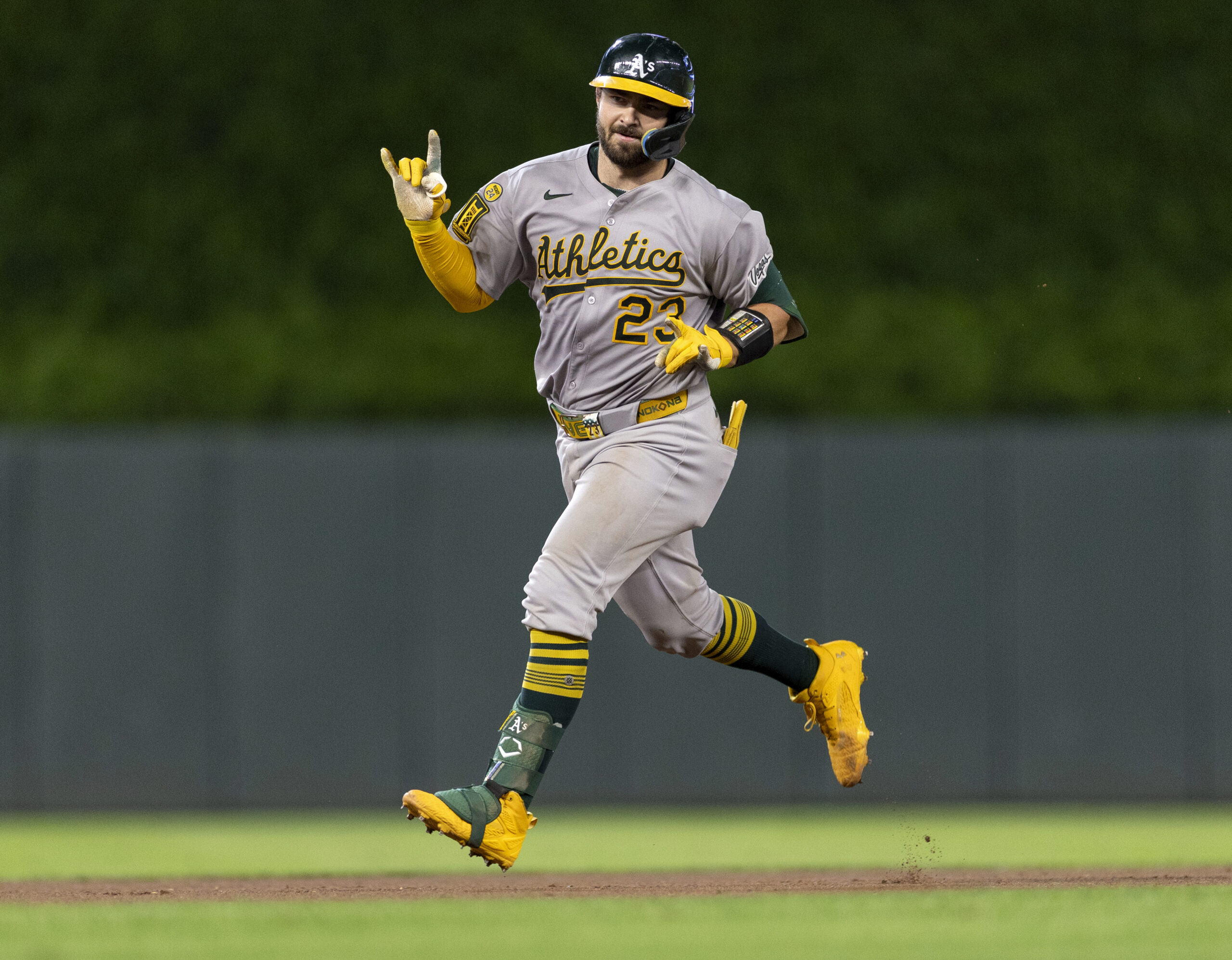
Catcher: Shea Langeliers, Athletics
All-Star selections: First
2026 stats: .264/.328/.494, 20 HR, 44 RBIs
What to know: The 28-year-old Langeliers has already notched his fourth straight season with at least 20 home runs. Only Cal Raleigh (133) has more home runs among catchers since 2023 than Langeliers (102).
All-Star stat: Langeliers posted a career-best 3.9 oWAR (offensive wins above replacement) in 2025, second among catchers again only to Raleigh’s 4.1. Langeliers has a 2.4 oWAR in 2026, trailing only Tigers catcher Dillon Dingler (3.2).
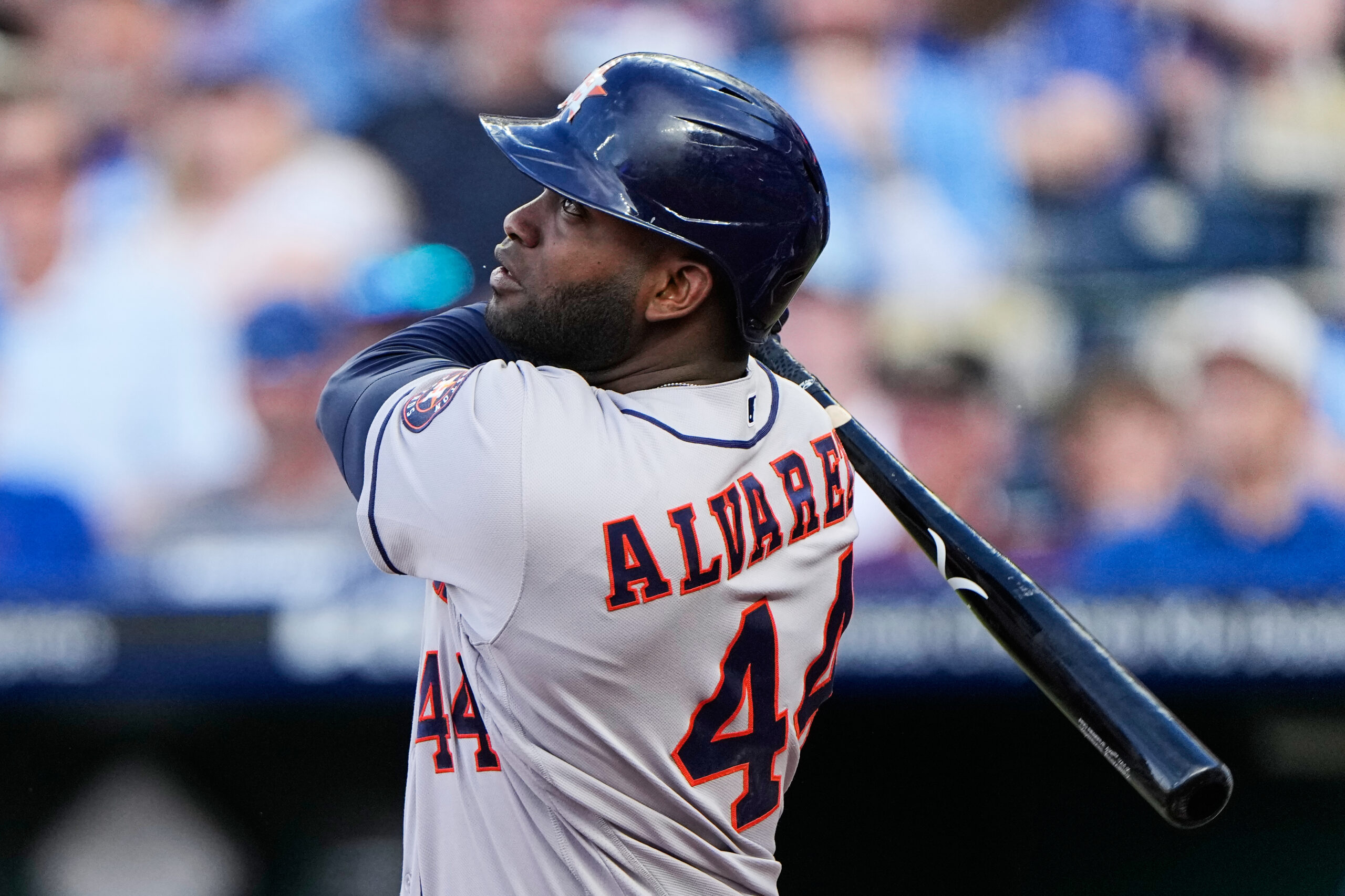
Designated hitter: Yordan Alvarez, Astros
All-Star selections: Fourth
2026 stats: .320/.429/.637 29 HR, 67 RBIs
What to know: Alvarez, who won AL Rookie of the Year in 2019 and finished third in MVP voting in 2022, is having another big season, topping baseball in OPS, on-base percentage, and slugging.
All-Star stat: Alvarez’s expected slugging percentage, which measures a hitter’s quality of contact, is the best in MLB at .718, a career high.
National League starters
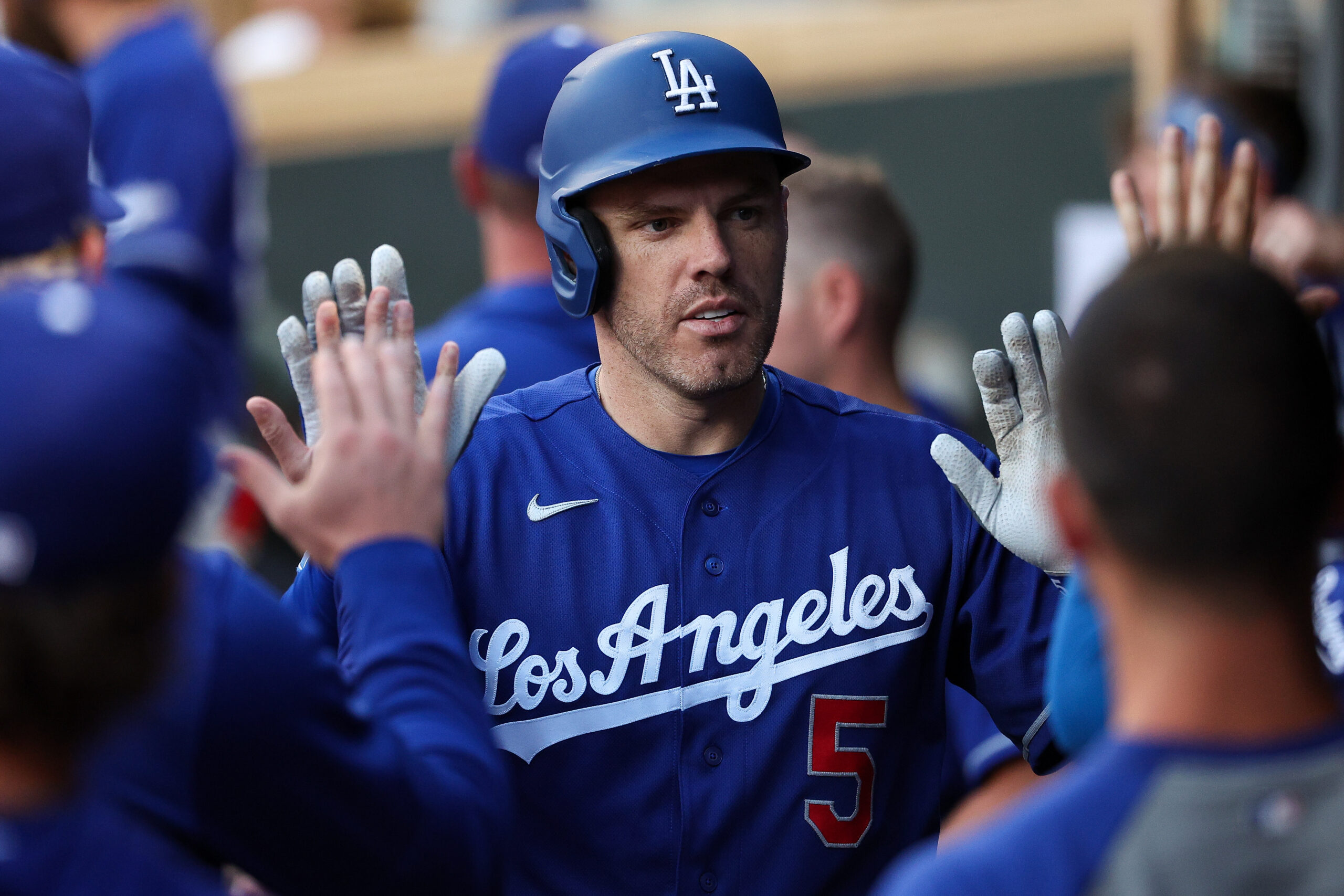
First base: Freddie Freeman, Dodgers
All-Star selections: 10th
2026 stats: .293/.383/.502, 15 HR, 49 RBIs
What to know: Freeman, 36, has appeared in every All-Star Game from 2018 to 2026, the only player in baseball to do so. This will be his sixth start and third with the Dodgers.
All-Star stat: One of the best pure hitters in the game, Freeman’s expected weighted on-base average (which measures the quality of a hitter’s contact regardless of factors beyond their control like defensive player abilities and dimensions of the ballpark) of .391 is in the 96th percentile and is up 40 points from 2025.
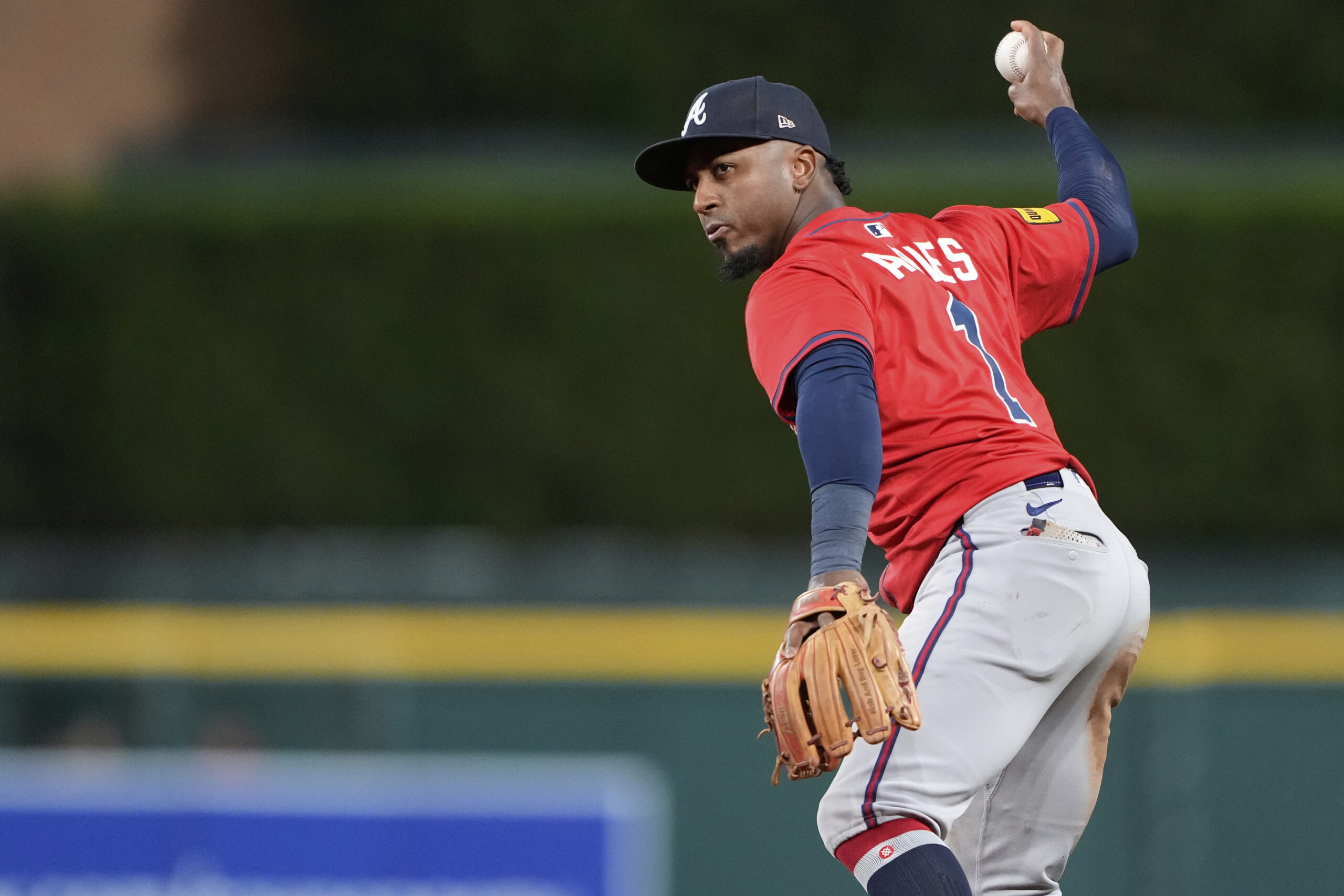
Second base: Ozzie Albies, Braves
All-Star selections: Fourth
2026 stats: .271/.322/.445, 14 HR, 49 RBIs
What to know: Albies topped Phillies second baseman Bryson Stott in Phase 2 of the All-Star vote. After getting off to a hot start (.908 OPS, seven homers, 20 RBIs) in the first month of the season, Albies has a .687 OPS since May 1.
All-Star stat: Along with decent power and speed, Albies has been one of the toughest hitters to strike out this season. His strikeout percentage of 11.9% is in the 94th percentile in the game.
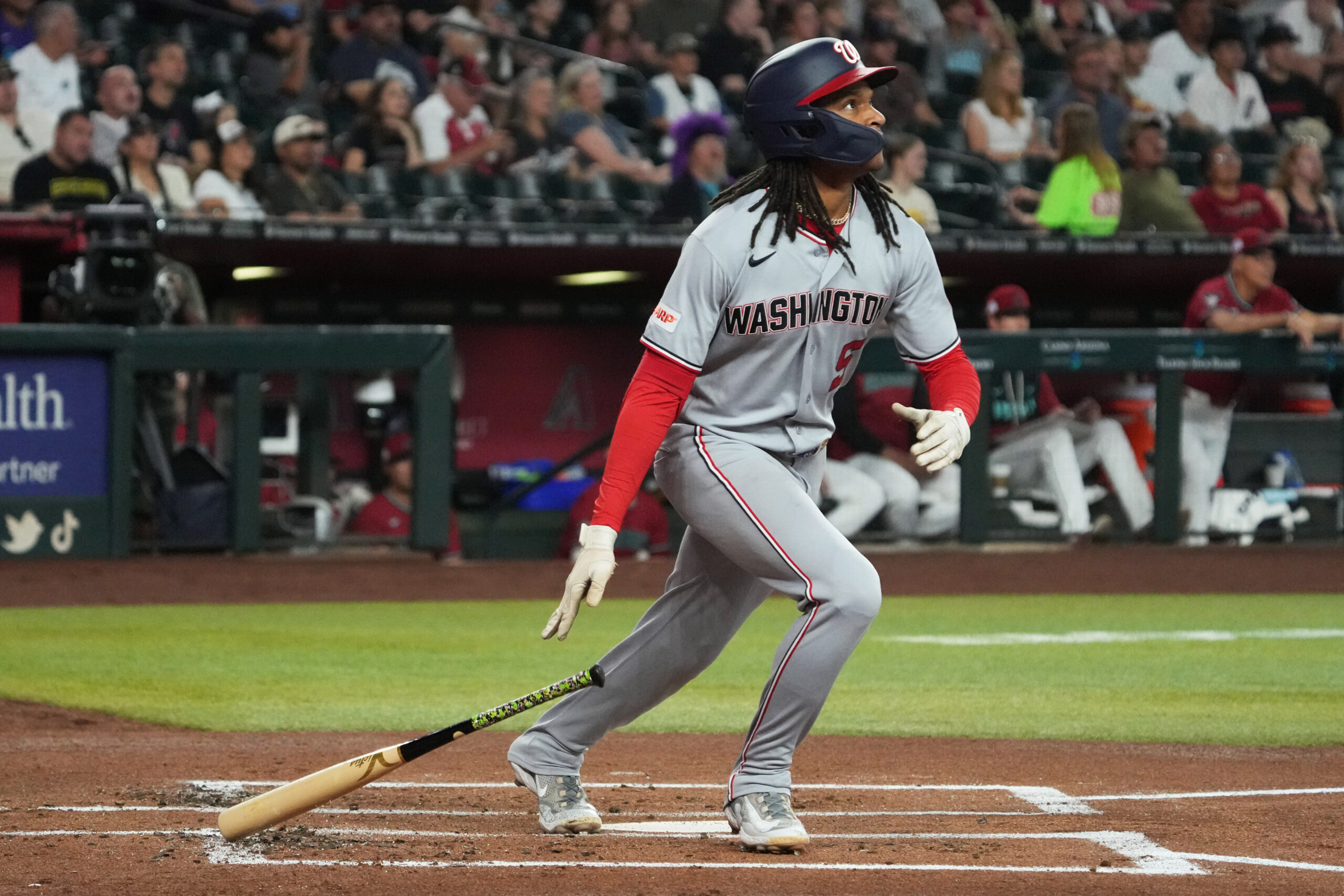
Shortstop: CJ Abrams, Nationals
All-Star selections: Second
2026 stats: .269/.348/.498, 18 HR, 61 RBIs
What to know: The speedy Abrams has improved his power metrics in his fourth full season with the Nationals. He has almost eclipsed his career high of 20 homers set in 2024 and has almost done the same with RBIs (his career best of 65 also came in 2024).
All-Star stat: Abrams’ slugging percentage is up 65 points from last season, and his average exit velocity has risen to a career-best 90 mph, which puts him in the 60th percentile among major leaguers.
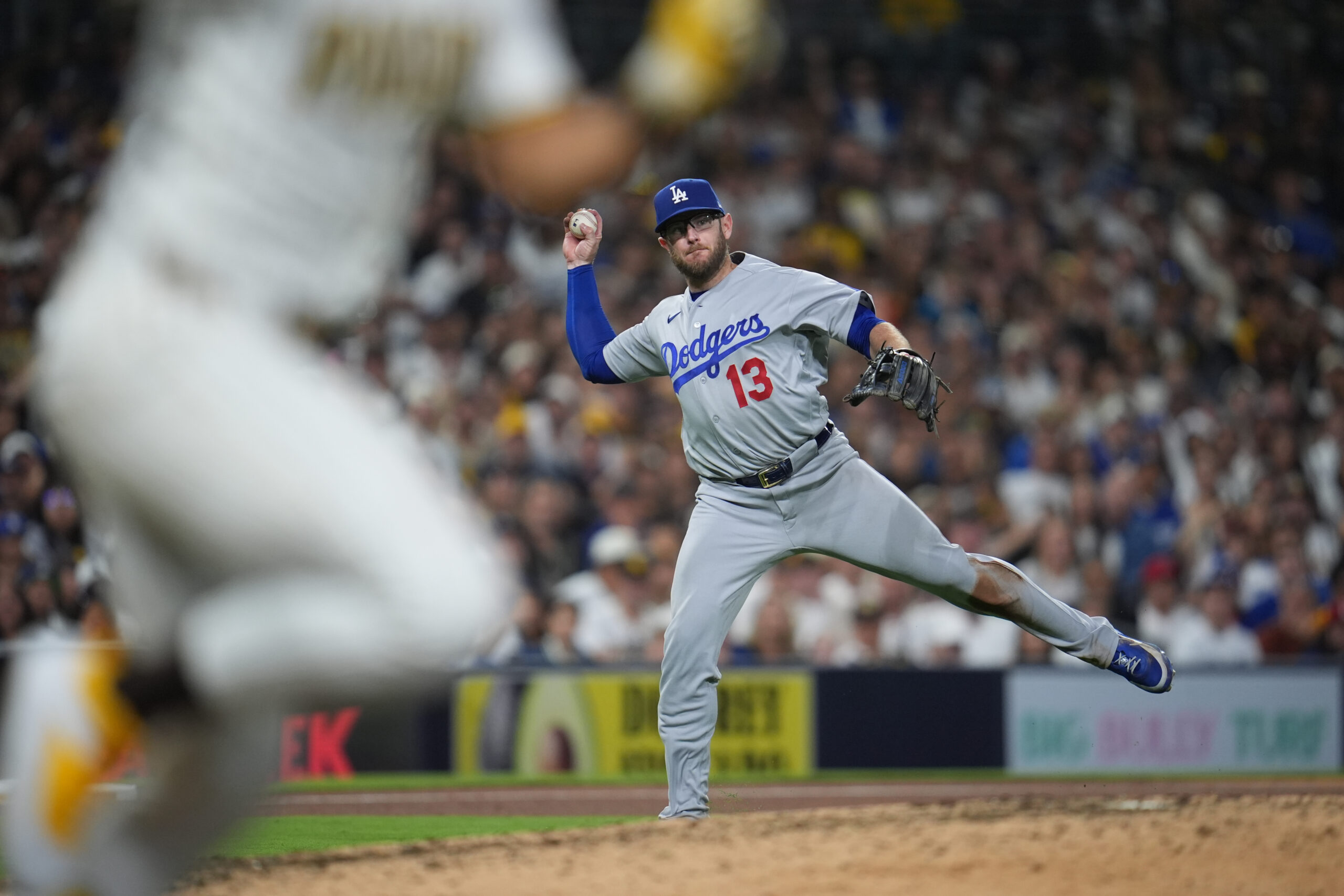
Third base: Max Muncy, Dodgers
All-Star selections: Third
2026 stats: .264/.358/.504, 17 HR, 39 RBIs
What to know: Muncy beat out the Phillies’ Alec Bohm to become the first Dodger to start an All-Star Game at third base since Ron Cey in 1977.
All-Star stat: In addition to boosting his batting average and maintaining his power stroke, the 35-year-old Muncy is having his best defensive season at third base. His outs above average is in the 93rd percentile of all major leaguers, by far the best of his career at third base.
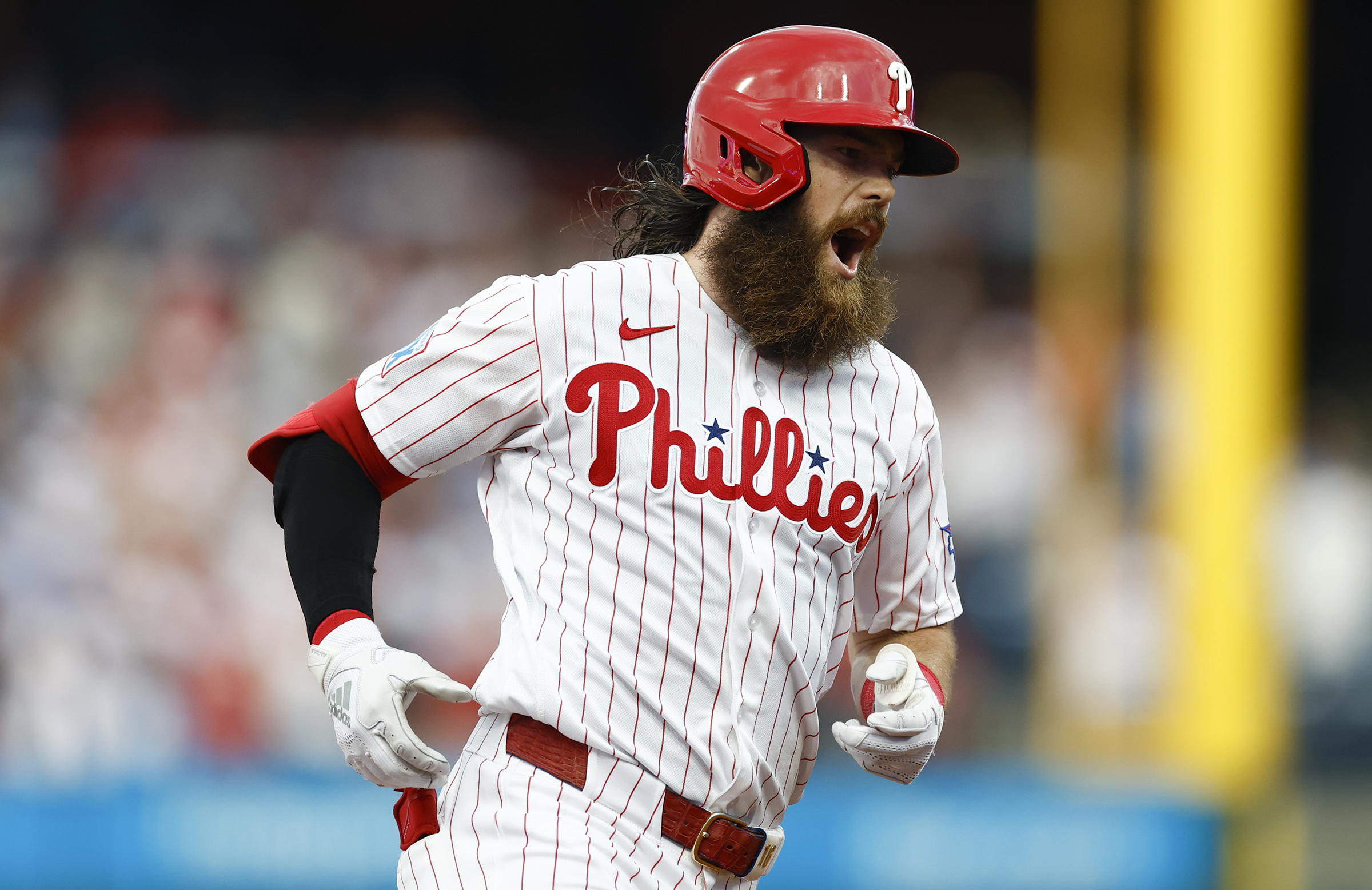
Outfield: Brandon Marsh, Phillies
All-Star selections: First
2026 stats: .309/.341/.511, 15 HR, 46 RBIs
What to know: Marsh has broken through as an All-Star starter in his fourth full season with the Phillies, proving that he can hit enough against lefties to be an everyday player. A career .208 hitter against lefties entering this season, Marsh is batting .264 against southpaws in 2026.
All-Star stat: While Marsh is swinging at almost anything (his 38.6% chase rate is in the bottom 10% of the league and is the highest of his career), he is crushing pitches in the zone. He is among the best in the game with a 46.1% launch angle sweet spot rate (99th percentile).
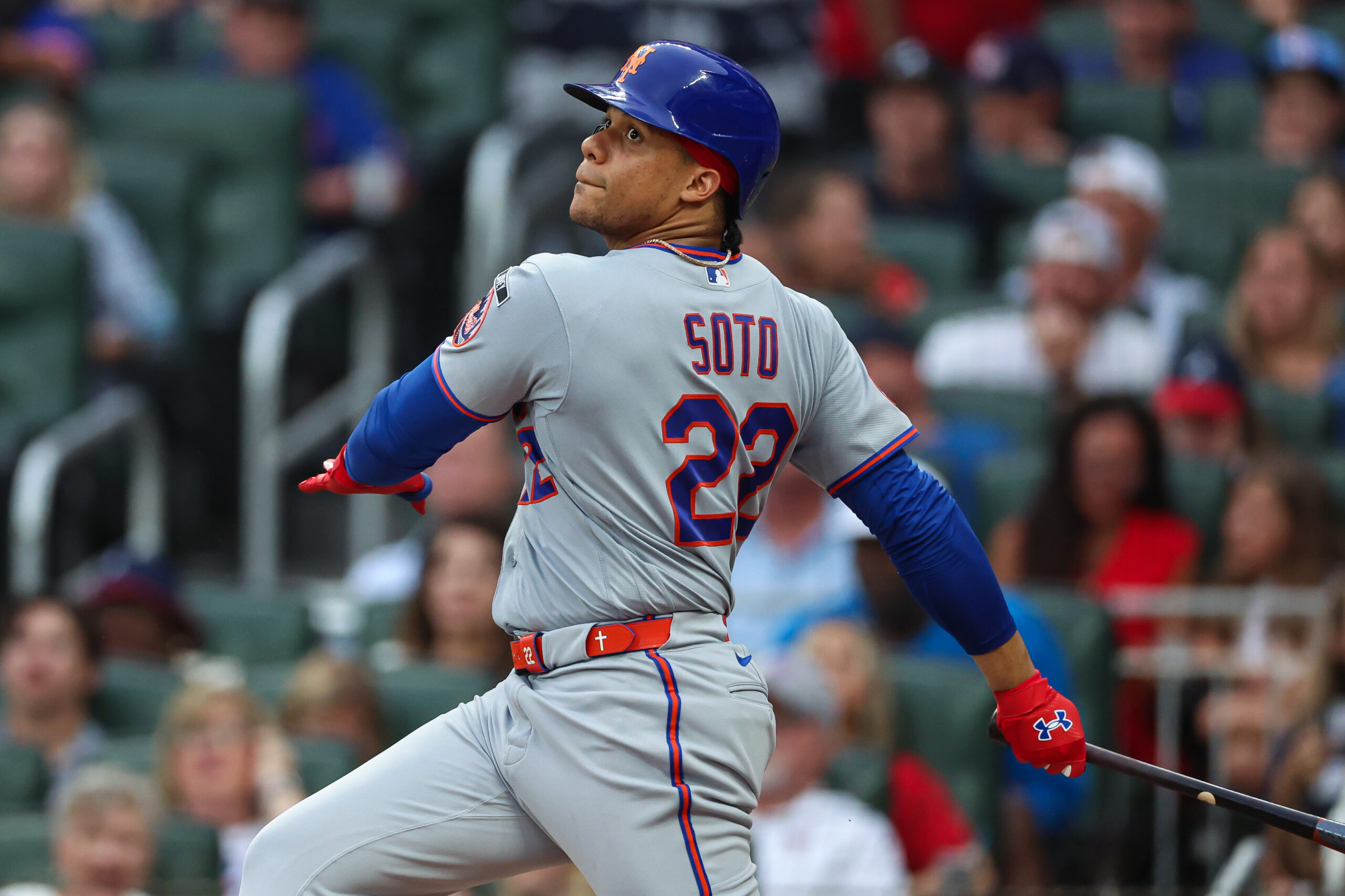
Outfield: Juan Soto, Mets
All-Star selections: Fifth
2026 stats: .299/.407/.559, 18 HR, 43 RBIs
What to know: The Mets’ $765 million man is having an elite season even if his team has underwhelmed, sitting in last place in the NL East. He leads baseball with a .407 on-base percentage and has more walks (47) than strikeouts (38). His walk-to-strikeout ratio is second in the National League to the Giants’ Luis Arraez.
All-Star stat: Soto, along with the Astros’ Yordan Alvarez and Nationals’ James Wood, is in the top three in baseball in two of the most comprehensive contact quality metrics, expected weighted on-base average and expected slugging.
Outfield: Andy Pages, Dodgers
All-Star selections: First
2026 stats: .267/.332/.471, 16 HR, 63 RBIs
What to know: The 25-year-old leads the NL in RBIs, building off a 27-homer season in 2025 while playing elite defense in center field.
All-Star stat: Pages has cleaned up batting with runners in scoring position this season. He’s among the league leaders with a .350 batting average with runners in scoring position, driving in 51 of his 63 RBIs.
Catcher: Drake Baldwin, Braves
All-Star selections: First
2026 stats: .251/.336/.451, 15 HR, 43 RBIs
What to know: The National League Rookie of the Year in 2025 got off to a strong start to his second season, batting .303 with 13 home runs and 38 RBIs through May 18, but an oblique strain in his right side sidelined him for almost a month. He’s struggled in his return, batting .104 in 17 games.
All-Star stat: Although Baldwin is still trying to regain his early-season stroke, he is hitting the ball with an elite combination of launch angle and exit velocity. His 16% barrel rate is in the 95th percentile among major leaguers, and is up from 11% in his rookie season.
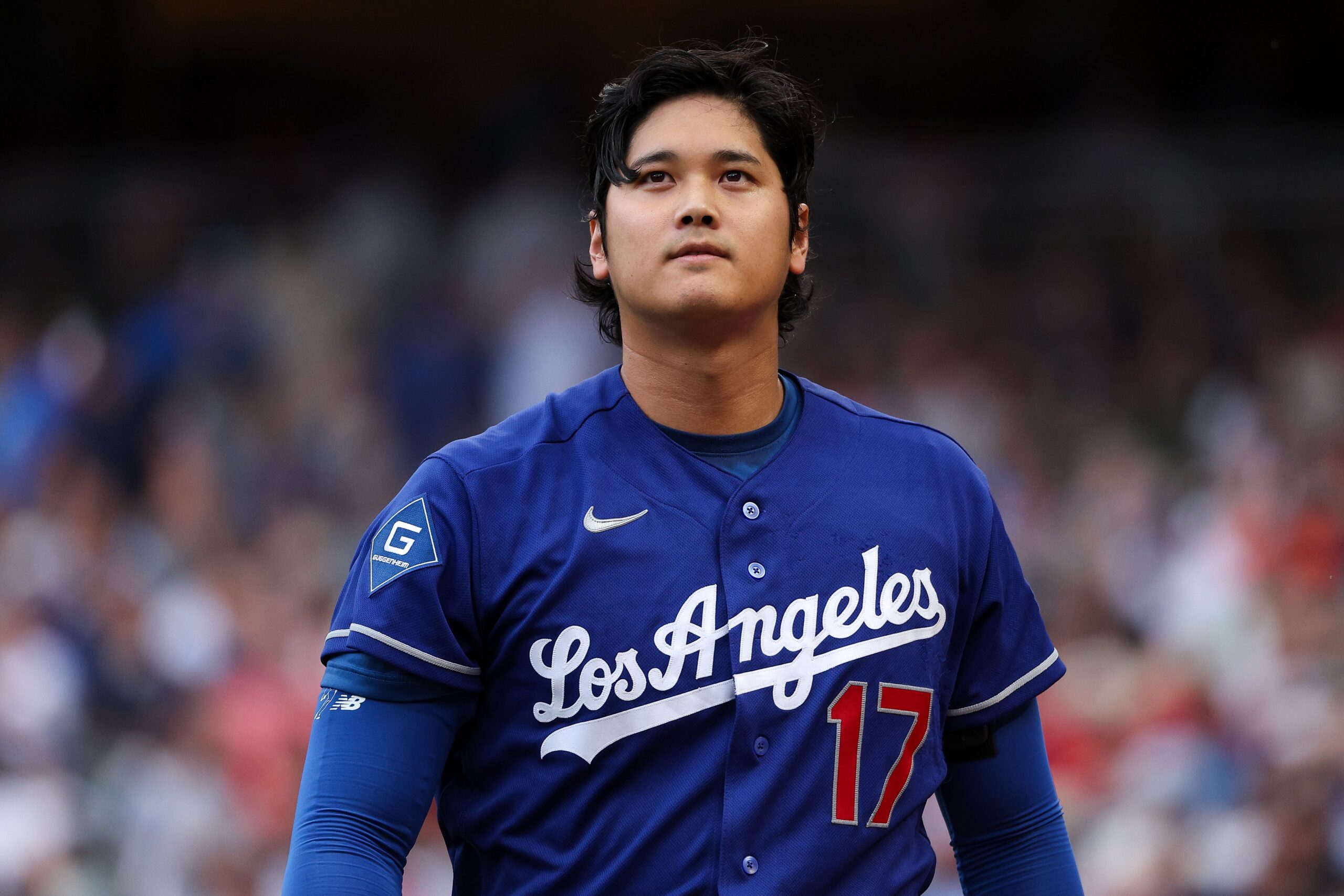
Designated hitter: Shohei Ohtani, Dodgers
All-Star selections: Sixth
2026 stats: .288/.404/.522, 18 HR, 51 RBIs
What to know: Schwarber is having another monster season at DH, but no one is moving Ohtani, the unicorn of baseball, out of a starting spot on the All-Star team. He led baseball in fan voting during Phase 1, ensuring that he would bypass the next phase and lock up a starting spot at DH.
All-Star stat: Ohtani is putting together another MVP-level season that will be hard to beat, simply because not only is he an elite hitter, but he’s among the game’s best pitchers. His 1.79 ERA leads baseball, buoyed by an elite barrel percentage (3.8%) that ranks in the 93rd percentile.
AL pitchers
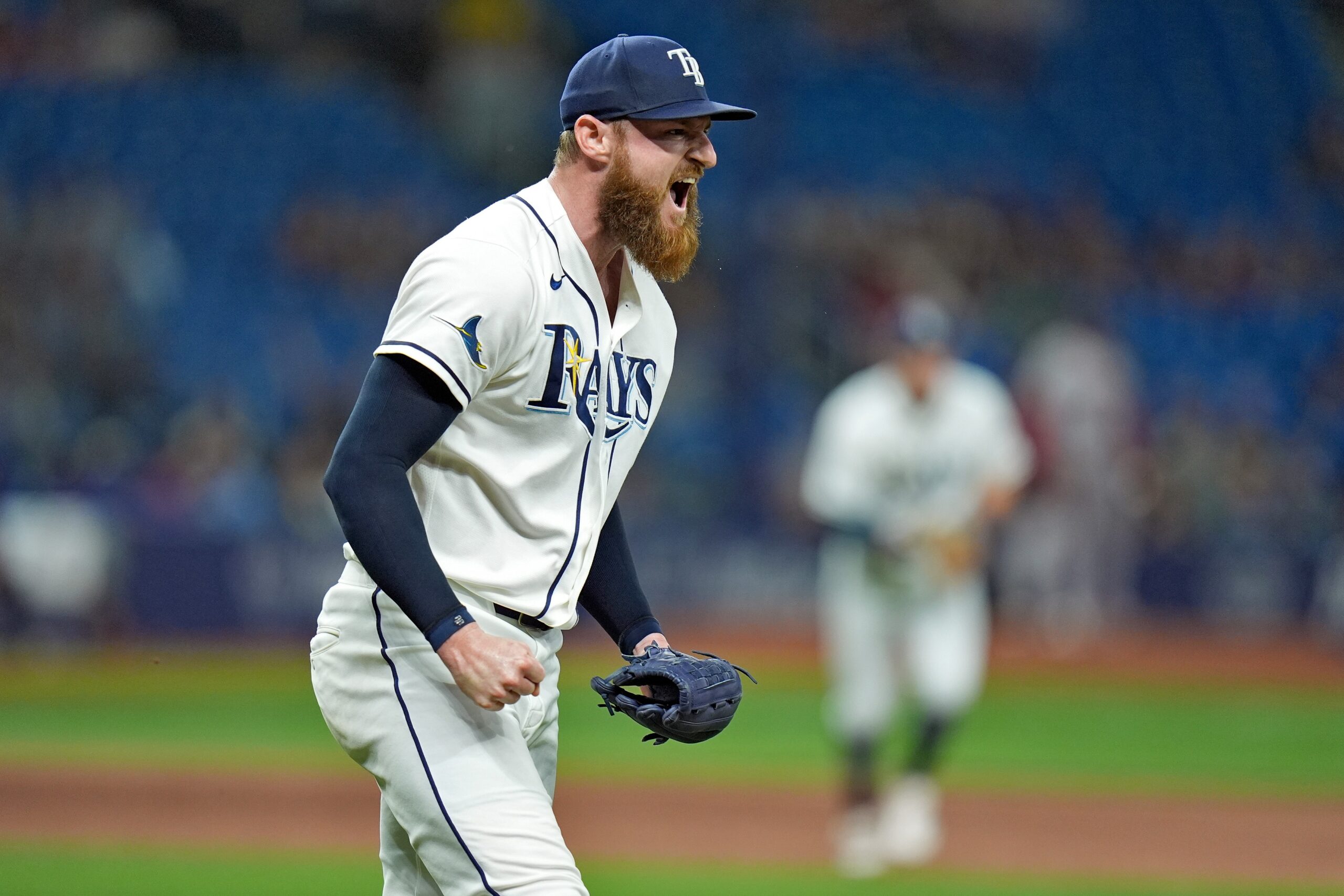
Bryan Baker, Rays
All-Star selections: First
2026 stats: 1.83 ERA, 23 saves
What to know: Baker is second in saves in his first season as the Rays’ closer, holding opponents to a .143 batting average.
Dylan Cease, Blue Jays
All-Star selections: First
2026 stats: 2.79 ERA, 137 Ks, 2.26 FIP
What to know: In his first season with the Jays after signing a $210 million deal, Cease leads the AL in strikeouts.
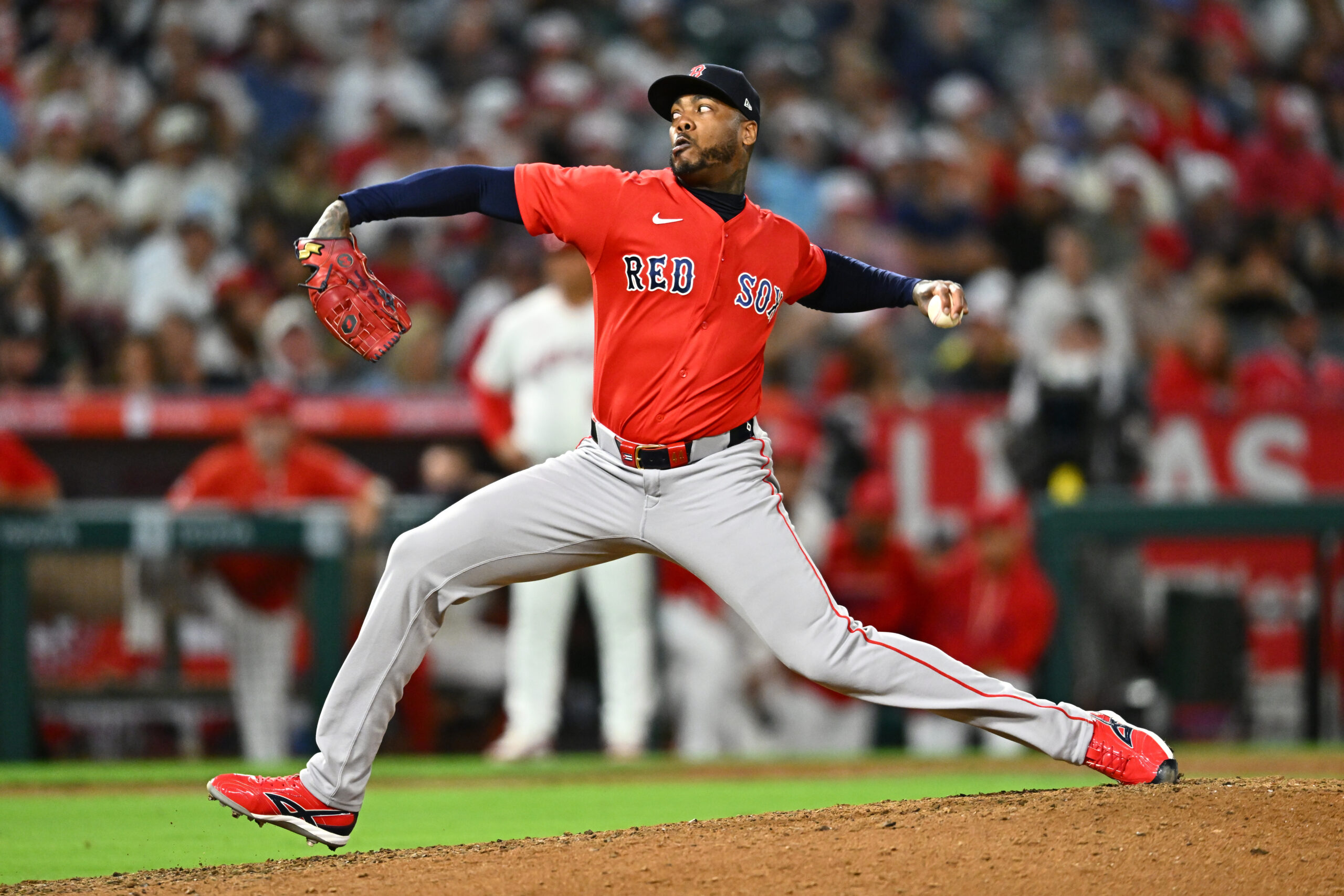
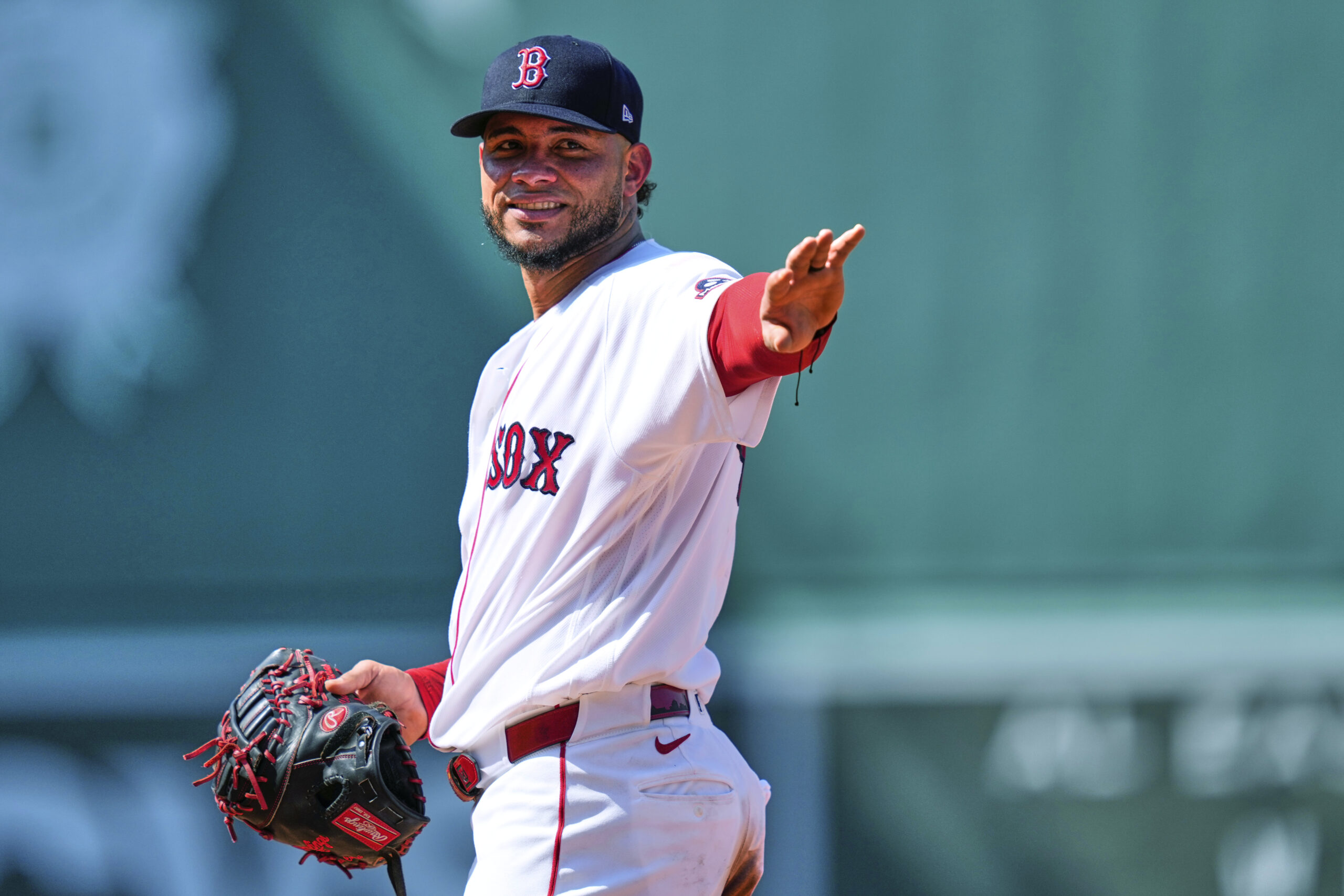
Aroldis Chapman, Red Sox
All-Star selections: Ninth
2026 stats: 2.36 ERA, 18 saves
What to know: The 38-year-old flame-throwing closer is still missing bats, with 35 strikeouts in 26⅔ innings, but his 30% whiff rate is his lowest in six seasons.
Jacob Latz, Rangers
All-Star selections: First
2026 stats: 1.71 ERA, 18 saves, 0.619 WHIP
What to know: After losing out for a spot in the rotation entering the season, Latz moved to the bullpen and thrived. He took over officially as closer in late April. Latz posted a 1.13 ERA with 11 saves in June to win AL Reliever of the Month.
Parker Messick, Guardians
All-Star selections: First
2026 stats: 2.80 ERA, 1.085 WHIP
What to know: Messick wasn’t even assured of a rotation spot entering the season, but the rookie has emerged as one of the best young pitchers in the game. Hitters are batting just .147 against his four-seam fastball.
Drew Rasmussen, Rays
All-Star selections: Second
2026 stats: 2.78 ERA, 0.897 WHIP
What to know: Rasmussen followed up an All-Star season in 2025 with an even better one in 2026. He leads the AL in WHIP, and is in the 97th percentile in walk rate (4.5%).
Joe Ryan, Twins
All-Star selections: Second
2026 stats: 3.36 ERA, 1.045 WHIP
What to know: Ryan figures to be one of the more popular pitchers mentioned in trade deadline speculation. He has anchored the Twins’ rotation for a second straight All-Star season.
Cam Schlittler, Yankees
All-Star selections: First
2026 stats: 2.08 ERA, 203 ERA+
What to know: Schlittler’s four-seamer, which averages 97.7 mph, has held opponents to a .181 batting average and a 32.5% whiff rate. His strikeout percentage (29.7%) is in the 92nd percentile.
Cade Smith, Guardians
All-Star selections: First
2026 stats: 2.90 ERA, 26 saves
What to know: Smith has led the majors in saves for much of the season, buoyed by a 35% strikeout rate, which is in the 98th percentile in the game.
Ranger Suárez, Red Sox
All-Star selections: Second
2026 stats: 3.15 ERA, 1.161 WHIP
What to know: The former Phillie is an All-Star in his first season in Boston. He throws five pitches with regularity, but his four-seamer has been particularly effective, holding hitters to a .212 batting average and a .231 slugging percentage. His status for the All-Star Game is uncertain after he suffered a left adductor injury in his start on Sunday.
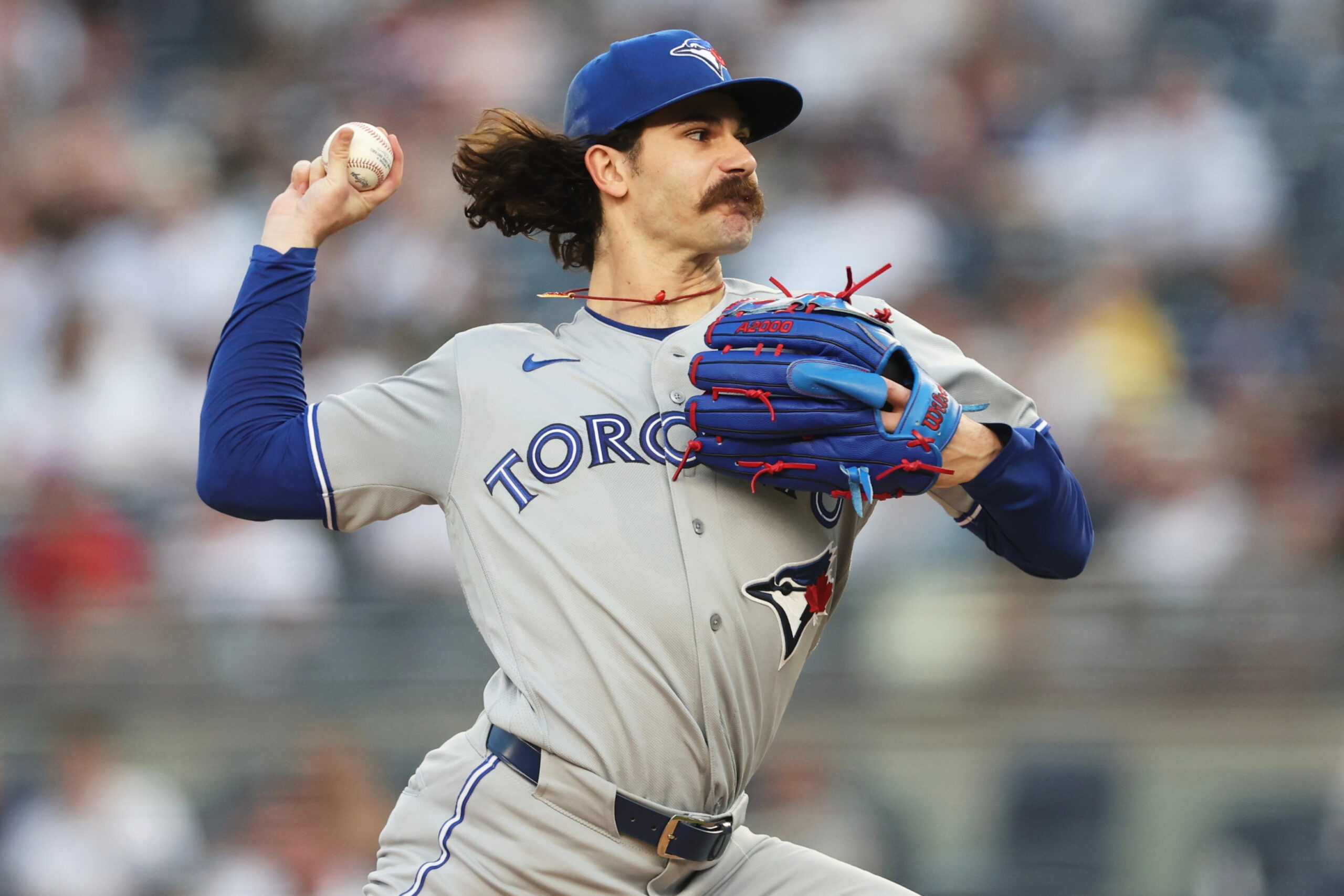
Louis Varland, Blue Jays
All-Star selections: First
2026 stats: 0.96 ERA, 18 saves, 12.4 SO/9
What to know: In his first season as closer, Varland has been dominant, striking out 65 in 47 innings.
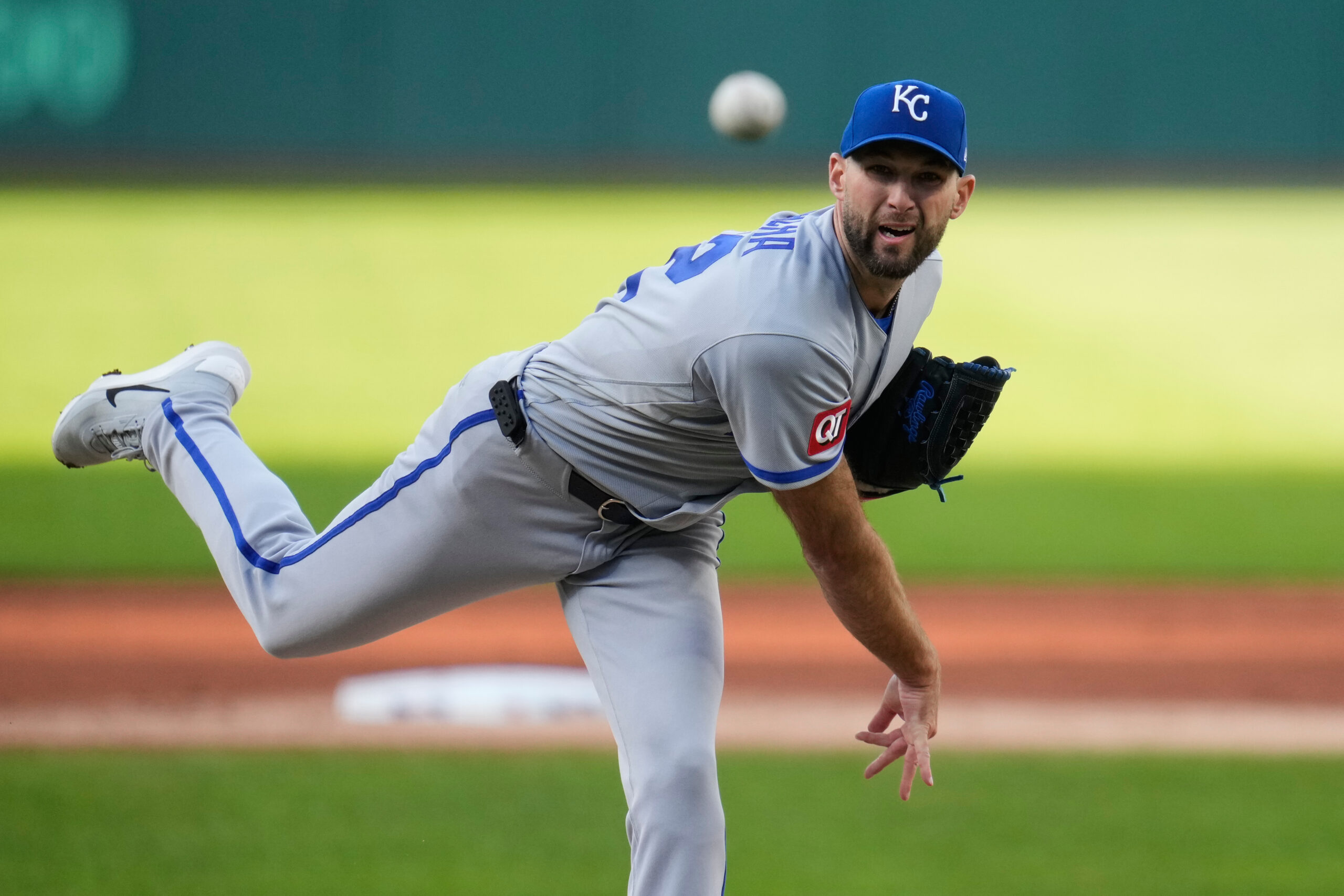
Michael Wacha, Royals
All-Star selections: Second
2026 stats: 3.45 ERA, 1.160 WHIP
What to know: The 35-year-old starter, who last made the All-Star Game in 2015, has been a workhorse for the Royals, pitching a league-high 114⅔ innings in 18 starts.
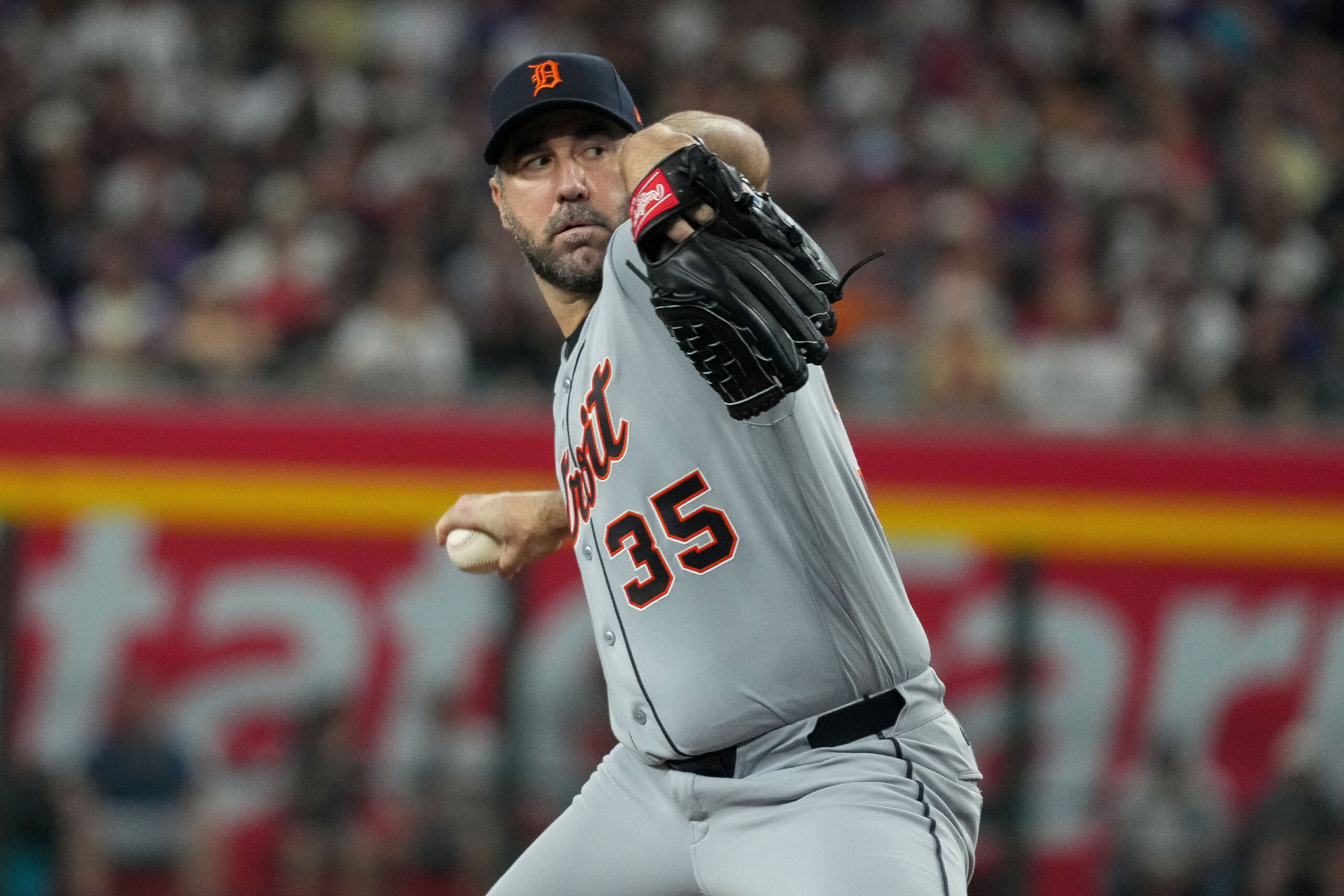
Justin Verlander, P, Tigers
All-Star selections: 10
2026 stats: 12.27 ERA in one start
What to know: The 43-year-old Verlander, who announced on Wednesday that he will retire at the end of the season, was added to the AL team as a “Legend Pick” by commissioner Rob Manfred. On the 60-day injured list with hamstring and hip injuries, Verlander will not pitch in the game but will be honored during the All-Star festivities.
AL reserves
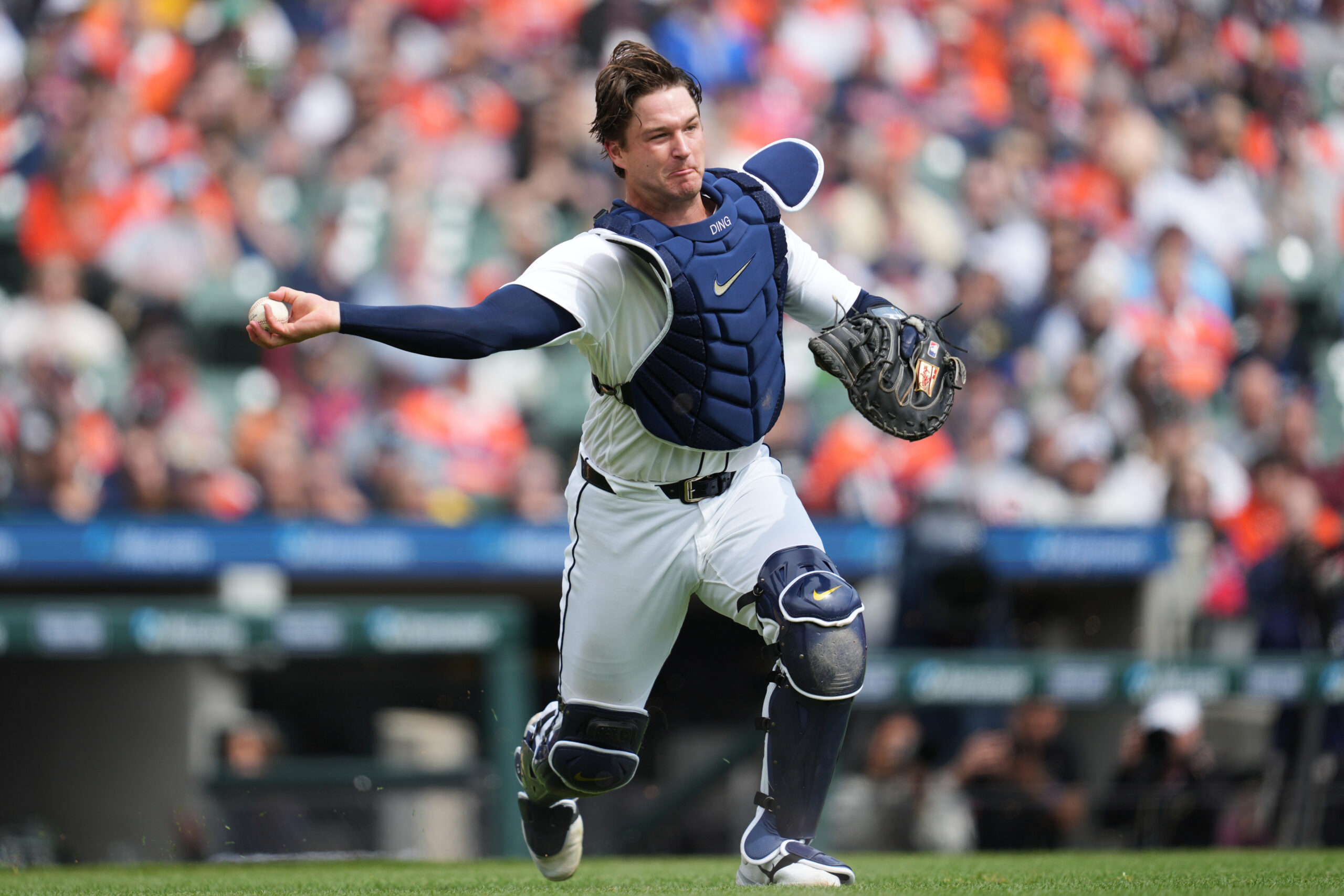
Dillon Dingler, C, Tigers
All-Star selections: First
2026 stats: .265/.327/.521, 19 HR, 60 RBI
What to know: Dingler’s .521 slugging percentage is second among catchers only to fellow All-Star Hunter Goodman. He is also a Gold Glove-caliber backstop with elite numbers for pitch framing, blocks above average, and pop time.
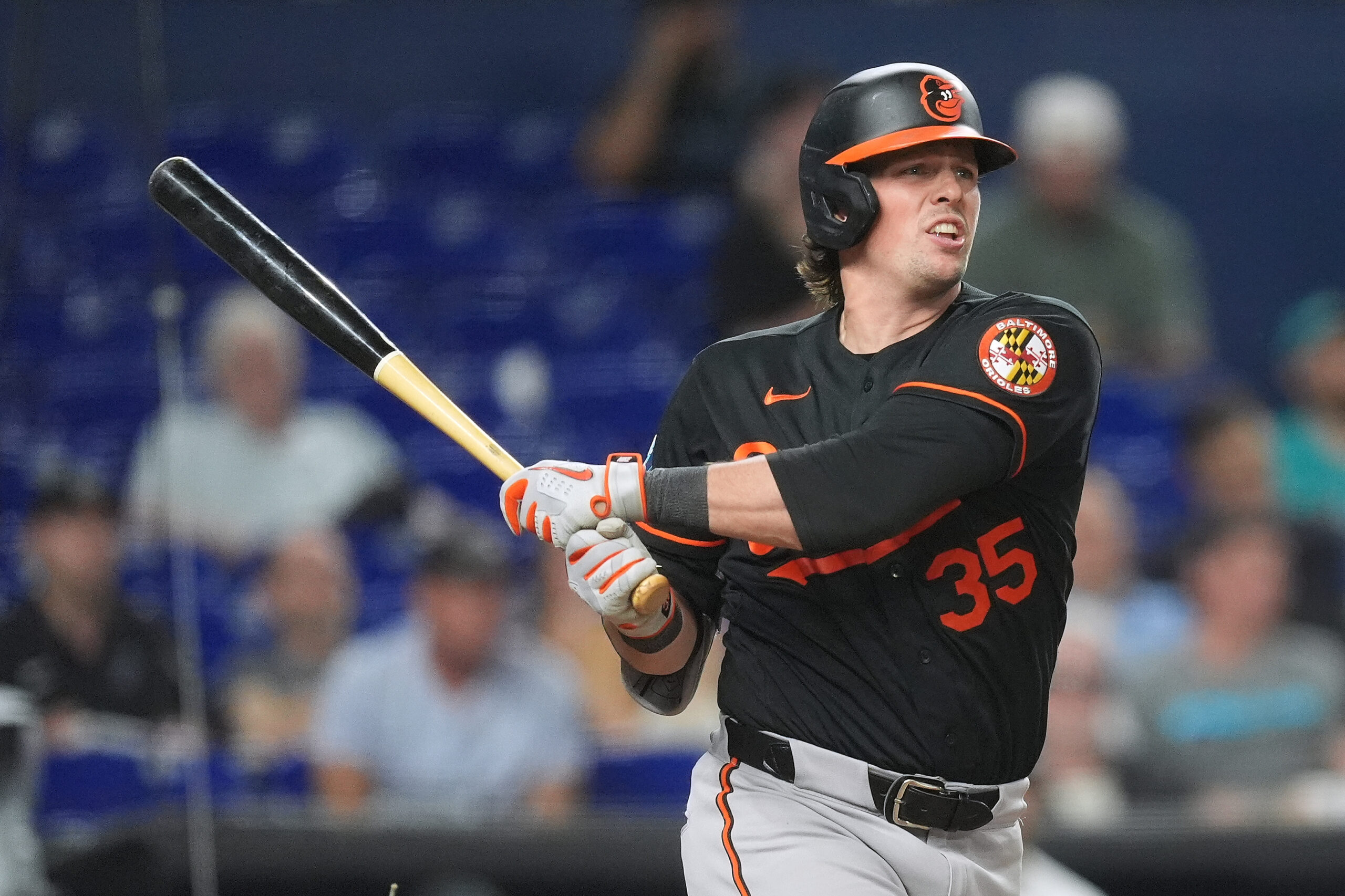
Adley Rutschman, C, Orioles
All-Star selections: Third
2026 stats: .254/.323/.451, 8 HR, 45 RBIs
What to know: Rutschman remains an elite defensive catcher, ranking in the 97th percentile in caught stealing above average. He also has an impressive 16.3% whiff rate, meaning he rarely swings and misses.
Travis Bazzana, 2B, Guardians
All-Star selections: First
2026 stats: .249/.339/.412, 7 HR, 27 RBIs, 12 SB
What to know: The first overall pick of the 2024 draft, Bazzana, who’s from Australia, has impressed with his discipline at the plate and speed on the bases. His walk percentage (11.6%) and chase rate (25.6%) are near the 75th percentile in the majors, not bad for a 23-year-old rookie.
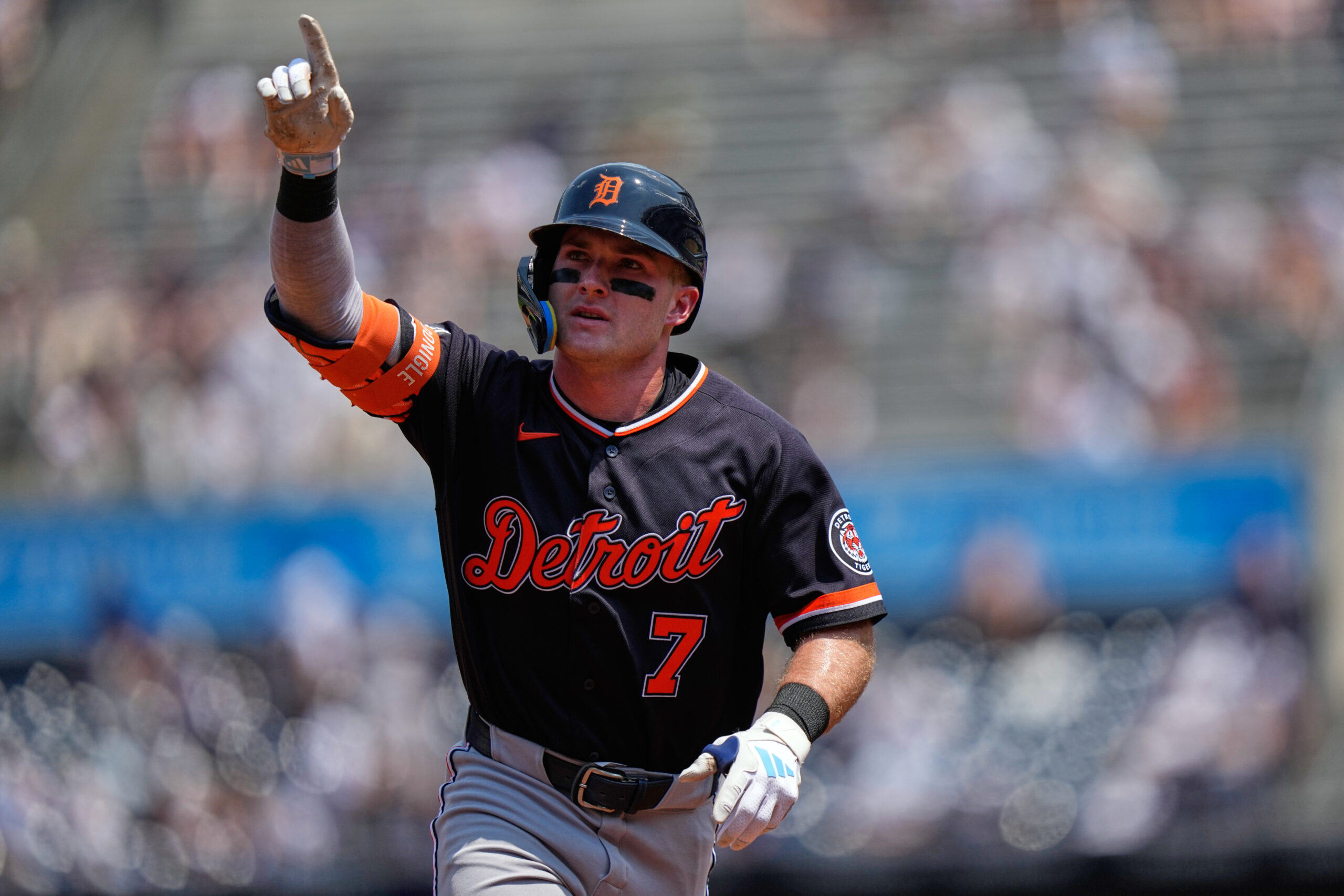
Kevin McGonigle, SS, Tigers
All-Star selections: First
2026 stats: .284/.395/.422, 7 HR, 31 RBIs
What to know: An Aldan native and Bonner-Prendergast graduate, McGonigle, 21, has arrived as a rookie star for the Tigers. Most notable is his plate discipline: He has more walks than strikeouts and is in the 99th percentile in chase rate. That contributes to a .395 on-base percentage, good for sixth in the majors.
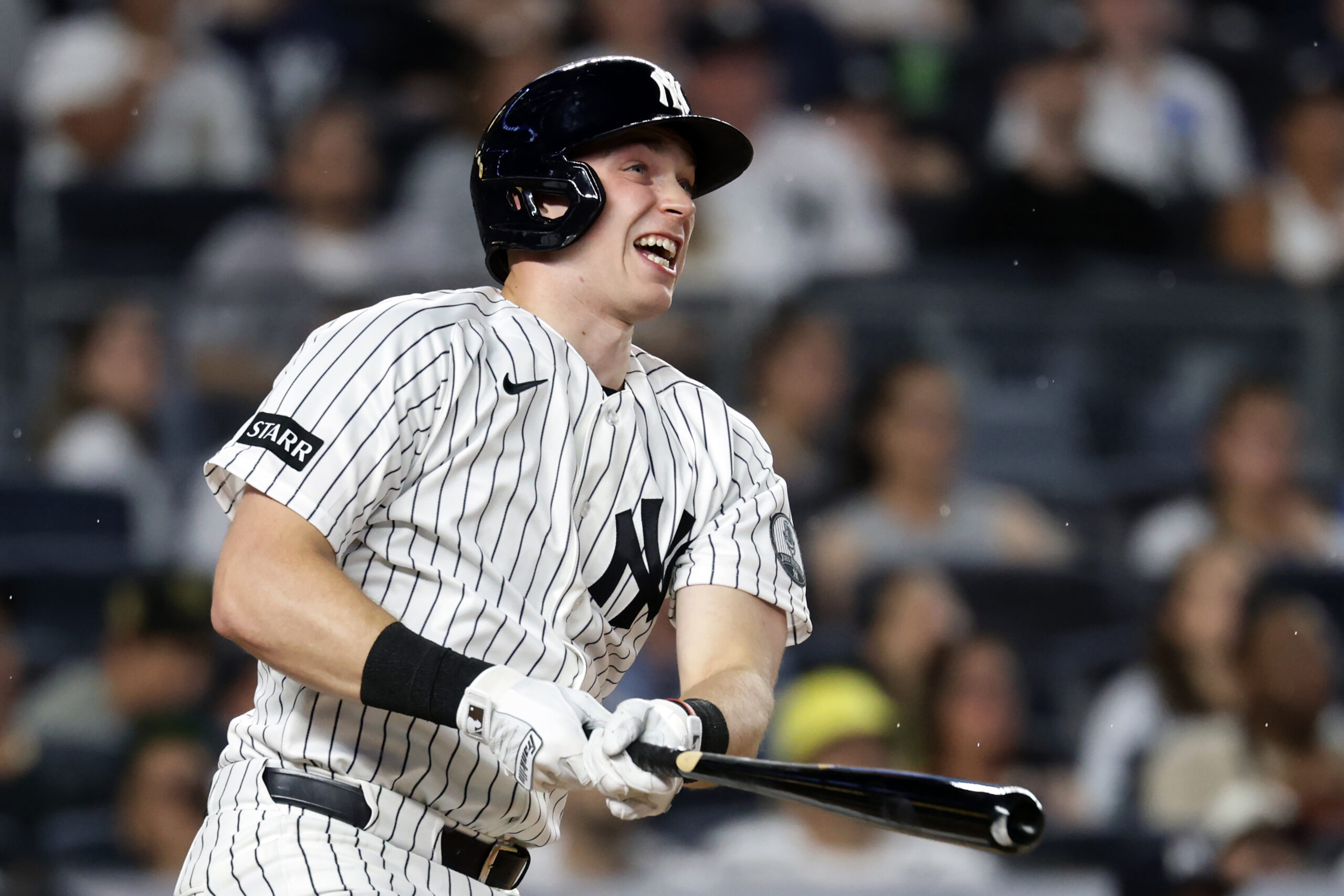
Ben Rice, 1B/DH, Yankees
All-Star selections: First
2026 stats: .267/.361/.559, 24 HR, 56 RBIs
What to know: The 27-year-old Rice was beat out in fan voting for the starting spot at first base by Guerrero, but he had much better numbers than the Jays star. Rice’s .921 OPS is tied for seventh in baseball.
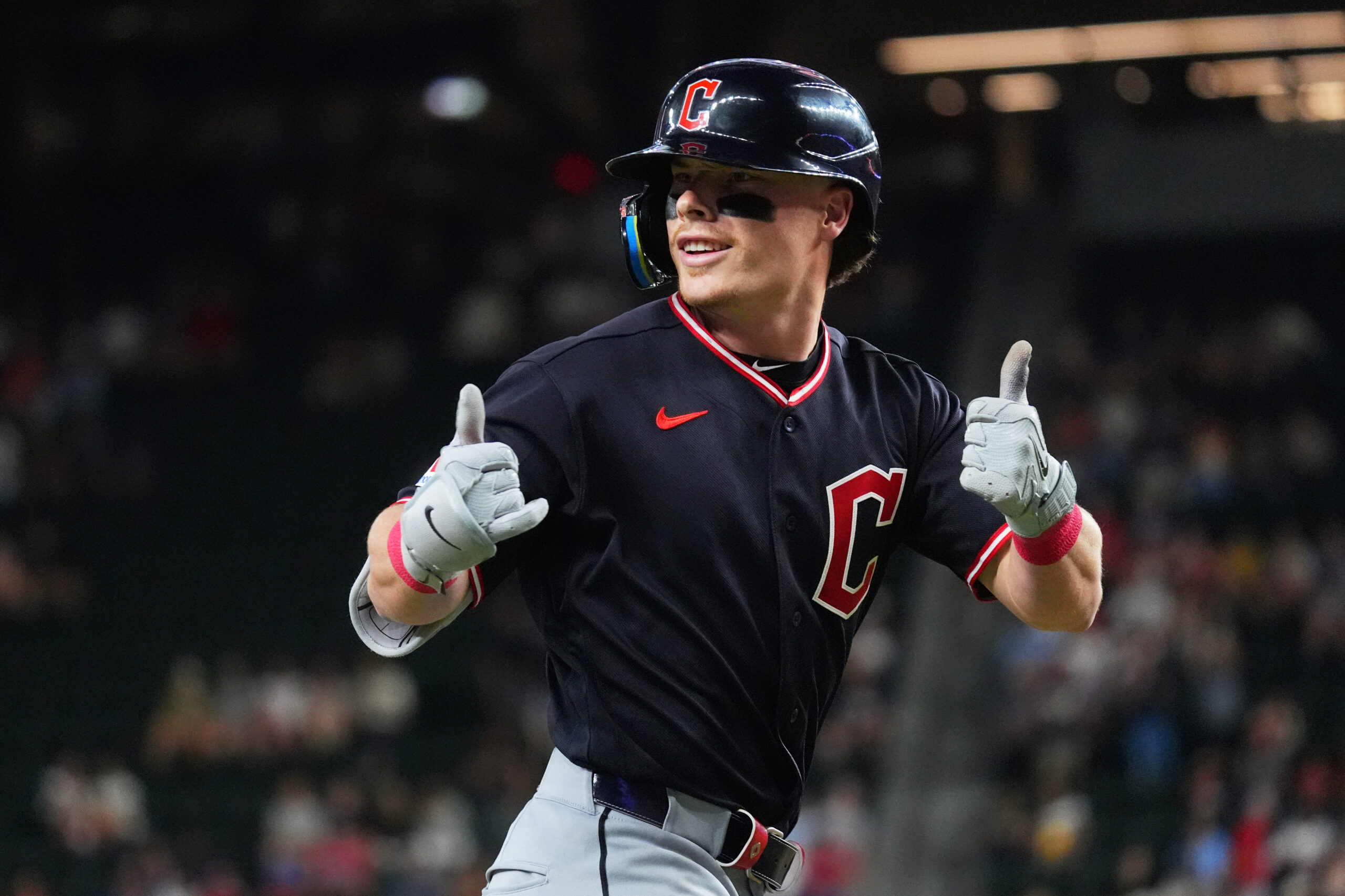
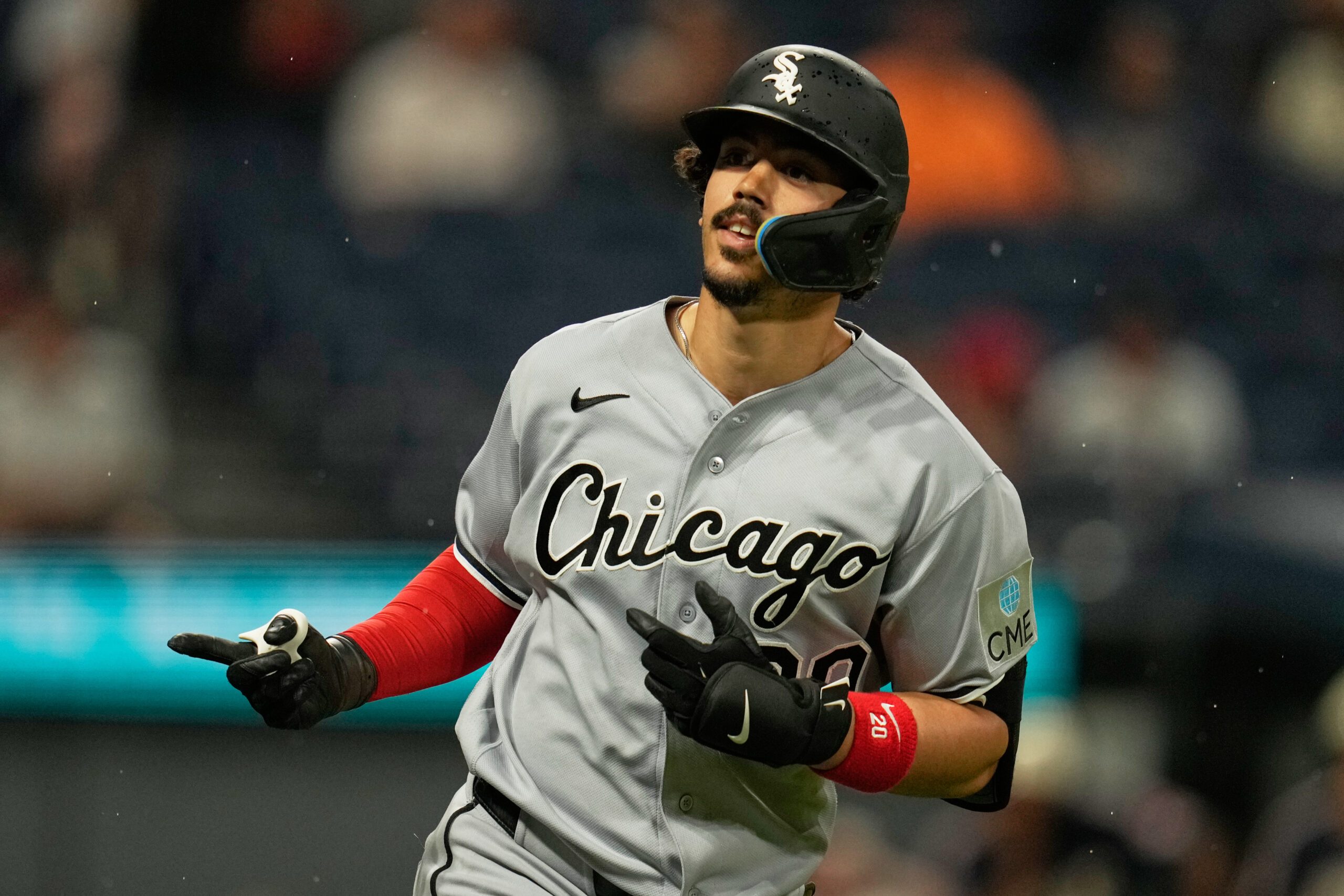
Miguel Vargas, INF, White Sox
All-Star selections: First
2026 stats: .247/.363/.494, 20 HR, 56 RBIs
What to know: Vargas has emerged as a power hitter with plate discipline in his fifth major league season. His barrel percentage has jumped to 15.2% from 9.4% in 2025. Meanwhile, he rarely chases (20.6% chase rate) and has a 13.7% walk rate, which ranks in the 97th percentile in the majors.
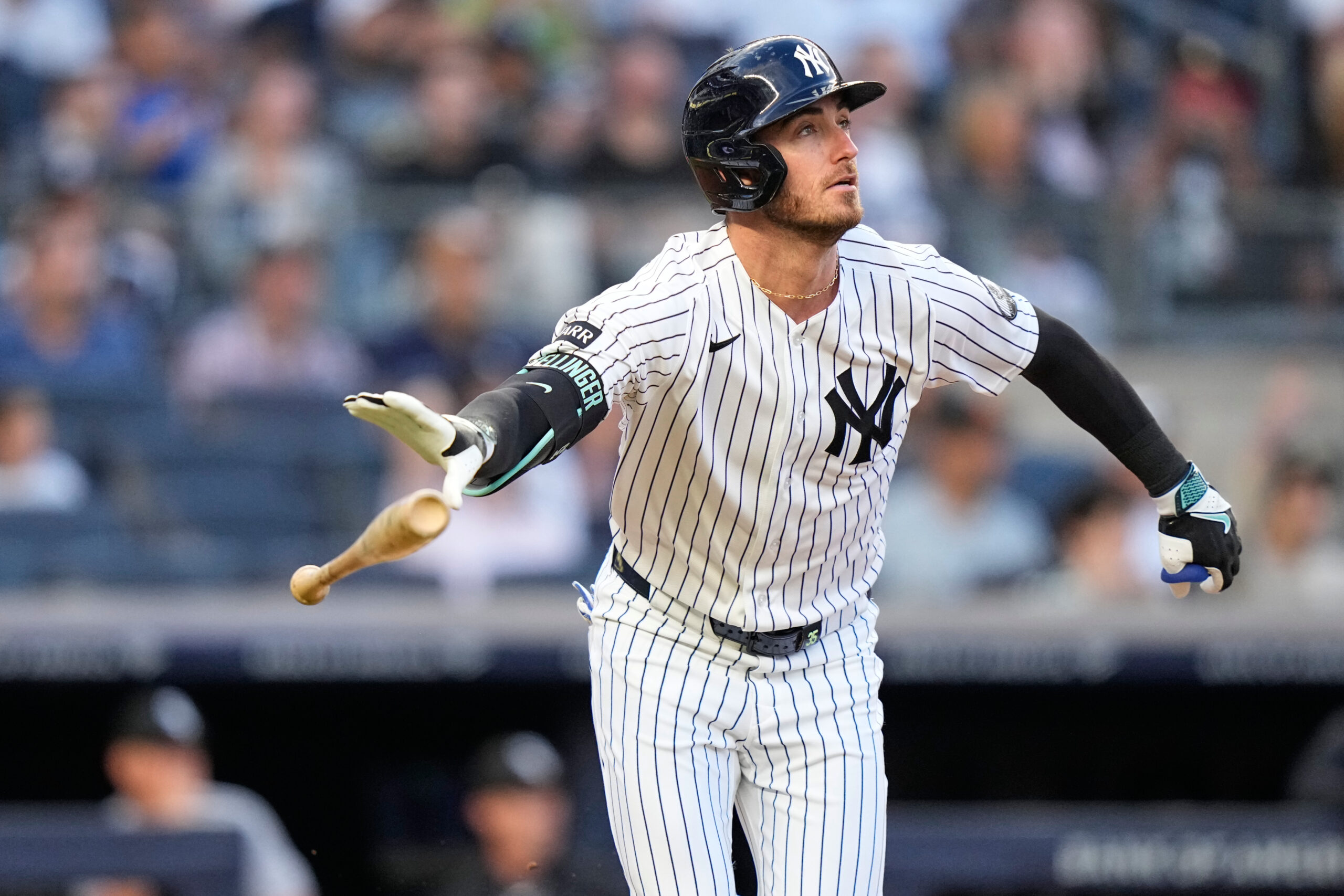
Cody Bellinger, OF, Yankees
All-Star selections: Third
2026 stats: .251/.348/.426 11 HR, 50 RBIs
What to know: Bellinger has regained the elite plate discipline that was a staple of his game when he won NL MVP with the Dodgers in 2019. His 13.6% walk rate is in the 91st percentile and is way up from last season (8.7%).
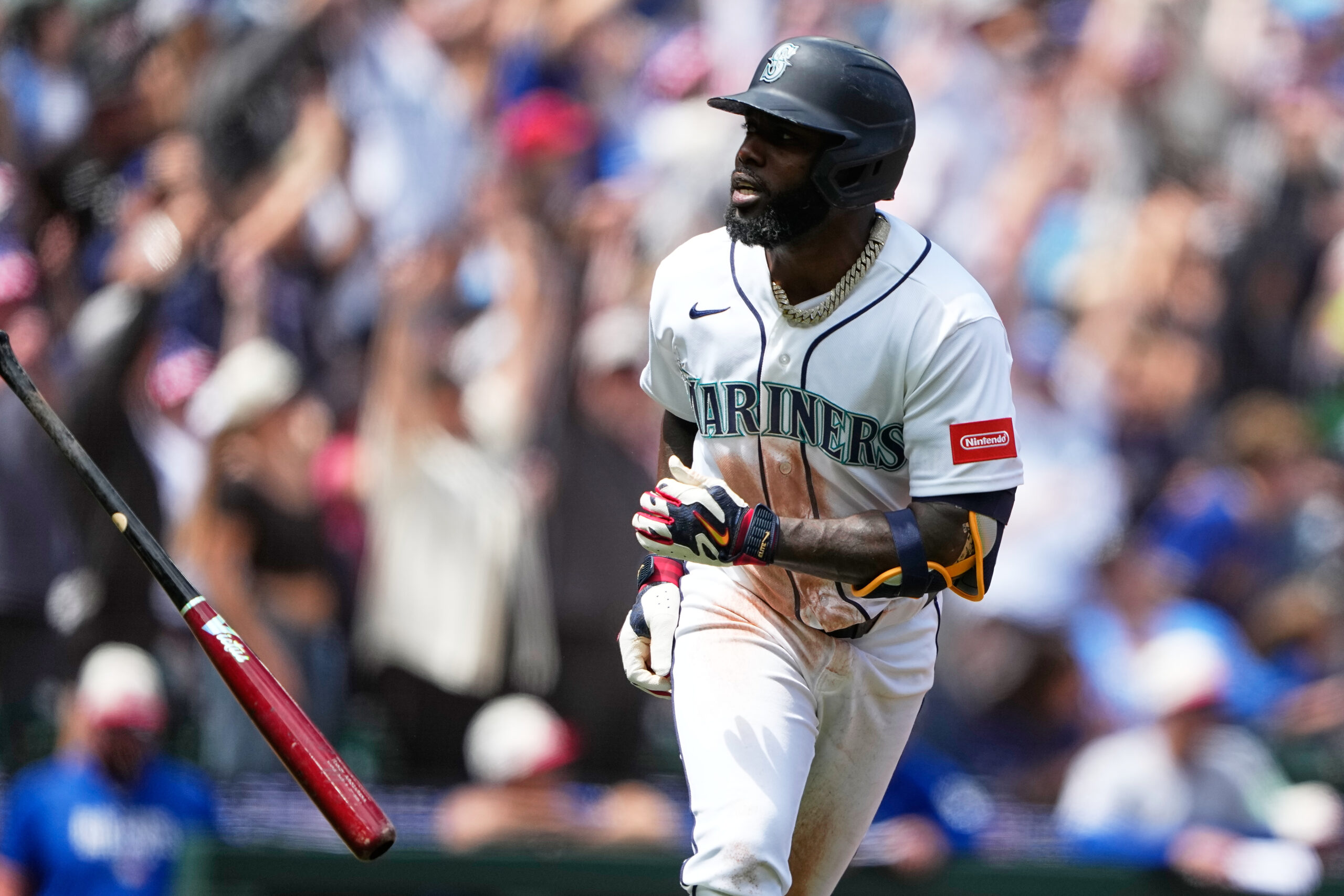
Randy Arozarena, OF, Mariners
All-Star selections: Third
2026 stats: .286/.375/.451, 9 HR, 41 RBIs
What to know: The Mariners’ lone representative, Arozarena is striking out less (22.1%, down from career 25.5%) and is about 30 points higher in batting average and on-base percentage in putting together a solid age-31 season.
Riley Greene, OF, Tigers
All-Star selections: Third
2026 stats: .292/.380/.474, 13 HR, 44 RBI
What to know: One of three Tigers in the game, Greene, 25, is hitting for a higher average this season after batting .260 over the previous two seasons. But his power numbers are down for a guy who averaged 30 homers from 2024-25, and strikeouts remain an issue: He led the majors with 201 in 2025 and has 101 this season.
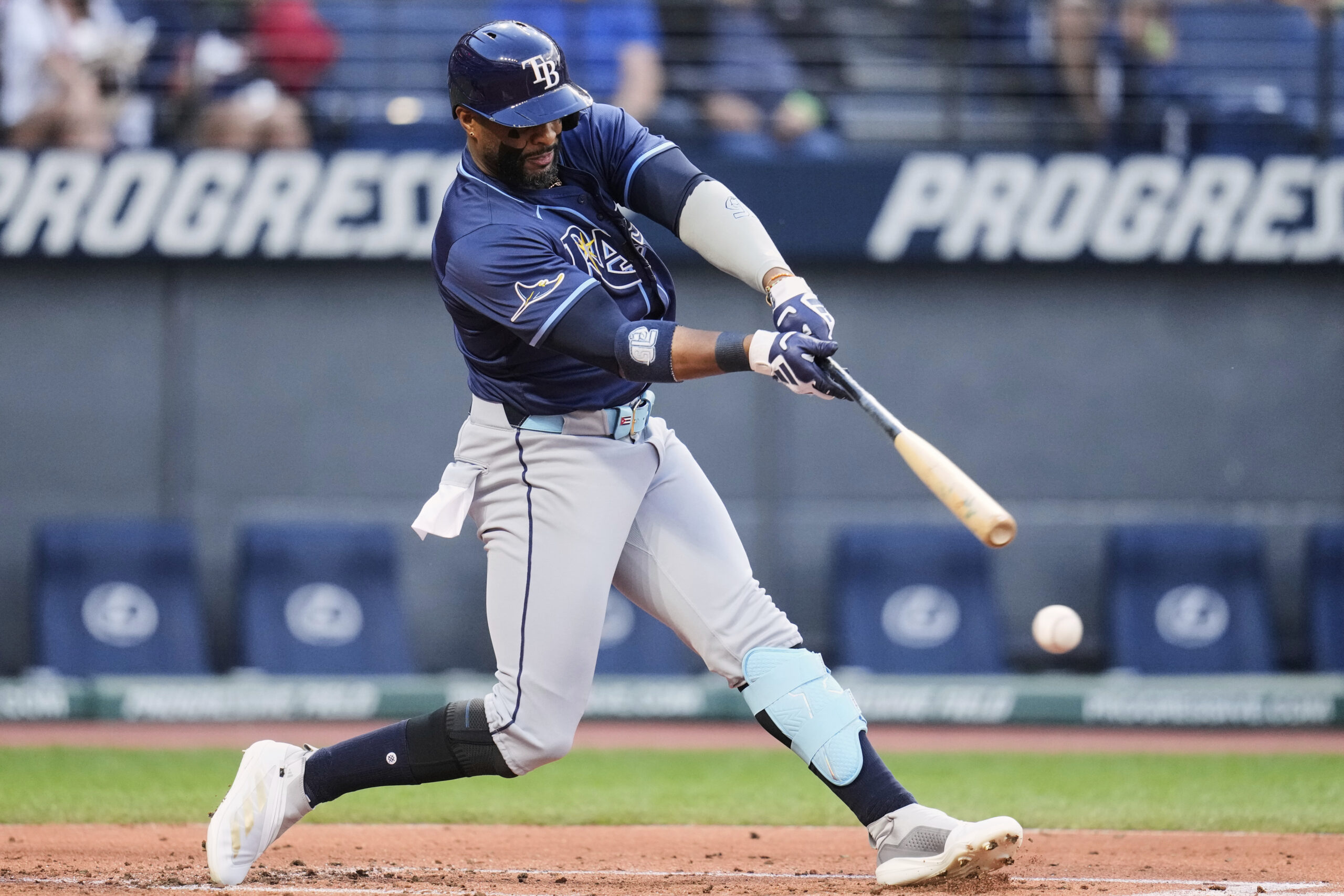
Yandy Díaz, DH, Rays
All-Star selections: Second
2026 stats: .321/.404/.489, 12 HR, 53 RBIs
What to know: Díaz is having perhaps his best season of an underrated career, blending power with a disciplined approach at the plate. His 13.3% strikeout rate is in the 89th percentile in the majors.
Willson Contreras, 1B, Red Sox
All-Star selections: Fourth
2026 stats: .284/.378/.542, 20 HR, 59 RBIs
What to know: Contreras replaces Vladimir Guerrero Jr. on the AL roster and joins his brother William in the All-Star Game. Contreras is on pace for his best season in his first year in Boston with a career-high .921 OPS.
NL pitchers
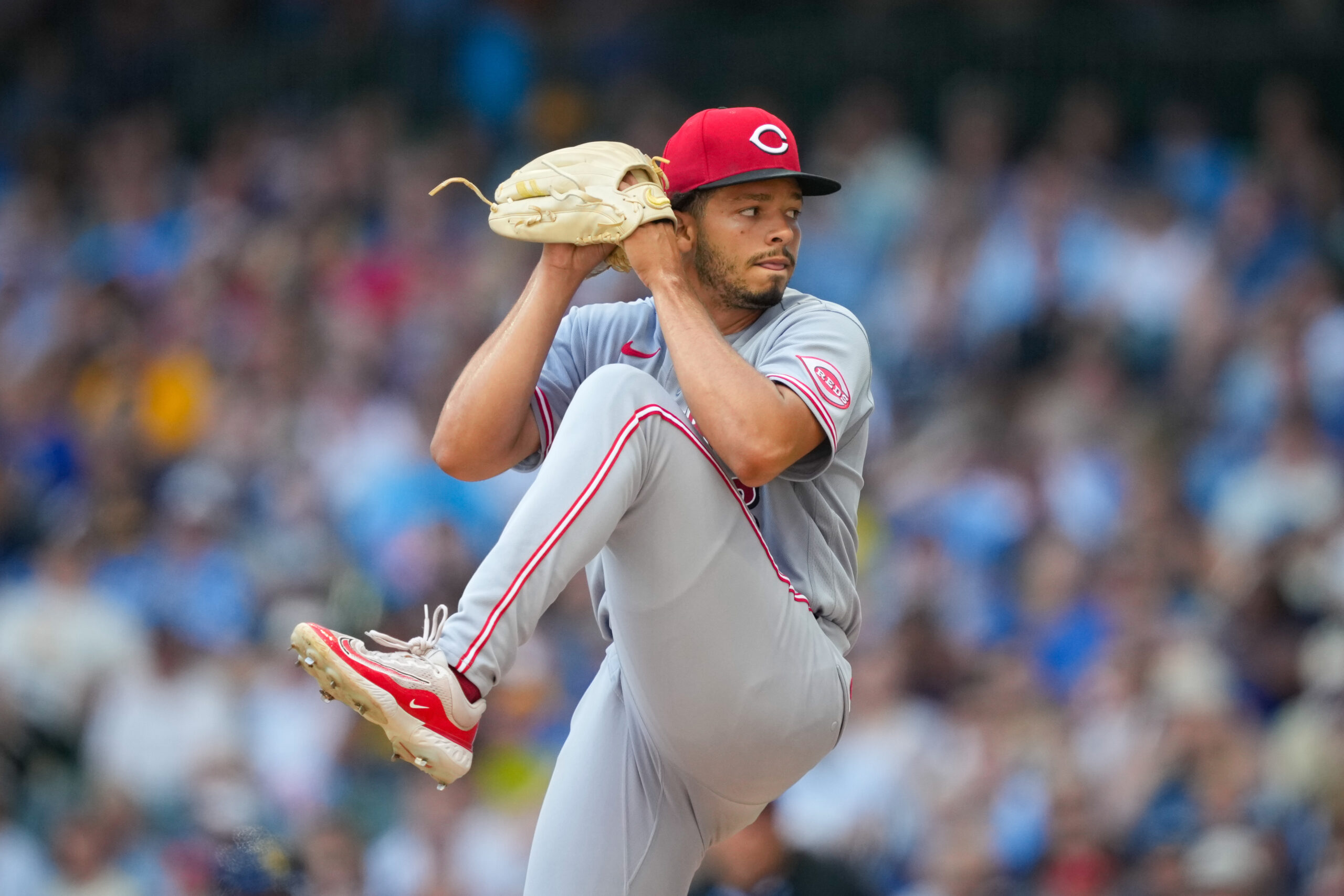
Chase Burns, Reds
All-Star selections: First
2026 stats: 10-1, 2.40 ERA
What to know: The second pick of the 2024 draft has blossomed in his first full season. His 52.8% whiff rate is fourth in baseball as is his strikeout rate (49.7%).
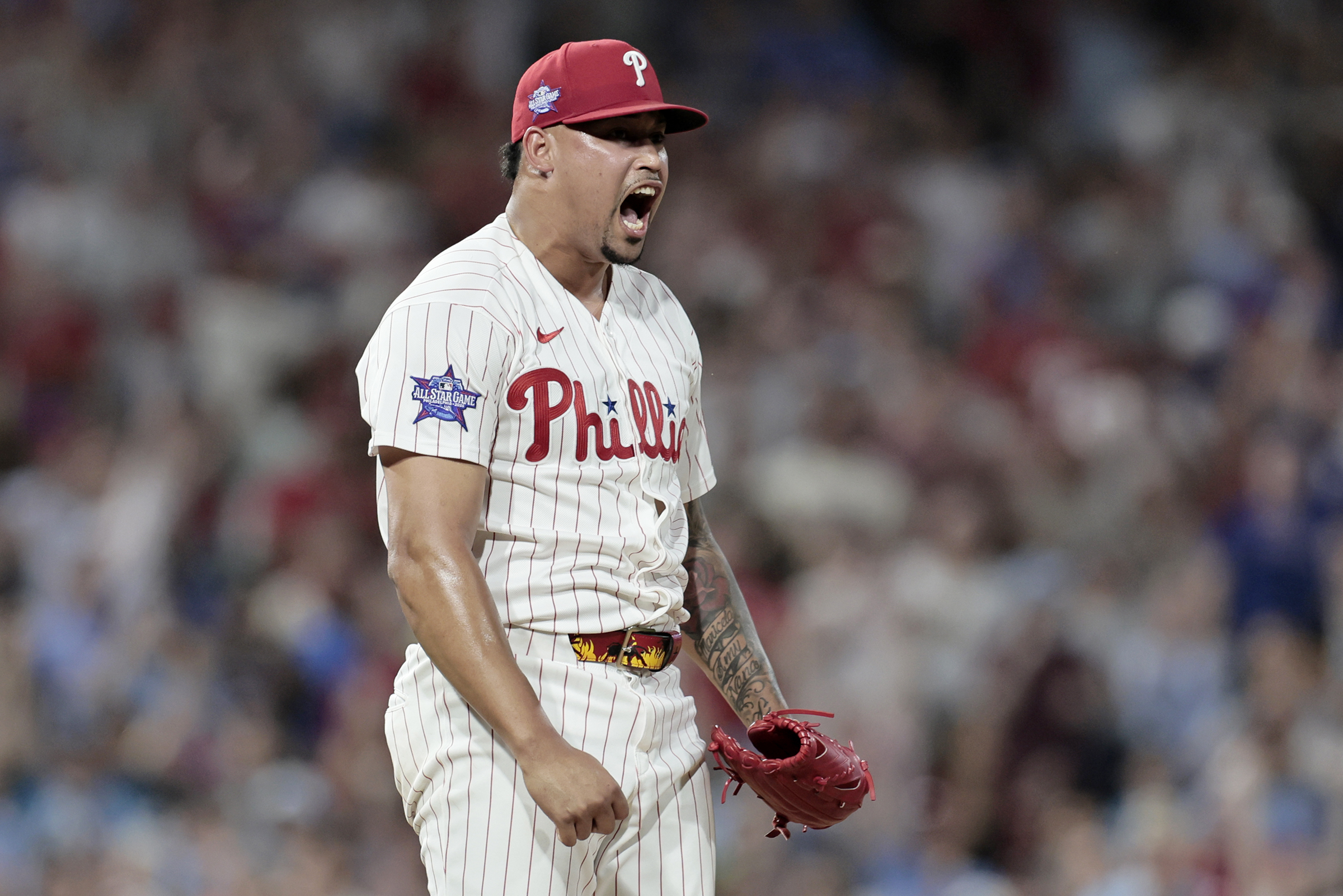
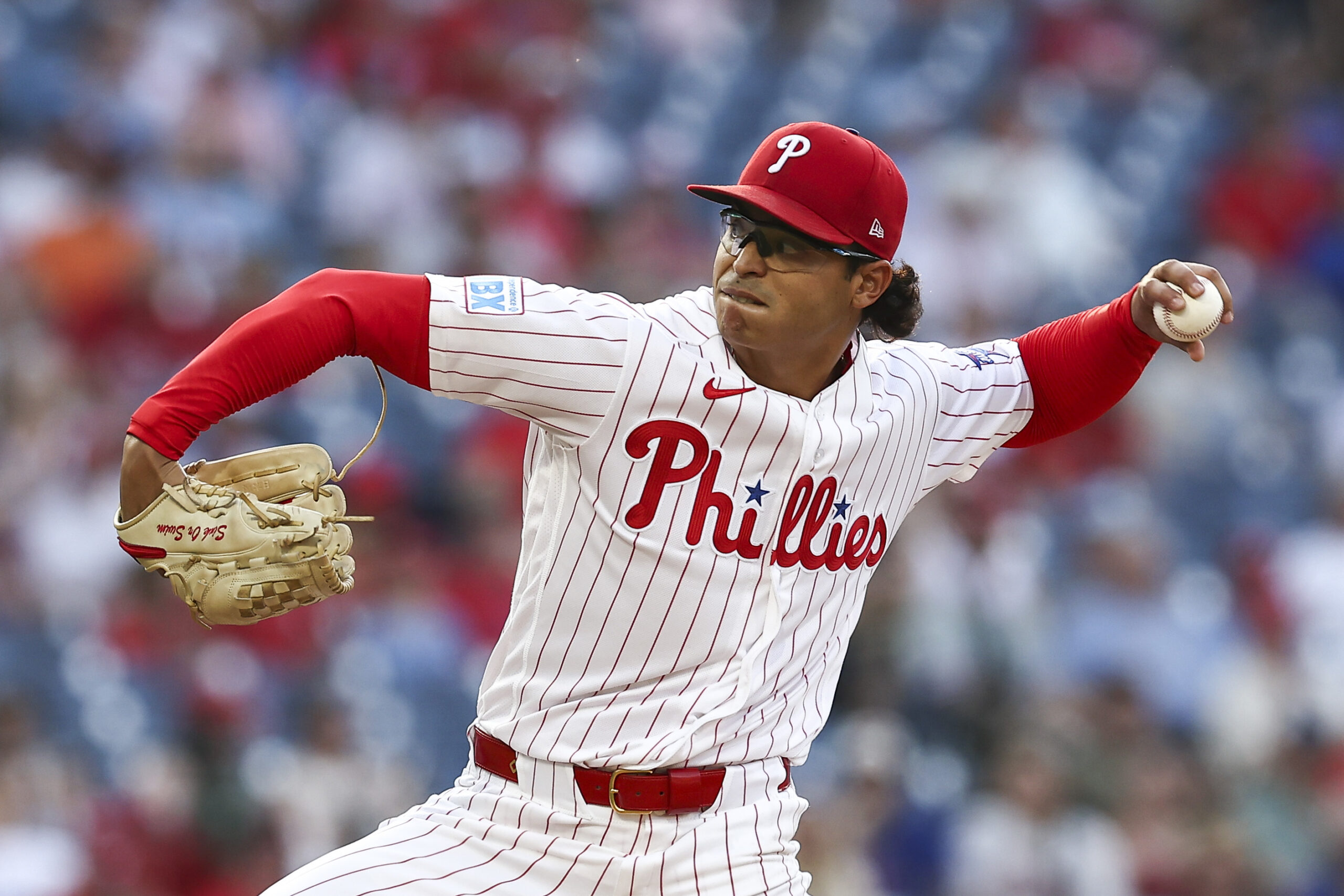
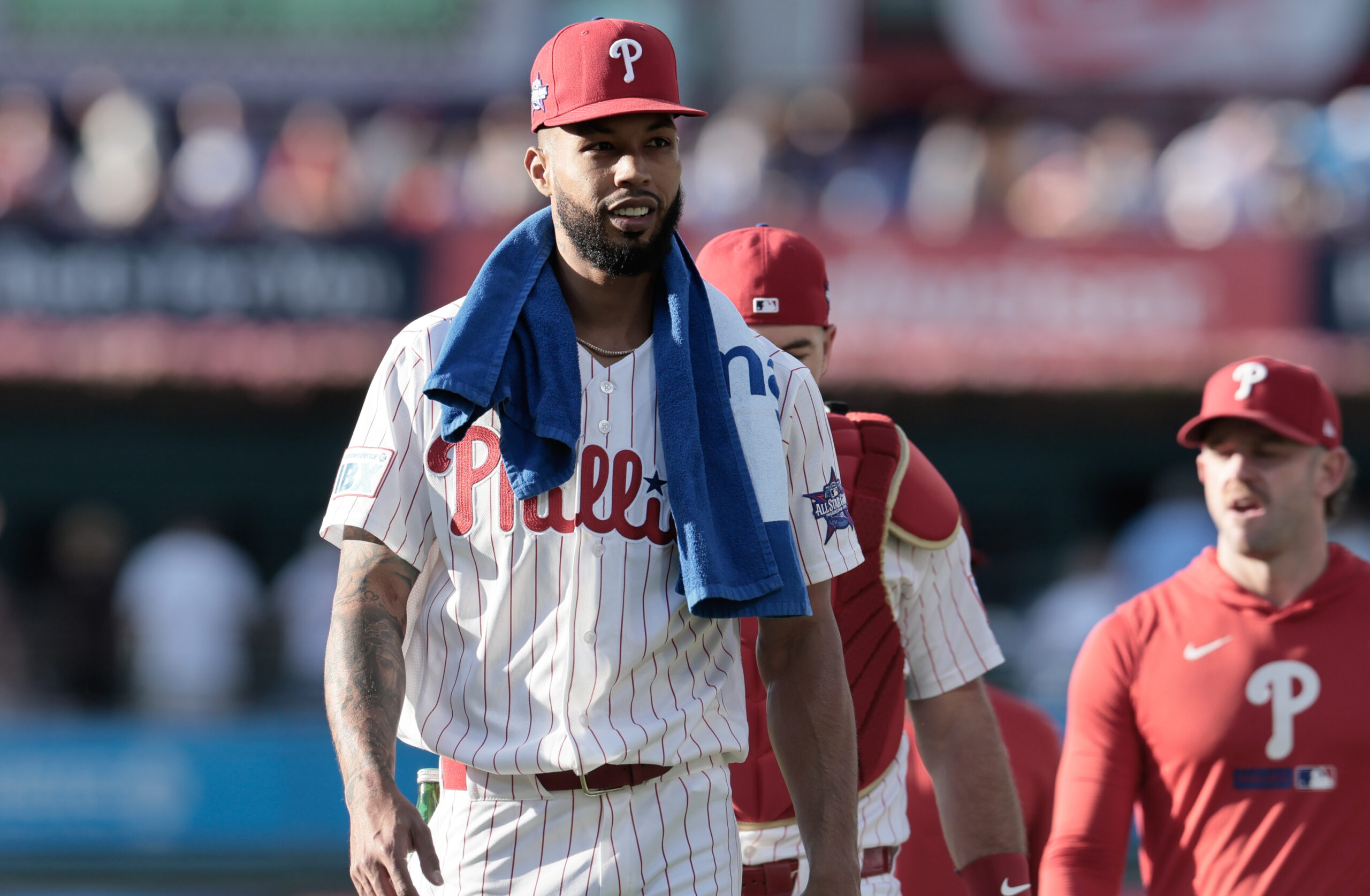
Jhoan Duran, Phillies
All-Star selections: First
2026 stats: 1.52 ERA, 21 saves, 0.944 WHIP
What to know: Duran has given the Phillies everything they hoped for when they acquired him at the 2025 trade deadline. His success starts with his four-seamer, which averages 100.2 mph and has held opponents to a .148 batting average against it. His 39.5% strikeout rate is the best of his career.
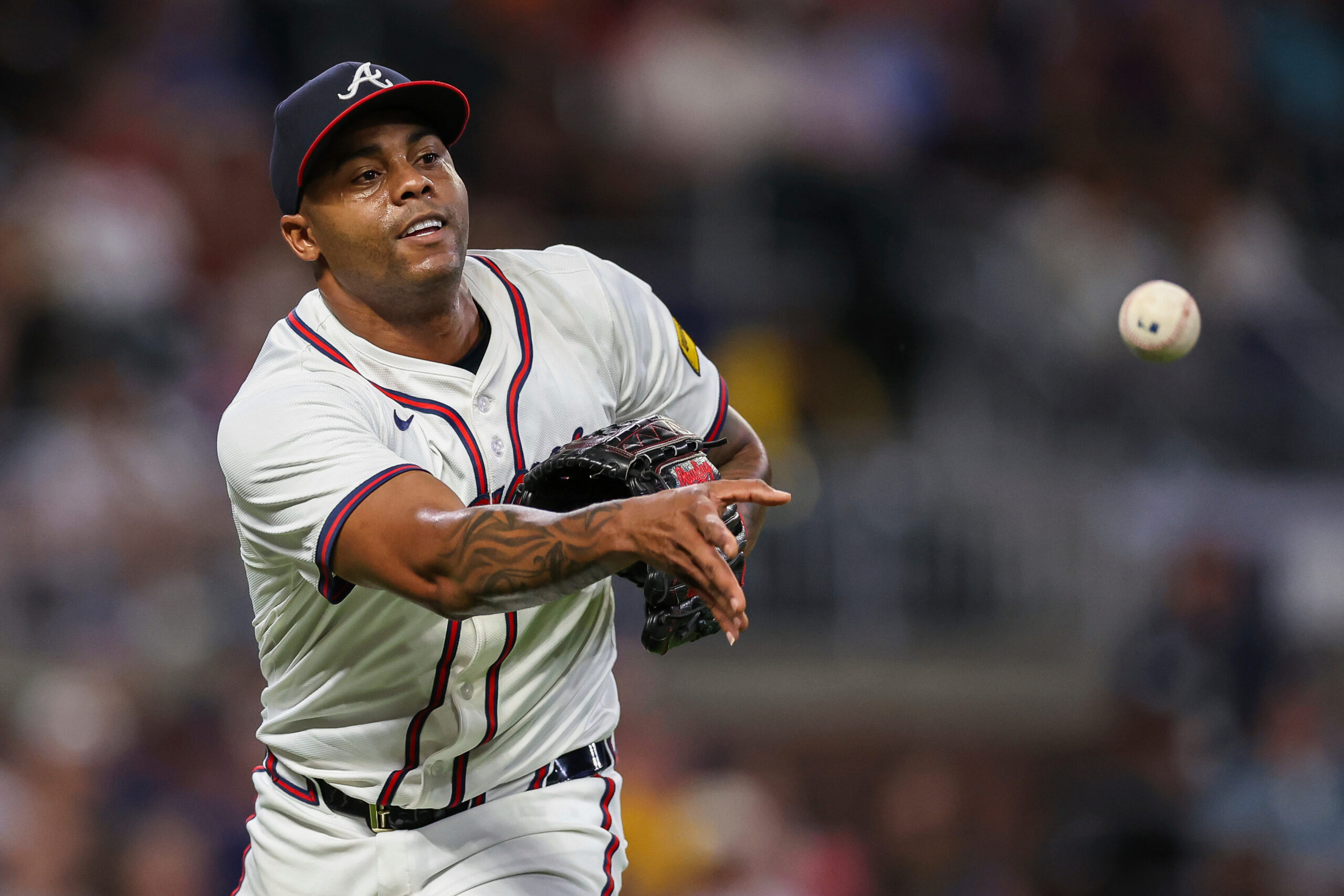
Raisel Iglesias, Braves
All-Star selections: First
2026 stats: 1.53 ERA, 17 saves, 1.057 WHIP
What to know: This All-Star selection has been a long time coming for the 12-year veteran Iglesias, who is fifth in the NL in saves. A master of getting hitters to swing at pitches out of the zone, Iglesias, 36, is in the 99th percentile in chase rate (39.2%, a career high).
Jesús Luzardo, Phillies
All-Star selections: First
2026 stats: 3.75 ERA, 125 strikeouts
What to know: Luzardo replaced the Marlins’ Max Meyer to become the sixth Phillies All-Star. After a rough start to the season when he sported a 5.50 ERA in his first six starts, Luzardo has been a different pitcher since May 1, posting a 2.87 ERA in his last 12 starts.
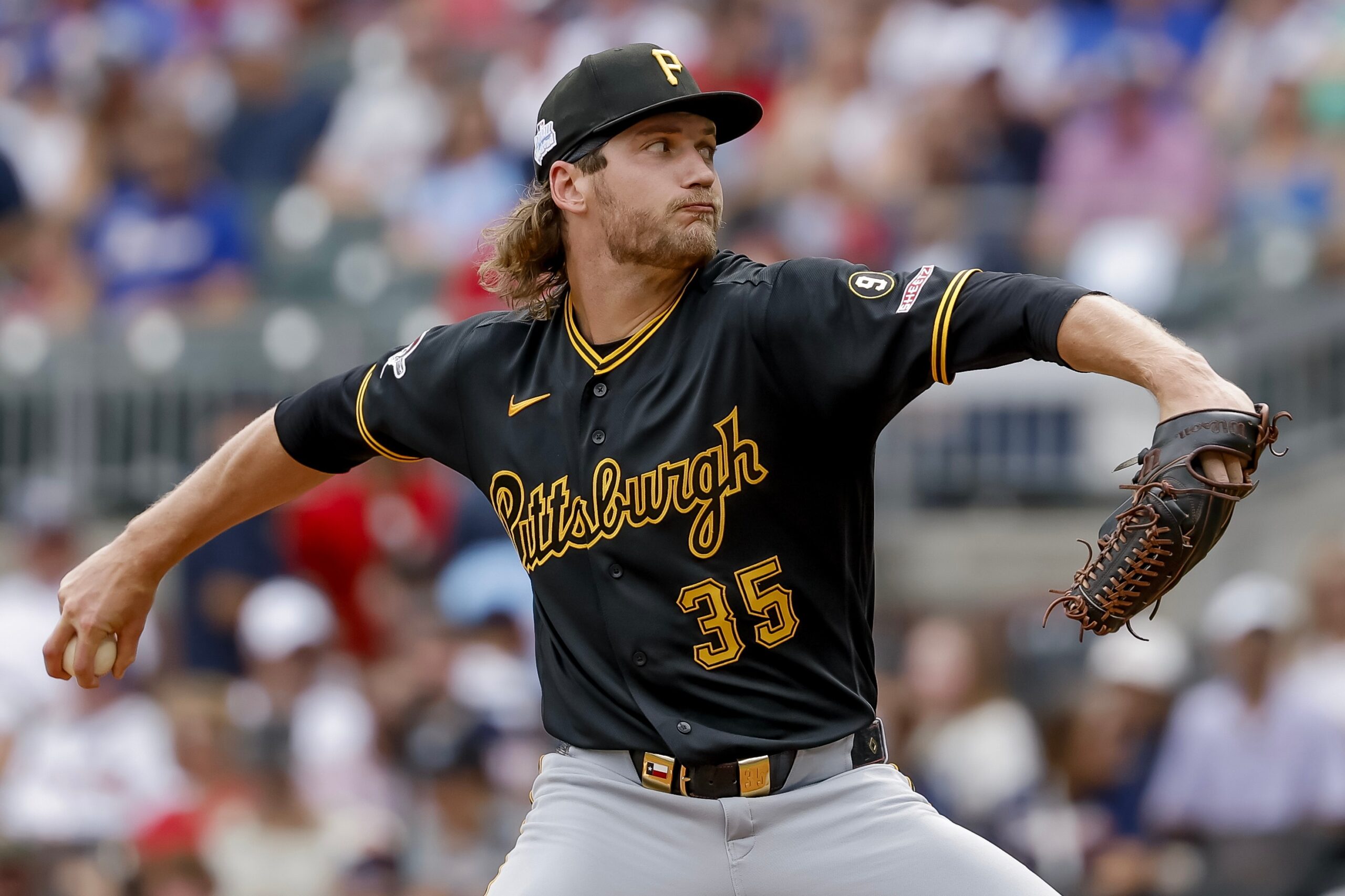
Braxton Ashcraft, Pirates
All-Star appearances: First
2026 stats: 9-3, 3.24 ERA, 1.098 WHIP
What to know: The 26-year-old Ashcroft, who replaced the Brewers’ Jacob Misiorowski, has been a pleasant surprise for the Pirates this season. He’s allowed one run or fewer in nine of 18 starts. Opponents are batting .150 against his curveball, which has an elite 40.3% whiff rate.
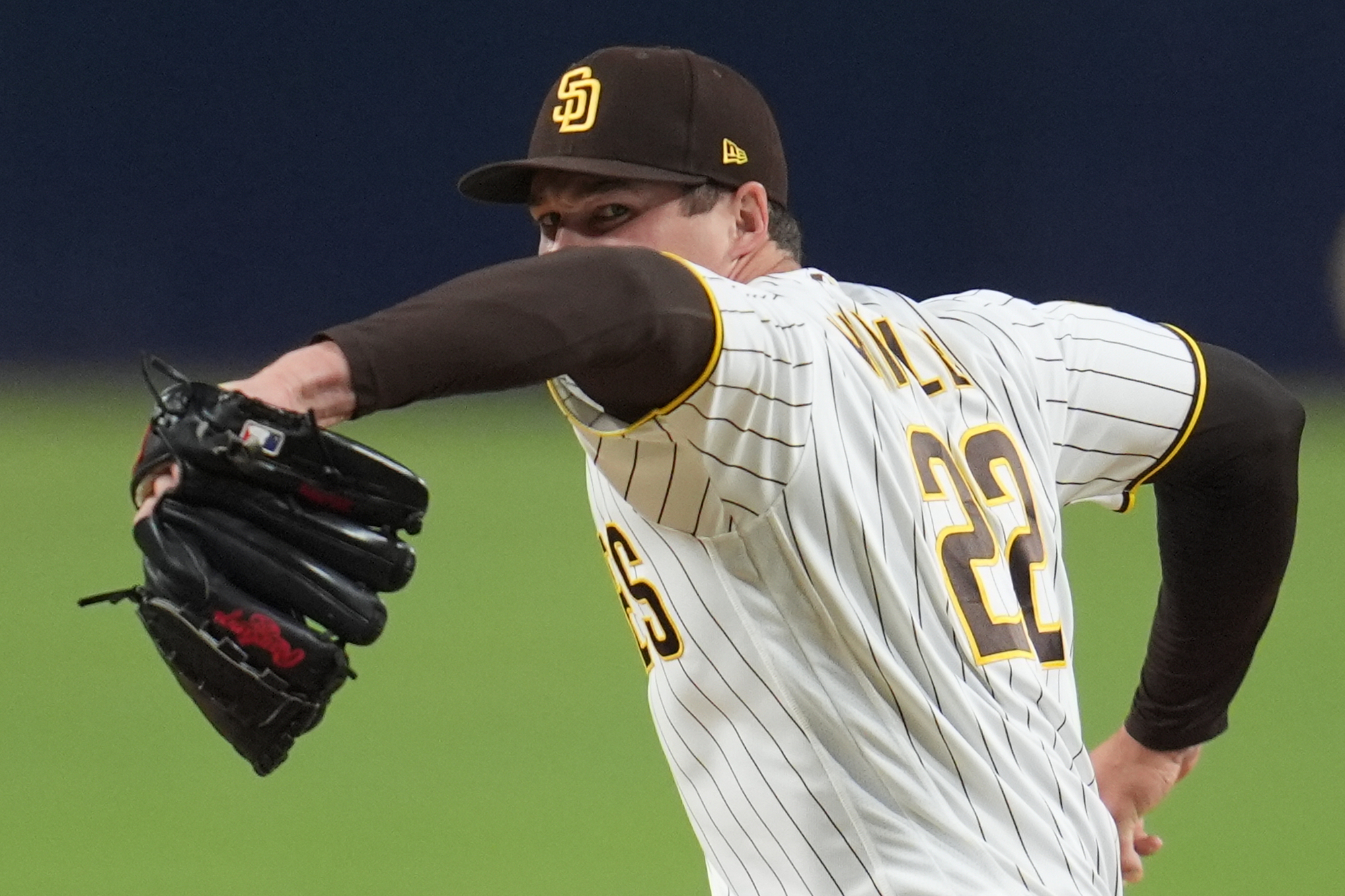
Mason Miller has an 0.98 ERA this season.
Mason Miller, Padres
All-Star selections: Second
2026 stats: 0.98 ERA, 22 saves, 0.818 WHIP
What to know: Miller might be the most intimidating closer in the game with a four-seamer that averages 101.2 mph. His slider is the deadliest put-away pitch in the game with a strikeout rate of 59.7%.
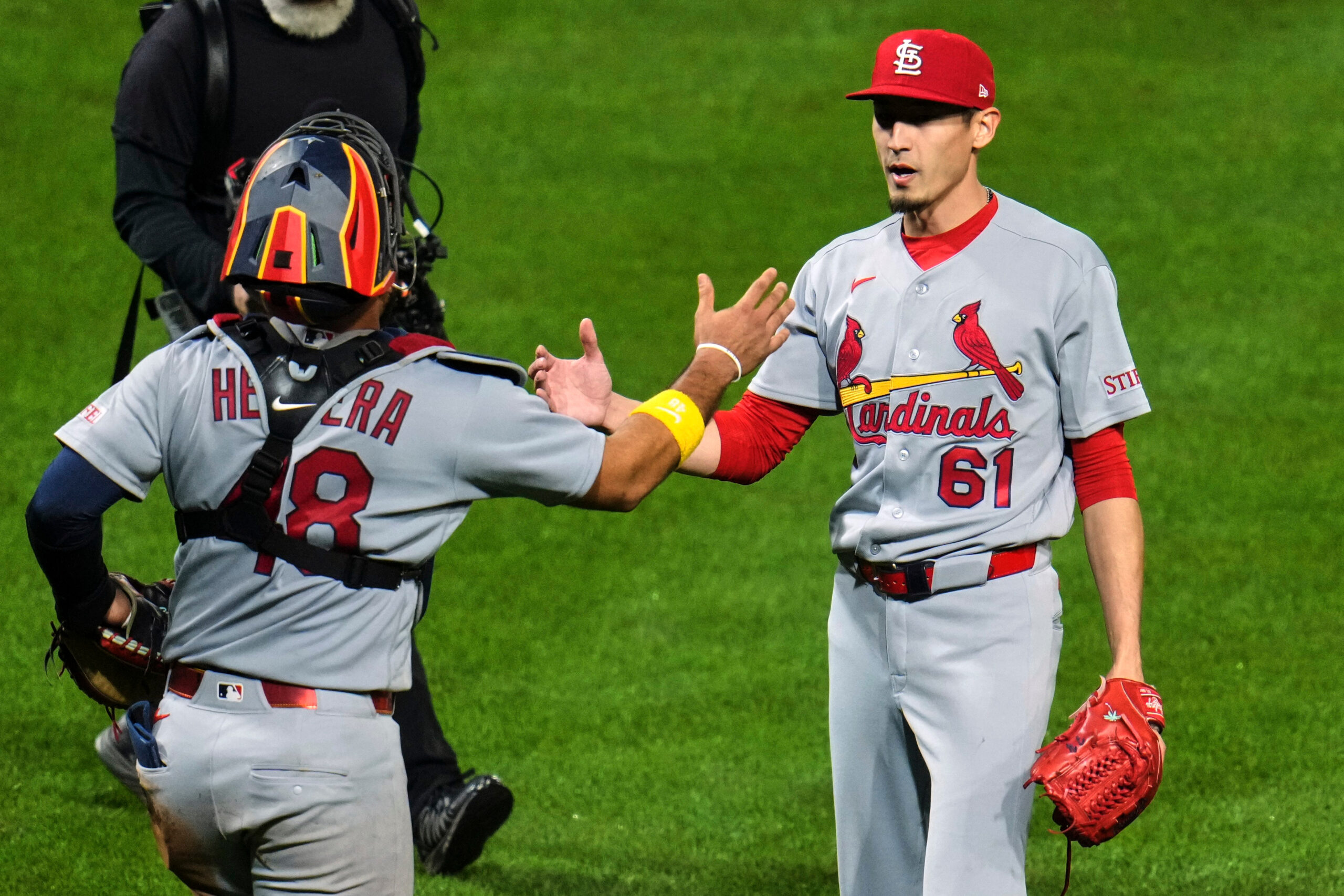
Riley O’Brien, Cardinals
All-Star selections: First
2026 stats: 3.72 ERA, 22 saves
What to know: The 31-year-old O’Brien, who replaced Pirates ace Paul Skenes, is tied for third in the NL with 22 saves. His success is driven by a devastating sweeper, which opponents are batting just .033 against and has led to a 48.6% whiff rate.
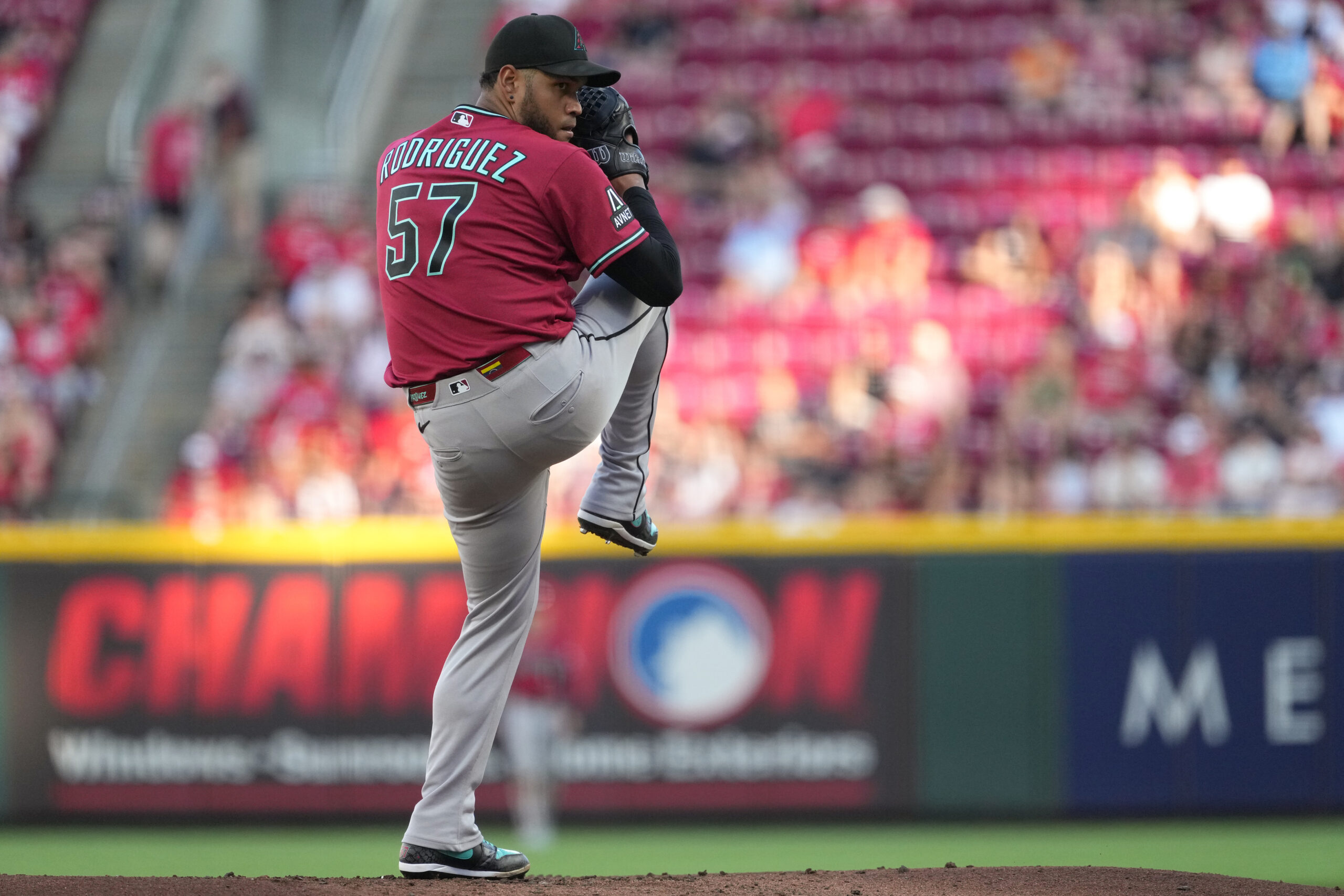
Eduardo Rodriguez, Diamondbacks
All-Star selections: First
2026 stats: 7-3, 2.25 ERA
What to know: Another NL pitcher who had to wait awhile to make his first All-Star team, Rodriguez has been stellar for Arizona in his 11th season. He has given up one run or fewer in 11 of his 18 starts this season.
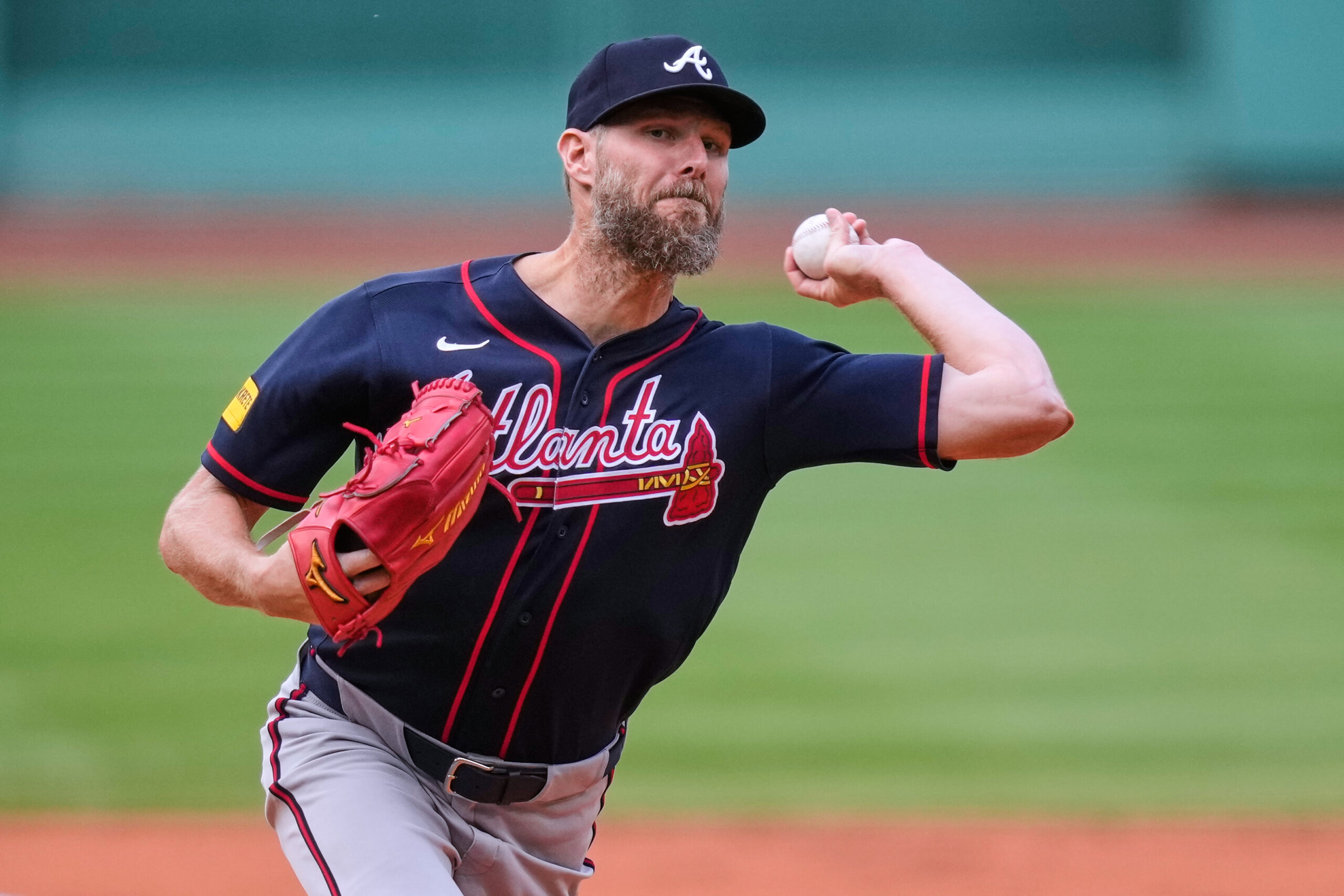
Chris Sale, Braves
All-Star selections: 10th
2026 stats: 9-6, 2.27 ERA
What to know: The 37-year-old Sale is still elite, relying on a four-seamer and slider almost 80% of the time. And he can still fool hitters with the best of them — his 35.4% chase rate is in the 92nd percentile of all pitchers.
Cristopher Sánchez, Phillies
All-Star selections: Second
2026 stats: 10-3, 2.00 ERA, 5.91 SO/BB
What to know: The unlikely ascent from fringe minor leaguer to Cy Young candidate has continued this season. Sánchez leads all pitchers with 5.7 WAR and didn’t allow a run for 50⅔ innings earlier this season, the most ever for a left-handed pitcher. It all starts with his changeup, against which hitters are batting .142 this season.
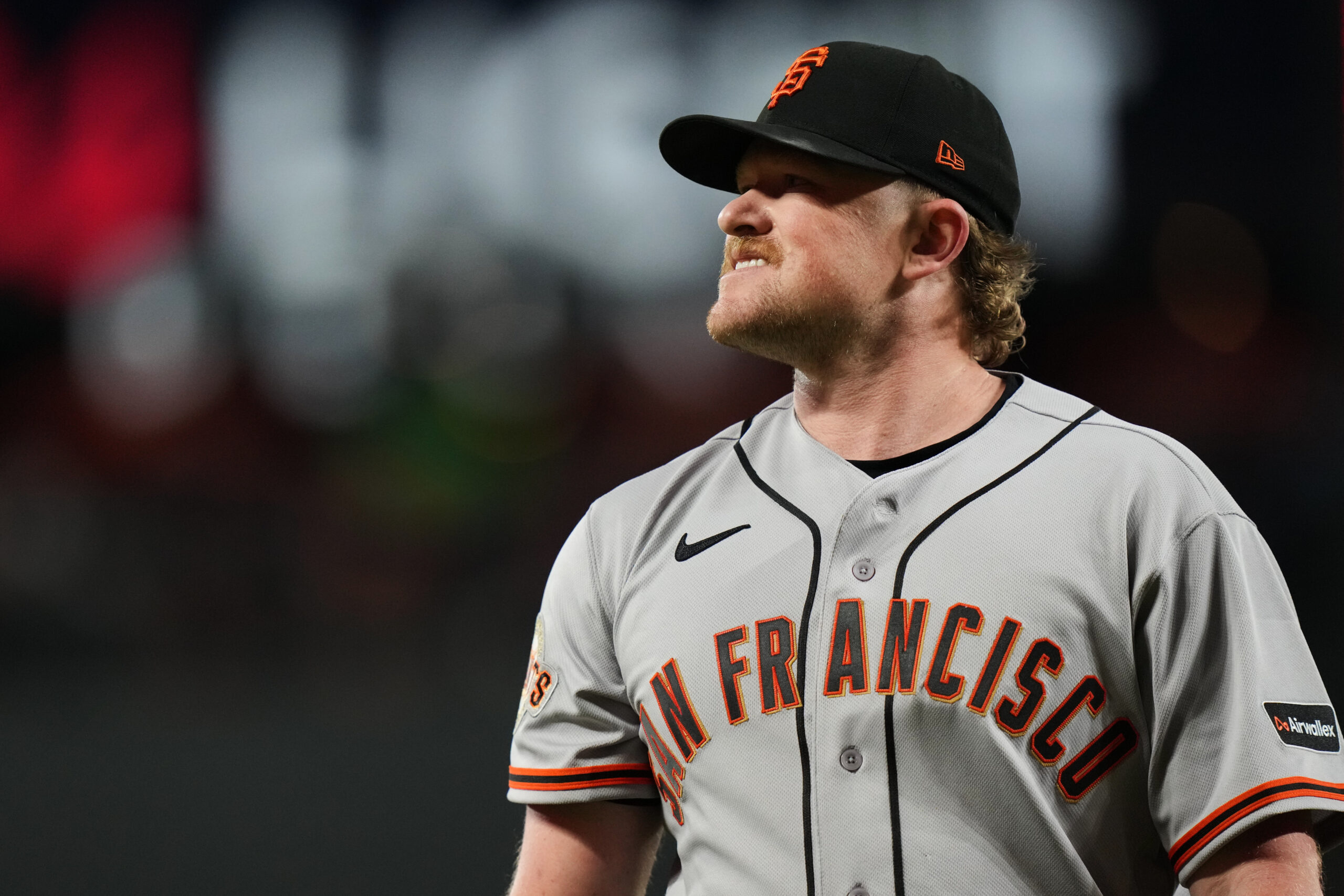
Logan Webb, Giants
All-Star selections: Third
2026 stats: 3.66 ERA, 1.168 WHIP
What to know: Webb, who led the NL in innings the past three years, got off to a rough start to the season. He had a 5.06 ERA in his first eight starts but has turned it around over his last seven with a 2.18 ERA.
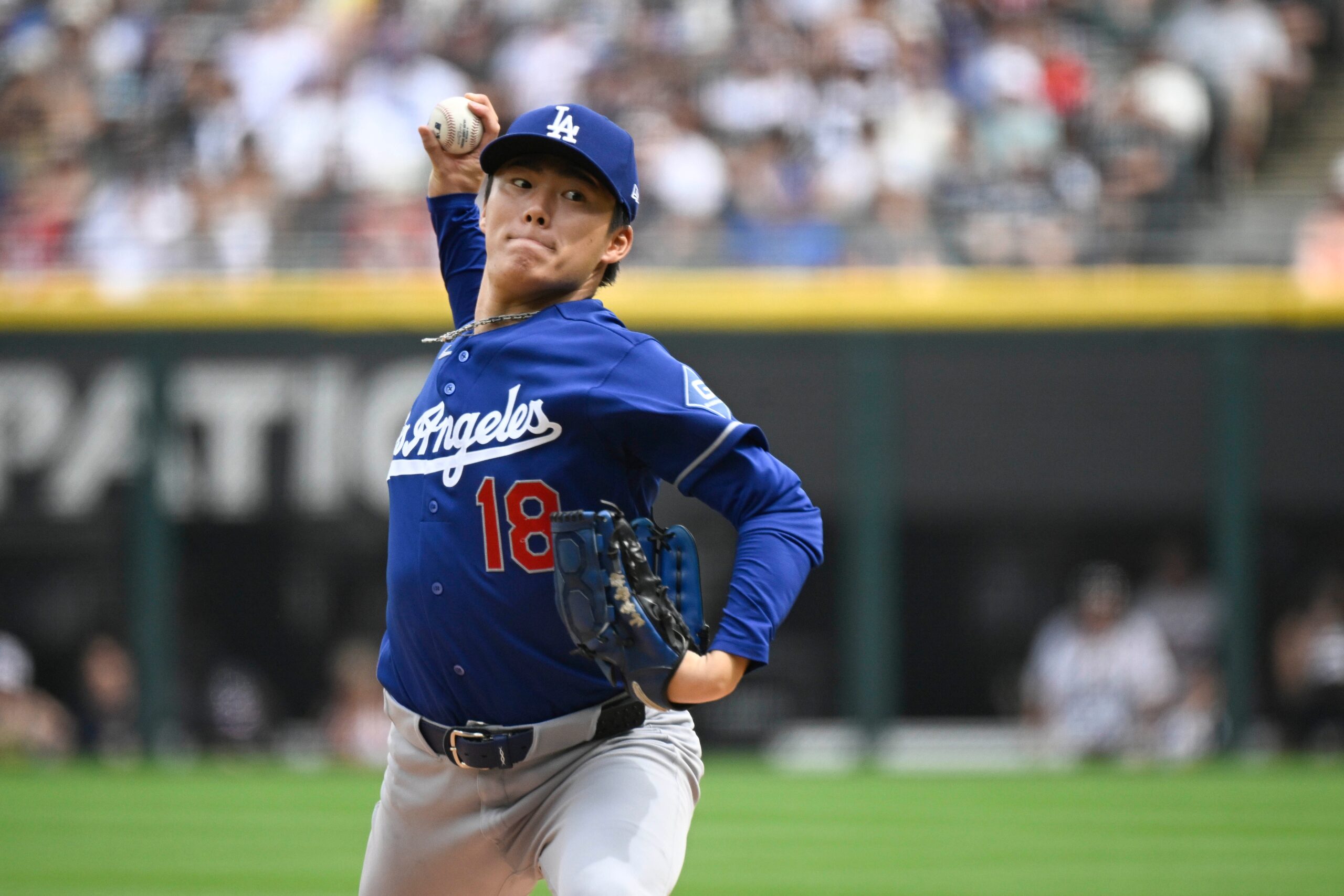
Yoshinobu Yamamoto, Dodgers
All-Star selections: Second
2026 stats: 9-5, 2.49 ERA, 0.879 WHIP
What to know: Last year’s postseason hero has been just as good as in 2025. In fact, he has the same ERA (2.49) as last season and has lowered his WHIP. He’s also lowered his walk rate to an elite 5.3%, which puts him in the 92nd percentile of pitchers.
NL reserves
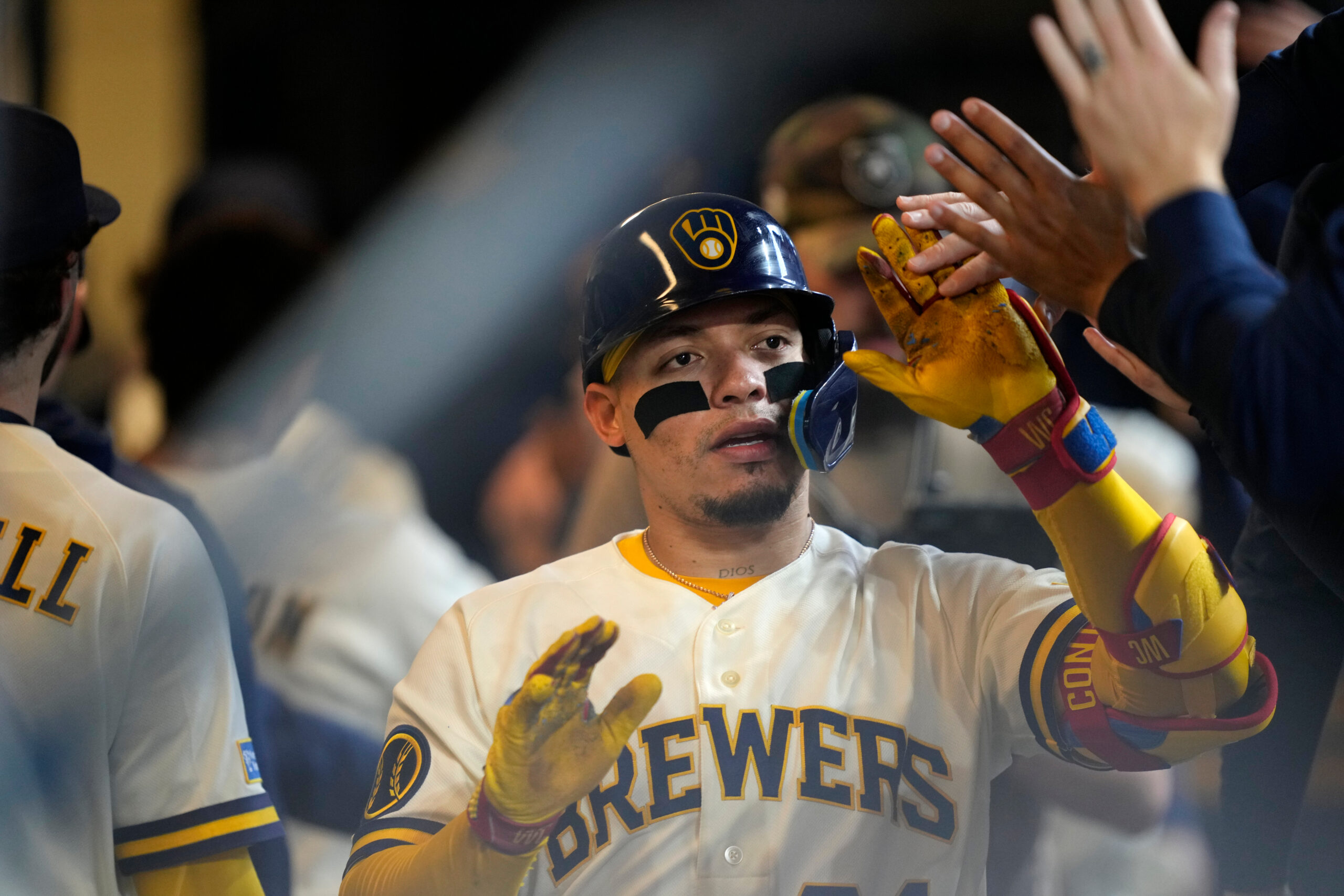
William Contreras, C, Brewers
All-Star selections: Third
2026 stats: .295/.358/.416, 9 HR, 51 RBIs
What to know: Contreras has been the most productive catcher offensively over the past four seasons. And he’s durable, averaging 149 games in his last three full seasons.
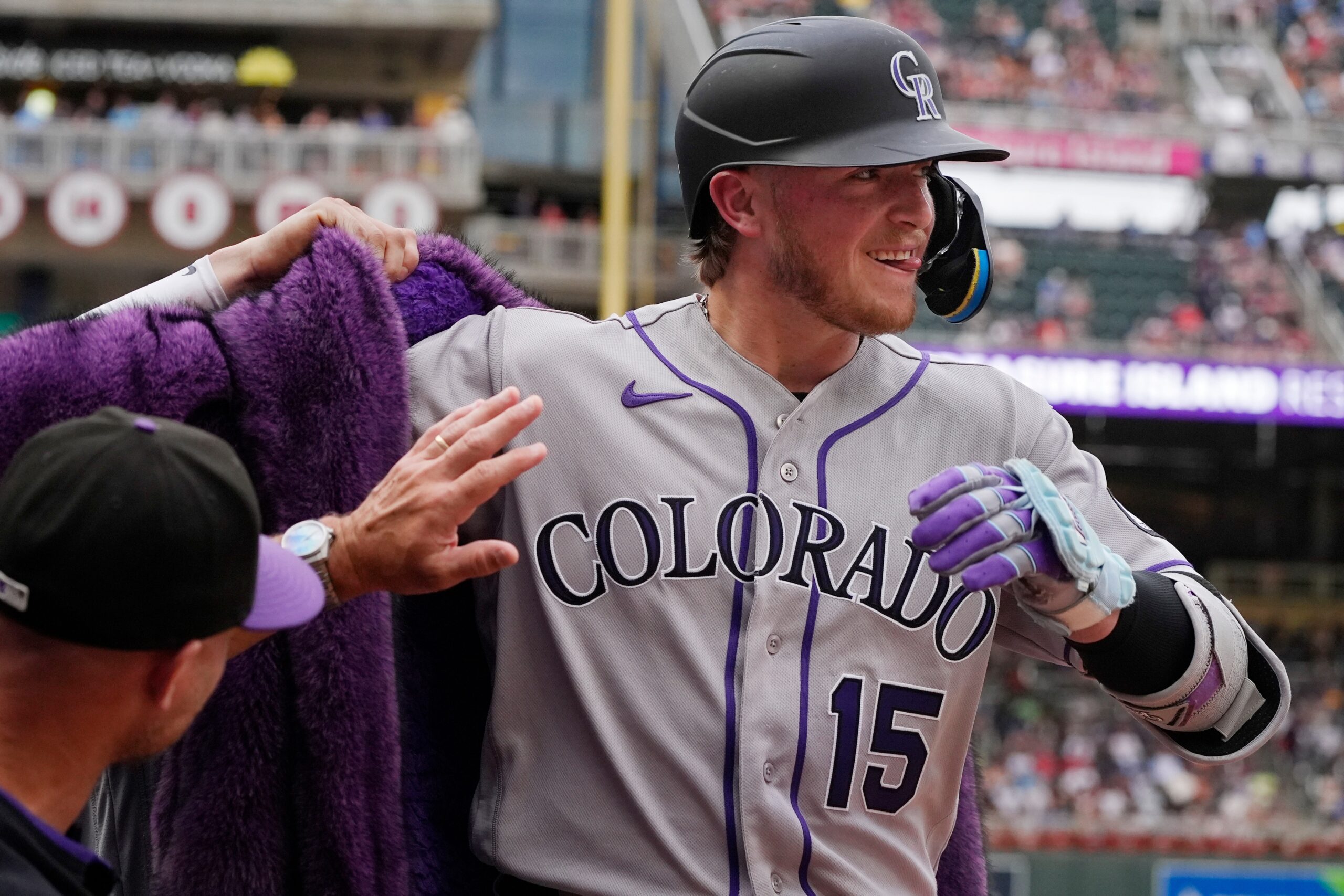
Hunter Goodman, C, Rockies
All-Star selections: Second
2026 stats: .254/.318/.552, 27 HR, 51 RBIs
What to know: Goodman has developed into one of the best power-hitting catchers in the game over the past two seasons. He’s on his way to a second straight 30-homer season and ranks fourth in the NL in slugging percentage.
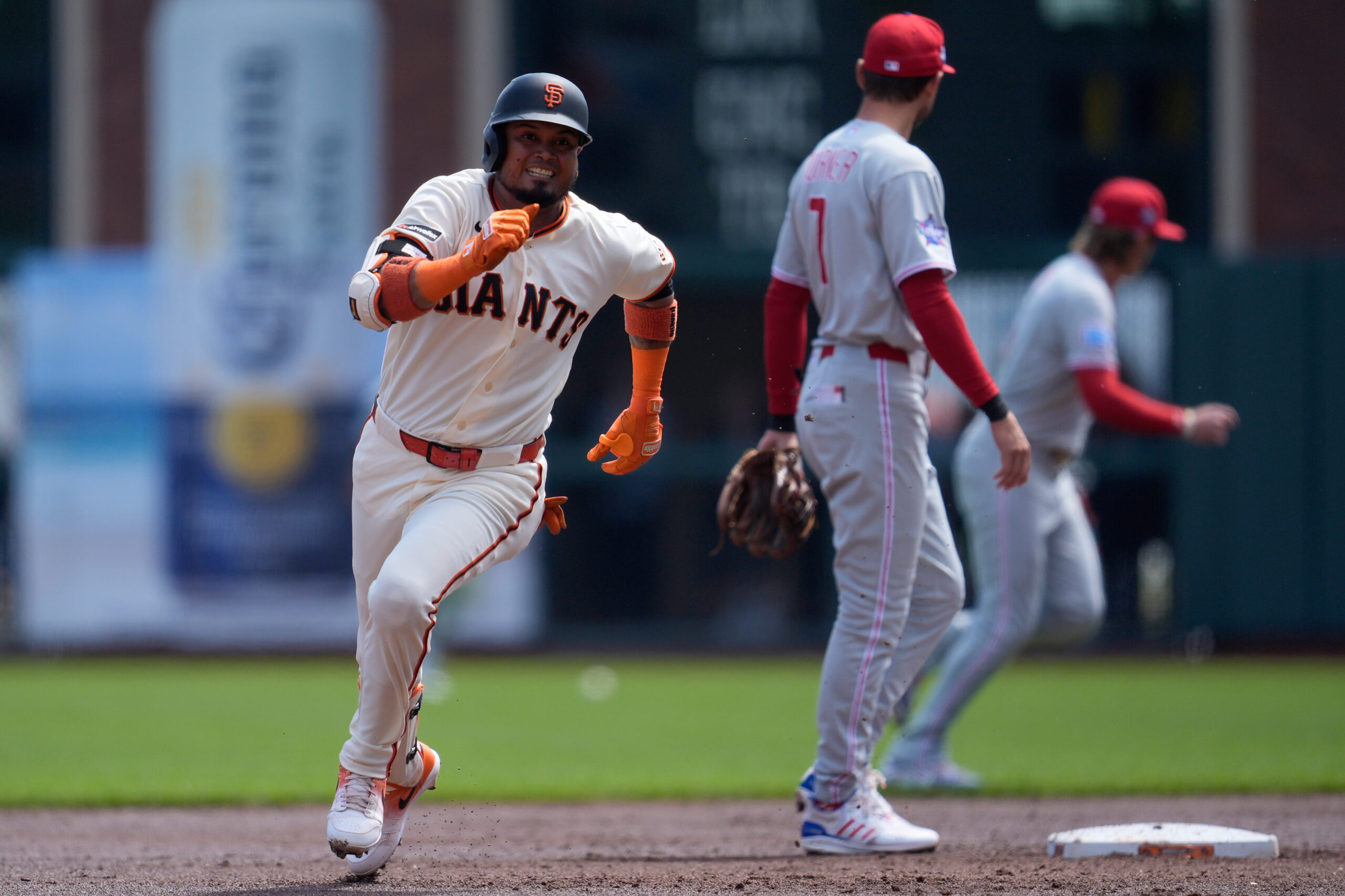
Luis Arraez, 2B, Giants
All-Star selections: Fourth
2026 stats: .326/.362/.461, 4 HR, 33 RBIs
What to know: The toughest guy to strike out in baseball, Arraez is a career. 318 hitter, and has led the league in hits twice in his career, and is second this season.
Bryce Harper, 1B, Phillies
All-Star selections: Ninth
2026 stats: .270/.370/.522, 20 HR, 57 RBI
What to know: After coming up short in the fan vote, Harper was “grateful” to be picked for the team by commissioner Rob Manfred. He’s certainly deserving of the spot with an OPS over .900 and his 12th 20-homer season while playing every game. After all, an All-Star Game at Citizens Bank Park without the Showman wouldn’t seem like much of a show at all.
Otto Lopez, SS, Marlins
All-Star selections: First
2026 stats: .346/.376/.520, 9 HR, 43 RBI, 17 SB
What to know: Baseball’s batting leader also is tops in hits (123) and doubles (25) during what has been a career year for the 27-year-old.
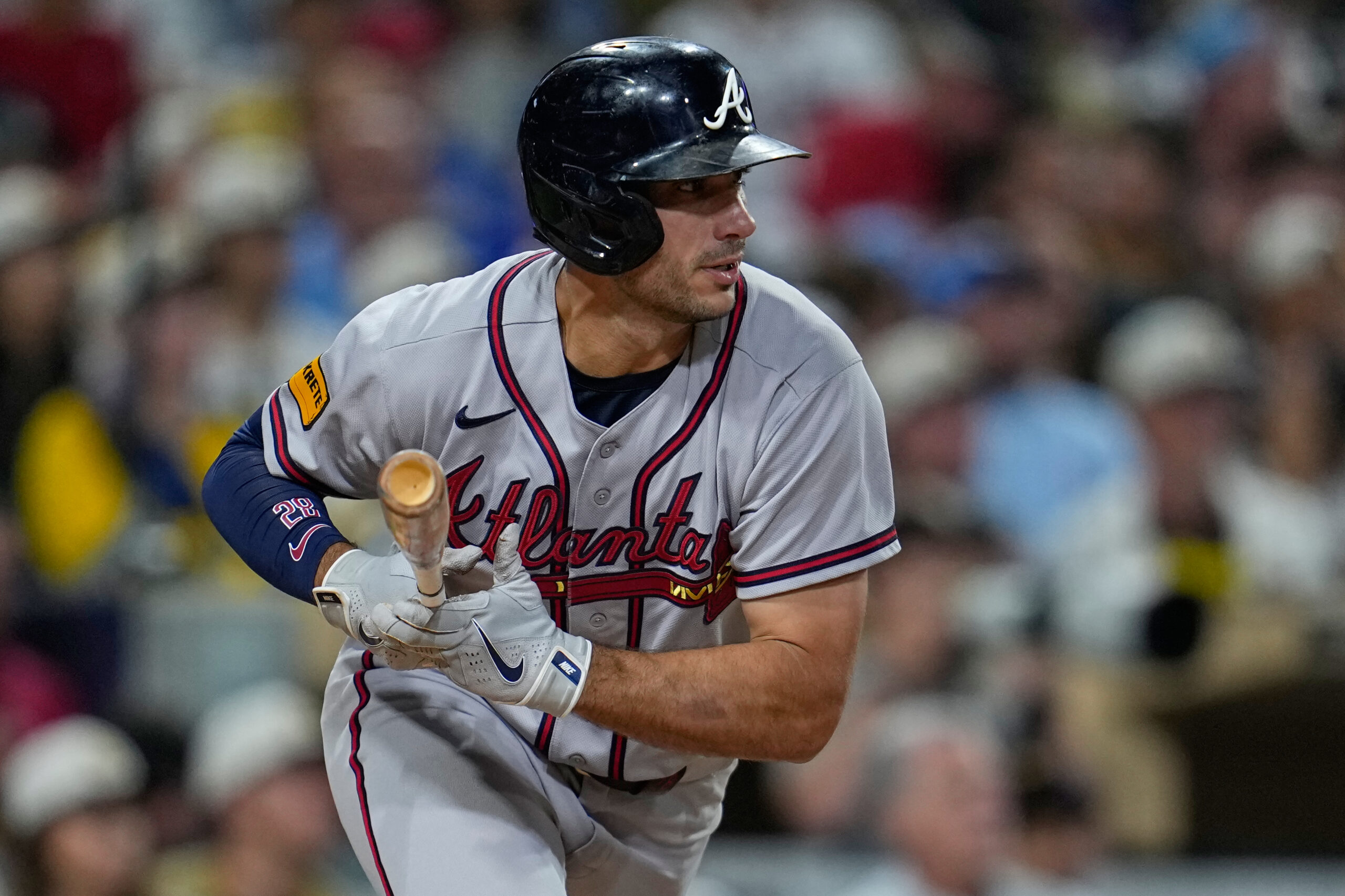
Matt Olson, 1B, Braves
All-Star selections: Fourth
2026 stats: .271/.341/.531, 22 HR, 54 RBI
What to know: Olson, who has nine seasons of 20-plus home runs, is having a resurgent power season. His slugging percentage has surged to .531 this season after sitting at a combined .471 in 2024 and 2025. And more than half his batted balls are considered hard hit, putting him in the 92nd percentile among all hitters.
Sal Stewart, INF, Reds
All-Star selections: First
2026 stats: .254/.339/.466, 17 HR, 61 RBI
What to know: The 22-year-old is one of two rookies to represent the Reds at the All-Star Game, along with pitcher Chase Burns. Stewart, who has played mostly third and first base this season, is tied for fourth in the NL in RBIs.
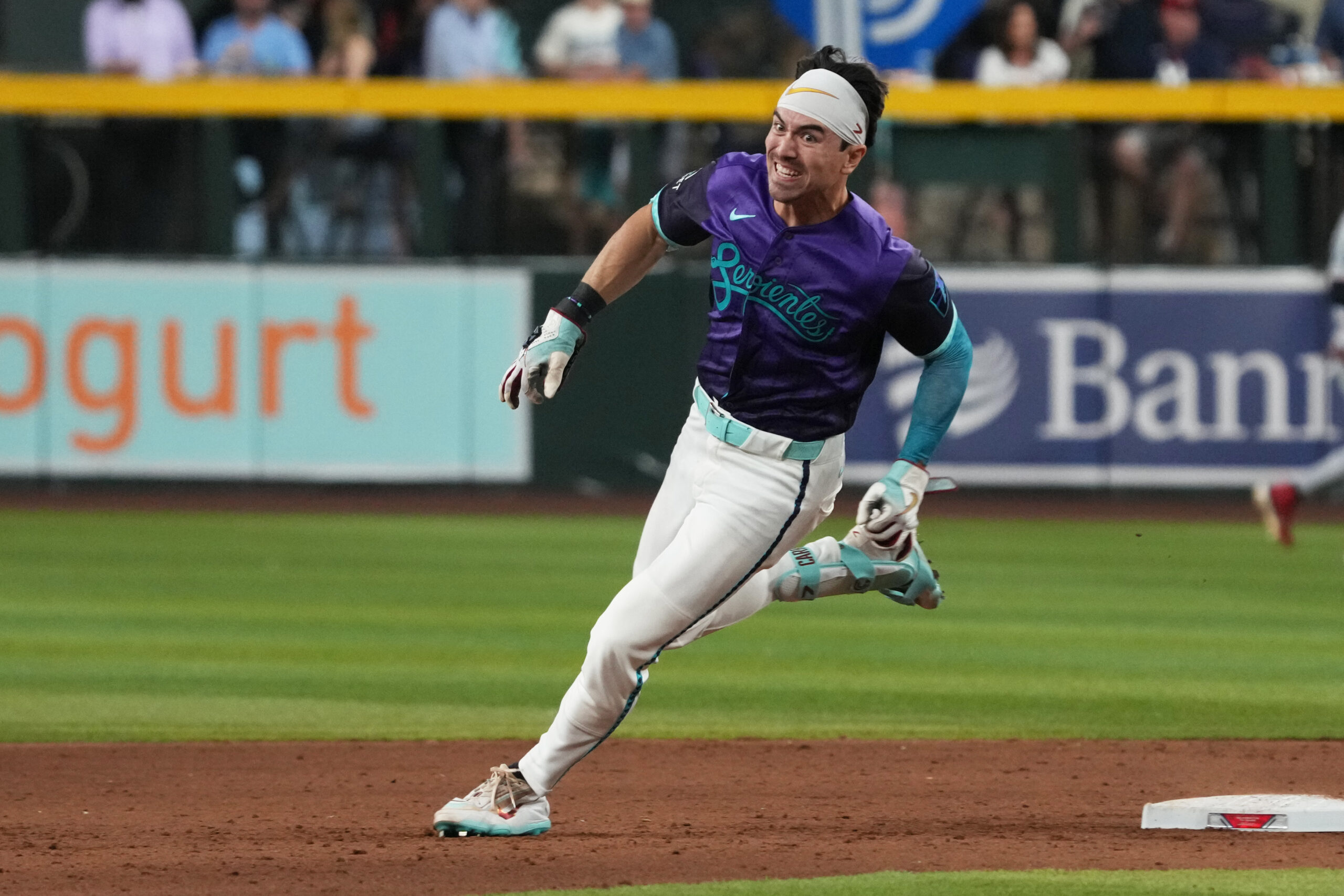
Corbin Carroll, OF, Diamondbacks
All-Star selections: Third
2026 stats: .266./.356/.506, 13 HR, 45 RBI
What to know: An All-Star for the third time in his four full seasons, the 25-year-old Carroll is having another strong season with an .862 OPS. The speedy outfielder again leads the majors in triples, a crown he was won for four straight seasons.
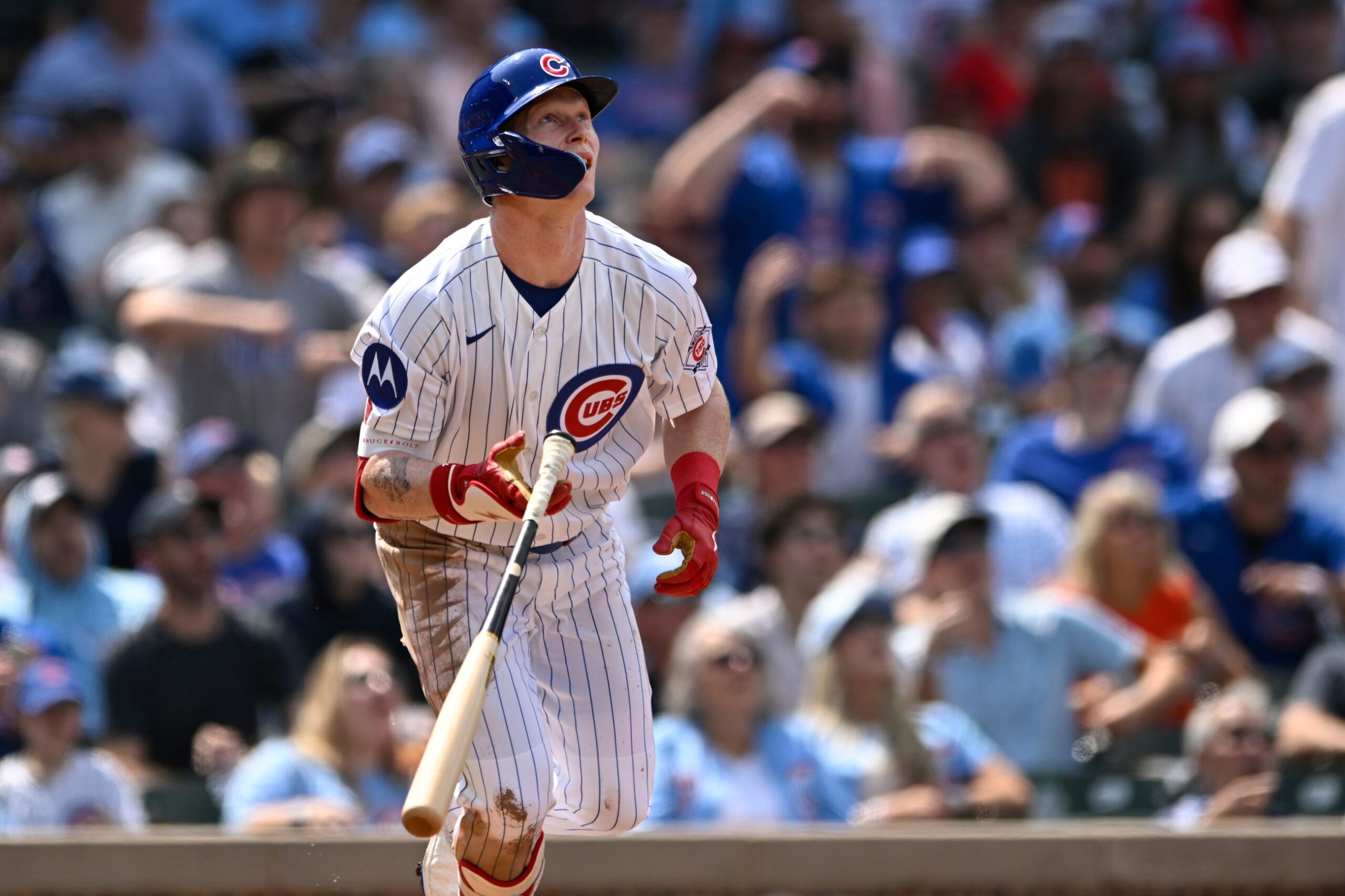
Pete Crow-Armstrong, OF, Cubs
All-Star selections: Second
2026 stats: .292/.383/.527, 19 HR, 49 RBI, 23 SB
What to know: Entering June, PCA was batting .231 with a .713 OPS and a 25.6% strikeout rate. Then June rolled around (along with a late-May switch to the leadoff spot), and he took off with an epic month. He posted a 1.249 OPS with 40 hits, 11 home runs and a .381 batting average to surge back into All-Star contention.
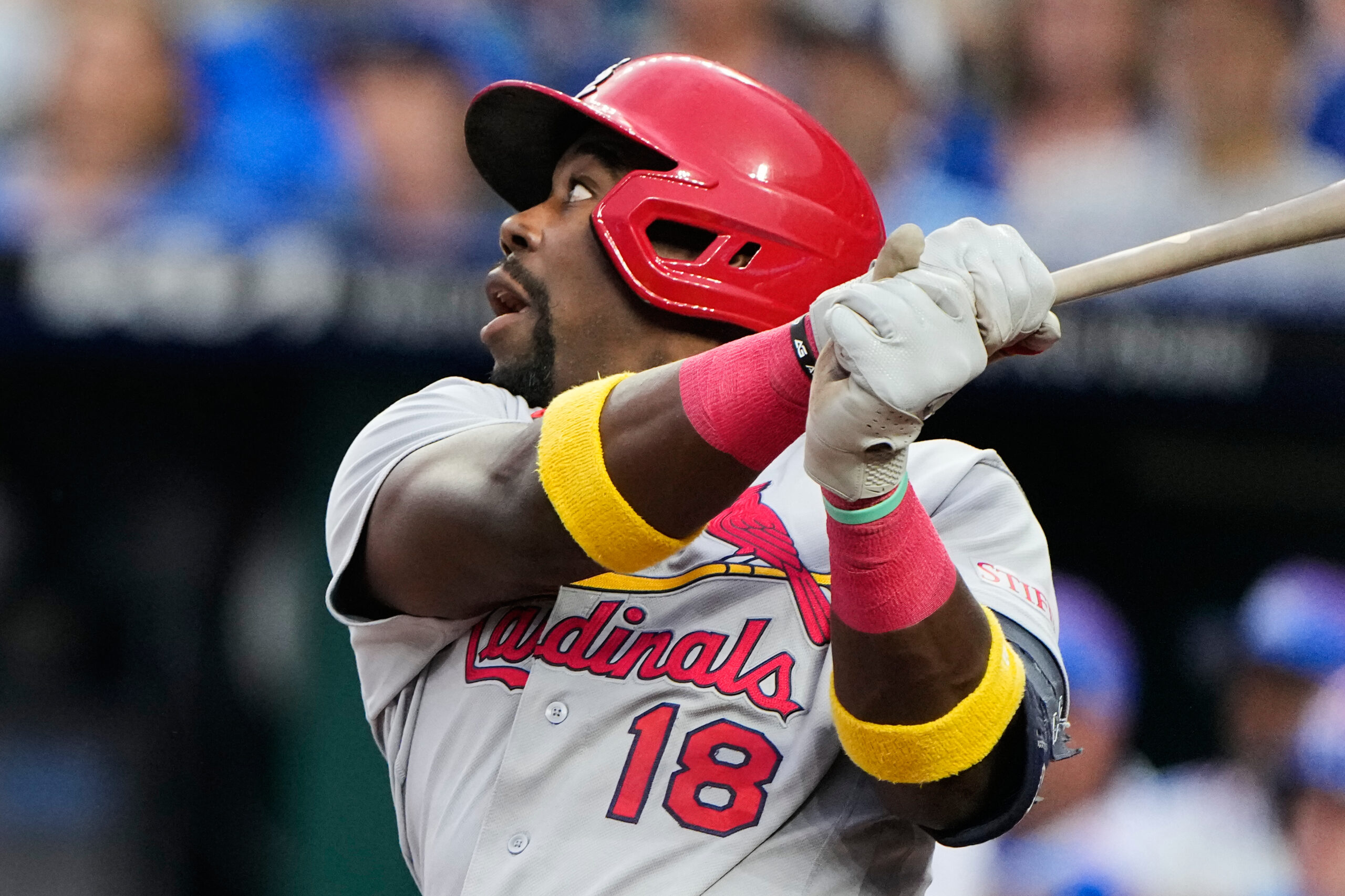
Jordan Walker, OF, Cardinals
All-Star selections: First
2026 stats: .292/.352/.529, 20 HR, 67 RBI
What to know: The 24-year-old Walker is having a breakout season for the surprising Cardinals. It’s been fueled by elite bat speed (79.1 mph), which trails only Junior Caminero (79.9) as the best in the majors.
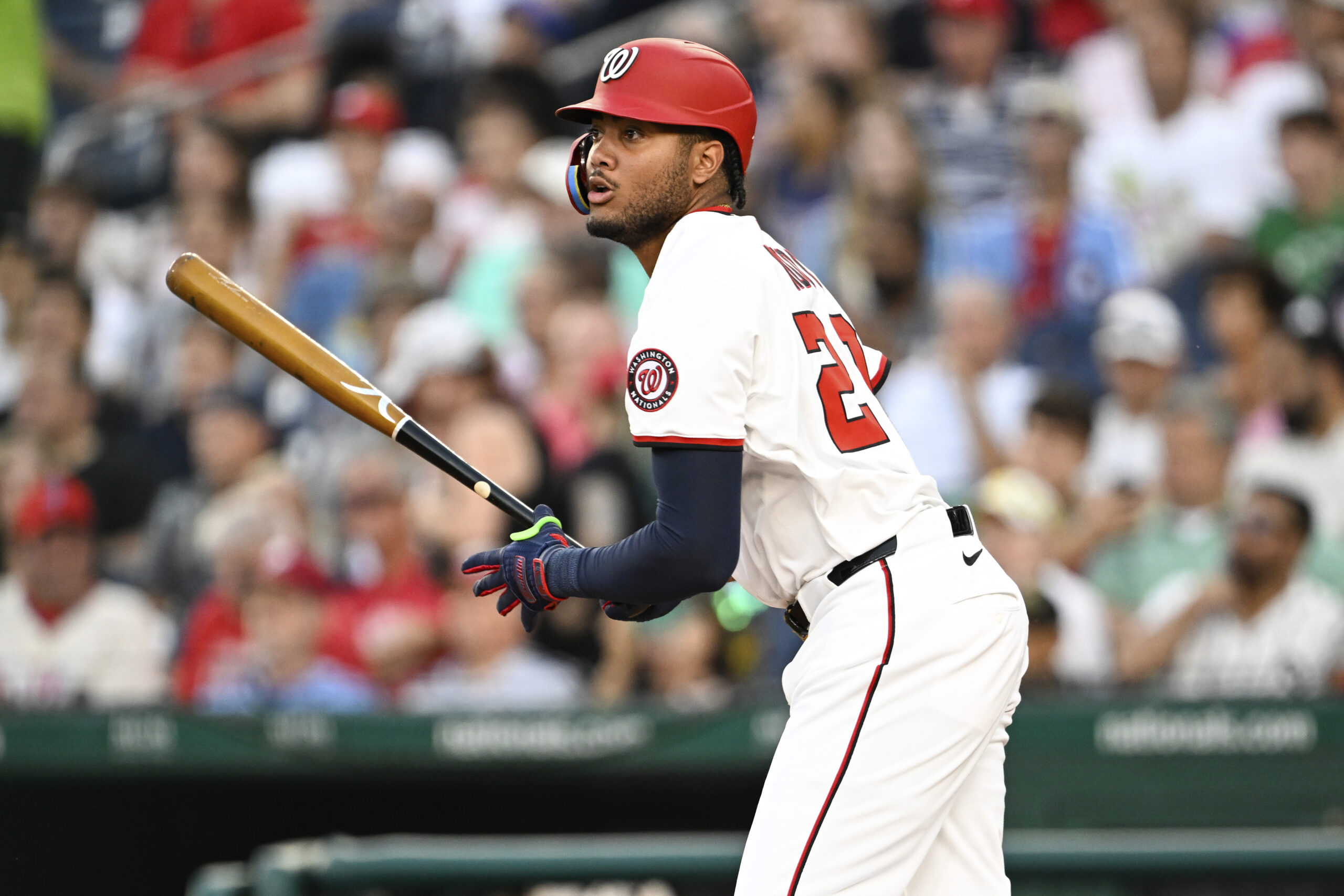
James Wood, OF, Nationals
All-Star selections: Second
2026 stats: .266/.393/.533, 23 HR, 56 RBI
What to know: The 23-year-old is having an exceptional offensive season. It’s a combination of solid contact and an elite ability to get on base — he is in the 99th percentile among hitters in hard hit and walk percentages. He’s also been durable, playing in every game this season.
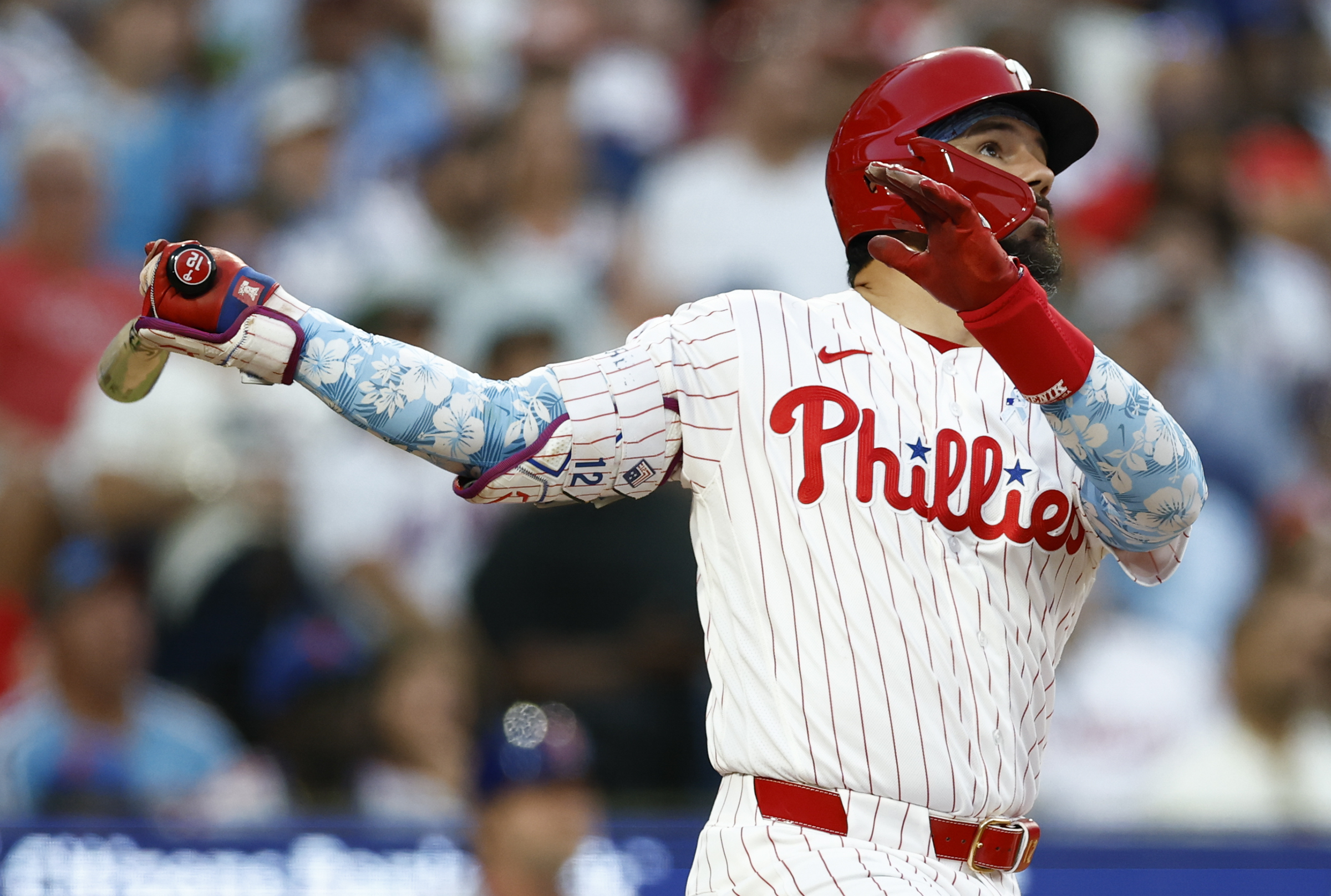
Kyle Schwarber, DH, Phillies
All-Star selections: Fourth
2026 stats: .254/.370/.567, 30 HR, 55 RBI
What to know: Schwarber is back in the All-Star Game for a second straight season and third time as a Phillie. His 30 home runs lead the majors along with his .567 slugging percentage.
Scrap metal, one of the Philadelphia area’s biggest shipping products, has been piling up in area scrapyards since June 4 when Camden officials closed EMR USA Holdings Inc.’s metal-shredding facilities after the latest in a series of fires affecting the region’s million-ton-a-year scrap shipping industry.
Scrap dealers, faced with bulging inventories, blame the fires on the increased use of lithium-ion batteries — not so much large car batteries but the increasingly ubiquitous, highly combustible smaller batteries slipping into landfills from lawn mowers, construction tools, “smart” infrastructure, and household appliances.
The two-alarm May 29 fire, following a four-alarm Feb. 21, 2025, blaze that sent 100 neighbors fleeing for shelter, is the latest in what Camden code enforcement director Gabriel Camacho said have been up to a dozen “harmful, offensive, or obstructive” blazes at the Camden yard, which is at 1400 S. Front St. near the city’s Beckett Street Terminal.The fires spread smoke and hazardous materials.
Camden officials in statements on the fire have focused on the effects, not the causes, of the fires.
EMR CEO Joseph W. Balzano, whose company sued to reopen, last year agreed to pay the city $4.5 million up front and $2.2 million over five years, plus more for community and facility upgrades. After the May fire, the company promised steps to reduce fire risk.
City Council is scheduled to review the proposal at a meeting Tuesday evening.
The scene at EMR Metal Recycling in Camden on Feb. 22, 2025, the morning after a four-alarm fire sent thick plumes of black smoke over Camden County, causing some residents to evacuate two nearby hotels.
EMR, including its offices and auto-parts business as well as its recycling facilities, employs 575 workers — almost 200 are Camden residents — including members of the Teamsters union.Some workers operate shredding and sorting machinery and haul old iron and steel to the South Jersey Port Corp.’s nearby pier, which is named for Balzano’s late father, who headed the port.
EMR shreds and ships steel from smaller dealers, some to foreign users, but most of it, in recent years, to U.S. electric steel mills and other industrial recyclers.
“We haven’t laid anyone off — our people are like family — but we are getting to the end of our rope,” Balzano said last week.
Competing terminals at the port in Fairless Hills, Bucks County, and in Newark, N.J., have picked up some of the business, he said — at a higher price, including the cost of trucking scrap a longer distance.
England-based European Metal Recycling Ltd. acquired and began operating the Camden site since it purchased the former Camden Iron & Metal in 2006.
Scrapyard officials say they tracked the latest fire to a discarded lithium-ion battery, a factor in what they say is a surge of scrap fires.
“It’s the biggest issue all recyclers face,” Balzano said. “Regulations need to be put in place that keep these batteries out of commerce.”
The batteries are used in items like stoves, washing machines, dryers and “things you wouldn’t think of like light ballasts or guard rails,” he said.
“Nine times out of 10, it’s a power-tool lithium-ion battery,” he said. “Contractors throw ‘em in the dumpster, not realizing it’s hazardous once it’s broken out of its original container. Lead-acid batteries, not such a big deal. But lithium batteries burn so hot, you almost have to let ‘em burn out.”
Burns Co., a building-materials recycler whose yard covers more than 12 acres in Philadelphia’s Hunting Park section, needed city help putting out its most recent lithium-ion battery fire in May, said Allen Burns, who runs the family-owned yard, which employs nearly 100.
He points to scorch marks on a concrete-block wall at the facility.
“It took 30 firemen five hours to put out the fire,” Burns said. “They looked on our camera system, dug down, and found a lithium-battery-powered tool. There must be a landfill fire every day from a lithium battery.”
Burns said the Camden shutdown has backed up shipments at yards around the region.
“We have had to bail metal to conserve space,” he said. Disposal costs are up.
David Wiechecki, owner of International Scrap Iron & Metal in Chester, said, “You don’t want to leave [lithium-ion batteries] laying in your yard. It’s a real problem.”
“You go over the loads with a fine-tooth comb, but people who want to sneak them by will do it,” he said. “Meanwhile, prices are down because export demand is down,” leaving scrapyards with more iron and more fire concerns.
Lithium-ion battery fires were blamed last year for burning dozens of decommissioned SEPTA buses and led to the end of SEPTA’s Proterra electric-bus program.
Thomas said his group and national scrap-metal and waste-disposal trade associations want federal legislation forcing manufacturers to pay lithium-ion battery recycling fees.
“But they don’t want them back. It’s cheaper for them to buy virgin material,” he said. “So there’s a big tug of war in state legislatures with the manufacturers. In Pennsylvania, we had a bill stalled in the state Senate just in the last 10 days with no action.”
Staff writer Frank Kummer contributed to this article.
This story has been updated to correct the timing of EMR’s agreement with Camden last year.
It’s called the Giant Heart, but for Flyers’ first-round draft pick Maksim Sokolovskii, even that’s not big enough.
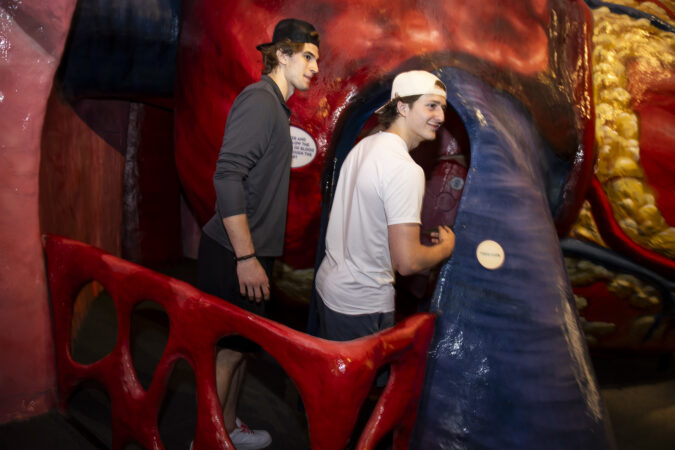
The 6-foot-7 defenseman ducked as he made his way into the popular exhibit at the Franklin Institute, navigating narrow stairways and the twists and turns of the heart’s anatomy. Leading the way was Flyers’ second-round draft pick Brek Liske.
Less than a minute later, the two players appeared at the top of the heart, waving to those watching from floor as they capped a very Philly adventure for two of the city’s newest athletes.
It was a busy first week, which included attending Flyers development camp. And as part of the camp, all six of the team’s draft picks, alongside current players like Porter Martone and Denver Barkey, attended an autograph session at the Franklin Institute, where they met fans and took in new sights along the way.
We caught up with Liske and Sokolovskii to discuss their time in Philly, their game-day soundtracks, and more:
Q.What did you know about Philly before you were drafted to the Flyers?
Sokolovskii: I just know all the Russian guys [who] played here.
Liske: I’ve been here a few times when I was younger. Been to the practice facility. I know it’s a pretty cool city with passionate fans. That’s about it. It’s cool seeing behind the scenes.
Q. And what’s the city been like for you so far?
Liske: It’s been pretty cool. Even just driving through, there’s lots to take in, right? Lots of Flyers stuff everywhere. It’s awesome to see.
Sokolovskii: Yeah, good downtown, good big city. All of the fans.
Liske: I did when I was younger. I’ll have to have it again. It was a good experience. Yeah, I’ll absolutely have to try.
Sokolovskii: I’ve never had [one].
Liske: Oh, we did [on Tuesday]. The slider thing. The roll. The cheesesteak roll.
Sokolovskii: Oh yeah. … not bad.
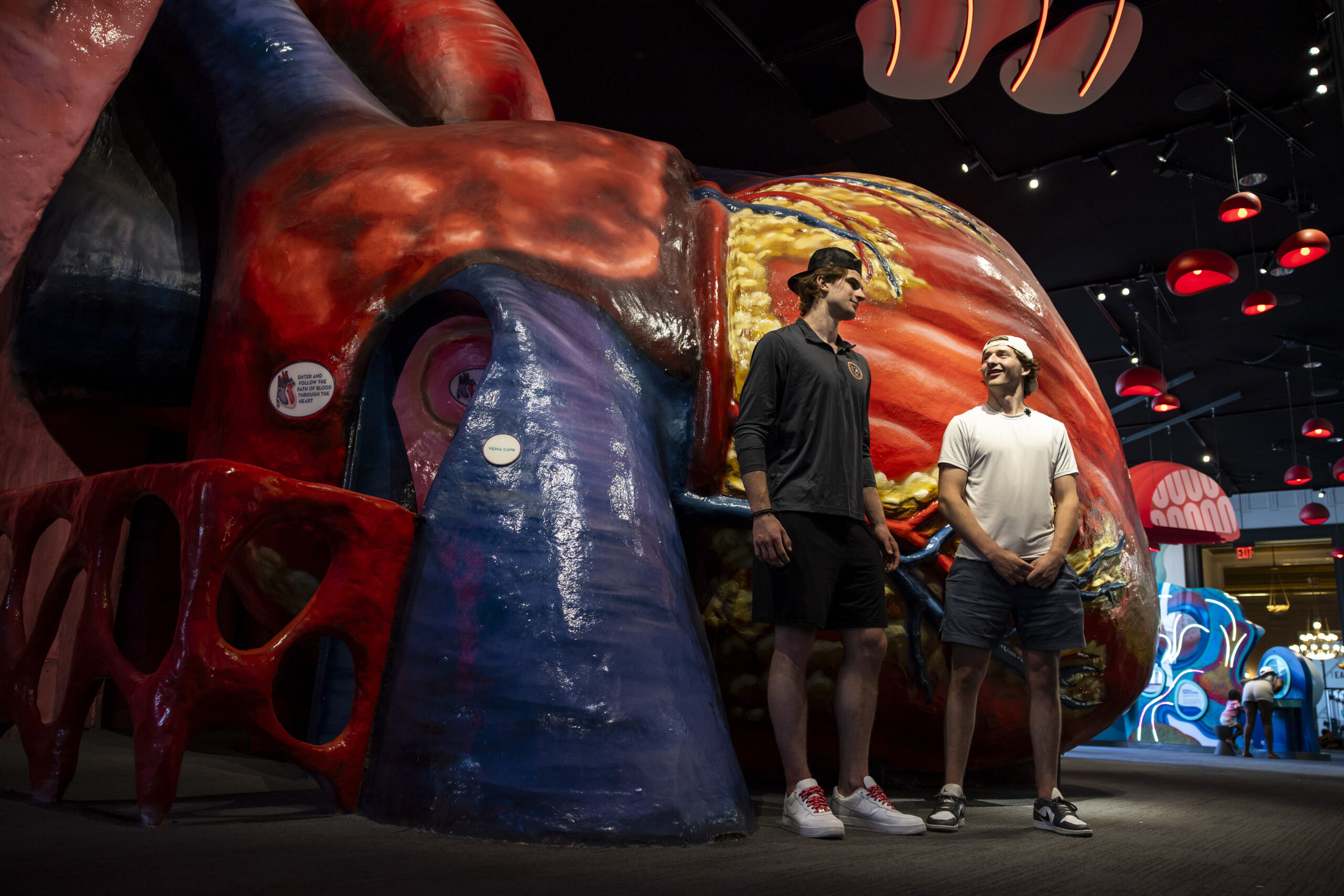
Flyers prospects Maksim Sokolovskii and Brek Liske stand in front of the Giant Heart at the Franklin Institute.
Q. Brek, what was it like for you growing up as a Flyers fan in Winnipeg?
Liske: Lots of people chirping at me, I guess. [There are] a lot of Jets fans in Winnipeg, so [I’m] happy to be actually a part of [the Flyers] now and they can’t say much anymore.
Q. And your dad is a die-hard Flyers fan. What’s his favorite piece of Flyers memorabilia that he owns?
Liske: I don’t know. His favorite player was [Claude] Giroux, for sure. He loved [Rod] Brind’Amour and [Rick] Tocchet as well. So, not memorabilia, but those are his favorite guys.
Q. Do you have a favorite Flyers memory from your past visits?
Liske: Probably just getting the Shayne Gostisbehere signed stick. That’s pretty cool. Still have it in my room. … It’s mounted, so that’s the best thing.
Q. And, Maksim, English isn’t your first language. What’s been a way that you’ve been trying to learn the language?
Sokolovskii: Just talking, trying talking with everyone, and watching movies.
Liske: He’s been good. He’s been really good.
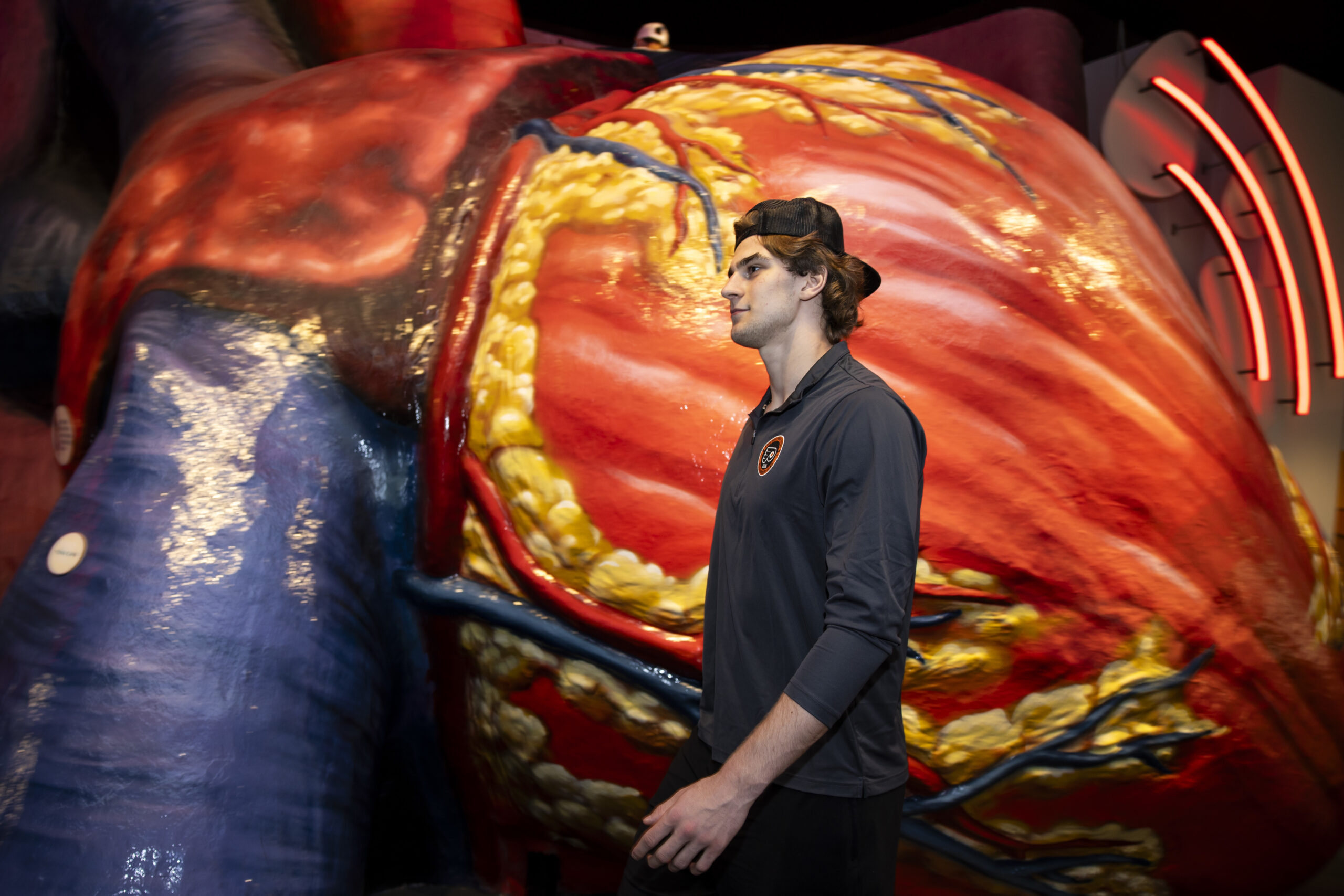
Maksim Sokolovskii is 6-foot-7, making the Giant Heart look just a little smaller than usual.
Q. What’s your go-to music to listen to ahead of game day?
Sokolovskii: Drake, I listen to Drake.
Liske: Yeah, me too. A bit of everything. Whatever I’m feeling like, but, good answer.
Sokolovskii: I listen to Russian.
Q. What’s been the biggest challenge for you playing hockey as such a taller guy?
Sokolovskii: Nothing.
Liske: I like that.
Q. Brek, I know you’re already a Philly sports fan. But Maksim, what have you heard about Philly sports fans?
Sokolovskii: They’re crazy, crazy fans. I like it.
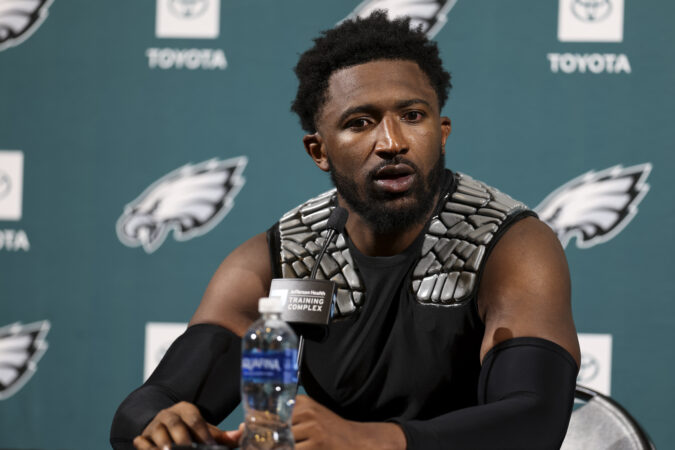
With Eagles training camp drawing nearer, The Inquirer is taking a closer look at the more than three dozen new faces who are expected to report along with the rest of the team on July 28.
Player: Jonathan Greenard
Position: LB
Age: 29
Previous experience: The veteran outside linebacker has 38 sacks and 60 tackles for loss in 77 games across six seasons. The Houston Texans selected him in the third round (90th overall) of the 2020 draft after he dominated at Louisville and Florida. He most recently played for the Minnesota Vikings, where he spent two seasons and was named a captain.
Greenard’s sack total was down last year — three in 12 games — but he still had a high pressure rate (47, according to Pro Football Focus). The Eagles traded third-round picks in 2026 and 2027 for Greenard on April 24. He subsequently signed a four-year, $100 million contract with $50 million guaranteed.
Path to a roster spot: Greenard was arguably the Eagles’ splashiest offseason acquisition. They obtained him in the hopes that he’ll replace the production of Jaelan Phillips, who signed with the Carolina Panthers. Not only is he a lock to make the roster, he’ll be a starter and a key cog for one of the NFL’s top defenses. General manager Howie Roseman wanted a premium pass rusher to work alongside Nolan Smith and Jalyx Hunt. He’ll certainly get that with Greenard if the veteran can stay healthy.
Fun fact: Greenard could have found fame off the gridiron, too. The Georgia-born linebacker sang gospel music in the church choir with his sister, Victoria, and mother, Carmen, who was the choir director. When he was 14, he was invited to perform at “The Gift,” a singing competition sponsored by McDonald’s for young talent in Atlanta and was recruited by the music industry. “Producers wanted him badly,” Carmen said. He also made an appearance on the 26th season of ABC’s The Bachelor in 2022.
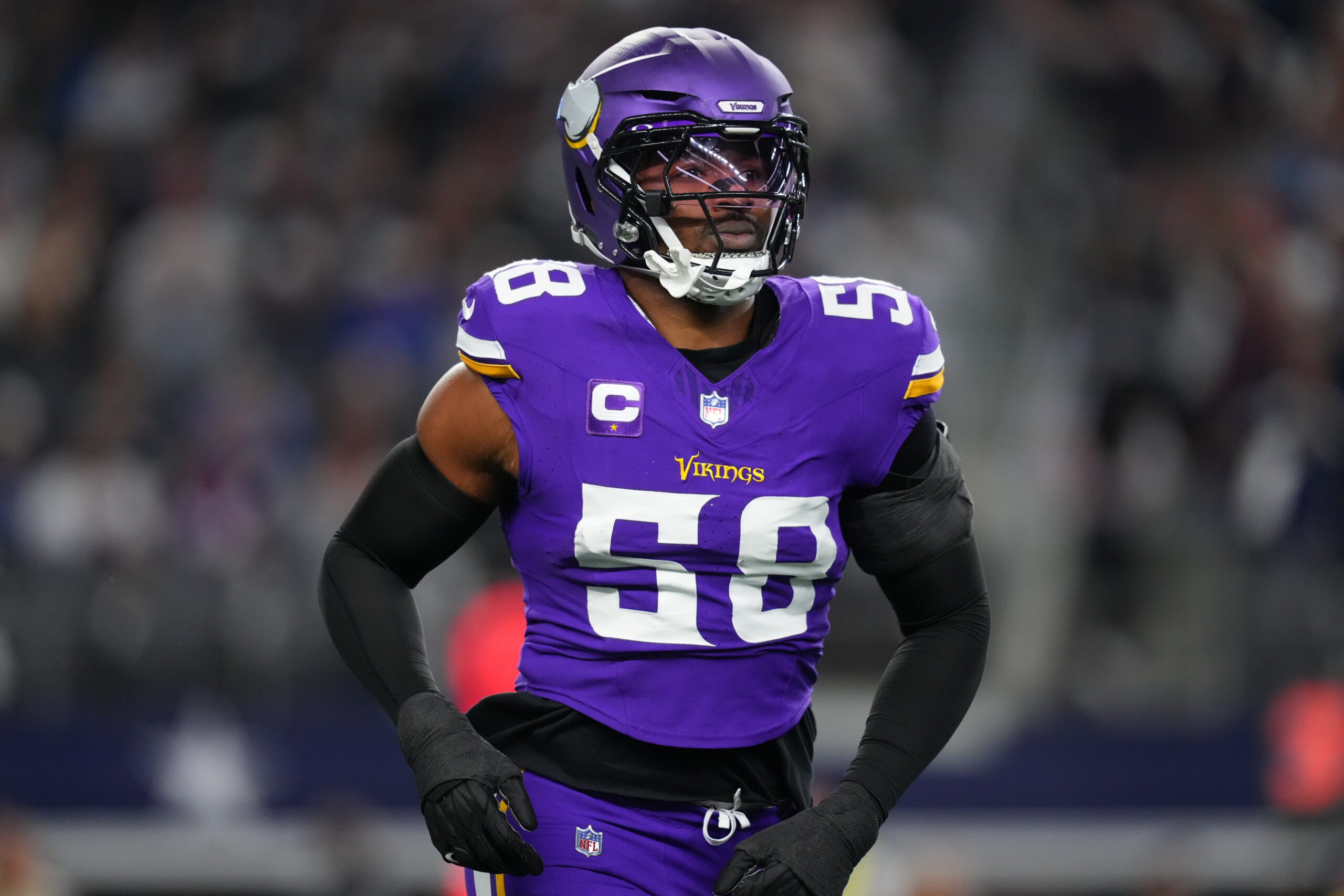
Jonathan Greenard (58) was a feared pass rusher in Minnesota and Houston.
Quotable: “I respect the hell out of the guys that have come before me, and all I can do is continue to just carry that light and make sure the things they’ve done in the past don’t go in vain,” Greenard said in his introductory press conference with the Eagles. “So I love everything about it. I love the historic franchise. I’m wanting to be a part of that. I want to be a part of having some hardware on my finger.”
Player: John Ojukwu
Position: OT
Age: 27
Previous experience: Ojukwu joined the league in 2023 as an undrafted free agent. He signed with the Tennessee Titans after an impressive career at his hometown college, Boise State. In his senior season, he was the only player to start all 14 games. He allowed zero sacks and committed just two penalties but still went undrafted, despite some pundits projecting him as a Day 3 pick. Ojukwu played in 16 games in three seasons with the Titans, starting nine. He signed a reserve/future contract with the Eagles on Jan. 13.
Path to a roster spot: Ojukwu is a long shot to make the Birds’ final roster. Ahead of him on the depth chart are line stalwarts Jordan Mailata and Landon Dickerson and solid depth pieces like Markel Bell, Fred Johnson, Myles Hinton and Cameron Williams. You can never have too much offensive line depth, but Ojukwu will have to turn heads at camp in order to make the team.
Fun fact: As a junior in high school, Ojukwu weighed just 185 pounds. He had talent but knew he needed to add serious weight if he wanted to succeed in college. According to the Idaho Statesman, he gained nearly 100 pounds in nine months — working out multiple times a day, then gorging on gallons of milk and whole pizzas in order to meet his caloric goals.
Quotable: “He was always the one around watching film or outside hitting the sled by himself. He’s always working, and it’s paid off,” former Boise State offensive coordinator Zak Hill said of Ojukwu, via the Idaho Statesman.
For years, I have summed up American politics in one sentence: Republicans have no principles, Democrats have no spine. Now, Democrats seem intent on proving they have no brains to go with that wobbly backbone. Following James Carville’s lead, some frightened Democrats appear determined to snatch defeat from the jaws of victory.
Carville worked magic nearly 35 years ago, helping mastermind Bill Clinton’s 1992 win. He has since become the epitome of the conventional-wisdom consulting class. Only a split within the party could darken the Democrats’ bright electoral prospects this year and beyond. Yet, Carville seems determined to promote precisely that division.
Appointing himself the party’s membership czar, Carville openly advocates for an intraparty “schism,” pushing out the democratic socialists whom voters just elected in Democratic primaries. Sparing no expletives, he said, “I actually do think it’s time for Democrats to talk the S-word: schism.”
Even the word reeks of futility. Schism is most closely associated with the Great Church Schism, which culminated in 1054. The schism irreparably split the Christian Church into Eastern Orthodox and Western Roman Catholic, and weakened Christianity for centuries. It led to Western Crusaders sacking Constantinople in 1204, and left the Eastern Orthodox exposed to the rising Ottoman empire, which took the city in 1453.
The Democratic Party has always thrived on diversity. In the 1930s, Sen. “Cotton Ed” Smith and fellow conservatives held the party’s right flank while Sen. Robert Wagner and the liberals held its left. That coalition built the majorities that enabled Franklin Delano Roosevelt to enact the New Deal and to lead the nation through World War II.
One of FDR’s few political missteps was his attempt to purge conservatives in the 1938 primaries. The failed purge, which party chair James Farley called a “bust,” drove Southern Democrats into a conservative coalition with Republicans and shattered FDR’s aura of invincibility. Though not the primary cause, it contributed to staggering Democratic losses that November: 72 House seats and eight Senate seats.
Carville’s schism has no upside. A handful of democratic socialists will not turn America into Cuba. They sit much closer to the Democratic mainstream than Cotton Ed’s bloc sat to FDR’s. A September Gallup poll found that 66% of Democrats hold a positive view of socialism. And these are not hard-line socialists; they more closely resemble the social democrats of Scandinavia, who would regulate capitalist enterprise, rather than have the state seize it.
The downside, though, is immense. A divided party wins fewer elections. The most likely outcome of a Democratic schism is MAGA rule for the foreseeable future, posing grave danger to American democracy itself.
Carville’s promotional flair has won his idea wide coverage, and some Democrats have signed on. The Nation blared that “Establishment Democrats Are Embracing Loserdom.” The author warned that “Some centrists would rather have Trump triumph than forge an alliance with the left.”
Former Democratic Party chair Jaime Harrison told left-wing Democrats: “If you hate the Democratic Party, then please don’t run for our nomination. Don’t use our resources. Don’t rely on our volunteers. Don’t use our infrastructure.”
Democratic Rep. Josh Gottheimer of New Jersey agreed. “Are we going to let them take over the party? Or are we going to stand up and fight back?” he said. “Many of us believe, as I do, that if you’re a socialist, you’re not a Democrat.”
Democratic Sen. John Fetterman of Pennsylvania, although not explicitly endorsing Carville’s call for schism, blasted left-wing Democrats. He said that the victory of democratic socialists has “just been the dancing days of the dirtbag left. You know, some of these candidates are outrageous.”
Carville and his backers should remember the words made famous by football coach Vince Lombardi: “Winning isn’t everything; it’s the only thing.” Stopping Donald Trump and his cronies from subverting our democracy is not the most important thing; it is the only thing.
A united Democratic Party, not a top-down purged one, holds the only hope of achieving that end.
Instead of panicking over left-wing candidates’ victories, mainstream Democrats should learn why those wins sparked such voter enthusiasm. Democrats should also reject Carville’s siren song and heed Sen. Cory Booker’s response to Fetterman’s slamming of the “dirtbag left.”
“If you want to heal a country, you can’t be picking fights,” he said. “Our party is not homogeneous. One of the things that makes the Democratic Party great is that it’s a big-tent party. We need to stay that way. The focus has got to be the November elections.”
Allan J. Lichtman is a distinguished professor of history at American University. He is also the author of “Great American Presidents: The Twelve Who Transformed the Nation,” out from Bancroft Press in September.
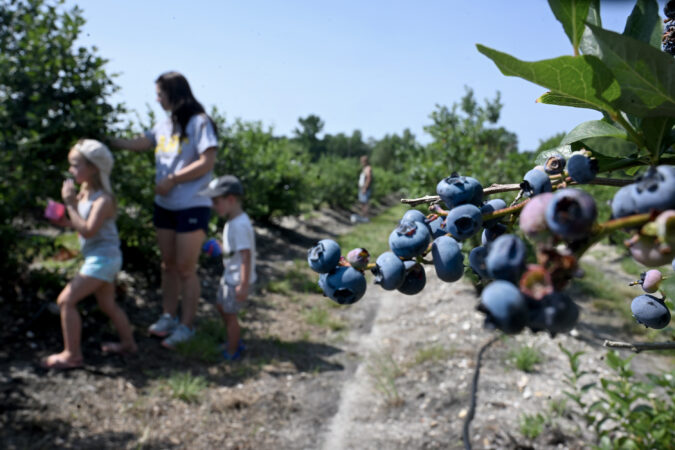
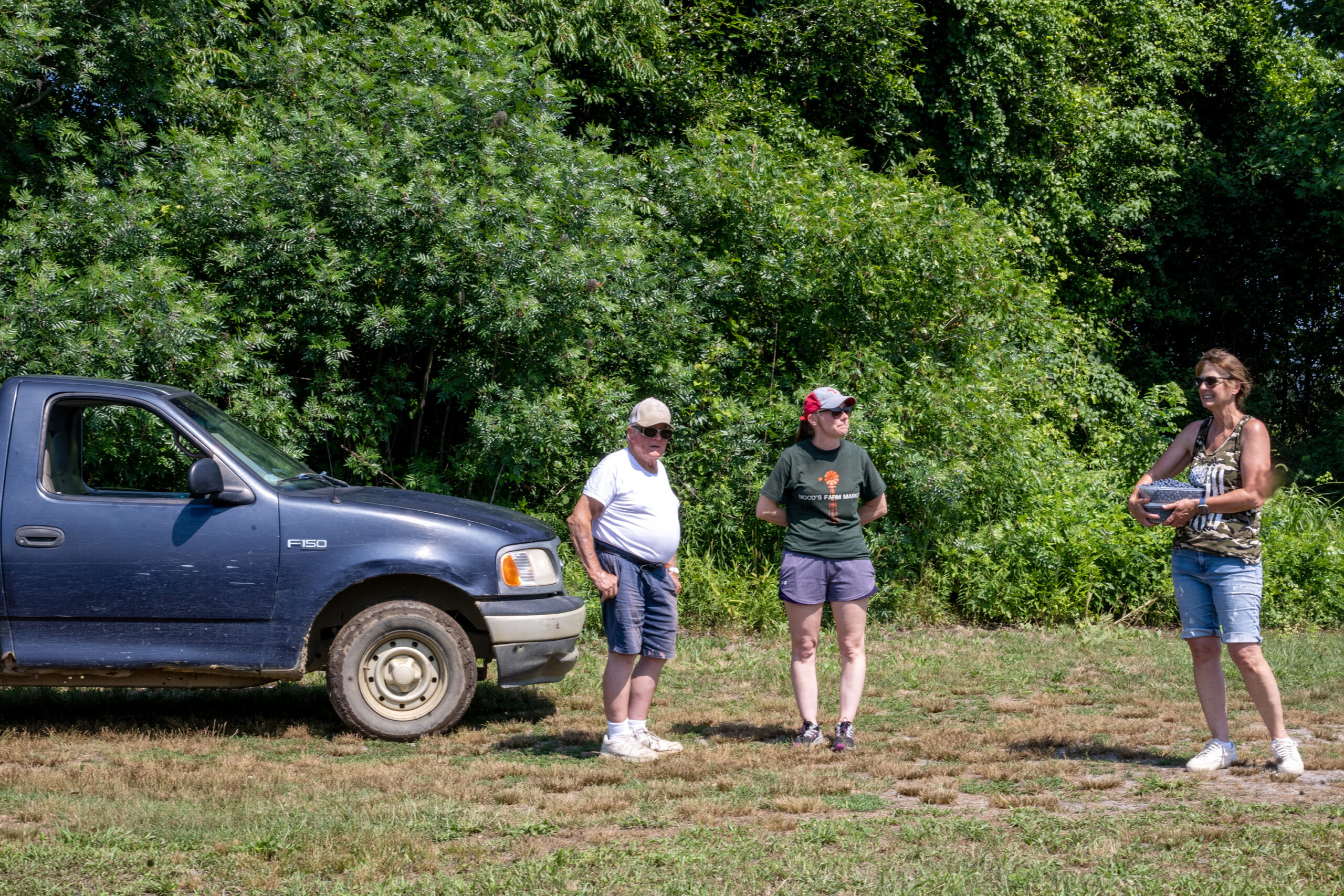
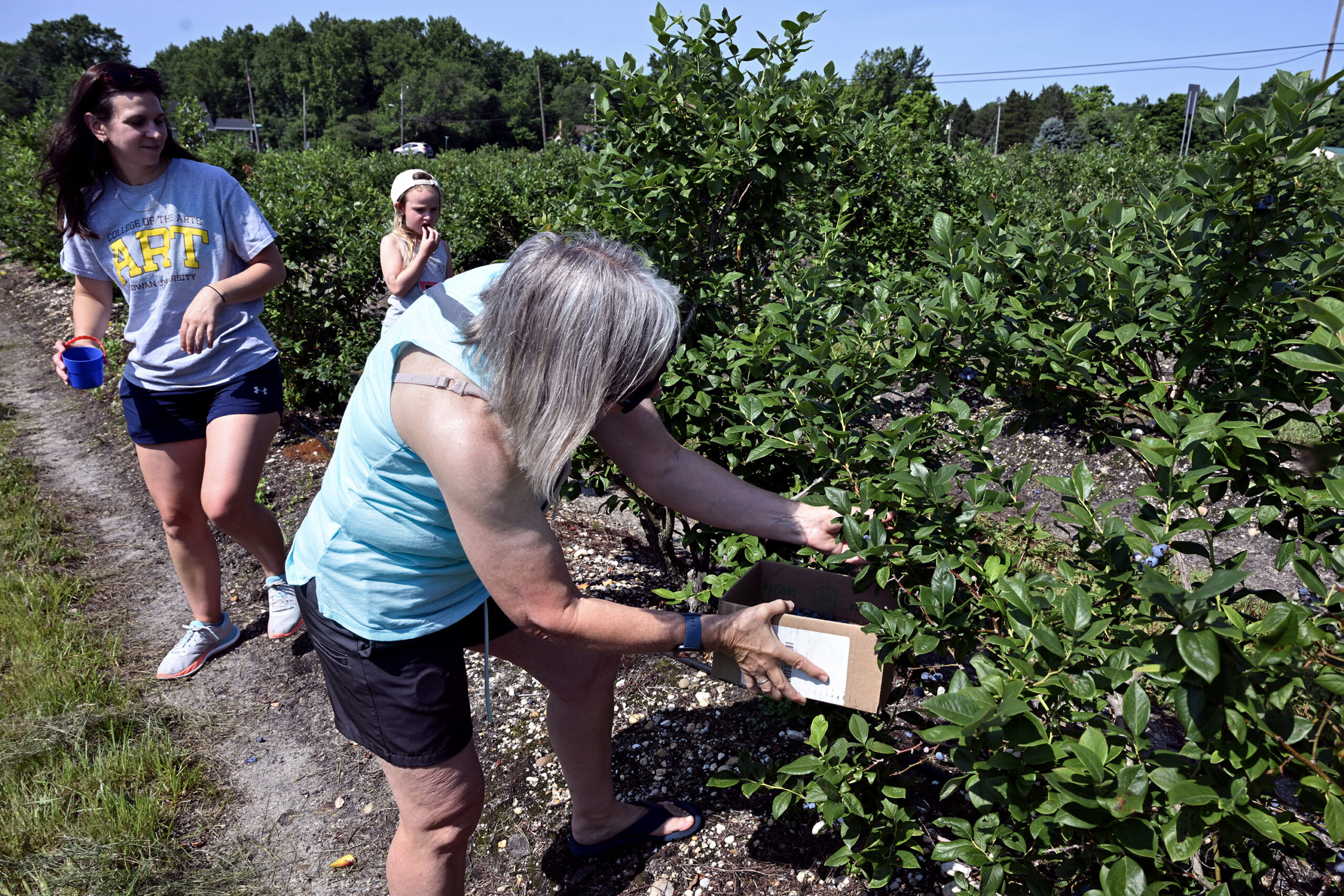
Cynthia Martini of Mantua Township visits Mood’s Farm Market every year to pick blueberries. During a typical summer, she collects 40 pounds of them. She used to bring her kids, but now that they’re older, she goes solo.
Her routine on June 30 didn’t look much different from the last 25 years. On a hot morning, she picked two Tupperware containers of blueberries in paint-streaked shorts.
“In an hour I picked 10 pounds,” Martini said. “So not bad.”
But rather than harvesting in the farm’s designated pick-your-own area, Martini kept to to an area typically reserved for staff.
Mood’s, a 180-acre fruit farm in Elk Township, Gloucester County, opened the off-limits fields as one strategy to survive the summer after a spring crop freeze destroyed about two-thirds of its blueberries and all its cherries, plums, nectarines, pears, and peaches. The farm will likely have only a handful of healthy apples come fall. That means no apple hayrides, even though pick-your-own operations are one of its primary revenue streams. A skeleton crew is working the land rather than a full staff, and it’s taking workers longer to pick fruit since there’s less on the bush.
After picking her own blueberries, Cynthia Martini (right) of Mantua talks with owners Richard Mood and daughter Patti Mood at Mood’s Farm in Gloucester County on June 30.
But South Jersey farms like Mood’s are getting creative to survive a summer with depleted income and damaged crops. From promoting frozen fruit to temporary closures to raising prices, here’s how farms are keeping on.
Spend less and plant more
Rowand’s Farm, a 20-acre sweet and sour cherry orchard in Glassboro, Gloucester County, is going through unprecedented circumstances.
Stephen Rowand, the farm’s third-generation owner, said he’s usually excited when a spring frost arrives, since the cold weather thins out the fruit and produces larger cherries.
“This season is unique for us as a first with NO CROP at all,” Rowand said via Facebook Messenger. “No income.”
Rowand decided to close the farm, but that hasn’t meant time off. To ensure the orchard blooms next season, the farm still needs mowing, irrigation, fertilizer, and trimming, and without the ability to hire farmworkers. Rowand, 60, is doing all that work himself through extreme heat. He said he’s currently living off his retirement savings and might have to get a job in the offseason next fall. He’s trying to stay frugal by avoiding vacations and eating out.
But Rowand has managed to find some solutions to survive.
To make sure they stay fed, his family planted a bigger garden of tomatoes, string beans, eggplants, cucumbers, greens, and herbs for their personal diets after figuring out the freeze had eliminated their income. He said he will likely apply for a loan from the USDA’s Farm Service Agency to pay bills, and a GoFundMe, which has raised $25,000 so far, has helped pay for some of Rowand’s farm expenses.
“It’s really helping keep the farm from going into debt,” Rowand said, “which is usually what puts a farm out of business in the end.”
Duffield’s Farm Market in Sewell, Gloucester County, like Mood’s, won’t have peach picking this summer and is still considering whether it’ll apply for loans. Since the freeze halved their apple crop, the farm won’t offer apple picking trips for local schools this fall, either. To ensure people have enough to pick in the fall, owner Tracy Duffield said, farmers planted a field of pumpkins early.
As for labor, without peaches to pit, Duffield said there’s less to do, which means reducing hours for the farm’s migrant workers from Puerto Rico.
“It’s not just us. Everybody is kind of in the same boat,” Duffield said. “Just support your local farm. We’ll recover.”
‘A silver lining’
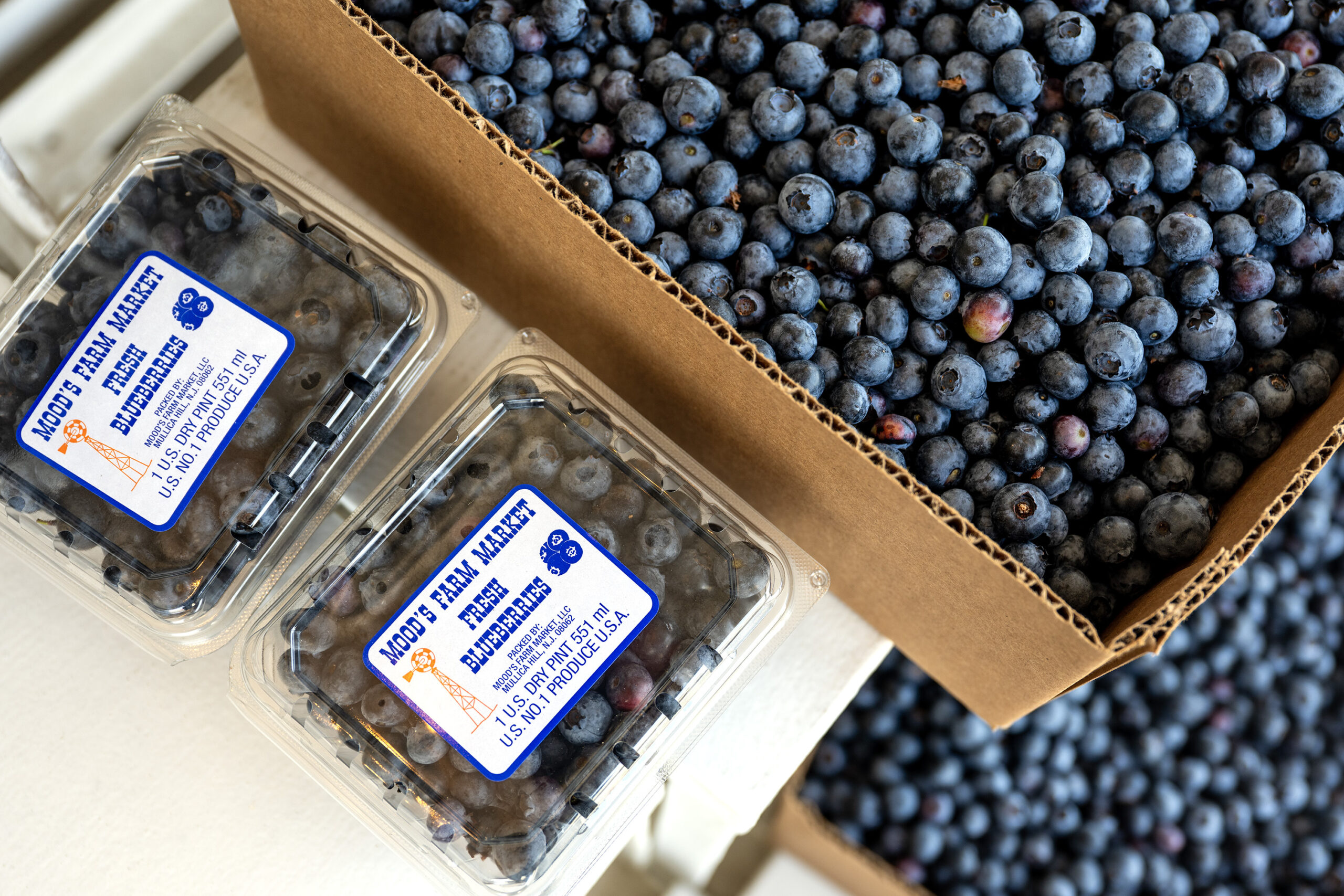
South Jersey farmers say the natural laws of supply and demand mean fruit prices will rise this year. Mood said their farm’s blueberry prices have doubled, while Duffield’s increased the cost about 50 cents per pound.
“We still have a business to run, and we have to support the families involved with the business,” Duffield said. “They just have to understand for this year, anyway, that things are going to be a bit higher.”
Blueberries for sale at the farm stand at Mood’s Farm in Gloucester County.
Anthony DiMeo owns DiMeo Farms and Blueberry Plants Nursery, which has a large pick-your-own blueberry operation in Hammonton, Atlantic County. With significant damage to his crop, DiMeo said, he anticipates the season to end a couple of weeks early.
“But there’s a silver lining to this, and that is the price is very high,” DiMeo said. “Even for blueberries that might not be the biggest or might not be the best, the price is exceptional.”
DiMeo, though, said he decided not to significantly raise prices this year, keeping blueberries at $2.50 per pint, a cheaper price than most grocery stores and farm markets. The choice to eat the losses was influenced by the price consumers are already paying to get through life right now.
“They’re spending enough as it is with gas and tolls and everything else,” DiMeo said.
‘Just luck’
Bob Fralinger of Fralinger Orchards, a fifth-generation peach and nectarine farm in Bridgeton, Cumberland County, said it was “just luck” that some of his peaches survived the freeze.
His farm sits along the Cohansey River, and the heat emitting from the water kept the temperature a couple of degrees warmer for the crops. Fralinger said he still lost about half his peaches, but since nearby South Jersey farmers weren’t quite as lucky, nearly 100 farm markets, some hours away, have come to him for fruit. Duffield’s and Mood’s are on that list.
The increased interest has meant Fralinger has to make sure he has enough peaches for everyone, including his typical wholesalers. And even though Fralinger is having no problem selling, the reduced harvest means he worries that the revenue won’t be enough to pay next year’s bills.
“Your margins are so close that you can’t survive from one year to the next unless you do things just right, and that’s the problem,” Fralinger said.
Like Fralinger, Robson’s Farm in Wrightstown, Burlington County, also managed to salvage some peaches from the harvest this year, but not nearly enough to meet the summer demand.
Customers travel from out of state for Robson’s peaches, fourth-generation farmer Rose Robson said, and many will be disappointed to arrive to find no peaches in sight.
But once she overcame her initial grief over the lost crops, Robson said, she quickly hatched a plan to adapt to a potentially peachless summer on the farm.
“Just because the farm is really sad and not great in one way doesn’t mean the whole summer has to be,” Robson said. “This could be a really fun opportunity to be creative and to bring some new people to the farm and still have a really great summer.”
Robson had already started developing ways to boost business during the farm’s offseason in the fall, like a walking club on the farm, she said. The spring freeze just forced her to consider starting sooner and making it active year-round.
Plus, Robson’s is focusing on what they can still offer customers.
“We doubled up on our U-pick cut flowers,” Robson said, “which has been growing over the years anyway, so that’s kind of fun.”
But more than anything, Robson said her priority has remained the same: “making the farm as grand an experience as we can possibly make it,” she said.
Sandy Trifiletti (front) of Glassboro and her daughter Hope Welch and granddaughter Rosie, 6, of Pitman, pick their own blueberries June 30 at Mood’s Farm in Gloucester County.
As farms scramble to adapt, South Jersey residents, whether they’re in the market for fresh fruit or flowers, continue to support their local markets.
Back at Mood’s Farm, Hope Welch of Pitman picked blueberries with her two children and her mother, Sandy Trifiletti. The Welches have visited Mood’s for years.
Hope Welch, whose son spoke some of his first words during an annual Apple Festival, asked Mood about the fate of this year’s event. Mood said one would still happen, but it probably wouldn’t revolve around apples, since they won’t have very many.
“That hurts my heart,” Welch said. “We’ll be back for the fall festival. Whatever it’s called.”