CLEARWATER, Fla. — The Phillies released Nick Castellanos, the team announced on Thursday.
The drawn-out saga reached its conclusion three days before position players were set to report to the Phillies facilities for spring training. This winter, the Phillies had repeatedly indicated their interest in finding a change of scenery for the outfielder, who will be 34 next month.
In December, they signed free-agent outfielder Adolis García to a one-year, $10 million contract to take Castellanos’ position in right field. The Phillies sought to find a trade partner to offset at least some of the $20 million that Castellanos is owed for the 2026 season in the final year of his contract, but ultimately released him.
“We’ve spent a long time trying to make a trade,” president of baseball operations Dave Dombrowski said Thursday. “And when I say that, trying to move his contract for a minimum return from a dollar perspective and player perspective, but just hasn’t worked out. …
“We have felt that we need to get a change of scenery for Nick and wish him nothing but the best.”
Dombrowski was general manager of the Detroit Tigers in 2010 when they drafted Castellanos out of high school. He said there were clubs that showed interest in trading for Castellanos starting in November, but nothing materialized.
Castellanos had a .260 batting average and .732 OPS over his four years with the Phillies. His minus-12 outs above average in right field in 2025 positioned him as one of the major leagues’ worst outfielders by StatCast metrics.
That, combined with a drop-off in offensive production, led to him losing his everyday job in the second half of the season.
“A lot of times when a good player has their role change with the club, it can cause some friction,” Dombrowski said. “And his role changed last year from where it was. I mean, he played every single day for a lot of years in a row, and so sometimes that can contribute to it.”
“[Thomson has] done a very good job of communicating with me,” Dombrowski said. “And I think overall, I can’t tell you that every situation is always handled perfectly by any of us, but I think he’s a very good communicator.”
Castellanos posted a letter Thursday on Instagram, thanking principal owner John Middleton, Dombrowski, the Phillies staff, outfield coach Paco Figueroa, his teammates, and the city of Philadelphia.
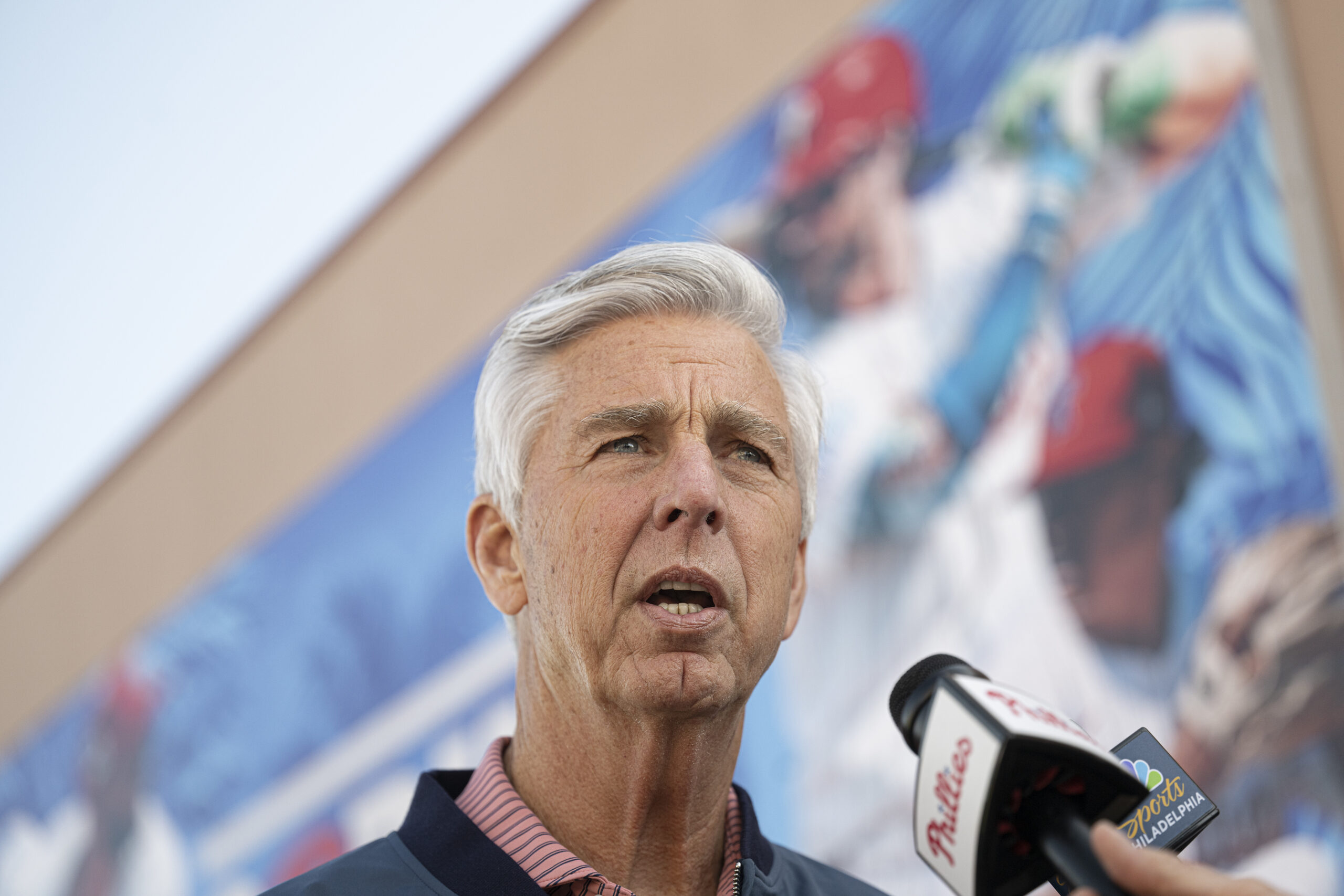
Phillies president of baseball operations Dave Dombrowski talks to the media on Thursday after releasing Nick Castellanos.
He also addressed what he called the “Miami Incident,” in which Castellanos was benched for one game during a road series in his hometown in June, ending what had been a 236-game iron man streak.
The right fielder had been taken out for a defensive substitution in the eighth inning of a close game the night before and made what Thomson described at the time as an “inappropriate comment” out of frustration, leading to his benching.
In his letter, Castellanos said he had taken a can of Presidente beer into the dugout after being lifted from the game.
“I then sat next to Rob and let him know that too much slack in some areas and to [sic] tight of restrictions in others are not condusive [sic] to us winning,” Castellanos wrote.
He added that the beer was taken out of his hands before he could take a sip and that he had a conversation with Dombrowski and Thomson afterward and apologized.
Dombrowski said Thursday that the events in Miami were not directly correlated to the Phillies’ decision to release Castellanos.
“That contributed, by all means, to why he was benched for the game,” Dombrowski said. “That wasn’t the final or determining factor [for being released] because if that was, we would have done that at that particular time.”
Jill Bodensteiner is stepping down from her post as St. Joseph’s athletic director, according to an announcement from the university on Thursday.
Bodensteiner is set to become the next commissioner of the Horizon League. Her last day at St. Joe’s will be April 15.
Eric Laudano, St. Joe’s executive senior associate athletics director, will serve as interim athletic director while a search is conducted, the school said in a release.
An Indiana native, Bodensteiner will take over a league headquartered in Indianapolis. She has been the AD on Hawk Hill since June 2018.
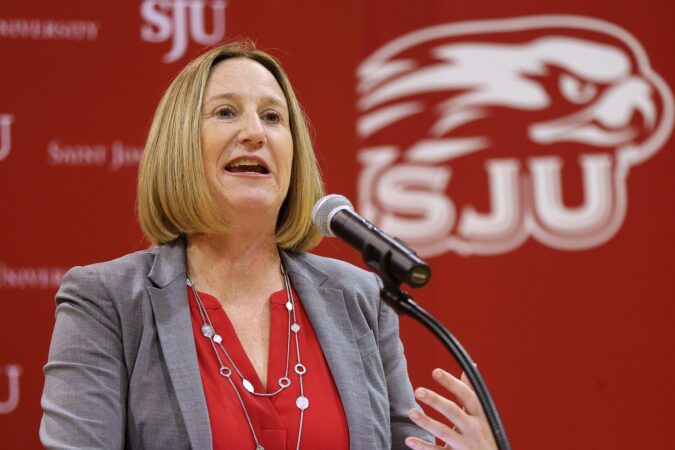
St. Joe's athletic director Jill Bodensteiner is leaving the school for another opportunity, according to a source.
“Jill is a national leader in intercollegiate athletics,” St. Joe’s president Cheryl A. McConnell said in a statement. “We are profoundly grateful for her vision, dedication and service to the Hawks. She leaves our athletics program strong and well-positioned for continued success. We wish her the best on her return home to Indiana and her role with the Horizon League.”
Bodensteiner’s tenure at St. Joe’s started with a bang. She fired longtime men’s basketball coach Phil Martelli less than a year after taking over as athletic director. She replaced Martelli with Billy Lange, whose six-year run ended in the fall when he abruptly left the program for an assistant’s role with the New York Knicks. Lange posted an 81-104 record with the Hawks.
Though the men’s program has failed to get back to prominence in the new era of college basketball, St. Joe’s has had successful runs in non-revenue sports like field hockey, which played in the national championship game in 2024; men’s and women’s lacrosse, which made inaugural NCAA Tournament appearances; and baseball, which won the Atlantic 10 regular-season title in 2023.
Throughout basketball history, few players have been as transformative a talent and cultural figure as NBA Hall of Famer Julius Erving.
Footage of the former Philadelphia 76er’s thunderous dunks, stylish finger rolls, and suave demeanor off the court still draw applause from basketball fans, decades after his 1987 retirement. The iconic forward is still championed by Sixers fans for bringing the city an NBA title in 1983.
It was in Philly where Erving embraced one of the world’s most impassioned fan bases and learned of the phrase, “You owe us one,” after falling short in the NBA finals three times between 1977 and 1982.
“I was like, ‘What the hell does that mean?’” he said to The Inquirer. “I was getting pissed. I was not happy with the situation.”
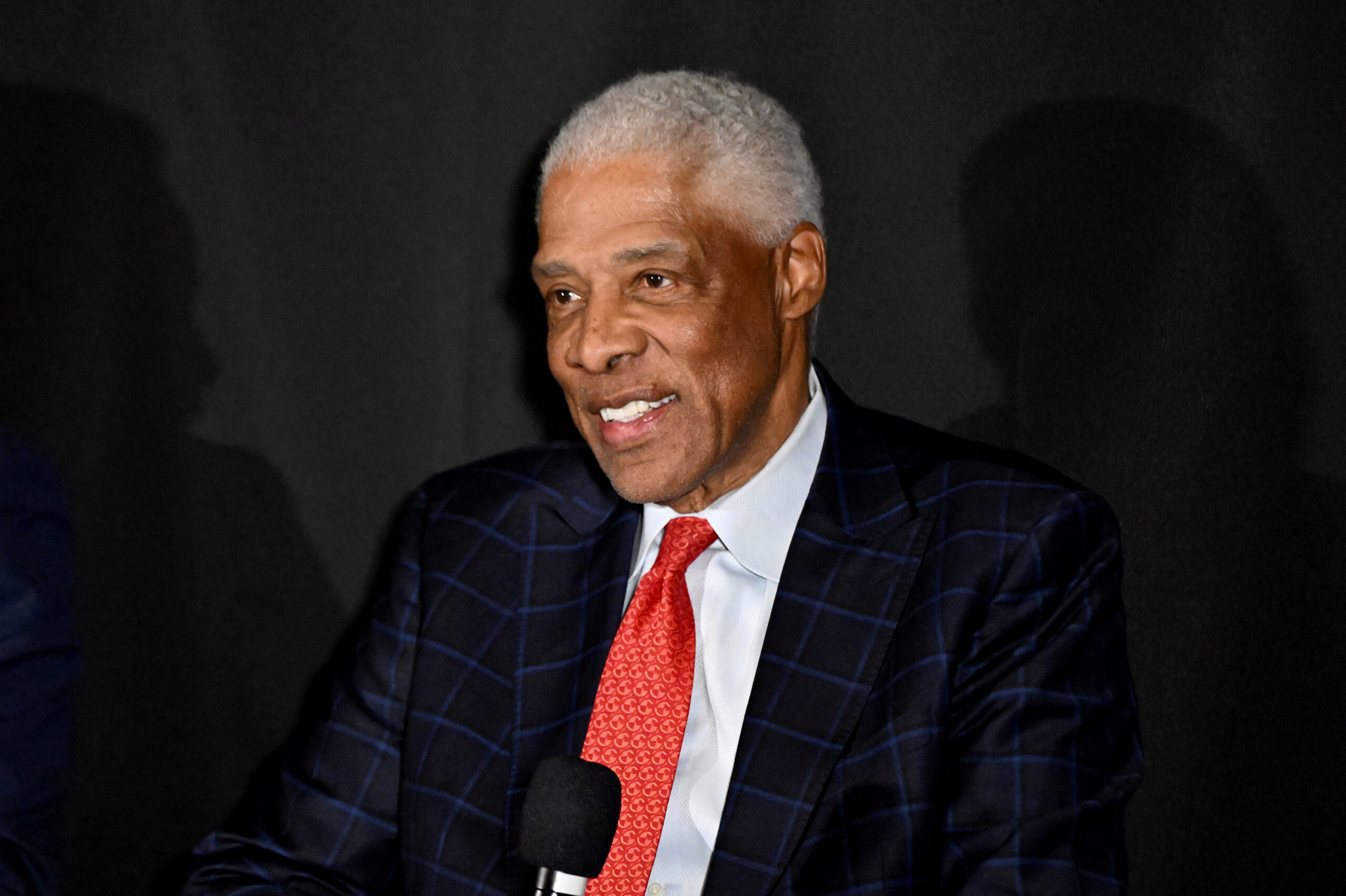
Julius Erving speaks during the “Soul Power: The Legend Of The American Basketball Association” world premiere at Regal Cinemas Union Square on February 10, 2026 in New York City. (Photo by Slaven Vlasic/Getty Images for Prime Video)
The fans were reminding Erving that he owed the city a championship. It was only after he and fellow Hall of Famer Moses Malone swept the Los Angeles Lakers in the 1983 finals that he paid his debt to the City of Brotherly Love. Fans shouted out the words that have stuck with him all these years on: “Paid in full.”
Erving, affectionately and fittingly known as “Dr. J,” surgically dissected opposing defenses. He and fellow NBA star David Thompson went on to inspire talents like Michael Jordan and Kobe Bryant.
But veteran sports fans know Erving’s legacy was cemented years before he took his first steps on the floors of South Philly’s Spectrum. One of his early visits to Philadelphia was in April 1971, when he signed to the American Basketball Association to play for the Virginia Squires.
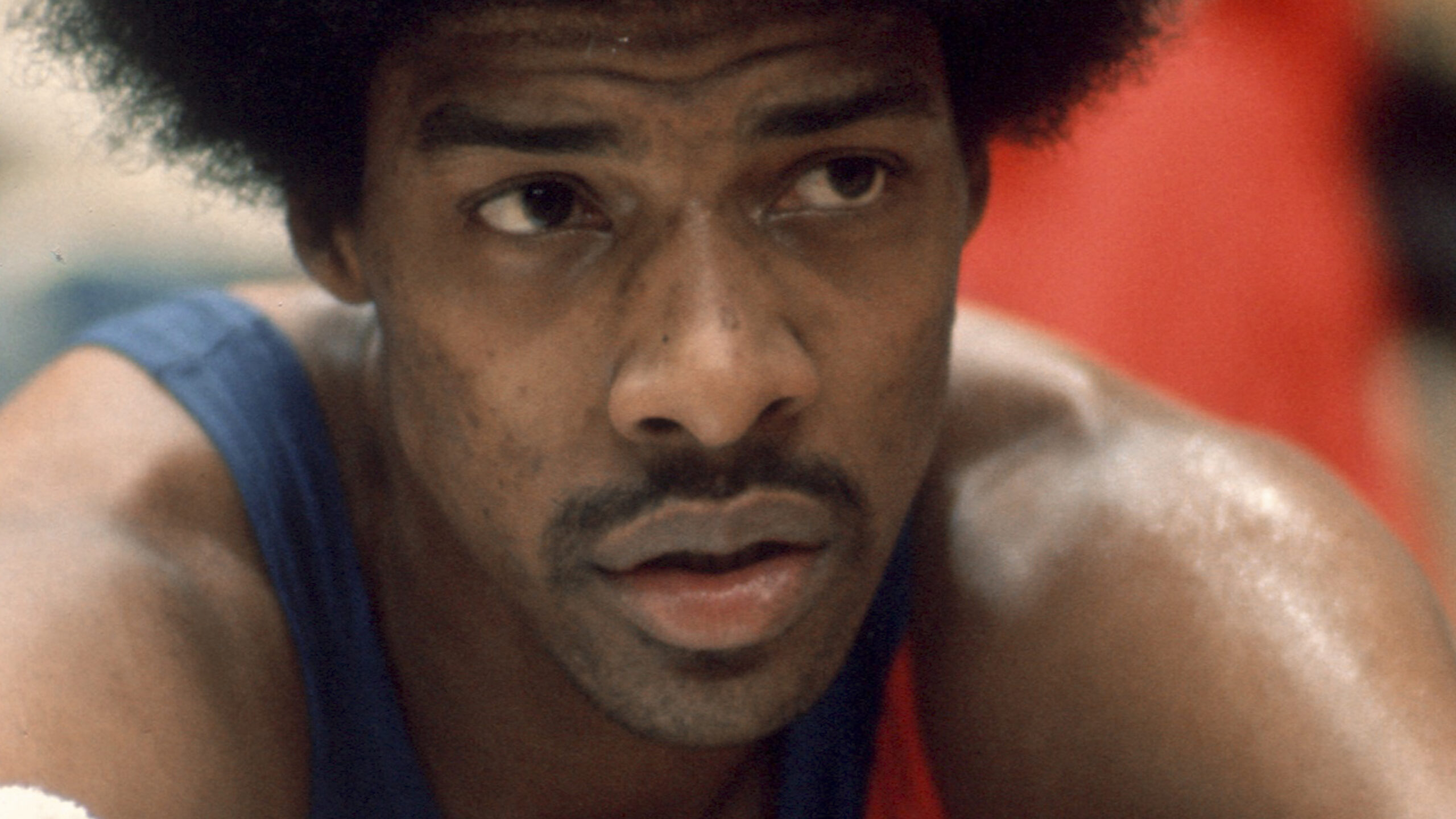
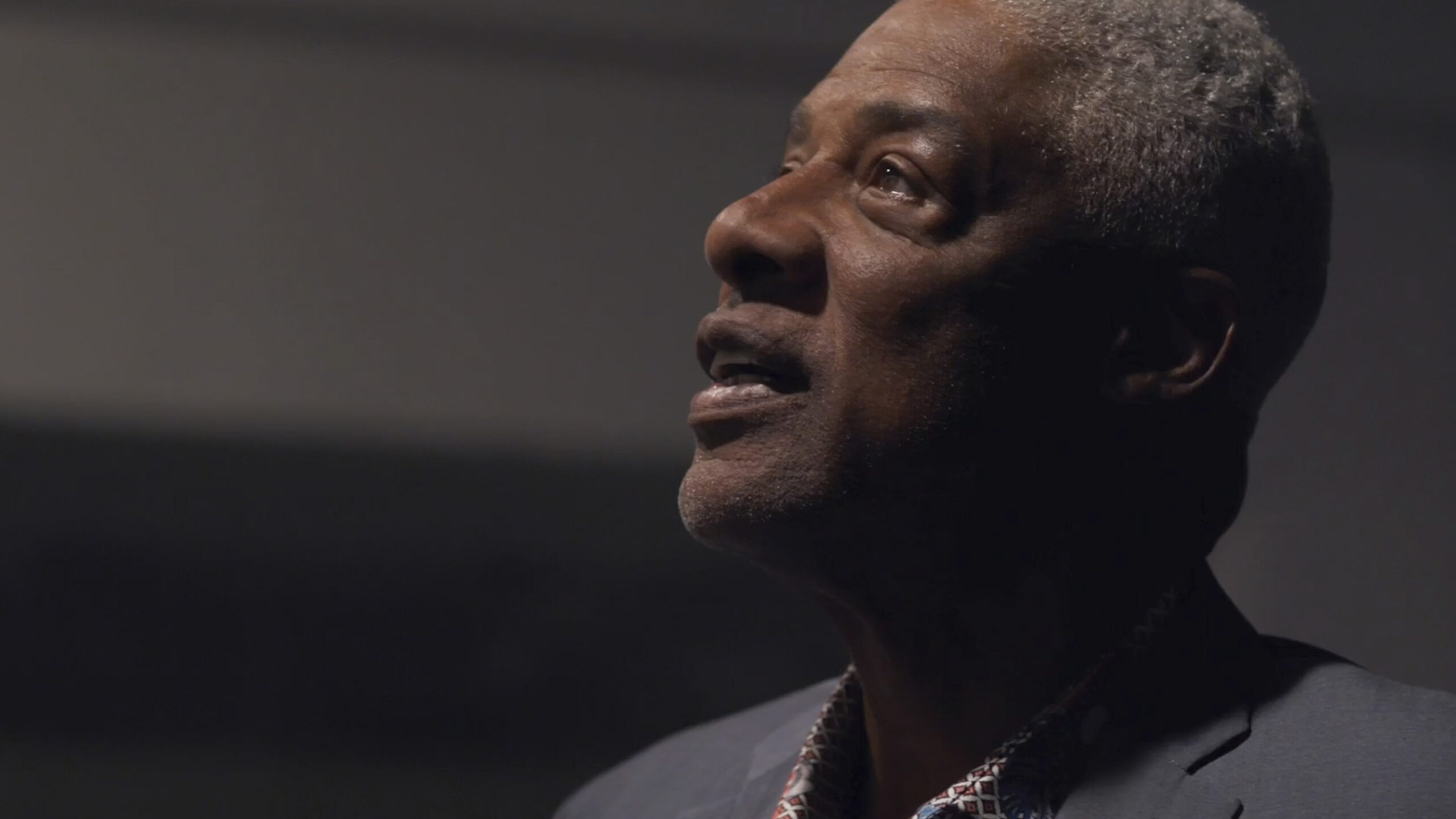
An image of Julius “Dr. J” Erving from the Prime Video docuseries, “Soul Power: The Legend of the American Basketball Association.”
Erving went on to win two ABA championships and three MVP awards in five seasons. He joined ABA greats Rick Barry, Artis Gilmore, Connie Hawkins, and Spencer Haywood as the faces of a league that would soon merge with the NBA in 1976.
The merger brought a new brand of fast-paced, high-flying action to the NBA, and elements like the three-point line, dunk contest, underclassmen signees, and other additions that continue today.
“It just sets the stage for the memories that I have, the friendships that were developed, and the history that was established with the ABA,” Erving said.
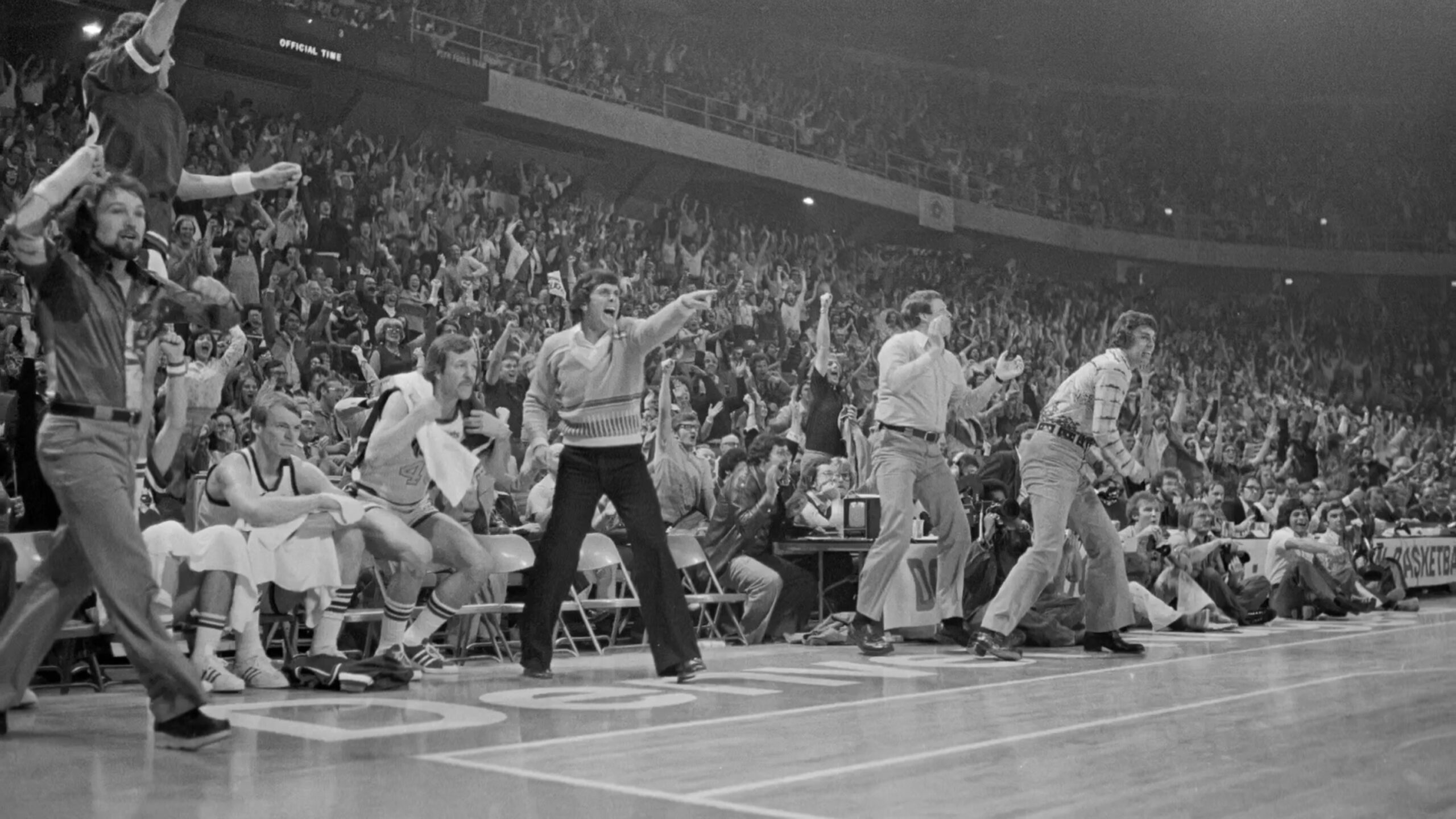
Image of ABA coaches and crowds from the Prime Video docuseries, “Soul Power: The Legend of the American Basketball Association.”
The four-part series, streaming on Amazon Prime Video to commemorate 50 years of the ABA-NBA merger, chronicles the ABA’s formation, triumphs, and challenges during the late 1960s and ’70s.
Emmy-winning director Kenan K. Holley said he wanted the series to be a “player-driven” story that addressed the league’s on-court innovations and debunked the idea that the ABA was an inferior semipro league.
“Amazon executives saw the vision. They saw the ABA story was worth telling, and told us to lean into the characters,” he said. “That gave my team the North Star creatively. We knew we had the goods because of all the guys in the league, from Rick Barry to George ‘the Iceman’ Gervin, Dr. J, and others. That was the key.”
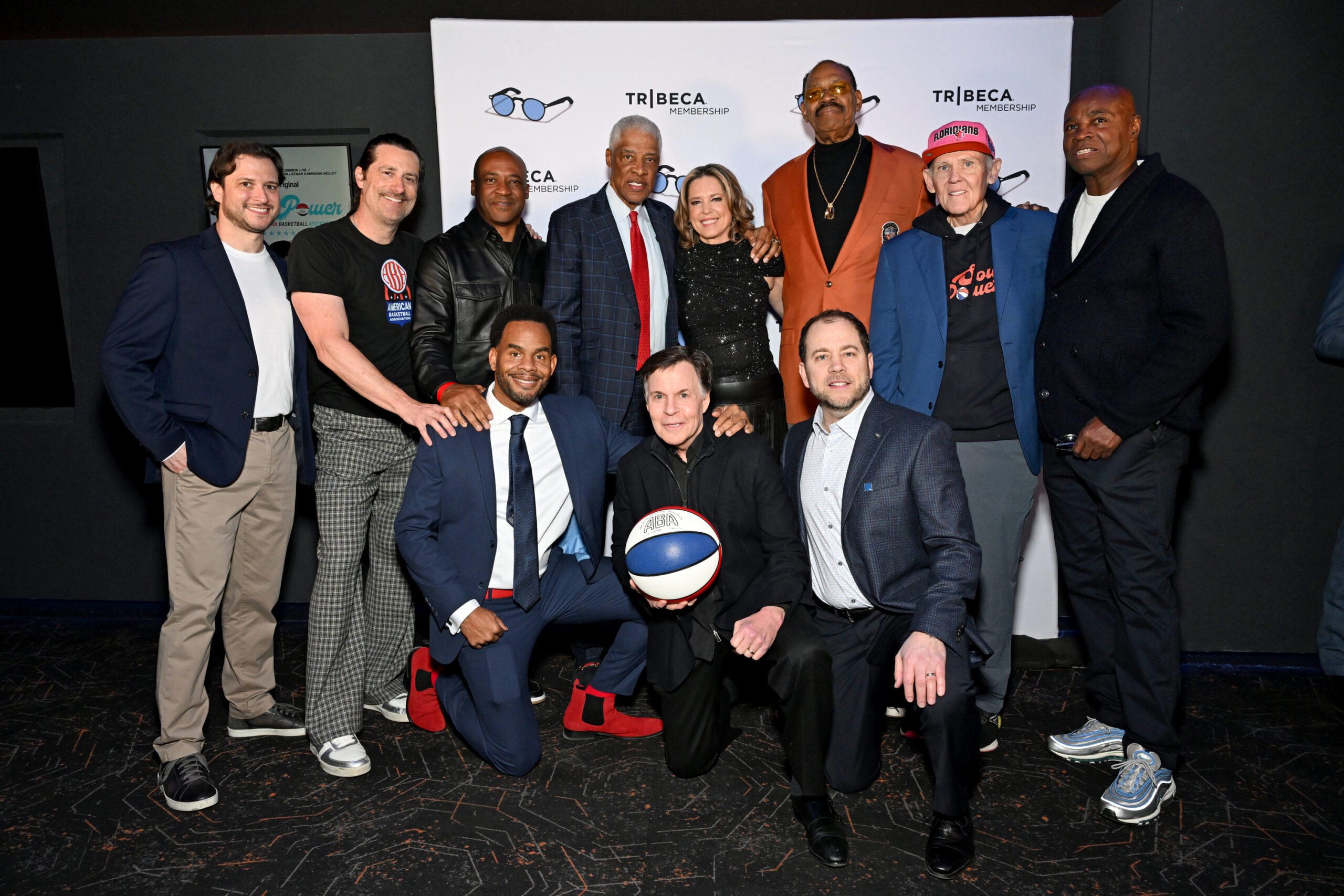
(L-R) Tony Curotto, Todd Lieberman, Derrick Mayes, Kenan Kamwana Holley, Julius Erving, Bob Costas, Hannah Storm, Brett Goldberg, Artis Gilmore, George Karl and Brian Taylor attend the “Soul Power: The Legend Of The American Basketball Association” world premiere at Regal Cinemas Union Square on February 10, 2026 in New York City. (Photo by Slaven Vlasic/Getty Images for Prime Video)
The series highlights the hotly-contested rivalry between ABA and NBA players, the personal, financial, and legal battles ABA stars faced, and the early advancements in women’s team ownership.
There are even brief flashes of downtown Philadelphia and City Hall, depicting the moments leading up to Erving’s ABA signing.
Soul Power shows how players like Erving were trying to save a league that made such an imprint on sports, but it was faltering due to disinvestment.
“It wasn’t a fun position to be put in, especially if you know you’re trying to fight for rights of players who gave a commitment to the league and made the sacrifices to keep it afloat for the years that it was around,” Erving said.
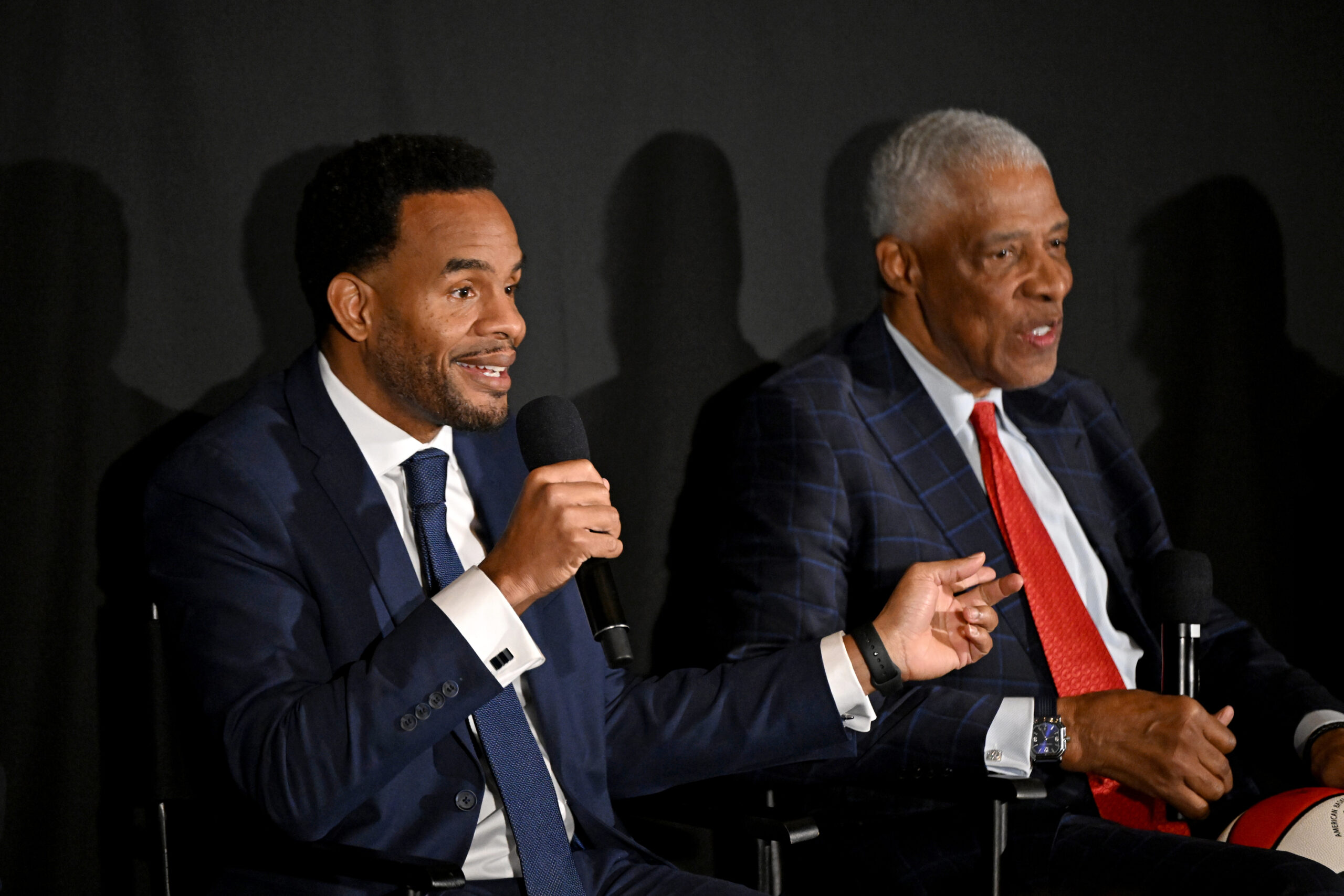
(L-R) Kenan Kamwana Holley and Julius Erving speak during the “Soul Power: The Legend Of The American Basketball Association” world premiere at Regal Cinemas Union Square on February 10, 2026 in New York City. (Photo by Slaven Vlasic/Getty Images for Prime Video)
Holley also wanted Soul Power to right the wrongs of past depictions of the ABA. To do that, he needed to earn the trust of figures like George Karl, Barry, Ralph Simpson, and Erving.
“They have a chip on their shoulder because the way the league’s been handled in the past with certain documentaries,” Holley said. “There was a serious trust-building period where we had to let them know look, ‘If I tell your story, it will be a player-driven story.’”
Erving was approached about the project five years ago. The first year was largely information gathering, Erving said, but Holley soon stepped in to tie all the narrative threads together.
Julius “Dr. J” Erving pictured during the filming of the Prime Video docuseries, “Soul Power: The Legend of the American Basketball Association.”
To be among the leading voices in the series, which earned him an executive production credit, Erving said, was a “gift.” And at the core of the project, he’s proud to see the series reflective of the brotherhood shared between him and the other pioneers who contributed to the series and ABA history.
“It was a one for all, all for one approach we shared,” he said. “There was no hating. It was a genuine feeling of relief like, ‘Wow, they’re recognizing my guy or us,’ and it was shared.”
Holley said he’s excited for younger sports fans to see how influential the ABA was, not just in basketball, but the sports world at large.
“It does my heart good, and I feel grateful to have played any part in helping bring these guys the validation that they deserve,” Holley said.
“Soul Power” is available to stream on Amazon Prime Video.
It came in second in the site’s Pennsylvania rankings after the Nemacolin in Farmington, about 70 minutes outside Pittsburgh. The wooded 2,200-acre golf resort ranked No. 28 on U.S. News’ national list.
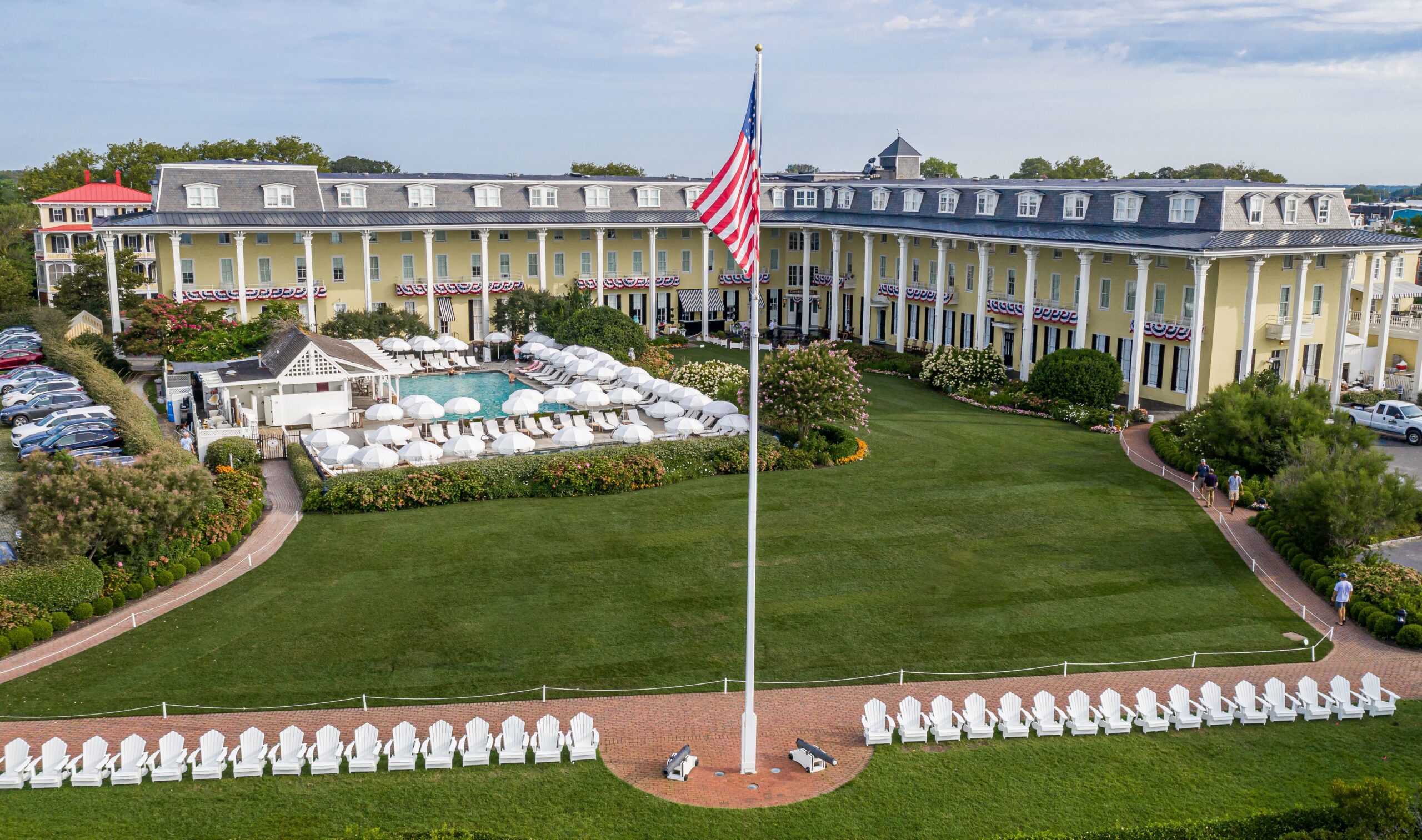
Weddings at The Reeds at Shelter Haven, ranked New Jersey’s seventh best hotel by U.S. News, can take place on the hotel’s bayside lawn.
Hotels were ranked based on their past awards and recognitions, including star ratings, as well as guest reviews, according to the U.S. News website.
“U.S. News predominantly ranks luxury lodgings, as these are the type of accommodations travelers seek when researching the best hotels and resorts in a given destination,” company analysts write, noting that luxury options typically receive 4- and 5-star ratings from multiple expert sources.
The Philly-area hotels on the 2026 lists were no exception.
The Four Seasons Philadelphia recently unveiled an ultraluxe floor that includes a 4,000-square-foot penthouse suite costing around $25,000 a night. Other rooms at the hotel start at more than $1,200 a night.
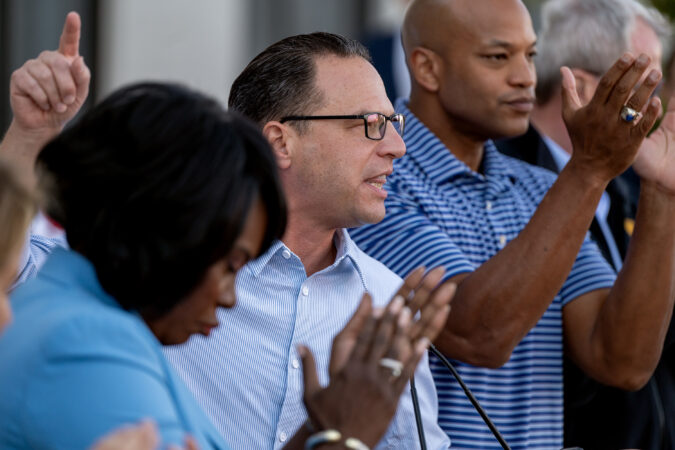
Gov. Josh Shapiro said Thursday that he will not attend any White House event that excludes another governor ahead of next week’s gathering of the nation’s governors in Washington.
The Pennsylvania Democrat’s comments come after President Donald Trump said he would exclude the Democratic governors of Colorado and Maryland from a White House dinner with members of the National Governors Association during its annual conference in Washington, which will take place from Feb. 19 to 21.
“I want to be very clear: I’m not attending any meeting or any dinner where any governor has been disinvited, where any governor is being excluded,” Shapiro said Thursday. “It’s my hope that all governors will be included and that we can continue the tradition of working together across our state lines to be able to do important work for the people that we represent.”
Trump had initially excluded Democrats from a business meeting at the White House, but as of Thursday all governors were invited to the meeting with the president and other officials, the Washington Post reported.
But the dinner remains a thorny issue. Shapiro and other Democratic governors signed a statement Tuesday promising to boycott the event if all governors were not included.
In a social media post Wednesday, Trump attacked Oklahoma Republican Gov. Kevin Stitt, who chairs the bipartisan NGA, and the two Democrats he is planning to exclude from the dinner, Maryland Gov. Wes Moore and Colorado Gov. Jared Polis.
“The invitations were sent to ALL Governors, other than two, who I feel are not worthy of being there,” Trump said in a post on Truth Social.
Trump criticized Moore over crime in Baltimore and accused him of “doing a terrible job on the rebuilding of the Francis Scott Key Bridge” following its collapse in 2024.
Shapiro referred to Moore on Thursday as a “dear friend.”
The Pennsylvania governor said the NGA’s meetings at the White House are typically productive, as are the governors’ other meetings throughout the conference.
“Governors work really well together across party lines,” he said.
New Jersey Gov. Mikie Sherrill, a Democrat who took office last month, said Monday on CNN that “worse decisions” would be made if some governors were excluded from the week’s events.
“For the president to pick and choose who he is going to have to sort of undermine the very focus of this of coming together to get stuff done for the country just seeds more … chaos,” she said.
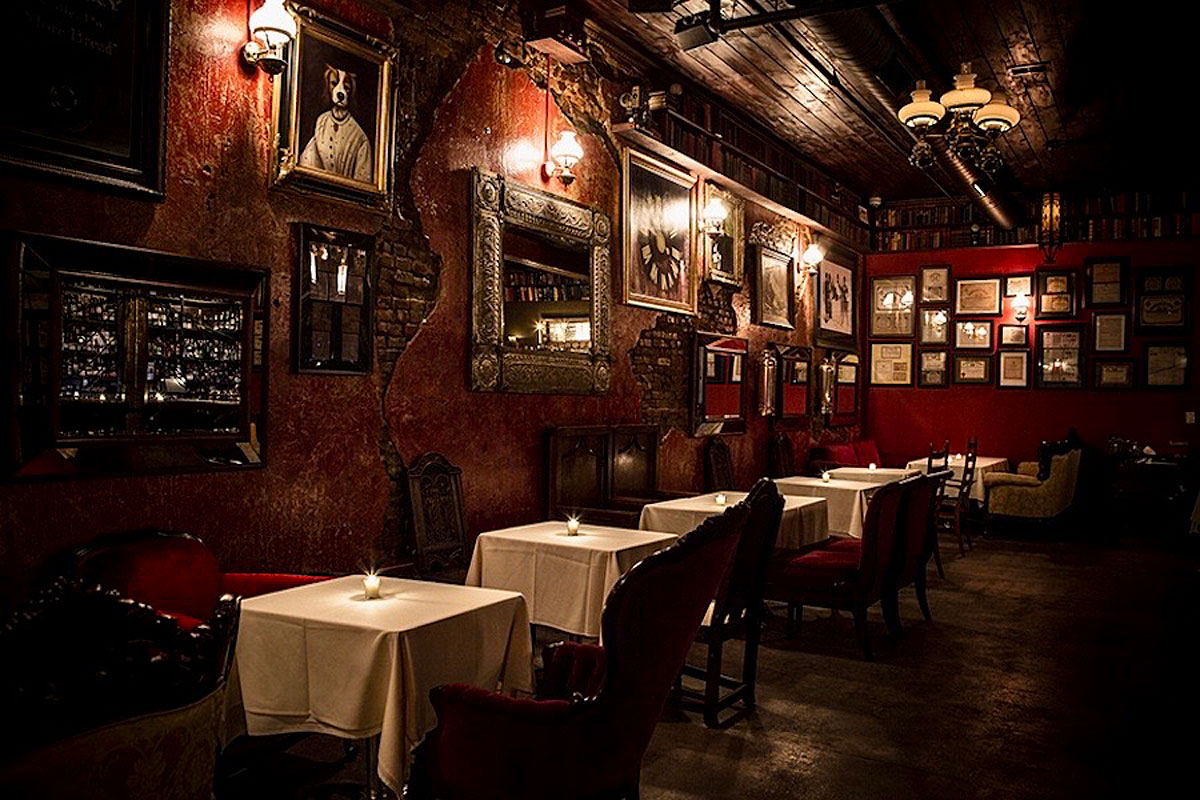
For nearly 14 years, the speakeasy-style Chinatown cocktail bar has operated under the authority of its enigmatic owner, who goes by Lê, and his house rules, which are as well known as the drinks: No photos. No cellphones. No flip-flops, sandals, or shorts. Cash only. Entry begins at the metal gate on Race Street, where aspiring customers hand over their photo IDs, which are scanned before they are allowed inside.
Those on Lê’s banned list — the 6,600 people he’s barred for breaking rules or tipping poorly — are turned away.
The payoff for entry is a table in Hop Sing’s Old World library setting, where one can order cocktails made with fresh mixers and high-end liquor.
Hop Sing Laundromat, which opened in 2011 at 1029 Race St.
As Hop Sing expands its Friday and Saturday schedule to include Thursdays, Lê wants to begin moving his inventory of high-end spirits — particularly tequilas and American and Japanese whiskies — at below-market prices.
Regulars know about this list, which includes about 30 whiskies and 20 tequilas, typically offered neat or on the rocks in 2-ounce pours.
They also know that Lê is a bit of a hoarder.
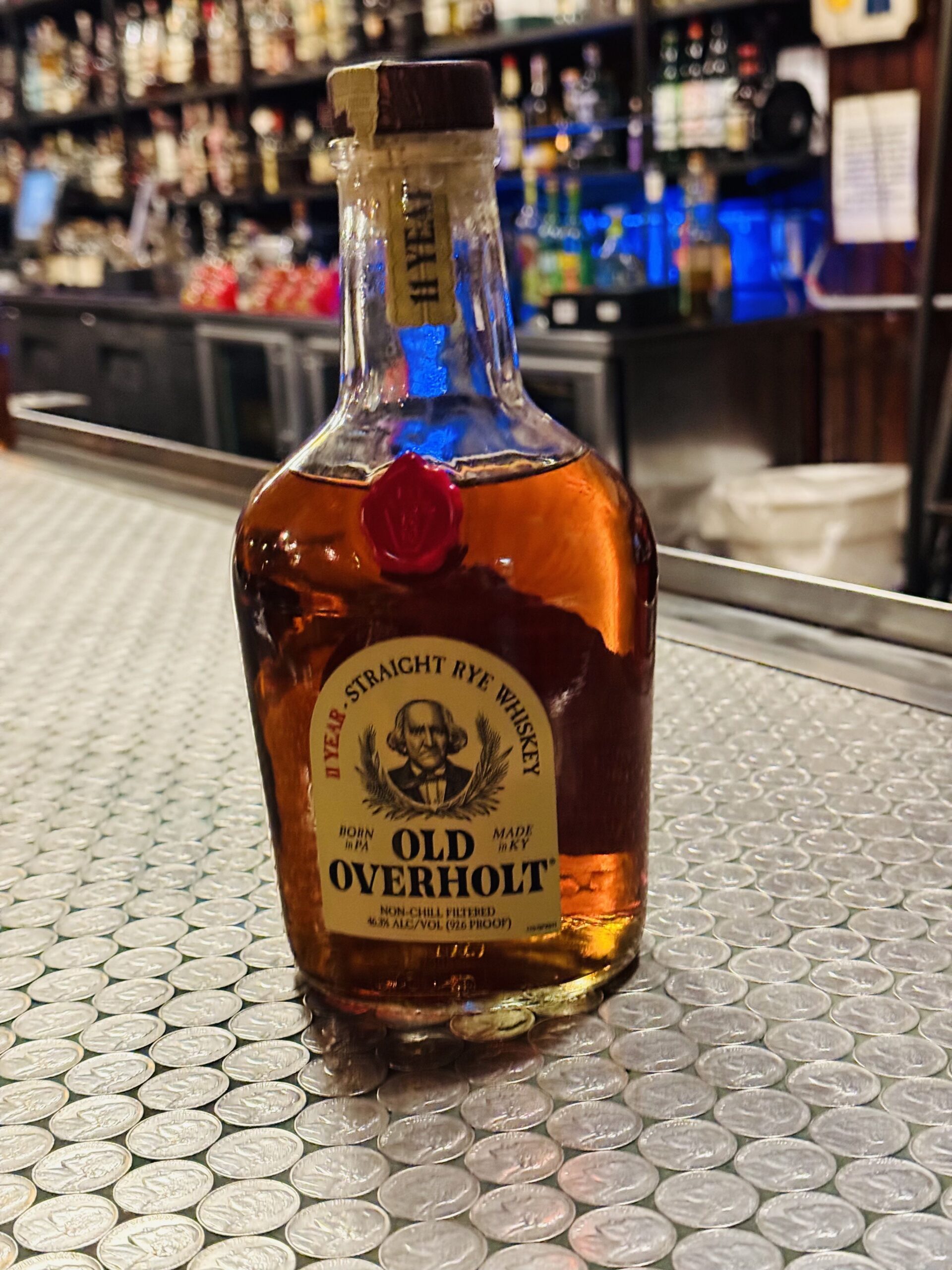
One example: Old Overholt 11-year-old rye, a limited-release bottle that Bourbon Culture gave an 8.5/10 (“a flavorful sipper that is all about balance”).
A bottle of Old Overholt 11-year-old rye, one of the cache of 835 bottles that Hop Sing Laundromat purchased through the Pennsylvania Liquor Control Board in 2022.
You cannot get it anywhere else in Pennsylvania because Lê effectively bought out the state’s remaining supply of the whiskey several years ago — all 835 bottles at $75 each.
Michael Betman, a sales manager for Suntory Global Spirits, said Lê first bought 10 cases and then asked how much was left. “Once he realized how limited it was, he said, ‘I want all of it,’” Betman said.
Betman called the Pennsylvania Liquor Control Board to request the bottles. “They were stunned,” Betman said. “But they made it happen.”
High-end spirits fill the shelves behind the bar at Hop Sing Laundromat at 1029 Race St.
The PLCB gathered bottles from stores all across Pennsylvania and delivered them to Hop Sing. “At first people thought Lê might be joking,” Betman said. “But he was completely serious.”
Hop Sing is going through its supply. Lê declined to specify how much he had left, but given the bar’s limited hours, it’s likely a lot.
Bottle math
At Hop Sing, Lê charges $18 for 2 ouncesof the Old Overholt. Although $18 sounds expensive, it’s modest by industry standards.
A 750-milliliter bottle yields about 12 pours. Multiply $18 times 12, and each $75 bottle grosses about $216 — a 188% markup before accounting for labor, breakage, overhead, overpours, and comps. Many bars aim for 200% to 300% markups, often while pouring 1½ ounces instead of 2.
Bottles of high-end Japanese whiskies line the top shelf at Hop Sing Laundromat at 1029 Race St.
Lê said he was happy with this math, which extends to his cocktail list. (An old fashioned made with 2 ounces of Booker’s straight bourbon, for example, is priced at $20 — a relative bargain for a bottle that retails for $100.)
This approach comes from a bar owner who no longer drinks. Lê said he tastes cocktails during development but hasn’t had a full one in 15 years.
“This isn’t about me drinking it,” he said. “It’s about letting people experience it.”
That philosophy shows up across the pour list. Among the tequilas, there’s a 2014 Herradura Reposado Scotch Cask at $35 and Casa Dragones at $45. On the whiskey side, Yamazaki 12-year is $35. Knob Creek 18 is $35. Elijah Craig 18 is $42. Hibiki 21 and Yamazaki 18 — which have become scarce amid the Japanese whiskey boom — are $100 per pour. While $100 may seem way out of kilter, consider that the Hibiki and Yamazaki bottles retail for $750 — and Hop Sing has rows of them on its top shelf.
Many of these bottles now circulate almost entirely through secondary markets, where prices can climb multiple times above retail.
Lê said the goal is to pour whiskies that people read about but rarely see, without turning curiosity into a financial stunt.
“I’ve been collecting these bottles for years,” Lê said. “At some point, it’s time to let them go.”
Hop Sing Laundromat, 1029 Race St. Hours: 5 p.m. to 1 a.m. Friday and Saturday. Thursday hours, also 5 p.m. to 1 a.m. No reservations, cash only.
Democratic Gov. Josh Shapiro is racking up contributions from out-of-state billionaires as well as thousands of individual donors across the country.
His likely Republican challenger, State Treasurer Stacy Garrity, meanwhile, is capturing small-donor donations from Pennsylvanians.
That’s according to an analysis of the latest campaign finance filings in the Pennsylvania governor’s contest, as a clearer picture of the race emerges nine months out from Election Day. Shapiro entered 2026 with $30 million on hand — money raised over several years as he has built a national profile — while Garrity raised $1.5 million in her first five months on the campaign trail as she tries to unseat the popular Democratic incumbent. Last year, Shapiro brought in $23.3 million.
Here are three takeaways from the first campaign finance filings in the race, tracking fundraising heading into 2026.
Almost all of Stacy Garrity’s contributors are from Pennsylvania, while 62% of Shapiro’s are in state
Nearly all of Garrity’s individual 1,155 contributors — more than 97% — live in Pennsylvania, and on average gave $889 each.
Shapiro — who has amassed a national following and is a rumored 2028 Democratic presidential contender — had a much further reach and attracted many more donors from around the country. He received contributions from 4,981 individual donors, 62% of whom are from Pennsylvania. The average individual donor to Shapiro contributed $3,461, a number buoyed by multiple six- and seven-figure contributions.
Shapiro received most of his remaining individual donations from California (7.1%), New York (6.3%), New Jersey (2.5%), Florida (2.5%), and Massachusetts (2.4%), according to an Inquirer analysis.
(The analysis includes only donors who contributed more than $50 in 2025. Campaigns are required to list only individual donors who contribute above that threshold.)
(function() { var l = function() { new pym.Parent( ‘shapiro-garrity3__graphic’, ‘https://media.inquirer.com/storage/inquirer/ai2html/shapiro-garrity3/index.html’); }; if(typeof(pym) === ‘undefined’) { var h = document.getElementsByTagName(‘head’)[0], s = document.createElement(‘script’); s.type = ‘text/javascript’; s.src = ‘https://pym.nprapps.org/pym.v1.min.js’; s.onload = l; h.appendChild(s); } else { l(); } })();
Shapiro’s broad donor base is a result of his status as a popular incumbent governor who is liked among people of both political parties, saidRobin Kolodny, a Temple University political science professor who focuses on campaign finance.
“These amounts that you’re seeing is a very strong signal that ‘This is our guy,’” Kolodny said. “That underscores he is a popular incumbent.”
Kolodny also noted that Shapiro’s state-level fundraising cannot be transferred to a federal political action committee should he decide to run in 2028.But his war chest shows his ability to raise money nationally and his popularity as the leader of the state, she added.
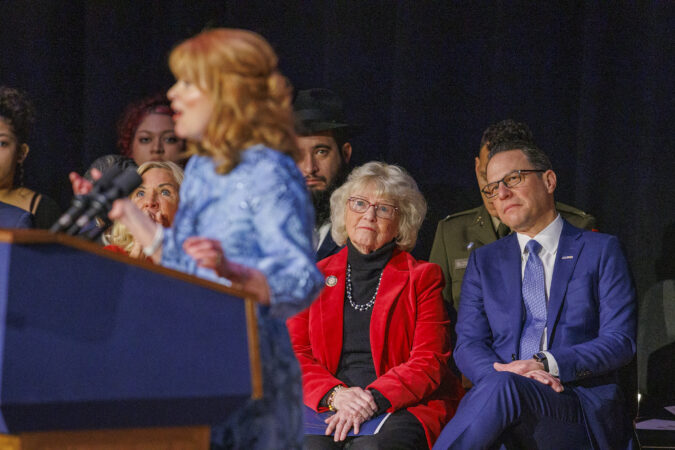
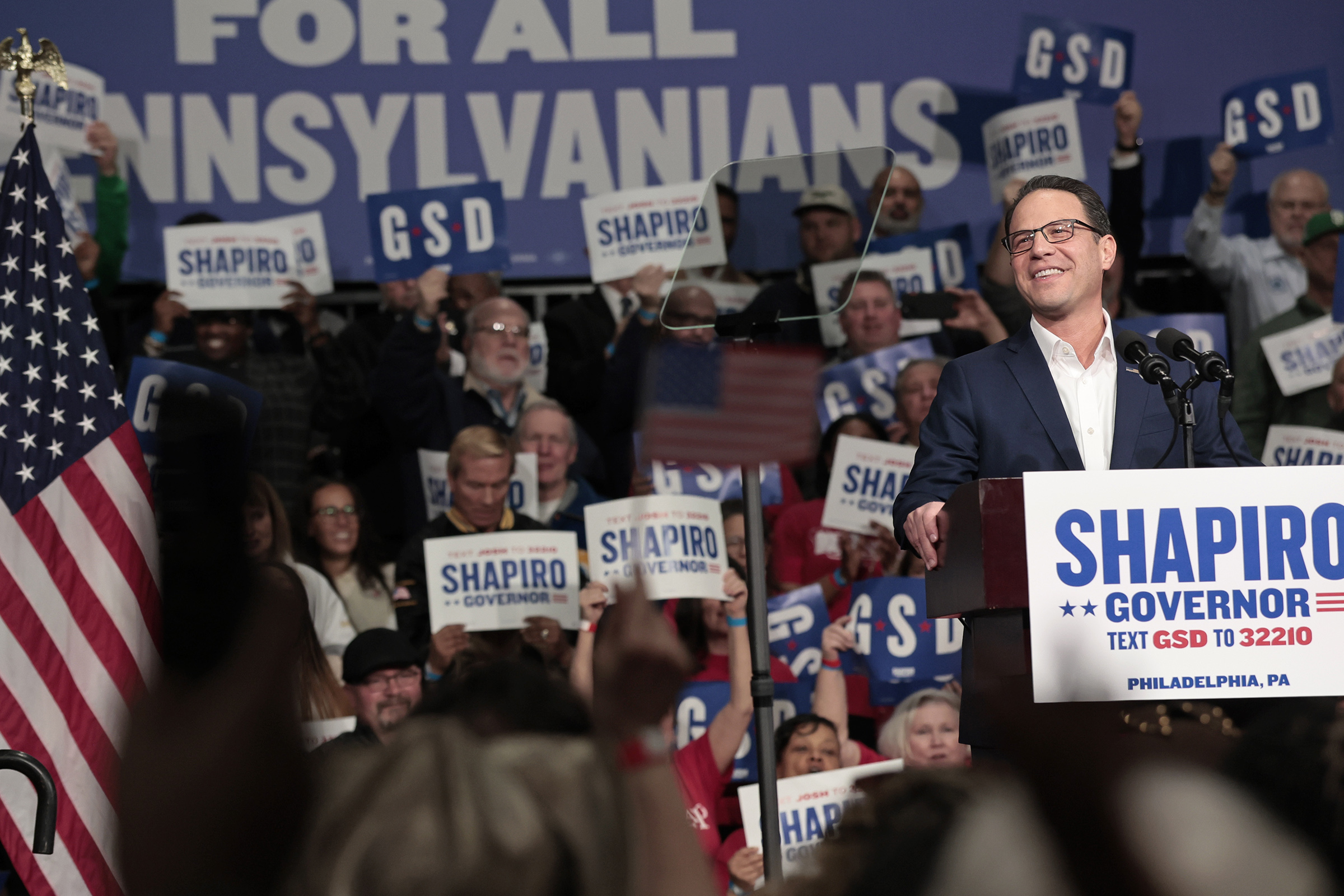
Governor Josh Shapiro during a reelection announcement event at the Alan Horwitz “Sixth Man” Center in Philadelphia on Thursday, Jan. 8, 2026.
Only a small percentage of the population contributes to political campaigns, Kolodny said. And sometimes, it’s the smallest contributions that pay off the most, she said. Small-dollar donations suggest grassroots support that can translate into a person assisting the campaign in additional ways to get out the vote, she said.
Both Shapiro and Garrity have received a significant number of small-dollar donations that illustrate some level of excitement in the race — though Shapiro’s more than 3,000 in-state donors outnumber Garrity’s total by nearly 3-1.
“Think of fundraising as not just a money grab, but also as a campaign strategy,” Kolodny said.
Since announcing his reelection campaign in January, Shapiro has run targeted social media ads and sent fundraising texts, asking for supporters to “chip in” $1 or $5. The strategy worked, bringing in $400,000 in the first two days after his announcement, with an average contribution of $41, according to Shapiro’s campaign. This funding is not reflected in his 2025 campaign finance report.
Most of Shapiro’s money came from out-of-state donors, including billionaire Mike Bloomberg and a George Soros PAC
While Shapiro garnered thousands of individual contributions from Pennsylvania in all 67 counties, according to his campaign, the latest filings show it was the big-money checks from out-of-state billionaires that ran up his total.
Approximately 64% of the $23.3 million Shapiro raised last year came from out-of-state donors.
And more than half — 57% — of Shapiro’s total raised came from six- or seven-figure contributions by powerful PACs or billionaire donors.
By contrast, only 31% of Garrity’s total fundraising came from six-figure contributions.
The biggest single contribution in the governor’s race came from billionaire and former New York City Mayor Michael Bloomberg, who gave Shapiro $2.5 million last year.
Shapiro also received $1 million from a political action committee led by billionaire Democratic supporter George Soros; and $500,000 from Kathryn and James Murdoch, from the powerful family of media mogul Rupert Murdoch.
Kolodny noted that big contributions from people like Bloomberg are a drop in the bucket of his total political or philanthropic spending.
window.addEventListener(“message”,function(a){if(void 0!==a.data[“datawrapper-height”]){var e=document.querySelectorAll(“iframe”);for(var t in a.data[“datawrapper-height”])for(var r,i=0;r=e[i];i++)if(r.contentWindow===a.source){var d=a.data[“datawrapper-height”][t]+”px”;r.style.height=d}}});
“This is not something extraordinary,” Kolodny said. “He’s got nothing but money.”
In Pennsylvania, Shapiro received notably high contributions from Philadelphia Phillies owner John Middleton, who gave $125,000, and Nemacolin Resort owner MaggieHardy, who gave $250,000, among others. He also received a number of five-figure contributions from private equity officials, venture capitalists, and industry executives in life sciences, construction, and more.
Garrity’ssingle biggest donation was $250,000 from University City Housing Co., a real estate firm providing housing near Drexel University and the University of Pennsylvania. Her largest contributions from individuals included $50,000 from her finance chair, Bob Asher of Asher Chocolates, and another $50,000 from Alfred Barbour, a retired executive from Concast Metal Products.
Garrity has served as Pennsylvania’s state treasurer since 2020 and has led the low-profile statewide office with little controversy. She did not join the race for governor until August and raised only a fraction of the funds Shapiro did in that same time. Meanwhile, Shapiro spent 2025 at the political forefront as a moderate Democrat trying to challenge President Donald Trump in a state that helped elect him. Shapiro also benefited from his national name recognition after he was considered for Vice President Kamala Harris’ running mate in 2024.
Shapiro has so far outraised Garrity 30-1, and top Pennsylvania Republicans have said they want to see Garrity fundraising more aggressively nationally.
Kolodny said Garrity’s low fundraising is a reflection of the state of the race: Republicans put up a weak candidate in 2022 against Shapiro during his first run for governor, and now many powerful donors want to keep the relationship they have formed with Shapiro over the last three years.
“That will reflect as a lack of enthusiasm for her,” Kolodny said. “Now she could turn that around, but from what I see, I don’t see her that much, only recently. She had the last six months; she could have done a lot more.”
Controversy over donations tied to associates of Jeffrey Epstein
Shapiro’s top contributions from individual donors also included a $500,000 check from Reid Hoffman, the Silicon Valley-based billionaire cofounder of LinkedIn. His name showed up thousands of times in the trove of documents recently released by the U.S. Department of Justice related to the investigation into financier and convicted sex offender Jeffrey Epstein.
Garrity has highlighted the donations Shapiro received from Hoffman, and has publicly called on Shapiro to return the tech billionaire’s campaign contributions from last year and prior years, totaling more than $2 million since 2021.
Hoffman has claimed he had only a fundraising relationship with Epstein, but publiclyadmitted he had visited his island. He has not been charged with wrongdoing.
A spokesperson for Shapiro said Garrity should “stop playing politics with the Epstein files.”
“Donald Trump is mentioned in the files over 5,000 times. Is she going to ask him to rescind his endorsement?” asked Manuel Bonder, Shapiro’s spokesperson.
Garrity has previously downplayed Trump’s appearance in the Epstein files, and argued that Democrats would have released them much sooner if there was clear evidence of Trump partaking in any inappropriate behavior.
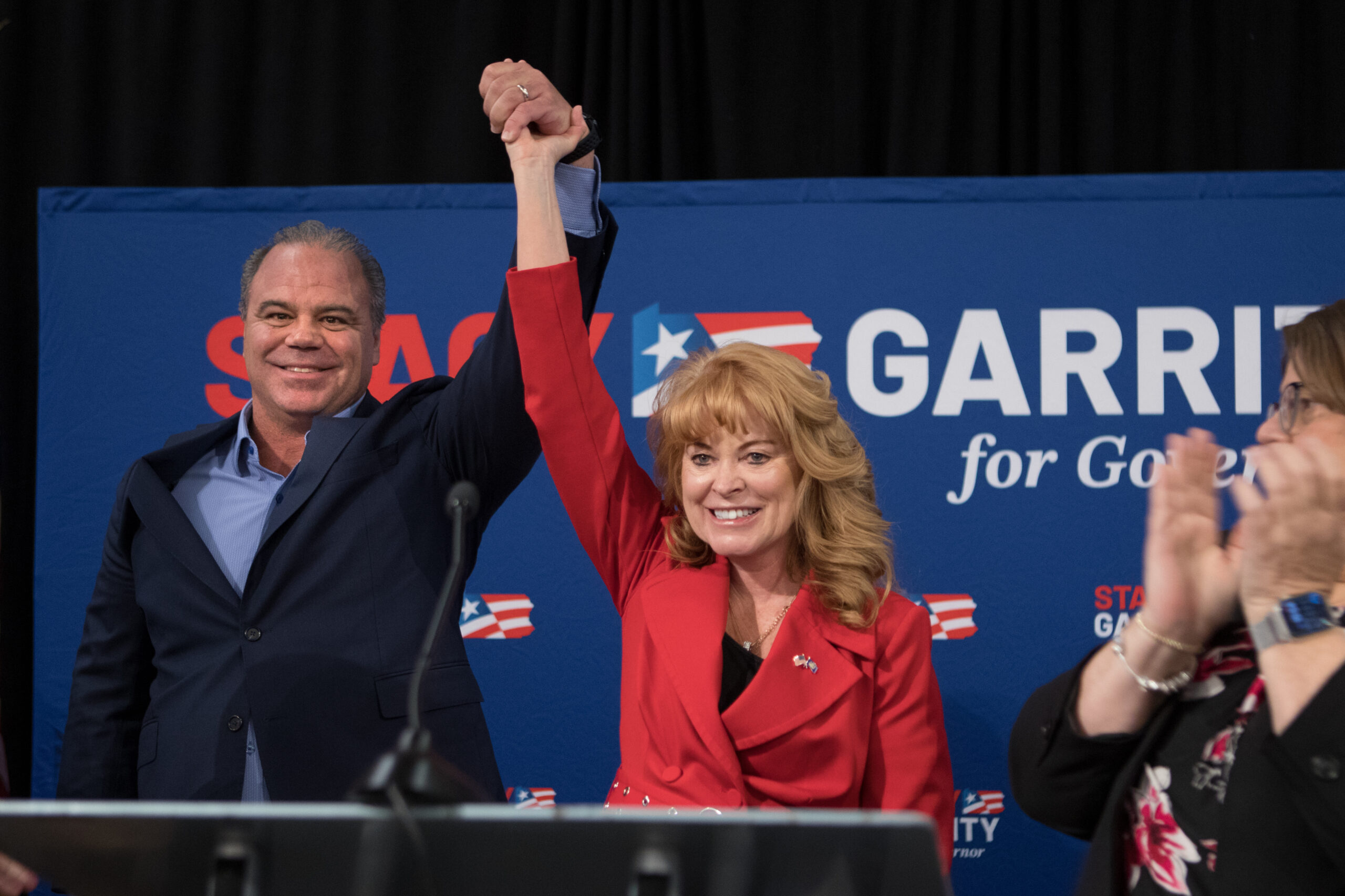
GOP candidate for Pennsylania Governor, Stacy Garrity and Jason Richey hold up their arms in Harrisburg, Pa., Saturday, February 7, 2026. The PA State Republican Committee endorsed the two in their quest for the governor’s mansion. (For the Inquirer/Kalim A. Bhatti)
If Shapiro were to return the funds from Hoffman, it would be bad for Garrity, Kolodny said, because she has made very few other political attacks against him.
Even by the pitifully low standards of the fact-free government of the United States, this one was a whopper.
Last month, agents from U.S.Immigration and Customs Enforcement (ICE) showed up at a Minneapolis hospital emergency room with a 31-year-old Mexican immigrant named Alberto Castañeda Mondragón who’d suffered severe head injuries.
The ICE agents told the ER nurses, according to the Associated Press, that Mondragón “purposefully ran headfirst into a brick wall.” But doctors could immediately see that the official version made zero sense, since their patient had multiple head injuries on the front, back, and side — not consistent with a fall or a collision.
Under oath, the feds suddenly switched to passive voice, as an ICE deportation officer said only in a sworn statement that Mondragón “had a head injury that required emergency medical treatment.” A judge ruled the arrest was unlawful — Mondragón had come to the U.S. legally and overstayed his visa — and ordered the man freed. Mondragón, who survived his eight skull fractures and brain bleeds and is suing the government, weeks later told an AP reporter his story of what really happened.
“They started beating me right away when they arrested me,” he recounted, describing how immigration agents pulled him from a friend’s car at a St. Paul, Minn., shopping center on Jan. 8, then slammed him to the ground, handcuffed him, punched him, and whacked him with a steel baton. Mondragón said he was beaten again at a federal detention center, where his pleas for mercy were met by laughter and more blows.
“There was never a wall,” he said.
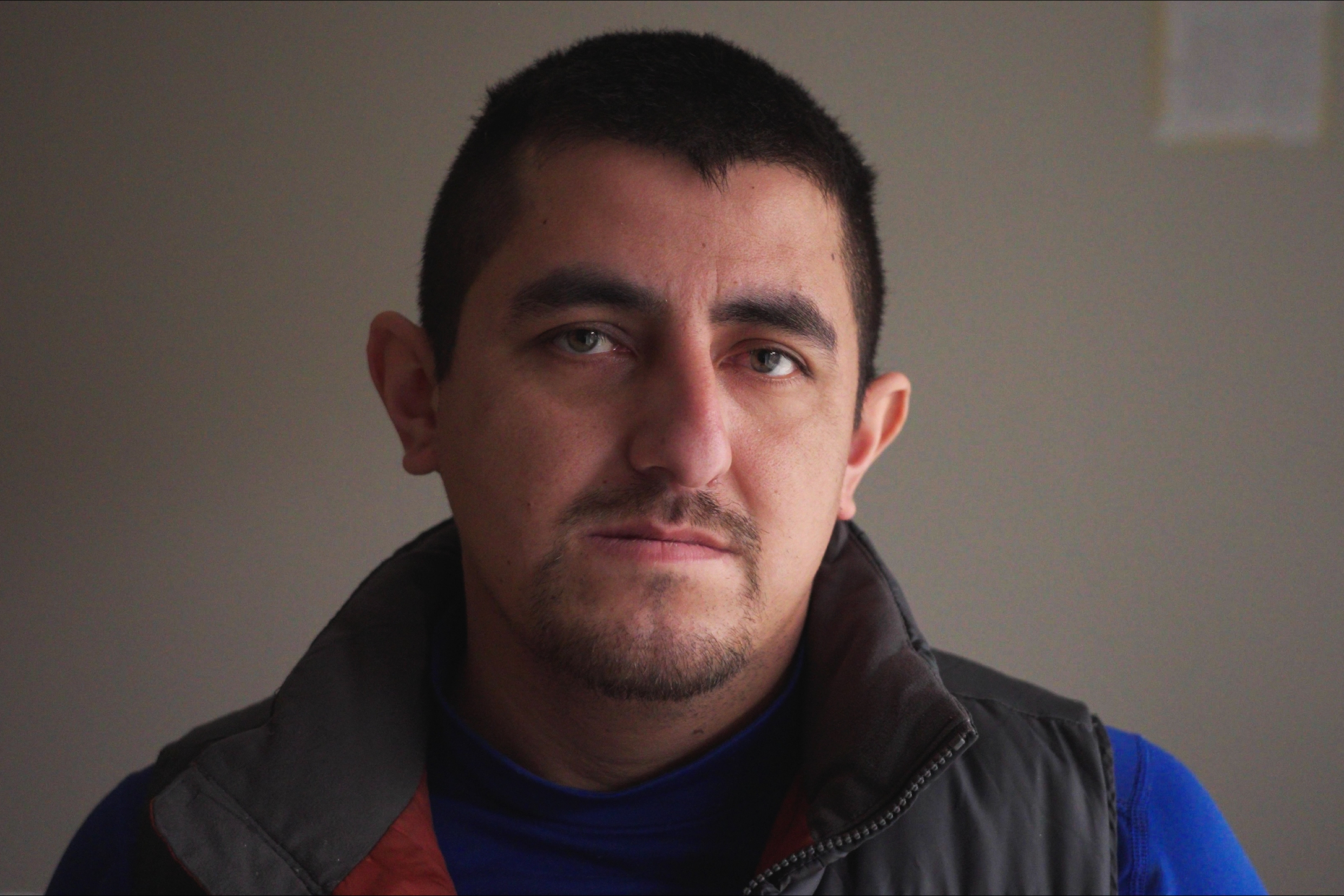
Alberto Castañeda Mondragón, who says in a lawsuit that he sustained eight skull fractures when he was beaten by ICE agents, poses for a portrait earlier this month in St. Paul, Minn.
Mondragón’s narrative would be outrageous if it were an isolated incident, but this is simply one of the most egregious examples of falsehoods by an American secret police regime that has been caught in high-profile lies again and again. The best-known cases are the Minneapolis killings of Renee Good — where officials up to the president falsely claimed an agent was struck by a car and rushed to a hospital — and Alex Pretti, who was accused of brandishing a gun at federal agents, a lie that was instantly demolished when videos emerged.
And these are just three of the many instances where a U.S. Department of Homeland Security (DHS) agent or top official has offered a version of events — often backed up by sworn testimony — that soon fell apart.
On Wednesday, another woman DHS had described as “a domestic terrorist” — Mirimar Martinez, the Chicago Montessori schoolteacher who was shot five times after a vehicle collision with ICE agents — presented powerful evidence of government lies as she pursues legal action against DHS and the agent who shot her, Charles Exum.
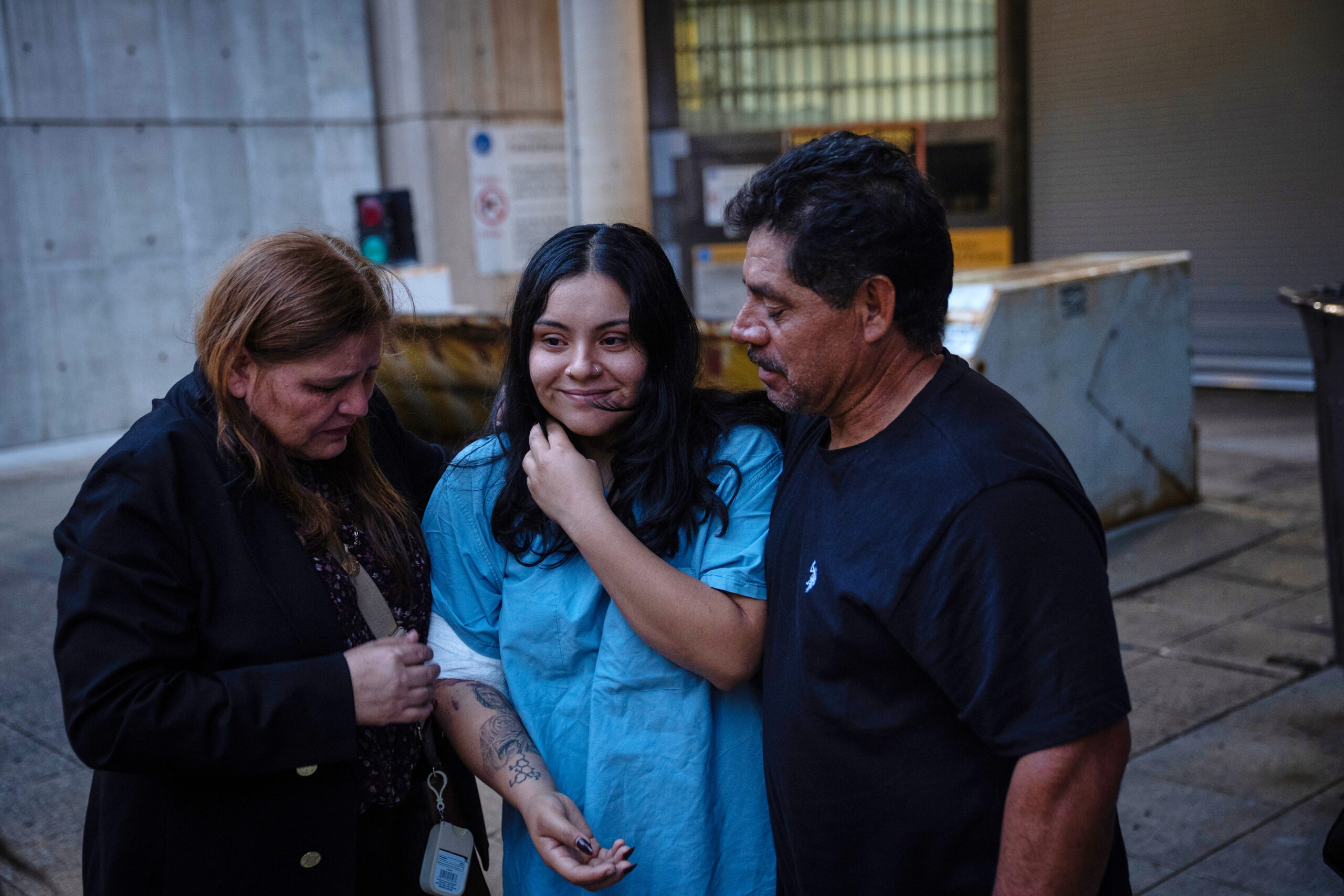
Marimar Martinez (center) is greeted by her family after being released from the Metropolitan Correctional Center in October, after being shot by immigration agents and charged with assaulting federal officers in an incident in Chicago’s Brighton Park.
Martinez, whose federal charges stemming from the encounter were later dropped, and her lawyer said that a federal diagram of the crash scene presented in court showed three other vehicles that do not exist, that the shots did not come through the front windshield as claimed by Exum, and that another claim — that Martinez had “rammed” Exum’s vehicle — was also false. Said her lawyer, Christopher Parente, “This is a time where you just cannot trust the words of our federal officials.”
Let’s not pretend to be so naive as to act as if official deceit began on the June 2015 day that Donald Trump descended on that Trump Tower escalator. It was the late 1960s — the era of Lyndon B. Johnson’s Vietnam “credibility gap” — when the investigative journalist I.F. Stone famously wrote, “All governments lie.” I became an opinion journalist because of my disgust over George W. Bush’s lies that drove the Iraq War.
That said, the outrageous, Soviet-caliber falsehoods of the Trump regime feel much worse. These are not “plausible denial” fairy tales to push an unpopular policy or cover up some dirty deeds, like Watergate, but a vast empire of Big Lies — easily disprovable, about everything from election results to economic statistics — with a much more ambitious goal of undermining the very notion of objective reality.
Trump: "California is more corrupt than Minnesota. And I won Minnesota." (Trump has lost Minnesota three times.) pic.twitter.com/umCFf121vg
This fish stinks from the head. That Trump was elected a second time after the Washington Post (remember them?) chronicled some 30,573 false or misleading claims during his first four years was essentially America’s drive-through order of a Double Whopper.
The nation seems to have all but given up on challenging Trump’s absurd claims that he won Minnesota three times (although he actuallylost three times), or his fact-free insistence that his tariff policies have sparked $18 trillion in new investments, just to name two instances. But America’s liar-in-chief has also offered fresh inspiration to his underlings.
One would be hard-pressed to find a more blatant case of highest-level lying than the matter of Commerce Secretary Howard Lutnick and his friendship with Jeffrey Epstein, the deceased financier and sex trafficker. When the Trump regime’s cover-up of its massive Epstein files became a big story last summer, Lutnick, a former Wall Street CEO who lived next door to Epstein in Manhattan, told a podcast that he’d briefly visited Epstein’s home in 2005, and was revulsed atthe sight of a massage table. He insisted that he then decided, “I will never be in the room with that disgusting person ever again.”
This was an epic lie.
We now know — thanks to thecongressionally mandated (but still incomplete) release of the Epstein files — that Lutnick and his family and entourage stopped for lunch at Epstein’s Caribbean island in 2012, and that this was one of many contacts — about meeting for drinks, or philanthropic contributions — the two men had almost up until Epstein’s arrest and jail cell death in 2019.
There’s no evidence Lutnick committed any crime — beyond telling a massive and now discredited lie to the American people he purportedly serves. In Europe, heads are rolling for far less, but Lutnick has “the full confidence” of the president. That fact, bobbing above a vast MAGA sea of lies, should make us ask some hard questions as a nation.
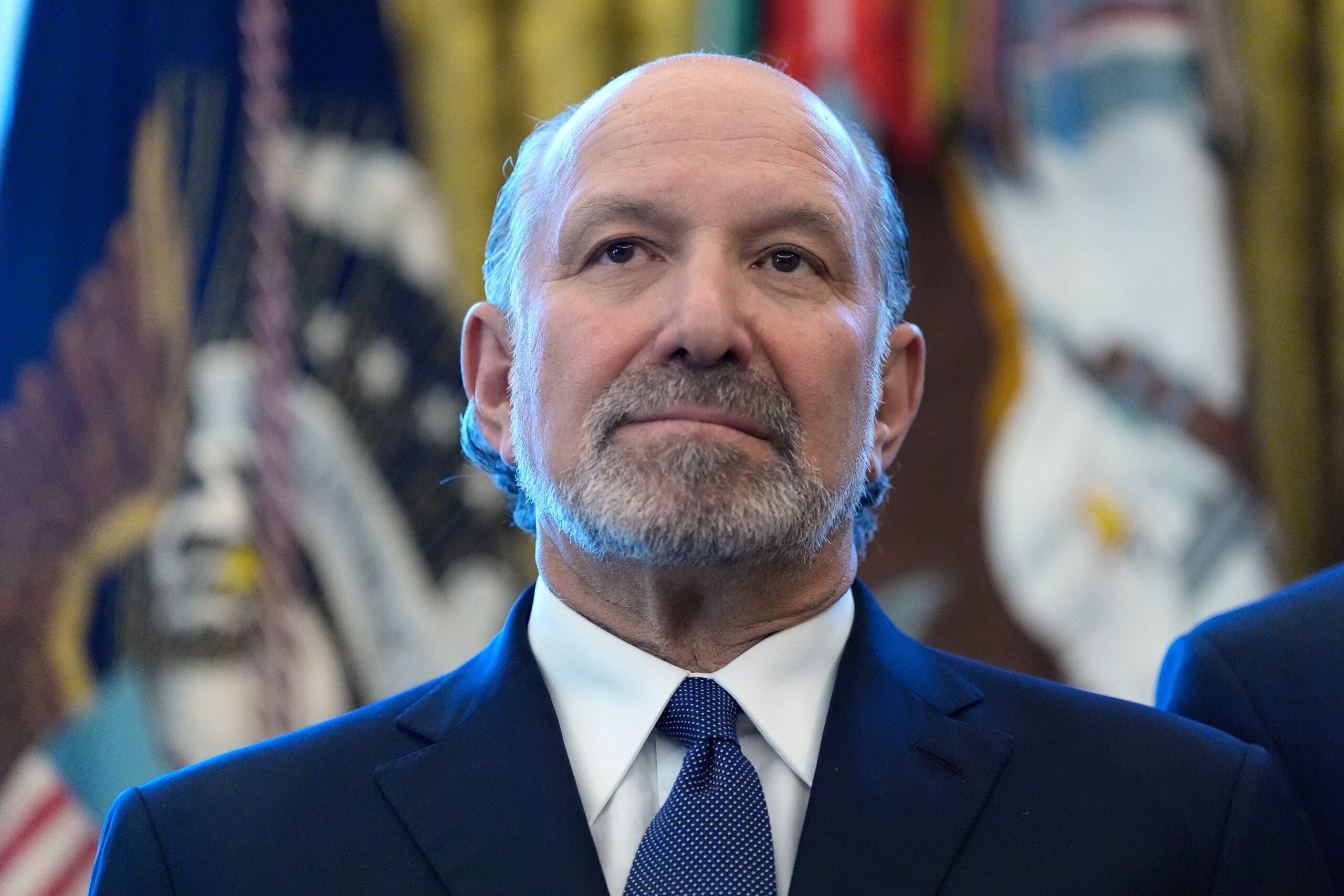
Commerce Secretary Howard Lutnick listens during an event with President Donald Trump in the Oval Office in February.
The current consensus — honored mainly in the breach — that lying is wrong, or bad, does not go nearly far enough. Perhaps it muddies the water that the U.S. Supreme Court has ruled it is First Amendment-protected free speech when private citizens utter things that aren’t true. But official deceit is a different category.
“The government’s lies can be devastating,” a leading scholar — University of Colorado law professor Helen Norton — wrote in a powerful 2015 article, arguing that official government dishonesty is fundamentally unconstitutional. Norton noted that false testimony and evidence in criminal cases — what we’ve seen frequently in the immigration terror campaign — is a violation of the Constitution’s due process clause, while invented allegations that aim to silence critics are offenses against constitutionally protected free speech.
It’s a felony to lie in federal court cases, or when testifying under oath before Congress, or in other types of governmental proceedings. And the federal statute of limitations for perjury is five years — plenty of time for a liberated U.S. Department of Justice to pursue these many cases if democratic forces can win back the White House in 2028.
But we should also recognize that top officials who tell deliberate lies are abusing their power in ways that, as Norton rightly argues, are grossly unconstitutional. When Noem lies to the American people about Good and how she was killed by ICE, she should resign or be impeached. When Lutnick looks into a camera and offers complete fiction about his friendship with the world’s most notorious sex trafficker, he, too, should quit immediately, or face impeachment.
Norton, in her prescient article from 11 years ago, notes that beyond the specific wrongs against individuals — such as Mondragón, Martinez, Good, and Pretti — that occur when the government lies, there is a much broader problem: the loss of public trust.
Indeed, the steep decline of public faith not only in government but in other civic institutions began with those official lies about Vietnam and Watergate, and the flawed probes into the John F. Kennedy assassination. It was those and other countless moments of scatheless lying by those in power that created the rubble Trump marched over in 2016.
We won’t get anything resembling democracy until we clear that widespread debris, and that means sending a bunch of these liars to prison, because they are the real criminals. America desperately needs truth and consequences.
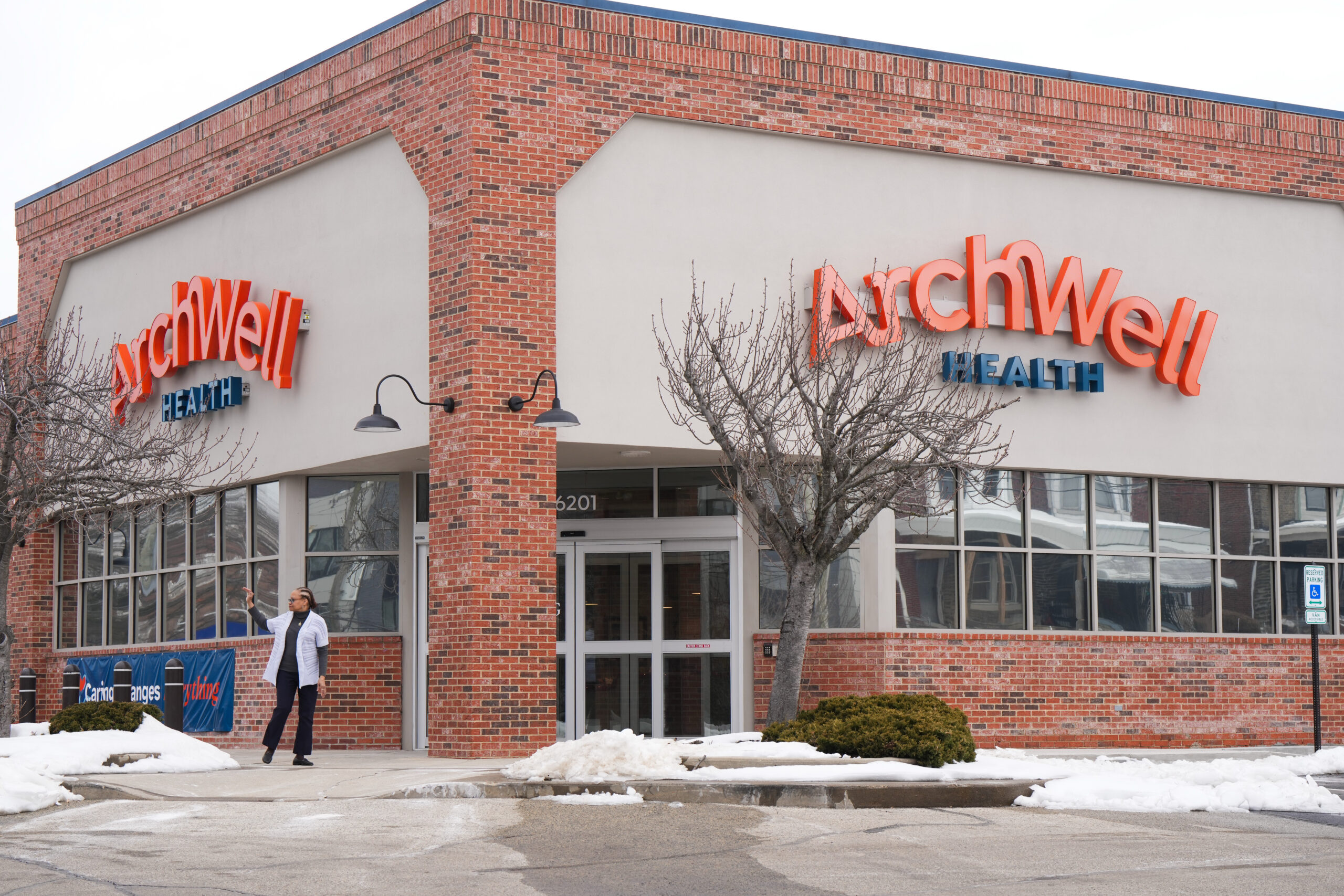
A new sign with orange letters outside a former Rite Aid in Germantown announces the arrival of a primary care model new to the Philadelphia region.
ArchWell Health recently opened its first three of eight planned primary care centers here for people with Medicare Advantage, promising convenient and personalized care in neighborhoods with a relative lack of doctors.
Two others have opened on North Broad Street, near Stenton and Susquehanna Avenues, also in former Rite Aid stores.
A privately held company based in Nashville, Tenn., ArchWell says it can offer patients greater access to healthcare throughlower patient-provider ratios.
Itplans to limit each of itsphysicians to no more than 500 patients — about a fifth of the patient load for typical primary care doctors. Nurse practitioners working under the doctors will manage a maximum of 250 patients,officials said.
The approach is built around a financial model that differentiates ArchWell from Medicare-focused competitors already in Philadelphia like Oak Street Health and ChenMed’s Dedicated Senior Medical Centers. ArchWell only accepts patients who have private Medicare or are willing to switch to it. Oak Street and ChenMed also accept traditional Medicare.
Privately run Medicare Advantage plans are increasingly popular among people ages 65 and older who qualify for government-funded Medicare coverage. Advantage plans appeal to people bycovering services, such as dental and vision care, left out of traditional Medicare, but have come under scrutiny for exaggerating how sick patients are to rack up more revenue.
ArchWell sees exclusively working with Medicare Advantage plans as helping doctors to focus solely on the best outcomes for patients, rather than on providing more services to bring in more revenue, a criticism of traditional Medicare, said Doron Schneider, its medical director for the Philadelphia market.
Melissa A. Herd, community relations specialist for ArchWell Health in Philadelphia, is shown outside the company’s Germantown location, which is in a former Rite Aid building.
“You have different incentives, you have different care models, you have different case management models, you have different ways to treat one person versus the other,” Schneider said.
Before starting at ArchWell in late 2024, Schneider worked at Tandigm Health, an Independence Health Group company founded in 2014 with the goal of helping primary care doctors manage costs and improve care for their patients. He learned there how hard it is for doctors to work with different types of insurers and the varied incentives that go with them.
How ArchWell conducts business
ArchWell, which opened its first clinic in 2021 in Birmingham, Ala., operates under contracts with Medicare Advantage plans. The plans give ArchWell a portion of the monthly payment they get from Medicare for each patient. That money is supposed to cover all of the person’s medical costs.
Aetna, UnitedHealthcare, and Devoted Health have contracts with ArchWell to cover the Philadelphia market. ArchWell is close to getting contracts with HealthSpring and Humana, Schneider said. Those five companies had more than 90,000 people in their plans in December, according to federal data.
Aetna and UnitedHealthcare said they work with clinics like ArchWell’s around the country to improve health outcomes and leave patients more satisfied with their experience.
“We are pleased that they are now an option for Aetna Medicare Advantage members in the Philadelphia area,” Aetna said in a statement.
ArchWell declined to provide financial details, such as annual revenue from the more than 80 clinics it had in a dozen states before coming to Philadelphia or how much it spends to open each center. ArchWell representatives also did not disclose who its owners are.
The interior of Archwell Health’s Germantown primary care clinic has Philadelphia-centric images painted on the walls.
Company founder Carl Whitmer worked at Clayton, Dubilier & Rice, a global private equity firm, before founding ArchWell.
“We have partners that are focused on our sustainability and growth,” said Christina Cober, ArchWell’s vice president of marketing.
But companies focused on primary care for seniors haven’t always been as successful as anticipated.
Oak Street, founded in Chicago in 2012, grew rapidly and now services 450,000 patients at 230 centers across the country. It declined to say how many patients it has in Philadelphia. Oak Street arrived here in 2018.
CVS Health bought Oak Street in 2023 for $10.6 billion, anticipating that it would expand to more than 300 centers by this year. Last fall, CVS announced it was closing 16 centers and taking a $5.7 billion write-down on its health-services business, largely because of slower anticipated growth at Oak Street.
ArchWell says itslowerpatient-provider ratios allow more frequent interactions with patients. If a patient is diagnosed with high blood pressure, Schneider said, the message to the patient is: “We’ll see you back in a week. We’ll see you back in two weeks.”
The repeat visits happen with no cost to the member and no extra revenue to ArchWell because all care is supposed to be covered by a monthly payment per member.
ArchWell expects to add about 300 patients per year at each center, said Cober. Staffing at the centers starts out with a physician, a nurse-practitioner, two care navigators, two medical assistants, and a center manager.
Among the early patients at ArchWell’s center on Germantown Avenue is Marcella James, 69, who lives across the street from the clinic and watched as the building was transformed from a shuttered Rite Aid.
“I walked over there one day just to see what it was like and what they offer, and I signed up right away,” James said. James likes her doctor at Temple Health, but ArchWell was irresistibly convenient.
“If I can get the same help or better help from ArchWell is to be seen because I just started with them,” she said.
This week, lawmakers in Congress renewed their push to pass the SAVE Act, rebranding it as the “SAVE America Act.” Wednesday night, this bill passed the House and will move on to the Senate.
Although this legislation’s title suggests safeguarding Americans and ensuring election security, its actual impact would be catastrophic.
The SAVE America Act would impose sweeping new “show your papers” requirements that threaten to disenfranchise millions of eligible Americans, including hundreds of thousands of Pennsylvanians. It places new burdens on voters and election officials without addressing real problems. Mainly, it seeks to solve an issue that does not exist: Noncitizens are already prohibited from registering to vote, and checks are already in place to prevent ineligible voters from casting ballots.
The SAVE America Act would require voters to present documentary proof of U.S. citizenship in person when registering to vote, whether it be for the first time or when voters move, along with proof of state residency. It would also require proof of citizenship and photo ID not only for registration, but again when casting a ballot — including when requesting and submitting an absentee ballot.
This is not a minor paperwork adjustment. It is a fundamental change to how Americans exercise a constitutional right.
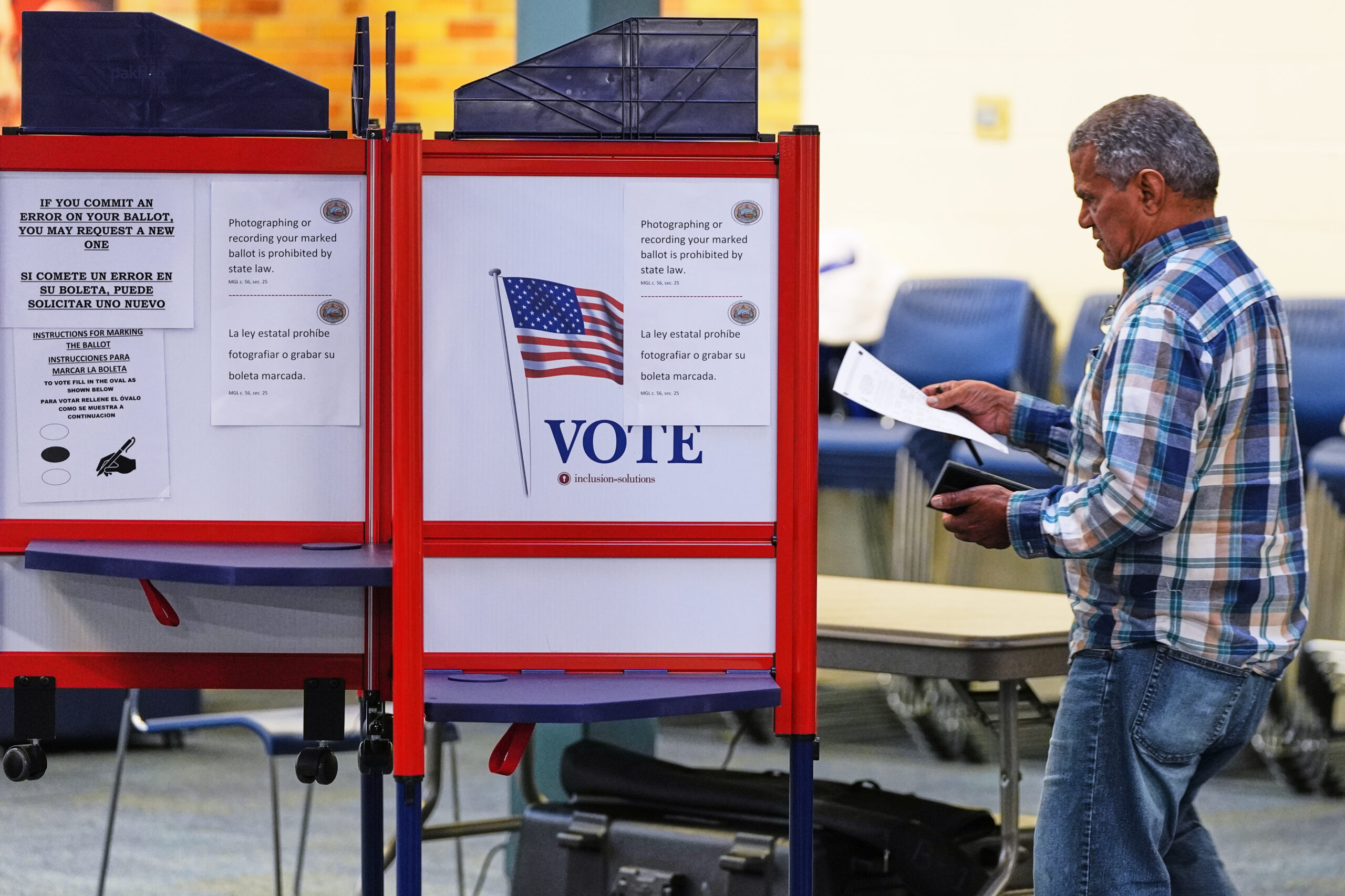
A voter prepares to cast a ballot in Lawrence, Mass., in 2025. A GOP-backed bill would fundamentally change how American vote.
In Pennsylvania, that means hundreds of thousands of eligible voters could face new barriers. Voters who don’t have a passport or a copy of their birth certificate, voters who move and don’t update their driver’s licenses right away, married women who change their names and lack matching documentation, Americans living abroad, including members of the military and their families overseas, and naturalized citizens who would need to safeguard their original citizenship papers.
These are not hypothetical voters. They are our family, our friends, and our neighbors. They are people like you.
The SAVE America Act would add undue burden on voters, including travel, fees, lost work time, and bureaucratic hurdles, to solve a problem that does not meaningfully exist.
There is simply no evidence of widespread noncitizen voting that justifies such sweeping restrictions, especially ones that rely on obtaining documents that are hard to get under the best circumstances, and are simply inaccessible for some.
This legislation is a gross example of federal overreach into our elections. Pennsylvania already has safeguards to ensure only eligible citizens vote. Federal law requires voters to attest to citizenship under penalty of perjury. Election officials verify identity and eligibility. Adding unnecessary documentation does not strengthen democracy; it burdens it.
For over a century, the League of Women Voters has defended the right of eligible citizens to participate in our democracy. We do not support candidates or parties, but we will always stand for voter access and voting rights.
The original SAVE Act failed last year after widespread public opposition. The SAVE America Act is simply a new vehicle for the same restrictive policy. Election integrity and voter access are not at odds with one another. We can protect both without disenfranchising millions.
Democracy is strongest when all eligible citizens have their voices heard. For more than two centuries, our nation has moved — often imperfectly, but steadily — toward a more inclusive and participatory democracy.
The SAVE America Act reverses this progress by creating new barriers to a fundamental right. Pennsylvania’s congressional delegation must reject this bill and reaffirm a simple principle: If you are an eligible citizen in America, your right to vote should not depend on producing the right documentation at the right moment.
Our democracy depends on participation, not paperwork.
Amy Widestrom is executive director of the League of Women Voters of Pennsylvania.