Tag: topic-link-auto

  • Unlocking Jamie Drysdale’s offensive potential could go a long way toward improving the Flyers’ power play

    Unlocking Jamie Drysdale’s offensive potential could go a long way toward improving the Flyers’ power play

    Jamie Drysdale snapped a 20-game goal drought with his game-winner late in the third period Tuesday against the Washington Capitals.

    The goal was critical to keeping the Flyers competitive in the Metropolitan Division standings, snapping the team’s four-game losing streak and helping build some momentum heading into the Olympic break.

    But it was also important personally for Drysdale, as it marked his first goal since returning from an upper-body injury on Jan. 14, and doubled as a sign of the progress he and the power play have been making in recent games.

    “I think I had my chances, to be honest with you, I just couldn’t put the puck in the net,” Drysdale said. “Guys did a great job of finding me, finding holes, and it was nice to see one go in.”

    Coach Rick Tocchet has praised Drysdale’s growth as one of the locker room leaders, including an important speech on the bench against Colorado. But the 23-year-old is also quietly having his best season on the ice, as he is on pace for a career high in points in addition to improving his game on the defensive side of the puck.

    According to Natural Stat Trick, the Flyers’ top three performing defensive pairs this season, with more than 30 minutes played, have included Drysdale. Cam York, Nick Seeler, and Travis Sanheim have all generated more expected goals with Drysdale than without.

    “Such a good skater, really high IQ,” York said of what makes Drysdale easy to play with. “He can be a one-man breakout when he wants to. Being close friends helps, too, because I feel like the communication is really good.”

    The last piece for Drysdale to unlock is the power play. The Flyers have converted on 16.3% of their power play opportunities, good for 26th in the league, but they’ve slowly improved in recent weeks, scoring six power play goals over their last seven games.

    Over that last stretch of games, Drysdale has anchored the top power-play unit of Trevor Zegras, Christian Dvorak, Bobby Brink, and Travis Konecny, which Tocchet first pivoted to in earnest against Vegas on Jan. 19. In 20 minutes, 45 seconds of ice time on the power play, that unit has scored four goals, including a goal in each of the last two games.
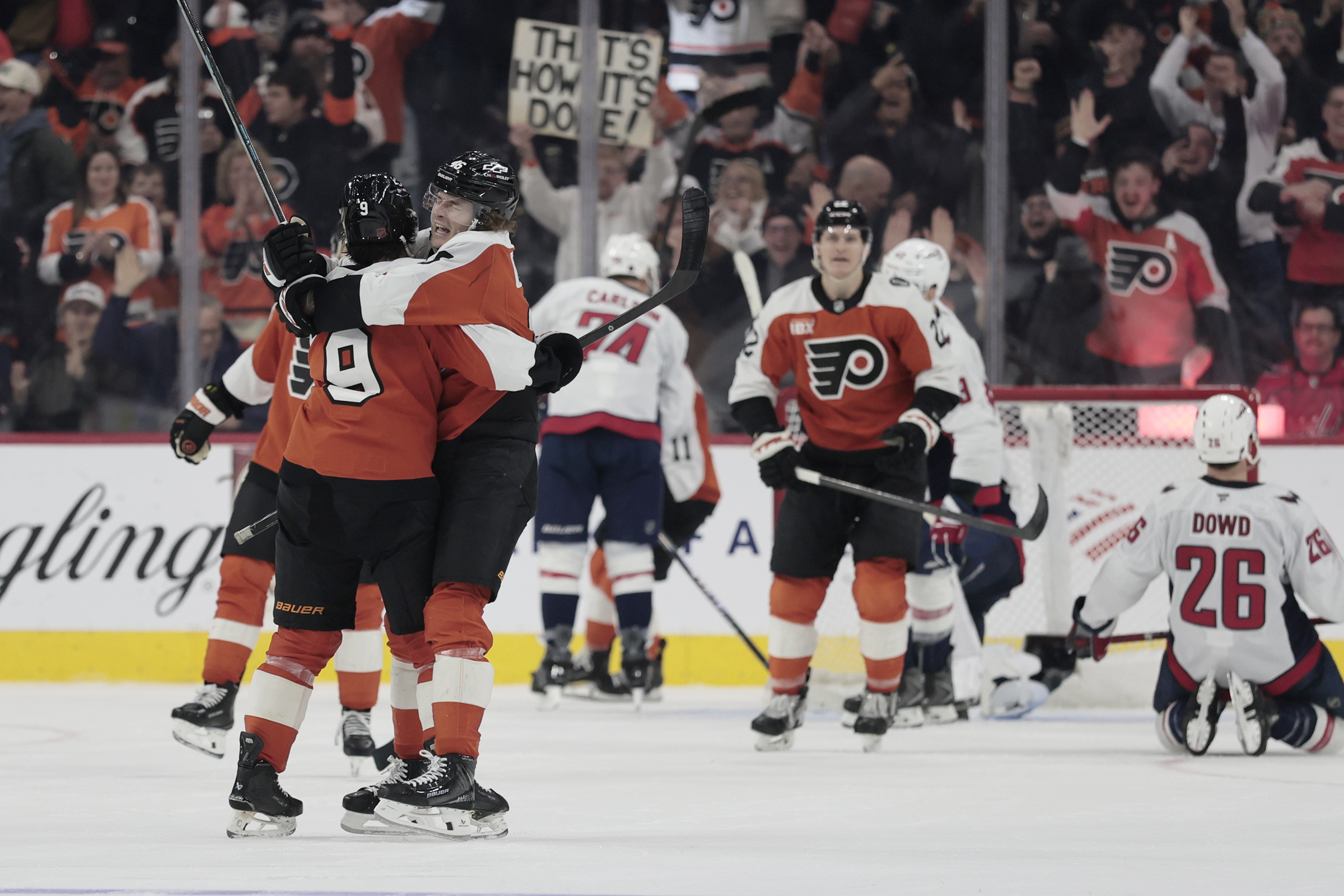
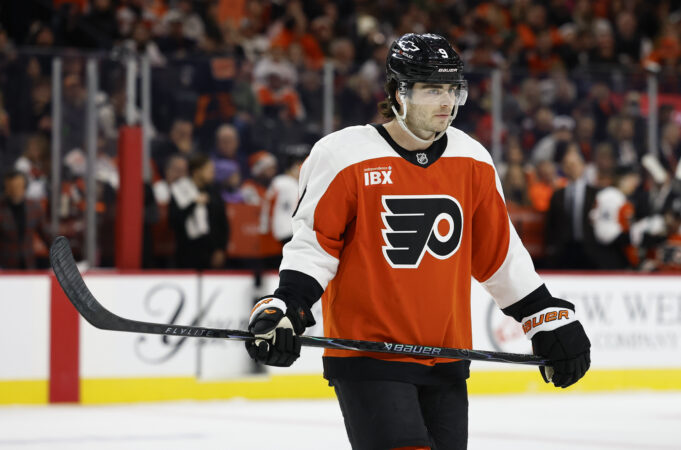
    Flyers defenseman Jamie Drysdale (9) scored the game-winner with just over five minutes left against the Washington Capitals.

    Drysdale’s shot from the point on Tuesday was an example of exactly what Tocchet wants to see the defenseman do on the power play: take point shots that are low enough for a deflection opportunity.

    “Teams will pre-scout you, and we’re trying to explain to the players that on the pre-scout, if you’re overpassing, they won’t respect the middle shot,” Tocchet said. “That’s the hardest thing to defend is a middle shot when you’re out of position. If we can get those types of goals and build on it and get some guys confident with that shot, you can get those types of goals.”

    Just five of Drysdale’s 22 points this season have come on the power play, including three in the last seven games. Since his draft year in 2020, Drysdale, due to his skating and playmaking ability, has possessed the potential to be a strong offensive defenseman.

    If he can continue to improve the Flyers’ power play, he could surge far past his career high of 32 points, set in 2021-22.

    “It’s not easy to get pucks through,” Drysdale said. “Obviously, it’s guys’ jobs to get in front of them, but at the same time, it’s your job to get them through and try and create. It’s a little give-and-take, and you’re constantly working and building and trying to create more.”

    Breakaways

    Konecny did not skate Wednesday for maintenance reasons. … Emil Andrae has been a scratch the last five games and could sit again on Thursday against Ottawa (7 p.m., NBCSP), Tocchet said. … The Rangers traded All-Star winger Artemi Panarin to the Los Angeles Kings on Wednesday for a third-round pick and prospect Liam Greentree.

  • Many Sixers fans came to love Jared McCain and his social media flair. And now their hearts are broken.

    Many Sixers fans came to love Jared McCain and his social media flair. And now their hearts are broken.

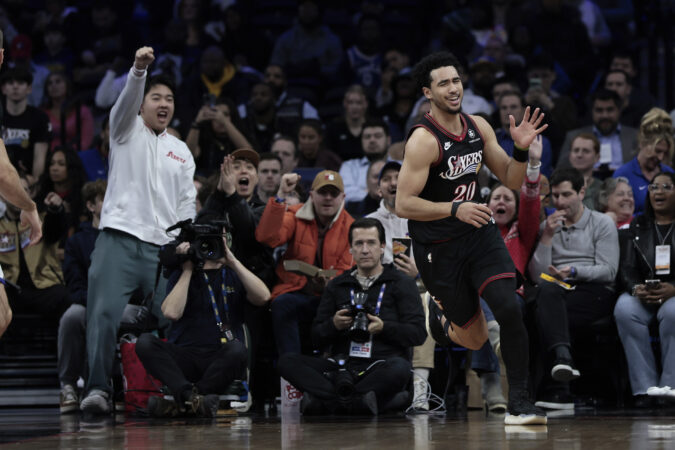
    After less than two seasons with the Sixers, Jared McCain is saying goodbye to the City of Brotherly Love.

    In what is one of the biggest surprises of the 2026 trade deadline so far,the Sixers traded McCain to the Oklahoma City Thunder in exchange for the Houston Rockets’ 2026 first-round pick and three second-round picks.

    McCain got off to a quick start in his rookie campaign in Philly, averaging 15.3 points, 2.6 assists, and 2.4 boards on 46% shooting from the floor in 23 games before a meniscus tear sidelined him for the remainder of the season.

    While he had a standout rookie season, McCain struggled in his second year since returning from his injury, averaging 6.6 points in 16.8 minutes. But he did have a breakout game against the Milwaukee Bucks last week, scoring 17 points on 5 of 6 shooting from deep, and had scored in double digits in three of his last six games before the trade.

    But Sixers fans weren’t just falling in love with McCain’s presence on the court. The 21-year-old guard also made a name for himself on social media, boasting 4.9 million followers on TikTok and 1.9 million followers on Instagram.

    So it’s no surprise that Philly fans took to social media to express their condolences about the trade. That’s right, condolences. Sixers fans are mourning the trade and reluctantly saying goodbye to McCain in the process.

    Other fans were less emotional, but the common theme remained disappointment, even though star rookie VJ Edgecombe and All-Star starter Tyrese Maxey are blocking him from playing more minutes.

    While Sixers fans continue to cope with the loss in their own way, there are plenty in the media, who get paid to think with their heads and not their hearts, who weighed in on the deal …

  • Ann Harnwell Ashmead, renowned classical archaeology researcher and writer, has died at 96

    Ann Harnwell Ashmead, renowned classical archaeology researcher and writer, has died at 96

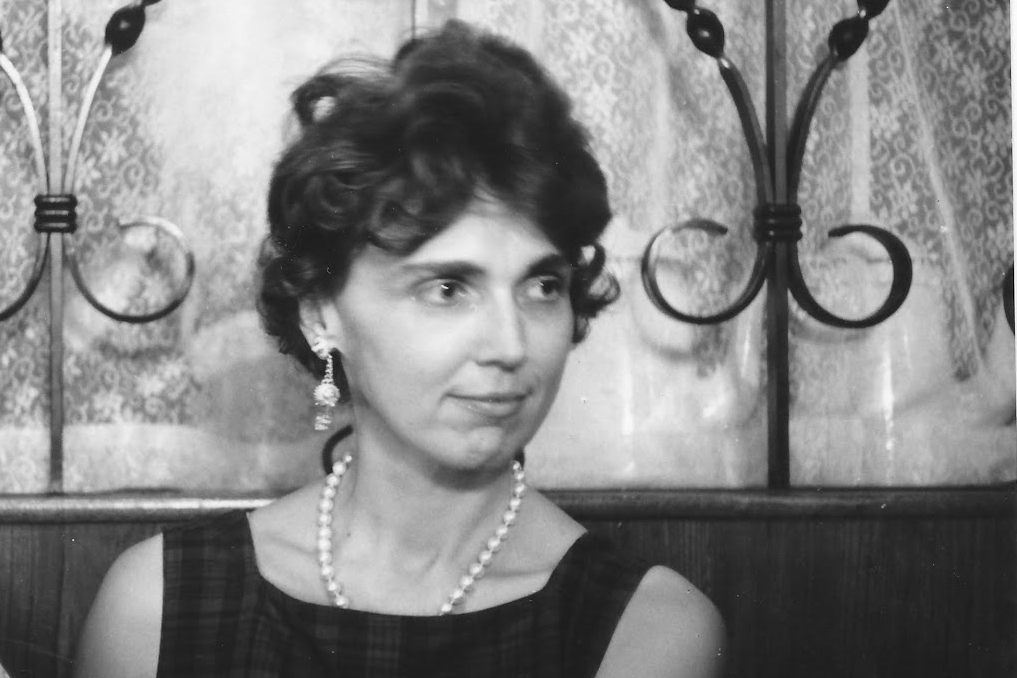
    Ann Harnwell Ashmead, 96, of Haverford, renowned classical archaeology researcher, writer, museum curator, volunteer, and world traveler, died Saturday, Jan. 17, of chronic congestive heart failure at her home.

    Dr. Ashmead was an archaeological specialist in Greek vase painting, the depiction of cats on classical and Near Eastern artifacts, and the history of other ancient ceramics. She traveled to Greece, Italy, Turkey, France, and elsewhere around the world to examine, analyze, and research all kinds of ceramics collections.

    She consulted with hundreds of other archaeologists and curators, and wrote extensively about the ongoing international research project to document ancient ceramics and the extensive collections at Haverford and Bryn Mawr Colleges, the Penn Museum, the Rhode Island School of Design, the Louvre Museum in Paris, and other places. She did archaeological field work in Greece during her college years at Bryn Mawr and served as a classical archaeology graduate teaching assistant.

    She was onetime curator of Bryn Mawr’s 6,000-piece Ella Riegel Memorial Museum and a research associate at the Penn Museum. She partnered for years with Bryn Mawr professor Kyle Meredith Phillips Jr. to research and write articles and books about ancient vases, cups, jars, pots, Etruscan images of cats, and other classical antiquities.

    Dr. Ashmead visited many archaeological sites in Greece and elsewhere.

    Some of her colleagues lovingly called her “the cat lady.”

    Dr. Ashmead often reassembled broken ancient objects for curators and created visual and oral presentations to augment her printed catalogs, articles, and books. “She was indefatigable,“ her family said in a tribute.

    She shared her research at conferences, meetings, and exhibitions around the globe, and most recently collaborated with Ingrid M. Edlund-Berry, professor emerita at the University of Texas at Austin, on a project that scrutinized cats as shield devices on Greek vases.

    “Ann was very modest, humble, and self-deprecating about her publications and academic achievements,” her family said. Her son Graham said: “She was a role model who inspired me with her curiosity on all subjects and issues, and a love of world travel, reading, and lifelong learning.”

    Dr. Ashmead spoke English, Japanese, Greek, Chinese, French, Danish, and Italian.

    Dr. Ashmead was active with the Archaeological Institute of America, and her research was published by the American Journal of Archaeology, the journal of the American School of Classical Studies at Athens, and other groups.

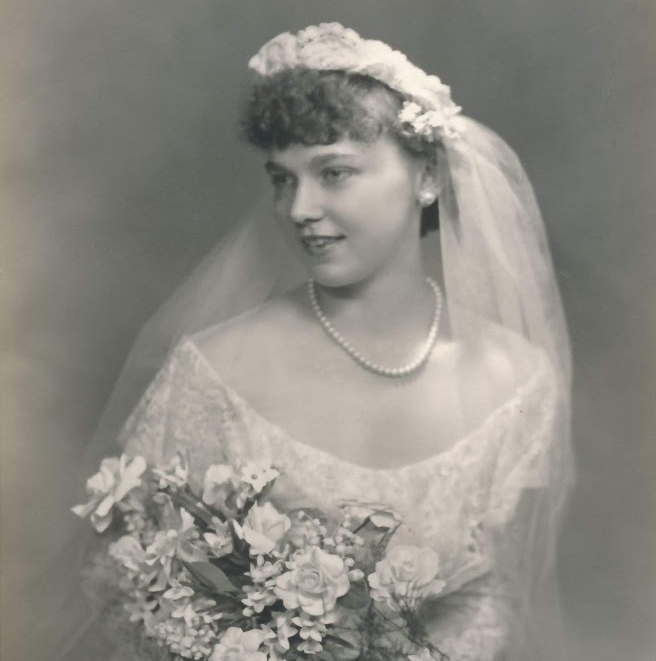
    She married Haverford College English professor John Ashmead Jr. in 1949, and they spent the next two decades traveling the world while he completed Fulbright Scholar teaching assignments. They lived in Japan, Taiwan, and India, and later in Paris, Athens, and Florida.

    She spoke English, Japanese, Greek, Chinese, French, Danish, and Italian. “Her learning never stopped,” her family said.

    Ann Wheeler Harnwell was born Oct. 7, 1929, in Princeton, N.J. Her family moved to Wynnewood in 1938 after her father, Gaylord P. Harnwell, became chair of the physics department at the University of Pennsylvania. He became president of Penn in 1953.

    Dr. Ashmead had many articles, catalogs, and books published over her long career.

    She graduated from Lower Merion High School in 1947 after spending the previous three years with her family in California. She earned bachelor’s and master’s degrees and a doctorate in classical archaeology at Bryn Mawr, and her 1959 doctoral thesis was titled: “A Study of the Style of the Cup Painter Onesimos.”

    On page 2, she wrote: “Such attributions of vases to an artist are a delicate business, the outcome of a long and intricate process of observation and analysis, often of tentative nature.”

    She and her husband had sons John III, Graham, and Gaylord, and daughters Louisa and Theodora. They divorced in 1976 but remained close friends until he died in 1992.

    Having grown up during the stock market crisis in the 1930s, Dr. Ashmead followed the market closely as an adult, and was thrifty and frugal, her family said.

    Dr. Ashmead married English professor John Ashmead Jr. in 1949.

    She was an avid letter writer and reader, and her personal library featured more than 5,000 books. She volunteered for years at Bryn Mawr’s old Owl Bookstore and especially enjoyed reading to her children and grandchildren.

    She was on the board of the Haverford College Arboretum and a member of the Hardy Plant Society, the Henry Foundation for Botanical Research, and the Philadelphia Skating Club. She enjoyed dancing, organizing Easter egg hunts, and hosting birthday parties and family events.

    A fashionista in the 1960s and ’70s, she was adept at needle crafting, quilting, and sewing. She bred cats, painted, collected antiques, and researched her genealogy.

    She always made time for family no matter where in the world they were, and they said: “She was concerned if she was ever separated from a child and distraught if they were distraught.”

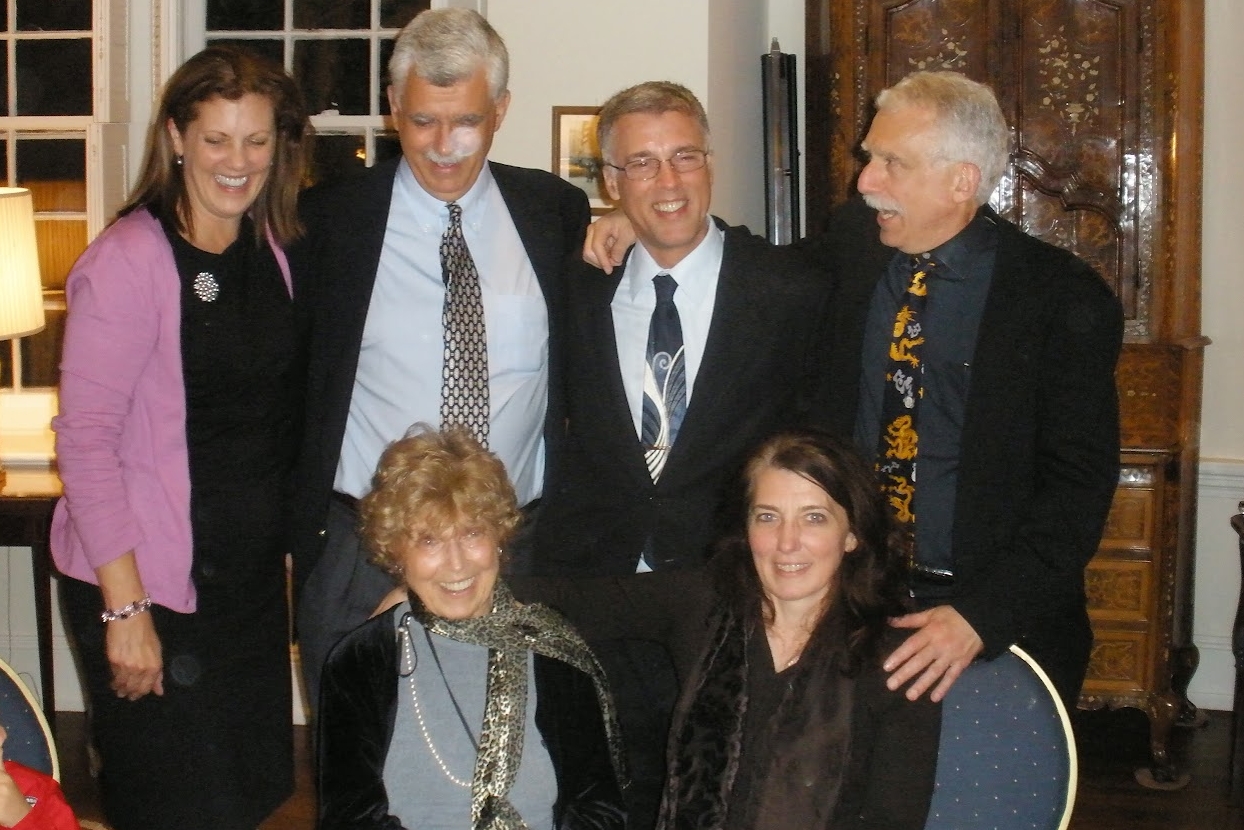
    Dr. Ashmead (front left) always made time for her family.

    She lived in Denmark for a few years and finally settled for good in Haverford in 1983. “She was interesting, smart, capable, strong, articulate, and fun to be around,” her daughter Theodora said. “She was solution-oriented. She sparkled.”

    In addition to her children, Dr. Ashmead is survived by six grandchildren, a sister, and other relatives. A brother died earlier.

    She requested that no services be held and donated her body to the Humanity Gifts Registry through Penn’s Perelman School of Medicine.

    Donations in her name may be made to the Haverford College Arboretum, 370 Lancaster Ave., Haverford, Pa. 19041.

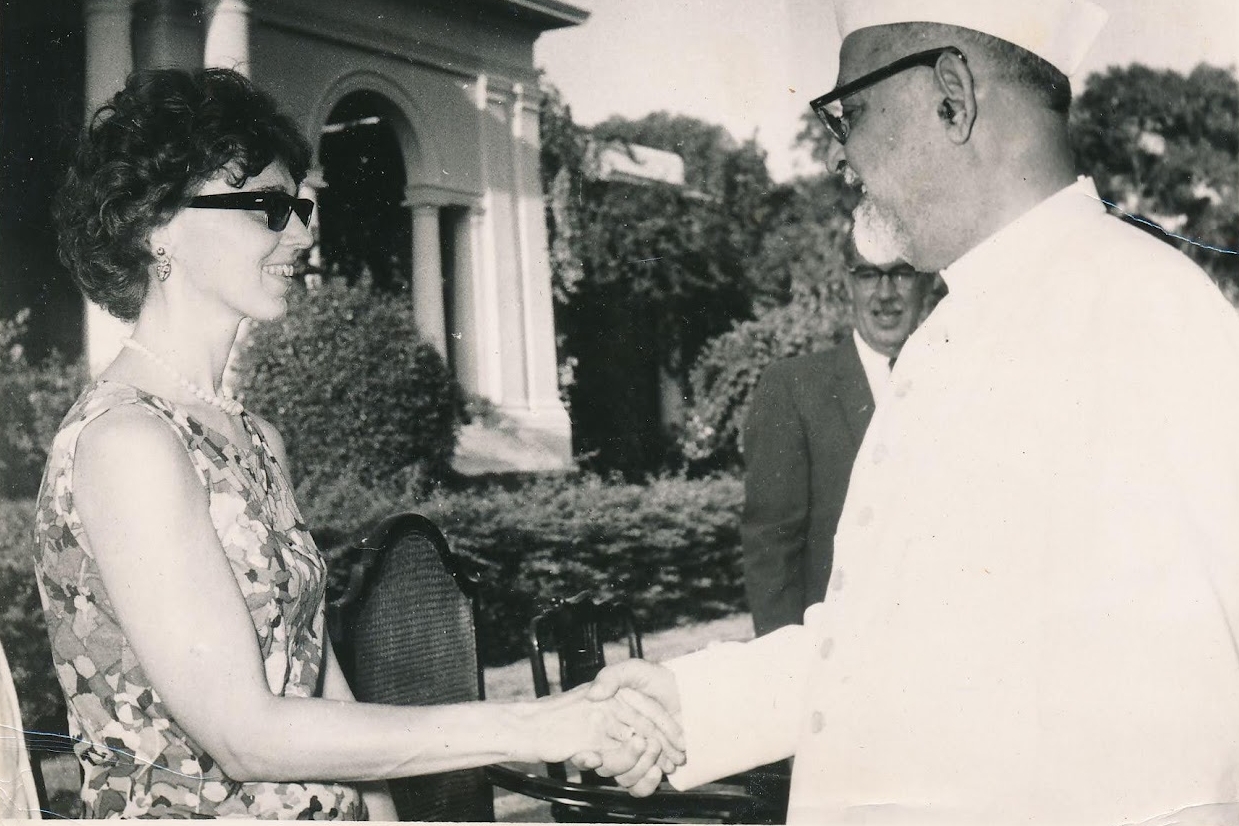
    Dr. Ashmead (left) met many dignitaries during her worldwide travels.
  • The Schuylkill is frozen, but that doesn’t mean you can ice fish on it

    The Schuylkill is frozen, but that doesn’t mean you can ice fish on it

    Have you been looking longingly at your fishing gear during the Philadelphia winter? Are Deadliest Catch reruns not hitting the same?

    With the surface of the Schuylkill River still frozen solid and frigid temperatures returning this weekend, a reader asked through Curious Philly, The Inquirer’s outlet for answering questions, whether they were allowed to ice fish on it.

    Ice fishing, after all, is a practice that began with subarctic Indigenous peoples thousands of years ago, well before the advent of the modern fishing rod in the late 1700s. Fishing along the Schuylkill is accepted and celebrated in warmer temperatures, so what about its frozen cousin?

    Unfortunately for those Philadelphians dreaming about an Arctic lifestyle, the answer is no.

    “Ice fishing is illegal in Philly,” Philadelphia Police Department spokesperson Sgt. Eric Gripp said by email. The practice is not explicitly outlawed, but walking out onto the ice in order to carve a hole and cast a line underneath violates city rules.

    A pedestrian walks past a large pile of snow and ice along the Benjamin Franklin Parkway on Monday.

    “You can’t walk, swim, or be in/on the waterway — unless in a vessel — regardless as to whether or not it’s frozen,” Gripp said.

    Philadelphia police began spreading the message to not venture out onto the frozen Schuylkill this week, after local CBS News video captured several adults and children walking across it Sunday. The Police Department’s directive on code violation notices lists ice skating, skiing, and sledding in some areas of Fairmount Park as potential offenses.

    Ice fishing could put you in violation of a few city ordinances, too. While you would likely be subject only to a summary offense and a $25 fine for each violation, police say you would be breaking rules about using areas managed by Parks and Recreation outside of their approved use, and risk violating the ban on “swimming” or wading out onto any Philadelphia creek, lake, river, or stream.

    » ASK US: Have something you’re wondering about the Philly region? Submit your Curious Philly question here.

    Even though the Schuylkill’s frozen surface may be several inches thick in certain locations, ice’s integrity can’t be judged based upon only how it looks, how fresh it is, or the temperature outdoors, according to the Pennsylvania Fish and Boat Commission. Ice’s strength is also informed by several other factors, including the depth of the water underneath the ice, and nearby fish activity.

    “Anyone that walks onto the Schuylkill River, … they’re taking their life into their own hands. It’s not a smart thing to do,” said commission spokesperson Mike Parker. Parker said the commission highly advises against walking on top of or fishing on the frozen surface of any moving body of water, like a river.

    “There’s no such thing as safe ice,” in those cases, he said.

    A fisherman sits in the sun outside a pop up shelter while ice fishing on frozen Lake Wentworth in Wolfeboro, N.H.

    But ice fishing can be relatively safe on still bodies of water, like lakes and ponds. As general guidelines, the fish and boat commission advises that anglers fish only on those bodies of water when ice is at least five inches thick, and never to go out onto ice alone.

    If you are still interested in ice fishing during the region’s cold spell, the Fish and Boat Commission offers a map of approved ice fishing destinations across the state.

    The closest ones to Philadelphia include Deep Creek Dam in Montgomery County; Marsh Creek Lake, in Chester County; and Lake Galena in Bucks County.

  • Police ‘buried’ footage that showed a teen didn’t kill his friend at a SEPTA station, lawsuit says

    Police ‘buried’ footage that showed a teen didn’t kill his friend at a SEPTA station, lawsuit says

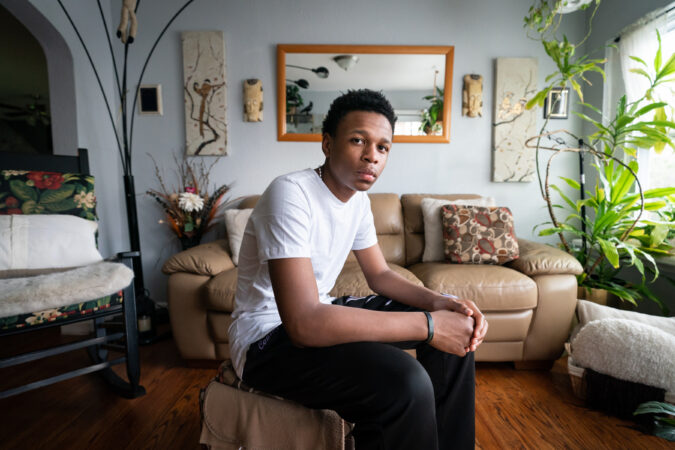
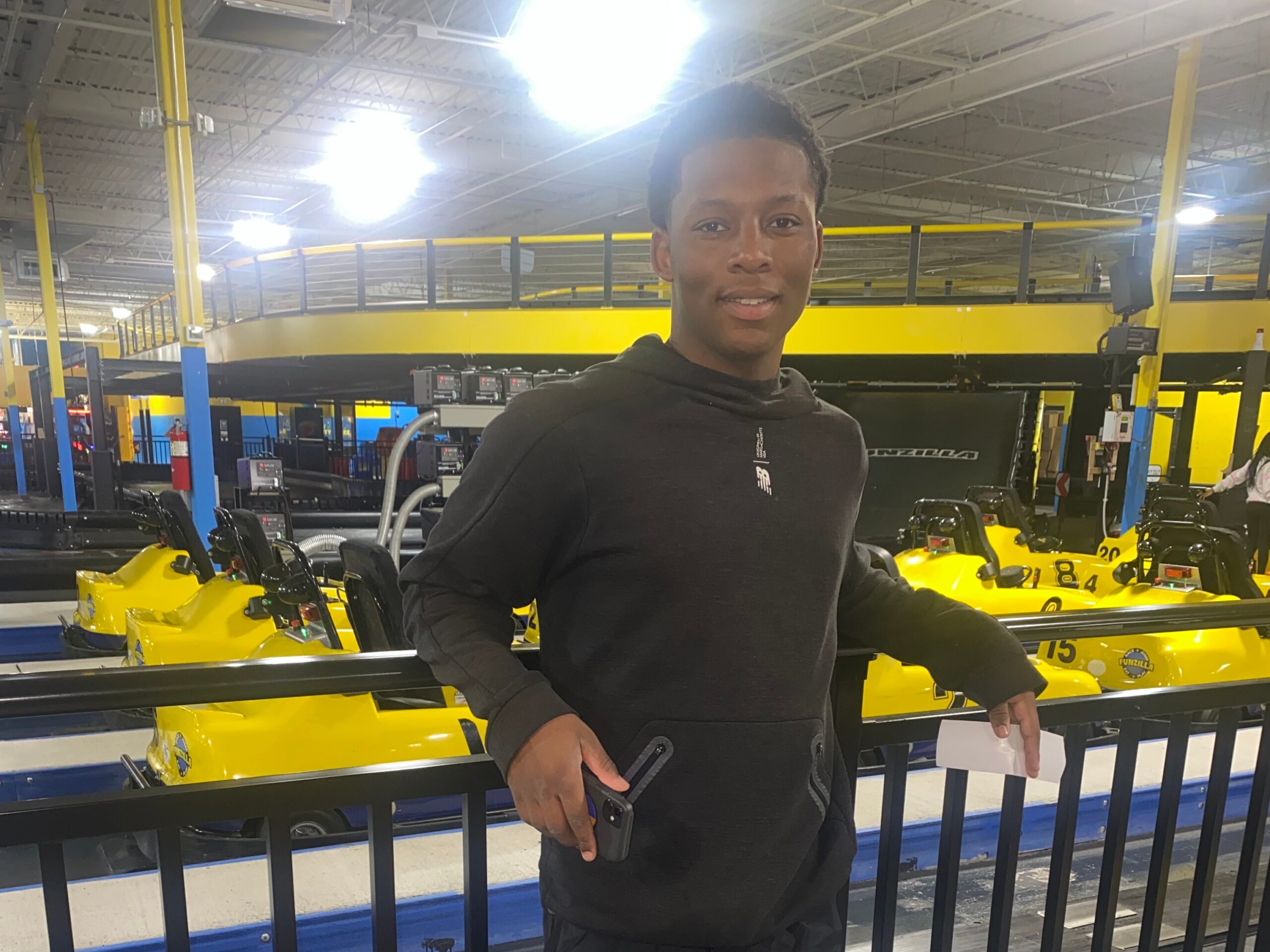
    A teenager who faced charges that were later dropped in the killing of his friend, and spent 49 days in jail before video evidence established his innocence, has sued Philadelphia and SEPTA police officers who were involved in his prosecution.

    Zaire Wilson, 18, is accusing law enforcement officers of hiding and ignoring evidence showing he did not shoot and kill Tyshaun Welles on a platform at the City Hall station on Jan. 11, 2024.

    Welles, 16, was hit in the head and his family decided to take him off life support less than a week later. The Frankford High School sophomore was not the target of the shooting, detectives said.

    Tyshaun Welles, 16, was struck in the head by a stray bullet on the subway platform at SEPTA’s City Hall station.

    Wilson and Quadir Humphrey, 20, were arrested the night of the shooting. Police said Wilson pulled out a gun and Humphrey used it to open fire at the group of teens. After Welles died, Wilson was charged with murder and held without bail at the Juvenile Justice Services Center.

    The Philadelphia District Attorney’s Office dropped the charges against Wilson in late February 2024 after prosecutors received surveillance footage from SEPTA.

    “The SEPTA surveillance video of the incident, which was not available to the DA’s Office at the time of Wilson’s arrest, shows that he was clearly not involved in the shooting and murder of Welles‚” the office said in a statement.

    Law enforcement did not share the footage with prosecutors until Feb. 26, 2024, and the district attorney’s office charged Wilson based on a criminal complaint that was riddled with errors and omissions, according to the lawsuit, which was filed last month in the Eastern District of Pennsylvania.

    It is “shocking” that “critical video evidence” was not available to prosecutors at the time of Wilson’s arrest, said Jon Cioschi, a Wiseman, Schwartz, Cioschi & Trama attorney who filed the complaint.

    “It is our view that the video footage conclusively establishes Zaire’s innocence, and that no reasonable officer, taking the evidence seriously, would or could have concluded otherwise,” Cioschi said.

    The city’s law department declined to comment on active litigation. SEPTA did not respond to a request for comment.

    Humphrey pleaded guilty to third-degree murder, aggravated assault, and related crimes, and was sentenced to 17 to 45 years in prison in July.

    What the surveillance footage shows

    Wilson and Welles spent the evening of Jan. 11 with a group of friends at LevelUp, a neighborhood organization in West Philadelphia, the complaint says.

    Surveillance footage reviewed by The Inquirer shows the group, which included the two teens and Wilson’s teenage brother, arriving at the westbound Market-Frankford Line platform at the City Hall SEPTA station around 9:15 p.m.

    As the group waited for the train, the teens chatted and played on the platform as at least four SEPTA officers stood near them.

    Wilson playfully chased a girl in an orange shirt to the east end of the platform. He saw Humphrey, who arrived to the platform separately from the teens, and the two chatted and paced together for a few seconds. As Wilson began to walk back toward the group, a train approached, and Humphrey pulled out a gun and opened fire. Wilson ran to the staircase and got off the platform while Humphrey continued to shoot.

    The teens dispersed during the pandemonium, but one dropped to the ground. After the shooting ended and Humphrey ran away, officers picked up Welles and took him off the platform.

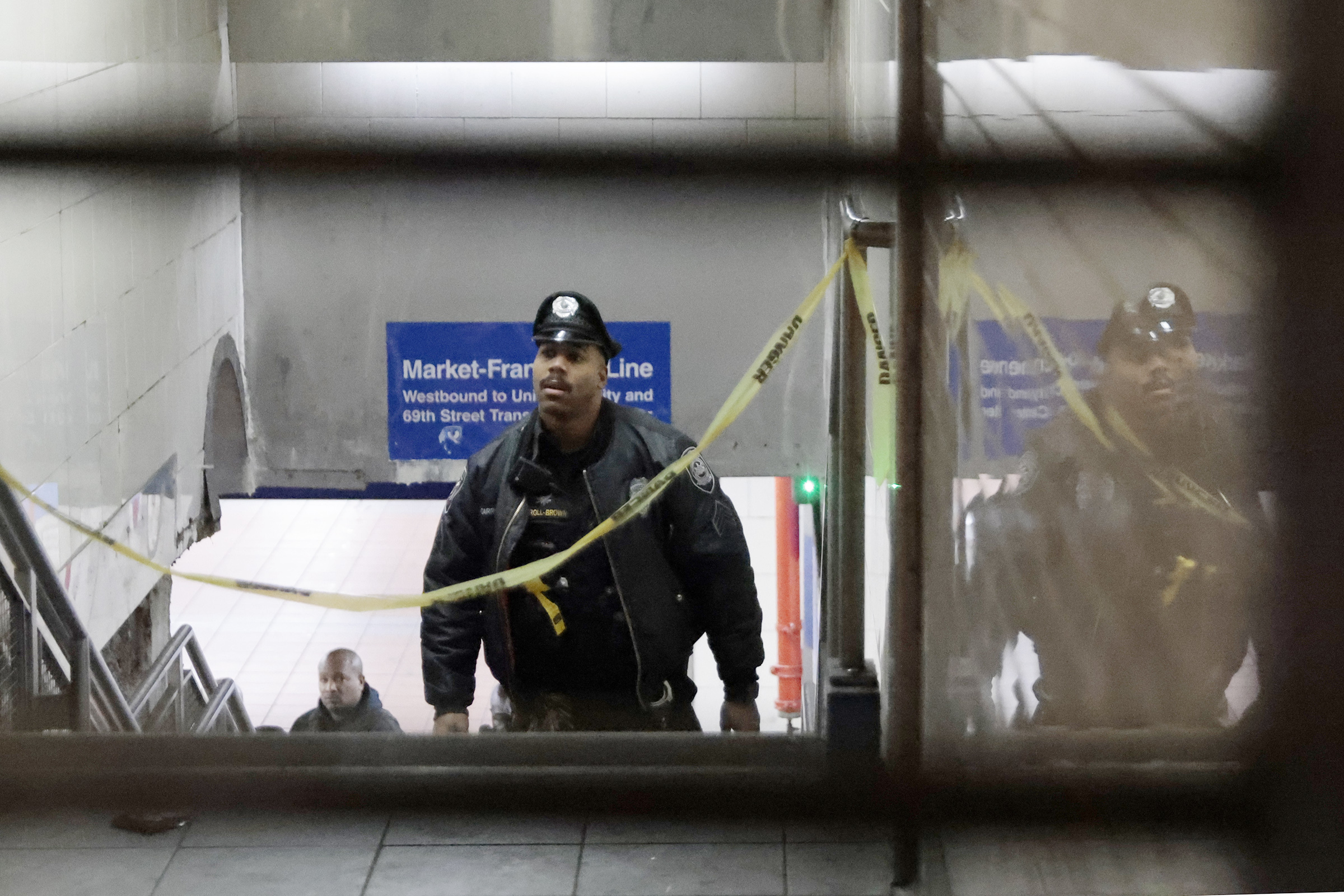
    A SEPTA law enforcement officer walks up stairs from a platform where earlier a SEPTA transit police officer reported a shooting and a victim down on the westbound platform at 15th Street Station near City Hall in Philadelphia on Thursday, Jan. 11, 2024.

    Moments after the shooting, Wilson returned to the platform. He raised his hands as officers with guns drawn rushed to him, pinned him to the ground, frisked him, and let him go. Wilson then walked down the platform where he met his brother and another teen. The three abruptly ran upstairs.

    The footage contradicts police statements that Wilson brandished a gun. That Wilson returned to the scene, where he knew a group of officers were standing, while Humphrey ran away, should have indicated his “consciousness of innocence,” the suit says.

    Humphrey himself told staff at the Juvenile Justice Services Center that Wilson had nothing to do with the shooting, according to the lawsuit, and wrote a letter to a judge on Jan. 16, 2024, days after the shooting, that said “the person I was arrested and detained with has no connection whatsoever.”

    “Rather than follow the facts,” the suit says, “defendants buried them.”

  • Kevin Willard wants to push Villanova into the future — without casting Jay Wright into the past

    Kevin Willard wants to push Villanova into the future — without casting Jay Wright into the past

    Over his 12 years coaching at Seton Hall and against Jay Wright, Kevin Willard figured that he knew Villanova as well as any outsider could, especially one who would eventually become the university’s men’s basketball coach. His next-door neighbors in Westfield, N.J., were ’Nova alumni, as were three of his golfing buddies at Plainfield Country Club, and there were all those Big East battles between his teams and Wright’s at the Finneran Pavilion, at the Prudential Center in Newark, and at Madison Square Garden in March.

    Then he went to Maryland. Maryland wasn’t the northeast. It wasn’t Jersey. It wasn’t Philly. It wasn’t even the Main Line. It was the Big Ten. The Big Ten has big-time football, and more importantly, it has football money and a football mindset, even for its basketball programs. The Big Ten also has 18 member schools, so Willard stopped watching Big East basketball altogether. He had 17 conference opponents to study, after all. Then he returned to the Big East this season, replacing Kyle Neptune at Villanova.

    He doesn’t feel comfortable there yet, he said. Too much to do. Too much change so quickly. Too much of a whirlwind.

    “The comfort won’t happen until Year 3,” he said. “When I came, I definitely had rose-colored glasses. I had a perception of what this was, not remembering it had been three years since Jay had left.”

    The Wildcats are 17-5 following their 72-60 victory Wednesday night over Willard’s former team, Seton Hall. And Villanova’s strong season so far might allow its donors and alumni to regard the last three years as just a blip — a small stint in purgatory before Willard got the program back to where those who support it presumed it should and would always be. During an hourlong interview in his office late Tuesday afternoon, though, Willard made it clear where he comes down on Villanova’s future … and its recent past.

    No matter Wright’s intentions, his tenure and presence loomed over Neptune as an ever-present reminder of his 21 years as head coach and nerve center, of two national championships and four Final Fours and the status as the top program in the country. Neptune, who had a single season at Fordham as a head coach and had spent 12 years at Villanova on Wright’s staff, couldn’t escape that shadow or the comparisons, and he couldn’t win enough to buy himself more time. Willard doesn’t want to fall into the same trap, and he thinks he knows how to avoid it, believing his three years at Maryland and in the Big Ten, that experience elsewhere, will be vital to understanding how Villanova has to evolve.

    “It’s so important,” he said. “My 12 years at Seton Hall, I did it my way. You get very isolated, and Jay was here for so long, and they were winning. But it was Jay. And I know this because I went against him. It was Jay. It was Jay’s way. It was the way it was. They didn’t need to change anything. They didn’t need to worry about anything because they had Jay. Once Jay left, you need to go, ‘All right, what’s everyone else doing? Where has everyone else made gains where maybe this place didn’t because they had Jay?’”

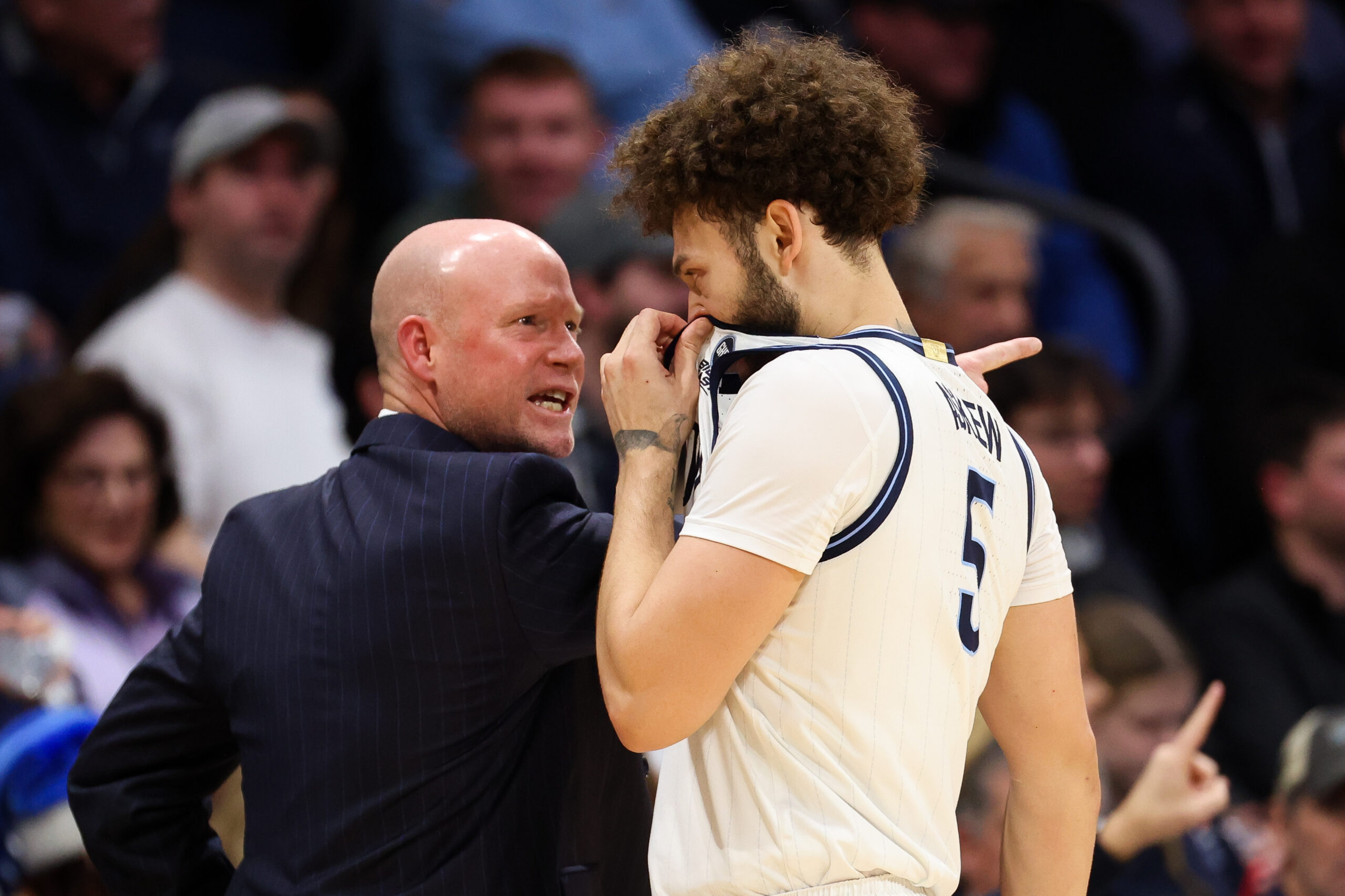
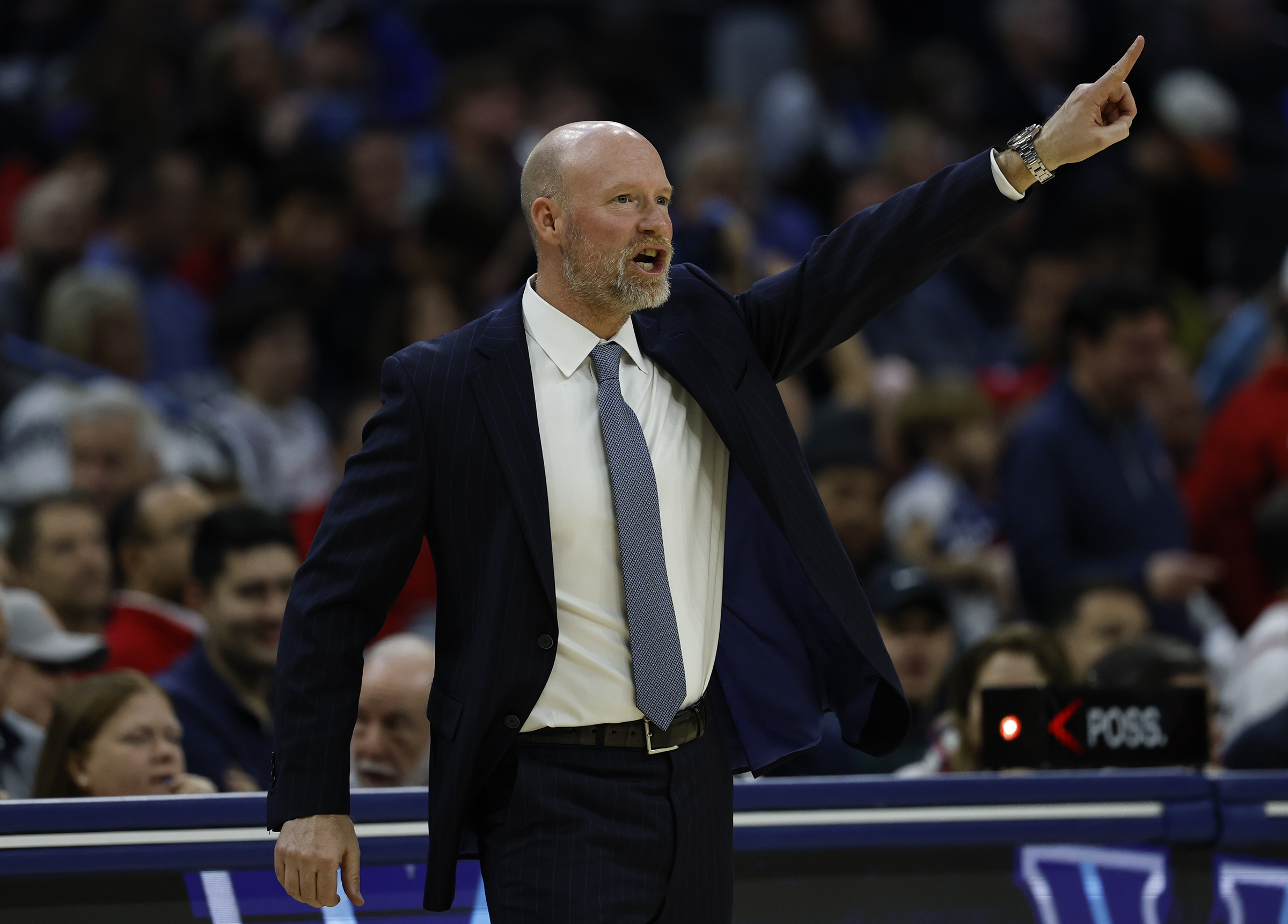
    Kevin Willard doesn’t want to erase all of the Wildcats’ basketball history, rather use it as a valuable resource.

    For Willard, the caution and smaller-time approach that worked under Wright — that worked because of Wright, and because Villanova was operating in a pre-NIL/transfer portal/pay-for-play world — won’t fly anymore. It would be foolish for Willard to try. He’s a Villanova outsider still, rougher around the edges than Wright, than the man who was the most polished coach in the country, and the circumstances in this wild, wild west era of college hoops are different and more challenging.

    The luxury of redshirting players such as Mikal Bridges and Donte DiVincenzo, for instance, allowing them to get acclimated and mature, won’t necessarily be available to Willard. The way to make up for Wright’s departure isn’t to operate as if his successors will be able to replicate his methods or even his culture. It’s to pay the cost of acquiring big-time players and tout their skills as part of social-media branding campaigns and recognize that this isn’t anything like amateur basketball anymore.

    “It’s like growing up in a small town and going to their amusement park, and then you go to Disney World,” Willard said. “You can’t say, ‘We just need to make the roller coaster better.’ Everything’s got to get better, bigger — fairy dust everywhere. It’s not even a money thing or a structural thing. It’s more about a mentality. Jay was monstrous. Jay was Villanova basketball. But we don’t have Jay anymore. …

    “Everyone else is being Disney World. We can’t be the small, little amusement park. We’re not the small, little amusement park, but the mentality a little bit is. ‘We can do it like this because we’ve always done it that way.’”

    Willard insisted he doesn’t intend to erase all of the Wildcats’ basketball history, that he can’t ignore or disregard what Villanova is as a university or how Rollie Massimino, Steve Lappas, Wright, and Neptune did their jobs and why. “If you just go against 60 years of tradition,” he said, “you’re going to get [expletive] blown out of the water.” So he views Wright’s presence as an asset, his knowledge and success as valuable resources.

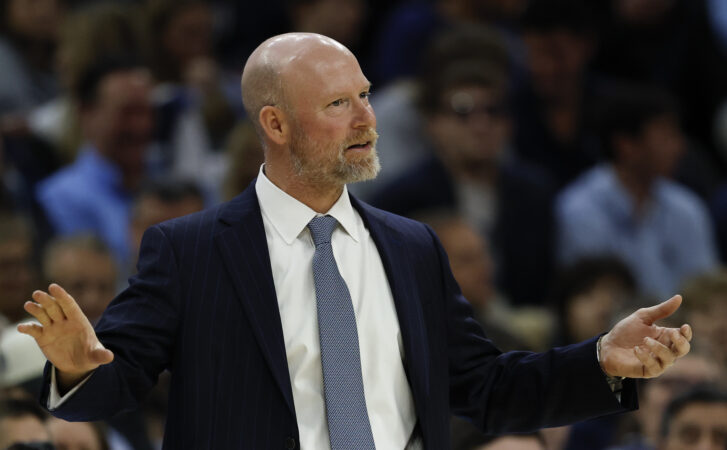
    Kevin Willard said he won’t feel comfortable coaching on the Main Line until year three.

    “If I was in my third year of coaching, I wouldn’t feel the same way,” he said. “I’m 20 years a head coach. I’m not cocky, but I feel pretty confident that I know what I’m doing at this point. I love the fact [that] I have Jay around. It’s only going to help. If I was younger and was coming here after three years at Seton Hall, I would be like, ‘What the [hell]? Why is he at the game? This is [expletive] crazy.’ But I love that he comes to practice. I love that he’s at games. I love that I can text him or call him or go out to dinner with him because he built this. He knows this place better than anybody.”

    He likely always will. It’s a standard, though, that Kevin Willard doesn’t have to exceed or even meet yet. It’s still just Year 1 for him. Check back in Year 3. He doesn’t have to know Villanova as well as Jay Wright did. He just has to do his part in this new time of college basketball. He just has to know it well enough.

  • Museum reverses course, and it’s the ‘Philadelphia Museum of Art’ once again

    Museum reverses course, and it’s the ‘Philadelphia Museum of Art’ once again

    About the new name for that big museum at the end of the Parkway: Never mind.

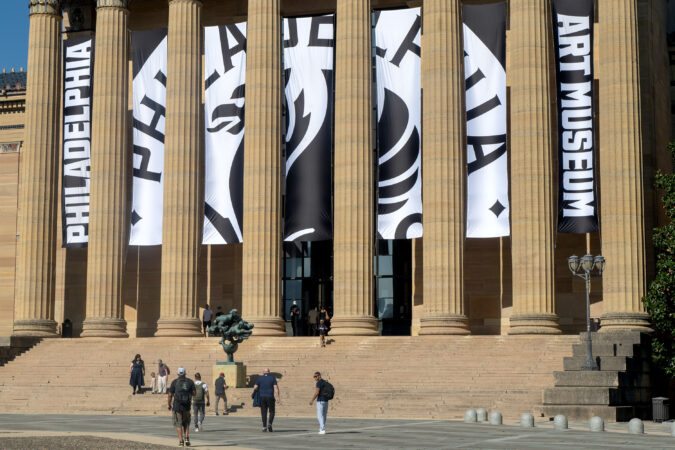
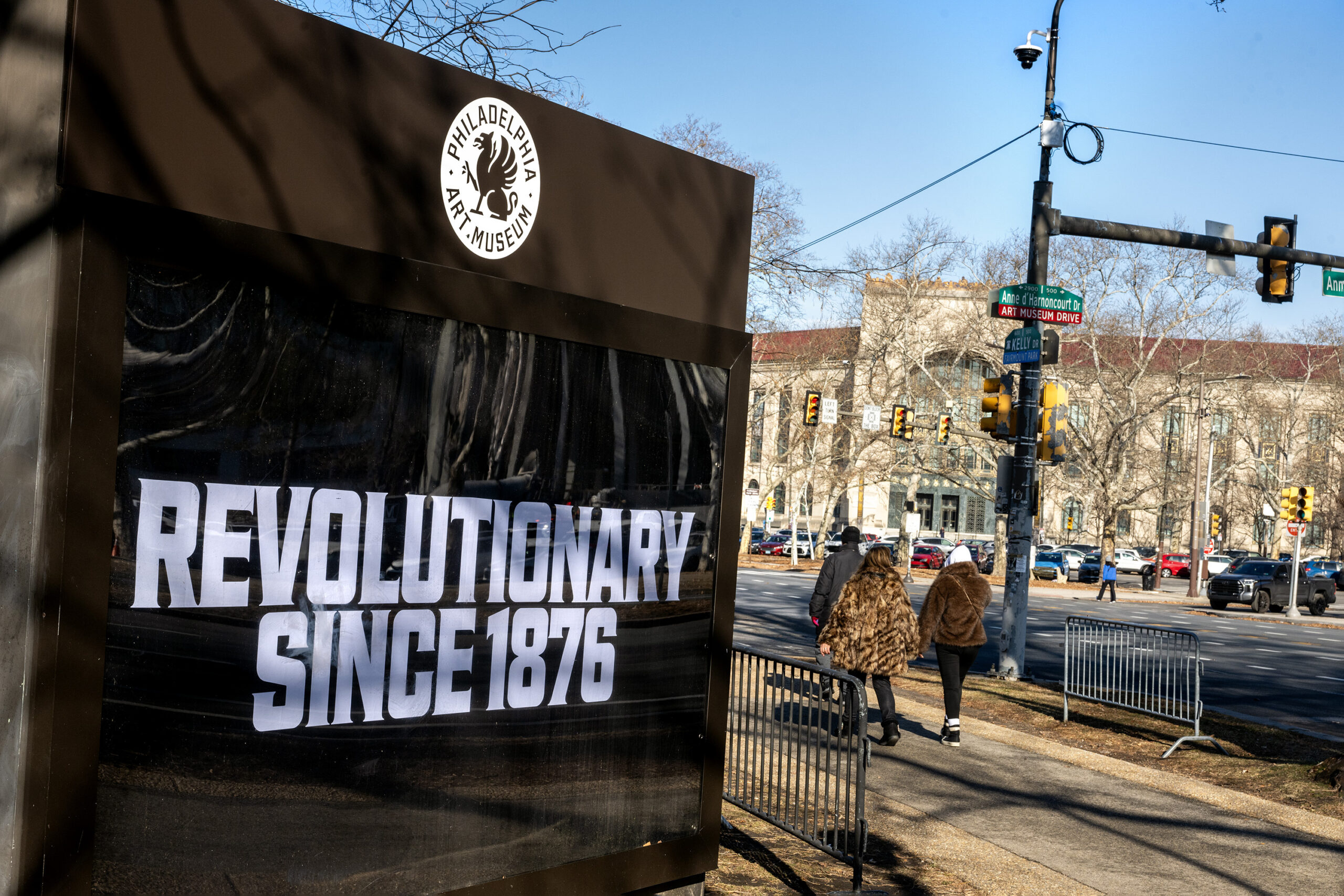
    Four months after rolling out a new name with great fanfare, the Philadelphia Museum of Art is once again calling itself the Philadelphia Museum of Art. The museum’s board Wednesday afternoon voted unanimously at a special meeting to scrap the name Philadelphia Art Museum, which had been announced Oct. 8 as part of a larger rebranding.

    Some signs and materials are being quickly changed over with the old-new name, while others will be reprinted or revamped in coming weeks. The new PhAM acronym used in marketing materials will be dropped, and the museum will once again refer to itself in shorthand as the PMA, as many Philadelphians long have.

    Why the retreat?

    In short, the new name was widely disliked.

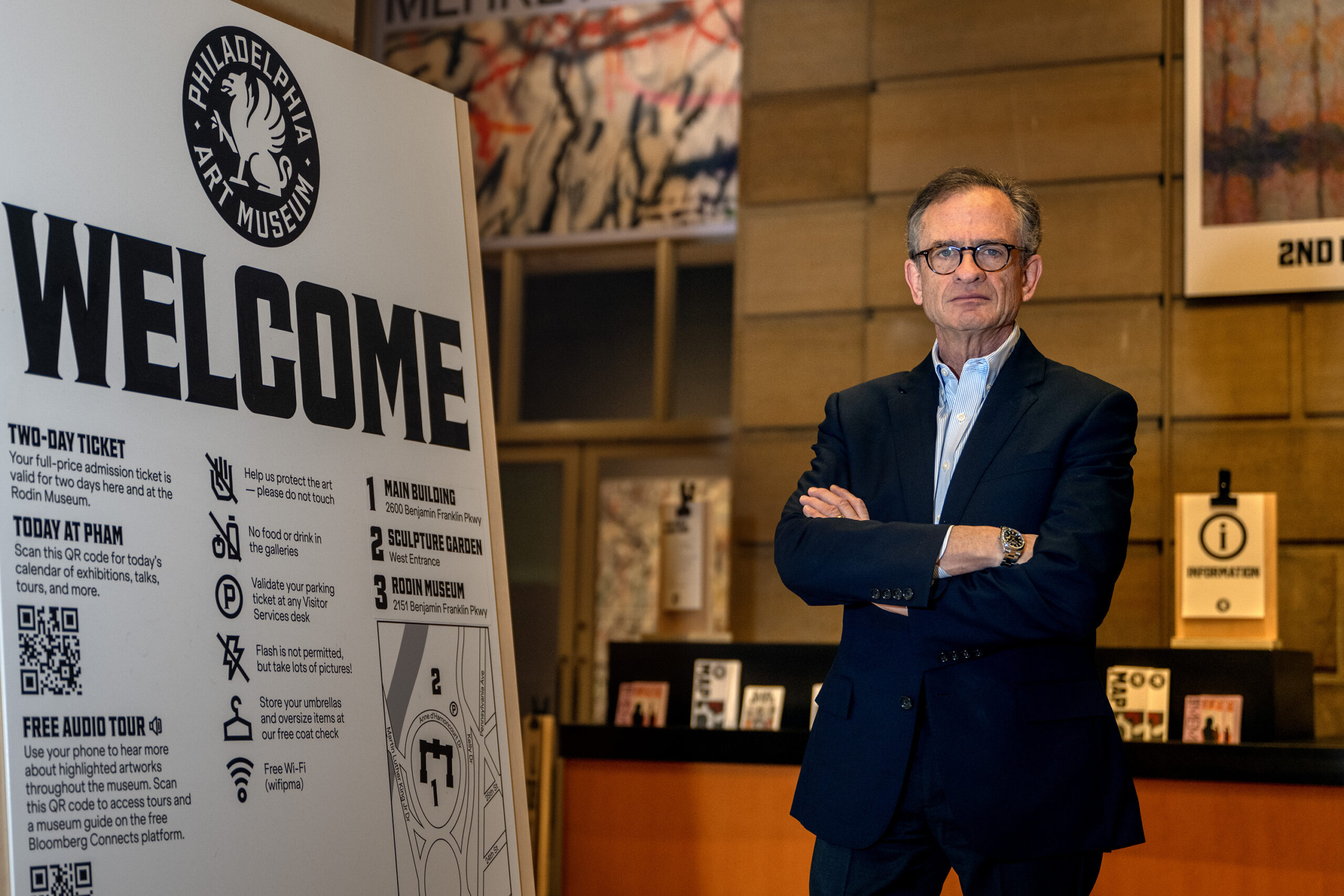
    Daniel H. Weiss, director and CEO of the Philadelphia Museum of Art, in the museum lobby, Jan. 7, 2026.

    The museum spent the past several weeks surveying opinions, said director and CEO Daniel H. Weiss, and “I think what we learned from our survey, and it’s not surprising, is that people who have any knowledge of the institution — donors, staff, trustees, members — they know the name and it resonates with them. It’s something distinctive, it’s who we are. And changing the name for no obvious reason created a sense of alienation and didn’t make sense to a lot of people.”

    Philadelphia Museum of Art had been the name of the nearly 150-year-old institution for 87 years until the change this fall.

    The museum will, however, keep visual elements of the larger rebranding — the logo that echoes one of the griffin figures along the roofline of the museum’s main building, and bold fonts in signage and promotional materials.

    A rolling video screen above the admissions counter at the West Entrance at the Philadelphia Museum of Art Oct. 6, 2025.

    As for the continued use of slightly irreverent tag lines that came with the rebrand — phrases like “Youse should visit more often,” — “Probably not so much,” said Weiss. “We will modify those a little downstream, but the idea is to return to a slightly more aligned presentation more closely tied to our mission.”

    The rebranding — which was widely, though not universally, criticized upon its rollout — was a major initiative of former director and CEO Sasha Suda and marketing chief Paul Dien.

    When the museum announced the name change, Suda explained it by saying that it was “truly a reflection of what the community has called it for a long time,” and that it was “also a sort of significant way of starting a new chapter and saying, ‘Look, we’re definitely starting a new chapter here.’”

    Dien left the museum as of Feb. 1. Suda was fired Nov. 4 and, after filing a wrongful dismissal lawsuit against the museum, was ordered on Friday by Philadelphia Court of Common Pleas to settle the matter behind closed doors through arbitration rather than in a public trial.

    The north side of the Philadelphia Museum of Art, along Kelly Drive at 25th Street and Art Museum Drive, Jan. 7, 2026.

    The decision around the controversial rebranding is the first visible test of Weiss’s leadership, and he chose the route of inquiry and shared responsibility, directing a nine-member task force to assess its reception. The original rebrand was launched after multiple internal meetings, but without final notification to the board, according to one trustee.

    In a 3½-page note to staff Wednesday afternoon announcing the decision to keep the logo and reverse the name change, Weiss noted the “siloed process” in which the original rebrand was developed, and took pains to emphasize how the reconsideration of it has been, and will be, different.

    “The work of the design team over the past two years was exhaustive, incorporating decades of museum history into their thinking and interviews with dozens of staff and trustees. Yet, the team did not have the benefit of a broad, interdisciplinary group to inform the work along the way, so when the final product was rolled out, many felt surprised or not sufficiently invested in the outcome,” the note reads.

    A series of internal meetings with staff will explain the task force’s findings, Weiss wrote in his note.

    “The task force did consider reverting completely to the prior brand, but ultimately felt strongly that the original reasons for the rebrand are compelling. It was time for the museum to update its look, and the griffin logo is a strong statement that can successfully strengthen and widen our audience.”

    The museum’s new logo keeps the stylized griffin that was part of the rebrand unveiled in October 2025, but shows the return of the museum’s name to the ‘Philadelphia Museum of Art.’ The October rebrand included a renaming to ‘Philadelphia Art Museum,’ a change that has now been scrapped.

    Surveys conducted in recent weeks revealed findings that “went in two very different directions,” Weiss wrote. “Staff, trustees, and members were opposed to the name change, the URL, and the look of the new brand, yet the public reacted positively to the new logo and overall look and feel.”

    Art Museum fan Brian Forsyth, of Exton, said he felt “blindsided by the sudden and uncalled for rebrand,” and when it happened, he asked for (and received) a membership refund.

    He disliked the rebrand in general and said that, while he sometimes called it “the art museum,” he mostly referred to it as “the PMA.”

    “When they took that phrasing away from me, it hurt,” he said.

    Now that the museum is changing its name back, he says he intends to restore his membership.

    “I will not, however, purchase any of the new merch. I still have my classic PMA baseball cap, which I will wear into the ground, literally,” he said.

    Inspiring the museum’s logo: a bronze griffin on the roof of the northern wing of the Philadelphia Museum of Art, Oct. 6, 2025.

    Weiss said that the museum will not be disposing of current materials printed with the Philadelphia Art Museum name, such as brochures or maps. Rather, the change will be cycled through as items need to be replaced.

    Gretel, the Brooklyn firm that designed the rebrand, is working with the museum on the current modifications.

    The rebrand cost the museum about $1 million, Weiss said, and the total cost of the change-back may not exceed $50,000.

    “The idea is to do this as cost-effectively as we can.”

    Weiss called the entire rebrand episode “an unnecessary distraction for us. We want to move on and focus on things that matter most to our mission.”

  • Jared McCain traded to OKC Thunder for first-round pick and three second-round selections

    Jared McCain traded to OKC Thunder for first-round pick and three second-round selections

    Jared McCain’s tenure with the 76ers is over.

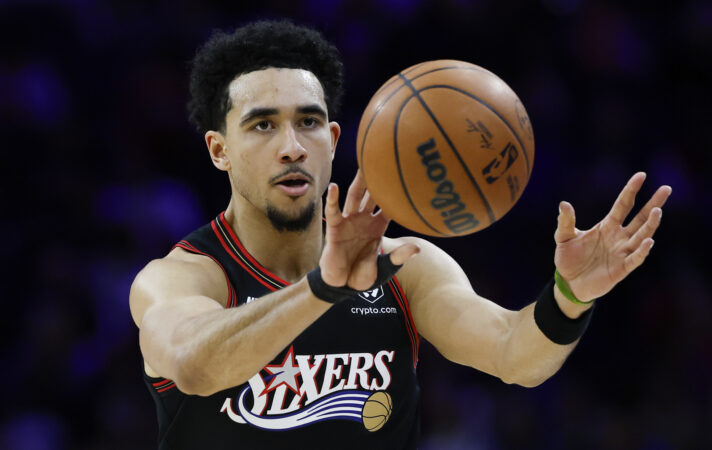
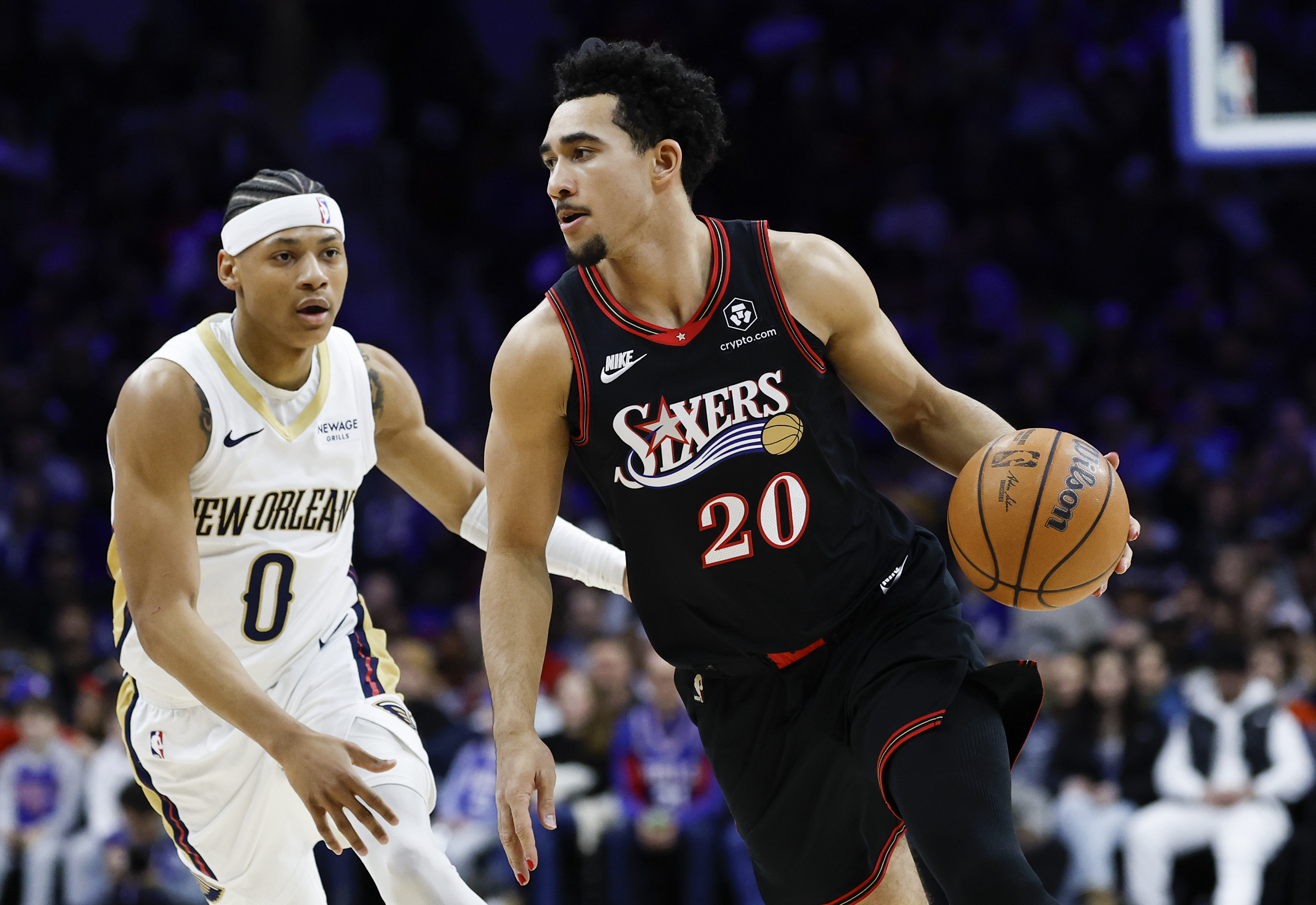
    A source confirmed Wednesday that the team is trading the second-year guard to the Oklahoma City Thunder in exchange for the Houston Rockets’ 2026 first-round pick and three second-round selections.

    One of the second-rounders is the 2027 most favorable pick from the Thunder, Rockets, Indiana Pacers, and the Miami Heat. The other second-rounders are 2028 picks that previously belonged to the Milwaukee Bucks and Thunder.

    McCain averaged 6.6 points, 2.0 rebounds, and 1.7 assists while shooting 37.8% on three-pointers in 37 games this season. Moving the 21-year-old also enabled the Sixers to free up an additional roster spot and get below the luxury tax threshold.

    The Sixers were just $1.2 million above the tax threshold after receiving $5.8 million in tax variance credit because of Paul George’s 25-game unpaid suspension for violating the NBA’s anti-drug program.

    Sixers guard Jared McCain had recently started to find his shot after a slow start to the season while recovering from multiple surgeries.

    Now, they’re $3 million below after getting rid of McCain’s $4.2 million salary.

    McCain had his breakout rookie season cut short because of a torn meniscus in his left knee. And on top of that December 2024 injury, he had the start of this season delayed after suffering a torn ligament in his right thumb in September.

    The 16th pick in the 2024 draft, McCain averaged 10 points and made 38.1% of his three-pointers in 60 career games with the Sixers.

    Despite playing in just 23 games last season, McCain finished tied for seventh in the NBA’s rookie of the year voting. He was awarded a third-place vote from the media panel of 100 voters.

    Before the injury, he was the favorite to win the award.

    McCain averaged 15.3 points, 2.4 rebounds, and 2.6 assists last season. He also shot 46% from the field, including 38.3% from three. The California native joined Hall of Famer Allen Iverson as the only other Sixers rookie to average at least 15 points and two made three-pointers.

  • Burlington plans to open another South Philadelphia location with new store format

    Burlington plans to open another South Philadelphia location with new store format

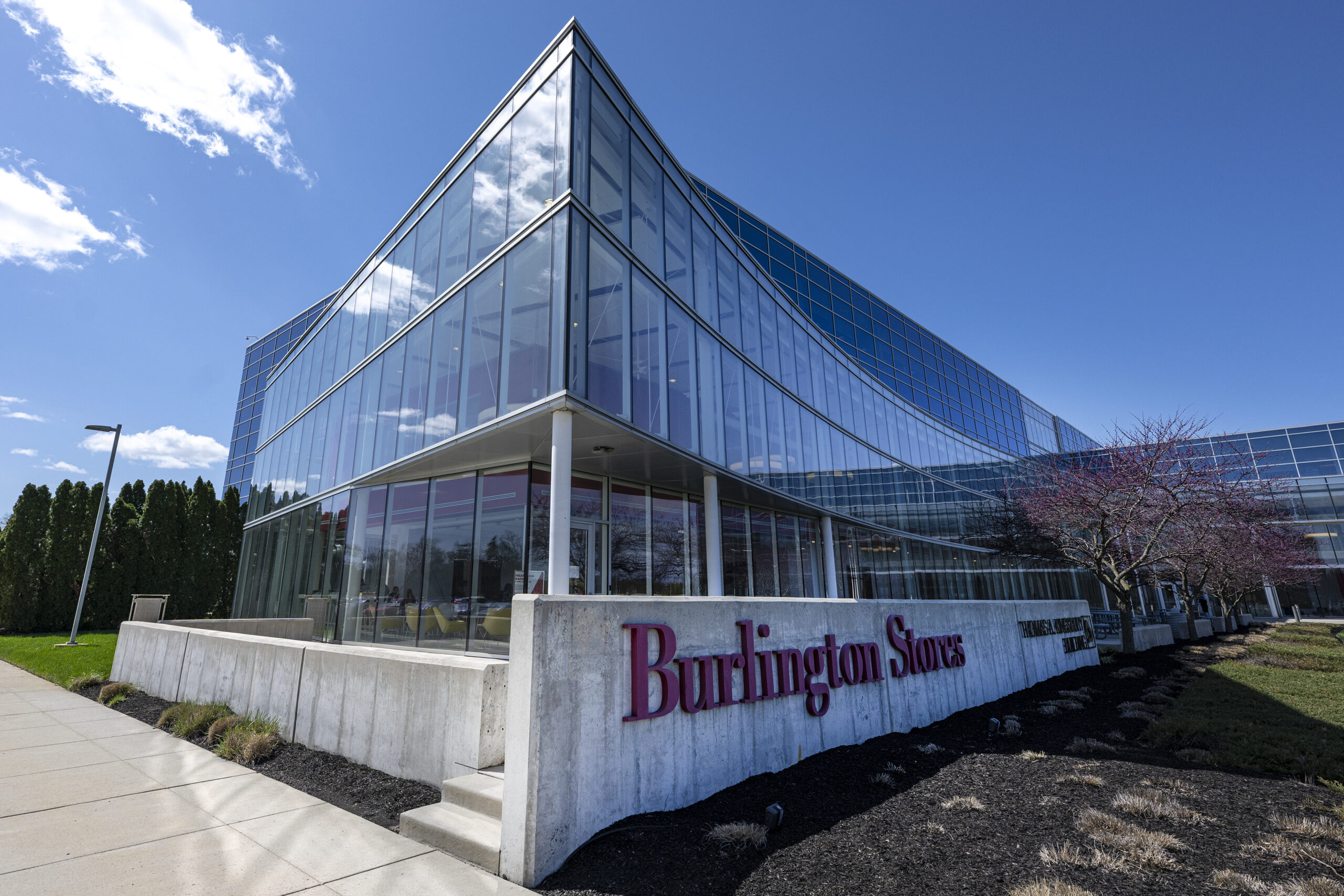
    A new Burlington Stores location is coming to South Philadelphia.

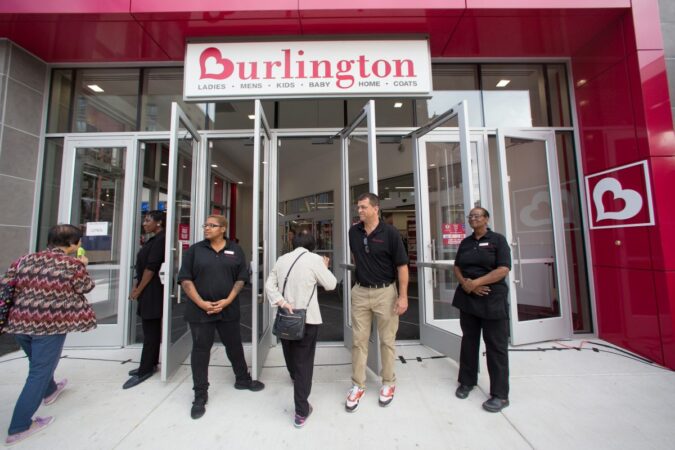
    The New Jersey-based discount retailer on Monday announced plans to open a store this spring in a shopping center on South 24th Street, with discount retailers Five Below and Ross Dress for Less nearby.

    Between 65 and 75 people are expected to be employed there, according to the Philadelphia Business Journal.

    Burlington got its start in 1972, opening its first store on Route 130 in Burlington Township under the name Burlington Coat Factory. Since then, it has grown to over 1,000 locations and has shed “coat factory” from its name, reflecting the larger product line it carries including apparel, shoes, and home decor.

    The Fortune 500 company reported $10.6 billion in net sales in 2024.

    Burlington headquarters is shown last year in
    Burlington City.

    Burlington started implementing a smaller store model in 2017. About a decade ago its stores were roughly three times larger than the 20,000-square-foot new ones.

    New stores feature a “refreshed format, including wider, more organized aisles and bold signage,” according to a company news release this week. Many existing stores have been remodeled to fit this format, and all sites are expected to have transitioned by the end of the year.

    Burlington has been expanding in recent years. In 2023, Burlington opened its 1,000th store, and that same year, the discount retailer took over Bed Bath & Beyond locations after that company declared bankruptcy. In 2024, Burlington reported opening 100 stores.

    The discount retailer has over 40 stores in Pennsylvania, including seven stores in Philadelphia and several more in the surrounding counties. Another South Philly Burlington is located at Whitman Plaza on Oregon Avenue, roughly two miles from where the new site will open.

  • Malcolm Butler still doesn’t know — or won’t say — why he was benched in Patriots’ Super Bowl LII loss to Eagles

    Malcolm Butler still doesn’t know — or won’t say — why he was benched in Patriots’ Super Bowl LII loss to Eagles

    Wednesday — or, more specifically, Feb. 4 — is a memorable day for Eagles fans. On this date in 2018, the Birds brought home their first Super Bowl title with a thrilling 41-33 victory over the New England Patriots.

    The Patriots are back in the Super Bowl this Sunday as Mike Vrabel pioneers a new era for the franchise. But eight years later, questions and debates still surround how Nick Foles and the Eagles pulled off that upset win over the Patriots in Super Bowl LII. Some will be answered in the upcoming ESPN 30 for 30 documentary, The Philly Special, this Friday.

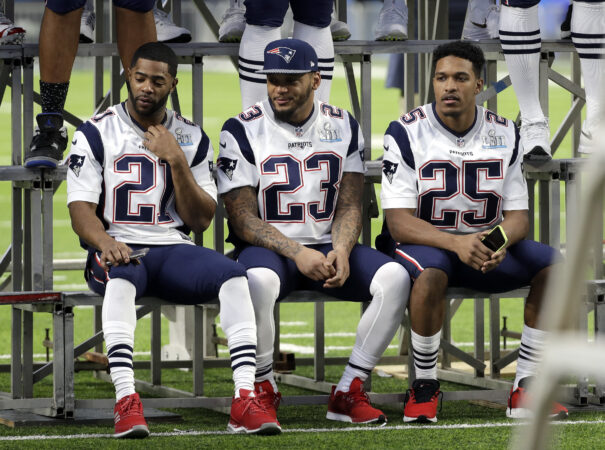
    Meanwhile, for former Patriots cornerback Malcolm Butler, parts of Super Bowl LII are still unresolved. Butler, reflecting on his career, told the Boston Globe earlier this week that he doesn’t know why he was benched for most of that game.

    Butler rose to instant fame in 2015 for his game-sealing interception that helped the Patriots top the Seahawks, 28-24, in Super Bowl XLIX, the first and only other Super Bowl meeting between the two teams.

    However, Butler, who won a pair of championships with the Patriots, told the Globe that Super Bowl LII is the one he thinks about the most. Butler, a starter and star player for the Patriots that season, watched the Eagles win from the bench at U.S. Bank Stadium in Minneapolis. He played just one special teams snap in the game.

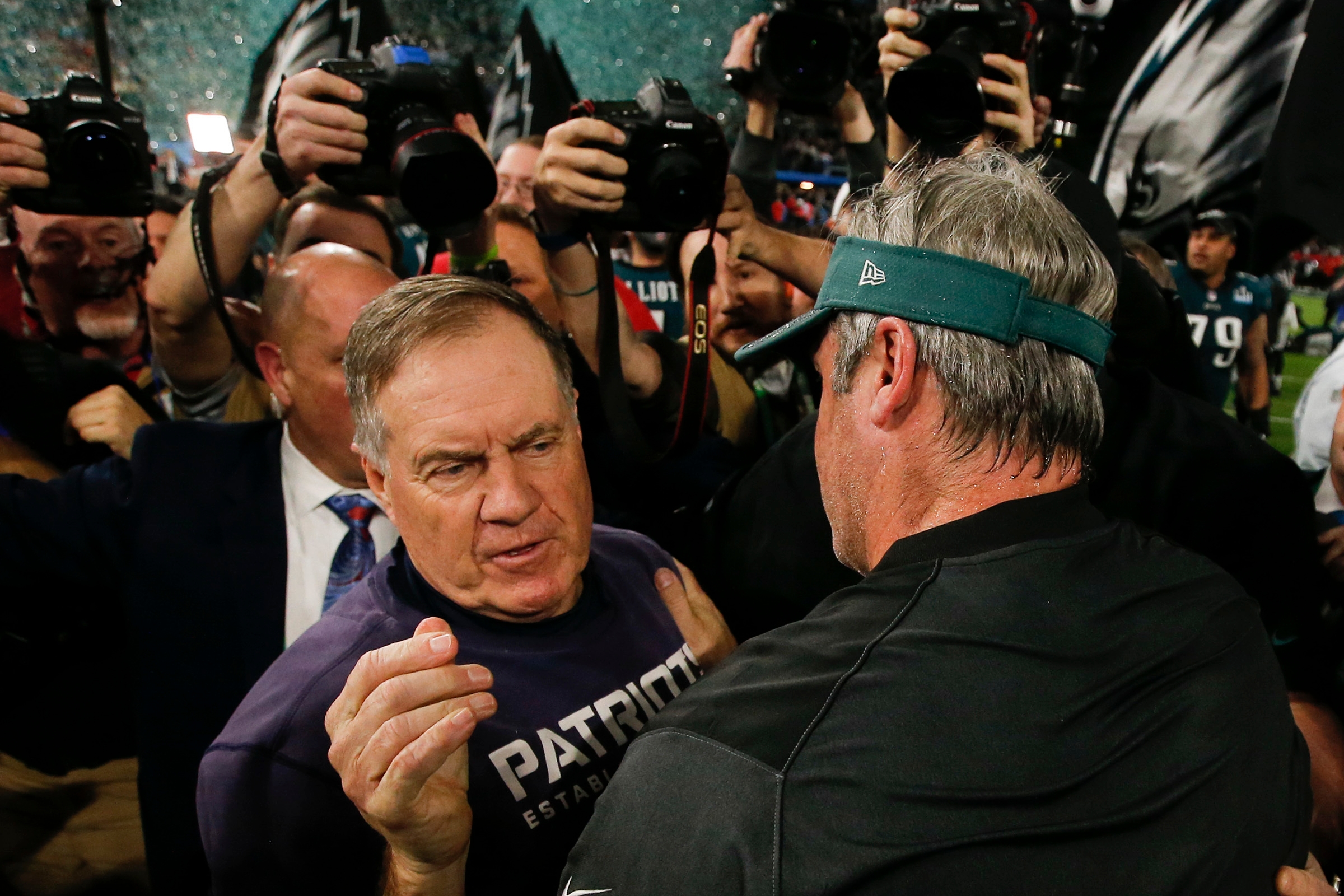
    Patriots coach Bill Belichick (left) benched Malcolm Butler for nearly the entire Super Bowl LII loss to Doug Pederson (right) and the Eagles.

    It was a controversial coaching decision by Bill Belichick for which he and Butler never had a clear explanation. While Butler expressed no resentment about the matter, he admitted that eight years later, he still is unsure of the reasoning behind Belichick’s move.

    “That’s the [Super Bowl] I think about the most,” Butler said. “Tom Brady could’ve had eight rings, I could’ve had three. It was just a coaching decision. I’m going to call North Carolina and see if I can get in touch with Bill. I’ll ask him.”

    The team’s reported issues with Butler’s practicing and a heated exchange with then-defensive coordinator Matt Patricia allegedly contributed to the benching. According to a 2021 book by Seth Wickersham, It’s Better To Be Feared, Butler said, “‘These dudes,’ referring to the coaches … ‘these [expletives],” when asked why he was benched at the team’s after-party. There were also reports that Butler missed a curfew during Super Bowl week, which Butler has denied.

    Butler left after that Super Bowl loss for a three-year stint with the Tennessee Titans, and then signed with the Arizona Cardinals but retired before the start of the 2021 season. He came out of retirement in 2022 and re-signed with the Patriots but was injured and never played another game for New England, retiring again in 2024.