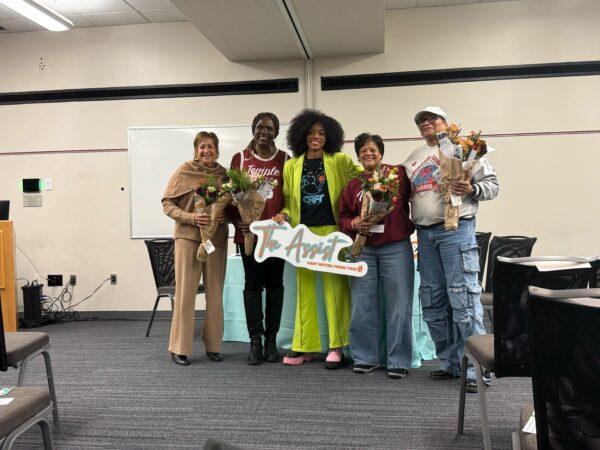
The project, directed by Melanie Page, was featured at Temple on Thursday night. Page shared a teaser of her documentary about women’s basketball greats who have come through the Philadelphia area over the years.
The event included a panel discussion with Temple coach Diane Richardson, Temple Hall of Famer Marilyn Stephens, Philly basketball legend Yolanda Laney, and former Army coach Lynn Arturi-Chiavaro. Page’s first documentary, about women’s basketball in the Washington, D.C., area, also was screened.
“I’m a student of basketball, but that was how I was raised in my upbringing from 5 years old,” Page said. “Seeing the Washington Mystics, it’s never left me. And here I am today, being able to tell more stories and bring the youth up to speed.”
The Philly documentary will feature prominent local women’s basketball figures like Laney and Stephens. The DMV documentary starred Richardson from when she was the head coach at Riverdale Baptist School and Towson and an assistant at Maryland, along with Temple associate head coach Wanisha Smith, who played for Richardson at Riverdale Baptist. (Richardson also was an assistant at two other Washington-based universities, American and George Washington.)
Page started the project during the pandemic in 2020. A DMV native, she began her storytelling there, and it gained some traction in 2021, when she released clips of her interviews from the documentary.
The next step was to bring it to Philly. Arturi-Chiavaro played for the city’s first professional women’s basketball team, the Philadelphia Fox of the Women’s Professional Basketball League, which only lasted from 1978 to 1981.
Stephens was a ball girl for the Fox and starred at Temple from 1980 to 1984. She scored 2,194 points and grabbed 1,516 rebounds, ranking second in school history in points and first in rebounds. She was inducted into the school’s Hall of Fame in 1995.
“You can’t erase our history,” Stephens said. “We got to just stand strong and educate the generations that’s come behind us and give them the information about women’s basketball.”
Richardson and Laney also emphasized the importance of not letting the history of women’s basketball be forgotten.
Laney helped lead Cheyney State (now known as Cheyney University) to the first-ever NCAA women’s national championship game in 1982. Her daughter, Betnijah Laney-Hamilton, plays for the New York Liberty. Richardson is not from the area, but has become one of the biggest advocates for women’s basketball in the city since being hired at Temple in 2022.
“We heard a question for what would you name the Philadelphia WNBA team … I would call it the Philadelphia Cradle,” Laney said. “Because we are cradling basketball history in this area and we have a different style of play in Philadelphia basketball.”
With a WNBA franchise coming to Philly in 2030, Richardson and Laney believe the documentary will help keep the city excited.
“Doing things right now like what Melanie is doing and just opening people’s eyes to the explosion of women’s basketball is really important,” Richardson said. “We’ve got to catch that lightning in a bottle and do it now because five years from now, we’re going to be too late.”
Stephens, Arturi-Chiavaro, Richardson, and Laney have a hand in the history and future of women’s basketball. Page wants to keep educating folks about their impact.
“This is the standard,” Page said. “This is how it should be. This should be the norm of what we are doing. People should know Yolanda Laney’s name off the top of their heads. They should know Marilyn Stephens. … It should definitely be the standard. That’s the message.”
Even as a child, Dan McQuade let his imagination run wild. “What are you doing?” his mother, Denise, would ask if she hadn’t heard any noise from his bedroom for a while. “I’m making stories,” he would reply.
Later, as a young man about town, his compassion for fellow Philadelphians inspired his father, Drew. Dan volunteered to give blood often, donated brand-new sneakers to other guys in need, and continually reached out to people he saw struggling with drug abuse and homelessness. “His kindness was what I loved about him the most,” his father said.
Dan McQuade was already an award-winning writer, blogger, and journalist when he met his future wife, Jan Cohen, online in 2014. To her, his jovial humor, wide-ranging intelligence, and shoulder-length hair made him unique in her circle. “I thought he was too cool for me,” she said.
His empathy, likely inspired by his parents, his wife said, led him to toil tirelessly for charitable nonprofits such as the Everywhere Project, Back on My Feet, and Prevention Point. “Service was always part of his life,” his wife said.
His coolness, as unconventional as it sometimes was, made those he encountered feel cool, too. Molly Eichel, an Inquirer editor and longtime friend, said: “He was annoyingly smart and incredibly kind.”
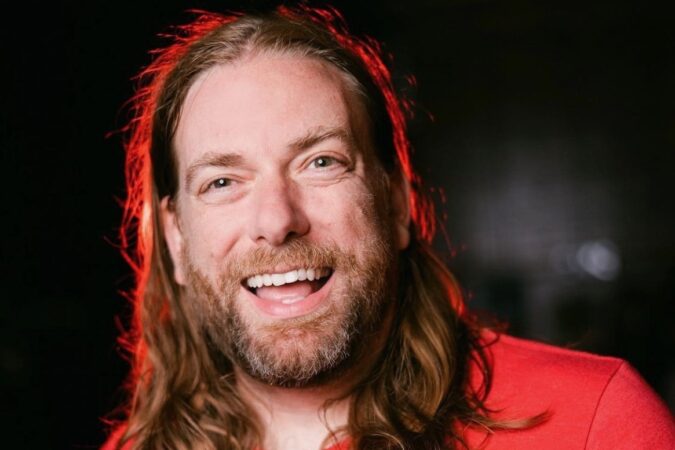
Dan McQuade died Wednesday, Jan. 28, of neuroendocrine cancer at his parents’ home in Bensalem. He was 43. His birthday was Jan. 27.
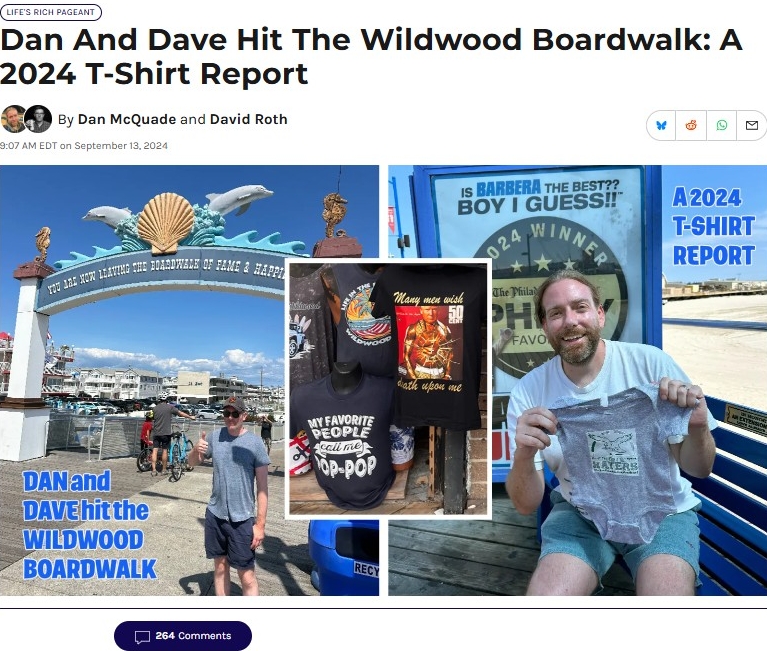
Mr. McQuade’s annual Wildwood T-shirt report was a favorite of his many readers and fans.
“It’s incredibly hard for me to imagine living in a Philadelphia without Dan McQuade,” said Erica Palan, an Inquirer editor and another of Mr. McQuade’s many longtime friends. “He understood Philadelphians better than anyone because he was one: quirky and funny, competitive and humble, loyal and kind.”
A journalism star at the University of Pennsylvania in the early 2000s, Mr. McQuade was a writer, sports editor, and columnist for the school’s Daily Pennsylvanian, and managing editor of its 34th Street Magazine. He earned two Keystone Press awards at Penn, was the Daily Pennsylvanian’s editor of the year in 2002, and won the 2003 college sports writing award from the Philadelphia Sportswriters Association.
He went on to create Philadelphia Weekly’s first blog, “Philadelphia Will Do,” and was a finalist for the Association of Alternative Newsmedia’s best blogger award. He served an internship at the Bucks County Courier Times in Levittown and worked for a while at the Northeast News Gleaner.
Often irreverent, always inventive, he filed thousands of notable stories about, among other things, the Wildwood T-shirt scene, the origin of “Go Birds,” sneaker sales, Donald Trump, Wawa hoagies, the Philly accent, parkway rest stops, the Gallery mall, soap box derbies, and Super Bowls. His stories sparkled with research and humor.
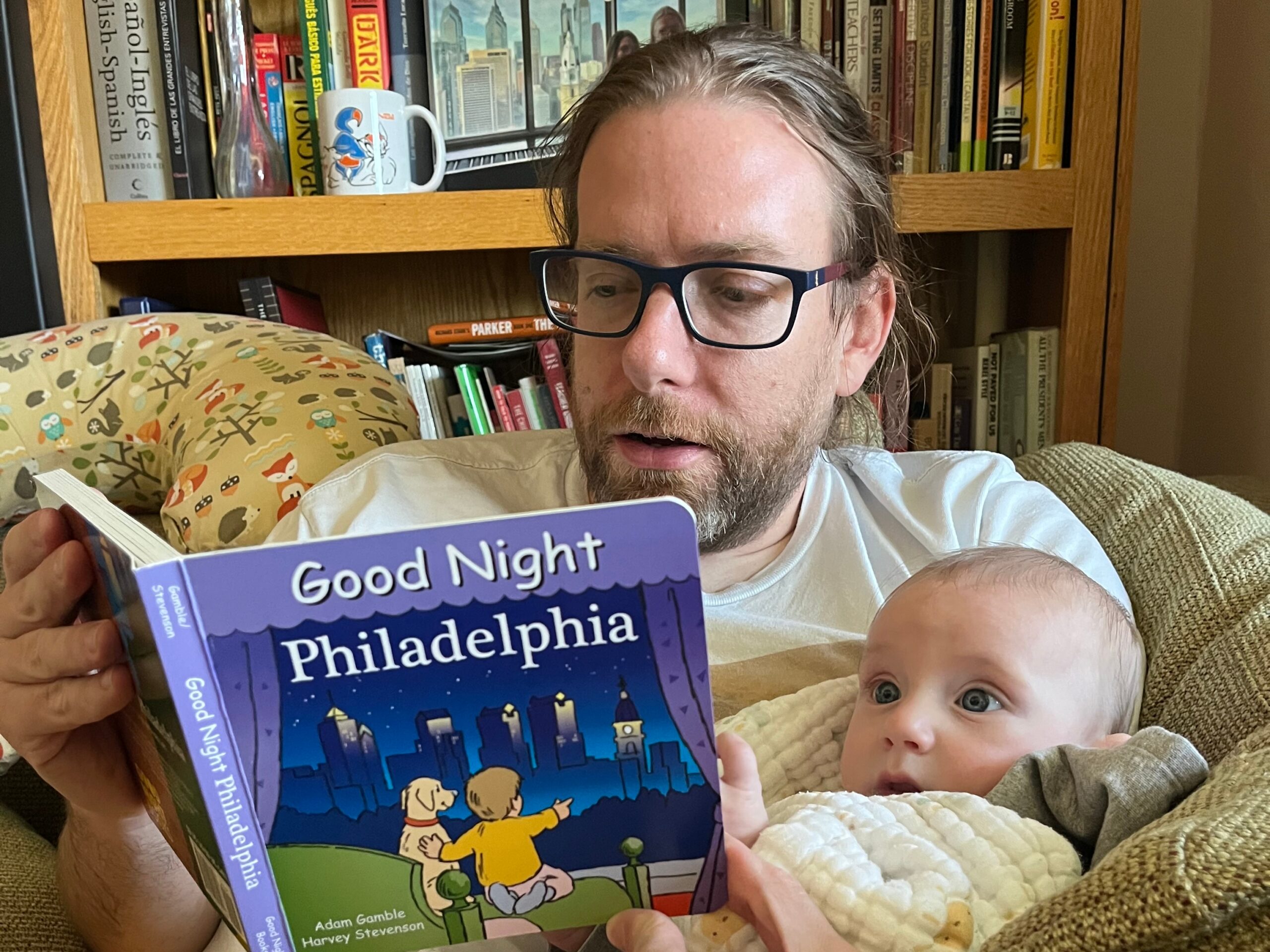
An avid reader himself, Mr. McQuade enjoyed reading local tales to his son, Simon.
“Dan was a truly authentic and engaging person,” Tom Ley, editor-in-chief at Defector, said in an online tribute. “His curiosity was relentless, and his interests were varied and idiosyncratic.”
For example, Mr. McQuade wrote in Philadelphia Magazine in 2013 that Sylvester Stallone’s famous training-run montage in Rocky II — it started in South Philly and ended two minutes of screen time later atop the Art Museum steps — actually showed city scenes that would have had the actor/boxer run more than 30 miles around town. “Rocky almost did a 50K,” Mr. McQuade wrote. “No wonder he won the rematch against Apollo!”
In 2014, he wrote in Philadelphia Magazine about comedian Hannibal Buress calling Bill Cosby a rapist onstage at the old Trocadero. The story went viral, and the ensuing publicity spurred more accusations and court cases that eventually sent Cosby to jail for a time.
When he was 13, Mr. McQuade wrote a letter to the editor of the Daily News that suggested combining the Mummers Parade with Spain’s running of the bulls. Crossing Broad’s Kevin Kinkead said he had “an innate gift for turning the most random things into engaging reads.”
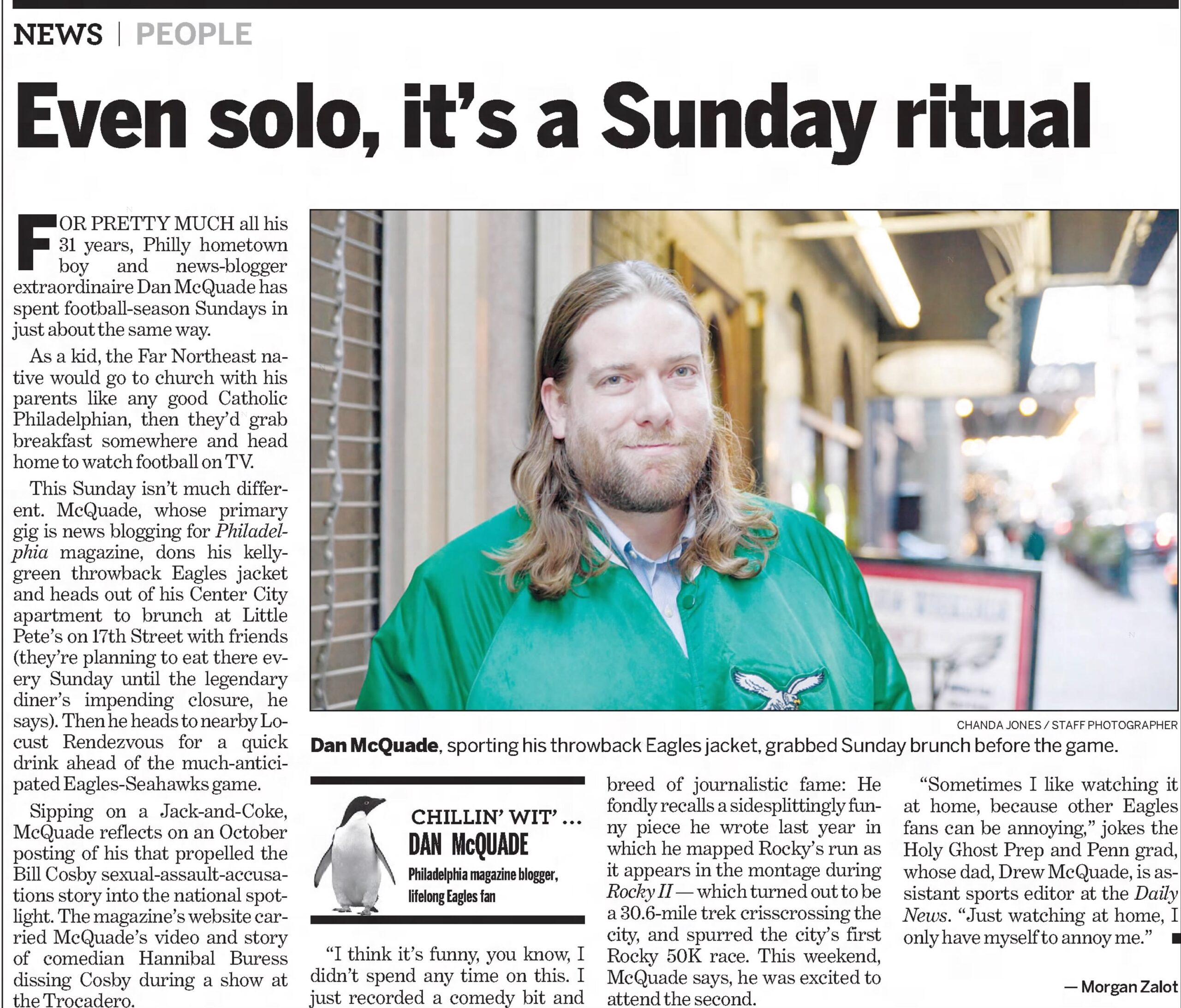
This story about Mr. McQuade appeared in the Daily News in 2014.
“Without Dan’s voice, Philly Mag wouldn’t be Philly Mag,” editor and writer Brian Howard said in a tribute on phillymag.com. “And, I’d argue, Philadelphia wouldn’t quite be Philadelphia.”
Other colleagues called him “a legend,” “a Philadelphia institution,” and “the de facto mayor of Philadelphia” in online tributes. Homages to him were held before recent Flyers and 76ers games.
“Sometimes,” his wife said, “he inserted himself into stories, so readers had a real sense of who he was because he was so authentic.”
Daniel Hall McQuade was born Jan. 27, 1983, in Philadelphia. His father worked nights at the Daily News for years, and the two spent many days together when he was young hanging around playgrounds and skipping stones across the creek in Pennypack Park.
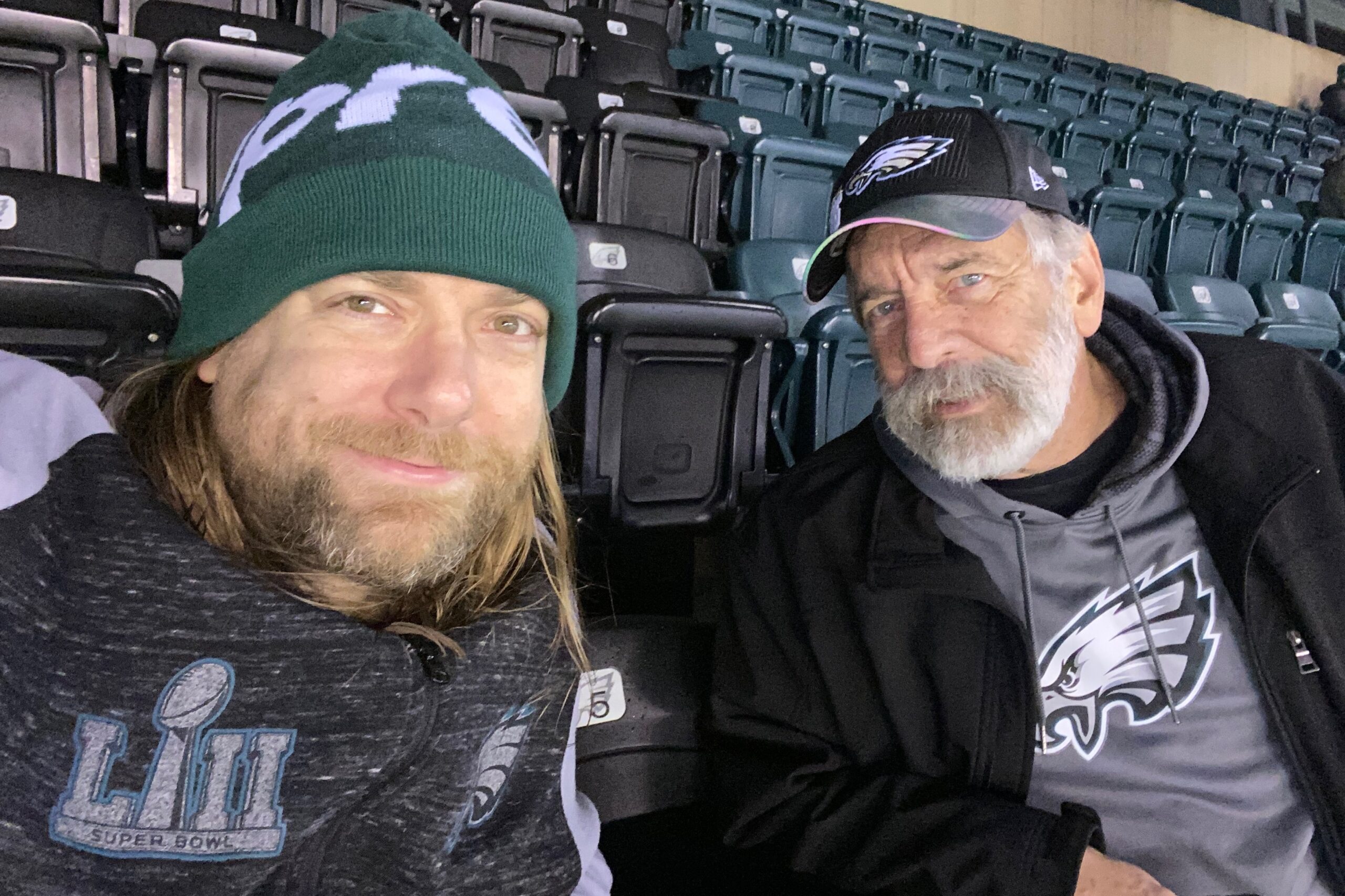
Mr. McQuade (left) and his father, Drew, shared a love of Philly sports and creative writing.
Later, they texted daily about whatever came to mind and bonded at concerts, Eagles games, and the Penn Relays. He grew up in the Northeast, graduated with honors from Holy Ghost Preparatory School in Bensalem, and earned a bachelor’s degree in English at Penn in 2004.
He overcame a serious stutter as a teen and played soccer and basketball, and ran cross-country and track at Holy Ghost. He married Jan Cohen in 2019 and they had a son, Simon, in 2023. They live in Wissahickon.
Mr. McQuade was a voracious reader and an attentive listener. “He never wanted to stop learning,” his wife said. He enjoyed going to 76ers games with his mother and shopping for things, his father said, “they didn’t need.”
He was mesmerized by malls, the movie Mannequin, the TV series Baywatch, and his wife’s cat, Detective John Munch. During the pandemic, he and his wife binged all 11 seasons of Baywatch.
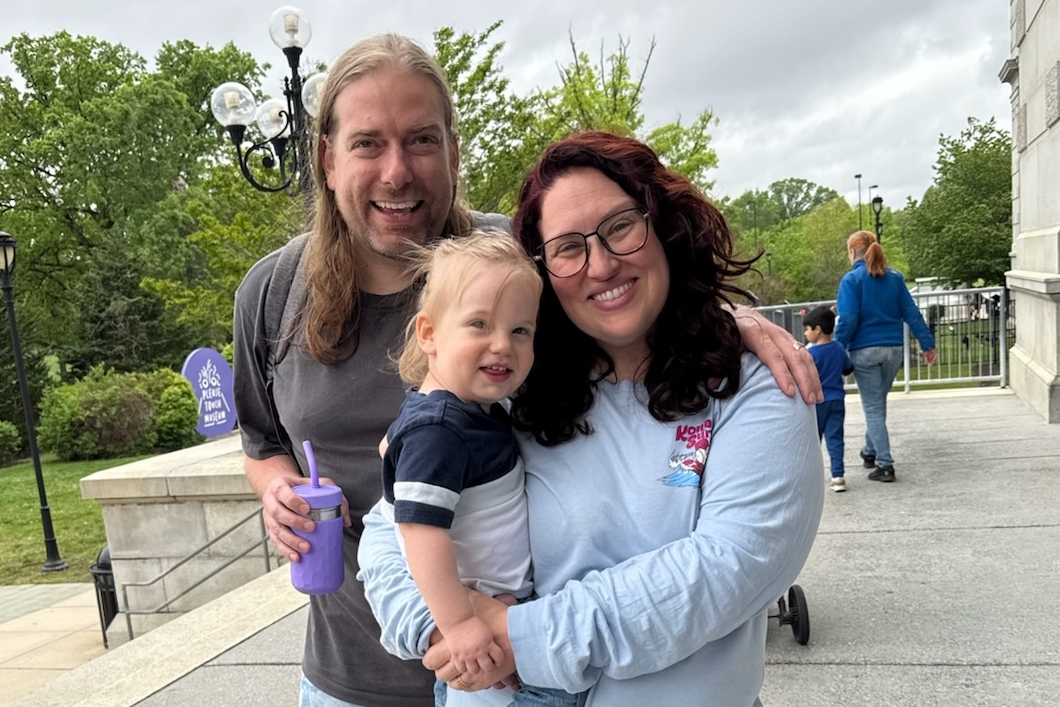
Mr. McQuade doted on his wife, Jan, and their son, Simon.
He could be loud, his mother said, and Molly Eichel described his laugh as “kind of a honk.” His friend and colleague Alli Katz said: “In 50 years I’ll forget my own name. But I’ll remember his laugh.”
He was a vintage bootleg T-shirt fashionista, and his personal collection numbered around 150. He named Oscar’s Tavern on Sansom Street as his favorite bar in a recent podcast interview and said he would reluctantly pick a pretzel over a cheesesteak if that was the choice.
In September, Mr. McQuade wrote about his illness on Defector.com under the headline “My Life With An Uncommon Cancer.” In that story, he said: “Jan has been everything. My son has been a constant inspiration. My parents are two of my best friends, and I talk to them every day. Jan’s parents have been incredible.”
He also said: “I believe there are no other people on earth with my condition who are in as fortunate a situation. … For the past thousand words you have been reading about a bad break I got, but if only everyone in my position had it this good.”
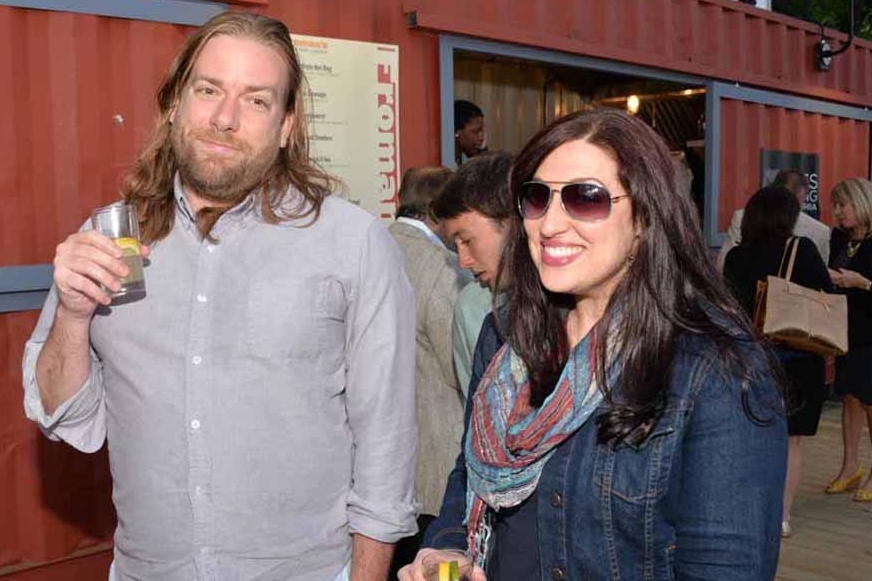
Mr. McQuade and his wife, Jan Cohen, married in 2019.
His wife said: “He was truly the best guy.”
In addition to his wife, son, and parents, Mr. McQuade is survived by his mother-in-law, Cheryl Cohen, and other relatives.
Visitation with the family is to be from 9 to 10 a.m. Thursday, Feb. 5, at St. Martha Parish, 11301 Academy Rd., Philadelphia, Pa. 19154. Mass is to follow from 10 to 11 a.m.
Donations in his name may be made to the Everywhere Project, 1733 McKean St., Philadelphia, Pa. 19145.
No teaching happened inside some Central High classrooms Friday: temperatures were just too low.
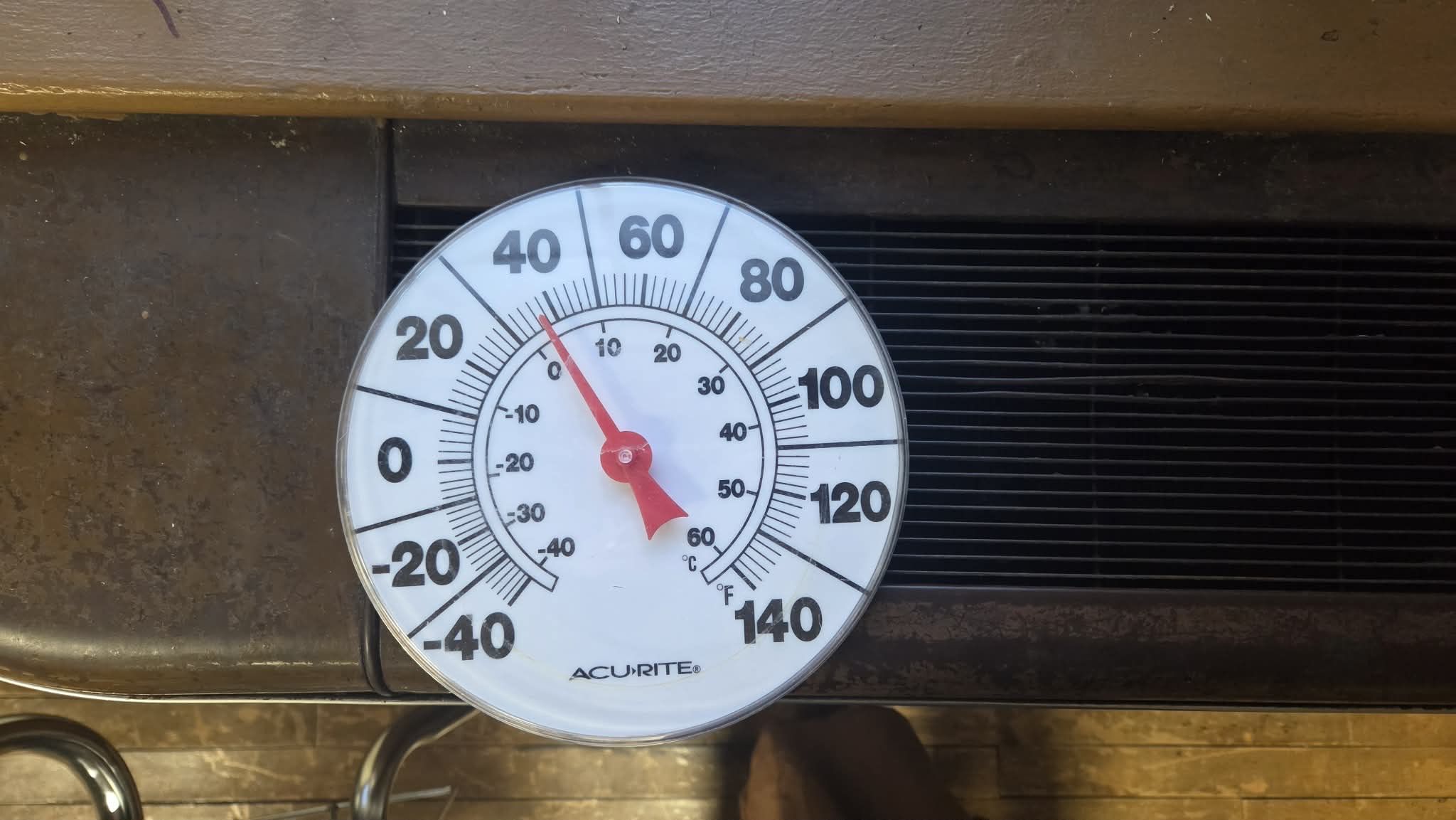
Inside Kristen Peeples’ room, a thermometer read below 40 degrees. Multiple classrooms inside the storied Philadelphia magnet were so cold that classes had to relocate for safety, staff there said.
Normally, Peeples relishes engaging classroom instruction and discussion. On Friday, it was all about survival; conditions were “untenable,” she said. While some rooms were comfortable, many were freezing. Some were overly hot.
Classes that were supposed to be in rooms too cold for occupancy just moved around the school — which enrolls over 2,300.
“One class, I shared an empty space with another teacher,” said Peeples, who “couldn’t teach given the volume of people in the room, but at least we were able to be somewhere warm. Another period, we sat in the library while students worked independently, but again, not tenable for direct instruction.”
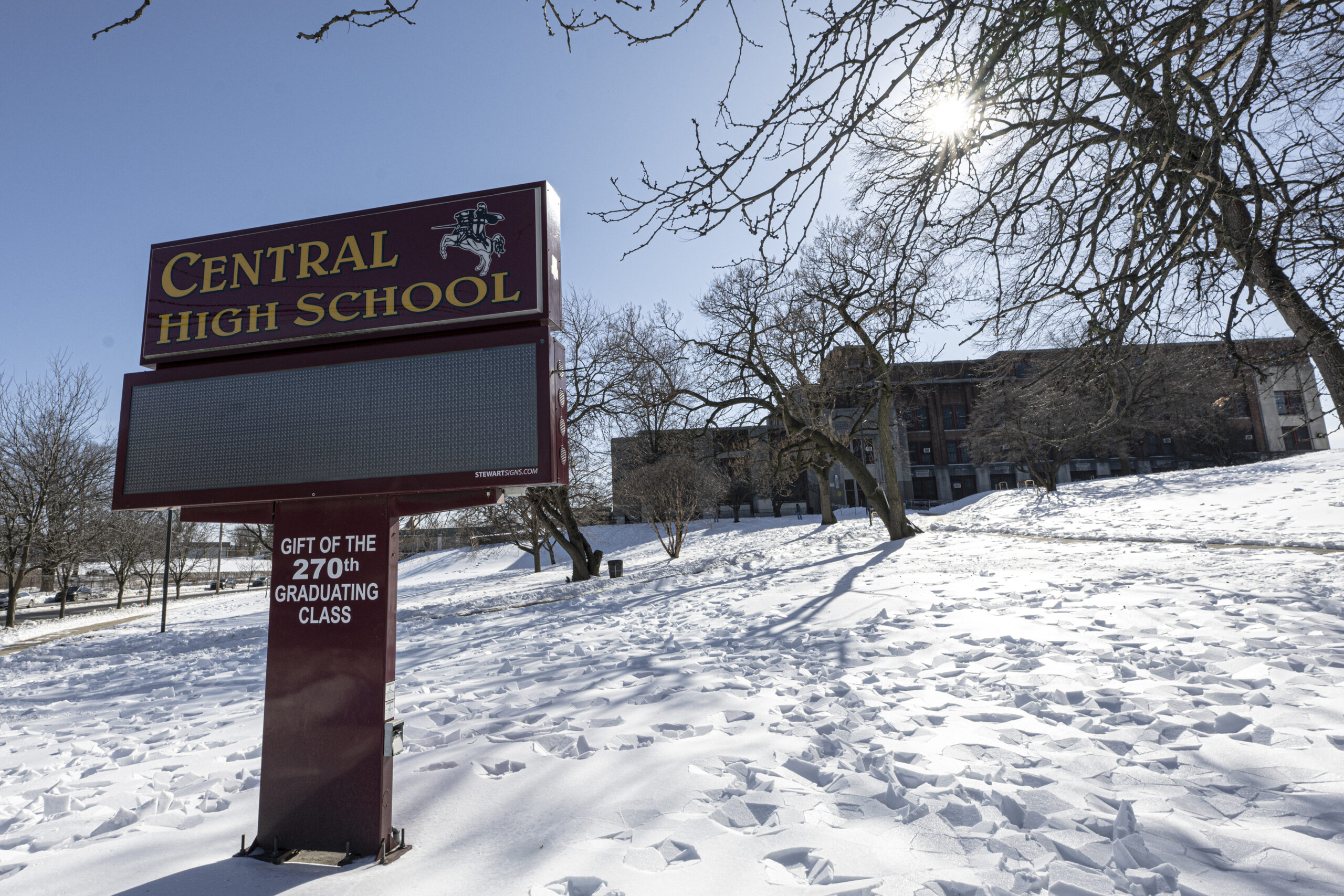
Central High School is shown in the freezing temperature on Friday, January 30, 2026.
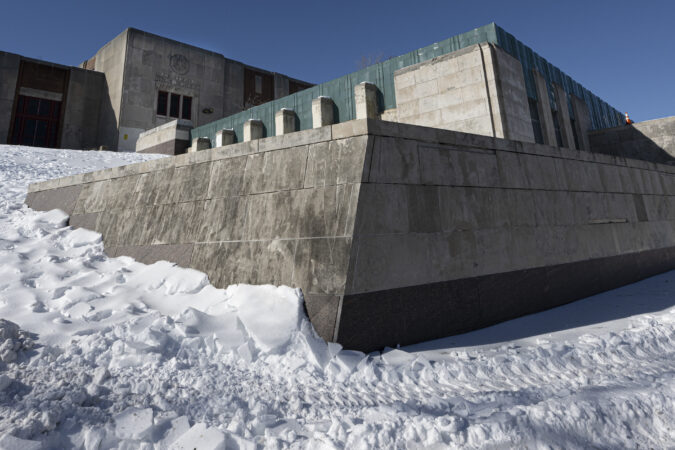
With bitter cold still bearing down on the region, some Philadelphia schools continued to cope with difficult conditions for the second day in a row on Friday — old heating systems struggling to keep up with subfreezing temperatures, giant piles of snow surrounding schools that made getting in and out difficult for students and staff.
All Philadelphia School District schools and offices were closed Monday for a full snow day; Tuesday and Wednesday were virtual learning days as city plows cleared streets.. Superintendent Tony B. Watlington Sr. has said that safety was his first priority in making the decision whether in-person instruction could resume, and made the call to do so Thursday.
But staff at some schools said they thought that was the wrong decision, given conditions in some district buildings Thursday and Friday.
In North Philadelphia’s Taylor Elementary, for instance, two burst pipes rendered five classrooms unusable, according to a staffer who asked to remain anonymous because they were not authorized to speak to a reporter.
Classes had to be combined to account for the out-of-commission rooms. And some rooms were chilly, in the 50s.
“This heating system is just very old and struggling,” said the staffer.
Taylor officials asked the district to pivot to virtual instruction Friday, but their request was denied.
Arthur Steinberg, Philadelphia Federation of Teachers president, said the district’s decision to reopen all schools was “reckless, and a contradiction of their claim of exercising ‘an abundance of caution’ when making such decisions. Forcing students, families, and staff to navigate still-treacherous commutes after a historic snowfall and freezing temperatures was careless.”
Monique Braxton, a district spokesperson, said safety remains paramount and that district and city officials worked round-the-clock to ready buildings as best as they could.
“Across the district, teams are responding in real time to heating concerns, snow and ice conditions, and other weather-related issues as they arise,” Braxton said in a statement. “When conditions do not meet district standards, we work closely with school leaders to take appropriate action and communicate directly with our families.
We will continue to closely monitor building conditions throughout this bitter cold period and make adjustments as needed as, while temperatures remain below freezing.”
At Central High, several classrooms were so cold they were unusable. This was the reading inside a classroom on Friday.
Shivering, and slipping
On Thursday, Penrose Elementary, in Southwest Philadelphia had heating problems some entrances were/ tough to access because of unplowed snow, and a ramp that students with disabilities use to get into the school was blocked. Burst pipes at Vare-Washington Elementary, in South Philadelphia, made six classrooms, the cafeteria, the gym and the entire basement unusable Thursday.
Those schools were in much better shape Friday. But children and adults were still shivering, and slipping, at other schools.
By the end of the short school day — the district had long planned half days for Thursday and Friday, with parent conferences scheduled — the temperature in Peeples’ classroom at Central had dropped even lower.
Teachers and students were in a tough spot, Peeples said, but administrators and building engineers were also put in “an impossible situation” through no fault of their own. They have been working diligently to move students and teachers to warm learning spaces, Peeples said, plowing, shoveling, salting sidewalks and parking lots, and tending to fussy heating systems.
At Taylor in North Philadelphia, staff were told by the district that three of the five unusable classrooms will be fixed and ready for learning on Monday — hopefully.
Watlington recently proposed a facilities plan that would close 20 district schools and modernize 159 over the next 10 years, but the list of schools to receive upgrades has not been divulged.
The $2.8 billion plan also banks on $1.8 billion from the state and philanthropic sources, money that is far from assured.
BOSTON ― Last week’s seemingly galvanizing trip west, which resulted in the Flyers grabbing five of a possible six points against some of the NHL’s best, looks to have been just another false dawn, as the sinking Orange and Black dropped their third straight game at TD Garden on Thursday.
Here are three takeaways from the Flyers’ 6-3 loss to the Bruins, which marked the team’s 10th defeat in the last 12 games.
Travis Konecny leads the Flyers in goals (21), assists (29), and points (50), and is second behind Noah Cates (plus-15) among the team’s forwards with a plus-eight rating. The veteran sniper fired a hat trick in Columbus on Wednesday and followed it up with a goal and an assist in Boston a night later.
But while Konecny has played like an All-Star and led from the front of late, the alternate captain’s raw emotion after Thursday’s game made it clear that he’s only concerned with stacking wins.
“Yeah, it’s frustrating because I’ve been through this so many times. I’m tired of missing the playoffs,” said Konecny, who has seen recent Flyers seasons slip away at this time of the year. “That is kind of all I look at right now, just want to get points for the team, and we need to figure something out.”
Forward Travis Konecny, captain Sean Couturier and defenseman Rasmus Ristolainen met with the media following #PHIvsBOS. pic.twitter.com/xPUaNFJ7ff
The answer was a painfully honest one from a player who has endured a lot of losing in recent seasons and is desperate to return to the playoffs after a five-year hiatus. Flyers head coach Rick Tocchet has talked about wanting guys who care and aren’t going to “accept” losing, and Konecny, who has matured and grown immensely as a leader in recent seasons, is clearly one of those guys who wants to be part of turning things around.
“Some guys spoke after the game, I think everyone knows where we’re at,” said Konecny. “We just got to execute. And like I said, there’s mistakes all over the ice, but you ask any of the leaders, it starts with us. Their second goal, I made a mistake there, and [we] can’t be doing that game after game. I think we all need to look in the mirror.”
There has been much social media debate about the 28-year-old Konecny, who has played 22 career playoff games but none since the 2020 COVID-19 bubble, but the Flyers could use more guys like him, and it’s concerning to think where this team might be without him.
Flyers right wing Travis Konecny has been red-hot with 16 goals and 31 points over his past 28 games.
Sam’s struggles
Sam Ersson’s struggles are well-documented, as the Swede’s .856 save percentage is the lowest among the 56 NHL goalies who have played at least 15 games this season. The analytics are no better, as according to Money Puck, Ersson’s minus-18.1 goals saved above expected is the third-worst mark in the NHL and 25 goals worse than his partner, Dan Vladař.
But Thursday provided a perfect snapshot of the enigma Ersson has been, as his performance showcased why fans have grown so frustrated with the backup netminder, but also featured some flashes of why the Flyers have stood by Ersson for so long despite his struggles.
Ersson started the game brilliantly, shutting down Marat Khusnutdinov from in close just 14 seconds in, followed by a couple of 10-bell saves on Sean Kuraly from point-blank range that showcased the netminder’s athleticism. Ersson, who was always going to need to have a big game given the Flyers’ tired legs on a road back-to-back, was keeping the Flyers in it.
But then the Mr. Hyde side of Ersson reared its ugly head as it has so often over the past two seasons. Ersson was in good position to stop Viktor Arvidsson’s one-timer from 25 feet out, but the shot from the right faceoff circle, which Arvidsson didn’t get all of, snuck through the goalie’s five-hole for Boston’s opener.
The script soon repeated itself, as after Ersson made a few big saves to close the first period, he allowed another soft goal early in the second period. Fraser Minten was the beneficiary this time, as just like on Arvidsson’s tally, his shot beat Ersson five-hole on the ice. The goal served as a backbreaker as the Flyers had begun the second period strongly and were close to halving the deficit.
Ersson’s talent was on display minutes later, as down 3-1, he made a miraculous, toe save on Andrew Peeke, albeit right before Casey Mittelstadt flipped home the rebound.
“I don’t know, it’s not just [Ersson], just some of the goals, weakside stuff that we are giving up, that’s a tough one for any goalie when you give weakside goals up,” said Tocchet.
Ersson, who did not speak with the media post-game after leaving the contest after two periods with a lower-body injury, allowed five goals on 20 shots and was culpable for two tough goals against.
While Ersson has shown flashes and stretches of being an NHL goalie, he has been far too sporadic and unreliable the past two seasons for a Flyers team that needs a steady backup. A restricted free agent at season’s end, his days in Philly look to be numbered.
Grebenkin’s growth
If there was a silver lining from Thursday’s loss, it was the effort of winger Nikita Grebenkin.
The 22-year-old, who has been in and out of Tocchet’s good graces over the course of the season, had one of his best games since being acquired by the Flyers last March in the Scott Laughton trade.
Elevated to the top line for the game alongside Konecny and Christian Dvorak, Grebenkin, who Rasmus Ristolainen said “brings energy every day,” seemed to be directly involved in most of the Flyers’ best moments offensively.
Flyers winger Nikita Grebenkin is starting to play the type of game that Rick Tocchet is looking for from the power forward.
With 12 minutes gone in the first period, Grebenkin pounced on a puck in the neutral zone with speed and carried into the Boston zone. As Tocchet has so often pleaded with the Russian to do, Grebenkin used his 6-foot-2, 210-pound frame to strongly shield the puck from Jonathan Aspirot before shifting it quickly from his backhand to forehand to try and jam one by Jeremy Swayman.
Swayman stopped the initial shot, but a crashing Dvorak slammed home the rebound. While the goal was ultimately disallowed as Grebenkin was ruled to have interfered with the goaltender, it was the kind of power forward-type play teammates enjoy seeing from the youngster.
“I just love how hard he works,” Konecny said of Grebenkin. “He’s trying to learn the details of how to play the right way and he’s a great guy, too, so I love working with him. ”He’s got a lot of skill, too. So I think the more opportunity he gets, he’ll just keep running with it.”
Grebenkin was also involved in the Flyers’ first goal that stood, as directly after he fired a shot on goal, he delivered a big hit on Mark Kastelic that knocked the Bruins’ tough guy off his skates and prevented him from retrieving the puck. Seconds later, Dvorak deflected a clearing attempt from Kuraly into the slot for a wide-open Konecny to score.
Konecny responds! Great work from Grebenkin led to the disallowed goal, story is the exact same here. Having a great game.#LetsGoFlyerspic.twitter.com/QsMKl4Zq26
Grebenkin would be rewarded for his efforts with a goal at the end of the second period, as he was first on the scene to bury a rebound after Konecny’s breakaway and follow-up attempt were both stopped by Swayman. In 13 minutes, 43 seconds of ice time, Grebenkin registered a goal, five shots, and one hit, while leading the team with four scoring chances at five-on-five, according to Natural Stat Trick.
It remains to be seen if Grebenkin retains his spot on the top line come Saturday, but his encouraging performance in Boston suggests he’s earned more ice time and deserves a longer look there.
Nicholas Singleton, who just wrapped his senior season at Penn State, suffered a broken foot during a Senior Bowl practice on Thursday in Mobile, Ala., according to Rich Scarcella of The Reading Eagle.
Scarcella first reported the news, citing Singleton’s father, Tim, who told The Reading Eagle that Nick injured the fifth metatarsal bone in his right foot and will undergo surgery early next week.
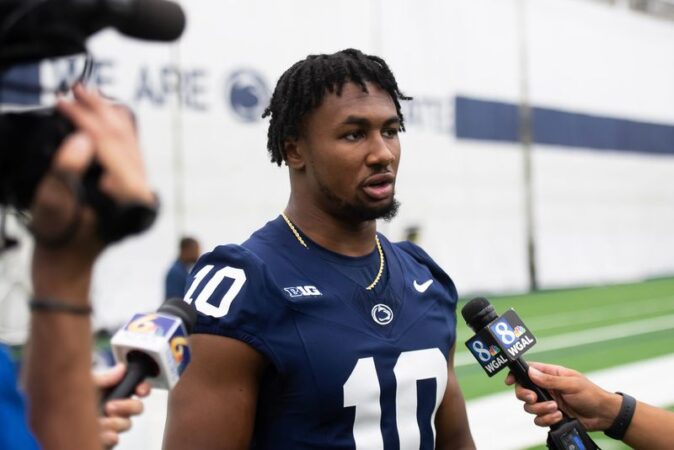
Singleton is considered one of the top running backs in the 2026 NFL Draft. During his four-year career at Penn State, he rushed for 3,461 yards — with his season best of 1,099 coming in 2024-25.
#PennState RB Nick Singleton just left Senior Bowl practice with an injury sustained during 1-on-1s. Walked off the field, got looked at by trainers then limped to the locker room. We’ll see if he returns.
He finished with 54 touchdowns (45 rushing and nine receiving) to break the university’s career rushing and total touchdowns record. He’s also the program’s career leader in all-purpose yards (5,586).
The Governor Mifflin High School graduate had a down year this past season, but managed 13 rushing touchdowns for 549 yards, as Penn State finished 7-6 overall, 3-6 in the Big 10.
While Singleton, among 15 others, did not participate in the Pinstripe Bowl, the Nittany Lions beat Clemson, 22-10, in the final game of the 2025 season.
As Gov. Josh Shapiro makes the case on national television for ICE to leave Minneapolis, his Republican challenger Stacy Garrity has a different view: Minnesotans should cooperate.
Garrity, the state treasurer and GOP-endorsed candidate, said “it’s best to cooperate” with U.S. Immigration and Customs Enforcement, in an interview Thursday night at the National Constitution Center following an appearance on a conservative podcast.
The retired U.S. Army colonel also praised Tom Homan, President Donald Trump’s border czar assigned to take over the Minneapolis operation, as “spot on” in his recent remarks calling for a de-escalation of the conflict between residents and federal officials, and that residents should comply.
“He said it best: Cooperate and take down the rhetoric,” Garrity said, noting her time as U.S. Army military police officer gives her a “different perspective.”
Garrity’s comments came days after she received an endorsement from Trump in the Pennsylvania governor’s race. The president on Tuesday evening called Garrity a “true America First Patriot, who has been with me from the beginning.”
Shapiro, meanwhile, has become more outspoken about ICE’s operations in Minnesota over the last few days while on a national media blitz for his new memoir released this week, Where We Keep the Light. The former Pennsylvania attorney general, known as a careful and deliberate communicator, has now repeatedly called for ICE and the Border Patrol to leave Minneapolis, arguing that the operations are “outside the bounds of law” and “must be terminated.”
Pennsylvania does not have a sanctuary policy restricting cooperation with ICE by state law enforcement, but several jurisdictions in the state do have such policies, including Philadelphia.
Garrity was in Philadelphia on Thursday for a live taping of the conservative podcast Ruthless. The event was hosted by Americans for Prosperity, a national libertarian advocacy organization. She largely talked about what led her to politics in 2020 after a long career in the military and private sector, as well as her work as the state’s treasurer.
When asked whether she was concerned by the shooting of Alex Pretti, an intensive-care nurse at a Veterans Affairs hospital in Minnesota, Garrity said she had not seen the videos of Border Patrol agents fatally shooting Pretti and that she “always waits for the investigation” before forming an opinion. Pretti’s death marked the second killing of a U.S. citizen by federal agents in Minneapolis this month, leading to mass protests and public outrage.
“The investigation will come out, and then any corrective action that needs to be taken, or we’ll see what the results are,” she said. “I’m going to withhold any judgment until the investigation.”
In the case of Pretti’s death, Trump said the U.S. Department of Homeland Security is leading the investigation, and he is “going to be watching over it.” Minnesota officials have called for an independent investigation and have protested as federal officials have blocked local authorities from investigating.
Comcast owes a California company $240 million for infringing on its patent when rolling out a voice-activation feature on television remotes over a decade ago, a Philadelphia federal jury decided.
Promptu Systems Corporation “pioneered” the technology that allows users to control their TVs through voice commands spoken into a remote control in the early 2000s, the company said in legal filings.
After Comcast launched its voice remote in 2015, Promptu sued, accusing the telecommunication giant of utilizing patented technology. Comcast executives were aware of the patents, expressed interest in Promptu’s capabilities as early as 2001, and took steps to launch a remote in collaboration with Promptu, the 2016 lawsuit said.
But Comcast ended up launching a voice-controlled remote on its own, which the suit says was based on technology that Promptu shared with Comcast in demonstrations.
“Promptu technology was exploited without permission over a 10-year period,” said Jerry Ivey, an attorney at the law firm Finnegan who represented the company in the trial.
Propmtu’s attorneys asked the jury to award $346 million, based on a calculation that the company was owed 30 cents per month for each Comcast cablecustomer over a 10-year period.
At the conclusion of a six-day trial in the Eastern District of Pennsylvania, on Jan. 23, jurors found that Comcast infringed on two patents but that only one of them was valid. The jury deliberated for less than three hours and awarded $240 million.
The verdict will have no impact on Comcast’s customers, a company spokesperson said.
“We will continue to pursue our claim in court against Promptu to show that these expired patents are unenforceable and appeal this decision if necessary,” the spokesperson’s statement said.
During the 10 years of litigation, Comcast attacked the validity of the patents. It is pursuing a separate claim arguing that the patent that led to the verdict is not enforceable.
Promptu technology wasn’t ahead of its time, the attorney representing Comcast told the jurors, and the start-up did not succeed in becoming a big player in the TV remote market.
“Investors from Promptu have come here to ask you to not only bail them out of their investment in Promptu but to give them an enormous windfall in profits that they didn’t earn in the marketplace and for technology that they didn’t invent,” said Douglas Lumish, a Weil Gotshal & Manges attorney representing Comcast, according to court transcripts.
By 2017, Comcast said it had voice-activated remotes in about 12 million homes — roughly half its subscribers at the time — and the company expected to process 4 billion voice commands that year. In a 2024 meeting with investors, Comcast said their remotes were processing about 50 million voice commands daily in five languages, allowing users to quickly access cable and streaming content.
The company also developed a large-button voice remote with accessibility in mind. Both have been provided to their cable subscribers at no additional cost.
Comcast’s large-button remote with added accessibility features, as released in 2022.
Even if they don’t directly bring in revenue, these kinds of tech features can help a company keep customers. (In recent years, Comcast has been losing more cable customers than gaining, but it counts its Peacock streaming service among areas of growth.)
On Thursday, Comcast reported its 2025 financial results, showing flat revenue from the year before. The company touted Peacock’s 22% increase in paid subscribers, the release of Wicked: For Good from its studios division, and growth in its mobile phone business.
Its count of cable customers decreased — again — to 11.2 million.
Also this month, Comcast agreed to a $117.5 million settlement to resolve 24 lawsuits surrounding a 2023 data breach. The settlement received initial approval from a judge, with a final approval hearing scheduled for July.
A New Jersey appellate court on Friday declined to reinstate racketeering charges against Democratic power broker George E. Norcross III, dealing a fresh blow to prosecutors who had accused him of running a criminal enterprise.
The three-judge panel affirmed a lower court order dismissing a 13-count indictment against Norcross, 69, and five codefendants, whom a grand jury alleged used threats of economic and reputational harm — as well as their control of Camden government — to obtain property on the city’s waterfront from a developer and a nonprofit.
Acting Attorney General Jennifer Davenport — Democratic Gov. Mikie Sherrill’s nominee for the post — will now have to decide whether to file another appeal in a case that was brought by her predecessor. A spokesperson said the Attorney General’s Office is reviewing the opinion, which says the state has 45 days to pursue an appeal at the state Supreme Court.
Mercer County Superior Court Judge Peter Warshaw ruled last February that none of the threats described in the June 2024 indictment were unlawful because, he said, state law permits such statements in the context of economic bargaining. Warshaw also found the charges were time-barred.
On Friday, the appellate court in a 92-page opinionupheld Warshaw’s order but did so on different legal grounds. The panel said several of the indictment’s racketeering conspiracy and extortion charges were time-barred under the statute of limitations. Other counts failed to state a crime, were untimely, or both, the panel said.
Norcross’ representatives didn’t immediately respond to requests for comment.
In addition to Norcross — founder of insurance brokerage Conner Strong & Buckelew and chair of Cooper University Health Care — the grand jury charged his brother Philip, CEO of the law firm Parker McCay; attorney William Tambussi; former Camden Mayor Dana L. Redd; Sidney R. Brown, CEO of logistics firm NFI; and John J. O’Donnell, an executive at residential developer The Michaels Organization.
Statute of limitations
The case centers on Norcross’ efforts to acquire real estate in Camden following a 2013 New Jersey law he allegedly shaped that turbocharged corporate tax incentives for development in a city that had faced decades of disinvestment.
Prosecutors say that from 2014 through 2016, Norcross and his associates threatened a nonprofit redevelopment group and Philadelphia developer Carl Dranoff, coercing them into selling property for less money than they believed it was worth.
Norcross and his partners then used the properties to obtain millions of dollars in state tax credits for various corporate entities and later sold the credits for cash, the state says.
In contrast to the lower court judge, the appeals panel did not weigh whether the threats allegedly made in 2014 and 2016 were unlawful. Instead, the panel said the charges associated with those threats — racketeering and extortion conspiracies — were filed by prosecutors beyond the five-year statute of limitations.
To comply with that statute, prosecutors needed to show that the conspiracies outlined in the June 2024 indictment continued past 2019. The state contended that it met this burden because corporate entities controlled by Norcross continued to receive tax credits during that period and because the indictment says the power broker took steps to conceal his conduct in the years since.
But the appellate panel agreed with Warshaw that “the objects of the conspiracies were concluded” with the completion of the redevelopment deals years earlier.
The court also rejected the concealment argument, saying the indictment does not meet a legal requirement alleging an “agreement among the conspirators to continue to act in concert in order to cover up, for their own self-protection, traces of the crime.”
Dealings with Carl Dranoff
The appeals court did find that another charge related to waterfront real estate dealings was timely, but failed to satisfy other legal requirements.
When Dranoff in 2018 tried to sell the 349-apartment Victor Lofts to a real estate investment firm for $71 million, the indictment says he faced resistance from Camden officials. They agreed to “slow down” a government approval at the direction of Philip Norcross — an attorney who, like his brother, had no official role in city government, the indictment says.
The sale ultimately fell through, and the city moved to terminate Dranoff’s option to develop another property known as Radio Lofts. The dispute led to years of litigation, and Dranoff ultimately settled with the city in 2023, agreeing to forfeit his rights to Radio Lofts and pay Camden $3.3 million despite believing “he was in the right,” according to the indictment.
Prosecutors allege this was another conspiracy to extort Dranoff. But while the alleged conduct occurred within the limitations period, the appeals panel said, the indictment failed to meet the legal requirements for alleging conspiracy to commit extortion. For example, neither George Norcross nor his codefendants were accused of threatening or planning to threaten Dranoff to settle, the panel said.
Serving on the panel were Appellate Judges Greta Gooden Brown, Lisa Rose and Ellen Torregrossa-O’Connor.
Kiki Aranita stepped into Craig LaBan’s shoes to review Uchi and followed similar critical practices — for instance, eating multiple meals over a period of time and making reservations under aliases to avoid detection. The Inquirer pays for all travel and meals eaten by its journalists.
When the fast-casual restaurant industry seized on the once-unstoppable poke trend, control over the traditionally composed dish — once marinated and prepared with a singular chef’s vision — transferred to diners, who were now free to decorate their raw fish salads with everything from carrot shavings to chicken.
A similar dynamic is at play in the omakase at Uchi, the upscale Austin-based sushi purveyor that opened a location in Rittenhouse in November. Here, the guest — not the chef, as is tradition in omakase — informs which precious dishes are presented in the restaurant’s trademark “somakase,” in which customers set a budget for their multicourse meal, spelling out their likes and dislikes. (The “s” in somakaseis for “server,” since they helpguide the order.)
You might say, “I like salmon, let’s have more salmon tonight.” The chef behind the counter, illuminated by the glow of refrigerated cases housing sushi toppings, prepares for you a number of courses selected from Uchi’s menu based on your feedback, peppering in the restaurant’s signature dishes.
The hot rock at Uchi in Philadelphia, Pa., on Thursday, Jan. 8, 2026.
The somakase is an adaptation of a traditional Japanese omakase (or “I leave it to you”), which also makes Uchi the perfect venue for those who want sushi but want to stay in their comfort zone.That appeal is furthered by its other “omakase” options: a set menu without the promise of customization, a vegetarian option, and a happy-hour omakase for two, with nine courses for $120.
Even forgoing an omakase, Uchi’s individual dishes defy culinary conventions. Because the restaurant’s approach is divorced from any notion of traditional Japanese cuisine, the choices and customization possibilities for your experience are vast. The food — and the rest of a night out here — are simply Japanese-inspired fusion.
Specials change constantly. Half the menu had completely flipped with each of my three visits, over the course of almost two months. There were some repeated duds. Both times I ordered the “ham and eggs” roll, the rice was gummy. The once-probably-crispy katsu pork was soggy and reminiscent of Chicken McNuggets; its beer-mustard dipping sauce seemed silly and overwrought. Why force these ingredients to be sushi?
The Hama Chili at Uchi in Philadelphia, Pa., on Thursday, Jan. 8, 2026.
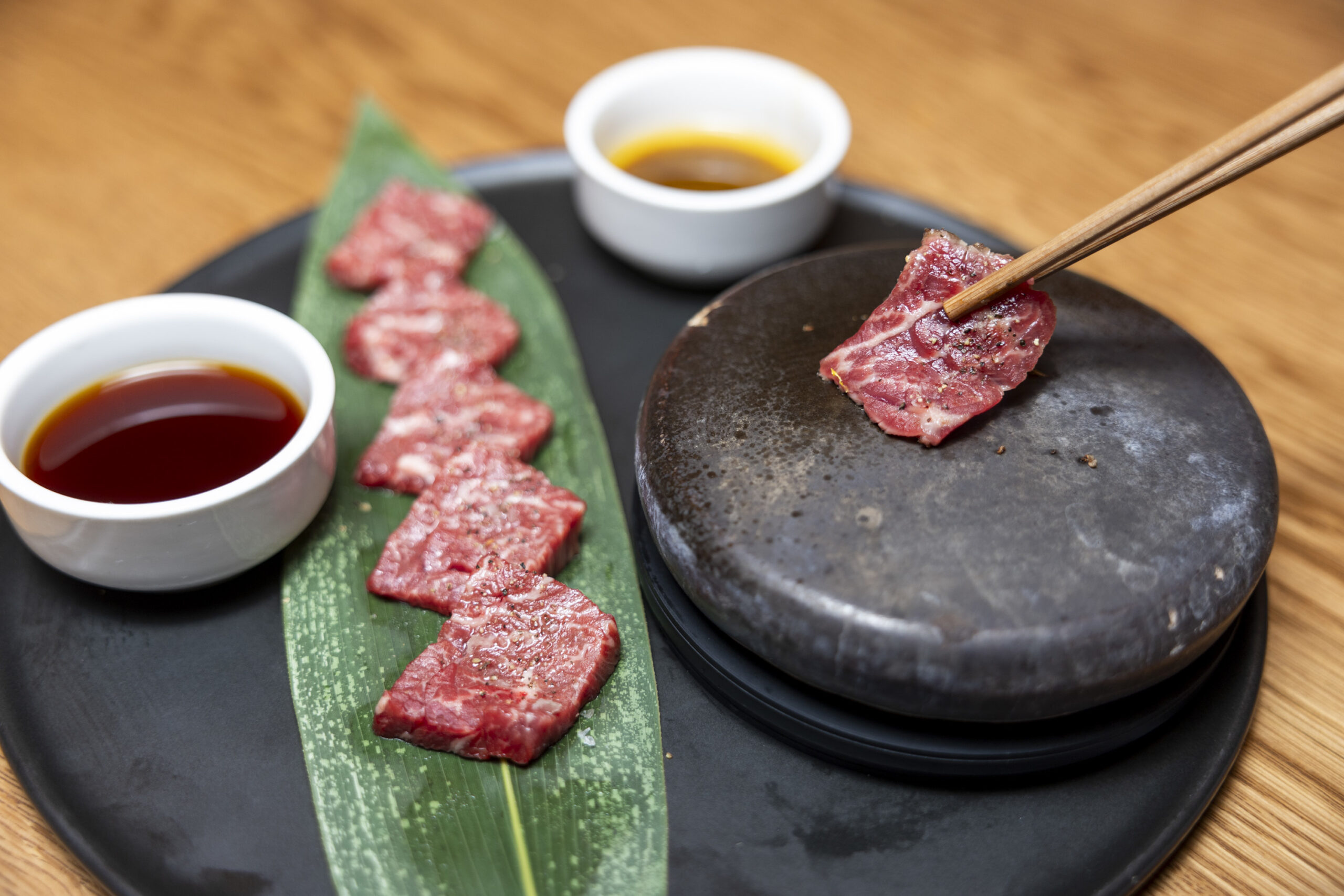
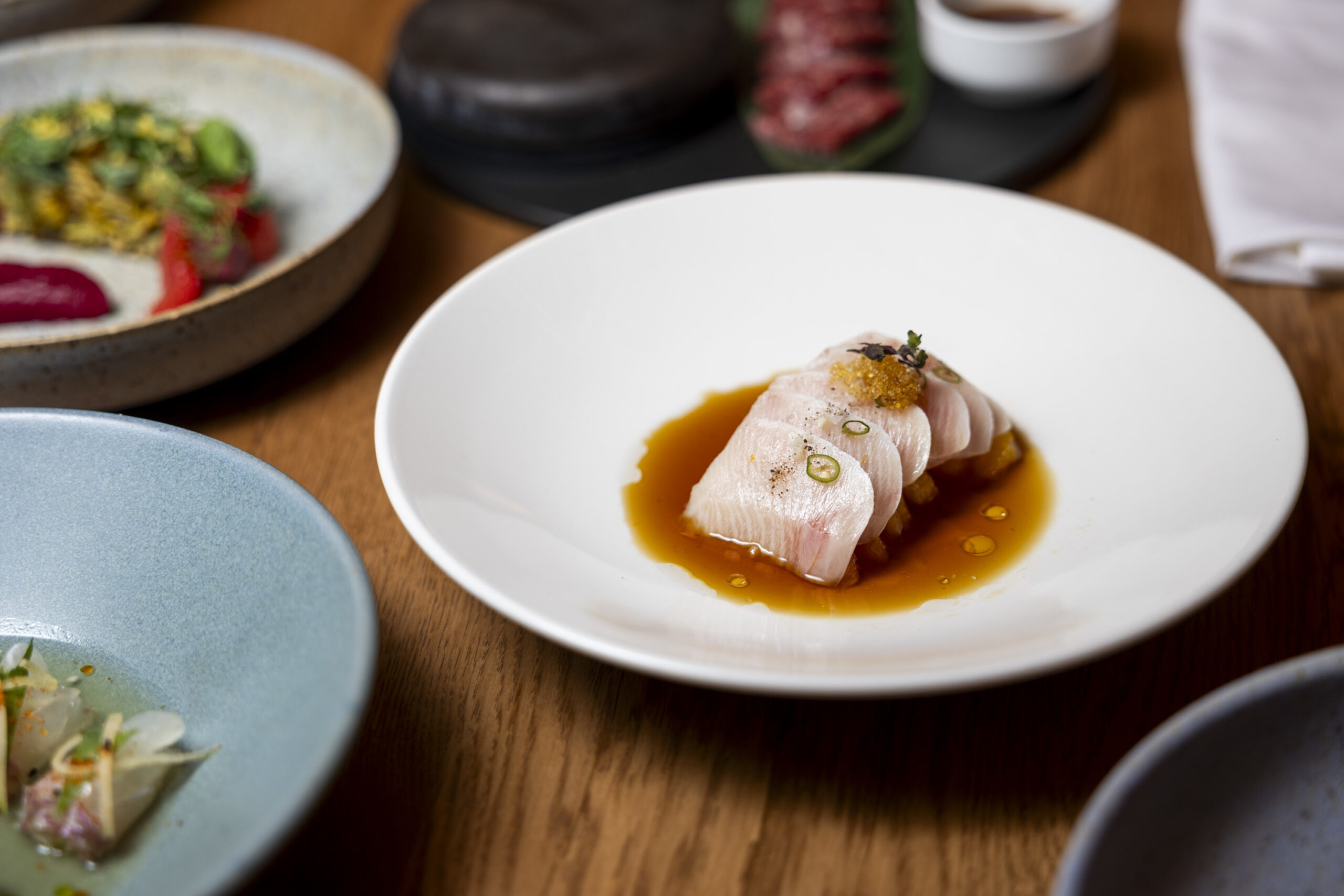
The big drawis Uchi’s core menu, including the sake tom kha, a muddling of Japanese and Vietnamese flavors. It’s a lovely balance of creamy coconut, crunchy candied maitakes, and lovely, unguent salmon. The Uchi salad consists of beautifully bundled lettuces sprinkled with puffed rice. The “hama chili” of yellowtail sashimi swims in ponzu with fresh Thai chiles and orange. And a sizzling hunk of Wagyu is presented on a blazingly hot rock with sidecars of shio koji butter and maple-laced ponzu. The rock is gimmicky, but it’s also fun. Uchi’s greatest hits really hit.
Uchi’s ownership group, Hai Hospitality,has been on an opening rampage, fueled by the 2020 investment of Denver-based private equity firm. “Uchi” means “home” in Japanese. It pays tribute to Uchi’s first location, which chef Tyson Cole opened in 2003 in a little red house in South Austin. Cole has earned scores of accolades over the years, including a James Beard Foundation Award for Best Chef: Southwest in 2011.
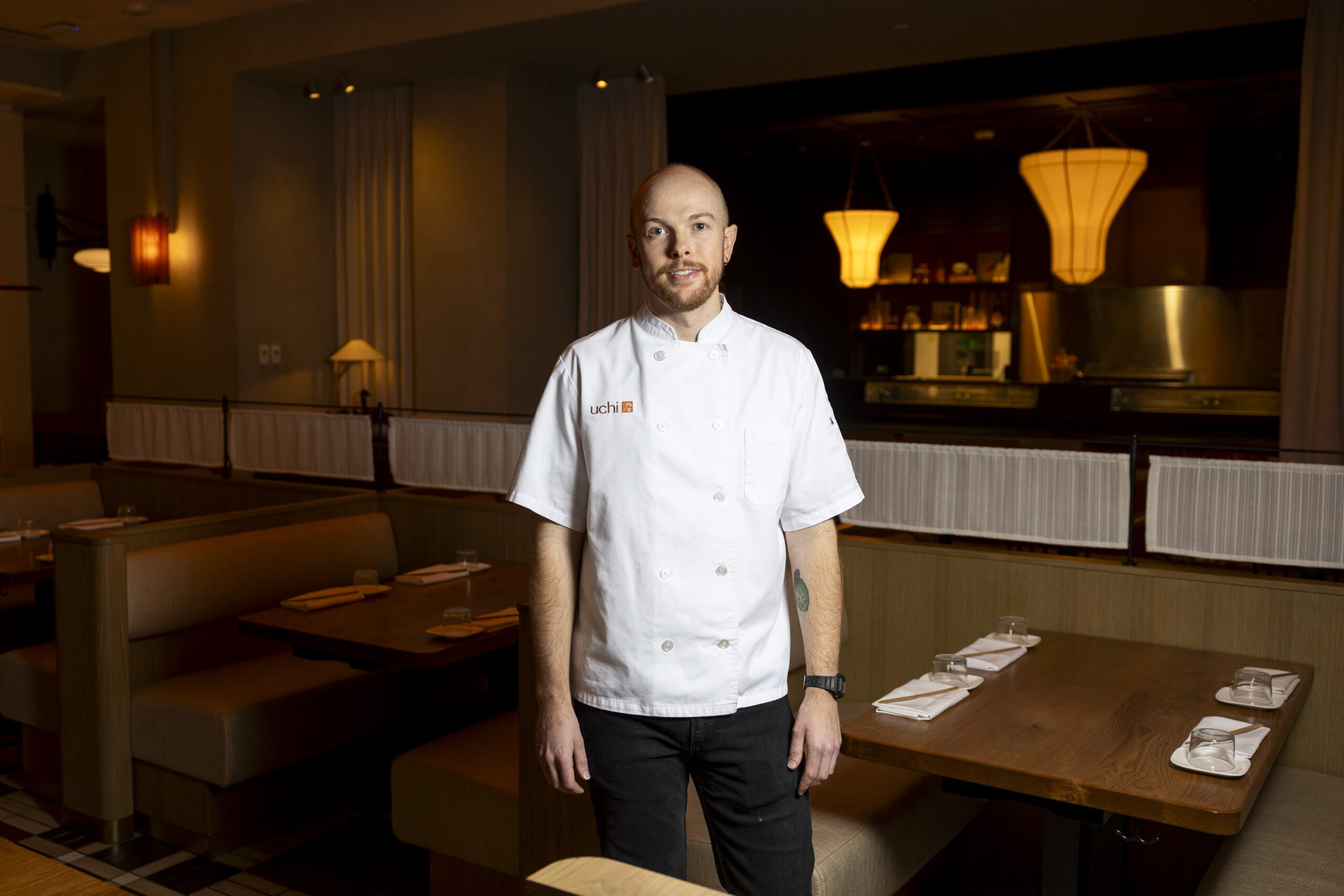
Uchi Philadelphia’s chef de cuisineFord Sonnenberg came up in Uchi’s Austin empire, which also includes steak house- and izakaya-inspired spinoffs. The 29-year-old chef has never been to Japan, and moving here for the job is his first time in Philly, save for a couple of events leading up to the opening.
Chef Ford Sonnenberg, poses for a portrait at Uchi in Philadelphia, Pa., on Thursday, Jan. 8, 2026.
Each Uchi location (soon there will be 11) makes some city-specific dishes. Uchi Philadelphia’s tributes miss the mark. A Wagyu-cream gyudon — a clever way of using the excellent Australian Wagyu that doesn’t get sliced for the main menu’s nigiri — is meantto evoke a cheesesteak. But the koji cream is overwhelming when paired with the fatty Wagyu, and the diner must relyon an oversize clump of turnip kimchi to cut through the richness. A broccoli rabe dish made with sesame milk, shishito relish, and pickled red pepper was overwhelmingly salty and unbalanced,an unsuccessful homage to a roast pork sandwich.
Other playfuldishes also fell flat. After biting into the maguro goat — tuna draped over apple slices with a tiny plume of goat cheese and whole pumpkin seeds — my dining companion commented, “I don’t want to eat goat cheese on tuna again.” (This was a rare example of an Uchi classic that flopped.)Curled to one side of an oversize bowl, the bok choy with tomato and cashew felt like the product of a competent focus group. Creamy? Check. Crunch? Check. A hefty price tag ($18)? Also check.
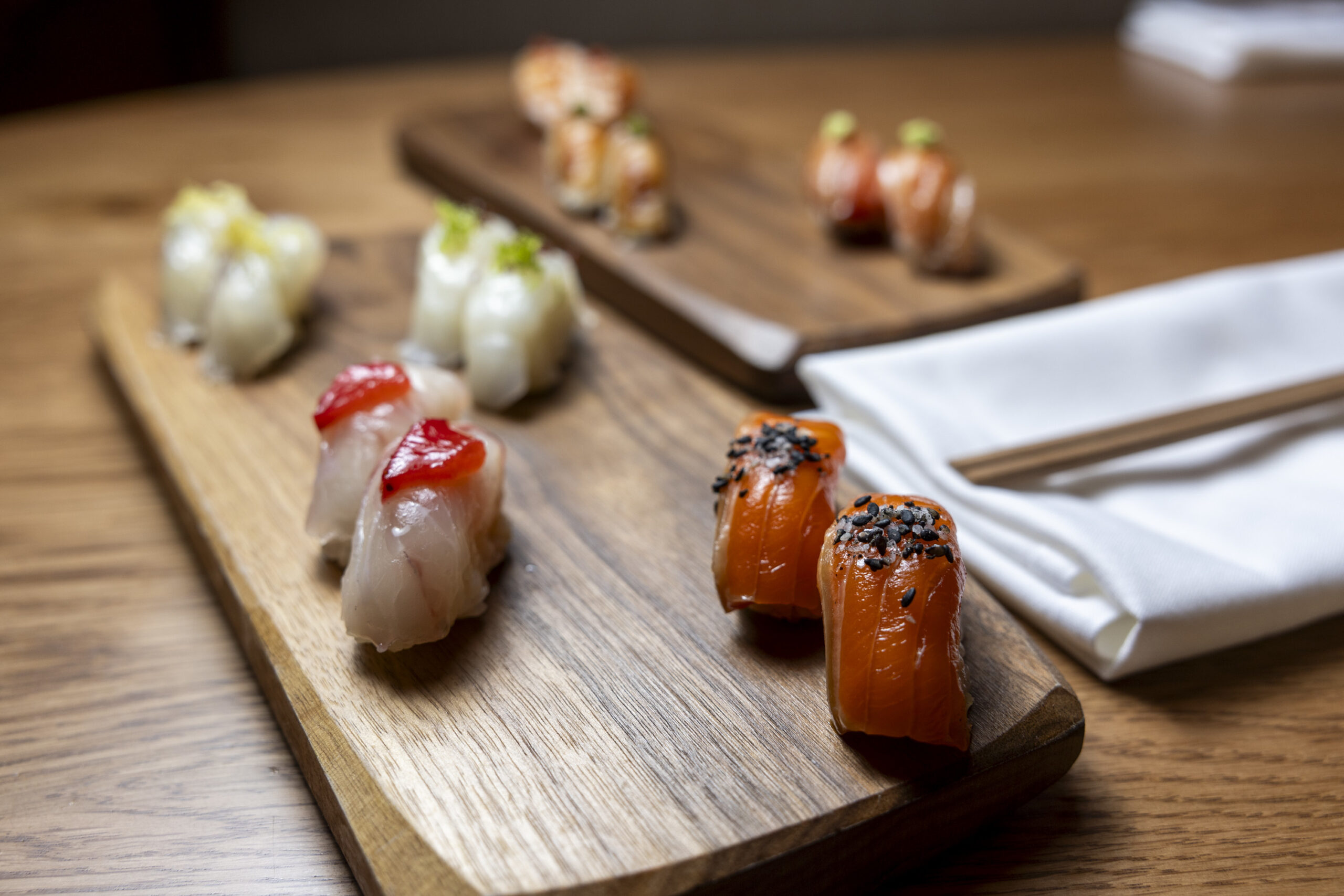
Nigiri at Uchi in Philadelphia, Pa., on Thursday, Jan. 8, 2026.
After subpar specials, my sinking spirits soared when presented with sashimi. Pristine slices of kanpachi came in a wooden box, protected from a bite of snow on artfully arranged ti leaves and a generous sprinkling of caviar-esque finger lime and flake salt. Nigiri is similarly restrained: silkenslicesof tuna brushed with tare and dotted with fresh wasabi, and buttery salmon splayed over a delicate finger of rice, its only adornment a thin shaving of radish.
This may be the key to optimizing your Uchi experience:The menu is vast, but stick to the classics and straightforward fish, and you’ll likely leave happy.
The Uchi salad at Uchi in Philadelphia, Pa., on Thursday, Jan. 8, 2026.
Uchi fares better when it comes todrinks, with some exceptions. The sake list is decent and servers were generally well-trained. The nikko martini, their version of a vesper martini, was spectacular, laced with savory umami bitters and decorated with cornichons and a pickled onion.
ButUchi’s adherence to traditions is haphazard. The tea selection and service were sorely lacking, consisting of tea bags steeped in lukewarm water, poured table-side into large, awkward mugs. If Uchi’s staff bothers to go through the ceremony of serving sake in a glass placed inside a wooden masu box to catch overflow — a Japanese gesture that signifies the generosity of a host — why not apply that same attention to detail to tea? Even switching to a loose-leaf brew would be an upgrade.
Desserts were well-thought-out exercises in layering flavors, temperatures, and crumbly-creamy textures. The cilantro granita on the jasmine cream dessert was both daring and delicious, and every other dessert I tasted — fried milk with vanilla custard and salted fudge, Thai tea okashi with mango and lime leaf — was simply stunning.
It’s possible to look at this restaurant purely through the lens of food, and it frequently sends out dishes that are very prettyand generally well-executed. But the fusing of different culinary traditions can create discordance on the plate, and that discordance is echoed throughout the restaurant.
A lychee martini with the sake tom kha at Uchi in Philadelphia, Pa., on Thursday, Jan. 8, 2026.
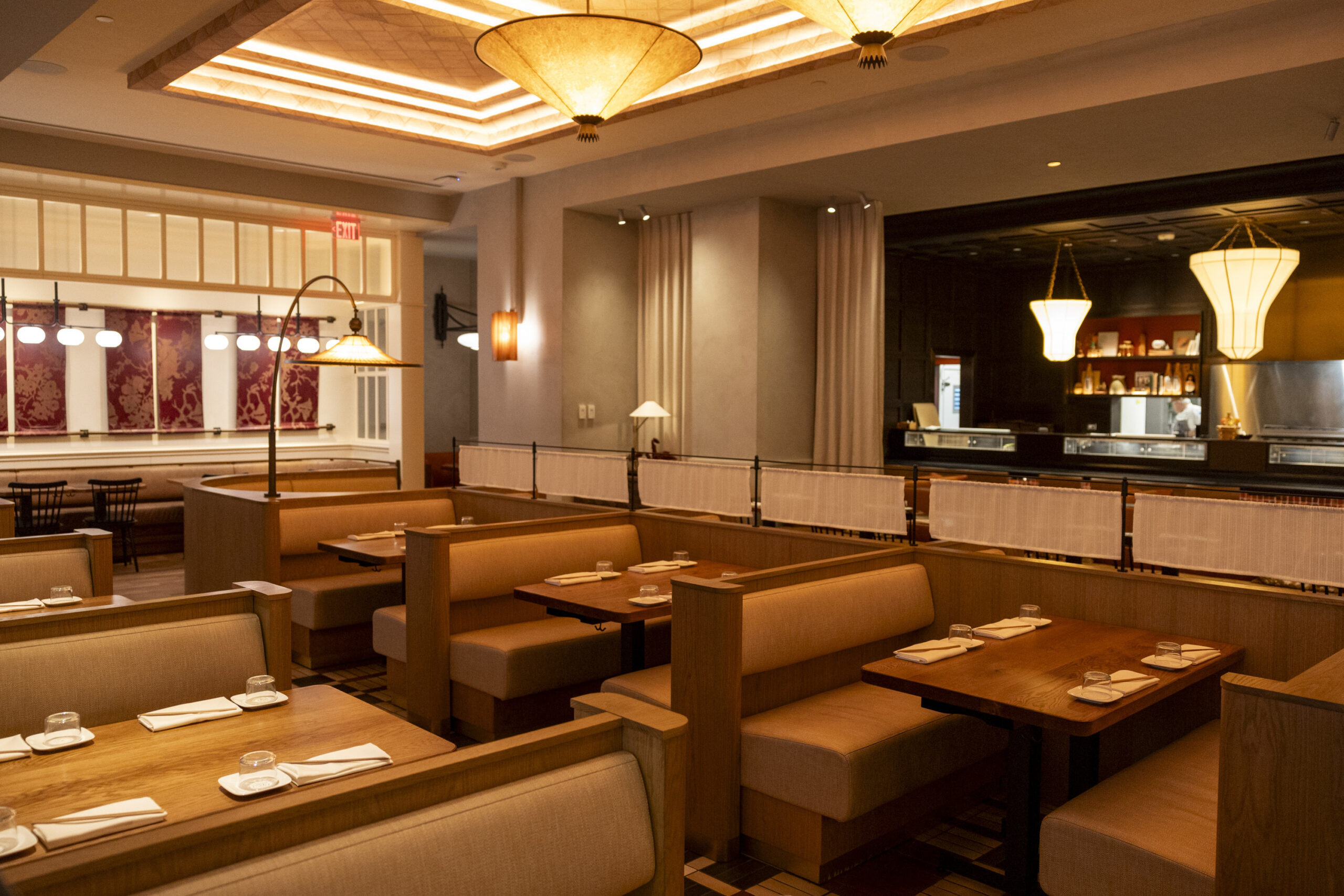
There are the enormous lanterns—lots of them,as if to signpost:“This is an Asian restaurant” — in a sleek, dark space that gets more illumination from its exit signs. Dining booths are flanked by pale wood-framed glass panes, evoking shoji screens. The design was executed by Hai Hospitality’s in-house design studio in collaboration with the architecture firm Zebra and local interior design studio Rohe Creative, a familiar name to astute Philly diners. (Rohe also decorated Dear Daphni, La Chinesca, Irwin’s, and many other vibey, immersive restaurants.)
At 4,900 square feet, the 148-seat restaurant is massive, but it doesn’t feel cavernous by virtue of how it’s cleverly subdivided into a bar, sushi bar, and dining room, which is packed with tables with thoughtful design flourishes like hidden cubbies to store menus in between ordering. Would that there were such a functional place to put one’s winter coats. The vast majority of diners on my visits were sitting on top of their jackets, making the high-end dining room feel like more like a Christmas party at someone’s house. (Oddly, this was the only time when I felt Uchi lived up to the meaning of its name.)
Service was consistently anticipatory and jovial, though unshakably corporate. Informing staff of my mild crustacean allergy meant that every dish was dropped with a standard short description plus the refrain “and no crustaceans,” even single-ingredient sashimi and dessert — thorough but tedious.
Dining area at Uchi in Philadelphia, Pa., on Thursday, Jan. 8, 2026.
Private equity has parachuted this Texas-born fusion sushi concept into Philadelphia at a curious time, in the midst of a proliferation of homegrown restaurants serving their interpretations of Japanese cuisine. Uchi is in the same neighborhood as Kissho House, and it’s steps away from Jesse Ito and Justin Bacharach’s dancerobot. Outside of Center City, more recent entries like Yanaga Kappo Izakaya, Nakama, and Javelin have put Philly in its heyday of interesting Japanese and Japanese-esque options.
I found that my enjoyment at Uchi was correlated with how much alcohol I consumed. The dinner where I tried several cocktails? Fantastic. One glass of wine and one glass of sake? Mixed feelings. Stone-cold sober? It was just OK.
This is not to say one has to imbibe in order to enjoy Uchi, but an excellent cocktail does smooth the edges. You can have a great time here if in good, raucous company. Order sashimi and all the desserts. And definitely get a couple of drinks.
Dinner daily, 4 to 10 p.m. Sunday through Wednesday, 4 to 11 p.m. Friday and Saturday. Happy hour is 4 to 6 p.m. daily.
Entrees $21-40, omakase menus $120 and up
Menu highlights: sashimi; hama chili; Uchi salad; sake tom kha; fried milk; jasmine cream
Drinks: There’s a robust menu of signature cocktails with sake integrated into the martinis. There’s also a handful of low-ABV and zero-proof mixed drinks, an international wine list, and a small, but decent sake list that leans heavily on offerings from Brooklyn Kura.
Joel Embiid hopes the 76ers take a different approach at the NBA trade deadline.
In recent seasons, they made moves that enabled them to avoid the luxury tax. And there’s a belief around the NBA that they’ll do the same this season. There are also reports that Giannis Antetokounmpo, one of the NBA’s foremost stars, is on the outs with the Milwaukee Bucks and might have interest in playing in Philly.
The Sixers (26-21) are $7 million above the allowable threshold to avoid being taxed. They’re also around $1 million away from being a first-apron team and facing penalties.
Quentin Grimes ($8.7 million), Kelly Oubre Jr. ($8.3 million), and Andre Drummond ($5 million) have expiring contracts that could help avoid paying the threshold tax. The problem is, all three players are major contributors to the Eastern Conference’s sixth-place team.
Oubre is the starting small forward and the team’s X-Factor.
Grimes is the sixth man and one of the squad’s best three-point shooters. The shooting guard has a no-trade clause, giving him full veto power over any deal.
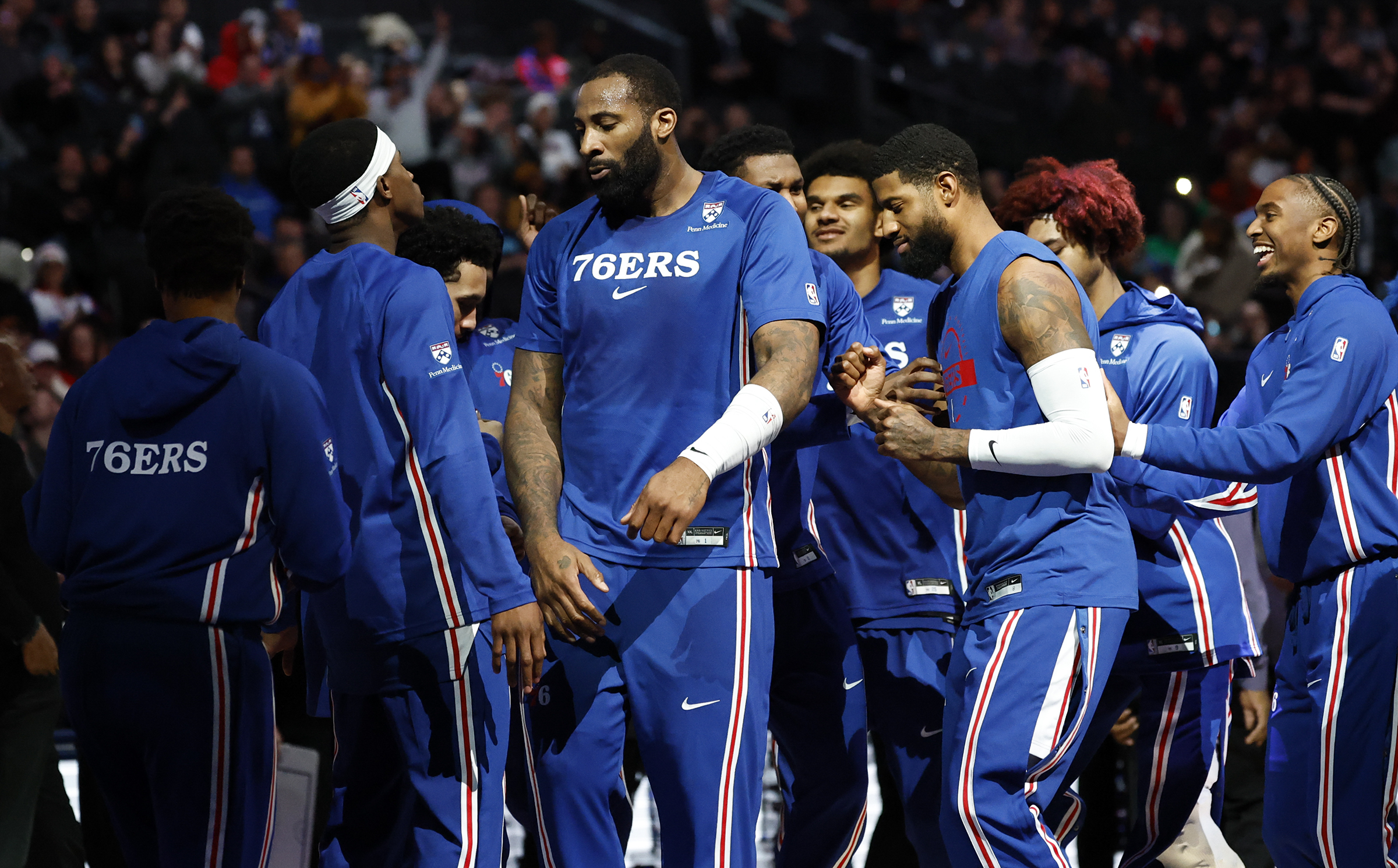
In addition to the Big Three of Joel Embiid, Paul George, and Tyrese Maxey, this might be the deepest Sixers squad since the 2018-19 season, when they had Embiid, Jimmy Butler, Ben Simmons, Tobias Harris, and JJ Redick in the starting lineup.
“We’ve been ducking the tax the last couple of years,” Embiid said. “So hopefully we keep the same team. I love all of the guys that are here. I think we got a shot.
“I don’t know what [the front office is] going to do. But I hope that we get a chance to go out there and compete because we got a good group of guys in this locker room, and the vibes are great.”
The Sixers are three games out of second place with 35 games remaining. They have winning records against the second-place New York Knicks and the third-place Boston Celtics. And they tied the season series with the fourth-place Toronto Raptors.
Now that Embiid and Paul George are healthy, the Sixers could be one of the NBA’s most dangerous teams.
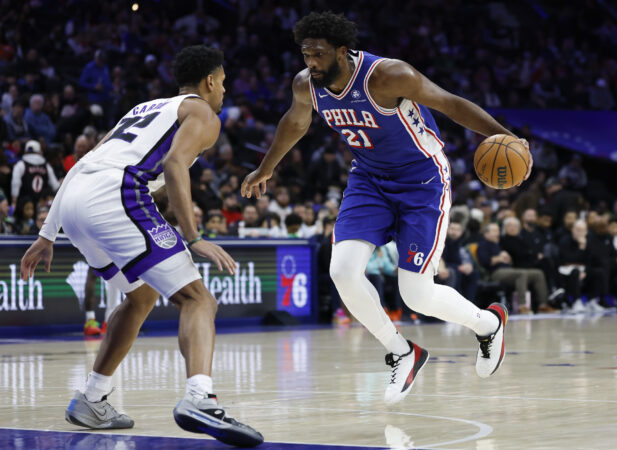
Embiid, the 2023 league MVP, finished with 37 points, five rebounds, and eight assists in Thursday’s 113-111 victory over the Sacramento Kings at Xfinity Mobile Arena. It marked the fifth time that he’s scored at least 30 points in his last six games. George finished with 15 points, five assists, and two steals vs. the Kings (12-37). The nine-time All-Star is finding his groove in his role as a facilitator and defender.
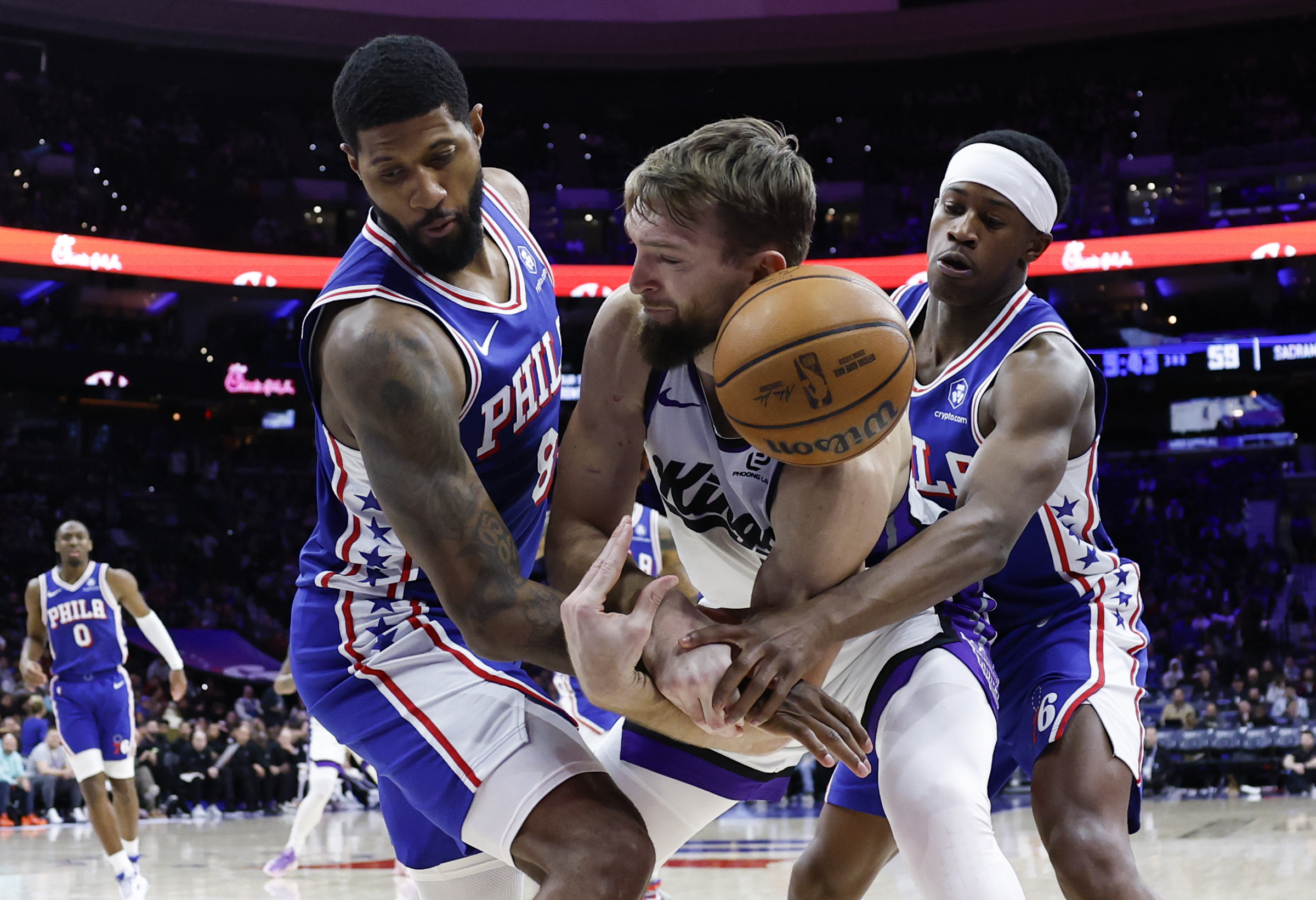
Sixers forward Paul George (left) and Sixers guard VJ Edgecombe double team Sacramento Kings forward Domantas Sabonis during the third quarter on Thursday.
Tyrese Maxey, an All-Star starter, had a game-high 40 points on Thursday. It was his fifth 40-point performance of the season. And the point guard is third in the league in scoring at 29.4 points per game.
In addition to the Big Three of Embiid, George, and Maxey, this might be the deepest Sixers squad since the 2018-19 season, when they had Embiid, Jimmy Butler, Ben Simmons, Tobias Harris, and JJ Redick in the starting lineup.
“Like I said in the past, we’ve been ducking the tax,” Embiid said. “So hopefully, we think about improving, because I believe we have a chance.”