Tag: topic-link-auto

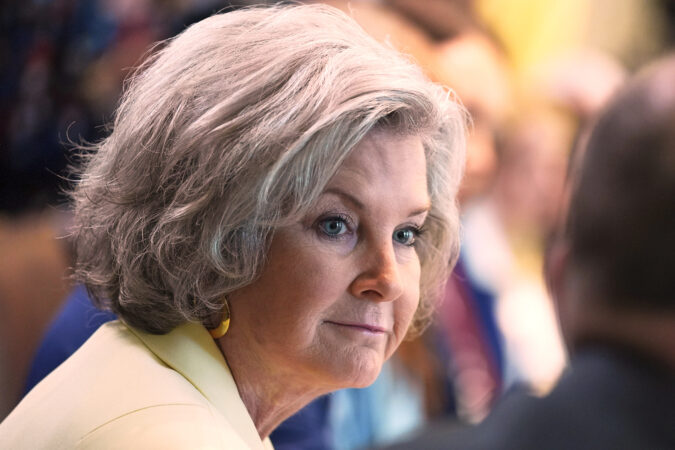
  • Susie Wiles, White House chief of staff, criticizes Bondi and opines on Trump in Vanity Fair

    Susie Wiles, White House chief of staff, criticizes Bondi and opines on Trump in Vanity Fair

    WASHINGTON — Susie Wiles, President Donald Trump’s understated but influential chief of staff, criticized Attorney General Pam Bondi’s handling of the Jeffrey Epstein case and offered an unvarnished take on her boss and those in his orbit in interviews published Tuesday in Vanity Fair that sent the West Wing into damage control.

    The startlingly candid remarks from Wiles, the first woman ever to hold her current post, included describing the president as someone with “an alcoholic’s personality” and Vice President JD Vance as a calculating “conspiracy theorist.” The observations from Wiles, who rarely speaks publicly given the behind-the-scenes nature of her job running the White House, prompted questions about whether the chief of staff might be on her way out.

    Wiles pushed back after the piece’s publication, describing it as a “hit piece” that lacked context, and White House press secretary Karoline Leavitt said the “entire administration is grateful for her steady leadership and united fully behind her.”

    As for Trump, he told the New York Post that he had not read the piece and, when asked if he retained confidence in Wiles, said: “Oh, she’s fantastic.”

    Trump also agreed that he does have the personality of an alcoholic, describing himself as having “a very possessive personality.”

    A senior White House official, who spoke on condition of anonymity to describe internal thinking, dismissed the notion that Wiles might leave because of the profile, saying if top staffers were rattled by negative news coverage, “none of us would work here.”

    Wiles’ candor was so unusual that Rahm Emanuel, who served as chief of staff to former President Barack Obama, said that when he first saw her comments, he thought he was reading a spoof. He said he could not recall a chief of staff giving such a candid interview — at least “not while you hold the title.”

    Emanuel said the role often involves public remarks that promote the president’s agenda, but not sharing personal views about “everything, everybody” in the White House.

    His advice to Wiles: “Next time there’s a meal, bring a food taster.”

    Candor from the ‘ice maiden’ who stays behind the scenes

    The interviews with Vanity Fair were themselves uncharacteristic for Wiles, who cut her reputation as someone who brought order to the president’s chaotic style and shunned the spotlight so much that at Trump’s 2024 election night victory party, she repeatedly shook her head and avoided the microphone as Trump tried to coax her to speak to the crowd.

    “Susie likes to stay sort of in the back,” said Trump, who has repeatedly referred to her as the “ice maiden.”

    Most members of his cabinet, along with former and current White House officials, posted statements praising Wiles and criticizing the media as dishonest.

    But neither Wiles nor the members of the administration who came to her defense on Tuesday disputed any details in the two-part profile, including areas where she conceded mistakes and seemed to contradict the administration’s official reasoning for its bombing of alleged drug boats in the waters off the coast of Venezuela.

    Though the Trump administration has said the campaign is about stopping drugs headed to the U.S., Wiles appeared to confirm that the campaign is part of a push to oust Venezuela’s authoritarian leader, Nicolas Maduro, saying Trump “wants to keep on blowing boats up until Maduro cries uncle.”

    Wiles pushed back but without any denials

    After the comments were published, Wiles disparaged the Vanity Fair report as a “disingenuously framed hit piece on me and the finest President, White House staff, and Cabinet in history.”

    “Significant context was disregarded and much of what I, and others, said about the team and the President was left out of the story,” she wrote in a social media post. “I assume, after reading it, that this was done to paint an overwhelmingly chaotic and negative narrative about the President and our team.”

    Trump, in an interview with the New York Post, said he was not offended by Wiles’ remarks, including her description of him as someone with “an alcoholic’s personality,” which she said she recognizes from her father, the famous sports broadcaster Pat Summerall.

    The president, who is a teetotaler and had a brother who struggled with alcohol, said: “I’ve said that many times about myself. I’m fortunate I’m not a drinker. If I did, I could very well, because I’ve said that — what’s the word? Not possessive — possessive and addictive-type personality. Oh, I’ve said it many times, many times before.”

    Vance, speaking in Pennsylvania on Tuesday about the president’s economic agenda, said that he had not read the Vanity Fair piece. But he defended Wiles and joked that “I only believe in the conspiracy theories that are true.”

    “Susie Wiles, we have our disagreements. We agree on much more than we disagree, but I’ve never seen her be disloyal to the president of the United States, and that makes her the best White House chief of staff that I think the president could ask for,” Vance said.

    He said his takeaway was that the administration “should be giving fewer interviews to mainstream media outlets.”

    The chief of staff criticizes the attorney general

    Wiles, over the series of interviews, described the president behind the scenes very much as he presents himself in public: an intense figure who thinks in broad strokes yet is often not concerned with the details of process and policy. She added, though, that he has not been as angry or temperamental as is often suggested, even as she affirmed his ruthlessness and determination to achieve retribution against those he considers his political enemies.

    Wiles described much of her job as channeling Trump’s energy, whims, and desired policy outcomes — including managing his desire for vengeance against his political opponents, anyone he blames for his 2020 electoral defeat, and those who pursued criminal cases against him after his first term.

    On Epstein, Wiles told the magazine that she had underestimated the scandal involving the disgraced financier, but she sharply criticized how Bondi managed the case and the public’s expectations.

    Wiles faulted Bondi’s handling of the matter, going back to earlier in the year when she distributed binders to a group of social media influencers that included no new information about Epstein. That led to even more calls from Trump’s base for the files to be released.

    “I think she completely whiffed on appreciating that that was the very targeted group that cared about this,” Wiles said of Bondi. “First she gave them binders full of nothingness. And then she said that the witness list, or the client list, was on her desk. There is no client list, and it sure as hell wasn’t on her desk.”

    Bondi did not address the criticism when she released a statement supporting Wiles.

    Wiles also said at one point that Trump’s tariffs had been more painful than expected. She conceded some mistakes in Trump’s mass deportation program and suggested that the president’s retribution campaign against his perceived political enemies has gone beyond what she initially wanted.
  • Hegseth says he won’t publicly release video of boat that killed survivors in the Caribbean

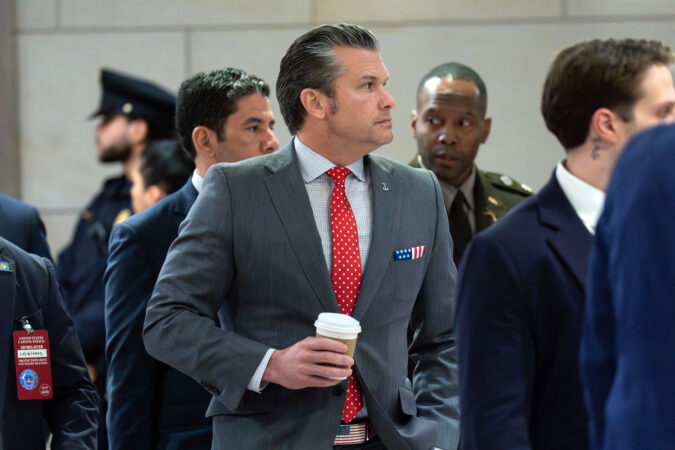
    Hegseth says he won’t publicly release video of boat that killed survivors in the Caribbean

    WASHINGTON — Defense Secretary Pete Hegseth said Tuesday the Pentagon will not publicly release unedited video of a U.S. military strike that killed two survivors of an initial attack on a boat allegedly carrying cocaine in the Caribbean, as questions mounted in Congress about the incident and the overall buildup of U.S. military forces near Venezuela.

    Hegseth said members of the Armed Services Committee in the House and Senate would have an opportunity this week to review the video, but did not say whether all members of Congress would be allowed to see it as well.

    “Of course we’re not going to release a top secret, full, unedited video of that to the general public,” Hegseth told reporters as he exited a closed-door briefing with senators.

    President Donald Trump’s cabinet members overseeing national security were on Capitol Hill on Tuesday to defend a campaign that has killed at least 95 people in 25 known strikes on vessels in international waters in the Caribbean and eastern Pacific. Overall, they defended the campaign as a success, saying it has prevented drugs from reaching American shores, and they pushed back on concerns that it is stretching the bounds of lawful warfare.

    Secretary of State Marco Rubio told reporters the campaign is a “counter-drug mission” that is “focused on dismantling the infrastructure of these terrorist organizations that are operating in our hemisphere, undermining the security of Americans, killing Americans, poisoning Americans.”

    Lawmakers have been focused on the Sept. 2 attack on two survivors as they sift through the rationale for a broader U.S. military buildup in the region. On the eve of the briefings, the U.S. military said it attacked three more boats believed to have been smuggling drugs in the eastern Pacific Ocean, killing eight people.

    Lawmakers left in the dark about Trump’s goal with Venezuela

    Senate Minority Leader Chuck Schumer (D., N.Y.) said Hegseth had come “empty-handed” to the briefing, without a pledge to more broadly release the video of the Sept. 2 strike.

    “If they can’t be transparent on this, how can you trust their transparency on all the other issues swirling about in the Caribbean?” Schumer said.

    Senators on both sides of the aisle said the officials left them in the dark about Trump’s goals when it comes to Venezuelan President Nicolás Maduro or sending U.S. forces directly to the South American nation.

    “I want to address the question: Is it the goal to take him out? If it’s not the goal to take him out, you’re making a mistake,” said Sen. Lindsey Graham (R., S.C.), who defended the legality of the campaign and said he wanted to see Maduro removed from power.

    The U.S. has deployed warships, flown fighter jets near Venezuelan airspace, and seized an oil tanker as part of its campaign against Maduro, who has insisted the real purpose of the U.S. military operations is to force him from office. Maduro said on a weekly state television show Monday that his government still does not know the whereabouts of the tanker’s crew. He criticized the United Nations for not speaking out against what he described as an “act of piracy” against “a private ship carrying Venezuelan oil.”

    In a social media post Tuesday night, Trump said he is ordering a blockade of all “sanctioned oil tankers” entering and leaving Venezuela. Trump alleged Venezuela was using oil to fund drug trafficking and other crimes and vowed to escalate the military buildup.

    Trump’s Republican administration has not sought any authorization from Congress for action against Venezuela. The go-it-alone approach has led to problematic military actions, experts say, none more so than the strike that killed two people who had climbed atop part of a boat that had been partially destroyed in an initial attack.

    “If it’s not a war against Venezuela, then we’re using armed force against civilians who are just committing crimes,” said John Yoo, a Berkeley Law professor who helped craft the George W. Bush administration’s legal arguments and justification for aggressive interrogation after the Sept. 11, 2001, attacks. “Then this question, this worry, becomes really pronounced. You know, you’re shooting civilians. There’s no military purpose for it.”

    Yet for the first several months, Congress received little more than a trickle of information about why or how the U.S. military was conducting the operations. At times, lawmakers have learned of strikes from social media after the Pentagon posted videos of boats bursting into flames.

    Hegseth now faces language included in an annual military policy bill that threatens to withhold a quarter of his travel budget if the Pentagon does not provide unedited video of the strikes to the House and Senate Committees on Armed Services.

    The demand for release of video footage

    For some, the controversy over the footage demonstrates the flawed rationale behind the entire campaign.

    “The American public ought to see it. I think shooting unarmed people floundering in the water, clinging to wreckage, is not who we are as a people,” said Sen. Rand Paul (R., Ky.), who has been an outspoken critic of the campaign.

    But senators were told the Trump administration will not release all of the Sept. 2 attack footage because it would reveal U.S. military practices on intelligence gathering, said Democratic Sen. Elizabeth Warren of Massachusetts. She said the reasoning ignores the fact that the military has already released footage of the initial attack.

    “They just don’t want to reveal the part that suggests war crimes,” she said.

    Some GOP lawmakers are determined to dig into the details of the Sept. 2 attack. Adm. Frank “Mitch” Bradley, who ordered the second strike, was expected back on Capitol Hill on Wednesday for classified briefings with the Senate and House Armed Services Committees. The committees would also review video of the Sept. 2 strikes, Hegseth said.

    Still, many Republicans emerged from the briefings backing the campaign, defending their legality and praising the “exquisite intelligence” that is used to identify targets. House Speaker Mike Johnson (R., La.) called the strike in question “certainly appropriate” and “necessary to protect the United States and our interests.”

  • New coach Rick Santos looks to restore Penn football’s ‘championship standard’

    New coach Rick Santos looks to restore Penn football’s ‘championship standard’

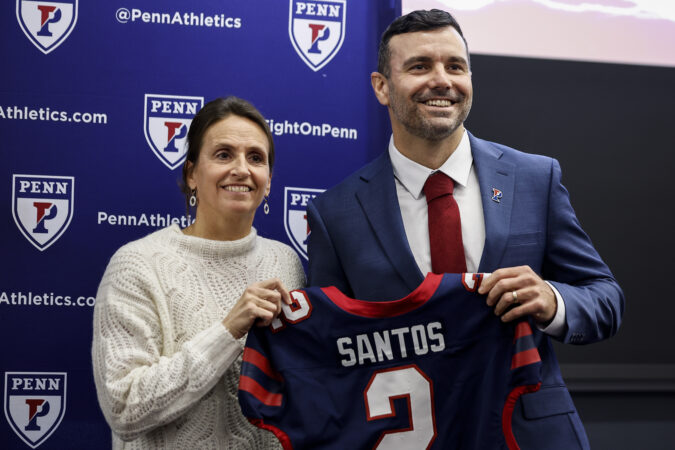
    Penn introduced Rick Santos as its new football coach Tuesday after the departure of Ray Priore, who was with the program for 39 years.

    After he earned three FCS playoff bids in five years at the helm of New Hampshire, Santos is hoping to bring Ivy League and national championships to Franklin Field. Penn athletic director Alanna Wren introduced Santos in front of players, alumni, and Penn football board members.

    “I’m here to win championships,” Santos said. “That is the expectation, and we will deliver on that. To the players: I can’t wait to meet you. Understand, it’s all about you. It’s a player’s game. It always has been.”

    Santos emphasized his passion for molding players on and off the field, deeming himself the “culture coordinator” while promising to lead “from the front.”

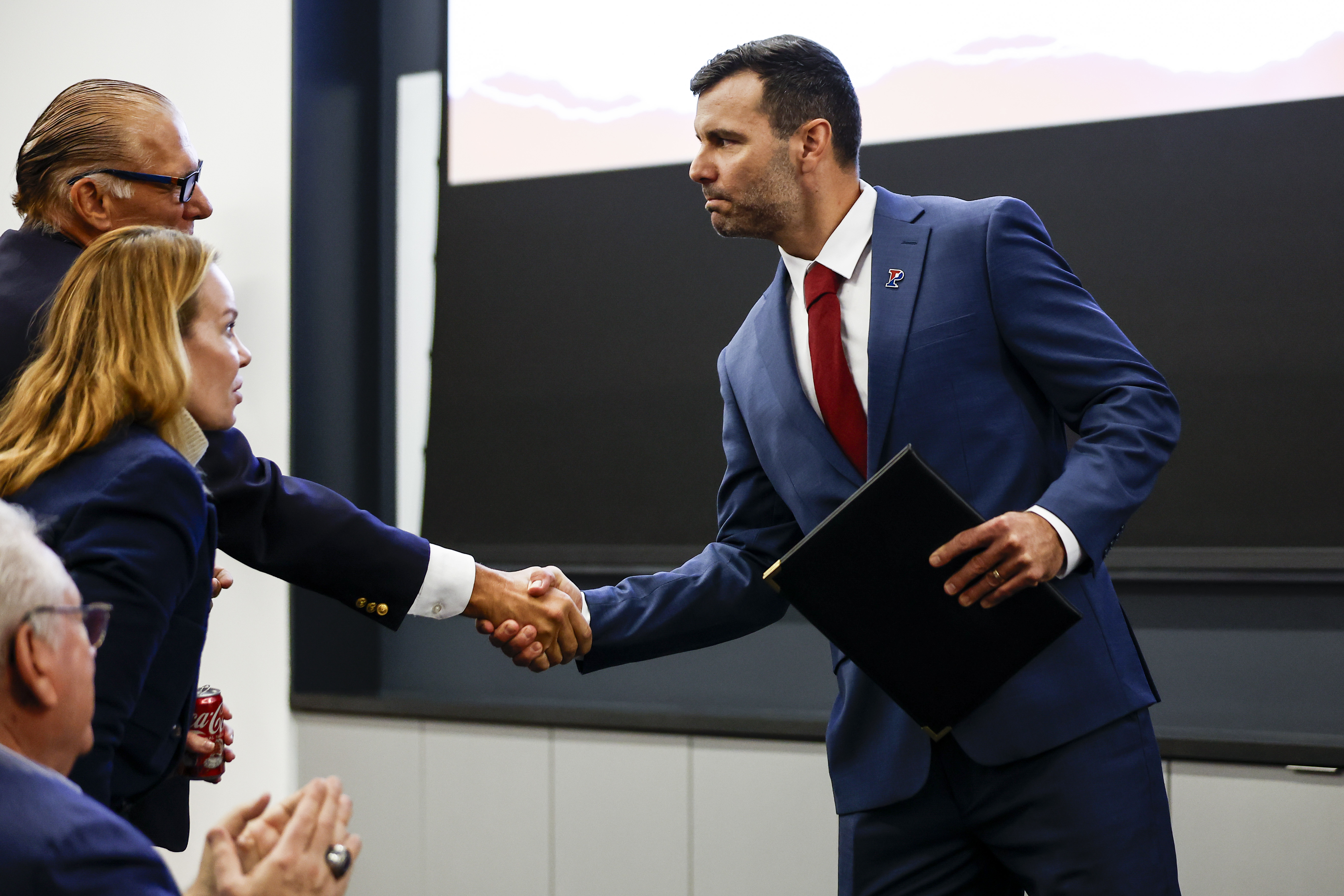
    Rick Santos greets attendees after a news conference on Tuesday.

    “Everybody talks about legacy and truly what it means,” Santos said. “That’s why Penn, that’s why now. The place, the people, the institution, the proud tradition of winning football, is why I’m humbled to be standing here in front of you today. I’m honored to be committed to restoring Penn football to a championship standard.”

    Penn is interviewing candidates for the offensive and defensive coordinator positions, which means the program is likely moving away from Bob Benson, the Quakers’ defensive coordinator since 2015, and offensive coordinator Greg Chimera.

    “The transition part of this profession is awful, and I hate it,” Santos said. “It’s an unbelievable job. It’s a tough profession at times. We’ll give them the opportunity to see if there’s some alignment. Can’t promise anything. I’m a loyal guy, and I wouldn’t be standing here if it wasn’t for the staff members that I’ve worked with before. I know how they operate. … I have some really tough and challenging decisions to make.”

    Santos led the Wildcats to a 37-24 record, going 28-12 in the Coastal Athletic Association, and finished his final season in New Hampshire with an 8-5 record. Santos was named CAA Coach of the Year in 2022, his first season at the helm. The Wildcats won five consecutive games before falling in the first round of the FCS playoffs to South Dakota State this season.

    Wren said a hiring consulting company suggested Santos for the role at Penn. Wren noted that his passionate demeanor, along with his lengthy list of accolades as a player and coach, made him a top candidate. He was one of the best quarterbacks in FCS history at New Hampshire.

    “Rick was somebody I had targeted in this process early,” Wren said. “It’s always nice when a plan comes together.”

    As the wide receivers coach at UNH from 2013-15, Santos saw the Wildcats rise to No. 1 in the national rankings in Division I-AA. He joined former Penn coach Al Bagnoli at Columbia from 2016-18 as the Lions’ quarterback coach.

    Bagnoli “has been influential in this process,” Santos said. “I’d be remiss if I didn’t get a chance to thank him and just what he’s meant to me as a coach, as a leader, as a friend, and someone that I could confide in going through it.”

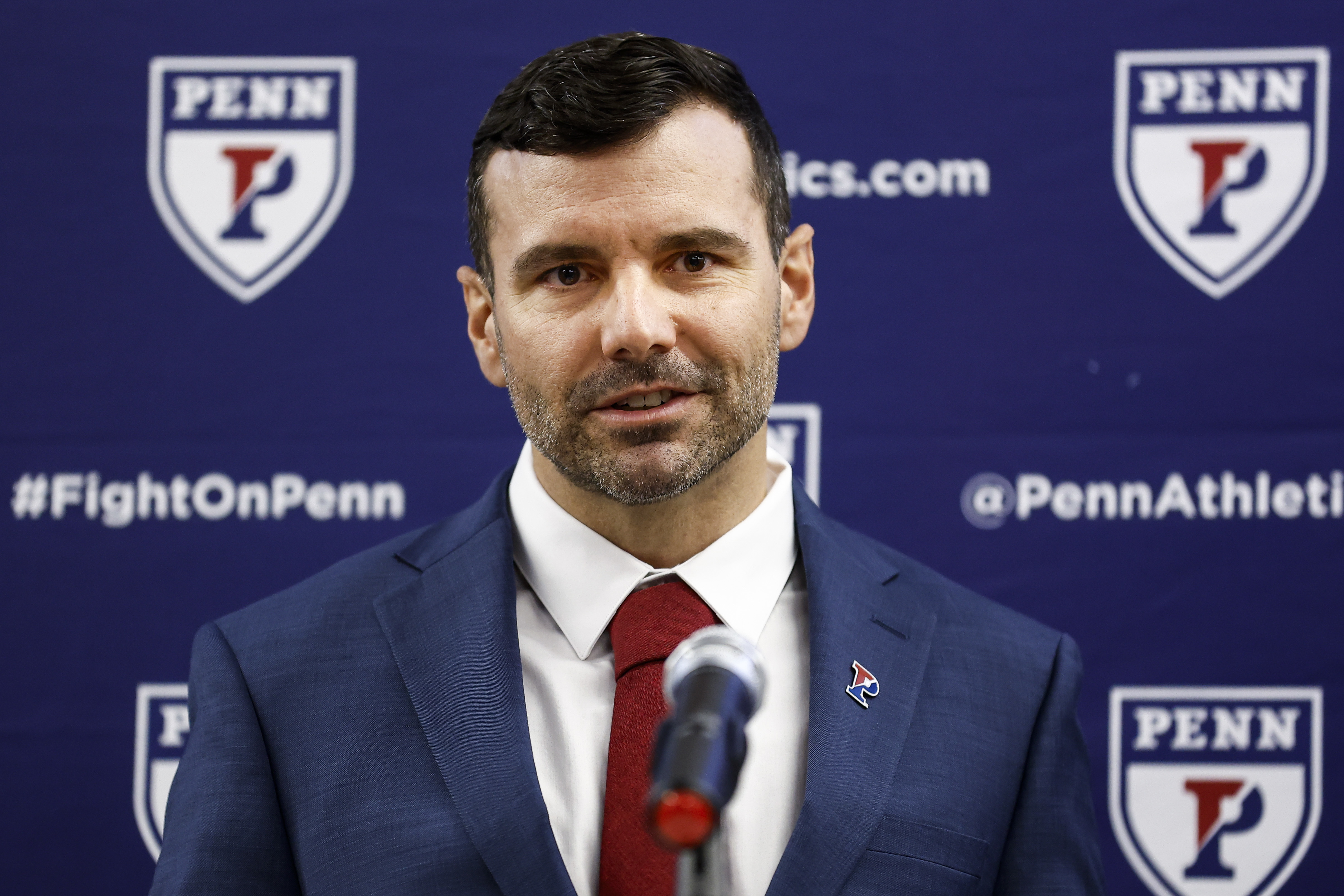
    Rick Santos speaks during a news conference at Franklin Field on Tuesday.

    Santos added that the Ivy League’s decision last year to participate in the FCS playoffs played a factor in his decision to take over the program: “I don’t think I’d be standing here today if it wasn’t for that,” he said.

    The new coach will take over a roster that is losing 10 of 11 starters on offense, including standout receiver Jared Richardson, while bringing in a new playbook and staff. Santos is looking forward to connecting with the players.

    “They didn’t choose me,” Santos said. “I know that. I understand that. So first and foremost, it’s my mission to put together a really good staff, elite teachers, great mentors, people that they’ll confide in and believe in.”

    Penn has 12 recruiting spots to fill and will begin winter training in January. The Quakers will look to bounce back from a 6-4 season that saw a heartbreaking loss to Harvard end its chances for an Ivy League title. Penn last won a share of the Ivy crown in 2016.

  • Northeast Philly gets another new school: The $88 million Thomas Holme will open in January

    Northeast Philly gets another new school: The $88 million Thomas Holme will open in January

    It’s school-opening season for the Philadelphia School District.

    On Tuesday, officials cut the ribbon on a brand-new Thomas Holme Elementary, a K-8 school in the Northeast. That celebration came exactly a week after the district opened a new middle-school building, AMY at James Martin, in Port Richmond.

    The $88 million Holme building, on Academy Road, will house 800 students beginning in January. It’s the district’s seventh new building in 10 years.

    “I see a place where students will have access to a 21st century education,” Holme principal Micah Winterstein said during a ceremony attended by students, school district officials, and community members. “A place where they feel like school is where they belong, a place where they will have moments each day that inspire.”

    New furniture at the new Thomas Holme Elementary School.

    Unlike many other sections of the city, where the district’s enrollment is shrinking, the Northeast’s school population is booming — its schools are overcrowded.

    Holme, named for Pennsylvania’s first surveyor general, outgrew its old building, which was razed to make way for the new 141,000-square-foot structure. Designed with flooding natural light, welcoming learning spaces, and flexible spaces and furniture for more conversational teaching environments, the school includes state-of-the-art music rooms, a bright new gymnasium and stage, science classrooms, an interactive media commons, and a dance studio with a real hardwood dance floor.

    A dance studio at the new Thomas Holme Elementary School has a real hardwood dancefloor.

    “This is the shining star of the school,” said April Tomarelli, an educational facilities planner, during a tour of the sunlit dance studio.

    Smaller details, like the dragon-shaped tiles in the cafeteria to match the school mascot, offer a homey touch, said April Tomarelli, an educational facilities planner, during a tour.

    “Everything was done with intention,” Tomarelli said.

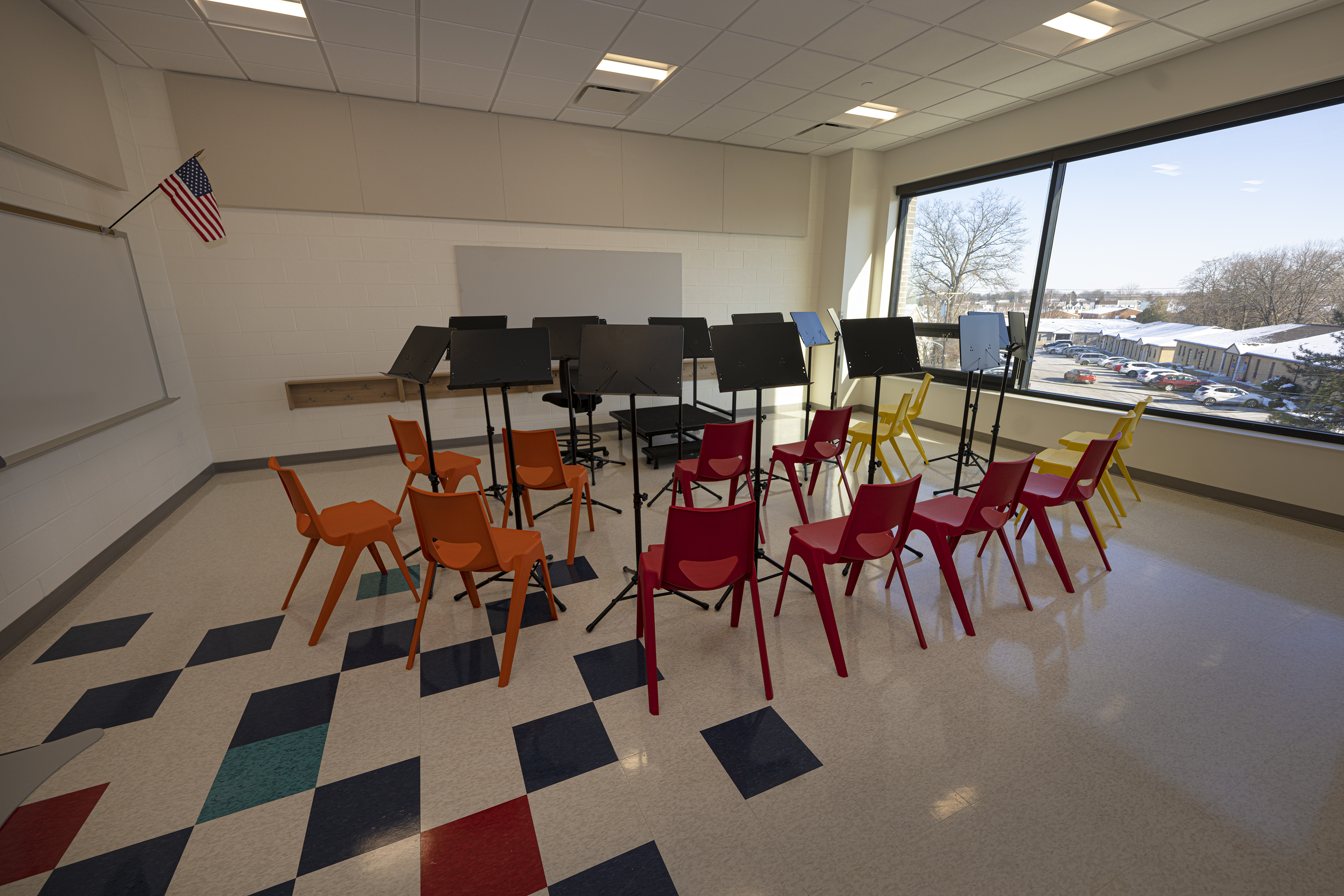
    A music room at the new Thomas Holme School.

    Students had a hand in the design of the new building — they weighed in on the facade, the playground, and the stormwater management system.

    “This school comes from you,” said architect Troy Hill, who helped design the building for Blackney Hayes, adding that the students’ input included more learning spaces, outdoor classrooms, and a space for designing murals.

    The outside of Thomas Holme School in Northeast Philadelphia.

    The new Holme will open as the district nears completion of its long-awaited facilities master plan, which officials have said will call for some school closings and co-locations, as well as building renovations and new construction.

    That plan, once promised by the end of this calendar year, is now expected to be made public in the next few months.

    The average district school building was built 73 years ago, said Reginald L. Streeter, president of the board of education.

    “Most Philadelphia children walk into schools older than their grandparents,” he said.

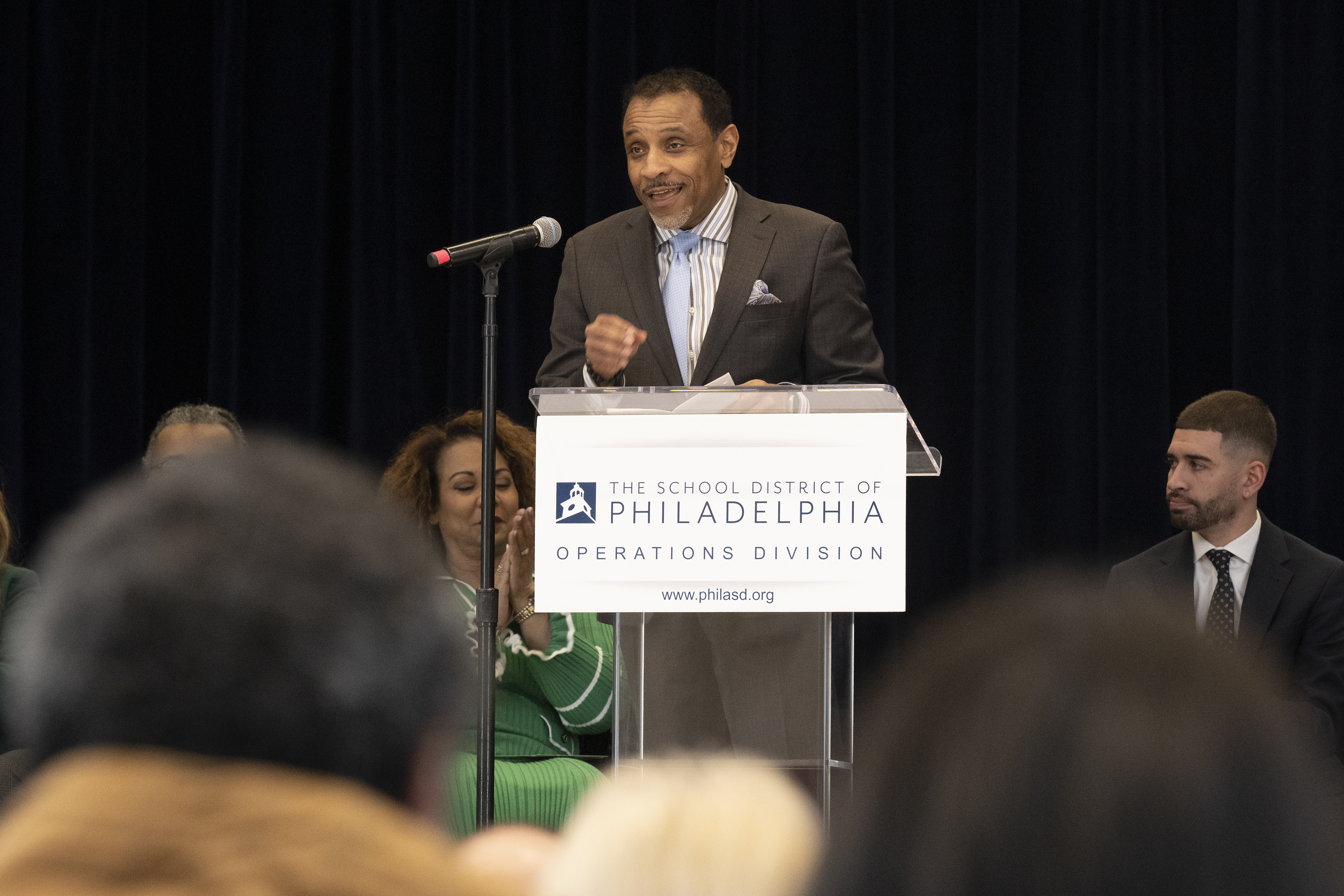
    Philadelphia School District Superintendent Tony B. Watlington speaks during opening ceremonies for the new Thomas Holme Elementary School on Tuesday.

    At the ribbon cutting, Superintendent Tony B. Wallington Sr. celebrated the fact that, like AMY at James Martin, the new Thomas Holme school was completed on time — and on budget.

    “You’re in a school district that’s been excellent stewards of federal, state, and local tax dollars,” he said, adding that the district has its best investment-grade credit rating in 50 years.

    The school library at the new Thomas Holme Elementary School.

    The state-of-the-art school represents a step towards the district’s aspiration to be the “fastest-improving, large school district in the country,” he said.

    “Not for bragging rights,” he said. “But because the children of Philadelphia deserve it so.”

    Mike Greco, president of Penn Academy Athletic Association, which helped shepherd the project through the community, said he has two grandchildren who will be attending the new school in January. His two children had previously graduated from the old Thomas Holme, which was built in 1950.

    “We needed this,” he said. “We need good things to happen everywhere in this city.”

    A music room at Thomas Holme Elementary School.
  • Philly landlord whose intimidation campaign against tenant left two people dead is sentenced to 9 to 18 years in prison

    Philly landlord whose intimidation campaign against tenant left two people dead is sentenced to 9 to 18 years in prison

    The rowhouse on East Pastorius Street no longer looked like a home.

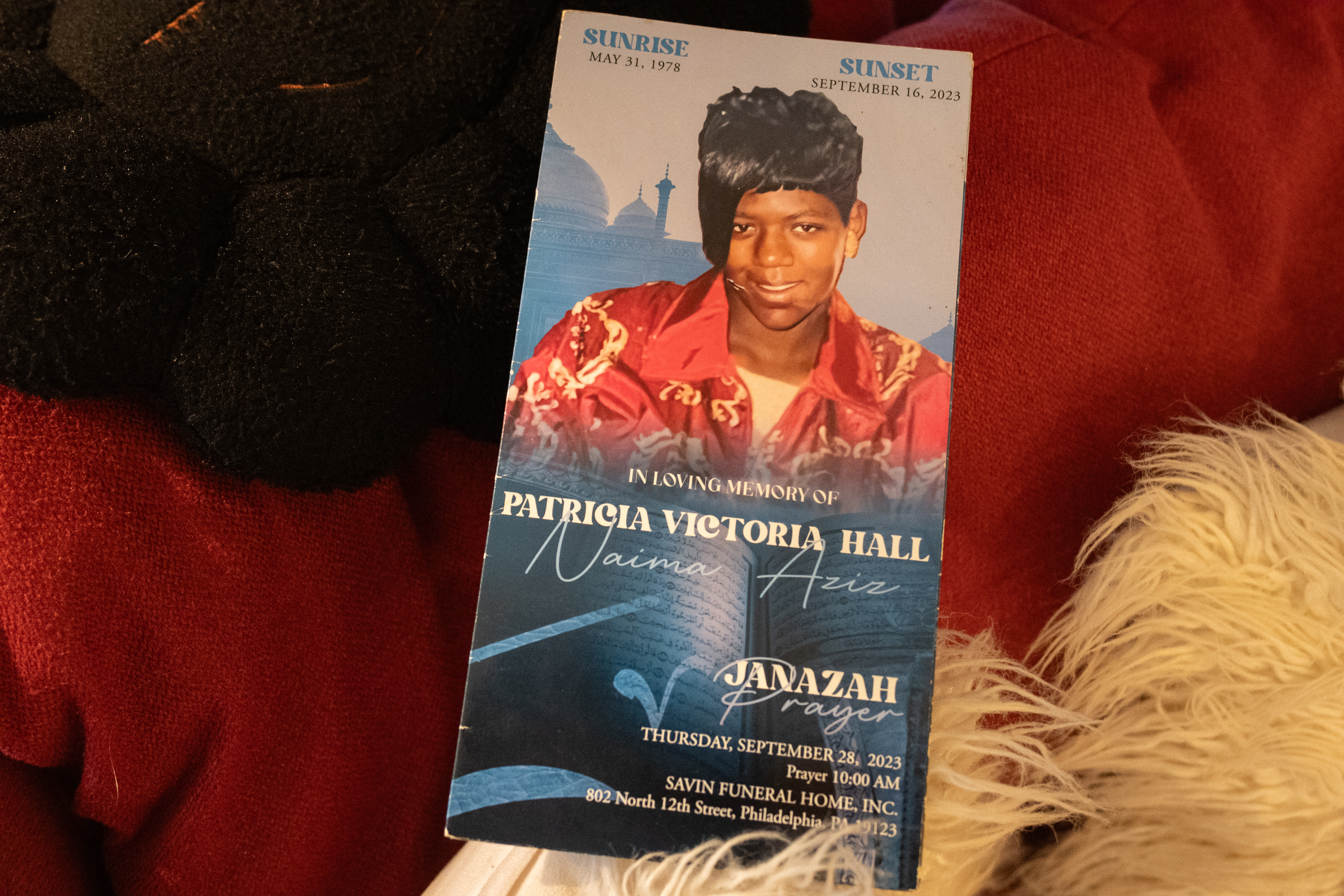
    Its doors and windows had been stripped, leaving the two-bedroom Germantown rowhouse open to the elements — and leaving Patricia Hall, the tenant and mother of four, alone inside and clutching her gun, afraid that if she left, her landlord would finally get his way and throw out everything she owned.

    That night, a man slipped through the open back door, armed with a gun of his own.

    Hall encountered Felipe Eskew, dressed in a mask, as she lay on her couch. They shot and killed each other.

    The intimidation campaign that ended two lives began months earlier, after Hall’s landlord, Stephen Wilkins, grew determined to force Hall and her family out of the crumbling property after they fell behind on rent.

    On Tuesday, Wilkins, 55, was sentenced to nine to 18 years in prison for setting in motion the events that led to the deadly confrontation.

    Patricia Hall’s life was not easy, her family said. She grew up without a mother, and often struggled financially. But she loved her children fiercely and tried to protect them.

    Hall, 45, and her now 28-year-old daughter, Crystal, had been renting the two-bedroom at 127 E. Pastorius St. for about three years when, in early 2023, they fell behind on rent. They paid Wilkins what they could, but the shortfall was adding up.

    At the same time, the family said, the house was falling apart — kitchen and bathroom sinks wouldn’t drain, the stairs were crumbling, the ceiling was cracking — and Wilkins was refusing to make repairs.

    Tension between the Halls and Wilkins started building. Crystal Hall said Wilkins tried to illegally force them out by shutting off the electricity and water, ripping out the electric meter and circuit breakers, and throwing a brick through their window.

    After his emergency eviction filing was denied by the courts and the family still refused to leave, he went a step further and on the afternoon of Sept. 15, he removed every door and window from the home — leaving Patricia Hall and her kids inside a shell-like structure.

    Hall couldn’t afford to lose the few things that she had, her daughter said, so she sent her young children to stay with a relative, and Hall remained in the house — her gun at her side, just in case.

    Late that night, prosecutors said, Askew — Wilkins’ best friend — crept inside the open back door of the home, wearing gloves and black mask, and armed with a gun.

    Assistant District Attorney Cydney Pope said she believes Wilkins sent Askew — who was eager to move into the Pastorius Street rowhouse himself — to the home to scare Hall into leaving, not necessarily to kill her.

    Instead, when he encountered Hall and her gun, the two shot and killed each other.

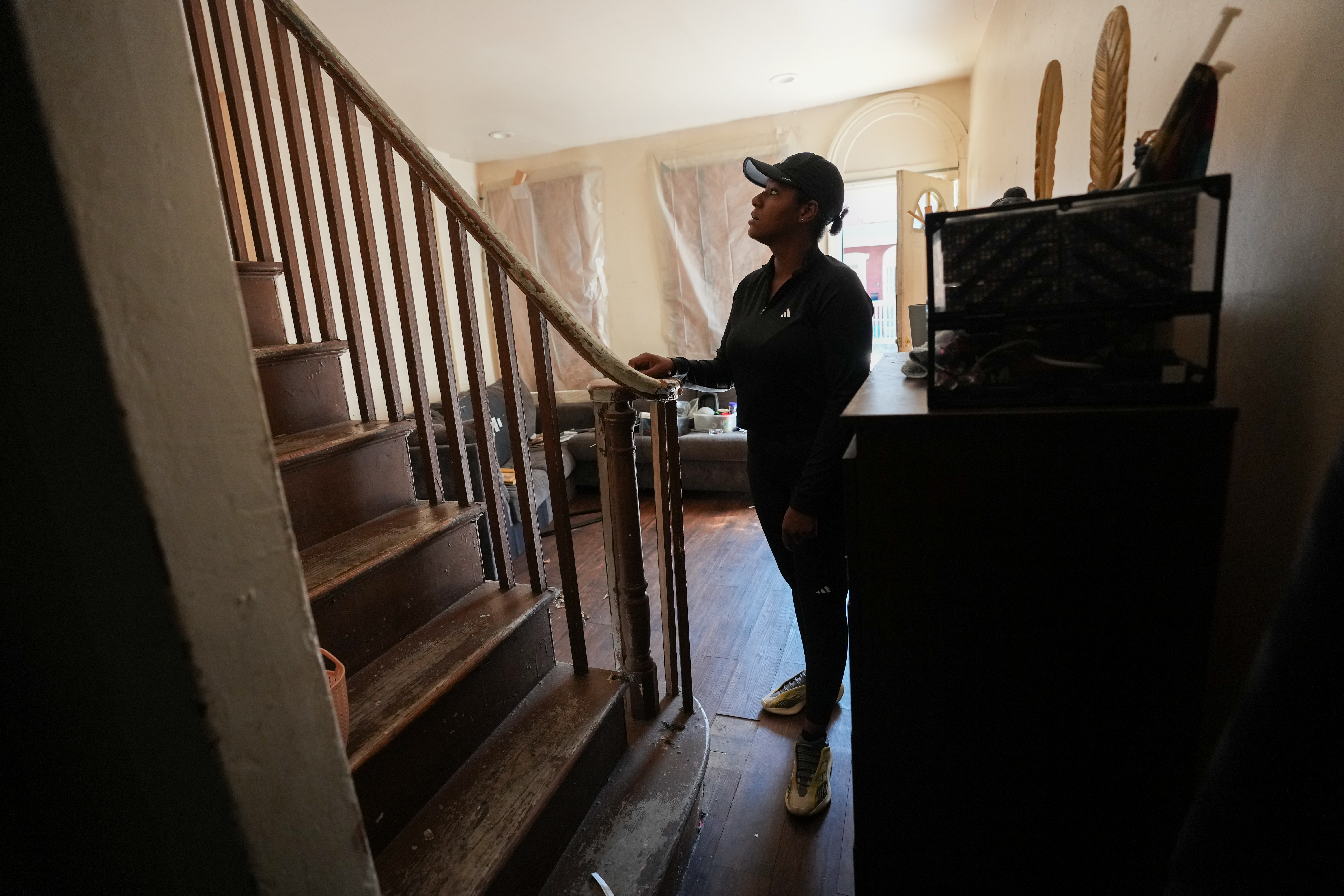
    Crystal Hall returned to the house where her mother Patricia Hall, was killed. Her mother was found shot multiple times behind the couch in the living room behind her.

    Wilkins was charged with murder and related crimes two months later after Homicide Detective Joseph Cremen uncovered Wilkins’ trail of terror against the Hall family — a harassment campaign that culminated to the removal of the windows, and the break-in-turned killing

    Wilkins was the last person Askew called just before Pope said he crept into Hall’s home and killed her.

    But Pope said the evidence connecting Wilkins directly to Askew’s plans that night was limited. The two men, who had been friends for three decades, were careful never to text directly about their plans to force Hall out, she said.

    Concerned that a jury could acquit him of the crimes, the prosecutor said, she offered to drop the murder charge in exchange for a guilty plea to involuntary manslaughter and solicitation to commit burglary. He agreed in September.

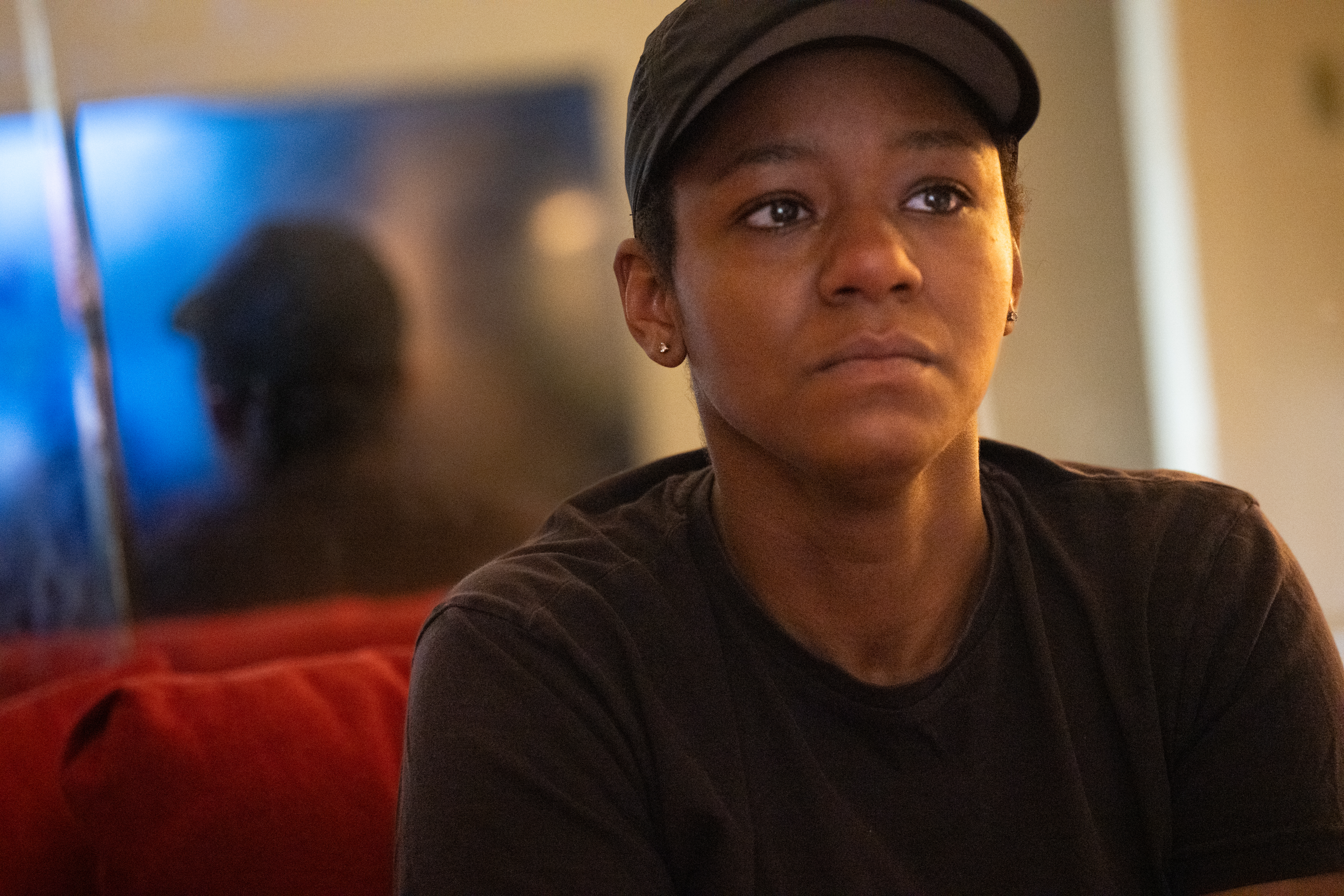
    Inside the courtroom Tuesday, Crystal Hall said Wilkins’ scheme had upended her life and those of her three young siblings, now 9, 12, and 15. She has suffered emotional breakdowns in the aftermath, she said, and now takes medication for her mental health. Her youngest brother, she said, is angry and confused. Her 15-year-old sister barely speaks.

    “We were all we had,” she said of her mother. “We can never get past the life that was taken.”

    Crystal Hall said her mother was “our source of guidance, laughter, and unconditional live.”

    She asked that Wilkins received the maximum sentence of 12½ to 24 years.

    But Wilkins’ family and his attorneys, Fortunato Perri Jr. and Brian McMonagle, asked the judge for mercy for “a man who became desperate” and never meant any harm to Hall.

    Teliah Wilkins said she’d seen how her husband had reflected on his actions over the 25 months he has spent in jail so far, and that he was “consumed with regret.”

    “Stephen’s conduct wasn’t born of malice,” she said, “… but a series of profound misjudgments.”

    But when Wilkins addressed the judge, he denied having ever sent Askew to the home.

    “I never meant harm for anybody,” he said. “… I never even wanted him to go there.”

    Bronson, the judge, questioned why, then, Askew was at the house that night, and why Wilkins, if he was not involved with Askew’s actions, pleaded guilty.

    Wilkins said he didn’t know why Askew was there, only that “he wanted the house.” He took a plea so as not to risk spending the rest of his life in prison, he said.

    As the judge stared in confusion, Wilkins began to stammer and apologize.

    “Is that it?” Bronson asked.

    The judge, while handing down his sentence, said he did believe Wilkins did not mean for Hall to die, but that given the circumstances of the crime, the landlord was lucky not to be facing second-degree murder and life in prison.

    He ordered him to spend nine to 18 years behind bars.

    Crystal Hall, in the gallery, began to sob. She whispered thanks to God. Then she walked out of court, and prepared to spend another holiday season without her mother.

    A photo of a young Patricia Hall holding her daughter, Crystal, as a baby.
  • He survived the Holocaust and exile only to die a hero in Australia attack

    He survived the Holocaust and exile only to die a hero in Australia attack

    SYDNEY, Australia — Alexander Kleytman was just a boy when he fled the Holocaust and then endured a harrowing train journey to Siberia, where years of starvation left him permanently hunched. He suffered decades of antisemitism in the Soviet Union but never stopped being “a proud Jew,” his daughter, Sabina, recalled Tuesday.

    It was that pride that took him every year to the Hanukkah celebration at Bondi Beach in Sydney, where he had brought his family to live in 1992.

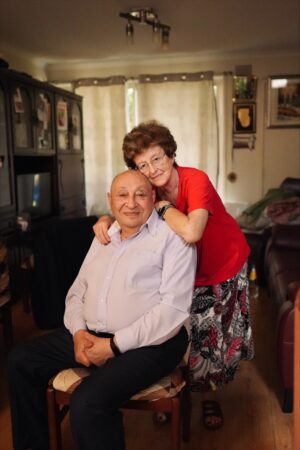
    And it was that pride — that identity — that made him, his wife, and scores of other Jewish Australians the target of Sunday’s deadly antisemitic attack, in which the 87-year-old was killed while shielding his wife, Larisa, from a hail of bullets.

    “Dad died doing what he loved the most,” Sabina Kleytman said in a tearful interview. “Protecting my mother — he probably saved her life — and standing up and being a proud Jew: lighting the light, bringing the light to this world.”

    Fifteen people were killed Sunday when two gunmen, apparently motivated by Islamic State ideology, opened fire on the festive gathering. Among the dead were a 10-year-old girl who had been happily eating cake moments earlier, an assistant rabbi known for his positivity, and a 62-year-old man who threw bricks at one of the gunmen in a desperate attempt to defend his community.

    But perhaps no death reflects the shock of the attack here in Australia more than that of Kleytman, who survived the Holocaust and a childhood of hardship only to die in the country he considered a safe haven.

    “He lived a remarkable life,” his daughter said, “and he could have had another 10 years in him if it wasn’t for this horrendous atrocity.”

    Australia has a long Jewish history dating to the arrival of the First Fleet in 1788, said Andrew Markus, emeritus professor at Monash University in Melbourne and an expert on Jewish migration. But the biggest wave of Jewish immigrants came after World War II.

    “There were a lot of people who had the sense that Europe was the charnel house of the world after what had happened to them, so to get as far away as possible was one of the attractions of Australia,” he said.

    As in the Oct. 7, 2023, attack in Israel, which claimed some Holocaust survivors, there is a “tragic irony” in Kleytman’s death in a land that he and so many other Jews saw as their refuge, Markus said.

    In Australia, Kleytman became a collector of stories from Jews from the former Soviet Union, writing two books about them even as he resisted his family’s pleas to pen his own memoir.

    Still, snatches of that remarkable life filtered down in reluctantly told tales. He was born in 1938 in what is now Ukraine. When World War II broke out, he fled to Siberia with his parents and younger brother on a long and arduous journey with other evacuees.

    “They were on a train. There were bombs coming down. So many people died,” Sabina Kleytman said.

    Along the way, her father fell sick and had to be hospitalized. He was separated from his family and feared he would never see them again. But he managed to reunite with them and make it to Siberia, where they shared a tiny room.

    They had “very little food, almost no warmth,” his daughter said. Years of malnourishment and cramped conditions left her father partially deformed, she said.

    After the war, he was eventually able to move back to what is now Ukraine — then part of the Soviet Union — where he met Larisa, the daughter of Holocaust survivors. They had Sabina and her brother and built a life there, although they could not openly celebrate being Jewish, she said.

    In 1992, after the fall of the Soviet Union, Alexander Kleytman took his family to Australia. There, the civil engineer built a successful career for himself, contributing to major projects, including Sydney’s Olympic stadium. He helped build his newfound home.

    He reluctantly retired a decade ago, at 76, and immediately turned his mind toward writing books.

    “He didn’t want to write a book about himself,” Sabina Kleytman said with a laugh. “We did ask many times. He didn’t want to do it. He wanted to write books about the lives of Jews in the Soviet Union and the terrible things which we went through.”

    It was in Australia that her father could finally fully celebrate his Jewish pride, she said. But in the two years since the Oct. 7 attack in Israel, he began to worry that Australia was becoming less safe for Jews.

    On Sunday, he nonetheless went to the Hanukkah event on Bondi Beach with his wife.

    When the gunmen — identified as father and son Sajid Akram, 50, and Naveed Akram, 24 — opened fire on the festival, Kleytman covered his wife.

    Sabina Kleytman, who was supposed to go with her parents but could not attend, received a call from her cousin, telling her to call her mother because there was news of something bad happening in Bondi.

    “I called my mom, and she said, ‘Your dad is no more. Your dad’s just been killed,’” Sabina Kleytman recalled.

    “I couldn’t stop screaming because this is not what you expect,” she said. “You go to a joyful family cultural event with hundreds of people, a peaceful family event where we sing, have some doughnuts, and dance. Everybody brings their kids.”

    “After that, it’s been a nightmare that I cannot wake up from still,” she said, sobbing.

    Part of the pain for the victims’ families is the ongoing struggle to receive their loved ones’ bodies, which, according to Jewish custom, need to be buried as soon as possible. That tradition has run up against a complex crime-scene investigation.

    In the meantime, Sabina Kleytman said, she is trying to take solace in the “outpouring of love” her family has received and the memories of a joyous and kind man: a youth chess champion who taught her to read at age 3 and spent countless hours playing table tennis with her and her brother in their Ukraine apartment; a grandfather of 11 who taught his family to be proud of their Judaism and was looking forward to lighting the first Hanukkah candle with them — only to never get the chance.

    “He never stopped being a proud Jew,” she said. “Never. Not in Ukraine, and he had absolutely no plans to stop here in Australia. And apparently he paid with his life for it.”

  • Phillies ‘pretty well set’ in outfield after adding Adolis García; catcher is now the main focus

    Phillies ‘pretty well set’ in outfield after adding Adolis García; catcher is now the main focus

    With the addition of Adolis García, the Phillies’ outfield picture for 2026 has come into focus.

    García, who signed a one-year, $10 million deal with the Phillies on Tuesday, will get the opportunity to be the Phillies’ everyday right fielder. And now the outfield is “pretty well set,” according to president of baseball operations Dave Dombrowski.

    Their top priority now becomes the catcher position, and bringing back J.T. Realmuto is the main focus.

    “We just continue to grind along and see if we can come up with a solution,” Dombrowski said. “We’ve talked consistently about trying to sign J.T., and we remain that way. But we haven’t been able to get it done so far.”

    As it stands, García will slot into right field, with Brandon Marsh in left — likely in a platoon role with Otto Kemp — and Justin Crawford will get an opportunity to be the everyday center fielder. The Phillies have already made clear their intention of cutting ties with Nick Castellanos this offseason.

    Dombrowski pointed to Johan Rojas and prospect Gabriel Rincones Jr. as backup outfield options.

    “We like the players,” Dombrowski said. “We think Brandon Marsh is a good player. He hasn’t taken the next step vs. left-handed pitching. We’ve talked about that. Will he do it? I’m not sure, but we do like Otto Kemp. We think when we look at ourselves, that that’s one of the best combos in left field, if you look at the two of them. Adolis, we think, helps us in right field. It gives us an improvement there. And we think Justin is going to be a good player.”

    By committing to this configuration, the Phillies are taking a few gambles. First, they’re betting on García returning to his 2023 form, when he hit .245 with an .836 OPS and helped power the Texas Rangers to the World Series title.

    Since then, García has seen a drop-off in his performance at the plate. Last season, the righty slashed .227/.271/.394 with a 93 OPS+, and he was non-tendered by the Rangers in November. Underlying those numbers, García’s chase rate of 29.3% in 2023 increased to 35.7% in 2025.

    Defensively, though, he remained reliable, recording +1 outs above average and +16 defensive runs saved in right field.

    It’s a familiar bet for Dombrowski, who took a similar risk on Max Kepler a year ago on another one-year, $10 million contract.

    “He needs to be more under control with the swing,” Dombrowski said. “We don’t need him to hit the ball out of the ballpark on every swing or every at-bat. We think he can do that. And our hitting coaches, to me, that’s one of the things that they do very well with working with individuals. It’s a matter of not trying to do too much. …

    “The tools are there. The ball jumps off his bat, still. Bat speed is still there. Exit velocity is very good. So those are all things that we feel encouraged about.”

    Adolis García will be an upgrade defensively over Nick Castellanos in right field.

    García’s average exit velocity of 92.1 mph in 2025 was the same as his 2023 marker. His bat speed of 72.1 mph dipped slightly from 73.6 mph in 2023.

    The Phillies plan to send hitting coach Kevin Long or assistant hitting coach Edwar Gonzalez to meet with García where he’s training in Tampa to start working.

    “I want to be able to focus on being a better version of myself, to add a piece to this winning team,” García said through an interpreter. “There’s a great team involved. I just want to go and play my defense, and hopefully my bat will be there. And I just want to be a piece that contributes to this good team.”

    Phillies manager Rob Thomson said he has made no decisions on where García might hit in the lineup, but he could potentially be protection for the Phillies’ left-handed bats.

    The other gamble the Phillies are making with their 2026 outfield is handing the keys in center field to Crawford, who has yet to make his major league debut.

    The Phillies repeatedly said that they felt Crawford was ready for the majors last season, when he hit .334 and stole 46 bases in triple A, but he did not have a path to regular playing time. In 2026, the road will be wide-open.

    The Phillies are giving Justin Crawford the opportunity to take over in center field and “have a chance to play a lot” in 2026.

    “If you’re going to give Crawford an opportunity, you’ve got to give it to him,” Dombrowski said. “And that’s where we are. We’re going to give him the opportunity to go out there and have a chance to play a lot.”

    Thomson said he called Crawford, who turns 22 in January, on Monday night.

    “I knew that he was going to hear about the Adolis deal and being a young kid, I just wanted to reiterate the fact that he’s coming into camp to win a job, and signing a Adolis does not affect Justin at all,” Thomson said. “Again, I want him to come into camp, be himself, and if he is himself, he’ll make this club.”

  • Rally House plans to open its first Center City store

    Rally House plans to open its first Center City store

    It’s your city. It’s your (Ritten)house. It’s your Rally House.

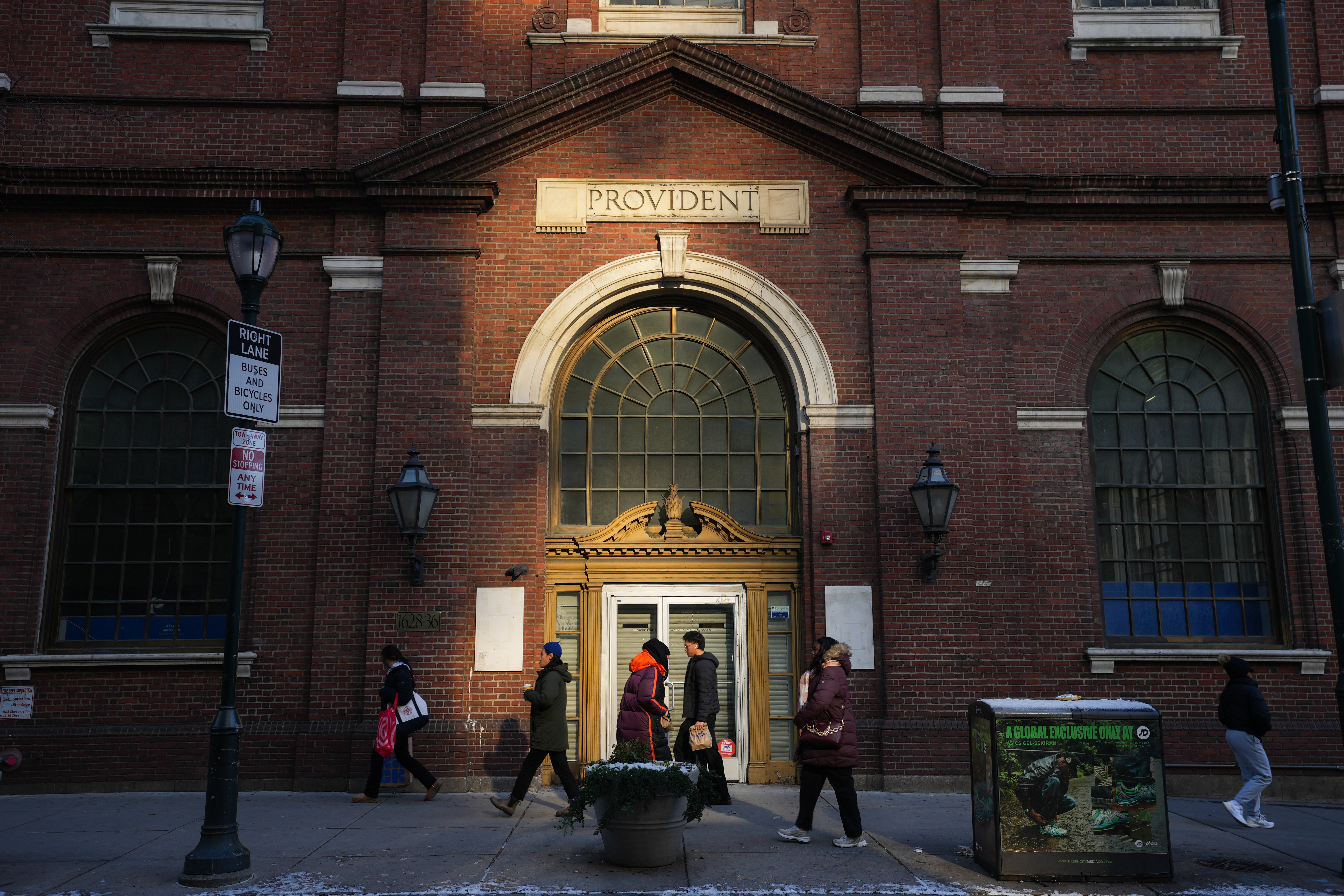
    The sports apparel store with the earworm of a jingle plans to open its first Center City location in a former Rite Aid near Rittenhouse Square.

    The Kansas-based chain has asked the city’s art commission for approval to put up signage outside the nearly 13,000-foot storefront at 17th and Chestnut Streets, according to its application, which is set to be reviewed at a Wednesday meeting. Rally House spokespeople did not return requests for comment Tuesday.

    The company’s application was first reported Monday by the Philadelphia Business Journal.

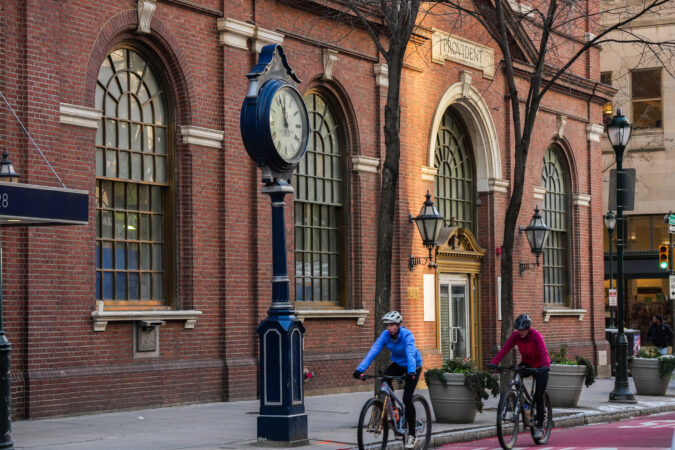
    The storefront is situated in the historic Provident Trust Co. building, the upper floors of which are home to the Club Quarters Hotel.

    The ground-floor retail space was occupied by a Rite Aid until January 2024, when the Chestnut Street store became yet another casualty of the Philly-based chain’s financial struggles. Rite Aid closed all its stores over the summer amid its second bankruptcy in less than two years.

    Since the Rittenhouse Rite Aid closed, Spirit Halloween has occupied the storefront in the months leading up to Halloween.

    Since Rite Aid closed two years ago, the ground-floor retail space in the Provident Trust Co. building has been occupied seasonally by Spirit Halloween, but is otherwise vacant.

    The building is owned by a partnership registered to Philadelphia-based developer Neal Rodin, according to property records. Rodin did not return requests for comment Tuesday.

    Rally House already has about two dozen locations in the Philadelphia region, but the vast majority of them are in the suburbs. It has three city locations — on Temple’s campus, in West Philadelphia near Drexel and Penn, and in Roxborough.

    If Rally House opens at 17th and Chestnut, it would bring continued momentum to the retail corridor around Rittenhouse Square, which has recently welcomed a slew of new businesses, including the luxury women’s fashion company Aritzia and North America’s first Nike Jordan World of Flight store.

    It would also mark the latest example of how zombie Rite Aids can be resurrected.

    Over the past three years, more than 170 Rite Aids have shuttered across the Philadelphia region, with dozens of stores closing even before the chain announced it was going out of business.

    Like the Rittenhouse space, former Rite Aids are often 8,000 to 16,000 square feet, which is not ideal for many potential tenants, experts say. But some of these pharmacy shells have found new life as small grocers, discount stores, and medical offices.

    Soon, sports apparel store may be added to that list.

  • Philly Police Officer Andy Chan, who died six years after a motorcycle crash, is laid to rest

    Philly Police Officer Andy Chan, who died six years after a motorcycle crash, is laid to rest

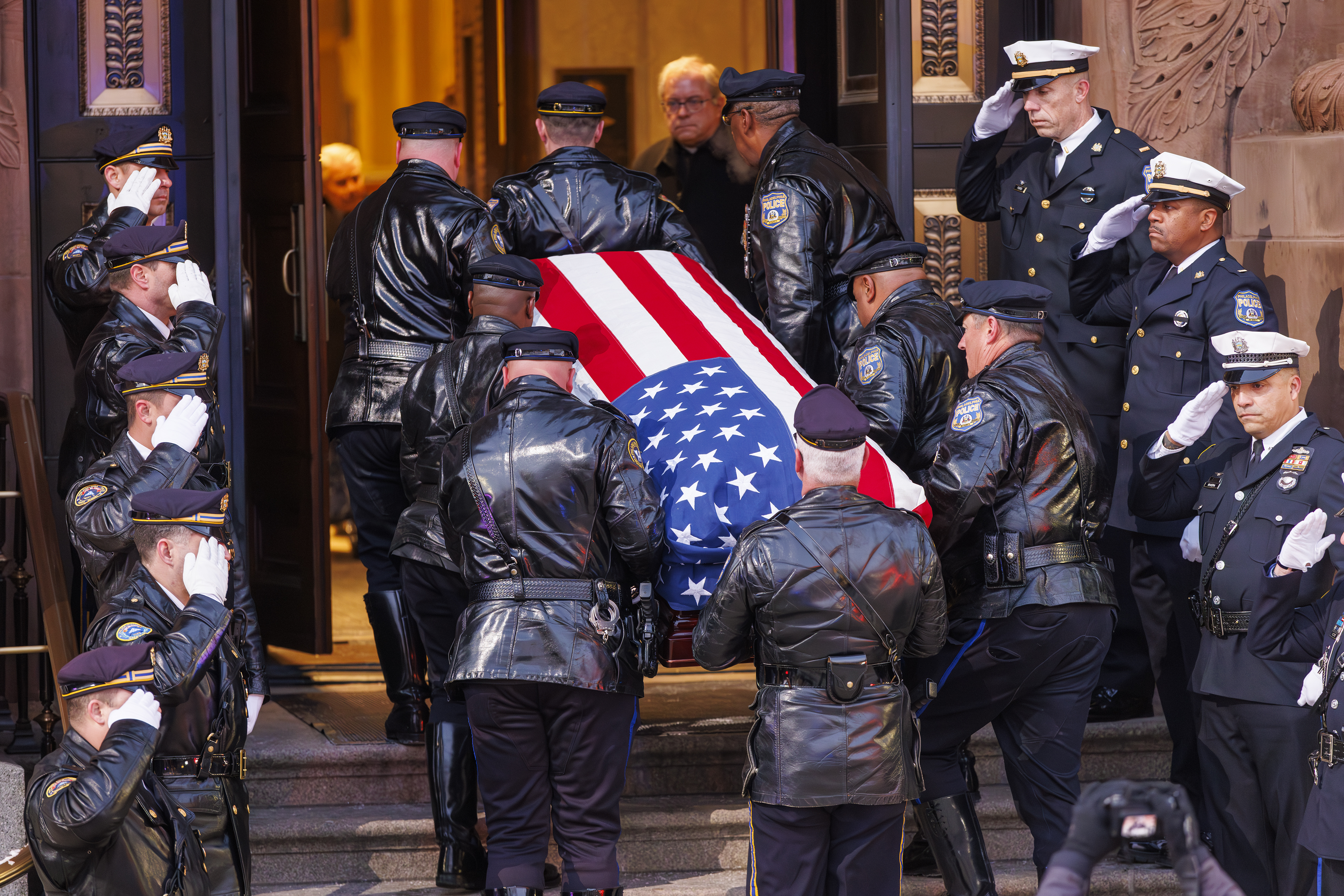
    Philadelphia Police Commissioner Kevin Bethel stood at a podium behind a cherry wood coffin inside the Cathedral Basilica of SS. Peter and Paul on Tuesday and told mourners how Highway Patrol Officer Andy Chan had arrived in the afterlife: on his motorcycle, boots shining, smiling.

    Then he turned to the highway patrol officers standing in the front pews. “And how,” he asked, “did Andy Chan announce himself when he arrived at the gates of heaven?”

    “Highway!” they answered in unison.

    Chan, 55, was laid to rest Tuesday morning, six years after a 79-year-old driver struck his patrol motorcycle near Pennypack Park, catapulting him more than 20 feet away onto the pavement and causing brain injuries from which he never fully recovered.

    A highway patrol motorcycle leads the procession to the Cathedral Basilica of SS. Peter and Paul for the funeral of Philadelphia Police Officer Andy Chan.

    Chan served 24 years on the Philadelphia police force before the crash on a quiet stretch of Rowland Avenue irrevocably altered the course of his life.

    A highway patrol officer for nearly his entire career, Chan spent his working days on two wheels, patrolling neighborhoods and highways astride the bike he was known for riding with pride.

    He greeted his fellow officers not with “Hello,” but with “Highway!”

    Officers towed Chan’s motorcycle, still bearing his name, in a procession that stretched nearly 18 miles, from North Philadelphia to Center City and finally, to the cathedral.

    Inside the gilded building, photos of Chan streamed on TVs: Beside his wife, Teng, dressed in their wedding attire, hands clasped and raised triumphantly as they walked into their reception. In a portrait studio, cradling the youngest of his three children. Standing on the grass of the National Mall in Washington, D.C., surrounded by fellow officers. His arm around a gray-haired Sylvester Stallone. On his bike, over and over again.

    The body of Philadelphia police officer Andy Chan is lifted from Caisson after arriving at the Cathedral Basilica St. Peter and Paul, Tuesday, December 16, 2025.

    Chan had wanted to be a police officer since childhood, he once said in a radio appearance. From his parents’ restaurant in Chinatown, he listened with reverence to the uniformed officers who came in to eat and swap stories with his father. “I kind of looked up to police officers,” he said.

    But he was drawn especially to the thunder of their motorcycles as they passed.

    After joining the department, Chan spent eight years riding the streets of the 39th District as a bicycle officer before being promoted in 2004 to the department’s elite Highway Patrol Unit.

    When he introduced himself to the woman who would become his wife, he did so simply with the words: “I’m Highway.”

    The casket of Philadelphia Police Highway Patrol Officer Andy Chan arriving at the Cathedral Basilica of SS. Peter and Paul on Tuesday.

    Teng Chan described her husband’s “unwavering sense of purpose” as rivaled only by his love of his family. On road trips, she said, he gave long lectures to their eldest son about life, inspiring him to become a volunteer firefighter and later, join the U.S. National Guard, she said.

    As for her, his wife said, “He pushed me out of my comfort zone. He made me who I am today: a better person. A fighter.”

    After the Jan. 3, 2019, crash, Chan remained in a coma for weeks, reliant on a ventilator. When he awoke, he required 24-hour care from family, friends, and fellow police officers, who regularly sat by his side. Though he could no longer speak, those close to him said he showed recognition and response when loved ones were present.

    “We were heartbroken every day after the accident,” Teng Chan said. “We prayed every day for recovery, for him to be restored. With his unbreakable spirit, he stayed with us.

    “But,” she said, “it was time. He has a higher calling.”

    Chan was buried in Laurel Hill West Cemetery.

  • ‘Delco Pooper’ gets counseling, community service as part of program for first-time offenders

    ‘Delco Pooper’ gets counseling, community service as part of program for first-time offenders

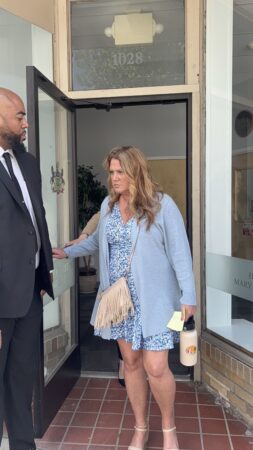
    When it’s time to go, it’s time to go, and perhaps nobody knows that better than Christina Solometo, whom the region nicknamed the “Delco Pooper” after she was captured on video rage-pooping on a car during a roadway dispute in April.

    And so, when Solometo’s time in Delaware County Court came on Tuesday, she went, but instead of bringing her case to trial, she entered into a rehabilitation program for first-time offenders.

    As part of the Accelerated Rehabilitative Disposition program, Solometo must complete 24 months of probation, community service, anger management classes, and not post about her case on social media. If she meets those conditions, the charges against her, which include indecent exposure and depositing waste on a highway, will be dismissed and she could have her case expunged and her record wiped clean.

    In courtroom gallery conversations with her attorney prior to the hearing, Solometo at times seemed torn about the conditions of the program and the facts of her case as detailed by the Prospect Park Police Department. She could be heard cursing and, at one point, left the courtroom in tears.

    This was a marked change in her demeanor from shortly after her arrest, when she smiled in her mugshot and laughed in front of news cameras as she was led away in handcuffs.

    Solometo, 44, of Ridley Park, said little before Judge Richard Cappelli as he agreed to enter her into the diversionary program and she declined to speak to The Inquirer after the hearing, except to say “The truth will come out” and that her story would cost money. The Inquirer does not pay for interviews.

    It was a rather subdued ending to what was perhaps the most absurd local news story of the year.

    Prospect Park Police said it was around 4 p.m. on April 30 that Solometo got into a dispute with another driver at the intersection of Fourth and Madison Avenues in the borough.

    Solometo told police that she was in a line of cars to turn left at a light and honked at a driver in front of her who did not move when the arrow was green.

    According to her affidavit, Solometo said the other motorist mocked her in her rearview mirror. Solometo said she was having stomach issues, so she drove around the car and turned left. She told police she believed the other vehicle started following her, which is why she got out to confront them. The driver of the other car allegedly insulted Solometo, which she told police made her angry.

    “Solometo said, ‘I wanted to punch her in the face, but I pooped on her car instead and went home,’” according to the affidavit.

    Police said she later told them: “It was a clean poop. I didn’t even have to wipe.”

    Cell phone video of the incident was taken by 17-year-old Greg Ferrari who testified in May at Solometo’s preliminary hearing that he was driving to his friend’s house when he was forced to stop his vehicle because two motorists were arguing in the intersection.

    “I thought they were going to fight so I pulled out my phone to take video,” he said. “And one of the people ended up going to the bathroom on the other’s car.”

    Ferrari’s video, which he said he shared with his baseball group chat and was then posted to Facebook by someone else, subsequently went viral and was picked up by outlets like TMZ, the New York Post, and People.