Tag: topic-link-auto

  • Philly porch pirates are particularly active in December. How to keep your packages safe.

    Philly porch pirates are particularly active in December. How to keep your packages safe.

    As boxes of holiday gifts pile up on your stoop, beware: Porch pirates continue to strike in Philadelphia.

    Reports of package theft from January through November of this year are up 6% compared to last year, according to The Inquirer’s analysis of Philadelphia Police Department data.

    And if the past two years are any indication, porch pirates will be particularly active this month.

    In neighborhoods across the city, residents have shared their frustration over repeated thefts. Katie Byrne said she’s had more a dozen packages swiped from out front of her Fishtown home. Often, she said, “before I even get the notification it got delivered.” This year, she said she and a neighbor have teamed up to grab each other’s packages when the other isn’t home.

    Porch pirates strike in the suburbs, too. Exasperated consumers have vented about package thefts to their neighborhood Facebook groups in Brookhaven, Cheltenham, Conshohocken, Croydon, Lower Merion, Levittown, Media, West Chester, Quakertown, and even down the Shore.

    Last holiday season in Newtown Square, Katy Retzbach said $150 in Christmas gifts were stolen from under her family’s mailbox in broad daylight.

    Nationwide, at least 58 million packages were stolen last year, amounting to $16 billion in financial losses, according to a recent report from the U.S. Postal Service Office of the Inspector General. Most stolen packages are between $50 and $200 in value.

    What Philly’s package theft data shows

    window.addEventListener(“message”,function(a){if(void 0!==a.data[“datawrapper-height”]){var e=document.querySelectorAll(“iframe”);for(var t in a.data[“datawrapper-height”])for(var r,i=0;r=e[i];i++)if(r.contentWindow===a.source){var d=a.data[“datawrapper-height”][t]+”px”;r.style.height=d}}});

    It’s difficult to determine how many package thefts will occur in Philadelphia before the year’s end, as reports of the crime spike each December. And some of these incidents go unreported to the police.

    In 2023 and 2024, package-theft reports in December accounted for nearly 14% of the annual total on average, according to the analysis of police data.

    If 2025 were to follow that pattern, Philadelphia would log around 450 reported package thefts this month — slightly more than last year but less than 2023 — and would end the year with a total of 3,300 reports, more than the city recorded each of the past two years.

    The total number of reported package thefts declined by 1.2% between 2023 and 2024, according to the analysis. However, the number of thefts reported in December increased over the same period.

    How to protect against porch piracy
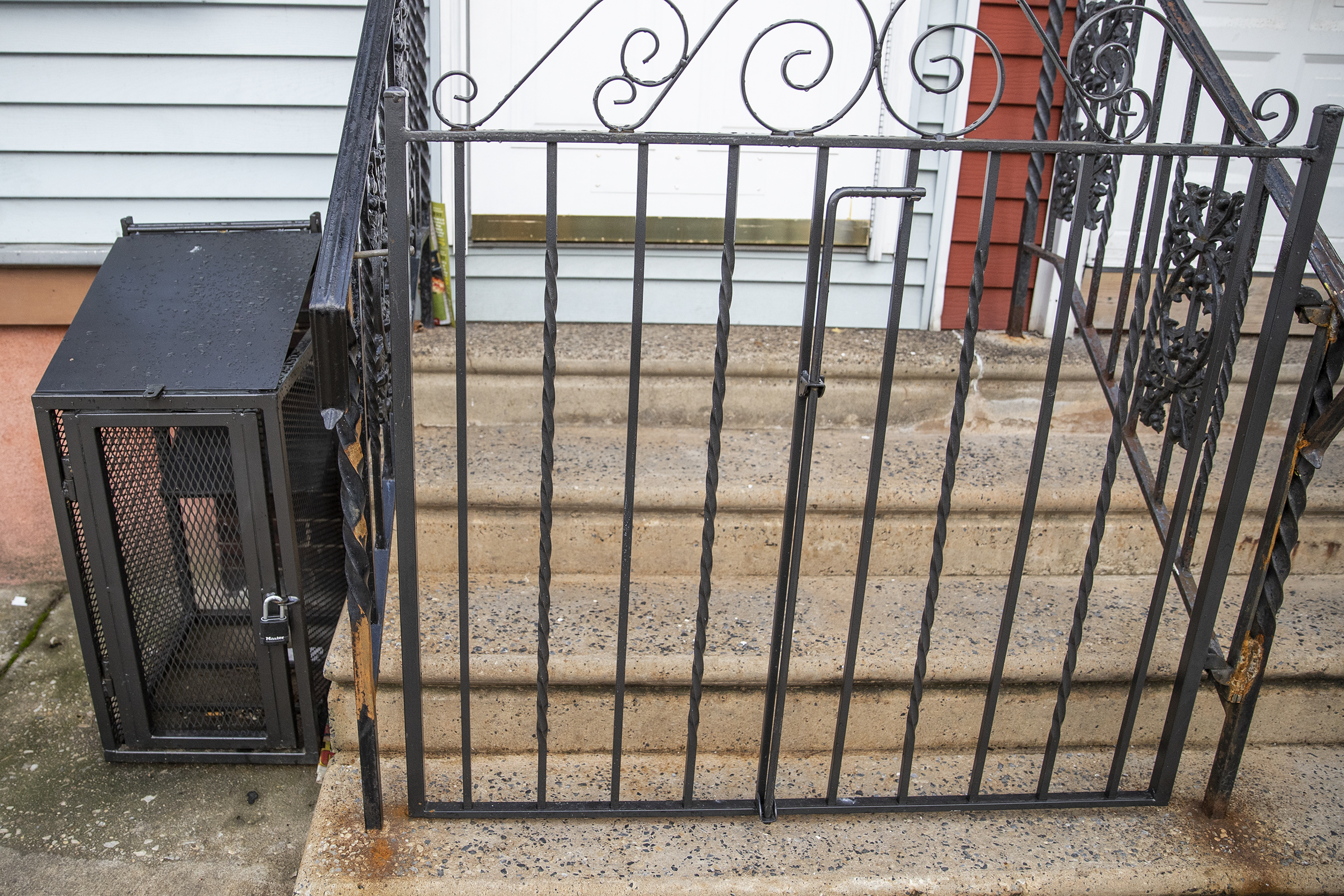
    Some people find or erect secure places to have their packages delivered. A metal cage for packages is shown here in this 2019 file photo.

    There’s no surefire way to prevent porch piracy.

    But police departments and carriers like USPS, FedEx, and UPS provide the following tips to reduce your chances of falling victim — or to get your money back if your package is stolen:

    • Leave drop-off instructions: Log into your online account with the package carrier and ask that they leave deliveries in a less visible location, such as behind a planter, in a shed, or at a side door. Or ask that they require a signature for drop-off. This requires that delivery people read the instructions, which some Philadelphians have found is not always the case.
    • Redirect the delivery: You can also go online and redirect deliveries to locations such as your office, the home of a friend who doesn’t experience package theft, or a secure physical mailbox, such as a FedEx, UPS, or Amazon Locker pickup location. If you aren’t going to be home for a day, you can also request a hold on packages until you return, or have a neighbor or friend pick them up.
    • Use security cameras: Cameras can alert you that someone is outside and allow you to grab a package immediately if you’re at home. If a delivery is stolen, the footage can help police find the porch pirate. (If they’re charged and convicted in New Jersey, they could even go to prison.)
    • Report theft: After confirming that the package was in fact delivered, file a police report. Then, contact the seller, shipping company, and, if all else fails, your credit card company to see if they cover package theft.

  • The Big Picture: Flyers show fight, Villanova women’s Big 5 title, and the week’s best sports photos

    The Big Picture: Flyers show fight, Villanova women’s Big 5 title, and the week’s best sports photos

    Each Friday, Inquirer photo editors pick the best Philly sports images from the last seven days. This week, the Flyers played the team with the NHL’s best record, Colorado, and came away with a narrow defeat. Two nights later, they manhandled the San Jose Sharks.

    Villanova proved to be the top team on the women’s basketball scene by beating St. Joseph’s for the Big 5 championship.

    And in Inglewood, Calif., the Eagles dropped their third straight game in a 22-19 overtime loss to the Los Angeles Chargers.

    Our photographers were on hand for it all.

    Flyers players celebrate a goal against Colorado by right wing Travis Konecny on Sunday.
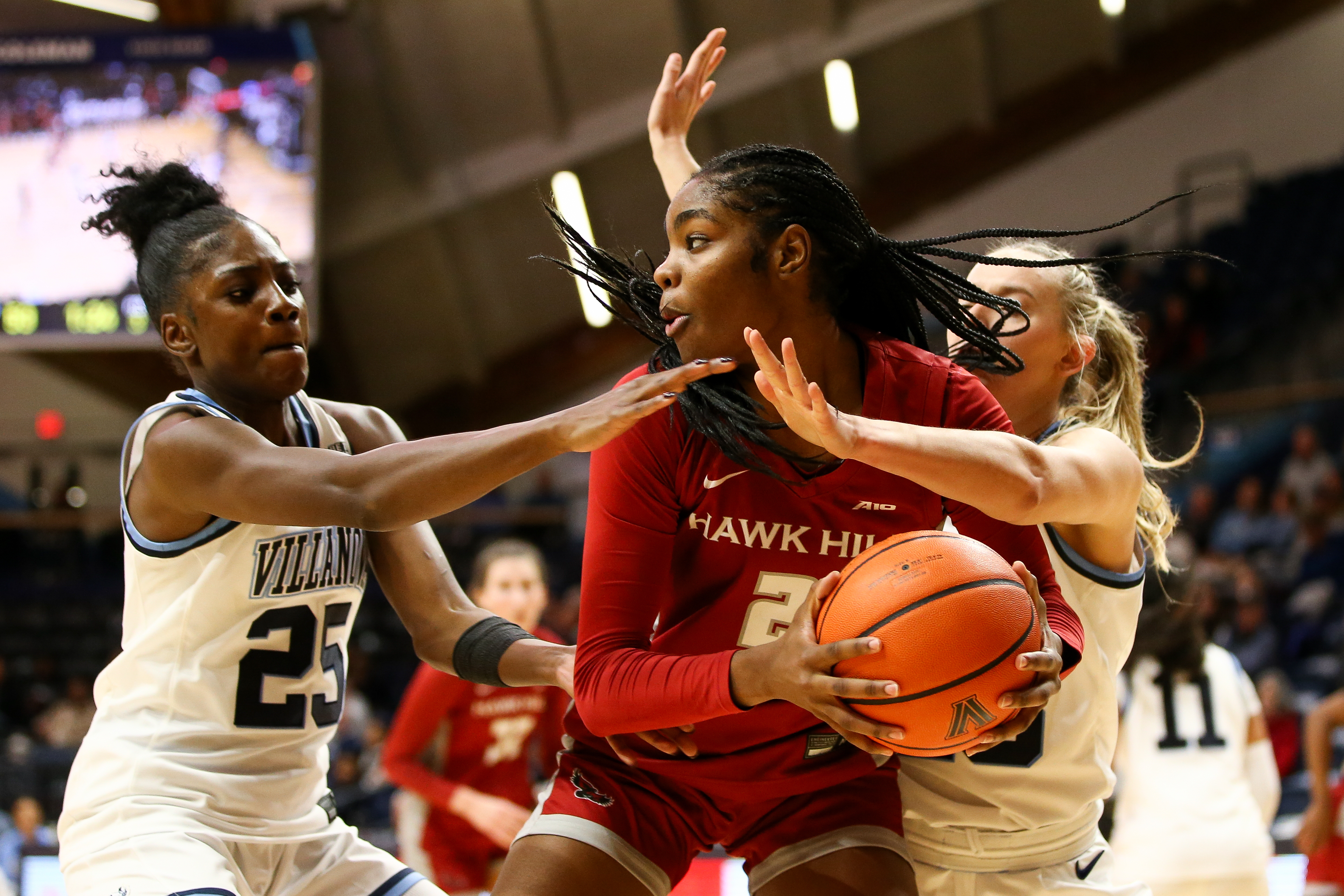
    Villanova’s Denae Carter (25) and Kelsey Joens guard St. Joseph’s Aleah Snead during the Big 5 championship at Finneran Pavilion on Sunday. Villanova won, 76-70.
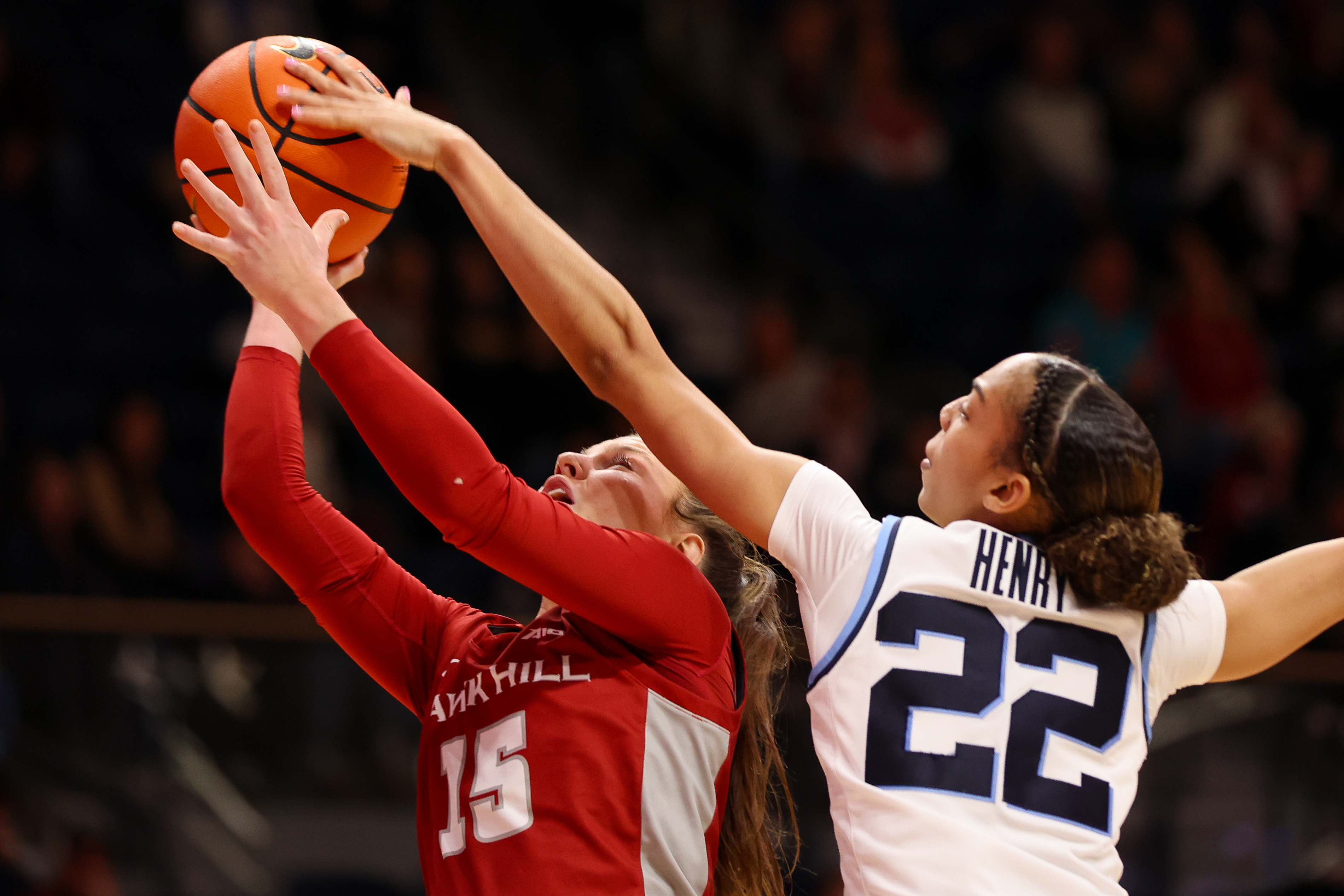
    Villanova guard Kennedy Henry blocks a shot by St. Joe’s Gabby Casey.
    Chargers cornerback Donte Jackson intercepts a pass in front of Eagles tight end Dallas Goedert on Monday night.
    Eagles wide receiver A.J. Brown can’t pull in a pass in overtime as Donte Jackson of the Chargers defends him.
    Eagles running back Saquon Barkley tosses the football to a fan after scoring on a 52-yard run against the Chargers.
    Eagles defensive tackle Jordan Davis (top) and linebacker Zack Baun sack Justin Herbert in the third quarter at SoFi Stadium.
    Dressed for the holidays, an Eagles fan watches the loss to the Chargers in the third quarter at SoFi Stadium.
    Eagles wide receiver DeVonta Smith pulls in a catch as Chargers linebacker Denzel Perryman tackles him.
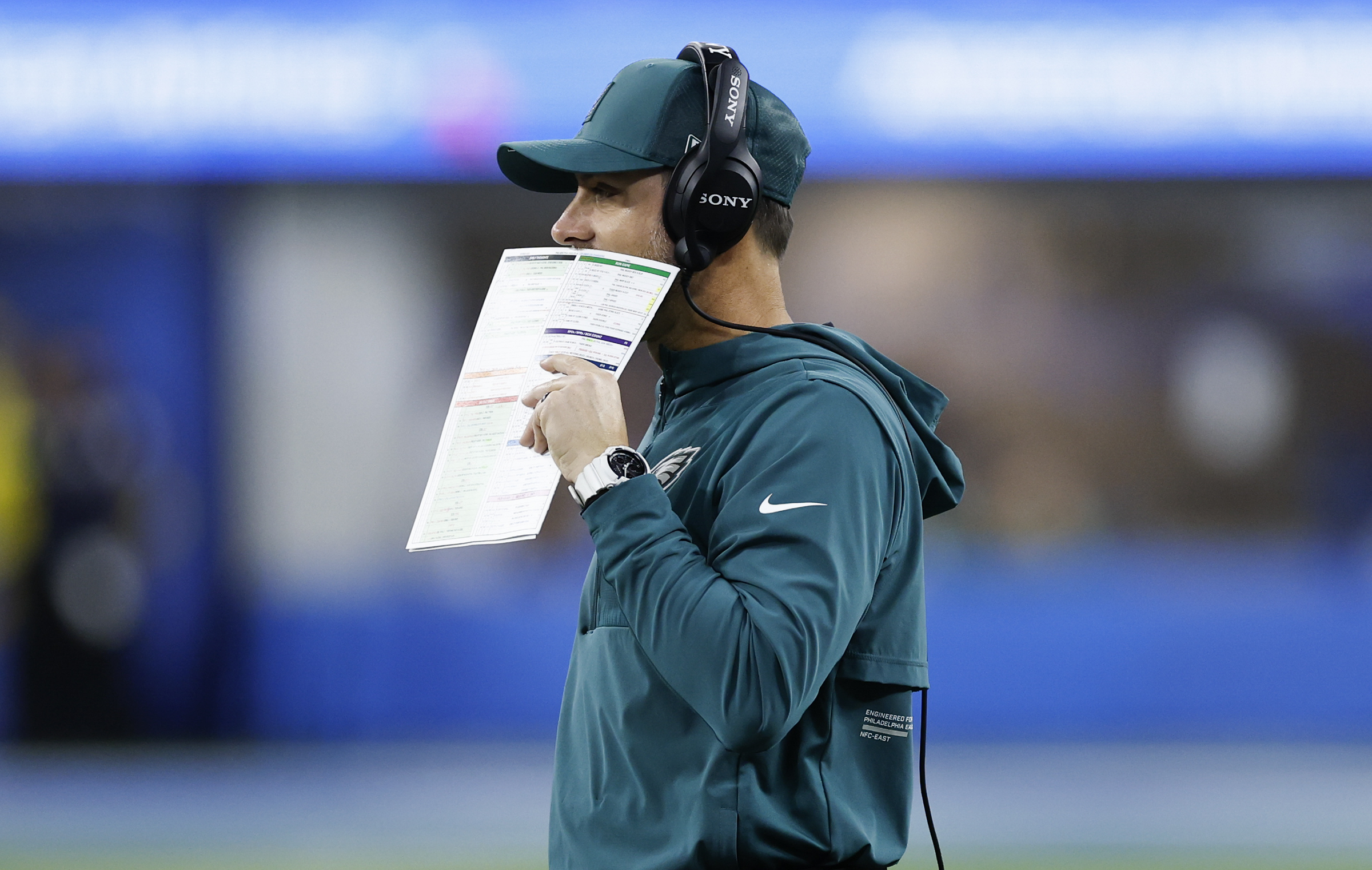
    Embattled Eagles offensive coordinator Kevin Patullo talks into his play chart during the Monday night loss in Inglewood, Calif.
    An Eagles fan makes his feelings known with a sign during the team’s loss to the Chargers.
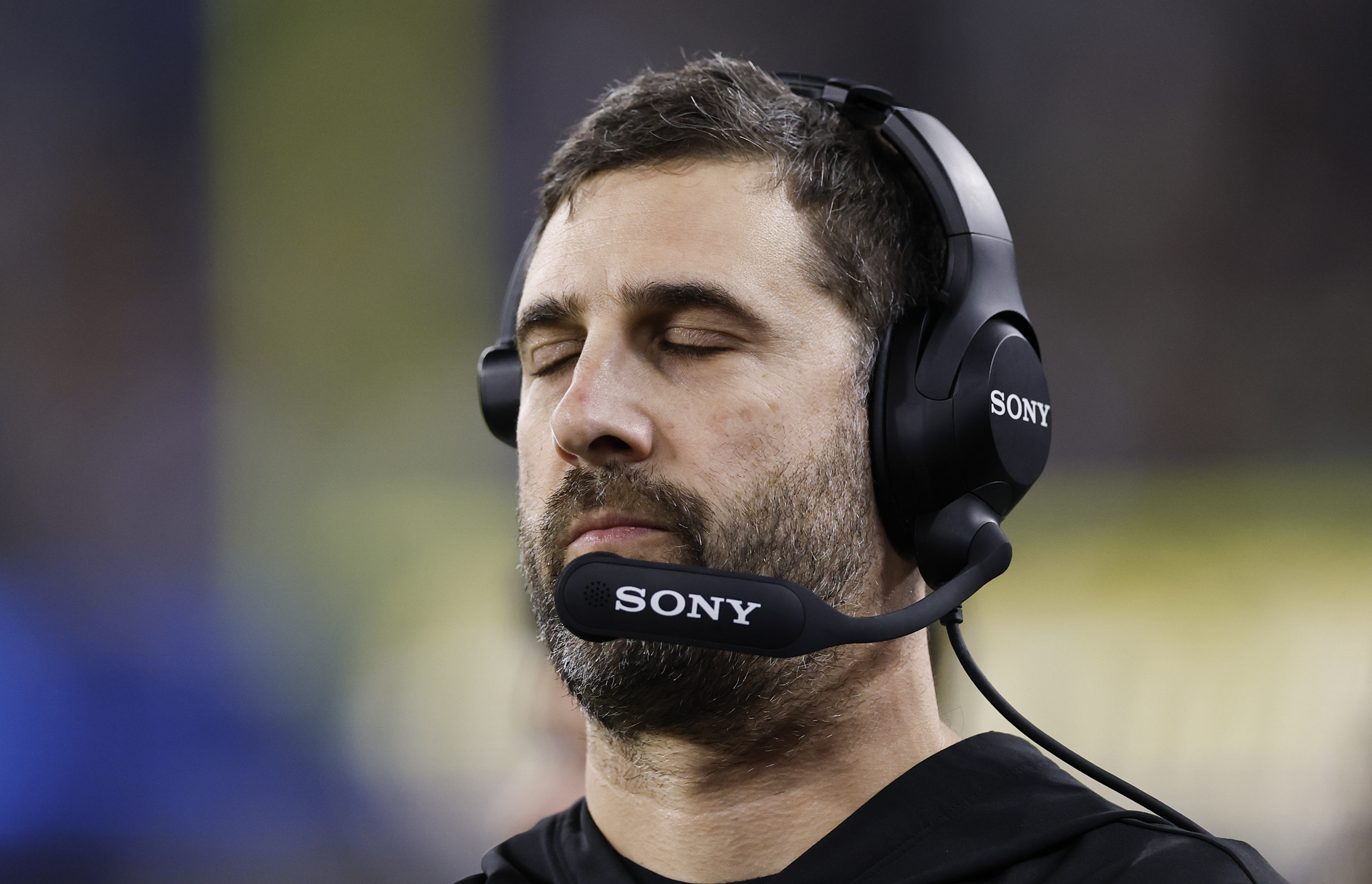
    Eagles coach Nick Sirianni absorbing the defeat at SoFi Stadium.
  • The area’s best boys’ basketball players to watch in the 2025-26 season

    The area’s best boys’ basketball players to watch in the 2025-26 season

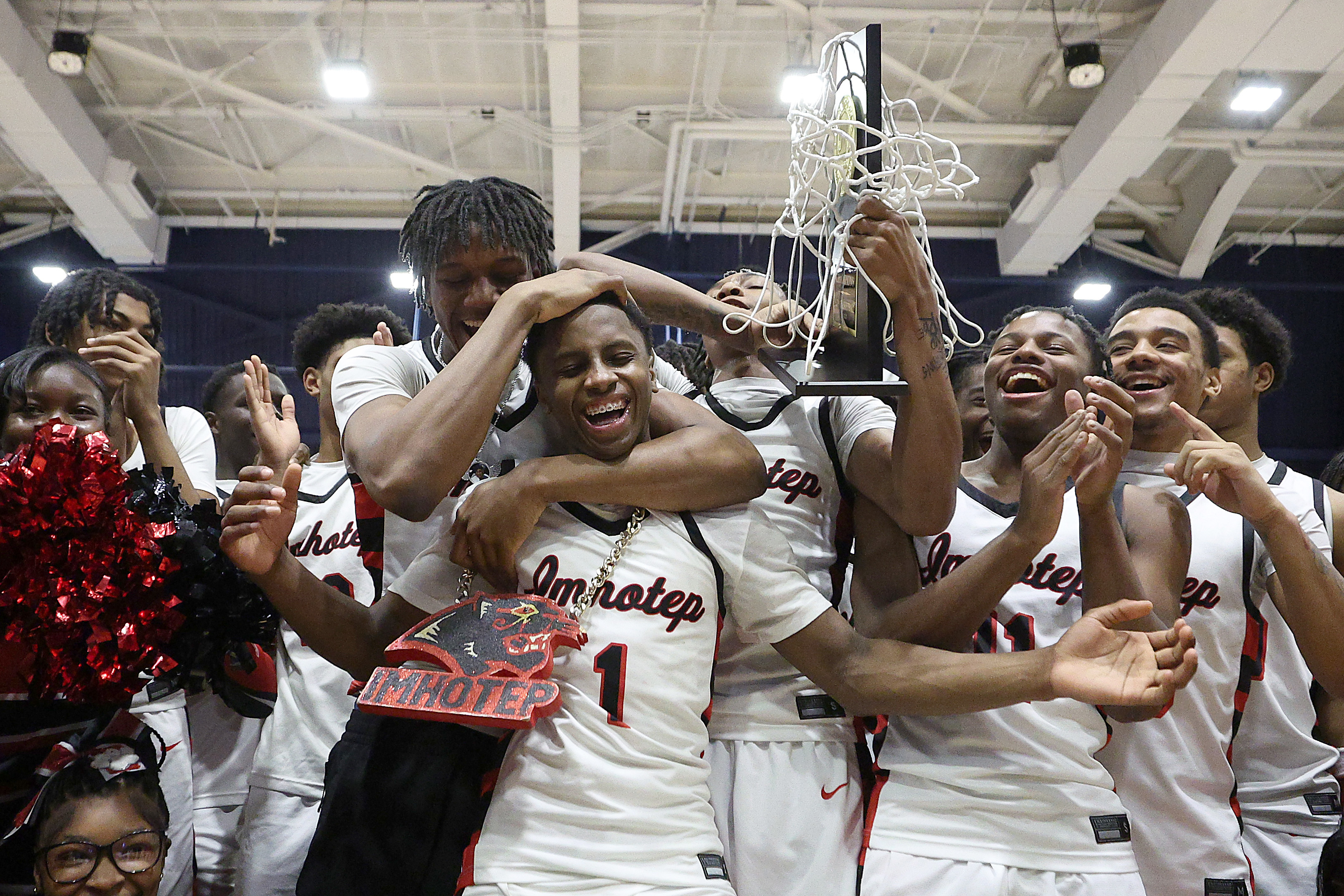
    Four of the six defending PIAA state champions from last season were part of the Philadelphia Catholic League, which included West Catholic (Class 3A), Devon Prep (4A), Neumann Goretti (5A), and Father Judge (6A).

    Those schools are still filled with basketball talent this season, and more public-school programs, like Imhotep Charter, Coatesville, and Plymouth-Whitemarsh, also have returning premier players who could be in contention for a PIAA Class 6A state title.

    Here are some of the area’s top boys’ basketball players to watch during the 2025-26 season.

    Logan Chwastyk

    Malvern Prep, 6-foot-10 sophomore center

    Chwastyk, the No. 2 ranked sophomore in the state, is a big defensive presence, and has great court awareness. He possesses unlimited growth coming off a great summer. He knows where to be on the court and how to set up his teammates. He needs to get stronger, but that will come in time as his body matures. He will be a factor in the Inter-Ac League this season.

    Korey Francis

    Bonner-Prendergast, 6-4 junior guard

    At 6-4, 196 pounds, Francis is a strong downhill guard who is fast and physical. He plays through contact and can score driving the lane or with a mid-range jump shot. He has received scholarship offers from St. Joseph’s, Albany, Temple, Florida Gulf Coast, Hofstra, and East Carolina. In the Friars’ first two games this season, he is averaging 22 points and could arguably be the best guard in the Catholic League. He was a first-team all-Catholic selection as a sophomore, receiving a vote from every team in the league.

    Silas Graham

    Haverford School, 6-5 junior guard

    Graham averaged 16 points, seven rebounds, three assists, and three steals as a sophomore. He can dribble-drive, pull up from the mid-range, and hit three-pointers consistently. He is a scoring threat that can tilt a defense. He actually started at Haverford School as an eighth-grader, which is permitted in the Inter-Ac League. He makes everyone around him better, and is receiving mid-major interest.

    Colton Hiller

    Coatesville, 6-6 sophomore forward

    Considered one of the best players nationally and locally, Hiller played for the Team USA U16 team in the June FIBA AmeriCup tournament, won by Team USA against Puerto Rico. He finished with a team-high 23 points. In the first three games this season against District 1 Class 4A champion Bishop Shanahan, Catholic League contender St. Joe’s Prep, and traditional Central League powerhouse Lower Merion, Hiller is averaging 27 points.

    He can score from anywhere, and has already received offers from Alabama, BYU, Louisville, Kansas State, and Maryland, but not yet Duke, his dream school. Hiller is rated by numerous recruiting services as the No. 3 sophomore in the country.

    Colton Hiller is considered as one of the best players in the class of 2028.

    Sammy Jackson

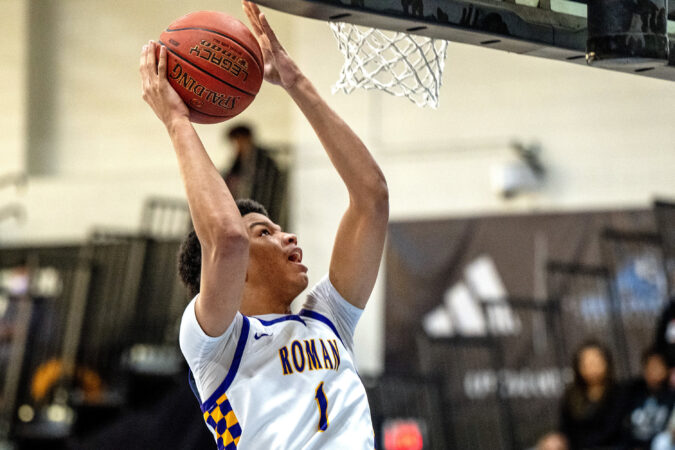
    Roman Catholic, 6-7 senior guard

    A Virginia Commonwealth pledge, Sammy is the son of former Roman Catholic and Temple star Marc Jackson. Sammy can score on all three levels, and averaged 16 points, seven rebounds, and six assists as a junior. He is a matchup problem as a guard, and is primarily a facilitator, which may change this season, considering Roman now has Imhotep Charter transfer point guard RJ Smith, who’s committed to La Salle.

    Jaydn Jenkins

    Archbishop Wood, 6-10 junior center

    Jenkins has received offers from Georgia, Mississippi State, Oklahoma State, West Virginia, and Old Dominion. Pittsburgh and Penn State have shown interest. Jenkins has added some weight, moving up to about 210 pounds. He can control the glass, block shots, and rebound. He’s coming off a sophomore season where he averaged 8 points, eight rebounds, and 4.5 blocks, shooting 52%. This season, he is projected to average a double-double.

    Ethan Johnston

    Hill School, 6-7 senior guard

    Johnston, who’s heading to Marquette, is a dynamic player who has added an inch and 10 pounds since last season. He is a 1,000-point career scorer. His best attribute is his length, and possessing good vision as a passer. He can be selfless to a fault, and can score a triple-double at any time.

    Latief Lorenzano-White

    Imhotep, 6-4 senior guard

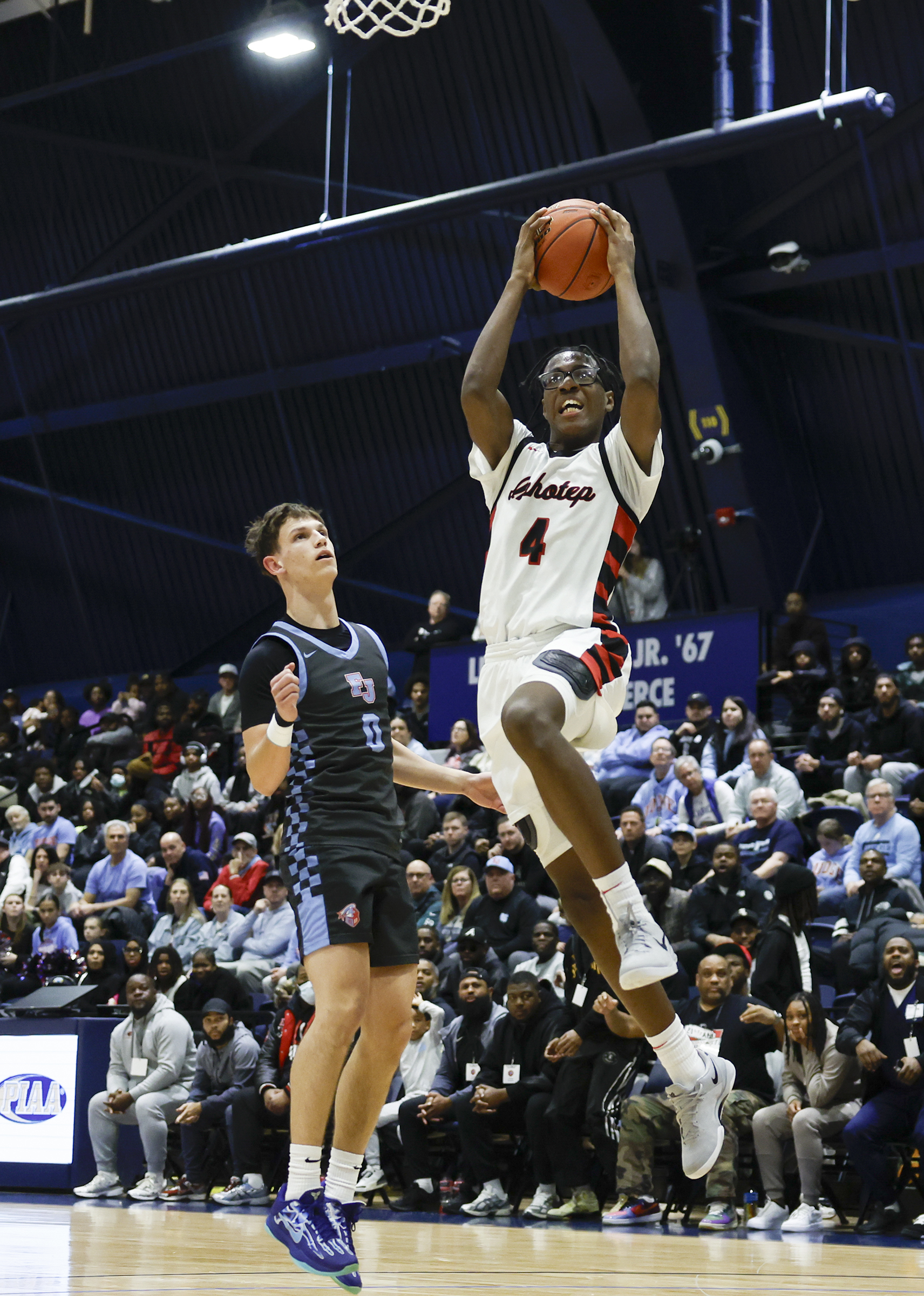
    A Drexel pledge, Lorenzano-White is averaging 10 points, six rebounds, and two blocks so far this season. He can get to the rim, and is a shutdown defender, who is usually assigned by Imhotep coach Andre Noble to cover the opposing team’s best player.

    Imhotep’s Latief Lorenzano-White (right) drives to the basket past Father Judge’s Rocco Westfield on Feb. 28.

    Owen Kelly

    Springside-Chestnut Hill Academy, 6-5 senior wing

    Kelly, who will play at Lafayette next year, is a lefty shooter who can score on all three levels. He averaged 18 points and nine rebounds as a junior. He is coming off an elbow injury over the summer, and his length and wingspan make him a stout defender, one of the best in the Inter-Ac League.

    Derrick Morton-Rivera

    Father Judge, 6-3 senior guard

    Morton-Rivera is committed to Temple, and he’s considered one of the better shooters, if not the best shooter, in the area. He averaged 17.7 points last season, reaching the 1,000-point career plateau, and led the Crusaders to their first PIAA Class 6A state championship in school history and first Catholic League title since 1998. He can shoot over defenses or score driving to the basket.

    Zaahir Muhammad-Gray

    Imhotep, 6-6 junior forward

    Muhammad-Gray lost his sophomore year in the second game of last season to a torn ACL. He has come back this season at 220 pounds, almost 30 pounds heavier than he was last year, and is making up for lost time. He’s averaging a team-high 15 points, eight rebounds, and 3.5 assists so far this season.

    He is a strong rim protector, and what makes him unique is his constant energy. Colleges backed off due to the injury, but interest is starting to grow again.

    Marquis Newson

    Neumann Goretti, 6-4 junior guard

    Newson is an electric, above-the-rim finisher with the ability to dominate games. He joins the Saints this season, transferring in from Academy of the New Church, where he helped lead the team to a Friends’ League championship.

    This is his third school in three years, after originally playing as a freshman at Sanford School in Delaware. He has received offers from Arizona State, Virginia Tech, St. Joes, and Penn State.

    Rowan Phillips

    Westtown, 6-6 sophomore guard

    A transfer from Archbishop Wood, Phillips came off the bench and was among the Vikings’ leaders in scoring, averaging 19 points in 25 minutes of action. He is a three-level scorer, up there with Hiller in his ability to knock down shots from anywhere on the court.

    Mani Sajid

    Plymouth-Whitemarsh, 6-4 senior guard

    Sajid, a Towson pledge, averaged 19 points last season, and is an exceptional shooter, with an explosive first step. Though listed at 6-4, his length and wingspan enable him to play more like he is 6-7. He can get shots off anywhere on the court, and against taller players. A natural scorer, his three-point shot is becoming more consistent.

    RJ Smith

    Roman Catholic, 5-10 senior guard

    Smith transferred into Roman this season. He carries a poised, steady hand that comes from experience starting as a freshman at Imhotep. He has an uncanny ability to play much larger than his size. He’s quick on his feet, and will handle the point for the Cahillites this season. Because of the transfer, Smith will not be eligible to play in the PIAA state playoffs.

    RJ Smith (center) transferred from Imhotep into Roman Catholic this season.
  • Once opposed, A.C. wind farm has become a landmark 20 years later

    Once opposed, A.C. wind farm has become a landmark 20 years later

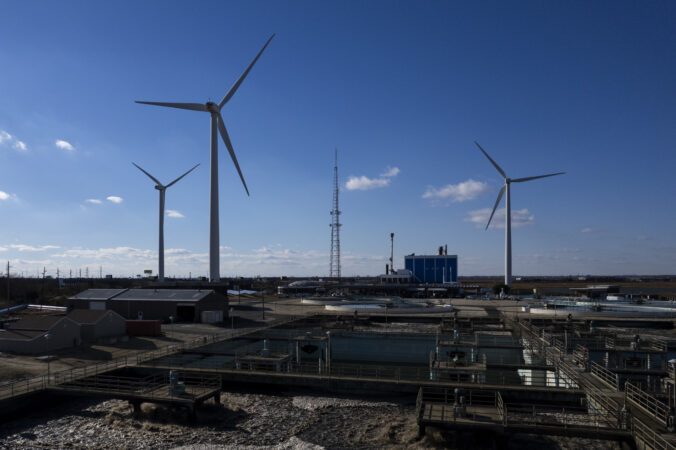
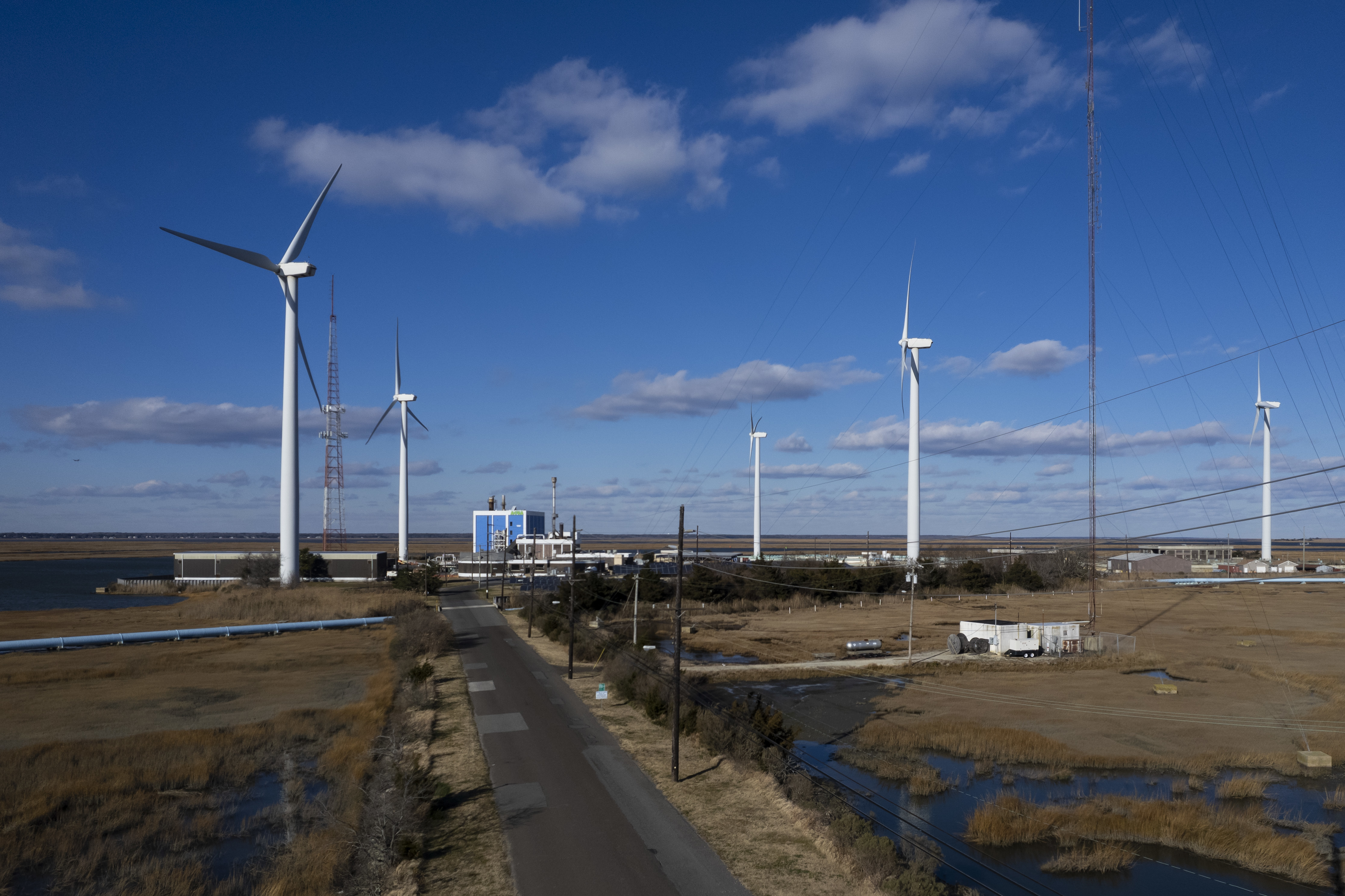
    Blustery winds propelled the giant blades of five turbines at the Jersey-Atlantic Wind Farm on a recent day. Set on a back bay island, they were once contested over fears of noise, aesthetics, and worries of threats to Shore birds.

    But two decades later, they have emerged as a spinning landmark to Atlantic City.

    The 380-foot turbines silently rotate in clear view of motorists streaming to casinos. Some visitors have even requested hotel rooms facing the structures, which are taller than the Statue of Liberty.

    The embrace of the land-based wind farm contrasts sharply with the more recently divisive battle over offshore wind projects, an effort stalled by economics and the Trump administration.

    Together, the Jersey-Atlantic Wind Farm turbines produce 63% of the energy for the Atlantic County Utilities Authority’s wastewater treatment plant, which serves 14 municipalities. Officials calculate the farm has saved ratepayers $8.8 million since its grand opening on Dec. 12, 2005.

    It is one of only two wind farms operating in New Jersey. The other is a much smaller farm in Bayonne.

    “This was a total home run for everybody involved,” said Richard Dovey, president of the ACUA at the time it was built. “It’s been nothing but successful, environmentally and economically … [an] inspiration for many other entities, whether they’re public or private.”

    How the wind farm came to be

    The idea for a wind farm near Atlantic City came from a worker in the energy industry who passed the idea onto Dovey in the early 2000s. With Dovey’s help, it picked up support in former Gov. Jim McGreevey’s administration.

    Dovey believed in renewable energy and thought it could power the ACUA’s regional wastewater treatment plant on City Island in Absecon Bay, about two miles from the Atlantic Ocean. He thought Atlantic City’s ample breezes from land and sea would make it an ideal location.

    Atlantic City’s ample breezes from land and sea made an ideal location for a wind farm.

    Community Energy Inc., a developer of wind power based in the Philadelphia suburbs, played a significant role in the project’s development and received a $1.7 million grant from the New Jersey Board of Public Utilities.

    The New Jersey Sierra Club backed the project.

    Construction began in mid-2005. The project cost $12 million and included driving pilings into an island of upland surrounded by wetlands and installing intricate concrete bases to support the turbines made by GE.

    Currently, the wind farm is owned by Texas-based Leeward Energy. Leeward rents the land for the wind farm from ACUA.

    In return, ACUA has a 20-year agreement to purchase the power produced by the turbines from Leeward for 7.9 cents a kilowatt-hour, which was cheap even then. Now, the rate is about half the market rate for energy.

    It has helped ACUA keep some of the lowest sewer rates in the state.

    However, that agreement is expiring, and the two sides are in negotiations to renew a contract, which could change the rate the ACUA pays for its wind power.

    window.addEventListener(“message”,function(a){if(void 0!==a.data[“datawrapper-height”]){var e=document.querySelectorAll(“iframe”);for(var t in a.data[“datawrapper-height”])for(var r,i=0;r=e[i];i++)if(r.contentWindow===a.source){var d=a.data[“datawrapper-height”][t]+”px”;r.style.height=d}}});

    Community concerns

    Initially, the wind farm faced resistance. Residents in the neighboring Venice Park section of Atlantic City were concerned primarily about potential noise from the turbines.

    To allay their fears, Dovey organized a bus trip that took residents to visit a wind farm in Somerset County in Pennsylvania.

    “Their major concern was noise,” Dovey, now 73, recalls. “We drove literally underneath the turbine. One neighborhood leader took one step out and said my air conditioner is louder than this; let’s go home. They thought the turbines were beautiful, even inspiring.”

    In addition, there were apprehensions regarding how the turbines would affect birds and marine life. The wind farm is just below the Edwin B. Forsythe National Wildlife Refuge, a 48,000-acre area of coastal habitat. New Jersey Audubon agreed to monitor the impact on the bird population as part of its support for the project.

    According to the ACUA, a three-year study by NJ Audubon found “a small number of bird deaths which could be attributed to collisions with turbines.” It found more fatalities were caused by raccoons, feral cats, and collisions with wires and trucks.

    People were also concerned about the visual impact, fearing they might spoil scenic views, affect property taxes, and hurt tourism. However, the wind farm has since become an iconic part of the landscape.

    The concerns were part of a broader debate at the time regarding the emerging push among some New Jersey leaders for offshore wind farms, which had faced a moratorium by the state.

    Even though the moratorium was lifted, and Gov. Phil Murphy backed a large offshore wind program that would have powered millions of homes, the debate continued. This year, President Donald Trump issued an executive order to stop offshore wind, making any project in the near future unlikely.

    However, a federal judge recently ruled that Trump exceeded his authority with the order, a ruling the administration is likely to challenge. It is unclear whether renewable energy companies still have the political will for a renewed push to build an offshore wind farm off the coast of New Jersey.

    Taking advantage of wind

    The Jersey-Atlantic Wind Farm is an example of how wind power can work, even if on a smaller scale. The farm is ideally located because of consistent land and ocean breezes. If winds exceed 45 mph, the turbines, each equipped with a weather station, switch off to protect the machinery. That happens only a few times a year.

    Matt DeNafo, current president of the ACUA, says the wind farm has been a “huge project” for his organization. The ACUA is operating a pilot project that would store energy captured by the turbines in a battery. A solar array on site also provides about 3% of the facility’s power.

    DeNafo said the arrangement with Leeward brought significant economic stability through the 20-year fixed rate. He said it allows the agency to offer the lowest wastewater rates in the region.

    At the same time, the ACUA does not have to pay for maintenance of the turbines, while still collecting rent from Leeward.

    If winds exceed 45 mph, the turbines, each equipped with a weather station, switch off to protect the machinery.

    “It’s really been a great partnership for us. It’s been a beacon for our organization,” DeNafo said. One casino was “getting a lot of requests for windmill-view rooms because it’s got a calming effect.”

    Harrah’s, MGM, and Borgata casino hotels all are in view of the windmills.

    Amy Menzel, a spokesperson for the ACUA, said summer tours of the wind farm and treatment plant are popular.

    “We give open house tours in the summer on Wednesdays,” Menzel said. “People can just drop in. We have a lot of curious people who are visiting the Shore. The tours are really a mix of locals and out-of-town visitors, people who just want to get a little closer and learn more.”

    Editor’s note: This article has been corrected to note that the wind farm is on an upland, not a wetland.

  • I tasted over two dozen falafels this summer — here’s what I learned

    I tasted over two dozen falafels this summer — here’s what I learned

    Eating at over 20 Middle Eastern restaurants as a scout for The Inquirer’s 76 list may seem like a daunting task (and in some ways it was). But when your search includes eating falafel over six weeks, the quest becomes a delightful lesson in texture and taste.

    My beat included Lebanese, Yemeni, Afghan, Palestinian, Jordanian, Turkish, Egyptian, Syrian, and Moroccan restaurants, which meant I became a falafel obsessive, tasting over two dozen falafels. At every restaurant I went to I would ask my dining companions to evaluate the dish. And I would ask:

    Could I feel the crispiness of the exterior by tapping on it? Was there a soft, herb-hued mush inside when I tore it in half? Did the earthy, nutty flavors of warming spices like cumin, coriander come through with each bite?

    No matter how it’s made — legumes soaked overnight, blended (with spices, herbs, and sometimes flour), and fried — falafel is about the herbs, spices, and legumes that come together to make the palm-sized rounds that are perfect on platters, in a sandwich, or as a snack by themselves.

    While falafel originates from Egypt, there are various techniques used throughout the Middle East to create this popular dish. Growing up with many Arab friends, I knew falafel looked and tasted a bit different depending on the chef’s country of origin — after all, Middle Eastern cuisine is not a monolith.

    What was fascinating to learn were the specific differences in technique and ingredients within Philly restaurants. Palestinian falafel, like those served at Al-Baik Shawarma, tend to have bronze exteriors with slightly spicy, earthy, light-green interiors. Egyptian falafels use fava bean and chickpea mixes fried to perfection for the most satisfying crunch at Cilantro near South Street. Fluffy Lebanese falafels are made gluten-free and with baking soda in Collingswood at Li Beirut.

    My journey revealed the rich tapestry of falafels that make up this city. After a summer of munching, Cilantro, Al-Baik, and Apricot Stone falafels live rent-free in my head.

    But most importantly, these palm-sized legume balls were a clear reflection of just how expansive and diverse the Middle Eastern dining landscape is in Philadelphia. One that only takes sinking your teeth into super-satisfying falafels to experience.

  • Shapiro strikes a deal, Council micromanages, and Parker gets a H.O.M.E. debate for the holidays | Shackamaxon

    Shapiro strikes a deal, Council micromanages, and Parker gets a H.O.M.E. debate for the holidays | Shackamaxon

    This week’s Shackamaxon is about the mayor’s housing plan, micromanaging tables and chairs, and Gov. Josh Shapiro’s abilities as a dealmaker.

    Not yet H.O.M.E.

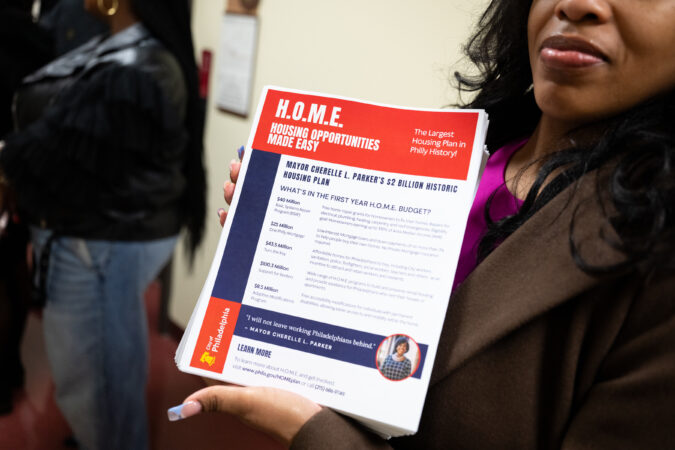
    Initially, Mayor Cherelle L. Parker’s $2 billion proposal to build or restore 30,000 homes seemed like a point of consensus between the administration and City Council. Yet, Parker’s attempt to expand the income limits, particularly for the Basic Systems Repair and Adaptive Modifications programs, has proved to be a sticking point, and the war of words is escalating.

    The mayor has been campaigning for her plan across the city, including at places of worship. She’s cast Council as unwilling to help those who have “paid up and prayed up.” A majority of Council members took issue with that description, insisting all they want to do is ensure the neediest residents have first dibs on the resources.

    Frankly, the temperature in this debate has gotten much too high. Under either side’s plan, income levels will be expanded, and most of the benefit will go to people making less than 60% of area median income.

    Instead of fighting Council over income levels, Parker should have pushed them to allow for more market-rate construction in areas that aren’t in and around Center City. Ironically, the city’s chief housing officer, Angela Brooks, published an article for the National League of Cities that makes the case to do exactly that, citing a Moody’s report that shows that much of the city is undersupplied when it comes to housing and calling for a market-smart response.

    Yet, much of Parker’s Housing Opportunities Made Easy plan is geared toward demand-side support that may help individual households, but won’t reduce the rapid appreciation in housing costs for the hundreds of thousands of families across all income levels who will never apply for or receive any of these benefits.

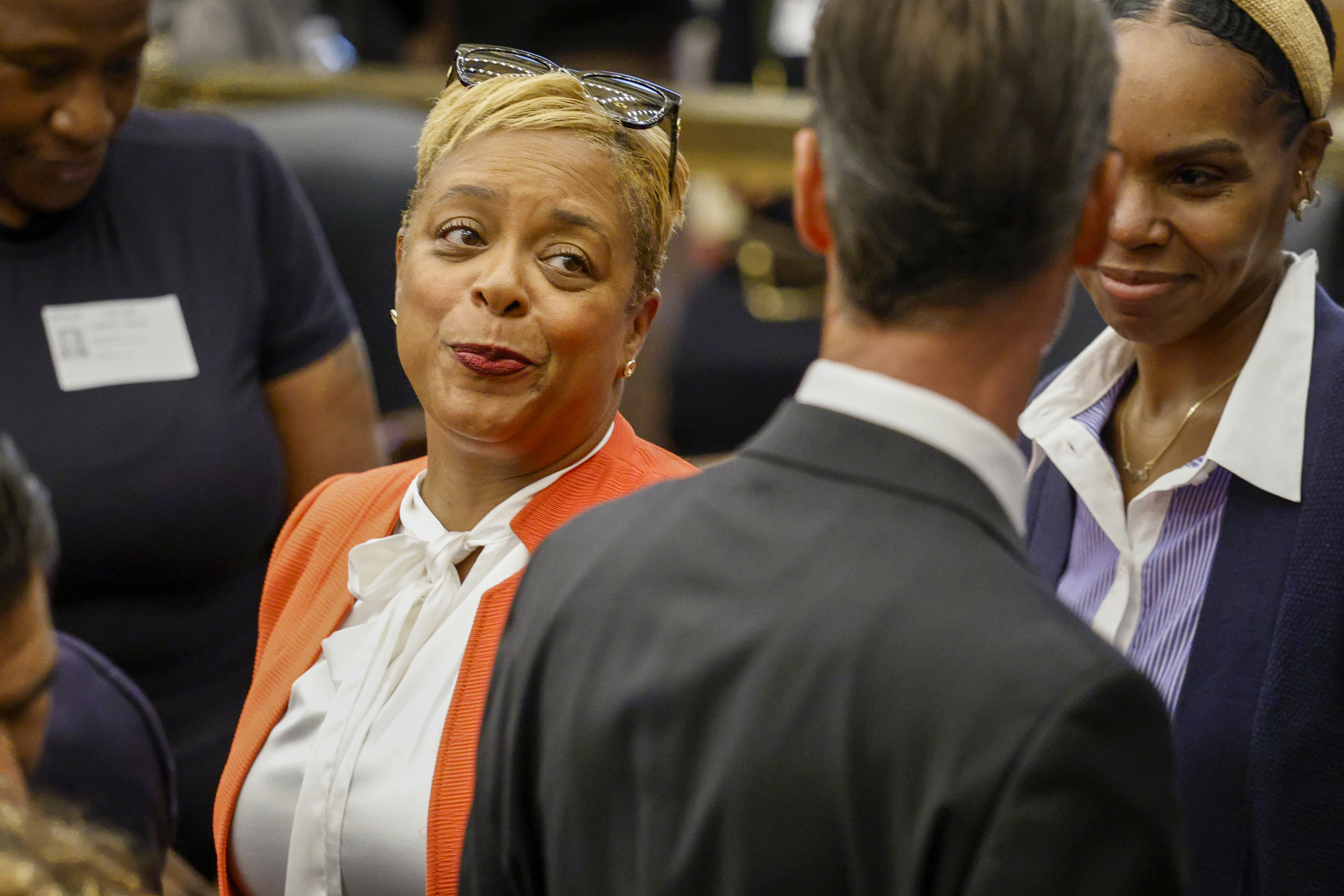
    Cindy Bass during the first day of Council’s fall session in September.

    Wait outside

    Shackamaxon readers are familiar with Philadelphia’s tradition of councilmanic prerogative, which gives district Council members total discretion over land use and transportation questions within their districts. Typically, this means big civic questions like what to do with a closed middle school, how to renovate an aging library, or whether to proceed with an ambitious street redesign.

    It also means that district members have control over even the most minor of concerns — like whether a restaurant can place tables and chairs outside.

    In most of Philadelphia, you actually need a city ordinance to do this. That’s right. A restaurant or cafe owner can’t just notice it is a nice day and decide to set up outdoor dining. There isn’t even a simple permit system. Installation requires Council approval, which means getting your district Council member’s sign-off. That can be easier said than done.

    After the pandemic demonstrated that expanded outdoor dining can be done without causing an uprising, City Council created a few (what I call) micromanagement-free zones for restaurants, where the process is simplified. (To her credit, 3rd District Councilmember Jamie Gauthier included her entire district.)

    Even then, they must secure a $1 million insurance policy, pay a $227 annual licensing fee, and hire an architect. Yes, an architect must be involved just to put out a few tables and chairs. At Thursday’s City Council hearing, one restaurant owner claimed the process was more difficult than getting his food safety certification. For restaurants outside the designated zones, Council authorization is still required. This puts them at a competitive disadvantage against restaurants that already have the benefits of being located inside a zone.

    At-Large City Councilmember Rue Landau, whose brother, Rich, owns Vedge, has come to the aid of these forgotten eateries. She proposed and passed a bill to expand the “by-right” areas, freeing more businesses from Council’s micromanagement. While the bill should help more restaurants navigate the process, they still face the prospect of waiting months or years for city approval, in a process many entrepreneurs say seems designed to trip them up rather than bring them into compliance.

    Even with the limited assistance on offer, the effort still attracted the ire of 8th District Councilmember Cindy Bass. Bass, one of Council’s most prolific practitioners of prerogative, viewed the bill as an imposition on her right to dictate how things should be done. Even though Landau carved out Bass’ entire district from the legislation, Bass still felt the need to beat up on the proposal at a committee hearing.

    Saudia Shuler (left), dressed as “Saudi Claus,” helps Averie Love, 11, pick out a new bicycle during a 2017 Christmas toy giveaway in front of Shuler’s restaurant in North Philadelphia.

    Favors for fraudsters

    Bass isn’t against all restaurant owners, however. This week, she pushed through a resolution honorarily renaming the intersection of Broad and Pike Streets for Saudia Shuler.

    The North Philly mom and owner of Saudia Shuler’s Country Cookin’ rose to prominence as the “camel prom mom” in 2017 after hosting an extravagant Dubai-themed send-off for her son. The event included three different luxury cars, three different luxury outfits, and three different dates, alongside a camel and sand.

    Shuler told journalists at the time that it all cost just over $25,000. She also held an extravagant toy giveaway later that year, handing out 100 bicycles and 800 presents to local kids.

    Unfortunately, Shuler’s story did not end there. The next year, she was indicted for Social Security fraud. In 2019, she pleaded guilty, admitting to taking nearly $40,000. That means much of her generosity was coming at the expense of taxpayers and Social Security beneficiaries. Somehow, this episode went unmentioned by every member of Council, and her honors were passed unanimously.

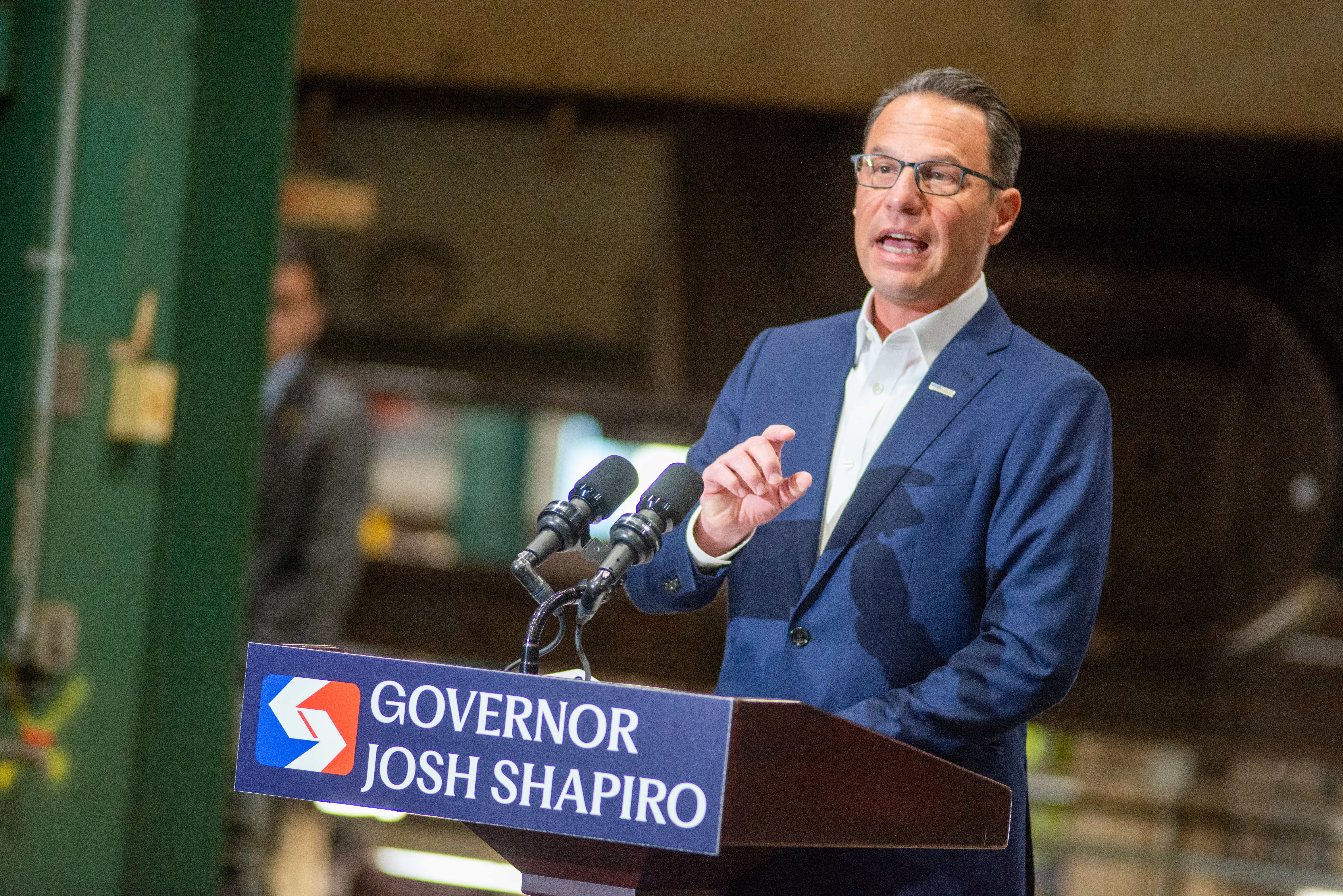
    Gov. Josh Shapiro speaks at SEPTA’s Frazer Shop and Rail Yard in Malvern in November.

    Gov. Dealmaker

    After a four-month-long impasse over the state budget, some may have questioned Gov. Shapiro’s credentials as a dealmaker. Yet, this weekend, the ambitious Abingtonian demonstrated his mediation skills, helping to broker a deal between SEPTA and its largest labor group, the Transport Workers Union Local 234.

    The agreement averts a strike that could have started on Monday (or even last Friday, according to a few operators who told me they thought action was imminent that day).

    This is now the third time the governor has come to SEPTA’s rescue, although this time he managed to pass up getting behind a podium at a news conference. For riders hoping to avoid service interruptions, these interventions have been welcome. Still, I can’t help wondering why the Transport Workers Union had an easier time making a deal with Shapiro instead of with Scott Sauer, the first general manager to start his career as a rank-and-file operator.

  • A recession seems increasingly likely in 2026, economist says

    A recession seems increasingly likely in 2026, economist says

    It’s December, which means it’s time for economists to publish their forecasts for the upcoming year. Given all the political, economic, and social concerns, the crystal ball is fuzzy.

    However, the factors that should drive growth in 2026 are fairly clear.

    Tariffs are an unknown and the greatest potential threat

    With inflation remaining stubbornly high and affordability becoming a political battleground, President Donald Trump is faced with some difficult decisions. It is hard to argue that tariffs are not paid for by consumers. Recent actions to lower tariffs on imported food products is an admission that is the case.

    So in 2026, will tariffs be reduced? And if so, how broadly?

    The likelihood is they will be lowered, but the ad hoc nature of tariff adjustments indicates the changes will not likely have much of an impact on prices. And that means inflation is likely to remain well above the Fed’s target rate of 2%.

    The effects of high and rising prices on economic activity cannot be denied. Affordability is not a hoax, at least not for the average household. Consumer confidence recently fell to some of the lowest levels recorded.

    While overall consumer spending has held up, much of the demand is coming from upper-income households. An economy can be supported for only so long by a small percentage of the population. Eventually, the companies that provide goods and services to the average household will feel the pain.

    Without a major turnabout on tariffs, inflation is likely to remain high, further depressing consumer confidence and spending.

    Immigration policy and deportations are slowing population growth

    Whatever you think of the Trump immigration and deportation strategy, there are economic implications.

    When the shutdown in immigration is combined with rising death rates and falling birth rates, the result is the U.S. population may have declined in 2025 for the first time ever.

    Also, restrictions on immigration have slowed labor force growth. When you add in the fear factor affecting both documented and undocumented workers, the negative effects on the labor supply are magnified.

    In an economy with low unemployment rates, the lack of workers puts upward pressure on wages and inflation while reducing income growth and total consumer spending.

    In addition, the labor shortage restricts business growth. Small businesses continue to report that the lack of qualified workers is their biggest problem.

    The administration’s immigration policy will likely continue to limit labor availability, slow hiring, and restrain spending, while putting upward pressure on wages and prices.

    The Federal Reserve faces a difficult choice

    The Fed is in a pickle. If it tries to fight elevated inflation by not lowering interest rates, it risks slowing the economy. If it tries to address a softening economy by reducing interest rates, it risks inflaming inflationary pressures.

    It is clear the monetary authorities would prefer to lower rates back toward trend levels. And they are likely to cut rates next year. But there is little reason to believe inflation will settle down soon, so the Fed cannot be expected to act aggressively.

    The Fed cannot fight high inflation and slowing growth at the same time, so barring a recession, expect it to act cautiously.

    The impact of AI on the economy should accelerate in 2026

    The 800-pound gorilla in the economic forecast is artificial intelligence, the next industrial revolution.

    Next year will likely be make-it-or-break-it for many companies when it comes to AI. The hundreds of billions of dollars being invested must show clear signs of being financially profitable. By this time next year, AI firms must create real value, not just stock market value.

    Previous early phases of industrial revolutions typically led to massive upheaval in the labor market. We are starting to see the outlines of what that might look like once AI becomes embedded in the economy.

    Right now, firms are not firing workers. But many have paused hiring. The next step, though, is layoffs. We could start seeing that by mid-2026.

    Ultimately, hiring should come back. It always happened in past phases of the industrial revolution. Just don’t expect to see that until 2027 or even later.

    As AI spreads thorough the economy, anticipate much slower or even negative job growth, leading to higher unemployment rates, lower consumer confidence, and slower spending.

    Upending traditional international relationships creates tremendous economic uncertainties

    The Trump administration’s desire to reframe international relationships cannot be viewed simply as a political strategy. Its economic consequences are hardly clear now but may show up in 2026.

    A rough summary of the latest national security outline points to a pullback from Europe, an expansion in the Americas, closer relations with Russia, and more competition with China.

    Again, how this plays out is anyone’s guess, but we could see Europe become a major economic competitor, China become more aggressive when it comes to trade, and Russia, well who knows what Vladimir Putin will do?

    How could this affect the U.S. economy? Consider China. It has no qualms about using its economic strength as a cudgel. Its economic war with the U.S. is likely to heat up.

    Think about soybeans. China had been the U.S.’s biggest market but has bought little this year. Instead, China is encouraging other countries to grow soybeans. U.S. soybean farmers are going bankrupt and the huge farm bailout could be needed for other segments of the economy if the economic war heats up.

    Similarly, look for Europe, which Trump wants to set afloat, to start switching its demand for American-made products to other parts of the world. The continent could become a full-throated competitor with no holds barred.

    The Trump administration’s goal of resetting international political relationships is likely to spread into a restructuring of international economic competition.

    The U.S. economy is amazingly resilient, but a number of significant issues could become major problems. How they all play out is uncertain, but given the potential negative impacts on growth, it is hard to think we can skirt a recession next year.

  • Letters to the Editor | Dec. 12, 2025

    Letters to the Editor | Dec. 12, 2025

    Equitable education

    Sen. David McCormick is right that many students struggle in low-performing public schools. He is wrong that school choice is the cure. He wants Pennsylvania to opt into a tax credit scheme for wealthy donors to assist not just “those who can afford it” to go to private school. He wants you to think this will fix the problem of struggling public school students. It can’t. It’s not only affordability that allows some parents to pay for private school tuition. It is access to information, time to complete application processes, access to a reliable car, and time to drive the child to school every day. It’s not simply affordability.

    What school choice does is take one or two students out of many classrooms in a school, city, or township, those with parents with information, time, and a working car, and remove them from their public school community. The public school network loses a few children from each local school, but not enough to close classrooms or reduce staff. The loss of active families and funding, which follows slowly, bleeds schools of support and leaves the budget short for operations, maintenance, and improvements. The problem compounds because private schools and charter schools do not serve all students with special needs, as public schools must.

    Opting in to McCormick’s tax credit for wealthy donors will short public schools and worsen the problems for all students. No more schemes to “fix” schools while making problems worse. Instead of incentivizing wealthy donors to subsidize some students’ private school tuition, incentivize donors to give to public schools to benefit all children. Fix our public schools now by providing all the resources our children deserve.

    Ann Burruss, Newark, Del.

    . . .

    When U.S. Sen. Dave McCormick published his recent op-ed attempting to rebrand Donald Trump’s unpopularOne Big Bad Bill” and advocating for school vouchers and tax credits, he painted a bleak picture of Pennsylvania’s public schools and offered privatization as the cure. As a lifelong advocate for our children, I cannot let his Wall Street talking points go unchallenged — because the health of our commonwealth is at stake.

    Sen. McCormick, a hedge fund executive turned politician, claims his plan would give every family “school choice.” But let’s be clear: His proposal isn’t about empowering working Pennsylvanians. It’s about siphoning public dollars away from our neighborhood schools and funneling them into private institutions — many unaccountable to taxpayers and selective about whom they serve. This is the same playbook we’ve seen from billionaires and wealthy conservative donors who routinely privatize public goods for profit, leaving real Pennsylvanians to foot the bill.

    Sen. McCormick’s plan would drain hundreds of millions from public education annually. In 2024-2025 alone, Pennsylvania’s tax credit programs diverted over $525 million in potential state support away from public schools—money that could have repaired buildings, reduced class sizes, and hired more counselors. That’s not fiscal responsibility — that’s fiscal sabotage.

    Sen. McCormick and his allies love to talk about “waste, fraud, and abuse” in government — until it’s their donors cashing in. Voucher schemes across the country have led to exactly the kind of corruption and inflated spending they claim to oppose. States like Florida and Ohio have seen voucher programs riddled with scandals and declining student performance.

    Sen. McCormick’s allegiance is clear: He stands with the donor class and private interests who profit from dismantling public education. The real choice isn’t between “failing schools” and privatization. It’s between investing in the public good or selling it off to the highest bidder. Let’s choose to strengthen the health of our public schools — because the health of our children, our communities, and our democracy depends on it.

    Maria Collett, Pennsylvania state senator, 12th Senatorial District

    . . .

    A free-market system is grounded in the idea that consumers making informed choices spur competition, which, in turn, leads to improved goods and services. Dave McCormick, however, turns that idea on its head by telling us in his recent op-ed that “School choice offers accountability through competition.” He explains his position by writing that “It lets parents choose what’s best for their children.” But how do parents choose a school for their child without any information on how students perform at that school?

    Public school performance data is readily available for various school districts, as well as the Pennsylvania Department of Education. If Sen. McCormick believes school choice is such a great idea, then he should be advocating for private schools making their data available to the public, too, rather than trying to make us believe competition will somehow make schools more accountable.

    Coleman Poses, Philadelphia

    . . .

    Sen. Dave McCormick’s recent op-ed is little more than a self-promotional puff piece with a glaring omission. What McCormick does not mention is the Educational Improvement Tax Credit Program. It is basically a huge handout from Pennsylvania’s taxpayers to rich private schools. Wealthy individuals form limited liability corporations, and then get a significant tax break on up to $750,000 per year that they donate to a private school.

    The EITC program has been a windfall for schools with wealthy parents. Take the Episcopal Academy in Newtown Square, one of Pennsylvania’s richest and most prestigious private schools. Every year, several million dollars are donated through EITC. This is an educational institution in which the head of school got $961,451 in total compensation in 2024, according to ProPublica.

    The Working Families Tax Cut Act that McCormick praises is just one more shot at undermining the quality of our public schools. The more money they take away, the worse schools perform, and the more Republicans blame schools and teachers for that failure. In truth, it is the Republican Party that is responsible for the deterioration of our public school system.

    Alex Pearson, Merion Station

    . . .

    Pennsylvania Sen. David McCormick did a fine job of showing his bona fides as a blind follower of the Trump regime.

    His first mistake is being on the wrong side of history and constituent well-being in his mindless pursuit of Donald Trump’s favor.

    His second is using Florida as an example of success with “busting the education monopoly.” I’ve now lived in Florida for 25 years, and watched as a Republican-dominated state legislature added ever more money to school choice vouchers.

    Yet, Florida, too, has an abysmal rate of 12th graders who could not succeed on basic math and reading exams. Plus, charters and other private schools that receive vouchers are not held to the same high standards as public schools for teacher accreditation, testing, and core curriculum. They’re also permitted to cherry-pick their students instead of accepting everyone. Many have closed because of either poor performance or poor financial management while using tax dollars.

    I’ve seen it firsthand: Pennsylvania shouldn’t let vouchers make a mess of its public schools the way Florida has.

    Terri Benincasa, Palm Harbor, Fla.

    . . .

    The term school choice is a euphemism for taking funds away from those who need it and giving it to those who don’t. Public education in the wealthy suburbs and private schools is doing just fine. It’s public schools in the cities that are failing. They’re failing due to a critical lack of financial resources, low tax bases, and the relentless cycle of poverty that our country is unable/unwilling to resolve.

    I am a product of private, Catholic schools where my faith was taught every day. I don’t think taxpayer dollars (which are what school vouchers are) should support this type of school. If certain groups wish to provide education based upon their specific beliefs or principles, they must fund it for themselves. Taxpayers include Jews, Muslims, atheists, all faiths. Why should their dollars go to Catholic schools?

    I live in a city and have no children, yet I am willing to have my tax dollars support urban public schools. All kids need the basic skills to support themselves in meaningful, productive jobs, which is important, especially to Republicans.

    Let’s all say no to school vouchers.

    Patricia Clarke, Pittsburgh

    Join the conversation: Send letters to letters@inquirer.com. Limit length to 150 words and include home address and day and evening phone number. Letters run in The Inquirer six days a week on the editorial pages and online.

  • Dear Abby | Family’s collective mental health is declining rapidly

    DEAR ABBY: As my parents have aged, my father has been misremembering things or making wrong assumptions. It has increasingly gotten on my mom’s nerves (she has also become more impatient and snappy lately), and she has been yelling at him in response. Sometimes, he responds back, but usually he doesn’t.

    My sister snapped at them, saying she is tired of their bickering, so they don’t do that around her as often anymore. But anytime I have gotten upset about it or tried to suggest to them how to resolve things, Mom gets upset with me. My mental health isn’t the best right now, so continuing to do that doesn’t seem like a good idea, but I’m at a loss about what to do. Any thoughts?

    — UNCERTAIN IN IOWA

    DEAR UNCERTAIN: Before this situation grows worse, please understand that it may be necessary for both of your parents to have physical and neurological examinations. If you can arrange for that, PLEASE do. The changes you describe in your father may be signs of dementia, and your mother may be stressed to the point that she can no longer deal with him without losing it.

    ** ** **

    DEAR ABBY: My 13-year-old son was getting off the school bus. His friend was in front of him. My son thought it would be funny to take his friend’s water bottle out of his backpack and drop it on the pavement. A few days later, my son got sent to the principal’s office, not because he was in trouble but because the parents had called the school to complain about their son’s scuffed water bottle and wanted it replaced. They asked for $23.

    I wrote a check and was tempted to add a snarky comment, but I didn’t. Yes, my son should keep his hands to himself, but the water bottle is still functional. My son apologized. Am I living my life wrong, or is it OK that they just invoiced me like that?

    — UNSURE IN ILLINOIS

    DEAR UNSURE: Your son may have been trying to be funny when he damaged another student’s property, but the boy’s parents didn’t see the humor in it. The bottle wasn’t the disposable kind, and the parents were not out of line to expect to be reimbursed for your son damaging it. Perhaps HE can reimburse YOU.

    ** ** **

    DEAR ABBY: Our family is already picking out items they want after my wife and I pass. They bring the subject up at every gathering. They have even started marking the items they want. My wife and I are 67 and 68. We are healthy and don’t plan on dying for a while. This is starting to upset us both. How to shut them up is my question.

    — ANNOYED IN TEXAS

    DEAR ANNOYED: Your family gatherings remind me of a pack of slavering wolves surrounding their potential prey. Here’s how to shut them up: At the next gathering, tell your kin that if they keep this up, when you and your wife depart this earthly plane, ALL of your possessions will be going to charity.

  • Horoscopes: Friday, Dec. 12, 2025

    ARIES (March 21-April 19). You’ve already lived through a pattern, so there’s no reason to be blindsided by the recurring conflict or the stressful scenario that keeps coming back around. You have the data you need for wise reflection.

    TAURUS (April 20-May 20). Chasing your dream will require lost sleep, emotional vulnerability and lots of uncertainty. But you knew what you were signing up for. You weren’t expecting a free ride. Your struggle will feel purposeful.

    GEMINI (May 21-June 21). The one who’s supposed to be in charge is either inept or absent. You might not want to step up, but since you understand what needs to be done and people respect you, you’ll make quick work of it.

    CANCER (June 22-July 22). You’ll work toward giving others a smooth, novel and meaningful experience. Ultimately, it’s about creating an atmosphere where people feel comfortable enough to be themselves. They’ll keep coming back, and much good springs from that.

    LEO (July 23-Aug. 22). The connection you feel with someone goes beyond words or logic. It’s like you’re communicating on multiple planes. This kind of uncanny attunement doesn’t come along every day. It will be worthwhile to note the details of your perception.

    VIRGO (Aug. 23-Sept. 22). Like most smart, thoughtful people, you notice that some of what drifts through your mind is not accurate, helpful … or even yours! Today, there will be some benefit to an action taken unthinkingly. Heed instinct, and even impulse.

    LIBRA (Sept. 23-Oct. 23). It’s easy to cheer for heroes in stories who conquer trouble, but it’s not so fun to live that plot. And yet, here you are. The struggle you’re facing now is what’s building your strength and legend.

    SCORPIO (Oct. 24-Nov. 21). There’s power in precise language. Today, the person who explains something best wins the room. Take time to define your terms and choose words carefully. Some may not mean what you’ve always assumed they do. Clarity is influence.

    SAGITTARIUS (Nov. 22-Dec. 21). The stress and sweat you put into creating organized processes will be well worth it. This is what allows you to work well and build your resources, which will include practical supplies and money, but also love, knowledge and wisdom.

    CAPRICORN (Dec. 22-Jan. 19). We usually expect competition from rivals or outsiders. But sometimes it comes from within your own circle. With close ones, competition can take the form of teasing, one-upping or withholding praise. Extra empathy and boundaries will be necessary.

    AQUARIUS (Jan. 20-Feb. 18). Venting has its place, but you’re wired for solutions. If there’s no fix in sight, you’d rather steer attention toward what’s working. Today, there’s progress to be made by simply putting your energy and resources behind what’s gaining traction.

    PISCES (Feb. 19-March 20). It’s been hard to find happiness lately, like it’s hiding from you. This doesn’t have to be tricky. Forget the medicines, methods or formulas. Joy is simpler than that. People, humor, movement, music — those are the daily doses that make your spirit feel alive again.

    TODAY’S BIRTHDAY (Dec. 12). Welcome to your Year of Living Magnetically. What you need most is out there. In fact, it’s everywhere, and it’s as drawn to you as you are to it. Your authenticity attracts prosperity, love and wishes fulfilled. People trust you, and your influence grows. More highlights: You figure out how to make your money make money for you. Mentors come out of the woodwork. Social horizons expand with fun people. Pisces and Aries adore you. Your lucky numbers are: 12, 30, 26, 39 and 7.