Tag: topic-link-auto

  • He was Burgess Meredith’s model for Mickey in ‘Rocky.’ His murder remains unsolved.

    He was Burgess Meredith’s model for Mickey in ‘Rocky.’ His murder remains unsolved.

    LOS ANGELES — Inside a North Hollywood police precinct late on March 9, 1977, before the cops began questioning her about her father, Carol Steindler noticed a young woman sitting outside an office. The word HOMICIDE was stripped across the room’s pebbled-glass door, but Steindler didn’t think anything of it, didn’t see the straight line linking those three things: the word and the woman and her father. How could she see it? She didn’t know yet that he was dead.

    What she did know was that Howie Steindler, 72, the owner of the Main Street Gym and a respected boxing manager, had not come home that night. Her mother, Ann, had telephoned her in a panic. Your daddy still isn’t here. Howie often stopped at his favorite bar, the Redwood, after a long day of work, but something this time made Ann “insanely upset,” Carol said recently, “more upset than usual.” Ann was so unsettled that she also called boxing promoter Don Fraser, Howie’s best friend. Fraser in turn called the police, who told him to get himself and at least one member of the Steindler family to the precinct.

    The nature and timing of Howie’s disappearance were strange. Over the previous month, Ann, who tended toward the eccentric, had become convinced that something terrible was going to happen to her husband, telling Carol and others, My Howie’s gonna die. My Howie’s gonna die. Carol had stopped by her parents’ condominium in Encino, Calif., one day in February to find Howie, who had always handled the couple’s finances, teaching Ann how to write checks. “Are you sick?” Carol asked him, fearing that her father might be suffering from a fatal disease. No, he replied. It was just time for Ann to learn.

    Those puzzling incidents were piling up while Steindler was approaching what promised to be the apex of his career in boxing. Looming over LA’s skid row neighborhood, the Main Street Gym was an institution, and Steindler was a popular member of the sport’s community, 5-foot-6 and slim but tough, hot-tempered yet softhearted, with few apparent enemies if any at all. He was so well regarded, in fact, that when the cast and crew of a low-budget movie — about an underdog Philadelphia fighter who gets an improbable shot at the heavyweight title — decided to use the gym as a location to shoot several scenes, one of the film’s stars had sought him out.

    For two weeks in 1975, Burgess Meredith had shadowed Steindler, observing how he spoke to fighters and ran the gym, soliciting insights and advice from him, so he could better portray Mickey Goldmill, the wise and grouchy trainer who prepares Rocky Balboa to go the distance against Apollo Creed in Rocky. The Academy Awards would be held on March 28, 1977, and among the film’s 10 nominations was Meredith’s, for best actor in a supporting role. If he won, the chances were good that Meredith, in front of millions of viewers on ABC, would thank Steindler in his acceptance speech.

    That moment of worldwide recognition for Steindler would never materialize, and not merely because Jason Robards, for playing Washington Post editor Ben Bradlee in All the President’s Men, won the best supporting actor Oscar that year and Meredith did not. Instead, Howie Steindler’s name would be left, for those who remember it, cloaked in sadness and mystery. Fraser picked up Carol and drove to the police station. The two of them sat together, waiting for an answer about his whereabouts, as the clock ticked toward midnight.
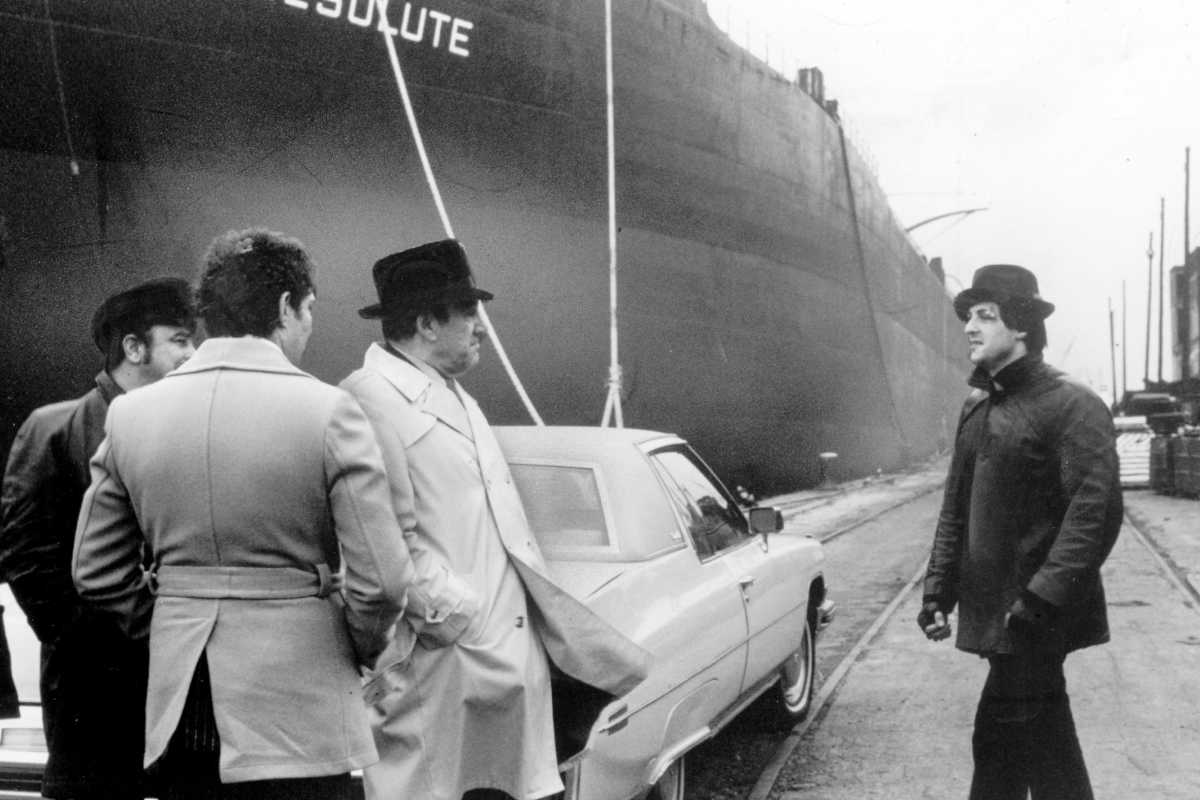
    Sylvester Stallone on location while filming the original “Rocky” in Philadelphia.

    A troubled heart of gold

    Sylvester Stallone was anonymous in Hollywood, with just $106 to his name, before writing the script for Rocky and insisting, at the risk of scuttling the entire project, that he play the titular character. Rocky’s true star, the biggest name in the movie at the time, was Meredith.

    He had earned an Oscar nomination for best supporting actor the previous year for his performance as a salesman/ex-vaudevillian in The Day of the Locust, and his lengthy career as a stage and screen actor, coupled with his deserved reputation as a ladies’ man, had made him a frequent source of copy in newspaper entertainment sections and gossip pages. (“Showgirl is 4th Wife of Burgess Meredith” was the headline of a brief United Press International story in January 1951.)

    He was one of 41 actors who either auditioned or was considered for the role of Mickey; Lee J. Cobb, Art Carney, and George Burns were among the others. When producer Bob Chartoff approached him about the part, though, Meredith was skeptical.

    “Chartoff came to Dad’s house,” Meredith’s son Jonathan said. “‘Look, we’re making a film about a boxer with Sylvester Stallone, and we’d like you to be in it. We think it’s really going to be a great film, so what we’d like to do is give you a piece of the production and then pay you less.’ And Dad says, ‘Well, I don’t know. I’d rather have the money because no one’s gonna watch a film about a boxer.’ And then, of course, it became a hit.”

    Meredith accepted the role for a salary of $20,000, and the Main Street Gym was an obvious choice for Stallone, Chartoff, coproducer Irwin Winkler, and director John Avildsen as an essential location for Rocky, its grimy interior and creaky floors lending Stallone’s training scenes with Meredith an atmosphere fit for any Philly neighborhood.

    The gym, on the second floor of an old concrete theater, hovered above a parking garage at the intersection of Third and Main Streets. Its entrance adorned with a sign that read “World Rated Boxers Train Here Daily,” it shared the building with a luggage store. Jim Murray, the renowned Los Angeles Times sports columnist, described the gym’s setting as “losers’ turf, the crossroads of hopelessness and despair, the home base of a lot of guys who have quit in their corners of life.”

    It was the perfect place for the hardest men on earth to harden themselves. Rocky Marciano, Muhammad Ali (when his name was Cassius Clay), Jack Dempsey, Floyd Patterson, Joe Louis, George Foreman: All of them and more trained there. Steindler himself managed Danny Lopez to the World Boxing Council featherweight championship in November 1976 — the same month that Rocky premiered. Lopez’s title fight was held in Ghana, and Steindler, sick at the time, couldn’t accompany him on the trip.

    Still, he was so proud of his contribution to Lopez’s championship that he invited several friends and reporters to the Redwood one night, then had them listen to a recording of the radio broadcast of the bout. He’d sip a bottle of brandy immediately after Lopez’s fights to calm his nerves, and having taken over the gym in 1960, he kept a ledger, on a yellow notepad, of all the money he had loaned to fighters — two dollars here, three dollars there, 10 dollars sometimes — and never collected.

    “Even with the gruff exterior,” Carol said recently, “he had a heart of gold.”

    Jimmy Gambina, who played Mike, Mickey’s assistant, and whose father, Ralph, was an accomplished manager, spent weeks teaching, or trying to teach, Stallone proper boxing technique for the film. “I got him in condition to be a tough guy,” Gambina said, “not a good boxer, just a banger, a Joe Frazier type who weighed less.” Steindler served a different function, simply by being himself. He was Meredith’s model.
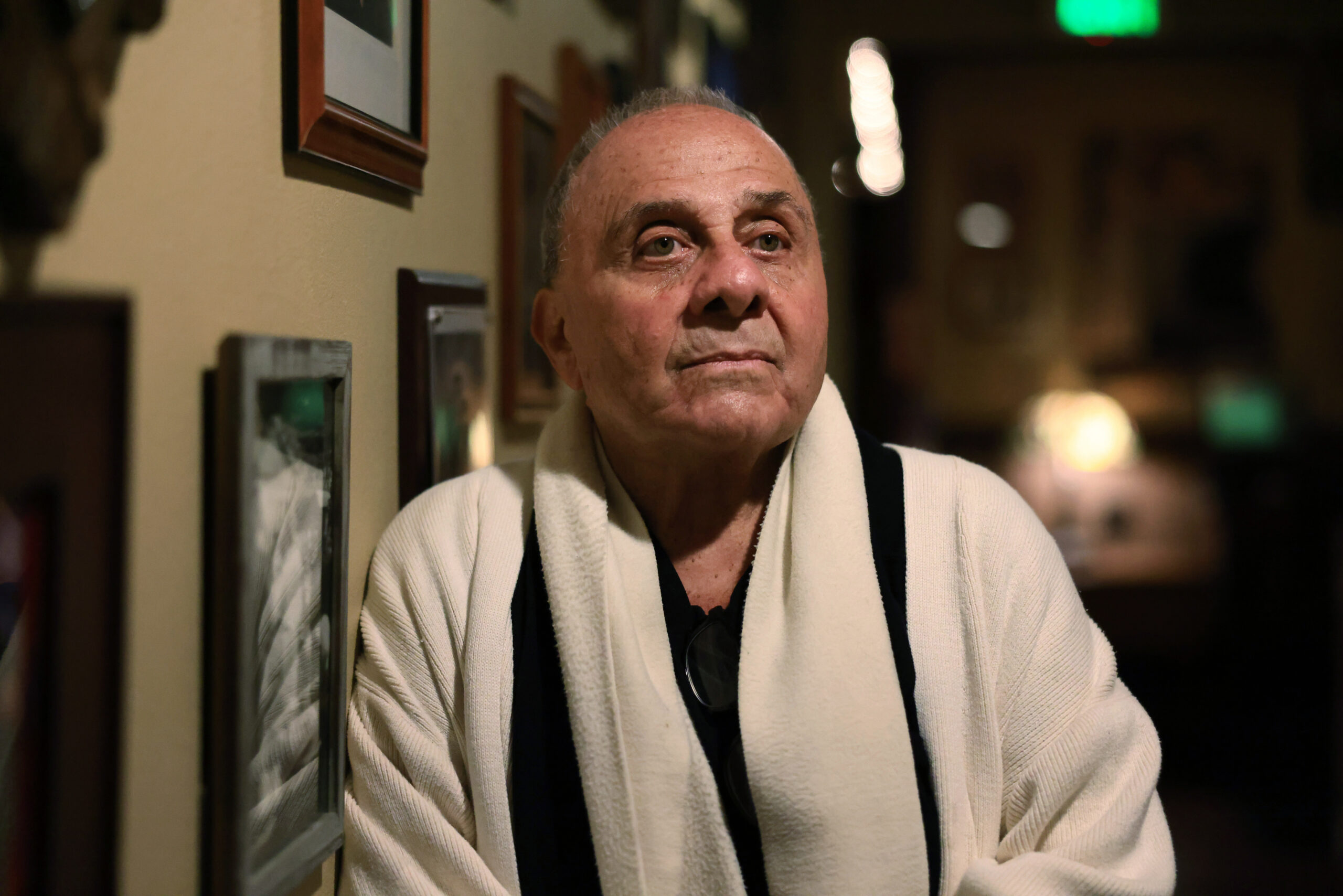
    Jimmy Gambina, who played Mike, Mickey’s assistant in “Rocky.”

    The first time he met Steindler, at the gym, Meredith was dressed in what he called his “broken-down outfit” to play Mickey: ratty sweatshirt, pilled cardigan, cotton balls stuffed in his cheeks, makeup cauliflowering his ears, 17 fake stitches zigzagging near his eyes. He asked Steindler if he could use the phone. The costume fooled Steindler, who told him, You think I’m running a hotel here? There’s a phone down on the street. I got other things to do.

    “He thought I was one of the bums, and he gave it to me,” Meredith once told the Los Angeles Times. “Later, when I went out, one of the rather slow-minded pugs around there must’ve got to his ear and said, ‘That’s one of the stars of this thing.’”

    Meredith wasn’t much of a boxing fan. Loving the sport required a “love of the brutal,” he once said, that he didn’t possess. But Steindler “gave me the mind of the man,” meaning Mickey. “I’d stay around that office and listen to him crack. He’s quite a fella.”

    Rudy Tellez, who apprenticed under Steindler before becoming a longtime trainer and manager himself, said that Meredith and Steindler would sit down for long conversations, and Meredith would watch Steindler’s facial expressions intently: “That’s where he picked up all that dialogue and persona.”

    There’s no public record of Steindler ever saying, Women weaken legs or You’re gonna eat lightning, and you’re gonna crap thunder, as Mickey did. But it wouldn’t have been out of character if he had. “He used to call me ‘schmuck’ or ‘putz’ or all other kinds of crazy Jewish names,” Tellez said. “He meant it with love, though.” He kept a wad of cash, as much as $400, on him at all times because he didn’t trust banks. He wore a special 14-karat-gold diamond ring and drove a gold ’76 Cadillac. His office was barely big enough to store a couple of brooms, and he decorated it with photos of chimpanzees with people’s names under them. He refused to list the gym’s phone number because he didn’t want to be bothered with “too many annoying calls.”

    Homeless men, their bottles of wine and beer wrapped in paper bags, sometimes slipped inside the foyer and staggered up the staircase, following the aromas of fresh sweat, dried blood, and liniment. On those occasions, Steindler might grab the billy club that hung on one of the walls.

    “I run this place, y’see,” he told an LA writer in February 1976; by then, his health deteriorating, he was carrying an oxygen tank with him. “I pay the rent, and this is the most famous gym in the world. Y’might hear remarks that this is a dingy neighborhood, but no gym in the world has a tenth the traffic or a hundredth of the number of fighters.

    “Sure, we got troubles sometimes, but it’s nothing. Everybody’s being hit by the same trouble. We got characters floating around — the screwballs find their way up here — but I run a strict place. This is one establishment that stays the way it was established.”

    Some of those characters were more dangerous, and some of the potential troubles more serious, than Steindler implied. Crime boss Mickey Cohen, who as a teen had trained at Main Street and fancied himself a budding featherweight contender, was a presence in the LA boxing scene until his death, from complications from stomach cancer surgery, in July 1976. Fraser tried to keep Cohen and the rest of his kind at a distance, according to his daughter Denise.

    “Dad would say, ‘Don’t ever have the mob do anything for you because you’ll owe them for the rest of your life,’” she said. But boxing has always been seamy, stained with corruption. There’s no cleaning it. There never has been. All you do is live with it, if you can.

    “Ex-gangsters, Mafia, I met a few,” Tellez said. “They’d come up and see Howie.”
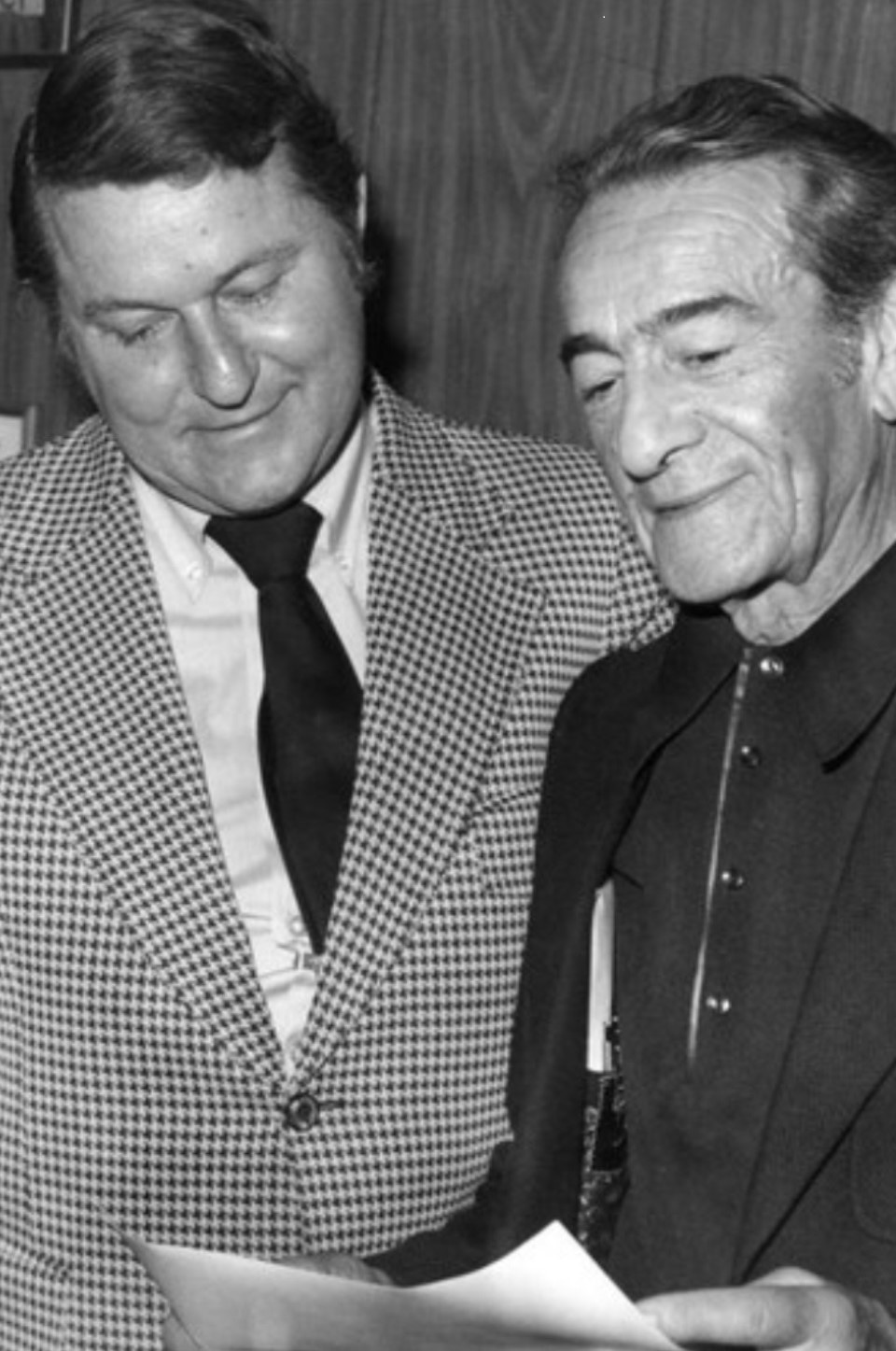
    Howie Steindler (right), who was Burgess Meredith’s model for the character Mickey in the movie “Rocky,” had a close friendship with promoter Don Fraser.

    A critical error

    The day of Steindler’s death began in its ordinary way: the click of a key into a lock, the clomping of feet up steps. Tellez had been worried about Steindler for a while, had heard him arguing on the phone frequently. The previous afternoon, in fact, Steindler had called a state senator to talk about problems he was having with the state athletic commission. He had another loud, anxious phone conversation that morning; with whom, Tellez didn’t know. When Steindler hung up the phone, Tellez asked him, Are you OK?

    Yeah, schmuck, he mumbled. I’m all right.

    Tellez wouldn’t let Steindler lock up the gym alone. They left together that night. He never saw his mentor again.

    At the precinct, Carol thought perhaps her father had gotten into an argument or fight with another motorist, a road-rage-style incident, or maybe he had been arrested on DUI charges. The word murder didn’t cross her mind until the police separated her and Fraser and brought her into an office to question her.

    “When I got in the room there,” she said, “you would have thought I killed my father. They treated you like that. ‘What time do you get home? What time did your husband get home? Where were you?’ And yet, they haven’t told me anything about my father. Finally, I said to the guy, ‘You’d better’ — and I used some not-so-nice words — ‘tell me what’s going on or I’m not telling you another thing.’”

    So they told her: A highway patrol officer had come across Howie’s Cadillac on the shoulder of Ventura Freeway, five miles from the Steindlers’ house. His body was in the backseat, his feet dangling out an open door. He had sustained a horrible beating. Three of his ribs and a vertebra were broken. He had bruises on his head, chest, and right leg and a puncture wound to his right temple. Fraser identified the body to spare Carol the sight. The official cause of death was “suffocation by apparent smothering”; the police speculated that the killers had pushed Steindler’s face into the car-seat cushion.

    His wallet, his keys, his identification papers, and his gold diamond ring were missing. There was a dent on the back of Steindler’s car and a hole slicing through the bumper, indications that someone had rear-ended him.

    A witness had told police that two men had attacked Steindler as he stood near his Cadillac a block from his home, punching him before shoving him in the back of the car and driving away. At first, the observer had thought the victim was female, because Steindler was so small and slight. The witness drove past the scene once, then again, then left when one of the assailants started to approach her, but she described the men’s car as being older and gray.

    The young woman. Carol now understood why the young woman had been sitting near the HOMICIDE door. She was the witness. And she had made one critical mistake: Instead of noticing the license plate of the old, gray car, she remembered the license plate of Steindler’s: HOWIE-5.
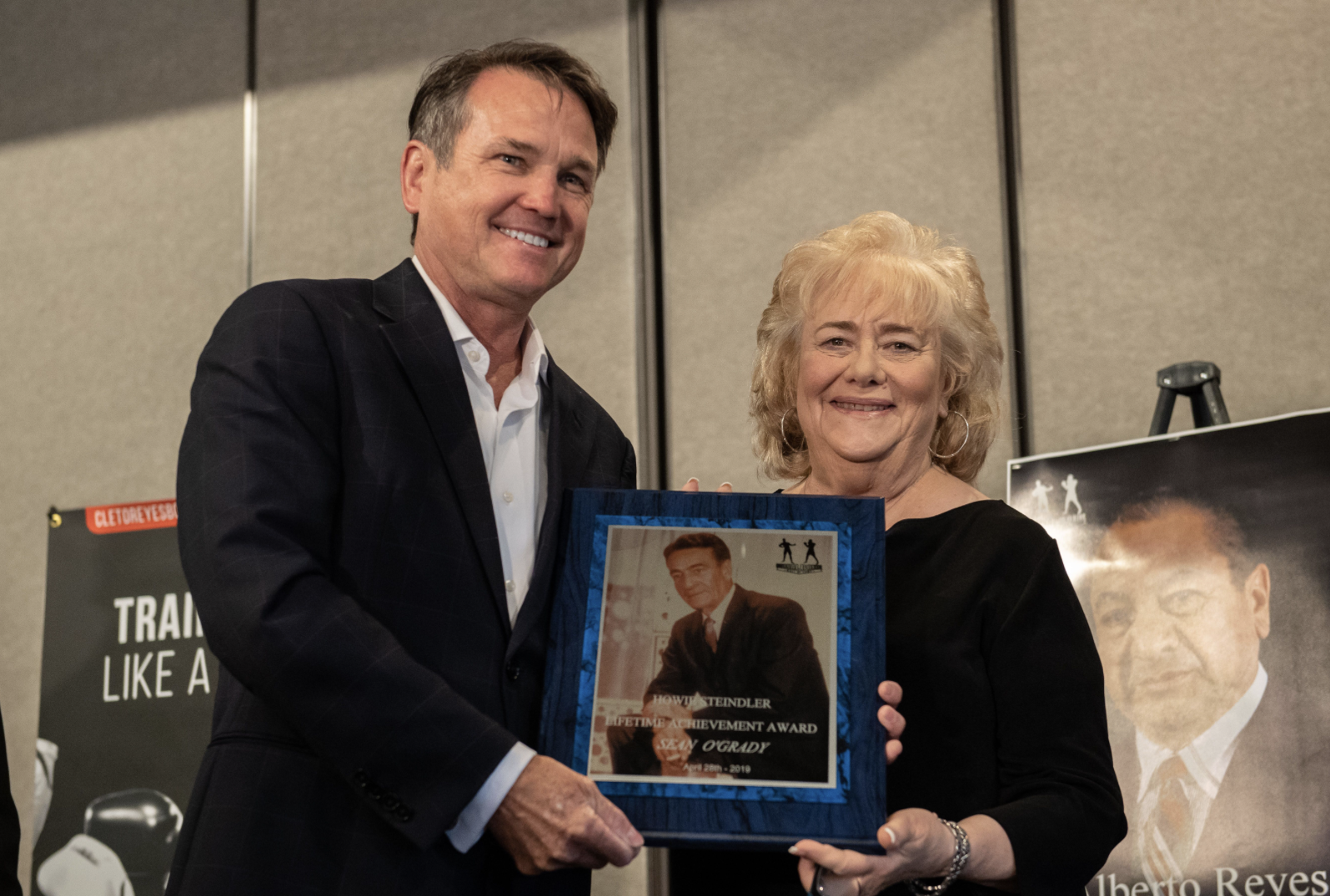
    Carol Steindler, with former lightweight champion Sean O’Grady, has maintained a close connection to the National Boxing Hall of Fame, which gives out an award in her father’s honor.

    ‘You never know’

    From that beginning, a lack of evidence — and competing theories of the crime — made the case difficult to solve. Marv Engquist, the detective who led the investigation, believed that Steindler had been a random victim, that the killers had collided with his Cadillac to draw him into a confrontation and rob him. The MO fit other unsolved murders in the same vicinity and time frame, and Steindler’s feistiness, his refusal to back down from anyone, could have escalated a robbery into something more deadly.

    Carol has long been skeptical of that theory. “The police, the homicide detectives, all thought it was a bump-and-run,” she said, “and I kept saying, ‘No, it’s something else. My father and mother were acting really strange for two weeks.’ I don’t think it’s just a bump-and-run. I think they knew something.”

    Gambina and Tellez still believe that the mob was responsible for Steindler’s murder. They raised and discussed that possibility in hushed tones and with measured words. “The fight game,” Gambina said. “You never know what’s going to happen with people.”

    Carol took over the Main Street Gym and ran it until 1984, when it was razed to build a parking lot. She and her sister, Bobbi Beatty, would from time to time speak to a newspaper or TV reporter, usually on the anniversary of their father’s death, to reawaken interest in and awareness of the case. But the odds that it will be solved are less than slim. Detectives compiled suspects but never made an arrest. Carol, who lives in Thousand Oaks, Calif., is 86. Bobbi died of cancer in 2004. Those who were involved or might know what happened — even the killers themselves — have either died or aged into inertia.

    “Unfortunately,” William Beatty, Bobbi’s widower, said in a phone interview, “it’s like you’re trying to find out if there are any witnesses to the Civil War.”

    After 48 years, with so many questions still lingering unanswered and unanswerable, one detail remains especially haunting. Nine months after her husband’s car and body were discovered, Ann Steindler received a strange package in the mail: Howie’s wallet, Howie’s keys, Howie’s credit cards. No cash, no return address, no fingerprints.
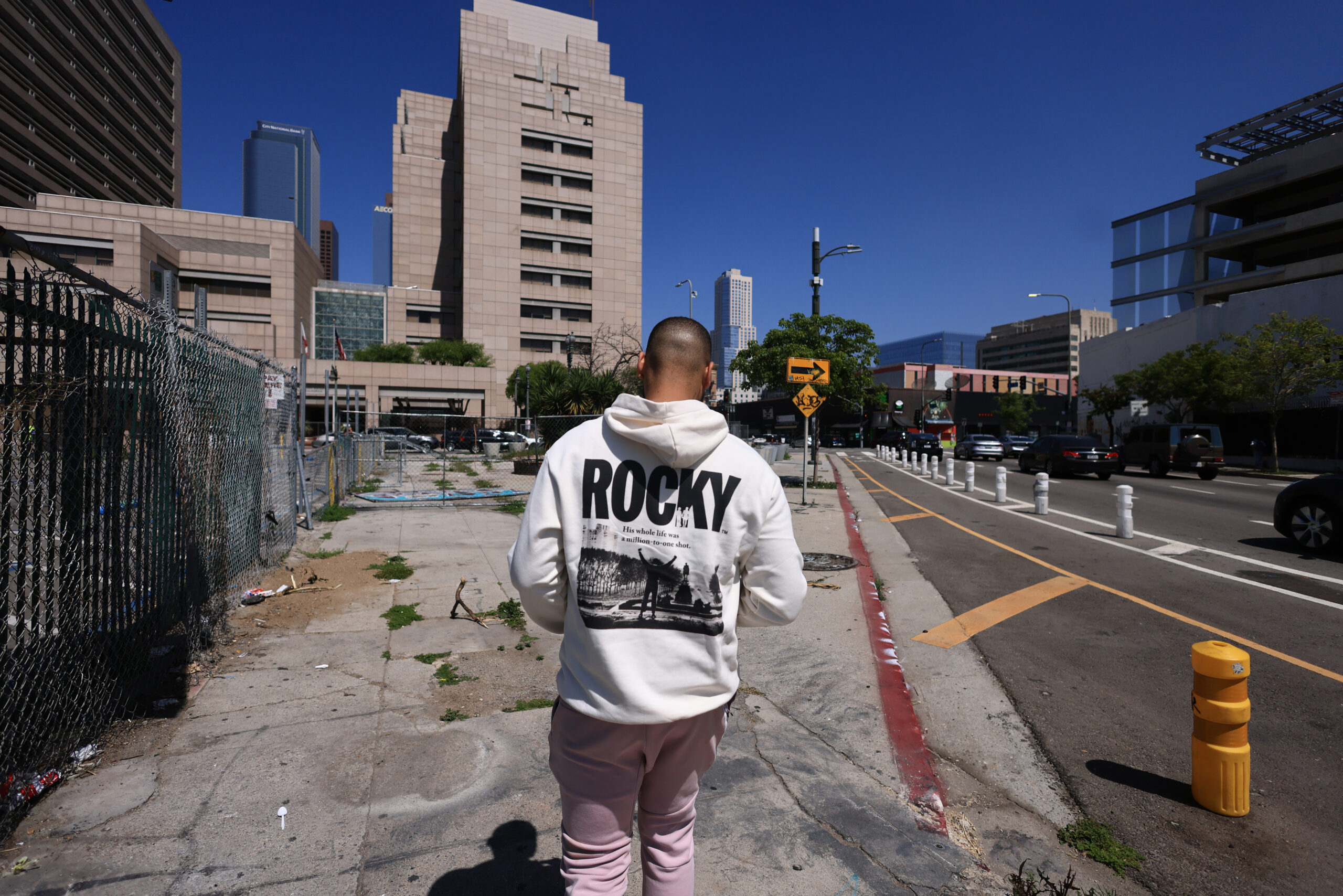
    True Rice, a Los Angeles transplant from Baltimore, walks by a site where “Rocky” was filmed, coincidentally wearing an appropriate hoodie.

    What has changed and what hasn’t

    Three hundred parking spots, give or take, cover the piece of land where the Main Street Gym once stood. In some ways, little has changed about the neighborhood. Weeds and tufts of grass burst up from the concrete. Walls and telephone poles are psychedelic with graffiti.

    On a recent morning, a man in a red plaid shirt stretched out on a ledge near a palm bush and slept. A few feet away, another man, dressed in ratty black, crouched down, put his hands on the sides of his head, and began screaming. A pair of white sneakers dangled from a wire stretched above, giving the lot a Philadelphian flavor. Around the corner, a dog had dropped something in the middle of the sidewalk that its owner, if the animal even had an owner, hadn’t bothered to scoop up.

    There was no historical marker commemorating the gym. No artwork invoking Rocky, Stallone, or Meredith. No acknowledgment of one of the most inspirational films ever made … or the dark story connected to it.

    Then, as if by magic, there was something. There was someone. True Rice strolled through the lot, heading back to his apartment after grocery shopping. Twenty-nine and a native of West Baltimore, he moved to Los Angeles in 2020 to try to make it in modeling and music.

    “Came out here with 60 dollars in my pocket,” he said, “looking for a change.”

    The striking aspect about him wasn’t what he did but what he wore: a white, hooded sweatshirt that he had bought the day before. Plastered across the back were the words “ROCKY: His whole life was a million-to-one shot” and a depiction of Stallone atop the Art Museum steps.

    Did Rice have any idea about the history of where was walking and what that history represented? The lot … the gym … the men … the movie … the murder … the stories and the scenes, exhilarating and evil.

    He said what anyone would have expected him to say. He said what even those few who remember Howie Steindler and his death would have to admit. He stood in the middle of a grim city block with no memory, and he said he didn’t know.
  • Flyers prospect Alex Bump became a star at Western Michigan. The former fifth-rounder might prove to be ‘an absolute steal.’

    Flyers prospect Alex Bump became a star at Western Michigan. The former fifth-rounder might prove to be ‘an absolute steal.’

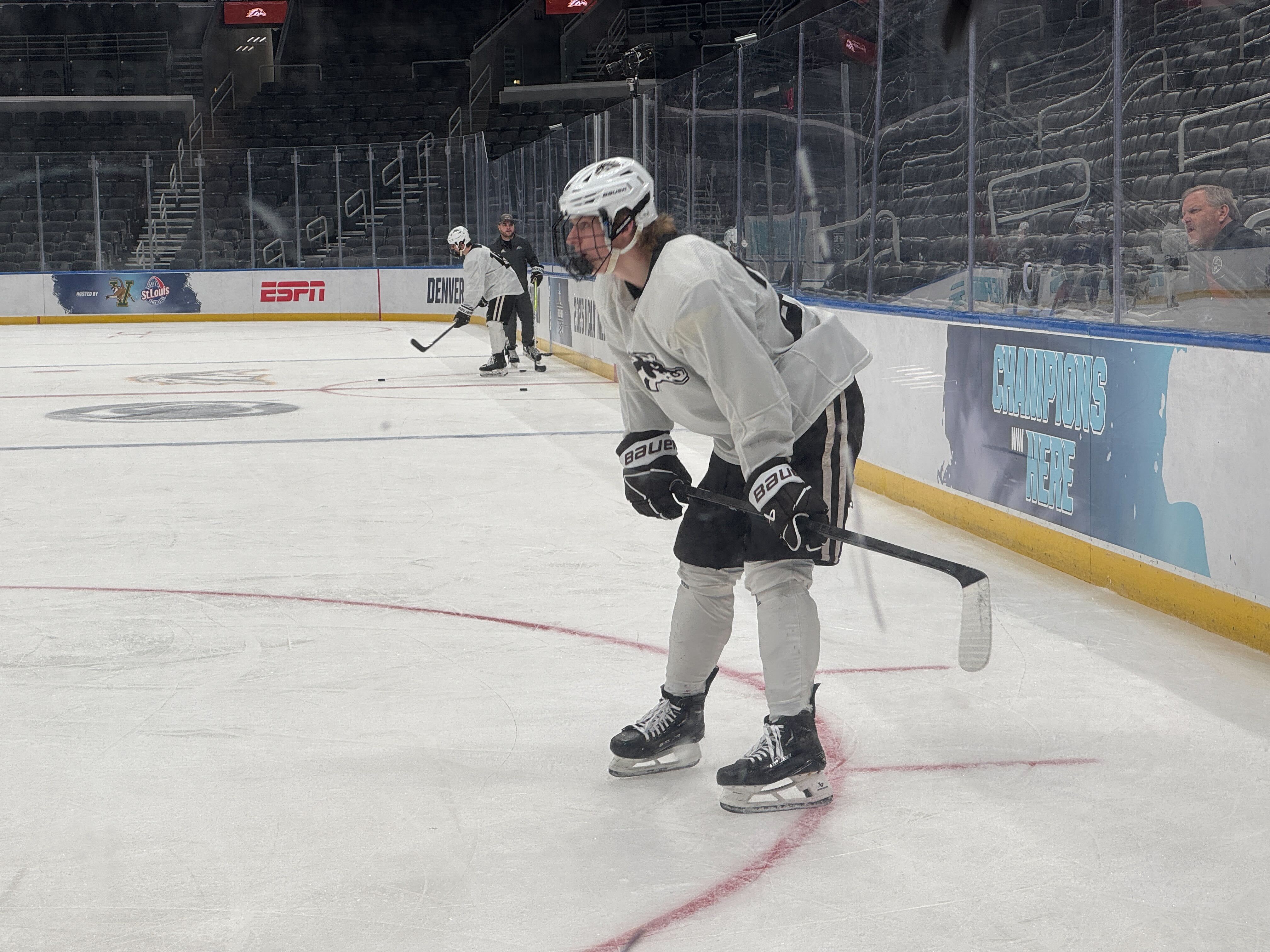
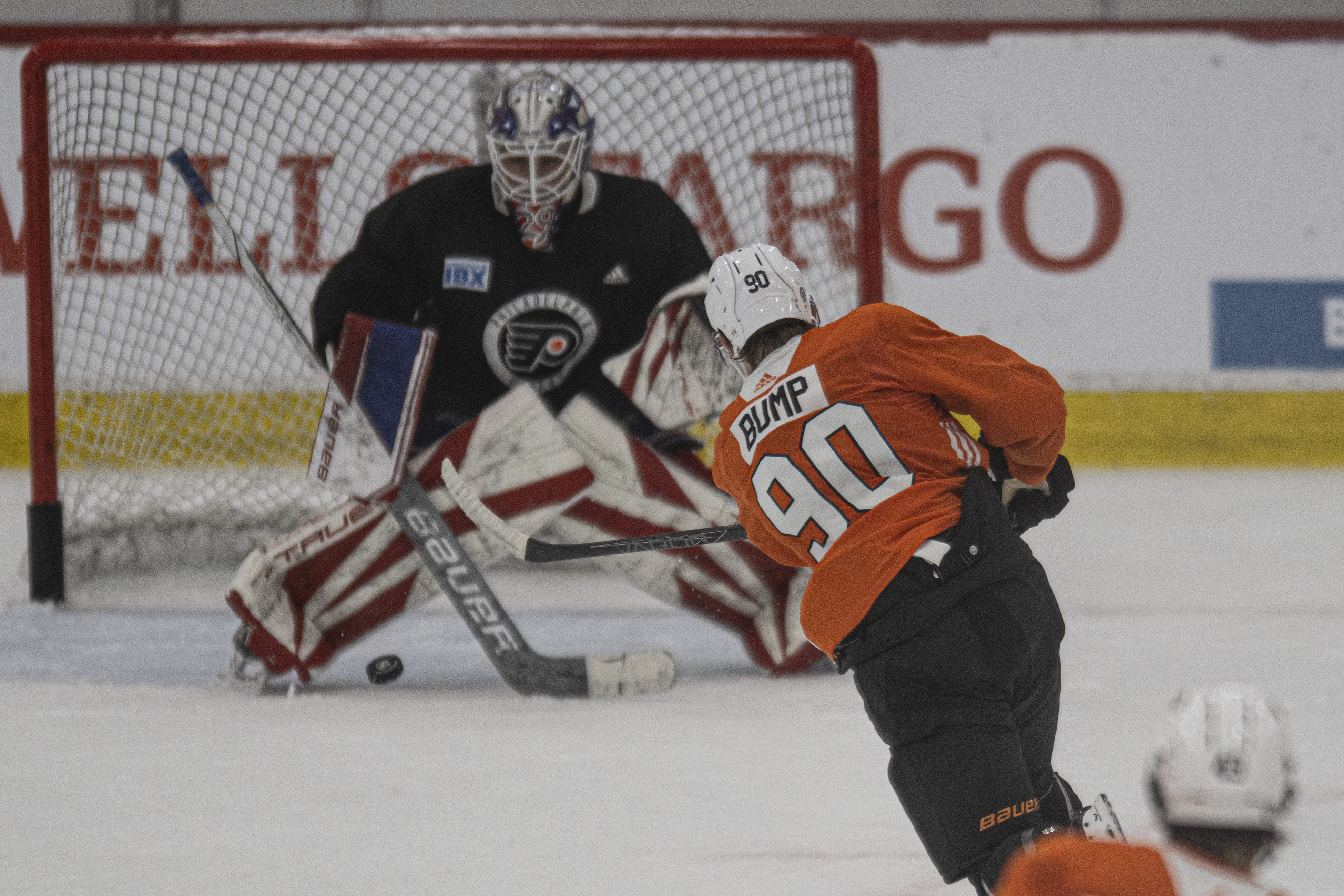
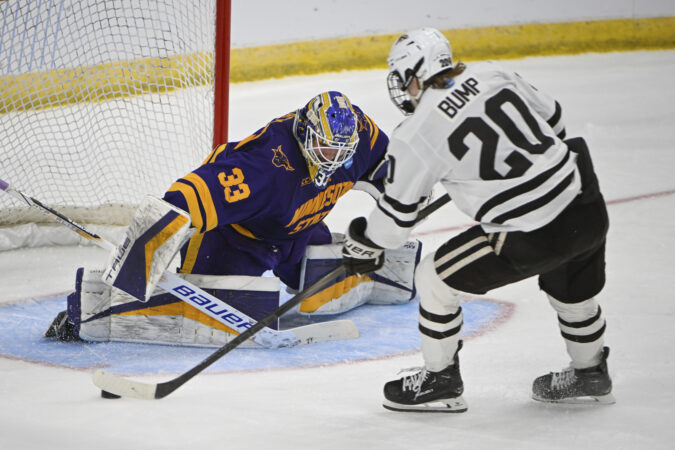
    ST. LOUIS — Skating around the Enterprise Center with his blond hair flowing out of his helmet, Flyers prospect Alex Bump potted a quick wrister from the slot as his linemate Matteo Costantini let out a big yelp.

    Were they celebrating a goal like the double-overtime winner that sent Western Michigan to the NCAA regional finals? No. Was it one of his team-leading 23 tallies this season? Nope. It was instead at Western Michigan’s final practice before the university’s first-ever appearance in the Frozen Four.

    While the goal came as he skated around in a white practice jersey with a black Bronco on it, it encompassed what Bump, 21, does best now, and what he will look to replicate when he suits up for the Flyers in the no-longer-distant future.

    Bump is a goal scorer.

    “A lot of guys are not confident in their shooting,” Flyers director of player development Riley Armstrong said. “A lot of guys don’t think they can beat a goalie, or they have to get to a certain area on the ice to be able to beat the goalie. I think Alex is a very confident shooter, he knows where to shoot the puck. He’s always known how to find the net.”

    Flyers prospect Alex Bump is tied for eighth in the nation with 23 goals this season.

    Hometown hero

    Joe Pankratz remembers Bump being at the rink, even before he starred for him at Prior Lake High School. Bump’s two older brothers played hockey for the school’s longtime coach, and a young Bump — who at the age of 8 and 9, “was a good squirt”— developed a reputation as a rink rat.

    “The biggest thing is, he absolutely loves hockey,” Pankratz told The Inquirer. “You can’t get him off the ice.”

    It was in his hometown of Prior Lake, Minn., where Bump developed that lethal shot of his. He scored 48 goals during his senior season as the Lakers’ captain, including 12 in the section and state tournament playoffs; five came in one playoff game.

    “It’s a lot of snapshots, and he protects it and hides it really well. He changes the angle on his shot. … A lot of that is he’s got amazing hands, but he has a lot of poise with the puck, so he isn’t in a rush,” Pankratz said. “He doesn’t panic with it.”

    And he is a volume shooter. This season, the left-shot winger has fired 236 shots on goal with 23 goals, a 9.7% shooting percentage.

    But it’s not just his shot that’s impressed the Flyers.

    “He’s very elusive of checks. He’s slippery, as you would call it in hockey,” Armstrong said. “He always finds a way to get around guys, get through guys, and then when he doesn’t have the puck, he always finds a way to get open. He has a really good stick. He’s physical. He engages with and without the puck into contact, which is something that you need to play at the NHL level.”

    Alex Bump’s skill has popped at multiple Flyers development camps. Next year, he hopes to crack the NHL out of main training camp.

    The NHL could come as soon as the Broncos’ season ends, either Thursday against the University of Denver (5 p.m., ESPN2) or after Saturday’s national championship game (7:30 p.m., ESPN2). And it sounds like Bump will be coming with an ax to grind.

    “Our guys, Brent [Flahr, assistant general manager] and [amateur scout] Shane Fukushima in Minnesota, had seen him play a lot [in high school], and they were very comfortable with him. They couldn’t believe that he had fallen this far,” Flyers general manager Danny Brière said this week.

    At the time, Brière was an adviser to then-GM Chuck Fletcher. He jokes that his nephew Zaac, the team’s runner at the Montreal draft, “still claims he made the pick for us” after seeing Bump’s name high on the team’s draft board and saying they should take the Minnesotan.

    Bump was eventually selected by the Flyers in the fifth round with pick No. 133 — and it lit a fire.

    “He came up to the suite after. He had his brothers there, his family, and he came in and he was [ticked] off that he went so late. He felt he should have went earlier in the draft,” added Armstrong, then an assistant coach with Lehigh Valley.

    “I think he’s proven a lot of people wrong, or for our sake, right.”

    ‘An absolute steal’

    Why Bump, the 2022 USA Today High School Hockey Player of the Year, fell is irrelevant now. Just like the round he was drafted. As Flahr always says, it’s all about what you do after that matters. And what Bump, 21, has done has been impressive.

    But first, Bump had to face some adversity. He played USHL hockey wrapped around his senior year but didn’t put up the biggest numbers the year after he graduated. A University of Vermont commit, he had to make a last-minute pivot when the Catamounts’ coach was fired, and found a home at Western Michigan in Kalamazoo, Mich.

    Alex Bump, pictured at Western Michigan’s Frozen Four practice on Wednesday, was the NCHC’s top forward this year.

    “I think that we’ve seen over the last two years is that his development has seemingly gone into hyperdrive. I think he’s ahead of schedule where we thought he would be this time two years ago,” FloHockey’s prospect analyst Chris Peters told The Inquirer. “So that’s a pretty positive development, because he was good in the USHL, but he wasn’t dominant. And now this year, you could say he was one of the best players in college hockey.”

    Broncos coach Pat Ferschweiler, who was a linemate at Western Michigan with Flyers president Keith Jones, and the Flyers organization work in lockstep. Armstrong speaks with the coaching staff and Bump consistently, and goes over videos with the player to make sure they are all on the same page as far as his development and making sure he is NHL-ready.

    How it will translate at the NHL level is to be determined. Ferschweiler says the Flyers got “an absolute steal.” He notes Bump’s “incredible hockey sense and incredible vision,” but feels what will really separate him and “what the Flyers fans are going to love, is, he’s got incredible compete.”

    “Alex does not lack for confidence,” he said. “He’s got inner belief, because he works really hard, and that’s how belief is earned. He does that every day. So he’s not a cocky kid, but he does have self-belief, which I think there’s a fine line there and he walks on the right side of it.”

    A pure goal scorer, Bump does need to continue to work on his skating. But those who know him best have seen improvement. This past winter break, Bump skated with his old high school team and Pankratz noted “how much stronger, more powerful of a skater he is.”

    And they all know he will put in the work because he wants to succeed.

    “I don’t think he’s ever really been a passenger.” Peters said. “He’s a driver, and especially at his age, and that program, and based on what they have surrounding him, like they needed him to be that, and he’s delivered. So he’s risen to the occasion.”

    The Flyers and their fans will love to hear that because maybe, just maybe, he becomes another game-changer for a team that needs more of them to take that next step.

    “I really do,” Armstrong said, when asked if Bump could be that type of guy. “I think, with Matvei [Michkov] as well. … You just have to have a little bit of patience to kind of see the rebuild through and wait for these kids to get there.

    “Once they do, you’re going to have a couple of game-changers sitting right in front of you.”

    Alex Bump’s shot is his No. 1 attribute but the Flyers see more than just that in the 21-year-old.
  • Man in addiction who died in jail was labeled an ‘emergency’ case and should have been given one-on-one support, records show

    Man in addiction who died in jail was labeled an ‘emergency’ case and should have been given one-on-one support, records show

    The 42-year-old man in addiction who died inside a Philadelphia jail days after his arrest in Kensington had been flagged as an “emergency” case by an intake worker at the jail, and should have received one-on-one supervision in the hours before he collapsed, according to records from the Department of Prisons.

    But that didn’t happen, and instead, Andrew Drury died alone inside the holding cell, without having received a formal behavioral health evaluation by the prison staff, according to the records obtained by The Inquirer. His cause of death remains under investigation, though when he was jailed in the fall, he had been hospitalized multiple times from withdrawal-related health complications.

    A spokesperson for the Philadelphia Department of Prisons declined to comment Friday.

    Drury had been picked up by Philadelphia police on the night of March 6, after officers encountered him at Kensington Avenue and Somerset Street, and learned he had outstanding bench warrants related to a drug case in Maryland and a 2022 violation of a protection-from-abuse order filed in Philadelphia.

    Police said Drury received off-site medical treatment over the next day before he was transferred to Curran-Fromhold Correctional Facility around 2:15 a.m. on March 8. Police declined to say what kind of treatment he received, where he was treated, or how he was cleared for transfer to the jail.

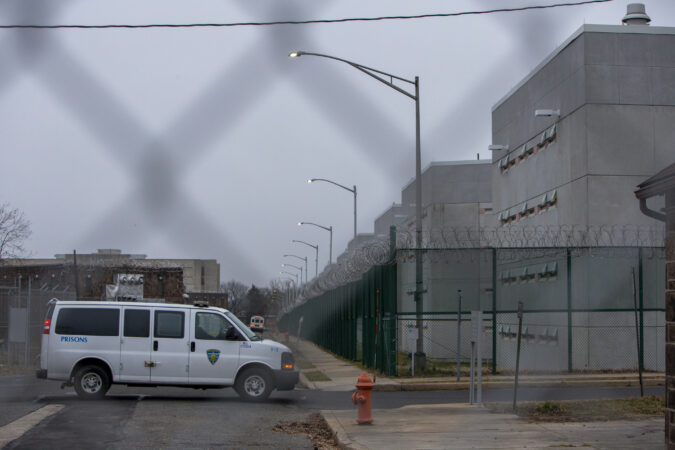
    Drury remained in an intake room at the jail until the next afternoon, waiting to be medically evaluated and assigned to a cell block. On March 9, around 9:30 a.m., an intake worker for the prisons assessed Drury and wrote that he was experiencing a range of physical and behavioral health issues and described him as extremely agitated and confused, according to the records.

    Andrew Drury, left, and Jennifer Barnes had been homeless and struggling with addiction in Kensington for about two years. Drury died on March 9 inside a Philadelphia jail.

    The employee labeled Drury as an emergency case, which, according to the records, should have required that he receive one-on-one supervision until he could be evaluated by a behavioral health worker.

    Instead, Drury remained in his intake cell for another six hours. A jail guard walking through the area found him unresponsive at 1:45 p.m., and despite administering two doses of Narcan and other lifesaving measures, he was pronounced dead at 2 p.m., according to a spokesperson for the prison.

    The Philadelphia Medical Examiner’s Office said Wednesday that doctors are awaiting toxicology results to determine his cause of death.

    Drury had long struggled with an opioid addiction, and had been experiencing homelessness in Kensington for about two years, said his longtime girlfriend, Jennifer Barnes.

    In an interview this week, Barnes, 44, said she believes he died from health complications related to withdrawal — something that he has been hospitalized for in the past.

    When Drury was arrested in October on bench warrants related to the same cases, he was hospitalized multiple times, including for more than a week, after suffering a mild heart attack and other issues while going through withdrawal in jail, according to Barnes and a source familiar with Drury’s care at the time.

    After Drury was released in November, Barnes said he was in and out of the hospital because of ongoing chest pains and shortness of breath.

    Barnes said she worried about his health as she watched police arrest him that night.

    “The withdrawal, it’s not good for him,” she said she told the officers. “He needs medical attention.”

    Jennifer Barnes, whose fiancee Andrew Drury died while in jail, shown here in Philadelphia on Tuesday.

    Drury’s death comes as the city ramps up enforcement efforts in Kensington, a section of the city that has long experienced concentrated violence, homelessness, and drug use in and around its massive open-air drug market. Mayor Cherelle L. Parker has said her administration would shut down the drug activity in the area and return a quality of life to the neighborhood’s residents.

    But some advocates have warned city and law enforcement officials that the withdrawal effects for people who use opioids can be life-threatening, and that the understaffed jails might struggle to respond to people’s health needs in those circumstances.

    Barnes said she and Drury were both from South Philadelphia, and had been dating since 2012 after meeting in a luncheonette in the neighborhood. They were not married, she said, but wore rings as if they were.

    Andrew Drury and Jennifer Barnes in a photo before they became homeless in Kensington.

    Barnes said she has struggled with addiction since about 2008. Drury also used drugs by the time they had met, she said, his troubles beginning after he underwent a weight loss surgery and got hooked on pain killers. For many years, they were both able to hold jobs and hide their addiction.

    They bounced between friends’ and families’ homes, she said, until they were kicked out of Drury’s mother’s house in 2021 and she got a Protection From Abuse order against him. They’ve been on the streets of Kensington since about the summer of 2023, she said.

    Drury was funny and loving, she said, and helped protect her from the dangers of living on the streets. They had both recently talked about wanting to go to rehab and getting their lives back on track.

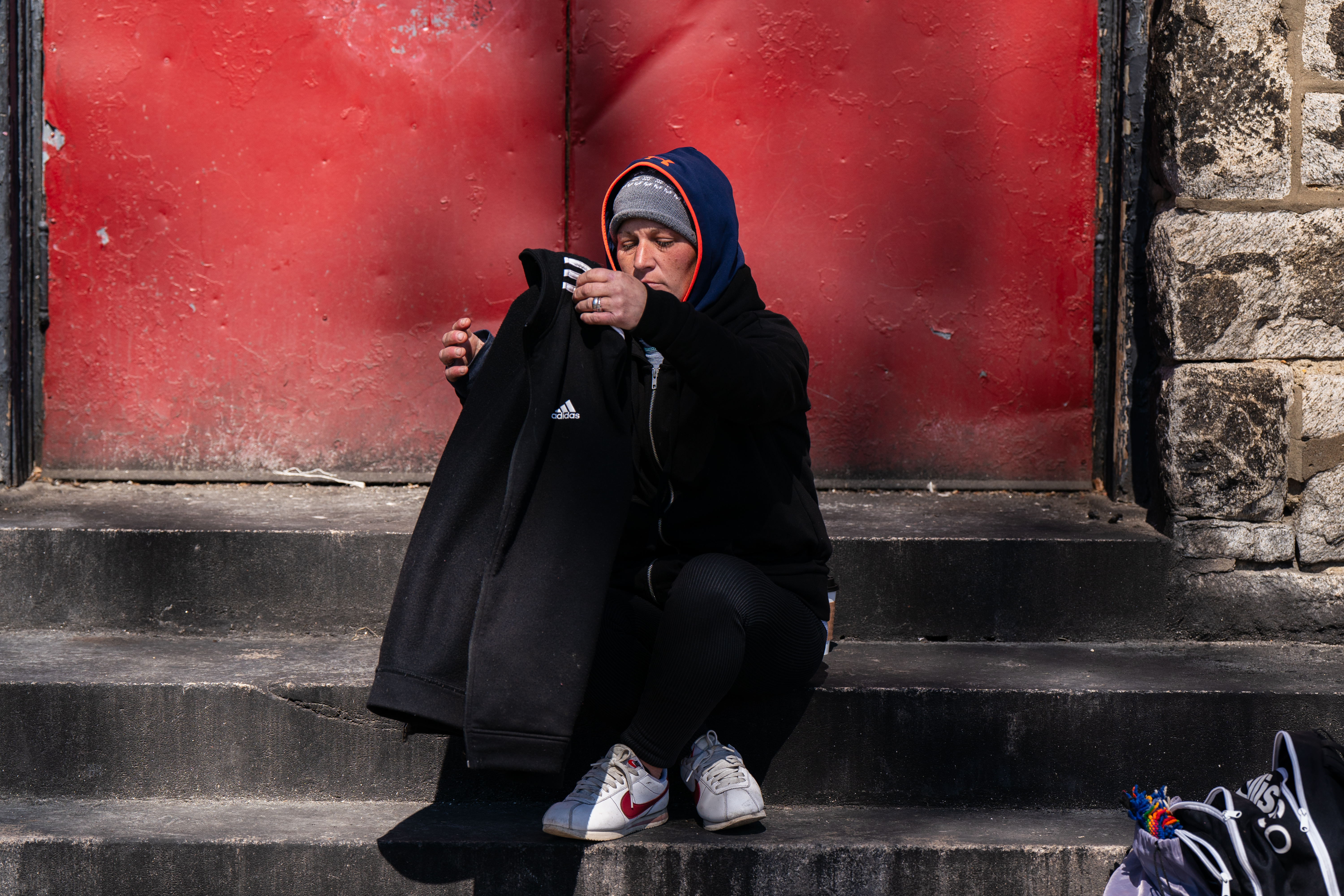
    Jennifer Barnes holds the sweatshirt of her longtime boyfriend, Andrew Drury, who died in jail on March 9.

    Since his death, she said, she feels in a fog. She has connected with a friend who found a bed for her at a recovery house in South Jersey, and she hopes to go next week.

    “For myself, and for him, it’s the best thing to do,” she said. “This way he won’t have to worry anymore.”

  • A man in addiction who was arrested in Kensington last week died in jail days later

    A man in addiction who was arrested in Kensington last week died in jail days later

    A 42-year-old man with a history of addiction died inside a Philadelphia jail over the weekend just days after he was arrested in Kensington, officials said.

    Andrew Drury was picked up on a bench warrant by Philadelphia police near Kensington and Lehigh Avenues on Thursday night and was found collapsed inside the intake room at Curran-Fromhold Correctional Facility on Sunday afternoon, according to police and prison officials. Officers who found Drury administered two doses of Narcan, among other lifesaving measures, but he did not regain consciousness, officials said.

    Drury, whose cause of death remains under investigation, was addicted to opioids and had been hospitalized multiple times for withdrawal-related complications when he was jailed in the fall on similar warrant issues, according to a source familiar with his care who was not authorized to speak publicly.

    Philadelphia police arrested Drury in Kensington around 10:30 p.m. Thursday on outstanding bench warrants related to a drug case in Maryland and a 2022 violation of a protection-from-abuse order filed in Philadelphia.

    Sgt. Eric Gripp, a spokesperson for Philadelphia police, said Drury was evaluated and “received off-site medical treatment” before he was transferred to the jail on State Road around 2:15 a.m. Saturday.

    People who use drugs are often gathered near Kensington and Somerset Avenues, an intersection at the heart of Philadelphia’s opioid crisis.

    Drury had been in an intake room at the facility for nearly 36 hours, waiting to be assigned to a cell block, when a jail guard found him unresponsive around 1:45 p.m. Sunday, according to John Mitchell, a spokesperson for the Philadelphia prisons. He was pronounced dead at 2 p.m., Mitchell said.

    The cause of Drury’s death was under investigation, he said, but no foul play was suspected. Gripp declined to say where and under what circumstances Drury was treated medically while in police custody, citing an ongoing investigation. It is not clear whether Drury was medically evaluated once he arrived at the jail.

    Drury is the first person to die in the custody of the Philadelphia Department of Prisons this year, and his death comes as the city ramps up drug enforcement in Kensington and arrests more people in addiction. Advocates have warned city and law enforcement officials that the withdrawal effects for people who use opioids can be life-threatening, and that the understaffed jails might struggle to respond to people’s health needs in those circumstances.

    His death follows that of Amanda Cahill, 31, who died inside a cell at the Philadelphia Industrial Correctional Center in September, days after she was arrested in Kensington on charges related to drugs and open warrants. The Philadelphia Medical Examiner’s Office said Tuesday that an autopsy showed Cahill died from drug intoxication.

    At least 29 people in addiction have died in Philadelphia jail or police custody since 2018 for reasons that appear connected to drug intoxication or withdrawal, according to medical examiner records reviewed by The Inquirer.

    Amanda Cahill, 31, is seen here in a photo provided by her family. She died in Philadelphia Industrial Correctional Center in September.

    Drury’s legal troubles go back to at least July 2021, when he was arrested for possession with intent to distribute drugs in Maryland, according to court records. Then, in July 2022, he was arrested in Philadelphia for violating a protection-from-abuse order that his mother had filed against him. He was later released on bail.

    After Drury failed to appear in court in Maryland and Philadelphia, warrants were issued for his arrest. He was picked up by police on Oct. 1, 2024, in connection with those pending cases.

    While in custody, Drury was hospitalized at least twice, including for more than a week, after experiencing health issues related to withdrawal, said the person familiar with his care, who had reviewed the records related to Drury’s earlier cases.

    He was released from jail in November after authorities in Maryland declined to extradite him, the source said. Because he did not return to Maryland to resolve his case, there was still an outstanding warrant for his arrest. And when Drury did not appear for a December hearing in his Philadelphia case, a second warrant was issued.

    The warrants landed him back in police custody on Thursday.

    Two of Drury’s relatives, who asked not to be identified for privacy reasons, said they did not know he was struggling with addiction. They described him as a warm and generous person, a good listener, and a helping hand.

    “I feel that something is not right,” one relative said. “I don’t know, and I won’t know, I guess, until I can get the coroner’s report. I’m in the dark right now.”

    Andrew Pappas, pretrial managing director of the Defender Association of Philadelphia, said Drury’s death underscores the dangerous conditions inside Philadelphia’s jails, which face an ongoing staffing shortage.

    “We continue to see the effects of that with yet another death in custody,” he said.

  • Temple’s been part of several high-profile crime incidents recently. President John Fry is getting high marks for communication.

    Temple’s been part of several high-profile crime incidents recently. President John Fry is getting high marks for communication.

    It was a tough two-and-a-half-week period: Students accused of impersonating ICE agents. One student accused of shooting and killing another. A student stabbing a former student 13 times. And a student falling from a light pole during a post-Eagles celebration and dying from his injuries.

    These high-profile incidents involved Temple University students and three of the four occurred on or near campus, posing another test for new president John A. Fry.

    Some say they are gratified that the administration communicated swiftly and thoroughly about the incidents, which wasn’t always the case in the past.

    “That’s been really great to have such a quick turnaround time,” said Ray Epstein, president of student government. “Even if it is the middle of the night, we are getting an email immediately.”

    After Chase Myles, a 20-year-old student from Maryland was shot and killed at about 11 p.m. Feb. 6, Fry notified the campus in an email at 3:46 a.m., and just hours later was on a plane back to campus from an alumni event in Florida so he could be on the ground to talk to the victim’s parents and help coordinate the response.

    By contrast, it took nearly twice as long for the university to get out an email about the shooting death of Samuel Collington outside his off-campus residence in November 2021 even though that happened in the daytime. The email did not come from then-president Jason Wingard, but rather from then-safety chief Charles Leone. The attack put the campus on edge and stirred fear in the Temple community among students, parents, and staff — and social media posts circulated with the hashtag “Where’s Wingard,” who later resigned after less than two years on the job.

    Donna Gray, Temple’s campus safety services manager for risk reduction and advocacy services, greets Temple president John A. Fry during his first day of work Nov. 1.

    That incident ― which happened as part of an attempted robbery and carjacking ― was different in that it involved random violence by a stranger in the neighborhood.

    But even the Temple police officers’ union, which has been critical of university leadership in past years, has noted Fry’s efforts in dealing with the recent multiple incidents.

    “He seems to be handling it well,” said Sean Quinn, president of the Temple University Police Association. “Without a doubt, as soon as these things happen, he’s right on top of it.”

    Fry, who became Temple’s president Nov. 1, said his approach is two-pronged.

    “It is up to us to tell the bad news first, personally to all of our community,” he said. “Number two is just to keep a steady stream of communications following that even when there is not a whole lot to say. It’s worth checking in.”

    Parents on the university’s family council said they are confident in the university leadership’s handling of the incidents, too.

    “It seems like there are the right people in place,” said Allison Borenstein, a Temple alumna whose son, a sophomore, attends the university. “They handled it well, and I think they are on it.”

    Borenstein, an event planner at a synagogue who lives in Cherry Hill, noted such incidents could happen near any college campus and said she feels that Temple sometimes gets an unfair rap.

    “There’s nothing that the school could have done in advance,” she said.

    Emma Legge, an alumna and parent of a senior who lives in New York, said she feels she is kept informed, and she checks in with her son after receiving a communication.

    “I do feel as a parent that Temple is doing what it can within the city of Philadelphia to manage what happens,” said Legge, who got both her bachelor’s and master’s degrees at Temple and met her husband, also a twice Temple alumnus, there. “I have a lot of confidence in the university and the people who are on board.”

    Philadelphia Police Commissioner Kevin J. Bethel and Jennifer Griffin, Temple University vice president for public safety, after graduation ceremonies for the Police Academy Class #402, new officers of the Philadelphia Police Department and Temple University Police Department, at Temple’s Performing Arts Center in June.

    That includes Jennifer Griffin, vice president for public safety, she said.

    “I feel very reassured by the measures police are undertaking to be involved in the neighborhood and be involved with students,” said Legge, who works in student affairs administration at a New York college.

    Griffin said after the recent incidents, she met with the student safety advisory committee and its members said they appreciated the accurate and timely information, which she said she has always aimed to provide since starting at Temple about two and a half years ago.

    “We hope it decreased anxiety,” she said.

    Of Fry, she said, “I thought he handled all the incidents with thoughtfulness and decisiveness and direction that I would expect from somebody with his level of experience.”

    The police union has been critical of Griffin, even calling for her to resign or be fired over staffing issues. University leadership has backed Griffin.

    Quinn said the union now is trying to work things out, noting that the university is amid a police staffing study conducted by an external company.

    “I just don’t want to come to work every day feeling like I’m butting heads,” he said. “I actually would like to work with whoever I have to work with to see if we can accomplish things.”

    Fry said he expects to have the results of the staffing study in a couple months. He said he’s pleased with the work campus police do, noting he had gone on ride alongs with them and wants to make sure they have enough help.

    Ray Epstein, Temple student government president.

    While Epstein, the student government president, endorsed the university’s handling of communication about the recent shooting, she said it also should have issued an alert after a report about a student placing hidden cameras in a fraternity bathroom in late November and recording people without their knowledge. Instead the campus learned of it through social media earlier this month, she said. The student has been arrested and charged in that case.

    “I was not sure when or if the fraternity/university would ever disclose this incident, but I wanted to inform everyone in case this was never announced,” someone posted on a Temple Reddit page, with court documents about the case.

    “Maybe it’s perceived by campus safety as not being an ongoing threat,” Epstein said. “I’d argue that it is because when these things happen in a house, you can’t possibly know until an investigation is concluded who all was involved.”

    Griffin countered that the investigation was handled swiftly, the individual was identified and arrested, and there was no ongoing threat to the community. A Temple alert is sent when there is an immediate threat to the community, she said.

    In this case, people who lived in the house notified law enforcement after the equipment was found, the equipment was taken and the individual who put it there was identified, she said.

    “The people who called in the cameras were cooperative,” she said. “It was an isolated incident at an off-campus residence … and student affairs reached out to those who were impacted.”