Tag: topic-link-auto

  • Republicans won in Trump-friendly Tennessee, despite swing toward Democrats. Here’s what it means for Pennsylvania and 2026.

    Republicans won in Trump-friendly Tennessee, despite swing toward Democrats. Here’s what it means for Pennsylvania and 2026.

    A special election in a safely Republican district in Tennessee became must-watch TV for political observers Tuesday night, the latest sign of anti-Trump sentiment ahead of the 2026 midterms.

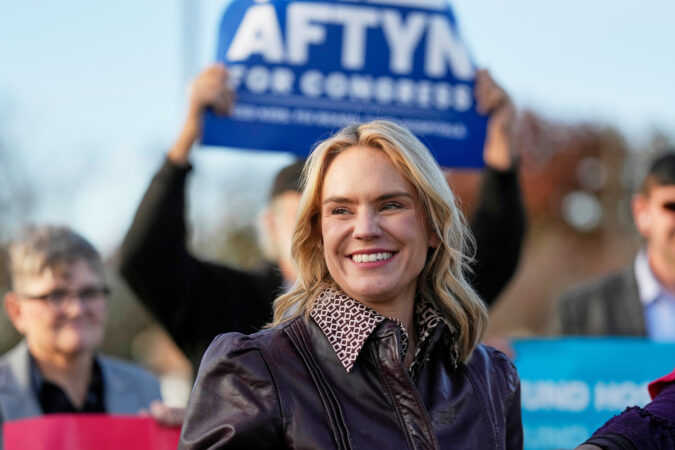
    The Associated Press called the race in Tennessee’s 7th Congressional District for Republican Matt Van Epps, who was leading Democrat Aftyn Behn by about 9 percentage points with about 99% of the vote in. That was a steep decline from the 22-point win President Donald Trump recorded in the same district just last year, and from his 39-point victory in 2016.

    It was the latest sign of a Democratic blue wave forming, following Election Day sweeps in Virginia, New Jersey, and Virginia last month. It also was the third straight special election in a deeply Republican district where voters swung toward the Democratic candidate by double-digit margins.

    “Sometimes in politics, what is happening is clear and in front of you,” David Chalian, CNN’s Washington bureau chief and political director, said Tuesday night. “Democrats are significantly, significantly over-performing what Kamala Harris did last year vs. Donald Trump in all of these places.”

    While Democrats were not successful in stealing a Republican seat Tuesday night, there are about 100 districts Trump won by a slimmer margin that Republicans will now need to defend during the 2026 midterms, according to the New York Times. Democrats need to flip just a couple to take back the majority in the House for the remainder of Trump’s term.

    While Trump celebrated Van Epps’ victory on social media, Democratic National Committee chairman Ken Martin called the results “a flashing warning sign for Republicans heading into the midterms.”

    “What happened tonight in Tennessee makes it clear: Democrats are on offense and Republicans are on the ropes,” Martin said in a statement.

    What is the Republican majority in the House?
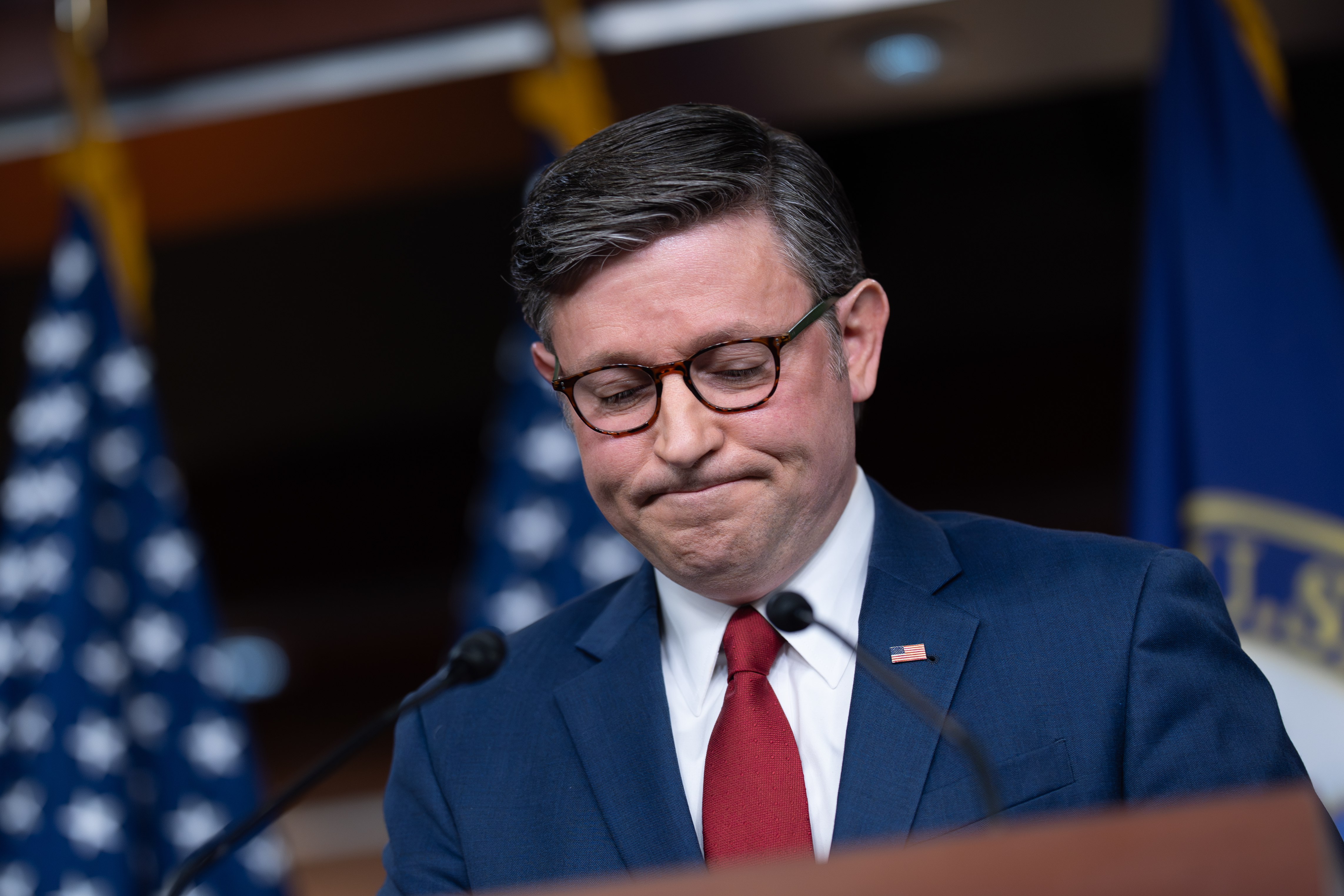
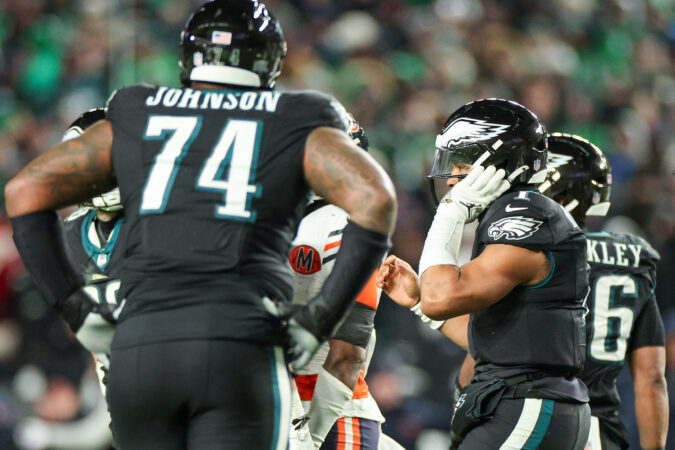
    Speaker of the House Mike Johnson (R., La.) is dealing with a shrinking majority.

    Van Epps’ victory means Republicans will hold 220 seats, while Democrats have 214 seats; 218 are needed to control the majority.

    Two seats remain vacant, and both are expected to go to Democrats, further reducing the already slim majority of House Speaker Mike Johnson (R., La.).

    The first is in Texas, where a runoff will be held Jan. 31 to fill the seat vacated by the death of Democratic Rep. Sylvester Turner. The race is down to two Democrats — Christian Menefee and Amanda Edwards.

    The second open seat is in New Jersey’s 11th Congressional District, which will hold a special election April 16 to fill the spot vacated by New Jersey Gov.-elect Mikie Sherrill. While the district was represented by a Republican as recently as 2018, it has been safely blue since maps were redrawn following the 2020 Census and is expected to remain in Democratic control.

    Not surprisingly, there are a lot of Democrats vying to replace Sherrill. At least 13 have entered the race or are about to do so, a lengthy list that includes former Rep. Tom Malinowski, progressive activist Analilia Mejia, Obama White House alum Cammie Croft, Essex County Commissioner Brendan Gill, and current Lt. Gov. Tahesha Way.

    Just one Republican has announced a bid to replace Sherrill — Randolph Mayor Joe Hathaway.

    Then there is the Georgia seat of GOP Rep. Marjorie Taylor Greene, which is set to become vacant following her resignation on Jan. 5. It is unclear when Georgia will hold a special election to replace Greene, but Gov. Brian Kemp is required to set a date within 10 days of her departure.

    The seat is considered safely Republican, but that is hardly definitive after what happened in Tennessee on Tuesday night.

    Why was there a special election in Tennessee?
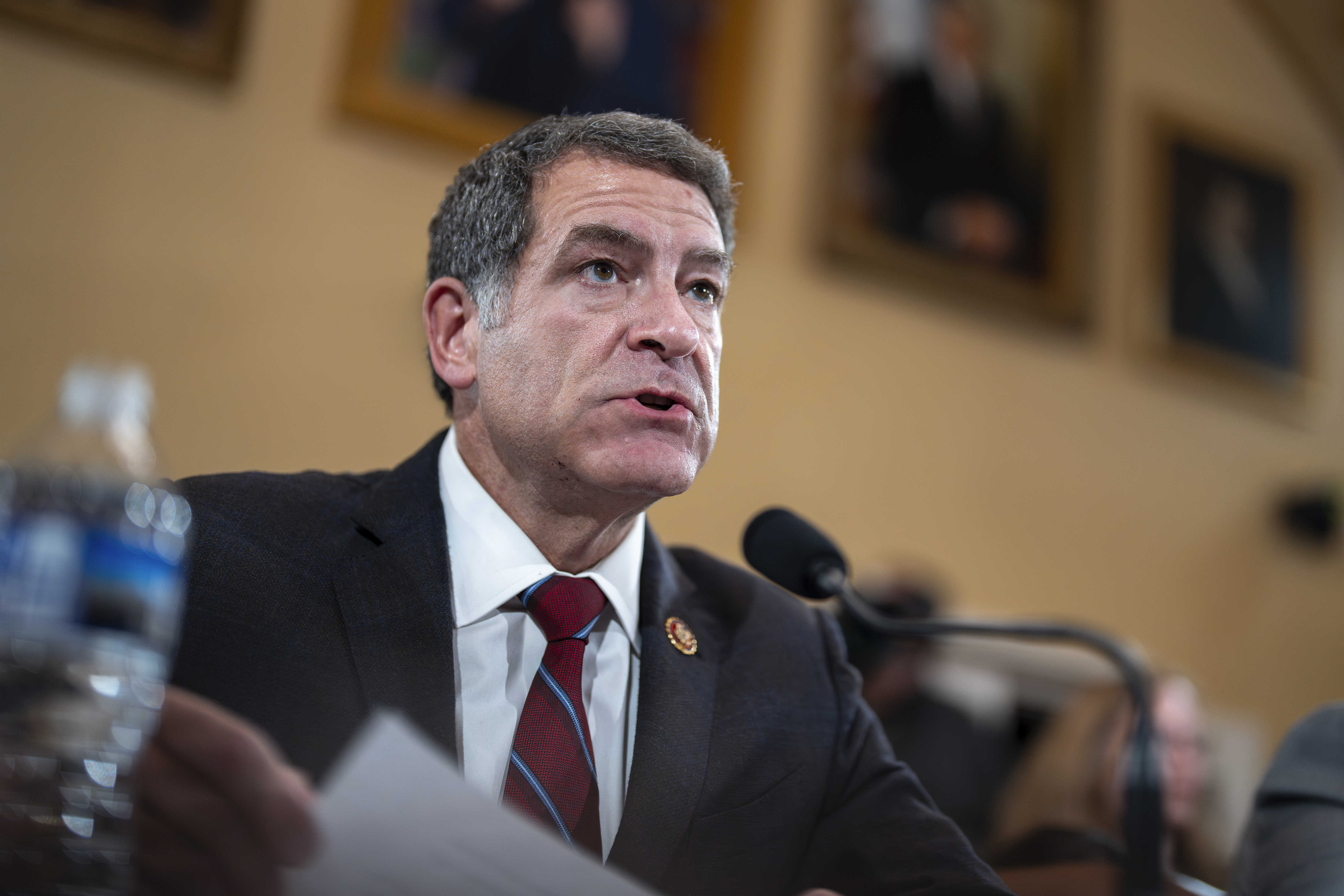
    Former Rep. Mark Green (R., Tenn.) left Congress suddenly to launch his own business.

    Tuesday’s special election was held to replace the seat vacated by Republican Mark Green, who resigned in July to launch a new business called Prosimos.

    Green’s decision to leave Congress, and his role as the chair of the Homeland Security Committee, came in the middle of his fourth term.

    So what is Prosimos? According to Green, it’s a development and strategy firm designed to help U.S. businesses better compete against the influence of China. The company’s website says it provides “tailored strategies and expert guidance to navigate the complexities of global business development.”

    What does this mean for Republicans in Pennsylvania and New Jersey?
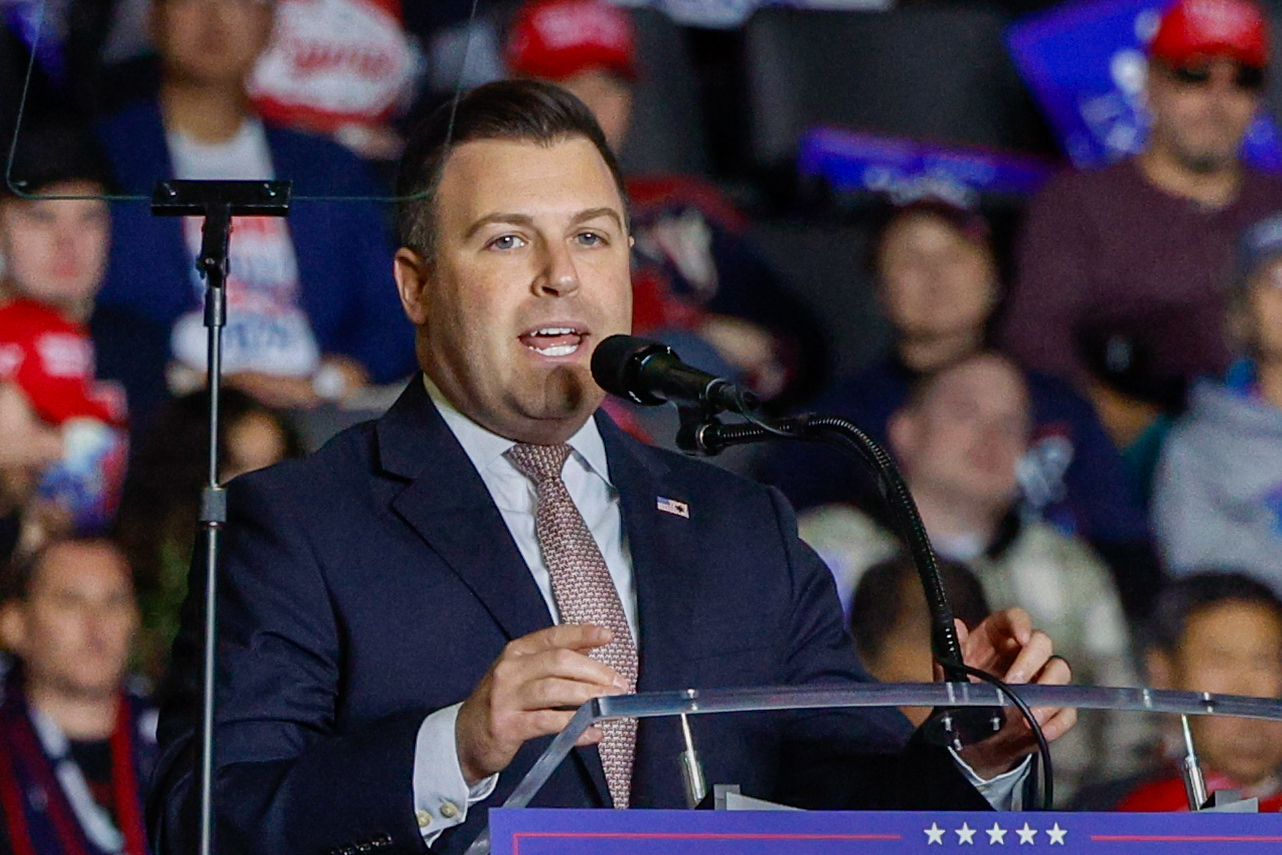
    Rep. Ryan Mackenzie (R., Pa.) is one of four Pa. Republicans facing a tough reelection battle.

    If there has been a trend since Trump’s inauguration, it’s that voters are keen on punishing Republicans at the ballot box.

    In four previous special elections for House seats held in 2025, Democrats significantly outperformed Harris’ margins in 2024. That was also true of Election Day victories in Pennsylvania, New Jersey, Virginia, and Georgia, where two Republicans were booted off the state’s Public Service Commission.

    Closer to home, there are five House seats — four in Pennsylvania, one in New Jersey — that Democrats hope to flip during the 2026 midterms, potentially deciding the balance of power during the final two years of Trump’s presidency.

    • PA-01: In Bucks County, Republican Rep. Brian Fitzpatrick is used to close races, but next year could be particularly challenging for the five-term moderate. In addition to nationwide trends, Democrats won each countywide office by around 10 percentage points last month, and Bucks County District Attorney Joe Khan is the first member of their party ever elected to the office.
    • PA-07: In the Lehigh Valley, Republican Rep. Ryan Mackenzie is the biggest target for Democrats after ousting Susan Wild by just 1 percentage point in 2024. Cook Political Report lists the district as a true “toss up” and five Democrats have already entered the race.
    • PA-08: Farther north, in Scranton and Wilkes-Barre, Republican Rep. Rob Bresnahan is also looking to win reelection to a seat he flipped by just 1 percentage point in 2024. The district leans Republican — Trump won it by nearly 9 percentage points — and so far Bresnahan’s only challenger is Scranton Mayor Paige Cognetti.
    • PA-10: Another of Cook’s “toss up” districts. Republican Rep. Scott Perry, an outspoken Trump supporter who supported the president’s efforts to overturn the 2020 election, is seeking his eighth term. Perry narrowly won reelection in 2024, defeating former news anchor Janelle Stelson by less than 1 percentage point. She is running against Perry again in 2026 and has already received an endorsement from Gov. Josh Shapiro.
    • NJ-07: The northwestern New Jersey district is currently represented by Republican Tom Kean Jr., a moderate who won reelection by about 5 percentage points in 2024. Cook lists Kean’s district as a “toss up,” and he faces a crowded field of Democrats in what would otherwise be a safely Republican seat.

  • Philly’s splashy new December restaurants include a honky-tonk and a Michelin star-winner’s third venture

    Philly’s splashy new December restaurants include a honky-tonk and a Michelin star-winner’s third venture

    The Philadelphia area’s December restaurant forecast is on the light side, compared with previous months, but this crop of newcomers is an intriguing mixture: a Euro-inflected bistro with a Bing Bing/Cheu pedigree, a colorful pizza bar, a honky-tonk vintage shop, a Filipino riff on Outback Steakhouse, the makings of an Indian brewpub, and the eagerly awaited casual corner spot from Michelin-starred Amanda Shulman and Alex Kemp .

    Banshee (1600 South St., opening Dec. 11): Twin brothers Bryan and Kyle Donovan, partnered with Bing Bing/Cheu alums Shawn Darragh and Ben Puchowitz, are ready to unveil their sleek South Street West bistro offering casual cuisine influenced by Paris, London, and Basque wine bars. Menu sampling: Barnstable oysters (kiwi mignonette); tarte flambee (smoked crème fraîche, maitake, caramelized onion); Berkshire pork collar (Tarbais beans, Savoy cabbage, bearnaise); and a Butterscotch Krimpet filled with Boysenberry jam.

    Cerveau (990 Spring Garden St.; now open): Finally operating full bore with its liquor license, this Mediterranean-leaning newcomer from Pizza Brain cofounder Joe Hunter rocks colorful — almost surreal — surroundings with murals and columns resembling lava lamps. The menu mixes pizzas, pastas, small plates, and the mini-sandwiches known as tramezzini, with attention to vegetarian and vegan options. A full bar, including zero-proof cocktails, supports a plan to evolve into an all-day café-style hangout. Do not miss the crab rangoon pizza, which is exactly what it sounds like.

    Crab rangoon pizza at Cerveau, 990 Spring Garden St.

    LeoFigs (2201 Frankford Ave.; opens “later in December”): Shannon Leocata Figueras and Justice Figueras’ urban winery, cocktail bar, and restaurant in Fishtown is built around the idea of “unpretentious deliciousness” with a warm living room setting. In addition to house-made wines and ciders and cocktails, menu leans toward comfort-driven small plates. (The couple was not above creating a cheeky ruse on the neighborhood recently.)

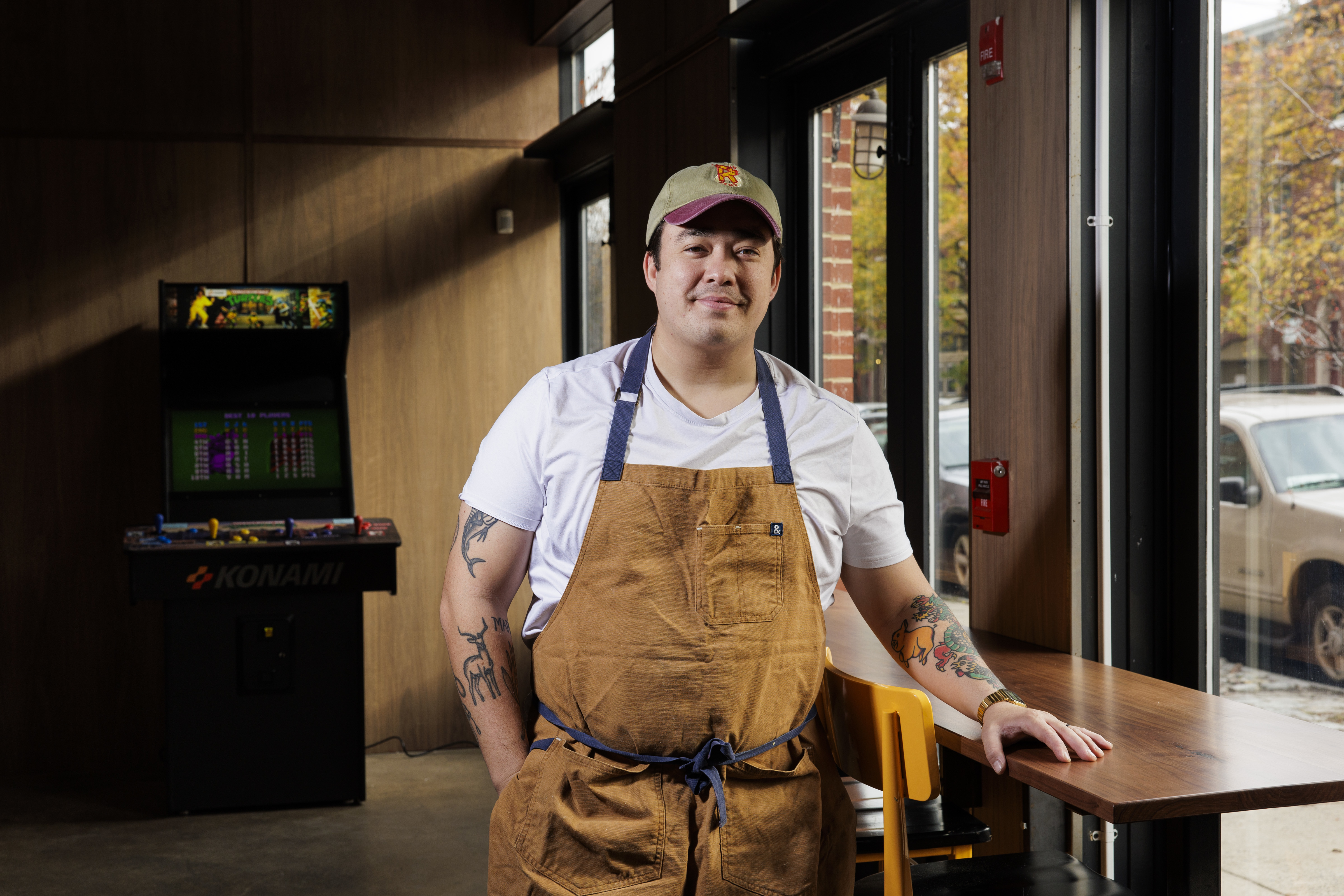
    Chef Chance Anies at Manong.

    Manong (1833 Fairmount Ave.; opens Dec. 5): Chef Chance Anies follows up his South Philadelphia hit Tabachoy with an interpretation of Outback Steakhouse — “that is,” writes Kiki Aranita, “if the chain restaurant existed in a Filipino alternate universe.”

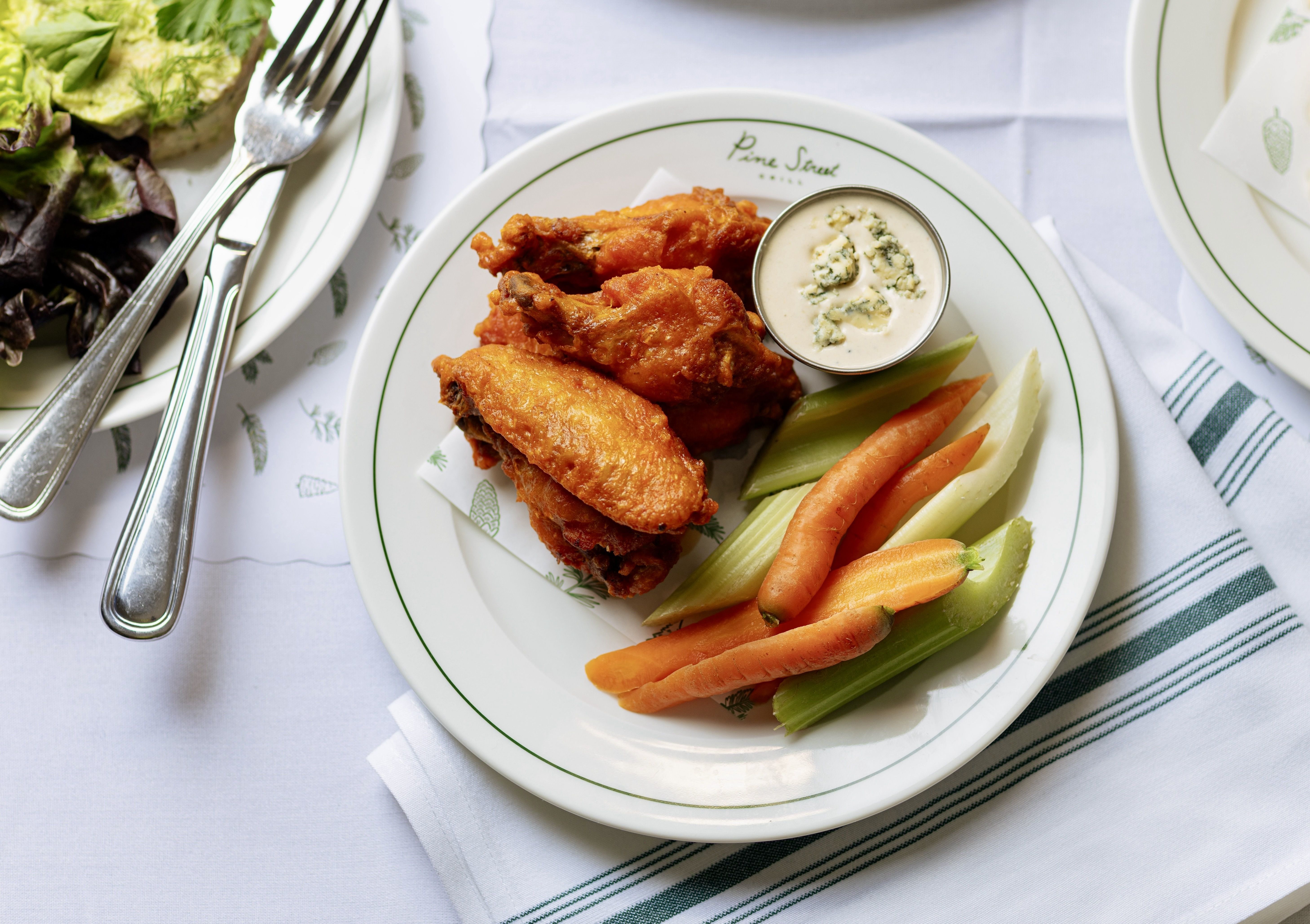
    Buffalo wings at Pine Street Grill, 2227 Pine St.

    Pine Street Grill (2227 Pine St.; “this month”): Amanda Shulman and Alex Kemp’s neighborhood spot in the former Cotoletta space in Fitler Square — a more casual counterpoint to Her Place Supper Club and My Loup — will serve “timeless American food made with care,” such as matzo ball soup, spinach-artichoke dip, Greek salad, French dip, and rotisserie chicken, and a drinks program of classic cocktails, beer on tap (including birch!), and wines “with no pretense” at a variety of price points.

    Secondhand Ranch (1148 Frankford Ave.; soft opening Dec. 6 with a grand opening in January): Here’s what happens when a vintage shop and a honky-tonk bar have a baby in a former bank building at Frankford and Girard in Fishtown. This mash-up hosts independent vendors selling secondhand finds, while the bar slings beer, cocktails, and simple saloon fare like sausages and hot dogs, all while rocking a Western-outlaw vibe. It’s meant as much for hanging out as for thrifting.

    Side Eye (623 S. Sixth St.; “later this month”): Queen Village gets a neighborhood bar serving “French-ish” food, classic cocktails, European-leaning wines, and beer at approachable prices in the former Bistrot La Minette. Owner Hank Allingham leads a team including chef Finn Connors (formerly of Sally and Wilder) and beverage director Ryan Foster (Messina Social Club). The menu has house-made breads, fresh pasta, frites, French onion soup, mussels, and a late-night raw bar.

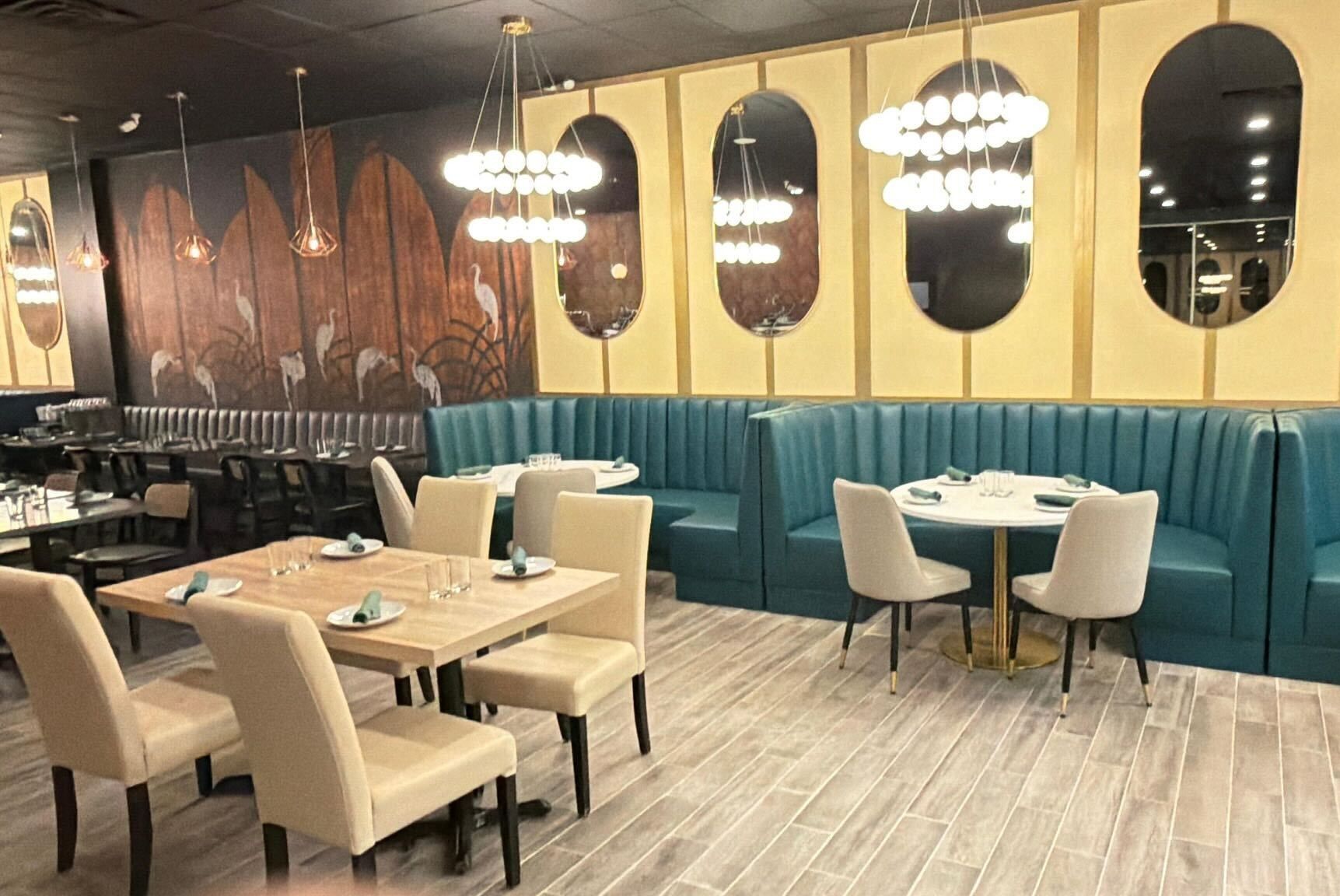
    Dining room at Vibe Haus, which opened Dec. 1, 2025, at 402 Swedesford Rd. in Berwyn.

    Vibe Haus Indian Plates & Taps (402 Swedesford Rd., Berwyn; opened Dec. 1): Karthic Venkatachalam and Gopal Dhandpani of the well-regarded Nalal Indian Cuisine in Downingtown and Adyar Cafe in Exton have taken over the long-shuttered Lotus Inn with what they intend as an Indian brewpub for the western suburbs. Though the on-site brewery is at least several months away, they’re now teasing out a pub menu of Indian-meets-American favorites, such as Madras nachos (papdi chips layered with spiced queso, black beans, masala corn, and cilantro crema), tandoori mushroom flatbread, and butter chicken bao buns.

  • Shwego helps home service companies get plumbers and painters to you faster

    Shwego helps home service companies get plumbers and painters to you faster

    Shwego is Philly-speak for “‘Should We Go?’ Go here, go there, go where you need to be,” said Sam Puleo, a former door-to-door sales manager who gave his software start-up that name.

    Launched last year, Fort Washington-based Shwego tracks trucks and tradespeople for a collection of home service companies: several plumbers, a painter, electrician, mover, air-conditioning and heating, and solar electric contractors. Most serve Philly’s rowhouse neighborhoods and suburbs, plus outposts from Brooklyn to Miami.

    Contrasting expensive, feature-laden enterprise packages from big Silicon Valley companies, Shwego says it offers “easy-to-use software to contractors for quoting, job scheduling, dispatching, invoicing, and payments.”

    “This app makes it so much easier to steer the ship. You can’t order pizza this fast,” said Ryan Larrimore, founder of Express Drains, an early Shwego client.

    Puleo said he and business partner Junny Kim, a past Accenture IT consultant, are in growth mode, meeting demand from small businesses looking for simple digital systems without the expensive features the Silicon Valley giants sell.

    They are family men who spend less time than they’d like at home. Puleo sold his digital marketing firm to focus day, night, and weekends on Shwego. Kim has kept his day job, running a Gong Cha bubble-tea franchise in Chalfont.

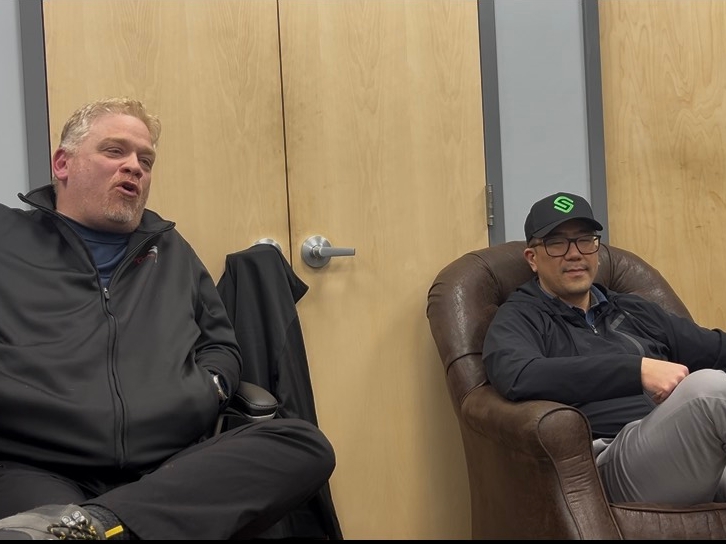
    Sam Puleo, cofounder of Shwego, in client Express Drains’ office in Warminster. Express Drains owner Ryan Larrimore is at left.

    Not ‘the dinosaur way’!

    Their first and so far biggest client is Larrimore’s Express Drains, which contracts with plumbers to unstop customers’ pipes.

    “Those guys streamlined my whole business,” he said at his Warminster office and truck-repair garage. “They save me hours every night. They made it so simple. With notes, like in grade school. We do a job, the pin goes off the map. New job comes up, we see who’s nearby that can do it faster. We know where guys are. It’s like now we are playing a chess game three moves ahead.“

    Larrimore and a partner started Express Drains in 2008 after they lost their jobs when package-delivery giant DHL shut the hub where they worked. They began with a set of Spartan tools, Larrimore’s Teamsters union severance, and a $20,000 loan from Philadelphia Police and Fire Federal Credit Union.

    “I felt like Indiana Jones, stepping onto that invisible bridge,” Larrimore said.

    The service caught on fast. “Six months later we were doing 25-30 calls a week, and we figured we could use another truck,” Larrimore said.

    Soon he was paying off truck loans, buying a $4,000 sewer camera — “Worth it!” — and training friends. Apartment building owner Allan Domb is a regular client.

    Larrimore hired workers he now pays more than $30 an hour. By last year, Larrimore had a problem other small businesses might like: Too much work.

    “We were doing 100 service calls a day,” he said. “Guys were working 10 hours a day running through the whole city. It was getting crazy.”

    Revenues totaled $3.6 million last year; an average job paid $180.

    But Larrimore’s management tools hadn’t kept pace. Orders went out on a single Gmail account to which all drivers had access. Updates were a challenge.

    Someone would accidentally delete a job, he said, which meant lost work.

    Financial records were kept on paper. “Saturday night, me and my wife would separate all the bills and put it into an Excel spreadsheet. Every Monday, I’d drop a printout on [clients’] desks, and they’d give me a check for the previous week.”

    Larrimore’s brother, Josh, disapproved. “I yelled at him: ‘You can’t do everything via email. This is the worst idea ever. This is the dinosaur way.”

    Josh Larrimore (left), who works with his brother Ryan’s company, Express Drains, with Junny Kim, cofounder of Shwego, the app Express Drains uses to schedule dozens of drain-cleanings daily.

    Ryan Larrimore finally went shopping for business software — but warily.

    From ServiceTitan, the $800 million yearly sales Silicon Valley company whose software platform focuses on home-service providers, he got a quote of $5,000 a month, a big expense for a subcontractor with tight margins. Josh yelled at him some more.

    Larrimore connected with Shwego after a cold call from Puleo. “I was doing digital advertising for plumbers,” Puleo recalled. “I saw these guys got good reviews on Google.”

    Larrimore paid Puleo to update his website and online ads. On his next visit, Puleo asked, “What else do you need?”

    “I said, ‘Build me an app for dispatching,” Larrimore recalled. “He changed my life,” delivering the Shwego app for $1,100 a month.

    Simplify

    “Our number one thing is: Keep it simple,” Puleo said.

    Neither he nor Kim is a software engineer. Backed by a loan from a Lehigh Valley utility auditor, Puleo built the Shwego prototype using a Google app builder and tested it with Larrimore’s company in 2023: “I know enough to be dangerous.”

    Kim, he said, is the “logical and level-headed” partner, who oversees the five outside software developers who built the commercial app Shwego, rolled out in late 2024.

    Son of a doctor, Puleo graduated St. Joseph’s Prep in 2006 but dropped out of Temple University during what he now calls his “knucklehead” youth. After a disastrous foray into deregulated electricity brokerage (he pleaded guilty to a fraud count for his role in a 2012 price-changing scheme), Puleo went into natural gas sales, with the Pennsylvania Public Utility Commission’s blessing.

    When COVID rules stopped in-person selling in 2020, he started the digital-marketing firm, which he sold last year to a Lancaster company to concentrate on Shwego.

    Shwego is Philadelphia dialect for “Should we go?” according to cofounder Sam Puleo, who founded the business last year with partner Junny Kim to make software for what Puleo calls “blue-collar” clients that need similar solutions for scheduling, payments, and other basics.

    As an IT consultant, Kim, a Neshaminy High School and Penn State graduate, was on the road “90% of the year.” As his family grew, he sought to work for himself, close to home.

    Puleo met Kim through his office landlord. By the time they connected, Kim had already committed to running the bubble-tea store.

    Kim researched, like a good consultant: “The home-services industry is shrinking; prices are going up; there’s a lot of interest, even from private equity. And they are moving toward technology, then to AI.“

    They got a business license, bank account, and insurance. After a bad initial experience with software development, they hired professional programmers in Eastern Europe, where Puleo’s wife has family.

    Last Thanksgiving, with Kim’s store shut for the holiday, the pair met at 6:30 a.m. to begin final prep for taking the improved Shwego app live.

    “We burned the midnight oil” evenings and weekends, Kim said. “We probably speak to each other more than our spouses.”

    Last December, they put Express Drains on the new app, “just the basic bones,” as Kim put it.

    “It still looks the same now, like pins in a map. But we have added a lot of efficiencies and features,” Kim said. “Now we are ramping up to allow payments over mobile phones.”

    Next in line: adding QuickBooks integration and an improved calendar feature. Customers are asking for project management and inventory.

    Happy customers

    Shwego has a function for drivers to mark failed calls and route them back to the dispatcher, then move right to the next job.

    “We are making the product more streamlined and efficient,” Kim said. “Our main goal is to keep this product simple, so we don’t overwhelm clients” who are going electronic for the first time.

    “There’s a sense of satisfaction, fixing something,” Larrimore said. “It feels pretty good, and the customer’s happy.”

    Puleo said Larrimore has referred additional customers from the plumbers who hire his drain service.

    “I swear we have plumbers that still run paper,” Larrimore said. “You can hear it rustling when you talk on the phone. They are still stuck in their ways. I tell ‘em, ‘You should talk to Sam.’”

  • What we know (and don’t) about the Eagles entering Week 14 vs. the Chargers

    What we know (and don’t) about the Eagles entering Week 14 vs. the Chargers

    After three consecutive weeks of the Eagles defense trying to compensate for an ineffective offense, the group seemed to hit its breaking point on Black Friday.

    The Eagles conceded 425 yards of offense in their 24-15 loss to the Chicago Bears, bringing their total over the last two weeks to a league-high 898 yards. But Vic Fangio’s defense hasn’t been getting much help from the offense. The Eagles boast the fourth-worst time of possession in the NFL in the last two weeks among 26 teams that have played two games.

    Can the Eagles stop the bleeding against the 8-4 Los Angeles Chargers, who are coming off a 31-14 win over the Las Vegas Raiders? That task might be easier if Chargers quarterback Justin Herbert is hindered by his injured nonthrowing hand.

    Here is what we know (and what we don’t) about the Eagles heading into their Week 14 matchup:

    Nick Sirianni’s mantra has not equaled a win over the last two weeks.

    Tough, detailed, together?

    Something about the timing of the Bears game just seemed cruel.

    The Eagles offense, with all of its talent, had been floundering for weeks entering that contest. The strides taken in wins over the Minnesota Vikings and the New York Giants before the bye week seemingly were blips within the greater context of a shaky season.

    There were the Bears, led by a first-year head coach in Ben Johnson who has been getting the most out of his offensive players. They could establish the run and build a play-action passing game off it with a young, inconsistent quarterback in Caleb Williams and had success with the approach in a way that has evaded the Eagles this season.

    Everything the Eagles offense could be this season is what the Bears are right now, and the Eagles should be even greater, considering their personnel. The side-by-side disparity was glaring.

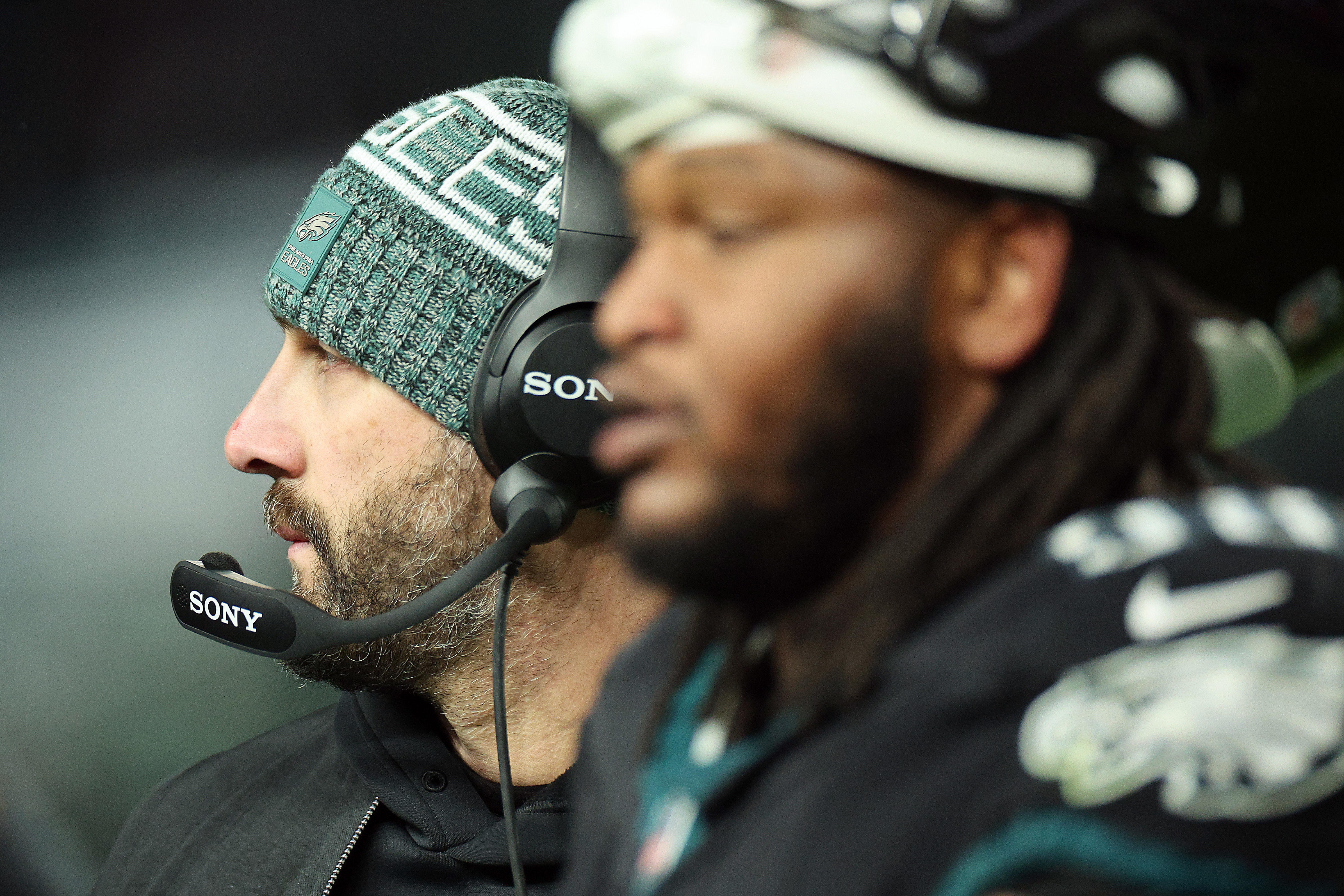
    “They played a good game; they coached a good game,” Nick Sirianni said Friday night. “They outcoached us; they outplayed us.”

    Both admissions were alarming but not surprising. The Eagles, especially on offense, are searching for an identity entering Week 14. Still, Sirianni said in the aftermath of the loss to the Dallas Cowboys that the team always wants to play “tough, detailed, together.”

    The Eagles haven’t been living out that mantra lately. Tough? Nakobe Dean pointed to a lack of violence on defense against the Bears’ rushing attack. Detailed? From the Eagles committing the sixth-most pre-snap penalties in the NFL to Jalen Hurts and his receivers not always being on the same page, the offense hasn’t been executing the finer nuances of its responsibilities to the standard of a Super Bowl contender.

    Time will tell if the Eagles truly are together as they embark upon the final five games of the regular season, starting Monday night against the Chargers. Otherwise, the Eagles are staring down a 2023-like fate.

    A helping hand for Herbert

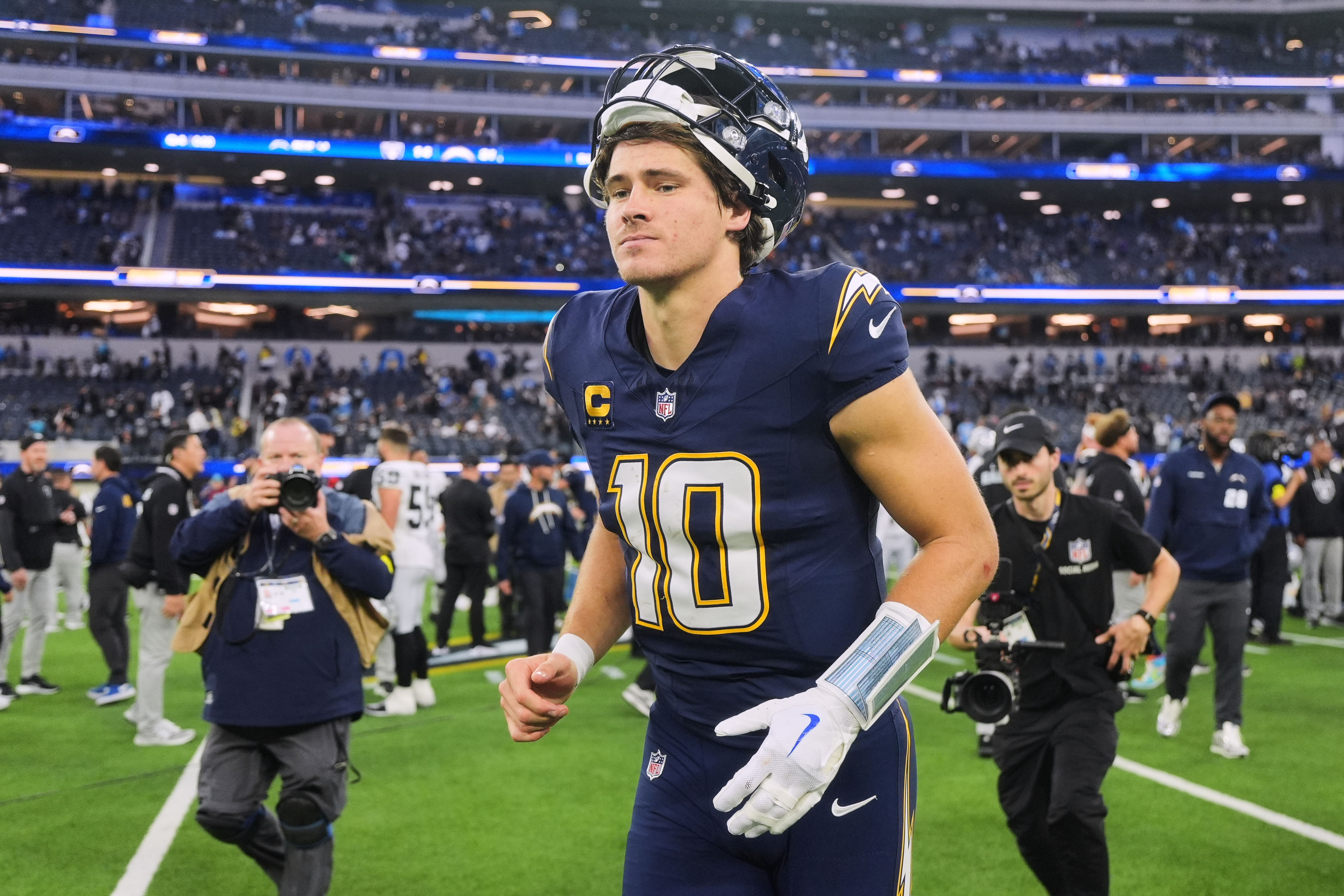
    As of Tuesday, Herbert was expected to play against the Eagles after fracturing his left hand Sunday against the Raiders.

    Herbert, the sixth-year starter, underwent surgery Monday. He managed to play through the injury, which happened when Raiders safety Jeremy Chinn tackled him on a scramble late in the first quarter. Herbert even completed a 10-yard touchdown pass on the following play.

    Justin Herbert finished the game Sunday despite suffering a fractured non-throwing hand against the Raiders.

    He went 15-of-20 for 151 yards with two touchdowns and one interception. A 108.5 quarterback rating isn’t too shabby for a player with a broken nonthrowing hand.

    Still, 20 attempts represent Herbert’s second-lowest total of the season and tied for third lowest in his career. He was limited to handing the ball off with his right hand and didn’t take snaps under center for the rest of the game.

    With Herbert limited, the Chargers leaned into the running game, led by running backs Kimani Vidal and Jaret Patterson. The duo combined for 180 yards and two touchdowns on 36 attempts. Vidal earned the majority of that share (126 yards on 25 carries) and forced a career-high 12 missed tackles along the way, according to Next Gen Stats.

    The Raiders might be 2-10, but their defense has given up just 3.8 yards per carry this season, which ranks third in the NFL.

    The Eagles should expect to see a continued effort to run the ball from the Chargers, given Herbert’s injury and the Eagles’ porous run defense (281 yards conceded on 47 attempts) against the Bears.

    Plus, Monday night’s game could mark the return of Omarion Hampton, the rookie running back who has been out since Week 5 with an ankle injury. Before going down, Hampton had been averaging 4.8 yards per carry, which would rank in the top 10 in the NFL if it were sustained over 13 weeks. The Eagles ought to fix their running-game woes to avoid D’Andre Swift-Kyle Monangai 2.0.

    Offensive line lacking

    The Chargers might be extra run-happy, given the state of their pass protection. Herbert has been pressured on 41.8% of his dropbacks this season, which is the third-highest rate in the league. His 38 sacks also rank third.

    Herbert hasn’t been getting much help from his offensive line. The Chargers have lost both of their starting tackles, Rashawn Slater and Joe Alt, to injury this year. In August, Slater suffered a torn patellar tendon in his knee in practice, ending his season before it began. Alt had season-ending ankle surgery after getting hurt in early November.

    But the tackle spots aren’t the only weaknesses along the Chargers’ offensive line. The interior, namely former Eagles right guard Mekhi Becton, hasn’t fared much better.

    Mekhi Becton has not parlayed a strong 2024 season with the Eagles into consistent success with the Chargers.

    After signing a two-year, $20 million contract with the Chargers in free agency, Becton has been lackluster in Los Angeles. He has played a career-low 72% of the offensive snaps this season — primarily because of injury — although Becton told ESPN last week that he was pulled from the Week 11 loss to the Jacksonville Jaguars without an explanation.

    The Raiders pressured Herbert on 26.9% of his dropbacks, his second-lowest rate of the season, according to Next Gen Stats. The Chargers’ decision to lean into the running game kept the Raiders’ pass rush, namely defensive end Maxx Crosby, at bay.

    Still, the Eagles’ pass rush could have a prime opportunity whenever Herbert drops back, especially if the Chargers fall behind and are forced to throw.

    The Eagles are coming off a season-low 25% pressure rate against the Bears. Nolan Smith led the way with four pressures on Williams, followed by Jalyx Hunt with three.

    Barkley beware

    The Chargers have statistically one of the best passing defenses in the league, allowing the second-fewest passing yards (2,020) and passing touchdowns (12) in the NFL. However, entering Sunday’s game, the Chargers’ rushing defense was conceding 4.7 yards per carry, which was tied for the sixth-highest average.

    Defensive coordinator Jesse Minter’s unit tightened up against the run following the bye week. The Chargers limited Raiders No. 6 overall pick Ashton Jeanty to 31 yards on 15 carries (2.1 yards per carry, the sixth-lowest clip by a running back in a game this season with a minimum of 15 carries).

    They achieved this by bringing more bodies closer to the line of scrimmage, whether that was inside linebacker Daiyan Henley lining up on the edge or safeties Elijah Molden and Tony Jefferson rotating into the box before the snap.

    The Chargers earned the right to rush the passer by stopping the run. The 34-year-old Khalil Mack led the way with six pressures (tied for the second-best performance by a Chargers defender in a game this season). His 46.2% pressure rate was his highest in a game since at least 2018, according to Next Gen Stats.

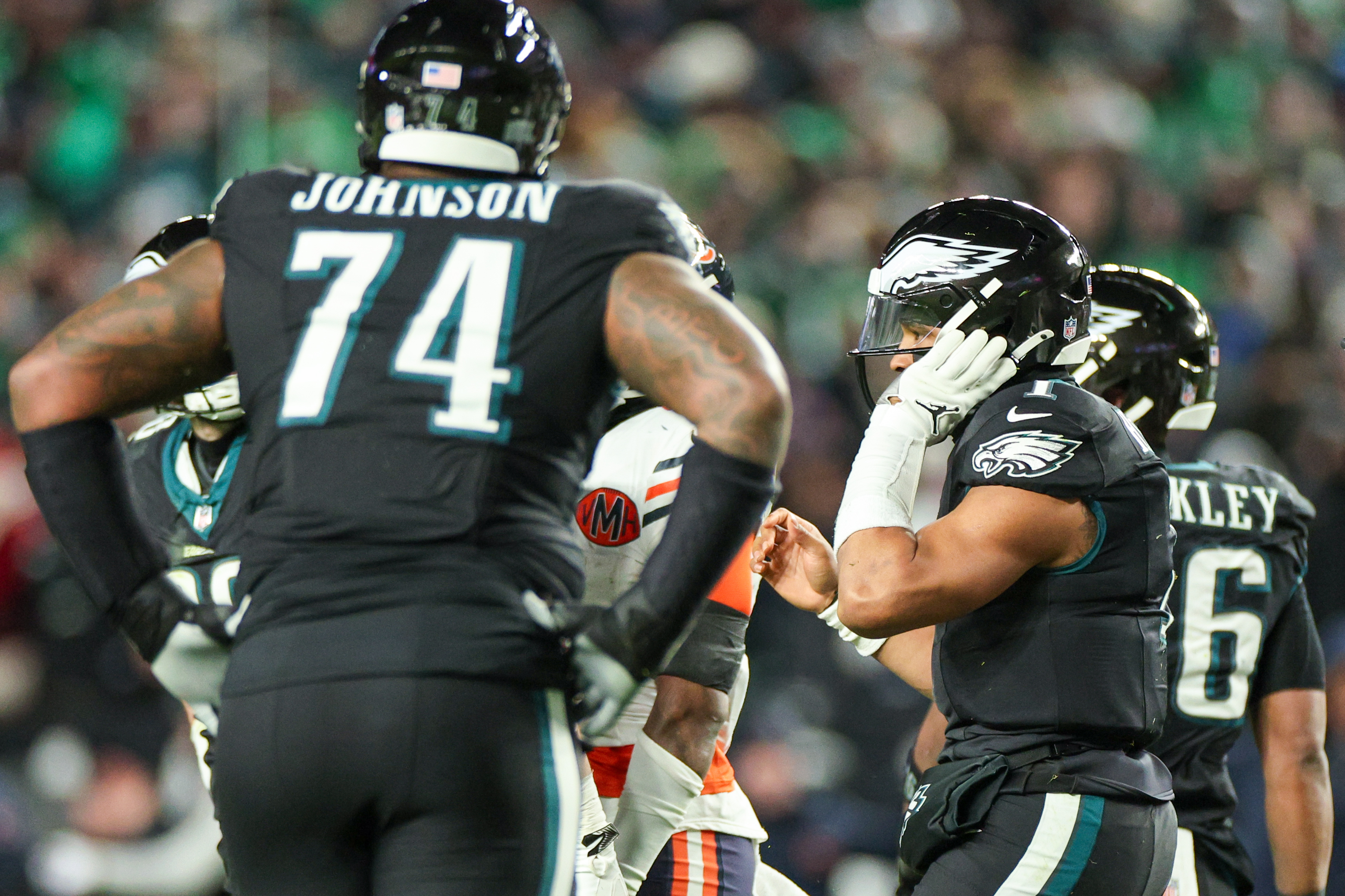
    Surely, the Chargers will look to limit the Eagles’ rushing attack led by Saquon Barkley, who had just 13 carries (4.3 yards per carry) in the loss to Chicago. Run blocking has been an issue for the team all season long, especially in the last two games in the absence of an injured Lane Johnson.

  • A lack of luck | Sports Daily Newsletter

    A lack of luck | Sports Daily Newsletter

    A crisp, rainy Tuesday in Philadelphia almost felt emotionally fitting for this city’s sports fans.

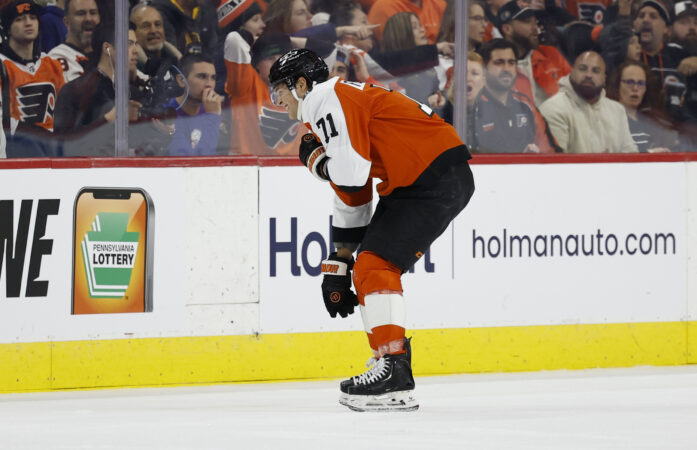
    The Eagles are on a two-game skid after a horrendous loss to the Bears on Black Friday, the Sixers still have much room for improvement, and the Flyers — a team that started to show some fire and promise — lost their top goal scorer in Tyson Foerster to an upper body injury.

    The forward, who notched 10 goals in 21 games this season, is expected to miss two to three months. While the team didn’t specify the extent of his injury, Foerster appeared to be holding his right shoulder before exiting in a 5-1 loss against the Penguins on Monday night, which snapped a three-game winning streak.

    Foerster has been a key role player and was off to a hot start, with six goals coming in the last seven games. His absence will certainly be felt. “He’s such a big part of the team, the locker room, everything,” Travis Konecny said.

    So where do the Flyers go from here? Well, speculation could be made that Alex Bump will get called up to make his NHL debut or maybe Nikita Grebenkin will have a chance to play in the top nine. Only time will tell if they can fill the void without Foerster on the ice.

    — Isabella DiAmore, @phillysport, sports.daily@inquirer.com.

    If someone forwarded you this email, sign up for free here.

    ❓What are your thoughts on the Flyers’ improvement so far this season? Email us back for a chance to be featured in the newsletter.

    Preparing for L.A.

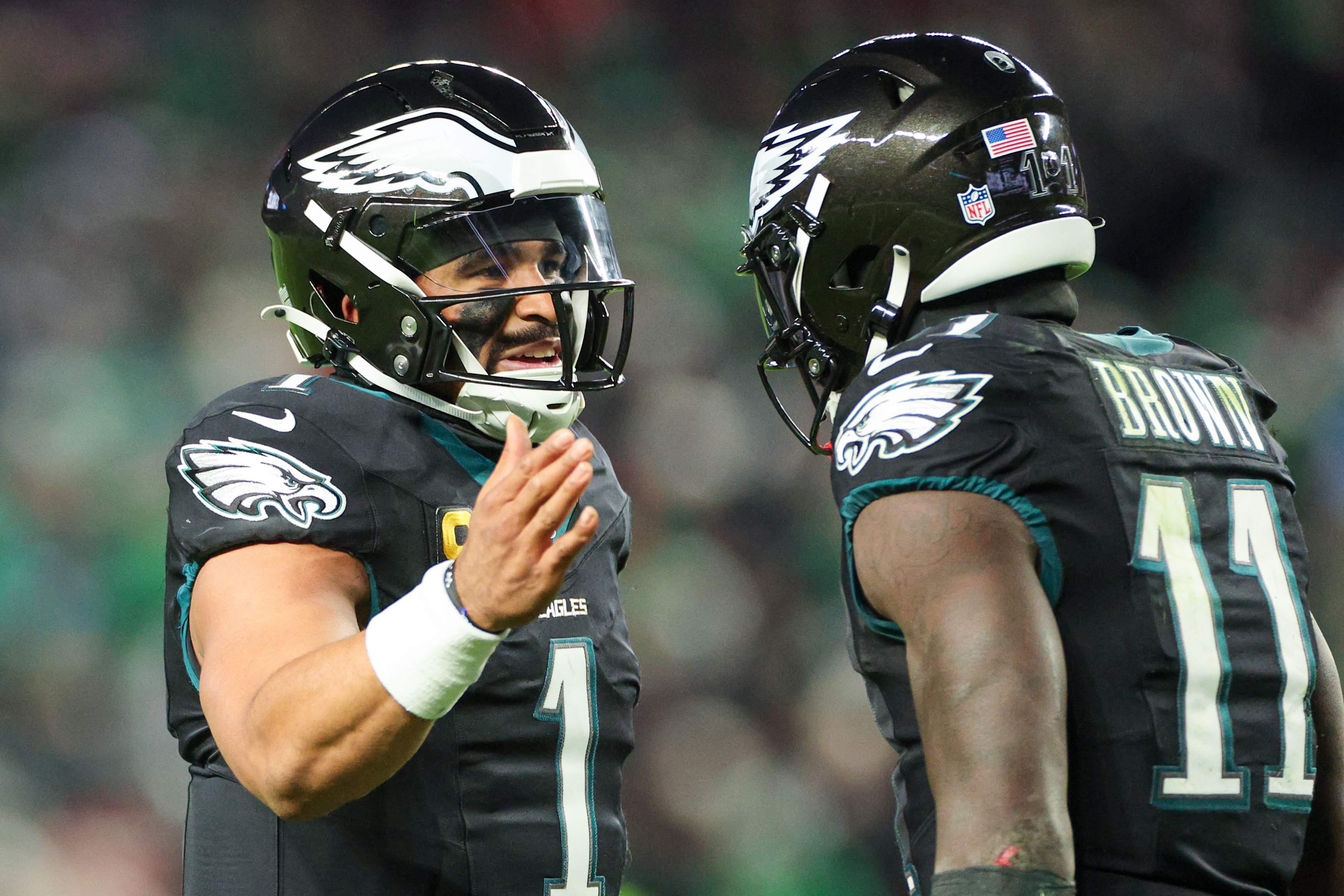
    Can Jalen Hurts and A.J. Brown help get the offense untracked in front of a Monday night audience in L.A.?

    After the Eagles had a Black Friday meltdown against the Bears, they now have a mini-bye week to prepare for a Monday night showdown on the road with the 8-4 Los Angeles Chargers, who are coming off a 31-14 win over the Las Vegas Raiders.

    The Eagles offense, with all of its talent, had been floundering for weeks and is still searching for an identity entering Week 14. Nick Sirianni said in the aftermath of the loss to Dallas that the team always wants to play “tough, detailed, together.” The Eagles certainly haven’t been living up to that mantra as they embark upon the final five games of the regular season. For now, let’s focus on what we know — and don’t — about the Eagles vs. Chargers.

    And mark your calendars, the Eagles’ NFC championship game rematch against the Washington Commanders in Week 16 has an official kickoff time for Dec. 20 at 5 p.m. (Fox29).

    What’s next for the Big 3?

    From left: Phillies prospects Justin Crawford, Andrew Painter, and Aidan Miller

    Justin Crawford and Andrew Painter are poised to figure prominently in the Phillies’ plans — perhaps as soon as opening day — after spending all of 2025 in the minors. Fellow top prospect Aidan Miller may not be far behind.

    And their looming major-league debuts are as essential to an aging Phillies roster as any offseason move that the team will make, including the potential re-signings of Kyle Schwarber and J.T. Realmuto.

    Minor league director Luke Murton recently joined Phillies Extra, The Inquirer’s baseball podcast, to discuss the state of the farm system, with a focus on Crawford, Painter, and Miller.

    Taking charge

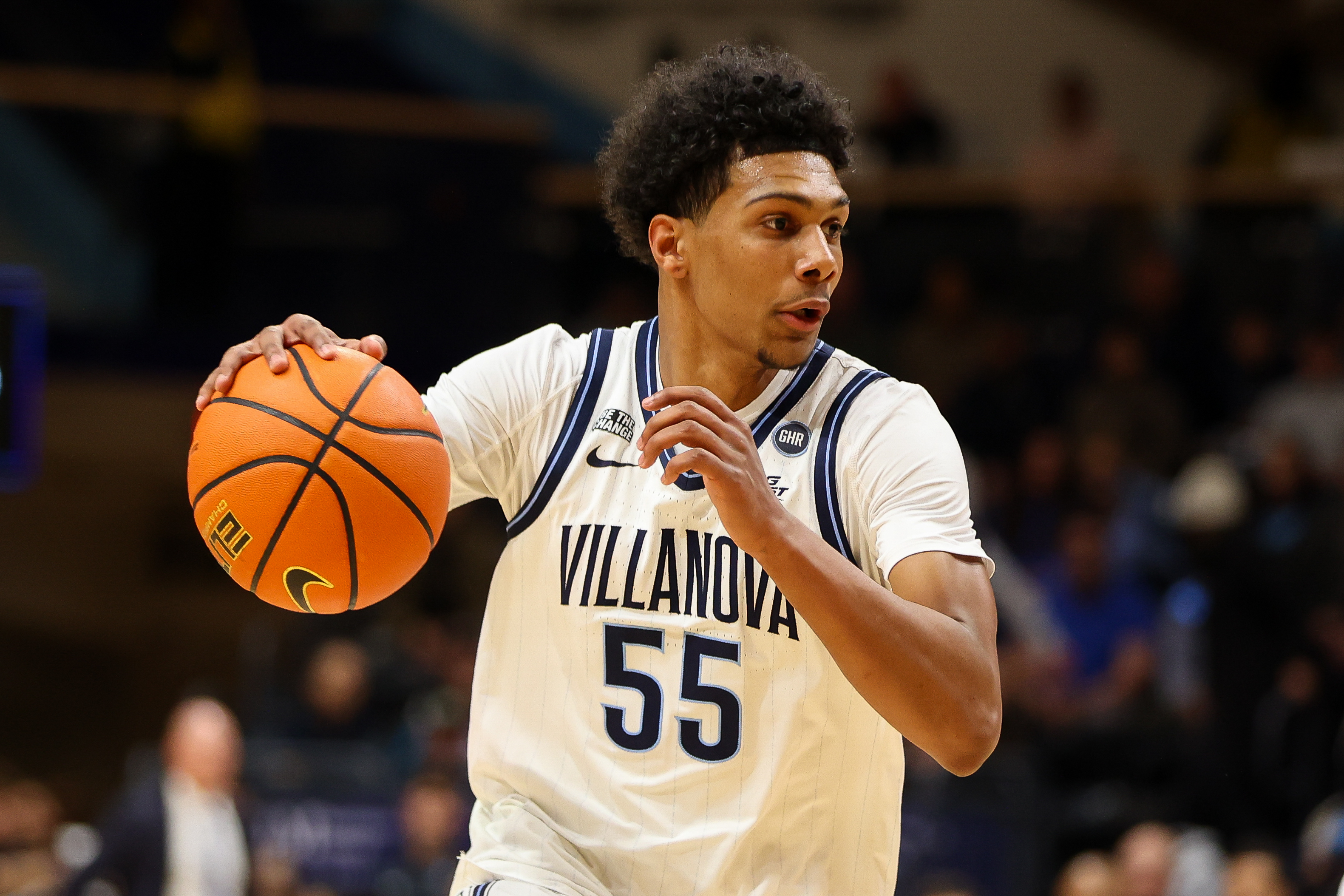
    Villanova freshman guard Acaden Lewis finished with 12 points, eight assists, and no turnovers against Temple.

    It took 2½ minutes for Acaden Lewis to end a Villanova-Temple game Monday night at the Finneran Pavilion that mostly had been a sloppy fight for the first 25 minutes. The freshman was in foul trouble for the bulk of the first half but played a factor in a short sequence that changed the game as Villanova beat Temple, 74-56, on Monday night.

    The Wildcats, in the third year of the current Big 5 Classic format, finally will play for a championship in a City Series the program had long dominated.

    Sports snapshot

    Longtime Union captain Alejandro Bedoya (right) played against Cristiano Ronaldo when the U.S. men’s soccer team tied Portugal at the 2014 World Cup.

    David Murphy’s take

    Eagles quarterback Jalen Hurts after he fumbled on the Tush Push in their loss to the Bears on Black Friday.

    The biggest risk to the Eagles right now is overcorrection. While many would say the Birds’ collapse gives flashbacks to 2023, it’s the actual history of the 2023 Chiefs. Kansas City scored 125 fewer points that year than it did in 2022. But the Chiefs won the Super Bowl despite entering the playoffs having lost four of their last eight to finish 11-6.

    I’m not going to sit here and argue that people are overreacting to the mess that they’ve seen from Jalen Hurts, Kevin Patullo and Co. But I do think it can be detrimental if we fail to consider the Eagles’ struggles within the appropriate context, writes columnist David Murphy.

    🧠 Trivia time answer

    Nick Sirianni has the best career winning percentage among Eagles coaches all-time at .700. Who is second at .594?

    B) Greasy Neale — Lauren G. was first with the correct answer.

    What you’re saying about the Eagles

    We asked: What’s the best-case scenario for the Eagles to reach the Super Bowl again? Among your responses:

    We’re gonna need a bigger playbook. D.W. S.

    The Eagles at 8-4 need to win these last 5 games. Three games are on the road with this Monday game looking better against the 8-4 Charges if Herbert is out. If they would lose either game to the Redskins or to LV they don’t belong in the SB. As long as Josh Allen is healthy taking that game in Buffalo will be tough. Hope for the best, but remembering that we lost our last two games and were blown away by the Bears does certainly not make we fans over optimistic. If the coaching and play calling and desire to win don’t quickly improve you can forget about any trips to Santa Clara in February. — Everett S.

    We compiled today’s newsletter using reporting from Jeff Neiburg, Olivia Reiner, Jackie Spiegel, Devin Jackson, Jonathan Tannenwald, David Murphy, Scott Lauber, Keith Pompey, Joseph Santoliquito, and Ryan Mack.

    By submitting your written, visual, and/or audio contributions, you agree to The Inquirer’s Terms of Use, including the grant of rights in Section 10.

    As always, thanks for reading. Hoping for some sunshine on this Wednesday. Stay warm this week, and Kerith will catch you back up tomorrow. Bella

  • Chester County might be the only Philly suburb not raising taxes next year

    Chester County might be the only Philly suburb not raising taxes next year

    Chester County may be the only county in Philadelphia’s suburbs that will avoid a property tax hike next year.

    In the proposed 2026 budget, released last month, Chester County’s commissioners projected $666.3 million in operational spending, roughly 4.7% more than the county budgeted for 2025. The budget is expected to pass the three-member board of commissioners with bipartisan support.

    Despite the increased spending and more limited state and federal resources, county officials said, they expected to avoid a tax increase next year thanks to budget cuts across nearly every department and delayed projects.

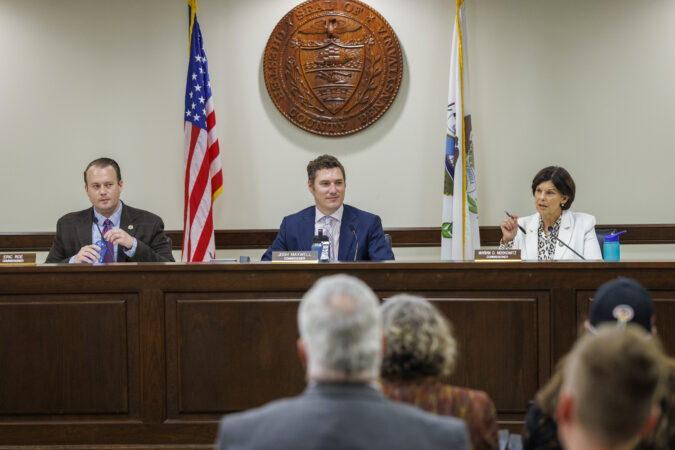
    “This budget was really difficult for us, but we did what we had to to keep it at zero,” said Chester County Commissioner Marian Moskowitz, a Democrat.

    David Byerman, the county’s CEO, described the county as being in a “defensive crouch” financially.

    “We are in a very unpredictable environment in which we have a lot of conflicting information that we’re dealing with,” Byerman said, citing federal funding uncertainty under President Donald Trump. “We were charged by our commissioners in Chester County with crafting a budget that held the line in terms of tax increases.”

    How does Chester County compare with the rest of the region?

    The decision sets Chester County apart from its peers in a year that has been marked by budget uncertainty at the state and federal levels. In recent weeks, Delaware County’s executive director proposed a 19% property tax hike to address the county’s structural deficit. Montgomery County’s commissioners are proposing a 4% increase. Bucks County’s commissioners have floated a tax increase to address a deficit in next year’s budget.

    But on the heels of a 13% property tax increase that took effect in January, Chester County’s commissioners said they were eager to keep taxes flat for residents.

    “This is a pared-down budget because we didn’t know what the federal and state government were going to do,” said Josh Maxwell, a Democrat, who chairs the county board of commissioners.

    The biggest cost increases, he said, came in the form of employee and inmate healthcare.

    How did Chester County cut its budget?

    In the first quarter of this year, Chester County officials asked each county department to reduce non-personnel spending by 5% for the 2026 budget. By and large, officials said, they responded to the call, freeing up significant funds even as overall personnel costs increased.

    “We asked them to cut back, and some of them really did,” said Eric Roe, the lone Republican on the board of commissioners. “I’m really happy with how they helped us get to this point.”

    In this year’s budget, officials said, they opted to delay projects like park maintenance and computer system upgrades that could be put off.

    “The cuts are giving us an opportunity to prioritize and rethink our discretionary spending,” Maxwell said. “They may have to go to some of the things that the federal and state government used to do that they’re getting out of the business of doing.”

    Additionally, Byerman said, the county instituted a soft hiring freeze by requiring all new hires to be approved by top-level management.

    Can Chester County avoid tax increases in future years?

    Heading into next year, Maxwell said, he is bracing for cuts to federal social service programs that will result in larger expenditures from the county to serve its neediest residents.

    For example, anticipated cuts to the U.S. Department of Housing and Urban Development’s Continuum of Care program could leave 70 more families on the streets in Chester County, Maxwell said.

    “This is a year where we’re going to look at all of our programs and make sure that we’re investing in the areas that the community wants us to,” Maxwell said.

    This suburban content is produced with support from the Leslie Miller and Richard Worley Foundation and The Lenfest Institute for Journalism. Editorial content is created independently of the project donors. Gifts to support The Inquirer’s high-impact journalism can be made at inquirer.com/donate. A list of Lenfest Institute donors can be found at lenfestinstitute.org/supporters.

  • ‘Phillies Extra’ Q&A: Luke Murton on the 2026 outlook for the top prospects

    ‘Phillies Extra’ Q&A: Luke Murton on the 2026 outlook for the top prospects

    No matter what happens over the next few weeks in free agency and the trade market, one thing appears certain about the Phillies in 2026.

    It will be graduation season.

    Justin Crawford and Andrew Painter are poised to figure prominently in the Phillies’ plans — probably as soon as opening day — after spending 2025 in the minors. Fellow top prospect Aidan Miller may not be far behind.

    And their looming major league debuts are as essential to an aging Phillies roster as any offseason move that the team will make, including the potential re-signings of Kyle Schwarber and J.T. Realmuto.

    Minor league director Luke Murton recently joined Phillies Extra, The Inquirer’s baseball podcast, to discuss the state of the farm system, with a focus on Crawford, Painter, and Miller. Here’s an excerpt from our conversation, edited for brevity and clarity.

    Watch the full interview below and subscribe to the Phillies Extra podcast on Spotify or Apple Podcasts.

    Q: Was there any point in 2025 when you got close to calling up Crawford?

    A: Any time a player performs the way Justin performed, I think the conversation will always happen. When you’ve got a guy that’s hitting .330 at triple A and is athletic and can play center field and do all these things, I think at the end of day, that’s always a conversation: Should we bring Justin up? When should we bring Justin up? The one thing that’s good for us is our major league club is very, very good. Not the best thing for some prospects. I think if you look at a lot of the organizations, Justin would have probably been in the big leagues at some point this year because of how well he performed.

    I do think his maturation in the minor leagues in the full season of triple A will help him heading into this year. So, yeah, I think at different points of the year [a call-up] was obviously closer than others. He’s a talented player who we believe is major league-ready. And I think he could have been ready for a lot of teams last year. I think just given where we were at, where he was at, it just probably wasn’t the best at the time. So I think him more than anybody is looking forward to the 2026 opportunity he’s going to have in front of him.

    Q: How much debate is there internally about him being best in center field vs. left field? You were pretty clear during the season that you think he can be your center fielder. Is that still the feeling?

    A: … I think Justin’s more than capable of playing center field. We view him internally as a center fielder. We’ll see how the offseason goes. But I think, right now, he’s geared to center field. That’s where he’s going to play, and that’s where he’s going to be with us for a very long time.

    Q: Looking back on Painter’s year, how much do you emphasize the 26 starts, 118 innings, no setbacks from a health standpoint, finishing the season, and trust that the command will get sharper as he gets further away from Tommy John surgery?

    A: … He did a tremendous job this year. We had expectations on him. I think the industry had expectations on him. Honestly, some of these expectations we put on players is unfair. I think he’s a guy that’s just coming back from Tommy John, that pitched over 100 innings, was healthy and at a level he’d never been without an offseason to where he could really progress and do what he wanted to do.

    So, I was very pleased, very satisfied. … You hear a lot of statistics of what guys do their first year out of Tommy John and how much better the second year goes. So at the end of the day, Andy’s a very, very talented kid who’s a great kid. I think he accomplished a ton this year. I think next year, he’s looking forward to accomplishing more. I think he’s down in Florida, at home, and he’s working. I know he goes in and out of Cressey [Sports Performance in Florida], spends a lot of time there, which, they’ve done a great job with him over the years. So he’s down there. He popped in here [in Clearwater, Fla.] to the high-performance camp the other day. But he looks great. He’s healthy. He’s ready to go.
    Q: What’s the plan for getting Miller some reps at other positions, maybe third base? Is that in the cards for him? And can you see him factoring into the mix at the big league level in 2026?

    A: … He wanted to prove that he can play shortstop. I think he’s done that internally. I think he’s done that to the industry. Where we’re at now is, Trea Turner is a phenomenal shortstop, played great defensively, led the league in hitting. It’s not easy to go replace that in the big leagues. But I think at the end of the day, we’ve talked to Aidan about possibly doing some third [base] and moving around the infield a little bit, and he’s open to it.

    And as far as him being in the mix next year, you never know. He’s a very talented player. Don’t want to put too much on him too soon. He’ll be a big-league spring-training invite. You bring him in and you see what we’ve got, we see where the roster ends up throughout the year, and you never know … Obviously, that’s [president] Dave [Dombrowski] and [general manager] Preston [Mattingly] kind of doing that. But I think from a talent standpoint, from a readiness standpoint … the ones that are really good, they always are ready a little sooner than you think they are. So I think we’ll see. I think, at the end of day, he might move around defensively a little bit to get somewhere off shortstop. He’ll be in big league spring training, and he’s looking for the opportunity to prove that he’s ready.
    Aidan Miller has only played shortstop in the minor leagues but that position is blocked by Trea Turner at the major league level.
    Q: Could you see left field as a possibility for Miller?

    A: I don’t think you rule anything out as a possibility ever. Because I think, at the end of the day, it’s [about] how do we best service our major league team? And I think somebody like Aidan would be completely willing to go wherever he could to do that. But right now I think it’s more to say moving around the infield, see if there’s a spot there potentially ever in the future. And, again, I don’t think outfield is out of the question, but not something that I think we’ve kicked around too much recently.
    Check out the full interview for Murton’s assessment of several other prospects, including pitcher Gage Wood, outfielder Gabriel Rincones Jr., and more.

  • An alternate history of 2023, and why the Eagles are preaching the right message

    An alternate history of 2023, and why the Eagles are preaching the right message

    The biggest risk to the Eagles right now is overcorrection. There’s an alternate history to their 2023 collapse that they should consider before making any drastic changes.

    The setup is mostly the same as the one we all know well. A team fresh off a Super Bowl berth arrives in November looking like a good bet to again win its conference. But after a 7-2 start, the hubcaps start to rattle. The team loses four of the next six games, failing to crack 20 points in all four. Questions begin to swirl about its first-year offensive coordinator. The head coach stands by his man. The team finishes the regular season 11-6 and will likely need to win two games on the road in order to get back to the Super Bowl.

    In truth, this isn’t an alternate history at all. It’s the actual history of the 2023 Chiefs. The drop-off from the season before was massive on the offensive side of the football. Kansas City scored 125 fewer points in 2023 than it did in 2022, when it beat the Eagles in the Super Bowl. The Chiefs’ average yards per play fell from 6.43 to 5.54. And it really hasn’t rebounded. Since the start of the 2023 regular season, the Chiefs have averaged 23.1 points and 348.7 yards per game, down from 28.7 and 405.2 in 2021-22.

    But the Chiefs won the Super Bowl in 2023 despite entering the playoffs having lost four of their last eight to finish 11-6. They beat the Bills and Ravens on the road, thanks in large part to a late missed field goal in Buffalo and two fourth-quarter turnovers inside the Chiefs 25-yard line by Baltimore.

    Are there lessons for the Eagles to draw here? I don’t know. Lessons probably isn’t the right word. I’m not going to sit here and argue that people are overreacting to the mess that they’ve seen from Jalen Hurts, Kevin Patullo and Co., most acutely over the last three weeks. But I do think it can be detrimental if we fail to consider the Eagles’ struggles within the appropriate context.

    Walking around the locker room after the Eagles’ 24-15 loss to the Bears on Black Friday, I heard several players use the same phrase.

    Center Cam Jurgens: “We’re 8-4. The sky’s still above us.”

    Running back Saquon Barkley: “The sky’s falling outside the locker room, but I have nothing but the utmost confidence in the men in this locker room, players and coaches included.”

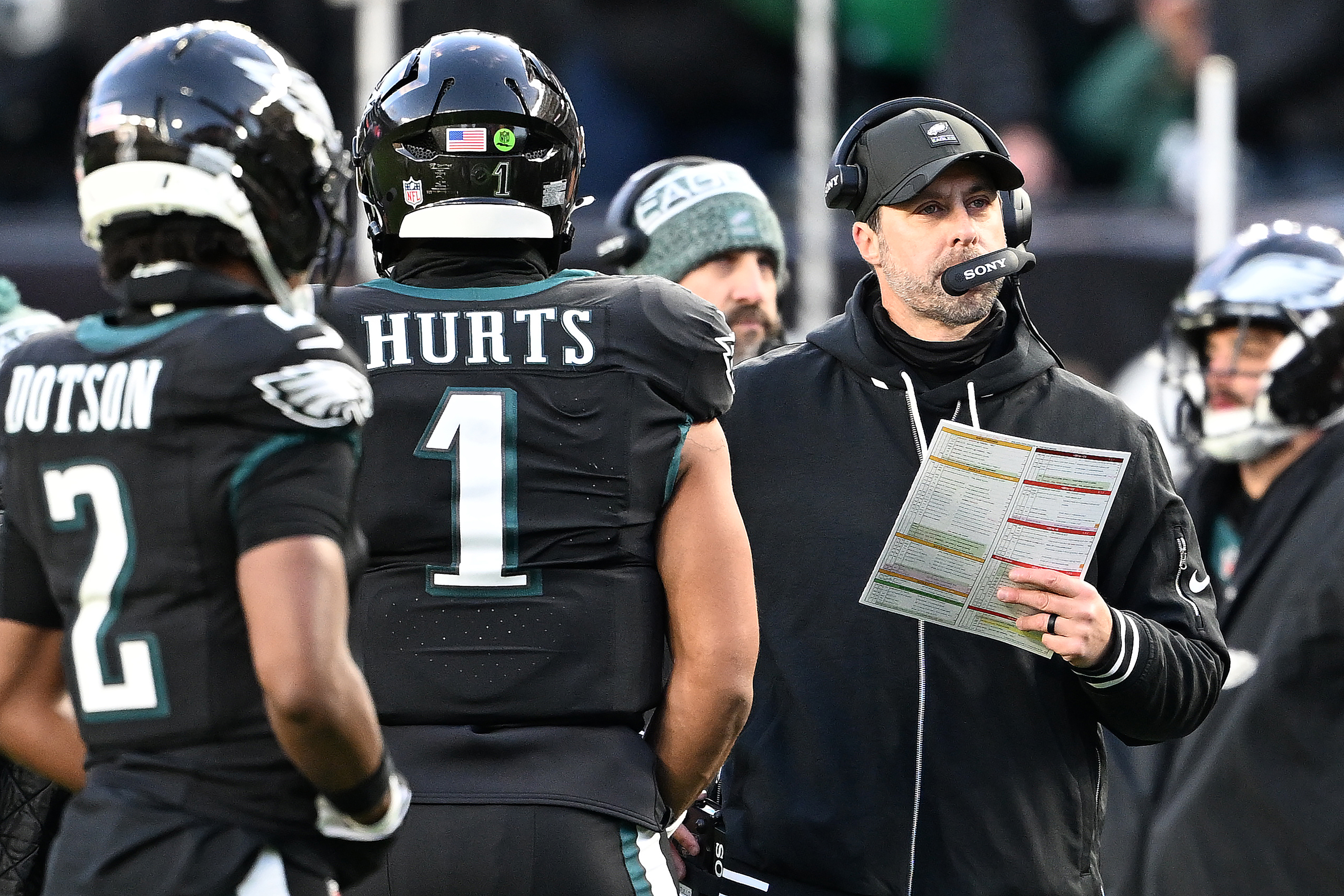
    Eagles offensive coordinator Kevin Patullo with Jalen Hurts and Jahan Dotson during the loss to the Bears.

    The remainder of the season will be determined by whether the Eagles can internalize all of this talk. They are correct when they say that the situation inside the locker room is not nearly as dire as the angst that abounds outside those walls. They still have three games remaining against the Raiders and the Commanders. That should get them to 11 wins, bare minimum. That would leave the Cowboys needing to win out in order to steal the division from them. The Eagles will tell you that they aren’t thinking about these things. Such is the NFL’s this-game-is-the-only-game ethos. But, sometimes, it can be helpful to take a little peek down the road, if only to remind yourself that you aren’t standing on the edge of a cliff.

    The Eagles play in an environment that can make it awfully tough to maintain perspective. The Birds are an all-consuming thing here. Questions, headlines, boos, all of them multiply. There comes a point when any human being will stop and wonder whether everybody else is right.

    There is a long list of reasons why it makes little sense to compare the Eagles’ current straits to the ones that led to the 2023 collapse. The one similarity is the way the chicken can become the egg and snowball into a big scrambled mess. The prime mover of the Eagles’ dysfunction that season wasn’t Hurts or Brian Johnson or Nick Sirianni or some chemical imbalance within the locker room. It was a defense that couldn’t get a stop, a defense that was of a wildly different makeup than it is right now.

    It’s funny to look back to the numbers from that season. The Eagles’ NFL rankings in yards and points in 2023 were exactly what they were in 2024: seventh in points, eighth in yards. They scored 31 points in a loss to the Cardinals down the stretch in 2023.

    The worst thing the Eagles can do is hold on to any sort of thought that the foundation of their collapse in 2023 lies within themselves. The dysfunction grew from the on-field struggles, not vice versa. Yes, that dysfunction eventually reached a point when it became self-fulfilling. But the Eagles allowed it to get to that point. The Chiefs of 2023 did not.

    The reality of the NFL is that good teams struggle. It is a counterpunchers league, led by a bunch of maniac coaches who won’t rest until they figure out what you are doing and how to beat it. Andy Reid did not suddenly become a worse offensive coach over the last three seasons. Patrick Mahomes is still the same Patrick Mahomes who threw for 5,250 yards in 2022. Nobody in Kansas City or elsewhere is seriously questioning whether one of them is the problem.

    The Eagles made it look easy last year. But last year was an anomaly. The competitive environment this season is much closer to the norm. The Eagles are still one of the two teams in the NFC most capable of making the Super Bowl. In the Rams, they have already beaten the one team that looks better than everybody else.

    The message that Sirianni and his team have been preaching is the right one. They just need to keep believing it.

  • Follow the money to understand Trump’s plan for peace in Ukraine

    Follow the money to understand Trump’s plan for peace in Ukraine

    The Wall Street Journal nailed it last week with a headline that read, “Make Money Not War: Trump’s Real Plan for Peace in Ukraine.”

    That headline captures why the president is so eager to end Vladimir Putin’s war by sacrificing the Ukrainian victim to the Russian aggressor. And it helps explain why Donald Trump’s negotiators are returning home from Moscow empty-handed again.

    Without this explanation, it’s hard to grasp how Trump endorsed a 28-point “peace” plan for Ukraine based on direct input from a Kremlin negotiator, without any Ukrainian or European consultation. (Although a “revised” plan still favors Moscow, Putin continues to demand even more than the initial version.)

    Yes, Trump’s unending quest for a Nobel Peace Prize and his infatuation with the Russian despot figure into his kowtow to Putin. But I believe the Journal’s call to “follow the money” is right on the ruble.

    Trump’s capitulation to the Kremlin shames our country even more than the U.S. killing of civilians clinging to a burned-out Venezuelan boat.

    The Journal’s exposé details how Moscow’s representative sold Trump and his team on the idea they could get inside access to immense riches in Russia if the war were stopped quickly on Putin’s terms. Never mind that meant betraying NATO allies as well as Ukraine.

    Indeed, the Kremlin has long dangled visions of lucrative deals before the White House in an effort to woo the president. Putin has used wealthy Russian businessmen to develop contacts with the Trump administration, dating back to 2016.

    Kirill Dmitriev, the key Russian negotiator in Ukraine talks and head of Russia’s sovereign wealth fund, is the main salesman for a grandiose future that enhances certain Americans’ wealth.

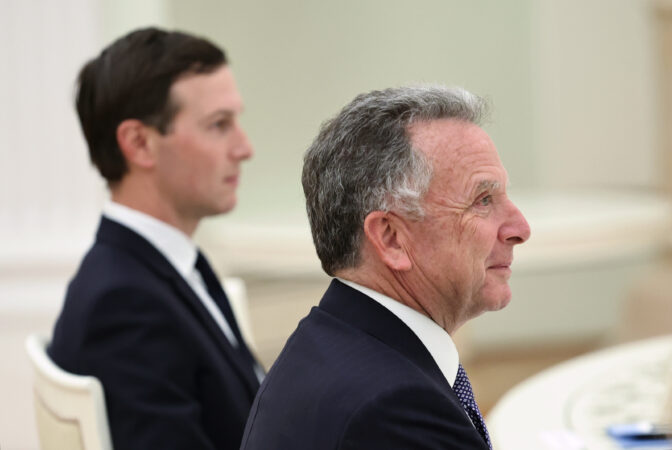
    The Harvard-educated Dmitriev, a Goldman Sachs alumnus, has cleverly played on the greed and naivete of Steve Witkoff and first son-in-law Jared Kushner, real estate moguls turned Trump peace negotiators. He convinced the pair — at a secret meeting at Witkoff’s Miami waterfront mansion in October — to view Russia not as a military threat, but as a cornucopia of investment possibilities to which friendly U.S. investors would have early access.

    That vision depends, of course, on the end of the war, the lifting of sanctions against Russia, and the U.S. welcoming Moscow back into the global economy.

    It was Dmitriev who provided much of the input into the infamous 28-point Trump plan that read like Russian talking points. The proposal made no demands on the Russian aggressor, but required Ukraine give up key defensive positions and land it still controls while shrinking and disarming its military.

    Equally outrageous, however, were the points that called for using much of Russia’s $200 billion-plus of frozen assets in European banks to invest in a U.S.-Russian investment “vehicle” to implement “joint projects” (and much of the rest to facilitate U.S. investment in Ukraine, from which the Americans would take 50% of the profits).

    This is the money the European Union still hopes to use as collateral for loans to arm Ukraine against further Russian advances, or to rebuild in peacetime. Yet, the Trumpers and Russians proposed to seize it — with no input from European allies — to feather U.S. and Russian business nests.

    In this photo provided by the Ukrainian president’s office, President Volodymyr Zelensky (left) shakes hands with U.S. Army Secretary Dan Driscoll in Kyiv, Ukraine, in November.

    As for Witkoff, he is so deep in Russia’s pocket that he was recently heard on a leaked tape tutoring a Russian negotiator on how to win over Trump.

    Meantime, the president, indifferent to the public revelation of U.S.-Russian complicity, continues to send Witkoff on repeated trips to Moscow to negotiate with Putin. Witkoff has never once visited Ukraine.

    The Journal lays out how Dmitriev dangled before Witkoff and Kushner visions of joint U.S.-Russian exploitation of Arctic mineral wealth, and a potential joint mission to Mars with SpaceX, along with multimillion-dollar rare earth deals.

    The Russian money man played brilliantly on Trump’s misguided belief that business deals matter more than sovereignty and can paper over messy and dangerous political disputes — or invasions. Especially if U.S. investors get an inside piece of the action.

    Never mind that this crass theory has already been proven false in Gaza, where Trump still can’t grasp that grandiose visions of prosperity won’t come true when underlying political grievances remain unsettled. Although the Israeli hostages were returned, the rest of Trump’s peace plan is near collapse.

    As for the Ukraine plan, the idea that U.S. investments in Russia (or in Ukrainian rare earths) would prevent further military action is an ahistorical delusion. U.S. investments in both countries did not prevent Moscow from invading Ukraine in 2014 or 2022.

    Putin’s goal is to subordinate Kyiv to Russian domination. If he can’t do it militarily, he will be happy to advance this goal via a peace plan he will surely violate, as he has done with every accord he has previously made with Ukraine. Trump’s dreams of billions in profits will also go down the drain as Putin pursues his dream of conquest.

    POTUS and his real estate pals may think they are New York tough, but Moscow is not the Big Apple.

    Russia is one of the most corrupt countries in the world (154th out of 180 countries, according to Transparency International). Bribery, seizure of huge sums, or nationalization are employed at will by Putin and his oligarch cronies.

    Just consider the experience of William Browder, an American-born British citizen who built up the Heritage Fund into the largest foreign investment portfolio in Russia in the 1990s until he protested government corruption. The Kremlin expelled Browder in 2005 and attempted to assassinate him abroad.

    When Browder’s lawyer, Sergei Magnitsky, challenged a Russian attempt to steal $230 million in taxes that the fund had already paid, his offices were raided. Magnitsky was arrested, tortured, and killed in prison in 2009.

    I spoke with Browder by phone from London, and he had nothing but scorn for the ignorance of the Trump team. “Steve Witkoff and all his pals are not going to make a penny from the Russians,” he told me. “The Russians have a long history of enticing Americans and foreigners. They will defraud, arrest, cheat, and even murder you to prevent you from making a penny.

    “They are masters of expropriation. Every foreign investor has been burned.”

    The tragedy is that Trump, Witkoff and Kushner are willing to burn Ukraine in their quest for more wealth.

  • Her 105-year-old home near Palmer Cemetery got big updates, while keeping some history

    Her 105-year-old home near Palmer Cemetery got big updates, while keeping some history

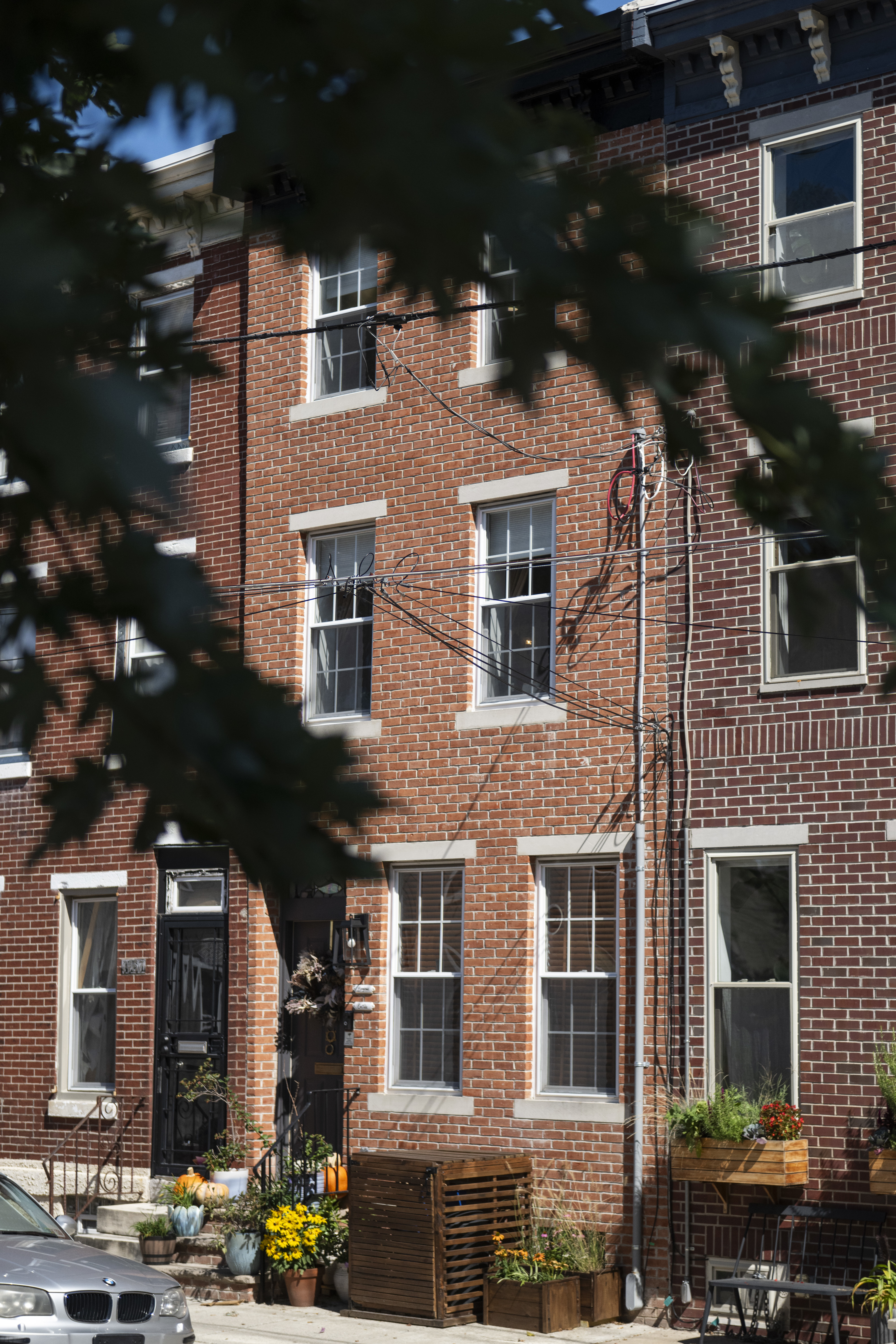
    When Nicala La Reau bought a 105-year-old Fishtown home last year, the neighborhood was a major selling point. But she knew it would need “a full gut renovation.”

    “The house had incredible bones, but it was dated both inside and out — everything from the plumbing and electrical systems to the finishes and floor plan needed updating,” she said.

    La Reau appreciates the home’s “rare luxury for city living” with its generously sized backyard. “That’s where my vegetable and herb garden, and my roses all live,” she said.

    Renovations began immediately when she purchased the property in October 2024. It had been a five-bedroom, 1½-bathroom home.

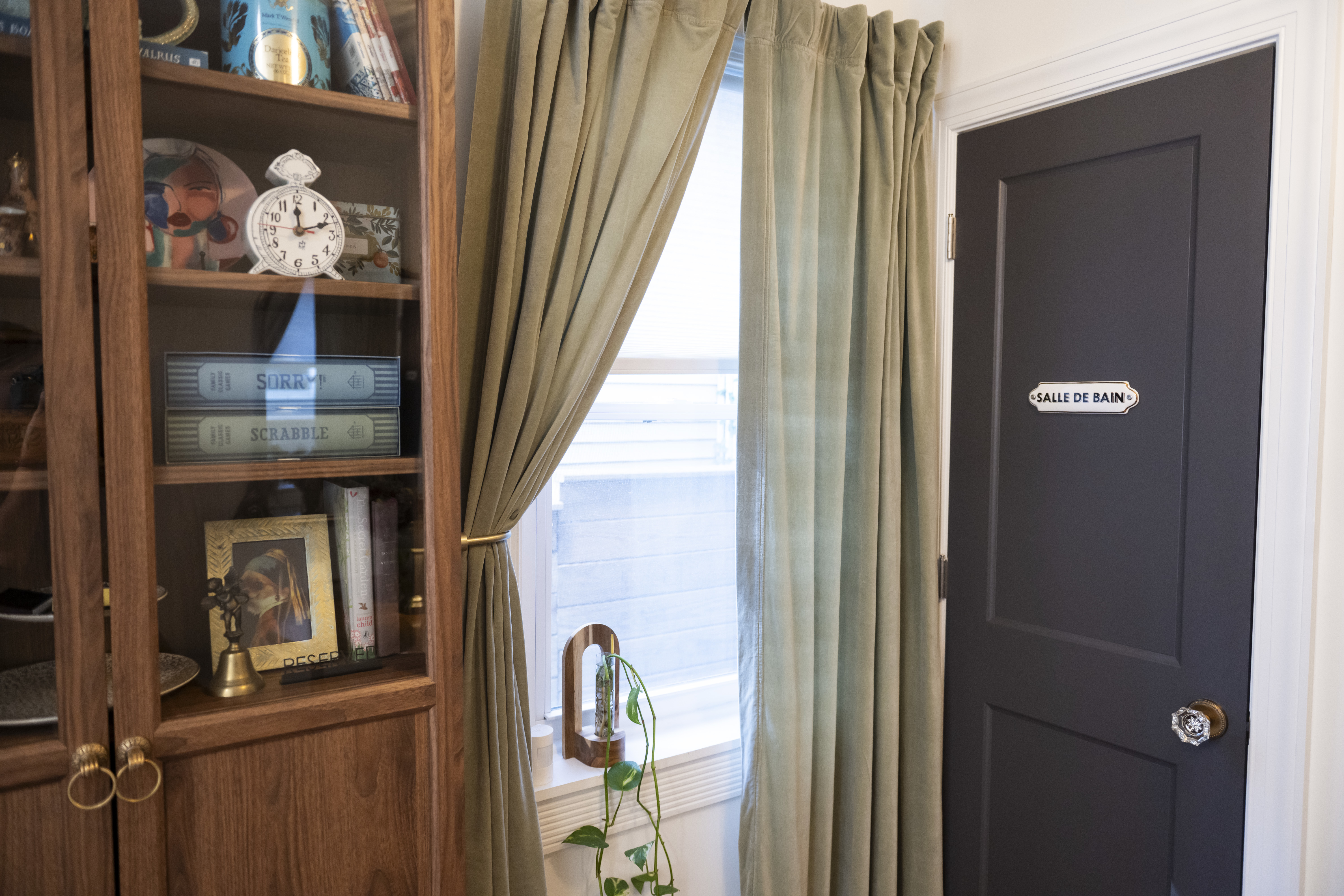
    A half bathroom, so labeled in French, sits off the dining area.
    The backyard, with ample seating and La Reau’s herb garden.
    An extension of the living space, featuring colorful art and a magenta bench.
    The television sits above a wood cabinet with intricate details.

    By the time she was done renovating, about six months later, the new floor plan dropped one bedroom, putting an additional full bathroom in its place. She also expanded the primary bathroom.

    Her goal was to reconfigure the layout to create larger, more functional bathrooms and bedrooms.

    The first floor has an open-concept living, dining, and kitchen area that leads to the backyard. The second floor includes the primary suite with a large bathroom, as well as an additional bedroom, which La Reau uses as a walk-in closet. There’s also a guest bath.

    The third floor has another bedroom, an office, and access to the rooftop deck, which she uses for relaxing and entertaining.

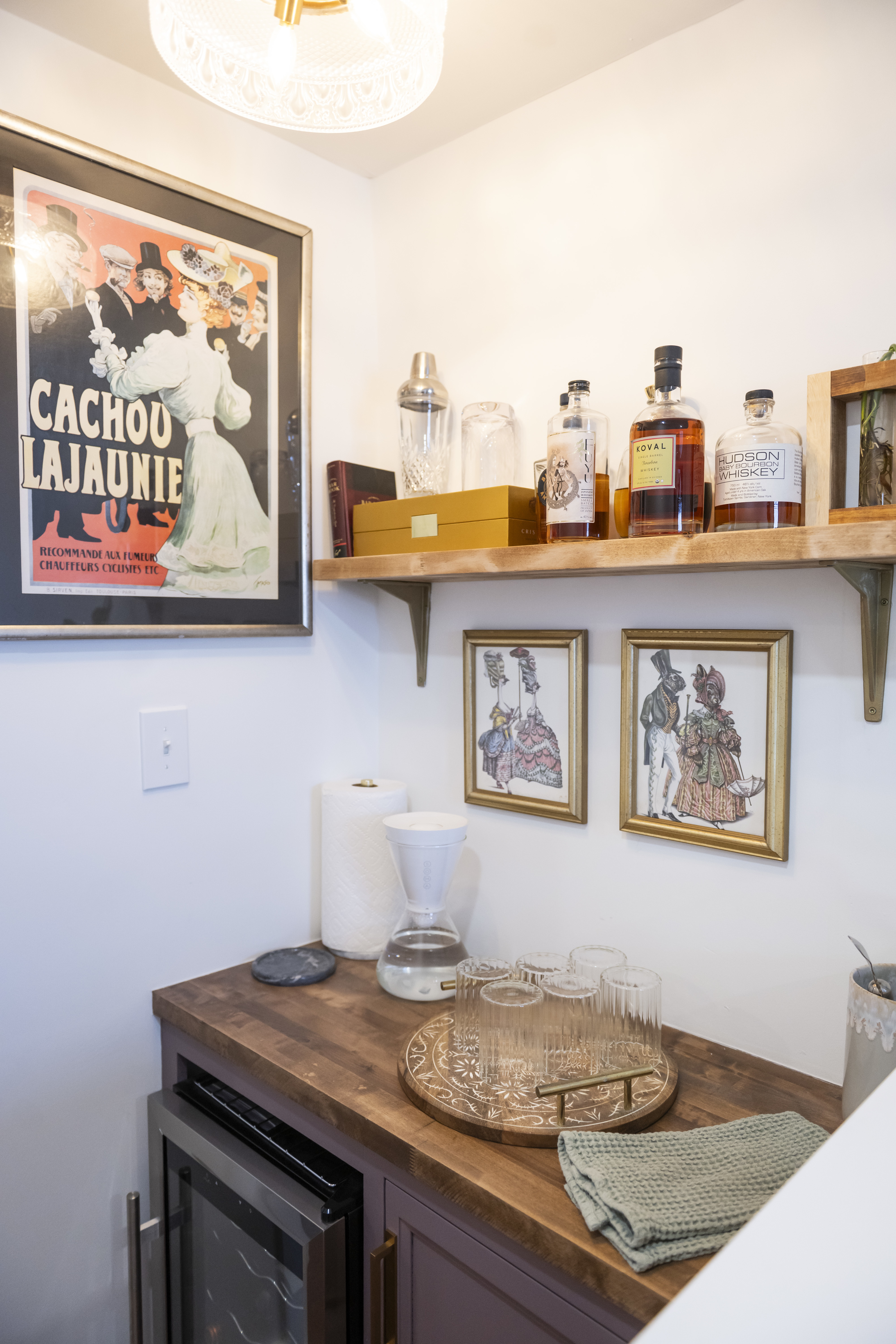
    A wet bar on the third floor, which has access to the rooftop deck.
    The bedroom furniture is surrounded by hanging plants.

    “In the warmer months, I use it for everything from morning coffee to evening gatherings and even summer movie nights,” said La Reau.

    The home sits near Palmer Cemetery, a historic location that she believes gives her block “a unique and peaceful character.”

    “What I love most is that the land directly across the street is part of the cemetery, which means there’s a sense of openness and greenery you don’t often get in the city,” La Reau said. “It creates a rare balance of being in an urban neighborhood while still feeling connected to nature.”

    La Reau’s personal style and design flair is evident at every turn in the home. She carefully selected every finish and detail.

    In the dining area, a collection of art in various shapes and sizes and an intricately framed mirror line the walls.
    The shoe wall in La Reau’s closet.

    “The project was extensive. I completely gutted the kitchen and two existing bathrooms, added an additional full bathroom, and restored many of the home’s original features: hardwood floors, columns, stair treads and railings, as well as the marble fireplace,” she explained. And the renovation included upgrading all of the essential systems, including plumbing, electrical, and structural reinforcements.

    Still, she aimed to preserve the historic charm of the home while layering in modern elements that reflected her personal, eclectic style.

    “Much of my inspiration comes from my travels abroad, especially time spent working in Barcelona, and my family,” La Reau said. La Reau is the marketing director for North America for Pronovias, an international wedding dress designer based in Barcelona, Spain. “Parisian and European influences are woven throughout the design,” she said.

    She opted for neutral finishes to create a timeless, classic foundation that will “age gracefully,” while using accents such as glass knobs and crystal lighting fixtures to honor the home’s vintage character.

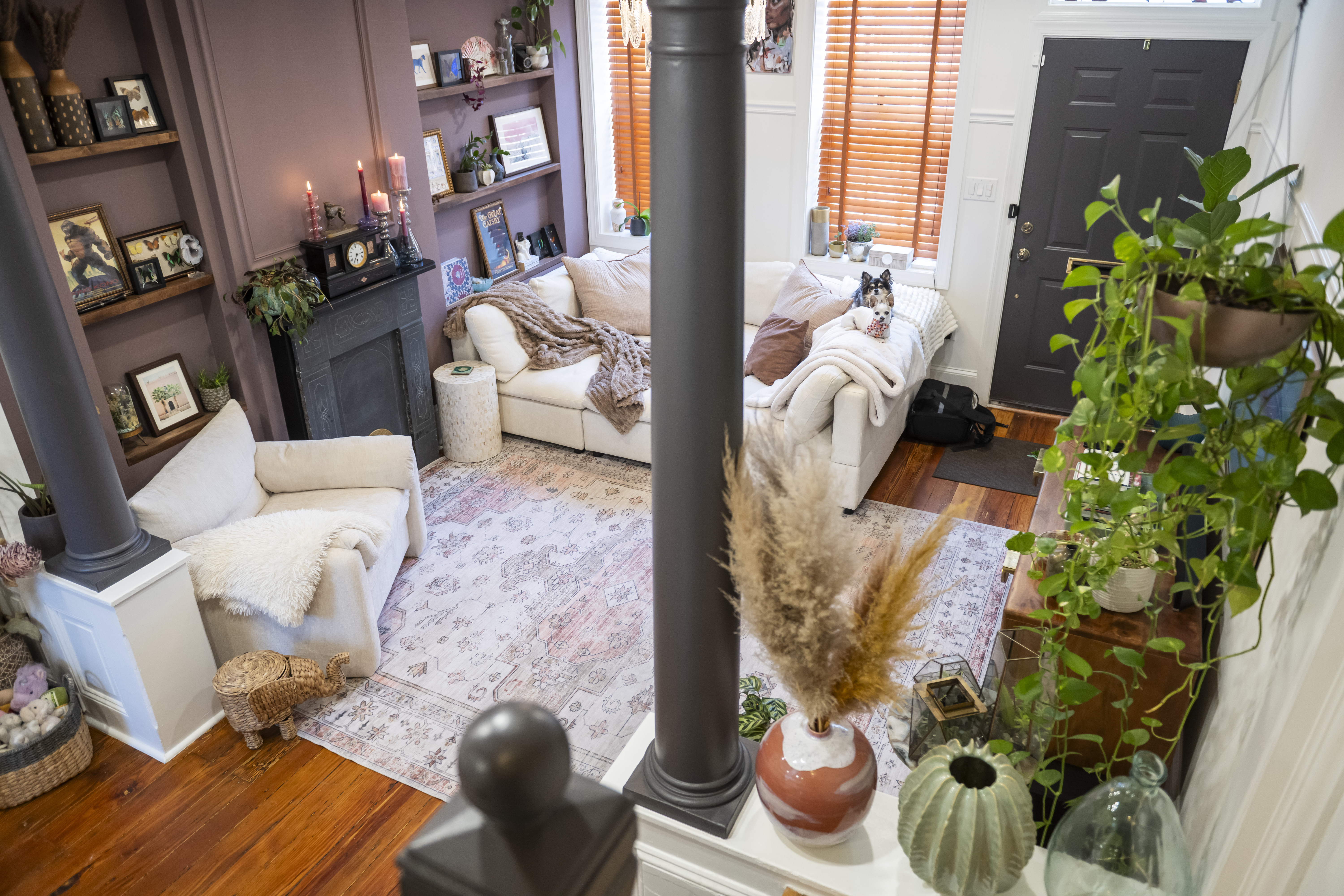
    The living space features a colorful accent wall, purple details, and columns dividing the first-floor spaces.

    In the living room depth and drama were created with a wall in Cinnamon Slate by Benjamin Moore, a balance of heathered plum and velvety brown, framing the restored fireplace and custom-built shelving.

    “I also introduced new molding throughout the primary bedroom and living areas to elevate the architectural character,” she said.

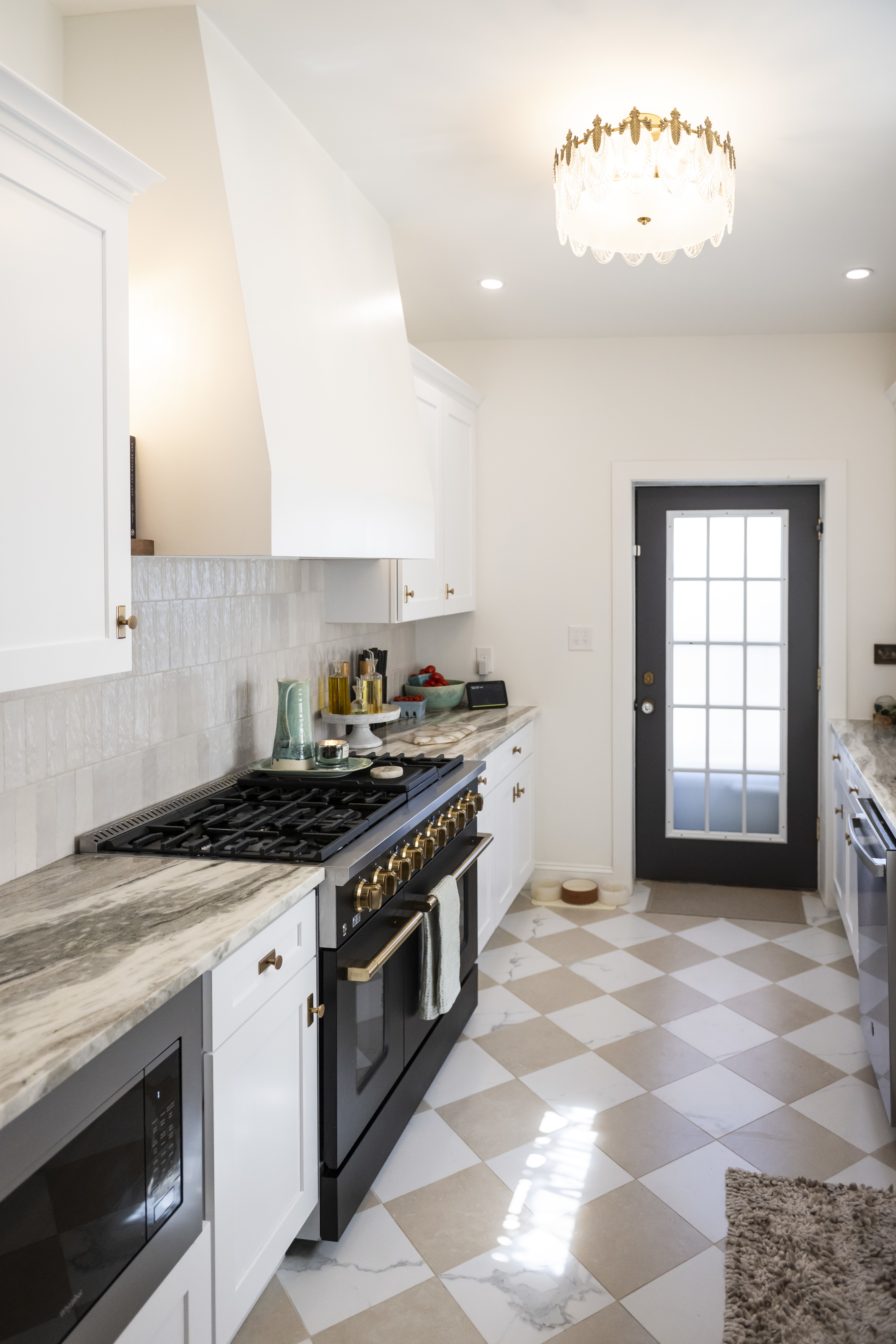
    The kitchen was one of the most important spaces, as La Reau enjoys cooking and baking. The focal point is a Kucht Gemstone KEG Series range in a slate finish with gold accents, featuring an eight-burner, double-oven statement piece that blends luxury and function.

    “To balance its boldness, I selected soft, muted finishes: marble crepe and white flooring rather than a stark black-and-white checkerboard, sandstone backsplash tiles, and granite countertops with subtle gray and brown veining,” she said.

    A Kucht Gemstone KEG Series range is a centerpiece of the kitchen.
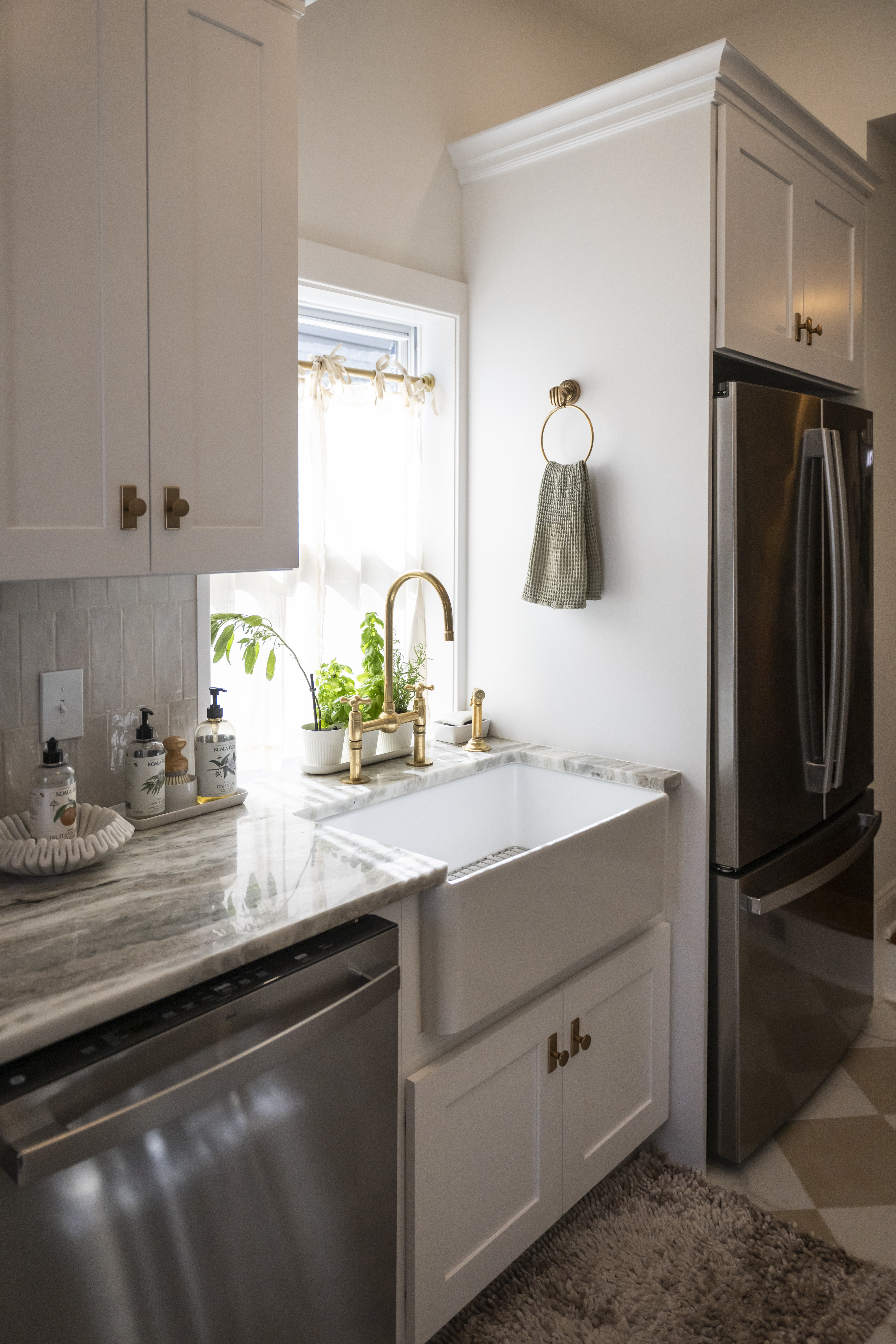
    A large sink and gold details in the kitchen, which was an important space as La Reau loves to cook and bake.

    Throughout the home, splashes of bright color against muted fabrics and warm wood furniture create a layered but cohesive atmosphere.

    “Artwork collected from my travels is thoughtfully placed in each room, allowing every space to tell its own story while still flowing together as a whole,” La Reau said.

    She feels right at home in her community.

    The exterior of Nicala La Reau’s home.

    “The walkability to Frankford Avenue is unbeatable‚” she said. With its evolving culinary scene, she noted, there seems to always be a new restaurant or bar to check out.

    “But beyond that, there’s a neighborliness here — you see people out walking dogs, saying hello, and looking out for one another,” said La Reau. “Fishtown has a balance of growth and rootedness that feels like somewhere I can grow into long term.”

    Is your house a Haven? Nominate your home by email (and send some digital photographs) at properties@inquirer.com.