Tag: topic-link-auto

  • Bucko Kilroy was once called the NFL’s dirtiest player. He became much more than that in a six-decade career.

    Bucko Kilroy was once called the NFL’s dirtiest player. He became much more than that in a six-decade career.

    Bucko Kilroy spent a week in a Philadelphia courtroom three years after a Life magazine story described him as football’s dirtiest player. He sued the magazine for libel, claiming the accusation that he purposely injured opponents had ruined his reputation.

    He was a two-way lineman for the Eagles who once played in 101 straight games. Dirty? Never, Kilroy said. A lawyer representing the magazine during the 1958 case asked Kilroy if he remembered kicking the Chicago Bears’ Ray Bray in the groin. “It is all according to what you mean by kicking,” Kilroy said.

    Upton Bell’s secretary interrupted him in his office to tell the newly hired New England Patriots general manager that someone was on the phone for him. It was a collect call from a pay phone.

    “I said to myself, ‘Who the heck is this?’” said Bell, whose father founded the Eagles in 1933.

    It was Kilroy, who was working for the Dallas Cowboys and had scouted with Bell years earlier. He wanted to work for the Patriots.

    “He was calling from a phone booth because he didn’t want Dallas to know that he was applying for the job,” Bell said. “He said, ‘There’s no way they can trace this to me.’ Typical Bucko.”

    Francis Joseph “Bucko” Kilroy, who will be inducted Friday into the Eagles Hall of Fame during the game against the Bears, spent 64 consecutive years in the NFL as a player, coach, scout, and front-office executive. He grew up in Port Richmond, starred at North Catholic and Temple, and won NFL championships with the Eagles in the 1940s before helping Bill Belichick win Super Bowls as a scouting consultant in the 2000s. Kilroy was there.
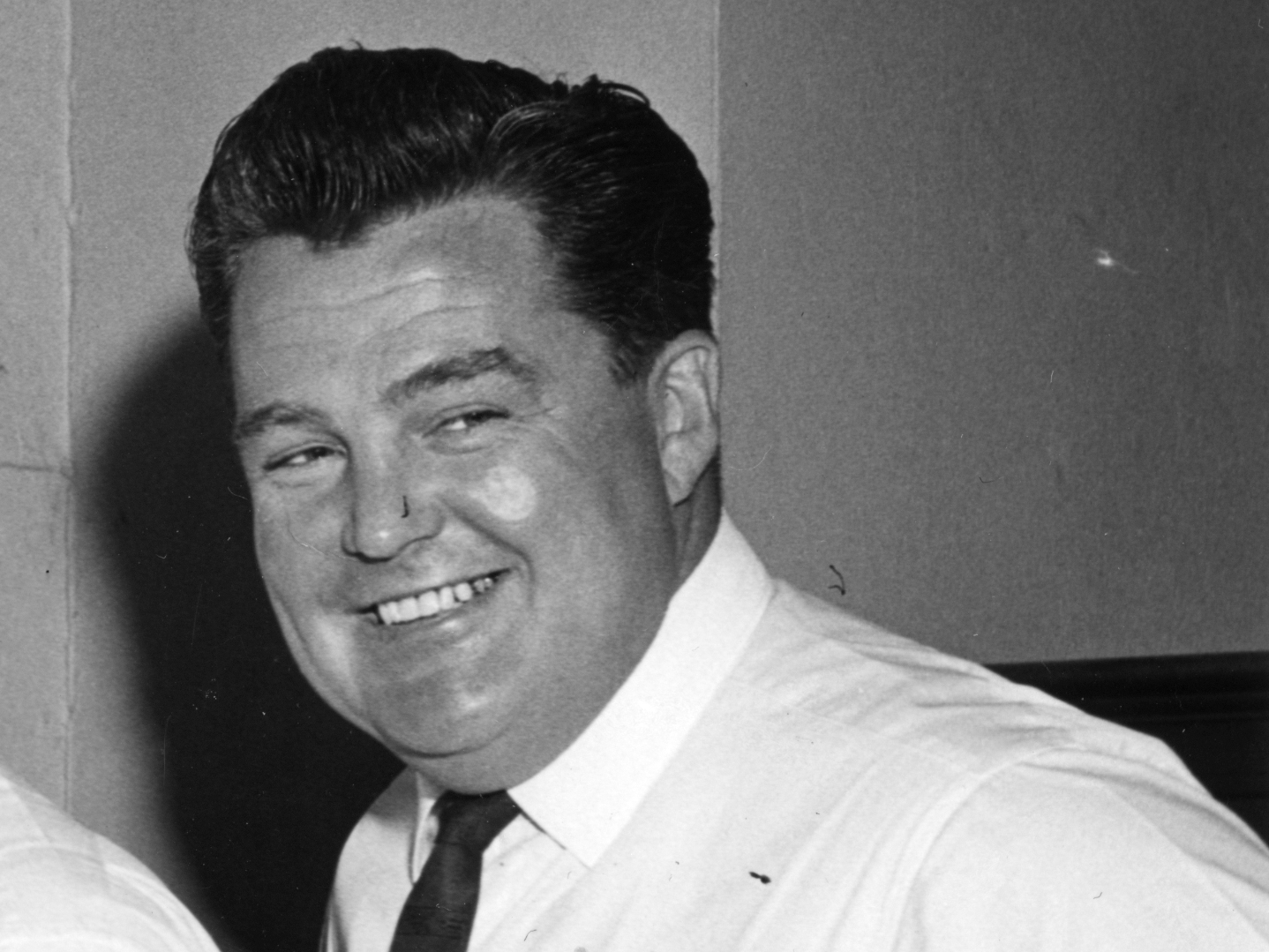
    Bucko Kilroy during his time as the Eagles’ player personnel director in 1960, when they won the NFL championship.

    Kilroy was one of the league’s first scouts and a front-office innovator who helped teach a lineage of future decision makers from Hall of Famer Bill Parcells to current Tampa Bay general manager Jason Licht. He was much more than the dirtiest player in football. And everything — from the players he was targeting in the draft to the phone calls he made — was a secret.

    “I would ask him, ‘Is that for public record or not?’” said Tom Hoffman, the Patriots’ director of public relations during Kilroy’s tenure as GM. “He would tell me, well, he can always disseminate confidential misinformation.”

    Battle scars

    The incident happened, Kilroy told the lawyer, about 10 years earlier during a preseason game. He fell down on a kickoff and Bray jumped on top of him. Kilroy said he put his foot up and flipped Bray over. Kilroy was ejected and fined $250.

    The lawyer asked Kilroy if that was a fair description of a “vicious kick in a very vulnerable spot.” No, Kilroy said. “I wasn’t trying to kick him, I was trying to ward him off. The man was trying to jump on me. How else could I get rid of him? Am I going to let him jump on me?”

    Kilroy spent most of his adult life with the indention of a cleat on his cheek, a scar from his time in the NFL when face masks were rare and gentlemen were even rarer. A kick to the face may not have been a penalty, but it did leave a battle scar. Kilroy’s NFL was wild — penalties like roughing the passer were years away — and the guy from Port Richmond fit right in.

    “Nothing came easy for him,” said Dan Fahy, Kilroy’s great-nephew. “He had to work hard. He had that grit and that desire and that ferociousness to succeed. He saw football as a game of toughness and that meant playing the game tough.”

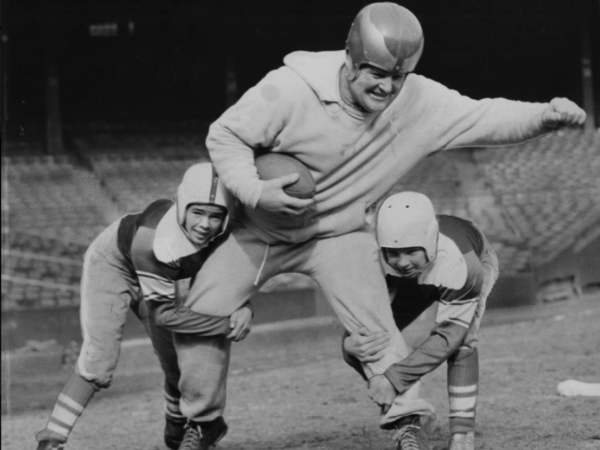
    An Eagles player from 1943-55, Kilroy crushed opponents’ faces with his huge hands, tripped ballcarriers, and drove quarterbacks into the turf.

    When he injured a Pittsburgh Steelers player in 1951, the Steelers said they would get revenge on Kilroy when the teams played again. Bring the brass knuckles, he replied. He was a 6-foot-2, 243-pound menace who never backed down.

    “I can remember my father getting a call from Bucko’s wife [Dorothy] complaining because my dad [who became NFL commissioner] had fined him,” Bell said. “I think he kicked someone in the head. I can hear the whole conversation and he’s telling her, ‘Mrs. Kilroy, if Bucko goes the rest of the season without getting in trouble, I’ll give you the money.’ Bucko had promised to buy her a mink coat with his bonus. So she was calling because she thought she was losing her coat. My dad said, ‘I won’t give him the money back, but I’ll give it to you.’ And that’s what he did. Bucko didn’t get in trouble the rest of the year and my father had the check issued to her, not him. She got her coat.

    “He did have a reputation for being a dirty player. But there were a lot of guys around like that. The game was totally different. He was also a pretty damn good player. Guys were fearful of him.”
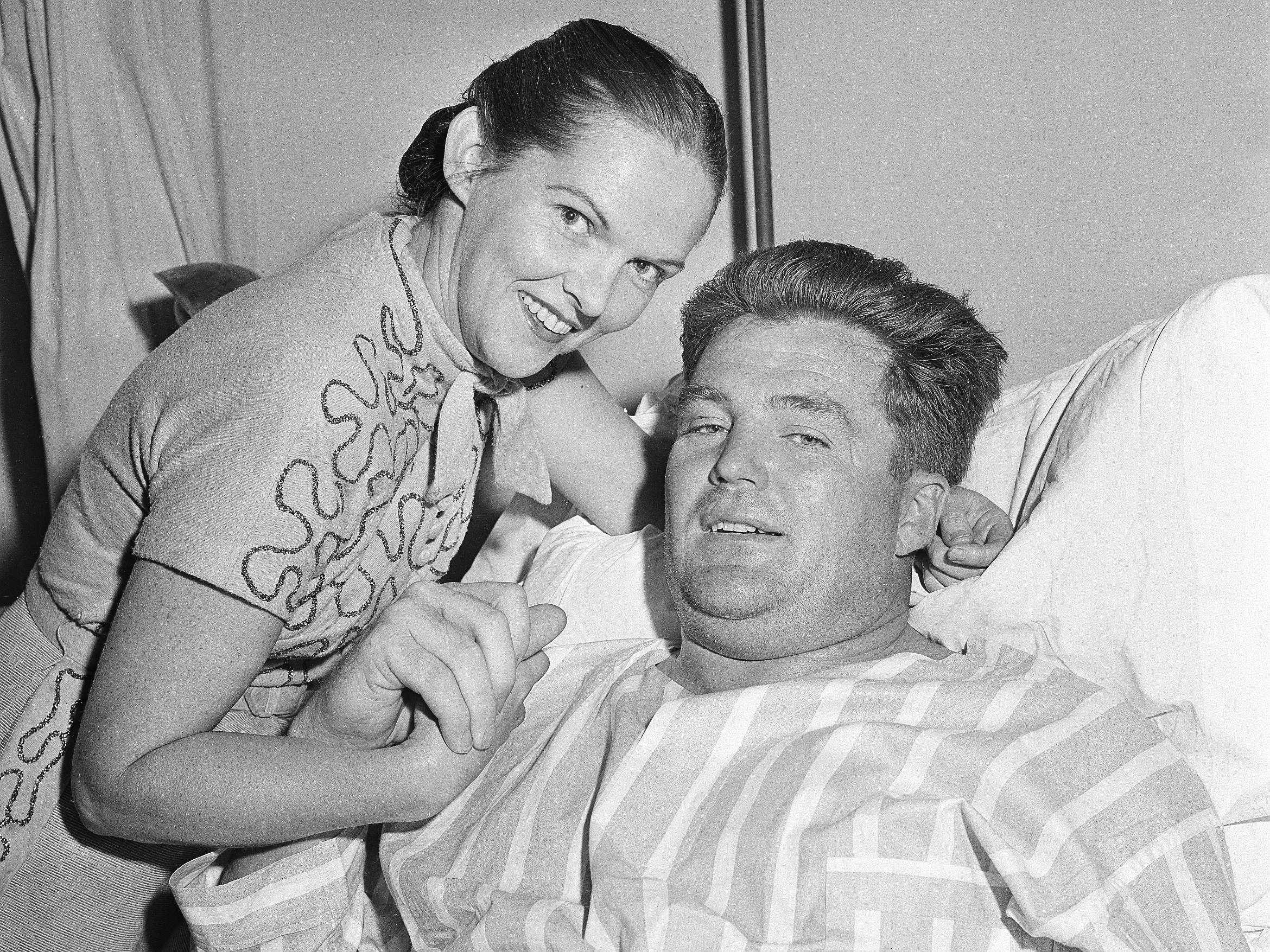
    Eagles lineman Bucko Kilroy with his wife, Dorothy, in the hospital after he suffered a career-ending knee injury against the New York Giants in 1955.

    Kilroy’s uncle, Matt “Matches” Kilroy, pitched in the majors (his 513 strikeouts in 1886 are still a record) and his father owned a bar on Richmond Street. He grew up in St. Anne’s parish during the Great Depression and played in the NFL with the same vigor he did as a kid against the boys from Nativity.

    Kilroy started his professional career in 1943 with the Steagles, the team Bert Bell formed during World War II by combining the Eagles and Steelers.

    He played on the weekends, commuting from New York while serving in the Merchant Marines. It was the start of an NFL career that spanned more than six decades without missing a season.

    “Football hasn’t just been a part of my life,” Kilroy said in 1993 after joining North Catholic’s Hall of Fame. “It is my life.”

    Kilroy was roommates on the Eagles with Walt “Piggy” Barnes, who later found work in Hollywood as an actor in Clint Eastwood movies. Kilroy worked during each offseason — he sold cars at night one year after working mornings in a stone quarry — and lived in a twin house on Wakeling Street in Frankford.

    When the Eagles won the 1948 title by beating the Chicago Cardinals, it was Kilroy’s fumble recovery that positioned the Birds for their only score during a snowstorm at Shibe Park. A year later, the Eagles repeated as champions and were gifted $500 and cigarette lighters. If they wanted championship rings, the players had to pay $65.

    Kilroy, who was later named to the NFL’s all-decade team for the 1940s, was the oldest player in the NFL at age 34 when he entered his 13th and final season. His career ended in the 1955 opener against the Giants. They were still angry at Kilroy for injuring quarterback Arnie Galiffa two years earlier. The Giants mangled Kilroy’s knee during a pile-up and he never played again.
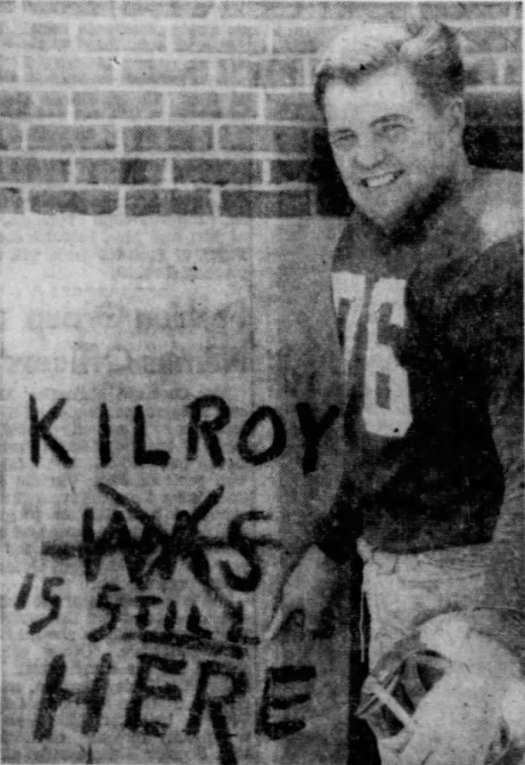
    Bucko Kilroy was the oldest player in the NFL when he retired with the Eagles in 1955 at age 34.

    “These guys had it for him,” Fahy said. “But his own teammates would have told you that he had it coming. He had a reputation.”

    ‘Ornery critters’

    Kilroy and teammate Wayne Robinson — who also sued Life magazine — were described in the article as “ornery critters.” Cloyce Box of the Detroit Lions explained in court that an ornery critter was a “domesticated animal which at periods of times acts without the scope of that domestication.”

    Otto Graham, the Hall of Fame quarterback from Cleveland, said in court that the Eagles were the “roughest football team in the National Football League.” And Kilroy? “Well, he was the bad boy, one of the bad boys, of the league,” Graham said.

    Kilroy left that pay phone in 1971 to work with Bell in New England as the personnel director. He was the Eagles’ player personnel director when they won the 1960 NFL championship, making him one of the league’s first scouts. He later built scouting systems for the Dallas Cowboys that led to five straight division titles. He was instrumental in launching the scouting combine for the draft.

    Kilroy’s Patriots hit on three first-round picks in 1973 by selecting future Hall of Fame lineman John Hannah, running back Sam Cunningham, and wide receiver Darryl Stingley. Three years later, the Pats again had three first-rounders and Kilroy drafted another future Hall of Famer in defensive back Mike Haynes.

    “He was a brilliant mind,” Hoffman said.

    Kilroy was promoted to GM in 1979 and later became the Patriots’ vice president before becoming a scouting consultant, a position he held until he died in 2007 at age 86. Belichick honored him the next spring when the Patriots drafted for the first time without Kilroy. He was a pillar of the league, Belichick said. Kilroy spent one year longer in the NFL than George Halas. He was more than a dirty player. And that was his best-kept secret.

    “You would think, ‘This is just some big, dumb football player,’” Bell said. “But if you got to know him, you learned how smart he was. He was one of the greatest characters I’ve ever known and I’ve known most of the great characters. I once told him, ‘Bucko, you’re so secretive. Are you sure you didn’t work in the CIA?’

    “Bucko Kilroy belongs in the Pro Football Hall of Fame. That’s how good he was. And if I don’t get a phone call from Bucko Kilroy in a phone booth, I don’t hire him.”

    Kilroy won his lawsuit against the magazine and was awarded $11,600. It was more than he ever made in the NFL as his first season with the Steagles earned him just $1,300.

    But the lawsuit wasn’t really about Kilroy as much as it was about the NFL, which was trying to protect its image as it grew in popularity. The league needed to respond to an article titled “Savagery on Sundays” and Kilroy’s libel case was the response. Kilroy played football with an edge, so calling him dirty was hardly an offense. “I don’t think Bucko was ever offended by anything,” Bell said.


  • Over a dozen holiday events in Cherry Hill you won’t want to miss

    Over a dozen holiday events in Cherry Hill you won’t want to miss

    The holiday season is officially upon us and with it, a slew of festive events. From Santa sightings to a menorah motorcade, here’s how and where to celebrate around Cherry Hill.

    Santa has returned to the Cherry Hill Mall, where he’s posing for photos throughout the holiday season.

    Photos with Santa at the Cherry Hill Mall

    Snap a photo with St. Nick during his ongoing residency at the mall, where he’ll be through Christmas Eve. Walkups are welcome, or you can sign up for a time slot here. Pets can also get in on the action on select days, but they must be on a leash, in a carrier, or held by their owner. Sign up for a pet time slot here.

    ⏰ Through Wednesday, Dec. 24, times vary 💵 $19.99-$59.99 📍Cherry Hill Mall, 2000 Route 38, Cherry Hill

    Photos with Santa at Spirit Christmas

    If you’re looking to get in a little holiday decor shopping while also grabbing a photo with Santa, Spirit Christmas is hosting the big guy on Fridays, Saturdays, and Sundays, plus the week leading up to Christmas.

    ⏰ Through Wednesday, Dec. 24, days and times vary 💵 $19.99-$59.99 📍Spirit Christmas, 2234 Marlton Pike West, Cherry Hill

    The rink will be open on select days through Feb. 22.

    WinterFest Ice Skating

    Lace up your skates and hit the ice at Cooper River Park on select days through Feb. 22.

    ⏰ Friday, Nov. 28-Sunday, Feb. 22, times vary 💵 $6-$9 admission, plus a $6 skate rental 📍Cooper River Park, 510 Park Blvd., Cherry Hill

    Morning Glori Farmette Pop-Up Shop

    Marlton-based alpaca farm Morning Glori Farmette is hosting a pop-up shop in Cherry Hill, where you can shop handmade gifts and meet two of their resident camelids, Rocky and Crash.

    ⏰ Friday, Nov. 28, 9:30-11:30 a.m. 💵 Pay as you go 📍1504 Pleasant Dr., Cherry Hill

    Ornament-Making Workshop

    Design and create your own holiday ornament during this walk-in workshop.

    ⏰ Friday, Nov. 28, 10 a.m.-2 p.m. 💵 $40 📍Hugs Ceramics, 1400 Haddonfield-Berlin Rd., Cherry Hill

    Holiday House

    Tour Barclay Farmstead decked out for the holidays at this ticketed event.

    ⏰ Sunday, Nov. 30, 1-4 p.m. 💵 $3.49-$5.49 📍Barclay Farmstead, 209 Barclay Lane, Cherry Hill

    Sounds of the Season

    Catch holiday performances while shopping at the mall. At 6 p.m. on Dec. 3, the Pine Barons Chorus will perform everything from classic carols to current favorites. And at 5 p.m. on Dec. 17, Cherry Hill West’s Royal Purple Majesties club will perform throwback holiday tunes from the 1920s and 1940s from the likes of Nat King Cole and Frank Sinatra.

    ⏰ Wednesday, Dec. 3, 6 p.m. and Wednesday, Dec. 17, 5 p.m. 💵 Free 📍Cherry Hill Mall, 2000 Route 38, Cherry Hill

    Breakfast with Santa

    Join the Cherry Hill African American Civic Association for a breakfast buffet, holiday crafts, games, and photos with Santa.

    ⏰ Saturday, Dec. 6, 8-10 a.m. 💵 $12.51-$23.18 📍Applebee’s Grill, 108 Haddonfield Rd., Cherry Hill

    Colorful Desires Holiday Marketplace

    Shop an array of small businesses at this two-day pop-up in the Grand Court.

    ⏰ Saturday, Dec. 6, 10 a.m.-9 p.m. and Sunday, Dec. 7, 11 a.m.-6 p.m. 💵 Pay as you go 📍Cherry Hill Mall, 2000 Route 38, Cherry Hill

    Winter Festival

    This year’s winter festival includes a craft market, a beer garden, fire pits, ice carving demonstrations, food, and live performances. It will be held rain or shine.

    ⏰ Sunday, Dec. 7, noon-4 p.m. 💵 Pay as you go 📍Croft Farm, 100 Bortons Mill Rd., Cherry Hill

    Cherry Hill Senior Holiday Party

    Celebrate the season with other senior township residents over a buffet lunch, music, and dancing. Tickets must be purchased by Nov. 30.

    ⏰ Thursday, Dec. 11, 11 a.m.-2 p.m. 💵 $40 📍DoubleTree by Hilton, 2349 Marlton Pike West, Cherry Hill

    Winter Concert with the Chamber Ensembles of Cherry Hill High School East

    Hear performances of works by Wolfgang Amadeus Mozart and Joseph Haydn in addition to other festive holiday tunes. Advanced registration is required.

    ⏰ Thursday, Dec. 11, 11:30 a.m.-12:30 p.m. 💵 Free 📍Cherry Hill Public Library, 1100 Kings Hwy. North, Cherry Hill

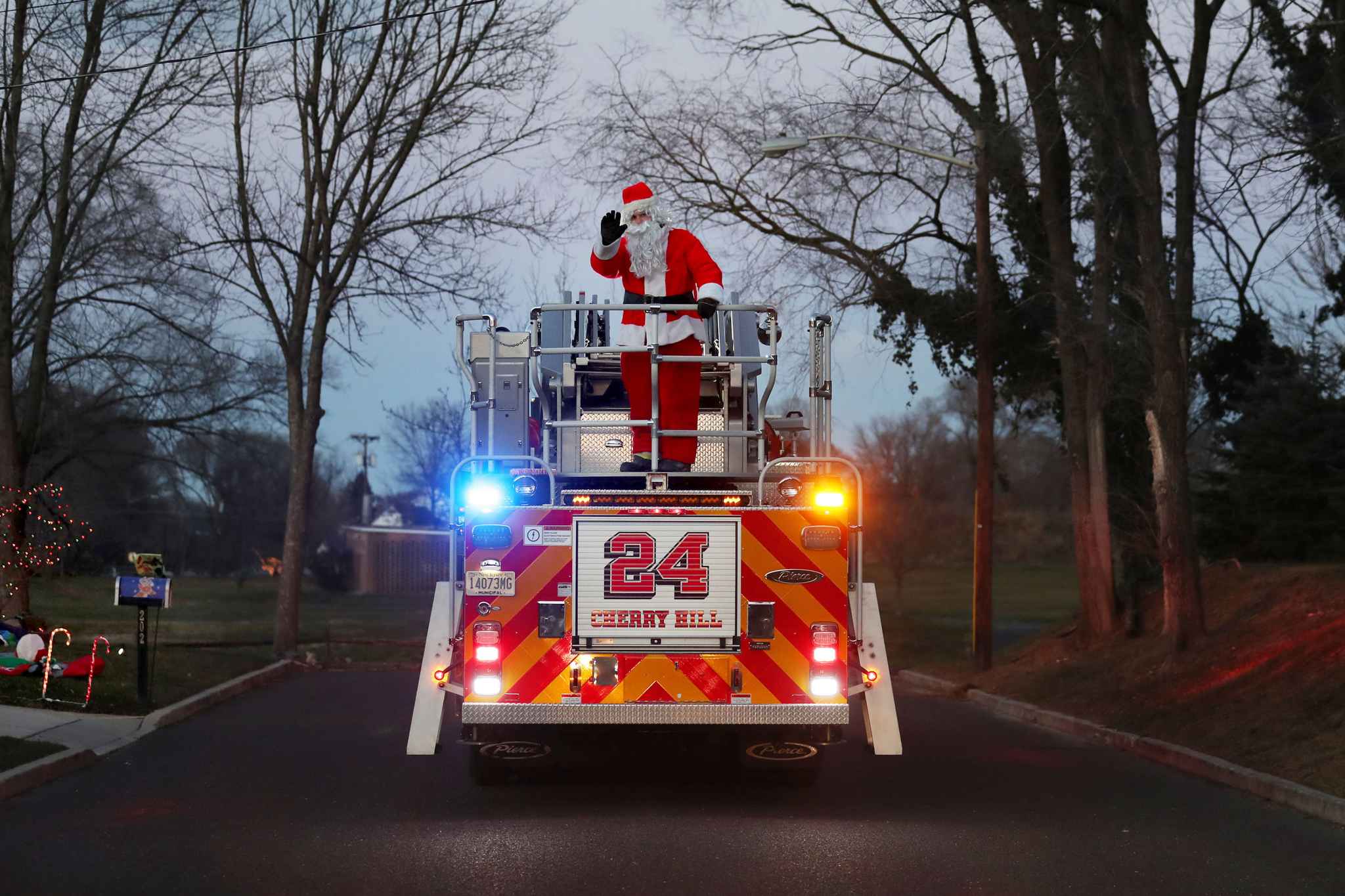
    Santa Claus plans to visit neighborhoods alongside the Cherry Hill Fire Department again this year.

    Cherry Hill Fire Department Santa Visits

    Santa will make visits to neighborhoods throughout town alongside the fire department. Visits are expected to start Dec. 13 and run through Dec. 21. An interactive map with details on the schedule will go live Dec. 1.

    ⏰ Saturday, Dec. 13-Sunday, Dec. 21, times vary 💵 Free 📍Cherry Hill Township

    Sounds of the Season

    Local musician Christopher Westfall will perform classic and original Christmas songs to benefit homeless shelter Joseph’s House of Camden.

    ⏰ Saturday, Dec. 13, 7 p.m. 💵 $15 📍St. Andrews United Methodist Church of Cherry Hill, 327 Marlton Pike West, Cherry Hill

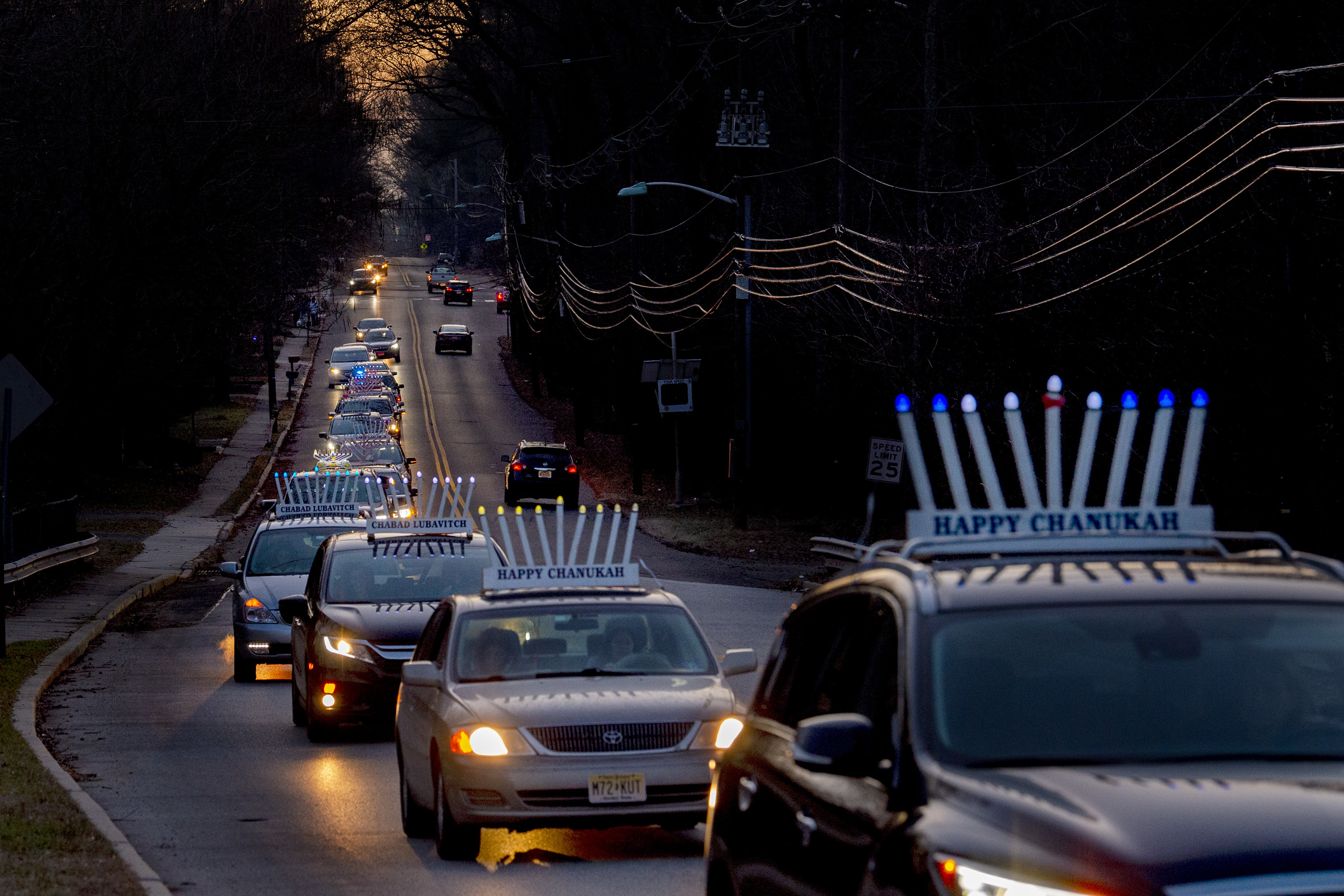
    The Menorah Motorcade will take place the first night of Hanukkah.

    Menorah Motorcade

    Now in its 16th year, cars adorned with menorahs will parade from Chabad in Cherry Hill to Barclay Farm Shopping Center, where the giant menorah will be lit. There will be latkes, donuts, music, and LED robots for the lighting.

    ⏰ Sunday, Dec. 14, parade starts at 4 p.m., giant menorah lighting is at 5 p.m. 💵 Free 📍Chabad of Camden and Burlington Counties, 1925 Kresson Rd., Cherry Hill

    Curate Noir Holiday Market Pop-Up Expo

    Snag last-minute holiday gifts at this two-day pop-up at the mall that features local small businesses.

    ⏰ Saturday, Dec. 20, 9 a.m.-10 p.m. and Sunday, Dec. 21, 10 a.m.-9 p.m. 💵 Pay as you go 📍Cherry Hill Mall, 2000 Route 38, Cherry Hill

    This suburban content is produced with support from the Leslie Miller and Richard Worley Foundation and The Lenfest Institute for Journalism. Editorial content is created independently of the project donors. Gifts to support The Inquirer’s high-impact journalism can be made at inquirer.com/donate. A list of Lenfest Institute donors can be found at lenfestinstitute.org/supporters.

  • These numbers show Saquon Barkley’s drop-off from his historic 2024 season with the Eagles

    These numbers show Saquon Barkley’s drop-off from his historic 2024 season with the Eagles

    Saquon Barkley isn’t going to become the first running back in NFL history to have a second 2,000-yard season — at least not in 2025. At his current rate, he’ll barely exceed 1,000 rushing yards, a benchmark he hasn’t failed to reach while playing a full season in his NFL career.

    What was Barkley going to do for an encore? It was one of the big storylines for the Eagles before the season started. Repeating last season’s success was always going to be difficult. But this? He has just one game over 100 yards after having 11 such performances in 16 regular-season games last season.

    The Eagles are struggling on offense, and it’s fair to say their inability to consistently run the ball is the biggest concern of all. There are a variety of reasons. Barkley thinks he’s in “a little funk,” but tackle Jordan Mailata blamed the offensive line’s execution.

    There are multiple hands sharing the blame, but regardless of who shoulders it most, Barkley’s drop-off has been precipitous. Here’s a look at some numbers that show the drastic decline:

    32.4%

    It’s worth starting here because it can help explain everything in some ways. We knew opposing defenses were going to change their approach. The Eagles surely did, too.

    Last season, Barkley faced eight or more defenders in the box 20.6% of the time, according to Next Gen Stats. That was 20th in the NFL among qualified rushers.

    This season, Barkley is facing eight or more defenders in the box 32.4% of the time, the seventh-highest rate in the NFL.

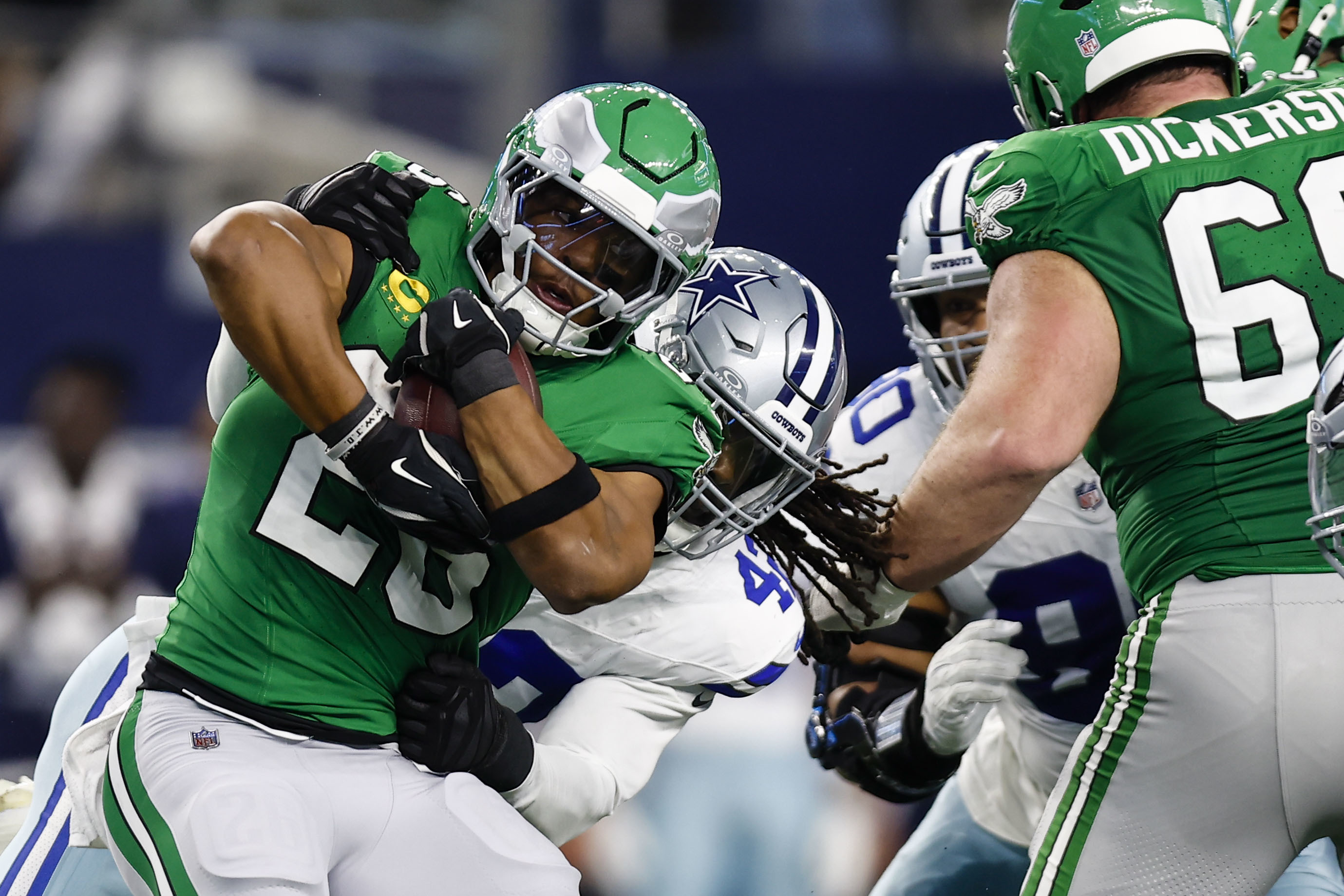
    Saquon Barkley is wrapped up by Cowboys outside linebacker Jadeveon Clowney in the second quarter in Week 12.

    Barkley did much of his damage in 2024 against opposing teams’ nickel packages. This year, the Eagles are facing fewer of those. Teams are matching the Eagles’ personnel, and the Eagles are running a lot of 12 and 13 packages (one running back plus two tight ends and one running back plus three tight ends, respectively).

    Defensive coordinators seemingly have decided that they’re going to sell out to stop the run and dare Jalen Hurts and the passing offense to beat them.

    2.3

    Mailata is right that the running game’s issues start with the offensive line. A running back needs blockers, and right now Barkley just isn’t getting enough help in front of him.

    There’s a variety of reasons for that, even though the Eagles returned four-fifths of their starting offensive line. First off, the replacement for Mekhi Becton at right guard, Tyler Steen, has not had the same kind of success run blocking. But the four returners haven’t been themselves, and injuries mostly are to blame. Lane Johnson has suffered multiple ailments, the latest a Lisfranc injury in his right foot. Cam Jurgens started the season coming off back surgery and has since suffered a knee injury and a concussion. Landon Dickerson has experienced bad injury luck going back to his collegiate career and probably hasn’t been 100% since high school.

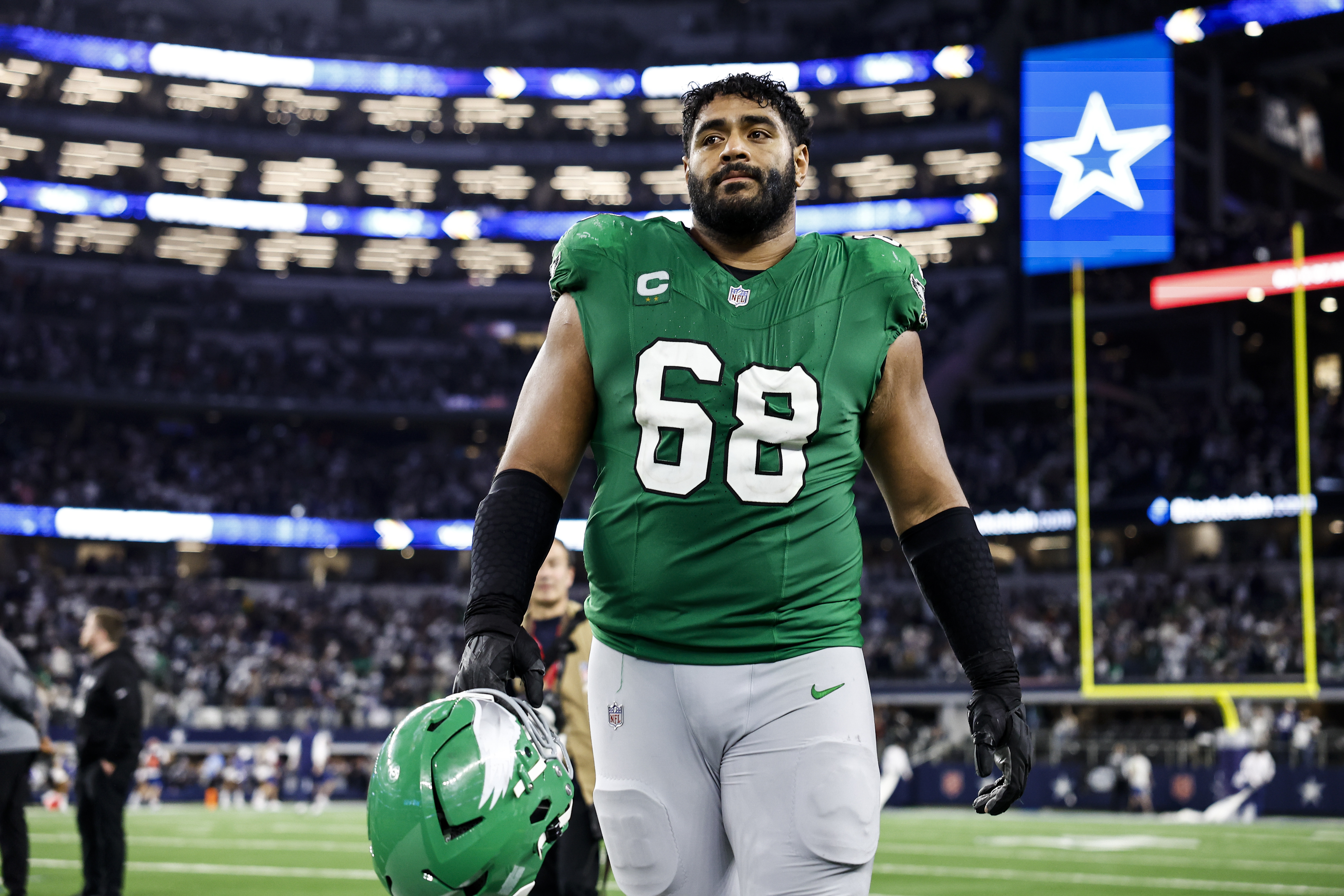
    Eagles tackle Jordan Mailata leaves the field after the game against the Cowboys in Week 12.

    Last season, Barkley had room to run. This season, he doesn’t. That’s clear in the numbers, too. In 2024, Barkley ran 3.8 yards per carry before being contacted. This season, that number has dropped to 2.3 yards per attempt, according to Pro Football Reference.

    “It’s on all of us,” Mailata said Sunday after the Eagles blew a 21-0 lead partially because they can’t run the ball. “You can just watch the film. We always say we’re one block away, and as tiring and as repetitive as that is, that is the truth. I’m tired of saying it, but it starts with us. We’ve got to do a better job of execution, and until we do that, this running game is not going anywhere.”

    15 mph

    Barkley in open space meant a lot of room to sprint. He finished second in the NFL in 15-plus-mph runs with 73 in 2024. This season, he is eighth with 28 such runs, according to Next Gen, and he’s on pace to finish with just 43 15-plus-mph runs.

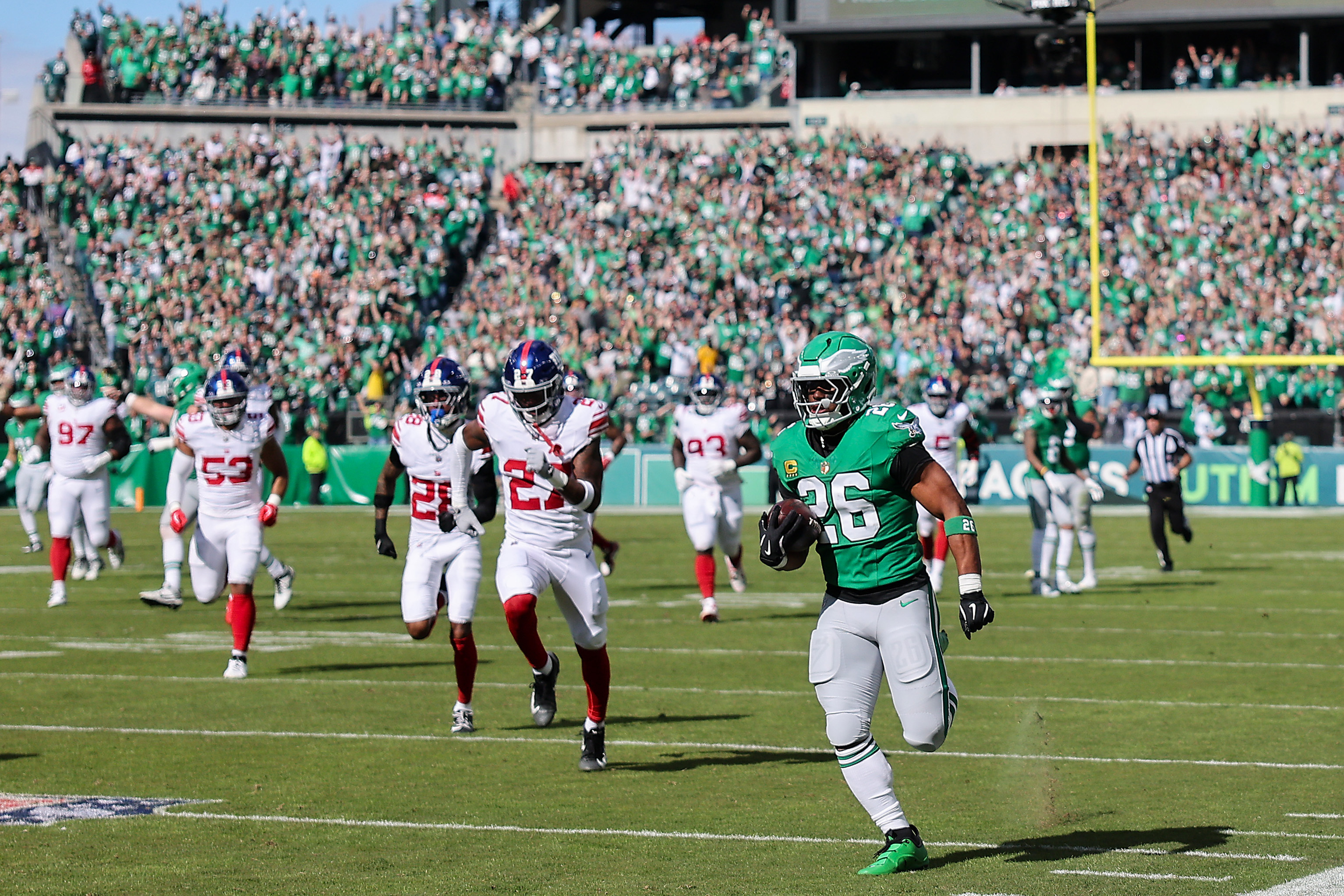
    Eagles running back Saquon Barkley scores during a run in the first quarter against the Giants.

    Blocking is a big factor there. But what about Barkley’s burst and his overall health? He touched the ball 482 times last season between rushes and receptions in the regular season and playoffs. His previous high was 377 in 2022.

    Barkley’s training regimen is pretty good. But that’s a lot of wear and tear in one season. Barkley said he was healthy on Sunday when asked after the game.

    -3

    Next Gen’s expected rushing yards model calculates “how many rushing yards a ballcarrier is expected to gain on a given carry based on the relative location, speed, and direction of blockers and defenders.”

    The model also calculates a metric called “rushing yards over expected,” which is “the difference between actual rushing yards and expected rushing yards on an individual play or series of plays.”

    Last season, Barkley was second in the NFL with 546 yards over expected — an average of 1.6 yards over expected per attempt — behind Derrick Henry’s 562 yards over expected. The third player on the list, Chuba Hubbard, had 270 yards over expected, which shows how otherworldly Henry and Barkley were in 2024.

    This season, Barkley is at minus-3 yards over expected and zero yards over expected per attempt. Those numbers rank 32nd in the NFL.

    What’s the takeaway here? The blocking hasn’t been good, but Barkley hasn’t been himself at beating defenders, either.

  • Philly wants to set its own speed limits, and other highlights of the city’s new Vision Zero report

    Philly wants to set its own speed limits, and other highlights of the city’s new Vision Zero report

    Philadelphia can’t set the speed limits on roads within its own borders. Only the state can.

    So city transportation officials want to persuade Harrisburg to give it the power to set speed limits more appropriate to the density of Philadelphia.

    That is a top action item in the city’s new Vision Zero report, released Tuesday, which will guide traffic safety efforts for the next five years.

    “We’re looking to work with the state legislature to make our roads safer,” said Christopher Puchalsky, director of policy and strategic initiatives at the Philadelphia Office of Transportation and Infrastructure Systems.

    In Pennsylvania, as in many states, speed limits are based on the 85th percentile rule. Engineers measure speeds in a study area and set the limit based on how fast 85% of the drivers there are traveling.

    “It just sort of got adopted and enshrined in law,” Puchalsky said of the principle developed from studies of rural roads in the 1950s and ’60s.

    In recent years, traffic engineers, many states, and federal agencies in charge of traffic safety have been moving away from the approach and toward speeds that help prevent injuries and deaths.

    “It’s one of those things we’ll look back on and say, ‘Why did people think that was a good method?’” Puchalsky said. “And we’ll all scratch our heads — or at least our grandchildren will scratch their heads.”

    Pennsylvania’s legislature would need to amend the state’s vehicle code to grant Philadelphia the authority.

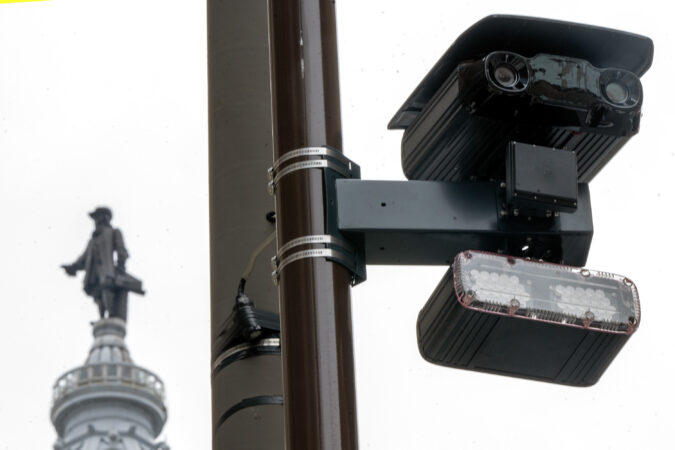
    Similarly, the city wants to expand the use of automated speed enforcement cameras and red-light enforcement cameras. That would also require legislation.

    The speed cameras on Roosevelt Boulevard are now permanent, and the city was authorized to put them on five other dangerous roads on a trial basis.

    Speed cameras also went up on most of Broad Street.

    Here are other takeaways from the Vision Zero report:

    Traffic deaths are still high in Philly

    In 2024, 120 people were killed in vehicle crashes in the city. The number of fatalities has been trending down slightly since 2020, but that figure is still 41% higher than it was in 2015, when the Vision Zero program began.

    “I think we’ve unfortunately hit a higher set-point post pandemic than we would like,” said Kelley Yemen, director of multimodal planning for the city. “We’re seeing encouraging news with this year, but we’ve got two months to go and are holding our breaths.”

    Yemen said the city has seen a 20% reduction in crashes on corridors where Vision Zero has been able to do traffic-calming projects such as installing speed cushions, implementing road diets that slow drivers, and installing separated bike lanes.

    “As we get further out from the pandemic, we’re also hoping we reset some cultural norms on our streets, whether it’s through automated speed enforcement, red-light cameras, or working with [the police department],” she said.

    The size of Philly’s problem

    Philadelphia is an old, dense city with a robust transit system, similar to New York and Boston. But its rate of traffic-related deaths per 100,000 people is many times New York’s — and most closely resembles that of Los Angeles, the Vision Zero report noted, citing federal data from 2019 through 2023.

    Philadelphia had 8.48 traffic deaths per 100,000 people, and Los Angeles had 8.11 per 100,000 residents.

    “We are still reviewing the plan, but our initial reaction is that the goals set forth are not transformational enough to address the climbing traffic death statistics,” said Jessie Amadio, an organizer with Philly Bike Action.

    “Vision Zero safety interventions work in the places they are installed,” but annual progress is too slow, she said.

    Factors that make a crash severe

    Speeding was the leading contributing factor in serious injury and fatal crashes between 2020 and 2024, present in 19%, the report said. Drivers impaired by alcohol or drugs were involved in 8% of the crashes, and 8% ran a red traffic light. Distracted driving was responsible in 4% of crashes, and running stop signs in 2%.

    People walking or using a personal mobility device were involved in 6% of crashes from 2002 through 2024 but were 40% of those who were killed, the report found.

    Thirty-eight percent of people who died were in motor vehicles.

    What were residents’ biggest concerns and asks?

    The Philadelphia Office of Transportation and Infrastructure Systems heard from about 3,000 city residents about their biggest concerns and preferred responses, said Marco Gorini, the Vision Zero program manager.

    Speeding was the topmost concern, cited by 24% of the people participating, followed by drivers running red lights and stop signs, cited by 23%.

    People were reached at roundtables involving more than 80 community groups, by online services, and through a polling firm that randomly queried 1,500 Philadelphians representative of the city’s overall population.

    Participants supported tough enforcement by automated cameras and police against those violations by wide margins.

    Infrastructure-related changes work best to protect people and change driver behavior, residents said, and they clamored for more traffic-calming measures and street redesigns, according to Gorini. They want to prioritize changes around schools, senior centers, and public parks.

    Besides enforcement and traffic-slowing infrastructure, residents expressed strong support for more safety education — instruction for high school students on safe driving (76%) and education for young students on safe walking and biking (71%).

    And another thing: People want transparency with safety efforts.

    “It’s very important that we regularly report on the state of traffic safety in Philadelphia and the results of Vision Zero interventions,” Gorini said. “This ensures accountability and helps the public understand what the issues are and how efforts to address them are going.”

    Next steps

    The city will be developing a spending plan for new safety projects for the next annual budget, due in the first quarter of 2026. And figuring how to pay for them from city funds and state and federal grants.

  • Fear factors: Ranking the Eagles’ road to the Super Bowl, from the real Rams to the fraud Bears

    Fear factors: Ranking the Eagles’ road to the Super Bowl, from the real Rams to the fraud Bears

    It’s a weird year in the NFL. Each of the traditional powers is missing something. Everything we fret about with the Eagles are worries in Kansas City and Buffalo.

    The Chargers have failed to take the next step. The Lions and Ravens might miss the playoffs. Brock Purdy just threw three interceptions against the Panthers. Drake Maye is a great quarterback. Do the Patriots really have a great roster?

    Something to be thankful for: Nobody else is great, either.

    We’ll see that on Friday, when the Eagles host the Bears. Chicago is among the more fraudulent 8-3 teams we’ve seen.

    Here is a look at all of the NFC teams that matter more than the Bears.

    1. Rams (9-2)

    It sure feels like 2025 is setting up for a Rams-Eagles NFC championship game that could launch an era-defining rivalry. The only thing missing right now is a big Rams win. The Eagles have beaten them four times over the last three seasons after initially replacing them as NFC champs in the 2022 season. But the Rams have walked away from the last two outings feeling like the Eagles’ equals if not betters.

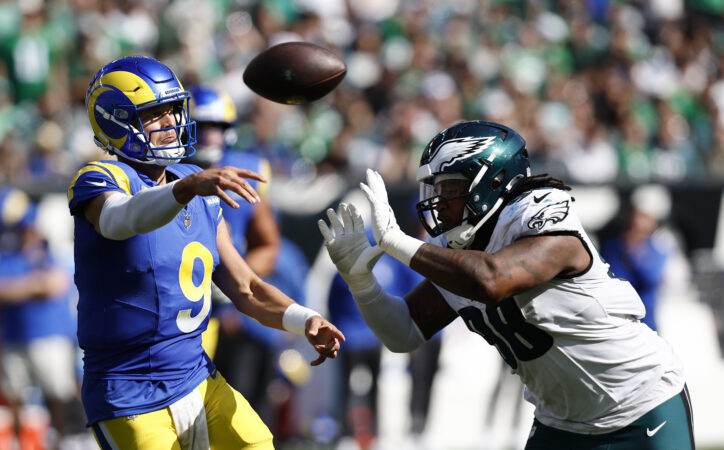
    First came that snowy 28-22 playoff loss when the Rams gave away six points on fumbles and still had a first down on the Eagles’ 21-yard line with 1 minute, 25 seconds remaining and a chance for a go-ahead touchdown. Then came Week 3, when L.A. blew a 26-7 lead and still had a shot at a game-winning 44-yard field goal with three seconds left only to have Jordan Davis block it and score a touchdown to boot.

    The Rams are due. Sean McVay is too good of a coach, Matthew Stafford too good of a quarterback, and Les Snead too good of an executive to not eventually announce it to the rest of the world. What they’ve done in the four years since they won the Super Bowl is every bit as impressive as the mini-dynasty that Nick Sirianni, Jalen Hurts, and Howie Roseman have put together.

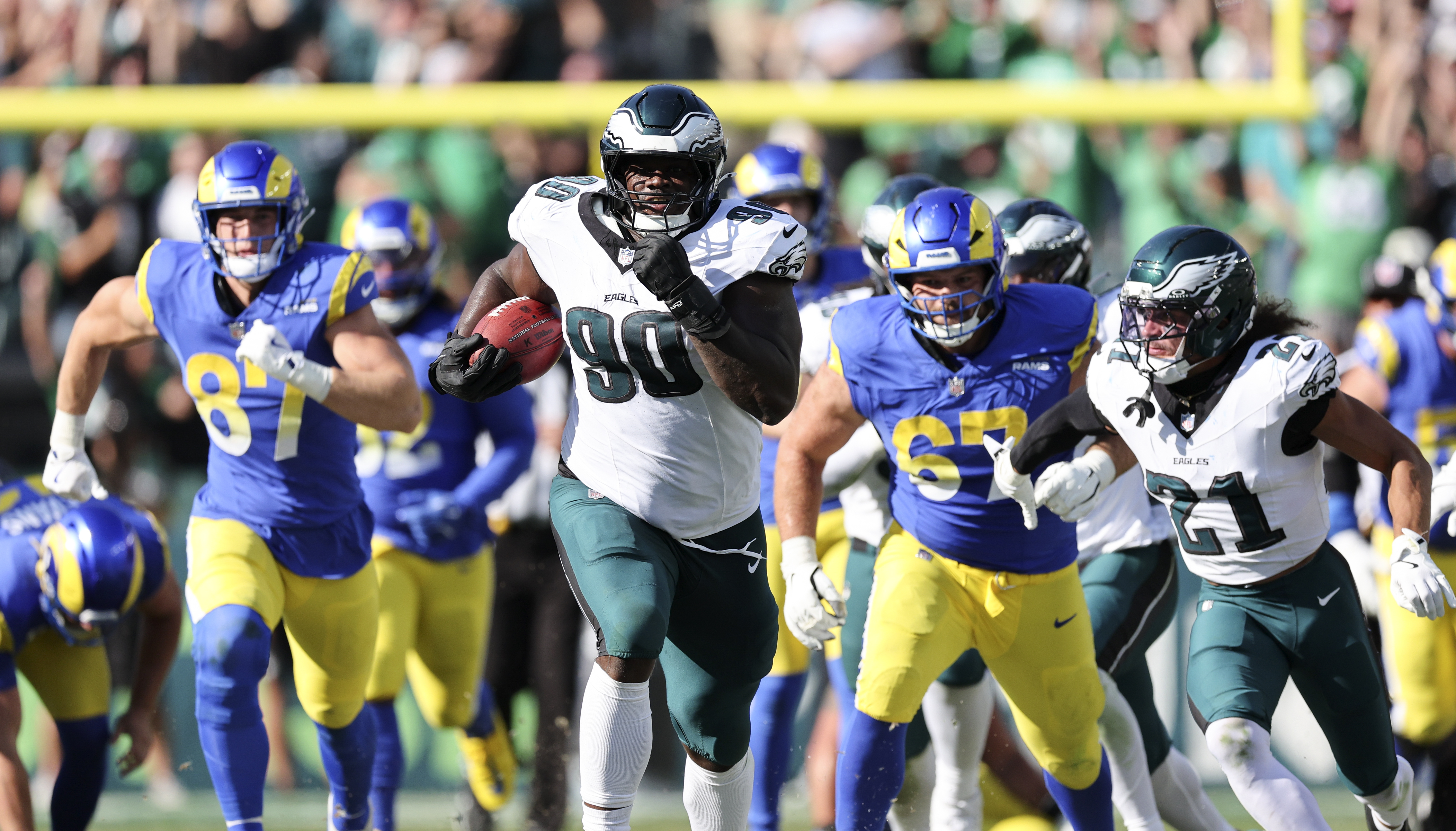
    Eagles defensive tackle Jordan Davis brought the last meeting with the Rams to a thrilling end with his touchdown.

    Snead and McVay have orchestrated an incredible turnaround on par with the Eagles post-2017. Stafford is one of only four players remaining on either side of the football who played at least 20% of the offensive snaps in 2021, when the Rams won the Super Bowl (The others: OT Rob Havenstein, TE Tyler Higbee, CB Darious Williams). They exited their Super Bowl with a bloated cap sheet and just one first-round pick between 2017 and ’25. Now, suddenly, they are the most impressive team in the NFL. The only impressive team, arguably, along with maybe the Colts. Since losing to the Eagles, their only loss was in overtime to the division rival 49ers (more on them later). They’ve beaten the Colts, the Ravens, the Jaguars, the 49ers, the Seahawks, and the Bucs. Of their six straight wins, five have been by at least two touchdowns. Of their nine overall wins, seven have come against teams whose Super Bowl odds rank in the top half of the NFL.

    2. Detroit Lions (7-4)

    The eye test says Detroit is a team nobody should want to face, particularly at home. But they wouldn’t even make the playoffs if they started today. And they would need to overcome some considerable odds if they hadn’t pulled out an overtime win over the Giants on Sunday. The Lions’ last six games are all losable: on the road against the Rams, Vikings, and Bears; at home against Green Bay, Dallas, and Pittsburgh.

    Don’t get it twisted. They are a serious threat, one of two teams in the NFC who would have a strong argument to make to be favored over the Eagles in a playoff game at home. That’s a long shot to happen, given the tiebreaker the Eagles hold. But the Lions’ 16-9 loss at Lincoln Financial Field in Week 11 didn’t exactly establish them as the definitive favorites even at home.

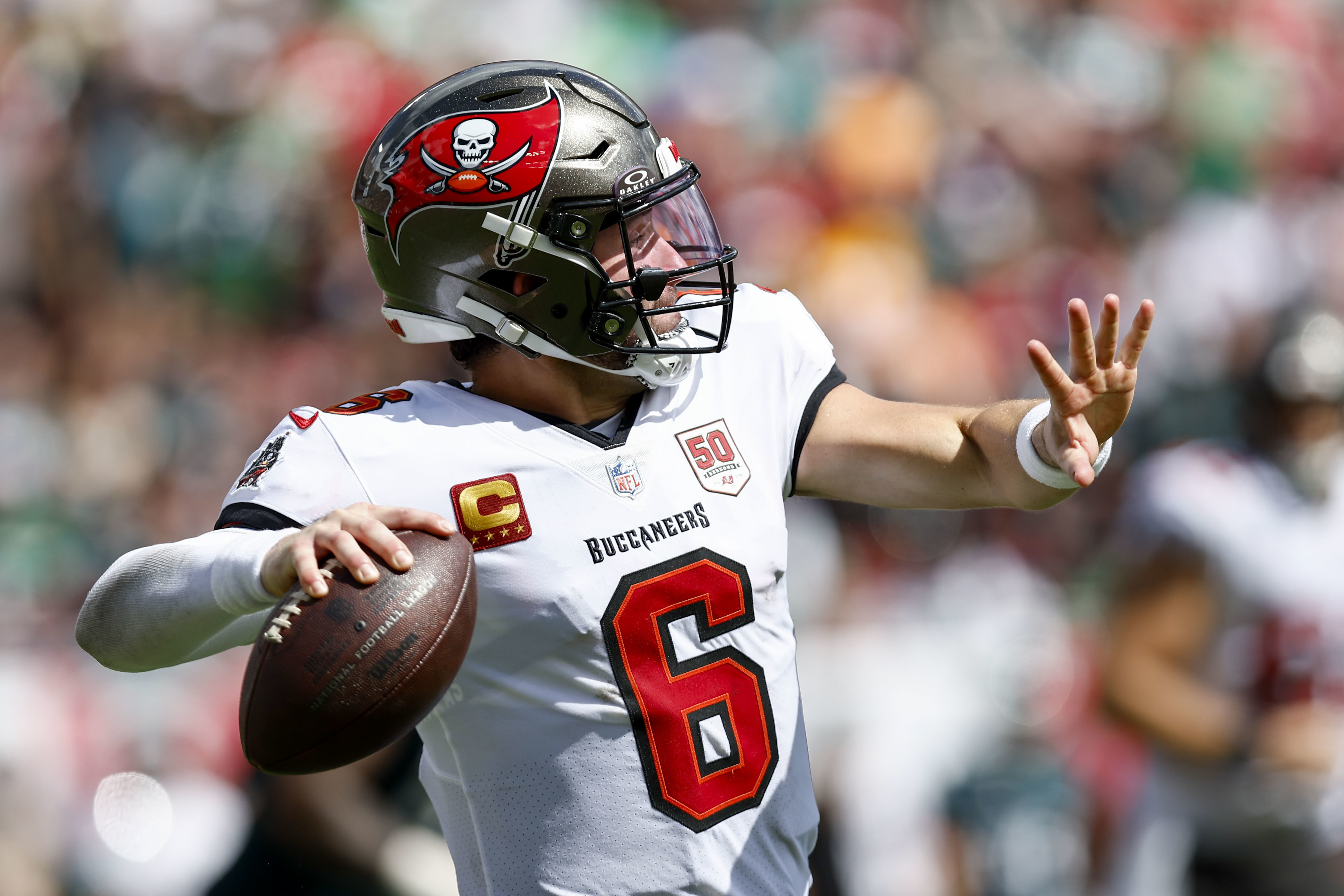
    Baker Mayfield and the Bucs have a soft schedule ahead.

    3. Buccaneers (6-5)

    Tampa Bay has one of the easiest remaining schedules in the NFL. Arizona, New Orleans, Atlanta, Miami, and Carolina twice. Find me two losses among those, assuming Baker Mayfield starts at quarterback. Even if Mayfield misses a week or two with his sprained nonthrowing shoulder, the Bucs should be able to finish atop the putrid NFC South. That means they have six weeks to get Mayfield and Chris Godwin healthy. Which means they could easily be a threat once the playoffs arrive.

    4. 49ers (8-4)

    Surprised? You shouldn’t be. Like I said, the field is weird this year. Who else would you put ahead of San Francisco? The Eagles are the only legitimate contender of the NFC’s three-loss teams. They already beat Green Bay on the road. Seattle is quarterbacked by Sam Darnold and will be playing as a wild card with the Rams winning the division. The Bears are the fakest of them all. You’ll see that on Friday.

    The 49ers? They are faker than they usually are. The Fred Warner injury — out for the season — was the final deal-breaker. They sorely miss Deebo Samuel and Brandon Aiyuk on the offensive side. San Francisco is only a threat to the Eagles if the Eagles turn out to be the team they’ve looked to be over the last several weeks. That team is capable of losing to anybody with a competent quarterback and a great head coach.

    5. Cowboys (5-5-1)

    This is not recency bias. The Cowboys would be second on this list if you could guarantee me that they would make the postseason. As it stands now, they will probably need to win two out of three against the Chiefs (home), Lions (road), and Chargers (home) just to have a reasonable chance of qualifying for the postseason. And that’s assuming they beat the Vikings, Commanders, and Giants.

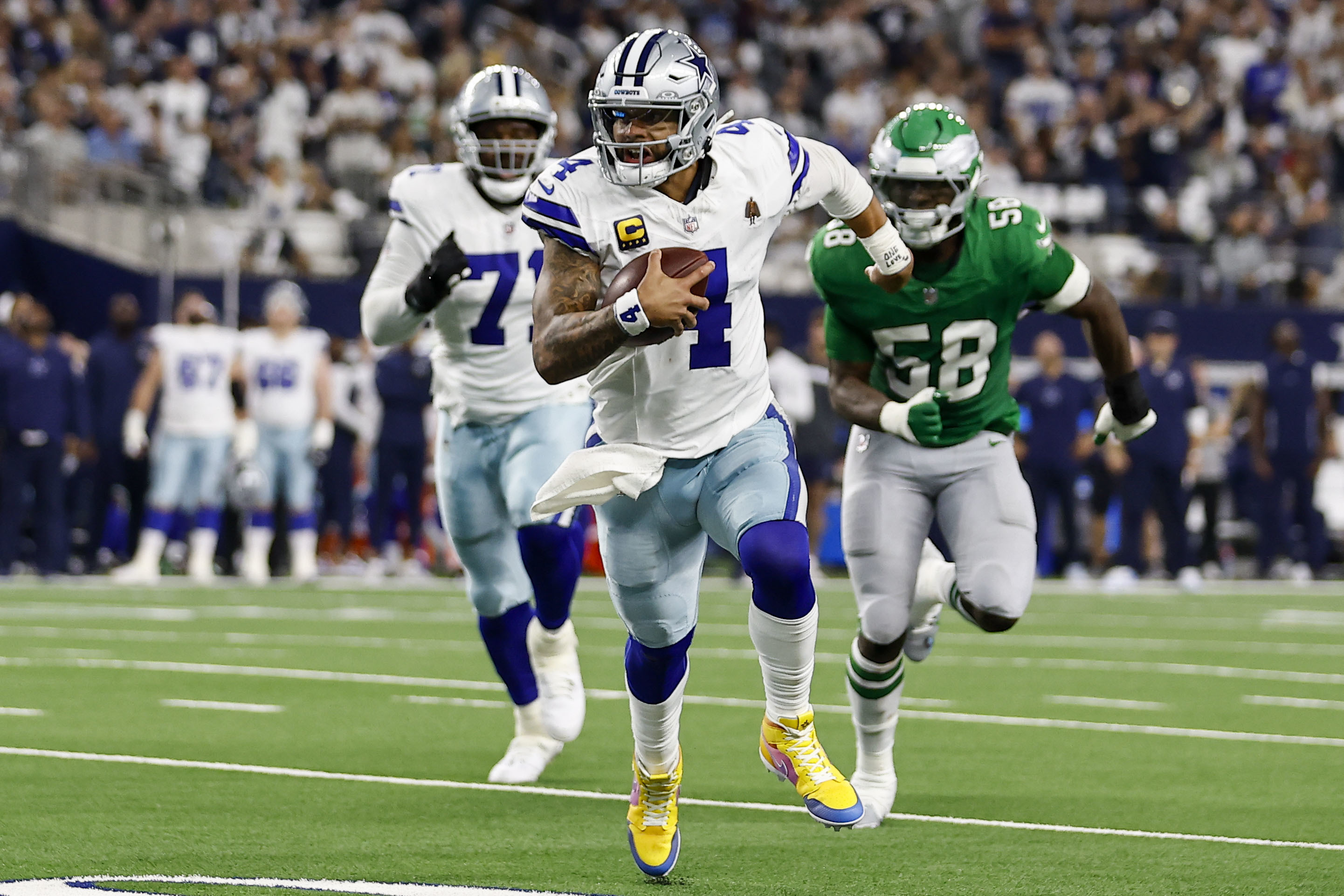
    Cowboys quarterback Dak Prescott running for a touchdown in the fourth quarter against the Eagles.

    That being said …

    If all of that happens, then we’d be foolish to consider the Eagles as anything better than a coin flip in a playoff game against the Cowboys, whether at home or on the road. Dallas has outplayed them even this season, once in a game the Eagles should have lost and, more recently, in a game the Eagles should have won. In both games this season, the Eagles have struggled to find an answer for CeeDee Lamb and George Pickens. Dak Prescott is playing at a near-MVP level and gives the Cowboys the advantage at quarterback. Mostly, this is a referendum on the rest of the NFC.

    6. Seahawks (8-3)

    Look, Darnold has been better than anybody could have envisioned after the Jets drafted him at No. 3 overall. But he is still the biggest reason to doubt that Seattle has been anything more than the beneficiary of a light schedule. The Seahawks’ best wins have come on the road in Pittsburgh in Week 2 and on the road in Jacksonville in Week 6. It’s definitely worth something that they put up 414 yards of total offense and nearly beat the Rams despite Darnold throwing four interceptions. But, then, Darnold threw four interceptions.

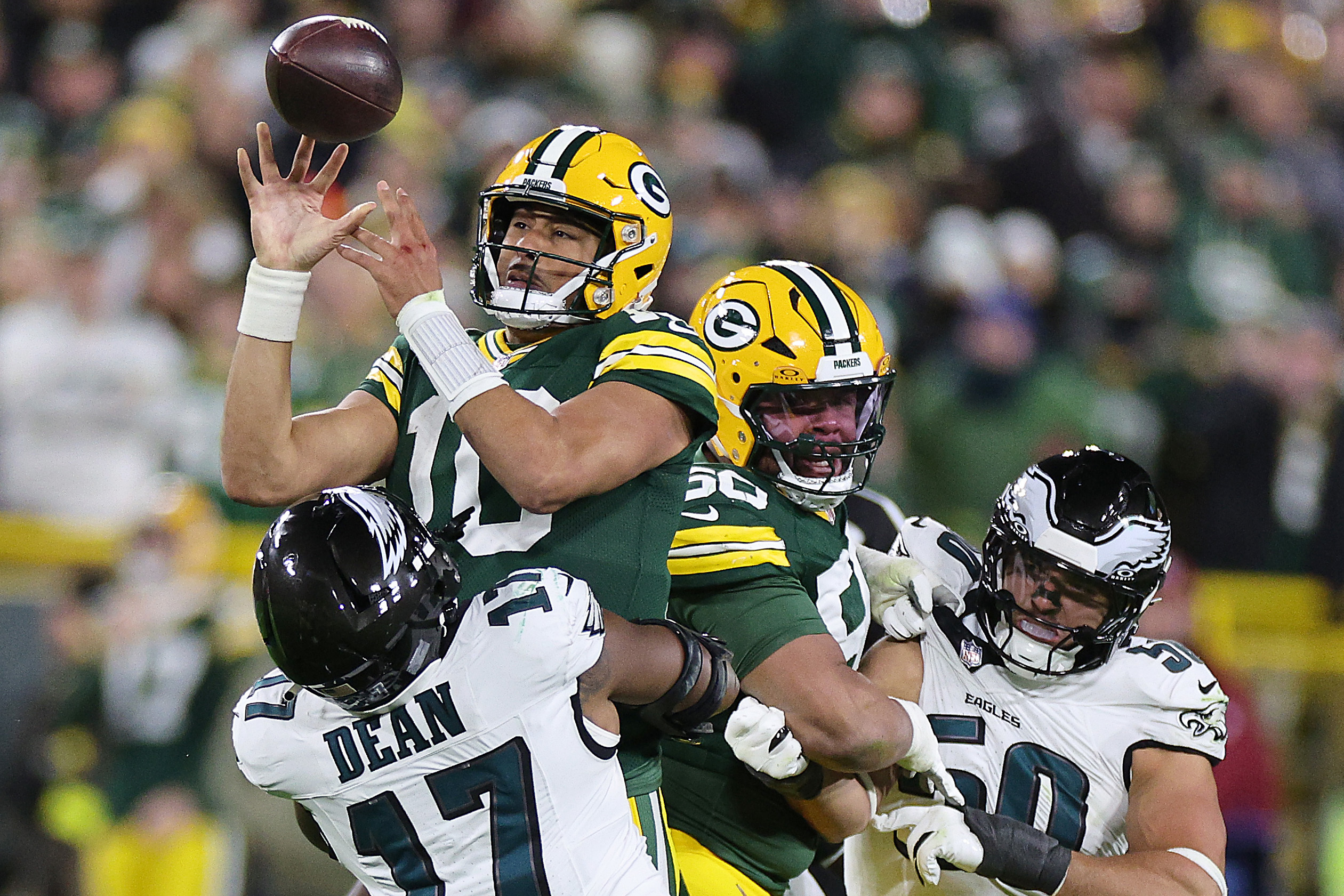
    Eagles linebacker Nakobe Dean forcing a fumble by Packers quarterback Jordan Love on Nov. 10.

    7. Packers (7-3-1)

    Jordan Love is the most overrated quarterback in the NFL, and Matt LaFleur might be the most overrated play-caller. Not a good combination. The Eagles already beat Green Bay at Lambeau Field on a night when a better team would have beaten them. No worries here.

    8. Bears (8-3)

    For whatever reason, I’ve watched more of the Bears this season than virtually any other team. At no point have they looked capable of beating even a semicompetent team. That holds true for some of the games that they’ve actually won. Caleb Williams is missing something. I think we will see that on Friday.

  • Center City has a new cutting-edge cocktail bar

    Center City has a new cutting-edge cocktail bar

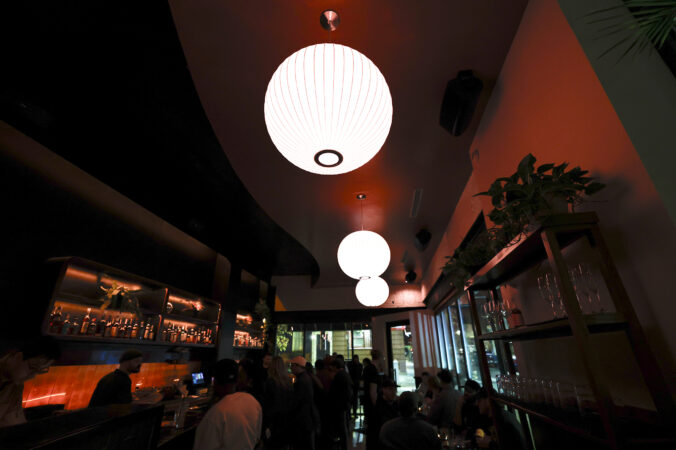
    Static!, the follow-up bar from the owners of Fishtown cocktail lounge Next of Kin, opened Tuesday in the former Tria space in Washington Square West. A moody, dark wood-paneled space illuminated by large paper globe lanterns, the 35-seat bar is an even slicker cousin to its Fishtown counterpart and brings to Center City cocktails concocted by some of the nerdiest, most process-driven bartenders in Philly.

    Kyle Darrow and John Grubb, two of the partners behind Next of Kin, signed the lease on the 12th and Spruce spot in June.

    The menu is divided into four styles of cocktails — shaken down, shaken up, stirred down, and stirred up — plus non-alcoholic options, wine, and local beers. All cocktails range from $15 to $17. There is almost no food, save for a sweet and spicy nut mix, olives, and soft pretzels from Center City Pretzel, served with whole-grain mustard. “We aren’t chefs,” Darrow said in an interview earlier this year, forecasting the light-snack menu.

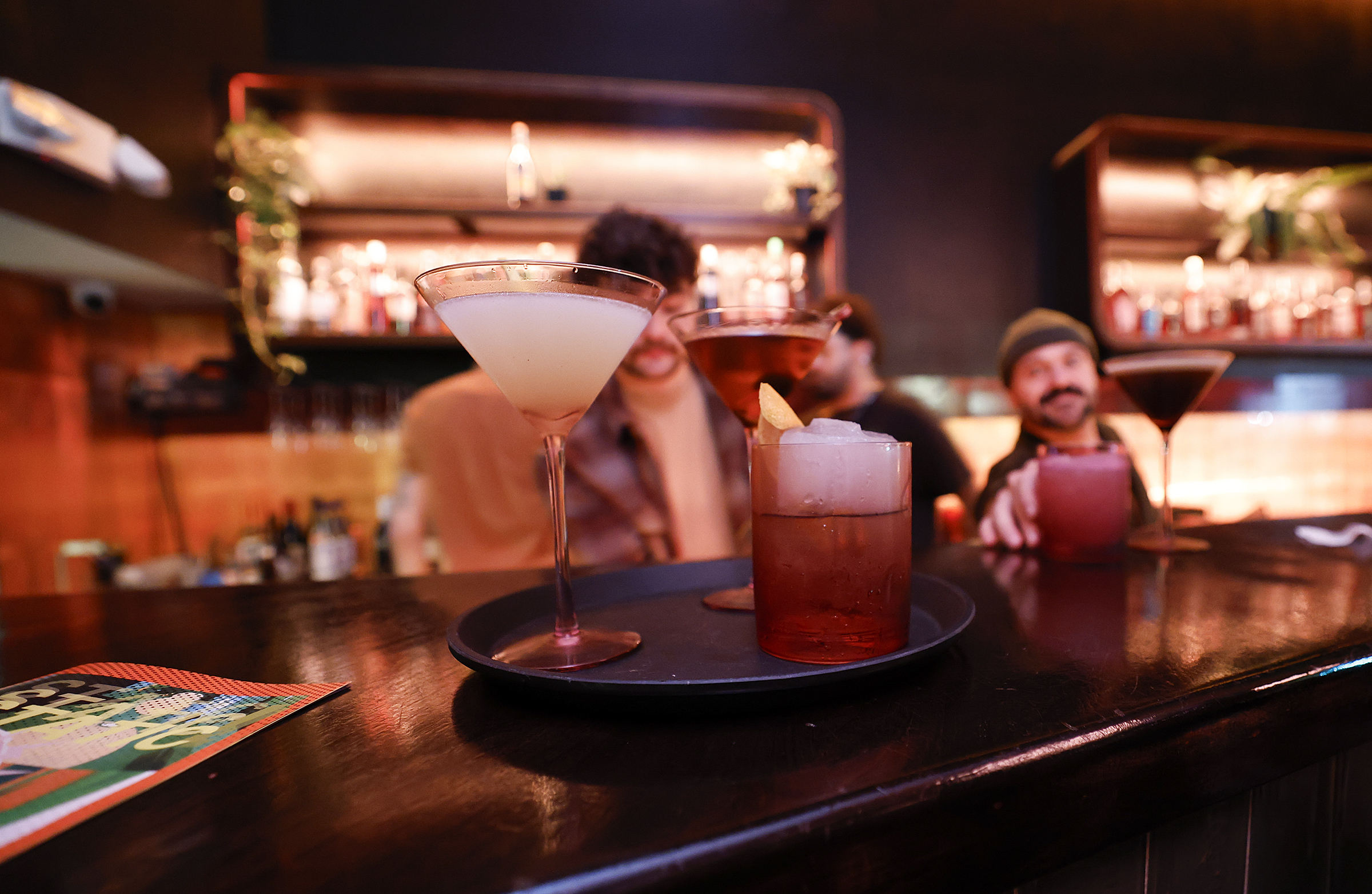
    Cocktails ready for pickup at Static in the Washington Square West neighborhood on Monday, Nov. 24, 2025.

    Static! operates independently of Next of Kin, but there are echoes of its sensibilities, said Darrow, who has stayed mostly hands-off in the development of the new menu.

    General manager Jared Ridgeway is the mind behind the cocktails here. There are more balanced riffs on familiar classics, and just a few directly transplanted from Next of Kin, such as their Clover Club and Smoke and Barrels, which blends rye whiskey, mezcal, amaro, and cherries. Ridgeway’s amaretto sour also updates a classic. “If you put 2 full ounces of amaretto in a drink, it’s overwhelmingly sweet,” Ridgeway said. “The whole point of cocktails is a fine balance, so I learned a little sneaky trick from [Oyster House bartender] Resa [Mueller] to put a little reposado tequila in to balance the sweetness of the Lazzaroni amaretto.”

    There are also cocktails entirely unique to Static! “Top of the World is a nice little seasonal play on incorporating apples, but with miso cream on top,” said Ridgeway. “It’s like an Irish cream topper where you get velvety silky foam on top versus a whipped cream.” The result has no perceptible bubbles and floats above a tart, bright, light-bodied cocktail.

    The Top of the World cocktail, with brandy, honey, apple, and miso cream, served at Static in the Washington Square West neighborhood on Monday, Nov. 24, 2025.

    Static!’s bartenders may not be chefs, but they’re performing no small amount of kitchen prep. Like Next of Kin’s signature cocktails, the components behind the bar here are extremely labor-intensive. The miso cream is made from whipping yellow miso with simple syrup and heavy cream. Similarly, Static!’s appletini involves infusing vodka in-house. “We’re really highlighting key ingredients, doing them a bit more justice,” said Ridgeway.

    The layout of the former wine bar remains the same, with a long bar and elevated loft with table seating. Most of the construction involved updating the plumbing, building out a back bar, and making the space conducive for an operation heavily dependent on ice.

    The Hawaii 7-5 cocktail with gin, lemon, hibiscus syrup and prosecco served at Static in the Washington Square West neighborhood on Monday, Nov. 24, 2025.

    Why the name — and the punctuation? “Static!” refers to the “good, positive, and palpable energy transitioning between people and a human interaction,” said Darrow. “It’s also about the static on the TV screen and that physical disruption of digital space.” The punctuation removes the stasis from “static.”

    The opening comes on the heels of Next of Kin’s high-profile September pop-up in Paris at the cocktail bar Mesures, which was attended by both French locals and “a dozen regulars from Philly who made the trip,” said Darrow.

    Static!, 1137 Spruce St., instagram.com/static_phl. Hours: 4 p.m. to midnight Monday through Wednesday, 4 p.m. to 2 a.m. Thursday through Saturday, and 4 p.m. to 10 p.m. on Sunday.

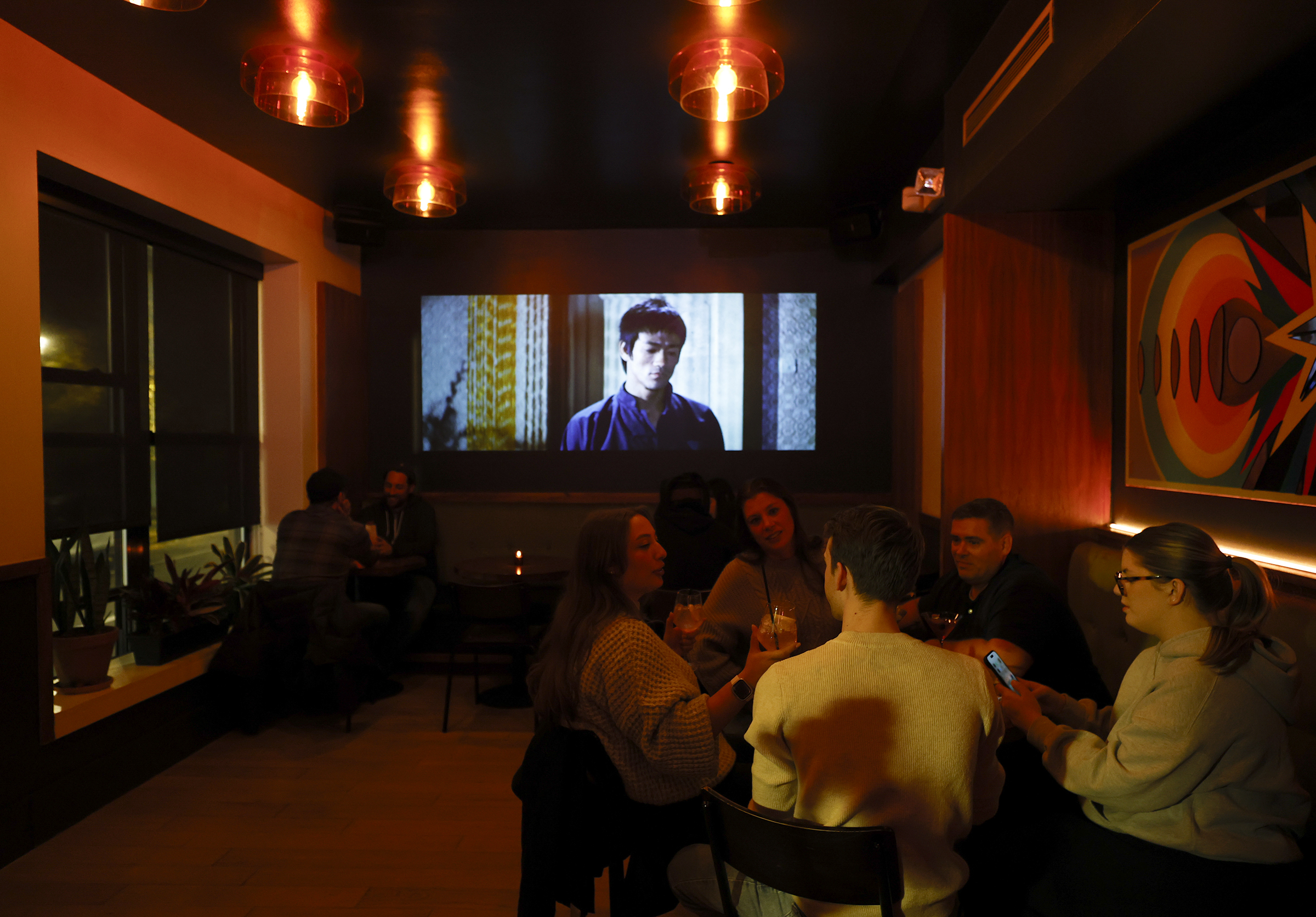
    Guests drink in the second floor at Static in the Washington Square West neighborhood on Monday, Nov. 24, 2025.
  • Trump’s pro-Kremlin ‘peace’ plan for Ukraine will encourage Putin to wage more war

    Trump’s pro-Kremlin ‘peace’ plan for Ukraine will encourage Putin to wage more war

    The made-in-Moscow 28-point “peace” plan President Donald Trump has been trying to force on Ukraine will never bring peace.

    Even the revisions after last week’s international uproar over the outrageously pro-Russian document haven’t resolved key issues. Putin has already made clear this week that he won’t accept less than Ukrainian surrender.

    Trump is ready to press Ukraine to bow to a plan that guarantees further Russian destruction. Let’s hope the backlash to the proposal stiffens the backbone of GOP supporters of Ukraine against the pro-Russian White House crowd.

    The drama hasn’t ended yet.

    The 28-point plan was cooked up by Trump’s feckless negotiator, Steve Witkoff, and first son-in-law Jared Kushner. Two real estate moguls with zero knowledge of Ukraine wrote a draft plan based heavily on input from Kremlin insider Kirill Dmitriev.

    Dmitriev is Putin’s representative for economic cooperation and has wooed Witkoff and Kushner with fantasies of joint U.S.-Russian investment. The three men met for secret talks in October in Miami, at Witkoff’s home.

    The resulting document reads like Kremlin talking points; some Russia experts point out that the English syntax sounds as if it were google translated directly from the Russian text.

    “Even Neville Chamberlain would blush at this,” said Rep. Don Bacon (R-NE), referencing the British prime minister who infamously appeased Adolph Hitler. “It’s embarrassing to our country.”

    Painfully true.

    The deal demands suicidal concessions from Ukraine, the victim of Russian aggression, but none from the Russia invader. The points echoed a Putin wish list, and green-light Moscow’s complete subordination of Ukraine, by shrinking Kyiv’s army, limiting its alliances and weapons, and leaving it wide-open to future Russian attacks.

    Trump was — and still is — ready to sell out Kyiv in pursuit of an imaginary Nobel Peace Prize along with lucrative business deals with Moscow and predatory deals for Ukrainian minerals (both are touted in the plan).

    In clear evidence of Russian untrustworthiness, Dmitriev leaked the proposal last week to journalist Barak Ravid of Axios in order to box in the Americans before consultations with Ukraine. Yet Trump quickly endorsed this capitulation document.

    Dmitriev’s betrayal alone should disqualify him from further negotiations, but there’s no sign Witkoff will abandon his new Russian pal. As for Witkoff and Kushner, Trump is rewarding their blunders by sending them to meet Putin next week.

    Russian President Vladimir Putin’s envoy Kirill Dmitriev (left) and President Donald Trump’s special envoy Steve Witkoff attend talks in St. Petersburg, Russia, in April.

    How do we know for sure that Dmitriev was the leaker? Because Witkoff posted on X, “He [Axios’ Ravid] must have got this from K …,” meaning Kirillov. Apparently, Witkoff thought he was sending a private message, another sign he isn’t up to the job.

    Equally egregious, Secretary of State Marco Rubio, who does know something about Russia, was kept out of the loop by Witkoff. After the leak, he got a firestorm of complaints from upset European counterparts and GOP supporters of Ukraine. That led him to call Sen. Mike Rounds (R., N.D.), who was at an international security conference in Halifax, Nova Scotia, along with a bipartisan Senate delegation.

    Rounds recounted to journalists that Rubio described Witkoff’s plan as a Russian “wish list” and not an actual U.S. proposal. Under White House pressure, Rubio soon reversed himself and posted online that the senators were mistaken. A State Department spokesperson falsely accused the senators of lying

    I spoke to Sen. Chris Coons (D., Del.), who was with the delegation during the call (although not on the phone). “I heard what [my colleagues] said immediately after the call,” he told me. “They couldn’t have been clearer about what Marco said, and what the complications were. I hope after today we’ll see a proposal which enables Ukraine to remain free and sovereign and defend itself in the future.”

    With this White House, don’t hold your breath.

    The pushback from GOP backers of Ukraine, as well as from the EU and Kyiv, was so intense, however, that Rubio rushed to “update” the document in weekend negotiations with Ukrainian officials in Geneva.

    Very sensitive issues remain unresolved, yet Trump is still pressuring Kyiv to sign on this month. There is an acute danger that he and Vice President JD Vance may try again to bushwhack Ukraine’s Volodymyr Zelensky, who will probably visit the White House this month.

    European allies, who were not consulted on the deal, have been desperately trying to bolster Zelensky and get Trump’s ear.

    In this image taken from video provided by Russian Presidential Press Service on Nov. 20, Russian President Vladimir Putin speaks as he visits one of the command posts of the West group of Russian Army in an undisclosed location.

    But given the president’s eagerness for a “deal” — any deal, no matter how fatal to Ukraine — Trump is more likely to squeeze Kyiv than press Putin for concessions. Russian Foreign Minister Sergey Lavrov made clear this week that Putin is only interested in the original pro-Russian points, and not any revision that protects Ukraine from future attack.

    It’s important for Americans to understand why the Putin-Trump 28-point deal wouldn’t stop Russian aggression and would only encourage Moscow to continue the war.

    As former Ukrainian Defense Minister Andriy Zagorodnyuk pointed out: “Ukraine has never attempted to seize Russian territory. Russia, on the other hand, has repeatedly invaded Ukraine and continues to strike Ukrainian cities daily.”

    The bottom line for achieving peace is that any plan must strengthen Ukraine’s defenses and provide concrete U.S. guarantees that Russia won’t destroy the Ukrainian state in the future. The 28-point plan does just the opposite (and the revisions aren’t strong enough.)

    The Kirillov proposal shrinks the size of the Ukrainian army by a third while putting no limits on Russia’s army, which is roughly twice the size of Ukraine’s. It prevents Ukraine from ever joining NATO and forbids NATO peacekeepers on its soil.

    Imagine if Franklin Delano Roosevelt had endorsed a peace plan between Winston Churchill and Hitler in 1940 that left Hitler free to expand his army while demanding Churchill halve his forces, ground his Spitfires, and promise never to ask the Yanks for help.

    Which brings us to the ugliest part of Trump’s fake peace efforts. There is a lot of loose verbiage about “guarantees” against a future Russian invasion in the 28 points, and in a side letter offering Kyiv a “security assurance modeled on the principles of [NATO’s] Article 5.” Note the weasel words.

    Let me assure you, I have read and reread the texts, and they offer Ukraine no firm U.S. or allied commitment to intervene if Russia attacks again.

    The real hint of the worthlessness of this Kremlin-born document comes with point 16, which proclaims: “Russia will enshrine in law its policy of non-aggression toward Europe and Ukraine.”

    Does Trump not know Putin has violated every accord he or his predecessors signed with Kyiv. That includes the 1994 Budapest Memorandum by which Ukraine surrendered its nuclear weapons in exchange for guarantees of sovereignty from the U.S., the U.K., and Russia? We know how much those paper assurances have been worth.

    POTUS refuses to face reality: Putin respects only strength; there will be no peace until the costs of war are more than the Russian economy and military can bear.

    Peace negotiations are worthless unless backed by tougher U.S. sanctions and sales of U.S. air defense systems and missiles to Ukraine.

    By his continual concessions to Moscow, Trump has convinced the Russian leader that he is a weak pushover. That guarantees that Russia will continue the war.

  • A ‘1980-esque’ Bryn Mawr home got a big renovation

    A ‘1980-esque’ Bryn Mawr home got a big renovation

    When Steven Peikin and Amy Spicer moved back to the Philadelphia area in late 2023 after spending 2½ years in Florida, there weren’t many houses on the market. So when Peikin discovered a 4,100-square-foot, two-story home in Bryn Mawr on a solo trip, he convinced Spicer that he’d found the perfect home.

    “She saw the pictures online,” recalled Peikin, a gastroenterologist at Cooper University Health Care. “I saw it on a Thursday and was told there could be no contingency or inspection, there were four other bidders, and I had to have our best offer in by Sunday.”

    He took the plunge and bought the house, but when Amy saw it, she wasn’t completely sold. She felt the house was dated and she couldn’t get past the yellow exterior.

    “When I saw the inside of the house, it was very 1980-esque and needed considerable remodeling,” said Amy, a pharmaceutical sales rep for Madrigal and a yoga instructor. “Steve found it very charming, but I saw it as my 97-year-old grandma’s house.”

    Steve Peikin and Amy Spicer’s living room was one of the spaces they updated in renovations.
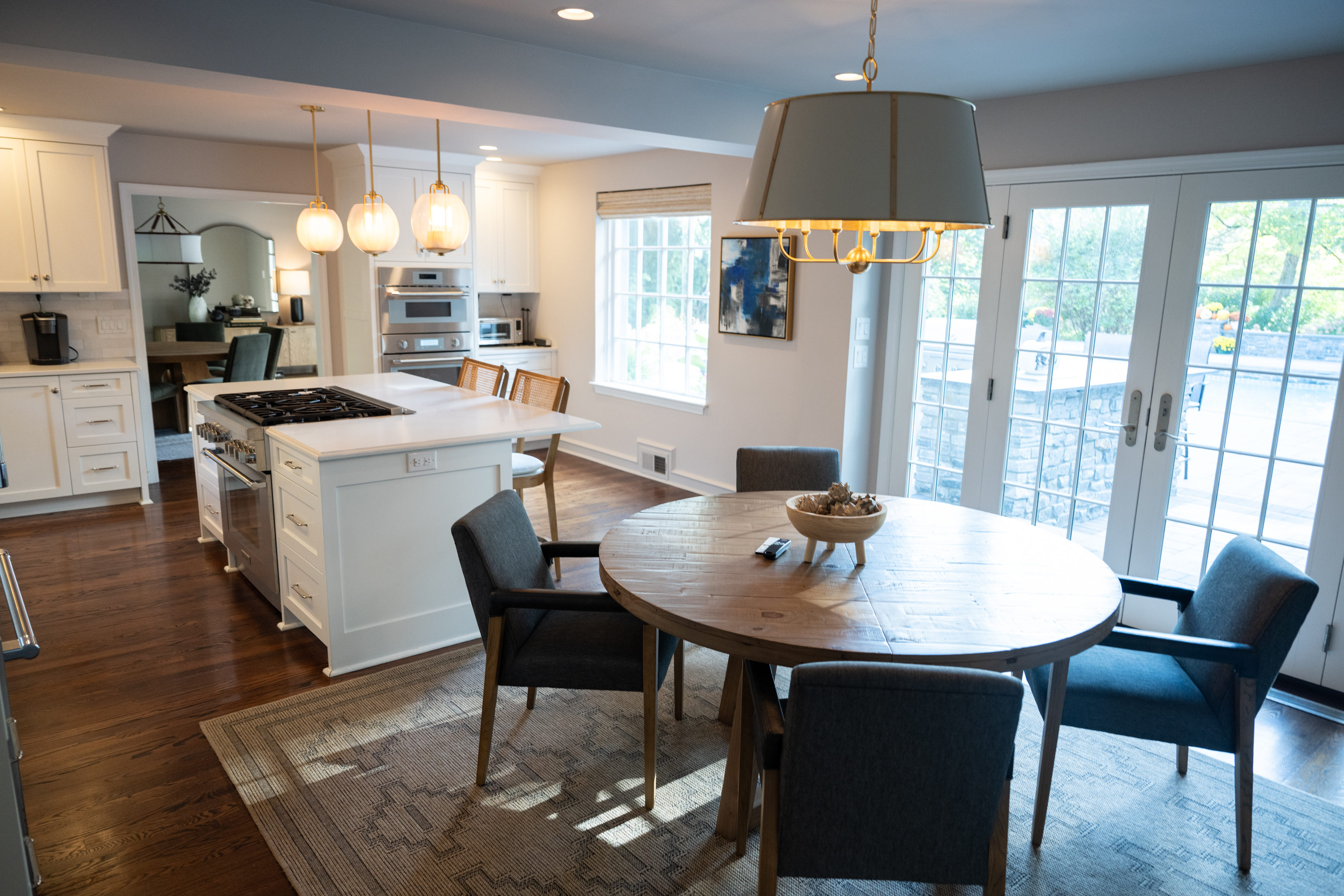
    The kitchen and dining area, which looks out on the backyard.
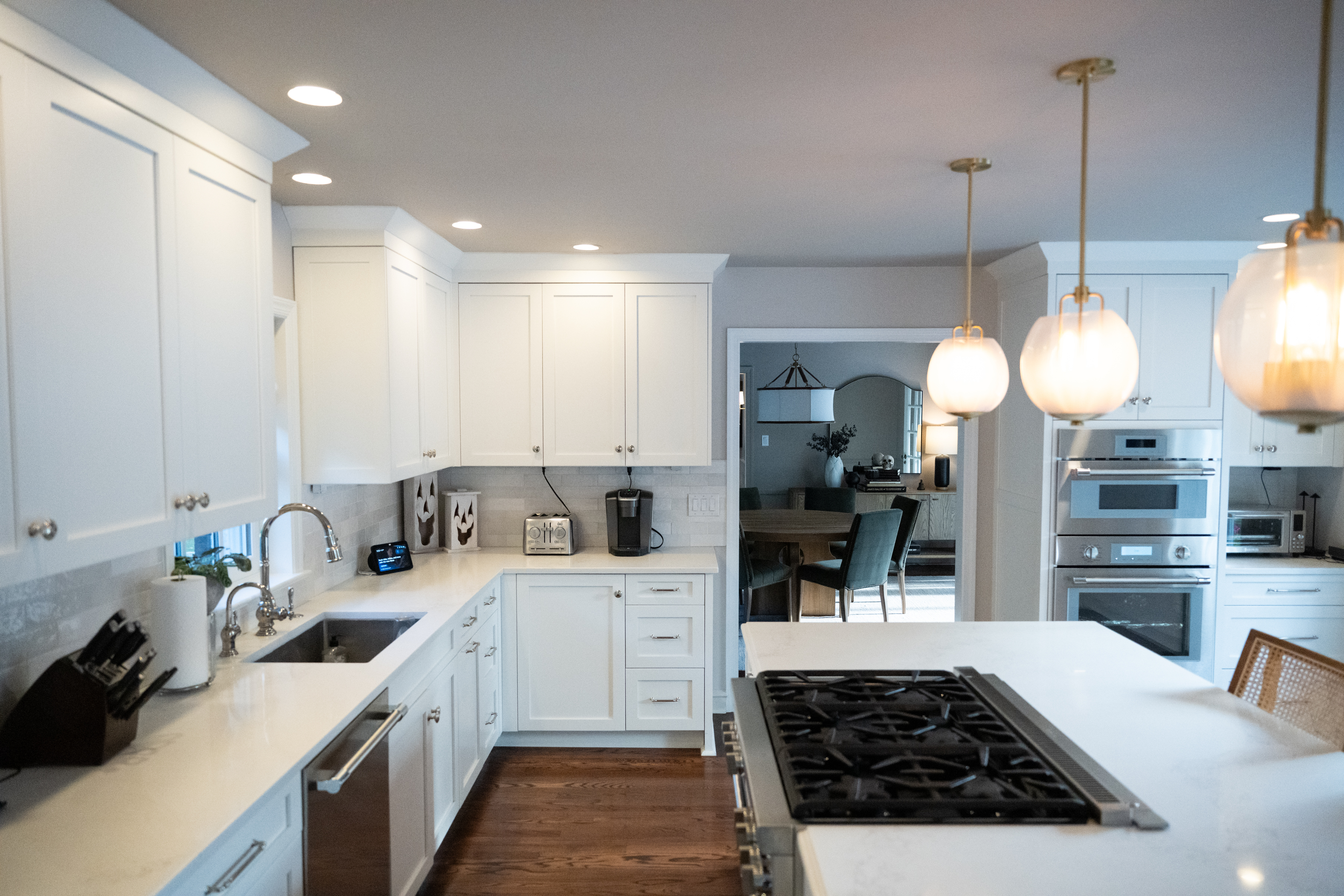
    The renovated kitchen features Thermador appliances and a stone island with a built-in stove.
    Decor in the den.

    The compromise was to make changes that would satisfy them both. The couple stayed in Airbnbs during a four-month renovation, and moved into the home in the spring of 2025.

    With the help of Christina Henck from Manayunk-based Henck Design, they created a cozy, updated English Country style home in warm browns and neutrals.

    “The house was very formal but we created a more natural, laid-back feel,” said Peikin.

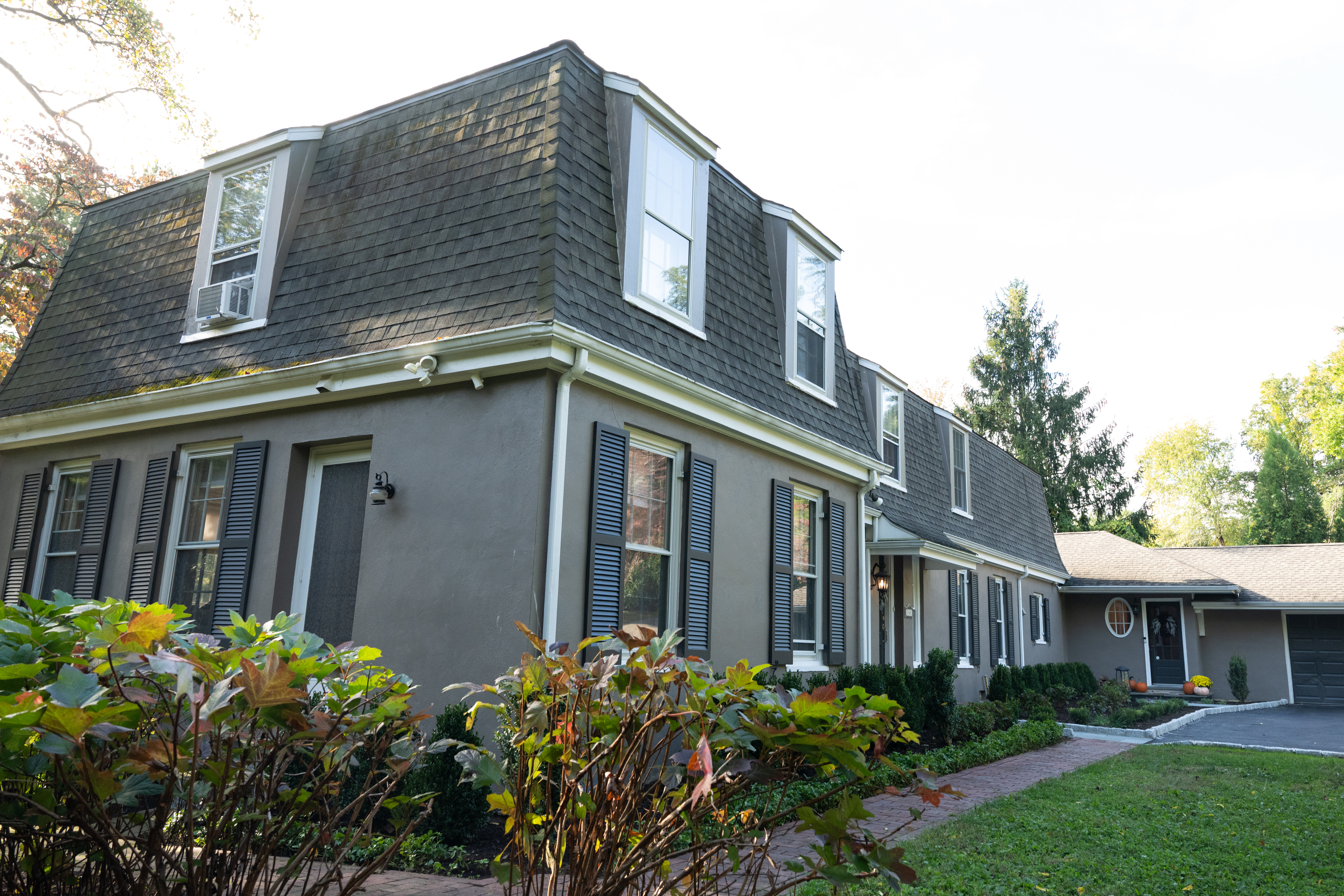
    They painted the exterior brownish gray, updated the bathrooms, created a dedicated laundry room, and added architectural elements to the living room and family room.

    The outside of the home, which was once yellow, was painted after Spicer and Peikin moved in.

    Those included custom bookshelves, a new metal mantle for the wood-burning stove, and extended ceiling beams. They also replaced all of the original lighting with a combination of recessed lighting and fixtures, swapped out the window treatments, updated the HVAC system, and added pavers to the backyard.

    “Steve has a living room and I have a den,” said Spicer. “Mine is very calm and peaceful and his feels refined and sophisticated.”

    Parts of the house had been renovated a couple of years earlier after a tree fell on the house, resulting in a new kitchen, primary suite, and roof.

    Spicer’s son, Austin, 23, is currently living with the couple. He and his mom enjoy cooking together in their spacious kitchen featuring Thermador appliances and a stone island with a built-in stove. A second stove sits under the microwave. When weather permits, Peikin grills outside and they eat on the patio.

    A reprint of the painting “Lady With an Ermine” by Leonardo da Vinci is pictured on a shelf in the den.
    Metal wall decor hanging on the wall of the den.
    Steve Peikin’s home office. When they bought the home, the couple wanted space for two home offices.
    The mudroom and arched entryway.

    The mudroom off the garage leads to the kitchen through an arched passageway which may have been an addition to the original house built in 1950, Peikin said. The mudroom floor features black and gold tile and a huge inlaid wooden chest that they call the Narnia cabinet — akin to the one in the fantasy novel The Lion, The Witch and The Wardrobe — sits against one wall.

    The primary bedroom suite includes a large window overlooking the tree-lined property.

    “You can watch the deer and other animals in the backyard,” said Spicer. “While our home in Florida was lovely because we stared at water, it was loud. Here it’s quiet and just beautiful.”

    Peikin and Spicer each have dedicated offices. He refers to his first-floor office as his studiolo, which during the Italian Renaissance was a place of study and contemplation. He meets with telemedicine clients there, but it’s also where he watches ballgames and hangs out.

    The backyard, where the couple enjoy swimming, barbecuing, and relaxing.

    Spicer’s office includes an altar featuring a Buddha, a space where she meditates and which she uses as a backdrop for the online yoga classes she teaches.

    The backyard is where the family spends as much time as possible, swimming, hanging in the hot tub, lounging by the pool, warming up at the fire pit, or barbecuing. With help from All Seasons Maintenance & Design, Melady Landscaping, and Bloom Design, they created a cozy, inviting outdoor retreat.

    “The best part of living here is that we are surrounded by a bamboo forest and tall trees, with beautiful crepe myrtle, dogwoods, and magnolias, and we have deer and lots of birds,” said Peikin. “We love the outdoors.”

    Is your house a Haven? Nominate your home by email (and send some digital photographs) at properties@inquirer.com.

    The outdoor kitchen, where Spicer and Peikin prefer to cook dinner when the weather allows.
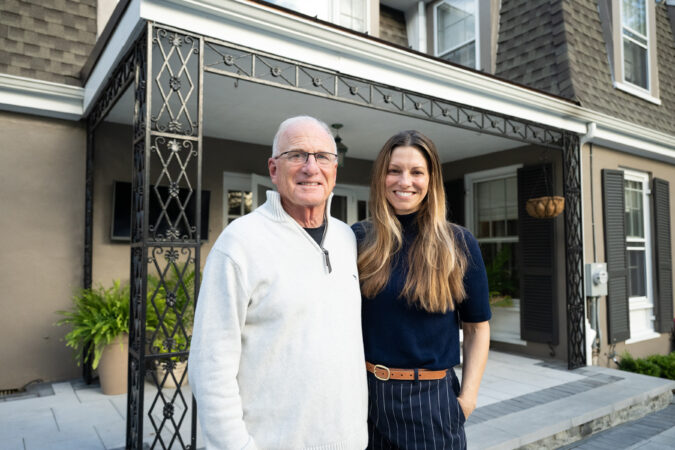
    Steve Peikin and Amy Spicer pose for a portrait in their backyard.
  • Inside a Kensington wound care clinic

    Inside a Kensington wound care clinic

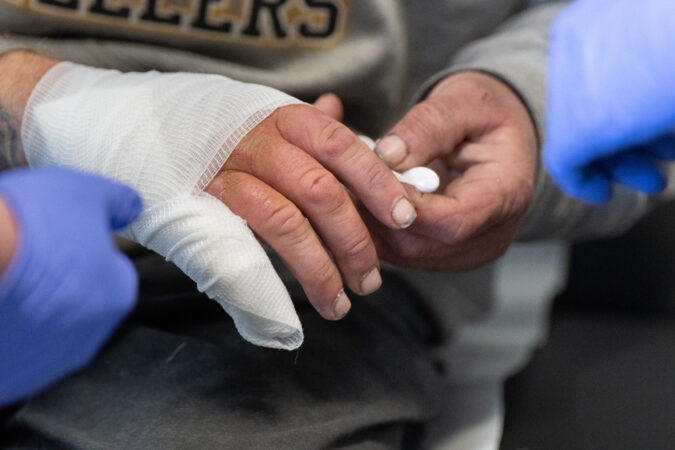
    In a small clinic room at Mother of Mercy House on Allegheny Avenue in Kensington, Emma Anderson unwrapped a bandage from a man’s swollen hand.

    “It hurts really bad in the cold,” the man said, wincing at the inflamed wound that covered most of a right-hand finger.

    Cleaning it with saline solution proved so painful that Anderson, an EMT and St. Joseph’s University student, let the patient take the lead, wiping carefully at the yellowish-white tissue at the center of the wound.

    It was his second time attending the wound care clinic at Mother of Mercy, the Catholic nonprofit that twice a week opens its doors to people with addiction dealing with the serious skin lesions, caused by the animal tranquilizer xylazine, that can develop into wounds so severe the only treatment is amputation.

    Called “tranq” on the streets, xylazine was never approved for human use and has wreaked havoc across the city since dealers began adding it to fentanyl to extend the opioid’s short-lived high.

    In the five years since it emerged as a threat, amputations among opioid users have more than doubled. The Philadelphia drug supply is now changing again, and though emergency rooms in the last year have treated fewer xylazine wounds, the crisis is far from over.

    The man who visited Mother of Mercy’s clinic on a recent Tuesday, who gave only his first name, Steven, because of the stigma surrounding drug use, noticed the alarming wound on his hand a few weeks ago.

    Steven had seen people sleeping on the streets with flies hovering around their gaping wounds. He had hoped that he could avoid a wound himself: He smokes fentanyl, instead of injecting it, and knows that injection drug users are generally at a higher risk for skin infections. But, like many people who smoke their drugs, he had developed a wound anyway.

    “Believe it or not,” Steven said, between deep breaths during the painful cleaning, “I actually was an EMT myself at one point.”

    ‘How did we let it get this bad?’

    Mother of Mercy, founded in 2015 in Kensington, partners with St. Joseph’s Institute of Clinical Bioethics to host the clinics. The institute, headed by Father Peter Clark, a Jesuit priest and a bioethicist at several area hospitals, has long held a monthly health clinic at the nonprofit’s Kensington headquarters.

    In the last year, they expanded the program to offer more wound care opportunities to a community increasingly in need of them.

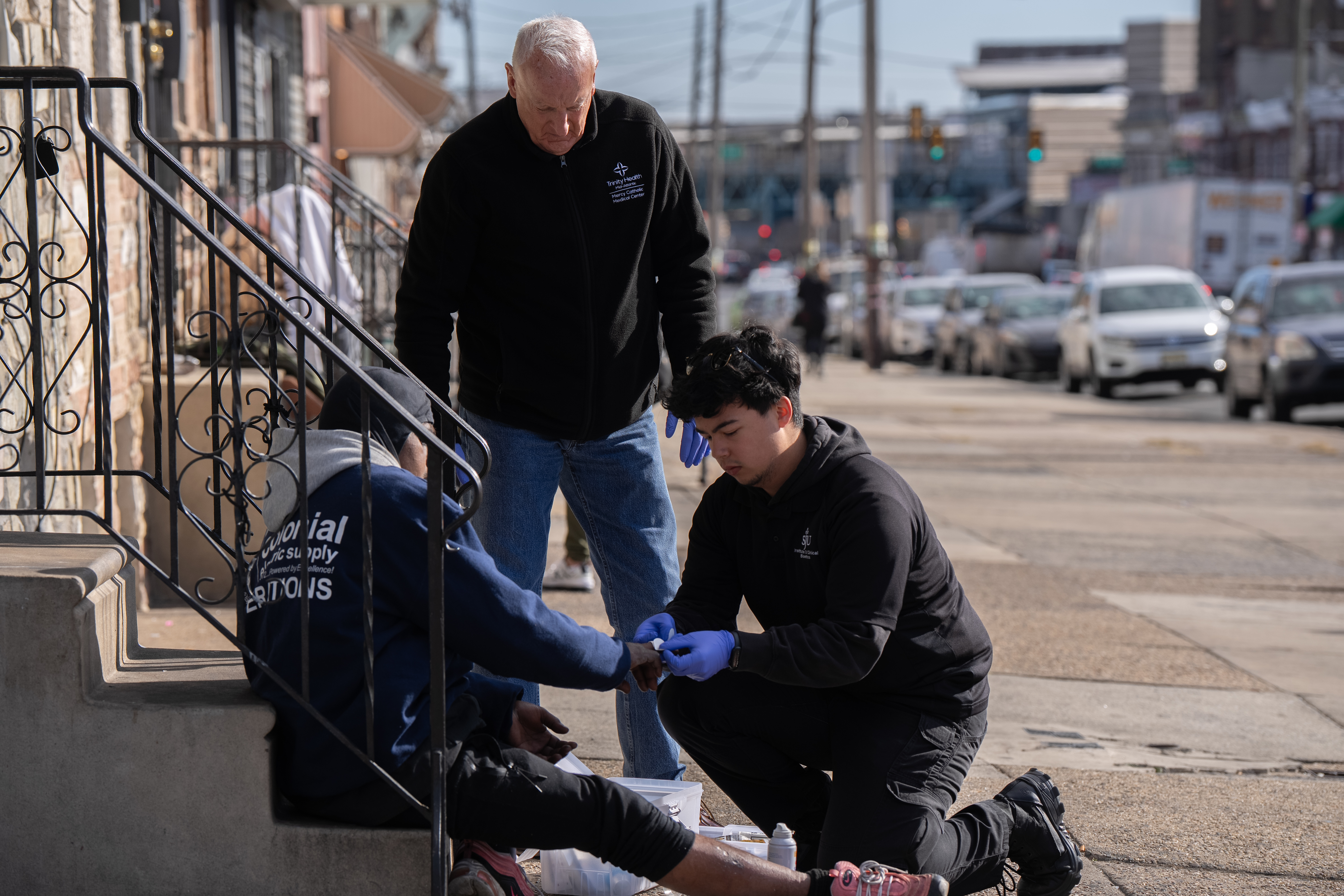
    Father Peter Clark, the director of the Institute of Clinical Bioethics at St. Joseph’s University, and Ean Hudak, a St. Joseph’s student and staffer at the Mother of Mercy House wound care clinic, assist a person who had fallen unconscious on Allegheny Avenue in Kensington.

    “To be physically down here in the heart of it, and seeing it on a weekly, monthly basis, it opens your eyes. How did we let it get this bad?” said Steven Silver, the assistant director of research and development at St. Joseph’s, who was welcoming clients at the door on a recent clinic day.

    The program is staffed by medical students and undergraduates, all trained in wound care. Many say the work they do at the clinic is unlike any medical training they’ve been offered at school.

    Undergraduates like Anderson and Ean Hudak, who takes shifts at the clinic in between applying to nursing schools, say they’re hoping to use their experience as they pursue careers in the medical field.

    On Tuesdays and Thursdays, organizers serve hot meals and wait in the small clinic room for patients to trickle in, usually about 20 a week.

    Once a month, the team takes to the streets with wound care supplies, such as bandages, saline sprays, and antiseptic cleansers. They look for people on the streets who may not be able to reach the clinic.

    Clark said the clinic stepped up its hours in an effort to help patients keep their wounds clean more consistently — and hopefully prevent more amputations. “It’s increasing [patients’] ability to know what to do and how to keep the wounds clean — hopefully to help them out,” he said.

    The trust factor

    This year, medetomidine, another animal tranquilizer that causes severe withdrawal, has supplanted xylazine’s dominance in the Philadelphia area drug supply. Fewer patients addicted to opioids are visiting emergency rooms with soft-tissue damage, according to city data.

    But it’s unknown how medetomidine affects those wounds, and there are still enough people suffering from them in Kensington, the epicenter of the city’s opioid crisis, that the clinic felt it necessary to increase its hours.

    Hosting more frequent clinics also deepens relationships with patients. “People are coming back, which is good,” Clark said. “The trust factor is a huge issue.”

    Many of the clinic’s patients avoid hospitals, fearing long waits for care: “At the ERs, they wait eight hours and they sign themselves out, or they’re coming down from a high, and nobody’s taking care of the withdrawal,” Clark said. “It’s a big mess.”

    At the clinic, staff are regularly on the phone with wound care physicians at Temple University Hospital, who can flag patients with xylazine wounds and get them prompt care before they enter withdrawal, he said.

    They also connect patients with housing, inpatient rehabs, and hospital care, for those with wounds too serious for the clinic to handle.

    Several weeks ago, they called an ambulance to get a man with a wound that exposed his bone to the hospital.

    Staff collect data to share with area hospitals so physicians can get a better understanding of the situation on the street — measuring patients’ wounds, collecting demographic data, and asking patients about which drugs they use.

    Each leaves the clinic with a hospital bracelet documenting the care they’ve received so staff can keep track of their care from week to week.

    ‘It’s always an uphill battle’

    Not all patients at the clinic are suffering from xylazine wounds. On a recent weekday, one man asked for help bandaging scrapes on his knuckles. He’d tried to fight someone who was stealing his belongings.

    Another man said he’d been robbed and pepper-sprayed and asked staff to help wash the last traces of Mace out of his eyes.

    As staffers looked for eyedrops among their medical supplies, Clark poked his head into the room. “We need someone with Narcan,” he said, referring to the opioid overdose-reversing spray.

    Across the street, a man was slumped on a stoop, unresponsive.

    Clark and Hudak dodged cars on Allegheny Avenue, knelt down by the man, and managed to gently shake him awake.

    Slowly, he revived enough to speak a bit and showed them a wound on his leg, which they cleaned and wrapped in gauze. “You have some cracked skin — do you want us to put some moisturizer on your hands?” Hudak asked.

    With temperatures dropping, the team is worried that patients’ skin will dry out, making their wounds more painful. (The summer months present a different challenge, with wounds leaking fluids.) And many patients may be too cold to travel to the clinic, making the monthly street rounds even more crucial.

    “It’s always an uphill battle,” Hudak said.

  • These professors say they’re part of a growing movement banning laptops from the classroom

    These professors say they’re part of a growing movement banning laptops from the classroom

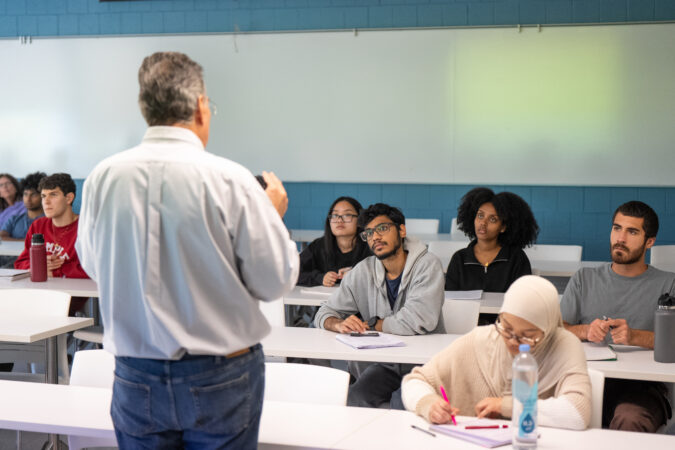
    Biology professor Jody Hey was lecturing on human evolution one recent day at Temple University.

    His students vigorously took notes by hand in paper notebooks.

    There wasn’t a laptop in sight. Nor an iPhone. No student’s face was hidden by a screen.

    Hey said he stopped allowing them about a year and a half ago after seeing research that students are too often distracted when laptops are open in front of them and actually learn better when they have to distill lectures into handwritten notes.

    “The clearest sign that it’s making a difference is that students are paying attention more,” said Hey, who has taught at Temple for more than 12 years. “And they want to participate much more than before.”

    Hey is among a seemingly growing number of professors who have chosen to keep laptop and phone use out of class, with exceptions for students with disabilities who require accommodations. Several said they made the decision after seeing what some students were doing on their laptops during class.

    Temple University biology professor Jody Hey stopped allowing laptops to be used in class about a year and a half ago. He said he’s noticed improvement in student performance.

    Jessa Lingel, an associate professor of communication at the University of Pennsylvania and director of the Gender, Sexuality, and Women’s Studies Program there, stationed teaching assistants in the back of her room to observe.

    Students “were out there booking flights and Airbnbs,” Lingel said. “Fun fall cocktail recipes. They were online gambling in class. I thought, ‘This is not acceptable.’”

    She originally disallowed laptops in 2017, but decided to go easy in 2021 as students returned after the pandemic, she said. She reinforced the ban after her teaching assistants’ observations.

    “It’s a movement,” Lingel said. “More and more people are headed in this direction.”

    In Hey’s class, students have warmed up to the laptop ban.

    “At first I didn’t like it,” said Jess Nguyen, 20, a junior genomic medicine major from Broomall, “because I kind of organize all my notes on my laptop. But I feel I’ve been learning better by writing my notes.”

    When she took notes on her iPad, she sometimes got distracted and played computer games, she said. In Hey’s class, that’s not an option.
    Students said it takes more time to write notes and sometimes their hands get tired.

    “After a couple classes, you kind of get used to it,” said Sara Tedla, 22, a senior natural sciences major from Philadelphia.

    She’s on the fence about which way she prefers to take notes.

    “It’s good that for an hour and 20 minutes you can just sit down and, without any technological distractions, focus because that’s a part of your brain you can work on,” said Quinn Johnson, 20, a senior ecology major from Philadelphia. “The more you do it, the easier it becomes to focus on something for a long period of time.”

    ‘Students learn better’

    Professors say laptops are pretty ubiquitous in the classroom when they are permitted.

    Hey conducted research on laptop use and presented it at a Temple department faculty meeting earlier this year.

    “As early as 2003, a study was done contrasting the retention of lecture material by two groups of students, one who had laptops and unrestrained internet access and a second who worked without laptops,” he said. “In that study, students with laptops scored 20% lower on average in the subsequent exam.”
    Four of every five students who used laptops in a general psychology class said they checked email during lectures, another study showed, while 68% used instant messaging, 43% surfed the net, 25% played games, and 35% said they did “other” activities.

    He also cited studies showing students who took notes by hand performed better on tests. Others cited that research, too.

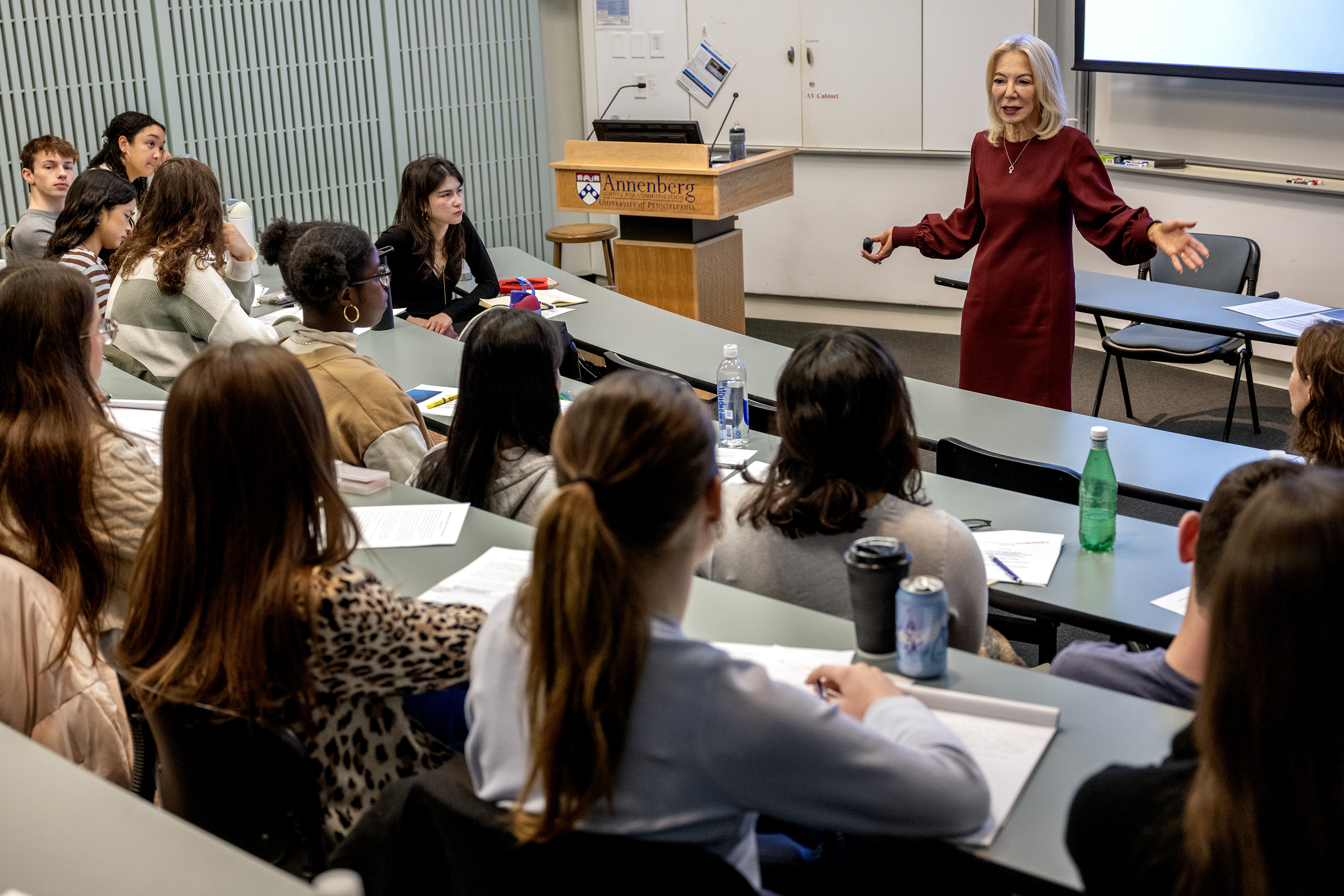
    Penn President emerita Amy Gutmann co-teaches a class at Penn’s Annenberg School for Communication with the dean Sarah Banet-Weiser. They don’t allow laptops or phones to be used in the classroom.

    “I read the literature on it and it really showed that students learn better when they’re taking notes rather than trying to type as fast as they can verbatim what you say,” said Amy Gutmann, Penn president emerita, who is co-teaching a class at the Annenberg School for Communication this fall.

    Gutmann and co-teacher Sarah Banet-Weiser, dean of Annenberg, do not provide students with copies of their lecture slides, either.

    “We give them time to write down what’s on the slides,” Banet-Weiser said.
    Benefits of technology

    Some professors say laptop use in class can be beneficial.
    Sudhir Kumar, a Temple biology professor, said he asks his class of 150 students to respond to questions on their laptops every 10 minutes. Their answers count toward their grades.

    “It’s constantly keeping them on their toes,” he said.

    He would not want to see everyone give up on laptop use in class.

    “We cannot fight technology,” he said. “Teachers have to embrace technology, whether it is artificial intelligence or computers. That is a standard mode of operation for most people today.”

    (Left to Right) Jess Nguyen, 20, a junior from Broomall, Allan Thomas, 22, a senior from Philly, and Sara Tedla, 22, a senior from Philly, in a class taught by Temple University biology professor Jody Hey last month.

    In Cathy Brant’s social studies methods class of 20 to 25 students at Rowan University, laptops are key. Brant, an associate professor of education, said there are lots of hands-on group projects, and she frequently asks students to check New Jersey standards online as they prepare their lessons. She also teaches them how to use AI appropriately in the classroom.

    One of her students, she said, recently handed in a paper with very detailed notes from Brant’s lecture that she probably got only because she was able to type quickly on her computer.

    “You’re responsible for paying attention in class,” she said. “Maybe it’s a little harsh, but I’m just like, ‘If you want to be on Facebook the entire time during class, that’s on you.’”

    Jordan Shapiro, an associate professor at Temple, more than a decade ago used to make a point of having his students post on Twitter, now X, during class and counted it toward classroom participation.

    Now, he tells students to put their laptops away during class.

    “I tell them I have no problem with tech or laptops,” he said. “I just think that none of us get enough time in our lives to just focus on ideas or to listen in a sustained way to the people around us.”

    He also became concerned about students doing homework during class, he said, and using artificial intelligence to supply them with questions and comments to ask in class. They were “outsourcing class participation to the robots,” he said.

    Mark Boudreau, a biology professor at Penn State Brandywine, disallowed laptops for the first time this semester.

    “I thought I would get real pushback … or people might even drop the class,” he said. “But … a lot of students have had other faculty who have this policy.”

    Exam scores in his three courses are better this year, he said.

    Hey noted student grades have gone up, too. But he can tell some students struggle with note-taking; some just listen and don’t take notes.

    “That’s better than sitting there and going on Facebook,” he said.