Tag: topic-link-auto

  • NCAA panel approves new eligibility rules giving Division I athletes five years to play five seasons

    NCAA panel approves new eligibility rules giving Division I athletes five years to play five seasons

    Eager to lessen the chaos of the transfer portal era and court fights with players trying to extend their careers, the NCAA approved a new eligibility model for Division I athletes on Tuesday that will allow five seasons of competition over a five-year period that begins with their full-time enrollment or the academic year following their 19th birthday, whichever occurs first.

    The Division I Cabinet unanimously approved the change from the longstanding tenet of college sports that gave athletes five years to complete four seasons of competition with their eligibility clock starting at the time of enrollment, regardless of age.

    The move will all but eliminate waivers or redshirt years for extended eligibility except for religious missions, maternity leave or active-duty military service. No longer will extensions be considered for athletes who are injured.

    “While previous NCAA rules have served college sports well for a long time, we heard also loud and clear from NCAA members and student-athletes that eligibility rules should be easier to understand,” NCAA President Charlie Baker said.

    The NCAA believes the age-based model will make rules easier to administer and help make roster management more predictable for coaches.

    “I think this new rule is one of the most sensible things the NCAA has ever done, and it will absolutely eliminate the type of eligibility litigation that’s predominated lately,” said attorney Tom Mars, who represented Ole Miss quarterback Trinidad Chambliss in his successful quest for an additional year of eligibility in a case that went to the Mississippi Supreme Court.

    Mars added, “Let me put it in bottom-line language: There’s no way somebody could file an eligibility case based on a medical waiver now with the new rule. Can’t be done. You can file it, I guess, but it will be immediately dismissed.”

    The rules, which will become official when the Cabinet adjourns its meetings on Wednesday, are set to take effect this fall. Division I includes more than 350 schools, some 200,000 athletes and, with football and basketball leading the way, is by far the most lucrative of the three in the NCAA.

    The five-in-five language also is included in Senate legislation intended to address numerous concerns across college sports and comes after a wave of lawsuits from athletes seeking to extend their college careers and ability to earn money through revenue sharing and name, image and likeness deals. Still to be seen is whether the new rules will withstand legal scrutiny alongside the existing challenges.

    Heisman Trophy runner-up and Vanderbilt quarterback Diego Pavia remains the lead plaintiff in a lawsuit challenging an NCAA rule counting seasons spent at junior colleges against players’ Division I eligibility time. That case is slated for trial in February.

    “I wouldn’t say that the rule change itself will slow lawsuits down,” said Sam Ehrlich, a Boise State assistant professor of legal studies in business and management who tracks litigation against the NCAA.

    Ehrlich said athletes very well could continue to petition courts for extended eligibility based on antitrust arguments, but appellate courts recently have delivered wins for the NCAA by overturning preliminary injunctions in several cases.

    The new eligibility model will affect all athletes who enroll in 2027-28. Currently enrolled athletes with eligibility after the 2025-26 academic year, and those who are incoming freshmen this fall, can apply the age-based model or continue under previous eligibility rules. It would be advantageous this year for some incoming freshman hockey players to use the traditional model if they are coming from the junior ranks and are 20, as is common in the sport.

    For schools with current athletes who may be eligible for hardship waivers or extensions of eligibility under current rules, the D-I Cabinet indicated the deadline to submit requests to the NCAA is July 31. After that date, waivers would no longer be available.

    Ryan Downton, the attorney for Pavia in his case against the NCAA that won him a sixth year of eligibility last season, said he was happy to see athletes allowed five seasons of competition. But he said it was likely that high school class of 2022 athletes who are now cut off from further competition will go to court.

    “These athletes are still within their five-year eligibility window and spent their entire college careers competing against fifth- and sixth-year players due to the COVID waiver,” Downton wrote in an email to The Associated Press. “We hope the courts will correct the unfairness of the NCAA’s ruling and allow class of 2022 players to play their fifth season in 2026-27.”

    Ramogi Huma, executive director of the National College Players Association, wrote in a text to the AP that he had not seen the final language that was adopted but that the rule’s “general structure that has been discussed is within reason.”

    “But it’s important for athletes to have an opportunity to seek hardship waivers,” he wrote.
  • How a rain delay during the France-Iraq World Cup match turned into a shopping spree at Philadelphia Stadium

    How a rain delay during the France-Iraq World Cup match turned into a shopping spree at Philadelphia Stadium

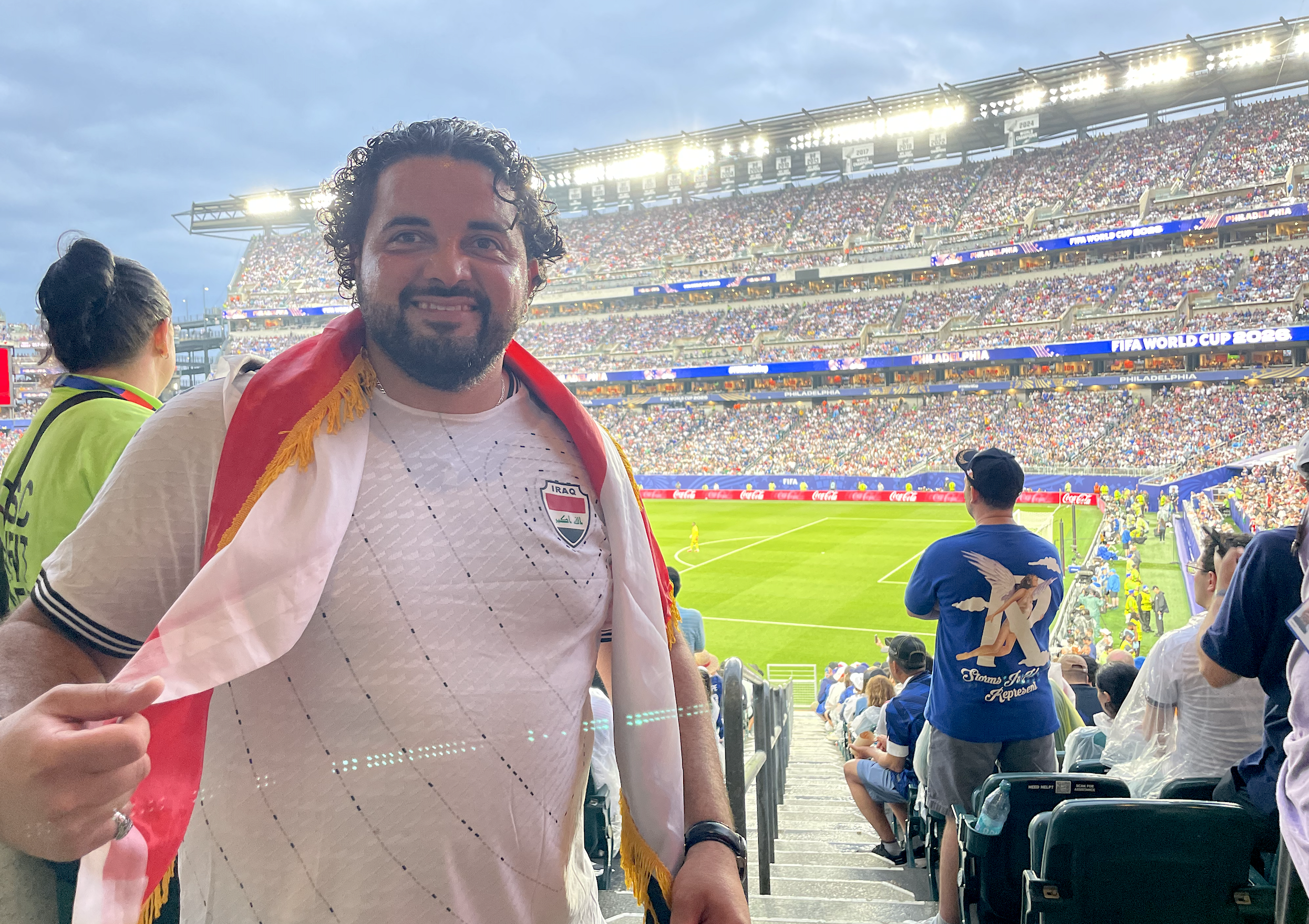
    Mustafa Al-Hasani had flown in from Iowa.

    Despite the distance and the costs of his airfare, his weekend stay at a Center City hotel, and his lower-level ticket to the match, there was no way he was going to miss the opportunity to see Iraq, win or lose, take on France in the World Cup on Monday.

    So when he got to his seat inside Philadelphia Stadium (Lincoln Financial Field, as it’s known to Philadelphians), after months of planning and waiting, after repeated screen refreshes to remain in a queue to buy a ticket during one of FIFA’s early presales, it still almost felt like serendipity.

    And then the rains came.

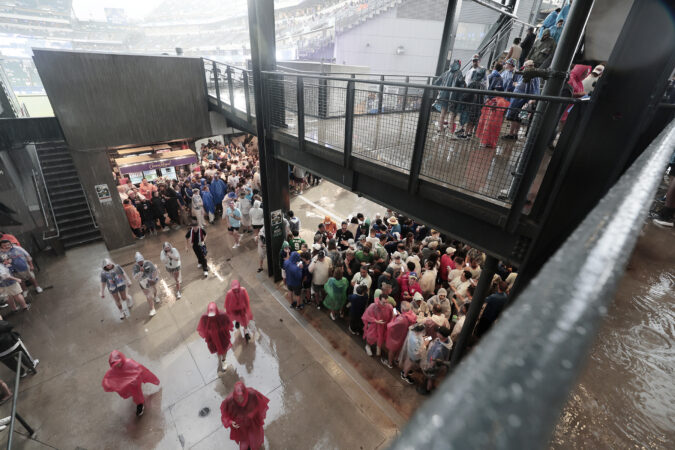
    The torrential downpour that cascaded on and off over the region halted the game for 2 hours, 10 minutes. It also sent poncho-clad fans scattering into the concourses in search of shelter.

    And in the aftermath, as it would appear, anything else they could get their hands on.

    By the time play resumed a little after 8 p.m., concession stands on the main concourse of the stadium had little to nothing left by way of food and drink.

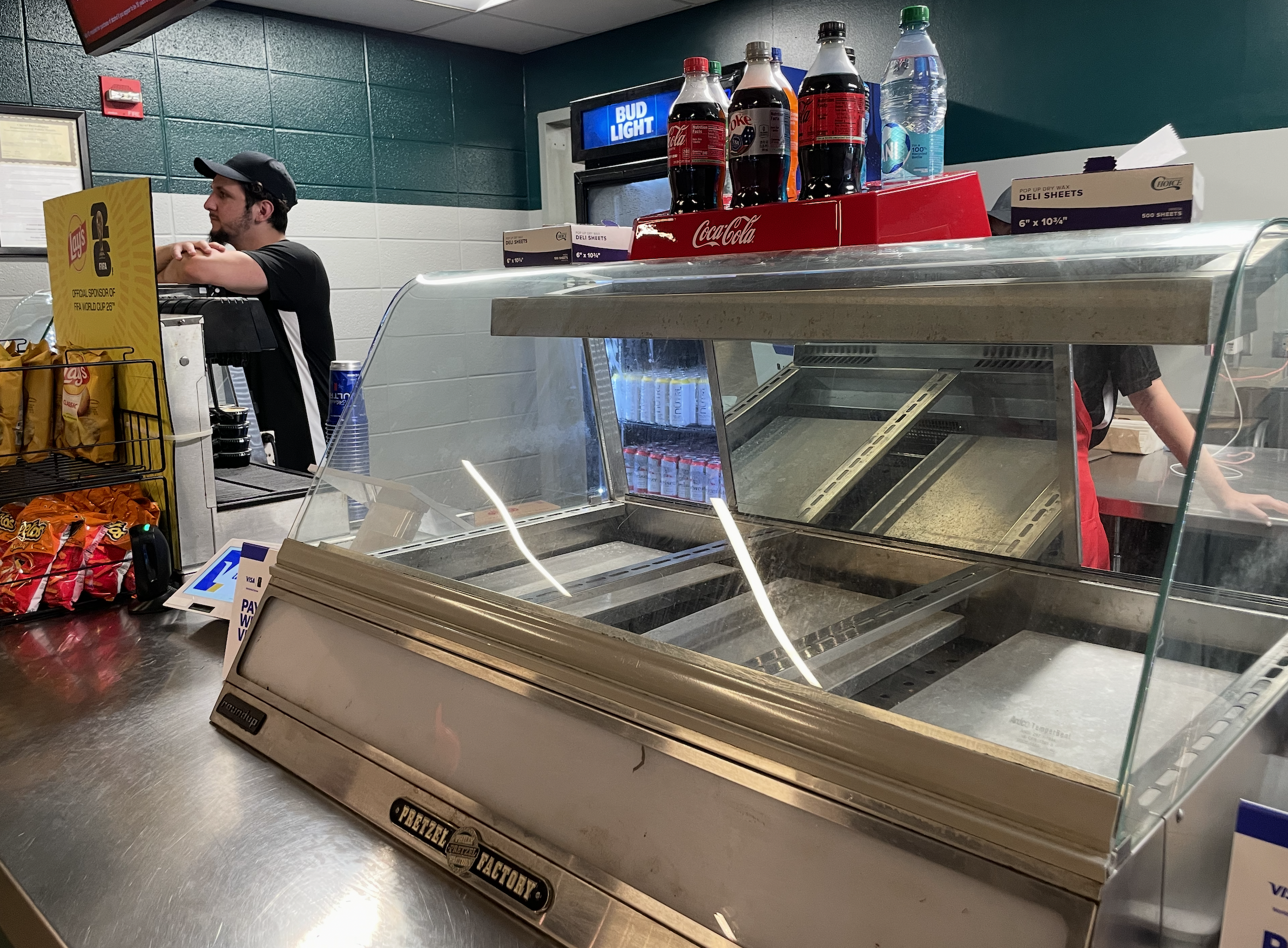
    The popcorn and hot dog concession between Sections 104 and 105? Barren. The Philly Pretzel concession selling twists and nuggets a few sections down? A stadium worker said they sold out in about 30 minutes.

    The Philly Pretzel Factory concession had only snack food following the rain delay during Monday’s World Cup match between France and Iraq.

    “People just kept coming,” said one worker, who chose to stay anonymous because they weren’t supposed to speak publicly on what their tired eyes just witnessed. “We had this pretty stocked, and that rain delay just cleared everyone out. It’s much the same at every concession stand, if you want to look.”

    It’s what Al-Hasani realized as he waited for only a water. Fortunately, the Philly Favorites concession between 104 and 106 was able to oblige.

    “I get it,” Al-Hasani said. “There was nothing else to do. You know you’re down here, it’s hot, it’s tight [with people], you can’t go back to your seat because of the rain, so after the singing and the waiting and the singing, people got to do something, so you eat.”

    Mustafa Al-Hasani, an Iraq fan who traveled to Monday’s match from Iowa, said that the whole experience in both the match and the 2-hour-plus rain delay is something he’ll never forget.

    Judging by the small FIFA team store just outside the southwest corner of the stadium, in addition to eating, fans at loose ends shop. By the look of the lines during the rain and the sight of the store after, fans made it a ravenous way to pass the time.

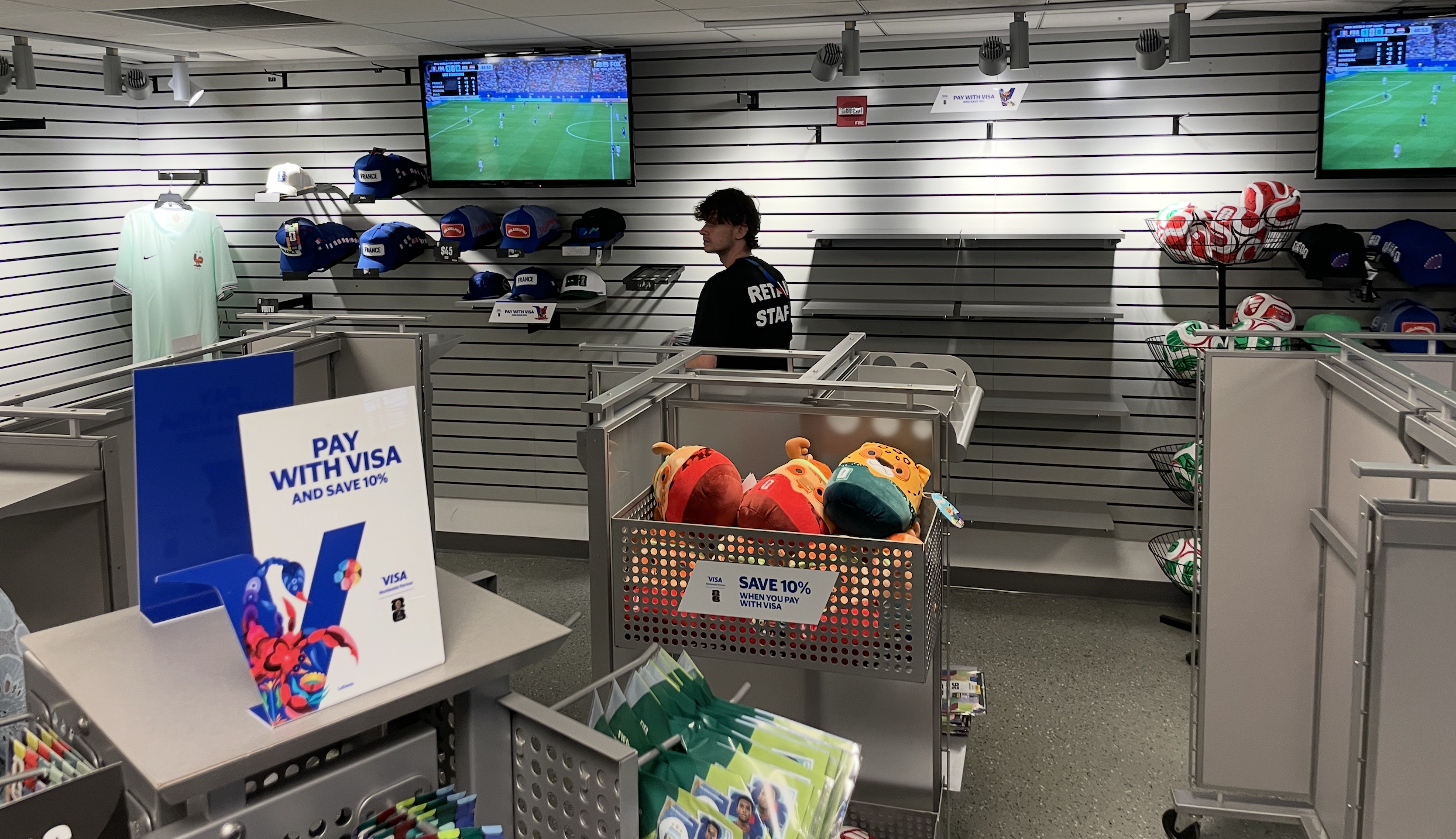
    The store, which has capacity of about 15 customers, was giving people just five minutes in-store so they could offer other people an opportunity, according to a worker. By the time the game finished, shelves were empty, odd-sized jerseys remained on display, and the high-priced World Cup collectibles in the glass behind the counter seemed the only thing in abundance for purchase.

    The FIFA Store’s satellite offshoot located near the southwest terrace inside Philadelphia Stadium was mostly bare after a rain delay that lasted more than two hours during Monday’s match between France and Iraq.

    “One guy came in, dropped $800 on one sale,” a worker recalled. “It was crazy. We see this kind [of frenzy] for like concert T-shirts here, like I remember people went wild for Taylor Swift stuff when she was here, but this was intense. It felt like people were buying whatever they could get their hands on.”

    A request for comment from FIFA regarding the rain and fans went unreturned. Despite many of the concession workers being the same folks you’d see on an Eagles game day — or apparently, a Taylor Swift concert — through its arrangement, FIFA has both naming rights and management of all 16 match venues across the United States, Mexico, and Canada.

    As of Tuesday afternoon, Philadelphia was the only city that experienced a rain delay of this magnitude in the World Cup. In the end, it was France that scored twice more after halftime en route to the 3-0 win, advancing to the knockout stage.

    “This was incredible, the whole experience is a memory,” Al-Hasani said. “The rain, the people, the game, all of it. You have to take it all in. Everyone was so nice, [at concessions] you got what you needed if they had it, and I think we were just all trying to get through it together. Philly’s great, I’ve been here before, but this is an experience I don’t think I’ll ever forget.”

  • Why a Boston-based appeals court ruling matters for President’s House

    Why a Boston-based appeals court ruling matters for President’s House

    President Donald Trump’s administration is closer to getting its way after a Boston-based appeals court said it doesn’t have to restore exhibits it removed — at least for now.

    The Boston-based U.S. Court of Appeals for the First Circuit ruled the National Park Service does not have to restore all exhibits it removed as part of its “restoring sanity to American history” push before the nation’s 250th anniversary celebration, issuing an administrative stay on a lower court’s order.

    That order protected the historic site of George Washington’s Philadelphia residence on Sixth and Market Streets from further changes after the U.S. Court of Appeals for the Third Circuit ruled last week that Philadelphia does not have the right to dictate the content of exhibits at the President’s House. The exhibits were dismantled by the Trump administration earlier this year.

    But it remains to be seen whether the stay allows the Trump administration to install the newly proposed panels, which historians say whitewash Washington’s culpability in enslaving nine people at his Philadelphia home.

    In a statement, the Department of the Interior responded: “We are confident that as this inferior ruling from an activist lower court judge receives further scrutiny, they will be further restrained.”

    Administrative stays are common steps federal courts take to buy time while judges assess the arguments.

    The First Circuit judges intend to rule “promptly” on a request for a more permanent stay during the appeal, the order says.

    Either way, the ruling marks a second blow in a week to the City of Philadelphia and stakeholders who developed the President’s House Site.

    Michael Coard, attorney and founder of Avenging the Ancestors Coalition, which is leading efforts to protect the President’s House, emphasized that the First Circuit action was not a final decision.

    “The stories of enslaved African descendants and other historically marginalized communities are American history and deserve to be preserved and told truthfully,” he said.

    Here is what you need to know about the status of the President’s House exhibits.

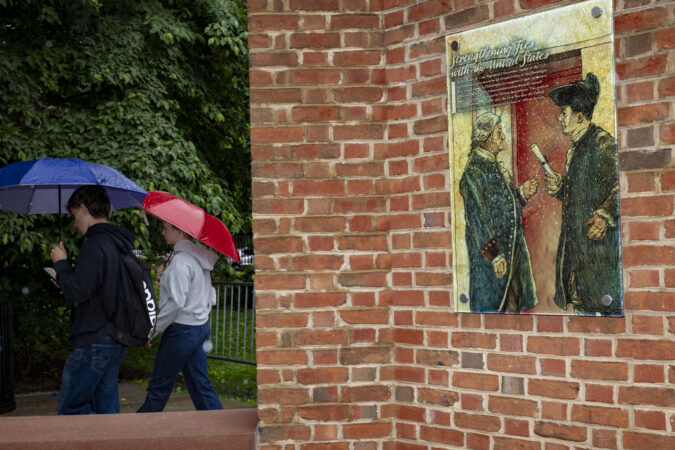
    The President’s House in Independence National Historical Park March 11, 2026.

    What do Boston-based courts have to do with the President’s House?

    Earlier this year, conservation groups sued the Trump administration in federal court in Massachusetts challenging Interior Secretary Doug Burgum’s 2025 order implementing the president’s directive to ensure that no displays at national parks “inappropriately disparage Americans past or living.”

    U.S. District Judge Angel Kelley this month temporarily blocked the National Park Service from removing or altering content at parks across the country, and required the agency to restore before July 4 all exhibits that had been removed.

    The Trump administration’s changes to exhibits “seek to rewrite the Nation’s history with a white-out pen,” wrote Kelley, a nominee of former President Joe Biden.

    At least 50 exhibits were removed from more than 30 sites nationwide, according to court records.

    Justice Department attorneys appealed the ruling to the First Circuit and asked the higher court to issue an administrative stay or a stay for the duration of the appeal.

    The three judges assigned to the case — Chief Judge David J. Barron, appointed by Barack Obama, and Biden appointees Gustavo A. Gelpí Jr. and Julie Rikelman — issued the administrative stay Tuesday pausing the majority of Kelley’s order, including the directive to restore sites such as the President’s House.

    The order is not explicit on whether the National Park Service can make changes to sites, but administrative stays are viewed as a way to preserve the status quo while the appeals court can review the facts and arguments in a case.

    “The administration’s decision not to reinstall and reinstate censored materials, particularly in advance of our nation’s upcoming 250th anniversary, is a disservice to every park visitor this summer and to the broader American public,” the conservation groups, represented by Democracy Forward, said in a statement.

    What did the Third Circuit rule?

    The First Circuit ruling comes on the heels of the Third Circuit’s reversal of a February order entered by a Philadelphia federal judge.

    Judge Cynthia M. Rufe issued an injunction that required the Trump administration to restore the President’s House to its form before the abrupt Jan. 22 removal of exhibits.

    A three-judge panel disagreed with Rufe, finding that Philadelphia gave up its rights over the President’s House when it donated the site to the National Park Service. The judges further said the federal government’s proposed replacement panels were “full of historical context.”

    Mayor Cherelle L. Parker thanks workers as the President’s House site in Independence National Historical Park Thursday, Feb, 19, 2026 during a brief visit to the site as they began to return the slavery displays.

    What are the city’s options?

    After the Third Circuit ruling, Mayor Cherelle L. Parker said she would “pursue every legal action possible in efforts to reverse this decision.”

    The city has a few options, but time is running out for a favorable ruling before July 4.

    The city could ask for a rehearing in front of the same three judges who unanimously ruled to overturn the injunction. It can also ask for a hearing in front of the full Third Circuit court, known as en banc, or ask the U.S. Supreme Court to intervene.

    Philadelphia Law Department attorney Anne Taylor argued at the Third Circuit hearing that the federal government’s attack on these exhibits has caused irreparable harm as the city tries to tell its story ahead of next month’s 250th celebrations.

    Philadelphia is expecting a flood of visitors for the Semiquincentennial celebration, Taylor said, adding: “The President’s House is at the doorway to the Liberty Bell. That history is not being told to all the people who are expected to come here.”

    It could be challenging, or even impossible, to get a new panel of circuit judges or the Supreme Court justices briefed on the case to get a ruling in less than two weeks, legal experts said.

  • Pa. State Police investigating death of dialysis patient in Chester County

    Pa. State Police investigating death of dialysis patient in Chester County

    The Pennsylvania State Police are investigating the death last week of a person in Chester County whose connection to a dialysis machine apparently had been “cut.”

    On June 16, troopers from the Embreevile Station were called to the 400 block of Glen Run Drive in Atglen Borough, where paramedics responded to a hemorraging incident but was unable to save the person’s life, the state police said Tuesday.

    The preliminary investigation “determined the hemorrhaging was the result of a dialysis port being cut,” the state police said.

    The state police are investigating in coordination with the Chester County District Attorney’s Office.

    No other information about the deceased person were released.

  • Trump was welcomed to Pa. by Stacy Garrity. He didn’t mention her at all.

    Trump was welcomed to Pa. by Stacy Garrity. He didn’t mention her at all.

    MACUNGIE, Pa. — President Donald Trump’s speech on manufacturing in a key Pennsylvania swing district repeatedly veered into other topics and musings about elections in other states, like Maine and California.

    It took the president nearly an hour to even reference by name GOP U.S. Rep. Ryan Mackenzie, the vulnerable incumbent whose district Trump was visiting to boost his chances in this year’s midterm elections.

    And GOP gubernatorial nominee Stacy Garrity did not even get a mention during Trump’s speech to roughly 1,500 attendees, including workers at the Mack Trucks facility in Macungie in Lehigh County.

    Trump’s visit came just days after the company received $47 million through a Defense Department contract.

    And while he touted the trucks, he spent just as much time meandering about weight-loss drugs, immigration, firearms, the role of transgender athletes in women’s sports, and the UFC fight recently held on the White House lawn. He also repeated conspiracy theories about the races for Los Angeles mayor and California governor, saying he had asked the U.S. attorney in that state to investigate after conservative mayoral candidate Spencer Pratt did not advance to the general election.

    And he threw jabs at Pennsylvania Gov. Josh Shapiro amid 2028 speculation and appeared to undermine Shapiro’s Republican opponent, Garrity.

    Speaking about recent victories by democratic socialist candidates around the country, Trump quipped that “Shapiro is not that much better, to be honest with you.”

    He referenced the Democratic governor’s potential presidential aspirations, warning that “a guy like Shapiro is going to be forced on the left, otherwise he’s not going to get the nomination.”

    But though he weighed in on Shapiro, the governor’s Republican challenger’s name was noticeably absent from Trump’s list of shout-outs to GOP officials, despite the fact that Garrity spoke earlier in the event.

    Trump instead heaped praised on U.S. Rep. Dan Meuser, a Pennsylvania Republican who considered a run before ultimately opting against it and enabling the state party to coalesce around Garrity.

    “Meuser’s another great guy who was thinking about running for governor. I think he would have won. He was thinking of running for governor, and I said ‘I want you to stay in Congress,’” Trump said.

    Trump endorsed Garrity earlier this year, but the lack of acknowledgment Tuesday was striking given the election year focus of the event and Garrity’s own promises to support Trump’s agenda.

    “We need a governor in Harrisburg who will be a partner with President Trump in Washington, not an opponent in the courtrooms,” she said before Trump took the stage. “We need a governor who will fight for Pennsylvania jobs, like right here at Mack Trucks.”

    State Treasurer and Republican candidate for governor Stacy Garrity is seen on a big screen as she speaks to supporters before the arrival of President Donald Trump at Mack Trucks in Macungie Tuesday, June 23, 2026. Trump did not mention Garrity when he later spoke to the crowd in the Lehigh Valley.

    Trump restated his belief that tariffs have revitalized and would further boost the U.S. economy, though gas prices have reached new heights since he began a war with Iran, stymieing the flow of oil. (The Strait of Hormuz has reopened, following a tentative peace deal struck this month.)

    “I placed a 25% tariff on foreign automobiles and very importantly posed a 25% tariff on medium and heavy-duty trucks, so Mack Trucks could do very well with this factory in Pennsylvania,” he said.

    “They weren’t gonna come in from foreign lands and steal your jobs,” Trump added.

    However, the company cited Trump’s tariffs last year as contributing to its decision to lay off hundreds of workers at its Lehigh Valley operations center, the Pennsylvania Capital-Star reported at the time.

    Tuesday marked Trump’s fourth Pennsylvania appearance in his second term and his first this year ahead of November’s high-stakes midterm elections. The visit was billed as an official event as part of Trump’s American Workers First tour, but the event had the feel of a campaign rally.

    Four U.S. House districts in Pennsylvania are considered competitive, the most of any state, and the event took place in the 7th Congressional District, which is viewed as one of the most likely to flip to Democratic control.

    “We have to reelect a certain congressman,” Trump told the crowd.

    In 2024, Mackenzie won the seat by 1 percentage point, while Trump defeated Democrat Kamala Harris and won Pennsylvania in the presidential race.

    “Workers, like the ones here at Mack, are spearheading the great American comeback,” Mackenzie said.

    Bob Brooks, a union leader and firefighter who won the Democratic nomination to challenge Mackenzie, praised the union workers at Mack ahead of the event for building “the literal engine for the American economy,” but he blasted Trump and Mackenzie for failing to bring down prices.

    “No speech from Mackenzie can change the fact that his time in Congress has been an absolute disaster for the hardworking people of the Lehigh Valley,” Brooks said in a statement ahead of Tuesday’s event.

    Lt. Gov. Austin Davis, in a media call earlier Tuesday, said Trump’s choice to rally at Mack Trucks specifically signals he and his party recognize a “real political danger” because of Trump’s policies.

    “Donald Trump’s agenda is putting Congressman Mackenzie at serious risk,” Davis said. “They’re circling the wagons and trying to save that seat.”

    Affordability is likely to be a key issue on voters’ minds as they choose between Mackenzie and Brooks.

    Steve Leiby, 52, who works for Mack and attended Tuesday’s event, said he understands the tariffs Trump enacted are controversial, but he still supports them.

    “It’s a big risk, if we had a war, that we didn’t make a lot of war supplies in the U.S.,” he said.

    President Donald Trump leaves after a visit to Mack Trucks in Macungie, in the Lehigh Valley Tuesday, June 23, 2026.

    Brent and Francine Stanley, both 60, from New Tripoli, said they support Mackenzie because he shares their conservative values. His office organized an elder-care symposium that Francine Stanley attended because the couple have a 23-year-old child with disabilities, and they were able to get connected to resources.

    But they both know how competitive this election is, noting the stack of pro-Brooks mailers they have already received and predicting that Democrats will be knocking on their doors as November approaches.

    “They’re really persistent, and if you don’t answer, they follow up,” Francine Stanley said. Mackenzie, she said, should consider doing the same.

    Staff reporters Andrea Padilla and Sam Janesch contributed to this article.

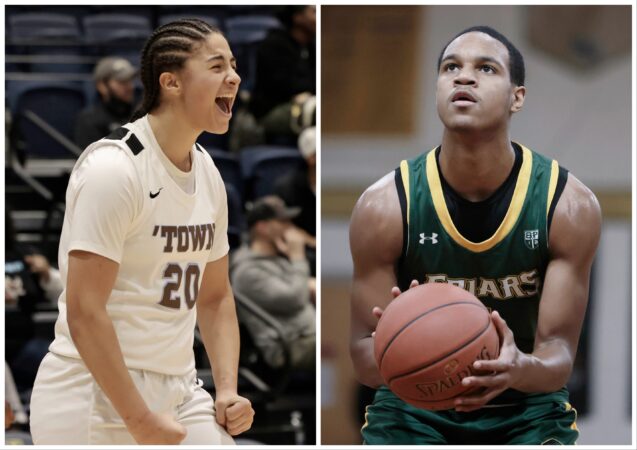
  • Westtown’s Jordyn Palmer, Bonner-Prendie’s Korey Francis named state’s Miss and Mr. basketball

    Westtown’s Jordyn Palmer, Bonner-Prendie’s Korey Francis named state’s Miss and Mr. basketball

    Bonner-Prendergast’s Korey Francis and Westtown’s Jordyn Palmer were named Mr. and Miss Basketball for the 2025-2026 season.

    The award honors the best male and female high school players in Pennsylvania. Fans, coaches, and the media vote on the awards.

    Francis, a junior guard, averaged 21.5 points, 7.4 rebounds, 3.4 assists, and 1.7 steals, while shooting 52.1% from the field, including 35.3% from the three-point line. Bonner-Prendie went 24-6 and won its first-ever state championship in basketball.

    Palmer, a junior forward who’s considered one of best players in the nation, averaged 23.2 points, 13.2 rebounds, and 6.4 assists. She led Westtown to a 28-2 record last season.

    Other local finalist included junior guard Silas Graham (Haverford School), sophomore forward Colton Hiller (Coatesville), and senior Sammy Jackson (Roman Catholic).

    Palmer’s teammate Atlee Vanesko, a senior forward, and junior guard Ryan Carter (Friends’ Central) were also finalists.

  • Micah Nori, father of Phillies prospect Dante Nori, hired as Trail Blazers coach

    Micah Nori, father of Phillies prospect Dante Nori, hired as Trail Blazers coach

    Happy belated Father’s Day, Micah Nori.

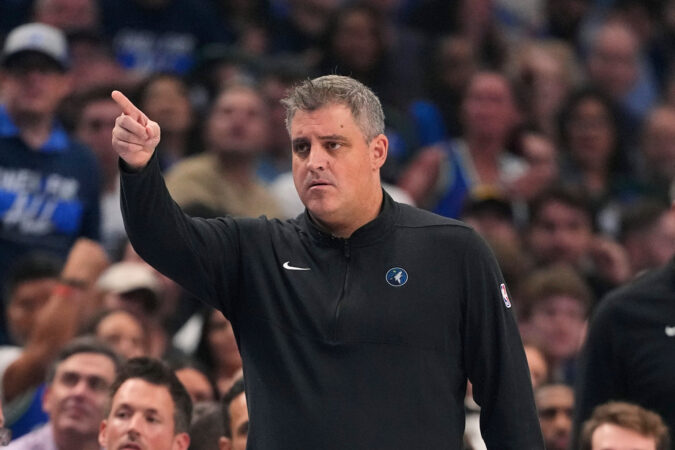
    On Tuesday, the Portland Trail Blazers announced Micah Nori would be the franchise’s next head coach. A 17-year veteran NBA assistant coach, Micah is the father of Phillies outfield prospect Dante Nori, a 2024 first-round pick.

    Micah Nori was the lead assistant coach for the Minnesota Timberwolves for the past five seasons, supporting the development of star guard Anthony Edwards. With head coach Chris Finch sidelined with a ruptured patellar tendon during the 2024 playoffs, Nori took over a majority of the game day operations that postseason. The Timberwolves went on to make the Western Conference finals.

    Just over a month after the Timberwolves fell to the Dallas Mavericks in that series, Micah was with 19-year-old Dante when he was drafted by the Phillies with the 27th pick out of Northville (Mich.) High School.

    Earlier this week, prior to the Blazers announcement, Dante appeared on The Show before The Show, Minor League Baseball’s official podcast. On the podcast, he talked about the various NBA players he grew up around due to his father’s profession. When Micah coached for the Toronto Raptors, Dante got to hang with Vince Carter. Then, when his father was hired by the Kings, he learned from DeMarcus “Boogie” Cousins.

    More recently, he has taken inspiration from Edwards’ work ethic.

    “I mean, [Edwards is] a freak,” Dante said. “The most explosive athlete I’ve ever seen in my entire life. You see the way he takes care of his business. Like, he’s one of the top five players in the NBA. And personally, I’d say he’s No. 1. You know how that goes.

    “When I go [to the Timberwolves practice facility], I’m always in there like 5 a.m. lifting before they get in because I’m on their time. As soon as I’m done, [Edwards] is one of the first ones in. No matter what level you’re at, the work, he never stops. He always wants more.”

    In March, Dante starred in the World Baseball Classic. In six games with Italy, the outfielder had a 1.185 OPS with two home runs and six RBIs in six games.

    Prior to the WBC semifinal, Dante got a shoutout from Alex Rodríguez — who is also a co-owner of the Timberwolves.

    “This is a future star,” Rodríguez said on the Fox pregame show. “Dante Nori. Do not forget the name.”

    Rodríguez’s proximity to Dante’s father may have made him a bit biased.

    “People were like, ‘Let’s take that with a grain of salt,’” Nori told the Inquirer. “You laugh. As soon as I saw that, I was like, ‘Oh, here we go. Someone’s typing [a message]. Someone’s typing.’ I laughed about it, though.”

    Off the field, Dante is an avid baseball card collector. Micah, who played baseball at Indiana before finding a career in basketball, shares this interest with him. He even helped Dante track down some of his rookie cards on eBay.

    “When I paid, I used my real name and address,” Micah told the Inquirer. “The guy was like, ‘Wait, are you related?’ I said, ‘Yeah, I’m his dad.’ It’s a cool little community. Because the people would be like, ‘Oh my gosh. I have a couple more right here. I’ll send them to you.’”

    Micah inherits a Blazers team that finished 42-40 and is headlined by 25-year-old All-Star forward Deni Avdija and veteran Damian Lillard. Interim coach Tiago Splitter was hired by the Bulls after stepping in to lead the team after then-coach Chauncey Billups was arrested by the FBI following an investigation into illegal sports betting and rigged poker games.

    Dante, 21, is batting .245 with 12 stolen bases in 52 games at double-A Reading this season.

  • Two Philadelphia pastors charged with sexual exploitation, corruption of minors

    Two Philadelphia pastors charged with sexual exploitation, corruption of minors

    Two Philadelphia pastors groomed and sexually exploited two teenage boys, authorities say, paying them for explicit videos and sharing the images with each other in a scheme that stretched across years and may involve additional victims.

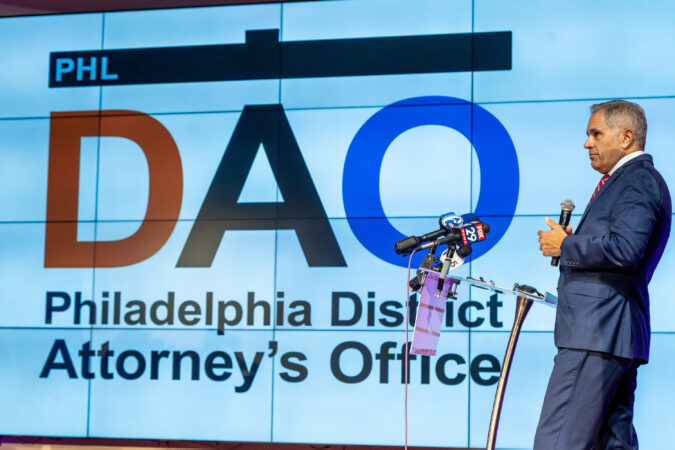
    Isaiah Banks, 30, and Bryan Jackson, 42, are charged with sexual abuse of children, sexual exploitation of children, conspiracy, corruption of minors, and related crimes, District Attorney Larry Krasner said Tuesday.

    Banks served as pastor of Second Pilgrim Baptist Church in Francisville, while Jackson served as a pastor at Garden of Prayer World’s Prayer Center in Strawberry Mansion, Krasner said.

    Both men were arrested, arraigned, and released from jail after posting bail — $600,000 for Banks, and $100,000 for Jackson. Prosecutors said they had sought higher bail, but their request was denied.

    Efforts to reach Banks’ attorney, Richard Kravets, were unsuccessful. No attorney for Jackson was listed in court records.

    The investigation into the men began in April after police received a report that a teen had been solicited by Banks through text messages and social media to send sexually explicit videos in exchange for money or food, authorities said. The messages, they said, came to light after a witness checked the boy’s phone.

    Prosecutors said Banks shared images he received with Jackson, who they said had also posed online as a female to solicit additional images and videos from the victim.

    As investigators dug deeper, authorities said, they found evidence suggesting that Banks and Jackson had received sexually explicit images and videos from other victims, dating back to February 2024.

    “A position of trust, when it is abused, has its criminal consequences,” Krasner said during a news conference to announce the charges.

    He declined to provide additional details about the case, including the victims’ ages and genders. He said that the investigation is continuing and that releasing additional information could discourage other victims or witnesses from coming forward.

    Court records, however, offer a more detailed portrait of the alleged crimes.

    The victims, both boys, were 15 and 16 years old when investigators began their inquiry, according to the affidavit of probable cause for Jackson’s arrest. None of the crimes is alleged to have occurred on church grounds.

    In the document, police described what they said was a yearslong pattern of communications, photographs, and videos showing Banks and Jackson cultivated transactional relationships with the boys.

    Messages recovered from the men’s phones were also “littered with images and videos of nude men,” and photographs “from a barbershop and church events,” according to the affidavit.

    By May, as the police investigation was underway, the tone of the messages between the two men had shifted, police said: In one message, Banks warned that one of the boys was rattled by the involvement of authorities.

    During an interview with detectives, Banks acknowledged knowing the boys for more than a decade, and said Jackson was a friend, according to the affidavit. He told detectives he typically paid $50 for videos that the boys sent, the document said.

    Efforts to reach officials at the church and prayer center where the two men worked were unsuccessful Tuesday.

    According to Second Pilgrim Baptist Church’s website, Banks was elected senior pastor in 2017. The website describes him as a leader who is “loved genuinely by our congregation because of his passion to see our church thrive and because of his genuine care and love for all those who are a part of our church.”

    Garden of Prayer World’s Prayer Center does not appear to have a website. An Instagram account appearing to belong to the church features photographs of Jackson promoting its events.

    Krasner asked that anyone with additional information contact the district attorney’s office victim and witness services unit at 215-686-5709; the police department’s special victims unit at 215-685-3251; or the Philadelphia Center Against Sexual Violence hotline at 215-985-3333.

  • The Spring-Ford school district is moving to fire a Spanish teacher supported by community members

    The Spring-Ford school district is moving to fire a Spanish teacher supported by community members

    The Spring-Ford Area School District is moving to fire an eighth-grade Spanish teacher over protests from parents and students who say she is being unfairly terminated.

    The school board voted Monday to approve a statement of charges surrounding the dismissal of an employee, who was not identified in board documents. The statement of charges was not made public, which is typical procedure for school district personnel matters.

    But numerous supporters of Jasmine Ewing, including her husband, spoke out at Monday’s meeting against the dismissal, describing “Señora Ewing” as a passionate and dedicated educator who had positively impacted their lives.

    They also urged the board not to fire her over what some characterized as false accusations.

    “What foundation are we setting for the kids to know that they can retaliate against a teacher who is trying to hold them accountable for extremely inappropriate actions?” said Miranda Dombrosky, a 2010 Spring-Ford graduate and district parent.

    Dombrosky, who described herself as a friend of Ewing’s, referred to a student who had “bragged about getting a teacher fired” and accused the district of punishing “an innocent teacher.”

    Tamika Jeter, a district parent who credited Ewing with fostering her son’s enthusiasm for learning Spanish, told the board “it would be a big mistake to let a small thing that was considered playful among students cause her to lose her job.”

    Erin Crew, a district spokesperson, said Tuesday that “out of respect for the students and families involved, and because this is an ongoing personnel matter, the district will not comment on matters related to an individual’s employment.”

    The resolution approved by the board Monday “authorizes moving forward with a statement of charges while providing all due process rights required by law,” Crew said.

    As a result of the board’s vote, Ewing plans to request a public evidentiary hearing, her husband, Brian Ewing, said at Monday’s meeting.

    Brian Ewing told the board that he and his wife had “statements and factual information that directly dispute these claims against Jasmine, and raise serious concerns about this process.”

    “If the district insists on dragging this forward, the public will see what was done, who did it, and why it never should have happened,” said Ewing, who said his wife was not present Monday because she was leading students on a trip to Costa Rica.

    At a school board meeting the week before, at which supporters also spoke on her behalf, Jasmine Ewing said it was “devastating to stand here facing termination” after devoting herself to her teaching career.

    As a Latina, she said, “Spanish has always meant something deeper to me,” and she viewed her job as not just an educator, but a “cultural ambassador.” She said the support shown by community members was a “legacy I will carry with pride for the rest of my life.”

    Some supporters told the board that Ewing was an asset to the district as a teacher of color, providing valuable representation.

    Former students like Sofia McClintock said Ewing had broadened their horizons through international trips she had led.

    “Teachers who truly care are not easy to replace,” McClintock said. “They are the teachers that students remember years after leaving their classrooms because of the difference that they made, and that is Señora Ewing for me.”

    While supporters of Ewing dominated the school board meetings Monday and last week, one former student spoke out against the teacher, accusing Ewing of participating in antisemitic bullying.

    The student, Kayla Woodman, who graduated from Spring-Ford earlier this month, said that when she had Ewing for Spanish in eighth grade, boys repeatedly harassed her for being Jewish, including through a “Heil” chant.

    Ewing, Woodman said, not only did not tell the boys to stop, but “joined in and laughed.”

    It was not clear whether Woodman’s accusations were connected to the reasons the district is now seeking to dismiss Ewing.

    Woodman, who described the experience as “some of the darkest times in my life,” said that she had been afraid to go to administrators and that her parents had had a private conversation with Ewing.

  • 35% of Airbnb and VRBO rentals in Philly don’t have the right licensing, new report finds

    35% of Airbnb and VRBO rentals in Philly don’t have the right licensing, new report finds

    More than a third of short-term rental properties like Airbnb and VRBO in Philadelphia have licensing issues, according to a new report from the City Controller’s office released Tuesday.

    The controller found that of 3,734 analyzed licenses associated with short-term rentals, 1,327 were expired or noncompliant.

    “Short-term rentals are an increasingly important part of Philadelphia’s lodging market, especially during major events that we’re experiencing right now,” City Controller Christy Brady said in a news release.

    “The industry’s growth requires a clear, efficient regulatory framework with strong licensing and enforcement tools to identify noncompliance,” her statement read.

    The city adopted licensing requirements in 2023, after coming under scrutiny for lack of regulation.

    In one case highlighted by the report, the controller found a host operating 50 listings in the city without any of the correct licensing.

    In other cases — including one property offering renters the chance to “Chill in Style Anime Themed Escape”— licenses were either absent or associated with unrelated uses like dumpsters or towing companies.

    Philadelphia’s short-term rental market has been in the spotlight this summer, as the city hosts major tourism events including the 250th anniversary of the Declaration of Independence, the World Cup, and Major League Baseball’s All-Star Game.

    The city has 121 registered hotels with 19,615 rooms and over 4,000 short-term rentals.

    That’s a large reduction from before the licensing regulations took effect in 2023, according to the Department of Licenses and Inspections (L&I).

    L&I says it has removed 10,452 unlicensed properties from rental sites since the beginning of 2024.

    Under the regulations adopted in 2023, short-term rental hosts who live in the properties they are renting have to get a zoning permit and a “Limited Lodging Operators License.”

    For those who do not live in the property, a zoning permit and a rental license with a hotel designation is needed. The licenses must be renewed annually.

    No short-term rentals are allowed in the Far Northeast section of Philadelphia, where City Councilmember Brian J. O’Neill, a Republican, banned them.

    The controller’s report recommends simplifying the “complicated compliance process for hosts” and switching to a more tech-oriented enforcement approach, which could monitor “noncompliant listing across multiple platforms.”

    The result, the report suggests, would help the system move away from “complaint-driven enforcement managed by a small staff” of L&I workers.

    Nashville and Mount Pleasant, S.C., have outsourced short-term rental regulation monitoring to third-party companies using automated tools to track listings across platforms.

    As a result, they both saw over 90% of rentals complying with local laws, a huge increase from the previous status quo.

    “The city can benefit from using technology-assisted monitoring tools that can support the identification of potentially noncompliant listings across multiple booking platforms,” Brady said in a statement. “Other cities are already utilizing this technology and significantly improving their enforcement measures.”

    In the run up to the World Cup, short-term rental hosts in Philadelphia — as well as hotel leaders — have expressed concern that the anticipated level of consumer interest before this summer’s festivities has not fully materialized.

    Just before the games began, the region’s short-term rental market had an occupancy of about 60%, according to AirDNA, which analyzes data from companies like Airbnb and VRBO.