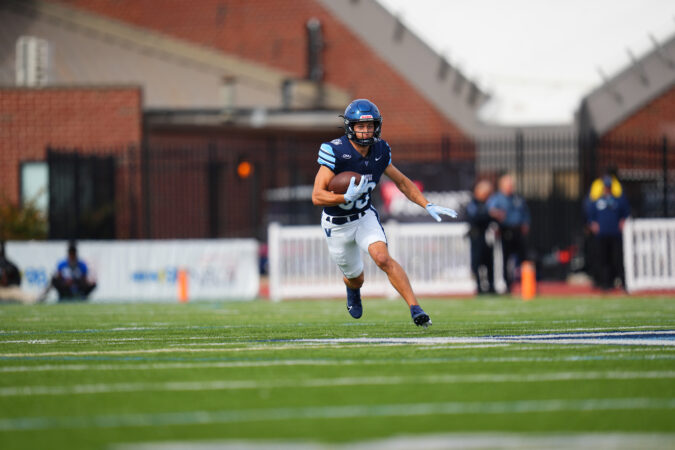
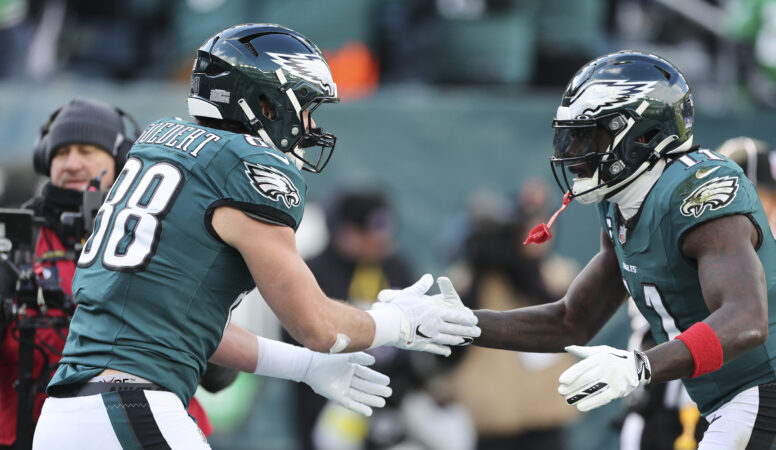
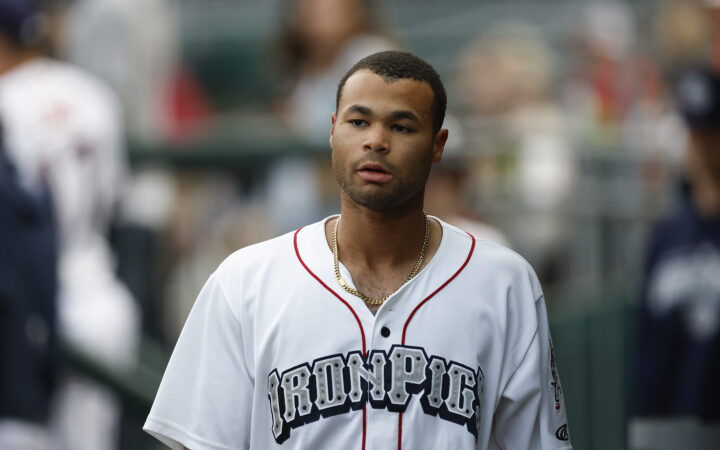
Villanova receiver Braden Reed motioned to the backfield and awaited the snap against Tarleton State last Saturday in the FCS quarterfinals. He took a handoff and ran in the opposite direction, but instead of heading downfield, he threw a 27-yard pass toward the end zone.
The pass landed directly over the shoulder and into the hands of Villanova receiver Lucas Kopecky for a touchdown in the Wildcats’ 26-21 victory. Reed became the first Villanova receiver to throw a touchdown pass since Jaaron Hayek in 2019.
“It was cool,” Reed said. “I was appreciative that the coaches had so much trust in me as a freshman to throw a ball in the quarterfinals of the playoffs. I think that’s something really special that they were able to trust me with that.”
Reed has been a standout on Villanova’s special teams and recently on offense. For a majority of the season, he led the FCS in average punt return yards. In the last two games, he has caught game-winning touchdowns against Lehigh and Tarleton State.
Now, Reed and Villanova are gearing up to host an FCS semifinal game on Saturday for the first time since 2009 (7:30 p.m., ESPN2). No. 12 Villanova will face unseeded Illinois State with a trip to the FCS championship on the line.
“He’s not a freshman anymore,” Villanova coach Mark Ferrante said after the Tarleton State game. “I don’t even know what our overall record is, to be honest, but he’s got that many games under his belt now. So he’s pretty much moved up to be a sophomore, as far as playing time. He’s been able to come in and pick the system up really well. So you’re seeing the fruits of his labor. He works really hard, and the results are now showing up on the field.”
The freshman is one of the first guys on the field for practice and the last one to leave. After morning practice, Reed will return in the afternoon to catch passes from one of the quarterbacks or the JUGS machine.
Recently, Reed was named to the Stats Perform FCS Freshman All-America team and the 2025 FCS Football Central Freshman All-America team. He has tallied 31 receptions for 462 receiving yards and three touchdowns. On special teams, he has returned 20 punts for 298 yards, which currently ranks No. 6 in the FCS.
In high school, the Pope John Paul II graduate was first-team all-state, was a three-time first-team all-conference honoree, and Pioneer Athletic Conference Player of the Year.
Reed grew up around football. His father, Scott Reed, played the sport at West Chester and was his son’s head coach for three years at Pope John Paul II.
“It’s been huge for me,” Reed said of having his father as a coach. “I wouldn’t be where I am without him. He’s one of my biggest fans and biggest haters. He’ll be the first one to humble me. He calls it the honest report. He tells me how it is. He’s very good at just keeping me grounded, keeping me humble and hungry, and just always wanting to strive for more.”
In his senior year at Pope John Paul II, Reed helped his team reach the PIAA Class 4A quarterfinals. While he has experience playing games late into the season, Reed says he is not thinking too much about what’s at stake.
As of now, he still gets to do what he loves for another week.
“I’ve always kind of subscribed to the idea that every game is kind of the same,” Reed said. “At the end of the day, we’re playing a kid’s game, and we just happen to take it really serious. I try to not look at any of the outside stuff and just enjoy the fact that I get to play a game in December. I think that’s one of the coolest things ever. Really, the reward of the playoffs is getting to play more football. As much as championships are cool, getting to do what you love longer is something that drives me.”
Reed describes himself as “a big family guy,” and when making his college decision, he wanted to stay close to home. After every home game, he goes home to spend time with his family.
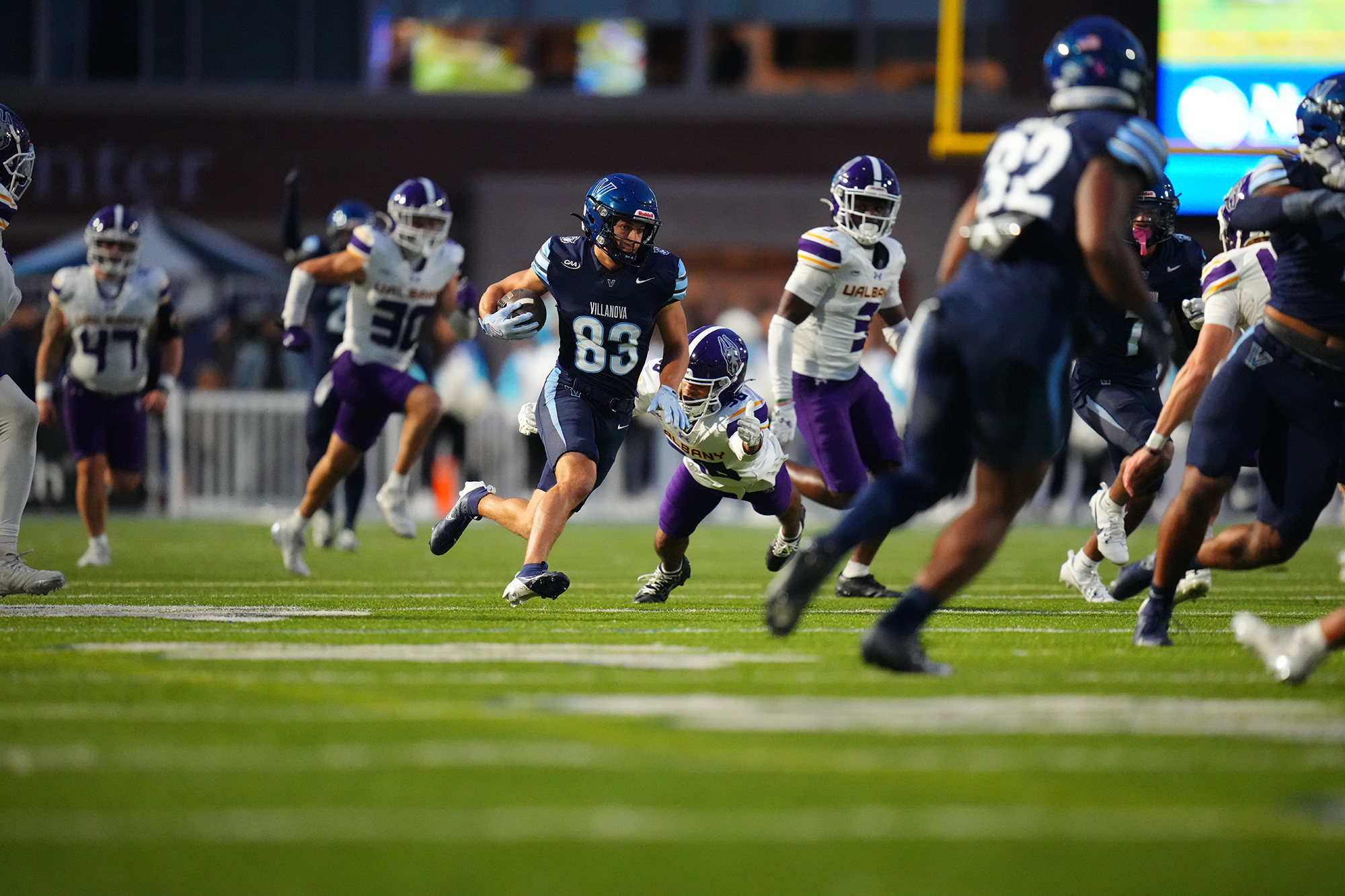
Braden Reed runs with the ball against Albany.
Reed’s family will be in the stands this weekend as usual, but this time, a larger crowd will be supporting him. His former high school teammates will be home from college for winter break, and some will be there in support. Reed’s uncle Tom, who has not missed a game since his freshman year of high school, also will be in the stands.
While the game this Saturday isn’t average, Reed and the team are treating it like it is any other week of the season.
“I think [we] keep everything the same as any other week,” Reed said. “Go 1-0. It’s about the guys in our locker room, and one of the big things that we’ve harped on all year is to protect the brand, protect the ‘V.’”
ChristianaCare and Virtua Health have ended merger negotiations that would have created a healthcare system with more than $6 billion in annual revenue and business in four states, the two nonprofits announced Thursday.
The nonprofits, the largest in South Jersey and the largest in Delaware, had disclosed a preliminary agreement to join forces in July. ChristianaCare and Virtua did not share specific reasons for dropping the idea.
They issued identical statements: “After thoughtful evaluation, both organizations have determined that they can best fulfill their missions to serve their communities by continuing to operate independently.”
It wasn’t obvious to industry insiders what advantages combining the two systems would have brought other than more revenue and the potential for some relatively small savings from greater scale.
Both systems are financially solid. Virtua has a AA- credit rating from Standard & Poor’s. The S&P rating for ChristianaCare is two notches higher, at AA+.
ChristianaCare explored an acquisition of Crozer Health in 2022, but decided not to go through with the deal. It won a May bankruptcy auction with a $50.3 million bid to assume Crozer leases at five outpatient locations in Delaware County. It has since opened 15 medical practices at those locations.
ChristianaCare previously acquired the shuttered Jennersville Hospital in Chester County and turned it into a micro-hospital. It plans two more micro-hospitals for Delaware County.
The five-hospital Virtua system had $3.24 billion in revenue last year. ChristianaCare, with three full-scale hospitals, had $3.3 billion in revenue in the year that ended June 30, 2025.
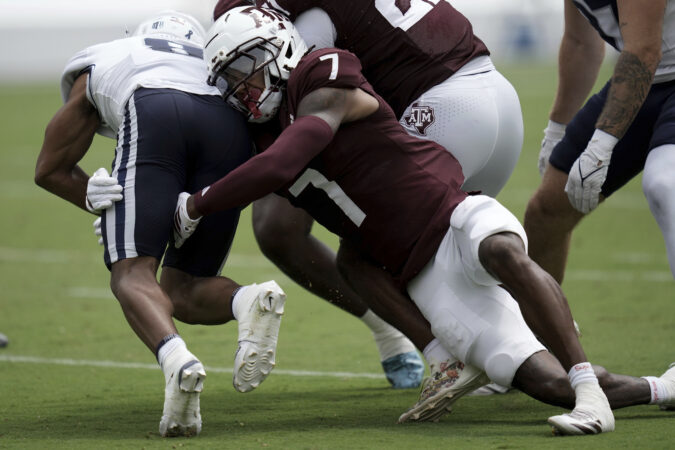
Before the 2024 football season began, defensive back Tyreek Chappell was expecting it to be his final year with Texas A&M. But just two games into that season, he suffered a noncontact ACL injury during practice that ended his season prematurely.
Chappell, a Northeast High graduate who has played football since he was 4 years old, said the “process was long” to get back on the field for the 2025 season.
“The players that were here, coaches that were here, kind of helped me to come back [to] football, because I was kind of losing it,” Chappell told The Inquirer. “Obviously, just me being hurt and I was supposed to leave that year.”
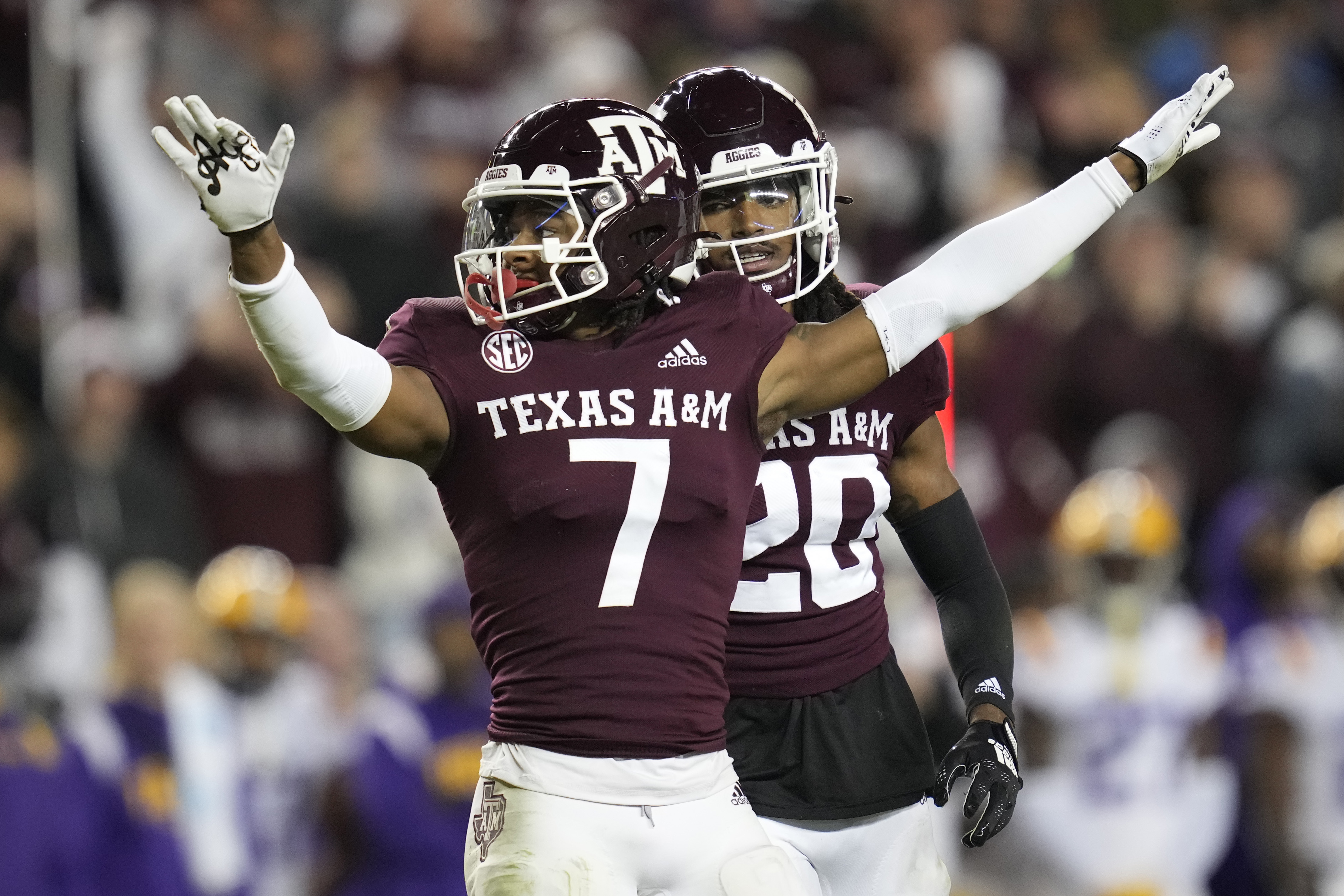
The fifth-year senior has made up for lost time and has done so at a new position. After playing outside cornerback in his first three seasons in College Station, he transitioned to nickel corner in 2024, when Penn alum Mike Elko returned to Texas A&M to be the head coach after coaching at Duke for two years. Chappell remained at the spot in 2025, and has yielded just one touchdown across 333 coverage snaps, according to Pro Football Focus.
There has been a lot of change since Chappell arrived on campus. He was recruited under Jimbo Fisher’s staff, which included Elko at defensive coordinator and Camden’s Elijah Robinson as defensive line coach, both of whom recruited the Philly native. When Fisher was fired before the end of the 2023 season, Robinson took over as interim coach, then left for Syracuse at the end of that season.
Through all of the changes, though, Chappell says he never wavered in his commitment to Texas A&M.
“After I had got relationships with other coaches, it really wasn’t just about like, ‘Who [is leaving], who [is staying],’ for real, I was just all about A&M at that point,” Chappell said. “The coaches treated me well here ever since I came [here]. … It was pretty much me loving A&M.”
Crash course together
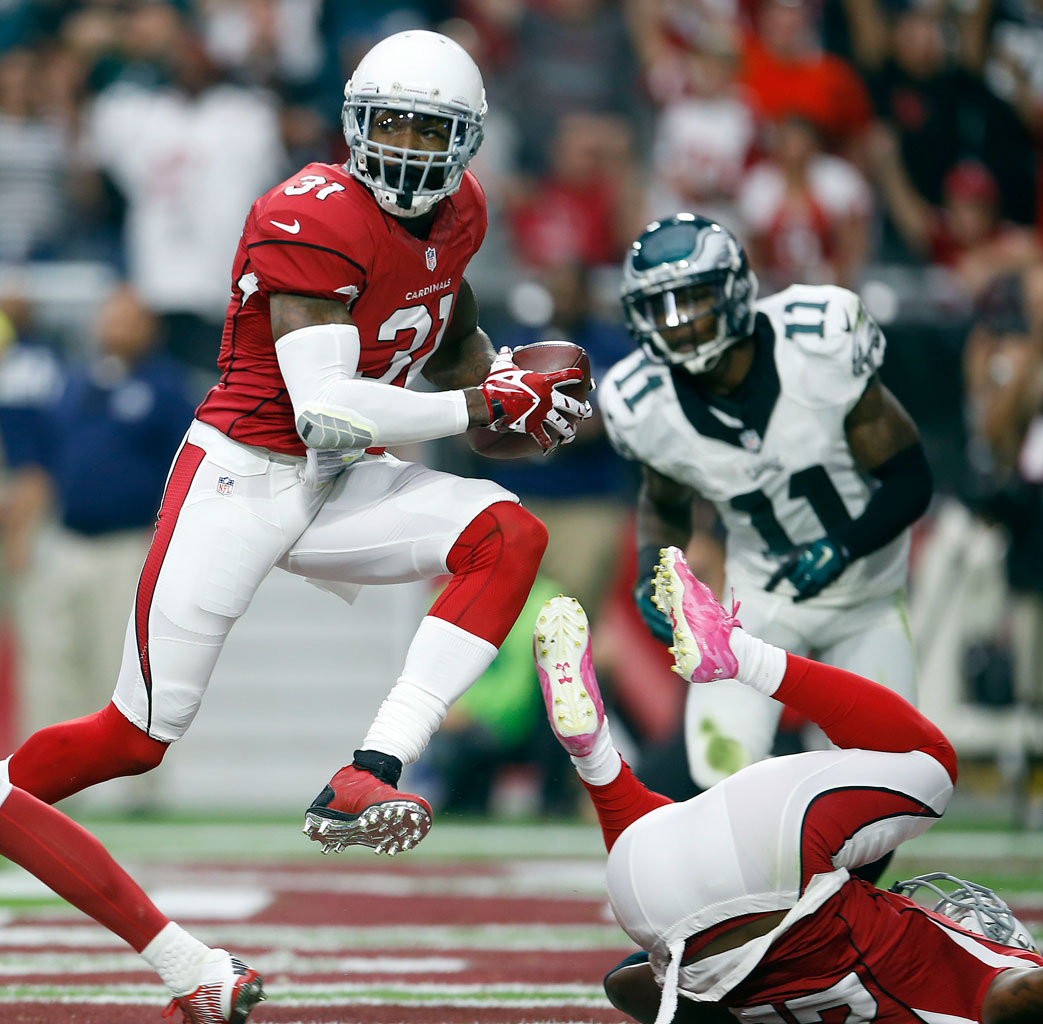
When Chappell arrived at Texas A&M in the spring of 2021, former NFL defensive back Antonio Cromartie joined the program as a graduate assistant. Cromartie, who collected 31 career interceptions in 11 seasons with the Chargers, Colts, Cardinals, and Jets, quickly built a relationship with Chappell, since the former NFL player was working with defensive backs.
Cromartie says he was drawn to coaching because he wanted to “give back what I’ve learned from all the coaches that I’ve learned from.” His coach at Florida State, Bobby Bowden, was big on relationships, and Cromartie says that was “something that I wanted to build on.”
Antonio Cromartie of the Cardinals intercepts a pass against the Eagles on Oct. 26, 2014.
“Those two years of me being around them and just being able to coach them and pour into them, you get to see a different side of kids,” Cromartie said. “Get to have a kid come and talk to you, tell you what’s going on. A lot of that time, Tyreek lost friends and family members back at home in Philly, so just being able for somebody he can lean on, to talk to and express himself when he needed to was big, too. … It’s just like having a big brother that can help you along the way and guide you and make sure that you’re doing the things that you need to do, not only just the football, but off the field, too.”
When Chappell was a freshman, Cromartie immediately recognized his work ethic. At the time, being thrown into the fire as a rookie was a necessity because of injuries in the Aggies’ secondary, and he responded with 41 tackles, one interception, and nine passes defended in 12 starts.
Though Cromartie spent only two years on the coaching staff at Texas A&M, he believes if Chappell had stayed healthy last year, he would have been “one of the better corners in the SEC just from a technique standpoint.” The former coach also supports Chappell’s position switch to nickel.
“It shows that you can play inside, you can play outside,” Cromartie said. “It just shows how versatile you are, and that’s something that’s very valuable in the NFL. And I think you just see growth and maturity from him, and understanding his role. And I think that’s what makes him who he is.”
Texas A&M defensive back Tyreek Chappell reacts after the Aggies stopped LSU on a third down in 2022.
‘Once-in-a-lifetime moment’
On Saturday, Chappell will get to play on his biggest stage yet when Texas A&M hosts Miami in the first round of the College Football Playoff (noon, 6abc, ESPN).
“This is a once-in-a-lifetime moment,” Chappell said. “A lot of people don’t get a chance to make playoffs. So this really is big for everybody.”
Cromartie will be watching his former player try to slow down Miami’s aerial attack.
It could be Chappell’s final game in college, but Cromartie believes the Texas A&M defensive back has shown the skill set and dependability to be an impact player at the NFL level.
“Somebody that’s consistent, that understands what’s been asked of them, that understands what he needs to try to do. I think that is what’s going to make him an even better defensive back once he gets in the NFL,” Cromartie said. “You can look at him and say, ‘OK, I know what I’m getting out of him every single week, every single down, because of the way he practices and the way he plays.’ … He makes plays that he should make, and he does everything that’s asked of him.”
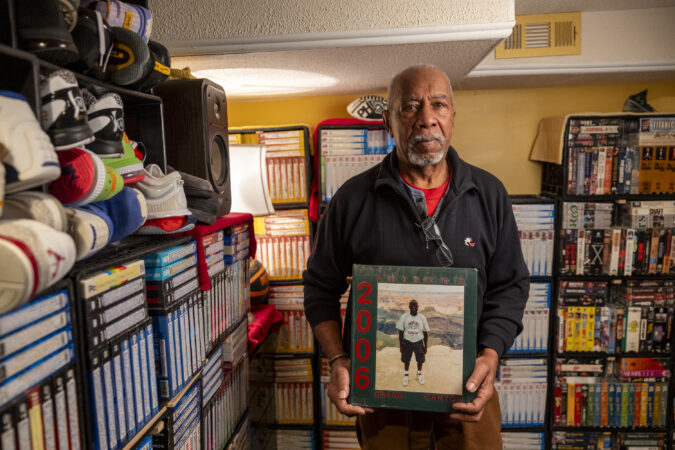
Billy Gordon was surrounded by the tapes. They were the first thing he saw in the morning, and the last thing he saw at night. His bedroom, in the basement of his grandmother’s Cobbs Creek home, was not big; maybe 190 square feet, if that.
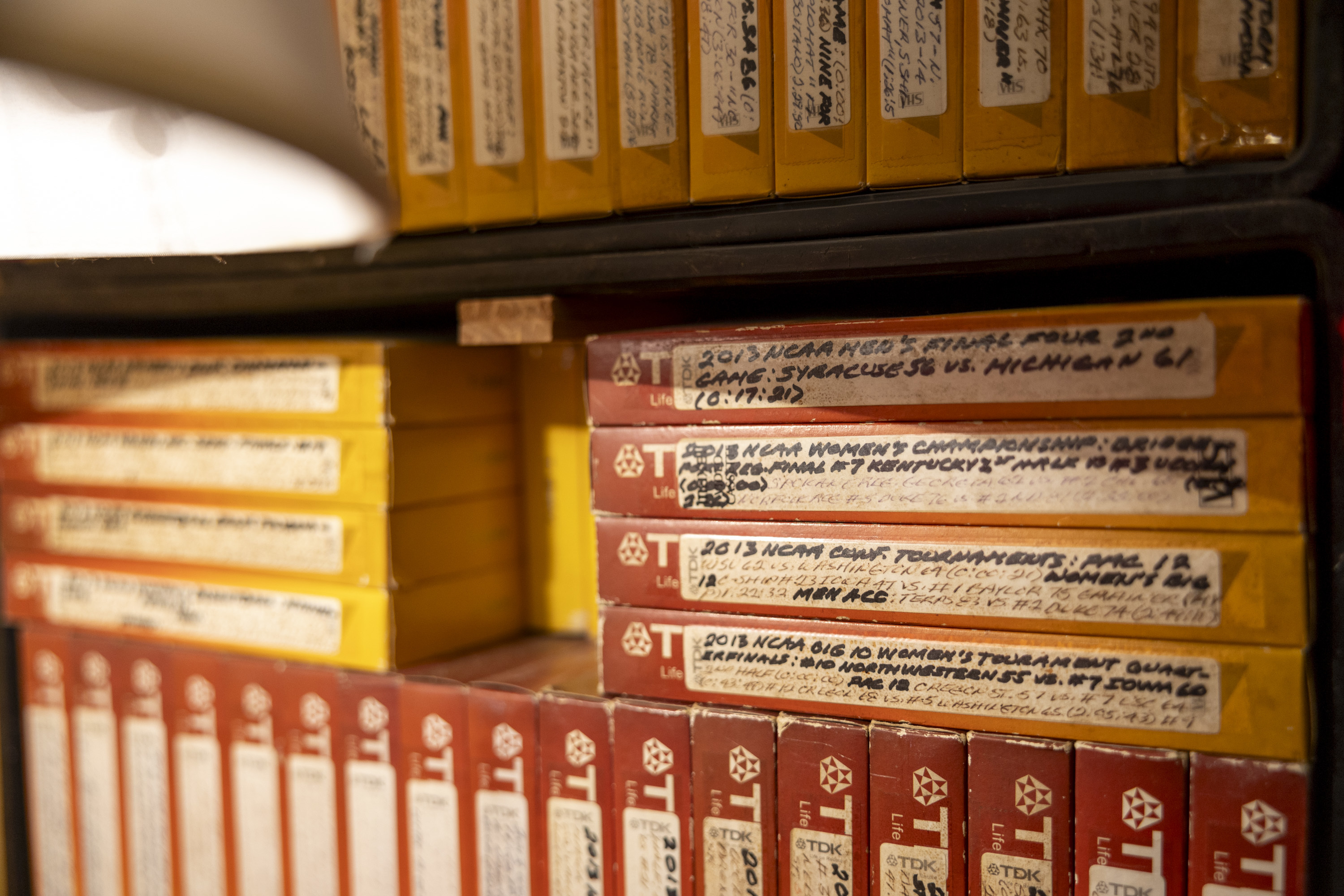
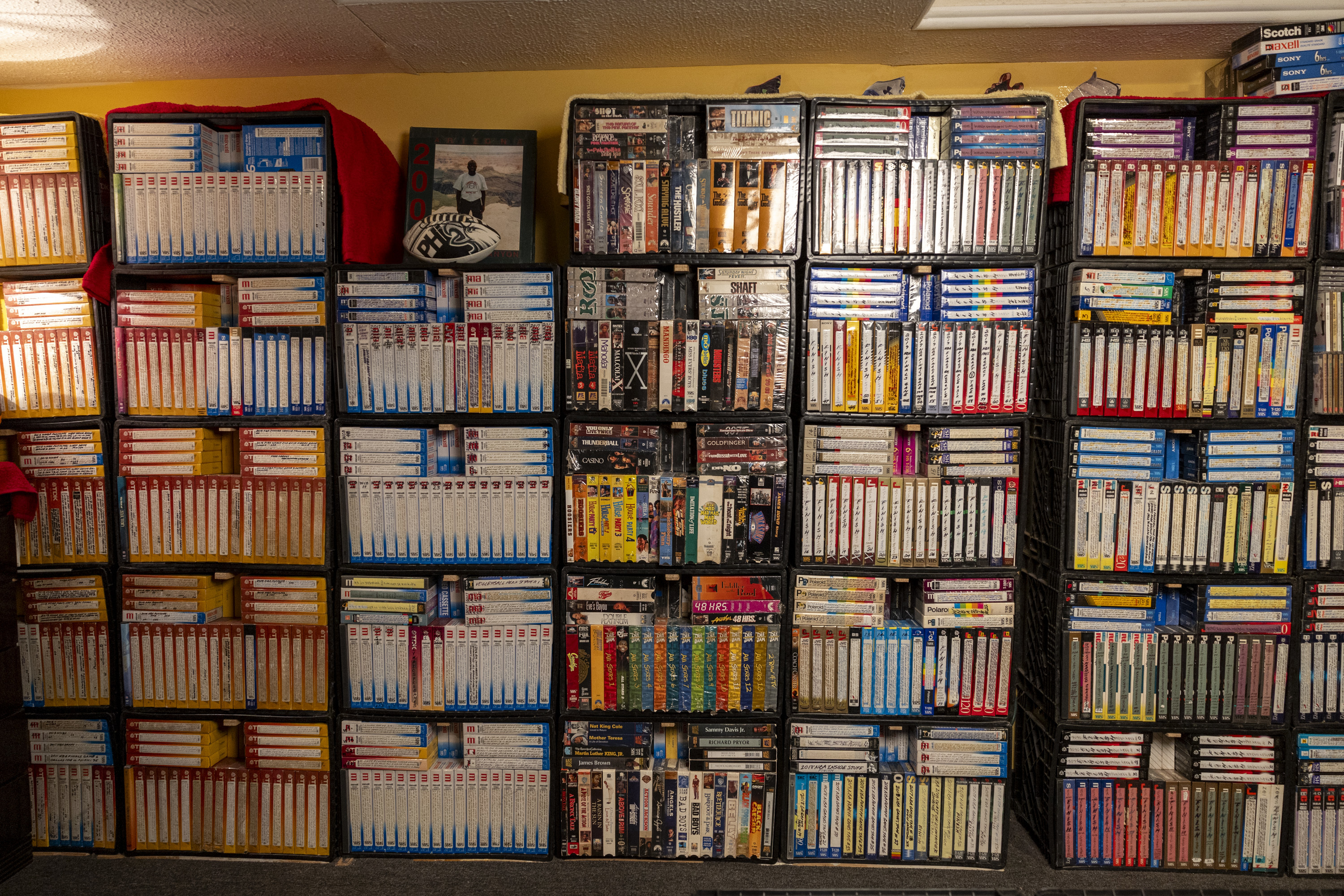
But he found enough space for the thousands of basketball games he’d recorded from 1986 to 2024, all on VHS. Each tape came with a neatly written label, noting the name of the event, the teams who played, each team’s record, and the final score.
They were carefully placed into black crates, organized by year, and stacked on top of one another, creating a technicolor tapestry around his bed. It was an unconventional hobby, but Gordon loved it.
His family wasn’t surprised. Gordon, who worked as a baggage handler at Philadelphia International Airport, was a diehard sports fan with an encyclopedic mind. He could remember statistics about any athlete, no matter how obscure.
Billy Gordon made meticulous notations on the tapes he stored neatly for five decades inside his Cobbs Creek home.
So, it only made sense that he’d spend his free time collecting archival footage of everything from Super Bowl XXXIII to his alma mater, Cheyney, to Pepperdine vs. Loyola Marymount in 1987.
“He didn’t miss very much,” said Gordon’s uncle, Ron Hall.
Hall and Gordon lived together in Cobbs Creek for about 15 years. Neither had a traditional work schedule. Hall was a union carpenter who traveled for jobs; Gordon picked up night shifts at the airport.
But in the moments they did overlap, they’d watch games, often with pizza and chicken wings. This tradition continued through the winter of 2024, when Gordon was diagnosed with an autoimmune disease. The illness quickly worsened, and he was moved to a nursing home in King of Prussia.
As he lay in his hospital bed, hooked to a respirator, Hall sat beside him. They cheered on whatever local team was playing that day: the Eagles, Phillies, or 76ers.
“Just to let him know that people love him,” his uncle said.
Gordon died earlier this year, in May, at age 66. He was buried in his blue-and-white Cheyney track suit.To Hall, it was like a losing a brother. It took him months to even step into that basement bedroom.
Once he did, he was stunned. He always knew that his nephew had a VHS collection, but didn’t realize the full extent of it until then.
“The magnitude of what was here really hit me,” he said. “I was in disbelief that he had accumulated so much. That he had taken the time to collect so many things.”
‘A love for the game’
Gordon was born and raised in a sports-loving household. His grandmother, Vernese,was an avid Phillies fan. Hall was too, and would bring his nephew to different ballparks.
After graduating from John Bartram High School in the 1970s, Gordon went on to Cheyney, where he studied industrial arts. It was there that his love for sports information really blossomed.
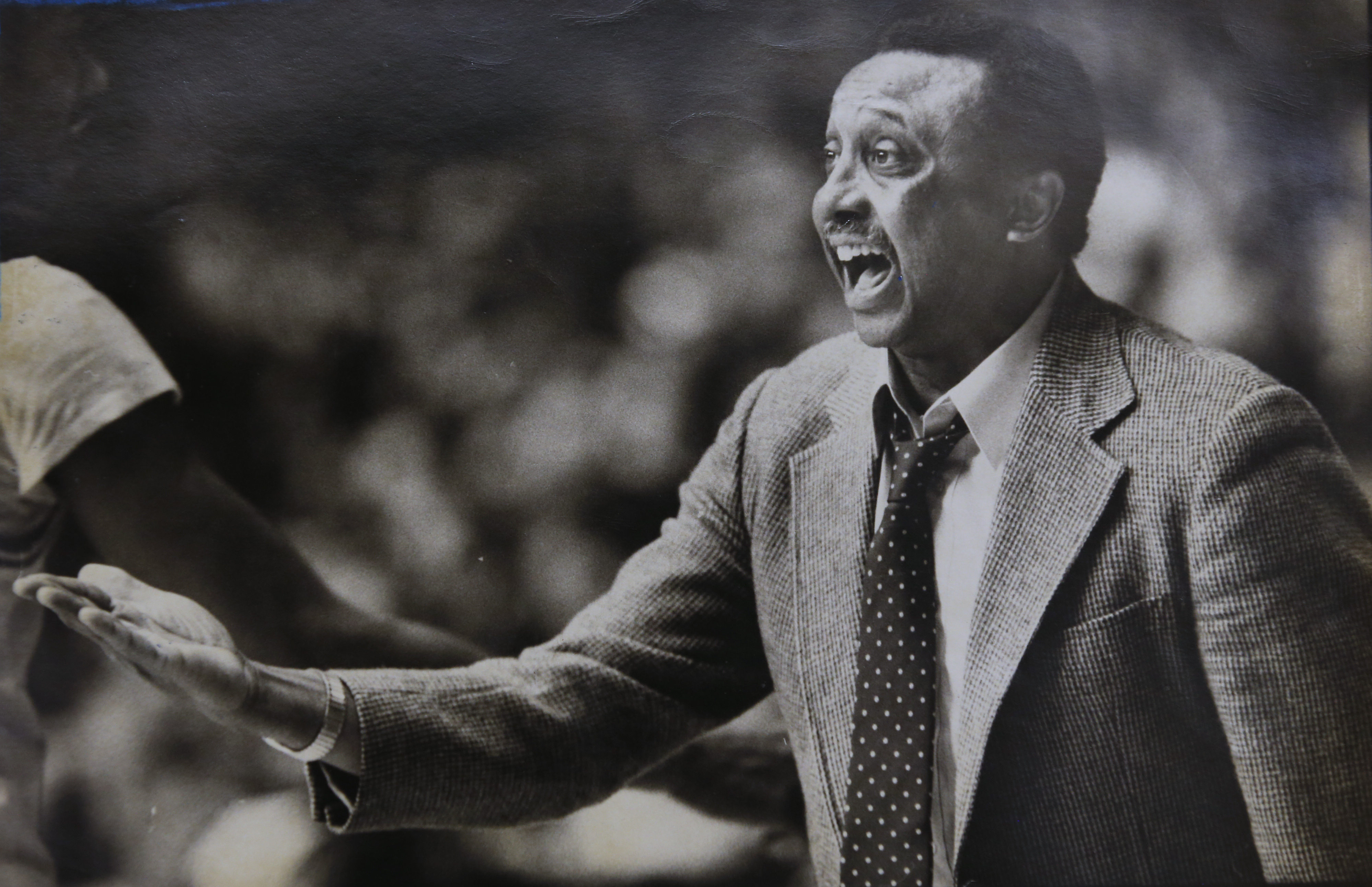
The young college student had the fortune of overlapping with John Chaney, who was coaching Cheyney’s men’s basketball team.
Billy Gordon followed John Chaney’s career closely after their personal interactions during Chaney’s time at Gordon’s alma mater.
The Wolves were nothing short of dominant. Chaney led them to a 225-59 record from 1972 to 1982, with eight tournament appearances and one NCAA Division II championship.
Gordon was not athletically inclined, certainly not enough to play on Chaney’s team. But he liked to hang out around the gym and developed a rapport with the players and coaches.
He also showed an attention to detail to which Chaney gravitated.
“He had such a love for the game, and knew the game so well, that he could point something out to this player, that player,” Hall said. “[He] really was just being an asset to the coaching staff.”
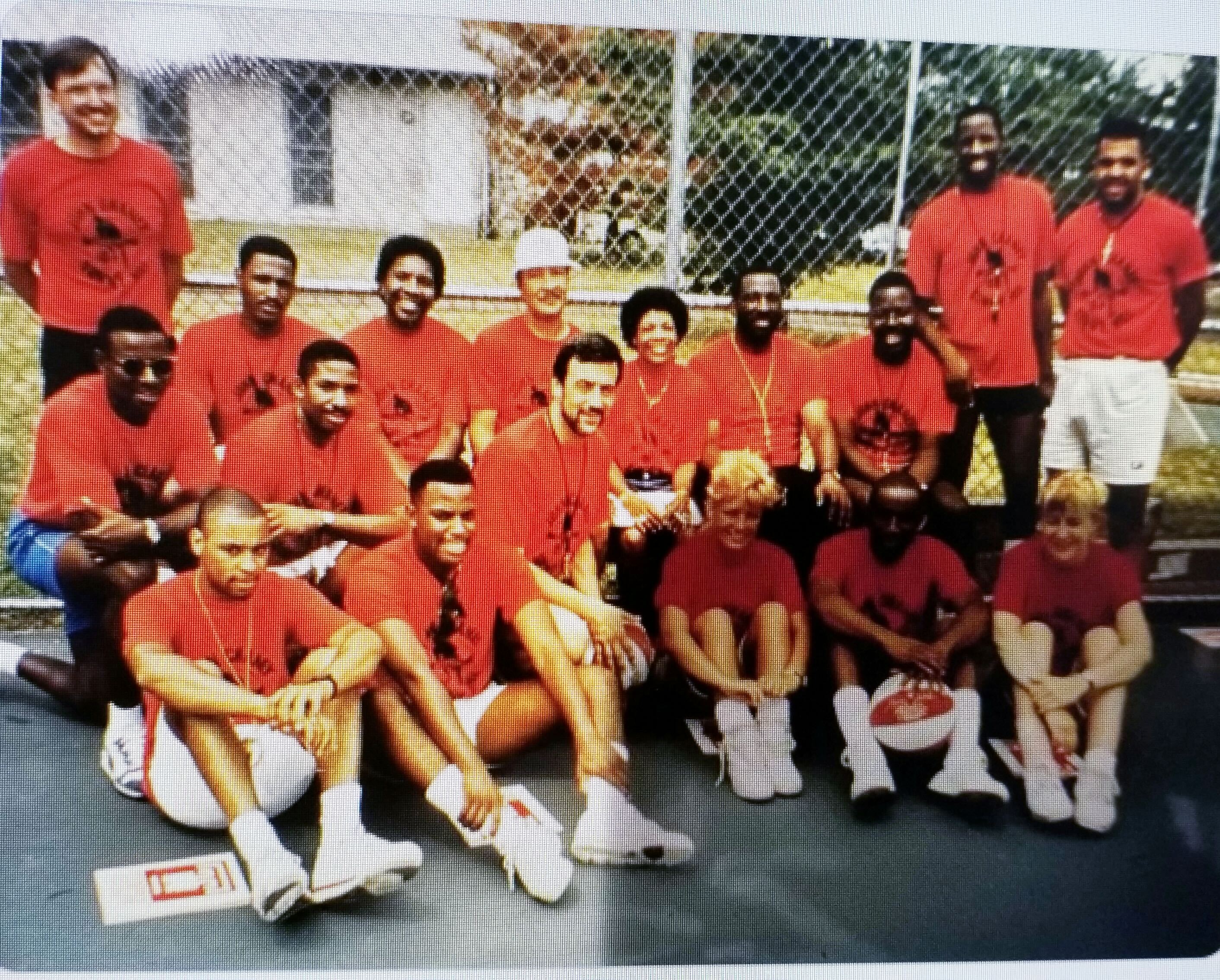
Chaney invited Gordon to work at his summer camp, which he ran with Sonny Hill throughout the Philadelphia area.The zealous sports fan couldn’t believe his luck. He’d help with drills, but he also took pride in the little things: packing lunches, inflating basketballs, and setting up exercise equipment.
The coaches of the Chaney-Hill summer camp. Gordon is pictured second from the right, with the basketball between his ankles
On rainy days, when the kids couldn’t play outside, Gordon would pop one of his tapes into the VCR.
“Old Temple games,” said his friend, Mia Harris. “Just so the kids could learn.”
She said that Gordon worked with Chaney and Hill from the mid-1980s to the early 2000s. The camp was the highlight of his summer; an opportunity to get to know the legends of the Philadelphia basketball scene.
“They made him feel like a part of the team, even though he wasn’t a player,” Harris said. “He even wore a whistle. That tickled me.”
It was around this time that Gordon started building his VHS collection. He began taping bigger events — the 1987 Stanley Cup Finals, Super Bowl XXII — but basketball was always the bedrock.
He captured the dominance of Michael Jordan, the fearlessness of Kobe Bryant, and every March Madness Cinderella story since the mid-1980s. He chronicled the NBA Finals, the WNBA Finals, and a slew of conference college basketball games.
The sheer number of tapes and labels was dizzying (Hall estimated that his nephew had 40 crates). But upon closer inspection, a trend emerged.
Chaney was hired as head coach of Temple in 1982, a job he kept until 2006. Among the stacks were pockets of his time there: Mark Macon’s first game for the Owls in 1987; the team’s first loss of that historic season, to UNLV, on Jan. 24, 1988.
Gordon recorded years of Temple vs. Illinois, Temple vs. Duquesne, Temple vs. Penn State. There even was a sit-down interview with Chaney, from the late 1980s.
These tapes stuck out. Gordon didn’t personally know any of the NBA greats he filmed. He didn’t know the WNBA stars, either. But he did know John Chaney, long before he became a national figure. And he never forgot him.
Finding a new home
A few months after Gordon died, Hall began to sort through his nephew’s things. It was an emotionally taxing process.
The retired carpenter donated Gordon’s winter coats and appliances to a local men’s shelter in Southwest Philadelphia. He gave his summer gear to a nonprofit that sends gently used clothing to Liberia.
Billy Gordon’s crates, filled with various tapes of NCAA, NBA, and WNBA games from 1986 to 2024, are awaiting what his family believes is the right price and the right home.
Gordon’s sneaker collection went to Hall’s son, Gamal Jones, and his food was delivered to charity.
The only thing left was the thousand-tape-elephant-in-the-room. Jones looked at his father.
“What do you want to do?” he asked.
“I have no idea,” Hall responded.
Jones listed Gordon’s tape collection on Facebook Marketplace, for the modest sum of $123. The response exceeded the family’s expectations.
They received almost a dozen messages, from NBA superfans, collectors, and archivists. Some offered to travel to Cobbs Creek to assess the collection in person.
Hall recognizes that his nephew’s trove is worth more than $123. But he says this isn’t about the money.
He wants to find a buyer who will share the same passion that Billy Gordon had for 38 years. Someone who will honor his hobby and preserve it.
“He probably would want it to go to somebody that was as enthusiastic about it as he was,” Hall said. “That could really appreciate the time, the energy, that he put in to collect all these.”
Nobody wants to hear this, but every football season is different, and the preceding season should never flavor its successor, and expectations of continued excellence from a team that is markedly different are utterly ridiculous. Super Bowl LIX is gone, just like six significant players from that championship roster.
Which brings us to the 9-5 Eagles, who, contrary to much of the commentary and punditry, are nearing the end of a very good season. Saquon Barkley isn’t going to break rushing records this season, and the passing game hasn’t equaled its pedigree, and the defense won’t finish ranked No. 1, but none of that matters. What matters is who they beat, who they lost to, and where they stand.
What? How? Why even consider such heresy as this? Isn’t there enough gaslighting going on during White House press briefings?
This isn’t fake news, and this isn’t pandering to the franchise (as if).
This is common sense.
The Eagles’ results through 15 weeks present a team that can become just the eighth franchise to win consecutive Lombardi Trophies.
They’ve beaten the Rams, Packers, and Buccaneers, all playoff teams. They also beat the 8-6 Lions, and they won in Kansas City against a Chiefs team that began the season 5-3.
More relevantly, if you view the season objectively, the negative isn’t very negative.
The Birds have one bad loss in 14 games. That bad loss came Oct. 9, to the Giants. That was one of the NFL’s idiotic, three-days-of-rest, Thursday Night Football games, and the Eagles were the road team. The Giants were riding a wave of hope in the form of a pair of dynamic rookies with names straight out of youth fiction sports novels, Jaxson Dart and Cam Skattebo. Still, it was a loss, and a bad loss.
The other losses are eminently explicable.
The week before they lost to the visiting Broncos, who, now 12-2, turned out to be the best team in the league.
They lost to the Cowboys at Dallas on Nov. 23 because Dallas came back hard, which was to be expected, since Dallas has the league’s No. 1 offense.
They lost to the Bears, a 10-win team that holds the No. 2 seed in the NFC, mainly because of an inability to stop the run game, an inability predicated on the infirmity of defensive tackle Jalen Carter’s shoulders, which were subsequently repaired. That also was a short-week game, played on Black Friday.
They lost on the road to the Chargers, another 10-win team, because Jalen Hurts had a catastrophically bad game. That’s allowed. It was his first catastrophically bad game since Dec. 18, 2023, when he and A.J. Brown went rogue. That means it was Hurts’ first disaster in a span of 36 starts. That’s not bad, considering Brett Favre averaged about two catastrophes per season in his first years as a starter.
Hurts hasn’t been great, but this season he has produced his two best games in terms of passer rating, which this season is 99.4, about 5 points higher than his previous four complete seasons as a starter. With 22 TD passes, he’s just two away from a career high.
Jalen Hurts and the offense have been frustrating to watch at times, especially during the three-game losing streak. But on balance, Hurts has had a good year.
And, while every team suffers in-season roster attrition, it’s only fair to factor in the Eagles’ most relevant absences, since they help explain some of the losses.
They recently lost three games in a row when Carter and right tackle Lane Johnson, the two best players on the team, were either playing hurt or not playing at all.
Guess which other game Carter missed because of injury? The bad loss in New York.
Further, the Eagles have had four short-week games: Games 6, 10, 12, and 14. They have a fifth, on Saturday, at Washington. They could have a sixth if the NFL decides Game 17 against the Commanders should be played on a Saturday.
Short-week games are an onerous burden. The long week that follows a short week never compensates for the shortened time for rest, healing, and preparation.
These are not complaints. These are explanations. This is how champions are forged. This is the price of greatness.
Have the Eagles looked great in the first 14 games? No. But when they’ve looked bad, or when they’ve lost, it either occurred against very good teams, or with extenuating circumstances, or both.
What, then, does Saturday portend? Nothing certain. The Eagles have lost once apiece to their other NFC East opponents, the Cowboys and Giants, each time on the road. The Commanders might be without some of their better players, but they are not without talent, however aged that talent might be.
They play hard for coach Dan Quinn, who worked as the Cowboys defensive coordinator for three seasons before taking over in Washington.
This game isn’t a walkover, and the rematch in Game 17 won’t be a walkover, either. But, assuming Johnson and Carter return soon, the Eagles should be regarded as a fearsome playoff foe.
This is a much more palatable argument coming off an impressive win, but it would be just as true had they not won by 31 points or shut out the Raiders.
Because they are a very, very good team. Does Jalen Hurts need to run the ball more? Yes. Does the offense need to commit fewer penalties? Yes. Did they endure a midseason lull? Yes.
But the Eagles are nearly a touchdown favorite Saturday, and likely will be favored by even more in the season finale against the Commanders. They’ll probably get points in Buffalo next weekend, but likely no more than a field goal.
Why? Because, again, they’re a very good team that has had a very good season.
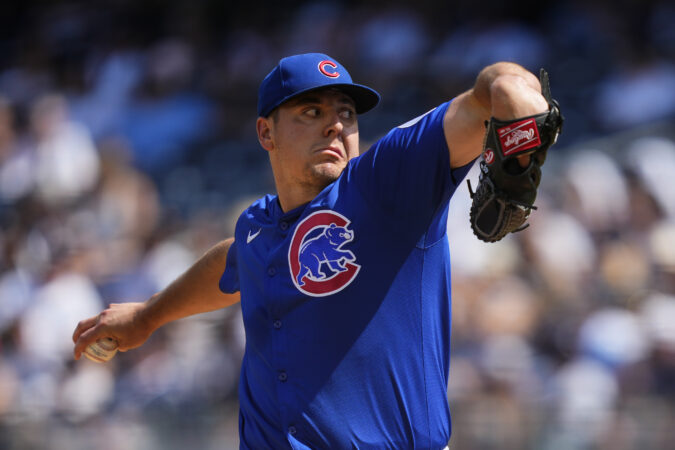
It was encouraging, then, when news leaked on Wednesday that the Phillies were closing in on a two-year, $22 million contract for former Cubs setup man Brad Keller. Set aside the question of who Keller is and whether or not Rob Thomson can count on a repeat of the veteran righty’s breakout 2025 campaign. The mere fact that the Phillies saw a pressing enough need to spend this sort of money on another reliever is commendable.
And, let’s be clear. This is real money that the Phillies are spending. The relief market has exploded this offseason. That’s true at the top of the market, where former Mets closer Edwin Díaz accepted a whopping $21 million AAV on a three-year contract, all the way down to erratic former Phillies lefty Gregory Soto, who somehow landed $7.75 million from the Pirates on a one-year deal. Keller is the 11th reliever to sign a deal worth at least $9.5 million per year and the seventh to sign for at least $11 million.
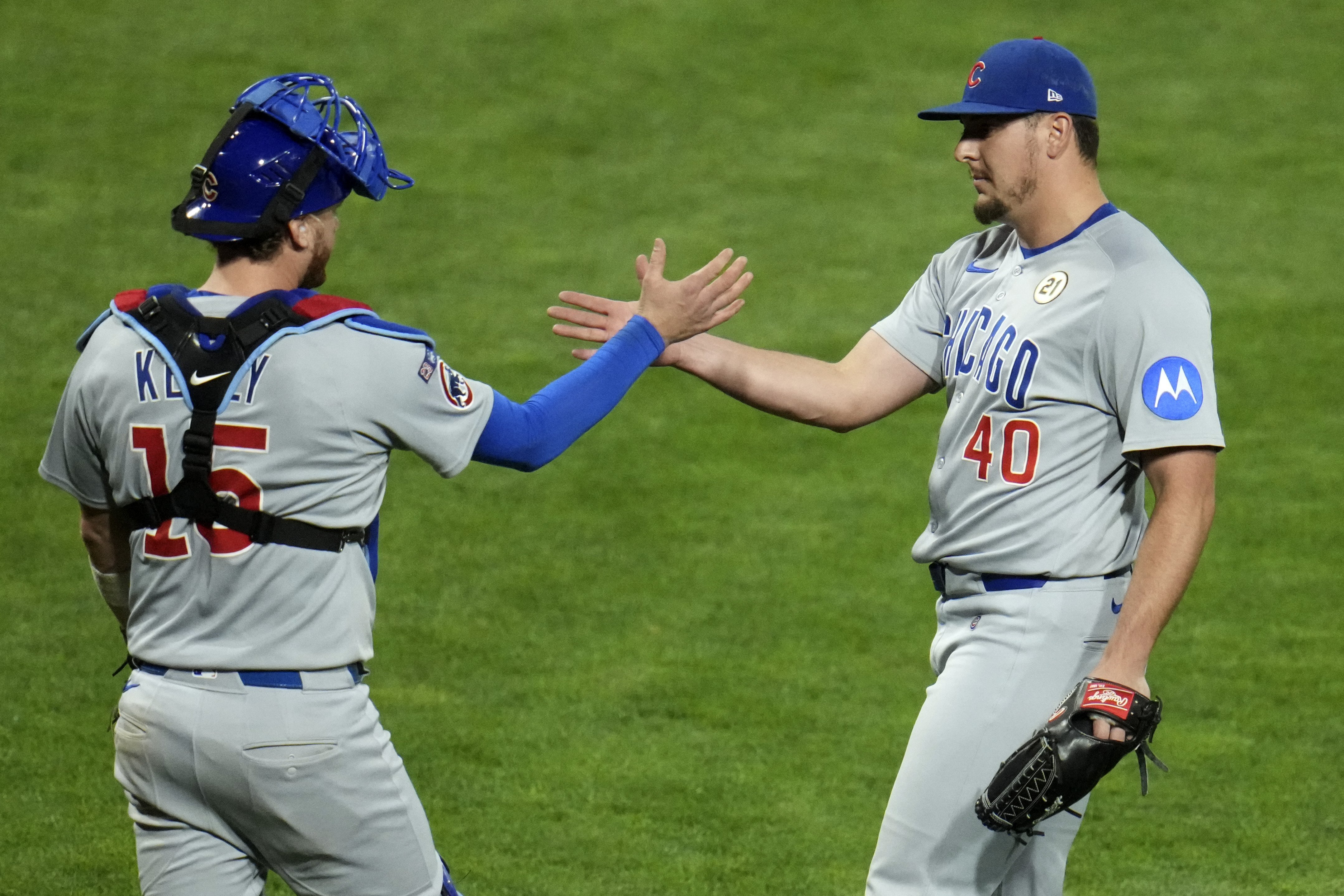
Brad Keller, right, revived his career with the Cubs in 2025 as one of manager Craig Counsell’s most trusted relievers.
He is also the youngest of that group, which is a key fact to consider. Heading into his 30-year-old season, Keller doesn’t have the wear-and-tear that relievers tend to accumulate by the time they hit free agency. He spent the first six years of his career moving into and then out of the Royals rotation. In 2024, he bounced back and forth between the minors and the Red Sox big-league roster, later landing with the White Sox.
Last offseason, the Cubs nabbed Keller on a minor league deal and gave him a job in their bullpen. His velocity jumped from the low-90s to a Statcast average of 97 in 2025, and he quickly worked his way to the back of the Cubs’ bullpen. He thrived in high-leverage situations, holding opponents to just four extra-base hits and a .582 OPS with 28 strikeouts and 10 walks in 101 plate appearances. His numbers after the All-Star break were as good as you’ll see: 35 strikeouts, eight walks, a 0.33 ERA in 99 plate appearances.
The addition of Keller gives the Phillies an assortment of high-leverage arms unlike any they’ve had in a long time. At 6-foot-5, 250 pounds, he is built like a closer. The Phillies will enter spring training with the thought that he will pair with Jhoan Duran as an elite setup/closer combo in the eighth and ninth innings. Between Keller, Duran and Matt Strahm, they have three of the 34 big-league relievers who finished last season with an ERA+ of 160 or better (minimum 40 innings). Lefty José Alvarado, back on a team option after a suspension-marred 2025, remains a quality high-leverage option. That gives Thomson four legitimate options for the late innings of close games, with lefty specialist Tanner Banks and young righty Orion Kerkering also bringing plenty of experience and potential upside.
The Phillies easily could have convinced themselves that they could make due without making a significant investment in another arm. They tried to ham-and-egg their way through last offseason, signing Jordan Romano and Joe Ross for about the same amount they’ll pay Keller. Though the Phillies won 96 games, they arrived in the postseason without the back-end horsepower to complement their best-in-class rotation. It cost them against the Dodgers. As much as the offense struggled, a dominant bullpen would have given them a clear edge in the series.
Who knows if it will work out? The relief market is little different from a roulette wheel. You ante up and then cross your fingers. But if the bullpen again emerges as a concern next season, it at least won’t be for a lack of trying.
The Eagles are going to win their division. They need just one victory to clinch first place, and they’re likely to get that victory Saturday night against the Washington Commanders. And even if, by some minor miracle, they manage to lose to a 4-10 team that will be quarterbacked by Marcus Mariota, they can still just wait until the Dallas Cowboys lose again, which would bring its own kind of satisfaction.
One way or another, the Eagles will end up atop the NFC East, becoming the first team to repeat as the division’s champion since they won it four straight times from 2001 through 2004. That statistic makes the last quarter-century of NFC East history sound more competitive and equitable among the Eagles, Cowboys, New York Giants, and Washington than it has actually been. In 2001, the Eagles won their first division title and reached their first NFC championship game with Andy Reid as their head coach and Donovan McNabb as their starting quarterback. That season was, really, the start of the general dominance that has followed. Here’s the breakdown of these 25 years, assuming the Eagles finish first again this season:
Eagles
Overall record: 240-160-2
Winning seasons: 18
Playoff berths: 16
Division titles: 12
Conference championship games: 8
Super Bowl appearances: 4
Super Bowl victories: 2
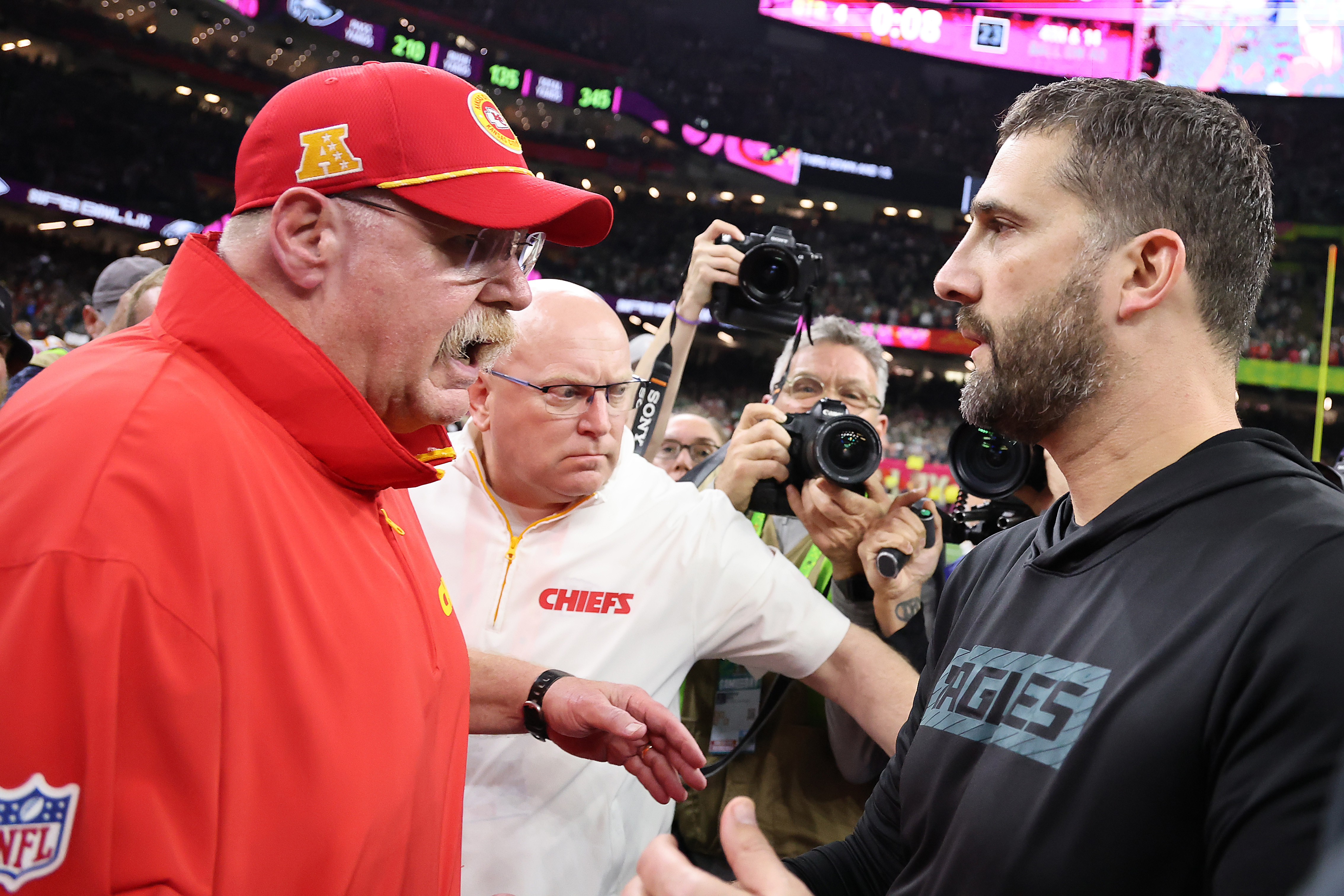
Nick Sirianni (right) has carried on the Eagles’ winning tradition that started with Andy Reid.
Whatever crises the Eagles might be undergoing are framed through a different lens from any other team in the division. They judge themselves and are judged by the answer to one question: Are we good enough to win the Super Bowl? Their divisional foes’ standard has not been quite as high: Are we good enough to keep from embarrassing ourselves again?
Quarterback Jayden Daniels and the Commanders took a big step backward in an injury-plagued season.
Less than a year ago, for instance, the Commanders’ appearance in the NFC championship game was supposed to augur a new rivalry between them and the Eagles at least and a new era for the division at best. That’s why the teams’ two games this season were scheduled in the season’s final three weeks. Huge head-to-head matchups to decide the division, right? Instead, the Eagles trounced the Commanders by 32 points to reach Super Bowl LIX. Jayden Daniels, Washington’s wonderful young quarterback, has played just seven games this season because of injuries, and even if Daniels had remained healthy, the Commanders might be floundering anyway; their front office built the oldest roster in the NFL around him.
So what happened? How did the Eagles manage to create so much distance between themselves and the NFC East field? As with all big questions, there’s not just one big answer, but here are a few explanations:
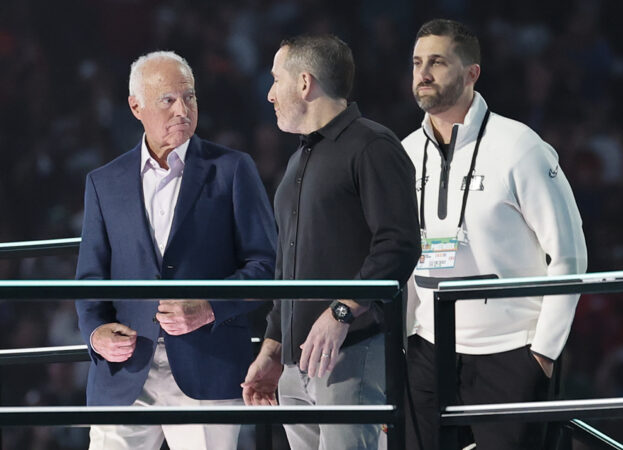
Jeffrey Lurie, Joe Banner, and Howie Roseman have been forward-thinkers.
From strategic massaging of the salary cap to aggressive play-calling on fourth down, Lurie has empowered his executives (and, in that middle-management position, his head coaches) to be creative, to posit how the NFL would evolve and how the Eagles might get ahead of those changes.
Jerry Jones can’t put his ego aside for the sake of a Super Bowl.
Jones has been a true visionary when it comes to the NFL’s growth into the pop-cultural monster it is today. He recognized America’s insatiable appetite for pro football and has built one trough after another to feed us, and he does want to win championships. But he’s not willing to sacrifice the publicity and the credit, to stand aside and let someone smarter handle the Cowboys’ football-related decision-making. It is not enough that the Cowboys win. Jones must be perceived as the reason they have won, and it’s that very thinking that keeps them from matching the Eagles’ success.
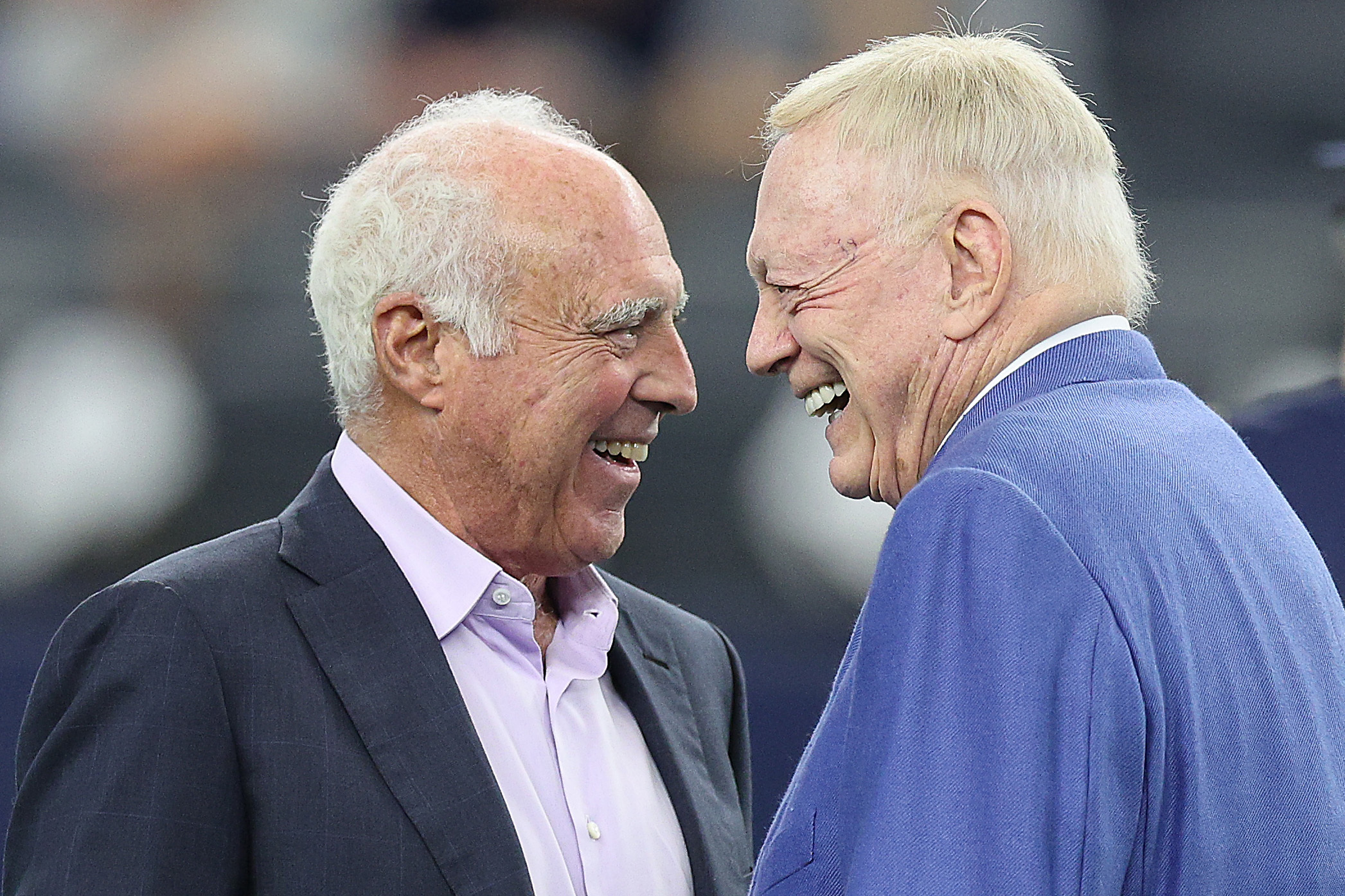
Jerry Jones (right) and the Cowboys have not been able to keep up with Jeffrey Lurie’s Eagles.
Daniel Snyder.
That’s it. The man pretty much single-handedly destroyed one of the best and most popular franchises in the league. As just one example, Washington’s coaching staff in 2013, under head coach Mike Shanahan, included Sean McVay, Kyle Shanahan, Matt LaFleur, Mike McDaniel, and Raheem Morris — and Snyder let all of them get away. (Or run away, as the case may be.)
Eli Manning retired.
Sounds crazy, right? It’s not. When Manning was in his prime, the Giants went through an eight-year stretch in which they qualified for the postseason five times, won two Super Bowls, and never finished under .500. The Giants haven’t been able to replace him, and that has been a bigger failure even than allowing Saquon Barkley to sign with the Eagles.
Jeff Stoutland has given the Eagles an edge in the trenches.
Yes, the Eagles have long maintained that games are won and lost along the offensive and defensive lines. Any franchise’s coaching staff can chant that mantra, though. Few, if any, can develop linemen like the Eagles, and Stoutland’s presence and expertise are invaluable in that regard. Ask yourself if Jordan Mailata would have become an elite left tackle anywhere else.
The Eagles value depth at quarterback.
They won one Super Bowl with their backup quarterback (Nick Foles), won another with a player who had been drafted to be their backup quarterback (Jalen Hurts), made a season-saving run to the NFC divisional round in 2006-07 with their backup quarterback (Jeff Garcia), and have generally hired head coaches who know how to implement and oversee quarterback-friendly systems.
Capstan Therapeutics’ sale this year for $2.1 billion, the highest price paid for a private early-stage biotech company since 2022, was a triumph for its founders at the University of Pennsylvania.
Unfortunately for Philadelphia, the company is based in San Diego. Investors wanted an executive who lives there to be CEO.
Capstan was a miss for Philadelphia, said Jeffrey Marrazzo, who cofounded a high-profile regional biotech company, Spark Therapeutics, and is now an industry investor and consultant.
If Philadelphia had a bigger talent pool of biotech CEOs, “it would have and should have been here,” he said.
The Philadelphia region has lagged behind other biotech centers in landing companies and jobs, but industry experts are working to close the gap and better compete with Boston, the San Francisco Bay Area, and San Diego.
According to Marrazzo and others, the Philadelphia region’s relatively shallow pool of top biotech management is a key challenge.
Big investors go to managers who have proven ability to deliver big investment returns, said Fred Vogt, interim CEO of Iovance Biotherapeutics, a California company with a manufacturing facility in the Navy Yard.
“They want the company to perform. They’ll put it in Antarctica, if that was where the performance would come from,” he said.
The Lilly announcement last month also reflects Philadelphia’s national biotech stature. It’s the fourth U.S. city to get a Lilly Gateway Lab, behind Boston, the San Francisco Bay Area, and San Diego.
Those places have far outpaced Philadelphia in the creation of biotech research and development jobs, even as the sector’s growth has slowed.
From 2014 through last year, the Boston area added four biotech research and development jobs for every one job added here, according to an Inquirer analysis of federal employment data.
window.addEventListener(“message”,function(a){if(void 0!==a.data[“datawrapper-height”]){var e=document.querySelectorAll(“iframe”);for(var t in a.data[“datawrapper-height”])for(var r,i=0;r=e[i];i++)if(r.contentWindow===a.source){var d=a.data[“datawrapper-height”][t]+”px”;r.style.height=d}}});
Penn’s role in Philadelphia biotech
Philadelphia’s reputation as an innovation center — boosters like to call the region “Cellicon Valley” — starts with the University of Pennsylvania, which has long been a top recipient of National Institutes of Health grants to advance scientific discovery.
Research at Penn has contributed to the creation of 45 FDA-approved treatments since 2013, according to the university.
“Penn discoveries help spark new biotech companies, but we can’t build the whole ecosystem in this area alone,” said John Swartley, Penn’s chief innovation officer. “Great science is just one ingredient. We also need capital, experienced leadership, real estate and manufacturing infrastructure, and strong city and state support.”
Penn was one of two Philadelphia institutions receiving more than $100 million in NIH funding in the year that ended Sept. 30. The otherwas the Children’s Hospital of Philadelphia.
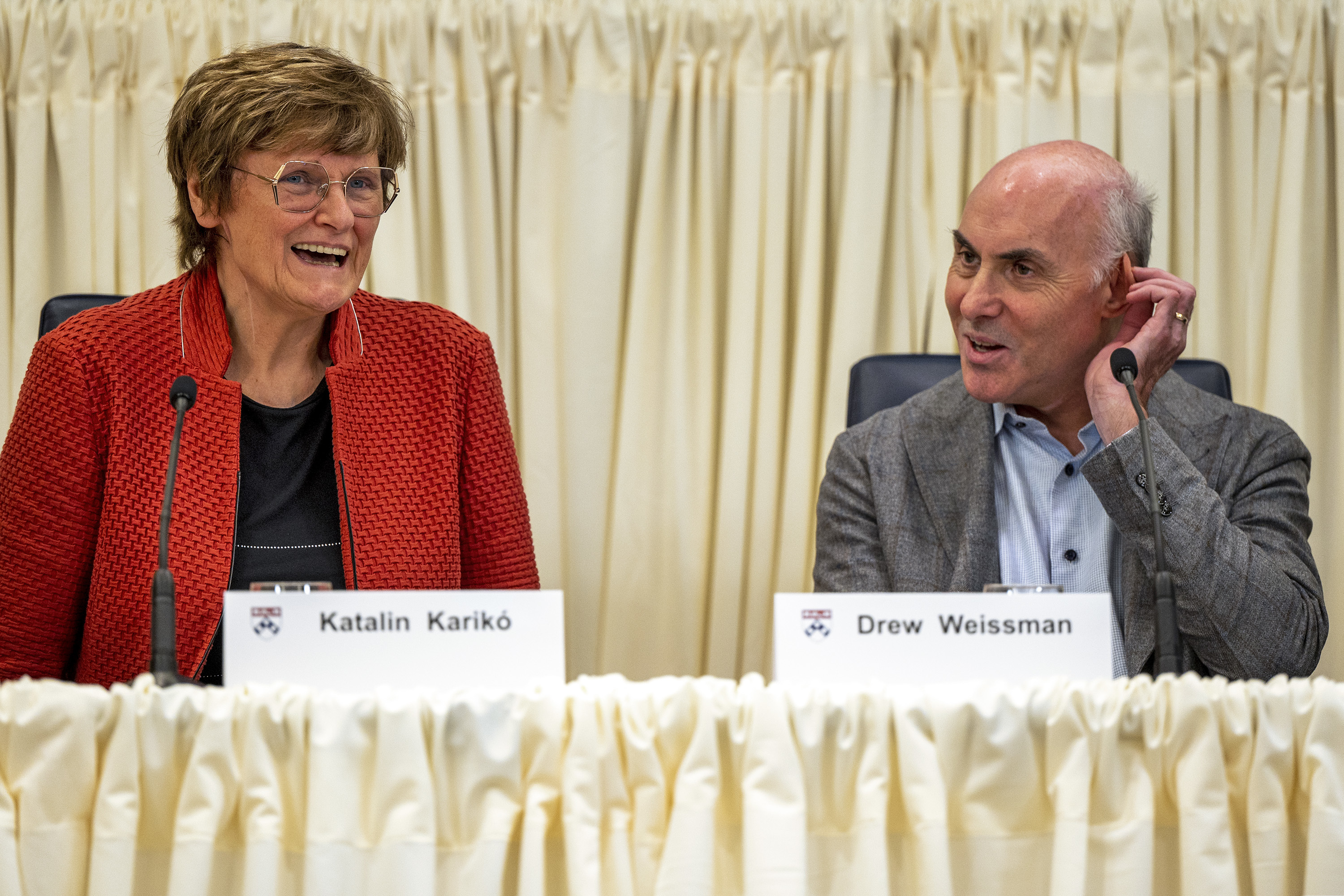
Katalin Karikó and Drew Weissman spoke at a University of Pennsylvania news conference after they were named winners of a 2023 Nobel Prize in medicine. Their work was instrumental to modifying mRNA for therapeutic uses, such as the rapid development of lifesaving vaccines during the COVID-19 pandemic.
By contrast, the Boston area was home to 10 institutions with at least $100 million in NIH grants, generating more spinoffs and jobs.
The Philadelphia region has a healthy number of biotech spinouts, but the biggest markets have more from a larger number of research institutions, said Robert Adelson, founder Osage University Partners, a venture capital firm in Bala Cynwyd.
That concentration of jobs and companies in the Boston area — where nearly 60,000 people worked in biotech R&D last year — makes it easier to attract people. By comparison, there were 13,800 such jobs in Philadelphia and Montgomery County, home to the bulk of the regional sector.
If a startup fails, which happens commonly in biotech, “there’ll be another startup or another company for me to go to” in a place like Boston, said Matt Cohen, a managing partner for life science at Osage.
Another challenge for Philadelphia: It specializes in cell and gene therapy, a relatively small segment of the biotech industry, whose allure to investors has faded in the last few years.
Such market forces shaped the trajectory of Spark, a 2013 Children’s Hospital of Philadelphia spinout that developed Luxterna, the first FDA-approved gene therapy, used to treat an inherited form of blindness. The promise of Spark’s gene therapy work for a form of hemophilia spurred its 2019 acquisition by Swiss pharmaceutical titan Roche for $4.8 billion.
The company still employs about 300 in the city, a spokesperson said, and work continues on its $575 million Gene Therapy Innovation Center at 30th and Chestnut Streets in University City.
The long arc of biotech
A handful of companies dominated the early days of U.S. biotech. Boston had Biogen and Genzyme, San Francisco had Genentech, San Diego had Hybritech, and Philadelphia had Centocor. All of them started between 1976 and 1981.
Centocor started in the University City Science Center because one of its founders, virologist Hilary Koprowski, was the longtime director of the Wistar Institute. Centocor’s first CEO, Hubert Schoemaker, moved here from the Boston area, where he had gotten his doctorate at the Massachusetts Institute of Technology.
Another drug still under development at the time of the sale, Stelara, went on to become J&J’s top-selling drug as recently as 2023 with $10.9 billion in revenue. Stelara, approved to treat several autoimmune disorders, remains a testament to Centocor’s legacy.
Despite its product success, Centocor didn’t have the same flywheel effect of creating new companies and a pipeline of CEOs as peer companies did in regions outside of Philadelphia.
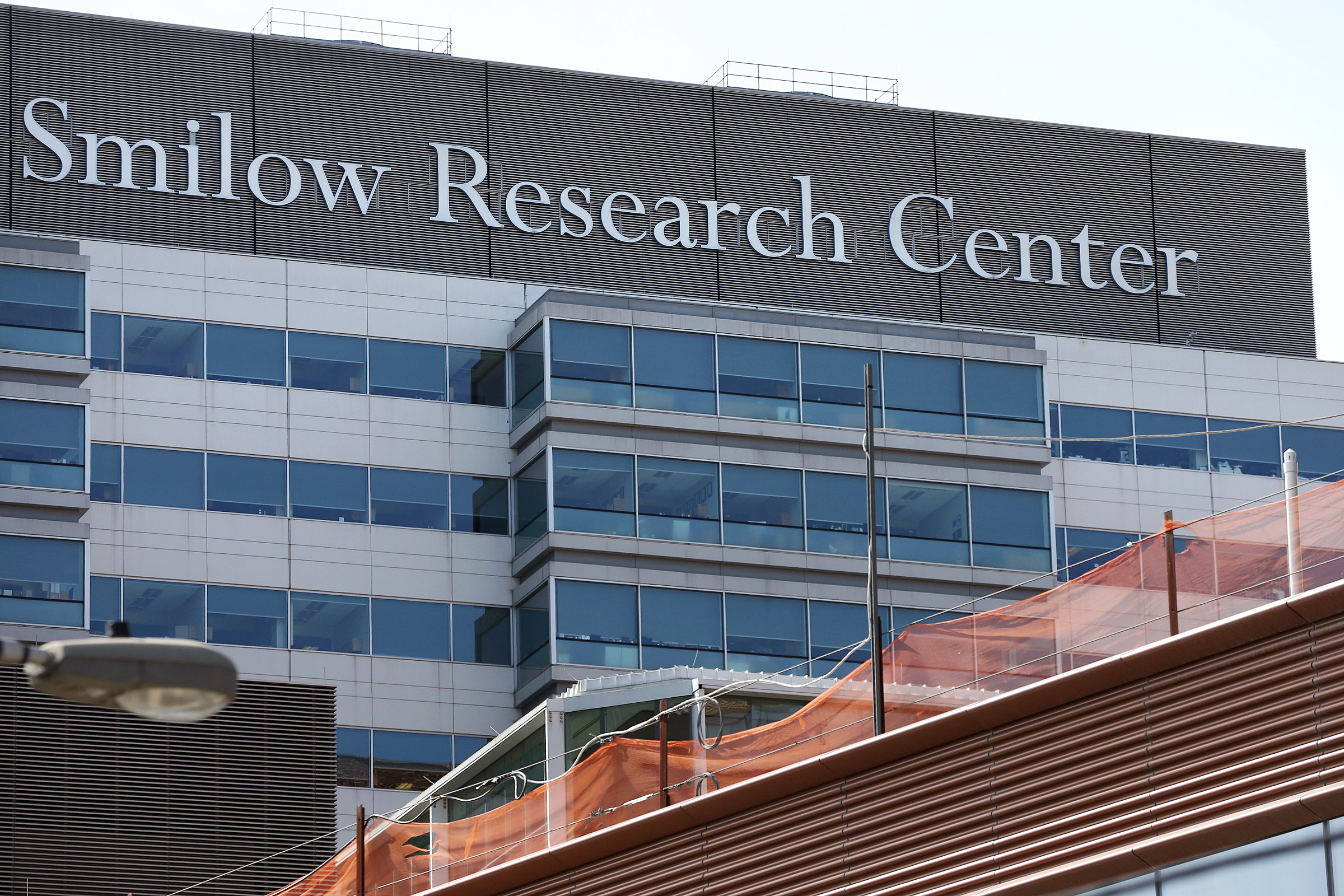
The University of Pennsylvania’s Smilow Center for Translational Research, shown in 2020, is one of the school’s major laboratory buildings.
“There are a lot of alums of Centocor that are really impressive, but they seem to have wound up elsewhere,” said Bill Holodnak, CEO and founder of Occam Global, a New York life science executive recruitment firm.
Among the Centocor executives who left the region was Harvey Berger, Centocor’s head of research and development from 1986 to 1991. He started a new company in Cambridge, Mass.
At the time, the Philadelphia area didn’t have the infrastructure, range of scientists, or management talent needed for biotech startups, he said.
Since then, he thinks the regional market has matured.
“Now, there’s nothing holding the Philadelphia ecosystem back. The universities, obviously Penn, and others have figured this out,” Berger said.
Conditions have changed
Penn’s strategy for helping faculty members commercialize their inventions has evolved significantly over the last 15 years.
It previously licensed the rights to develop its research to companies outside of the area, such as Jim Wilson’s gene therapy discoveries and biochemist Katalin Karikó and immunologist Drew Weissman’s mRNA patents. Now it takes a more active role in creating companies.
Among Penn’s latest spinouts is Dispatch Bio, which came out of stealth mode earlier this year after raising $216 million from investors led by Chicago-based Arch Venture Partners and San Francisco-based Parker Institute for Cancer Immunotherapy.
Dispatch, chaired by Marrazzo, is developing a cell therapy approach that uses a virus to attach what it calls a “flare” onto the cells it wants the immune system to attack.
Marrazzo said in July that he wasn’t going to be involved in Dispatch if it wasn’t based largely in Philadelphia. As of July, 75% of its 60 employees were working in Philadelphia. Still, Dispatch’s CEO is in the San Francisco Bay Area.
The Philadelphia region is increasingly well-positioned for the current biotech era, said Audrey Greenberg, who played a key role in launching King of Prussia’s Center for Breakthrough Medicines about five years ago. The center is a contract developer and manufacturer for cell and gene therapies.
“You no longer need to move to Kendall Square to get a company funded,” she said, referring to Cambridge’s biotech epicenter. “You need good data, a credible translational plan, experienced advisers, and access to patient capital, all of which can increasingly be built here.”
Greenberg now works as a venture partner for the Mayo Clinic, with the goal of commercializing research discoveries within the health system’s network of hospitals in Minnesota, Arizona, and Florida.
She plans to bring that biotech business to the Philadelphia region.
“I’m going to be starting my companies all here in Philadelphia, because that’s where I am. And I know everybody here, and everybody I’m going to hire in these startups that are going to be based here,” she said.
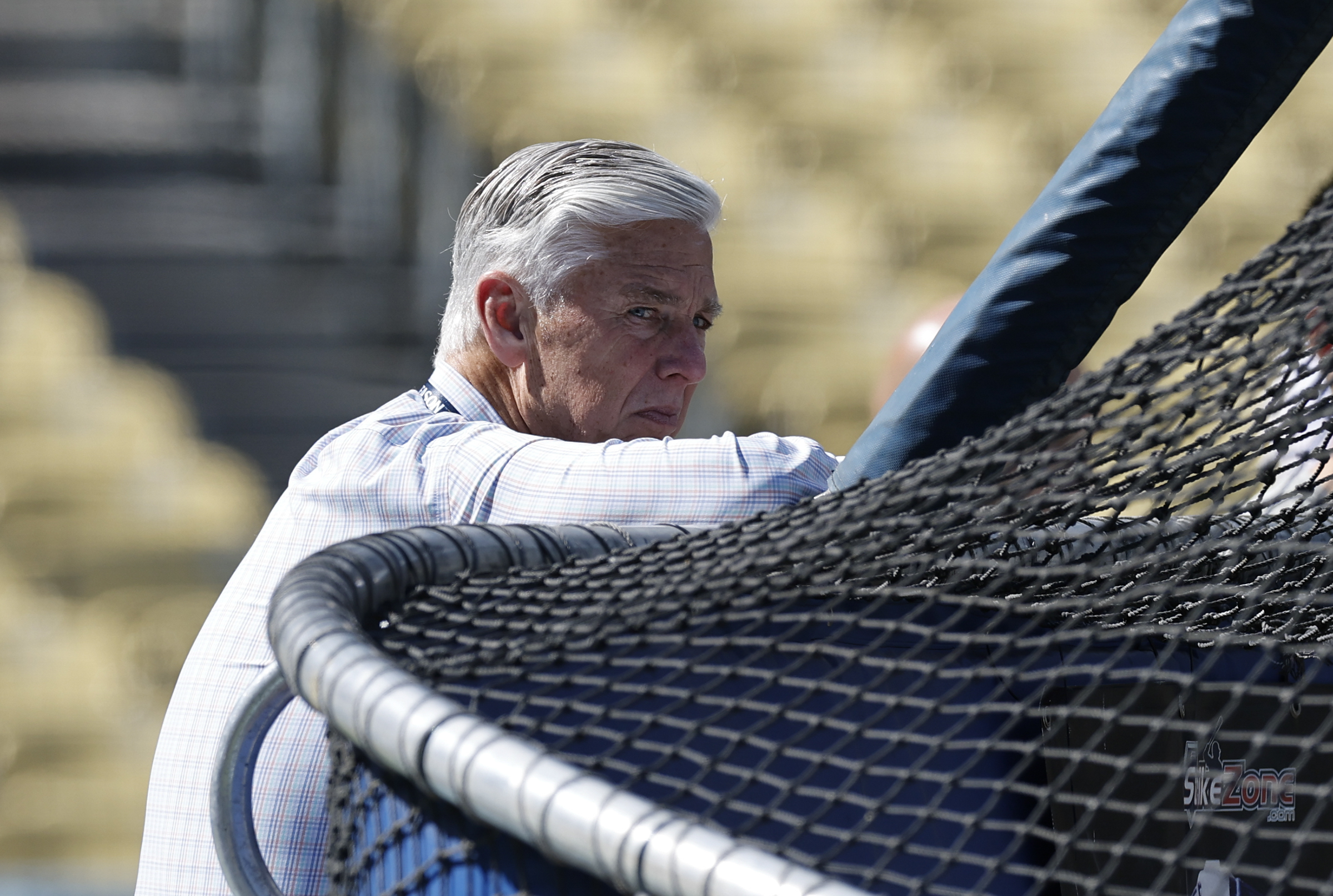
The scariest day of the offseason is always the one when Dave Dombrowski looks at his Phillies roster, smiles, and says, “Yep, that’ll do.”
On Tuesday, Christmas came earlier than usual for next year’s trade-deadline sellers.
“We feel very good,” said Dombrowski. “I guess we’d look for arms in the bullpen. But we’ve also got five solid guys out there that are of veteran status. Sometimes, you have to give some young guys an opportunity. We have some guys that we like. So that’s really where it stands. And maybe depth at different positions. We’re dealing with that. But I think as far as our everyday positional players — other than catcher — we’re pretty well set.”
[JUMP CUT TO MAY 2026, THE CITIZENS BANK PARK SCOREBOARD]
VISITOR — 000 000 03X | 3 5 0
HOME — 100 000 0XX | 1 2 0
[THE CAMERA ZOOMS OUT SLOWLY, REVEALING A PLAYER IN A GRAY JERSEY CIRCLING THE BASES AS A PHILLIES RELIEVER STANDS ON THE MOUND WITH HIS SHOULDERS SLUMPED, STARING BLANKLY INTO THE MIDDLE DISTANCE]
NARRATOR: (gravely) As it turned out, they weren’t pretty well set.
It goes like this every year, doesn’t it? Opening day arrives and a month or two later the Phillies realize they could really use one more right-handed bat and another reliever or two. Maybe this will be the year that breaks the cycle.
Or, hey, maybe we’ve been looking at the offseason wrong this whole time. Maybe the whole point of the thing is to remind us what it feels like to believe. That Adolis García will be the player he was at 30 years old instead of the player he was at 31 and 32. That Justin Crawford will go from being a player who didn’t deserve a big league roster spot over Max Kepler to one who will be an impactful piece of the Phillies lineup and play a good center field to boot. That the bullpen will transform into a dominant unit instead of one that has allowed 25 runs and 21 of 26 inherited runners to score in the Phillies’ last eight postseason games.
It’s a magical time of year, isn’t it? Maybe we are the grinches.
There’s some truth to it. As Dombrowski has said before, there is no such thing as a perfect roster. The team you bring into opening day is much more the sum of all previous offseasons than it is the product of the most recent one. The Phillies have spent a lot of money in the five years since they hired Dombrowski as president of baseball operations. Most of those expenditures are still on the books and occupying roster spots in the lineup, rotation, and bullpen. It’s easy to watch the Dodgers drop $69 million on Edwin Díaz and wonder why the Phillies can’t do the same. But there are 20-plus teams saying the same about the Phillies as they watch Kyle Schwarber re-up for five years and $150 million.
Dave Dombrowski says the Phillies’ roster is “pretty well set.”
Using the Dodgers as a benchmark can skew reality. The Phillies have improved their regular-season win total in each of Dombrowski’s first five seasons at the helm. Not only did they win 96 games last season, but they scored 31 more runs and allowed 37 fewer than they did in 2022, when they went to the World Series. Those results don’t necessarily align with the narrative that says the Phillies are a team in the midst of a steady decline.
As long as we assume that the Phillies eventually come to terms with J.T. Realmuto and fill their gaping void at catcher, they will enter 2026 with a sensible roster that is well within the range of outcomes we should have expected heading into the offseason. García is a decent bet to be an improvement over Nick Castellanos, pairing good defense, decent speed, and better power with his free-swinging approach. In left field, the Phillies will presumably begin the season with Brandon Marsh and perhaps Otto Kemp and keep an open mind from there. A little bit of flux can be a good thing, perhaps preserving an opening to get a look at a prospect like the lefty-hitting Gabriel Rincones at some point down the road.
The biggest potential weakness in the Phillies’ approach is the extent to which they will be counting on Crawford, whom Dombrowski indicated would report to spring training as the leading candidate to man center field. Nobody is expecting Crawford, who will be 22 in January, to hit .334 with a .411 on-base percentage, as he did last season in 506 plate appearances at triple-A Lehigh Valley. He won’t even need to come close to those marks to warrant an everyday role. But he will need to warrant that role, or else the Phillies’ outfield situation will look a lot closer to what it did during the first half of last season vs. the competent unit it became as Kepler emerged and Harrison Bader joined up.
The big risk the Phillies are taking is in moving on from Bader. The center fielder was such an obvious fit after his trade-deadline acquisition from the Twins that you can’t help but think that they will enter next July looking for another similar player. The obvious question: Why not just do it now?
The first answer is money. Bader is reportedly looking for a three-year deal at $10 million to $15 million annually. That’s a steep price to pay a 31-year-old player with an injury history who is coming off his first season of 500-plus plate appearances.
The second answer is Crawford.
“If you’re going to give Crawford an opportunity, you’ve got to give it to him,” Dombrowski said. “And that’s where we are. We’re going to give him an opportunity to go out there and have a chance to play a lot.”
Where they are is the place they usually are, and one that is the fate of most teams when pitchers and catchers report.
Once considered the loudest hospital in the Philadelphia area, Riddle Hospital in Media has significantly reduced its nighttime noise levels, newly released federal data shows.
At the Main Line Health Riddle hospital, only 12% of patients from the most recent survey rated the area around their room at night as “sometimes” or “never” quiet — down from 26% of patients surveyed between July 2022 and June 2023.
Across the Philadelphia region, 52% of patients said their hospital room was “always” quiet at night. That’s slightly worse than nationally, where patients said hospitals were quiet throughout their stay 57% of the time.
Virtua Mount Holly Hospital in New Jersey is now rated the loudest by patients.
Nazareth Hospital in Northeast Philadelphia, owned by Trinity Health, was ranked the second loudest in the region.
window.addEventListener(“message”,function(a){if(void 0!==a.data[“datawrapper-height”]){var e=document.querySelectorAll(“iframe”);for(var t in a.data[“datawrapper-height”])for(var r,i=0;r=e[i];i++)if(r.contentWindow===a.source){var d=a.data[“datawrapper-height”][t]+”px”;r.style.height=d}}});
Quieter hospitals have benefits for both patients and staff, helping to lower anxiety levels, improve sleep quality, and ease the flow of communication.
Riddle Hospital’s improvement follows construction of a new 230,000-square-foot patient pavilion that had temporarily increased noise at its Delaware County campus.
“With the pavilion’s 2023 completion, as well as the resulting addition of more private rooms, noise is significantly reduced,” spokesperson Larry Hanover said.
Reducing noise is also priority for Penn Medicine, whose Hospital of the University of Pennsylvania (HUP) was rated the quietest hospital among the 25,000 patients surveyed in the Philly-area.
Chester County Hospital, also owned by Penn Medicine, was ranked the second quietest.
The health system has made big investments in recent years to address noise levels at its hospitals, according to the university’s website. The Pavilion, which opened at HUP in Center City in 2021, was designed to reduce noise levels and nightly disruptions by separating nonclinical work from patient care areas.
Each floor of the $1.6 billion building centers around an “offstage” area for staff to hold conversations and calls away from patient rooms that line the perimeter. The design of the rooms also allows care teams to check vitals and refill medications from the hallway, reducing nighttime disruptions.
window.addEventListener(“message”,function(a){if(void 0!==a.data[“datawrapper-height”]){var e=document.querySelectorAll(“iframe”);for(var t in a.data[“datawrapper-height”])for(var r,i=0;r=e[i];i++)if(r.contentWindow===a.source){var d=a.data[“datawrapper-height”][t]+”px”;r.style.height=d}}});