In recent months, the public’s backlash to the artificial intelligence boom has spilled over to a surprising place: college commencement stages. From Florida to California, students have booed speakers who praised AI or highlighted its growing role in today’s society.
A cohort that historically has supported and quickly adopted cutting-edge technologies is now growing more skeptical.
The backlash is hardly surprising since AI threatens to wipe out the kind of entry-level jobs that new college graduates depend on. But beneath that immediate threat lies another, less obvious one: the AI boom’s impact on climate change — an issue that young people have grown up worrying about and that has shaped how they view their future.
In Pennsylvania alone, there are more than 130 AI infrastructure projects either under construction or in the approval pipeline. As demands for AI have increased, utilities and developers are racing to secure enough power to support them. Clean energy projects are already playing an important role in the AI infrastructure build-out.
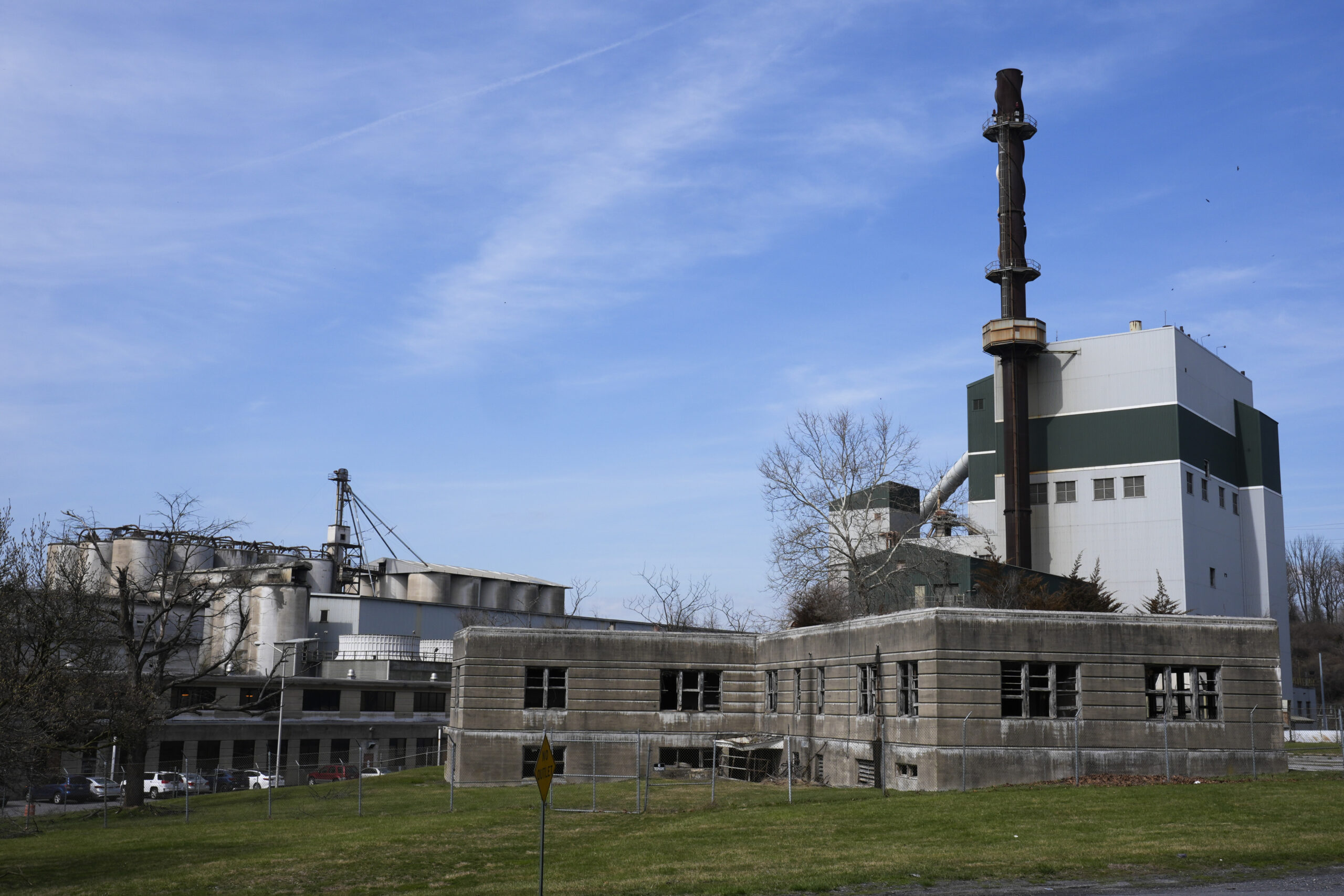
Shown is the Northampton generating station in Northampton, Pa., in 2024. Gov. Josh Shapiro unveiled a plan to fight climate change Wednesday, saying he will back legislation to make power plant owners in Pennsylvania pay for their planet-warming greenhouse gas emissions and require utilities in the nation’s third-biggest power-producer to buy more electricity from renewable sources.
There is a stark contradiction at the center of this reality. AI is marketed as a 21st-century future-oriented technology, yet much of it is being powered by 19th-century energy sources.
In addition to the energy demands, data centers can require up to five million gallons of water for cooling per day, including in regions already facing drought and water stress linked to climate change.
A recent Pew Research Center poll shows that 54% of adults under the age of 30 believe data centers will have negative impacts on the environment. While older cohorts surveyed still express concerns about environmental impacts, it isn’t the majority of respondents as it is with younger people: 44% of those 30 to 49; 35% of people ages 50 to 64, and 26% of those 65 and older.
The increasing backlash among younger people — which has found expression from college commencement speeches to community forums — points to what research has consistently shown: Younger generations are worried about climate change.
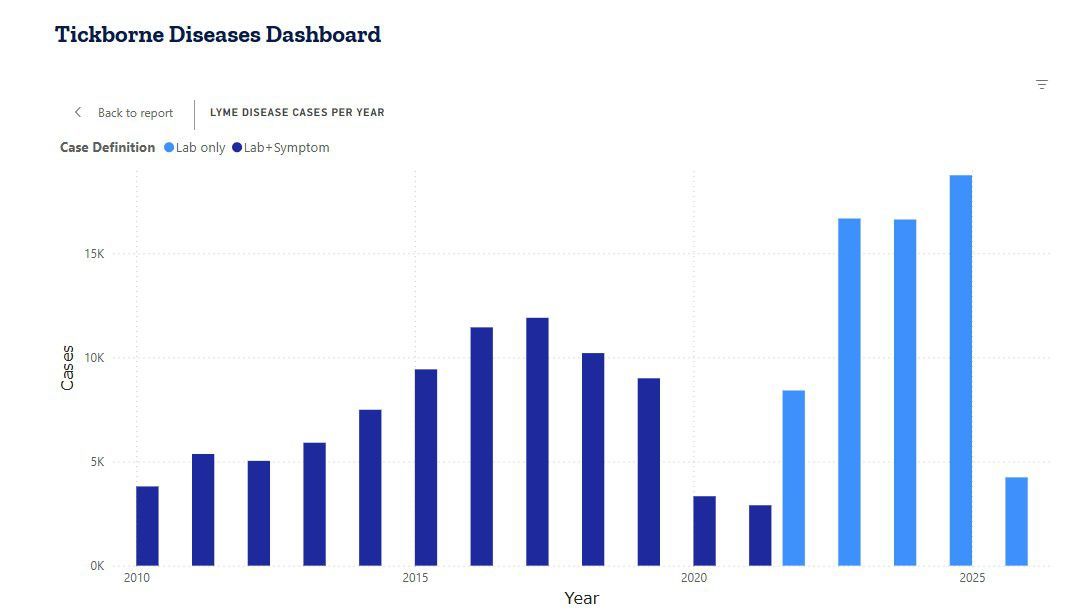
They are already experiencing the impacts in Pennsylvania: hotter and longer heat waves, more dangerous flooding, worsening drought conditions, and the increase in certain diseases thanks to the territorial expansion of carriers, like ticks.
Chart shows the rise of tickborne illnesses in Pennsylvania.
If the growth of AI leads to more fossil fuel use, higher emissions, and worsening air pollution, young people are justified in questioning whether the technological progress is worth the future problems they will inherit.
Leaders have a responsibility to usher in new development responsibly. One way to do that is to pair data center expansion with investments in clean energy sources. Clean energy is affordable, local, and reliable, and by producing homegrown power, Pennsylvania could potentially lower power bills and protect families from price spikes in the process.
A clean energy standard for data centers would require that these Big Tech companies use clean energy in increasing percentages over time and that they pay for the required electricity system upgrades to support their operations.
Another way is for the state to require greater transparency around the electricity and water use of these data centers, so communities understand the tradeoffs required for these proposals in their backyards before agreeing to them.
It is a positive move toward responsible development.
Not all young people skeptical of AI are rejecting it; many are just questioning whether the race to build that future is happening with an understanding of the environmental consequences.
For the U.S. and Pennsylvania to continue leading in technological innovation while protecting the planet on which young people will build their lives, leaders must take climate change concerns seriously. Young people deserve their future.
Sanya Carley is the Mark Alan Hughes faculty director of the Kleinman Center. She is also vice provost for climate science, policy, and action at the University of Pennsylvania and presidential distinguished professor of energy policy and city planning at the Stuart Weitzman School of Design.
The Pennsylvania Supreme Court’s decision to limit Philadelphia prosecutors’ ability to seek to overturn old convictions not only took aim at one of District Attorney Larry Krasner’s defining initiatives — it altered the work of an office he will one day leave behind.
The high court’s ruling adds an extraordinary new layer of oversight to an issue that helped make Krasner one of the nation’s most prominent progressive prosecutors: correcting what he has described as injustices of decades past.
But the newly established changes to the appellate processes in Philadelphia will outlive Krasner’s tenure and reshape the way the office reviews post-conviction cases for years to come. It could not only apply to high-profile exonerations in murder convictions, but also extend to cases that even Krasner’s more conservative predecessors were eager to undo, like drug and gun convictions linked to corrupt cops.
It also deepens a yearslong conflict between Krasner and his critics in the justice system. Several justices, in dissenting opinions, raised concerns that the change could inject politics into a high-stakes legal process.
Since taking office in 2018, Krasner has made post-conviction review a centerpiece of his reform agenda. His office said it has overturned the wrongful convictions of 59 people — almost all of them Black men. It has also struck deals that allowed defendants to plead guilty to lesser charges in dozens of other cases in which prosecutors did not say those charged were innocent, but agreed their original trials were unfair, often because of prosecutorial or police misconduct.
But the high court, in a forceful majority opinion written by Justice Kevin Dougherty, said Krasner’s prosecutors had misled judges in several of those cases, that the prosecutors were not acting as the necessary adversaries to test the cases’ merit, and that the courts could no longer trust his prosecutors’ word when deciding whether to overturn a conviction.
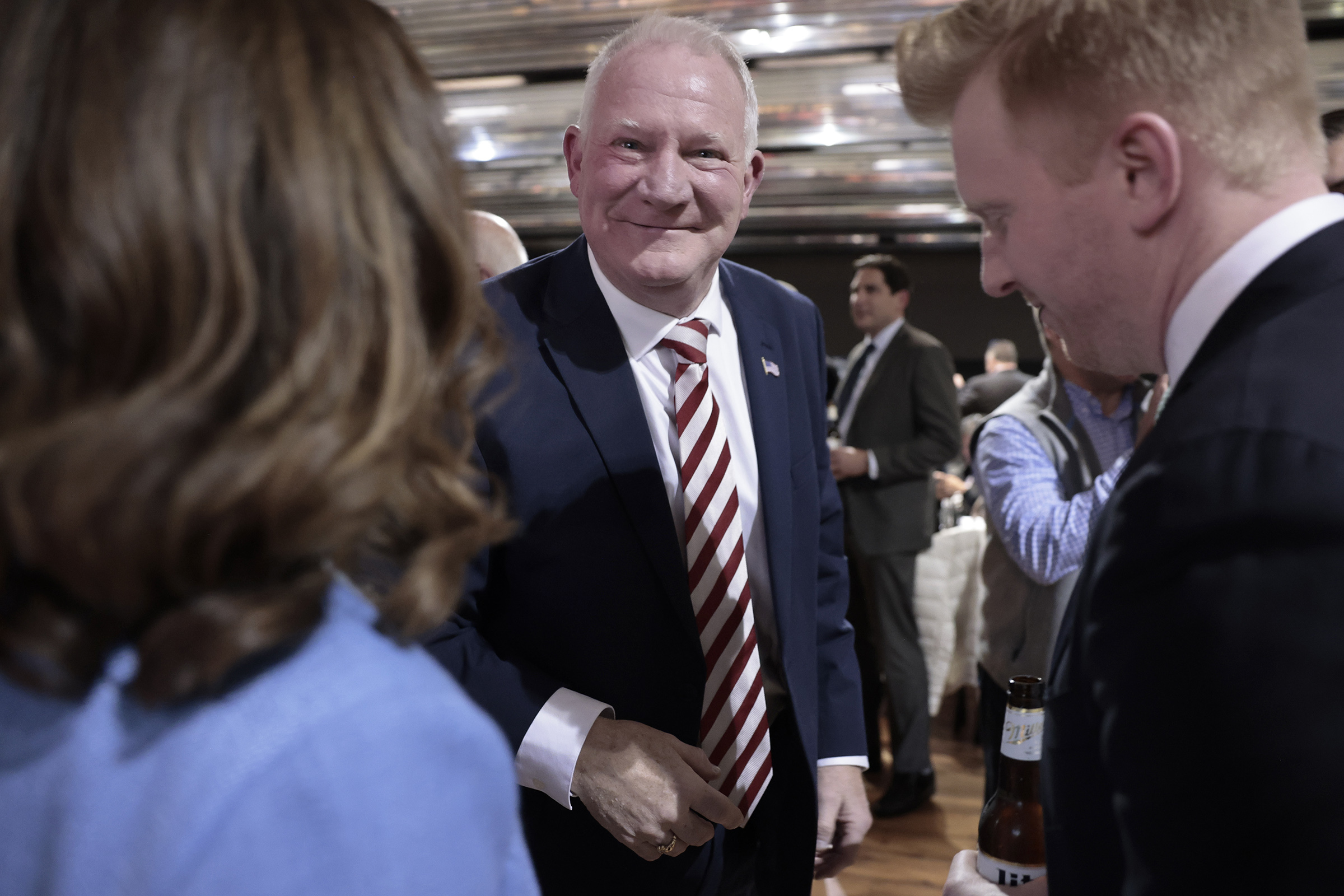
Pennsylvania Supreme Court Justice Kevin Dougherty greets supporters during an election night party in November 2025.
Moving forward, the justices ruled, if the district attorney’s office agrees to alter a sentence or overturn a past conviction, judges must ask the state attorney general’s office to review the case before proceeding. The ruling applies only to Philadelphia; prosecutors in every other Pennsylvania county can continue to evaluate cases on their own.
Krasner declined to comment this week. While it was not immediately clear whether he had a legal path to challenge the ruling, he said in a video statement last week that it “undermines the value of a vote in Philadelphia.”
He compared criticism of his post-conviction review efforts to attacks that have been leveled against other social and racial justice movements.
“We know where we are in the fight,” he said, “and once we get past the fight, we all win.”
But the Supreme Court’s ruling sharply curtails part of that effort, and it is expected to significantly reshape — and likely slow — one of the most consequential parts of Krasner’s agenda.
It was “an extraordinary remedy for something the court thought was an extraordinary problem,” said Aaron Marcus, chief of the appeals division at the Defender Association of Philadelphia.
But, he added, “the remedy might go beyond what was necessary in the court’s mind to address the problem in front of it.”
While the decision gives the attorney general broader authority to intervene when city prosecutors support post-conviction relief, it remains unclear how often — or when in the process — it will weigh in.
Brett Hambright, a spokesperson for the office of Attorney General Dave Sunday, a Republican, said in a statement this week that officials were still evaluating the order and its potential impact. Because of the many unknowns, he said, “it may be difficult to fully assess … until the process truly begins.”
Still, on Wednesday, Sunday’s office filed a notice of intervention in a murder case that Philadelphia prosecutors helped overturn just last month — setting up a potential test case for the new legal landscape around the issue.
Marcus, of the Defender Association, said the ruling could cause confusion — and delays — in cases that the conviction integrity unit does not typically handle, such as weapons and drug-possession cases, as well as more routine matters, like correcting prison sentences that had been miscalculated.
“There’s already too few attorneys with too little time and insufficient resources,” he said.
Marissa Boyers Bluestine, assistant director of the Quattrone Center for the Fair Administration of Justice at the University of Pennsylvania’s law school, said that because the courts did not set a timeline for how quickly the attorney general’s office must review each case, the added oversight could draw out an already yearslong appellate process filled with delays. And, she said, it could create “confusion on who exactly is representing the state.”
“Now you have two entities who are potentially in opposition to each other,” she said. “It raises confusion and diminishes the real trust in the criminal legal system.”
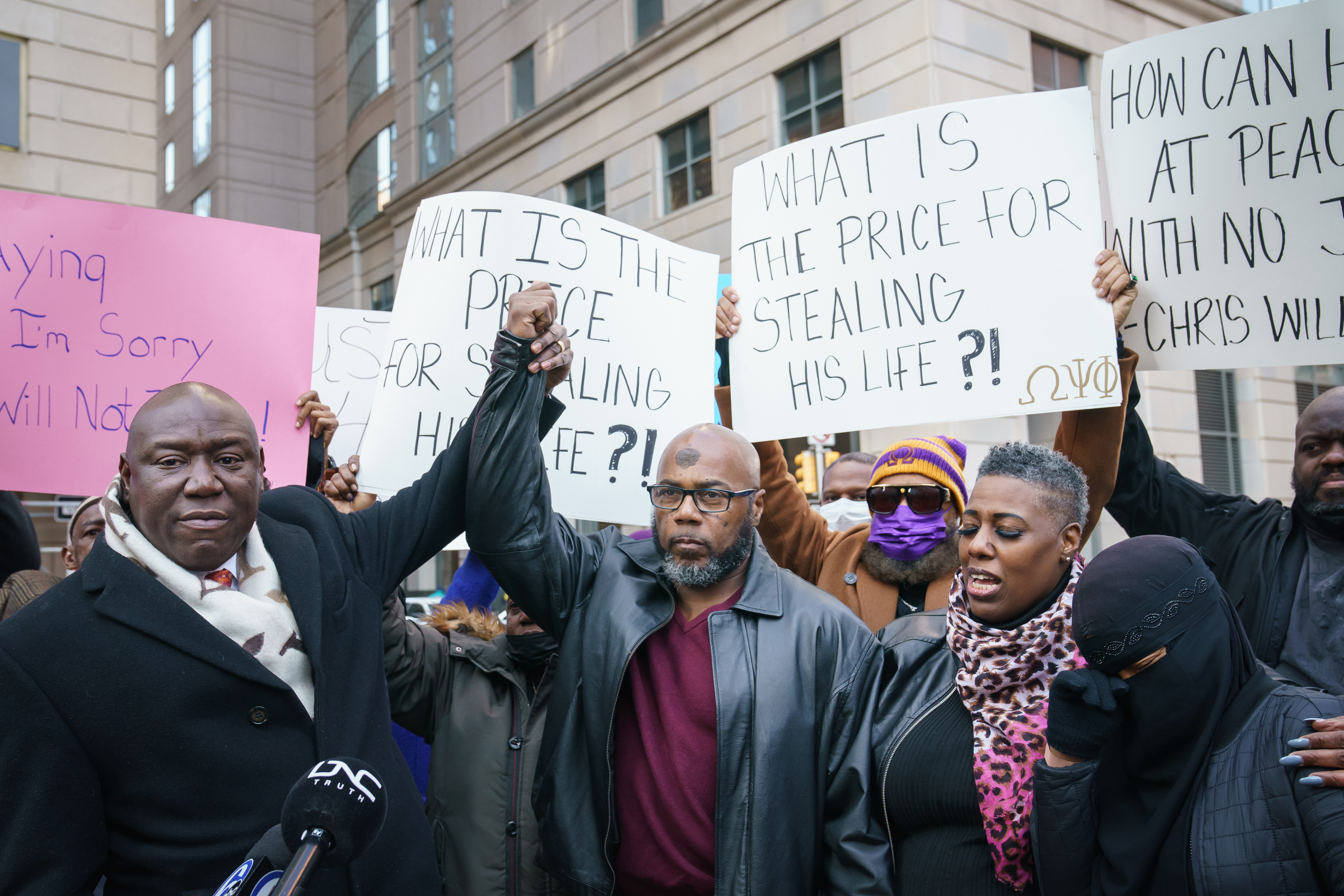
Dozens of people have been released from prison in Philadelphia after prosecutors agreed their trials were unfair. In this 2021 photo, Christopher Williams, center, gathered outside the Criminal Justice Center to announce a lawsuit against the city of Philadelphia, police and prosecutors. Williams was exonerated and released from prison in February 2021 after more than 25 years on death row.
Several defense lawyers who handle post-conviction cases were similarly concerned about the unknowns of the ruling — and said the majority opinion did not address the decades of problematic police and prosecutorial behavior that led to this moment.
Michael Wiseman said Krasner’s office has opposed most of his clients’ petitions over the years. Like other district attorneys before him, Krasner is not perfect, Wiseman said, but the high court “is vexing in its willingness to ignore all the times when Krasner’s office got it right.”
At the same time, he said, “It is similarly vexing for not recognizing the imperfections of past administrations, who, unlike Krasner, defended every conviction without regard to innocence or unconstitutional convictions.”
Adding to the complexity of the issue, some justices believed the majority’s decision could threaten to reignite long-running feuds between Krasner and prosecutors he has clashed with in the past.
In one of his first actions after taking office in 2018, Krasner fired dozens of veteran prosecutors, effectively describing them as unfit to serve in a reform-oriented administration. Some who were ousted then went on to work in the state attorney general’s office, and Krasner, in a remark that was widely criticized, jokingly referred to that office as “Paraguay,” a South American country where Nazis fled after World War II.
Justice Christine Donohue warned in a dissenting opinion that the majority’s ruling could threaten to inject personal disputes between rival lawyers into a process that is supposed to be unbiased. In addition, she said, giving the attorney general’s office authority in those cases could give some state prosecutors a role in defending convictions they helped obtain when they worked for the city.
“This is in stark contrast to acting as a friend of the court,” she said.
Ben Lerner, a former Philadelphia Common Pleas Court judge and former chief defender, said Krasner deserves credit for creating a meaningful system to revisit convictions — something he said previous administrations largely failed to do.
But state and federal courts have repeatedly raised concerns about the office’s methods, he said, including allegations that prosecutors excluded investigating officers and former trial attorneys from parts of the review process, and focused disproportionate attention on cases tied to prosecutors Krasner had clashed with during his years as a defense lawyer.
“In my view, it’s a shame,” he said, “because this was basically a very important thing that he was doing that previous district attorneys had had no interest in doing.”
Edna B. Foa, 88, of Philadelphia, renowned clinical psychologist, pioneering mental health researcher, creator of the celebrated prolonged exposure therapy for post-traumatic stress disorder, longtime professor of clinical psychology in psychiatry at the University of Pennsylvania, lecturer, mentor, and volunteer, died Tuesday, March 24, of complications from pneumonia at Pennsylvania Hospital.
Dr. Foa was among the first psychologists in the 1970s and ‘80s to infuse empirical case study research into existing behavior protocols to create more effective mental health treatments for victims of rape, combat trauma, childhood sexual abuse, and other ordeals. She became an expert in PTSD, obsessive-compulsive disorder, and social phobia, and herprolonged exposure therapy for PTSD and exposure and response prevention treatments for OCD are still hailed as breakthrough innovations.
From 1971 to 1997, she was a fellow, professor, and clinical researcher in the psychiatry departments at Temple University and the old Medical College of Pennsylvania, now part of Drexel University. She joined Penn’s Department of Psychiatry in 1998 and, over more than 50 years, evaluated thousands of mental health cases to determine which behavior therapy was best for each condition.
“Her work truly changed the field,” colleagues at the Ardmore-based Center for Hope and Health said on Instagram. They said she “spent her career doing what she believed mattered most: studying what actually helps people get better, and making those treatments more accessible.”
She created the Center for the Treatment and Study of Anxiety at Temple in 1979 and directed it later at Penn. Colleagues at the center said on Facebook: “Through her brilliance, determination, and unwavering belief in the power of evidence-based care, she transformed the understanding and treatment of anxiety-related disorders and changed the lives of countless individuals and families around the world.”
Other colleagues and friends called her “brilliant,” “amazing,” and “extremely influential” in online tributes. One said she was “a giant who taught the world how to conquer fear and reclaim life.”
Dr. Foa earned grants for research and education, and taught her therapy techniques to veterans counselors in the United States and Israel, to therapists for the U.S. Army and the City of Philadelphia, and to clinicians at Women Against Rape and other groups around the world. In 2010, she was named one of Time magazine’s 100 most influential people in the world.
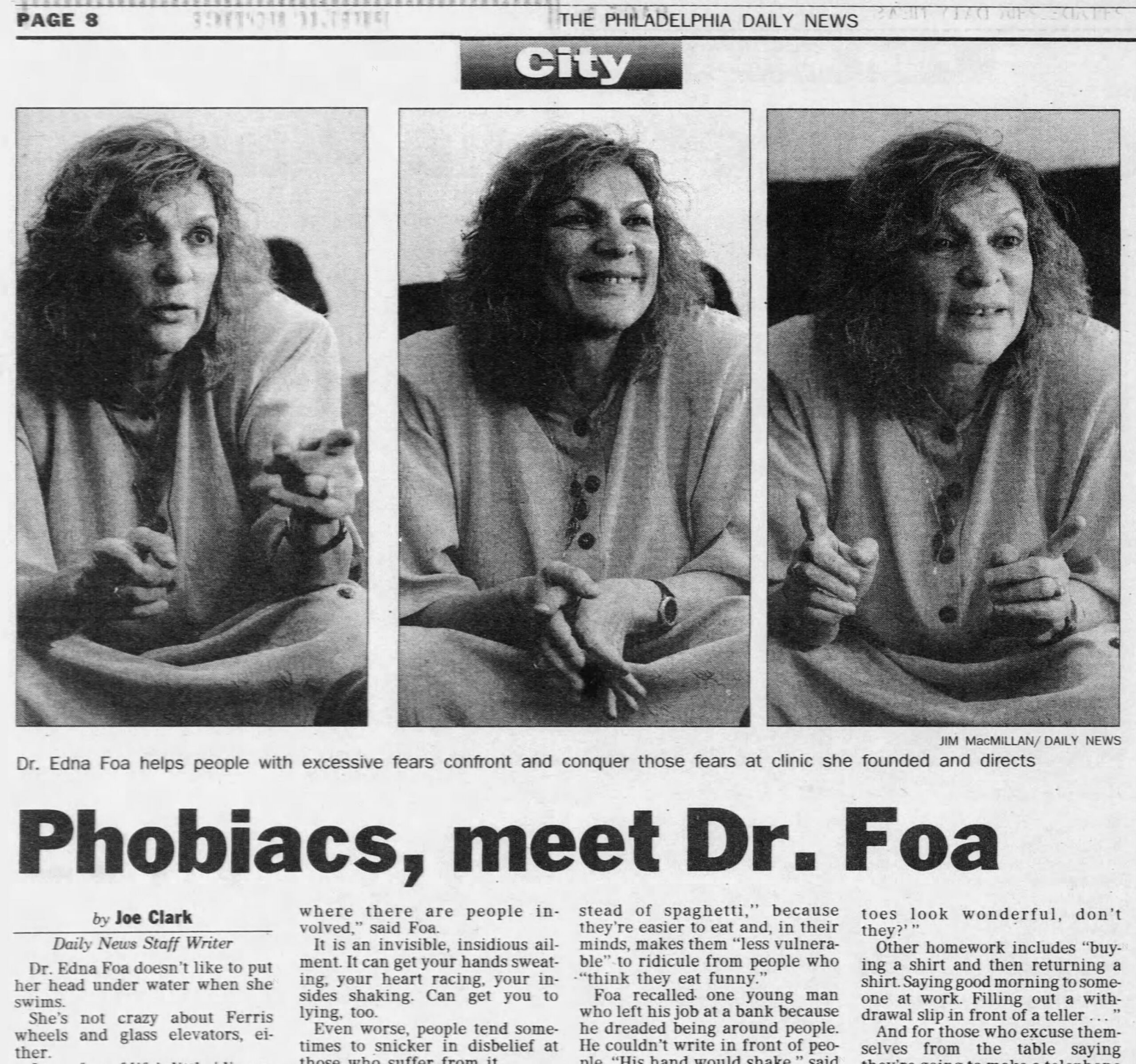
The Daily News published this story and photos of Dr. Foa in 1993.
She also volunteered as a consultant and supervisor at clinics and medical centers. She lectured and organized clinical workshops in the United States, Israel, and elsewhere. In 2010, she told Time magazine: “If you develop a wonderful protocol, it’s useless if nobody uses it.”
She was affiliated with many mental health societies and associations, and earned lifetime achievement awards from the American Psychological Association, the International Society for Traumatic Stress Studies, and other groups. She was featured often in The Inquirer and the Daily News, and told the Daily News in 1993 that “everyone has little fears.” She said her little fears were of heights and swimming underwater.
In 1970, Dr. Foa earned both a doctorate in clinical psychology and personality from the University of Missouri, and a master’s degree in clinical psychology at the University of Illinois. In 1962, she earned a bachelor’s degree in psychology and literature at Bar-Ilan University in Israel.
She stopped working full-time at Penn in 2023 but never really retired. In April, she was scheduled to lead a workshop in prolonged exposure therapy. In 2011, she told The Inquirer: “If I die tomorrow, I think that what I have achieved is fine. If I don’t die, I don’t need to stop.”
In 2011, she told The Inquirer she was shattered by her own trauma in 1948 when her brother, Uri, was killed in the war and her father, Abraham, died four years later.
She married and divorced when she was young, and met Professor Uriel Foa at Bar-Ilan. They married when she was 24, had daughter Dora, and moved to the United States in 1966. They had daughters Yael and Michelle, and lived in Illinois and Missouri before moving to Glenside and then Penn Valley. She moved to Philadelphia a few years ago.
After a divorce, she married Penn professor Charles Kahn. Her husband and former husband died earlier.
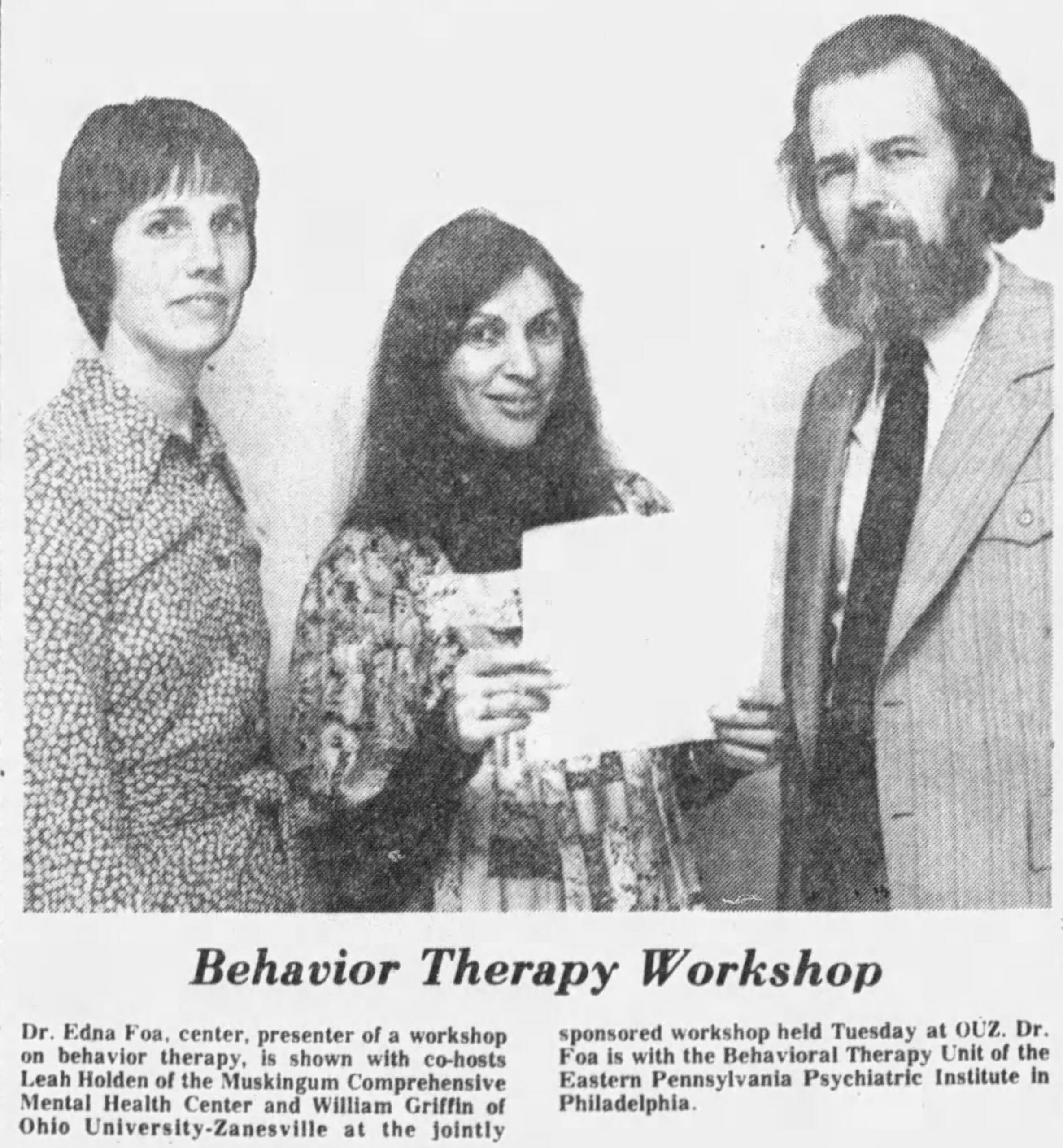
This photo of Dr. Foa (center) appeared in the Times Recorder in Ohio in 1978.
Away from work, Dr. Foa enjoyed traveling, gardening, and hosting family and friends at holidays. She collected art and antiques.
She told an interviewer she had a bad habit of deleting emails before reading them. She managed lung cancer years ago.
“She was full of energy, vivacious, a force of nature,” said her daughter Yael. Her daughter Michelle said: “She was an extraordinary figure who lived a very rich life.”
In addition to her daughters, Dr. Foa is survived by five grandchildren, a great-granddaughter, and other relatives.
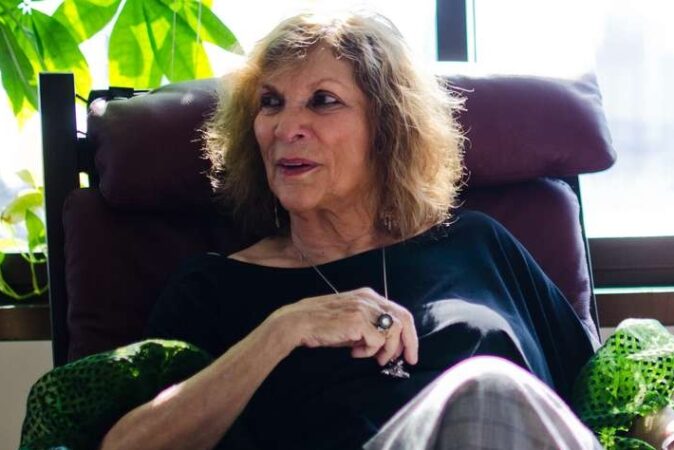
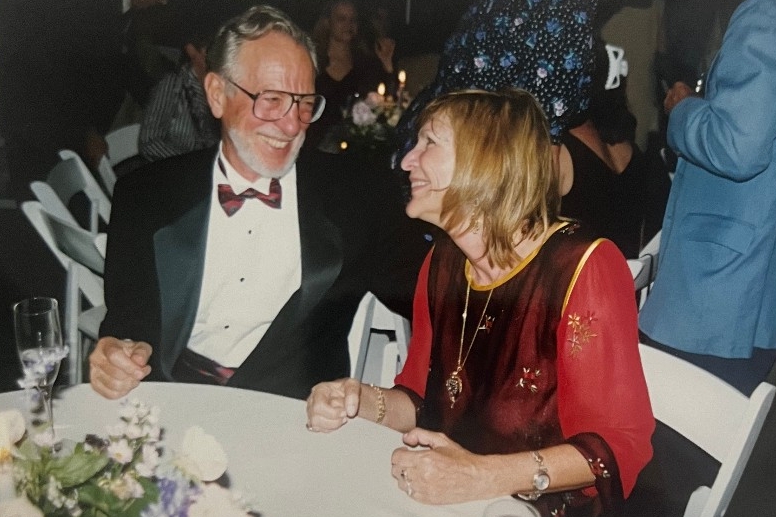
Dr. Foa laughs with her husband, Charles Kahn.
Private services are to be held later.
Donations in her name may be made to the Philadelphia Museum of Art, 2600 Benjamin Franklin Parkway, Philadelphia, Pa. 19130; and the Philadelphia Orchestra, 300 S. Broad St., Philadelphia, Pa. 19102.
At times, Ala Stanford feels like she doesn’t quite fit in.
She’s a pediatric surgeon — albeit very well-known — who is running for political office for the first time, trying to win a seat in Congress that for decades has been held by a seasoned Philadelphia politician.
At campaign events, when the top Democrats in the congressional race are chit-chatting among themselves, Stanford has found herself on the margins. Often, she feels more comfortable talking medical procedures with Dave Oxman, the other physician in the race, than whatever the sitting state representatives have going on in Harrisburg.
The trail may get lonelier. Oxman is planning to drop out Wednesday and endorse Stanford, making her the hands-down most prominent outsider in a race that is stacked with political veterans.
To amass support ahead of the crowded May 19 primary election — the likely deciding contest in one of the nation’s bluest congressional districts — Stanford will have to chart a path that beats both the Democratic establishment and the progressive left, which have chosen other candidates in the wide-open race.
Stanford, 55, knows her lack of political experience makes her stand out, and she’s accentuating it on the campaign trail. She is highlighting her career as a physician, and she says she’ll fix a healthcare system her opponents failed to address in their years as public officials. Her candidacy comes as an increasing number of medical professionals are running for office across the country, and as thousands of Pennsylvanians have dropped their healthcare coverage due to rising costs.
She has kept pace with three sitting lawmakers who are also running for the seat, in part by lending her campaign $250,000 of her own money.
Candidates (from left) State Rep. Morgan Cephas; physician David Oxman; State Rep. Chris Rabb; physician Ala Stanford and State Sen. Sharif Street appear at a forum hosted by the 9th Ward Democratic Committee in Mt. Airy Thursday, Dec. 4, 2025.
Stanford alsohas a cadre of healthcare workers uplifting her. She has won endorsements from prominent doctors, as well as a national super PAC, 314 Action, which backs candidates with backgrounds in science and has poured $1.5 million into a pro-Stanford campaign.
The group so far funded five weeks of television commercials reminding voters that Stanford founded the Black Doctors COVID-19 Consortium. In the throes of the pandemic, she set up mobile testing sites in majority-Black communities and ran vaccination clinics to inoculate thousands of Philadelphians, a grassroots effort to fill gaps left by government-funded programs.
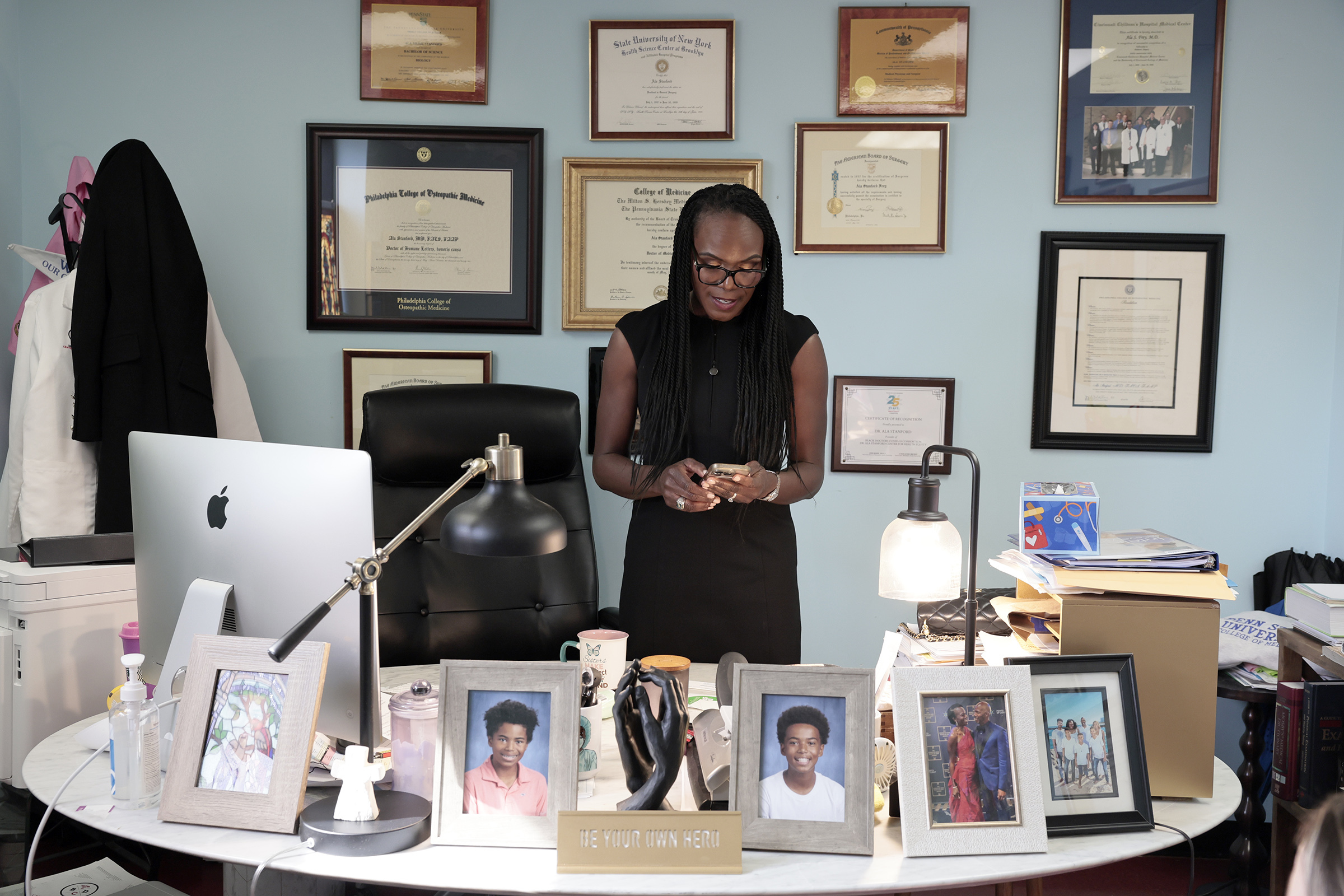
Ala Stanford texts her son while in her office at the Dr. Ala Stanford Center for Health Equity, 2001 W Lehigh Ave. in Philadelphia on Friday, March 13, 2026
It is a compelling story that has been told many times — across national media, on podcasts, and in Stanford’s own memoir.
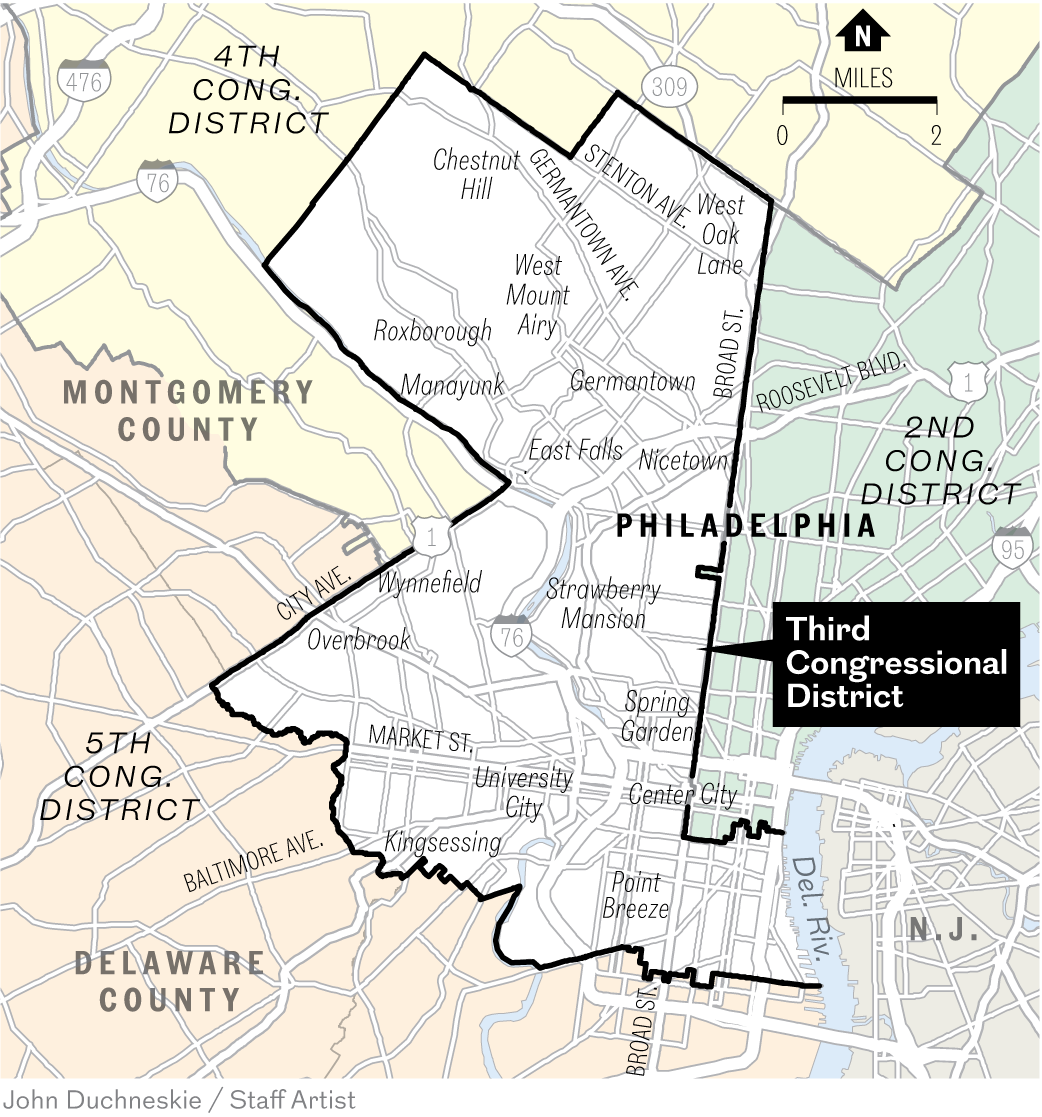
What hasn’t been told is why it means she should represent the 3rd Congressional District, which covers much of Philadelphia, over her opponents who have spent years in politics.
“People get so comfortable doing things the same way, the same way, the same way,” she said in a recent interview at her health clinic. “And no one likes change. But the city needs this. The city needs some change.”
Other candidates say Stanford doesn’t have a monopoly on talking about healthcare. State Sen. Sharif Street, another front-runner in the race, has touted that he and other government officials helped secure funding for Stanford’s pandemic operation.
“During COVID, he was very proud of his work,” Street spokesperson Anthony Campisi said, “to ensure that Doctor Stanford’s vaccination efforts received the support they needed so that we could get vaccines into arms quickly.”
Stanford’s opponents also clearly know that her status as a physician may be an asset.
She submitted paperwork to appear on the ballot as “Dr. Ala Stanford.” But on Tuesday, a member of the Democratic City Committee — which endorsed Street — filed a petition in state court, saying Stanford’s name should appear without the “Dr.” in front of it.
In the coming days, a judge will decide.
Leaning on healthcare as a core issue
Stanford does not fit neatly onto the ideological spectrum.
Of course, she is not conservative. She doesn’t call President Donald Trump by his name — he’s “47″ — and she uses words like “tyranny” and “running amok” to describe the current White House.
But unlike some of her opponents, she is not of the Philadelphia Democratic establishment. She said she feels like the city’s long-entrenched party apparatus had always planned to endorse Street, the former head of the state party and the son of a Philadelphia mayor.
Stanford is also not of the populist left. She believes Palestinians “deserve to have safety and freedom,” but thinks it’s inflammatory when her progressive opponent, State Rep. Chris Rabb, calls Israel’s war in Gaza a “genocide.”
“I know when you use the G-word how hurtful it is to a group of people,” she said. “It’s like someone saying the N-word around me. I don’t want to hear that. And every time you shout that from the rooftops, how many people are you hurting?”
What she does believe is that government systems have failed underserved communities, and that most domestic issues can be traced back to inequities in healthcare — points she has consistently emphasized in her campaign.
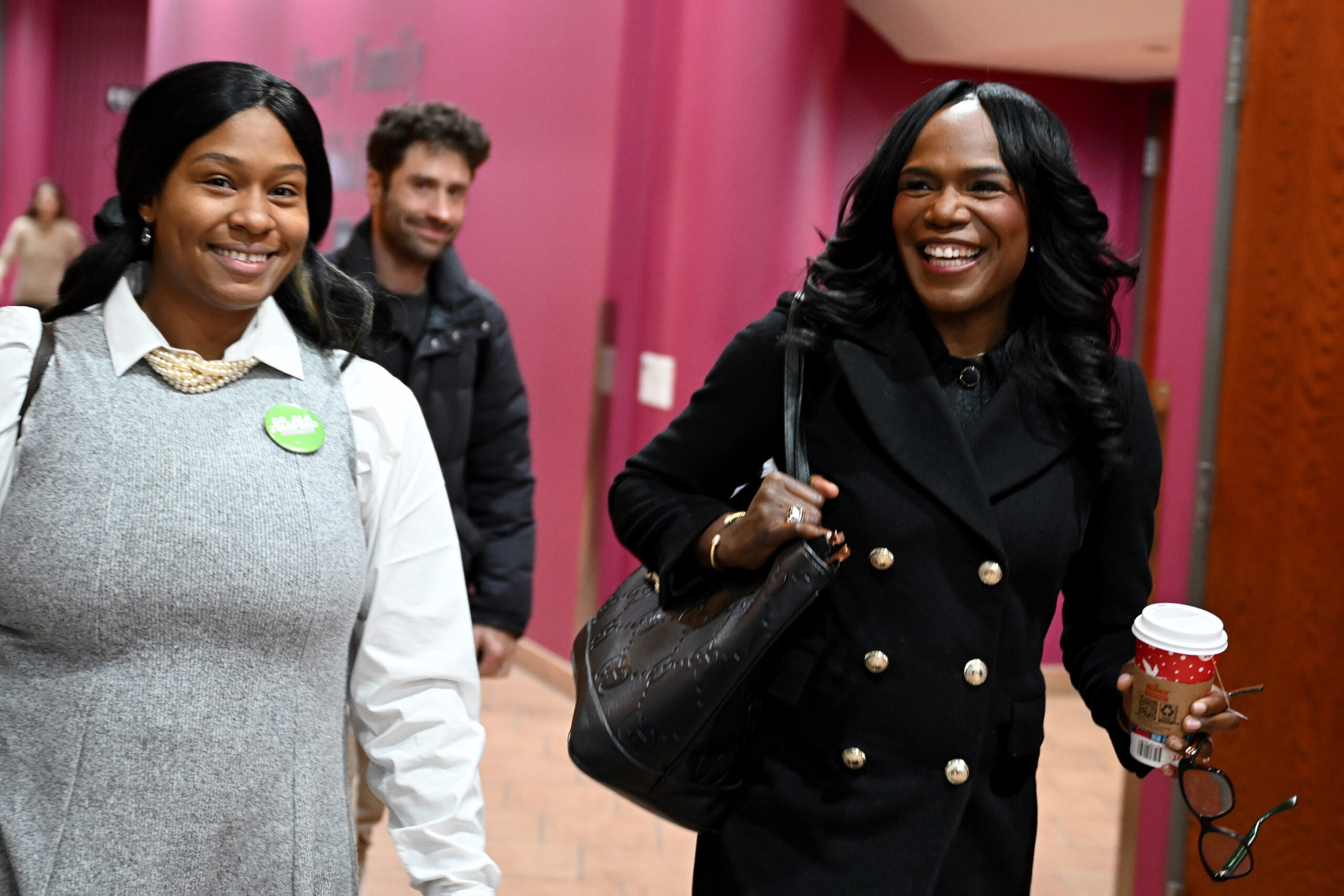
Physician Ala Stanford (right) arrives at a forum hosted by the 9th Ward Democratic Committee Dec. 4, 2025. She is a Democratic candidate running to represent Philadelphia’s 3rd Congressional District.
She has hammered Republicans for not extending pandemic-era subsidies that ensured people on Affordable Care Act health plans did not pay more than 8.5% of their income for care. She has advocated for universal healthcare. And she has harshly criticized Health and Human Services Secretary Robert F. Kennedy Jr., who has long been skeptical of vaccines.
“In this country, wealth is linked to homeownership, home ownership is linked to education, education is linked to health outcomes, and health outcomes are all exacerbated by racial injustice,” Stanford said during a recent candidates forum. “So when you talk about one, you talk about all.”
Stanford is careful to say that her focus on healthcare doesn’t mean she can’t discuss housing, immigration, or the war in Iran.
But it is clear that she feels most comfortable talking about what she knows best. Her supporters say that’s an asset in the 3rd Congressional District, which has a disproportionately high number of people who rely on public healthcare systems.
More than a third of the district’s residents, or more than 284,000 people, were on Medicaid as of December, according to the state Department of Human Services. Among Pennsylvania congressional districts, that’s the second-highest proportion of residents on Medicaid. (The first highest is the 2nd Congressional District, which also includes parts of Philadelphia.)
There were also more than 80,000 people in the district who last yearhad health coverage under the Affordable Care Act, either through expanded Medicaid eligibility or a plan they purchased through the marketplace.
That number is also likely lower now since ACA subsidies expired this year and premiums rose. Statewide, one in five people who bought plans last year from Pennsylvania’s marketplace, Pennie, opted out for 2026.
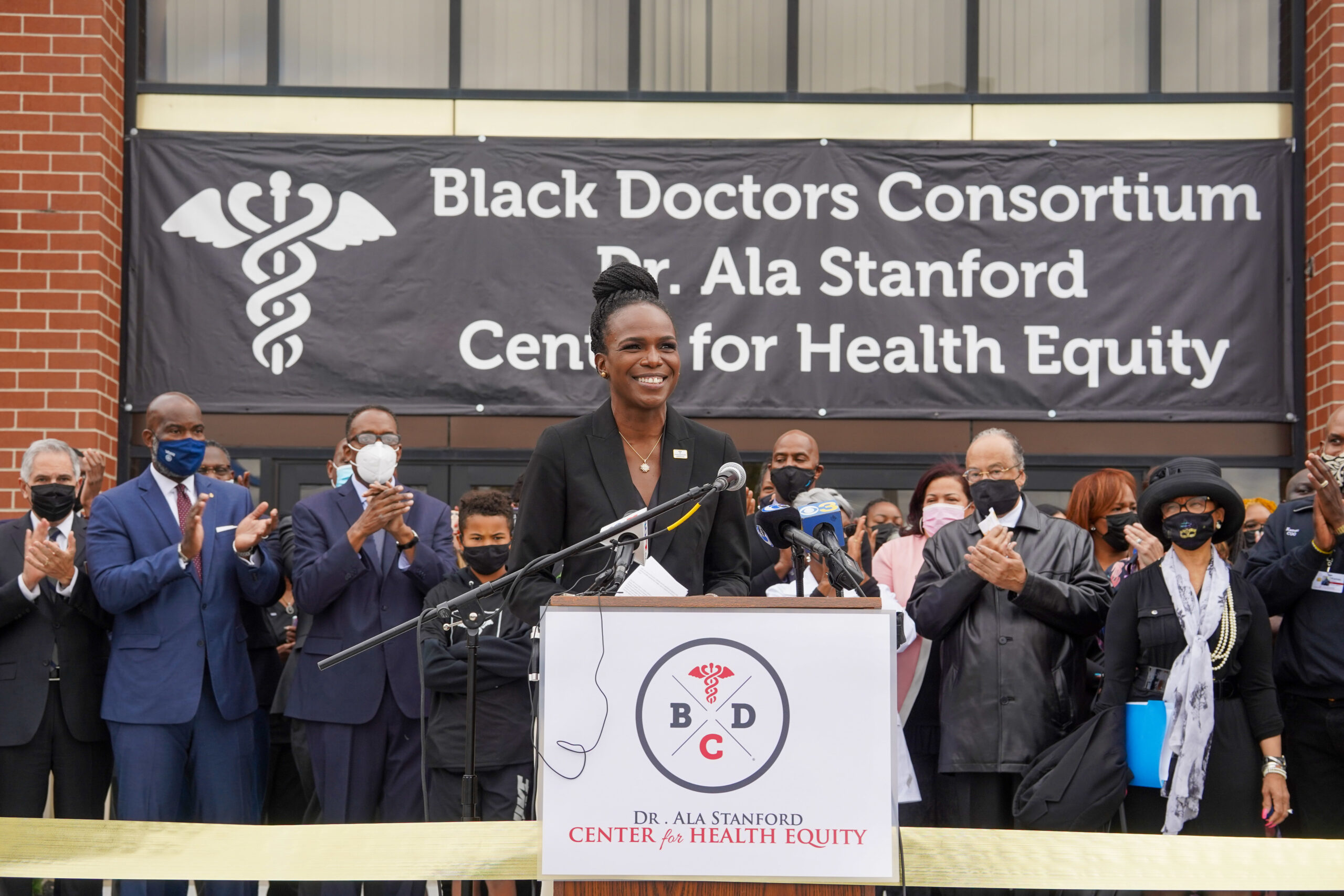
Ala Stanford speaks at the Black Doctors Consortium Dr. Ala Stanford Center for Health Equity in Philadelphia, Pa., on October 27, 2021. The center was opened with the goal of making healthcare accessible for those in communities who might struggle to get proper healthcare treatment.
Stanford’s supporters think Philadelphia voters will trust a doctor to ensure affordable healthcare access. They point to a survey released this month by the Annenberg Policy Center at the University of Pennsylvania that found 86% of respondents said their primary healthcare provider is trustworthy.
Erik Polyak, the executive director of 314 Action, said Stanford’s background differentiates her in a Democratic primary in which most candidates align on key issues.
“Voters want healthcare decisions made by people who understand patients and the science,” he said, “and not politicians chasing headlines.”
Oxman, Stanford’s now-former opponent, said physicians running for office can help rebuild a Democratic Party that has “lost the trust of so many people.”
“So many people see us as not centered on their needs, particularly their economic needs,” he said. “If the Democrats are going to build a party that has a chance of winning in Center City Philadelphia and in central Pennsylvania, it’s got to regain the trust of the voters.”
New to politics, but not government
It was the spring of 2020, and the bills were piling up.
Stanford, who was born in Germantown, had given up her well-paying day job as a surgeon to work full-time with the Black Doctors Consortium. She ran COVID-19 testing clinics in Philly parking lots and churches, and amassed some $200,000 in bills, saying she couldn’t “let one person lose their life for a test that costs $100.”
That was the beginning of her pandemic experience with government.
A lot of it was begging. As Stanford tells it, she peppered government officials with emails, telling them how many people she and her volunteers had tested that day, and asking for help securing funding.
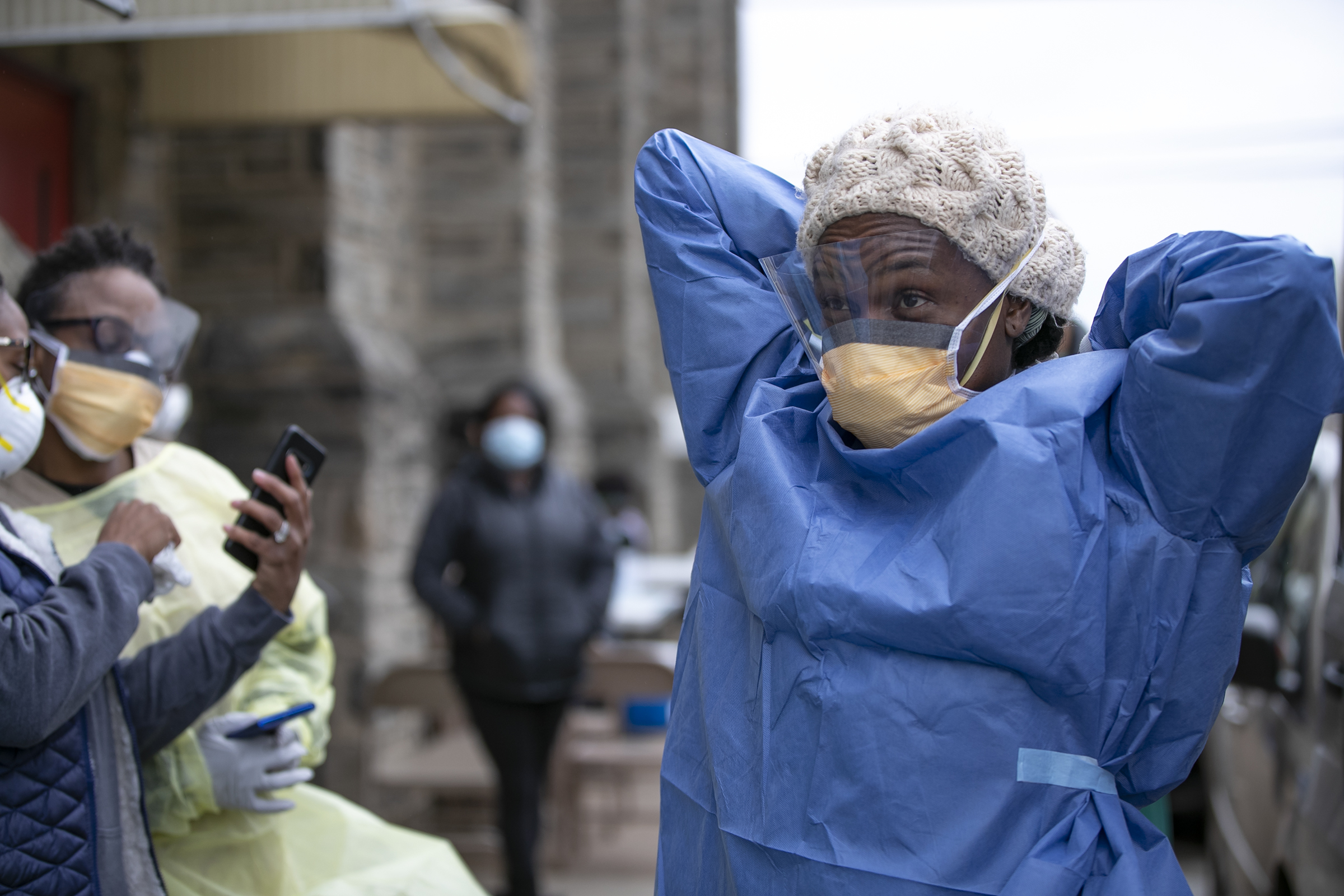
In this April 2020 file photo, Ala Stanford puts on her mask before running a coronavirus (COVID-19) testing site at the Miller Memorial Baptist Church in Philadelphia.
U.S. Rep. Dwight Evans was immediately responsive. He connected Stanford with the White House, other members of Congress, and top insurance companies. And he publicly called on former Gov. Tom Wolf and then-Mayor Jim Kenney to allocate funding to Stanford’s organization, citing the group’s outreach to predominately Black communities and its work to address distrust of medical institutions.
The money came in several months later. It was finally enough for Stanford to pay for testing, compensate her staff, and prepare to vaccinate thousands of Philadelphians.
Fast-forward five years, and Evans has endorsed Stanford to replace him in Congress as he retires after decades of public service. His backing has been invaluable to Stanford, and it surprised some political observers who figured he might endorse one of the politicians whom he’d served alongside.
Stanford said Evans’ support has not convinced some Democratic voters. Some tell her they plan to vote for Street, citing his family name, or they say that “it’s his turn now.”
“What about if he is not what’s best for the people?” Stanford said. “Doesn’t that factor in?”
She tells voters that despite being new to the campaign trail, she isn’t new to government. She worked as a regional director for the Department of Health and Human Services under former President Joe Biden, who appointed her to the role. And she leads medical services at the Riverview Wellness Village, the city-owned drug recovery center opened last year by Mayor Cherelle L. Parker’s administration.
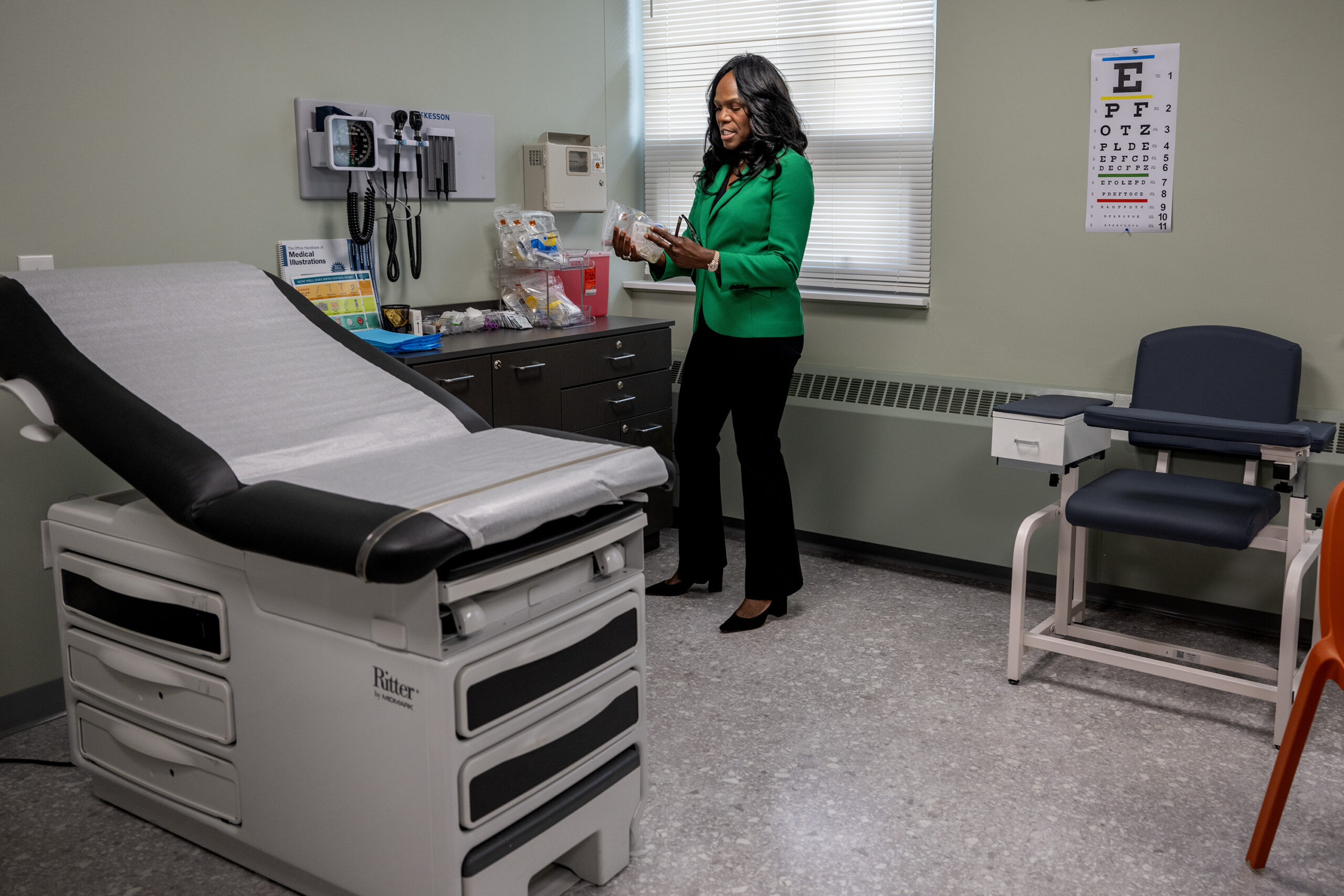
Physician Ala Stanford in an examination room at the primary medical care center run by her Black Doctors Consortium at Riverview Wellness Village, a city-owned drug recovery home in Northeast Philadelphia Tuesday, Nov. 25, 2025.
Still, Stanford very much sees herself as a doctor.
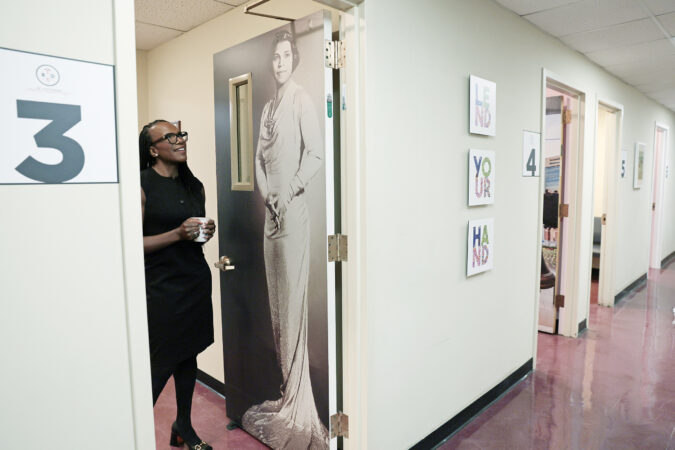
She often works out of a corner office in the North Philadelphia health center, and she still is alerted when the temperature of the vaccine refrigerator dips a degree too low. She has, on more than one occasion, tended to someone experiencing a medical emergency while she was campaigning.
She knows that overseeing day-to-day operations at the health clinic won’t be possible if she’s in Congress. There’s a succession plan in place.
“It’s just about, how can I have more significance at a larger scale? Congress is definitely a way to do it, but it might be somewhere else,” Stanford said. “That is, if I don’t win. But I want to win. I should win.”
The full cost to attend the University of Pennsylvania next school year will exceed $94,000 under a resolution approved by the school’s budget and finance committee Thursday.
The 3.8% increase in overall costs for the 2026-27 academic year is slightly more than last year, when costs rose 3.7%, but slightly less than the year before that, which was a 3.9% increase. Overall, the tab will rise from $91,112 to $94,582 for 2026-27.
The costs include tuition of $65,670, fees of $8,308, room charge of $13,644, and $6,960 for meals.
“People ask me when are we going to break through the $100,000 barrier,” Trevor Lewis, vice president of budget and management analysis, told board members. “Probably in FY28 or 29.”
Lewis said Penn also will increase its undergraduate financial-aid budget 3.8%, to $347 million. Penn guarantees full tuition scholarships for students from families with incomes of $200,000 or less with typical assets and covers full attendance costs for students from families earning $75,000 or less. Of the university’s approximate 10,000 students, 46% receive need-based aid.
Tuition for graduate and professional students will be set by the individual schools, the university said.
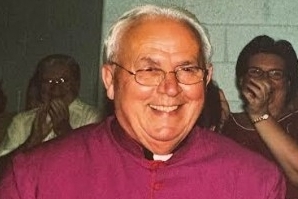
Philip C. Ricci, 90, formerly of Conshohocken, retired Catholic monsignor, founding pastor emeritus at Mary, Mother of the Redeemer Parish in North Wales, talented pianist, singer, artist, and mentor, died Saturday, Feb. 14, of complications after a fall at Villa St. Joseph senior living community in Darby.
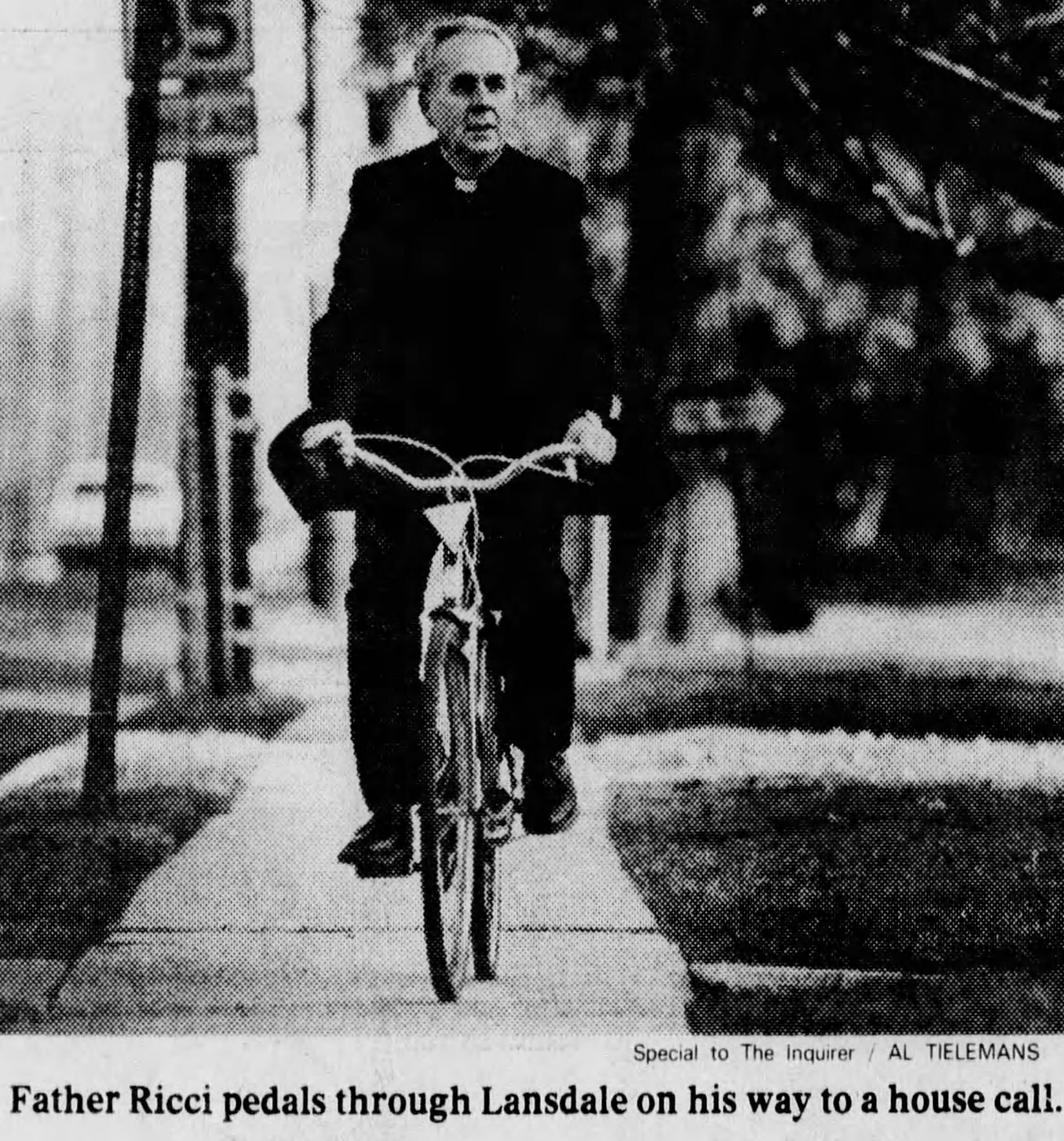
Ordained in 1965 by Cardinal John Krol, Msgr. Ricci was named founding pastor of Mary, Mother of the Redeemer Parish in 1987. Over the next 23 years, until his retirement in 2010, Msgr. Ricci worked many 16-hour days, made spiritual house calls on bicycle, spurred significant fundraising, and helped grow the Montgomery County parish from 600 founding families to 3,500.
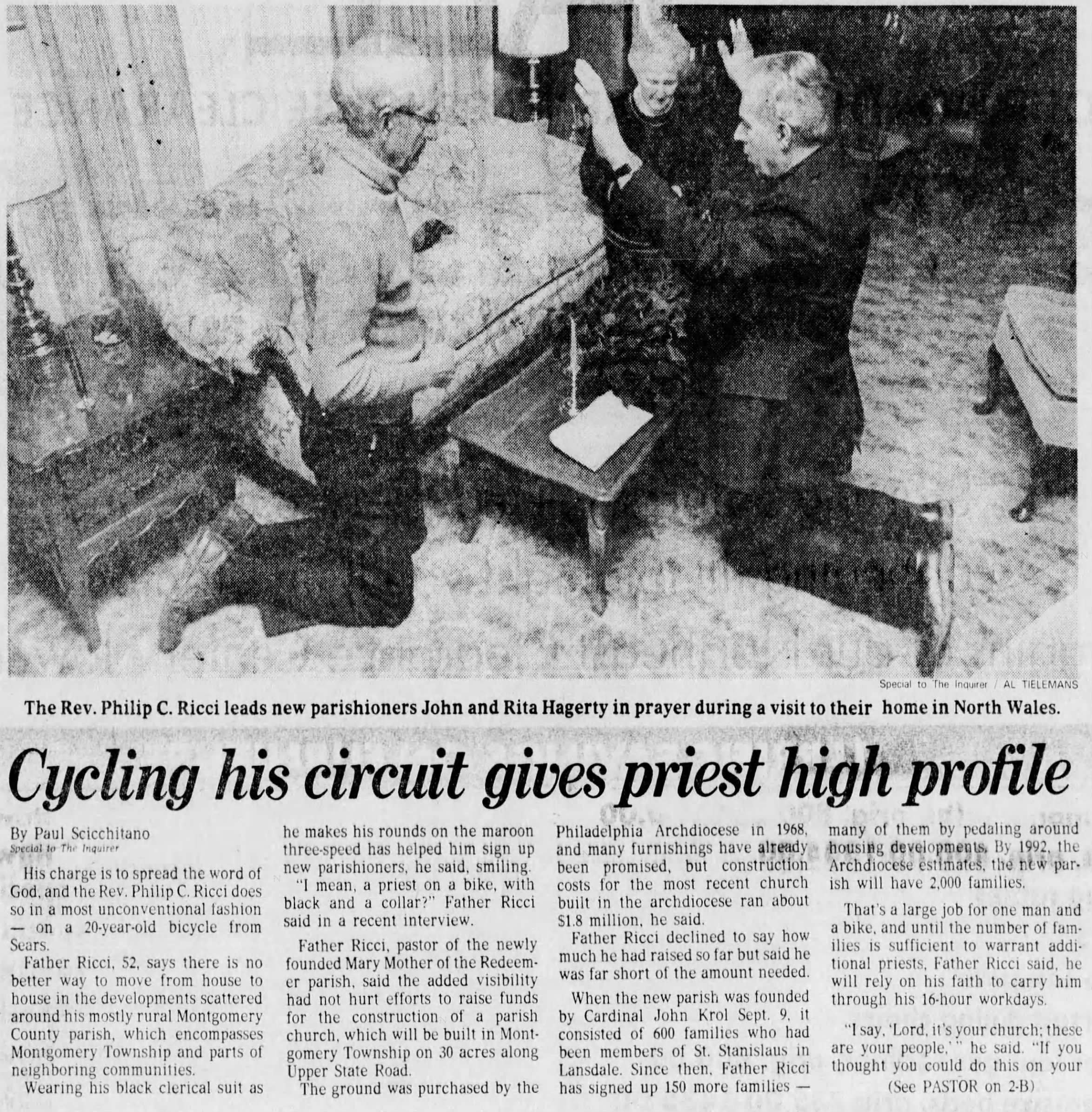
The Inquirer wrote about his house calls in 1987 and opened the story with: “His charge is to spread the word of God, and the Rev. Philip C. Ricci does so in a most unconventional fashion — on a 20-year-old bicycle from Sears.”
His niece, Christine, said: “He could talk to anybody about anything.”
Msgr. Ricci lived and held services in a 200-year-old farmhouse from 1987 until the new church building was completed. Pope John Paul II elevated him to monsignor in 2003.
He was active with school activities, and his homilies were often about mercy and compassion. In 2010, he told members of his congregation at a retirement celebration: “We must always accept people where they are and then allow God’s grace to work in patient understanding.”
In an online tribute, colleagues at St. Matthew Parish in Conshohocken said his “kindness, wisdom, and steady presence touched countless lives.” Others called him “the perfect priest” and “the epitome of what a Catholic priest should be.” One friend said: “He was without a doubt the nicest person I have ever met.”
In a tribute, his family said: “His priesthood was not simply a role. It was the core of who he was.”
Msgr. Ricci first served in the 1960s as a chaplain at the old Holmesburg Prison in Philadelphia and pastor at the Riverview Home for the Aged and St. Margaret’s Home for Girls. He went on to be assistant pastor at St. Joseph Parish in Ambler, St. Stanislaus Parish in Lansdale, St. Anastasia Parish in Newtown Square, and St. Margaret Parish in Narberth.
In 1974, he became spiritual director of the college division at St. Charles Borromeo Seminary. He also earned a master’s degree in spirituality from Creighton University in Nebraska.
Ministering to people, no matter where he was, he told the Main Line Times in 2010, was personal. “You don’t go out forming community,” he said. “You go out and form one-on-one. I can’t separate who I am as a man, as a Christian, and as a priest.”
The Inquirer published a story about Monsignor Ricci making spiritual house calls on his bicycle in 1987.
Msgr. Ricci played piano and sang before church services and after Communion. He directed choirs, and friends presented him with his own piano at his retirement.
He returned to his family home in Conshohocken after leaving Mary, Mother of the Redeemer but continued to assist others at nearby parishes and visit those in hospitals and nursing homes. “Father was a Renaissance man, an artist, musician, writer, deep thinker,” a former colleague said on Facebook. “He could speak about the liturgy or the Eagles, the football team or the band. He related well to everyone regardless of age, religion, or background.”
Philip Cosmo Ricci was born Sept. 26, 1935, in Conshohocken. He graduated from the old Conshohocken High School, took night classes at the University of Pennsylvania’s Wharton School, and, inspired by his parents, entered St. Charles Borromeo Seminary to study the priesthood.
“When the Lord wants you, he gets you,” he told the Main Line Times. “I couldn’t fight it. It was always there.”
Monsignor Ricci’s house calls were featured in this 1987 Inquirer article.
He played piano in a dance band when he was young and enjoyed gardening. He was good at drawing and cooking. He followed the Eagles, Phillies, and 76ers, and invented a beanbag toss game the family played at gatherings.
It was fitting, his niece said, that he died on Valentine’s Day because he embraced love and service to others. “Faith for Uncle Phil was never theoretical,” she said. “It was lived. It was action. It was presence.”
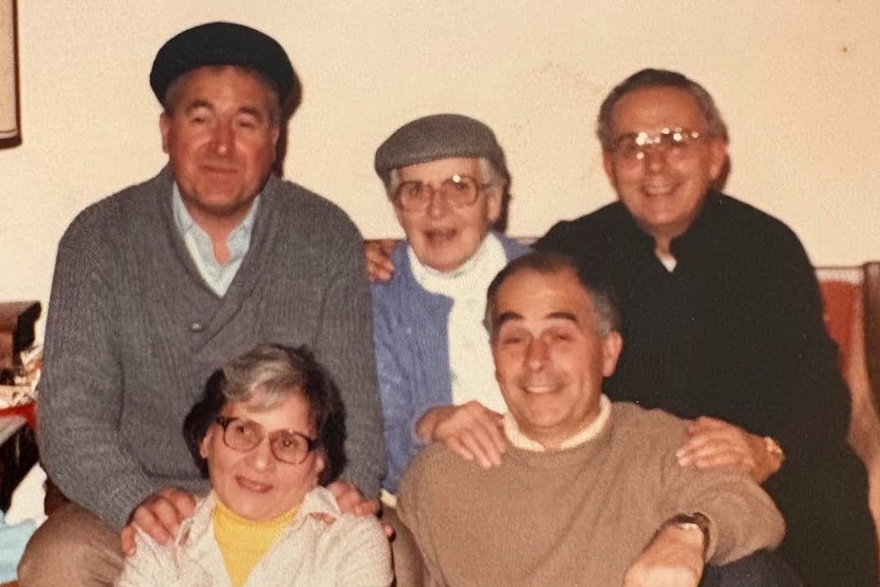
In addition to his niece, Msgr. Ricci is survived by his brothers, John and Francis, and other relatives. A sister died earlier.
Americans could start paying more at the gas pump, following the U.S.-Israel strikes on Iran.
West Texas Intermediate crude, an oil produced in the United States, surged 6.2% on Monday to $71.19 per barrel. As of Tuesday, it has spiked another 8%, hovering at around $77. It marks the oil’s highest point in over a year. But that’s just the beginning.
Experts say those surges reflect similar spikes in natural gas and at the gas station.
Here’s what we know.
Why are gas prices going up?
Known as the “crude oil effect,” when oil prices go up, so does the price of the fuel it makes. Crude oil must be processed at refineries to be turned into gasoline.
The conflict in the Middle East, which President Donald Trump said he anticipates could take longer than a few weeks, means the global supply of oil is disrupted, and, in turn, the price of a barrel of oil goes up. This causes the price of fuel to also rise.
“Whatever the time is, it’s OK,” Trump said. “Right from the beginning, we projected four to five weeks, but we have capability to go far longer than that. We’ll do it.”
Oil prices were already on the rise, up 17% this year. Experts say the increase is a direct effect of Trump’s rhetoric against Iran, along with his administration’s recent sanctions against the country.
And, as noted by John Quigley, a senior fellow at the University of Pennsylvania’s Kleinman Center for Energy Policy, it’s not just oil and gasoline; natural gas is also seeing a price increase.
And U.S. consumers will be hit hard, he says.
“It’s disrupting global oil and gas markets,” he said. “The war is quickly widening into a regional conflict, with the production capacity of multiple oil- and gas-producing nations being attacked by Iran in retaliatory strikes. This has already disrupted global oil and natural gas shipments.”
How much have gas prices increased since the strike on Iran?
As oil prices surged Monday, the impacts already started to trickle down to gas stations. This week, the national average of gas per gallon surpassed $3 for the first time since November.
Some states, including Illinois, Michigan, and Texas have already reported increases of about 5 cents per gallon.
As of Tuesday morning, the national average hit $3.11, marking the largest single-day increase since 2022, according to GasBuddy, a gas price tracking service.
Quigley says those increases could be just the beginning.
“Prices for natural gas in European and Asian markets have already spiked 50%. U.S. natural gas exporters will rush to take advantage of that, diverting domestic supplies to exports and pushing up domestic natural gas prices,” he said. “That will raise costs for home heating, and worsen already surging electricity costs, because over 40% of electricity generation in PJM, the nation’s largest grid, is fueled by natural gas.”
Do gas prices always rise during war?
Gas prices historically surge when conflicts happen because of a mix of supply disruptions, geopolitical uncertainty, and oil infrastructure attacks.
As detailed by NPR, major price surges occurred during the Gulf War, the 2003 Iraq invasion, and the 2022 Russia-Ukraine war.
How high could gas prices get?
GasBuddy petroleum analyst Patrick De Haan told multiple news outlets he believes some gas stations could charge as much as 30 cents more per gallon by the end of the week.
He estimated prices would be around $3.10 or $3.20 per gallon by the end of the week and anticipated they would hit $3.30 to $3.35 “in time.”
Based on the numbers at this moment (3/3/26, 945am ET), the average price of gasoline would likely climb to about $3.30-$3.35/gal in time. Any further changes in markets will change this, but if everything held still, that's where we'd likely be. Diesel closer to $4.25-$4.45.
What are the average gas prices in the Philadelphia region? How does that compare to the national average?
As of Tuesday morning:
The national average gas price: $3.11
The Pennsylvania average gas price: $3.21
The Philadelphia average gas price: $3.12
Which areas in the Philly region have the lowest gas prices?
The average price of gas in Philly is $3.12 per gallon as of Tuesday morning. Still, there are some spots with lower prices, according to GasBuddy.
Among the lowest appears to be an Eastcoast station in Fairmount (801 N. Broad St.) with gas going for $2.79 as of Monday evening. A Marathon in Southwest Philly (2450 Island Ave.) listed gas at $2.74 within the last 24 hours.
Among the highest appears to be a Gulf station in Kingsessing (5200 Woodland Ave.), priced at $3.29 as of Monday evening.
Who sets gas prices?
No one person sets gas prices. In reality, the price you see at pumps is the result of a combination of oil prices, supply and demand, oil refining costs, distribution, and competition.
Military officers will see their tuition assistance cut off at 22 schools and institutions, but the University of Pennsylvania is not among them.
The Ivy League institution, which counts President Donald Trump among its alumni, was on an initial list of 34 schools “at risk” of losing Pentagon-funded tuition assistance. But Penn was not part of the 22-university list released by Defense Secretary Pete Hegseth on Friday.
Penn did not immediately respond to a request for comment Tuesday.
Hegseth previously said he intendedto cut off schools where faculty members have “leftist political leanings” and “openly loathe our military,” but he cited no specific examples of bias or misconduct at the 22 schools that will lose tuition assistance beginning with the 2026-27 academic year.
“We will no longer invest in institutions that fail to sharpen our leaders’ warfighting capabilities or that undermine the very values they are sworn to defend,” Hegseth wrote in a letter released Friday with the final list.
It was not immediately clear why Penn and other schools were removed from the initial draft list.
Among the schools still set to lose access to the tuition-assistance program is Princeton University, where Hegseth obtained a bachelor’s degree in 2003. Carnegie Mellon University in Pittsburgh is also on the list, as is Yale University, where Vice President JD Vance obtained a law degree.
The move means members of the military will be banned from using Department of Defense tuition assistance to pay for Senior Service College Fellowship programs at those schools.
The impact will not be large — the Department of Defense said fewer than 100 military students are enrolled in programs at schools that will lose funding. Military personnel currently enrolled may complete their courses of study, Hegseth said, though it is unclear if they will have to change schools to continue receiving financial assistance.
Hegseth’s announcement did not mention several other financial assistance programs for undergraduates, including the GI Bill, which is administered by the Department of Veterans Affairs.
Here is the full list of schools losing tuition assistance from the Pentagon:
Educational institutions
Harvard University
St. Louis University
Massachusetts Institute of Technology
Tufts University
Georgetown University
Carnegie Mellon University
Brown University
Columbia University
Yale University
Middlebury College
Princeton University
George Washington University
College of William and Mary
International institution
Queen’s University (Canada)
Nonprofit institutions
Center for Strategic and International Studies
New America Foundation
Brookings Institution
Atlantic Council
Center for a New American Security
Council on Foreign Relations
Henry L. Stimson Center
Senior Service College
Johns Hopkins University School of Advanced International Studies West Space Scholars Program
Six of eight nonprofit health systems in Southeastern Pennsylvania and northern Delaware posted improved financial results for the six months that ended Dec. 31 compared to the year before. Still,half of them had operating losses, according to financial data reported last month to bond investors.
Jefferson Health and Temple University Health System reported results that were worse than the same period last year.
Children’s Hospital of Philadelphia remained the region’s most profitable health system, with a 6.2% operating margin, up from 5.2% the year before. CHOP posted $2.7 billion in total revenue in the last six months of 2025, up from $2.4 billion the year before.
Nonprofit health systems in South Jersey, such as Cooper, Inspira, and Virtua, do not report comparable financial results until they file their annual audited financials statements in the spring.
Here’s a summary:
Jefferson Health: Jefferson had an operating loss of $201 million in the six months that ended Dec. 31, compared to a $55 million loss the year before. The $201 million loss included a $64.7 million restructuring charge related to severance for 600 to 700 people laid off in October and other changes designed to improve efficiency in the 32-hospital system that stretches from South Jersey to Scranton, Jefferson said.
University of Pennsylvania Health System: Penn had an operating profit of $189 million in the first six months of fiscal 2026, up from $117 million in the same period a year ago. Operating income increased, even after Penn put $43 million into reserves for medical malpractice claims. Two years ago, Penn had recorded charges totaling $90 million for the same purpose.
ChristianaCare: ChristianaCare, Delaware’s largest health system, posted a $37 million operating gain, up from $33 million in the first six months of fiscal 2025. The health system’s revenue rose 9% to $1.75 billion, helped in part by its expansion into Pennsylvania. ChristianaCare took over five of Crozer Health’s freestanding outpatient locations in Delaware County.
Temple University Health System: Temple had a $50.5 million operating loss in the six months that ended Dec. 31. In the same period the year before, Temple reported a $13.5 million operating gain. The nonprofit attributed some of the losses to costs related to the opening of Temple Women & Families Hospital in September.
Main Line Health: Main Line had an $8.7 million operating profit in the six months that ended Dec. 31. Main Line’s swing from an $8.9 million loss in the same period of 2024 benefited from a change in accounting for depreciation that reduced expenses. Without that change, Main Line would have had another loss.
Redeemer Health: Redeemer reported an operating loss of $14.7 million, compared to a loss of $19.5 million the year before. The improvement happened even though the health system in Philadelphia’s northern suburbs increased revenue by just 1.2%, to $227 million.
Superintendent Tony B. Watlington Sr. and the Philadelphia School District have proposed 18 school closures, six colocations, and a vague, insufficiently transparent plan to reconfigure grade levels across numerous other schools, citing the need for “more efficient use of all of our resources” to deliver high-quality academic and extracurricular programming districtwide.
The Inquirer Editorial Board has endorsed the plan, pending adjustments to several sites, including Lankenau Environmental Science Magnet High School.
The district is right to pursue a comprehensive facilities plan that addresses toxic building conditions, overcrowding, and underutilization. But it is going about it the wrong way. Facilities planning should be an annual, longitudinal process grounded in sustained community engagement, not a punctuated moment of 24 mass closures that disrupt neighborhoods and sidestep the thoughtful incorporation of public input that only time and intention can provide.
Mistakes of 2013
Without such care, the district will repeat the mistakes of the 2013 closures, which led to students disappearing from school rolls in September, overcrowded receiving schools, and the racialized erasure of neighborhood histories and place-based educational traditions.
First, significant questions remain about implementation and transparency. Ten properties are slated to be “conveyed” to the city, reportedly tied to Mayor Cherelle L. Parker’s H.O.M.E. plan. Amid speculation about a 20-year tax abatement connected to redevelopment, it is unclear what mechanisms will ensure the benefits of these transfers accrue to the communities that have borne the brunt of closure, rather than to private developers. A two-decade tax abatement would symbolically and materially reinscribe the racialized disinvestment, neglect, and manufactured crisis that have too often paved the way for school closures in the first place.
Second, the data used to inform the closures have been called into question by many, and do not take into account the nuance of mixing school populations via colocation. For example, parents at Childs Elementary have cited the district’s plan to colocate a new Academy at Palumbo based on a building capacity of 1,000. However, a significant portion of the building’s classrooms is dedicated to special-education students. A colocation would displace SPED students from these classrooms while reinforcing a bifurcated culture among the catchment-based middle school students and Palumbo students in an already rapidly gentrifying neighborhood of Point Breeze.
Third, closure and conveyance to the city for resale do not guarantee public-serving outcomes. With my collaborators — Ariel Bierbaum, Amy Bach, and Elaine Simon — I have studied how thoughtful reuse, rooted in restoring community access and public control, can begin to repair the racially inequitable legacy of past closures.
Yet, private redevelopment has repeatedly failed to stabilize these properties. Selling off public assets does not guarantee revitalization; it often perpetuates stagnation or displacement. Developers frequently “flip” former school buildings, speculating on value rather than advancing community use.
After it closed in 2013, Germantown High School fell into decay and disrepair, a fate Julia McWilliams writes could be repeated.
Take the former Germantown High School and Robert Fulton Elementary, for example. Concordia Group bought them in 2014, only to abandon its plans and resell the buildings three years later to local developer Jack Azran, whose opaque redevelopment has sparked concern.
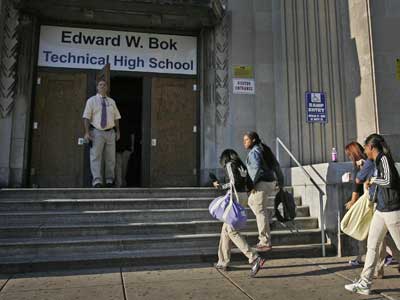
Moreover, once schools are sold to private entities, they are effectively lost to some communities and public education forever. South Philadelphia’s experience is a cautionary tale. As nearby elementary schools became overcrowded following the 2013 closures, the former Edward W. Bok Technical High School, once a public citywide admissions school, was transformed into a workspace for small-business owners, artists, and nonprofit organizations, closing classrooms forever.
This reuse no longer serves the same community of students and families as when it was a high school, and raises important questions: What does it mean for a community’s future when former schools become symbols of gentrification rather than centers of education? And what options remain when demographic shifts create new demand for neighborhood schools that no longer exist?
Had Bok remained in public hands, it could have flexibly adapted to those needs. Instead, it serves a much different population: South Philadelphia working artists, small-business owners, and local refugee-serving nonprofits, but also patrons who can afford $14 cocktails.
Slow down
Rather than defaulting to closure, the Board of Education should consider how underenrolled buildings might be repurposed for public-serving uses that retain community control. Could redevelopment proceed gradually, with clear commitments that investments in existing buildings benefit both local families and those who have chosen these schools?
Such an approach would require genuine public engagement and sustained dialogue. It would require slowing down and rejecting a disruptive, thinly deliberated plan shaped by speculative capital and instead committing to participatory, long-term facilities planning.
The district and the city face a choice. They can repeat a cycle of disinvestment and dispossession, or they can chart a more deliberative, community-rooted path. The question is whether they have the will to do so.
Julia McWilliams is the codirector of the Urban Studies Program at the University of Pennsylvania and a member of Stand Up for Philly Schools. She coauthored the forthcoming book, “Schools for Sale: Disinvestment, Dispossession, and School Building Reuse in Philadelphia,” from the University of Chicago Press.