Tag: Villanova

  • Villanova shares a resemblance to the 2009 FCS championship team. Just ask its former players.

    Villanova shares a resemblance to the 2009 FCS championship team. Just ask its former players.

    There was no time Aaron Ball enjoyed more than being in victory formation on the football field, and 16 years ago Thursday was particularly special.

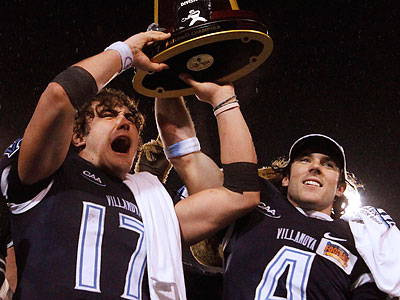
    The former Villanova running back, now living just outside of Virginia Beach, Va., still has fond memories of the program’s only FCS championship victory, a 23-21 win over Montana on Dec. 18, 2009.

    “When [it was] the fourth quarter and the time was running out, and we’re in victory formation‚” Ball told The Inquirer, “it was just an incredible feeling. Just thinking about the moments we had, like after the game in the locker room and going crazy, the trophy and everything. That whole experience was incredible.”

    The Wildcats, now led by Mark Ferrante, who was assistant head coach under Andy Talley on that 2009 team, are one game away from being back in the national championship game.

    After a comeback victory in the FCS quarterfinals against Tarleton State, Villanova will host Illinois State in the semifinal (7:30 p.m., ESPN2) on Saturday, the team’s first home game this late in the playoffs since the 2009 team narrowly defeated William & Mary, 14-13.

    Like that 2009 team, this year’s squad suffered an early CAA loss and went on a lengthy winning streak. Former quarterback Chris Whitney, a St. Joseph’s Prep graduate who was the team’s leading rusher in 2009, believes there is an uncanny resemblance between his team and this year’s group.

    “I feel like there’s a lot of similarities. The defense is really good, and they’ve shown that in the last three games in the playoffs, playing against three top teams in the country,” Whitney said. “And then you flip to the offensive side, they have a great three-headed running game. … Even down to the running backs, very similar to our running backs, Angelo Babbaro and Aaron Ball.

    “Then, from a quarterback perspective, [current starter Pat McQuaide] is taking care of the ball.”

    Brandyn Harvey helped Villanova upset Temple at Lincoln Financial Field in 2009.

    ‘We never felt like anybody could beat us’

    Former wide receiver Brandyn Harvey knew something special was afoot when Villanova went to Lincoln Financial Field and beat Temple by three points to open the 2009 season.

    Harvey, the team’s leading receiver that year who is now living in Los Angeles, said that “beating Temple was more fun than beating Montana,” because of the back-and-forth the two schools had that summer leading up to that August matchup.

    “It put us on the right trajectory to just finish and be successful throughout the rest of the season,” Harvey said.

    Former tight end Chris Farmer, a West Catholic graduate, added: “I know we all thought that we could beat Temple, which would have been a [FBS] school at that point. So once we did that, I think our confidence got rolling a little bit more. And we just took it from there.”

    Ball, though, had a different perspective on when he knew Villanova could be a championship team.

    After Villanova lost to New Hampshire on Oct. 10, the former running back, who finished with 794 rushing yards in 2009, third-most on the team, thought the team was “overlooking our opponents.”

    “After that game, it was a big turnaround for us,” Ball said. “[We were] just doing a little bit too much, and needed to settle in. And then the next game, we bounced back [beating James Madison, 27-0]. And I was like, ‘OK, we’re actually a pretty good team.’ When I’m comparing ourselves to other teams and where they’re at and where we’re at. And I was like, ‘Man, you really can kind of do something special with this team.’”

    For Farmer, who started his career at defensive line and switched to tight end as a junior, what stood out most to him was the talent and the “great camaraderie” that 2009 team had. Everyone hung out with each other, Farmer said, and outside of having class, the “locker room was always filled.”

    And the one common trait that Whitney, Harvey, Ball, and Farmer agreed that the team had back then? Perseverance.
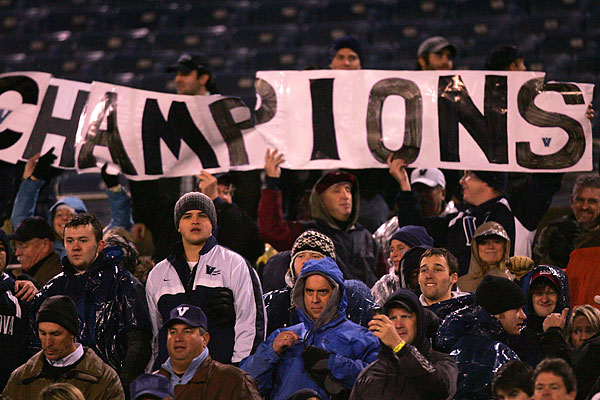
    The 2009 college football season was perhaps the most successful in Philadelphia history. Penn won the Ivy League, Villanova won the FCS national championship and Temple reached a bowl game for the first time in 30 years.

    “We always felt like we were supposed to win, especially at that point in the season,” Farmer said. “So in those playoff games when we were down, just leaning back into the camaraderie, everyone kept their energy going. [The] sidelines never got disappointed or [had their] heads down. I think that camaraderie probably carried us through, to be honest.”

    Added Harvey: “We may have been out of a possession, but we never felt like we were out of the game. We never felt like anybody could beat us at the end of the day, like we were just very confident. I wouldn’t say we were cocky, but we were just very confident, just in ourselves, just based off the work that we put in, because we know how hard we work, especially in the summer, and all that just carried over and translated to the season.”

    ‘Coach Ferrante was the president’

    The offensive line and assistant head coach on that 2009 team is the same coach who leads Villanova now: Ferrante, now in his 38th year with the program.

    While Talley led the program during the first 29 years that Ferrante was with the program, it was the latter whom players say was key in getting them to play on the Main Line. Ferrante was the local recruiter for both Whitney and Farmer, as both played in the Catholic League.

    Both worked closely with the offensive line — Farmer at tight end, Whitney at quarterback — and each agreed that Ferrante’s impact on the team was apparent.

    “He served, as I would say, a father figure to a lot of guys on the team,” Farmer said. “Honestly, he was — if coach [Talley] was the chairman or CEO, then coach Ferrante was the president, making sure everything was up to speed and running the way Coach T wanted it.

    “He put a lot of time, a lot of sweat into the program, you know, to be honest, man, so to see him finally have the opportunity to take the reins … and quickly getting the program to be successful, it’s really cool.”

    Added Whitney: “I have a special place in my heart for Coach Ferrante, frankly. … To talk about a guy who is deserving, putting in his time [for 29] years as an assistant, with the same program putting in that time to then get his chance as a head coach and get a chance to to reach the top of the mountain. I would love nothing more than that for him.”
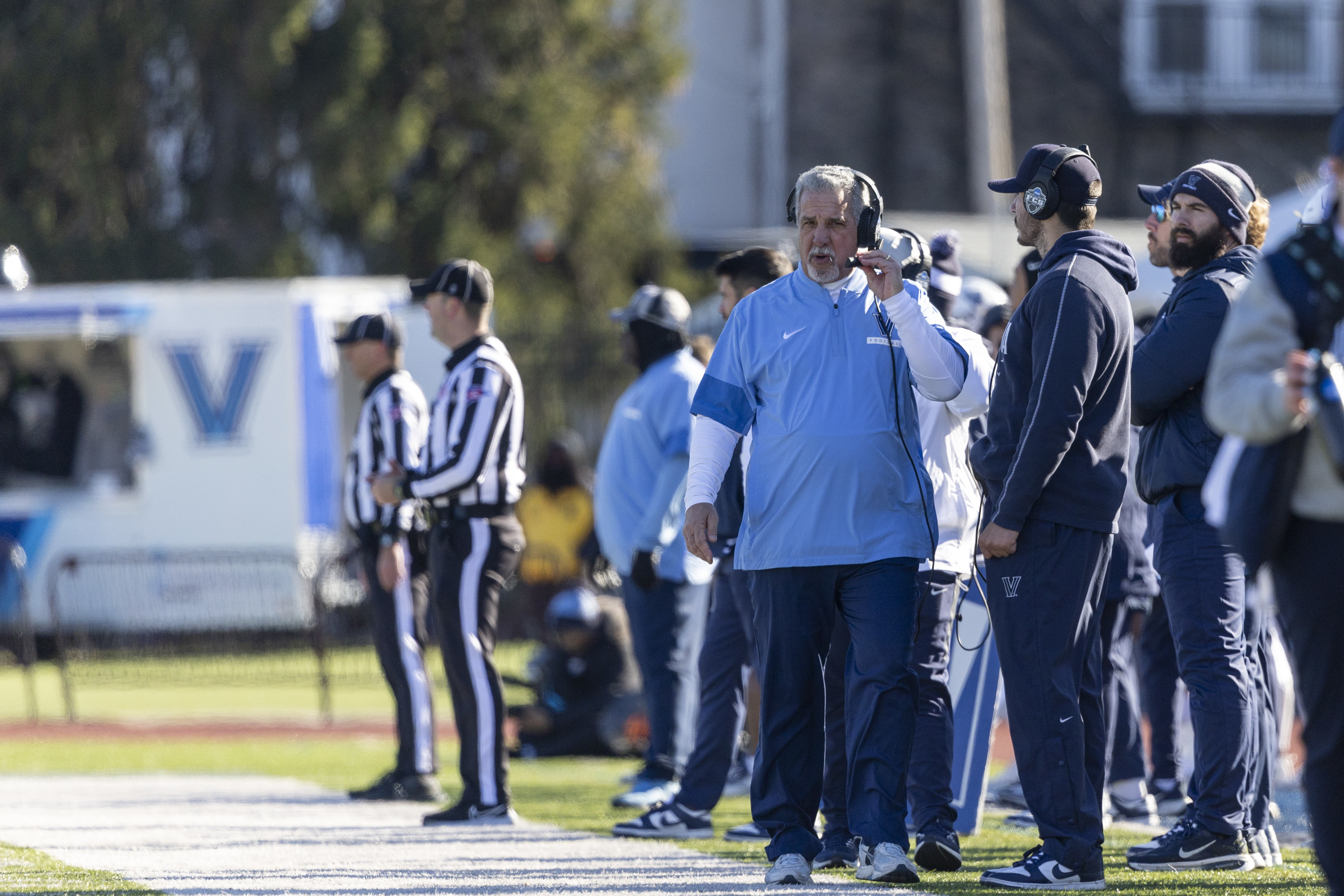
    Villanova coach Mark Ferrante on the sidelines during its game against Harvard on Nov. 29.

    College football has changed plenty in the 16 years since Villanova’s last football title, including the transfer portal and Name, Image, and Likeness to name a few, though the latter doesn’t affect the FCS level as much. But Harvey says his 2009 team only had a handful of transfers, none of whom started on their team, compared to this year’s Villanova team, which starts a transfer quarterback, wide receiver, and has a few other rotational defensive players who transferred in.

    While the culture in college football is different now, Harvey points to the transfer portal as a positive development to the competitiveness of the FCS level.

    “I feel like the portal has really impacted the FCS level. I was thinking about this last week, watching a couple of games and just seeing where some of the players came from. I think when I was playing, I don’t know if it was our culture, but we didn’t really accept transfers,” Harvey recalls. “Players literally come from everywhere, no matter the level. … I know people tend to knock [the] FCS, but it’s also competitive level as well.”

    Added Whitney: “For Pat [McQuaide, a Nicholls State transfer] to come in the spring, and a lot of those guys coming in the spring and meshing as well as they have, it’s a credit to them. It’s also a credit to coach Ferrante. I mean to get these kids to bond so quickly and play together is pretty tough, but it is obviously the new norm in college football.”

    The years in between have looked different for each former player, but the love for their alma mater remains the same. Spread from coast to coast, they still keep in touch with former teammates, tune in to watch Villanova’s football games, and share various memories from that title team with their children.

    They will all be watching this weekend. Harvey and Ball plan on making the trip to the title game if Villanova beats Illinois State.

    And speaking of common threads, here’s one more: the 2009 team won the FCS title game in its final year in Chattanooga, Tenn., and this year’s championship game will played in Nashville, Tenn., after a 16-year stint in Frisco, Texas.

    How about that?
  • A state board has plans to improve college affordability and increase the number of people who complete degrees

    A state board has plans to improve college affordability and increase the number of people who complete degrees

    Pennsylvania’s fledgling State Board of Higher Education on Thursday rolled out its first strategic plan, setting goals addressing affordability, increased degree attainment, the state’s workforce and economic development needs, and the fiscal health of colleges.

    The board voted unanimously to post the 10-year plan for public comment. It will consider adoption in February.

    “The plan will strengthen partnerships, break down silos, and enable effective reinvestment in the sector,” Cynthia Shapira, chair of the board, said in a statement introducing the plan.

    It comes as the sector faces perhaps its greatest challenge in decades. Both private and public universities have been losing enrollment as the number of high school graduates falls — with another dip beginning next year and a 12% decline expected in Pennsylvania by 2037. Public trust in colleges has faltered, while concerns about cost and student debt have mounted.

    They are also facing scrutiny from President Donald Trump’s administration and a forecasted gap in workers who require a postsecondary credential in essential areas, such as healthcare, teaching, and advanced manufacturing.

    The Pennsylvania State System of Higher Education, which oversees the state’s 10 universities, endorsed the plan’s emphasis on collaboration across private and public colleges and universities.

    “Within our own system, we have learned that when universities work together, they can innovate, overcome challenges and better serve students and the Commonwealth,” the system said in a statement. Shapira is also the chair of PASSHE’s board.

    What is the board and what’s in its plan?

    The 21-member higher education board includes college presidents, administrators, legislators, and students. It was formed in 2024 by the governor and General Assembly to help public and private colleges work more cohesively and better serve students and the state’s workforce needs. The plan rollout follows public hearings that drew comments from more than 1,200 people, the board said.

    The plan outlines the challenges facing the higher education sector including another coming decline in the high school population, financial constraints, and the lack of coordination among institutions. Student debt averages more than $40,000 per student in Pennsylvania, the plan notes.

    “Multiple comparative state-level analyses … place Pennsylvania at or near the bottom in terms of affordability, attainment, and state investment per capita,” the report stated. “Adding to these challenges are a large and growing postsecondary workforce credential gap, and a range of closures and mergers that threaten to reduce access to postsecondary education.”

    In the Philadelphia region, Cabrini University and the University of the Arts closed in 2024 and Rosemont College announced earlier this year that it would cease operations in 2028 and that Villanova University would purchase its campus. Salus University was merged into Drexel University. Six of Pennsylvania’s state universities were merged into two entities in 2022, and St. Joseph’s University absorbed the University of the Sciences the same year.

    Other local colleges have struggled with enrollment declines and deficits. Temple University, for example, has gone from more than 40,000 students in 2017 to less than 30,000 this year.

    What are the specific goals in the plan?

    The new plan set six goals:

    1. Increase postsecondary attainment.
    2. Ensure affordable pathways to postsecondary credentials.
    3. Support the economic development needs of the state.
    4. Support the workforce development needs of the state.
    5. Ensure accountability and efficient use of state funds.
    6. Strengthen the fiscal health and stability of the higher education sector.

    How will the board work toward those goals?

    To meet the goals, the board proposes a “strategic communications plan” that touts the benefits of postsecondary education and how it impacts employment outcomes.

    It also emphasizes expanding funding for dual credit programs and enrollment in those programs to streamline the path from high school to college and allow students to accumulate more credits before they graduate high school. In addition, the plan proposes studying how to improve retention rates and focusing on reenrolling adults who started college but didn’t finish; there are more than 1.1 million Pennsylvanians with some college experience.

    Among its plans for addressing affordability are support of policies that “expand financial aid and forgive debt for in-demand, high-quality credentials,” take advantage of new federal Pell grants for workforce programs, and boost access to “open educational resources” to reduce the cost of course materials.

    The report also discusses the intent to “maximize the impact of research universities,” recruit out-of-state students to broaden the talent pool, and increase access to paid work experiences for students.

    To promote fiscal health, the plan recommends identifying and promoting best practices for fiscal efficiency and cost savings, and developing resources and an advisory group to help financially struggling colleges.

    “If institutions decide to close or merge, tools and expertise to assist in this process will help maximize savings, retain access to critical academic programming, and mitigate negative effects on students and communities,” the plan states.

    Another advisory group is recommended to help communities where colleges close maintain access to postsecondary education.

    What comes next?

    After the public comment period and the plan’s final adoption, the board intends to report annually on progress toward the goals and to consider revisions to the plan every five years.

  • What to know about Illinois State, Villanova’s FCS semifinal opponent

    What to know about Illinois State, Villanova’s FCS semifinal opponent

    By advancing to the FCS semifinals for the first time since 2010, Villanova gets to continue a successful 2025 season on its home turf as it hosts Illinois State on Saturday (7:30 p.m., ESPN2).

    The No. 12 seed Wildcats and unseeded Redbirds have piled up upset victories to find themselves with a national championship game appearance on the line.

    Villanova (12-2) is coming off a 26-21 road win over No. 4 seed Tarleton State. Villanova’s defense slowed down Tarleton, the top scoring offense in the FCS. The Wildcats rallied from a 14-0 deficit as graduate quarterback Pat McQuaide passed for 180 yards and one touchdown. Freshman wide receiver Braden Reed threw a touchdown pass of his own and had the game-winning touchdown catch in the fourth quarter.

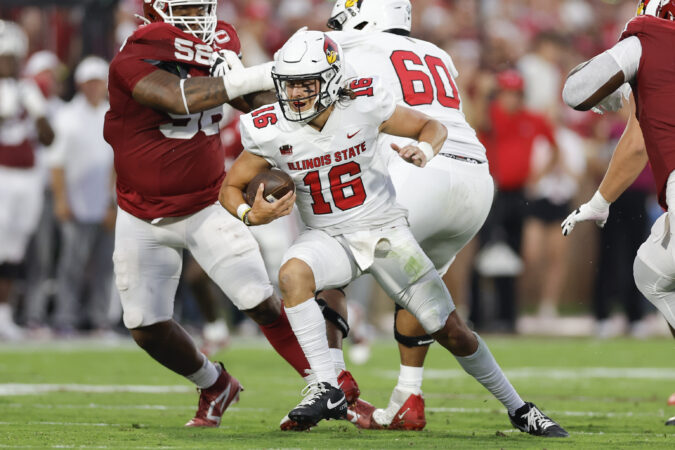
    Meanwhile, Illinois State (11-4) headed to the West Coast and took down No. 8 seed UC Davis, 42-31. Senior quarterback Tommy Rittenhouse led the way with 266 passing yards and three touchdowns.

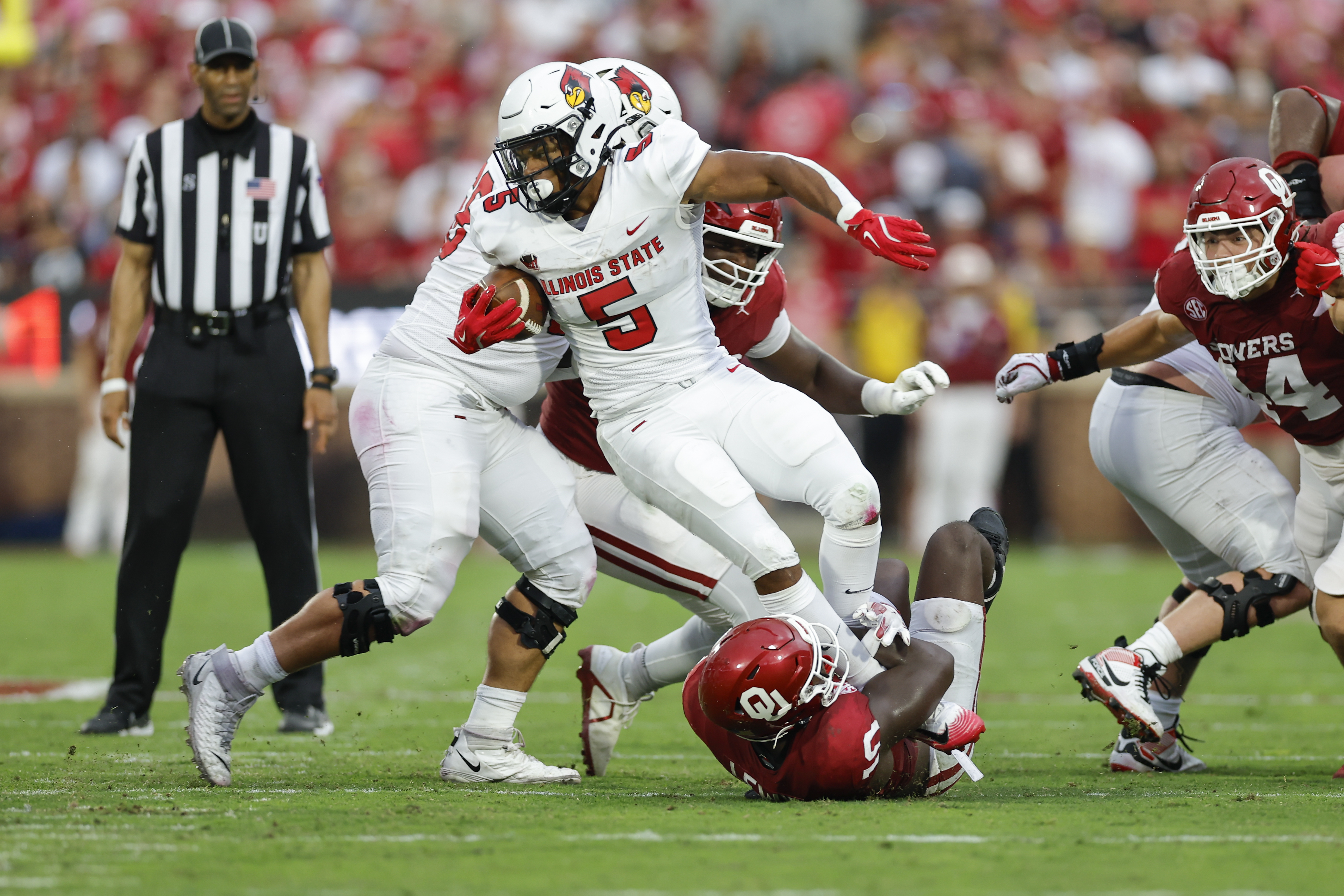
    Illinois State running back Victor Dawson (5) has posted back-to-back 100-yard rushing games.

    Get to know Illinois State

    Illinois State will be making its first FCS semifinal appearance since 2014 and its third in program history. It has been a historic playoff run for the Redbirds, from upset wins to school records broken, under head coach Brock Spack, who’s in his 17th season.

    Illinois State finished third in the Missouri Valley Football Conference and lost, 37-7, to Southern Illinois to end the season. But the Redbirds bounced back, starting with a 21-3 victory over No. 16 seed Southeastern Louisiana in the first round of the playoffs.

    Illinois State’s most impressive victory of the season came as it slid by defending champ and No. 1 seed North Dakota State, 29-28, in the second round. The Redbirds secured the comeback win over the 10-time FCS champions by means of a two-point conversion with a minute left.

    The Redbirds have been unfazed when playing in enemy territory, as each of their three playoff wins have been on the road. Illinois State has won eight consecutive away games against FCS opponents.

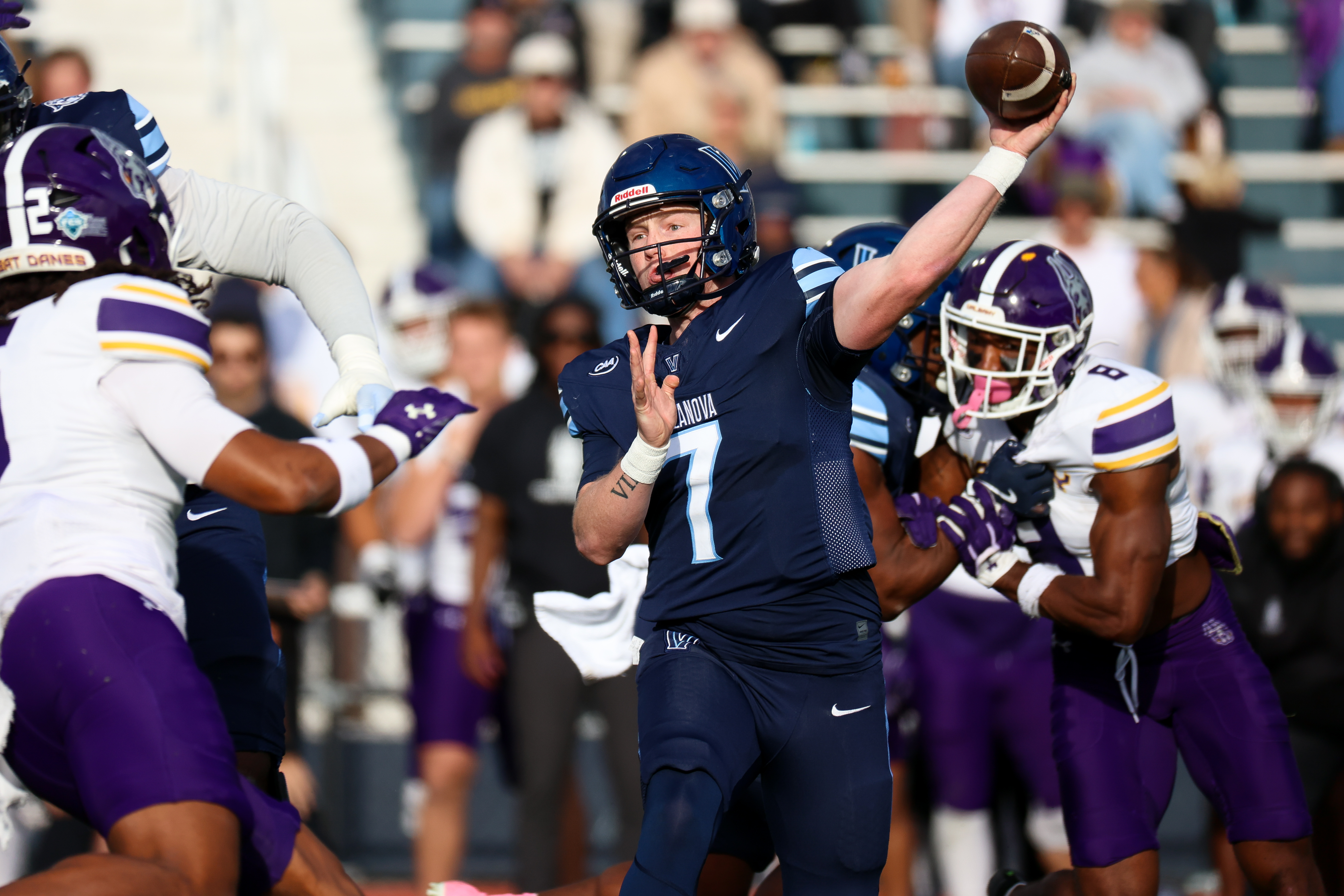
    Pat McQuaide (7) will try to deliver Villanova to the FCS final playoff round for the first time since the Wildcats won it all in 2009.

    Quarterback battle

    Rittenhouse has been playing some of his best football of the season during the playoffs. With his performance last weekend, Rittenhouse surpassed 3,000 passing yards this season. In his second season as Illinois State’s starter, Rittenhouse is averaging 200.4 passing yards per game, with a 66% completion rate.

    Rittenhouse and senior wide receiver Daniel Sobkowicz have become a dangerous duo, connecting on a 93-yard touchdown at UC Davis. Sobkowicz now holds school records for career receptions (250) and for touchdowns in a single season (16).

    In his first season as Villanova’s quarterback, McQuaide, a Nicholls State transfer, is averaging 208.9 passing yards per game with a 60% completion rate. While McQuaide has rushed for just 10 yards this season, Villanova has leaned on its powerful run game and experienced offensive line.

    Sophomore running back Ja’briel Mace has been McQuaide’s primary option, running for 151 yards and one touchdown at Tarleton State. He leads the team with 887 rushing yards this season.

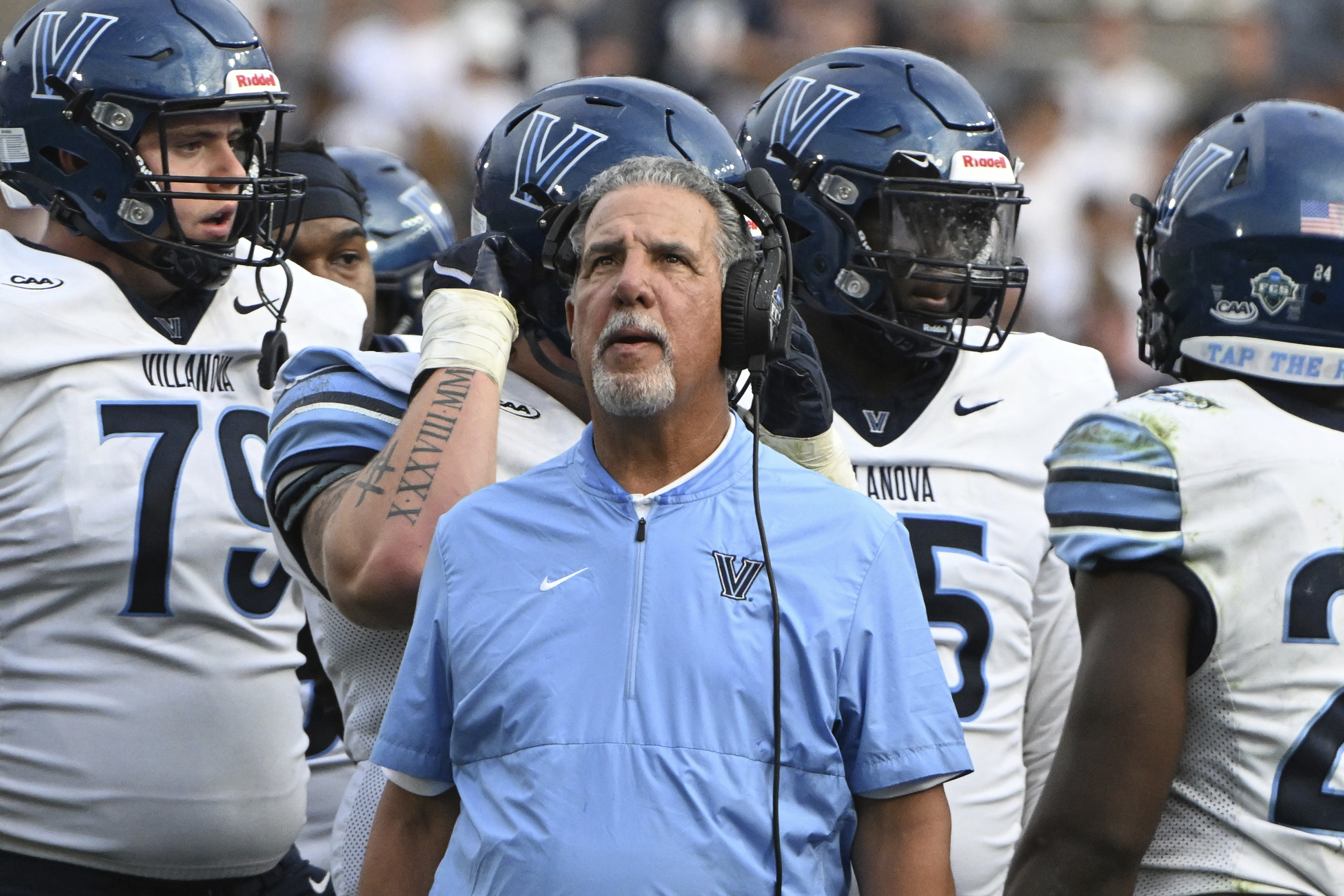
    Mark Ferrante’s team has shown discipline in avoiding turnovers this season.

    Limiting miscues

    Avoiding preventable errors will be crucial in Saturday’s matchup.

    Last Saturday’s win over Tarleton State was uncharacteristically messy for Villanova. McQuaide threw a costly interception in the opening drive, and the Wildcats nearly gave the game away because of defensive penalties in the fourth quarter. Holding and unsportsmanlike conduct charges on the same play advanced Tarleton 25 yards to the Villanova 27. Fortune struck for Villanova as Tarleton’s apparent touchdown pass on fourth down was overturned and ruled out of bounds.

    Villanova’s offense has overall been effective at protecting the football this season. The Wildcats have conceded just six turnovers, the fewest in the FCS.

    Flags have rarely been an issue for Illinois State, which ranks sixth in the FCS for fewest penalties per game (4.27).

    However, the Redbirds have at times struggled with turnovers this season, committing 19 total. Rittenhouse threw five interceptions at North Dakota State, and one at UC Davis.

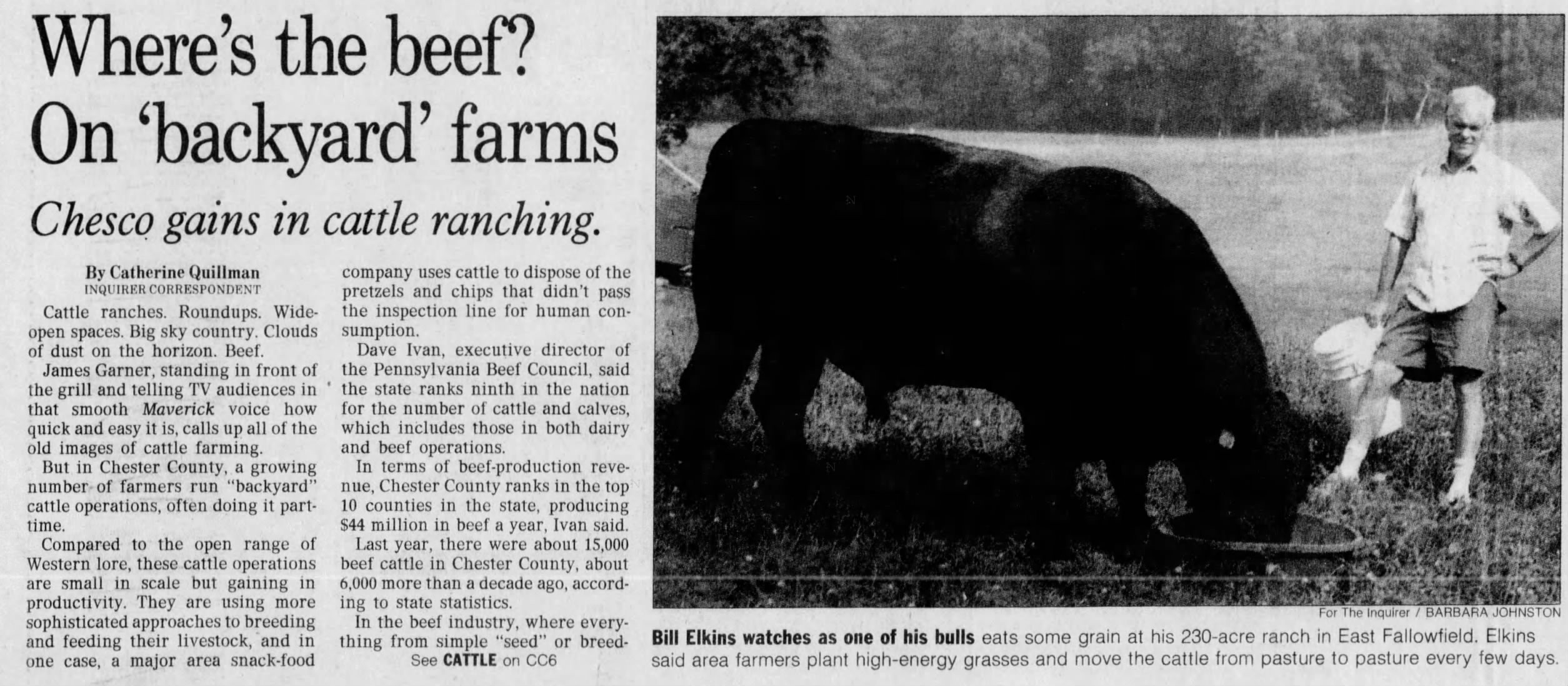
  • William L. Elkins, pioneering research immunologist at Penn and innovative Chester County cattle rancher, has died at 93

    William L. Elkins, pioneering research immunologist at Penn and innovative Chester County cattle rancher, has died at 93

    William L. Elkins, 93, of Coatesville, pioneering research immunologist at what is now the University of Pennsylvania’s Perelman School of Medicine, associate professor emeritus of pathology and laboratory medicine, innovative longtime Angus cattle rancher in Chester County, avid sailor, and veteran, died Tuesday, Nov. 11, of complications from pneumonia at Chester County Hospital.

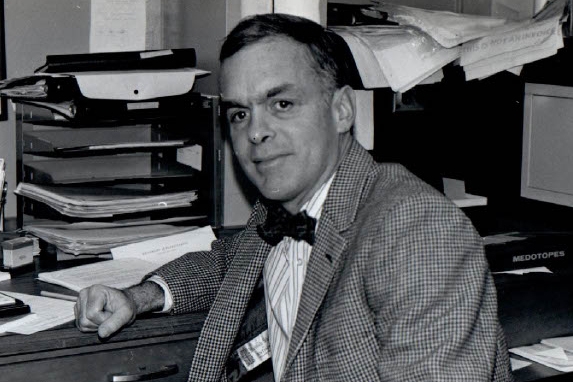
    The great-great-grandson of Philadelphia business tycoon William Lukens Elkins, Dr. Elkins fashioned his own distinguished career as a scientist, medical researcher, and professor at Penn from 1965 to 1985, and owner of the Buck Run Farm cattle ranch in Coatesville for the last 39 years.

    At Penn, Dr. Elkins conducted pioneering research on how the human immune system fights infection and disease. He collaborated with colleagues in Philadelphia and elsewhere around the country to provide critical new research regarding bone marrow transplants and pediatric oncology.

    His work contributed to new and more effective medical procedures at Penn, Children’s Hospital of Philadelphia, and elsewhere, and he instructed students and residents at Penn. But his lifelong love of the fields and rolling hills he roamed as a boy in Chester County never faded, he told Greet Brandywine Valley magazine in 2023.

    Dr. Elkins was a lifelong outdoorsman.

    “Farming is in my blood,” he said. “So even when I went to medical school and all that, the enthusiasm never left, and I wanted to go back to it.”

    So he retired from medicine at 53, and he and his wife, Helen, bought nearly 300 acres of the old King Ranch on Doe Run Church Road in Coatesville. She kept the books and looked after the business. He became an expert on breeding cattle and growing the high-energy grass they eat.

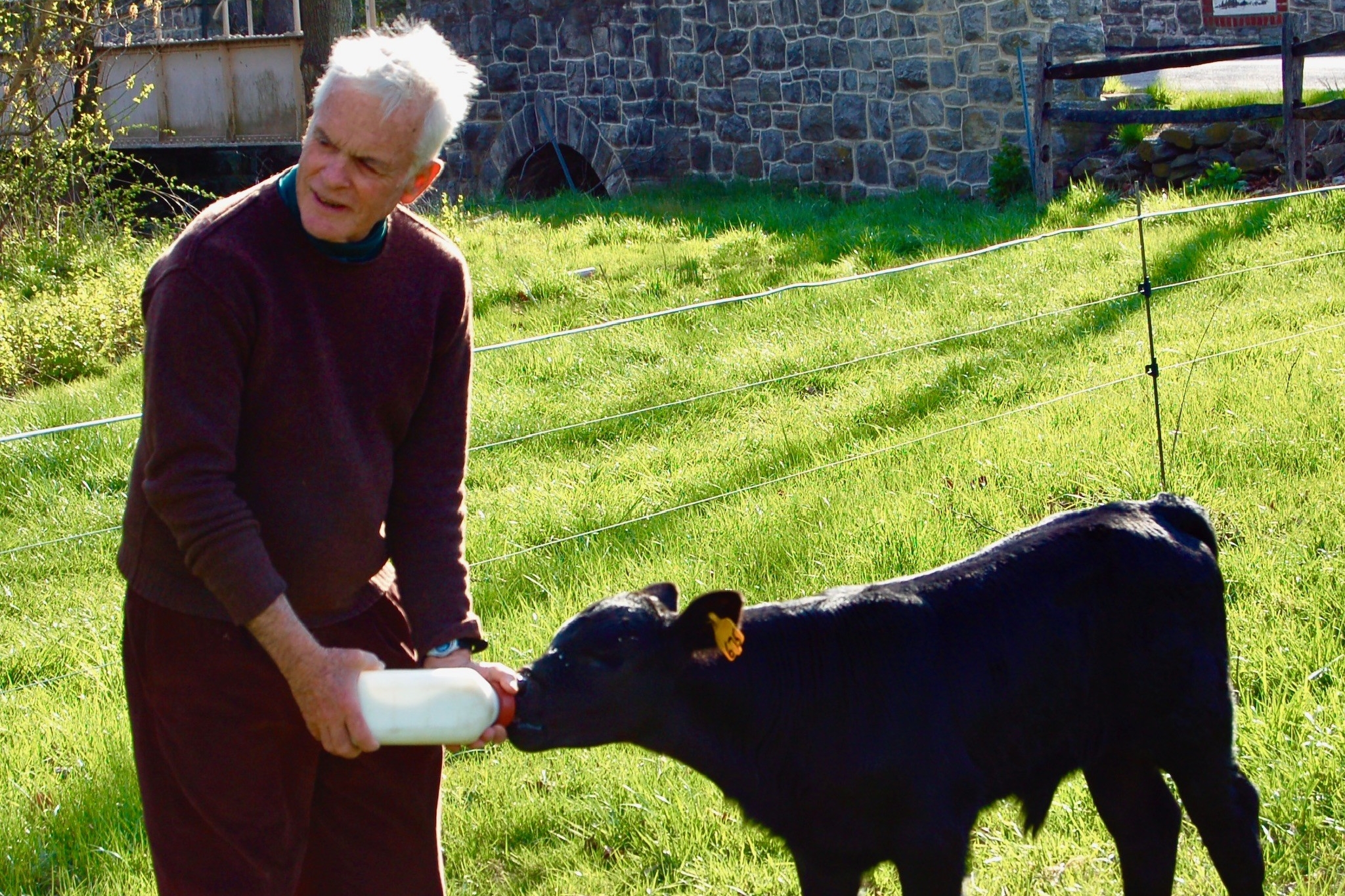
    Wearing floppy hats and riding a colorful ATV from field to field, Dr. Elkins worked his land for decades. He mended fences and tended daily to his 120 cows, heifers, and prize bulls.

    He championed holistic regenerative farming and used new scientific systems to feed his cattle. He rejected commercial fertilizer and knew all about soil composition, grass growing, and body fat in cattle.

    Dr. Elkins and his wife, Helen, married in 1966.

    In a 1995 Inquirer story, he said: “Cattle are just like anyone else. If you just turn a few cattle out in a great big field, they will wander around, eat the grass they like best, and leave what they don’t want. That means the less desirable grasses tend to predominate.”

    He traveled the country to confer with other cattlemen and helped found the Southeast Regional Cattlemen’s Association in 1994. He sold his beefsteaks, patties, jerky sticks, and kielbasa grillers to private customers online and to butchers and restaurants.

    At least one local chef featured an item on the menu called Dr. Elkins’ Angusburger. Lots of folks called him Doc.

    He earned his medical degree at Harvard University in 1958 and served two years in the Navy at the hospital in Bethesda, Md. He was a surgical intern in New York and discovered that he preferred the research lab. Before Penn, he worked at the Wistar Institute of biomedical research.

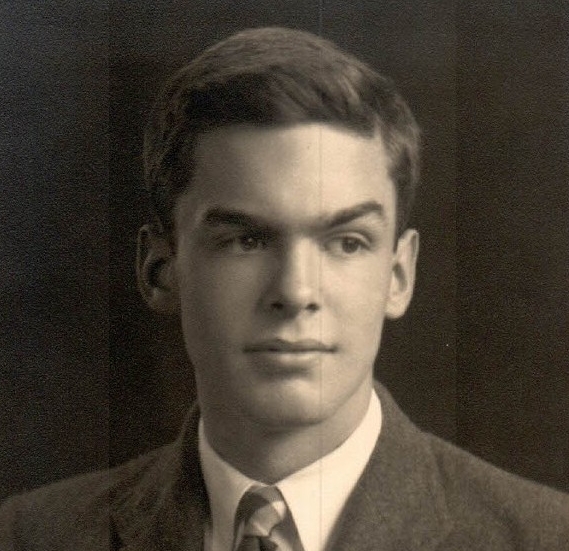
    Dr. Elkins graduated from St. Mark’s School in Massachusetts in 1950.

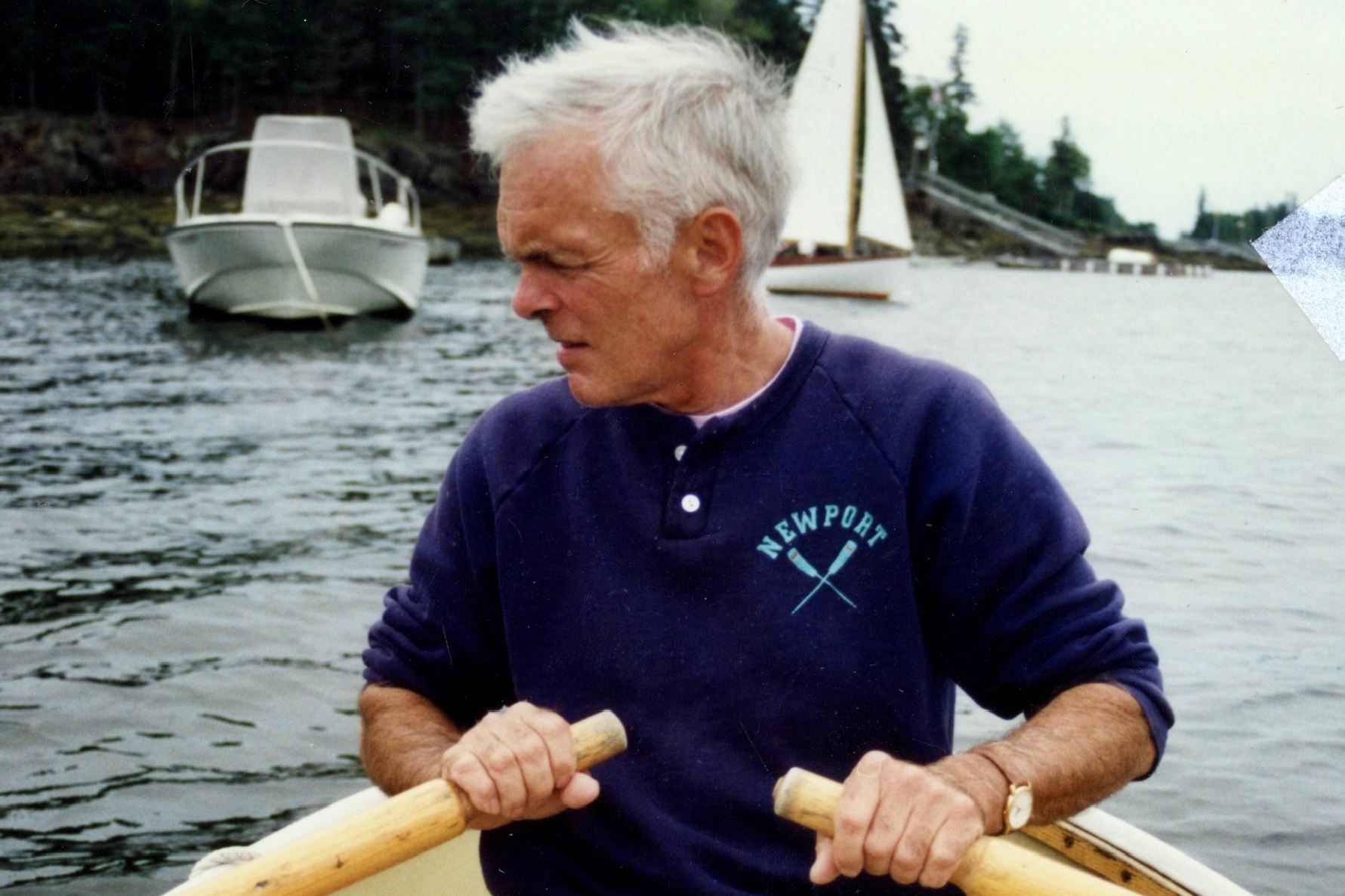
    Away from the lab, Dr. Elkins was an ocean sailor, expert navigator, and former boat club commodore. He was active with the Brandywine Conservancy, Natural Lands, and other groups, and was lauded by national organizations for his wide-ranging conservation and wildlife efforts.

    He made his farm a haven again for the bobolink grassland songbird and other migratory birds and butterflies that had dwindled. “Buck Run Farm is more about growing grass and trees than beef,” he told Greet Brandywine Valley. “We’re blessed by the land.”

    William Lukens Elkins was born Aug. 2, 1932, in Boston. He lived on the family dairy farm in Pocopson, Chester County, when he was young, went to boarding school in Massachusetts for four years, and earned a bachelor’s degree in biology at Princeton University.

    He met Helen MacLeod at a party in Washington, and they married in 1966 and had a daughter, Sheila, and a son, Jake. They lived in Center City, Society Hill, and Villanova before moving to the farm. “He was easy to be with,” his wife said.

    Dr. Elkins enjoyed sailing and fishing.

    Dr. Elkins loved nature, fishing, and baseball, and he followed the Phillies, the Flyers, and other sports teams. “He had a wonderful bedside manner,” his daughter said. “He was a great listener. He really knew how to support people.”

    His son said: “He was unassuming and direct. He spoke his mind. He connected with so many different people. He was curious about the world around him.”

    His wife said: “He was thoughtful and always concerned about people. He had good humor. He was fun.”

    In addition to his wife and children, Dr. Elkins is survived by five grandchildren and other relatives. A sister died earlier.

    This article about Dr. Elkins and his ranch appeared in The Inquirer in 1995.

    A celebration of his life is to be held later.

    Donations is his name may be made to the Stroud Water Research Center, 970 Spencer Rd., Avondale, Pa. 19311.

  • James Ijames may be teaching at Columbia, but he never wants to stop making art in Philly

    James Ijames may be teaching at Columbia, but he never wants to stop making art in Philly

    Philly theater darling James Ijames, the Pulitzer Prize-winning playwright of Fat Ham, will return to local stages with a special spotlight next spring, with a slate of three plays running at three theaters.

    Recognizing this scheduling synergy, the venues are partnering to offer a three-ticket pass, called “The Citywide James Ijames Pass.”

    The first collaboration of its kind dedicated to a contemporary playwright, the pass covers the Philadelphia premiere of Good Bones at the Arden Theatre (Jan. 22 to March 8), The Most Spectacularly Lamentable Trial of Miz Martha Washington at the Wilma Theater (March 17 to April 5), and the world premiere of Ijames’ latest work, Wilderness Generation, at Philadelphia Theatre Company (April 10 to May 3).

    Ijames wrote all of these plays in South Philadelphia, which he considers his artistic home. This year, he left his teaching position at Villanova University to run the playwriting program at Columbia University. While that means he’s spending most of his time in New York now — though his husband, Joel Witter, still works for the Philly school district — Ijames says Philadelphia is “still very much a place where I want to continue to make art.”

    “I’ve lived in Philly more than I’ve lived anywhere in my life, so it is incredibly special to me,” said the Tony-nominated playwright, a founding member of the local playwriting collective Orbiter 3.

    After growing up in North Carolina and attending Morehouse College in Atlanta, Ijames got his MFA in acting at Temple University. He performed on stages all over the city, including at the National Constitution Center, People’s Light, and all three theaters featured in the pass.

    It was during the 2012 production of Angels in America at the Wilma where he wrote Miz Martha Washington, one of his earliest plays, in the dressing room. Ijames went on to serve as one of three co-artistic directors of the Wilma, which premiered the digital production of Fat Ham — his incisive and irreverent queer reimagining of Hamlet — that earned him the 2022 Pulitzer Prize.

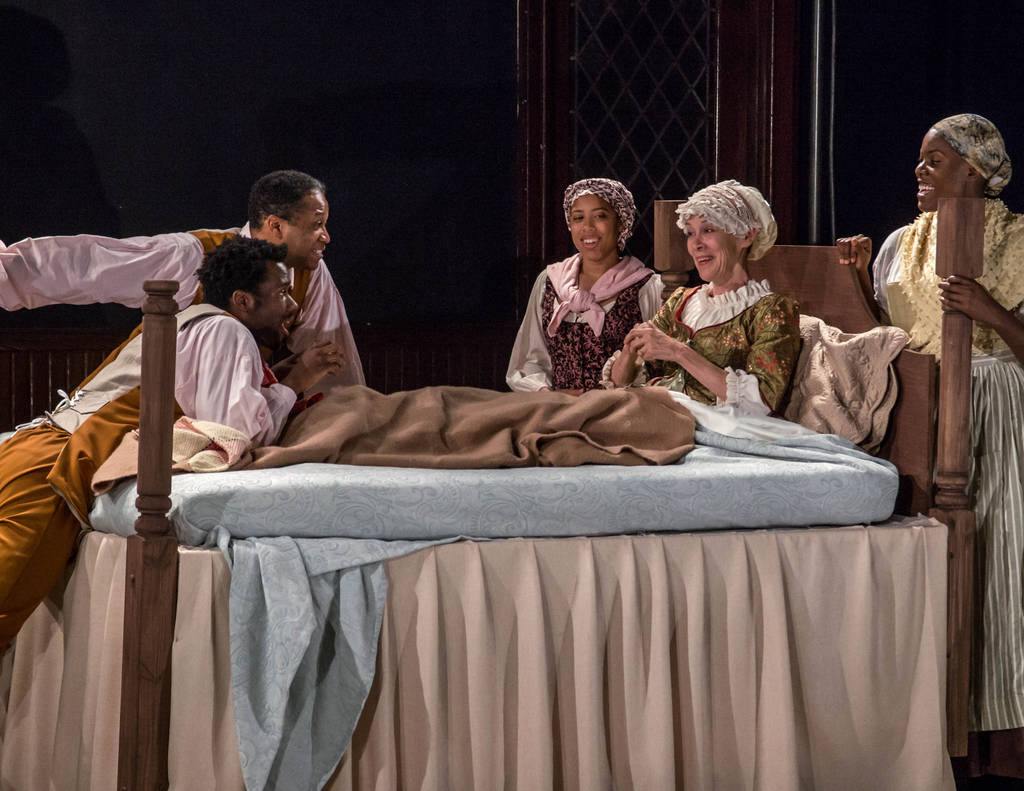
    Flashpoint Theatre Company’s Barrymore-nominated “The Most Spectacularly Lamentable Trial of Miz Martha Washington.” From left: Darryl Gene Daughtry Jr., Steven Wright, Taysha Canales, and Jaylene Clark Owens surround Nancy Boykin as Martha Washington.
    Photo by Ian Paul Guzzone.

    In the sharp satire Miz Martha Washington, the titular first lady is on her deathbed, surrounded by the people she and her husband enslaved. With freedom inching closer — George Washington’s will promised them liberty upon his widow’s death — the Black characters appear in various hallucinations, putting Martha and her family on trial.

    The play will come back to town amid Philadelphia’s celebrations for the 250th anniversary of the nation’s founding, apt timing for a sharp satire on the Founding Fathers’ legacy of slavery.

    “I think we were all kind of hoping that the world and the politics would be a little different when we first started thinking about it,” said Ijames. “But I always say, we have to look at the history directly in the face and, from that, try to imagine something different.”

    Good Bones is a more contemporary story about the development of a new stadium that stands to disrupt a city neighborhood (sound familiar?). The upper-class newcomer, haunted by those who were pushed out, gets into fiery debates over gentrification with her contractor.

    The Philly premiere will be directed by Ijames’ longtime friend and collaborator Akeem Davis, who starred in the Ijames-directed production of August Wilson’s King Hedley II at the Arden earlier this year.

    Arden Theatre producing artistic director Terry Nolen hopes audiences will come out to cheer on a “hometown hero.”

    “Philly audiences love Philly artists, and there is so much pride for James’ success,” Nolen said in a statement.

    Philly playwright James Ijames attends the 76th Annual Tony Awards at United Palace Theater on June 11, 2023, in New York City. His play “Fat Ham” had five nominations, including best play. (Photo by Cindy Ord /Getty Images for Tony Awards Productions)

    The playwright’s newest work, Wilderness Generation, examines the relationships between cousins as Ijames, who’s close to his own cousins, wanted to spotlight that kind of family dynamic. Five cousins reunite at their grandmother’s house in the South to help her downsize; while there, they unpack a painful family history and confront the damage of their relatives’ behavior as they try to forge a future together.

    Ijames wrote the work with Philadelphia Theatre Company co-artistic directors Taibi Magar and Tyler Dobrowsky in mind. Though Ijames has performed at PTC before, this world premiere marks the first time a play he wrote will grace its stage.

    “I am where I am because a lot of theaters in Philadelphia took a chance on me,” said Ijames. He hopes future collaborations can highlight more “really brilliant folks” writing new plays in Philly.

    “I hope a thing that happens as a result of this is a Jackie Goldfinger package one day, a Michael Hollinger package, an Erlina Ortiz package, [and] an AZ Espinoza package.”

    The three-play pass costs $130, about $43 per ticket, and includes preferred seating, flexible ticket changes, parking discounts, and member benefits at each theater, as well as exclusive swag — a yellow beanie, inspired by Ijames’ personal style. Passes are available online or at the TKTS booth at the Independence Visitor Center.

  • The clash between the federal government and states over vaccine policy is ‘unprecedented,’ Villanova health law professor says

    The clash between the federal government and states over vaccine policy is ‘unprecedented,’ Villanova health law professor says

    Villanova professor Ana Santos Rutschman would describe the current state of vaccine policy as a game of chess.

    When the federal government does something, some states — primarily Democratic-led states including Pennsylvania respond immediately to counter.

    A prime example followed the federal government’s move, through the Food and Drug Administration, in August to limit eligibility for the updated COVID-19 vaccine. Previously, the annual shot was recommended for all Americans 6 months and older. The new guidance was for people 65 or older and those at high risk of complications from COVID-19.

    Pennsylvania’s regulatory body for pharmacists opened up access by allowing pharmacists to follow the broader recommendations of professional medical societies.

    “It’s kind of [like] ‘Harry Potter’ chess. Remember when they climb on the gigantic pieces and then try to kill one another?” Rutschman said, referring to the fictional scene where chess pieces violently smash the opposing side’s pieces.

    “There’s a certain violence to this from a political perspective,” she added.

    States are allowed to diverge from the federal government on vaccine policy because our system of government, known as federalism, divides power between the federal government and the states.

    With vaccines, states historically have chosen to align in large part with the federal government’s recommendations.

    Rutschman says recent actions by Health and Human Services Secretary Robert F. Kennedy Jr. have ushered in a new era of what’s being called “vaccine federalism.” Kennedy is a longtime anti-vaccine activist now serving as President Donald Trump’s top health official.

    Many states, especially those with Democratic governors, including Pennsylvania and New Jersey, saw recent changes under his leadership as a sign that they “need to do something in direct opposition to the federal government,” Rutschman said.

    Now it’s a “head-on collision,” she added.

    The Inquirer spoke with Rutschman, who researches vaccine federalism as a health law professor and director of the Health Innovation Lab at Villanova University, to learn more about this new era and its possible consequences in a conversation lightly edited for length and clarity.

    What is vaccine federalism?

    For vaccination and everything else, our system is split in two. You have the states and then you have the federal government.

    There is room for tension between the federal level and the state level. Historically, that tension has been, I would argue, limited. It has existed, but it’s not been the defining feature. Now, particularly in the context of vaccines, it has become probably the most salient feature.

    How are states allowed to differ from the federal government as far as vaccine policy?

    States don’t have the power to authorize a new vaccine to come to market.

    But then you have a lot of things that the Centers for Disease Control have done that are more informational. The federal government recommends which shots children or adults should get, and the time frame for most children to get these shots.

    The federal government offers this kind of informational support, and then states set their own policy.

    How has vaccine federalism played out in the past?

    Examples from the past are not as salient or blatant as the ones you’re seeing right now.

    There was a lot of variability around the country, but the overall message was harmonious. Everybody was trying to get, by and large, most of the population vaccinated past herd immunity.

    What is happening now?

    Now it’s a head-on collision.

    States are saying, ‘We’re not going to implement requirements to restrict access to these vaccines.’ The Board of Pharmacy in Pennsylvania decided not to be bound by the CDC’s recommendations. This is a direct clash. We hadn’t had this before between the federal government and the states in the field of vaccines.

    What are examples of this new era of vaccine federalism?

    One example would be the formation of state clusters. These are a lot of neighboring states in agreement. They’re trying to share data and think of best practices, which is almost that informational function that traditionally fell to the [federal health agencies].

    The states are saying, ‘Well, you’re not doing that, so we will.’

    ‘We will pull resources and information to come up with our own advisory role.’ That’s unprecedented.

    You have sort of two speeds in the country. Some states are collaborating and very active in setting regional vaccine policy. And then you have a bunch of states that go completely the other way. You have the, for now, isolated case of Florida saying, ‘We’re going to just basically do away with all vaccination mandates,’ which is going further than the federal government.

    Now it’s a much messier situation, legally, philosophically, politically, etc.

    How effective are these regional coalitions?

    They are accomplishing something. You see fewer restrictions in access to vaccines in a place like Pennsylvania than other states.

    Whereas states who are not part of these kinds of coalitions — typically excluding the likes of Florida — a lot of them are waiting to see what happens, because this has never happened in the history of vaccination in the United States.

    In the meantime, there are a lot of people falling through the cracks who would have been indicated for a vaccine last year. Now they’re wondering what to do, and their providers are not entirely sure.

    There’s a lot of confusion about what happens now that federal policy has taken a completely different direction.

    What impacts do you see coming from this new era of vaccine federalism?

    People hearing one thing out of the CDC and another one out of the state of Pennsylvania may think, ‘Who’s correct? Who should I listen to?’ You start aggregating all the people who might forgo vaccination just because they don’t understand what’s going on.

    I think it continues to accelerate the overall phenomenon of vaccine mistrust, and we’re already seeing levels of herd immunity come down for many vaccine-preventable diseases.

    If I were a provider, I would be similarly confused and concerned, because nobody takes lightly the idea that from now on, ‘I’ll be doing something that’s in direct opposition to what the federal regulators are suggesting I should be doing.’ So I think there’s a fear factor and confusion.

    Lastly, I think there’s an overall chilling effect with regard to vaccines. Yes, some vaccines make money, but they don’t make a whole lot of money to begin with. They’ve never been one of the preferred products for manufacturers. These are not the most profitable things they can be doing.

    I think that we will see much less focus on vaccine development in years to come, because that’s the logical position for pharmaceutical companies, and for some funders even to take, which is unfortunate.

    What do you think of Pennsylvania’s response?

    I think it’s to Pennsylvania’s credit, and I think it’s to some degree reassuring for Pennsylvanians. Although it obviously makes me sad that we have sort of this two-speed mode in the country. Some part of this national fabric has ruptured.

    For now, Pennsylvania has protected itself as it can, but states alone don’t control everything. You have Pennsylvanians going to other states where you may have an outbreak of a vaccine-preventable disease. We don’t have real borders. We cross them all the time.