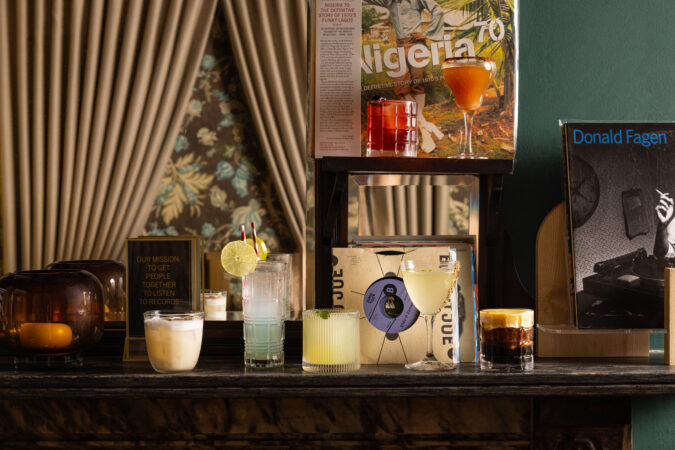
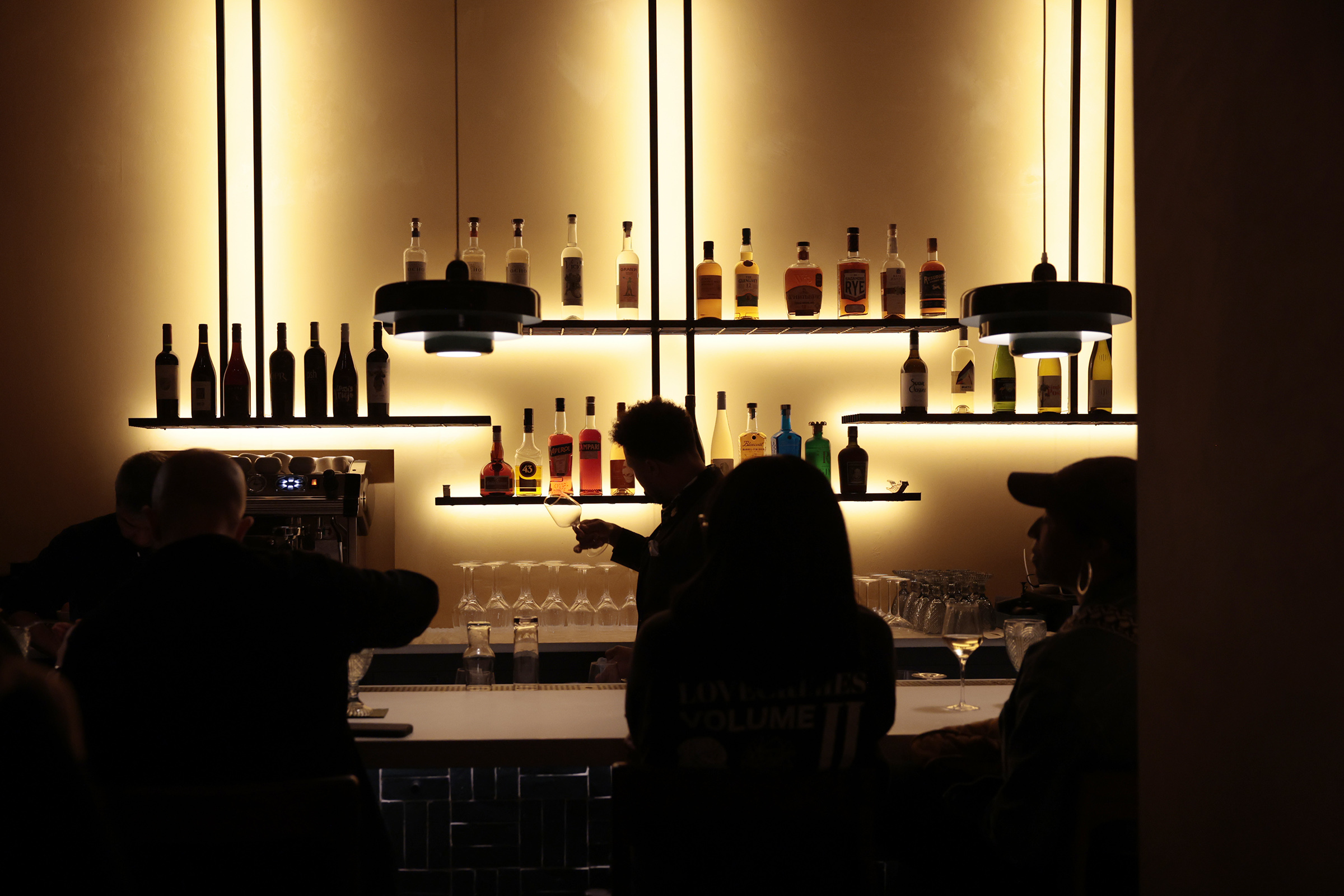
A curious thing is happening behind bars: The bottles of liquors and liqueurs are disappearing, stored somewhere unseen. Instead, the backbar shelves are stacked with vinyl records. And the sound systems are also very, very good.
In the last few years, as the speakeasy trend has waned, listening bars have popped up all over, including in Philly. The perpetually full 48 Record Bar, above Old City standby Sassafras, boasts an “ultra-high-fidelity audiophile vinyl sound system.” Solar Myth, on South Broad Street, might be one of the coolest places to grab a drink — whether you’re looking for coffee or wine — and discover music you might never have otherwise.
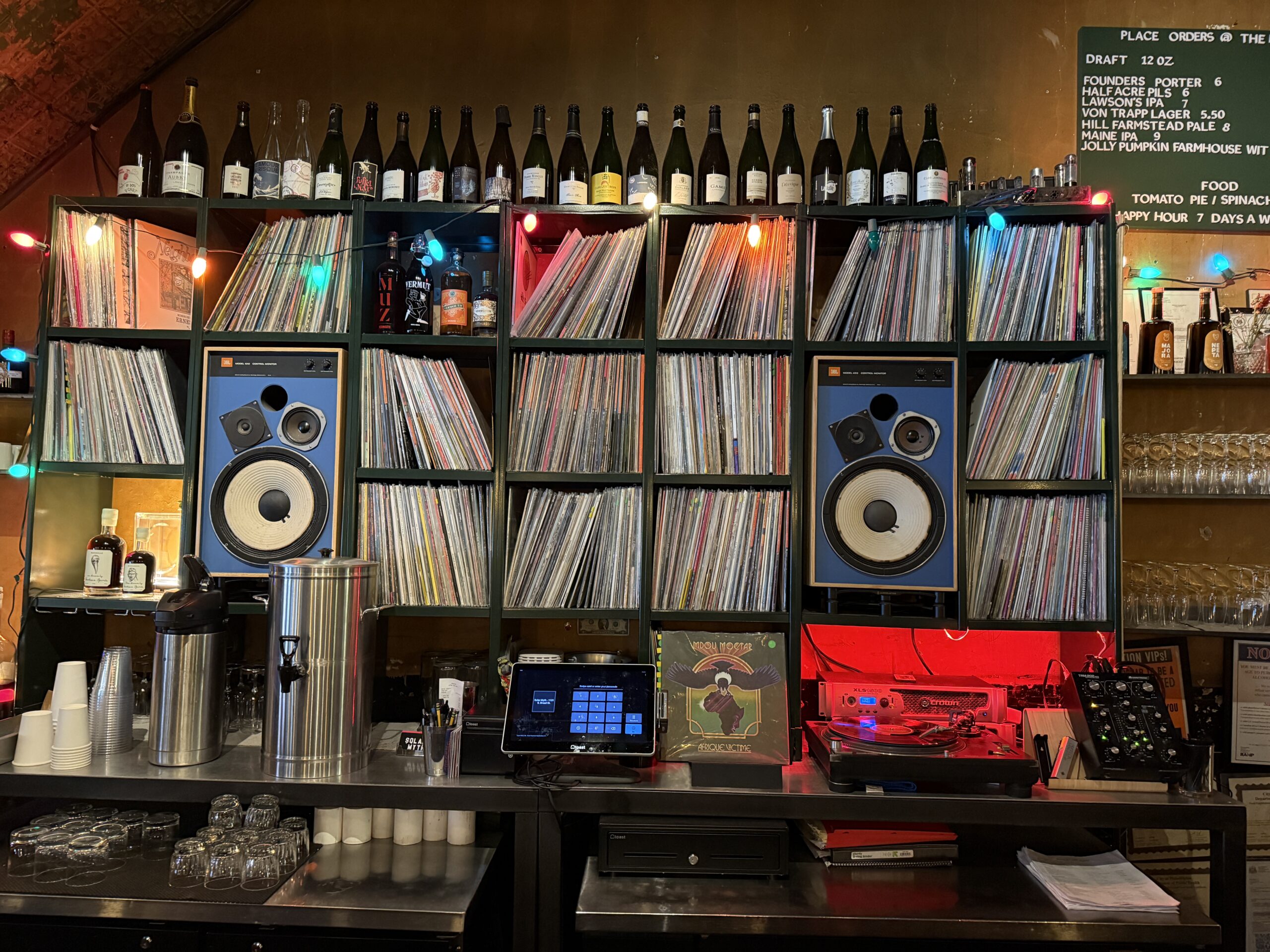
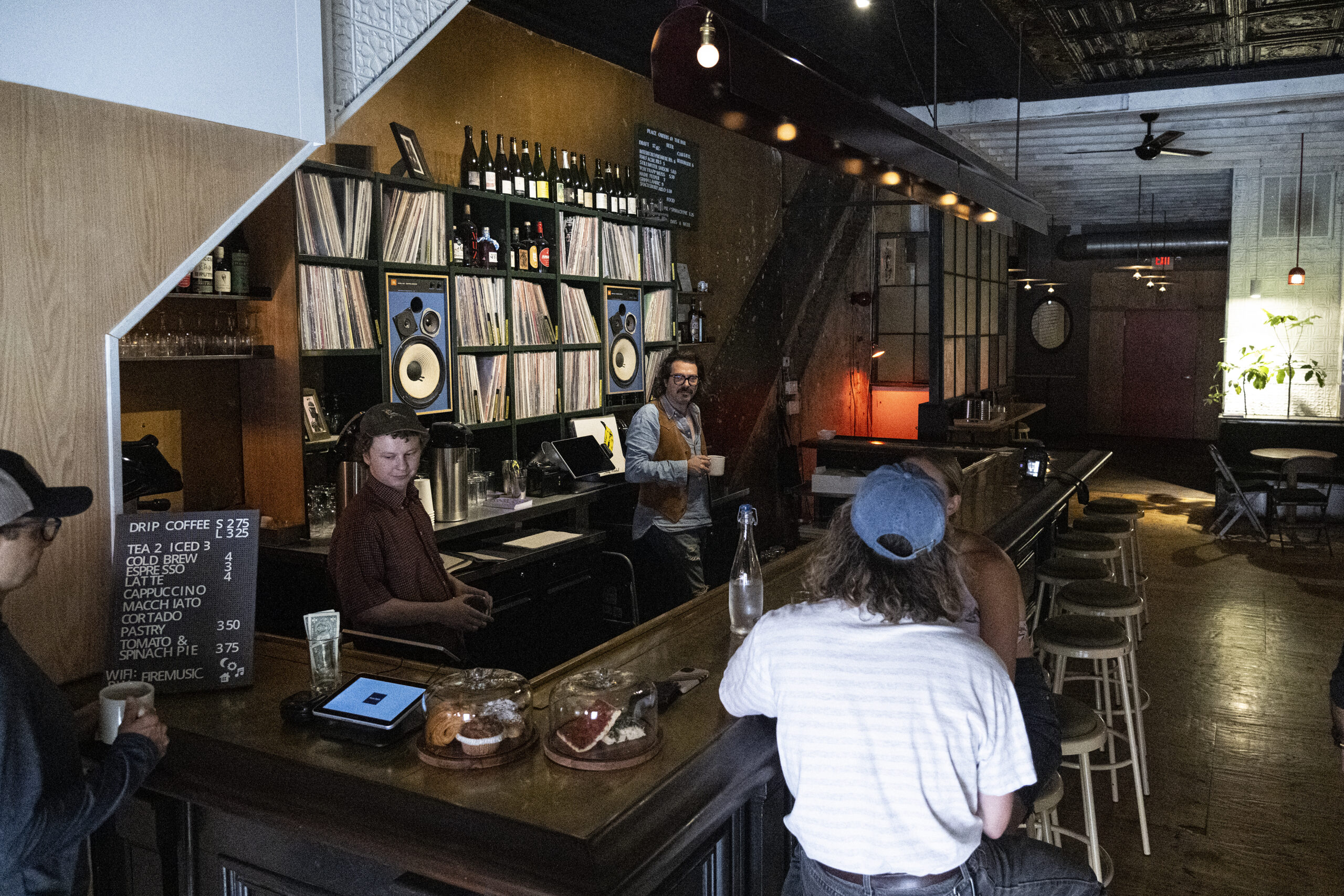
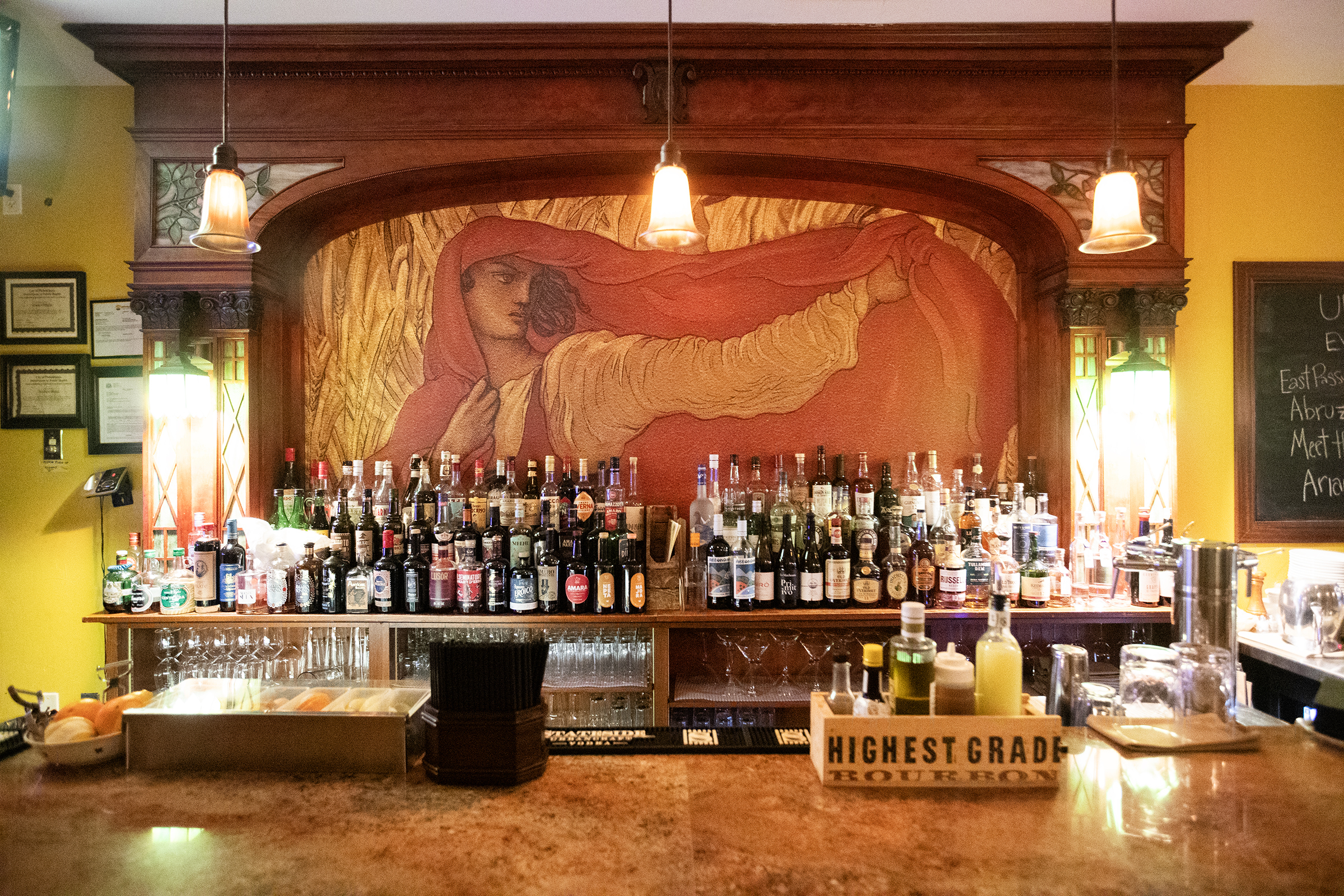
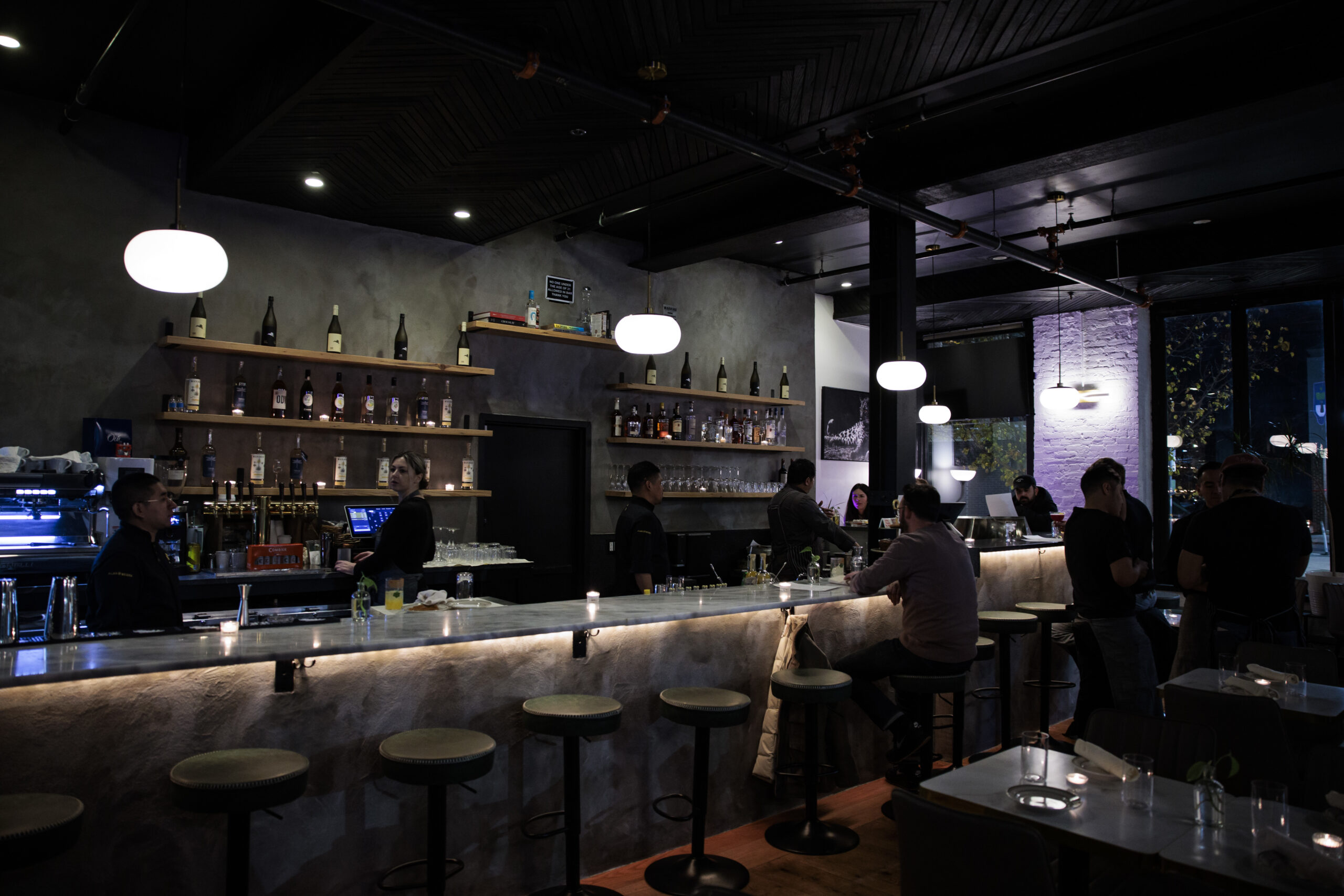
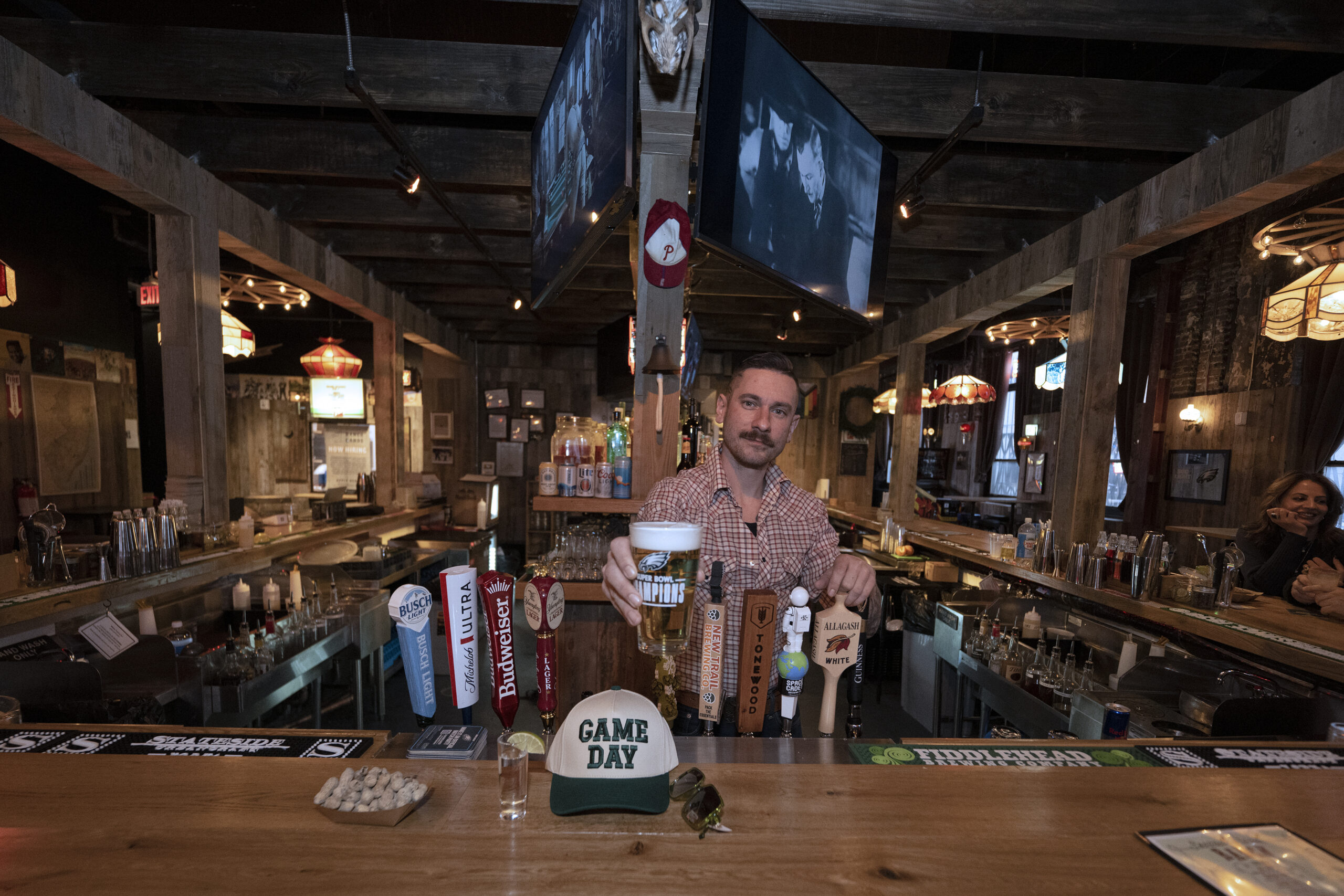
Behind the bar at Solar Myth.
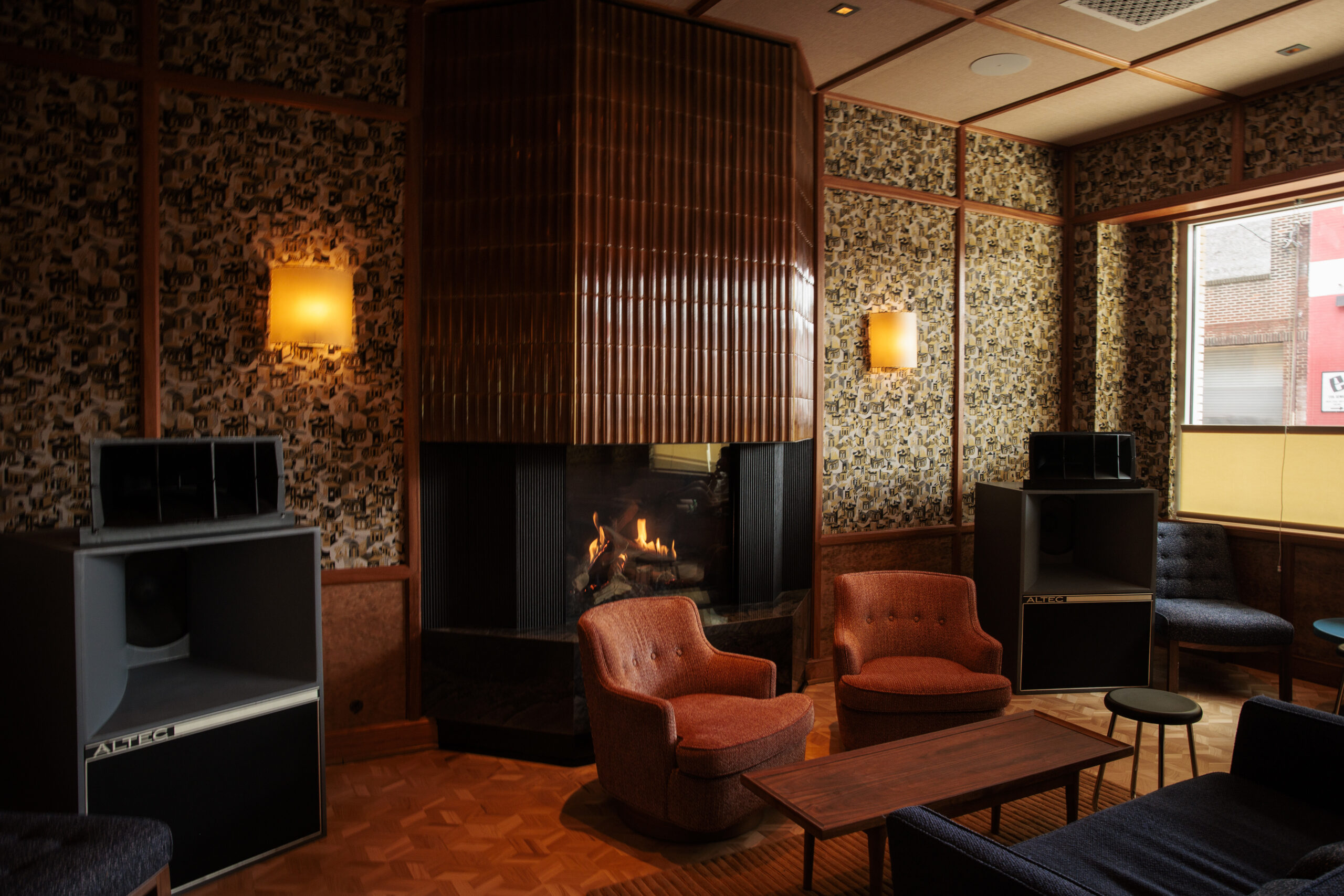
Percy, which opened in May, has a listening lounge where you can sip on their house-made wines and spirits in what looks like the set of That ’70s Show. When a DJ isn’t spinning, the staff plays vintage reggae, punk, and calypso records — including ones that co-owner Seth Kligerman’s dad collected in the ’70s and ’80s, ranging from Jimmy Cliff to The Clash.
“The first thing I did when we got our listening room speakers hooked up … I blasted the New York Dolls, my dad’s favorite band,” said Kligerman. (Percy’s speakers — four original Altec Lansing A7 Voice of the Theatre — are also from the ’70s.)
The listening room at Percy on July 31, 2025, in Philadelphia.
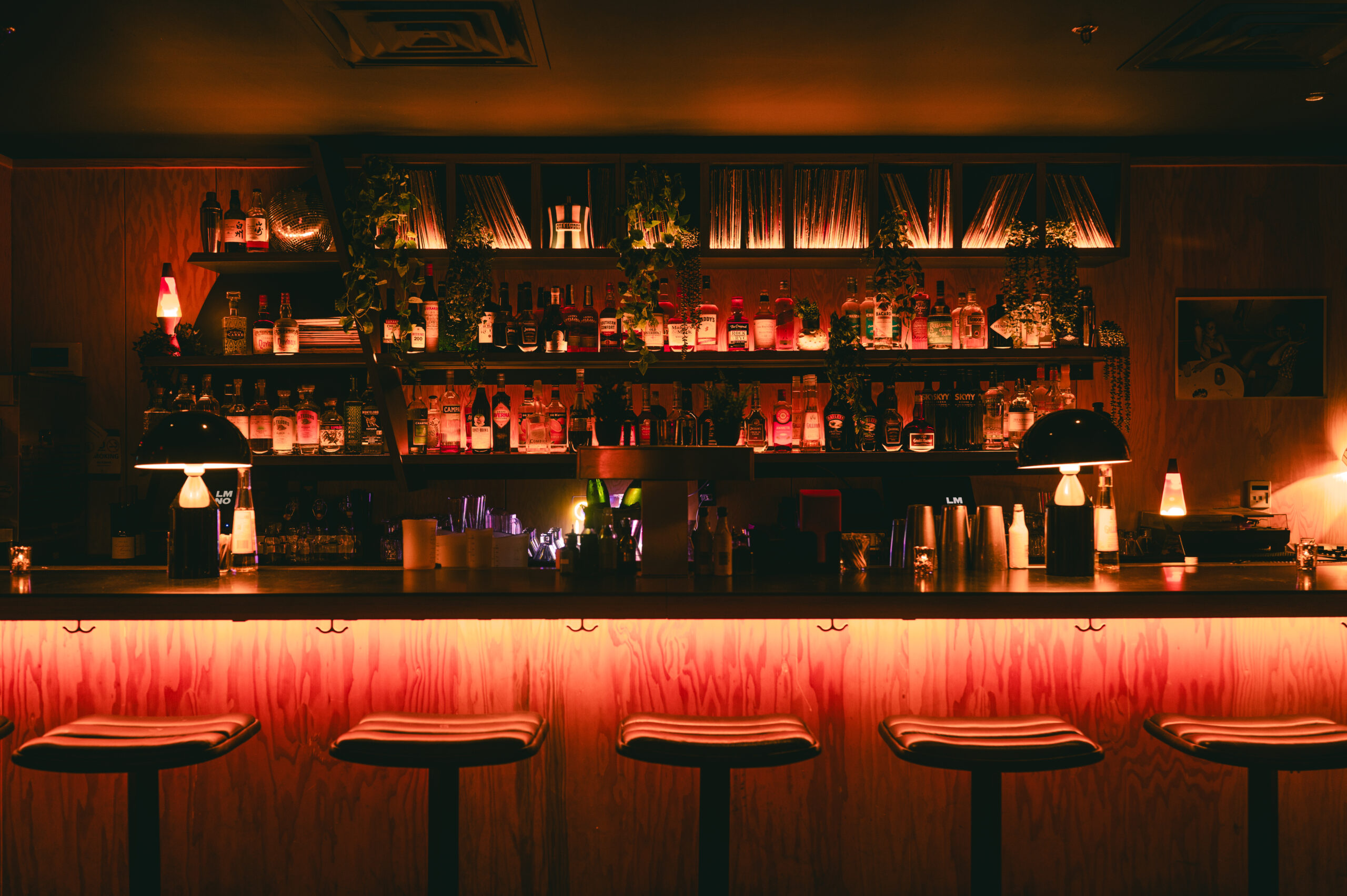
Stephen Starr’s LMNO has a listening lounge outfitted with a hi-fi sound system and record collection spanning soul, funk, disco, and Latin genres. “The focus is on immersive room sound rather than headphones — so the music feels shared, not isolated,” said Kayla Hagar, LMNO’s general manager. Programming ranges from DJ-led nights, vinyl-focused sessions, and ambient background listening. Once a week, at LMNO’s “Off the Walls” series, guests are encouraged to browse their vinyl wall and select records to be played. It draws Fishtown’s “younger creative crowd, an art and music-oriented demographic — audiophiles, record-collectors, and music lovers,” said Hagar. “Not necessarily a heavy mainstream dance-club crowd, but more niche, design-forward, scene-aware visitors.”
The listening lounge at Stephen Starr’s LMNO.
In 2024, after Milkcrate Cafe in West Philly and Fishtown called off vinyl nights, it seemed like the budding listening room boom may have been a scratch. But in the year and a half since, the concept has spread all over the country.
Listening rooms are seemingly everywhere — in New York, Chicago, Portland, and beyond. They integrate music into drinking experiences, often weaving in Japanese influences across menus. In L.A., chef Sean Brock, famous for specializing in Southern foodways, opened Darling, a hi-fi bar inspired by Japanese jazz kissas, orcafes where listening to records is central to the experience. In Austin, the Equipment Room serves record-inspired cocktail omakases, blurring the line between DJ and bartender.
At Press Club, a “record bar” in Washington, D.C., I snacked on chicken karaage and sipped an ume- and nori-infused shochu cocktail made by the same staffer who was spinning tracks. Press Club managing partner Will Patton listens to songs repeatedly to look for lyrical themes, and develops drink flavors according to rhythm and beat. (Think funky rum for a funky song, or melancholy music translating to cocktails with long, bitter finishes.) A rotating cocktail omakase menu, featuring multiple drinks paired with bites, is based on albums, most recently by Oasis and Bad Bunny.
Listening bars are starting to proliferate the way speakeasy-style cocktail bars did in the 2010s — popularizing hidden entrances and an Art Deco aesthetic so successfully that the speakeasy concept has been adapted to Italian restaurants and cookie stores.
At the listening bars, thoughtful, elevated beverages still reign, but bars are giving more and more physical space over to vinyl collections. They’re also hosting events throughout the day, often with visiting DJs.
Solar Myth opened in November 2022 in the former Boot & Saddle. The bar features not liquor bottles but a collection of records organized by vibe.
An Eater articlerecently heralded Philly’s listening lounges as the “antidote to the loneliness.” They’re community-oriented in the sense that you commune with others. (Just don’t talk too loud.)
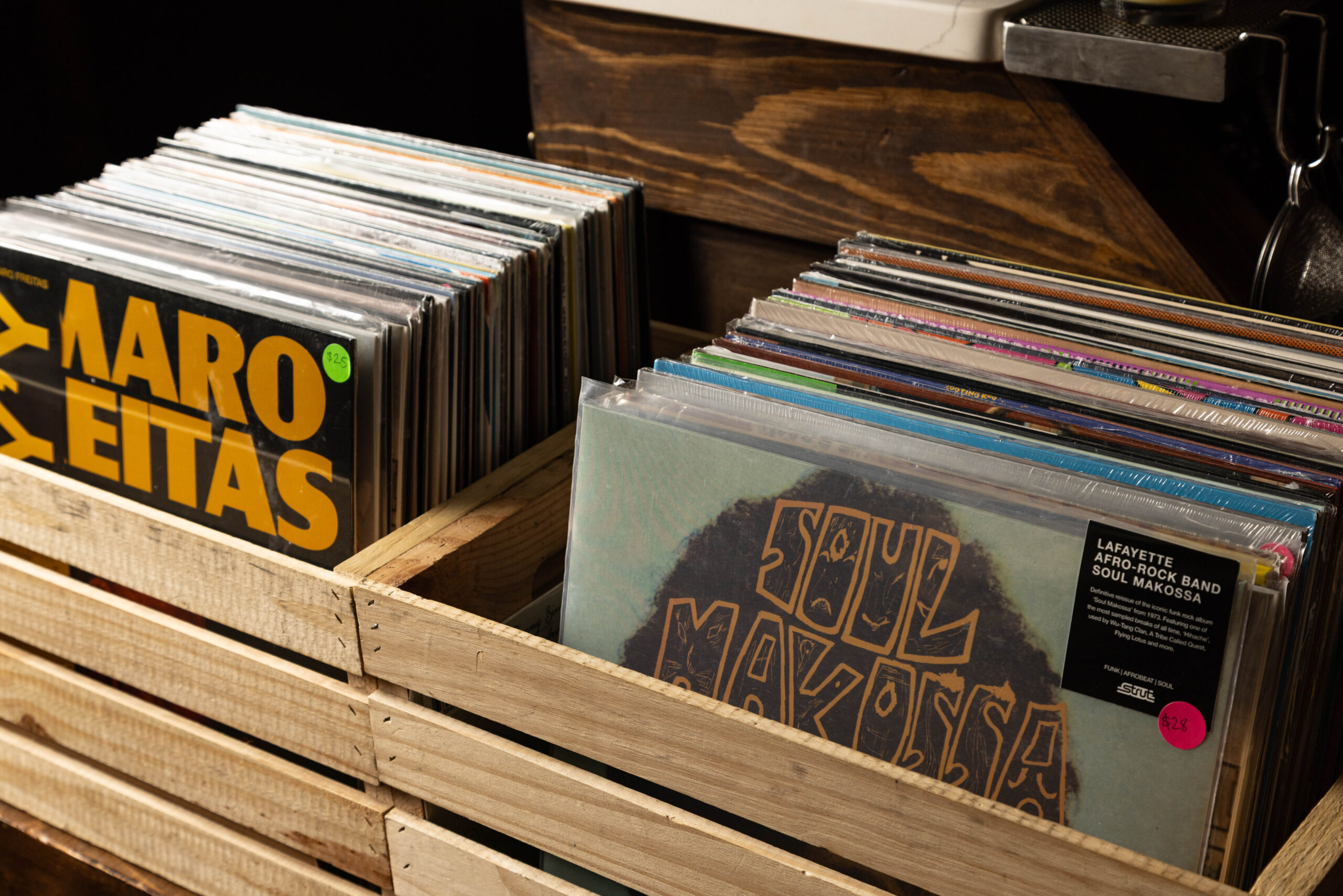
The community-mindedness is palpable at Solar Myth, which opened in November 2022 and serves many purposes. Housed in the former Boot & Saddle, it’s still a live music venue, but it’s also a bottle shop and cafe serving pastries, tomato pie from Cacia’s Bakery, and Rival Brothers’ coffee. They have a staggering amaro list, but you wouldn’t know it by looking at the bar, which features a collection of records — organized by vibe, from chill-out to Willie Nelson, with extensive collections of Ethio-jazz and electronic krautrock. They play the music of many small, avant-garde artists. (They also sometimes employ them:A member from the Philly-based band Knifeplay works at Solar Myth. “I feel so proud playing their record,” said barista Rachel Byrd.)
Part of the record collection at 48 Record Bar.
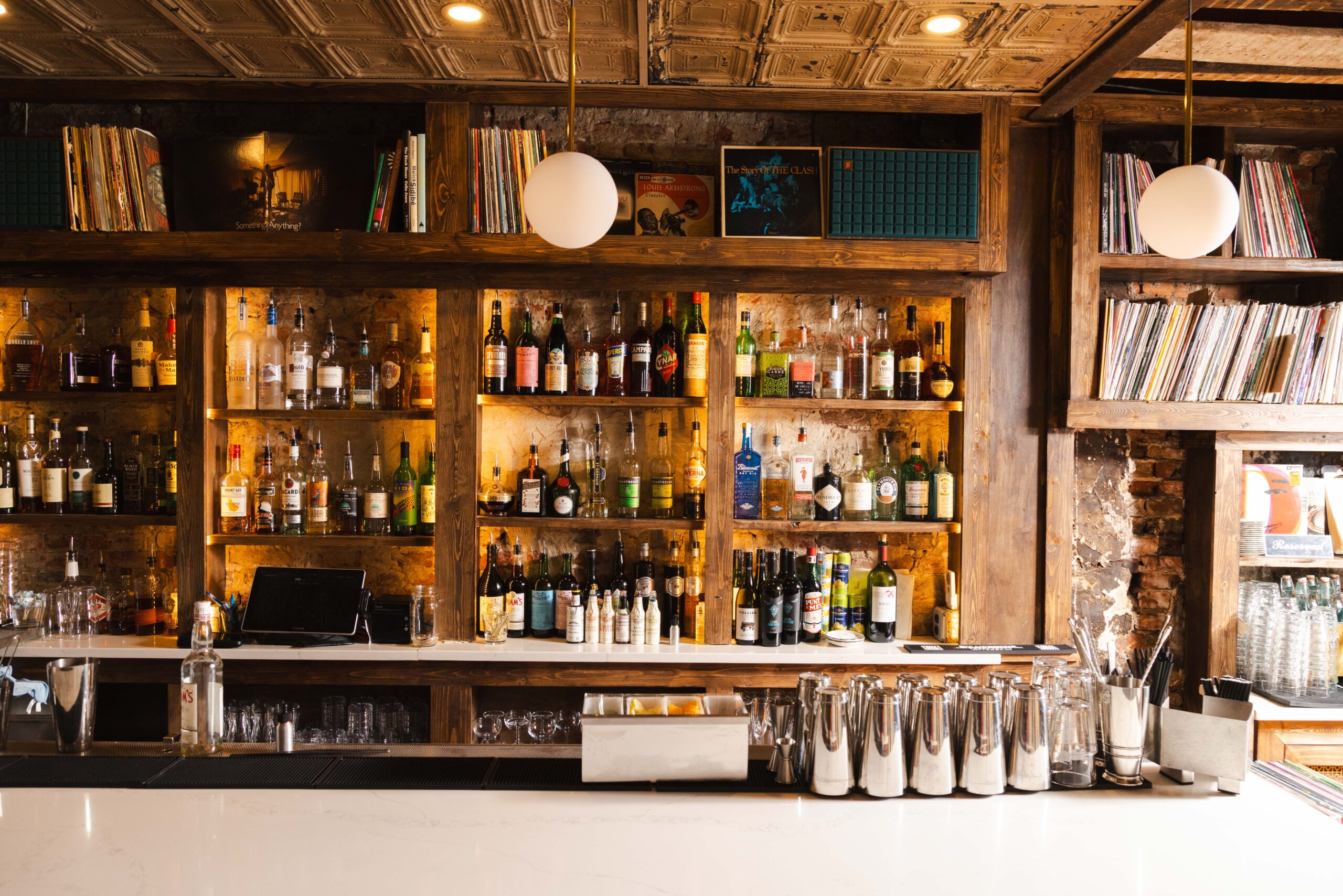
48 Record Bar’s bar shelves feature a collection of about 300 records. At 35 seats, it’s small, with a living room vibe. Up a winding staircase from Sassafras, the space is draped in dove-gray curtains; sound panels are upholstered in the same fabric. The bar’s host doubles as a DJ, who spun Sade and the Temptations on a recent evening. “We call that the record-butler shift,” said 48 Record Bar creative director Joey Sweeney.
Japanese ingredients are sprinkled all over the cocktail menu: yuzu, kombu, genmaicha, matcha, and of course, Japanese whiskies.
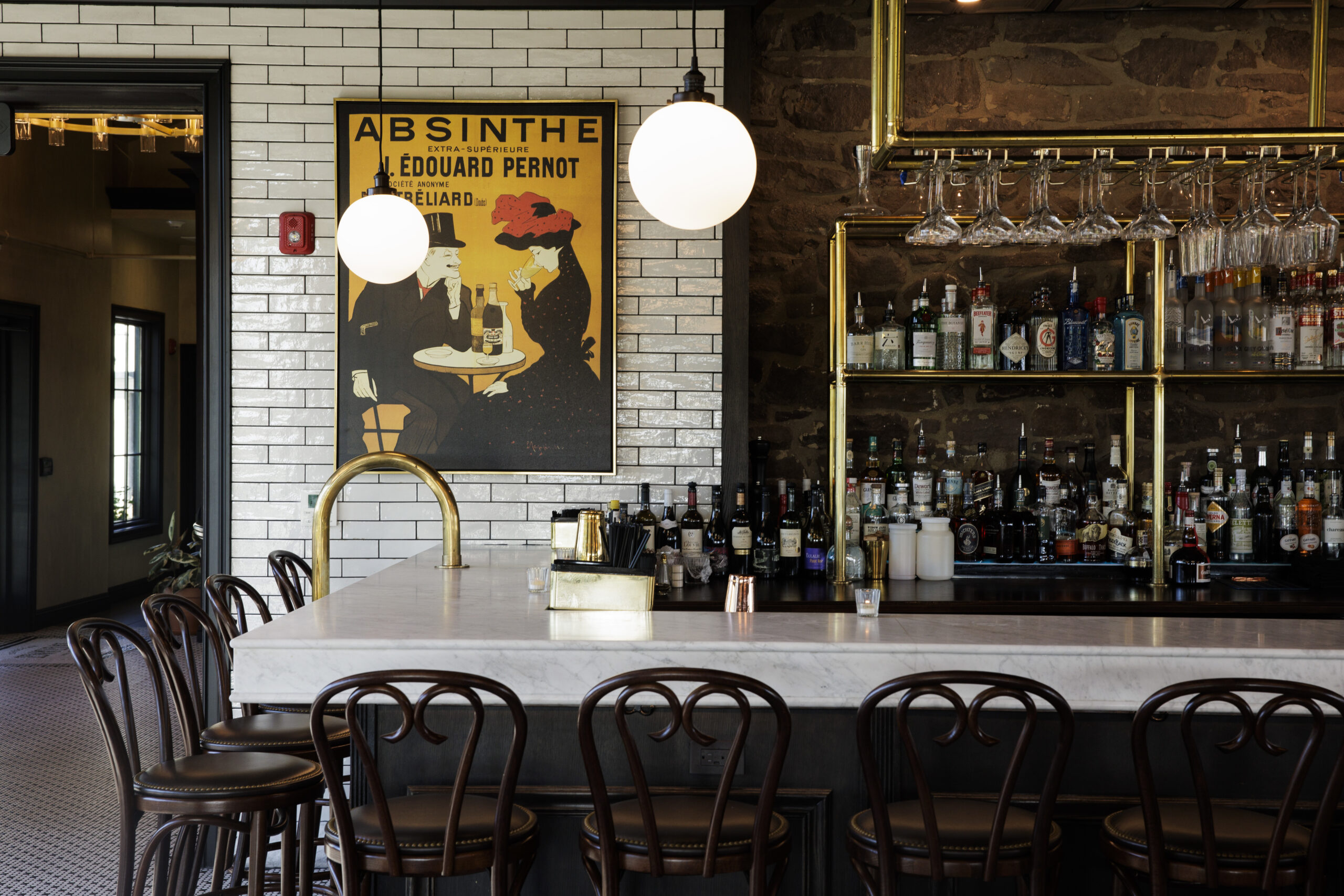
The bar at 48 Record Bar features both bottles and records.
But drinks are only part of the experience, said Sweeney. “All the elements need to sing together.” The bar also hosts tiny-desk-style live music shows, author events, and deep listening events that start at 10 a.m. on some Sundays with coffee from Thank You Thank You.
But mostly the bar’s soundtrack is whatever records are playing. Seven years ago, Sweeney went to London and visited Japanese listening bars there. He and Sassafras owner Donal McCoy opened 48 Record Bar in December 2023.
“We want to honor the tradition of these Japanese listening bars without being mawkish about it, and not doing a cosplay.”
That wouldn’t suit Philadelphia. The night I went in, I could still hold a conversation at the bar over a mock milk punch. Try that in Japan and“they will shush you,” Sweeney said. “We can’t shush you. This is Philly.”
A statement like “more than 100 new restaurants are on the way to the Philadelphia region in 2026” may seem dramatic, as if we’re living in a Semiquincentennial-fueled boom time.
But that’s how it has been during the last few years as out-of-town groups and expansion-minded local restaurateurs sign leases in a town that seems to enjoy dining out, whether at fast-casual spots or fancier restaurants.
The math maths, and the region’s roster is growing. My census last January found in excess of 110 projected 2025 openings, and by the end of the year, I counted 86 closings, including the 11 Pennsylvania and New Jersey locations of Iron Hill Brewery.
At this point, I don’t see the area’s 250th celebrations driving too many new groundbreaking restaurant deals. The timeline of big-budget restaurants — like Borromini (last year’s big splash) and Mr. Edison (this year’s) — is equivalent to the gestation period of an elephant. (Another example: Burtons Grill & Bar, which signed a lease last year for Barn Plaza in Doylestown, is targeting a 2027 opening.)
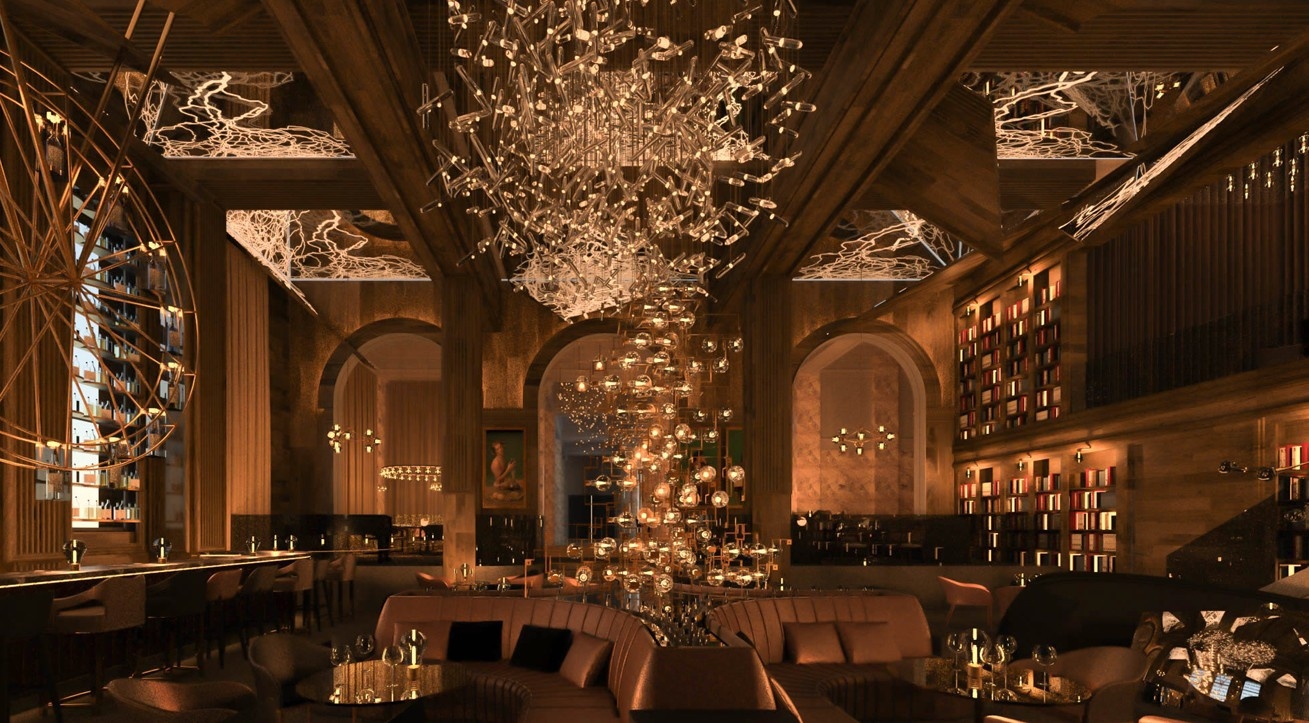
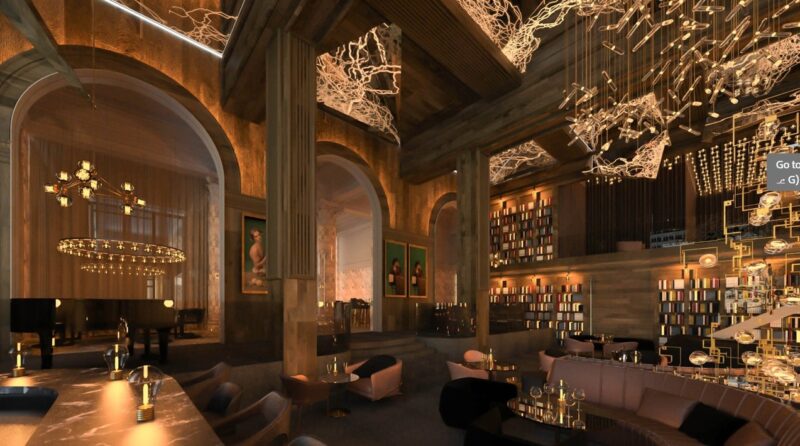
A rendering of Mr. Edison, Jeffrey Chodorow’s first Philadelphia restaurant, with a bartop carousel at left. The restaurant is due to open in the Bellevue in spring 2026.
What is apparent this year is a solid collection of culinary entrepreneurs committing capital — nothing too extravagant. Ellen Yin and Teddy Sourias both have projects coming downtown (both unnamed as yet), Greg Vernick is close to opening his first venture outside of Center City, and chef Christopher Kearse is overhauling Varga Bar’s space with design-firm partners PS & Daughters. Michael Schulson — whose last opening was Dear Daphni in December 2024 — also says he’s planning three more restaurants for 2026.
Where the growth is
The Kensington-Fishtown corridor
The city’s most active development zone remains Kensington-Fishtown, buoyed by new construction and adaptive reuse — and landlord incentives. Just like previous years, the incoming projects (like Emilia and Adda, both signed long ago) signal sustained interest from serious operators. Barcelona Wine Bar recently signed on for a second Philadelphia location, on Lee Street near Pizzeria Beddia and Hiroki. Corner bars (Ponder Bar, ILU) and fast-casual concepts (7th Street Burger, Slider & Co.) are positioned to meet everyday demand.
Washington Square West and Queen Village
Washington Square West and Queen Village have long boasted a French-leaning dining cluster(the Good King Tavern, Le Caveau, Mabu Kitchen, Sofi Corner Cafe). Now come three more: Soufiane at the Morris, Side Eye, and Known Associates (from Forsythia’s Kearse).
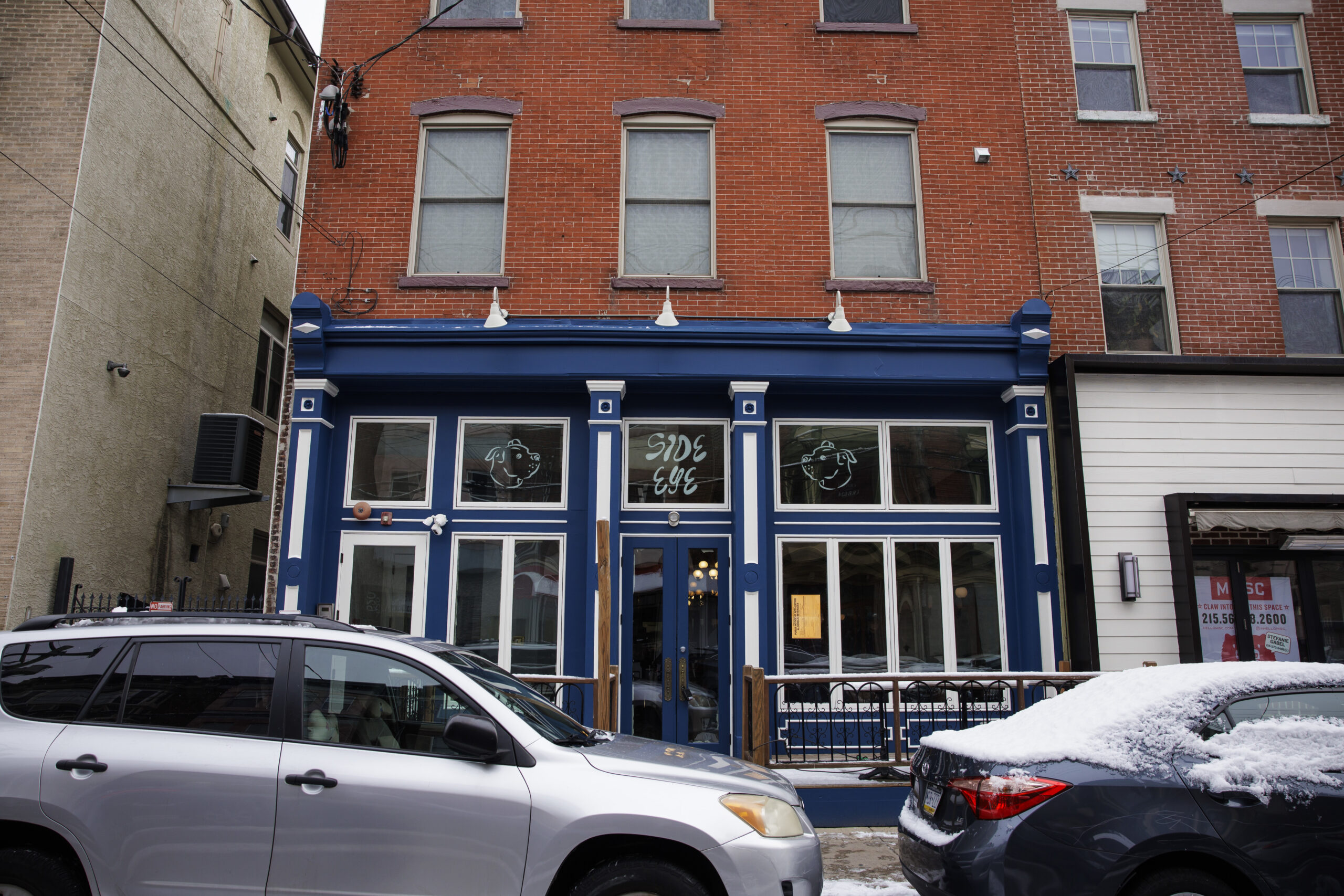
The exterior of Side Eye on Monday, Dec. 15, 2025, in Philadelphia. Side Eye is located at 623 S. Sixth St.
University City
As University City’s life-sciences footprint grows north of Market Street, food and beverage have followed. The Triad at 38th and Lancaster will house DiDi, Kabobeesh with Karak Cha House, and Shibam Coffee, creating a dense, international hub tied to student and office traffic, adding to current occupants including Han Dynasty, Two Locals, and Corio.
Chestnut Hill
Northwest Philadelphia’s toniest neighborhood has drawn the classy concepts Lovat Square (wine shop/tasting room) and Blue Warbler (all-day cafe/bar). I also hear that Fiesta Pizza is returning, so it’s not completely bougie.
Main Line and South Jersey
The Main Line (Ardmore, Bryn Mawr, Wayne, Narberth, Devon) continues to see growth mainly from locals like Bart’s Bagels, Gouldsburger’s, and Love & Honey Fried Chicken, while Merchantville, Collingswood, Haddon Township, and Marlton remain reliable for both chef-driven and neighborhood concepts. When a restaurant closes in those towns, a replacement is usually close behind.
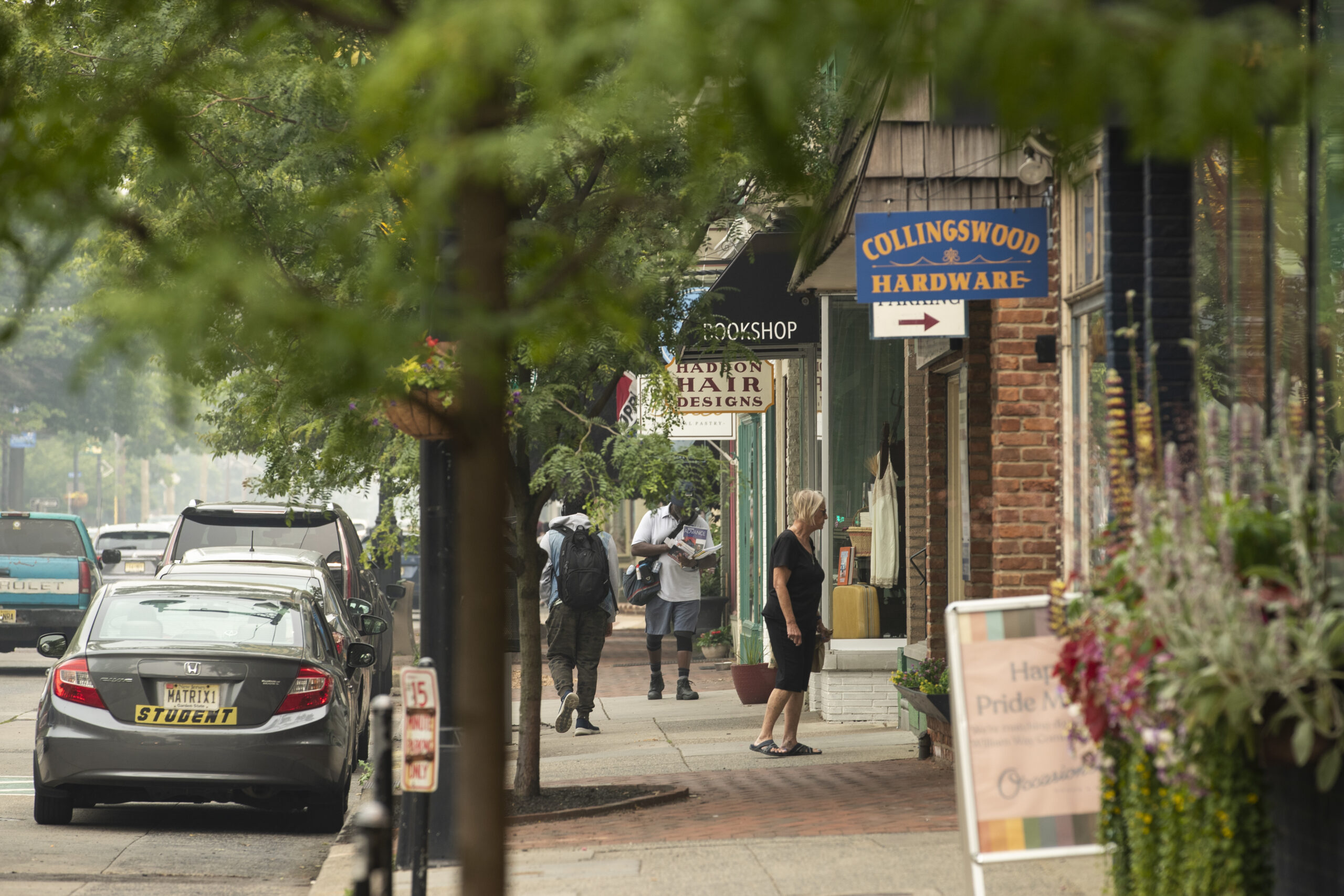
Haddon Avenue in Collingswood.
What’s trending
Fast-casual keeps scaling
Burgers, fried chicken, halal concepts, and kiosks continue to proliferate. New York imports like Harlem Shake and 7th Street Burger are joining the locals.
Coffee is still surging
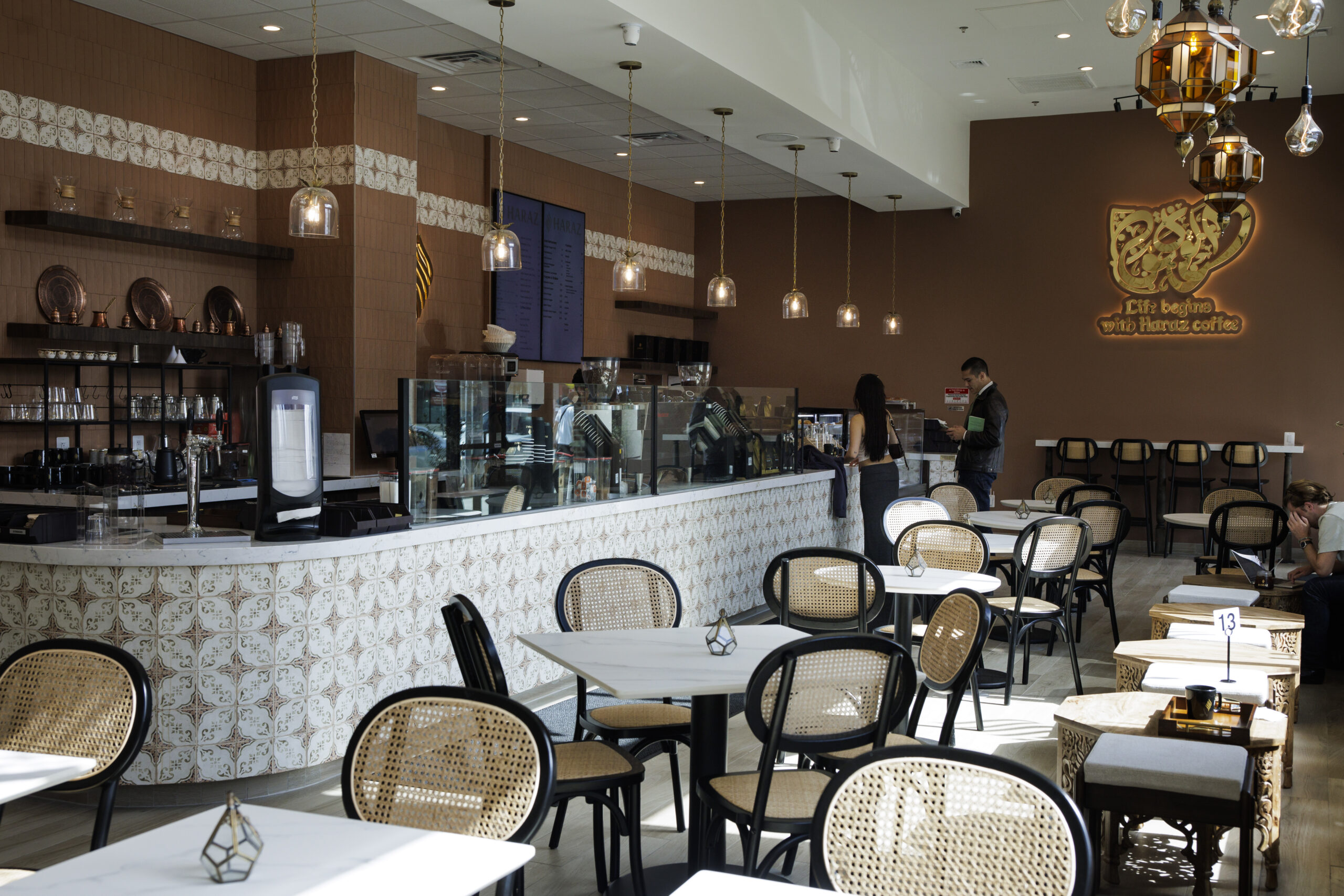
Philly’s first M.O.T.W. Coffee is opening in Center City, with Cake & Joe also on deck. Haraz Coffee House is expanding into the suburbs, while Happy Bear Coffee and Thank You Thank You are multiplying.
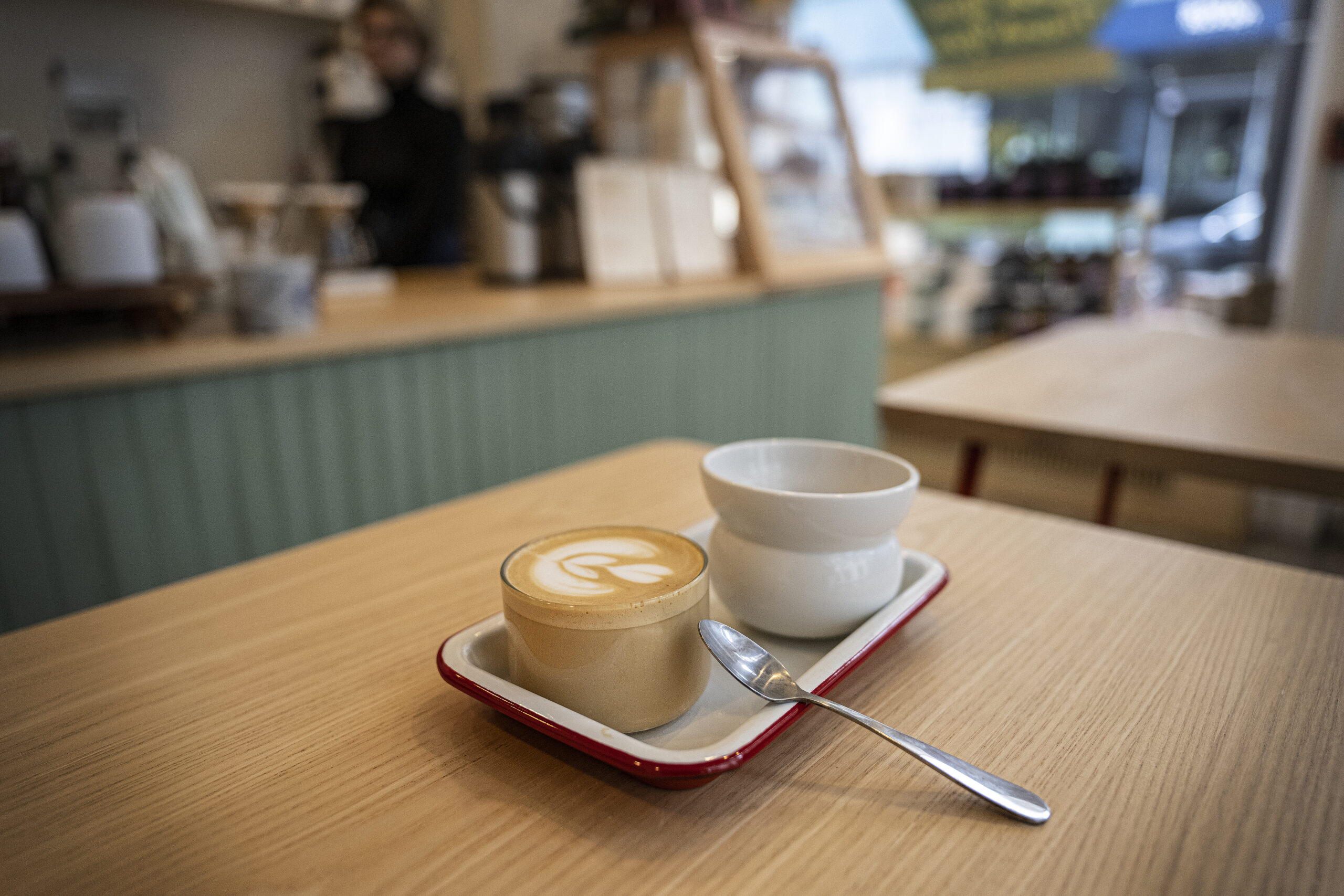
A “one on one” espresso and coffee at the Thank You Thank You Coffee shop.
Bakeries and bagels rebound
Bagel shops (Bart’s Bagels, PopUp Bagels, Penny’s Bagels) are moving from pop-ups and delivery into permanent homes. Pretzel Day Pretzels follows that same arc, while the homegrown Wild Yeast Bakehouse is part of a new wave of boutique sourdough operations.
More, more, more
Amma’s South Indian Cuisine will head to Bucks County for its fifth location, while Chinatown standout EMei expects two expansions. Additional growth is coming from Dim Sum House by Jane G’s, Dim Sum Factory, Amina’s Felicia Wilson and Darryl Harmon (Table 8460 by Amina, Amina Ocean), 13th Street Kitchen’s Michael Pasquarello (Piccolina), and the partners at Libertee Grounds (Lucky Duck).
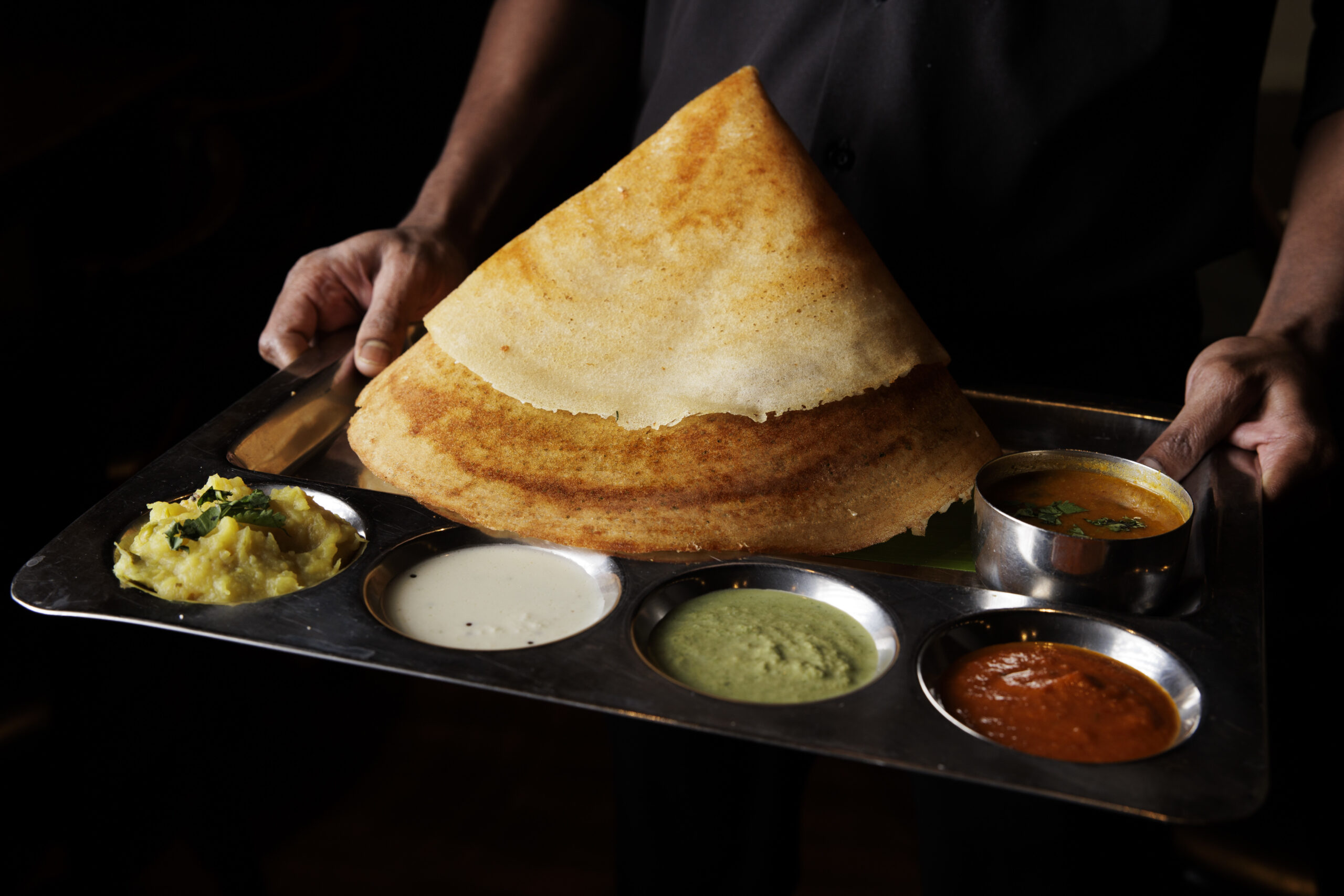
The Ghee Roast Dosa at Amma’s on Chestnut Street in Philadelphia on Wednesday, Aug. 21, 2024.
Philadelphia’s bar scene remains active. Expected arrivals include a mix of highbrow (Liquorette, Bar Caviar, ILU), casual drop-ins (Lillian’s, O’Morrey’s), and fun (Claude’s Comedy Club & Bar).
High-end dining is also expanding: Friday Saturday Sunday is adding space, while Bucks County will see its first rooftop venue with Main Sip Rooftop. Meanwhile, established operators are relocating or upgrading — Crust Vegan Bakery is moving to East Falls, Flakely is going full retail in Bryn Mawr, Kabobeesh is shifting within University City, and Luna Cafe is relocating within Olde Kensington.
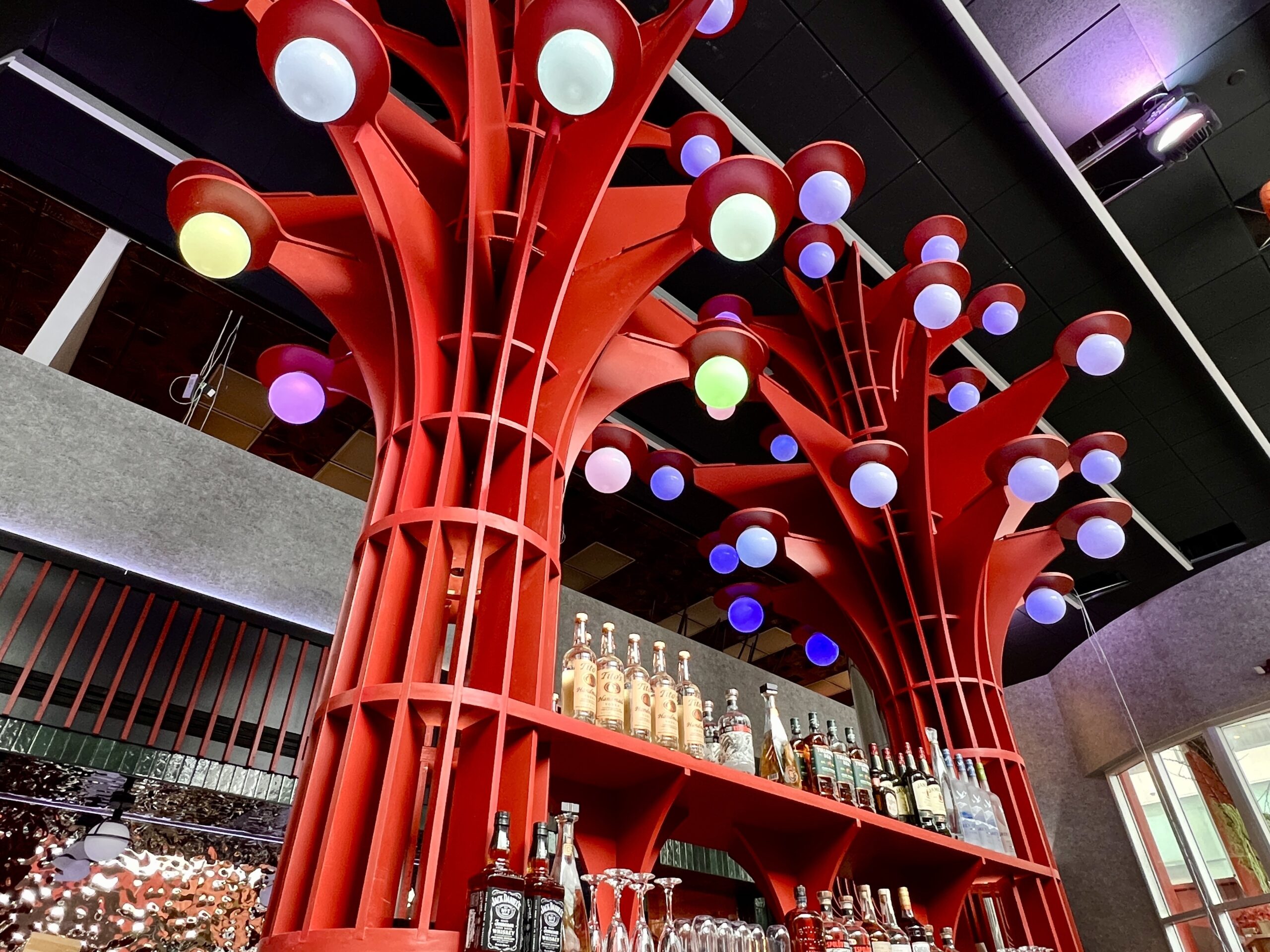
Philadelphia-area restaurant diners will have plenty of new options in 2026 — among them, a chic wine bar/bottle shop in Chestnut Hill, an all-day Italian spot from Ellen Yin and High Street Hospitality in Rittenhouse, an Asian fusion/sushi bar in Penn Center from Teddy Sourias, a retro French “bouillon” in Washington Square West, a white-tablecloth destination in Fort Washington, a Euro-style cocktail-bar collab between Forsythia chef Christopher Kearse and design house PS & Daughters at the former Varga Bar space, plus restaurateur Jeffrey Chodorow’s swank, retro splash at the Bellevue, topped with stunning light fixtures and a Ferris wheel on the bar toting top-shelf selections.
I’ll offer first word on those projects, and — because we go high-end and low-end around here — I’ll also drop the news about a luxe tasting-menu restaurant coming to Merchantville’s recently shuttered Park Place Cafe as well as a takeout counterinside a Center City gas station.
And have you heard the one about the comedy club coming to South Broad Street?
The 2026 lineup includes a few projects announced in 2025, such as Greg Vernick’s Italian restaurant Emilia in Kensington; the New York-based Ayat, serving homey Palestinian food in a casual setting in the former Roxy Theater in Rittenhouse; chef Elijah Milligan’s Lovechild at the 990 Spring Garden building; the bold Indian restaurant Adda in Kensington, from New York’s acclaimed Unapologetic Foods; the novel, crowd-sourced restaurant called Recipe Phillyat Broad and Arch; the all-day cafe, bakery, and pub in Chestnut Hill called the Blue Warbler; the new location of Collingswood’s Hearthside; Charles Barkley’s yet-to-be-named King of Prussia steakhouse; and Savú, a mod Washington Square West lounge on two levels. (The deal to open the New York hit Pig & Khao at the former Martha in Kensington blew up last spring, but another restaurant is on the way for the space.)
The dining room of Adda in New York City’s East Village.
Altogether, well over 100 restaurants fill the rows on my 2026 tracking spreadsheet, and more surely will crop up. I can’t tag everything here. Details are scarce about Stephen Starr’s forthcoming project at the former Devon Seafood Grill on Rittenhouse Square, as they are on Pica’s timeline for its new takeout location in Delaware County.
Love & Honey Fried Chicken (1111 W. Lancaster Ave., Bryn Mawr)
The Northern Liberties-based fried-chicken outlet expands to the Main Line. Grand opening: Jan. 17
Malooga (203 Haverford Ave., Narberth)
The Old City Yemeni restaurant joins the Main Line with lunch and dinner service, a bakery, and expanded space for groups and outdoor dining. Late January
The California-inspired restaurant at Ellis Preserve boasts an extensive list of domestic and international wines in a polished setting. February
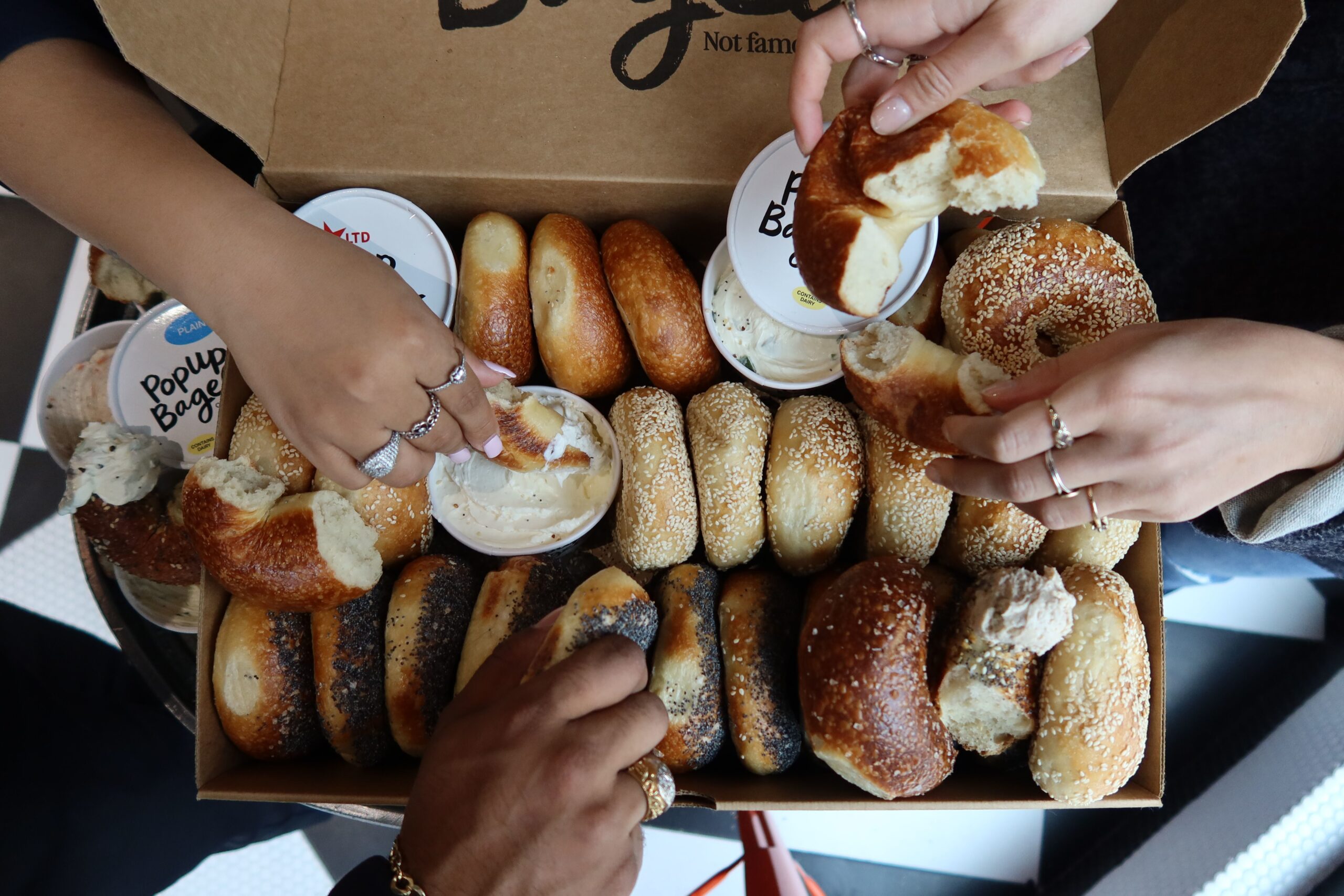
A group digs into a box of PopUp Bagels.
PopUp Bagels (Anderson and Coulter Avenues, Ardmore)
The viral bagel sensation will enter the Philly market across from Shake Shack at Suburban Square; a lease for a Center City location is being finalized. Mid- to late February
Salt Korean Barbecue Steakhouse/Yugo (840 W. Lancaster Ave., Devon)
The owners of Salt Korean BBQ in North Wales are headed to the Main Line for two restaurants on the former site of La Jonquille and Shiraz. Salt will be a luxe Korean BBQ experience. The Japanese-themed Yugo upstairs, opening after Salt is running smoothly, will have a carousel bearing premium sushi. Late summer
Testa Rossa (523 W. Lancaster Ave., Wayne)
Fearless Hospitality will bring a second location of its fun-loving Italian restaurant to Wayne’s former Bertucci’s. April
333 Belrose (333 Belrose Lane, Radnor)
The Main Line stalwart is undergoing a top-to-bottom renovation. January/February
Wild Yeast Bakehouse (503 W. Lancaster Ave., Wayne)
New restaurants in Montgomery County, King of Prussia, and Bucks County
Academy Grill (424 S. Bethlehem Pike, Fort Washington)
Michael Sloane and Jay Rosenthal, of Jasper’s Backyard in Conshohocken and the Fort in Fort Washington, are transforming Cantina Feliz’s previous location into a white-tablecloth, Italian-inspired restaurant. The menu will have seafood, steaks, and house-made pasta from Jeffrey Power, longtime chef of the nearby Dettera in Ambler, which Sloane and Rosenthal recently purchased. When Academy opens, they will close Dettera and, 100 days later, renovate and roll out what they call an approachable pan-Mediterranean concept on the site. March
Amma’s South Indian Cuisine (280 N. Sycamore St., Newtown)
The South Jersey-rooted operation’s sixth location will replace a former Zoe’s Kitchen. Spring
Cecilia (266 E. Fourth St., Bridgeport)
The crew from Blue Bell Inn and Horsham’s Copper Crow is taking over the defunct Taphouse 23 for a contemporary American bar-restaurant. March
Charles Barkley’s steakhouse (Valley Forge Casino in King of Prussia)
The still-unnamed project, announced in October, attaches the NBA star to a sleek luxury dining and smoking experience, complete with personal memorabilia from his career and a walk-in humidor. No timeline
Haraz Coffee House (1459 Bethlehem Pike, Flourtown)
The fast-growing Yemeni coffee house expands into a former Starbucks. Jan. 15
Lazy Dog(160 N. Gulph Rd., King of Prussia)
The Rocky Mountain lodge-themed restaurant is coming to the mall after a long delay. Late 2026 (The Mount Laurel location is not due till 2027.)
Melange on Sycamore (255 N. Sycamore St., Newtown)
Taking shape in the former Sycamore Grill is chef Joe Brown’s revival of his erstwhile South Jersey restaurants with a Louisiana-meets-Italian menu. February
Nudy’s Cafe (122 Park Ave., Willow Grove)
Diner king Ray Nudy is teeing up a location across from the Marshall’s store. Spring
RiverTide Brewing (58-B E. Bridge St., Morrisville)
Pennsbury High grads Frank Brill, Ken Terry, and Rob Staples have taken over the former Bitchin’ Kitten space. January/February
Table 8460 by Amina (8460 Limekiln Pike, Wyncote)
Felicia Wilson and chef Darryl Harmon (Amina, BlackHen, FIA, AVANA, and First Daughter Oyster & Co.) are creating a rustic farm-to-table restaurant at the Towers at Wyncote. February
New restaurants in South Jersey
Bar Tacconelli(461 Route 38, Maple Shade)
Vince Tacconelli and partners Stacey Lyons and Greg Listino are turning the former Versa Vino into a 50-seat Italian cocktail lounge serving oysters, charcuterie, fried bites, and pastas — but no pizza, as it’s four minutes from Tacconelli’s Maple Shade location. February
Duo Restaurant & Bar (90 Haddon Ave., Haddon Township)
The former Keg & Kitchen is reopening under the owners of Cherry Hill’s Il Villaggio, who plan to keep the bar menu and supplement with small plates. January/February
Eclipse Brewing (25 E. Park Ave., Merchantville)
New owner Megan Hilbert refreshed the space and expanded the outdoor setup with fire pits, patio seating, and a tented event area. Alongside house beer, Eclipse will offer alcoholic and nonalcoholic seltzers and its popular root beer, rotate food trucks and local vendors, and lean heavily into events — trivia, comedy, and pop-ups — as Hilbert frames it as a community gathering spot. Grand opening: Feb. 6.
Gouldsburger’s
The fast-growing fast-casual sandwich specialist has several on the way: 27 N. Maple Ave. in Marlton (February), 110 High St. in Glassboro (April), and 1251 Burlington Pike in Cinnaminson (spring).
Happy Place Homemade (690 Stokes Rd., Medford)
Ice cream, doughnuts, and other fun foods. Jan. 23.
Haraz Coffee House (113 Route 73, Marlton)
The Yemeni coffee house premieres in South Jersey with a location in Marlton Crossing. March
Hearthside (105–107 Haddon Ave., Haddon Township)
After eight years in Collingswood, chef/owner Dominic Piperno plans to move down the street into larger digs with a bar, lounge, and outdoor patio. He says he’d like to set up a chef in Hearthside’s existing space. Fall
After a year’s delay, Chris Fetfatzes says his bagel shop is finally coming round. Spring
Pizzeria Cusumano (872 Haddon Ave., Collingswood)
On the books since September 2021, this artisan pizzeria from third-generation pizzaiolo Sal Cusumano is back on track.“Q1”
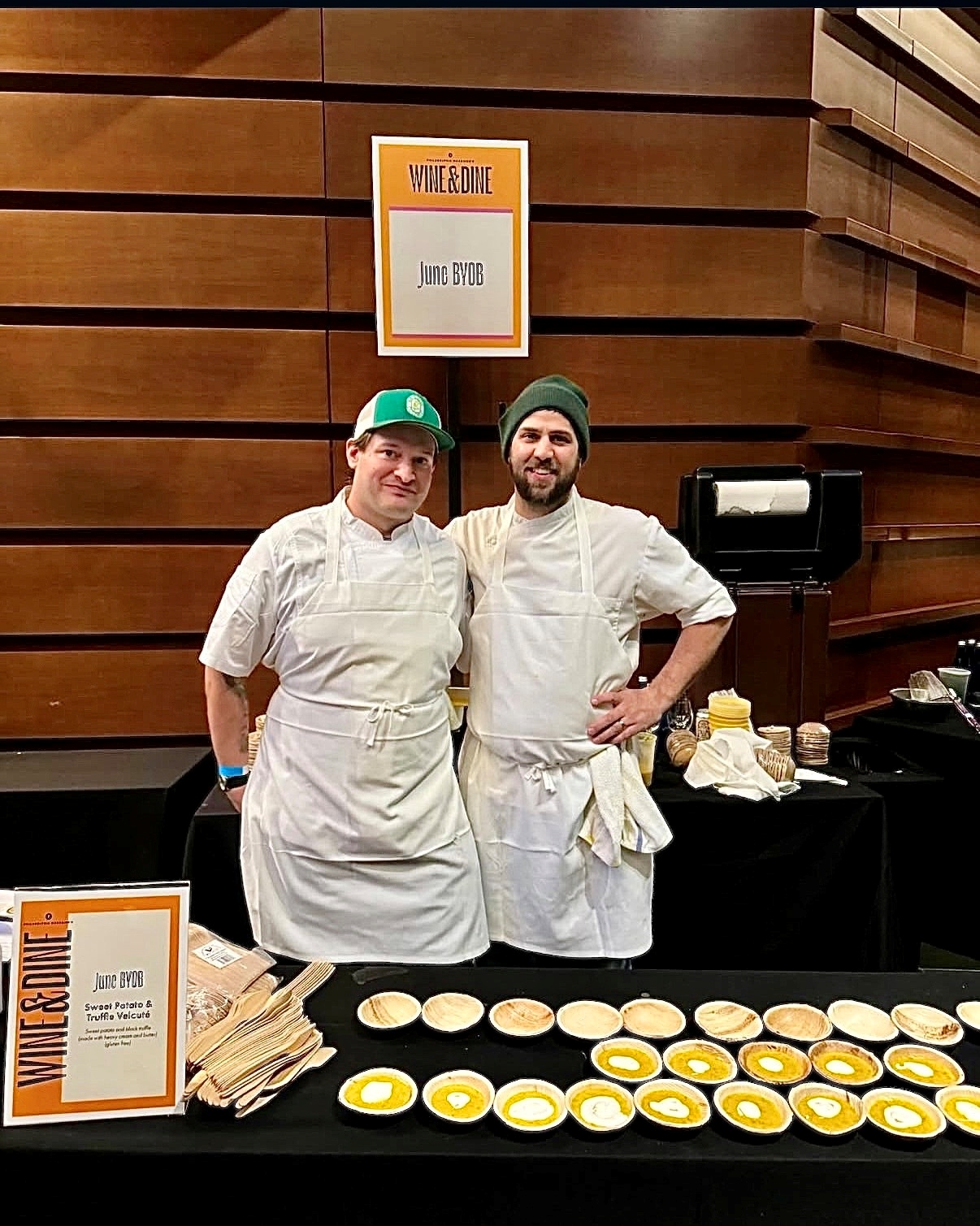
Chef Chris Bennett (left) with June chef-owner Richard Cusack at a food event.
1793 (7 E. Park Ave., Merchantville)
Chris Bennett, chef de cuisine at Collingswood’s stellar June BYOB, has taken over the tiny Park Place Cafe for a tasting-menu restaurant whose six-course contemporary American menu will emphasize seafood, pastas, risottos, and a consistent duck entrée. Bennett, a carpenter in his first career, is building it out to feel like an upscale library, with dark woods and leather seating. He’s aiming for fine dining without formality. “I want people to leave full and happy,” he said. March
New restaurants in Philadelphia
Center City West / Rittenhouse / Logan Square
Ayat (2021 Sansom St.)
Abdul Elenani’s Palestinian restaurant is as well known, especially outside New York, for its outspokenness as it is for its mansaf (a lamb stew served over saj and rice) and maklouba (a six-layer, upside-down chicken and vegetable dish). March
Bar Caviar (256 S. 16th St.)
At Dwight D Hotel, a new bar whose Champagne list is expected to read more like a collector’s catalog than a bar menu: 50 selections in total, with 15 by the glass. Spring
Cake & Joe (1735 Market St.)
Sarah Qi and Trista Tang are opening the third location of their pastry/breakfast/lunch shop at BNY Mellon Center. January
Carolyn’s Modern Vietnamese (2015 Walnut St.)
Carolyn Nguyen is moving up as Revolution Taco moves out; she’ll take over for her Viet-Cajun hybrid. Early 2026
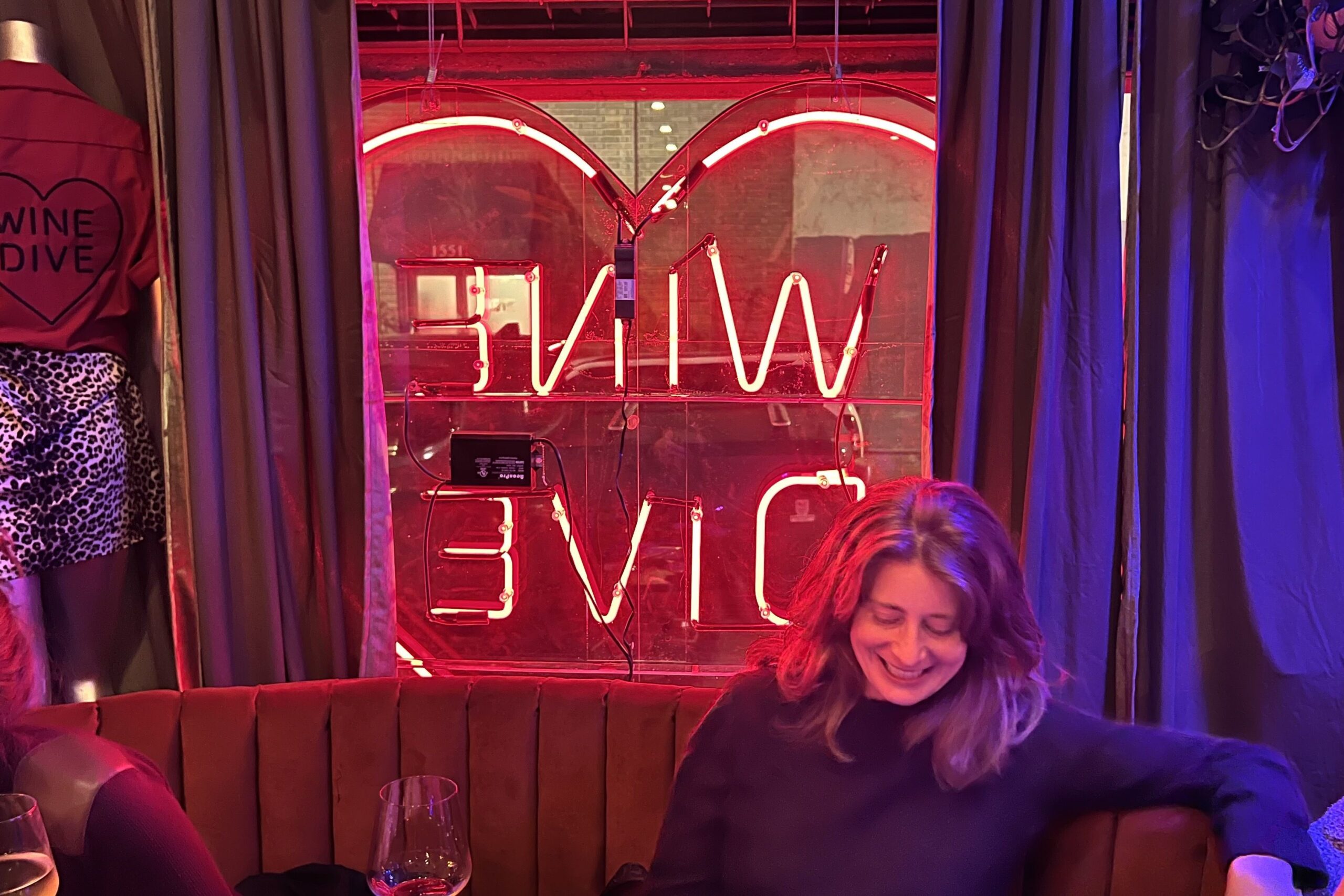
A chill, elegant bar above the new Wine Dive. Late summer
Mac Mart (Arch Street just west of 18th Street)
After 13 years at 18th and Chestnut Streets, sisters Marti Lieberman and Pamela Lorden are pivoting to a kiosk outside the Four Seasons at 18th and Arch. It’s built for grab-and-go, drawing on lessons from Mac Mart’s successful Munch Machines vending operation. In addition to mac and cheese, the kiosk will feature rotating wraps, hoagies, and products from local food businesses. Mid-January
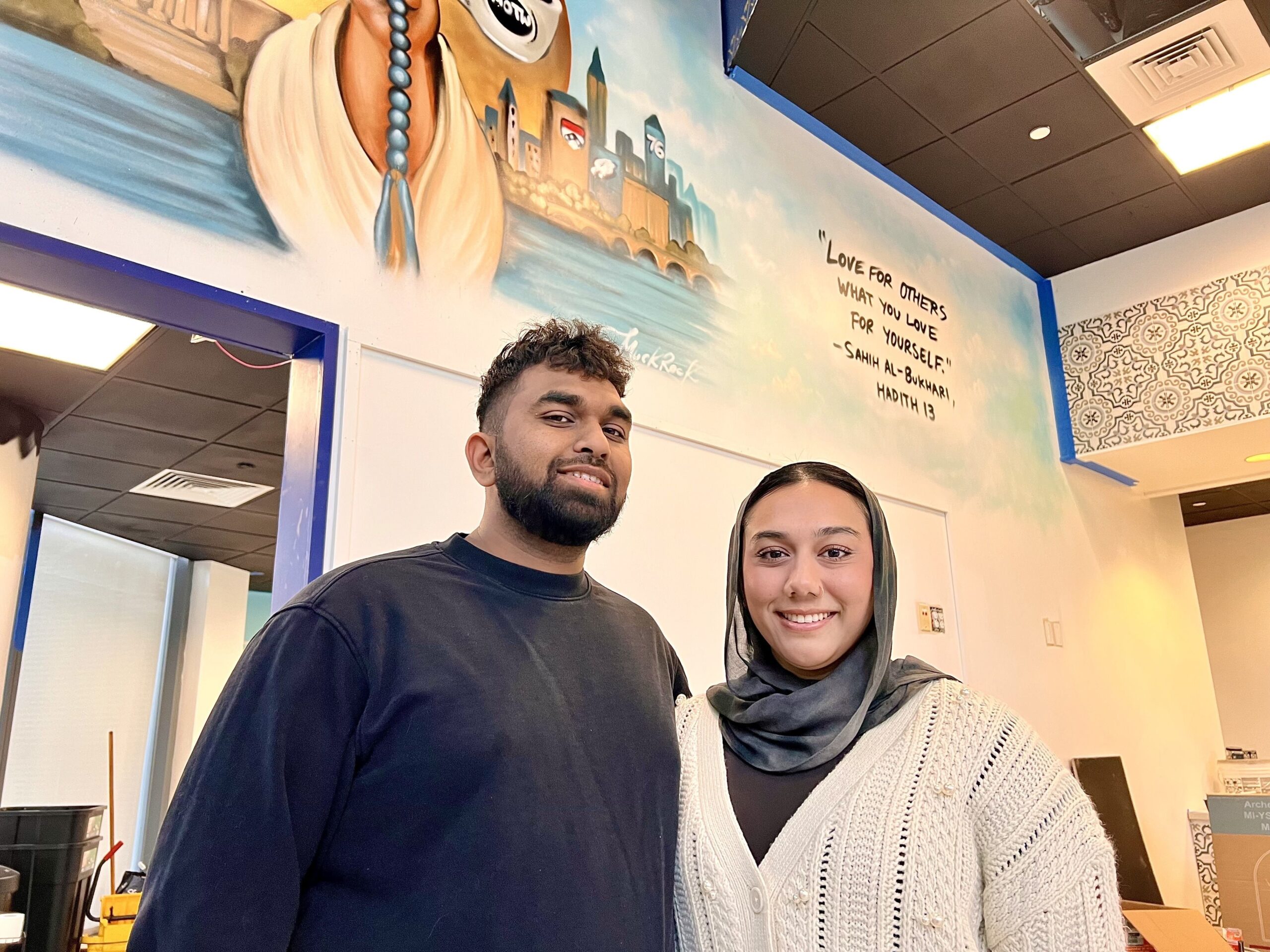
Mahmood Islam and Samina Akbar at MOTW Coffee, 2101 Market St.,
A rendering of Mr. Edison, Jeffrey Chodorow’s first Philadelphia restaurant, with a bartop carousel at left. The restaurant is due to open in the Bellevue in spring 2026.
Mr. Edison (the Bellevue, Broad and Walnut Streets)
Jeffrey Chodorow calls this a “new generation” supper club that honors tradition while embracing the present — pairing the clubbiness, sophistication, and hospitality-driven focus of classic supper clubs with a modern culinary approach and live entertainment from a stage. The name nods to the Bellevue, whose lighting and electrification were overseen by Thomas Edison himself. Chodorow says it will “pulse with modern electric energy,” illuminated by warm, Edison-inspired lighting. The farm-to-table menu will be supplied in large part from Chodorow’s farm in New Hope, and dishes will be inspired by the iconic Philadelphia restaurants that influenced Chodorow’s personal culinary journey, including Le Bec-Fin, La Panetiere, Jimmy’s Milan, Bookbinder’s, Astral Plane, Knave of Hearts, Frog, and Commissary. March
O’Morrey’s (1720 Sansom St.)
Main Line-based chefs Biff Gottehrer and Kenjiro Omori (Refectory, the Ripplewood, Izzy’s) are developing this cocktail bar in the spirit of the Ripplewood on the former site of Genji, which Omori’s father created decades ago. O’Morrey’s is a cheeky rendering of Omori’s last name. Early summer
Recipe Philly (1401 Arch St.)
A full-service restaurant created by local businessman Ed Baumstein, who has invited the public to submit family recipes to create the menu. The entire build-up to opening is being filmed for a reality series. May
Restaurateur Ellen Yin will open a new Italian restaurant in Rittenhouse in 2026.
An Ellen Yin project (1620 Sansom St.)
Yin and High Street Hospitality have taken a space next to Uchi in Rittenhouse for an unnamed Italian restaurant. Spring
A Teddy Sourias sushi bar (1515 Market St.)
Sourias has no firm opening date or even name for his latest restau-bar, a splashy, two-level Asian fusion space that will subsume the shuttered HSBC Bank at 16th Street, adjacent to his Uptown Beer Garden. There’s an eight-seat sushi bar that will be overseen by the crew from Kichi Omakase. No timeline
The bar inside the Teddy Sourias restaurant at 1515 Market St. on Dec. 31.
Center City East / Old City
Chibanos (1127 Pine St.)
Evan Fong Jaroff, who melds his background — his mother is Chinese and born in Cuba, his dad is Russian American Jewish — will specialize in pressed sandwiches at the former Effie’s in Washington Square West. March
Harlem Shake (1330 Walnut St.)
The old-school burger shop, whose name was borrowed from the dance created by Al B. (Albert Boyce), has an atmosphere that pays homage to Harlem, home of its original location. No timeline
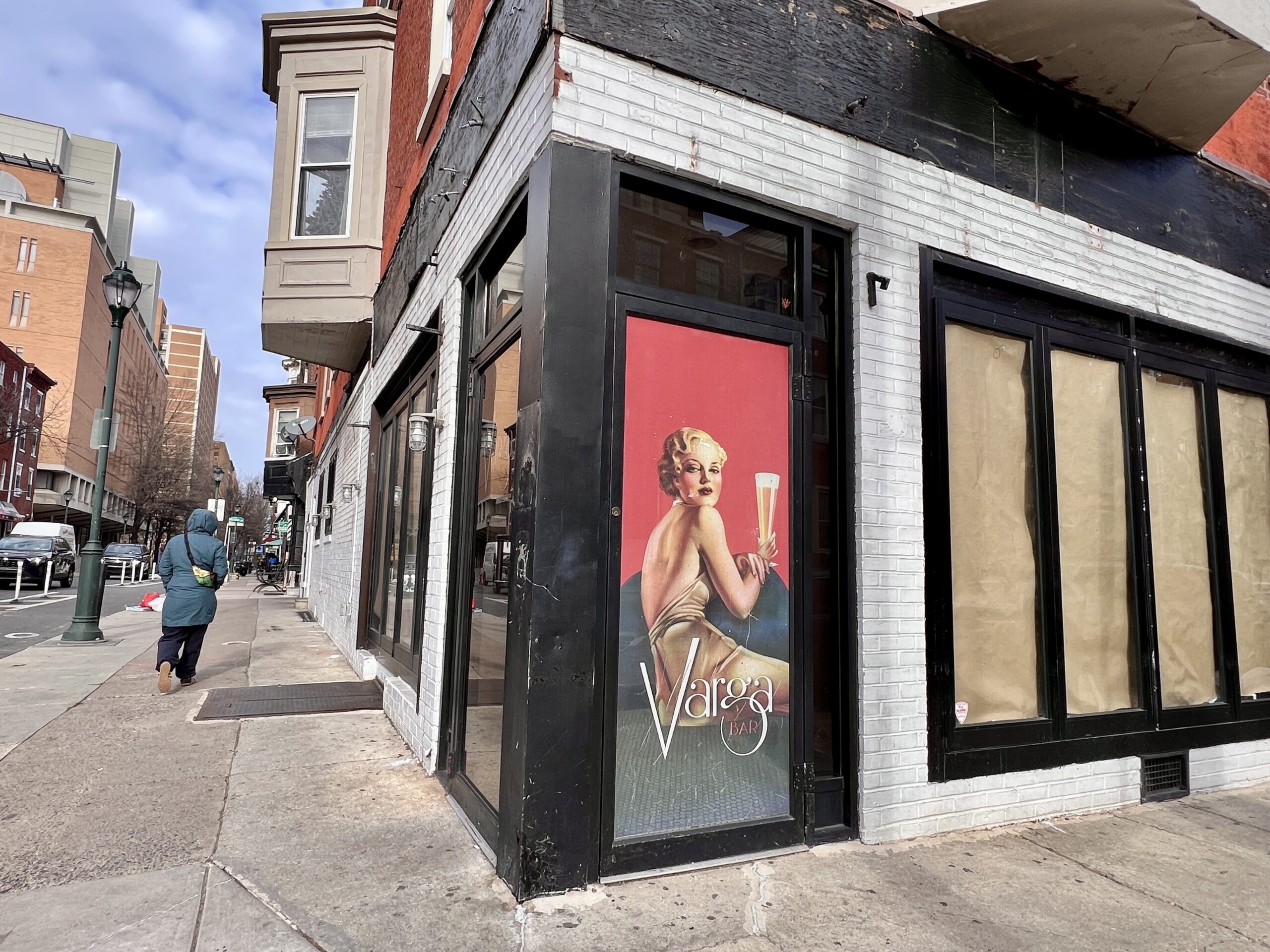
The future Known Associates, on the former site of Varga Bar, 941 Spruce St., on Dec. 31.
Known Associates (941 Spruce St.)
Chef Christopher Kearse of the Michelin-recommended Forsythia and designers PS & Daughters will open a cocktail bar at the former Varga Bar. Specifics are few for now, but the line is that food will play a more substantial role than at most American cocktail bars and will have a clear European influence. “That idea really clicked for us in Milan on my honeymoon — seeing how naturally great drinks and serious, satisfying food can live together,” Kearse said. The design reflects that same depth and intention. “Nothing here is minimal,” said Phoebe Schuh, PS & Daughters’ creative director. “We want to create a room built for lingering — where layers, atmosphere, and a sense of memory reward a closer look, and support the depth and creativity of Chris’ cocktails.” Spring
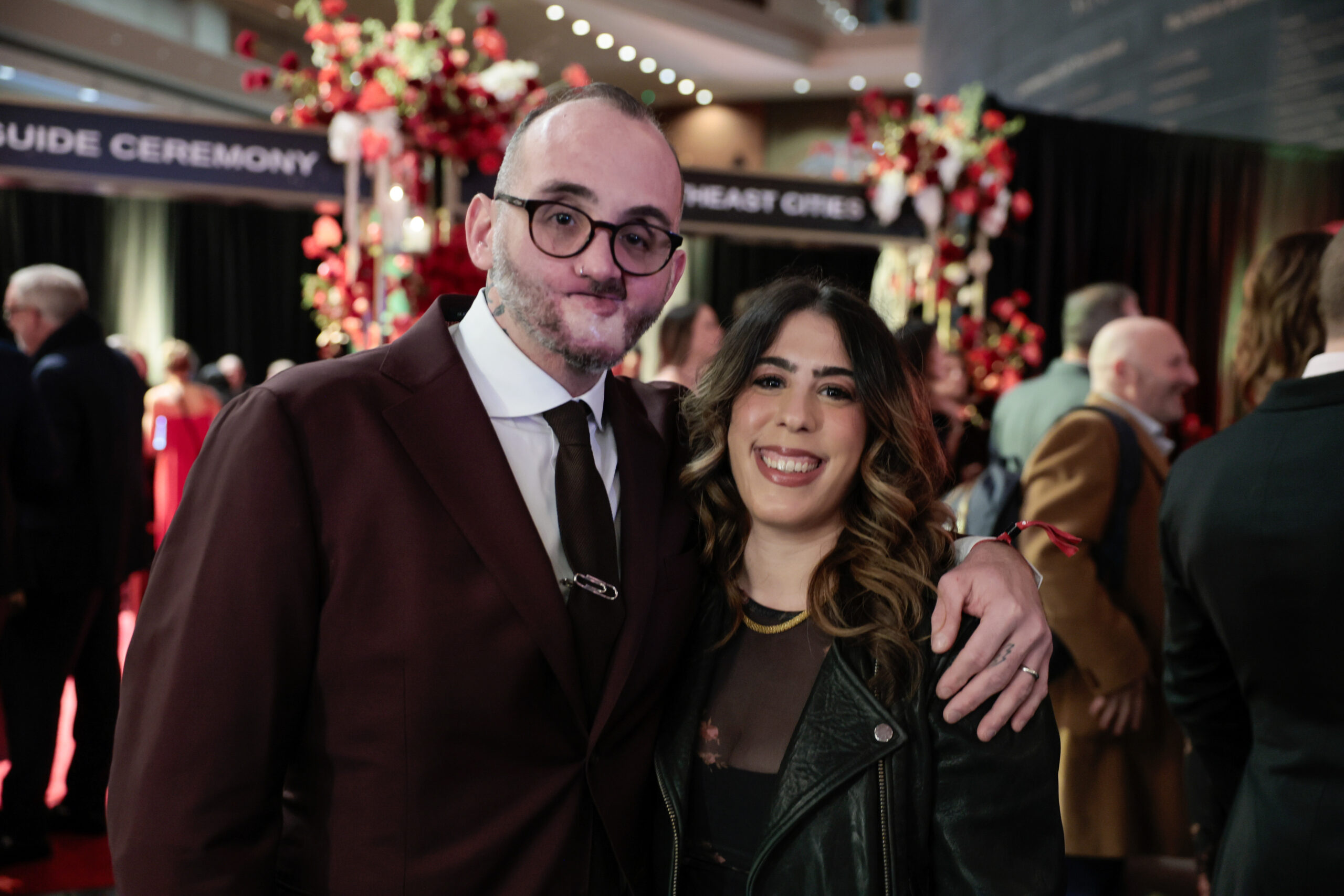
Chef Christopher Kearse and his wife, Lauren Kearse, during the cocktail hour at the Michelin Guide announcements at the Kimmel Center on Nov. 18.
Mi Vida (34 S. 11th St.)
Upscale Mexican player out of Washington, D.C., is opening next to Mom’s Organic Market in East Market. January/February
Piccolina (301 Chestnut St.)
A low-lit Italian restaurant and cocktail bar at the Society Hill Hotel from Michael Pasquarello (Cafe Lift, La Chinesca, Prohibition Taproom). Late winter/early spring
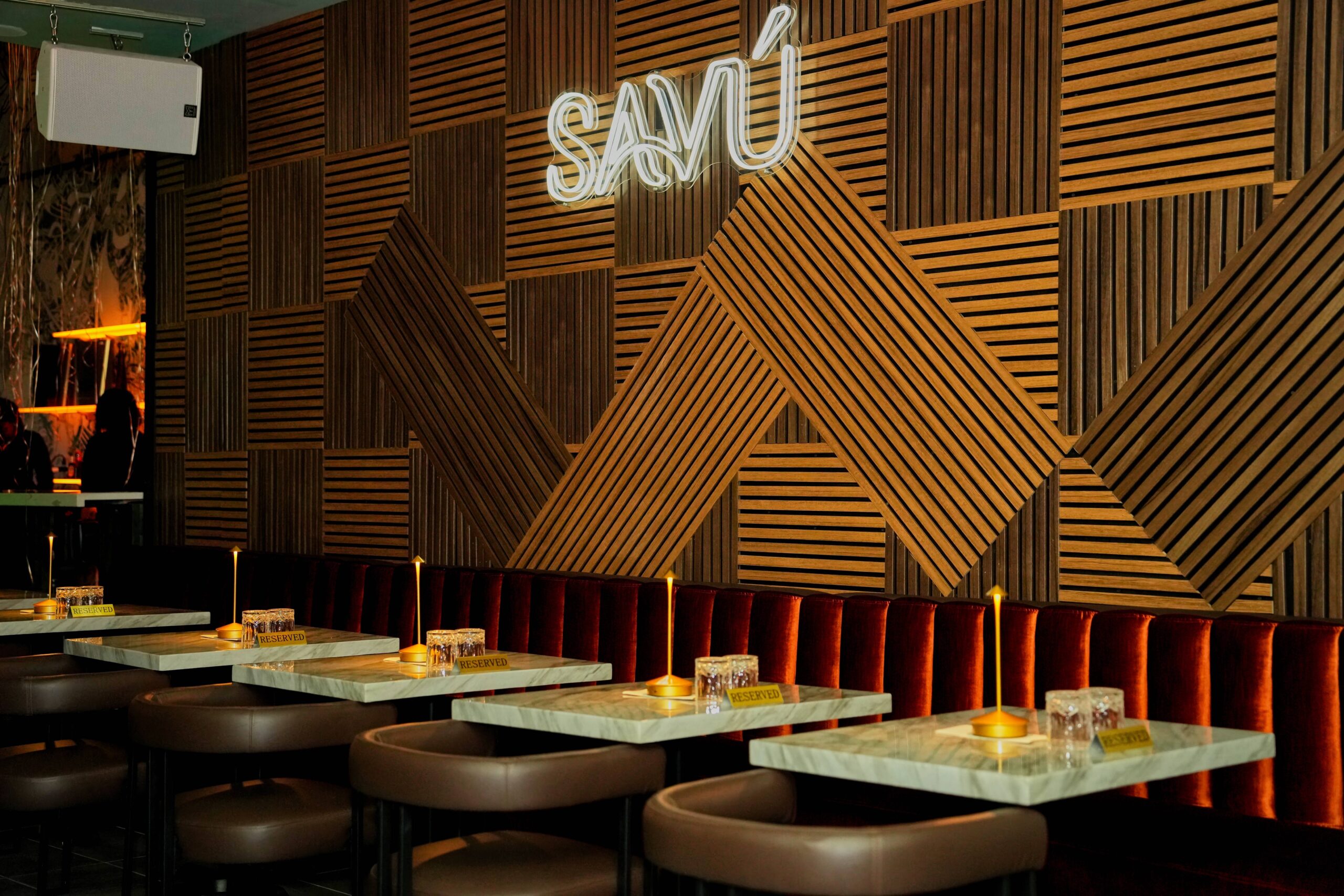
Savú, 208 S. 13th St.
Savú (208 S. 13th St.)
Kevin Dolce’s Hi-Def Hospitality has converted Washington Square West’s Cockatoo into a modern, bi-level dining and late-night lounge, with weekend brunch and Champagne brunch parties on Sundays. Jan. 30
Soufiane at the Morris (225 S. Eighth St.)
Soufiane Boutiliss and Christophe Mathon of Washington Square West’s intimate Sofi Corner Cafe are expanding into the genteel Morris House Hotel with an elegant but approachable restaurant inspired by France’s classic bouillons and brasseries. Menu will be split between small-plates bar offerings and full entrees: pâté en croûte, frog’s legs, bone marrow, smoked beef tartare, duck à l’orange, cassoulet, and mussels prepared with cream and curry, alongside Moroccan-influenced tagines. Breakfast, lunch, and brunch service will continue outdoors during the day, while the indoor dining room will open in the evenings only. February
Tun Tavern (207 Chestnut St.)
Montgomery Dahm, who owns Tun Tavern in Atlantic City, is retrofitting Old City’s Lucha Cartel into a tribute to the Marine Corps and is targeting early spring. (There’s a whole legal saga surrounding the name; the nonprofit group planning its own re-creation of the Tun around the corner hopes to open in 2027.) March
Society Hill / South Street
Kampar (611 S. Seventh St.)
Ange Branca hopes to reopen her Malaysian restaurant sometime in 2026; it’s undergoing extensive repairs from a February 2025 fire. No timeline
Taste Taco Bar (300 South St.)
Hi-Def Hospitality is readying this indoor/outdoor taco bar at the former Jon’s Bar & Grille. Spring
The long-delayed third location, just off Second and Girard, from the Center City Sichuan specialist is on track for 2026; its name hasn’t been set. Spring
Emilia (2406 Frankford Ave.)
Chef Greg Vernick and chef de cuisine Meredith Medoway lead a neighborhood trattoria featuring a seasonal menu built around house-made pasta and live-fire cooking. Late January/early February
ILU (2118 Dauphin St.)
A low-lit cocktail bar with Spanish tapas from Vintage Syndicate in the former Old Philadelphia Bar. February
Joe & Kay(702 N. Second St.)
Owen Kamihira (El Camino Real, Superette) and sons are behind a Northern Liberties izakaya — on the books for two years — named in honor of his grandparents, who owned a farm in Washington State before the family was interned during World War II. March
Matt Kuziemski has taken the old Penalty Box for a convivial 12-seat bar (amid 42 seats overall) with eclectic decor sourced from Thunderbird Salvage. Next week
7th Street Burger (1216 Shackamaxon St./1215 Frankford Ave.)
New Yorker Kevin Rezvani keeps the smash-burger menu simple; this location is just north of Girard Avenue and across from Frankford Hall and Fette Sau (another New York transplant). March
Slider & Co. (2043 Frankford Ave.)
William Johnson and Anesha Garrett are going the pop-up route at 2211 Frankford while awaiting their permanent home nearby. Spring
Terra Grill (1099 Germantown Ave.): Chef Laurent Tourondel, also behind Scusi Pizza, will tend this wood-fire grill at Piazza Alta. February
South Philly
Brunch Bulls (1638 W. Passyunk Ave.)
Brothers Derrick “Dee” and Jarrick “Jakk” Long are setting up an all-day bruncherie, where they’ll also serve their own liquor brand, Jakk & Dee Spirits Co.Spring
Claude’s Comedy Club & Bar (1123 S. Broad St.)
Reid Benditt, who publishes the comedic gem Philly Jabroni, plans a comedy club with a full bar featuring beer, cocktails, and fun food. (You don’t need a show ticket to sit at the bar, but it wouldn’t hurt.) Spring
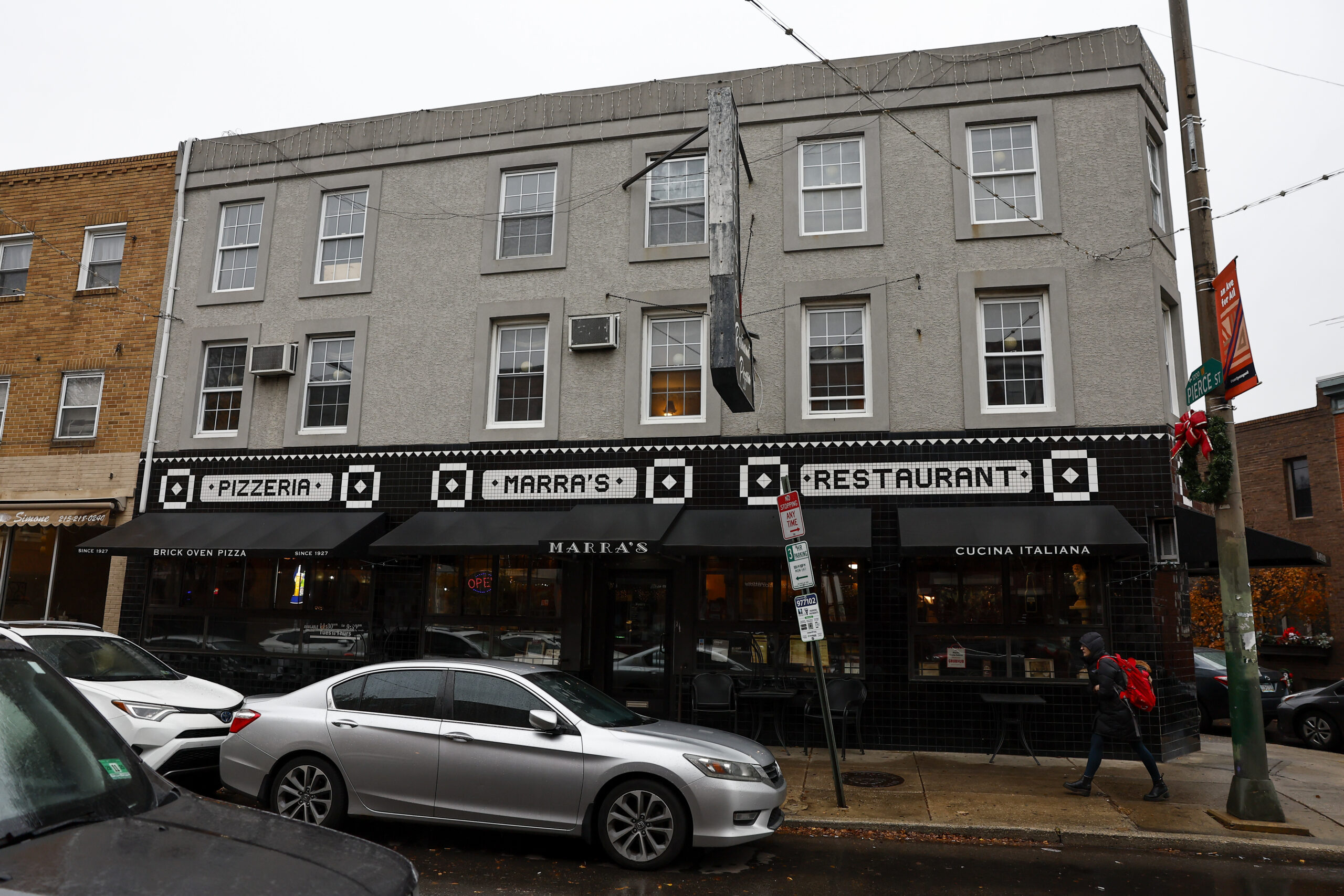
EMei plans to open at the former Marra’s, as seen Nov. 30, its closing day after 98 years.
EMei (1734 E. Passyunk)
The Chinatown landmark takes the former Marra’s in South Philadelphia. Summer
Bartender Sam Ahern’s cozy, Euro-influenced homage to her spunky great-great-grandmother, who ran a speakeasy in North Jersey. Early 2026
Love & Honey Fried Chicken (1523 E. Passyunk Ave.)
The fried chicken chain heads to South Philadelphia. Spring
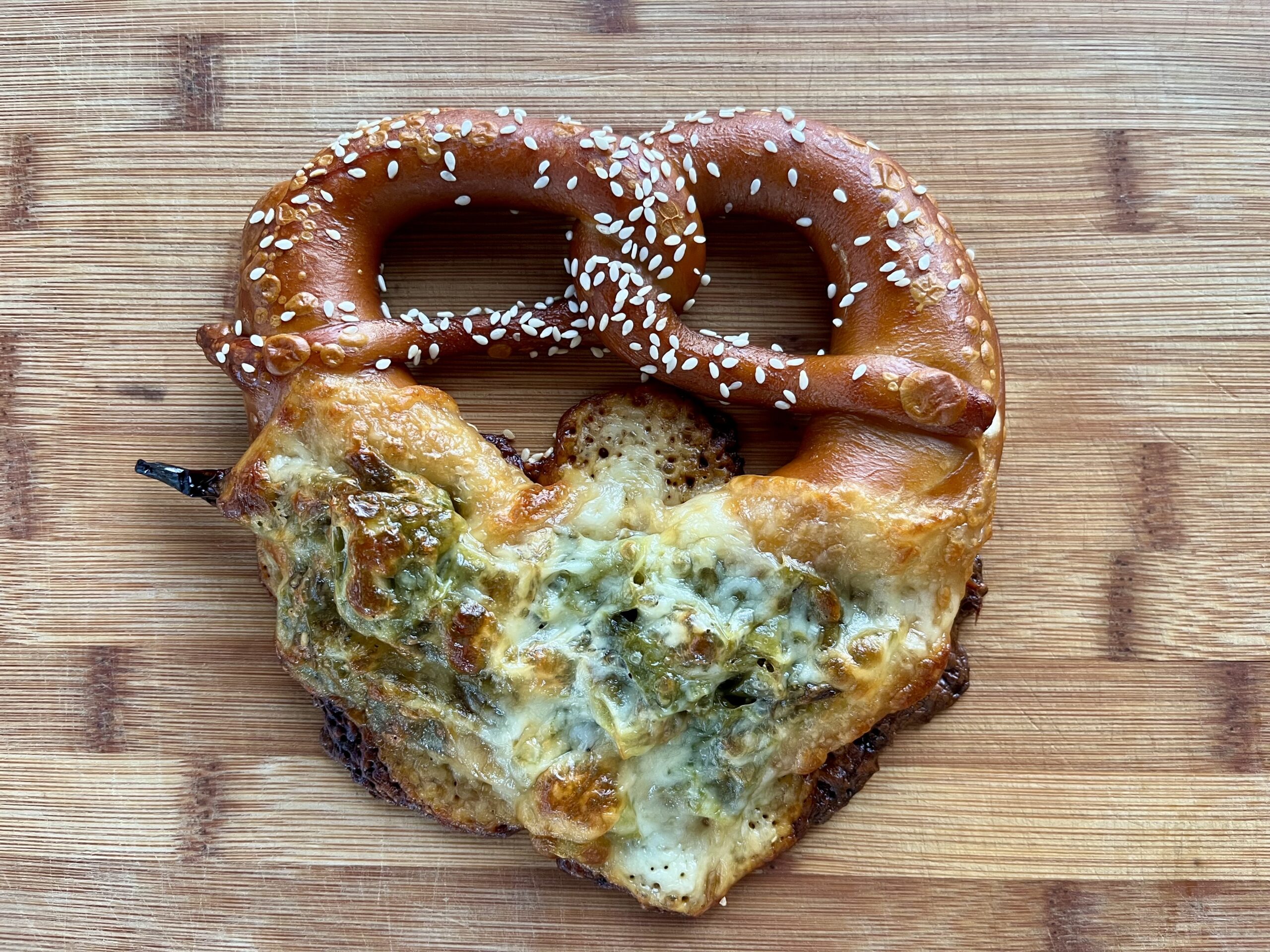
Long hot and provolone-stuffed Swabian pretzel from Pretzel Day Pretzels.
Pretzel Day Pretzels (1501 S. Fifth St.)
James and Annie Mueller’s pretzel-delivery operation gets a takeout home in South Philadelphia’s former Milk + Sugar. They bake classic soft pretzels, plus German-style variations rarely seen locally, including Swabian pretzels with a large, split-able belly and thin, crunchy arms. The shop will offer several stuffed options. February
Schmaltz (1300 S. 18th St.)
Jewish-inspired breakfast and lunch spot in Point Breeze from spouses Jeremy Asch and Abby Armstrong, who plan coffee, egg-and-cheese sandwiches on house-made English muffins (with pickle-brined crispy tofu as a vegan option), latkes, and blintzes. No timeline
Side Eye (623 S. Sixth St.)
Hank Allingham has taken the former Bistrot La Minette for a bar serving chef Finn Connors’ “French-ish” food alongside beer, $13 cocktails, and European wines. January
The Jeweler’s Row coffee-geek haven goes for its second location. No date
North of Center City / Loft District / Spring Garden
Lovechild (990 Spring Garden St.)
Well-traveled chef Elijah Milligan, taking over the former Lucky Well space with friends Simon and Yaminah Egan, plans an eclectic menu blending Japanese and Mexican cuisines, with a wood-fired grill as a centerpiece. They’re going for sleek and chic with cushy seating. The bar program will focus on clarified cocktails. The Lovechild name carries personal meaning for Milligan, who was raised by a single mother and is a single father himself. Spring
Chef Elijah Milligan in the space that will become his restaurant Lovechild at 990 Spring Garden St.
South Sichuan II (1537 Spring Garden St.)
A sequel for the South Philadelphia takeout. January/February
Yum Grills (1135 Vine St.)
Shahezad “Shah” Contractor and crew from Cousin’s Burger Co. are behind this halal shop selling smash burgers, chicken sandwiches, chicken over rice, and wings out of a Shell station; at the Jan. 10 grand opening (1 p.m.), the first 100 people will get a double smash burger, fries, and soda.
West Philly / University City
Amina Ocean (4101 Market St.)
Felicia Wilson and chef Darryl Harmon (Amina, BlackHen, FIA, AVANA, and First Daughter Oyster & Co.) are going the seafood route for their long-awaited restaurant at 3.0 University Place. Summer
Burrito Feliz Cantina (4403 Chestnut St.)
Miguel Nolasco’s Burrito Feliz food truck — no relation to the Cantina Feliz restaurants in Fairmount, Manayunk, and Ambler — is partnering with Brewery ARS on a brick-and-mortar. No date
Kabobeesh and Karak Cha House (3748 Lancaster Ave.)
Asad Ghumman’s popular Pakistani restaurant and the street-food sibling are moving a mile within University City into bigger quarters at the Triad Apartments. January
Fahad Azam and Khurram Ghayas are franchisees of this Yemeni coffee shop, prepping for opening at the Triad. January
Northwest Philly
The Blue Warbler (8001 Germantown Ave.)
First-time restaurateur Fred Mogul calls this an “unfussy” all-day bakery-cafe-tavern serving “edgy, eclectic comfort food” accompanied by coffee, cocktails, wine, beer, and nonalcoholic drinks. February/March
Crust Vegan Bakery (4200 Ridge Ave.)
Meagan Benz’s vegan bakery, relocating from Manayunk to East Falls, will be an expanded shop/cafe in a century-old building just off Kelly Drive. January
Lovat Square (184 E. Evergreen Ave.)
Damien Graef and Robyn Semien — he’s lead sommelier at Philly’s Four Seasons, she’s a journalist who runs a podcast company called Placement Theory, and together they own Brooklyn’s long-running Bibber & Bell wine shop — are taking over Chestnut Hill’s former Top of the Hill Market and Mimi’s Cafe. Phase one, beginning in coming weeks, will be a wine shop featuring about 30 indoor seats, wines by the glass, tastings, and snacks. A 70-seat courtyard with a full dinner menu is planned for spring, followed by a late-fall opening of a full cocktail bar and restaurant.
Mermaid Bar (6745 Germantown Ave.)
Pizzaiolo Dan Gutter and business partner Alex Carbonell are redoing the shuttered Mermaid as a yet-to-be-named bar-restaurant whose pizzas will resemble Circles & Squares, the Kensington shop that became Gutter’s first brick-and-mortar location in 2019. (Gutter also has Pizza Plus in South Philly.) There will be a full bar, a large outdoor patio, and two levels: a bar downstairs and a dining room upstairs. Summer
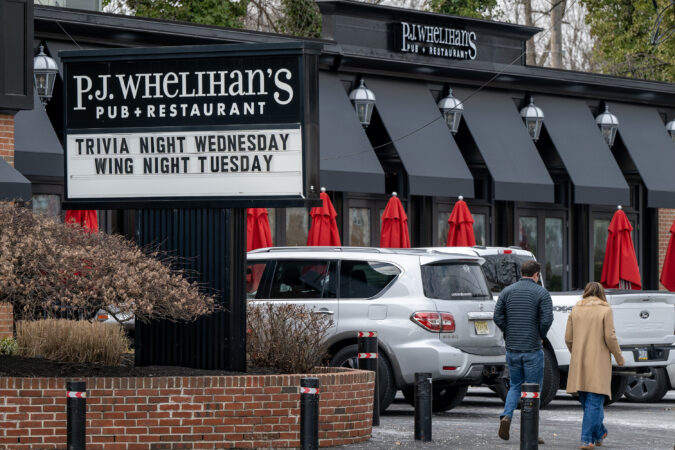
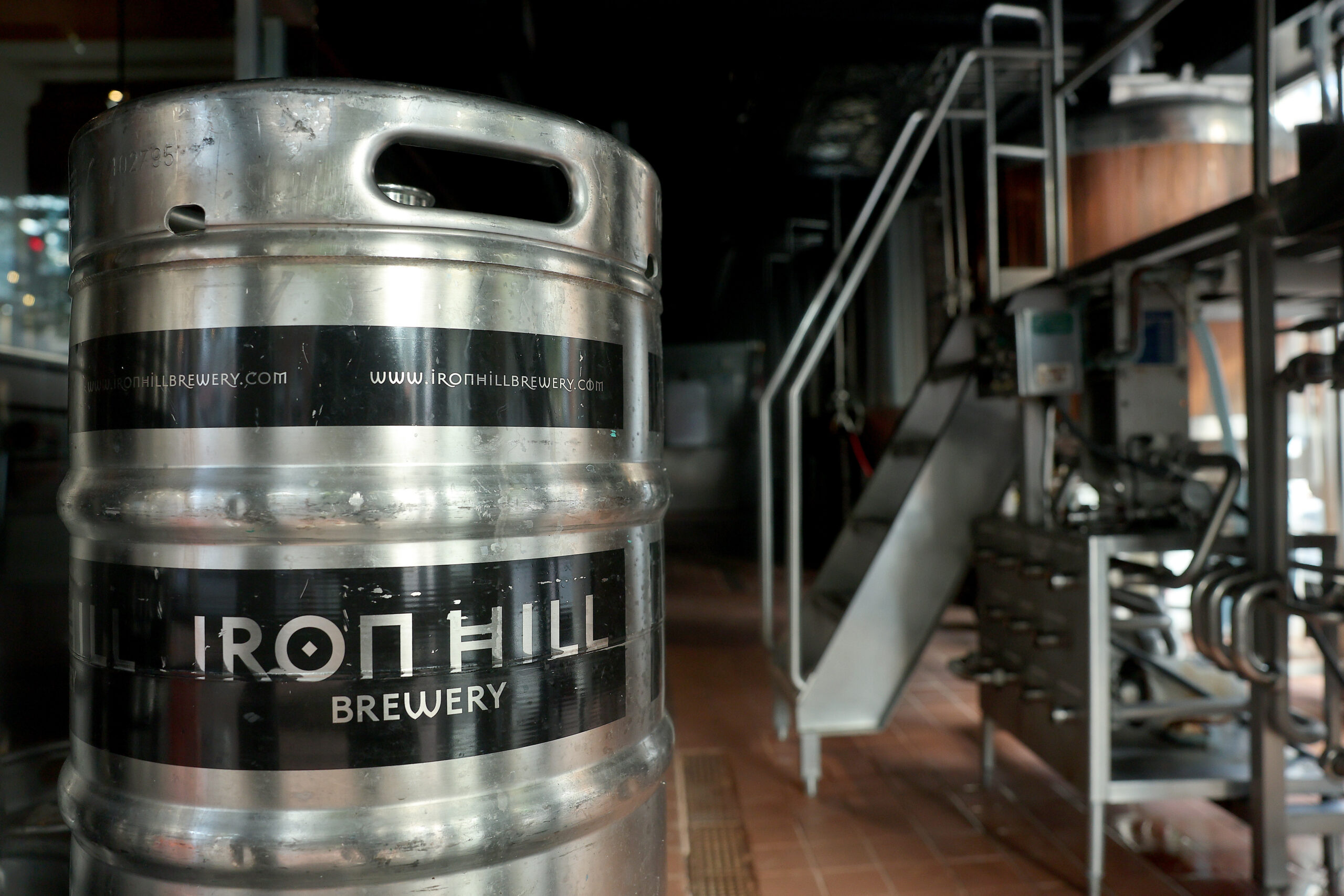
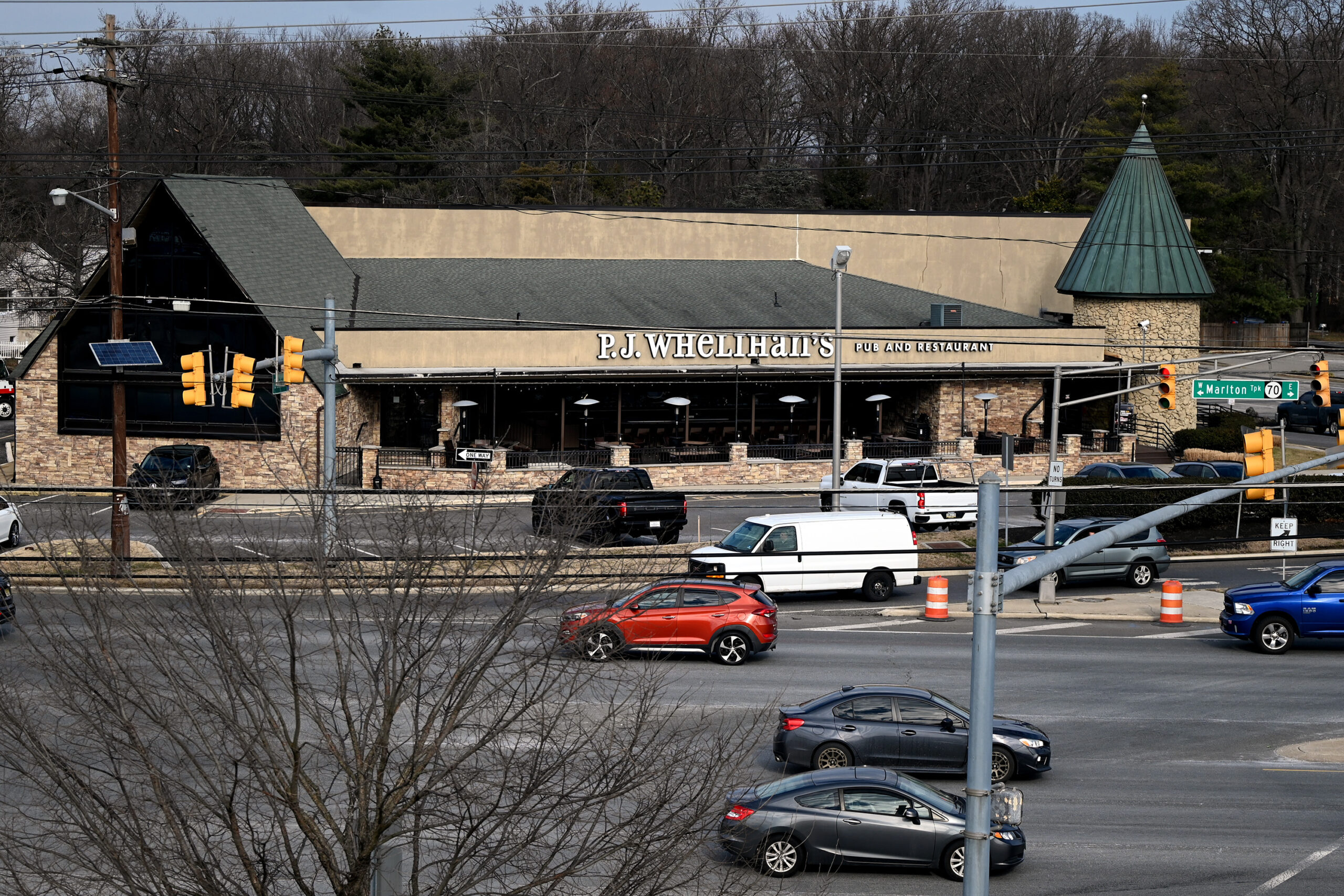
The company that owns P.J. Whelihan’s may be moving into a former Iron Hill Brewery in Bucks County.
PJW Opco LLC, which is registered at the headquarters of PJW Restaurant Group, was approved to take over a lease for the shuttered Iron Hill in Newtown, effective Dec. 31, according to documents filed in U.S. Bankruptcy Court in New Jersey.
PJW marketing director Kristen Foord declined to comment.
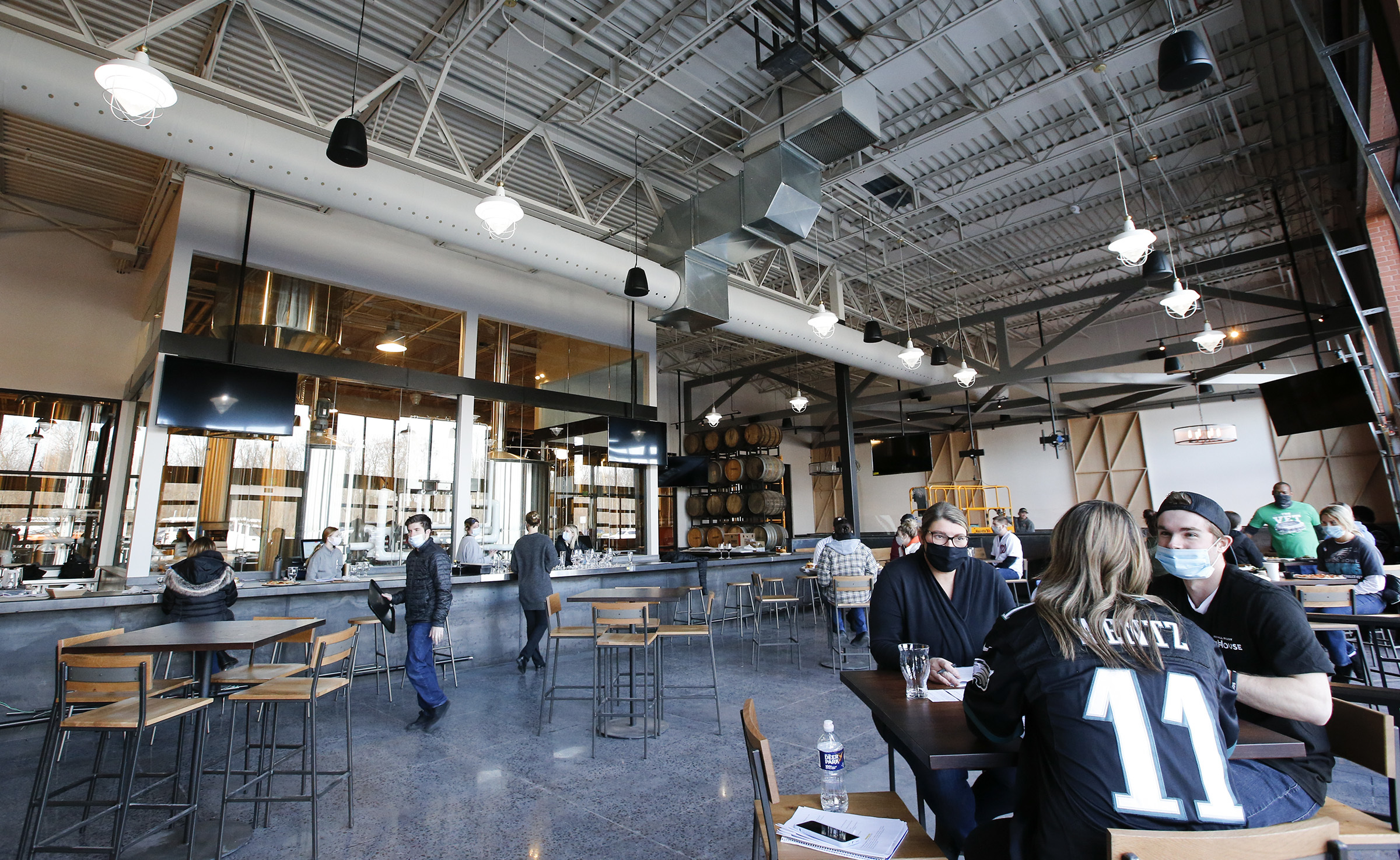
The nearly 8,000-square-foot brewpub in the Village at Newtown shopping center has sat empty since September, when Iron Hill abruptly closed all its locations and filed for liquidation bankruptcy. The Newtown Iron Hill had been among the chain’s newest locations, having opened in 2020.
A view from the outside looking in on the closed Iron Hill Brewery in West Chester in October.
Brixmor Property Group, which owns the Village at Newtown, is “excited about what’s in the works” for the former Iron Hill space, spokesperson Maria Pace said in a statement, but she declined to share details.
The court documents did not indicate PJW’s plans for the Newtown site.
PJW’s most well-known franchise is P.J. Whelihan’s, the regional bar-restaurant chain that started in the Poconos in 1983. There are now 25 P.J. Whelihan’s locations from Harrisburg to Washington Township, with the vast majority in the Philadelphia area.
Haddon Township-based PJW also owns the Pour House, which has locations in Exton, North Wales, and Westmont, Haddon Township; the ChopHouse in Gibbsboro; the ChopHouse Grille in Exton; Central Taco & Tequila in Westmont; and Treno, also in Westmont.
The P.J. Whelihan’s on Route 70 in Cherry Hill.
As 2026 gets underway, Iron Hill’s bankruptcy case continues to make its way through the courts. In recent weeks, Iron Hill’s leases in Exton, Maple Shade, and North Wales were formally rejected, according to court documents. That means these empty breweries are getting closer to finding new tenants.
“Any out-of-town brewery with plans to leverage existing brewery infrastructure and scale its operations in the region would be a good fit, as it would save significant tenant improvement costs,” Kagithapu said in a statement. “I also believe a grocery store would serve the community very well.”
The Iron Hill Brewery TapHouse in Exton is pictured in 2020. After Iron Hill’s bankruptcy, the Exton landlord is seeking a new tenant for the massive space.
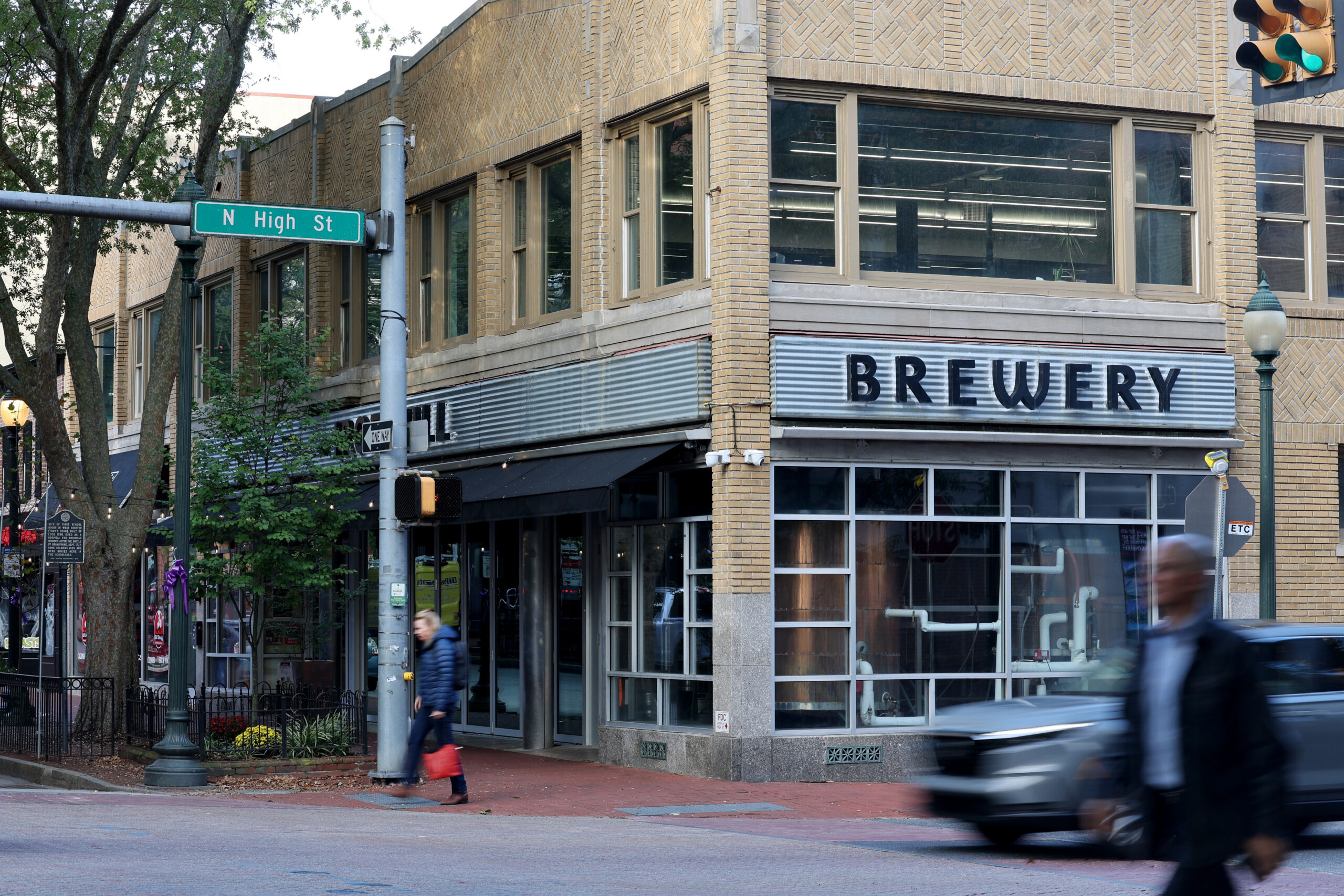
On Christmas Eve, Barry, a Massachusetts-based real estate investor, inked a deal to buy the liquor license and all interior assets of the location at the borough’s central corner of High and Gay Streets.
“It will not be reopening as Iron Hill Brewery,” Barry said in a recent interview. “My goal would be to find something similar,” though not necessarily a brewery.
Barry purchased the assets from Jeff Crivello, the former CEO of Famous Dave’s BBQ, who in November was approved by a bankruptcy judge to revive 10 Iron Hills under the same name or as a new concept. Barry and Crivello declined to disclose the financial details of the West Chester deal.
Pedestrians walk by the closed Iron Hill Brewery in West Chester in October.
The Newtown location was originally among the locations of which Crivello was approved to buy the assets, pending negotiations with landlords. Court documents indicate the asset sale was put on hold amid a landlord objection.
Founded in Newark, Del., Iron Hill Brewery operated for nearly 30 years, earning a reputation as a local craft-brewing pioneer and a family-friendly mainstay in the Philadelphia suburbs. In recent years, the chain had expanded into South Carolina and Georgia and had announced plans to open a Temple University location that never materialized.
When brewery executives filed for bankruptcy, they reported that they owed $20 million to creditors and had about $125,000 in the bank.
Fast food mega-chain McDonald’s is facing a proposed class-action lawsuit focused on the authenticity of its McRib sandwich and what it’s made of.
The complaint, filed in the U.S. District Court for the Northern District of Illinois on Dec. 23, claims that McDonald’s deceptively markets the McRib to specifically contain meat from pork ribs through its name, branding, and appearance.
“The name ‘McRib’ is a deliberate sleight of hand,” the plaintiffs — four consumers from California, New York, Illinois, and the District of Columbia — said in the filing.
For those uninitiated, the McRib is sort of a big deal. It’s a fan favorite with “limited edition” status within McDonald’s. Its availability varies based on timing and location. It debuted on McDonald’s menus back in 1981, and when the chain announced its discontinuation in 2005, there was a lengthy “farewell tour.”
In the years since, the sandwich continues to make celebrated annual returns, heightened with the help of social media. There are dedicated unofficial McRib fan accounts and trackers.
“McDonald’s McRib is a sandwich of legend,” a 2009 Maxim article titled “The Cult of the McRib” said. “The heavenly blend of pork patty, barbecue sauce, and bun is, to devotees, so addictive that songs have been written about it, Internet shrines erected to it, and TV shows dedicated to it. … It is rarely seen, yet frequently sought and cultishly worshiped. It is the Holy Grail on a bun.”
And now, that famed sandwich’s integrity is being scrutinized.
Here’s what we know so far.
What exactly is the McRib?
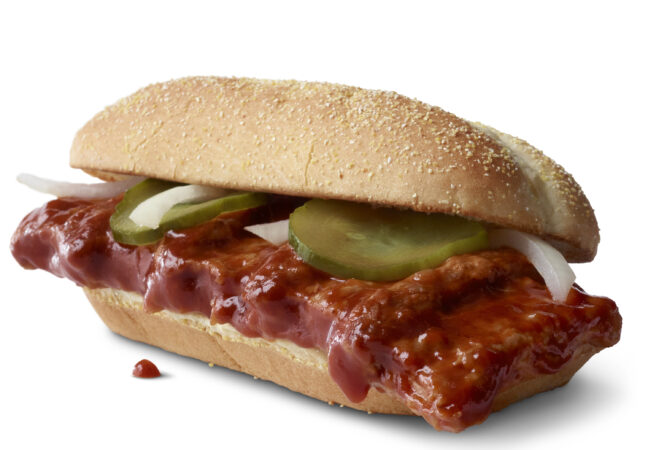
McDonald’s describes the McRib as seasoned boneless pork dipped in BBQ sauce and topped with onions and pickles on a toasted bun. The sandwich is 520 calories and 24 grams of protein according to the fast food chain’s website.
Is the McRib available at McDonald’s now?
The McRib returned to some McDonald’s menus as part of its annual “farewell tour” in November 2025 and seems to still be available. But the sandwich is limited to certain McDonald’s locations, including in Atlanta, Chicago, Cleveland, Dallas, Los Angeles, Miami, Seattle, and St. Louis.
According to the fan-led McRib Tracker, there’s only a handful of states nationwide serving up McRibs right now. It ranges in price from about $4 to $8, depending on the region.
What does the McRib proposed lawsuit say?
The proposed class action suit says the McRib’s name, pricing, and appearance — a rib-shaped patty on a bun — misleads consumers into believing they’re purchasing a premium pork rib product.
The complaint adds that the rib-shaped patty is made of “restructured” pork using lower-quality cuts of pork, including shoulder, heart, stomach, and tripe instead of rib meat. McDonald’s has denied those claims.
The plaintiffs say they believed the McRib to be made of rib meat before purchasing. They add that marketing the McRib as a “limited-time” item is a strategy to create a sense of urgency, discouraging consumers from investigating its ingredients closely.
All four plaintiffs say they wouldn’t have purchased the McRib, or paid as much as they did, if they knew the sandwich had no actual pork rib meat.
The proposed lawsuit seeks class-action status on behalf of U.S. consumers who bought the McRib in recent years and is seeking damages, restitution, and a remedy to prevent future “deceptive marketing.”
What are McDonald’s McRibs made of?
McDonald’s McRib features what the company calls a “McRib Pork Patty,” which is shaped like a rack of ribs.
According to its website, the boneless patty is made of pork, water, salt, dextrose, and rosemary extract.
Using the phrase boneless pork does a lot of quiet, legal work in the background, noted Quartz.
McRib supporters say the sandwich has always been marketed as a boneless, snackable take on ribs. And it’s not a secret. To this day, there are no rib bones involved, and McDonald’s doesn’t pretend there are.
“Contrary to what its name implies, there is very little actual rib meat in a McRib,” the 2009 Maxim article about the cultish sandwich said. “Primarily, it’s shoulder meat,” Rob Cannell, then-director of McDonald’s U.S. supply chain, told the outlet.
He added, “The pork meat is chopped up, then seasoned, then formed into that shape that looks like a rib back. Then we flash-freeze it. The whole process from fresh pork to frozen McRib takes about 45 minutes.”
Has McDonald’s responded?
In a statement sent to multiple outlets, McDonald’s said that the lawsuit “distorts the facts and many of the claims are inaccurate.”
The fast food chain says the McRib is made with 100% pork sourced from farmers and suppliers nationwide.
“We’ve always been transparent about our ingredients so guests can make the right choice for them,” the company said.
The statement did not go into detail regarding the plaintiffs’ claims that the McRib’s marketing as “limited edition” plays into its price point and distinction from other permanent menu items.
Has something like this happened before?
Over the years, there have been several instances of lawsuits and disputes surrounding how popular foods are marketed or made.
For instance, in 2023, a judge dismissed a lawsuit that claimed that Subway’s tuna sandwiches didn’t use real tuna or contained less tuna than advertised. Subway denied those claims. The plaintiff and Subway came to an undisclosed agreement.
And similar but different: In 2014, the pomegranate juice company Pom sued Coca-Cola over its Minute Maid pomegranate blueberry juice. Pom claimed the Minute Maid juice was mostly apple and grape juice despite its branding. A jury eventually ruled for Coca-Cola.
There was also a major case in 2014 where food production company Unilever sued vegan mayo company Hampton Creek for calling its spread “Just Mayo” despite it being plant-based and lacking eggs. The case led to new regulations throughout the vegan food scene regarding how foods can be branded and if terms like milk or mayo can be used without key animal byproducts.
What happens next?
In short, a court will need to determine if the lawsuit qualifies as a class action that represents U.S. consumers who purchased the McRib.
From there, McDonald’s could file a motion to dismiss the suit, or the parties could potentially settle along the way. If the case proceeds, a judge may have to decide the scope of a “reasonable consumer” and their expectations when it comes to rib-shaped pork sandwiches.
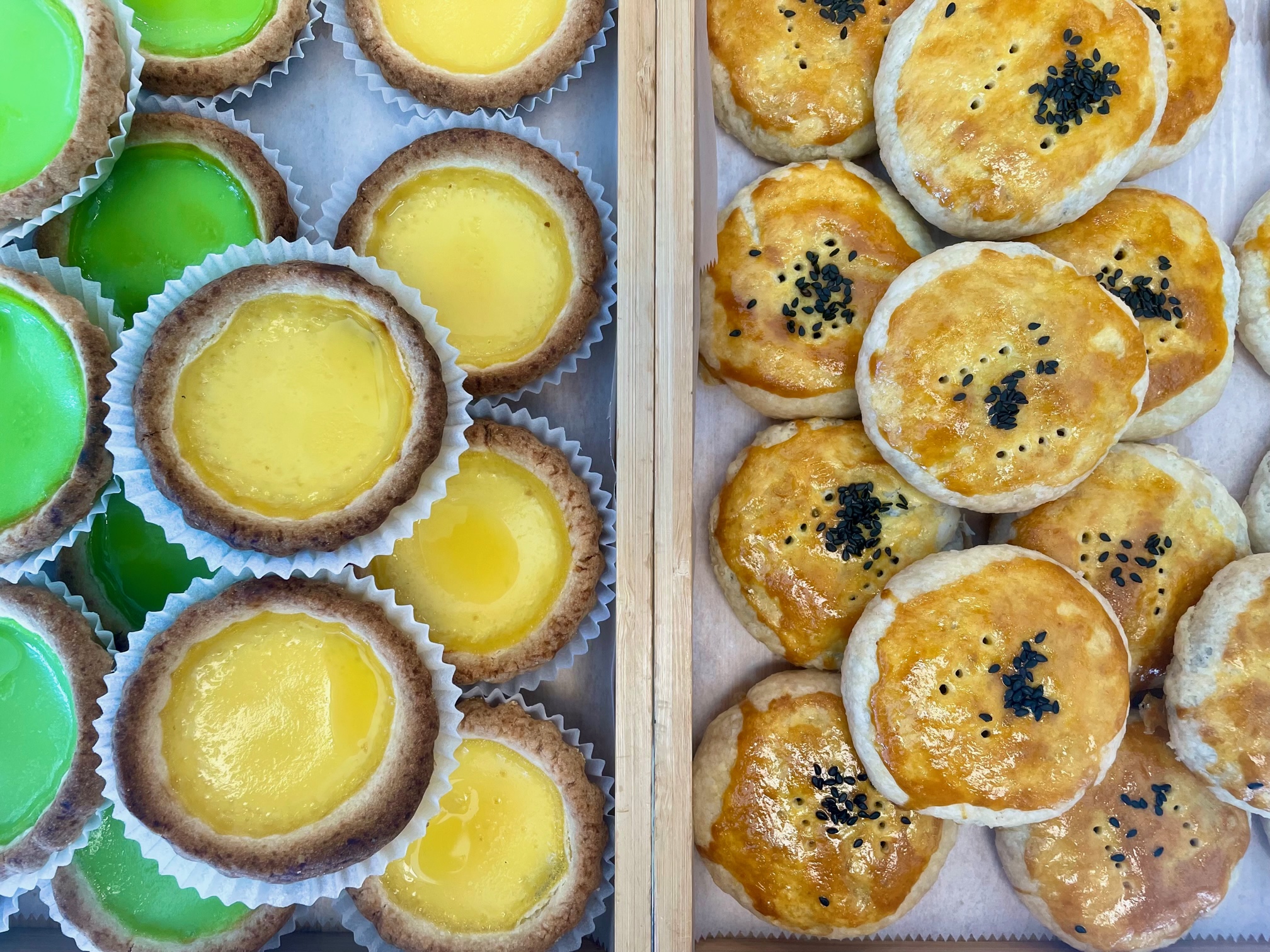
Custardy egg tarts are wiggly, lightly gelatinous conveyors of joy. The finest ones are not too sweet, but beyond that, they have variable compelling qualities, be it their lightly torched tops or innovative whole-fruit or vegetal flavors. There are three styles of egg tarts covered in this map: Portuguese pasteis de nata, flaky Chinese egg tarts, and cookie-style shortcrust egg tarts. They are all magnificent, whether you pick them up from a bakery by the dozen or nibble on them from a dim sum parlor’s lazy Susan.
Beijing Duck Seafood Restaurant
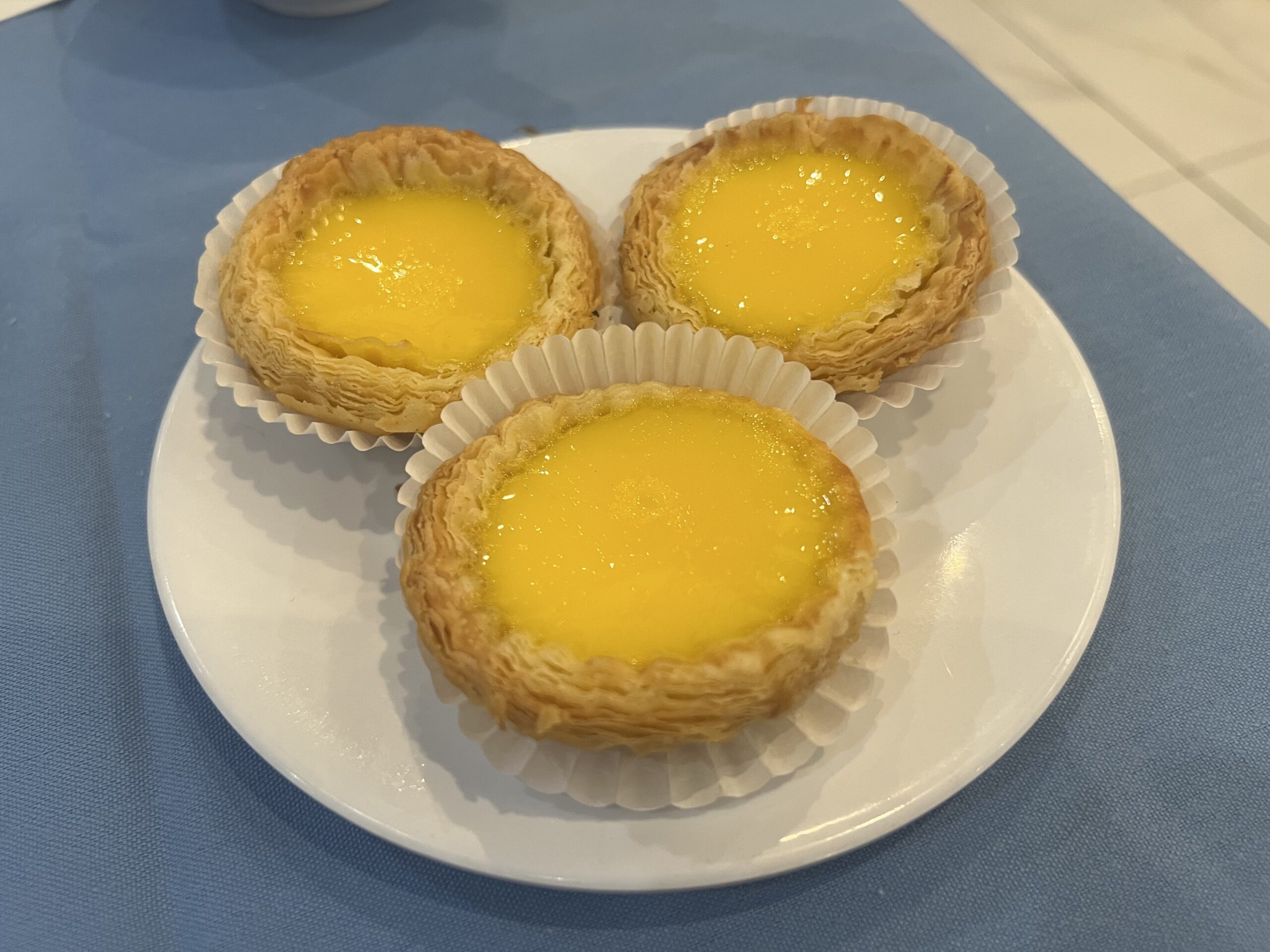
By night, this Race Street restaurant becomes a Peking duck emporium, with white-toqued chefs wheeling roasted ducks through the dining room, announcing their arrival at tables by striking a gong. But by day, Beijing Duck Seafood serves a menu filled with dim sum classics like char siu bao, turnip cakes, spring rolls, and, of course, delightfully and thoroughly classic dim sum-style egg tarts. These are some of the best egg tarts you can get in Chinatown. They’re served piping hot (as all the best egg tarts are), and they have molten, deep yellow custard centers encased by a flaky pastry crust that dissolves in your mouth with a slight chew. They’re small — but not the tiniest you’ll see — and come three to an order.
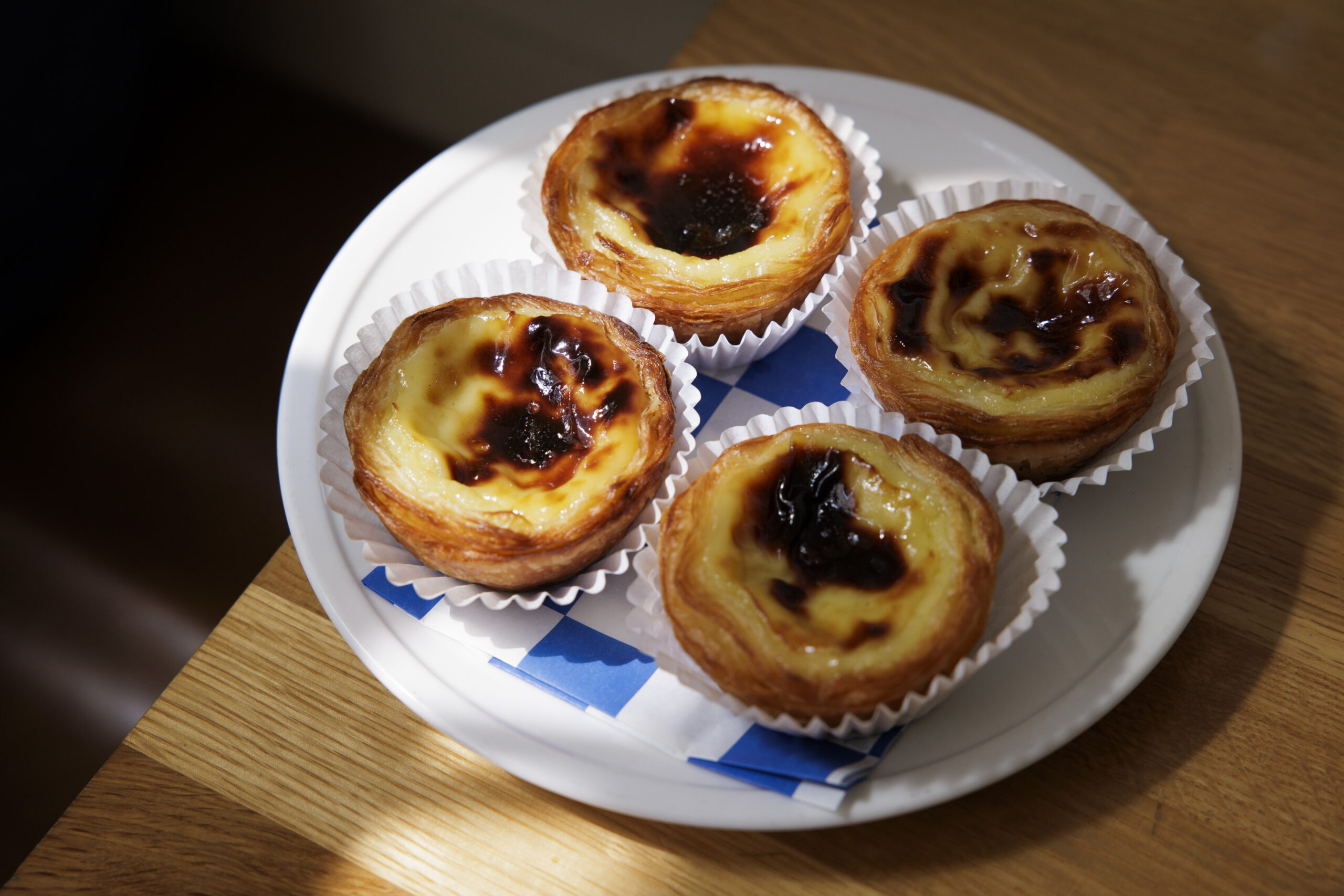
The pateis de nata at Gilda in Philadelphia on Thursday, Aug. 29, 2024.
Gilda
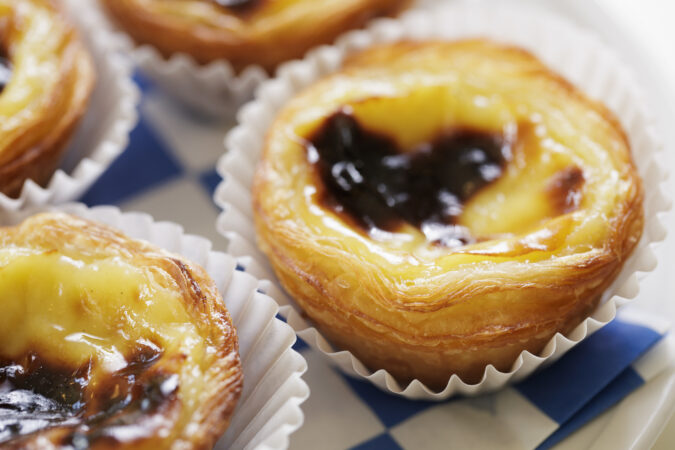
The flavors of pasteis de nata at Gilda rotate according to whims and seasons. All of the Portuguese tarts have a creamy, cinnamon-flecked egg-yolk custard base that is looser, jammier, and almost whipped compared to the harder-set centers of their Chinese-style counterparts. Baked at high heat, Gilda’s natas naturally develop bruleed brown leopard spots. The tarts themselves have firm, flaky crusts that get filled with core custards like lemon-raspberry and dark chocolate with sea salt. In summer, look for natas flavored with corn, passion fruit, and strawberry. The staff here even makes a sweet nata latte to mimic the three-bite treats, using a house syrup infused with vanilla, cinnamon, and a squeeze of lemon juice. All the egg whites the natas generate get fried and stuffed into a soft but crusty mealhada roll with cheese, avocado, and aioli, resulting in the Sammy, one of the city’s best breakfast sandwiches.
These are the Platonic ideal of dim sum-style egg tarts, which means they’re small — two perfect bites each — with pastry that flakes apart in crisp petals in your mouth. They’re filled with even, yolky custard that balances lightness and richness. These are the perfect mildly gelatinous coda to stuffing yourself with all the other goodies wheeled past your table during dim sum at China Gourmet, and no dim sum experience here is complete without them.
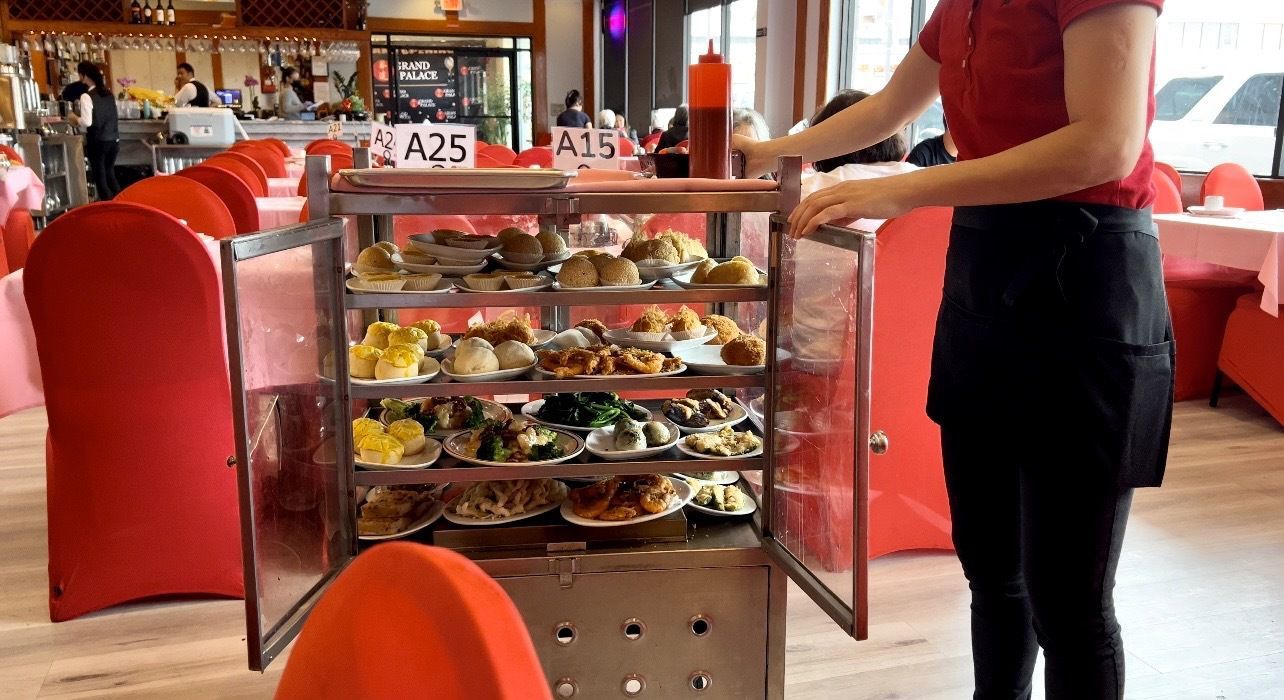
A dim sum cart with full-size dishes at Grand Palace restaurant, 600 Washington Ave.
Grand Palace
This Washington Avenue establishment’s name is not delusional — it truly is grand. This is where you want to bring your 10 best friends for dim sum or brunch, and shout engagingly back and forth with the ladies pushing carts piled high with bamboo steamer baskets. As a bonus, it’s a stone’s throw from Center City and there is parking. Grand Palace has absolutely mastered both steamed buns (its char siu bao is positively fluffy) and egg tarts. The tarts are larger than the average dim sum rendition, coming two to an order (vs. the usual three). The pastry shell crust is incredibly flaky, with a thinner layer of custard than typical Cantonese tarts. The filling is soft, barely sweet, and one of the highlights of a raucous dim sum experience.
Occupying a cheerful, cartoon-muraled, bright blue corner in deep South Philly, Dodo Bakery peddles an impressive variety of Chinese-inflected baked goods, tea-based beverages, and smoothies. The kitchen makes two types of egg tarts: one in a traditional flaky pastry shell, and another whose egg yolk custard is spiked with pandan for a hint of grassy, coconutty flavor and a neon-green hue. Pop them in the toaster oven at home to revive their jiggly freshness. Dodo also churns out enormous renditions of classic Hong Kong pastries, like the staple Canto-British chicken pot pie and triangles stuffed with chopped, bright red char siu roast pork. Their red bean pastries are also excellent and extremely flaky.
Pennsylvania-made amaro — bittersweet liqueurs made by macerating herbs and spices — is a nascent booze category. But its production isn’t restricted to larger distilleries like Philadelphia Distilling, which makes the popular Vigo Amaro. Bartenders around the city are making their own in-house.
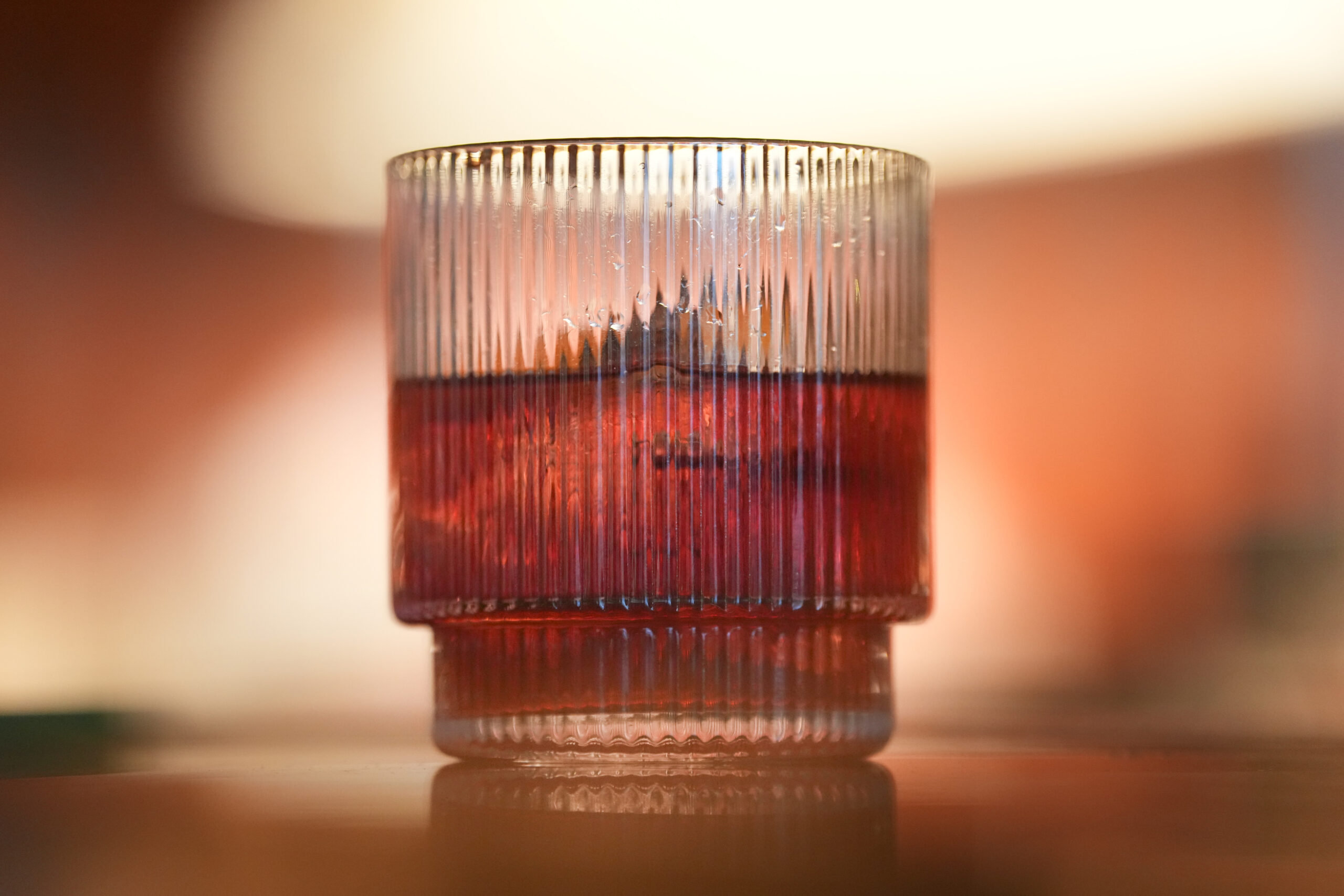
A Negroni at Percy, in Philadelphia, Dec. 10, 2025.
The practice of making in-house amaro is a result of a relative lack of access. In Pennsylvania, amari are often expensive and the selection comparatively small due to what the Pennsylvania Liquor Control Board makes available. On the Fine Wine and Good Spirits website, there are only 41 amari listed, compared to 838 tequila and tequila-based drinks available.
Some bars, like Borromini and Le Virtù, maintain lists of 70-plus amari by sourcing them through what’s called Special Liquor Orders, or as Le Virtù’s general manager and beverage director Chris O’Brien explains, “something that is brought in from a smaller importer instead of getting it directly from the state.”
But bars with a limited winery, brewery, or distillery licenses — a vastly more affordable and increasingly popular path to a liquor license than a full restaurant license — can only serve beer, wine, and liquor that’s produced (or at least bottled) in Pennsylvania. That winnows the PLCB-stocked options from 41 to two, giving some establishments good reason to make their own amari.
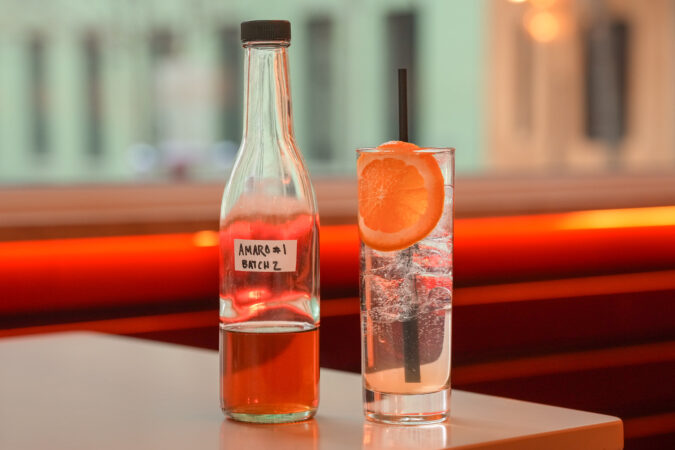
Amaro Spritz at Percy, in Philadelphia, Dec. 10, 2025.
The family of liqueurs known as amaro (Italian for “bitter”) are made from steeping botanicals in alcohol. They can be enjoyed before dinner (aperitivo) or after (digestivo). There are numerous types and subdivisions, like fernet. Nocino is a similar liqueur made from walnuts. Here in Philly, ambitious bartenders are making all kinds of variations.
Almanac
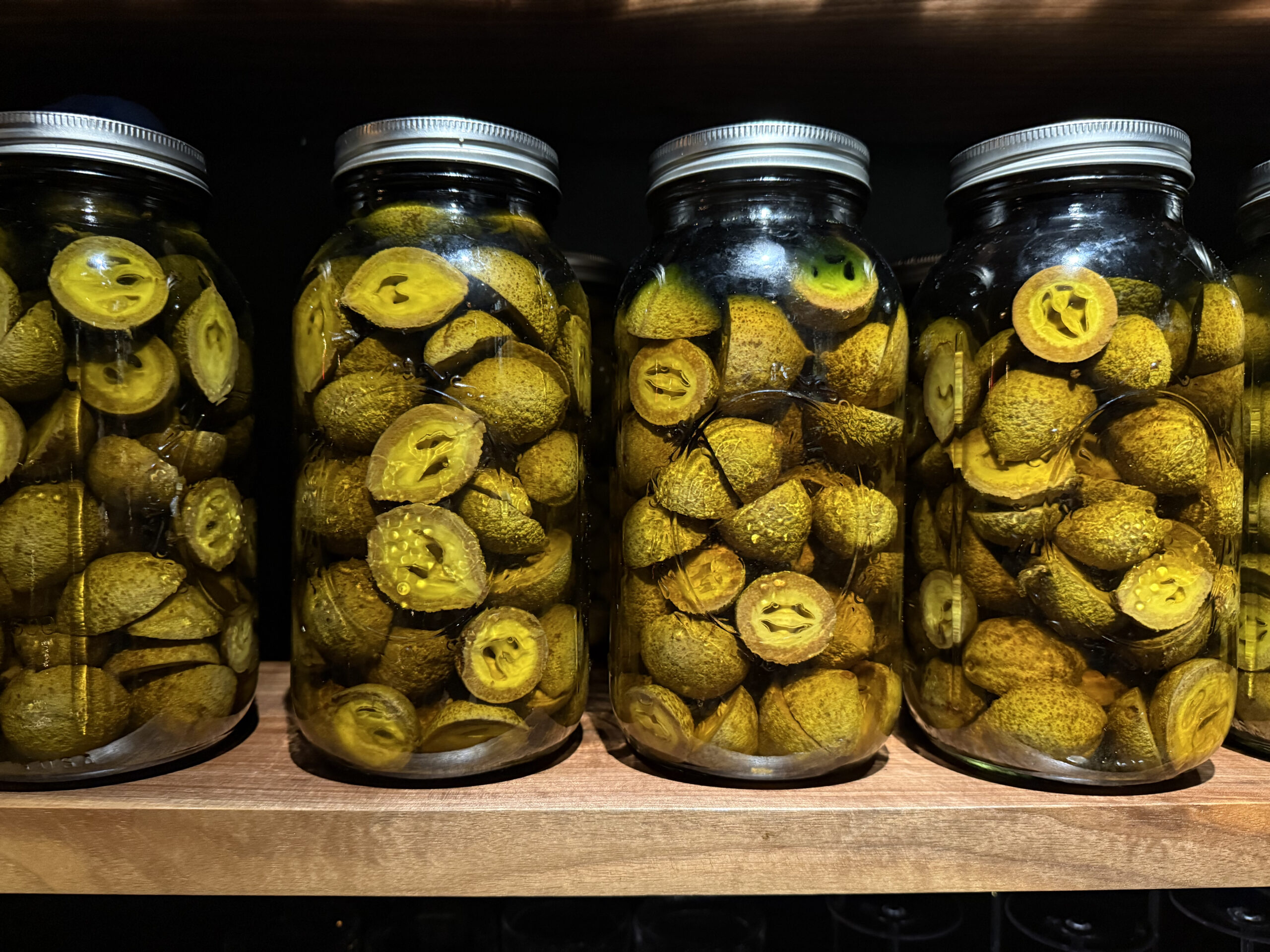
At Almanac in Old City, which is tucked above Ogawa’s omakase counter, large mason jars filled with witchy green-black liquid cover the shelving on one entire wall. Lead bartender Rob Scott brews his own amazake, a spirit typically made from fermenting rice with koji mold spores, and steeps mostly foraged nuts and leaves in Everclear and brandy for Almanac’s unique, house bitters.
The Juban District, a take on a Manhattan, made with black walnut nocino at Almanac.
Spinning one jar of amaro from October in his hands, studying the aromatics still steeping within, Scott recited each of them, “Fig leaf, apples of some sort, trifoliate orange, yomogi which is a cousin of mugwort, chrysanthemum, rosemary. We keep a book downstairs where we weigh and measure everything and write them down. Otherwise it’s easy to forget.”
They’re all autumnal flavors, and they steep for months in Laird’s Jersey Lightning, an un-aged apple brandy.
The jars of amaro sit next to about a dozen similar jars of nocino, made from local black walnuts. “You can taste a bit of astringency with nocino, but it goes away with time,” Scott said. “But if you make an amaro with, say, cardoons or wormwood, those will always be bitter.”
The nocino currently sitting on Almanac’s shelves were started on June 24, when their team harvested the nuts in Merchantville with Danny Childs, sliced them in half, put them all into 2-liter mason jars, and covered them with Everclear, a neutral grain spirit. They steeped until Thanksgiving, when the nocino was tempered with water and sweetened with Demerara sugar.
The black walnut nocino at Almanac.
Scott offered a sample of what he called “hot nocino,” used for Almanac’s Manhattan. “We only put the nocino into cocktails because the other flavors in the cocktail temper its hotness. In order to get a true, sipping nocino, I would let this age for another six to eight months for it to become a more evolved drink. You can’t really over-extract [the walnuts], so we use them when they feel right.”
Almanac, 310 Market St., Second Floor, 215-238-5757, almanacphilly.com
Percy Diner and Bar
Percy Diner and Bar’s limited winery license means they can only serve Pennsylvania-made amari. So they decided to make their own.
Percy, which is part of the Forin group, serves Forin’s black currant and cherry fruit wines and their oaked ube and ube honey wines straight ($10) and blends them into cocktails.
A Negroni at Percy, in Philadelphia, Dec. 10, 2025.
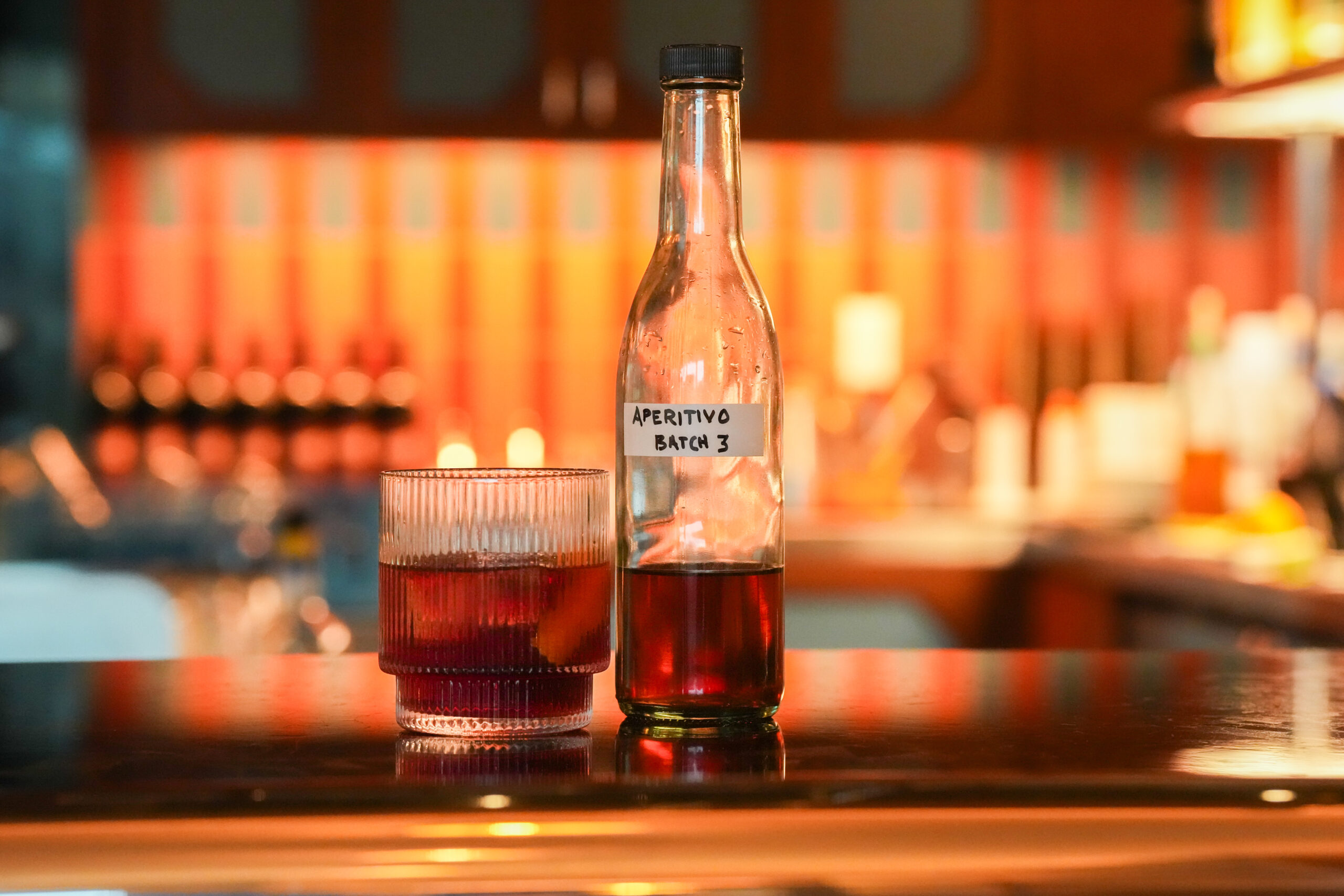
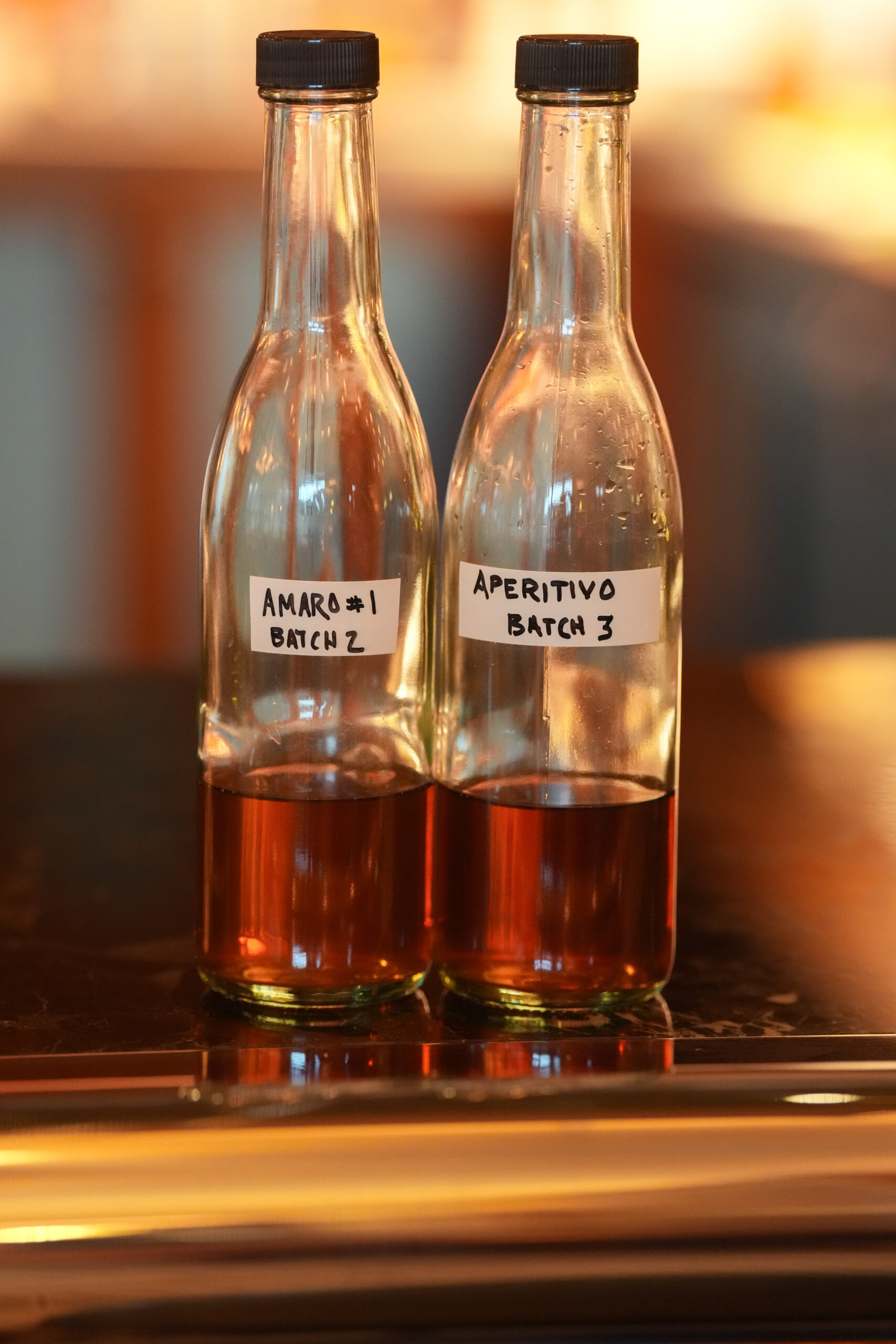
They’ve used the honey wine as a base for their amaro, but more recently, the in-house selection is made with mostly neutral grain spirits. Lead bartender Sean Goldinger is hoping to slowly cultivate a series of house-made amari to feature in cocktails. At the moment he has made both a straightforward amaro with bitter orange peel, angelica root, fresh orange peel, star anise, hibiscus, gentian, wormwood, and sweetened with Demerara sugar, as well as an aperitivo that follows a similar recipe but is sweetened with a syrup made from clarified fresh-squeezed orange juice.
Housemade Amaros at Percy, in Philadelphia, Dec. 10, 2025.
The aperitivo is wonderfully citrusy and significantly less bitter than the amaro. Goldinger also makes a house riff on Benedictine, a French herbal liqueur typically consisting of a couple dozen secret ingredients, with Stateside vodka and Dad’s Hat whiskey, Fell to Earth sweet vermouth, and Peychaud’s bitters. It’s infused with cinnamon, cloves, fresh thyme, lemon and orange peel, vanilla, cardamom, wormwood, fresh ginger, star anise, and angelica root, sweetened with both Demerara sugar and honey.
Percy Diner and Bar, 1700 N. Front St., 215-975-0020, percyphl.com
The bar area at Le Virtú on Feb. 20, 2025.
Le Virtù
While the majority of Le Virtù’s robust menu of amari and other liqueurs is sourced from Italy and Eastern European countries, the East Passyunk restaurant also offers some house-made options. Three house-made digestivi stand out:acqua santa (an agrumi, Italian for “citrus fruits”), genziana (a traditional Abruzzese gentian digestivo), and caffè, a coffee liqueur. These aren’t amari, as they use far less ingredients, but they serve the same purpose — helping you to digest the pasta dinner you’ve just indulged in.
For $15, you can get a generous pour of one of these digestivi. They’re all made by owner Francis Cratil Cretarola’s brother Fred, who’s been making amari since 2013, when he attended a wedding in Abruzzo, in the town of Pacentro and “became drinking buddies with a guy who taught him,” according to Francis. “Amari are much more complex, with 10 to 12 different ingredients, but these are the things Abruzzese are making in their homes,” he said.
Acqua santa is a light golden yellow. Le Virtu’s beverage director, Chris O’Brien, referred to it as a “high-octane limoncello.” It’s made with lemon, grapefruit, orange, and lime. With less sugar than limoncello, it’s much more nuanced in its citrus flavors.
For the caffè, Fred takes fresh espresso grounds and infuses them in Everclear for 30 to 40 days, turning them each week to make sure they’re evenly distributed, Francis explained.
The genziana is clear, amber-hued, and bracingly bitter, but still very balanced. It opens with a bright citrusy burst and is made bitter with gentian root, a common ingredient in amari. The root, brought to the U.S. by Francis’ friends who live near the Maiella mountains, steeps in Trebbiano or Pecorino wine from Abruzzo. Fred adds some lemon peel and coffee beans to it, along with Everclear.
Le Virtù, 1927 E. Passyunk Ave., 215-271-5626, levirtu.com
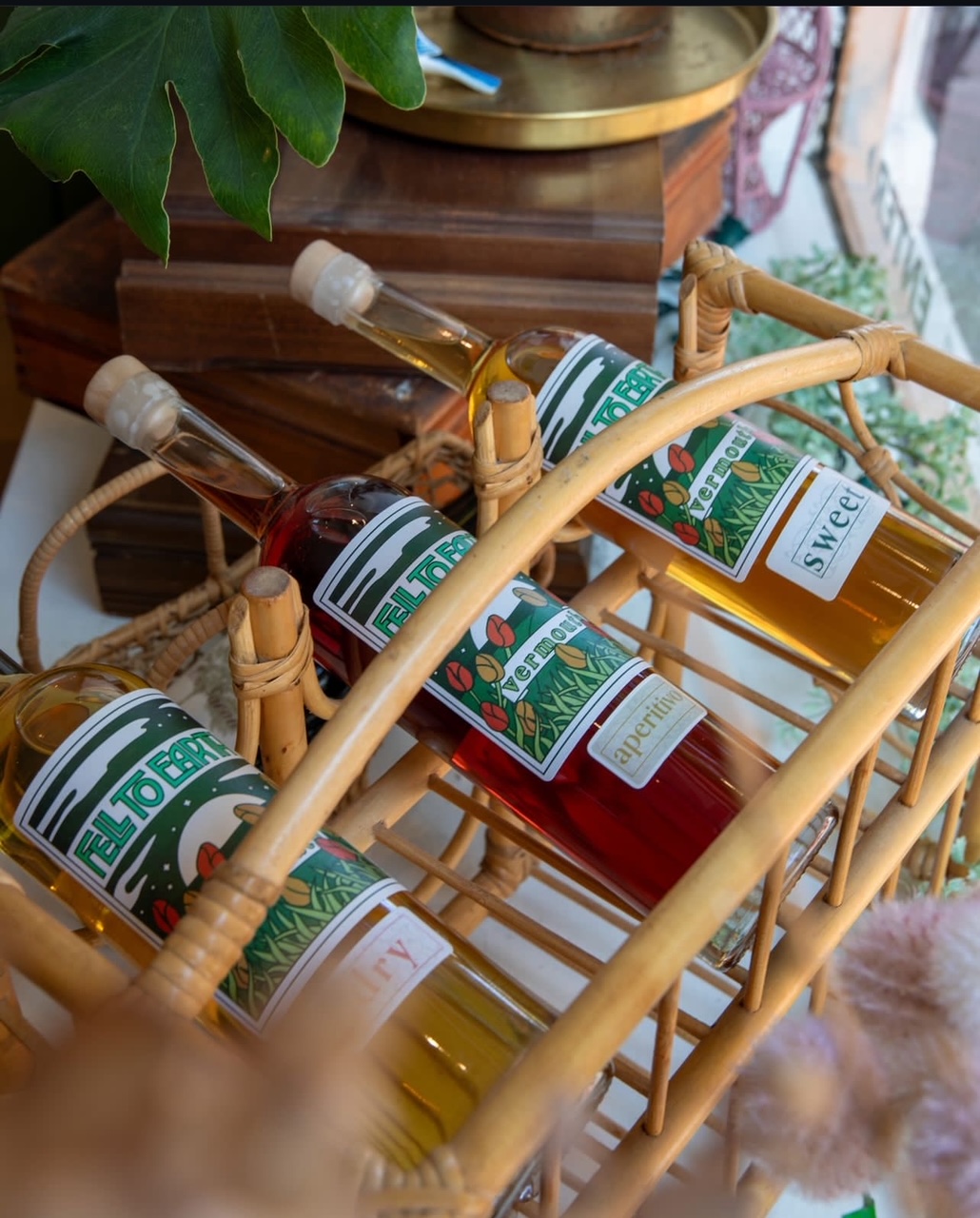
Products from Fell to Earth Vermouth.
Fell to Earth
You may recognize Tim Kweeder’s name from his viral concoction, Dumpster Juice, a line of vermouths born at Bloomsday, but his making of liqueurs has come a long way. He’s the producer, bottler, salesperson, and delivery person for Fell to Earth, Philly’s first vermoutherie. It’s technically both a winery and a distillery: “The state made us get both licenses,” said Kweeder.
Fell to Earth’s liqueurs can be found at about 40 different Philly bars. Kweeder sources fresh ingredients for his fernet, like nepitella and chamomile, from Green Meadow Farms. He sweetens them with blackstrap molasses from Bucks County, then blends them with a neutral grain spirit and lets them sit for a week before blending the tinctures.
The base of his amaro starts with spruce tips from Green Meadow. “There’s a two-week window where you can forage for them, between late March and April. I throw them all into a big vat with neutral grain spirit … That becomes a base for amaro, and I build on top of that, blending in other tinctures,” he said.
“Though most of our ingredients are from the Mid-Atlantic, we have a tiny ‘spice cabinet’ of traditional amaro ingredients that don’t grow here, like gentian, cinchona (a bark that yields quinine), etc. which we use like chefs would use seasonings. We get these locally from Penn Herb Co.”
If you can’t decide whether you’re looking for a nocino or an amaro, you may find your solution in Fell to Earth’s Nocinaro — a hybrid of the two made from green walnuts, walnut leaf, black walnut syrup, trifoliate orange, wormwood, blackstrap molasses, and a gentle seasoning of cinchona bark and gentian root.
Available for delivery in Philadelphia (four-bottle minimum), shipping outside the city available via Vinoshipper; felltoearth.com
Fairmount’s pup-friendly pub the Boozy Mutt is closing its doors Jan. 3 after just over two years in business, co-owners Sam and Allison Mattiola announced via Instagram on Monday.
“After much thought, we made the difficult decision to close the Boozy Mutt … What began as a dream became something truly special because of our community — our guests, our team, and all the good mutts who walked through our doors,” read the post, which has been shared over 1,400 times. Nearly every comment is from a dejected dog parent wishing for another round of beer and belly rubs.
The Mattiolas, who are married, opened the Boozy Mutt at 2639 Poplar St. in December 2023, transforming former rock-and-roll dive the North Star into roughly 7,000 square feet for pooches and their people to roam across two floors and an outdoor patio. The venture was inspired by pandemic-era trips to a dog park with Bernadoodle Buba, where the couple would camp out with lawn chairs and a pack of beers to make friends.
At the Mutt, as regulars called it, dogs are allowed to mingle off-leash under the supervision of aptly-named “Rufferees” who monitor and facilitate healthy play. All owners had to register their pet’s vaccinations before gaining access to the space, which includes a self-service dog wash room, outdoor TVs, a summertime-only puppy pool, and a menu of bite-sized “human grade” dog treats.
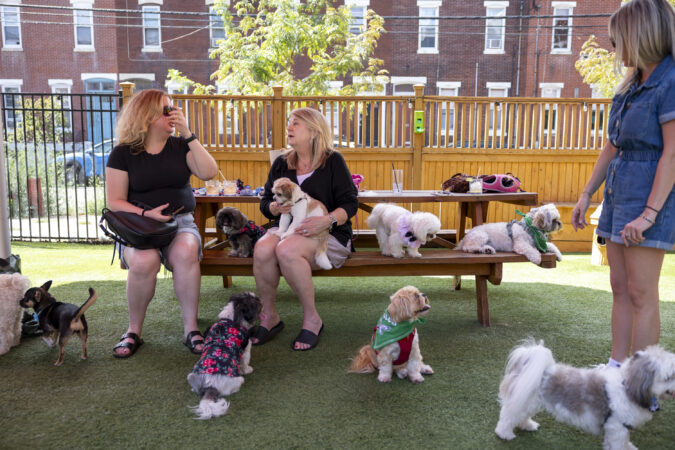
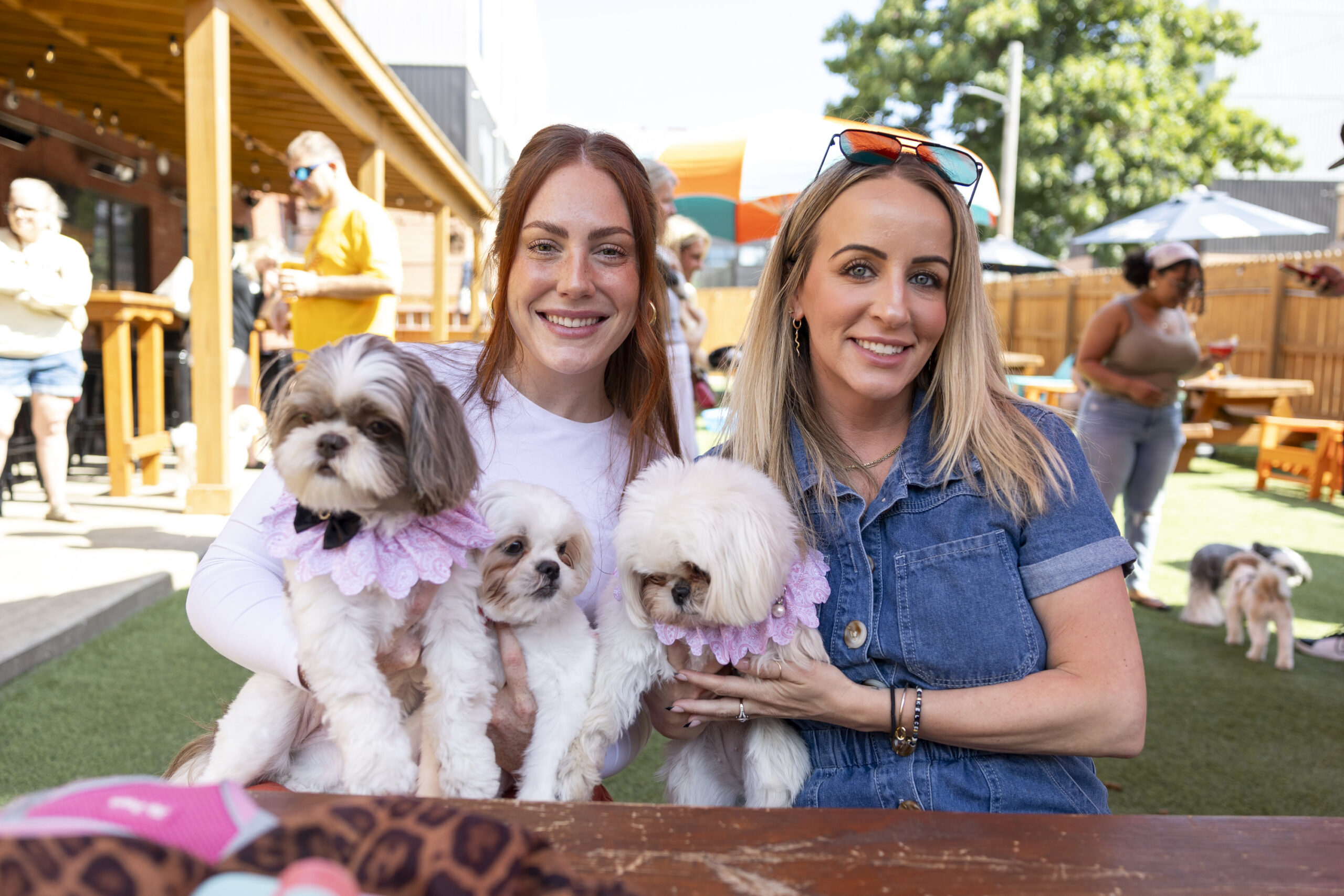
Tess Bodden (left) and Jenn Maher pose with their pet shih tzus Hazel, Hendrix, and Kelce at the Boozy Mutt, a popular third space for dog parents in Fairmount.
The bar felt like a version of Cheers for pet parents almost immediately, regulars told The Inquirer, thanks in part to a rotation of events that ranged from weekly quizzos to breed meetups and Pitch-A-Friend nights for singles. A monthly membership was $40, while an annual Mutt subscription cost $360.
The bar had upward of 100 regular members, Sam Mattiola said, all of whom will receive prorated refunds in the coming days. “People would tell us that this was their third space, that they go home, they go to work, and they go to the Boozy Mutt,” he said. “We walk away with our heads held high knowing that we achieved our goal of creating a place that made people feel at home.”
And yet, the Mattiolas said, running a bar that catered to dogs and their owners in equal measure proved increasingly challenging as the cost of rent, insurance, food, and alcohol continued to increase. While dog-friendly bars and beer gardens have taken off in the South, the concept has had mixed success in Philly: Manayunk dog bar Bark Social closed abruptly last year after its parent company declared bankruptcy. Its replacement, an outpost of the Atlanta-based company Fetch Park, opened in November.
“It’s a pretty overhead-intensive business model that we have, and it’s just gotten pretty hard to make the math work after the last couple of years,” Sam Mattiola explained. “There was just always something new hitting [us] in the face.”
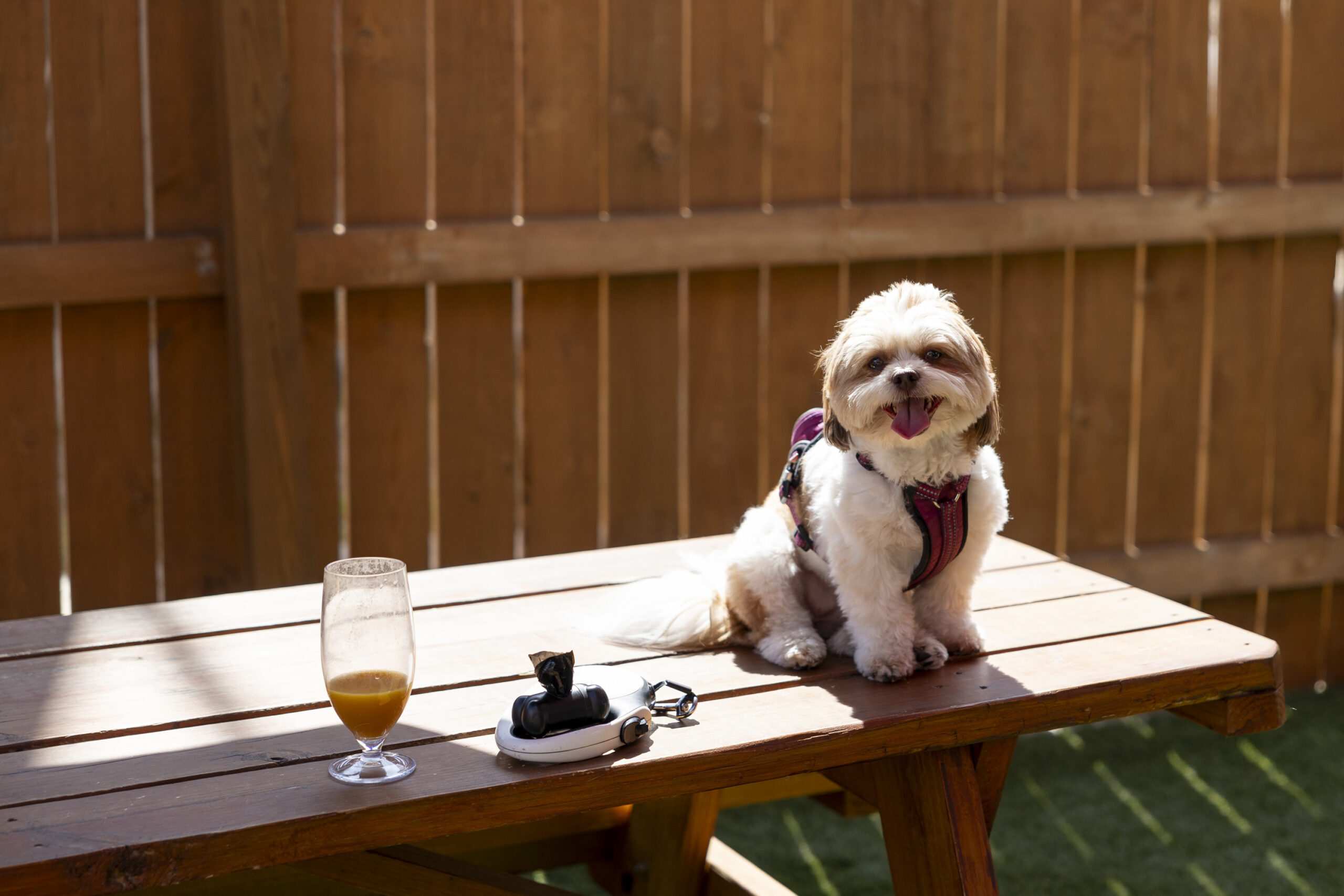
Darby, a 5-year-old shih tzu, sits on a picnic table at the Boozy Mutt in Fairmount during an August 2025 breed meetup.
The Boozy Mutt’s 26 employees were informed of the impending closure before the announcement went public Monday, Allison Mattiola said, and the couple has spent the last three days putting together job recommendations. Neither she or her husband had worked in hospitality prior, and the couple has no immediate plans to revive the business elsewhere.
Where is Fido to go?
Already, the Boozy Mutt’s impending closure has been ruff — pun intended — for Fairmount pet parents.
“It’s a loss for us and a loss for the dogs,” said Sarah Kuwik, whose 2½-year-old pooch Willie “grew up at the Mutt.”
Kuwik started taking what she described as her “50-pound mutt” to the bar almost immediately after it opened. It has given Willie a social life most adults would envy.
Willie goes on dates at the Mutt with his girlfriend Bea, a 3-year-old golden retriever who clings to him like a magnet. And in June, Willie had a joint WrestleMania-themed birthday party with his best friend Levon, also a mutt with boundless energy.
Willie (left) poses with his golden retriever girlfriend Bea (right) and his best pup friend Levon at the Boozy Mutt, where the trio first met.
Kuwik doesn’t know how Willie will handle the news: “He’ll pull us toward [the Boozy Mutt] every time we’re on Poplar [Street] … it’s going to be very confusing.”
The Boozy Mutt is also what drew Valerie Speare to Fairmount in the first place. Speare put an offer on her current rowhouse a mere four blocks from the bar after grabbing brunch there in between open houses last spring. Now she goes to the Mutt four times a week with her pugs Lily and Winston, who are both deeply playful (and deeply codependent).
The Mutt “is exactly the kind of thing I want in a neighborhood,” said Speare, who has lived in the area for a year-and-a-half. “Where else can I go have a mimosa on a Saturday morning and have my dog sitting in my lap?”
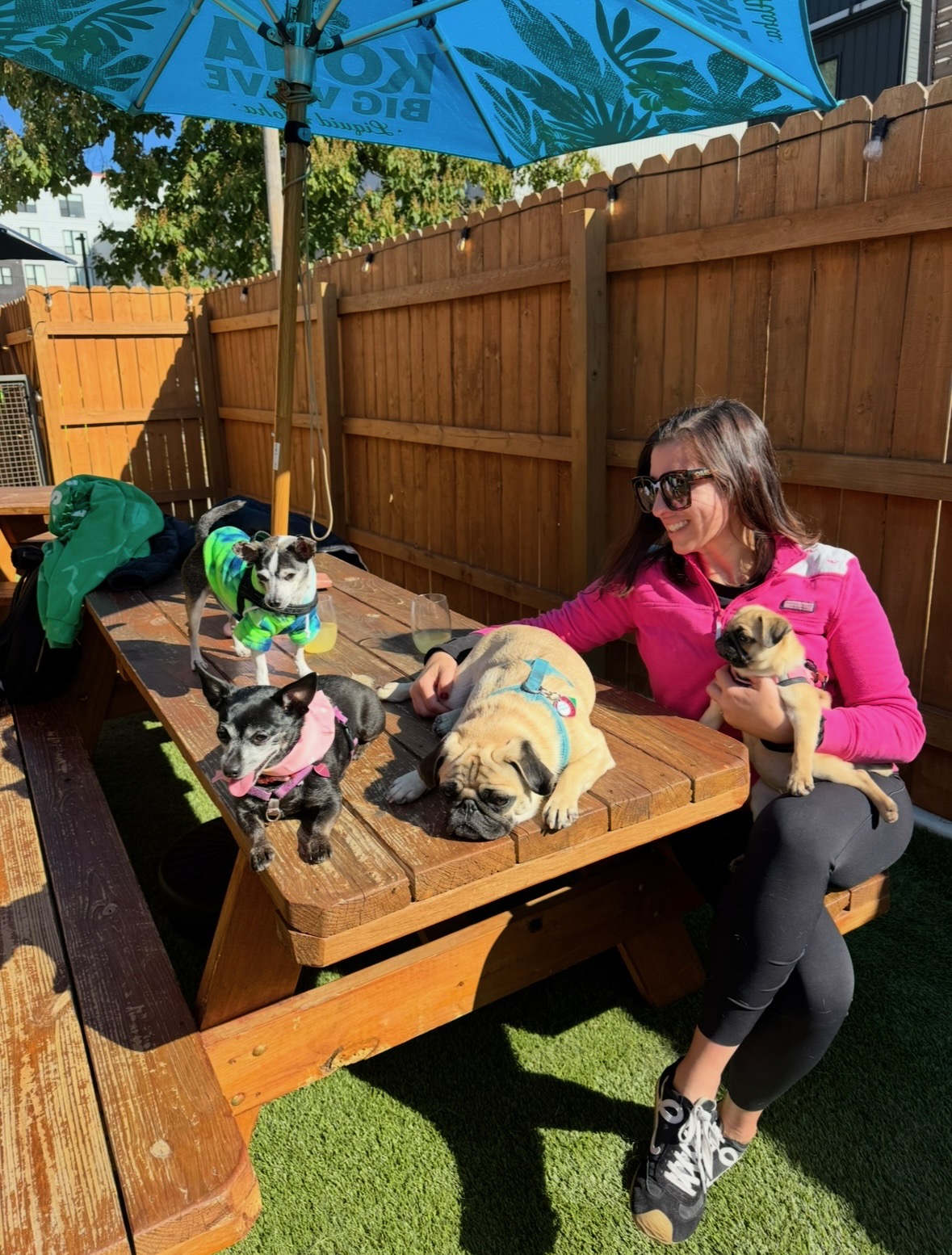
Valerie Speare, of Fairmount, and her pugs Winston and Lily lounge with Chihuahua pals at the Boozy Mutt. Speare takes her pugs to the bar four times a week, she estimates.
For others, the bar has fostered connections that extend beyond puppy playdates. Katherine Ross has lived in Fairmount since 2004, but has seen the neighborhood — and the people in it — with new eyes, thanks to her 4-year-old pug Hoagie.
At the Mutt, Hoagie likes to beg for bites of Old Bay and truffle-coated fries or splash in the puppy pool. Ross, meanwhile, has enjoyed getting to meet her neighbors.
“I’ve lived in this neighborhood for over 20 years, and to be honest with you, I didn’t know all that many people until I got a dog,” Ross said. “Having a place like the Boozy Mutt brought a lot of friendships together.”
Philadelphia’s restaurant landscape in 2025 was shaped by a combination of ambition and depth: large, market-moving openings at the top end (Borromini, Dancerobot, Uchi, Honeysuckle, Tequilas/La Jefa); suburban newcomers that mattered (Michael, Neos Americana, Salt & Stone); and dozens of smaller additions that boosted neighborhood options.
All told, I count more than 125 newcomers, not including the ubiquitous Wonder locations and multiunit bakery franchises like Paris Baguette and Tous les Jours.
The hottest areas were Rittenhouse and Kensington in the city, and Conshohocken in the suburbs.
Top Openings: Philadelphia
Center City / Rittenhouse / Fitler Square / North Philadelphia
Amma: The polished South Indian restaurant has relocated about two blocks away into more sumptuous quarters at 15th and Walnut, picking up a glassed-in bar.
The Bread Room: A bakery-cafe hybrid from High Street Hospitality on Chestnut Street, around the corner from High Street and Jefferson Hospital, that focuses on laminated pastries, breads, and other daytime fare.
Dancerobot: Chefs Jesse Ito and Justin Bacharach’s sequel to Royal Izakaya is a sultry hideaway on Sansom Street in Rittenhouse.
The dining room at Honeysuckle.
Honeysuckle: Chefs Omar Tate and Cybille St. Aude-Tate have a new stage for Southern cooking rooted in Black culinary traditions on North Broad Street, building on what they started with West Philly’s Honeysuckle Provisions.
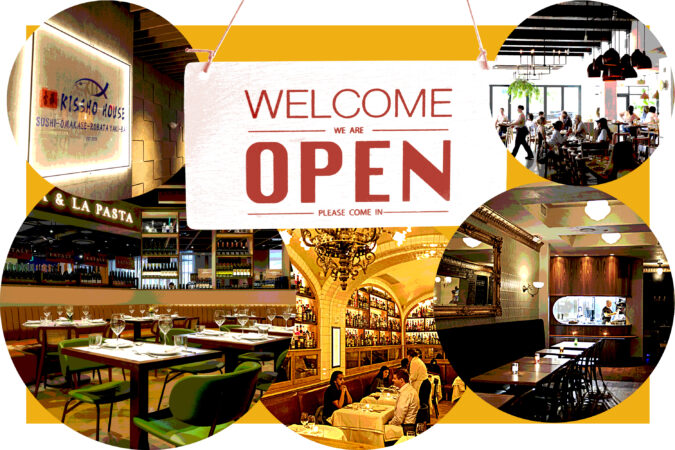
Kissho House: Chef Jeff Chen’s refined, two-level Japanese experience in Rittenhouse offers omakase downstairs and an izakaya on street level on Locust.
Uchi Philadelphia: The national Japanese restaurant raises the bar for luxury sushi on Sansom Street in Rittenhouse.
Fishtown/Kensington/Northern Liberties
Amá: Chef Frankie Ramirez’s modern Mexican restaurant on Front Street showcases regional cooking with a serious mezcal and tequila program.
El Chingón Fishtown: Chef Carlos Aparicio’s second location of his acclaimed South Philadelphia taqueria is a beer-garden setting on Frankford Avenue.
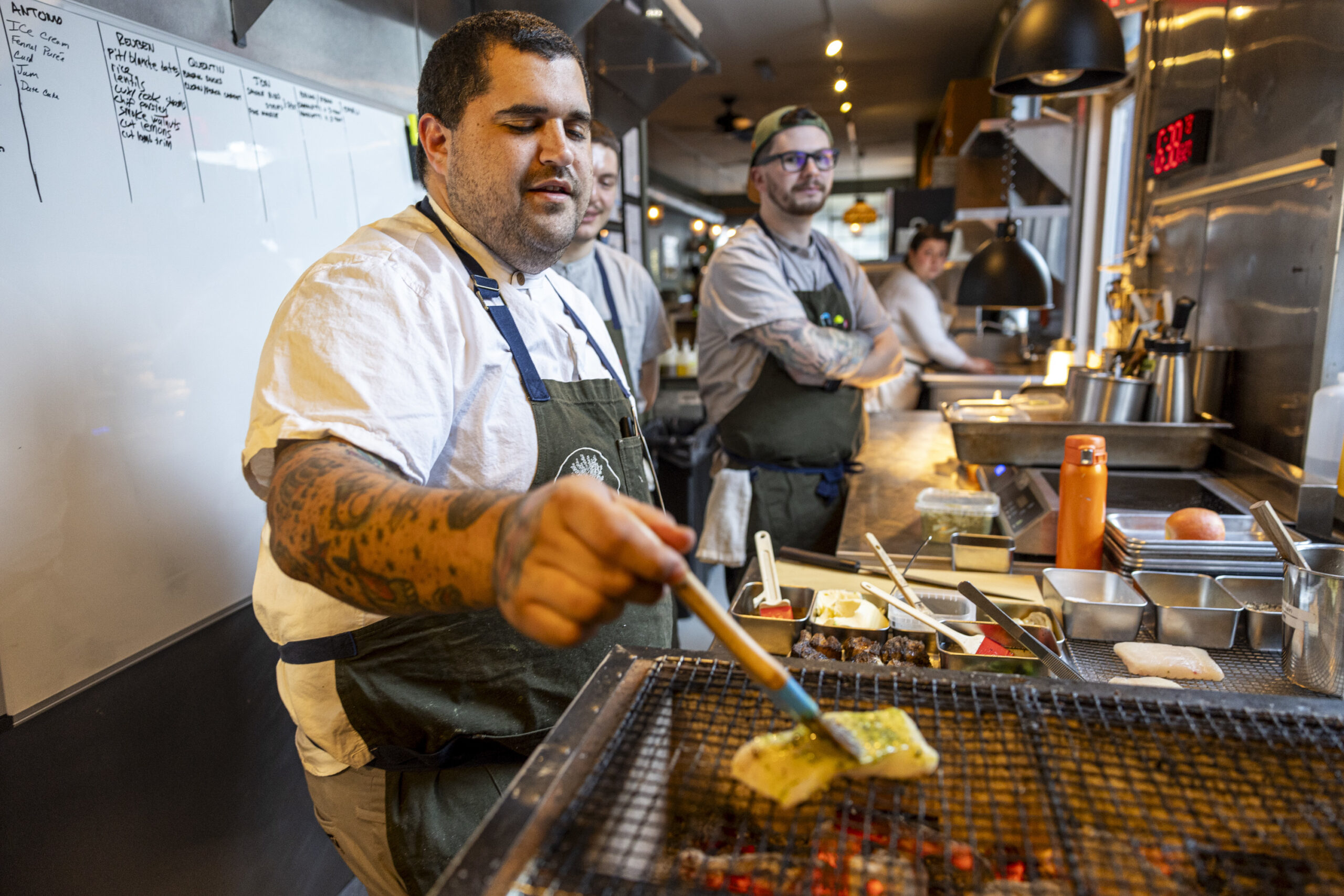
Evan Snyder grilling a halibut at Emmett.
Emmett: Chef Evan Snyder is winning plaudits for his Levantine-inspired cooking at the former Modo Mio/Cadence/Primary Plant Based space on Girard Avenue.
Fleur’s: Chef George Sabatino cooks French dishes in an intimate setting in a former furniture store on Front Street.
Forest & Main Fishtown: The Ambler brewery’s first city tasting room, in the former Cheu Fishtown on Frankford, features creative bar food from chef Dane DeMarco (Gass & Main).
Mana Modern Chinese: Modern Chinese BYOB on Second Street in Northern Liberties blends playful dim sum and inventive takes on classics in a mod setting.
Fairmount / Francisville
Javelin: This low-key Fairmount Avenue sushi bar offers a full cocktail bar.
Stephen’s Cafe: This kosher dairy cafe attached to the Chabad of Fairmount, in the former Rembrandt’s, features baking by Shevy Sputz, who also sells her babka, knishes, and other Eastern European baked goods at the local farmer’s market.
South Philadelphia / East Passyunk / Graduate Hospital
Bomb Bomb Bar: Zeppoli/Palizzi chef Joey Baldino revived a classic South Philly corner bar, infusing it with an Italian seafood menu and plenty of downtown energy.
Sao: Chef Phila Lorn and his wife, Rachel, are behind this snug Cambodian-inspired seafood bar on East Passyunk, a sequel to their hit no-rules noodle spot, Mawn.
Supérette: This chill European-style wine bar/cafe/bottle shop on East Passyunk from Chloé Grigri, Vincent Stipo, and Owen Kamihira emphasizes simple plates and easy elegance.
Namaste Indian Bistro: This Indian-Himalayan bistro at 46th and Lancaster is an offshoot of the original in Warminster; there’s also a new location in Collingswood.
Out West: Down North Pizza’s sequel at 52nd and Walnut combines an ambitious coffee program with breakfast and lunch sandwiches in a community-friendly space.
Northwest Philadelphia
The Borscht Belt: The Bucks Jewish deli has opened a counter at Chestnut Hill’s Market at the Fareway.
Burtons Grill & Bar (Wayne): This polished, New England-rooted American grill features a long cocktail list and an unusually thorough gluten-free/allergy-friendly playbook.
Eataly (King of Prussia Mall): The giant Italian marketplace combines multiple restaurants, retail counters, and specialty grocery under one roof.
Hank’s Place (Chadds Ford): Rebuilt after a devastating 2021 flood, this Brandywine mainstay is a cozy diner known for old-school favorites and Wyeth sightings.
Michael Coastal Italian Grille (Collingswood): Chef Michael DeLone leans harder into coastal Italian cuisine after rebranding the upscale Nunzio’s and freshening the environs with new hardwood.
Neos Americana (Conshohocken): Kurt Benkurt and Annalise Long have upgraded their Daniel’s into a refined Mediterranean-leaning dinner destination and bar focusing on mezze, grilled meats, and seafood.
Peter Chang (King of Prussia): Peter Chang, once chef for the Chinese Embassy in Washington, D.C., offers Sichuan classics.
Revell Hall (Burlington): Chef Joey Sergentakis is behind this modern restaurant on the Delaware riverfront, the former Cafe Gallery, billed as “semifine dining.”
Salt & Stone (Conshohocken): Demetrios Pappas is behind this polished restaurant emphasizing seasonal Greek-American cooking and craft cocktails.
Thymari Mediterranean Gastro-Taverna(Swedesboro): This Greek-inspired BYOB offers taverna-style dishes, with a wine list sourced through Kennedy Cellars.
Triple Crown (Radnor): Fearless Restaurants has gone with an equestrian theme for its restaurant/event space at the Radnor Hotel.
Other Noteworthy Openings
Philadelphia
Amina (Northern Liberties): Felicia Wilson and chef Darryl Harmon moved their West African-inspired Southern spot from Old City into the former SIN.
Avana (Center City): Comfort food and American classics from Felicia Wilson and chef Darryl Harmon at Park Towne Place on the Parkway.
Casa Borinqueña(Kensington): Lourdes “Lulu” Marquez-Nau owns this casual Puerto Rican spot serving plant-based versions of classics like pinchos, arroz con gandules, and maduros.
Casa Oui in Queen Village.
Casa Oui(Queen Village): Chef Isabel Nocelo and C.J. Cheyne’s all-day café-restaurant blends French pastry energy with a nighttime menu that leans Mexican, plus a full bar.
Céline(Center City): It’s a cocktail lounge and nightlife-focused venue built around DJ-driven vibes and a reservation-led bar program; a Korean barbecue restaurant counterpart, HYO, is on the way upstairs.
Cerveau (North Philadelphia): Pizza Brain cofounder Joe Hunter created this roomy space at the 990 Spring Garden building to focus on sourdough pizza, handmade pastas, and small plates, with a full bar.
Cormorant (Kensington): This corner bar from the partners behind Vintage and Garage offers an amaro-leaning cocktail list, classic drafts, and no-proof options.
DaVinci & Yu (South Philadelphia): Marc Grika offers a playful mashup of Italian American and Chinese American comfort food on East Passyunk.
The bar at Doho in Mount Airy.
Doho(Mount Airy): This cozy bistro, inside Catering by Design, fuses Latin American and East Asian flavors, with a full bar.
Fetch (Manayunk): A dog park with a bar and a light food menu has succeeded Bark Social on Main Street.
First Daughter Oyster & Co. (Old City): Felicia Wilson and chef Darryl Harmon offer New England-style seafood at the Renaissance Philadelphia Downtown Hotel.
Good Hatch Eatery (West Philadelphia): The popular South Philly bruncherie has expanded to 48th and Pine.
Newsroom Philadelphia (Northern Liberties): A bar-restaurant concept blends media themes with late-night energy, tucked behind an ersatz soda machine.
Olive Roots Cafe (Queen Village): A Mediterranean cafe emphasizes coffee/matcha drinks and croissant sandwiches.
Percy (Kensington): The team behind Forîn Cafe runs this unfussy but stylish diner with a bar and late-night lounge under the El.
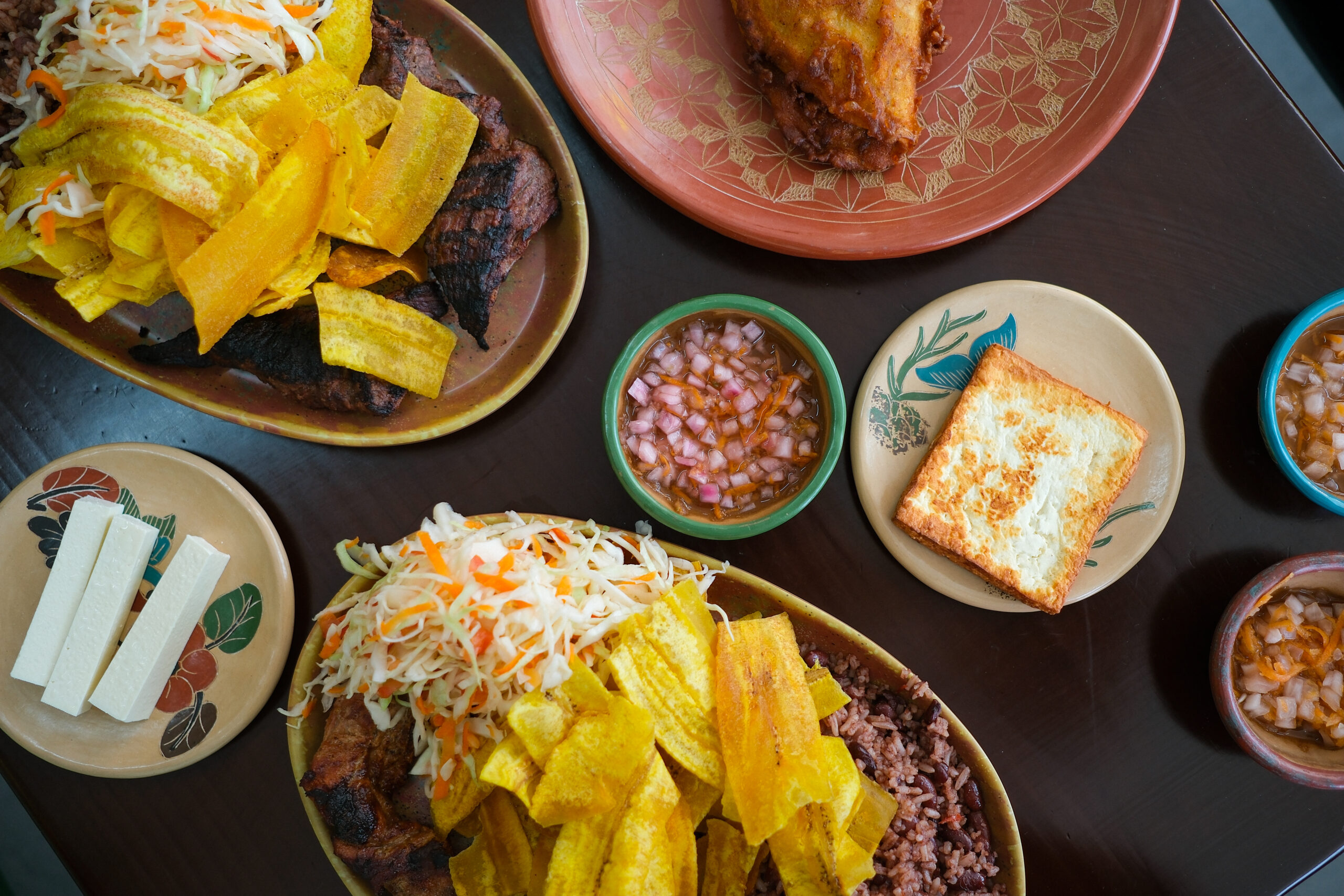
A feast at Pinolero.
Pinolero (Kensington): Lilliam Orozco and daughter Sarah are behind this stylish Nicaraguan restaurant in Harrowgate highlighting wood-fire cooking and Central American beverages.
Rhythm & Spirits (Center City): This music-theme bar and restaurant combines cocktails and Spanish-Italian food at One Penn Center (aka Suburban Station).
Rival Bros Coffee(Washington Square West): The Philly coffee chain debuted a swank spot in the Jessup House.
Rockwell & Rose (Center City): This stylish steakhouse has taken half of P.J. Clarke’s footprint in the Curtis Building, across from Washington Square.
Say She Ate Cafe (Center City): There’s great name wordplay and Mumbai-influenced, vegan food on the menu at this fast-casual cafe on South Street just off Broad, carrying on the Govinda’s tradition.
Scusi Pizza (Northern Liberties): Chef Laurent Tournodel’s colorful pizzeria/cocktail spot opened at the Piazza Alta, in advance of a luxe concept called Terra Grill.
The Fulton(Conshohocken): This contemporary Irish tavern serves hearty classics at the former Old Mansion House.
Kaede Sushi & Noodle Co. (Conshohocken): “Sushi speakeasy” is the theme of this stylish room upstairs from Guppy’s Good Times, with food from the team behind Kooma.
The Local (Phoenixville): A breakfast-and-lunch newcomer from the Lock 29 team leans into scratch-made classics and rotating specials.
Maison Lotus (Wayne): This refined Vietnamese coffee bar/restaurant from Win Signature Restaurants (Azie, the Blue Elephant, Teikoku, Mikado Thai Pepper, Mama-San) subsumed the former Margaret Kuo.
Mama Chang(Colmar): A family-style Chinese dining room from chef Peter Chang features Sichuan heat.
Tommy’s Tavern & Tap(King of Prussia): The New Jersey sports bar has set up an outpost outside the mall.
Toastique (Newtown Square): This all-day cafe turns “gourmet toast” into the main event, backed by juices and grab-and-go bowls.
Vanilla Café (New Hope): A sweets-forward cafe does coffee, pastries, and desserts with Instagram-friendly polish.
New Jersey Suburbs
Feed Mill Eatery (Medford): Five brands — Crumb Sandwich Joint, Casa Blanca Taqueria, Davey Stacks Burgers & Cheesesteaks, Mattarello Pizza, and Walterhaus German Fare — have set up at the historic Feed Mill complex, per early word from South Jersey Food Scene.
Flying Pig Tavern & Tap (Riverside): This new outpost of the Bordentown sports bar replaces Towne Tavern.
Julio’s Casa de la Birria (Sewell): The family behind Vineland’s Julio’s on Main has opened a sequel in Echo Plaza: a quick-service taqueria.
Lula’s Empanadas (Haddon Heights): Yaslyn Lora has made the leap from takeout window to full storefront dining room.
Magnify Brewing (Medford): An Essex County craft brewery has opened a laid-back taproom with a beer garden.
Main Street Tacos (Maple Shade): This strip-mall taqueria from David and Israel Morales emphasizes bold flavors.
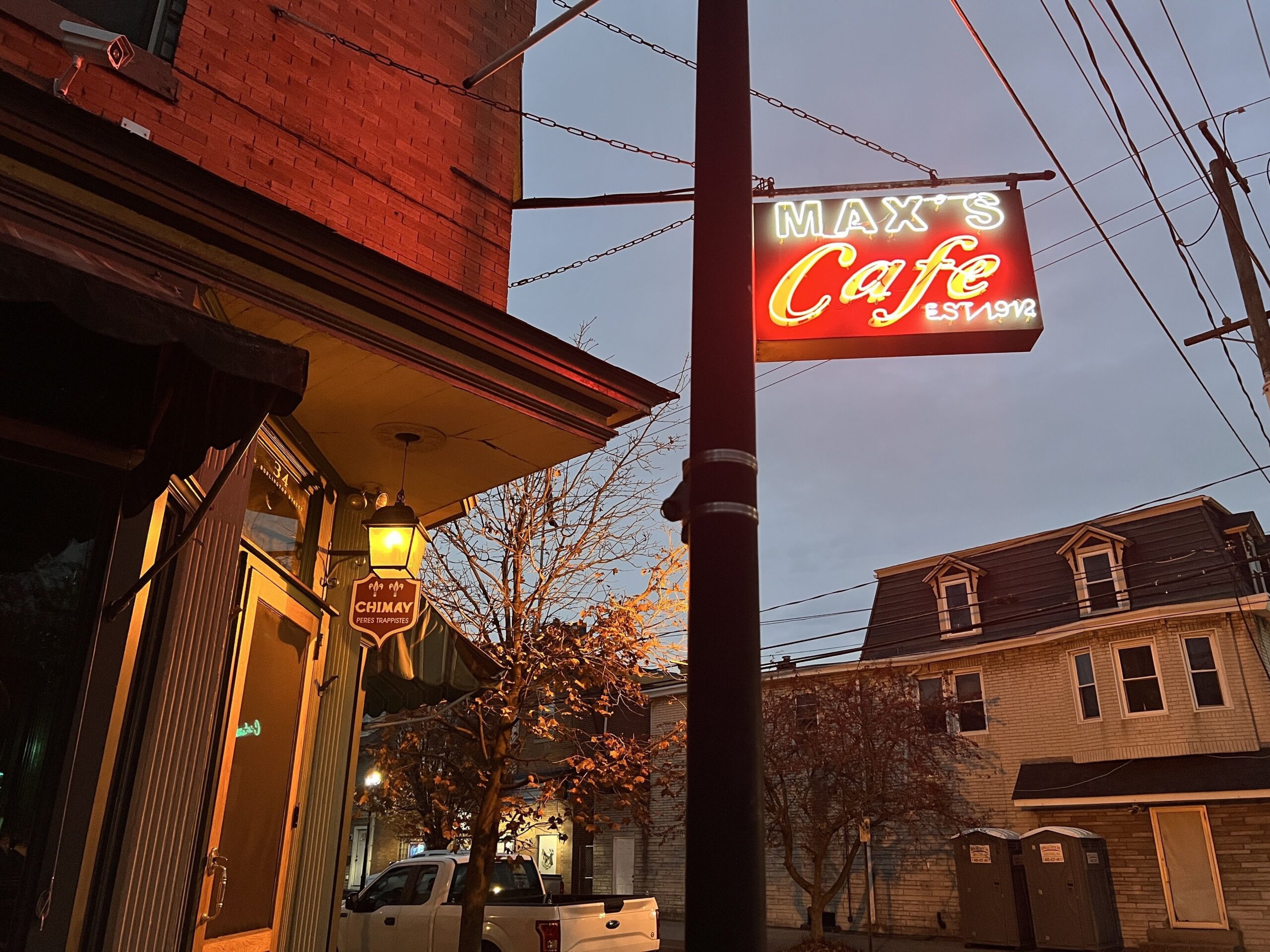
Max’s Cafe’s neon sign still shines over Pudge’s Pub in Gloucester City.
Pudge’s Pub (Gloucester City): The former Max’s Seafood Cafe has been reconceptualized as an everyday tavern featuring cheesesteaks inspired by Pudge’s Steaks of suburban Philadelphia renown.
The gourmet burger is a familiar trope that has been reinvented for years. Burgers lure you in, they comfort you when you need something familiar, splashed with a little sparkle of indulgence, whether that’s foie gras, a rainfall of truffles, or an extra special patty made of wagyu or dry-aged beef.
River Twice’s double-pattied Mother Rucker burger was once bestowed upon diners in the middle of their tasting menus. They’re now available only on Monday nights.
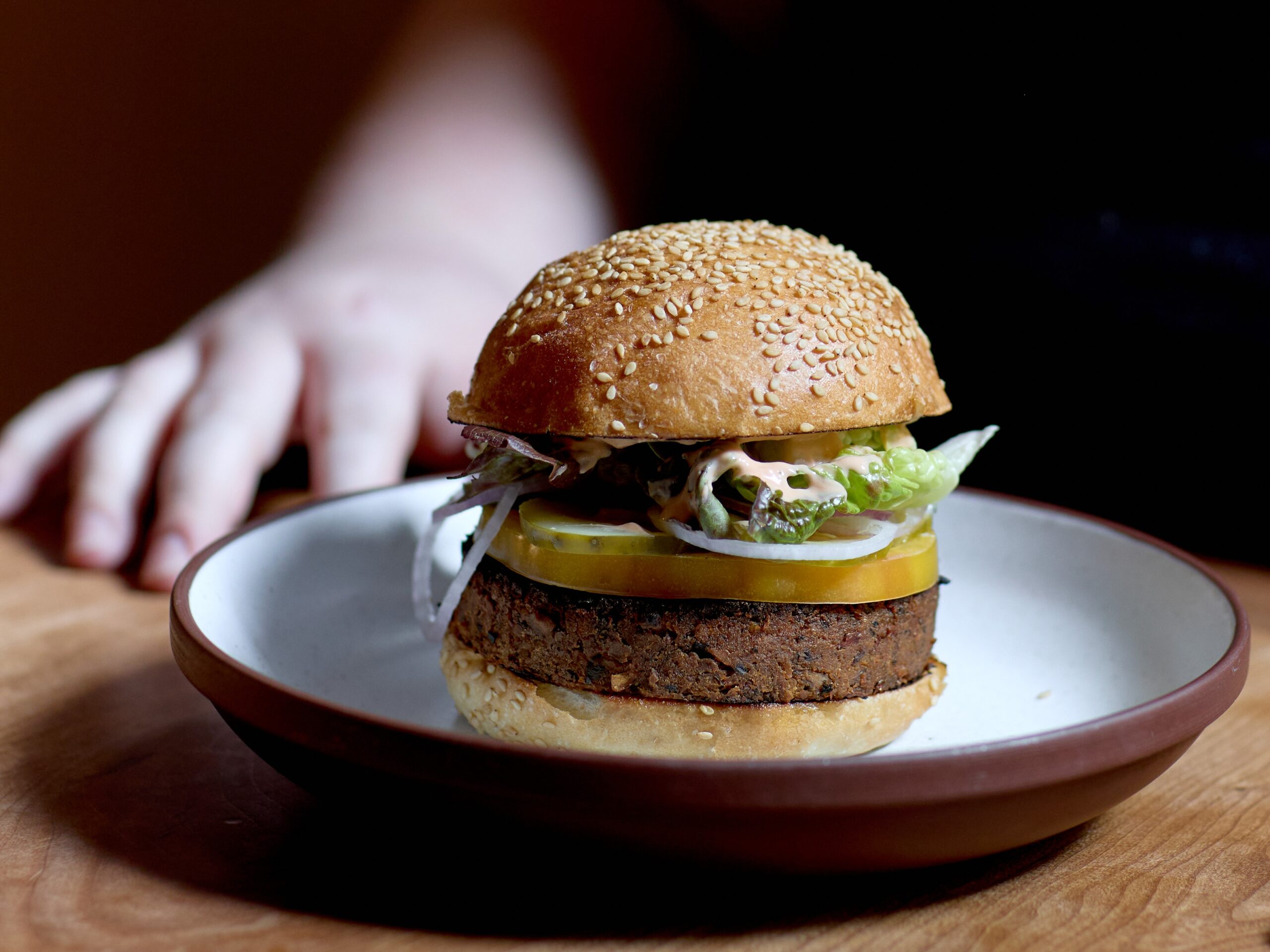
Pietramala’s vegan burger, made from vegetables, Mycopolitan mushrooms, and repurposed ingredients left over from their other menu items, and which takes three days of preparation, instigates lines around their block when they’re served one Sunday every month.
The vegan bean and smoked mushroom burger at Pietramala in Northern Liberties.
The limited edition burger thrives in our post-pandemic search for comfort and the notion that everything is a steakhouse now (a nationwide trend that hasn’t quite reached Philly, but it’s coming for us. It’s only a matter of time).
The restaurants and cocktail bars beckon you with proclamations: Come in for our burger! Only 12 per night! Come in for our burger! But line up around the block!
The limited edition burger is a trend that crops up periodically in New York, like it did in 2014, to the reluctance of chefs who noted that burgers are simply not profit drivers, and that they would bring the potential of a $45 check down to $25. Today’s limited edition burgers are unlikely to do the same in terms of numbers. Even Pine Street Grill’s almost no-frills burger costs $26.
The phenomenon of the limited edition burger marks a uniquely 2025-era blend of a comforting, recession-indicator food (at the end of the day, it’s ground meat in a hunk of bread) with the scarcity principle frequently wielded by marketers and businesses. Limited editions trigger FOMO. Get one of these burgers and it’s like getting an Hermes Birkin bag, or the latest Supreme drop. They’re rare, you have to go through some sort of gauntlet to attain one, you feel lucky when you do.