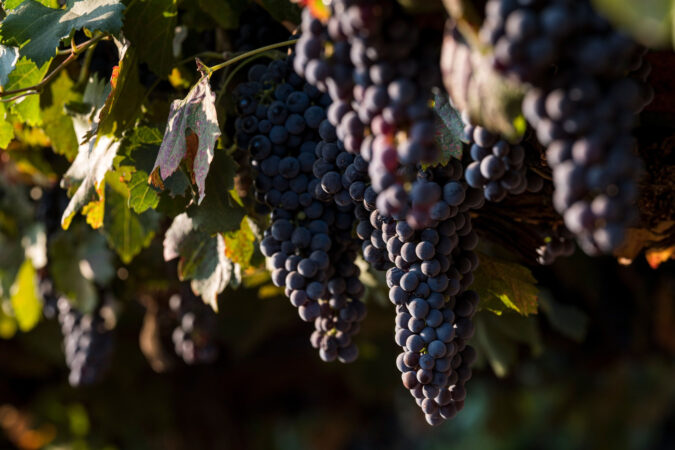
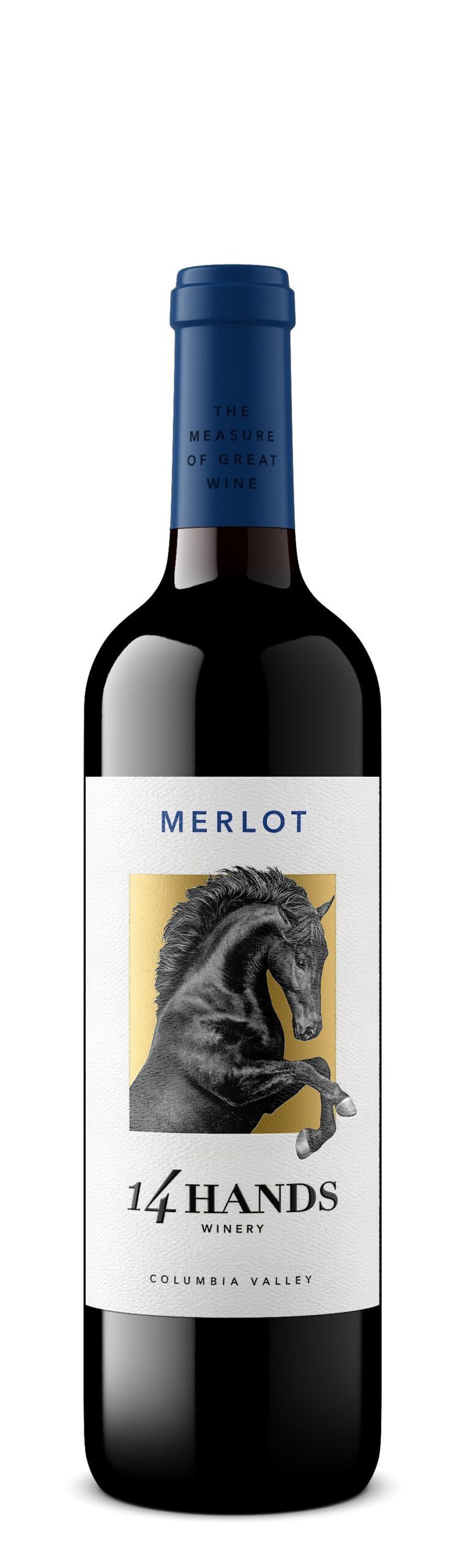
Red wines may look dark as night in the glass, but they taste like bottled sunshine. That’s because it takes extra sunlight during the summer months to fully ripen dark-skinned grapes. Plants use photosynthesis to turn light into energy, and this process helps explain why Washington state has a natural advantage over California when it comes to making bold and concentrated merlots, like this value-priced example.
During this time of year, Philadelphia gets the same amount of sunlight per day as Napa in California’s wine country — roughly 15 hours per day. Washington’s Columbia Valley is more than 700 miles north, which adds up to almost 10 degrees of difference in latitude. This differential provides Washington vineyards with an extra hour of sunlight in the critical weeks of the summer growing season.
With more sun, vines don’t just ripen faster. They also produce more of the dark phenolic compounds in grape skins, which add color, flavor, and antioxidant properties to wine. The resulting difference is quite subtle in wines made using the very thickest-skinned red wine grapes — like cabernet sauvignon and syrah — but the effect is more noticeable in wines made using merlot.
It would be difficult to find a California merlot that delivers this much concentration and substance for the dollar, with enough tannic grip on the palate to handle a juicy steak off the grill. Its flavors of blackberries and black plums taste fresh with only a hint of oak influence, similar to a light dusting of cocoa.
14 Hands Merlot
14 Hands Merlot
Washington; 13.5% ABV
PLCB Item #98025 — $10.99 through Aug. 2 (regularly $13.99)
Also available at: Moorestown Super Buy Rite in Moorestown ($9.49; moorestownbuyrite.com), WineWorks in Marlton ($9.98, wineworksonline.com), and Total Wine & More in Claymont and Wilmington, Del. ($9.99, totalwine.com).
In building the concept for his newest restaurant, Sam Li flew halfway across the world for a culinary research journey. He traveled across China, Japan, and Korea to study, and sample, the three countries’ ways of doing barbecue. It was at a Japanese yakiniku — or grilled meat — restaurant that he knew he had found his next project.
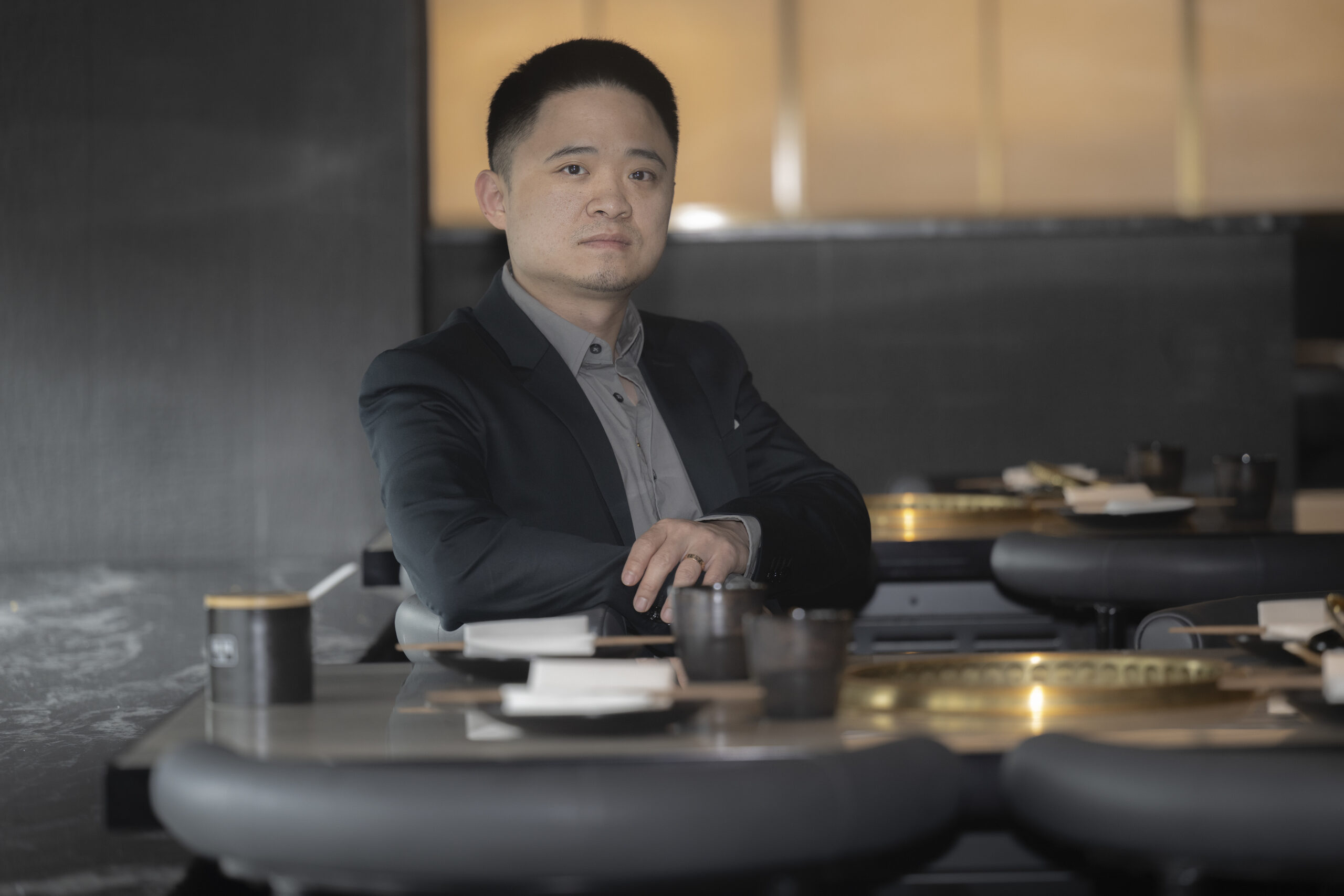
Li is the owner of OGYU Japanese BBQ & Bar, an upscale, grill-it-yourself Japanese barbecue restaurant that opened in Ardmore last month. The restaurant offers a tiered, fixed-price menu with a focus on “higher quality premium Wagyu beef.” OGYU is located in the former Iron Hill Brewery at 60 Greenfield Ave., which closed in 2024 before Iron Hill filed for bankruptcy last year.
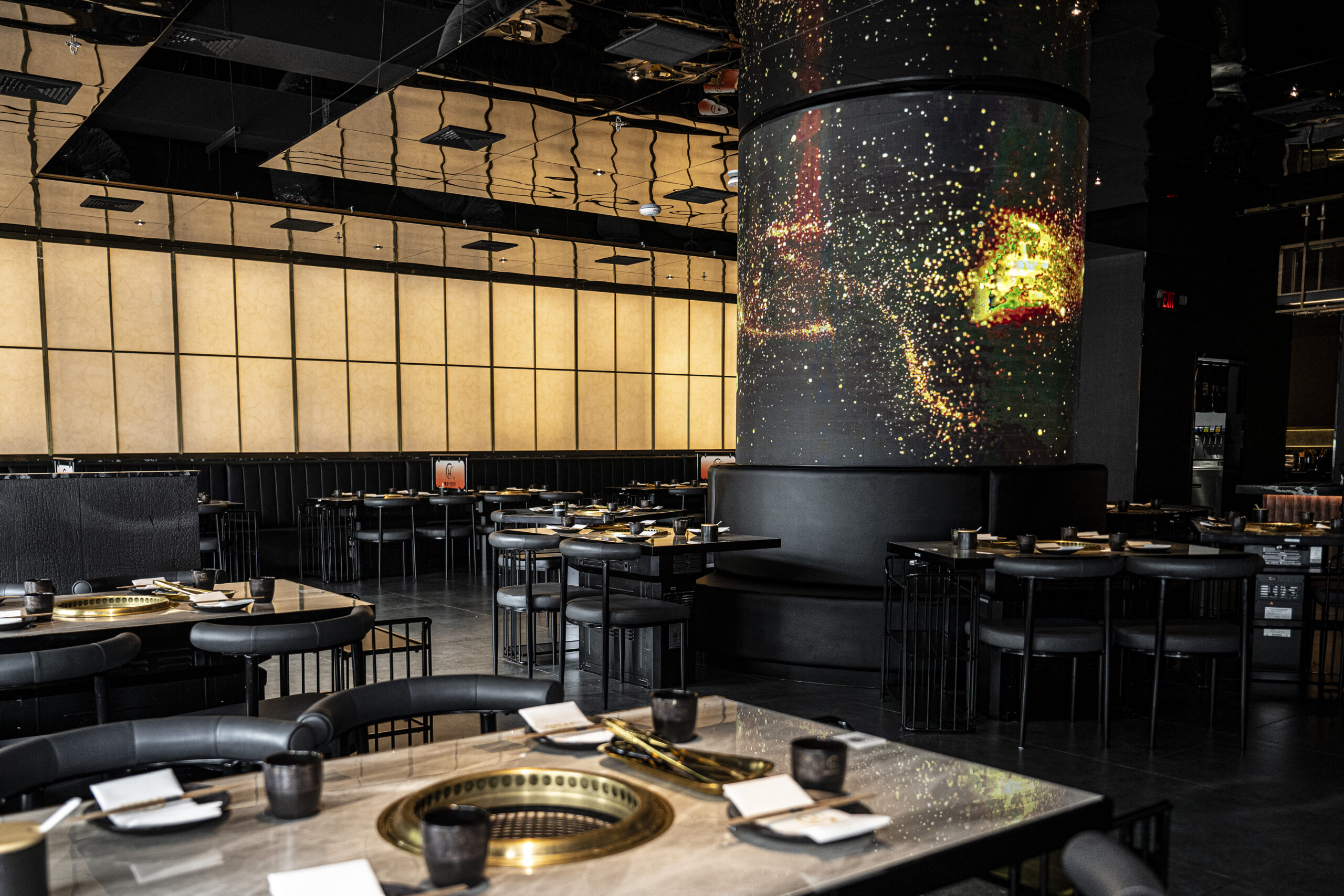
Though OGYU has found a home in what was onceIron Hill, Li and his team have transformed the former brewery’s space into a sleek, club-like atmosphere, with black and gold detailing, marble-paneled walls, and an opulent, fully stocked bar.
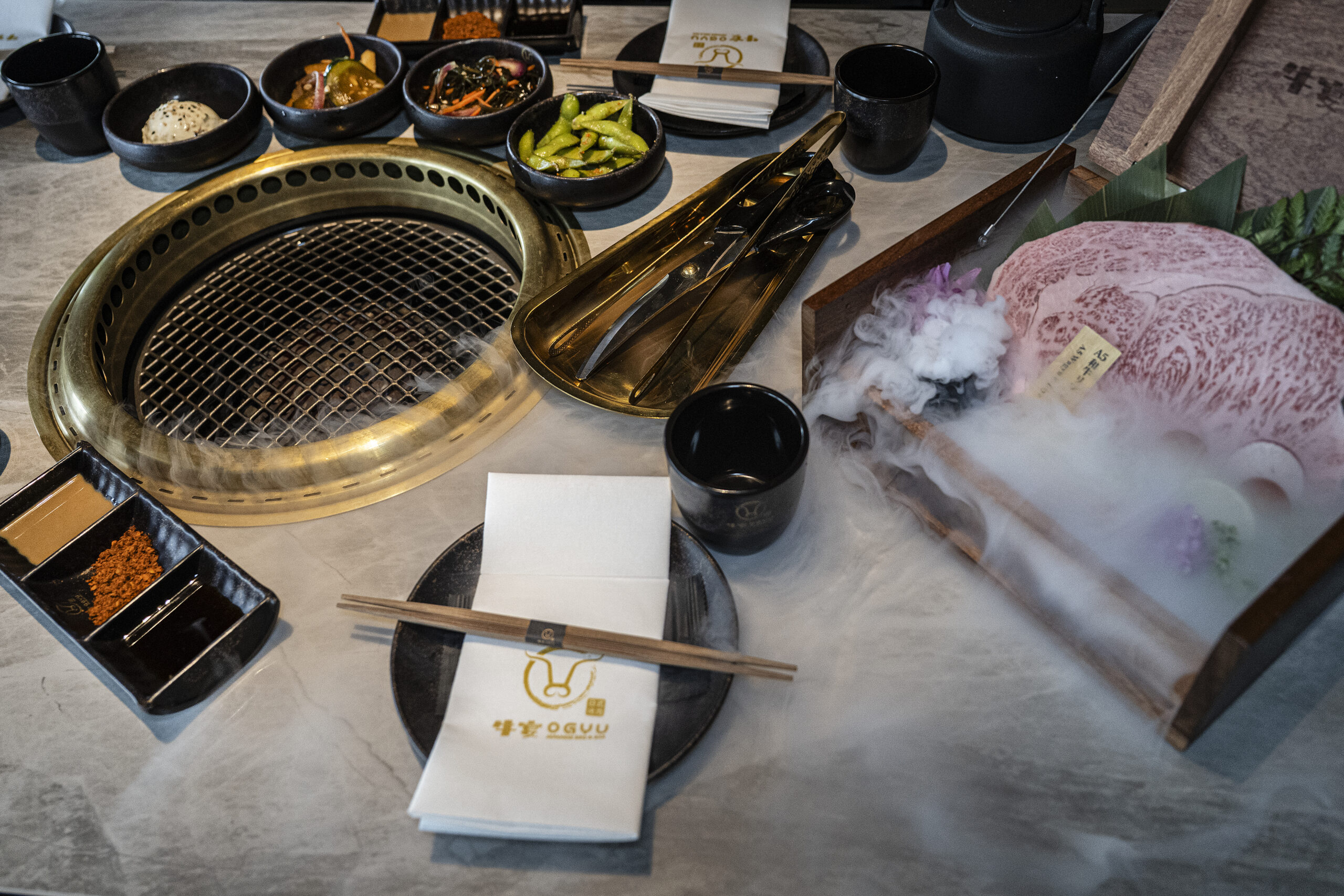
OGYU Japanese BBQ restaurant is shown on Tuesday, July, 7, 2026 in Ardmore. The new restaurant by Sam Li offers a modern Japanese steakhouse experience with tabletop cooking, adding to Ardmore’s growing portfolio of restaurants.
He now sits at the helm of seven restaurants in the Philly suburbs, including sushi restaurant Osushi, with locations in Marlton, Ardmore, and Wayne; upscale Japanese restaurant Hiramasa in Newtown Square; and fast-casual chain bb.q Chicken, with two locations inSouth Jersey.
While Li has built his brand largely around sushi, he said he saw an opportunity in the market when it came to Japanese barbecue. There aren’t many yakiniku restaurants in the region, he said, and it’s a relatively new concept to many of his diners. People tend to be familiar with Korean barbecue, which leans more into marinades and flavors than its Japanese counterpart, which more often lets the meat speak for itself, Li said.
“We felt that it could be a new concept that we could bring into the U.S, and it’s something new to Ardmore,” Li said.
Restaurant owner, Sam Li is photographed at OGYU Japanese BBQ restaurant on Tuesday, July, 7, 2026 in Ardmore. His new restaurant offers a modern Japanese steakhouse experience with tabletop cooking, adding to Ardmore’s growing portfolio of restaurants.
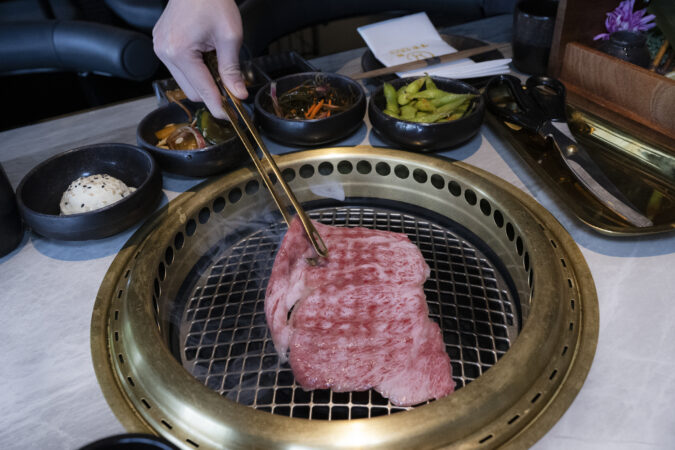
Bringing a new concept to customers has meant lots of education, both for OGYU’s staff and its customers, who need to learn how to operate the tabletop grills and cook pieces of Wagyu to perfection. OGYU is an interactive experience, in addition to a meal, with flashy dry ice presentations and the challenge — and excitement — of grilling your own dinner in the middle of the table.
The main difference in the tiers is the quality of the meat, Li said. The introductory tier is best for diners who “just want to experience and explore what yakiniku is about.” The Diamond tier will be “the ultimate experience.”
OGYU Japanese BBQ restaurant is shown on Tuesday, July, 7, 2026 in Ardmore. The new restaurant by Sam Li offers a modern Japanese steakhouse experience with tabletop cooking, adding to Ardmore’s growing portfolio of restaurants.
Beyond what goes on the grill, OGYU offers a menu of à la carte dishes, including spicy kani salad ($9.95), wagyu truffle fried rice ($21.95), wasabi lobster tempura ($19.95), butter cheese corn ($9.95), and various hand rolls and sashimi. Li describes the à la carte menu as inspired by Japanese street food.
OGYU is open from 11:30 a.m. to 10 p.m., Sunday through Thursday, and 11:30 a.m. to 11 p.m., Friday and Saturday.
This suburban content is produced with support from the Leslie Miller and Richard Worley Foundation and The Lenfest Institute for Journalism. Editorial content is created independently of the project donors. Gifts to support The Inquirer’s high-impact journalism can be made at inquirer.com/donate. A list of Lenfest Institute donors can be found at lenfestinstitute.org/supporters.
One of Philadelphia’s signature sandwiches is heading back to Citizens Bank Park after a decade away.
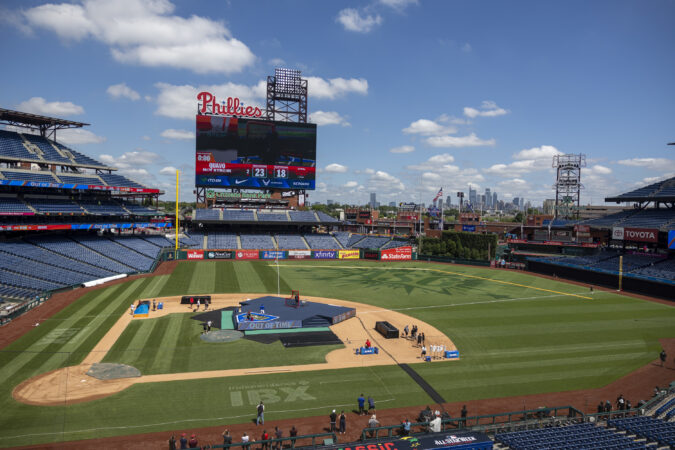
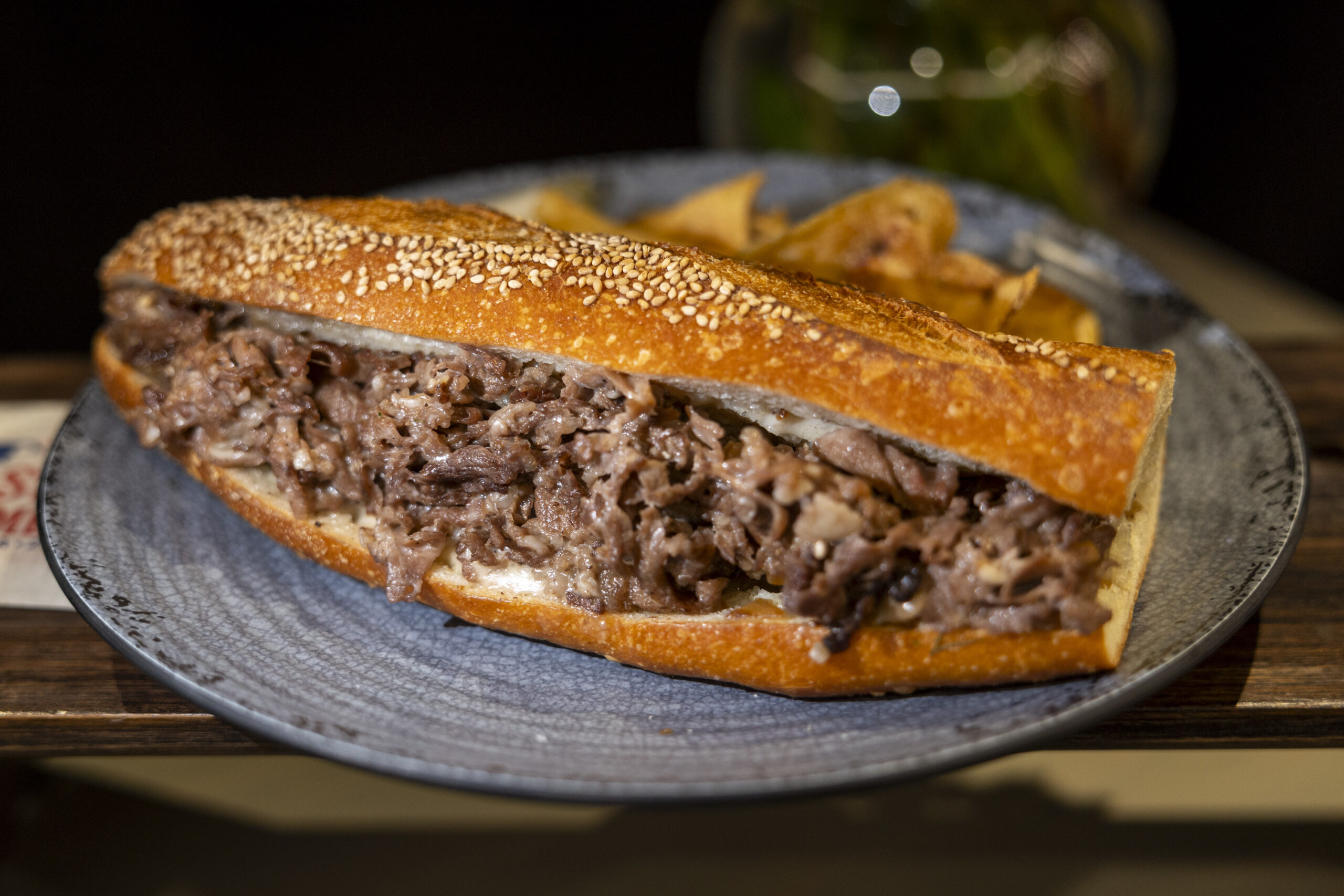
The Schmitter, the classic cheesesteak-salami creation from McNally’s Tavern in Chestnut Hill, will return during the forthcoming Major League Baseball All-Star festivities, Aramark announced as it unveiled a lineup of foods and merchandise at the ballpark Wednesday.
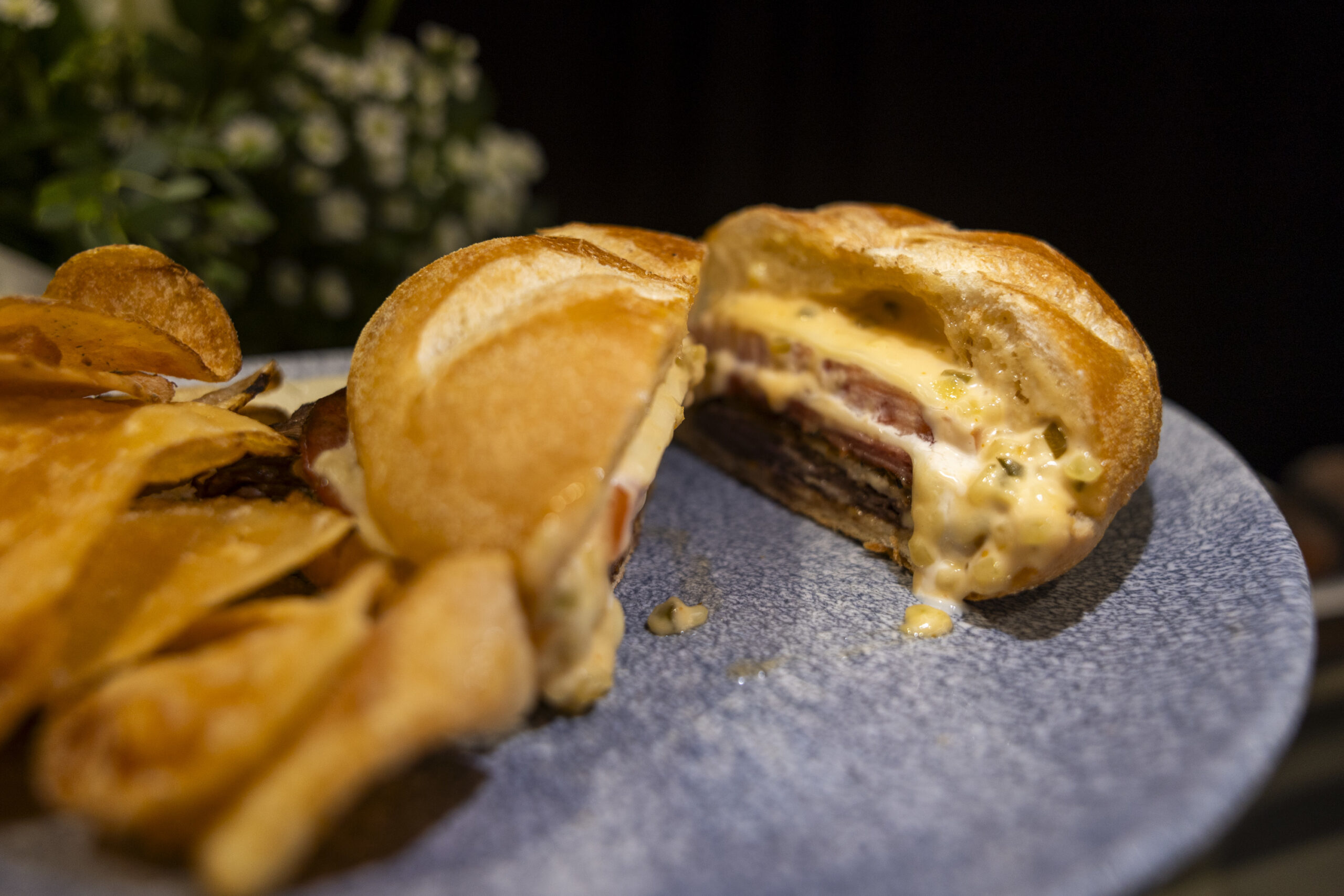
A Schmitter on display at the All-Star media preview Wednesday at Citizens Bank Park.
The Schmitter, which has a spot on The Inquirer’s list of 76 essential foods, will be served at Pass & Stow, the sports bar accessible to ticketed fans, throughout All-Star Week. Aramark, the Phillies’ concessionaire, plans to keep it on the ballpark menu through at least the end of the season.
It joins a lineup of fan-voted creations and Philadelphia chef collaborations at Citizens Bank Park, which hosts four days of events starting with the HBCU Swingman Classic on Friday.
At All-Star Village, which runs Saturday through Tuesday at the Convention Center, Aramark will offer signature dishes from ballparks around the majors, including a pastrami sandwich from Citi Field, the Crawford Dog from Houston’s Daikin Park, and Taco Momalona from Coors Field in Denver.
Del Rossi’s cheesesteak will be offered at Citizens Bank Park during the All Star Game festivities.
The food is only part of the attraction.
The two-level Phillies Team Store at the ballpark — open to the public without a ticket every day except Sunday — has been completely reset with merchandise exclusive to the All-Star Game. The usual Phillies caps, jerseys, drinkware, and other souvenirs have been packed into storage for the week while Major League Baseball takes over.
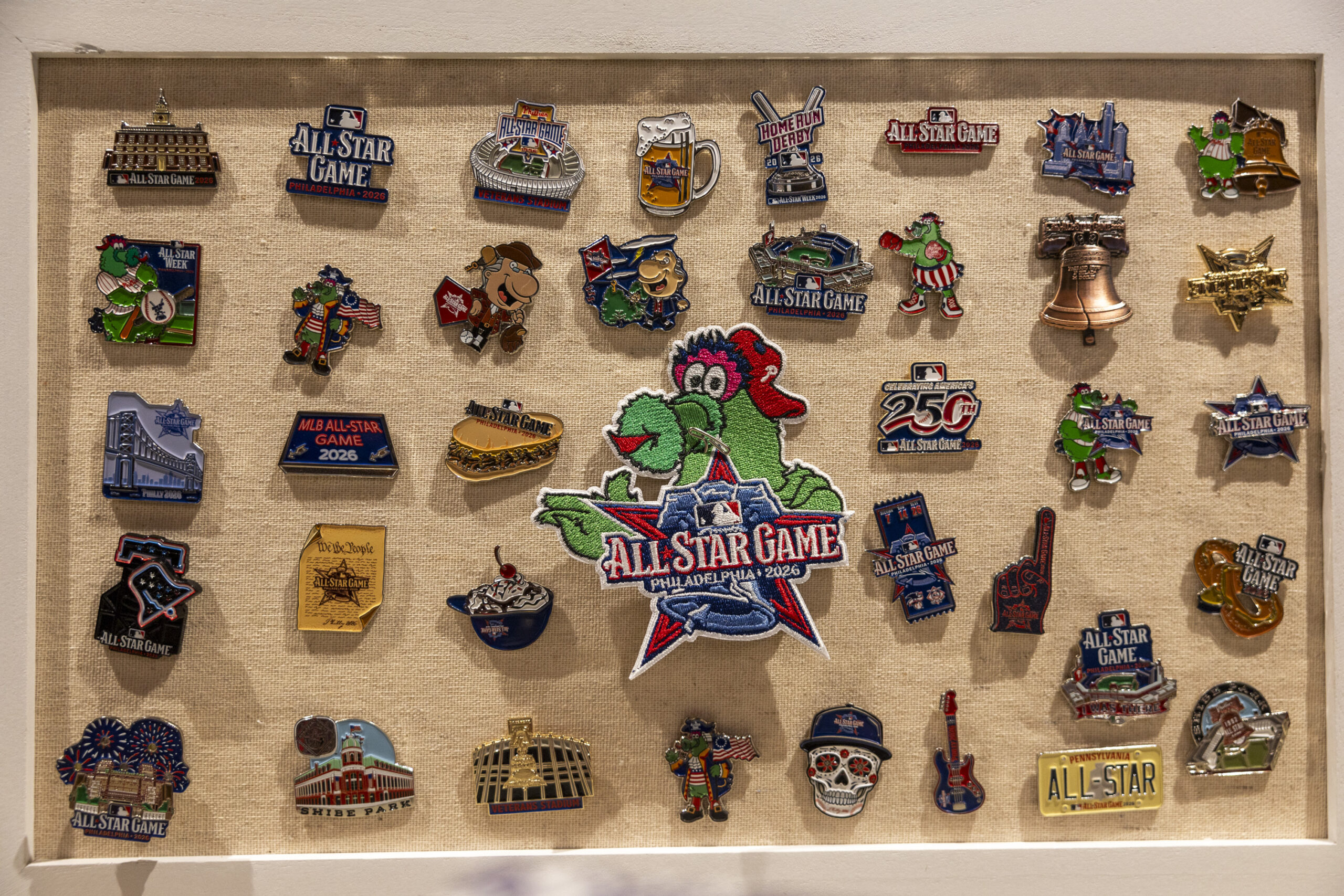
The store is stocked with about 400 All-Star items, “about 80% of them exclusive to the ballpark,” said Francis Winkey, Aramark’s senior merchandise manager. Winkey, an avid trading-pin collector, said he designed and sourced 84 exclusive pins, including one representing each major-league team.
More than 80 original pins will be sold at the Phillies Team Store during All-Star Game events.
“I’ve spent way too much of my life over the last two years developing and dreaming up the bobbleheads, the pins, the bats and balls and pennants, and all the other merchandise we’re offering,” Winkey said.
Additional All-Star merchandise will be sold at All-Star Village.
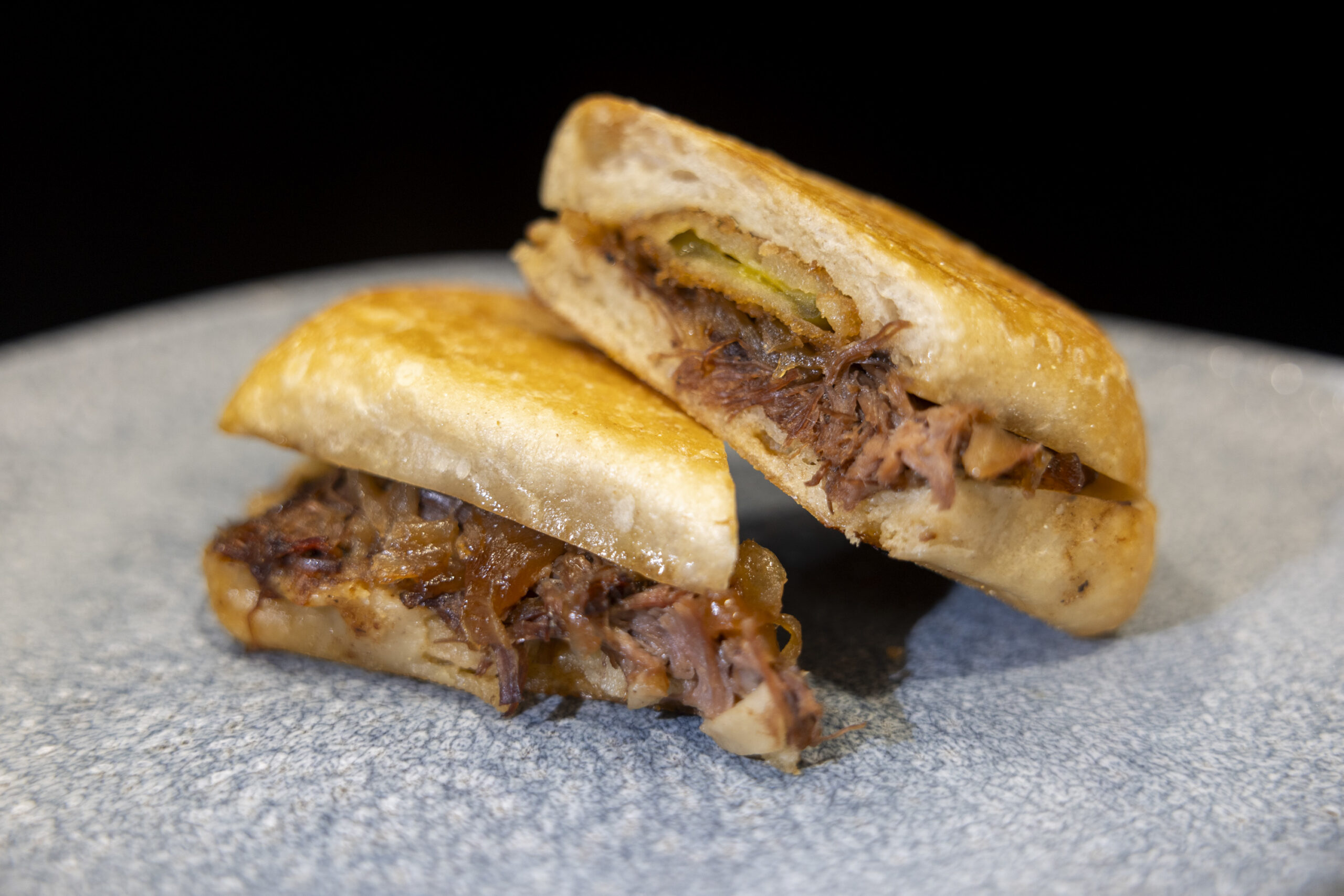
On the ballpark menu for the All-Star events, the showcase dish will be Betsy’s Banana Split Sundae, the winner of a fan vote. The dessert combines banana pudding and vanilla soft serve with crushed vanilla wafers, peanut brittle, hot fudge, strawberry sauce, toasted marshmallow topping, and red, white, and blue sprinkles, all served in a commemorative cap. Because voting was close, Aramark will also feature the runner-up, a rib melt made of braised short rib, sharp provolone, charred onion jam, fried peppers, and pickle butter on ciabatta.
The Revolutionary Rib Melt will be served at Citizens Bank Park during All Star events.
Inside the premium Cadillac Hall of Fame Club, Aramark will feature dishes from Philadelphia chefs and restaurateurs, including Marc Vetri’s meatball Parmesan sandwich from Salvy, Matthew Cahn of Middle Child’s honey mustard chicken wrap, Nish Patel’s Del Rossi’s cheesesteak, and Evan Snyder’s Emmett lamb merguez hot dog. Pricing was not announced.
But the loudest applause at Wednesday’s unveiling was reserved for … a sandwich.
The Schmitter was a Citizens Bank Park staple from its opening in 2004 through the 2015 season. McNally’s owner Joe Pie said it arrived at the ballpark at the request of late Phillies chairman David Montgomery, whose family lived near the tavern. It was originally prepared in a full kitchen near Section 140, but after being moved to an open-air stand near the left-field gate in 2013, Pie said the quality suffered.
Michael Harris, a Phillies vice president, speaks at the preview of All-Star food and merchandise.
“We were serving a sandwich that wasn’t up to par,” Pie said.
Pie said he and Aramark general manager Kevin Tedesco stayed in touch over the years. Aramark nearly revived the Schmitter before last year’s postseason, but the Phillies’ early playoff exit ended those plans. Tedesco approached Pie again while planning this year’s All-Star festivities.
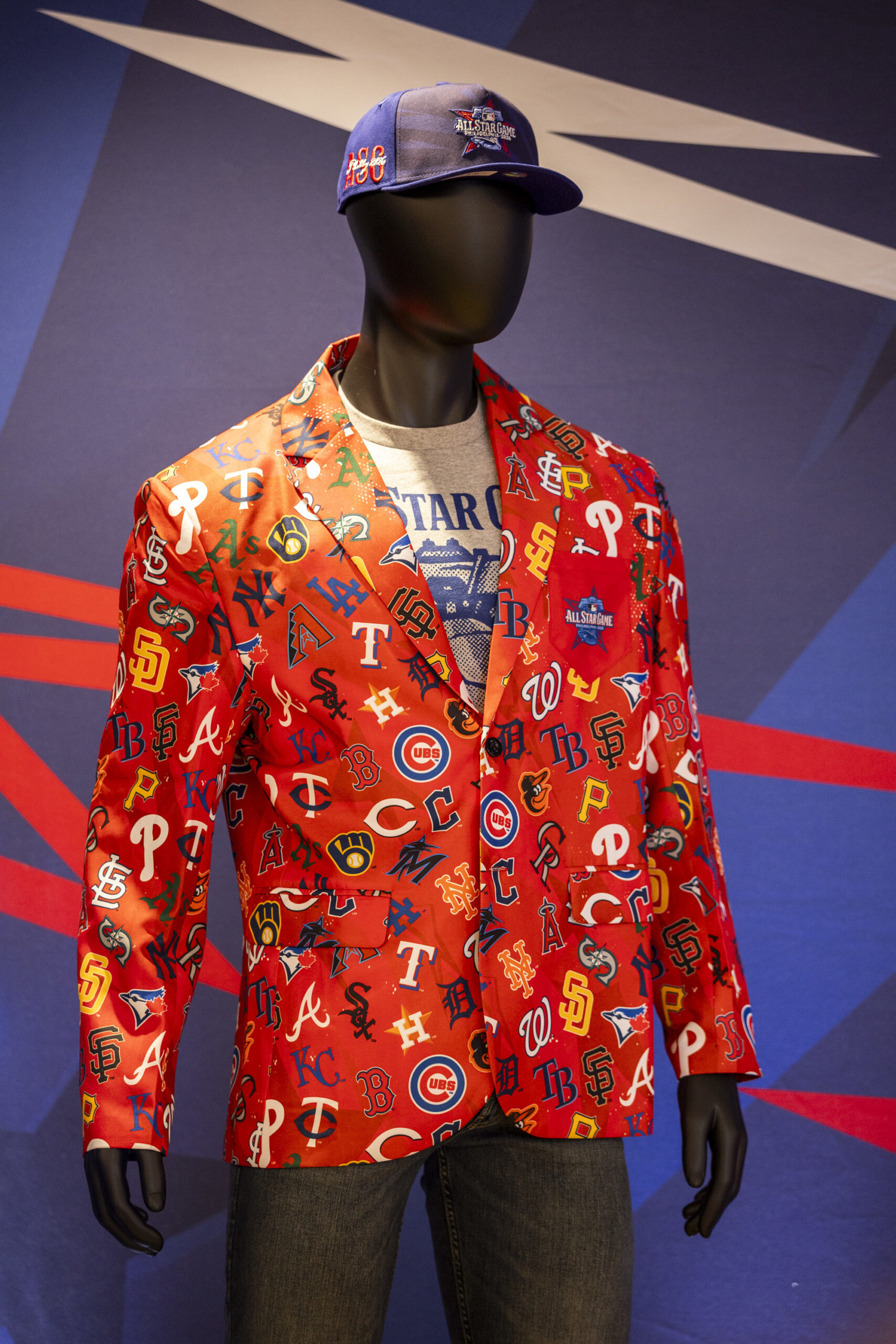
A commemorative jacket festooned with teams logos is shown at the preview of All-Star merchandise.
“Chef Vonnie [Negron] is totally invested,” Pie said of the ballpark’s executive chef. “He said, ‘I understand the sandwich.’”
The Schmitter dates to the late 1960s, when McNally’s founder, Hugh J. McNally, improvised a sandwich for a regular customer who drank Schmidt’s beer. Built with chopped steak, grilled salami, melted cheese, tomatoes, fried onions, and the tavern’s signature Schmitter sauce on a Kaiser roll, it has become one of Philadelphia’s defining sandwiches and earned a place on The Inquirer’s list of essential local dishes.
Its appeal lies somewhere between a cheesesteak, a deli sandwich, and a burger — indulgent enough that former Inquirer columnist Steve Lopez famously joked it came with “a paramedic.”
A new airport lounge is landing soon in Philadelphia.
Escape Lounges is set to open a location at the Philadelphia International Airport later this year, according to MarketPlace PHL, which manages the airport’s concessions. The lounges run on a pay-per-visit model, with food and drink included, and do not require customers to have a certain credit card.
Escape’s 1,500-square-foot space in Terminal D will serve food and drinks, according to MarketPlace PHL, and include a bar and other seating areas that overlook the runways.
The U.K.-based Escape Lounges operates 20 U.S. locations, including Syracuse and Providence, R.I. The lounges are open to all travelers within three hours of their departing flights, according to the company’s website.
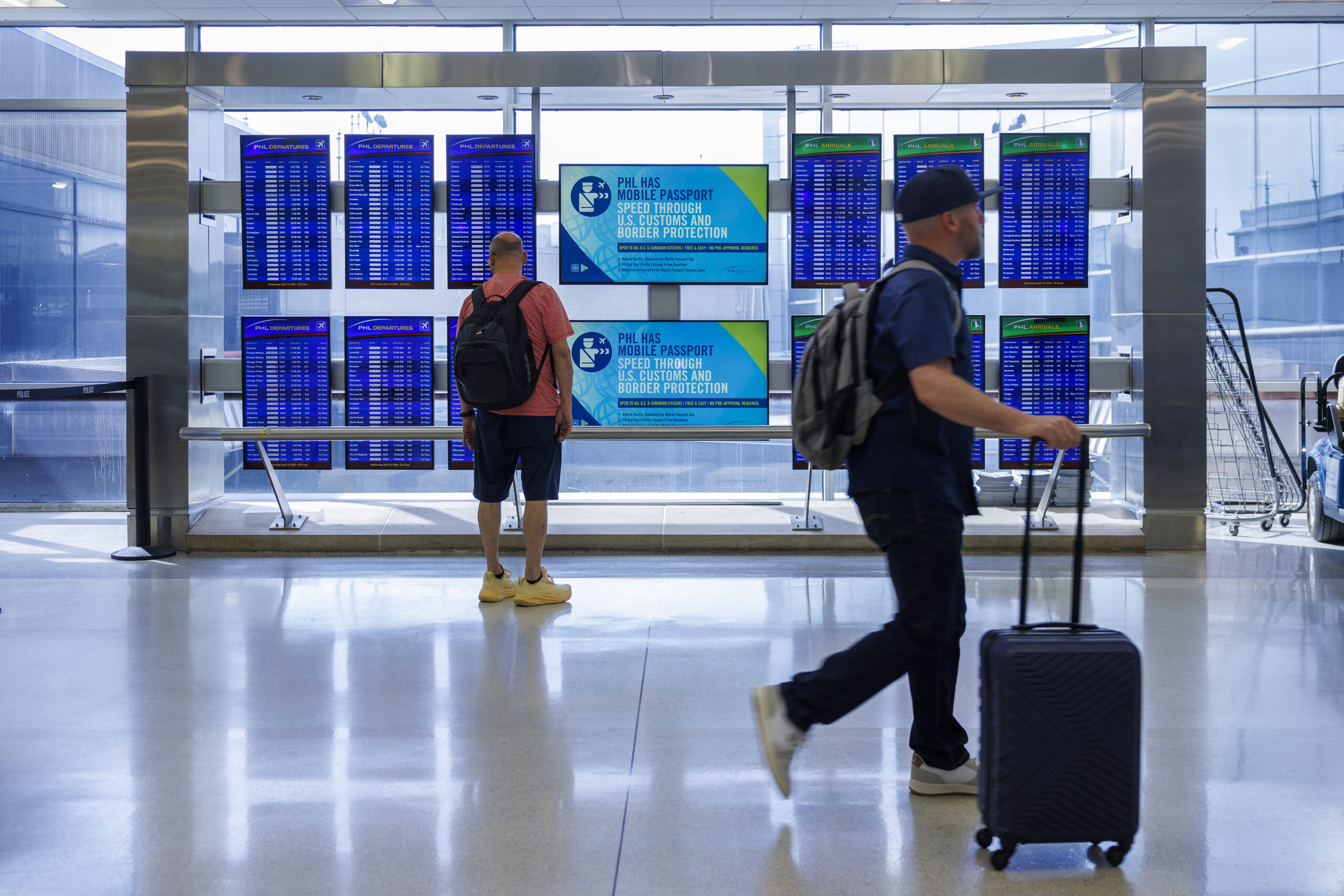
Someone looks at the arrivals and departures board at Philadelphia International Airport in April.
Prices fall between $45 and $65 per person for walk-ups, while customers who pre-book online can get reduced rates starting at $32. Complimentary access is available for American Express cardholders.
The cost includes food and drink, including wine, beer, and spirits, according to Escape. Customers also get private Wi-Fi, charging ports and outlets, printing and copy services, and PressReader, which provides digital access to more than 7,000 newspapers and magazines.
The news comes at a time when airport lounges have become more accessible than ever — and often more crowded. A growing number of credit cards offer lounge access, and travelers without the required cards can buy day passes to most spots.
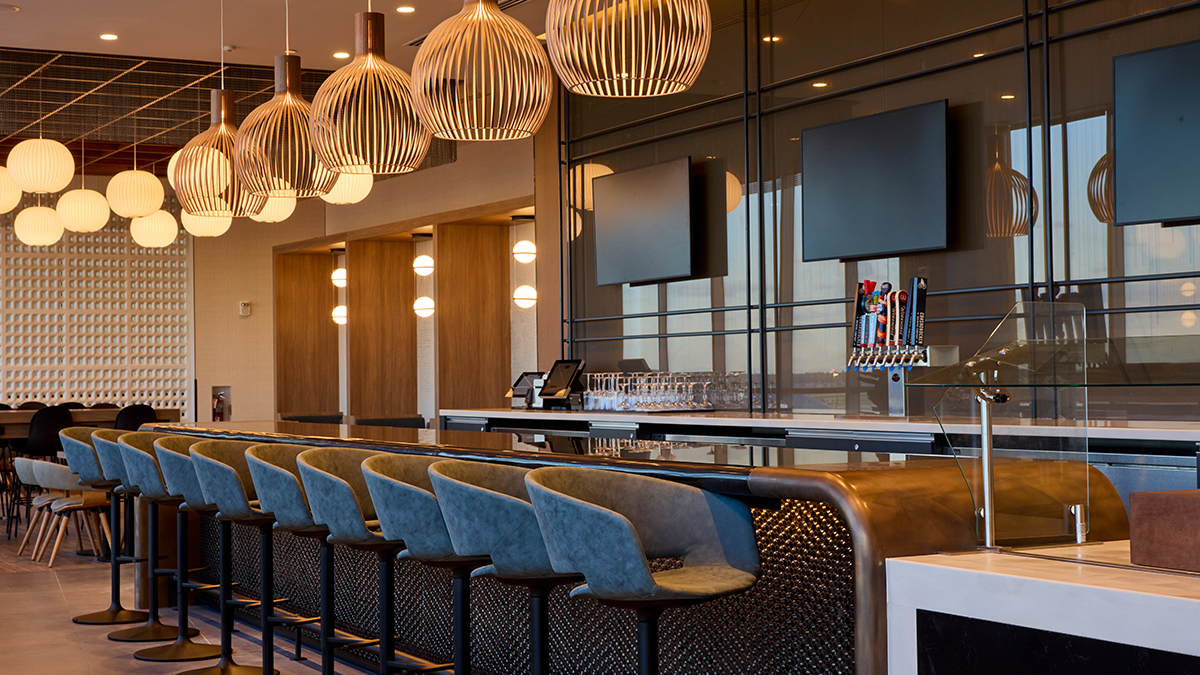
The bar at the American Airlines Flagship Lounge at Philadelphia International Airport.
American Express and British Airways also operate lounges in Terminal A-West, from which many international flights depart.
The airport also has a United Club between Terminals C and D, and Delta Sky Club between Terminals D and E, as well as private Minute Suites between Terminals A and B.
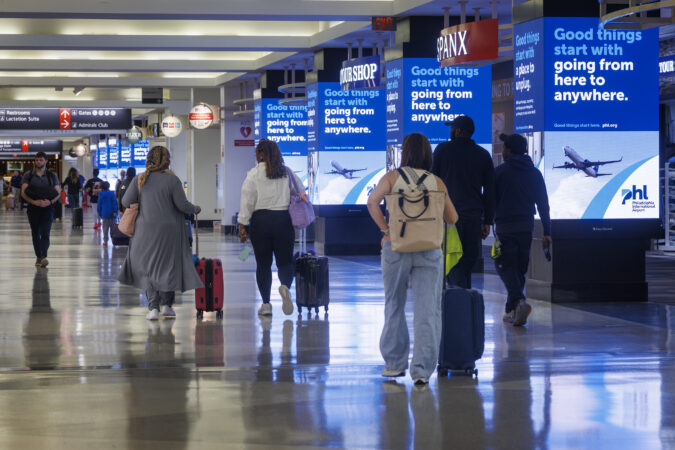
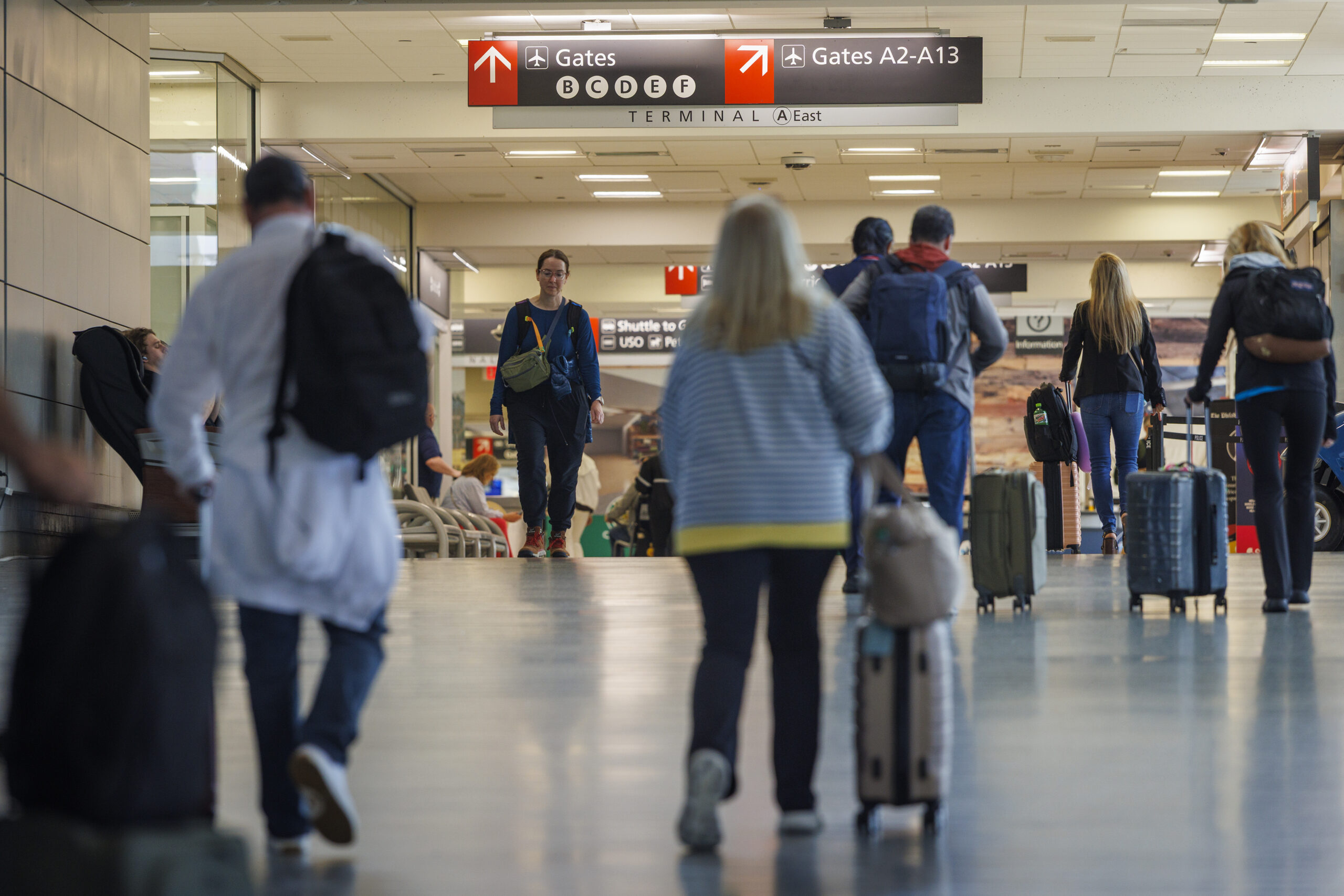
Travelers walk through Philadelphia International Airport in April.
While the total number of 2025 passengers dropped slightly from the prior year, the airport saw a 7.5% increase in international travelers, executives said.
It was also the first time since before the pandemic that the airport recorded two consecutive years with more than 30 million annual passengers.
After nearly a half-century in business, Jollibee has added a fast-food staple it had long gone without: chicken nuggets.
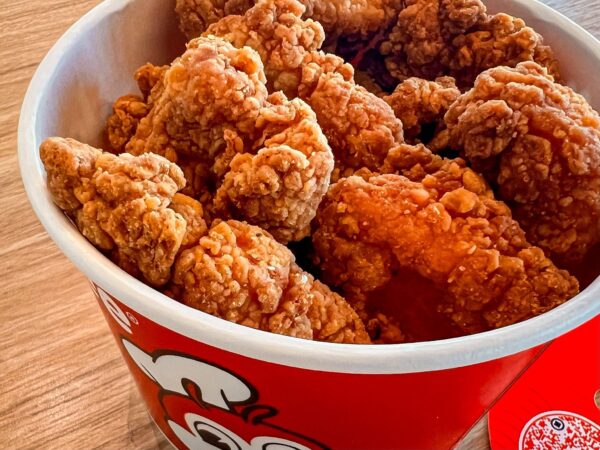
The Filipino-rooted chain, whose lone Philadelphia-area restaurant is at Cottman and Bustleton Avenues in Great Northeast Plaza, introduced the all-white-meat nuggets nationwide last week. They are sold in five-, eight-, 15-, and 30-piece orders, starting at $4.49 for five.
For a company best known for its Chickenjoy fried chicken, Jollibee sees nuggets filling a different niche.
Luis Velasco, senior vice president at Jollibee Group North America, said the company had seen growing demand for nuggets. Rather than competing with the bone-in chicken or its chicken sandwich, which Jollibee introduced in 2021 during the height of the “chicken sandwich wars,” they’re intended as a shareable complement to the fried chicken sandwiches.
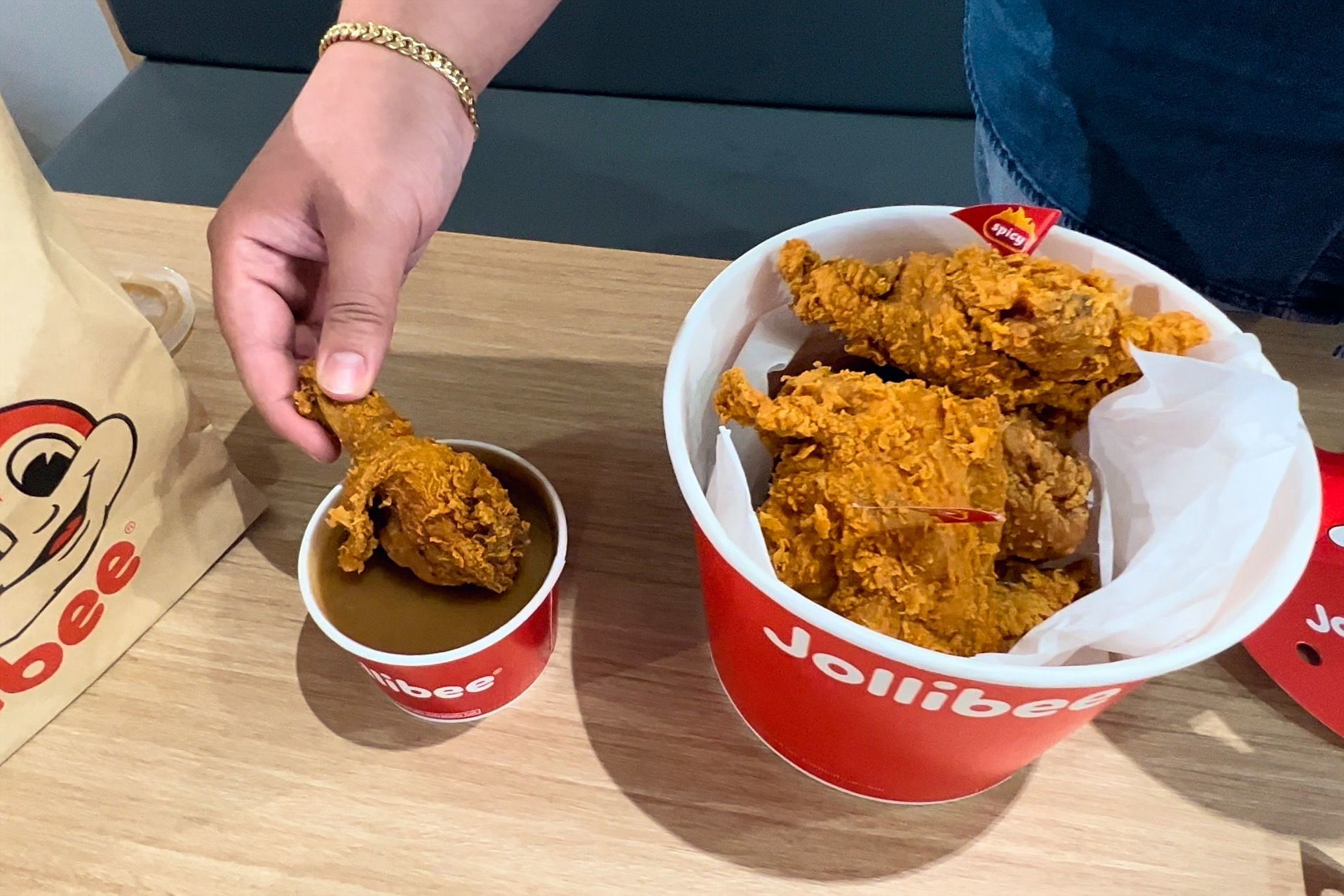
Chickenjoy, the signature fried chicken from Jollibee, gets a dunk into gravy at the location at 7340 Bustleton Ave.
Jollibee also sells burgers, fried mango-peach pies, and Filipino spaghetti, a saucy dish whose sweet-and-savory sauce is loaded with ground beef, sliced hot dogs, and melted cheese.
Like the sandwich, the nuggets borrow from the same fried-chicken playbook. They are served with its tender sauce (similar to Cane’s sauce), as well as creamy sriracha, honey mustard, ranch, pineapple BBQ, and chicken gravy, the usual accompaniment to Chickenjoy.
The nuggets drew a steady stream of orders at the Northeast Philadelphia restaurant on Friday.
First impressions: They have plenty of crunchy nubs on the thin coating and a juicy interior. They don’t have the soft, processed texture common among fast-food chains’ nuggets.
“They’re crispy and crunchy and all, but they don’t have the same hard crunch as my Chickenjoy,” said Bing Garcia of Lawndale after taking a first bite.
Paul Santos of Castor Gardens sampled his order with a fork before dunking each piece into a cup of Jollibee’s gravy, the savory sauce with a touch of sweetness.
“I ate my first one plain, and it was fine — maybe a little dry,” Santos said. “You can’t beat their gravy.”
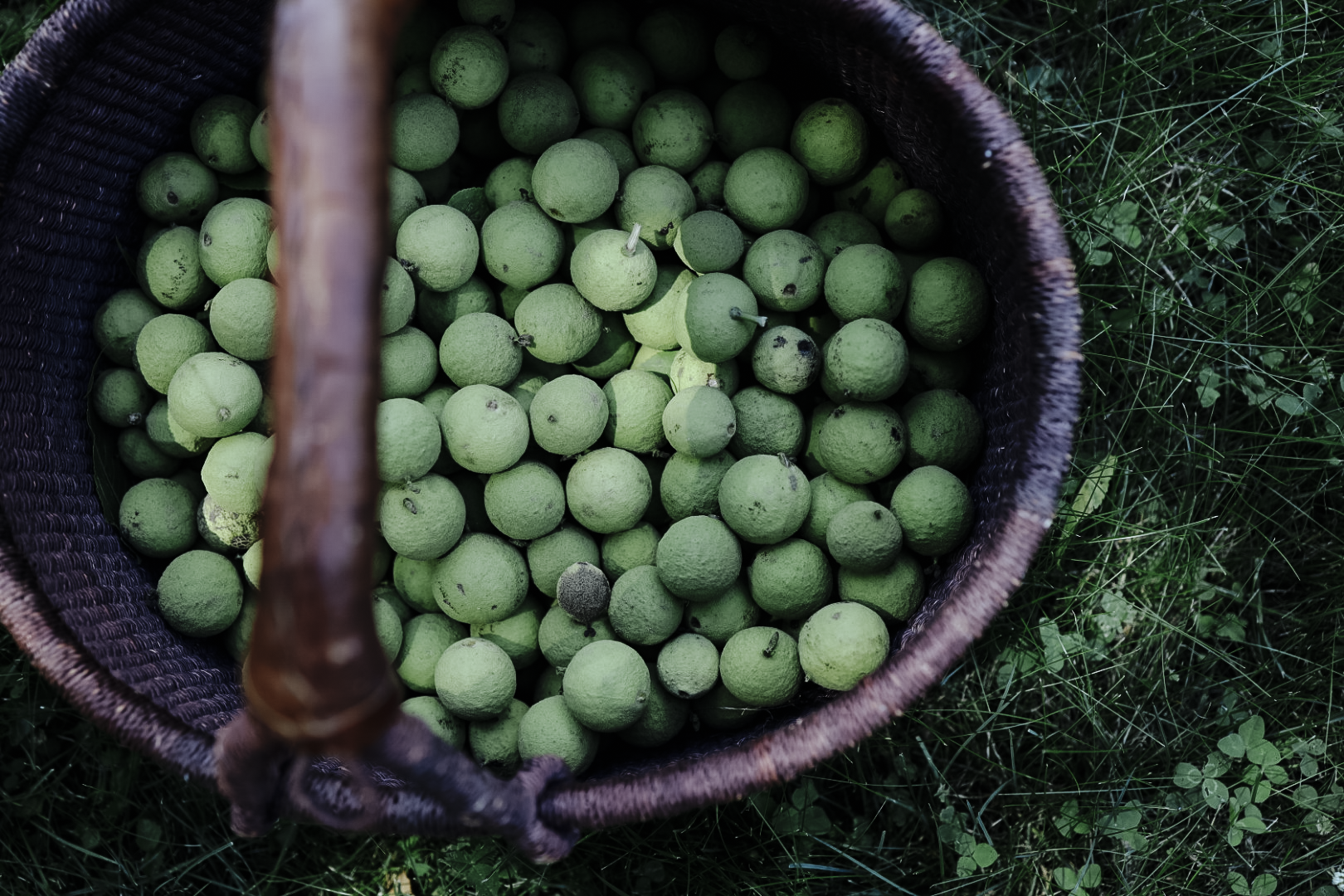
Right now, black walnuts look like small neon green tennis balls clustered on a branch. Their interiors are creamy and gelatinous.
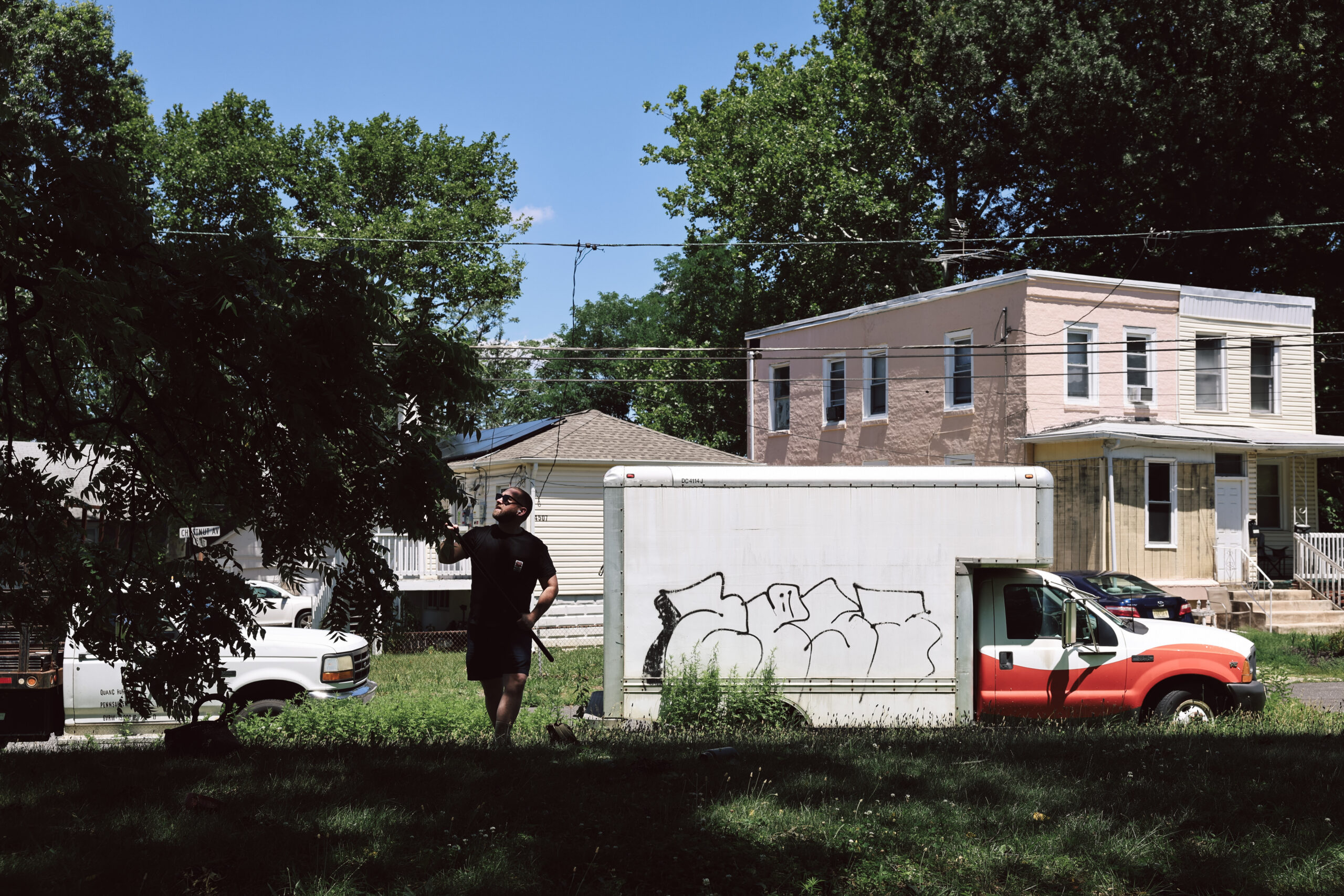
Danny Childs, the founder of Slow Drinks — who is currently in the midst of opening his first cocktail bar, Field Day — uses black walnuts in this state for black walnut nocino, a variant of the bittersweet Italian liqueur known as amaro. “When I make amari in general, it’s always a way to showcase a certain place at a certain time,” said Childs, who forages his black walnuts from a running trail in Merchantville.
“When you’re making nocino, you pick them in June,” Childs said. “The knife can easily pierce the black walnut, as the actual nut hasn’t formed yet. It’s still a jellylike substance.”
Childs uses 151 proof vodka from Devil’s Springs in New Jersey to macerate his walnuts. His black walnut nocino is also on the menu at Almanac, featured in their cocktail the Juban District. It’s blended with Japanese whiskey, scotch, vermouth, Okinawan Kokuto brown sugar, and bitters. It’s funky and savory, and sweet without being cloying. And it has become a classic cocktail on Almanac’s menu.
And so, the Almanac team has also just gone foraging for black walnuts.
At Field Day, Childs’ black walnut repertoire will expand. “We’re going to start using the walnuts in other ways after nocino this year — to infuse wine to make nociato, and then use them to make black walnut miso.” He’s working with fermenter Jamaar Julal, previously of Honeysuckle, on these projects.
Danny Childs picks black walnuts in Merchantville.
Look closely, and you’ll start to see black walnuts everywhere, from shortbread cookies at Ellen Yin’s Bread Room to Randy Rucker’s sauces for seafood at Little Water.
Crisped up in a pan, the Heavy Metal Sausage’s mortadella, inlaid with cubes of smoked pork jowl and hard toasted black walnuts, emits a heady aroma of pork and socks. It is funky, distinctive, and heavenly; it tastes milder than its scent, like uncured bacon that had nestled next to a blue cheese for a few days in the fridge.
Pat Alfiero, Heavy Metal’s co-owner and butcher, sources shelled black walnuts from Ian Brendle of Green Meadow Farm in Gap, Pa., who has about 100 black walnut trees on his property. Brendle also functions as a middleman, shuttling nutmeats processed just south of Pennsylvania to chefs.
Jamaar Julal, Field Day’s director of fermentation, picks black walnuts in Merchantville.
“To me, black walnuts are very unique, like pawpaws. If you had a hundred people eat them, half would like them and half would hate them. Pawpaws have the same unctuous floral perfume as black walnuts,” said Brendle, who now sells five to 10 pounds of shelled black walnuts every week, twice as much as when he started selling them two decades ago.
“They’re a misunderstood tree nut, for sure. But any nut or plant that can be foraged sustainably should be consumed. Anytime you can consume something that doesn’t require immense amounts of water or makes a negative impact is a step in the right direction,” said Brendle.
Black walnut trees are found in dense thickets in Fairmount Park, and on practically every farm and expansive backyard in and around Philadelphia. They’re native to the Mid-Atlantic, like hickory nuts and pecans. They swath the East Coast, growing as far north as the border with Ontario and as far south as Florida.
Every part of the black walnut contains juglone, which is toxic to many other plants, but perfectly safe for humans and animals to consume. For many gardeners and homeowners, black walnuts are a nuisance, staining hands if you gather them without gloves on, as well as the asphalt driveways on which they fall. The nuts get caught in lawn mowers and can also be dangerous projectiles, falling from great heights — the trees can grow up to 80 feet tall — denting car roofs and unlucky heads.
If nuts could talk, black walnuts would say, “They don’t like us, we don’t care.”
For Alfiero, Brendle, and the others, there is an urgency to using black walnuts. Nut farming is water intensive, and the almond industry in California has repeatedly come under scrutiny for its groundwater consumption. The walnuts in a typical supermarket are the Persian or English variety. In the U.S., 99% of them also come from California. It takes about 26.7 gallons of water to grow an ounce of English walnuts.
“We’ve created so many problems for ourselves in the world, simply by being spoiled and being able to purchase, say, pistachios at the store. People grow almonds and other nuts in places that don’t naturally have a lot of water. We’ve created a market for things that don’t make sense,” said Jeremiah Langhorne of the Dabney in Washington D.C, one of the chefs responsible for the black walnut’s current popularity on menus up and down the Northeast Corridor.
While the nuts, shelled and toasted or raw, may not be as snackable as the more common English varieties, they have a wide range of uses among Indigenous populations.
In Braiding Sweetgrass, Robin Wall Kimmerer, a member of the Citizen Potawatomi Nation, wrote, “The hickories, black walnuts, and butternuts of our northern homelands have their own specific names. But those trees, like the homelands, were lost to my people.”
Though Native Americans carried black walnuts and other related nuts with them as they were displaced, “The federal government’s Indian Removal policies wrenched many Native peoples from our homelands. It separated us from our traditional knowledge and lifeways, the bones of our ancestors, our sustaining plants,” Kimmerer writes.
Native peoples were divorced from their trees, and now, chefs, distillers, and foragers are trying to form new bridges with the same wild trees.
How to use black walnuts throughout the year:
Early spring to summer: Gather the leaves
“Use the leaves in early spring when they’re just the size of squirrel’s ears,” said Robert Gustafson, a Virginia-based specialist in wild foods. This is when they can be blended and fermented into sauces.
“Our entire goal is to find what grows well around us, and be receptive to working with it,” said Isaiah Billington, who along with Sarah Conezio, is the co-owner of Keepwell Vinegar and White Rose Miso, based in Dover.
“Our black walnut bay sauce is like a Worcestershire sauce with a base made from our own apple cider vinegar,” said Billington. The recipe was unearthed from a cookbook first published in 1879 and adapted by Langhorne. It’s aged for a year with ginger, garlic, horseradish, and black walnut leaves, which Billington harvests himself. The leaves give the sauce a mildly bitter, herbal flavor. Billington had become enamored with the sauce while working at the Dabney, which now purchases it from Keepwell instead of making it in house.
Early fall: Recognizably walnuts
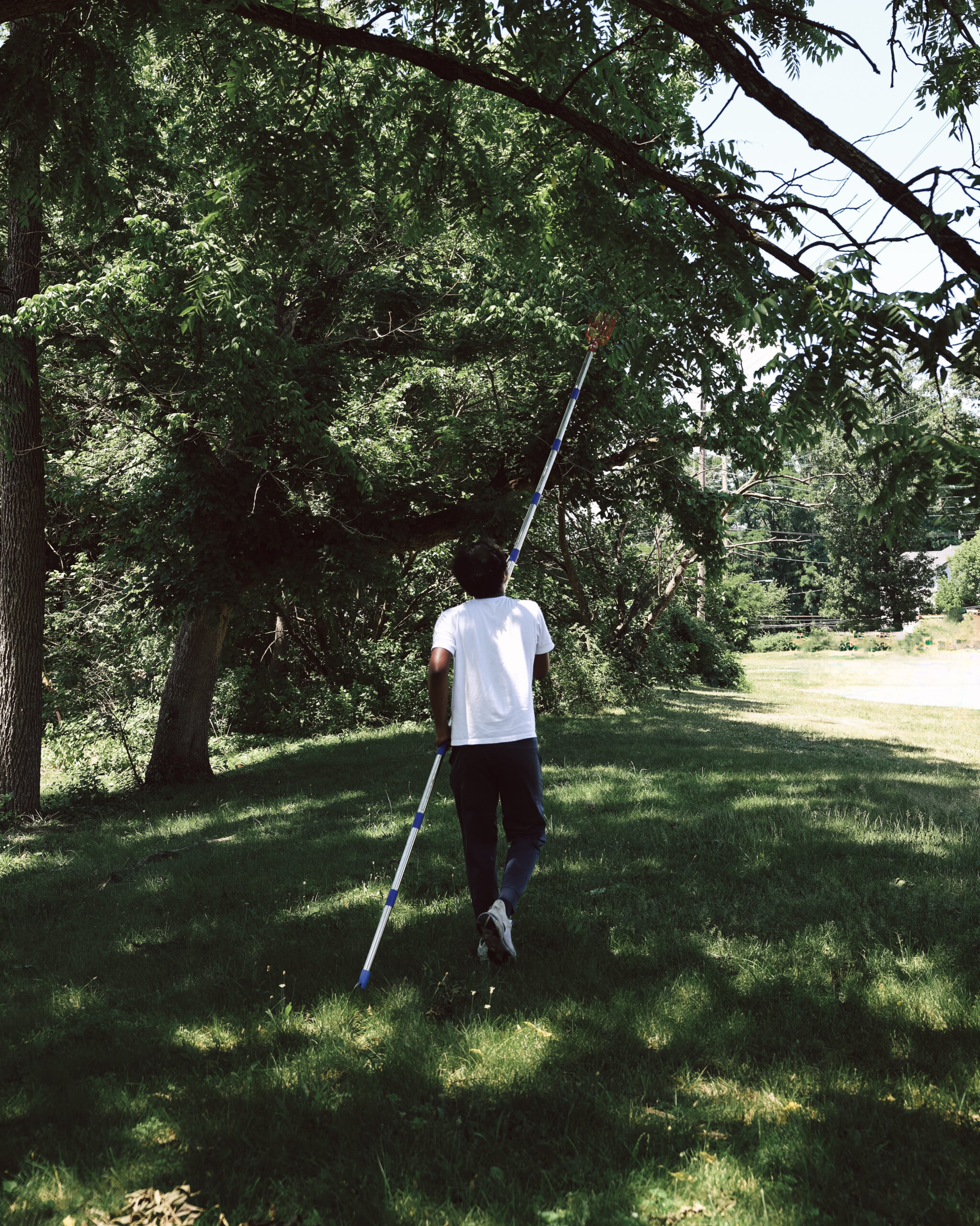
“This is harvest season for storehouse wild foods,” said forager Heather McMonnies, who collects the nuts using an apple picker. “This is the same time you’d collect chestnuts or hickory nuts.”
Late fall: Clogging up people’s driveways
Gardeners and homeowners are annoyed by them as far north as Canada. Making use of them culinarily can keep tons of them out of landfills.
Winter: Cheers!
It’s time to crack open that black walnut nocino that started in the summer and drink it.
Late winter and early spring: Tap the trees
“My kids got tired of homemade maple syrup and well, I have black walnut trees, and we may as well tap them and see what we get,” said McMonnies. After boiling 40 gallons of sap, sweet and molasseslike in color, she produced one gallon of black walnut syrup, incredibly light in structure and composition, with a tinge of the nut’s signature funk.
Black walnuts are divisive, but so is Stilton cheese, durian, fermented tofu, and any number of delicious things. Does divisiveness make black walnuts any less distinguished?
When chef Evan Snyder and business partner Julian van der Tak began searching for a home for Emmett a few years ago, they envisioned a restaurant that could do it all: an ambitious chef’s counter, hearth cooking, and a broad exploration of Mediterranean flavors. The Girard Avenue space they found wasn’t large enough. So when Emmett opened in early 2025, they focused on becoming a neighborhood restaurant first.
This fall, the partners plan to open Jean (pronounced “gene”), a 15-seat fireside tasting-menu restaurant above Emmett at 161 W. Girard Ave., the former home of destinations such as Modo Mio and Cadence. Rather than expand across town, they chose to build the missing piece just upstairs.
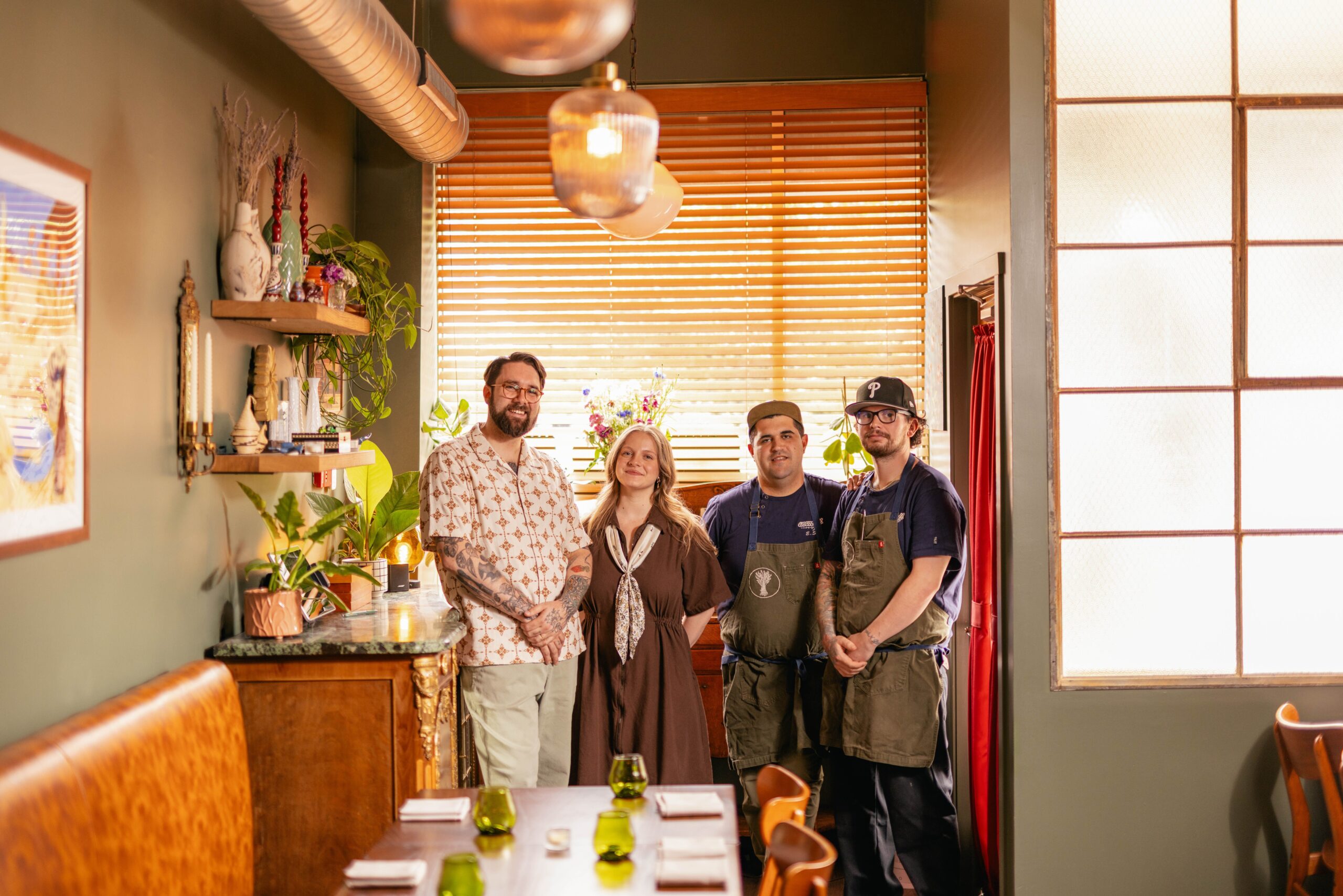
The team from Emmett (from left): managing partner Julian van der Tak, general manager Marissa Chirico, chef-partner Evan Snyder, and chef de cuisine Antonio Pizzo.
“We could have opened another restaurant somewhere else,” van der Tak said. “But the best part is, I can walk 12 steps and be in both restaurants.”
For nearly two years before opening Emmett, Snyder and van der Tak staged pop-ups while searching for a property that could accommodate both a neighborhood restaurant and a chef’s counter. They never found one.
“The original idea was always a larger restaurant that combined what upstairs will be with what downstairs became,” van der Tak said. “It was always meant to have a chef’s-counter feel and blend these cultures, but we simply couldn’t do it here because of the space.”
Rather than seeking a new location, they decided to finish the concept in the former apartment above the restaurant.
“In many ways, upstairs is the concept we originally imagined for Emmett,” Snyder said. “Downstairs became what it is because it was our first restaurant, because of the demands of the neighborhood, and because initially people didn’t yet trust us.”
Jean will center on a seven-foot wood-burning hearth, where Snyder and chef de cuisine Antonio Pizzo plan a 12-course tasting menu inspired by French North Africa — particularly coastal Morocco — and the southern Mediterranean. Emmett’s menu draws more heavily from the eastern Mediterranean and the Levant.
For van der Tak, who grew up in southern France, the menu reflects childhood memories shaped by the country’s colonizing of Morocco, Algeria, Tunisia, and Lebanon.
“Especially in southern France, those influences are deeply ingrained in the food, the personalities, and the people,” he said. “It’s essentially become part of the southern French identity.”
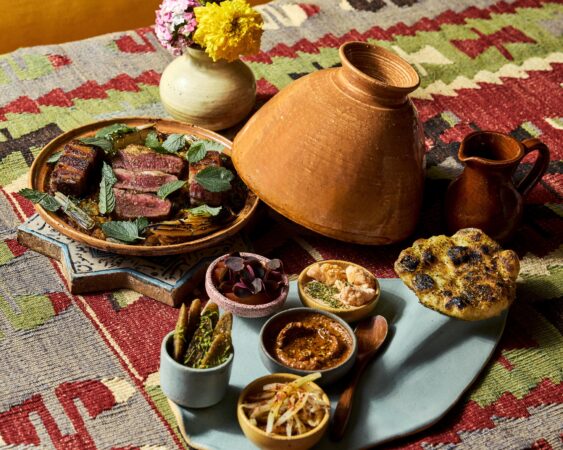
A tagine that begins cooking as guests are seated, and roasts over the hearth throughout dinner, will be served family-style with Egyptian flatbread, dips, ferments, and pickles after a series of smaller courses.
Snyder believes customers are ready for something more ambitious. “We’ve earned that trust,” he said. “Now we’re asking guests to trust us a little more and let us present a more ambitious experience.”
Despite the tasting-menu format, the partners insist that Jean won’t feel formal. Inspired by Henri Matisse’s Moroccan paintings, the dining room is designed as a fireside parlor with custom ceramics by Lauren Rider and Megan Stover, glassware from Philadelphia’s Remark Glass, and artwork by local artist Jacob Des.
Wine director and general manager Marissa Chirico will oversee an Old World-focused wine program alongside a small selection of batched classic cocktails. Snyder expects the menu to start around $225, though pricing has not been set.
“I don’t want to be the guy who opens charging $300 just because everyone else does,” Snyder said. “We’re still a family-run, community-driven restaurant. I don’t want people to feel gouged. I want them to leave feeling they got value.”
Construction has continued without interrupting Emmett’s nightly service. Before Jean opens, Snyder plans to preview the concept through collaborative pop-ups in other cities.
“When people hear ‘tasting menu,’ they assume you’re chasing something,” van der Tak said. “That’s not what this is. The opportunity came along, financially it made sense, and what’s important to us is that the restaurant feels approachable and never stuffy.”
The name continues a family tradition. Emmett is named for Snyder’s son. Jean is the middle name of van der Tak’s son and also honors his maternal grandfather and paternal grandmother.
“It’s just a name with a lot of family history for me,” van der Tak said. “Continuing the theme from downstairs, it’s a very deeply personal project for us. We want to carry on our family legacy and do something that’s really important and close to home.”
The golden age of brunch has arrived in Philadelphia, borne on the menus of chefs who are reinventing the genre.
All over the city, from Manong in Fairmount to dancerobot and Little Water in Rittenhouse and Rice & Sambal in South Philly, chefs who had long focused on dinner are turning their attention to brunch-specific menus, some available just one day a week. The results are dazzling.
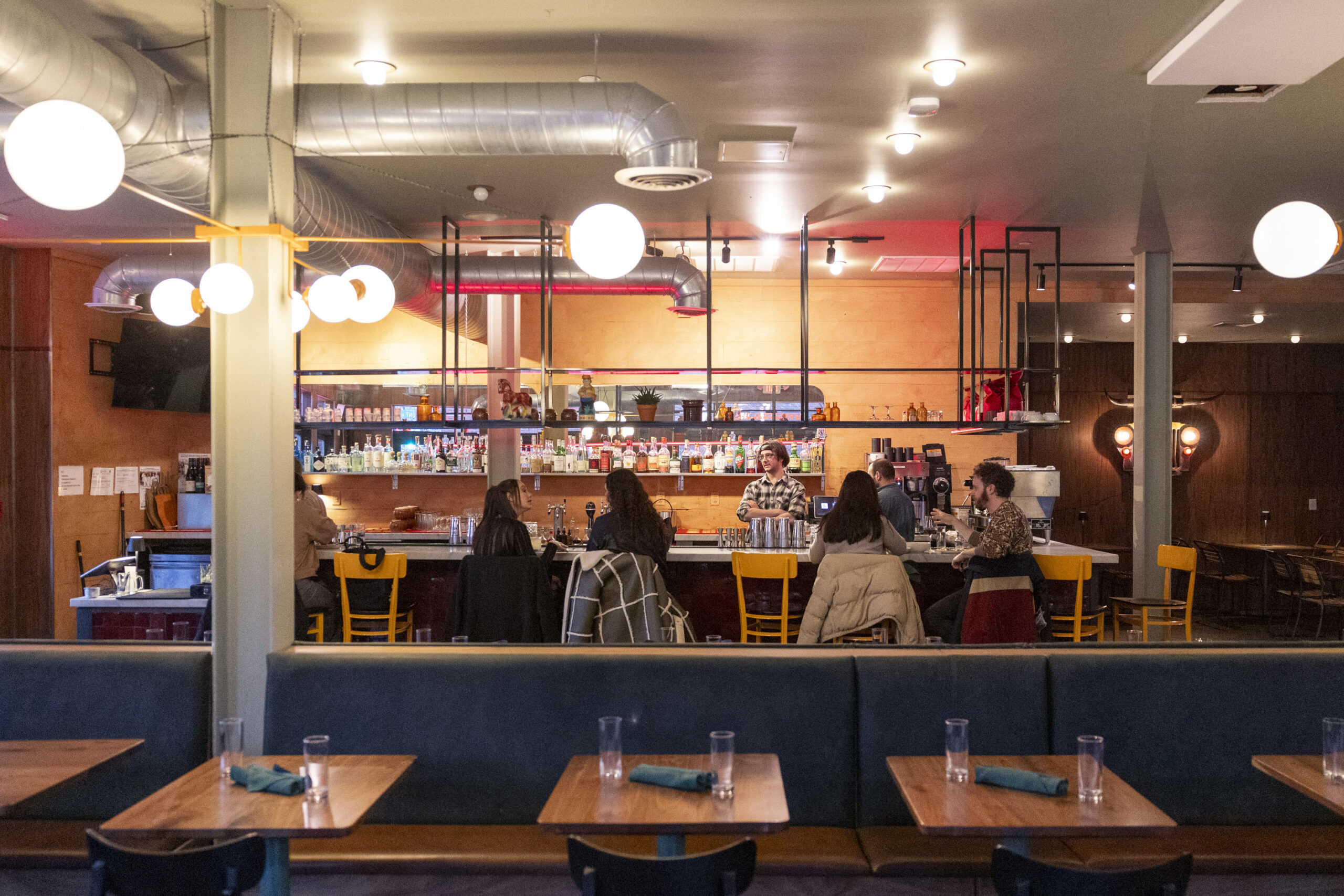
Customers enjoying drinks and food at the bar at Manong.
To many in the restaurant industry, the very word brunch conjures up feelings of dread. “Brunch menus are an open invitation to the cost-conscious chef, a dumping ground for the odd bits left over from Friday and Saturday nights or for the scraps generated in the normal course of business,” Anthony Bourdain wrote in his seminal memoir, Kitchen Confidential. And the stigma against the not-quite-breakfast, not-quite-lunch meal, often accompanied by endless mimosas, has endured. Until now.
For Chance Anies of Manong, brunch is an opportunity.
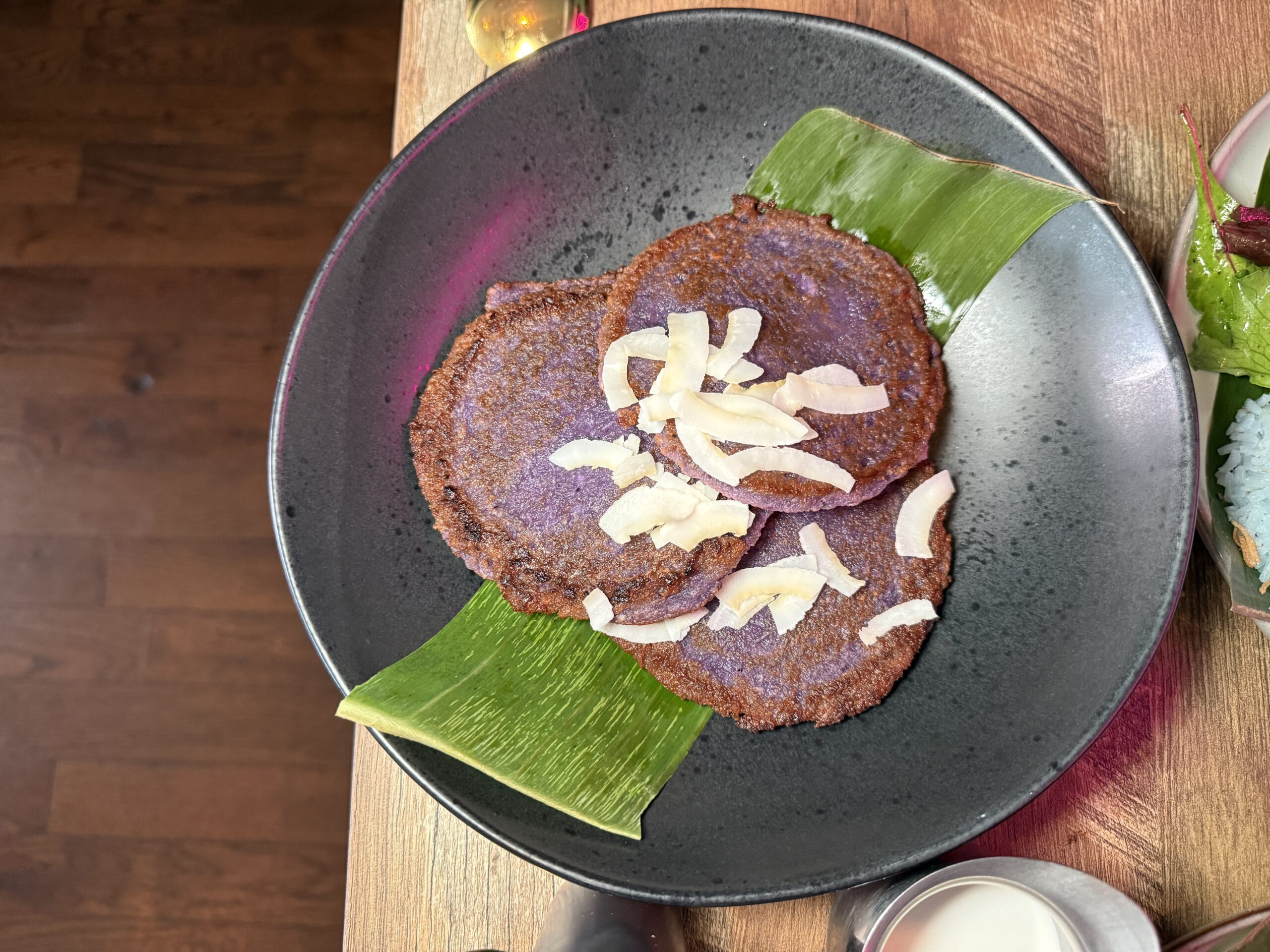
Wingko, cassava, and coconut pancakes on Rice & Sambal’s new brunch menu.
“I love that we’re making Spam,” said Anies. “It’s ironically the first food I got made fun of for eating at school because my dad would make me Spam and rice for lunch as a kid. I had kids calling me ‘Spam.’”
Anies is also making his own version of the processed meat, a highly labor-intensive activity compared to popping open a can. “We grind pork shoulder and smoked ham, and some other ingredients, then set the farce in a terrine mold to steam. After pressing overnight, we slice them into little Spam squares,” he said.
Manong’s house-made Spam is served on pandesal, a soft, buttery Filipino bread, in the breakfast sandwich at brunch, served seven days a week from 8 a.m. to 2 p.m. “Pandesal was the thing that got me into cooking, so having an outlet for the recipe I’ve been developing for over 10 years has been a cool full-circle moment,” said Anies.
Diana Widjojo’s Rice & Sambal on East Passyunk in South Philly has been open for two years, but only recently started serving Sunday brunch. Widjojo had toyed with starting brunch service last year, “but I didn’t market it very well.” She officially restarted brunch two weeks ago because “I thought it would be fun.”
Rice & Sambal’s brunch-specific snacks, savory items, and sweet dishes are extensive and only served on Sunday from 11 a.m. to 3 p.m. (a la carte, no reservations taken). They range from crispy tofu to lumpia (vegetable and bamboo-stuffed spring rolls) to a Sumatran rendang that is cooked far longer than her typical Javanese rendang, so that it’s “spicier and more fragrant — I cook the curry until the coconut milk turns into oil.”
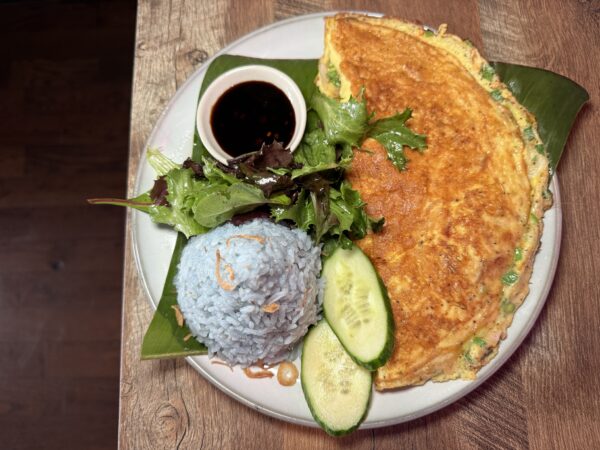
And then there are dishes like her Indonesian omelet ($17) and Wingko ($12). The omelet is stuffed with fragrant shallots and served with spicy sambal ketchup. The Wingko pancakes are made of cassava and shredded coconut and colored a deep purple with ube. No maple syrup here, but rather a little pitcher of coconut milk and a squeeze bottle of sweet palm sugar syrup are provided for you to decorate your pancakes.
There are also fun drinks like Happy Soda, served in a wine glass and consisting of coconut-pandan syrup, seltzer, and condensed milk, Indonesian coffee, and numerous tea drinks, including a deeply nourishing Beras Kencur ($7), made of ginger, turmeric, and rice. There’s excitement, creativity, and joy embedded in all these beverages — it’s a menu that dovetails with a rise in Indonesian cafes in Philadelphia.
In Rittenhouse, other previously dinner-focused fine-dining chefs are celebrating brunch. Little Water’s Sunday brunch (11 a.m. to 4 p.m.) is spectacular. On the menu, there’s a dish of fried oysters on beef tartare, blanketed in golden hollandaise and tucked in with pickled surprises, sometimes a gherkin, sometimes another pickled vegetable, that you discover through little bites. You can also add caviar to fancy seafood, like Sweet Amalia oysters slicked with Alabama white sauce.
La Jefa’s brunch is equally marvelous, served Wednesday through Sunday (10 a.m. to 2:45 p.m.). It features Guadalajaran twists on American brunch standards, like chilaquiles tucked into omelets or lengua given the pastrami treatment and layered into a sandwich. You get to wash it down with a beverage menu spiked with corn, tepache, and other fascinating ferments.
Also in Rittenhouse, dancerobot’s weekend brunch (Saturdays and Sundays 10:30 a.m. to 3 p.m.), has quietly become an incubator for incredible creativity, led by chef Justin Bacharach and sous chef Christina Betz, but featuring dishes from many other chefs and cooks on staff.
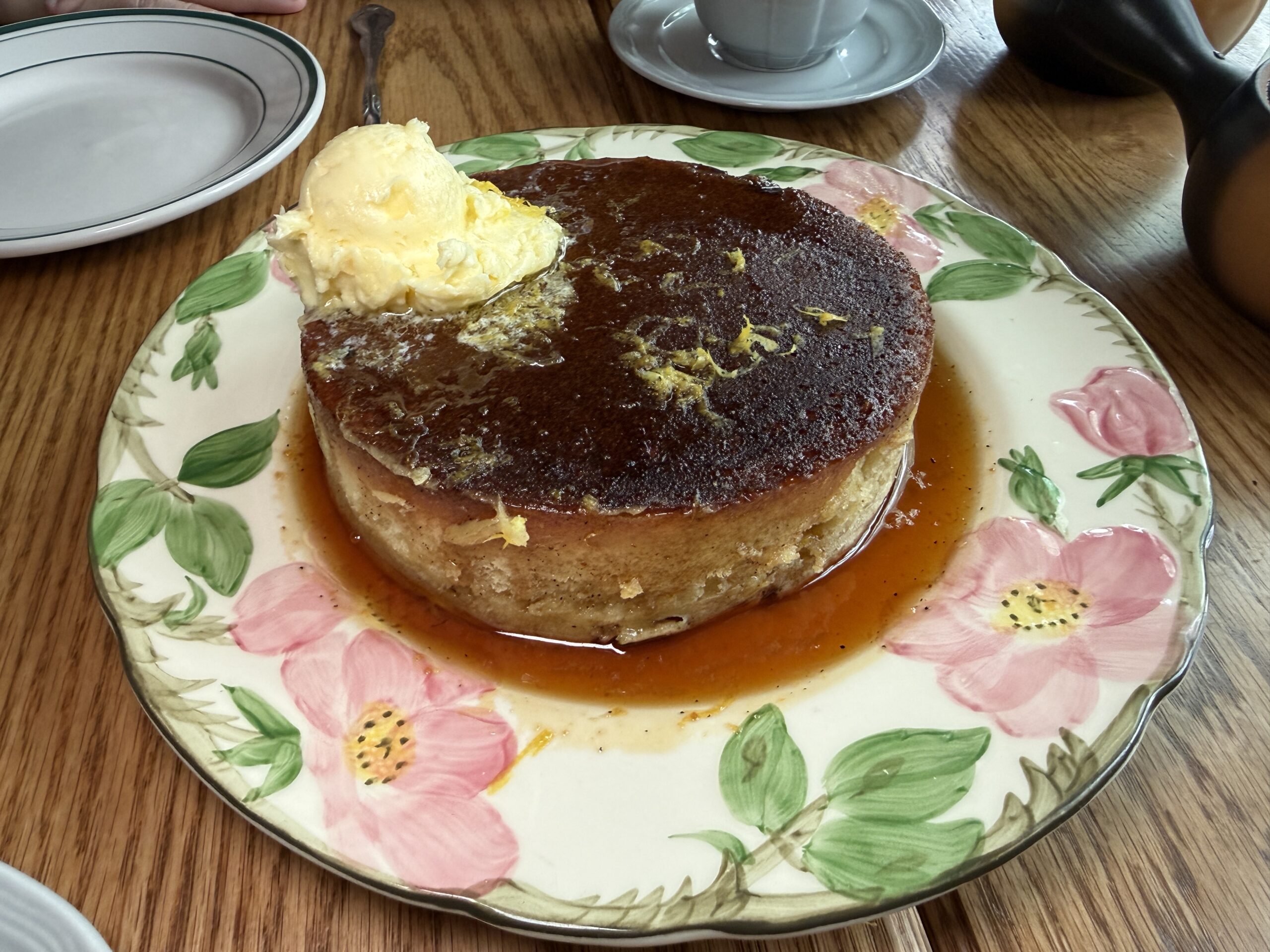
The sourdough pancake at dancerobot should be shared with everyone at the table.
Bucks County native Bacharach grew up with classic diner omelets, pancakes, French toast, and bacon, egg, and cheese breakfast sandwiches, but these brunch stalwarts are completely scrambled up at dancerobot, where bacon, egg, and cheese are fashioned into crispy, crusted onigiri, and omelets are omurice, splayed open table-side into a blanket of egg curds and pancakes are meant to be shared with the whole table.
“It’s an homage to fluffy Japanese pancakes,” Bacharach said. But his have more depth and oomph. They also have delightfully crispy edges. His sourdough pancakes, by the way, are made with the starter Amanda Shulman, the Michelin-star earning chef who also recently opened a restaurant serving brunch, gave him five years ago.
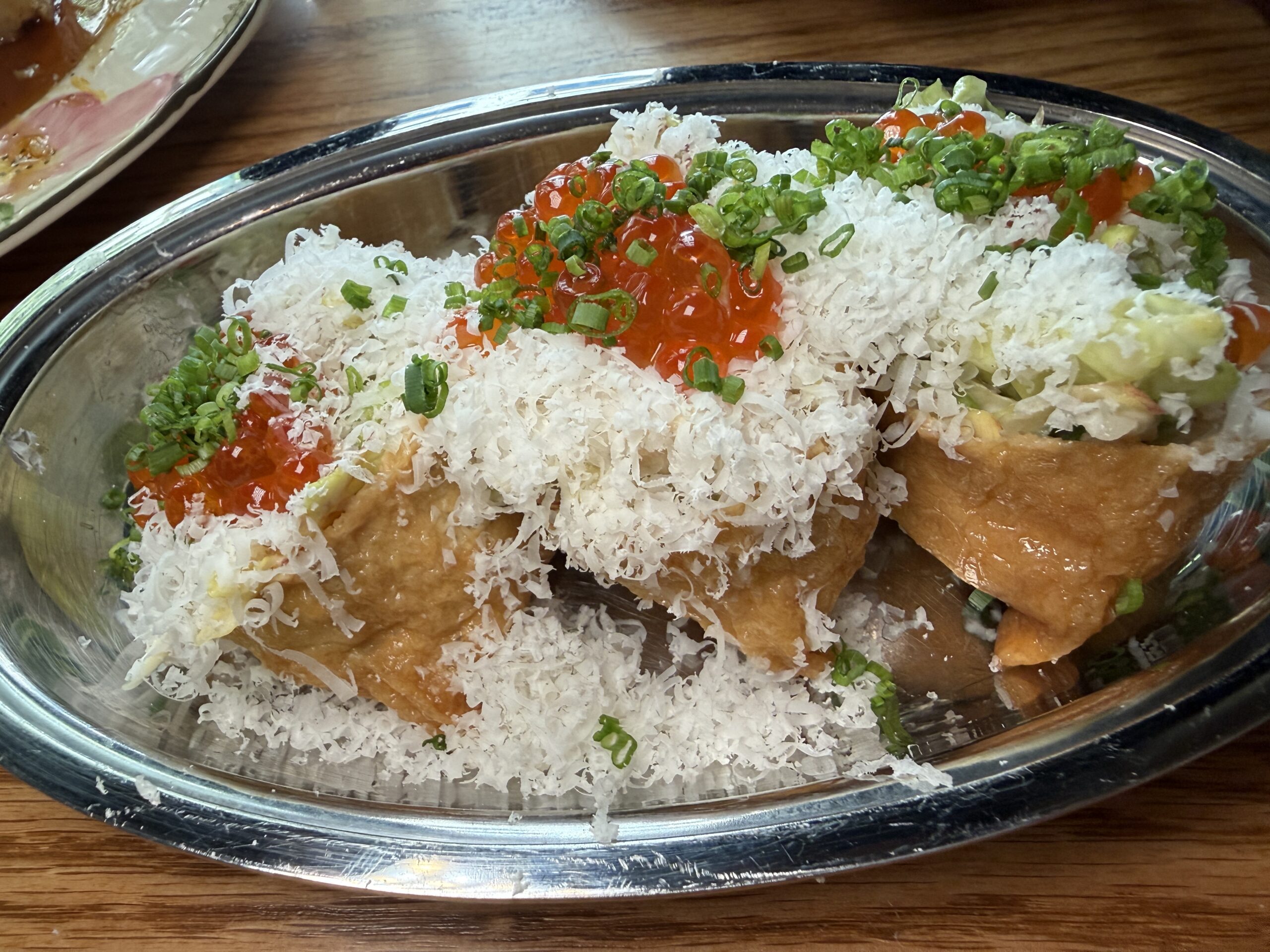
The Caesar salad inari at dancerobot is a riff on the “girl dinner” trend.
Pastry chef Sophie Wieber contributed cinnamon buns served with amazake-cream cheese frosting. Sous chef Drew Kornrumpff conceived a brilliant interpretation of “girl dinner” by stuffing pockets of aburaage, or fried tofu skin, with Caesar salad and topping them with ikura. Everything is original, delicious, and a little wacky.
Bacon, egg, and cheese onigiri at dancerobot.
“Brunch is a breath of fresh air,” Bacharach said. “The people are happier, the sun is out.”
Dancerobot is also leaning into the creativity brunch can offer by teaming up with chef friends in Philly and beyond, hosting brunch club events with Chicago’s Kasama and soon, Middle Child Clubhouse.
This new era of brunch is whimsical and riveting, a far cry from the dreaded services Bourdain once complained about.
But all these chefs reinventing brunch have one more thing in common: they don’t have time to go out for brunch themselves. “Usually I am too tired to go to brunch,” Widjojo said. “I can’t remember the last time I did, but if I could, I would.”
For years, Sam Ahern imagined opening a place that felt less like a restaurant than a gathering spot.
Now, just a few doors from her first Philadelphia apartment, she’s done exactly that.
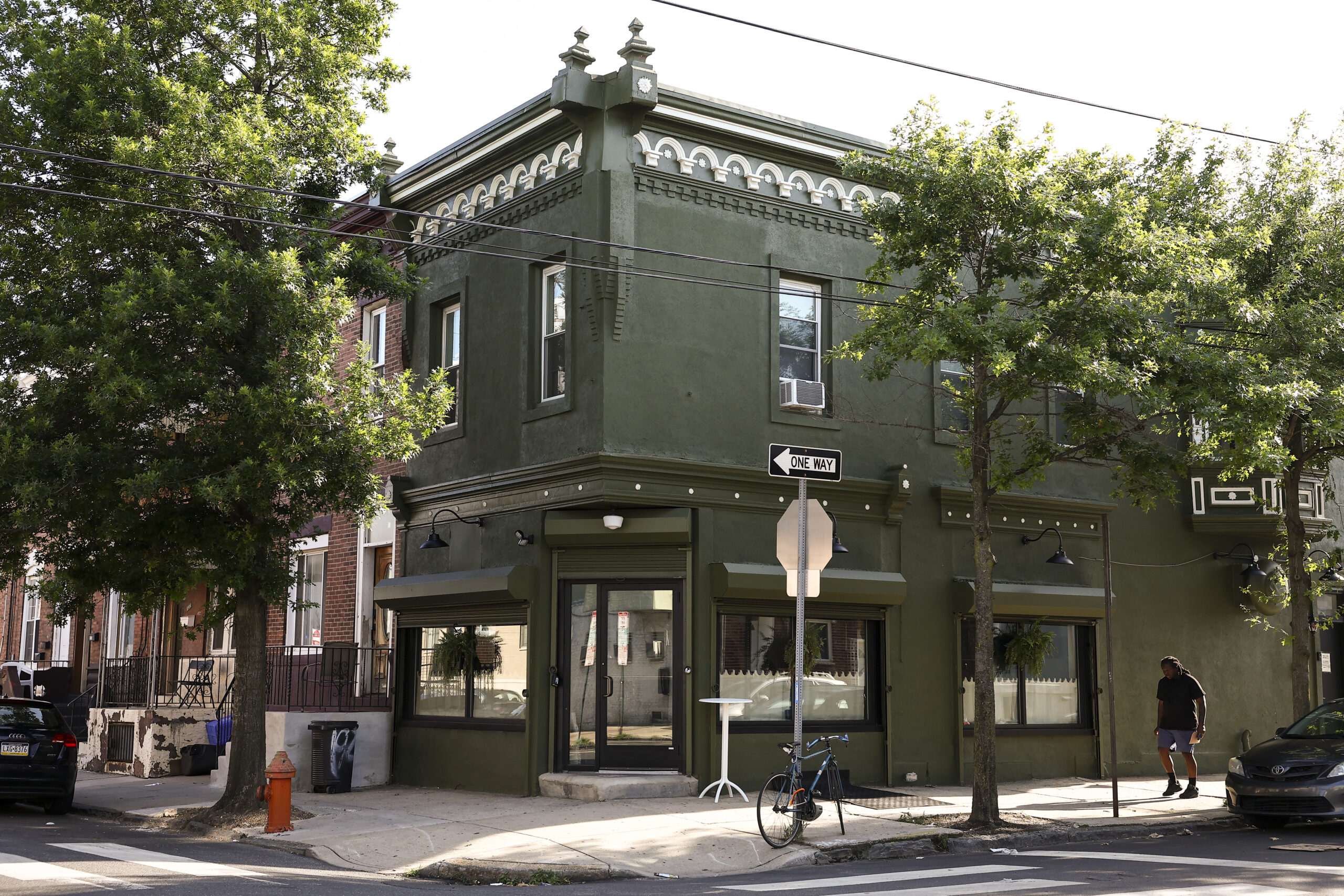
Lillian’s opened last week at 19th and Mifflin Streets in Point Breeze, transforming a onetime barbershop into a bistro and cocktail bar decorated like an old-fashioned living room parlor, complete with vintage furnishings and an evolving food program that will regularly hand over its kitchen to guest chefs.
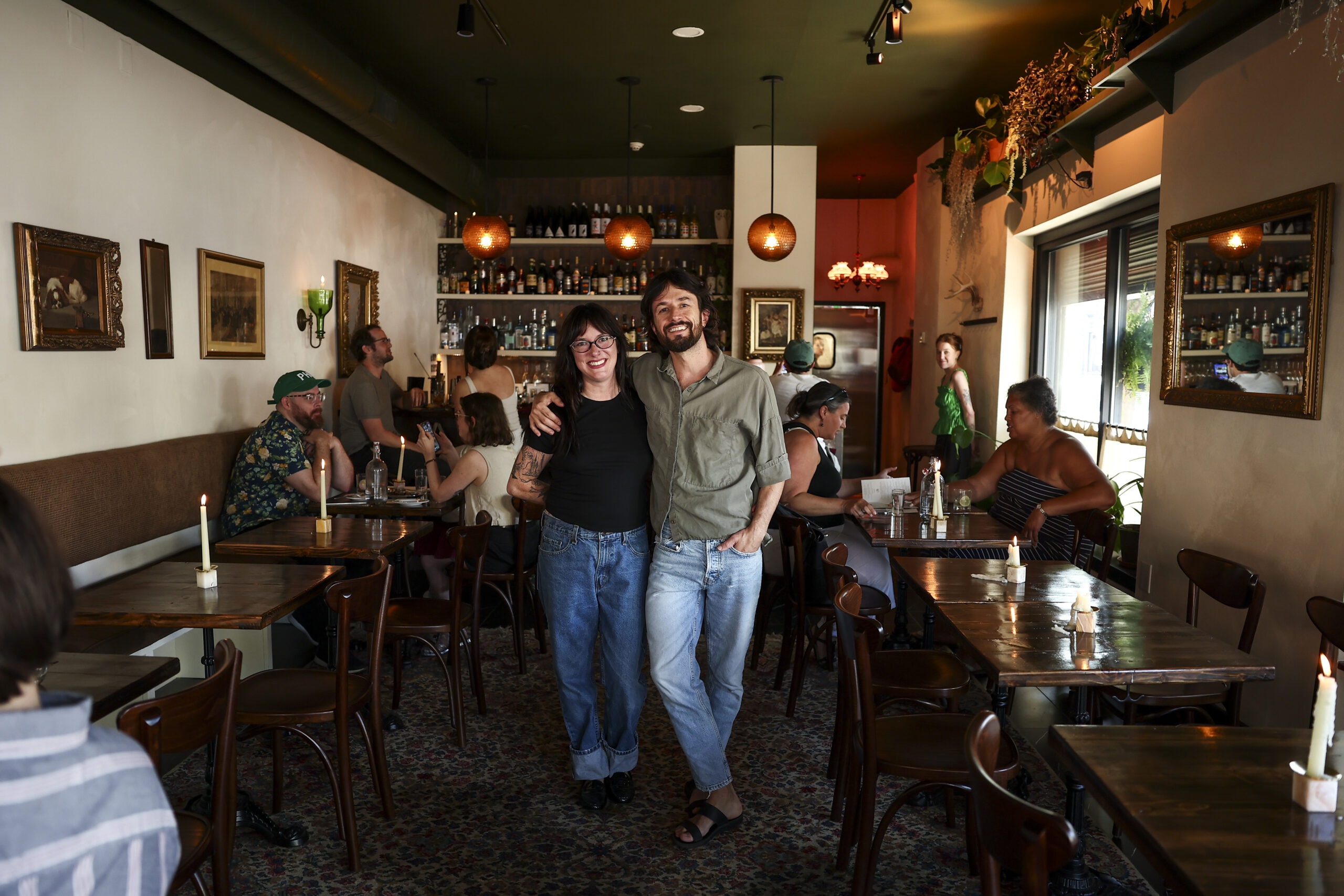
Owner Sam Ahern and bar manager Avdo Babic at Lillian’s. They met while working at Fitler Club.
“I wanted something that felt like you were hanging out in somebody’s house,” Ahern said.
Ahern took the name from her great-great-grandmother, who had a speakeasy in her basement in North Jersey and was known in the family as Diamond Lil. “The story goes that she would keep jewelry if you couldn’t pay with cash, and apparently she made her own gin,” said Ahern, who accepts cash and credit cards at Lillian’s.
The project is the culmination of a path Ahern never expected to follow. She studied graphic design and fiber arts in graduate school in Savannah, Ga., where she began helping a friend open a restaurant. Hospitality stuck.
After moving to Philadelphia in 2018, she worked behind the bar at Cicala at the Divine Lorraine, then at the private Fitler Club, before becoming bar manager at Fabrika in Fishtown.
She also put down roots in Point Breeze eight years ago. Her first apartment was three houses from where Lillian’s is now.
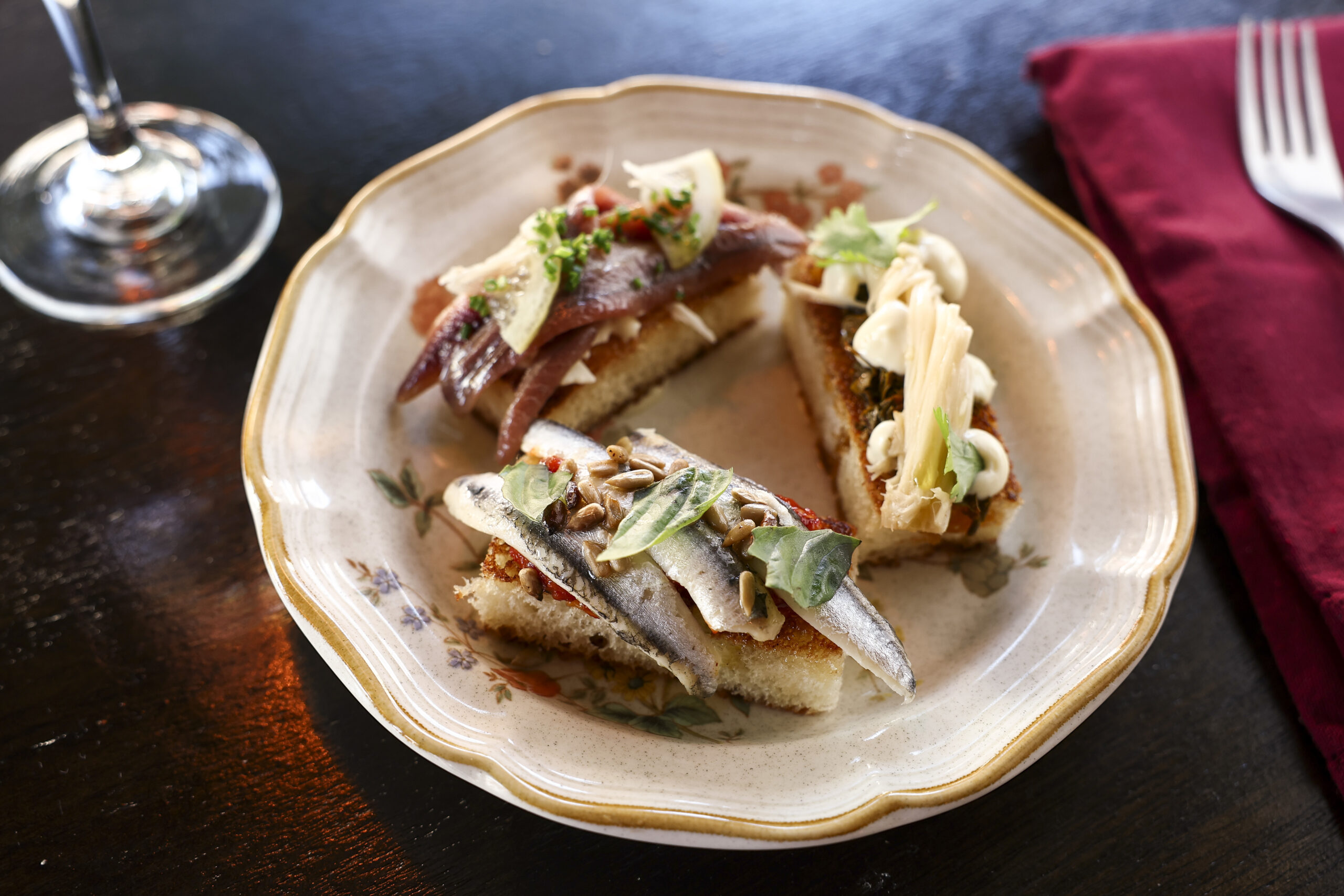
Three brioche toasts (anchovy, sardine, and enoki mushroom) at Lillian’s.
During the pandemic, Ahern and friends hosted backyard supper clubs featuring rotating chefs. The dinners proved there was an audience for intimate, chef-driven experiences outside the traditional restaurant model.
When a property around the corner from her home came on the market, “it felt meant to be,” Ahern said. “At the same time, someone I knew was selling a liquor license and it also became available, so everything just fell into place.”
Rather than hire a permanent executive chef, Ahern decided to build Lillian’s around residencies. The idea, she said, is to tie the supper-club ethos into a neighborhood bar where someone can stop in for a martini and a sandwich one night, then return weeks later to discover a different chef, menu, or cocktail.
Chef Alejandro Martín Sánchez, who is location-shopping for his fine-dining restaurant Mesona, consulted on the opening menu, kitchen layout, and operations. Kitchen operations are managed by Isobella “Izzy” Ioffreda, while guest chefs rotate through for weekend or monthlong engagements.
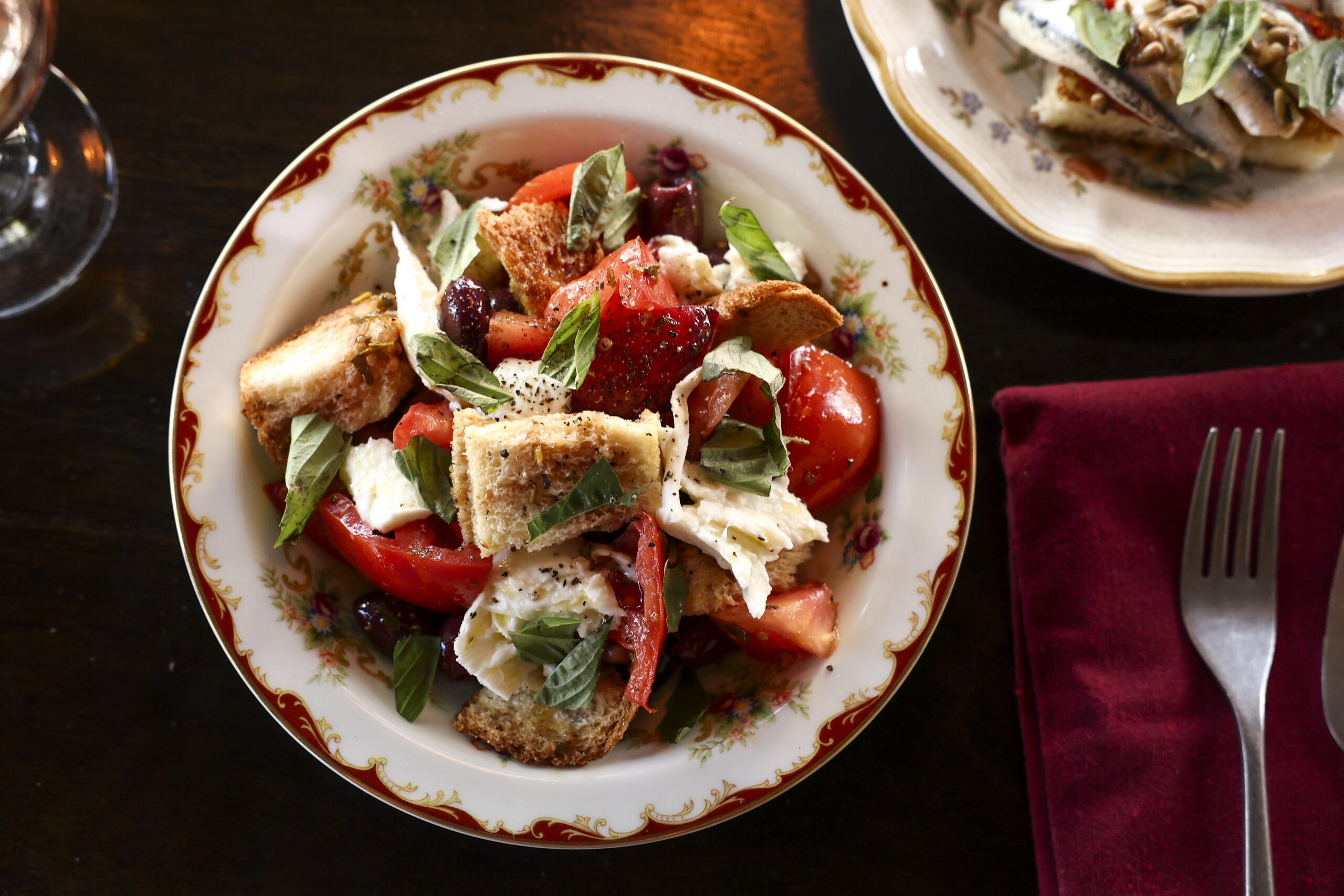
Panzanella salad at Lillian’s.
The opening menu is intentionally concise, built around Mediterranean-inspired snacks and light meals meant to accompany cocktails. It includes mixed pickled vegetables ($5); panzanella salad ($12) with optional toppings; brioche toasts ($6 each), topped with anchovies, sardines, or enoki mushrooms; shrimp cocktail ($15 for five); a cheese and charcuterie board ($25), and sandwiches including vegetable ($13) with whipped ricotta, roasted piquillo peppers, and confit garlic; prosciutto and Manchego ($15) with house-made fig jam; and grilled chicken salad with Calabrian tomato jam ($15), topped with arugula and Parmesan on brioche toast. Desserts include flavored shortbreads ($2 each), chocolate mousse ($11) with Marsala and pretzel streusel, and olive oil cake ($13) with orange syrup, fig jam, and Greek yogurt. The menu is expected to evolve alongside the rotating chef residencies.
The residency program begins this month with Miled Finianos’ Lebanese-focused Habibi Supper Club, which is on its way to a permanent location on Passyunk Square. On July 9-11, 17-18, and 23-25, Finianos will offer a six-course ticketed dinner at 8 p.m., preceded by a public happy hour from 5 to 7 p.m. featuring a more casual Habibi menu. August will be devoted to refining Lillian’s own operation before residencies resume in September.
Lillian’s at 19th and Mifflin Streets on June 30, 2026.
The cocktail program comes from Ahern’s former Fitler Club colleague Avdo Babic. Like Ahern, Babic came to Philadelphia through the arts, arriving to attend art school before discovering bartending under Katie Loeb at the Trestle Inn.
The menu leans on classic cocktails interpreted through house-made ingredients. Babic prepares his own tinctures, bitters, shrubs, syrups, and cordials, drawing inspiration from Prohibition-era recipes as well as the homemade herbal infusions his family made while he was growing up in Bosnia.
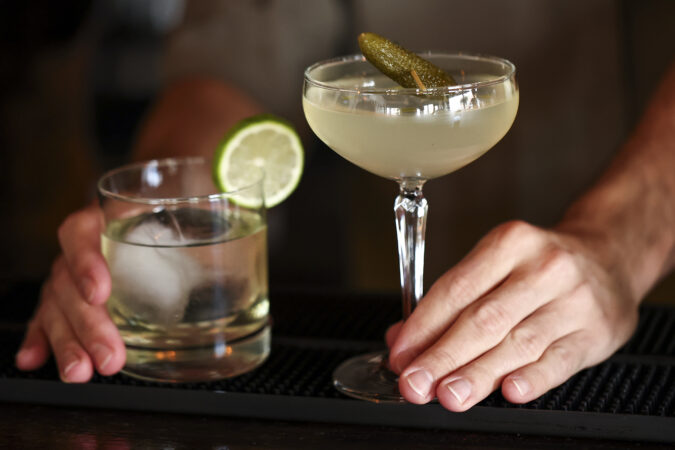
The Ms. Martinez ($15), for example, infuses Beefeater gin with osmanthus flowers and linden honey to lend floral, honeysuckle notes to the classic cocktail. Persephone’s Garden ($14) turns the martini savory through clarified pickle juice, dill, celery, coriander, black pepper, caraway, and Greek yogurt. La Molina ($16), a pisco sour, grew out of a recent research trip to Peru while incorporating a lime cordial recipe Babic has refined over several years.
“We built it around seasonal ingredients, but the foundation is classic cocktails,” Babic said.
Lillian’s, 1900 S. 19th St. Hours: 5 to 11 p.m. Tuesday to Thursday, 5 p.m. to midnight Friday and Saturday. Kitchen open to 10 p.m.
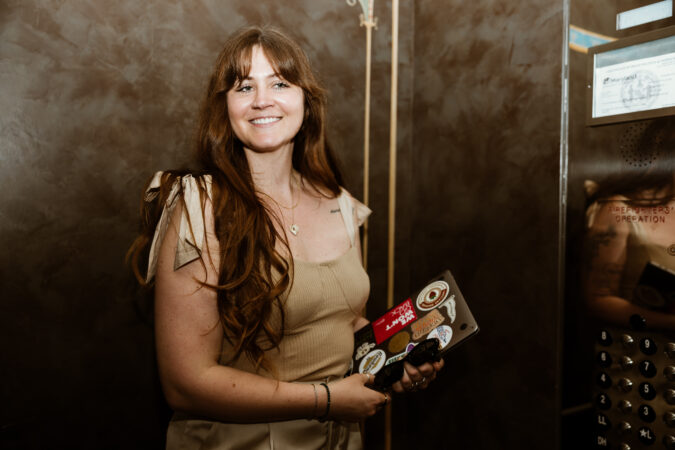
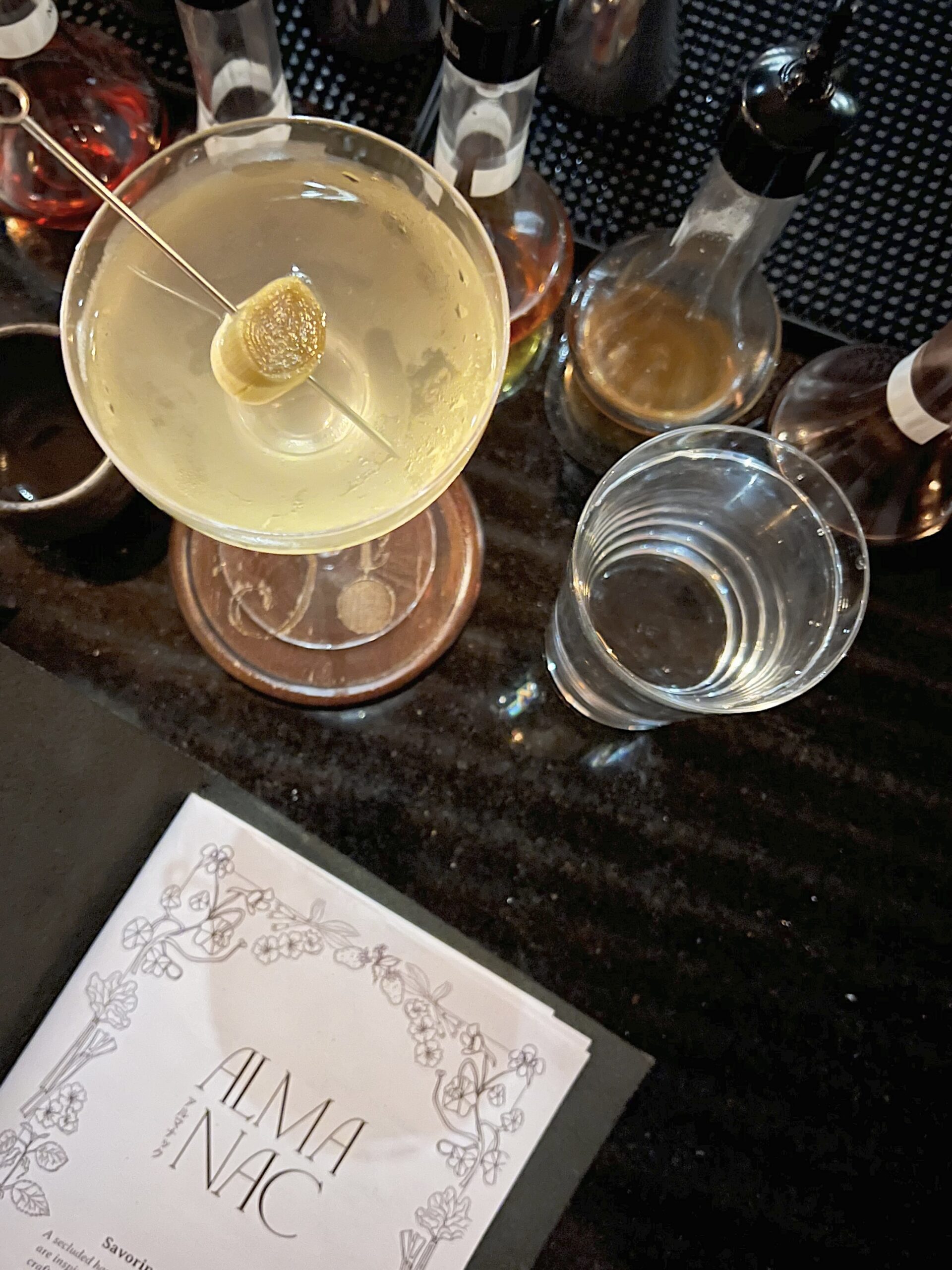
Unless you’re paying close attention while flipping through the extensive menu at Almanac, Old City’s Japanese American cocktail bar, you might overlook some of the painstaking work that went into it. The leather-bound book’s deep green color is meant to evoke the interior of the bar. The borders of the pages hint at the seasonal ingredients that go into each cocktail, and the thin newsprint pages depicting glassware illustrations of Almanac’s complex cocktails are meant to both be a guide and evoke opening an old book.
“Design is part of the holy trinity in the food service industry,” Silvestri said. “There’s the food. There’s the hospitality, and then there’s the design.”
Almanac’s menu, designed by Kylie Silvestri.
Menus help set the stage for each customer’s meal, and play a big role in bringing the restaurant’s story to life.
“The second a customer sits down — before they even taste the food/beverage — they are holding a menu in hand,” she explained. “How does the menu feel, tactilely? How does it look? It all adds to the experience and helps to tell that story. So, for me, designing them is about building the puzzle pieces together in a way that connects and relays the message eloquently, from chef-owner to customer.”
Silvestri didn’t begin her career with a roster of small hospitality clients. She previously worked for startup groups and larger hospitality companies. In 2021, she started freelancing to build her own company, called Kylie Creative, where she developed branding for predominantly women-owned entrepreneurial businesses in the wellness industry.
As her clientele grew, she would pick up serving shifts at restaurants in the city, including Osteria, and build connections with industry folks. Soon, a friend at the restaurant introduced Silvestri to Amanda Rucker (River Twice, Little Water), who commissioned her to design flyers for a 2022 fundraising event to support abortion access. The following year, Rucker reached out to Silvestri for branding and menu development for Little Water.
“I naturally pivoted my design work to focus on the hospitality industry — because once you start, you never leave,” she said.
While designing menus is just a part of her restaurant branding business, the process can take up to a month for each restaurant. There are five key steps to ensure a final product that owners are happy with.
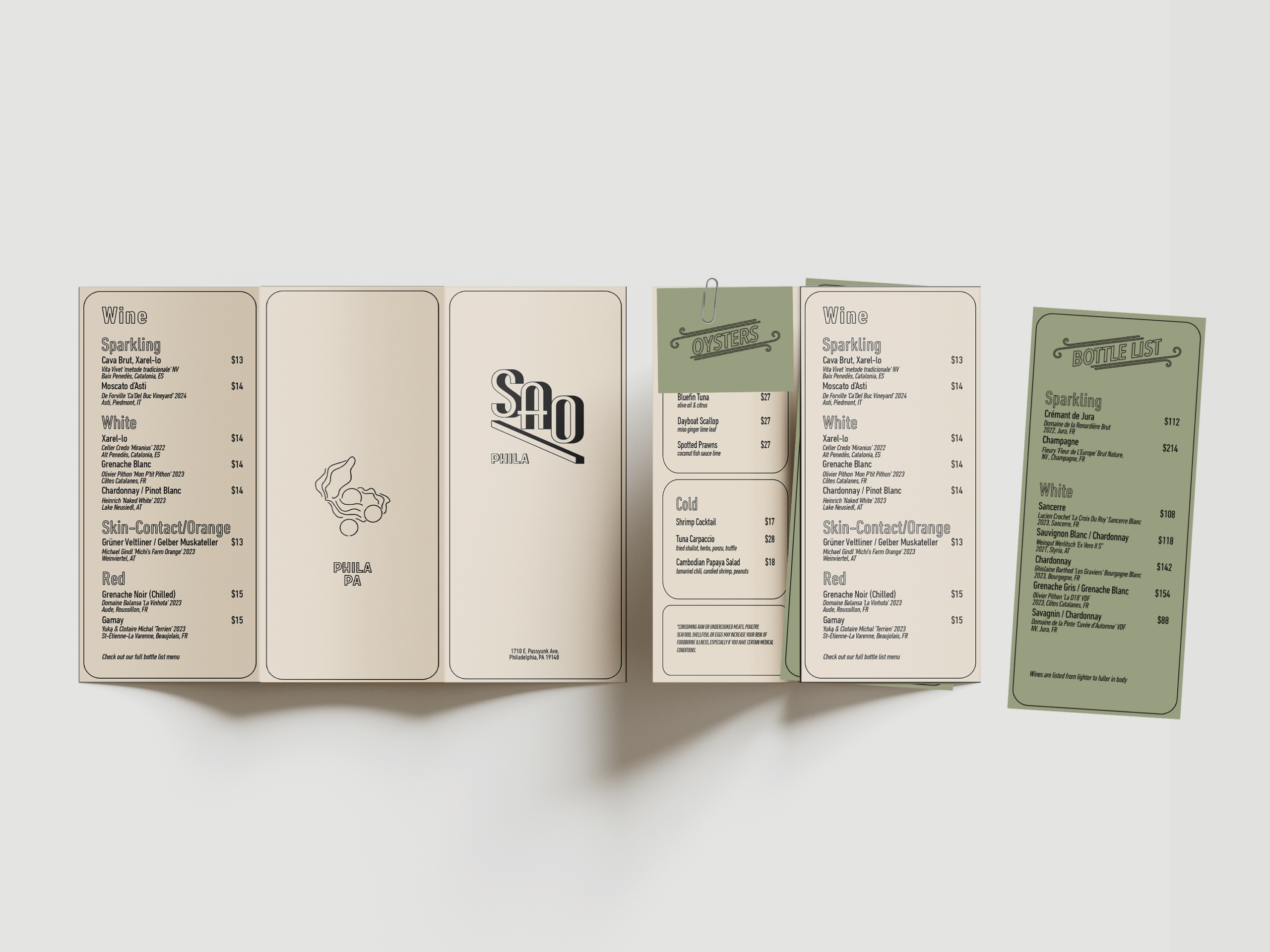
Sao menu, by Kylie Silvestri.
First, Silvestri takes time to understand the owners/chefs’ vision for the menu. Then, she determines a menu system and layout with brand fonts and drawings. Walk-throughs of the restaurant/bar (in person or via renderings if it’s not built yet) help her connect the menu design to the physical space. Once the vision is mapped out, Silvestri likes to settle down at a local coffee shop to create the menus on Adobe Illustrator and InDesign. The final step is sharing paper stock samples with owners/chefs for feedback on design and tactility.
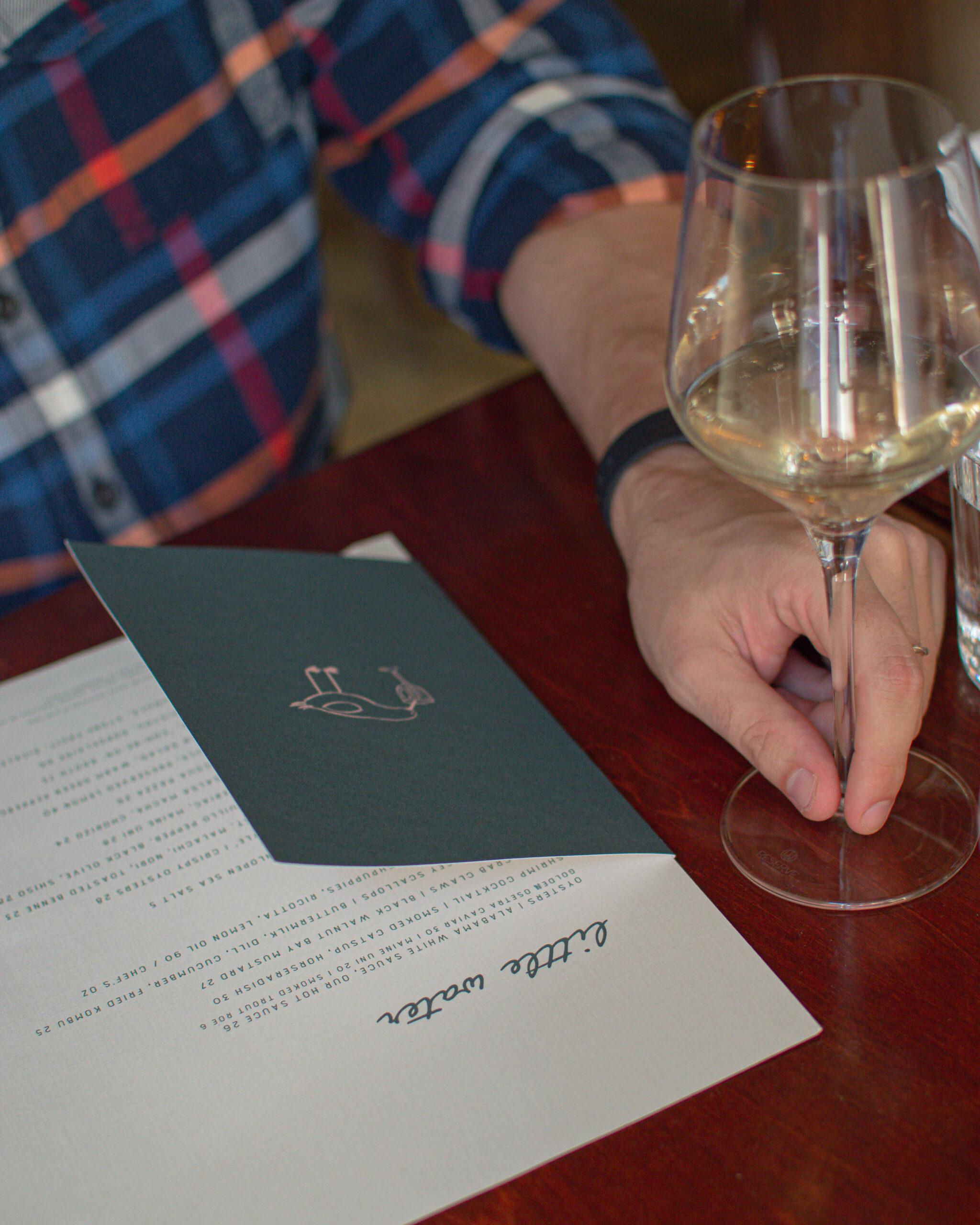
At Little Water, the linen-textured menu was the answer to conversations surrounding technique and locale, reinforcing the feeling of the coast with dishes offering the breadth of the Gulf to Cape Cod. An illustration of a little sandpiper sipping out of a cocktail on the drinks menu showcases the personality of restaurant owners Randy and Amanda Rucker. “We tied the design to that nautical experience and having this playfulness — Randy always says that ‘We don’t take ourselves seriously; we take our food seriously,’“ Silvestri said.
At Sao, the menu was inspired by Rachel Lorn’s family’s business down the Shore, featuring a takeout menu style that sections off the dishes in categories. There are outlines of vintage signage by Philly-based artist Darin Rowland.
Little Water menu, by Kylie Silvestri.
For Habibi Supper Club and Field Day, the menus — like the restaurants — are still in development. On a recent Wednesday, Silvestri visited Field Day to chat with co-owner Katie Childs about the new bar’s branding and later chatted on the phone with Miled Finianos of Habibi Supper Club for his new cafe’s menu design.
The menus, Silvestri explained, are “time capsules of culture, time, and space,” so every choice, from paper stock to illustration style, is made to capture that particular restaurant’s moment.
Philly’s aim lately is on chef-owned restaurants, “or rather a focus on who is behind what,” she said, which means storytelling is more important than ever.
“Philly’s food scene is incredibly versatile. … Each story is unique to the chef/beverage professional at the heart of the concept, making it an incredible city to work in,” she said. “I will never get tired of exploring new design styles and never feel pigeonholed to follow a specific one.”