Tag: Weekend Food

  • This chiller-than-happy-hour European drinking tradition is taking over Philly

    This chiller-than-happy-hour European drinking tradition is taking over Philly

    As the most popular dinner reservation times trend earlier and daycaps (aka late afternoon drinks) replace post-dinner cocktails, some Philadelphia bars and restaurants are forgoing happy hour for something with a chiller, convivial vibe: aperitivo.

    A longstanding European tradition, aperitivo — which means “to open” in Italian — refers to the late afternoon and early evening hours ripe for lighter-paced drinking and snacking. While other countries have their own words for it (“apéro” in France, “la hora del Vermut” in Spain), the menu always includes fortified wines, bittersweet cocktails and liqueurs, and small bites meant to stimulate appetites.

    The ritual is a natural fit for Philadelphia, the so-called “Frenchest city in America,” and its rise of Euro-American-inspired bars and restaurants. Operators are leaning into food-driven aperitivo hours to stretch out the day longer and cater to diners that are going home earlier and drinking less. Signature aperitivo drinks — classic negronis, savory vermouths, and bittersweet amaris — aren’t as heavy or fast-paced as half-priced beer and shot specials, and often come with sidecars of salty snacks, like cured meats, olives, and bread. Others, like an Aperol spritz or an Americano perfecto (a spaghett-style cocktail with beer, Vermouth, Campari, and an orange slice), tend to be lower in ABV.

    People are “drinking earlier, coming right from work, and getting a small spritz, a snack, and then going to dinner,” said Benjamin Kirk, the beverage director at Michelin-key Hotel Anna & Bel, which offers an aperitivo menu three days a week at its cocktail lounge, Caletta. “You don’t see people out as late as you normally would since the pandemic.”
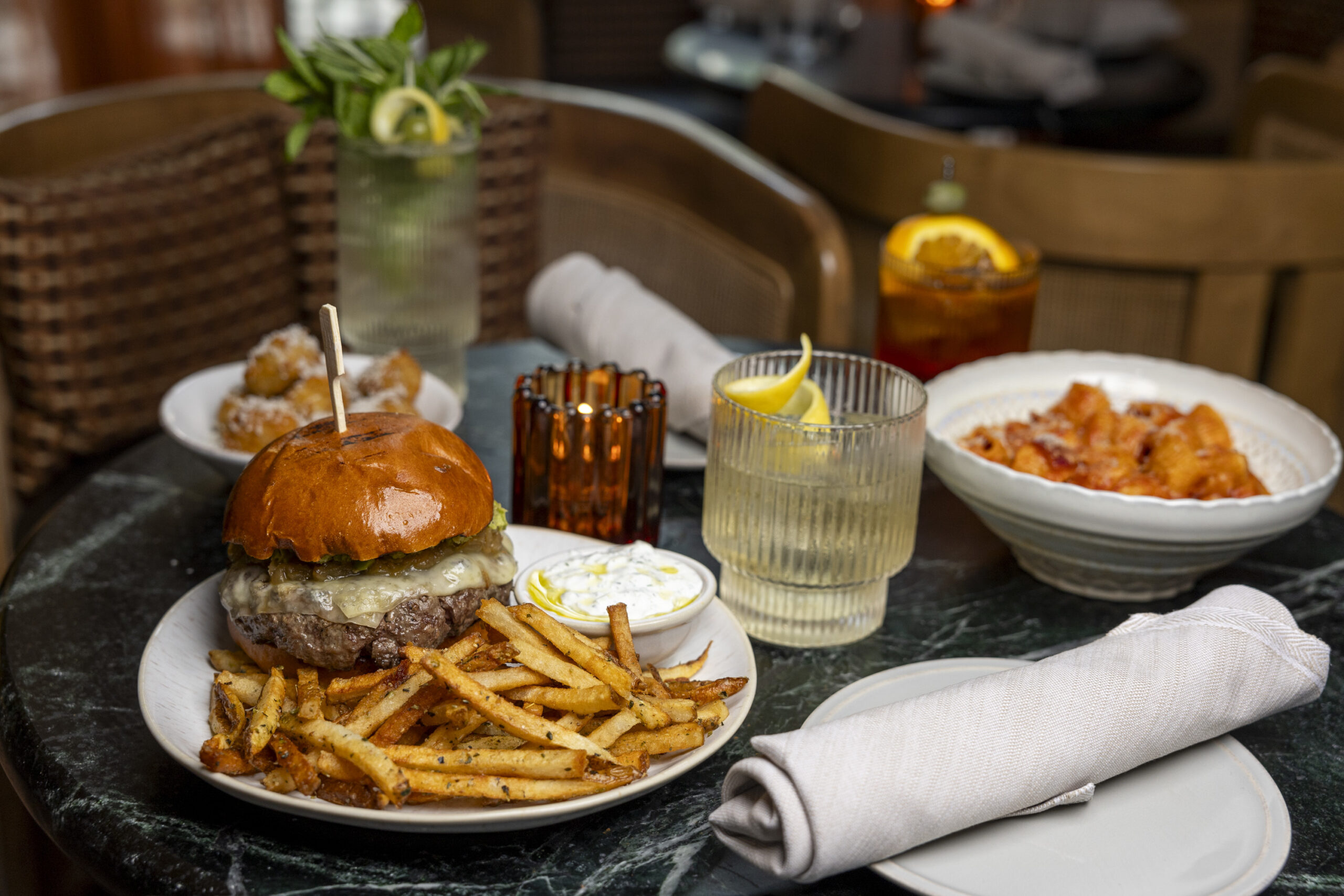
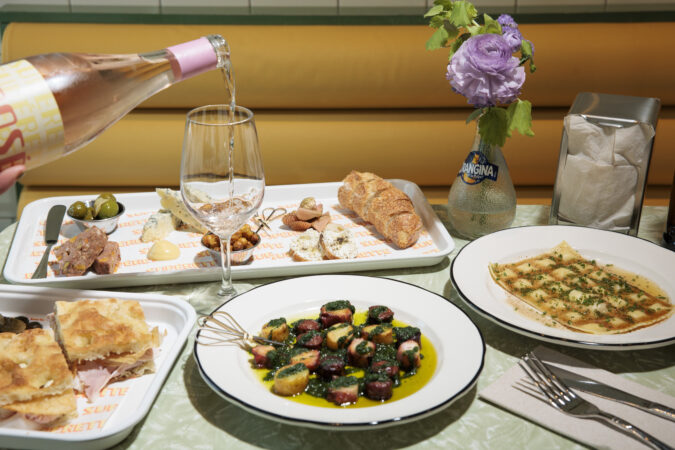
    A cheeseburger and fries, the rigatoni all Amatriciana, and croquettes are all part of the aperitivo menu at Caletta in Fishtown.

    Aperitivo is also more casual, less hurried, and lower pressure than a sit-down dinner or an after-work date. Reservations aren’t required, and it’s not uncommon to see friends popping in and out for a drink or kids joining family at the table.

    “It’s a lot easier to roll into aperitivo with a stroller and get a glass of wine with kids while you are catching up with friends rather than going to a bar,” said Chris DiPiazza of the South Philly bakery Mighty Bread, which started offering aperitivo hour in August 2024.

    Apéro is also “a marathon, not a sprint,” said Chloé Grigri, whose bars Superfolie, the Good King Tavern, Le Caveau, and Supérette all offer some version of late afternoon drink and food deals year-round. For Grigri, the purpose is less about pushing discounts so customers can drink more than it is about finding ways to intertwine French culture with happy hour. In Bella Vista, for example, the Good King Tavern is expanding daily apéro deals from 3 to 6 p.m. during the World Cup games (and beyond) to include discounted charcuterie, tartines, and “Frenchie-Americana” drink specials like Suze and Mountain Dew highballs and whiskey and Kronenburg citywides. “It’s the sort of thing you’d stumble across in Paris today in my opinion, but better,” she said.
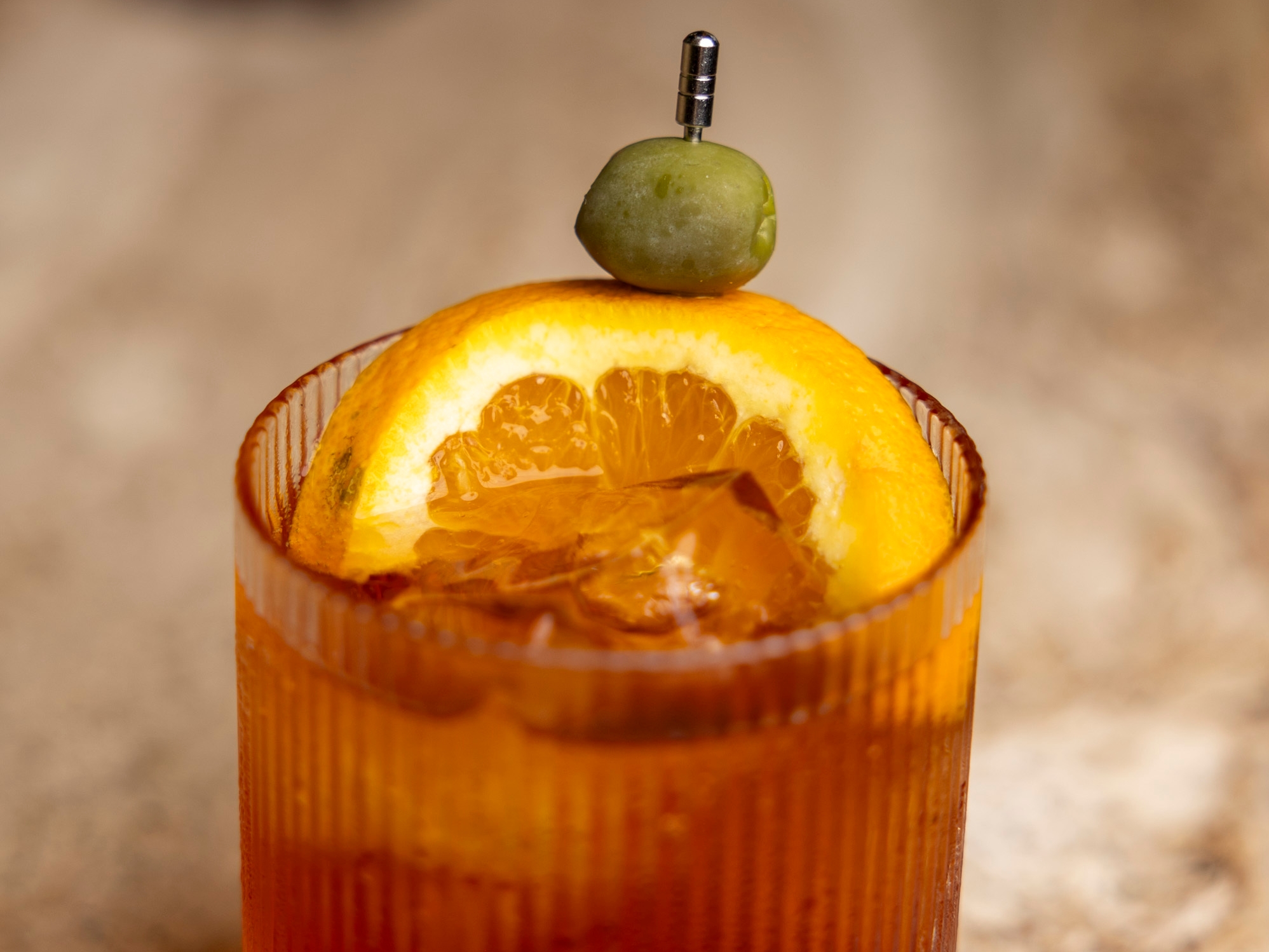
    The Americano? Americano!, a vermouth cocktail that’s available only during aperitivo at Caletta.

    Still, prices at aperitivo tend to hover at $8 to $16 — roughly between the cost of a beer or glass of wine — which can attract customers during slower weekday business hours, said Le Virtù general manager Chris O’Brien. In the restaurant on East Passyunk Avenue’s monthly wine club newsletter, O’Brien said that 2026 has been “our busiest year on record by a long shot” with an uptick in patio reservations, where its all-you-can-eat northern Italian aperitivo events take place.

    Similarly at Fishtown’s Caletta, Kirk said he’s seen a midweek bump with more guests requesting aperitivo hours even during offseason months. Grigri also noted the timing of the World Cup this summer has worked well for her businesses across the board. “Le Caveau had an immediate noticeable uptick,” in business, she said, alongside Good King Tavern and Supérette, where aperó has had a steadier and slower build. “It’s about getting people in right before our normal busy hours,” said Grigri.

    Here are eight places to sip, linger, and graze al fresco for aperitivo in Philly.
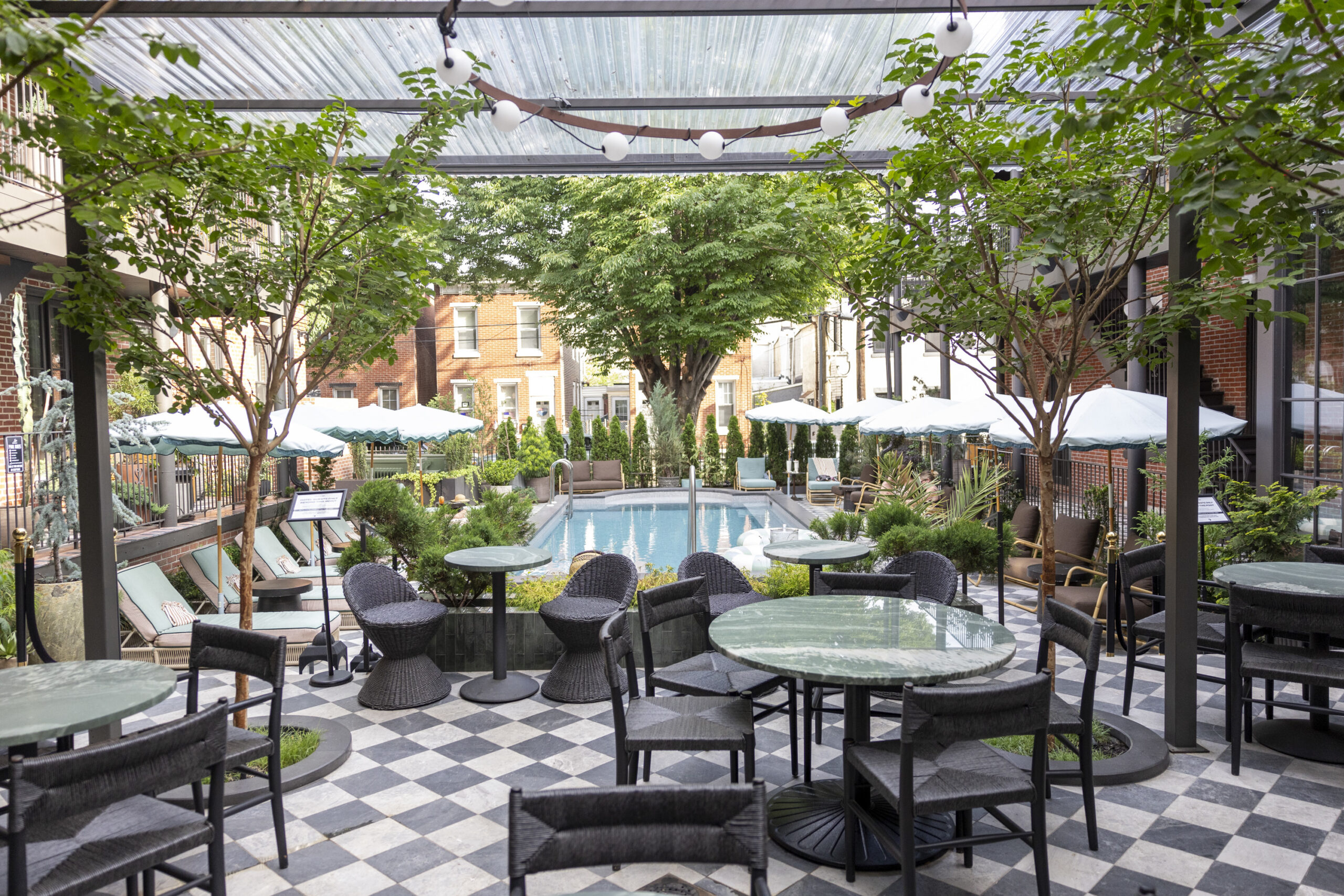
    Outdoor seating at Caletta, which offers an aperitivo menu from 4 to 7 p.m. Wednesdays through Fridays.

    Where to find aperitivo in Philly

    Caletta

    Caletta’s patio aperitivo (Wednesday through Friday from 4 to 7 p.m.) transports you from a quiet Fishtown block to the Mediterranean coastline. At this hotel bar, the cocktails include split-based, lower ABV drinks that use house-made liqueur blends and fortified wines, like the “Americano? Americano!,” which includes a mix of coffee liqueur, sweet vermouth, red bitters, orange, and olive. A bonus: Your first drink comes with a complimentary salty snack dish of mixed nuts, roasted peppers, or salami with house-made focaccia.

    📍1401 E. Susquehanna Ave., Philadelphia, Pa. 19125, 📞267-682-8253 🌐 calettafishtown.com
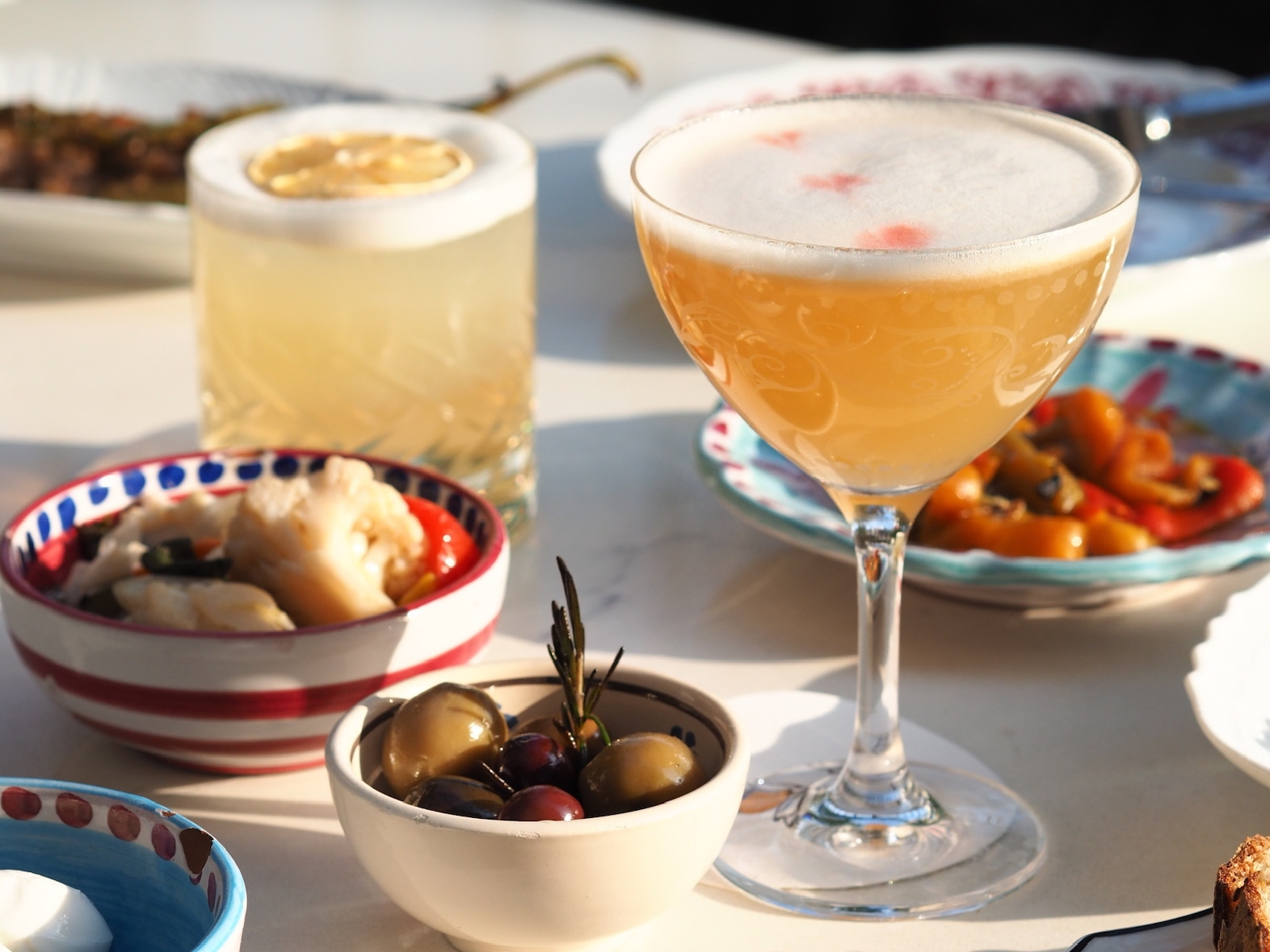
    A selection of complimentary aperitivo snacks alongside two cocktails at Sorellina, 699 N. Broad St.

    Sorellina

    At owner Joe Cicala’s casual pizzeria in the Divine Lorraine, aperitivo is baked into the regular menu. Every table gets a few olives and tuna-stuffed peppers to snack on while deciding what to order for dinner. Italian-style bitter cocktails, imported beers, and amari anchor the bar program,​ though Cicala has noticed more customers ordering nonalcoholic bitter sodas — perhaps influenced by summer Euro trips, he noted.

    📍699 N. Broad St., Philadelphia, Pa. 19123 📞 267-324-3586 🌐 sorellinapizza.com

    Banshee

    Banshee’s dedicated aperitivo section features Spanish-style small plates of croquettas and patatas bravas, among others, plus drink specials from 5 to 6 p.m. daily. The Mediterranean-inspired bar in Graduate Hospital folds cocktails from Spain (Kalimotxo), France (Kir), and Italy (the not-discounted-but-still-excellent Spring Americano with strawberry vermouth and rhubarb aperitivo) into one concise menu. Our recommendation: Order everything, including a side of the house-made sourdough.

    📍1600 South St., Philadelphia, Pa. 19146 📞 267-876-8346 🌐 bansheephl.com
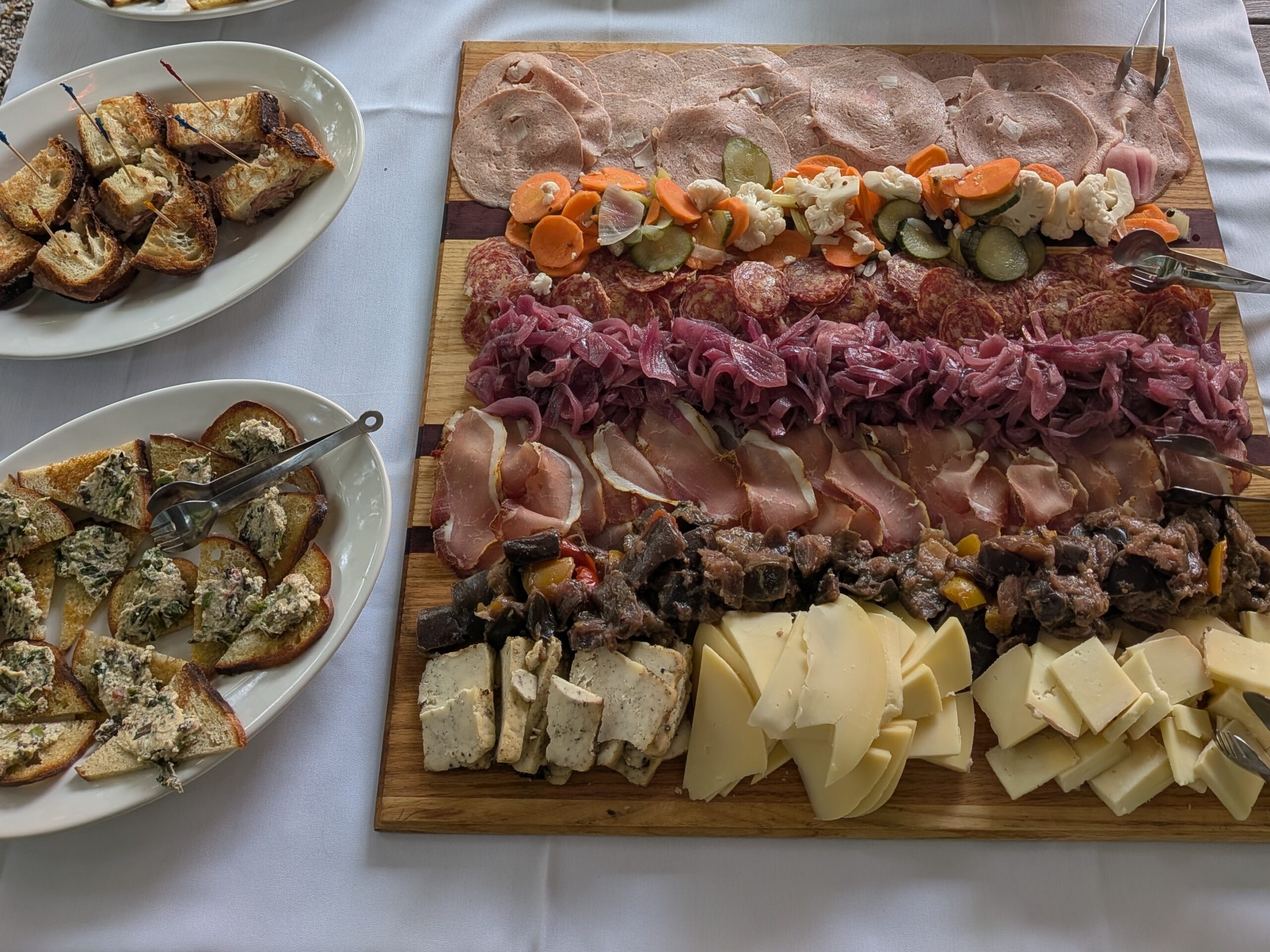
    A spread of stuzzichini (bite-size appetizers from Northern Italy) at one of Le Virtú’s summertime aperitivo events.

    Le Virtù

    For a glimpse of more communal-style aperitivo, East Passyunk’s Le Virtù hosts one-off seasonal patio gatherings throughout the summer that draw from the culture of Abruzzo, Italy, where owner Francis Cratil-Cretarola is from. Programming — typically on a Wednesday, weekend afternoon, or early evening — is lightly curated with unlimited buffet-style stuzzichini (bite-sized northern Italian appetizers) for $35 and $14 wines by the glass in collaboration with a rotating mix of producers and importers. Follow @levirtuphila on Instagram for upcoming events.

    📍1927 Passyunk Ave., Philadelphia, Pa. 19148 📞 215-271-5626 🌐 levirtu.com

    BOTLD — Midtown

    This retail shop, tasting room, and cocktail bar adjacent to the Gayborhood lets you choose your aperitivo experience — order a drink and stay awhile or buy bottled-in-state products for at-home concoctions. Either way, you can’t go wrong with its “Slayborhood Spritz,” featuring Apologue persimmon liqueur, Kyro pink gin, prosecco, and club soda or a lemon herbaceous amaro with Fast Penny Spirits Americano Bianca.

    📍117 S. 13th St., Philadelphia, Pa. 19107 📞 445-776-7000 🌐 botld.com
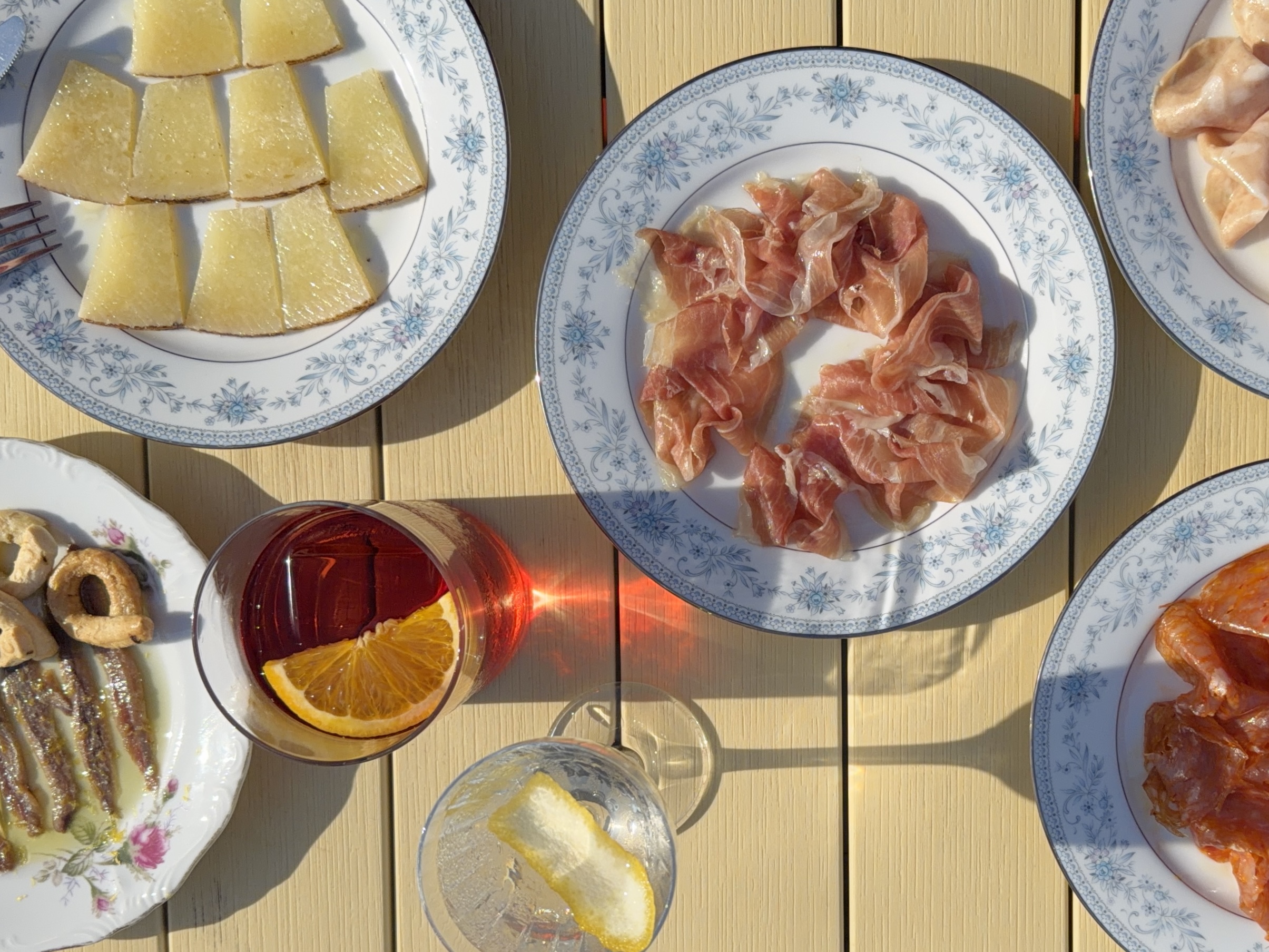
    Light bites and negroni cocktails from Irwin’s aperitivo menu, which runs Wednesday through Friday from 5 to 7 p.m.

    Irwin’s

    Nothing beats a rooftop hang — especially with classic Sicilian drinks and snacks. Irwin’s, just across the hall from Bok Bar, hosts aperitivo hour inside and out on the roof every Wednesday through Friday from 5 to 7 p.m. during the summer. Everything on the menu is $13 or less: Negroni cocktails, charcuterie and formaggi, anchovies, tomato pie, and eggplant caponata (a chef Michael Ferreri family recipe for an antipasto vegetable stew).

    📍800 Mifflin St., Philadelphia, Pa. 19148 📞 215-693-6206 🌐 irwinsupstairs.com

    Mighty Bread Company

    This James Beard Award-nominated South Philly bakery is home to a family-friendly aperitivo. On weekdays year-round (except Tuesdays) from 4 to 6 p.m. you can enjoy Philly-Italian bites, cocktails, beer, and wine inside or in the courtyard. Snacks highlight bread in various forms: “Mighty Munch” with baguette chips, candied nuts, and seasoned pretzel chips; focaccia; and scallop toast with fermented aji chili butter. There are easy-sippers with Pennsylvania-made spirits, too, like Char & Stave coffee Amaro and soda, a ready-to-drink sparkling wine spritz, and Mighty Bread’s own Italian semolina pilsner, Amici Del Pane.

    📍1211 Gerritt St., Philadelphia, Pa. 19147 📞 215-607-3205 🌐 mightybreadco.com
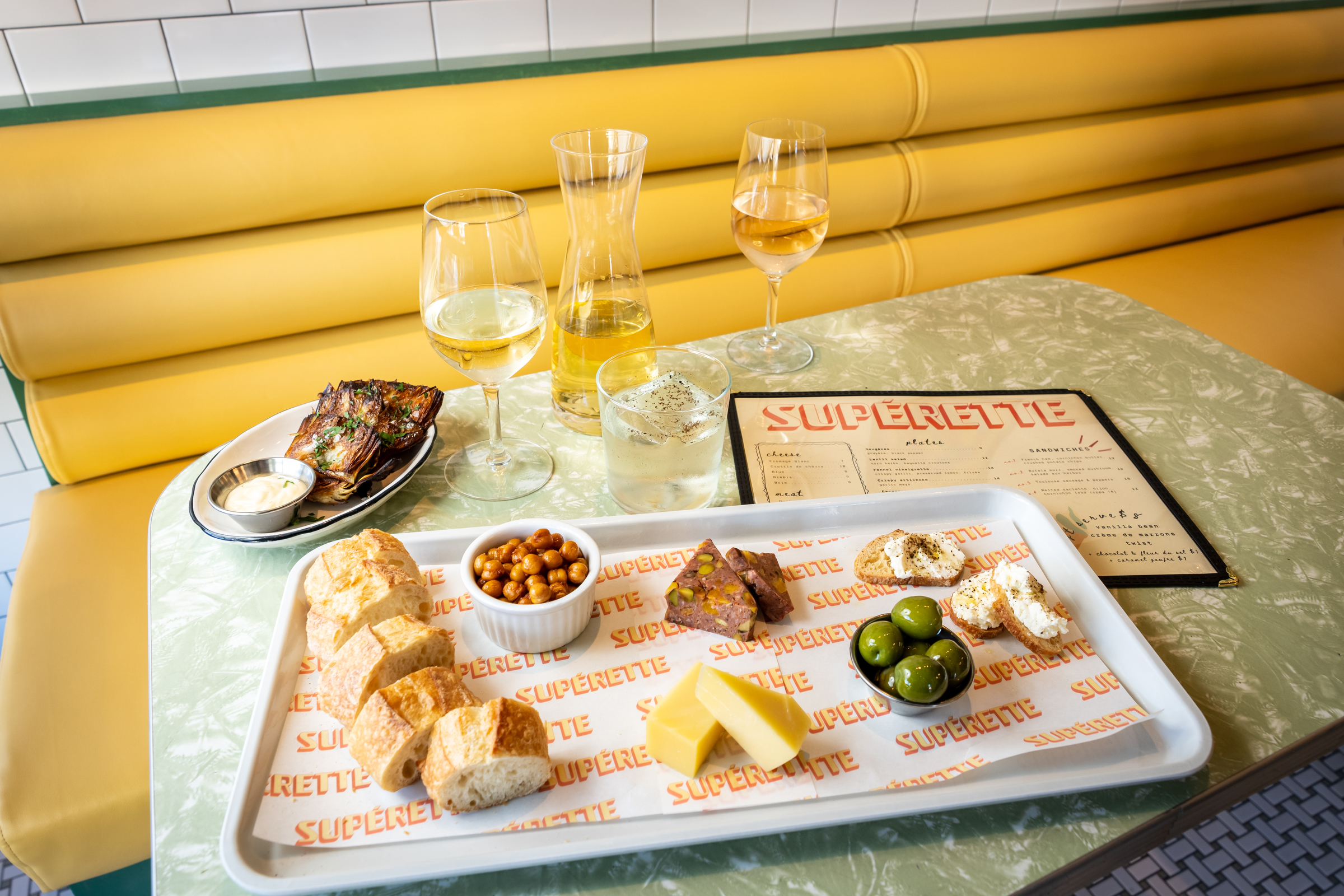
    A snack board at Supérette, a restaurant, bottle shop, and wine bar on East Passyunk Avenue.

    Supérette

    Supérette captures that quintessential French-style apéro energy: Customers drift in and out the door, shopping for natural wine in the bottle shop or sipping highballs at the bar. The day-to-night vibes at Chloe Grigi’s épicerie and wine bar on East Passyunk Avenue invite spontaneous meetups fueled by olives, mini-chip-filled jambon-and-beurre sandwiches, and Frenchie disco fries (aka nachos with shredded cheese, local spam, cornichon relish, and crème fraîche). Better yet: Apéro is every weekday year-round from 3 to 6 p.m.

    📍1538 Passyunk Ave., Philadelphia, Pa. 19147 🌐 superettephl.com
  • The best things we ate this week

    The best things we ate this week

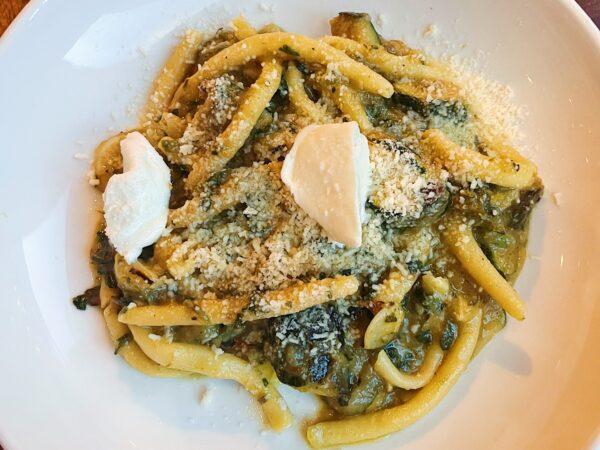
    Hand-rolled ceppe at Le Virtú

    There’s something special about a thick, hand-rolled noodle. As part of its summer menu, Le Virtù’s ceppe — a chewy Abruzzese pasta shape that resembles a short and stout bucatini noodle — are made by hand and tossed in a bright squash blossom pesto. I later learned that ceppe gets its name from the wooden sticks or rods they mimic, a nice bit of pasta trivia I will stow away for quizzo. The hearty plate is topped with zucchini ragu, with a generous amount of the plant mixed throughout the dish, and mozzarella di bufala. It’s best enjoyed with a glass of wine on the restaurant’s beloved patio. Le Virtú, 1927 Passyunk Ave., 215-271-5626, levirtu.com
    — Emily Bloch

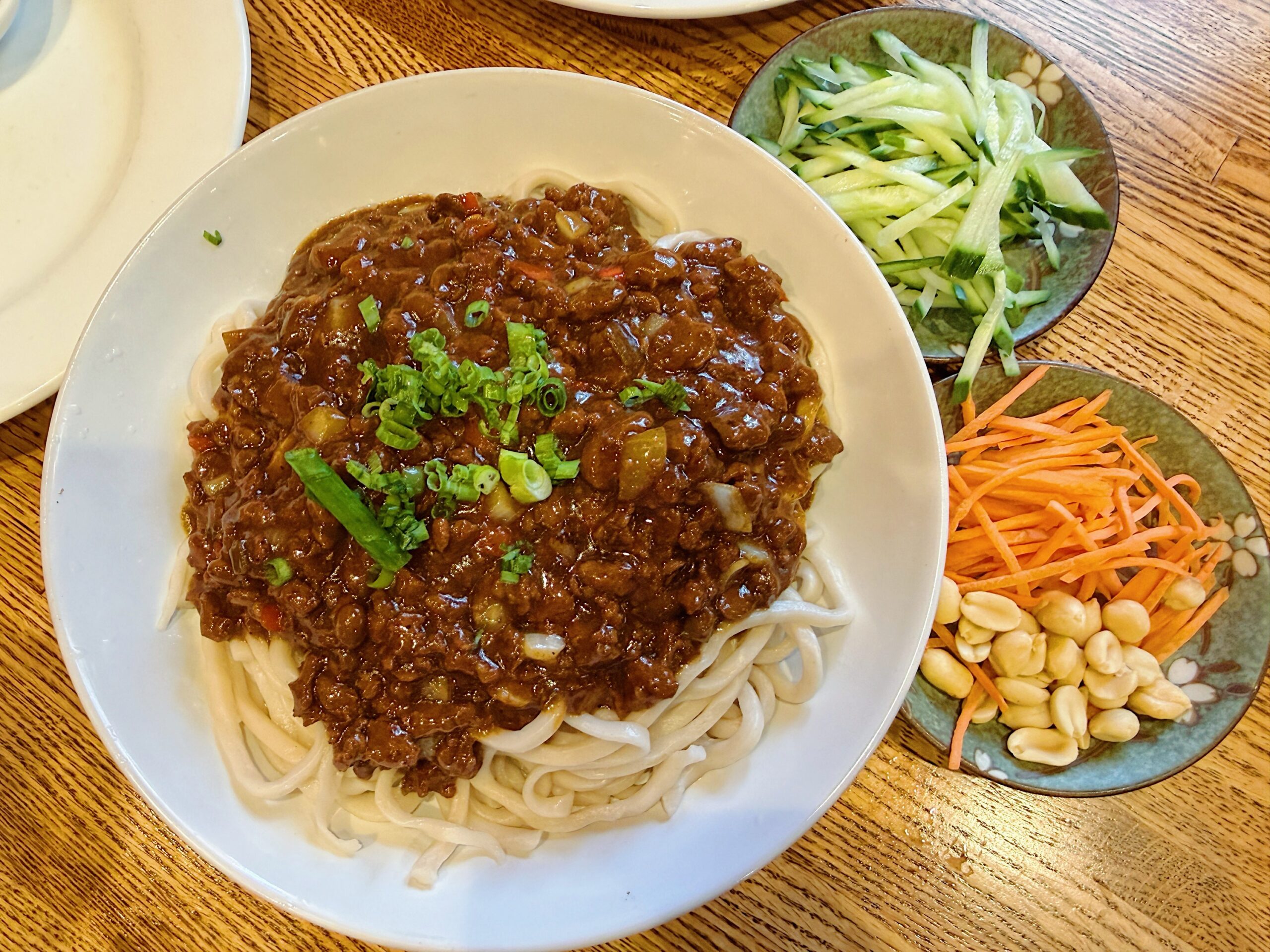
    Zhajiang Mian at Opera House, 112 N. Ninth St.

    Zhajiang Mian at Opera House

    It has taken me far too long to get to Opera House, which opened about a year ago in the former Rangoon space. Rangoon had been my favorite restaurant in Philly for years, and I was admittedly bitter about them no longer occupying that storefront on Ninth Street. Now, I’m very pleased to report that my bitterness has now been assuaged.

    Opera House is bright, beautiful, sparkling clean, a visual ode to Chinese opera that specializes in Northern Chinese food. They do have some Cantonese items on the menu (that are just fine), but the real star of the show is their $14.95 zhajiang mian. Saucy, with lean ground pork and lots of slow-cooked onions, these noodles are a true celebration of handmade textures. They’re intentionally a little wonky from being hand-stretched — some parts are thinner than others — so they sop up the super umami-rich fermented soy sauce in interesting ways. Served with sides of cucumber and carrot matchsticks and roasted peanuts, it’s likely the best version of the dish I’ve had in Chinatown, and such a beautiful play on varying textures and temperatures. Opera House, 112 N. Ninth St., 267-639-2376, operahousephilly.com
    — Kiki Aranita

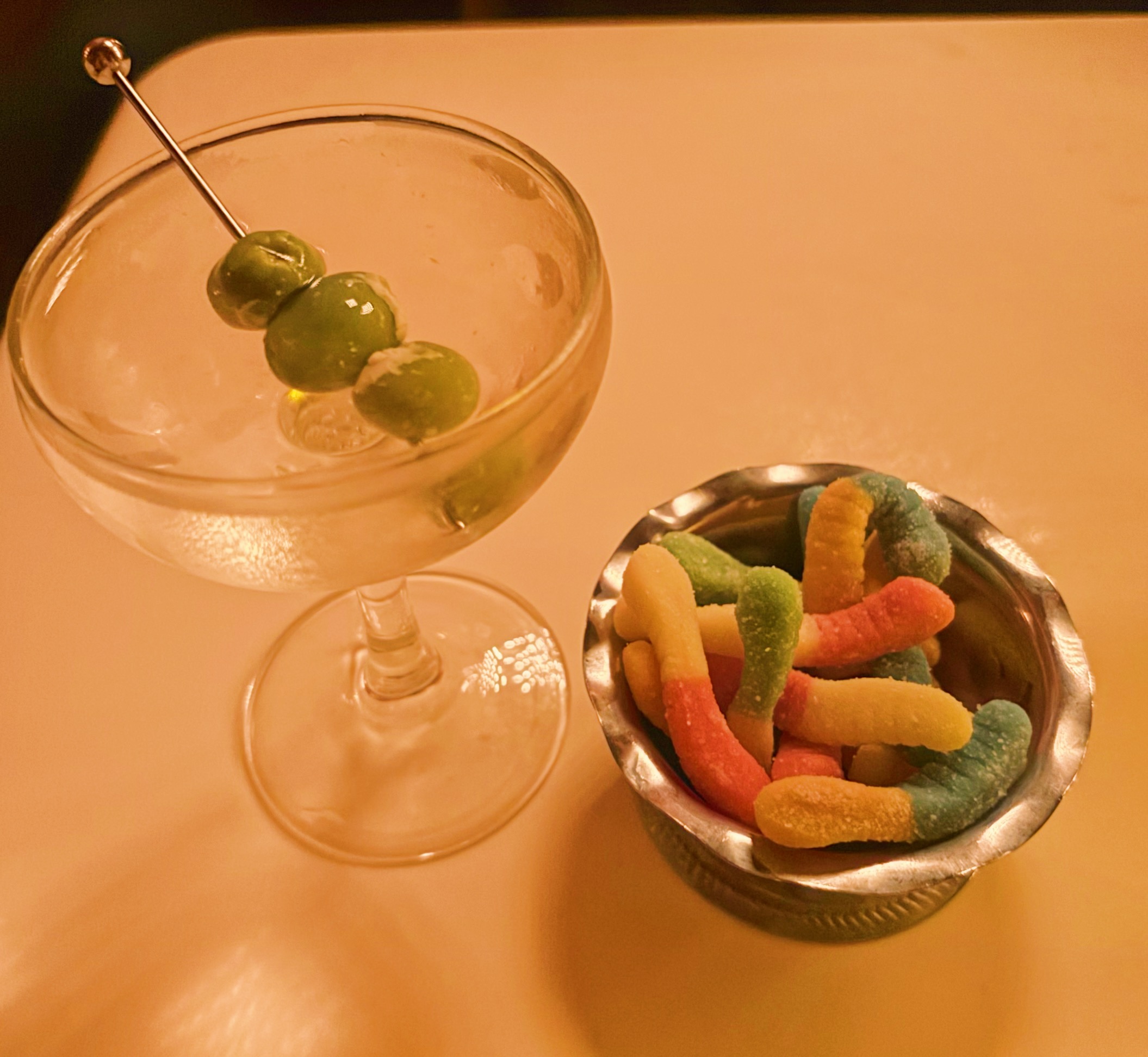
    The Girl Dinner cocktail, a clarified gin martini with a sidecar of gummy worms, at Angeloni’s Club Madrid in Atlantic City, N.J.

    Girl Dinner at Angeloni’s Club Madrid

    Atlantic City is a weird and magical place, particularly for those of us who tend to visit in 24-hour increments. I made such a journey last weekend, and the highlight was finally getting to try Angeloni’s Club Madrid, the retro-styled Italian spot that opened in 2024 from the owner’s of the beloved Tony’s Baltimore Grill. Angeloni’s was everything I hoped it would be — part cozy dining experience, part lounge party. Case in point: a DJ somehow seamlessly incorporated Norah Jones into a dance-y set.
    The menu included one of the best versions of cacio e pepe I’ve had in a long time. But the star of the show is the cocktail menu, which has interesting interpretations of classic cocktails, executed with both fidelity to the drink and total whimsy. My favorite was the Girl Dinner, a perfect dirty gin martini served with a blue-cheese stuffed olive and a sidecar of gummy worms. It shouldn’t work — blue cheese and gummy worms? — but it does. It has that kind of slightly off-kilter energy that a really fun party does, where things are always threatening to fly off the hinges but somehow stay just contained enough for a memorably good time. Angeloni’s Club Madrid, 2400 Arctic Ave., Atlantic City, N.J., clubmadridac.com
    — Margaret Eby

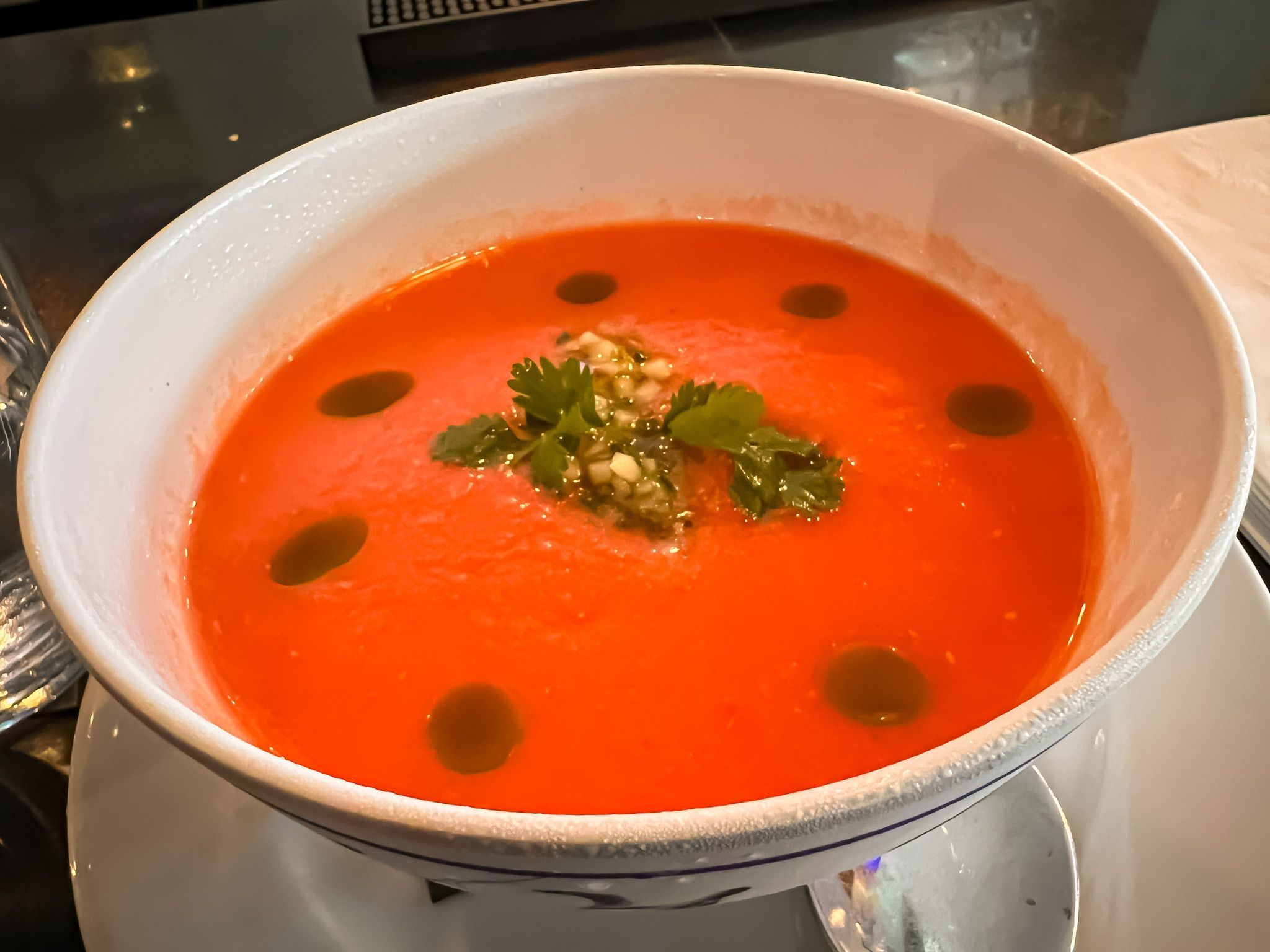
    Watermelon gazpacho at Cantina Feliz, Ambler.

    Watermelon gazpacho at Cantina Feliz

    I always look to July 4 as the unofficial start of watermelon season. This year, that feels especially fitting: Forecasters are calling for one of the hottest Independence Days Philadelphia has seen in nearly a quarter-century, making cold watermelon all the more appealing. That spirit comes through in this watermelon gazpacho from Cantina Feliz in Ambler, which leans savory rather than sweet. Cucumber amplifies the freshness, while finely diced red onion and chives add bite without overwhelming the fruit. A drizzle of verdant herb oil lends richness, and the accompanying shot of sherry gives it a nutty, tangy depth. It’s a refreshing summer starter that becomes more layered with every spoonful. Cantina Feliz, 111 E. Butler Ave., Ambler, 215-646-1320, cantinafeliz.com

    — Michael Klein

  • How to choose the right wine for frosé, a summertime cocktail staple

    How to choose the right wine for frosé, a summertime cocktail staple

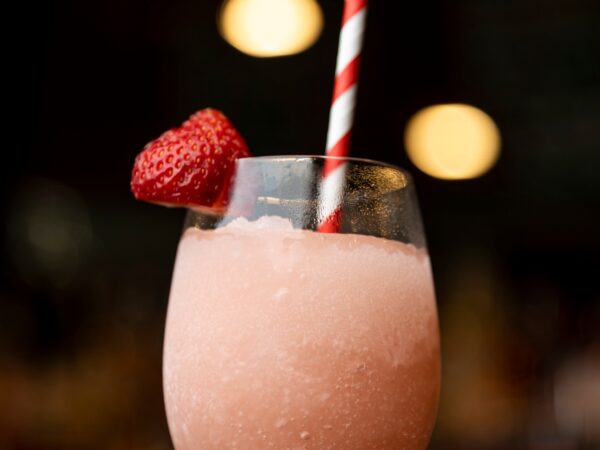
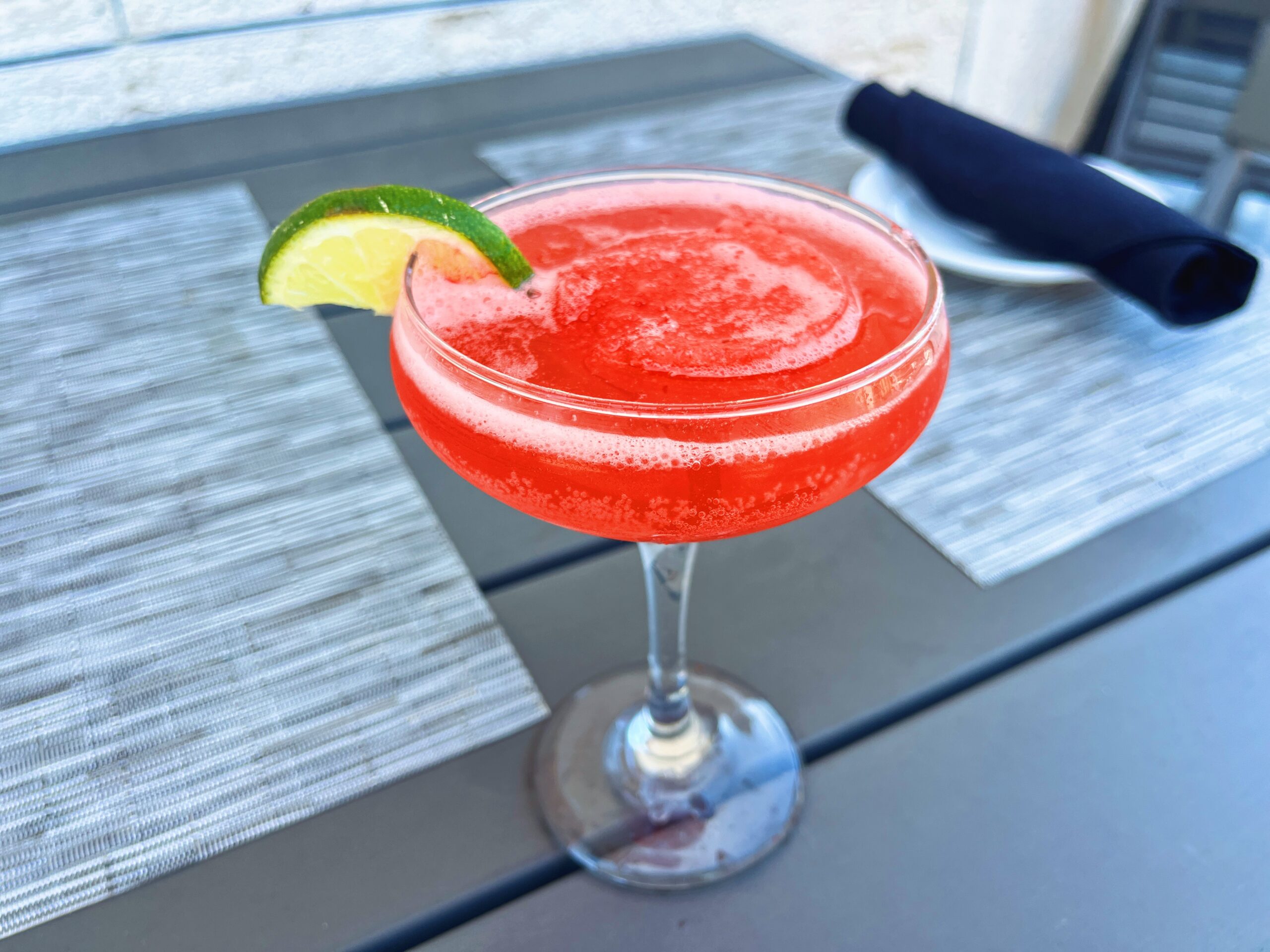
    It’s the 250th anniversary of the signing of the Declaration of Independence in Philadelphia, and this week is packed with activities to celebrate. It’s also the 10th anniversary of another historic event: The 2016 frosé — or frozen rosé — frenzy that kicked off when New York City’s Bar Primi put the drink on their cocktail menu and nearly broke the internet.

    Concocted in a slushie machine, the eye-catching frozen treat became an instant social media sensation, leading Bon Appétit magazine to publish a variation on the recipe that summer that topped their charts for months on end. Since July 4th weekend looks like it will be a scorcher, now is the perfect time to make frosé at home to celebrate both of these important contributions to the pursuit of happiness.

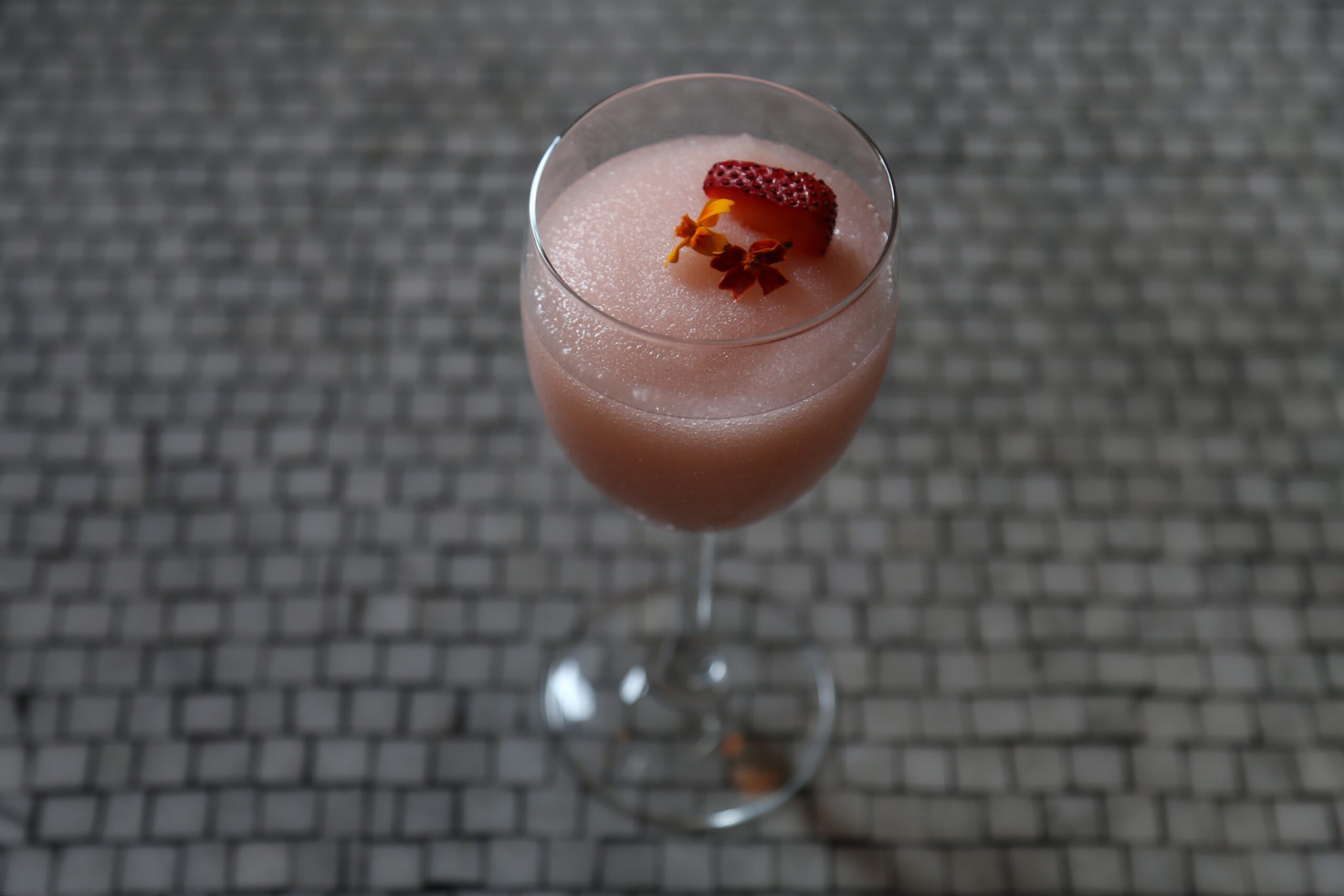
    Frosé at Parc.

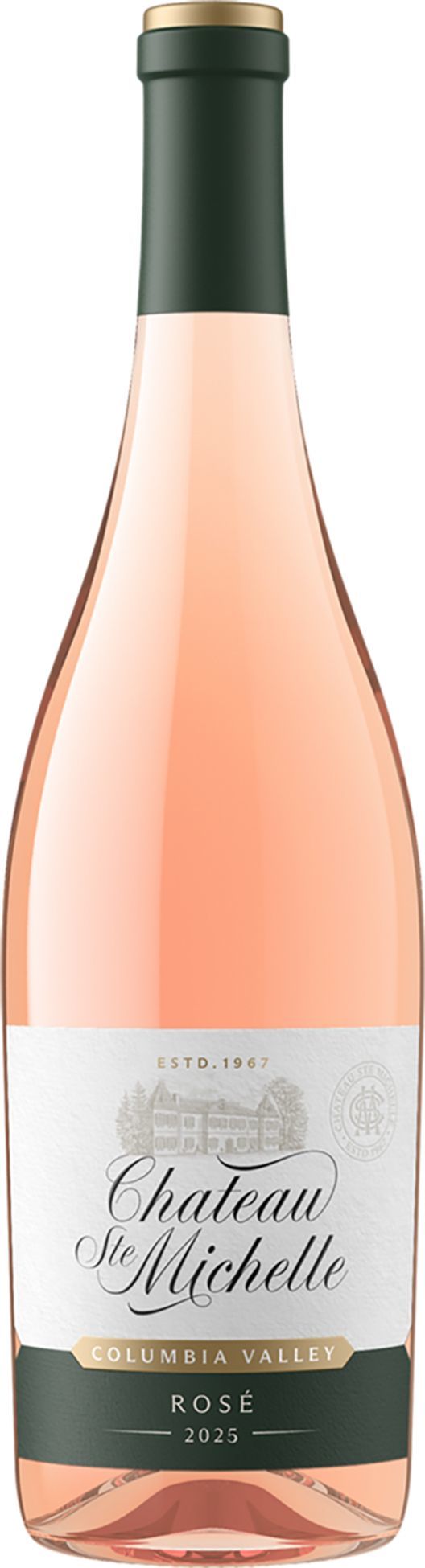
    Frosé is not the place for pricy rosés, so save the pale, understated beauties of Provence in the south of France to be enjoyed on their own. The frozen cocktail needs wines with bolder flavors and deeper colors to overcome the dilution and serving temperature, so opt for one with a color that pops on the shelf, like this wine from Washington’s Columbia Valley. There, darker grape varieties like syrah and cabernet sauvignon dominate the blend.

    The simplest way to frosé at home is the smoothie method: Fill your blender with frozen strawberries or watermelon and pour in enough rosé wine to cover the fruit and blend, adding sugar to taste as needed. For a more sheer and polished texture, make the drink with ice in place of frozen fruit and stick to clear ingredients. You may also need to spike with vodka and sweeten with a fruit liqueur to overcome the dilution.

    The original Bon Appétit recipe explains how to dissolve sugar in water with strawberries and lemon juice on the stovetop to make a simple strawberry syrup suitable for flavoring your frosé and deepening its color, which yields a refined and faithful variant on the Bar Primi classic. If you like your wines pure, undiluted, and dry, and you just happen to own an ice cream maker, your method is much easier. Pour this bottle in and churn about 20 minutes to get the perfect slushie machine texture you know and love.

    Chateau Ste Michelle Rosé

    Chateau Ste. Michelle Rosé

    Columbia Valley, Wash.; 12.5% ABV

    PLCB Item #98215 — $10.99 through July 5 (regularly $13.99)

    Also available at: Moorestown Super Buy Rite in Moorestown ($10.99; moorestownbuyrite.com) and Hopewell Super Buy Rite in Pennington ($10.99; hopewellbuyrite.com).

  • What we missed on our roundup of Philadelphia’s 76 most iconic dishes

    What we missed on our roundup of Philadelphia’s 76 most iconic dishes

    We knew that a list of 76 iconic Philadelphia foods would leave something out. It did. After hearing from readers — and revisiting a few of our own debates — we had to mention six items that deserve a place in the city’s culinary canon. They don’t replace the original 76; they just expand the conversation.

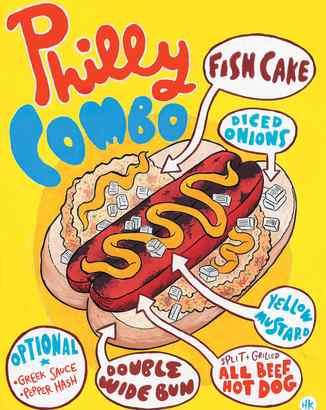
    The ‘combo’: Hot dog and fishcake on a roll

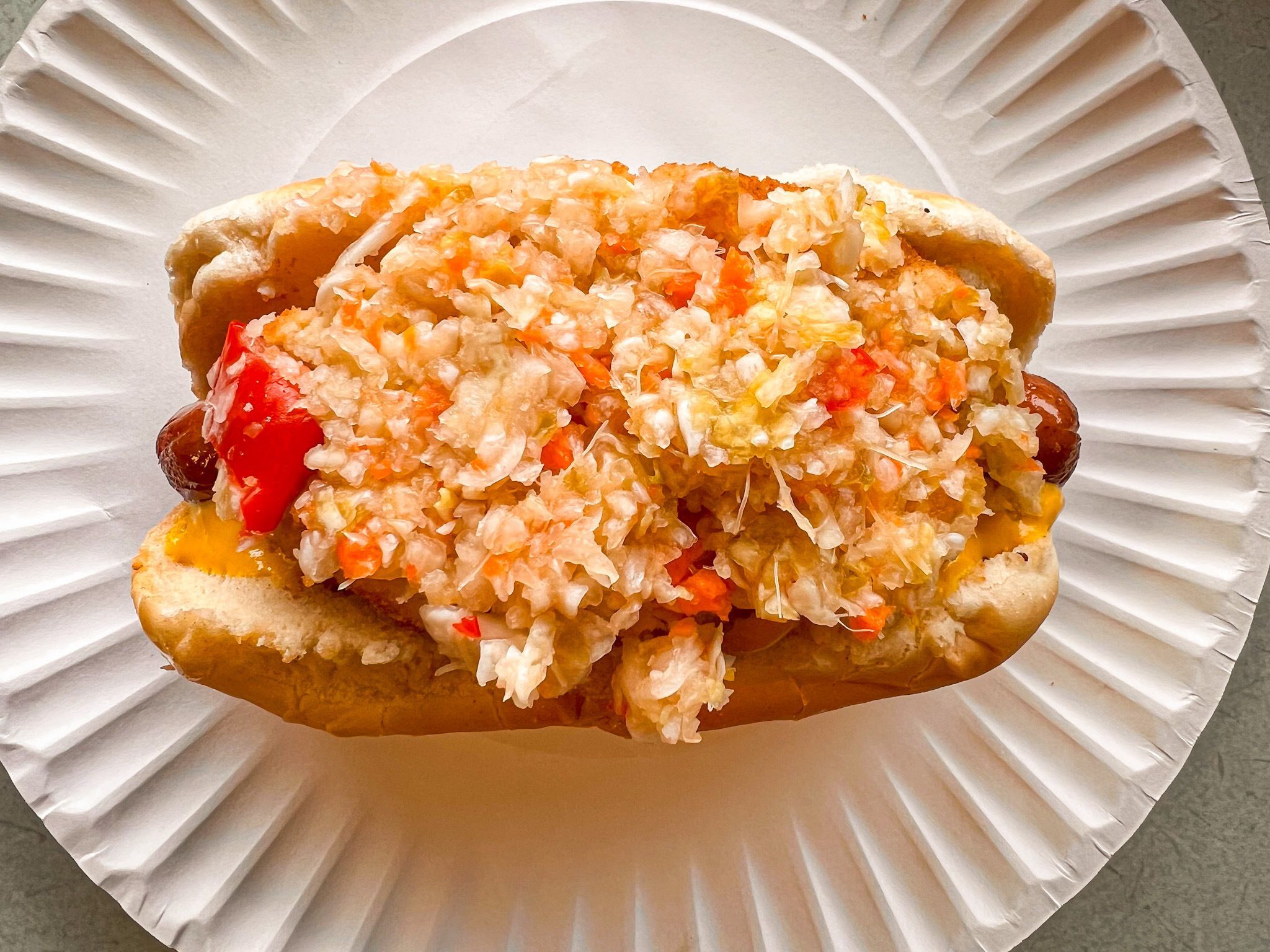
    The hot dog-fish cake combo topped with pepper hash at Lenny’s Hot Dogs in Feasterville.

    Long before Philadelphia claimed the cheesesteak as its signature sandwich, another pairing drew a following: the hot dog and fishcake combo. Culinary historians generally agree that Abe Levis (rhymes with “crevice”) created it in 1895 by pressing a fried fish cake atop a grilled frank on the same bun at his luncheonette on Sixth Street near Lombard.

    Instant surf-and-turf!

    Levis also created Champ Cherry, the bright-red, cider-like soda that became the combo’s traditional companion. The Old Original Levis shop changed hands several times, spawned a few short-lived offshoots, and finally closed in 1992 under owner Elliott Hirsh, who later revived Levis as a store in Abington from 2012 to 2017 while marketing Champ Cherry in cans.

    But tastes have changed and the brands are moribund, as Hirsh, now 80, acknowledged: “I’ve been actively trying to find someone that wants to take it over. And not even sell it. Just take it over. I’d hate to die and take it with me, but that’s what we’re going to do.”

    The hot dog-fishcake combo, at least, survives. Just after World War II, Levis rival Lenny’s Hot Dogs also sold them from a stand nearby at Fifth and Passyunk.

    Lenny’s secret sauce was the pepper hash — a sweet-and-sour relish of cabbage and bell peppers that cuts through the richness of the dish— created by owner Lenny Kravitz’s mother, Ida.

    Kravitz expanded Lenny’s to several locations from Mount Airy to Margate, N.J. In the 1980s, he sold his final shop, at 6620 Castor Ave. in the Northeast, to Wayne Knapp. Kravitz died in 1998.

    Hawk Krall’s illustration of the “surf ’n turf” Philly combo (fishcake and frank) was originally done for SeriousEats.com.

    Knapp later relocated Lenny’s to Feasterville. That shop as well as Johnny Hot’s, John Danze Jr.’s truck stop on Delaware Avenue in Fishtown, are among the few standard-bearers of this classic. Be sure to add a squirt of yellow mustard and a smattering of diced onions, as illustrator Hawk Krall suggested in his 2009 poster print of the sandwich.

    Chicken salad and oysters

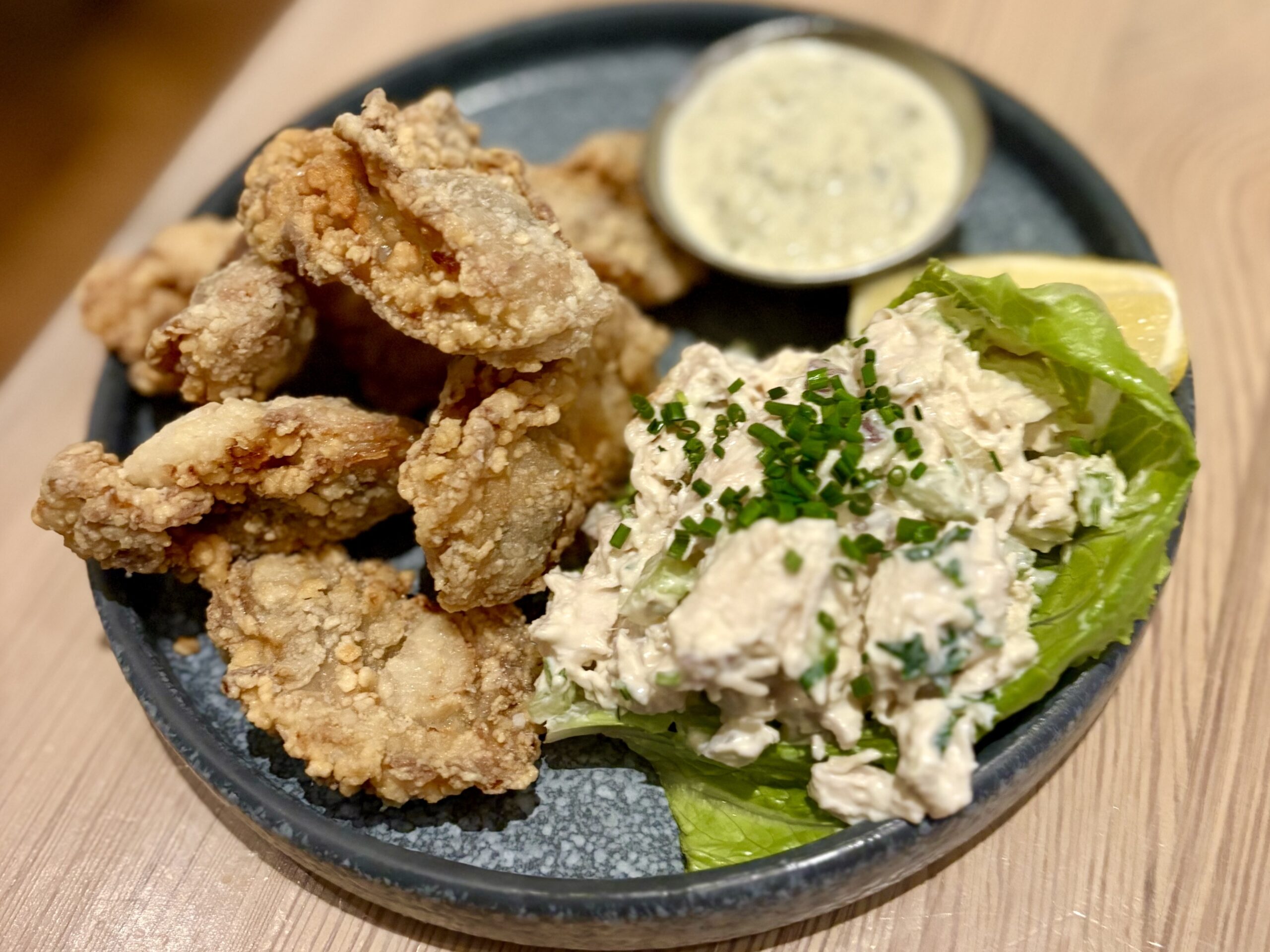
    Fried oysters with chicken salad from Oyster House.

    As for another curious combo, only in Philadelphia would someone look at cool, creamy chicken salad and crunchy fried oysters and think, “Of course those belong together.”

    The unlikely pairing has been a local specialty for well over a century, dating to the city’s grand oyster houses, hotels, and taverns in the late 1800s. One popular explanation of its origin holds that tavern keepers paired cheap, plentiful oysters with more expensive chicken to stretch a serving. Food historian William Woys Weaver has noted that Philadelphia’s finest hotels elevated the dish, serving chicken salad dressed with tarragon mayonnaise and encircled by crisp fried oysters. More humble versions turned up in neighborhood brew houses and lunch counters across the city.

    Similar dishes appeared in New York, Baltimore, and Boston, and some historians believe that Philadelphia’s influential Black catering families helped popularize the combination. What is certain is that chicken salad and oysters were served at an organizing meeting of Philadelphia’s Union League in 1862.

    The combo’s popularity has ebbed in recent years, and its primary home is now Oyster House near Rittenhouse Square, whose family ownership dates back nearly 80 years.

    Crazy Richard’s Peanut Butter

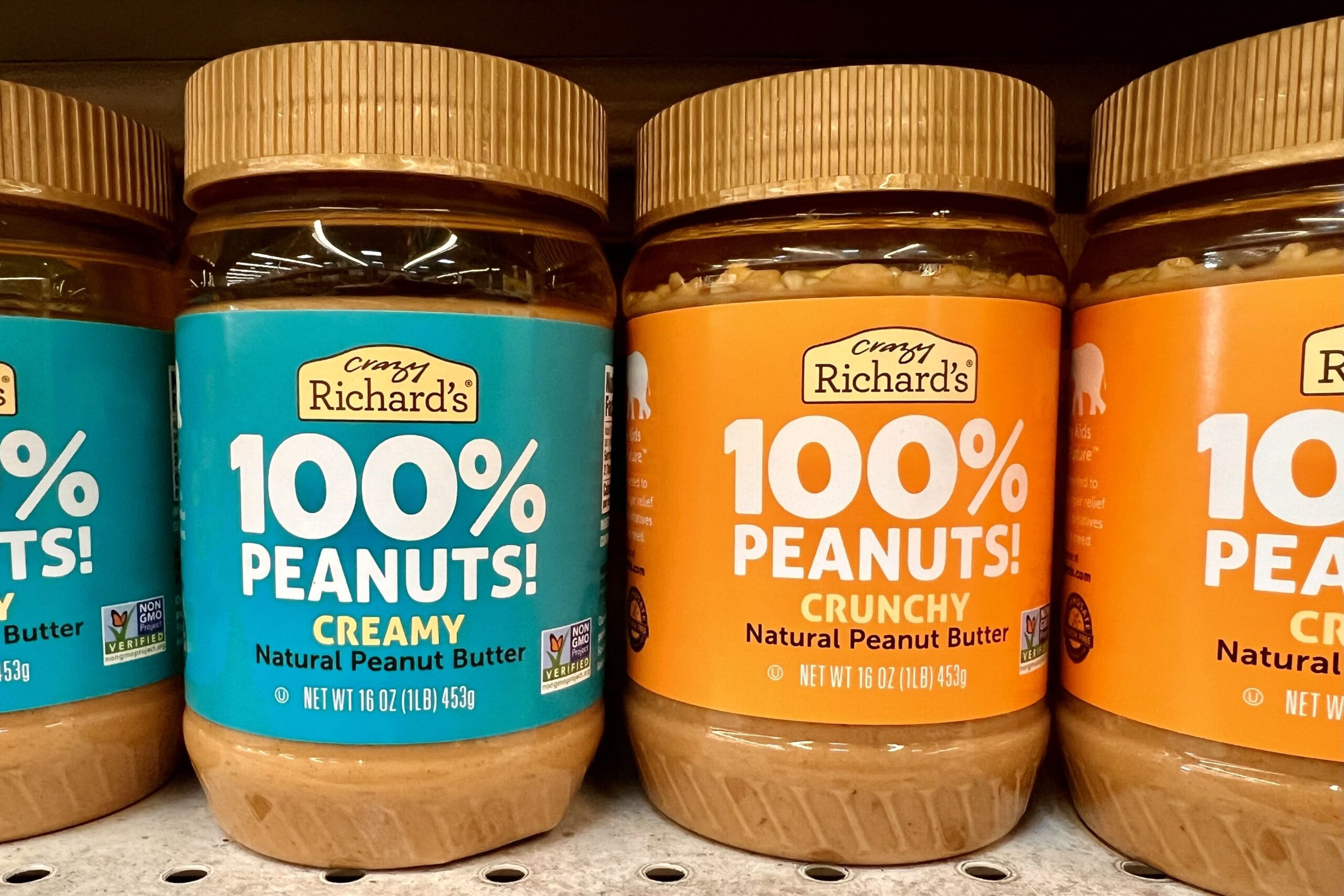
    Crazy Richard’s Peanut Butter, founded in 1972, is still available on grocery shelves.

    Life was all Skippy and Jif in the early 1970s when a Philadelphia music teacher decided to grind peanuts in his kitchen because he couldn’t find peanut butter that tasted the way he remembered.

    Richard Marcus was a conductor, pianist, radio host, and founder of the Society Hill School of Music & Art. Frustrated by the sweetened, homogenized spreads that dominated grocery shelves, he bought five pounds of peanuts at Reading Terminal Market, roasted them, and blitzed them in his blender. The result was nothing more than peanuts — no sugar, salt, or oils.

    Friends loved it. By 1972, they convinced him to package it. Marcus produced an initial run of about 144 jars, selling them through Philadelphia delis and health-food stores. He called it Crazy Richard’s, his wink to skeptics who thought he was nuts for marketing a peanut butter that separated naturally and required stirring.

    Word of mouth did the rest. Marcus eventually gave up his music school to run the business full time, first contracting production in Conshohocken before opening plants in Pennsauken and later Bellmawr. At its peak under his ownership, Crazy Richard’s sold about 750,000 jars a year throughout the Mid-Atlantic and Northeast and by mail. Marcus insisted that there was no secret recipe: “It’s just ground peanuts.”

    In 1991, Ohio’s Krema Nut Co. bought Crazy Richard’s and kept Marcus’ one-ingredient recipe intact. Today, 12 years after his death, the brand is sold nationwide. The “Crazy Richard” on the label is still the Philadelphia musician who proved that sometimes the simplest ideas stick.

    Fishtown Iced Tea

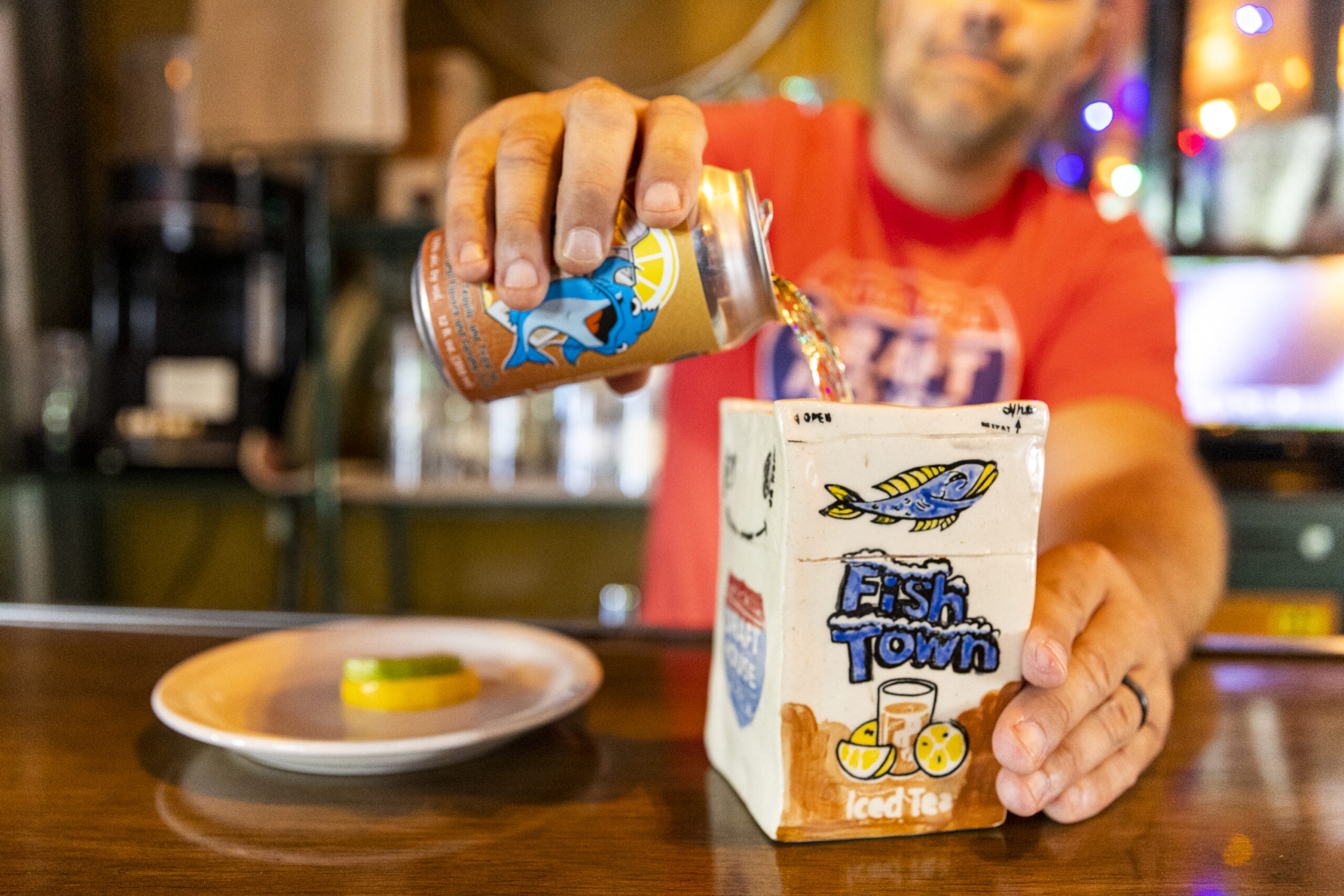
    Canned Fishtown Iced Tea is poured by Interstate Drafthouse co-owner Mike McCloskey into a custom-made ceramic carton.

    Long Island has its iced tea. Why shouldn’t Fishtown? Created in 2013 at Interstate Drafthouse on Palmer Street, Fishtown Iced Tea spikes a 16-ounce carton of Arctic Splash iced tea with a shot of Jim Beam bourbon, turning a childhood lunchbox staple into an adult version of the sugary, dangerously smooth cocktail. Its roots are distinctly regional. Besides milk, Lehigh Valley Dairy, Wawa, Swiss Farms, and Turkey Hill also sold iced tea in pint cartons that generations of Philadelphians grew up drinking.

    During the pandemic, when Pennsylvania temporarily allowed to-go cocktails, Interstate sold enough Fishtown Iced Tea to keep the bar afloat. In 2022, the popularity inspired a canned version from Rectified Spirits, made with vodka, rum, tequila, and triple sec instead of bourbon.

    In a twist, the ready-to-drink cocktail debuted just as Lehigh Valley discontinued Arctic Splash cartons, ending an era for the drink that inspired it.

    Edamame dumplings from Buddakan

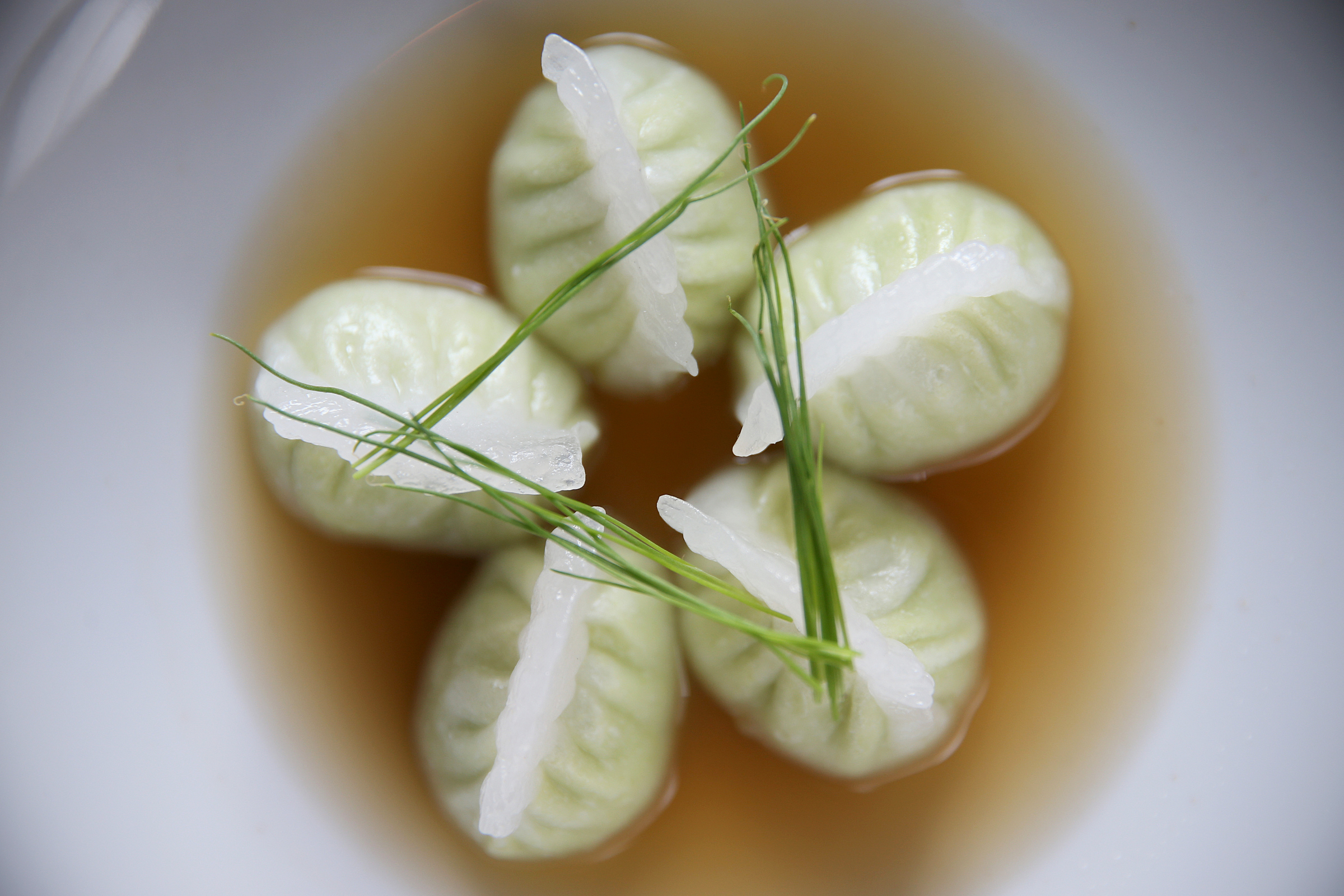
    The edamame dumplings at Buddakan.

    One of Buddakan’s signature dishes is the edamame dumpling, filled with mashed soybeans and served in a truffled Sauternes-shallot broth. Michael Schulson, then chef de cuisine at Stephen Starr’s Old City destination, came up with the idea in 2000 while developing the menu for Starr’s next project, Pod, whose opening in University City was six months away. “Every dish I made, Stephen would say, ‘We’re putting this on the menu at Buddakan,’” Schulson said. “I’d say, ‘What about Pod?’”

    The original version was an edamame ravioli, featuring a yellow pasta wrapper in a caramelized Sauternes-shallot broth, transforming what was then an unfamiliar ingredient to many American diners — young Japanese soybeans — into one of Buddakan’s signature dishes. (It made it onto Pod’s menu, too.) When Buddakan New York opened in 2006 with Schulson leading the kitchen, the ravioli evolved into the translucent har gow-style dumpling that has since become its best-known form, before it later arrived on the menu in Philadelphia. It’s still a bestseller.

    After leaving Starr, Schulson adapted the concept at his restaurant Sampan, serving edamame dumplings in a caramelized shallot and sake broth, and later at Double Knot with truffles.

    Cheesesteak egg rolls

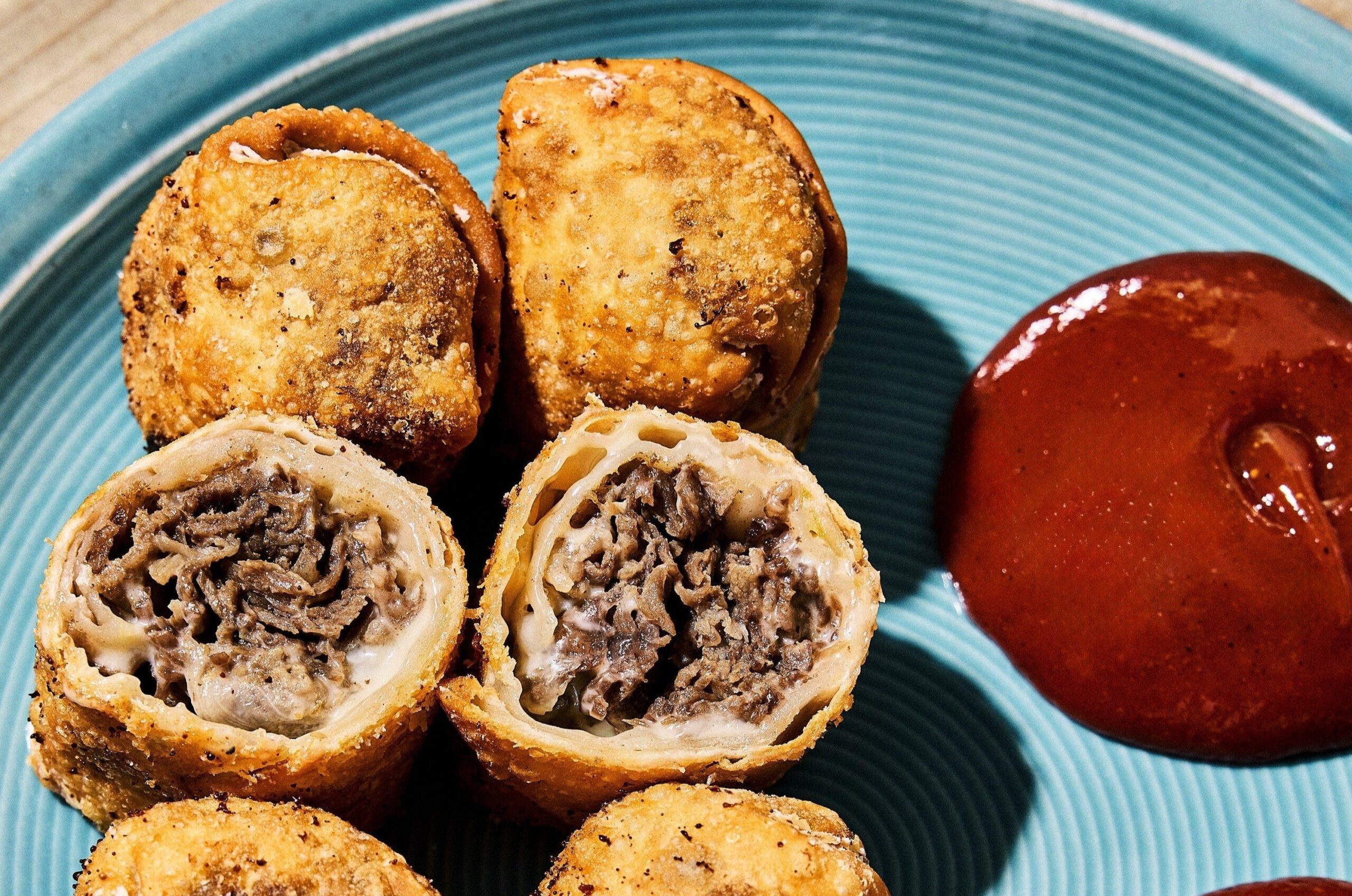
    The cheesesteak egg roll from Continental Mid-town.

    Stuff steak and cheese into an egg-roll wrapper, deep-fry it, and you’ve got one of Philadelphia’s signature mashups: the cheesesteak egg roll.

    They’re everywhere now, from neighborhood pubs to white-tablecloth steakhouses, and go by “spring rolls” at some places, but their rise can be traced to two nearly simultaneous Philadelphia stories in the mid-1990s.

    One unfolded at the old Four Seasons Hotel on the Parkway. Former chef David Jansen said that after preparing a banquet for the New York Rangers in 1994 or 1995, prep cook Mui Lim put leftover cheesesteak filling into spring roll wrappers and fried them as a snack for the kitchen crew. They went on the menu soon after at the hotel’s Swann Lounge. Today’s Four Seasons Philadelphia, now at the Comcast Technology Center, serves wagyu cheesesteak spring rolls with sweet-and-spicy pepper relish.

    The other story played out in Old City, where the novelty became a menu staple at the Starr-owned Continental. In 1996, Starr hired Sam “Chef Sammy D” DeMarco to develop dishes for the year-old restaurant. DeMarco already served a Philly cheesesteak dumpling at First, his New York restaurant, but Starr wanted something original.

    DeMarco turned the dumpling into a cheesesteak spring roll. “It was taking a classic, nostalgic American snack and presenting it in a fresh way,” said DeMarco, now executive chef at Bungalows Resort in Scottsdale, Ariz.

    Like the old Buzz Aldrin cocktail, the roll became a classic. Starr said Continental Mid-town, near Rittenhouse Square, now sells 500 a week.

    From the Continental, the idea spread rapidly. Davio’s owner Steve DiFillippo was joining staff for a preshift meal at his former Center City Philadelphia location shortly after it opened in 1999 when chef David Boyle served cheesesteak egg rolls that his wife had made at home. DiFillippo insisted that they be added to the bar menu, overruling managers who felt that they were too déclassé for a posh steakhouse. The Boston-based Davio’s turned the line into a frozen-food item, selling millions through supermarkets and QVC until rising beef prices during the pandemic made them impractical, DiFillippo said. They’re still on the restaurant menus in King of Prussia and elsewhere.

    Though DiFillippo copyrighted the name “Philly Cheese Steak Spring Rolls” in 2002, “I’m not going to claim I invented anything,” he said. “But I was the first one to take them into stores and really commercialize them.”

  • At Hoagie Day, visitors embrace free sandwiches — and the crowds

    At Hoagie Day, visitors embrace free sandwiches — and the crowds

    The hoagie, it seems, not only can be a meal but a civic instrument: pretext and reason to bring huge crowds of people together ahead of July 4th during Wawa Welcome America festivities.

    Organizers said 30,000 turkey hoagies were distributed in front of the National Constitution Center Wednesday for the annual event. The promise of a free sandwich prompted that particular American phenomenon — one of the physical vestiges of the public commons — the manifestation of the free-food zeitgeist.

    Dion Clark said, succinctly, what many in line seemed to be saying in one form or another: “I want to be with the people.”

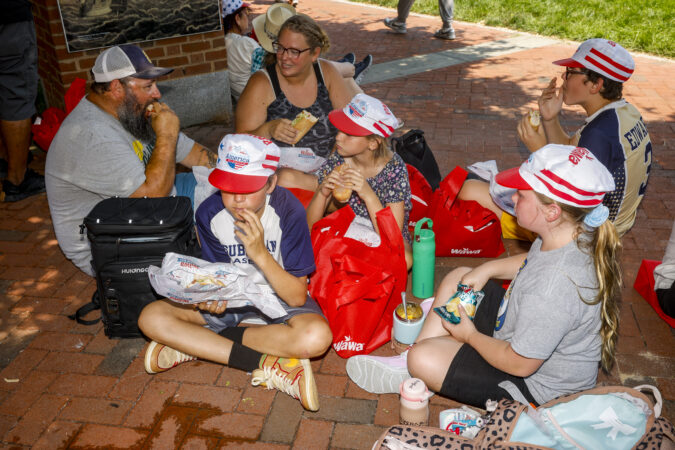
    Attendees relax and enjoy their free hoagies at Independence Mall during the Wawa Hoagie Day.

    Clark and her husband, who is vegetarian — Wawa was offering only turkey hoagies — had traveled from North Carolina to spend July Fourth in Philadelphia. Asked why they had come, Clark gestured around her: the National Constitution Center in front of her, the Liberty Bell nearby, the city’s founding monuments all around.

    For others, like Jim Elliott, the answer was simpler. He lives nearby, and had come for the free hoagies, although, he added, “the hoagies are not the best.”

    Sheylin Walker has been coming to Wawa Hoagie Day for seven years. Every year, she said, she makes sure to wake up by 9 a.m. so she can arrive by 10 before the noon hoagie distribution. “I love the crowd,” she said. “I love the sight — all of these people that are here.”

    For some recent transplants to Philadelphia, the festival seemed to promise not just a free sandwich, but a kind of initiation. Getza Solana, who is 19, and recently moved from Houston to study at Thomas Jefferson University, said that to know Philadelphia, she felt she had to know the hoagie.

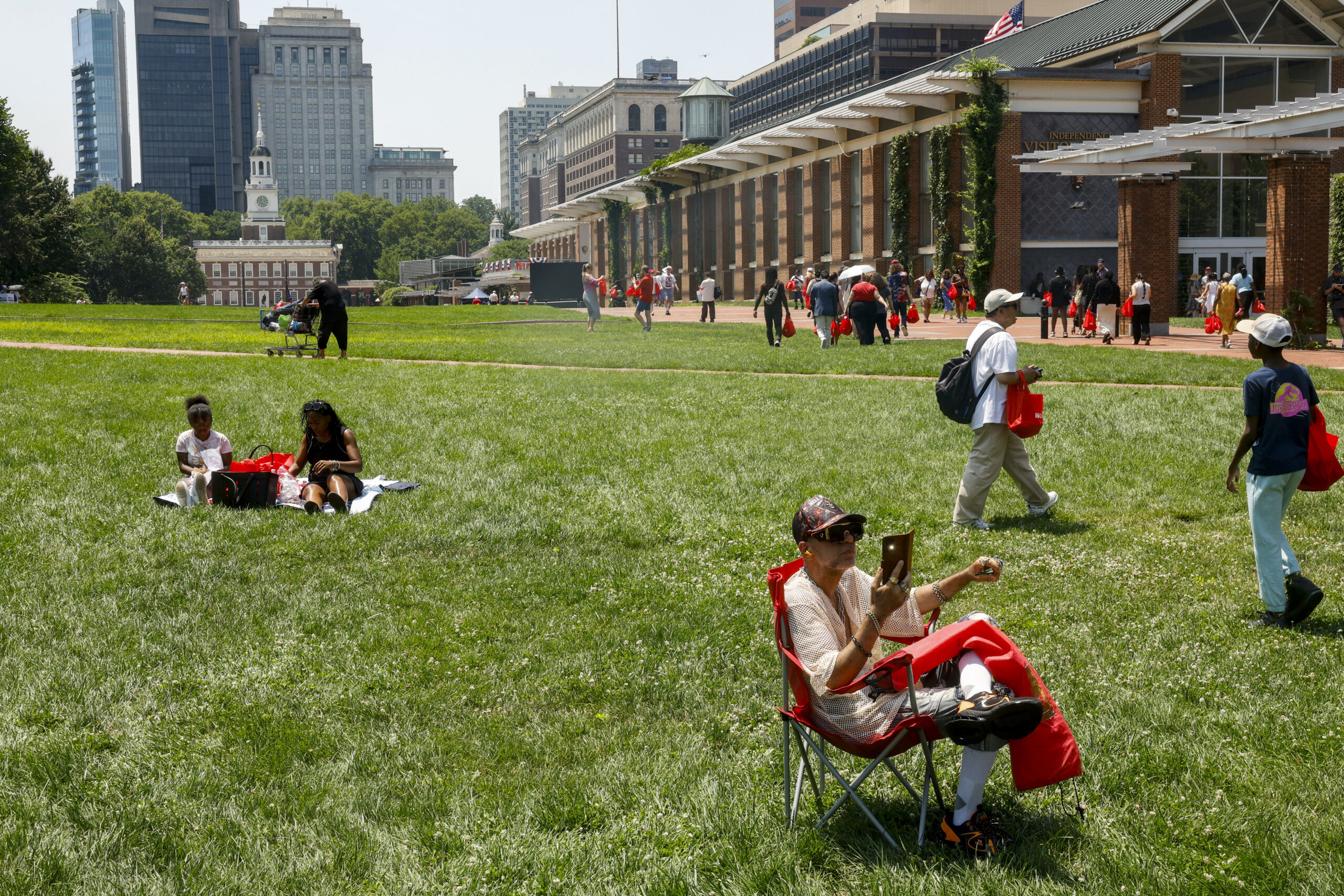
    Outside the National Constitution Center, where lines of hoagie tents had been set-up, there is a contained but lush stretch of field: bunches of summer flowers, vines climbing the Visitor Center, a little green relief from the asphalt and the July heat.

    There, people opened their red Wawa bags; some put on the red, white, and blue baseball hats and ate their hoagies. Pop music played from the speakers. The heat felt more bearable. And away from the crush of the line, it became clearer what many had come for: not only the sandwich, but an American picnic of sorts — friends, family, strangers, and the brief pleasure of being among fellow hoagie-eaters.

  • A new Graduate Hospital ice cream shop is all about big flavors and little wins

    A new Graduate Hospital ice cream shop is all about big flavors and little wins

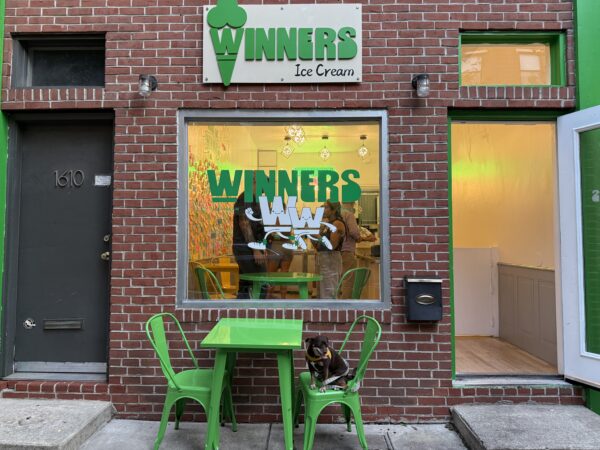
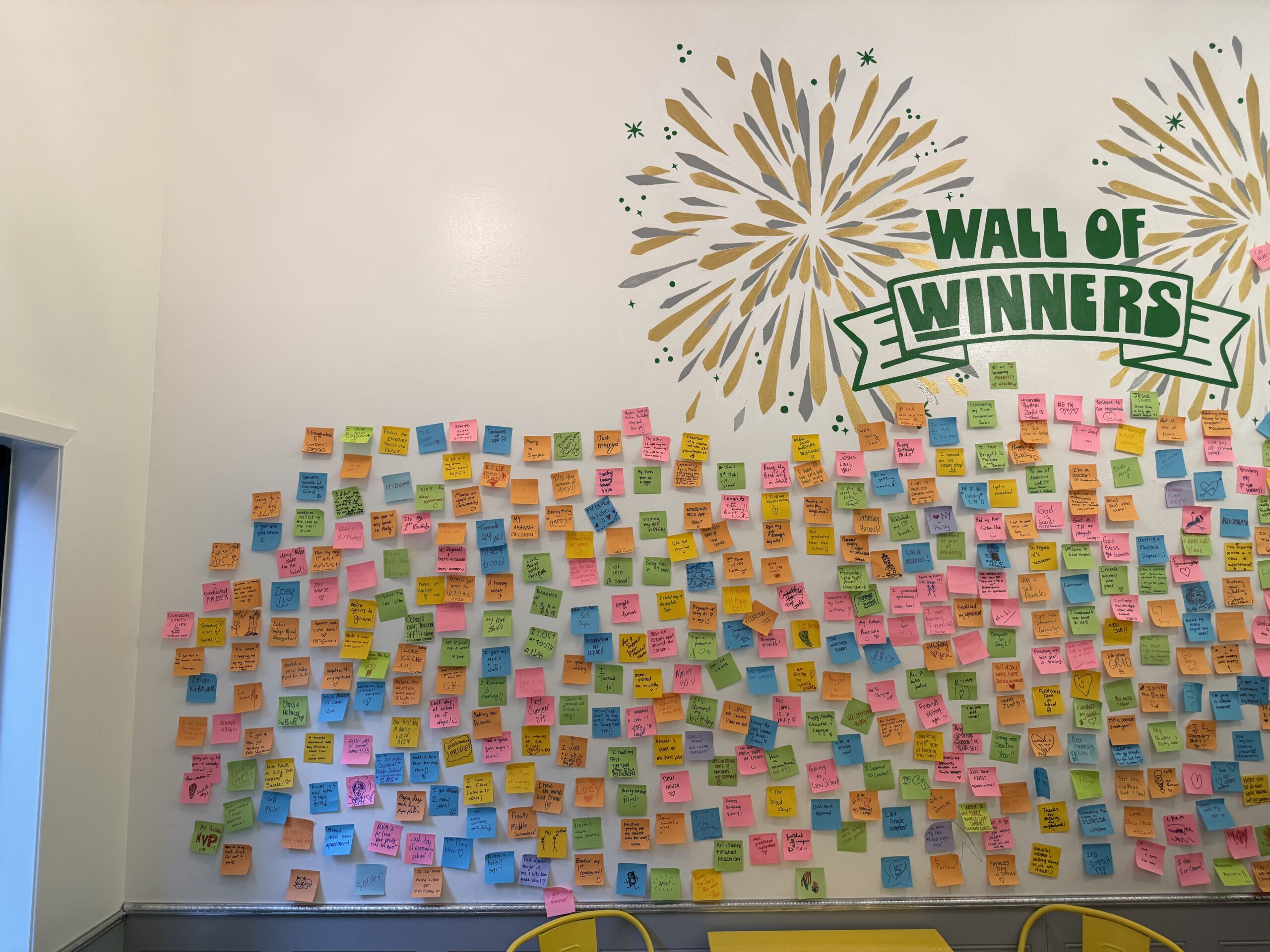
    Winners Ice Cream has only been open three weeks, but its wall is already completely covered with notes from neighbors. The small shop was packed on a recent, hot Thursday evening, as customers of all ages lined up for scoops of nostalgic flavors with winning-themed names like “MVPeanut Butter Crunch,” “Champ Chocolate,” and “Sweet Success ‘Smores.” They were invited to leave Post-It notes on the wall that detailed their own personal wins.

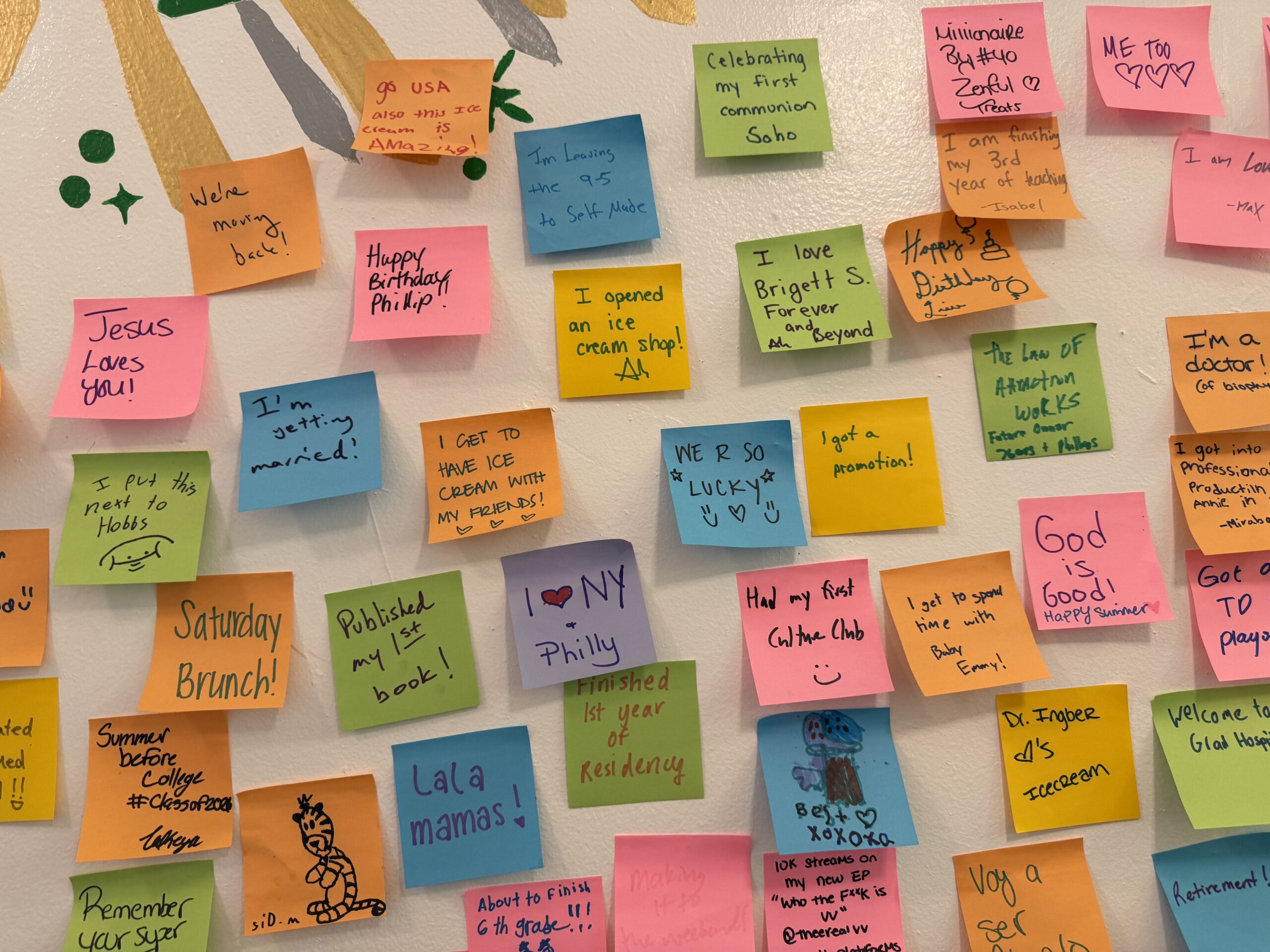
    These notes ranged from “I’m getting married” to “Published my first book” to “I ate breakfast.”

    This is owner Anh Nguyen‘s first shop. The 31-year-old, originally from Newark, Del., moved to Philly to manage branches of Surreal Creamery for the four years prior to his opening Winners.

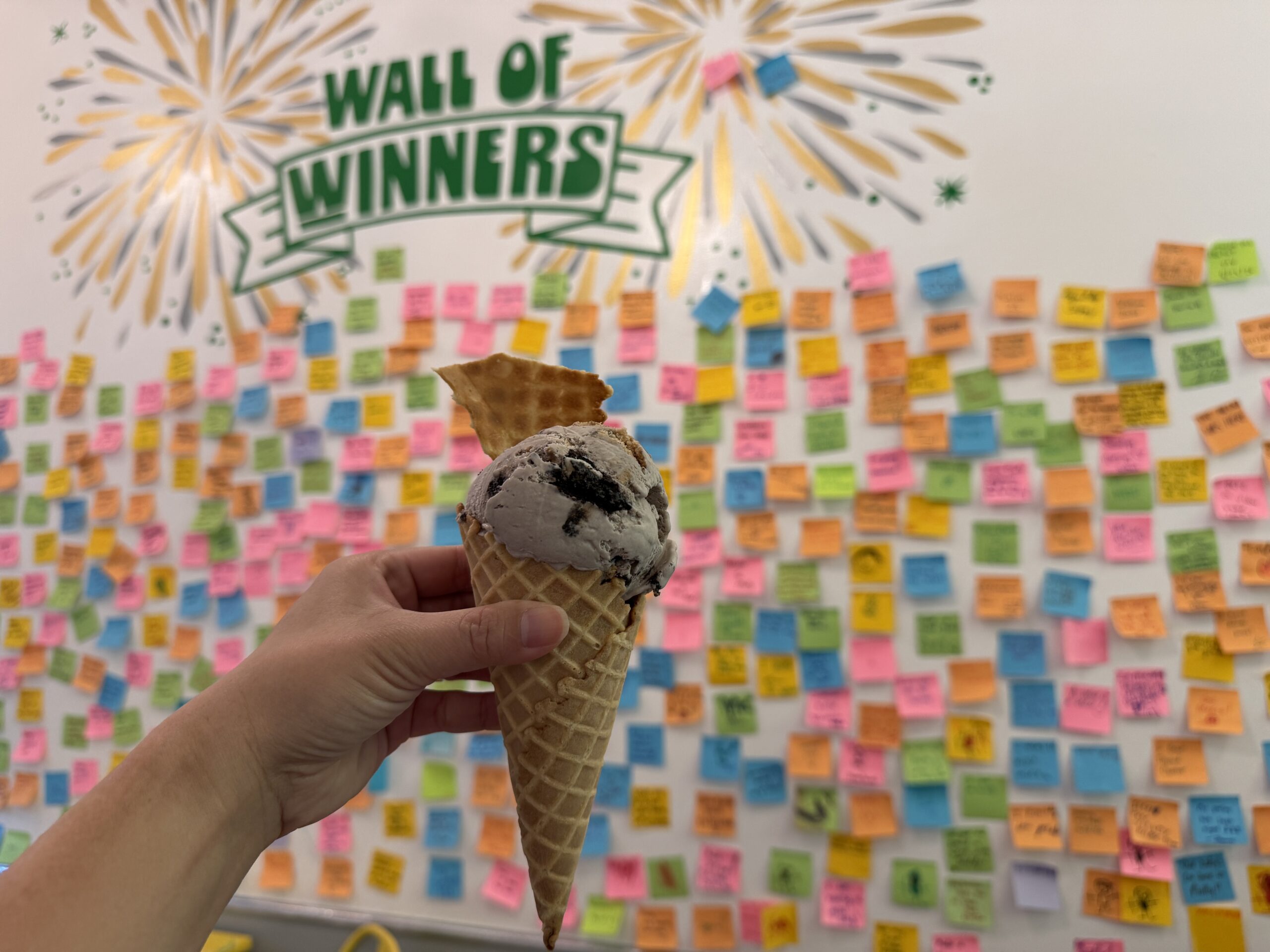
    Cookies and cream dream in a waffle cone at Winners Ice Cream in Graduate Hospital.

    Winners is so named because “we celebrate small wins, big wins, and all the wins in between with fantastic ice cream,” said Nguyen.

    Nguyen built a production kitchen downstairs, where all his ice creams are made from a 14% buttermilk base. Although he is the sole proprietor, his family has been actively involved with helping him get Winners off the ground. His father helped with construction and his mother kept the crew fed while they spent hours at the shop “putting things together with hammer and nails. And since we’re Vietnamese, she always packed us jasmine rice with eggs, pork, or sautéed chicken.”

    It took Nguyen and his father about a month and a half to build out the space. His three sisters have weighed in heavily, testing flavors and helping source ingredients. Nguyen currently makes 14 flavors of ice cream, with more in development, including “Match Point Matcha” (“All the flavors are winning themed,” he said) since the green tea flavor is so popular.

    His current personal favorite? “Major Mint Chip, which I make by infusing fresh mint leaves into the ice cream base, and letting it steep overnight. I didn’t want to use extracts or food colorings in any of my ice creams.”

    The flavor has crushed Girl Scout cookies (Thin Mints, of course) because Nguyen’s niece is a Girl Scout. To support her during cookie sales, he bought cases upon cases of cookies.

    The wall of winners at Winners Ice Cream.

    Winners, as well as Mod Spuds, which opened a week and a half prior to the ice cream shop, contributes greatly to “little treat culture” in the neighborhood. And they also share a similar aesthetic, because they share the same muralist. Nguyen peeked into Ange Branca’s Mod Spuds, a few feet away and also on South Street, noticed their painted walls, and asked to be connected with the artist, Hana Alshahab, who ended up painting the wall at Winners.

    Winners is a dream come true for Nguyen, who has loved hard-scoop ice cream since he was a child. “You can add mix-ins to hard scoop and make flavors that are more out of the box, unlike with soft serve where the mix-ins won’t fit through the tube of soft serve machines.”

    Most importantly, “I want Winners to be a community space to recognize and celebrate the moments in life that are often overlooked. Small wins can add up to big wins. I look at the wall and I get inspired and emotional,” said Nguyen.

    The wall of winners at Winners Ice Cream consists of notes left by patrons.

    In the sea of slips of paper denoting other peoples’ wins, one yellow one could easily be missed. It reads, “I opened an ice cream shop!”

    “That one was mine,” said Nguyen.

    Winners Ice Cream is at 1610 South St. It’s open from noon to 10 p.m. daily. Single scoops served in cups start at $5.75.

  • The water ice martini is the quintessential Philly summer cocktail

    The water ice martini is the quintessential Philly summer cocktail

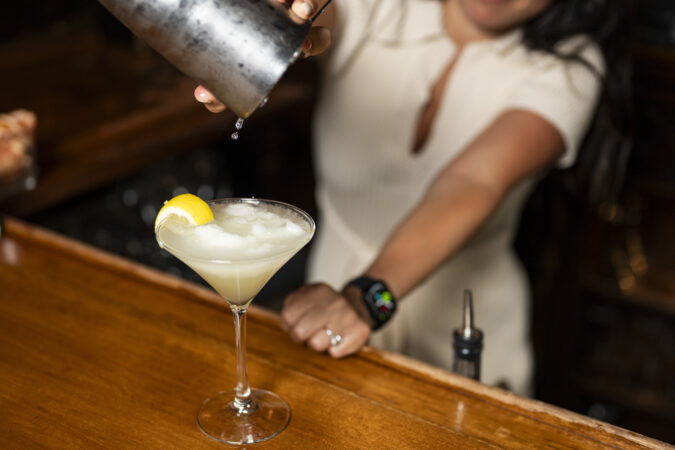
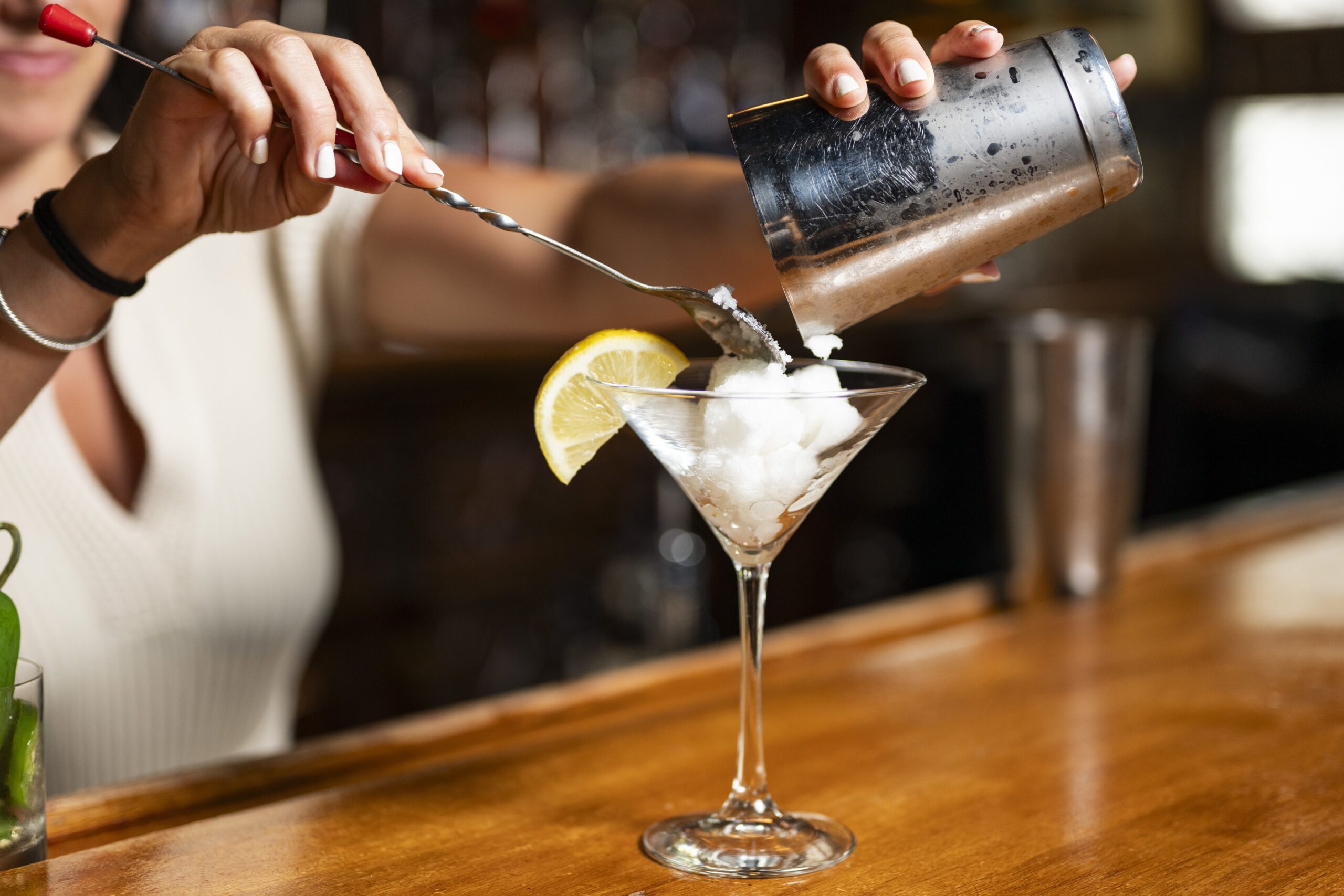
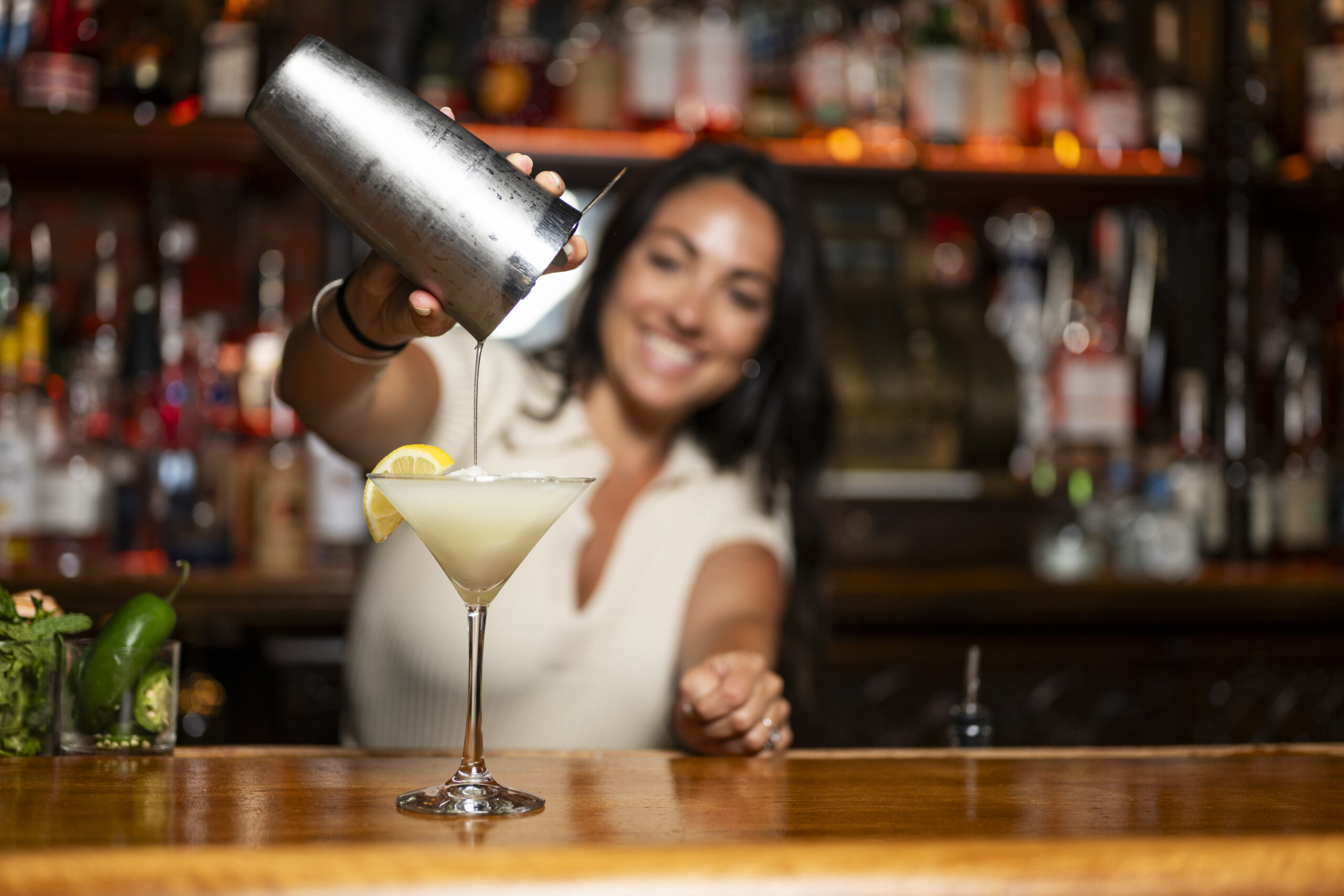
    If you were to distill the energy of a South Philly summer into a cocktail, it might look like water ice shaken with vodka in a martini glass, garnished with a pretzel stick. It would taste like the syrupy-sweet melted ice left in the cup and be crushable enough to knock back on a hot afternoon.

    That’s the water ice martini, a cocktail invented in the early 2000s at one of the neighborhood’s most famous red sauce joints. The drink was a hidden gem for decades, but has found new life this summer as copycats and riffs emerge at bars around Philly and down the Shore that are looking to stand out in a sea of Hugo spritzes, espresso ‘tinis, and soft serve margaritas.

    “Anyone that’s grown up in South Philadelphia grew up on water ice with pretzel sticks and pumpkin seeds. Its been a thing in my family for three generations,” said Vera Masi, the sales manager at Popi’s Restaurant in Packer Park, where the cocktail recently went viral. “Pairing that with a martini is a guaranteed hit.”

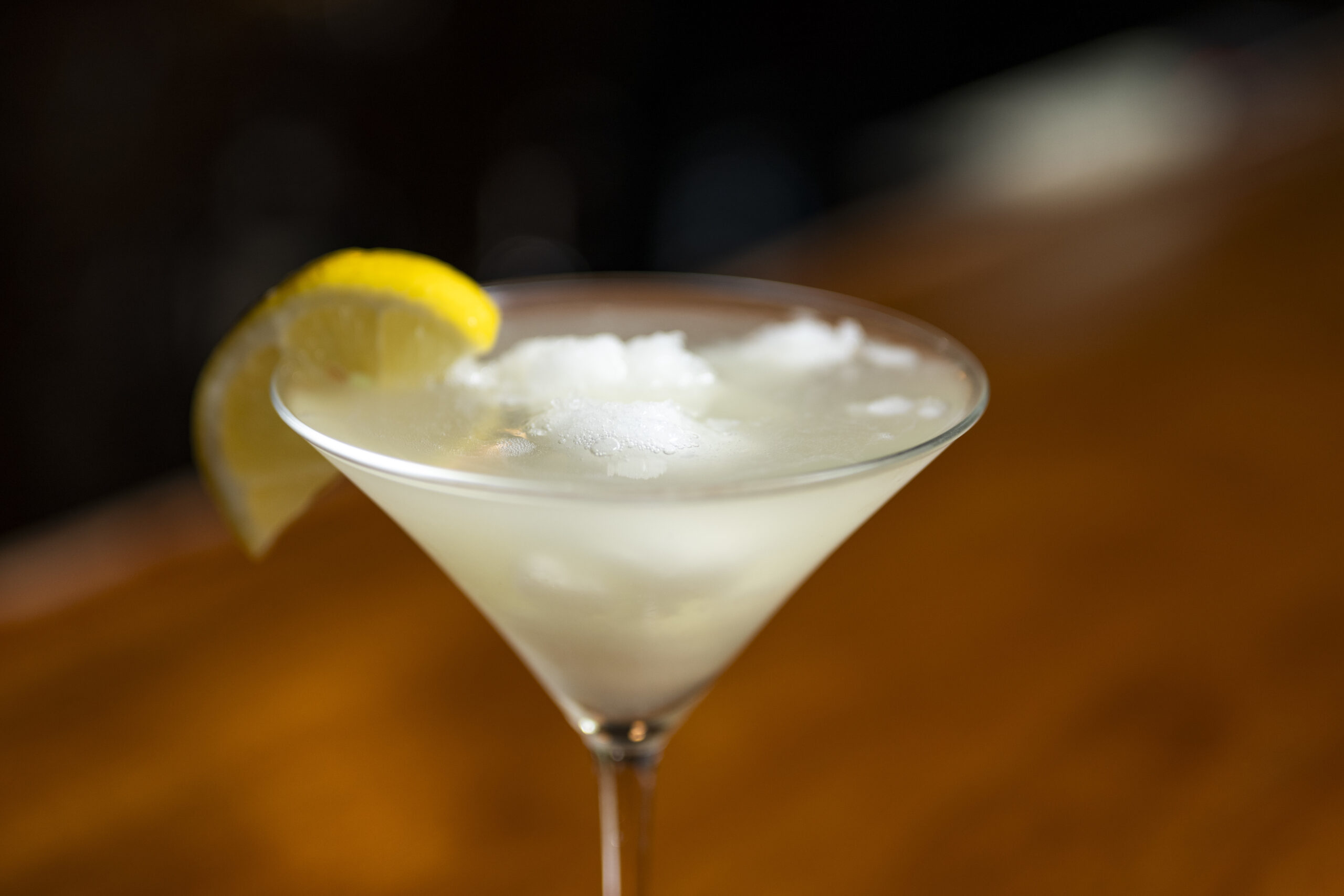
    The first water ice martini on record was poured in 2002 at Saloon by Anthony Cardullo, the third-generation John’s Water Ice owner who was then just a bartender. Called the Iceberg, the drink involves adding a scoop of John’s lemon water ice to a shaker with limoncello and Ketel One Citreon vodka. It then gets poured over a second scoop of lemon water ice in a glass.

    Gigi Bello, bar manager at Saloon, makes an Iceberg martini using lemon water from John’s. The cocktail has remained a bestseller since they started serving it in 2002.

    It’s the restaurant’s most enduring cocktail hit, according to manager Frankie Santore. Saloon sells at least 150 Icebergs per week in the summer, he said, making it their bestseller. To keep up, Cardullo has to drop off gallons of fresh made water ice each week.

    Other versions have cycled through Saloon — a pineapple ice painkiller and a melon ice midori sour, to name a few — but the Iceberg is the only one that has lasted, most recently inspiring a dupe that uses Cardullo’s recipe at the Ventnor Social in New Jersey. The restaurant has “never for a second” thought to use anything other than John’s water ice for its cocktails.

    “It’s all fresh fruit,” Santore said. “Anthony’s squeezing the lemons himself.”

    Gigi Bello, bar manager at Saloon, pours an Iceberg martini.

    Popi’s started serving their own versions of the water ice martini last summer after getting the idea from Rowhome Magazine editors Dorette Jackson and Dawn Rhodes. The 33-year-old Italian restaurant sources its water ice from Pop’s for two reasons, owner Gina Rucci said: It’s down the street, and “our names went together.”

    Popi’s has its own version of a lemon ice martini (aptly called the Limoncellotini), but its other offerings pull from the colors of the rainbow, like a neon orange mango water ice martini called the Gritty and a vibrant red strawberry water ice daiquiri. The restaurant used to sell about 20 a day last summer, said bar manager Laura Kreschollek. Now, they’re averaging 50.

    “People were coming in just for these,” said Masi. “We kept running out of water ice and were sneaking out to Pop’s in the middle of the day.”

    A strawberry daiquiri made with Pop’s Homemade Italian Ice at Popi’s Restaurant, 3120 S. 20th St.

    Naturally, the evolution would continue with spiked gelati. Philly could get its first in the early fall, when James Beard Award-winning South Jersey bartender Danny Childs aims to open his bar Field Day in Northern Liberties.

    Childs told The Inquirer he plans to serve the treat year round using his signature Slow Drinks approach. While the vanilla soft serve will come from 1-900-ICE-CREAM, Childs said, the boozy water ice will be made from scratch with local and foraged produce that change with the season. He’s envisioning a lineup of cherry, blueberry, and pawpaw (a fruit native to the Mid-Atlantic that tastes like a mango) to start.

    The cocktail-dessert hybrid was driven by a mix of nostalgia and peer pressure. Childs wanted a nod to his childhood in Delaware County, where he grew up using a soft pretzel as a spoon to scoop up water ice. He also wanted to one-up the alcohol-infused ice creams already on the market.

    “I was like, ‘Someone is going to do spiked gelati before us,’” Childs said. ”We have to hurry.”

    The Iceberg martini from Saloon, which was created by current John’s Water Ice owner Anthony Cardullo.

    Here are four places where you can find boozy water ice in all its forms, from vodka-infused scoops to martinis.

    Where to find boozy water ice in Philly

    Saloon

    This classic Italian joint in Bella Vista has been serving its signature $18 Iceberg martini since 2002, when current John’s Water Ice owner Anthony Cardullo invented it while working at the restaurant’s bar. It does indeed look like icebergs disintegrating into the Arctic as it melts, but the drink goes down easy — sweet, icy, and citrusy without tasting artificial. Also be on the lookout for Cardullo’s nightly water ice cocktail specials.

    📍750 S. Seventh St. 📞 215-627-1811, 🌐 saloonrestaurant.net

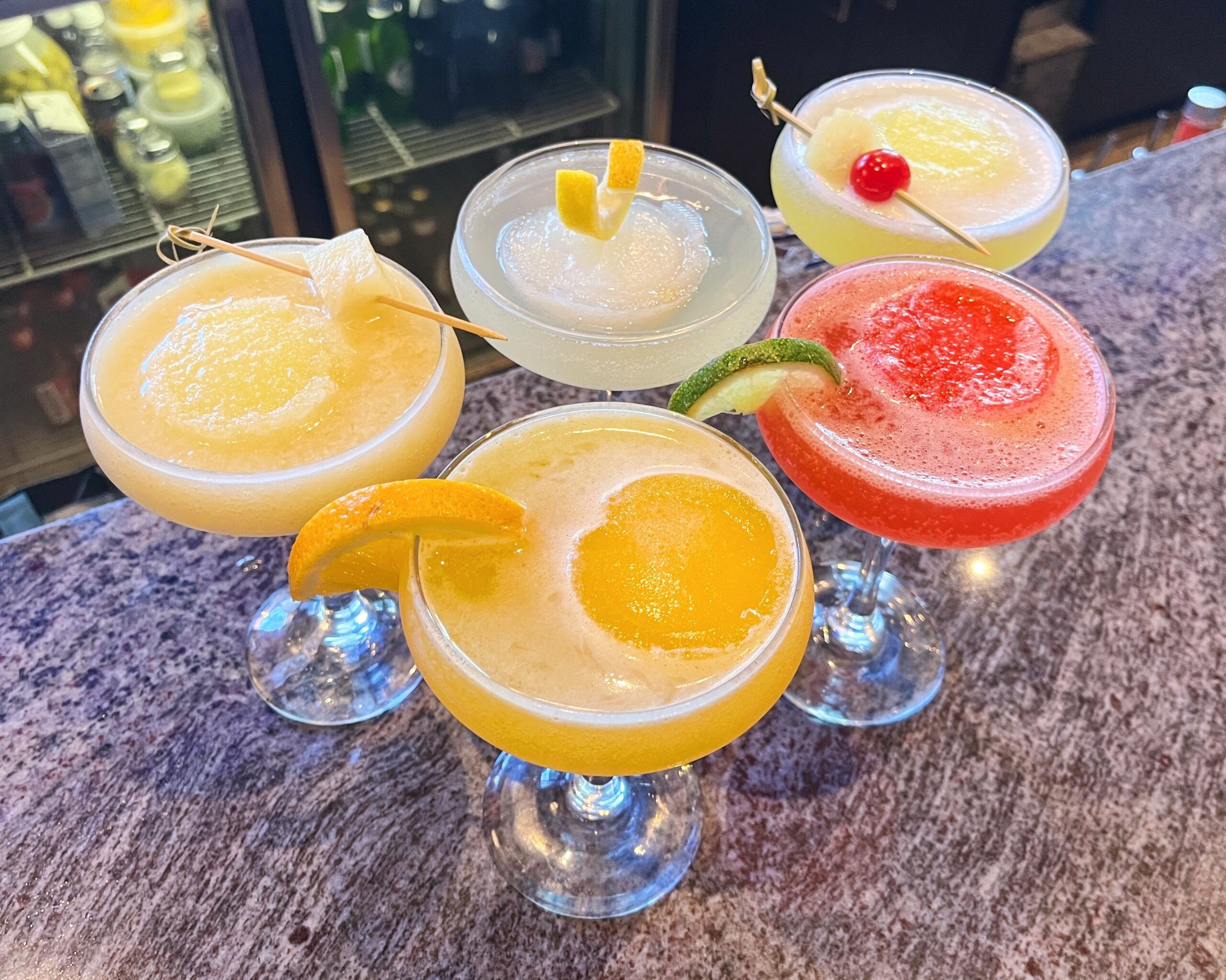
    A lineup of water ice martinis made with Pop’s homemade Italian ice at Popi’s Restaurant. Clockwise from left: The Pineapple Pizzaz, Limoncellotini, piña colada, strawberry daiquiri, and the Gritty.

    Popi’s Restaurant

    At Popi’s, the pours are heavy and the water ice is extra sweet. This 33-year-old Italian restaurant near the sports complex in Packer Park gained a new reputation in 2025 when it started serving brightly colored cocktails sweetened with Pop’s homemade Italian ice. Normally $16 and $20 during the World Cup, the cocktails run the gamut from the Gritty (a vodka martini with orange juice and mango water ice) and Pineapple Pizzaz (a pineapple vodka martini with pineapple water ice) to a strawberry daiquiri with a disk of — you guessed it — strawberry water ice floating in the middle. If you’re not susceptible to a sugar rush, it’s easy to have several in one sitting.

    📍3120 S. 20th St. 📞 215-755-7180 🌐 popisrestaurant.com

    Triangle Tavern

    Best known for its excellent vegan wings and cheesesteaks, Triangle Tavern also serves scratch-made boozy water ice year round. Flavors rotate seasonally and range from mango and pomegranate in the summer to pumpkin spice in the fall and crisp peppermint in the winter. Spun in a slushie machine with a handle of vodka, the $12 cocktails are served in a pint glass garnished with a hard pretzel rod for an extra dose of South Philly flair.

    📍1338 S. 10th St. 📞 215-800-1992 🌐 triangletavernphilly.com

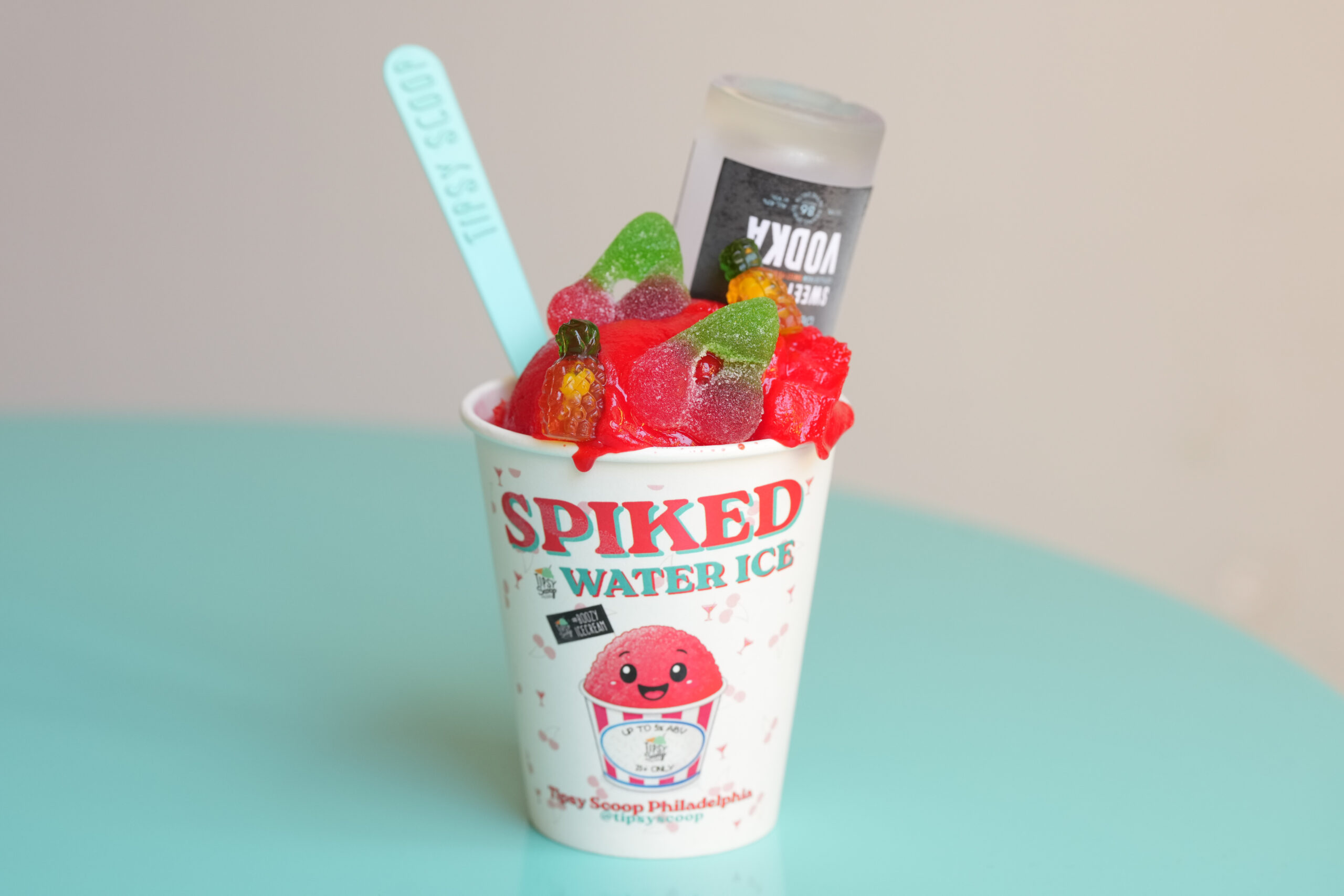
    The Philly Phreeze sundae at Tipsy Scoop in Rittenhouse Square, which is comprised of vodka-infused cherry water ice topped with gummy candies.

    Tipsy Scoop

    This New York City-based ice cream chain has been infusing ice cream and sorbet with alcohol since 2013. After opening its first Philly outpost inside the Rittenhouse Square BOTLD location, the brand added a cherry water ice spiked with vodka to its menu. Our suggestion: Order the $14 sundae version — which comes topped with chewy cherry and pineapple gummies in a novelty cup — and consider springing for the chilled vodka shooter. It’s entirely too much in the best way possible, and the water ice is delightful despite being made by a New Yorker. Red enough to stain your tongue, it tastes like a handful of maraschino cherries.

    📍119 S. 18th St. 📞 917-388-2862 🌐tipsyscoop.com/pages/philadelphia

  • From bakeries to brewpubs, all the Philadelphia restaurant and bar openings for July

    From bakeries to brewpubs, all the Philadelphia restaurant and bar openings for July

    The Philadelphia area restaurant boom continues into the summer, with newcomers including a neighborhood cocktail bar, bakery/cafes, a suburban brewpub, a $2 million pizzeria, a vegan cafe, a destination dining room, and a fusion sandwich shop.

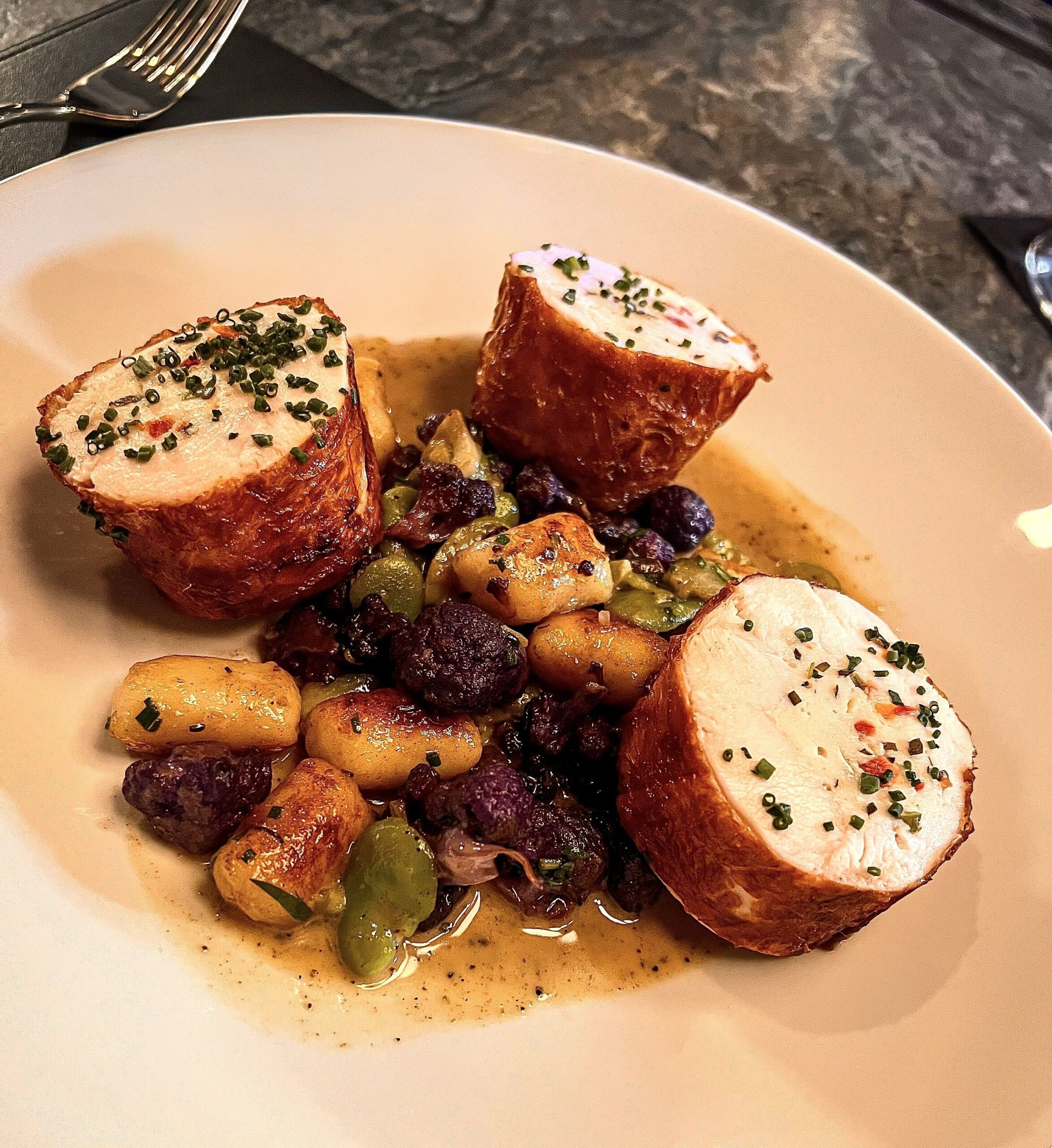
    Chicken roulade with fava beans, gnocchi, and cauliflower at Academy Grill in Fort Washington.

    Academy Grill (424 S. Bethlehem Pike, Fort Washington): Fine Line Dining’s next project, an Italian-inspired, white-tablecloth restaurant, will serve seafood, steaks, and pastas in the former Cantina Feliz space near Germantown Academy (hence the name). Chef Jeff Power, formerly of Dettera in Ambler, is leading the kitchen. Owners Mike Sloane and Jay Rosenthal, who also own the casual Fort nearby and Jasper’s Backyard in Conshohocken, plan to open July 7 for dinner, July 9 for lunch, and then operate Tuesday to Saturday for dinner.

    Banjara Indian Bistro (689 Berlin-Cross Keys Rd., Sicklerville): Vaneet Chopra, whose family owns Cross Culture in Haddonfield and previously operated Banjara in Chestnut Hill, is behind this Indian restaurant due to open soon in the strip center that also houses Gouldsburger’s, the Breakfast Nook, and Saladworks. Owners told 42Freeway that it was awaiting final inspections.

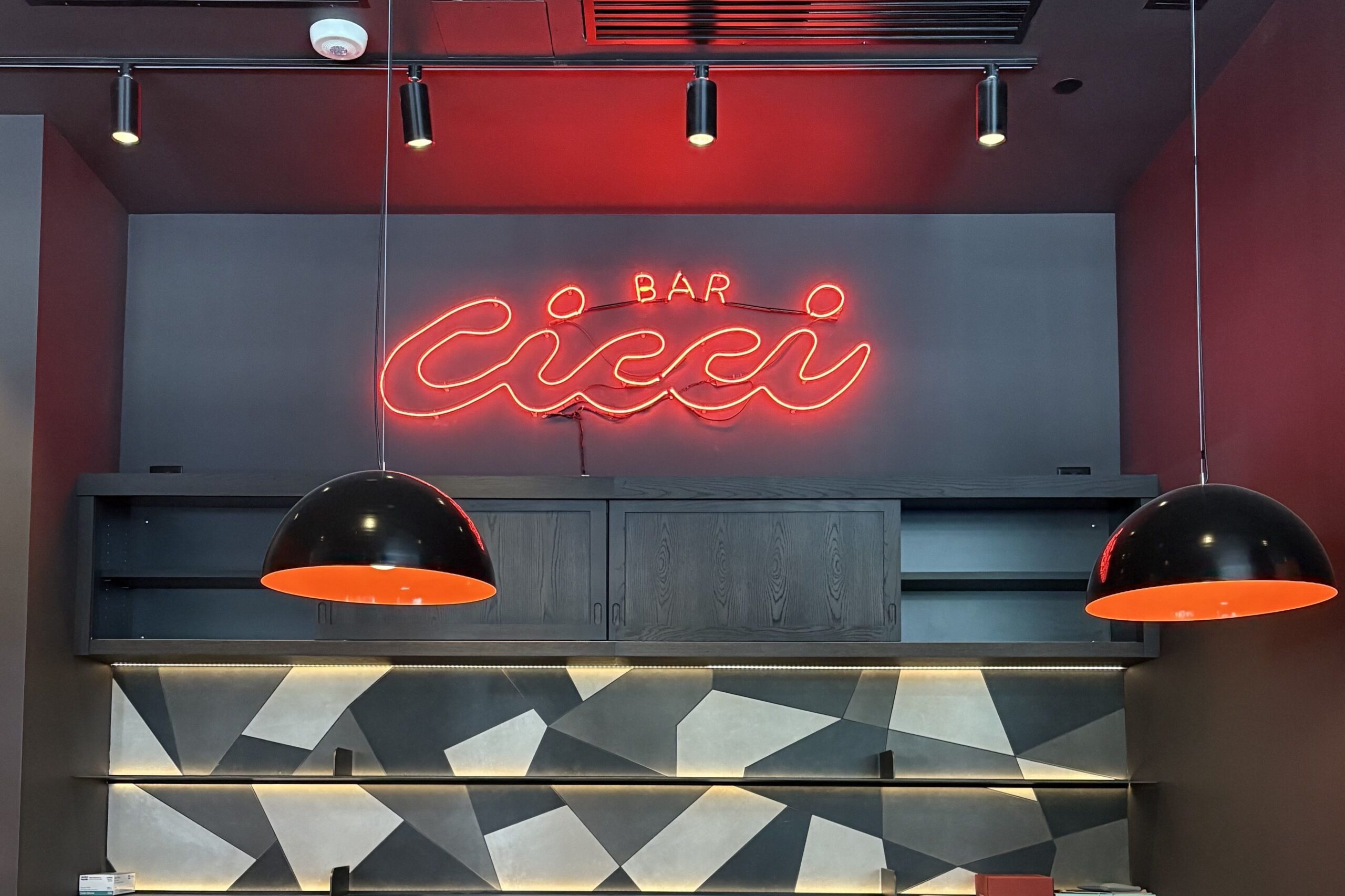
    Bar Cicci is due to open in late July at 1620 Sansom St.

    Bar Cicci (1620 Sansom St.): Ellen Yin and High Street Hospitality Group are behind this Italian cafe-bar next to Uchi near Rittenhouse Square. Pronounced “chee-chee,” it is positioned as an all-day salon for espresso, pastries, panini, cicchetti, wine, and aperitivi. It’s due to open later this month.

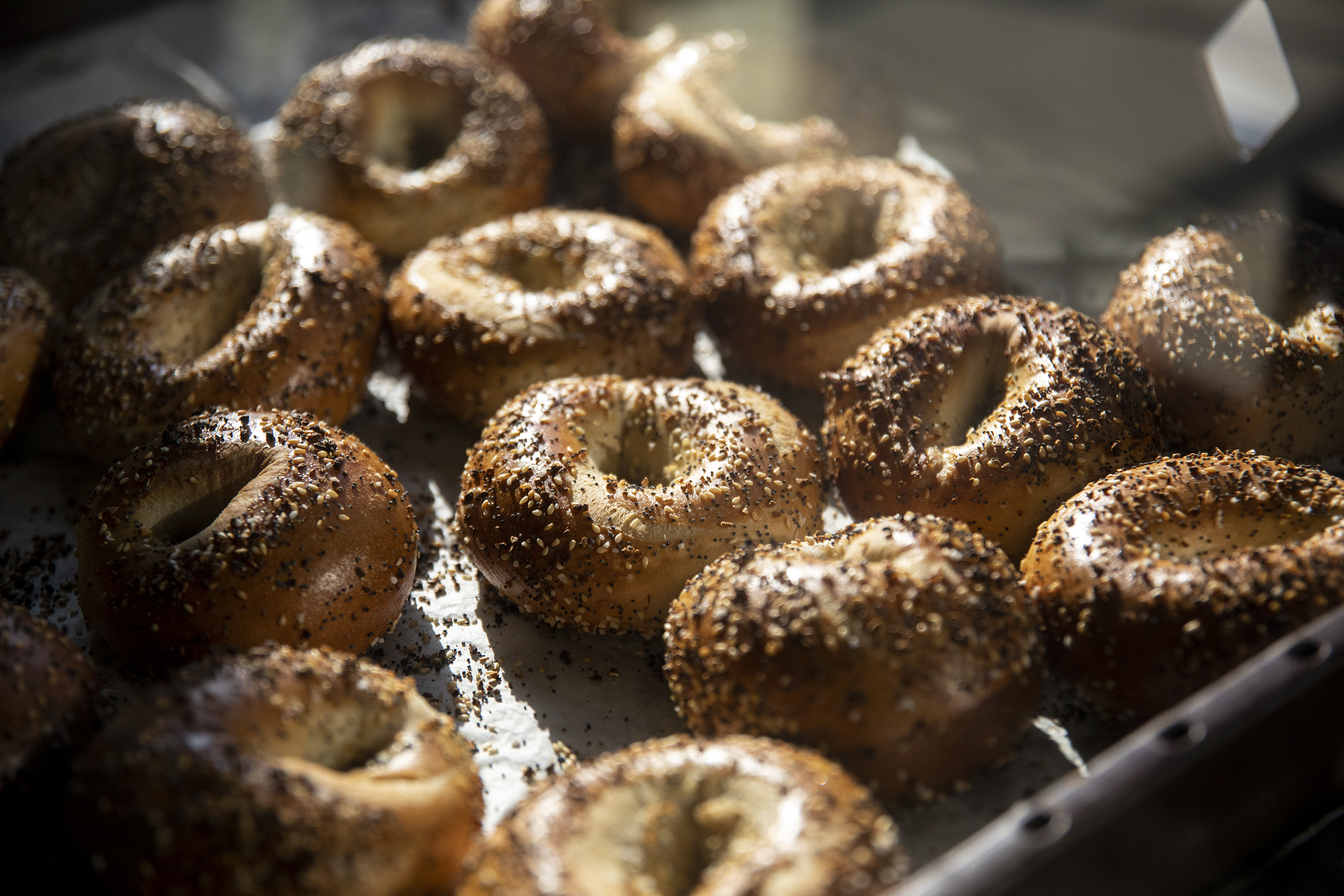
    Bart’s Bagels’ first shop opened in 2020 in the Powelton section of West Philadelphia.

    Bart’s Bagels (273 Montgomery Ave., Bala Cynwyd): Bagelmeister brothers Brett and Kyle Frankel plan a late-July opening of their third shop, at the old Bravo Pizza in Bala, a five-minute walk from their childhood home.

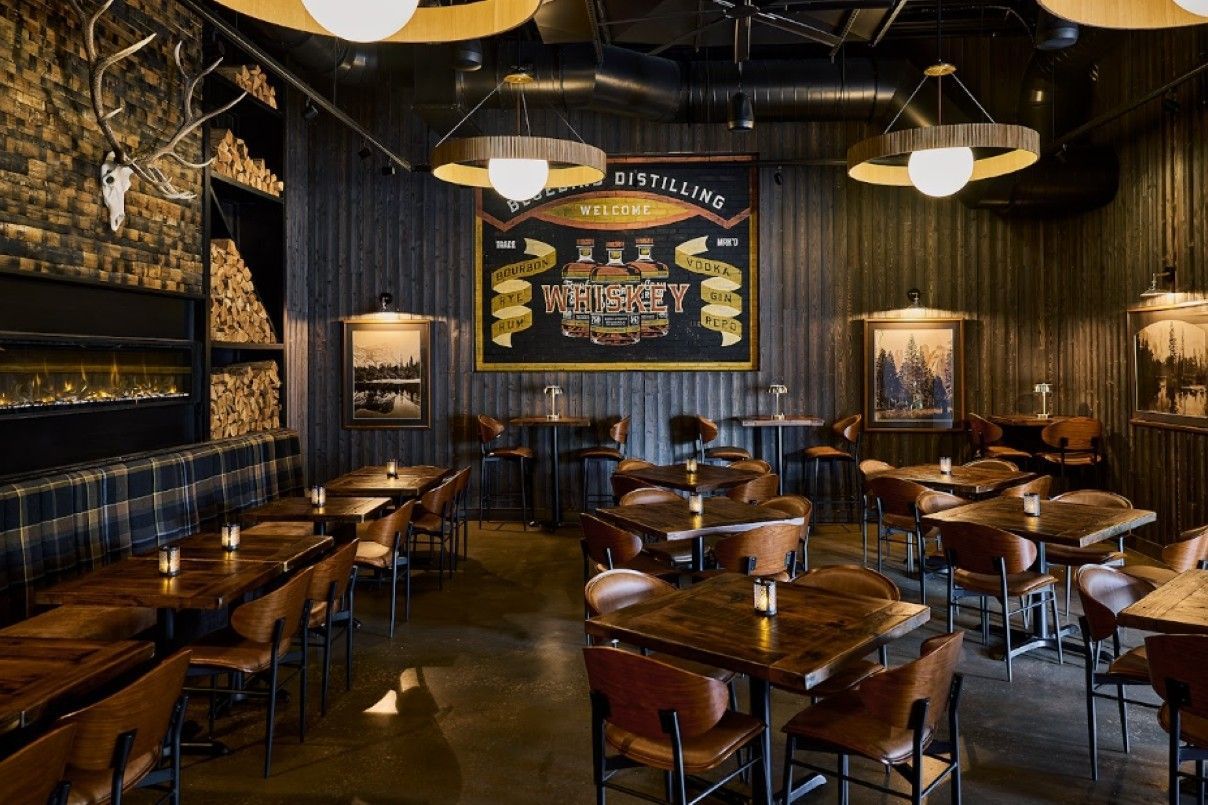
    Bluebird Distilling & Dough House is a $2.2 million expansion and renovation of the popular Phoenixville destination.

    Bluebird Distilling & Dough House (100 Bridge St., Phoenixville): Bluebird’s $2.2 million expansion, Dough House, arrives July 7. It’s a neo-Neapolitan pizzeria and restaurant inside its downtown Phoenixville distillery, and adds an expanded cocktail bar, a 50-seat dining room, a chef’s counter, and an enlarged retail shop. Executive chef Devon Migeot, formerly of Zahav, Laser Wolf, Rosalie, and Tresini will serve naturally fermented pizzas, house-baked breads, and shareable small plates alongside the distillery’s cocktails.

    Cheezy Vegan by Chef Reeky (1216 S. 17th St.): Now in soft-opening mode at 17th and Manton Streets in Point Breeze, this plant-based concept from Tarik “Chef Reeky” Ryant and Erin Mignogna-Dougherty (previously in Woodlyn, Delaware County) serves a full menu — breakfast, lunch, appetizers, coffee drinks, milkshakes, and smoothies — from a counter, with coffee beans roasted on-site. A sidewalk cafe is planned.

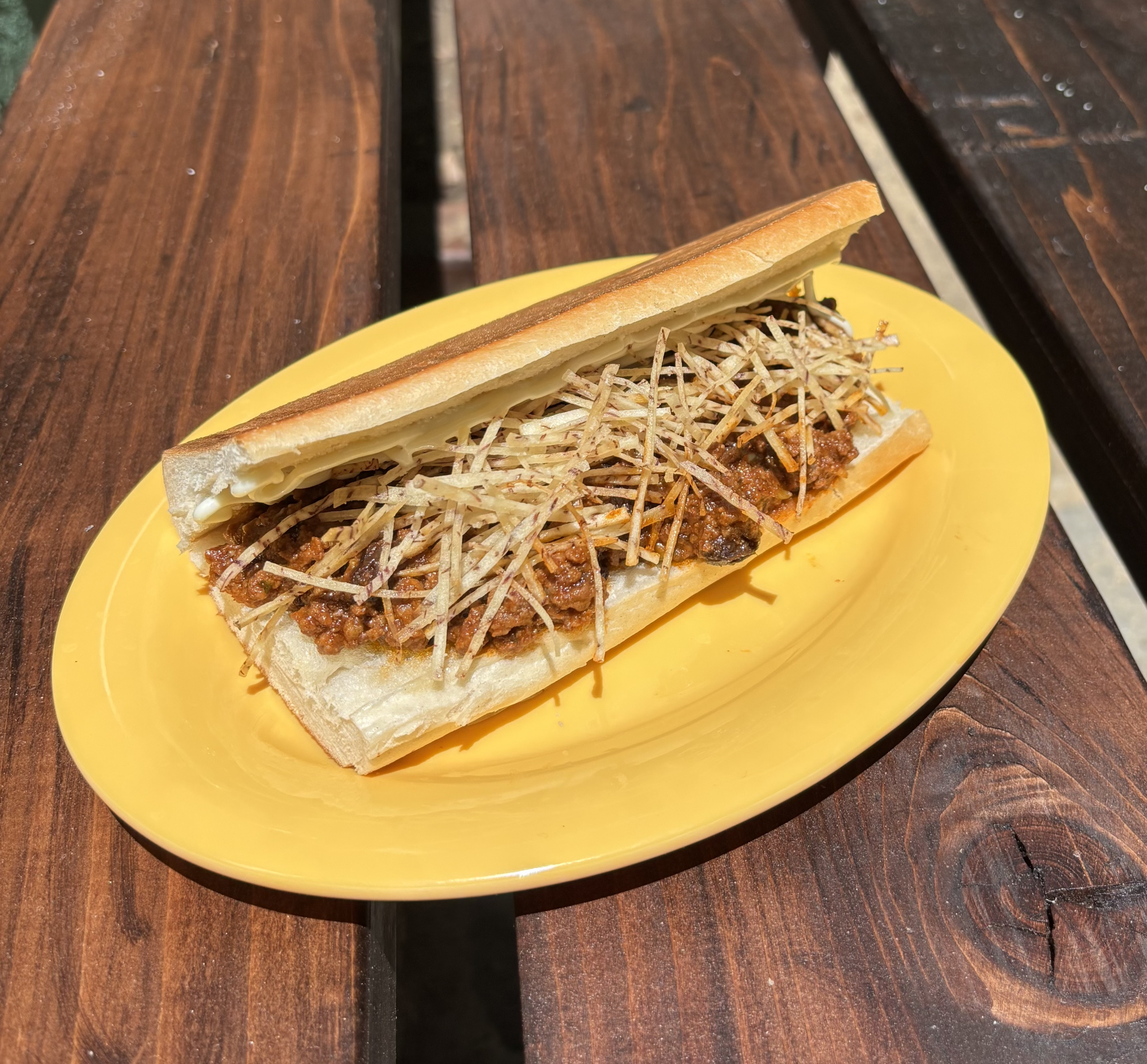
    The pica pica sandwich at Chibanos, which comes with picadillo, Swiss cheese, mayo, and crispy taro sticks.

    Chibanos (1127 Pine St.): Opening today at 8 a.m., this casual sandwich shop in Effie’s former Washington Square West building is an ode to owner Evan Jaroff’s multicultural upbringing, blending Chinese and Cuban flavors for a tight fusion menu. Breakfast sandwiches are made on Dodo Bakery bolo baos, there are pressed sandwiches like the pica pica (picadillo, swiss, mayo, crispy taro sticks) and mima frita (Chinese sausage croquetas, Swiss, mayo, cabbage, mojo vinagrette), plus salads, sides, and a robust drink list that offers both colada and black milk tea.

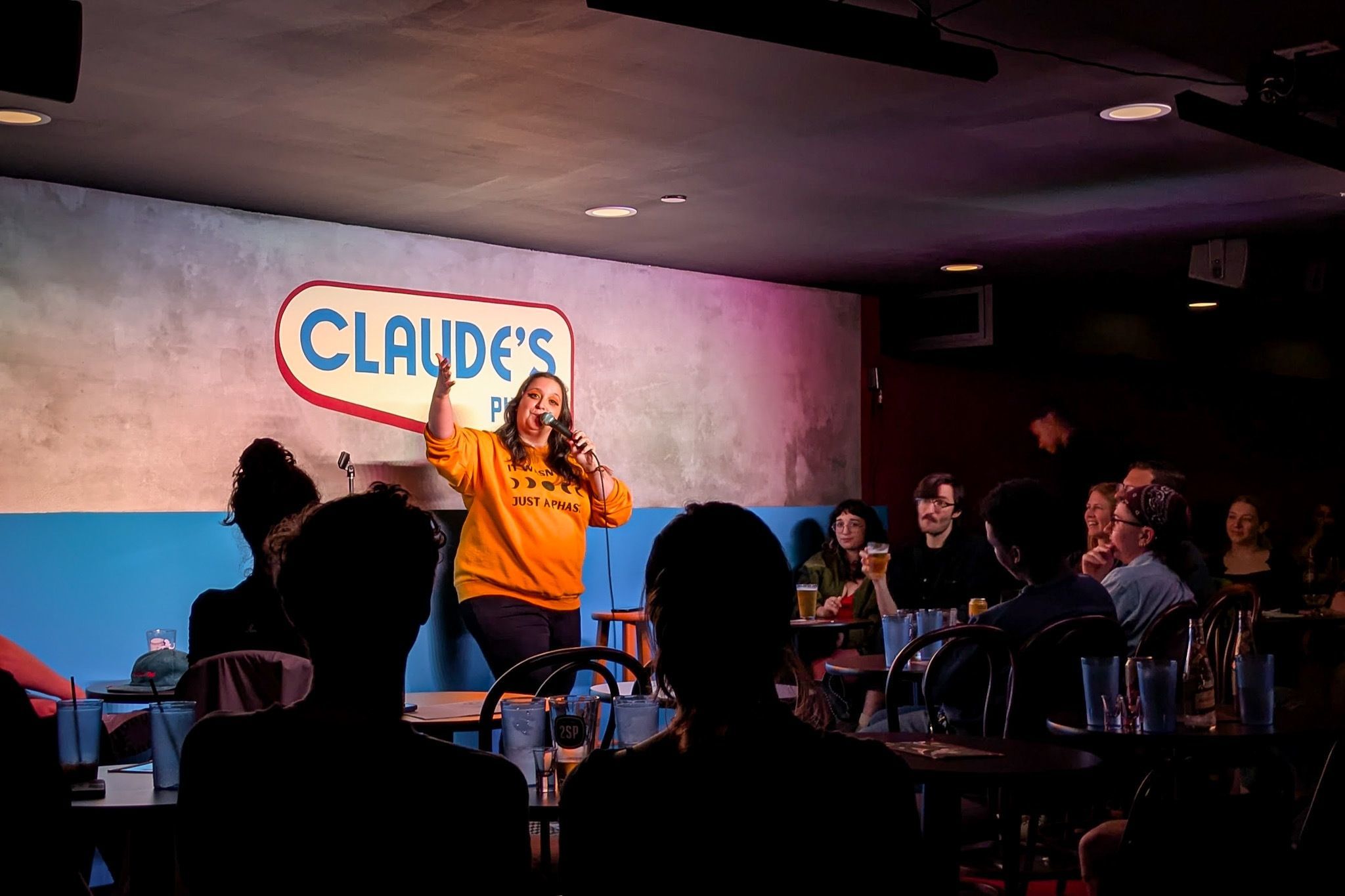
    Comedian Meg Goetz entertains at a preview of Claude’s Comedy Club & Bar, 1123 S. Broad St.

    Claude’s Comedy Club & Bar (1123 S. Broad St.): Reid Benditt’s intimate South Philly venue for stand-up, in its opening days, sits alongside a bar serving cocktails, beer, and casual fare from 4 p.m. daily. He’s positioning this as an affordable alternative to larger comedy clubs, with modest ticket prices, no two-drink minimum, and a mix of touring performers and local comics.

    Dublin Brewing Co., Brendan FitzGerald’s Irish pub, in Downingtown.

    Dublin Brewing Co. (137 Wallace Ave., Downingtown): Irish-born homebrewer Brendan FitzGerald’s decade-in-the-making brewpub is designed as an authentic Irish pub, with an Irish dry stout, Irish red ale, IPAs, pale ale, Pennsylvania wine and spirits, and bar food. FitzGerald built the pub himself while continuing his day job, borrowing design cues from pubs in Howth and Dublin’s Temple Bar. It’s open for special events (check Instagram) while FitzGerald awaits final permitting.

    Home Team Tavern (267 S. Black Horse Pike, Mount Ephraim): The short-lived Mount Ephraim Bar & Grill has been flipped into a compact, sports-minded neighborhood tavern from Greg Carta, who previously managed North Bowl and South Bowl in Philadelphia. He told 42Freeway that he’s aiming for an early July opening with a menu built around tavern pizzas, burgers, starters, and other game-day food.

    Lillian’s, 1900 S. 19th St., during a preview on June 25, 2026.

    Lillian’s Bar (1900 S. 19th St.): This week, Point Breeze got a cozy neighborhood cocktail bar at 19th and Mifflin Streets with an evolving kitchen concept from Sam Ahern, a former bar manager at Fabrika who also worked at Cicala at the Divine Lorraine and Fitler Club after hosting backyard supper clubs during the pandemic. Ahern has brought in chef Alejandro Martín Sánchez (Mesona) to set up the concise menu of Mediterranean-leaning bistro fare, including sandwiches, salads, tinned fish, charcuterie, and cheese boards with kitchen operations overseen by Isobella “Izzy” Ioffreda. Guest chefs will take over for weekend or monthlong runs. First will be Miled Filianos of Habibi Supper Club, whose six-course dinners and happy hours are scheduled for July 9-11, 17-18, and 23-25. Cocktail program is led by Fitler Club alum Avdo Babic. Opens at 5 p.m. Tuesday through Saturday.

    Luna at the Luxe (1705 N. American St.): Sarah Varisano expects to open her relocated Luna Cafe on Monday in the Luxe apartment complex in Old Kensington. The reboot keeps Luna’s familiar brunch, breakfast, and coffee-to-go identity, while adding a larger bar and beverage program, evening hours, and courtyard seating.

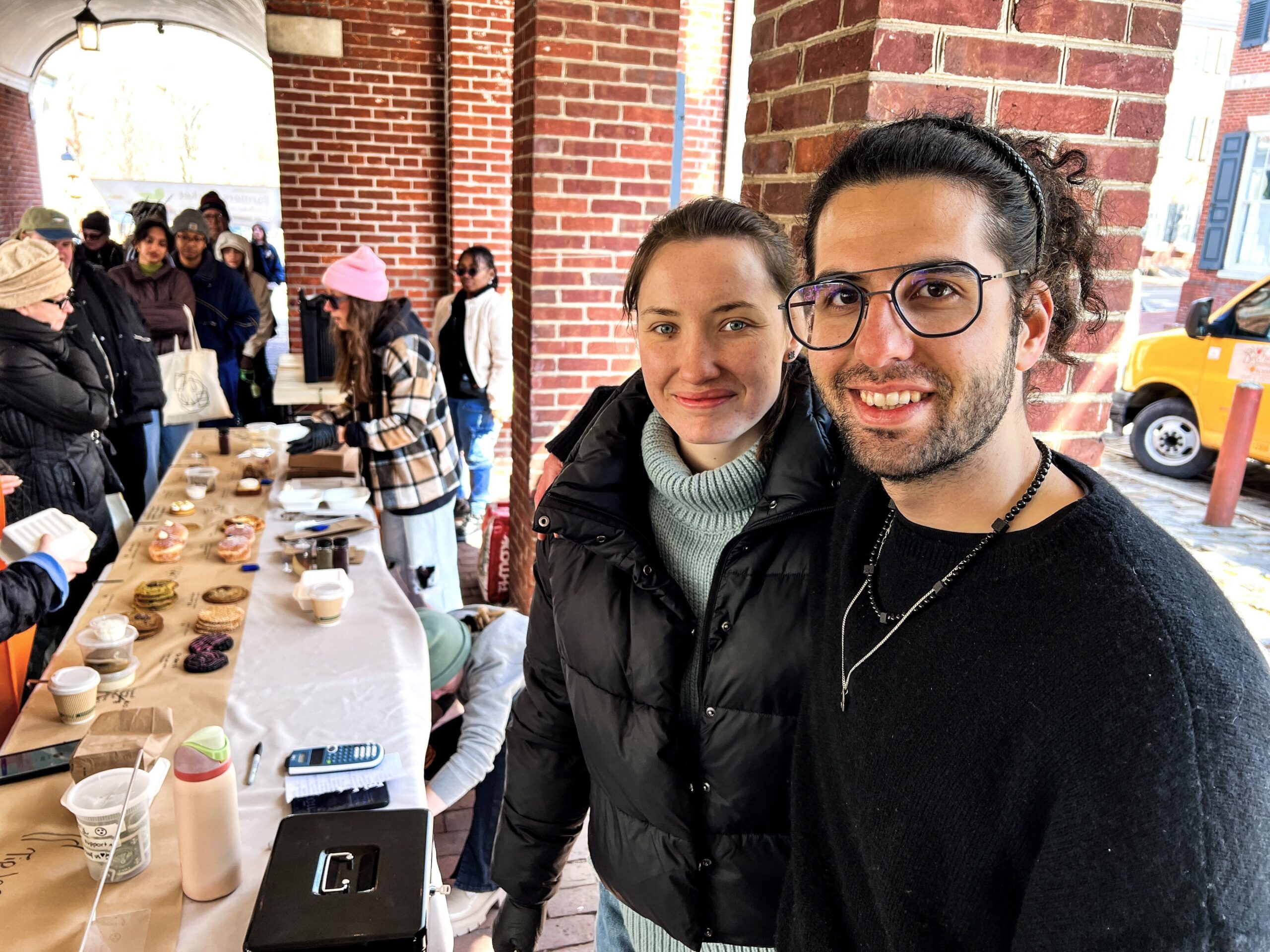
    Bakery owner Saif Manna and his wife, Stefaniya Surikova, at their table at Headhouse Farmers Market.

    Manna Bakery (110 W. Berks St.): Baker Saif Manna, shifting from pop-ups to a brick-and-mortar at the former Essen in Kensington, is looking for a late-month soft opening of his 50- to 60-seat bakery/cafe specializing in Levantine and Palestinian wares. It will initially open for daytime service, in addition to his farmer’s market stops. The menu expands to include individual manakish made in the style of Manna’s grandmother, rotating savory buns led by a chicken-sumac version, airy Palestinian-style brioche filled with seasonal fruit and creams, cookies, cakes, and gluten-free desserts such as a flourless chocolate cake and whipped rice pudding created in honor of Manna’s late father. The space also will host baking, cooking, coffee, and arts workshops with visiting chefs, bakers, artists, and baristas, and monthly supper clubs.

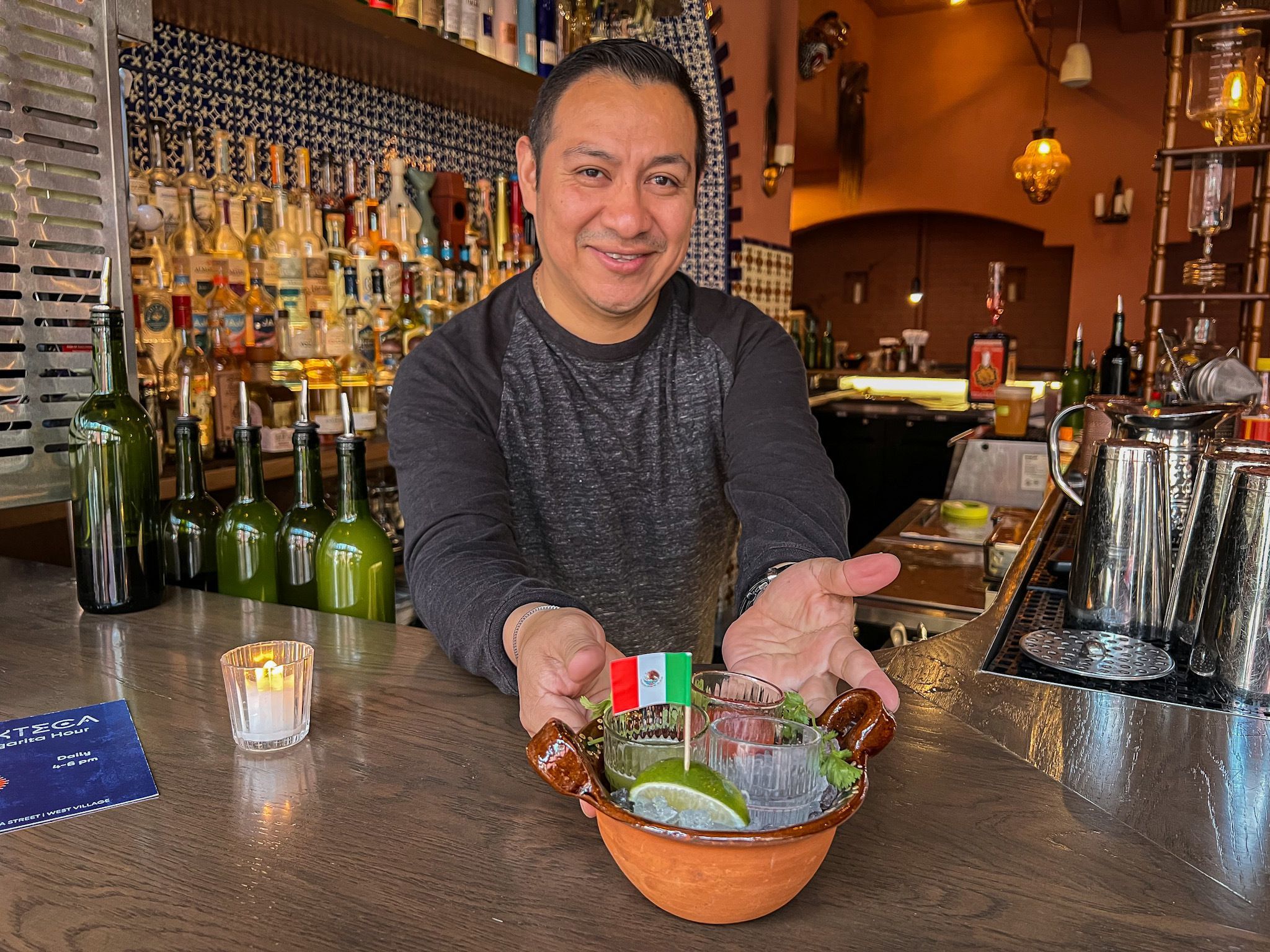
    Bartender Euclides “Victor” Lopez behind the bar at Mixteca in New York City on June 4.

    Mixteca (2113 E. York St): This agave-focused Mexican cocktail bar from New York’s Jeff Bell and Euclides “Victor” Lopez is taking over the former Martha in East Kensington. The Philly location, expected later in the month, marks the local debut for Mixteca and Apres Cru Hospitality. The plan includes tequila, mezcal, Mexican drinking culture, indoor-outdoor seating, and a reworked layout with an expanded bar and lounge.

    Philly Po Boy Co. (102 W. Berks St.): Brothers Chris and Greg Lynch are looking for late month for their New Orleans-inspired sandwich shop under the Berks El stop, with po’boys, gumbo, jambalaya, beignets, and coffee from Applied Arts Coffee in New Orleans. Chris spent years cooking in New Orleans, while Greg’s Philly resumé includes Starr Restaurants and LMNO.

    Sandpiper Cafe (1640 South St.): This all-day breakfast-and-lunch spot is due to soft-open Thursday at 1640 South St. It’s the latest from Gunawan Raharjo, who owns the West Passyunk Indonesian gem Indo Spice (noted in our list of Philly’s 76 most influential restaurants). Sandpiper’s American menu, served from 7 a.m. to 5 p.m. daily, will expand upon the menu at Raharjo’s other restaurant, Cafe Olivier in Old City. At Sandpiper, Raharjo is partnered with Deddy Pornomo.

    Stella’s Ice Cream (1832 N. Front St.): This Idaho-based chain of ice cream shops planted its first East Coast location on June 27 in Kensington/Fishtown on what reporter Beatrice Forman has dubbed Ice Cream Row, mere blocks from Sweet 45 and 1-900-ICECREAM. Franchisee Shay Marlin had no prior ties to Idaho or the ice cream biz, but was drawn to Stella’s inclusive and family-friendly vibe. The shop offers 24 flavors of ice cream — including eight nondairy options — plus gluten-free waffle and sugar cones, sandwiches made on hulking brownies baked in-house, and yogurt-peanut-butter popsicles for pups.

    Thirsty Turtle Tavern (270 White Horse Pike, Barrington): Just days old, this Camden County taproom in the former Chuck Lager/Wild Wing Cafe building near I-295 is the brand’s second, after Whitehall, Pa., and 42Freeway says it features a refreshed dining room, open kitchen, wood-fired pizza oven, sushi station, and patio.

    333 Belrose Bar & Grill (333 Belrose Lane, Radnor): A slow-moving top-to-bottom renovation will add a larger bar, expanded kitchen, redesigned dining rooms, upgraded private-event spaces, and refreshed outdoor dining to this Main Line landmark, whose new American menu is overseen by chef Ross Esner.

    Staff writer Beatrice Forman contributed to this article.

  • The ‘flying saucer’ building at LOVE Park will host a beer garden and then a restaurant

    The ‘flying saucer’ building at LOVE Park will host a beer garden and then a restaurant

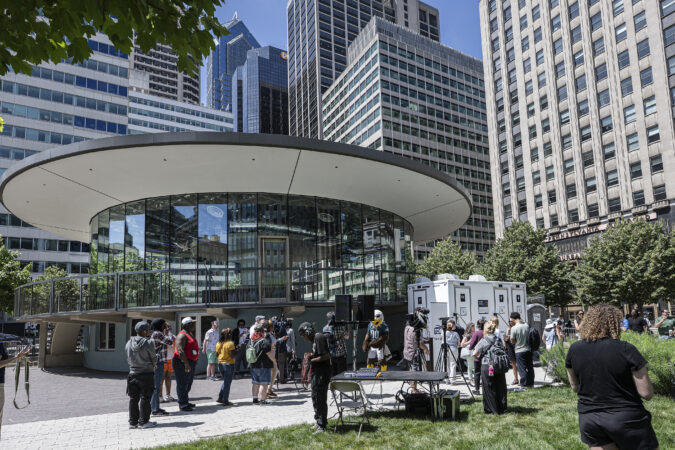
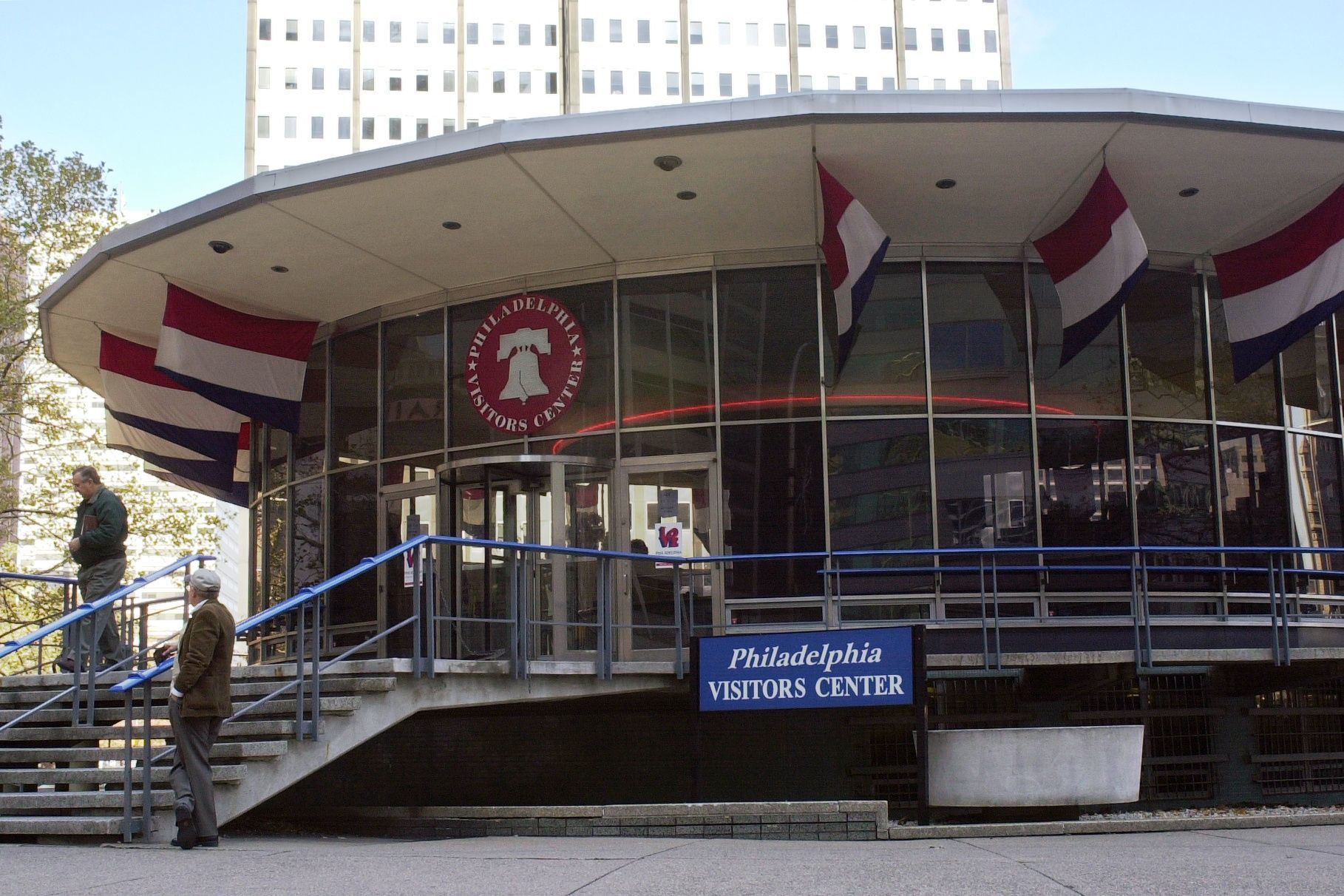
    More than six decades after it landed in LOVE Park, Philadelphia’s long-shuttered “flying saucer” building is preparing for its next mission. The first step begins Saturday — not inside the circular glass pavilion itself, but with a new outdoor beer garden surrounding it.

    Broad Street Beer Garden at LOVE Park is the opening phase of a food-and-drink operation led by Broad Street Brewing, the Bucks County brewery selected by the Philadelphia Department of Parks & Recreation as its operator after years of fits and starts.

    Saturday’s debut, on the final FIFA World Cup game in Philadelphia and amid the hoopla surrounding America250 festivities, will feature a beer garden with a limited food menu. Two Philadelphia companies, Rival Bros. Coffee and High Street Hospitality Group, will be involved as well. High Street, which operates Fork, a.kitchen, and the Bread Room, will assume a larger culinary role when the restored pavilion itself reopens in early 2027 as a year-round cafe, restaurant, and coffee bar. Its name has not yet been announced.

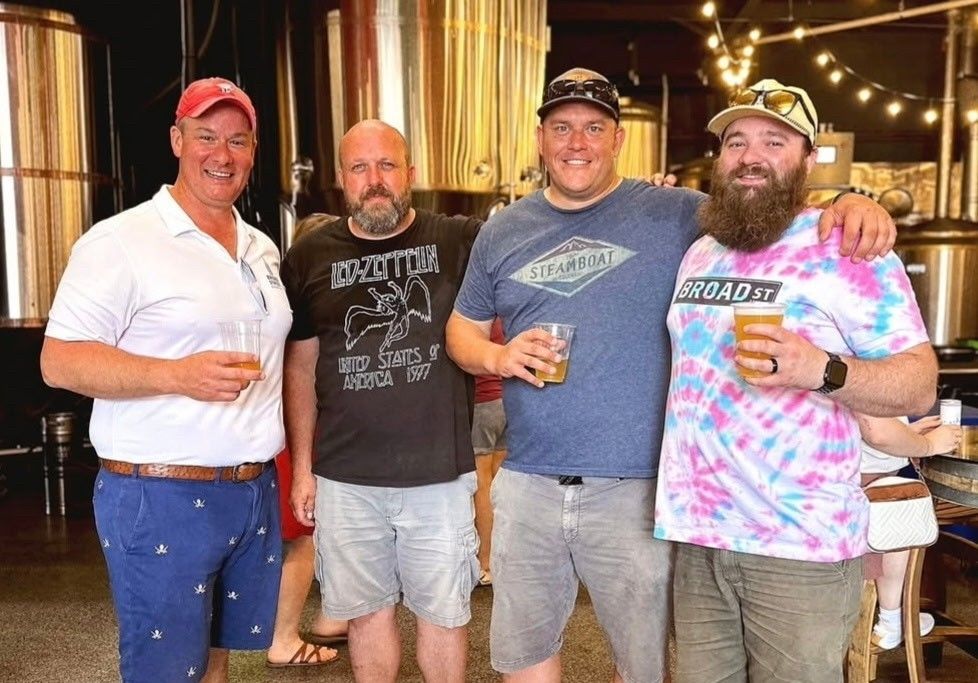
    Broad Street Brewing’s partners (from left) Ed Webber, Tim Lohse, and Brandon Wellington with brewer Andrew Balmer.

    For the Parks & Recreation Department, the concession is about more than filling the building at 16th Street and JFK Boulevard. Revenue from the operation will be reinvested in LOVE Park and the Benjamin Franklin Parkway, helping fund programming, maintenance, and improvements.

    “This has been a long time coming,” said Katie Burns Kays, the department’s director of business and event development. “Our goal wasn’t just to find somebody to fill the space. We wanted a strong partner who would bring the kind of energy and story we want to be telling at LOVE Park, for both residents and visitors.”

    Kays said officials hope the arrangement becomes “a sustainable funding model for our public spaces.”

    Broad Street Brewing, which opened three years ago in Bristol, emerged from a field of applicants that included Four Corners Management, operator of Parks on Tap; Triple Bottom Brewing Co.; Tica’s Taco; Bower Penn, which operates Bower Cafe locations; and Little Susie’s Coffee & Pie, according to city documents.

    The center in November 2001, just before the Independence Visitor Center opened at Sixth and Market Street.

    Kays said the city used what it calls a “best value” procurement process, weighing community engagement, operational experience, partnerships, and programming alongside revenue. Financial terms were not disclosed. The department’s standard concessions run for one year with up to four renewals, and Parks & Recreation plans to seek City Council approval this fall for a longer-term agreement to support the investment, Kays said.

    “It’s exciting to feature three local businesses rather than a national chain,” Kays said. “We really want visitors to experience Philadelphia through Philadelphia businesses.”

    For Broad Street co-owner Brandon Wellington, the project is also something of a homecoming. When Wellington lived at Broad and Race Streets, he first began brewing beer before setting the hobby aside for more than a decade. During the pandemic, he and longtime friends Ed Webber and Tim Lohse left their previous careers to launch Broad Street. Although the brewery established its production facility and taproom there, Wellington said the long-term goal was always to return to Philadelphia. He reached out to High Street partner Ellen Yin — whom he knew through his commercial kitchen-ventilation business — about partnering.

    The opening phase will occupy the terrace surrounding the pavilion and about a third of the adjacent lawn, with about 250 seats divided among cafe tables, picnic tables, and Adirondack chairs. Wellington said the goal was to create a gathering place for commuters, office workers, tourists, and park visitors while bringing regular live music and community programming to LOVE Park. The initial beverage program will feature at least eight Broad Street beers on draft.

    Broad Street Brewing expects to operate the outdoor beer garden through late October, serving beer alongside grab-and-go items such as smash burgers and maintaining a presence during Christmas Village as the permanent indoor build-out continues.

    Once the historic pavilion can be outfitted with a commercial kitchen, the partners expect to open a year-round operation with about 100 indoor seats. High Street will oversee the food program, while Rival Bros. anchors the cafe. Wellington said they also envision rotating guest chefs and an automated tap wall pouring Broad Street beers alongside selections from breweries across Philadelphia. The indoor operation is expected to debut around March 2027.

    “I just don’t want people to think this is simply a beer garden,” Wellington said. “While it’s being quarterbacked by a brewery, this will be Center City’s ultimate open-air hub — an oasis where local commuters, corporate professionals, and tourists can relax and connect.”

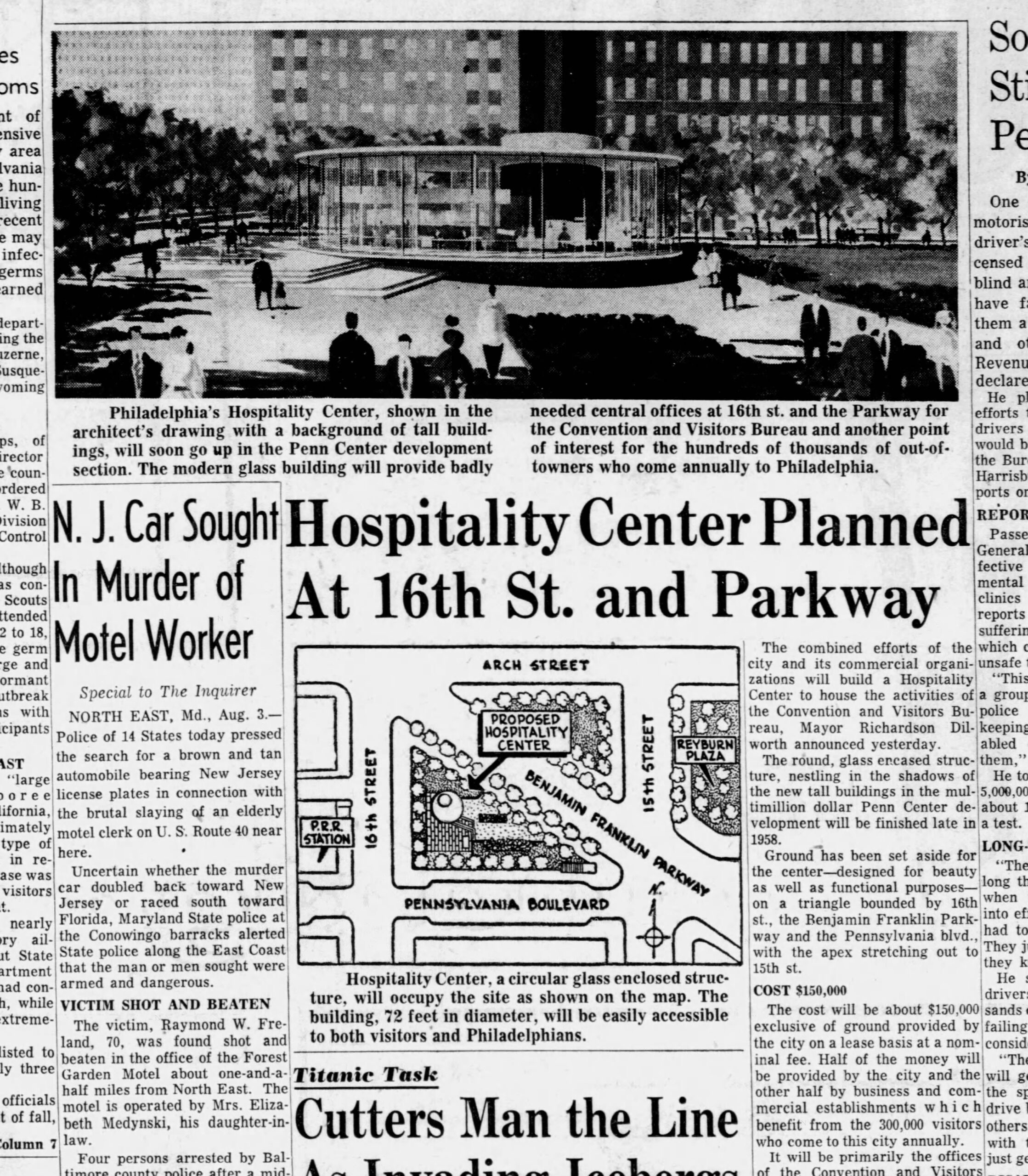
    On Aug. 4, 1957, The Inquirer reported the plan for what become the flying saucer-like building. In those days, Ben Franklin Parkway extended through what is now JFK Plaza to City Hall.

    Long before it became known as Philadelphia’s “flying saucer,” the pavilion was conceived in the late 1950s as the Philadelphia Hospitality Center at what was then the corner of 16th Street and Pennsylvania Boulevard. News accounts placed the price tag at $150,000, exclusive of the land provided by the city.

    Designed by Roy F. Larson of Harbeson, Hough, Livingston & Larson, the circular building opened in 1960 as a visitor information center for an era when families increasingly arrived by automobile. Its broad cantilevered roof and nearly continuous glass walls embodied the optimism of the Space Age and Philadelphia’s postwar redevelopment under city planner Edmund Bacon.

    The pavilion predates both Robert Indiana’s LOVE sculpture and the boulevard that now borders it. When it opened, the roadway, which bisected the plaza, was called Pennsylvania Boulevard. Following President John F. Kennedy’s assassination in 1963, it was renamed John F. Kennedy Boulevard, giving the plaza the name by which it is now universally known.

    Renamed the Fairmount Park Welcome Center shortly after opening, the building later served as park offices, a cafe, a concession stand, and exhibition space. After the Independence Visitor Center opened at Sixth and Market Streets in 2001, however, it gradually lost its original purpose and sat vacant for years.

    Its future appeared uncertain during LOVE Park’s 2016-18 reconstruction. Although some questioned whether the aging structure should be demolished, preservation advocates successfully argued that it was among Philadelphia’s finest surviving examples of midcentury modern civic architecture. The city instead invested about $5.6 million to restore the pavilion, replacing its roof, mechanical systems, and custom-curved glass while preserving its distinctive appearance. It was added to the Philadelphia Register of Historic Places in 2025.

    The rehabilitation did not immediately produce a tenant. In 2019, restaurateurs Marcie Turney and Valerie Safran planned a restaurant called Loveluck before withdrawing during the pandemic, and a subsequent request for proposals drew no bids.

    Last year, the city broadened its search, seeking a cafe, taproom, or other community-oriented food-and-beverage concept instead of a traditional restaurant. More than 50 prospective operators responded.

    Kays said the city deliberately slowed the process to avoid repeating earlier missteps.

    “The city has tried this before, and the business was not set up for success,” she said. “We wanted to be much more intentional this time.”

  • How Little Susie’s is building a pie business one crust at a time

    How Little Susie’s is building a pie business one crust at a time

    Daniel Martino didn’t set out to build an empire of pie shops. He just wanted somewhere to get coffee without leaving the neighborhood.

    When he bought his home in Port Richmond in 2013, the closest coffee shop was an hour round trip, he said. “Selfishly, I thought, I can put a little coffee shop here.”

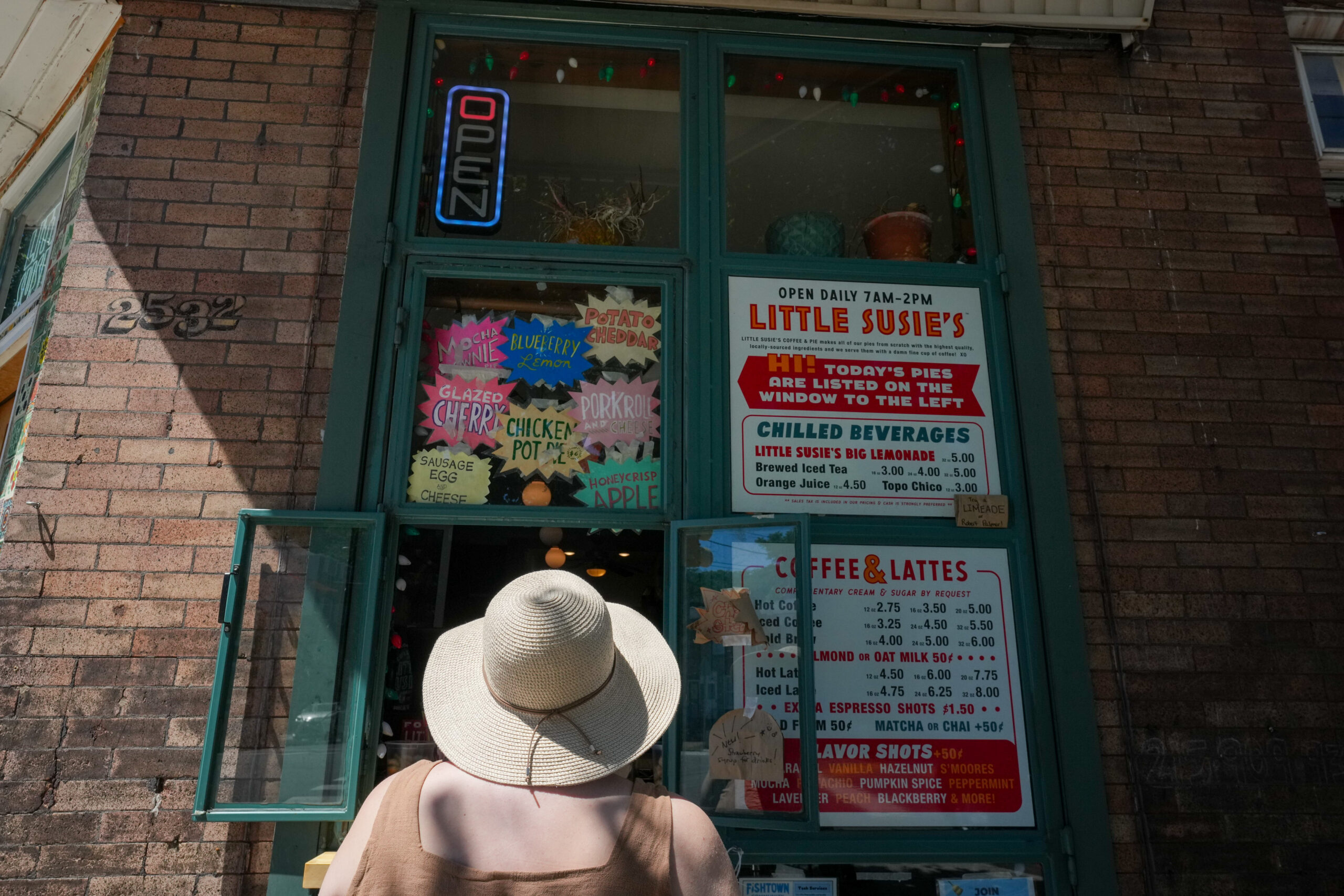
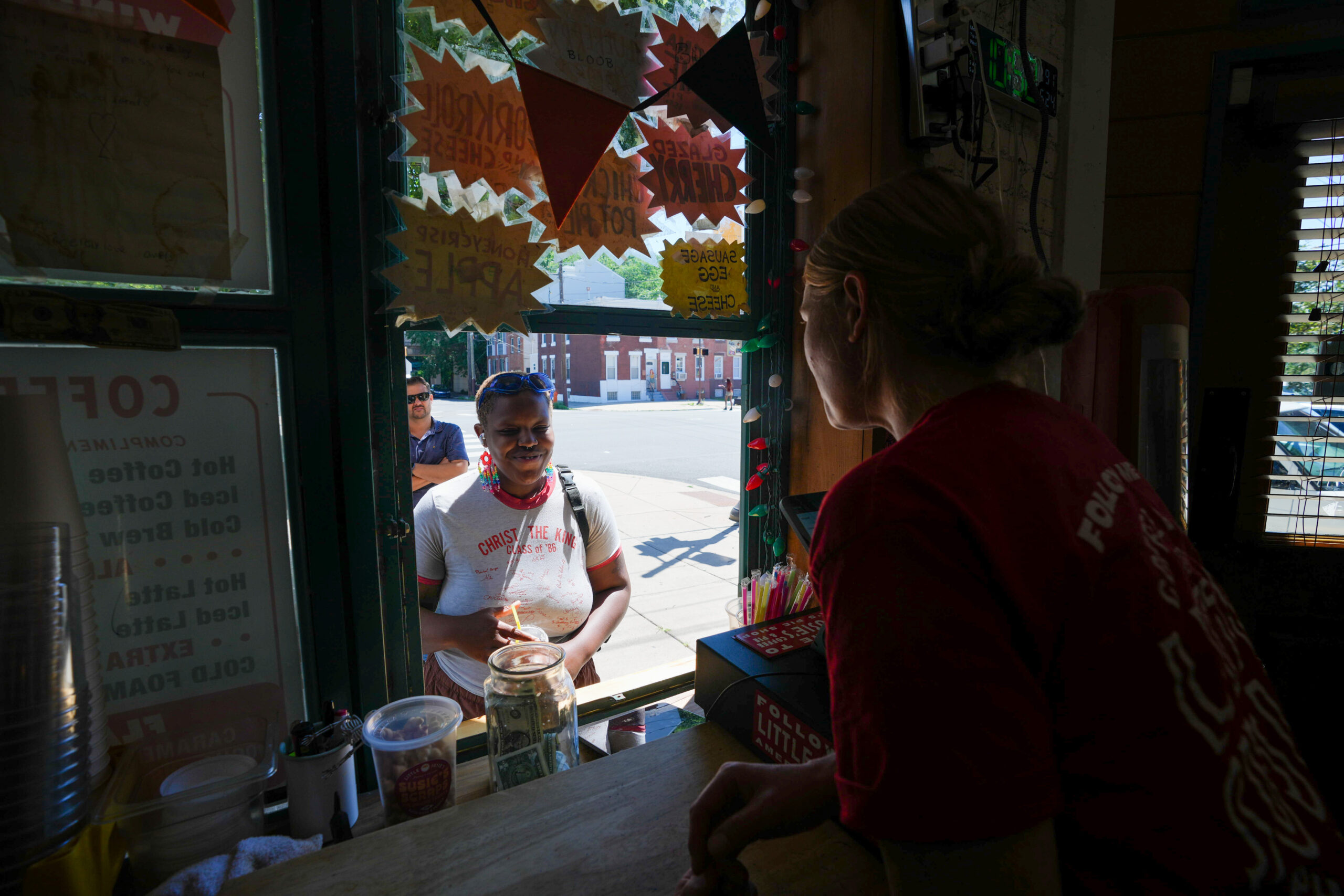
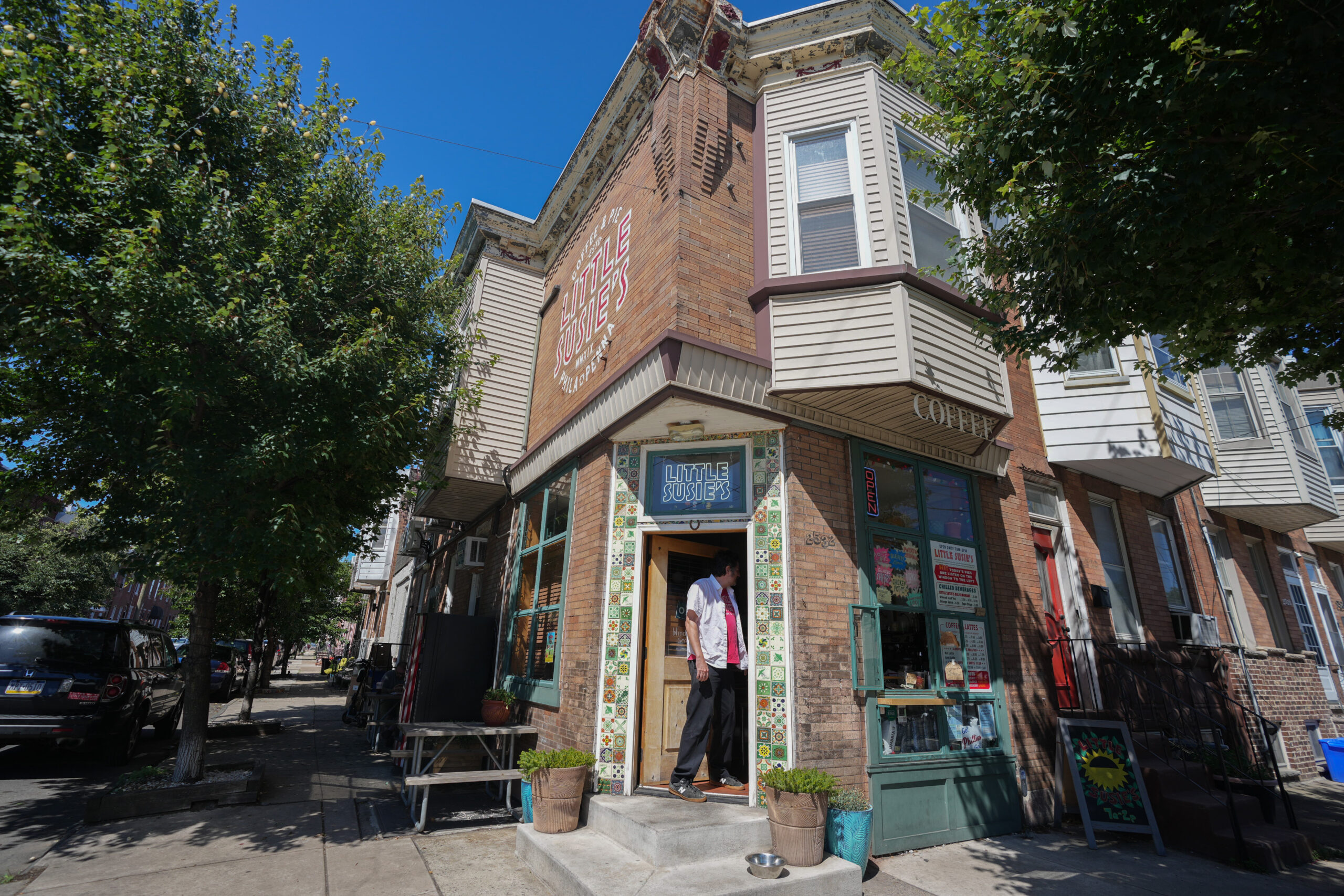
    The takeout window at Little Susie’s flagship location at 2532 E. Lehigh Ave.

    And what goes better with a cup of coffee than pie? He had a recipe he’d been baking for family get-togethers.

    Seven years after Martino opened Little Susie’s Coffee & Pie in the building next door to his house, his modest idea has grown into four Philadelphia locations, with a fifth expected to open Friday at the former Pop’s Bun Shop in Bella Vista, a franchise headed to Milwaukee, and plans for additional shops in Fairmount and Northern Liberties. All his stores run from takeout windows, requiring little more than coffee stations and electric ovens.

    Today, the company employs 28 people and turns out about 1,200 pies a day from a bakery occupying two cramped rooms in the corner rowhouse on Lehigh Avenue.

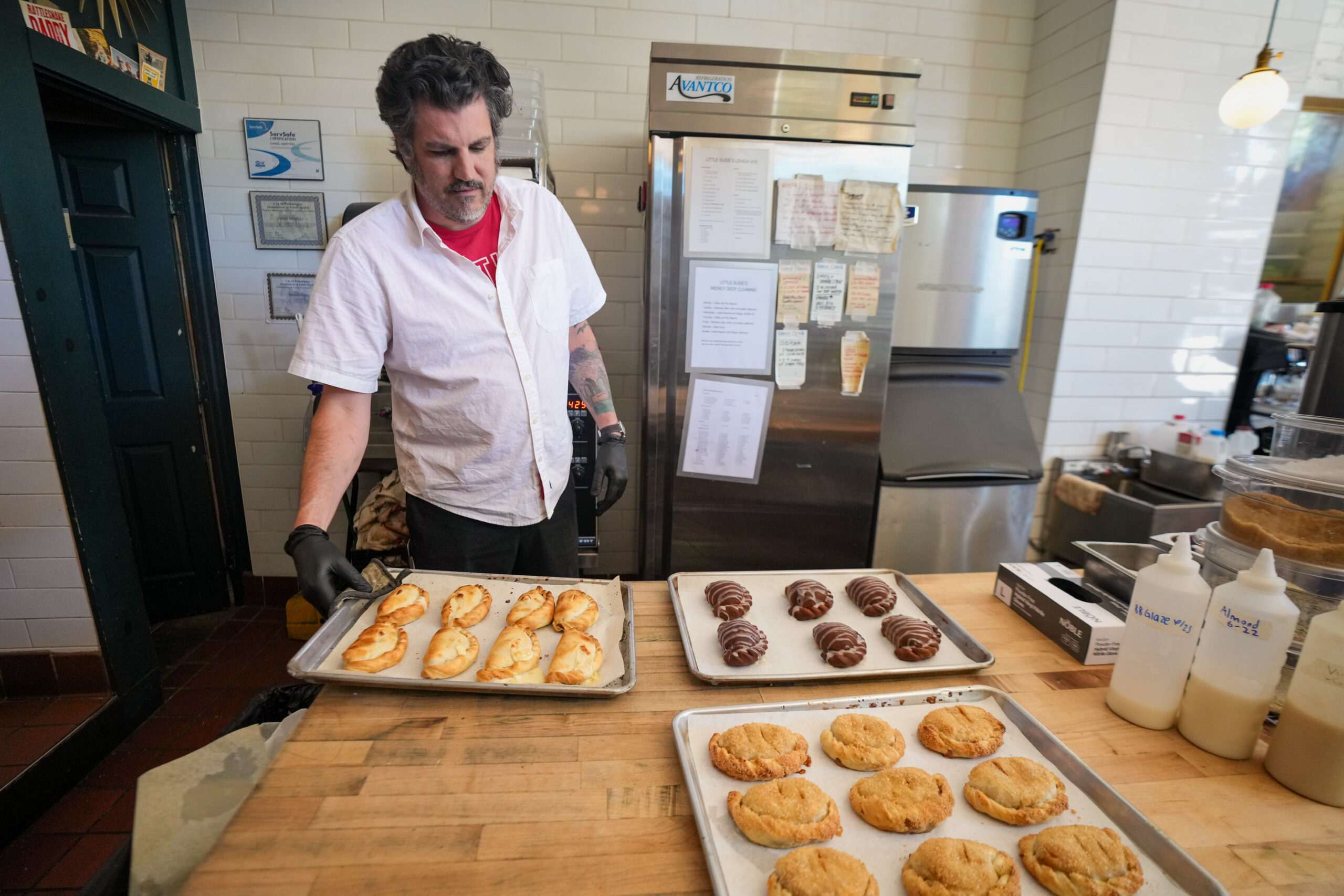
    Owner Daniel Martino with trays of pies at Little Susie’s.

    Martino, 46, who grew up in Northeast Philadelphia, has spent much of his working life around food. As a teenager, he worked at a swim club snack bar before taking a kitchen job at what is now Jefferson Torresdale Hospital.

    After studying film at Temple University, he joined Public House Investments, which ran City Tap House, as a DJ before becoming the hospitality company’s creative director, designing menus, logos, ads, and marketing material.

    When the property next door to his house became available, Martino said he used a home-equity line of credit to buy it before securing a Small Business Administration loan to renovate it.

    The takeout window at Little Susie’s. Hand-lettered signs advertise the specials.

    By the time Little Susie’s opened in December 2019, he said, “I had maxed out every credit card I had. I even had to go to the bank, hat in hand, and sign a signature loan for the last $10,000 just to get it open.”

    His shop offered a simple menu, little more than coffees and lattes and four kinds of pies. There was a counter for seating. The first day brought in about $180, and “it was the greatest day of my life,” Martino said.

    Then the pandemic arrived. When COVID-19 restrictions shut down indoor dining, Little Susie’s shifted to window service. Customers called in orders, paid over the phone, and picked up coffee and pies outside. Even after restrictions were lifted, the shop never reopened indoors.

    It wasn’t what Martino had imagined. His idea was ”Cheers with coffee — the neighbors and the mailman talking about the weather,” he said.

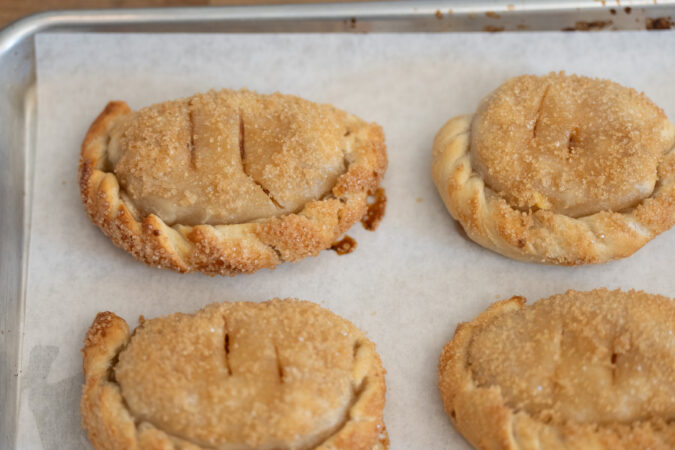
    Instead, customers embraced the walk-up model and the seating at a picnic table beneath a maple tree. The pies especially quickly caught on. The signature is the crust. Rather than trimming away the excess dough, workers twist it around each pie by hand, creating what Martino calls “a fluffiness that the fork doesn’t provide — that flaky tenderness you want in a pie crust. The twist is its own special treat in and of itself.”

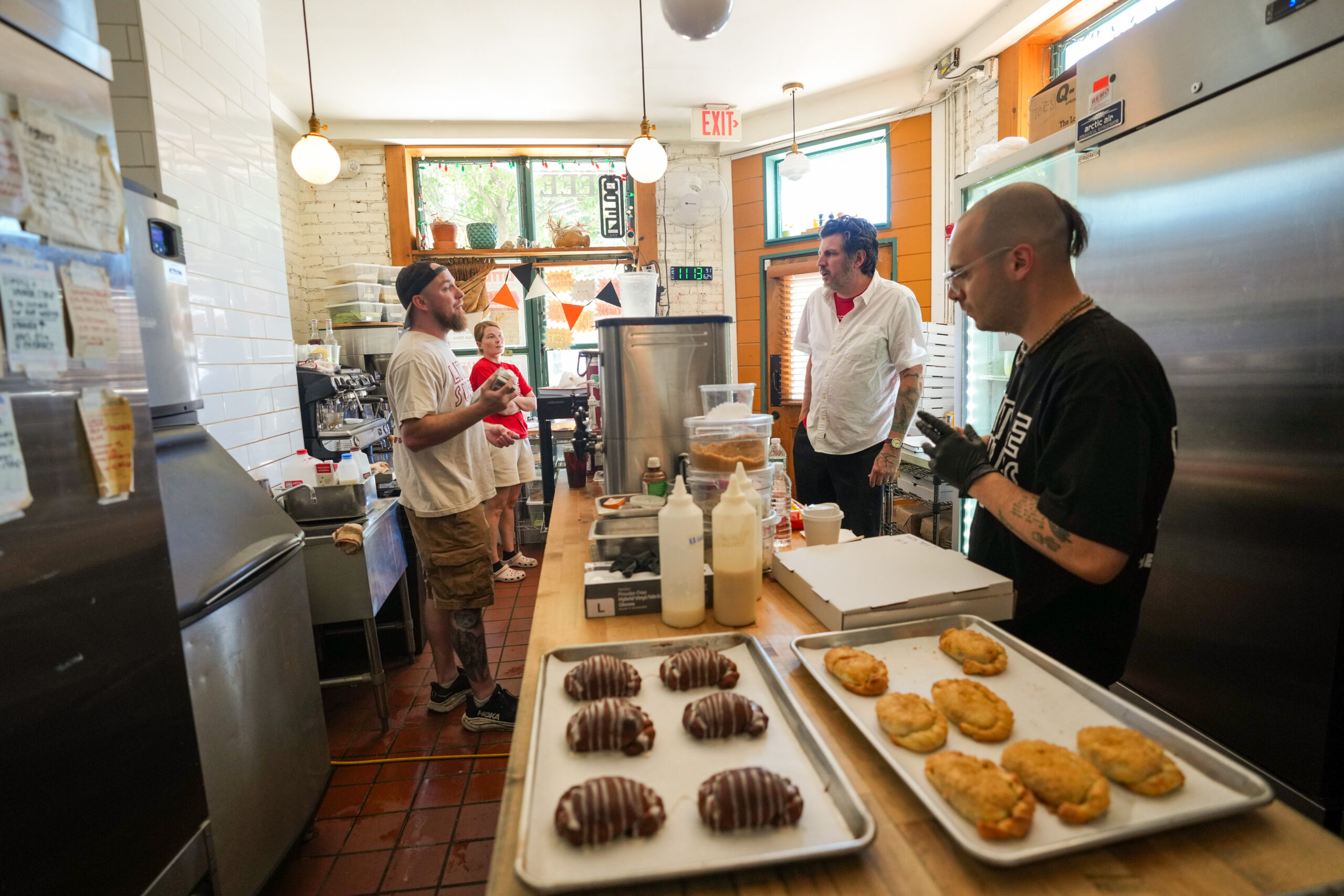
    Owner Daniel Martino (rear, right) with staff and pies at Little Susie’s, set up in a rowhouse.

    The pies, which are baked and not fried, are made with a simple crust of flour, butter, sugar, and salt. It’s a 48-hour process. Dough is mixed at the company’s Kensington location, where a 20-quart mixer runs nearly all day. The dough rests for 24 hours before it is brought to Port Richmond, where it is sheeted, filled, twisted, frozen, and delivered to the other stores to be baked to order.

    Little Susie’s first menu included only blueberry, pork roll, apple, and mushroom Swiss fillings. Today, it offers about a dozen varieties, with eight available year-round and others rotating seasonally. “You can practically throw anything in this pie crust,” Martino said. “I haven’t been disappointed yet.”

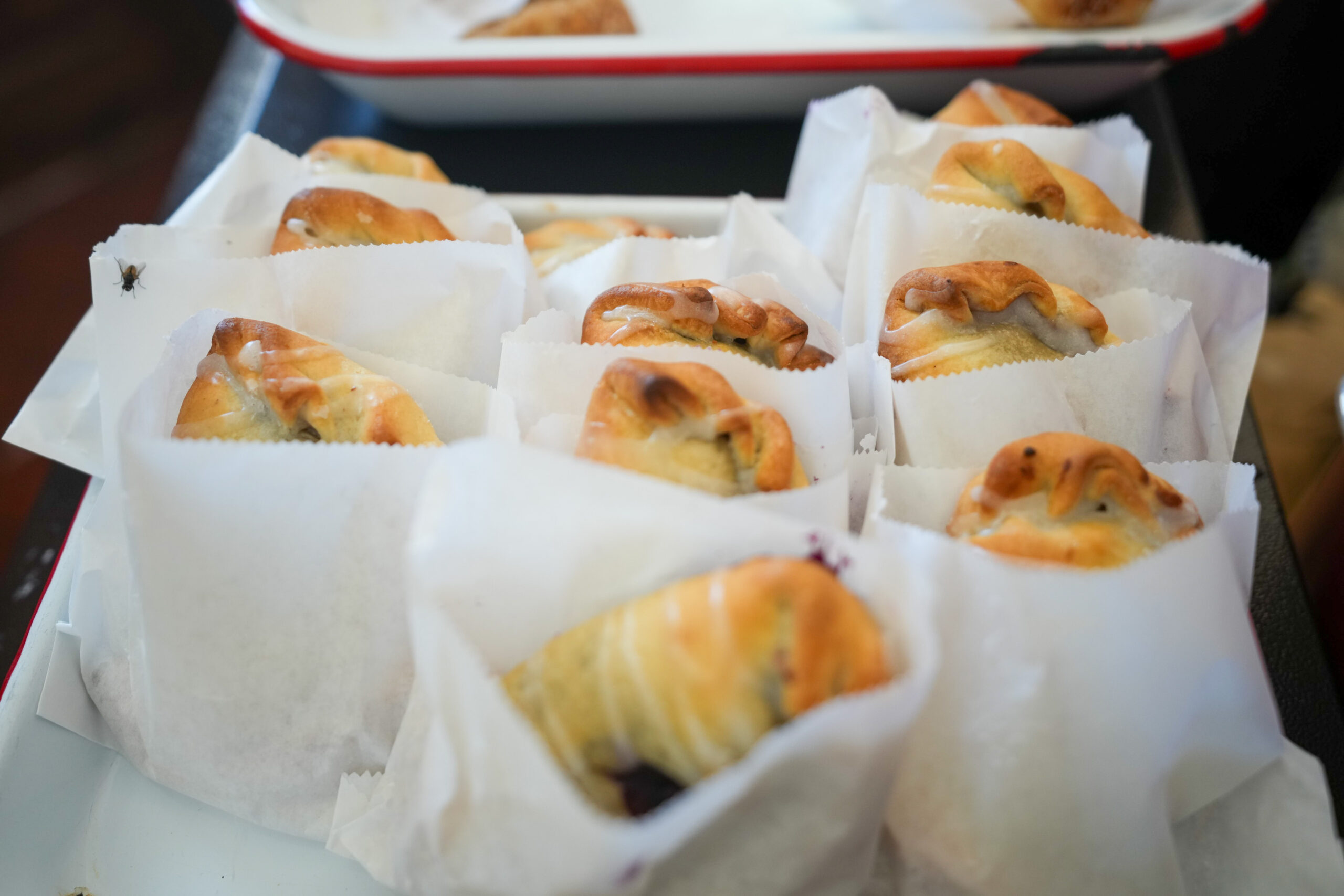
    Pies at Little Susie’s.

    Pork roll remains the top seller, followed by apple, and a sausage, egg, and cheese breakfast pie encrusted with everything bagel seasoning. Seasonal flavors have included ham and Brie, chocolate-covered strawberry, and Cajun crab and corn. None are gluten-free because of the shop’s limitations, he said.

    Not every idea works. “We tried to make a cannoli pie, but the cream just melted right out,” he said.

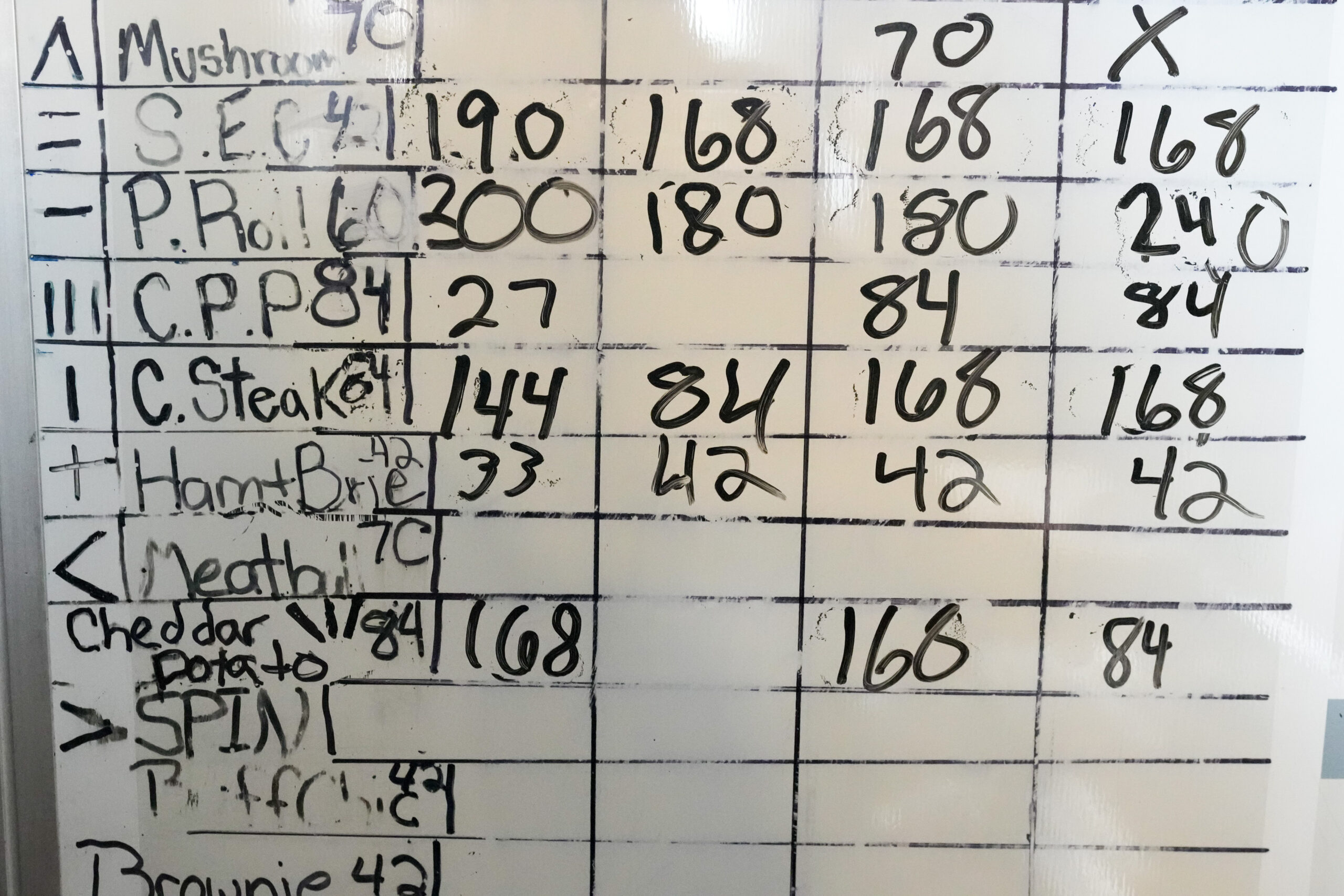
    Each shop sells 200 to 300 pies a day. The production kitchen now employs 11 bakers, who track production on a whiteboard nicknamed “the Pieble.” Each variety get its own knife mark on top; an inverted V, for example, denotes mushroom Swiss.

    The “Pieble” at Little Susie’s, the flagship pie takeout place located at 2532 E. Lehigh Ave., in Philadelphia, June 24, 2026.

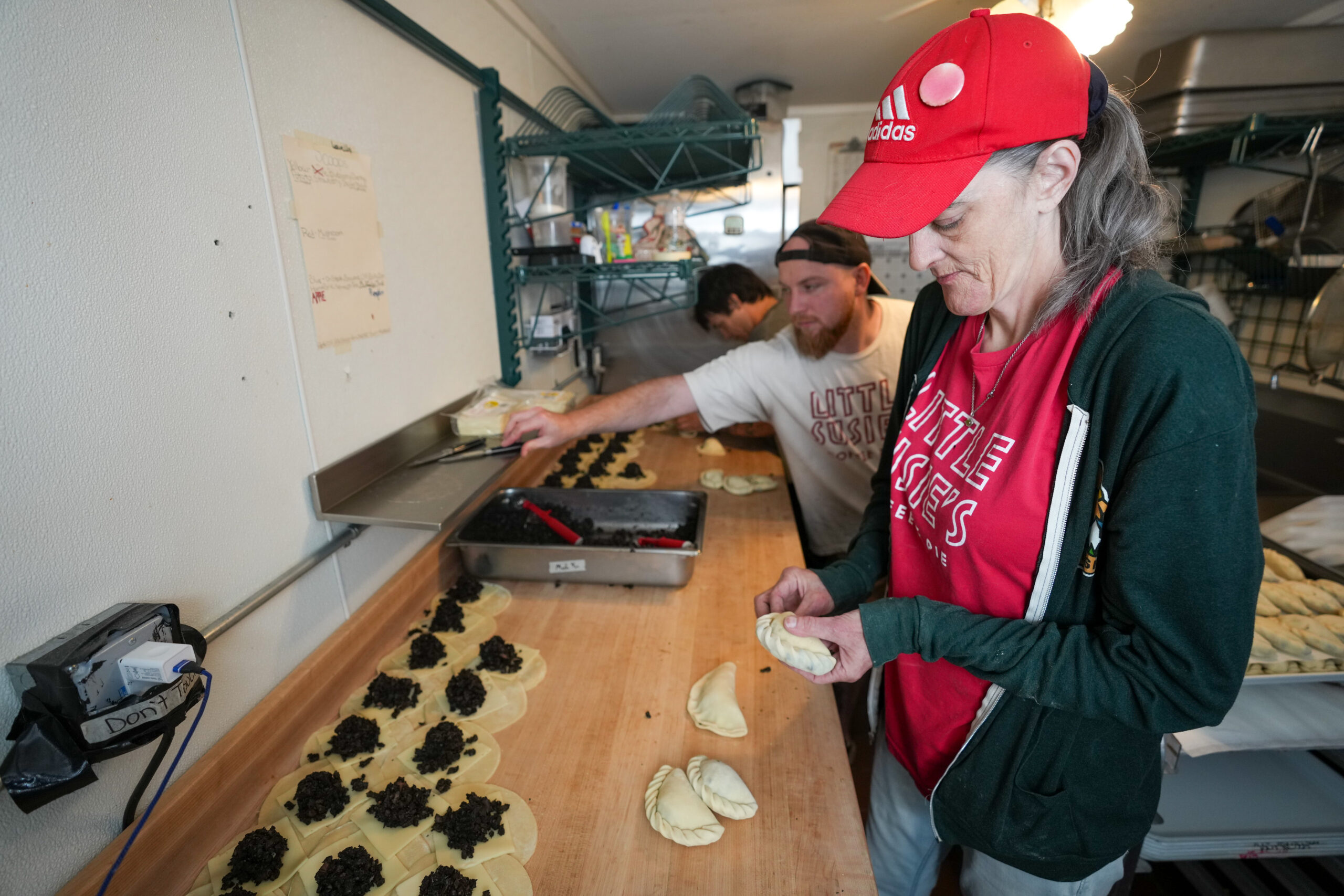
    Lena Hurchick, who has worked at Little Susie’s for three years, said she enjoys “the competition of filling all the shops” and watching customers eat pies she helped make.

    “Susie” was the name of the dog that belonged to the former owner of the building. “When we had the community meeting here, I said, ‘I’m thinking Little Susie’s,’ and people started crying,” he said.

    Lena Hurchick crimps mushroom pies at Little Susie’s.

    Expansion has brought complications. A planned Fairmount location was nearly ready to open before the city determined that the property required zoning approval for food sales. “The city does not make it easy,” he said, adding that it will take months to get onto the zoning board’s calendar.

    Even so, he expects the company to keep growing. He has a handshake deal for a spot in Northern Liberties. Milwaukee is planned as the first franchise — operated by a friend — while Martino has begun thinking about a larger bakery in Philadelphia.

    “We’re basically bursting at the seams,” he said. “We’re probably going to need a 10,000-square-foot facility.”

    Owner Daniel Martino at Little Susie’s.

    He wants that growth to remain slow enough that the pies are still made fresh every day. “I don’t want to get too far away from making them every day, because then it just becomes some frozen-food empire,” he said.


    Little Susie’s Coffee & Pies’ locations are at 2532 E. Lehigh Ave. in Port Richmond, Second and Chestnut Streets in Old City, 1772 N. Front St. in Kensington, and 1754 S. Chadwick St. in Point Breeze. A fifth, at 800 S. Ninth St. in Bella Vista, is due to open Friday. Hours are 7 a.m. to 2 p.m. daily.