Tag: Weekend Food

  • Why is everyone so excited about University City’s new Taco Bell?

    Why is everyone so excited about University City’s new Taco Bell?

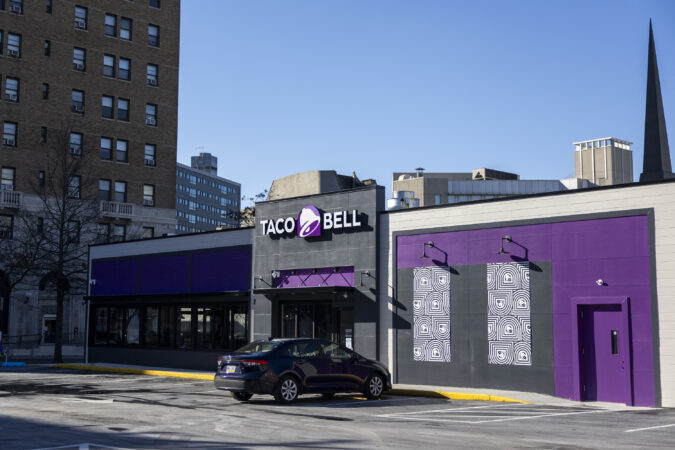
    It was a Christmas miracle of the fast food variety: A 24-hour Taco Bell had opened in University City.

    The Mexican-ish chain opened its 16th Philly location in late December at 3901 Chestnut St., where it replaced a Boston Market outpost that once owed nearly $220,000 in rent after defaulting on a lease. To hear some Philadelphians tell it, the opening was practically heaven-sent.

    The new Taco Bell generated two separate posts from different users last month in the 95,000-member r/Philly subreddit. Other restaurants yearn for that kind of word-of-mouth marketing.

    “Anyone have any info on the Taco Bell they’re putting on 39th and Chestnut?” asked user 8hivefiend8 on Dec. 17. “I have high hopes that maybe it will open soon because it looks so close to finished.”

    Six days later, user rad_rascal posted pictures of the Taco Bell in all of its grand opening glory under the title “New Taco Bell in West Philly!” In the days leading up to the opening, the user wrote, they “would pass it every day and peer in like a buncha [sic] creeps.”

    New Taco Bell in West Philly!
    byu/rad-rascal inphilly

    Under both threads, commenters expressed the kind of jubilation normally reserved for, say, rotisserie chicken-eating stunts or Super Bowl parades. “This just made my day,” commented one Taco Bell enthusiast. Others chimed in. “This the best Christmas present yet,” wrote one user. “My new home away from home,” said another.

    In a city with no shortage of affordable (and excellent) Mexican food, why do people care so much about a Taco Bell that doesn’t even serve alcohol? And could this Taco Bell possibly live up to Reddit’s expectations?

    Is it normal to care this much about a Taco Bell?

    Taco Bell is as much a fast food chain as it is a borderline “cult,” according to chef Reuben Asaram, one of Philly’s most notable Taco Bell enthusiasts.

    The 34-year-old’s love affair with Taco Bell began after his family emigrated from India to Queens in 1993, the chain quickly becoming a staple for weekend meals out. Taco Bell partially inspired Asaram’s Mexican and pan-Asian pop-up menus, which led the chain to name him one of three chefs allowed to reimagine the iconic Crunchwrap Supreme in 2024. At one point, Asaram was so tight with the staff at the 1037 Chestnut St. Taco Bell that they would turn part of restaurant into a private space for him to take dates.

    Philly chef Reuben Asaram was one of three chefs tapped by Taco Bell to revamp the Crunchwrap Supreme. The local Taco Bell enthusiast created a butter chicken version.

    True Taco Bell devotees will go out of their way to try a new location, Asaram said, because “they’re obsessed with getting the perfect bite” and need to know if there’s a reliable option nearby in case a Dorito Locos Taco emergency hits. Asaram is one of those people.

    “If I have a craving and know I’m going to be in a random place, I have to know where the [nearest] good Taco Bell is,” said Asaram while sipping a Baja Blast on Zoom. Asaram’s preferred locations are the two closest to his house in Cherry Hill. He must visit the University City outpost before it can be added to his reserves.

    Taco Bell has spent decades converting its Mexican food into a lifestyle brand with legions of devoted fans by pushing the boundaries of fast food marketing. There’s a Taco Bell wedding chapel in Vegas and a faux-retirement community in San Diego, plus an ultramarathon that requires stopping at nine Taco Bells. The brand occasionally rewards that devotion by letting fans contribute to the menu, at one point even bringing back the Mexican pizza based on an online petition.

    In Philly, Taco Bell is best known for bait and switches. On April Fools’ Day 1996, the chain took out a full-page ad in The Inquirer claiming it had purchased the Liberty Bell, a prank that sparked both outrage and a boost in sales. Nearly 30 years later, the brand announced that it would plant the region’s first booze-serving Taco Bell Cantina at 1614 Chestnut St., only to reverse course and open a regular location after failing to obtain a liquor license.

    Perhaps the University City Taco Bell is a representation of what could’ve been, four walls for Philly fans to place their shattered hopes and dreams. Or maybe people are just happy something replaced the Boston Market.

    “That Boston Market was profoundly cursed,” one Philadelphian wrote on Reddit. Others claimed they got food poisoning there.

    “Everyone I know that ever went into the Boston Market when it was open has a horror tale about it!” wrote user rad_rascal, who broke the Taco Bell news.

    window.addEventListener(“message”,function(a){if(void 0!==a.data[“datawrapper-height”]){var e=document.querySelectorAll(“iframe”);for(var t in a.data[“datawrapper-height”])for(var r,i=0;r=e[i];i++)if(r.contentWindow===a.source){var d=a.data[“datawrapper-height”][t]+”px”;r.style.height=d}}});

    What are the vibes?

    The University City Taco Bell has all the makings of what some in the Taco Bell-loving community refer to as a “Taj-Mah-Bell,” or a higher-end location.

    This Taco Bell location is large, with a mix of booths, standard tables, and counter seating that isn’t sticky: When I visited on a Wednesday afternoon in early January, employees were cleaning tables within minutes of customers leaving. There were ample napkins (necessary for taco spillage), and the soda machine dumped out pellet ice, perfect for fountain drinks. It made my medium-size Baja Blast taste extra electric.
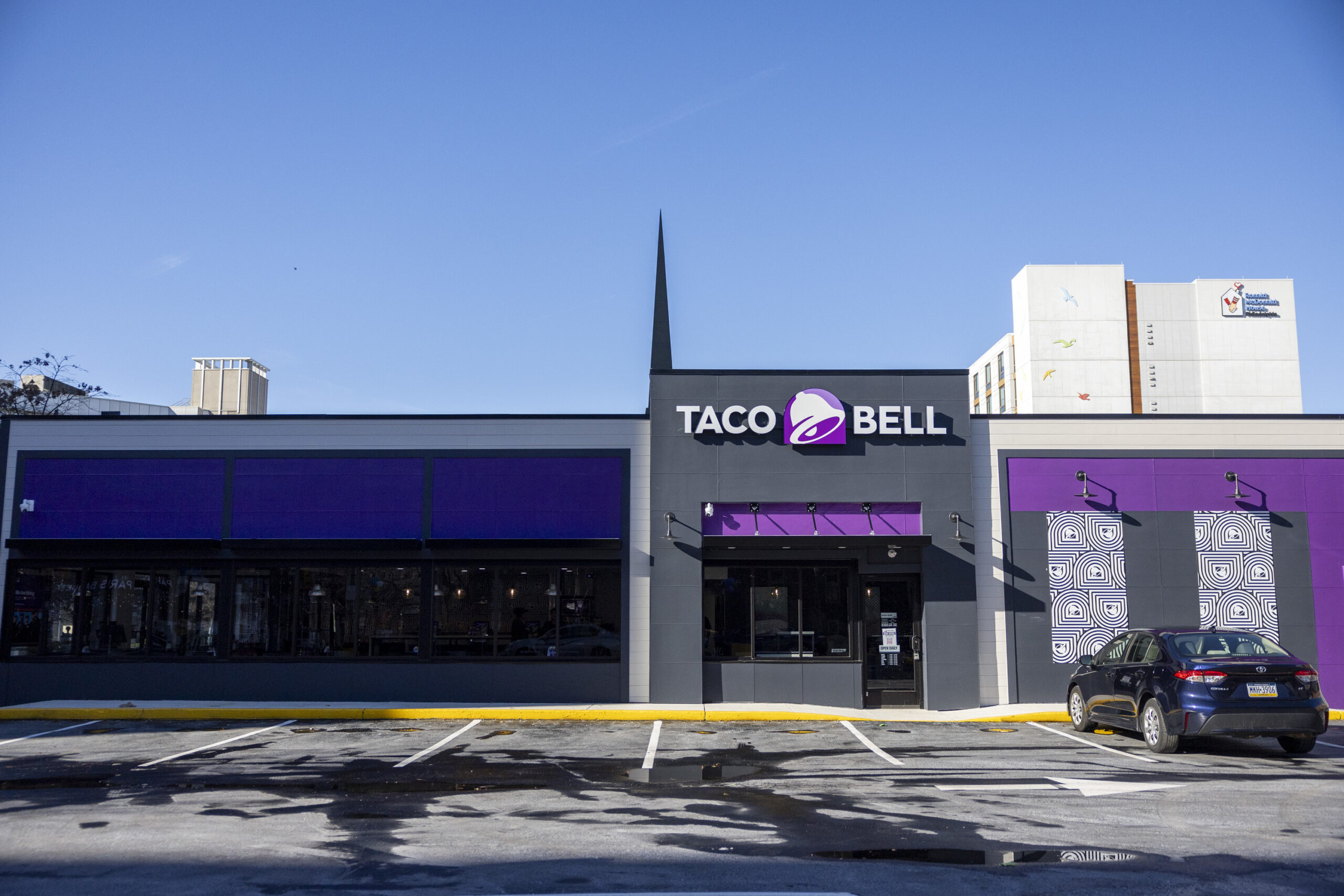
    The outside of University City’s new Taco Bell, which is open 24-hours, seven days a week.

    The only downside: Humans don’t take your order. Customers use one of several digital kiosks spread across the store. That’s a bummer for Asaram.

    “What makes a good Taco Bell franchise is mainly how the workers treat their guests,” he said.

    How’s the food?

    Not Taj-Mah-Bell quality, I’ll tell you that much.

    I ordered a beef Crunchwrap Supreme, beef Doritos Locos Taco, cinnamon twists, and the all-important beef chalupa. The latter, Asaram said, is key for understanding the quality of a Taco Bell.

    “You want to see all the components of your Taco Bell [at once]. You want to see if the fryer oil is fresh, if their vegetables and other garnishes are good,” he said.

    A textbook chalupa is golden brown, Asaram said, with firm tomatoes and a layer of ground beef on the bottom that’s roughly an inch thick. If the deep-fried flatbread shell has a sheen — or worse, approaches a russet shade of brown — it means the fryer is dirty.

    “That’s when you know the Taco Bell [location] doesn’t give a s— and you want to dip out,” said Asaram.

    A tray of menu items from University City’s new Taco Bell, which includes a Crunchwrap Supreme, Doritos Locos Taco, Chalupa, and cinnamon twists.

    Despite receiving my chalupa in less than five minutes, it was cold. The fried shell was inexplicably both light brown and vaguely sparkly. Who knows what that means for the fryer oil.

    They also skimped on the meat, which was not evenly distributed across the bottom. The Crunchwrap and taco had the same issues: cold and limp.

    Perhaps this was my fault. I ordered close to 2 p.m. The prime time to visit a Taco Bell is between 11 a.m. and 12:30 p.m., Asaram said, when the morning and afternoon shifts switch over.

    At that time, Taco Bell is “like an omakase,” he explained. “They just make everything in front of you and hand it to you to eat.

    Taco Bell, 1037 Chestnut St., 215-925-1037. Hours: Open 24 / 7.
  • Center City District Restaurant Week, now once a year, debuts Sunday with 120 options

    Center City District Restaurant Week, now once a year, debuts Sunday with 120 options

    Center City District Restaurant Week returned Sunday for the first time in a year, with 120 restaurants offering fixed-price lunches and dinners — the largest lineup since the pandemic.

    This also will be 2026’s only restaurant week. After running both fall and winter editions since September 2003, a district spokesperson told The Inquirer that it will not return this fall and will remain an early-winter promotion “at this time.”

    The fall edition disappeared last September as the district said it had shifted its focus to newer programs, such as Open Streets and Let’s Do Lunch, while keeping its popular Center City District Sips series. Restaurateurs had also been pushing back on the September restaurant week, arguing that it landed during an already busy month and that promotional dollars were better spent in January, traditionally the slowest stretch of the year.

    For the 2026 restaurant week, running through Jan. 31, some restaurants will offer $20 two-course lunches in addition to three-course dinners priced at $45 or $60. (The lower-tier dinners were $40 last year.)

    The list, online at centercityphila.org, includes five restaurants on The Inquirer’s 76, the summation of the region’s most essential restaurants: Bolo, Château Rouge, High Street, Oyster House, and Tequilas, as well as Michelin-recommended Dizengoff.

    More than 100 of the participating restaurants are repeats from last January, including such popular destinations as a.kitchen, Barbuzzo, Del Frisco’s, Estia, Fork, Forsythia, Gran Caffe L’Aquila, Harp & Crown, Loch Bar, and Wilder.

    Additions this year include the yearlings Rockwell & Rose (attached to P.J. Clarke’s on Washington Square) and Rhythm & Spirits (at One Penn Center, above Suburban Station), as well as established restaurants Ambrosia, Bar Bombon, Charlie was a sinner., Cry Baby Pasta, Farina Pasta Bar, Grandma’s Philly, Hi-Lo Taco Co., Kanella, Kirin House, La Fontana Della Citta, Miss Saigon, the Mulberry on Arch, Pub & Kitchen, Radicchio Cafe, Superfolie, Trattoria Carina, Umami Steak & Sushi Bar, and Vita.

    Some 2025 participants are not returning, such as the shuttered Banh Mi & Bottles, Del Frisco’s Grille, Flambo, Iron Hill Brewery, Kook Burger & Bar, and Mulherin’s Pizzeria.

    The district has arranged discount parking for $10 or less at participating BexPark by Brandywine Realty Trust, LAZ Parking, and Philadelphia Parking Authority parking facilities from 4:45 p.m. to 1 a.m.

  • This retirement-community meal was the best I’ve eaten on the Main Line

    This retirement-community meal was the best I’ve eaten on the Main Line

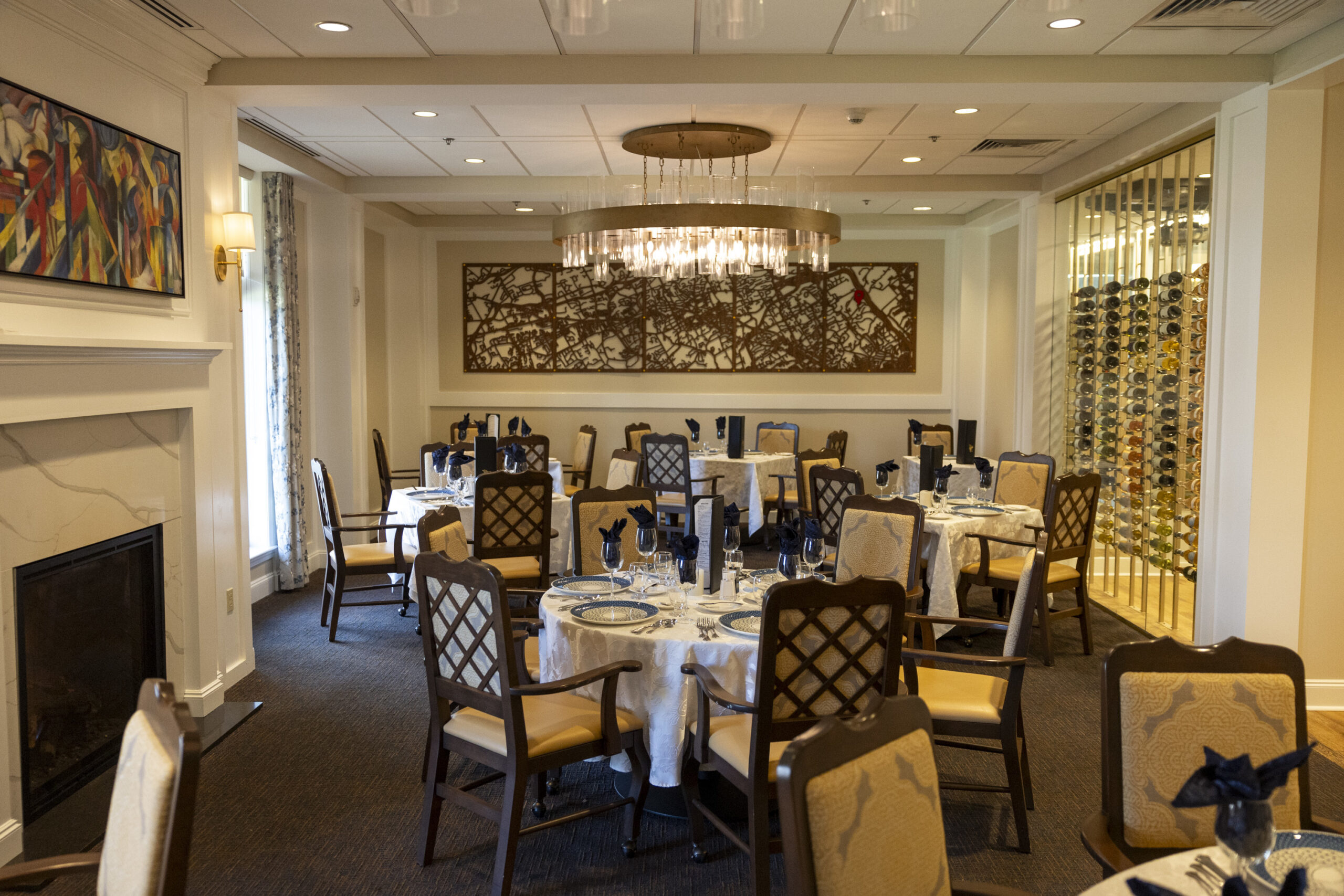
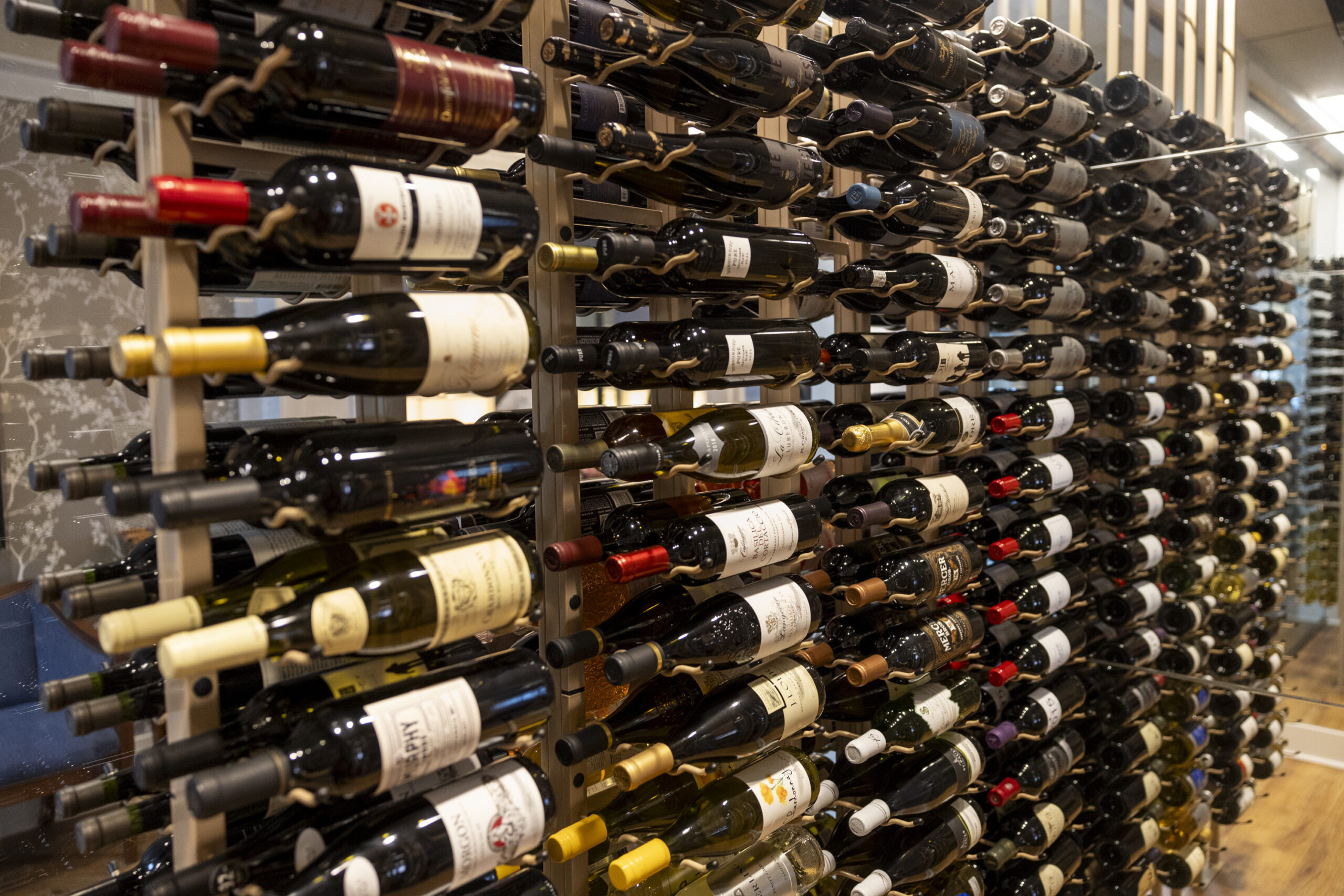
    The intimate dining room is hushed but for the clinking of glasses and silverware clattering on gleaming plates. There are only 32 seats. The polished wooden chairs are plushly upholstered. The paintings and a stylized metalwork map that adorn the room are tasteful. A glass wine room, lit golden from within, casts soft light on the silver damask-swathed tables, as do the Napa winery-esque modern chandeliers.

    This is Carlton Commons, the heart of senior-living, life-planning community Waverly Heights in Gladwyne.

    The mansion in which this dining room is housed was once the elegant Main Line estate of a railway baron. Now, it has the air of a very quiet cruise ship, complete with a dress code: dresses for women, dinner jackets for men.

    Dining room at the Waverly Heights in Gladwyne, Pa., on Tuesday, Dec. 30, 2025.

    This is a restaurant that has a waiting list that’s ostensibly 710 people, about as long as Royal Sushi’s notorious Resy waitlist. But it‘s arguably far more difficult to get into. You need to be 62 years of age to be a resident (who can bring guests of any age), and the cost of admission for a one-bedroom dwelling requires a $336,000 minimum down payment. (Deluxe apartments start at over a million dollars — not a surprise for wealthy Gladwyne.)

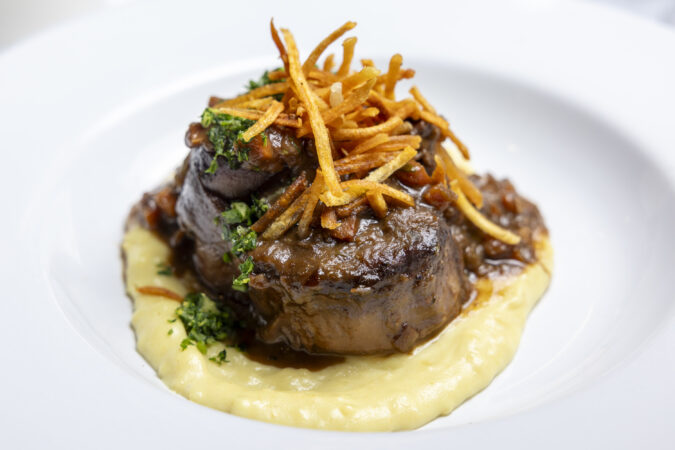
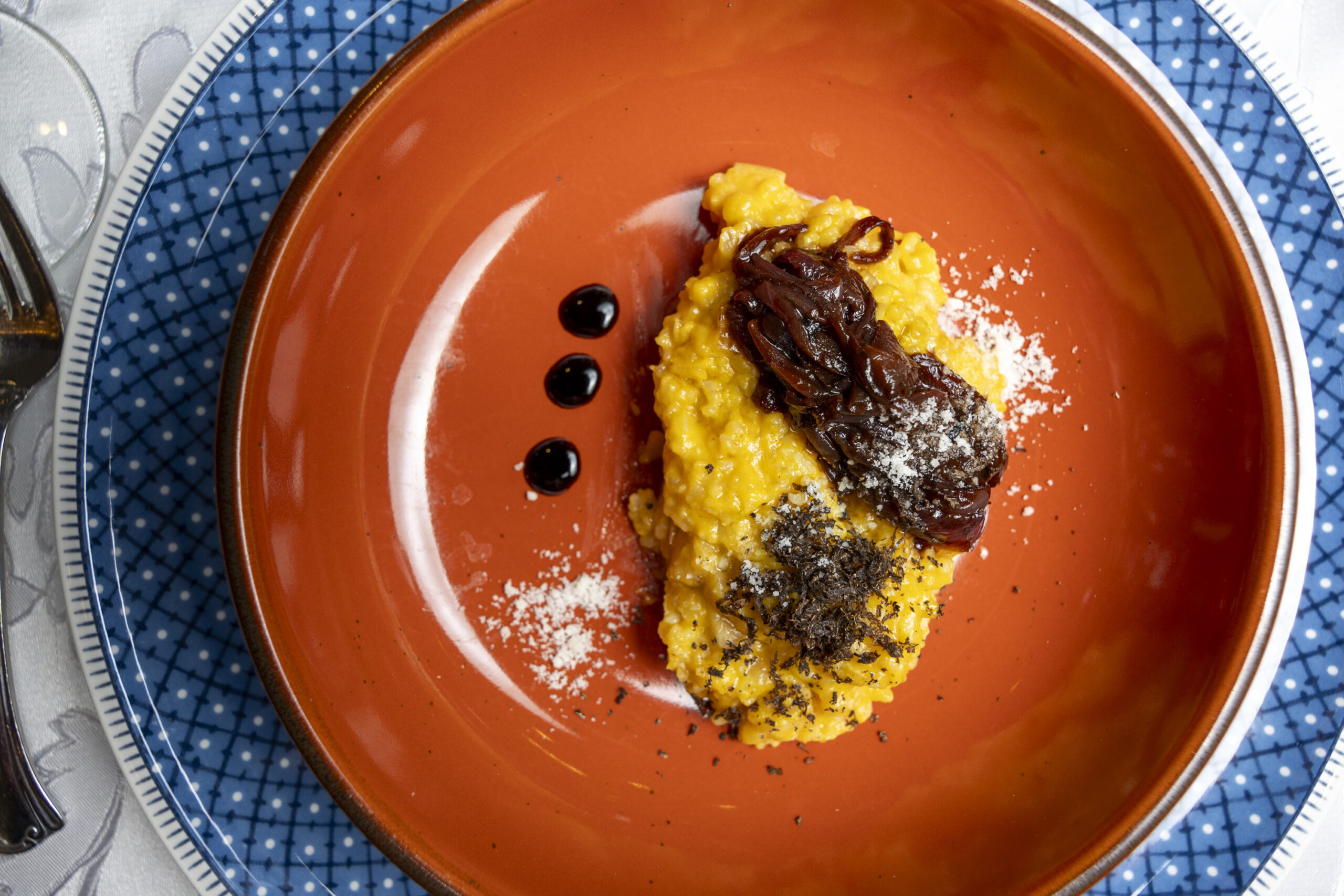
    An osso buco collapses into a tangle of tender fibers at the prod of a fork, melting into the slightly tangy goat cheese polenta puddled beneath. Crunchy fried potato slivers add pleasing texture to each bite. A butternut squash risotto is just as satisfying, a master class in texture, with creamy squash trapped in distinct grains of arborio, beset with balsamic-scented curls of slow-cooked sweet onion.

    If I closed my eyes, I could very well think I was dining at Le Virtù.

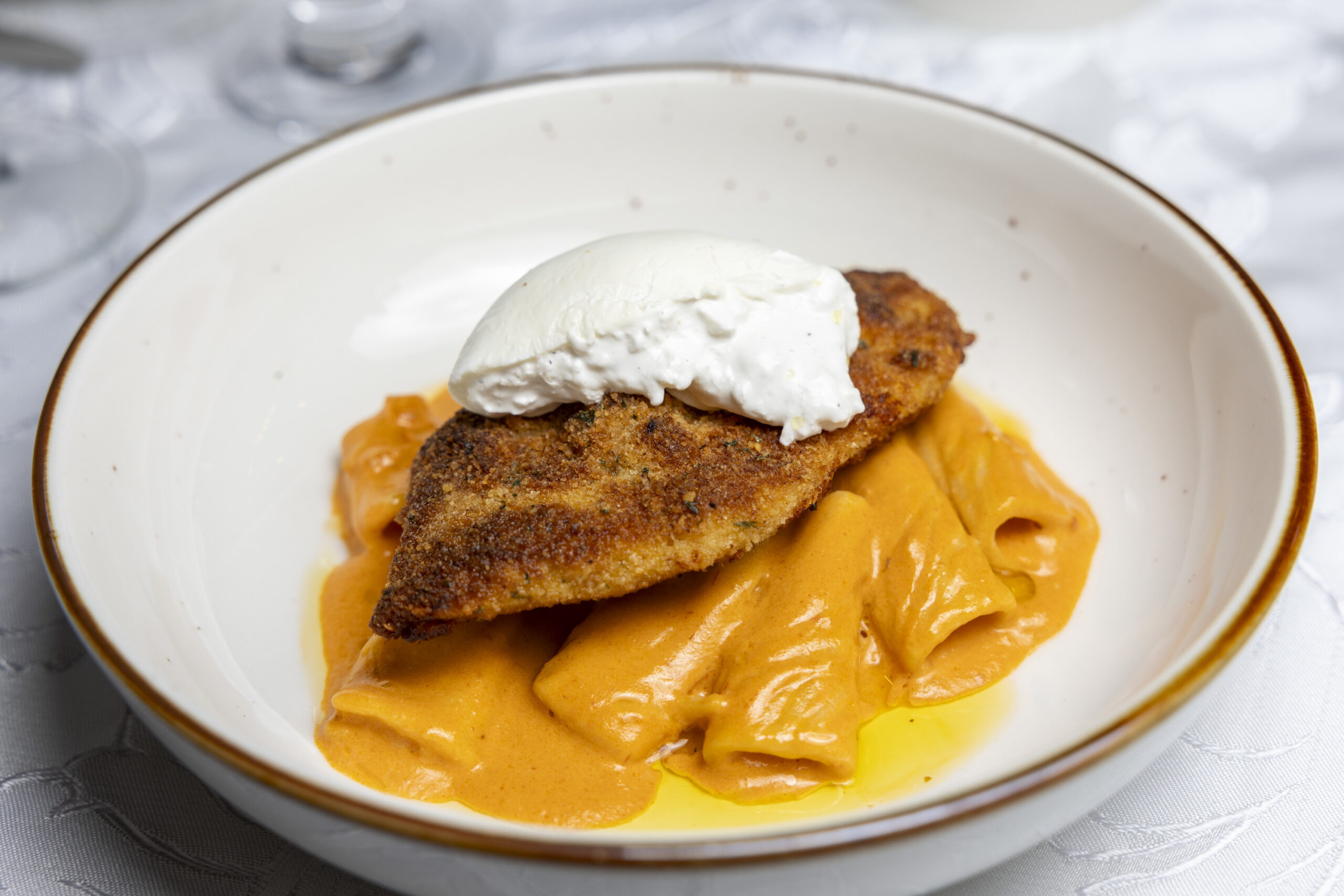
    Chicken cutlet with rigatoni and vodka sauce at Waverly Heights.

    There’s a perfectly al dente rigatoni alla vodka upon which a crisp chicken cutlet is nestled, then topped with an oozing cloud of burrata. (It’s almost identical to the thoroughly satisfying one I just had at Center City’s Wine Dive.)

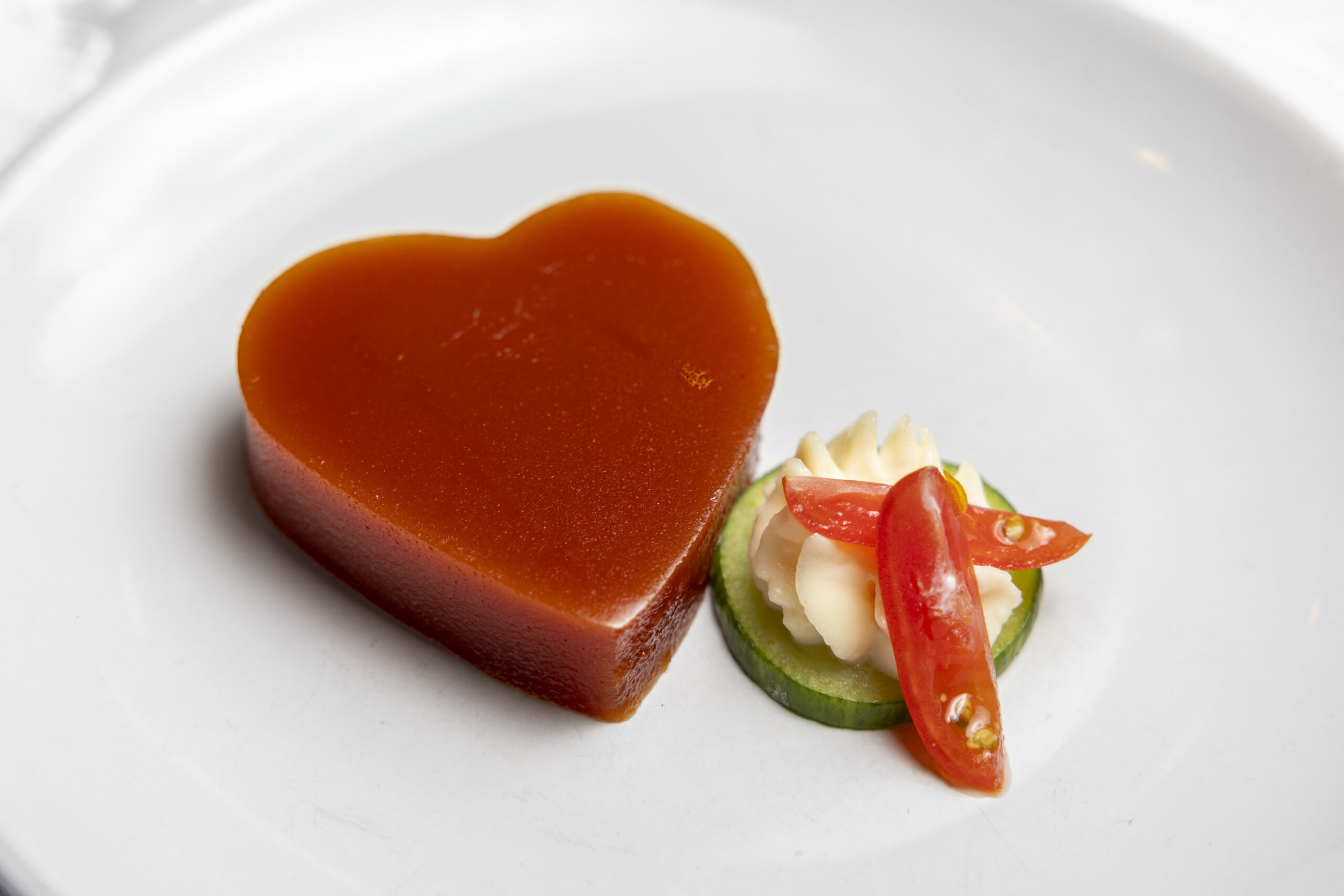
    The specialty of the house is a curiously delicious tomato aspic, served with a tiny slice of cucumber and a dollop of Hellman’s mayo. No staff member was able to explain its origins, as it predated all of them. “It was always here,” said Waverly Heights’ white-toqued executive chef Michael F. Tiernan, 47. “And it is a fan favorite.”

    Tomato aspic with mayo and cucumber.

    When Tiernan interviewed for the position in 2017, he was expressly told to not touch the tomato aspic. He could change the shape — the kitchen’s cookie-cutter collection forms it into hearts, circles, and triangles — but he was not permitted to riff on the recipe, which consists of unflavored gelatin, tomato juice, vegetable juice, celery, onion, and olives. “It’s a very traditional, Old World-style recipe,” said CEO Tom Garvin.

    Tiernan has worked at Waverly Heights for eight years, with a cumulative 18 years under his belt cooking at continuing-care facilities. In addition to managing Carlton Commons and changing its menu every three months, he cooks for a packed calendar of special events. On one of my visits, he was preparing for New Year’s Eve with poached lobster and filet mignon for a dinner that would be a prelude to dancing. The only major difference between a New Year’s party at Waverly Heights and a typical one: Their ball drops at 9 p.m. “We celebrate like we’re in Australia,” Garvin quipped.

    Executive Chef Michael Tiernan at Waverly Heights in Gladwyne, Pa.

    I dined at Carlton Commons twice, once as a guest of a friend’s parents who are residents and again after I contacted the life-plan community (the preferred term over retirement community, as I was informed by Garvin), who indulged my request for an interview with no small amount of incredulousness. But I loved my first meal there.

    And I was deeply curious. A bookshelf in the community’s library is stacked with books written by residents, including volumes on psychology, cardiovascular disorders, and politics. Carlton Commons’ regular diners had careers as physicians, ambassadors, and scientists. How does one cook for residents like those of Waverly Heights?

    Well, first, by changing the menu every 90 days, and then by packing it with global influences, frequently rendered into Italian-rooted comfort foods. And hosting lots of themed parties and events.

    Wine cellar displayed near the entrance of the dining room at the Waverly Heights in Gladwyne, Pa., on Tuesday, Dec. 30, 2025.

    The back of house is, by necessity, an institutional operation. Carlton Commons and Waverly Heights’ other dining rooms and cafes are executed in partnership with Unidine, the life-plan community’s version of Aramark, though Carlton Commons’ chef has significant creative control over the menus. The pasta that winds up on my plate tastes far less institutional at many places I’ve eaten, including the 100-layer lasagna at Borromini in Rittenhouse.

    The prices for me, a single guest, are shockingly low. It’s $37.50 plus tax for a full meal, including an appetizer, soup or salad, entree, and dessert. No tipping is permitted. I am unable to pay more than $5.75 for a glass of chardonnay, and a nip of Maker’s Mark costs $4.75. (There’s no sommelier on staff, but there is a wine committee consisting of opinionated residents.)

    My first dinner there had some slight hiccups. One of my dining companions ordered a steak “still pink inside” that arrived well done, but it was swiftly replaced by an appropriately cooked one. Another dining companion was startled to discover that her iced tea was presweetened, which took more than a few minutes to rectify.

    The butternut squash risotto at Waverly Heights in Gladwyne, Pa., on Tuesday, Dec. 30, 2025.

    My edamame dumplings swam in a too heavy-handed pour of bracingly salty soy sauce that would have worked better as a dipping sauce, but the dumplings themselves were delightful crispy golden pockets of gently mashed soybeans. My miso sea bass was pristinely roasted, flaking apart into succulent morsels with a gentle nudge.

    Overall, the food is comforting, gently refined, and on trend in every which way, even to the surprise of Waverly Heights’ staff (down to the baked potatoes, available as a side every night). And the very early reservations — Carlton Commons seats diners between 5:30 and 7:15 p.m., and everyone is asleep by last call — reflect recent data that indicate diners are eating out earlier than ever. And I assure you, many of those residents listen to vinyl records, just like in Philly’s listening bars.

    Dining at Carlton Commons reminded me that sometimes, the best meals aren’t found in the places you’d expect.

  • A Manayunk brewery closes, and a downtown Philly brewer will replace it

    A Manayunk brewery closes, and a downtown Philly brewer will replace it

    As anyone who keeps tabs on their bottle shop selection knows, craft beer has seen better days: Sales are down, and, in an industry now rife with consolidations and acquisitions, more breweries are closing than opening.

    That’s true across the country and in Philly — most memorably exemplified last year by Iron Hill’s abrupt, across-the-board closure. This year looks to hold more of the same, if on a smaller scale. Earlier this month, Francisville’s Our Town Taproom announced it’s looking for an operator to take over its Ridge Avenue space. King of Prussia’s Workhorse Brewing finalized a rumored changeover yesterday, confirming that it’s changed hands to Bald Birds Brewing.

    And last week, Manayunk’s circus-themed Fat Lady Brewing officially folded up the tent after a roughly four-year run on Main Street.

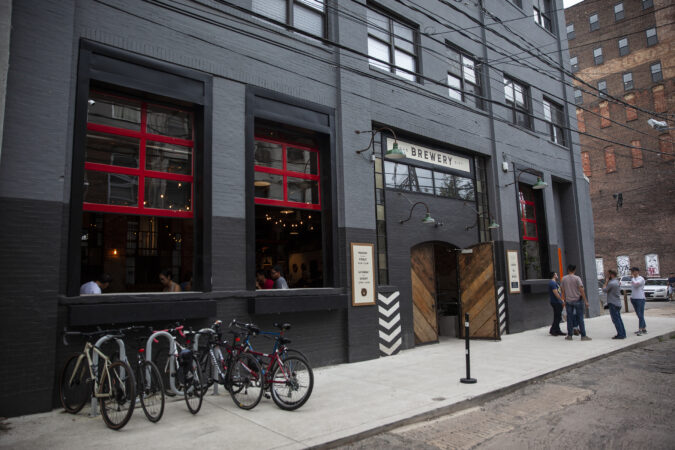
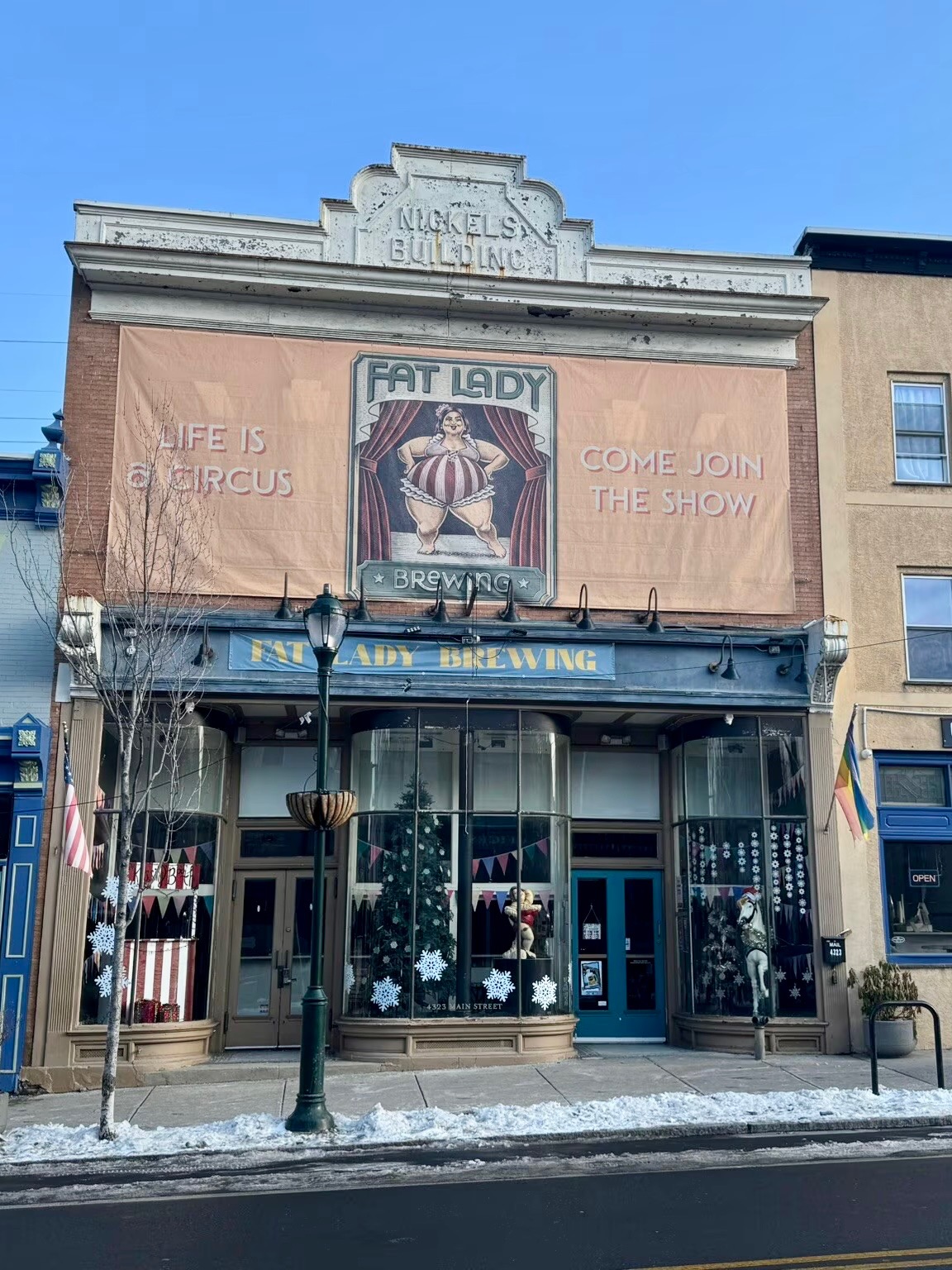
    The outside of 4323 Main St., an 1880s-era Manayunk grocery store turned five-and-dime that was most recently home to Fat Lady Brewing.

    But the taps in Manayunk won’t be dry for long: Love City Brewing signed a lease on the historic two-story building at 4323 Main St. last week. The Callowhill brewery is targeting a spring opening following some cosmetic changes, according to co-owner Melissa Walter.

    The new taproom will have room for about 60 seated (more standing) and an upstairs space used mostly for private events to start out with. An in-house food partner, like Love City has with Old City’s Viva Pizza, has yet to be determined. All beer will still be brewed in Callowhill.

    Walter said she and her husband/co-owner, Kevin, have been on the hunt for a second location for about two years, prompted by the desire to expand their own retail business.

    Love City produces about 2,900 barrels a year at its Hamilton Street home, which opened nearly eight years ago. Around 60% of that liquid is funneled to beer stores and other bars. But the profit Love City makes off the beer it distributes pales in comparison to its margin on beer sold from its own taproom. “That’s a big part of the thought behind this expansion,” Walter said. “It’s always going to be good for us to sell our products over our bar. So how can we make that happen? Where can we make that happen?”

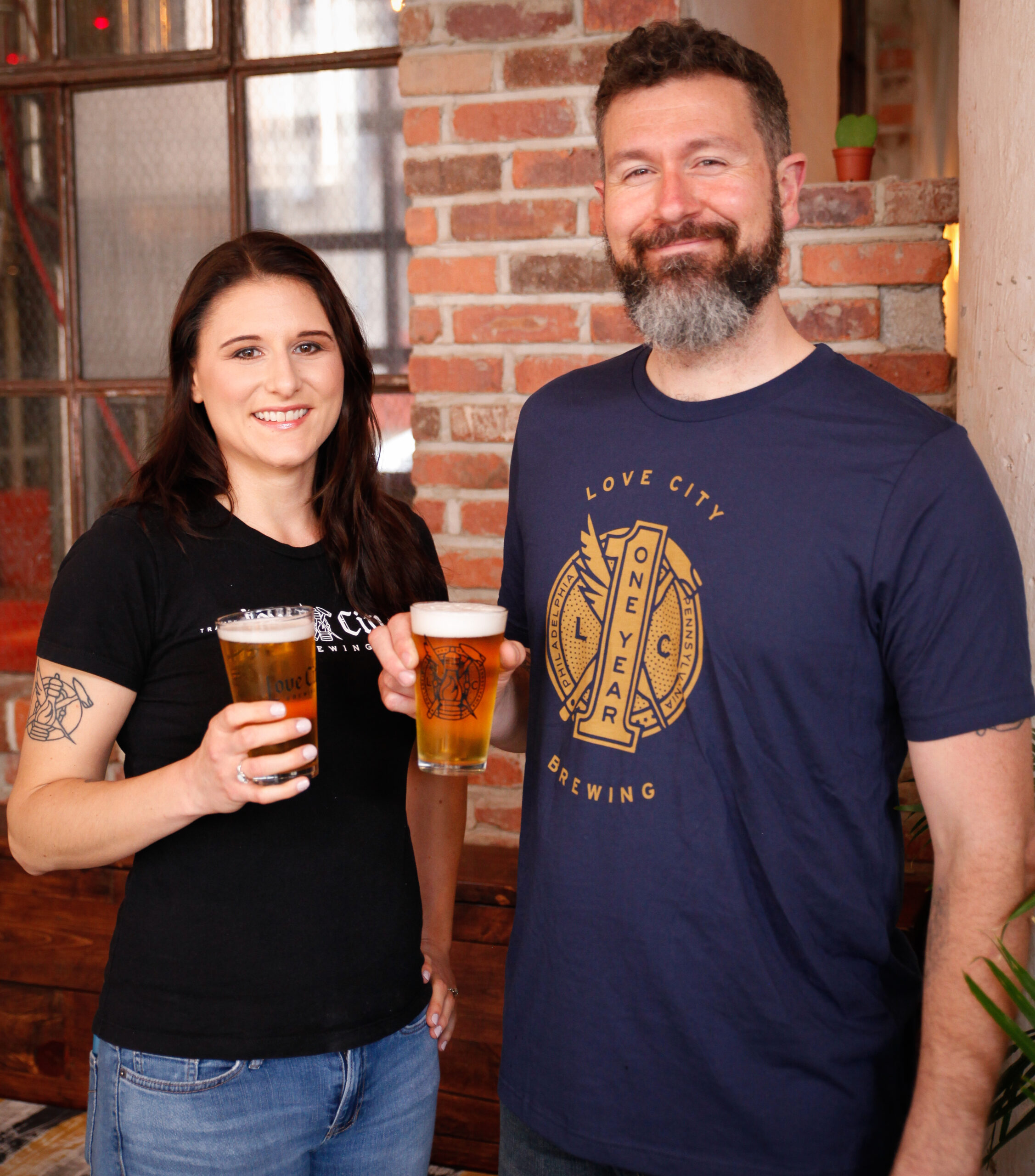
    Love City Brewing owners Melissa and Kevin Walter. The couple is expanding to a second taproom in Manayunk.

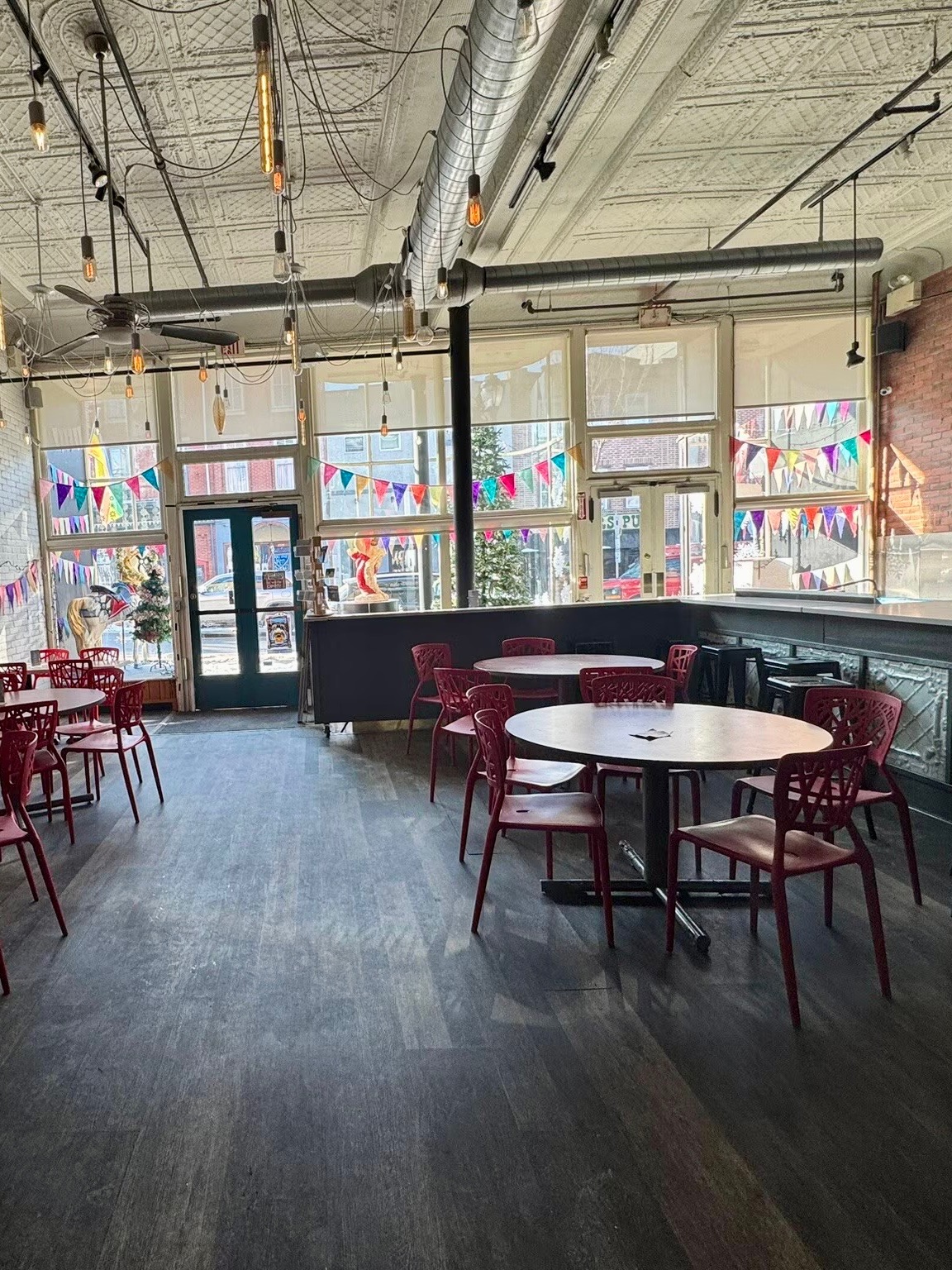
    When the Walters first scoped out Fat Lady’s space in the fall, it met all their criteria for a second location. “We wanted to be in a place that already had good energy and good foot traffic,” which Main Street brings in spades, Melissa Walter said. Add to that the physical space itself — an 1880s-era brick-faced storefront with towering curved-glass windows outside and tin ceilings and hardwood floors inside — and the Walters were sold.

    Another point that resonated, on both sides of the deal, were the two breweries’ mutually shared values: “I’m super-excited to be able to not only carry on an awesome historic building, but to carry on the torch of this small, woman-owned, queer-friendly brewery,” Walter said. “We’re like, ‘Yes, we can do that! We are that.’”

    Fat Lady Brewing owner Jane Lipton, whose mother bought 4323 Main St. in 1986, said she feels equally positive about passing the baton to Love City. “From the moment they came and looked at it, I was really hopeful, because I thought it was such a good fit,” Lipton said in an interview this week. “In their beer and their brand and how they operate, I just feel there’s some kind of symmetry.”

    Inside the Fat Lady Brewing space at 4323 Main St. in Manayunk.

    A brewery for all

    Lipton has been a fixture in Manayunk’s business community for 40 years — ever since her mother deployed her to oversee a second location of her South Street antiques store, Two By Four. “My whole life was around that South Street corridor then, and mom said, ‘I’m moving you to manage Manayunk and I want you to do in Manayunk what you did in South Street,’ which was her way of saying, get involved in the business association, get involved in whatever way,” Lipton recalls. “And I was like, ‘Oh my God, Manayunk?’”

    In the years that followed, Lipton did just that, eventually serving as the executive director of the Manayunk Development Corp. from 2009 to 2019. Aside from running Two By Four, she also launched her own antiques business and a co-working space in the 6,000-square-foot Main Street building before leasing it as a satellite taproom to Bald Birds in 2019. When the pandemic forced the Audubon brewery to break the lease, one of the owners suggested Lipton get her own brewery license when she had trouble finding another tenant.

    Thus in 2021 they launched Fat Lady, a pet project that was immediately near and dear to Lipton’s late, beer-loving wife, Karen Kolkka, an artist and art teacher. The couple threw themselves into making the brewery a warm, community-oriented space: “We picked the circus theme because everyone’s welcome at the circus,” Lipton said. “I just wanted Fat Lady Brewing to be a place where everybody and anybody could feel good and happy and safe and accepted.”

    Over its four years, Fat Lady hosted scores of events. Lipton rattles off a long list: speed dating, fashion shows, live music, open-mic nights, bingo, Quizzo, dance parties, drag shows, and burlesque shows, and community beef and beers, among others. “It was really fun,” she said.

    “And then in 2023 my wife’s cancer returned, and I had to step away, and the rest is kind of history, and it’s not the same without her,” Lipton said. “It took me a year to come into the taproom that she had picked every color for and every paint. She hung every light bulb in this beautiful fixture that we made ourselves.”

    After Kolkka’s passing, Lipton decided it was time to retire. She wound down Fat Lady’s operations at the end of 2025, just before the lease with Love City was finalized. She’s confident Kolkka — who had been to Love City with her in years previous — would strongly approve of the coming transition for the space.

    “She would be very happy about this, and that makes me feel good,” Lipton said.

  • A state store-stocked pinot noir that overdelivers for its price point

    A state store-stocked pinot noir that overdelivers for its price point

    There are plenty of value-priced wines to choose from these days. Indeed, there are so many that it can be a challenge to select a bottle with any confidence, since wine quality can range quite dramatically within each price tier. It’s tempting to simply spend more to increase your odds of drinking a well-drafted wine, but if you are willing to do a little homework, there is a reliable way to identify wines that are likely to overperform.

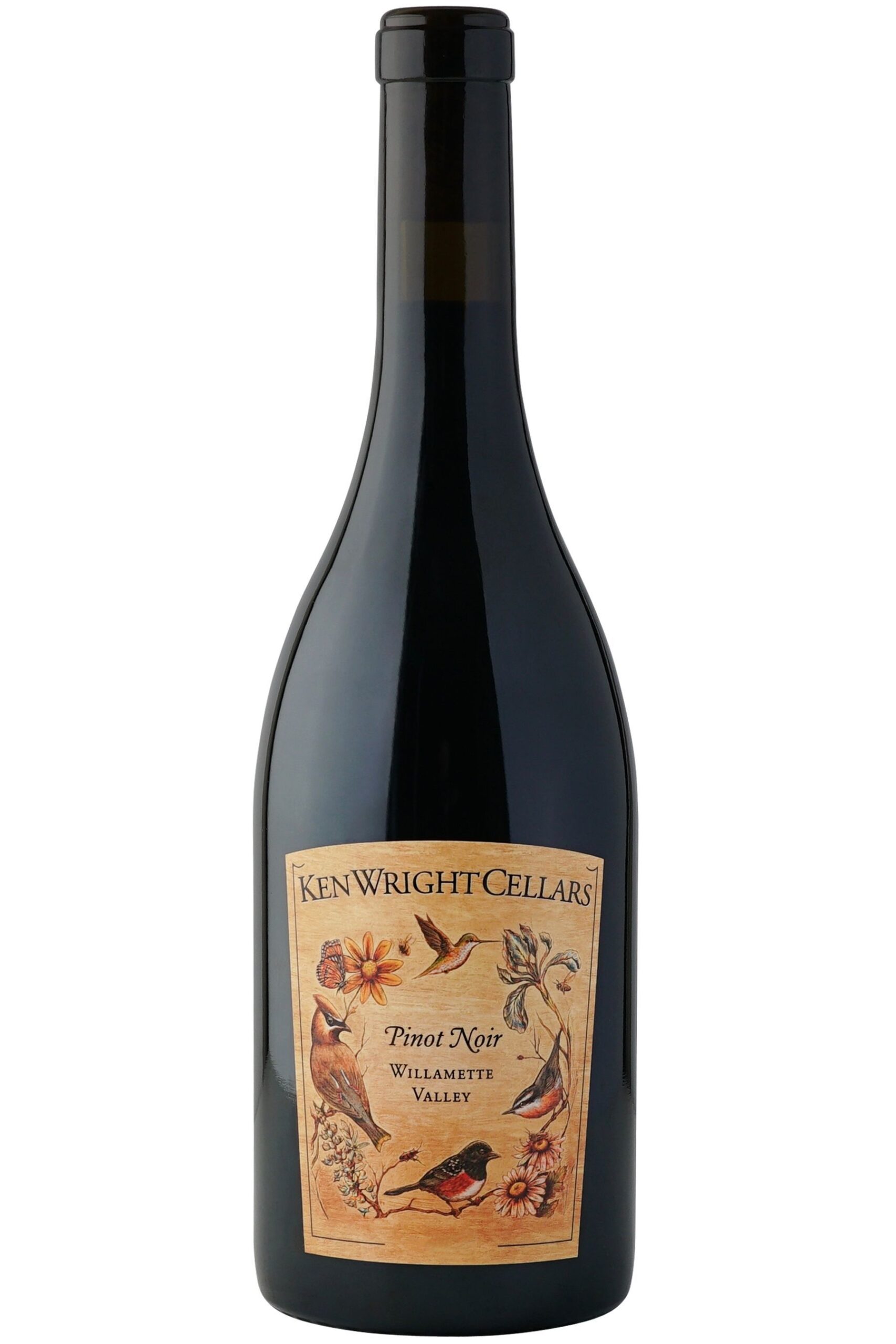
    The lowest-priced wines from respected, top-notch winemakers will almost always be superior to similarly priced wines from less ambitious competitors. This entry-level Willamette Valley pinot noir from Ken Wright is a perfect example, offering a wine that is more nuanced, more complex, and has far more integrity than most pinot noirs available at this price.

    Ken Wright was among the earliest Oregon winemakers to earn recognition for the quality of his wines. A stint working in high-end restaurants inspired him to study winemaking in California in the 1970s. There he made lifelong friends, some of whom made the trek north to Oregon in search of terrain and climate that could produce better pinot noir than what was then possible in California. Inspired by their experiences, Wright brought his family to the Willamette Valley in 1986 and quickly became one of the region’s rising stars. Ken Wright Cellars was founded eight years later and to this day is revered for the richness, grace, and fine-tuned balance of its single-vineyard pinot noirs.

    This wine is their most modestly priced cuvée, a blend that includes barrels that don’t make the cut for the winery’s top bottlings. Wright’s wines are known for their plush generosity of fruit and lithe, food-friendly balance. This dry, midweight red offers bright blueberry and cherry flavors that feature a faint whiff of cinnamon and cocoa rarely found in wines that see no aging in new oak barrels.

    Ken Wright Pinot Noir

    Ken Wright pinot noir

    Willamette Valley, Oregon; 13.8% ABV

    PLCB Item #100032864 ― on sale for $22.99 through Feb. 1 (regularly $24.99)

    Also available at: Hopewell Super Buy Rite in Pennington, N.J. ($22.99; buyrite.wine), WineWorks in Marlton ($23.98; wineworksonline.com), Canal’s in Pennsauken, Mt. Ephraim, and Glassboro ($23.99; canalsliquors.com, mycanals.com, canalsofglassboro.com)

  • Mac Mart shrinks from a storefront to a kiosk, but expands its food offerings

    Mac Mart shrinks from a storefront to a kiosk, but expands its food offerings

    Mac Mart, the mac-and-cheese cafe, has left its Rittenhouse storefront location of nearly a decade in favor of a kiosk three blocks away.

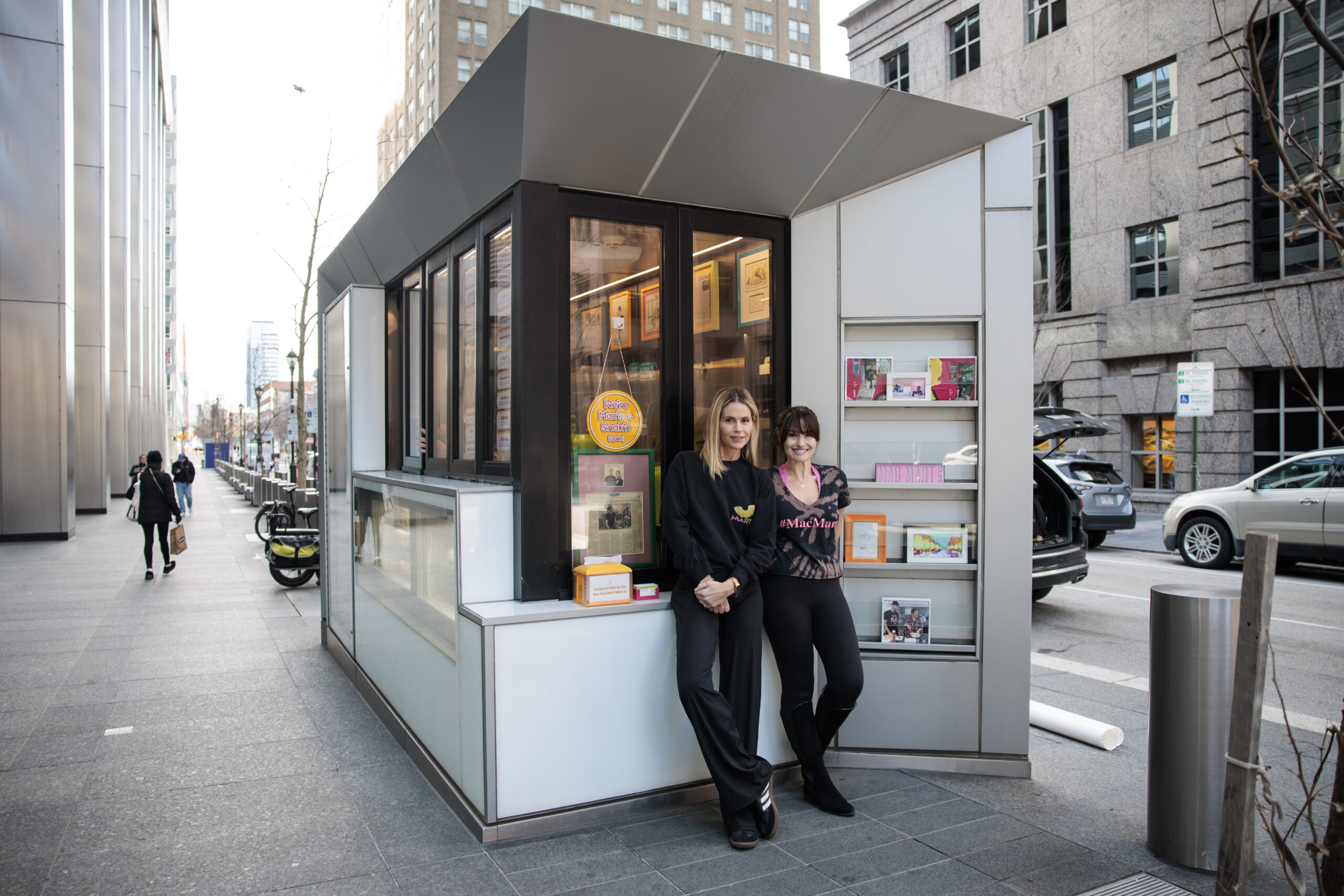
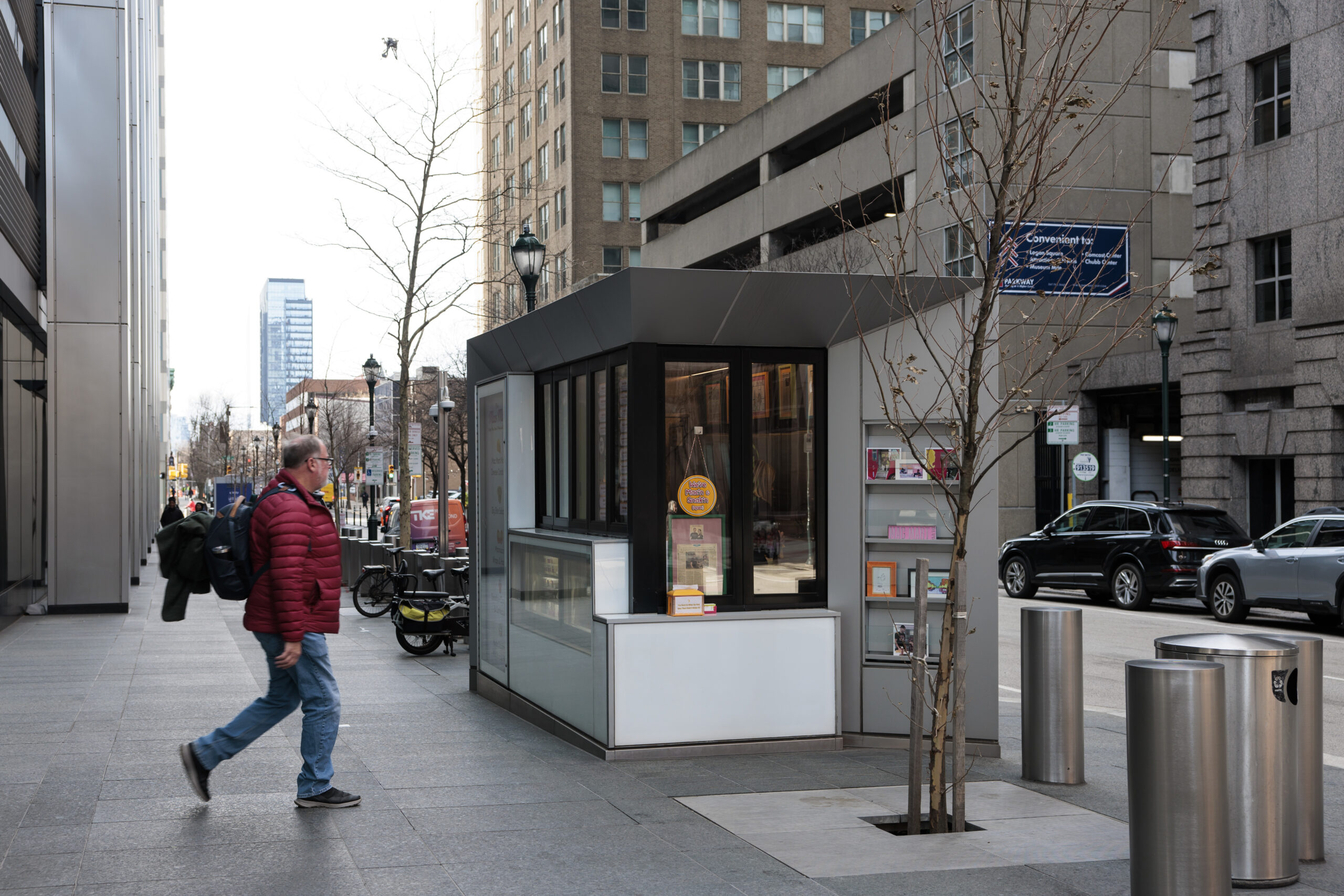
    Mini Mac Mart — as sisters Marti Lieberman and Pam Lorden call their Center City stand — soft-opened Thursday at 18th and Arch Streets, outside the Comcast Technology Center and down the block from Biederman’s caviar kiosk.

    Marti Lieberman (left) and Pam Lorden outside the Mini Mac Mart kiosk on Arch Street near 18th.

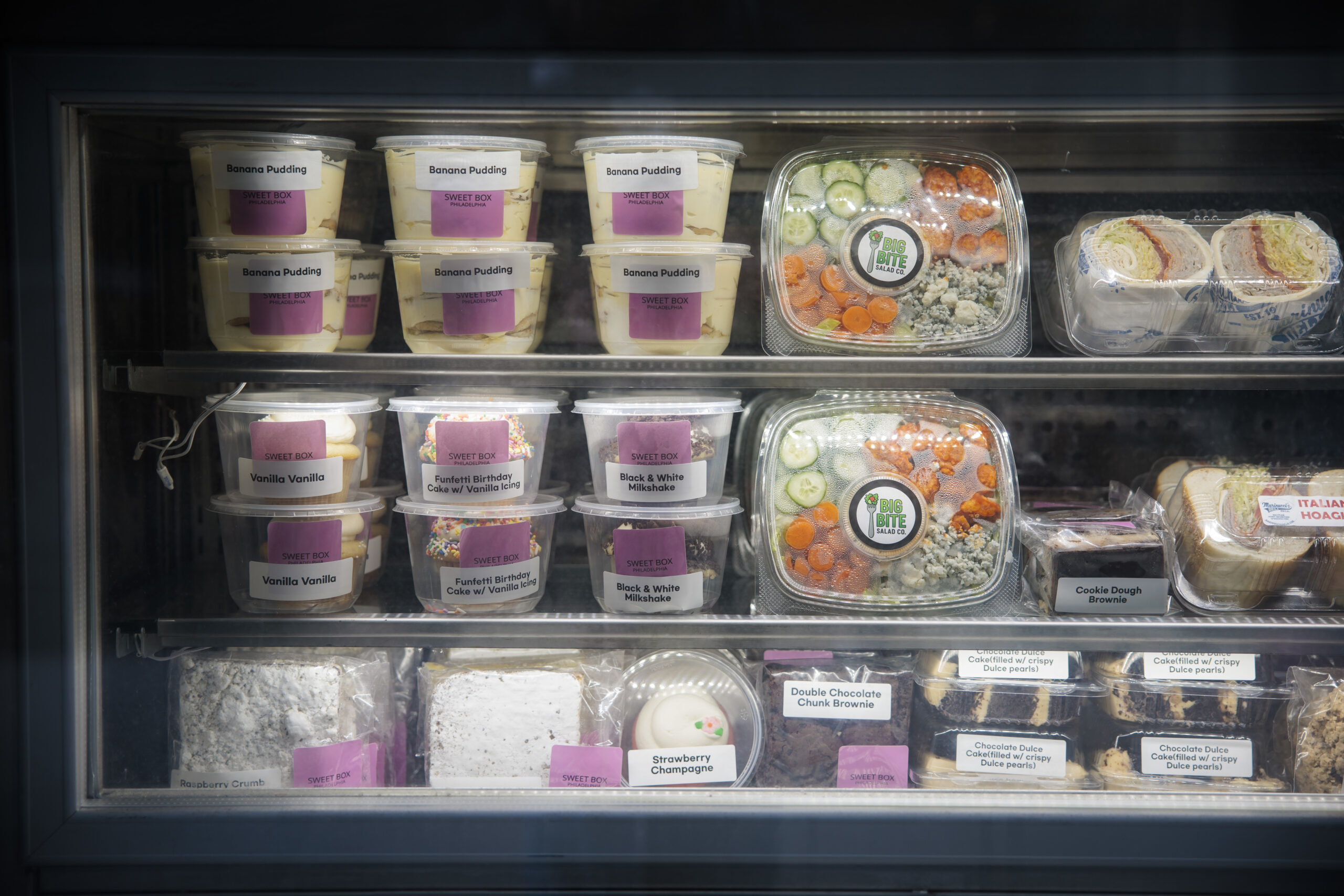
    Although they’re working in a smaller space, Lieberman and Lorden have expanded their product line beyond their various mac-and-cheese bowls to include snacks and foods from local businesses, such as cinnamon milk buns from Huda, cupcakes and sweets from Sweet Box, fresh fruit lemonades from Dillonades, hoagies and wraps from Marinucci’s Deli, and salads from Big Bite Salad Co. (the sisters’ in-house brand). The lineup will vary depending on availability.

    Lieberman, 36, launched Mac Mart in January 2013 as a food truck on the Drexel University campus, and Lorden, 39, joined her soon after. The store opened in May 2016 in a former shoe-repair shop on 18th Street near Chestnut; it closed last month.

    Assorted refrigerated items are available at the Mini Mac Mart kiosk.

    Lieberman said challenges on 18th Street forced them to rethink the storefront. Since the pandemic, she said, foot traffic and catering orders from offices had dropped. With fewer people on the street at night, she said, the business’ front door and window became a frequent target of vandals.

    Besides, Lieberman acknowledged, “we’re very niche. People have to really want a one-pound bowl of mac and cheese, and that narrowed our audience.”

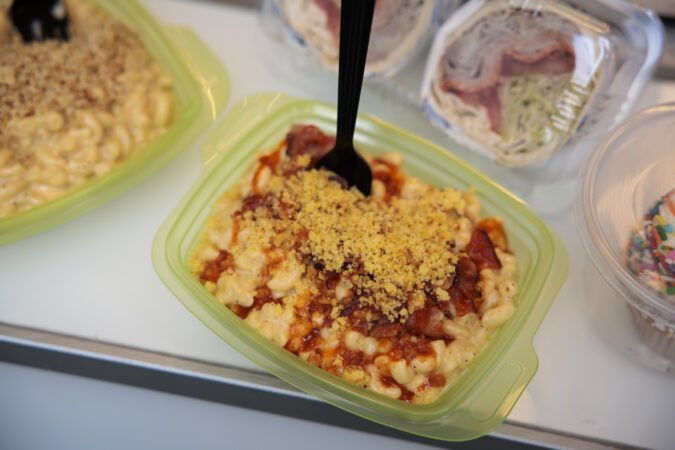
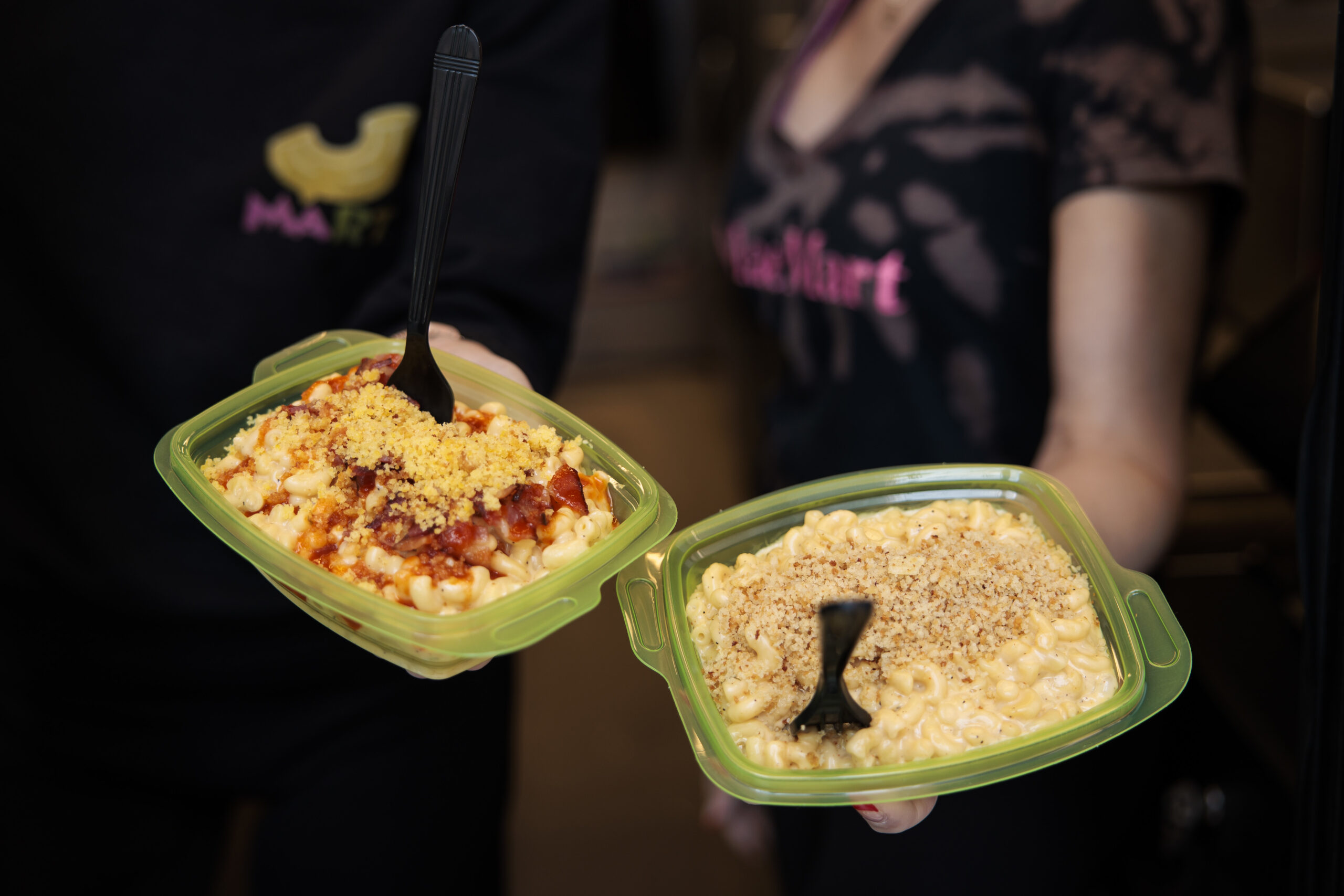
    A BBQ Bacon Bowl and Mart’s Mac (plain) at the Mini Mac Mart kiosk.

    In response, Lieberman and Lorden launched Munch Machines, a vending-machine operation that stocks with food from local small businesses.

    The machines are located at Evo at Cira Centre South, an apartment complex near 29th and Chestnut Streets, and at Motto by Hilton in Rittenhouse.

    “That model has continued to grow for us over the past 4½ years,” Lieberman said. “So when it came time to close Mac Mart, rebrand it, or pivot, we leaned into what we knew worked.”

    Mini Mac Mart draws directly from that vending-machine approach, combining Mac Mart’s core product with a broader mix of ready-to-eat food in a kiosk that can be buttoned up tightly after hours. Customers can see items through the front window and order off the side window.

    Mini Mac Mart kiosk near 18th and Arch Streets, as seen on Jan. 12, 2026.

    Over the next year, Lieberman and Lorden plan to focus on refining the kiosk model while continuing catering, market pop-ups, and Munch Machines.

    “If this small model works, which we’re confident it will, we could bring it into other small spaces — airports, amusement parks, college campuses,” Lieberman said. “This time, we know we don’t need 400 square feet or more. We can operate efficiently in a very small footprint and still serve a quality product.”

    Mini Mac Mart, 18th and Arch Streets. Hours: 10 a.m. to 7 p.m. Monday to Friday.

  • Eight happy hour deals to try in Media this winter

    Eight happy hour deals to try in Media this winter

    With early sunsets persisting for the next few weeks, the 4 to 6 p.m. hour can feel pretty grim. If you’re looking for a drink-sized pick-me-up or a discount on some tasty bites, there are plenty of places in and around Media to choose from. Here are eight restaurants in the Media area doing happy hours right now.

    Departure (2 S. Orange St., Media)

    Internationally inspired restaurant Departure is serving hits from around the globe. Their happy hour includes select wines for $7, beers for $4 to $6, house martinis for $9, mixed drinks for $7, and featured specialty cocktails for $11. Small bites also abound. Think tandoori chicken dumplings for $8, jerk shrimp for $10, or hummus for $5. Happy hour is available Monday through Friday from 4 to 6 p.m.

    Maris Mediterranean (214 W. State St., Media)

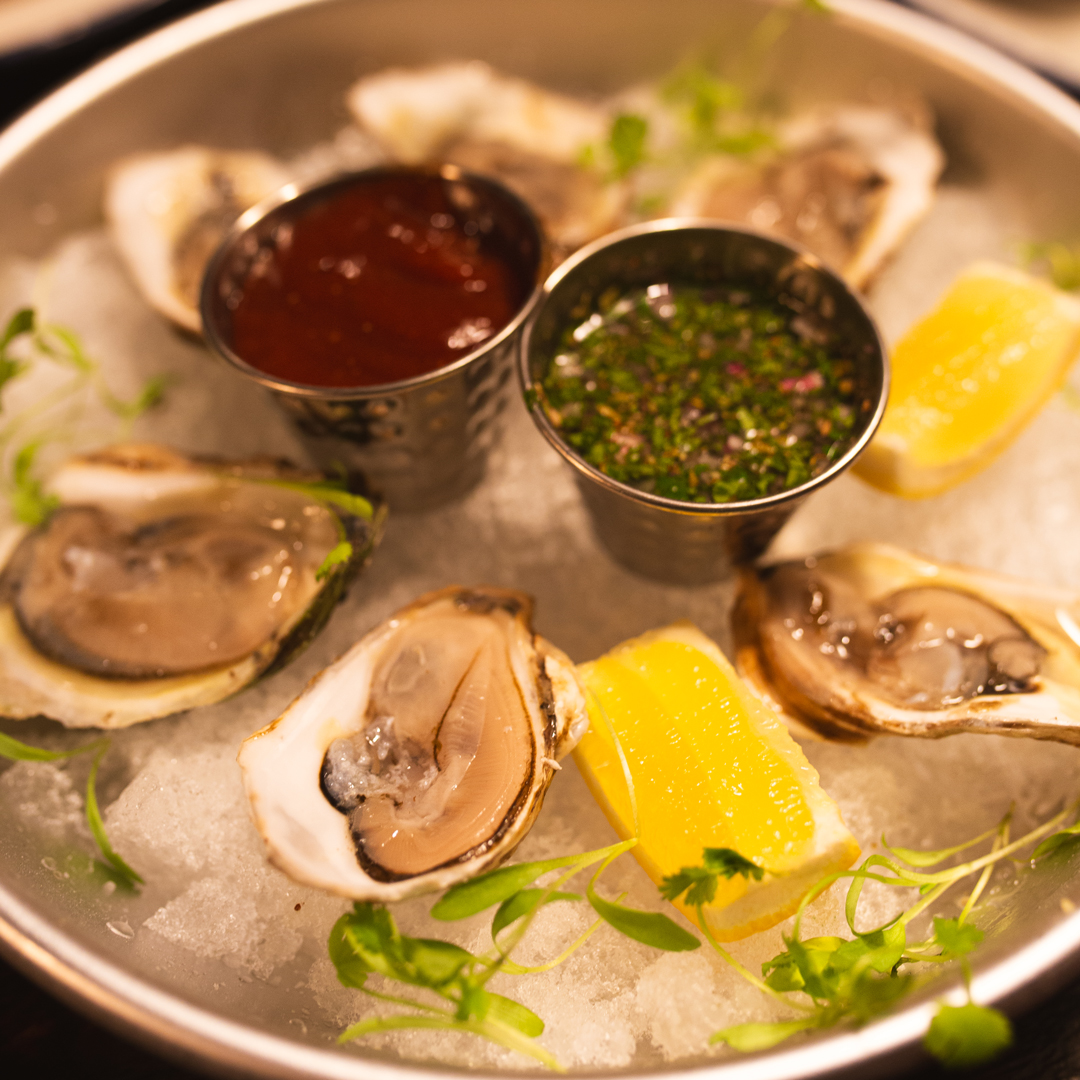
    Maris is the new kid on the block in Media’s dining scene. The Mediterranean restaurant opened on State Street in November and has been serving up fresh seafood and Greek-style dishes since. Maris’ happy hour deal includes buck-a-shuck oysters, half-priced calamari, and half-priced spreads. Drink options include $4 Miller Lites, $10 glasses of wine, and $10 “bartender’s choice” cocktails. Happy hour is Monday through Friday from 4 to 6 p.m.

    Buck-a-shuck oysters at Maris Mediterranean Seafood in Media, Pa. Maris offers happy hour Monday through Friday from 4 to 6 p.m.

    Spasso Italian Grill (1 W. State St., Media)

    Spasso Italian Grill is a Media icon. The beloved restaurant serves up Italian comfort classics, from wood-fired pizzas to homemade pastas and hearty salads. Spasso’s happy hour menu features a wide-ranging list of beers for $4 to 5, wine by the glass for $8, mixed drinks for $7, and martinis for $8. Pick from the $8 small plates menu, including arancini, meatballs, and tomato bruschetta, or try a pizza or heartier dish, like eggplant parmesan or steamed mussels, for $13. Happy hour is Monday through Friday from 4 to 6 p.m.

    Ariano (114 S. Olive St., Media)

    Ariano is a cocktail bar and restaurant in downtown Media specializing in Southern Italian cuisine. The restaurant is offering both an early and late happy hour through Jan. 18. Every day from 4 to 6 p.m., enjoy $4 off wines, cocktails, pizza, and appetizers and $2 off draft beers. On Friday and Saturday, get the happy hour deal from 8 to 9 p.m.

    Old State Tavern (38 State Rd., Media)

    The Old State Tavern has taken the moniker “Media’s best neighborhood bar.” The laid-back bar is a local favorite, complete with darts, a pool table, bar food, and lots of beer. Take 50 cents off domestic beers and $1 off craft beers during happy hour, which takes place Monday through Friday from 4:30 to 6:30 p.m.

    la Padella (100 State Rd., Media)

    Media’s la Padella is home to comforting Italian dishes, steaks, chops, and desserts. Their happy hour menu features $7 starters, from mussels to fried ravioli and truffle fries. House wines and cocktails like the Tuscan Sunrise or Penn Martini are also $7, and a rotating selection of draft beers is $1 off. Happy hour runs from 3 to 5 p.m., Tuesday through Sunday.

    Stephen’s on State (105 W. State St., Media)

    Stephen’s on State prides itself on high-quality, fresh steaks and an “exquisite” ambiance. Looking for something more casual than a full steak dinner? Pull up a seat at the bar for happy hour, Monday through Friday from 4 to 6 p.m. Get your first two drinks half-off (excluding top shelf liquor), and try some bites like the cheesesteak nachos for $7, jumbo wings for $8, or margherita flatbread for $8.

    La Porta Ristorante (1192 Middletown Rd., Media)

    Located off Middletown Road, La Porta Ristorante is a family-owned restaurant serving wood-fired pizzas, pastas, and Italian-inspired small plates and mains. Happy hour is available at the bar, Monday through Friday from 4 to 6 p.m. Order a Stella Artois for $3.50, liquor drinks for $4, or wine by the glass for $5.50. Small bite options include scotch eggs for $5, mussels for $8, bacon-wrapped bleu cheese-stuffed dates for $6, and deviled eggs for $5.

    This suburban content is produced with support from the Leslie Miller and Richard Worley Foundation and The Lenfest Institute for Journalism. Editorial content is created independently of the project donors. Gifts to support The Inquirer’s high-impact journalism can be made at inquirer.com/donate. A list of Lenfest Institute donors can be found at lenfestinstitute.org/supporters.

  • Everyone is talking about conchas lately – here’s why

    Everyone is talking about conchas lately – here’s why

    Third culture bakeries have seen a meteoric rise recently and are a significant part of the bakery boom fueled by the “little treat culture” that has swept cities from New York to London to Philly.

    In Philly, the children of immigrants have opened bakeries that appeal to many palates, whether Asian, Western, Middle Eastern, or Latin American. We see ingredients like za’atar and shatta being used in unexpected bakeries, united by love stories, Japanese matcha being baked into both Filipino and Indonesian desserts, and many more baked goods that have arisen from immigrants cooking and eating together. But not only are the baked goods and ingredients themselves trending, the stories behind them also are, and in some cases, even their long, shared histories.

    The linked story of Mexican conchas and Chinese bo lo bao predates “little treat culture” by hundreds of years.

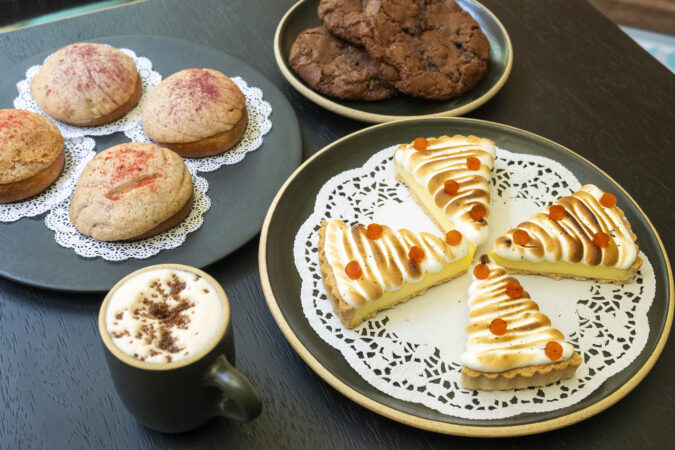
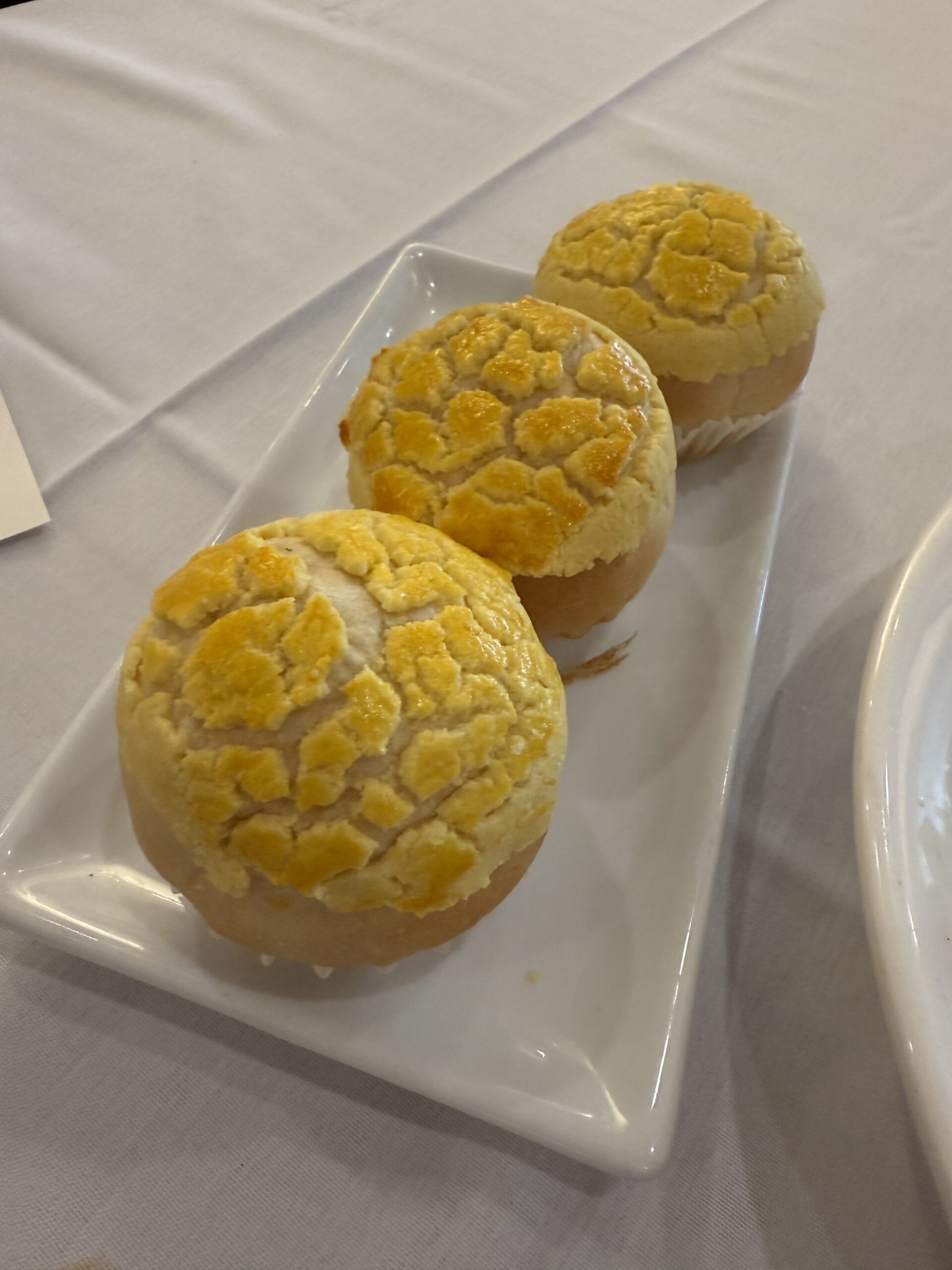
    Crackled, cookie-like crusts sit on top of round, fluffy milk bread, sometimes filled with cream, jam, or custard, or char siu, a vibrant red Cantonese roast pork.

    At dim sum and in Chinese bakeries, they’re the other mainstay classic, along with egg tarts. At first glance, the bo lo bao and the concha might not seem to have that much in common, aside from both being buns. Conchas are staples of the Mexican bakery, bo la bao are popular at dim sum houses.

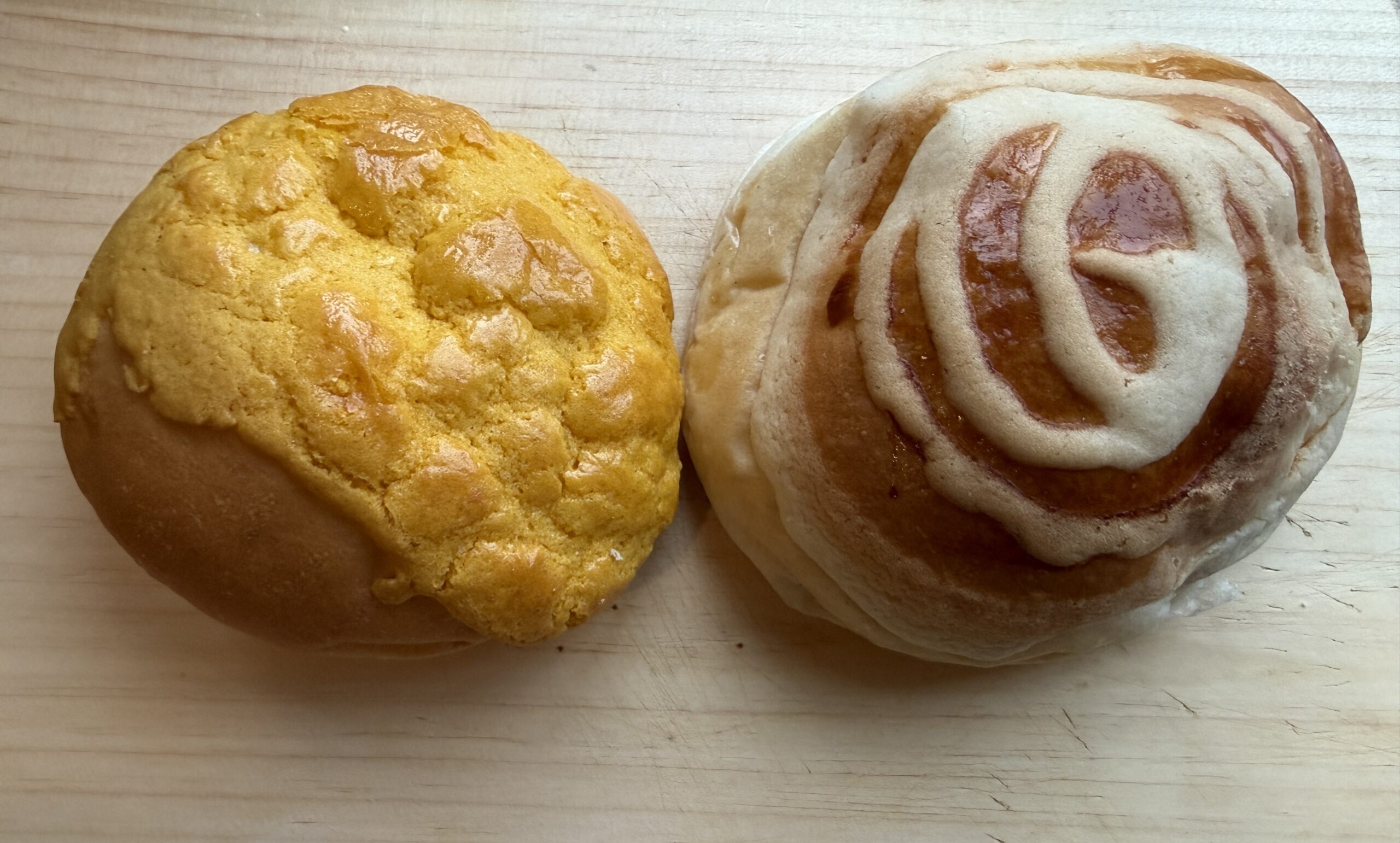
    A side-by-side comparison of the “pineapple” bun and the Mexican bun at Bread Top House in Chinatown.

    This popular item at East Asian-leaning bakeries, both new wave and old school, shares its origins with traditional Mexican bakeries. While in Spanish it’s the concha, named for its shell that resembles the outside of the seashell (though it also can be manipulated with crosshatching to look more like tic tac toe), in Chinese, it’s “bo lo bao,” which translates to “pineapple bun,” though the bun never contains any pineapple. Rather, its namesake gives the bun a way to describe its crusty, often cross-hatched texture.

    It’s a narrative that has been trending on social media, as people of Chinese heritage dig into the origins of their favorite foods.

    One theory on how these buns evolved in separate cultures is that after Chinese immigrants built railroads in Mexico in the early 1900s and returned to China, they brought conchas with them. Chinese bakeries are also heavily influenced by the Portuguese, who ruled Macao and also introduced egg tarts to Chinese cuisine.

    There’s another bread narrative that has been simultaneously making waves on social media. British baker Richard Hart, co-owner and founder of the lauded Copenhagen bakery Hart Bageri and the Green Rhino bakery in Mexico City, insulted the entirety of Mexican bread culture on a podcast, dismissing it as nonexistent. His words incensed the internet. And you’ll find that by tasting through even the Mexican breads available in Philly, he’s quite incorrect.

    At Tequilas, an airy concha, flavored with hoja santa and filled with avocado whipped cream, is a coda to dinners of teeming molcajetes and similarly light tamales. At the adjacent La Jefa, you can pick up jam-filled concha, made by the same kitchen, to pair with your morning cappuccino. They’re the work of pastry chef Jessica Delgado, who comes from a baking family in Mexico City; the first taste of them nearly brought Tequilas founder David Suro to tears. “She said when she was a little kid, she helped her uncle deliver bread in big baskets and her pay was a concha,” he said.

    In Mexico City, conchas abound. At traditional bakeries, grab a pair of tongs and heap them onto a plastic tray to bring them to a cashier. Repeat the process at any traditional bakery in Philly’s Chinatown, whether it’s Mayflower or Bread Top House (where you can get both bo lo bao and a “Mexican bun.” Dodo Bakery also makes them, though its diminutive footprint means you order from a counter).

    In each case, a layer of fat (butter, shortening, or lard) is mixed with flour and sugar, and placed over a bun prior to baking. The Chinese versions are also brushed with egg yolk for a lacquered finish. The coating splits apart in the oven, sometimes eased along by delicate cuts made on it, to create the buns’ unique crusts.

    The “pineapple” buns at Grand Palace Restaurant.

    Some of Philly’s best versions are found at dim sum parlors like Grand Palace on Washington Ave and China Gourmet in Northeast. Go easy on the siu mai and congee during dim sum so you can save some room for bo lo bao.

  • OpenTable begins adding a 2% service fee to some transactions, including no-show fees

    OpenTable begins adding a 2% service fee to some transactions, including no-show fees

    OpenTable has begun adding a 2% service charge on transactions made through the reservations site, including no-show penalties, deposits, and prepaid dining experiences such as special events.

    An OpenTable spokesperson said the restaurants can absorb the 2% charge or pass it along to customers. The fee is part of what OpenTable called an overhaul that began rolling out to most U.S. restaurants in the second half of 2025, with the remainder scheduled for early 2026.

    As before, patrons are not being charged directly for ordinary reservations; the restaurants continue to pay OpenTable to use the platform as part of their service agreement.

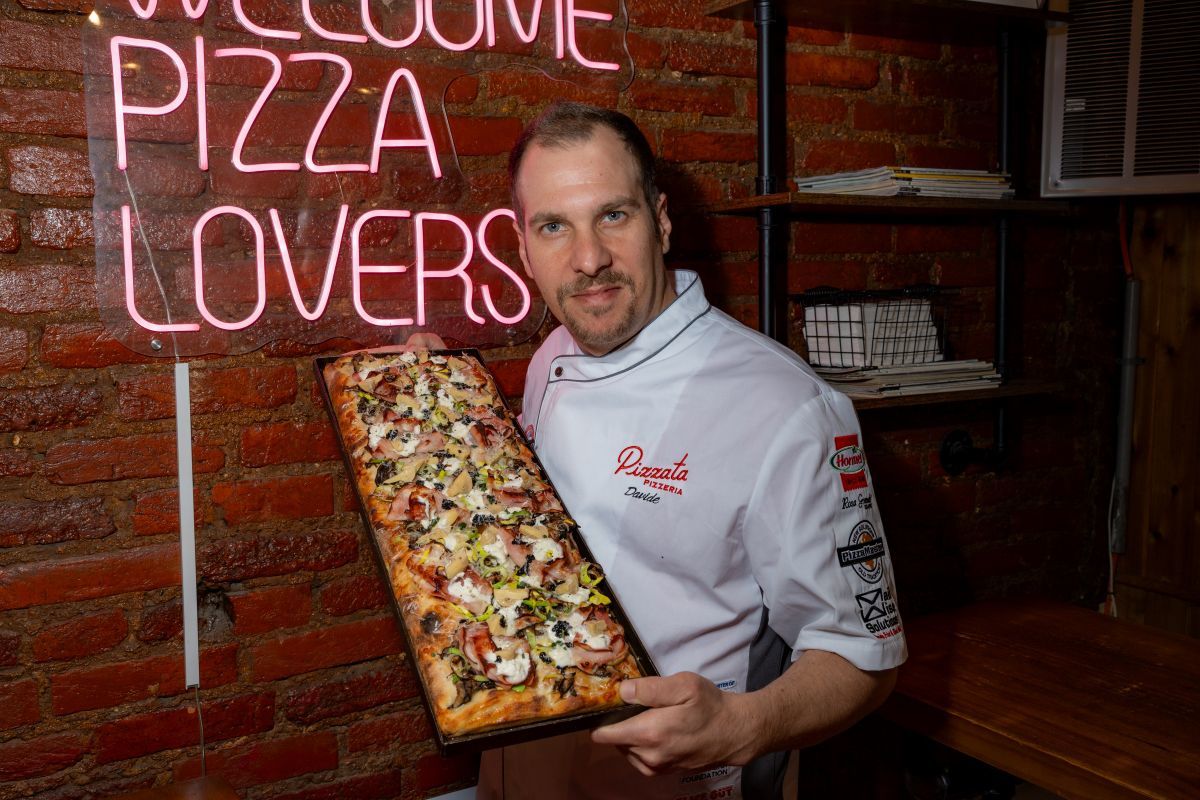
    Davide Lubrano of Pizzata Pizzeria & Birreria with a Roman pizza, topped with mixed organic wild mushrooms, organic leeks, low-moisture mozzarella, prosciutto cotto Italian ham, stracciatella, pickled chiodini mushrooms in oil, chives, aged Parmigiano Reggiano, and truffle caviar pearls.

    “Online payments are important for restaurants and, together with our restaurant partners, we’ve learned that they help reduce no-shows, improve cash flow, and increase revenue,” the OpenTable representative said. “By applying a standard service fee structure across all transaction types, we can continue to support new tools that help restaurants protect and unlock revenue.”

    In the last 18 months, OpenTable has been ramping up its presence, aggressively luring hip restaurants away from competing services such as Resy and Tock.

    At Pizzata Pizzeria & Birreria on East Passyunk Avenue in South Philadelphia, co-owner Davide Lubrano said the restaurant recently turned to OpenTable in an effort to control persistent no-shows.

    With just 48 dining-room seats split between two floors — plus a 12-seat bar that is first come, first served — missed reservations ripple through Pizzata’s service.

    “What was happening is that we were turning away walk-ins, and then the reservation wouldn’t show up,” Lubrano said. “We ended up losing tables, basically.”

    Pizzata just began requiring a credit card to hold OpenTable reservations, which call for a $15-per-person no-show fee.

    But Pizzata is generous about it. Lubrano said customers get a 20-minute grace period, along with three reminder texts and a courtesy call. “If you don’t respond to the texts and don’t answer the call, that counts as a no-show, and that’s when the charge applies,” he said. “But if you answer and say you need to cancel, there’s no charge.”

    As for the new 2% fee that would be tacked on to the $15 no-show charge, Lubrano emphasized that OpenTable and not the restaurant is assessing it.

    He added that diners who prefer to avoid entering a credit card online can still call the restaurant directly. “You can always call us and avoid a credit card fee, and we put a reservation in for you,” he said.

  • A massive, first-ever Dry January bar crawl launches in Philly this weekend

    A massive, first-ever Dry January bar crawl launches in Philly this weekend

    From inventive cocktails at bars to interactive bartender-led classes, it’s easy to be alcohol-free in Philadelphia this month and still leave the house. And now, sober-curious drinkers can hop from one bar to the next in the city’s first-ever Dry January bar crawl.

    Together, Northern Liberties Business Improvement District and Fishtown District are hosting a massive, two-day bar crawl of more than two dozen restaurants, bars, breweries, wineries, distilleries, and hospitality spots offering discounted zero-proof cocktails. The event runs Saturday, Jan. 17 and Sunday, Jan, 18, allowing participants to explore the two neighborhoods at their own pace. No tickets or check-in are required.

    “We are excited to kick off 2026 with our close friends in Fishtown for a post-holiday reset,” said Sydney Rexroad, Northern Liberties Business Improvement District executive director. “The Dry January Crawl … is a great opportunity to see a different side of creativity from your favorite spots.”

    Bar Palmina will participate in the Northern Liberties/Fishtown Dry January Bar Crawl.

    “This is the perfect way to start 2026,” said Marc D. Collazzo, Fishtown District executive director. “Our close connection provides a full, fun wellness experience in the hottest neighborhoods in the city. Come join us to sip, savor and smile.”

    Along with a slate of regularly priced nonalcoholic cocktails or specialty beverages, folks can expect each participating establishment to have one or more special happy hour-priced nonalcoholic beverage, from $6 to $10.

    Bar1010 will offer strawberry matcha mocktails for $10, beers and Moscow mules will run $6 to $8 at Bar Palmina, and smoked mixed berry spritz will go for $10 at Jerry’s Bar, just to name a few.

    But remember: “Mocktails are what you’ll see mostly on menus — they’re made up of syrups, shrubs, soda, juices, and the ABV falls at 0.0,” according to Nikki Graziano, owner of Bar Palmina. “Zero-proof cocktails are made with complex nonalcoholic spirits and bitters. They provide the same balance and craft as a regular alcoholic drink and their ABV ranges from 0.0-0.5% ABV.”

    “There’s no better or worse, but the distinction is important to note for sensitivities as well as price points,” she said.

    Front Street Cafe will participate in the Northern Liberties/Fishtown Dry January Bar Crawl.

    In Northern Liberties:

    • Amina: 1102 Germantown Ave., 11 a.m. to 4 p.m.
    • Bar1010: 701 N. Second St., 11:30 a.m. to 4 p.m.
    • Bourbon and Branch: 705 N. Second St., 11 a.m. to 4 p.m.
    • El Camino Real: 1040 N. Second St., 11 a.m. to 4 p.m.
    • Jerry’s Bar: 129 W. Laurel St., 11 a.m. to 4 p.m.
    • Standard Tap: 901 N. Second St., 11 a.m. to 4 p.m.
    • The 700: 700 N. Second St., 2 p.m. to 5 p.m.
    • Urban Village Brewing: 1001 N. Second St., noon to 5 p.m.
    • Yards Brewing Co.: 500 Spring Garden St., 11:30 p.m. to 5 p.m.
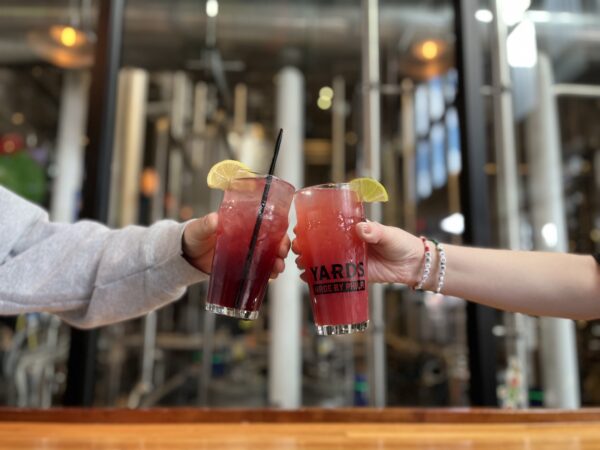
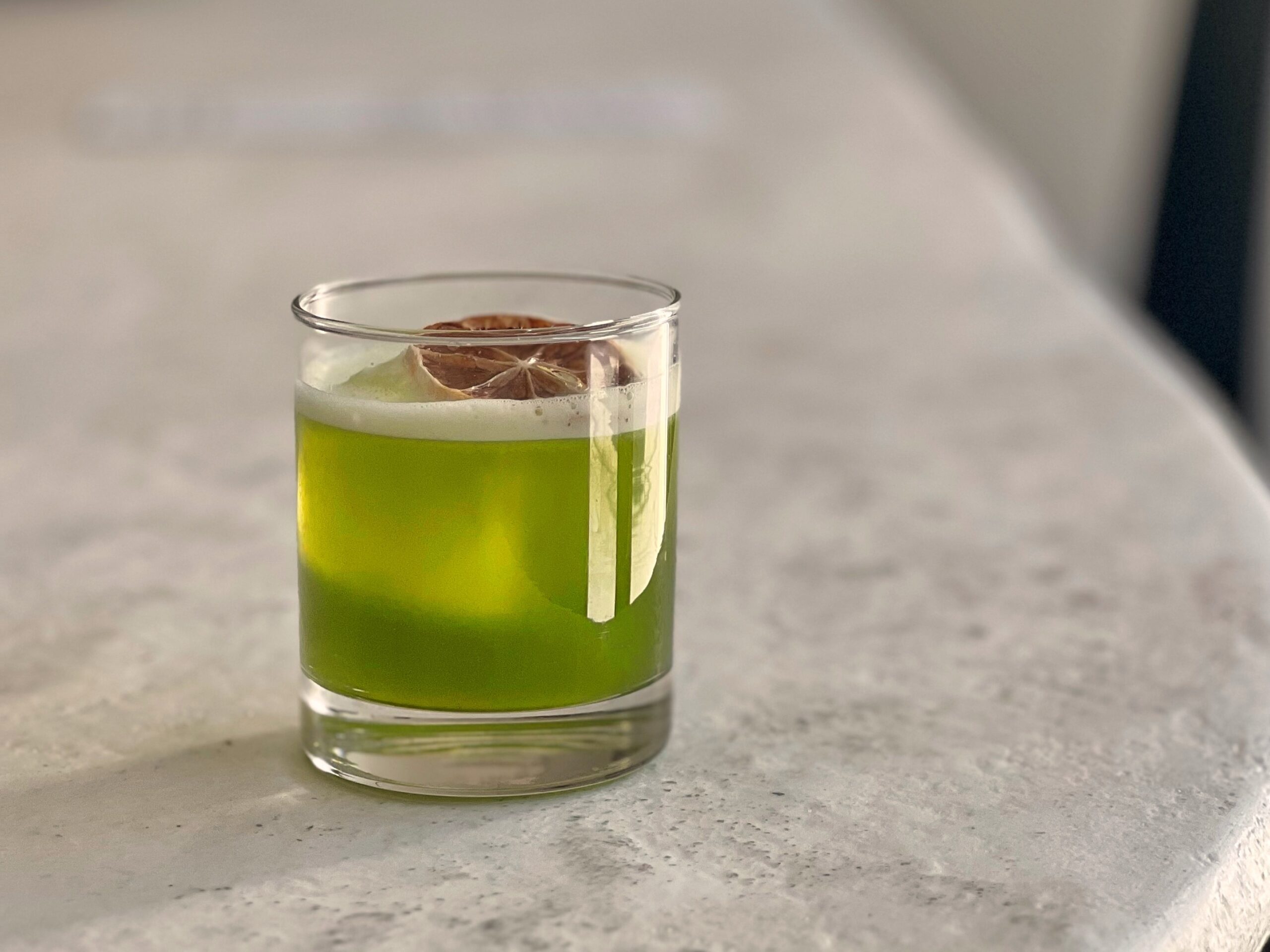
    Expect nonalcoholic cocktails like this one, from Bar Palmina, at happy hour prices on Northern Liberties-Fishtown’s inaugural Dry January bar crawl.

    In Fishtown:

    • Bar Palmina: 1306 N. Front St., 2 p.m. to 6 p.m.
    • Brewery ARS: 2223 Frankford Ave., 3 p.m. to 6 p.m.
    • Evil Genius Beer Company: 1727 N. Front St., noon to 5 p.m.
    • Fette Sau: 1208 Frankford Ave., noon to 5 p.m.
    • Fishtown Social: 1525 Frankford Ave., noon to 5 p.m.
    • Frankford Hall: 1210 Frankford Ave., noon to 5 p.m.
    • Front Street Cafe: 1253 Front St., 11 a.m. to 4 p.m.
    • Garage Fishtown: 100 E. Girard Ave., noon to 5 p.m.
    • Johnny Brenda’s: 1201 Frankford Ave., 11 a.m. to 4 p.m.
    • Mamajuana Cafe Philly: 1000 Frankford Ave., noon to 5 p.m.
    • Meyers Brewing: 436 E. Girard Ave., noon to 5 p.m.
    • Mural City Cellars: 1831 Frankford Ave., noon to 5 p.m.
    • Nut Hut Saloon: Corner of Frankford Ave. and E. Norris St., 11 a.m. to 4 p.m.
    • Pearl’s Fishtown: 1444 Frankford Ave., 1 p.m. to 5 p.m.
    • Percy Diner & Bar: 1700 N. Front St., Saturday 11 a.m. to 4 p.m. and Sunday 11 a.m. to 3 p.m.
    • Stateside Vodka Bar: 1700 N. Hancock St., noon to 5 p.m.
    • The INTL: 1642 N. Front St., noon to 4 p.m.