In East Asian folklore, the Jade Rabbit is a celestial figure known for compassion and hospitality. When a hungry goddess tested the kindness of animals, the rabbit offered itself as food. Moved by this selfless act, she granted it immortality, sending it to live on the moon.
There, the Jade Rabbit eternally mixes the elixirs of life for the gods — a symbol of generosity, sacrifice, and eternal service.
At Jade Rabbit, the cocktail bar that opened this week beneath Maison Lotus in Wayne, siblings Pearl and Paul Somboonsong are mixing their own elixirs — if not for the gods, then for, well, Main Liners.
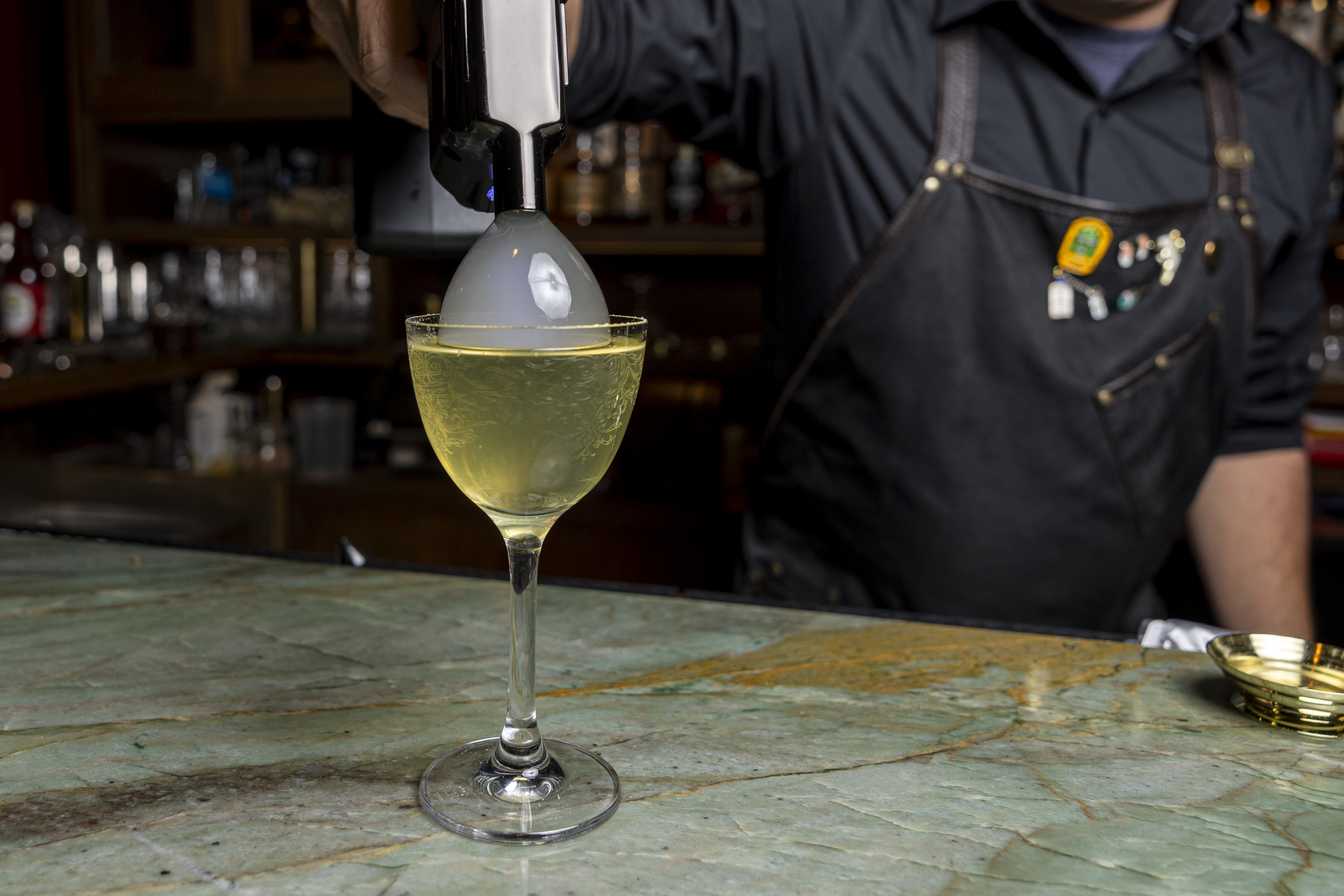
The Jade Rabbit Moon Landing cocktail gets its bubble on at Jade Rabbit.
In March, the Somboonsongs opened Maison Lotus, an upscale Vietnamese restaurant and all-day cafe at 175 Lancaster Ave., the former site of Margaret Kuo.
As they planned the two-story restaurant, they decided that the basement would be an ideal spot for a speakeasy-style bar as a passion project, alongside a banquet room where they’d host private events and mah-jongg games.
Pearl Somboonsong grew up on the Main Line, where her parents, Win and Sudita Somboonsong, created a string of restaurants, including Mikado Thai Pepper, Teikoku, Azie, and Blue Elephant.
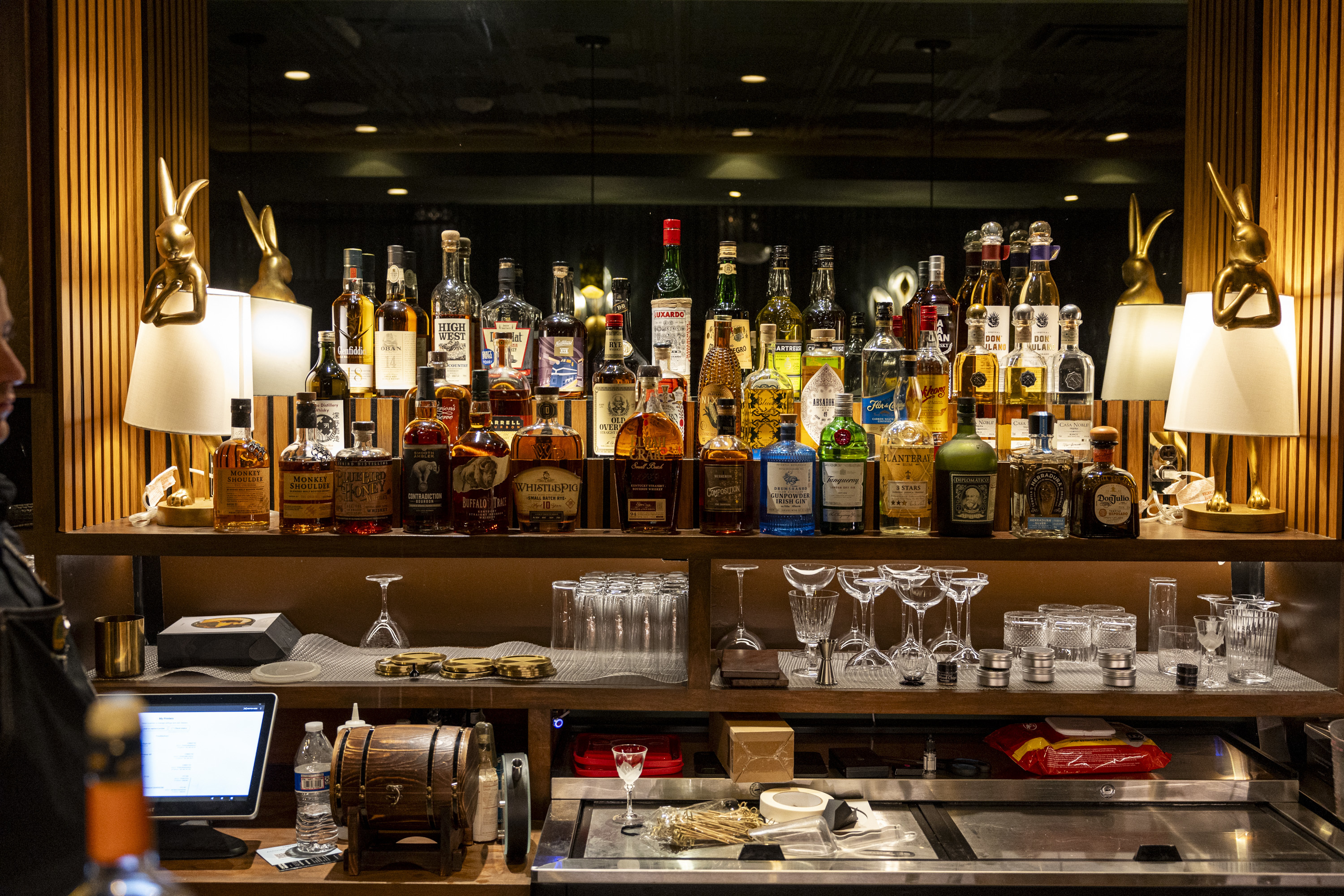
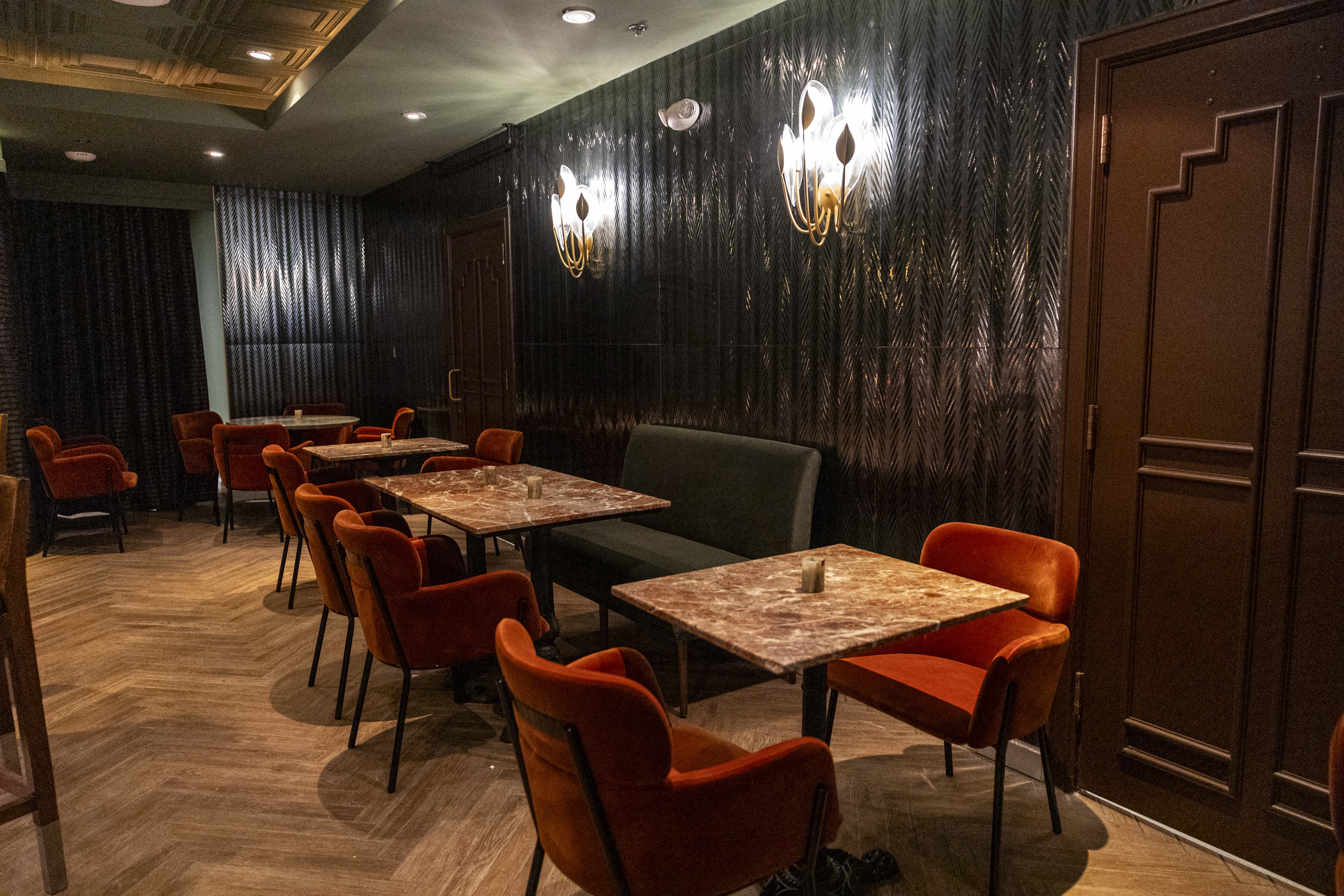
The bar at Jade Rabbit in Wayne.Dining tables at Jade Rabbit in Wayne.
After college, she lived in New York and Chicago, “and there was always a speakeasy scene,” she said. Philadelphia has one, too. But not so much on the Main Line, as she discovered when she moved back to join her brother in Win Hospitality, the family business.
There are stylish bars, she said, but “I was asking, ‘Why is there not really a place where I can have that same experience where the cocktails are really the focus?”
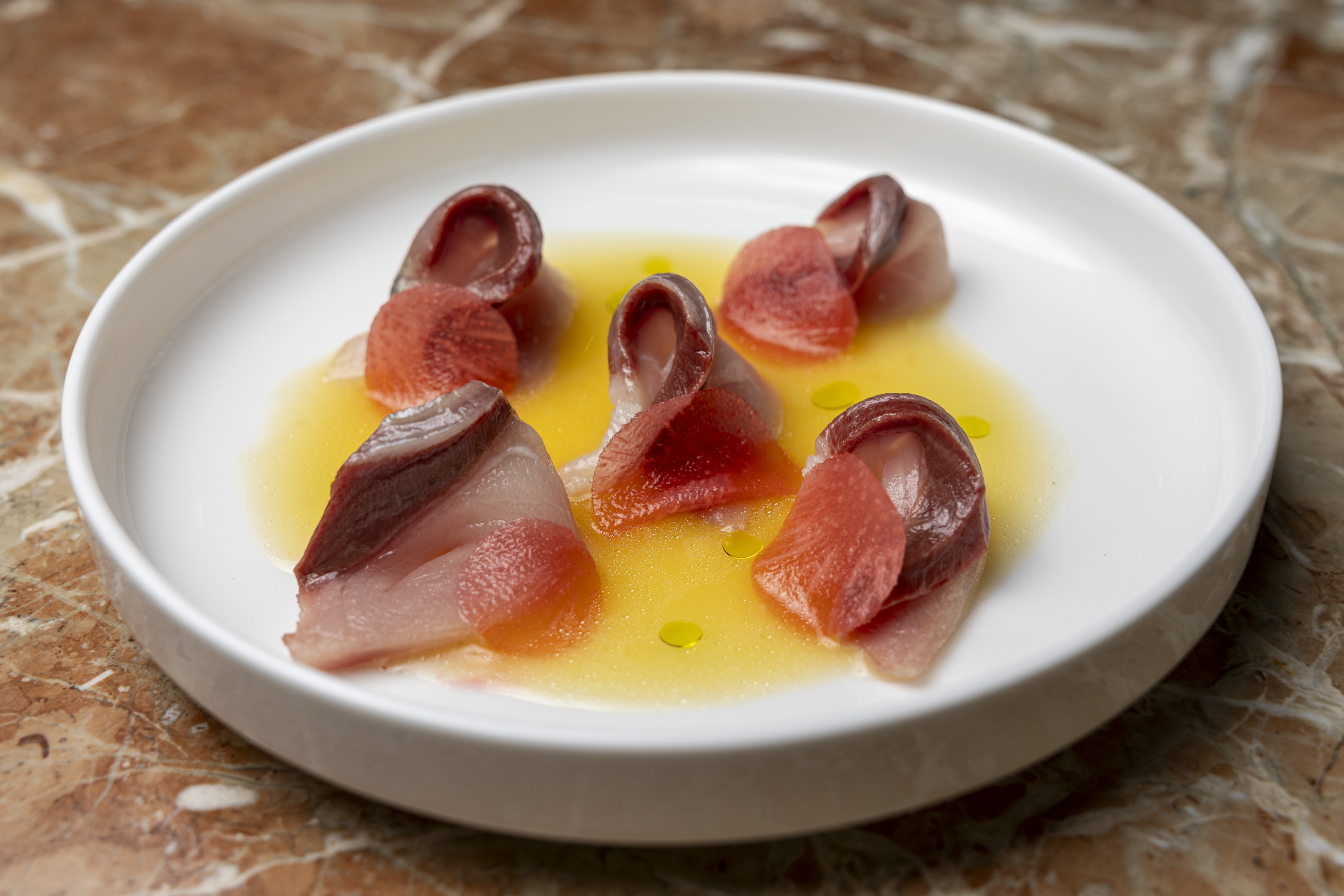
Hamachi with calamansi, pickled radish and chive oil at Jade Rabbit.
Of course, Jade Rabbit is licensed, unlike a true speakeasy. But it has the characteristic unmarked door leading down from Maison Lotus as well as a low-lit, low-key vibe for its eight bar seats plus 18 more at tables. Opening night was fully booked, and there are 30 on the waiting list for tonight, Pearl Somboonsong said. It’s only open Thursday and Friday for now; more days may be added if there is demand.
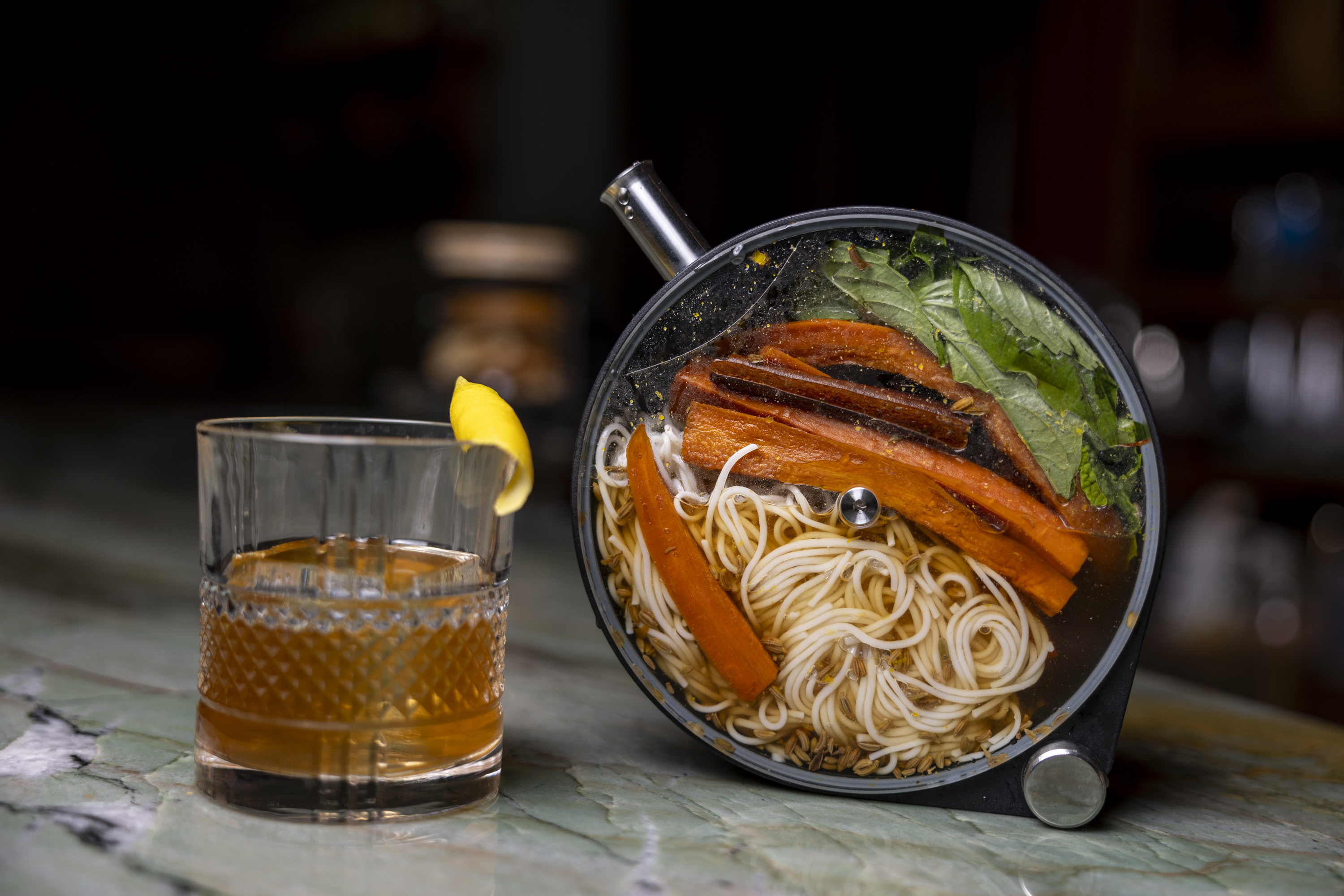
Bartender Curtis Daulerio and Win Hospitality beverage director Katrin Kanikkeberg set up the bar, whose cocktail menu is Vietnamese-inspired. For a drink called the Circle Jawn, they use a Porthole Infuser, a circular contraption invented for the Aviary, a seminal speakeasy-style bar in Chicago.
The Circle Jawn steeps on the bar at Jade Rabbit.
The Circle Jawn is meant to resemble a bowl of pho, so Daulerio loads the infuser with vermicelli, roasted carrots, basil, and spices such as star anise, cinnamon, cloves, cardamom, and coriander seeds. Then he pours Diplomatico rum, Pedro Ximenez sherry, and black walnut bitters into the porthole. The drink ($39 for two), which is poured atop a large ice cube, picks up new flavors and colors as it steeps.
Like many new bars, Jade Rabbit also has a FlavourBlaster, the device that creates oversize bubbles and smoke on top of a drink. “Of course, we play with fire and smoke and stuff, but I didn’t want it all to be gimmicky,” Pearl Somboonsong said. “At the end of the day, it has to be about class. The goal is an amazing, well-balanced cocktail.”
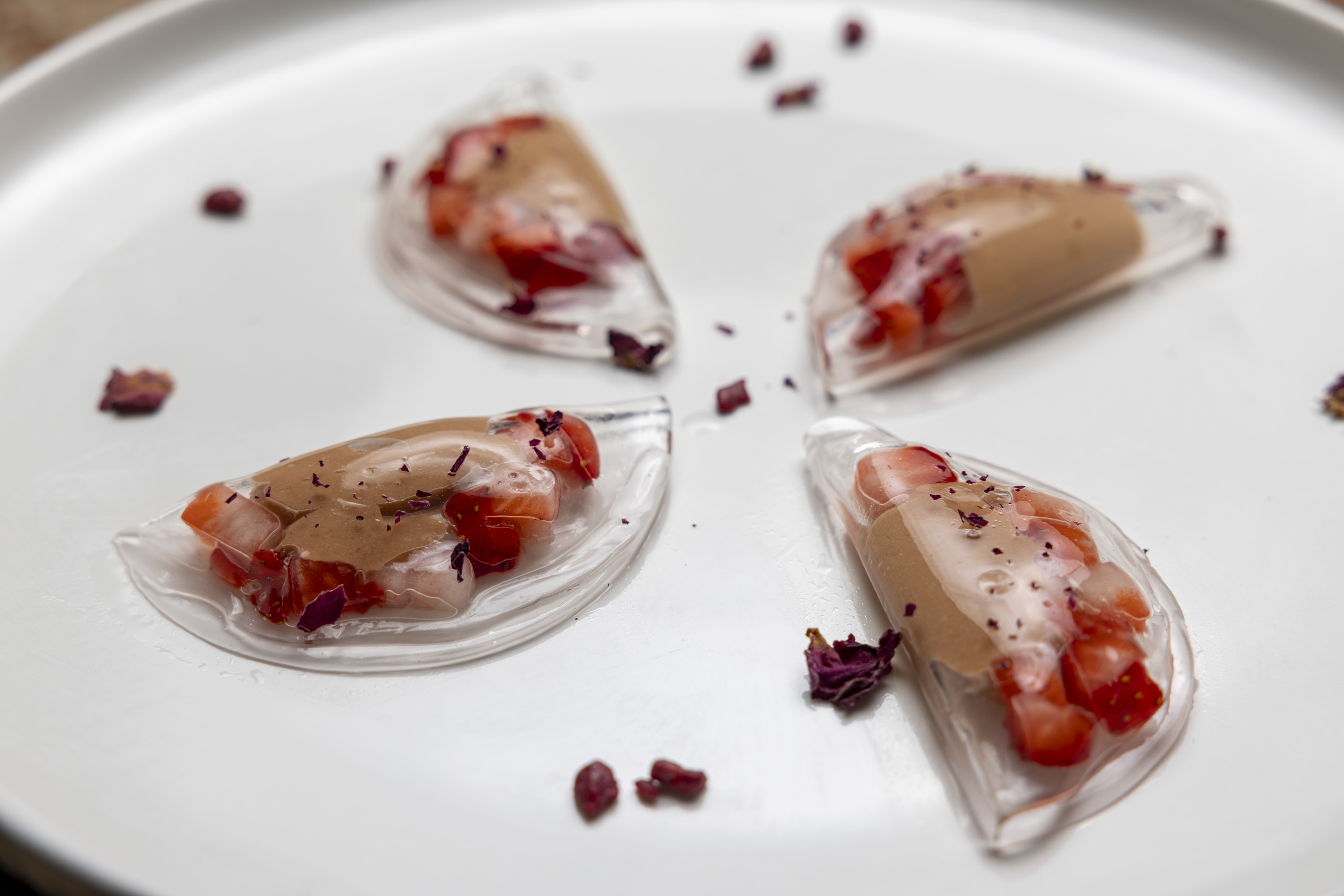
Crystal dumpling dessert at Jade Rabbit.
Jade Rabbit offers three options for reservations: There’s a $30 per-person deposit for a bar seat; the customer orders à la carte drinks and food, and the deposit is applied to the final bill. In the dining seats, there’s a $145 five-course food and cocktail pairing menu with hamachi, flower dumplings, Chilean sea bass, A5 Wagyu steak, and crystal dumplings filled with guava and strawberries — all unique to the lounge. The third option is a three-course cocktail progression, which covers any three cocktails for $65.
À la carte food includes bites such as Bangkok toast (brown sugar butter and bourbon creme anglaise atop milk bread), umami popcorn, and Japanese street corn, plus larger plates including the steak and sea bass.
Jade Rabbit, beneath Maison Lotus, 175 Lancaster Ave., Wayne, maison-lotus.com/jaderabbit. Hours from 5:30 p.m. Thursday and Friday. Reservations suggested, though walk-ins are allowed.
When it’s getting chilly out, I want spaghetti, red sauce, and something fried — with no frills. At Villa di Roma, I ordered the eggplant parmesan and that’s exactly what I got: four crisp breaded discs smothered in mozzarella, served over spaghetti and house-made marinara. Behind me two women shared four martinis as they dug into their pasta. No matter what you order, the vibes of Villa di Roma (one of the picks in The Inquirer’s inaugural edition of The 76), are simply perfect, white tablecloths, drop ceilings, warm service, and all. It feels like a restaurant full of regulars, and I’m ready to become one. Villa di Roma, 934 S. Ninth Street, Philadelphia, PA 19147, 215-592-1295, villadiroma.com
— Zoe Greenberg
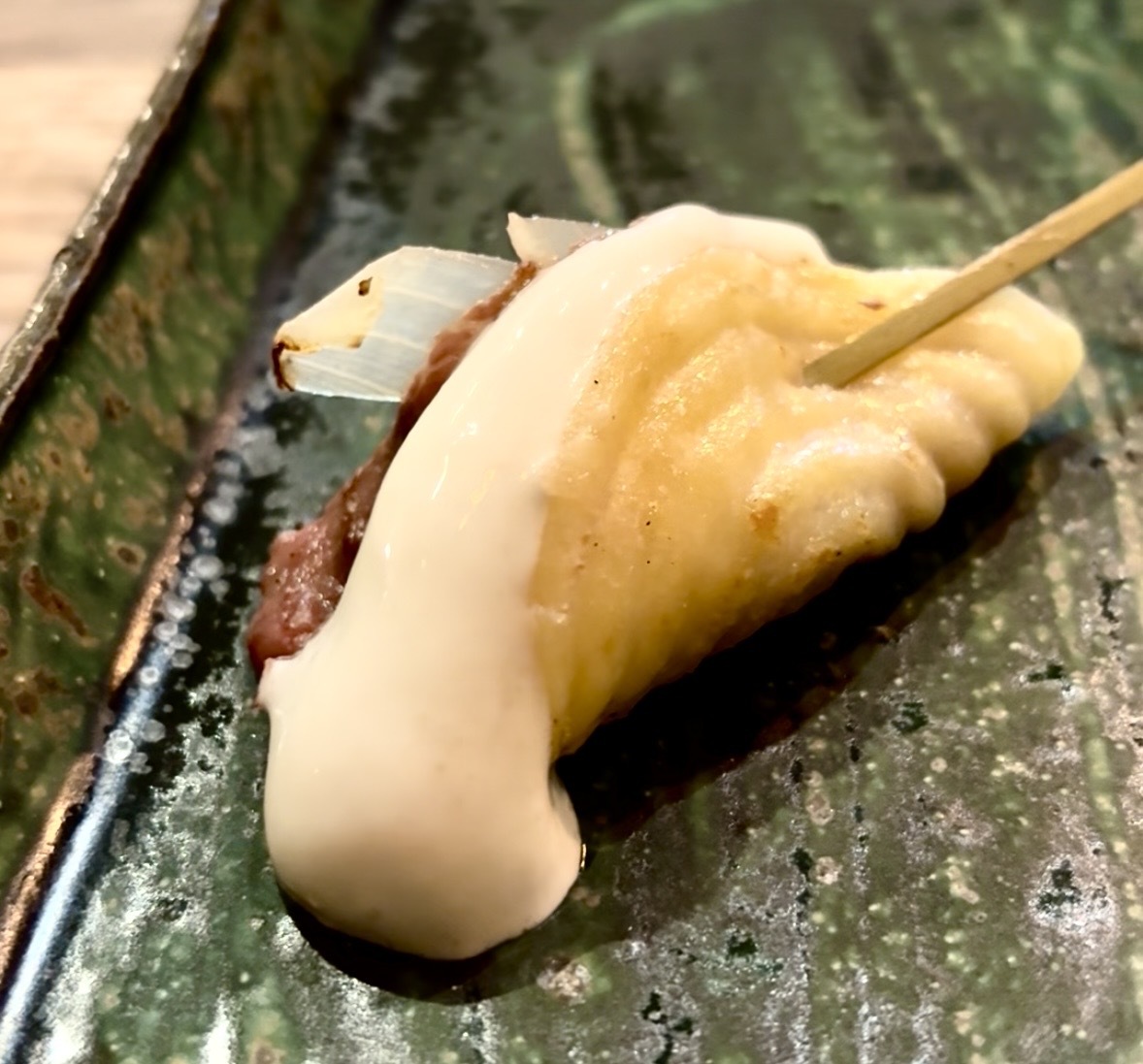
A grilled corzetti pasta coin cradles a slice of American wagyu beef and Cooper Sharp foam at Vetri Cucina, where this mini-cheesesteak bite was featured on Vetri’s monthly pasta omakase tasting.
Grilled corzetti pasta with wagyu and Cooper Sharp foam at Vetri Cucina
There’s a new wagyu cheesesteak in town unlike any other, and it has redefined the possibilities of the fancy steak genre in one unforgettable bite.
This creation was just one of 15 incredible courses at Marc Vetri’s monthly “pasta omakase,” a chef’s-counter feast reserved for six lucky people inspired by the small-bite tasting meals of Japan, where Vetri operates a restaurant in Kyoto. Instead of sushi, though, Vetri’s meal centers around creative pasta whimsies: tagliolini with uni and caviar in sake butter, or a culurgione made with carob dough wrapped around duck confit and duck X.O. in an intensely reduced sauce brightened with citrus — essentially duck à l’orange as a dumpling.
Each dish was a jewel of craft and surprise, and a reminder why Vetri remains one of America’s undisputed pasta kings. But he’s also a Philly guy through and through, so one of the most unexpected highlights was reserved for the end of the meal when a small coal-fired grill was brought out. Vetri flashed some stamped pasta coins known as corzetti over the flames. Then came sheer slices of ultra-rich wagyu beef, which he seared and layered atop the pasta with a roasted onion and foamy flourish of aerated Cooper Sharp cheese.
Cinched together with a toothpick, I popped it into my mouth like a mini-taco made of pasta. The familiar flavors of Philly’s favorite street food unfolded with uncommon richness, but also a delicate touch that rendered every element vivid and clear.
Of course, who knows when this wonder will appear again? Vetri’s omakases have remained a scratch pad lab for the chef to experiment with new ideas. The menus are ever-changing and, at $300-plus a person, they’re a major splurge. The corzetti cheesesteak bites received such a rousing response, however, Vetri is considering adding them as an amuse-bouche to the regular menu at Vetri, or perhaps some future event. Vetri Cucina, 1312 Spruce St., 215-732-3478, vetricucina.com
— Craig LaBan
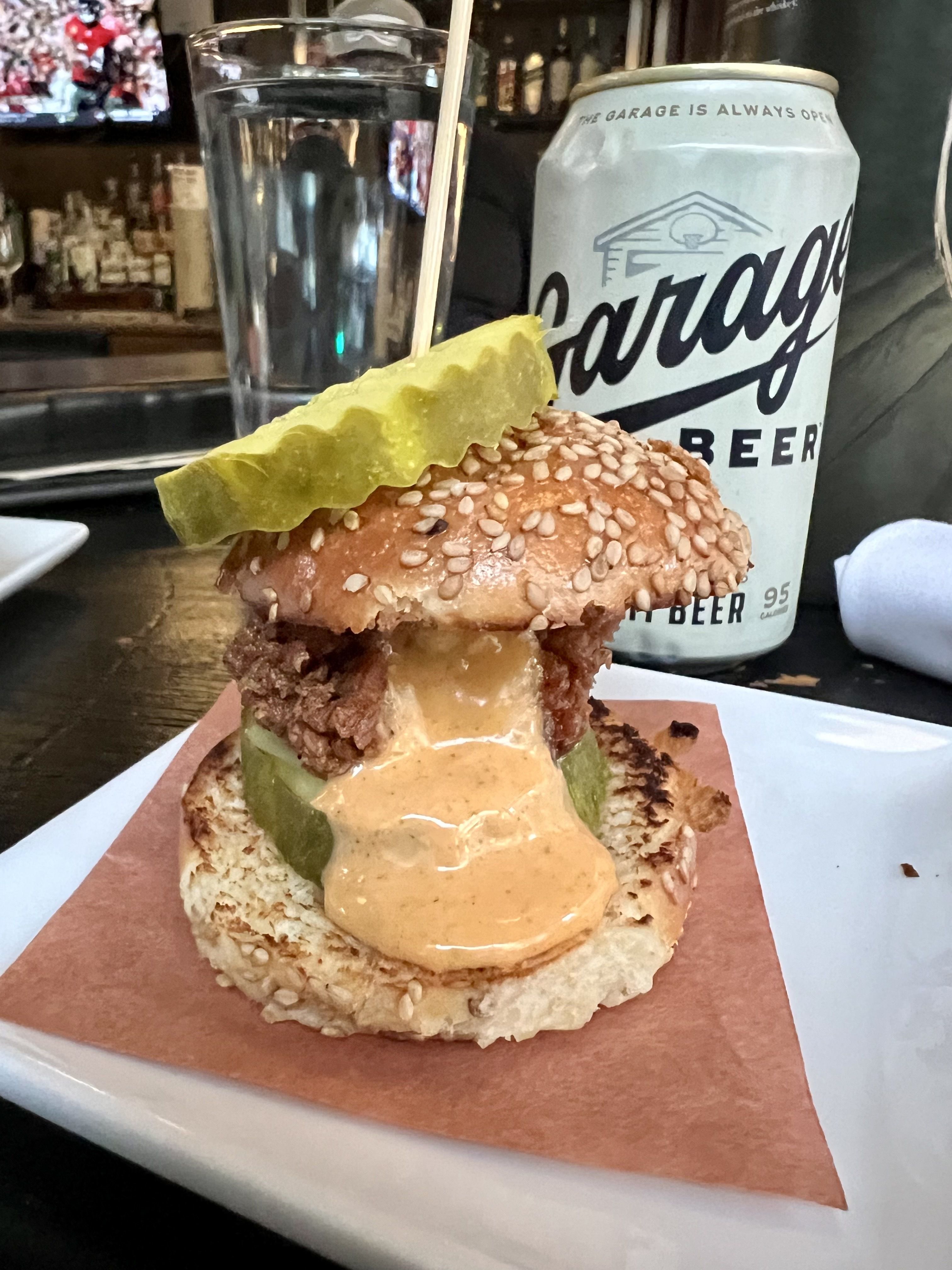
Chicken slider on the happy hour menu at Village Whiskey, 118 S. 20th St.
Hot ’n’ spicy chicken slider at Village Whiskey
Everybody knows you go to Village Whiskey for the burger — if not the regulation Village, then the signature Whiskey King with blue cheese, maple-bourbon glazed onions, applewood bacon, and seared foie gras. But when it’s happy hour and you just need a little somethin’ to balance a shot or a beer, you can’t beat the hot ’n’ spicy chicken slider, still $5. It’s a cute little chunk of brined and fried chicken thigh, atop a thick dill pickle chip, doused in “buffalo aioli,” and sandwiched between a wee toasted sesame bun. A toothpick spears a second pickle chip and holds the sandwich together. Hot ’n’ spicy? Not really, but it hits the spot and is gone in three bites, plus a chomp or two for the second pickle chip. Village Whiskey, 118 S. 20th St., 215-665-1088, villagewhiskey.com. Available only at happy hour, 4 to 6 p.m. daily.
— Michael Klein
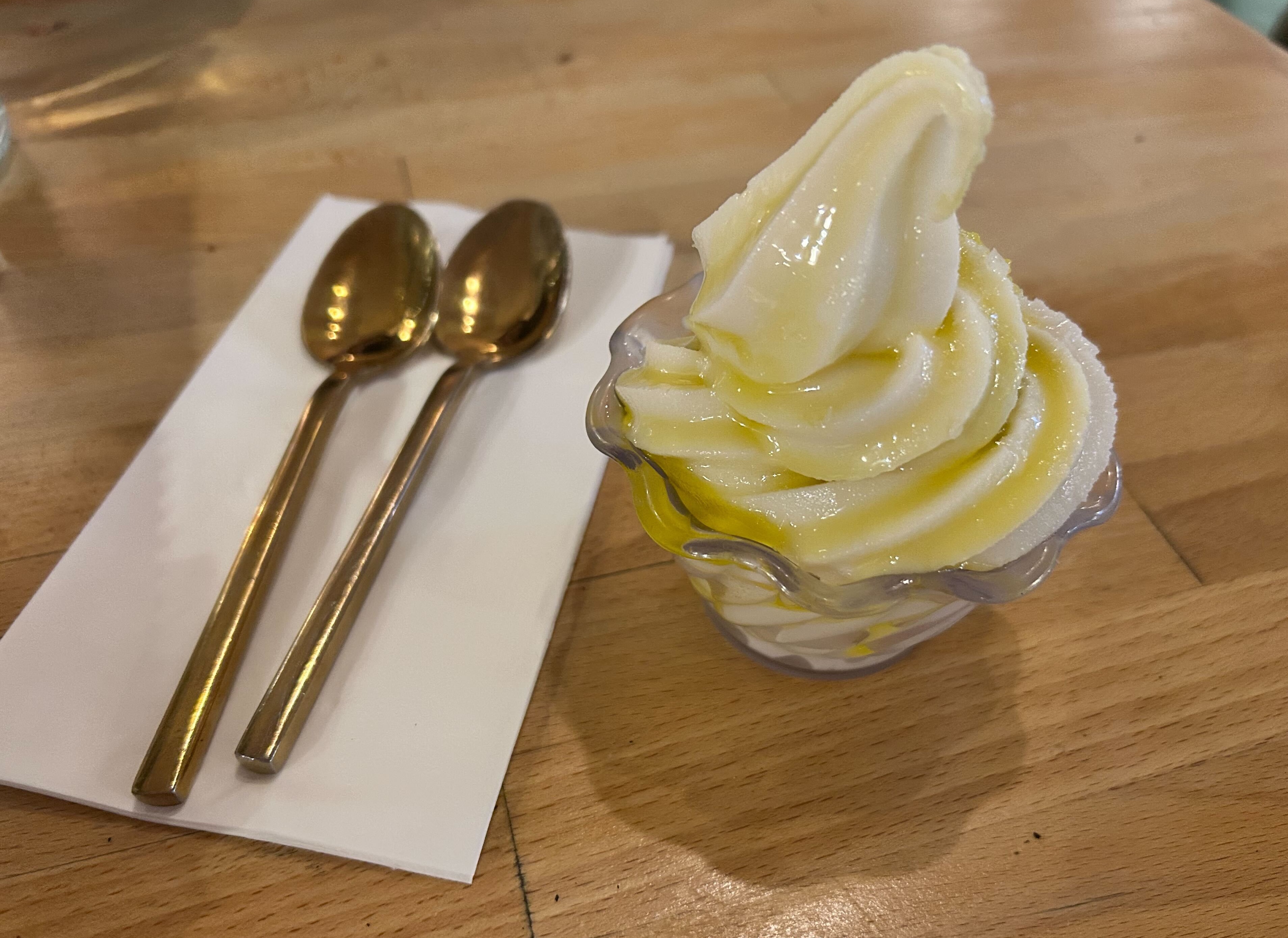
Carbon Copy vanilla soft serve swirled with blood orange olive oil and sea salt.
Blood orange olive oil-topped soft serve at Carbon Copy
As much as I miss the sticker-laden grime of Dock Street’s former West Philly location, there’s a lot to love at the taproom that took its place — say, the in-house beer and wine, the fried artichokes with horseradish sour cream dip, Wednesday night quizzo.
On a recent visit, I kept it simple by ordering the always-sublime pepperoni pizza (shoutout to that wood-burning oven) and a dry Cayuga white. The standout, though, was dessert: vanilla soft serve swirled with blood orange-infused olive oil and sea salt. This airy vegan treat cleanses the palate after a heavy meal of bread, cheese, and red sauce. It isn’t too sweet, but the blood orange brings its own juicy flavor kick. Just be prepared for the occasional too-salty spoonful.
Note: If you’re feeling more nostalgic than Italian, consider the adorable baseball hat sundae, topped with whipped cream and sprinkles. Carbon Copy, 701 S. 50th St., carboncopyphilly.com
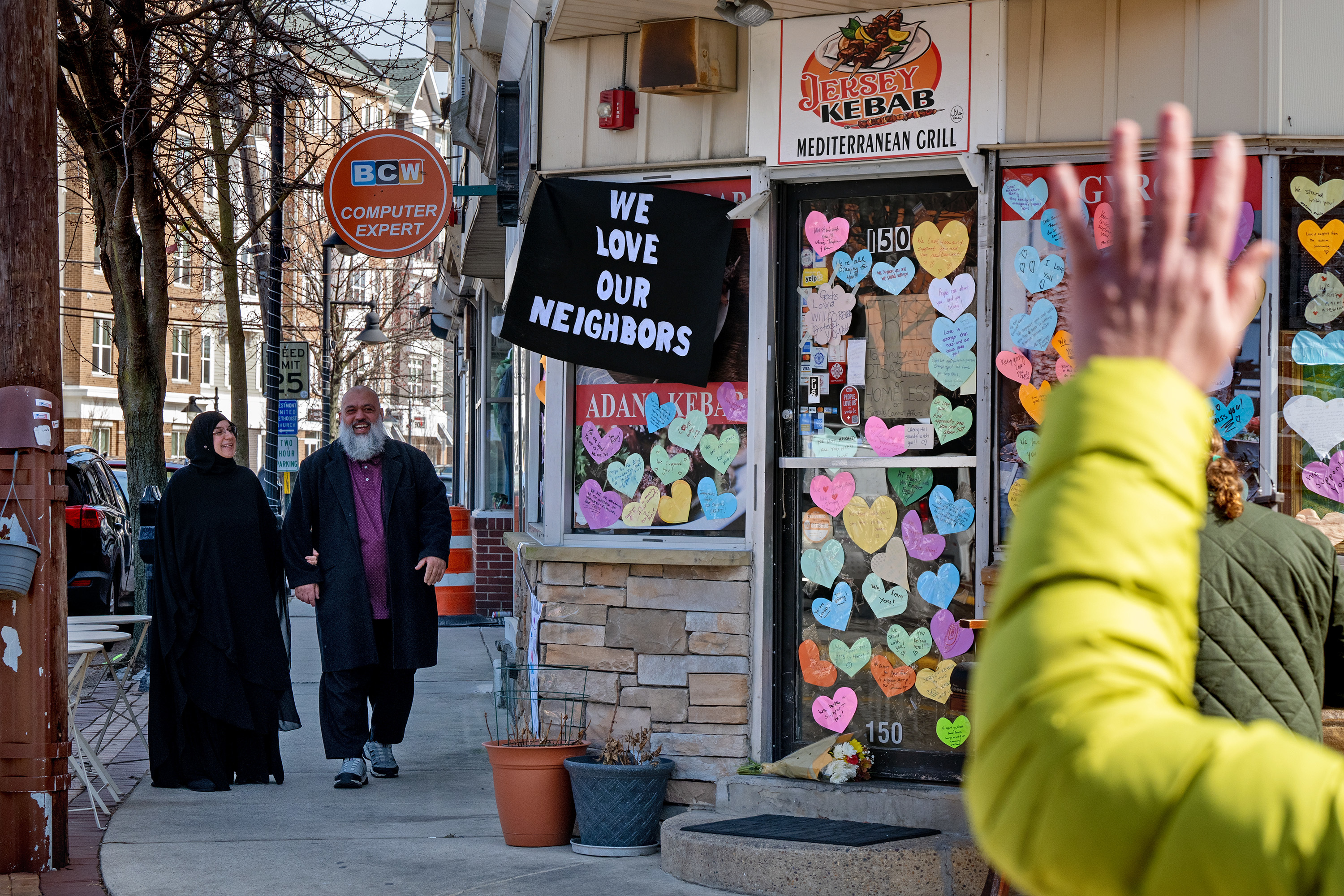
Jersey Kebab — the Haddon Township restaurant that made headlines earlier this year after its owners were arrested, and eventually released, by ICE — is moving.
On Sunday, Muhammed Emanet and his parents, Celal and Emine, will close their small Turkishrestaurant, where colorful sweets line the display case up front and platters of kebabs sizzlein the back. It’s the second time this year the business has shuttered.
This time, the restaurant will relocate just a mile down the street, to 729 Haddon Ave., in Collingswood. The family hopes to reopen by the second week of November.
The Emanet family hadn’t planned to relocate until recently, after their lease expired on their current space at150 Haddon Ave.
According to Muhammed, the Emanets’ landlord informed the family he was not interested in renewing the contract at the end of their five-year lease in August. The landlord suggested using his apartment upstairs to expand the restaurant — if the family agreed to a 50/50 split in the business, Muhammed told The Inquirer.
The Emanets’ landlord could not immediately be reached for comment.
“As soon as [the landlord] said that, it sent us into a frenzy where we had to hurry up and figure out where we’re going to move to,” Muhammed said. The family paid to use the Haddon Avenue storefront for two more months and began looking for a new space elsewhere.
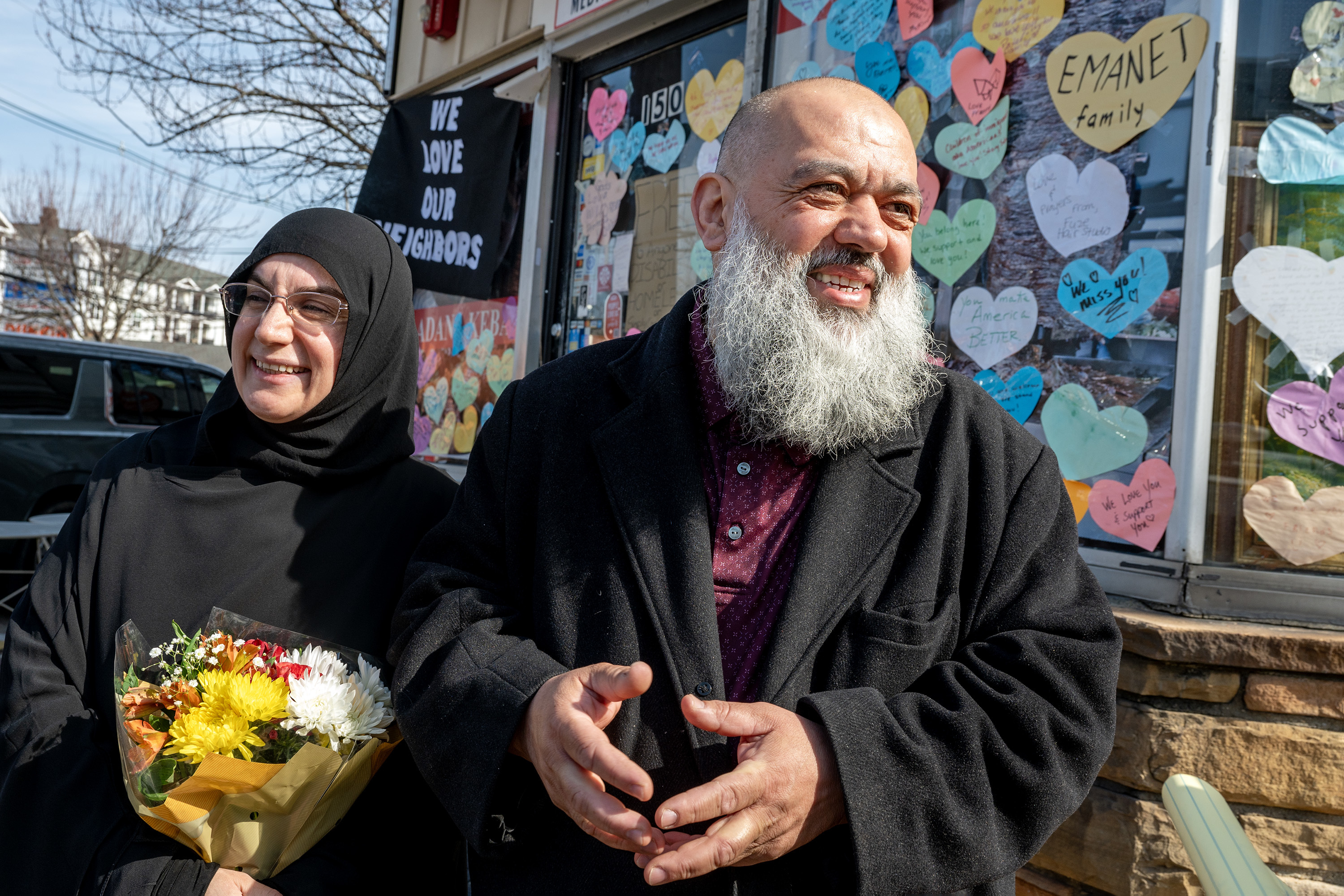
Emine and Celal Emanet at their Jersey Kebab in Haddon Township in March, after Emine’s release from ICE detention.
Muhammed and his father, Celal, supplement their earnings from Jersey Kebab by running a delivery business that transports Del Buono’s Bakery’s bread to other South Jersey diners and restaurants, including Stardust Cafe, the current occupant of 729 Haddon Ave.
Stardust’s owners, Jerry Goksun and Jennifer Vincent, recently transformed the long-lived, retro-themedPop Shop diner into a more modern all-day eatery. The couple opened the restaurant in July, but upon hearing that the Emanets were searching for a new home for Jersey Kebab, offered the space on Collingswood’s main shopping street. (Goksun and Vincent did not immediately respond to The Inquirer’s request for comment.)
The Emanet family plans to move into the restaurant as is, adding Turkish decor and music to replicate the ambiance of their former space. The restaurant’s menu will expand beyond platters of iskender, adana, and shish kebabs. New items planned include a traditional Turkish breakfast spread (think homemade jams, cheeses, bread, and omelets) and Turkish ice cream made with goat’s milk.
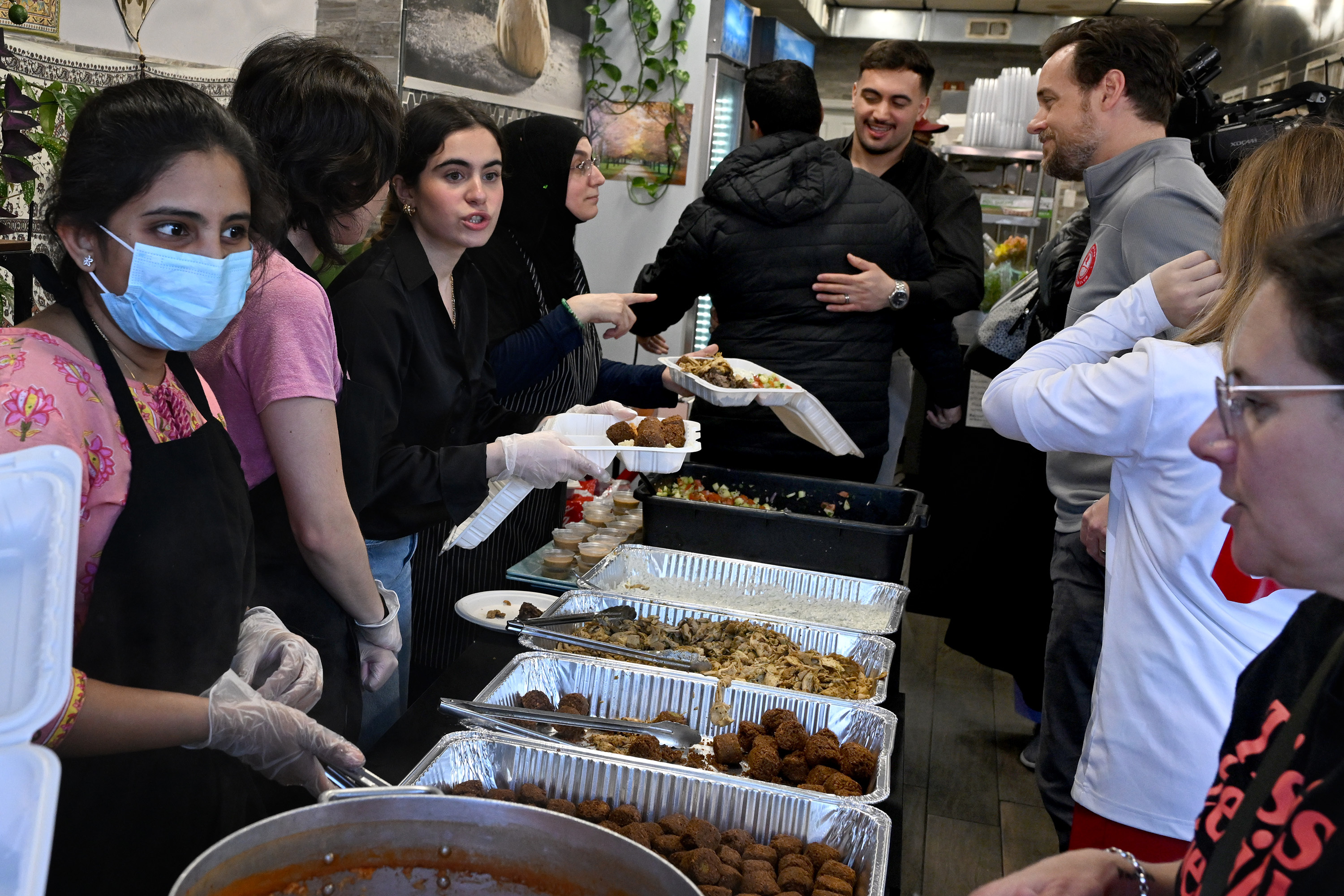
Muhammed Emanet (rear) greets patrons as his mother, Emine Emanet ,(fourth from left) and family and friends serve serve food inside their Jersey Kebab restaurant on Sunday, March 30, 2025. The party – part welcome home, part thank you, part end of Ramadan – was to thank their neighbors who helped them through the terror of ICE arrests and detention.
Celal and Emine Emanet were detained by ICE in February, forcing the restaurant to close. The couple emigrated legally to the United States from Turkey in 2008 but fell out of status when their visas expired. In 2016, they applied for legal permanent residency and have been awaiting the government’s decision on their application since.
Celal was released a few days after his initial arrest, but Emine was held in an immigrant detention center in Elizabeth, N.J., for a little over two weeks. The South Jersey community lobbied for her release, writing letters, holding rallies, and raising funds. Emine was released in mid-March, and when the restaurant reopened later that month, it was flooded with well-wishers and neighbors.
The couple has been navigating deportation proceedings since March. Celal’s first deportation hearing took place in May, with another set for March 2026. Emine’s first hearing was scheduled for this month but was recently postponed to 2027.
Emine and Celal Emanet at their Jersey Kebab restaurant on March 13, 2025, the day after Emine’s release from ICE detention.
Given their situation, Muhammed’s parents have not had time to process the change in their business, he said.
“They aren’t even really thinking about it — they’re just pushing through it,“ Muhammed said. ”My mom is trying to see how she’s gonna decorate the entire place. My dad is trying to get all the paperwork done. I’m trying to get all the people hired and the management worked on. So, everybody just locked in.“
Despite the challenges, what keeps the Emanet family going is being “God-believing, God-fearing people,” Muhammed said. “It doesn’t really matter what we go through — we know our faith is going to lead us exactly where we need to be anyway.”
And Haddon Avenue is a prime location for the restaurant’s loyal clientele, he said. “Jersey Kebab in Collingswood is a big turning point for us, for our name and legacy to grow.”
The wine trade is one where true innovations are few and far between, and understandably so. Experimentation with new ideas is simply more complicated when your product takes years to make and is expected to age gracefully for a decade more. The slow pace of due diligence — even on common sense modernizations like the introduction of screw caps — leads vintners to be risk-averse and helps explain why the revival of historical winemaking practices is more common than truly new methods.
Intrinsic Wine Co., out of Washington state, are exceptions to this rule because this label was created to be an established winemaker’s idea lab. This passion project was created in 2016 by the then-head winemaker of one of Washington’s largest wineries, Columbia Crest. Intrinsic wines are expressly designed to challenge the status quo and explore the kinds of innovations that smaller wineries with fewer resources are unlikely to pursue.
This unusual cabernet sauvignon-based blend — made in a way that steps outside the norm on many fronts — serves as a good example of Intrinsic’s work. First, a heaping helping of malbec replaces the merlot that would typically be used in a Bordeaux-inspired recipe, adding a vivid violet hue and a suggestion of earthy sweetness like glazed carrots. Next, the winemaker keeps the grape skins and solids in contact with the wine for a remarkable nine months — far longer than the few weeks that are normally considered an “extended maceration.” Finally, it employs a wholly fresh idea during this process called “skin swapping,” where the cabernet wine ages on the malbec skins and vice versa, in a process intended to build harmony between the varietals long before the individual components are blended together.
Stylistically, the result is a seamless and lush red wine that tastes quite intense. Its blueberry and blackberry flavors have amplified floral and herbal notes, and while the wine is not fully dry, it features far less of the “vanilla frosting” effect imparted by traditional aging in new oak barrels. All in all, what the winemaker has achieved is a post-modern flavor profile that is more sensual than intellectual and that younger audiences will embrace.
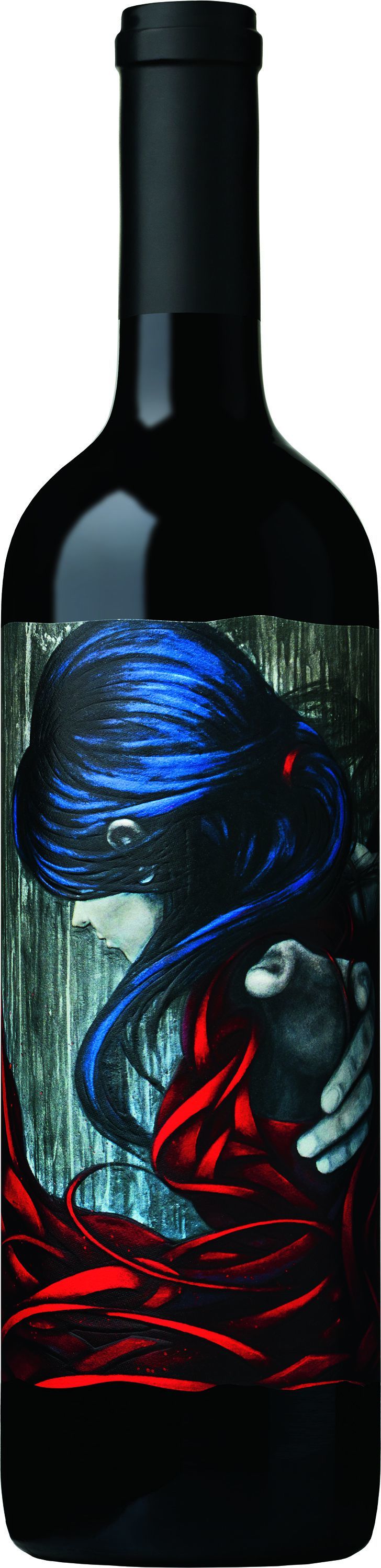
Intrinsic Red Blend
Intrinsic Red Blend
Columbia Valley, Wash.; 14.6% ABV
PLCB Item #96329, on sale through Nov. 2 for $19.99 (regularly $23.99)
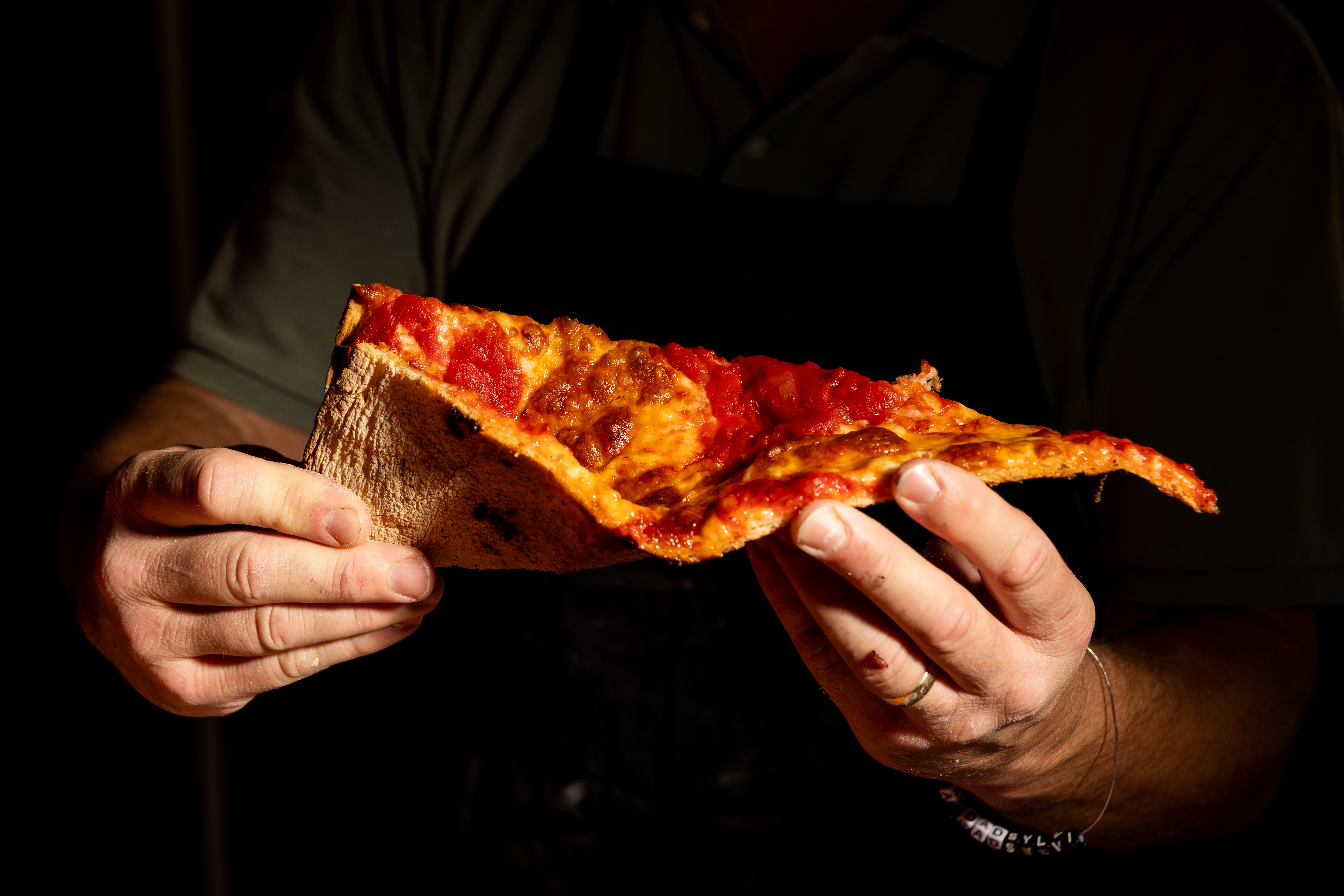
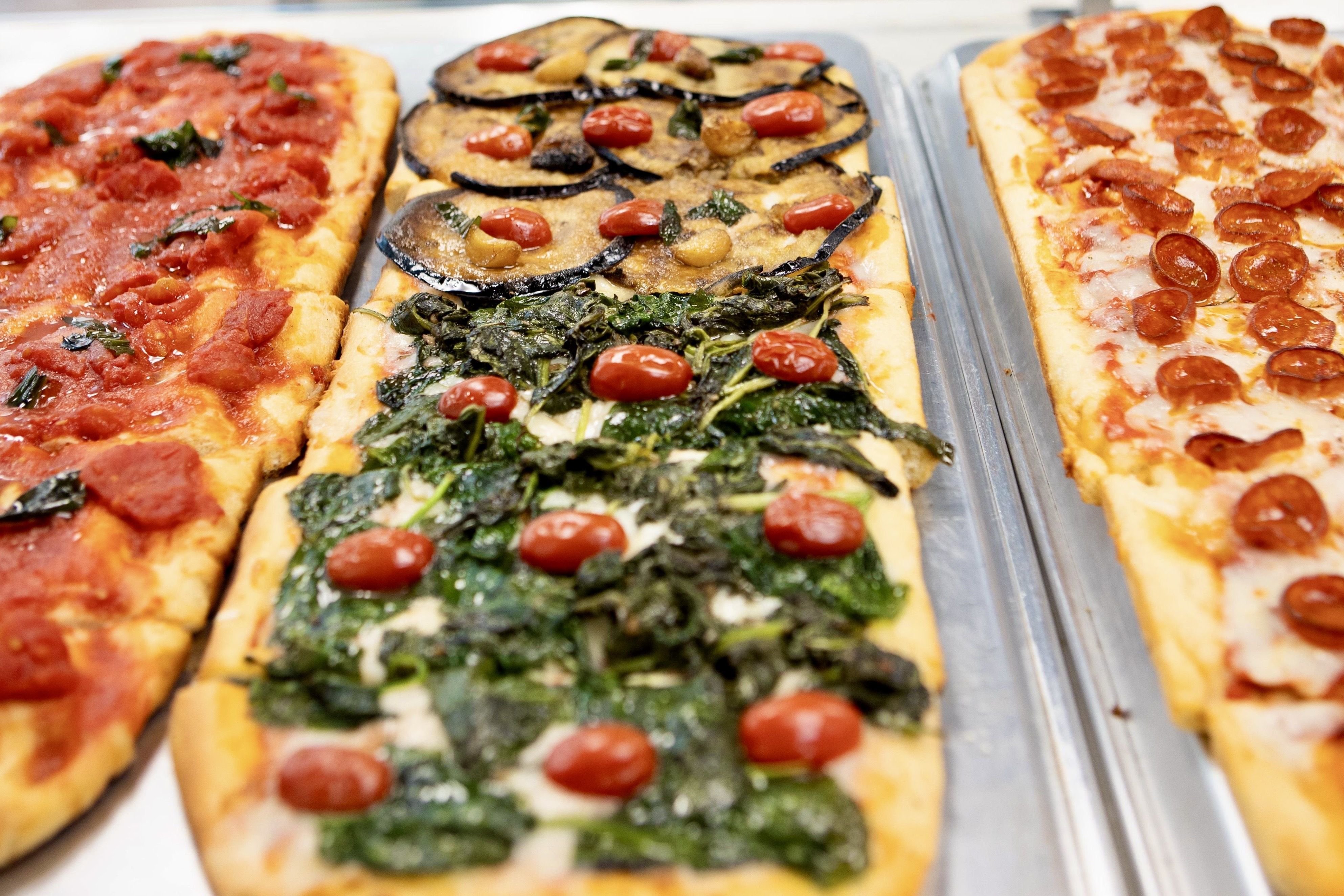
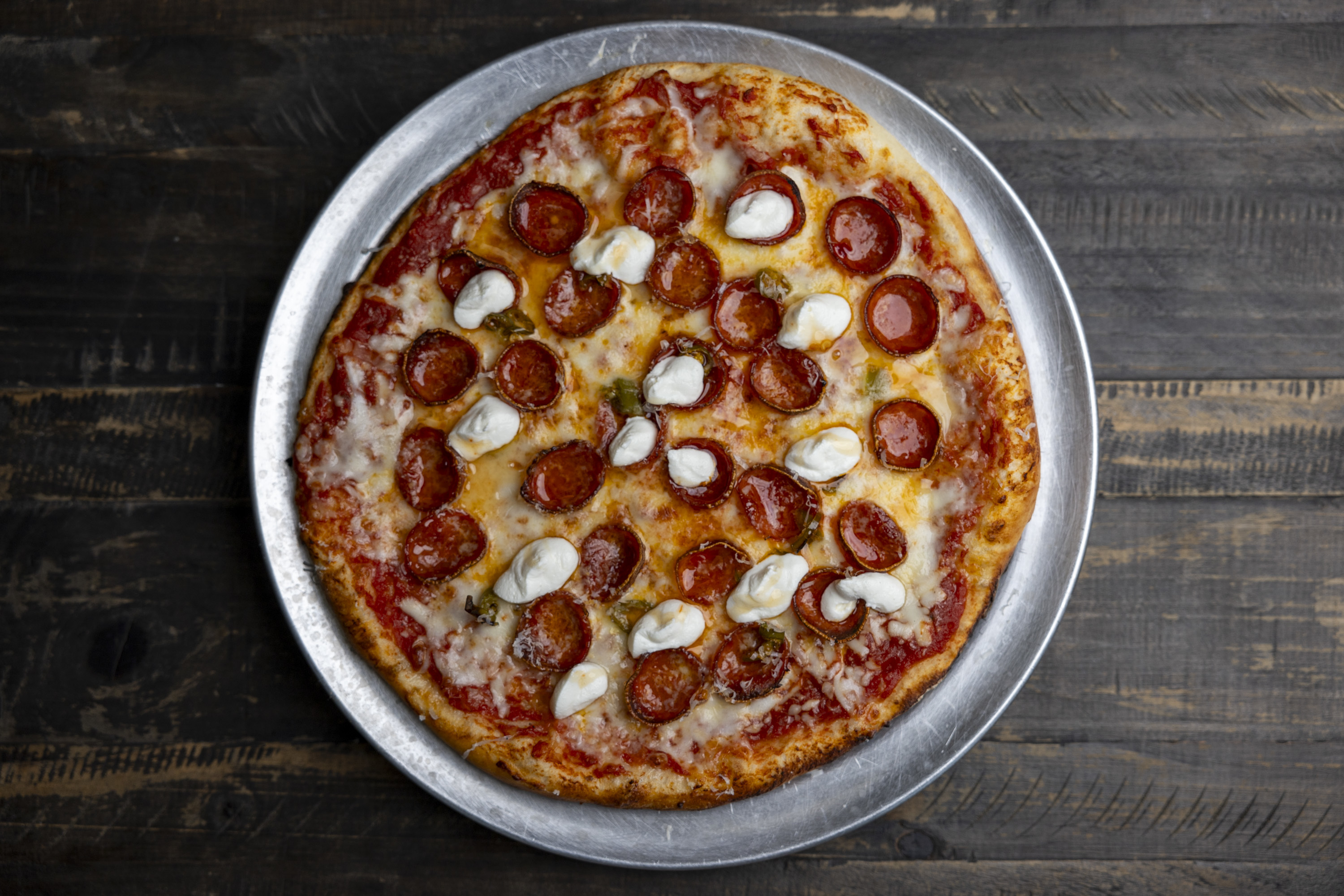
“Philadelphia has no good pizza” is one age-old chestnut that needs to be put to rest, as so many pizzerias, such as the expanding Angelo’s, Beddia in Fishtown, Pizzata in Rittenhouse and South Philadelphia, and Sally near Fitler Square, are raising the local game. The Pennsylvania and New Jersey suburbs have plenty of quality, too — for example Brooklyn Original in Haddon Heights, Verona in Maple Glen, Pizza West Chester, and Johnny’s on the Main Line.
Here are 11 prime pizzerias that have opened in the last several months, as well as intel on four others on the way.
Suburban Philadelphia pizzerias
Anomalia Pizza
Deena Fink and Frank Innusa traded careers in show biz to entertain on an entirely different stage: a slice shop across from the Fort Washington Regional Rail station. Their drunken grandma pie is a thing of beauty: a crispy, almost buttery-bottomed square topped with fresh mozzarella and ribboned with a thick, creamy vodka sauce amped with pancetta. Read on for their story.
Anomalia, 414 S. Bethlehem Pike, Fort Washington, 215-628-3845, anomaliapizza.com
Barclay Pies
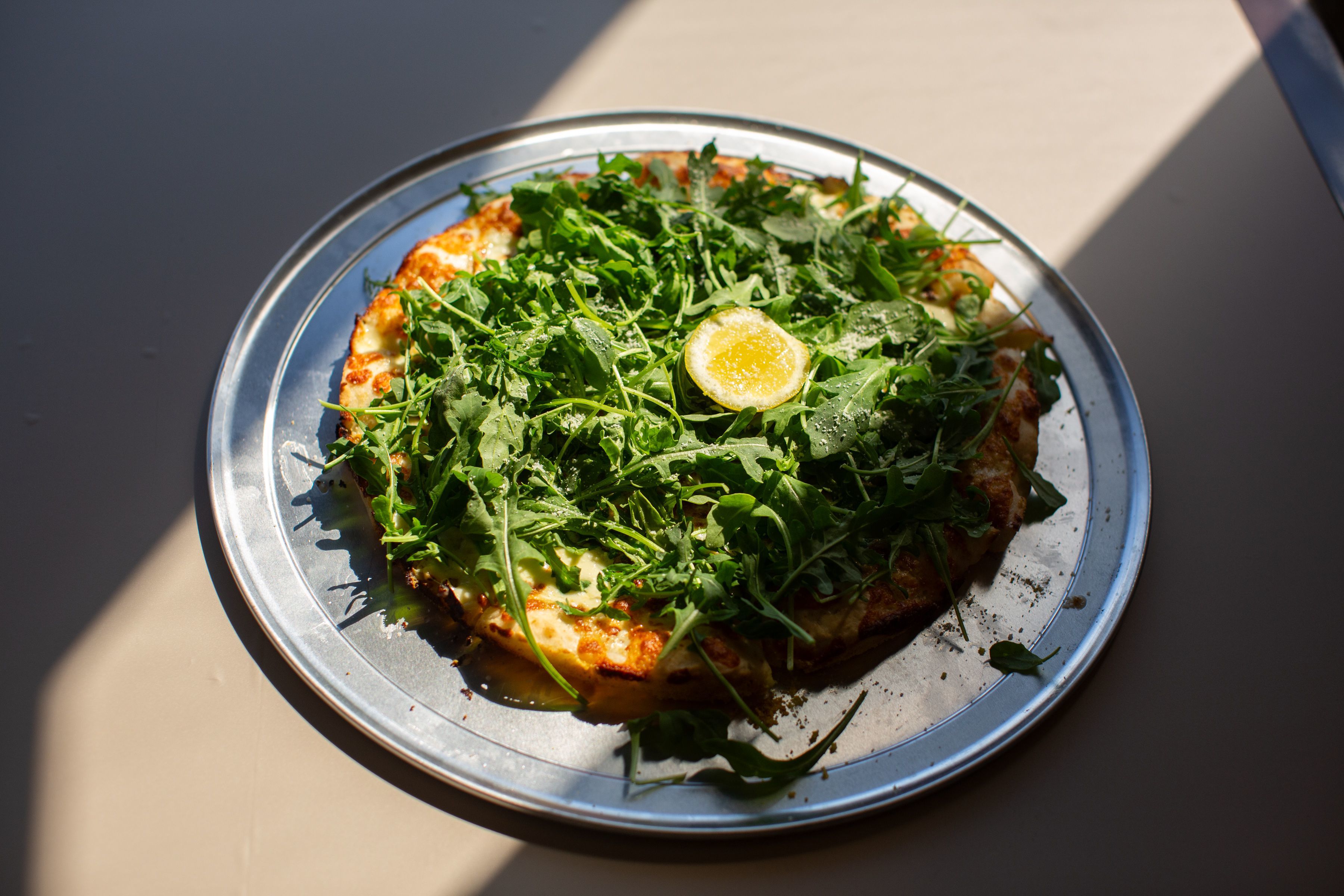
Gluten-free arugula pizza from Barclay Pies.
TJ Hunton and Daniel Romero, whose immediate family members have celiac disease, are behind this cheery newcomer in Cherry Hill’s former Season’s Pizza offering gluten-free crusts (using Caputo’s GF flour) along with a line of conventional pies, plus other stuff (chicken tenders, wings, fries, cookies) that are gluten-free from inception. The lineup: five red pizzas (plain, pepperoni, sausage, pineapple, and a vegan margherita featuring cashew milk mozzarella cheese by Miyoko’s Creamery) and four whites (arugula, mushroom, broccoli, and buffalo chicken). Allergen info and protocols are up on their Instagram. Plain and pepperoni slices are available over lunch.
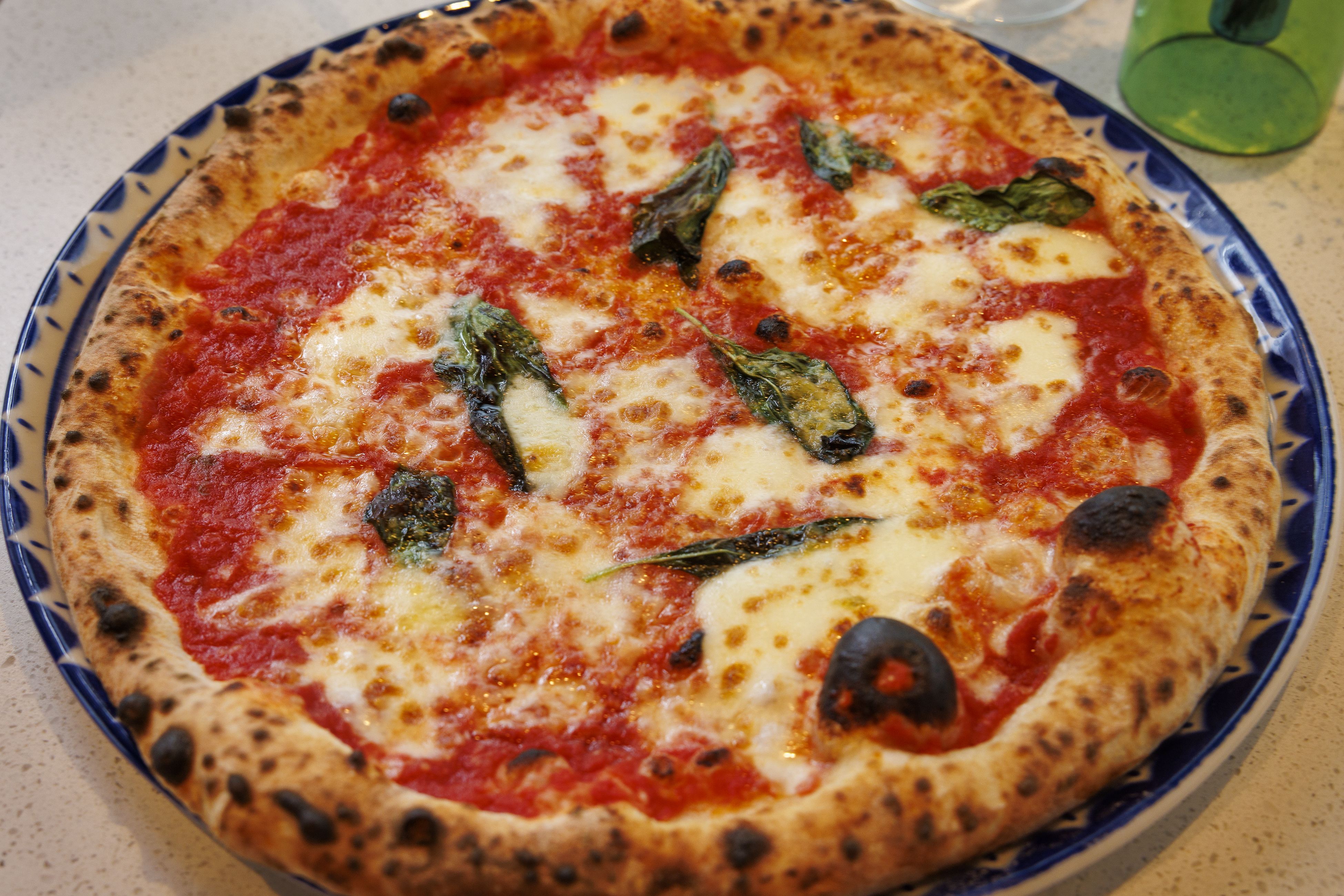
Pizza Margherita at La Pizza & La Pasta restaurant at Eataly in King of Prussia Mall.
The Italian marketplace opened earlier this month in King of Prussia Mall with two pizza options: a sit-down experience in the restaurant with well-crafted, puffy-crusted Neapolitans, as well as a counter with Roman-style pizza by the slice.
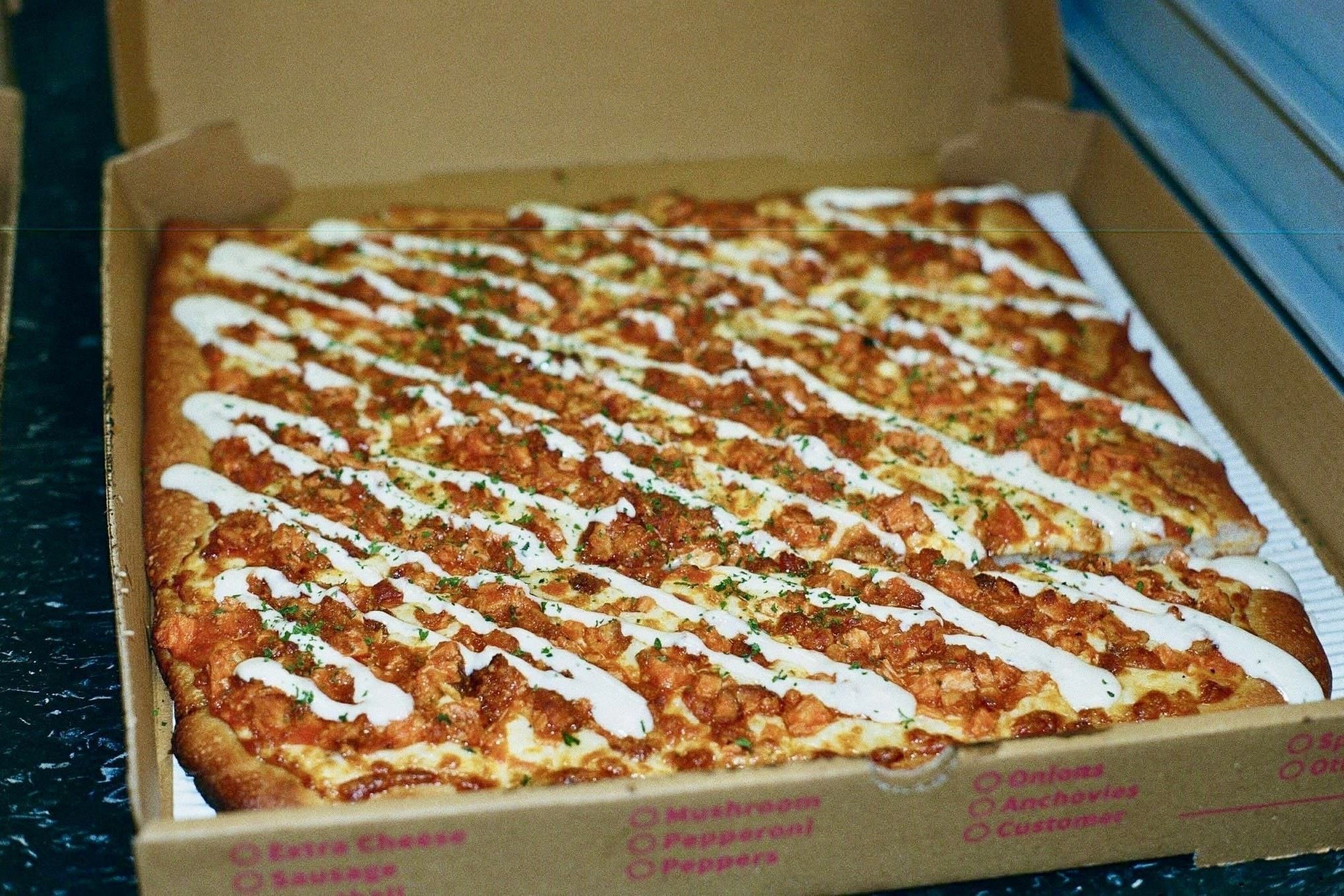
Grandma pie from Genova Pizza 2 Go, 748 Sicklerville Rd., Williamstown, N.J.
Pizza from a gas station? Since it’s Jersey, of course it’s full service at this new branch of Audubon’s Genova Pizza, tucked inside Marathon Gas. The grandma pies, with their crispy, olive-oil-slicked crusts, and the thicker-crusted Sicilians are the big draws. Bonus: Brothers Ali and Omar Doukali are planning yet another location, in Sicklerville, according to South Jersey Food Scene.
Chef Brad Daniels checks a Rocky pizza at Gloria Sports & Spirits, 1500 Main St., Warrington, on Oct. 20, 2025.
It would be far too easy and wildly inaccurate to brand the sprawling Gloria in Central Bucks’ Shops at Valley Square “a sports bar.” Yes, the bar is ringed with TVs and there are two golf simulators and a shuffleboard table. Happy hour is on from 3 to 6 p.m. weekdays. But Gloria’s pedigree explains why this is right up there with the best bar pizza in the northern burbs.
It’s led by Vetri alumnus Brad Daniels, who with his partners also owns the acclaimed, high-end Tresini in Spring House, turning out light but sturdy-crusted 13-inch rounds with quality toppings. And not the same old. Take the saganaki, a riff on the Greek fried cheese. Daniels slices and preserves lemons, and lays them alongside mozzarella, feta, garlic, and oregano for a sweet-tart flavor bomb. The “brock party” gets plenty of shaved broccoli, along with ricotta sauce, roasted garlic, and mozzarella. The red pies get just enough Bianco di Napoli sauce, and he uses fior di latte on them instead of generic mozz.
This week’s big Main Line pizza news is John Bisceglie’s soft-opening phase of a second Johnny’s Pizza, in a strip center near the farmers market in Wayne. It’s a companion to his Bryn Mawr original, which appears in The Inquirer’s 76 for his 20-inch cheesesteaks and “unforgettable pies both thick and thin(ish), rectangular and round, red and white.”
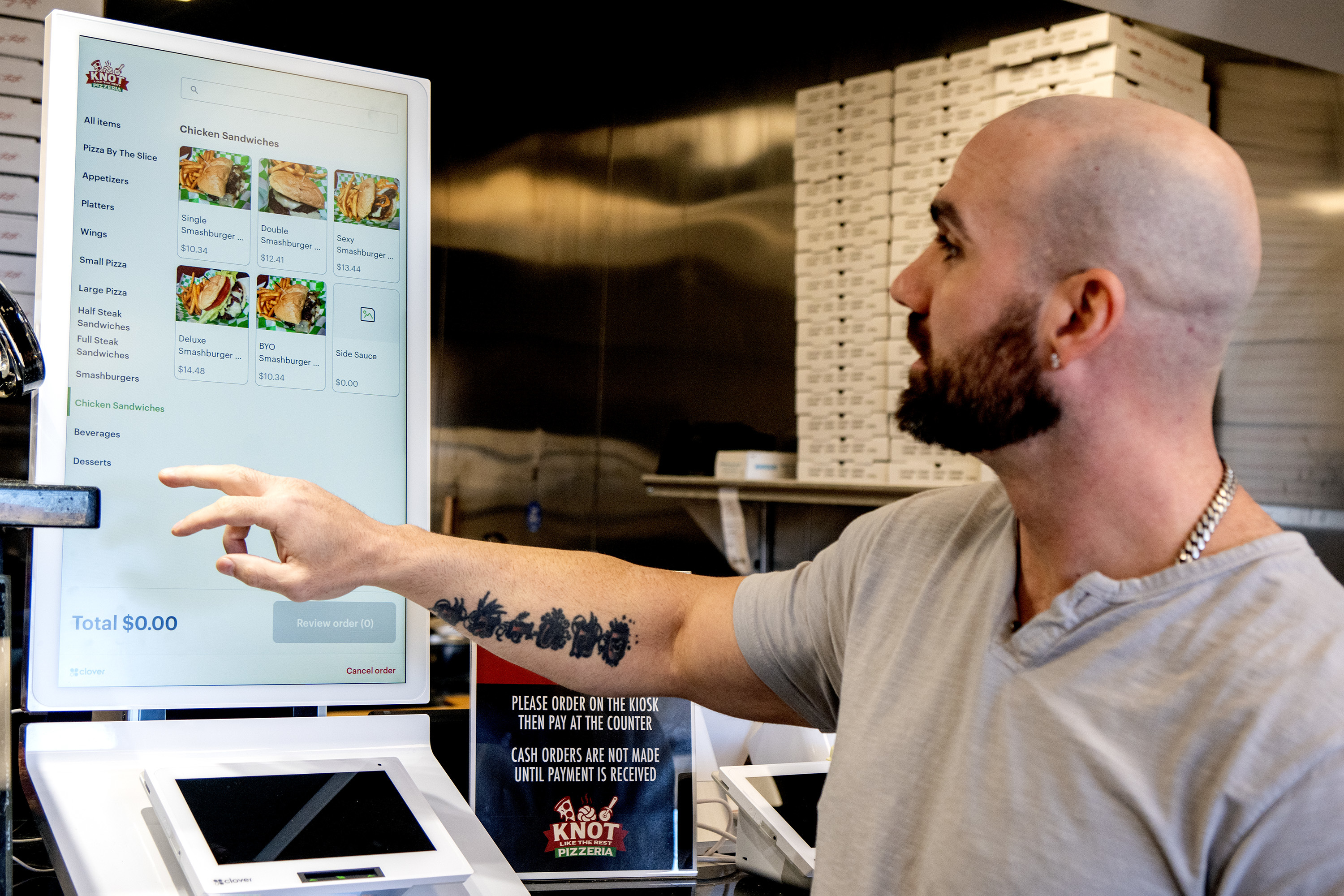
Owner Gary Lincoln demonstrates the kiosk ordering system at Knot Like the Rest Pizzeria in Pine Hill.
Gary Lincoln’s latest South Jersey pizzeria, which opened less than two months ago, is assuredly knot like the rest. It’s all online for delivery, and walk-in customers must head to two kiosks for their slices and pies — no ordering from a counterperson. Punch in your order, perhaps a Pickle pizza (pickles, bacon, cheddar, mozzarella, ranch dressing), a “Zinger” (secret sauce, steak, banana peppers, mozzarella, American cheese), or a Knotty Vodka, with its edges ringed with garlic knots. Eat at the counter or a few round tables. Lincoln also owns New Wave Pizza in Turnersville and All About the Crust in Woodbury.
Knot Like the Rest Pizzeria, 1193 Turnersville Rd., Pine Hill, 908-382-7960, knotliketherest.com
Philadelphia pizzerias
15th Street Pizza & Cheesesteak
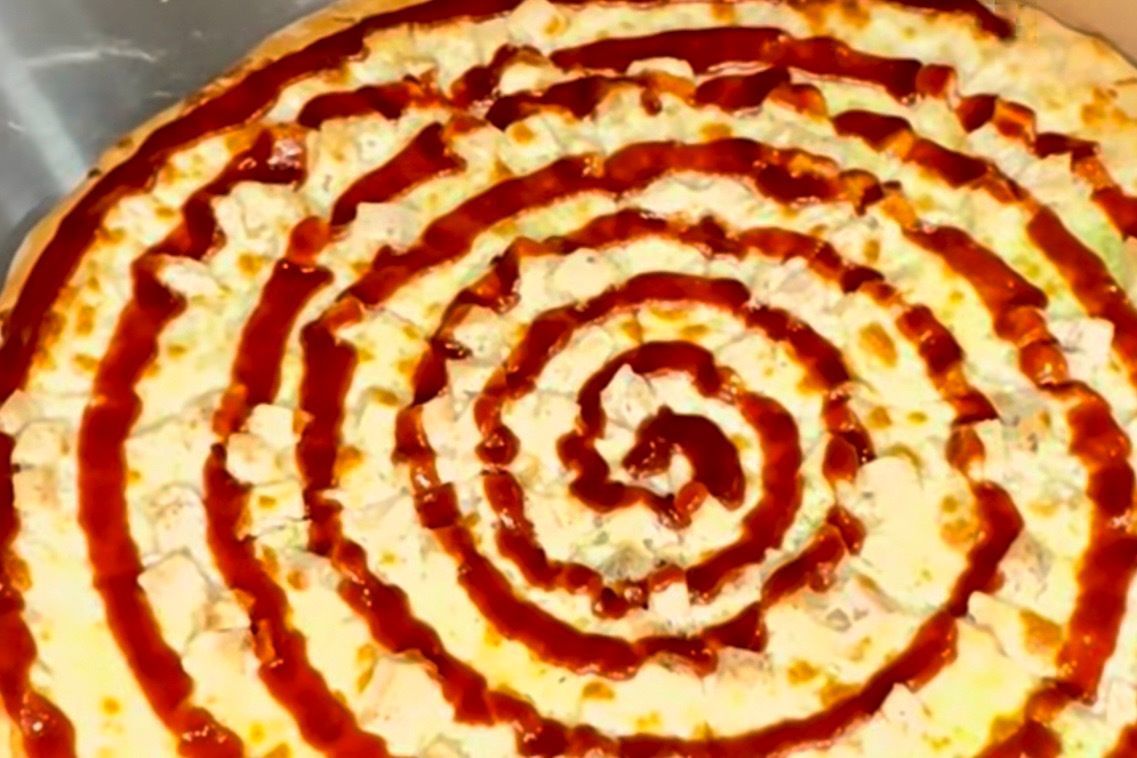
Sauce is applied to a pizza from 15th Street Pizza & Cheesesteak.
A decade ago, Andrew and Michael Cappelli took over the shuttered pizzeria next door to their cigar shop on 13th Street near Locust — popularly known as Gay Pizza — and reflagged it Pizzeria Cappelli. It still rocks till 4 a.m. Last summer, feeling that Rittenhouse needed a slice shop for the wee-small hours, they opened a companion in the former Starbucks at 15th and Latimer. At 15th Street Pizza & Cheesesteak, serving a variety of thin-crust slices till 3 a.m., the hits include the white garlic with ricotta and anything topped with Buffalo chicken. Do not skip the garlic-Parm wings.
Owner Steve Calozzi holds a slice of a 24-nch tomato pie at Italian Family Pizza.
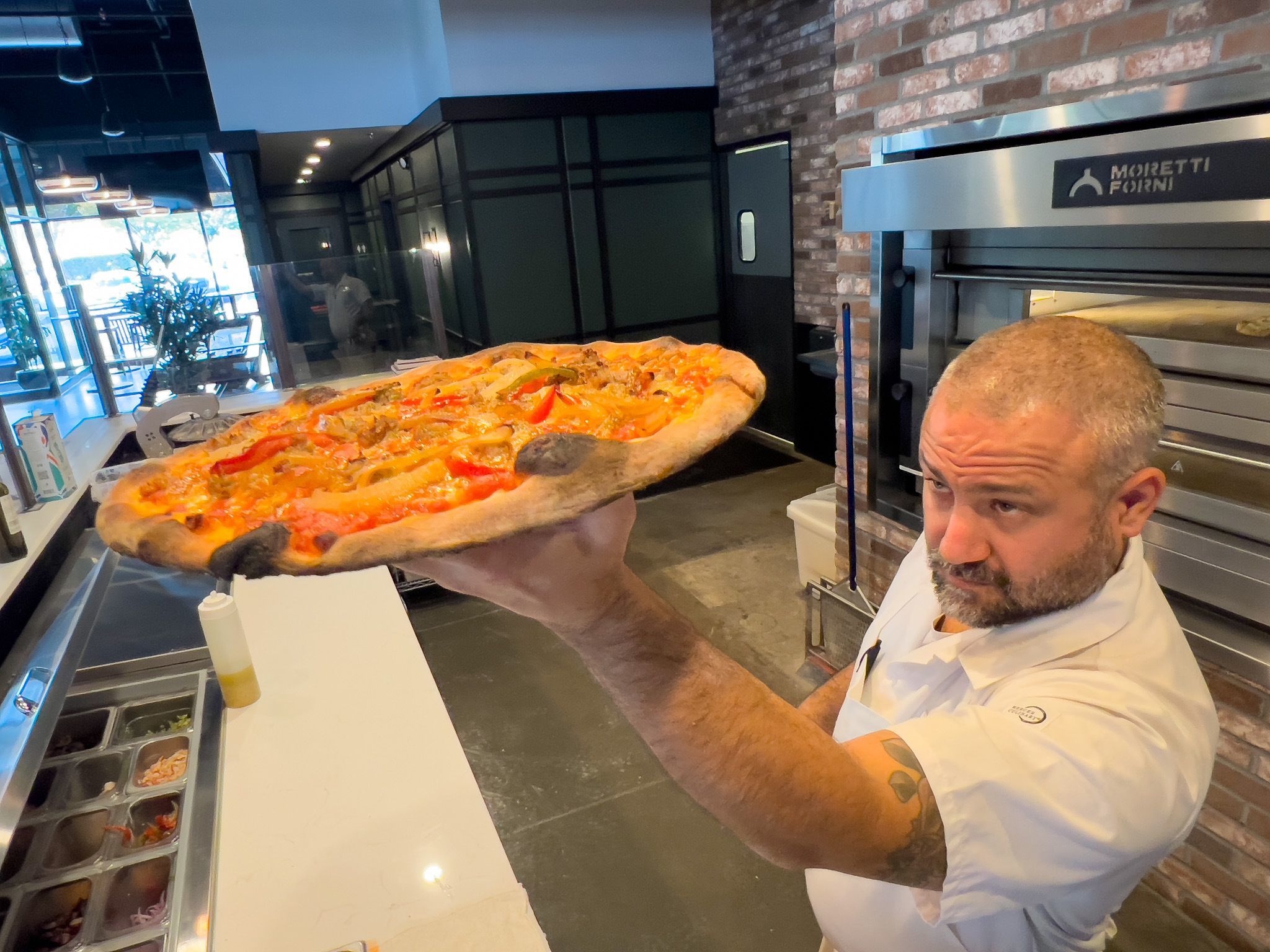
Bucks County-bred Steve Calozzi moved to Seattle for a while and ran pizzerias there before returning to Bucks. Now he’s working out of the former Subway shop at 17th and the Parkway, across from Friends Select School, and his specialty is the Trenton-style (cheese on the bottom) 24-inch pizza, available whole and by the slice. Order the meatballs and the cannoli, too.
Italian Family Pizza, 1701 Benjamin Franklin Pkwy., 215-801-5198
Puglia Pizza
Roman pizzas from Puglia Pizza, 901 South St.
Last time I checked in with Cosimo Tricarico, he was running the quaint Caffe Valentino in Pennsport. But after it closed in early 2021, even his phone number died. Recently, I heard that a Cosimo was running a fine new pizzeria at Ninth and South. One and the same. Although he still owns Valentino’s building, Tricarico and his girlfriend had decamped for his native Puglia, where they had kids. Now they’re back here, and Tricarico is mixing it up in pizza world — football-shaped Romans as well as traditional rounds. Don’t miss the sfilatini, which are thin, pressed baguette sandwiches with fillings like meatballs and vegetables.
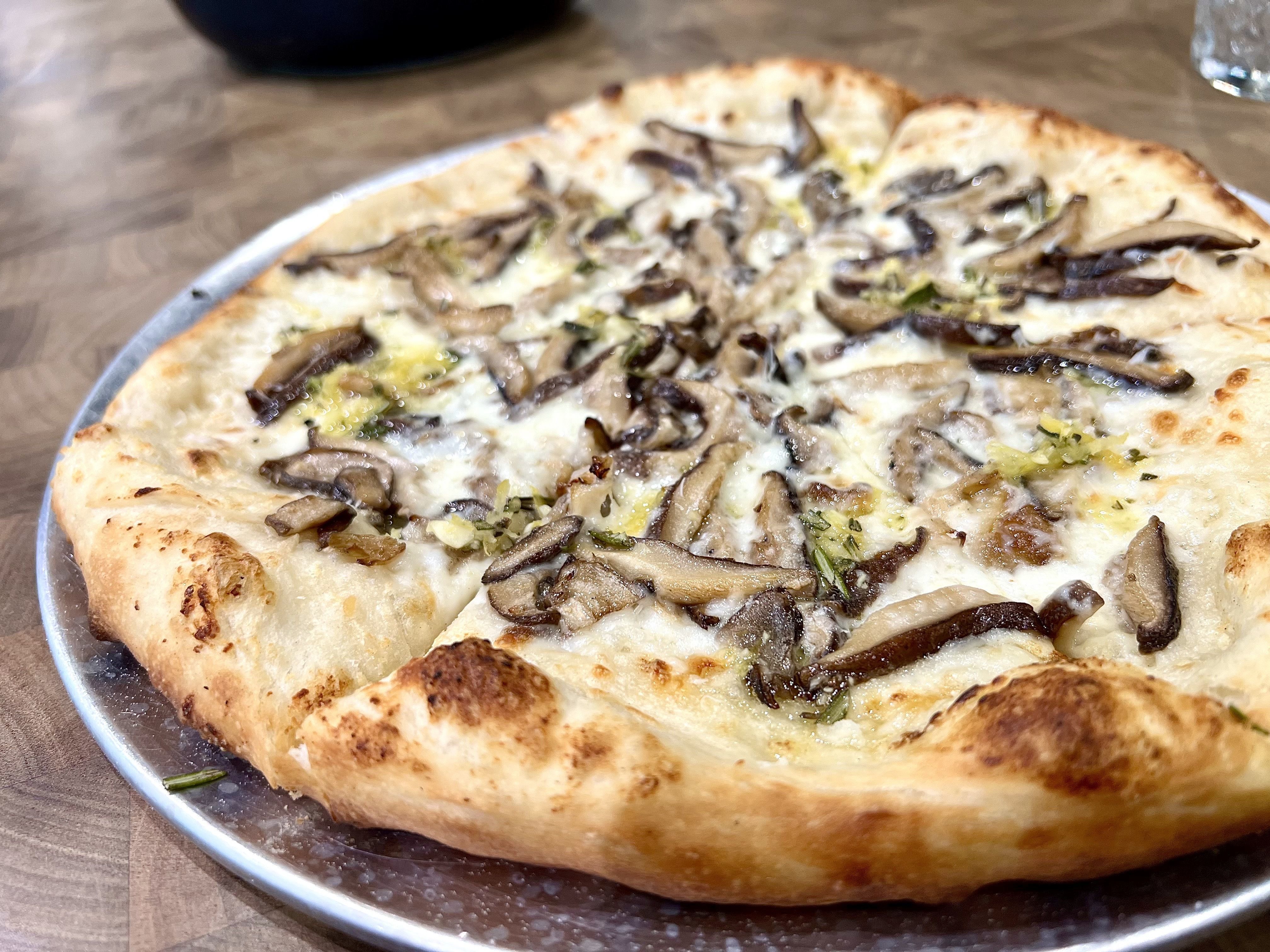
Though not a pizzeria by any stretch, this new bistro inside the Suburban Station building (aka One Penn Center) has five excellent pies — all 14-inch rounds. The reds get a sauce made of San Marzano D.O.P. tomatoes.
Of particular note is the Funghi, whose wild-mushroom mix gets a topping of Dijonnaise, fresh mozzarella, and rosemary gremolata.
Wild mushroom pizza with Dijonnaise at Rhythm & Spirits, 1617 JFK Blvd.
Cerveau, opening in the next few weeks at 990 Spring Garden St., will be a cicchetteria serving shareable pizzas, pastas, and small plates with Mediterranean flavors. Chef/co-creator Joe Hunter was among the partners at the former Pizza Brain, which closed last year.
Lillo’s Tomato Pies, the Trenton-style pizza purveyor from Hainesport, Burlington County, is supposedly close to opening in Gloucester City at the former Thomas Murphy’s Pub (157 S. Burlington St.) after a protracted liquor-license process.
Tomato pie from Lillo’s Tomato Pie, 2503 Marne Highway, Hainesport.
Marina’s Pizza, a slice shop expected next month at 1425 Frankford Ave. in Fishtown, will be the pro debut of Mason Lesser, whose maternal grandfather, Angelo Lancellotti, owned dozens of shops in the area over the years.
Pizzeria Cusumano, backed by Sal Cusumano of the Angelo’s Pizza shops in Berlin and Voorhees, is finally back on track for its opening at 872 Haddon Ave. in Collingswood. Cusumano, not willing to share a projected opening date, said work has just begun, more than four years after he signed an agreement to buy the building.
Some pizza gossip
Maybe this is non-pizza gossip, but Vince Tacconelli of the Tacconelli family’s New Jersey branch says he is looking at a December opening of Bar Tacconelli, a 50-seat Italian cocktail lounge on the former site of Versa Vino, 461 Route 38 in Maple Shade. He and partners Stacey Lyons (ex-Attico) and GregListino (the restaurant-equipment firm Rosani) plan to offer oysters, charcuterie, fried bites, and pastas — served late into the night, with a focus on craft cocktails. But no pizza, as it’s four minutes from Tacconelli’s Maple Shade location.
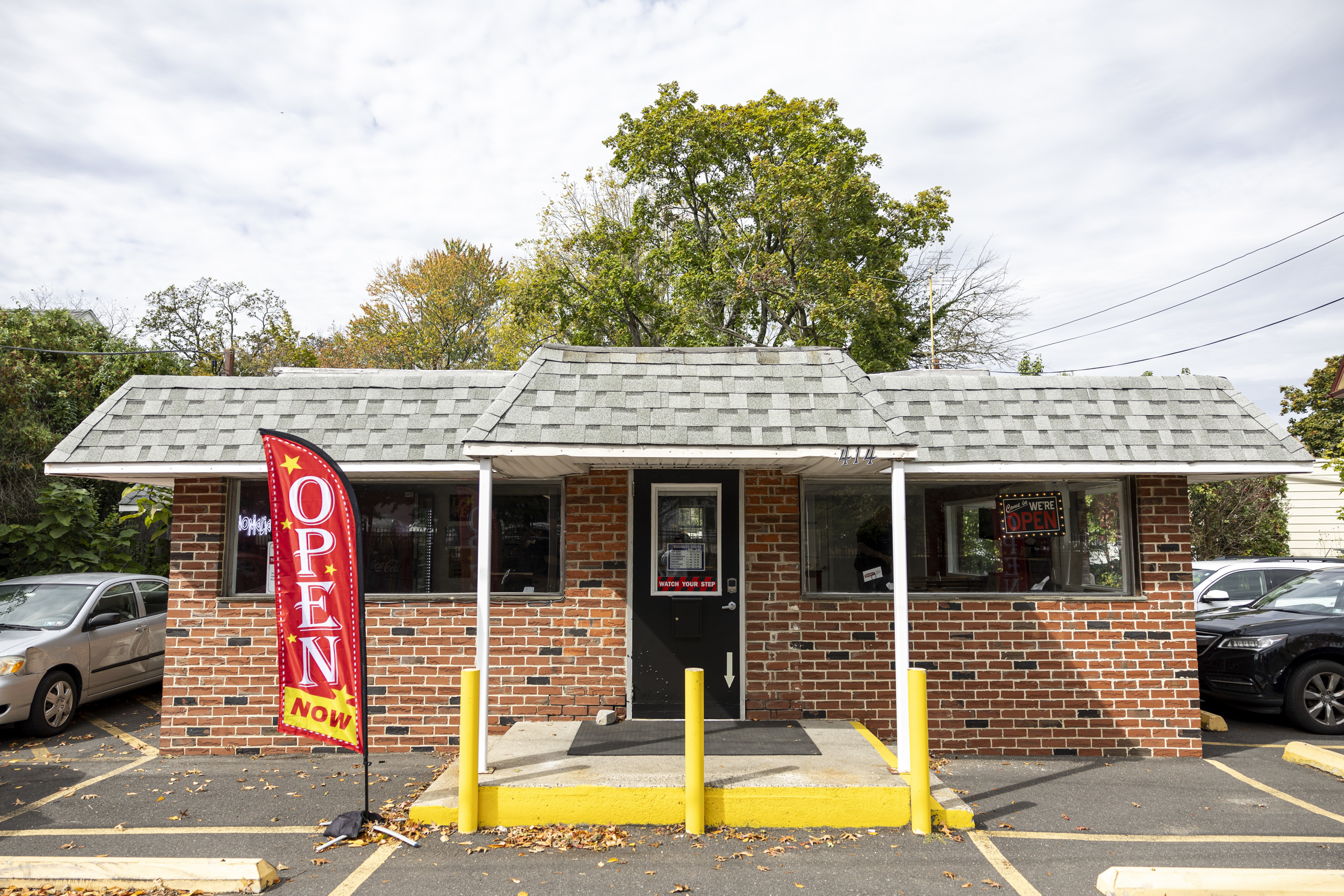
“Anomalia” might be a mouthful. But so are the pizzas in the display case at Anomalia Pizza, the New York-style slice shop that opened last month across from the Fort Washington SEPTA rail station, in what had been Little Italy for two decades.
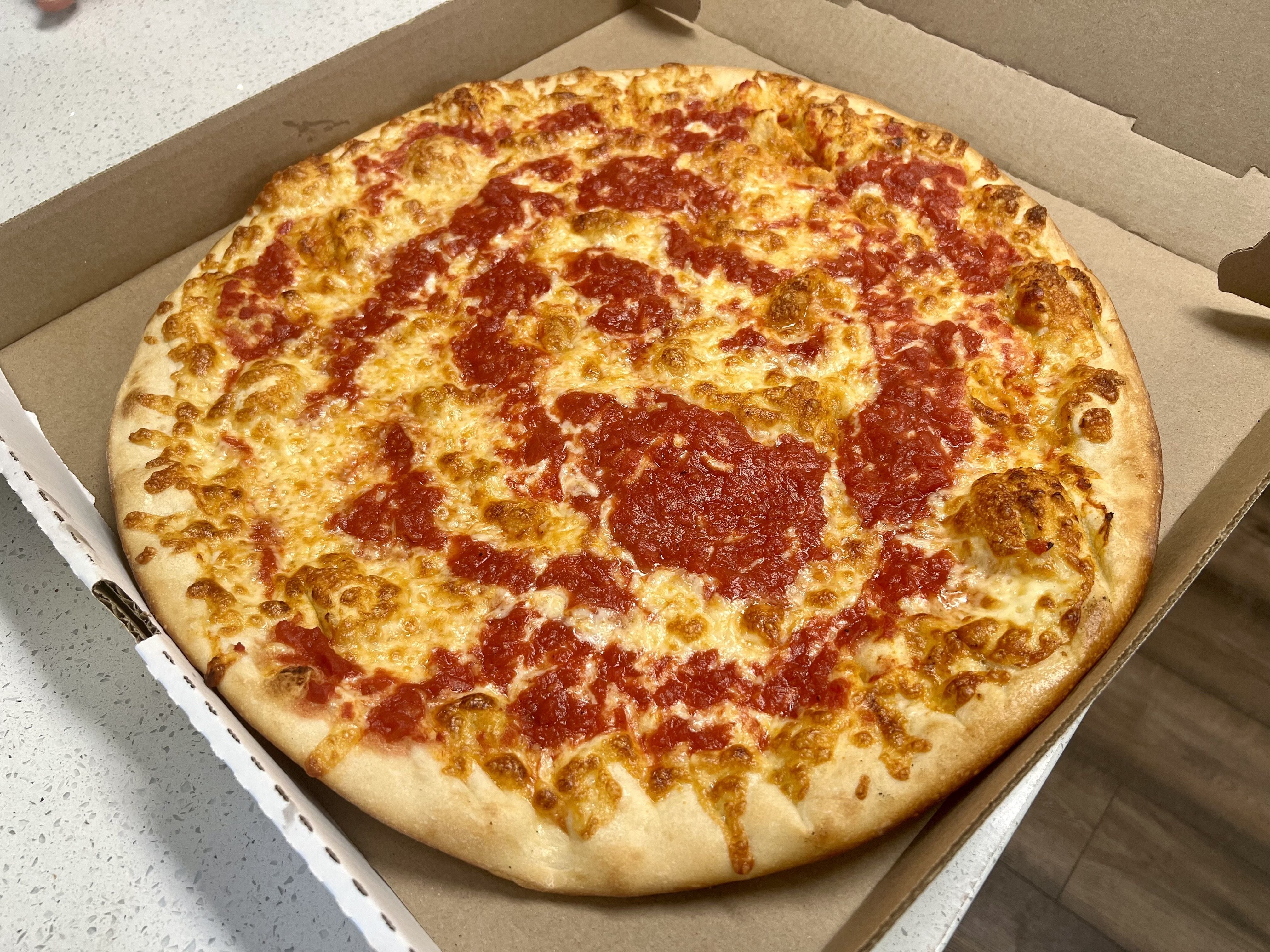
The thin-crusted, 18-inch rounds are generously topped, though the crispy, sturdy bottoms can stand up to all the blistered cherry tomatoes, mozzarella, and olive oil layered atop the bruschetta pie, for example. Red pepper pesto gives sweet balance to the rib-eye, Cooper Sharp, and caramelized onions on the Italian Stallion. Close your eyes and take a bite of the plain red-sauce pizza, and you could almost believe you’re in Brooklyn and not a mile off of Route 309 and the Pennsylvania Turnpike.
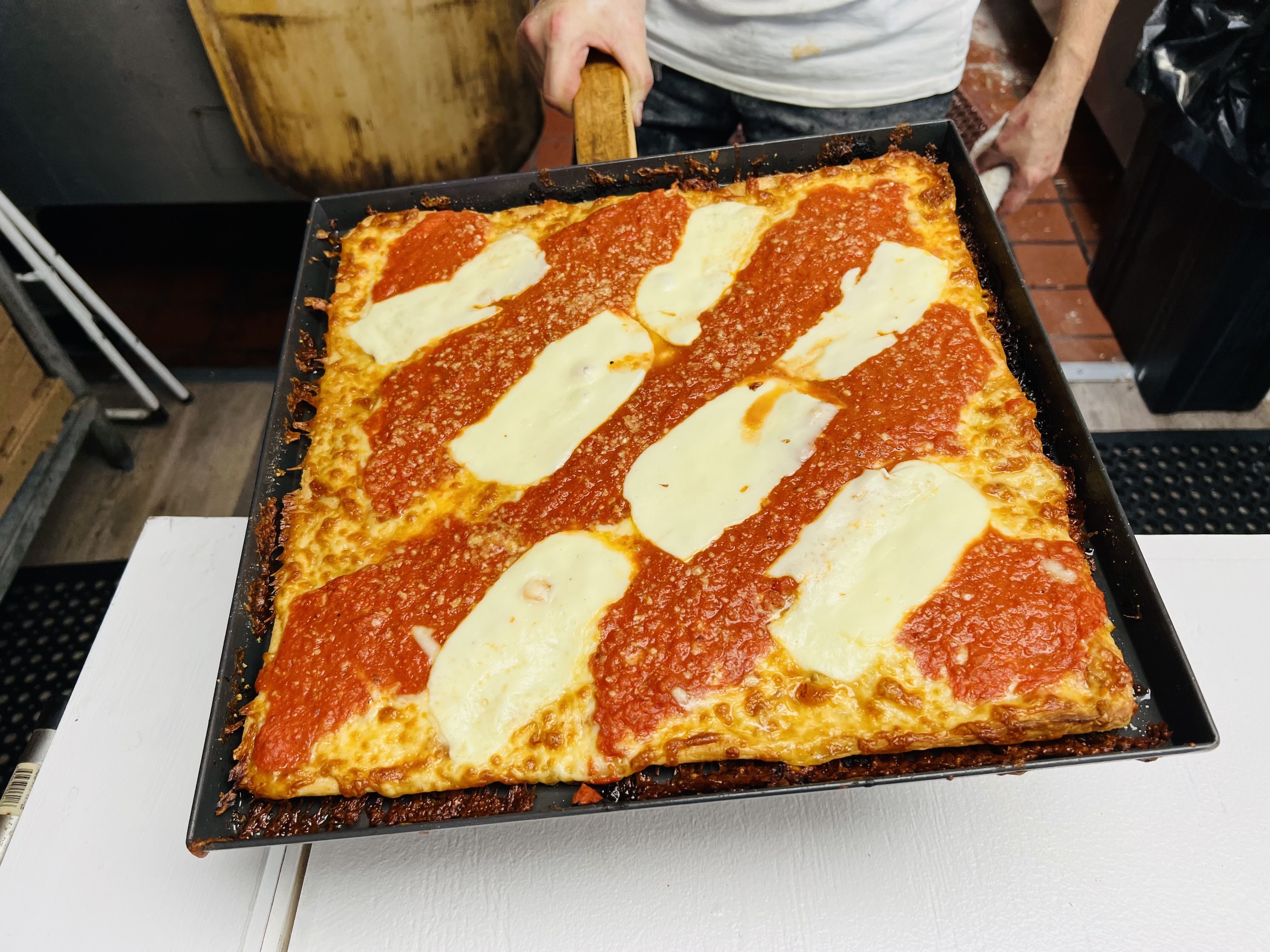
The drunken grandma pizza at Anomalia Pizza, 414 S. Bethlehem Pike, Fort Washington.
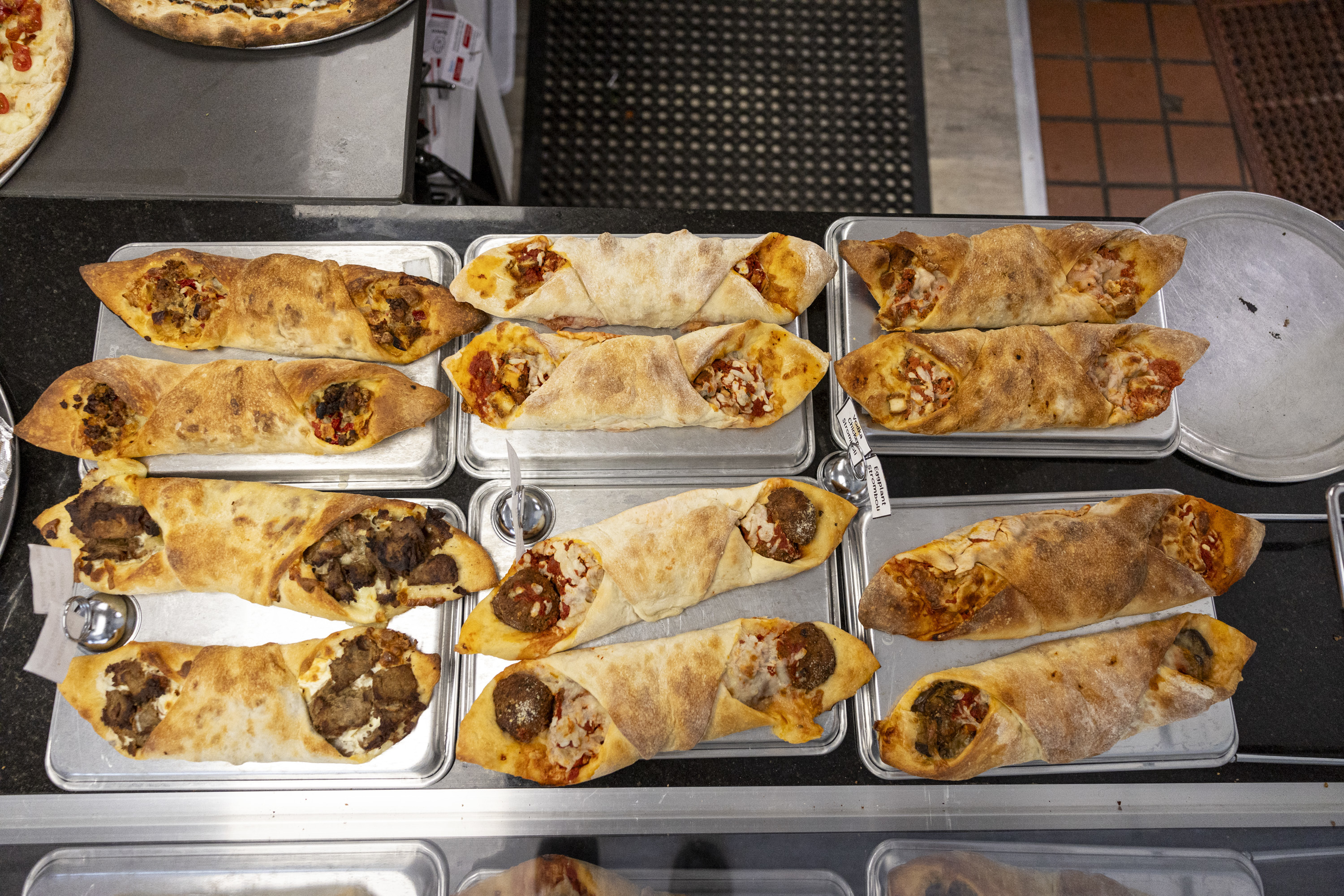
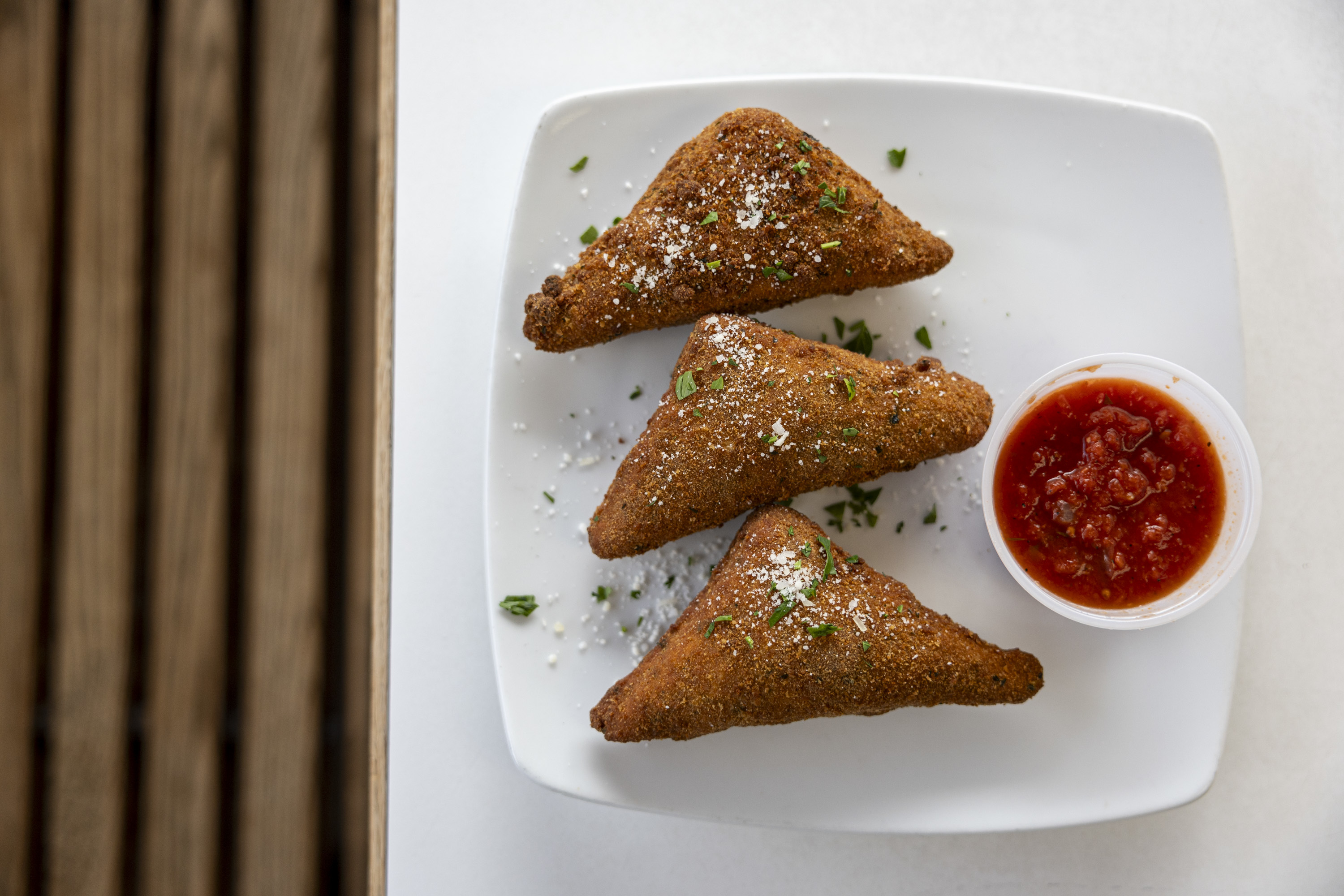
The world needs to know about Anomalia’s drunken grandma, a crispy, almost buttery-bottomed square topped with fresh mozzarella and ribboned with a thick, creamy vodka sauce amped with pancetta. Other hits include the stromboli and the uncommon mozzarella in carrozza — basically, a mozzarella stick in sandwich form (cheese tucked inside bread, crusted with bread crumbs, and fried).
There are no actual sandwiches for now.
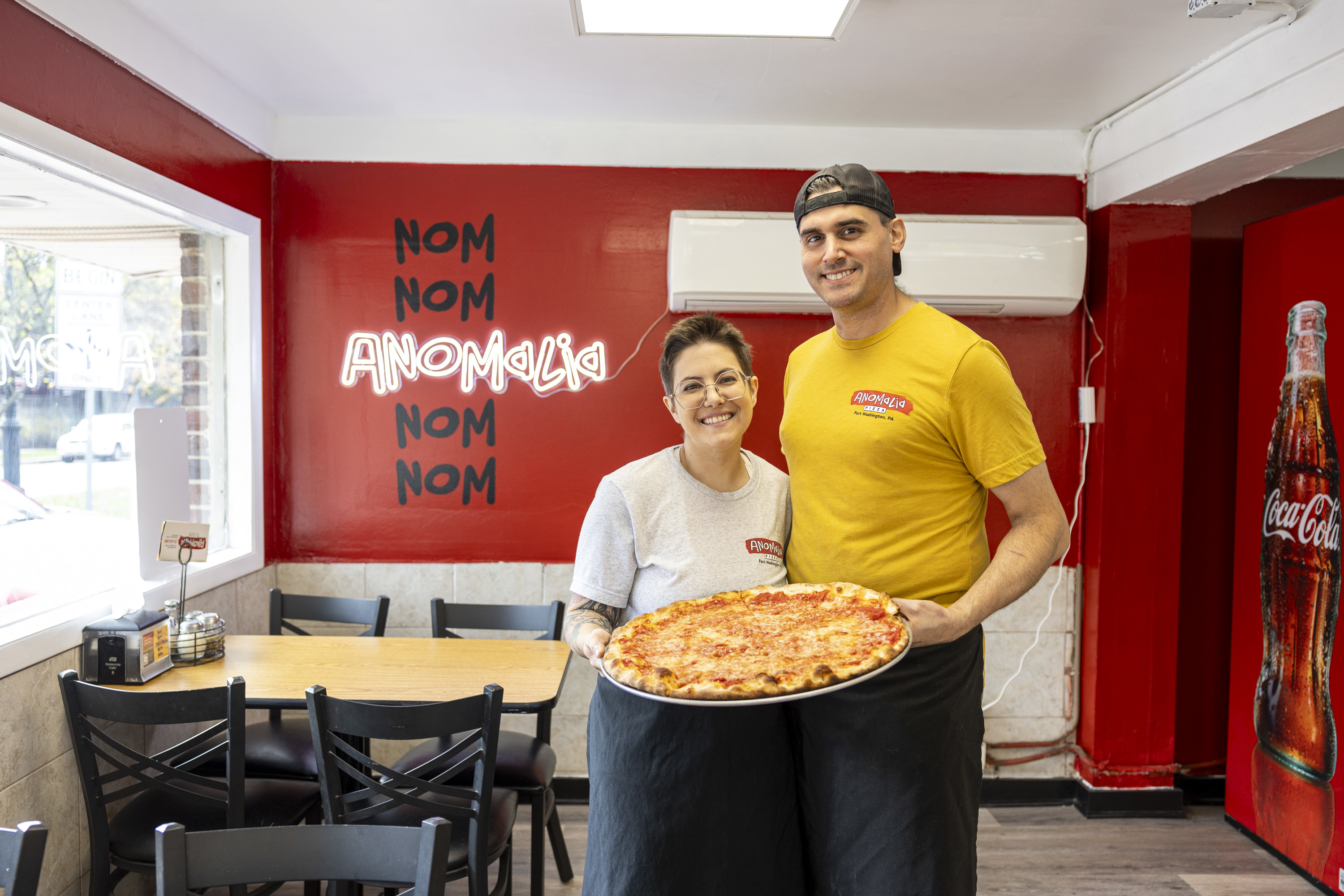
The owners, Long Island native Deena Fink and Florida-born Frank Innusa, had a classic meet-cute: An opera singer, she went to New York University to study musical theater, and he moved to Manhattan to become an actor. They met while working at the Hard Rock Cafe in Times Square, she tending bar and he waiting tables.
“Oh, you’re an actor?” Innusa said, parroting a joke that probably dates to vaudeville. “What restaurant?”
“Most actors get out of the business when they land a TV show,” said Innusa, 40, as he topped a plain pie last week while a gaggle of kids from nearby Germantown Academy awaited their orders. “I kind of fell out of love with acting — and fell in love with restaurants.”
Frank Innusa and Deena Fink at their pizza shop Anomalia in Fort Washington.
He and Fink were married in 2018 and a year later moved to Florida for a change of pace. Innusa enrolled in a motorcycle-mechanics program, but COVID-19 made hands-on training impossible. “I still had to pay full tuition,” he said. “So I stopped — and that’s when I really started cooking.”
Cooking, he said, became an obsession. “I’d wake up thinking about it and go to sleep thinking about it,” he said. “I hadn’t felt that since acting.”
Innusa’s father had made pizzas and calzones at home, but with social-distancing restrictions in place, the fascination stuck. “He was reading the books, watching the videos, testing dough,” Fink said. “So much dough testing.”
Stromboli await the lunch rush at Anomalia Pizza.
Innusa filled a notebook with flavor combinations and textures, she said. That experimentation now shows up as Anomalia’s “pizza of the week.”
Back in New York after the pandemic, Innusa got his first pizzeria jobs at King Umberto and West End Pizza on Long Island, while Fink, now 33, managed and performed at the Duplex, the West Village cabaret where she performed years before.
Rather than add to the roster of New York pizzerias, they looked toward Philadelphia, which had long appealed to them as “a smaller city with a big food scene,” Fink said. “Fifteen minutes outside the city, there are trees and deer. That balance really drew us.” They moved to Chestnut Hill, and Fink took a job nearby at Chestnut Hill Brewery at the Market at the Fareway.
A mozzarella in carrozza at Anomalia Pizza in Fort Washington.
Their original 10-year plan for Anomalia was a food truck, but they learned that the owners of Chicko Tako, the market’s Korean-fusion stand, were selling their other business, Little Italy.
Innusa said he wanted to name the shop Anomalisa, after the 2015 movie. “But Deena said, ‘It doesn’t mean anything,’’’ Innusa said. She suggested anomalia, Italian for “anomaly” and pronounced “a-nom-a-leah.”
“We want to be different from the norm, not the usual,” Innusa said.
Anomalia Pizza, 414 S. Bethlehem Pike, Fort Washington, 215-628-3845, anomaliapizza.com. Hours: 11 a.m. to 8 p.m. Tuesday to Sunday.
Compared with other Latin American communities in the region, the Chilean crowd is quite small — by many estimates, in the low thousands.
But Cote Tapia-Marmugi knows that this is a passionate audience eager to get a taste of the homeland 5,000 miles away.
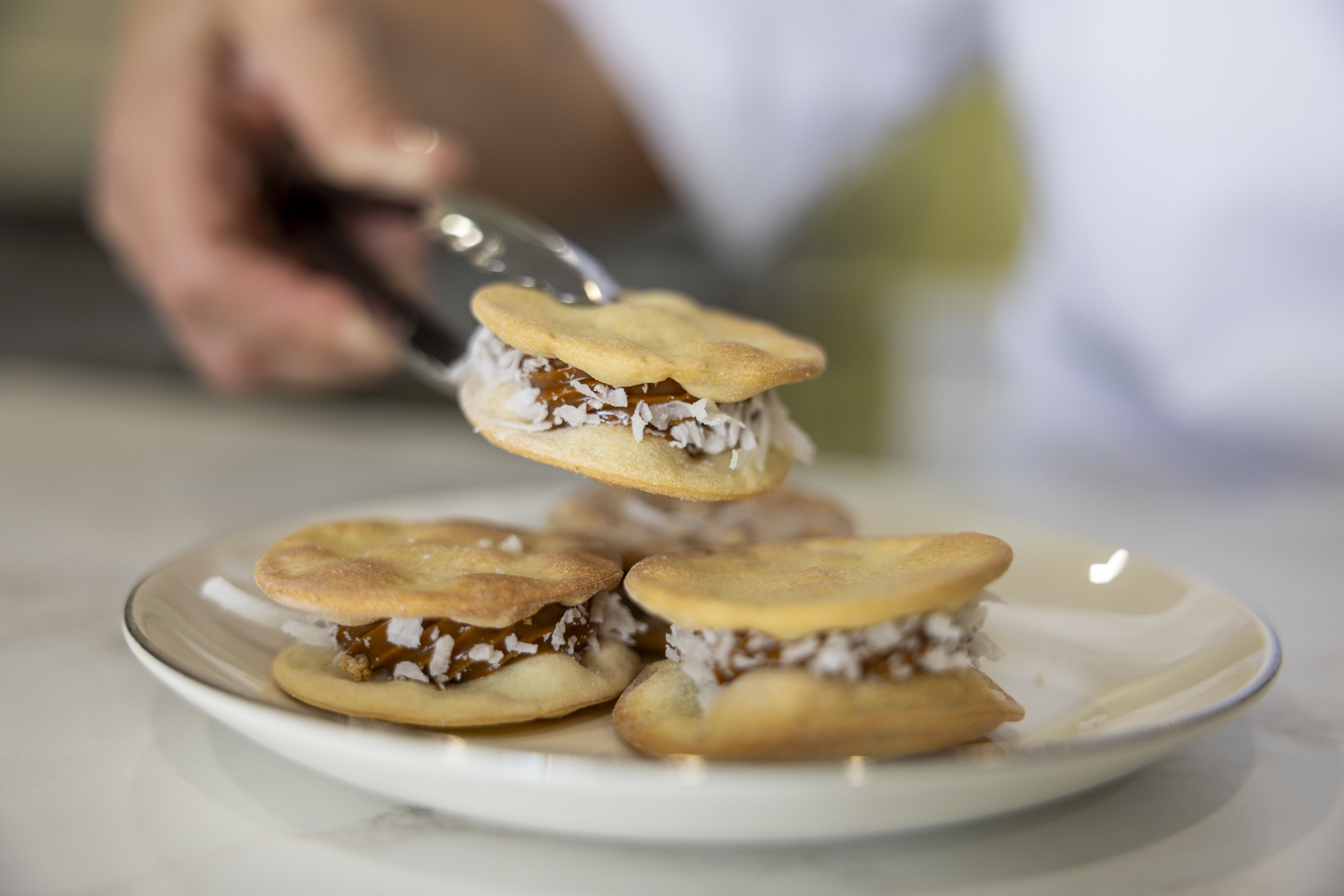
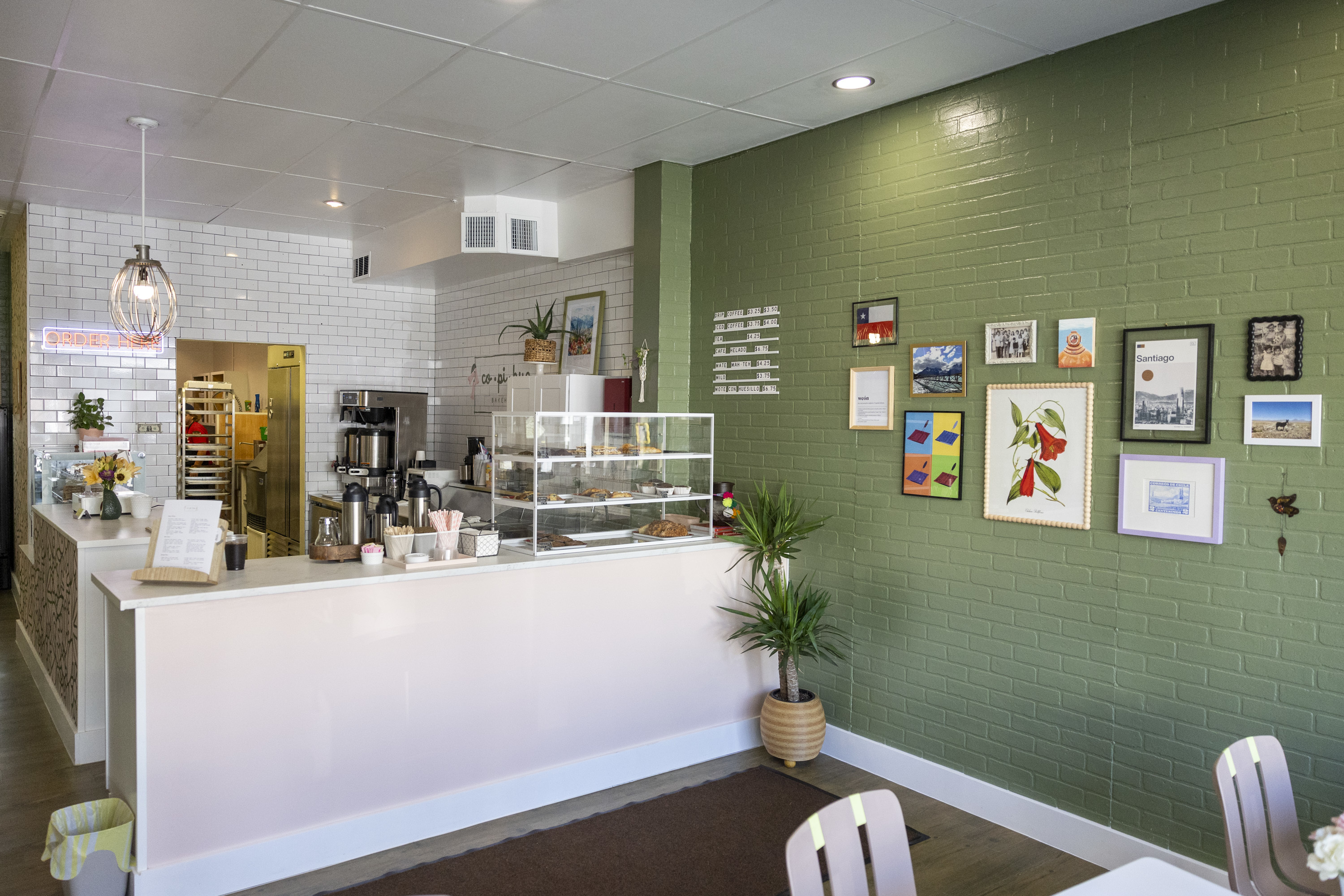
Alfajores at Copihue Bakehouse.
When she was about 10, Tapia-Marmugi’s family emigrated from Santiago to Westchester County, N.Y., where they frequented Los Andes Bakery, in nearby Sleepy Hollow. “Even if it’s a couple of hours away, you drive to it and it’s a thing that you do,” she said. “You spend your Sunday afternoon eating and buying all the goodies that you miss from home. You go, you have empanadas, you buy stupid amounts of junk food, and then you go home happy, and you do it again in a couple of months.”
She has created a similar destination a hundred miles south in downtown Ambler. Last month, she opened Copihue Bakehouse, named after Chile’s national flower and pronounced “ko-pee-way.” Along with local customers strolling Butler Avenue, she’s meeting Chileans who drive into town to order empanadas or the pastry known as tortas mil hojas, and sit at one of the few tables.
Those visits can run for an hour. “We chit-chat for a while, they tell me about where they’re coming from and what part of Chile they’re from, and they find out my background. Then they sit and order one thing, then they get up and browse a little bit, order some more and sit,” said Tapia-Marmugi, 40, whose husband, David Marmugi, a Venezuelan-born engineer, joins the conversation when he’s there.
Sometimes the food hasn’t even hit the case before it’s sold. Last weekend, she had made a batch of the flan-like semolina pudding called sémola con leche. “I didn’t even put it out, and people were like, ‘Oh, my God. You have this?’ and they scooped it right up,” she said.
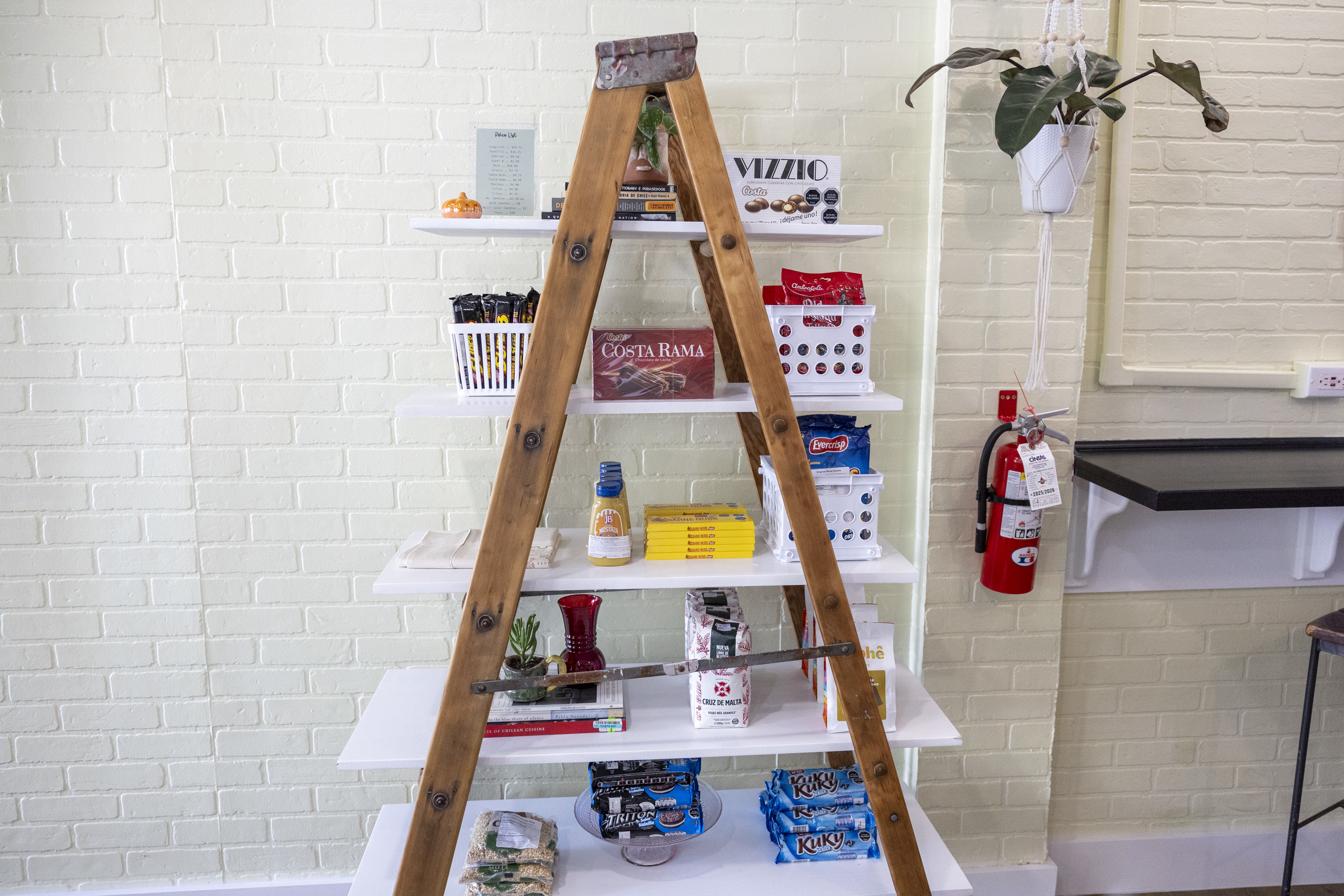
A ladder shelf is stocked with groceries at Copihue Bakehouse in Ambler, Pa.
The selections in the cases are ever-changing and subject to sell out. The most popular items on the savory side are baked cheese empanadas as well as the cheese-and-onion empanadas known as pequén, served with pebre, a hot sauce made of coriander, tomatoes, parsley, chopped onion, oil, and vinegar. Tomato toast comes out on her house-baked Irish soda bread slathered with tomato and a sprinkle of salt and oregano, as well as traditional avocado toast — a popular South American snack long before Americans bougie-fied it.
You’ll find manjar, a sort of dulce de leche, in many desserts, such as the intensely rich lucuma cups (crispy meringue pieces in a creamy cup full of the fruit known as lucuma and whipped cream); the tortas mil hojas (flaky layers of pastry alternating with manjar and walnuts); brazo de reina (a sponge cake rolled with manjar and covered in coconut); and alfajores (thin, crunchy cookies with manjar in the center). She also sells various scones; cakes such as kuchen de nuez; pies (notably a buttery-crusted lemon meringue); and brown-butter chocolate chip cookies.
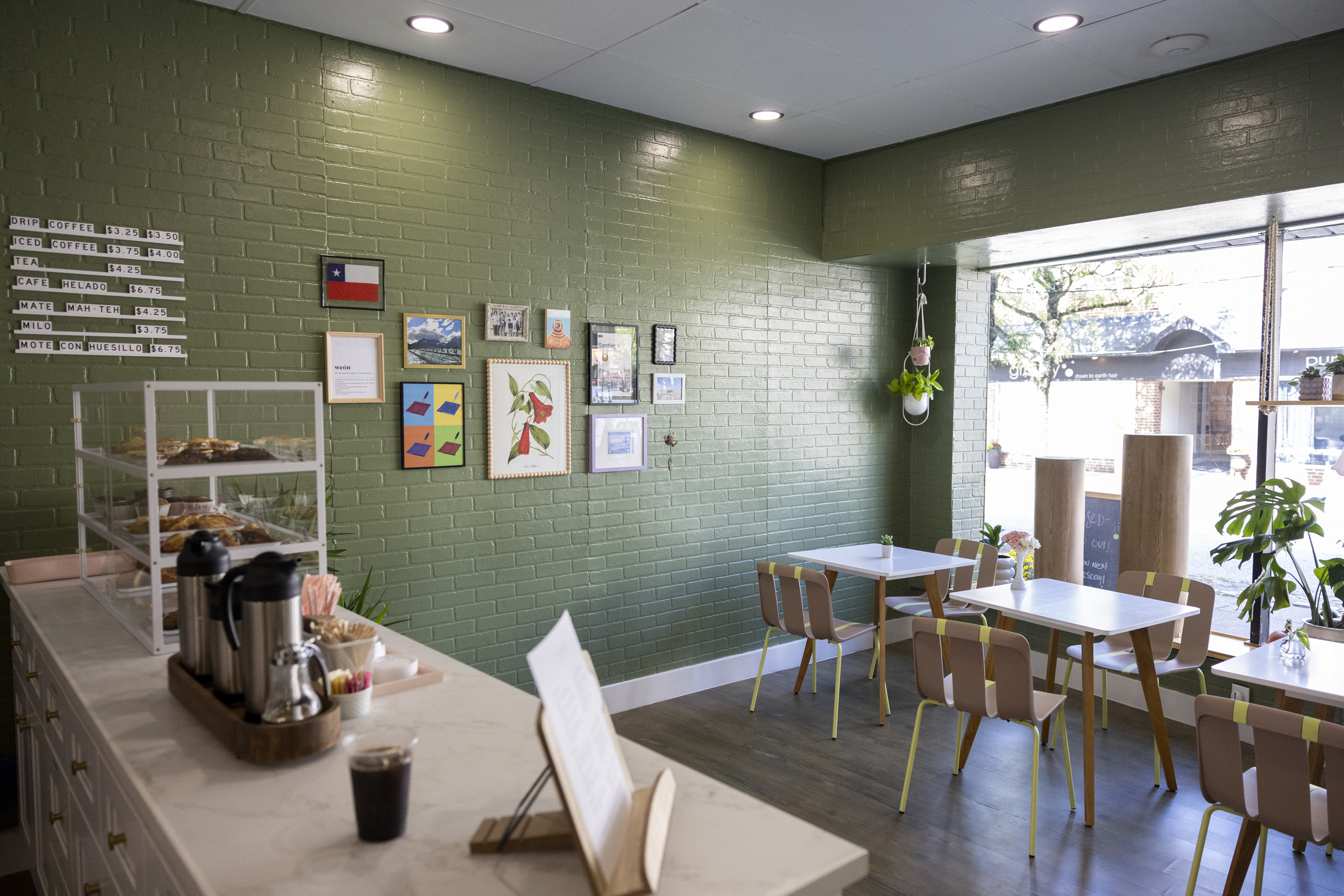
The counter of Copihue Bakehouse.
Along with teas and coffee from Càphê Roasters are mate, cafe helado, and mote con huesillo — traditionally a summertime drink made with peaches cooked in sugar, water, and cinnamon, and, once cooled, mixed with cooked husked wheat berries.
Tapia-Marmugi, whose family moved to Lansdale, Montgomery County, when she was a teen, came up as a cake baker. She won an episode of Netflix’s Sugar Rush, as she ran Mole Street Baker out of her home when she lived in South Philadelphia. In 2021, she joined Ange Branca’s pandemic incubator, Kampar Kitchen, to develop her savory cooking and also worked at the restaurant Kampar.
Table seating in the window of Copihue Bakehouse.
Since Tapia-Marmugi is vegetarian, so is everything she makes. “There won’t be any meat on the menu, which I know will [annoy] a bunch of Chileans,” she added, laughing. “But that’s just how I grew up.”
The walls of the sunny shop are filled with her framed photos. A rack is stocked with Chilean snacks, like the gummy candies called guaguitas; ramitas, a crunchy wheat stick; and Super 8 chocolate bars.
“This is kind of my ode to Chile — the food memories. I want people to go inside and feel like they’ve just stepped into a little piece of South America.”
Copihue Bakehouse, 58 E. Butler Ave., Ambler, copihuebakehouse.com. Hours: 8:30 a.m. to 3 p.m. Thursday to Sunday.
I should have read the fine print before I agreed to participate in a recent “Hoagie Throwdown” at Other Half Brewing in Fishtown, produced by my friends at the Delicious City Podcast. I assumed they’d drafted me simply to be a judge and taste their lineup of sandwiches from 20-plus restaurants vying to be Philly’s hoagie champ.
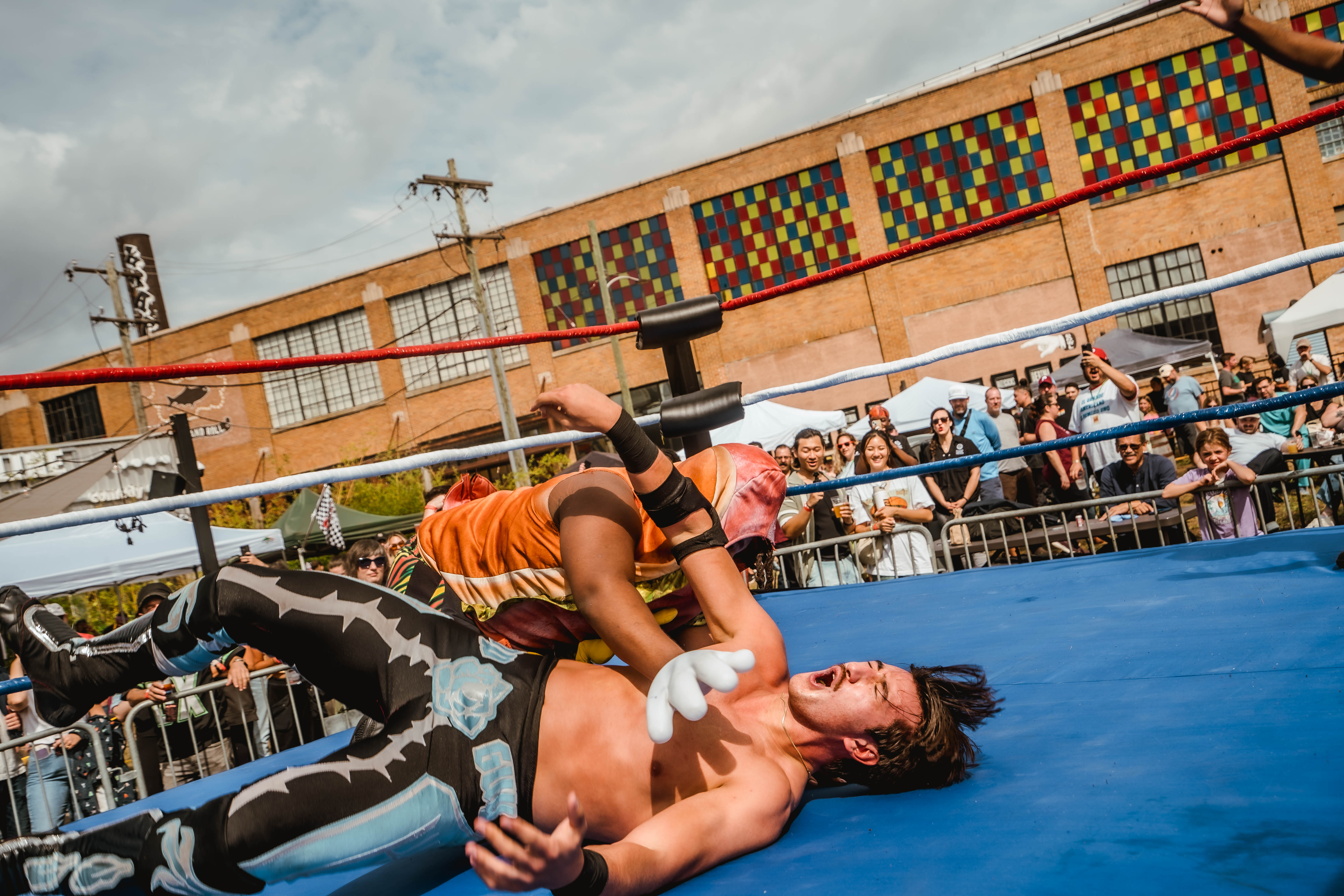
Two wrestlers, including one in a hot dog suit, tussle at a match held at Other Half Brewing in Fishtown where hoagies were also in competition.
But I was not meant to praise hoagies. I was summoned to the wrestling arena at Other Half Brewing to make them, something I’d actually never done before in a city where the meat slicer’s whirring hum is the lunchtime lullaby at a thousand neighborhood delis.
“Sorry if I wasn’t completely clear in my early communication,” said Eli Kulp after I’d reached out with concern a few days before the event. The former Fork and High Street chef-turned-podcaster thought it would be hilarious for me to participate in an Iron Chef-style “celebrity” hoagie-making scrum inside a wrestling ring against two still to-be-determined foes. “We want this to be fun for you.”
I couldn’t back out now. But I also wasn’t going down without a fight —and I needed help. A hoagie whisperer. A cold cuts QB coach. A seasoned pro to train me in the sweet science of hoagie-making.
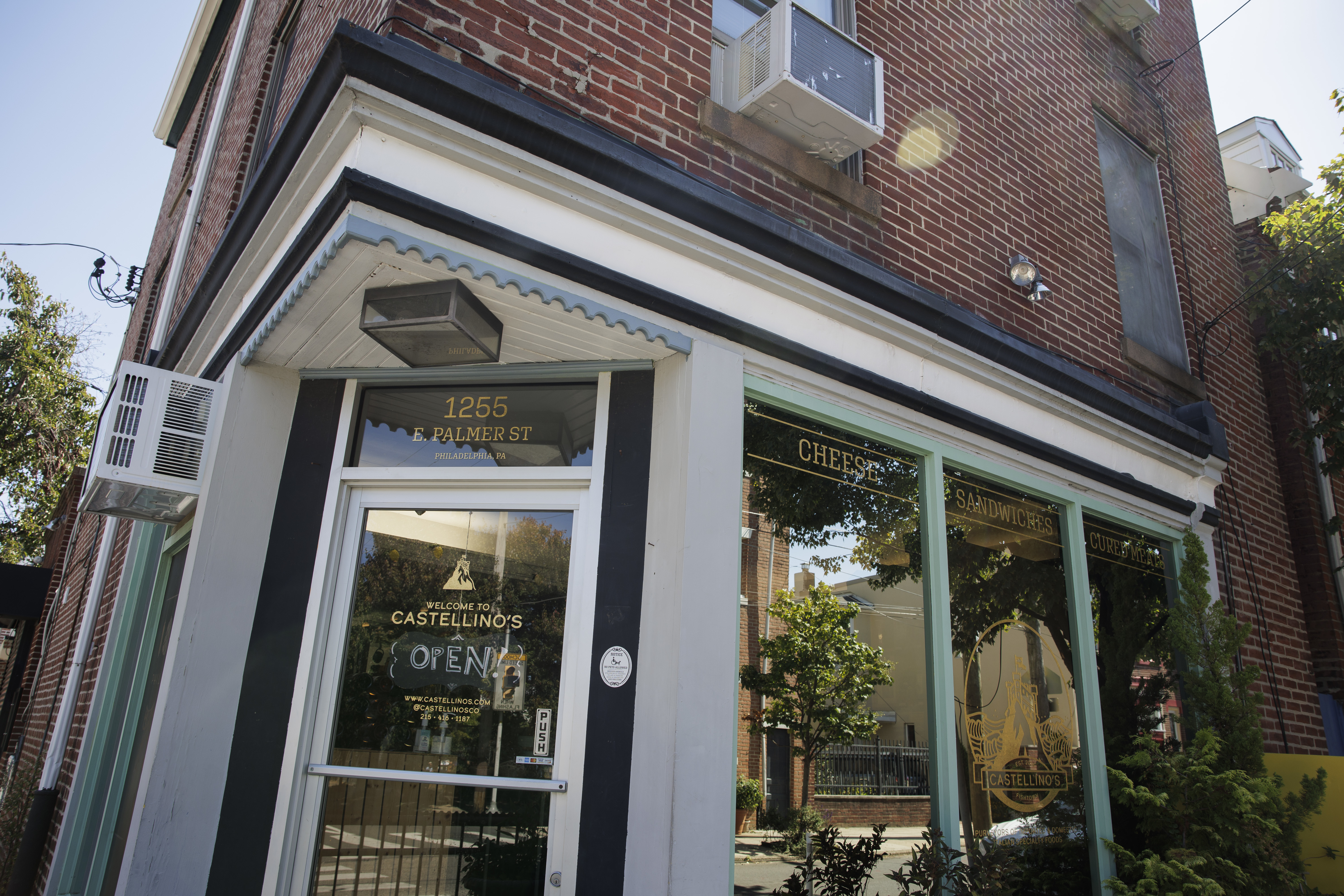
I knew just who to call: Cara Jo Castellino, the sandwich queen of Fishtown’s Castellino’s Italian Market.
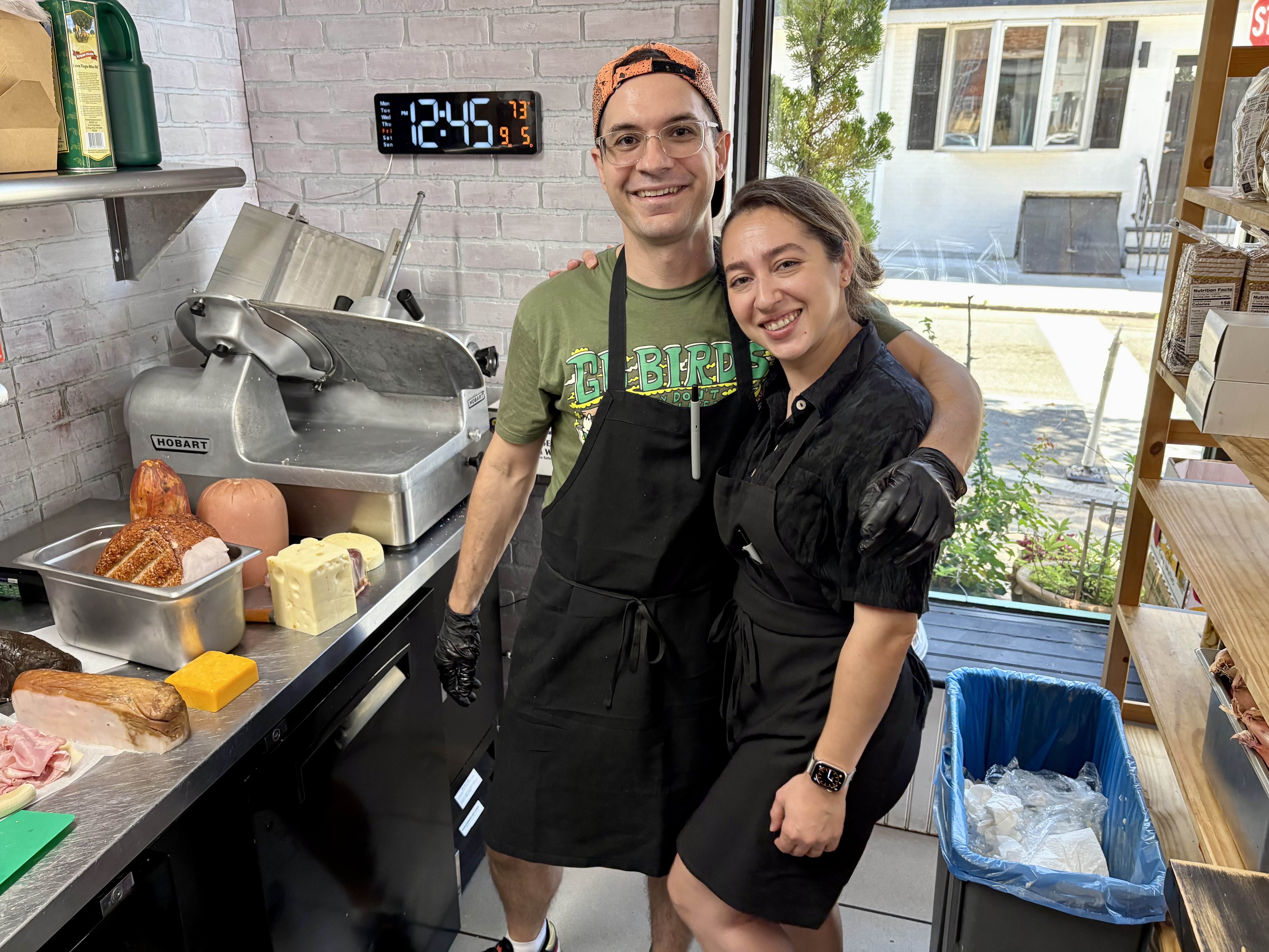
The owners of Castellino’s Italian Market in Fishtown, Matthew Barrow and Cara Jo Castellino, prepare to run Inquirer Restaurant Critic Craig LaBan through his paces at Hoagie Boot Camp.The exterior of Castellino’s in Philadelphia.
“You should come over to the shop … and make a test hoagie if you’d like to practice,” she told me.
Hoagie boot camp? That is exactly what I needed! Sign me up, Cara Jo!
Two days before the event, I stepped inside her little market at the corner of East Palmer and East Thompson Streets, and inhaled the heady aroma of cured meats and pickled peppers. Castellino was waiting. She handed me a black apron. I nervously tied it on as she led me into the narrow space behind the tidy counter, where a friendly crew was already in the lunch-rush groove: her husband and co-owner Matthew Barrow peeling sheer pink rounds of spicy capicola off the slicer; Pat Caviness hand-slicing mountains of ripe tomatoes; A.J. Jones busily assembling hoagies on the board; and Derrick Bobb (“We call him Bobb”) working the register with his unflappable charm.
Hoagie architecture 101
The life cycle of every Italian hoagie begins and ends with olive oil, Castellino says, but be careful to stripe the bread side-to-side (as opposed to lengthwise) so it doesn’t pool in the crease of the roll’s hinge and break: “You’ve got to protect the hoagie’s hinge at all costs … When your hoagie’s hinge breaks, it’s very sad,” she says.
The sandwich is then built atop the bottom of the roll, so that when it’s closed, every bite brings a consistent layer of each ingredient.
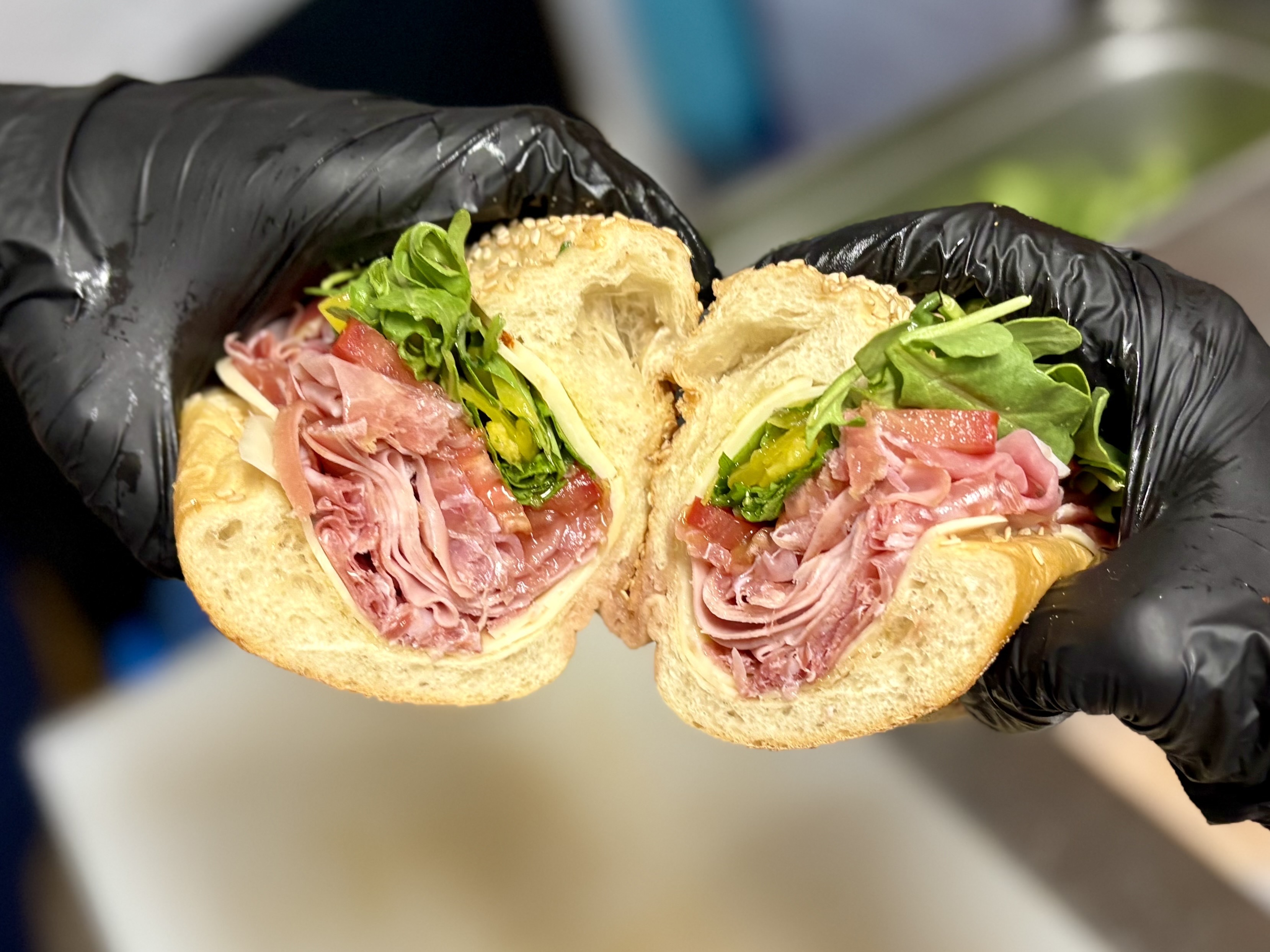
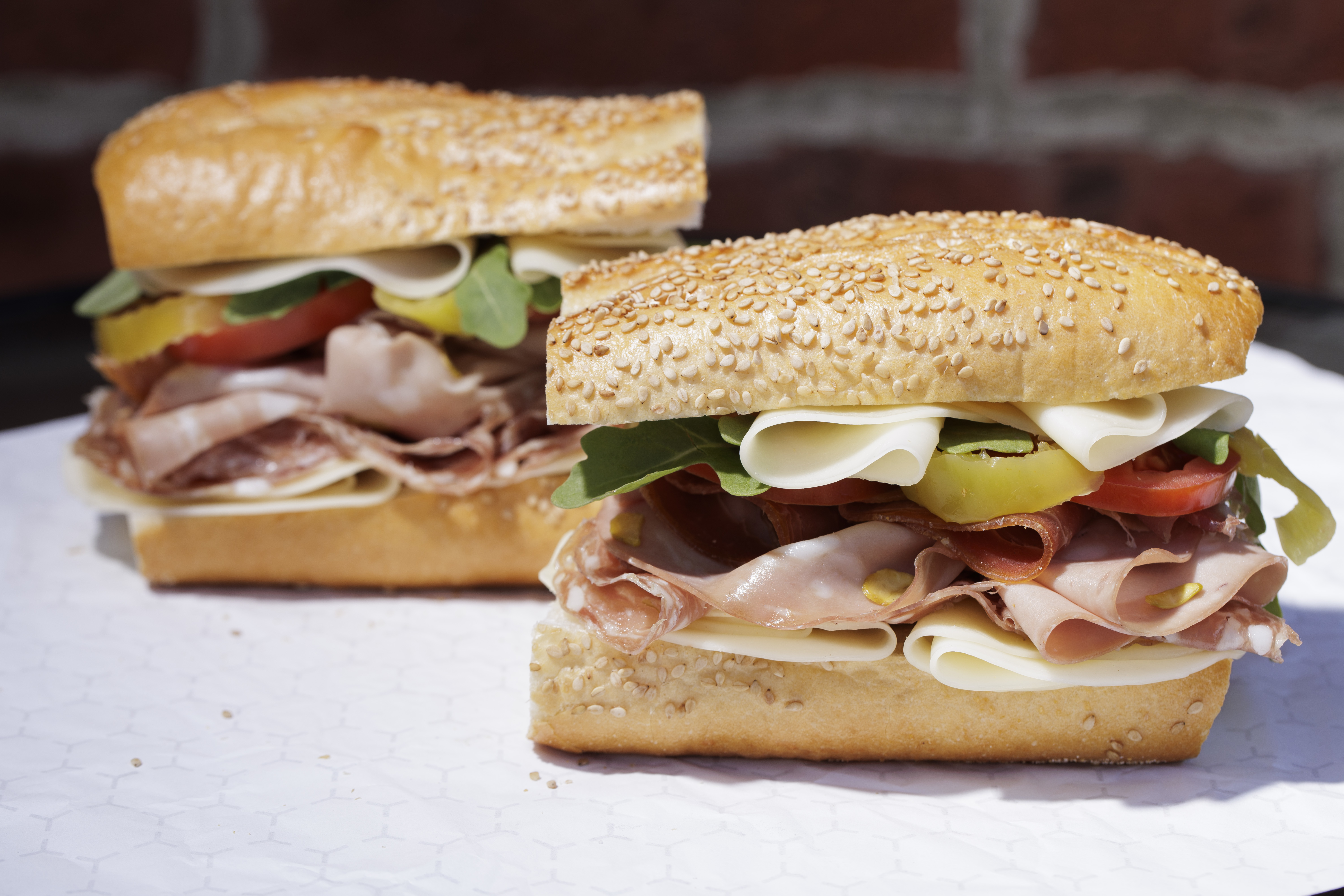
More roll protection comes from provolone rounds layered down like shingles. Castellino prefers mild provolone because its creaminess buffers against the salty meats to come. She deftly forms the slices of soppressata and mortadella into rosettes, whose bouncy pink curls trap flavor-boosting oxygen between their folds. “You don’t want a dense wad of meat,” she says, arranging gossamer kerchiefs of imported prosciutto over top for the finish.
“Three is the ideal number,” she says, referring to the quantity of different meats preferred for contrasting flavors and textures.
Castellino’s fingers move swiftly atop each hoagie, layering the tomato rounds, sculpting tufts of arugula (prized for its peppery bite and durability), then seasoning it all with more oil and red vinegar “like a salad.”
“Tuck her in!” she says, deftly coaxing the ingredients deeper into the roll with the serrated knife’s blade, slicing the sandwich in half and then rolling it inside paper like a lovingly swaddled baby. It’s fastened shut with a piece of tape. Tuck, roll, snap! Tuck, roll, snap! She makes it look so easy.
The meticulous layers of an Italian hoagie are revealed at Castellino’s Italian Market in Fishtown, built by “trainee” Inquirer restaurant critic Craig LaBan.
My turn. A mess. Too much olive oil immediately sogs up my hinge. My provolone is layered the wrong direction. My cold-cut rosettes are more crumpled balls than fluffy flowers. I bunch up the tomatoes, leave too many inedible stems on the banana peppers, then pile on so much arugula it looks like I’m trying to tame a wild bush. And whoa … the vinegar comes out in a gush!
“Once you do 100 of them, you’ll get the hang of it,” deadpans Castellino.
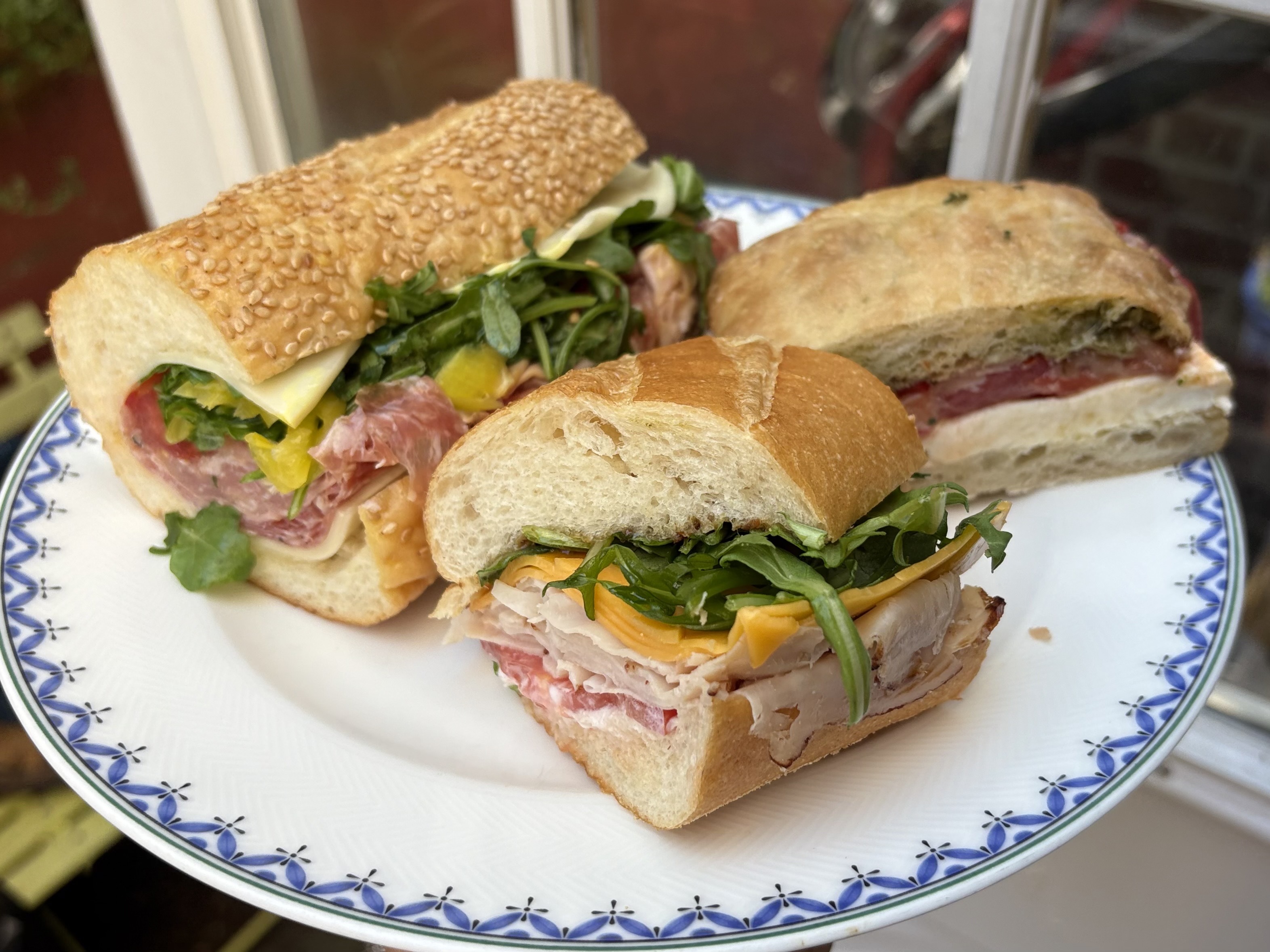
She patiently coaches me through another classic Italian; the fiery Adronos layered with spicy meats, peppercorn Asiago, and cherry peppers; the mellow Franklin with turkey, cheddar, and sweet bacon jam; a Caprese with milky mozzarella, juicy tomatoes, sweet balsamic, and silky ripples of prosciutto. Only by the last one do I finally manage to wrap a sandwich without half its crust hanging out. I feel encouraged but humbled.
“I don’t think I’m cut out for the lunchtime pressure of this hoagie counter,” I say as I gratefully hand back my apron.
“Nah, you absolutely killed it!” says Castellino, who, like any good coach knows just when to pump up her student for a big moment. She offers a parting secret: “Make exactly what you want to eat. People can feel the love and affection that goes into making a hoagie you yourself would want to devour.”
Three hoagies from Castellino’s Italian Market built by “trainee” Inquirer Restaurant during a stint at Hoagie Boot Camp.The Hoagie at Castellino’s in Philadelphia on Sept. 10, 2024. Food Styling by Emilie Fosnocht
Sandwich smackdown
I left hoagie boot camp with some genuine new skills. But would they be enough to spin gold from whatever ingredients awaited me on the competition table? Eli Kulp, channeling his best Vince McMahon impresario swagger, encouraged me to bring my own secret ingredient for added assurance: “If you’re not cheating in wrestling, you’re not trying!” I took the advice to heart as I stashed a few surprises in a small cloth bag that I hid beneath my black cape.
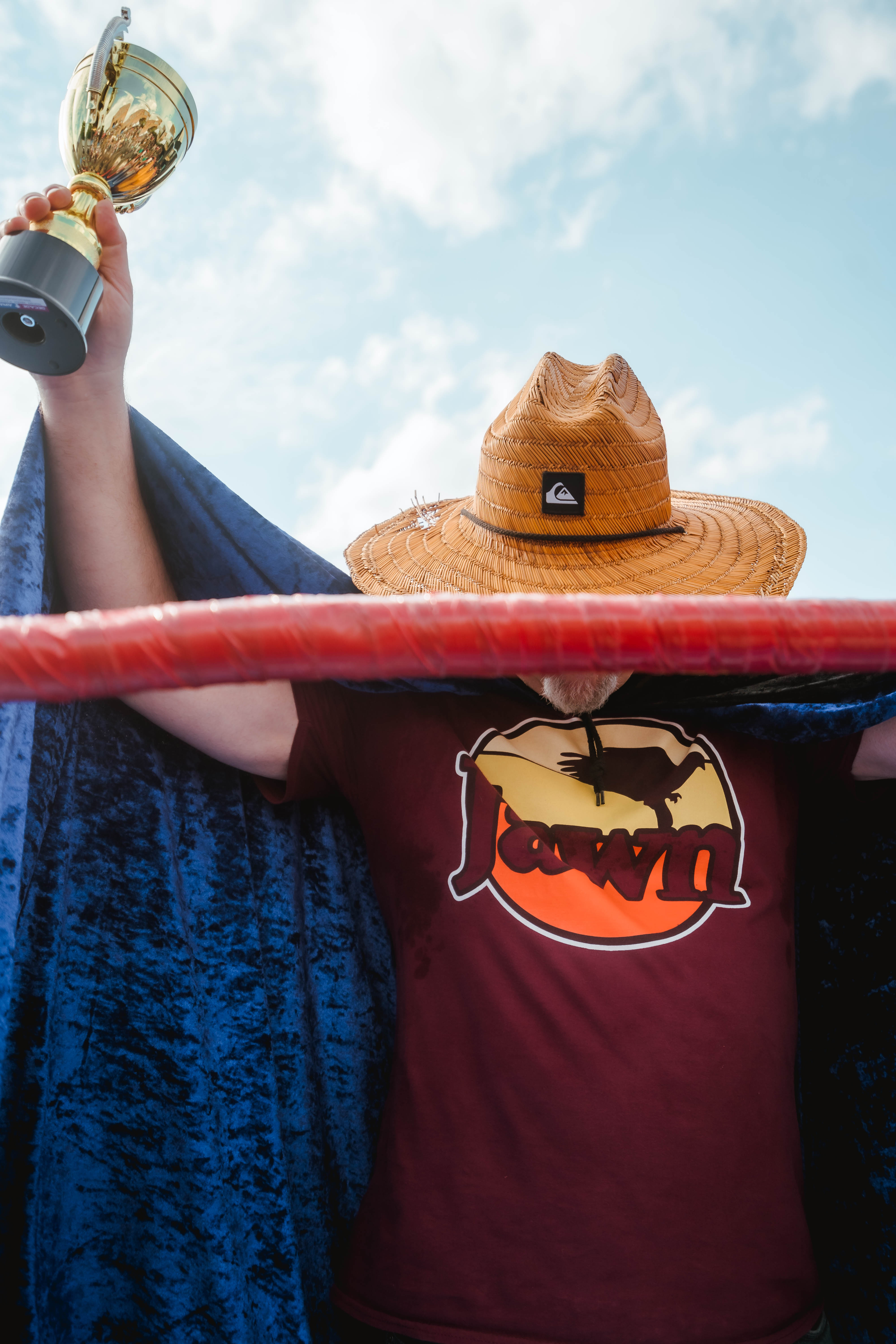
I arrived to the arena incognito, my face obscured by a Zorro mask and a wide-brimmed hat. Kulp’s words rang loudly in my head as I stood ringside and watched the Pro Wrestling Entertainment talent spar with an unlikely food theme: A bug-eyed, psychotic pizzaiolo named Luigi Primo blinded his competitor with spinning rubber pizza dough, while the Sandman (of Extreme Championship Wrestling fame) whacked the same guy across the back with a kendo stick with hoagie rolls taped around it. I watched a large man in a hot dog suit soar from the ropes to flatten his sweaty foe in the middle of that ring, sending the beer-soaked crowd of several hundred fans into a bloodthirsty roar.
To say I was a tad apprehensive as the hoagie table was set up in the middle of that same ring — with a wooden board of mystery ingredients for my own match — would be an understatement.
Reluctantly, I stepped into the ring with my competitors, the “cannoli-smashing bar-knuckle brawler” also known as FeedingTimeTV (aka Dave Wesolowski) and influencer “Doug _Chase_U,” who instantly began tossing our prosciutto into the crowd.
The ensuing mad scramble for ingredients was only the first of my concerns. I really began to sweat beneath my mask when Chase_U suddenly tagged inone of Philly’s best hoagie pros — Jason Okdeh, aka “Gabagool_Papi” of Farina di Vita — to commandeer his roll.
Only lightly shook, I snapped back to the ingredients before me, remembered my training, and stayed focused on my fundamentals. I quickly gathered three different meats, provolone, tomatoes, onions, banana peppers, and lettuce. But … where was the olive oil?!
The table was set with bottles of brown mustard, vinegar, and two kinds of mayo, including truffled mayo — the use of which should trigger automatic disqualification. But building my entry withoutolive oil, the life-giving elixir for any hoagie, would be like trying to play a stadium concert with your amp unplugged.
That’s when I knew it was time. I opened my cape, reached into my bag, and unveiled my secret weapon to the crowd: a jar of hoagie relish.
The secret ingredient
I lathered the spicy pepper spread on both sides of my rolls, aiming to impress the judges with a flash of juicy heat while also protecting the hinge. I tucked in my chosen ingredients, rolled my hoagies into shape, and delivered my tray to the judges: chef Bobby Saritsoglou of Stina (the recipient of multiple favorable restaurant reviews by yours truly), anonymous Instagram food critic Djour.philly, and Maria Maggio of Food Trade News.
They nibbled and scribbled while I waited, no longer feeling the squeeze. But suddenly I heard my name: I was the winner, with just two points more than Cannoli Crusher Dave.
Djour praised my hoagie’s “great ratio of salad to meat to wet fixins … (which) may or may not have been legally added.”
“We wanted to celebrate the Philadelphia hoagie,” wrote Saritsoglou. “And yours checked all the classic boxes (minus the olive oil, lol). My only regret was not jumping into that ring.”
Craig! Craig! Craig! Craig!
Was this crowd seriously chanting for me? Yes, they were! The emcee was holding a trophy high and calling back me in, and so I bounded up between the ropes, careful not to trip on my cape, and began babbling through a delirious ringside interview to recap the battle. Was I “having fun?” Oh yeah, you bet, as I took a tart and hoppy swig of Other Half’s Yuzu Queen from the chalice of my trophy.
It only felt real, though, when I spotted Castellino and her husband Matt in the crowd visibly cheering. I leaned into the mic and publicly thanked my hoagie whisperer in a Stallone-like croak of joy: “We did it, Cara Jo!”
It’s best for all I now graciously leave the sandwich-making stage to the professionals. No way would I ever wish to replace old favorites like Castellino’s, Lil’ Nicks, Pastificio, Farina di Vita, or upstart chef Reuben “Reuby” Asaram, whose hot pink “Undertikka” roll stuffed with Indian chicken tikka salad won the pro title — a reminder that Philly’s creative hoagie life force is infinite.
But for this one glorious afternoon, I put my critical cold cuts on the line. I paid tribute to Philly’s sandwich gods, fought to the crusty finish, and earned the title of “Hoagie Hero.”
Inquirer Restaurant Critic holds his “Hero of the Hoagie” trophy high inside the ring after winning a celebrity hoagie making competition held by the Delicious City Podcast at Other Half Brewing in Fishtown.