- What you should know
- Twenty Philadelphia schools would close under a new Philadelphia School District plan to modernize buildings. Here’s what we know and don’t know.
- Closures would be scattered through most of Philadelphia, with North and West Philadelphia hardest hit. Changes wouldn’t happen until 2027-28.
- In total, 159 buildings would be modernized, while six schools would co-located inside existing buildings
- The plan will be presented to the school board Feb. 26, with a board vote expected sometime this winter.
// Timestamp 01/22/26 6:23pm
Philly could close 20 schools, co-locate 6, and modernize 159: Superintendent Watlington shares his facilities plan
Wholesale changes are coming to the Philadelphia School District, with Superintendent Tony B. Watlington Sr. poised to propose a massive reshaping of the system, including closing 20 schools.
The plan, years in the making, would touch the majority of the district’s buildings and bring change to every part of the city: over a decade, 159 would be modernized, six co-located inside existing school buildings, 12 closed for district use, and eight closed and given to the city.
At least one new building would be constructed.
The 20 closures, which would not begin to take effect until the 2027-28 school year, would be scattered through most of Philadelphia, with North and West Philadelphia hardest hit.
Watlington released some details of the blueprint Thursday — including the list of proposed school closures — and acknowledged that the changes will roil some communities.
Watlington is scheduled to present his proposal to the school board next month, with a board vote on the plan expected this winter.
// Timestamp 01/22/26 5:29pm
Mayor Cherelle Parker defends district’s plan: ‘A clear-eyed look at really what matters for our children’
Mayor Cherelle L. Parker on Thursday praised the community engagement process Superintendent Tony B. Watlington Sr. conducted before issuing the facilities plan and defended the school district from critics.
“It is ambitious, it’s thorough, and it’s grounded in what I believe matters most, and that’s achieving the best outcomes for our students,” Parker told reporters. “I’m proud that the district has taken what I would describe as a clear-eyed look at really what matters for our children.”
Watlington’s outreach efforts, she said, stood in stark contrast to the district’s handling of the last round of school closures in the early 2010s, when Parker was a state representative.
“All this communication didn’t happen before, and I know because I was there,” Parker said. Criticism of the plan, she said, is to be expected.
“There are going to be some people who are going to politically try to use this as an anchor, for politics, to raise funding, to just point fingers and say what’s wrong and criticize the district’s leadership,” Parker said. “It’s a part of the process. … But there is no one who can question Dr. Watlington and his exec team.”
// Timestamp 01/22/26 4:31pm
The Philadelphia school district’s facilities plan did not go over well in City Council
City Councilmember Jamie Gauthier said the Philadelphia school district showed “just a complete lack of thought and consideration for really important programs” when crafting its long-anticipated facilities plan, released Thursday.
Council President Kenyatta Johnson said his members had “a lot of concerns.”
And City Councilmember Jeffery “Jay” Young Jr. went so far as to propose amending the city Home Rule Charter to allow Council to remove the school board members who will consider the proposed closures.
“If you are closing schools during a literacy crisis, then you should be held directly accountable to the people you serve,” Young said.
To put it mildly, the district’s plan did not go over well in Council.
In many ways, it’s unsurprising Council members would speak out against a plan that would close or consolidate schools in their districts. But the pushback from lawmakers Thursday was notably strong, and Young’s proposal to allow Council to remove school board members could dramatically reshape the politics of the district.
— Sean Collins Walsh, Anna Orso, Kristen A. Graham
// Timestamp 01/22/26 4:21pm
Schools plan draws mixed reactions from state lawmakers representing Philly in Harrisburg
The School District of Philadelphia’s plan to close 20 schools through an overhaul of the system received mixed feelings from state lawmakers representing the city in Harrisburg, ranging from careful optimism to concern.
Lawmakers in Harrisburg are responsible for distributing billions of state dollars for public education, including any funding increases. These funds are critically important in Philadelphia, whose tax base alone only meets about a quarter of the needs of its students.
Pennsylvania legislators in 2024 created a new funding formula and plan to invest $4.5 billion more in public education over nine years, as directed by a state appellate court ruling. In a landmark ruling the year earlier, the Commonwealth Court found the state was unconstitutionally underfunding its students by relying so heavily on local property taxes to fund schools, creating a major disparity for students in poorer ZIP codes.
It’s unlikely that any school closures will impact the district’s annual funding from the state, but will likely be a part of conversation as budget talks resume next month for the upcoming fiscal year.
Rep. Andre Carroll, a Democrat who represents parts of Northwest Philadelphia, was driven to run for office by the 2013 closure of his alma mater Germantown High School, which closed during the district’s last round of shutdowns. Now, he has three schools in his district set to close, merge, or co-locate that he worries will negatively impact local students.
“I’m very scarred by that situation and that experience,” Carroll said. “I fear there’s young people in my district that are about to experience the same thing.”
The three schools slated for closure in Carroll’s district are: Building 21 (to be co-located at Martin Luther King High School and building given to the city), General Louis Wagner School (closing but building use is unknown) and Parkway Northwest High School (merging into MLK as an honors program and building used as district swing space).
Carroll said he’s particularly concerned about Wagner’s closure, as it’s the only public middle school in West Oak Lane.
He’s also concerned about the district giving the empty buildings to the city, making the city responsible with their upkeep until they are sold or repurposed. This is especially top of mind to him, he said, because he represents the area where 23-year-old Kada Scott’s body was found last year. Her remains were found on the grounds of the former Ada H.H. Lewis Middle School that’s been closed since 2008 that has over the years become a hotspot for illegal dumping, squatting and other criminal activity. More vacant school properties could attract more crime and community issues in his district, Carroll said.
And if the city sells off the empty properties, he wants to make sure they reach a different fate than that of his alma mater Germantown High, which is now luxury apartments.
“What I fear is that we’re going to continue to see these school buildings turned into unaffordable housing,” Carroll added.
For Rep. Mary Isaacson, a Democrat whose district includes Fishtown, has almost the opposite problem: Schools in her district are often overcrowded due to the area’s population and development boom. One school in her district — Penn Treaty High School currently for students grades 6-12 — will be closed and expanded to become the new site of Bodine High School.
“Right now, I’m taking it as a ‘wait and see,’” Isaacson said. “This has to go through the process with the school board. There probably will be changes. Putting forth the plan doesn’t mean it’s rubber-stamped.”
“I do credit the school district with trying to move forward, modernizing and addressing a lot of the facility issues as part of this plan that have plagued the city of Philadelphia and their aging infrastructure,” she added.
Isaacson said she hopes the district revisits its catchment areas created years earlier to account for her district’s development boom.
“My community schools are bursting in most places,” Isaacson said. “I look forward to having discussions about making room for growth, which may not be the same issues that some others are experiencing in other parts of the city.”
// Timestamp 01/22/26 4:07pm
District’s announcement echoes closures from more than a decade ago, Stand Up for Philly Schools coalition member says
For Akira Drake Rodriguez, another member of the Stand Up for Philly Schools coalition, the district’s announcement echoed the highly controversial School Reform Commission closures more than a decade earlier.
“The way this process was presented was trying to not repeat the mistakes of the 2013 closures,” said Rodriguez, an assistant professor of city and regional planning at the University of Pennsylvania who was part of a district advisory group during its planning stages. Yet “the rollout was bumpy,” with some principals of affected schools informing their staffs, and others not, Rodriguez said. “It did not feel like it was done with the care and engagement they knew and were trying to address in this process.”
Rodriguez noted that Tilden Middle School in Southwest Philadelphia was now slated for closure, after absorbing the populations of the Shaw and Tilden middle schools shuttered by the SRC.
“That’s a school you would invest in,” she said. She questioned where students would go instead: “That whole neighborhood of Southwest Philly is charter schools. Do you really think they’re going to stay in traditional public schools when you close Tilden?”
She predicted enrollments at some schools marked for closure would plummet as parents face uncertainty around their futures.
“The district hasn’t really given people a ton of confidence around managing large-scale modernization efforts,” Rodriguez said.
// Timestamp 01/22/26 3:31pm
Council President Kenyatta Johnson endorses proposal that would allow city lawmakers to remove school board members
Council President Kenyatta Johnson said Thursday that city lawmakers had “a lot of concerns” about the school district’s facilities plan and would do their “due diligence” to evaluate it.
“I’m sure it’s going to be a very, very robust process,” Johnson told reporters. “These are only recommendations. This isn’t the final product.”
Notably, Johnson immediately endorsed a new proposal by Councilmember Jeffery “Jay” Young Jr. that would allow Council to remove school board members, potentially reshaping the politics of the district. Currently, the mayor appoints the nine-member board, and Council votes to confirm them.
Young’s proposal, an amendment to the city Home Rule Charter, would require voter approval if Council adopted it. Johnson’s endorsement Thursday likely means it has a good choice of at least getting through Council.
“It’s a good check and balance in terms of the process, and also allows us to have the ability and the opportunity to make sure that anything that the school board does is done with transparency,” Johnson said. “I‘m always for, as members of City Council and this body in this institution, having the opportunity to provide accountability.”
// Timestamp 01/22/26 3:27pm
‘You’re piling too many kids per classroom. What are the kids learning?’
Letitia Grant, 41, was frustrated to learn that her daughter’s Penn Treaty School was marked for closure in the district’s plan.
“That sucks. That can’t happen,” she said.
Her daughter is in eighth grade at the Fishtown school, and would have stayed at Penn Treaty through her high school graduation. Grant said her daughter loves her teachers and guidance counselor, and has many friends whom she’d miss.
Grant was worried that the district’s consolidation plan could mean larger class sizes and less individual attention for her daughter at a new school. As her daughter and a friend hung out on the sidewalk after dismissal, they stopped their biology teacher to chat. Grant said he was her daughter’s favorite.
“You’re piling too many kids per classroom. What are the kids learning?” she said.
// Timestamp 01/22/26 3:25pm
Councilmember Jamie Gauthier says district’s planning lacked ‘thought and consideration’ for important programs
City Councilmember Jamie Gauthier said the Philadelphia School District showed “just a complete lack of thought and consideration for really important programs” when crafting its long-anticipated facilities plan.
Gauthier said the plan would limit opportunities in her West Philadelphia-based 3rd District. She pointed to changes including Robeson High School and Parkway West ceasing to exist as standalone schools (Robeson would merge into Sayre and Parkway West into SLA Beeber) and The Workshop School co-locating with Overbrook High School.
“What are people supposed to do for good high school options in West Philadelphia?” Gauthier said .
Gauthier added that while Superintendent Tony B. Watlington Sr. has talked at length about avoiding the mistakes of the district’s widely criticized 2012 school closure plan, it appears doomed to repeat that history.
“That’s a great thing to hold up every time we have this conversation, but how are you solving for it?” Gauthier said. “You can’t state all of the things that went wrong and then present a plan that seems to lack care in the same way as the plan in 2012.”
// Timestamp 01/22/26 2:55pm
Proposed school closures are ‘deeply troubling,’ Academy at Palumbo parent says
Edwin Mayorga, an Academy at Palumbo parent and member of the Stand Up For Philly Schools coalition, called the planned school closures “deeply troubling.”
“Closing schools straight off is never to me the right answer,” said Mayorga, an associate professor of educational studies at Swarthmore College who said SUPS is planning to rally outside district headquarters next Thursday to oppose the closures. “It’s about asking ourselves, what are the conditions that have produced a school that has declining enrollments, or toxic conditions in the facility, and trying to start from there?”
Mayorga said he was still concerned the district hadn’t adequately engaged with the community. While the district touted 8,000 responses from a citywide survey, Mayorga questioned how extensively it was promoted.
He also expressed skepticism of its findings: When his wife filled it out, Mayorga said, she was asked to choose between options she felt should all be priorities — like a neighborhood high school, and clean facilities.
“How much did that survey really tell us? They’re framing it as a mandate,” said Mayorga, who noted that the Palumbo HSA wasn’t given notice of the plan for a new middle school.
He also said the district’s plan seemed to “bury” the facilities needs of many of its aging buildings — citing Southwark Elementary’s troubles as just one example.
“With all the money involved here … we’re still struggling to ensure all the schools across the city are operating in well-supported ways,” he said.
// Timestamp 01/22/26 2:24pm
Search tool: Check how your school could be impacted
window.addEventListener(“message”,function(a){if(void 0!==a.data[“datawrapper-height”]){var e=document.querySelectorAll(“iframe”);for(var t in a.data[“datawrapper-height”])for(var r,i=0;r=e[i];i++)if(r.contentWindow===a.source){var d=a.data[“datawrapper-height”][t]+”px”;r.style.height=d}}});
// Timestamp 01/22/26 2:10pm
Newly introduced legislation seeks to allow City Council to remove members of the school board
One lawmaker on Thursday said he planned to oppose some of the closures proposed by the school district and brought legislation that would allow City Council to remove members of the school board.
Councilmember Jeffery “Jay” Young, Jr., a Democrat who represents the North Philadelphia-based fifth district, introduced legislation to amend the city’s Home Rule Charter to give council the authority to remove board members, which it is not currently empowered to do. To become law, Council would need to pass legislation and a majority of voters would have to approve it through a ballot question.
Young said it’s necessary to ensure accountability.
“If you are entrusted with $5 billion in public funds, if you are closing schools during a literacy crisis, then you should be held directly accountable to the people you serve,” Young said. “This moment really demands our leadership.”
He added: “Our children deserve stability. And above all, they deserve leaders who are willing to fight.”
The legislation is also no doubt in response to a 2024 episode involving school board member Joyce Wilkerson, whom Council tried to deny a seat on the board by withdrawing her nomination. But Mayor Cherelle L. Parker took advantage of a loophole in the law and asked Wilkerson to serve on the board indefinitely.
// Timestamp 01/22/26 1:52pm
Alliance for Philadelphia Public Schools blasts district’s plan, vows to oppose closings
The Alliance for Philadelphia Public Schools — a group made up mostly of retired district staff who are frequently critical of the district — blasted the district’s plan and the process it used to get there, and vowed to oppose closings.
“Closing public schools that serve as community anchors has been and will again be devastating,” Lisa Haver, group coordinator and a co-founder, said in a statement. “Members of the school communities affected have been given very little time to organize and fight to save their schools before the board’s final vote.”
Watlington is scheduled to present his plan to the school board on Feb. 26, but a vote has not been set. District officials said it was expected sometime this winter.
Group members also questioned why the district “would give away valuable properties to the city, and why the city would not pay for buildings out of its $4.6 billion capital budget.”
// Timestamp 01/22/26 1:17pm
Philadelphia Education Fund president is ‘feeling optimistic’ about schools plan
Farah Jimenez, president of the Philadelphia Education Fund, called the plan “incredibly ambitious,” presenting new opportunities for students. For instance: Centralizing many career and technical education offerings, which could help more kids access them, Jimenez said.
But Jimenez, who served on the former state-appointed School Reform Commission after it voted in 2013 to close more than 20 Philadelphia schools, also predicted challenges — including managing expectations.
“With a lot of change comes a lot of anxiety,” Jimenez said, noting schools’ role not just as places of education, but as community hubs.
The district also will have to think about “the brand around some of these community schools,” Jimenez said, and how to co-locate schools with “arguably some differences in culture and make sure people feel like that is a win-win for both student populations.”
The district is planning to give eight school buildings to the city, which Jimenez said reflected a lesson learned from the SRC. When the commission tried to put school buildings on the open market, “it didn’t end up being the win we expected,” she said.
While the SRC’s closure decisions were driven by financial constraints, “it feels like these changes are being made to improve experiences for students and educators,” Jimenez said. She said she was “feeling optimistic about it, because in Philadelphia we have a tendency to not do hard things.” If done well, the plan could be “incredibly exciting.”
// Timestamp 01/22/26 1:09pm
Closure plan is ‘a loss for Philadelphia,’ principals union president says
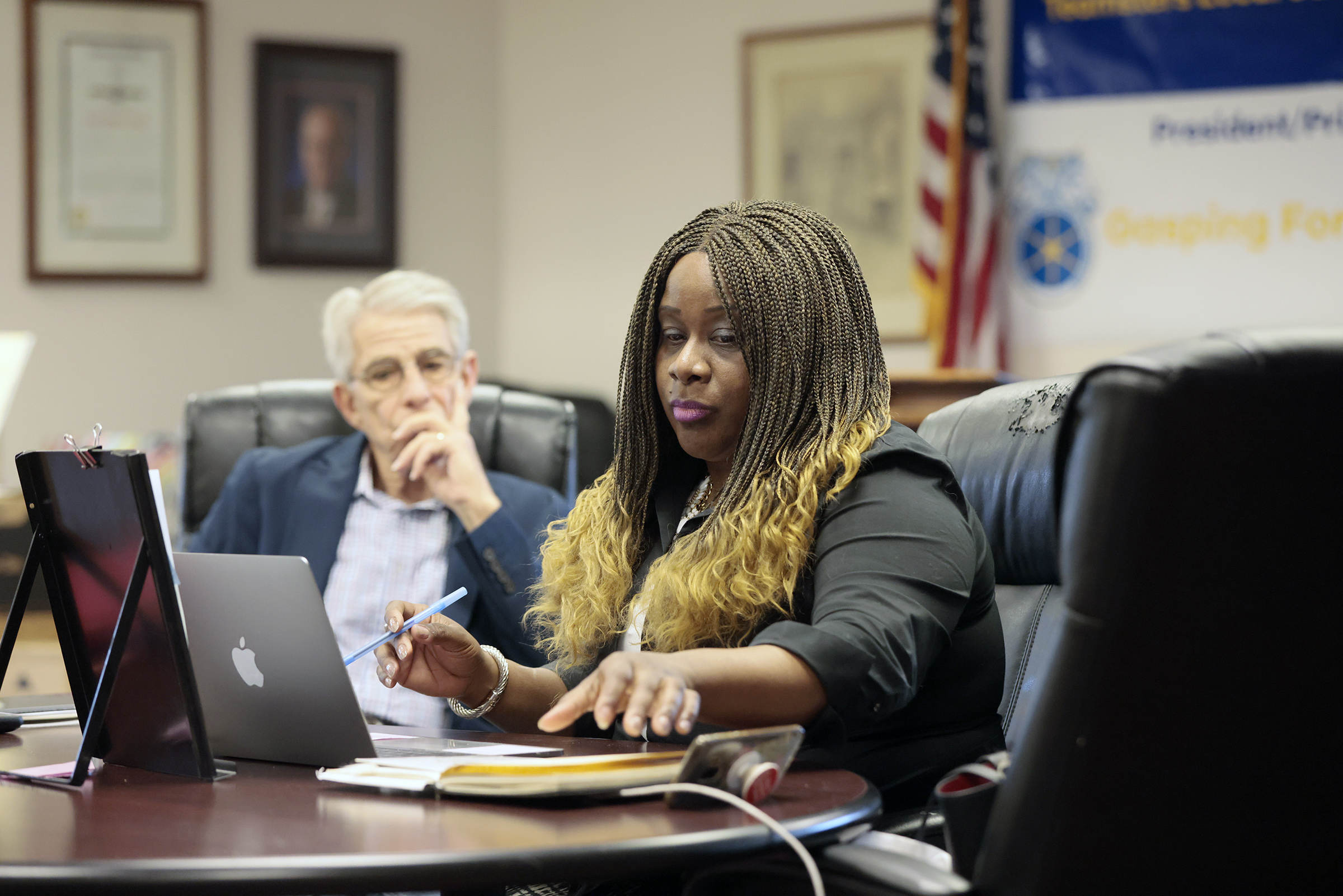
Robin Cooper, president of the union that represents district principals, said the effects of Thursday’s announcement will be felt for years.
“It’s a loss of history, a loss for Philadelphia,” said Cooper. “Schools are a family, and some families are breaking up.”
Cooper said she understands the math — the district has a lot of old buildings, many of which are have decades of deferred maintenance. A state court affirmed that the district has been underfunded for generations.
“We know that change is inevitable, but this is difficult because we are talking about our schools,” Cooper said. “My members are in shock. And we’re figuring out how do we continue to provide a stable environment for our school staffs and our students and parents.”
Though no closings would happen until the 2027-28 school year, Watlington said, the announcement was likely to have a destabilizing effect immediately. Site selection — the process by which teachers and other school staffers can apply for new jobs in the district — opens soon, and though they won’t be forced to find new positions immediately, some employees will likely move to jump now, before they’re pushed.
“This is massive,” said Cooper.
// Timestamp 01/22/26 12:25pm
Workshop School founder skeptical of Philly school closure plan
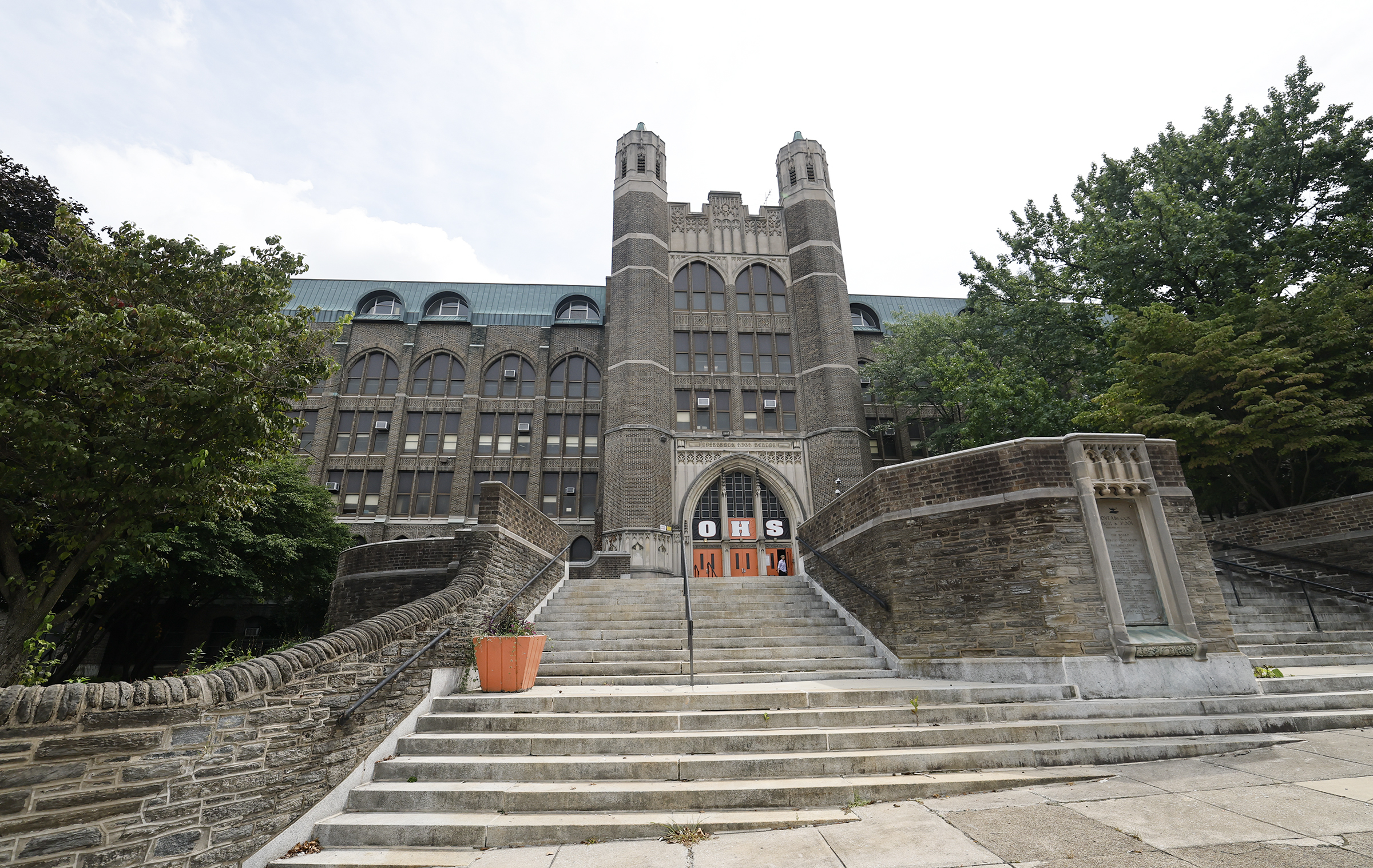
As the district released the school closure plan, Simon Hauger, founder of the Workshop School, was skeptical.
Given the school system’s billions of dollars in deferred maintenance, “the district does not have the talent and capacity to actually solve this problem,” Hauger said. “To me, that’s the part that’s most frustrating … This is not their expertise. The solutions they’re offering are not going to be good solutions.”
Under the plan, Workshop would move into the under-enrolled Overbrook High School in West Philadelphia — which “would be fine,” Hauger said. “There’s good stuff at that building.” But that only makes Overbrook, which Hauger estimated takes millions to run, “slightly more utilized,” he said. “It doesn’t make sense to me.”
The problem, Hauger said, is that closing a school like Overbrook High, which was not slated to shut, is “politically not easy.”
// Timestamp 01/22/26 12:04pm
Philly City Council members express concerns about school closure plan
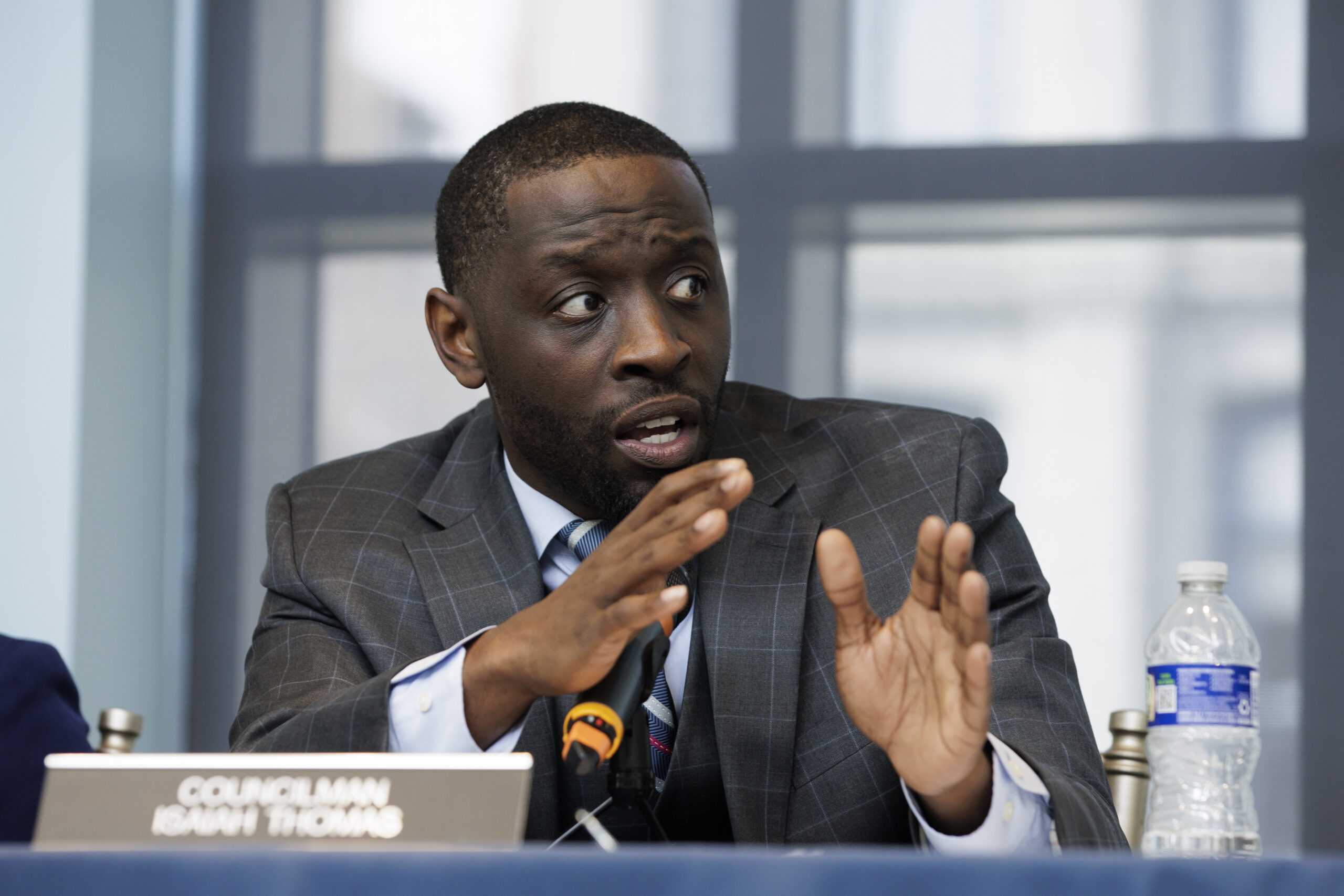
City Council members were meeting Thursday morning during the first meeting of the year as news of the school district’s facilities plan became public. Several members, who were briefed on the plan earlier this week, said they understood the need to close and consolidate schools but have concerns about how individual closures could impact communities.
“I’m Philly-born and raised, so there’s always like an emotional attachment to schools,” said Councilmember Isaiah Thomas, a Democrat who chairs the Education Committee. “They are a pillar in a lot of neighborhoods. Whenever you step into a conversation like this, you are always going to be super emotional.”
For example, Thomas attended Russell Conwell Middle School in Kensington, which is slated for closure under the facilities plan. He said he will “adamantly” oppose the district shutting Conwell’s doors.
Thomas did praise the district’s process for drafting its plan and said Superintendent Tony Watlington engaged in an open dialogue with lawmakers.
The district, he said, acted with clear “intentionality.”
Councilmember Curtis Jones Jr., whose district includes parts of West and Northwest Philadelphia, said some of the changes are encouraging, including an expansion of career and technical education planned for some schools, including Overbrook High School. Increasing the student body at the school instead of electing to close it, Jones said, is “right on point.”
Jones also said some co-locations make sense — “like a great peanut butter and jelly mix” — but others could combine students who come from different neighborhoods and backgrounds. He said the district must consider what merging those populations means for classroom dynamics.
“The places where the kids come from, that is always a dynamic that is under considered,” Jones said. “If I live in this neighborhood and got to travel to that neighborhood, what are the historical dynamics? That granular detail needs to be discussed.”
// Timestamp 01/22/26 11:39am
Philly teachers union president blames ‘chronic underfunding’ for school closing plan
Arthur Steinberg, president of the Philadelphia Federation of Teachers, said he’s waiting to see more granular details of the plan, including the list of schools that will be upgraded and what fixes are promised, and hopes information about how much weight was given to every factor that went into the decisions.
But, Steinberg said, “it is devastating for any community to lose their school — the parents, the kids and the staff.”
As for the process that led the district to this moment, Steinberg said it was abundantly clear even to advisory panel members that their viewpoints were just points of information for Watlington’s administration, that no promises about heeding any advice were made.
Either way, the closure of 20 schools and more changes that will have ripples across the city for years to come all lead back to one factor, he said.
“Without the chronic underfunding of the district,” said Steinberg, “we wouldn’t have gotten to this point.”
// Timestamp 01/22/26 11:33am
‘It’s heartbreaking’
Outrage mounted for some Thursday morning as district officials began quietly notifying affected communities and groups.
“It’s heartbreaking,” said Sharee S. Himmons, a veteran paraprofessional at Fitler Academics Plus, a K-8 in Germantown. “It feels like a family member is dying.”
Himmons is enrolled in the district’s paraprofessional pathways program, taking college courses to earn her degree and teacher certification. She was sitting in her math class at La Salle University when she found out Fitler was slated for closure. She began crying. She failed a test she was taking because her concentration was shot, she said.
“This school is such a staple in the neighborhood,” she said. Fitler is a citywide admissions school, but draws many students from the area. Himmons’ own sons attended Fitler, and she wanted to teach there after her college graduation.
“This isn’t over,” she said. “We’re going to fight — hard.”
// Pinned
// Timestamp 01/22/26 11:00am
Philly would close 20 schools in massive proposal
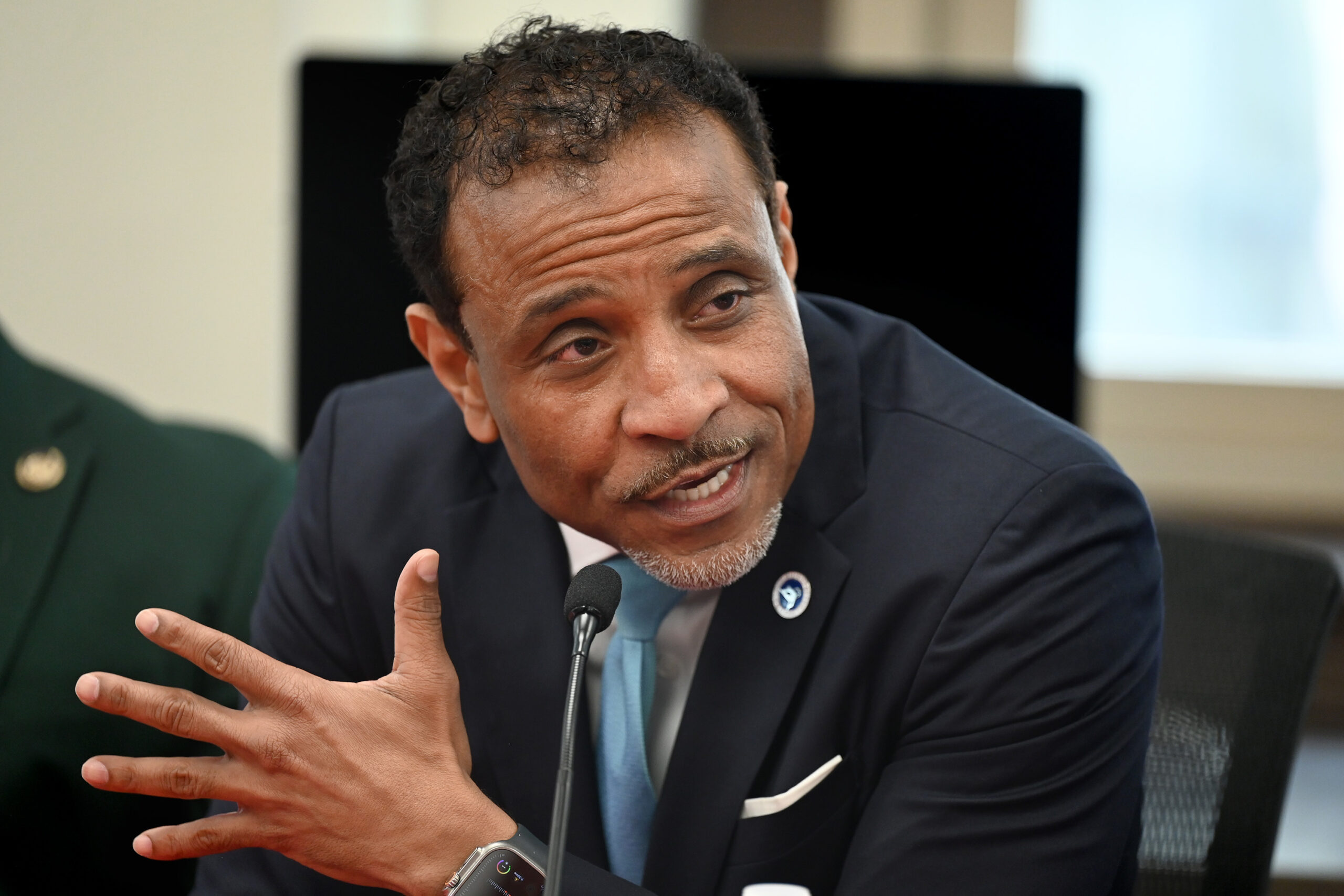
Wholesale changes are coming to the Philadelphia School District, with Superintendent Tony B. Watlington Sr. poised to propose a massive reshaping of the system, including closing 20 schools.
The plan, years in the making, would touch the majority of the district’s buildings: over a decade, 159 would be modernized, six co-located inside existing buildings, 12 closed for district use and eight closed and given to the city.
One new building would be constructed.
Change would come to every part of the city, but not until 2027-28. Closures would be scattered through most of Philadelphia, with North and West Philadelphia hardest hit.
Philadelphia, the nation’s eighth largest school system, now has 216 schools in 307 buildings, the oldest of which was built in 1889. It has 70,000 empty seats citywide, though some of its schools, especially those in the Northeast, are overcrowded.
// Timestamp 01/22/26 11:00am
What Philly schools could be closed?
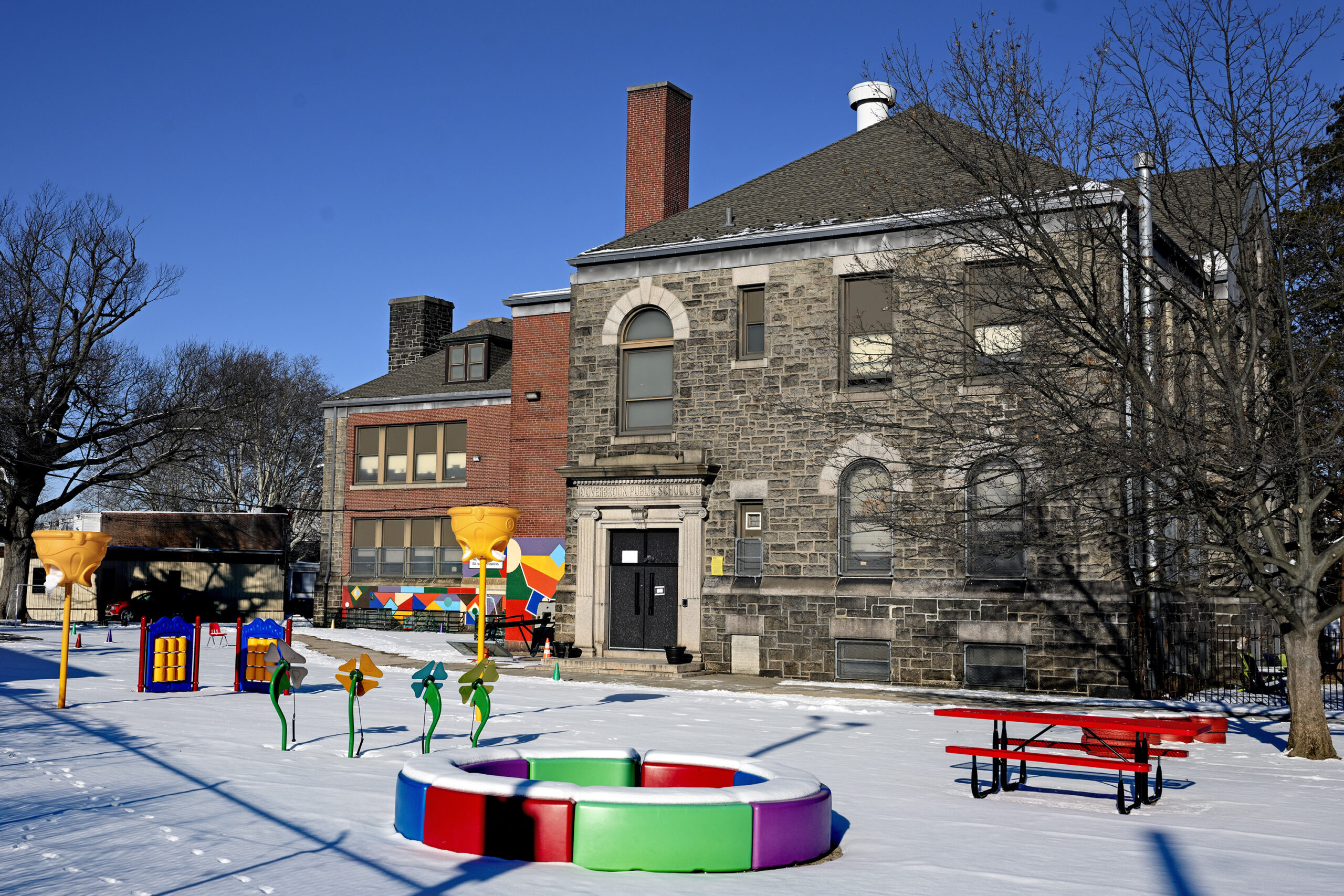
Here are the 20 schools that would close under Superintendent Tony B. Watlington Sr.’s revitalization plan:
Elementary schools
- Blankenburg
- Fitler
- Ludlow
- Overbrook
- Pennypacker
- Morris
- Waring
- Welsh
Middle schools
- AMY Northwest
- Conwell
- Harding
- Penn Treaty
- Stetson
- Tilden
- Wagner
High schools
- Lankenau
- Motivation
- Parkway Northwest
- Parkway West
- Robeson
(function() {
var l2 = function() {
new pym.Parent(‘school_closing1’,
‘https://media.inquirer.com/storage/inquirer/projects/innovation/arcgis_iframe/school_closing1.html’);
};
if (typeof(pym) === ‘undefined’) {
var h = document.getElementsByTagName(‘head’)[0],
s = document.createElement(‘script’);
s.type = ‘text/javascript’;
s.src = ‘https://pym.nprapps.org/pym.v1.min.js’;
s.onload = l2;
h.appendChild(s);
} else {
l2();
}
})();
Some of those schools, like Lankenau and Robeson, would become programs inside other schools — Roxborough High for Lankenau, and Sayre for Robeson. Others would close outright, with students assigned elsewhere.
Students at the affected schools would move into schools with similar or better academic outcomes or building conditions, or schools that are better by both measures, Watlington said. Transition resources would be available for schools, students and families from closing schools and for schools that take in new students.
Watlington said he did not anticipate job losses as a result of the closures.
What’s happening to the district’s 307 buildings?
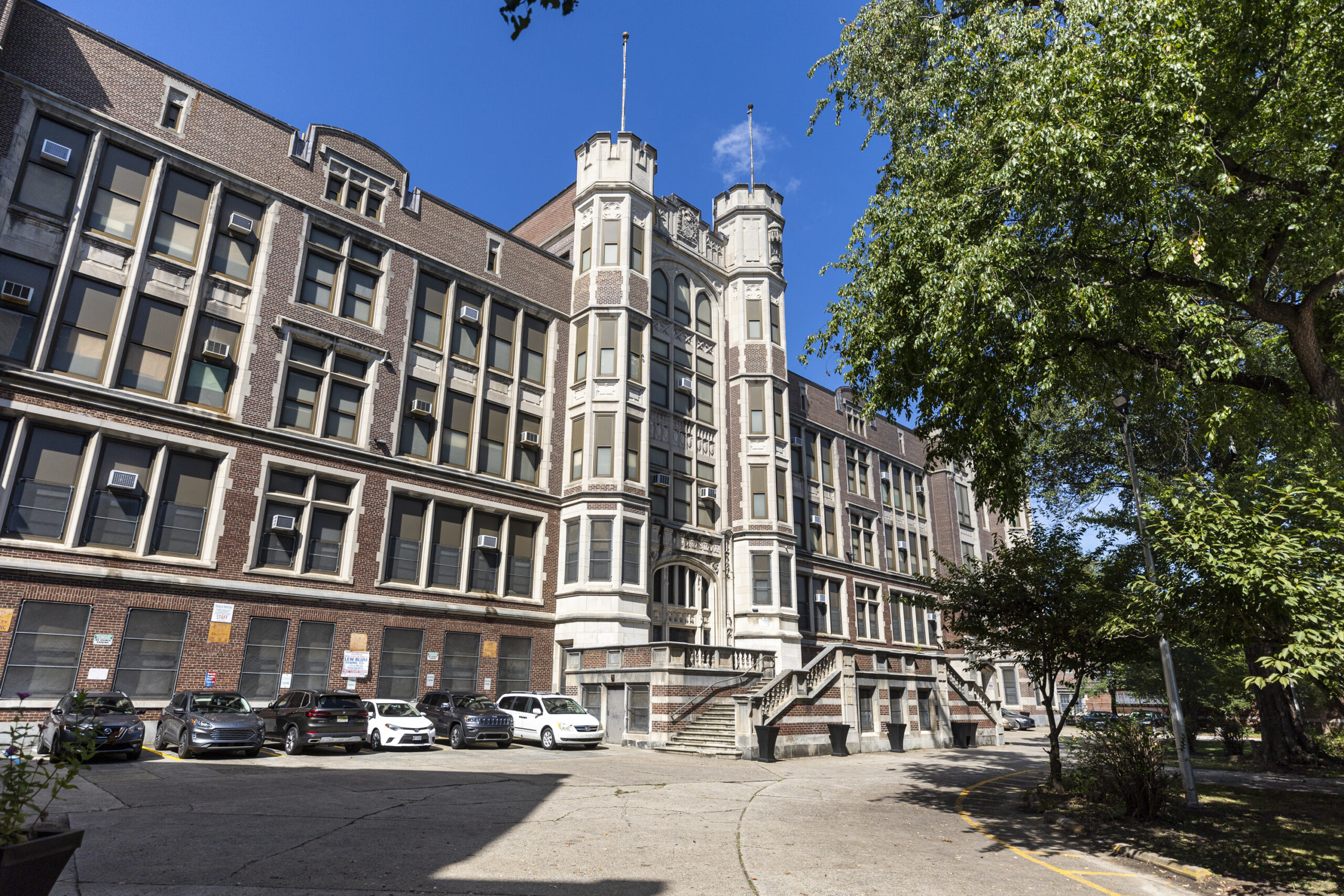
Most schools — 159 — would be modernized under the proposed plan. (Frankford High, which closed for two years because of asbestos issues and just re-opened this fall with $30 million of work to spruce it up, is an example the district cited of a modernization.)
An additional 122 fall into the “maintain” category, meaning they’ll just receive regular upkeep.
Six facilities would be co-located, meaning they would be two separate schools housed under one roof, each with its own principal and team.
Twenty schools would be closed.
A lot of shuffling is planned. Penn Treaty, now a 6-12 school in Fishtown, would close in its current form, but the building would stay open, housing the current Bodine High School, a magnet in Northern Liberties. Bodine’s building would become the home of Constitution High, which now occupies a rented space in Center City.
// Timestamp 01/22/26 11:00am
Leave a Reply