A flowery union at the PMA
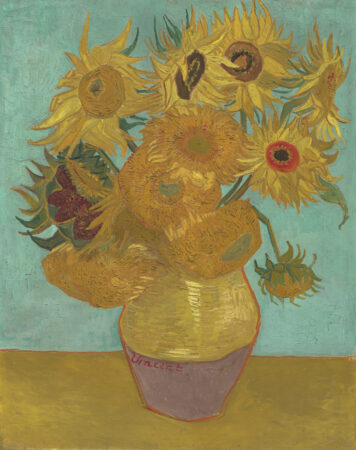
There’s a rare reunion at the Philadelphia Museum of Art this year: Two of Vincent van Gogh’s famous sunflower paintings are on view side by side. Only five large-scale paintings comprise his Sunflowers series, scattered over three continents. But now, Philadelphia gets a chance to see two together.
For the first time in its history, Sunflowers (1888), from the collection of London’s National Gallery, has traveled across the Atlantic for its United States premiere alongside the PMA’s own Sunflowers (1889). The London artwork shows the sunflowers on a pale yellow background while Philadelphia’s features a soft blue; both exemplify the artist’s desire to create what he described as “a symphony of blue and yellow.”
It’s a historic display of signature works by a world-famous artist who sadly never achieved critical acclaim during his lifetime. But, all of that aside, these are simply two marvelous paintings to see.
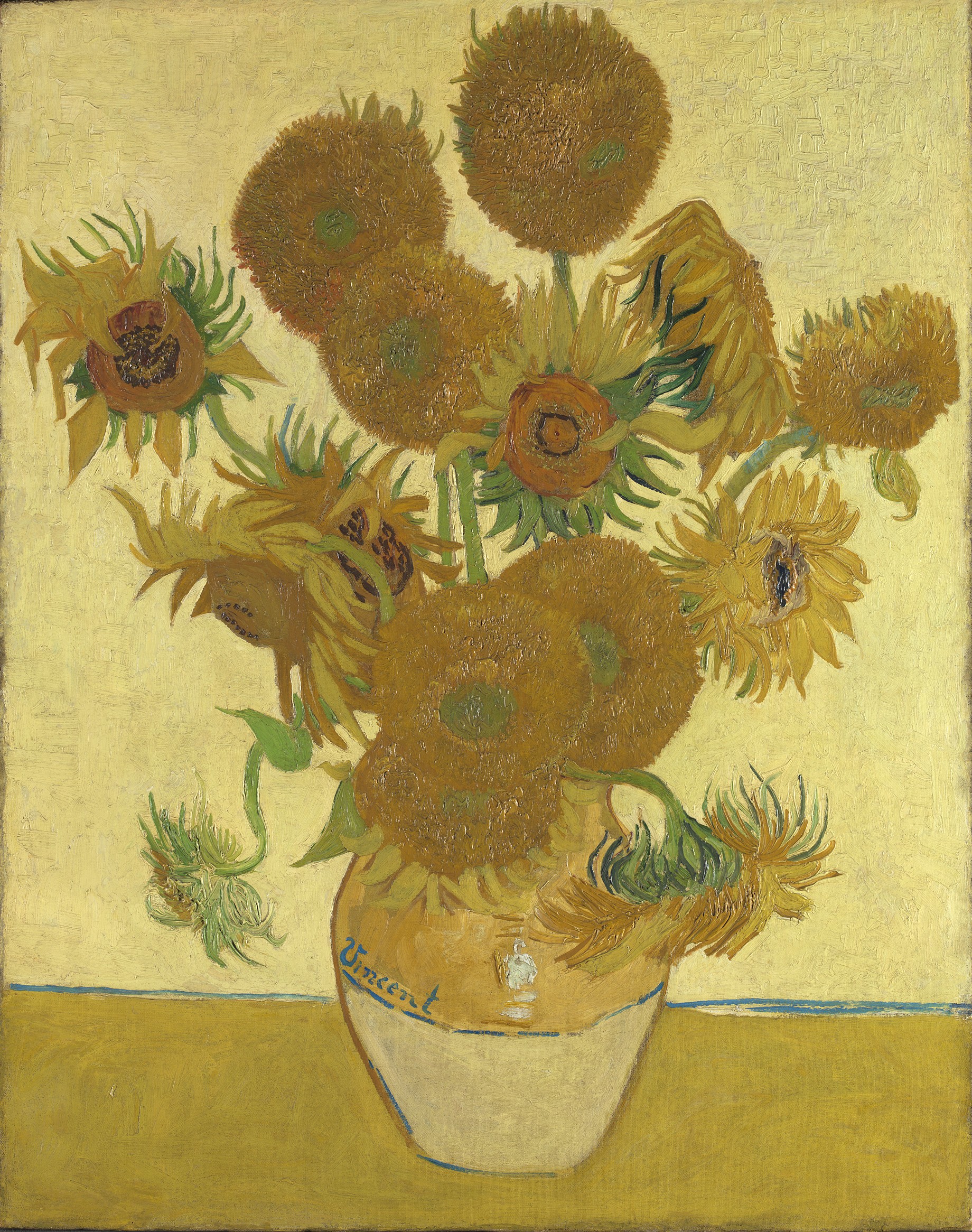
Photo: © The National Gallery, London
Their charm isn’t solely in the pretty subject matter; it’s all about the texture. Thick globs of paint in various shades of yellow give the appearance of a not-quite-settled image, enchanting the viewer with dynamic motion that can only be experienced up close. Each bloom has its own stylistic personality as the paint takes on an almost sculptural presence. Both paintings create a mesmerizing display — pictures truly don’t do it justice.
“Van Gogh’s Sunflowers: A Symphony in Blue and Yellow” is on view through Oct. 11 at the Philadelphia Museum of Art, 2600 Benjamin Franklin Pkwy, Philadelphia, 215-763-8100 or philamuseum.org.
— Rosa Cartagena
Kevin Devine at Spruce Street Harbor Park
Some of the best shows of the summer can be enjoyed for free, from a picnic table, with a Tecate in hand.
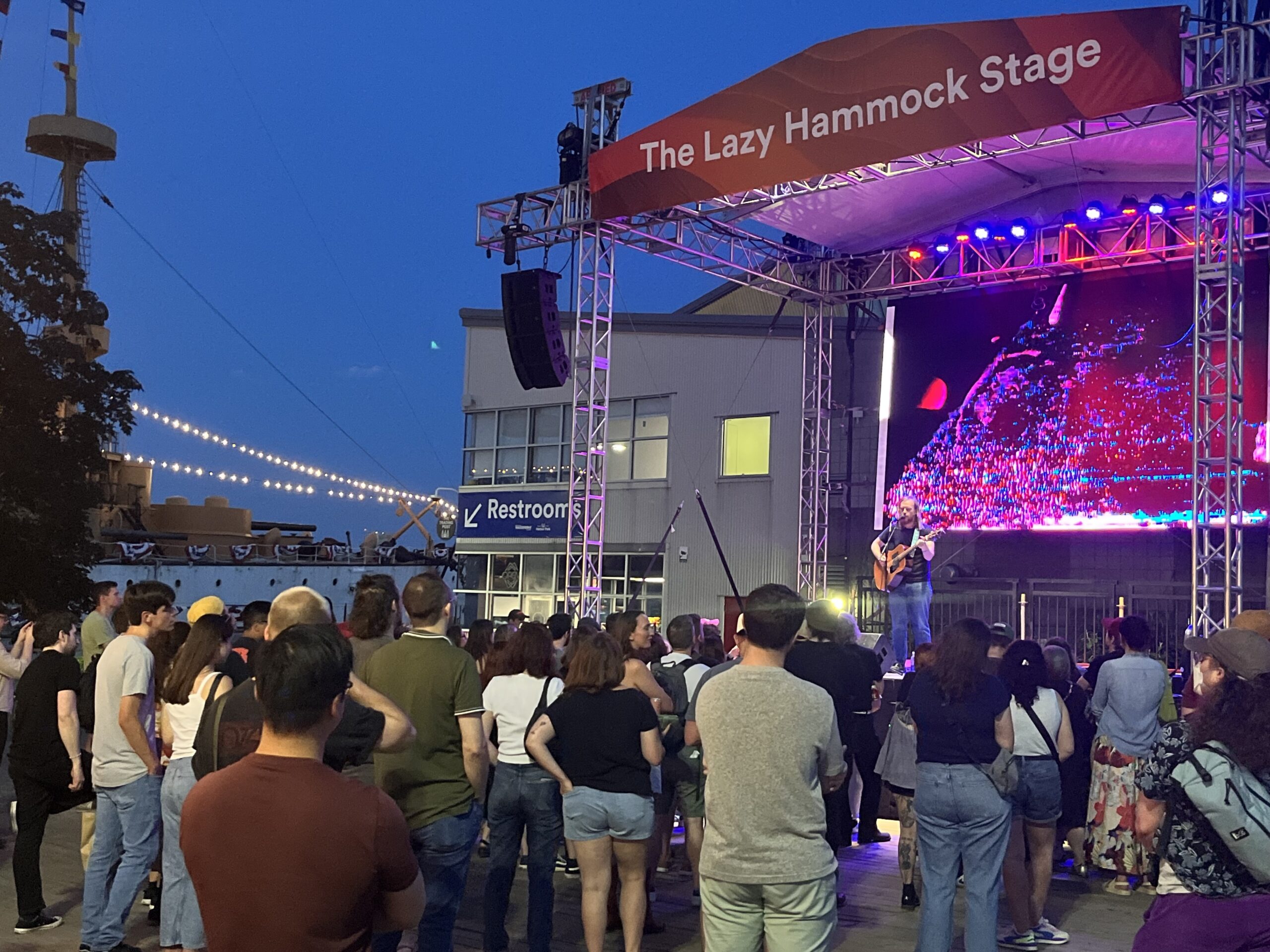
On Thursday night, I attended Kevin Devine’s free show at Spruce Street Harbor Park, where he was joined by openers Shannen Moser and Abi Reimold. It was the first of Devine’s short two-weekend tour through non-traditional spaces across the Northeast, including mostly house shows and an arcade.
For about an hour, Devine played — just him and his acoustic guitar — a stretch of old and new songs from his repertoire that dates back over two decades. Currently, Devine’s 11th LP is in the works. It will have distinct Philly ties, being recorded at Will Yip’s Memory Music Studios and produced by Steph Marziano, one of Hayley Williams’ longtime collaborators who cut her teeth in Philly’s music scene.
But back to Thursday night’s show. It was one of an impressive series of free shows at Spruce Street Harbor Park programmed by 4333 Collective.
Upcoming shows under the waterfront breeze include Oso Oso, Pissed Jeans, Iron Chic, and more. Here’s a list of all the free shows.
— Emily Bloch
The first telephone, at the Lits Building
Before the Please Touch Museum was the go-to hangout spot for our city’s adventurous toddlers, it housed the first Philadelphia Museum of Art.
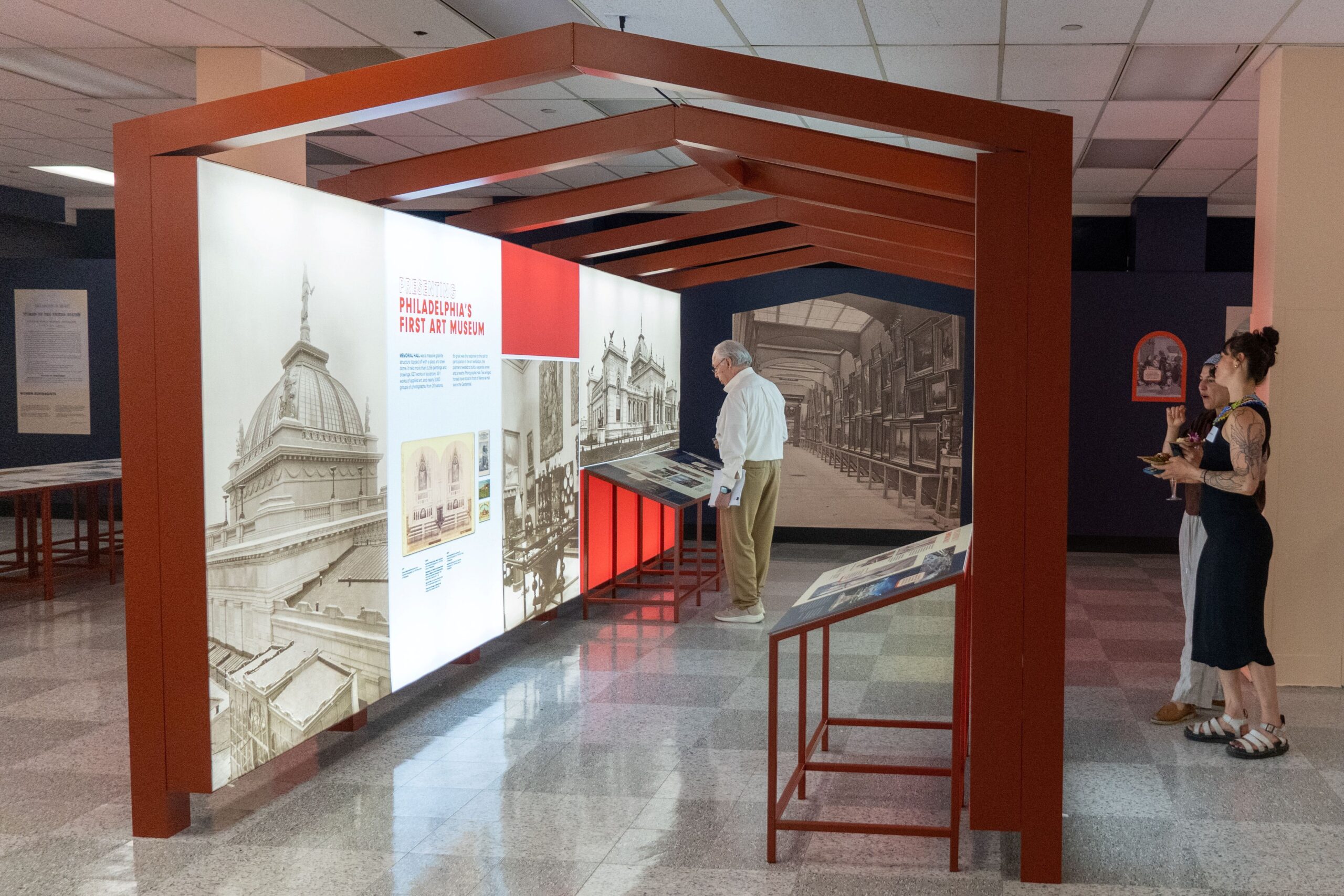
The 70,000-square-foot Beaux Arts building was originally built to showcase the work of late-19th-century American artists — including Philadelphia’s own Thomas Eakins — for the Centennial Exposition of 1876.
The five-month 100th birthday party for America is also known as the first World’s Fair on American soil.
The history of Memorial Hall is told in one of four pavilions featured in “Revisit 1876,” the 8,000-square-foot exhibition located in the ground floor of the Lits Building, produced by the nonprofit arm of the Center City District Foundation.
The exhibit aims to connect present-day Philly with the innovations that were introduced at the fair 150 years ago, said Paul Levy, the foundation’s executive director.
And they do a pretty good job.
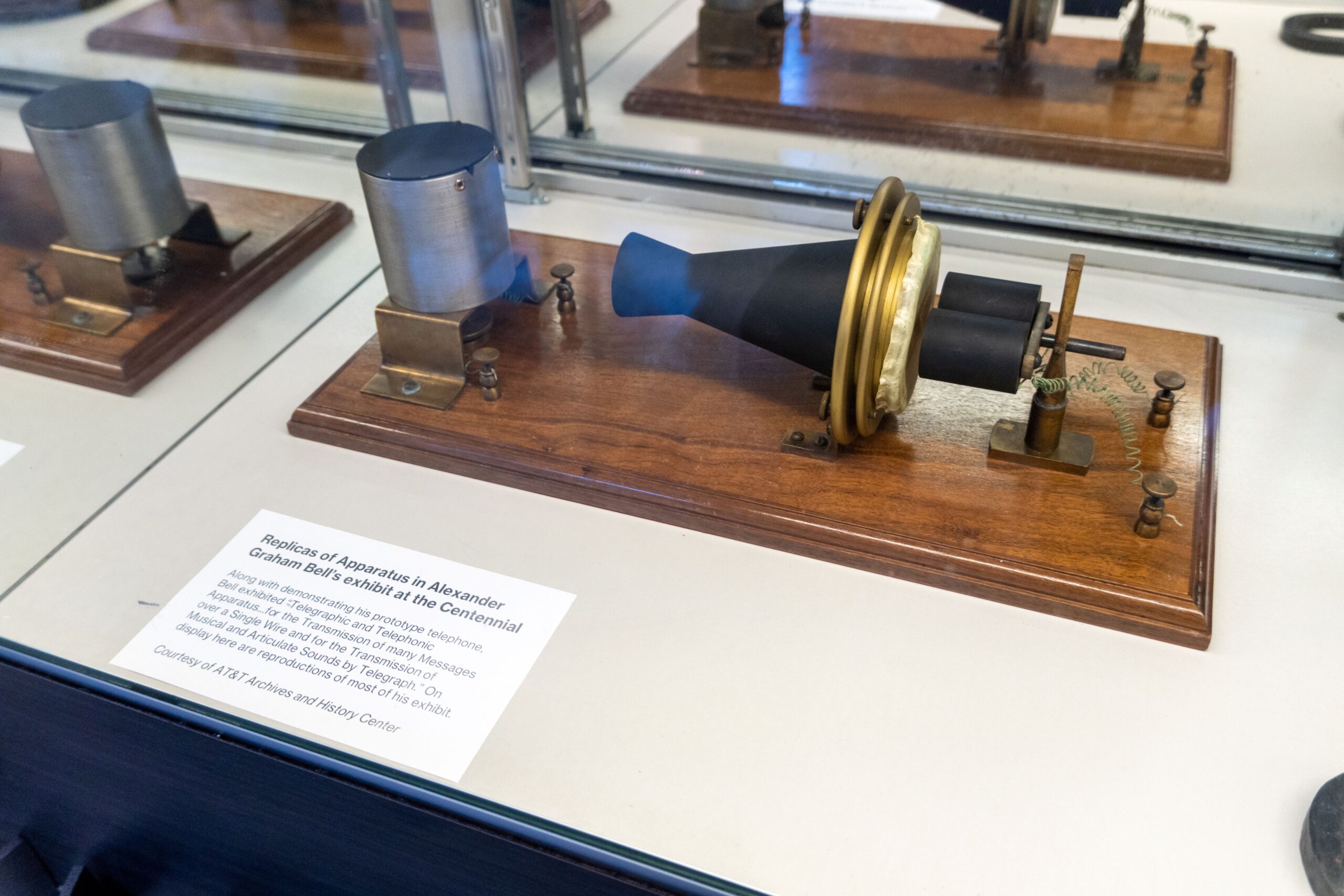
Silhouettes of women in corseted dresses and twirling umbrellas and dandy men in top hats greet visitors. Behind the sales counter is the replica of the first telephone that Alexander Graham Bell brought to the Centennial. Also behind the glass counter is a 3-foot terra-cotta model of the Statue of Liberty made by the original sculptor Frédéric Auguste Bartholdi.
There is even Centennial merch, including puzzles and wallets, all in pristine condition.
My favorite part is the flyover video from Independence Hall to Memorial Hall. It’s layered with historic photos connecting 2026 to 1876. In other words, the 2026 flyover includes our majestic City Hall. In 1876, it was an active construction site. (Construction started in 1871 and wasn’t finished until 1901.)
In addition to Memorial Hall, there are exhibits on Machinery Hall, Horticultural Hall, and the Main Building. A special section spotlights how the former enslaved abolitionist Frederick Douglass was prevented from speaking at the event and how Ben Franklin’s great-granddaughter Elizabeth Duane Gillespie fought to have women included.
“Revisit 1876” is open through December. The Lits Building is at 701 Market St. (Entrance is on the Eighth Street side). Admission is free.
— Elizabeth Wellington
Leave a Reply