Author: Michaelle Bond

  • Luxury homes in the Philadelphia area sell faster than in most other markets

    Luxury homes in the Philadelphia area sell faster than in most other markets

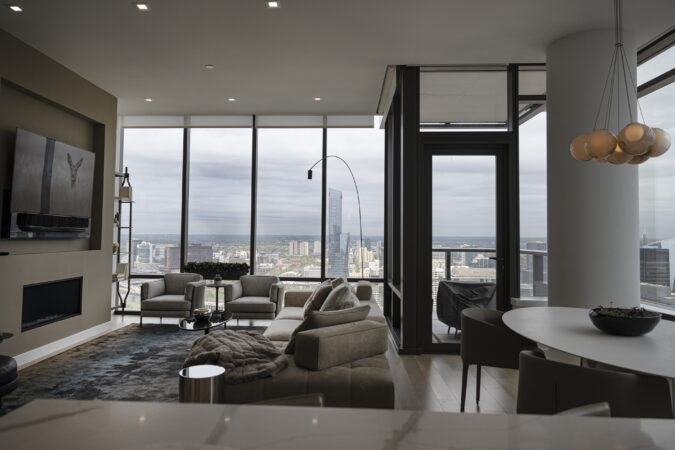
    The typical luxury home in the Philadelphia region sold faster in November than in most other places, according to an analysis by Realtor.com.

    Luxury homes in the Philadelphia metropolitan area sold in about two months — 64 days. That’s about a week quicker than at the same time last year.

    And it puts the Philadelphia area in the top 10 fastest-moving luxury markets.

    The Philadelphia region has both a strong demand for luxury homes and a housing supply that hasn’t kept up, which means homes on the market sell relatively quickly.

    Realtor.com labeled homes as luxury if their listing price was in the most expensive 10% of listings for their market. The company analyzed markets that had an average of at least 500 million-dollar listings over the 12 months through November.

    The country’s fastest-moving luxury markets span regions and price points. The fastest was the San Jose, Calif., metro area, where luxury homes sold in November in a median of 56 days. And of the 10 fastest-selling markets, the Philadelphia metro area had the second-lowest threshold for luxury homes: $898,989.

    Nationally, the luxury threshold in November was about $1.2 million. And homes listed at this price and above stayed on the market for a median of 78 days.

    window.addEventListener(“message”,function(a){if(void 0!==a.data[“datawrapper-height”]){var e=document.querySelectorAll(“iframe”);for(var t in a.data[“datawrapper-height”])for(var r,i=0;r=e[i];i++)if(r.contentWindow===a.source){var d=a.data[“datawrapper-height”][t]+”px”;r.style.height=d}}});

    The slowest-moving metropolitan area in November was Bend, Ore., where luxury homes sold in a median of 146 days. Its luxury market started at $1.85 million.

    The Heber, Utah, metropolitan area had the second-slowest market last month. Luxury homes there sold in a median of 136 days.

    But this area outside Salt Lake City also had the most expensive luxury market in November. Its luxury threshold was about $6.6 million, which was roughly 10% higher than at the same time last year.

    Falling luxury prices

    Nationally, the threshold for what constitutes a luxury listing — roughly $1.2 million — was down 2.3% in November from the same time last year.

    Luxury prices in November dropped from last year in eight of the 10 most-expensive metro areas.

    In the region of Kahului and Wailuku on Hawaii’s Maui island, the luxury price threshold of roughly $3.66 million was down 21% from last year — the steepest price drop of the markets Realtor.com analyzed.
  • These are the top searches by Zillow home shoppers in Pa., N.J., and beyond in 2025

    These are the top searches by Zillow home shoppers in Pa., N.J., and beyond in 2025

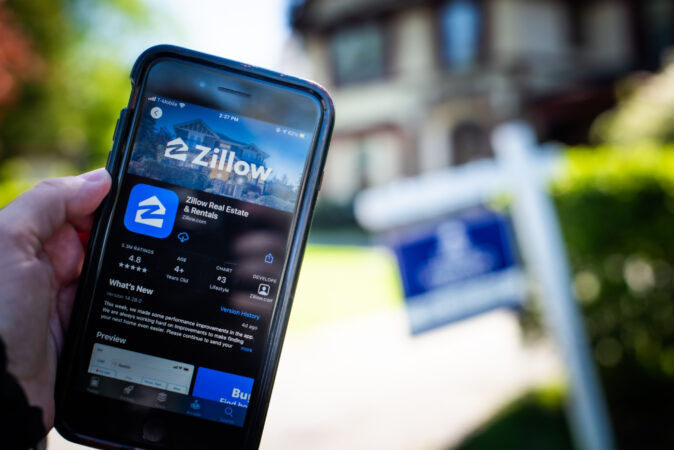
    This year, home shoppers on Zillow looked to make the most of spaces they could afford instead of looking for bigger and more luxurious homes, according to the company’s analysis of millions of searches.

    Zillow shoppers focused less on size than in the past and more on how flexible, comfortable, and livable a home would be, according to Zillow’s most popular search terms of 2025. Affordability likely helped drive this trend as homes have gotten more expensive.

    In 2025, Zillow saw fewer searches for mansions, acreage, and other terms tied to luxury living and more searches for smaller and cozy comforts, such as fireplaces, gardens, and fenced yards.

    Searches for accessory-dwelling units, guest houses, and in-law suites increased this year, reflecting buyers’ desire for properties that can meet evolving needs, including space for aging parents and potential for rental income.

    Zillow also saw more searches for outdoor features such as pools and yards and access to lakes and beaches.

    “2025 was the year people stopped searching for more home and started searching for more meaning at home,” Amanda Pendleton, Zillow’s home trends expert, said in a statement. “Across the country, buyers want homes that can flex for family, offer access to nature, and deliver small daily comforts that make life feel easier and more joyful.”

    In other words, buyers are looking for homes “that work harder,” Zillow spokesperson Claire Carroll said in a statement.

    “That shows up in growing interest in adaptable layouts, multiuse spaces, and lifestyle-driven features that make a home feel more intentional and functional,” she said.

    Top local searches

    In Pennsylvania, the top-searched word on Zillow was historic. In New Jersey, it was patio.

    In addition to historic homes, shoppers looking for Pennsylvania properties in 2025 also most often searched for cabins and farms and properties with a fireplace or lake this year.

    Shoppers in the Garden State were focused on the outdoors this year. They most often searched not only for a patio but also for yard, ranch, pool, and waterfront. The number of waterfront searches grew nationally this year.

    New Jersey shoppers also were fans of brick.

    And they, along with shoppers in New York, were most likely to search for mother-daughter homes, which are single-family properties made for multigenerational living. These homes have separate living areas and often separate kitchens and bathrooms.

    The popularity of these homes among Zillow shoppers reflects “growing interest in living arrangements that support aging parents, adult children, or extended family while still allowing for privacy and independence,” Carroll said.

    Top home design features for 2026

    Zillow anticipates that cozy and personalized homes will continue to be in high demand next year.

    Reading nooks are on the rise in Zillow home listings, according to the company’s latest report on home trends. And so are wellness features and spalike bathrooms.

    Golf simulators and pickleball courts also have gotten more prevalent in home listings.

    More sellers also are mentioning features that make their homes resilient and sustainable, including flood protection, fire safety features, zero-energy capability, and electric-vehicle chargers.

    Zillow expects that one of the boldest trends of 2026 will be color drenching. Homeowners cover a space — including walls, ceilings, trims, and doors — with the same color to create spaces that are dramatic and immersive.

  • Philadelphia’s homeownership rate fell during the pandemic as rates grew nationally and in other big cities

    Philadelphia’s homeownership rate fell during the pandemic as rates grew nationally and in other big cities

    The homeownership rate in Philadelphia fell more than it did nationally and in other major East Coast cities over the last two decades, according to an analysis by researchers at the Federal Reserve Bank of Philadelphia.

    Philadelphia’s homeownership rate fell by 5.1 percentage points — from 57.5% in 2005 to 52.4% in 2023, according to the report published this month. Over the same period, the national homeownership rate dropped 1.6 percentage points to 65.3%.

    Homeownership rates fell by less than 1 percentage point in Boston and New York and by 2.5 percentage points in Baltimore.

    Owning a home is how most U.S. families build wealth. Philadelphia has a relatively high homeownership rate among major U.S. cities and a tradition of homeownership among households with lower incomes.

    But affordability challenges in recent years have held Philadelphia back.

    The city’s homeownership rate did not rise during the pandemic as it did nationally and among other cities.

    The U.S. homeownership rate increased by 1.1 percentage points between 2019 and 2022. Rates in Boston and New York also rose slightly during this period. But the homeownership rate in Philadelphia fell by 1.1 percentage points.

    Philadelphia Fed researchers had heard about homeownership rates increasing in many places during the pandemic, “so the big surprise was the extent to which Philadelphia was having a very different experience,” said Theresa Singleton, a coauthor of the report and senior vice president and community affairs officer at the Philadelphia Fed.

    “Philadelphia’s had this long history of having affordable homeownership for so much of the population for so long,” she said. “And so seeing these numbers decline was the issue that really brought us to this topic, to revisit what are the factors contributing to this decline.”

    Researchers found that owning a home has gotten more expensive, and households are increasingly burdened by debt.

    Homeownership has become less affordable

    “Homeownership affordability is deteriorating in Philadelphia,” said Sisi Zhang, a coauthor of the report and community development economic adviser at the Philadelphia Fed.

    More than 60% of Philadelphia home sales were affordable to households with median incomes a decade ago. Now, fewer than 40% are affordable.

    Home affordability varies by race and ethnicity. Philadelphia’s typical white households — those making the median income among white households — can afford up to roughly 60% of home sales. Typical Black households in Philadelphia can afford up to about 26%. And this affordability gap has widened over the last decade.

    The gap between how many homes households with two earners can afford and households with fewer than two earners can afford also has widened. Non-dual-earner households used to be able to afford more homes.

    In 2013, dual-earner households could afford about 90% of the homes for sale, and non-dual-earner households could afford just over 50%. In 2023, dual-earner households could afford just over 80% of homes for sale, and non-dual-earner households could afford a little more than 30%.

    The report considered homeownership to be affordable if a household making the median income spends no more than 28% of that income on a mortgage, property taxes, and home insurance.

    All together, these costs have more than doubled in the last decade. In 2014, the annual estimated median cost of owning a home in Philadelphia was about $8,000. That cost grew to about $21,000 in 2024.

    Singleton said she was surprised at how significant the cost increases have been.

    Rising home prices are pushing up costs overall, and mortgage interest rates remain elevated. Increases in household income have not kept up with rising prices.

    These affordability challenges exist in cities and towns across the country, but Philadelphia stands out because residents’ incomes are so low compared to other cities of similar size and economic status, Singleton said. That “brings a certain other nuance” to challenges the city faces.

    Debt burdens

    Philadelphians’ debt increasingly is keeping them from buying homes or being able to comfortably afford homes, the Philadelphia Fed report found.

    High debt-to-income ratios have become the most common reason that aspiring homebuyers are denied mortgages.

    And even buyers who are approved for home loans have higher debt-to-income ratios than they did a few years ago.

    Debt and affordability trends highlighted in the report “suggest growing financial pressures on potential and actual homebuyers, particularly low- to moderate-income families,” the authors wrote.

  • Seeing culture ‘under attack,’ Philadelphians gathered in Germantown to celebrate Kwanzaa

    Seeing culture ‘under attack,’ Philadelphians gathered in Germantown to celebrate Kwanzaa

    In the roughly 20 years that Pamela “PJ” Johnson-Thomas and her husband, Weller Thomas, have celebrated Kwanzaa, they have usually marked the holiday at their home or the homes of friends.

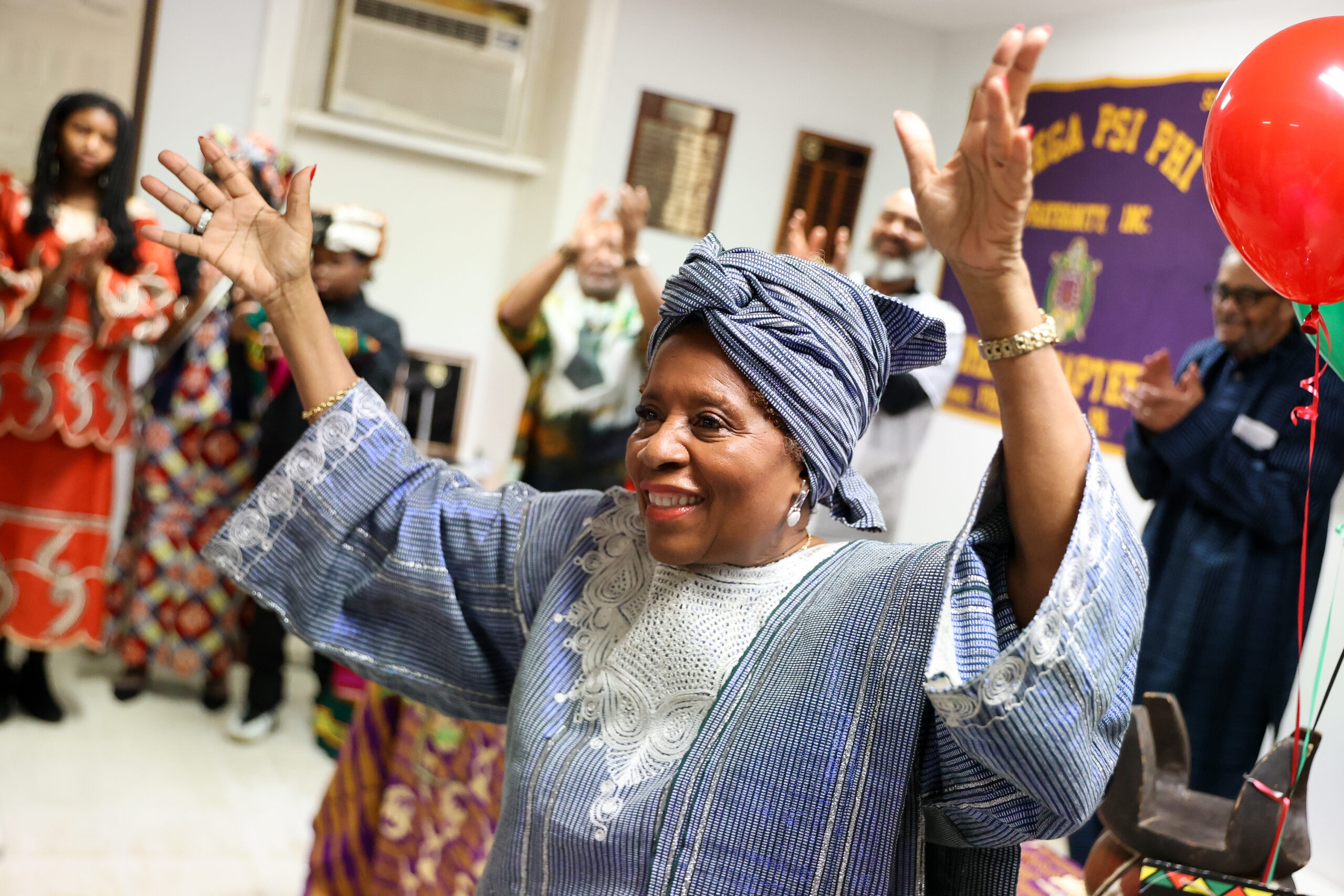
    This year, they wanted to expand their celebration. So they gathered about two dozen people at the Omega Psi Phi Fraternity Inc. House in Germantown on Saturday, the second night of Kwanzaa.

    This holiday “focuses on culture,” and “culture’s under attack,” Johnson-Thomas said. For example, this year, the Trump administration has targeted programs focused on diversity, equity, and inclusion; aimed to sanitize the history of American slavery; and disparaged Black immigrants and their home countries.

    “It’s up to us,” Johnson-Thomas said, to continue cultural traditions.

    Children and adults dressed in fine clothes with African prints lined up in the fraternity house’s meeting hall to light the seven candles of the kinara and talk about the seven principles of Kwanzaa: unity, self-determination, collective work and responsibility, cooperative economics, purpose, creativity, and faith. Traditionally, families light one additional candle each night of the seven-day holiday.

    PJ Thomas dances during the Kwanzaa ceremony at Omega Psi Phi Fraternity Inc. on Saturday, Dec. 27, 2025, in Philadelphia.

    Since Friday, families across the Philadelphia region and the world have been celebrating the annual African American and Pan-African holiday created in 1966 with the goal of uplifting people of African descent. The nonreligious holiday honors culture, community, and family.

    On the south side of City Hall, the candles of a Kwanzaa kinara are lit each day of the holiday, which ends on Jan. 1. Each year since 2017, Boathouse Row has been lit in Kwanzaa colors — red, green, and dark purple, which represents black — to celebrate.

    State Sen. Sharif Street, who is running to represent Philadelphia in Congress, told the people gathered in Germantown that “community is built from culture.”

    “This year I think we’ve seen more robust Kwanzaa programs than in any year in recent history,” Street said. “The purpose of Kwanzaa was to have a cultural celebration that united our people across religious, regional boundaries. … It’s great that we continue to have spaces and places where people can celebrate it.”

    Attendees of the celebration talked, laughed, danced, sang, ate, and played games together. They honored ancestors by calling out the names of family members and Black activists and cultural icons who have died.

    Vincenteen Paige, a friend of the hosts’, usually has yearly Kwanzaa gatherings at her house but was happy to join the broader celebration.

    “With all the things that are going on in politics and all the things that are being changed, you need something to hold. What did we have? What has meaning? I think people are looking for that,” she said.

    Thomas told the crowd that Kwanzaa is about unity. “It’s about bringing us all together and pulling together,” he said.

    He and Johnson-Thomas own a travel company called Pathfinders Tours & Travel, which formed out of the publication they ran for 25 years called Pathfinders Travel Magazine for People of Color. They regularly travel with groups to places inside and outside the United States.

    On a future trip, they want to return to Egypt with some young people, Johnson-Thomas said, because “I think they need to see their greatness.”

    “Everything we do,” she said, “we want to highlight the culture as it relates to African American people.”

    Brynne and Tai Elmore light the kinara during the Kwanzaa celebration at Omega Psi Phi Fraternity Inc. on Saturday, Dec. 27, 2025, in Philadelphia.

  • See what homebuyers can get for $390,000 in Lower Merion, Northeast Philly, and Camden County | The Price Point

    See what homebuyers can get for $390,000 in Lower Merion, Northeast Philly, and Camden County | The Price Point

    The Price Point compares homes listed for similar sale prices across the region to help readers set expectations about house hunting.

    Looking for a new home for the new year? You’ve got options if you have the region’s typical homebuying budget.

    Across the Philadelphia metropolitan area, homes sold for a median of $390,000 last month, according to the multiple listing service Bright MLS. That typical sale price is up more than 3% from last year.

    Here’s what a home shopper could get with a budget like this in three different neighborhoods in the region.

    Lower Merion condo in star location

    Wolverton & Co., a Montgomery County-based real estate company, sells and manages a lot of condos in the area of West Montgomery Avenue in the Haverford section of Lower Merion Township.

    “I call that stretch the golden mile of Haverford as it relates to condominiums,” said Will Wolverton, owner and broker of record at Wolverton & Co. “It’s a very desirable area.”

    There are restaurants and national and local stores, including at the nearby Haverford Square and Suburban Square shopping centers. Condo residents can walk to SEPTA’s Haverford station to catch Regional Rail trains. The Merion Cricket Club offers sports facilities and hosts dinners and galas.

    One condo currently for sale in the area is a two-bedroom, two-bathroom unit at Haverford Hunt Club, a building with 16 units on four floors. Condos there include both one-bedroom and two-bedroom units.

    The building is about 45 years old but has been “thoughtfully updated” in both looks and critical infrastructure, such as the elevator and the roof, Wolverton said.

    The condo for sale gets a lot of natural light, he said. And it’s on the top floor, so buyers won’t have upstairs neighbors. It also has a private balcony and a reserved space in the property’s parking lot.

    The last several serious buyers have been most interested in the neighborhood, Wolverton said.

    “It’s a very good property,” he said, “and a great location.”

    The condo was listed for sale for $385,000 on Oct. 20.

    An unusual Mayfair twin

    This home in the Mayfair neighborhood of Northeast Philadelphia stands out in a few ways, said listing agent Xiao Zhen Zhao, who works throughout this section of the city, as well as Fishtown and Northern Liberties.

    The open kitchen is “very unique” for the area and includes bar seating, said Zhao, an agent with Legacy Landmark Realty.

    The primary bedroom has a private bathroom, which isn’t common in older homes in Northeast Philadelphia, she said. A lot of houses have only one full bathroom, she said. One of the bathrooms features a skylight and pink tiles on the walls.

    And the home is “a bigger twin,” she said. It spans 1,868 square feet.

    The home has a backyard and a walk-out finished basement, which has a half bathroom. It also has a garage and driveway.

    The twin is in an area of the city where houses are more affordable and parking is easy. It’s within walking distance of schools. It’s minutes from stores and restaurants along Cottman Avenue, and it’s right off Pennypack Park.

    Potential buyers have liked the layout of the home and also the look of it, Zhao said.

    “A lot of people like the brick,” she said.

    The twin was listed for sale for $389,000 on Nov. 21.

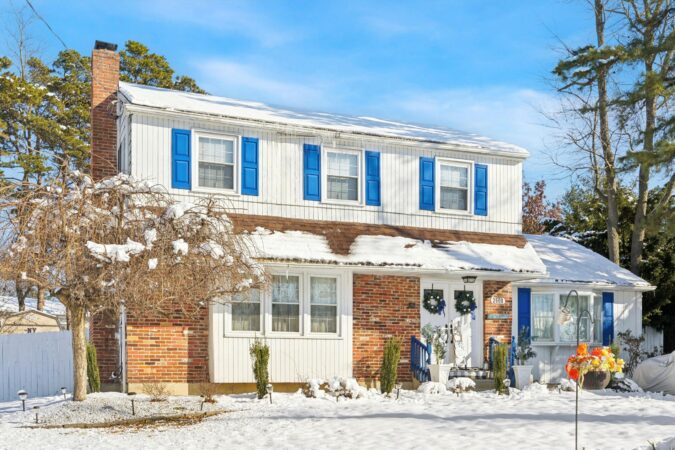
    A Colonial charmer in Gloucester

    Potential buyers touring this Colonial in Camden County have fallen for its charm, said real estate agent Evangeline Gambardella. “Because it is a very charming space.”

    The living room features a brick fireplace and a large window that lets in natural light and frames views of the front yard.

    The layout is more open than in a traditional Colonial, especially in this area of Gloucester Township, said Gambardella, a real estate agent with the Mike McCann Team, which is an affiliate of Keller Williams.

    The owners have recently updated the property. The home has new landscaping, a roof that is about 4 years old, a new fence, and a new heating, cooling, and ventilation system.

    Gambardella said this work makes the property ideal for first-time homebuyers, people who are downsizing, or anyone who doesn’t want to undertake large projects.

    “It presents a really lovely value for its price point,” she said.

    The home’s kitchen includes an island with seating. And a door in the formal dining room opens to the deck, which has a retractable awning.

    Home shoppers who have visited the property like its spacious backyard and its location. It is minutes from the Gloucester Premium Outlets and the Deptford Mall, has easy access to major highways, and is close to parks and restaurants.

    The home’s unfinished basement also is a “huge selling point for a lot of people” who want to decide what to do with the space, Gambardella said.

    The house was listed for sale for $389,000 on Dec. 20.

  • Many renters say they’ll never buy a home, according to a national survey

    Many renters say they’ll never buy a home, according to a national survey

    This year, renters were burdened by housing costs, pessimistic about the economy, and less likely to say homeownership is part of the American dream, according to a survey by the national rental listing platform Zumper.

    Zumper surveyed more than 6,000 renters across the country as part of its annual report about the state of renting. The report gets at renters’ feelings and behaviors and evolving trends.

    Affordability remains a challenge for renters, even as more apartments flooded markets in recent years, giving renters more options and negotiating power and cooling rent growth. In Philadelphia, the median asking rent in December for a one-bedroom home — $1,490 — was down about 2% from the same time last year, according to Zumper.

    The report also gives insights into what renters want. Almost one in five renters who were surveyed said access to outdoor space is a top-three priority when choosing a home. About one in four renters said eco-friendly features were important.

    And almost half of renters — 45% — said they have pets, from cats and dogs to lizards and iguanas. In an analysis published last year, Zillow found that landlords who allow pets rent their homes faster.

    Here are three takeaways from Zumper’s report on the state of renting in 2025.

    Renters are struggling

    Roughly three in five surveyed renters are cost burdened. That means they spend more than 30% of their income on rent. But the average renter said they spend 40%.

    Renters don’t feel great about the economy. Four in five said they are uncertain or not confident about it, and about two-thirds said they think the country is in a recession.

    One in five renters said they moved to lower their cost of living.

    Almost three in four renters said they save 15% of their income or less every month. About one in four have student loans, and almost half have credit card debt. That all makes it difficult to cover emergencies or save for future plans, such as homeownership.

    Three in four renters said 2025 was not a good time to buy a home.

    Fewer renters dream of homeownership

    In 2021, 27% of surveyed renters said homeownership was not part of the American dream. That share has grown to 34% this year.

    And now 60% of renters say the new American dream means being “untethered” from homeownership, Zumper’s report said. And 30% of renters said they do not ever plan to buy a home.

    These shifts “reflect both economic pressures and changing cultural values,” according to Zumper’s report.

    The older that surveyed renters were, the less likely they were to say they would ever buy a home. Baby boomers also were the generation least likely to say that homeownership is part of the American dream.

    People aged 65 and older are the fastest-growing population of renters in the Philadelphia region, according to Point2Homes, a national rental home listing portal.

    These rental destinations were popular

    The top five cities that renters said they were moving to include one in the Northeast and two in California.

    The most popular city for a move was Los Angeles. Zumper cited the city’s climate and residents’ lifestyles.

    Next on the list was Atlanta, followed by New York City, San Francisco, and Charlotte, N.C.

    The report said Atlanta and Charlotte offer growing job markets and affordability compared to other coastal cities. It said New York’s high rents were probably why the city wasn’t higher on renters’ list.

    And renters were attracted to San Francisco in part because of its tech scene.

    After a shift to remote work during the pandemic, more workers now need to go into an office at least some of the time. In 2021, Zumper’s survey found that about 25% of renters only worked from home. That share is down to 12%.

    So it’s not a surprise that renters said they were moving to cities that are major job centers. A commute was the third-most-cited deciding factor for renters’ locations.

  • Good luck affording an apartment in Philly if you earn minimum wage

    Good luck affording an apartment in Philly if you earn minimum wage

    Out of the 50 largest metropolitan areas, the Philadelphia region is where minimum-wage earners must work the most hours to afford rent.

    Two workers who make Pennsylvania’s $7.25 minimum hourly wage would each have to work 96 hours per week to afford the Philadelphia metropolitan area’s median asking rent of $1,739 in November, according to an analysis by Realtor.com.

    Only five of the top 50 metros have rents that are affordable without overtime for a household in which two workers make the minimum wage. In all five metros, the minimum wage is above the federal floor of $7.25, and the median rent is lower than the median across the 50 metros.

    The most affordable metro is Buffalo, N.Y., where two workers making the state’s minimum wage of $15.50 would need to work only 30 hours per week each to afford the region’s median asking rent of $1,176 in November.

    For Pennsylvanians in the Philadelphia region, the state and federal minimum wages are the same, and the median rent is above the $1,693 median rent for the 50 metros.

    Joel Berner, senior economist at Realtor.com, noted that demand for workers often pushes the lowest actual starting wages above mandated minimums. But in areas with high costs of living, even wages driven higher by market forces or increases to the state minimum don’t close “the affordability gap.”

    “It’s a clear signal that housing costs continue to pose a massive hurdle for those at the bottom of the pay scale,” Berner said in a statement.

    Rents were considered affordable if they were no more than 30% of renters’ income.

    window.addEventListener(“message”,function(a){if(void 0!==a.data[“datawrapper-height”]){var e=document.querySelectorAll(“iframe”);for(var t in a.data[“datawrapper-height”])for(var r,i=0;r=e[i];i++)if(r.contentWindow===a.source){var d=a.data[“datawrapper-height”][t]+”px”;r.style.height=d}}});

    Nationwide, rents have moderated in recent years. But in November, the median rent across the top 50 metros was still 17% higher than just before the pandemic in November 2019.

    Danielle Hale, chief economist at Realtor.com, pointed out that some states’ minimum wages are scheduled to increase in the new year, which “will help to improve affordability for the most burdened households.”

    “While the challenge remains immense, particularly in high-cost areas, the number of metros where two minimum-wage earners can afford a typical rental without working overtime will grow in 2026, a positive sign,” she said in a statement.

    Two metros are set to join these ranks next year: Detroit, where the minimum wage is scheduled to increase from $10.56 to $13.73; and Jacksonville, Fla., where the minimum wage will increase from $13 to $15.

    The number of hours people need to work will drop most in Florida metros. Two minimum-wage workers living together in Tampa would each need to work 45 hours per week in 2026 to afford the median asking rent. That’s down seven hours from this year.

  • Philadelphia is the only big city on Zillow’s top 20 list of most popular housing markets

    Philadelphia is the only big city on Zillow’s top 20 list of most popular housing markets

    Zillow’s list of the most popular real estate markets of 2025 is dominated by midsize cities in the Midwest. But one large city ranked in the top 20: Philadelphia.

    The main driver of popularity is housing affordability, which helped push Philadelphia up the list.

    The city also remains popular because of its central location on the East Coast between major job hubs such as New York and Washington. And Philadelphia is a place people want to be for its culture, restaurants, and music and arts scenes, said Orphe Divounguy, senior economist at Zillow.

    But “that affordability can’t be overstated,” he said.

    “Relatively more affordable markets are really seeing more rapid home value appreciation and more traffic on Zillow,” he said. The company considered these factors, as well as the number of days properties took to sell this year, to rank the popularity of cities.

    In many of the top 10 most popular markets, the median home value in November was less than $350,000. These markets are near growing job markets or sit along key commuter routes and are small enough to offer a sense of community, according to Zillow.

    Homes in the most popular markets tend to go under contract in days instead of weeks. And they’re growing in value.

    Most of the cities on the top 20 most popular list — with the exception of No. 19 Philadelphia — range in population from about 100,000 to 300,000 people.

    In Philadelphia, the median home value in November — about $230,000 — was up almost 3% from last year, and homes for sale took a median of 20 days to go under contract this year. And more searches for Philadelphia listings on Zillow are coming from outside the region, which shows broad interest.

    Allentown was the only city in Pennsylvania to make Zillow’s top-10 list of popular markets this year.

    window.addEventListener(“message”,function(a){if(void 0!==a.data[“datawrapper-height”]){var e=document.querySelectorAll(“iframe”);for(var t in a.data[“datawrapper-height”])for(var r,i=0;r=e[i];i++)if(r.contentWindow===a.source){var d=a.data[“datawrapper-height”][t]+”px”;r.style.height=d}}});

    Lessons from the list

    A lot of the smaller cities on Zillow’s most popular list are near big, more expensive cities.

    For example, the most popular market this year — and the second most popular last year — is Rockford, Ill., which is 90 miles outside Chicago. Residents can access a large job center without paying big-city home prices.

    Rockford is popular with out-of-town home shoppers, and homes went under contract within just five days this year. It was one of the fastest-moving markets on Zillow’s list.

    Divounguy expects buyers will continue to be attracted to more affordable markets that have homes available to buy and will move away from expensive markets where fewer homes are built.

    “Philadelphia, because it’s so attractive, needs to continue to build housing,” he said. “It needs to keep up with the interest people have to live in the area.”

    More city superlatives

    Albany, N.Y., is the third most popular city on Zillow’s 2025 list and the most popular in the Northeast.

    The most popular small town on the list — defined as a place with no more than 20,000 people — is Lake Forest, Ill., which is 30 minutes outside Chicago. Zillow said the town’s proximity to a big city, historic charm, and position along Lake Michigan make this market attractive for homebuyers.

    Among cities with more than 250,000 residents, Toledo, Ohio, is most popular. The median home value is an affordable $126,000, and it’s on the tip of Lake Erie.

    For the second year in a row, Portland, Maine, is Zillow’s most popular vacation town. The company said Portland’s historic architecture, food, and arts scene attract homebuyers.

    Bullhead City, Ariz., is the most popular retirement town and draws residents with warm temperatures and outdoor recreation along the Colorado River, Zillow said.

    And Normal, Ill., the site of Illinois State University, is the most popular college town. Zillow cited its revitalized shopping and dining district. State College, home to Penn State, is a runner-up.

  • Philly buildings to watch in 2026 | Real Estate Newsletter

    Philly buildings to watch in 2026 | Real Estate Newsletter

    In Philadelphia, developers who want to build big development projects need to submit their plans for public input.

    A board made up of architects, planners, and other experts give their two cents about projects that can change the look and feel of neighborhoods.

    The group is advisory only. But meetings of the Civic Design Review committee give neighbors a chance to voice their opinions and require developers to publicly answer questions.

    And the process offers a look at what’s coming down the pipeline.

    Learn about the 18 big projects across Philadelphia that came before the committee this year.

    Keep scrolling for that story and more in this week’s edition:

    — Michaelle Bond

    P.S. We’re taking a break next week for Christmas. The newsletter will return on Jan. 1.

    If someone forwarded you this email, sign up for free here.

    18 big development projects planned

    This year, Philly’s Civic Design Review committee considered 18 projects that developers want to build across the city. Plans call for new homes, garages, a self-storage facility, and a hotel.

    We looked at the projects and laid out what’s coming where and from which developers. So when someone asks you what’s being built on some corner near you, you have an answer.

    Below is a taste of what’s to come.

    Senior housing in Sharswood

    • This development of 65 apartments is one of the last pieces of the Philadelphia Housing Authority’s 10-year plan to redevelop the North Philly neighborhood.

    Mount Airy apartment building

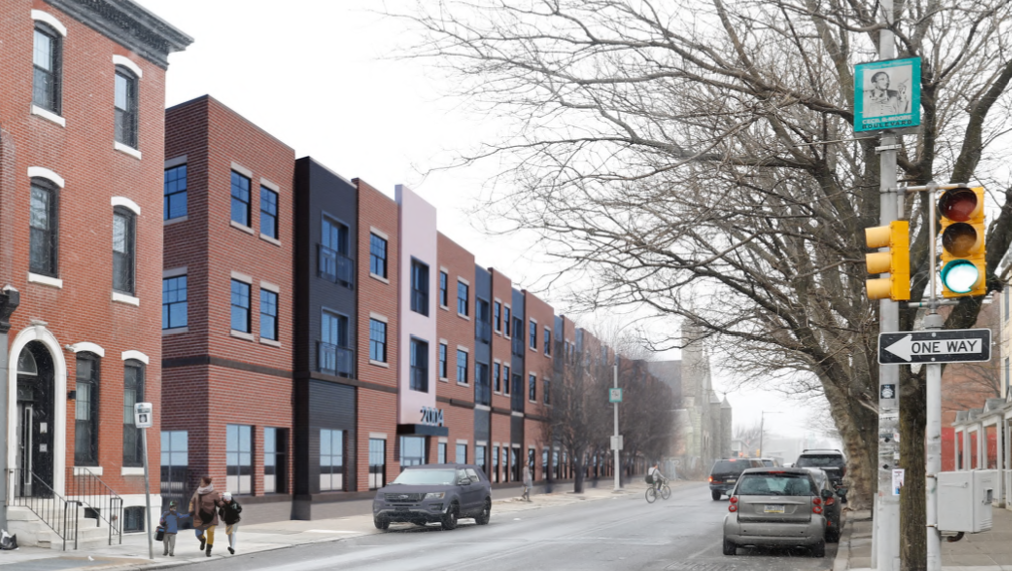
    • This five-story building will have 81 apartments and space for retail. The developer plans to offer all the homes for below-market-rate rents.

    Largest apartment building in recent memory in Roxborough

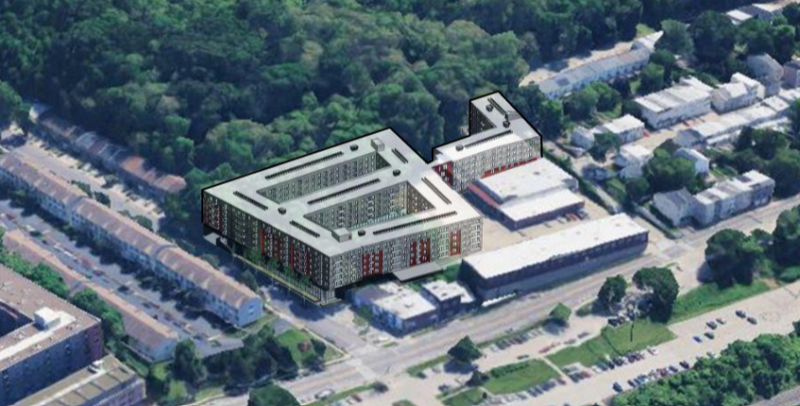
    • This building will have 384 apartments and almost as many parking spots.

    Keep reading to learn more about these and other projects and where they all stand.

    Selling for double

    Owners of rental properties around Temple University have been struggling. A bunch of apartments were built for students, but then enrollment dropped. Vacancies are up, and rents are down.

    In spite of this rough real estate environment, some properties in the area have sold for about double their original listing price.

    And these sales are tied to one local real estate agent.

    In one example, an eight-bedroom rowhouse that was listed for $475,000 — $40,000 less than the owner paid for it two years before — sat on the market for a year.

    After Patrick C. Fay got involved as the buyer’s agent, the rowhouse was re-listed for $875,000 this April and went under contract the same day.

    My colleagues Ryan W. Briggs and William Bender looked at almost three dozen other sales that Fay handled over the last year and found a similar pattern.

    A small group of repeat buyers are involved in transactions. And some of them have been linked to a mortgage fraud scheme from the 2000s.

    Keep reading to learn more about these mysterious sales and see how they could affect the broader North Philly area around Temple.

    The latest news to pay attention to

    Home tour: Christmastime in Ocean City

    Ginny Chappell owns a century-old house on an Ocean City road known as Dollhouse Row.

    She’d been dreaming of owning a home on the road for years, but her real estate agent gave her a reality check: the properties stay within families and almost never sell.

    But five years after Chappell settled for another home in Ocean City, she got the call that a Dollhouse Row house was going on the market.

    Her home is now one of the stops on a holiday tour of houses in the city. Earlier this month, folks came through to see her blue and white decorations.

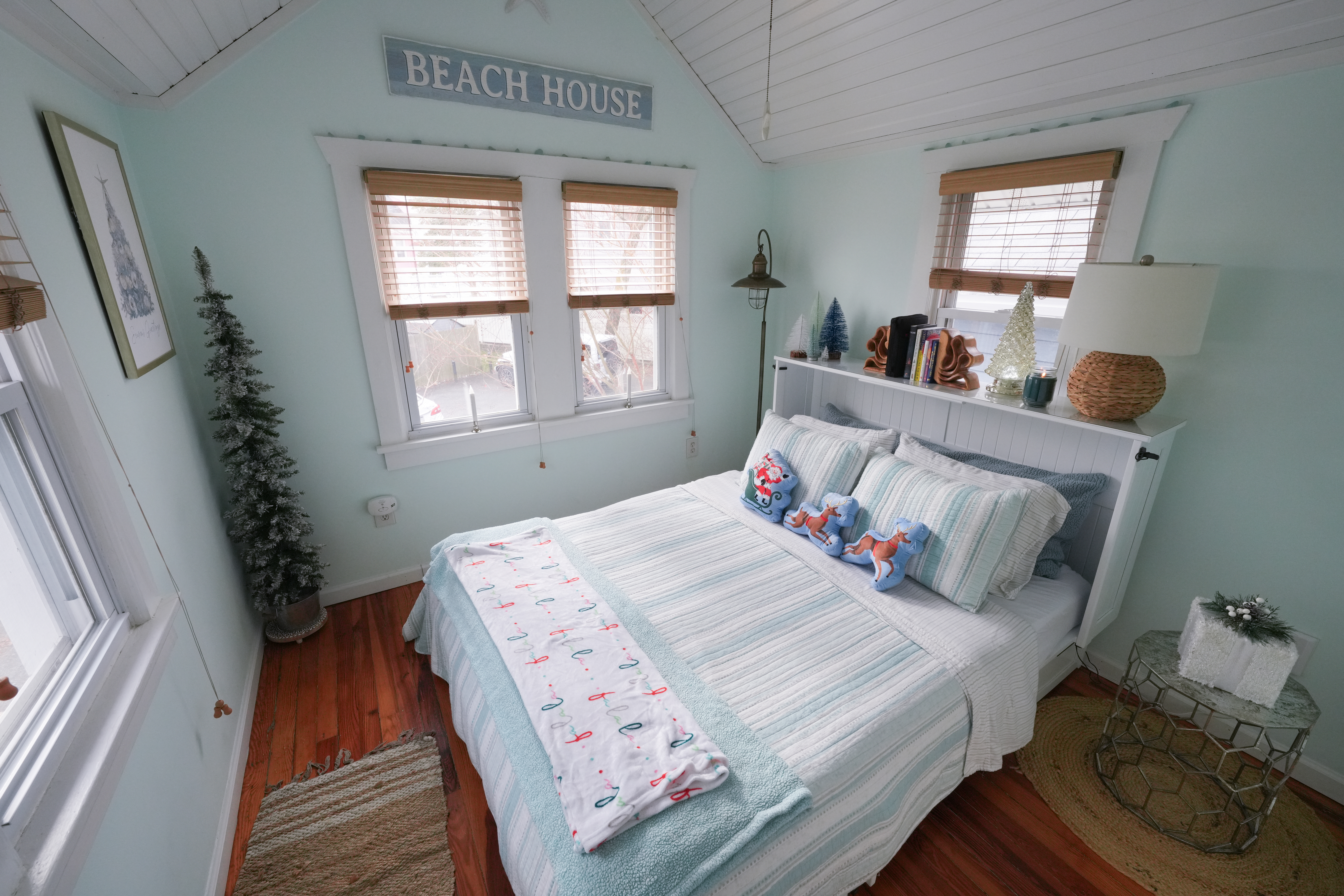
    Chappell has a white, pre-lit artificial tree in her front window and two mini versions on her front porch. She’s got a coffee and hot chocolate station with Christmas-themed mugs. Ornaments and little Christmas trees of blue, white, silver, and gray fill shelves above her fireplace.

    Peek inside Chappell’s home and find out why her street is nicknamed Dollhouse Row.

    📮Did you set your sights on a home or neighborhood that you thought you couldn’t have but ended up being able to live in? Give your fellow newsletter readers some hope by emailing me.

    📷 Photo quiz

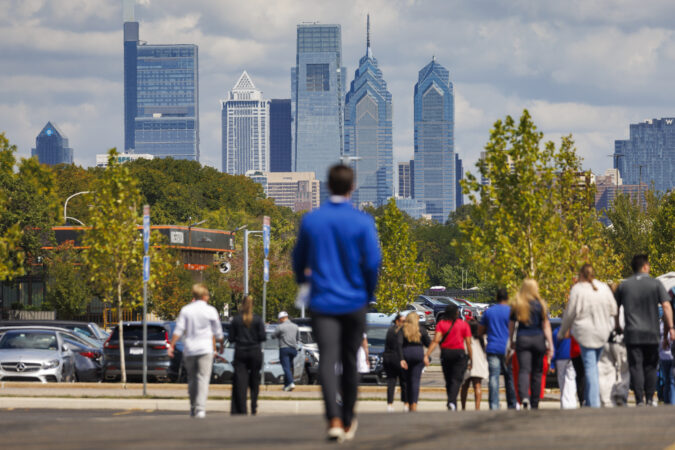
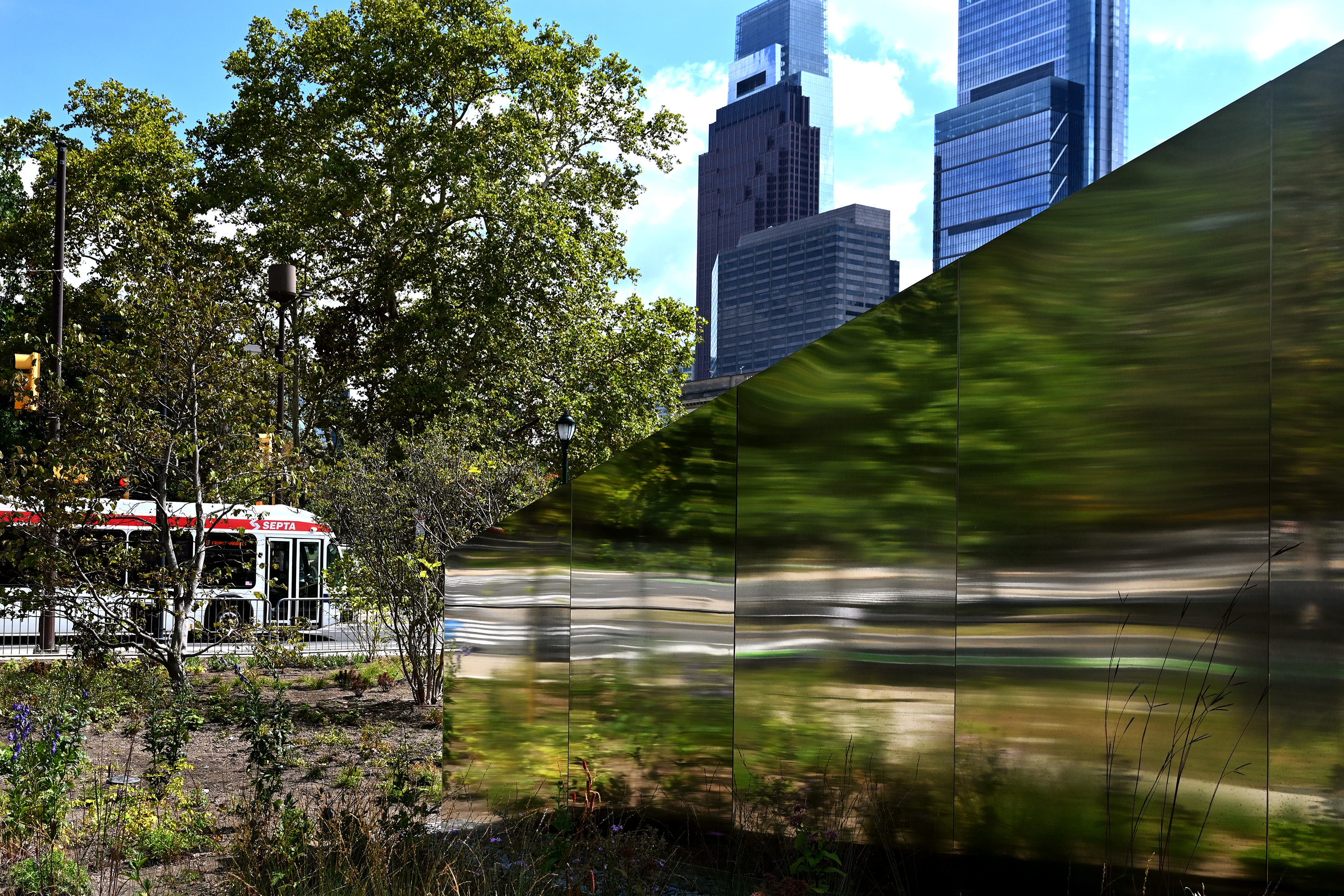
    Do you know the location this photo shows?

    📮 If you think you do, email me back.

    Last week’s quiz featured a photo taken at FDR Park in South Philly.

    Shout-out to Ron P. and Ralph Z. for getting that right.

    This September, I had two firsts at FDR Park: I took a kayak out onto the lake, and I stuffed my face at the Southeast Asian Market.

    I love kayaking and eating, so that was one of my favorite days of 2025.

    Enjoy the rest of your week. And see you in your inbox next year.

    By submitting your written, visual, and/or audio contributions, you agree to The Inquirer’s Terms of Use, including the grant of rights in Section 10.

  • The danger next door | Real Estate Newsletter

    The danger next door | Real Estate Newsletter

    Hundreds of Philadelphians live next to dangerous abandoned buildings.

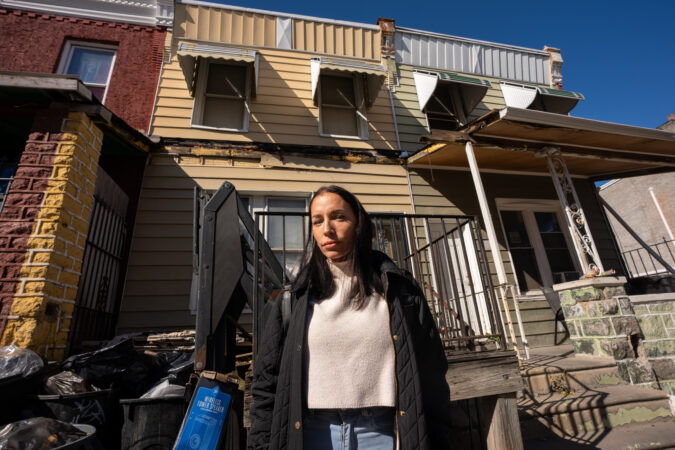
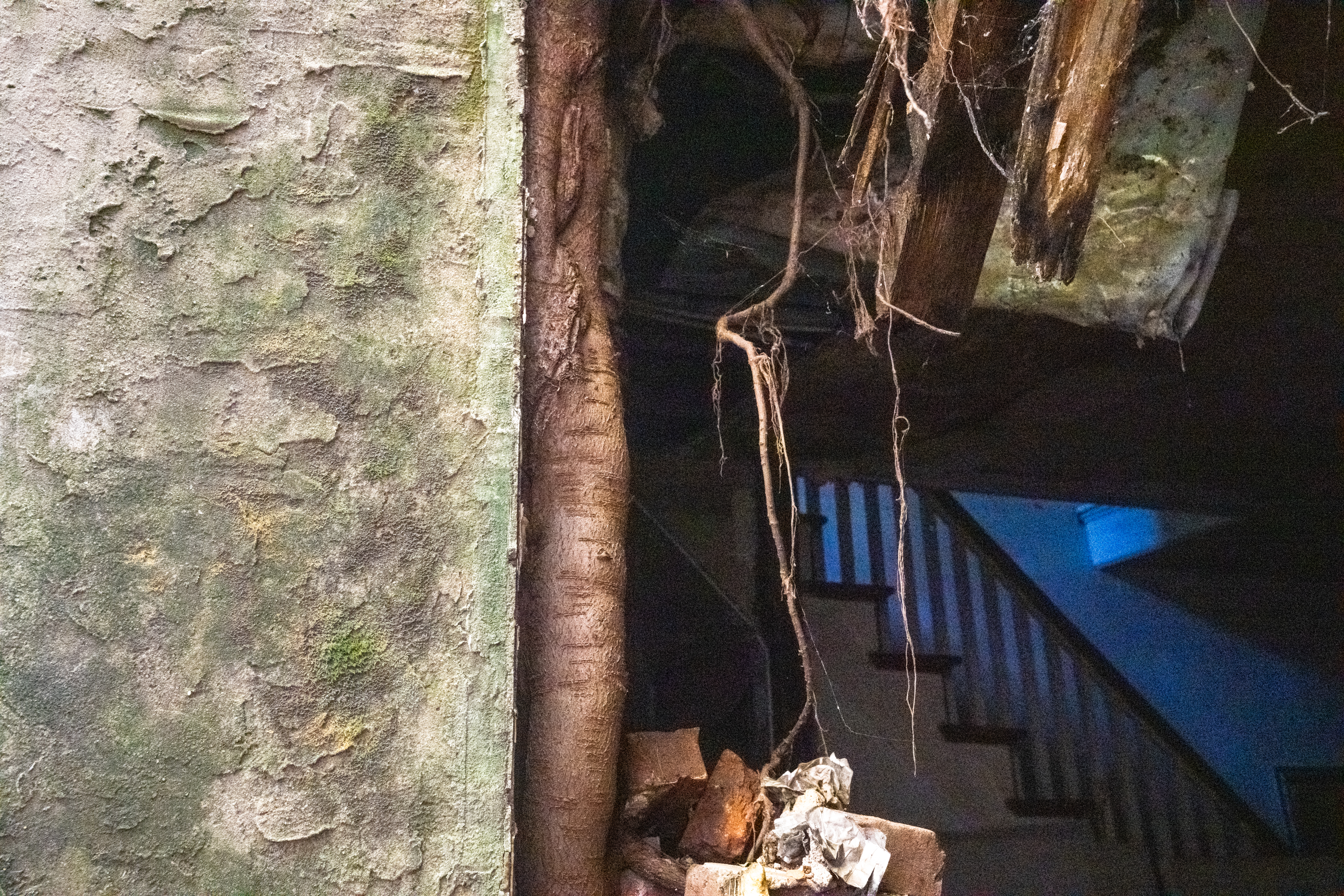
    That includes Emily Phillips and her family, whose North Philly rowhouse is attached to a home they didn’t know was vacant when they moved in. The empty house now has a gaping hole in the back of it, and a tree is growing inside.

    The city labeled the rowhouse “imminently dangerous” and at risk of collapse.

    That was four months ago.

    Phillips told me her family is afraid that something as simple as a slammed door could send the rowhouse next door crashing down.

    My colleague Joe Yerardi and I investigated how the city tracks and handles vacant properties. We found problems.

    Keep scrolling for that story and more in this week’s edition:

    — Michaelle Bond

    If someone forwarded you this email, sign up for free here.

    Vacant and dangerous homes

    Residents rely on the city to keep an eye on vacant properties that are or could become dangerous.

    My colleague and I started looking into the link between unsafe buildings and vacancy in April as I was writing about a Sharswood family who lived next to a rowhouse that collapsed.

    We had a lot of questions for the city’s Department of Licenses and Inspections. During months of reporting, we found out that L&I stopped using a tool that it once said would make the department more proactive in protecting the public from deteriorating vacant buildings.

    We also found that:

    • predominately Black areas of the city are more likely to have vacant and dangerous rowhouses
    • nearly eight in 10 vacant and dangerous rowhouses are in the poorest 25% of the city’s zip codes

    When people who live next to vacant properties complain to the city, they’re often left in the dark as they worry about their families’ safety.

    Keep reading to hear neighbors’ stories, learn about issues with the city’s handling of vacant properties, and see what the city has to say.

    And if you’re living next to a vacant property and you’re worried about what could happen, I have some tips on what you should do.

    Who all’s living in Center City’s new apartments?

    Here’s an eye-popping stat: 3,500 new apartments have opened just in the area between Pine and Vine Streets and between the Schuylkill and the Delaware River since 2023.

    You may have asked yourself who’s living in all the pricey pads popping up over the last few years. Philadelphians I’ve talked to have wondered the same.

    They’ve suggested that these renters are New York transplants. And some of them are. More New Yorkers and other out-of-towners are looking for apartments in Philly.

    Center City’s business improvement district surveyed renters at more than two dozen apartment buildings that have been constructed downtown in the last decade.

    Of the people who responded to the survey:

    • most are between the ages of 25 and 34
    • they’re paying more in rent than the typical Philadelphia renter
    • almost a third of them work in one industry in particular

    Keep reading to learn more about the residents of Center City’s newest apartment buildings.

    The latest news to pay attention to

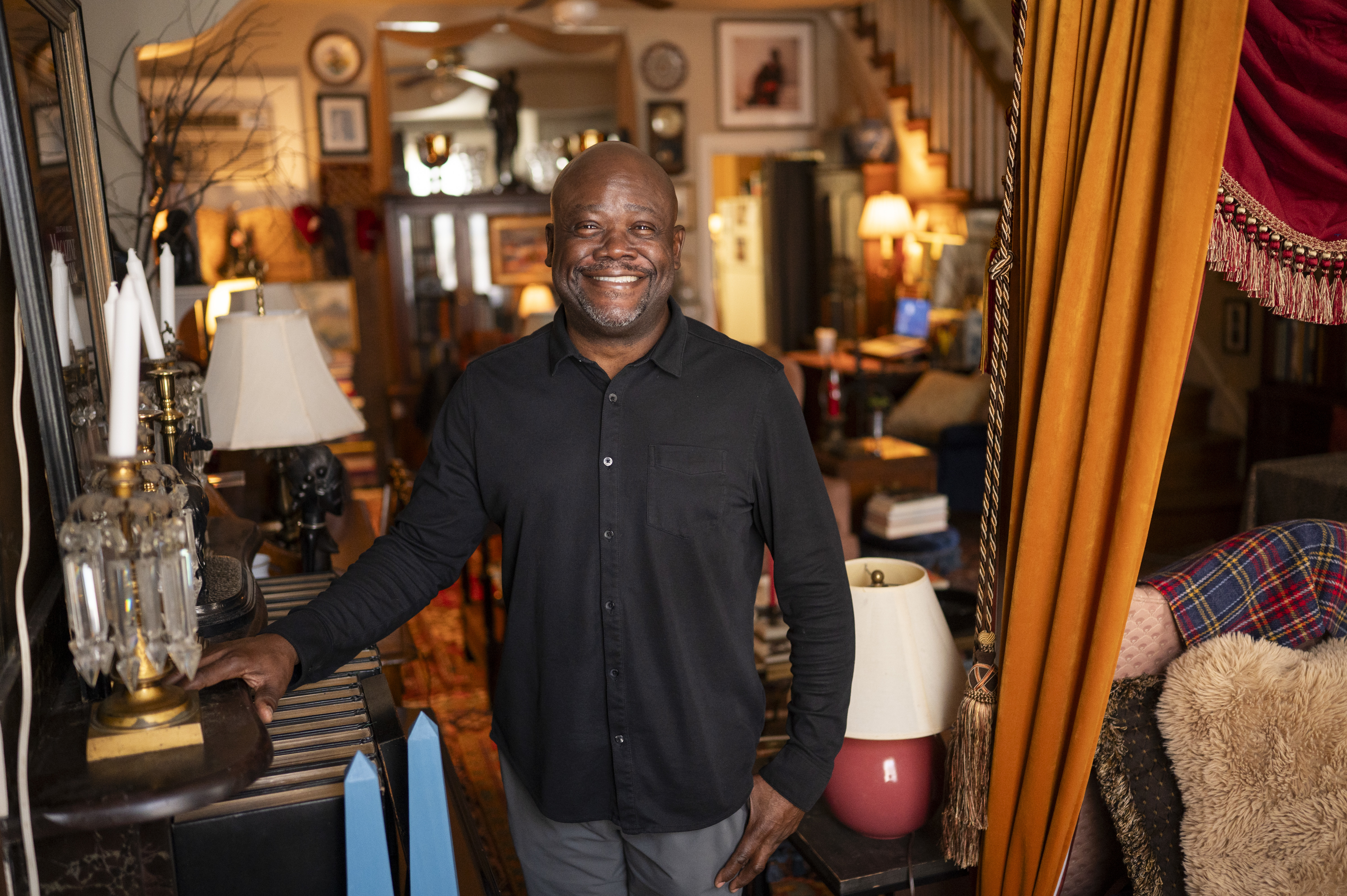
    Home tour: Maximalist in North Philly

    Abel Tootle Jr. calls himself “a maximalist at heart.” And his North Philly rowhouse reflects the title.

    Patterned rugs cover floors, tables, and walls. A canopy bed in the double parlor is framed by velvet and tasseled curtains. Throughout the house, books are displayed on shelves but also thoughtfully arranged on tables and stacked on floors.

    Tootle estimates he owns about 3,000 of them — “the culmination of 40-plus years of book collecting, trading, and selling,” he said.

    He had rented small apartments before he bought his house. So he took the purchase as the opportunity he’s always wanted to do his thing as an amateur interior designer. He experiments with lighting, colors, and textures.

    Peek inside Tootle’s home and see one of his most prized antiques, made in the late Victorian era.

    📊 The market

    Across the Mid-Atlantic region and the Philly area, the housing market was kinda meh in November.

    In our area, the number of closed home sales was down compared to the same time last year. And properties were taking longer to sell, so home listings piled up.

    Lisa Sturtevant, chief economist at the multiple listing service Bright MLS, explained what’s going on.

    “Even with somewhat lower mortgage rates, homebuyers and sellers are still very cautious,” she said in a statement. “Economic uncertainty and ongoing affordability challenges remain the biggest constraints on the Mid-Atlantic housing market as we head into the final stretch of 2025.”

    In the Philadelphia metro area last month:

    🔻There were 4,754 closed sales, down about 4% from the same time last year.

    🔺The number of homes actively listed for sale — 11,685 — was up almost 8% from last year.

    🔺The median sale price was $390,000, up more than 3% from last year.

    📷 Photo quiz

    Do you know the location this photo shows?

    📮 If you think you do, email me back. You and your memories of visiting this spot might be featured in the newsletter.

    Last week’s quiz featured a photo of the Man Full of Trouble Tavern at 2nd and Spruce Streets.

    I learned that a lot of my readers are fans of the tavern. Shoutout to Ilya S., Evan N., and Don L. — my most enthusiastic respondents.

    The words “cute” and “construction site” don’t usually go together in our stories.

    But my colleague Kristen A. Graham wrote about some adorable second-graders who had a lot of questions for the workers building an addition on a house next to their school. And they got answers when folks from the construction company came to visit.

    Story sneak peek: The students guessed that the project used “four thousand million” bricks.

    Enjoy the rest of your week.

    By submitting your written, visual, and/or audio contributions, you agree to The Inquirer’s Terms of Use, including the grant of rights in Section 10.