Author: Ximena Conde

  • An explosion leveled a home in Bucks County, drawing a multi-agency response

    An explosion leveled a home in Bucks County, drawing a multi-agency response

    Local police and fire responded to a house explosion in Sellersville, Bucks County, on Monday that left the property in ruins and white debris scattered in a broad blast radius.

    Hilltown Police Department, which serves Sellersville, said the reports of the explosion on Highview Road came in sometime around 9 a.m.

    Hilltown Police Chief Christopher Engelhart told Fox29 that a contractor was on site at the time of the explosion and was taken to an area hospital for treatment. His injuries and condition, however, were not immediately clear, though Engelhart said the worker was expected to survive.

    The blast resulted in a flood of support from neighboring fire and police departments.

    Silverdale Volunteer Fire Company, Sellersville Fire Department, Hilltown Police, Hilltown Township Volunteer Fire Company, Souderton Fire Company, and Telford Fire Company were among the crews on site.

    The source of the blast is under investigation.

    Properties on Highview Road are spaced out with lots of green space between, and aerial footage from local television stations shows the debris was largely contained within the home’s property line.

    The three-bedroom “contemporary designer farmhouse” sits on a three-acre lot, according to a previous real estate listing. The home garnered media coverage from publications such as Elle Decor and Philadelphia magazine in 2022 after interior designer Ghislaine Viñas listed the renovated property for sale.

  • Walmart unveils ‘store of the future’ concept in Bucks. We tried it out.

    Walmart unveils ‘store of the future’ concept in Bucks. We tried it out.

    Grocery stores are constantly trying to reinvent the wheel.

    Consumers have been introduced to googly-eyed robots roaming aisles, the expansion of self-checkout, the rollback of self-checkout, and increasingly fast grocery delivery in recent years, as major grocers try to stand out in an industry known for low profit margins.

    Not to be left behind, Walmart has touted a “store of the future” concept for years as it opens and remodels hundreds of locations, including 32 in Pennsylvania this year, to have better layouts and services that aim to make the shopping experience seamless.

    “By modernizing our stores, we’re making shopping faster, easier, and more convenient, all while empowering our teams to serve customers better and creating local opportunity,” said Annie Walker, senior vice president of the East Business Unit at Walmart, in a statement announcing the Pennsylvania investments this year.

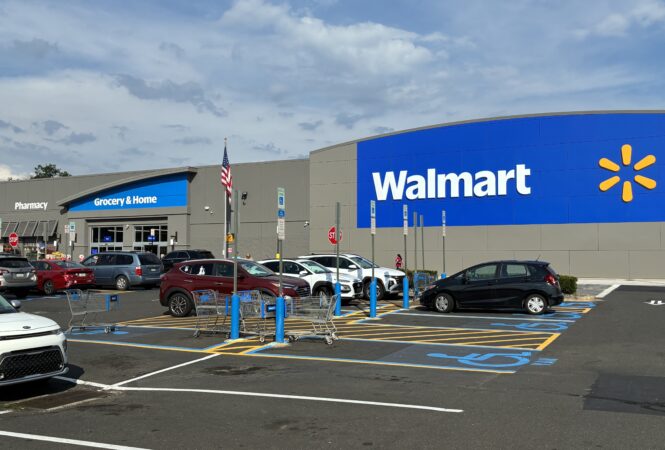
    The Walmart Supercenter in Warminster is the latest “store of the future,” unveiling its remodel this month.

    I tried it out to see what the future holds for shoppers. Spoiler alert: It’s nothing out of The Jetsons, but a handful of customers told me they liked the improvements nonetheless.

    “A lot of stuff is different, but it’s easier to find things,” said Cuong Kim, 41, of the new layout, walking out with a bag of toiletries.

    Sparky, where are the fiber gummies?

    Walking in, the store doesn’t feel that different from counterparts in South Jersey or Philadelphia. The polished concrete floors remain the same and there are an Auntie Anne’s and a Subway near the entrance.

    Still, I could see the company followed through on its “elevated assortment of healthy foods” promise. There were meat and cheese snack packs galore, along with a wide range of ready-to-eat salads and sandwiches in the grab-and-go section.

    Because better online/in-store integration is part of the company’s “store of the future” pitch, I brought an admittedly specific grocery list with me to test out Sparky, the company’s generative AI shopping assistant launched last year, another trend major retailers are adopting.

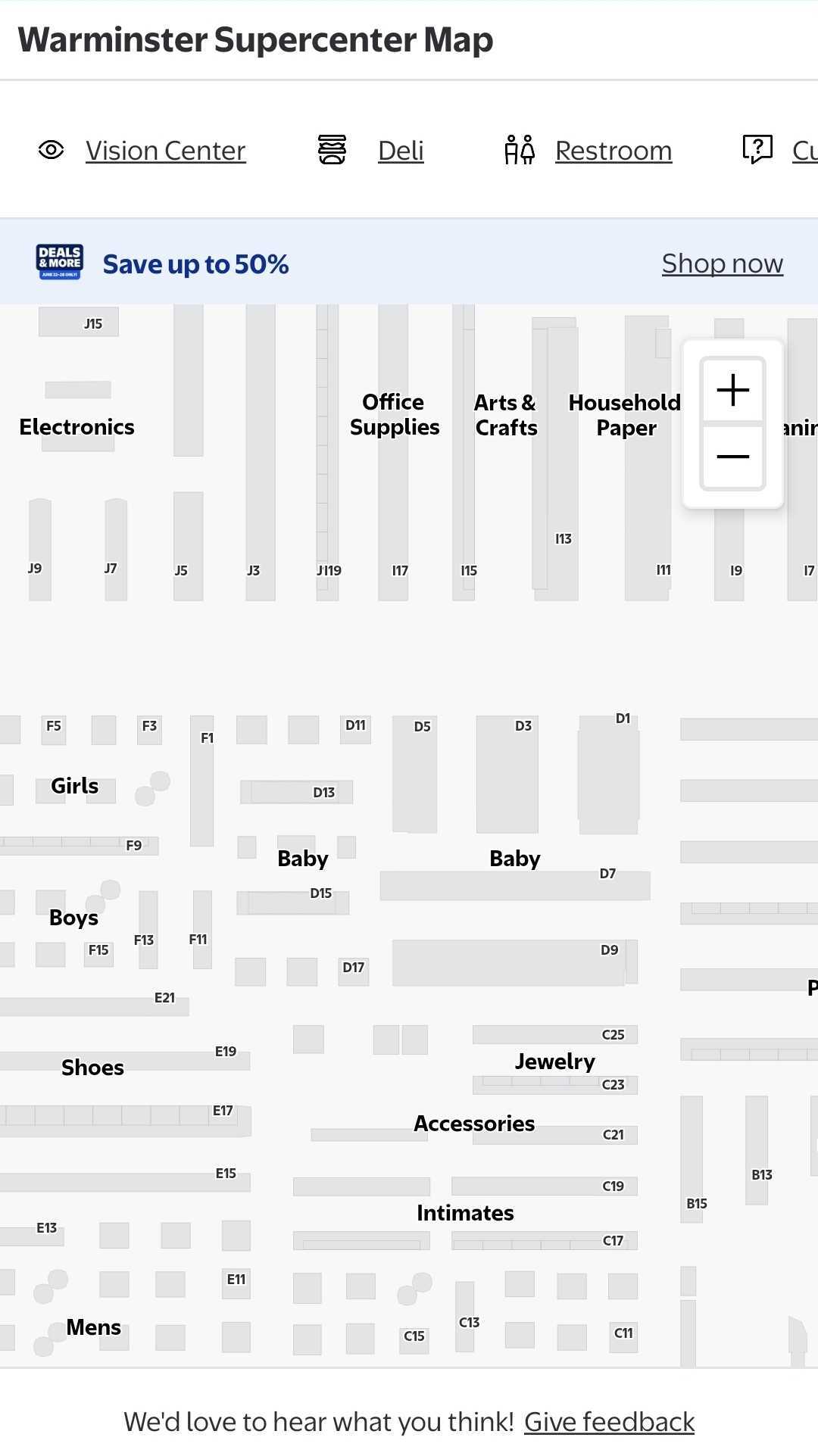
    Though the Walmart app provided a handy static map of the store, Sparky was not helpful in helping me find mango pulp for a cheesecake I’m making or my fiber gummies, which I will need if my rich dessert plans move forward.

    A static map of the Warminster Walmart in the app.

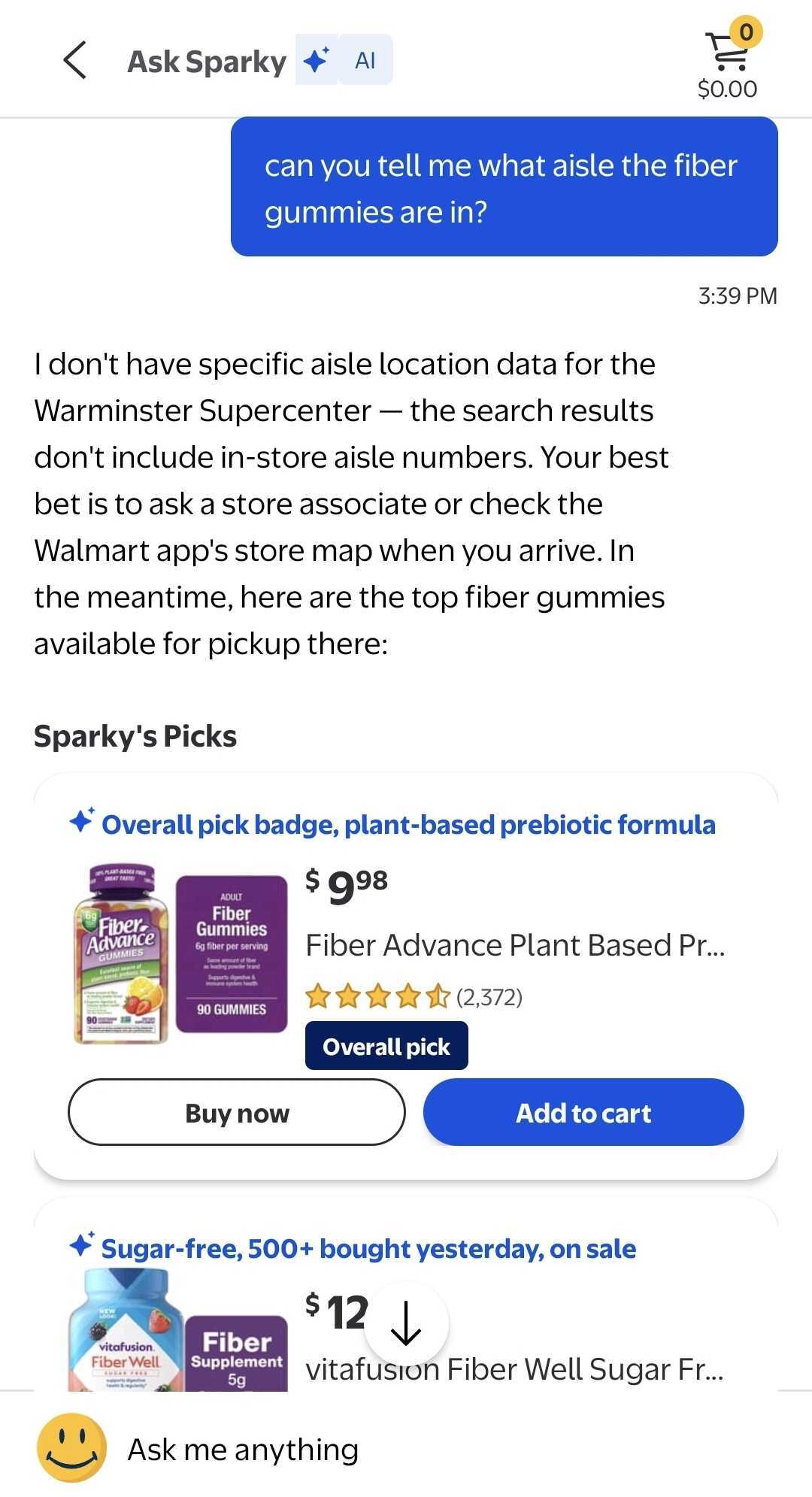
    While Sparky pointed me to several fiber gummy brands, it was less helpful in telling me what aisle they were in.

    “Your best bet is to ask a store associate or check the Walmart app’s store map when you arrive,” Sparky said.

    Sparky, Walmart’s AI shopping assistant, doesn’t know what aisle the fiber gummies are in.

    On the mango pulp front, Sparky showed me several options, which got my hopes up because I’d never used this item and was worried it might be hard to find.

    Alas, none of Sparky’s suggestions were in the store, but could be shipped by the next day — helpful information if I weren’t already on site.

    To be fair, one shopper told me that while Sparky doesn’t have a 100% hit rate, it is not a total dud.

    He was right. Seltzer, another item on the list, was in aisle A22.

    As I walked around the store, I noticed some aisles, like the beverage sections, could fit three shopping carts across. That’s some Costco-level width and another “store of the future” feature.

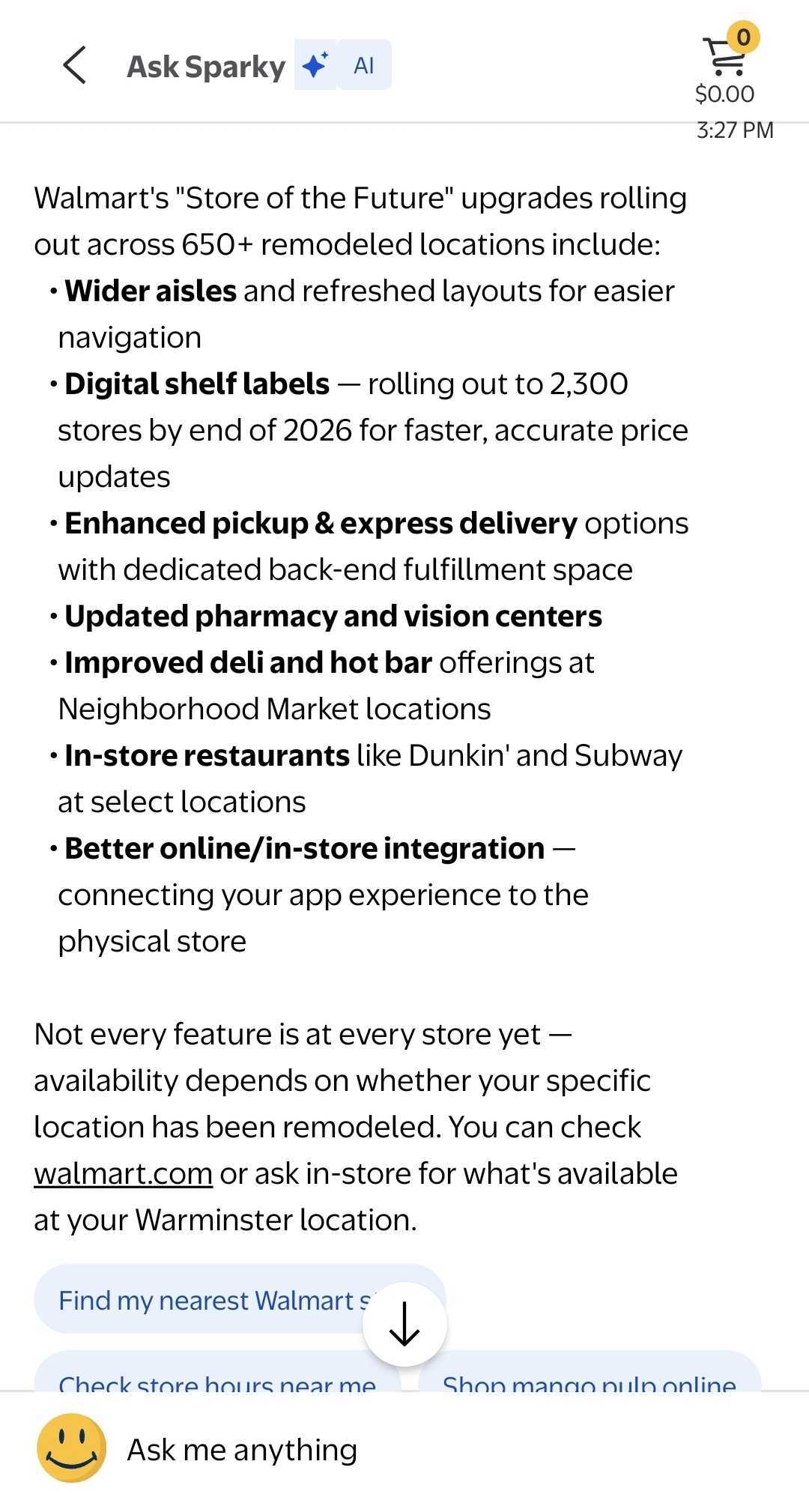
    Even so, wider lanes, a semi-useful shopping assistant, and more snack packs didn’t make my shopping experience feel that futuristic, so I asked Sparky: “What’s new about my Walmart? I heard it’s the store of the future but not sure what’s changed.”

    It reiterated some of what I’d already seen and highlighted the enhanced pickup and express delivery services. I recently had a laptop charger delivered from a different Walmart location and I can confirm it arrived in less than an hour.

    Sparky lays out the store of the future upgrades.

    Ol’ Sparky, however, warned me “not every feature is at every store yet.” For example, Walmart plans to roll out digital shelf labels that allow rollbacks and price changes to appear in real time, but were nowhere to be found in Warminster.

    I also asked an employee what was new with the store to fact-check Sparky.

    “It’s little things,” said the cheerful associate. “There’s more [grab and go] coolers, more cash registers, and a bigger electronics section.”

    A reminder that no one knows a store better than the people who work there.

    What we learned

    It seems the people who would get the most use out of Sparky are those ordering online for delivery or planning their haul ahead of time, checking to see if their desired items are in store. These features, however, are not exclusive to the 32 Walmarts up for a makeover.

    Yet while not exactly futuristic, shoppers in Warminster certainly appreciated the less tech-centered changes, such as the added breathing room as they shopped in clearly labeled sections.

    Kim, the shopper who traveled from Northeast Philadelphia for his haul, also reminded me that sometimes the most seamless shopping experience is pretty simple. He’s not an app user like some of the other customers I talked to. But he travels to Warminster because very few items require waiting for an associate to unlock them from glass cases.

    “It’s easier to shop here,” he said. “In Philly, they lock everything up.”

  • Three injured in a fire at Delta’s Monroe Energy refinery in Delco

    Three injured in a fire at Delta’s Monroe Energy refinery in Delco

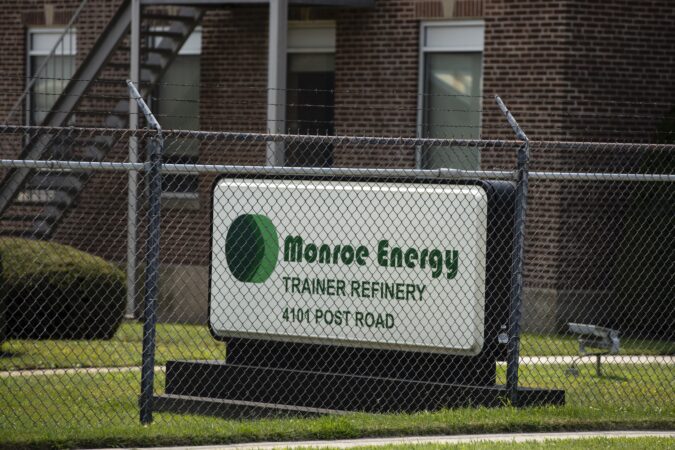
    A fire involving a process unit pump, a device that moves fluids, broke out Thursday morning inside the Monroe Energy refinery in Trainer, Delaware County, according to the company.

    At least one person suffered burn injuries in the fire, which began about 11:30 a.m., county spokesperson Michael Connolly said. The individual had to be airlifted to Thomas Jefferson University Hospital; their condition remained unclear. Monroe later confirmed it was an employee who suffered non-life-threatening injuries that were treated off-site. The county later said two other people experienced heat-stress-related injuries, which were not expected to be critical.

    “Our understanding is that it’s contained to a small location and is under control,” Connolly said.

    Local police and fire could not immediately be reached for details regarding the blaze and how many people were in the facility when the fire broke out, but the large black plumes rising from the refinery raised alarm among area residents.

    “As of now all we know is that there is a fire at the refinery all personnel are working on locating the fire and extinguishing it!!” read a Facebook post by the Trainer Borough Police Department from around noon.

    Amid the chaos, at least one individual sought guidance on how to reach out to someone working inside in the comments of the post.

    Just last week, the refinery stopped its two 100,000-barrels-per-day crude-oil distilleries because of a leak, though a Delta Air Lines spokesperson — the airline owns the refinery and uses much of it to produce jet fuel — said there was no danger to the public.

    Connolly said it was unclear if the leak was connected to the fire, directing questions to Monroe.

    The company, which employs about 500 workers, did not say whether the leak played a role.

    “Our on-site Fire Response Team was immediately activated, deploying multiple emergency response resources, including fire and foam tanker vehicles, mobile deluge guns, and stationary high flow firewater suppression systems,” a company statement said.

    The company said air monitoring showed there was no current risk to the community.

    Police said air quality was at a “nuisance level” and it was recommended for people up to half a mile from the refinery to shelter in place. The county lifted the order at 3:15 p.m.

    “The specific cause of the incident will be investigated,” the company said.

  • American Swedish Historical Museum aims to tackle $2.8 million in improvements as it turns 100

    American Swedish Historical Museum aims to tackle $2.8 million in improvements as it turns 100

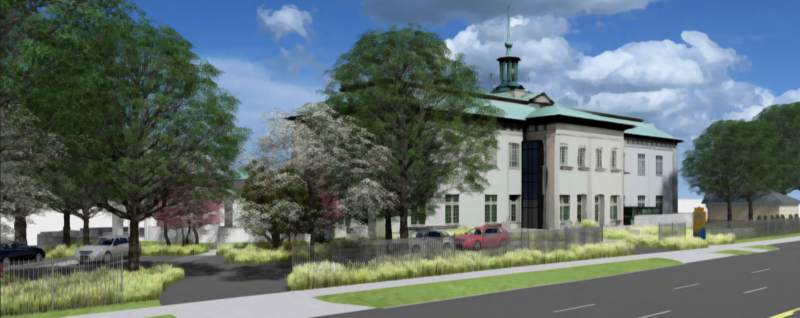
    The American Swedish Historical Museum in South Philadelphia’s FDR Park could be getting some exterior upgrades, including a new auxiliary building for storage, for its 100th anniversary.

    Museum staff appeared Tuesday before one of the Philadelphia Historical Commission’s advisory committees seeking input and support for a new ADA ramp, parking area, plaza, pedestrian paths, and lighting for the grounds of the property, as well as the additional building.

    The nonprofit’s board has chosen to focus on projects that provide equitable and safe access to the building for its centennial, said Tracey Beck, the executive director of the museum, the oldest Swedish museum in the nation.

    “We do serve a lot of families with small children and senior citizens, and therefore things like the 25 steps leading up to our front door create a real barrier for a lot of people,” Beck told members of the architectural committee that met Tuesday.

    The museum sits on the northern edge of the park, facing Pattison Avenue, which is an advantage but comes with some logistical hurdles, including park parking that can be easily gobbled up during 5Ks and other events hosted at FDR.

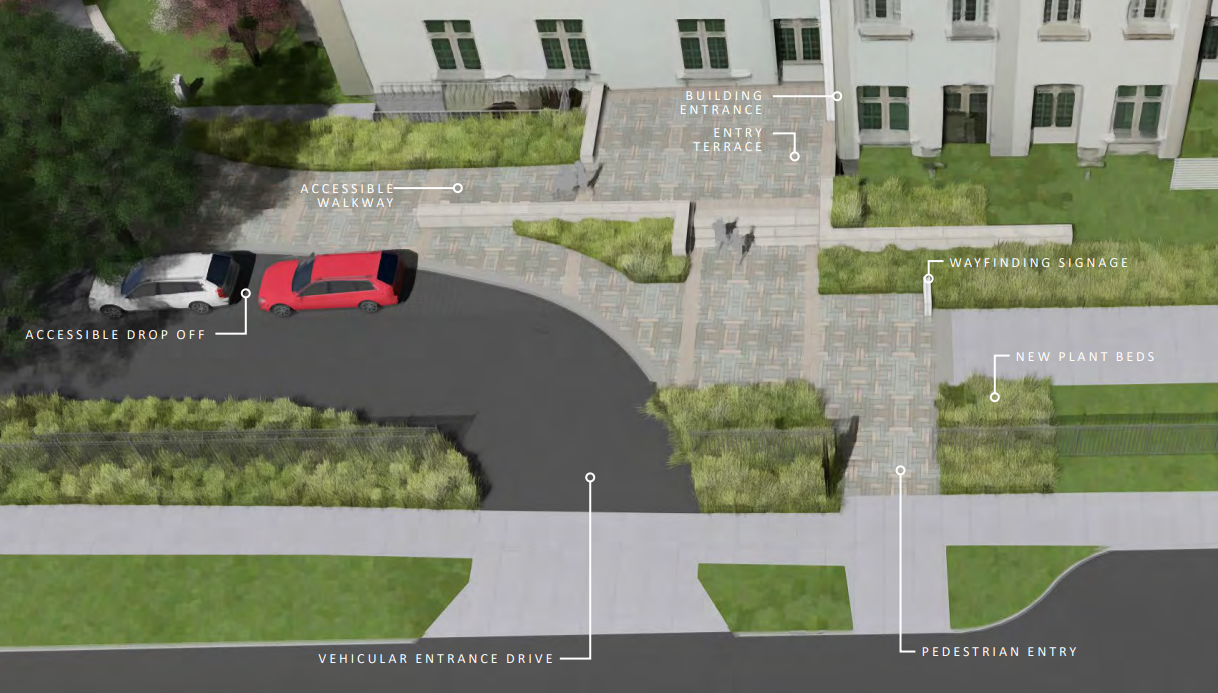
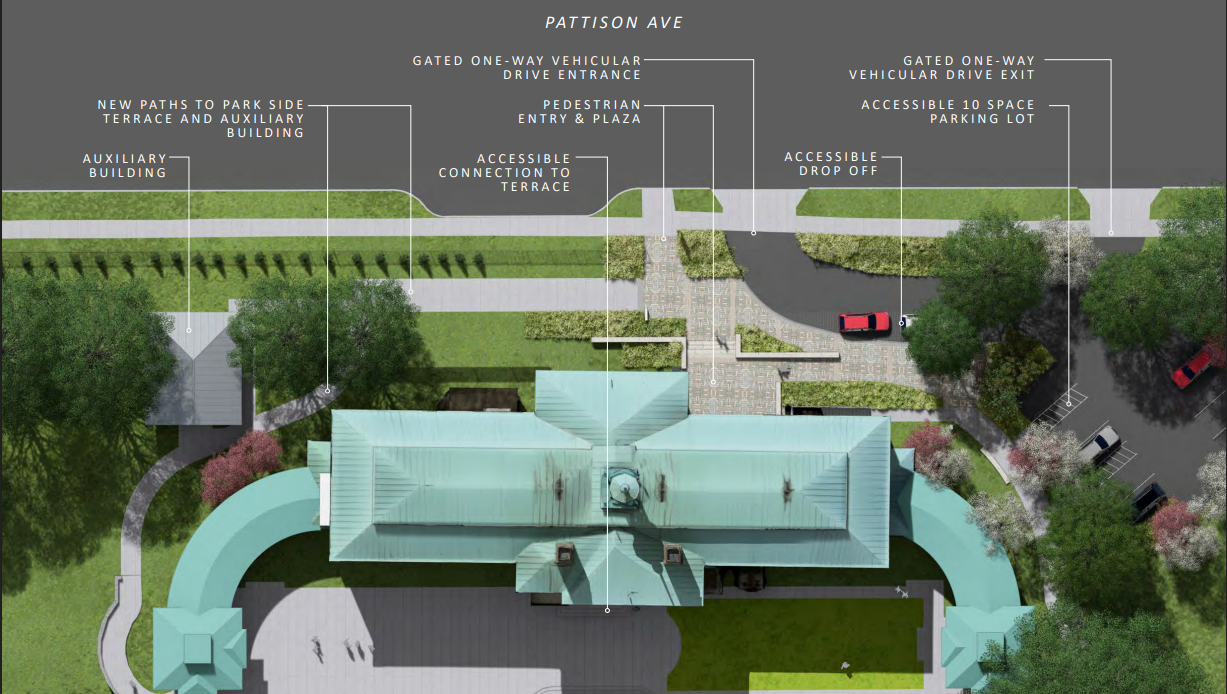
    The small 10-spot parking area that would be located on the Pattison Avenue side of the building would ensure the museum would always have parking available, no matter what is going on in the rest of the park, said Brittany Scherer with Studio Sustena, the design lead on the project. A one-way vehicular entrance drive illustrated in plans submitted to the committee also aims to create an accessible drop-off. New plantings would make the street-facing side of the building more inviting to those driving by.

    The building is already accessible, with two handicap parking spaces and an elevator installed in the early aughts, Beck told The Inquirer. Still, she said, the pandemic highlighted the need for better connectivity between the museum’s indoor and outdoor spaces during events.

    The new ADA ramp would be located on the side of the building that faces the park, which serves as the main entrance, creating a connection between the museum’s interior and its terrace, where events are held. The addition would save visitors with limited mobility from having to navigate half the building’s footprint in order to reach the existing ramp.

    Proposed Pattison Ave. improvements, including a new driveway for accessible drop-off.

    Other improvements are more practical. The lighting aims to make the museum more visible to passersby and drivers at night, while the added building would store large and heavy items, such as tables and chairs for outdoor programming.

    Members of the advisory committee were largely receptive to the improvements, unanimously approving all but two that required tweaks — the auxiliary building and the ramps — for design reasons.

    Committee members raised concerns over placement of the added storage building and how close it would be to the museum. They also thought the design was too eye-catching, possibly leading people to believe it was a welcome center or bathrooms.

    Aerial view of proposed changes to the American Swedish Historical Museum.

    “I want it to disappear a little more,” said committee member Justin Detwiler.

    Another member disagreed with the use of acrylic panels meant to provide more protection for children along the proposed ADA ramp. Committee members worried that panels would scratch and become unsightly in the future, suggesting a simple ramp or other changes to eliminate the need for panels.

    Those tweaks should be simple enough to incorporate in time for a July 10 meeting of the full commission, Beck said.

    Because the museum is still in the early stages of fundraising and awaiting conceptual approval, there is no firm timeline for the projects, budgeted to run about $2.8 million.

    The museum’s proposed improvements come as the rest of the park continues a $250 million, once-in-a-generation overhaul.

  • Philly Parks & Rec introduces summer camp lotto at five in-demand locations, causing headaches for some parents

    Philly Parks & Rec introduces summer camp lotto at five in-demand locations, causing headaches for some parents

    At some Philadelphia Parks and Recreation centers, a grim tradition has developed over the years amid the winter scramble to secure some sort of summer programming for kids: Parents wait in line hours before enrollment even begins to snag a first-come, first-served camp spot.

    This year, the city hopes to remedy that with the introduction of a lottery system at a handful of the most in-demand camps.

    “We’re just learning from past years, trying to be flexible and give parents more time to come in,” said Rob Jackson, the department’s deputy commissioner of programs.

    Yet some parents bemoaned what they described as a poorly communicated change, hearing about it a week before enrollment began with no explanation as to why, becoming just one more logistical quirk to navigate in the summer camp enrollment chaos.

    That’s because, as with daycare, snagging a spot in any daylong summer program can feel like building a plane midflight. Applying to multiple summer camps is a must, setting aside a pool of money for application fees is necessary, and, oh, you’ll likely have to make a quick decision on whether to accept a spot despite not having heard back from everyone.

    Even applying to the Philadelphia Parks and Recreation-run summer camps, one of the most affordable options in the city for kids ages 6 to 12, has its quirks. Because weekly rates start at $90, compared with the hundreds some other camps charge, spots in the department-run programs are some of the most coveted in the city.

    Some rec centers are so popular that parents have resorted to waiting in line for hours on enrollment day to secure a spot. It’s a system that the city has heard feels unfair to families that cannot afford to take a morning off from work to do that.

    In an attempt to make the registration process more equitable, the city rolled out a lottery system this week for potential first-time campers at some of the hardest-to-get-in sites: Fishtown, Northern Liberties, Shissler, Hancock, and Towey Recreation Centers. These sites are in the Fishtown, Northern Liberties, and South Kensington sections of the city.

    Jackson said the change was inspired by staff, who described coming into work with long lines of parents already formed. If a parent could not make it on that day, it was one less summer camp option. And because younger siblings were given priority in an attempt to keep siblings together, one family could take up multiple camp spots in one go. With the lottery system, younger siblings have the same odds as other new registrants. Jackson recognized that might mean multiple camp drop-offs for some families, but he said the change was to “accommodate as many families in the community as possible.”

    The lottery system has allowed sites like Hancock and Shissler to extend registration for new campers over the course of four days, giving all kids the same chance of snagging whatever few spots are available within the program as children age out or choose to go elsewhere.

    One Fishtown parent this week, who asked to remain anonymous so as not to hamper their kid’s chances of snagging a spot, described the change as poorly communicated. The parent was left deflated by submitting applications at various locations, paying $50 per application, unsure what the odds were for getting into any of these camps.

    Asked if the city has ever considered moving the applications online, Jackson said the city has not gotten to that point. So for now, the in-person site-by-site registration is the best the department can do for the more than 7,000 kids who attend camps across 120 to 130 host recreation centers.

    The city could not say just how many camp spots would be freeing up this year, as it depends on how many children from what are considered “returning families” claim spots.

    The summer childcare scramble

    Even if a child can secure a spot in a city-run summer camp, it does not fully solve summer childcare needs for families.

    The camps run for six weeks and have age restrictions. Parents often have to shell out hundreds more to fill in gaps in care.

    Other summer camp operators have issues of their own. This year, the Academy of Natural Sciences of Drexel University and the Penn Museum announced they will not host their popular summer camps, citing budget constraints.

    Dena Ferrara Driscoll, a mother of two who lives in South Philadelphia, has been a public advocate for more investment in summer camps and after-care programs. Her children attended city-run camps and now her son works at one in the summer.

    Driscoll was not surprised by the continued demand for camp spots. The programs are “affordable, safe, and deeply loved,” she said.

    “A lottery might change who gets a spot, but it doesn’t address the real issue: Families need more affordable camp options provided by the city, not just a new system to distribute the ones we already have,” she said.

  • Philadelphia has spent $59 million on its snow response so far. Here’s how it breaks down.

    Philadelphia has spent $59 million on its snow response so far. Here’s how it breaks down.

    With the arrival of above-freezing temperatures, Philadelphia is declaring an end to an emergency response that lasted 26 days, closing the chapter on an all-hands-on-deck mobilization of various city departments that navigated the biggest snowfall in a decade and the persistent cold snap that followed.

    The city’s “enhanced code blue” response began the Friday before a winter storm that blanketed Philadelphia with 9.3 inches of snow and sleet on Jan. 25. The designation allowed the city to deploy support services across departments for some of the city’s most vulnerable, living on the streets.

    A preliminary estimate by the city puts the cost of the storm response at about $59 million, which officials said reflects the intensity of the storm and conditions that followed.

    “A tremendous City workforce, outreach teams, first responders, nonprofit partners, and community stakeholders came together without hesitation,” Mayor Cherelle L. Parker said in a statement Tuesday. “Because of their coordination, compassion, and commitment, lives were protected during some of the harshest conditions we have faced this winter.”

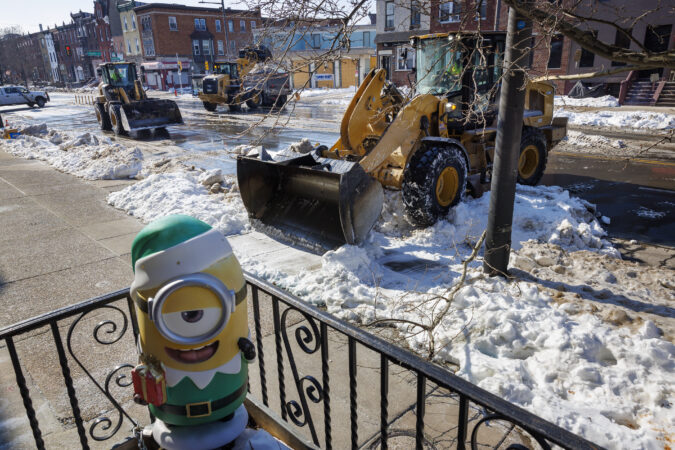
    Amid a bitter cold that hampered snow-removal efforts, the city embarked on a cleanup operation that lasted more than two weeks and combined heavy machinery and old-fashioned manual digging.

    Here are some key numbers highlighting how various city departments mobilized and the costs they accrued.

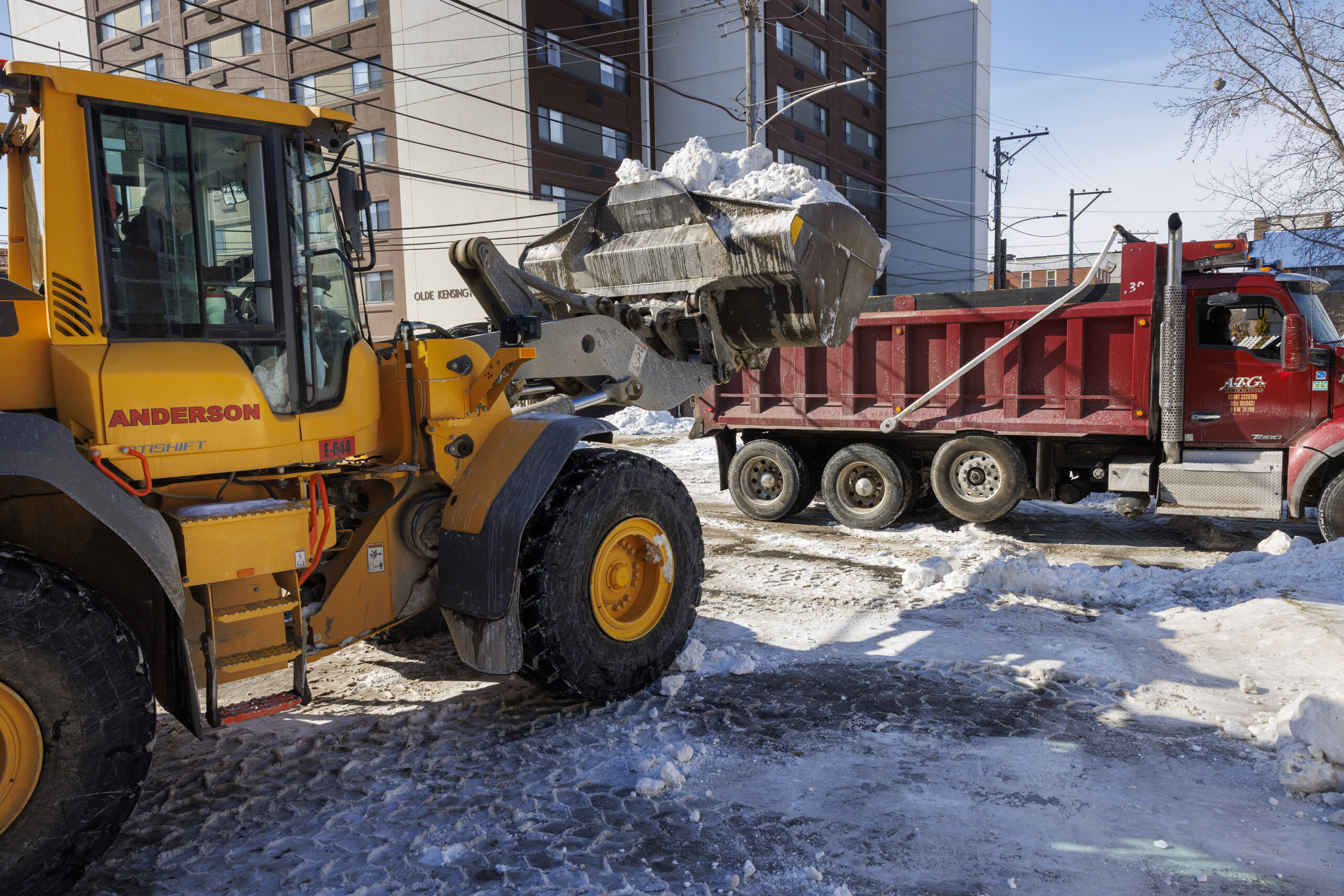
    Heavy machinery and dump trucks collecting piles of snow from Germantown and Thompson Street, Philadelphia, Wednesday, Jan. 28, 2026.

    $46,021,516 in snow removal

    The city crafted its $4.1 million snow operations budget for fiscal year 2026 using a rolling-year average of prior costs.

    But the storm brought about a slew of unanticipated expenses and challenges, including snow removal, ice control, and other emergency operations.

    The city looked to contractors to bolster its workforce as it launched a massive effort to treat and plow streets.

    Contractor plowing and salting operations during the storm cost $13.9 million, while the post-storm contractor cleaning and lifting operations cost $31.8 million. The remainder of the expenses came from snow-related operations across departments, such as the activation of warming centers.

    Part of what made the storm so costly was the uncooperative temperatures.

    Amid complaints from residents over what was perceived as a slow cleanup, the city noted that the below-freezing temperatures created increasingly tightly packed ice that had nowhere to go.

    The city even brought in a snow melter from Chicago, which eliminated 4.7 million pounds of snow in the first two days after the snowfall. The costs of melting, which is considered a specialized service, ran more than $139,000.

    After the initial snow removal, the city moved to what it called its lifting operations.

    Snowplows, compactors, front-end loaders, and backhoes took part in an intricate operation where snow was placed in dumpsters before being shipped off to more than 30 dumping sites.

    The Philadelphia Streets Department mobilized up to 300 pieces of equipment on any given day in an effort to leave no street untreated.

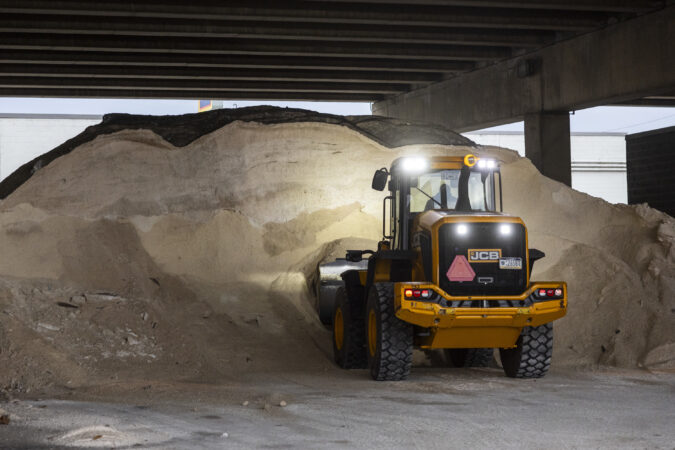
    The city went through 15,000 tons of salt through the three-week cleanup amid other challenges, such as an icy Delaware River that temporarily blocked additional salt orders, and the rising cost of salt post-storm.

    The cost of salt was more than $1.2 million.

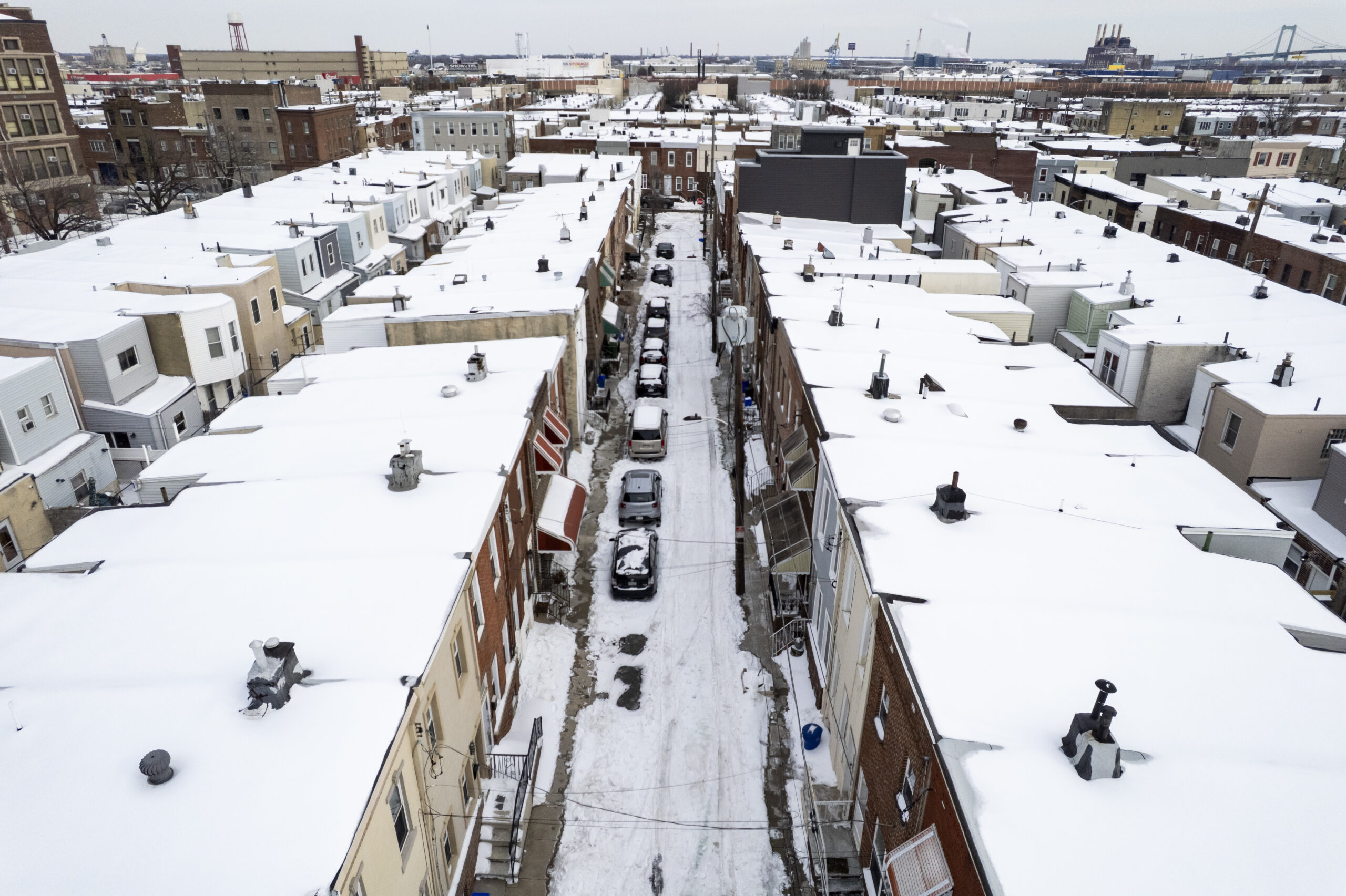
    Emily Street is still covered in snow near Furness High School (top left) on Wednesday, Jan. 28, 2026 in South Philadelphia.

    18,340 ramps cleared

    The massive cleanup had the city looking at creative ways to boost the number of workers clearing streets.

    The streets department tapped participants in its Future Track Program for snow-removal efforts early on. These are trainees, typically at-risk young adults, who are not enrolled in higher education and are unemployed. They get job experience, as well as other services, and they help in beautification projects.

    The trainees cleared hundreds of ADA ramps across Philadelphia.

    But more than a week after the storm, the city was still being flooded with complaints about inaccessible crosswalks and SEPTA stops piled with ice.

    That’s when officials tapped into a city program that pays people the same day for their work, deploying 300 people to help chip and sweep away the hardened ice with shovels and brooms.

    The city assembled a more than 1,000-person workforce for cleanup efforts this way, deploying a mix of city employees, contractors, and participants from the same-day pay program.

    In all, the city said, the crews worked nearly 2,300 intersections, clearing 18,340 ADA ramps and about 2,800 SEPTA stops.

    The use of contractors, however, was met with pushback from American Federation of State, County and Municipal Employees District Council 33, the city’s largest municipal workers union, which said the decision was made without consulting the union.

    “Our members are the trained, dedicated workforce responsible for this work, and it is disheartening to see the administration move forward without even a discussion on how best to manage these challenges,” DC 33 president Greg Boulware said in a statement in early February.

    (function() { var l = function() { new pym.Parent( ‘phillysnowcosts__graphic’, ‘https://media.inquirer.com/storage/inquirer/ai2html/phillysnowcosts/index.html’); }; if(typeof(pym) === ‘undefined’) { var h = document.getElementsByTagName(‘head’)[0], s = document.createElement(‘script’); s.type = ‘text/javascript’; s.src = ‘https://pym.nprapps.org/pym.v1.min.js’; s.onload = l; h.appendChild(s); } else { l(); } })();

    22 warming centers

    The cold snap presented another life-or-death challenge for the city: how to get people living on the streets indoors.

    Between Jan. 20 and Feb. 14, homeless outreach teams worked nonstop distributing more than 2,800 warming kits, 4,000 fleece blankets, 700 cases of water, and 35,000 food items while trying to get people to take a shelter bed or go to one of the city’s 22 so-called warming centers.

    The code blue designation allowed the city to activate some libraries and recreation centers as hubs for people looking to escape the cold.

    The warming center operation was seen as lifesaving, largely supported by library staff. Between Jan. 19 and Feb. 11, New York City recorded at least 18 cold-related deaths; Philadelphia had three over a similar time frame.

    Still, after 20 days of 12-hour operations, staff at the daytime centers described a lack of support from the city when it came to dealing with people who had medically complex issues requiring behavioral health support and wound care. (One library staffer said more city-assigned support staff showed up at the daytime centers after The Inquirer published a report about workers’ concerns.)

    Philadelphia officials said more than 100 people from more than 20 city and partner organizations helped support the warming centers.

    Nighttime warming centers had about 4,400 overnight guests, according to the city.

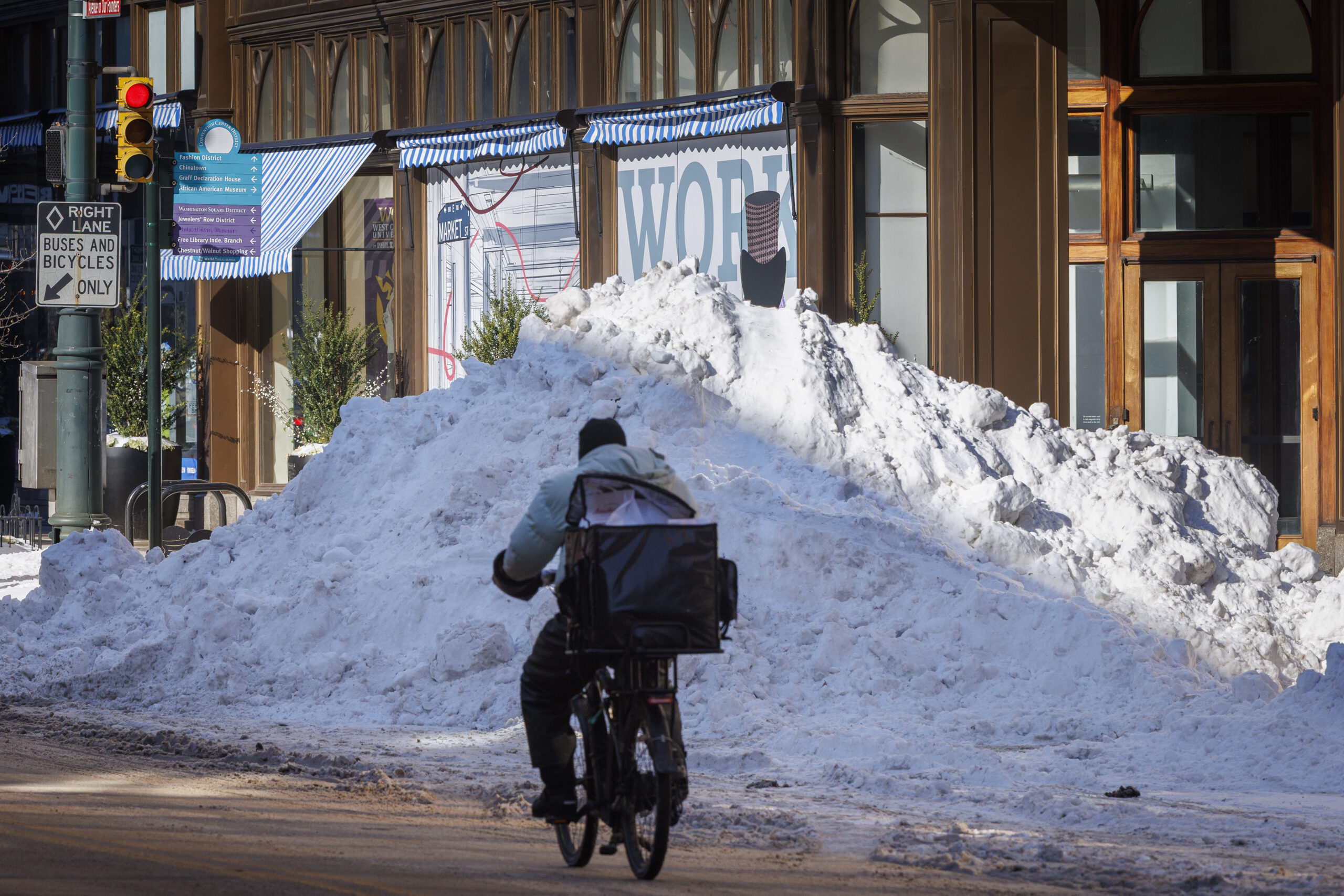
    Mount Market Street at 7th Street, Center City Philadelphia, Tuesday, Jan. 27, 2026. Large pile of snow on northeast corner of Market and 7th.

    $50 million from general fund

    Because snow operations exceeded the initial amount allotted in the budget, the city plans to transfer $50 million from its general fund to its transportation fund.

    Even so, the city said its general fund remains higher than projected in its five-year plan because of a larger-than-anticipated general fund balance in the previous fiscal year.

  • Library warming centers strained workers and left people without help for complex issues, staff say

    Library warming centers strained workers and left people without help for complex issues, staff say

    The bitter and persistent cold of recent weeks was so dangerous that various Philadelphia agencies coalesced around one mission: Get the city’s most vulnerable off the streets.

    Philadelphia libraries became a key piece in these efforts, with some branches doubling as so-called warming centers for more than 20 days straight in an effort to provide a respite to people who would otherwise be living outside.

    The mobilization of what can exceed 10 branches during life-threatening cold snaps is largely, though not universally, welcomed by library staff, the community groups that support the workers, and the people who use the spaces.

    As outdoor deaths mount in places like New York City, where at least 18 people have died on the streets since Jan. 19, Philadelphia library workers see the initiative as a way to prevent similar outcomes here, where there have been three cold-related deaths since Jan. 20.

    But employees say the warming center initiative, in only its second year as a formalized network, leaves branch staff, from librarians to security, unequipped to help some of the people walking through their doors with complex mental and physical health needs.

    “People are feeling tired, feeling very burnt out, the physical, the emotional, and the mental load of not just doing our regular work, but having like this critical service, like lifesaving service, being offered on top of that for 12-plus hours a day has been really, really hard to sustain,” said Liz Gardner, a library worker, speaking as a union steward in the American Federation of State, County and Municipal Employees District Council 47’s Local 2186, which represents first-level supervisors, including those at libraries.

    There’s the “little stuff,” like how an online map sometimes listed the wrong information in December. Last-minute location changes among the South Philly branches made it confusing for even the self-described information professionals to direct people where to go. At one point, a branch that was not Americans with Disabilities Act-accessible was cast as a warming center, to the chagrin of many.

    Library workers and community groups described having to lobby the Free Library to crowdsource snacks and water. The transportation that transfers people to nighttime warming centers after the libraries close has often been late, meaning staff have to decide between staying after their shift or leaving people outside, which they don’t want to do.

    What’s more, library workers and volunteers say, some people require more than a warm space. People in mental health crises, struggling with substance abuse issues, and requiring wound care need medical support, workers say.

    “What [the city is] continuing to do is take advantage of a group of people that care so deeply about the city of Philadelphia and the communities that they serve, and they’ll continue to do it, regardless of if they have the support or not,” said Brett Bessler, business agent for DC 47 Local 2186.

    Altogether, the concerns surrounding the warming center system yield existential and moral quandaries: Is this system the best and most humane way to treat some of the city’s most vulnerable people?

    Crystal Yates-Gale, the city’s deputy managing director for health and human services, acknowledged some of the challenges described by library staff and volunteers. Many logistical issues, such as location changes, food, and transportation woes, were improving or had been resolved, she said. Some of the concerns regarding staffing might be a matter of miscommunication, she said.

    “I think everybody’s exhausted. It’s like Groundhog Day,” Yates-Gale said. “It’s the same thing: Every day you wake up, they’re all just quite exhausted, but everybody’s working toward the same goal.”

    Kelly Richards, president and director of the Free Library of Philadelphia, echoed the sentiment that staff have been saving lives. In a statement, he said he appreciated staff efforts and feedback as the Free Library continues “making improvements to better serve our communities.”

    ‘They need more than a warm building’

    Details of who uses the warming centers are limited. Visitors are not asked if they are at a library to escape the cold or for regular library programming.

    Three library workers from various corners of the city described some of the daily challenges they have faced at warming centers to The Inquirer under the condition that they remain anonymous, fearing professional repercussions.

    One worker who has lived through various iterations of heating and cooling operations involving libraries described a catatonic man being brought into their branch by first responders, left for staff to figure out his care.

    “They need more than a warm building,” the worker said. “These are human beings, and we’re the wrong department to help.”

    A worker at a different branch described trying to persuade a man with a festering wound to seek medical intervention. In another instance, when staff told a man he could not set up his sleeping bag on the library floor, he began shouting, telling workers they had to accommodate him.

    Library staff say one of the biggest challenges is the lack of consistent support for people with complex medical issues.

    Yates-Gale said the Philadelphia Department of Behavioral Health and Intellectual disAbility Services staff focuses support on what are considered “high-volume” warming centers, including the Central Library and the Northeast Regional and Nicetown branches. Mobile teams are available by request.

    In other cases, through a partnership with Project HOME, the city’s homeless services office assigns what is called a restroom attendant.

    Library workers and volunteers say the current setup is unfair to all involved.

    At the South Philadelphia Library on a recent Friday afternoon, a woman yelped in pain as she rubbed a blackened, possibly frostbitten toe. Children played with blocks in a corner as others checked out books.

    Library staffers maintain similar scenes have played out at the various warming centers, with workers left to balance the comfort and safety of people there to check out books and use their computers with those of people who might die if kicked out and sent to the streets.

    The worker who told of trying to persuade a man to seek medical attention noted that staffers are behind on work and programming has taken a hit.

    Kelsey Leon, a harm reductionist who regularly works with homeless Philadelphians with addiction, has been visiting libraries during the cold snap after hearing concerns from librarians, and working to deliver wound care kits to the centers so people there can treat themselves.

    Librarians “are so clearly beyond their capacity to handle this,” she said.

    The city says it’s listening to feedback

    A battle for snacks, workers and volunteers say, has become emblematic of the disconnect between what the Free Library and the city want warming centers to be and what they actually are.

    Most people using the service do not bring their own food.

    The city initially provided snacks at the overnight warming centers in recreation centers but made no such offerings at the daytime ones at libraries.

    When staff and volunteers noted this would mean people going 12 hours without sustenance and offered to fill that gap with crowdsourced snacks and drinks, they faced resistance.

    “We were told repeatedly that warming centers at libraries are distinct from shelters, and that is the reason they couldn’t provide food,” said a third library worker, adding the Free Library and the city eventually allowed the outside snacks to come in.

    Part of the initial hesitation, according to Yates-Gale, was based on logistical considerations, including protecting library materials and adding cleanup to the plate of security officers who handle maintenance.

    The city provided library leadership with lists of food sites, the idea being that people could leave the libraries, get a meal close by, and come back.

    Still, Yates-Gale said, the city is listening and adjusting in real time.

    Last week, after two weeks of operations, the city brought water and cereal to warming centers. The city says people also have access to water fountains.

    The city said it is not giving up on improving warming center conditions. Yates-Gale said that starting Tuesday, the Philadelphia Office of Homeless Services would send reinforcement teams to daytime warming centers to get people to connect to additional services.

    The backup cannot come fast enough.

    Ibrahim Banch, 26, has been homeless before, but the cold he has experienced recently is something different.

    “The air feels solid. It stands your hair up,” he said. He knew he couldn’t stay outside, so he sought out the warming centers as temperatures dropped. Recently released from prison, he said, he is waiting to be placed in an emergency shelter bed. But the warming centers are a last resort.

    He said the city should staff all centers with workers equipped to deal with the mental health needs that many clients have.

    “People at the library shouldn’t have to take this responsibility,” Banch said. “It’s not a shelter or a caregiving place.”

    Volunteers still eager to help

    Erme Maula, with the Friends of Whitman Library in South Philadelphia, echoed the challenging conditions described by workers. She believes it doesn’t have to be this way.

    The city’s 54 branches are full of supporters who can coalesce around the warming centers with donations, she said. Volunteers continue to collect toiletries and other essential items for people using the branches for warmth.

    As an advanced practice community health nurse, she could see healthcare workers organizing to help people and ease the load of librarians. But it is the sort of effort that would need support from the city.

    “People are kind and want to be generous, but they didn’t know you have to take care of what they expected the city to be able to take care of,” Maula said.

    Maula and others who spoke to The Inquirer emphasized they want the warming centers to be improved — not to go away.

    As with the snack issue, Yates-Gale said the city is responding to feedback in real time.

    “Now that we know that there needs to be an adjustment for support staff, we’re ready and able to immediately begin staffing the libraries,” she said.

    But that might not be felt by library staff until the next warming center activation. With daytime temperatures finally warming up, the city is slated to begin winding down warming center operations at libraries; nighttime centers will remain open until those temperatures similarly rise.

    “I’m really hopeful that we see substantial improvements to make this a more sustainable practice that helps more people in a more meaningful way,” Local 2186’s Gardner said.

  • Barges with road salt for Philadelphia temporarily blocked by frozen Delaware River

    Barges with road salt for Philadelphia temporarily blocked by frozen Delaware River

    In a bit of winter irony, two barges carrying 21,000 tons of salt reinforcements for Philadelphia couldn’t get through the frozen Delaware River, according to city officials.

    At the Pelbano Recreation Center in Bustleton on Wednesday, Director of Clean and Green Initiatives Carlton Williams said the city had used more than 30,000 tons in January, which was highlighted by the 9.3 inches of snow and icy sleet on the 25th. The Arctic cold that followed has kept a whole lot of it in place.

    The city still has 15,000 tons on reserve, but Williams said officials are watching salt levels closely and using judgment when dispersing what’s left. He said inspectors are being sent to sites where salting has been requested through 311 to determine whether treatment is warranted, and to ensure the city has enough salt until reinforcements arrive.

    “We definitely need to make sure our salt levels are at a sufficient amount so that if we get another storm like this, we can be out there prepared to fight,” he said.

    By Wednesday afternoon, a city spokesperson confirmed that a barge carrying 15,000 tons of salt was able to redirect and dock in Paulsboro, N.J. That load is slated to reach Philly by truck Thursday.

    The fate of the second barge, with 6,000 tons, meant to go to Philadelphia, remains unclear.

    The delivery is ultimately slated to head to Fairless Hills, which is currently “iced in,” according to Office of Emergency Management Director Dominick Mireles.

    How long the barge has been stuck wasn’t immediately clear, but Mireles said the U.S. Coast Guard continues to perform ice-cutting operations on the river.

    The city uses about 15,000 tons of salt for a significant winter storm, according to a city spokesperson. It tries to keep 45,000 tons on hand.

    City officials noted the frozen sections of the river offer a reminder of how the elements have not done plows and snow cleanup crews any favors in breaking up what have now become dirty, hardened, sometimes rock-solid chunks of ice across the city.

    Mayor Cherelle L. Parker’s administration, like those in other East Coast cities, has received no shortage of criticism for inaccessible crosswalks and SEPTA bus stations that remained icy days after the biggest snowstorm in a decade.

    In the snow cleanup update at Pelbano, Parker assured the public that the city was working nonstop to help it return to normal.

    Still, she said, as seen with the frozen barge, that work isn’t always in the spotlight.

    As for the salt, Parker said the administration is “investigating alternate methods of resupply” as they wait.

    Clarification: This story has been updated to reflect updated information from the city.

  • 300 ‘ambassadors’ to chip away at ice on Philly’s crosswalks

    300 ‘ambassadors’ to chip away at ice on Philly’s crosswalks

    Those stubbornly frozen crosswalks with mounds of snow and ice across Philadelphia are getting chipped away with the assist of a 300-person workforce, starting Tuesday.

    The 300 ambassadors, as they are called, are tasked with manually breaking up ice at crosswalks and streets in residential neighborhoods, according to Mayor Cherelle. L Parker.

    “We are not resting and stopping until every street in the city of Philadelphia is walkable and drivable, and that people feel it when they are driving it and they see it in their neighborhoods,” she said Monday, highlighting the nonstop work municipal workers had been doing since the largest snowfall in a decade blanketed the city with 9.3 inches on Jan. 25.

    The dayslong cold snap that followed, however, has complicated dig-out efforts for the city and led to widespread complaints from residents. Photos of commercial corridors with piles of ice on crosswalks, unplowed side streets, untreated SEPTA bus and trolley stops, and unshoveled sidewalks next to public parks and recreation centers flooded social media after the storm as the city asked for patience.

    Still, Parker said Monday that the city has melted 4.7 million pounds of snow, put down 15,000 tons of salt on streets and roadways, and treated at least 85% of streets at least one time.

    The city has deployed snowplows, compactors, front-end loaders, backhoes, and a snow melter that came from Chicago, the mayor said. And just this weekend, the city made a “coordinated pedestrian safety push,” working across city agencies as well as SEPTA and the Philadelphia School District to clear bus stops, school crossings, crosswalks, and ADA ramps.

    The Philadelphia Streets Department has also tapped into its Future Track Program for snow-removal efforts. The trainees are typically at-risk young adults who are not enrolled in higher education and are unemployed. They get job experience, as well as other services, and they help in beautification projects. In the snow cleanup, Parker said, the trainees cleared more than 1,600 ADA ramps.

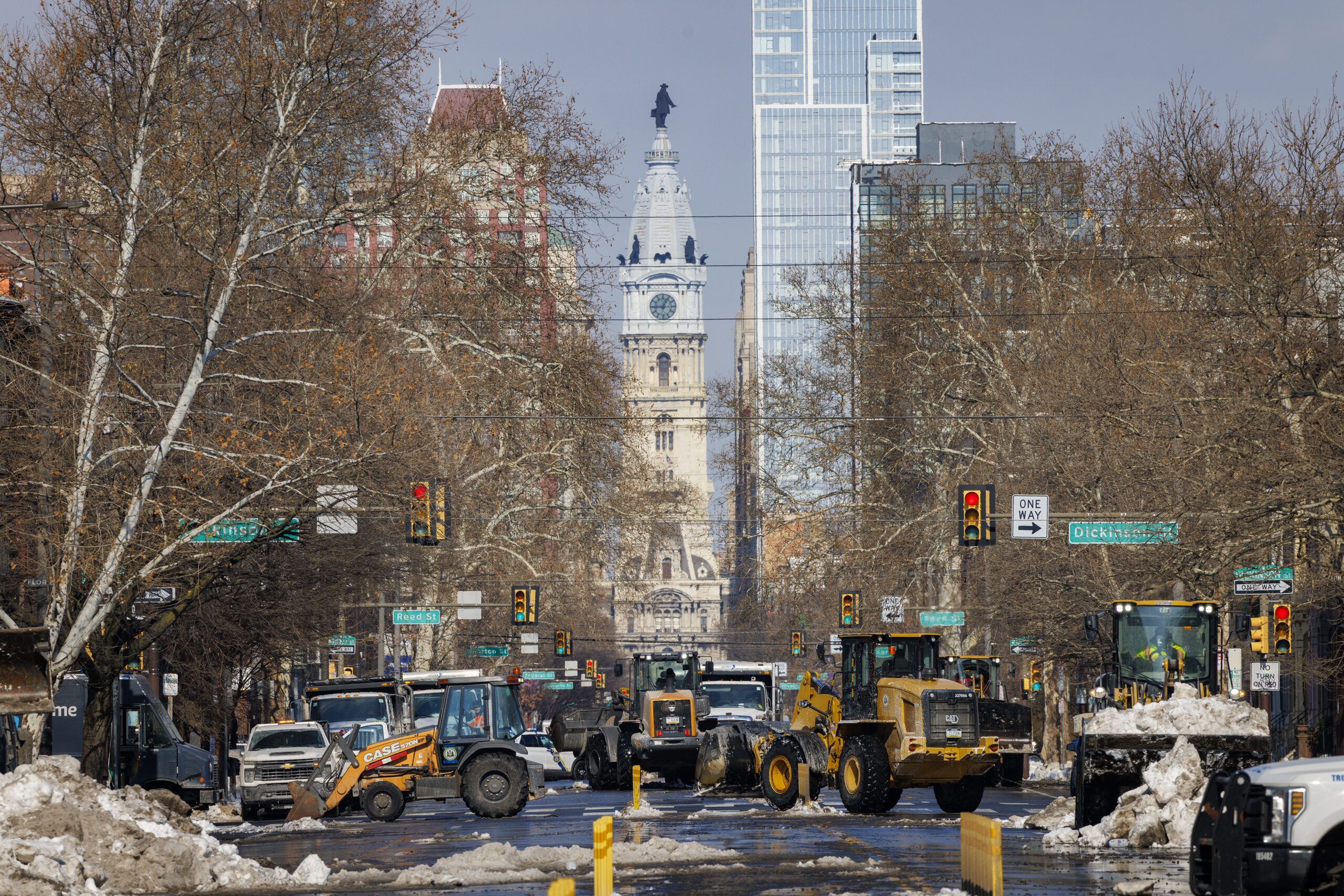
    Heavy equipment clearing snow along S. Broad Street at Dickinson Street.

    Carlton Williams, the city’s director of clean and green initiatives, said the hundreds of workers aiding in the cleanup have made significant progress in areas like North Philadelphia; South Philadelphia, which was the epicenter of 311 complaints days after the snowfall; and Manayunk, which posed a challenge because of its hills.

    He noted the complexity of the city’s narrow residential streets, which required bringing in specialized equipment, and where he previously said cleanup was further complicated by illegal parking.

    Throughout the week, the city had also conducted lifting operations where machines dumped snow and ice into dumpsters to be hauled to storage sites across the city.

    A Facebook video on the mayor’s social media page, along with responses to clips of the dig-out update shared online, offered a glimpse of how residents feel. Parker, many said rising to her defense, cannot control the freezing temps. Others were less forgiving, listing their blocks as forgotten sections in the cleanup.

    Philly is far from alone in the continued cleanup efforts hampered by below-freezing temperatures. At the request of Washington, D.C., officials, 50 National Guard members were deployed over the weekend to help clear schools of snow. Baltimore was able to get a snow melter on loan from D.C. this week, a machine officials told WBAL-TV the city had not needed in a decade.

    Even New York Mayor Zohran Mamdani, who received generally good marks on cleanup from the media in the early days after the storm, was pressed by reporters Monday on lingering snowbanks and delays in trash pickup.

    In Philadelphia on Tuesday, the city conducted a snow-clearing operation along a 1.5-mile stretch of Broad Street through 6 p.m., towing cars along the street in South Philly to make way for equipment on the major corridor.

    City workers received the slightest respite as they continued snow-clearing efforts as temperatures reached the mid-30s Monday and Tuesday.

  • Philly threatened shoveling fines. Then it left its own parks and properties snowy and icy.

    Philly threatened shoveling fines. Then it left its own parks and properties snowy and icy.

    Before 9.3 inches of snow and sleet blanketed Philadelphia, in the biggest snowfall the city has seen in a decade, officials were adamant: Shovel or face a fine.

    In a news conference last week, Director of Clean and Green Initiatives Carlton Williams said residents would have six hours to shovel after the last bit of snow fell. Failure to do so could result in a $300 fine.

    But four days after the last icy flake fell, residents across Philadelphia say the city has set a bad example on the shoveling front, noting various city-owned properties, many of them parks, remain inaccessible for people with strollers, wheelchairs, and those who have limited mobility, and a frigid obstacle for even the most nimble.

    “It feels emblematic of the city’s attitude towards its residents, where it’s like they have rules and laws for everybody, but if they can’t manage to do something, it’s like, ‘We don’t have the resources. People need to be patient. We’re trying,’” said Coryn Wolk of Cedar Park.

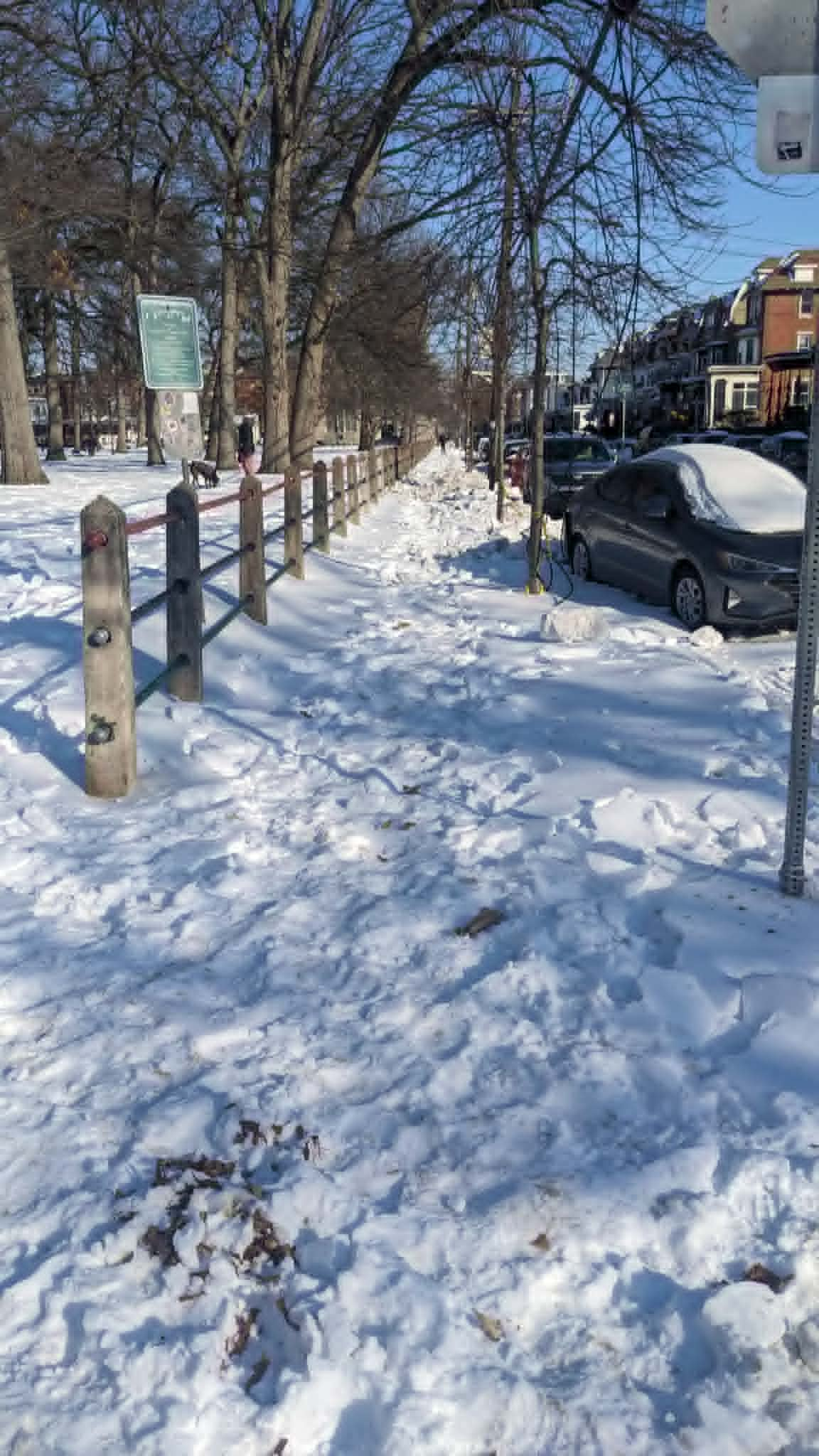
    The 36-year-old said she does have some sympathy for the city, as do many others, because it is responsible for so many sidewalks and buildings, and the icy weather isn’t helping cleanup efforts. But as she walked through Malcolm X Park Thursday, frustration set in as she trudged through a sidewalk of tightly packed, icy snow.

    The city did not respond to a request for comment regarding shoveling issues but its rules say paths on sidewalks must be three feet wide. Those on streets with sidewalks less than three feet wide can carve out paths that are one foot wide.

    A sidewalk of Malcom X Park in West Philadelphia on Thursday, Jan. 29, 2026.

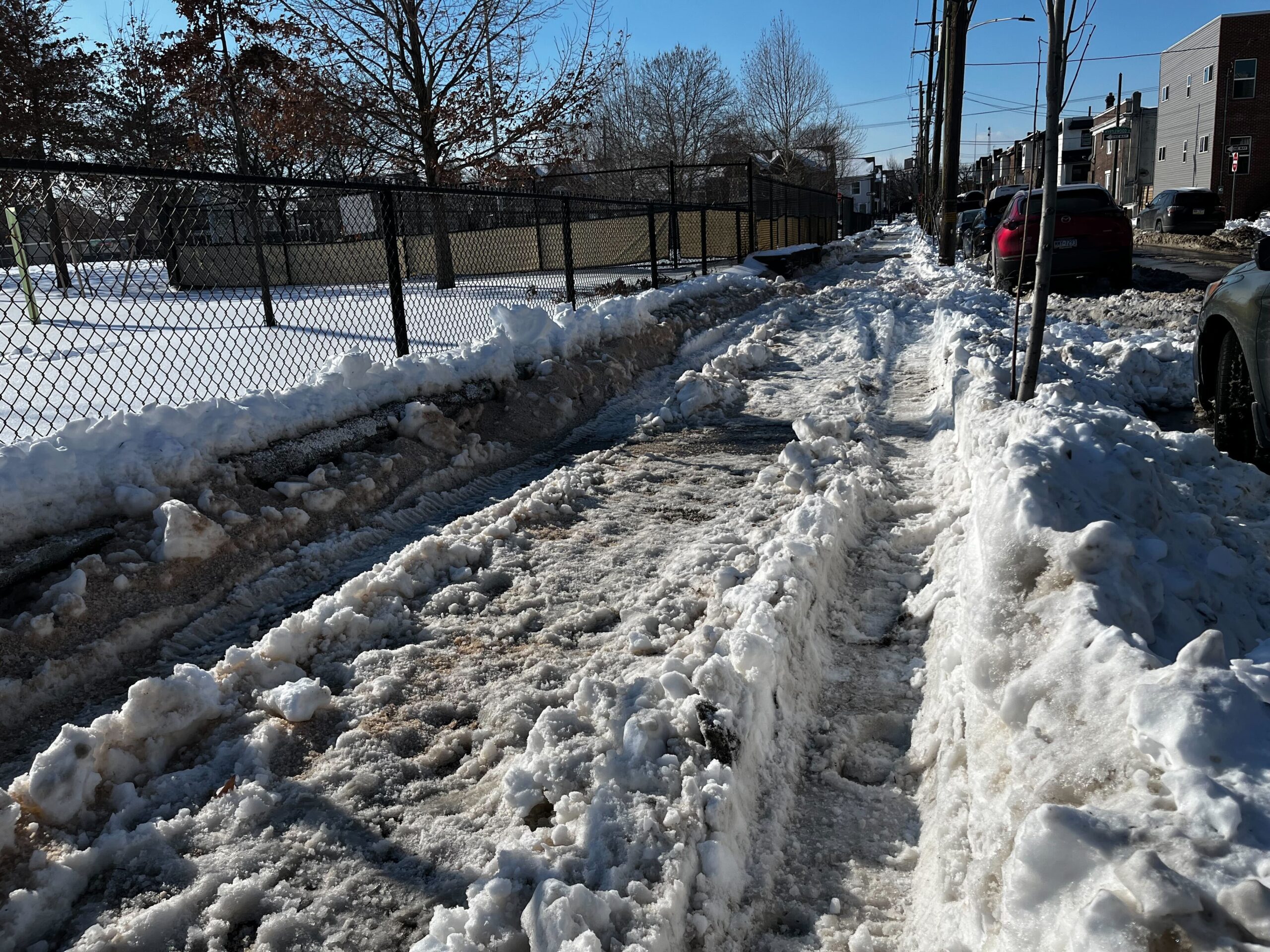
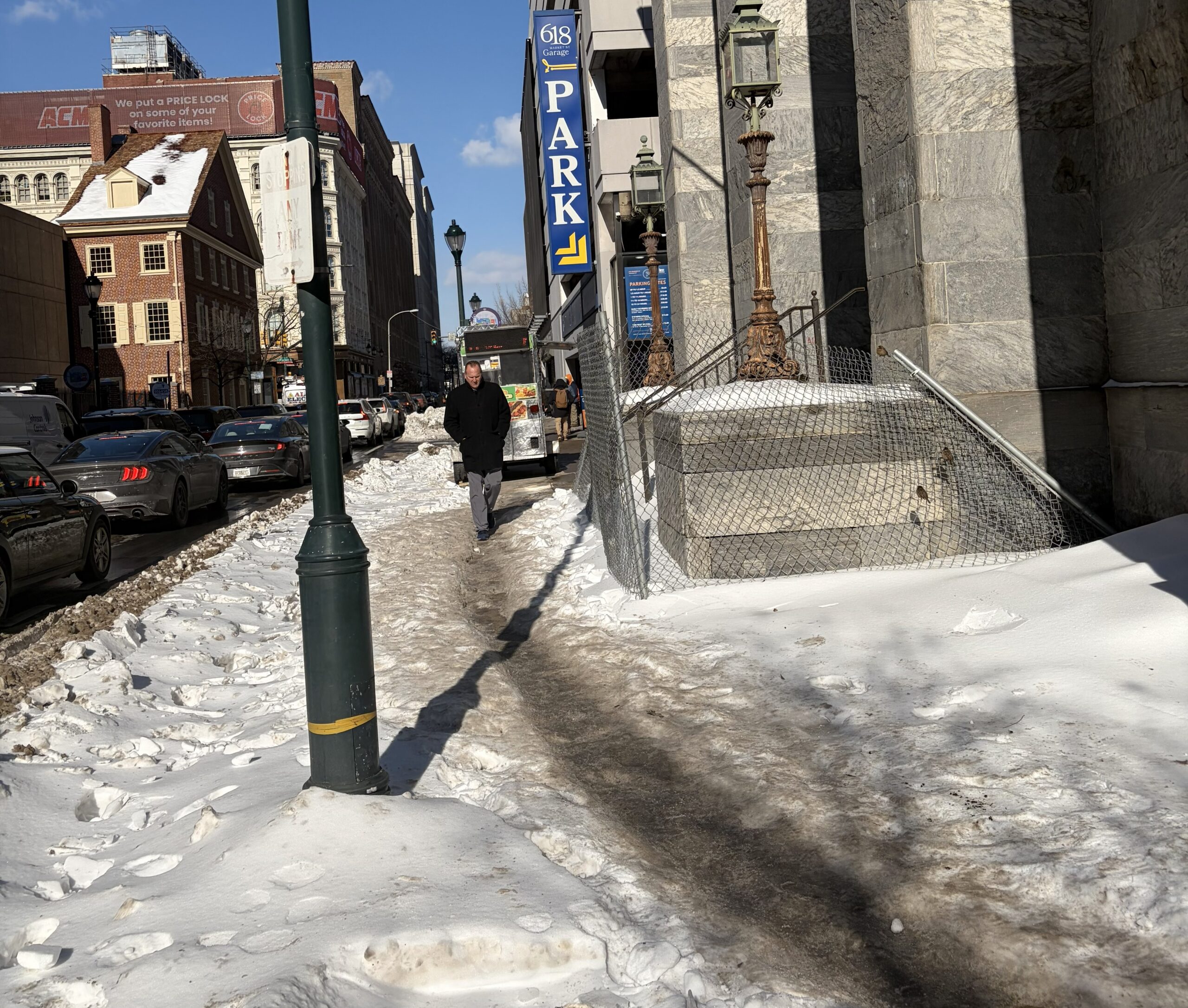
    Still, Greys Ferry’s Lanier Park, Ridgeway Park in the Hawthorne section of the city, and Cobbs Creek Park also had sidewalks covered by a trampled layer of gray and yellow snow Thursday. In Center City, outside the former Philadelphia History Museum, another city-owned property, passersby had molded a narrow path that should have been shoveled.

    A sidewalk along Lanier Park in Grays Ferry on Thursday, Jan. 29, 2026.

    Residents say the problem extends to trolley and bus stops that line streets, describing large mounds of snow they need to climb like athletes to reach their modes of transportation.

    Chase Howell, 29, described a herculean snow trudge through Center City with the child she nannies Wednesday. In one instance, she tried to catch the Route 4 bus along Broad and Spruce Streets only to find there was “no way to access the bus lane” because of snow pileups. To her disappointment, the next bus shelter north “was halfheartedly shoveled a foot wide but incredibly slippery.”

    In the process of lifting and pushing the stroller, Howell hurt her back, but she said that’s secondary in her whole ordeal.

    The city owes residents who use wheelchairs more than this, she said. “City curbs should be shoveled three feet wide just as the requirement is for residences and businesses.”

    Those stops and bus shelters are not under SEPTA’s purview. The responsibility of cleanup falls to the city and others who own property next to the stops, according to the agency’s spokesperson Andrew Busch. SEPTA, however, is responsible for the bus stops at the major transit hubs and clearing platforms, entrances, lots, and other areas at train stations.

    Walking around West Philadelphia, Razan Idris has seen plenty of businesses and properties that have also neglected to clear their sidewalks. But she thinks the cleanup is part of a larger issue that can be applied to property owners who don’t pick up trash or who let their buildings rot.

    “I see it as kind of the same thing, like there is little to no accountability for whoever is owning a building or an area or a lot,” said the 30-year-old.

    But ultimately, the buck stops with the city, said Idris.

    The former Philadelphia History Museum, which is city-owned, on Thursday, Jan. 29, 2026.

    By failing to care for public sidewalks surrounding parks and municipal properties, other residents feel the city is sending a message that the rules on shoveling aren’t being enforced.

    In South Philly, pedestrians trudged through crusty snow on the sidewalk along West Passyunk Avenue next to the former Melrose Diner. The sidewalk looked like it hadn’t been shoveled since the storm hit last week.

    The property is owned by M R Realty Limited Partnership, state records show. Business owner Michael Petrogiannis did not respond to a request for comment.

    A passerby, who only identified himself as Derek, complained about how some property owners leave their neighbors with the responsibility of making the sidewalks safe for use.

    “They don’t come out and shovel,” he said. “So I’m the one shoveling for them.”

    Staff writers Henry Savage and Max Marin contributed to this article.