Author: Erin McCarthy

  • What the Saks bankruptcy means for Philly-area shoppers

    What the Saks bankruptcy means for Philly-area shoppers

    Saks Global, which operates Saks Fifth Avenue and Neiman Marcus, has filed for bankruptcy.

    The high-end clothing retailer announced the move on Wednesday, saying in a statement that the Chapter 11 filing will “facilitate its ongoing transformation.”

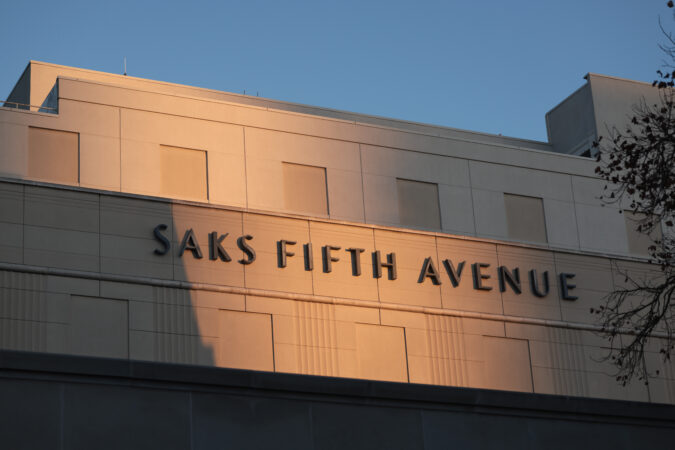
    In the Philadelphia region, Saks Global has long operated an expansive Saks Fifth Avenue store off City Avenue in Bala Cynwyd. The company also has a Neiman Marcus at the King of Prussia Mall, as well as Saks Off 5th discount outlets at the Franklin Mall in Northeast Philadelphia and at the Metroplex shopping center in Plymouth Meeting.

    Both local Saks Off 5th locations are slated to close soon, as was reported this fall by several news outlets, including the Philadelphia Business Journal.

    Here’s what the bankruptcy filing means for local Saks shopper.

    Is Saks Fifth Avenue in Bala Cynwyd closing?
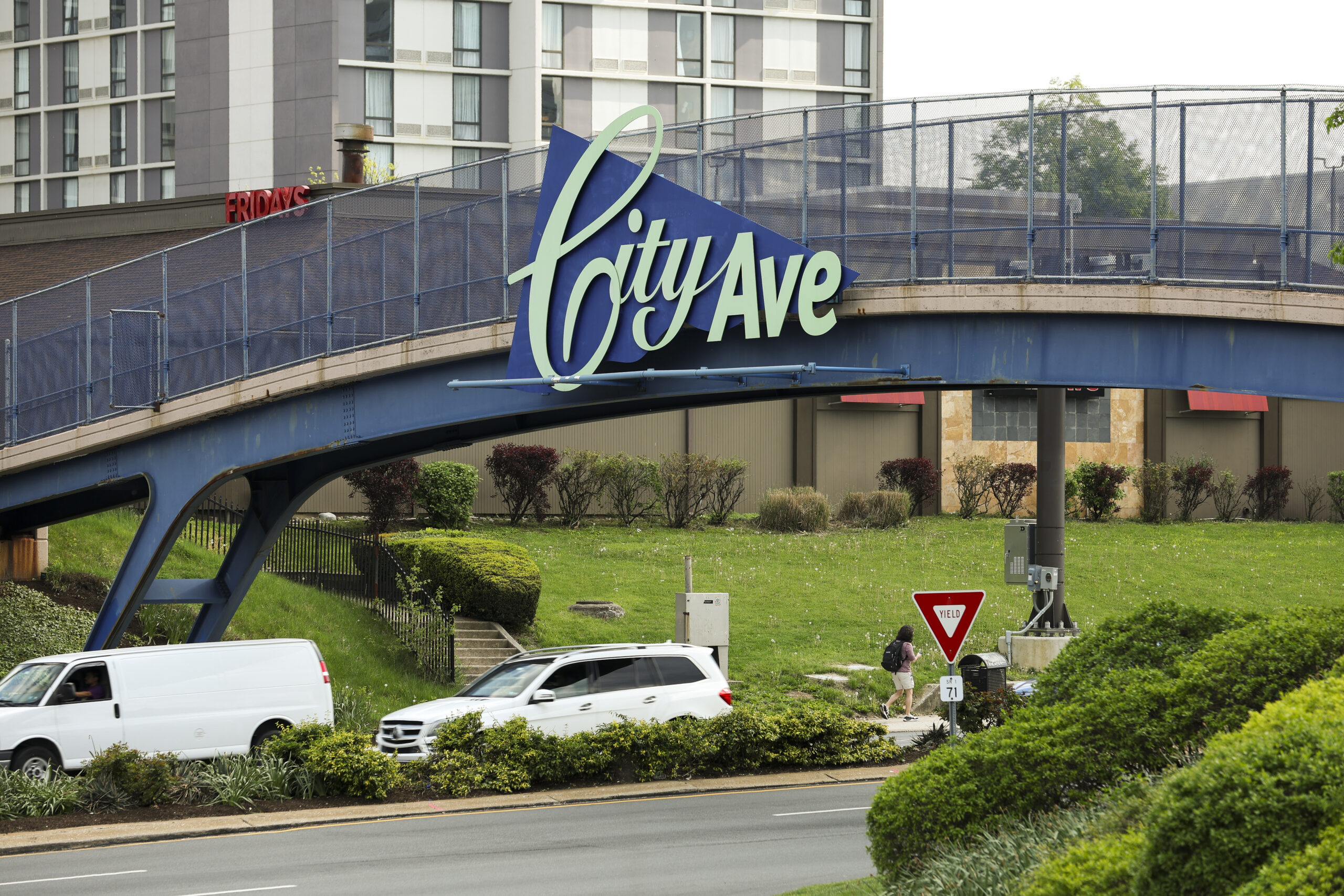
    Saks Fifth Avenue has been a retail success along City Avenue in Bala Cynwyd, as shown in April 2024.

    No. At least not in the immediate future.

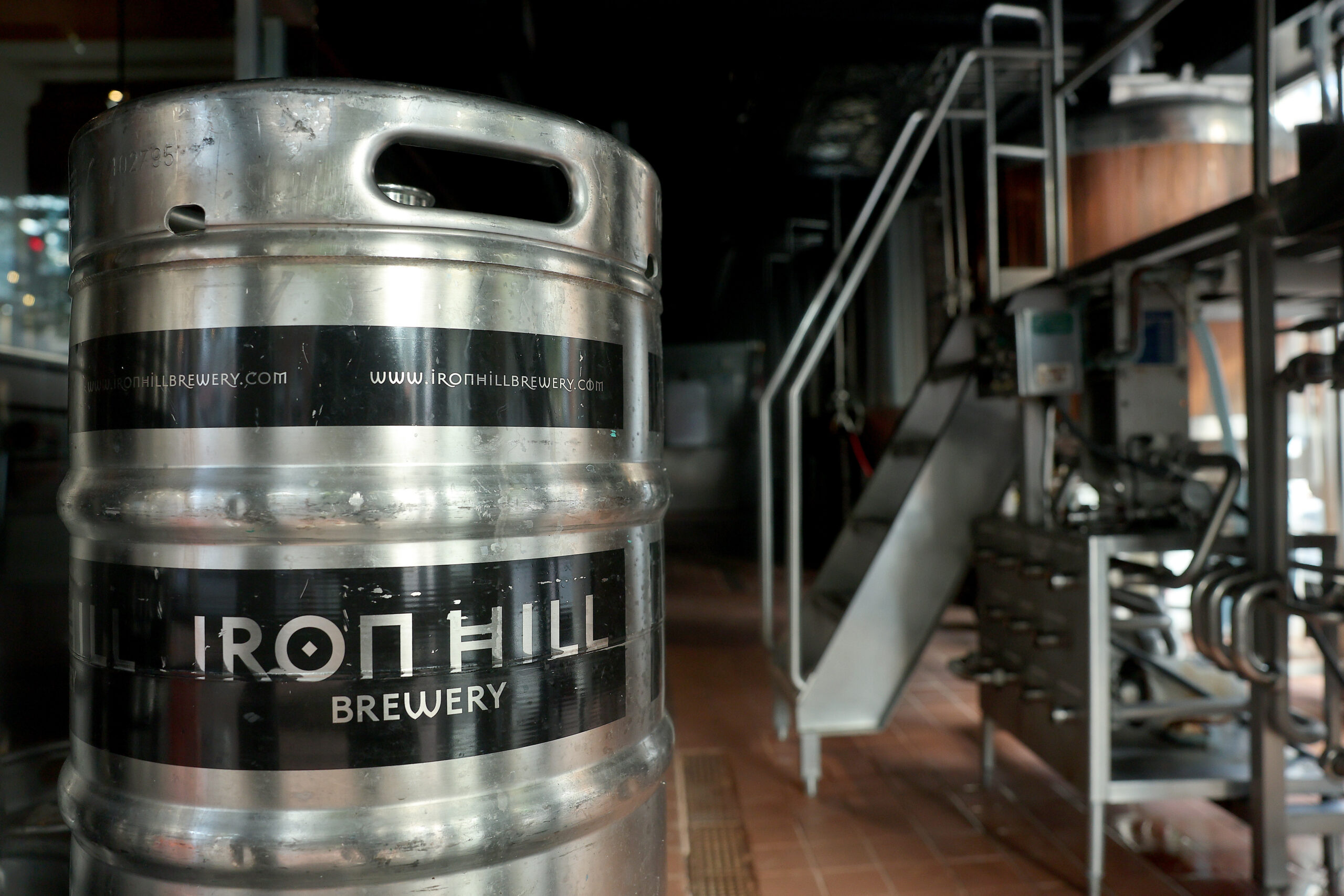
    Saks has filed for Chapter 11 bankruptcy, which means the company intends to reorganize financially and stay in business. That’s opposed to Chapter 7 bankruptcy — as is the Iron Hill Brewery case — through which businesses liquidate all their assets and close locations.

    “To be clear, a Chapter 11 filing does not mean that Saks Global is going out of business,” Saks wrote in a bankruptcy FAQ on its website.

    But when companies reorganize through bankruptcy, they sometimes do close stores, particularly underperforming ones.

    Saks executives alluded to the possibility of this in its statement, which read in part: “As part of the Chapter 11 process, the company is evaluating its operational footprint to invest resources where it has the greatest long-term potential. This approach reflects an effort to focus the business in areas where the company’s luxury retail brands are best positioned for sustainable growth.”

    The Saks Fifth Avenue opened in Bala Cynwyd decades ago. It is now the retailer’s only location in the Philadelphia region and is called “Saks Philadelphia” on the company’s website.

    The Inquirer reported in 2024 that business at the store was strong and that the chain had resisted offers to move to King of Prussia, according to the City Ave District.

    In response to questions from The Inquirer about the future of Philadelphia-area stores, Saks Global said: “Our footprint evaluation is underway, and we have already begun to work collaboratively with our real estate partners to find future-facing solutions, where possible, to achieve a stable and sustainable business model and optimized portfolio on the other side of this process.”

    Is Neiman Marcus in King of Prussia closing?
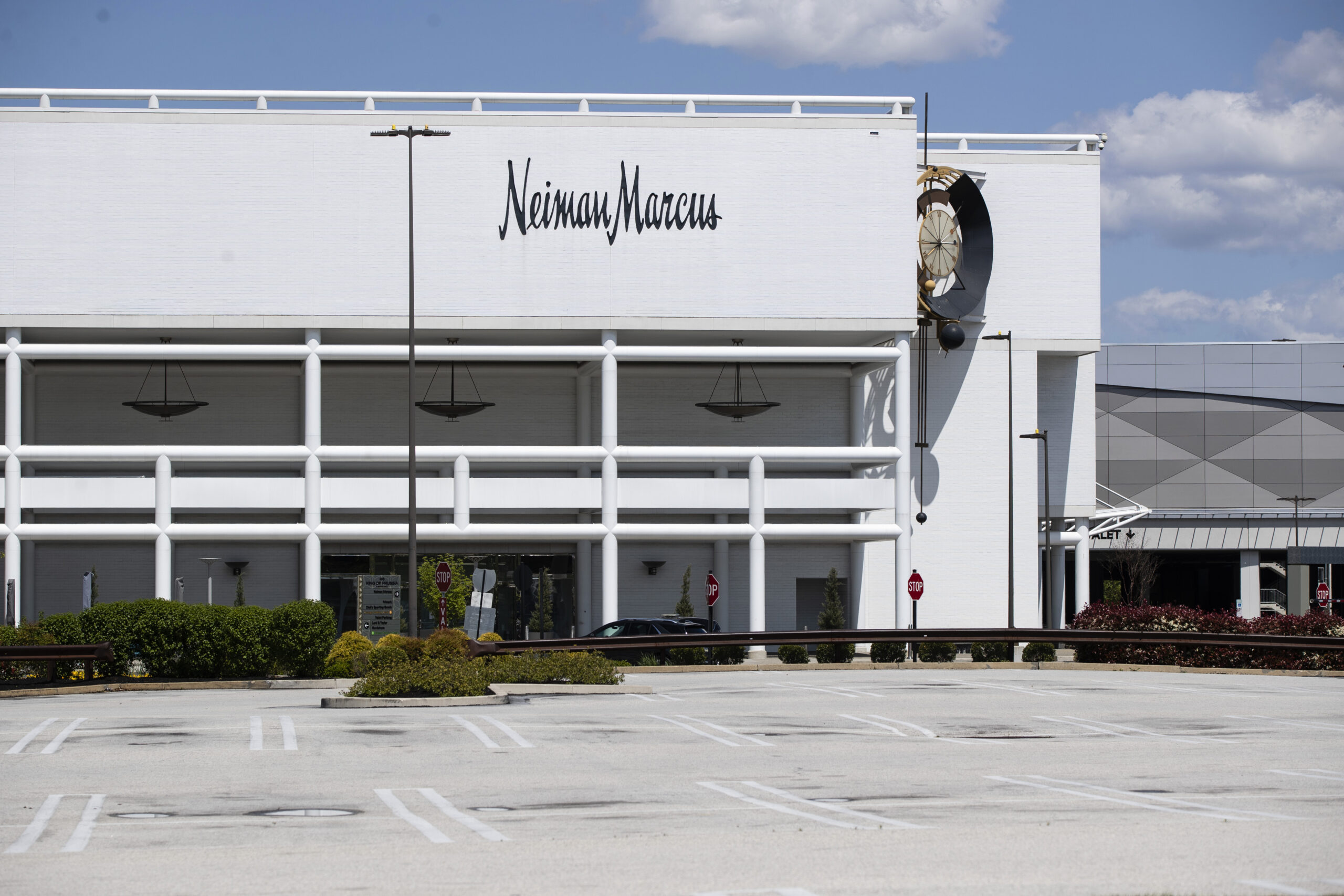
    The Neiman Marcus store in King of Prussia, as shown in May 2020.

    Also not in the immediate future.

    King of Prussia Mall has long been a go-to spot for retailers. Even after the challenges of the pandemic, and amid competition from online retailers, the center remains among the region’s thriving shopping destinations.

    In 2024, Saks Global bought Neiman Marcus in a $2.65 billion deal after Neiman Marcus filed for Chapter 11 bankruptcy during the pandemic.

    Are Saks credit cards or gift cards impacted by the bankruptcy?

    No, the company says.

    “There are no changes to our credit card programs and rewards, with customers continuing to shop, earn and redeem benefits as usual,“ the company wrote in the FAQ. ”We continue to accept payments as usual, including credit cards and gift cards, with no changes to how customers transact with us.”

    Are Saks’ return policies impacted by the bankruptcy?

    No, according to the company.

    “Our refund and exchange policy is expected to remain unchanged, with refunds and exchanges being accepted and issued as usual,” the company wrote.

    I am waiting on a package from Saks. Will my order still arrive?

    Yes, all current and future orders will be delivered as usual, the company said.

    What’s next for Saks?
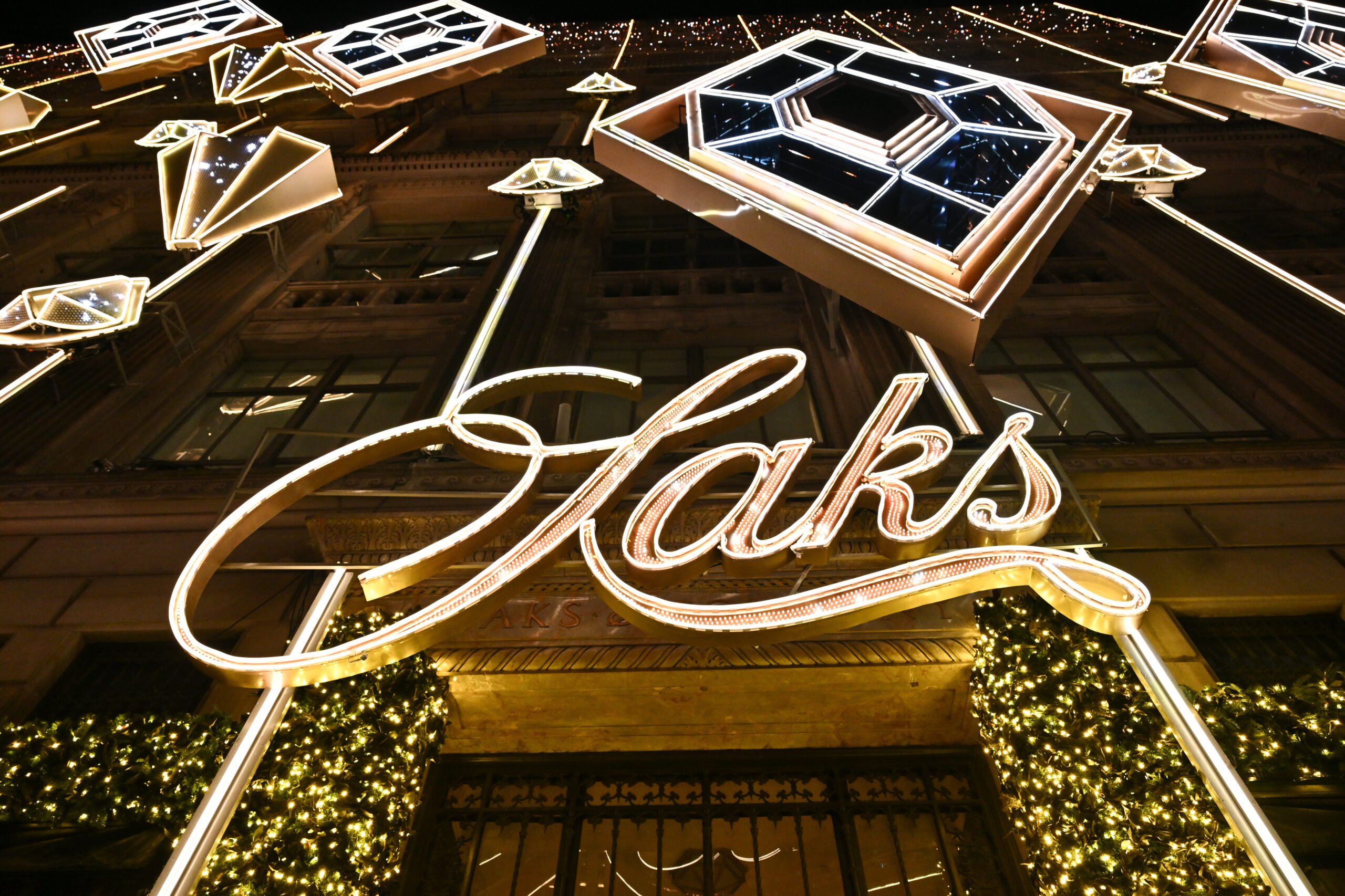
    In New York, Saks Fifth Avenue’s holiday light show and window was revealed in November.

    The company says it is not going anywhere.

    “Saks Global is firmly focused on the future, and we look forward to continuing to serve customers and deliver for our stakeholders,” the company wrote in the FAQ.

    As of Wednesday, Saks was waiting for court approval of a $1.75 billion financing deal that would come with an immediate $1 billion debtor-in-possession loan from an investor group.

    If approved, the deal “will provide ample liquidity to fund Saks Global’s operations and turnaround initiatives,” the company said in a statement.

    Saks estimates its assets and liabilities at between $1 billion and $10 billion, according to court documents filed in U.S. Bankruptcy Court in Houston. Saks has between 10,001 and 25,000 creditors, including luxury brands like Chanel, to which Saks owes $136 million, according to the documents.

    To lead the company during this transition, Saks also announced a new chief executive, with former Neiman Marcus CEO Geoffroy van Raemdonck replacing Richard Baker.

    Saks said it hopes to emerge from bankruptcy later this year.

    The company said in its FAQ: “With new capital and a stronger financial foundation on the other side of this process, we are confident that we can play a central role in shaping the future of the luxury retail industry while delivering the elevated shopping experience our customers expect from our dedicated team.”
  • The first Philly-area Sheetz is set to open next month across from a Wawa

    The first Philly-area Sheetz is set to open next month across from a Wawa

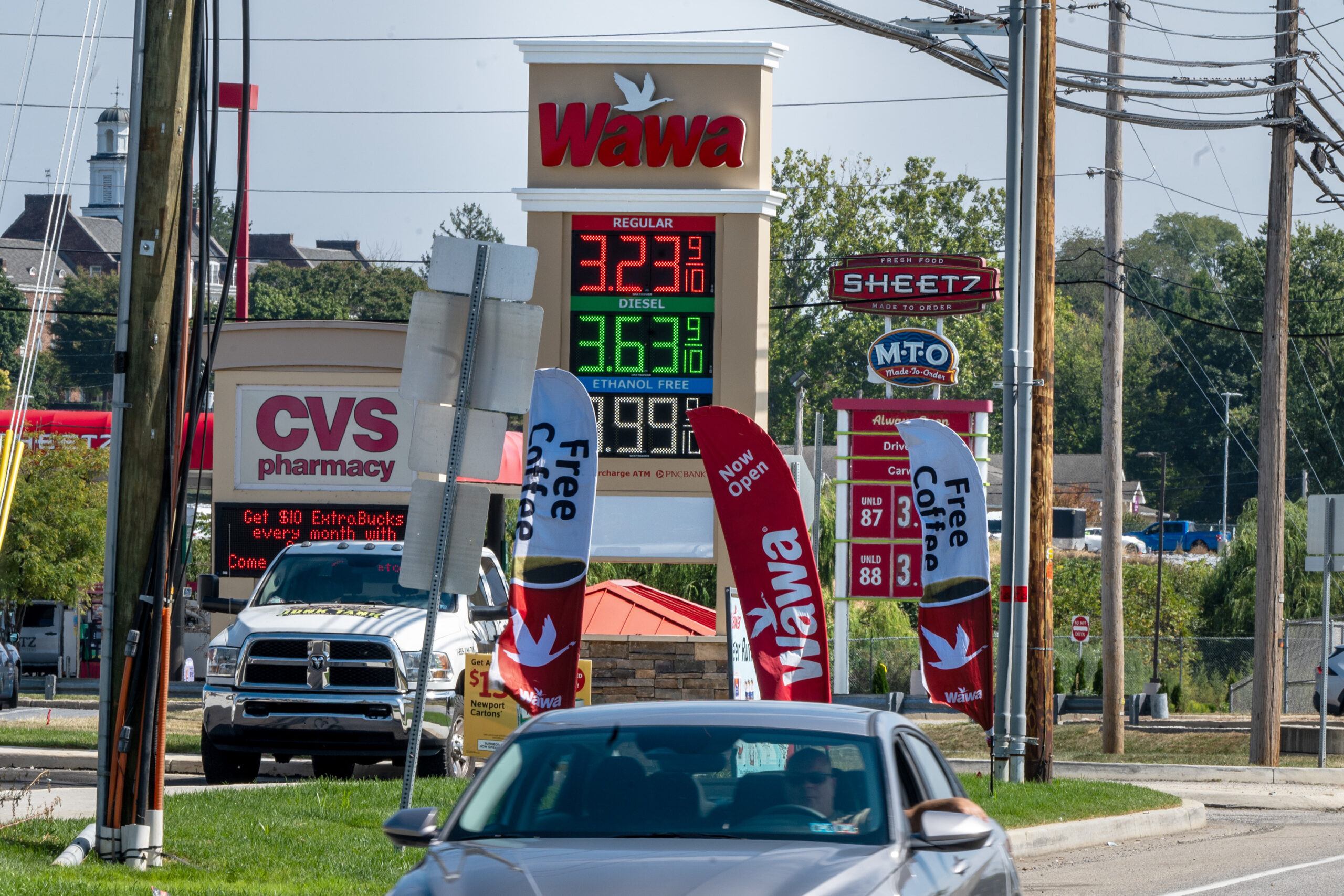
    Sheetz’s encroachment into Wawa territory has an official ETA.

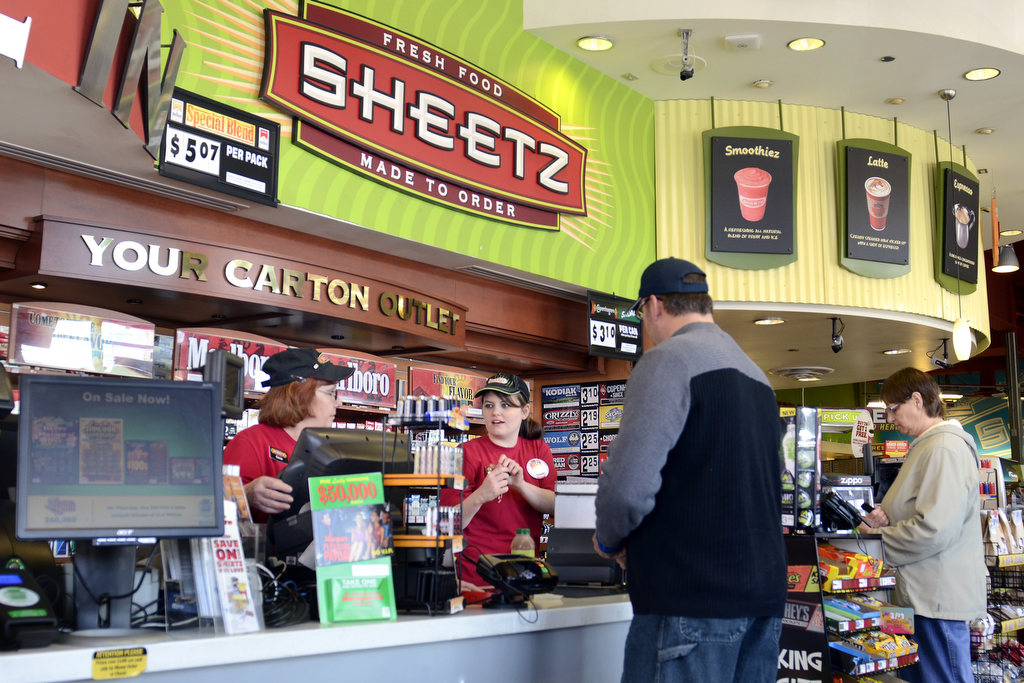
    The Altoona-based convenience store chain is set to open its first Philadelphia-area store on Feb. 12 in Limerick Township, Montgomery County, according to Sheetz public affairs manager Nick Ruffner.

    It will be located at 454 W. Ridge Pike, across the street from an existing Wawa.

    Sheetz presented its site plans to Limerick’s board of supervisors about a year ago. The area was already zoned for this type of development, officials said at the time, and no other township permits were required.

    “As Sheetz continues its expansion into communities near its existing footprint, we remain committed to being the best neighbor we can be and delivering the convenience, quality, and service Pennsylvania communities have come to expect from us for more than 70 years,” Ruffner said in a statement.

    A Sheetz convenience store and gas station near Carlisle, Pa. in 2020.

    For decades, Sheetz opened its convenience-store gas stations in the western and central parts of the Commonwealth, while Wawa added locations in communities near its Delaware County headquarters.

    Over the years, both companies expanded into other states: Wawa has more than 1,100 locations in 13 states and Washington, D.C., while Sheetz has more than 800 stores in seven states.

    But neither of the two chains would encroach on the other’s traditional strongholds in Pennsylvania. At least for a while.

    That changed in 2024, when Wawa opened its first central Pennsylvania store. The location outside Harrisburg was within eyesight of a Sheetz.

    In 2024, Wawa moved into Dauphin County, just 0.3 miles down the road from a Sheetz.

    By this October, Wawa announced it had opened its 10th central Pennsylvania store. At the time, the company said in a news release that it planned to add five to seven new locations in the region each year for the next five years — to “reach new Pennsylvania markets along the Susquehanna River.”

    Wawa plans to open its first outposts in the State College area, near Penn State’s campus.

    As of early January, Sheetz’s closest store to Philadelphia is just over the Chester County border in Morgantown.

    But along with the forthcoming Limerick location, Sheetz has also expressed interest in opening at least one store in western Chester County.

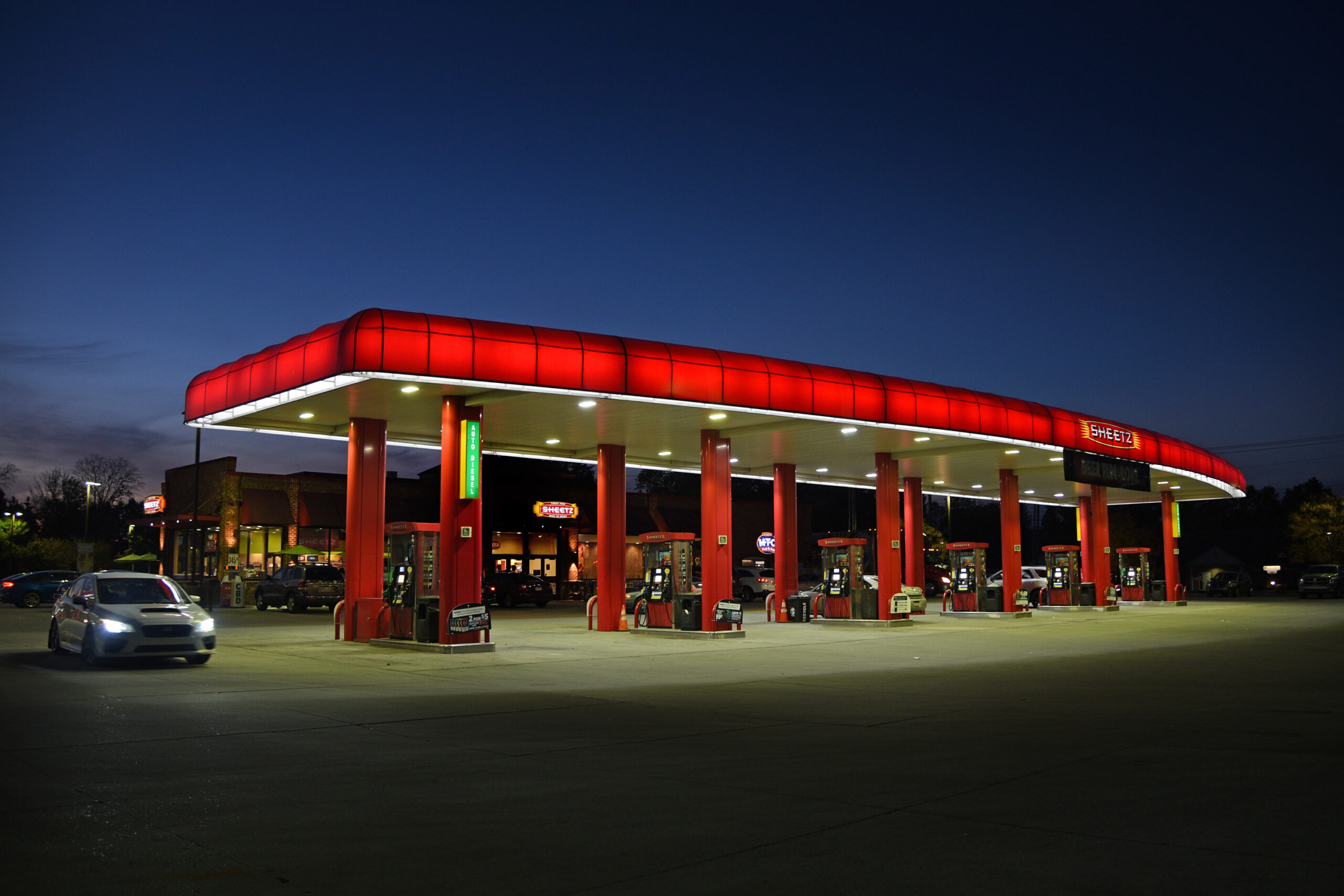
    For awhile, Sheetz, shown here in Bethlehem, Pa. in 2018, and Wawa expanded in different parts of the state, never overlapping into the other’s territory. That’s changed.

    This fall, Sheetz presented Caln Township officials with a sketch plan for a store on the site of a former Rite Aid on the 3800 block of Lincoln Highway in Thorndale, according to the township website.

    Sheetz’s namesake, Stephen G. Sheetz, died Sunday due to complications from pneumonia. The former president, CEO, and board chairman was 77.

    “Above all, Uncle Steve was the center of our family,” Sheetz president and CEO Travis Sheetz said in a statement. “We are so deeply grateful for his leadership, vision, and steadfast commitment to our employees, customers, and communities.”

  • How to recycle your old electronics the right way, according to e-waste experts

    How to recycle your old electronics the right way, according to e-waste experts

    If you got an iPhone, smart TV, or laptop as a holiday gift, you may be facing the age-old dilemma of what to do with your old electronics.

    Or maybe you’ve already thrown your now-outdated device in the kitchen junk drawer to languish for years alongside flip phones from the early aughts.

    “People want to do the right thing, but they don’t know what to do,” Joe Connors, CEO of the Pennsylvania-based secure e-waste recycler CyberCrunch. Something like an old TV “often ends up in their basement or in their garage.”

    There is a better way to bid adieu to these electronics, experts say, and it’s not even that complicated.

    “It’s easier than people think,” said Andrew Segal, head of operations at eForce Recycling in Grays Ferry. “A lot of people scratch their heads, [saying] ‘I don’t know what to do with this stuff.’ … [But] there are plenty of electronics recyclers out there.”

    The industry has grown in recent decades, particularly after state laws began governing e-waste recycling in the early 2000s.

    Let experts answer your questions about how to responsibly dispose of old electronics.

    Can I put TVs, phones, and other electronics out with my regular trash or recycling?

    Electronics can’t be picked up with regular trash or recycling, but they can be taken to places like Philadelphia’s sanitation services centers.

    That’s a resounding no.

    Throwing out electronics is technically illegal in Pennsylvania and New Jersey, and consumers can face fines for disposing of e-waste. As of January, 25 states and D.C. have such laws on the books.

    Leaving TVs and other large electronics outside also poses environmental risks.

    “The screens wind up getting cracked, and they get rained on, and that all can wash up into the waterways,” Segal said. “It’s not good.”

    Only put electronics on the curb if you have arranged a pickup with a certified recycler, experts say.

    It can be difficult to find a company that will pick up electronics, e-recycling executives say. Some said they used to recommend the service Retrievr, but it recently paused its Philly-area services indefinitely. If a consumer does find such a service, they say it’s likely to come at a cost.

    If an electronic is too heavy to lift alone, and you don’t want to pay for a pickup, experts recommend asking neighbors, friends, or relatives to help get the item into the car. Once you get to a collection site, they say, workers can usually take it from there.

    So what should I do with old electronics?

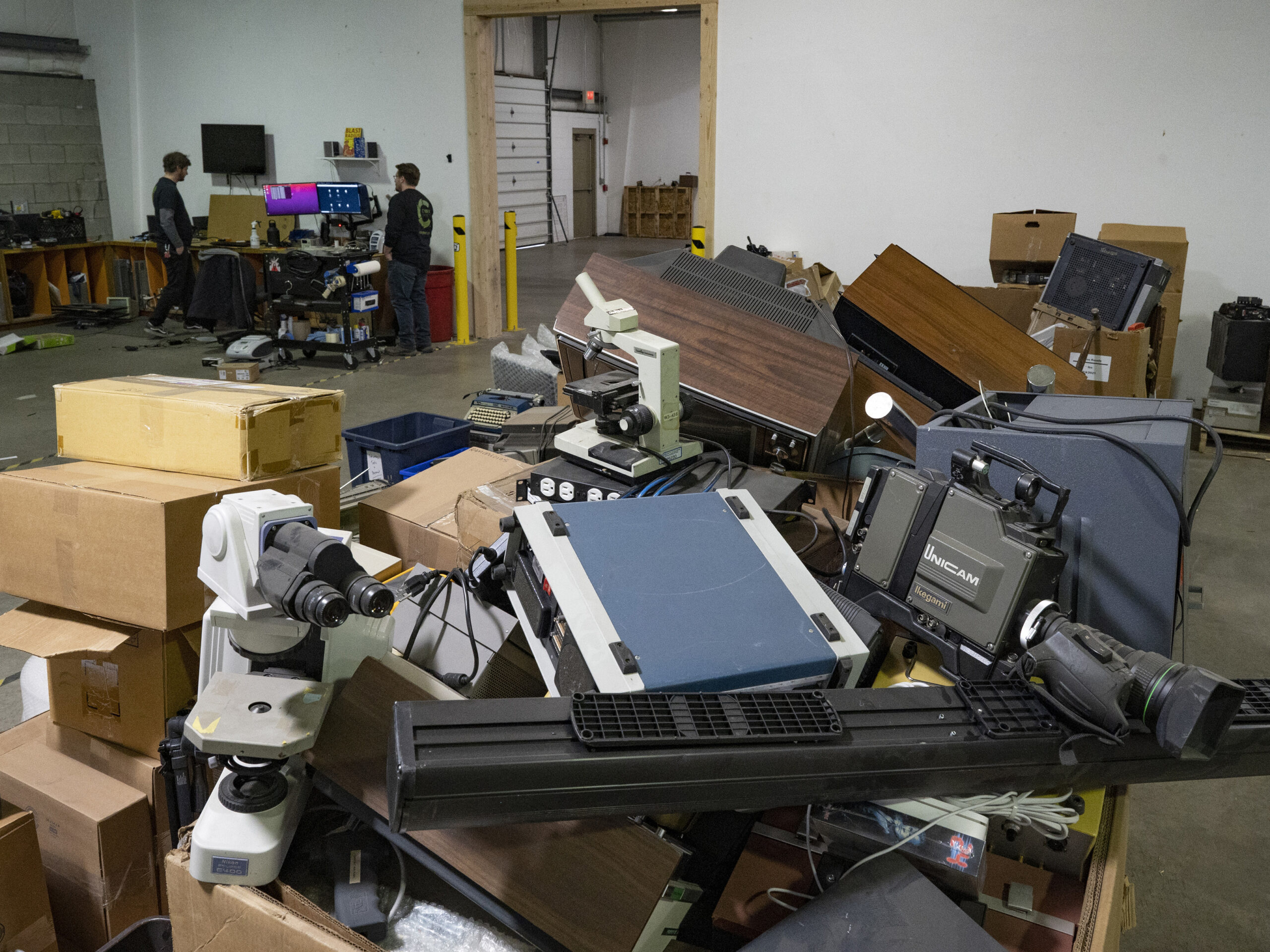
    Electronics are stacked on pallets at the Greensburg, Pa., facility of CyberCrunch, an electronics recycling and data destruction service, as pictured in 2022.

    Take it to a certified electronics collection site.

    “Google ‘e-waste recycling’ and see what options exist” in your area, said Tricia Conroy, executive director of Minneapolis-based MRM Recycling, which helps electronics manufacturers recycle sustainably. “Most phone carriers will recycle on the spot.”

    Other programs and services vary by location, Conroy said.

    Philadelphians can drop off items for free at any of Philadelphia’s sanitation convenience centers. And in New Jersey, you can search free sites by county at dep.nj.gov/dshw/rhwm/e-waste/collection-sites.

    Elsewhere, you can search for township or county e-recycling events. You can also bring electronics to Goodwill Keystone Area stores, Staples, or Best Buy to be recycled. Call or go online to check a store’s specific e-recycling policy before making the trip.

    North Jersey-based Reworld waste management helped design Goodwill’s program in 2024 to “address a gap in Pennsylvania’s electronics recycling infrastructure,” spokesperson Andrew Bowyer said in a statement.

    “Prior to its launch, many counties, including densely populated areas around Philadelphia, had limited or fee-based options for recycling electronics — particularly bulky items like televisions — which often led to illegal dumping.”

    Consumers can also make appointments to drop off devices at places like CyberCrunch in Upper Chichester, said Connors, whose company specializes in data-destruction, e-waste recycling, and reuse.

    About 90% of CyberCrunch’s business comes from commercial clients, Connor said. But the Delaware County warehouse, he said, accepts drop-offs from consumers, usually for no fee (with the exception of TVs, which cost money to sustainably discard, Connors said).

    What should I do before I recycle an old smartphone, computer, or smart TV?

    Consumers should take care to remove data from old smartphones before they are recycled, industry experts say.

    Delete all data, experts say.

    “Most people, once [a device] leaves their hands, they don’t think about it,” Connors said. And “people don’t think that bad things are going to happen.”

    But consumers’ digital information gets stolen every day in increasingly creative ways, Connors said.

    To be safe, Connors recommends people remove the SIM cards from all old smartphones, whether they’re sitting in a junk drawer or heading to an e-recycling facility. SIM cards hold much of a user’s important, identifying data. On iPhones, SIM cards are located in a tray on the side of the phone and can be removed by putting a straightened paper clip or similar tool into the tiny hole on the tray.

    When removing data from an old laptop, Connors recommends more than a factory reset. Take it to a professional who can wipe the computer clean entirely, he said.

    Don’t forget to also remove data from old smart TVs, where users are often logged into multiple apps, including some like Amazon that are connected to banking information, Connors said.

  • Toll Brothers just named a new CEO. Here’s how much he’ll earn.

    Toll Brothers just named a new CEO. Here’s how much he’ll earn.

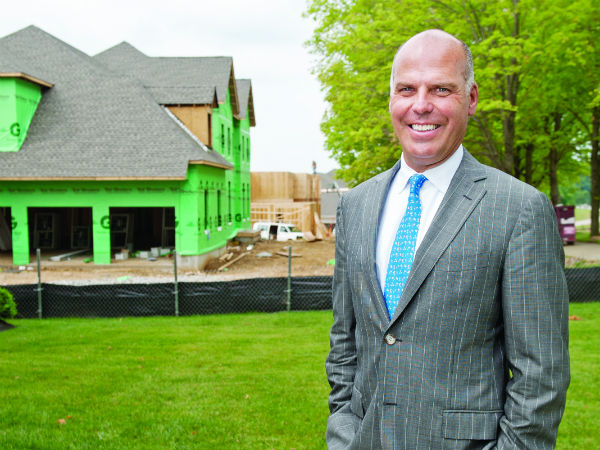
    Toll Brothers, the luxury homebuilder based in Fort Washington, will have a new CEO this spring.

    Karl K. Mistry, an executive vice president who has been with the company for 22 years, is set to be promoted to CEO effective March 30, Toll Brothers announced Wednesday. Mistry will succeed Douglas C. Yearley Jr., who will become executive chairman of the board.

    Yearley has served as CEO since 2010, when he was given the reins by company cofounder Robert Toll during the financial crisis.

    Mistry joined Toll Brothers in 2004 and went on to hold leadership positions in the Houston and Washington, D.C., markets. Since 2021, Mistry has managed the company’s homebuilding operations in 15 states in the Eastern U.S.

    “Karl has honed his skills in both strong markets and challenging ones. He has run numerous homebuilding divisions and has overseen our expansion into several major markets,” Yearley said in a statement. “With Karl at the helm partnering with our other seasoned leaders and operating teams, the company’s future is in excellent hands.”

    Mistry is set to receive a base salary of $1 million, with annual cash bonuses of around $2.25 million, according to the company’s recent filing with the U.S. Securities and Exchange Commission.

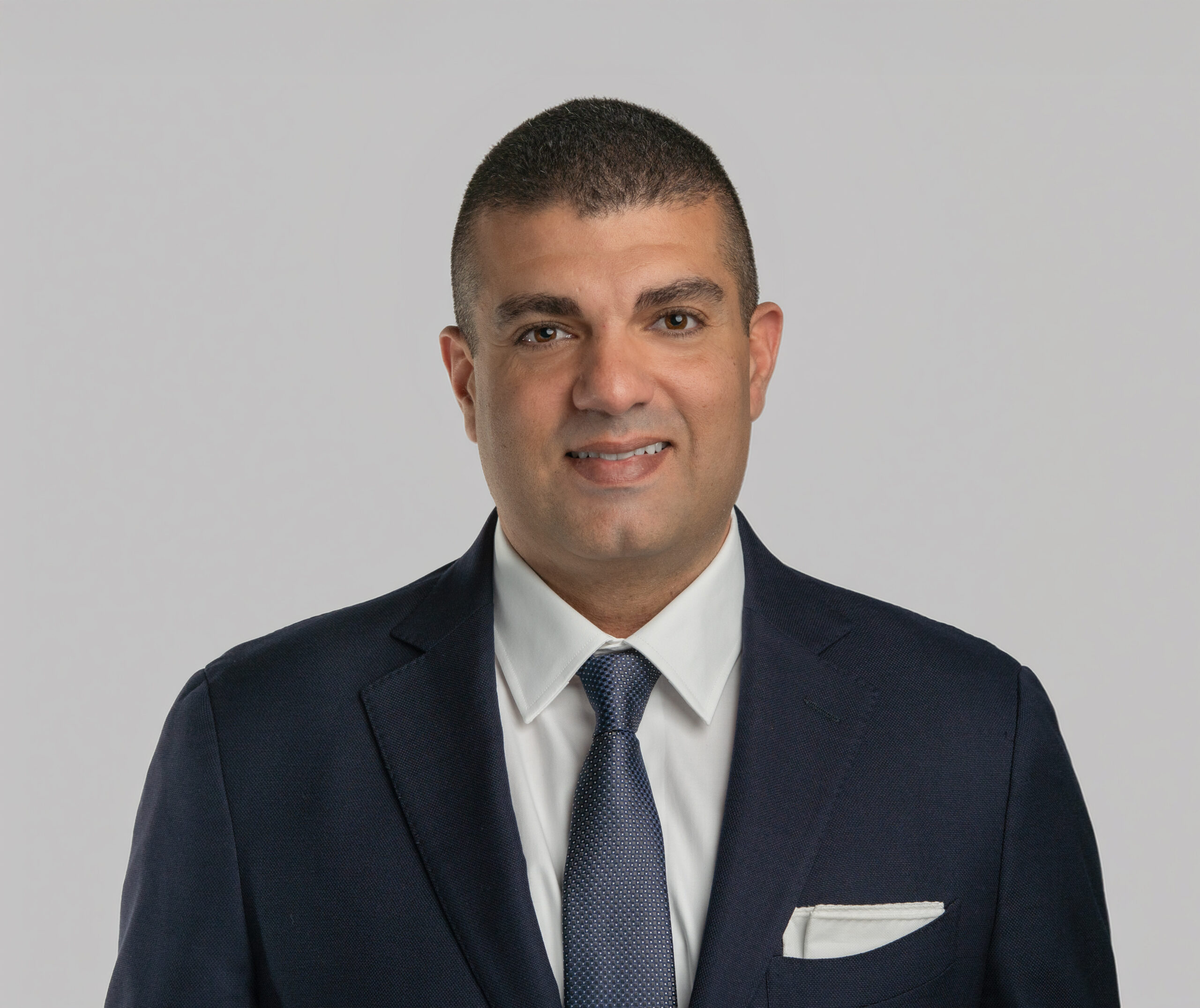
    Karl K. Mistry, an executive vice president at Toll Brothers, is set to become the company’s next CEO starting March 30.

    Yearley, who was named one of Barron’s top 25 CEOs in 2024, made an annual base salary of $1.2 million, as well as nearly $8 million in cash incentives, according to SEC filings.

    As executive board chair, Yearley’s base salary is set to remain at $1.2 million, according to the recent filing, and his total annual compensation is expected to be $6.6 million, including cash bonuses and long-term equity, starting in fiscal year 2027.

    Toll Brothers was founded in 1967 by brothers Bob and Bruce Toll, who grew up in Elkins Park and were the sons of a homebuilder. Their company has since expanded, now building in more than 60 markets nationwide.

    Douglas C. Yearley Jr., CEO of Toll Brothers, outside a model home in Newtown Square in this 2015 file photo.

    Toll Brothers recorded a record $10.8 billion in home sales revenue in fiscal year 2025, according to the company’s most recent earnings report. But the company was less profitable than in 2024, with net income at $1.35 billion, compared with $1.57 billion the prior year.

    Last year, Toll Brothers “executed well in a choppy environment” that saw “soft demand across many markets,” Yearley said in a statement accompanying the report.

    During that time, Toll Brothers sold more than 11,000 homes for $960,000 on average, according to the report. The company described its customer base in a recent news release as “first-time, move-up, active-adult, and second-home buyers.”

  • P.J. Whelihan’s restaurant group may move into a former Iron Hill Brewery

    P.J. Whelihan’s restaurant group may move into a former Iron Hill Brewery

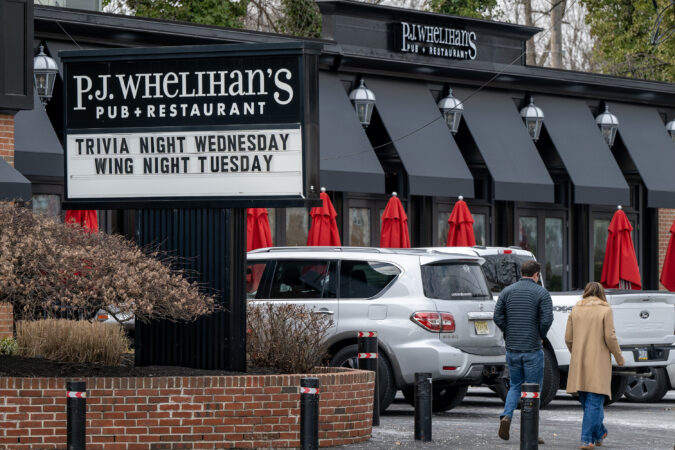
    The company that owns P.J. Whelihan’s may be moving into a former Iron Hill Brewery in Bucks County.

    PJW Opco LLC, which is registered at the headquarters of PJW Restaurant Group, was approved to take over a lease for the shuttered Iron Hill in Newtown, effective Dec. 31, according to documents filed in U.S. Bankruptcy Court in New Jersey.

    PJW marketing director Kristen Foord declined to comment.

    The nearly 8,000-square-foot brewpub in the Village at Newtown shopping center has sat empty since September, when Iron Hill abruptly closed all its locations and filed for liquidation bankruptcy. The Newtown Iron Hill had been among the chain’s newest locations, having opened in 2020.

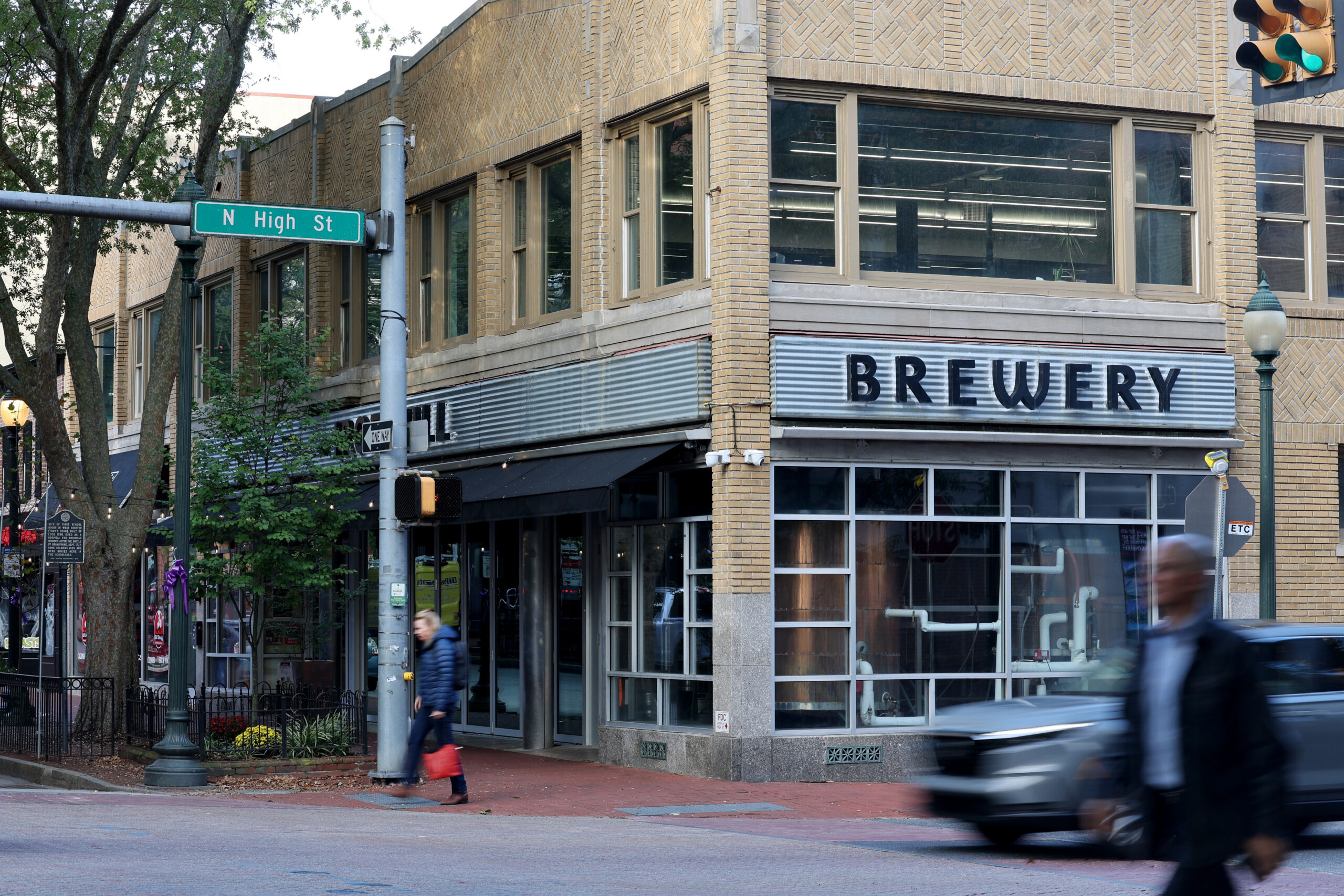
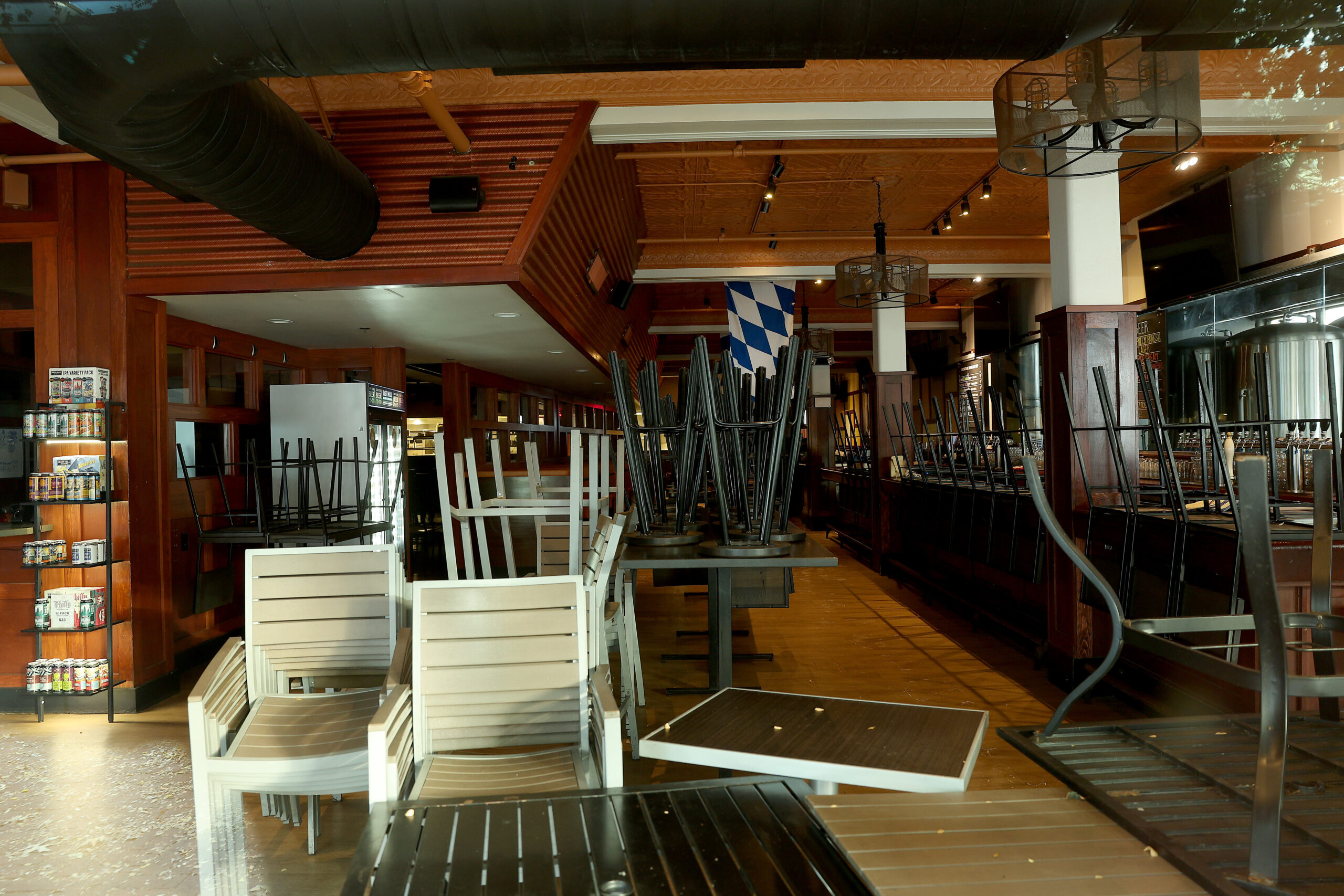
    A view from the outside looking in on the closed Iron Hill Brewery in West Chester in October.

    Brixmor Property Group, which owns the Village at Newtown, is “excited about what’s in the works” for the former Iron Hill space, spokesperson Maria Pace said in a statement, but she declined to share details.

    The court documents did not indicate PJW’s plans for the Newtown site.

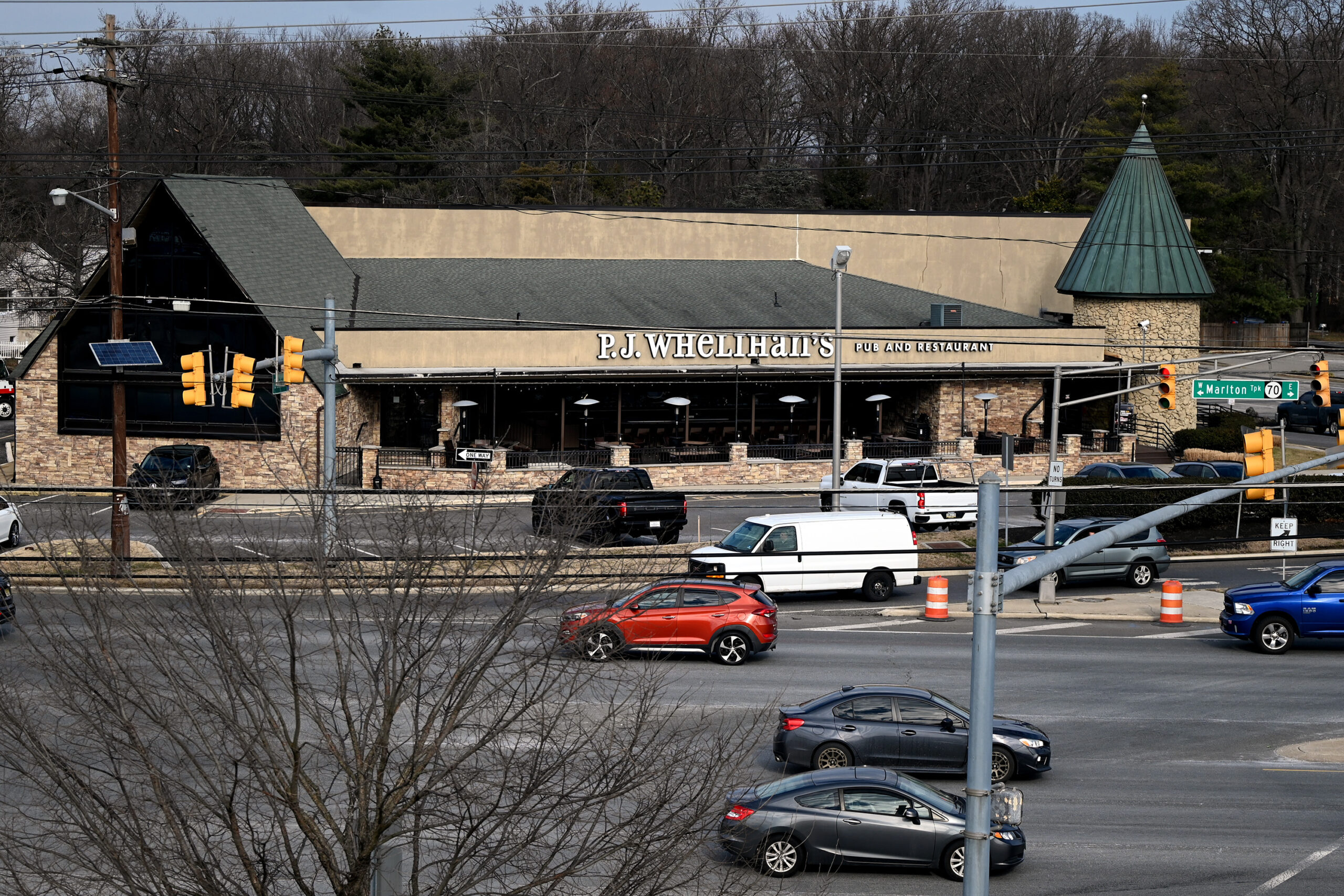
    PJW’s most well-known franchise is P.J. Whelihan’s, the regional bar-restaurant chain that started in the Poconos in 1983. There are now 25 P.J. Whelihan’s locations from Harrisburg to Washington Township, with the vast majority in the Philadelphia area.

    Haddon Township-based PJW also owns the Pour House, which has locations in Exton, North Wales, and Westmont, Haddon Township; the ChopHouse in Gibbsboro; the ChopHouse Grille in Exton; Central Taco & Tequila in Westmont; and Treno, also in Westmont.

    The P.J. Whelihan’s on Route 70 in Cherry Hill.

    As 2026 gets underway, Iron Hill’s bankruptcy case continues to make its way through the courts. In recent weeks, Iron Hill’s leases in Exton, Maple Shade, and North Wales were formally rejected, according to court documents. That means these empty breweries are getting closer to finding new tenants.

    At the Shops at Eagleview in Exton, landlord Suresh Kagithapu is already advertising the nearly 20,000-square-foot taphouse and production facility that Iron Hill vacated.

    “Any out-of-town brewery with plans to leverage existing brewery infrastructure and scale its operations in the region would be a good fit, as it would save significant tenant improvement costs,” Kagithapu said in a statement. “I also believe a grocery store would serve the community very well.”

    The Iron Hill Brewery TapHouse in Exton is pictured in 2020. After Iron Hill’s bankruptcy, the Exton landlord is seeking a new tenant for the massive space.

    In West Chester, landlord John Barry is also on the hunt for a new restaurateur to take over prime real estate long occupied by Iron Hill.

    On Christmas Eve, Barry, a Massachusetts-based real estate investor, inked a deal to buy the liquor license and all interior assets of the location at the borough’s central corner of High and Gay Streets.

    “It will not be reopening as Iron Hill Brewery,” Barry said in a recent interview. “My goal would be to find something similar,” though not necessarily a brewery.

    Barry purchased the assets from Jeff Crivello, the former CEO of Famous Dave’s BBQ, who in November was approved by a bankruptcy judge to revive 10 Iron Hills under the same name or as a new concept. Barry and Crivello declined to disclose the financial details of the West Chester deal.

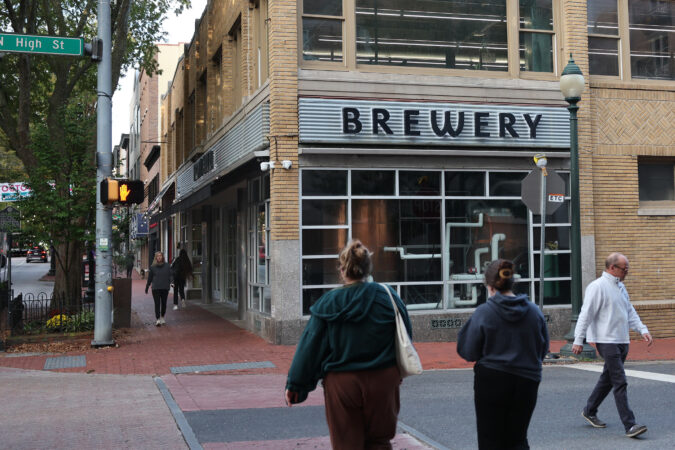
    Pedestrians walk by the closed Iron Hill Brewery in West Chester in October.

    Crivello said he has since sold the assets of the South Carolina Iron Hills — in Columbia and Greenville — to Virginia-based Three Notch’d Brewing Co.

    The Newtown location was originally among the locations of which Crivello was approved to buy the assets, pending negotiations with landlords. Court documents indicate the asset sale was put on hold amid a landlord objection.

    Founded in Newark, Del., Iron Hill Brewery operated for nearly 30 years, earning a reputation as a local craft-brewing pioneer and a family-friendly mainstay in the Philadelphia suburbs. In recent years, the chain had expanded into South Carolina and Georgia and had announced plans to open a Temple University location that never materialized.

    When brewery executives filed for bankruptcy, they reported that they owed $20 million to creditors and had about $125,000 in the bank.

  • A Phoenixville shopping center sold for more than $7 million

    A Phoenixville shopping center sold for more than $7 million

    A fully occupied shopping center near downtown Phoenixville recently sold for nearly $7.4 million.

    Chester County property records show that the 33,000-square-foot complex was sold in late November by one private investor based in Malvern to another based in Glen Mills, with both registered as limited liability companies. The sale was first reported Thursday by the Philadelphia Business Journal.

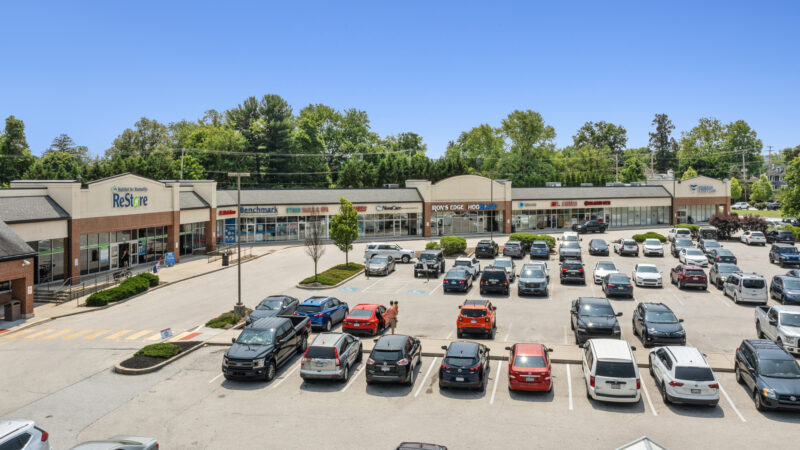
    Located at 785 Starr St., the center is about a mile down the road from Phoenixville’s main drag. It is shadow-anchored by a corporately owned Acme, according to Marcus & Millichap, the firm that represented the seller. The Acme is connected to the rest of the shopping center — and drives traffic to other stores — but was not included in the sale.

    The center’s other tenants include Benchmark Federal Credit Union, Habitat for Humanity ReStore thrift store, Fresenius Kidney Care, Labcorp, NovaCare Rehabilitation, and State Farm. It also has a martial arts gym, a dry cleaner, and several quick-service restaurants.

    “This closing highlights the strength of essential-service tenants, 100% occupancy, and strong tenant performance,” Scott Woodard, senior director of investments for Marcus & Millichap, said in a statement. “Phoenixville’s expected population growth and proximity to major anchors, such as Acme, made this center a standout asset with long-term stability.”

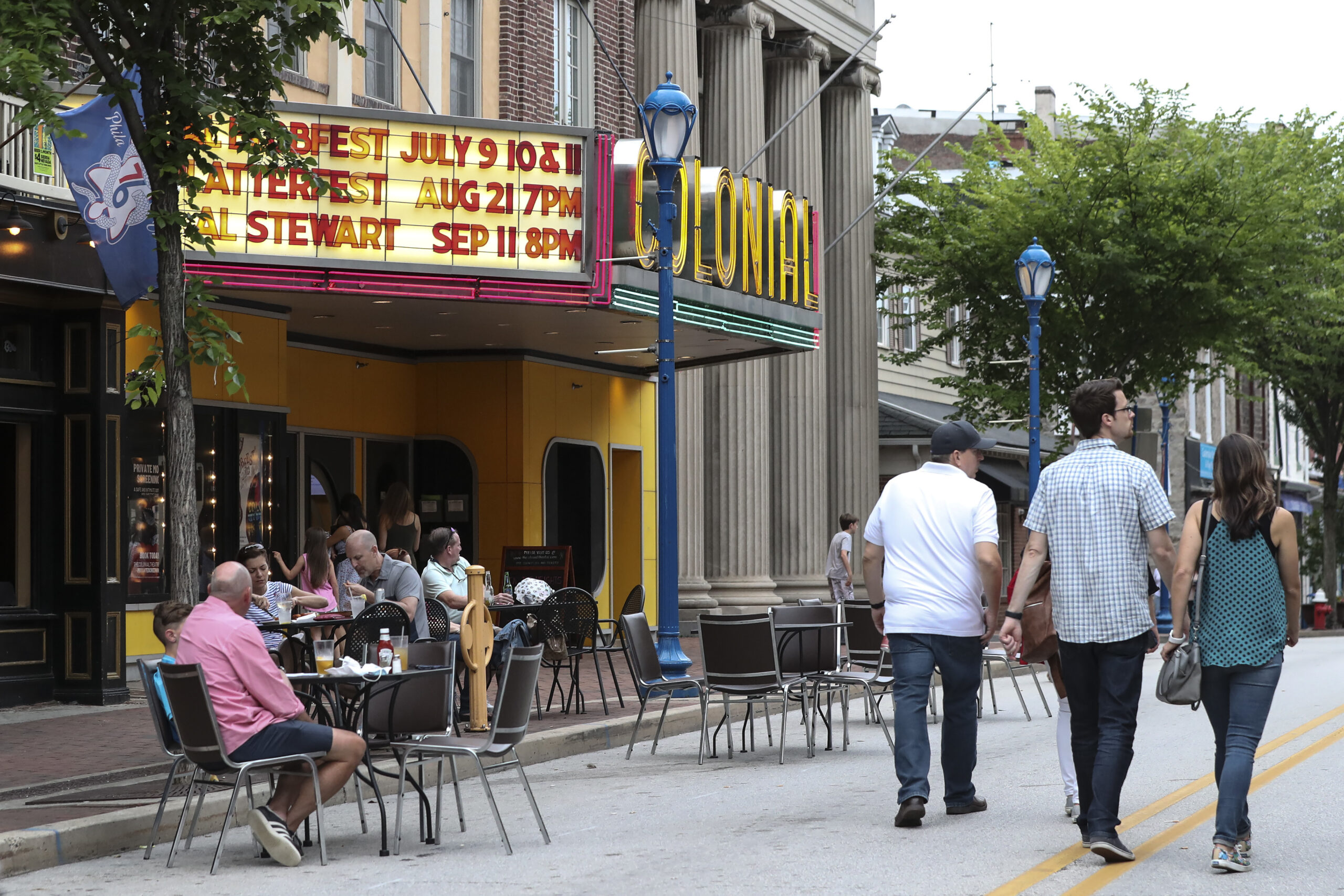
    People walk along Bridge Street by the historic Colonial Theatre in Phoenixville in this June 2021 file photo.

    Woodard represented the seller alongside Derrick Dougherty, senior managing director of investments.

    The shopping center sits on 3.7 acres, near the corner of Nutt Road and Starr Street, and was built in 2007. According to Chester County property records, it previously sold for $6.35 million in 2018.

    Prior to that, the property had last changed hands in 2006, when the land was purchased for $325,000, according to the records.

    Phoenixville, a once-dilapidated former steel town, has experienced a rebirth over the past two decades.

    Its restaurant and bar scene has flourished, and Bridge Street is bustling, especially on the weekends. Luxury apartment complexes have attracted both millennials and empty nesters to the quaint 3.8-square-mile borough.

    Since the pandemic, Phoenixville has continued to grow: Its population increased 9% between 2020 and 2024, according to census data.

    In 2010, it was home to roughly 16,000 people. Today, that number is estimated to be more than 20,000.

    The Acme shopping center sits just inside the bounds of Phoenixville, near its border with Schuylkill Township and not far from Valley Forge National Historic Park.

    The Phoenixville center’s sale occurred around the same time that grocer Jeff Brown bought a 98,000-square-foot Northeast Philadelphia complex, anchored by one of his ShopRites, for $30.8 million.

  • Atlantic City Expressway is going cashless. Drivers without E-ZPass will be paying double.

    Atlantic City Expressway is going cashless. Drivers without E-ZPass will be paying double.

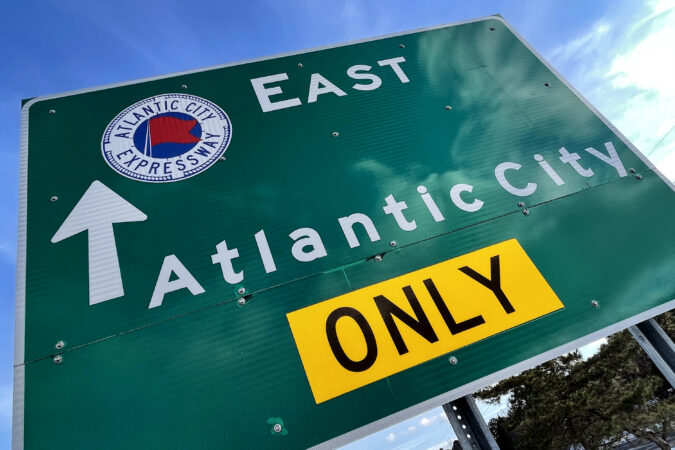
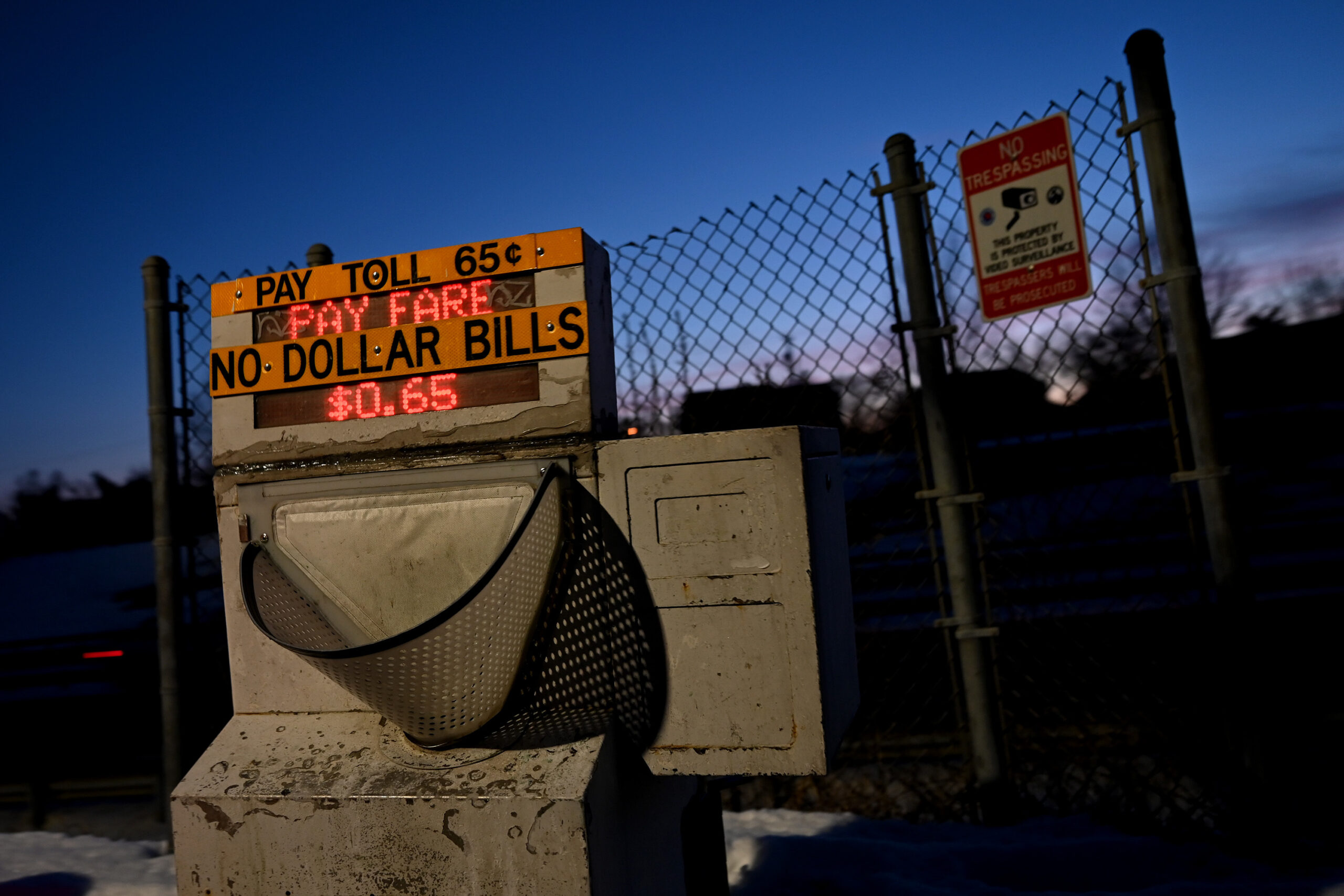
    The Atlantic City Expressway is set to become the first of New Jersey’s major toll roads to go cashless.

    Starting Sunday, drivers on the highway must pay via E-ZPass or be billed by plate, according to the South Jersey Transportation Authority (SJTA).

    Drivers who don’t have E-ZPass will be mailed a bill for the toll, plus a 100% surcharge and a $1 administrative fee. Driving the length of the expressway without E-ZPass would cost about $14. The SJTA says the extra charges will help “offset the administrative costs associated with the new billing process.”

    If drivers fail to pay the first bill, they will receive another with an extra $5 late fee. If they still don’t pay, it will be considered a toll violation, which can result in fines and a suspension of vehicle registration.

    The cashless system’s rollout coincides with a 3% toll rate increase for all drivers.

    The start of all-electronic tolling on the A.C. Expressway comes after a $77 million multiyear project that replaced the Egg Harbor and Pleasantville barrier toll plazas with overhead gantries that digitally read E-ZPass transponders and license plates. All ramp toll machines were also replaced with gantries.

    A cash lane at the Berlin-Cross Keys toll booth on the Atlantic City Expressway as shown in 2022.

    With the new system, drivers don’t stop to go through a toll booth; they keep moving, which state officials have said will be safer and more environmentally friendly. It may also result in quicker drives on the 44-mile highway that connects Camden County to the Shore.

    The Garden State Parkway and the New Jersey Turnpike are also set to go cashless sometime in the future.

    The New Jersey Turnpike Authority’s 2020 long-range capital plan estimated that endeavor would cost $900 million — $500 million for the parkway and $400 million for the turnpike.

    The Pennsylvania Turnpike went cashless in 2020, laying off hundreds of toll workers.

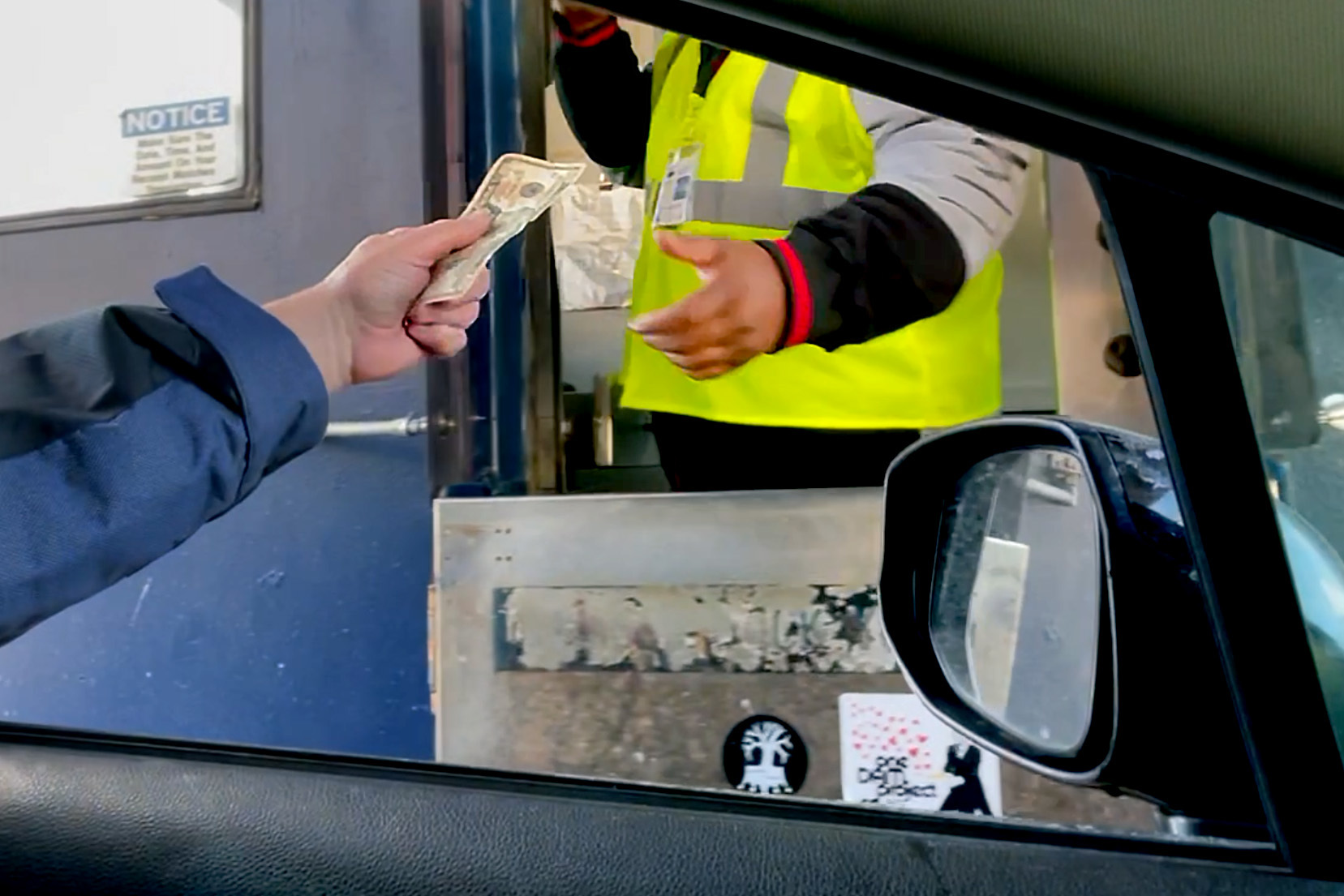
    A driver pays a toll in cash at the Egg Harbor Toll Plaza on the Atlantic City Expressway in 2022.

    Spokespeople for the South Jersey Transportation Authority could not immediately be reached for comment Tuesday regarding whether Atlantic City Expressway toll workers were losing their jobs.

    The authority, which runs the expressway, has been using its social media accounts to encourage drivers to get E-ZPass. They can do so online at ezpassnj.com, by phone at 1-888-288-6865, or by stopping at the Customer Service Center at milepost 21.3 on the expressway.

    The in-person center is open from 8 a.m. to 3 p.m. Monday, 9 a.m. to 4 p.m. Tuesday through Thursday, and 11 a.m. to 6 p.m. Friday. It is closed on weekends and holidays, including New Year’s Day.

  • Iron Hill Brewery in West Chester is officially seeking a new tenant

    Iron Hill Brewery in West Chester is officially seeking a new tenant

    The search is on for a new restaurateur to take over the shuttered Iron Hill Brewery in West Chester, after the building’s owner bought the assets from the former CEO of Famous Dave’s BBQ.

    John Barry, a Massachusetts-based real estate investor who owns the building, and Jeff Crivello, the ex-CEO of Famous Dave’s, said Friday that Barry purchased the liquor license and all assets inside the former West Chester Iron Hill, one of 16 locations that closed abruptly this fall when the regional chain filed for bankruptcy.

    In November, Crivello had said he intended to revive the West Chester Iron Hill, under the same name or as a new concept, after a bankruptcy judge approved his offer to buy the assets of the location and nine others in Pennsylvania, Delaware, and South Carolina.

    A view from the outside looking in of the closed Iron Hill Brewery in West Chester in October.

    Both Barry and Crivello declined to disclose financial details of the West Chester deal, which was finalized on Christmas Eve. It was first reported Wednesday by Hello, West Chester, a local news website.

    “As a landlord, I was hoping to have a chance to purchase the assets,” Barry said Friday in an interview. “I wanted to buy and keep the liquor license with the building. It allows me to get a better tenant in there that is probably going to pay a little bit more in rent.”

    Iron Hill had anchored the old Woolworth’s building since 1998, when the brewery founders opened their second location there. Many local business owners credit Iron Hill with sparking a restaurant renaissance in the borough, as the brewery did in other Philadelphia suburbs.

    Situated at West Chester’s central corner of High and Gay Streets, Iron Hill had a 30-year lease, with a 15-year extension, Barry said.

    Barry, a West Chester native who now lives outside Boston, purchased the nearly 30,000-square-foot building for $8.25 million in 2022, according to Chester County property records.

    Barry said the next anchor tenant would take over a new lease for the now-vacant 10,000-square-foot space that can seat 300 people. He declined to specify what the lease terms might be.

    “It will not be reopening as Iron Hill Brewery,” said Barry, who didn’t buy the rights to the name. “My goal would be to find something similar,” though not necessarily a brewery.

    In buying the assets, Barry said the restaurant is essentially turnkey, with all the furniture and kitchen and brewing equipment still inside. A new tenant, however, may want to redesign, he said, or the space could even be subdivided for a restaurant and a retail space.

    A view from the outside looking in the now closed Iron Hill Brewery in West Chester in October.

    “It’s really important to me that we find the right tenant for the West Chester community,” Barry said. “It’ll take a little bit of time.”

    But, he added, “my hope is we get somebody in there and operating by the summer.”

    Elsewhere, Crivello said there is still hope that the Iron Hill brand could get another life.

    “We’re working with a couple buyers that want to reopen [closed breweries] as Iron Hill,” Crivello said. He declined to say which locations could be resurrected.

    In November, Crivello got the OK to acquire the assets of former Iron Hill brewpubs in Center City, Huntingdon Valley, Newtown, Wilmington, Lancaster, Hershey, and Rehoboth Beach, as well as West Chester and the two locations in South Carolina.

    Crivello said Friday that he has since sold the assets of the former Iron Hills in Columbia and Greenville, S.C., to Virginia-based Three Notch’d Brewing Co. He said plans for the other locations were still in the works.

  • A look back at Philly-area businesses that didn’t survive 2025

    A look back at Philly-area businesses that didn’t survive 2025

    Last year, you may have celebrated Christmas or New Year’s with a meal at an Iron Hill Brewery.

    At the time, your holiday preparations may have included trips to Joann fabrics or Party City, which was having its going-out-of-business sale. You may have stopped for medicines and other toiletries at Rite Aid.

    This year, however, you can’t go to any of those places: All of these businesses served their last customers in 2025.

    Here’s a look back at a few of the notable Philly-area businesses that closed in the past year.

    RIP to Rite Aid

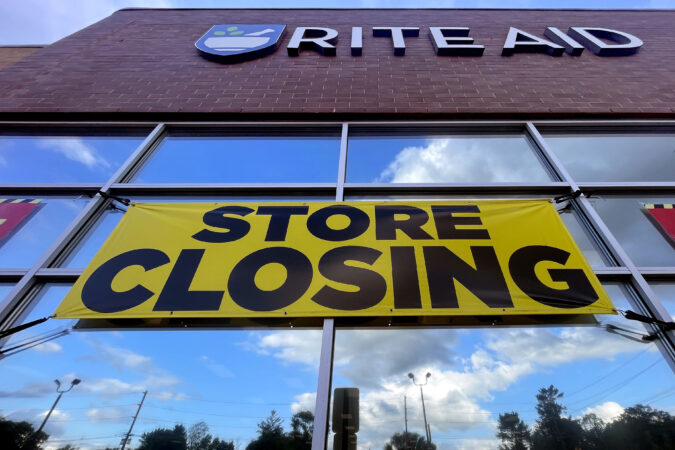
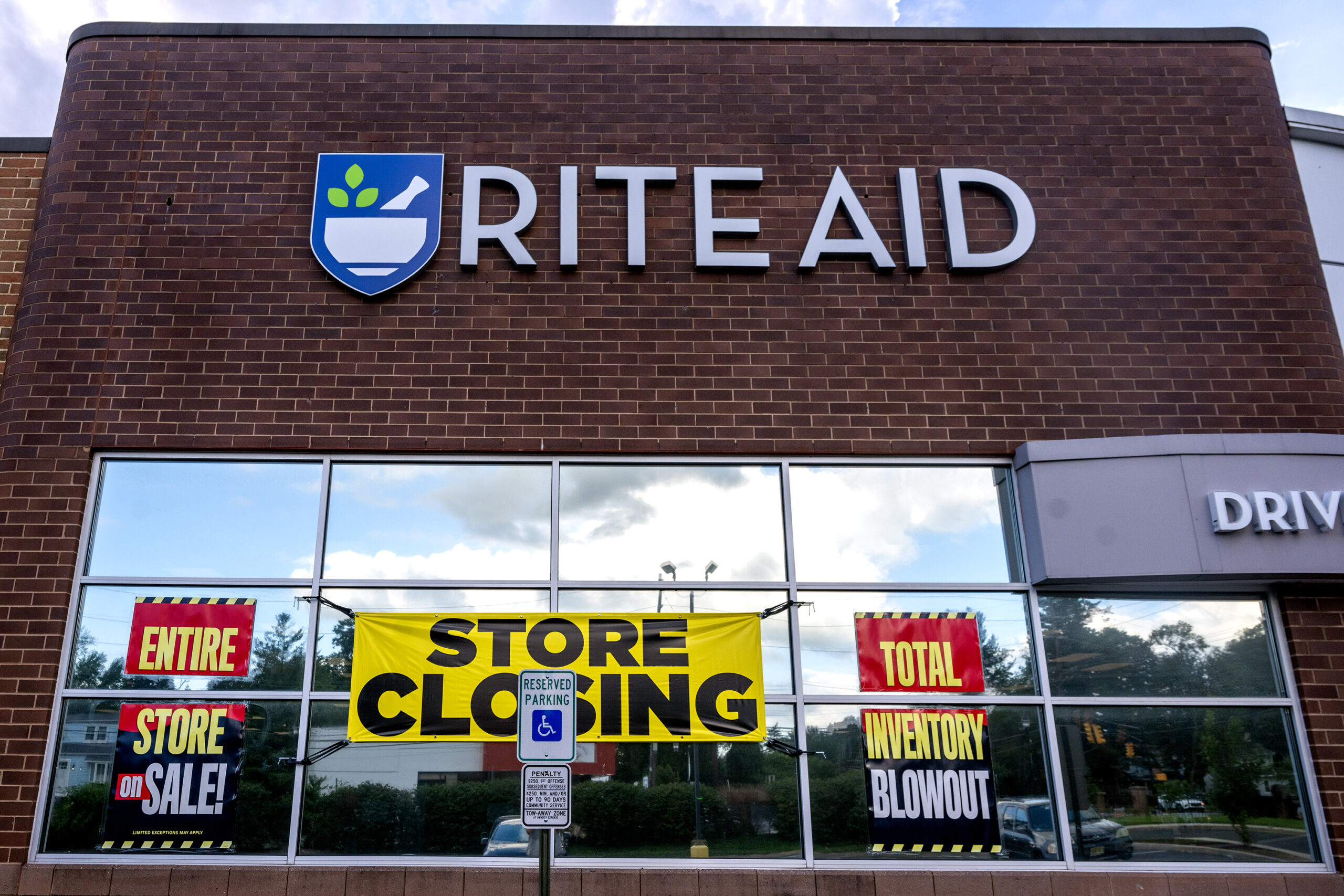
    The then-still open but scheduled to be closed Rite Aid store on Clements Bridge Road in Barrington on July 13. The store’s pharmacy closed on July 7.

    It didn’t come as a total surprise when Rite Aid filed for its second bankruptcy in less than two years.

    The Navy Yard-based pharmacy chain had closed dozens of locations in recent years. Even after it emerged from its first bankruptcy in September 2024, shelves meant to be filled with drugstore essentials — such as cold medicines and pain relievers — remained bare at some stores.

    In filing for bankruptcy again, Rite Aid announced that it would be closing or selling all locations. At the time, it had about 1,000 stores nationwide, including about 100 in the Philadelphia region.

    Across Pennsylvania and New Jersey, thousands of Rite Aid workers lost their jobs. Some, like Angela Gardin, also said bittersweet goodbyes to regular customers.

    Gardin, assistant manager at the Queen Village Rite Aid, was moved to tears by customers’ handwritten thank you notes, which were scrawled on pieces of paper and taped to the store’s front window in its final months.

    By late August, all Pennsylvania and New Jersey Rite Aids had shut their doors for good, sending prescriptions to CVS, Walgreens, or other local pharmacies of a customer’s choosing.

    The closures further exacerbate pharmacy access issues, especially for lower-income Philadelphians who don’t have cars. People in more isolated rural areas are also impacted: The 46,000 residents of Perry County, west of Harrisburg, lost half their pharmacies when their three Rite Aids closed.

    Adieu to Iron Hill Brewery

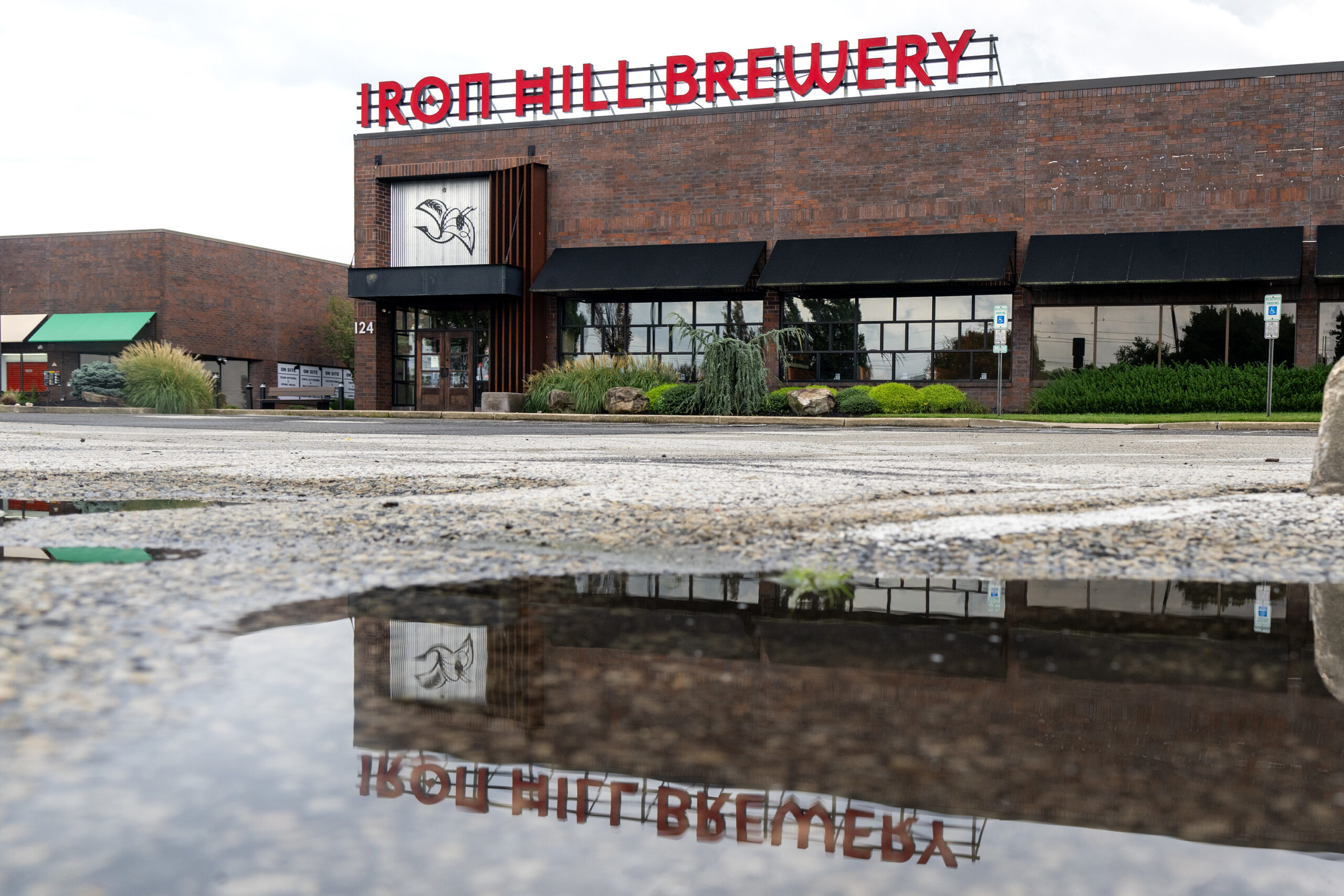
    A view from the outside looking in of a shuttered Iron Hill Brewery in West Chester in October.

    Iron Hill Brewery’s closure was so abrupt that fans didn’t even get to raise one last pint to the regional chain.

    On a Thursday morning in late September, the nearly 30-year-old company, considered by many to be a pioneer of the local craft-brewing scene, announced that its brewpubs had closed their doors for the last time.

    The news left 16 massive Iron Hill shells, including in Center City, Exton, Huntingdon Valley, Maple Shade, Media, Newtown, North Wales, West Chester, and Wilmington. Earlier in September, the company had closed locations in Chestnut Hill and Voorhees, as well as its flagship brewery in Newark, Del.

    The closed Iron Hill Brewery in Maple Shade in September.

    Bankruptcy filings shed more light on the Exton-based company’s financial straits: Iron Hill owed more than $20 million to creditors and had about $125,000 in the bank.

    In November, a bankruptcy judge approved an offer by Jeff Crivello, the former CEO of Famous Dave’s BBQ, to resurrect 10 Iron Hills, including in Center City and West Chester, pending landlord negotiations. The restaurants could be reopened as Iron Hills or as other brands.

    Crivello said he plans to reopen the Rehoboth Beach brewpub — as well as the Iron Hill restaurants in Columbia and Greenville, S.C. — as locations of Virginia-based Three Notch’d Brewing Co.

    The fates of the other ex-Iron Hills will be determined in the bankruptcy process. Brewing equipment, furniture, and other items from the closed restaurants were auctioned off earlier this month.

    Mainstays say goodbye in the Philly burbs

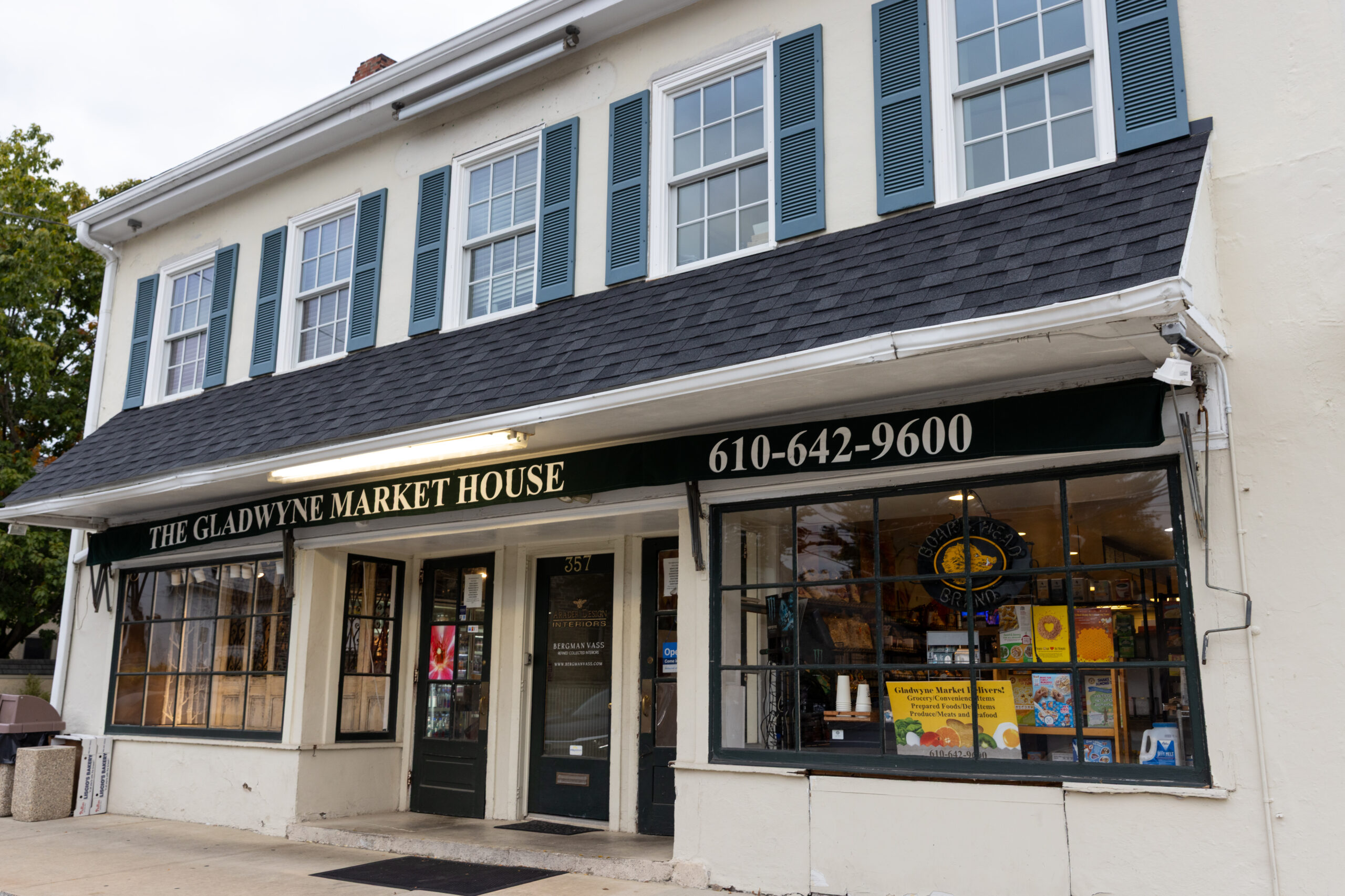
    Gladwyne Market as pictured in October.

    Local chains weren’t the only business casualties of 2025.

    Main Line residents lost Lower Merion-based Maxwell Taxi Cab Co. in February, marking the end of an era for suburban-based cabs. Maxwell, which had operated for more than 50 years, was later acquired by a Bryn Mawr-based limo service called ML Car Service Ltd.

    Also in Lower Merion, consumers lost the Gladwyne Market, a community grocery store.

    In South Jersey, the Bistro at Cherry Hill, a beloved restaurant that operated in a 1,200-square-foot mall kiosk for 27 years, closed abruptly in July.

    At the time, the restaurant’s president, Andy Cosenza, said the closure was due to a communication “breakdown” that had resulted in his voluntary Chapter 11 bankruptcy petition being converted to a Chapter 7, or liquidation, without his knowledge. Since then, however, Cosenza has been indicted on charges of tax fraud. The Bistro has remained closed.

    In the city, the Macy’s in the Wanamaker Building closed in March, as did the Macy’s at the near-dead Exton Square Mall. And the latest iteration of Olde Bar, most recently an event venue in the historic Bookbinder’s building, shut its doors this summer.

  • Can’t score a Longwood Gardens reservation this week? See these other festive Philly-area options.

    Can’t score a Longwood Gardens reservation this week? See these other festive Philly-area options.

    Deanna Baker made reservations for A Longwood Christmas in late summer.

    The 32-year-old Downingtown resident has been gifted a Longwood Gardens membership each of the past five years, but even the member reservations for the annual holiday light show book up well in advance. So she secures her family’s time slots while the weather is still warm.

    “Yes, it’s ridiculous this time of year,” she said of the Longwood demand at Christmastime. But “yes, it’s worth it.”

    Baker, who works in operations for Victory Brewing Co., said there is “a magical element” to the experience, whether she’s going with her toddler or her adult friends and relatives. She went once in early December and plans to return in the afternoon on Christmas Day.

    Every holiday season, hundreds of thousands of people visit A Longwood Christmas, which serves as an “economic engine” for the business communities in Kennett Square and surrounding towns, as Cheryl B. Kuhn, CEO of the Southern Chester County Chamber of Commerce, recently described it.

    Longwood Gardens’ holiday attendance has increased nearly 42% since pre-pandemic times. Last year, 650,000 people visited the gardens at Christmas, up from 609,000 the prior holiday season and from 458,000 during the 2019-2020 event (the show ends in the beginning of January).

    Many of these guests book months in advance, leaving last-minute planners few options for afternoon and nighttime visits during the holiday week.

    More than 500,000 lights shimmer at Longwood Gardens’ A Longwood Christmas through Jan. 11, 2026.

    “We open ticketing in July, and there are always a few early planners that buy tickets and make reservations then,” Longwood Gardens spokesperson Patricia Evans said in a statement. “By late Octoberish, the most desirable evening time slots on the weekends and the week of and following Christmas tend to be sold out.”

    But as of Monday, Evans noted, some tickets were available for time slots before noon and after 8:30 p.m. for the remaining days of December. Availability opens up in January, she added. The holiday lights stay on through Jan. 11.

    If nonmembers snag tickets, the experience will cost $45 a person for adults and $25 a person for kids, which Evans said is a $2-$3 per person increase from last year. Children 4 and under are free.

    window.addEventListener(“message”,function(a){if(void 0!==a.data[“datawrapper-height”]){var e=document.querySelectorAll(“iframe”);for(var t in a.data[“datawrapper-height”])for(var r,i=0;r=e[i];i++)if(r.contentWindow===a.source){var d=a.data[“datawrapper-height”][t]+”px”;r.style.height=d}}});

    Philly-area holiday attractions that have availability

    For Philly-area residents who want to enjoy a festive experience before 8 p.m., or at a slightly lower price point, other options have availability this week.

    As of Monday afternoon, the ice skating rinks at City Hall and Penn’s Landing had online reservations available for any day this week, though spokespeople said some time slots can sell out around the holidays. Both cost about $20 per person for admission and a skate rental.

    LumiNature at the Philadelphia Zoo also still had tickets available every operating night through Jan. 3 as of Monday afternoon.

    A family walked into the Philadelphia Zoo’s LumiNature holiday light display in this December 2021 file photo.

    “While tickets are available, the most popular times that guests reserve their tickets for are from 5-6 p.m., and it is likely that that particular hour will sell out on our most popular nights,” zoo spokesperson Maria Bryant said.

    Last year, LumiNature saw nearly 70,000 guests, according to Bryant, and it is on pace to exceed that number this season.

    Depending on the day, tickets cost between $25 and $29 per nonmember 12 and over, and $20 and $24 per child between the ages of 2 and 11. Younger children are free.

    Nighttime turned the Philadelphia Zoo into a wonderland of lights as LumiNature returned for its third year in December 2022.

    In the suburbs, the Elmwood Park Zoo’s Wild Lights “will not sell out,” with “plenty of tickets for each day of the rest of the event,” marketing director Kyle Gurganious said. Guests can buy at the gate, he added, or book online to save $1 per person.

    For nonmembers, online tickets are $27 per person 13 and older and $24 per child between the ages of 3 and 12. Children under 3 are free.

    Last season, the Norristown attraction brought in about 50,000 visitors, a number Gurganious said the zoo is “on track to eclipse … significantly” this year.

    Throughout the region, there also free events, such as the Wanamaker Light Show and the Comcast Holiday Spectacular. But be prepared: They can come with long lines and large crowds at popular times.

    Another holiday sellout in Philly

    A miniature Art Museum was on display in the Holiday Garden Railway at the Morris Arboretum & Gardens in 2023.

    At least one other Philly-area holiday attraction is completely sold out this week: The Holiday Garden Railway Nighttime Express at the Morris Arboretum & Gardens.

    Because it’s “so popular and because we only have a limited number of nights, the Nighttime Express sells out every year,” said Christopher Dorman, the director of visitor experience for the arboretum, which is part of the University of Pennsylvania.

    Those looking to snag tickets for next year may want to mark their calendars: Holiday tickets go on sale at the beginning of November for arboretum members and a week later for the general public.

    Added Dorman: “While the Nighttime Express is sold out, folks can still see the trains all lit up [and the rest of the garden] during normal daytime hours through Dec. 30.”

    And for those turned off by the planning — and expense — required for these paid festivities, there’s always the low-cost, low-commitment option: touring your neighborhood’s home light displays.