Author: Gary Miles

  • Mae Laster, longtime French and algebra schoolteacher and noted civic activist, has died at 87

    Mae Laster, longtime French and algebra schoolteacher and noted civic activist, has died at 87

    Mae Laster, 87, of Philadelphia, retired French, algebra, and photography teacher for the School District of Philadelphia, longtime president of Friends of Wynnefield Library, award-winning committee chair for the Philadelphia section of the National Council of Negro Women Inc., community center adviser, church trustee, volunteer, and undisputed Laster family Scrabble champion, died Friday, Jan. 2, of age-associated decline at Lankenau Medical Center.

    Born in Philadelphia, Ms. Laster earned academic degrees at West Philadelphia High School and Temple University. She was a lifelong reader and stellar student, and she tutored her high school classmates in math and later taught elementary and middle school students for 30 years.

    “She was a firm and no-nonsense kind of teacher,” a former student said in an online tribute. “But she was a lot of fun. As an adult, she always offered guidance and advice.”

    Her daughter, Lorna Laster Jackson, said: “She had a passion for learning and sharing with others. She was always an advocate for children.”
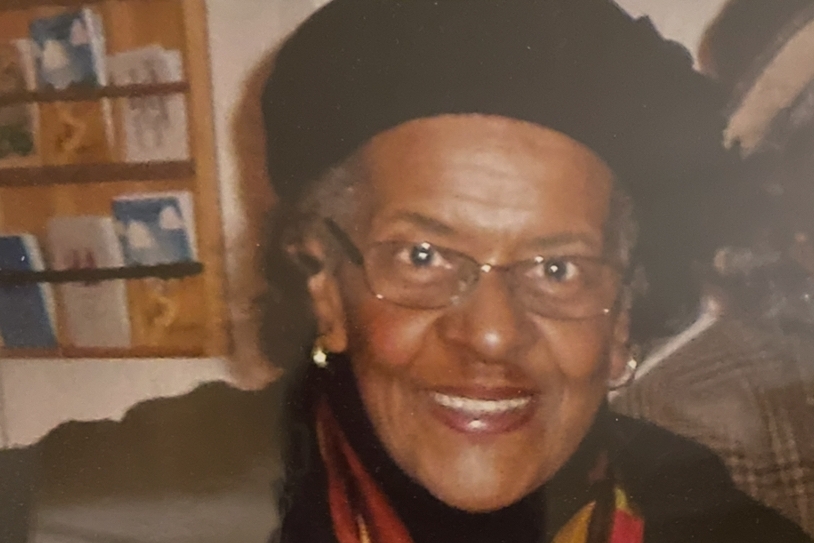
    Ms. Laster chaired community service and Founder’s Day committees for the National Council of Negro Women Inc.

    Ms. Laster served as president of Friends of Wynnefield Library for more than 20 years and was active at its many book readings, content discussions, concerts, and fundraisers. She earned several important financial grants for the library, and her personal collection of books at home numbered more than 1,000.

    “She loved reading to our young patrons, especially during our Dr. Seuss birthday celebrations,” library colleagues said in a tribute.

    She chaired community service and Founder’s Day celebration committees for the National Council of Negro Women and earned the local section’s achievement award in 1998. “Mae was a blessing to the Philadelphia section,” colleagues said in a tribute. “We will always remember her feisty way of asking questions and not easily put off.”

    Ms. Laster was an advisory board member at the Leon H. Sullivan Community Development Center and a trustee at Zion Baptist Church. Colleagues at the community center called her “a very thoughtful and talented person.” They said: “She was always forthright and had a strong opinion.”
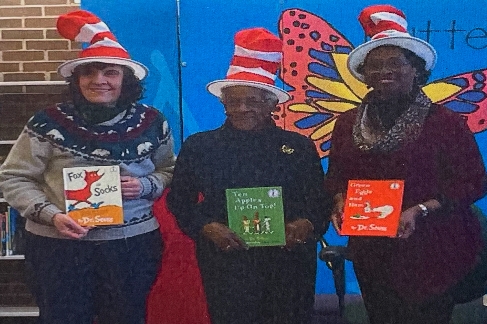
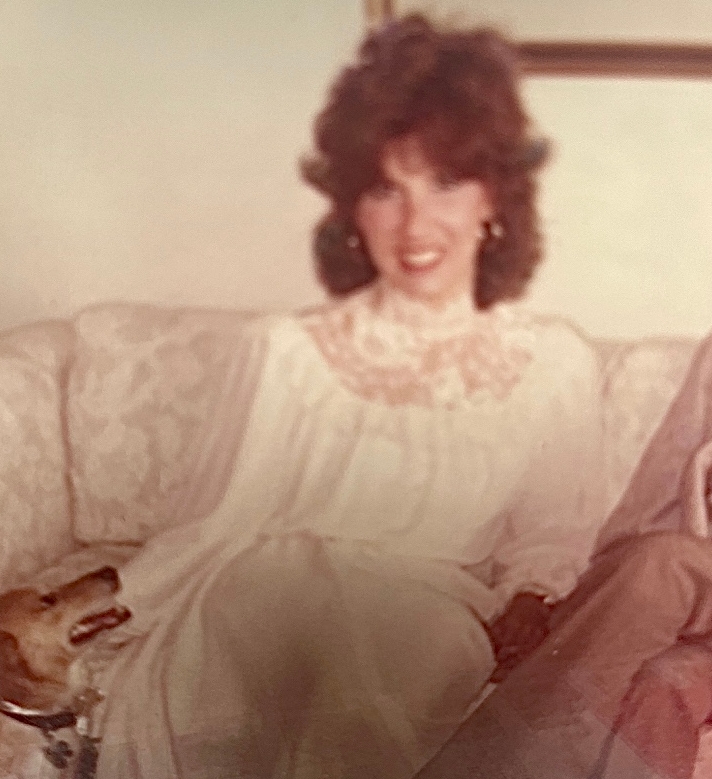
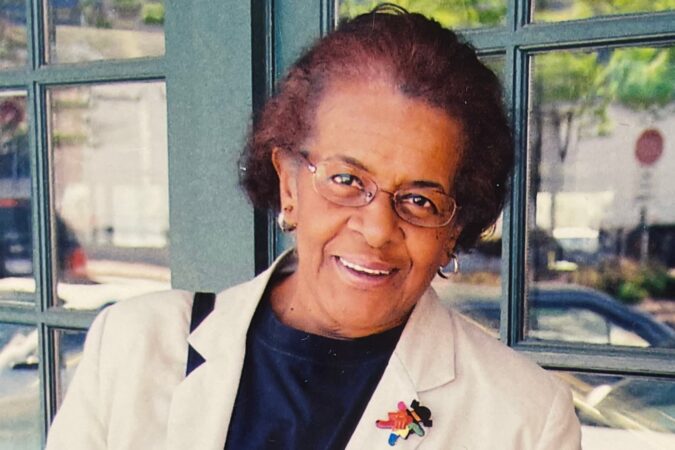
    Ms. Laster (center) especially enjoyed reading to young people at the Wynnefield Library.

    At church, she was a member of the New Day Bible Class and proofreader for the newsletter. She also volunteered with the Wynnefield Residents Association, the Girl Scouts, and the 4-H Club.

    In a citation, City Council members praised her achievements regarding “education, community service, and all those whose lives were enriched by her wisdom, kindness, and unwavering faith.” In a resolution, members of the state Senate noted “her extraordinary life, her enduring contributions, and her lasting impact on education, community, and faith.”

    Friends said in online tributes that she “had a great sense of humor” and was “the sweetest mom on the planet, who was always like a mom to me.” One friend called her “a community-minded leader who advocated tirelessly to preserve the quality of life in Wynnefield.”

    At home, Ms. Laster studied the dictionary, knew words that nobody else did, and became the undisputed Scrabble champion of her family and friends. She was so good, her daughter said, that nobody volunteered to play against her. “It was humiliating,” her daughter said.
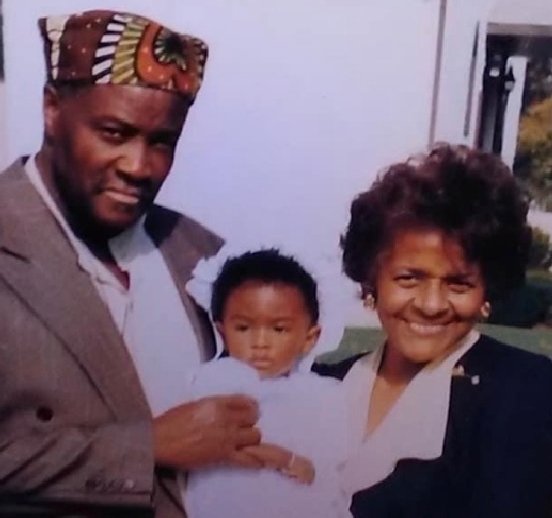
    Ms. Laster was a lifelong advocate for children.

    Mae R. Johnson was born June 5, 1938, in Philadelphia. She grew up in Winston-Salem, N.C., with her grandmother and returned to Philadelphia in the 1950s to live with her mother and begin high school.

    She was an excellent student, especially good with words and numbers, and she graduated from West Philadelphia High in 1956 and earned a bachelor’s degree in early childhood education at Temple.

    She met Francis Laster in the neighborhood, and they married, and had a daughter, Lorna, and sons Francis Jr., Charles, and Ahman. Her husband owned and operated the popular Rainbow Seafood Market, and they lived in West Philadelphia and Wynnefield. They divorced later. He died in 2020.

    Ms. Laster enjoyed bowling, photography, and horticulture. She listened to jazz, classical, and gospel music. She collected butterflies and stamps.
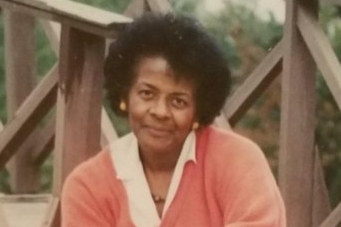
    Ms. Laster was “all about positive change,” her daughter said.

    She shared recipes with friends and kept in touch through memorable phone calls. She helped organize high school reunions and appreciated the educational TV shows on the Public Broadcasting System. She retired from teaching about 20 years ago.

    “She was all about positive change,” her daughter said. “She spoke from compassion and her truth. She did more good than she knew. She was dynamite.”

    In addition to her children, Ms. Laster is survived by six grandchildren, three great-grandchildren, three great-great-grandchildren, a sister, and other relatives. A brother died earlier.

    A celebration of her life was held earlier.

    Donations in her name may be made to Friends of Wynnefield Library, Attn: Terri Jones, 5325 Overbrook Ave., Philadelphia, Pa. 19131.
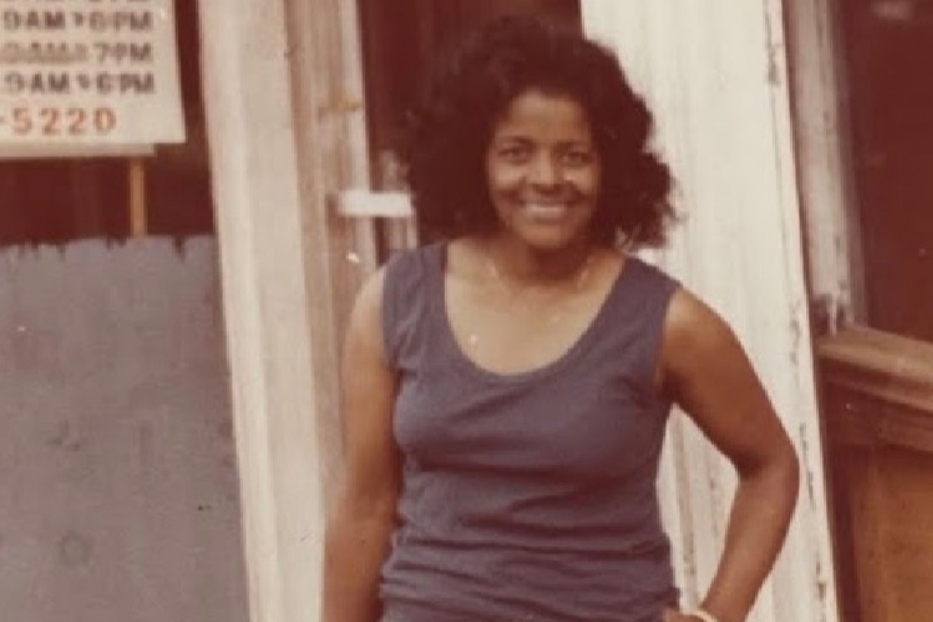
    Ms. Laster graduated from West Philadelphia High School in 1956 and earned a bachelor’s degree in early childhood education at Temple.
  • David J. Farber, celebrated Penn professor emeritus and pioneering ‘uncle’ of the internet, has died at 91

    David J. Farber, celebrated Penn professor emeritus and pioneering ‘uncle’ of the internet, has died at 91

    David J. Farber, 91, formerly of Landenberg, Chester County, celebrated professor emeritus of telecommunication systems at the University of Pennsylvania, former professor of computer science at Carnegie Mellon University and the University of Delaware, professor at Keio University in Japan, award-winning pioneer in pre-internet computing systems, entrepreneur, and known by colleagues as the “uncle” and “grandfather” of the internet, died Saturday, Feb. 7, of probable heart failure at his home in Tokyo.

    A longtime innovator in programming languages and computer networking, Professor Farber taught and collaborated with other internet pioneers in the 1970s, ’80s, and ’90s. He helped design the world’s first electronic switching system in the 1950s and ’60s, and the first operational distributed computer system in the 1970s.

    His work on the early Computer Science Network and other distributive systems led directly to the modern internet, and he taught many influential graduate students whom he called the “fathers of the internet.” He was thinking about a World Wide Web, he said in a 2013 video interview, “actually before the internet started.”

    “Farber may not be the father of the internet. But he is, at least, its uncle,” Penn English professor Al Filreis told the Daily News in 1998. “Few have paid such close attention for so long to new trends in the information age.”

    Colleagues called him “part of the bedrock of the internet” and a “role model for life” in online tributes. Nariman Farvardin, president of the Stevens Institute of Technology in Hoboken, N.J., said: “Professor Farber did not just witness the future, he helped create it.”

    In 1996, Wired magazine said Professor Farber had “the technical chops and the public spirit to be the Paul Revere of the Digital Revolution.”

    He joined Penn as a professor of computer science and electrical engineering in 1988 and was named the endowed Alfred Fitler Moore professor of telecommunication systems in 1994. He left Penn for Carnegie Mellon in 2003 and joined Keio in 2018.

    Gregory Farrington, then dean of Penn’s School of Engineering and Applied Science, told The Inquirer in 1996: “He’s one of the most engaging, imaginative guys who sometimes alternates between great ideas and things that sound nuts. And I love them both. His life is an elaboration on both.”

    He was a professor at Delaware from 1977 to 1988 and at the University of California Irvine from 1970 to 1977. Among other things, he created innovative computer software concepts at UC Irvine, studied the early stages of internet commercialization at Delaware, and focused on advanced high-speed networking at Penn. He also directed cyber research laboratories at every school at which he worked.

    He earned lifetime achievement awards from the Association for Computing Machinery, the Board of Directors of City Trusts of Philadelphia, and other groups, and was inducted into the Internet Society’s Hall of Fame in 2013 and the Stevens Institute of Technology Hall of Achievement in 2016.

    Stevens Institute also created a “societal impact award” in 2003 to honor Professor Farber and his wife, Gloria. “I think the internet has just started,” he said in 2013. “I don’t think we’re anywhere near where it will be in the future. … I look forward to the future.”

    Professor Farber earned grants from the National Science Foundation and other organizations. He received patents for two computer innovations in 1994 and earned a dozen appointments to boards and professional groups, and an honorary master’s degree from Penn in 1988.

    He advised former President Bill Clinton on science and engineering issues in the 1990s and served a stint in Washington as chief technologist for the Federal Communications Commission. Clinton called him a “pioneer of the internet” in a 1996 shoutout, and Professor Farber testified for the government in a landmark technology monopoly court case against Microsoft Corp.

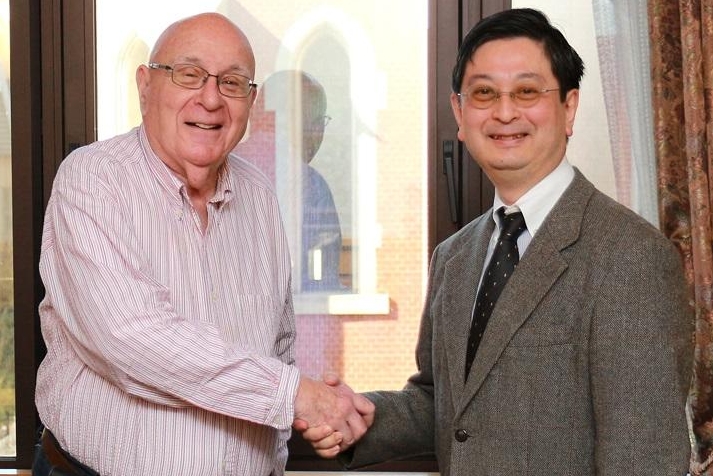
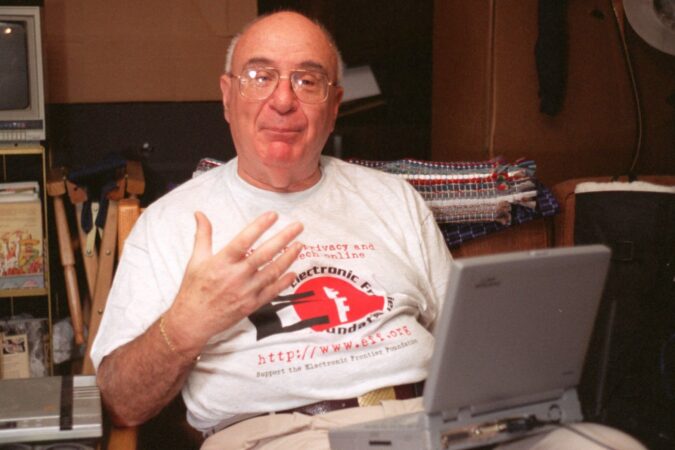
    Professor Farber (left) worked with Professor Jiro Kokuryo at the Keio University Global Research Institute in Tokyo.

    He championed free speech on the internet, served on technical advisory boards for several companies, and wrote or cowrote hundreds of articles, papers, and reports about computer science.

    He was featured and quoted often in The Inquirer and Daily News, and lectured frequently at seminars and conferences in Japan, Europe, Australia, and elsewhere around the world. He wrote an email newsletter about cutting-edge technology that reached 25,000 subscribers in the 1990s, and he liked to show off his belt that held his cell phone, pager, and minicomputer.

    He cofounded Caine, Farber, & Gordon Inc. in 1970 to produce software design tools and worked earlier, from 1957 to 1970, on technical staffs for Xerox, the Rand Corp., and Bell Laboratories. In a recent video interview, he gave this advice: “Learn enough about technology so that you know how to deal with the world where it is a technology-driven world. And it’s going to go faster than you ever imagined.”

    David Jack Farber was born April 17, 1934, in Jersey City, N.J. Fascinated by gadgets and early computers in the 1940s, he built radios from wartime surplus components as a boy and helped make a unique relay device with a punch card in college. “The card reader was three feet big, but it worked,” he told the Daily News in 1998.

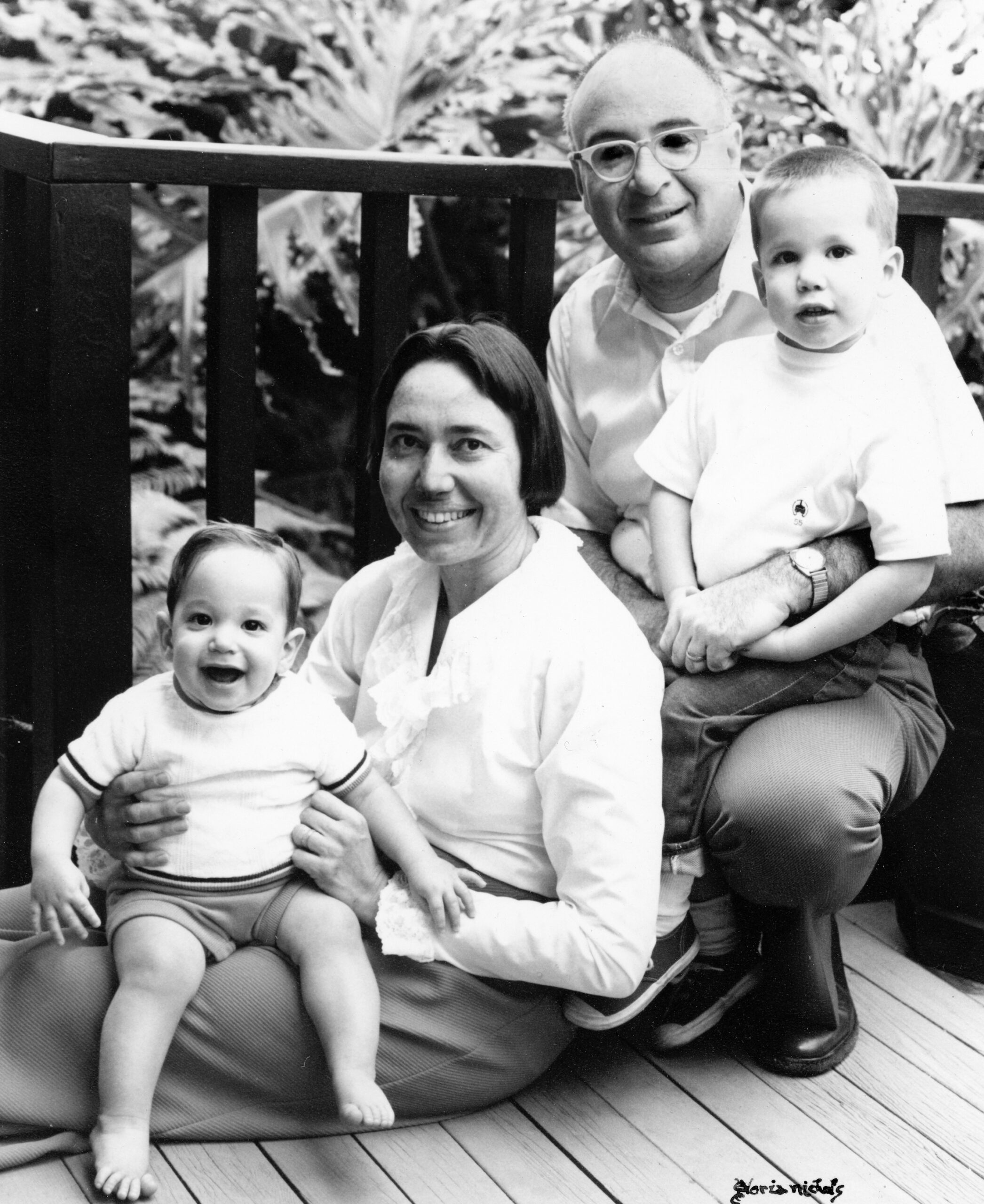
    Professor Farber enjoyed time with his family

    He considered being a cosmologist at first but instead earned a bachelor’s degree in electrical engineering and a master’s degree in math at Stevens.

    He met Gloria Gioumousis at Bell Labs, and they married in 1965. They had sons Manny and Joe, and lived in Landenberg from 1977 to 2003. His son Joe died in 2006. His wife died in 2010.

    Professor Farber enjoyed iced coffee and loved gadgets. He was positive and outgoing, and he mixed well-known adages into humorous word combinations he called “Farberisms.”

    He was an experienced pilot and an avid photographer. In 2012, to honor his son, he established the Joseph M. Farber prize at the Stevens Institute for a graduating senior.

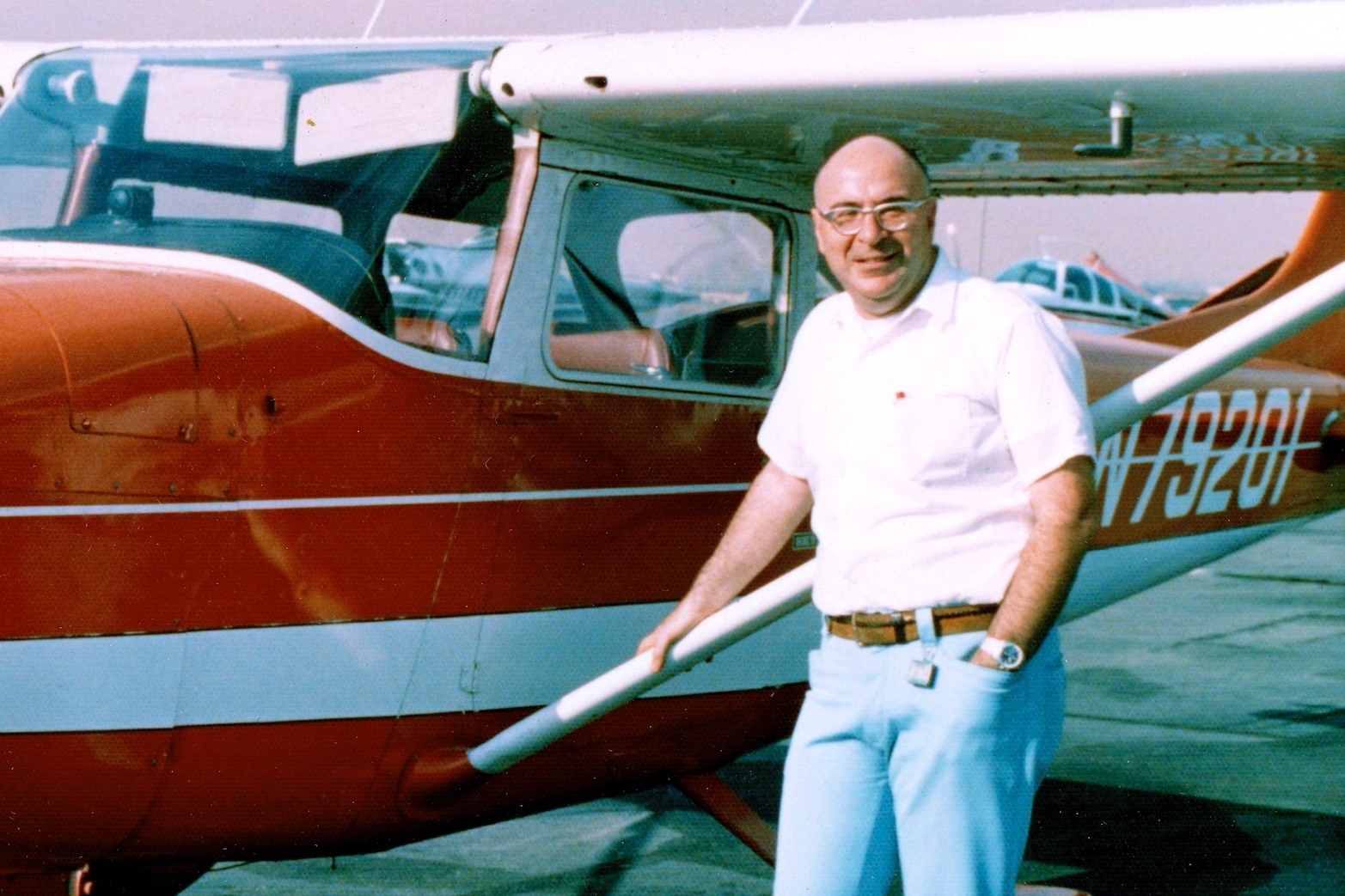
    Mr. Farber was an experienced pilot who could fly solely on cockpit instruments.

    “He was bold,” his son Manny said. “He connected to a lot of people and was close to his friends. He worked on big projects, and it wasn’t just theoretical. He built things that work.”

    In addition to his son, Professor Farber is survived by his daughters-in-law, Mei Xu and Carol Hagan, two grandsons, and other relatives.

    A memorial service is to be held later.

  • Fred Mann, former assistant managing editor at The Inquirer and retired vice president of communications at the Robert Wood Johnson Foundation, has died at 75

    Fred Mann, former assistant managing editor at The Inquirer and retired vice president of communications at the Robert Wood Johnson Foundation, has died at 75

    Fred Mann, 75, formerly of Wayne, retired vice president of communications at the Robert Wood Johnson Foundation, former vice president of national programming at Knight Ridder Digital and assistant managing editor at The Inquirer, freelance reporter, mentor to many, onetime baker, and longtime pickup baseball player, died Friday, Feb. 13, of complications from Alzheimer’s disease at Woodridge Rehabilitation & Nursing Center in Berlin, Vt.

    Mr. Mann was many things to many people all the time. He advocated for hundreds of healthcare-related philanthropic projects for the Princeton-based Robert Wood Johnson Foundation and, as vice president of communications, served as its liaison with the media and public from 2006 to his retirement in 2019. “Health is more than just going to the doctor or staying out of the hospital,” he told The Inquirer in 2016. “Health is reflected in everything we do.”

    At The Inquirer from 1983 to 2006, Mr. Mann was features editor, editor of the Sunday magazine, assistant managing editor, and the first general manager of Philly.com, now Inquirer.com. He championed women’s ascension in the newsroom and established online standards and practices in the 1990s that remain relevant in today’s digital landscape.

    “Fred was the best boss I ever had,” said Avery Rome, who succeeded him as editor of the Sunday magazine. “Working for him was a team effort and a pleasure. He readily gave credit to other people and appreciated their input.”

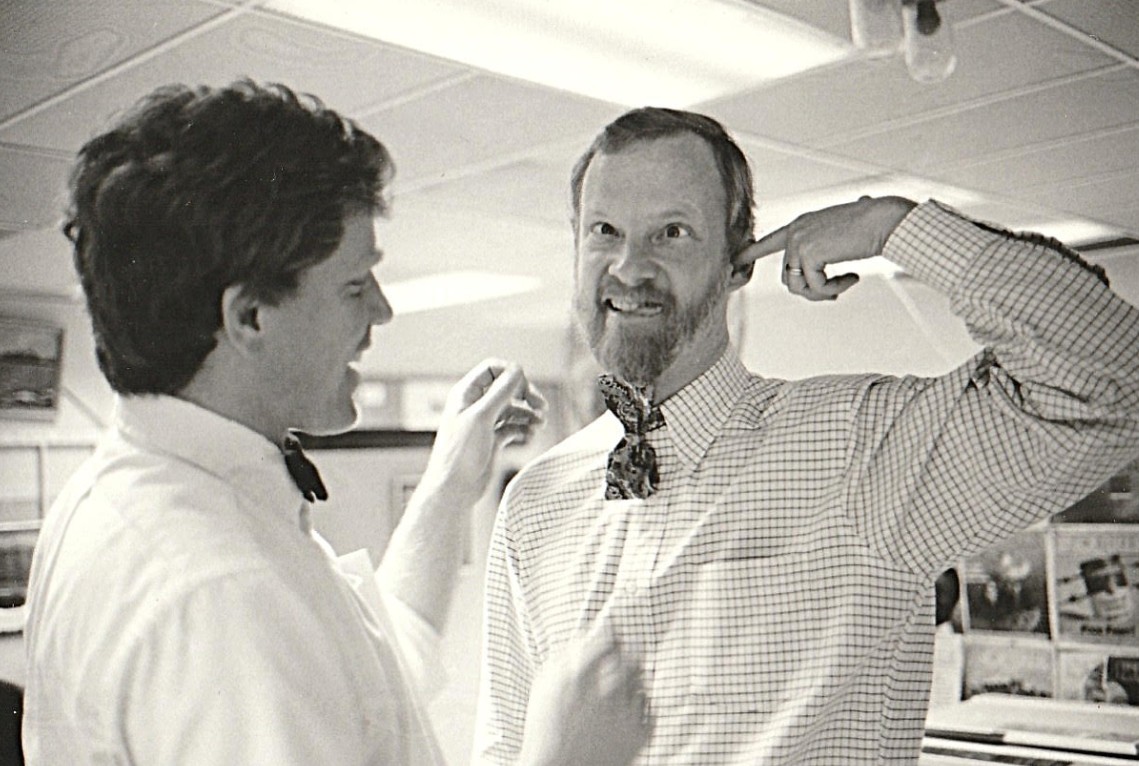
    Mr. Mann (right) and Inquirer colleague Art Carey both wore bow ties on this day.

    Other former colleagues called Mr. Mann a “talent magnet” and “one of a kind” on Facebook. His son Ted said: “He was good at taking leaps. He was bold, always looking for something different.”

    In a 2006 letter of recommendation for a former colleague, Mr. Mann said: “I have learned that hiring the right people is probably the single most important accomplishment an executive can make. Find great talent, nurture it, let it bloom, and then try to keep it. That was my strategy. And I must say, it was a recipe that worked and brought a great deal of reflected glory and success to me personally.”

    As editor of The Inquirer’s Sunday magazine from 1986 to 1992, Mr. Mann penned a weekly message to readers on Page 2. In November 1986, he wrote about the differences in celebrating Thanksgiving in California as a boy and in Philadelphia as an adult. “Thanksgiving was made for crispness,” he said, “for changing seasons, for wood stoves. … It’s the day that makes the hassles of life back East all worthwhile.”

    He wrote his farewell Sunday magazine column on Jan. 19, 1992, and praised his staff for “offering important, in-depth stories that teach and inform our readers, and mixing in others that entertain and delight. … I think we’ve taught. I hope we’ve delighted a few times.”

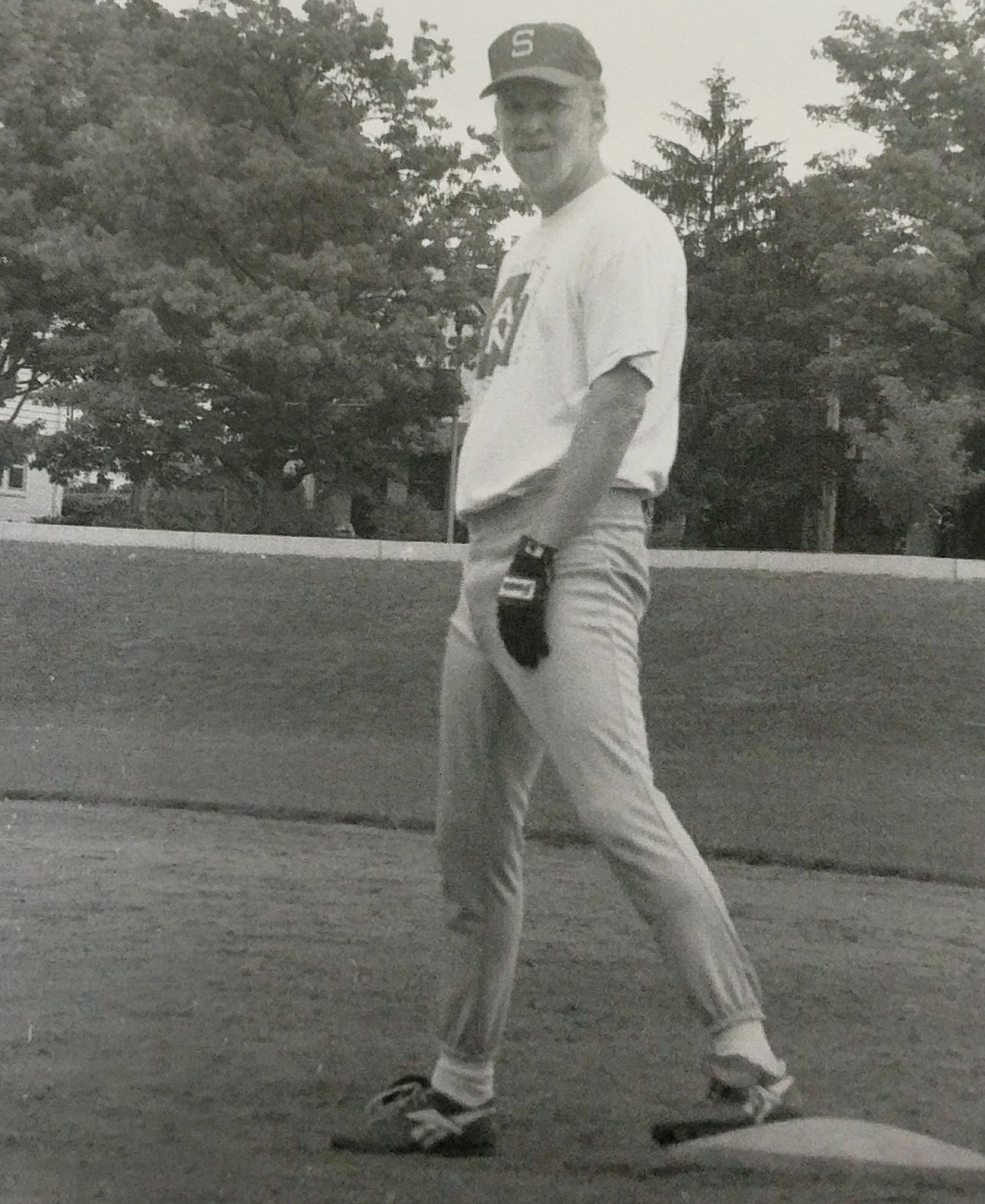
    Mr. Mann spent a lot of time on baseball fields.

    He worked on several Pulitzer Prize-winning projects at The Inquirer and edited its annual fall fashion supplement as features editor. In 1995, he started managing what was then Philly.com and Knight Ridder’s national innovations in online publishing.

    Former Inquirer colleagues noted his “smile and easy manner,” “integrity and good judgment,” and “easy grace, puckish humor, and boundless devotion to family and friends” in Facebook tributes. Longtime friend and colleague Dick Polman said: “He had great story instincts and could sell the stories to reporters. He was good at managing up and down.”

    Former Inquirer writer Joe Logan called him “a prime example of everything that was right and good and rewarding about working at The Inquirer during those years.”

    Before The Inquirer, Mr. Mann spent three years as national editor and opinion editor at the Hartford Courant. In the mid-1970s, he worked for the Day in New London, Conn., cofounded the California News Bureau, and sold stories from Los Angeles, San Diego, and elsewhere to The Inquirer, the Courant, and other newspapers around the country.

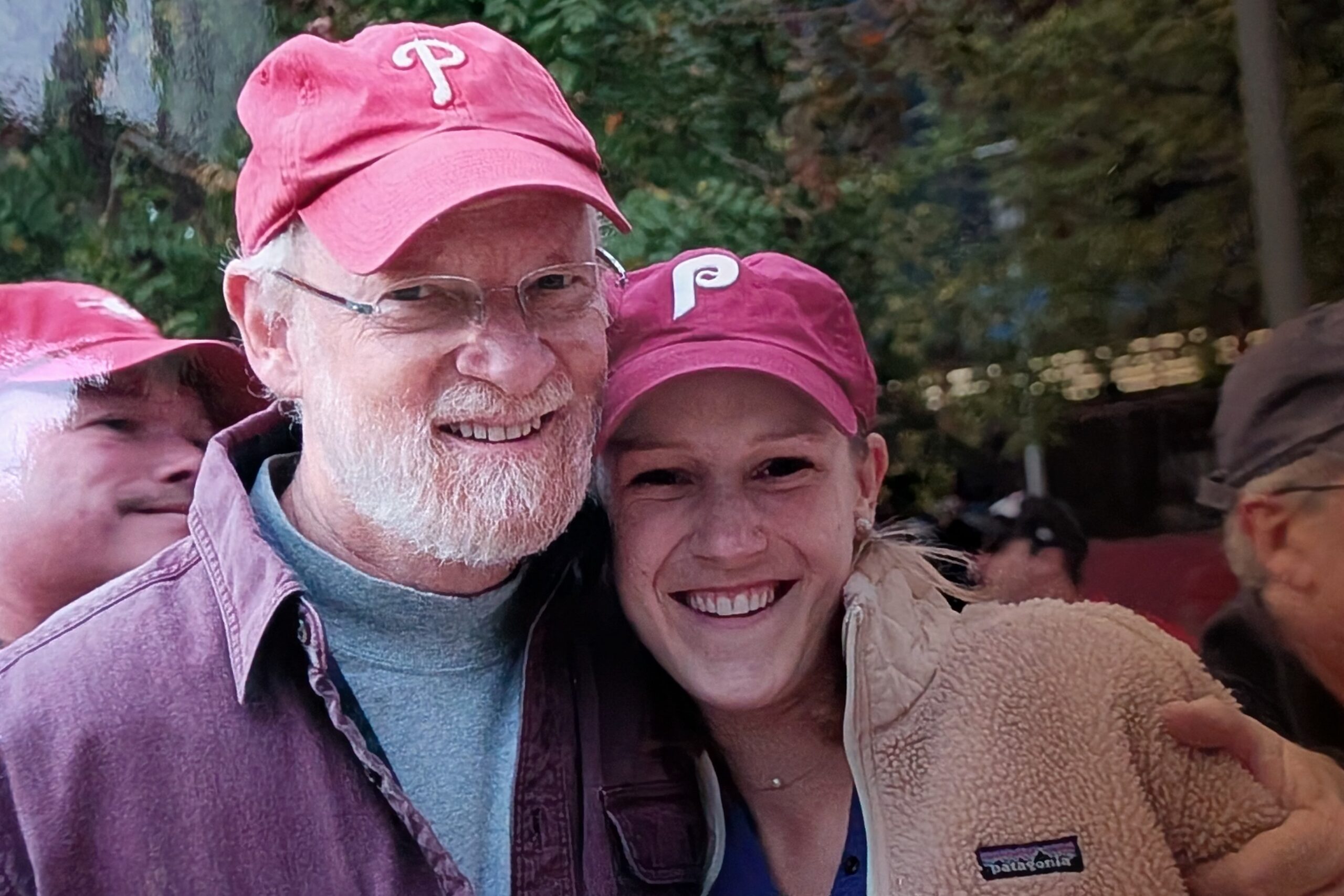
    Mr. Mann and his daughter, Cassie, watched the Phillies in World Series games together.

    He also wrote freelance articles for Time magazine and was press secretary for Connecticut Sen. Lowell P. Weicker Jr. for three years. Later, he was a founding board member of the Online News Association, onetime president of the Sunday Magazine Editors Association, and on boards of the Communications Network, the Internet Business Alliance, and other groups.

    He bounced around the world for a few years after graduating from Stanford University in 1972 and even opened a bakery with friends in Connecticut. He played third base in dozens of Sunday morning slow-pitch baseball games over the years and won a league championship with the Pen and Pencil Club softball team in the early 1980s.

    “I don’t know why he loved baseball so much,” said his son Jason. “But I know I love it because of him.”

    Frederick Gillespie Mann was born Nov. 28, 1950, in Yonkers, N.Y. His father was Delbert Mann, an Oscar-winning TV and film director, and the family moved to Los Angeles when Mr. Mann was young.

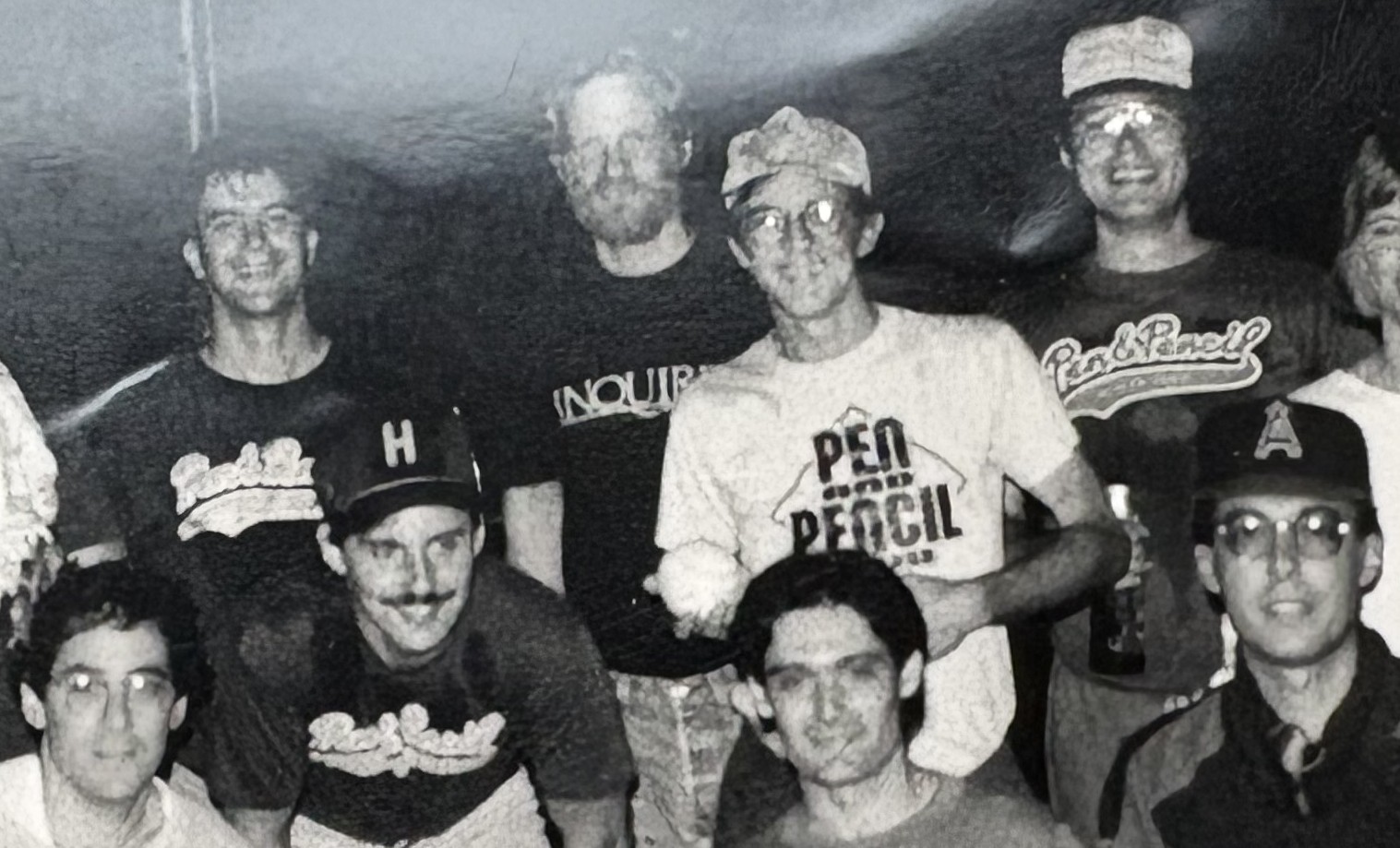
    Mr. Mann (rear, second from left) won a softball championship with the Pen and Pencil Club team in the early 1980s.

    He delivered newspapers, graduated from Beverly Hills High School, and earned a bachelor’s degree at Stanford. He married Robin Layton, and they had sons Ted, Jason, and Lindsay and a daughter, Cassie.

    After a divorce, he married Nicole O’Neill in 1994, and welcomed her children, Andy, Hilary, and Brette, and their children into his family. He and his wife lived in Wayne before moving to Greensboro, Vt., in 2019.

    Mr. Mann enjoyed hikes in the woods with his dogs, card games and board games with family and friends, reading about history, and touch football games on Thanksgiving. He listened to the Beatles and knew every word to the soundtrack of My Fair Lady.

    He reveled in his “long days of glorious raking” in Rosemont and Wayne, and said in a 1989 column: “When all you’ve known is palm trees, piling up tons of autumn foliage is more blessing than burden.”

    He coached Little League baseball players, followed the Boston Red Sox closely, and attended memorable Phillies games with his children. On many Monday afternoons, he impressed teammates and opponents alike with his corner jump shots in basketball games at the Philadelphia Athletic Club.

    Mr. Mann and his son Lindsay enjoyed time in the countryside.

    “He was fun and funny,” his daughter said, “loved and loving.”

    Former Inquirer managing editor Butch Ward said on Facebook: “Fred Mann brightened every room he entered.” Former Inquirer columnist Steve Lopez said: “The very thought of Fred puts a smile on my face.”

    In addition to his wife, children, and former wife, Mr. Mann is survived by grandchildren, two brothers, and other relatives. A sister died earlier.

    A celebration of his life is to be held later.

    Donations in his name may be made to the Lenfest Institute for Journalism, 100 S. Independence Mall West, Suite 600, Philadelphia, Pa. 19106.

    Even in sad times, said longtime friend Dick Polman, Mr. Mann shared his “irrepressible wit.”
  • Ann B. Levine, expert recruiter and longtime dean of admissions at Franklin Learning Center, has died at 75

    Ann B. Levine, expert recruiter and longtime dean of admissions at Franklin Learning Center, has died at 75

    Ann B. Levine, 75, of Philadelphia, expert recruiter, longtime dean of admissions at Franklin Learning Center, business teacher, popular radio host, and community activist, died Saturday, Jan. 31, of age-associated decline at Thomas Jefferson University Hospital.

    Bubbly, charismatic, and skillful at engaging with young people about their interests and goals, Ms. Levine worked as dean of admissions at Franklin Learning Center in Philadelphia from 1980 to her retirement in 2010. For 30 years, she recruited thousands of high-performing junior high school students to admission-only Franklin Learning Center, pored over more than 1,000 yearly applications, and helped choose the final 250 for admission.

    Every year, she toured the city’s junior high schools, cutting-edge slideshow in tow, and spoke to students and families about the curriculum, activities, staff, and student body at Franklin Learning Center. She interviewed the teenage applicants personally, routinely showed interest in their lives as well as their grades, and made countless lifelong friends.

    “You could tell she had their attention when she talked because they asked questions,” said her husband, Bob Bosco. “She was enthusiastic and thorough. She could connect. She found her niche.”

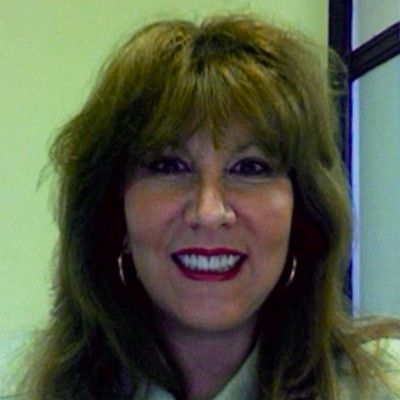
    Ms. Levine (center) “was always a friendly, smiling face,” a friend said in a tribute.

    Friends described Ms. Levine in online tributes as “happy and joyful,” a “sweet girl,” and “so fun to be with.” One friend said she “shared her views openly and freely.” Another said: “She was always a friendly, smiling face.”

    She also founded and was the first director of Franklin Learning Center’s celebrated mock trial team. She persuaded several prominent attorneys and lawyers to mentor her students after school and on weekends, and several of her pupils went on to their own impressive legal careers.

    In 2005, her eight-member mock trial team was one of 12, out of 270 overall, to advance to the Pennsylvania Bar Association statewide mock trial championships at the Dauphin County Courthouse in Harrisburg. Before becoming dean of admissions, she taught business and business law at Franklin Learning Center.

    After she retired, Ms. Levine joined her husband as a fill-in radio host for a decade. They played oldies on WVLT-FM in Vineland, WRDV-FM in Hatboro, and other stations. Her natural charm, love of music, and ability to entertain made her a hit with listeners.

    Ms. Levine married Bob Bosco in 1981.
    “First it was the Bob and Ann Show,” Bosco said. ”Then it was the Ann and Bob Show. Then it was Ann and what’s his name.”
    Ann Barbara Levine was born April 12, 1950, in Trenton. She worked on the yearbook, graduated from Trenton High School, and earned a bachelor’s degree in business at Drexel University and a master’s degree at the old Marywood business school.

    She was taking tennis lessons at the Young Men’s Hebrew Association center in Philadelphia in 1975 when she met Bob Bosco. He was playing basketball.

    They married in 1981, lived in Center City, and traveled together on memorable cruises and visits to Europe, Cuba, and Florida. Ms. Levine was an avid reader. She followed current events and enjoyed The Real Housewives TV shows.

    Ms. Levine “really influenced the lives of a lot of young women,” her husband said.

    For years, she was active with neighborhood groups in Southwest Center City. “She knew everybody,” her husband said. “She really influenced the lives of a lot of young women. She worked with the best of the best.”

    In a tribute, a friend since childhood said: “Though we lived far apart, she was always special to me.”

    In addition to her husband, Ms. Levine is survived by other relatives. A brother died earlier.

    Services were held earlier.

    Donations in her name may be made to the Philadelphia Museum of Art, 2600 Benjamin Franklin Parkway, Philadelphia, Pa. 19130; and the Weitzman National Museum of American Jewish History, 101 S. Independence Mall East, Philadelphia, Pa. 19106.

  • Phil Sumpter, celebrated sculptor, artist, and teacher, has died at 95

    Phil Sumpter, celebrated sculptor, artist, and teacher, has died at 95

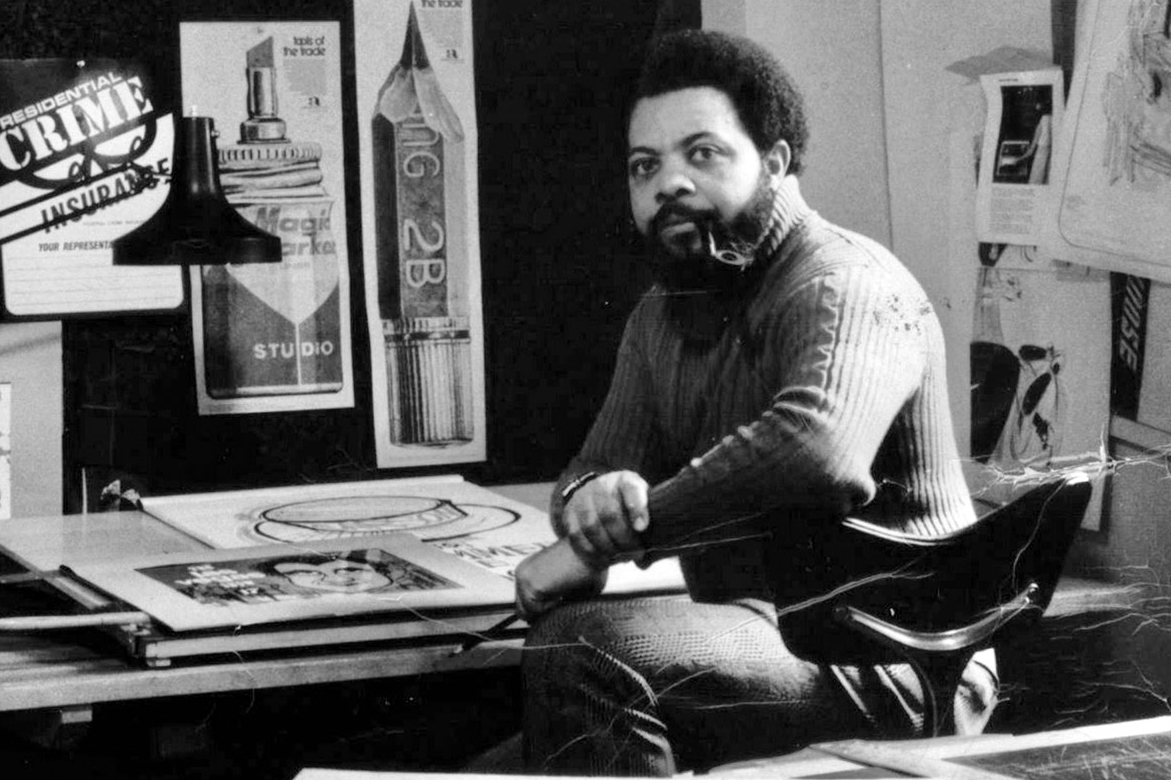
    Phil Sumpter, 95, formerly of Philadelphia, celebrated sculptor, artist, art teacher, TV station art director, veteran, mentor, urban cowboy, and revered raconteur, died Thursday, Jan. 1, of age-associated decline at his home in San Juan, Puerto Rico.

    A graduate of John Bartram High School and the old Philadelphia College of Art, Mr. Sumpter taught art, both its history and application, to middle and high school students in Philadelphia for 27 years. He was an engaging teacher, former students said, and a founding faculty member at the Philadelphia High School for the Creative and Performing Arts in 1978.

    He started teaching in 1955 and, after a break in the 1960s and ’70s, finally retired in 1992. “You are very lucky to have a teacher in your life that believed in you, nurtured you, challenged you, and loved you,” a former student said on Facebook. “Mr. Sumpter did all that and more.”

    Other former students called him their “father” and a “legend.” One said: “You did a lot of good here on earth, especially for a bunch of feral artist teenagers.”

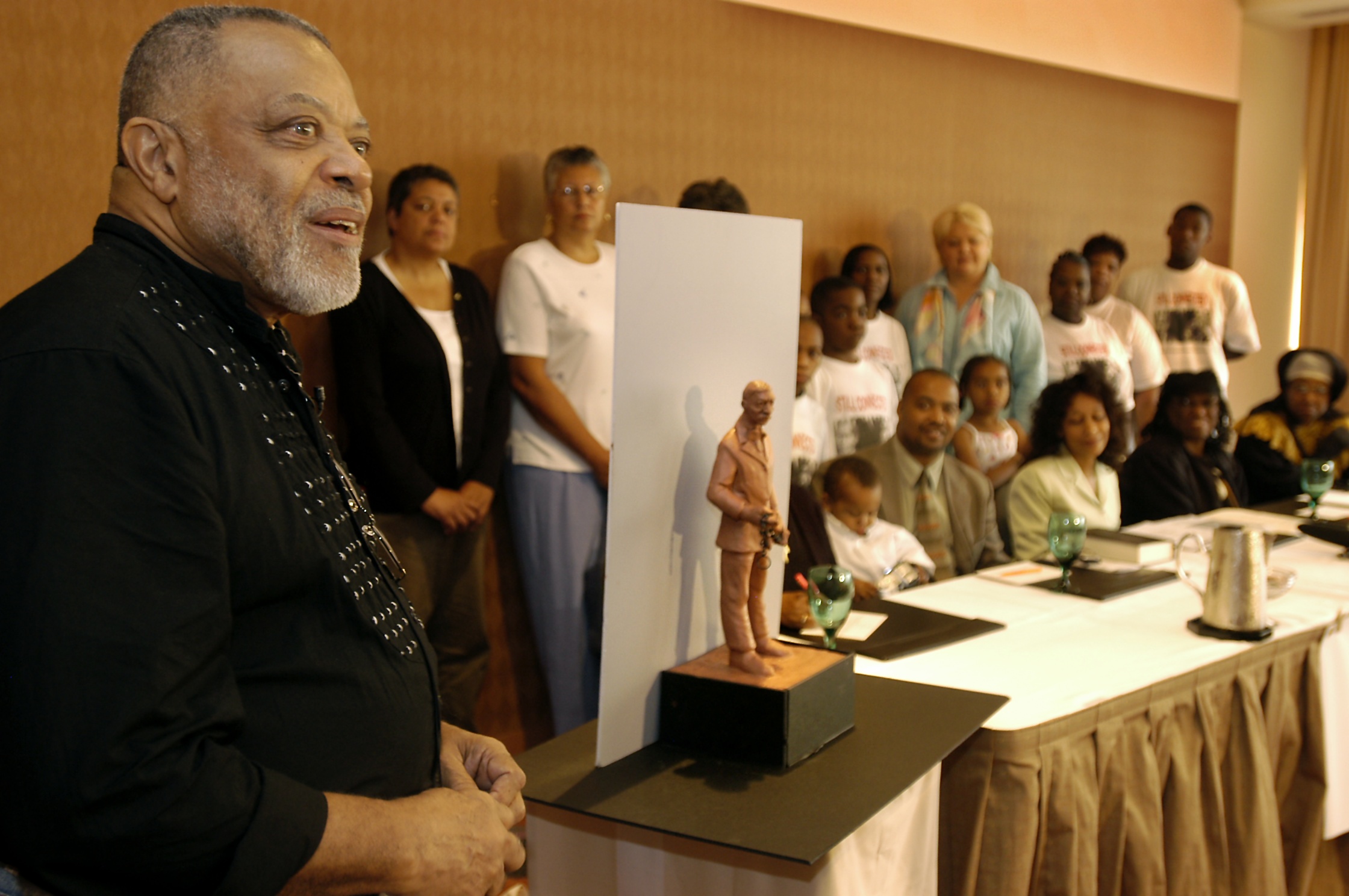
    Mr. Sumpter (left) talks about his sculpture of Underground Railroad organizer William Still in 2003.

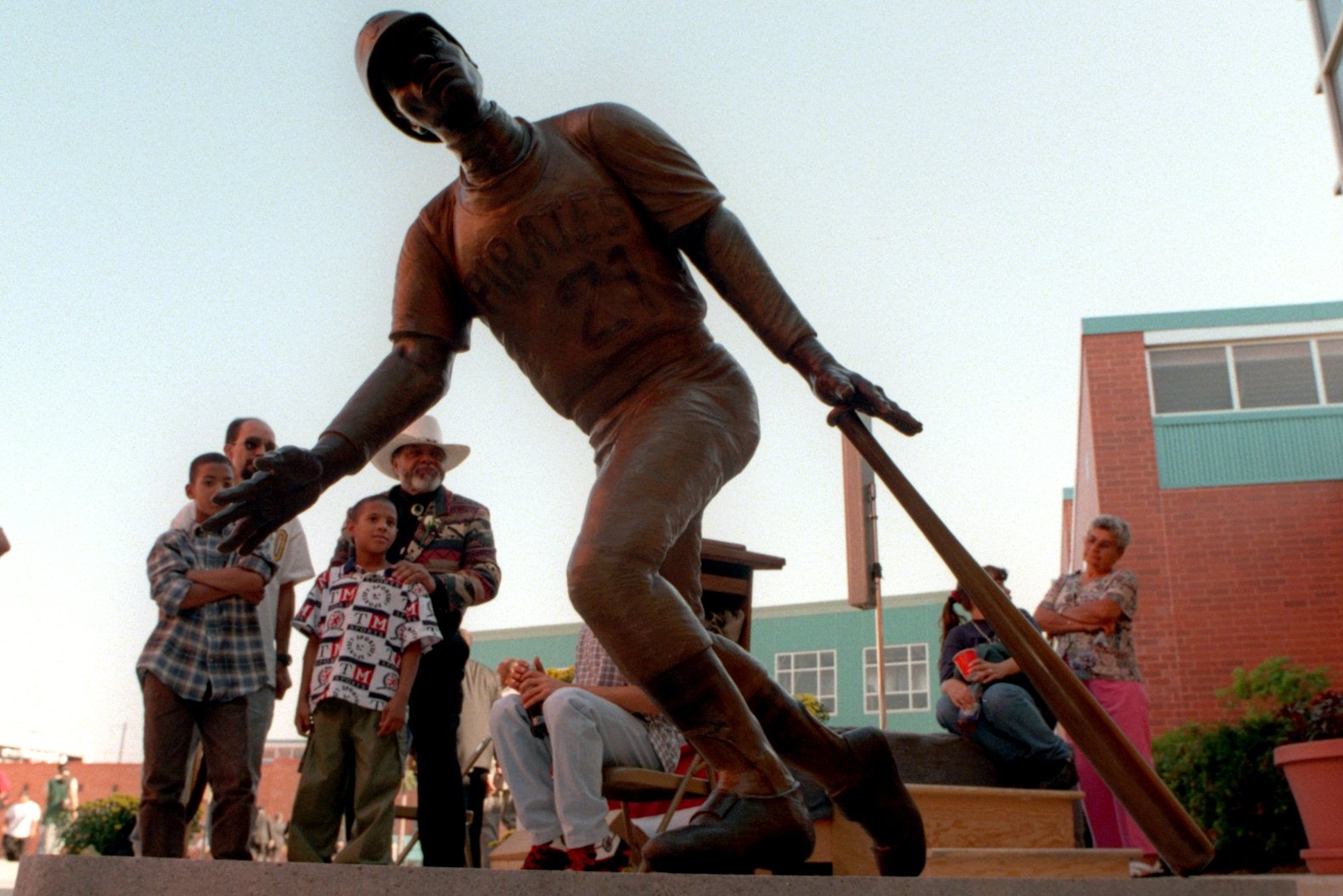
    Outside the classroom, Mr. Sumpter sculpted hundreds of pieces and painted and sketched thousands of pictures in his South Philadelphia stable-turned-studio on Hicks Street. Prominent examples of his dozens of commissions and wide-ranging public art presence include the bas-relief sculpture of Black Revolutionary War soldiers at Valley Forge National Historical Park in Montgomery County, the action statue of baseball star Roberto Clemente in North Philadelphia, the Negro Leagues baseball monument in West Parkside, and the Judy Johnson and Helen Chambers statues in Wilmington.

    He worked often in clay and paper, made murals, and designed commemorative coins and medals. He especially enjoyed illustrating cowboys, pirates, Puerto Rican jibaros, and landscapes.

    His statue of Clemente was unveiled at Roberto Clemente Middle School in 1997, and Mr. Sumpter told The Inquirer: “I think I’ve captured a heroic image, an action figure depicting strength plus determination.”

    He was among the most popular contributors to the Off the Wall Gallery at Dirty Franks bar, and his many exhibitions drew crowds and parties at the Bacchanal Gallery, the Free Library of Philadelphia, the Plastic Club, and elsewhere in the region and Puerto Rico. He hung out with other notable artists and community leaders, and collaborated on projects with his son, Philip III, and daughter, Elisabeth.

    Mr. Sumpter worked often in clay and paper, made murals, and designed commemorative coins and medals.

    He even marketed a homemade barbecue sauce with his wife, Carmen. His family said: “He is remembered for mentorship, cultural fluency, and presence as much as for material works.”

    He founded Phil Sumpter Design Associates in the 1960s and worked on design and branding projects for a decade with institutions, educational organizations, and other clients. He was art director for WKBS-TV, WPHL-TV, and the Pyramid Club.

    “The word for him,” his son said, “is expansive.”

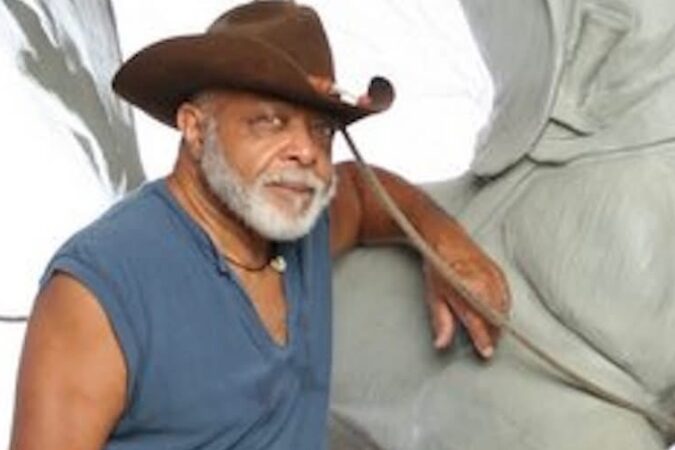
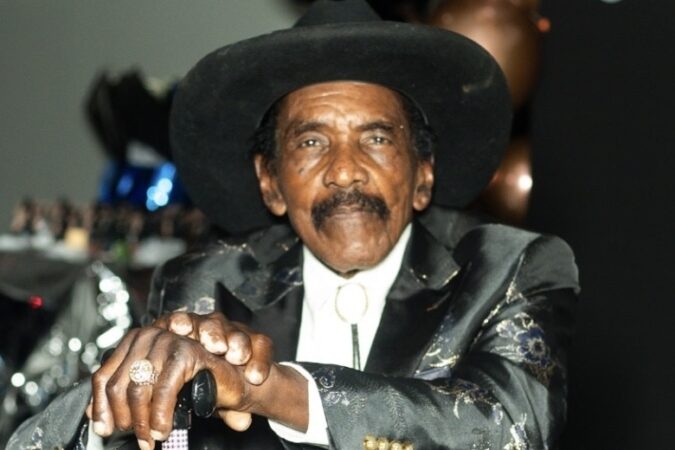
    Mr. Sumpter was friendly and gregarious. He became enamored with Black cowboys and Western life as a boy and went on to ride horses around town, dress daily in Western wear, and depict Black cowboys from around the world in his art. His viewpoints and exhibits were featured often in The Inquirer, the Philadelphia Tribune, Philadelphia Magazine, Dosage Magazine, and other publications.

    Mr. Sumpter (in white cowboy hat) views his statue of Roberto Clemente in 1997.

    He was an air observer for the Air Force during the Korean War and later, while stationed in England, studied sculpture, ceramics, and drawing at Cambridge Technical Institute. His daughter said: “He taught me how to open the portal to the infinite multiverse of my own imagination, where every mind, every soul can be free.”

    Philip Harold Sumpter Jr. was born March 12, 1930, in Erie. His family moved to segregated West Philadelphia when he was young, and he earned a bachelor’s degree in art education at PCA.

    He married and divorced when he was young, and then married Florence Reasner. They had a son, Philip III, and a daughter, Elisabeth, and lived in Abington. They divorced later, and he moved to Hicks Street in South Philadelphia.

    He met Carmen Guzman in Philadelphia, and they married in 2001 and moved to San Juan for good in 2003. He built a studio at his new home and never really retired from creating.

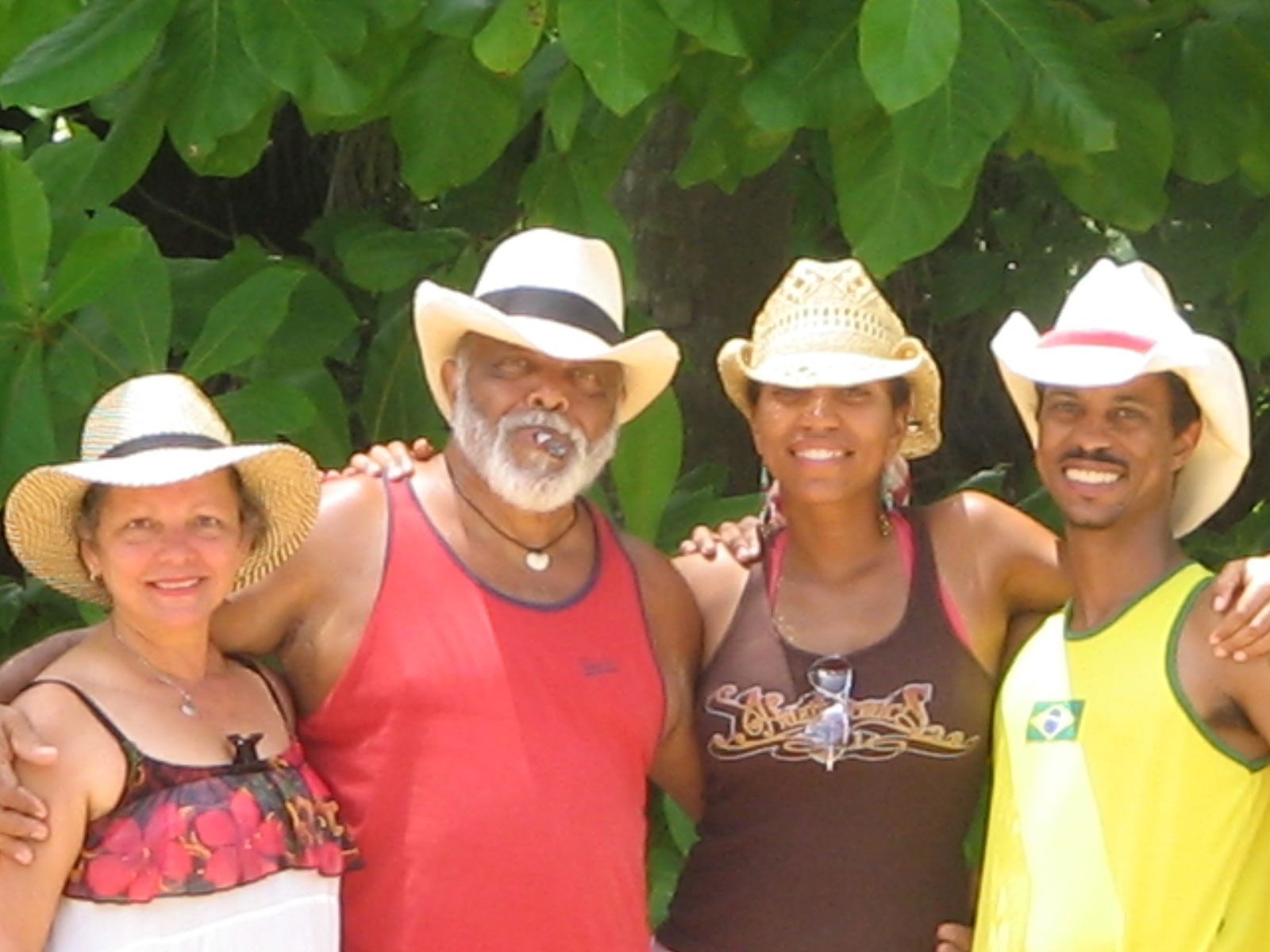
    Mr. Sumpter (second from left) enjoyed time with his family.

    Mr. Sumpter enjoyed singing, road trips to visit family in Pittsburgh, and bomba dancing in San Juan. He was a creative cook, and what he called his “trail chili” won cook-offs and many admirers.

    “He was a larger-than-life person,” his son said. “He was fearless in his frontier spirit.” His wife said: “His joy for life was contagious, as was his laughter.”

    In addition to his wife, children, and former wife, Mr. Sumpter is survived by other relatives.

    A celebration of his life was held earlier in Puerto Rico. Celebrations in Philadelphia are to be from 2 to 5 p.m. Saturday, March 14, at Dirty Franks, 347 S. 13th St., Philadelphia, Pa. 19107, and from 2:30 to 4:30 p.m. Sunday, March 15, at the Plastic Club, 247 S. Camac St., Philadelphia, Pa. 19107.

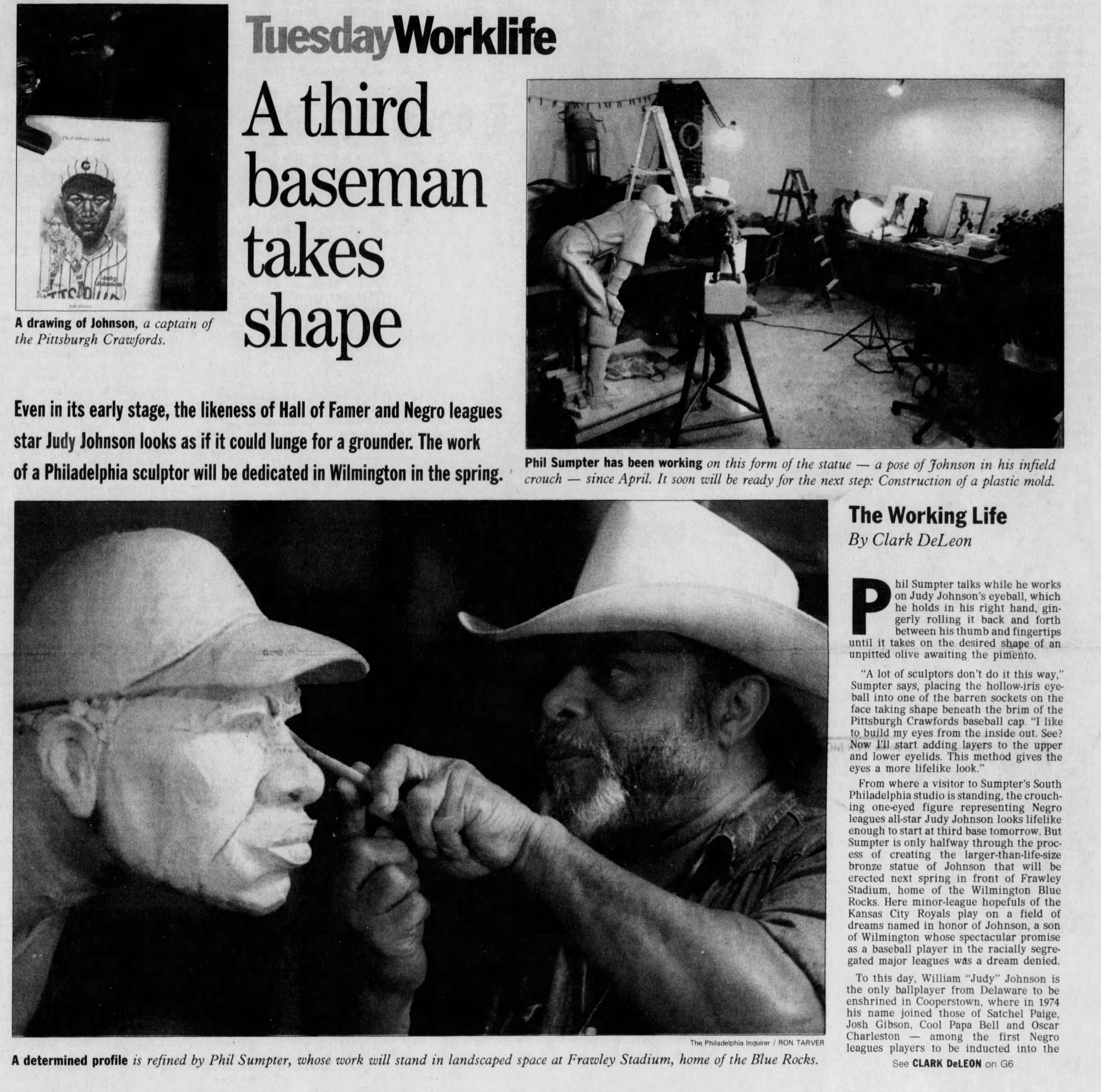
    Mr. Sumpter’s work was featured in The Inquirer in 1994.
  • David M. Jordan, prolific author, historian, and longtime lawyer, has died at 91

    David M. Jordan, prolific author, historian, and longtime lawyer, has died at 91

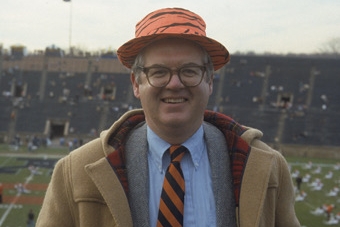
    David M. Jordan, 91, formerly of Jenkintown, prolific author, eclectic historian, retired lawyer, former president of the Jenkintown Borough Council, veteran, and lifelong baseball fan, died Saturday, Jan. 24, of sepsis at Bryn Mawr Hospital.

    Born in Philadelphia, Mr. Jordan grew up in Wyncote, Abington, and Huntingdon Valley in Montgomery County. He played high school baseball, graduated from William Penn Charter School, and earned his law degree at what is now the University of Pennsylvania’s Carey School of Law.

    He was fanatical about the old Philadelphia Athletics baseball team that moved to Kansas City in 1954 and later, a bit reluctantly, followed the Phillies. He attended the Phillies’ last home game at long-gone Connie Mack Stadium in 1970, their first and last home games at long-gone Veterans Stadium in 1971 and 2003, and their first home game at Citizens Bank Park in 2004.

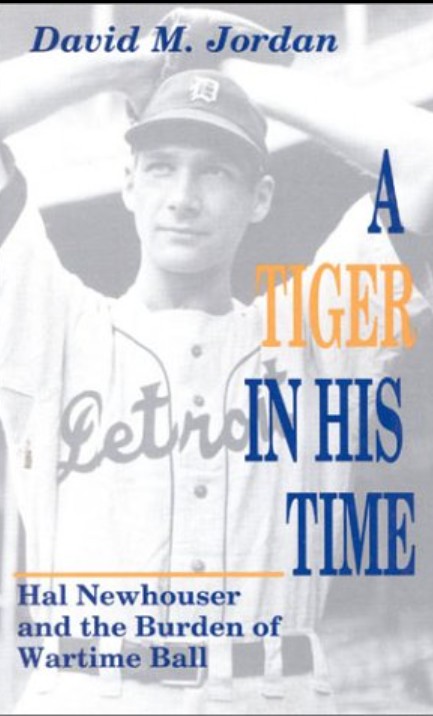
    He shared his fascination with baseball by writing books about the Athletics and Phillies, iconic stadiums around the country, and star players Pete Rose and Hal Newhouser. Newhouser even credited Mr. Jordan’s 1990 book, A Tiger in His Time: Hal Newhouser and the Burden of Wartime Ball, with helping him get elected into the National Baseball Hall of Fame in 1992.

    Writing “seemed to come naturally,” Mr. Jordan told the Princeton University Alumni Weekly in 2017. “I enjoy the creative part, to put my thoughts down on paper on a subject I have picked out for particular reasons.”

    He wrote The Athletics of Philadelphia in 1999, and a reviewer for the Baseball Almanac said: “Jordan’s account is full of fascinating insights and interesting stories that make this fine franchise and those associated with it come alive.” He was interested in politics as well and built on his 1956 senior thesis research at Princeton by writing Roscoe Conkling of New York: Voice in the Senate in 1971.

    The 477-page book was considered for a Pulitzer Prize, and a reviewer for the journal Pennsylvania History called it “readable and well-balanced” in a review. He said Mr. Jordan’s “treatment of Conkling is judicious, avoiding the pitfalls of hero worship or cynicism.”

    He also wrote history books about Civil War generals Winfield Scott Hancock and Gouverneur K. Warren, former Secretary of Defense Robert A. Lovett, and the 1944 presidential election. In 1989, a book reviewer for The Inquirer called Mr. Jordan’s Winfield Scott Hancock: A Soldier’s Life “a complete life of Montgomery County’s greatest son, and it, too, is superb.”

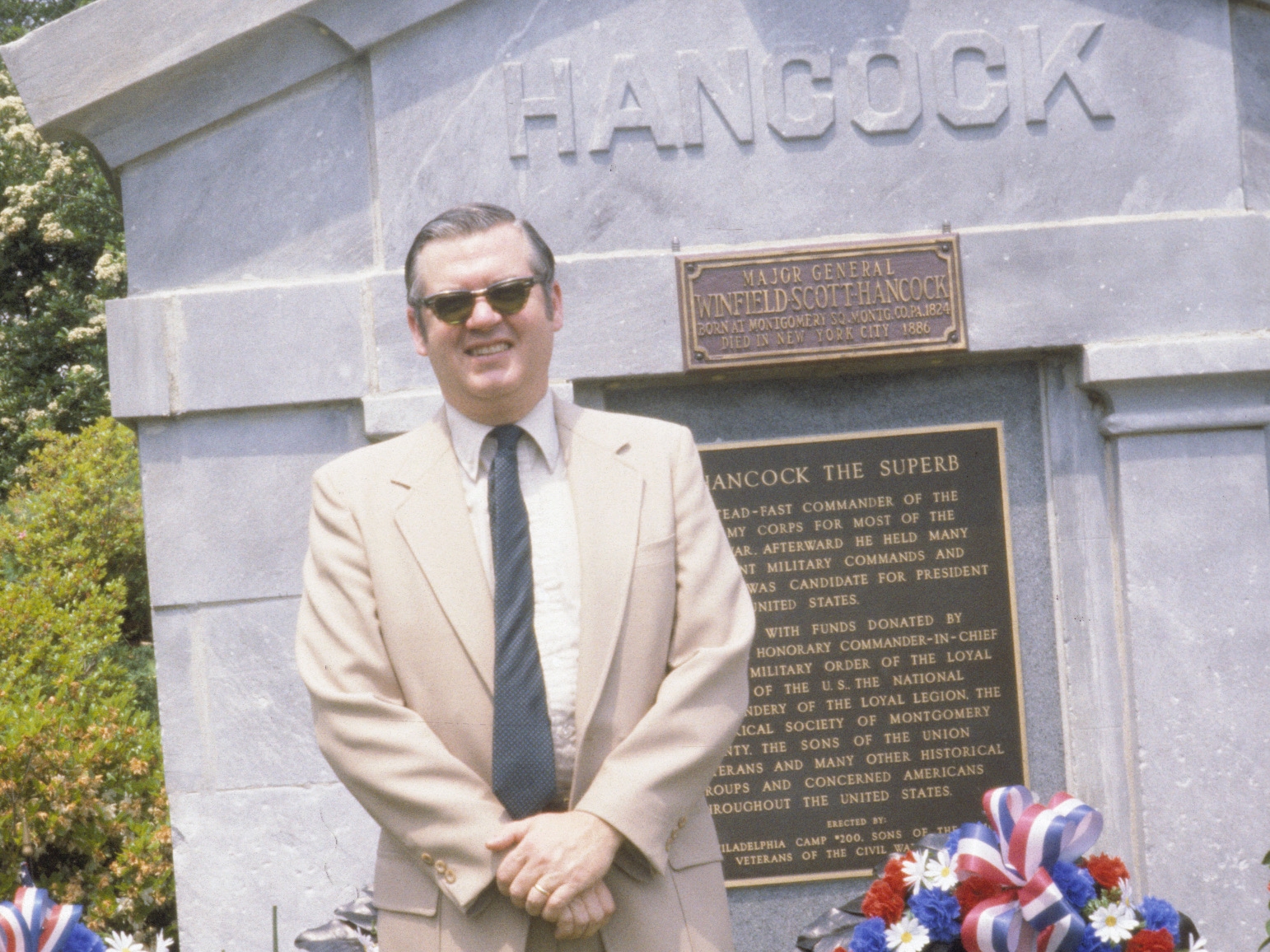
    Mr. Jordan, shown here at General Winfield Scott Hancock’s tomb in Montgomery County, did deep research on his book subjects.

    “These people are sort of lost in history,” Mr. Jordan told The Inquirer in 2000. “But with people who are fairly well known, it’s hard to find something new to say about them.”

    Mr. Jordan earned his law degree at Penn in 1959 and specialized in trust, estate, and municipal issues for 40 years in Philadelphia and later as a partner at Wisler Pearlstine in Montgomery County. He said in 2000 that he usually worked on his books every night after work from 7:30 to 10:30 p.m. and on weekends. “I don’t watch much television,” he said.

    He traveled to New York, Missouri, California, and elsewhere to visit historical sites and research his subjects. He was a member of the Society for American Baseball Research and president of the Philadelphia Athletics Historical Society for 12 years in the 2000s.

    He lectured often about baseball at symposiums and conventions, and was featured in The Inquirer and on podcasts. “He had a passion for knowledge,” his daughter Diana said. “He was a consumer of information.”

    This 1990 book by Mr. Jordan was said to have helped Hal Newhouser get into the National Baseball Hall of Fame in 1992.

    Mr. Jordan became active in Democratic politics after college in the 1960s and served as president of the Jenkintown Borough Council, Democratic state committeeman, and state platform committeeman. As Montgomery County Democratic chair in the 1970s, he told The Inquirer that he disliked gerrymandering and favored giving county executives extensive staff appointment powers.

    He enlisted in the Army after law school. “He was absolutely the most congenial person,” his daughter Diana said. “He was kind and caring.”

    David Malcolm Jordan was born Jan. 5, 1935. He earned a bachelor’s degree in history at Princeton, was secretary and president of the Class of 1956, and returned to the campus often for reunions and other events.

    He married Barbara James in 1960, and they had daughters Diana, Laura, and Sarah, and lived in Jenkintown. His wife died in 2006. He married Jean Missimer Liddell in 2007, and they lived in Wayne and Haverford.

    His daughter Diana said Mr. Jordan “never stopped. He was passionate about everything.”

    Mr. Jordan enjoyed college basketball games at Penn’s Palestra, especially if Princeton was in town. He went to the Metropolitan Opera House in New York often and collected baseball cards and stamps. He was an avid reader and on the board at the Jenkintown Library.

    “I guess I just had a lot of available energy to practice law, write books, and help run Jenkintown,” he told the Princeton Alumni Weekly. “It didn’t seem so hard at the time, though looking back makes me wonder.”

    His daughter Diana said: “He never stopped. He was passionate about everything.”

    In addition to his wife and daughters, Mr. Jordan is survived by three grandchildren, a sister, and other relatives. A brother died earlier.

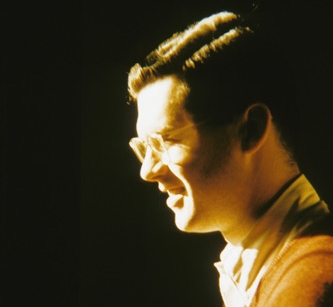
    This 1971 book by Mr. Jordan was based on his interest in politics and history.

    A private celebration of his life is to be held later.

    Donations in his name may be made to the Jenkintown Library, 460 York Rd., Jenkintown, Pa., 19046.

  • Robert E. Booth Jr., pioneering knee surgeon and celebrated antiquarian, has died at 80

    Robert E. Booth Jr., pioneering knee surgeon and celebrated antiquarian, has died at 80

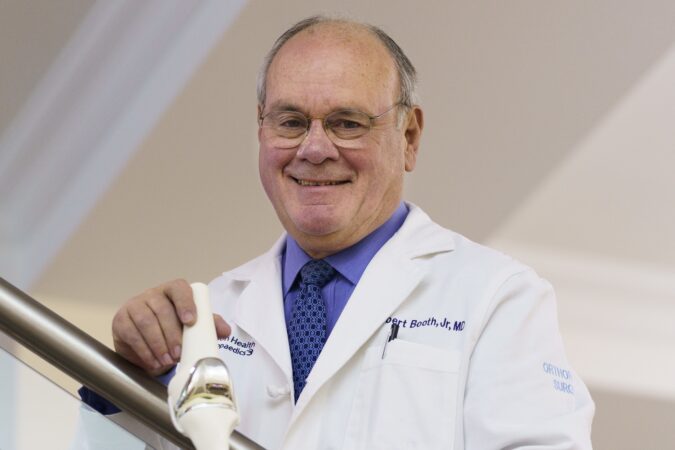
    Robert E. Booth Jr., 80, of Gladwyne, renowned pioneering knee surgeon, former head of the Department of Physical Medicine and Rehabilitation at Pennsylvania Hospital, celebrated antiquarian, professor, researcher, writer, lecturer, athlete, mentor, and volunteer, died Thursday, Jan. 15, of complications from cancer at his home.

    Born in Philadelphia and reared in Haddonfield, Dr. Booth was a top honors student at Haddonfield Memorial High School, Princeton University, and what is now the Perelman School of Medicine at the University of Pennsylvania. He was good at seeing things differently and went on to design new artificial knee joint implants and improved surgical instruments, serve as chief of orthopedics at Pennsylvania Hospital, and mentor celebrated surgical staffs at Jefferson Health, Aria Health, and Penn Medicine.

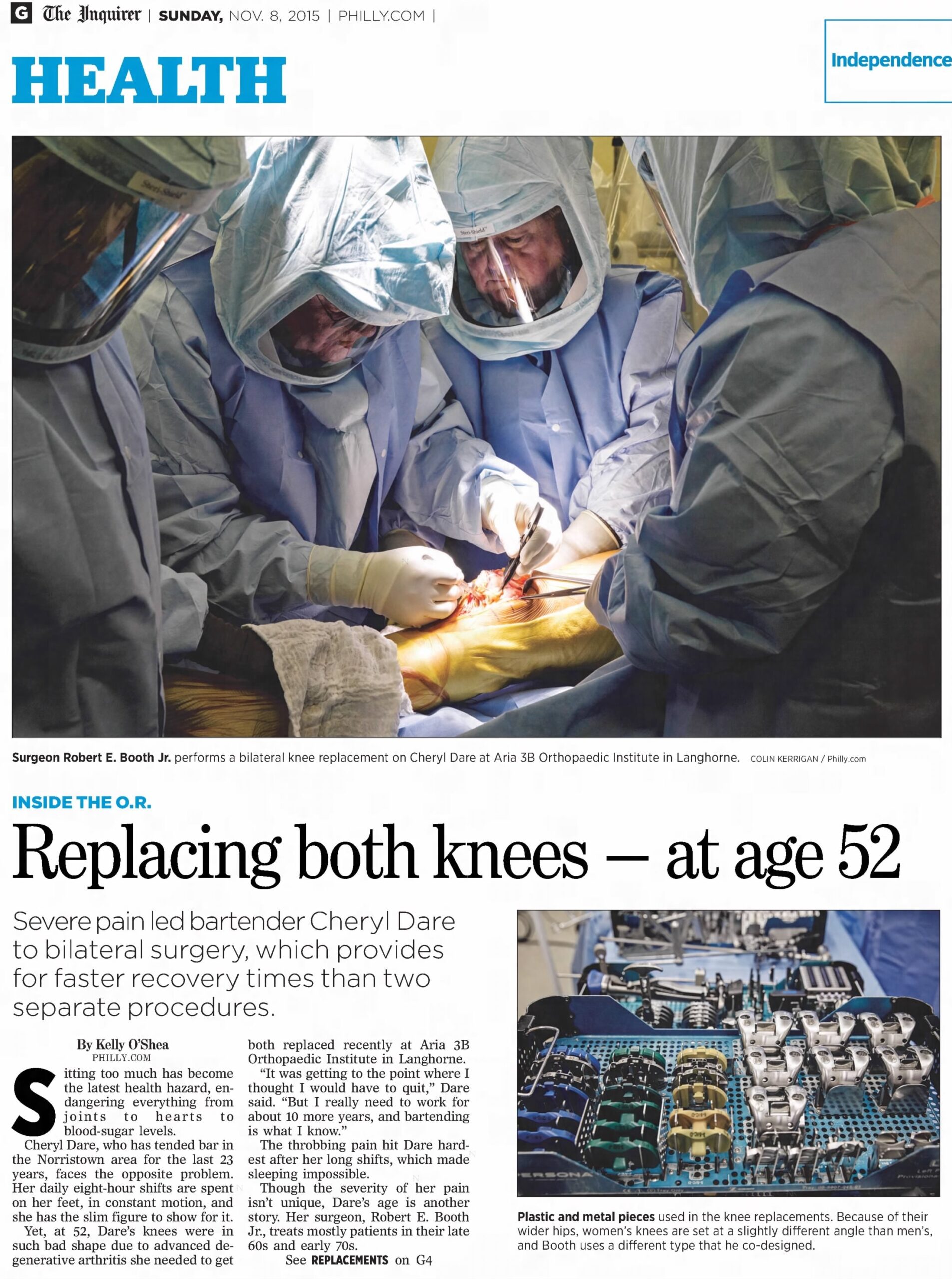
    He joined with two other prominent doctors to cofound the 3B orthopedic private practice in the late 1990s and, over 50 years until recently, performed more than 50,000 knee replacements, more than anyone, according to several sources. Last March 26, he did five knee replacements on his 80th birthday.

    In a tribute, fellow physician Alex Vaccaro, president of Rothman Orthopaedic Institute, said: “He restored mobility to thousands, pairing unmatched technical mastery with a compassion that patients never forgot.”

    In a 1989 story about his career, Dr. Booth told The Inquirer: “It’s so much fun and so gratifying and so rewarding to see what it means to these people. You don’t see that in the operating room. You see that in the follow-ups. That’s the fun of being a surgeon.”

    Friends called him “a legend in his profession” and “a friend to everyone” in online tributes. He was known to check in with patients the night before every surgery, and a colleague said online: “Patients were all shocked by his compassion.”

    Dr. Booth was also praised for his organization and collaboration in the operating room. “His OR was a clinic in team work and efficiency,” a former colleague said on LinkedIn.

    He told Medical Economics magazine in 2015: “I love fixing things. I like the mechanics and the positivity of something assembled and fixed.”

    This article about Dr. Booth’s practice was published in The Inquirer in 2015.

    His procedural innovations reduced infection rates and increased success rates. They were scrutinized in case studies by Harvard University and others, and replicated by colleagues around the world. Some of the instruments he redesigned, such as the Booth retractor, bear his name.

    He was president of the Illinois-based Knee Society in the early 2000s and earned its 2026 lifetime achievement award. In an Instagram post, colleagues there called him “one of the most influential leaders in the history of knee arthroplasty.”

    He was a professor of orthopedics at Penn’s school of medicine, Thomas Jefferson University Hospital, and the old Allegheny University of Health Sciences. He loved language and studied poetry on a scholarship in England after Princeton and before medical school at Penn. He told his family that his greatest professional satisfaction was using both his “manual and linguistic skills.”

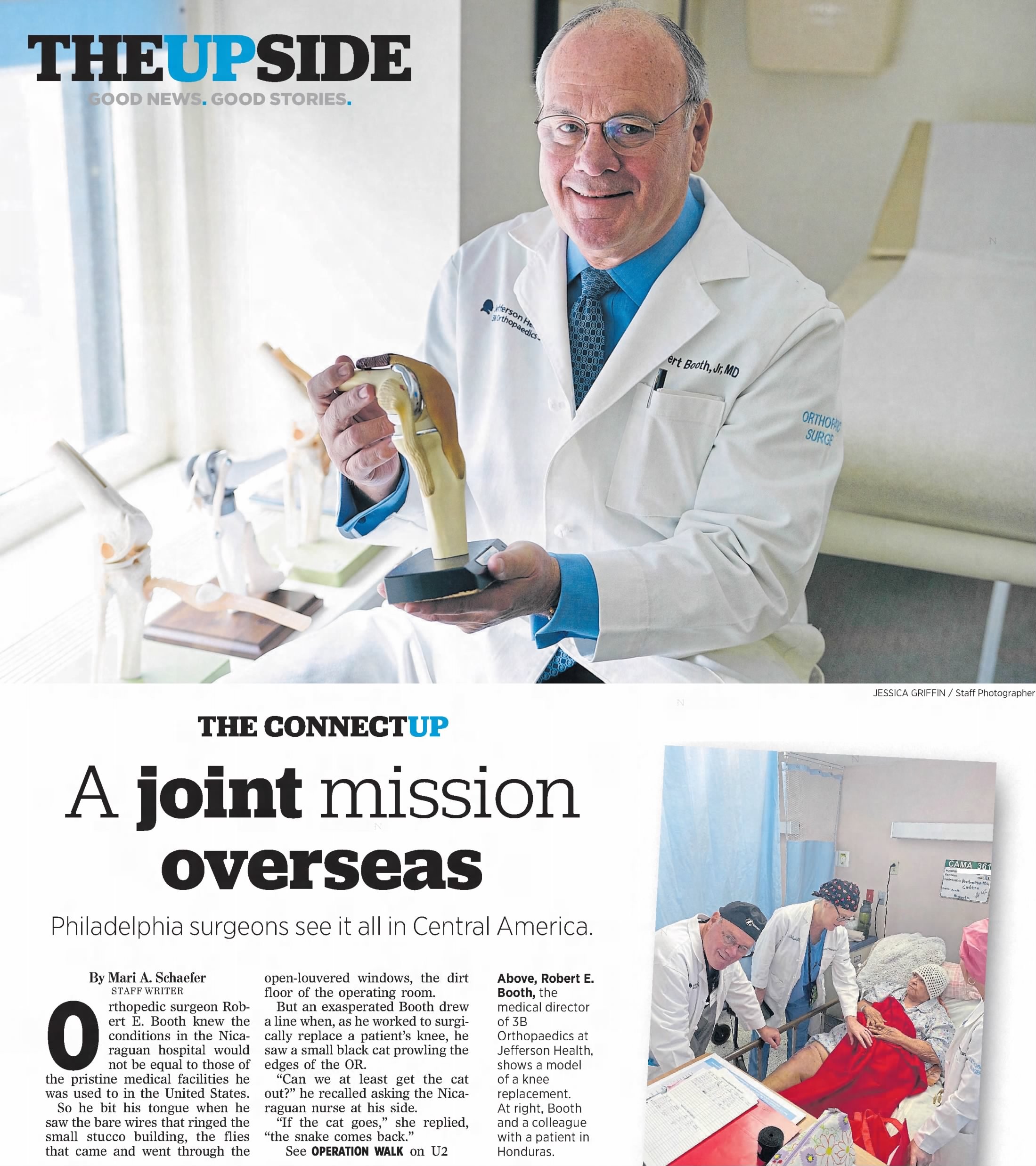
    He was onetime president of the International Spine Study Group and volunteered with the nonprofit Operation Walk Denver to provide free surgical care for severe arthritis patients in Panama, Guatemala, Honduras, Nicaragua, and elsewhere. Colleagues at Operation Walk Denver noted his “remarkable spirit, profound expertise, and unwavering commitment” in a Facebook tribute.

    This story about Dr. Booth’s charitable work abroad appeared in The Inquirer in 2020.

    At home, Dr. Booth and his wife, Kathy, amassed an extensive collection of Shaker and Pennsylvania German folk art. They curated five notable exhibitions at the Philadelphia Antiques Show and were recognized as exceptional collectors in 2011 by the Philadelphia Society for the Preservation of Landmarks.

    He lectured widely about art and antiques, and wrote articles for Magazine Antiques and other publications. He was president of the American Folk Art Society and active at the Philadelphia Museum of Art, the Metropolitan Museum of Art in New York, and the Canterbury Shaker Village in New Hampshire.

    “He was larger than life for sure,” said his daughter, Courtney.

    Robert Emrey Booth Jr. was born March 26, 1945, in Philadelphia. He was the salutatorian of his senior class and ran track and field at Haddonfield High School.

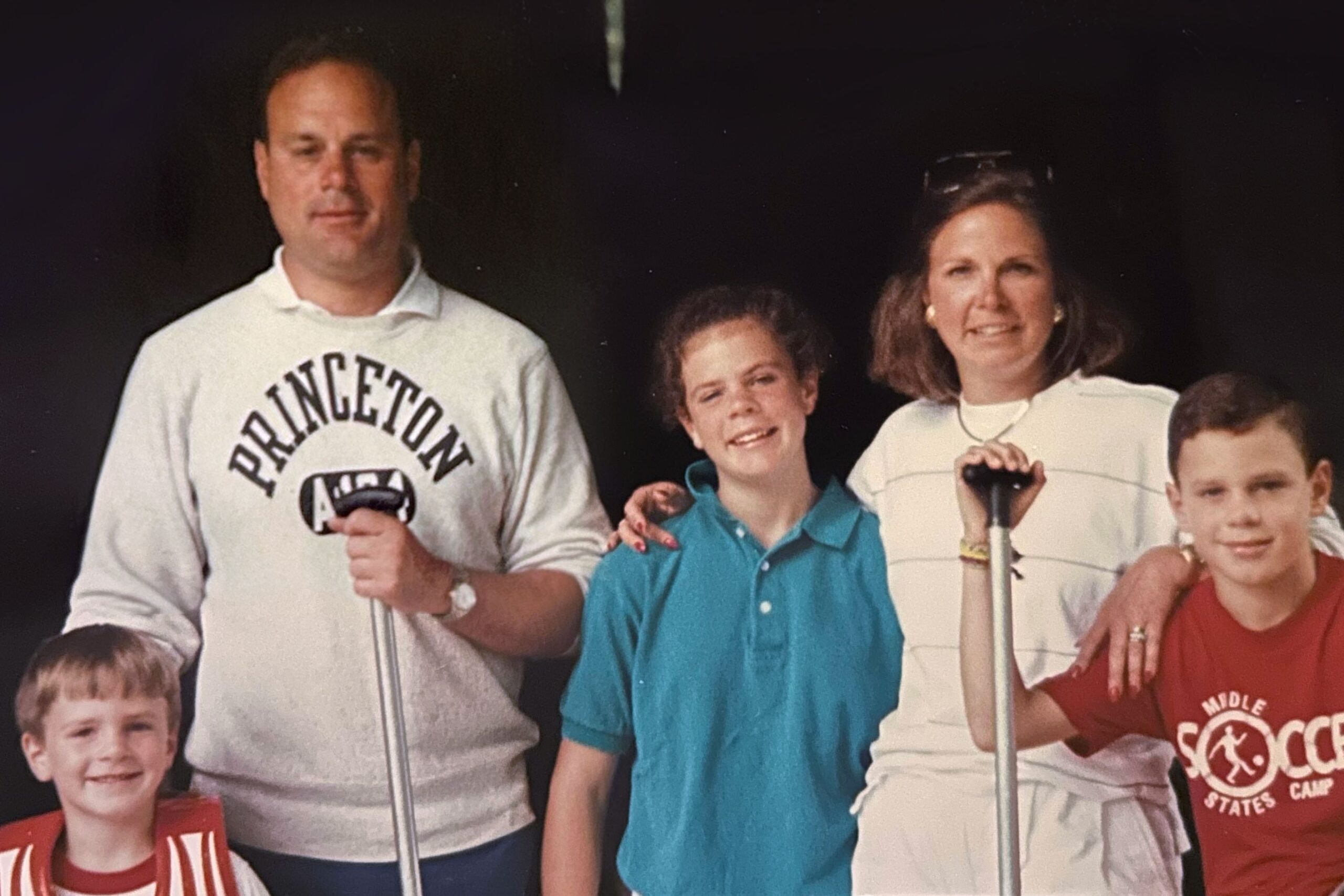
    Dr. Booth enjoyed time with his family.

    He earned a bachelor’s degree in English at Princeton in 1967, won a letter on the swimming and diving team, and played on the school’s Ivy League championship lacrosse team as a senior. He wrote his senior thesis about poet William Butler Yeats and returned to Philadelphia from England at the suggestion of his father, a prominent radiologist, to become a doctor. He graduated from Penn’s medical school in 1972.

    “I always liked the intellectual side of medicine,” he told Medical Economics. “And once I got to see the clinical side, I was pretty well hooked.”

    He met Kathy Plummer at a wedding, and they married in 1972 and had a daughter, Courtney, and sons Robert and Thomas. They lived in Society Hill, Haddonfield, and Gladwyne.

    Dr. Booth liked to ski and play golf. He was an avid reader and enjoyed time with his family on Lake Kezar in Lovell, Maine.

    “He was quite the person, quite the partner, and quite the husband,” his wife said, “and I’m so proud of what we built together.”

    Dr. Booth and his wife, Kathy, married in 1972.

    In addition to his wife and children, Dr. Booth is survived by six grandchildren and other relatives.

    A private celebration of his life is to be held later.

    Donations in his name may be made to Operation Walk Denver, 950 E. Harvard Ave., Suite 230, Denver, Colo. 80210.

  • Ernest P. Richards, lifelong urban cowboy, musician, and contractor, has died at 85

    Ernest P. Richards, lifelong urban cowboy, musician, and contractor, has died at 85

    Ernest P. Richards, 85, of Philadelphia, lifelong urban cowboy, musician, singer, building contractor, mentor, veteran, and volunteer, died Monday, Jan. 12, of cancer at the Philadelphia VA Medical Center.

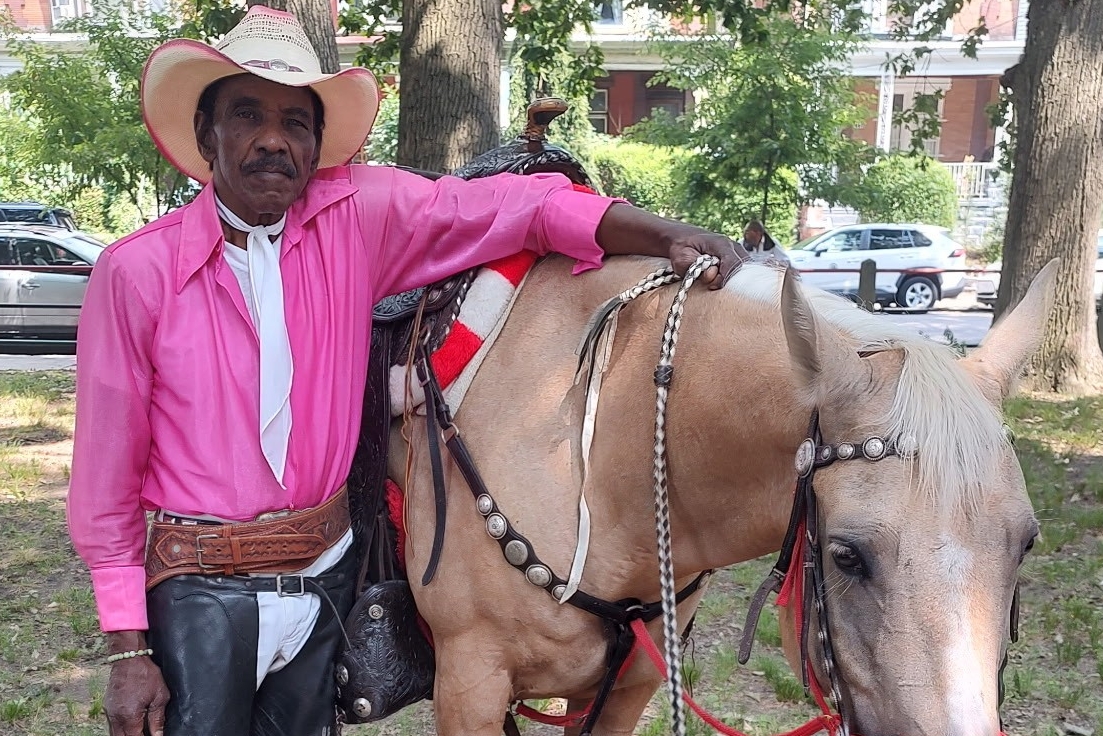
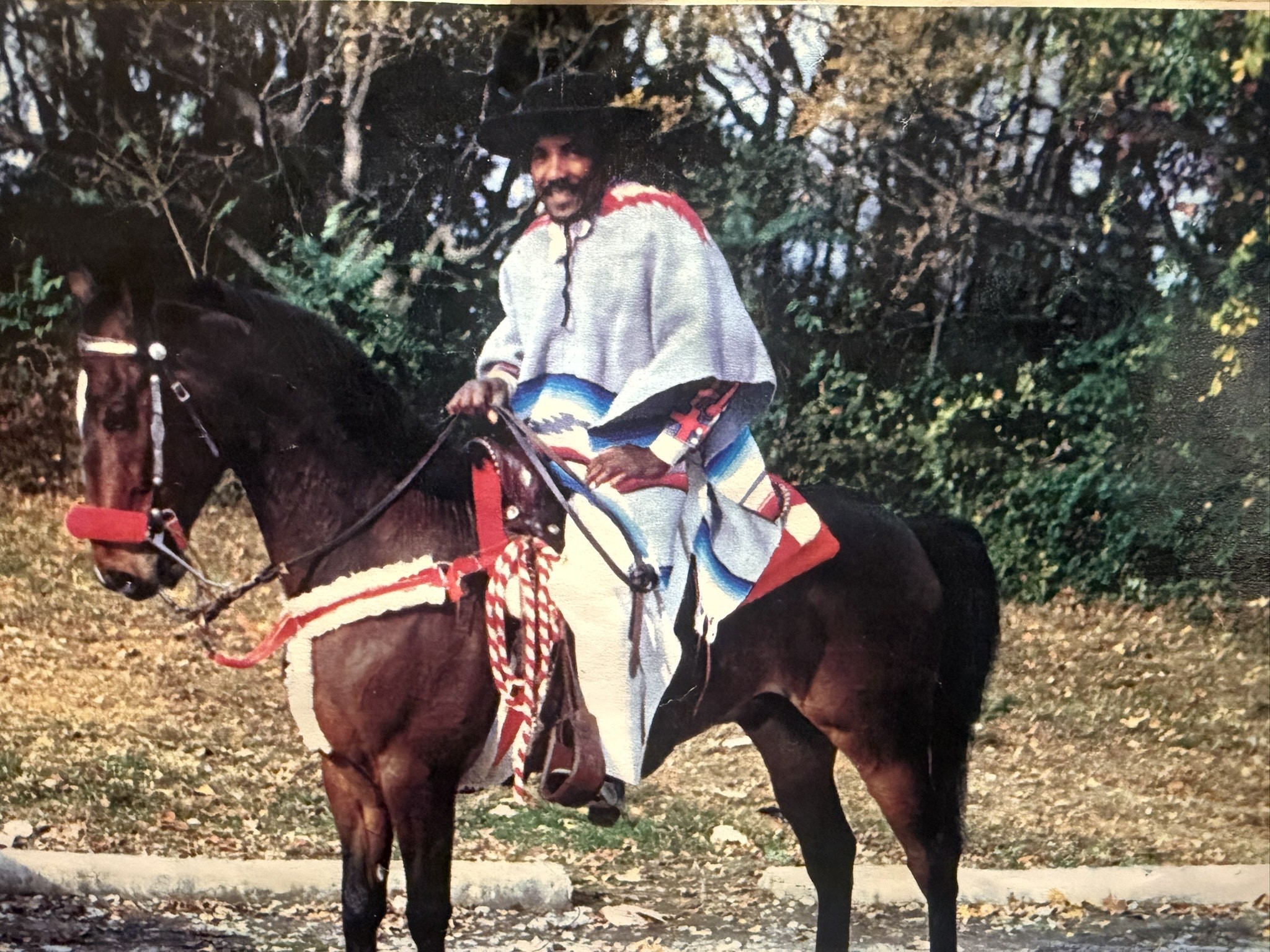
    Mr. Richards fell in love with horses when he was a youth in South Philadelphia and went on to own four of his own: Lucky, Jaheel, Pretty Girl, and Dancer. He became an expert in horsemanship and grooming, and dressed daily in cowboy hats, bolo ties, and western boots. He shined his collection of saddles as brightly as any car in the neighborhood.

    “He loved animals, period,” said his wife, Sheila, “and horses are strong. He liked that.”

    Over the years, Mr. Richards adorned his mounts in colors that matched his eye-catching outfits and rode in parades, on local trails, and elsewhere around the city and South Jersey. He started out supervising 25-cent pony rides at a farm in South Philadelphia as a teenager and later stabled his horses most often at a farm near the Cowtown Farmers Market in Pilesgrove Township, Salem County.

    Mr. Richards was known for his distinctive western attire.

    He became such a good rider, and his horses were so expressive, his family said, that he often led other concrete cowboys in holiday parades on Broad and 52nd Streets. “He was the star of the show,” said his daughter Passion. “My dad was sharp.”

    Mr. Richards enjoyed watching John Wayne westerns and the TV show Bonanza, and he took his family on a memorable trip to a rodeo in Maryland. He taught his children, grandchildren, and anyone else who was interested how to safely ride and care for horses.

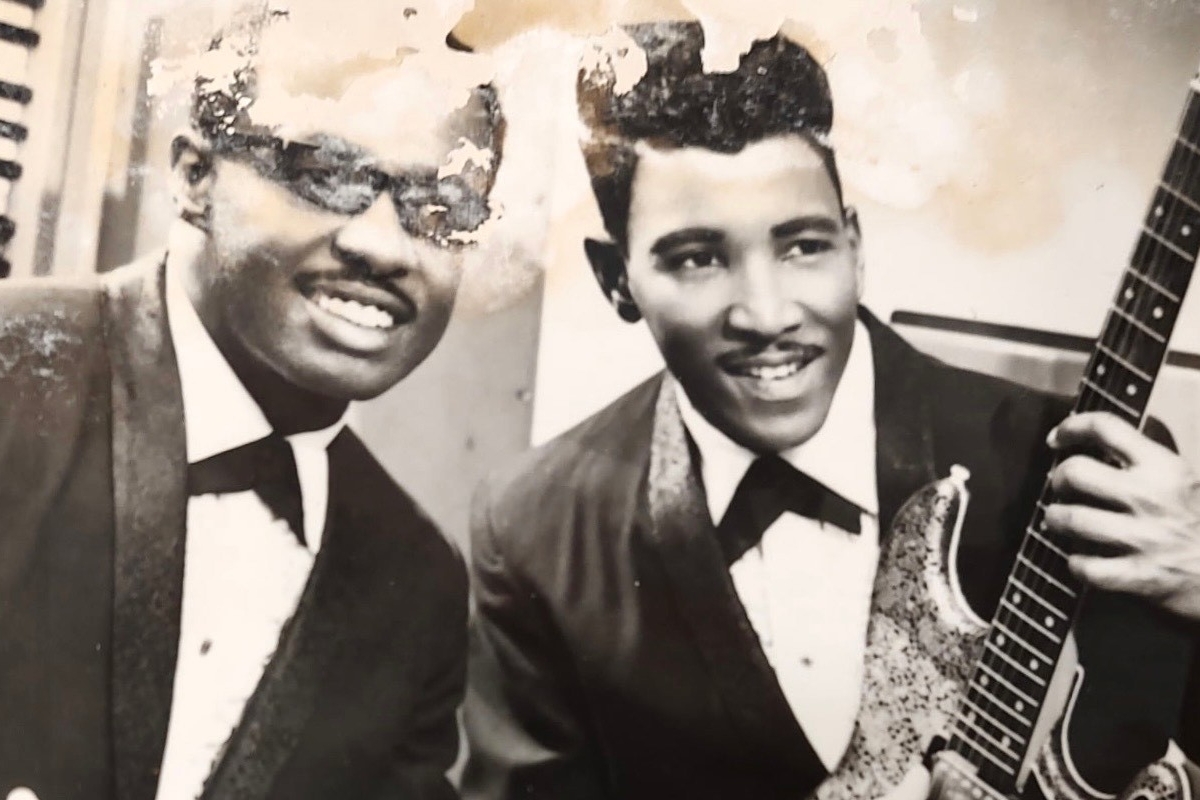
    Out of the saddle, Mr. Richards was a gifted singer and guitar player. He formed a band, Fire and Rain, after he returned to Philadelphia from two years in the Army, and they played at the Apollo Theater in New York and at clubs all over Philadelphia for decades.

    He specialized in love songs and covered many made popular by Teddy Pendergrass and Harold Melvin and the Blue Notes. “He was a romantic,” his wife said.

    Mr. Richards (right) was an accomplished singer and guitar player.

    He also had an eye for design and beauty, and a knack for construction. He built decks, repaired roofs, refurbished basements, and raised other buildings, sometimes from the ground up.

    He constructed a barn and stalls for the horse farm he frequented in Salem County, and mentored young men in West Philadelphia who wanted to learn the construction skills he had picked up from his mentors and while in the Army.

    “He loved to beautify things,” his wife said. “He was a beautiful person.”

    Ernest Patrick Richards was born Feb. 25, 1940, in Philadelphia. He graduated from Edward Bok Technical High School in 1958 and spent two years in the Army.

    Mr. Richards often dressed his horse to match his oufit when they rode in parades.

    He met singer Sheila Sampson when she auditioned to sing with Fire and Rain, and they married in 1985 and had daughters Passion, Keshia, Tammy, and Sparkle. He also had daughters Jackie G., Jackie J., and Crystal. Jackie G. and Crystal died earlier.

    Mr. Richards played basketball for years and whiled away many evenings strumming his guitar and singing songs around the house. He adored his family, they said, and attended the Church of Christian Compassion. “He was inspirational about his love of God,” his wife said. “He was all about family and faith.”

    He had a hearty laugh, his daughters said, and tolerated no nonsense, his wife said. He helped anybody who needed anything at any time, they all said.

    He valued independence and knew how to fix cars and home appliances. A friend said online that he had “a heart of gold” and was “an earth angel.” His nephew and nieces said he kept them “laughing and on our toes, teaching us great life lessons and how to repair anything.”

    Mr. Richards was an expert builder.

    Mr. Richards liked flashy western wear, and his wife nicknamed him Richie Rich because he dressed so snazzy. “He was never judgmental,” said his granddaughter Najzhay. “He was always offering help. He was truly my favorite person and the best cowboy.”

    “He was funny,” said his daughter Passion. “He could light up a room. His presence demanded respect. He was the center of our everything.”

    His daughter Sparkle said: “He was a great teacher and our best friend.”

    On his 85th birthday last year, Mr. Richards told his family: “All my blessings are right here in this room. I’m so grateful, eternally grateful.”

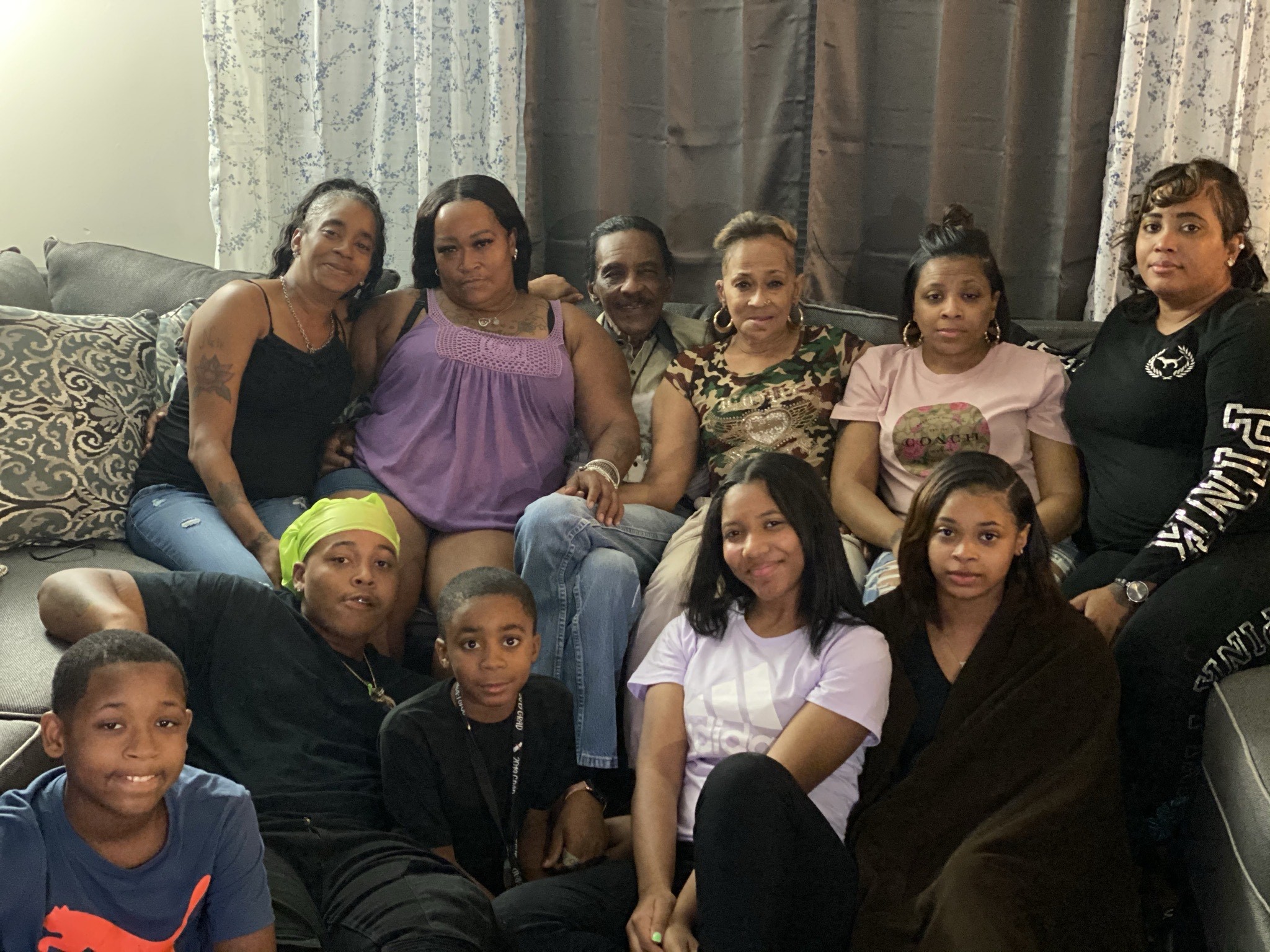
    Mr. Richards (rear, third from left) enjoyed time with his family.

    In addition to his wife, daughters, and granddaughter, Mr. Richards is survived by five other grandchildren, two great-grandsons, and other relatives. A brother and a sister died earlier.

    A celebration of his life was held Thursday, Jan. 22.

  • Weekend to stay frigid, forecasters say, but heat wave to near 40 may arrive on Wednesday

    Weekend to stay frigid, forecasters say, but heat wave to near 40 may arrive on Wednesday

    The frigid temperatures, the blocks of ice clogging the Delaware and Schuylkill Rivers, and the mounds of snow piled high in driveways and parking lots across the Philadelphia region are not likely to change much Sunday and Monday, Zack Cooper said Saturday afternoon.

    Cooper, a meteorologist at the National Weather Service in Mount Holly, said to expect a high of just 18 degrees on Sunday, a significant drop from Saturday’s high of 28. For Monday’s return to work for many, the weather service predicts a high of 36.

    “It’s been a long time since we’ve seen this type of prolonged stretch of cold weather,” Cooper said. “It’s been about 10 years.”

    The good news, he said, is that the temperature should peak for the week at near 41 on Wednesday. More good news, he said, is that the daytime highs are expected to reach above freezing for the rest of the week, 36 on Tuesday, Thursday, and Friday, and 38 on Saturday. But the nighttime lows should still dip below the freezing point of 32 degrees.

    In that case, Cooper said, some of the ice will melt during the warmer daytime hours but not enough to cause widespread flash flooding near rivers, lakes, and streams. A slow warmup, with warmer days and colder nights, is always best, he said.

    That’s also important regarding the giant snow piles around town because Friday was the 12th consecutive day of a snowpack of at least 5 inches at Philadelphia International Airport. In 2014, the weather service issued warnings of flash floods along the Delaware River south of Trenton after a rapid warmup, and a presidential disaster declaration was needed in 1996 when melting ice jams caused major flooding along the Delaware and the Susquehanna Rivers.

    It’s been a rough February so far for Philadelphia area residents. Daily average temperatures have been below freezing every day since Jan. 23, and the region went nine days, from Jan. 24 to Feb. 2, without reaching 32 degrees at all.

    Last week, a barge heading north got stopped in the ice on the Delaware River, ferry service was halted in the Delaware Bay due to ice, and the Coast Guard had to deploy a 175-foot-long cutter to smash up ice floes in the Delaware all the way up to Trenton.

    Cooper said the recent nine-day stretch of temperatures below freezing is likely among the top 10 longest local cold snaps on record. The last period of such frigidity, he said, was an eight-day stretch in 2015.

    As for the wind chills, Saturday night could reach minus 13 degrees. Sunday could go to minus 12, and Monday could be minus 3. High wind warnings are expected to be lifted on Sunday. No snow is expected next week.

    So what should folks do until Wednesday? Hang in there, Cooper said. “We take weather as it comes,” he said. “It’s ever-changing, and you have to adapt and adjust.”

    And if it does reach 41 on Wednesday, Cooper said, “It will feel nice.”

  • Sandra Schultz Newman, the first woman elected to the Pa. Supreme Court, has died at 87

    Sandra Schultz Newman, the first woman elected to the Pa. Supreme Court, has died at 87

    Sandra Schultz Newman, 87, of Gladwyne, Montgomery County, the first woman elected to the Pennsylvania Supreme Court, the first female assistant district attorney in Montgomery County, the first woman named to the board of directors of the old Royal Bank of Pennsylvania, longtime private practice attorney, role model, mentor, and colorful “Philadelphia icon,” died Monday, Feb. 2. Her family did not disclose the cause of her death.

    Reared in South Philadelphia and Wynnefield, and a graduate of Drexel, Temple, and Villanova Universities, Justice Newman, a Republican, was elected to the Commonwealth Court of Pennsylvania in November 1993 and to the state Supreme Court in 1995. She won a second 10-year term on the Supreme Court in 2005 but, having to step down in just two years due to a mandatory retirement age, left at the end of 2006.

    “I love the court. I love my colleagues. The collegiality was great, and I’m going to miss that,” Justice Newman told The Inquirer. “But I just felt like I wanted to move on.”

    During her 10-year tenure, Justice Newman was chair of the Supreme Court’s Judicial Council Committee on Judicial Safety and Preparedness and the court’s liaison to Common Pleas Court and Municipal Court in Philadelphia. She ruled on hundreds of issues and wrote opinions about all kinds of landmark cases, from environmental protections to school funding to clergy privilege to the Gary Heidnik and John E. du Pont murder cases.

    She had worked in criminal and family law and handled many divorce and custody cases as a private attorney in the 1980s, and was praised later by court observers for her attention to Philadelphia Family Court matters. Lynn Marks, of Pennsylvanians for Modern Courts, told the Daily News in 2005: “She’s been a wonderful justice, and she’s made herself accessible to the public interest community.”

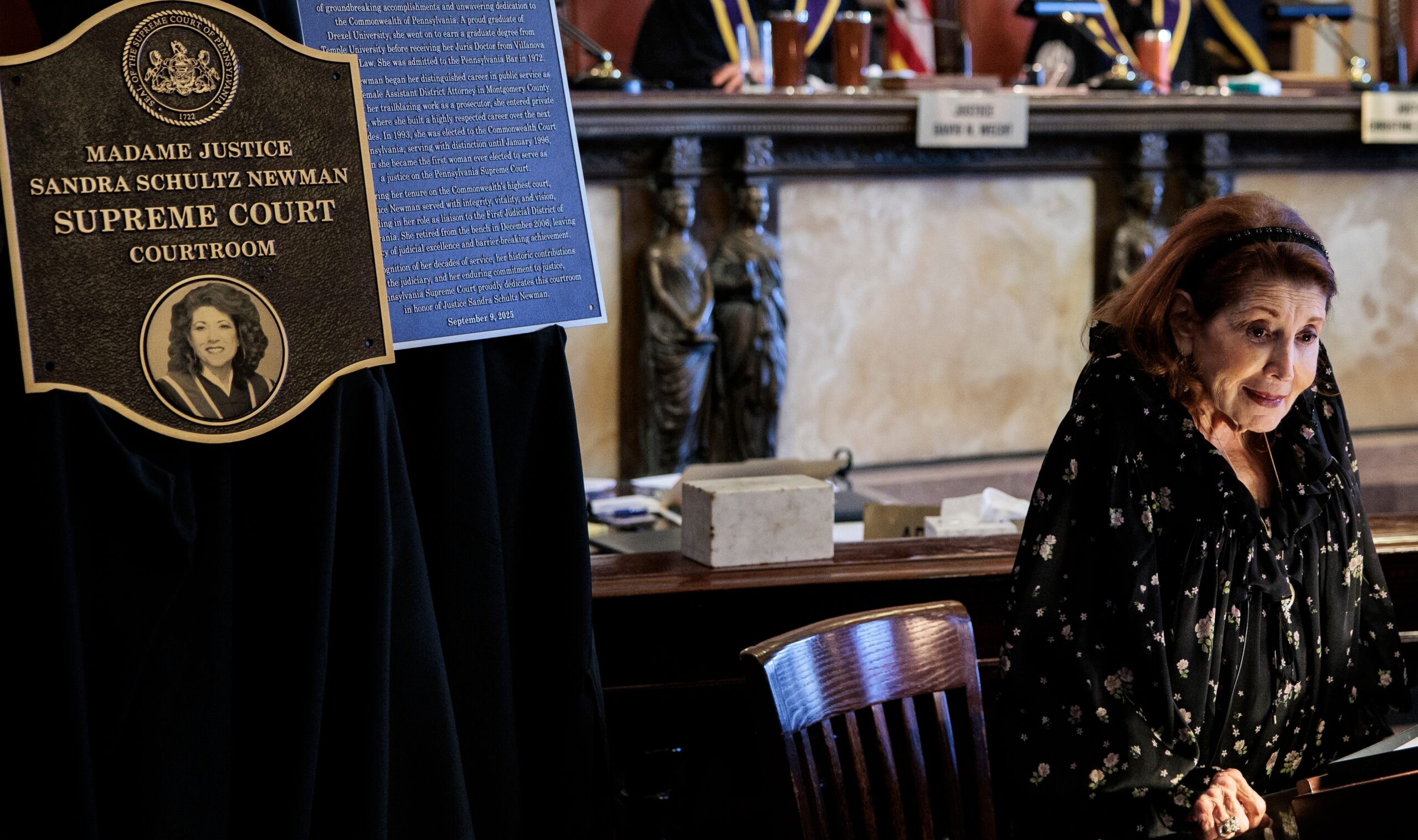
    In 2025, her colleagues on the Supreme Court named their Philadelphia courtroom after her. “She was a remarkable jurist, public servant, and trailblazer for women, whose work and impact will leave a legacy beyond the bench,” Supreme Court Chief Justice Debra Todd said in a tribute.

    News outlets across the state covered Justice Newman’s election to the Supreme Court as she campaigned in 1995, and she easily collected more votes in the Nov. 7 election than any of the other three candidates, all men. She told the Daily Item in Sunbury, Pa., in September ’95: “I don’t think anyone should be elected solely on their gender. But I don’t think anybody should not be elected because of it, either.”

    Justice Newman touted her collegiality and feminine life experience during the 1995 campaign and told The Inquirer she wanted to be a “role model for everyone in Pennsylvania.” She told the Press Enterprise in Bloomsburg, Pa.: “I think I can bring a sensitivity and understanding on many issues, such as criminal issues like rape. I have a deep sense for the need of a safe society.”

    Justice Newman speaks in 2025 during the ceremony in which the Supreme Court named its Philadelphia courtroom after her.

    After her election, Inquirer staff writer Robert Zausnersaid: “Wealthy yet down-to-earth, Newman talked often during the campaign about her grandchildren and insisted that people ‘call me Sandy’ once she was outside her courtroom.”

    Former Gov. Tom Ridge called Justice Newman a “pioneering legal giant” and said she “inspired generations of legal professionals across the Commonwealth.” Ezra Wohlgelernter, chancellor of the Philadelphia Bar Association, noted her “pathbreaking career” and “valuable service to our city and to the Commonwealth” in a tribute.

    Either “the first” or “the only” in many of her professional pursuits, Justice Newman was called a “Philadelphia icon,” “a force of nature,” and a “beautiful and radiant star” in online tributes. She flirted with running for political office several times and was colorfully profiled in Philadelphia Magazine in 1988. In that story, writer Lisa DePaulo called her “part woman/part tigress.”

    She famously endorsed a controversial cosmetic product on TV in 2006 and attended many galas and charity auctions, and her name appeared in the society and opinion pages nearly as often as the news section. In a 1983 feature, Inquirer writer Mary Walton described Justice Newman as “beautiful … with tousled auburn hair and a slender figure that she liked to cloak in expensive designer clothes.”

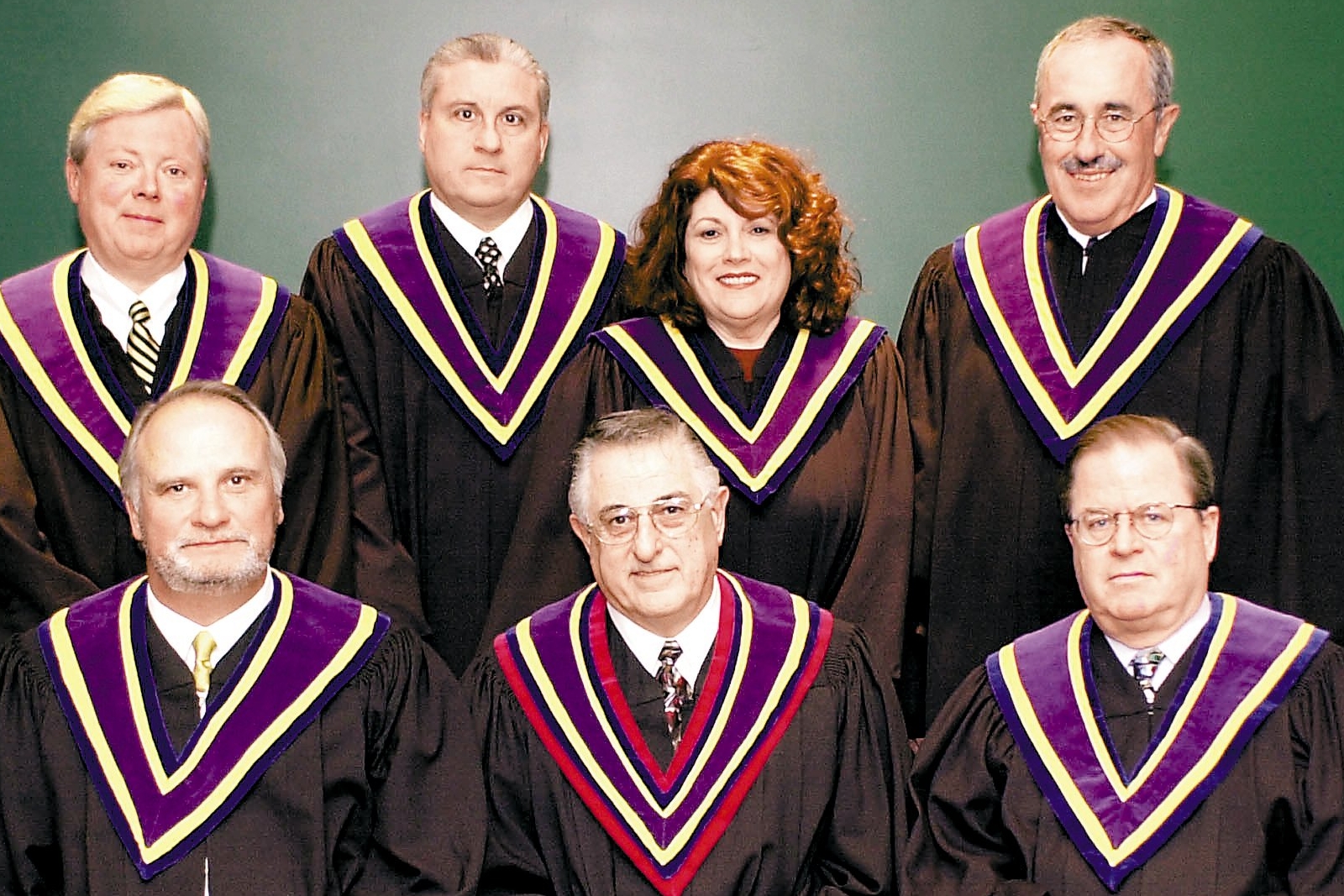
    Justice Newman was the only woman on the state Supreme Court in 2002.

    A friend said online she was “irrepressible in an Auntie Mame sort of way.” Another said: “The world has become a little quieter.”

    Justice Newman served as the first female assistant district attorney in Montgomery County from 1972 to 1974 and was an in-demand, high-profile partner at Astor, Weiss & Newman from 1974 to 1993. She returned to private practice in 2006 and handled mostly alternative dispute resolution cases until recently.

    She told the Press Enterprise in 1995 that colleagues in the Montgomery County District Attorney’s Office had adorned her desk with a green plant on her first day in 1972. “It was marijuana from the evidence room,” she said.

    She wrote papers and book chapters about trial practice, death penalty statutes, and the electoral system in Pennsylvania. She spoke about all kinds of legal topics at seminars, conferences, and other events.

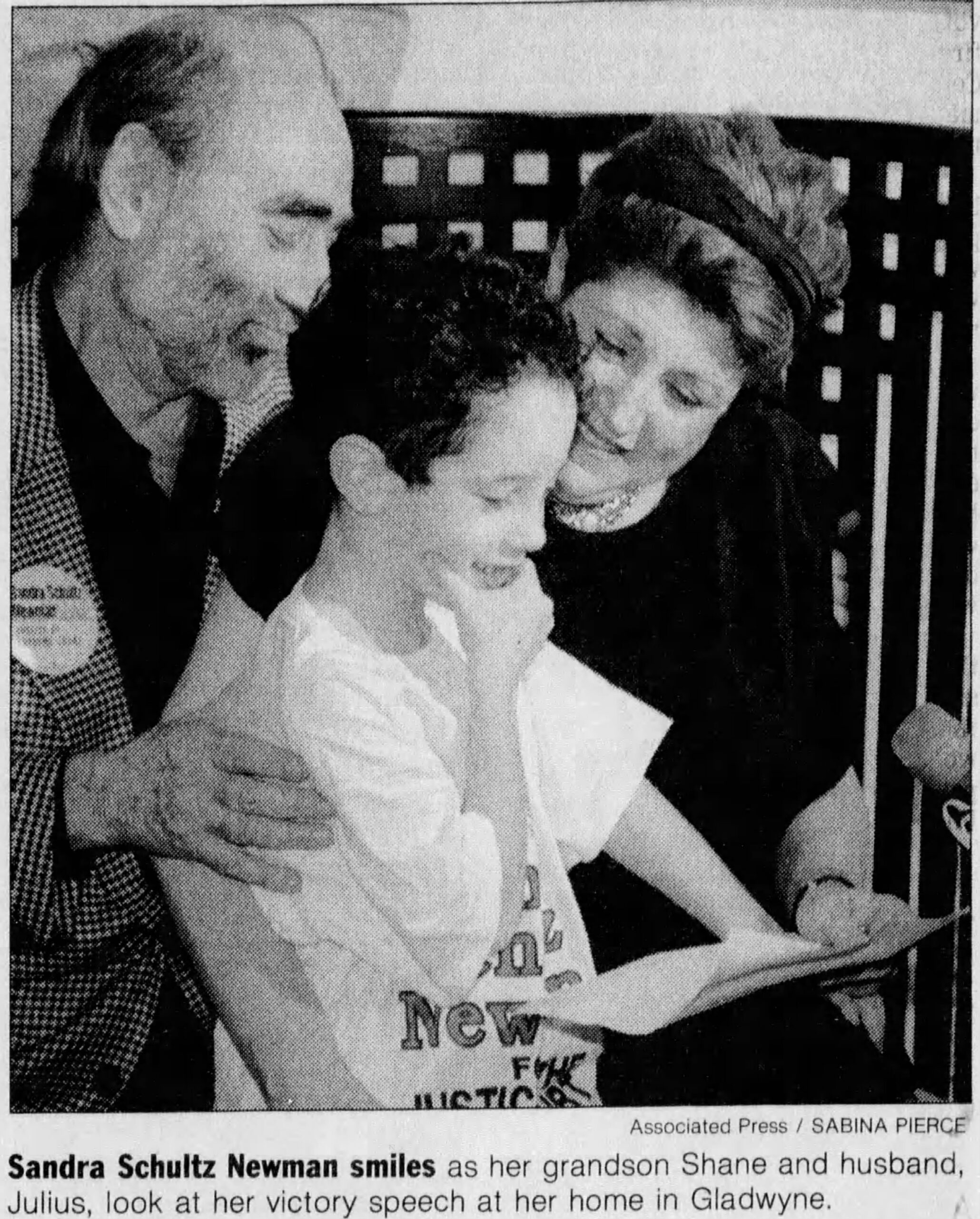
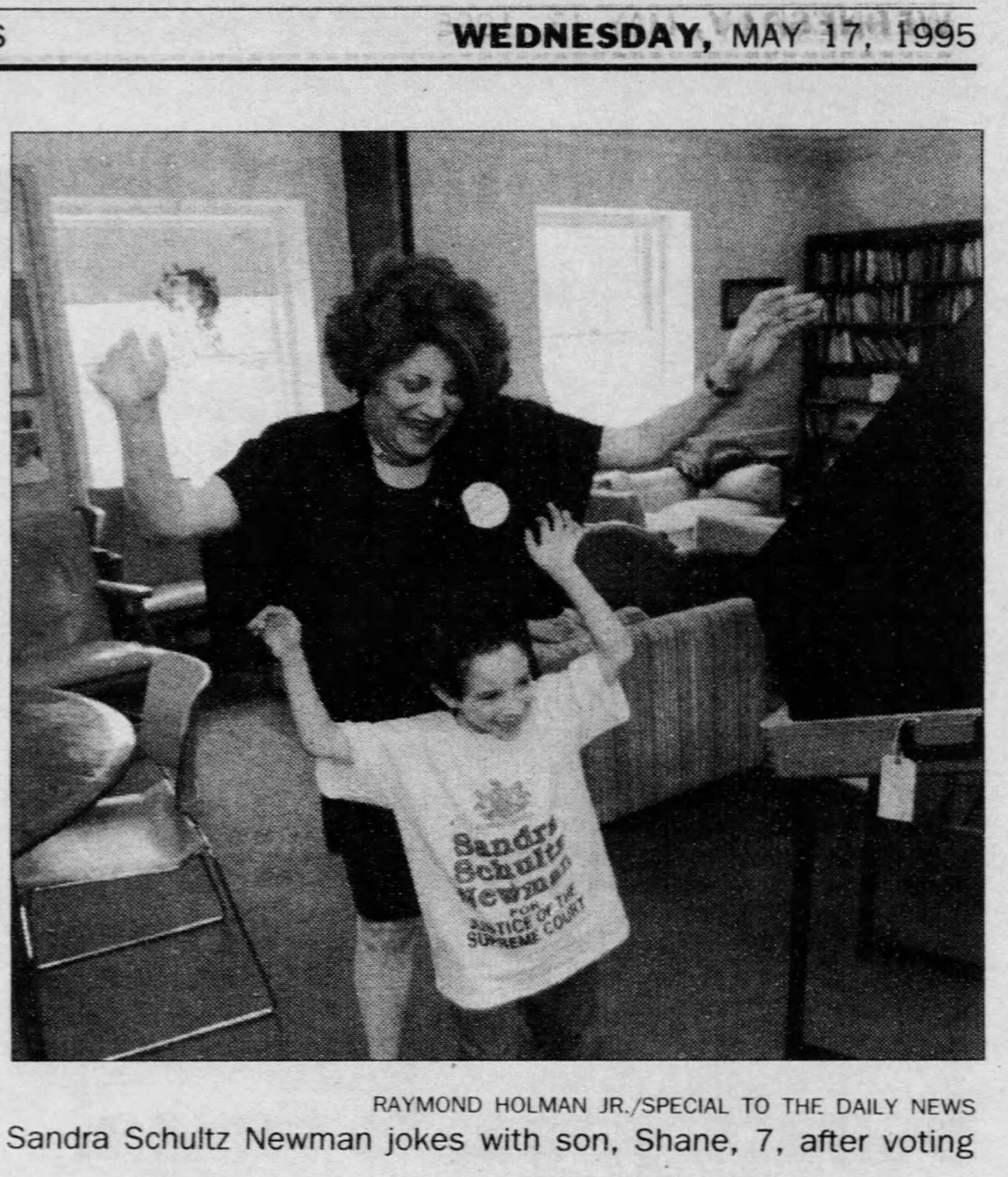
    This photo of Justice Newman, her husband, Julius, and grandson Shane was taken for The Inquirer after she won on Election Day in 1995.

    She cofounded what is now the Drexel University Thomas R. Kline School of Law in 2006, was a trustee for Drexel’s College of Medicine, and received dozens of service and achievement awards from Drexel, Villanova, the Pennsylvania and Philadelphia Bar Associations, the Women’s Bar Association of Western Pennsylvania, the Pennsylvania Association for Justice, and other groups.

    She was the president of boards, chair of many committees, and active with the National Association of Women Justices, the Juvenile Law Center, the American Law Institute, and other organizations. She taught law classes at the Delaware Law School of Widener University in 1984 and ’85, and at Villanova from 1986 to 1993.

    She earned a bachelor’s degree at Drexel in 1959 and a master’s degree in hearing science at Temple in 1969. In 1972, she was one of a handful of women to get a law degree at what is now Villanova’s Charles Widger School of Law. Later, she received four honorary doctorate degrees and was named a Distinguished Daughter of Pennsylvaniaby then-Gov. Ridge in 1996.

    Outside the courtroom, Justice Newman volunteered for charities and legal associations. She was part of a group that tried unsuccessfully to buy the Eagles from then-owner Leonard Tose in 1983, and she was criticized in the early 2000s for her financial involvement in a bungled long-running effort to fund a new Family Court Building in Philadelphia.

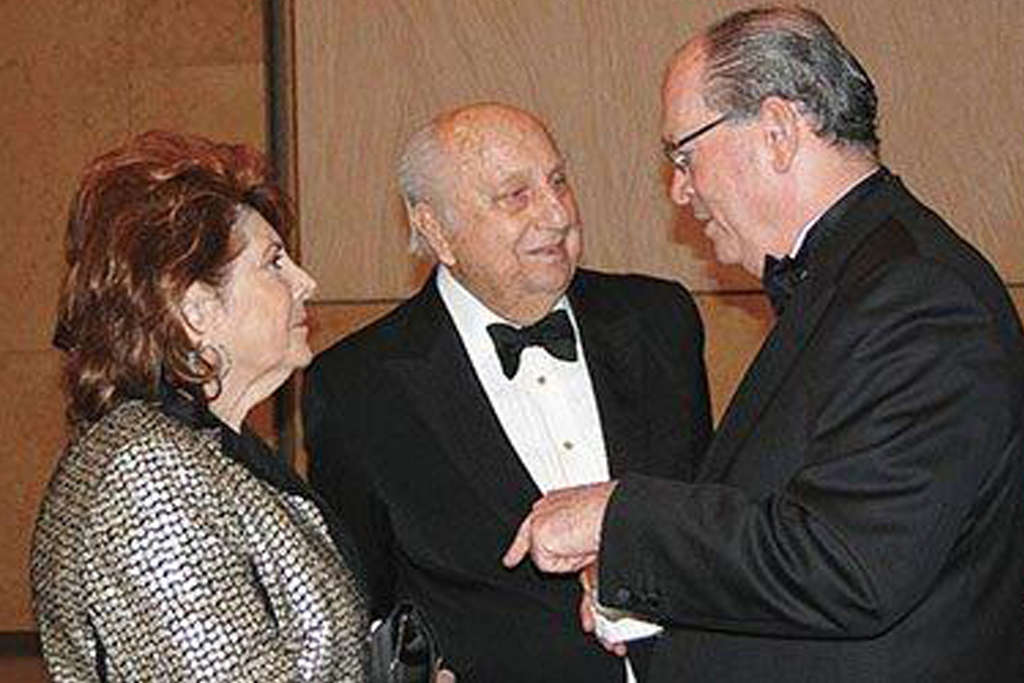
    Justice Newman chats with philanthropists and business leaders Raymond G. Perelman (middle) and Joseph Neubauer at the gala opening of the new Barnes Museum in 2018.

    “Justice Newman filled every room she entered with her strength, energy, and exuberance for life and for the law,” Supreme Court Justice P. Kevin Brobson said in a tribute. “She lived with intention and spent her entire career focused on creating and expanding opportunities for future generations of legal professionals, especially women.”

    Sandra Schultz was born Nov. 4, 1938. She graduated from Overbook High School and married cosmetic surgeon Julius Newman in 1959. They had sons Jonathan and David, and lived in Wynnefield, Penn Valley, and Gladwyne.

    Her husband and son David died earlier. She married fellow lawyer Martin Weinberg in 2007, and their union was annulled 11 months later.

    Justice Schultz was a longtime fashionista. She reveled in shopping trips to New York, and DePaulo reported in 1988 that her closet in Gladwyne was 800 square feet. She was also funny, generous, and kind, friends said.

    Justice Newman dances with her grandson on Election Day in 1995. This photo appeared in the Daily News.

    She funded several college scholarships, collected art, owned racehorses, cooked memorable matzo balls, enjoyed giving gifts, and tried to have dinner every night with her family. Sometimes, DePaulo reported, in the 1970s, she took her young sons to her law school classes at Villanova.

    “Despite how busy she was, her family was always her priority,” said her brother, Mark. “She was also a true bipartisan who fought for equal rights and preserving our democratic institutions.”

    In 2003, she was asked by Richard G. Freeman, editor in chief of the Philadelphia Lawyer, to describe her judicial decision-making process. She said: “There are beliefs that you have to put aside. One of the wonderful things about being on our court is that you can make new law where your beliefs fit into the law.”

    In addition to her son Jonathan and brother, Justice Newman is survived by four grandchildren and other relatives. A grandson died earlier.

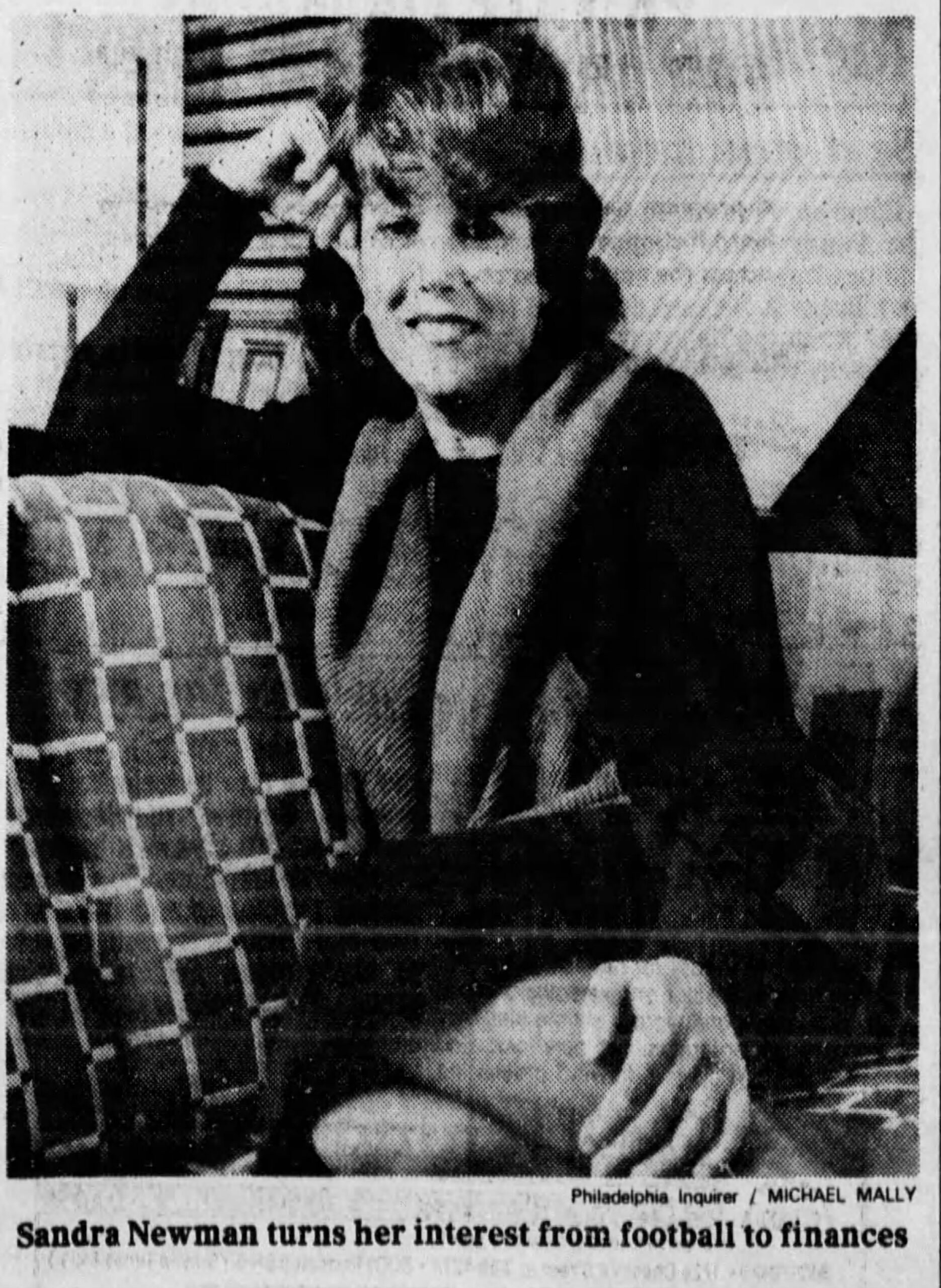
    This photo of Justice Newman appeared in The Inquirer in 1983.

    Services are private.

    Donations in her name may be made to the Crohn’s and Colitis Foundation, 733 Third Ave., Suite 510, New York, N.Y. 10017.

    Correction: One of the communities that Justice Schultz grew up in has been corrected.