Author: Gary Miles

  • John Borodiak, Hall of Fame pro soccer player and longtime dental lab owner, has died at 89

    John Borodiak, Hall of Fame pro soccer player and longtime dental lab owner, has died at 89

    John Borodiak, 89, of Philadelphia, Hall of Fame Argentine American professional soccer player, popular coach and sports center volunteer, and longtime Center City dental lab owner, died Saturday, Sept. 13, of complications from Alzheimer’s and Parkinson’s diseases at Graduate Post Acute nursing facility.

    Born and reared in Buenos Aires, Argentina, of Ukrainian descent, a young Mr. Borodiak was such a star that, in 1960, at 24, he was invited to leave South America and play soccer in the United States for the Ukrainian Nationals in Philadelphia. So, for seven seasons, through 1966, he played fullback for the Ukrainian Nationals and won four American Soccer League championships and four U.S. Open Cup titles.

    As a 5-foot-8, 160-pound defensive whiz, Mr. Borodiak didn’t score many goals or race down the field on breakaways. But, said his son, Ivan, also a former pro soccer player: “He was smooth, quick, and good up in the air.”

    He played on the 1964 U.S. national team and was inducted into the Horsham-based Ukrainian Sports Museum and Hall of Fame in 2017. Over the years, he played against Brazilian superstar Pele and other international stars, and former colleagues called him “a living legend.”
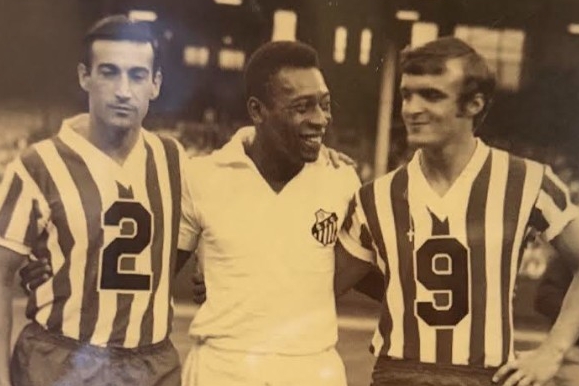
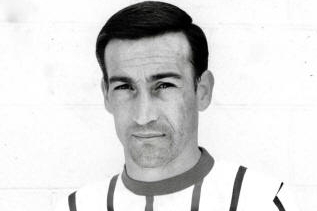
    Mr. Borodiak (left) played against Pele (center) and other international stars.

    He also played with the Philadelphia Spartans in the National Professional Soccer League and the ASL’s Newark Ukrainian Sitch in 1966 and ’67. He spent the 1968 season with the Cleveland Stokers and 1969 with the Baltimore Bays in the North American Soccer League. He retired after playing a final season with the Spartans in 1970.

    He made headlines after a game in 1967 when he blocked the game-tying goal after his goalie was caught out of position. “After I saw [the goaltender) go out, I expected something to happen in that corner,” he told the Daily News. “I moved up there, and the shot bounced off my chest.”

    Affable and engaging off the field, Mr Borodiak became a favorite of teammates, fans, and sportswriters. He hosted instructional clinics for young players and, after learning English himself, served as a translator for other players and the media. He spoke Ukrainian, English, Spanish, and Italian.

    In 1967, Daily News sports writer Dick Metzgar published his Christmas wish list and asked for “more hustling performers like little fullback John Borodiak.”
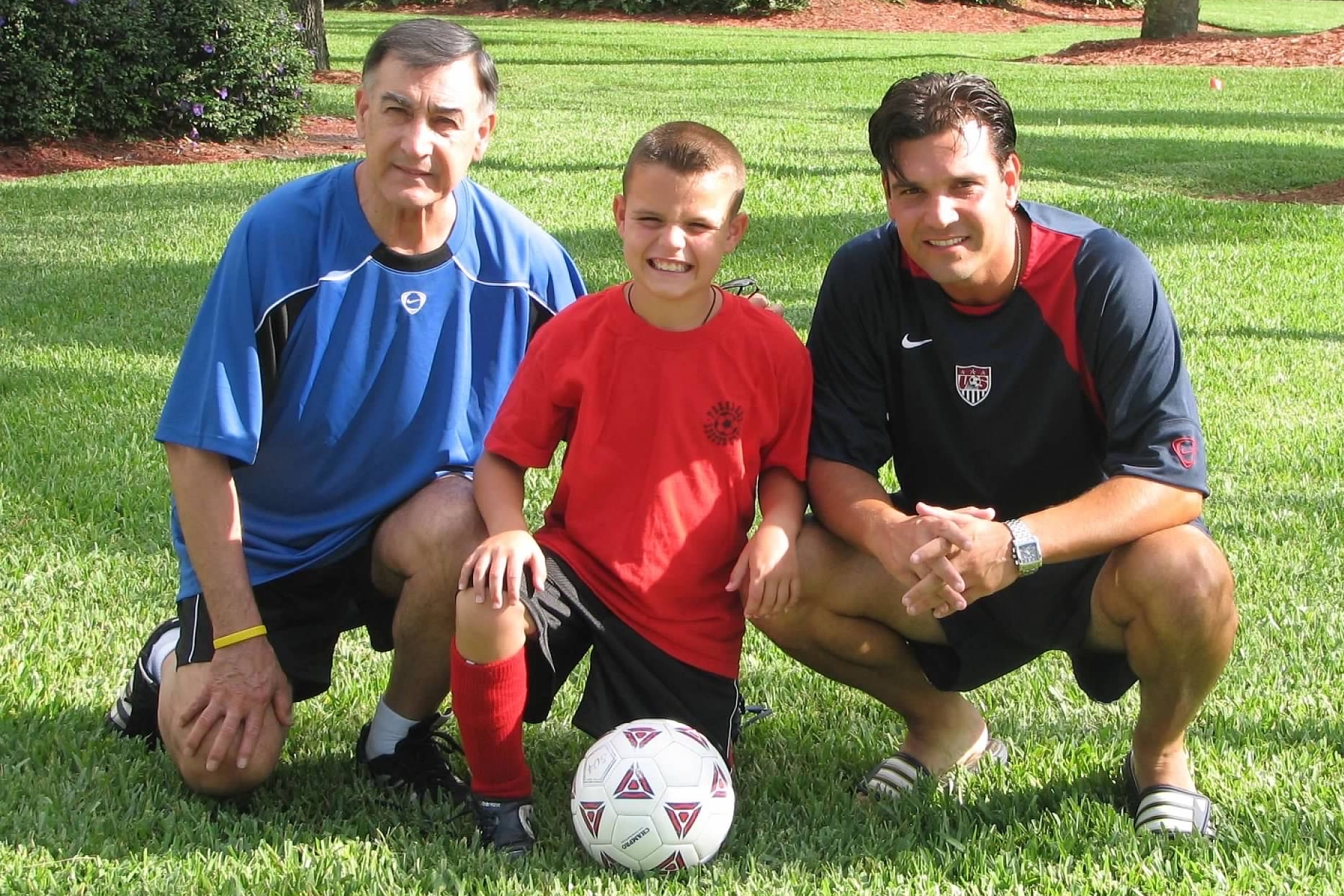
    Mr. Borodiak (left) passed his athleticism on to his son and grandson.

    He helped anchor a Spartans defense in 1967 that Metzgar called “impenetrable” and was known for his aggressiveness. He was ejected for fighting in a game against Baltimore that season, and he told the Delaware County Daily Times that his opponent hit him in the back. “Naturally,” he said, “I hit back.”

    He was a team cocaptain in Cleveland and named a NASL all-star in 1968, and his Stokers lost a heartbreaking playoff game to Atlanta in overtime that season. After the game, a disappointed Mr. Borodiak told the Cleveland Plain Dealer: “I’m sorry.”

    He rejoined the Spartans in 1970 when they entered the American Soccer League, and The Inquirer covered their big win over the Syracuse Scorpions. “A strong defensive cog, John Borodiak, was added to the Spartans lineup,” The Inquirer said, “and he played fullback in impressive style.”

    In a 1969 story after the Bays tied the Dallas Tornado, the Baltimore Sun said: “Borodiak made one of the best saves of the day when he blocked a shot after [the goalie] had been pulled out of the net.” In 1966, he played briefly for Roma in the Eastern Canada Pro Soccer League, and a teammate told the Toronto Star: “Borodiak is a fine fullback and fits in well with our style of play.”
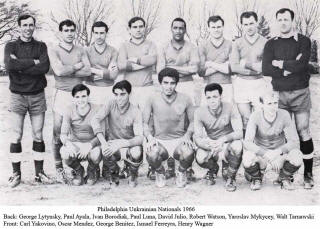
    Mr. Borodiak (rear, third from left) and teammates on the Philadelphia Ukrainian Nationals pose during the 1966 season.

    He coached soccer teams after he retired, played with amateur teams into his 40s, and was active for years at the Ukrainian American Sports Center in North Wales.

    He earned certification at Temple University in dental cosmetics in the 1960s and owned a lab in the Medical Arts Building in Center City until he retired in 2018. At 50 years, Mr. Borodiak was the longest-tenured tenant ever in that building, his son, Ivan, said.

    “He was a wonderful person,” his family said in a tribute, “He was a best friend, a champion, and a legend of his sport and in life.”

    Born July, 13, 1936, Ivan Gregorio Borodiak changed his name to John when he came to the United States. He met Betty Pilari in Argentina, and they married in 1962, and lived in Bensalem and Queen Village.
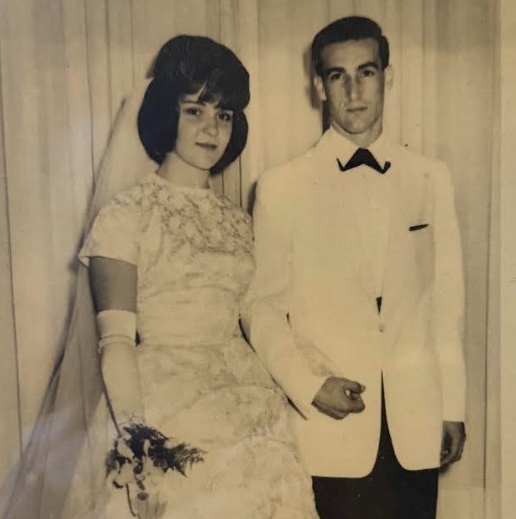
    Mr. Borodiak and his wife, Betty, married in 1962.

    Mr. Borodiak was generous and gentle, his son said. He enjoyed fishing and car shows, and he built his own Mercedes-Benz from the tires up.

    Friends noted his “kindness, gratitude, and warmth” in online tributes. One said: ”He was always a people person, and his smile could light up the darkest room.”

    His son said: “He was a great man. He never had an enemy, and he overcame every adversity.”

    In addition to his wife and son, Mr. Borodiak is survived by four grandchildren, a great-granddaughter, and other relatives. A sister died earlier.
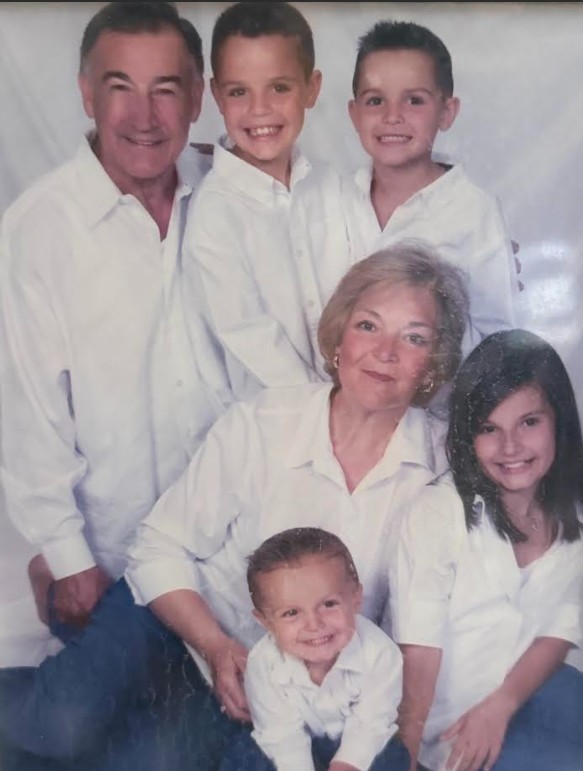
    Mr. Borodiak (left) doted on his grandchildren.

    Private services were held earlier.

    Donations in his name may be made to the Alzheimer’s Association, 225 N. Michigan Ave. Floor 17, Chicago, Ill. 60601.
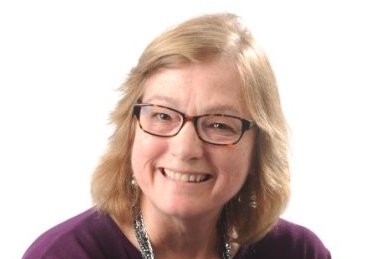
  • Virginia A. Smith, retired award-winning Inquirer reporter and editor, has died at 75

    Virginia A. Smith, retired award-winning Inquirer reporter and editor, has died at 75

    Virginia A. Smith, 75, of Philadelphia, longtime reporter and editor for The Inquirer, the Philadelphia Bulletin, the Akron Beacon Journal, and other newspapers, mentor and working-mother role model to many, and avid gardener, died Friday, Nov. 14, of interstitial lung disease at Roxborough Memorial Hospital.

    Born in Philadelphia, Ms. Smith joined her hometown Inquirer in 1985 after three years at the Beacon Journal in Ohio, six months at the Bulletin in Philadelphia, and earlier stints at other papers in New York and Connecticut. Until her retirement in 2015, she covered news, health, and gardens as a reporter for The Inquirer, and served as city and Pennsylvania editor.

    In her official Inquirer profile, she described her final assignment as “happily writing — and learning — about gardening full time since 2006.” Her son, Josh Wiegand, said: “She was a curious person and interested in so many different things.”

    Former colleagues praised the depth and variety of her reporting, especially the detailed long-form stories she wrote about Sister Mary Scullion in 1992, the Iraq War in 2004, her own extensive garden in 2006, and the other interesting people and significant events she encountered. “She was open to reporting a story until she was confident she had all of its shadings,” Inquirer investigations editor Daniel Rubin said. “She had a gift for the stories people would talk about.”

    For Ms. Smith, there was no better place than her own garden.

    Ms. Smith was named The Inquirer’s garden writer in 2006, and, of course, wrote detailed previews and reviews of the annual Philadelphia Flower Show. But her favorite stories, she told colleagues, were the hundreds of others about climate change, garden gnomes, community gardens, butterflies, pruning techniques, seed banks, edible weeds, how blind people enjoy gardens, and other topics.

    Her winter holiday story in 2006 was not about poinsettias or Christmas tree farms. Instead, she profiled an author who discovered a treasure trove of old black-and-white photos of gardeners tending plots in prisons, war zones, and concentration camps.

    “It was her idea,” said Joanne McLaughlin, her editor then. “She wanted to write about gardens nurturing the soul under the worst of circumstances, giving hope under the worst of circumstances.”

    She wrote often about her own garden in East Falls and ended one story in 2006 with: “When winter arrives, maybe I’ll settle down. Oh, what are the chances? New years are for confessions, so here’s mine: Come first snow, I’ll be out there shoveling the garden pathways, hoping to sneak another peek.”

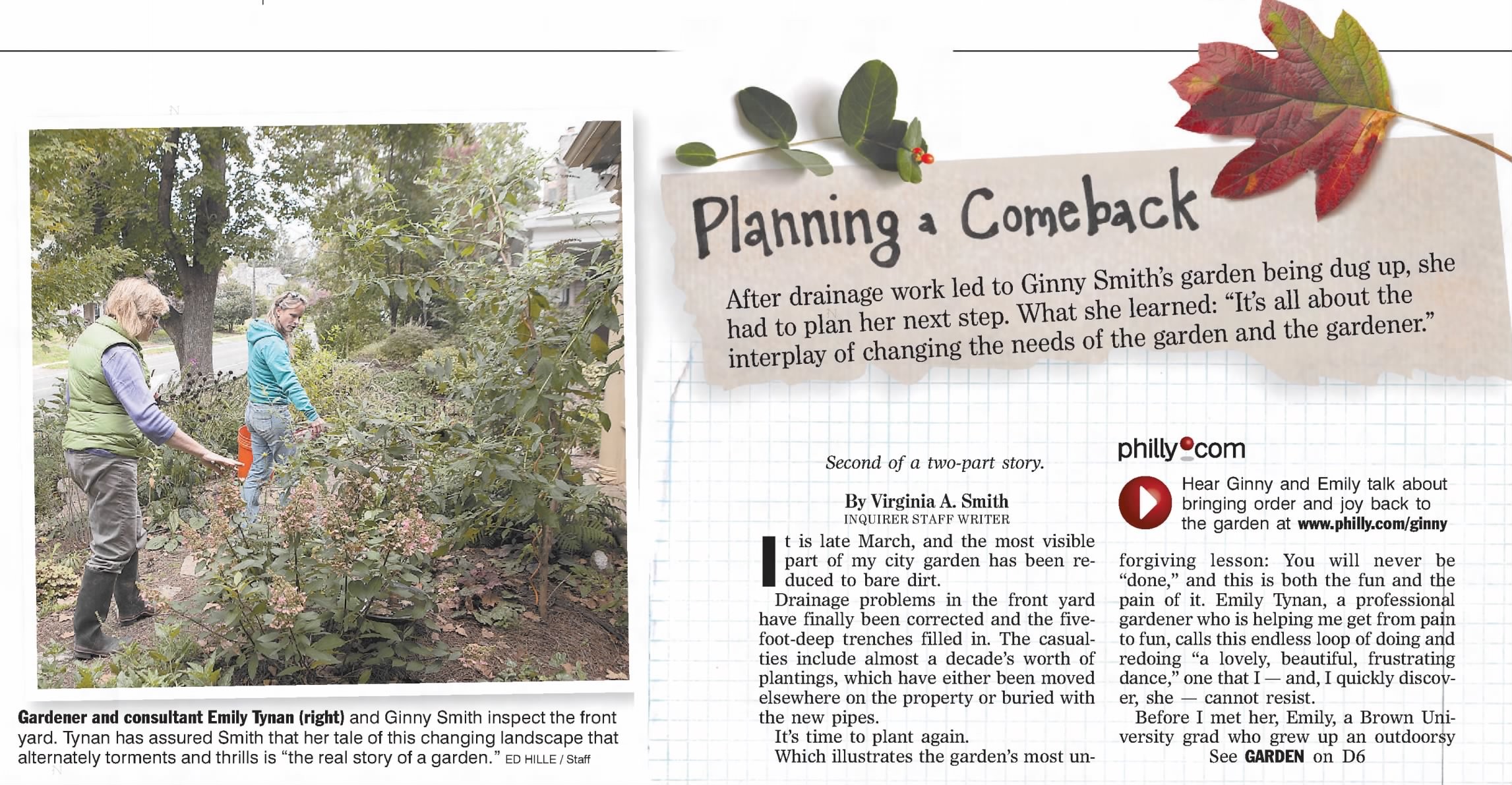
    Ms. Smith wrote this two-part series in 2012.

    Her column was called “Garden Scoop,” and she blogged at “Kiss the Earth” on Inquirer.com. She won two achievement awards from what used to be called the National Garden Writers Association and the 2011 Green Exemplar Award from Bartram’s Garden.

    “She understood how important the topic was to this area,” said Reid Tuvim, a longtime editor at The Inquirer.

    As a health reporter in the early 2000s, Ms. Smith wrote about bottled water, flu medicine, Lyme disease, organ donation, mental illness, children’s healthcare, and other issues. In 2004, she wrote a story about the Medical Mission Sisters, a progressive religious order that offered healthcare advice and full-body massages as well as spiritual guidance. In the third paragraph, she said: “But this is no spa. And that woman doing the hands-on — are you kidding me? — is a nun!”

    She covered Scullion’s acceptance speech of the 1992 Philadelphia Award for community service and described it as “fiery and heartfelt, troubling and joyful.” Inquirer staff writer Amy Rosenberg said Ms. Smith “always drilled down to such emotional depths with her subjects. She defined so much of what The Inquirer meant back then.”

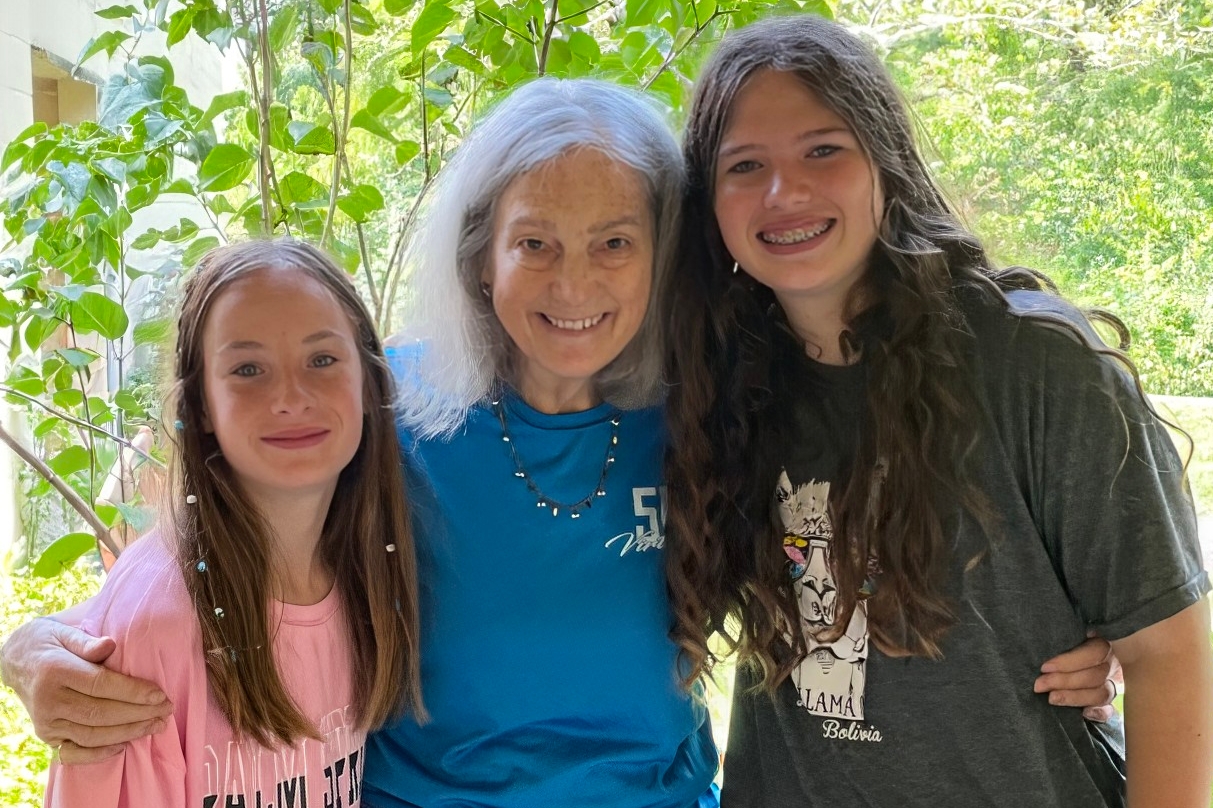
    Ms. Smith doted on her granddaughters.

    She mentored colleagues as she had been mentored and was a role model for fellow working mothers. “I watched her over and over again get up at 5 p.m. and walk out of the newsroom to get her son when he was young,” Rosenberg said. “Never mind what any of the boys in the room thought.”

    Virginia Ann Smith was born Oct. 26, 1950. She graduated from the old Eden Hall high school in Philadelphia and earned a bachelor’s degree in English at Manhattanville University in New York in 1972. In 1981, she earned a master of legal studies degree at Yale University Law School through a Ford Foundation fellowship for journalists.

    She married Alan Wiegand, and they had a son, Josh, and lived in East Falls. After a divorce, she married Randy Smith in 1985. He died in 2020, and she moved to Cathedral Village Retirement Community a few years ago.

    Ms. Smith was a great cook, friends said. They said she was funny, stubborn, and opinionated. She was so into gardens, her son said, that she visited him in Colorado specifically to renovate his garden.

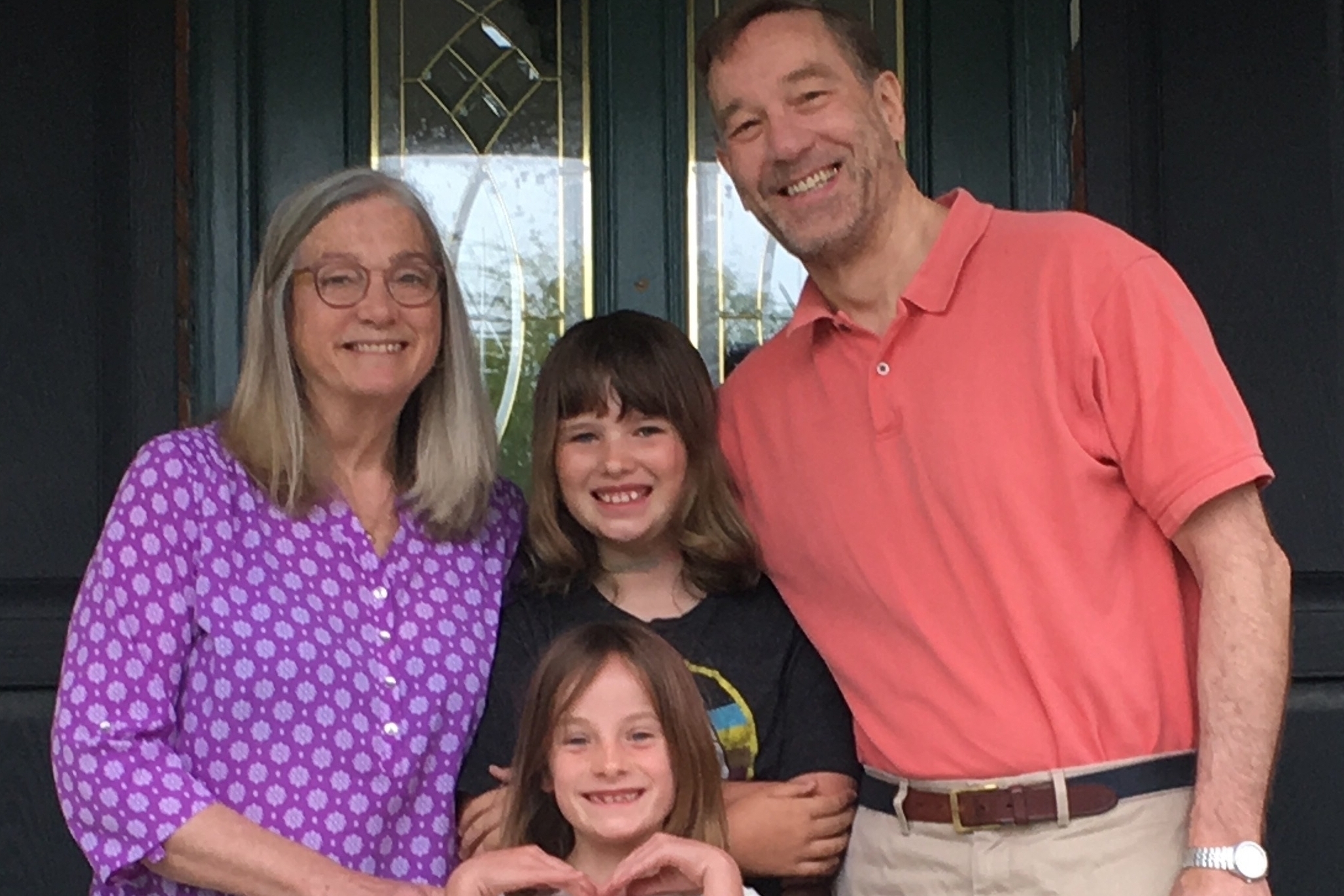
    Ms. Smith poses with her husband, Randy, and her two granddaughters.

    She listened to classical music and danced at blues festivals. Everyone said she made them feel as if she was their best friend.

    “She was one of the most genuine people I’ve ever known,” said friend and former colleague Mari Schaefer. Friend and former colleague Mary Flannery said: “She was so creative and so brave.”

    Her son said: “She was the best. I don’t know how she did it. She wanted to do it all, and she did.”

    In addition to her son and her former husband, Ms. Smith is survived by two granddaughters, two brothers, and other relatives.

    A celebration of her life is to be held later.

    Donations in her name may be made to the Schuylkill Center, 8480 Hagys Mill Rd., Philadelphia, Pa. 19128.

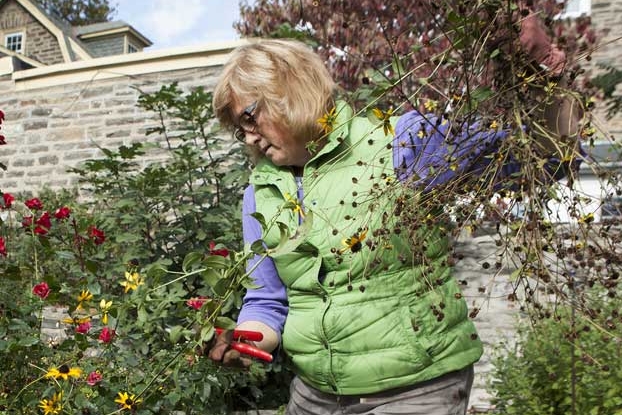
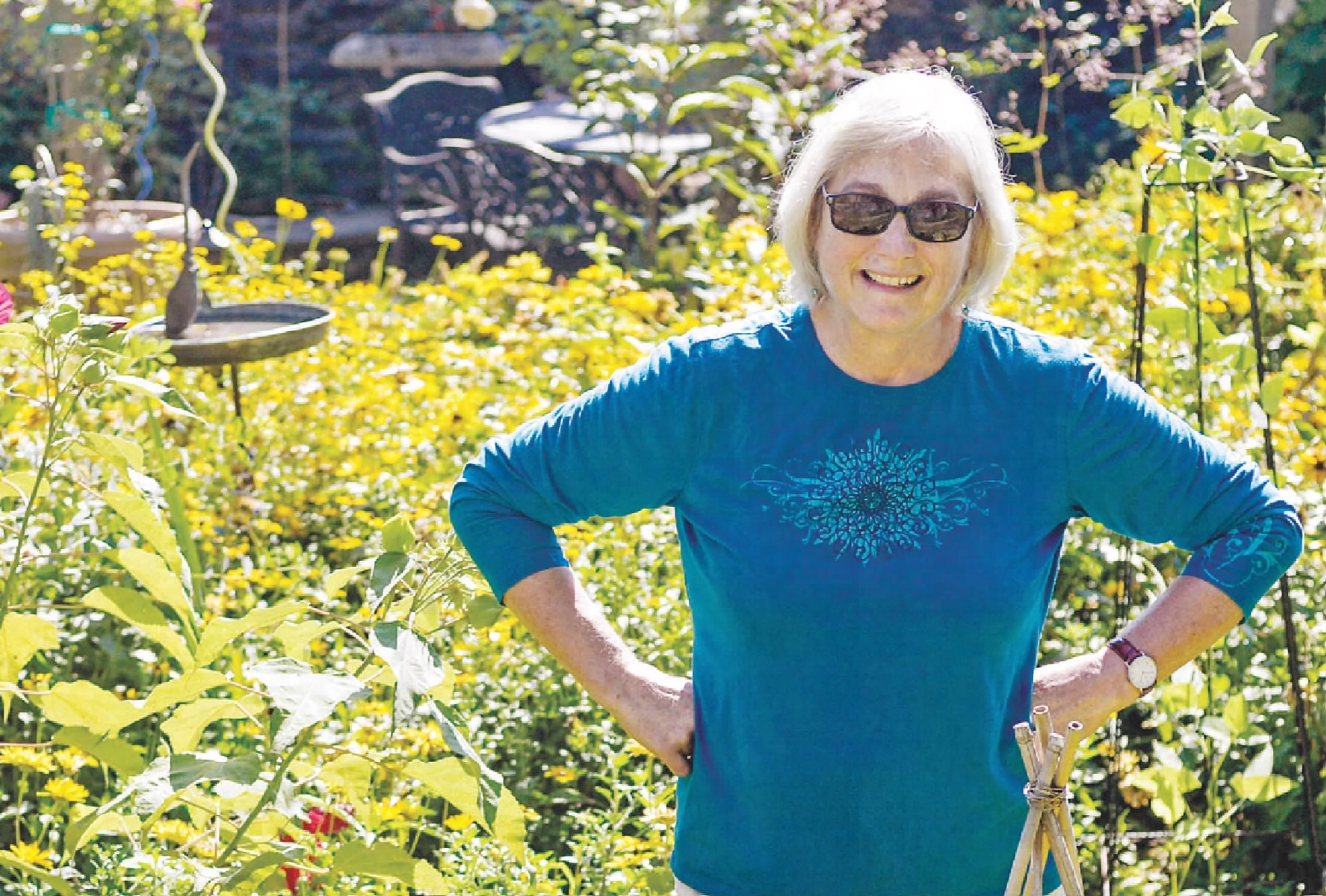
    Ms. Smith tends to her garden’s black-eyed Susans in this photo.
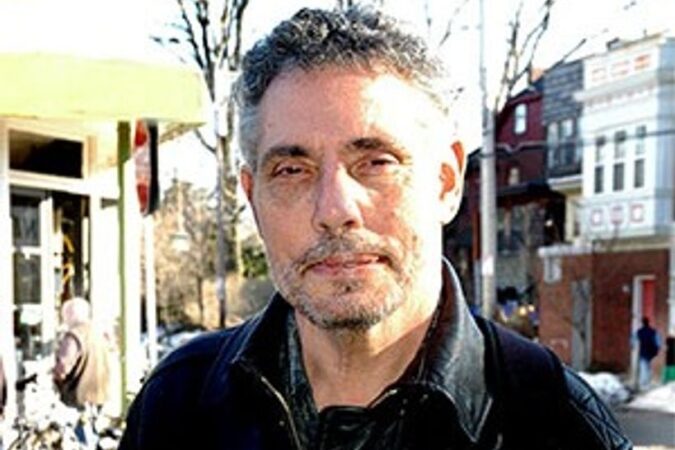
  • Hal Sirowitz, acclaimed performance poet, longtime teacher, and passionate Parkinson’s disease advocate, has died at 76

    Hal Sirowitz, acclaimed performance poet, longtime teacher, and passionate Parkinson’s disease advocate, has died at 76

    Hal Sirowitz, 76, of Philadelphia, internationally acclaimed performance poet, former poet laureate of Queens, N.Y., author, mentor, retired special education elementary school teacher, and passionate Parkinson’s disease advocate, died Friday, Oct. 17, of complications from Parkinson’s at KeystoneCare Hospice in Wyndmoor.

    Born in Manhattan to an expressive and overprotective mother, Mr. Sirowitz moved to Queens after college and, motivated by his early work with an inspirational young student, spent 23 years, until his retirement in 2003, as a special education elementary school teacher in New York.

    “He saw the impact he had on that student and realized the impact he could have,” said his wife, Minter Krotzer.

    He was a good listener and a lifelong reader and writer, and, in 1979, at 30, he started reciting his own writing in poetry events at New York cafes and theaters. He found that poignant poems, dark yet amusing, about his larger-than-life mother, Estelle, resonated with people.

    “Everyone either has a mother or is a mother, and they identify right away,” he told Newsday in 1998. By 1993, he was a favorite on the local poetry circuit and traveling to regional and national competitions.

    On Mother’s Day in 1996, his first book, Mother Said, was published to great acclaim. He went on to write four more books and to serve as poet laureate of Queens from 2001 to 2004.

    Until recently, when Parkinson’s made it impossible, Mr. Sirowitz performed his poems in his signature deadpan delivery, with perfect pauses and pacing, and his engaging New York accent. He spoke at colleges and conferences, bookstores and libraries, museums and workshops.

    He guested on national radio and TV shows, and read during visits to Israel, Finland, Iceland, and elsewhere around the world. Many of his poems, such as “Chopped Off Arm” and “Crumbs,” are about the angst and guilt he felt as a boy under the thumb of his always-worried mother. Later, he wrote about Parkinson’s, too.

    In “Crumbs,” he said: “Don’t eat any more food in your room,/Mother said. You’ll get more bugs./They depend on people like you./ Otherwise, they would starve./But who do you want to make happy,/your mother or a bunch of ants?/What have they done for you?/Nothing. They have no feelings./They’ll eat your candy. Yet/you treat them better than you treat me./You keep feeding them./But you never offer me anything.”

    He and his poems were featured in The Inquirer, the New York Times, Newsday, and other publications. Mother Said was celebrated in the United States and became a bestseller in Norway. He followed it up with My Therapist Said in 1998, Before, During, and After in 2003, Father Said in 2004, and Stray Cat Blues in 2012.

    “There must be a need for people to read funny sad poems about parents,” he told the Schuylkill Valley Journal. He told the New York Times in 1996: “I feel almost like I’m a conduit for my mother. I’m giving her her voice.”

    His poems inspired music composers and filmmakers, and were read in public by other literary notables. They appeared in anthologies, magazines, and journals, and were translated into 13 languages.

    He earned fellowships from the National Endowment for the Arts and the New York Foundation for the Arts, and he won the 2013 Nebraska Book Award for poetry. Colleagues called him “legendary,” an “icon,” and the “Maestro from Flushing.”

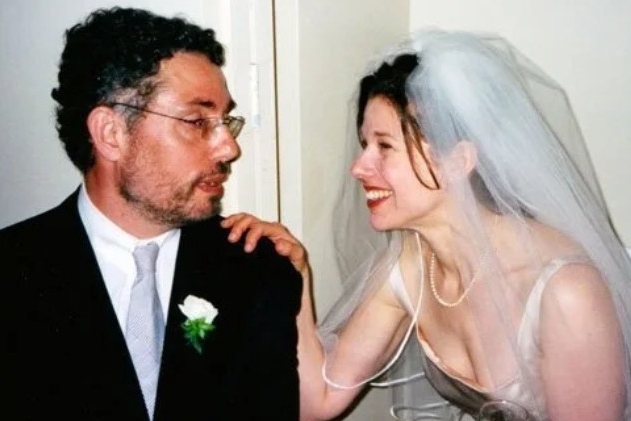
    Mr. Sirowitz and his wife, Minter Krotzer, married in 2002.

    One colleague said in a tribute: “Hal was a true inspiration. I relished his humor and perseverance.” Another said: “I often felt his poems were one-minute telescopes of therapy sessions.”

    He told the Schuylkill Valley Journal: “To me, one purpose of being a writer is to show others that it’s good to express yourself. You create your own personal history by the poems and stories you write.”

    Mr. Sirowitz was diagnosed with Parkinson’s in 1997 and, with his wife, became a vocal advocate and activist for others dealing with the disease. He spoke at medical centers and to support groups about having Parkinson’s. His wife talked of being his caregiver.

    In 2015, she wrote in The Inquirer: “Through poetry he had been able to forge a way through the illness and make art from the experience. … Keeping on with the writing of poetry is a way of saying ‘so there’ to the Parkinson’s. ‘I’m still at it.’”

    Mr. Sirowitz told the Schuylkill Valley Journal: “My life has been a struggle against limitations, like the Parkinson’s. But it also provided me definitions. I know who I am.”

    Harold Sirowitz was born March 6, 1949. He grew up between two sisters, Lauren and Iris, on Long Island, N.Y., and confronted a stutter and other speech issues when he was young.

    He was a soccer star in high school and earned a bachelor’s degree in English literature at New York University in 1972 and a master’s degree in education at Hofstra University.

    He met fellow writer Minter Krotzer at a book party in 2000, and they married in 2002. They lived in Brooklyn before moving to West Mount Airy in 2007, and she was his longtime editor, collaborator, and caregiver.

    “He had this childlike wonder about things,” his wife said. “He had a real sweetness and a connection with people.”

    Mr. Sirowitz was a runner and a hiker, and he quit his beloved New York sports teams to follow the 76ers, Eagles, Phillies, and Flyers. He especially enjoyed reading and spent one summer digesting the entire works of William Shakespeare.

    “He was a fighter, and people called him the ‘ultimate mensch,’” his wife said. “He said he had no regrets and did what he set out to do in life. It was amazing to witness someone so heroic.”

    In addition to his wife and sister Lauren, Mr. Sirowitz is survived by other relatives. His sister Iris died earlier.

    A private service was held in October. A public celebration of his life is to be held later.

    Donations in his name may be made to the Parkinson Council, 520 Carpenter Lane-COMM, Philadelphia, Pa. 19119; and KeystoneCare Hospice, 8765 Stenton Ave., Wyndmoor, Pa. 19038.

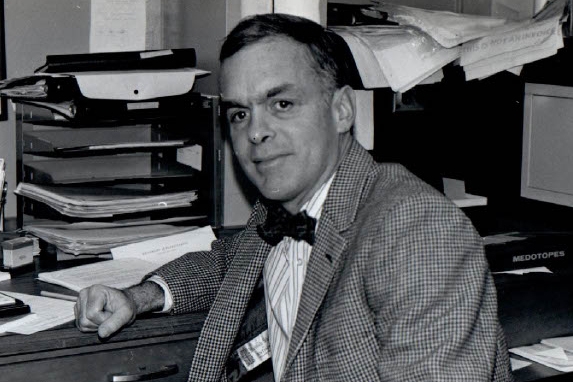
  • William L. Elkins, pioneering research immunologist at Penn and innovative Chester County cattle rancher, has died at 93

    William L. Elkins, pioneering research immunologist at Penn and innovative Chester County cattle rancher, has died at 93

    William L. Elkins, 93, of Coatesville, pioneering research immunologist at what is now the University of Pennsylvania’s Perelman School of Medicine, associate professor emeritus of pathology and laboratory medicine, innovative longtime Angus cattle rancher in Chester County, avid sailor, and veteran, died Tuesday, Nov. 11, of complications from pneumonia at Chester County Hospital.

    The great-great-grandson of Philadelphia business tycoon William Lukens Elkins, Dr. Elkins fashioned his own distinguished career as a scientist, medical researcher, and professor at Penn from 1965 to 1985, and owner of the Buck Run Farm cattle ranch in Coatesville for the last 39 years.

    At Penn, Dr. Elkins conducted pioneering research on how the human immune system fights infection and disease. He collaborated with colleagues in Philadelphia and elsewhere around the country to provide critical new research regarding bone marrow transplants and pediatric oncology.

    His work contributed to new and more effective medical procedures at Penn, Children’s Hospital of Philadelphia, and elsewhere, and he instructed students and residents at Penn. But his lifelong love of the fields and rolling hills he roamed as a boy in Chester County never faded, he told Greet Brandywine Valley magazine in 2023.

    Dr. Elkins was a lifelong outdoorsman.

    “Farming is in my blood,” he said. “So even when I went to medical school and all that, the enthusiasm never left, and I wanted to go back to it.”

    So he retired from medicine at 53, and he and his wife, Helen, bought nearly 300 acres of the old King Ranch on Doe Run Church Road in Coatesville. She kept the books and looked after the business. He became an expert on breeding cattle and growing the high-energy grass they eat.

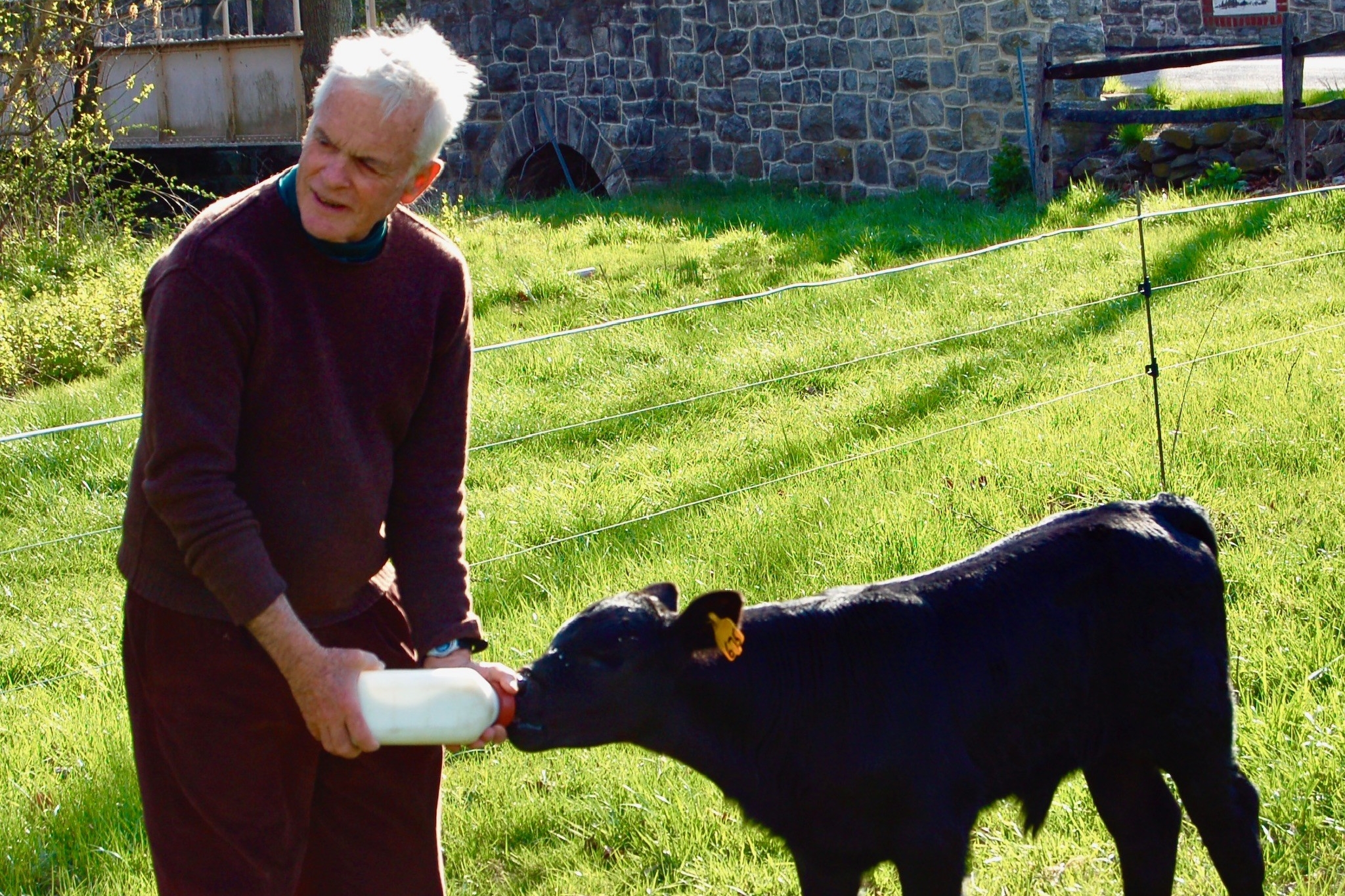
    Wearing floppy hats and riding a colorful ATV from field to field, Dr. Elkins worked his land for decades. He mended fences and tended daily to his 120 cows, heifers, and prize bulls.

    He championed holistic regenerative farming and used new scientific systems to feed his cattle. He rejected commercial fertilizer and knew all about soil composition, grass growing, and body fat in cattle.

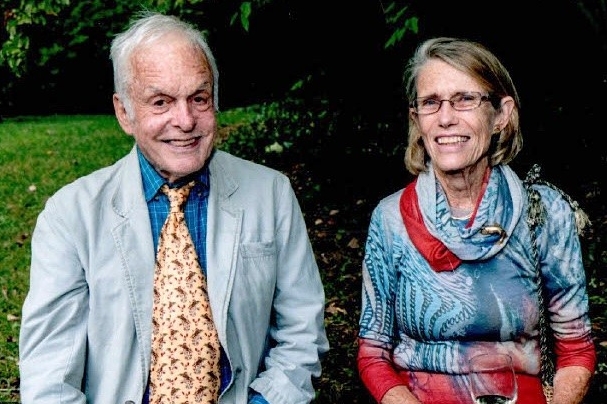
    Dr. Elkins and his wife, Helen, married in 1966.

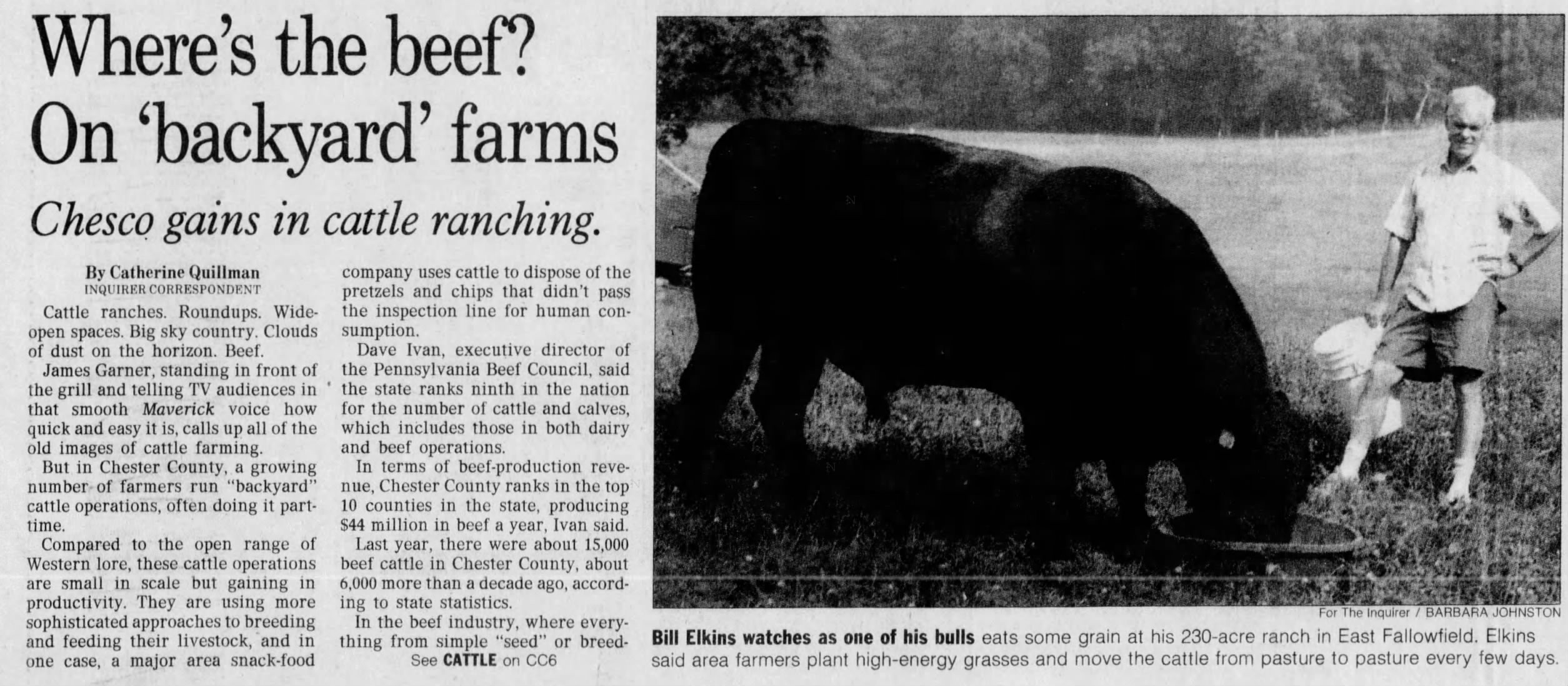
    In a 1995 Inquirer story, he said: “Cattle are just like anyone else. If you just turn a few cattle out in a great big field, they will wander around, eat the grass they like best, and leave what they don’t want. That means the less desirable grasses tend to predominate.”

    He traveled the country to confer with other cattlemen and helped found the Southeast Regional Cattlemen’s Association in 1994. He sold his beefsteaks, patties, jerky sticks, and kielbasa grillers to private customers online and to butchers and restaurants.

    At least one local chef featured an item on the menu called Dr. Elkins’ Angusburger. Lots of folks called him Doc.

    He earned his medical degree at Harvard University in 1958 and served two years in the Navy at the hospital in Bethesda, Md. He was a surgical intern in New York and discovered that he preferred the research lab. Before Penn, he worked at the Wistar Institute of biomedical research.

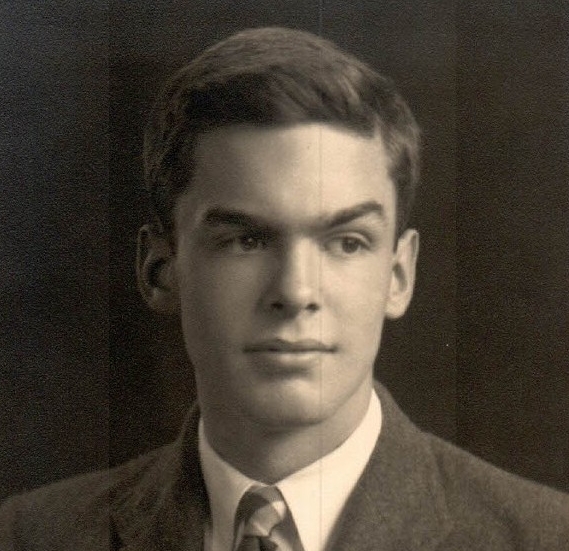
    Dr. Elkins graduated from St. Mark’s School in Massachusetts in 1950.

    Away from the lab, Dr. Elkins was an ocean sailor, expert navigator, and former boat club commodore. He was active with the Brandywine Conservancy, Natural Lands, and other groups, and was lauded by national organizations for his wide-ranging conservation and wildlife efforts.

    He made his farm a haven again for the bobolink grassland songbird and other migratory birds and butterflies that had dwindled. “Buck Run Farm is more about growing grass and trees than beef,” he told Greet Brandywine Valley. “We’re blessed by the land.”

    William Lukens Elkins was born Aug. 2, 1932, in Boston. He lived on the family dairy farm in Pocopson, Chester County, when he was young, went to boarding school in Massachusetts for four years, and earned a bachelor’s degree in biology at Princeton University.

    He met Helen MacLeod at a party in Washington, and they married in 1966 and had a daughter, Sheila, and a son, Jake. They lived in Center City, Society Hill, and Villanova before moving to the farm. “He was easy to be with,” his wife said.

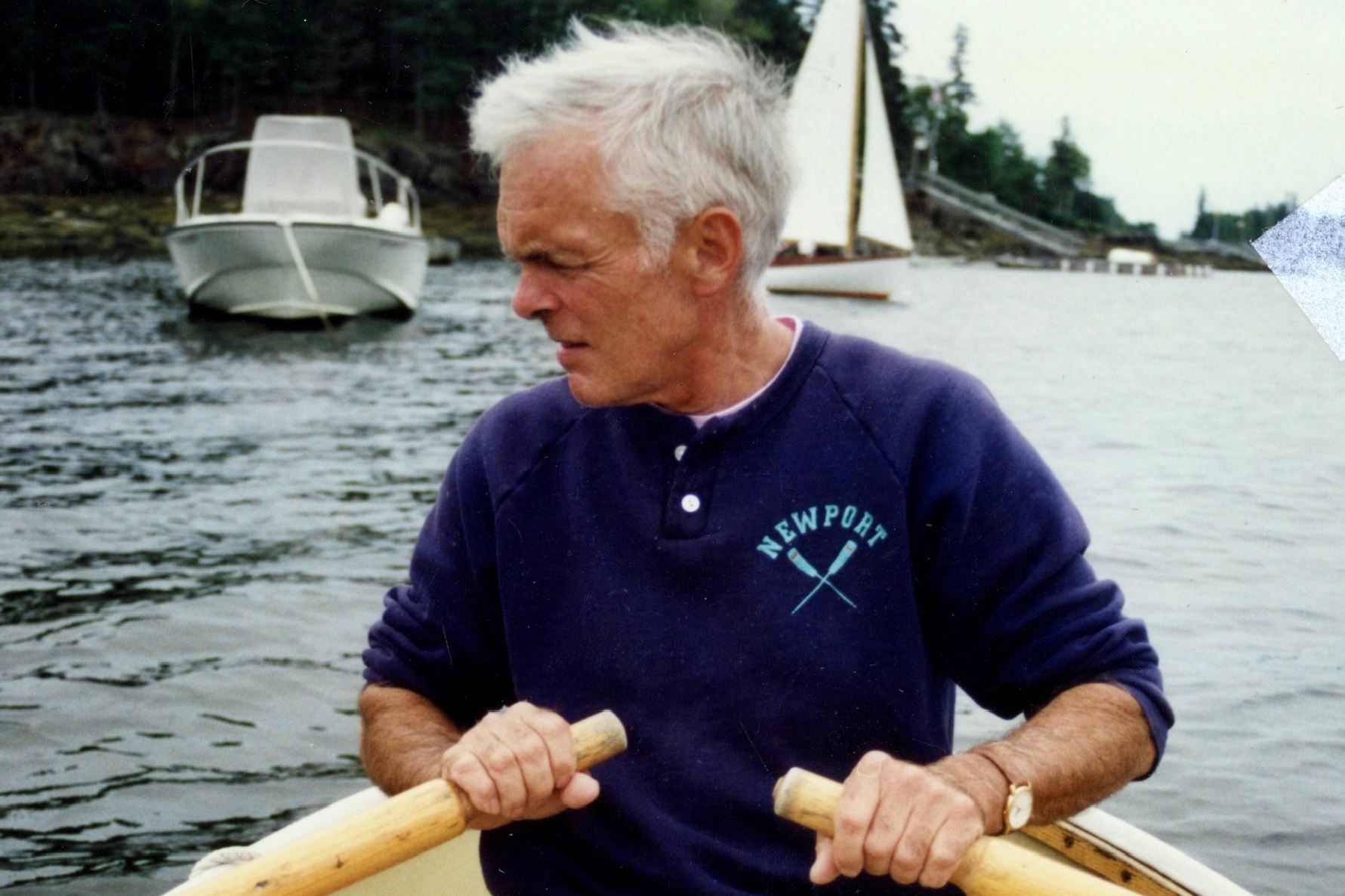
    Dr. Elkins enjoyed sailing and fishing.

    Dr. Elkins loved nature, fishing, and baseball, and he followed the Phillies, the Flyers, and other sports teams. “He had a wonderful bedside manner,” his daughter said. “He was a great listener. He really knew how to support people.”

    His son said: “He was unassuming and direct. He spoke his mind. He connected with so many different people. He was curious about the world around him.”

    His wife said: “He was thoughtful and always concerned about people. He had good humor. He was fun.”

    In addition to his wife and children, Dr. Elkins is survived by five grandchildren and other relatives. A sister died earlier.

    This article about Dr. Elkins and his ranch appeared in The Inquirer in 1995.

    A celebration of his life is to be held later.

    Donations is his name may be made to the Stroud Water Research Center, 970 Spencer Rd., Avondale, Pa. 19311.

  • Dorothea Cathell, community volunteer, three-time cancer survivor, and hit-and-run victim, has died at 77

    Dorothea Cathell, community volunteer, three-time cancer survivor, and hit-and-run victim, has died at 77

    Dorothea Cathell, 77, of Philadelphia, longtime community volunteer, retired hospitality worker, three-time cancer survivor, expert tailor, and mother of four, died Friday, Sept. 26, at Lankenau Medical Center of injuries she sustained as a victim of a hit-and-run at 54th Street and Lancaster Avenue.

    Ms. Cathell was walking home from a shopping trip with Halloween decorations on Sept. 26 when she was struck by a speeding car. The driver left the scene in a damaged vehicle, and a suspect was arrested later and charged with homicide by vehicle-DUI and other charges. The case is pending.

    “She was an awesome woman and mother,” said her son Ralph. “She was a real big light for the universe.”

    Born and reared in South Philadelphia, Ms. Cathell lived in West Philadelphia as an adult and treated her neighbors like family, her son said. She volunteered at local free meal programs and youth activities and “opened her door to the homeless and anyone else in need,” her son said.

    “She valued education first and promoted so much positivity in the neighborhood,” he said. “She had an extraordinary personality. Her heart was so huge.”

    Ms. Cathell survived two bouts of stomach cancer and a case of colon cancer, and was “as tough as 30 gorillas,” her son said. She championed order and cleanliness in the community, worked in housekeeping for a hotel, and was an expert tailor.

    Ms. Cathell was an avid storyteller, her son Ralph said. “She was a poetic person.”

    “She made my sixth-grade graduation suit,” her son said. “Jacket, vest, shirt, pants, and tie. My friends said, ‘Wow.’ I said, ‘My mom did it.’”

    Dorothea Elizabeth Cathell was born Dec. 25, 1947. She grew up with three brothers and three sisters, her son said, and graduated from South Philadelphia High School.

    She married Charles Carter in the early 1980s, and they divorced later. He died earlier.

    She had sons Ralph, Dwight, and Erik, and a daughter, Samiyah. Erik died earlier.

    Ms. Cathell was an avid storyteller, her son said. “She was a poetic person,” he said. A friend said on Facebook: “She loved the hell out of her children and grandchildren. Amazing woman, heart of gold.”

    Family members said in TV interviews after the incident that Ms. Cathell was “always happy, always positive,” and “to the world she was just one person. But to her family, she was the world.”

    Her son Ralph said: “She was articulate about being kind. She was the best mother in the world. I never saw anyone like her.”

    In addition to her children, Ms. Cathell is survived by 10 grandchildren, two great-grandchildren, and other relatives. Two brothers died earlier.

    Services were held on Oct. 6.

  • Arthur Waskow, longtime social activist, pioneering rabbi, teacher, and author, has died at 92

    Arthur Waskow, longtime social activist, pioneering rabbi, teacher, and author, has died at 92

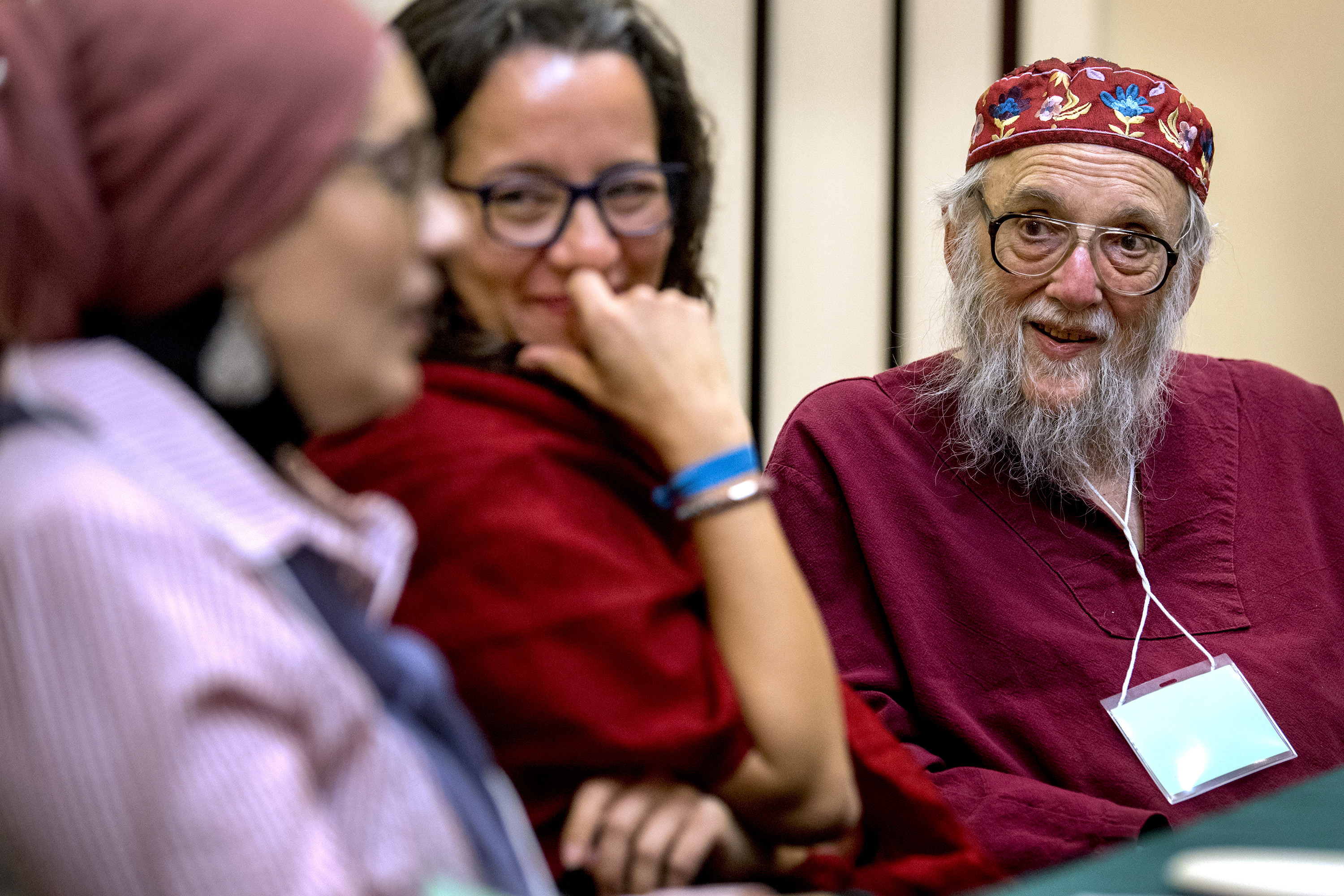
    ​​Arthur Waskow, 92, of Philadelphia, longtime social activist, pioneering Jewish scholar and rabbi, founder of the Shalom Center for public prophetic action, religion teacher, mentor, and prolific author, died Monday, Oct. 20, of chronic respiratory failure at his home in Mount Airy.

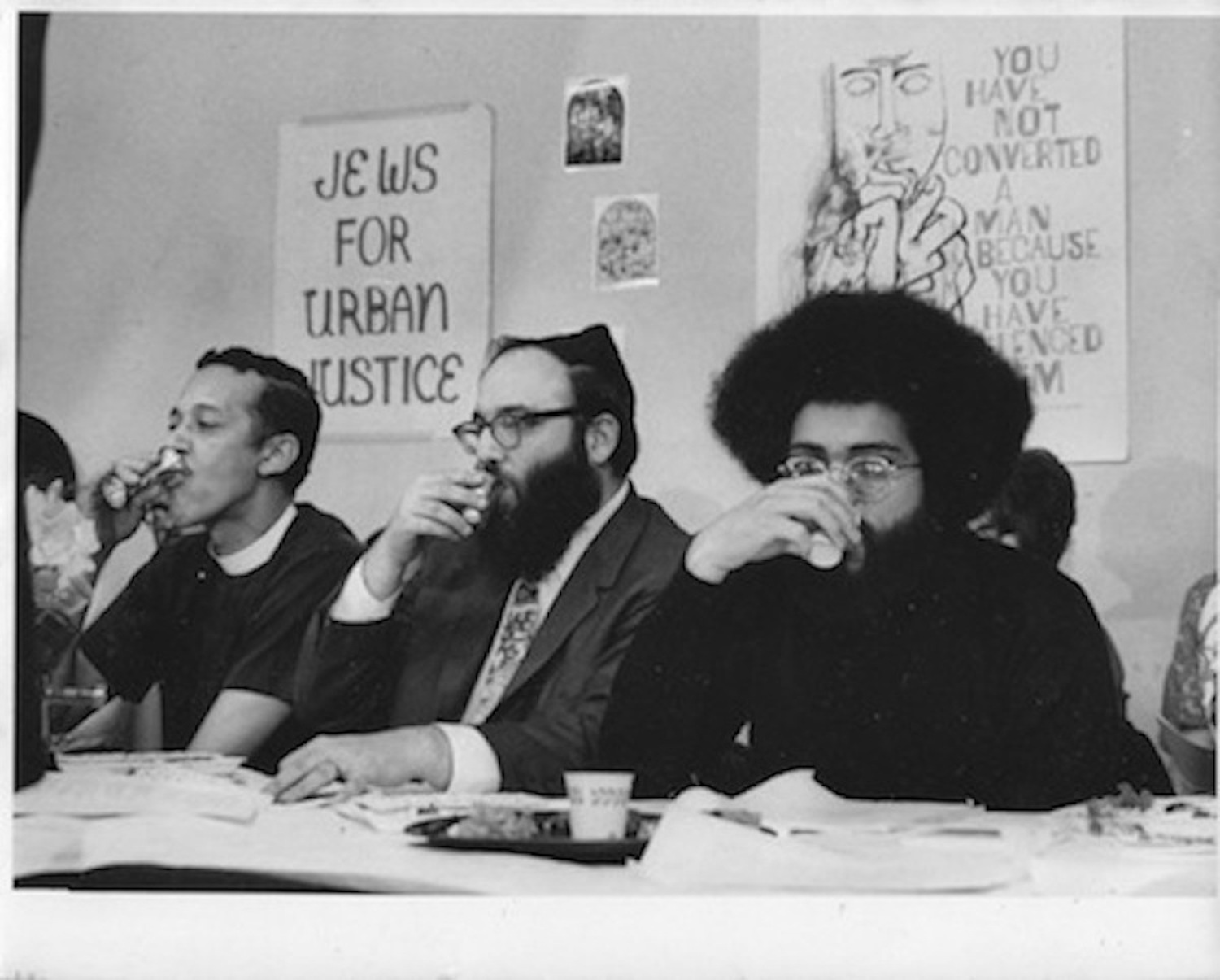
    A longtime expert in Judaism, prophetic justice, and peaceful civil disobedience, Rabbi Waskow was so disturbed by the 1968 assassination of the Rev. Dr. Martin Luther King Jr. and the social unrest that followed that he protested, wrote about, and lectured around the country on what he called the “overwhelming crisis” of whether humanity will “build a decent society or will poison or burn it empty.”

    For more than five decades, starting in Washington and then in Philadelphia, he connected contemporary social issues with Jewish traditions and championed prophetic justice regarding peace, nuclear disarmament, feminism, LGBTQ rights, same-sex marriage, environmental sustainability, and interfaith collaboration. “He consistently held that Judaism is not meant to stand above and apart from ordinary life, but rather to guide our actions in this life,” Rabbi Jill Jacobs said in a tribute.

    Colleagues at the Shalom Center said he dramatically “fused social justice with traditional Jewish themes and spirituality.” Jacobs praised his “legacy of non-violent protest, his prophetic writing, and his courageous leadership.”

    He established the Shalom Center for prophetic Judaism in Philadelphia in 1983, cofounded the Alliance for Jewish Renewal in 1993, and helped establish the National Havurah Committee, T’ruah: the Rabbinic Call for Human Rights, and other organizations. “He’s one of the most important figures to merge spirituality and politics since the 1960s,” Rabbi Tsvi Blanchard told The Inquirer in 2001. He “transcends categories and, as a result, he’s always crossing boundaries, but for good.”
    Strategic action with compassion was usually his favorite tactic. He called his many disagreements with Jewish orthodoxy “a continuous loving debate” and told The Inquirer in 1970: “Jews have a radical role and mission to join with other communities to remake American society.” In 1993, he said: “In our generation, the people of the earth at last have to learn to share the great round earth or risk ruining it.”

    He worked closely on social projects with Sister Mary Scullion of Project HOME, Rabbi Leonard Gordon of the Germantown Jewish Centre, and Imam Abdul-Halim Hassan of the Masjidullah Community Center Mosque. His embrace of the Jewish Renewal movement drew critics, but he never wavered in his support.

    “There’s an unpredictability to him, a drama to him, a charisma to him,” Rabbi Gordon said in 2001. “That is who he is and has to be in challenging the community. We would lose too much without it.”
    Rabbi Waskow celebrated the 50th anniversary of his Freedom Seder in 2019.

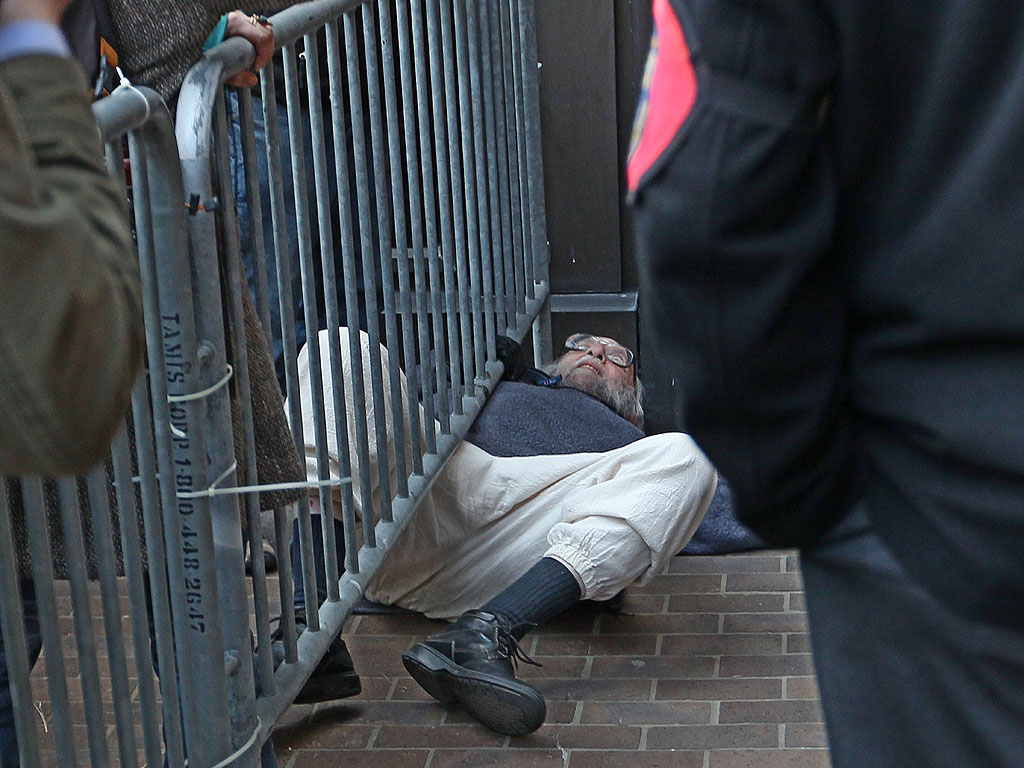
    Rabbi Waskow was arrested dozens of times for peacefully protesting about segregation, immigration, and other issues. He wrote so many books he lost track of how many were published. “It’s either 19 or 20,” he told The Inquirer in 2007. “My wife said it’s the same number as the times I’ve been arrested.” He never retired.

    He wrote and organized the first Freedom Seder in 1969 to recognize contemporary liberation efforts as well as the Exodus of the ancient Israelites. He was invited to President Clinton’s Middle East peace ceremony at the White House in 1993 and appeared in a TV ad in 2004 that denounced prisoner abuse in Iraq. “He found joy in reimagining Jewish holidays and prayers in ways that spoke to contemporary issues,” his family said in a tribute.

    He came to Philadelphia from Washington in 1982 as a new faculty member at the Reconstructionist Rabbinical College and went on to teach religion at Swarthmore, Temple, Drew University in New Jersey, Vassar College in New York, and the Hebrew Union College-Jewish Institute of Religion in New York.

    He wrote articles and op-eds for The Inquirer, Daily News, and other publications, and authored more than 25 books on all kinds of topics. His 1978 book Godwrestling and 1982’s Seasons of Our Joy are religious classics. In 1993, he wrote Becoming Brothers with his younger brother, Howard.

    Rabbi Waskow crawls under a barricade so he could get arrested at a protest in 2014.

    Rabbi Waskow won many awards and was recognized for his leadership and lifetime achievements by the Jewish Peace Fellowship, Neighborhood Interfaith Movement, and other groups. Newsweek named him one of the fifty most influential American rabbis in 2007.

    Recently, he focused on describing God in traditional ways with modern insights. “Watching your kids begin to parent feels like there is a spiral to life,” he said in 2001.

    Arthur Irwin Waskow was born Oct. 12, 1933, in Baltimore. He was always an avid writer and reader, especially science fiction, and fascinated by words.

    His father was a high school history teacher, and, with his help, Rabbi Waskow won a newspaper history contest that paid part of his college tuition. He earned a bachelor’s degree in history from Johns Hopkins University in 1954 and a doctorate in American history from the University of Wisconsin in 1963.

    Rabbi Waskow (center) celebrates the first Freedom Seder in 1969.

    He protested against the Vietnam War and other hot topics in the 1960s, and worked in Washington after college as an aide to U.S Rep. Robert Kastenmeier, and a fellow at the Institute for Policy Studies.

    He married Irene Elkin, and they had a son, David, and a daughter, Shoshana. After a divorce, he met Rabbi Phyllis Berman at a conference, and they married in 1986, and both adopted the middle name Ocean.

    Over the last 18 months, even though he couldn’t see, Rabbi Waskow wrote two more books. “He was very determined in the fullest sense of that,” his son said. His daughter said: “He was passionate about what he was passionate about.”

    His wife said: “He was playful, brilliant, creative, and fierce. He was generous in every way.”

    In addition to his wife, children, and former wife, Rabbi Waskow is survived by five grandchildren and other relatives. His brother died earlier.

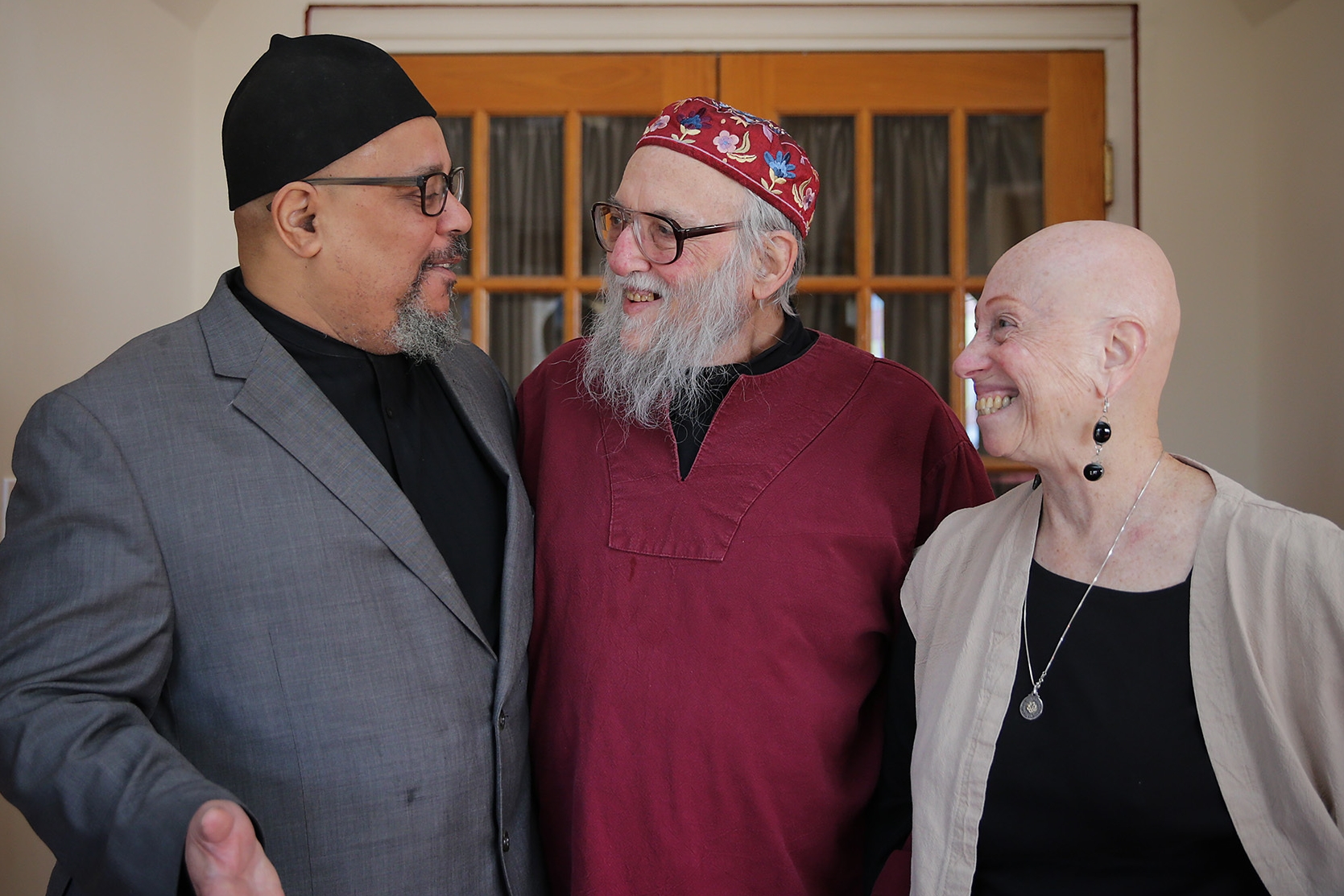
    Rabbi Waskow (center) talks with his wife, Phyllis, and Imam Abdul-Halim Hassan in 2019.

    Services were held on Oct. 22.

    Donations in his name may be made to the legacy fund at the Shalom Center, 6711 Lincoln Dr., Philadelphia, Pa. 19119.

  • William B. Starks, pastor emeritus at Community Baptist Church and Montford Point Marine, has died at 96

    William B. Starks, pastor emeritus at Community Baptist Church and Montford Point Marine, has died at 96

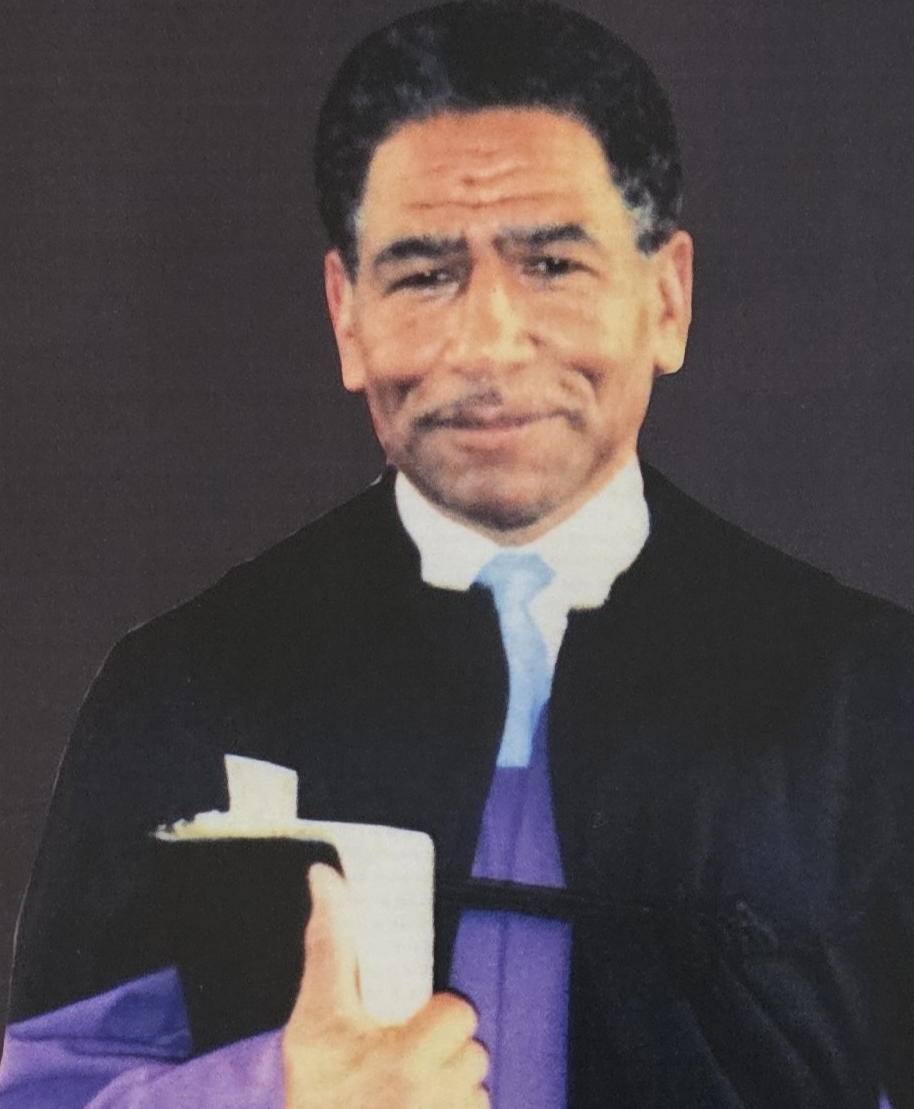
    William B. Starks, 96, of Philadelphia, pastor emeritus at Community Baptist Church in Chester, former associate pastor at Greater Ebenezer Baptist Church in Philadelphia, retired supervisor for the Philadelphia Parks and Recreation Department, Montford Point Marine, lifelong singer, and volunteer, died Saturday, Oct. 4, of age-associated decline at Germantown Home rehabilitation center.

    Born and reared in Nashville, Tenn., the Rev. Starks grew up singing in church every Sunday. So his wife and two daughters were not surprised that he was ordained in 1966, served 31 years as pastor at Community Baptist, and continued to sing in choirs and elsewhere for the rest of his life.

    He was energetic and empathetic, they said, and he became so effective as a spiritual and practical mentor in Chester that city and church officials dedicated part of West Seventh Street in his honor on June 1. They renamed a segment of the street as Rev. William B. Starks Way, installed a sign at Fulton and West Seventh Streets, and called it “a lasting tribute to his selfless service and deep impact on our community.”

    The Rev. Starks was recruited from Greater Ebenezer Baptist by Community Baptist in 1978 and commuted every Sunday, and sometimes three nights a week, from his home in West Oak Lane to the church in Chester. His family said he never missed a Sunday service.

    Rev. Starks ministered at Community Baptist Church in Chester from 1978 to 2009.

    “His love for the Word of God encouraged him,” his family said in a tribute.

    The Rev. Starks was direct and serious in the pulpit, and willing to “roll up his sleeves and fight your fight,” his daughter Rhonda said. He created a Presidents Council to better organize church affairs, celebrated when the church paid off the mortgage, and encouraged its use as a satellite location for the Manna Bible Institute.

    He invited women and young pastors to preach, and induced the Rev. Jesse Jackson, Gov. Ed Rendell, Rep. Robert Brady, and other notables to address his congregation. His outreach and ministry were recognized in awards and honors from the Four Chaplains Memorial Foundation and other church groups.

    In the community, he monitored schools and families for discord, and confronted street-corner problems he encountered. He spoke out often against violence, injustice, crime, and drug abuse.

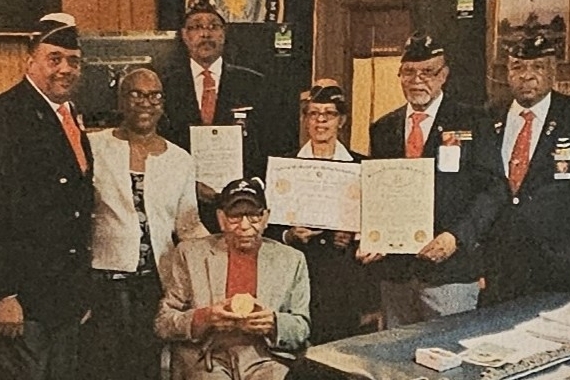
    Rev. Starks (front center) is honored by the Philadelphia chapter of the National Montford Point Marine Association.

    “He truly believed in the church being involved spiritually, socially, and politically,” his family said. “He truly had a heart for the people.” Earlier, he attended Tenth Memorial Baptist Church and studied theology at what is now Cairn University in Langhorne.

    The Rev. Starks worked at Philco and Whitman’s Chocolates in Philadelphia after he left the Marines in 1952. He spent 25 years with the Philadelphia Parks and Recreation Department, earned service commendations from the Fairmount Park Commission, and left when he became pastor at Community Baptist. He retired from the church in 2009.

    He enlisted in the Marines after high school in 1948 and became one of the celebrated Montford Point Marines in North Carolina. He spent four years in the Corps, sang with the Marine choir, rose to corporal, and was transferred to Philadelphia. He never left.

    In 2012, he and other Montford Point Marines were awarded the Congressional Gold Medal for enduring racism, segregation, and discrimination during their military tours and still serving with honor and distinction.

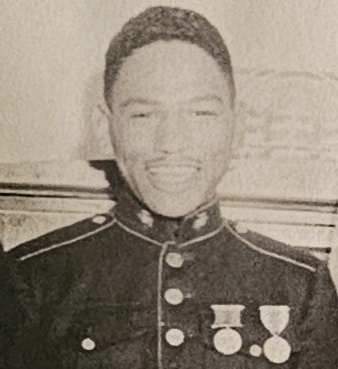
    Rev. Starks joined the Marines in 1948.

    His mother’s cousin was a church pianist and singer, and she regularly took him along to sing at church in Nashville when he was young. Later, he took music classes in high school and studied voice with professor John W. Work III at nearby Fisk University.

    In retirement, he volunteered at Eleanor C. Emlen Elementary School and elsewhere in the community. “He was very humble, generous, loving, and caring,” his daughter Rhonda said.

    William Barton Starks was born Nov. 2, 1928. He grew up with two brothers, and it was obvious early that his singing voice was exceptional.

    He met fellow singer Inez Baldwin at a recital, and they married in 1951. They had daughters Cheryl and Rhonda, and lived in North Philadelphia and West Oak Lane.

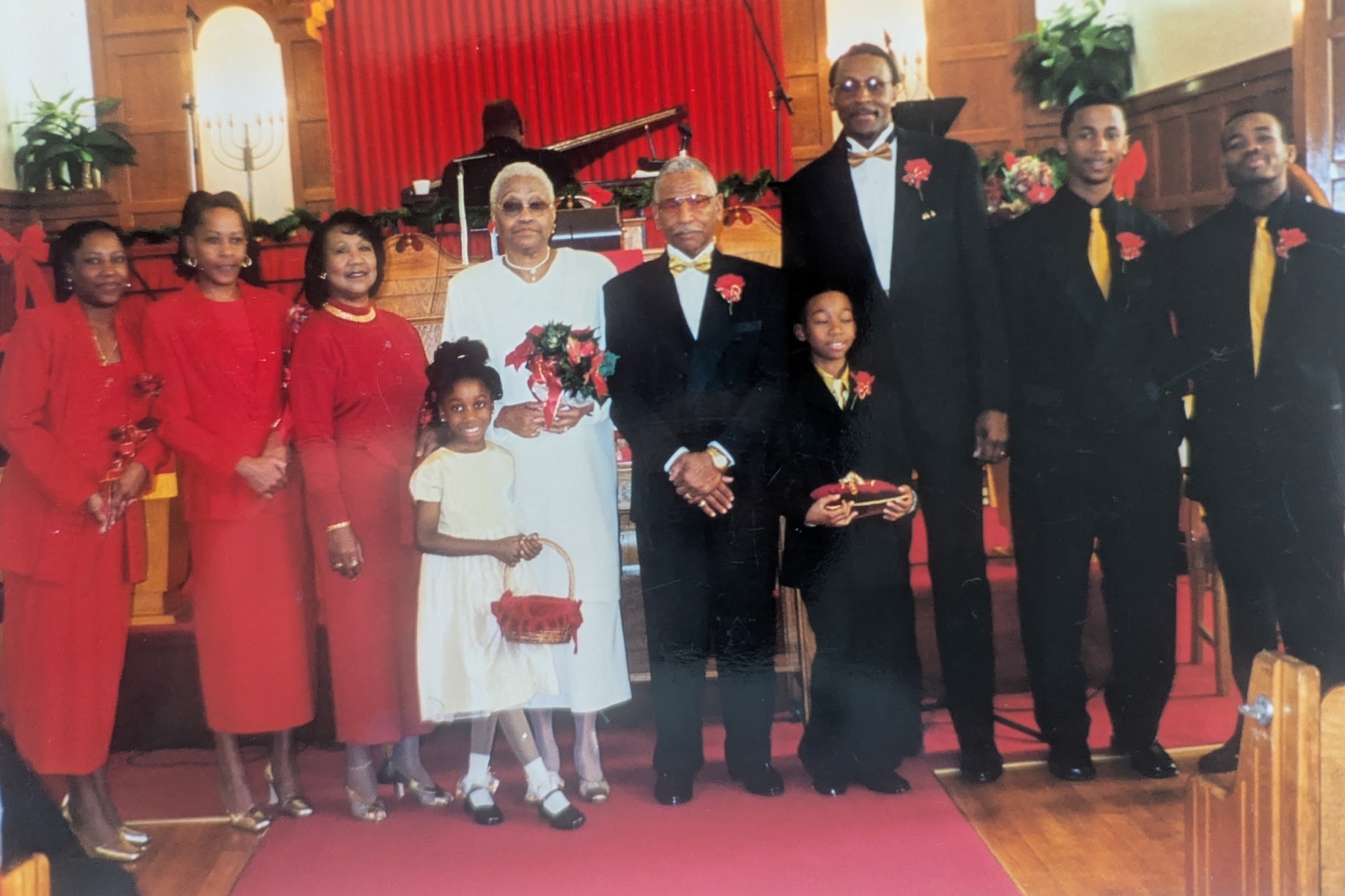
    Rev. Starks (fifth from right) “would give you anything,” his daughter Cheryl said.

    The Rev. Starks and his wife enjoyed annual summer cruises to the Bahamas. He was known as Big Daddy, his family said, “because he was like a father to so many people.” His wife died in 2016.

    “He meant the world to me,” said his daughter Cheryl. “He would give you anything.”

    His daughter Rhonda said: “He always told us he would do anything and everything for his family, and he did.”

    In addition to his daughters, the Rev. Starks is survived by four grandchildren, five great-grandchildren, and other relatives. His brothers died earlier.

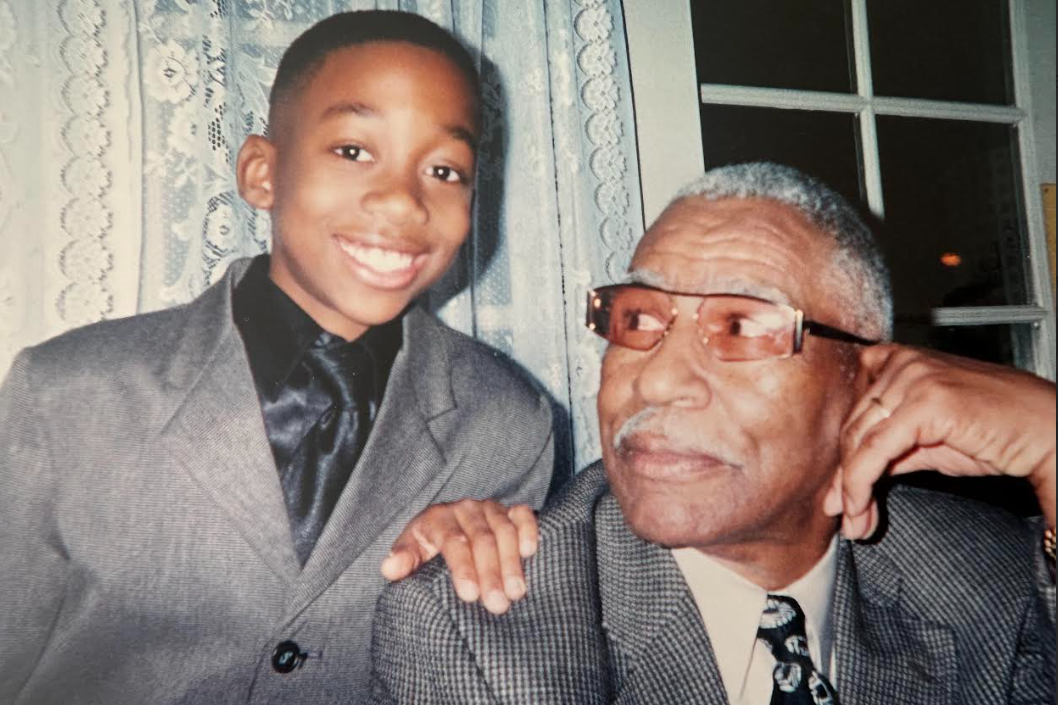
    Rev. Starks (right) doted on his daughters and grandchildren.

    Services were held on Oct. 17 and 18. Interment was Oct. 23 at Washington Crossing National Cemetery.

    Donations in his name may be made to the Scholarship Initiative of the Philadelphia chapter of the National Montford Point Marine Association, 27 Red Tail Court, Limerick, Pa. 19468.

  • Bette E. Landman, award-winning anthropology professor and first female president at Arcadia University, has died at 88

    Bette E. Landman, award-winning anthropology professor and first female president at Arcadia University, has died at 88

    Bette E. Landman, 88, of Glenside, Montgomery County, the first female president of Arcadia University, award-winning professor of anthropology at Arcadia and Temple Universities, longtime board member, lecturer, and volunteer, died Thursday, Oct. 16, at Jefferson Abington Hospital. The cause of her death has not been disclosed.

    An expert in cultural anthropology, Dr. Landman joined Arcadia, known then as Beaver College, from Temple in 1971 as an assistant professor of anthropology. She was promoted to dean of students in 1976 and rose to vice president of academic affairs and then acting president in 1982 before her appointment as president in 1985.

    For the next 19 years, until her retirement in 2004, Dr. Landman doubled the university’s enrollment to more than 3,000 students, increased its endowment from $267,000 to $26 million, supervised construction of seven buildings, and expanded international study programs. She also maneuvered successfully through an eight-month maintenance staff strike in 1993 and initiated the school’s name and academic status change from Beaver College to Arcadia University in 2001.

    She adroitly addressed the school’s thorny financial issues, strengthened its liberal arts program and College of Global Studies, and diversified the student body. “The school has come up from the floor, and it’s because of her,” Joseph Castle 2nd, then chair of Arcadia’s board of trustees, told The Inquirer in 2004.

    When she retired, Arcadia colleague Gene Bucci said: “It’s a sad day. Bette is the college.” Another colleague, Norman Johnston, said: “Without her, there might not even be a college here anymore.”

    In a recent tribute, current Arcadia president Ajay Nair praised Dr. Landman’s “extraordinary vision and unwavering dedication to access and inclusion.” He said: “Her spirit, vision, light, and legacy will forever remain a central part of the university.”

    Dr. Landman studied marriage, child-rearing, and other social constructs for nine months on the remote Caribbean island of Canouan for her doctoral dissertation in 1965 and ’66, and she lectured for decades around the country on evolution and human relationships. She evaluated academic programs and advised colleges around the world, and said often that expansive educations are vital for everyday success.

    “A baccalaureate degree must expose men and women to arts and sciences,” she told The Inquirer in 1992. “It gives breadth to what they do. I realize people work and need job skills, but the really basic skills are critical thinking, problem solving, and the ability to make judgements and effective communication, oral and written.”

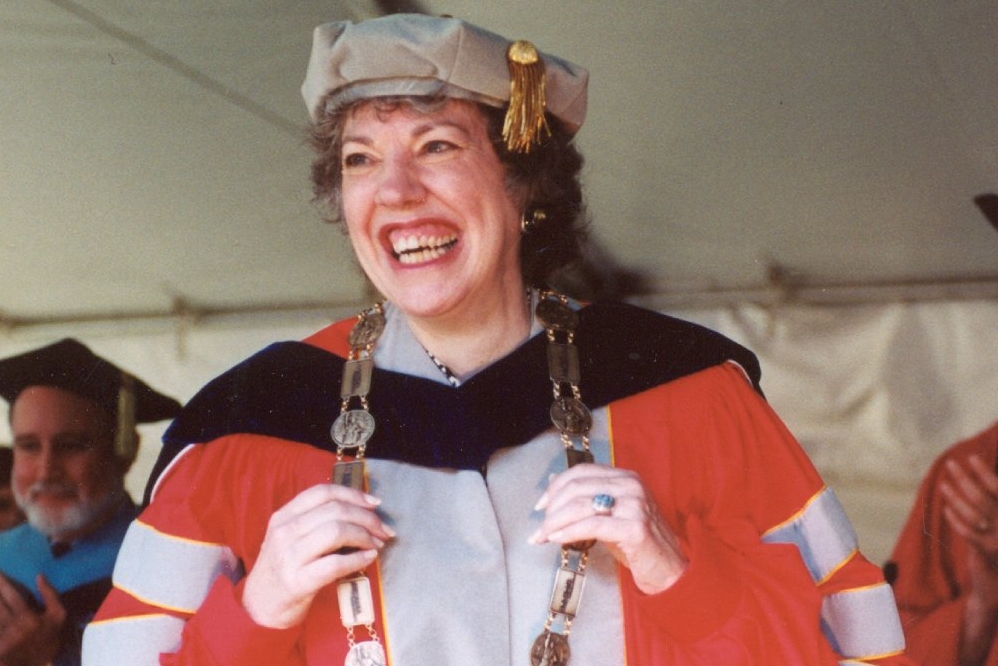
    Dr. Landman became president at Arcadia in 1985.

    She was also effective in improving Arcadia’s athletic program and was inducted into its Hall of Fame in 2009. She held leadership roles in the National Collegiate Athletic Association and Pennsylvania Athletic Conference, and Arcadia officials said on the Hall of Fame website: “Bette Landman put our university on the national map in athletics.”

    Over the years, Arcadia officials named their new Landman Library in her honor, awarded her an honorary doctorate of education, and created the Bette Landman Award for students dedicated to academic success, community service, and global learning. Before Arcadia, she was an assistant professor of anthropology for five years at Springfield College in Massachusetts and then at Temple from 1969 to 1971.

    She earned a bachelor’s degree in elementary education and graduated first in her class of 1959 at Bowling Green State University in Ohio. At Ohio State University, she earned a master’s degree in physical anthropology in 1961 and a doctorate in cultural anthropology in 1972.

    “She treated every student like we were part of her family,” a former student said in a tribute. “She knew us by name. All university presidents should aspire to be like Bette.”

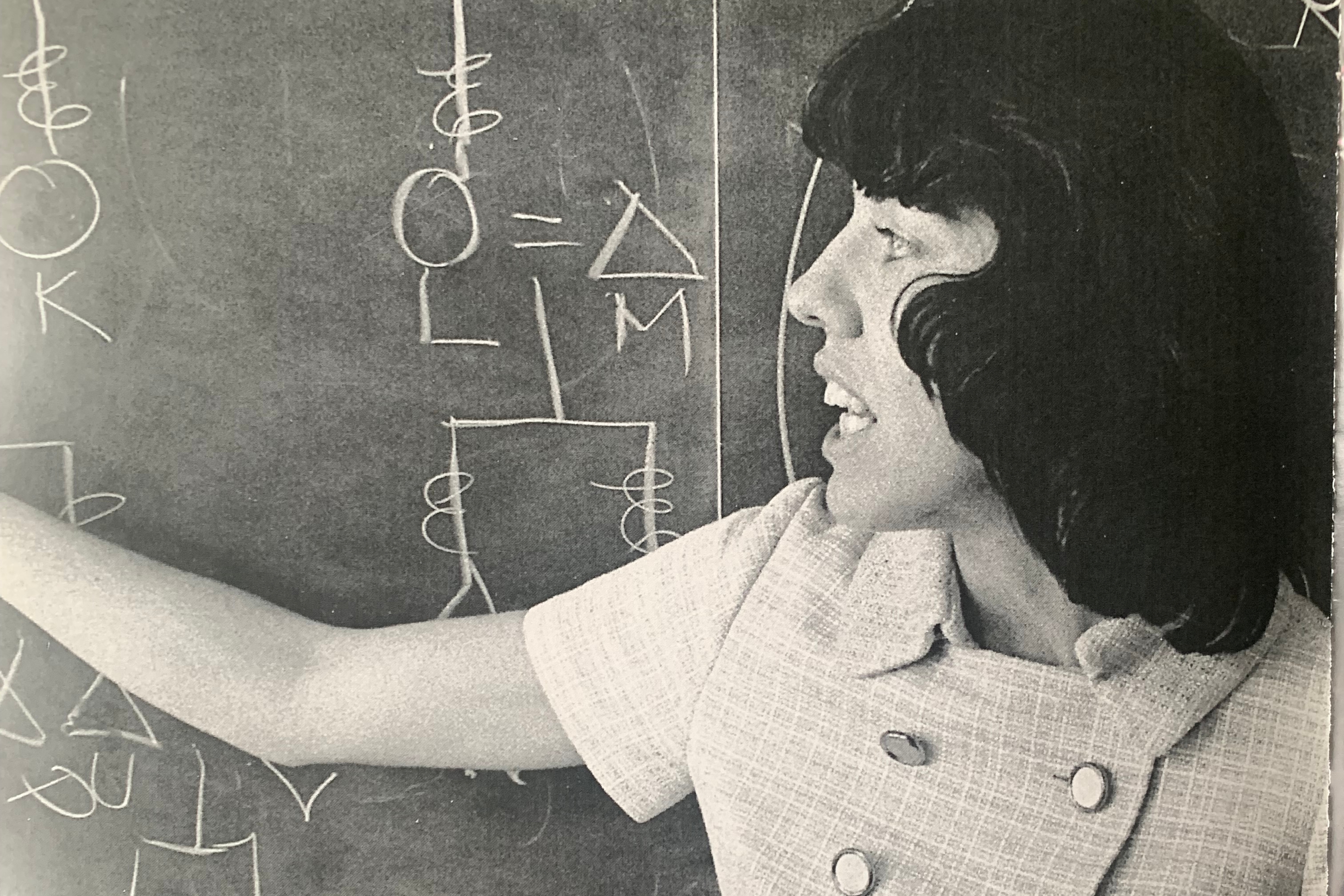
    Dr. Landman taught anthropology at Springfield College and Temple and Arcadia Universities.

    As a volunteer, Dr. Landman was president of the charitable Arcadia Foundation and chair of boards and commissions for the Association of American Colleges, the American Red Cross, and other groups. She was on boards for the National Association of Independent Colleges and Universities, Abington Memorial Hospital, and Wilson College.

    She was named a Distinguished Daughter of Pennsylvania in 1992 by the Foundation for Enhancing Communities and earned a lifetime achievement award in 2003 from the Pennsylvania Council on International Education. In 1992, the Pennsylvania chapter of the American Council on Education created an award in her name to honor a leader in women’s education in Pennsylvania.

    She earned a 1973 Lindback Award at Arcadia for distinguished teaching and other honors from the Boy Scouts of America, the March of Dimes, and the Philadelphia Business Journal. She also is featured in Karen Doyle Walton’s 1996 book, Against the Tide: Career Paths of Women Leaders in American and British Higher Education.

    She never really enjoyed fundraising, colleagues said, so she assembled a formidable staff around her. Her brother, Todd, said: “She was a tremendous team builder.” A former colleague said on Facebook: “Everyone who worked around Bette loved her.”

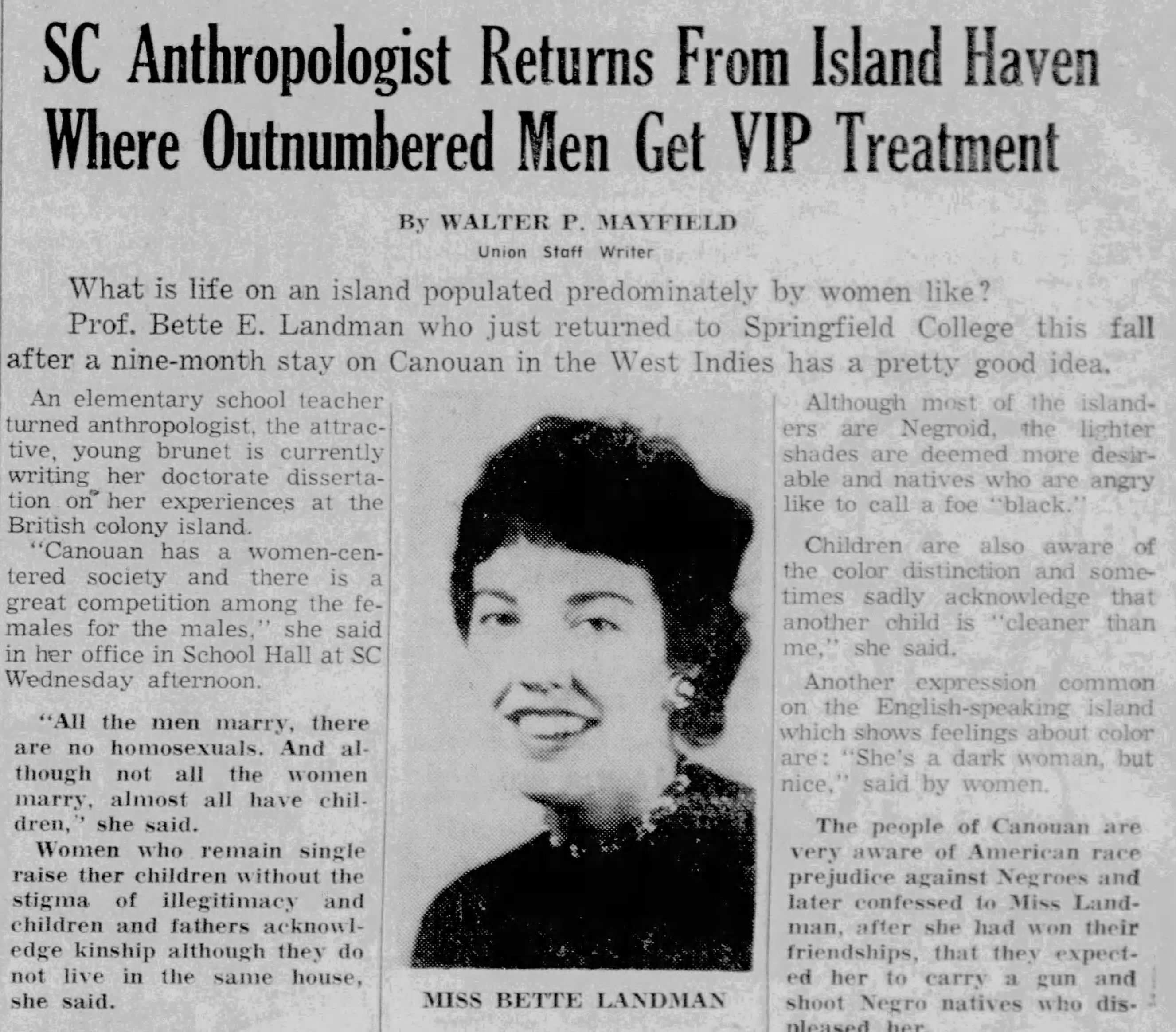
    The Springfield Union wrote about Dr. Landman’s doctoral dissertation in 1966.

    Bette Emmeline Landman was born July 18, 1937, in Piqua, Ohio. She grew up with an older sister, Patricia, and a younger brother, Todd, and she told memorable bedtime stories to her brother when they were young.

    She worked odd jobs during her high school years, earned a teaching scholarship to Bowling Green, and taught fifth grade in Ohio before joining Springfield College in 1963.

    At Arcadia, she liked to host student gatherings at the president’s residence, and her personal library was filled with books on history, art, and architecture. Friends noted her “infectious smile” and called her “a wonderful woman” and “an incredible lady.”

    Her brother said: “She was a very compassionate person. She was committed to success.”

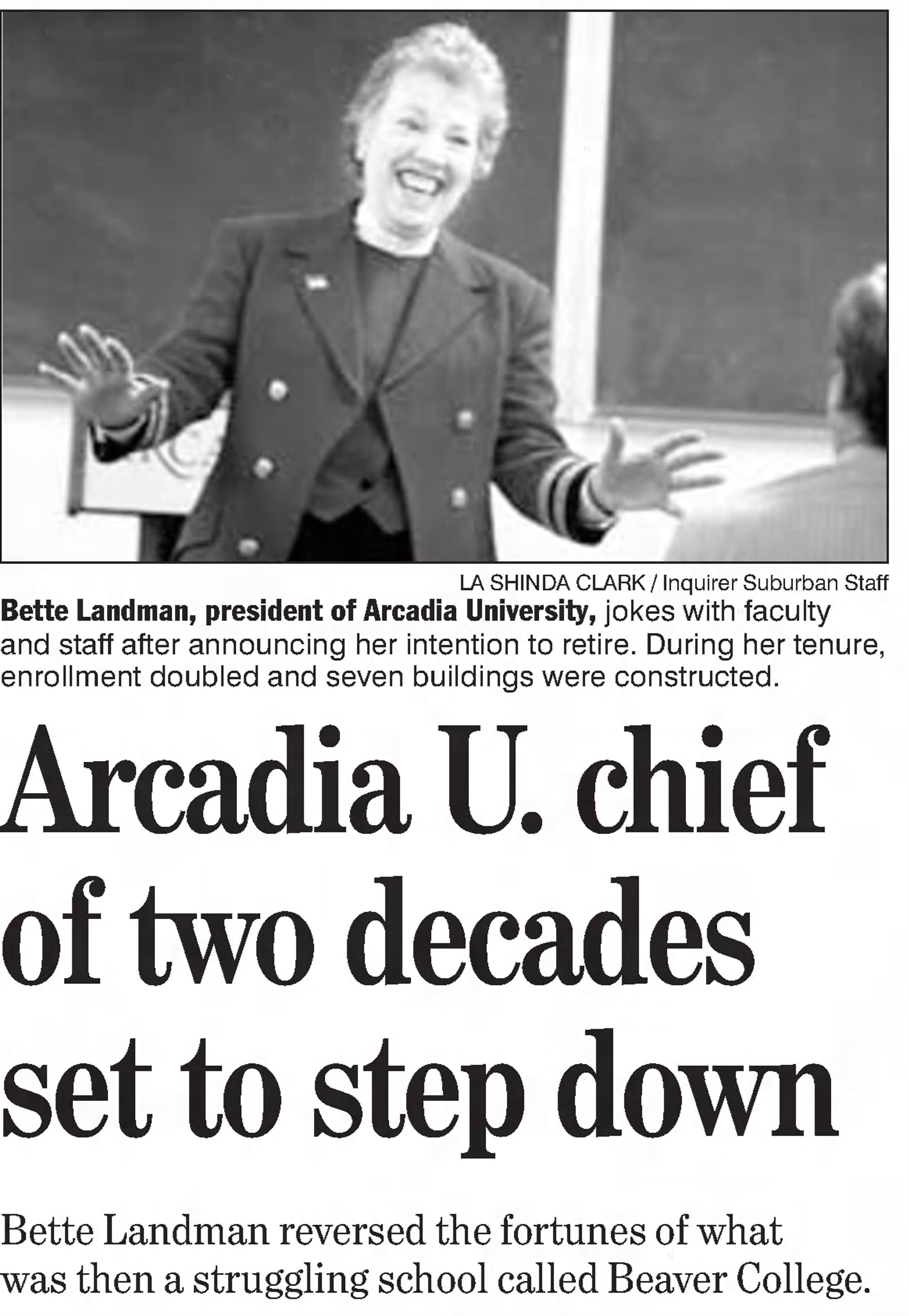
    This article about Dr. Landman appeared in The Inquirer in 2003.

    In addition to her brother, Dr. Landman is survived by other relatives. Her sister died earlier.

    Services are to be held later.

    Donations in her name may be made to the Fund for Arcadia University, 450 S. Easton Rd., Glenside, Pa. 19038.

  • Barry Leonard, celebrated crimper and longtime Center City beauty salon owner, has died at 87

    Barry Leonard, celebrated crimper and longtime Center City beauty salon owner, has died at 87

    Barry Leonard, 87, formerly of Philadelphia, celebrated crimper, longtime innovative owner of the Barry Leonard Crimper & Spa in Center City, unisex beauty salon groundbreaker, fashion and marketing trendsetter, haircutting mentor, and Army veteran, died Sunday, Oct. 12, at his home in Hallandale Beach, Fla. The cause of his death has not been disclosed.

    Born in Philadelphia to a family of hairstylists, Mr. Leonard swept the floor at his father’s beauty salon in West Philadelphia as a boy and, in 1955, became the first male to graduate from the beauty culture curriculum at Murrell Dobbins Career and Technical Education High School. He went on to help rewrite state statutes to allow unisex beauty salons in the 1970s, wow the marketing world with innovative ads that featured Fidel Castro, Albert Einstein, Santa Claus, and the Wolfman, and own high-end shops in the old Marriott Hotel on City Avenue and then on Chestnut Street for 43 years.

    A proponent of what he called “natural haircutting,” Barry Leonard, Crimper, counted politicians, musicians, actors, and other celebrities as well as local residents as his regulars, and most of them were fine with waiting months for an appointment. He moved his bustling salon from the Marriott to 1527 Chestnut St. in 1972, relocated to 1822 Chestnut in 1995, and retired to Florida in 2005.

    In the early 1970s, he saw that men appreciated hair care, too, and he successfully challenged an old state law that required separate locations for male and female haircuts. So unisex salons became common in the 1980s and ’90s.

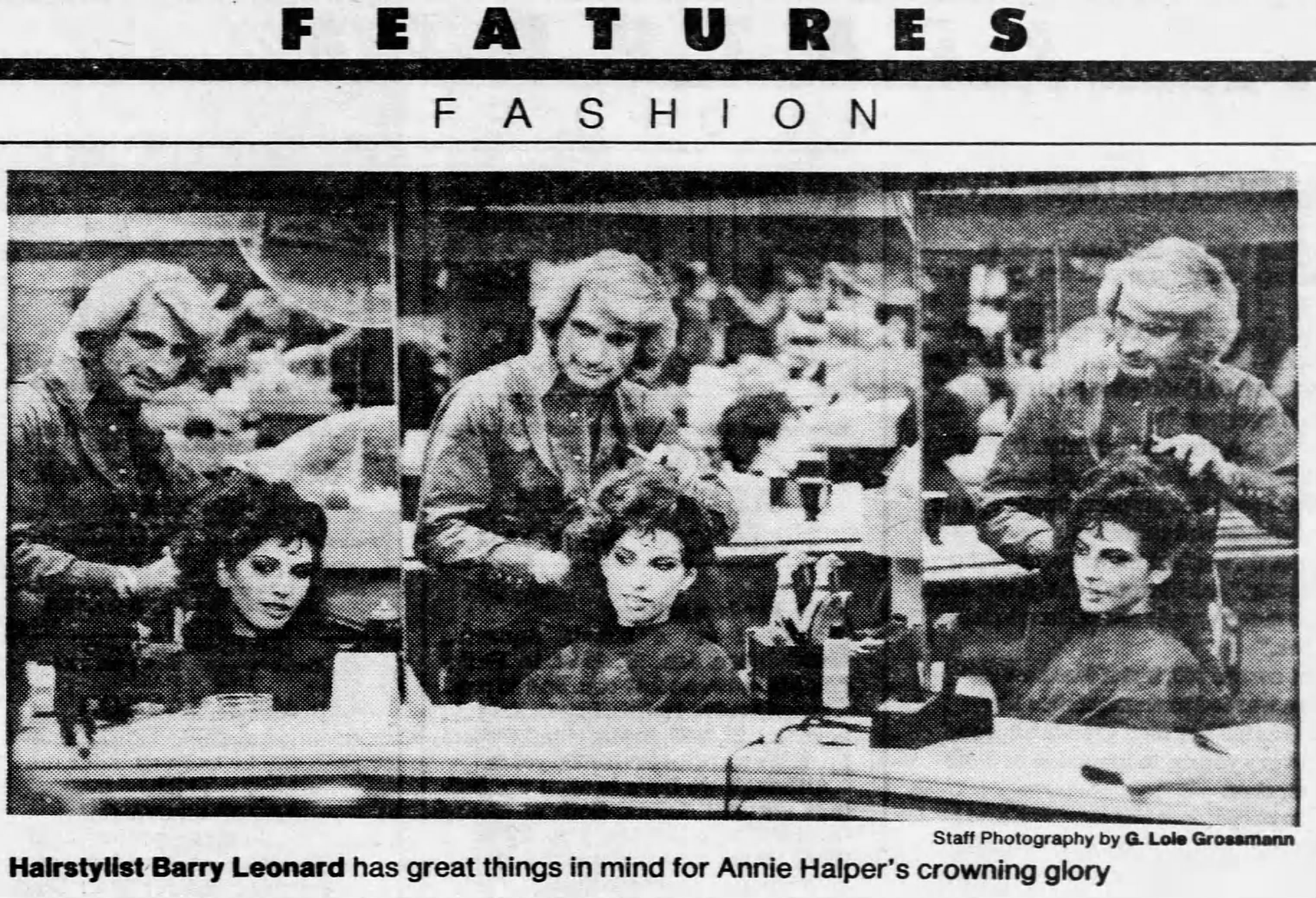
    Mr. Leonard is shown styling the hair of Annie Halpern, his future wife, in this 1985 photo in the Daily News.

    “Hair,” he told The Inquirer in 1973, “is the only part of the body that can be changed readily and allows the individual to play his role as he feels it at that particular moment — protest, freakiness, sensuality, anything.”

    His New Age salon featured wicker furniture, hanging plants, big pillows, Japanese koi, and free coffee, fruit, and wine. He charged $12.50 per cut in 1973 and $25 in 1991. Sometimes, he booked 75 heads a day, his wife, Annie, said.

    Most often, he consulted with customers before the cut, assigned the job to an assistant stylist, and checked back when the work was done. Over his career, he told his wife, he likely attended to more than 1 million customers. In 1991, he told The Inquirer: “My general philosophy is to make people happy.”

    He also created and distributed do-it-yourself manuals for those who couldn’t get appointments and introduced computerized styling technology in the 1980s so clients could design their own cuts on video screens. “I’m a firm believer that nothing lasts forever,” he told the Daily News in 1977. “But right now, I’ll stay the way I am. It’s really a matter of the world catching up with me.”

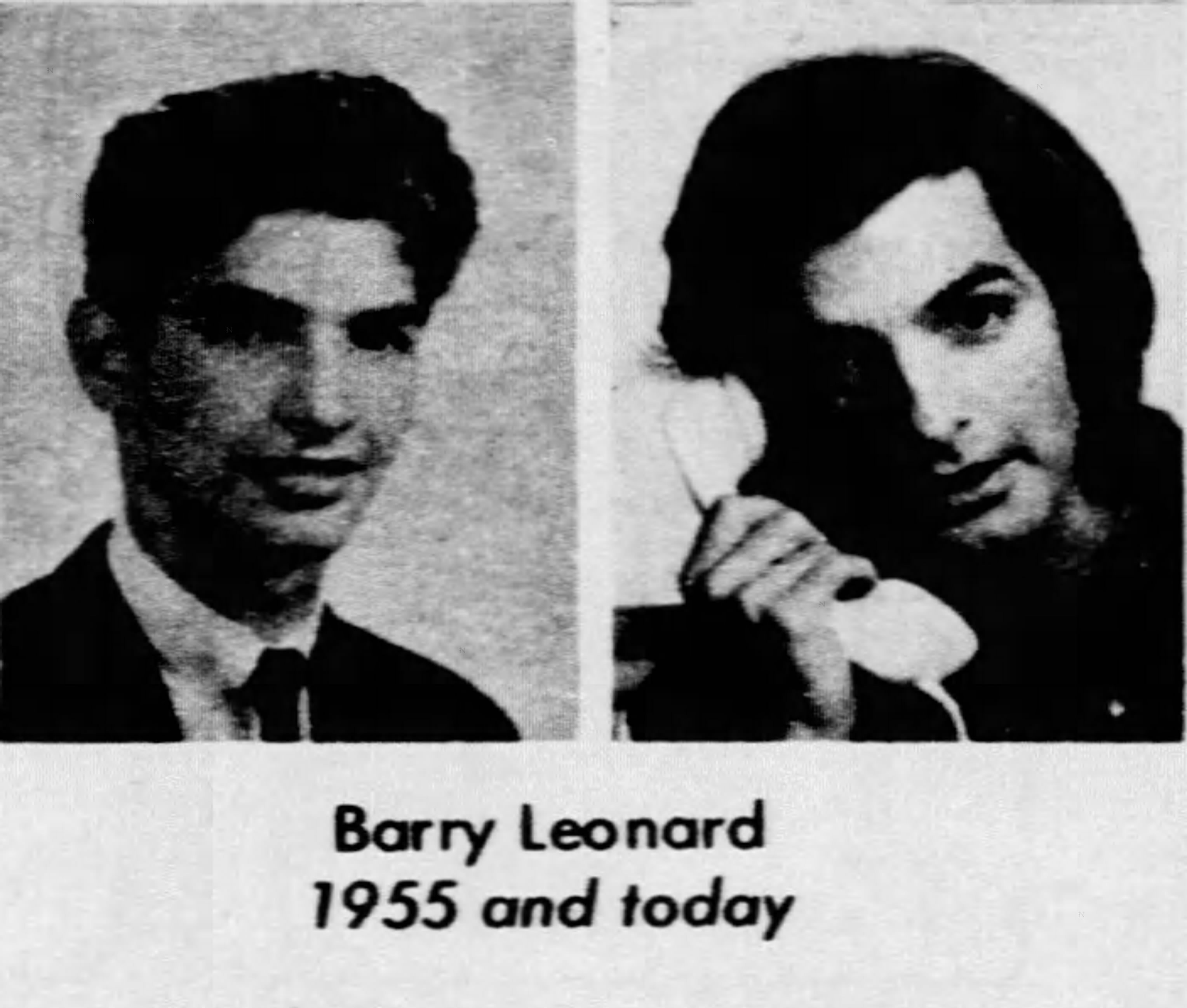
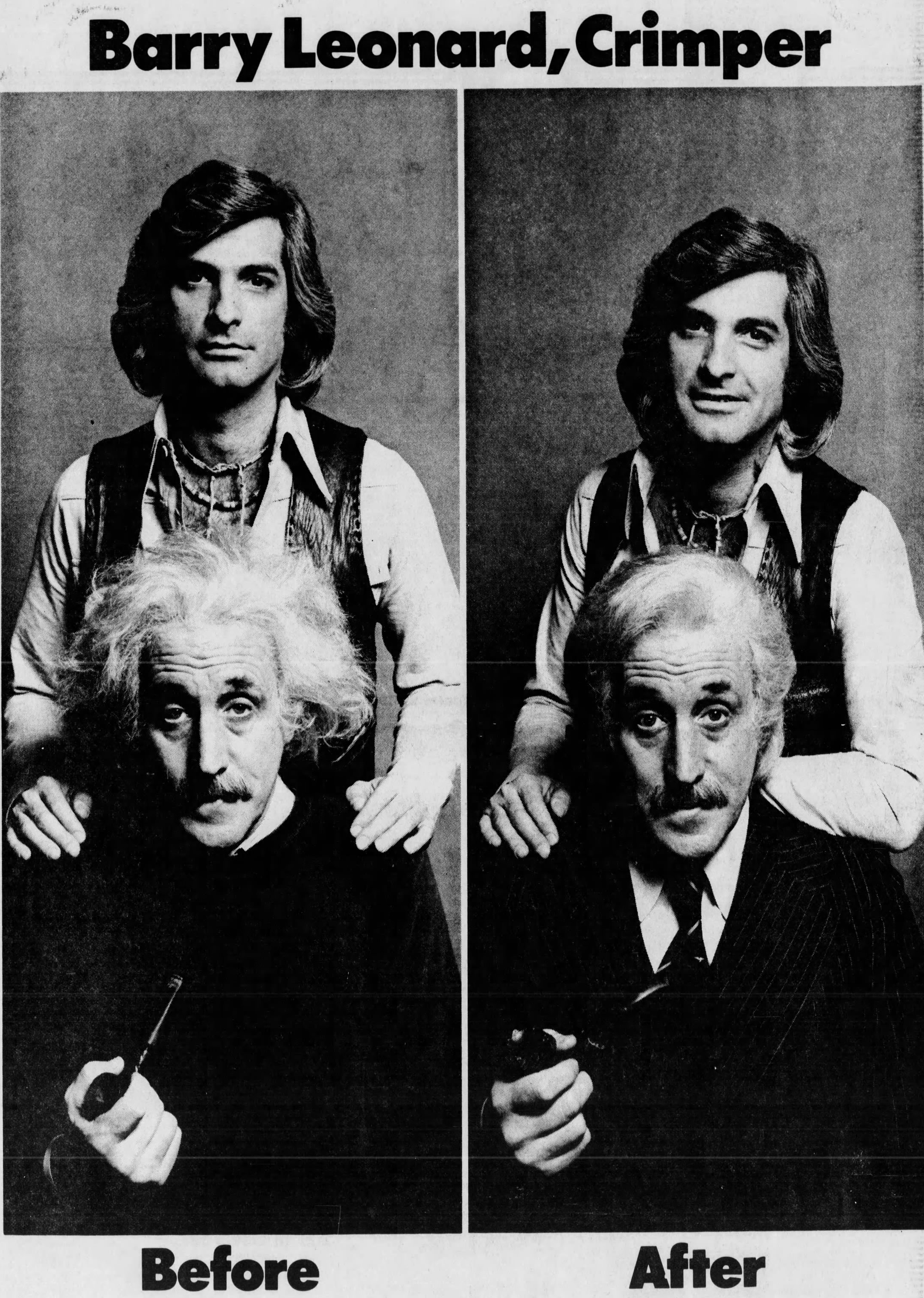
    This then and now photo appeared with a story in The Inquirer in 1973.

    He was featured often in The Inquirer, Daily News, Philadelphia Magazine, Philadelphia Business Journal, and other publications, and writers dubbed him the “top hair gun” in Philadelphia, “the dashing haircutter,” and “Philadelphia’s leading proponent of hair as art.” He dabbled in selling franchises, endorsed a new Japanese hair-straightening process, and hosted runway-style hair shows and crimper workshops.

    Women told him his beauty advice changed their lives. Men said his haircuts improved their sex lives. “I was the image changer,” he told The Inquirer in 2002.

    In the late 1960s, Mr. Leonard gave local advertising whiz Elliott Curson a haircut, and Curson, delighted with the result, suggested rebranding Mr. Leonard as “a crimper,” British slang for hairdresser. What followed was a hugely successful ad campaign and a friendship that lasted more than 50 years.

    One of their first ads featured the phrase: “When I come out of Barry Leonard’s, I won’t look like my mother.” Curson said: “He had that look, the outfit, and the vision that worked so well.”

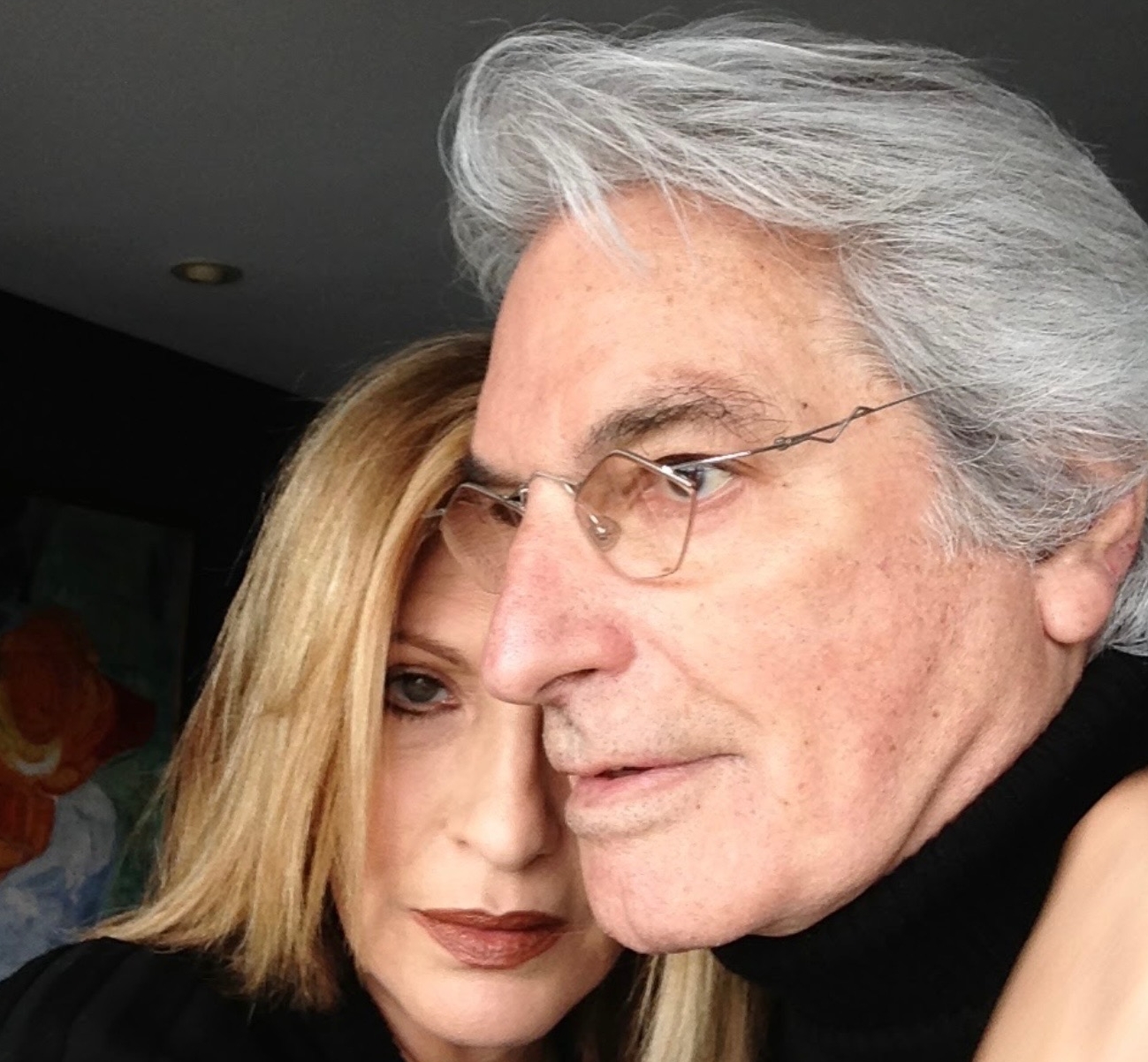
    Mr. Leonard and his wife, Annie, married in 1986.

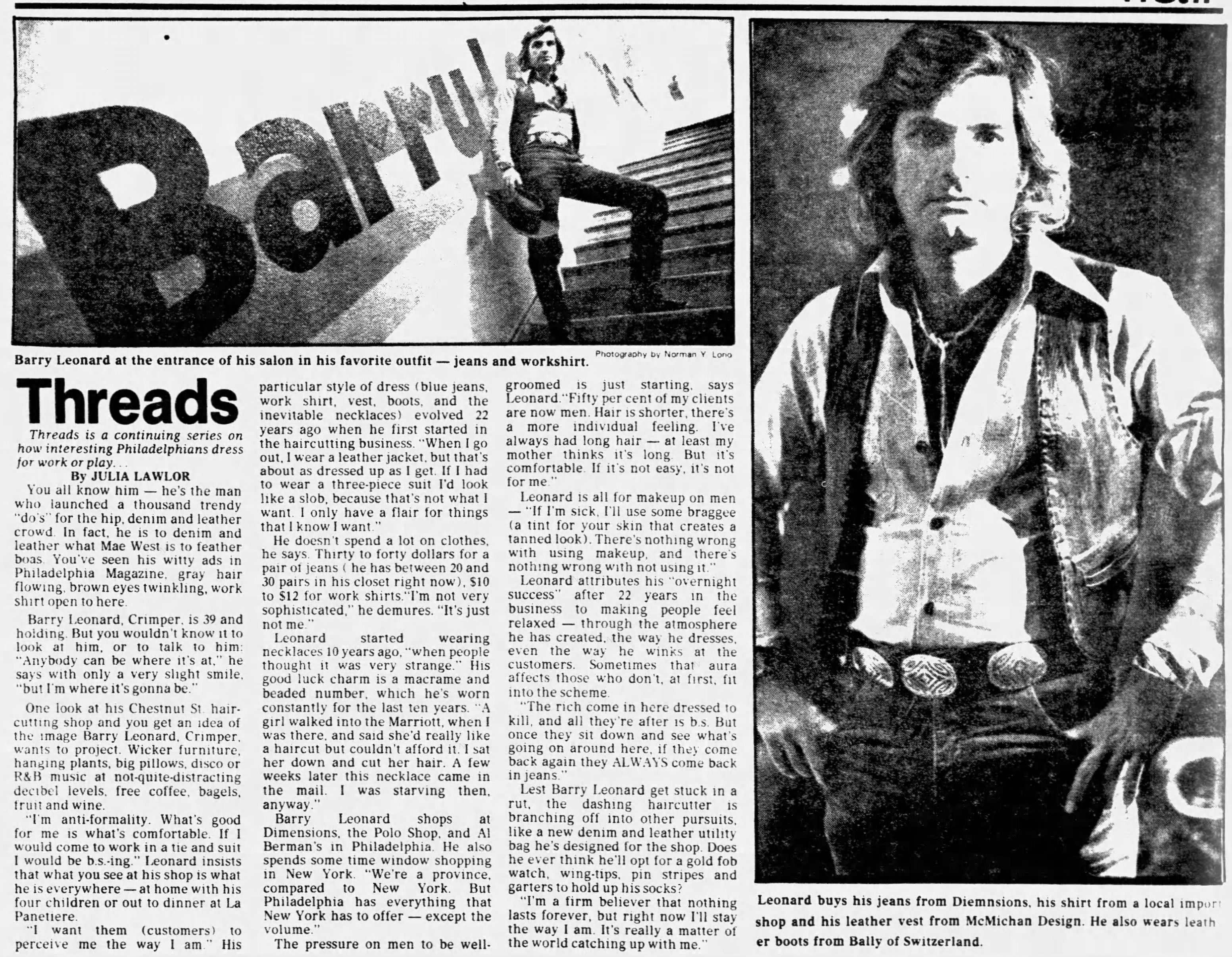
    Mr. Leonard liked to wear a work shirt, vest, blue jeans, boots, designer glasses, and turquoise jewelry to work. His own hair flowed down to his shoulders when he was young. He told the Daily News in 1977: “Anybody can be where it’s at. But I’m where it’s going to be.”

    He was a member of Intercoiffure America and participated in its competitive showings in New York and elsewhere. He was included in a display called “Movers and Shakers” at the now-closed Philadelphia History Museum.

    “He would meet you once and have an impact on the rest of your life,” his wife said. “Everybody loved him. He was passionate and compassionate.”

    Barry Leonard was born Jan. 27, 1938, in Philadelphia. He grew up in Wynnefield and Bala Cynwyd, and served in the Army’s 101st Airborne Division for two years after high school.

    Mr. Leonard (second from right) celebrated his 80th birthday with his children.

    He wore a traditional tie and jacket, and cut hair with his father and in a few local shops before opening his place at the Marriott in 1962. He also spent some time working in London and first heard the word crimper there.

    He married Charlene Brooks, and they had daughters Karen, Susan, and Elizabeth and a son, Brett. After a divorce, he met Annie Halpern at a party in 1983. They went to a Neil Diamond concert on their first date in 1984, married in 1986, and moved from Center City to Florida in 2005.

    Mr. Leonard was an avid boxing fan, and he knew his way around the popular Blue Horizon venue on Broad Street. He had a summer home in Longport, N.J., and enjoyed time at Gulfstream Park racetrack in Florida.

    He was spiritual and loquacious, his wife said. He had favorite witty quips, and his family and friends refer to them as “Barryisms.”

    This article about Mr. Leonard’s fashion sense was published in the Daily News in 1977.

    He attended all kinds of galas and benefits, and doted on his children. “He gave me my first shag” haircut, a longtime friend said on Facebook. Another friend said her neighbor cut her hair once. “The results were not good,” she said. “Barry fixed me.”

    They called him “one of a kind,” “truly the best around,” and a “mentor and a friend.” His wife said: “He was the love of my life.”

    In addition to his wife, children, and former wife, Mr. Leonard is survived by eight grandchildren and other relatives. A brother died earlier.

    A celebration of his life is to be at 11 a.m. Saturday, Dec. 6, at Gulfstream Park, Third Floor, Flamingo Room, 901 S. Federal Highway, Hallandale Beach, Fla. 33009. RSVP to blcrimper@aol.com.

    This ad by Mr. Leonard and Elliott Curson appeared in The Inquirer in 1982.
  • Dorothy Womble-Wyatt, celebrated South Jersey teacher and school principal, has died at 84

    Dorothy Womble-Wyatt, celebrated South Jersey teacher and school principal, has died at 84

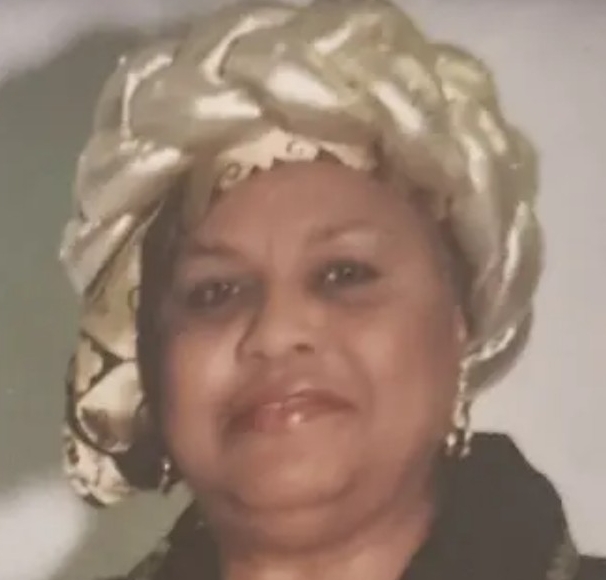
    Dorothy Womble-Wyatt, 84, of Cherry Hill, innovative teacher and celebrated school principal for the Camden City School District, active church member, mentor, and proud graduate of what is now Fayetteville State University, died Tuesday, Sept. 23, of complications from a heart condition at her home.

    For 37 years, from 1968 to her retirement in 2005, Ms. Womble-Wyatt connected with Camden students through progressive teaching techniques, and with classroom colleagues, parents, and nearby residents through her collaborative administrative style.

    She was named principal at the old Bonsall Elementary School in 1977 and became the first principal at the new Riletta T. Cream Elementary School in 1991.

    “She led the Riletta Twyne Cream Family School with distinction,” the Camden City Advisory Board of Education said in a recent resolution, “guiding its opening in January 1991 and building a school culture centered on high expectations, literacy, and community partnership.”

    As a teacher, Ms. Womble-Wyatt focused on elementary school students, and she emphasized how math, geography, spelling, science, English, and other subjects were important in everyday life. She joined the school district in 1968 as a first-grade teacher and served as an administrative assistant before advancing to principal at Bonsall.

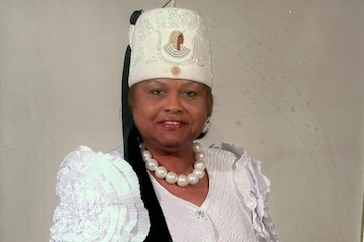
    Ms. Womble-Wyatt was active with the Order of the Eastern Star.

    In its resolution, the Board of Education said she “championed professional learning and innovative classroom practices that advanced student growth.”

    Her nephew Micheal W. Moore said: “She was always a teacher at heart. She taught her family when she was young and her classmates in high school. She never stopped.”

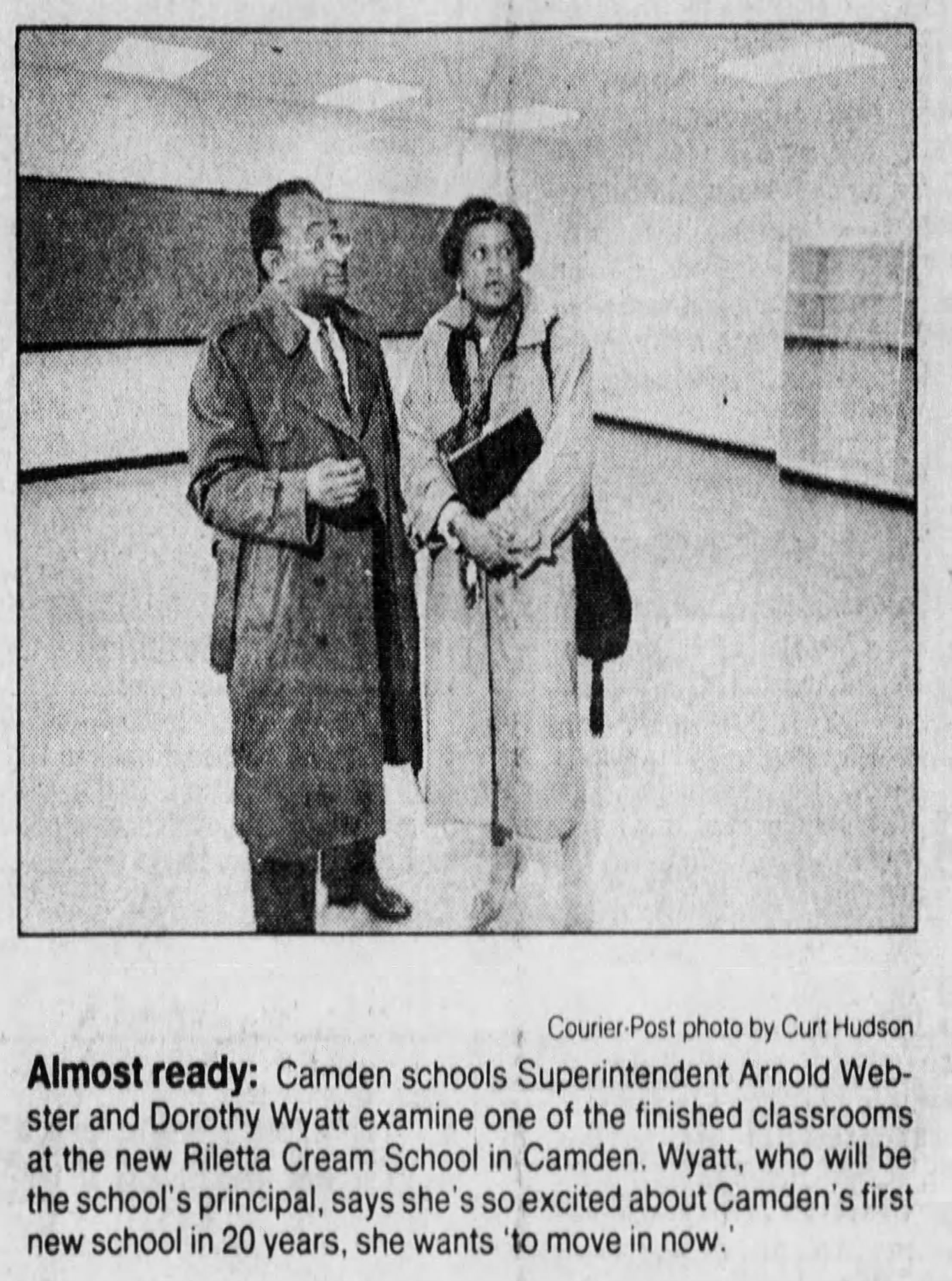
    As principal at the Cream School, Ms. Womble-Wyatt supervised the transfer of 800 students from four other elementary schools during the 1990-91 school year and told the Courier-Post: “I’m just thinking about a smooth transition. … It’s the same as if you’re moving into a new home. You’re excited moving into a new environment. When you get something nice, you want to keep it that way.”

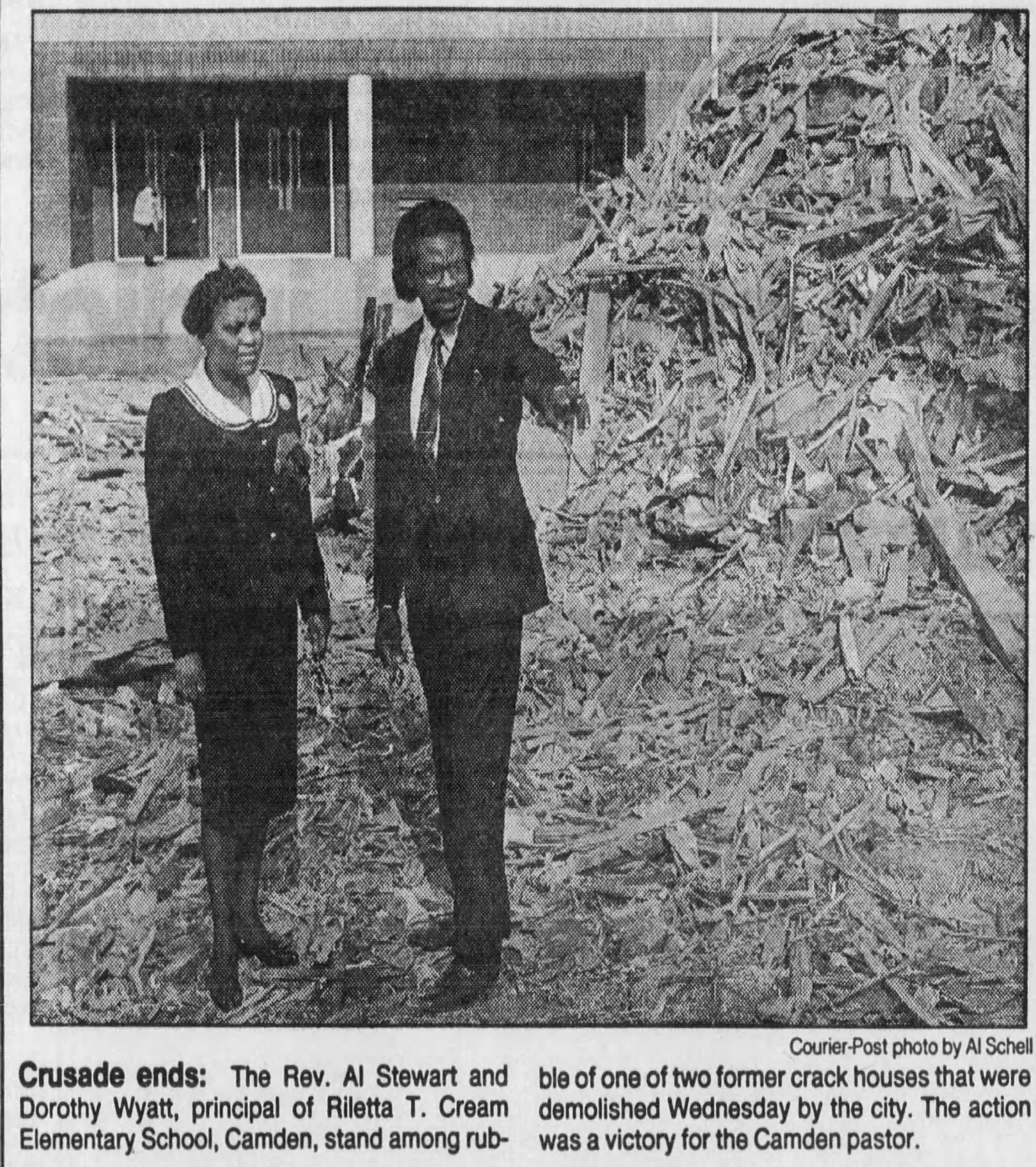
    She supported all kinds of new educational initiatives and lobbied tirelessly for better school supplies and improved healthcare services for Camden students. The Courier-Post covered Cream’s grand opening, and 9-year-old student Bradford Sunkett told the newspaper: “I’m glad to be at a new school. But I’m most glad Ms. Wyatt is here. Ms. Wyatt and the teachers are more important than a school building.”

    She cheered in 1992 when community activists cleared a cluttered lot near the school and told the Courier-Post: “It’s a joyful feeling knowing people have listened to what we have to say and did something about it.”

    This photo of Ms. Womble-Wyatt appeared in the Courier-Post in 1990 as she was assuming the role of principal at the Cream School.

    In 1999, she endorsed a New Jersey state reform program that invited parents to help shape school curriculum. “It’s a great thing for parents because many don’t have the experience of what schools are up against,” she told the Courier-Post. “All they hear is that schools are failing. This lets parents become part of the foundation.”

    Ms. Womble-Wyatt was active at Roberts Chapel Missionary Baptist Church in North Carolina, First Nazarene and Zion Baptist Churches in Camden, and New Community Baptist Church in Collingswood. Zion recognized her with a service award in 2008.

    “She loved to invite family and friends to attend worship services with her on Sundays and join her for dinner afterward,” her nephew said.

    She earned a bachelor’s degree in education and leadership at Fayetteville State in North Carolina and recruited new students everywhere she went. In 2003, the university’s Gospel Choir honored her lifelong support with a concert at Camden High School.

    This photo of Ms. Womble-Wyatt was published in the Courier-Post in 1992 during a nearby neighborhood cleanup.

    She belonged to the Alpha Kappa Alpha Sorority and the Order of the Eastern Star, and spoke often at churches and community groups about Black history. She was honored at Camden’s third annual Women’s Recognition Ceremony in 1996 and earned an Outstanding Citizen’s Award from the local Freemasons in 1997.

    “People wanted to be around her,” her nephew said. “She lifted you up.”

    Dorothy Marie Womble was born May 16, 1941, in Goldston, N.C. She earned a master’s degree in education from North Carolina Central University, married Glenmore Wyatt in 1967, and they had a son, Glen. Her husband died in 2021, and their son died in 2023.

    Ms. Womble-Wyatt collected African artifacts, hosted memorable dinners, and never forgot a birthday. She enjoyed casinos, shopping for gifts, and visiting family and friends.

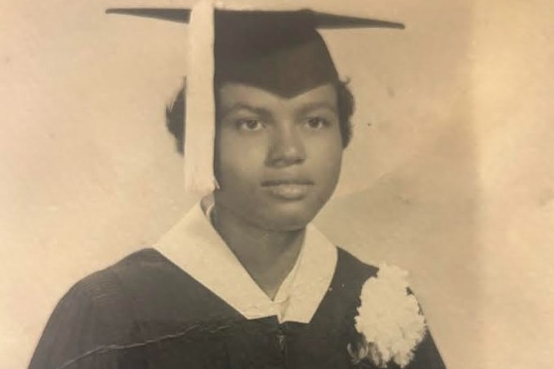
    Ms. Womble-Wyatt earned a master’s degree in education from North Carolina Central University.

    On Instagram, a friend called her “an educator par excellence, a fashionista, and genuine lover of people.” Her nephew said: “She was generous and joyous. She was a queen in every right.”

    In addition to her nephew, Ms. Womble-Wyatt is survived by a grandson and other relatives. A brother died earlier.

    Services were held Oct. 2 and 3 in Camden, and Oct. 12 in North Carolina.

    Donations in her name may be made to Roberts Chapel Missionary Baptist Church, 439 Roberts Chapel Rd., Goldston, N.C. 27252.

    Ms. Womble-Wyatt’s “life was vibrant and ever moving,” her family said in a tribute. “Indeed, her legacy has grown into a gorgeous train of diamonds and appreciation.”