Author: Brooke Schultz

  • A developer is seeking to expand its proposed data center in East Whiteland

    A developer is seeking to expand its proposed data center in East Whiteland

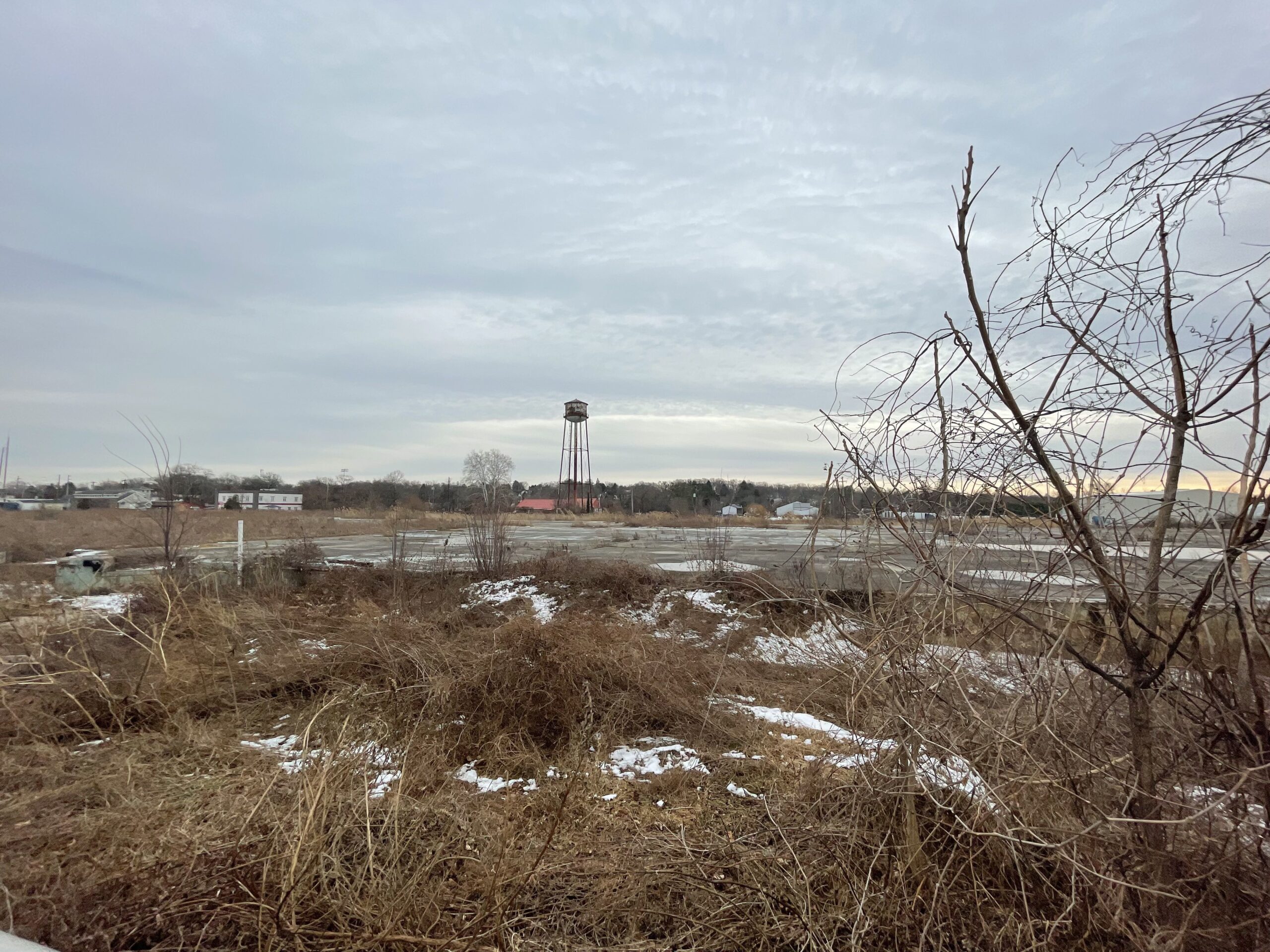
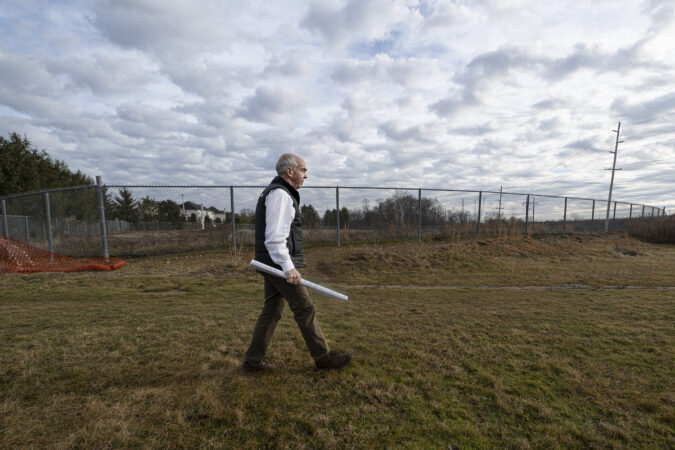
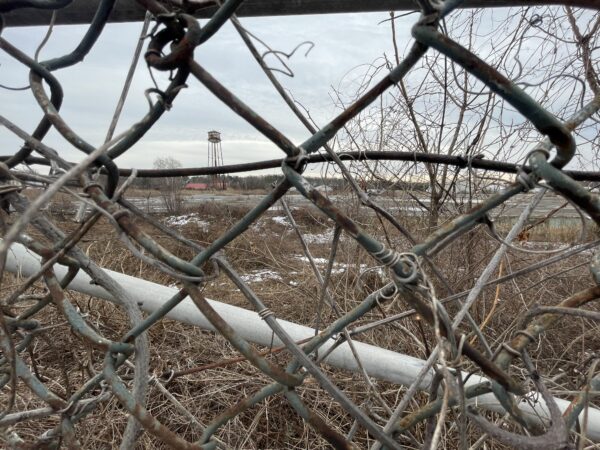
    A developer wants to increase the size of its proposed data center on a remediated Superfund site in East Whiteland Township, stoking ire from nearby residents who worry about the increased scope stressing the power grid and driving up costs, along with environmental and health risks.

    The facility — which would exceed 1.6 million square feet in the amended plan —would sit on roughly 100 acres at 13 S. Bacton Hill Rd., located along the boundary line for East and West Whiteland Townships, and near U.S. Route 202.

    The amended plan, brought before the township’s planning commission Wednesday, would increase the size of the two data center buildings by roughly 61% from what was previously approved.

    Other changes in the new plan include:

    • Scrapping two microwave towers, antenna yards, and ground-mounted cooling towers
    • Relocating office and loading facilities to face Swedesford Road
    • Redesigning cooling equipment to use waterless chillers instead of water-consuming cooling towers, reducing water use by about 3 million gallons per day

    The applicants are asking the planning commission to approve the modifications because the currently approved plan is outdated, in both technology capacity and what occupants of such centers would need, said Josh Rabina, principal for Sentinel Data Centers, who is working with Green Fig Land LLC on the project.

    The planning commission had approved the original plan in 2024, but the project has been underway since at least 2018, when the developer sought zoning changes to OK data center use. After the planning commission’s approval in 2024, Sentinel joined the project, and suggested changes to address water and energy consumption, said Lou Colagreco, the attorney for the applicant.

    “They just looked at it with a different set of eyes, and they said, ‘First plan works; this plan probably works better,’” Colagreco told the commission. “It addresses certain concerns that we have heard about regarding data centers.”

    But nearly an hour and a half of public comment showed that residents’ concerns weren’t assuaged by the proposed new plan.

    “My head’s spinning with what’s going on here. I think you guys are way out over your skis here with what you should be asking, and there’s a lot that appears to me that you don’t even know you should be asking,” said one resident, Dean Prescott.

    Across the county — and the region — data center projects have been met with scrutiny from the people who will reside near them. Their opposition clashes with Democratic Gov. Josh Shapiro, who has been championing data center development, promoting a 10-year plan that includes cutting regulatory “red tape” to make it easier to approve them. The governor’s office also recently announced Amazon would spend $20 billion to develop data centers and other artificial-intelligence campuses across Pennsylvania.

    Despite the enthusiasm at the state level, 42% of Pennsylvania say they would oppose the centers being built in their area, according to a recent survey.

    And it’s creating a bind for local officials, who are limited in what they can do to prohibit development in areas that are zoned for such purposes.

    Residents in nearby East Vincent, also in Chester County, are pressing hard on their board of supervisors to reject a proposed data center at the historic Pennhurst State School and Hospital. The board there had sought to impose restrictions on data centers, but last month declined to move forward with an ordinance after the township’s solicitor warned it could lead to a challenge from the developer.

    In East Whiteland, as residents called on officials to reject the plan, township solicitor Michael Gill warned it wasn’t that simple.

    “This property is zoned to allow a data center use,” Gill said. “From a perspective of sheer outright denial of the use, that is not likely something that the township has the authority to do at this point in time. Nor did the township ever have the opportunity or the legal right to completely say, ‘We do not want data centers at all in East Whiteland Township.’”

    The proposed data center would be located at a former limestone mining site that eventually became a lithium ore-processing business called the Foote Mineral Co., which closed in 1991. A Superfund cleanup was completed in 2010.

    It is slated to sit across from Malvern Hunt, a neighborhood with about 280 homes and would be intersected by the Chester Valley Trail, a 18.6-mile route popular with walkers, cyclists, and runners.

    Residents worried about the noise, the safety of their well water, and whether digging at a remediated site could adversely affect health. They also raised concerns about the stress — and cost — the facility could put on the power grid.

    The facility would be adjacent to Peco’s Planebrook substation, and the developer is paying for the upgrades needed to support the project, they said Wednesday. Peco officials said previously that surrounding customers wouldn’t see any impact.

    The developers sidestepped questions about resident utility cost increases. The township’s planning director, Zachary Barner, said they had not seen “any sort of detailed analysis of consumer prices or anything like that.”

    Chris Fontana, a Wakefield resident who said he works in software and infrastructure engineering leadership at Zillow, the real estate website, said industrial noise, massive infrastructure, and energy demands make buyers hesitate, affecting home values.

    “Any tax benefit does not outweigh the permanent impact on our land, the strain on local utilities infrastructure, and the risk to the value of our homes, the single biggest investment most families here will ever make,” he said.

    The developer will submit a revised plan and responses to consultant review letters in the coming days, township officials said. The developer will return to the planning commission next month, seeking a positive recommendation from the planning commission to go forward to the township’s board of supervisors.

  • Chesco saw some of the area’s highest snow totals, closing schools and delaying trash collection

    Chesco saw some of the area’s highest snow totals, closing schools and delaying trash collection

    Parts of Chester County saw more than a foot of snow, with the heavy snowfall delaying trash collections, closing municipal offices, and shuttering school buildings countywide Monday.

    East Nantmeal saw some of the highest snow totals in the county — and the entire Philadelphia region — with 12.8 inches blanketing the township as of Monday morning, according to the National Weather Service. Malvern wasn’t far behind, with 12.5 inches. East Goshen racked up the lowest total reported in Chester County, sitting around 8. Chester County municipalities saw some of the highest snowfalls in the collar counties, and outdid Philadelphia, which topped out at 9.3 inches.

    Most of the region received between six and 12 inches by Sunday evening.

    But even with the gradient of difference in Chesco, it was enough to close all school districts’ buildings in the county Monday. Some districts instituted flexible remote learning schedules. Others gravitated toward a traditional snow day.

    “Students are officially expected to enjoy this winter wonderland — and take a well-deserved breather at the midpoint of our school year,” Kennett Consolidated School District wrote in a post on its website.

    The districts hadn’t yet made their calls by noon Monday about returning to school for the rest of the week, but several said flexible instruction may be implemented if road conditions don’t improve.

    As municipalities continue to plow streets, many are still calling for no street parking, with several offering free parking in borough lots or parking garages. Municipal meetings are also being rescheduled as residents continue to dig out.

    Meanwhile, across the county, residents should expect their trash and recycling collection to follow a different schedule this week.

    Here’s a look at the trash collection delays municipalities have advertised online:

    • Avondale: Trash pickup moved to Tuesday.
    • Caln: Shifted by one day through the week, beginning Tuesday for Monday customers.
    • Kennett Square: Trash pickup moved to Wednesday.
    • East Brandywine: Trash pickup moved to Wednesday.
    • East Bradford: Trash pickup moved to Saturday.
    • East Caln: Trash pickup canceled this week.
    • East Fallowfield: Trash pickup moved to Saturday.
    • East Goshen: Shifted by one day through the week, beginning Tuesday for Monday customers.
    • Easttown: Trash pickup moved to Tuesday.
    • Elverson: Trash pickup moved to Wednesday.
    • Sadsbury: Shifted by one day through the week
    • Spring City: Trash and recycling delayed until Tuesday and Wednesday.
    • Upper Uwchlan: Trash and recycling for Monday will be delayed until at least Tuesday, but the township may have further updates.
    • Uwchlan: Trash pickup moved to Wednesday.
    • West Chester: Shifted by one day through the week.
    • West Goshen: No collection Monday; the township will provide updates on collection for Tuesday.
    • West Whiteland: Trash pickup moved to Wednesday.
    • Westtown: Shifted by one day through the week, beginning Tuesday for Monday customers and Friday for Thursday customers.
  • A former industrial site making up 10% of Kennett Square could become housing — after it’s decontaminated

    A former industrial site making up 10% of Kennett Square could become housing — after it’s decontaminated

    One of Kennett Square’s last remaining sizable undeveloped parcels could get hundreds of townhomes and apartments — once contamination cleanup of a former industrial site passes muster.

    But even with the OK from state and federal environmental officials, it would be years — and require more sign-offs at the municipal level — before the developer eyeing a residential complex at the former National Vulcanized Fiber site could break ground.

    And the site’s owners face headwinds beyond the governmental approval, as some borough residents worry that the site is not safe for homes.

    Officials from the U.S. Environmental Protection Agency and the Pennsylvania Department of Environmental Protection, agencies that have to ultimately green-light the land as safe for people to live on, sought to assuage those concerns Tuesday during a town hall that explained the processes for cleanup and the standards the developer would have to meet for any homes to be built.

    It was the latest update regarding a proposed residential complex that would feature 246 townhomes and 48 apartments, located at the 22-acre lot on 400 W. Mulberry St., not far from the historic district of the borough, on a plot of land that has languished for almost 20 years.

    It’s one of the largest untouched parcels in the borough, making up at least 10% of Kennett Square, which is one square mile. Developers project the residential complex would increase the population of the 7,000-person borough by 15%.

    The site, which housed National Vulcanized Fiber from the late 1890s until it shut down in 2007, was purchased by its current owner in 2009 and has been the subject of cleanup efforts for more than a decade after the land was found to be contaminated with so-called forever chemicals.

    “It feels like the cart was put before the horse for the public,” one resident, Sarah Hardin, said during Tuesday’s meeting. “I think it’s the fact that we’re all feeling like this was guns a-blazing forward, and we would like to know that all the proper environmental steps are taken.”

    The former National Vulcanized Fiber in Kennett Square on Friday, Jan. 23, 2026. Once an industrial site, the property’s current owner is seeking to eventually turn it into a residential development. But first, the property has to be decontaminated that satisfy state and federal requirements.

    What’s the history of the site?

    For more than 100 years, National Vulcanized Fiber ran operations on the property, creating a slew of products with vulcanized fiber — a durable, flexible, lightweight plastic-like material that was used to make anything from trash cans to computer circuit boards.

    Production of those items led to contamination of the site; polychlorinated biphenyls (PCBs) were identified in the 1980s, after contamination spread into Red Clay Creek. That prompted the EPA to become involved, said Amanda Michel, the agency’s PCB coordinator for the region.

    The chemicals are probable carcinogens, linked to liver and breast cancer, melanoma, and non-Hodgkin lymphoma. The chemical is also associated with birth defects, developmental delays, and immune system dysfunction.

    Remediation began after the chemicals were found in the 1980s, and NVF folded in 2007. Rockhopper LLC purchased the property two years later and began cleaning the site, eyeing future residential development.

    Along with the federal cleanup, in 2010 the owners began a voluntary state cleanup process — which is aimed at redeveloping contaminated, vacant, and unused parcels into productive uses — to target the other chemicals found on the site.

    In both cases, the owners have to demonstrate, through sample testing, that contamination has been lowered to a threshold acceptable for human health or that they have the proper barriers in place to prevent exposure.

    “Until that happens, there will not be a residential occupant at this property,” said Jonathan Spergel, an environmental lawyer representing Rockhopper.

    What is the developer proposing?

    Under the proposed development, the property would have 104 stacked and 38 unstacked townhomes, along with 48 one-, two-, and three-bedroom apartments. The owners said the project would comprise affordable and market-value units. A proposed rezoning ordinance would require 15% of the homes to be affordable.

    That component was critical for Kennett Square officials, Mayor Matt Fetick said in an interview last week.

    “It’s our best opportunity to have an affordable component,” he said.

    Alongside those homes, the property would have roughly 732 parking spaces, and 50 would be added to Mulberry Street.

    To offset feared bottlenecks, the property’s proposed plan would have five driveways to distribute traffic flow.

    The site’s developers estimate that the property would bring in $382,000 for the borough and more than $830,000 for the school district each year.

    Another portion of the site serves as a baseball field at the high school, and no further development is planned there, the property’s owners said in 2024.

    The project is helmed by Rockhopper LLC, which is led by two development firms, Delaware Valley Development Corp. and Catalyst City. They brought in Lennar, a home-building company, in 2021. Lennar has done at least two similar projects, remediating industrial lots in Phoenixville and in Bridgeport for residential use, a representative said previously.

    What are residents’ concerns?

    On Tuesday, residents shared stories of loved ones who lived near the site who have been diagnosed with cancer. They worried that the developer could skew data to move the project forward. They wondered why there had been no urgency to clean it up before.

    Officials said the developer has to work with an independent environmental professional and their agencies had been on site throughout the cleanup process.

    Corey Barber, who lived near the site for 20 years and moved out of the area after her cancer diagnosis in 2021, worried what construction on the site would bring.

    “People are going to believe that they’re going to get cancer from the dust kicking up,” she said.

    Charla Watson, who lives right by the property, said there was distrust because the community has not seen the work the developer says is happening.

    “It’s just been a wasteland,” she said. “Everything looks the same the day they moved out of there.”

    What comes next?

    The developer is going through two processes simultaneously. As it cleans up the property to get the necessary state and federal approvals for residential development, it is also working at the municipal level for the land to be rezoned so it can build the residences.

    The borough is advertising a change to the ordinance that would rezone the land.

    If the ordinance is approved, the developer could formally start developing the land — which would come with at least another year of planning and meetings.

    This suburban content is produced with support from the Leslie Miller and Richard Worley Foundation and The Lenfest Institute for Journalism. Editorial content is created independently of the project donors. Gifts to support The Inquirer’s high-impact journalism can be made at inquirer.com/donate. A list of Lenfest Institute donors can be found at lenfestinstitute.org/supporters.

  • New grocery stores are coming to Chester County. Here’s what and where.

    New grocery stores are coming to Chester County. Here’s what and where.

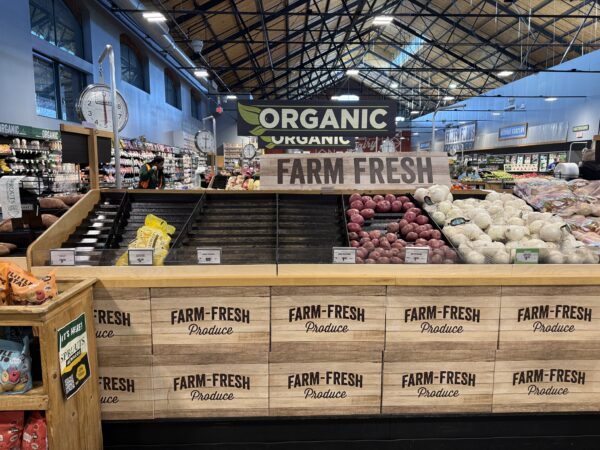
    From national chains to homegrown operations, as Chester County continues to grow, so too do the grocery store offerings.

    Here’s a look at some of the stores opening around the county.

    Kimberton Whole Foods expanding

    This spring, locally owned Kimberton Whole Foods will open its largest location in the county in Eagleview Town Center. Construction began in 2024, roughly 20 years after the location in Kimberton Village opened at a former hardware store.

    “We look forward to serving Eagleview and the surrounding communities with healthy, locally sourced grocery options in a customer-focused environment,” Ezra Brett, chief operations officer for Kimberton Whole Foods, said in a statement.

    The new 14,000-square-foot facility will continue the store’s offerings of organic produce, grass-fed meats, specialty cheese, grab-and-go meals, and more.

    The store will join the growing Eagleview Town Center, which offers restaurants, salons and spas, professional offices, daycares, and more.

    West Chester Cooperative slated for opening

    West Chester is slated to get a brick-and-mortar member-owned grocery this year, with West Chester Cooperative at 204 W. Market St.

    Permits were submitted to the borough in December, according to the grocery’s website.

    The cooperative kicked off more than a decade ago, formed by a group of borough residents who wanted sustainable, local alternatives to chain grocery stores.

    Over the next 10 years, the group launched outreach efforts, opened a pop-up market, and did curbside pickup and limited in-store shopping hours. In 2022, it reached 500 member-owners.

    The grocery will be open to all shoppers, but member-owners will receive select benefits.

    Kennett Square is also getting its own cooperative grocery store

    West Chester isn’t the only municipality in Chesco getting a different model of grocery store. Also nearly a decade in the works, Kennett Square’s Kennett Community Grocer is expected to open this spring at 625 E. Cypress St.

    Renovations began in 2025, and the store will offer locally grown produce; dairy, eggs, and meat from county farms; local baked goods and prepared foods; pantry staples from local producers; and a cafe for community members. It will also hold educational and other events led by healthcare professionals and farmers.

    “It felt like doing this was to highlight for everyone that we have this precious land that’s quite beautiful, that is very bountiful with products, not just mushrooms, but meat, dairy, produce, fruit, vegetables,” said Edie Burkey, president of the nonprofit board leading the grocer. “We felt that bringing people together for the common cause of supporting the land that we’re very, very proud to be part of was a good thing.”

    Farmers will get a free cup of coffee at the cafe, which will sell locally roasted coffee, and local teas and honey. The store hopes to partner with the high school’s culinary students for an internship program. Products that don’t sell will be donated to organizations like Philabundance’s Mighty Writers, Children’s Advocacy Centers of Pennsylvania, and others, Burkey said.

    “We all eat, and to create a community around eating — things that are grown around here — and protecting the land so that maybe farmers don’t sell their land to developers, you’re just creating a sense of community in and around an activity that is so vital to every part of your day, every day of the year,” Burkey said.

    Other national chains coming to the county

    Meanwhile, bigger chains are also looking to call the county home. Phoenixville could see two national stores coming in the coming months.

    Construction for an Aldi, an international discount supermarket, began over the summer at 297 Schuylkill Road.

    Meanwhile, Sprouts Farmers Market, the Arizona-based organic and natural grocery store, is also eyeing a location in Phoenixville. Most of the grocer’s local footprint is within Philadelphia, but a Phoenixville location would broaden the store’s reach further west.

    The Phoenixville location is proposed at 808 Valley Forge Road, where the former Royal Bank used to sit. It would operate 7 a.m. to 10 p.m. daily, next to an indoor self-storage facility.

  • PennDot plans changes to U.S. 30 interchanges in Chester County

    PennDot plans changes to U.S. 30 interchanges in Chester County

    Changes are coming to several interchanges in Chester County that could affect commuters in roughly a decade, under projects aimed at improving a 7.5-mile stretch of U.S. Route 30.

    Pennsylvania’s Department of Transportation is nearing the end of the conceptual design period for proposed changes to interchanges affecting Caln, East Brandywine, Easttown, West Brandywine, Uwchlan, and Downingtown in a project that seeks to reduce traffic congestion and collisions.

    PennDot presented the alternatives for the eastern section of the bypass during an online session last week. An in-person poster session is scheduled for Tuesday evening at Pope John Paul II Regional Catholic Elementary School in West Brandywine. But breaking ground remains years out: Construction is expected to start in spring 2034, costing roughly $874 million. The federal government is slated to pick up the bulk of the cost, with the state taking a sliver, officials said last week.

    “The purpose is to provide a safe and efficient transportation system by improving safety, reducing future congestion, accommodating planned growth, and improving deficiencies,” said Bruce Masi, consultant project manager with GFT, an engineering consulting firm.

    The eastern section of the Coatesville-Downingtown bypass corridor runs from just west of the Reeceville Road interchange, east to the Quarry Road interchange, where it becomes the Exton Bypass, heading toward U.S. Route 202.

    Changes to U.S. 30

    Under the plan, PennDot would widen the road by up to 35 feet. It would also introduce flexible-use lanes on the left sides to function as needed during high traffic volume.

    A regional transportation center, based in King of Prussia, would monitor the flexible lane through cameras along the route. The flexible lane would likely be used eastbound during the morning commutes, and westbound in the evenings. But it could also be used to facilitate traffic flow after crashes or incidents, Masi said.

    Heading west, the flexible lane would begin around the Quarry Road interchange and taper back to a median as you approach State Route 82. Heading east, it would return to a median around the Exton Bypass.

    Changes to access points

    When it comes to actually getting on U.S. 30, changes are coming at different junction points: Reeceville Road, Pennsylvania Routes 340, 322, and 133, and Norwood Road.

    Masi presented a slew of options for Norwood Road and Route 113’s interchange, which PennDot is accepting public comment on.

    One alternative would leave the existing location for westbound and eastbound on- and off-ramps, updated to meet current standards. It would also create two new “movements” that do not currently exist: Drivers headed west would exit onto a bridge that crosses over U.S. 30, and then tie back in with State Route 113; another ramp would run drivers eastbound. This model has the fewest predicted crashes, and wiggle room for cars to weave, but would potentially have a higher environmental impact.

    “What that does is creates a full interchange — all movements at 113, but in this alternative, we retain the Norwood Road ramps as well,” Masi said.

    Other alternatives would remove the existing ramps at Norwood Road for the public, and traffic using those ramps would redistribute through the region, Masi said.

    Removing the ramps on Norwood Road would also go against the wishes of the public, emergency services, and the municipalities. PennDot was looking to mitigate those effects, Masi said.

    In another alternative, Norwood House Road would be relocated north of an existing apartment complex, into the side of a hill.

    The last alternative would tweak the configuration of Norwood House Road to use it as a direct connection between Norwood Road and State Route 113.

    While PennDot awaits public review and input on Norwood Road, its selected alternatives would affect several other interchanges.

    Near Caln, at Reeceville Road, PennDot would replace the current structure and add traffic lights for westbound and eastbound drivers on Reeceville Road.

    Fisherville Road would be relocated north, to sit between the CVS and Wawa, but a remnant of the road would connect to the existing properties.

    On State Route 340 between Caln and Downingtown, PennDot would scale up the current interchange for longer ramps, and add a single-lane roundabout to eliminate the traffic signal at the U.S. 30 westbound intersection.

    West Bondsville Road would be moved north to maintain access to residences.

    Continuing east, State Route 322 around Downingtown would create a new traffic flow with traffic lights at either end of the interchange, to prevent left-turning cars from crossing paths with approaching vehicles. The change would affect drivers stopping for coffee or gas at the Royal Farms or heading to PennDot’s park-and-ride, however. It would become a right-turn-in and right-turn-out only traffic flow.

    Lloyd Avenue would also be relocated.

    What comes next

    Electronic comments are being taken through Feb. 6. Paper comment forms are available at Tuesday’s open house.

    Property impacts are not yet known, officials said. If a property is needed for the project, PennDot will reach out.

    Once PennDot closes out its conceptual design, it will start preliminary engineering and environmental evaluation. The public will be able to weigh in again between that period and the final design period, before the plans go out for construction bids.

    This suburban content is produced with support from the Leslie Miller and Richard Worley Foundation and The Lenfest Institute for Journalism. Editorial content is created independently of the project donors. Gifts to support The Inquirer’s high-impact journalism can be made at inquirer.com/donate. A list of Lenfest Institute donors can be found at lenfestinstitute.org/supporters.

  • In ‘Steel Magnolias’ in Chesco, some of the cast has worked together for 50-plus years

    In ‘Steel Magnolias’ in Chesco, some of the cast has worked together for 50-plus years

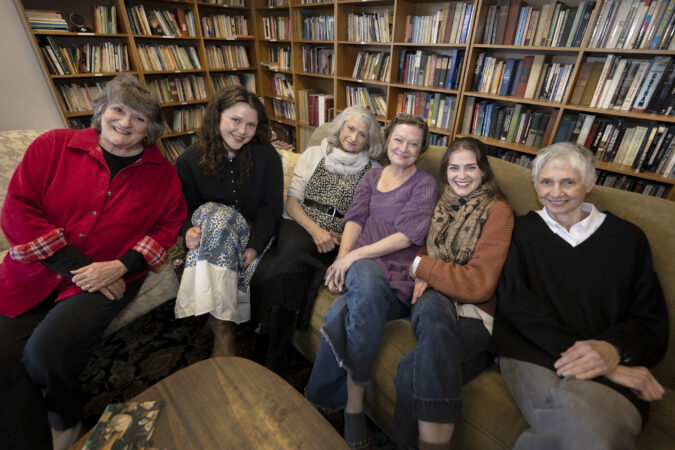
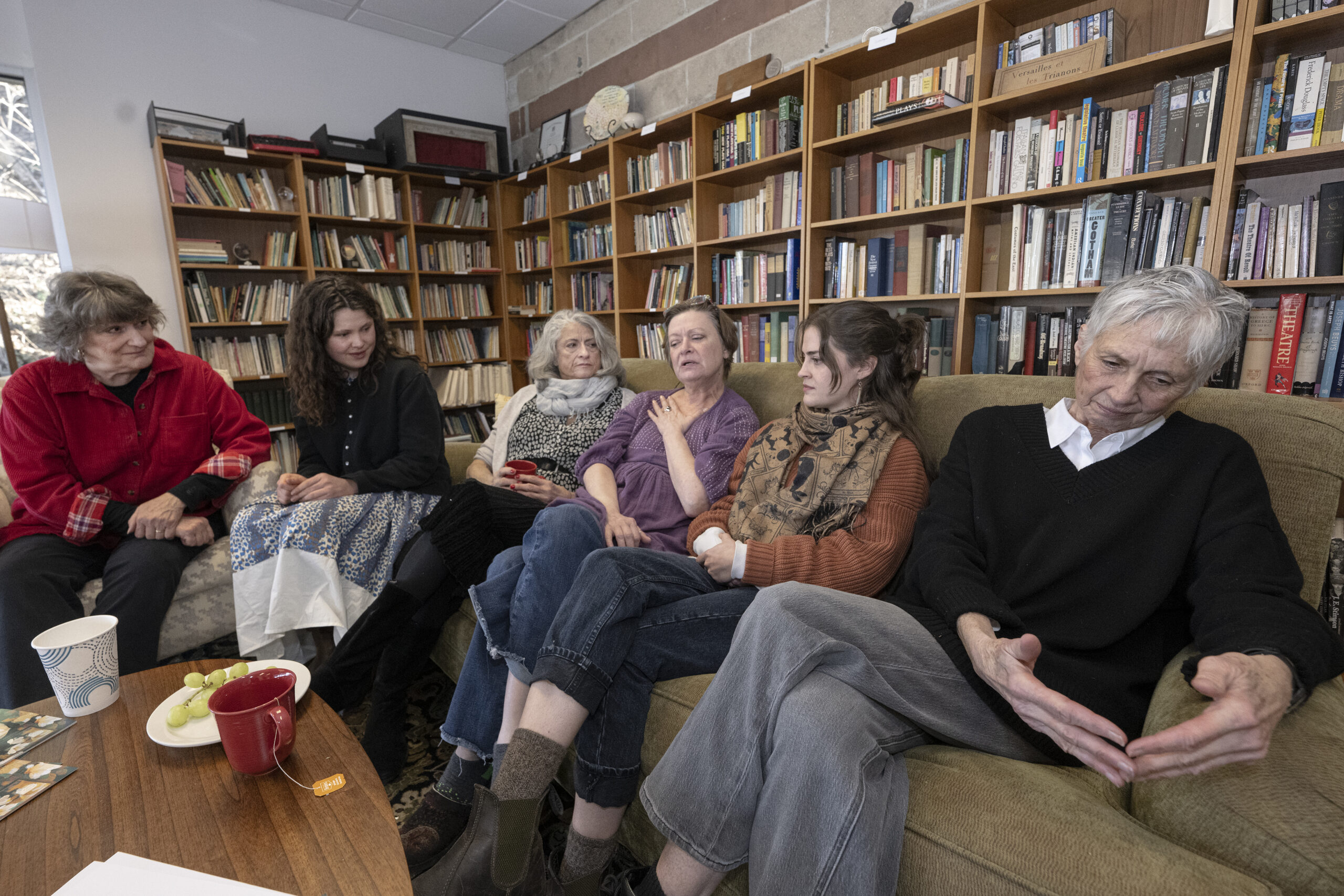
    In a small fictional town in Louisiana, the six women centered in Steel Magnolias have forged a community among — and an ever-deepening relationship with — each other. In a real town in southeastern Pennsylvania, a group of women who have worked together for decades are bringing those characters and those deep bonds to life at People’s Light in Malvern.

    “You don’t have to worry about if that familiarity is there,” said Janis Dardaris, who portrays Clairee, the widow of the town mayor. “You just sit on the stage and it’s there. There’s no working at it. I sometimes wonder, what would it be like doing this play with completely different people that I didn’t know?”

    As the women portray lifelong friendships, they have been able to find that depth and heart because of their own close connections. They’ve known each other for decades through their work in the arts — up to 50 years, in some cases, with some combination of them overlapping in at least a dozen shows in recent years.

    Talking together in a room at the theater days before the Sunday opening, they occasionally finished each other’s sentences, extrapolating thoughts for each other.

    Abigail Adams, the production’s director who has directed the women in several other performances, has a sense of how each of them works — how much time it takes for them to process, when to ask for something in their performance and when to hold back.

    Claire Inie-Richards, who plays young nurse and newlywed Shelby, and Susan McKey, who plays her mother, M’Lynn, have portrayed a mother-daughter duo three times over 20 years.

    Though with each role they learn each other anew, “There’s no substitute for time,” Inie-Richards said.

    Marcia Saunders (left) and Brynn Gauthier are part of an all-women ensemble performing “Steel Magnolias.”

    Brynn Gauthier, who makes her People’s Light debut in her portrayal of Annelle, is the new addition to a group of women whose history stretches back decades.

    At first she thought it might be intimidating to work with people who have known each other and worked together for so long, but it felt like she got to be part of the journey of the cast getting to know each other in a new way through this show.

    That familiarity is not without its challenges, though. Marcia Saunders sometimes feels “Marcia” surface in place of “crusty” Ouiser.

    “That’s been challenging because of my relationship with these people and this institution, which is like a home to me,” she said.

    Told as a series of moments in the women’s life within the safe confines of Truvy’s in-home hair salon, the play opens with Truvy and newcomer Annelle preparing Shelby for her wedding. Shelby and mother M’Lynn discuss wedding preparations, while local grouch Ouiser gripes about their property line.

    Clairee arrives, windswept, from a dedication ceremony honoring her late mayor husband. Annelle, originally reluctant to give any information at all about herself, breaks down, admitting to the women that her husband has disappeared — with her money, her car, and her jewelry. She finds immediate support.

    It’s just the start of how the relationships evolve and deepen in Robert Harling’s play, set in a southern town in the 1980s.

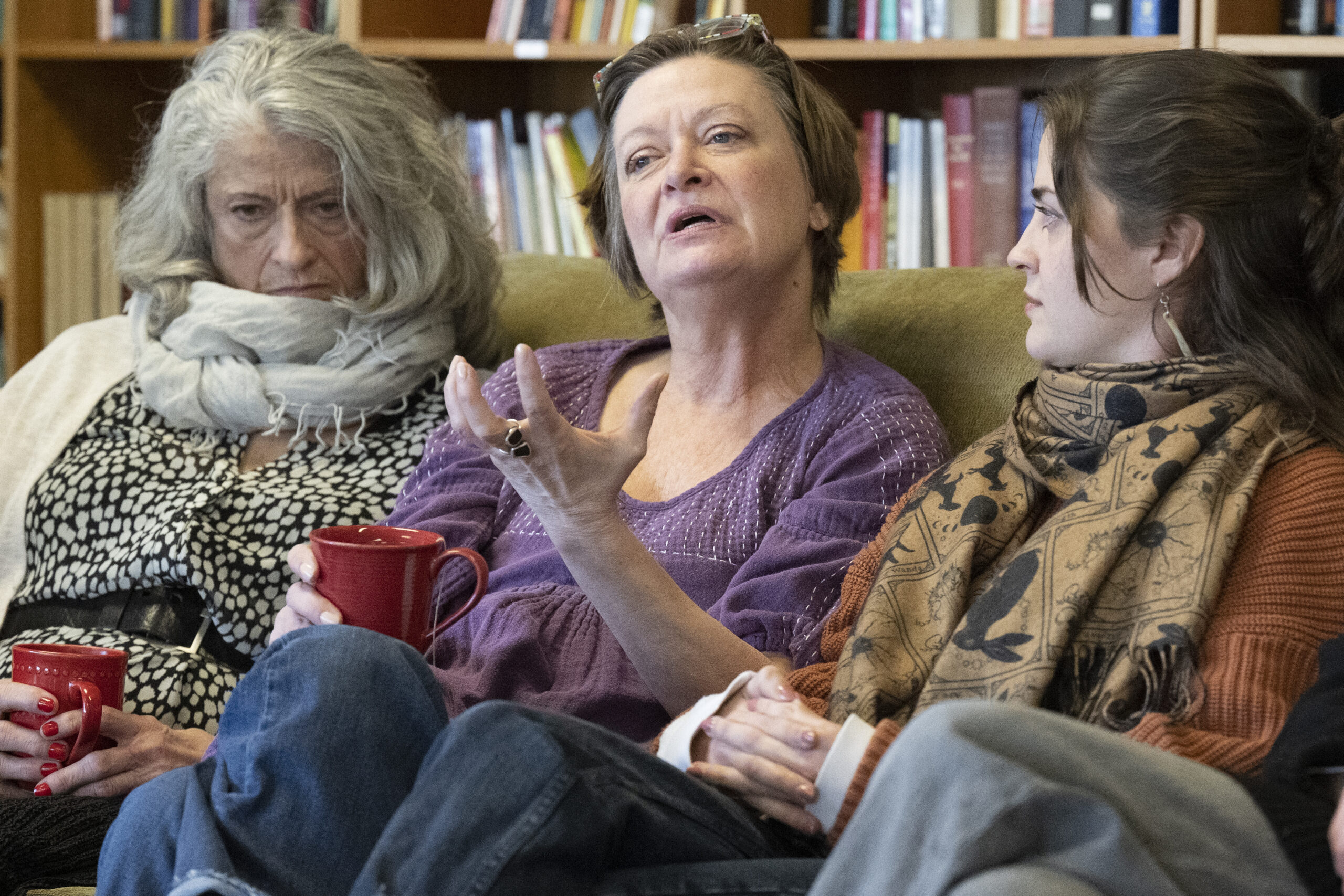
    From left, Janis Dardaris, Susan McKey, and Claire Inie-Richards, members of an all-women ensemble performing “Steel Magnolias,” speak about working together for decades — some for more than 50 years — during an interview at People’s Light in Malvern.

    Even though the viewer slowly learns more about the women’s external lives and pressures — confronting joys and tragedies — the play never leaves the salon.

    “I love how this play – it’s about these women. It’s about this place. It’s about us. And I just think that makes for such a strong story, and I think more poignant than the movie,”McKey said.

    Gauthier observed that there’s something inherent to women’s friendships in how they can discern when to tiptoe and when to confront in their care for each other.

    Marcia Saunders (from left), Brynn Gauthier, Janis Dardaris, Susan McKey, Claire Inie-Richards, and Abigail Adams speak of their performing “Steel Magnolias” at People’s Light in Malvern.

    “Truvy’s place is the place where they can be fully themselves, and they really can’t be fully themselves in their domestic arrangements, not in the same way,” Adams said. “They can’t be as outrageous, and they can’t be as vulnerable.”

    It’s the vulnerability, that unyielding support for each other despite personal differences, that the women think today’s audiences will connect with. Though the story — popularized by a film adaptation released in 1989 starring Julia Roberts, Sally Fields, and Dolly Parton — is often thought about as a sentimental tearjerker, it’s injected with lightness, Gauthier said. .

    “It’s kind of like the best episode of like Friends or a TV show you really love, where you just are spending time with these people,” she said.

    “There’s always going to be intrigue and interest and drama, but there’s an element of just sitting with these people that you really enjoy and getting to experience them really fully,” Gauthier said. “It’s really nice to just have these characters that are so easy to fall in love with.”

    “Steel Magnolias” continues through Feb. 15 at People’s Light, 39 Conestoga Rd. in Malvern. Information: peopleslight.org or 610-644-3500.

  • Chester County draws in business, but people struggle to afford to live there, an analysis finds

    Chester County draws in business, but people struggle to afford to live there, an analysis finds

    Standing in front of Chester County business and corporate leaders, financial expert Patti Brennan asked them to rank how they were feeling about the economy.

    “If you’re feeling a little worried, you’re uneasy, welcome to America, you’re not alone. This is the way Americans are generally feeling right now; the consumer sentiment is low,” she told them. She pointed to the instability that dominated the country last year: tariffs, the longest government shutdown in history, international unrest.

    There are signs of stress: people are not paying their bills on time, delaying payments on car loans, credit card bills, and student loans.

    But it’s not all bad news. Brennan and financial expert Dianne P. Manges, senior investment adviser with Truist Foundations & Endowments Practice, advised the business community not to act based on chaos.

    The analysis was part of the Chester County Economic Development Council’s 22nd annual economic outlook, which offers assessments of the local, national, and global economic landscape.

    Here are some of the takeaways from the conversation.

    Tax refunds will be a big driver

    An expected $517 billion nationally will come to consumers through tax refunds this year — a 44% increase from last year, Manges said. It’s a bigger boost than the second round of stimulus checks issued in December 2020, she said.

    “Two things to remember about all of us here as consumers: No. 1, we are about 68% of the economy,” in terms of gross domestic product, she said. “And No. 2, we’re Americans. When we have extra money in our wallets, we spend it.”

    It’s important to be mindful of whether those positive themes are applicable to everyone, she said, noting that people with lower incomes are struggling. A majority of people making a lower income will still benefit from those tax return refunds, she said.

    “People will be feeling warm and fuzzy when they get those tax returns,” Brennan said.

    Pennsylvania has had job growth — with one particular sector leading

    Pennsylvania is the only state in the Northeast showing expansion, said Michael Grigalonis, president of the economic development council. Nationally, the commonwealth was second behind Texas in job growth in the year between November 2024 and November 2025, with roughly 97,000 jobs created during that period.

    Half of the jobs were created in one industry: healthcare, Grigalonis said. “We’re one of the oldest states; we have one of the most aging populations,” he said.

    Broadly, Manges and Brennan said that companies aren’t hiring, but they aren’t firing large-scale, either.

    In Chester County, the unemployment rate is below the federal level, Brennan said.

    Even with one of the highest GDPs in the state, affordability is an issue in the county

    Chester County is a place people want to live, work, and raise families. But it’s tough to afford it.

    Chester County has the fourth-largest GDP in the commonwealth, Grigalonis said. (It rang in at $57.3 billion in 2023, behind Philadelphia, Allegheny, and Montgomery Counties) and it boasts the highest median income in the state, with 43% of households in the county earning more than $150,000 annually, Brennan said.

    But even with that, housing is an issue — both cost and availability, she said. The average cost of a home in Chester County is $500,000, above the state average of roughly $300,000.

    “It is not affordable, and we all know that,” Brennan said. “It’s a challenge for so many people. … Inventory is increasing, but it’s really limited overall.”

    Chester County saw the second-highest population growth

    The county saw the some of highest population growth in the state between 2020 and 2024.

    “This population growth comes with its own set of challenges, but I will take these challenges to many of our colleagues throughout the commonwealth, [who] are struggling to get people to move into their communities, to provide a talented workforce that can help companies grow,” Grigalonis said.

    Still, more people are living outside of Chester County and commuting in, Brennan said — mostly because they can’t afford to live within the county boundaries.

  • An artsy new restaurant and cocktail bar is coming to Kennett Square

    An artsy new restaurant and cocktail bar is coming to Kennett Square

    Birch Street will get a new restaurant and cocktail lounge this summer as its makeover in Kennett Square continues.

    Opus, a New American upscale restaurant with a second-floor cocktail lounge, will open at 201 Birch St., adjoined to Artelo, a 14-room boutique hotel. Opus is a new initiative for Square Roots Collective, an organization that builds businesses and uses the profits to support nonprofits in southern Chester County.

    Opus will boast 125 seats in its 6,000 square-foot building, with outdoor dining and a two-story terrace. During the day, the cocktail bar will serve breakfast to the public and guests of Artelo.

    The restaurant, which will be adorned by curated art pieces and a hand-painted ceiling mural, is an extension of Artelo, which Square Roots Collective opened in 2024. The hotel, which replaced the former Birch Inn, offers an immersive art experience, with each room painted by a local or regional artist, creating a living piece of art.

    That same principle will follow in Opus, said Luke Zubrod, chief of staff for Square Roots Collective.

    “It’s kind of the anchor to Birch Street,” he said. “It’s really kind of setting the tone for the street as a whole — and the tone it’ll set is really an artistic tone. This is a street kind of filled with beauty, and I think that that theme will be more evident over time.”

    It’s part of a larger effort to revitalize Birch Street, which has in recent years seen more development, including Square Roots Collective’s beer garden The Creamery, and streetscaping. In the coming years, the street will be resurfaced, and the borough plans to add a trail on one side and sidewalk on the other, along with new streetlights and crosswalks. Square Roots Collective worked with the borough to secure funds for that investment, leaning on grant dollars from the state and county, Zubrod said.

    “In addition to the Opus itself, there’s a lot to look forward to,” Zubrod said. “This street is really receiving some public investment that will make it a really vibrant and beautiful place.”

    Along with Artelo and The Creamery, 100% of Opus’ funds will go to the organization’s nonprofit, focused on community improvement, he said.

    “I think in addition to just being a really exciting restaurant concept, it’s also one people can feel really good about in terms of helping to make the community better,” he said.

    Another boutique hotel coming

    The Francis, a boutique hotel in central Kennett Square, is slated to open this year. The eight-room hotel will reimagine an 18th century home, and pay homage to the region’s history.

    Meanwhile, also coming this year, the collective will open another boutique hotel, at 205 S. Union St. The Francis, an ode to Francis Smith who named Kennett Square for his home back in England, will have eight rooms, each dedicated to the history of the town.

    The hotel will reimagine an 18th-century home, and offer single rooms and loft suites with kitchenettes, plus balcony or courtyard access.

    One room — “The Watchmaker” — will honor a former resident and watchmaker, Thomas Milhous. Another room, “The Gardener,” will pay homage to the region’s first big harvest: flowers. Others nod to battlegrounds, four generations of a local family, education, plus the region’s history with the Underground Railroad, the Lenni-Lenape tribe and its “rich immigrant history.”

    The collective plans on luscious landscaping, with a courtyard serving as “a little bit of an oasis,” said Zubrod.

    “There is an appetite to have kind of quaint boutique hotels in the area to meet the needs of people who are coming for Longwood [Gardens] especially,” he said.

    This suburban content is produced with support from the Leslie Miller and Richard Worley Foundation and The Lenfest Institute for Journalism. Editorial content is created independently of the project donors. Gifts to support The Inquirer’s high-impact journalism can be made at inquirer.com/donate. A list of Lenfest Institute donors can be found at lenfestinstitute.org/supporters.

  • ‘Seeking Experienced Witch’: A woman asked for help hexing her ex. She’s part of a long cathartic tradition.

    ‘Seeking Experienced Witch’: A woman asked for help hexing her ex. She’s part of a long cathartic tradition.

    Driving to visit a friend, a Philadelphia woman had time to mull her recent breakup. She thought about all the things her ex hated: spiders, moth-bitten sweaters, overly soft avocados. She typed them on her phone, as curses.

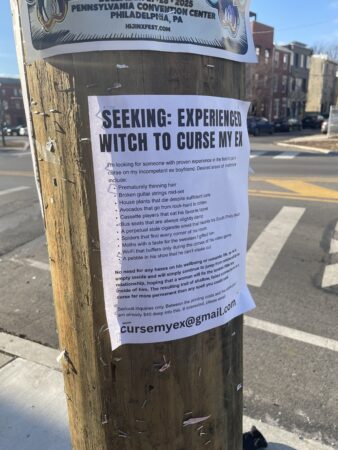
    It became a flier: “Seeking: Experienced Witch to Curse My Ex.” She set up an email — for serious inquiries only.

    You may have seen her handiwork. The fliers dot telephone poles, originating in downtown Phoenixville, around where our witch-seeker was visiting family for the holidays. They now paper neighborhoods across Philadelphia — hung with a staple gun on New Year’s Eve while barhopping. (The 29-year-old asked to remain nameless for this story, so as to not affect future job prospects. It also, in a way, protects her ex.)

    And though it might seem a bit out of the ordinary, it’s part of a great tradition of cursing your ex that goes back to antiquity. Plus, it’s a way to regain a sense of power, experts say.

    So, it’s no surprise that the fliers have seeped online, circulating neighborhood groups and on socials, striking a chord. When the fliers appeared in Chester County, a Phoenixville community group sounded off: “I hope she gets him. Good for her,” one commenter wrote under a Facebook post about it. “I think I know the ex,” said another. “It’s a great idea,” writes another. (The witch-seeker also has her detractors: “That man dodged a bullet!” one commenter wrote.)

    The flier lays out her desired curses: his hair thinning, house plants withering, his bus seats feeling damp, his Wi-Fi buffering during video games, shoe pebbles remaining unshakeable — and the aforementioned too-ripe avocados, copious spiders, and hole-y sweaters (among other ill wishes).

    But, the flier requests no hexes on his well-being or romantic life.

    Across relationship research, one of the most consistent findings is that breakups produce a “profound sense of powerlessness,” said Jenn Pollitt, a professor of gender, sexuality, and women’s studies at Temple University.

    But how do you get from a list on your phone to asking witches to please curse your ex-boyfriend?

    It’s not that far a leap.

    “Witchcraft has become a more socially legible way to express rage,” Pollitt said. “If you’ve got someone who wants to curse their ex, really what they want to be able to say is, ‘I was harmed. I’m allowed to be angry about this, and my anger deserves to be acknowledged.’ The public posting of this is really like a deep desire and craving to have that person’s hurt and heartbreak be born witness to.”

    The witch-seeker said she needed a place to put her pent-up anger and frustration.

    It’s not all maliciousness to her ex, she said. It’s mostly catharsis: She thinks of her ex as a lovely person in a lot of ways. But she said when she expressed her emotional needs, he’d withhold affection, he’d disappear for a few days or block her number. Then he would return, with words of affirmation and promises of marriage. It became cyclical over the two-year relationship. She swallowed up her frustrations. But several months ago, they parted ways. And despite the turbulence, it was pretty amicable, she recalls.

    She grieved. She went to therapy. She journaled. She meditated.

    And then she logged on to social media, and saw he was in a new serious relationship that had started within weeks of them breaking up.

    “It felt like a slap in the face, and that was my impetus for doing this,” she said. “I couldn’t yell at him, and I didn’t want to yell at him, but I had to yell at someone.”

    She’s not alone. For millennia, people have pursued love magic, said Kristine Rabberman, a professor at the University of Pennsylvania who teaches about witchcraft and sexuality. Roughly 600 Latin curse tablets have survived from the Roman empire, with both men and women calling on various deities to curse their close relations, she said.

    These mystical beliefs served social functions, too, she said, addressing people’s lack of agency and control. They channel deep wells of emotion: anger, longing, frustration, hatred.

    “Having recourse to love magic could be one approach somebody could take to try to both find expression for those feelings and to also have a sense of agency and being able to act on them,” she said.

    Dating culture has changed rapidly, Pollitt added. There’s now a digital component: blocked numbers, social media handles unfollowed. A breakup by a thousand cuts, she noted.

    “Breakups often can be intensely private and deeply isolating. Any public display, even this — which is a little bit out of the ordinary — function as a way to reinsert personal pain into a shared social space,” Pollitt said.

    The community came fast. As the witch-seeker hung the fliers in Phoenixville, several people high-fived her, she said. Then the emails rolled in: A Caribbean witch who offered a hex. A bruja. A kitchen witch who practices herbalism and herbal manifestations. A helper who sent along a few shops and books, so she could do the curse herself (so it carries the appropriate “oomph”).

    But to her surprise, beyond the witches, there were others: People who wanted to know how the story would end. Someone boldly asking her out on a date. And the women who simply could relate.

    They wished her a happy new year, they told her they’d also had messy breakups, they told her they supported her.

    She did not expect the outpouring of support, or the attention. As a writer and a creative person, it was mostly a way to tap into that, in a way that felt a little more empowering.

    “It has made me feel so much better,” she said.

    She is thankful for the witches who offered their services, though she feels conflicted about going through with a hex. She won’t be papering the city with more witch requests, either, she said.

    The process has let her accept some of her bad, not totally socially acceptable feelings — and create something positive with it, by connecting with others, she said — as people reeling from heartbreak have done for centuries before her.

  • ‘It is a promise’: Newly elected Chester County officials and judges  take their oaths of office

    ‘It is a promise’: Newly elected Chester County officials and judges take their oaths of office

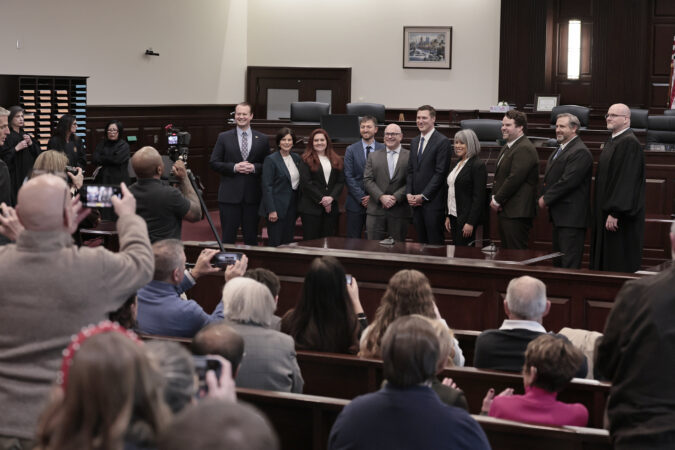
    A new slate of Chester County elected officials are taking office after they were officially sworn in at a ceremony over the weekend surrounded by friends and family.

    Four officials in the county’s row offices — clerk of courts, controller, coroner, prothonotary — and three magisterial district justices took their oath of office Saturday at the Chester County Justice Center.

    “I’ve found, in this line of work, when you’re finding people to run for office, it’s quite difficult to get the good people to do it,” county commissioner Josh Maxwell told the incoming officials. “It sometimes attracts maybe the wrong people. I’m so excited to be here today because we have a lot of good people who rose their hands — maybe a higher bar than we typically have in the county.”

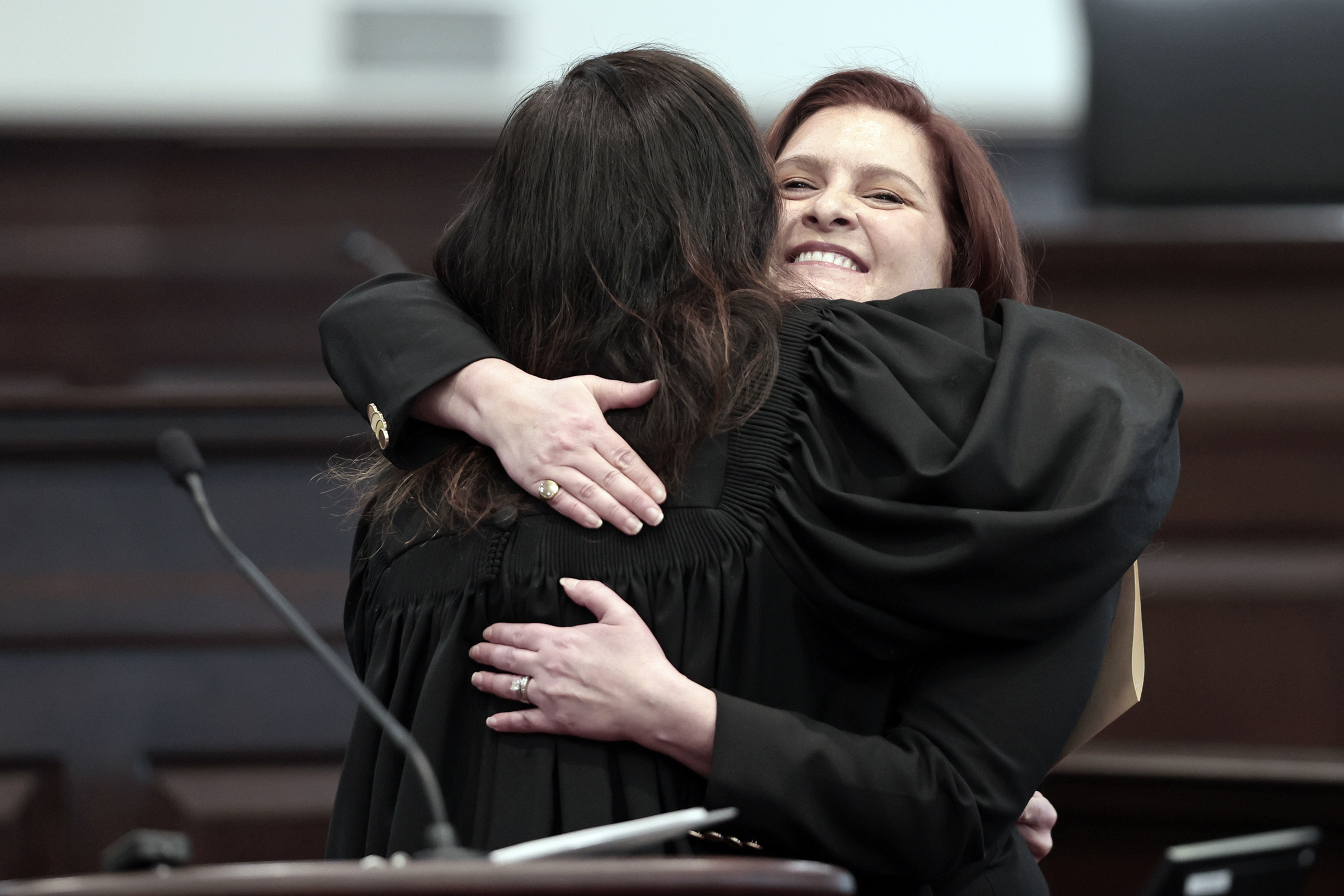
    Sophia Garcia-Jackson (facing camera) hugs the Honorable Alita Rovito after being sworn in as the coroner during the ceremonial administration of oaths, for elected officials and magisterial district judges, at the Chester County Justice Center on Saturday, Jan. 3, 2026.

    Taking office was an entirely Democratic slate of officials, upholding the political shift in the county that began in 2019, when Maxwell and Commissioner Marian Moskowitz were the first Democrats in history elected to their seats. Democrats saw wins again in 2023, with Maxwell and Moskowitz winning re-election.

    The row offices oversee essential government services residents regularly interface with — from maintaining criminal and civil court records, to monitoring the county’s financial contracts, to investigating the circumstances of sudden deaths — and operate under four-year terms. Magisterial district judges handle traffic cases, and minor criminal and civil cases, for six-year terms.

    The slate of row officials includes:

    • Clerk of Courts: Caroline Bradley
    • Controller: Nick Cherubino
    • Coroner: Sophia Garcia-Jackson
    • Prothonotary: Alex Christy

    And the county’s new magisterial judges are:

    • Anthony diFrancesca
    • Joe Heffern
    • James C. Kovaleski
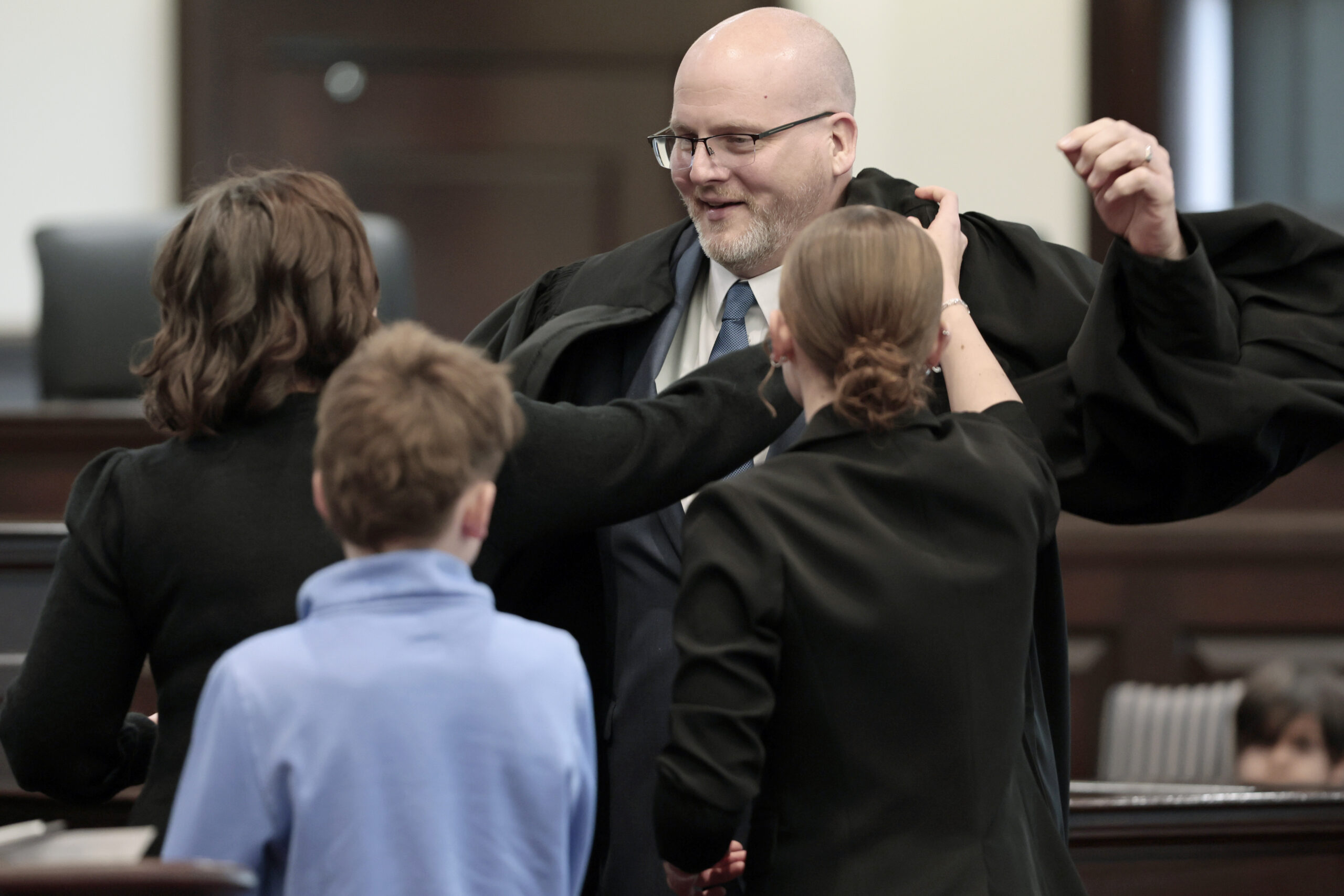
    James C. Kovalski’s family helps him don the judges robe after he was sworn in as a magisterial district judge during the ceremonial administration of oaths, for elected officials and magisterial district judges, at the Chester County Justice Center on Saturday, Jan. 3, 2026.

    “Those of you taking the oaths … are amongst the people who will help Chester County continue to be a place where so many want to live, work, and raise their family,” Moskowitz told the officials.

    During the ceremony, the judges donned their robes and the row officers took their oaths with their partners, parents, and children nearby. Dozens of supporters lined the benches in the courtroom, and elected officials received a standing ovation when all the oaths had been administered. (Those supporters got a nod, too, with Maxwell noting that public service comes with long hours, personal sacrifice, and difficult decisions. “No one serves alone,” he said.)

    The oaths of office were administered by Commonwealth Court Judge Stella Tsai, Court of Common Pleas Judge Alita Rovito, and Magisterial District Judge Nancy Gill.

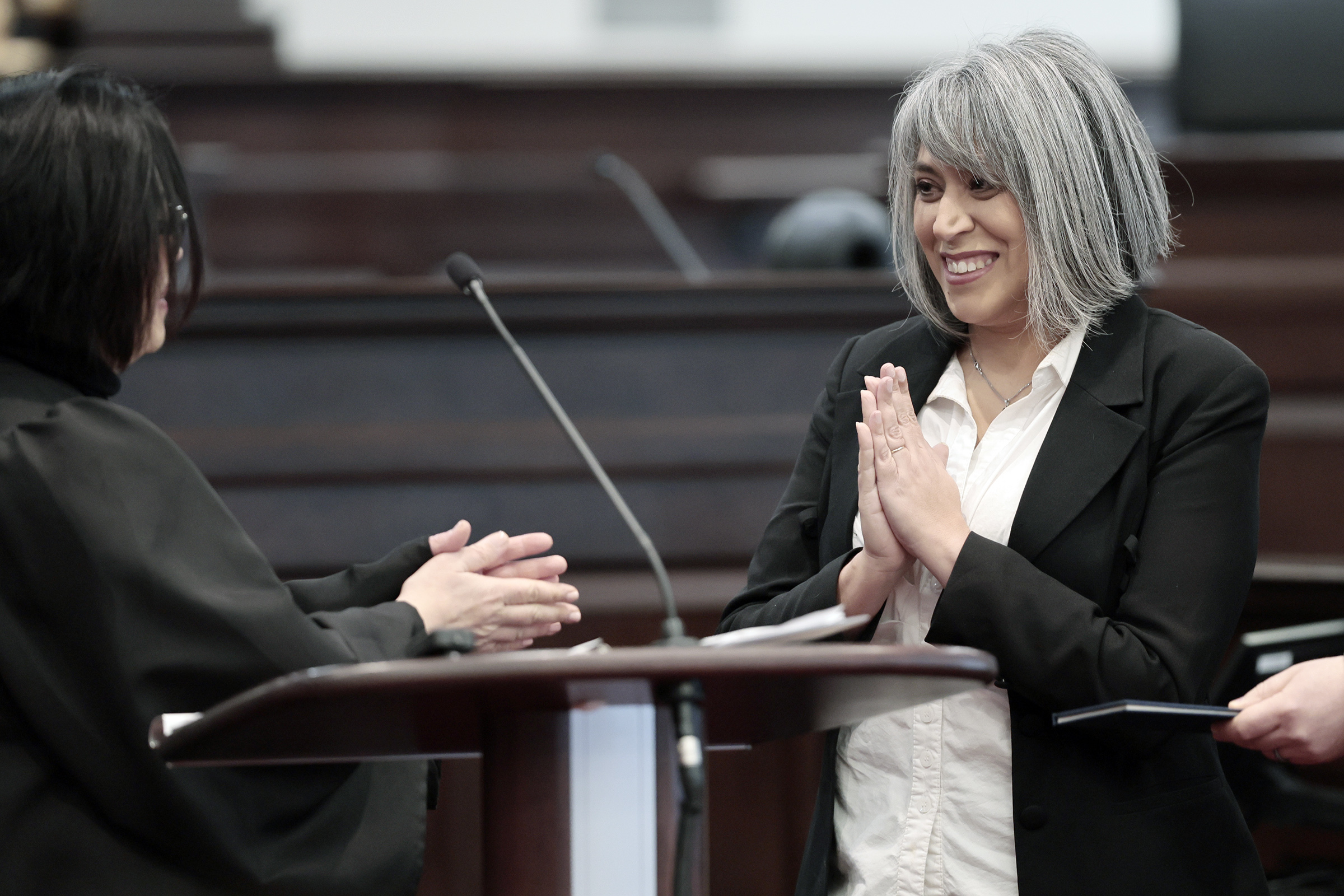
    Caroline Bradley (right) has just been sworn in as clerk of courts by the Honorable Stella Tsai (left) during the ceremonial administration of oaths, for elected officials and magisterial district judges, at the Chester County Justice Center on Saturday, Jan. 3, 2026.

    “The oath you have taken is more than a formality, it is a promise to the people of Chester County, a promise to uphold the law, to treat every resident with fairness and dignity, and to carry out your duties with independence, integrity and care,” Maxwell said. “Those values matter deeply, especially at the local level, where government has its most direct impact on all our lives.”

    This suburban content is produced with support from the Leslie Miller and Richard Worley Foundation and The Lenfest Institute for Journalism. Editorial content is created independently of the project donors. Gifts to support The Inquirer’s high-impact journalism can be made at inquirer.com/donate. A list of Lenfest Institute donors can be found at lenfestinstitute.org/supporters.