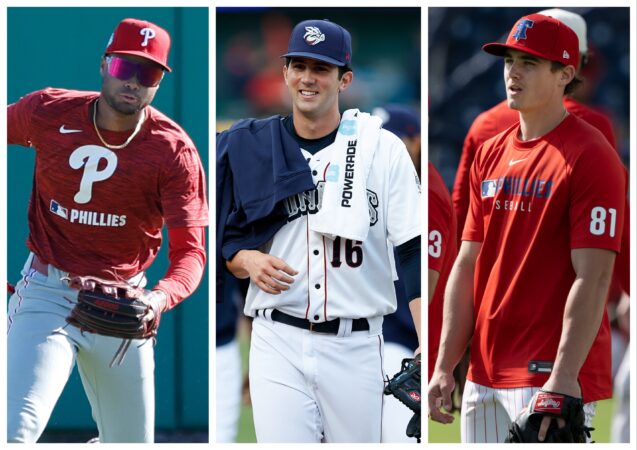
Author: Scott Lauber

  • The Phillies are sticking with a veteran core in 2026. But this time the kids have to play too.

    The Phillies are sticking with a veteran core in 2026. But this time the kids have to play too.

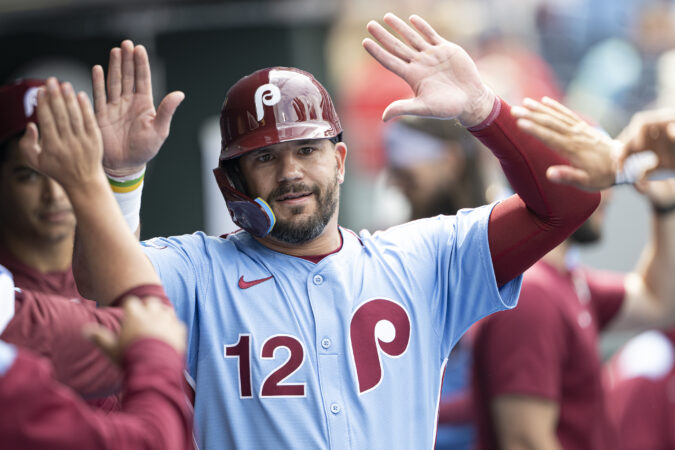
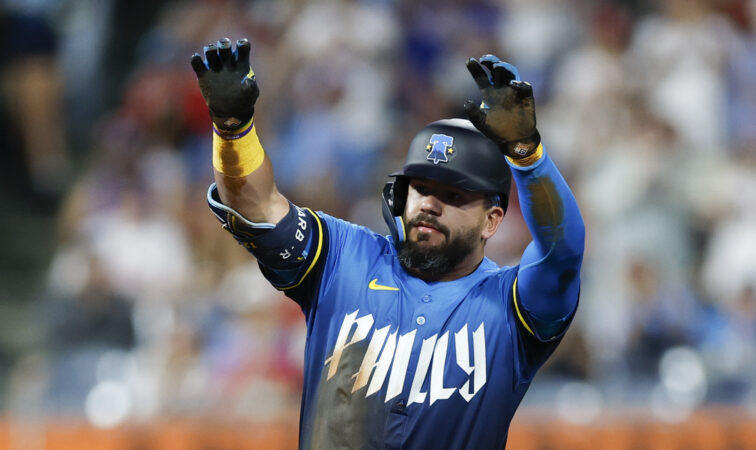
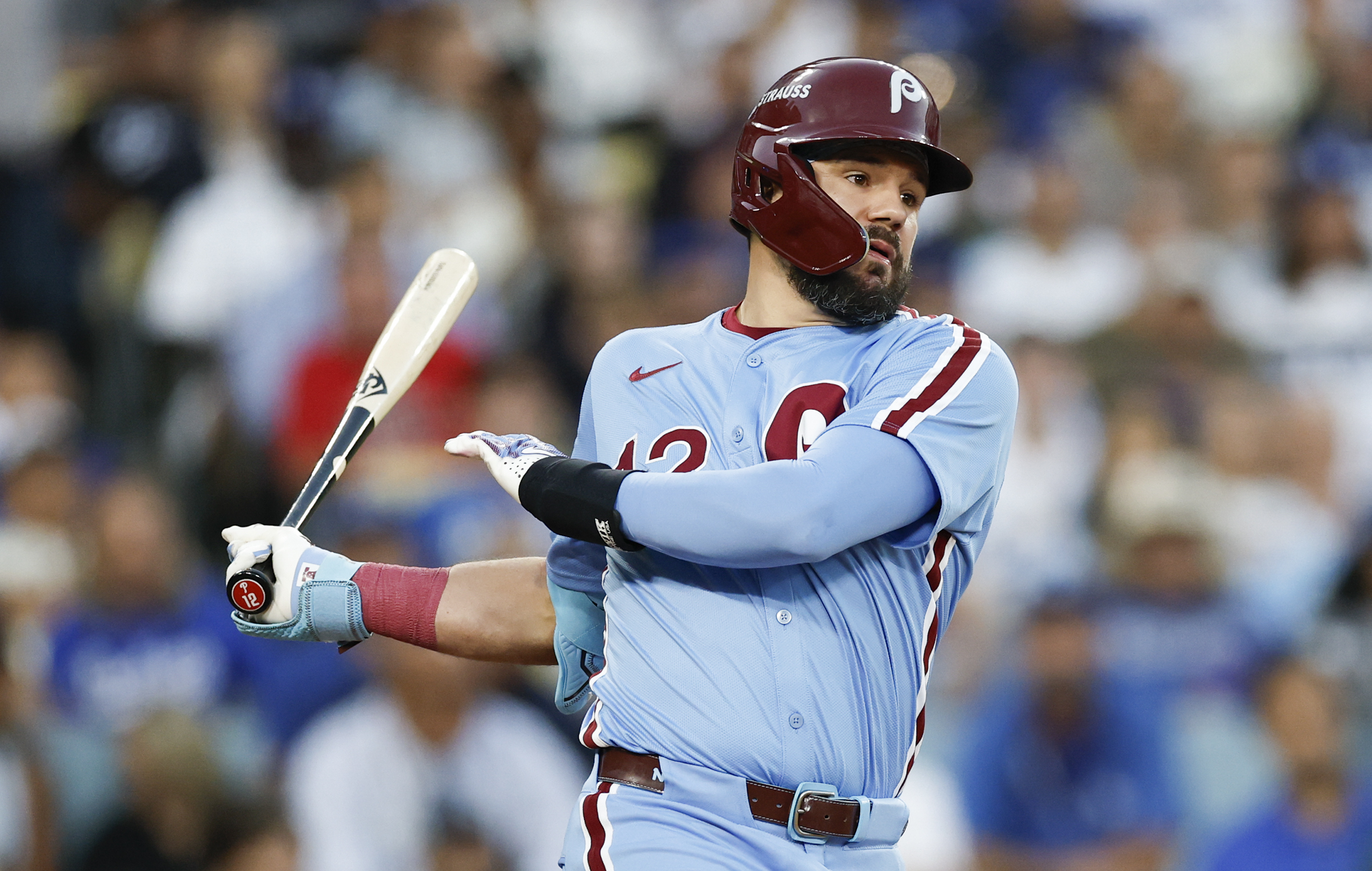
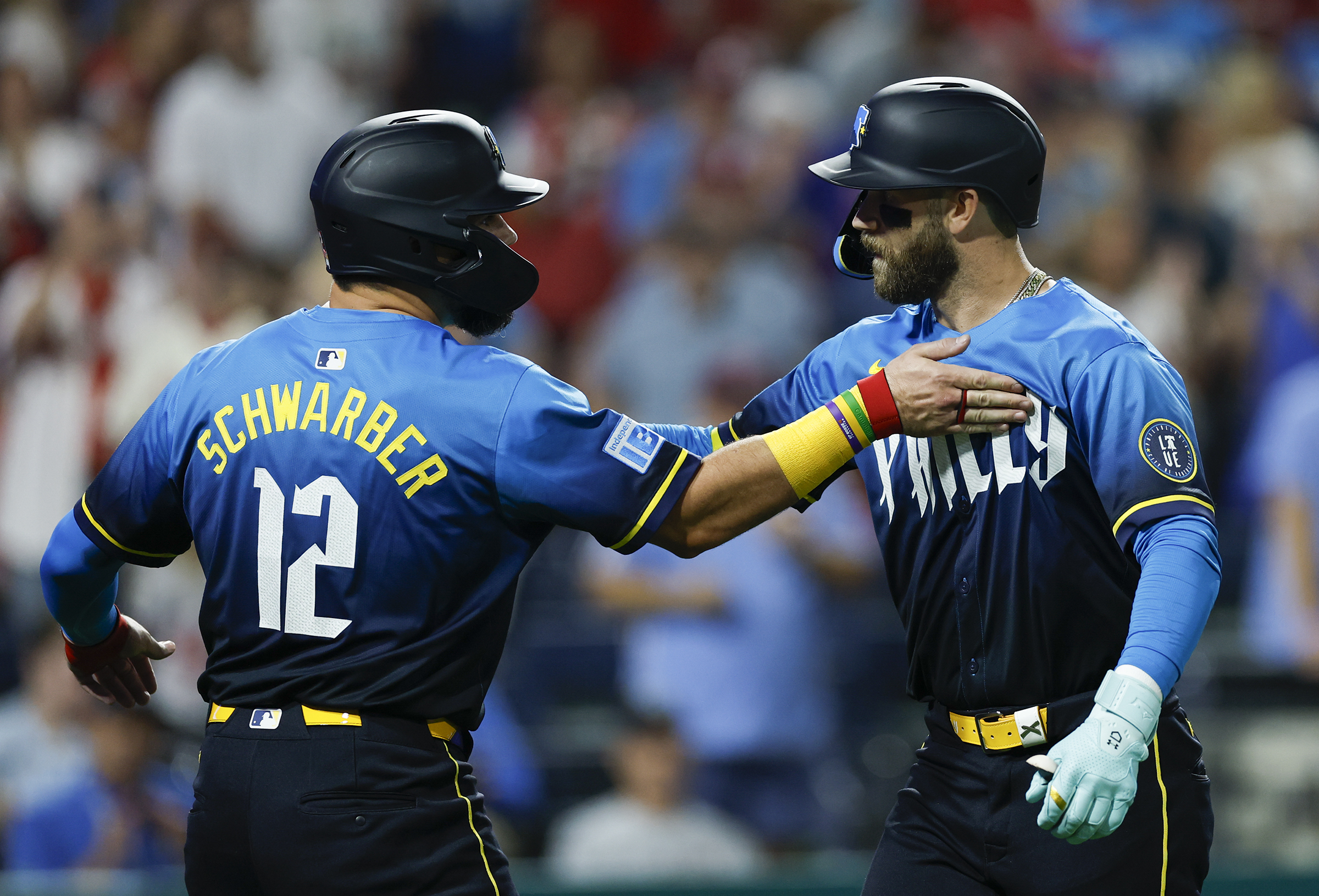
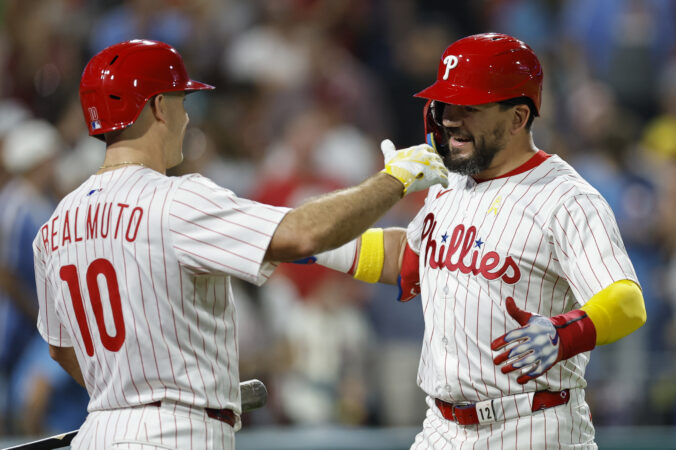
    After a spring training workout in February, Kyle Schwarber contemplated the likelihood of the Phillies keeping most of the roster’s core intact through the end of the decade.

    “I think we would love to all finish our careers together,” he said. “But who would want to come out and watch a bunch of 40-year-old dudes play baseball? Right?”

    Well …

    Schwarber will be only 37 when his newly minted five-year, $150 million contract expires in 2030. Bryce Harper will be 38 by then; Trea Turner and Aaron Nola 37; even Cristopher Sánchez will be 34. All will have no-trade rights, if they don’t already.

    Maybe they will have World Series rings, too. In that case, the 42,000 fans who pack Citizens Bank Park on random weeknights in June won’t mind watching them ease into baseball old age together. Flags fly forever, you know.

    But modern front offices obsess over long-term plans more than trying to win a championship one season at a time. Sustainability is their buzzword. Most whiz-kid general managers would look you in the eye and say that five-year contracts for 33-year-old designated hitters coming off 56-homer seasons are bad business. Don’t even get them started on multiyear deals for 35-year-old catchers who still play 130 games per year.

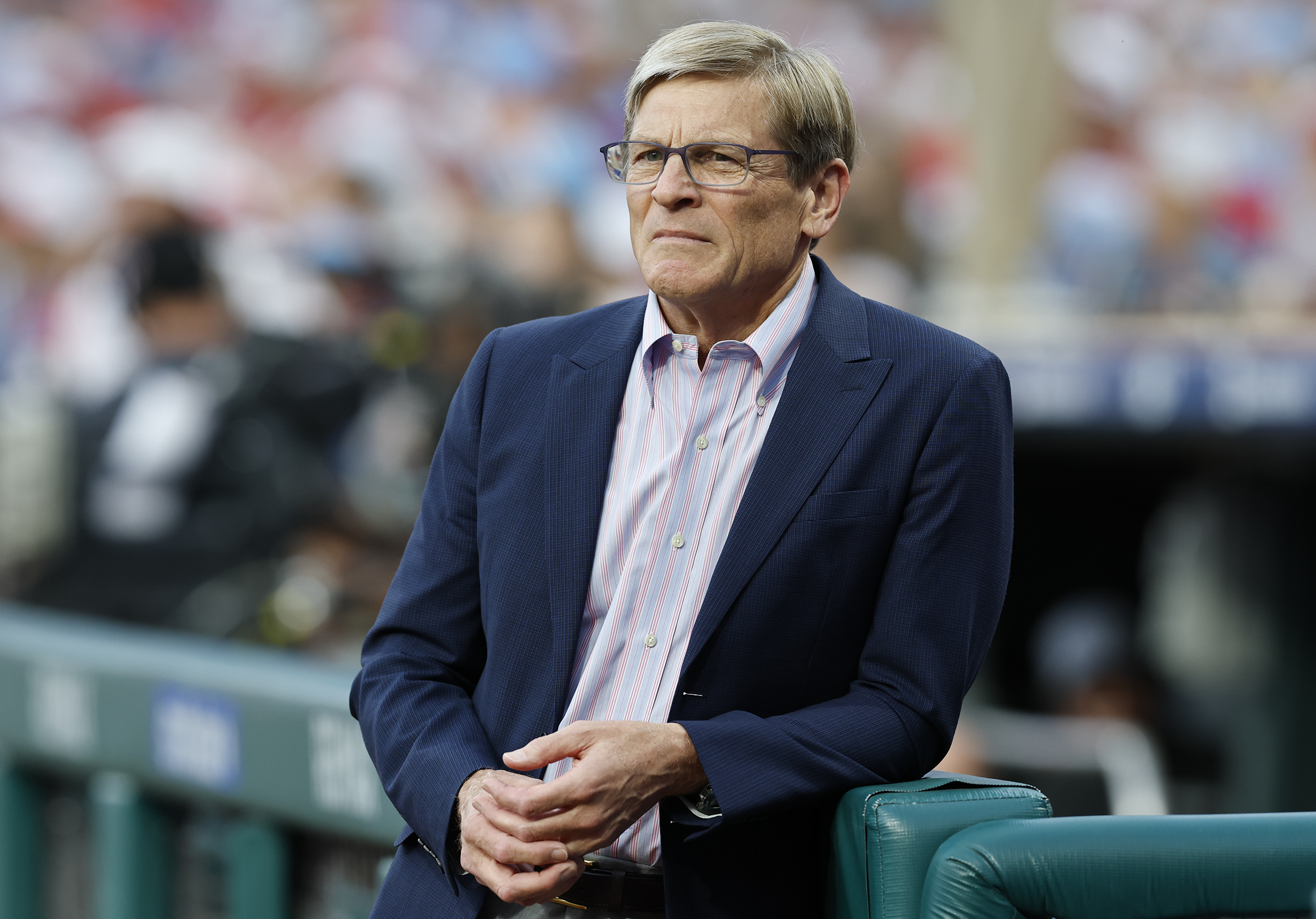
    At 69, Dave Dombrowski is no kid. But five World Series appearances with four franchises and two titles make him a team-building wiz. And although he has hitched the Phillies’ hopes in 2026 and probably 2027 mostly to a handful of thirtysomething superstars, he outlined a second part of the plan that’s essential to success in 2028 and 2029, too.
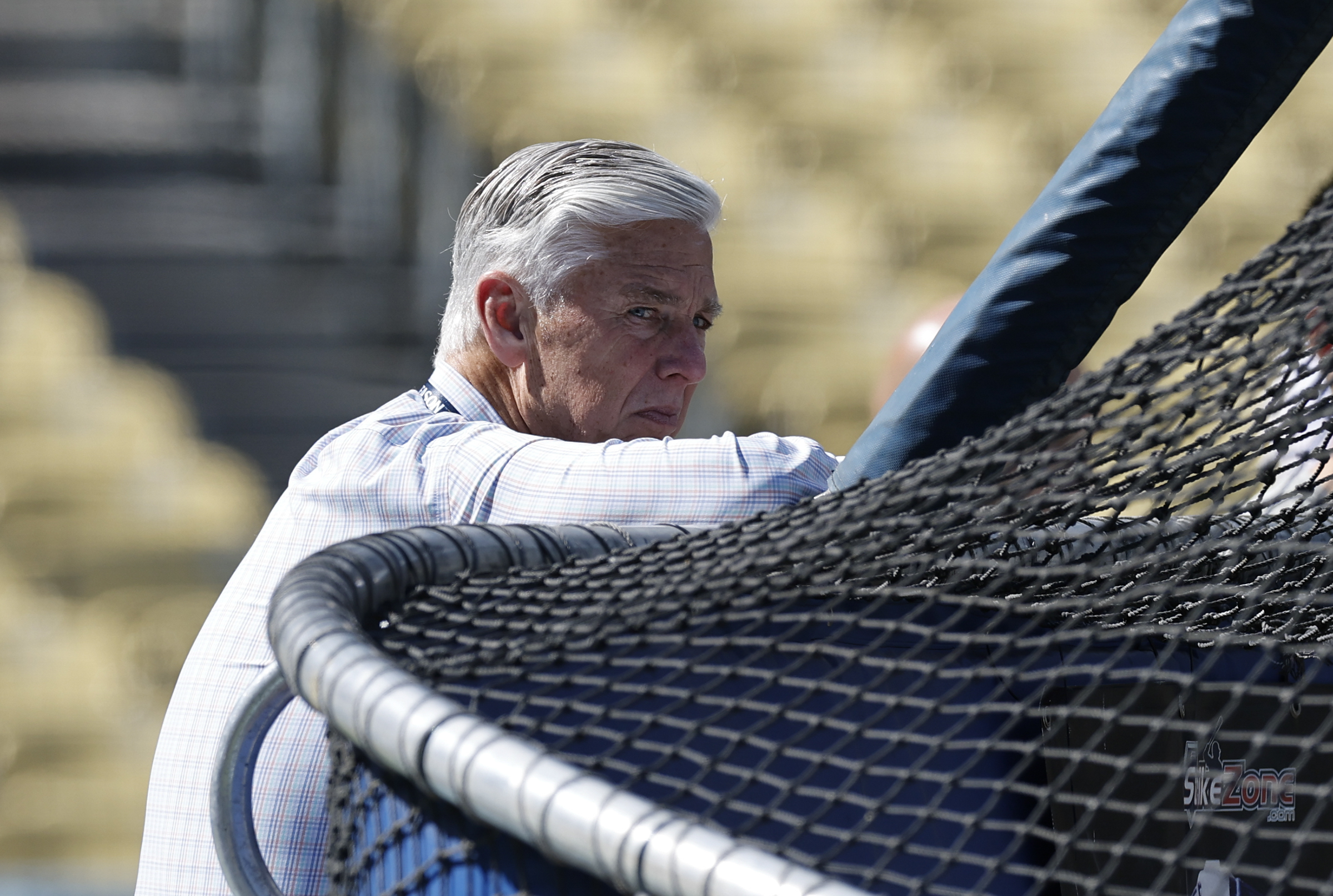
    President of baseball operations Dave Dombrowski is intent on incorporating more young players into the Phillies’ roster.

    “I’ve said this all along, and I still believe this: We need to start working our young players into our [roster],” Dombrowski said this week at baseball’s winter meetings in the shadow of Disney World. “We have good young players, and we’ll be better for it. I do think that good organizations can blend young players with veterans.”

    Look no further than the sport’s model organization.

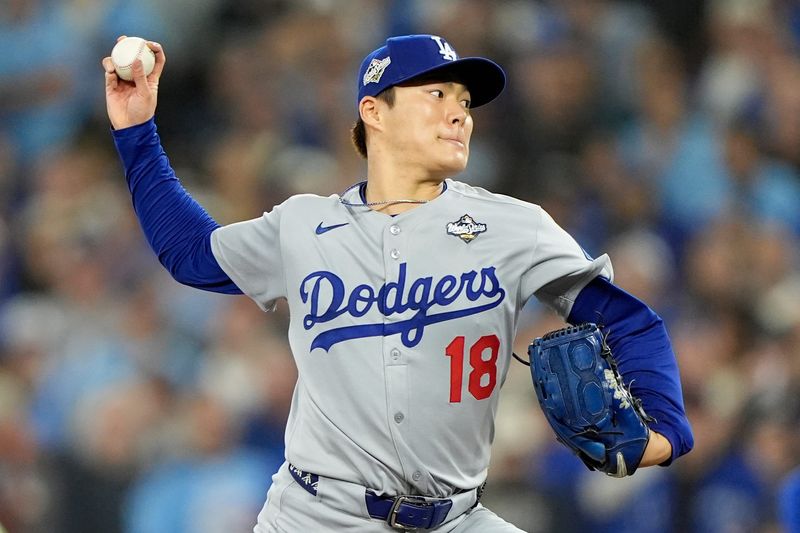
    Since 2023, the Dodgers have spent more than $1 billion on player salaries, including a record $415 million this year (calculated for the luxury tax, according to Cot’s Baseball Contracts). Yet they had 25 players make their major league debut, including center fielder Andy Pages, infielder Hyeseong Kim, and pitchers Bobby Miller, Gavin Stone, Emmet Sheehan, Jack Dreyer, Roki Sasaki, and World Series MVP Yoshinobu Yamamoto.

    Conversely, the Phillies had 12 major league debuts in the last three seasons — fewer than any team, based on Fangraphs research — with setup reliever Orion Kerkering and reserve outfielder Johan Rojas having the most impact.

    Dombrowski attributed the low graduation rate from the minor leagues to “a combination of factors,” including a veteran-laden roster that stayed mostly healthy relative to other teams and allowed few opportunities for call-ups.

    But it will be different in 2026. It has to be.

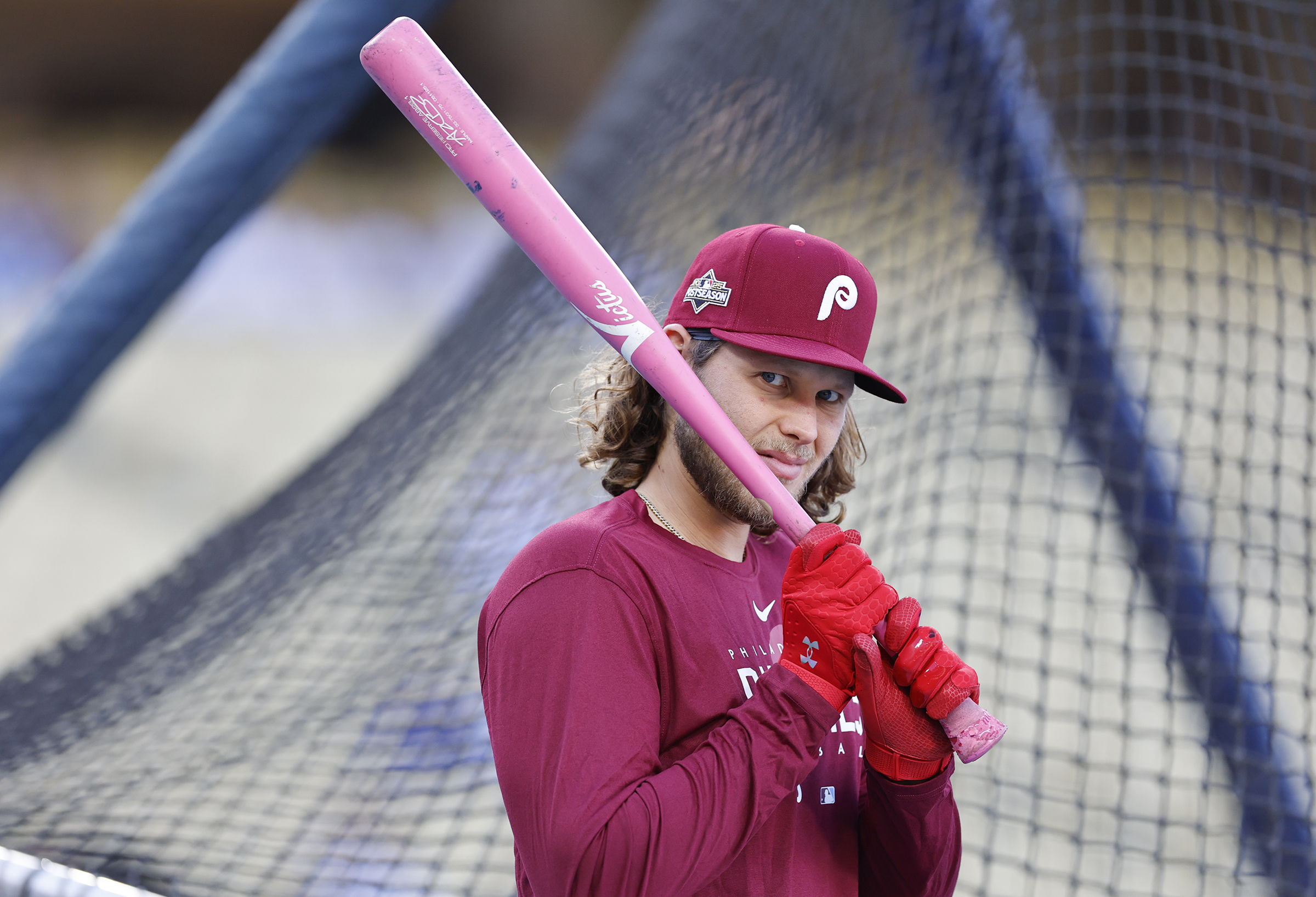
    Because it’s one thing to reunite Schwarber — and probably free-agent catcher J.T. Realmuto, too — with Harper, Turner, Nola, Sánchez, and Zack Wheeler on one of the majors’ oldest rosters and take a few more whacks at an elusive championship. It’s quite another to realize that long-term success — beyond, say, 2027, when Wheeler intends to retire — is tied to how good Justin Crawford, Andrew Painter, and Aidan Miller end up being.

    “We have some really exciting talent that’s going to be coming up, and you’re looking forward to whenever they can step foot in the big-league locker room,” Schwarber said. “You want to make them feel like they’re going to be welcomed right away and feel like there’s going to be a seamless transition for them.”

    And even as the Phillies bring back the band, the maturation of their next core will be an equally important 2026 storyline.
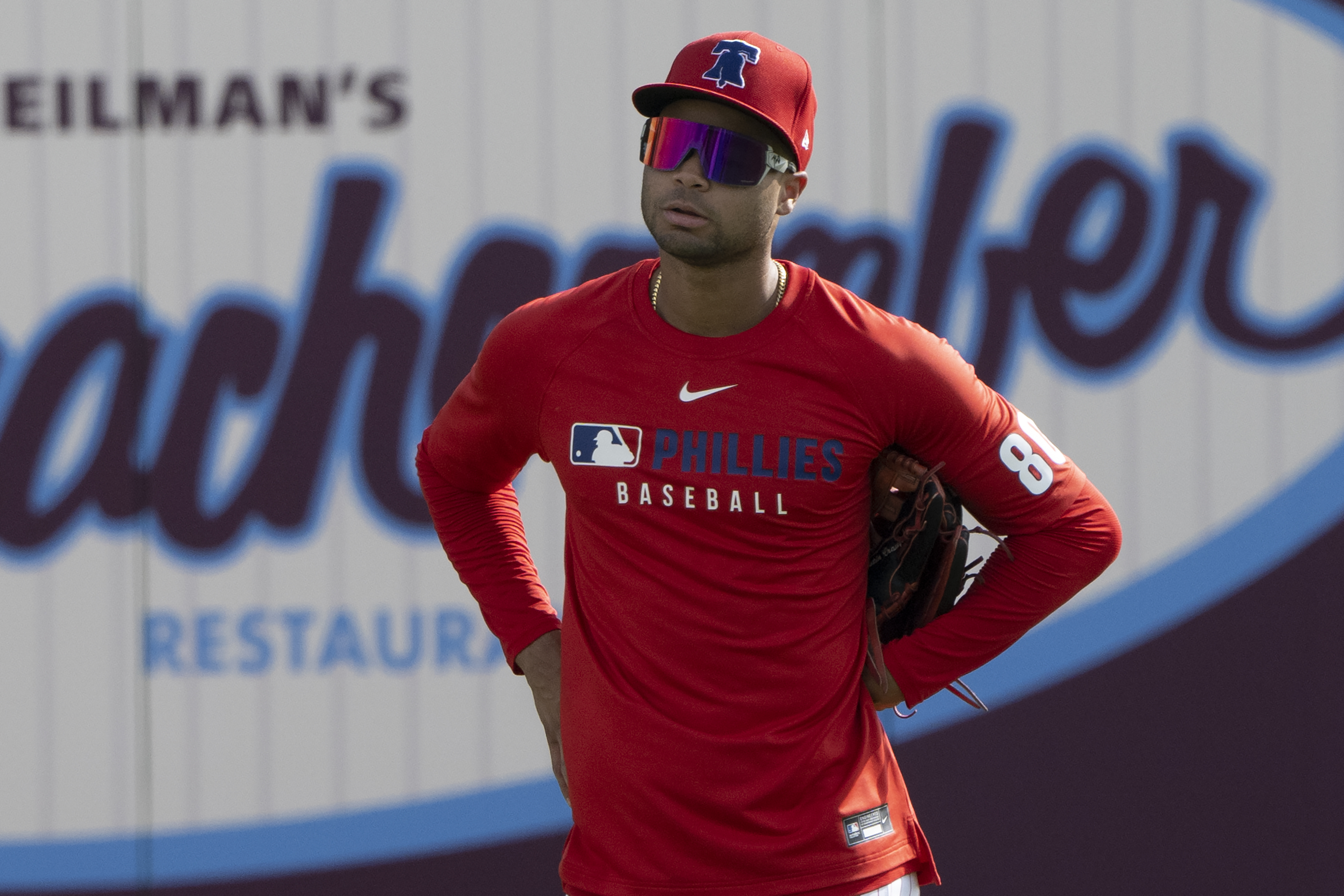
    Top prospect Justin Crawford is expected to occupy a spot in the Phillies’ outfield on opening day.

    A new ‘Daycare’

    When the Phillies returned to the postseason in 2022, the lineup included three, sometimes four players who were 25 or younger: Alec Bohm, Bryson Stott, Brandon Marsh, and Matt Vierling.

    Teammates and coaches dubbed them “Phillies Daycare.”

    Although Bohm, Stott, and Marsh became solid contributors after Rob Thomson took over as manager (Vierling got traded to the Tigers for lefty reliever Gregory Soto), they’re mostly supporting actors rather than leading men in the Phillies’ ensemble. And as they outgrew their moniker — “They’re not the ‘Daycare’ anymore,” Harper finally declared last spring — there wasn’t another class coming behind them.

    “Well, we traded quite a few players that could have been contributing members,” Dombrowski said, citing Vierling specifically. “We traded them for more veteran type of players to help us win at that particular time.”

    Dombrowski also noted that five of the Phillies’ last six first-round picks — including Mick Abel (2020), Painter (2021), Crawford (2022), and Miller (2023) — were drafted out of high school, which typically means a longer path through the minors.

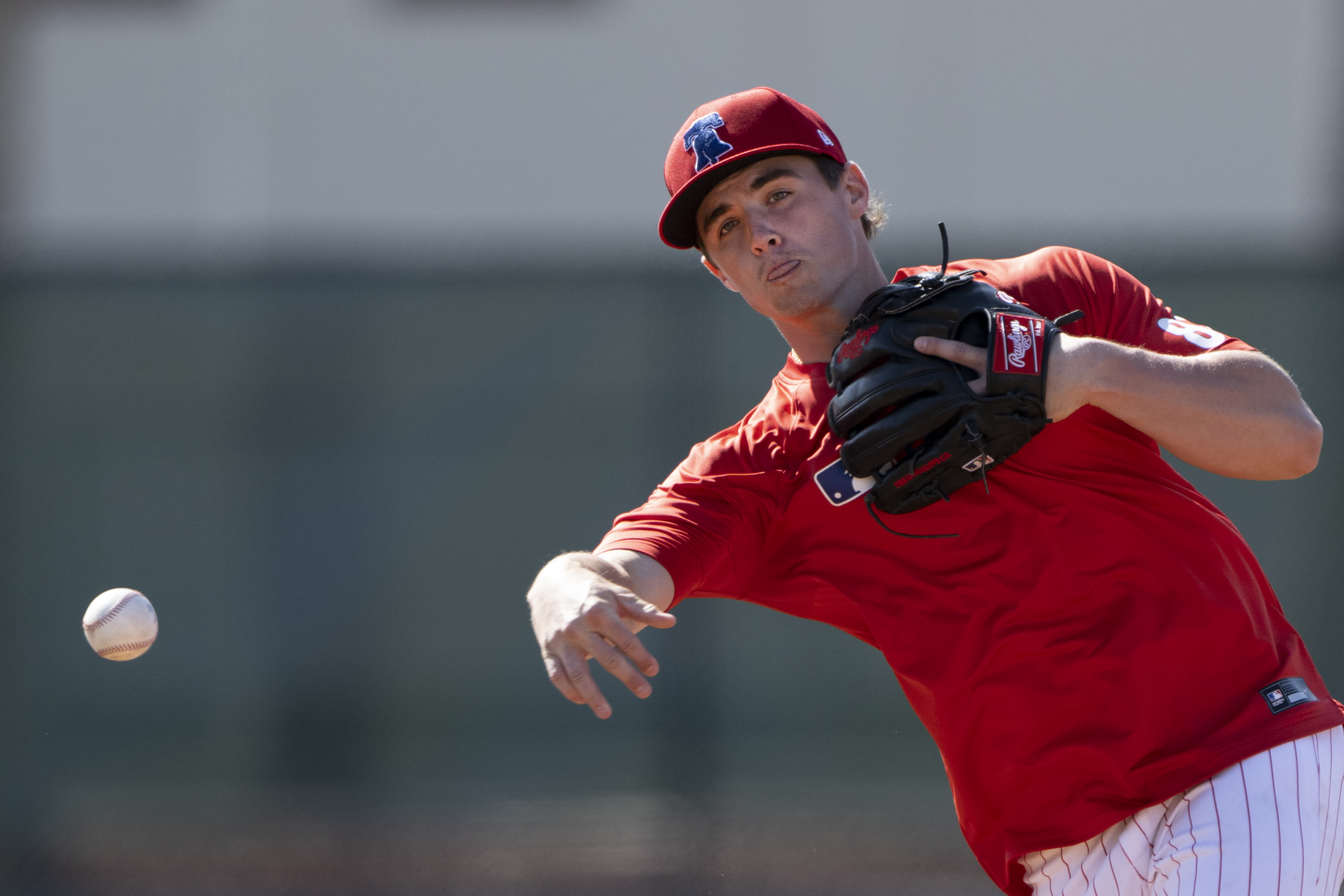
    And when the Phillies did punch the accelerator and gave Painter a chance to make the team out of spring training as a 19-year-old in 2023, he tore a ligament in his right elbow, had Tommy John surgery, and missed two seasons.

    The Phillies planned to call up Painter midway through this past season. But he struggled to regain his preinjury command, common for pitchers in the first year back from surgery. Painter stayed in triple A, and finished with a 5.40 ERA in 106⅔ innings.

    “Honestly, some of the expectations we put on players is unfair,” minor league director Luke Murton told The Inquirer’s Phillies Extra podcast. “A guy that’s just coming back from Tommy John that pitched over 100 innings, was healthy, and at a level he’d never been at, I was very pleased, very satisfied.

    “I think he accomplished a ton this year. Next year he’s looking forward to accomplishing more.”

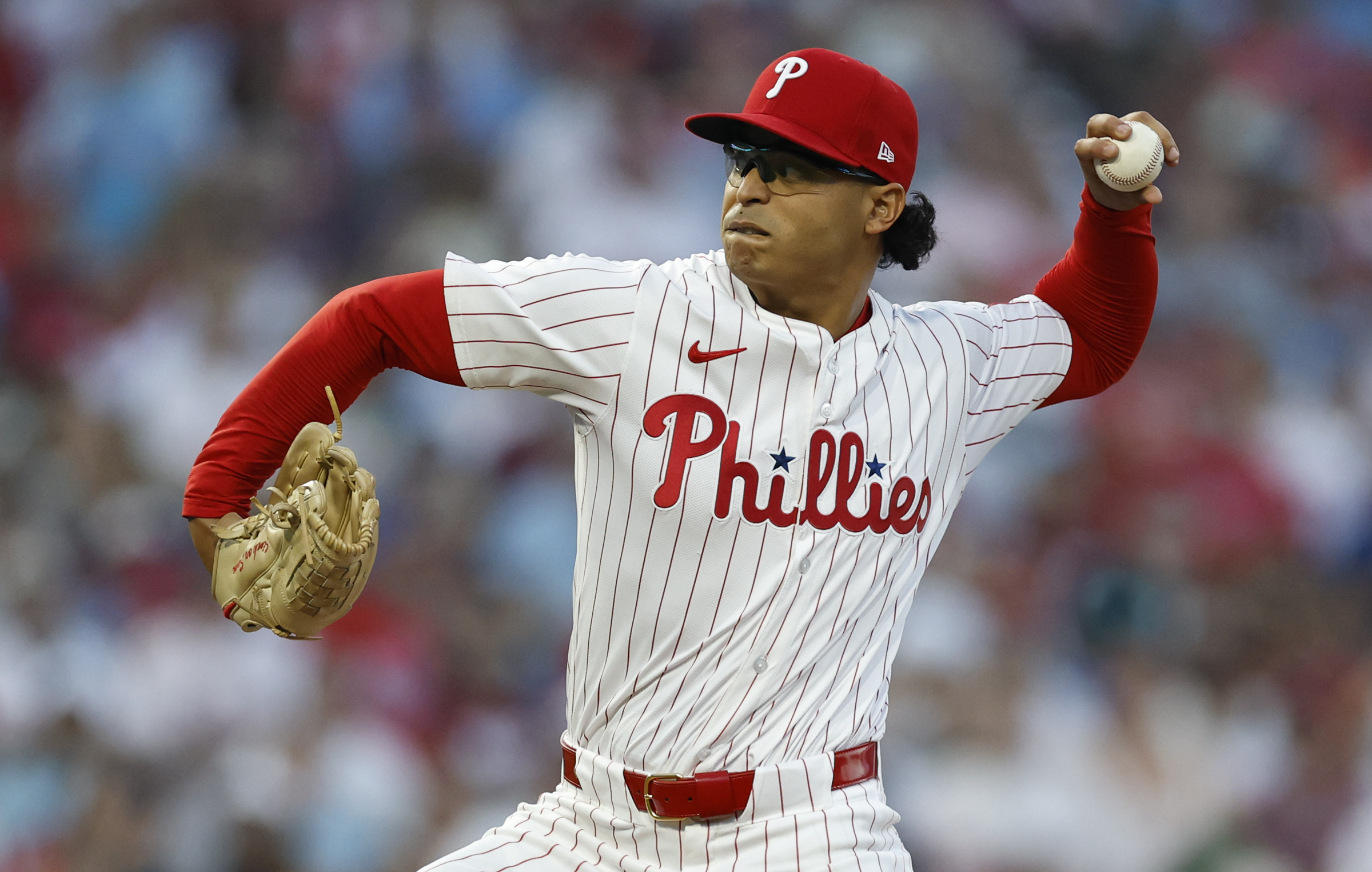
    Painter stands a good chance to crack the season-opening rotation, especially if Wheeler needs more time after thoracic outlet decompression surgery. And the Phillies expect Painter’s long-awaited arrival in the majors to help lessen the anticipated loss of Ranger Suárez in free agency.

    Dombrowski has all but guaranteed Crawford’s spot in the opening-day lineup, either in center field or left. The Phillies came close this summer to calling up the 21-year-old but elected to leave him in triple A to win a batting title, especially after acquiring veteran center fielder Harrison Bader at the trade deadline.

    “I really believe that [Crawford] could have played for us at some point,” Dombrowski said. “But then you also do what you think is best for the player and for us in that time period. You’re trying to win a championship. And it didn’t hurt him to go out and continue to play [in triple A].

    “But now, all of a sudden, you’re in a position where you’ve got Crawford and you’ve got Painter knocking on the door. Miller’s close; [outfielder Gabriel] Rincones is close. [Otto] Kemp came up for us last year, and we like Kemp a lot. There’s others that we like. It’s exciting.”

    Also, necessary.
    The Phillies could fast-track Aidan Miller to the majors in 2026 if he can make a smooth transition to third base.

    ‘Close your eyes and let ‘em play’

    Including Schwarber’s new deal, the Phillies have roughly $285 million in 2026 payroll commitments, calculated for the luxury tax. Bringing back Realmuto would likely push the total past $300 million.

    And still, there are holes in the outfield and bullpen.

    The Phillies have explored trading from the major league roster to create payroll flexibility, according to sources. Moving Bohm, entering his free-agent walk year, would clear approximately $10.3 million based on MLB Trade Rumors’ salary arbitration projections.

    In that case, the Phillies could look inward to find Bohm’s replacement at third base. One possibility: Kemp, who made his major league debut this year and has drawn effusive praise from Dombrowski throughout the offseason.

    “He’s a good hitter. The ball jumps off his bat,” Dombrowski said. “He’s a threat when he comes to the plate. He can play different positions. And he’s a tough son of a gun. He’s a championship-type player. What he played through last year, injury-wise, I don’t think that there’s many people that would have done that.”

    Indeed, Kemp continued to play despite fracturing his left kneecap in June and finished with eight homers and a 92 OPS-plus. He had knee surgery and a minor procedure on his left shoulder after the season. The Phillies expect him to be ready for spring training.

    Before long, third base could belong to Miller. Murton said the touted 21-year-old shortstop will move to third in spring training. Miller spent the last week of the season in triple A and could return for only a pit stop after finishing with 14 homers, 59 stolen bases, and an .825 OPS between two levels.

    Could he follow Crawford and Painter as a major league debutant in 2026?

    “You never know,” Murton said. “He’s a very talented player. Don’t want to put too much on him too soon. He’ll be a big-league spring-training invite. You bring him in and see what we’ve got.”

    The timing lines up. As Harper posts Instagram videos of his elective blood-oxygenation treatments, the Phillies can finally inject fresh blood into the roster, acclimatizing Crawford, Painter, and eventually Miller while the old guard is still elite and bearing most of the pressure.

    “We just need them performing to their best abilities,” Schwarber said. “We don’t need anyone feeling like they need to step out and be Superman. We don’t need them worrying about, ‘How does Schwarber, how does Trea Turner, how does Bryce Harper, how does whoever think about what I’m doing?’”

    Said Thomson: “I always think, when you bring a young guy up, close your eyes and let him play. No matter what happens, he gets two, three months, whatever you want to give him, and don’t even talk. Just let him go. The guys that we have at the upper level of our system are performers, and eventually they’re going to perform.”

    It’s not just overdue. It’s imperative to keeping the Phillies’ roster from going stale.
  • Gameday Central: Phillies Extra with Cole Hamels

    Gameday Central: Phillies Extra with Cole Hamels

    Cole Hamels is among the greatest pitchers in Phillies history. He’s also on the Hall of Fame ballot for the first time this year. It’s the perfect time, then, for him to join us again on Phillies Extra, The Inquirer’s baseball podcast, to discuss the honor of being on the ballot, the Phillies’ offseason so far, his work with Phillies pitchers, and much more. Watch here.

  • Kyle Schwarber found his way back to the Phillies, and he hopes J.T. Realmuto does the same

    Kyle Schwarber found his way back to the Phillies, and he hopes J.T. Realmuto does the same

    ORLANDO — Any day now, Kyle Schwarber’s wife, Paige, will go into labor with their third child.

    First, though, there was a contract to sign.

    So, after reaching a five-year, $150 million agreement with the Phillies late Monday night, Schwarber hopped a flight early Tuesday to Philadelphia to take a physical and finalize the deal. By lunchtime Wednesday, he was back home in Ohio.

    “I’m happy they were able to accommodate that, get me up there and get me back,” Schwarber said on a Zoom call. “So now, whenever our little girl comes into the world, I will be here.”

    Indeed, the week has been a whirlwind for Schwarber, and it’s only getting started. But between signing the largest contract ever for a designated hitter and racing home ahead of the baby, Schwarber found time to deliver a recruiting pitch to a good friend.

    “I’d be lying that I didn’t send a text to J.T. [Realmuto],” Schwarber said, “trying to see where he’s at and try to coax him.”

    If Schwarber was Priority No. 1 for the Phillies, Realmuto is 1-B. While the rival Mets lost core pieces Edwin Díaz and Pete Alonso in free agency on back-to-back days, the Phillies are proudly trying to bring back the band from 95- and 96-win teams that were a Tush Push — or maybe a youth infusion from Justin Crawford, Andrew Painter, and, eventually, Aidan Miller — away from getting over the top.

    Schwarber said he’s “trying to be respectful” of Realmuto’s free-agent process. And surely he can relate.

    In finding his way back to the Phillies, Schwarber cited the “respect” he received during his 37-day free agency from the organization that helped him evolve into one of the most prodigious sluggers in the sport.

    Because as much as Schwarber wanted to stay with the Phillies, he also welcomed the chance to explore his market before the biggest payday of his career.

    Schwarber had been a free agent before. Twice, actually. But the first time came in 2020, with his value at its nadir after the Cubs didn’t tender him a contract. A year later, the owners locked out the players and shut down the sport for 99 days. When the stoppage ended, the Phillies signed Schwarber for four years and $79 million, among the best free-agent deals in franchise history.

    This time, Schwarber hit the market with the force of a 56-homer season — and 187 home runs over four years, tied with Shohei Ohtani for second among all hitters and trailing only Aaron Judge.

    Few names were more prominent on the free-agent menu.

    “When you reach free agency, you want that opportunity to go out and listen and make sure all your bases are covered,” Schwarber said. “You want to hear all different types of information and make sure that you’re making a really great, informed decision. I appreciate the whole process and don’t take it lightly.”

    The Phillies gave Schwarber space to hear pitches from the Orioles, Pirates, and his hometown Reds, among other teams, with the understanding that he would circle back to them when he began receiving offers.

    But they didn’t send him into the free-agent wilds without making clear what he meant to them.

    The owner even made a house call.

    First, Schwarber had what he described as a “really, really good conversation” with president of baseball operations Dave Dombrowski a few days after the divisional series loss to the Dodgers. Then, before he and Paige packed up their two sons and returned to Ohio, John Middleton knocked on the door of their South Jersey home.

    Phillies owner John Middleton made it clear to Kyle Schwarber that he wanted to re-sign him.

    “We were able to spend a really good amount of time just sitting down and talking about the Phillies and his family and talking about what’s the future looking like for us here,” Schwarber said. “Those were conversations that I just never forgot, right?

    “Like, you start having different conversations with different teams, and just because those conversations were fresh, it doesn’t mean that anything was forgotten. That was an important time and important conversations that Dave and Mr. Middleton, that we had.

    “Trust me, I took notes. Once I had everything all said and done, you can look at everything and know that John is committed to winning and wants our organization to continue to keep pushing for a world championship. What else is there for a player to ask for, you know?”

    The Phillies sent Realmuto into free agency with a similar message. The veteran catcher, who will be 35 next season, is weighing multiple offers, a source said Wednesday, the final day of the winter meetings at the Signia by Hilton. It’s unknown whether any of the offers are for more than two years. MLB.com reported that the Phillies have made a bid.

    After re-signing Schwarber, the Phillies can focus on remaking the outfield, filling out the bullpen, and adding overall pitching depth. With 2026 payroll commitments totaling approximately $286 million, as calculated for the luxury tax, some of those pursuits may involve clearing payroll space by trading, say, Alec Bohm or Matt Strahm.

    But Realmuto could be their next domino to drop. And Schwarber hopes the catcher will follow the path that led back to the corner of Pattison and Darien.

    “Selfishly, I think that we would all love to have J.T. back,” Schwarber said. “Because we know what he brings to the table and how important he is to, not just our clubhouse but what he means to Philadelphia. … He should be highly sought-after, and I’m hoping that, at the end of the day, he’s back in Philadelphia.”

  • Phillies opt to stretch their competitive window with Kyle Schwarber and Co., and baseball seems to agree

    Phillies opt to stretch their competitive window with Kyle Schwarber and Co., and baseball seems to agree

    ORLANDO — Did anyone really think the Phillies would let Kyle Schwarber leave?

    Really?

    Sure, they could’ve gone in another direction, especially as Schwarber began getting offers this week. The Pirates — yes, you read that right — made a four-year, $120 million whopper, a league source said Tuesday. The Orioles and Reds offered five years, The Athletic reported, with Baltimore willing to go to $150 million.

    And as the market took off for a 33-year-old designated hitter, the Phillies could’ve tapped out.

    But if you’ve paid attention, you know the Phillies believe Schwarber is unrivaled, as a slugger and certainly a leader. Dave Dombrowski said all along that Schwarber, not younger free agents such as Cody Bellinger or Pete Alonso, was the priority. Hitting coach Kevin Long emerged from organizational meetings in October and told The Inquirer’s Phillies Extra podcast that losing Schwarber would be “devastating.”

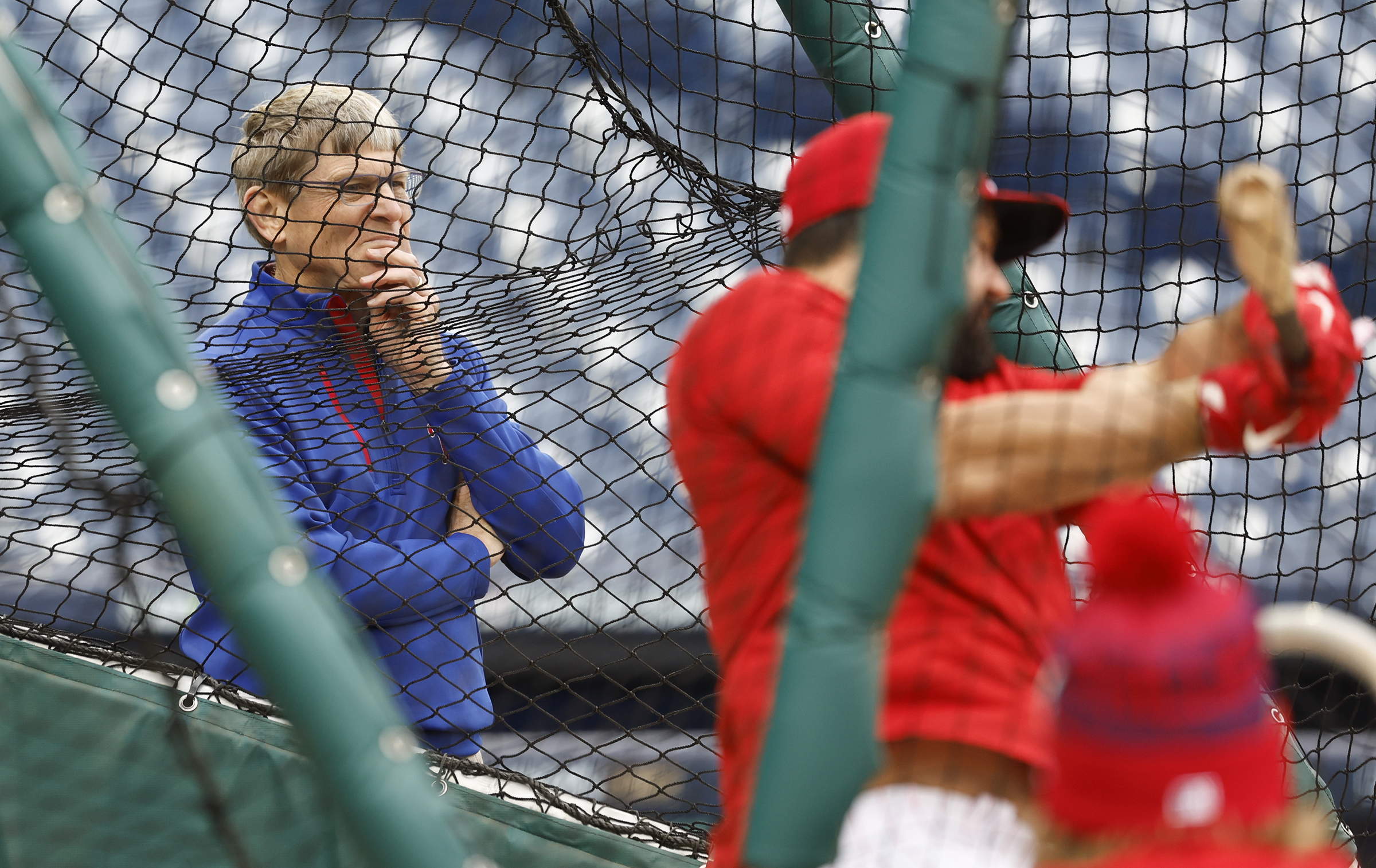
    Even owner John Middleton said this about Schwarber in July: “We love him. We want to keep him.”

    Middleton doesn’t usually get outbid for players he wants, least of all by the Pirates. Or the Orioles. Or even by Schwarber’s hometown Reds. And so it was, before lunch Tuesday, that the Phillies made the most predictable news at the winter meetings.

    Schwarber back to Philly. Five years, $150 million, sources said.

    Kyle Schwarber hit a career-high 56 homers for the Phillies this year.

    “I had a pretty good idea that was going to be the route,” Red Sox manager Alex Cora said. “Talking to Dave throughout the season, he knew that [Schwarber] was a huge part of what they were trying to accomplish and moving forward. So, not surprised that it’s with them.”

    The agreement was pending a physical and wasn’t announced by the Phillies until Tuesday night. But sources said the team’s confidence in Schwarber’s ability to stay productive through his mid-30s stems from his consistent bat speed. He’s also a more complete hitter now than when he signed a four-year, $79 million deal with the Phillies in 2022, one year removed from being non-tendered by the Cubs.

    Team officials have likened Schwarber to David Ortiz, who hit more than half his 541 homers after turning 32 and played through age 40. Schwarber’s contract will run through his age-37 season.

    “He’s so different than most of the guys I’ve ever been around because he’s a great player, one, and he knows how to bring the heartbeat of the clubhouse down when things are going rough,” manager Rob Thomson said. “And not only the clubhouse but individuals as well. He’s just a huge part of our ballclub.”

    Lest anyone forget, it’s a club that won 96 games this year — and 95 the year before. The Phillies are tied with the Dodgers for the most wins in baseball over the last two seasons. But the Dodgers also won back-to-back World Series and made news Tuesday by signing star closer Edwin Díaz.

    So, while the Phillies did what was necessary to bring back Schwarber, and extended Thomson’s contract through 2027, and remained optimistic about re-signing J.T. Realmuto, the perception, at least in Philly, is that they’re merely bringing back the band.

    And given the players’ ages and contract terms, the band might start looking like the Rolling Stones in a few years.

    But if the goal is to stretch the competitive window and take as many whacks as possible at the World Series, rival club officials surveyed in the lobby of the Signia by Hilton and baseball observers/insiders believe the Phillies are right to not make sweeping changes.

    The Phillies re-signed Kyle Schwarber (right) on Tuesday. Is J.T. Realmuto next?

    “Getting there is really hard to do, and improving in the season each year is really hard to do,” former major league general manager Jim Duquette said. “What the Phillies have accomplished is really, really difficult. If I’m the Phillies, I would be very careful with how many adjustments you make with that team.”

    The Braves kept most of their core together through their run of 11 consecutive division championships in the late ‘90s and early 2000s. Former Atlanta general manager John Schuerholz famously believed in changing about 10% of the roster in the offseason during those years.

    Including Schwarber’s deal, the Phillies have roughly $285 million in payroll commitments for 2026. They ended this year at about $312 million and expect to be in a similar range next year.

    Even as they try to get Realmuto back behind the plate, the Phillies expect to make changes to other areas of the roster, notably the outfield. Touted rookie Justin Crawford is ticketed to be in the opening-day lineup, either in left field or center. Nick Castellanos will be traded or released. Top prospect Andrew Painter is almost sure to be in the season-opening rotation.

    Dombrowski pushed back, then, on the idea that the Phillies are merely running it back, as if that would be a bad thing after 87-, 90-, 95-, and 96-win seasons and four playoff appearances in a row.

    “I don’t think we ever just run it back. We’re not running our club back,” Dombrowski said, citing Crawford’s arrival and possibly an expanded role for Otto Kemp as examples of changes. “And when I say that, I’m not so sure where you win 96 games that you should really look to have to do a lot of things differently.”

    Said Thomson: “We won 96 games last year. It’s not like we’re not doing well. We’ve got a good club. No matter what happens, we’re still going to have a good club.

    “Even if we sign both [Schwarber and Realmuto] back, there’s still going to be some changes. And there might be some change within the lineup as far as the order, which could infuse a little bit of energy.”

    Bryce Harper batted behind Kyle Schwarber in 2025, but their order could switch next season.

    More specifically, Thomson hinted at flipping Schwarber and Bryce Harper in the batting order.

    Schwarber batted behind Harper for a month early in the season before the latter missed a month with an inflamed right wrist. When Harper returned, he batted third, with Schwarber cemented in the No. 2 spot. And while Harper faced a lower rate of pitches in the zone (43%) than any hitter in baseball, Schwarber hit a career-high 56 homers.

    “Harper was protecting Schwarber,” Thomson said, “and Schwarber is having at that point a career year. I just didn’t want to mess with it.”

    Upon further review, maybe it would be better the other way around?

    “Yeah,” Thomson said. “I’ve got some ideas. But I haven’t talked to the players yet, so I don’t want to talk much more about that. But yeah, I’ve thought long and hard about it.”

    Those are the changes Phillies officials believe could make the difference in a 96-win team getting knocked out in the divisional round and finally winning the World Series.

    Moving on from Schwarber was nothing they ever cared to contemplate.

  • Jeff Kent is bound for the Hall of Fame. What does that mean for the chances of Chase Utley and Pete Rose?

    Jeff Kent is bound for the Hall of Fame. What does that mean for the chances of Chase Utley and Pete Rose?

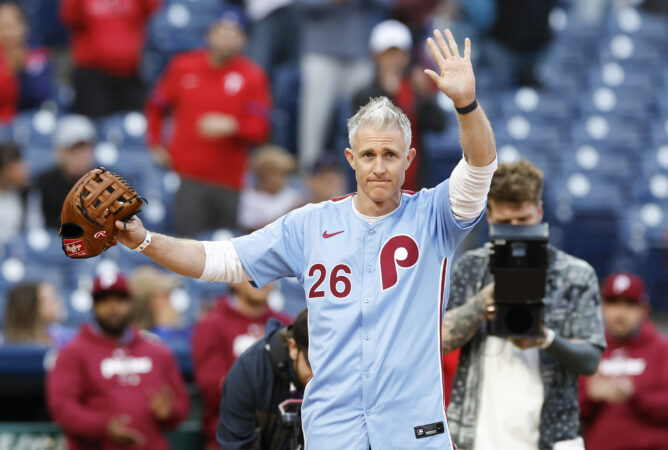
    ORLANDO, Fla. — Whether or not he needs it, Chase Utley’s Hall of Fame bid just got a boost.

    Pete Rose’s? Forget about it.

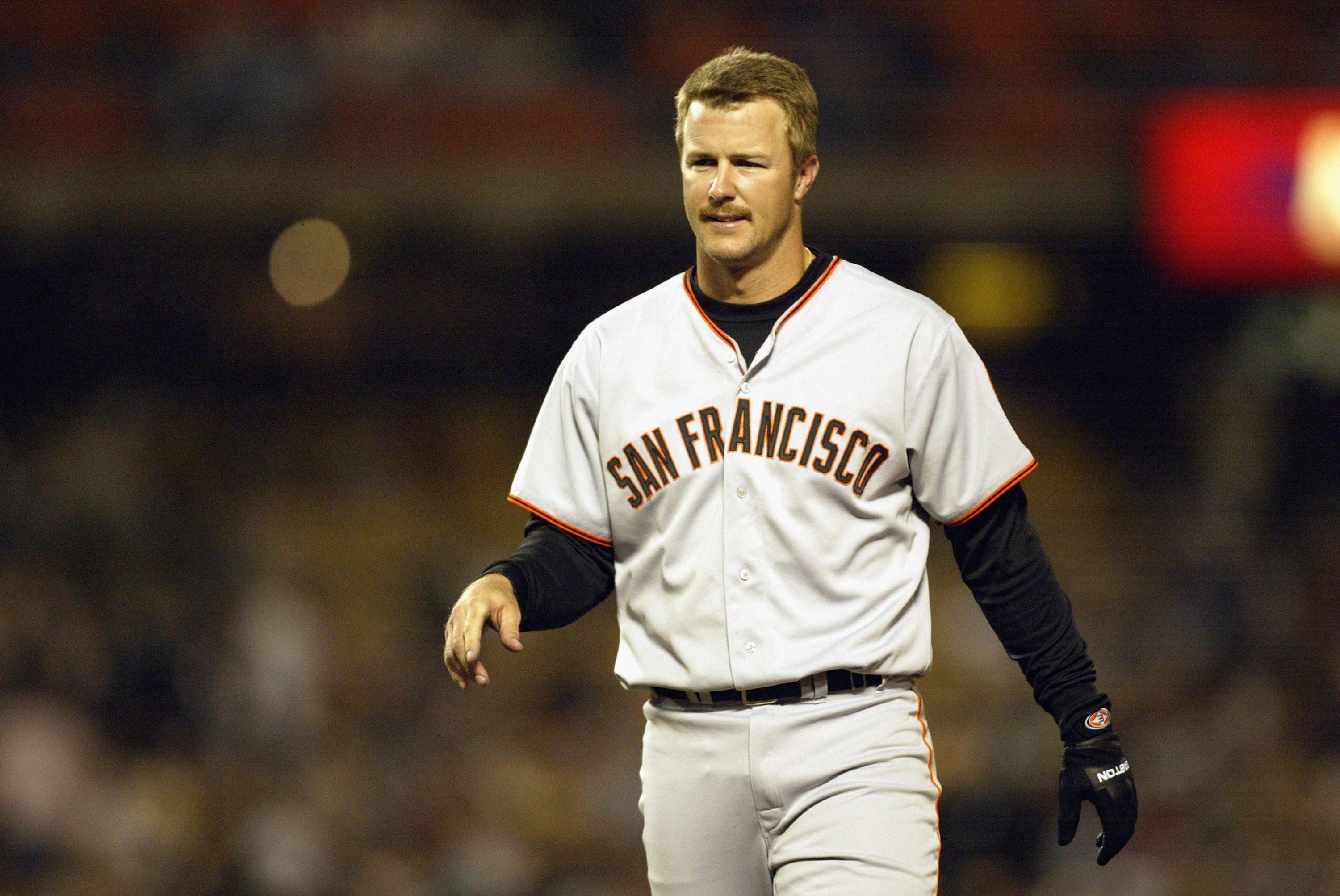
    Those were the Phillies-centric takeaways Sunday night from the voting results of the Hall’s Contemporary Era Committee. A 16-person panel of Hall of Fame players, major league owners and executives, media members, and historians elected Jeff Kent — and only Jeff Kent — from a field of eight candidates that included Barry Bonds and Roger Clemens.

    Kent, a former MVP and five-time All-Star, is only the 22nd second baseman to gain election after topping out at 46.5% on the writers’ ballot in 2023. Utley is already marching toward becoming the 23rd. His name was checked on nearly 40% of the writers’ ballots last year, only his second cycle of eligibility (75% is needed for election).

    Without a strong first-time candidate this year, Utley is expected to make another jump.

    But the iconic former Phillies second baseman has an even gustier tailwind now. Because although Kent is the only player to appear in at least 75% of his games at second base and total at least 350 homers, 550 doubles, 1,500 RBIs, 1,300 runs, and 800 walks, Utley was considered a better all-around second baseman. The overall numbers:

    • Kent: 56.0 WAR (Fangraphs); .290/.356/.500; 123 OPS-plus; 2,461 hits; 377 homers; 1,518 RBIs in 2,298 games over 17 seasons.
    • Utley: 61.5 WAR (Fangraphs); .275/.358/.465, 117 OPS-plus; 1,885 hits; 259 homers; 1,025 RBIs in 1,937 games over 16 seasons.
    Jeff Kent, a former MVP and five-time All-Star, hit 377 home runs mostly as a second baseman.

    Kent received 14 votes from the committee, a resounding correction of the writers’ 10-year oversight that historically extends to other second basemen. Neither Lou Whitaker nor Bobby Grich lasted long on the ballot despite multiple Gold Gloves and All-Star appearances and copious WAR totals.

    None of the other candidates came close to the 12 votes that were needed for election. The Hall doesn’t disclose the vote total for players who receive less than 25% of support from the committee. But Bonds, Clemens, and Gary Sheffield, who all played under the cloud of suspicion of performance-enhancing drug use, received fewer than five votes.

    It was a repeat of 2022, when Bonds and Clemens got fewer than four votes apiece from a committee that didn’t include anyone on this year’s panel. And it reaffirmed that the committee process is even less forgiving than an electorate of nearly 400 writers, even for the all-time home-run leader and a seven-time Cy Young Award winner, because Hall of Famers tend to be ultraprotective of the doors to Cooperstown.

    Bonds and Clemens made incremental progress in 10 years on the writers’ ballot, eventually reaching 66% and 65.2%, respectively. If the Hall of Fame hadn’t reduced the term of eligibility to 10 years from 15, they might have eventually gotten to 75%.

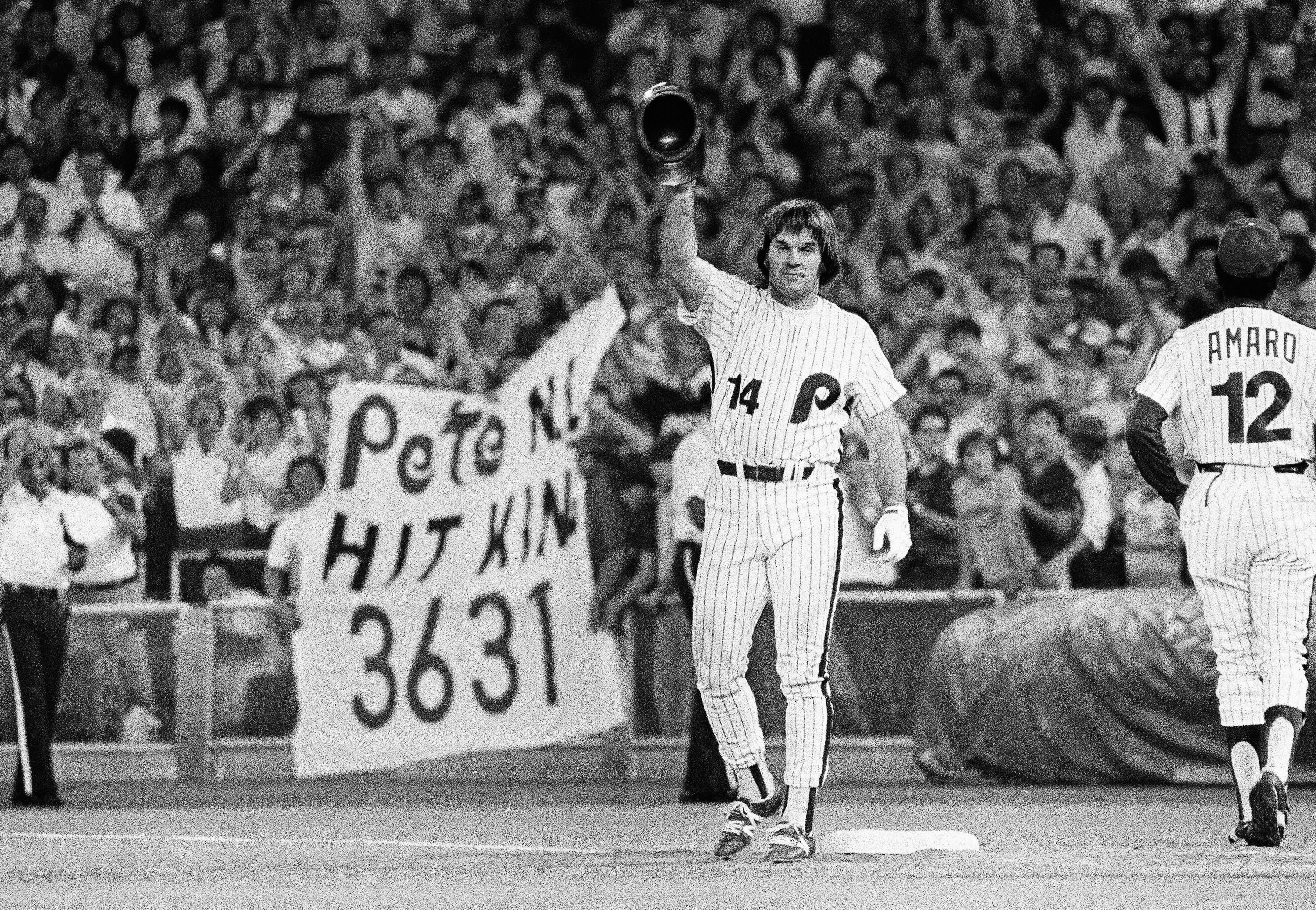
    The writers never got an opportunity to vote for Rose because the Hall of Fame didn’t put him on the ballot after he was banned from baseball for gambling on games. And although he was posthumously reinstated earlier this year by commissioner Rob Manfred, the Hall’s voting rules stipulate that players who are retired for more than 15 years may be considered only by the era committees.

    Rose is eligible to come before the Classic Era committee in 2027.

    Despite being reinstated by commissioner Rob Manfred this year, Pete Rose’s Hall chances remain uncertain.

    Even Mike Schmidt, who supported Rose’s reinstatement and previously backed him for the Hall of Fame despite what he describes as a “tumultuous life,” has his doubts about how it would go.

    “I don’t know that it’s any more than 50%,” Schmidt told The Inquirer’s Phillies Extra podcast in September when asked if fellow Hall of Famers would open the door to Rose. “There are as many detractors as supporters in Pete’s case. However, [Hall of Fame chairman of the board] Jane Clark forms the committee that will determine Pete’s fate. And even if they put 16 ex-players, members of the Hall of Fame on it, I still think it would be 50/50.”

    The latest overwhelming repudiation of Bonds and Clemens by a committee of their peers suggests that 50% for Rose would be generous.

  • Winter meetings preview: The outlook for Kyle Schwarber and J.T. Realmuto, a potential trade, and more

    Winter meetings preview: The outlook for Kyle Schwarber and J.T. Realmuto, a potential trade, and more

    As free agents, Kyle Schwarber and J.T. Realmuto are entitled to shop around for the best offers.

    The Phillies have given them space.

    “It’s really more their process than it is ours at this time in the sense that they set the time frame,” Dave Dombrowski said. “They know we have interest, and then it’s up to them to kind of say, ‘OK, we’re ready to move forward,’ or not, whenever that ends up happening.”

    That was three weeks ago. Schwarber and Realmuto have had five weeks to browse the market. By now, they have a decent idea of what’s there for them beyond the Delaware Valley. The Phillies probably do, too.

    And with the baseball world set to gather again Sunday night in Orlando for the three-day winter meetings, it might finally be time for all parties to circle back to one another. In the shadow of the Magic Kingdom, of all places, the fantasyland of rumors about which teams are curious about which players will give way to a better sense of reality about whether Schwarber and Realmuto will return or move on.

    The Phillies haven’t hidden their strong desire to keep both. Even though Schwarber will be 33 and Realmuto 35, and they’re central to a team that made the playoffs four years in a row but stubbed its toe in October, Dombrowski described them as “very important” and said they “mean a lot to the organization.”

    With the exception of Japanese ace Yoshinobu Yamamoto, owner John Middleton hasn’t lost out on a free agent that he’s wanted since the “stupid money” winter of 2018-19. And free agents have wanted to play in Philly over the last half-decade because of the culture set by Schwarber, Realmuto, et al.

    No wonder most of the industry expects Schwarber and Realmuto to find their way back to the corner of Pattison and Darien.

    Phillies owner John Middleton hasn’t been outbid for many free agents over the last half-decade.

    But even if it feels like almost a fait accompli, the mission for their agents is to get offers that will at least drive up the price. Maybe they’ve done that. Maybe not.

    Schwarber’s market is especially fascinating because it lacks most of the high-payroll teams. The Dodgers’ designated hitter is Shohei Ohtani, only the best player on the planet. The Yankees (Giancarlo Stanton) and Astros (Yordan Alvarez) are set at DH, too. George Springer had a career renaissance as a DH for the Blue Jays, who are in on seemingly every marquee free agent except Schwarber. The Cubs appear to be focused on pitching.

    The Red Sox want to add a middle-of-the-order bat, chief baseball officer Craig Breslow said last month, and Alex Cora loved managing Schwarber in 2021. But given their lineup’s lefty lean and Fenway Park’s dimensions, righty-hitting Pete Alonso or Alex Bregman might be better fits. And Boston doesn’t spend money like it once did, either.

    The Reds’ interest in bringing Schwarber home to southwest Ohio is real, multiple sources confirmed this week. It makes sense for a young team that is rich in starting pitching but lacking power and veteran leadership. Asked in July about the prospect of being courted by his childhood team, Schwarber said this: “I think it’d be awesome.”

    But the Reds intend to keep their payroll in the $120 million range, president of baseball operations Nick Krall told reporters last month, leaving them with about $20 million to spend for 2026. Schwarber figures to cost at least $30 million per year.

    And even if they had the cash, spending big for free agents isn’t in the Reds’ organizational DNA. They’ve done only two nine-figure contracts in their history, and Joey Votto and Homer Bailey were extensions. Their largest free-agent contracts: Mike Moustakas and Nick Castellanos, both four years, $64 million.

    That leaves, well, who? Various reports have linked Schwarber to the Giants and Pirates (seriously).

    The Mets are “in the mix” for Schwarber, at least according to an ESPN.com report. It’s plausible as a backup plan if New York doesn’t re-sign Alonso, although president of baseball operations David Stearns emphasized run prevention as the team’s chief offseason focus. Schwarber doesn’t help there.

    But the best way for Schwarber’s agents to hike the price on the Phillies might be to claim interest from the rival Mets, owned by Steve Cohen, the wealthiest man in baseball. And the Mets could attempt to gain leverage over Alonso by suggesting they’d pivot to Schwarber.

    In any case, the Phillies remain the favorite in the Schwarber derby.

    “You have the owner who wants him, you have Dave Dombrowski who wants him, you have the coaching staff, you have [manager] Rob Thomson, you have a fan base — everybody involved here wants [him] to be back, including Kyle — so what does it come down to?” hitting coach Kevin Long, who is close with Schwarber, said on The Inquirer’s Phillies Extra podcast. “What’s his market value, and are we willing to give him his market value? And I think the answer is yes to that.

    “I think it would be devastating to this organization and this fan base and everybody involved if he wasn’t a Phillie.”

    The last five weeks have been about establishing market value for Schwarber and Realmuto. Next week might finally mark the Phillies’ chance to meet it.

    A few other thoughts leading into the winter meetings:

    Phillies third baseman Alec Bohm is once again a candidate to be traded in the offseason.

    Trading places

    Two of the most intriguing offseason moves so far were one-for-one trades of major leaguers.

    The Orioles swapped four years of control over gifted but often-injured pitcher Grayson Rodriguez to the Angels for walk-year outfielder Taylor Ward. Then, the Mets dealt popular outfielder Brandon Nimmo to the Rangers for second baseman Marcus Semien in a change-the-mix move.

    And there’s more to come.

    Across the sport, the trade market is hyperactive, multiple team officials said this week, perhaps because some clubs are wary of signing free agents to multiyear contracts amid labor uncertainty beyond 2026.

    Once again, Alec Bohm‘s name will come up in the Phillies’ conversations. But they couldn’t agree on his value in trade talks last winter, and it figures to be even lower now that the third baseman is one season from free agency.

    Lefty reliever Matt Strahm could be another potential chip, especially after Dombrowski volunteered in an end-of-year news conference that the veteran declined to do pitcher fielding drills before the postseason.

    Rivals believe the Phillies prefer trading from their major league roster rather than the farm system after moving teenage shortstop Starlyn Caba (for Jesús Luzardo) and catcher Eduardo Tait and right-hander Mick Abel (for Jhoan Duran) within the last calendar year. Andrew Painter, Aidan Miller, and Justin Crawford are thought to be largely off limits, with Painter and Crawford ticketed for the opening-day roster and Miller close behind.

    As long as the Phillies cling to that trio, it’s difficult to see them matching up with the Diamondbacks for second baseman Ketel Marte, the Red Sox for outfielder Jarren Duran, or especially the Twins for center fielder Byron Buxton, if Buxton decides to waive his no-trade clause.

    But maybe there’s a trade to be made for someone like Astros center fielder Jake Meyers, a solid defender who batted .292 with a 103 OPS-plus this season and is reportedly available.

    Jesús Luzardo had a big season for the Phillies after being acquired in a trade last December.

    Making a pitch

    A year ago, the Phillies weren’t focused on starting pitching at the winter meetings. But they traded for Luzardo a few weeks later, and it wound up as their best offseason move.

    Just something to keep in mind.

    Because although the rotation remains the strength of the roster even amid the expected departure of free agent Ranger Suárez, there are questions. Aaron Nola is coming off an injury-interrupted season in which he posted a 6.01 ERA. Painter’s prospect shine isn’t quite as luminescent after he struggled in triple A.

    Oh, and although Zack Wheeler is close to throwing a ball again, a source said this week, the recovery from thoracic outlet decompression surgery isn’t always a linear process.

    And Dombrowski, who values starting pitching as much as any executive in the sport, recently noted the drop-off after Cristopher Sánchez, Luzardo, Wheeler, Nola, Taijuan Walker, and Painter.

    “We don’t have a lot of starting pitching depth, so that’s something that we have to be cognizant of,” he said. “It’s not our highest priority, but I can’t say that we wouldn’t [add another starter]. That doesn’t necessarily mean top of the market, but where does that fit in? Because you never have enough starting pitching.”

    After making a bid for Yamamoto two years ago, it wouldn’t be surprising if the Phillies show interest in Japanese right-hander Tatsuya Imai. Or maybe they will be opportunistic in the trade market again.

    One other bit of winter-meetings business: The Phillies are still looking for a bench coach. Don Mattingly remains a leading candidate, if he’s interested in returning to the dugout after leaving the Blue Jays’ staff after the World Series.

  • ‘Phillies Extra’ Q&A: Luke Murton on the 2026 outlook for the top prospects

    ‘Phillies Extra’ Q&A: Luke Murton on the 2026 outlook for the top prospects

    No matter what happens over the next few weeks in free agency and the trade market, one thing appears certain about the Phillies in 2026.

    It will be graduation season.

    Justin Crawford and Andrew Painter are poised to figure prominently in the Phillies’ plans — probably as soon as opening day — after spending 2025 in the minors. Fellow top prospect Aidan Miller may not be far behind.

    And their looming major league debuts are as essential to an aging Phillies roster as any offseason move that the team will make, including the potential re-signings of Kyle Schwarber and J.T. Realmuto.

    Minor league director Luke Murton recently joined Phillies Extra, The Inquirer’s baseball podcast, to discuss the state of the farm system, with a focus on Crawford, Painter, and Miller. Here’s an excerpt from our conversation, edited for brevity and clarity.

    Watch the full interview below and subscribe to the Phillies Extra podcast on Spotify or Apple Podcasts.

    Q: Was there any point in 2025 when you got close to calling up Crawford?

    A: Any time a player performs the way Justin performed, I think the conversation will always happen. When you’ve got a guy that’s hitting .330 at triple A and is athletic and can play center field and do all these things, I think at the end of day, that’s always a conversation: Should we bring Justin up? When should we bring Justin up? The one thing that’s good for us is our major league club is very, very good. Not the best thing for some prospects. I think if you look at a lot of the organizations, Justin would have probably been in the big leagues at some point this year because of how well he performed.

    I do think his maturation in the minor leagues in the full season of triple A will help him heading into this year. So, yeah, I think at different points of the year [a call-up] was obviously closer than others. He’s a talented player who we believe is major league-ready. And I think he could have been ready for a lot of teams last year. I think just given where we were at, where he was at, it just probably wasn’t the best at the time. So I think him more than anybody is looking forward to the 2026 opportunity he’s going to have in front of him.

    Q: How much debate is there internally about him being best in center field vs. left field? You were pretty clear during the season that you think he can be your center fielder. Is that still the feeling?

    A: … I think Justin’s more than capable of playing center field. We view him internally as a center fielder. We’ll see how the offseason goes. But I think, right now, he’s geared to center field. That’s where he’s going to play, and that’s where he’s going to be with us for a very long time.

    Q: Looking back on Painter’s year, how much do you emphasize the 26 starts, 118 innings, no setbacks from a health standpoint, finishing the season, and trust that the command will get sharper as he gets further away from Tommy John surgery?

    A: … He did a tremendous job this year. We had expectations on him. I think the industry had expectations on him. Honestly, some of these expectations we put on players is unfair. I think he’s a guy that’s just coming back from Tommy John, that pitched over 100 innings, was healthy and at a level he’d never been without an offseason to where he could really progress and do what he wanted to do.

    So, I was very pleased, very satisfied. … You hear a lot of statistics of what guys do their first year out of Tommy John and how much better the second year goes. So at the end of the day, Andy’s a very, very talented kid who’s a great kid. I think he accomplished a ton this year. I think next year, he’s looking forward to accomplishing more. I think he’s down in Florida, at home, and he’s working. I know he goes in and out of Cressey [Sports Performance in Florida], spends a lot of time there, which, they’ve done a great job with him over the years. So he’s down there. He popped in here [in Clearwater, Fla.] to the high-performance camp the other day. But he looks great. He’s healthy. He’s ready to go.

    Q: What’s the plan for getting Miller some reps at other positions, maybe third base? Is that in the cards for him? And can you see him factoring into the mix at the big league level in 2026?

    A: … He wanted to prove that he can play shortstop. I think he’s done that internally. I think he’s done that to the industry. Where we’re at now is, Trea Turner is a phenomenal shortstop, played great defensively, led the league in hitting. It’s not easy to go replace that in the big leagues. But I think at the end of the day, we’ve talked to Aidan about possibly doing some third [base] and moving around the infield a little bit, and he’s open to it.

    And as far as him being in the mix next year, you never know. He’s a very talented player. Don’t want to put too much on him too soon. He’ll be a big-league spring-training invite. You bring him in and you see what we’ve got, we see where the roster ends up throughout the year, and you never know … Obviously, that’s [president] Dave [Dombrowski] and [general manager] Preston [Mattingly] kind of doing that. But I think from a talent standpoint, from a readiness standpoint … the ones that are really good, they always are ready a little sooner than you think they are. So I think we’ll see. I think, at the end of day, he might move around defensively a little bit to get somewhere off shortstop. He’ll be in big league spring training, and he’s looking for the opportunity to prove that he’s ready.

    Aidan Miller has only played shortstop in the minor leagues but that position is blocked by Trea Turner at the major league level.
    Q: Could you see left field as a possibility for Miller?

    A: I don’t think you rule anything out as a possibility ever. Because I think, at the end of the day, it’s [about] how do we best service our major league team? And I think somebody like Aidan would be completely willing to go wherever he could to do that. But right now I think it’s more to say moving around the infield, see if there’s a spot there potentially ever in the future. And, again, I don’t think outfield is out of the question, but not something that I think we’ve kicked around too much recently.

    Check out the full interview for Murton’s assessment of several other prospects, including pitcher Gage Wood, outfielder Gabriel Rincones Jr., and more.

  • The Phillies have made progress, but still haven’t signed a player out of Japan. Will that change soon?

    The Phillies have made progress, but still haven’t signed a player out of Japan. Will that change soon?

    Twenty-four hours after throwing 96 pitches to shove the World Series to a seventh game, the Dodgers’ Yoshinobu Yamamoto ran in from the bullpen to this: ninth inning, one out, winning run at second base.

    It was a legend-making moment.

    Halfway around the world, Tora Otsuka chuckled.

    In 2023, his first season as a Japan-based scout for the Phillies, Otsuka hosted three team officials, including assistant general manager Jorge Velandia, on a scouting visit. Among their stops: Chiba, a short drive from Tokyo, to watch Yamamoto pitch for the Orix Buffaloes.

    “He threw a no-hitter in that game,” Otsuka said this week, laughing into the phone from Japan. “We had all our people watching this one game, and he threw a no-hitter. Only special players do that, you know? I feel like some players have ‘it.’ He’s one of those guys that has ‘it.’”

    Otsuka laughed some more.

    “When I saw that,” he continued, “I was like, ‘Yeah, I know he will do good in the States.’”

    Just not for the Phillies.

    Oh, they tried. The Phillies took a Bryce Harper-size swing at signing Yamamoto two years ago. They flew a seven-person delegation to Southern California to meet him and make a $300 million guarantee, plus add-ons that boosted the offer to more than $325 million, multiple sources said at the time.

    The Phillies tried hard to sign Yoshinobu Yamamoto as a free agent out of Japan two years ago.

    But the Phillies have never signed a player out of Japan to a major league contract.

    And Yamamoto wasn’t interested in being the first.

    It’s a common sentiment. When Shohei Ohtani was courted by teams in 2017, he famously told MLB.com that he wanted to snap a selfie with the Rocky statue but didn’t want to play here. Last year, right-handed phenom Roki Sasaki wouldn’t even meet with the Phillies, a snub that owner John Middleton described as “hugely disappointing.”

    And with a trio of Japanese stars available this offseason — right-hander Tatsuya Imai entered the posting system this week, joining slugging infielders Munetaka Murakami and Kazuma Okamoto — the Phillies are at a disadvantage relative to teams that have been active in Japan over the years, notably the Dodgers but also the Mets, Yankees, Cubs, Mariners, and Red Sox.

    “Well, you still compete,” Phillies president of baseball operations Dave Dombrowski said. “Sometimes there’s a little bit more of an obstacle we’re facing. Maybe [Philly] is not the No. 1 place, first and foremost. But you don’t give in to that. You try to create an atmosphere that people want to join, and you’re hopeful that at some time it works out for you.“

    Dombrowski maintains that the Phillies have made inroads, even though it’s difficult to see. They employ two full-time scouts in Japan now after years with one or none. Otsuka, the son of former major league pitcher Akinori Otsuka, is based near Tokyo; Koji Takahashi, hired away from the Twins, lives 300 miles to the southwest in Osaka.

    With Otsuka and Takahashi building connections on the ground, at the amateur level and especially within Nippon Professional Baseball, the Phillies believe they’re better positioned to attract players.

    But when?

    “I feel like it’s going to happen sooner or later for the Phillies,” Otsuka said. “Timing-wise, it just hasn’t happened yet. We’re very close, I would say.”

    Assistant general manager Jorge Velandia heads up the Phillies’ international scouting efforts, including in Japan.

    Playing catch up

    It all started with “Nomomania.”

    Hideo Nomo signed with the Dodgers in 1995, bringing a distinctive pitching style that translated into major league success. Since then, 72 players have gone from NPB to MLB, with seven teams (Mets, Dodgers, Mariners, Red Sox, Cubs, Yankees, and Rangers) accounting for more than half those deals.

    Conversely, the Phillies, Rockies, Astros, and Marlins have been shut out. (Second baseman Tadahito Iguchi and outfielder So Taguchi played for the Phillies. But Iguchi was traded over from the White Sox in 2007, and Taguchi signed as a free agent a few months later after six seasons with the Cardinals.)

    The Phillies fell behind other teams in scouting Japan. After getting hired in December 2020, Dombrowski felt that he lacked adequate information about available Japanese players. He appointed Velandia to lead international scouting, with a directive to “build a better infrastructure in how we approach the Far East.”

    Velandia tasked scouting director Derrick Chung with interviewing talent evaluators. Chung, who joined the Phillies in 2017 as an interpreter for South Korean outfielder Hyun Soo Kim before moving into scouting, recommended Takahashi.

    Otsuka was clinging to hopes of playing professionally in Japan when Chung met him at a tryout for an independent league team. A former outfielder for the University of San Diego, Otsuka impressed Chung with his knowledge of the game and fluency in both Japanese and English.

    After a formal interview process, the Phillies hired Otsuka, now 27, as a full-time scout.

    Tadahito Iguchi became the Phillies’ first player from Japan after being acquired from the White Sox in a 2007 trade.

    Velandia and Chung each make two or three trips per year to Japan. The Phillies send their special assignment scouts, too. Otsuka said this was a “very busy year, with scouts coming in and out” to watch Imai, Murakami, and others in “a very, very solid class of guys.”

    “The stuff we were doing three years ago and now, I’d say we have gotten better just understanding more about the market,” Otsuka said. “We’re more dialed in now compared to maybe before. We send scouts all the time to come to Japan. Just the process of everything has gotten smoother and smoother as the years have gone by.”

    Otsuka claims that the Phillies’ brand recognition has improved in Japan, too. Amid four consecutive playoff appearances, and with popular stars such as Harper and Kyle Schwarber, the Phillies are often featured on television in Japan.

    They aren’t the Dodgers, of course. For 30 years, from Nomo through pitchers Kazuhisa Ishii, Takashi Saito, Hiroki Kuroda, Yu Darvish, and Kenta Maeda, Japanese baseball culture has extended to Los Angeles. And after signing Ohtani, Yamamoto, and Sasaki in the last two years, the Dodgers might as well be Japan’s national team.

    The connection extends to the players. Yamamoto cited a desire to play with Ohtani as a reason for choosing the Dodgers’ $325 million over similar offers from the Mets, Yankees, and Phillies. Sasaki made no secret that he wanted to be alongside Ohtani and Yamamoto.

    And social media was buzzing this week over a photo of Murakami, who holds Japan’s single-season record with 56 home runs, dining with Yamamoto.

    “There is the difficulty of we have not had a player straight from Japan,” Otsuka said. “Players do talk with each other, saying what is a good organization, what is not a good organization. It would be nice to have one player be signed from Japan who plays in the big leagues to have more viewership from the Japan side for the Phillies.”

    For a brief time last winter, Otsuka thought he might have found that player.

    The Phillies signed Japanese reliever Koyo Aoyagi to a minor league contract last winter but released him in July after he struggled in triple A.

    Chicken-or-egg situation

    Koyo Aoyagi was a three-time all-star in nine NPB seasons. He won a gold medal in the 2020 Olympics. Three years later, he started Game 7 of the Japan Series and spun 4⅔ scoreless innings for the champion Hanshin Tigers.

    But his dream was to play in the majors.

    At 31, coming off a 2024 season that he said didn’t meet his standards, Aoyagi signed a minor-league contract with the Phillies. The side-arming reliever attended major league camp but agreed to go to triple A.

    Upon arriving in spring training — his first visit to the United States — Aoyagi said through an interpreter that he “wasn’t too aware” of the Phillies’ inability to break through in Japan. But he also acknowledged that “me pitching on the big-league mound will definitely bring some attention to the Phillies that would be able to recruit Japanese players more.”

    It was a low-risk, high-reward union of player and team.

    And it didn’t work out.

    Aoyagi struggled to throw strikes all spring, and it carried into the season. He had a 7.45 ERA with 23 walks in 19⅓ innings in triple A. After getting demoted to double A, he posted a 6.91 ERA and 15 walks in 14⅓ innings. The Phillies released him in July.

    But Otsuka, who recommended that the Phillies take a flier on Aoyagi, stands by the team’s process. He also believes in what Aoyagi represented.

    “Even though he didn’t make it to the big leagues, just him being on the team [in spring training], that still brought some attention in Japan,” Otsuka said. “I see a lot more Phillies hats walking around town. That’s all I can say. And I hear a lot of people talking about the Phillies just being a really good, strong team.”

    Japanese reliever Koyo Aoyagi pitched in the minors for the Phillies last season before getting released.

    Maybe. But the Aoyagi experience re-raised a chicken-or-egg conundrum: Do the Phillies have to gain more traction in Japan in order to attract an impact player? Or must they sign a Japanese player to a major league contract in order to really penetrate the Far East market?

    “I really can’t honestly answer that,“ Dombrowski said. ”Because I don’t know.”

    The answer might not be found in this year’s class.

    Murakami, 26, has prodigious left-handed power but also strikes out a lot and is a poor defender at third base. Okamoto, 30, is a right-handed hitter with less upside than Murakami who also profiles best at first base.

    Imai, 28, draws intriguing comparisons to Yamamoto. The Phillies aren’t prioritizing the rotation. But that was the case in each of the last two offseasons, and they made a mega offer to Yamamoto and discussed trading for Garrett Crochet before acquiring Jesús Luzardo.

    “When most teams talk to me about Imai, they say, ‘Oh my,’” agent Scott Boras said at the recent GM meetings. “He’s that kind of guy. … He loves big markets. We go through a list of places he may want to play, and, believe me, he is someone who wants to be on a winning team and compete at the highest level.”

    But whether it’s now or in the future, the Phillies’ biggest challenge in mining talent from Japan is selling players on Philadelphia.

    Velandia said the pitch highlights the city’s restaurants, doctors, and other resources that would make a Japanese player feel comfortable. Otsuka likes to emphasize the area’s golf courses, such as Pine Valley and Merion East.

    The fact is, though, Philadelphia has a smaller Japanese population than many other major league cities. As one team official said, it makes sense that a Japanese player coming to the U.S. would be drawn to L.A. or New York, just as an American soccer player going to Spain would focus on Barcelona or Madrid.

    “We just spit out all the good things about Philly,” Otsuka said. “We give the most information about Philadelphia, where it is as a city, what it’s like to play for the Phillies. It’s not like the worst sell ever. It has its difficulties, but it’s good. We can make it work.”

    It might take a trail blazer, a player who wants to forge his own path. Otsuka intends to find him.

    “That’s actually one of those selling points, that you could be ‘The Guy,’” Otsuka said. “You can be the first. When they think about Phillie Japanese players, you could be that player. Definitely the right player’s out there, the player that we want to go after.

    “When the time’s right, it’s going to happen. It’s just a matter of time. We have the right processes. We’re doing everything possible now. I think we have all the necessary resources now to actually make it happen. I’m not frustrated about it. I’m just patiently waiting.”

  • ‘Phillies Extra’ Q&A: Joe Maddon on Kyle Schwarber’s evolution, and a potential key to playoff success

    ‘Phillies Extra’ Q&A: Joe Maddon on Kyle Schwarber’s evolution, and a potential key to playoff success

    Kyle Schwarber spent much of his first five major league seasons trying to get things right against lefties.

    Joe Maddon watched the struggle up close.

    Schwarber was a .198 hitter with a .658 OPS in 374 plate appearances against lefties from 2015 to 2020, and as the Cubs’ manager, Maddon was hard-pressed to keep him in the lineup. After the 2020 season, under an ownership mandate to cut payroll, Chicago let Schwarber go.

    It must have been quite a sight, then, for Maddon to watch Schwarber bat .300 against lefties in 2024 for the Phillies and set a single-season major league record with 23 left-on-left homers this year.

    Schwarber became a complete hitter in four seasons with the Phillies — and put himself in position to cash in this offseason in free agency. As Schwarber’s market develops, Maddon sat down with Phillies Extra, The Inquirer’s baseball podcast, to discuss the slugger’s maturation as a hitter.

    Maddon also weighed in on how the Phillies can best protect Bryce Harper in the lineup, the value of experience in the manager’s seat, and more. Here’s an excerpt from our conversation, edited for brevity and clarity.

    Watch the full interview below and subscribe to the Phillies Extra podcast on Spotify or Apple Podcasts.

    Q: You managed Schwarber in his first five years in the big leagues, and there were real questions about his ability to hit lefties and be an everyday player. What goes through your mind this year, when you see him set a record with 23 homers against left-handers and evolve into a complete hitter?

    A: The guy’s all heart. He comes from a family of first responders. He’s got a great charity organization. I love his wife, Paige. Also haven’t met the baby yet, but there’s a lot to love about this guy. He’s real … and that’s why he fits in so well in Philadelphia.

    When we had him there [in Chicago], I wanted to hit him leadoff because of all the attributes that we’re discussing right now, the fact that I thought he had a good eye at the plate, he would accept his walks, and he could put you up 1-0 before the first hitter is done right there. However, he was deficient against left-handed pitching at that time. He didn’t wait on the ball as well as he does right now. … You can see the difference in the way that Schwarbs just lets the ball get to him, as opposed to wanting to go get it, especially against the left-handed pitcher, the ability to hit the ball to left-center has really highlighted that even better. So am I surprised? No, I thought that eventually it would get to that point.

    If you’re the Cubs, at that point in his career, it’s hard to be patient. I was criticized for [hitting him] leadoff, even though I really thought it was a great idea, and you’ve seen it’s worked well, even in Philadelphia when they do that. But he really did need to learn a new approach, mentally and physically, against left-handed pitching. And he has. They’ve done a wonderful job.

    The other part that was against him was his defense. He had been a catcher. When he came up, we put him in the outfield, and he was a below-average outfielder. There’s no way to describe it otherwise. But he had a good arm. He made some really great throws. And of course, he’s one of those guys, if you tell him he can’t do something, he’s going to prove you wrong, which he’s done his entire existence, from [college at] Indiana on up, and even probably when he was in high school. So these are the things he had to learn. He has learned them.

    I’m so happy for him and his family that this all happened now, so that probably, I would say absolutely, a three-year heavy contract with maybe a fourth year as an option is in order right now. I’d love to see him stay in Philadelphia, because I think his sensibilities, his personality, plays with that fan base extremely well, and that’s not going to go away.

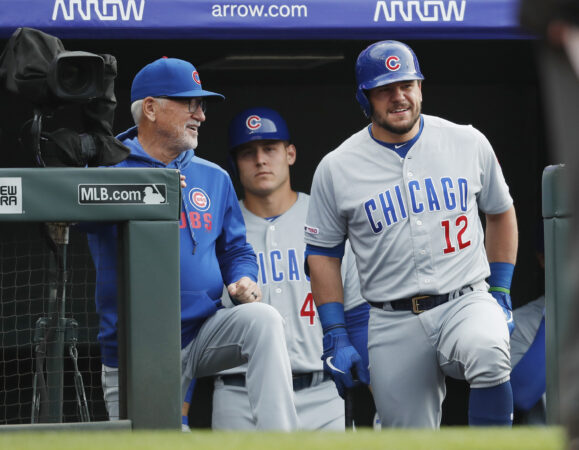
    However, I know Dave Dombrowski really well. David and I scouted together in Arizona back in the ’80s. David’s a real baseball guy. He’s going to look beyond certain components of this. They know what they see, also talking to him and the impact he has in the clubhouse. I would like to believe he’s going to stay in Philadelphia, and I think he should. I don’t know that if somebody wants to give him a couple more million bucks than the Phillies do, that, I still think Schwarbs is grounded enough that he’s going to go where he wants to go, as opposed to being swayed by a couple extra dollars.

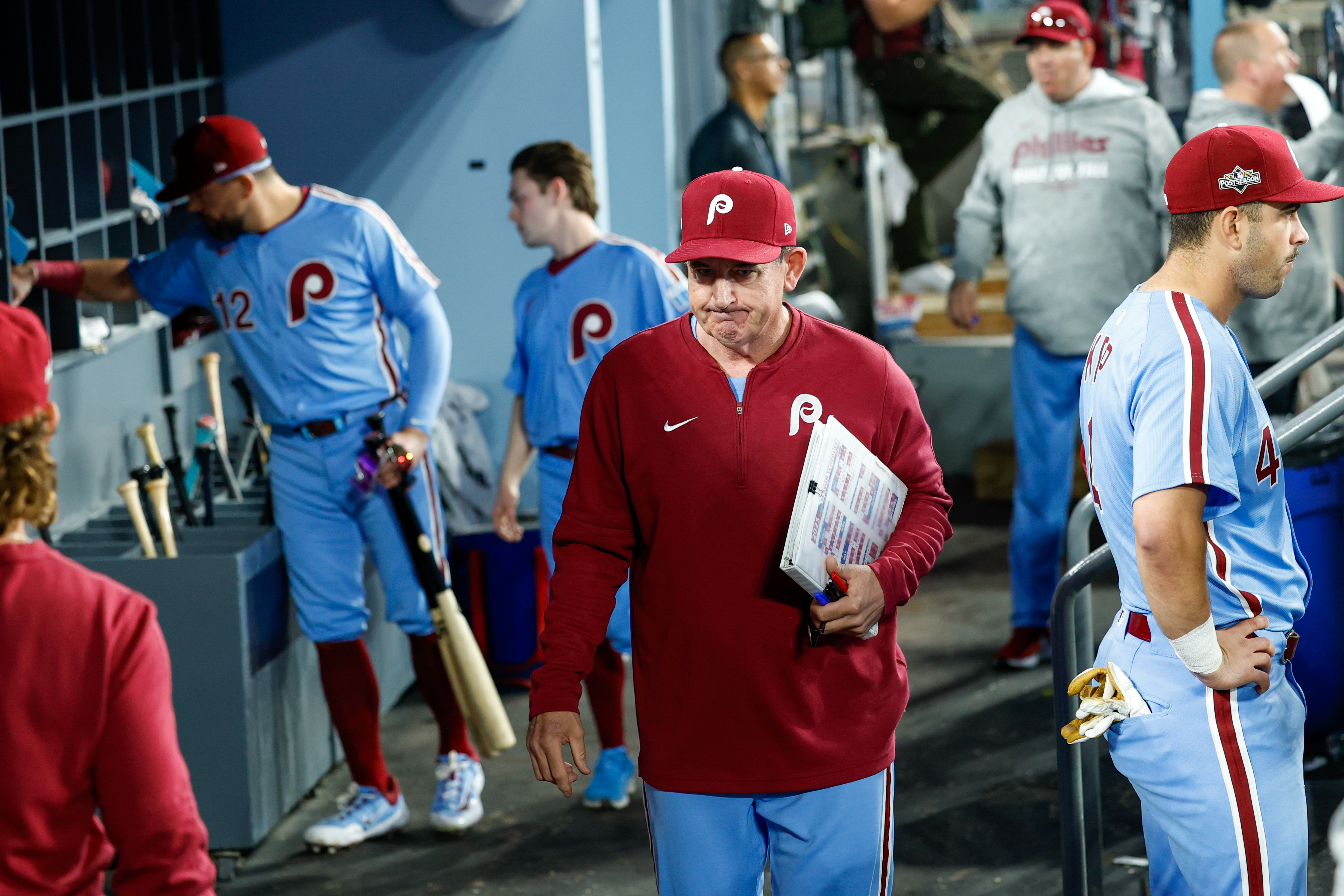
    Rob Thomson’s Phillies have been bounced from the playoffs in the NLDS each of the last two seasons.
    Q: What do you make of where the Phillies stand in their competitive cycle, and how far do you think they can go with the same group?

    A: If you’re going to change things, you’ve got to pretty much make sure that you’re getting better, right? They are good. I like watching them. I watch them often, and I think they have grit. I think they have great camaraderie. I love their leadership. I don’t know what else you want, really. I mean to say that we’re just going to blow this up and all of a sudden we’re going to be as good next year as we were the last two or three years, and then we’re going to do better in the playoffs, that’s kind of a reach for me.

    With this group, I would look to tweak it a little bit. I wouldn’t necessarily look to blow it up. There’s just too many good players on that roster, and I really think they interact well.

    The division itself, with the Mets, the Braves off a bad year are going to probably be better. But I still think Philly’s the right team, the team that has a chance to repeat again as the champs of their division again next year.

    My biggest thing I would look at is, “how do we prep for playoffs? What are we doing there?” My big thing is, when you get to the playoffs, I like to do less and not more. And analytical departments like to do more and not less. That time of the year, you’ve already played all these teams. You’ve played them; you’ve seen them. And then there’s the meetings. If they become more laborious, more detailed, longer, you’re putting more stuff on guys’ plate, that would be the mistake I would consider. So I don’t know this. I’m just saying I would really look at the prep work, because what would always frustrate me, we would go through the whole year, you get to this particular juncture, and now is the time to really let your players get out there, rested body, rested mind, and free. Give them a nugget or two, but let them go play some baseball, which is why we just love the World Series.

    … I had Shohei [Ohtani], I’ve had a lot of these guys — they don’t hold on to analytical nuggets when the game’s played. They don’t. That’s for managers and coaches to really decipher before a game. But then again, it has to be distilled. When you get too much information, it only serves to confuse. And again, I don’t know anything here, because I’m not privy to this, but I would look into, how are we prepping going into the playoffs? What are we laying on these guys, and how are we approaching them at that point? Because, quite frankly, they look a little bit more uptight to me in the playoffs than they do during the regular season. Like with Arizona a couple years ago [in the NLCS], I couldn’t believe that.

    So, I would really research and analyze my approach into that part of the year. Because obviously the approach during the year looks pretty darn good, and I don’t see that changing. So whatever you feel as though there was a deficiency, yes, try to add on to that. There’s got to be some micro stuff. But to blow that thing up doesn’t make any sense to me.

    Watch or listen to the full interview to hear Maddon’s thoughts on protecting Harper in the lineup, his connection with Phillies manager Rob Thomson, and more.

  • How can Bryce Harper have an ‘elite’ season in 2026? It starts with examining his atypical 2025.

    How can Bryce Harper have an ‘elite’ season in 2026? It starts with examining his atypical 2025.

    Alec Bohm returned from the injured list last month and got eight hits in three games, giving rise to a theory: If Bohm stayed hot, maybe the star hitter who precedes him in the Phillies’ batting order would see more strikes.

    “I doubt it,” Bryce Harper said.

    Harper knew how that sounded, so he made clear that he meant no disrespect to Bohm. But his point remained. Harper faced a lower rate of pitches in the zone (43%) than any hitter in baseball this season (minimum 150 pitches), so the notion that any Phillies lineup protection short of peak Mike Schmidt would affect how he was pitched ranked somewhere between wishful thinking and delusion.

    It has been this way for most of Harper’s life. He recalls being 11 years old and competing in travel tournaments in which the opposing coach would point to him and direct pitchers not to give him anything to hit. In 2016, the Cubs walked him 13 times, four intentionally, in 19 plate appearances over four games at Wrigley Field.

    Quite simply, teams game-plan against Harper specifically.

    “When we go into a series, we circle guys’ names, too,” Harper said earlier in the season. “It happens that way.”

    Even so, there was something different about this season. When Harper did get pitches in the zone, he didn’t do as much damage. As such, he didn’t produce his typical numbers.

    Phillies first baseman Bryce Harper saw a lower rate of pitches in the strike zone (43%) than any hitter in baseball this season.

    Harper reached base at a .357 clip, his lowest mark since 2014. He slugged .487 with an .844 OPS, his worst totals since 2016. He mashed 27 home runs, despite missing a month with an inflamed right wrist. Although he outproduced the league average by 29%, based on OPS+, he has been 42% better than average over his career.

    So, upon being asked at his end-of-the-season news conference on Oct. 16 — coincidentally, Harper’s 33rd birthday — if the Phillies believe this was a down year and not the start of a downturn for the face of the franchise, president of baseball operations Dave Dombrowski offered an eyebrow-raising answer.

    “He’s still an All-Star-caliber player,” he said. “He didn’t have an elite season like he has had in the past. And I guess we only find out if he becomes elite [again] or he continues to be good. If you look around the league, Freddie Freeman, he’s a really good player, right? Is he elite like he was before? Probably not to the same extent. Freddie is a tremendous player, and that, to me, is Bryce.

    “Can he rise to the next level again? I don’t really know that answer. He’s the one that will dictate that more than anything else.

    “I don’t think he’s content with the year that he had. And, again, it wasn’t a bad year. But when you think of Bryce Harper, you think of elite, right? You think of one of the top-10 players in baseball, and I don’t think [this season] fit into that category. But again, a very good player. I’ve seen guys at his age — again, he’s not old — that level off. Or I’ve seen guys rise again.”

    Maybe we just aren’t accustomed to that level of candor from a high-ranking executive, especially at a news conference. Or maybe Dombrowski calculated that challenging a future Hall of Famer to be better would have the effect of poking a grizzly.

    Regardless, it sparked conversation — even idle speculation about Harper’s future with six years and $153.25 million left on his contract and no-trade rights based on more than 10 years of major-league service, more than five with the Phillies.

    “I’ve been reading that, ‘Oh, the Phillies may trade Bryce Harper.’ That couldn’t be further from the truth,” Dombrowski said the other day on Foul Territory TV. “We love him, think he’s a great player. He’s a very important part of our team.

    “When I think of Bryce Harper, it’s a compliment. Because the reality is, there are eight to 10 players in the game of baseball every year when they’re not, let’s say, in the MVP consideration for whatever reason — sometimes it can be an injury factor; sometimes they just have a bad year — it’s not an elite year for them.

    “I’ve seen him have better years. I look for him to have better years.”

    Especially if the Phillies give him more help.

    Bryce Harper hit 27 homers this season, despite missing one month with an inflamed right wrist.

    Missing the mistakes

    Let there be no doubt about Harper’s state of mind in the aftermath of the Phillies’ second consecutive divisional-round knockout.

    “I want [a championship] more than probably a lot of people,” he said. “I want to hold that trophy. On a personal level, I’m going to work my butt off this offseason again and get ready for next year and hopefully take another swing at it and see what we can do.”

    But who will follow Harper in the batting order?

    It was a topic of conversation early this season. Harper got walked intentionally twice with runners in scoring position on April 11 in Atlanta, prompting Rob Thomson to tweak the lineup the next day. Rather than keeping a struggling Bohm — or fellow right-handed hitters J.T. Realmuto or Nick Castellanos — behind Harper, the manager moved Kyle Schwarber into that spot.

    “Just trying to protect Harper the best we can,” Thomson said.

    Schwarber should have represented Secret Service-level lineup protection. He batted behind Harper for 42 consecutive games and hit 12 homers in that span.

    And yet Harper didn’t see many more pitches in the zone.

    “It’s actually gotten worse, which is crazy,” Harper told The Inquirer in May during a series in Cleveland. “Just got to try to hone in as much as possible and hit the mistakes. That’s one thing where [Barry] Bonds was so good at. You get the mistakes and let the other ones go.”

    Usually, it’s a trademark of Harper’s, too.

    Through six seasons with the Phillies (2019 to 2024), he saw only 42.6% of pitches in the zone, tied for second-lowest rate among 293 players who faced at least 500 pitches, according to Statcast. But he punished those strikes, slugging .680, fifth-best behind Aaron Judge (.763), Shohei Ohtani (.710), Yordan Alvarez (.695), and Mike Trout (.695).

    Kyle Schwarber (right) batted behind Bryce Harper early in the season before the Phillies got away from that alignment.

    This year, with opponents still coming after him in the zone only 43% of the time, Harper’s slugging percentage on those pitches fell to .591. His weighted on-base average slipped, too, from .424 to .378.

    Reasons for the drop-off weren’t clear. Harper’s average bat speed wasn’t diminished (74.2 mph vs. 74.0 mph in 2024). His average exit velocity (91.3 mph) and hard-hit rate (47.5%) were consistent with the last two seasons (91.5 mph, 47.5%).

    There was a notable difference in how teams attacked Harper. He faced fewer fastballs (46.7%) and more breaking pitches — curveballs and sliders (41.3%) — than ever before. By comparison, the breakdown last season was 52.9% fastballs and 32.3% breaking stuff.

    Why the change?

    “Because I’m not hitting them,” Harper said. “Like, don’t try to fix what’s not broken, right?”

    Indeed, Harper slugged .438 against curveballs and sliders, down from .458 in 2024, .466 in 2023, and .495 in 2022.

    At least Harper didn’t overreact by swinging at many more pitches out of the zone. His chase rate ticked up to 35.6%, according to Statcast, but wasn’t far off his 33.4% mark from each of the previous two seasons. He walked in 12.1% of his plate appearances, nearly identical to his 12% mark from 2024.

    But as the Phillies seek explanations for Harper’s subpar season, they can start by tracing why he didn’t crush as many pitches — of any variety — in the zone as usual.

    Bryce Harper is a two-time Gold Glove finalist at first base. The Phillies haven’t discussed moving him back to the outfield.

    Better protection

    Maybe it would’ve helped if Thomson stuck with Schwarber behind Harper.

    Instead, Schwarber moved into the No. 2 hole while Harper was sidelined in June and stayed there en route to joining Ryan Howard in the pantheon of Phillies’ 50-homer hitters. Once Harper came back, he most often was followed in the order by Realmuto (41 games), Bohm (18), and Castellanos (13).

    Harper was the Phillies’ primary No. 3 hitter (117 games); Phillies cleanup hitters combined to rank 20th in slugging (.408) and OPS (.720).

    Scott Boras, Harper’s agent, didn’t respond to messages in recent days. But he told MLB.com that the best way for the Phillies to restore Harper’s elite performance is to “give Bryce Harper more pitches to hit.”

    Translation: Upgrade the lineup protection.

    Maybe it’s as simple as re-signing Schwarber and sticking him in the cleanup spot. Maybe the Phillies can add even more slug by putting the $24.5 million that will come off the books with the departures of Max Kepler, Jordan Romano, and David Robertson into an offer for, say, Alex Bregman, then swapping Bohm for Angels outfielder Taylor Ward.

    But unless 2006 Ryan Howard comes out of retirement, history suggests that Harper will continue to see fewer pitches in the zone than almost any hitter in baseball.

    He needs to get back to crushing them.

    “I think he’s highly motivated to have the best season of his career next year,” Thomson said. “He hasn’t told me this, but that type of person — and I’ve seen it before — they’ve had bad years, they’ll go like gangbusters during the offseason to get better because they want to get back to where they normally are at. I think that’s just Harp’s mindset. I think that’s what he’s going to do.”