Author: Nick Vadala

  • Lawsuit alleges negligence in deadly Bristol nursing home explosion

    Lawsuit alleges negligence in deadly Bristol nursing home explosion

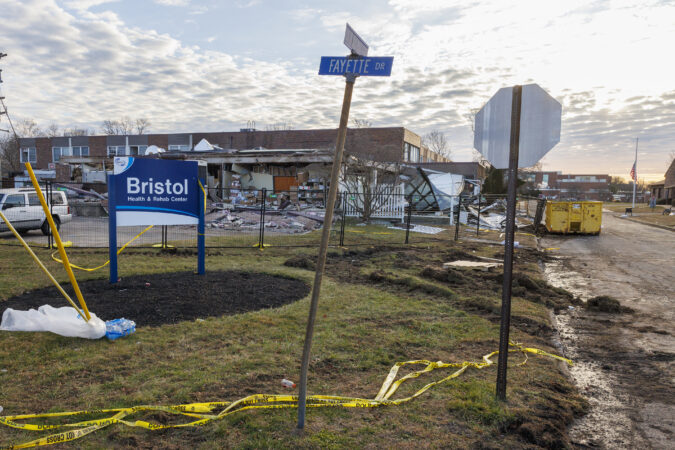
    A newly filed lawsuit alleges that the deadly explosion at a Bucks County nursing home just before Christmas was the result of negligence on the part of the facility’s operator and its natural gas supplier.

    Filed by Philadelphia law firm Saltz Mongeluzzi Bendesky on behalf of four survivors of the explosion, the lawsuit claims that Saber Healthcare Group, Peco, and others failed to appropriately respond to and treat a gas leak at Bristol Health & Rehab Center, and neglected to evacuate the building.

    The resulting explosion, which devastated the facility the afternoon of Dec. 23, killed two people and injured about 20 others.

    “Our pre-suit investigation left no doubt that the defendants were responsible for this foreseeable and preventable tragedy just before Christmas,” said lead attorney Robert J. Mongeluzzi.

    In addition to Peco and Saber Healthcare Group, the lawsuit names Exelon, Saber Healthcare Holdings, and the nursing home as defendants.

    The plaintiffs were among those on site at the time of the blast, the lawsuit says. They include former nursing home resident Barbara Stall, a paraplegic whose motorized wheelchair was allegedly destroyed during the incident, as well as facility aides Stacy Ballard and Davidetta Blay, and telecom contractor James Broderick. Blay and Broderick’s spouses are also included as plaintiffs.

    “Each continues to receive medical treatment for the physical and emotional injuries,” the law firm said in a statement. The lawsuit, the firm added, is believed to be the first filed to allege negligence.

    The blast rocked the Bristol facility just after 2 p.m., coming after Peco crews responded to reports of a gas odor earlier in the day, according to Inquirer reports. Some residents, The Inquirer later reported, had been smelling gas in the 174-bed facility in the days leading up to the explosion, but none were told to evacuate.

    The complaint, filed Monday in the Philadelphia Court of Common Pleas, alleges that despite the gas odor, the defendants did not take steps to evacuate, which it calls a “reckless and outrageous” decision.

    The odor, the complaint alleges, began permeating the building at least a half-hour before the explosion, and the defendants treated the situation with “carelessness, negligence, gross negligence, recklessness, and outrageous conduct,” the complaint said.

    Peco and Exelon, the lawsuit claims, never tested a gas pipeline that fed the nursing home for leaks and failed to properly diagnose and fix the leak once on site. Exelon, the parent corporation of Peco, declined to comment, citing an ongoing investigation.

    Zachary Shamberg, Saber’s chief of government affairs, declined to comment, citing the ongoing litigation.

    The age and condition of the gas line running to the nursing home remain unclear, but Peco has said that it has about 742 miles of substandard gas lines across the state that need to be replaced — accounting for roughly 5% of its gas service, but 82% of leaks, according to a report from the Pennsylvania Public Utility Commission.

    The company’s plans, The Inquirer previously reported, call for all those lines to be replaced by 2035.

    As a result of the explosion, the complaint alleges that the plaintiffs were forced to “suffer catastrophic personal injuries, had to survive harrowing rescue attempts, and watch their friends and colleagues lose their lives and similarly suffered traumatic injuries.”

    The cause of the explosion is being investigated by the National Transportation Safety Board, which said it expects to release a preliminary report on the explosion roughly three weeks from now. Previously, the board said investigators would test the natural gas service line that runs from the street to the basement of the facility, would interview witnesses, and would gather records.

    In the wake of the blast, Saber has relocated roughly 120 residents to local hospitals and other assisted-living facilities. The company said it was evaluating its evacuation procedures.

    Muthoni Nduthu, a 52-year-old nurse at the facility and mother to three sons, was killed in the blast. The second person killed was a resident at the nursing home, but they have not yet been publicly identified.

    “This explosion, and the loss of life and horrific injuries that accompanied it, were the tragic results of Defendants’ failure to timely respond to the gas leak, appropriately treat the leak, and evacuate the building in response to the leak,” the complaint alleges.

    The lawsuit is seeking unspecified damages to be determined by a jury.
  • Man arrested in hit-and-run death of e-bike rider in South Jersey

    Man arrested in hit-and-run death of e-bike rider in South Jersey

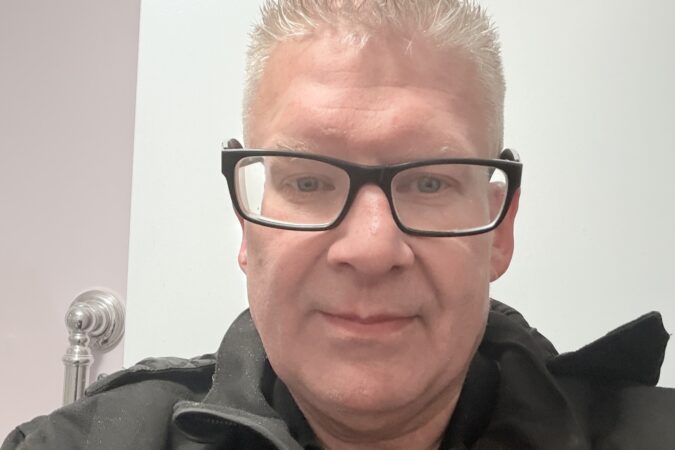
    Police in Burlington County have arrested a California man in the hit-and-run death of a man who was riding an e-bike on Route 73 in Mount Laurel earlier this week.

    Thair Maroki, 40, of El Cajon, Calif., has been charged with second-degree vehicular homicide and leaving the scene of a fatal accident, the Burlington County Prosecutor’s Office said.

    Maroki’s arrest comes days after the death of Anthony Caprio III, who was killed Monday. Mount Laurel Township police were dispatched to the 1100 block of Route 73 southbound just after 12:15 a.m. Monday to respond to a crash involving an e-bike and an unknown vehicle, and pronounced Caprio, 49, of Magnolia, dead at the scene.

    Michele Caprio, 71, Anthony’s mother, told The Inquirer that her son had taken his e-bike to a Wawa on Sunday night from her house in Mount Laurel. Around 3 a.m. Monday, police arrived at her home to inform her of the crash and Caprio’s death, she said.

    Sgt. Kyle Gardner said the e-bike was equipped with lights, which were on at the time of the crash. The vehicle driver dragged Caprio at least a quarter-mile and then continued south on Route 73 into Evesham Township, Gardner said.

    Investigators used surveillance footage from businesses in the area, as well as the New Jersey Turnpike Authority, to identify the vehicle that allegedly struck Caprio as a white 2022 Jeep Cherokee with California plates. Following a law enforcement alert for the vehicle, officers in the Lyndhurst Police Department in Bergen County located it Thursday and took Maroki into custody, authorities said.

    Maroki was slated to appear in court Friday in Mount Holly. No attorney information for him was immediately available.

  • As 2026 arrives, Philly is in for a cold — but less windy — New Year’s

    As 2026 arrives, Philly is in for a cold — but less windy — New Year’s

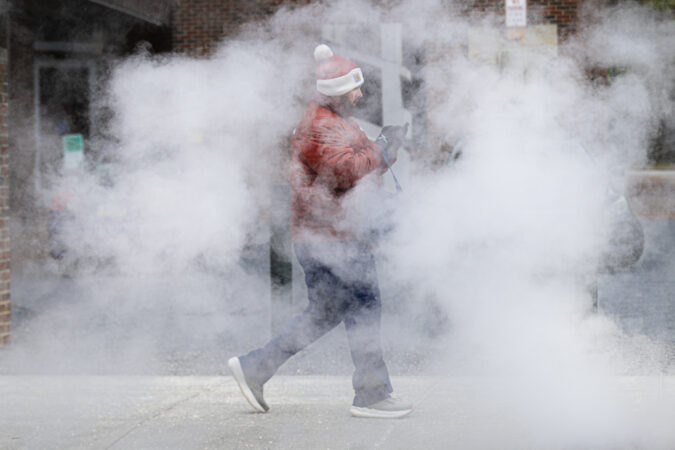
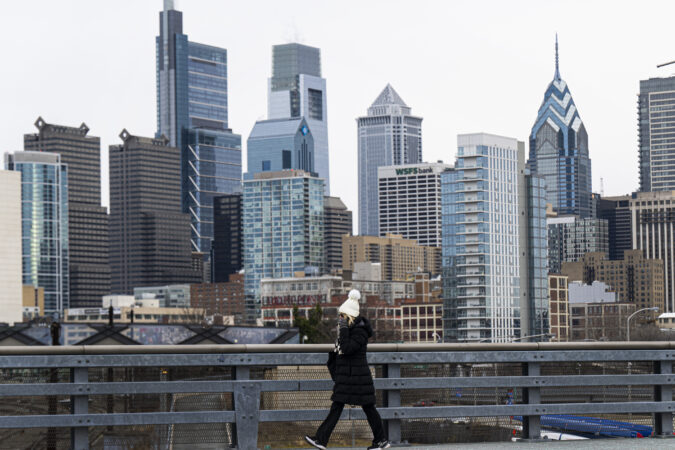
    After Tuesday’s blustery weather, the Philadelphia region is in for calmer weather on New Year’s Eve and New Year’s Day — but if you’re heading out to celebrate the holiday, be sure to bundle up.

    As 2025 gives way to 2026, temperatures are expected to top out in the low to mid-30s Wednesday and Thursday, running roughly 5 to 10 degrees below normal for this time of year, said Alex Staarmann, a meteorologist at the National Weather Service office in Mount Holly. Wind chills from expected breezy weather midweek, meanwhile, will make it feel even colder, likely down into the 20s.

    “It will be cold and breezy for the [Mummers] parade on Thursday, but nothing significant otherwise,” Staarmann said. “Just dress warmly.”

    That’s something of a relief following Monday and Tuesday’s windy weather, which saw wind gusts topping 50 mph amid a wind advisory that was extended until at least 4 p.m. The strongest winds came late Monday, with gusts hitting 60 mph at Philadelphia International Airport just after 8 p.m., according to weather service data.

    Wind on Wednesday — New Year’s Eve — is expected to abate significantly, with sustained speeds up to 15 mph and gusts topping out at 25 mph, Staarmann said. Thursday — New Year’s Day — will be similarly breezy, with gusts topping out at 30 mph on top of sustained wind in the 15- to 20-mph range.

    That cold and wind will be accompanied by slight chances of snow showers or flurries, though no accumulation is expected. The best chance for snow showers comes overnight Wednesday into Thursday, when forecasters give Philadelphia about a 40% chance of snow. But as of midday Tuesday, the possibility of any snow was somewhat unlikely.

    There was likewise a small possibility of some flurries early Wednesday morning, but Staarmann pegged the potential there at about 20%. Likewise, no accumulation was expected.

    “We could maybe get a small chance of a dusting, but there are not great chances of that, and nothing significant,” Staarmann said. “If anything, just flurries to maybe a light dusting.”

    Lacking any significant winter weather, holiday revelers heading to Philadelphia’s first New Year’s Eve concert Wednesday are likely in the clear, aside from the cold. The concert, set to begin at 8 p.m. on the Benjamin Franklin Parkway, will feature performances by LL Cool J, DJ Jazzy Jeff, Los Angeles rock band Dorothy, and Philadelphia High School for Creative and Performing Arts graduate Adam Blackstone.

    Folks heading to Thursday’s Mummers Parade are likely to see similar weather. Those festivities are set to kick off at 9 a.m., as more than 10,000 performers hit Philly’s streets for the day’s celebrations.

    As the week wears on, the weather for the first days of 2026 is expected to be “fairly uneventful,” according to weather service forecasts. Cold weather, however, is likely to stick around, with highs mostly in the 30s and lows in the teens and 20s.

  • Strong winds are expected around Philly in the final days of 2025

    Strong winds are expected around Philly in the final days of 2025

    A soggy, gloomy Monday was expected to give way to a blusterous Tuesday that brings a wind advisory as gusts of up to 50 mph blow their way into the Philadelphia region ahead of the New Year.

    Strong winds arrived behind a cold front that descended upon the Philly area Monday afternoon, dropping temperatures from the 50s into the 30s. The gusts arrived amid a wind advisory issued by the National Weather Service office in Mount Holly in effect through 1 p.m. Tuesday, with sustained wind speeds of up to 25 mph expected.

    “There could be some lulls in the morning, but there is no clear signal as to when we will see the lowest lulls” in wind speed Tuesday, said Sarah Johnson, a meteorologist with the weather service. “It will pretty much be windy all through the morning into midday.”

    With gusts potentially reaching into the 50-mph range, Johnson said, the primary concern for Philly-area residents was power outages caused by downed trees and broken tree limbs. That element will especially be a possibility following Monday’s rainy weather, which softened the ground in the area and primed it for potential treefall that could also bring down power lines.

    Peco, meanwhile, has said that it is aware of the wind advisory, and that its crews are actively monitoring weather conditions while remaining ready to respond to potential outages. The company on social media also advised residents to steer clear of downed power lines and report outages on its website.

    Johnson also noted that the high winds posed a risk to loose objects outdoors, such as holiday decorations and light furniture. Those items, she said, should be secured or taken indoors to keep them from potentially being lost or causing damage should they be taken away in a strong wind.

    Additionally, Tuesday’s forecast strong winds could create challenges for drivers — particularly those behind the wheels of “high-profile vehicles” like SUVs, trucks, and other large cars. Essentially, the larger a vehicle is, or the higher off the ground it sits, the more it is apt to be pushed around in high winds, she said.

    “The closer you are to the ground, the less likely you are to be impacted by high winds,” Johnson said.

    Tuesday’s windy weather, meanwhile, is not an uncommon occurrence for December in the Philadelphia region, Johnson added. Strong cold fronts are known to bring with them windy conditions as temperatures drop — and the cold is likely to remain throughout the week as New Year’s Eve and New Year’s Day come and go.

    “It is normal for us to have the strongest temperature gradients — the biggest difference in temperature — in the winter seasons,” she said. “We tend to see those from late fall through early spring — pretty much prime season.”

    The strongest winds are likely to move out later Tuesday, but Wednesday is expected to remain somewhat breezy, with gusts possibly reaching up to 20 mph. Those winds, however, fall well short of the wind forecast for Tuesday.

    That may be welcome news for New Year’s Eve revelers set to ring in 2026 at Philadelphia’s first New Year’s Eve concert Wednesday. The concert, set to kick off at 8 p.m. on the Benjamin Franklin Parkway, will feature performances by LL Cool J, DJ Jazzy Jeff, Los Angeles rock band Dorothy, and Philadelphia High School for Creative and Performing Arts graduate Adam Blackstone.

    Though Tuesday’s windy weather will likely abate in time for the holiday, colder temperatures with a high around 32 degrees are expected Wednesday, so attendees ought to bundle up. New Year’s Day on Thursday fits a similar description, with highs hovering near freezing and breezes up to 20 mph, Johnson said. There is only a slight chance of “lingering light snow or flurries,” according to weather service forecasts.

    “It’s likely to be dry, but cold and maybe breezy” the first day of 2026, Johnson said.

  • A statue of a civil rights activist who spent much of her life in Philly now stands in the U.S. Capitol

    A statue of a civil rights activist who spent much of her life in Philly now stands in the U.S. Capitol

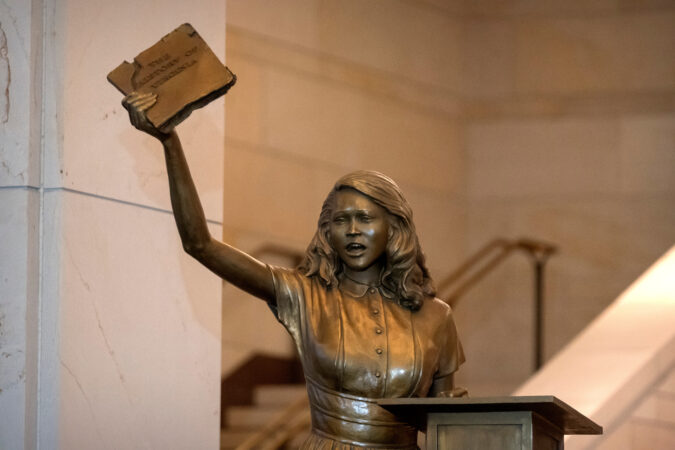
    Back in 1951, a teenage Barbara Rose Johns led a walkout at her segregated high school in Virginia that would go on to contribute to the U.S. Supreme Court’s landmark decision in Brown v. Board of Education. Now, a statue of her is on display in the U.S. Capitol, replacing a sculpture of Confederate Gen. Robert E. Lee.

    “The Commonwealth of Virginia will now be properly represented by an actual patriot who embodied the principle of liberty and justice for all,” House Minority Leader Hakeem Jeffries (D., N.Y.) said at a ceremony Tuesday unveiling the statue. “And not a traitor who took up arms against the United States to preserve the brutal institution of chattel slavery.”

    And while Johns today is remembered as a seminal civil rights figure who hailed from Virginia, she spent much of her adult life in Philadelphia.

    Born in New York City in 1935, Johns as a child moved to Prince Edward County, Va., where she lived on a farm with her grandmother. The county’s public schools were segregated, and in the late 1940s, she began attending an all-Black high school in Farmville known as Robert Russa Moton High School.

    Johns, according to the Moton Museum, became frustrated with the poor conditions at the school, which lacked resources and was overcrowded compared with white facilities. In April 1951, when she was 16, she led a walkout with hundreds of other students to protest the conditions, ultimately gaining the support of NAACP lawyers, who filed a lawsuit that challenged the practice of segregated education.

    Known as Davis v. Prince Edward, the lawsuit went on to become one of the five cases that the U.S. Supreme Court reviewed in Brown v. Board of Education. The high court’s landmark 1954 decision declared “separate but equal” public schools unconstitutional. Despite resisting the court’s decision, Prince Edward County schools were ultimately integrated by the mid-1960s.

    People take photos of a statue of Virginia civil rights activist Barbara Rose Johns, whose statue will replace one of Robert E. Lee as one of Virginia’s two statues on display at the Capitol, at a dedication ceremony Tuesday, Dec. 16, 2025, in Washington.

    Following the walkout, Johns’ parents were worried for their daughter’s safety and sent her to live in Montgomery, Ala., where she resided with her uncle, the Rev. Vernon Johns, who was a pastor and civil rights leader in his own right. She completed high school there and studied for a time at Spelman College in Atlanta, according to the Farmville Herald, Farmville’s local newspaper.

    In 1954, she married the Rev. William Rowland Powell, and the pair later moved to Philadelphia. As a resident, Johns continued college at Drexel University, from which she graduated in 1979 with a bachelor’s degree in library science, according to the 2018 book Recovering Untold Stories: An Enduring Legacy of the Brown v. Board of Education Decision.

    Johns would go on to have five children, and worked for more than 20 years as a librarian for the Philadelphia School District. Public information about her time in Philadelphia is scarce, and neither Drexel nor the school district immediately responded to requests for comment.

    On Sept. 25, 1991, Johns died in Philadelphia following a battle with cancer. Her family, the Farmville Herald reported, knew little of activism and her involvement in the Moton walkout, only learning of it late in her life.

    The statue of Johns is part of the National Statuary Hall Collection at the Capitol, in which each state can contribute two statues. The other statue representing Virginia is of George Washington.

    The National Statuary Hall displays 35 of the statues. Others are in the Crypt, the Hall of Columns, and the Capitol Visitor Center. House Speaker Mike Johnson (R., La.) said the Johns statue will be placed in the Crypt.

    Former Democratic Virginia Gov. Ralph Northam had requested the removal of the Lee statue. In December 2020, a state commission recommended replacing Lee’s statue with a statue of Johns. The removal occurred during a time of renewed national attention over Confederate monuments after the death of George Floyd, and the Lee statue was relocated to the Virginia Museum of History and Culture.

    Johns is also featured in a sculpture at the Virginia Civil Rights Memorial outside the state Capitol in Richmond. Her former high school is now a National Historic Landmark and museum.

    “She was brave, bold, determined, strong, wise, unselfish, warm and loving,” said Terry Harrison, one of her daughters, at Tuesday’s unveiling, according to NPR. “We’re truly grateful that this magnificent monument to her story, the sacrifices that her family and her community made, may continue to inspire and teach others that no matter what, you too can reach for the moon.”

    This article contains information from the Associated Press.

  • Kilmar Abrego Garcia is freed from immigrant detention center in Pennsylvania after judge’s order

    Kilmar Abrego Garcia is freed from immigrant detention center in Pennsylvania after judge’s order

    Kilmar Abrego Garcia was freed from an immigration detention center in Pennsylvania on Thursday evening following a federal judge’s order earlier in the day that compelled his release, marking a significant development in a case that has served as a test of the deportation powers of President Donald Trump’s administration.

    An attorney for Abrego Garcia confirmed his client’s release, telling the Associated Press that he left the Moshannon Valley Processing Center, where he had been held since late September, just before 5 p.m. Abrego Garcia, whose case gained international attention earlier this year after he was deported to the notorious CECOT prison in his native El Salvador before being ordered returned, will return to Maryland.

    “The government still has plenty of tools in their toolbox, plenty of tricks up their sleeve,” attorney Simon Sandoval-Moshenberg said. “We’re going to be there to fight to make sure there is a fair trial.”

    Abrego Garcia’s release came after Maryland U.S. District Judge Paula Xinis found that Immigration and Customs Enforcement had detained him with no legal basis. In an order issued Thursday morning, Xinis ordered ICE to release him immediately.

    “Since Abrego Garcia’s return from wrongful detention in El Salvador, he has been re-detained, again without lawful authority,” the judge wrote. “For this reason, the Court will GRANT Abrego Garcia’s Petition for immediate release from ICE custody.”

    The Department of Homeland Security was highly critical of the release order, calling it “naked judicial activism” by a judge who was appointed by President Barack Obama, a Democrat.

    “This order lacks any valid legal basis, and we will continue to fight this tooth and nail in the courts,” said Tricia McLaughlin, the department’s assistant secretary.

    Abrego Garcia entered the United States without permission at age 16, then settled in Maryland, and later married and started a family. An immigration judge ruled in 2019 that he could be deported, but not to El Salvador, where he faced threats of gang violence. The Trump administration, which claimed Abrego Garcia was a member of the MS-13 gang, nonetheless deported him to that country in March, and his wife successfully sued to bring him back.

    His case went on to become a rallying point for those who oppose Trump’s immigration crackdown. Upon his return, he was charged with human trafficking — an allegation his lawyers called preposterous and vindictive. Abrego Garcia has pleaded not guilty in that case and filed a motion to dismiss the charges.

    Though Abrego Garcia cannot legally be deported to El Salvador, ICE has sought to deport him to several African countries, including Eswatini, Ghana, and Uganda. In her order, Xinis wrote that “none of these countries were ever viable options” and noted that Costa Rica — where Abrego Garcia indicated he would prefer to be deported should he be removed — never rescinded an offer to accept him, as officials previously alleged.

    “But Costa Rica had never wavered in its commitment to receive Abrego Garcia, just as Abrego Garcia never wavered in his commitment to resettle there,” Xinis wrote.

    A transfer to Pennsylvania

    After being held at a detention center in Virginia following his return to the United States in June, Abrego Garcia was transferred to Moshannon Valley Processing Center in Western Pennsylvania. Known as Moshannon, the facility is run by the Florida-based private prisons giant GEO Group.

    In a recent Inquirer report, current and former detainees described grim and crowded conditions at the facility, with 75 men sleeping together in a pod, sharing six toilets and three showers among them. The facility is the largest detention center in the northeastern United States, capable of holding nearly 1,900 prisoners, The Inquirer previously reported.

    ICE officials said at the time of Abrego Garcia’s transfer that his detention to Moshannon would allow his lawyers easier access to their client. Abrego Garcia’s attorneys, however, raised concerns about the conditions at the facility, saying there had been reports of “assaults, inadequate medical care, and insufficient food” there.

    In a separate immigration court action filed in August, Abrego Garcia petitioned to reopen his immigration case to seek asylum in the United States. That case remains ongoing.

    In her order releasing Abrego Garcia, Xinis wrote that federal authorities “did not just stonewall” the court: “They affirmatively misled the tribunal.” Xinis also dismissed the federal government’s arguments that the court did not have jurisdiction to rule on a final order of removal, noting that such an order had not been filed.

    “Thus, Abrego Garcia’s request for immediate release cannot touch upon the execution of a removal order if no such order exists,” she wrote.

    Staff writers Jeff Gammage and Max Marin contributed to this article, which contains information from the Associated Press.

  • Plan to keep a Rocky statue at the top of the Art Museum steps moves forward

    Plan to keep a Rocky statue at the top of the Art Museum steps moves forward

    Keep punching, Rocky.

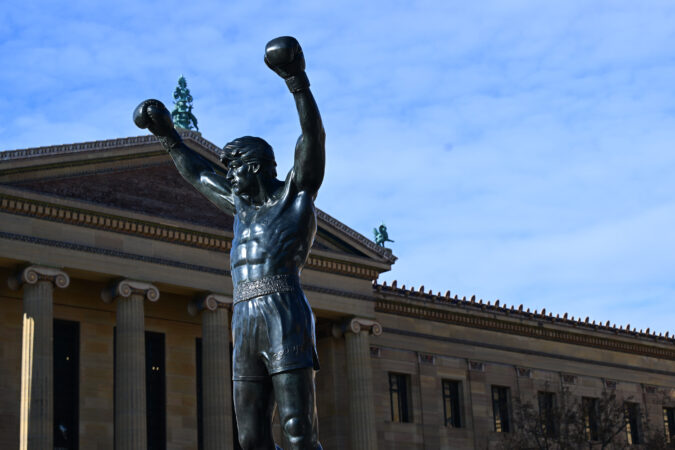
    Creative Philadelphia’s proposal to permanently install a Rocky statue at the top of the Philadelphia Art Museum’s famed steps is one step closer to reality following a Philadelphia Art Commission meeting Wednesday, though the plan fell short of receiving final approval following a mixed vote. Three commissioners voted to approve the concept, while one disapproved and two abstained.

    And, in perhaps bigger news to supporters, if the plan goes through, the screen-used statue that sits at the bottom of the Art Museum steps would be moved to the top thanks to what appears to be a change of heart from the Italian Stallion himself, Sylvester Stallone. Initially, the city planned to give the original statue back to Stallone, who gifted it to Philadelphia decades ago, and keep the other casting that now sits at the top of the Art Museum steps.

    “In response to the strong and heartfelt feedback from the public, Mr. Stallone has graciously decided that we will no longer move forward with the proposed statue swap,” chief cultural officer Valerie V. Gay said at Wednesday’s meeting. “This outcome reflects our shared commitment to listening deeply to the community and doing what is best for both the art and the people who cherish it.”

    Now, the city would keep the original, commissioned by Stallone for 1982’s Rocky III, while the second casting — reportedly purchased for about $403,000 at an auction in 2017 — would go back into the actor’s private collection. The second casting has been on (supposedly temporary) display at the top of the Art Museum’s iconic steps since last December, when Stallone lent it to the city for the inaugural RockyFest, which celebrates the Rocky franchise.

    What will happen, however, remained up in the air following Wednesday’s meeting. Commission members largely cited concerns over accessibility and feasibility with moving the Rocky statue to the top of the Art Museum steps, but ultimately approved the concept on the condition that Creative Philadelphia present further information before a future vote for final approval. The art commission is next slated to meet Jan. 14, members said Wednesday.

    The goal, Gay said, is to have only one Rocky statue at the Art Museum, and install another, as-yet-unannounced, city-owned statue at the bottom of the building’s steps where the original Rocky statue now stands.

    “It will not be Rocky,” Gay said. Philly, it should be noted, has a third Rocky statue at Philadelphia International Airport, which made its debut late last month in Terminal A-West.

    If approved, the plan would get underway next year. As part of “Rising Up: Rocky and the Making of Monuments,” an Art Museum exhibit slated to run from April to August, the original Rocky statue would be displayed inside the museum for the first time, while the loaner remains outside. At the conclusion of that exhibit, the original would be moved outside to the top of the Art Museum’s steps for its permanent installation, and the loaner would go back to Stallone, officials said Wednesday.

    Years of moves and debate

    Wednesday’s meeting marked yet another chapter in the Rocky statue’s controversial history in town. It arrived for the filming of Rocky III, but when the shoot wrapped in 1981, a permanent location had not been approved, causing it to be shipped back to Los Angeles. It ultimately came back and was temporarily exhibited again at the top of the Art Museum steps before being moved back and forth several times between that location and the Spectrum at the stadium complex in South Philly.

    Over the years, the statue has ignited public debate about whether it should be displayed at the Art Museum, and whether it is art in the first place. Still, it has been on display at the foot of the museum’s steps since 2006, where it has served as a draw for tourists and residents alike, attracting an estimated 4 million visitors per year, Creative Philadelphia officials said.

    Inquirer readers largely said in September that the statue temporarily installed at the top has overstayed its welcome, with about 46% of respondents to one poll saying no Rocky statue belongs at the top of the steps, but the one at the bottom should stay. Roughly 20% said the city should not have a Rocky statue at all.

    Gay, however, said Wednesday that the proposed permanent Rocky statue installation offers a chance to “allow art to bring our community together” and encourage visitors to the statue to take in the art on display inside the museum.

    “This is absolutely an amazing opportunity to expand our connection, our community’s connection, with art,” she said.

  • Philly wants to keep the Rocky statue atop the Art Museum steps

    Philly wants to keep the Rocky statue atop the Art Museum steps

    » UPDATE: Plan to keep a Rocky statue at the top of the Art Museum steps moves forward

    The Rocky statue sitting atop of Philadelphia Art Museum’s famed steps could soon be there permanently — and the one at the bottom may be going back to the Italian Stallion himself, Sylvester Stallone.

    That’s according to a recent proposal from Creative Philadelphia, the city’s office for the creative sector, which is slated to present its proposal at an Art Commission meeting for a concept review Wednesday. The plan, the proposal notes, is endorsed by Mayor Cherelle L. Parker and Art Museum officials, as well as leaders in the Parks and Recreation department and at the Philadelphia Visitor Center, all of whom filed letters of support.

    “This project is about more than relocating a sculpture,” chief cultural officer Valerie V. Gay and public art director Marguerite Anglin wrote in a letter to the Art Commission. “It’s about elevating an artwork that, for decades, has symbolized perseverance, aspiration, and the resilience of the human spirit.”

    The statue at the top of the Art Museum’s steps was set there last December as part of the city’s inaugural RockyFest, which celebrates the Rocky franchise. Initially intended to be a temporary installation, that statue — a replica of sculptor A. Thomas Schomberg’s original, made by the artist himself — was lent to the city by Stallone, who purchased it for about $403,000 at an auction in 2017, The Inquirer previously reported.

    The statue at the foot of the steps, meanwhile, is owned by the city, and has sat there since 2006, arriving after years of controversy and moves since it appeared in 1982’s Rocky III. Stallone commissioned that statue for the film, and later gave it to the city.

    As part of the city’s plan, Philly would swap ownership of the two statues, taking ownership of the statue at the top of the steps, and returning the statue at the bottom “to the original donor’s private collection” following its exhibition inside the Art Museum this spring, the proposal notes.

    The city would then “install another City-owned statue at the bottom of the Art Museum steps,” and move the statue at the top back several feet for its permanent installation.

    The project would cost an estimated $150,000, the proposal notes. It was not immediately clear what statue would be relocated to the bottom of the steps, or what prompted the exchange of statues.

    An Art Commission agenda notes that in its concept review Wednesday, the proposal could receive final approval if it is found to be “sufficiently developed.”

    A history of moves

    The proposed move marks yet another chapter in the Rocky statue’s storied history in town. It arrived for the filming of Rocky III, but when the shoot wrapped in 1981, a permanent location had not been approved, causing it to be shipped back to Los Angeles. It ultimately came back and was temporarily exhibited again at the top of the Art Museum steps before being moved to an area outside the Spectrum at the stadium complex in South Philly, where it was supposed to permanently stay.

    But in 1990, the statue was again temporarily installed at the museum for the filming of Rocky V, reigniting public debate about whether it should remain there. The statue was returned to the stadium complex before being moved in 2006 back to the bottom of the museum’s steps, where it has sat ever since.

    Gay and Anglin seem to reference the statue’s history in their letter, noting that a permanent installation at the top of the museum’s steps could be an “an opportunity to lean into the evolving conversation about what is considered ‘art’ and what deserves a place in our most treasured civic spaces.”

    “The Rocky statue is a clear example of this evolution,” they wrote. “Its artistic significance has not been shaped by institutions, but by the millions of people who engage with it year after year.”

    A third statue

    Philadelphia, incidentally, has a third Rocky statue made by Schomberg. That one is located at Philadelphia International Airport, where it was unveiled late last month in Terminal A-West.

    “Rocky is the DNA of this great city of Philadelphia,” Schomberg said in a statement released with the airport statue’s unveiling. “There’s a little bit of Rocky in all of us. Rocky is not just known here in Philadelphia but is known across this country and the world.”

  • In Philadelphia, Frank Gehry’s legacy lives on at the Art Museum

    In Philadelphia, Frank Gehry’s legacy lives on at the Art Museum

    Famed architect Frank Gehry died Friday in his home in Santa Monica at 96 after a brief respiratory illness. And while he is gone, cities all over the world will continue to hold a piece of him — including Philadelphia.

    Though he is known for the striking, rambunctious architecture of buildings like the Guggenheim Museum in Bilbao, Spain, and the Walt Disney Concert Hall in Los Angeles, around here, Gehry will perhaps be best remembered as the man behind the Philadelphia Art Museum as we know it today. Gehry in 2006 was selected from a slate of more than 20 renowned architects to oversee what would become a $233 million renovation of the Art Museum.

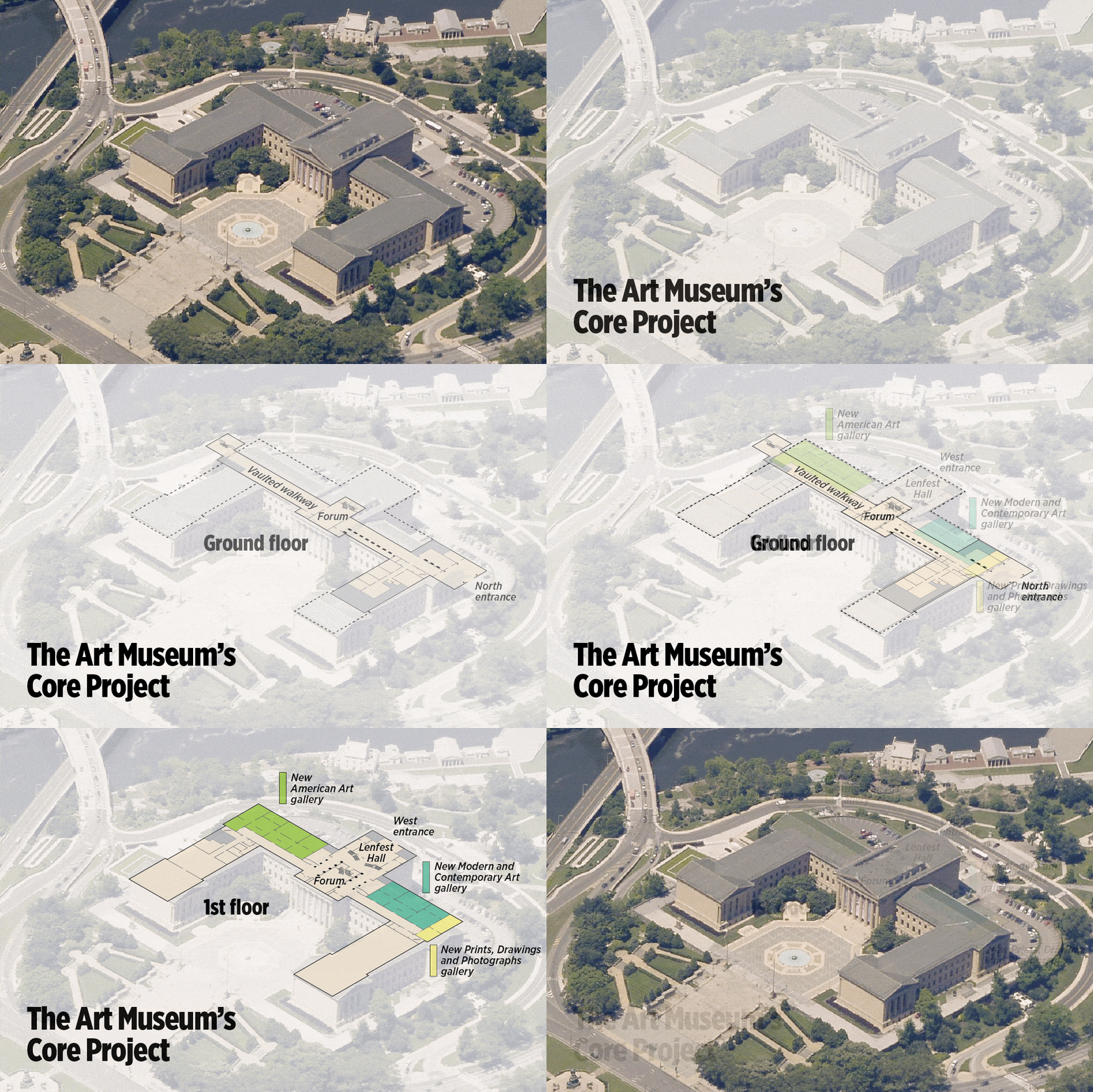
    Known as the Core Project, the effort — completed in 2021 — was designed to open up the museum’s floor plans, reclaim a ground level that had been closed to the public for decades, and add some 20,000 square feet of new gallery space. Completed in phases over more than a decade, Gehry’s planned renovations were designed to make the building more accessible, revitalize its aging infrastructure, and give the space more flow — all while not disrupting the museum’s iconic look.

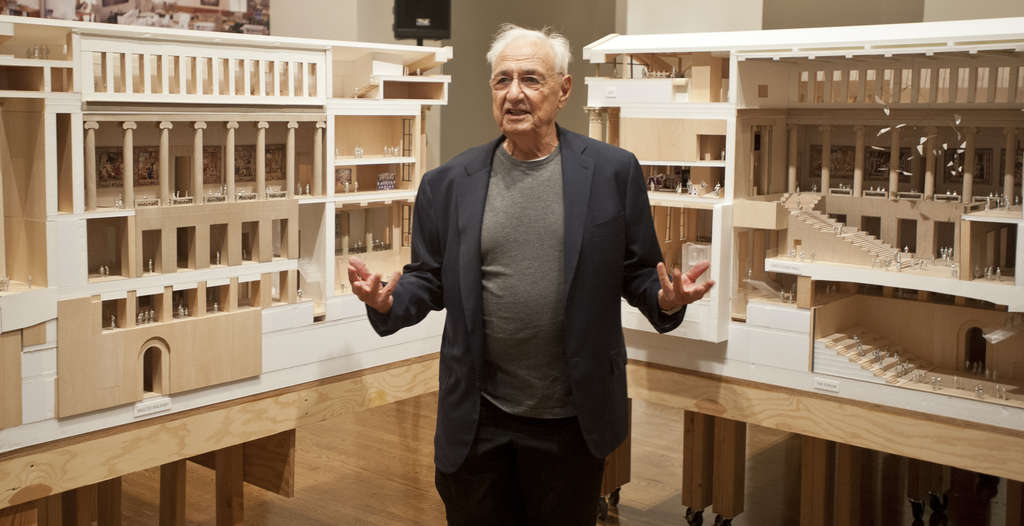
    Frank Gehry with a model of his design for the museum’s expansion, to be on display in the exhibit “Making a Classic Modern: Frank Gehry’s Master Plan for the Philadelphia Museum of Art.”

    “Frank always felt in the design of the core project that he was collaborating with the original architects,” said retired Philadelphia Art Museum chief operating officer Gail Harrity Friday. “He often said he was following the bread crumbs left by the original architects to revitalize a building that needed a flow, needed the restoration of the east-west access, the north-south access.”

    Gehry’s work on the Art Museum created “views toward a work of art that pull you like a magnet into the galleries,” Harrity said. And in a 2021 Inquirer review of the revamp, architecture critic Inga Saffron found that the redesign gave “museum officials precisely what they wanted: clarity, light, and space.”

    A contentious choice

    But when he was selected to lead the effort, Gehry was something of a controversial choice. At the time, Gehry was known for flamboyant architecture dotted with playful, tumbling forms — much different from the Greek Revival and Neoclassical design that made the Art Museum an icon on the Benjamin Franklin Parkway. Some museum lovers worried he would desecrate Philly’s art museum, while others pondered why museum officials would pick such a high-profile architect to design features that largely would not be seen from the outside.

    “Nothing [Gehry] has done gives me a good feeling,” one reader wrote to The Inquirer in 2006. “Please rethink using this man to destroy the Philadelphia Museum of Art.”

    Gehry himself did little to quell his detractor’s worries. As he put it to The Inquirer at one point: “We will set off a bomb. But I can’t tell what kind till the fat lady sings. I think we’ll make it memorable.”

    A $233 million Frank Gehry-designed renovation of the Art Museum focusing on the building’s bottom two floors. The Core Project’s goals were to open up the museum’s floor plans, reclaim a ground level that had been closed to the public for decades, and add 20,000 square feet of new gallery space.

    Ultimately, Gehry’s design would be understated and in line with the museum’s existing structure. In fact, it was Gehry’s work on the ’60s-era Norton Simon Museum in Pasadena — which he transformed into a series of serene, classically arranged galleries in the 1990s — that convinced Art Museum officials to go with him for their redesign, so there was perhaps little to be concerned about all along.

    Museumgoers got their first taste of the revamp in the fall of 2012, when work on an art-handling facility was completed. That project moved a loading dock and backstage area from the building’s northeast side near Kelly Drive to the Schuylkill side, and would allow for Gehry’s redesign project to progress.

    And, at least to Gehry, big plans were afoot.

    “I wonder if people in Philadelphia know what a big deal this is,” he told The Inquirer in 2014. “Bilbao was a sleepy little town before the Guggenheim came along. This is going to change Philadelphia.”

    The unveiling

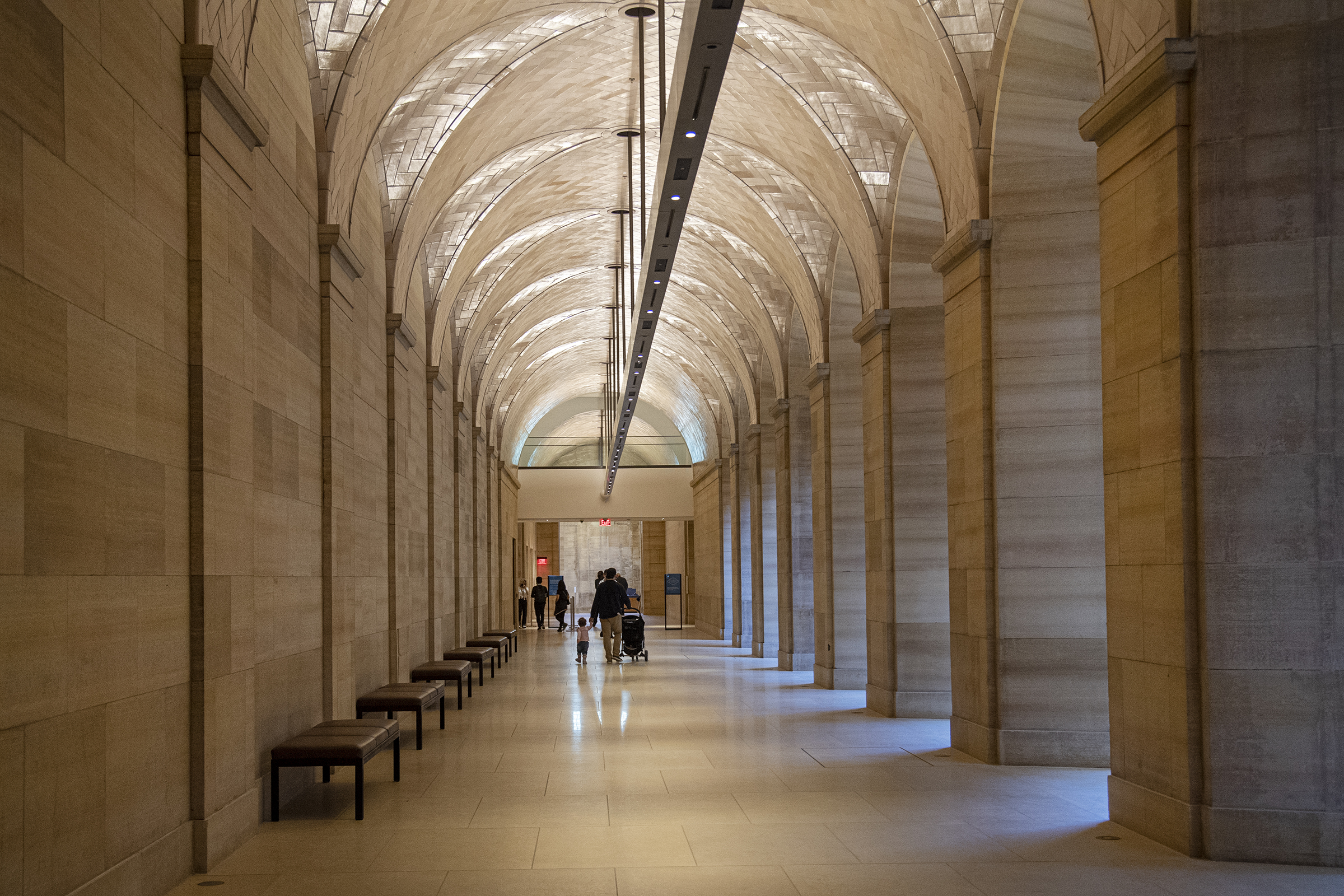
    By 2017, the Art Museum officially broke ground on the Core Project phase of its redesign. Two years later, in 2019, it reopened a long-shut entryway on the building’s north side, leading to a vaulted walkway more than 600 feet long, running the width of the museum. An auditorium was demolished, being replaced by the area today known as the Williams Forum.

    Its removal opened up the interior of the museum, allowing visitors to see through the entire building, bringing in light and street vistas through windows, and “possibly ending that feeling of being lost amid proliferating galleries of art,” The Inquirer reported at the time.

    In 2021, the Art Museum officially unveiled Gehry’s work, showing off the result of 15 years of planning, design, and reconstruction. The Daniel W. Dietrich II Galleries and Robert L. McNeil Jr. Galleries made their debut, housing contemporary and American art, respectively.

    “Gehry has provided the canvas,” Saffron wrote of the redesign. “Now it’s up to the museum to make the most of it.”

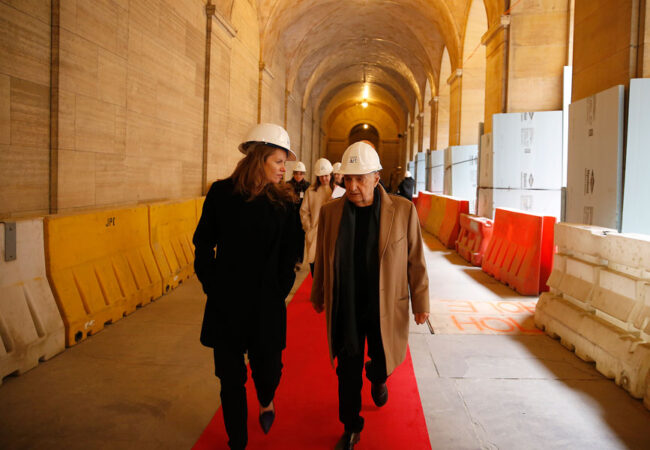
    View of the vaulted walkway at the Art Museum.

    But the design wasn’t exactly completely finished. Gehry also created the Philadelphia’s museum’s master plan that includes a proposed next phase: building more gallery space beneath the museum’s east steps. The project has been on hold for a number of years, and its status remains undetermined, a museum spokesperson said Friday.

    The museum had also had informal discussions recently with Gehry about designing a learning and engagement center, but that project‘s status is also undetermined, the spokesperson said.

    “The building is a landmark that is iconic in Philadelphia, that’s difficult to change the exterior of, and in many respects is on a site that is hard to expand,” said Harrity. “So in looking at previous ideas and designs I think Frank’s solution for further increasing gallery space while responding to the architectural integrity of a landmark that is beloved in Philadelphia is brilliant.”

    This article contains information from the Associated Press.

  • The share of Asian residents living in Philly’s Chinatown is decreasing, says a new report

    The share of Asian residents living in Philly’s Chinatown is decreasing, says a new report

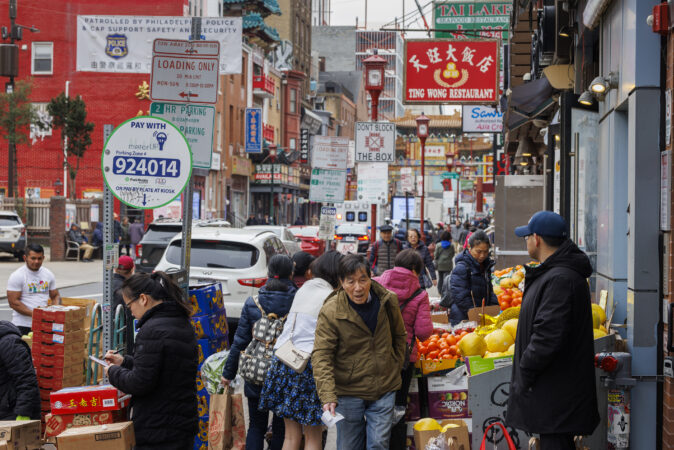
    Philadelphia’s Chinatown neighborhood has grown significantly over the last decade, but a majority of its gains in population and business have resulted in a decline in the share of Asian residents amid concerns over gentrification and displacement, according to a new report.

    And the situation is not unique to Philly, a study from the Asian American Legal Defense and Education Fund found. Its counterparts in New York City and Boston — both also historic Chinatowns — are facing similar pressures.

    All three cities’ Chinatowns, in fact, saw declines in their share of Asian residents from 2010 to 2020, the report found. The findings in Philly, meanwhile, come following years of the neighborhood staving off locally planned developments that may have resulted in additional challenges for residents — including the proposed billion-dollar Sixers arena effort abandoned in January after years of heated debate.

    “The Chinatown community is no stranger to fighting off large-scale and predatory development,” said the report from the fund, which provided legal support to community groups during the arena saga. “The arena would have devastated the neighborhood, bringing in a renewed wave of gentrifying pressure for residents and competition for local businesses.”

    The fund recommends that cities like Philadelphia enact community-focused rezoning efforts to protect their Chinatowns’ cultures from those pressures. But, as the report found, Philly’s Chinatown is already seeing substantial demographic shifts.

    For population and race data in 2000 and 2010, the study used the U.S. Census Bureau’s decennial census, which conducts a 100% count of the nation’s population. Figures for 2020 were drawn from estimates from the Census Bureau’s American Community Survey for the five-year period of 2018 to 2022, as the study’s authors cited possible data issues in the 2020 decennial census because of the pandemic and the proposed citizenship question.

    An Inquirer analysis that used the decennial census for both 2010 and 2020 shows that Asians remain the largest racial group in Chinatown, with their share of the population falling slightly, from 61% to 57%. White residents’ share of Chinatown’s population grew from 24% to 28%.

    Here are three takeaways from the fund’s report:

    An older, less Asian population

    Between 2010 and 2020, Chinatown’s population grew by 15%, from roughly 5,900 people to nearly 6,800. During that time, much of the growth was driven by an influx of white residents, with that group’s population growing by roughly 76% during that time — and becoming the largest racial group in the area — the report found.

    The overall number of Asian residents, however, remained roughly the same — 2,464 in 2010 vs. 2,445 in 2020. That proportion accounted for about 36% of the neighborhood’s population in 2020, decreasing from 42% in 2010. The white population, meanwhile, accounted for 44% of Chinatown’s residents in 2020, compared with 29% in 2010.

    As a result, the report notes, the area’s growth can be “entirely attributed” to a rush of non-Asian residents over the last decade covered by the U.S. Census. The proportion of Latino residents also increased significantly between 2010 and 2020, with that group growing by 36%, the report found.

    The neighborhood’s population also appears in part to be aging in place, with the number of people 65 and older almost doubling from 2010 to 2020, from 444 residents to 849. Simultaneously, its population of residents up to age 17 decreased by 15% during that time period, and the group ages 18 to 24 decreased by 37%. The group of residents ages 25 to 64, meanwhile, saw a “modest” increase of 22% from 2010 to 2020, the report found.

    Higher rent — and home values

    As the proportion of Chinatown’s Asian population decreased, its rent costs, house values, and homeownership rates all increased, the report found. House values in Chinatown, in fact, were more than double the citywide median in 2020, standing at more than $491,000 in the neighborhood compared with $236,000 in Philadelphia overall.

    Homeownership rates were lower in Chinatown than in the city at large, however, standing at 40% in 2020 compared with 52% citywide. Still, homeownership in Chinatown increased from 31% in 2010 while it fell marginally in the city overall from that year, when it stood at 54%. By comparison, Boston’s homeownership rate in its Chinatown stood at 7% in 2020, while New York’s Chinatown had a 15% homeownership rate that year, the report found.

    Rent in Chinatown was also higher in 2020 compared with the rest of the city, the fund’s report found. The neighborhood’s median rent stood at nearly $1,900, while the city’s was about $1,150 that year.

    Boston, New York, and Philadelphia, the report found, all saw the “transformation of former warehouses, tenement buildings, or rowhouses into luxury apartments and condominiums” over the last decade. Those developments, the fund noted, “fail to expand the housing supply for Chinatown community members” and contribute to rising rents and displacement of low-income residents.

    “Affordable housing is quickly disappearing in Philadelphia’s commercial core,” the fund’s report found.

    Largely local business

    In total, the study found that 92% of Chinatown’s commercial land parcels were small or local businesses in 2020, with restaurants and retail outlets making up a lion’s share of storefronts. Restaurants were the clear growth leader, increasing in number by 40% from the decade prior.

    Nearly all of Chinatown’s restaurants were located south of the Vine Street Expressway, the fund noted. Of those, Asian restaurants dominated the cuisine offered, with most eateries serving Chinese food.

    Still, despite the dominance of Asian restaurants in the neighborhood, Philadelphia did observe the largest shift in Asian to non-Asian restaurants of the three Chinatowns examined in the study. Over the last decade, the proportion of neighborhood Asian restaurants decreased from 85% to 62%, while the area’s non-Asian eateries more than doubled from 15% to 38%.

    The presence of national chains in Philly’s Chinatown doubled between 2010 and 2020, moving from 4% of all businesses to 8%, the study found. Retail stores, meanwhile, made up about 30% of commercial businesses in the neighborhood in 2020, the largest proportion of which were beauty and hair salons, followed by grocery stores and markets.

    Many newer businesses, the study noted, were tailored for younger customers, such as bubble tea and upscale dessert shops, as well as convenience stores that sell snacks rather than groceries — many of which lack indoor dining rooms. That shift may affect older residents, the fund noted.

    “As these types of indoor dining rooms disappear, Chinatown elders have fewer options to spend their time in safe and affordable spaces,” the study said.

    Clarification: This story has been updated to further explain the data used in the Asian American Legal Defense and Education Fund study.