By the early 1980s, Philadelphia’s Chinatown was more than 100 years old and struggling to survive.
Boxed in by the Vine Street Expressway, Market Street, the old Metropolitan Hospital, and the Convention Center, the neighborhood had no space to grow and no way to shine.
In 1982, executive director of the Philadelphia Chinatown Development Corp. Cecilia Moy Yep — well-known for stopping the razing of Holy Redeemer Chinese Catholic Church — and architect James Guo went to China and formalized a Sister City agreement between Philadelphia and the northern Chinese city of Tianjin.
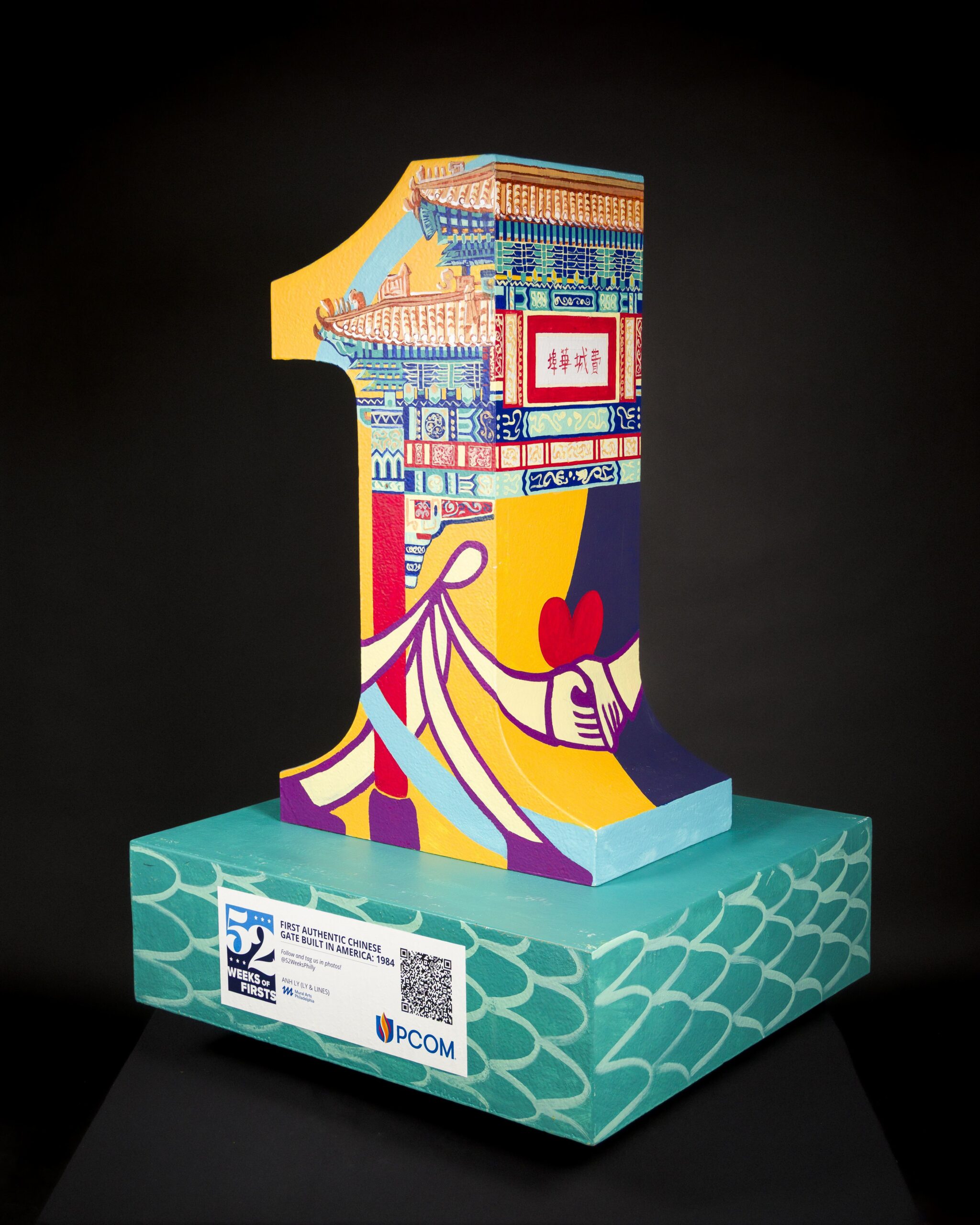
Anh Ly’s “One” sculpture unites Philly’s Friendship Gate and Tianjin’s Ferris wheel bridge. The supporting legs resemble two people holding hands across culture and distance. The Chinese dragon’s spirit reinforces this connection with resilience and reverence.
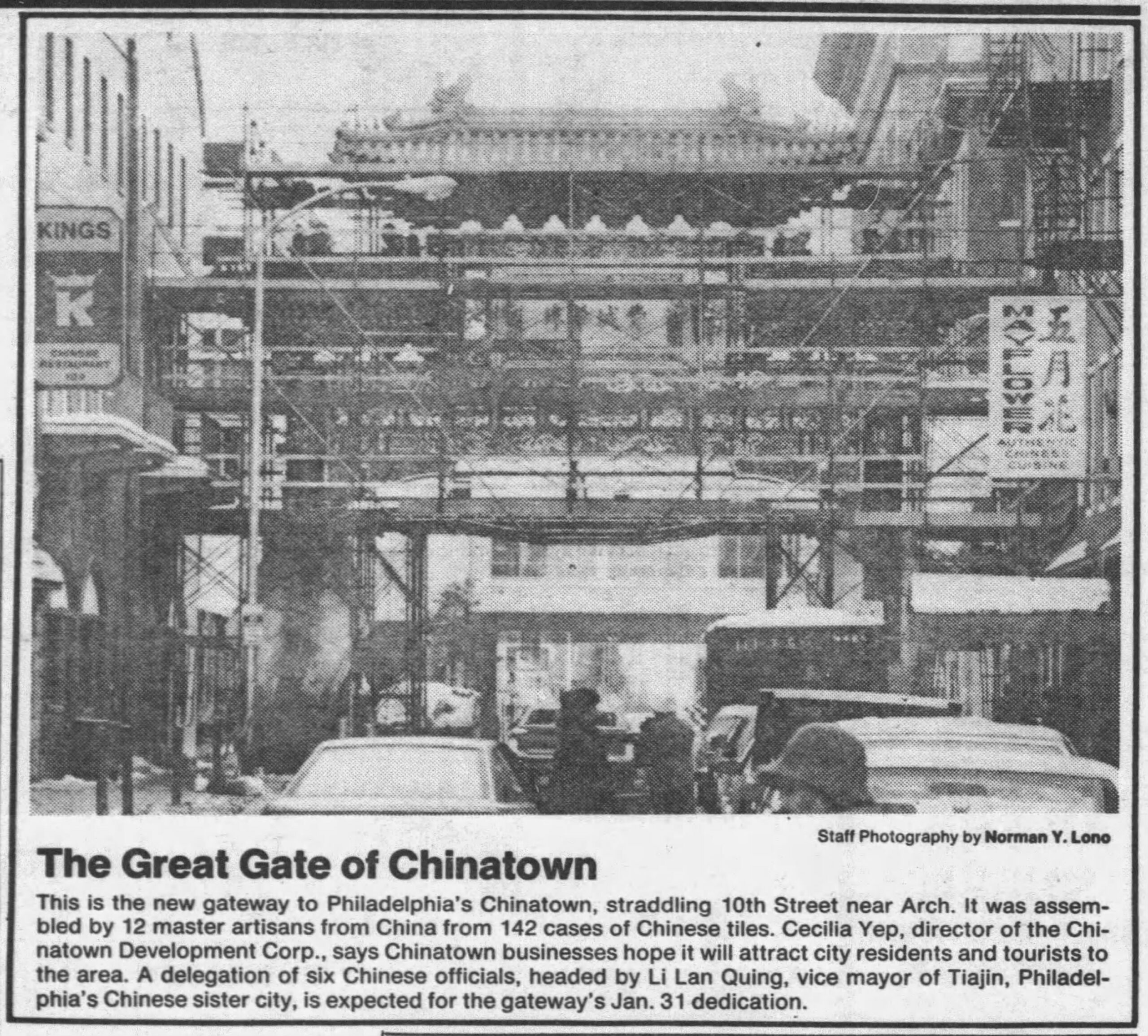
Plans for an ornate Chinatown entryway followed. In October 1983, 12 artisans from Tianjin and Beijing arrived in Philadelphia and spent three months building a 88-ton, 40-foot-tall gate with wood, tiles, stone bases, and a special material that incorporates pig’s blood that’s painted over the wood to stop it from fading and shipped from China.
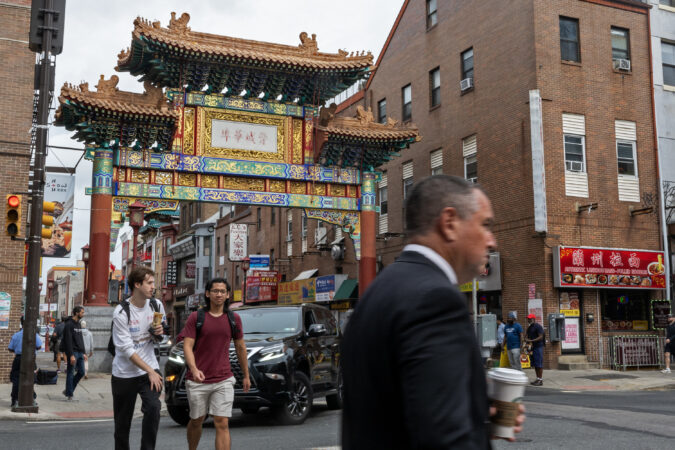
The San Francisco Chinatown Gate had been built in the 1970s and Boston’s was finished in 1982. But Philly’s Friendship Gate, erected at the intersection of 10th and Arch Streets, is the first Chinese American archway built with materials from Asia, making Philly’s gate the “authentic” deal.
That first authentic Chinese gate built in America will be feted Saturday in Chinatown at the Crane Community Center, this week’s Philadelphia Historic District’s Firstival celebration. Firstivals are a year’s worth of parties marking America’s 250th birthday, noting events that happened in Philadelphia before anywhere else in America and often the world.
The Friendship Gate, built in traditional Qing Dynasty style, cost more than $200,000 in city funds to construct. The ribbon-cutting ceremony in January 1984 featured the ceremonial dance of the Chinese lion known as Wushi, performed for good luck and to chase away evil spirits, and speeches from city officials in both Mandarin and English.
“We needed something to attract people into Chinatown,” Yep told The Inquirer, shortly after its Jan. 31, 1984, unveiling.
Its mud brown roof, square beams, dazzling green and gold patterns, and birds and dragons outlining the sky, mark the point where Center City meets the Chinese community.
A Daily News clipping from Jan. 23, 1984, shows Chinatown’s Friendship Gate during construction.
Five months after the Friendship Gate was completed, a fire — then the biggest in Center City history — raced north from 10th and Filbert Streets and stopped, almost magically, at the Friendship Gate.
“I am so glad the gate was not damaged,” T.T. Chang, then president of the Chinese Cultural Society — and unofficial mayor of Chinatown — told The Inquirer.
In September 1984, the Philadelphia Chinatown Development Corporation introduced the first official postcard with the Friendship Gate’s image, marking it as a bona fide tourist attraction. (Although its real goal was to raise $55,000 to pay for the portion of the gate the city refused to pay for.)
In 2008, in its 24th year as a recognized Philadelphia monument, the gate was rededicated after a yearlong, $200,000 renovation project.
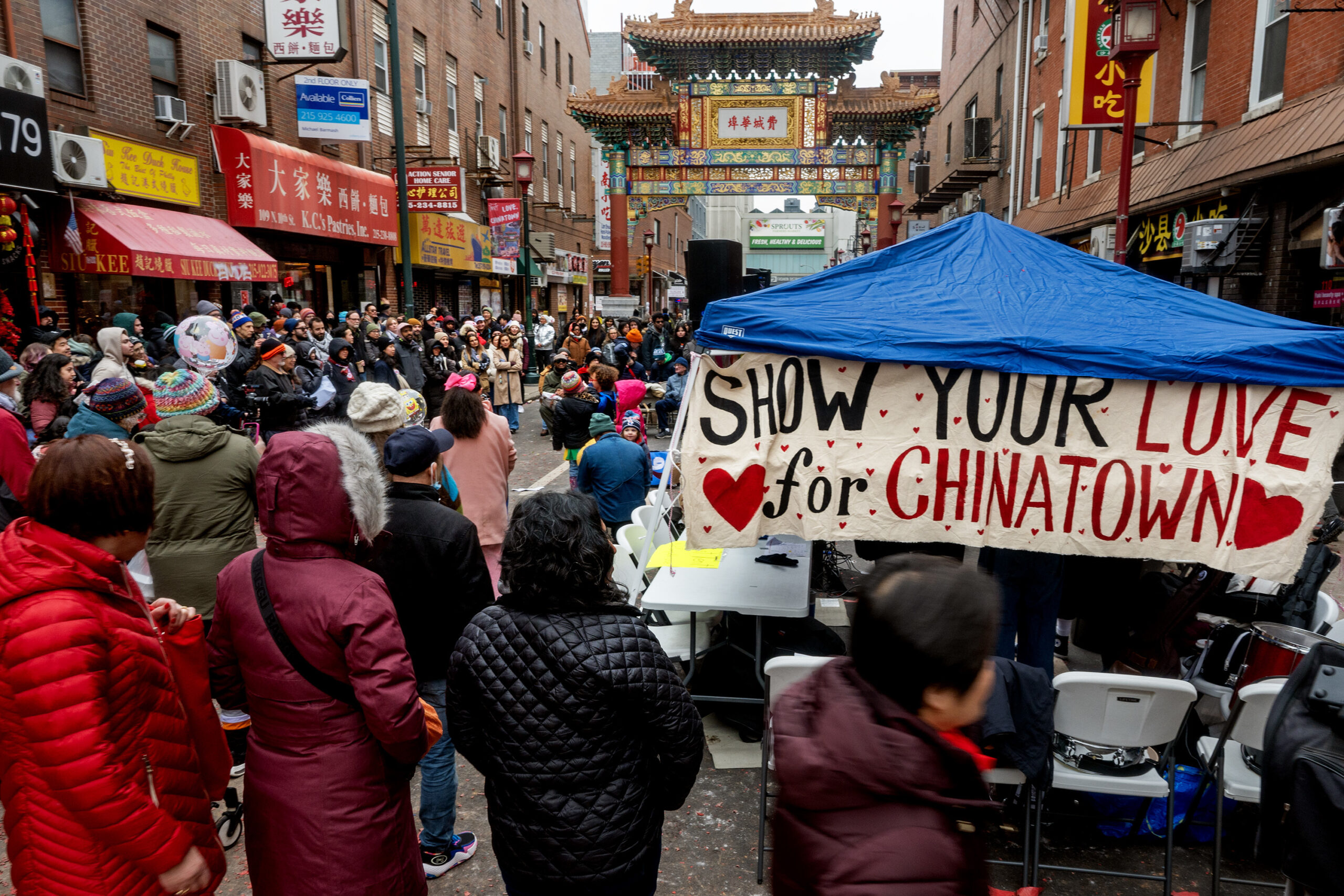
Community organizers hold a “No Arena” block party near the Friendship Gate in Chinatown on Feb. 2, 2025, as the neighborhood celebrates the Lunar New Year with a parade, lion dancers, and fireworks.
Chinatown has had its challenges over the last decades, but it continues to thrive. For 41 years, the Friendship Gate has stood proudly, a welcoming archway rooted in resistance.
This week’s Firstival is Saturday, Feb. 21, 11 a.m.-1 p.m., Crane Community Center, 1001 Vine St. The Inquirer will highlight a “first” from the Philadelphia Historic District’s 52 Weeks of Firsts program every week. A “52 Weeks of Firsts” podcast, produced by All That’s Good Productions, drops every Tuesday.
When we first meet Bok High graduate Ozzie Phillips — one of three protagonists in Sadeqa Johnson’s latest novel, Keeper of Lost Children — a block party on South Philadelphia’s Ringgold Street is just winding down. In between the last dollops of creamy potato salad and sips of clear corn liquor, Ozzie’s friends and family wish the young serviceman a bon voyage.
He spends the last few weeks with his girlfriend, Rita, picnicking at the Lakes in FDR Park and walking through Center City department stores like Wanamaker’s and Strawbridge’s. One night the couple go to Ridge Avenue’s Pearl Theater to see Pearl Bailey perform.
The next morning, Ozzie’s Uncle Millard picks him up in a Vagabond-blue Oldsmobile and the two cruise down Broad Street, Count Basie tunes playing on WHAT AM. Uncle Millard circles City Hall, depositing Ozzie at Reading Terminal Station, where he hops on a train to Trenton’s Fort Dix Army Base before embarking on a steam boat to Germany.
It’s Ozzie’s time in Germany that fuels the plot of the sentimental historical novel.
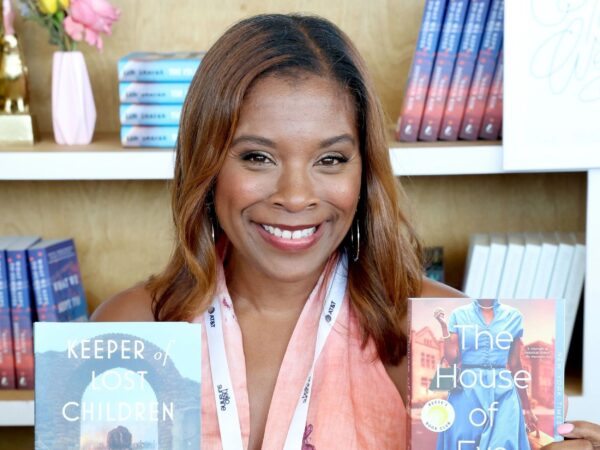
“It’s such a joy for me to write the Philly scenes,” Johnson said, during a recent video chat. The book publicist turned New York Times best-selling author was born in South Philadelphia, grew up in North, and graduated from George Washington Carver High School of Engineering and Science. Today, the married mom of three writes from her home in Virginia, right outside Richmond.
“I left Philly when I went to Marymount Manhattan College in New York,” Johnson said. “But where you grow up is always in your DNA. Philly is in my soul. When I sit down and paint pictures of historical moments in Philadelphia, I get to go home.”
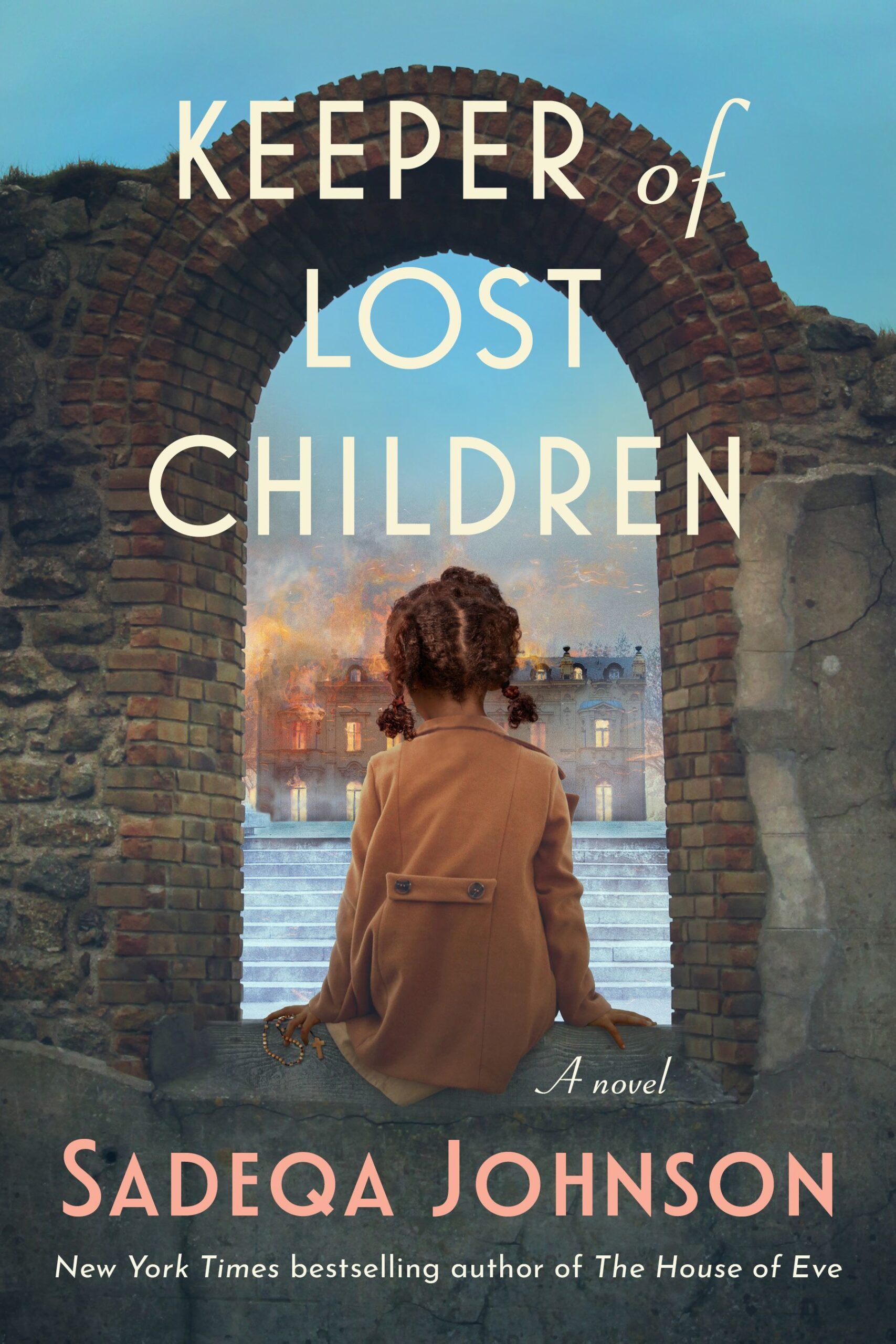
Cover art for Sadeqa Johnson’s 2026 novel, “Keeper of Lost Children” One of the main characters, Ozzie Ozbourne grew up in 1940s South Philadelphia.
Johnson has six books out in the world. She self-published her first,Love in a Carry-On Bag, in 2012.
Her books center young Black women in old-school and modern times trying to do the best with what they got. But in most of her works — especially the captivating historical fiction novels through which she’s made a name for herself on BookTok, podcasts, and traditional bestseller lists — her heroines face overwhelming odds.
Take theYellow Wife’s Pheby Delores Brown. Set in antebellum Virginia, Brown’s story is based on the harrowing real-life experience of enslaved woman Mary Lumpkin, who is forced into a relationship with her enslaver for whom she bears five children.
“I have this propensity to tell the story of young women 15, 16, 17, who are in a situation that feels insurmountable,” said Johnson, who, until 2023, taught creative writing in Drexel University’s master’s of fine arts program. “And I really love developing those stories that show how those young women get to the other side.”
The House of Eve, a 2023 New York Times bestseller and a Reese Witherspoon Book Club of the Month pick centers 1950s North Philadelphia teen Ruby Pearsall who falls in love with a Jewish boy whose family runs a corner store. In the book, Ruby must choose between a free ride to Cheyney University and motherhood.
“I love the research,” Johnson said. “I love learning interesting things about this city that I was brought up in.”
In Keeper — released this month by 37 INK, a division of Simon & Schuster — Ethel Gathers, a journalist and wife of an Army officer, also stationed in post World War II Germany, is the central character. There, she chances upon a group of multiracial children who she learns are the offspring of Black servicemen and German women.
Gathers, whose story is based on the life of journalist Mabel Grammer, adopts eight of the “Brown Babies” and starts an adoption agency, ultimately placing hundreds of the children with Black families in the United States. In the book, Grammer visits Philadelphia from her Washington home and books a room at the Divine Lorraine, the country’s first fully racially integrated hotel.
“I stumbled upon Ms. Grammer while researching The House of Eve,” Johnson said.“And in that moment, I knew I wanted to tell that story.”
Johnson breathes life into her fictional characters through extensive research, adding vivid details that take the readers back in time and thrust them into the rich tapestry of her story. Fans will often find connections to characters from previous books where they least expect it.
Ozzie’s military time and South Philly swag is based on Johnson’s great-uncle, 94-year-old Edgar Murray, who, like Ozzie, grew up in South Philly and spent the latter part of the 1940s in Germany. (For the record, Johnson said, her uncle didn’t suffer with alcoholism like Ozzie does in the book.)
It was Murray who suggested Ozzie live on Ringgold Street and take his date to the Pearl Theater.
“I like the factual things she puts in there,” said Murray, who lives with family in Denver, Colo. “It makes it more interesting.”
Philadelphia readers with an eye for history will enjoy seeing the city unfold through Ozzie’s eyes after his 1952 return.
He leafs through The Philadelphia Inquirer, reading detailed accounts of white veterans securing “large mortgages and moving out to lofty suburbs” on the GI bill that he too applied for. He works a job at the Navy Yard, gets married at Tasker Baptist Church, and experiences a miracle at West Philly’s Mercy-Douglass Hospital.
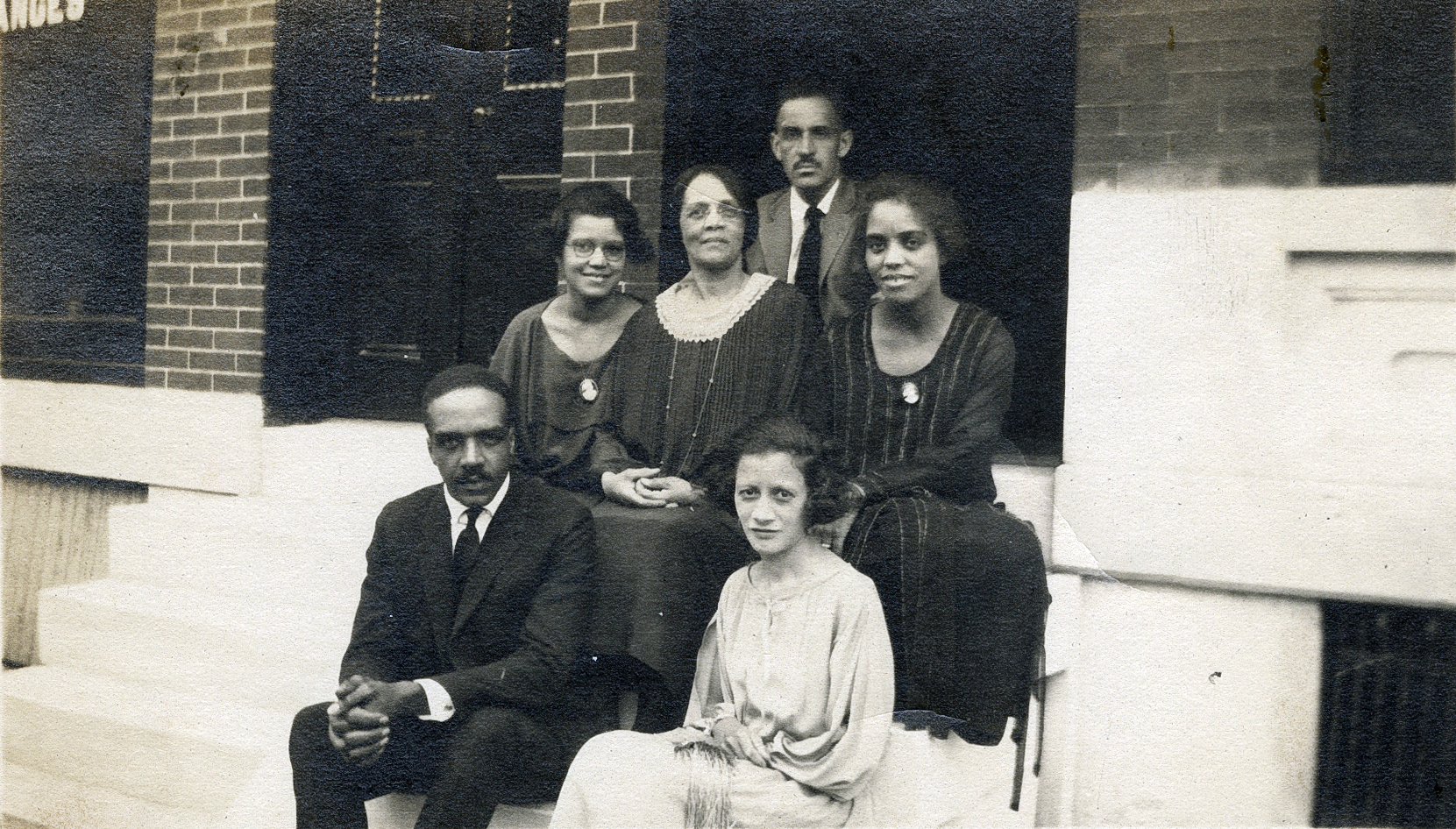
Tanner family members gather on the front steps of the Tanner House, at 2908 W. Diamond St. in Philadelphia, in this photo taken circa 1920. They are: Bottom row (l-r) Aaron A. Mossell Jr., and his wife, Jeanette Gaines Mossell; Middle row (l-r): Sadie T. M. Alexander, her mother, Mary L. Tanner Mossell, and Sadie’s sister, Elizabeth Mossell Anderson. Top row: Page Anderson, Elizabeth Anderson’s husband.
Halfway through Keepers, Ozzie attends a party thrown by elite Civil Rights husband-and-wife-team Raymond Pace Alexander and Sadie Tanner Mossell Alexander at their swanky home at 17th and Jefferson.
Attorneys John Francis Williams and Lewis Tanner Moore Sr., cofounder of the Pyramid Club and whose son, art collector Lewis Tanner Moore Jr. died in 2024 — shoot the breeze about an NAACP fundraiser and Buddy Powell, a 1940s jazz musician who was so severely beaten by the Philadelphia railroad police that he ended up in an asylum.
“In The House of Eve, I got to dig around in my mom’s memory for Ruby,” Johnson said. “This time around I got to dig around in my dad and Uncle Edgar’s head to get South Philly down. Let’s see what happens in the next book.”
Sadeqa Johnson will give an author’s talk at the Philadelphia Ethical Society, 1906 Rittenhouse Square, Friday, Feb. 13, 6:30 p.m. to 7:30 p.m. Tickets are $35 and include a copy of “Keeper of Lost Children”
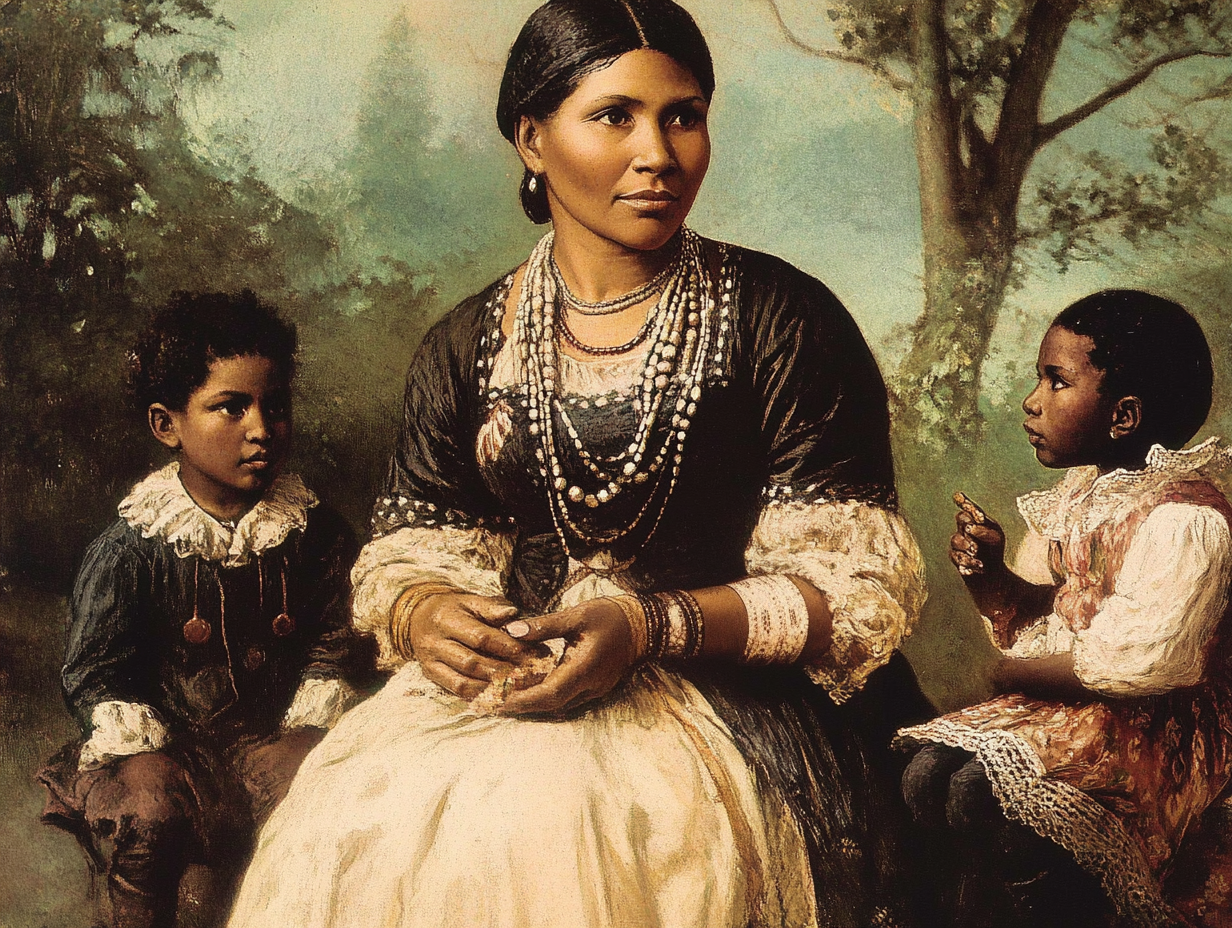
In 1773 Dinah Nevil, an Indigenous, Black, and European multiracial woman and her four children arrived in Philadelphia from Flemington, N.J, under orders from a slave trader who intended to eventually sell Nevil to the Deep South, or perhaps the Caribbean.
Nevil protested.
Philadelphia authorities sympathetic to her plight, kept her in a work house for two years while figuring out the next steps to her freedom. The conditions were so horrid two of her children died.
An image of Dinah Nevil imagined by the 1838 Black Metropolis.
Enter Israel Pemberton Jr. and Thomas Harrison, Quakers who, like most Quakers in colonial Philadelphia, actively fought slavery. Keeping people in bondage was considered immoral in their religion.
Pemberton and Harrison filed a lawsuit against Nevil’s enslaver because they sought to set a precedent by making it unlawful to sell Black people into slavery on free soil, not just in Pennsylvania, but in all of the colonies.
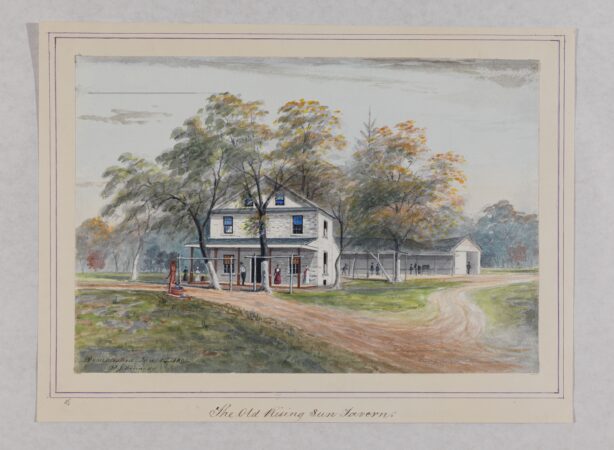
So, on April 14, 1775, Quaker leaders and educators Anthony Benezet and John Woolman gathered 24 men — 17 of whom were Quakers — at the Rising Sun Tavern to discuss legal strategies on how to make that happen.
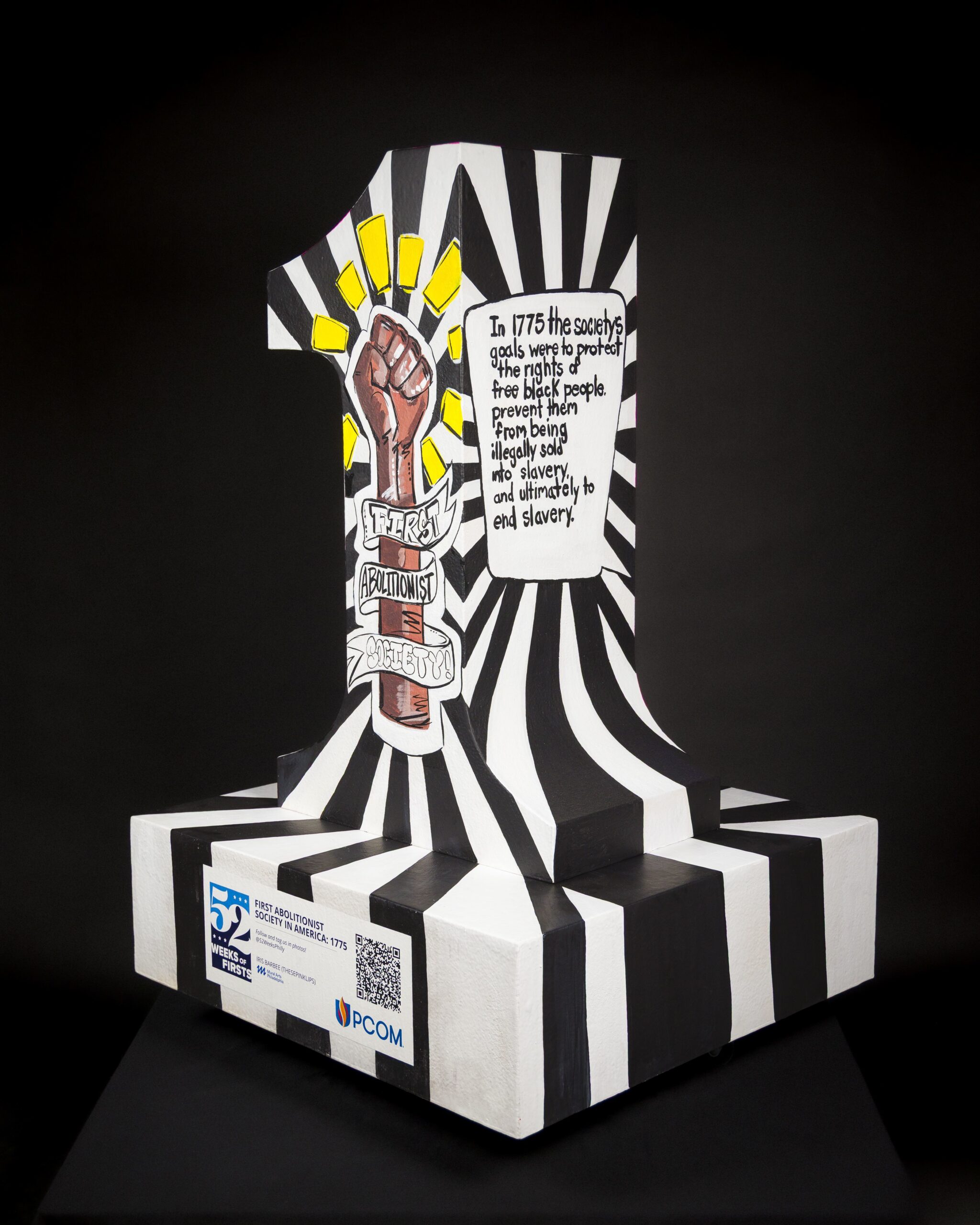
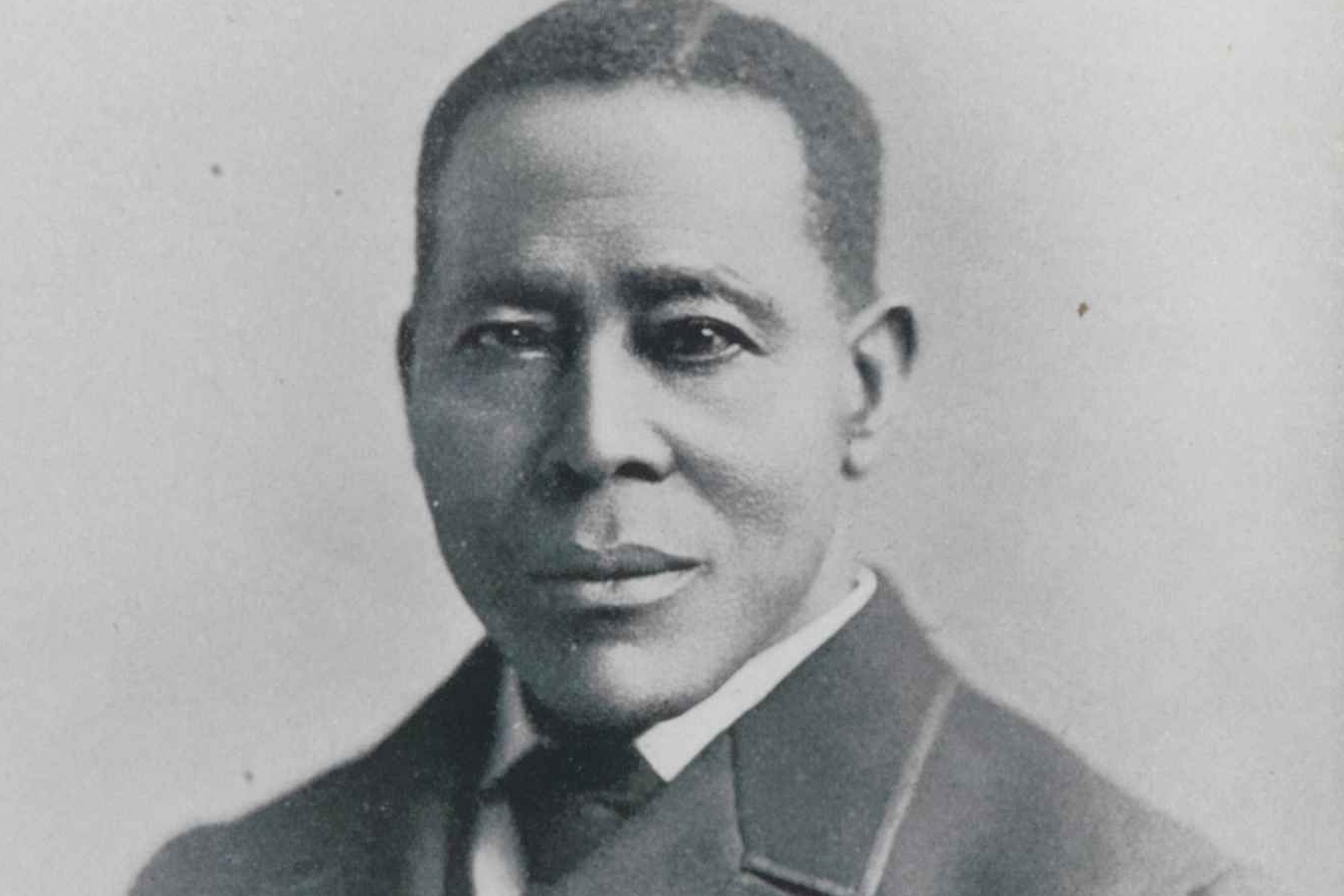
Artist Iris Barbee Bonner’s No. 1 statue pays homage to William Still, an Underground Railroad conductor and key member of the Pennsylvania Abolitionist Society.
That was the first gathering of an antislavery society in America and it will be celebrated Saturday at the African American Museum, part of the Philadelphia Historic District’s weekly firstival day party. Firstivals are a yearlong celebration of America’s 250th birthday marking events that happened in Philadelphia before anywhere else in America and often the world.
The group led by Benezet and Woolman named themselves the Society for Relief of Free Negroes Unlawfully Held in Bondage. In addition to Nevil’s case, they advocated for four other people of color who were in the midst of being sold away from their families. Nevil was ultimately freed when Harrison bought her and within days, signed manumission papers.
In 1776, 18 years after Quakers told their members they could no longer participate in the slave trade, Quakers were forbidden from enslaving people. Thanks to the Quakers’ advocacy, Pennsylvania enacted the 1780 Gradual Abolition of Slavery Act, America’s first law to end slavery.
Four years later, 18 Philadelphians resurrected the Society for Relief of Free Negroes and renamed it Pennsylvania Abolitionist Society, or PAS. Their goal was to stop Black and brown people from being indiscriminately picked up and sold into slavery in what was now a free state, but also to end slavery all together.
“They knew they couldn’t do it overnight,” said Emma Lapsansky-Werner, an American history professor at Haverford College. “What they did was organize so that one-by-one Black people would find freedom.”
Within two years, the PAS grew to 82 members and inspired other cities like New York and Boston to establish branches of their own. In 1787 — the same year the delegates voted that Black people were three-fifths of a person — Ben Franklin became the society’s president and under his leadership, the society petitioned the legislature to amend the act of 1780. This included preventing enslavers from taking pregnant enslaved women to the South so their children would remain property.
William Still was a member of the Pennsylvania Abolitionist Society and chair of the Vigilance Committee of the Pennsylvania Anti-Slavery Society.
The PAS still exists today and advocates for equal rights and opportunities for all Americans.
This week’s Firstival is Saturday, Feb. 14, 11 a.m.-1 p.m., The African American Museum Philadelphia, 701 Arch St. The Inquirer will highlight a “first” from Philadelphia Historic District’s 52 Weeks of Firsts program every week. A “52 Weeks of Firsts” podcast, produced by All That’s Good Productions, drops every Tuesday.
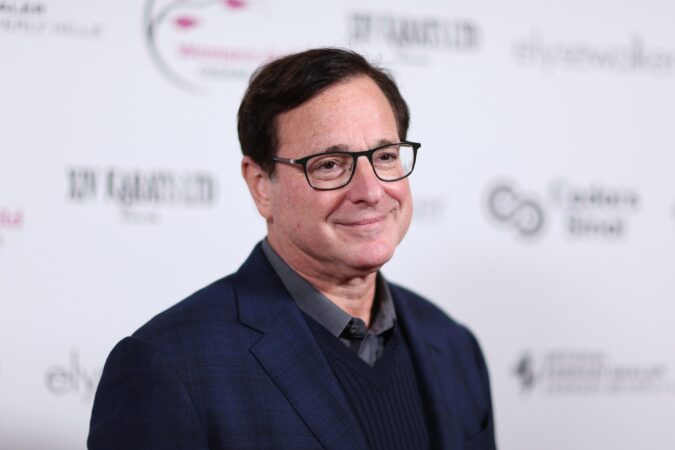
Old City-based 9.14 Pictures is working on an untitled documentary about comedian Bob Saget, the Philly-bred funny man who rose to fame in the 1980s as the affable Danny Tanner on the ABC sitcom Full House.
The announcementcomes on the heels of the studio’s successful projects centering celebrities with local ties including Disney+’s Taylor Swift: The End of an Era and Prime Video’s most-watched documentary, Kelce. Both were directed by the studio’s owners, Don Argott and Sheena M. Joyce.
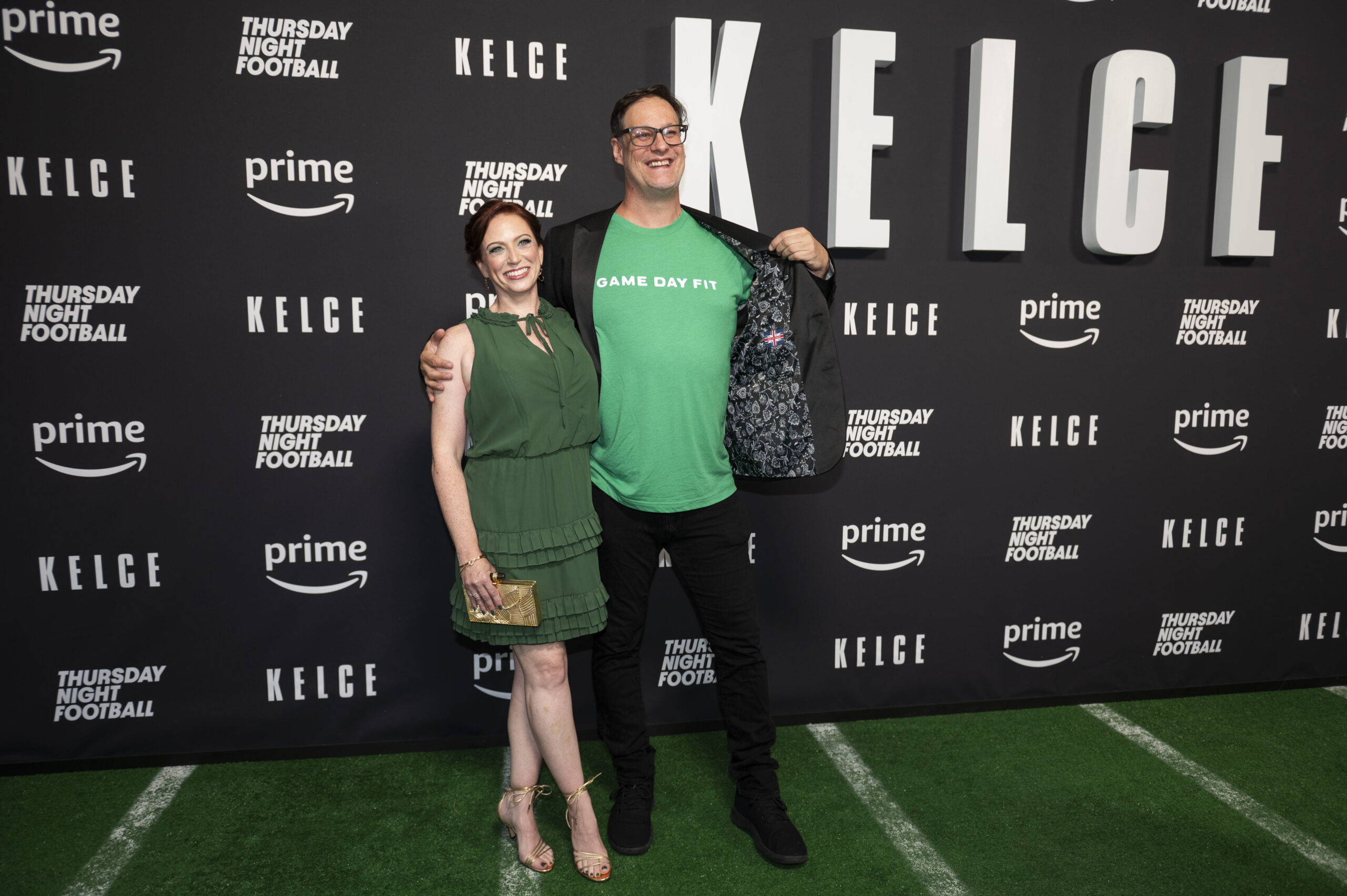
9.14 Pictures Sheena M. Joyce and Don Argott arrive at the premier of “Kelce” at the Suzanne Roberts Theater in Philadelphia on Friday, Sept. 9, 2023. The film is a feature-length documentary featuring Jason Kelce and the Eagles’ 2022-23 season.
According to Deadline, Argott and Joyce will direct this piece, too, and were given access to Saget’s rare home videos and never-before-seen footage.
“The film will reveal the complex life, devastating losses and enduring kindness behind the laughter,” Deadline stated.
The documentary will ultimately help viewers understand how and why Saget’s comedy turned so dark and raunchy before his untimely death in 2022 at a Ritz-Carlton in Orlando, from what medical examiners said was an accidental blow to the head. He was 65.
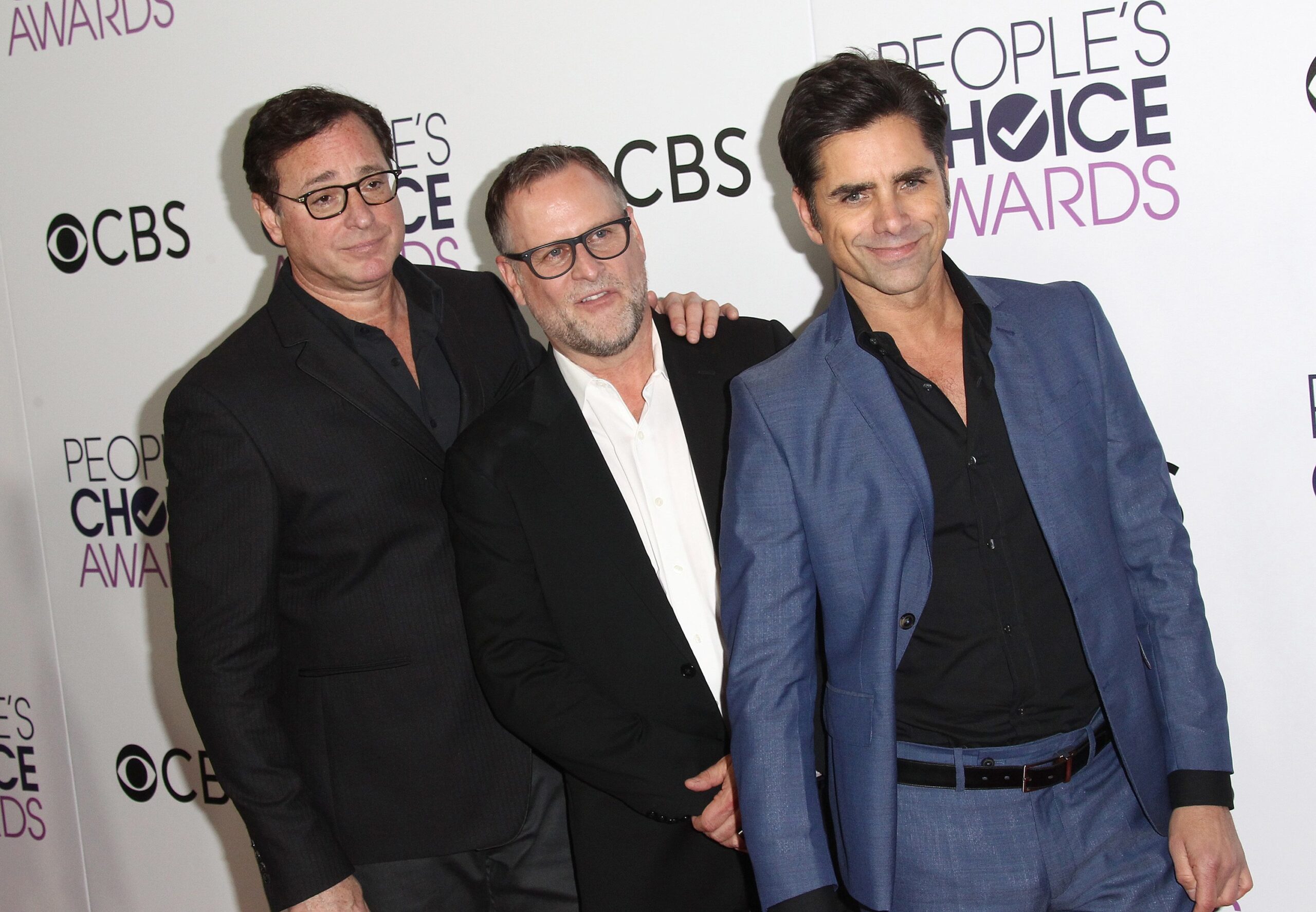
From left, actors Bob Saget, Dave Coulier, and John Stamos at the People’s Choice Awards 2017 at Microsoft Theater in Los Angeles on Jan. 18, 2017. (Tommaso Boddi/AFP/Getty Images/TNS)
Saget, who also hosted America’s Funniest Home Videos for eight seasons, was born in Mount Airy, moved to Virginia, and moved back to the area when he was a teenager. He graduated from Abington Senior High and went on to attend Temple University, where he studied film.
While at Temple University, he practiced his stand-up at Philadelphia restaurateur Stephen Starr’s then-Queen Village nightclub. He also won a student Oscar in 1978 for his 11-minute documentary, Through Adam’s Eyes, the story of an 11-year-old boy who underwent a grueling facial surgery.
After Temple, he moved to the West Coast and attended the University of Southern California’s film school but dropped out to do stand-up.
For the next seven years, he was the emcee at the Comedy Store, working among such comedians as David Letterman, Robin Williams, Michael Keaton, Billy Crystal, Jay Leno, Johnny Carson, and Richard Pryor.
He also warmed up the crowd before tapings of Bosom Buddies, the Tom Hanks-Peter Scolari sitcom. The producer later hired Saget to play Danny Tanner on Full House, on which he portrayed a morning TV host in San Francisco.
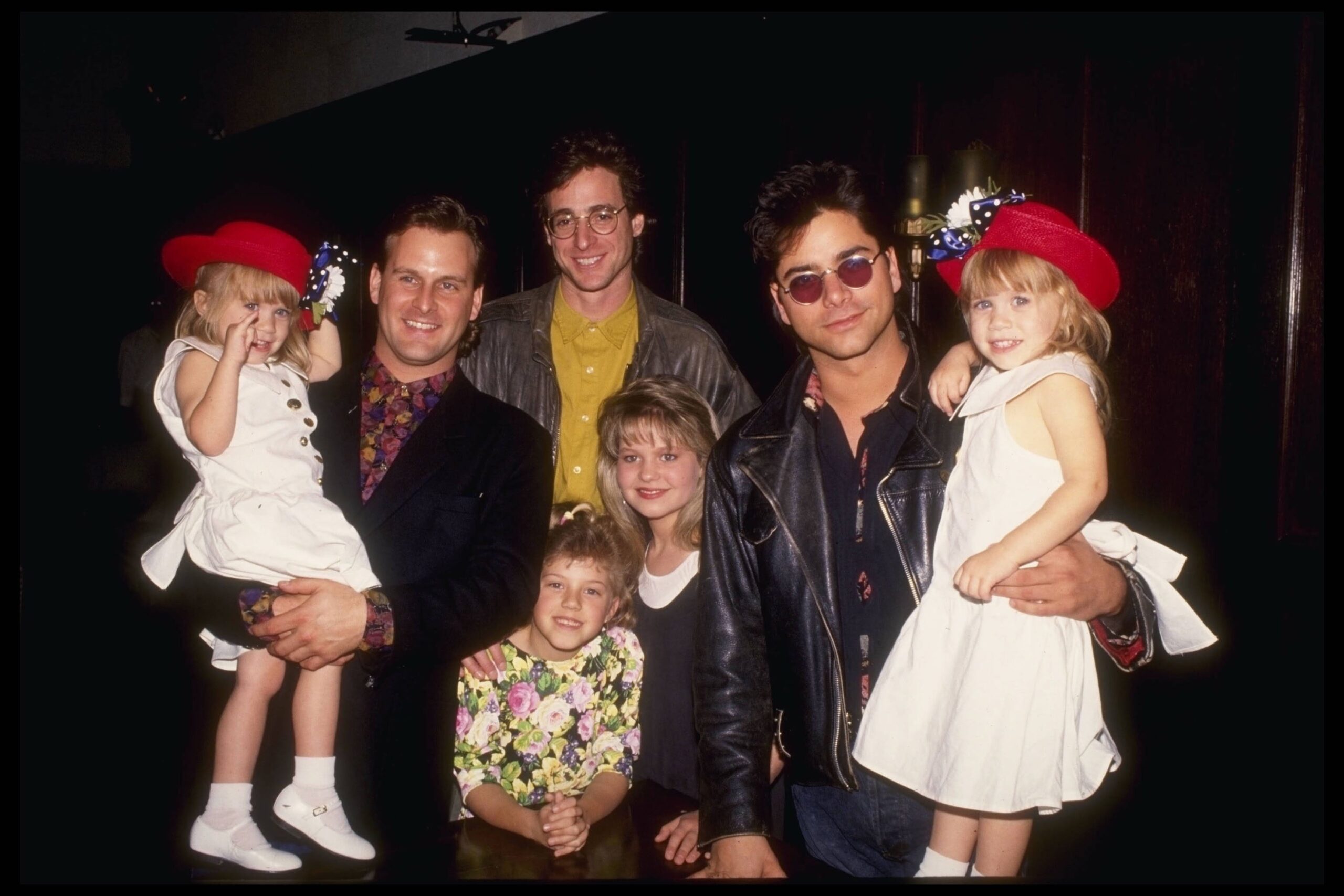
In an undated photo, the cast of the television sitcom “Full House,” from left, Ashley Olsen, Dave Coulier, Jodi Sweetin, Bob Saget, Candace Cameron, John Stamos and Mary-Kate Olsen. (Kathy Hutchins/Zuma Press/TNS)
Saget lost one sister to a rare autoimmune disease and another to a brain aneurysm, he told The Philadelphia Inquirer in 1994. Those losses, he said, helped him prioritize his life and led to his maudlin sense of humor.
The Bob Saget documentary will be produced by Story Syndicate, Revue Studios, and 9.14 Pictures.
Mark Tyler, historiographer and executive director of research and scholarship of the African Methodist Episcopal Church, often wonders: What if Christians stood up in the 1780s and challenged the articles of the U.S. Constitution that said Black people were not whole human beings?
What if the American branch of the Methodist church followed the teachings of its founder, John Wesley, who taught that slavery was a violation of Christian mercy? What if the ushers of Old City’s St. George’s Methodist Church didn’t kick formerly enslaved congregants Richard Allen and Absalom Jones out of the general congregation and force them to worship in segregated pews?
“We would have avoided the Civil War,” Tyler said. “We would have avoided Jim Crow. We would have avoided the moment in history we are in now.”
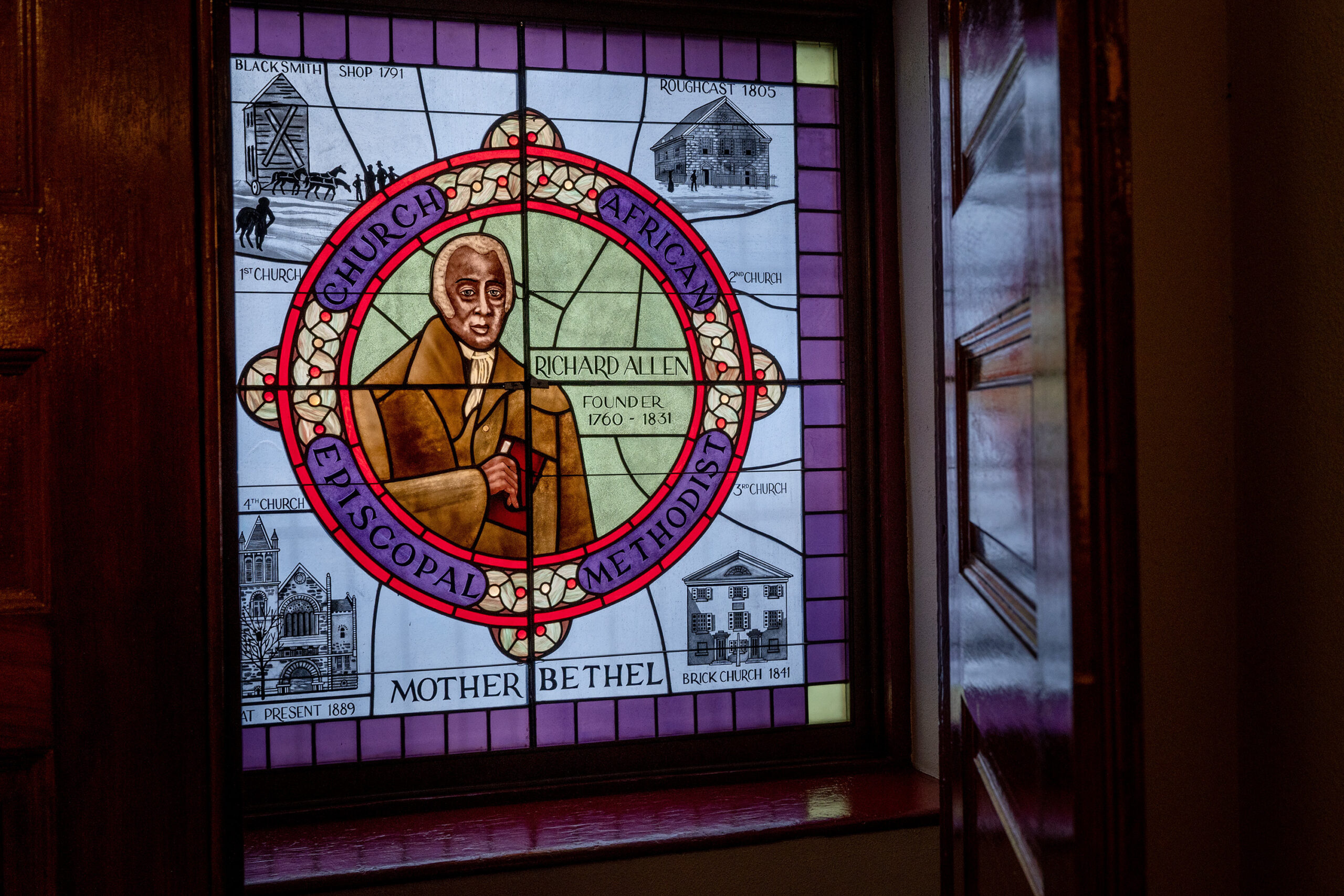
A stained glass window of founder Richard Allen and Mother Bethel AME Church’s previous homes is at entrance of the church.
Instead, American Methodists sided with southern landholders who relied on cost-free Black labor to build their empires. Evangelical churches, Tyler said, were among the first institutions to practice segregation.
Allen and Jones went on to start their own churches.
Allen established Mother Bethel African Methodist Episcopal Church, regarded as America’s — and the world’s — first AME congregation.
Mother Bethel will celebrate this history at the Philadelphia Historical District’s weekly “firstival,” part of a yearlong celebration of America’s 250th birthday. Each Saturday in 2026, the historic district is hosting a daytime shindig honoring an event that happened in Philadelphia before anywhere else in America and often the world.
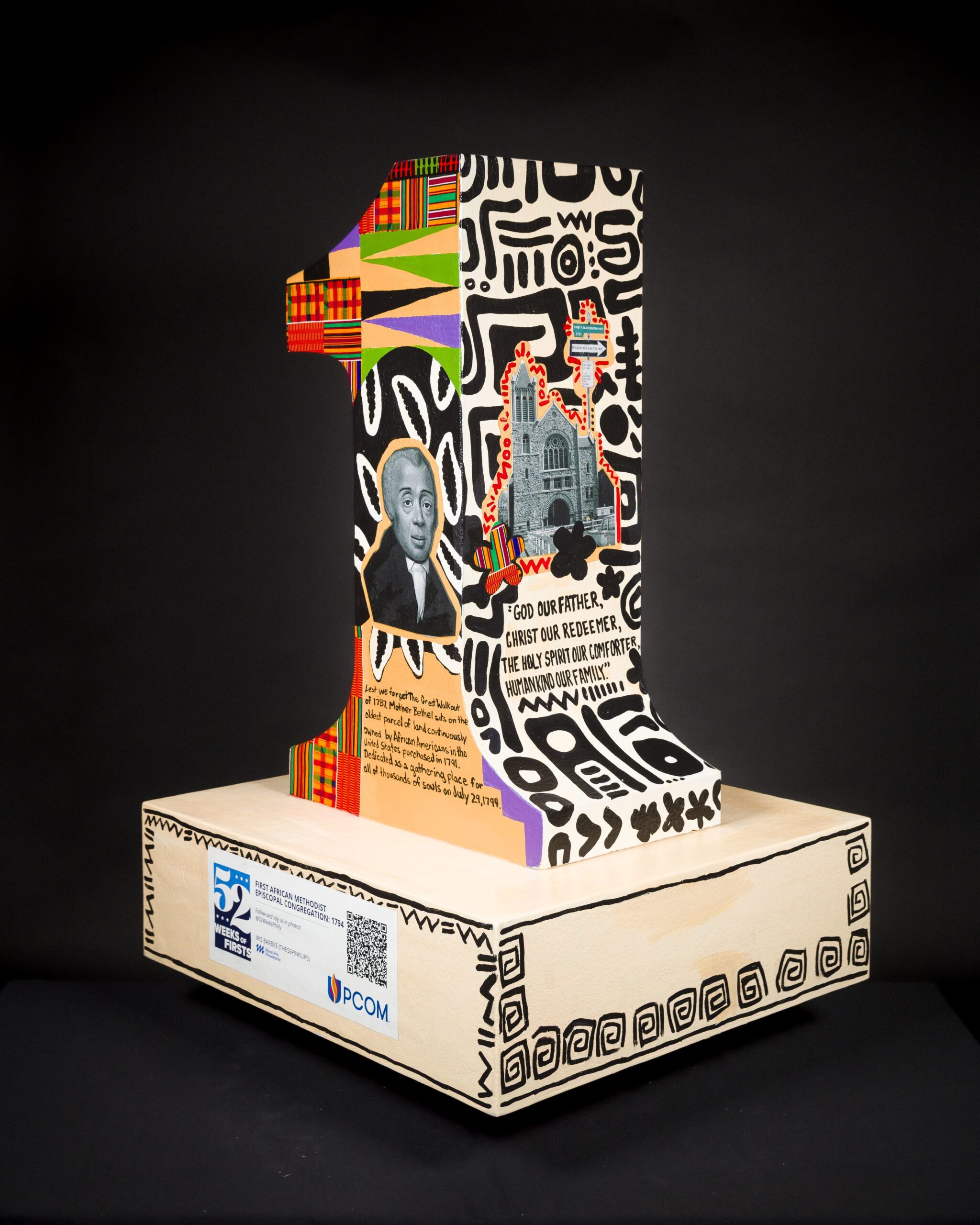
Iris Barbee Bonner is a fashion designer and graphic artist who brought her experience growing up in the AME Church to this 52 Weeks of Firsts No. 1
Allen was born into slavery in Philadelphia in 1760. He bought his freedom from his enslaver, a devout Methodist who converted many of the people he enslaved, in 1783. Allen answered the call to preach and traveled the mid-Atlantic for a few years evangelizing freed and enslaved people.
In 1786, he returned to Philadelphia, joined St. George’s, and started a 5 a.m. worship service. He led the service for a year-and-a-half before walking out in November of 1787.
“Certainly there had been moments of resistance in colonial Black communities,” Tyler said. “But this walkout was significant because it led to the emergence of the first American institutions by and for Black people,” Tyler said.
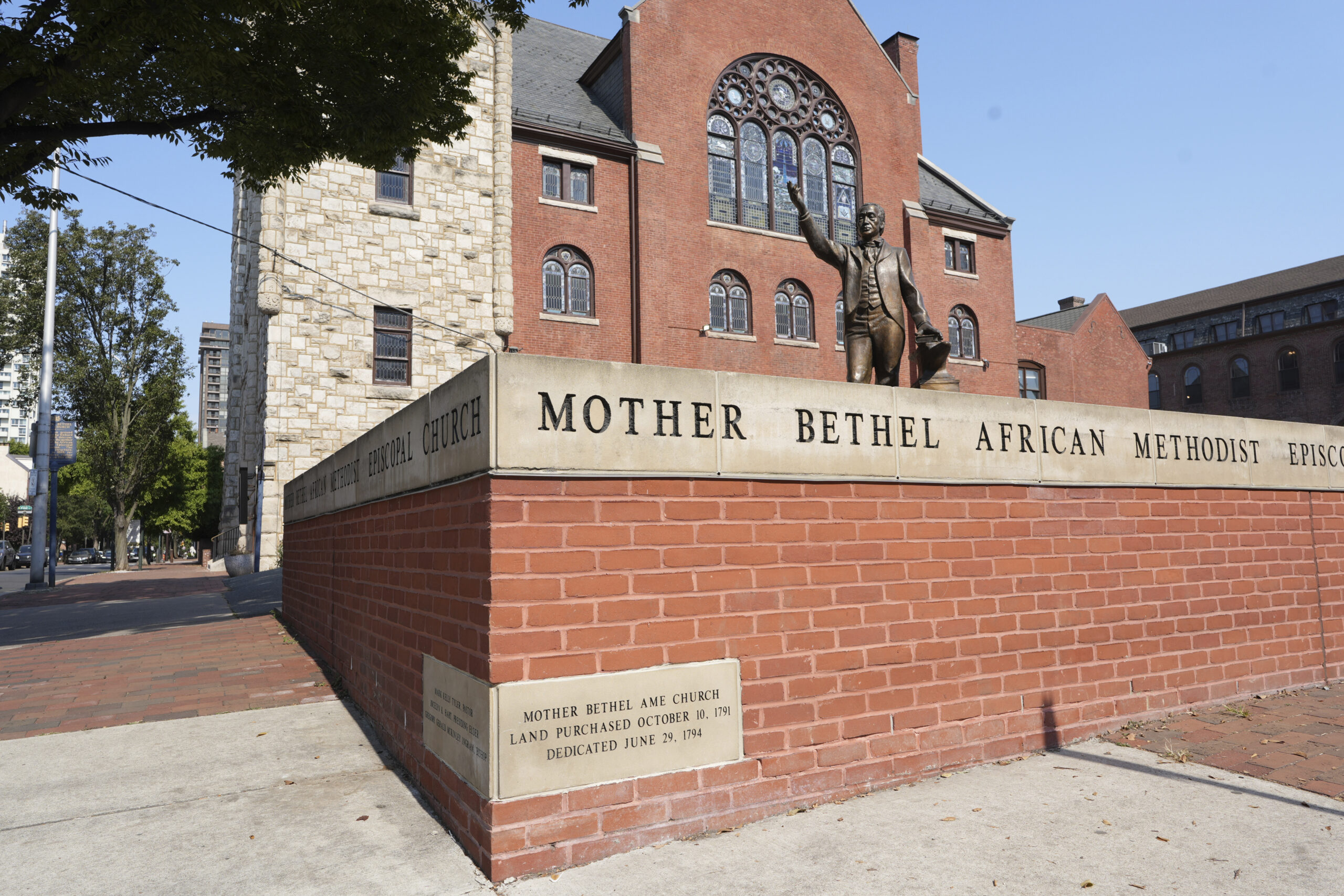
Allen bought land at Sixth and Lombard Streets — where Mother Bethel sits now — on Oct. 10, 1791. Mother Bethel’s first building, a repurposed blacksmith shop, was dedicated on July 29, 1794, by Bishop Francis Asbury.
A second building was erected in 1805, a third in 1841, and the current building was completed in 1890.
“We are the oldest independent denomination founded by people of color in the United States,” said the Rev. Carolyn C. Cavaness, pastor of Mother Bethel. “Our church sits on the oldest parcel of land continuously owned by African Americans.”
In 1816, 30 years after Allen established Mother Bethel, he invited delegates of Black Methodist churches in Pennsylvania, Baltimore, Maryland, Delaware, and New Jersey to a conference, establishing the AME Church as its own denomination.
A statue of Mother Bethel AME Church founder Richard Allen stands on the oldest parcel of land continuously owned by Black Americans in Philadelphia on Oct 13, 2024. (AP Photo/Luis Andres Henao)
Mother Bethel has stood at the center of civil rights for centuries, from serving as a station on the Underground Railroad to uniting interfaith clergy who questioned $50 million of community benefits slated to go to the Sixers arena in 2024.
“We are the Mother Church,” Cavaness said. “ … the foundation of so much Philadelphia history, so much American history. It’s an honor to be the sacred caretaker of this history.”
This week’s Firstival is Saturday, Feb. 7, 11 a.m.-1 p.m., at Mother Bethel, 419 S. Sixth St. The Inquirer will highlight a “first” from Philadelphia Historic District’s 52 Weeks of Firsts program every week. A “52 Weeks of Firsts” podcast, produced by All That’s Good Productions, drops every Tuesday.
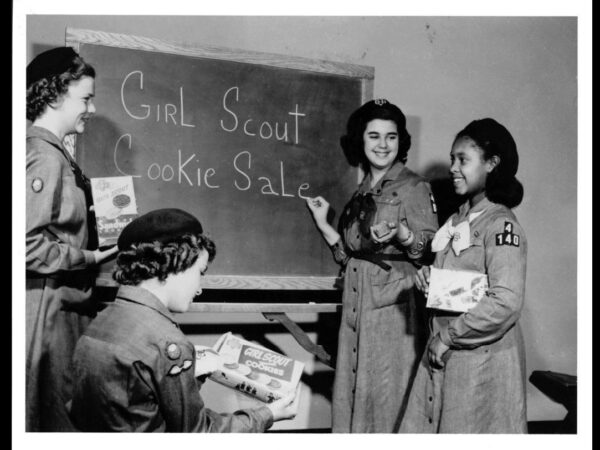
The Girl Scouts, founded in Savannah, Ga., in 1912 by philanthropist Juliette Gordon Low, held its first bake sale in 1917 to raise money for troop activities.
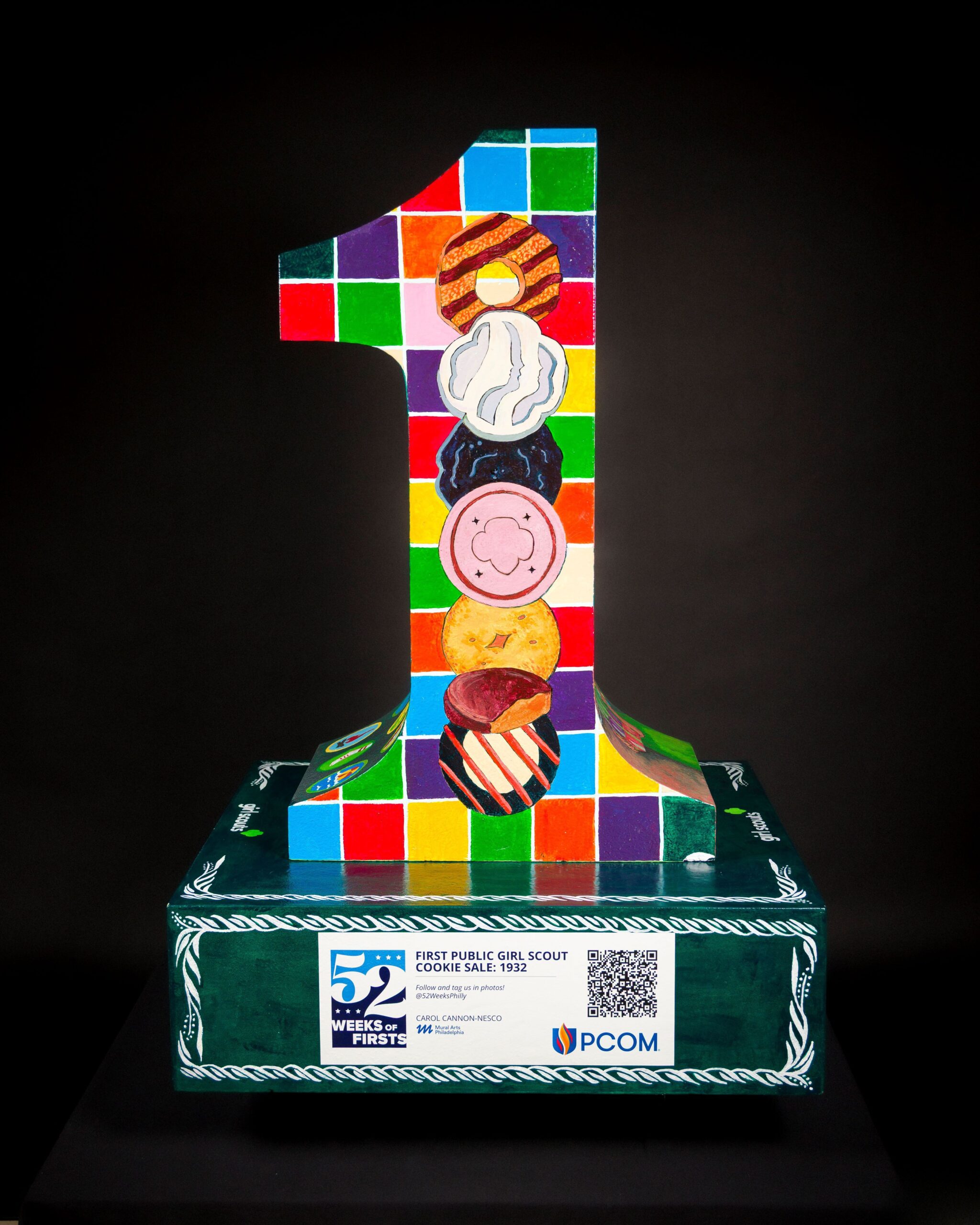
The booming direct cookie sales business, however, was born in Philadelphia on Nov. 12, 1932, at the Philadelphia Gas Co., then located at the intersection of Broad and Arch Streets.
That inaugural public Girl Scout cookie sale will be remembered Saturday at Center City’s PECO building, part of the Philadelphia Historic District’s weekly celebration of America’s 250th birthday. The historic district pays homage to events that happened in Philadelphia before anywhere else in America — and often the world — with a weekly day party called a Firstival.
Artist Carol Cannon-Nesco, a top Girl Scout cookie seller as a child, celebrates the legacy of the Girl Scouts with pictures of the individual cookies.
“It was the first time the Girl Scouts sold their cookies to people outside of their immediate community,” said Amanda Harrity, director of product programs for the Girl Scouts of Eastern Pennsylvania.
In 1932, a Philadelphia Girl Scout told her parents that her troop needed a place to bake cookies in order to raise money for nurseries, Depression-era organizations that cared for children of working parents. The little girl’s parents, who worked at the Philadelphia Gas Co., got permission for the Scouts to bake cookies on the shiny new gas ranges in the gas company’s street-level windows.
On the afternoon of Nov. 12, the Girl Scouts baked batch upon batch of their shamrock-shaped signature shortbread cookie, the Trefoil. The sweet, buttery aroma wafted through Center City streets and passersby asked if they could buy the cookies, hot out of the test kitchen’s ovens.
The Girl Scouts agreed.
Trefoils (shortbread) and peanut butter sandwiches, also known as Do-si-dos. (Dreamstime/TNS)
“I don’t remember how many cookies we baked that day,” then 80-year-old Girl Scout Midge Mason told The Inquirer in 2001 when the state erected a historic marker at Broad and Arch, marking the sale. “I do know we baked a lot of cookies.”
The next year, the Girl Scouts were back at the Philadelphia Gas Company to raise the money needed to pay off the mortgage of its facility at Camp Indian Run in Glenmoore, Chester County. (That facility closed in the early 2000s.)
In 1934, the Philadelphia Girl Scouts hired Keebler — now Little Brownie Bakers — to bake Trefoils, selling them at 23 cents a box, making them the first Girl Scouts to sell commercially baked cookies.
Two years later, Girl Scouts all around the country began using commercial bakeries to bake cookies for their yearly fundraiser.
Today, more than 200 million boxes of cookies are sold in America at an average price of $6 a box; 3.5 million of those boxes are sold in Eastern Pennsylvania, Harrity said.
Exploremores are the new flavor of Girl Scout cookie for the 2026 sales campaign.
Seventy-five cents of every dollar from Girl Scout cookie sales are reinvested back into girl scouting, Harrity explained. In Eastern Pennsylvania, that includes maintaining 1,500 acres of property and underwriting Scouts’ camp experiences.
This week’s Firstival is Saturday, Jan. 31, 11 a.m. — 1 p.m., at the PECO Building at 2300 Market Street. The Inquirer will highlight a “first” from Philadelphia Historic District’s 52 Weeks of Firsts program every week.
The 98th Oscar nominations are out. If you are like many of us, you haven’t seen all of the films — yet, any way.
Not to worry. The Oscars don’t air until March 15, so you have plenty of time to catch up. And with this week’s forecast of more than a foot of snow, why not stay home and get started early.
Here’s how and where you can check out some of the Oscar nominated films of 2025.
Best Picture
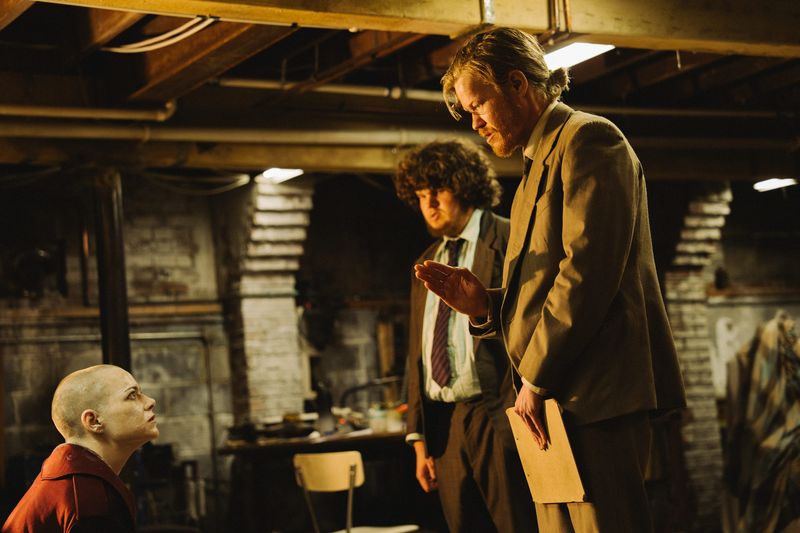
Michelle (Emma Stone) gets interrogated by cousins Teddy (Jesse Plemons, far right) and Don (Aidan Delbis) in “Bugonia.”
‘Bugonia’
This dark comedy stars Emma Stone as Michelle Fuller, the CEO of the fictional pharmaceutical conglomerate Auxolith. She’s abducted by conspiracy theorist Teddy Gatz (Jesse Plemons) and his cousin, Don (Aidan Delbis) after Teddy starts to believe an Auxolith drug has caused his mother’s comatose state. Adding to the creepiness, Teddy also believes Michelle is an alien. Bugonia received four nominations, including a best actress nod for Stone.
Damson Idris, left, and Brad Pitt star in “F1.” MUST CREDIT: Warner Bros. Pictures/Apple Original Films
‘F1′
Brad Pitt stars in this fast-paced drama about a star Formula One driver who returns to the game after being gone for 30 years. His mission: to help his friend’s underdog team take it all. F1 received four Academy Award nods.
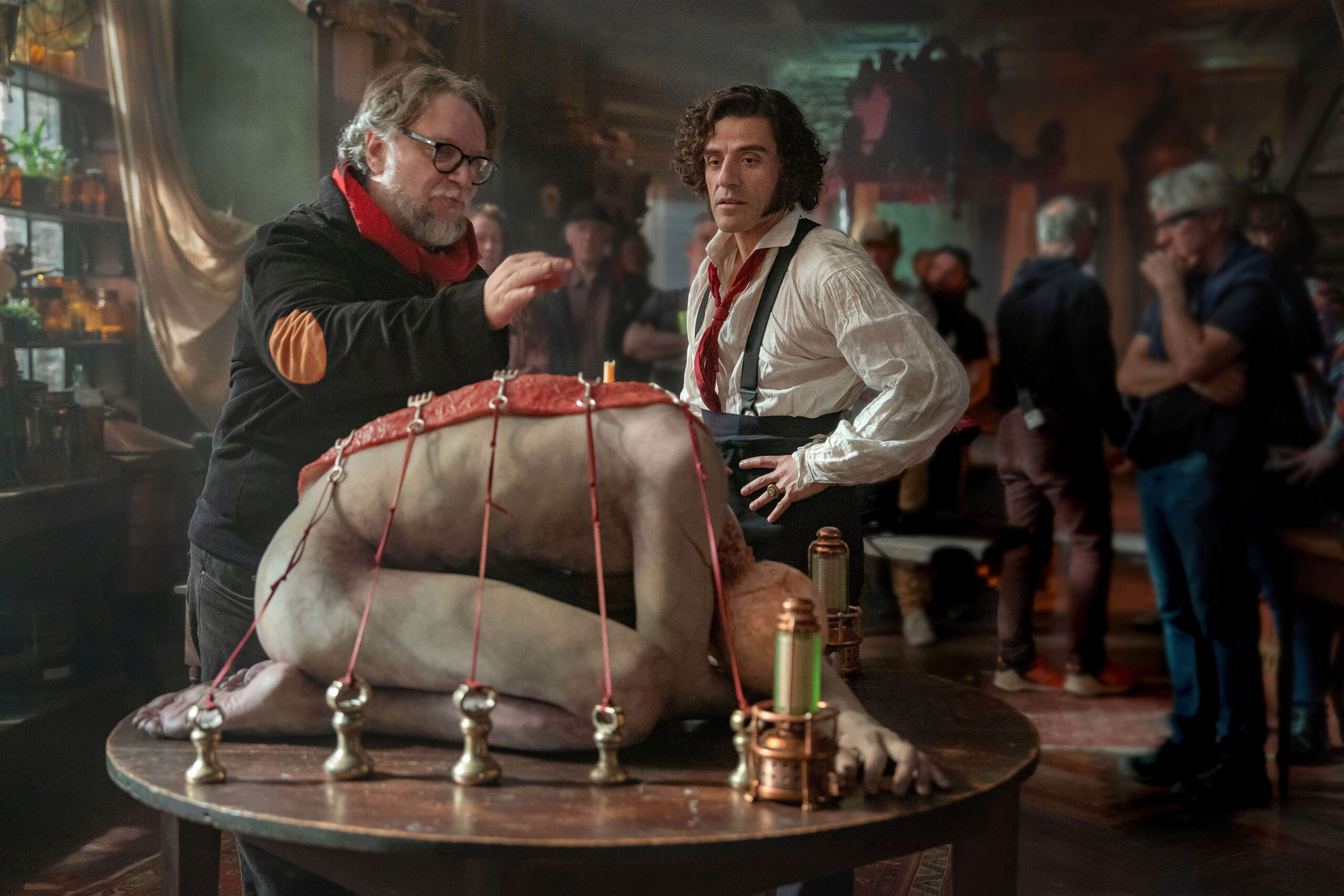
This image released by Netflix shows director Guillermo del Toro, left, and Oscar Isaac on the set of “Frankenstein.” (Ken Woroner/Netflix via AP)
‘Frankenstein’
A cinematic adaptation of the 1818 Mary Shelley classic features Oscar Isaac as Victor Frankenstein and Jacob Elordi as his ghoulish creation. This 2025 film is director Guillermo del Toro’s attempt to be as faithful to the book as he possibly can. Frankenstein earned nine nominations.
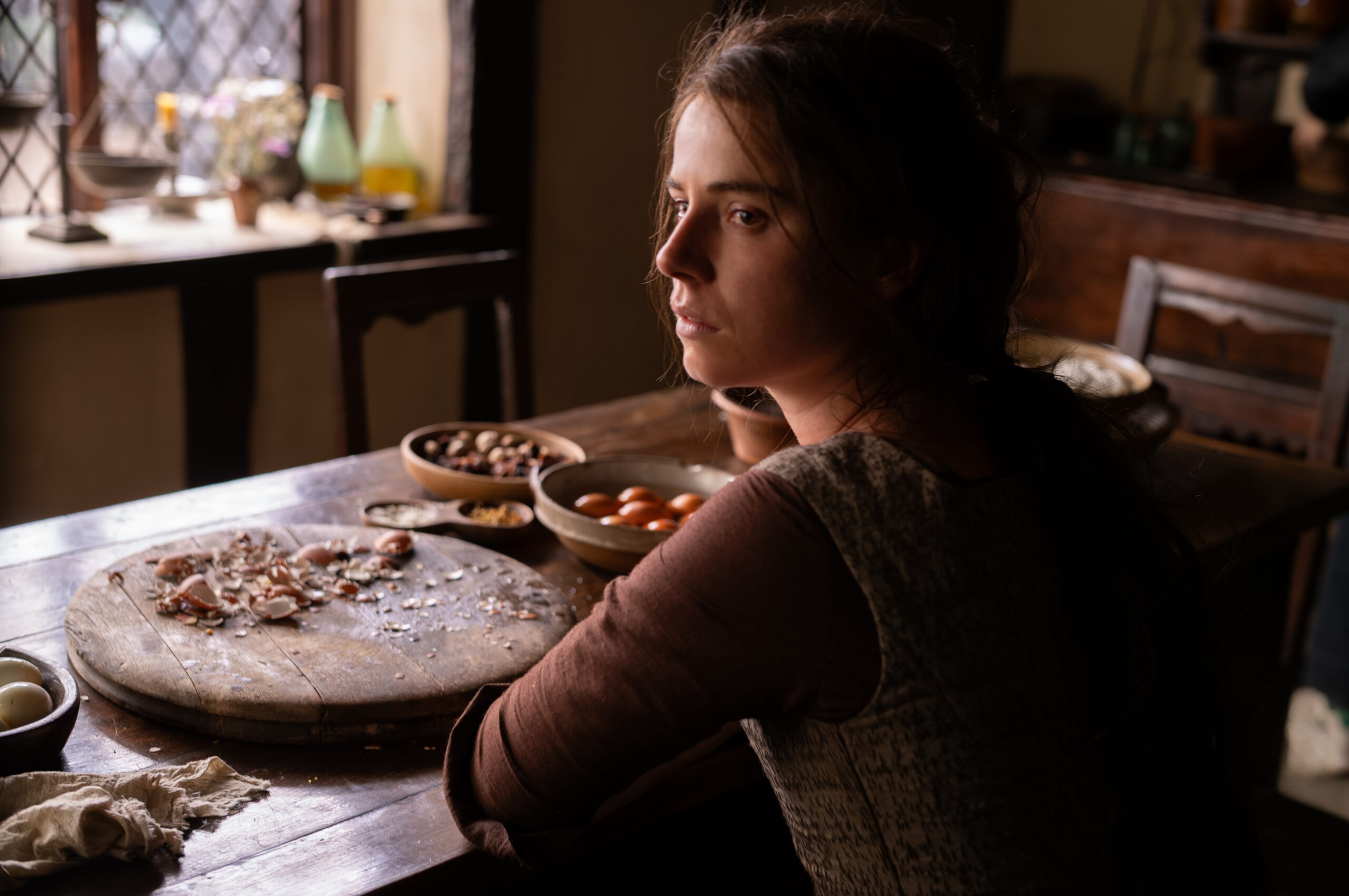
This image released by Focus Features shows Jessie Buckley in a scene from “Hamnet.” (Agata Grzybowska/Focus Features via AP)
‘Hamnet’
William Shakespeare (Jesse Buckley) and his wife, Agnes, (Anne Hathaway) mourn the death of their son in this film based on Maggie O’Ferrel’s 2020 eponymous historical fiction novel. Hamnet received eight nominations.
Playing: Film Society Bourse, Landmark’s Ritz Five, Reel Cinemas Narbeth, Bryn Mawr Film Institute, AMC Cherry Hill 24.
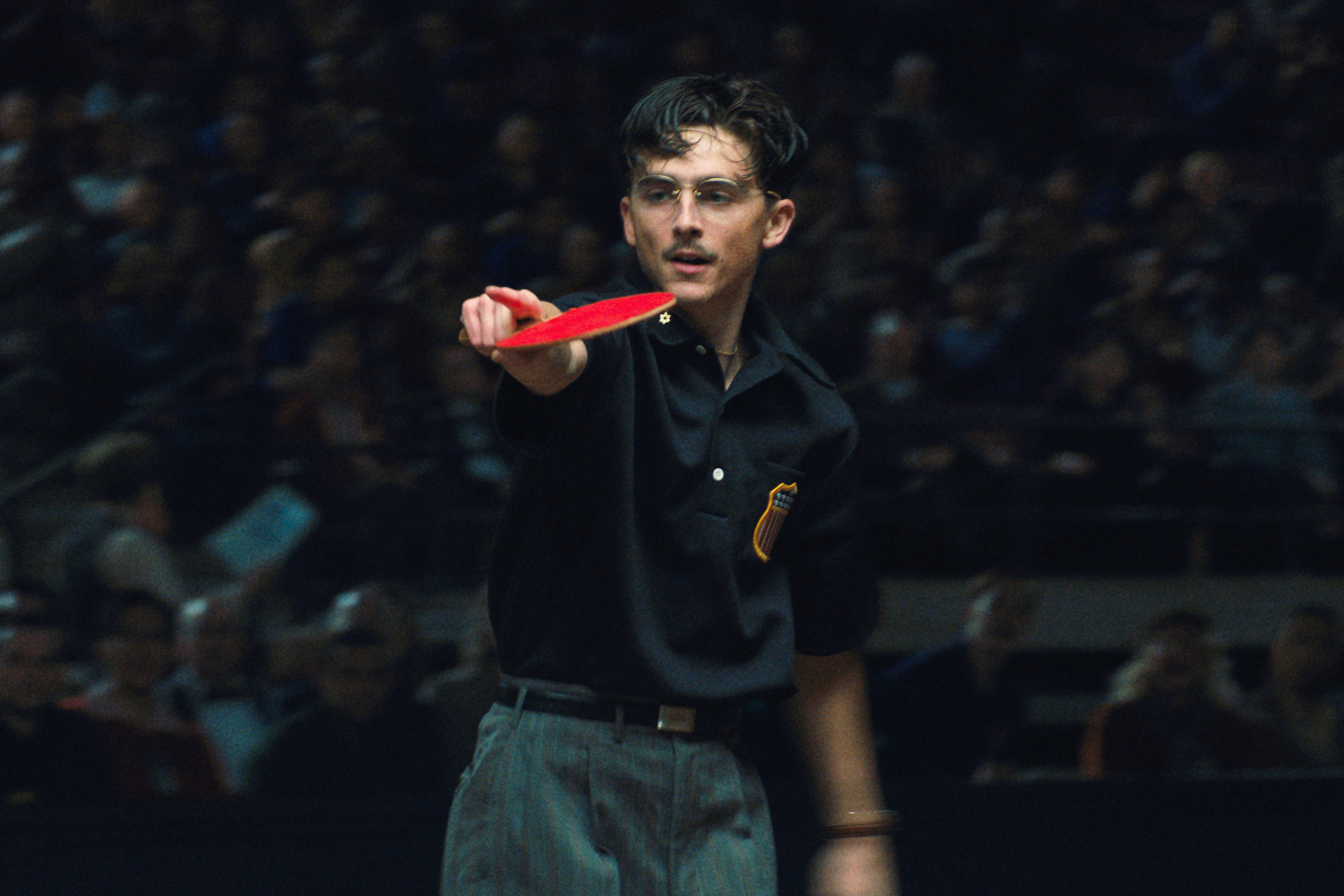
This image released by A24 shows Timothée Chalamet in a scene from “Marty Supreme.” (A24 via AP)
‘Marty Supreme’
Timothée Chalamet is Marty, an ambitious table tennis hustler in 1950s New York whose story is inspired by the real life scammer Marty Reisman. The anxious sports drama follows Marty’s quest for table tennis glory that takes him to Japan. The movie picked up nine nominations including a best actor nod for Chalamet.
Playing: AMC Broad Street 7, Cinemark University City Penn 6, AMC Dine-in Fashion District 8, Film Society Bourse, Film Society East, Landmark Ritz 5, AMC Deptford 8, Bryn Mawr Film Institute, Cinemark Somerdale 16 and XD, AMC Marple 10, Regal Moorestown Mall, AMC Voorhees 16, Regal Plymouth Meeting, AMC Marlton 8
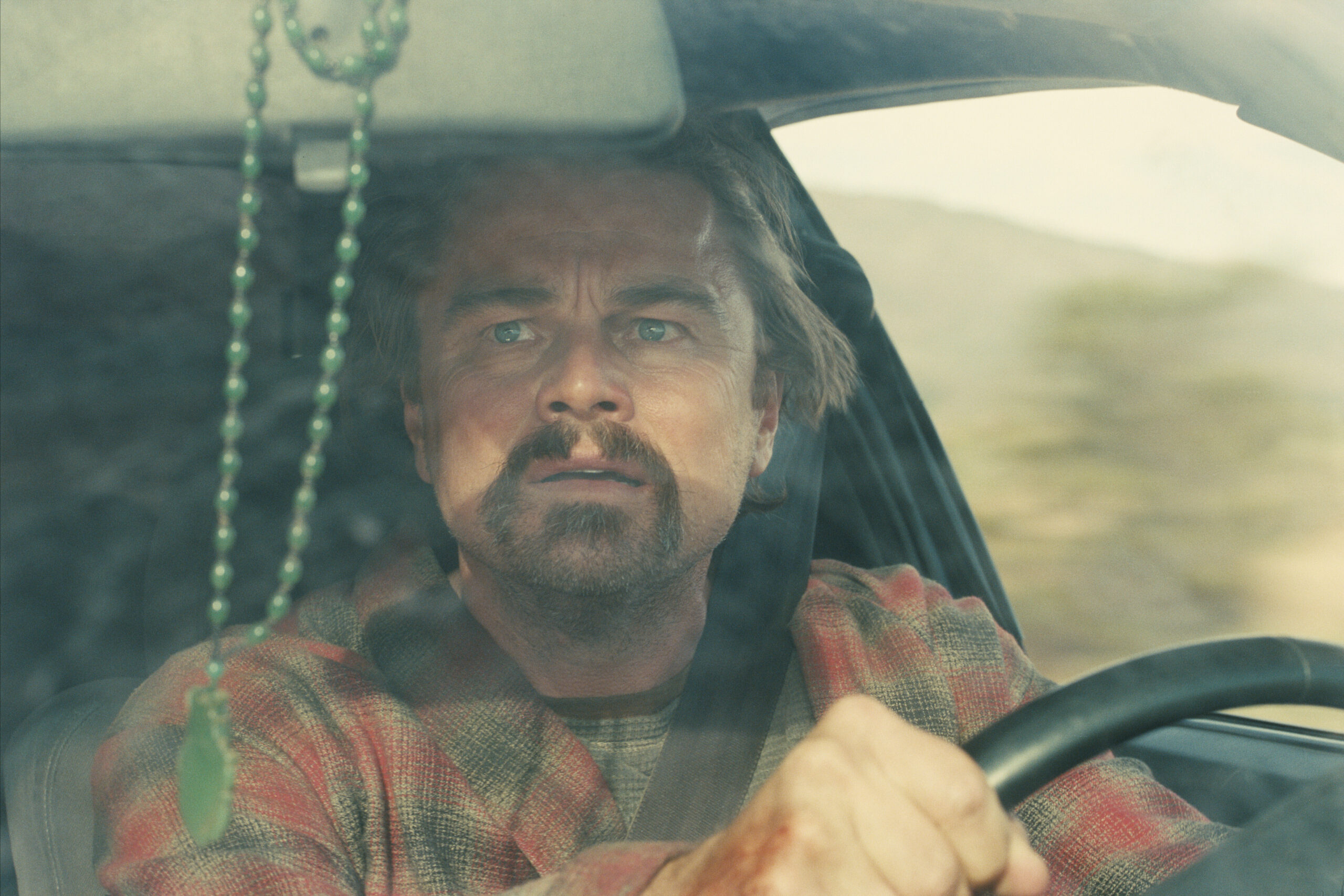
This image released by Warner Bros. Pictures shows Leonardo DiCaprio in a scene from “One Battle After Another.” (Warner Bros. Pictures via AP)
‘One Battle After Another’
In this dense, action-packed thriller by Paul Thomas Anderson, a has-been revolutionary (Leonardo DiCaprio) has to find his missing daughter whose disappearance is connected to his past association with a radical group. This film has 13 Oscar nominations.
Playing: Landmark’s Ritz Five, AMC Cherry Hill 24, Hiway Theater in Jenkintown, Regal UA King Of Prussia, Regal Cross Keys, AMC Neshaminy 24, Regal Brandywine Town Center, Regal UA Oxford Valley, Regal Cumberland Mall, Regal Peoples Plaza, and more.
A person buys a ticket for the Oscar-nominated film, The Secret Agent, at a self-service ticket kiosk, at a movie theater in Sao Paulo, Thursday, Jan. 22, 2026. (AP Photo/Andre Penner)
‘The Secret Agent’
A historical nonfiction follows former professor and political dissident Armando (best actor Oscar nominee Wagner Moura) is on the run from mercenary killers in this 1977 Brazilian thriller from Cannes-winning filmmaker Kleber Mendonça Filho.
Playing: Film Society Bourse, Bryn Mawr Film Institute, the Colonial Theatre, County Theater in Doylestown, the Princeton Garden Theatre, Montgomery Cinemas in Skillman, NJ, and more.
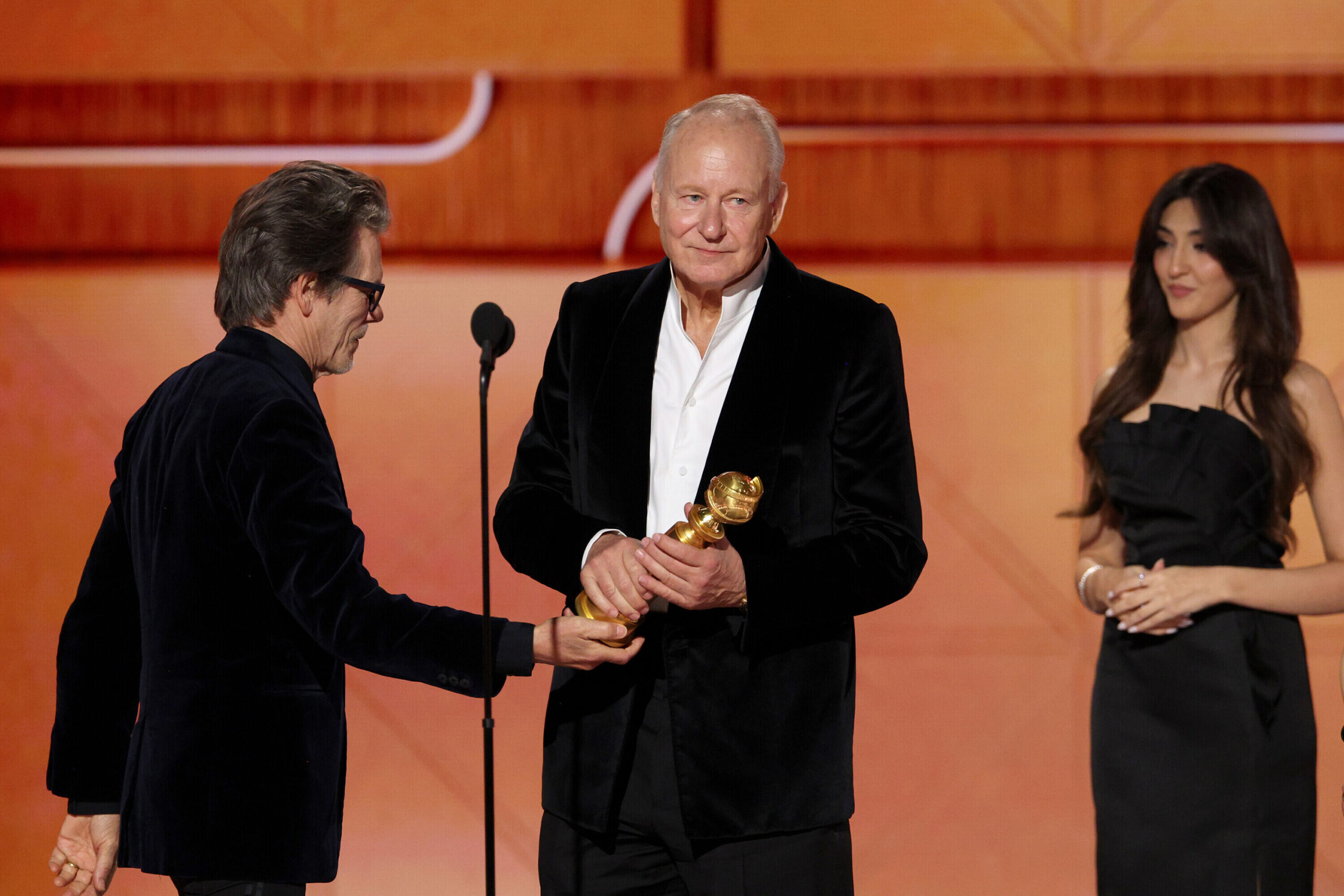
This image released by CBS Broadcasting shows Stellan Skarsgård accepting the award for best performance by a supporting actor in a motion picture for “Sentimental Value,” from presenter Kevin Bacon, left, during the 83rd Golden Globes on Sunday, Jan. 11, 2026, at the Beverly Hilton in Beverly Hills, Calif. (Kevork Djansezian/CBS Broadcasting via AP)
‘Sentimental Value’
Sisters Nora (Renate Reinsve playing a theater actor) and Agnes (Inga Ibsdotter Lileaas) reunite with their distant father Gustav (Stellan Skarsgard), a famous director. The reunion forces the family to confront past trauma and their shared artistic practice as Gustav works on a film based on his family members.
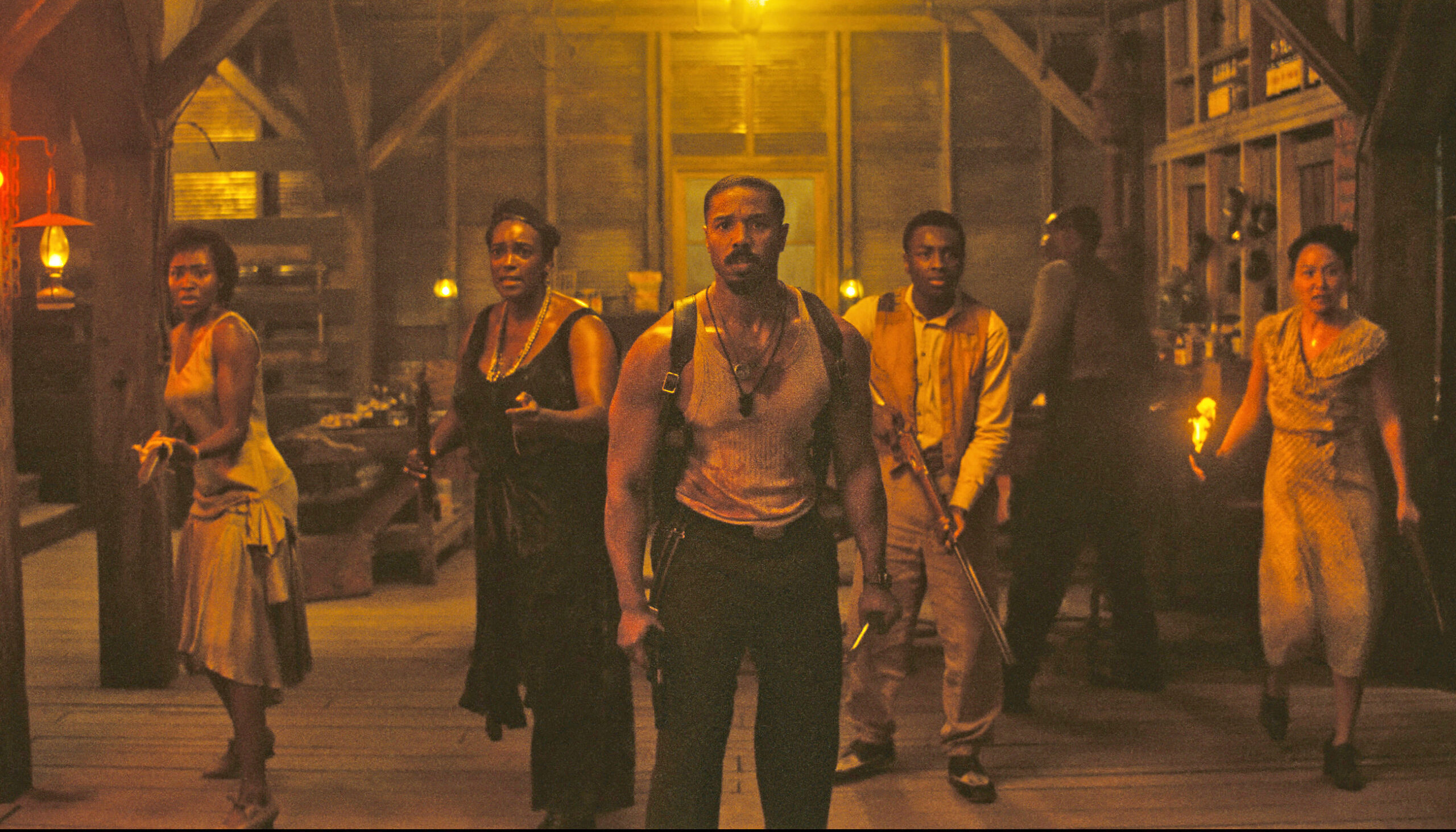
This image released by Warner Bros Pictures shows Michael B. Jordan, center, in a scene from “Sinners.” (Warner Bros. Pictures via AP)
‘Sinners’
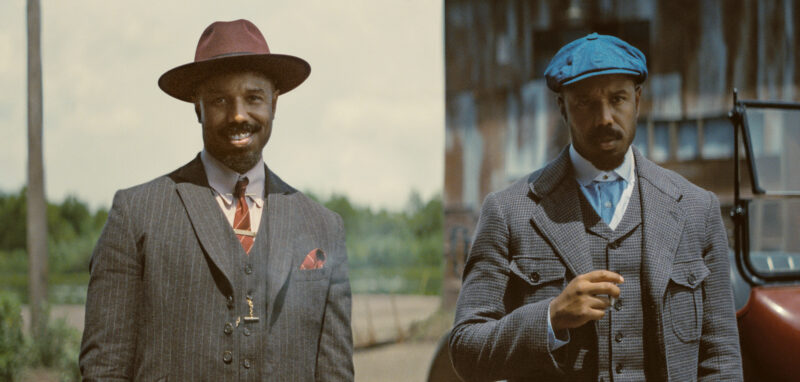
Rich from Chicago bootlegging schemes, twins Smoke and Stack (Michael B. Jordan) return to their home in the Deep South during the 1930s to open a juke joint. Here they come fact-to-face with vampires intent on stealing their souls. The film, directed by Ryan Coogler, received a record-breaking 16 nominations including one for Jordan, who is nominated for best actor.
Playing: Landmark’s Ritz Five, AMC Cherry Hill 24, Cinemark Somerdale 16 and XD, Regal UA King Of Prussia, AMC Neshaminy 24, Regal Warrington Crossing, CAMC Center Valley 16, and more.
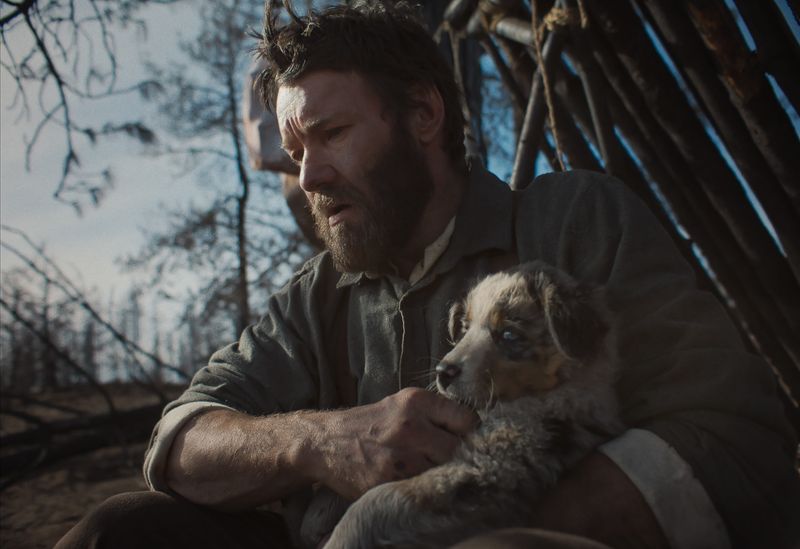
Joel Edgerton navigates personal tragedy and decades of working on the railroad in the period drama “Train Dreams.”
‘Train Dreams’
Early 20th century logger Robert Grainer (Joel Edgerton) builds a life with his wife Gladys (Felicity Jones) only to lose it all to wildfires, violence, and changing times. The film is based on Denis Johnson’s novella and received four Oscar nominations.
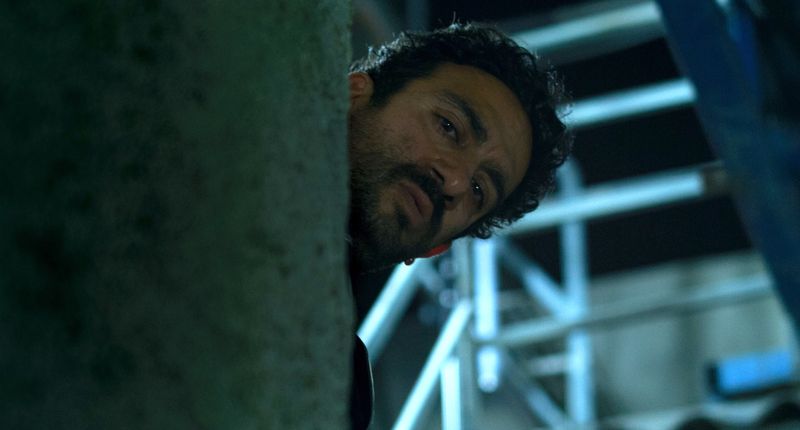
Vahid Mobasseri plays a mechanic and former Iranian political prisoner who kidnaps his former torturer in the genre-mashing thriller “It Was Just an Accident.”
‘It Was Just an Accident’
This Iranian thriller from legendary filmmaker Jafar Panahi follows a mechanic named Vahid (Vahid Mobasseri) who, along with fellow rebels, encounters their former prison tormentor and vows revenge.
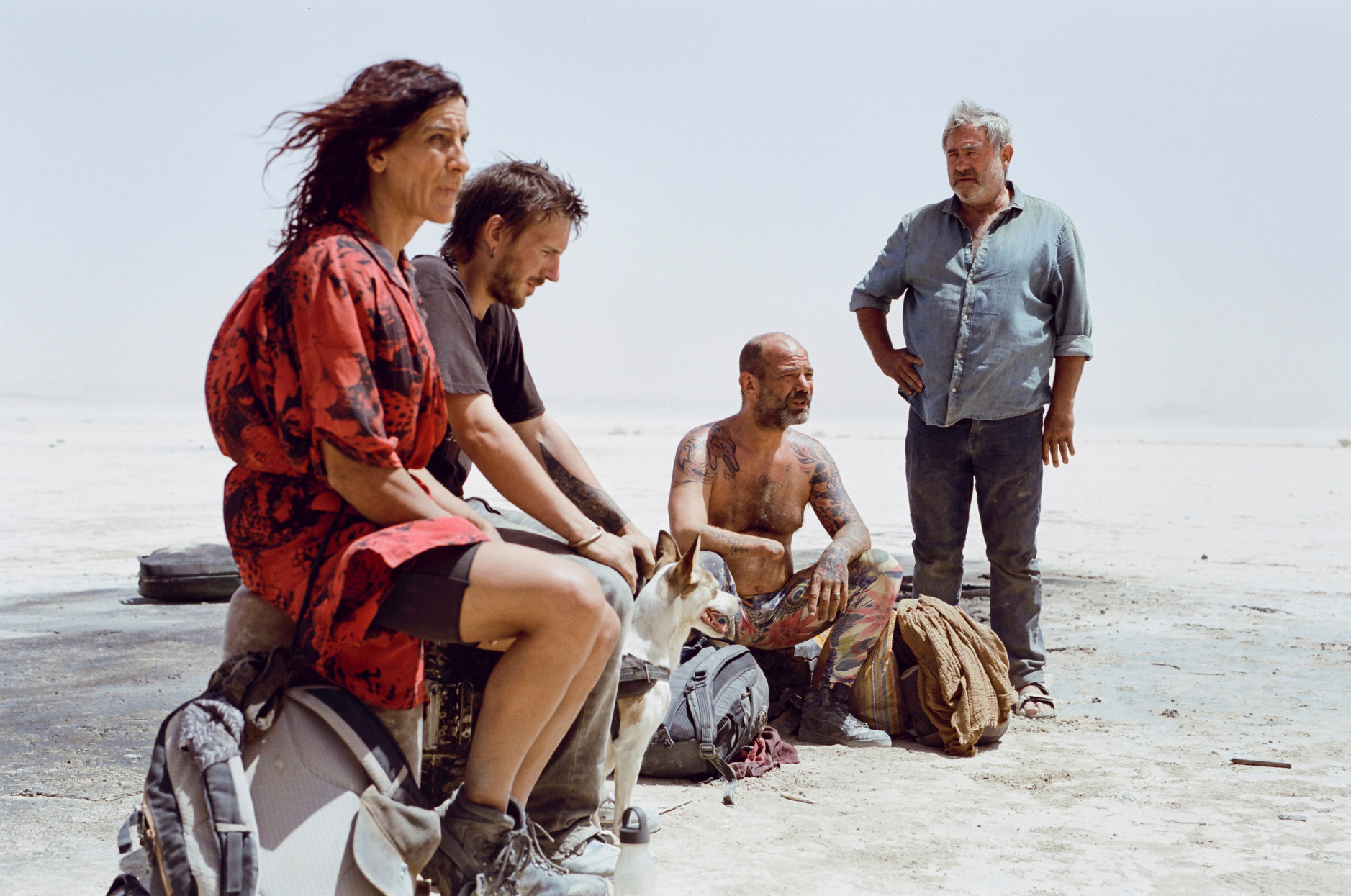
This image released by Neon shows, from left, Stefania Gadda, Joshua Liam Herderson, Richard Bellamy and Sergi López in a scene from the film “Sirat.” (Neon via AP)
‘Sirāt’
A film in French, Arabic, English, and Spanish about a family searching for their missing daughter during a music rave in a southern Moroccan desert. Add to that an armed conflict that escalates into a World War III-like tussle.
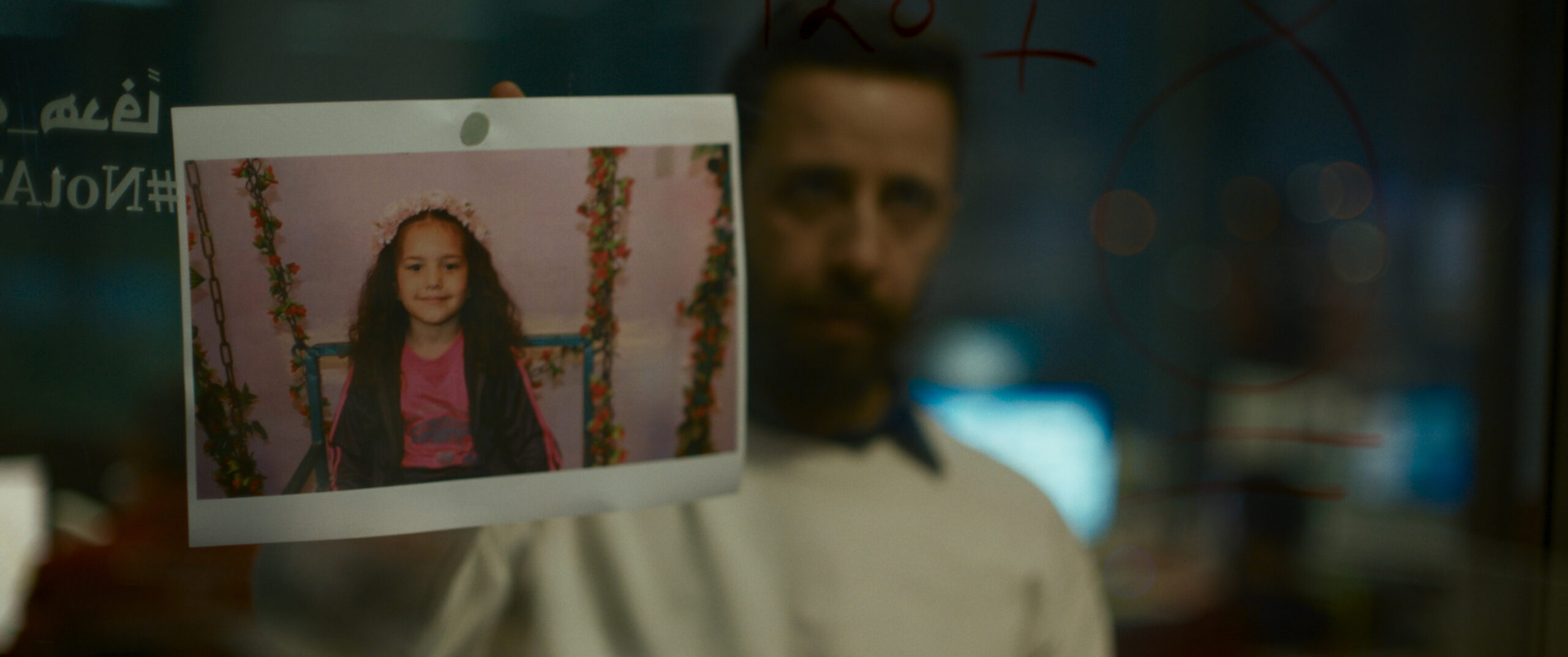
Motaz Malhees stars in “The Voice of Hind Rajab” as a Palestinian Red Crescent Society worker who receives a distress call from 6-year-old Hind Rajab, seen in the photograph. MUST CREDIT: WILLA
‘The Voice of Hind Rajab’
Tunisian filmmaker Kaouther Ben Hania’s docudrama chronicles the killing of Hind Rajab, a 5-year-old Palestinian girl in Gaza using an emergency call Red Crescent volunteers received on January 29, 2024.
Sinners, Ryan Coogler’s vampiric period film starring Michael B. Jordan, made Academy Award history on Thursday when it was nominated for 16 Oscars, more than any other film in the history of the award ceremony’s 98-year run.
It toppled the 14 nominations previously received by All About Eve (1950), Titanic (1997), and La La Land (2016). In addition to Michael B. Jordan’s best actor nomination and Coogler’s best director nod, Sinners Oscar-winning costume designer, Ruth E. Carter, was also nominated for for her work on the film. It’s her fifth overall Oscar nomination.
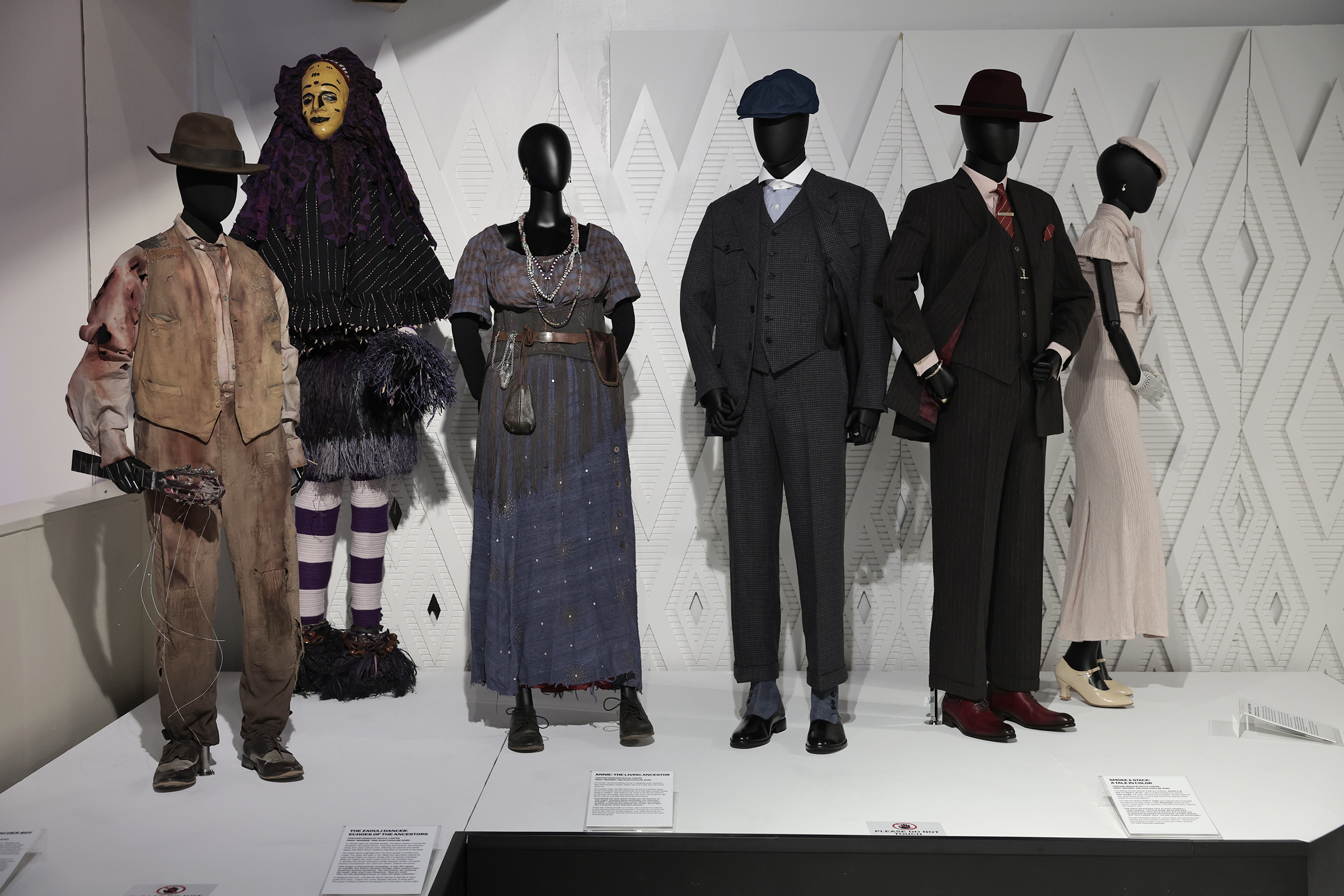
That includes Smoke and Stack’s (twins played by Jordan) memorable 1930s-era three-piece suits, with complementary fedora and newsboy cap, timepieces, and tiepins.
Ruth E. Carter’s Oscar-nominated costumes from “Sinners” starring Michael B. Jordan as twins Smoke and Stack.
Coogler’s only direction to Carter was to dress Smoke in blue and Stack in red, she told The Inquirer in November.
Carter, not one to fret long, dove into her arsenal of research. By the time she began the fittings, she’d amassed an array of blue and red looks befitting of the 1930s sharecroppers-turned-bootleggers and juke joint owners.
“[And] when I put that red fedora on him, Ryan flipped out and said, ‘That’s it!’,” Carter said. “We wanted people to resonate with their clothing and it did.”
The Smoke and Stack effect went beyond Sinners. This Halloween there were tons of social media posts of revelers dressed as the mysterious twins.
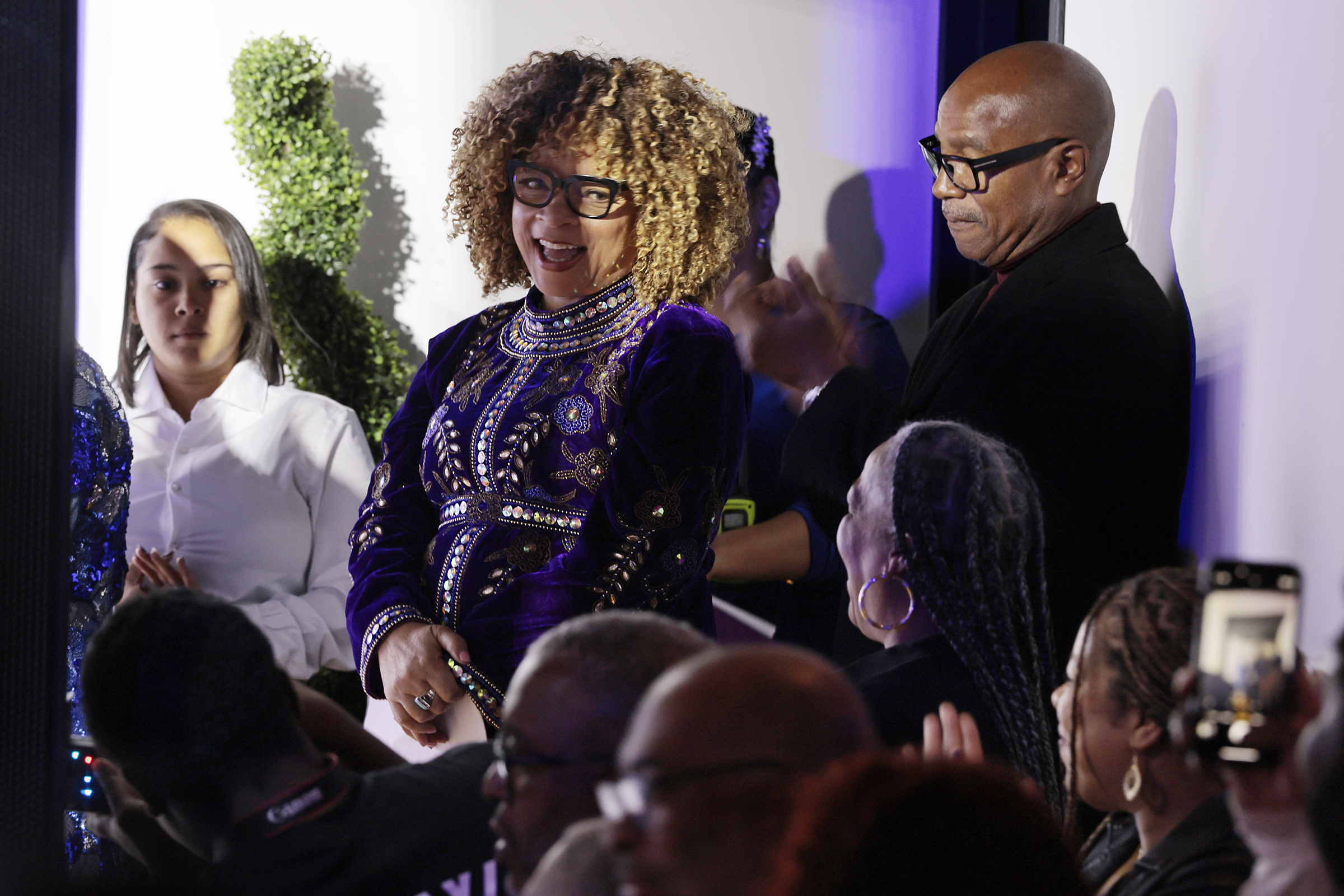
Ruth E. Carter during the “Ruth E. Carter: Afrofuturism in Costume Design” opening gala at the African American Museum in Philadelphia on Saturday, Nov. 1, 2025.
Also a part of AAMP’s Sinners display is the flowy earthy dress that best supporting actress nominee Wunmi Mosaku wore in her role as Annie. Annie is Smoke’s lover and a root woman who discovers the vampires in their Clarksdale, Miss., town.
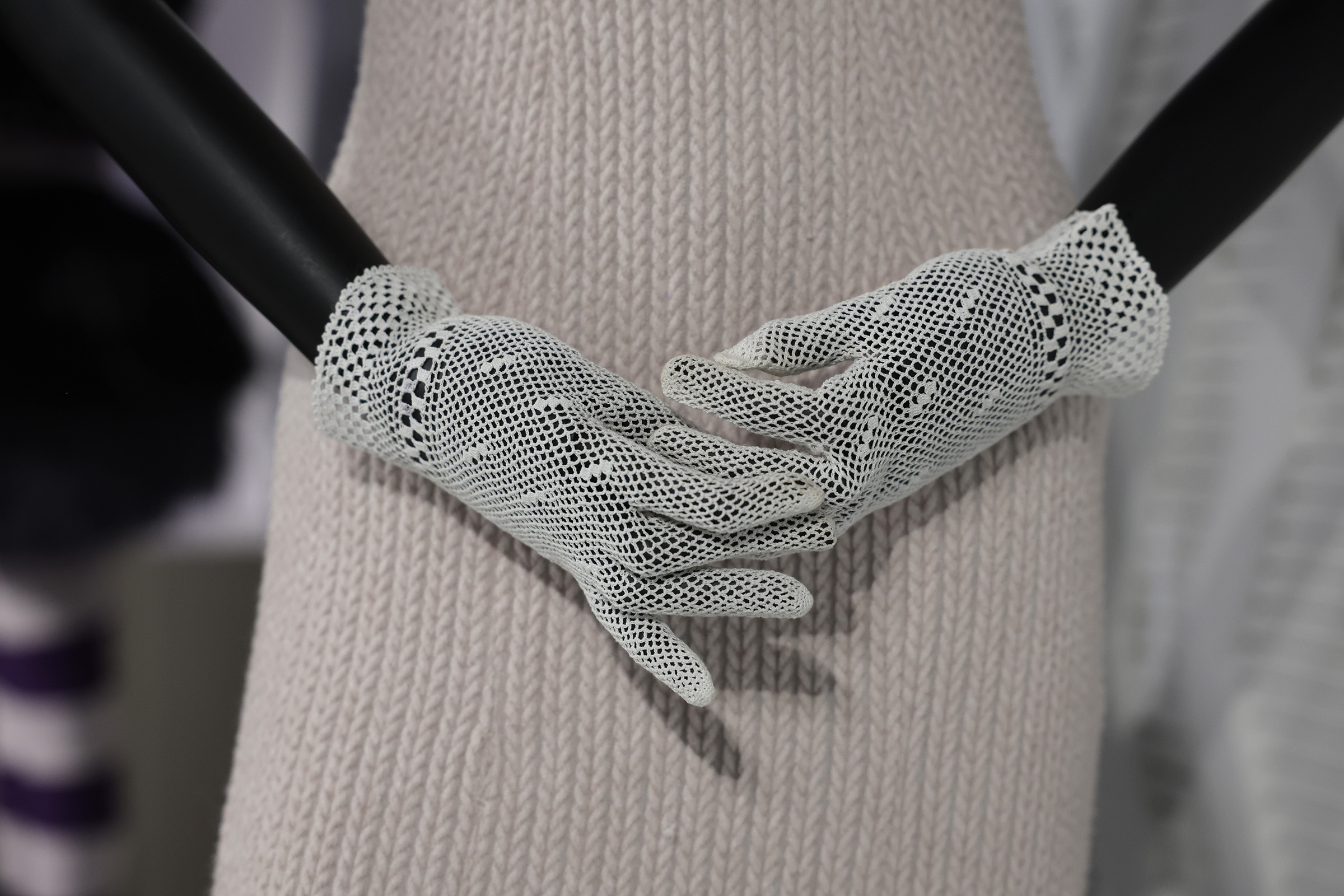
Cornbread’s (Oscar Miller) tattered sharecropper outfit is on the dais along with Mary’s (Hailee Steinfeld) blush knit dress with its short-sleeved bodice and pussy bow accent. Her matching knit beret and pearls are also on display. In the film, Mary is Stack’s childhood friend, turned girlfriend, turned vampire.
“I immerse myself in the mind, body, and soul of my characters,” said Carter. “Then I see them in my mind, how they move and with research, I come up with a look that I feel is unique to them.”
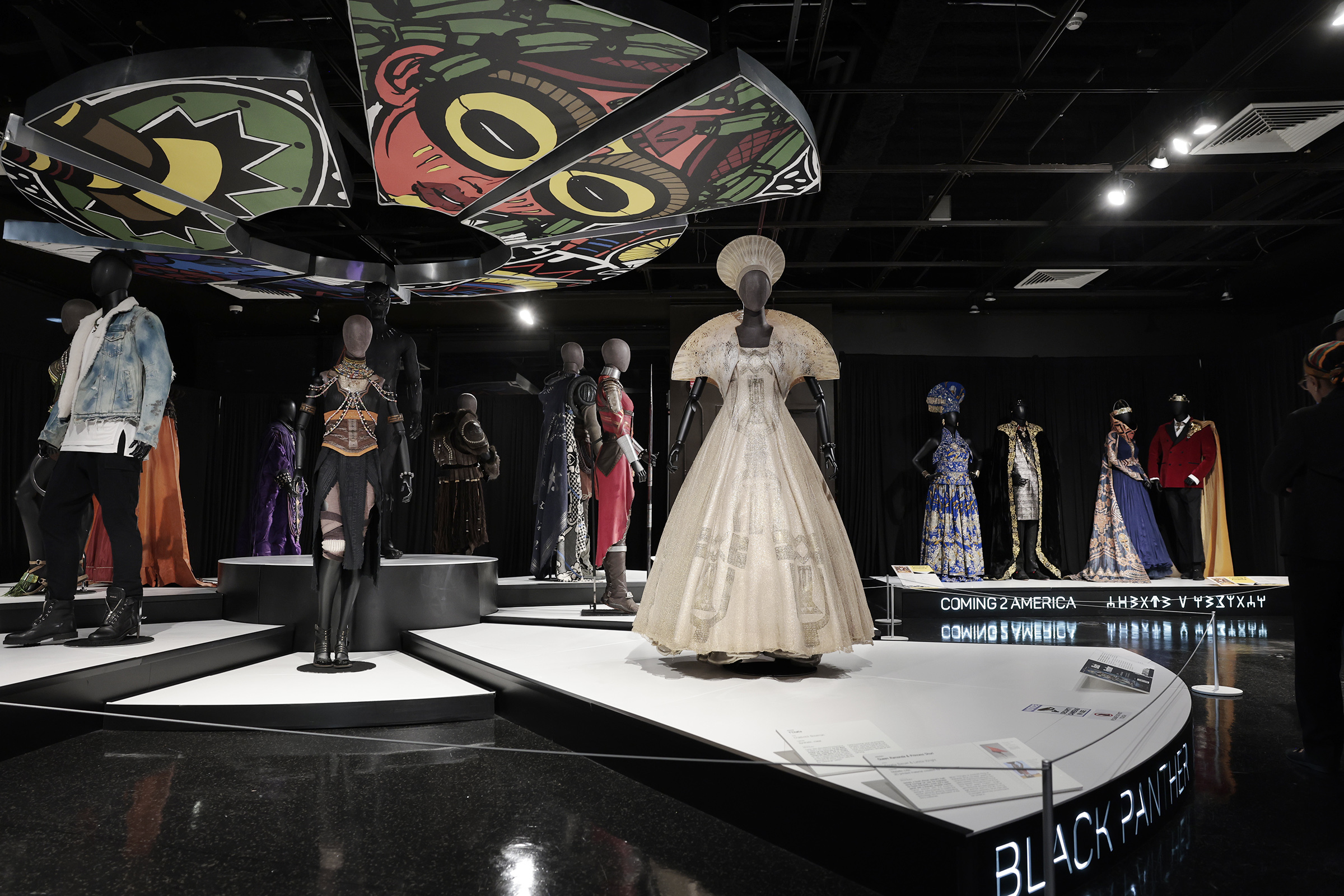
The Sinners pieces are among the more than 80 looks featured in the “Afrofuturism” exhibit, joining outfits from The Butler (Lee Daniels), and from Malcolm X, Coming 2 America, Black Panther, and its sequel, Black Panther: Wakanda Forever.
The show, headlining the African American Museum’s celebration of the nation’s Semiquincentennial, will be on display through September.
Lace gloves and knit dress detail of Mary (Hailee Steinfeld) costume from sinners.
During her five decades in the movie business, Carter has worked on more than 60 big-screen documentations of where Black Americans have been, who they are at the given moment, and who they dream of becoming.
Her work has shaped how the world sees African Americans.
In the 2010s, a friend of hers suggested she plan a museum exhibit around her costumes. After Black Panther, she partnered with Marvel, and in 2019, “Afrofuturism in Costume Design” debuted at the Savannah College of Art and Design’s Atlanta Campus.
The “Ruth E. Carter: Afrofuturism in Costume Design” exhibit at the African American Museum in Philadelphia on Saturday, Nov. 1, 2025.
Philadelphia is the exhibit’s ninth — and longest — stop. It’s also the first stop for the Sinners costumes.
“I am a griot,” Carter said. “[Throughout my career,] I’ve developed a knowledge base that embraces our culture and speaks to all of us in a positive way.”
“Ruth E. Carter: Afrofuturism in Costume Design” will be on view through Sept. 6. at the African American Museum in Philadelphia, 701 Arch St., Thursday through Sunday, 10 a.m. to 5 p.m. Tickets are $20 for adults, $10 for children.
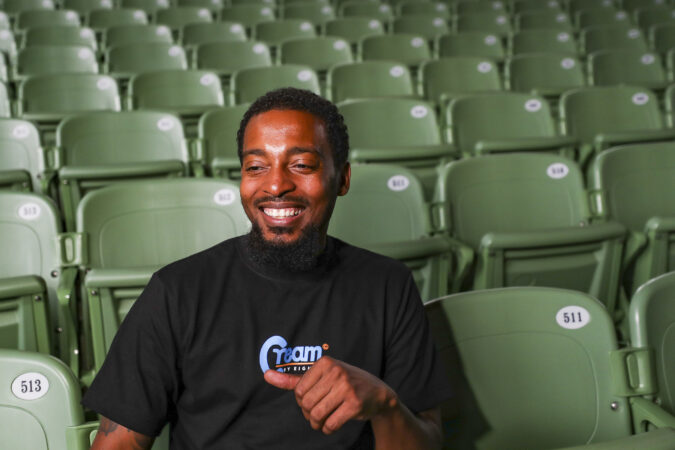
Chill Moody didn’t plan on writing a children’s book.
A story about a young athlete was bubbling in his head. And the West Philly-born rapper and serial entrepreneur wanted to turn it into a screenplay, mirroring the upbeat, have-faith vibe of fellow rapper Bow Wow’s 2002 film, Like Mike.
“Instead of basketball [in Like Mike], I wanted the story to be about golf,” said Moody, whose real first name is Eric.
“And instead of a little boy, I wanted my main character to be a little girl.”
But movies take forever to become a reality. Moody, always ready to churn out his next nice thing, wanted to get this fictional little girl, who rocks a red golf tee and wields golf clubs passed down from the ancestors, into the world quickly.
So Moody, and his coauthor and cousin, Danielle Kellogg, decided a children’s book would be their best bet. This way, Moody could share his message of inspiration directly with his target audience. His character would come alive with every page turn; and a skilled rapper, Moody could write a story that rhymed.
“There had to be alliteration,“ he said. ”So, I named her Gia,”
Gia the Golfer was released in December.
The 36-page picture book, featuring vibrant illustrations by local artist Stephen Hatala, is available on the Barnes & Noble website and Amazon, where it sells for $14.99.
So far, Moody said, he’s sold a few hundred copies of Gia the Golfer. And, he said, 100% of the profits will fund his nonprofit We Golf Now. The two-year-old nonprofit encourages Philadelphia’s Black and brown youth to develop confidence, social, and networking skills through playing golf.
Zane King, 6, get advice from Chill Moody during a We Golf Now event at Five Iron Golf in Philadelphia, Pa., on Sunday, March 30, 2025.
“We serve over 100 kids,” Moody said. “We teach kids how to play golf, the business of golf, and introduce them to careers and job opportunities.”
Moody sees Gia’s spark and optimism in all of his young golfers.
When we meet Gia, her grandfather, Geo, has just died. She and her mother are going through his things when Gia discovers golf clubs that belonged to Geo, a star golfer and winner of a lot of tournaments. She takes the clubs and practices on her own and seems to be a natural. Her mother signs her up for golf classes and, following in her grandfather’s footsteps, she excels and decides to compete in a tournament.
But, on the day of the tournament, the golf clubs — that twinkle like they could be magical — disappear. Gia has to play without them.
“I wanted to teach children about memories and dealing with grief,” Moody said. “And that even if you lose something that you think is important, you aren’t at a loss.”
Moody, 40, finished writing the book in 2024. He shopped it to publishers for nearly a year before taking the self-publishing route.
“I didn’t want to sell the books out of my trunk like I did with my music,” Moody said. “But then I remembered I did this so we could tell our children’s stories. I remembered I could do this … I bet on myself.”
In September, he partnered with Lansdale’s Boardroom Spirits and released Tequila Transfusion, a mix of tequila, grape, ginger, and lime — his version of the country club cocktail.
Just like his drinks, Moody has big plans for Gia.
“I’m thinking animated cartoons and plush toys,” Moody said. “I want her to blow up as a brand. Seriously, I’m thinking Gia will be the next Dora the Explorer.”
On Dec. 1, 1898, about 1,000 people gathered at a court in Textile Hall — today’s Kensington neighborhood. They were there to watch the Philadelphia Hancock Athletic Association play the New Jersey Trenton Nationals in America’s first professional basketball game.
According to an article in the following day’s Philadelphia Times, the game got a late start because referees were still ironing out the rules of the world’s newest professional sport.
But once the game got underway, it was fast and furious.
Hancock “started with a rush, scoring two field goals before the players had become warmed up to their work,” the story reads.
“Throughout the entire first half, the home team had the better of the argument, taking advantage of every opportunity finishing the half in the lead by a score of 11 to [0].”
In the end, Philadelphia lost by two points, a disappointment Philly sports fans know all too well, even in these modern times.
The final score: 21 to 19.
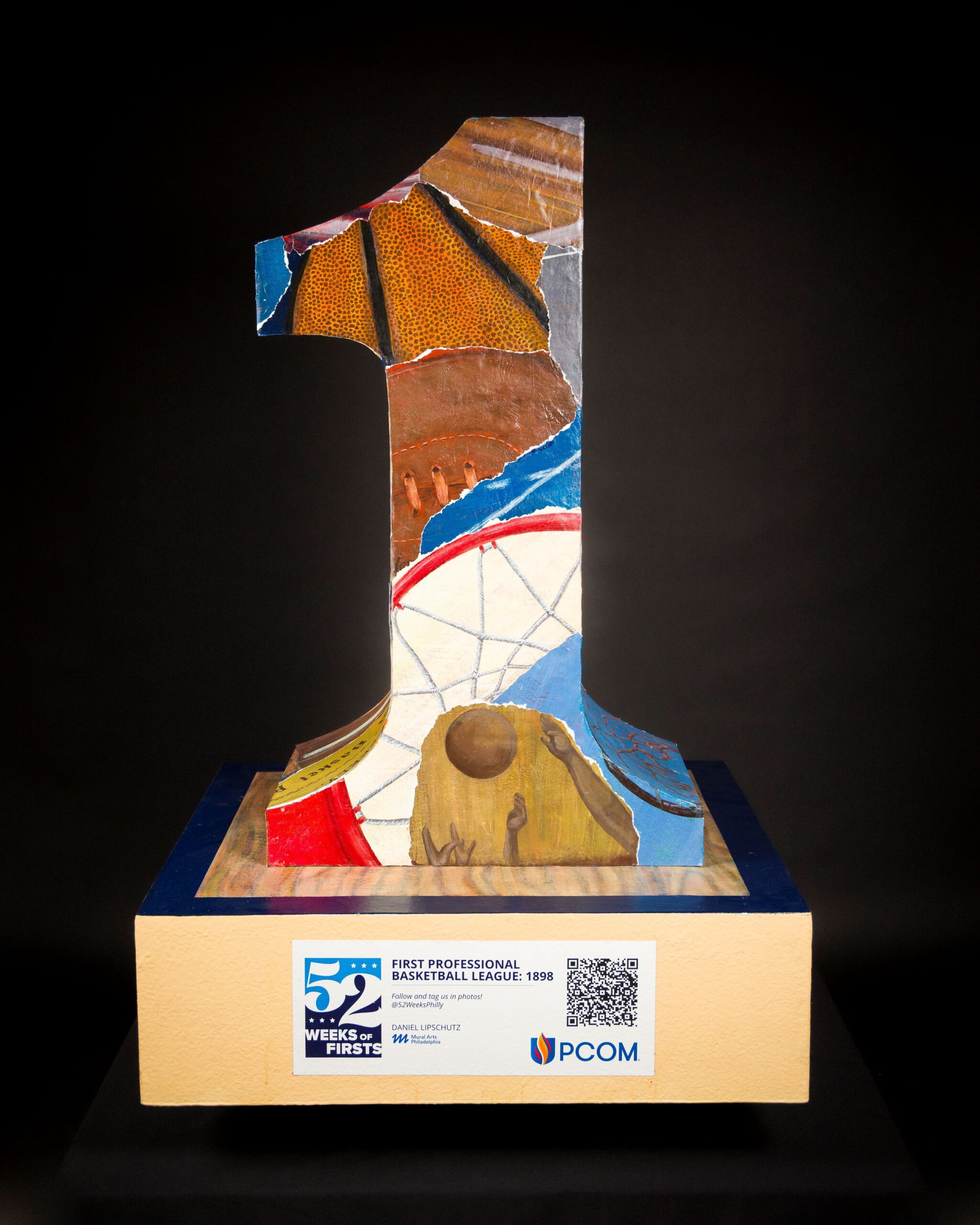
Daniel Lipschutz blended history into his love of the modern day sport for this sculpture.
That first game of the National Basketball League will be feted this Saturday at a Firstival at Xfinity Mobile Arena. Firstivals are the Philadelphia Historic District’s weekly day parties celebrating events that happened in Philadelphia before anywhere else in America, and often the world. They are part of a yearlong celebration of America’s 250th birthday.
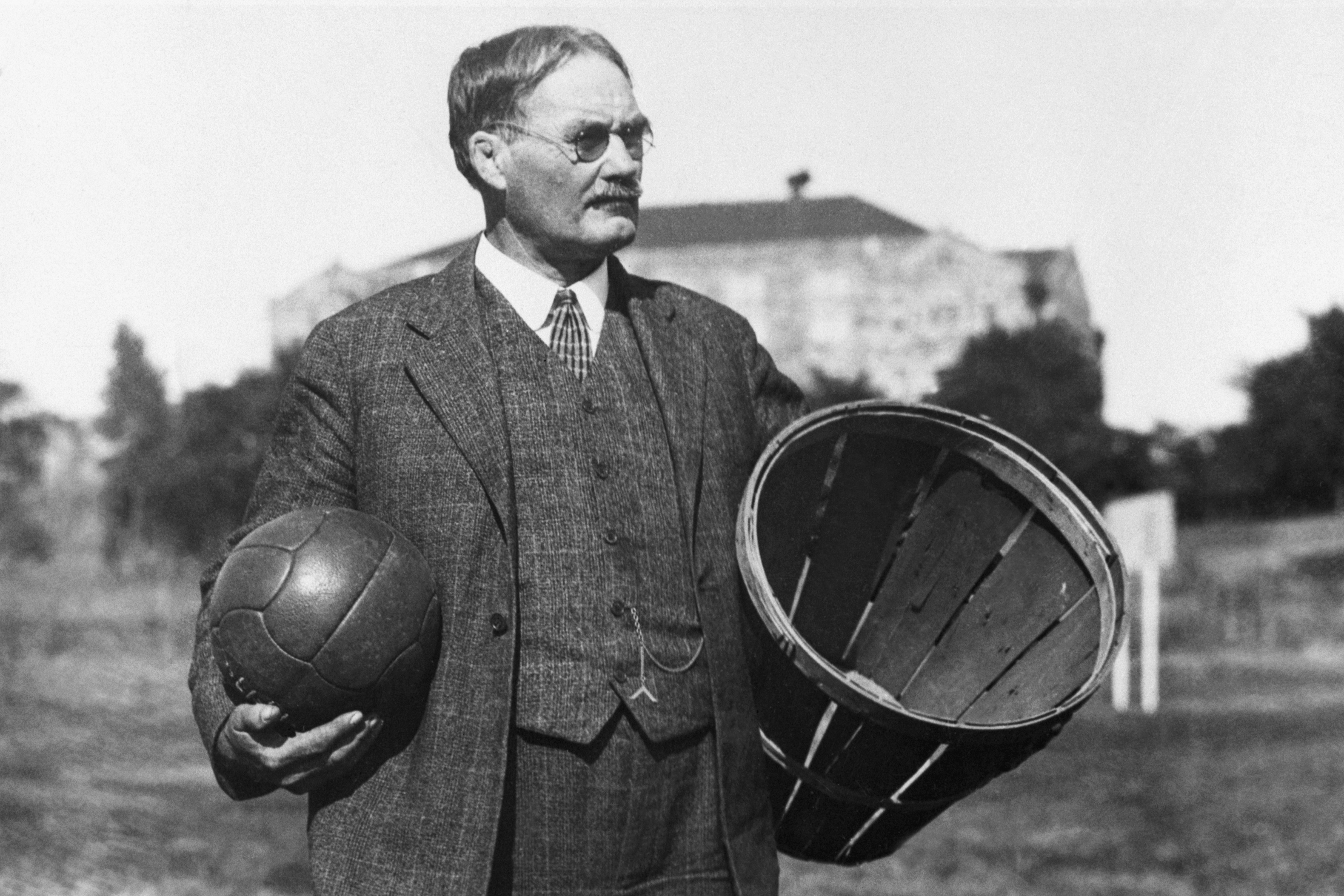
James Naismith, a YMCA coach in Springfield, Mass., invented basketball in 1891 to keep kids active during winter months. The sport incorporated elements of rugby, lacrosse, and soccer. Instead of throwing balls into a bottomless net to score, players threw balls into peach baskets.
(In other words, there was no such thing as a rebound.)
James Naismith, inventor of basketball, with a ball and a basket.
Basketball quickly became popular with college students and in 1898, Naismith was recruited to coach the University of Kansas basketball team.
That same year, Horace Fogel, sports editor of the Philadelphia Public Ledger, organized the first professional basketball league with three teams from Philadelphia and three from South Jersey.
A 12-foot chain-link cage separated players from the fans. Ropes replaced these iron cages in the 1920s.
Fogel’s National Basketball League lasted just five years, folding in 1904 because of quick player turnover eating into profits. A second league was formed in 1937 and was sponsored by Goodyear. In 1946, the Basketball Association of America was established.
And in 1949, the BAA and NBL merged to create today’s NBA.
“This really goes to show that Philadelphia is a sports city,” said Shavonnia Corbin Johnson, vice president of civic affairs for the 76ers. “When people talk about Philadelphia sports rooted in history, tradition, and passion, it’s true, but now we know that America’s true love of sports can trace its roots right back here.”
This week’s Firstival is Saturday, Jan. 24, 11 a.m. — 1 p.m., at Xfinity Mobile Arena, 3601 S. Broad St., Philadelphia, Pa. Premium Access Entrance on the Broad Street side, near Lot C. The Inquirer will highlight a “first” from Philadelphia Historic District’s 52 Weeks of Firsts program every week.