On Nov. 24, 1827, a group of gentleman who wanted to carry on the tradition of 18th-century area botanists John Bartram and James Logan held the first meeting of the Pennsylvania Horticultural Society.
Like Bartram and Logan, these men were eager to showcase Philadelphia’s fertile ground for native plants and exotic imports. So, they would often bring along plants to their meetings.
And it wasn’t just the men at these meetings. According to a history of the Pennsylvania Horticultural Society, published in 1927, members brought “more than 40 specimens of plants and flowers, 15 varieties of pears and apples, American grape wine, cauliflower, and broccoli,” to a Nov. 3, 1828, meeting.
Less than a year later, the inaugural Horticultural Society members decided to take their admiration of plants and flowers to the city at large.
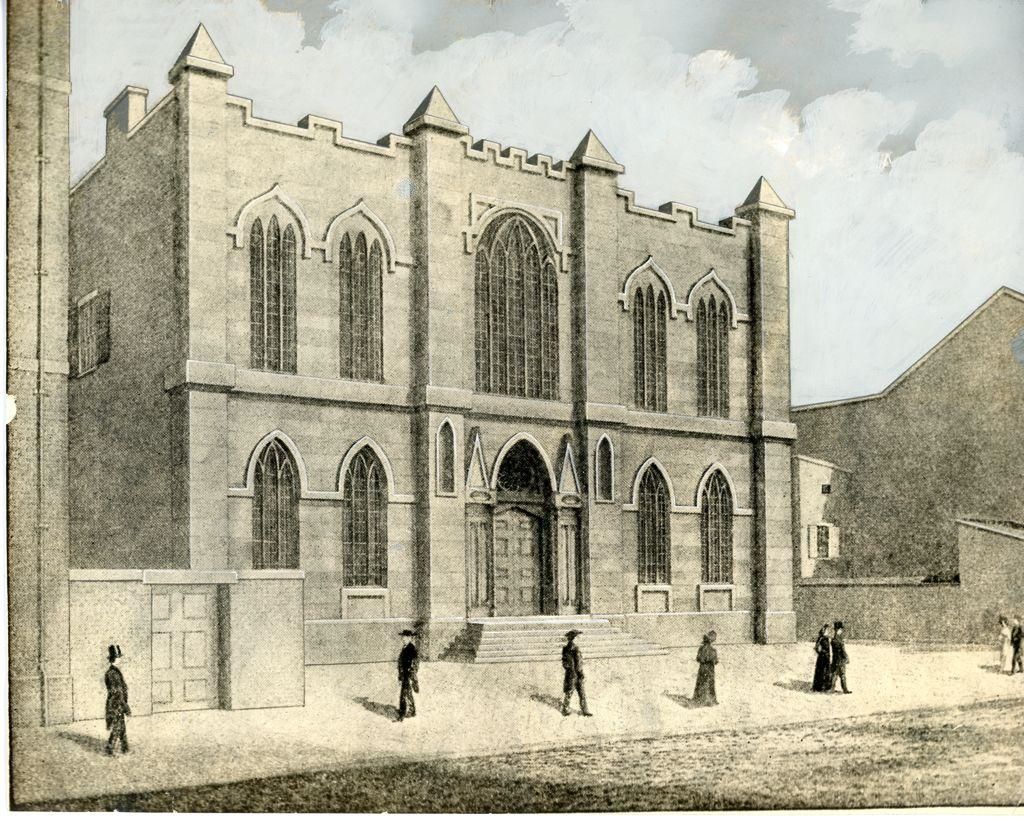
The first Philadelphia Flower Show was held on June 6, 1829, at the Masonic Hall on Chestnut Street between Seventh and Eighth Streets.
On June 6, 1829, the Horticultural Society held its first semiannual exhibition of fruits, flowers, and plants at the Masonic Hall on the 700 block of Chestnut Street. That was America’s first public flower show.
The celebration is one of this year’s weekly Firstivals. Each Saturday in 2026, the Philadelphia Historic District is throwing a day party marking events that happened in Philadelphia before anywhere else in America and often the world as part of America’s 250th birthday.
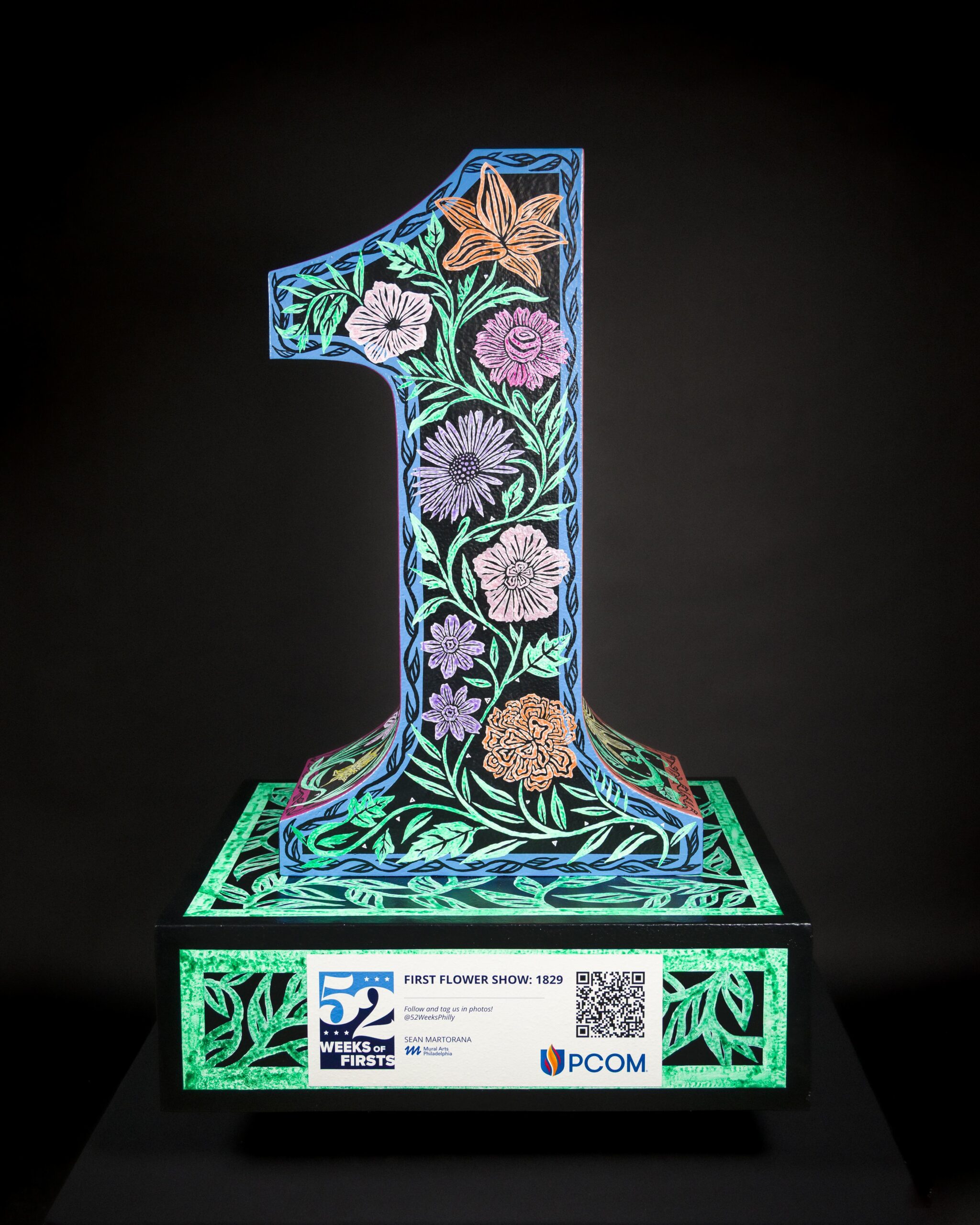
Sean Martorana’s No. 1 honors the role of art and nature in bringing communities together.
On display were the bigleaf Magnolia, geraniums, carnations, lilies, and pomegranate, Evans said. It was also the first time the poinsettia — now a symbol of the holiday season — was exhibited in North America.
“So many plants we take for granted in our gardens today were introduced to the Philadelphia public at the Flower Show,” she said, adding that at later exhibitions, more exotic plants from birds of paradise to dahlias made appearances.
The show was held in June until the 1830s when it was moved to September to mark the fall harvest. The present-day multiday spring flower shows started in the mid-1920s, to debut Easter blooms.
The Flower Show was held in venues in West Philly before making the Convention Center its permanent home in 1996. (Although it was held in FDR Park in 2021 and 2022 during the pandemic.)
There were no shows during World War I (1917-1918) and World War II (1943-1946) because resources were being diverted to war efforts. During those years, Evans said, the Horticultural Society organized Victory Garden Harvest Shows, set up to encourage people to grow vegetable gardens at home and their communities to compensate for wartime shortages.
There were similar shows during the Great Depression, Evans said. “People flocked to those shows,” she added.
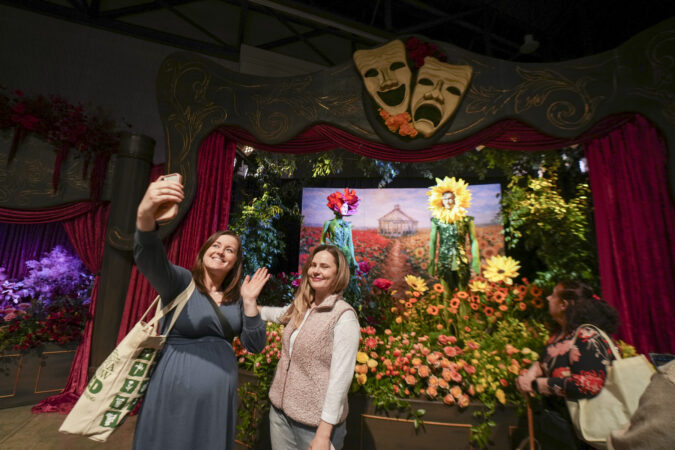
Laura Blanchard, member and volunteer with the Philadelphia Flower Show, poses for a photo by a flower display at a news conference for a first-look unveiling of the 2026 Philadelphia Flower Show, “Rooted: Origins of American Gardening,” at Union Trust on Wednesday, Jan. 14, 2026.
Today the Philadelphia Flower Show is a major city attraction. Last year, more than 235,000 people attended, said Lauren Scully, public relations and communications manager for the Pennsylvania Horticultural Society.
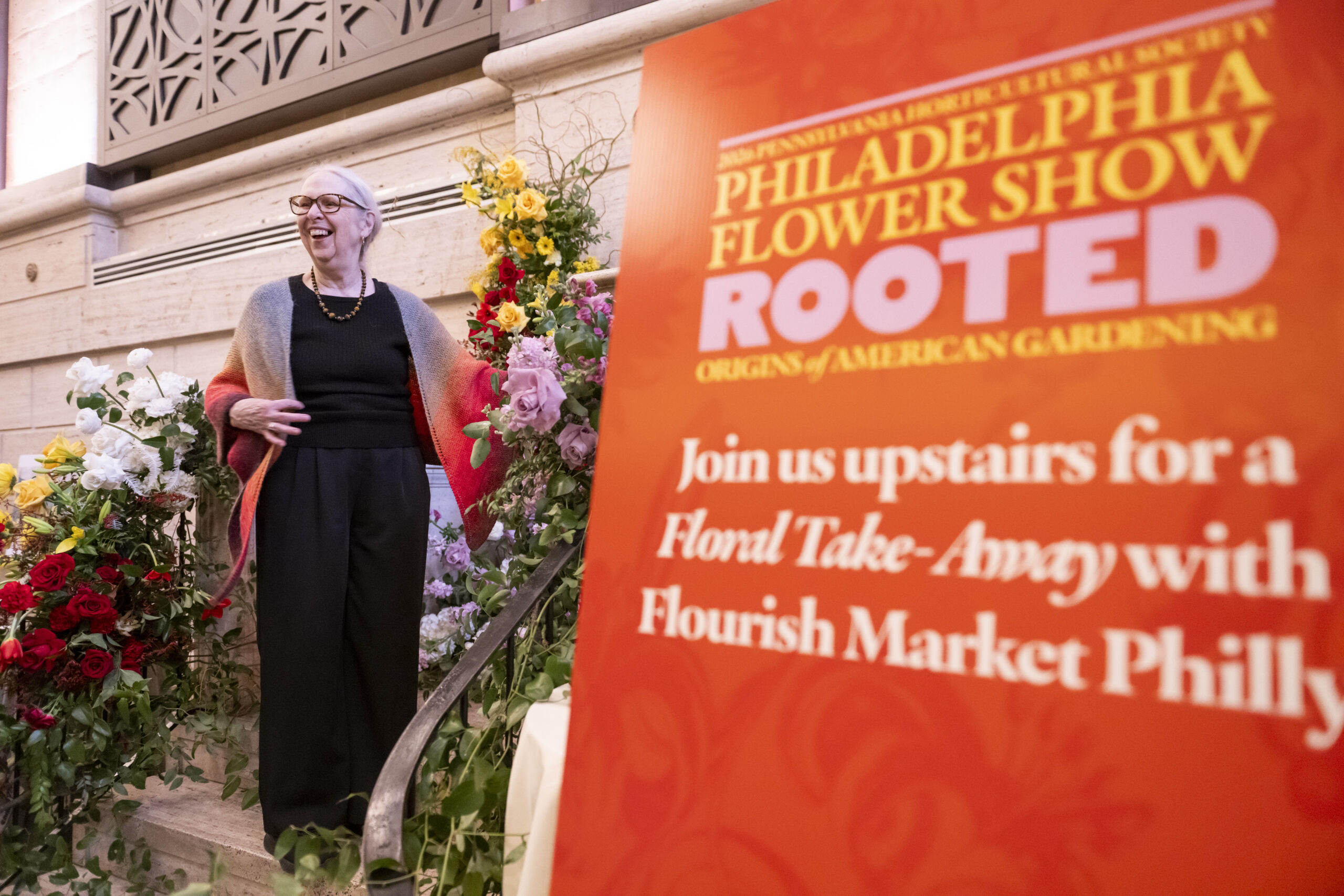
This year’s Flower Show, “Rooted: Origins of American Gardening‚” celebrates America’s 250th birthday, honoring the people, places, and traditions that have shaped gardening.
“It all started from men whose whole idea was to get together, admire, and share their love of plants,” Evans said.
This week’s Firstival is Saturday, March 7, 11 a.m.-1 p.m., Philadelphia Marriott Downtown, 1201 Market St.The Inquirer will highlight a “first” from the Philadelphia Historic District’s 52 Weeks of Firsts program every week. A “52 Weeks of Firsts” podcast, produced by All That’s Good Productions, drops every Tuesday.
School will be in session for a sixth year at West Philadelphia’s fictional Abbott Elementary.
ABC announced Wednesday that Quinta Brunson’s mockumentary based on the goings-on at an underserved Philadelphia public school is being renewed for its sixth season. This was first reported by Variety.
The news comes on the same day Abbott resumes its fifth season. A new episode is set to air Wednesday night.
Since its 2021 debut, Abbott has been a crown jewel of ABC. It has been nominated for an Emmy 30 times, including the 2026 Emmy for outstanding comedy series. It has won six.
Abbott, a workplace comedy about a group of dedicated, passionate teachers determined to help students succeed, has made audiences laugh by pushing boundaries of a typical comedy show. Brunson’s writing has made viewers aware of the bureaucracy in the school system, ageism in the workforce, and what it looks like when administrators count students out because of the neighborhoods they come from.
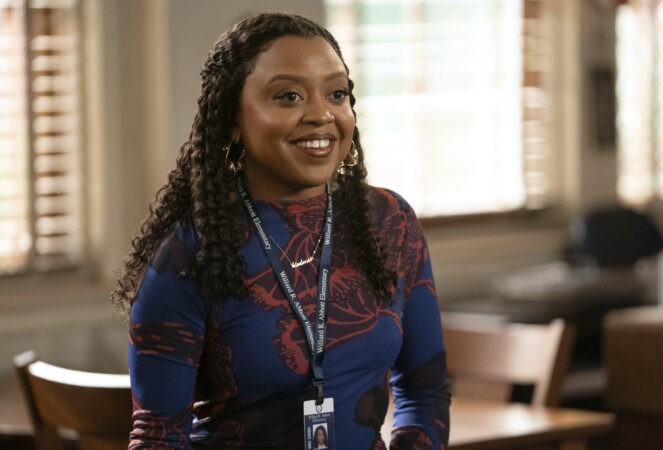
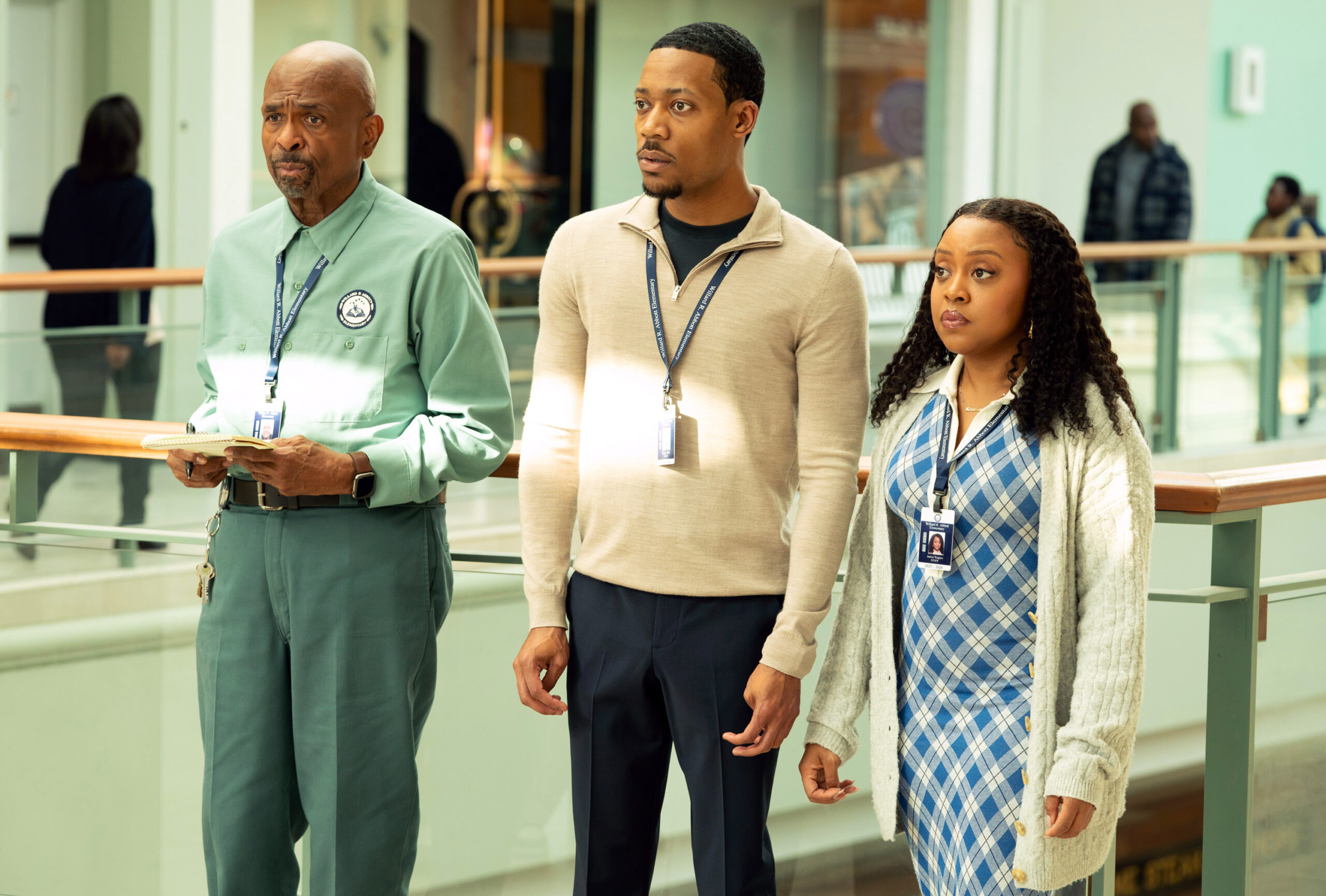
William Stanford Davis (Mr. Johnson), Tyler James Williams (Gregory Eddie), and Quinta Brunson (Janine Teagues) in “Abbott Elementary.”
Brunson was one of the Philadelphia treasures featured on The Simpsons recent 800th episode, an animated homage to Philadelphia. In addition to starring and creating Abbott Elementary, she also serves as an executive producer for the show.
Brunson grew up in West Philadelphia and spent time in district and charter schools, naming the show for Joyce Abbott, her sixth grade teacher at Andrew Hamilton Elementary.
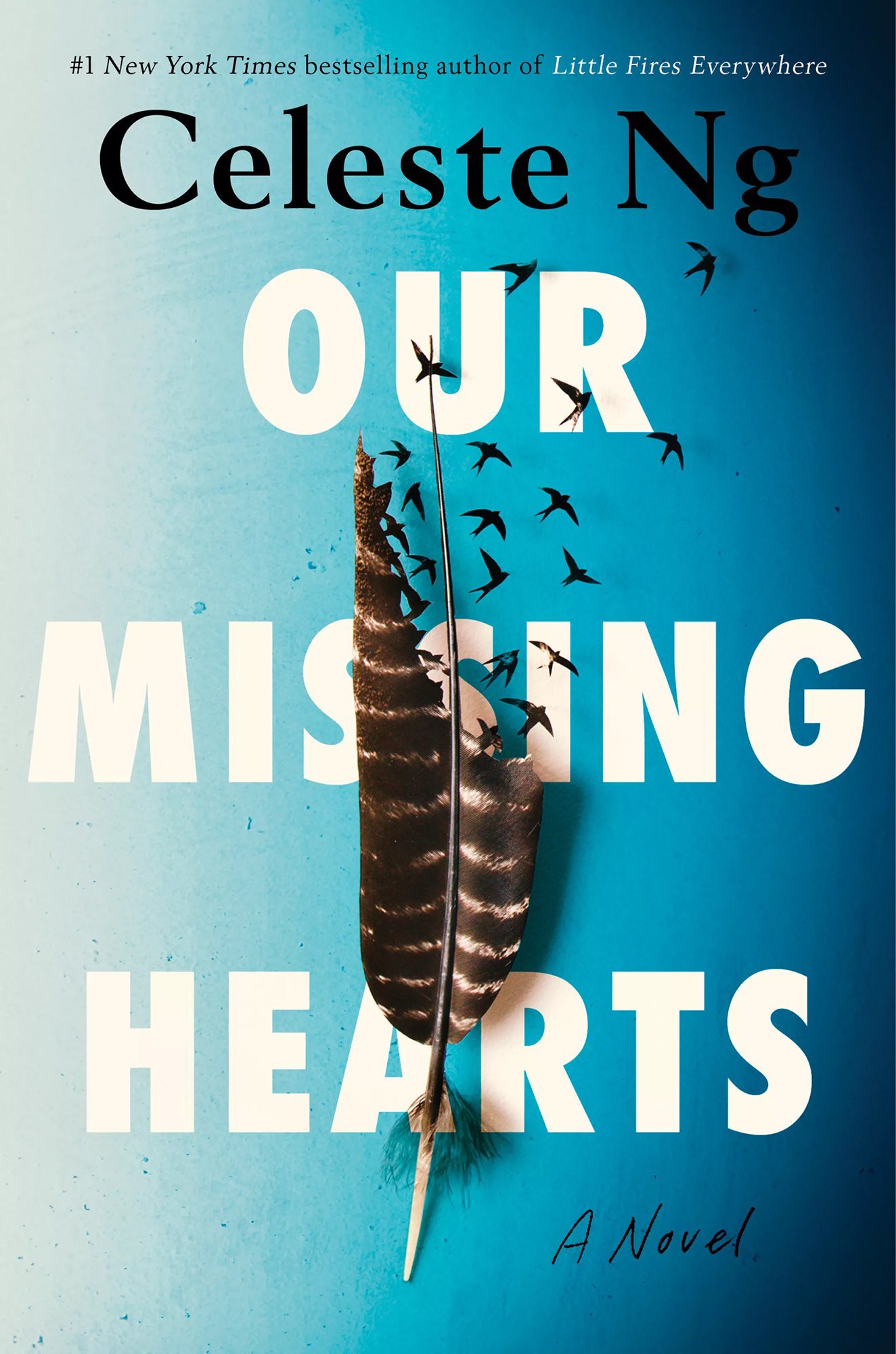
Celeste Ng’s 2022 New York Times bestseller,Our Missing Hearts, is the 2026 One Book, One Philadelphia pick. The dystopian novel is about a 12-year-old biracial Chinese American boy and his quest to be reunited with his mother in an authoritarian America.
“I’m thrilled and honored,” Ng said Wednesday, speaking from her Boston study a few hours before she hopped on a plane to Philadelphia for Thursday’s announcement.
“I love community reads programs,” Ng said. “I relish in this idea that readers will have a shared experience, that they will be able to talk to each other, get to examine the world they are living in, ask if this is the world they want to live in, and figure out what they are going to do about it.”
“Our Missing Hearts,” by Celeste Ng. (Penguin Press/TNS)
In Ng’s 335-page paperback, a future America is living under the Preserving American Culture and Traditions Act, where books are banned, voices are censored, and citizens are forbidden to criticize a government for its wrongdoings, especially its unfair treatment of people of color. People of Asian descent are particularly mistreated, considered scapegoats for a severe economic crisis.
Ng wrote Our Missing Hearts in 2020 during the pandemic when AAPI hate was at an all-time high. Years on, Ng’s PACT mirrors present-day America, where under President Trump’s executive order to “restore truth and sanity to American history,” historic panels honoring George Washington’s enslaved staff were removed from Independence Hall National Park last month.
(On Feb. 17, a federal judge ordered the panels to be restored, but the Trump administration appealed the decision and the return of the plaques to the park has been halted.)
“I sort of hoped the book would get further way from reality as the years went by, but that’s not the case so far,” said Ng, who stressed she’s not a psychic, just aware of history. “We are in a world where we just aren’t going to mention George Washington had enslaved people and we are taking down the gay pride [flag] at Stonewall, trying to pretend that none of this happened.”
Bird is the 12-year-old in the center of Ng’s book. His Chinese mother criticizes America through her poetry and art. She leaves Bird with his white dad, and continues to make public art that unites Americans and encourages them to speak out.
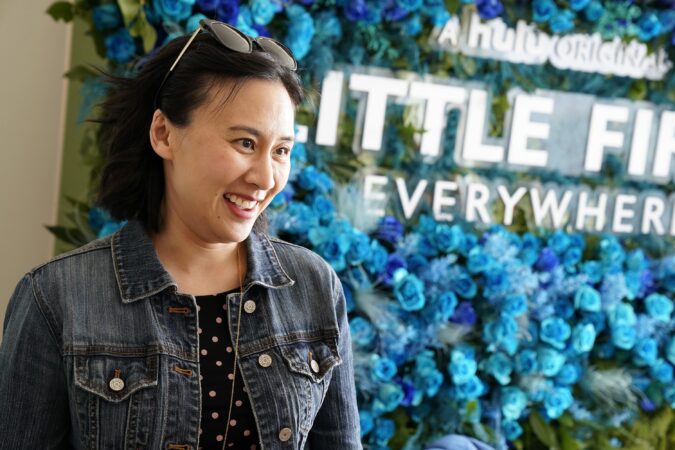
Celeste Ng attends Hulu Little Fires Everywhere Press Brunch at ROSS HOUSE on Feb. 19, 2020 in Los Angeles, Calif. (Photo by Erik Voake/Getty Images for Hulu/TNS)
“I feel like Philly is a living example of that,” said Ng, who was born in Pittsburgh and periodically visits Philadelphia. The Mütter Museum is one of her favorite places to visit. She’s keeping an eye on how the museum handles its collection of human remains.
“Philadelphians get to walk past history daily. There is art all around you, reminding you of the stories that form you and are a part of your lives. Philly is a space that can start connection through all of the beautiful sculptures and murals reminding us that change is possible.”
Our Missing Hearts is the Free Library’s 24th One Book, One Philadelphia pick. Last year’s choice was Tariq “Black Thought” Trotter’s 2023 memoir, The Upcycled Self.
The annual program urges Philadelphians to read the same book, fostering literacy and civic dialogue. The kick-off event is April 7. Ng will return to Philadelphia that day for a book signing and celebration. One Book ends May 28.
A series of events at Parkway Central and the 54 branch libraries will take place throughout the year.
“I hope the conversation will get people thinking, what do we lose when stories disappear,” Ng said. “What do we do if stories never get told? What happens when we intimidate people out of talking about the past and learning from it? I’m really grateful to the Free Library of Philadelphia for starting these conversations in this moment.”
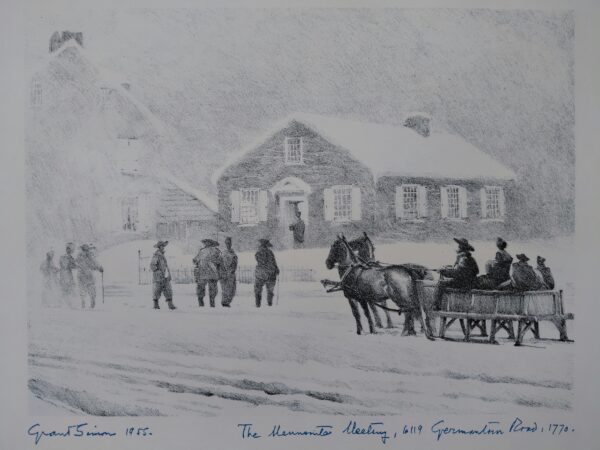
In 1683, the Concord arrived in Old City from Krefeld, an artisan community in Germany, with 33 people aboard, many of whom practiced the Mennonite and Quaker faiths.
America’s newest arrivals took the windy, wooded trail uptown, settling along the Lenape Great Road, what today is called Germantown Avenue, the Northwest’s main thoroughfare.
Mennonites are Anabaptists, Christians who are baptized as adults. And although Quakers aren’t, the two groups worshipped together in the home of settler Thönes Kunders at 5109 Germantown Avenue. Their shared belief in Christian pacificism and non-violence united them.
Here they drafted a petition that would become the public protest against slavery in British Colonial North America. Germantown’s history is rooted in this incident.
This historic protest will be remembered at Saturday’s firstival at the Historic Germantown Mennonite Meetinghouse. Each weekend in 2026, the Philadelphia Historic District is throwing a party in honor of America’s 250th birthday. The bashes mark events that happened in Philadelphia before anywhere else in America and often the world.
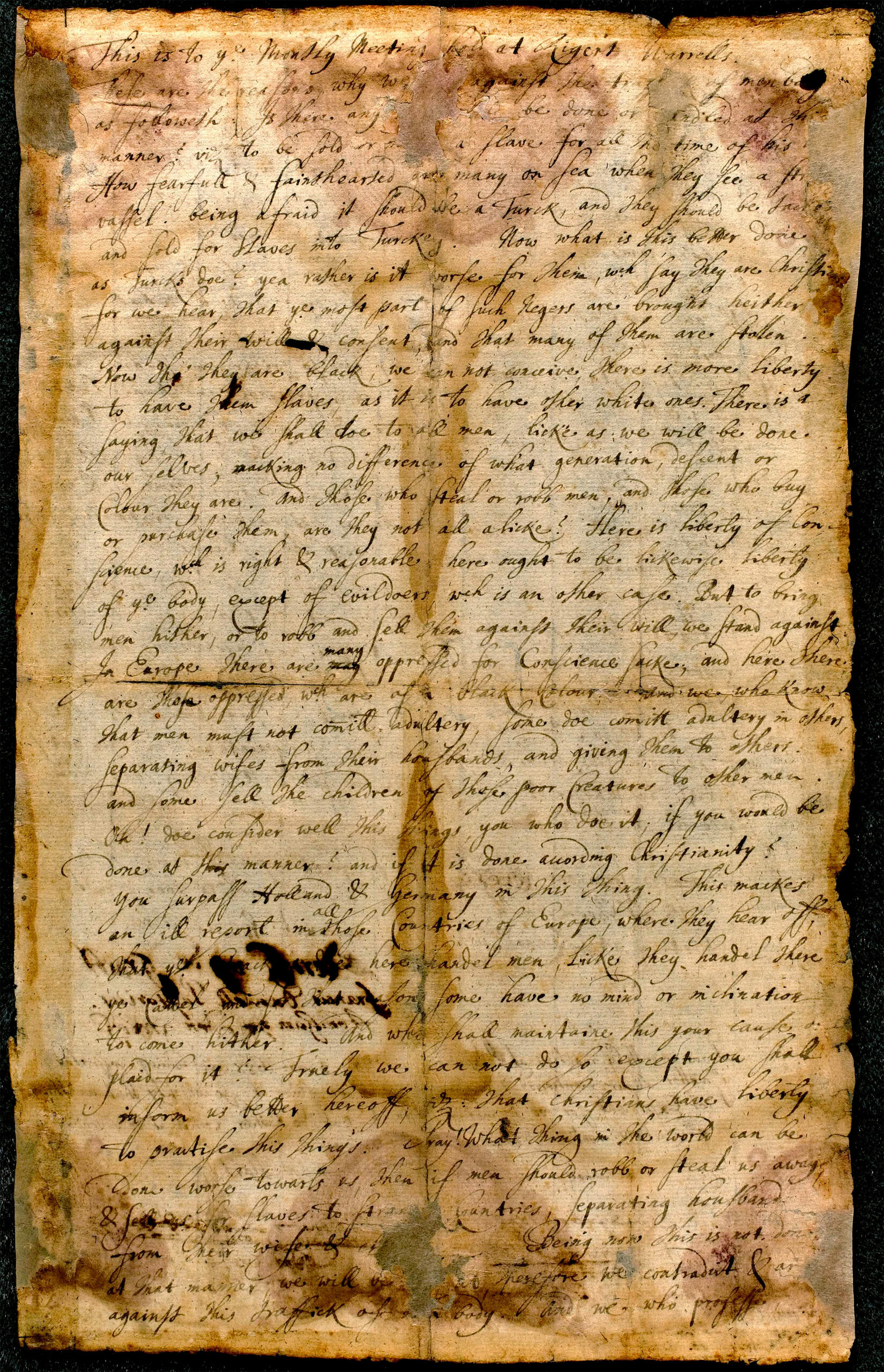
That is the original, restored 1688 Germantown protest against slavery. It’s on deposit at Haverford Colleges library’s Quaker collection. It had been missing for decades until discovered in a vault at Arch Street meetinghouse
Early Germantown settlers were familiar with European slavery. However, America’s version of chattel slavery, with its backbreaking labor, cruelty, and separation of families, went against Quaker and Mennonite religious beliefs, said Craig Stutman, a history professor at Delaware Valley University in Doylestown.
Historians believe this inspired Quaker friends and Mennonites — Garret Henderich, brothers Abraham and Dirck op den Graeff, and Germantown’s founder Francis Daniel Pastorious — to draft a petition‚ stating good Quakers must had to reject the brutal human trafficking. On April 18, 1688, the men signed the protest in Kunder’s home.
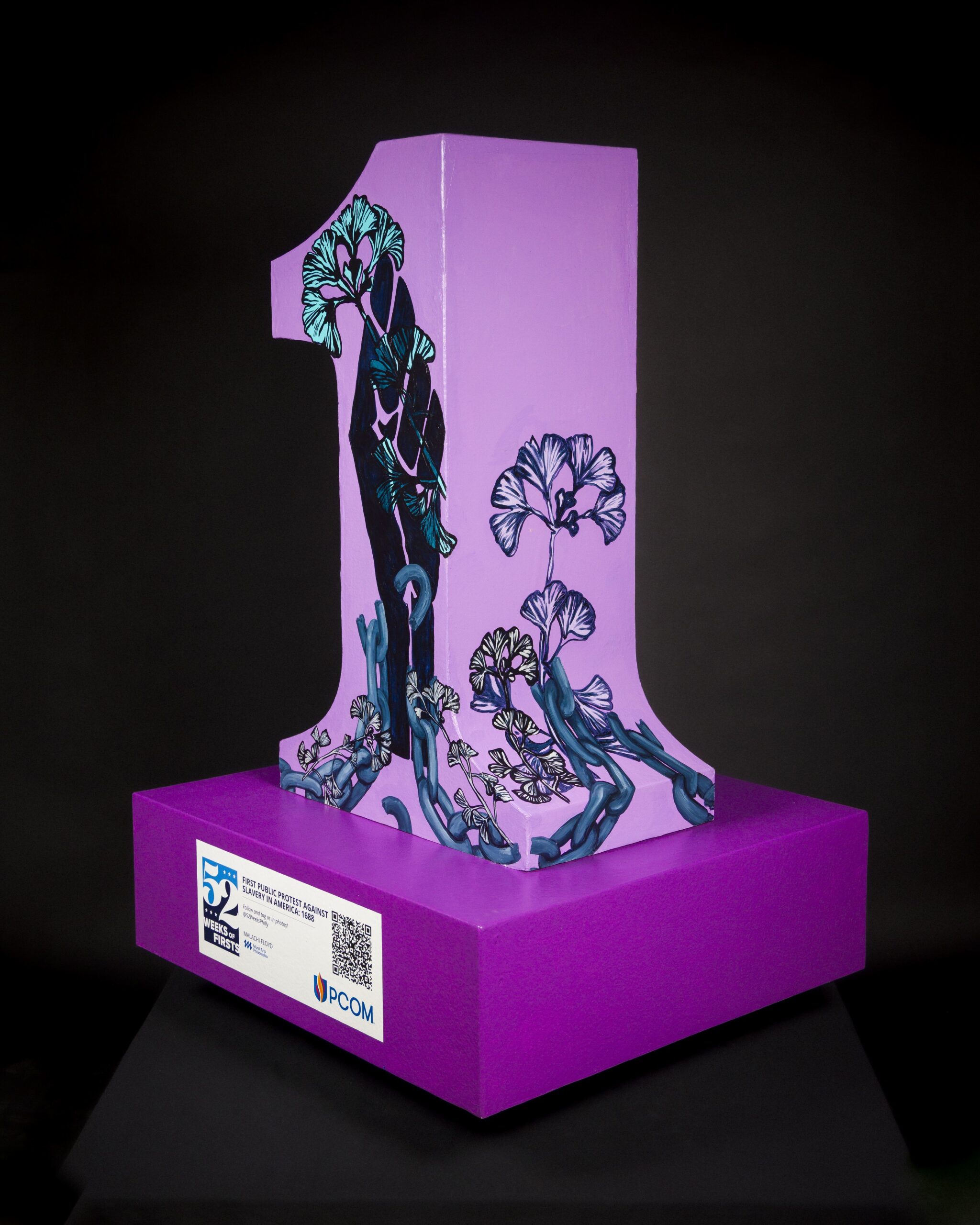
Artist Malachi Floyd said, “This piece commemorates the first public protest against slavery in America, recognizing the early courage to challenge injustice and advocate for human dignity. “
Pastorious, Hendricks, and the op den Graeff brothers took their petition to local Quaker meetings in Dublin, today’s Abington Friends; the Philadelphia Quarterly Meeting; and the annual meeting in Burlington, NJ. They wanted the Quaker hierarchy to acknowledge slavery was an evil practice that needed to stop.
Their pleas were swept under the rug because even in these early American Quaker circles, enslaved people were the backbone of the economy.
“Even people like Pennsylvania’s founder William Penn owned slaves and didn’t want to touch the political lightening rod,” Stutman said.
The rejection of the protest petition didn’t stop the fight.
In 1758, Quakers George Keith, Benjamin Lay, and Anthony Benezet, convinced Quakers to enact a law saying slaveholders could not be members of the Society of Friends.
“This was a first step in the direction of allyship with free and enslaved Black people who had long been fighting for freedom through slave revolts and cobbling together abolitionist societies,” Stutman said.
“And it was the foundation. So ultimately by the late 18th and early 19th century, Philadelphia would be a place where Black and white people worked together and fought against the institution of slavery, and where the enslaved came for freedom.”
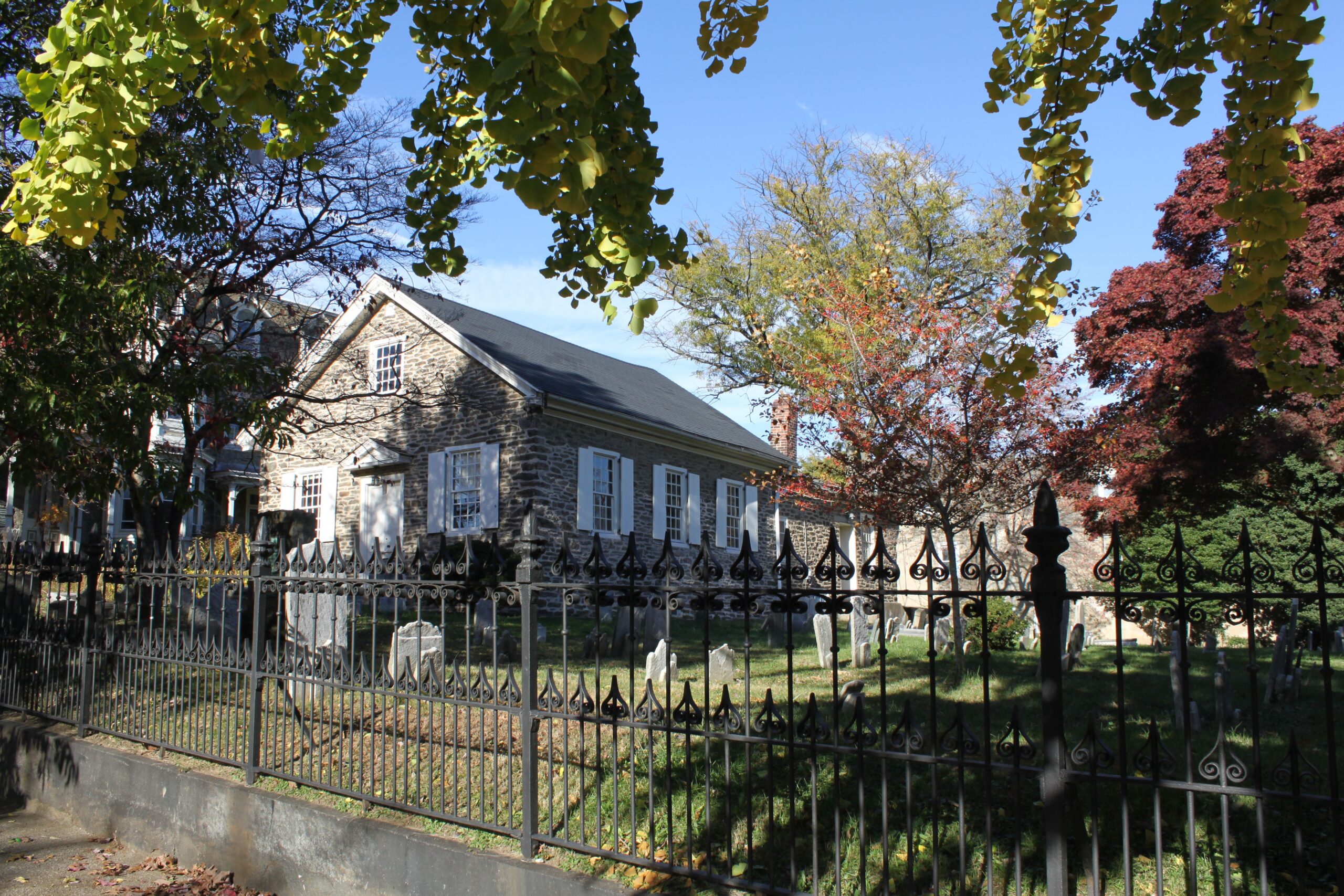
A recent people of the Mennonite Meetinghouse in Germantown, 6119 Germantown Avenue.
The protest petition was lost in the Quaker archives sometime in the 1700s. It was rediscovered in 1844, when it was used by abolitionists to inspire a new generation of freedom fighters.
It currently resides at the Haverford Library Quaker and Special Collections.
This week’s Firstival is Saturday, Feb. 28, 11 a.m.-1 p.m., Historic Germantown Mennonite Meetinghouse, 6119 Germantown Avenue. The Inquirer will highlight a “first” from the Philadelphia Historic District’s 52 Weeks of Firsts program every week. A “52 Weeks of Firsts” podcast, produced by All That’s Good Productions, drops every Tuesday.
It rises and falls to the crescendo of the film’s emotional jazz riffs, matching the gravity of the civil rights struggle.
Proudfoot drops a cadre of never-before-seen black-and-white images of lawyer Jones’ backing King up, a display of Jones’ behind-the-scenes prowess. He was a speech writer and close friend of King’s.
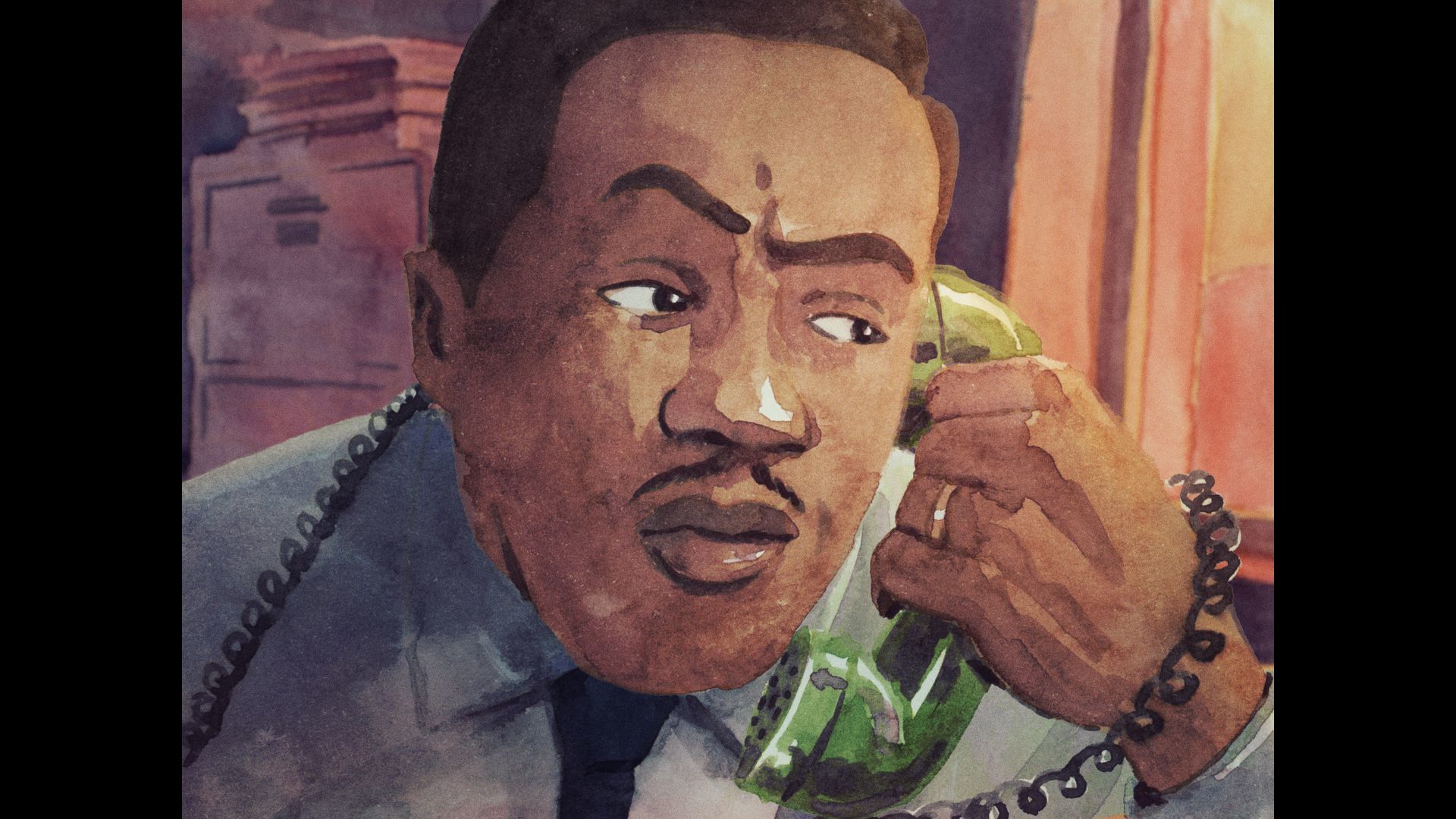
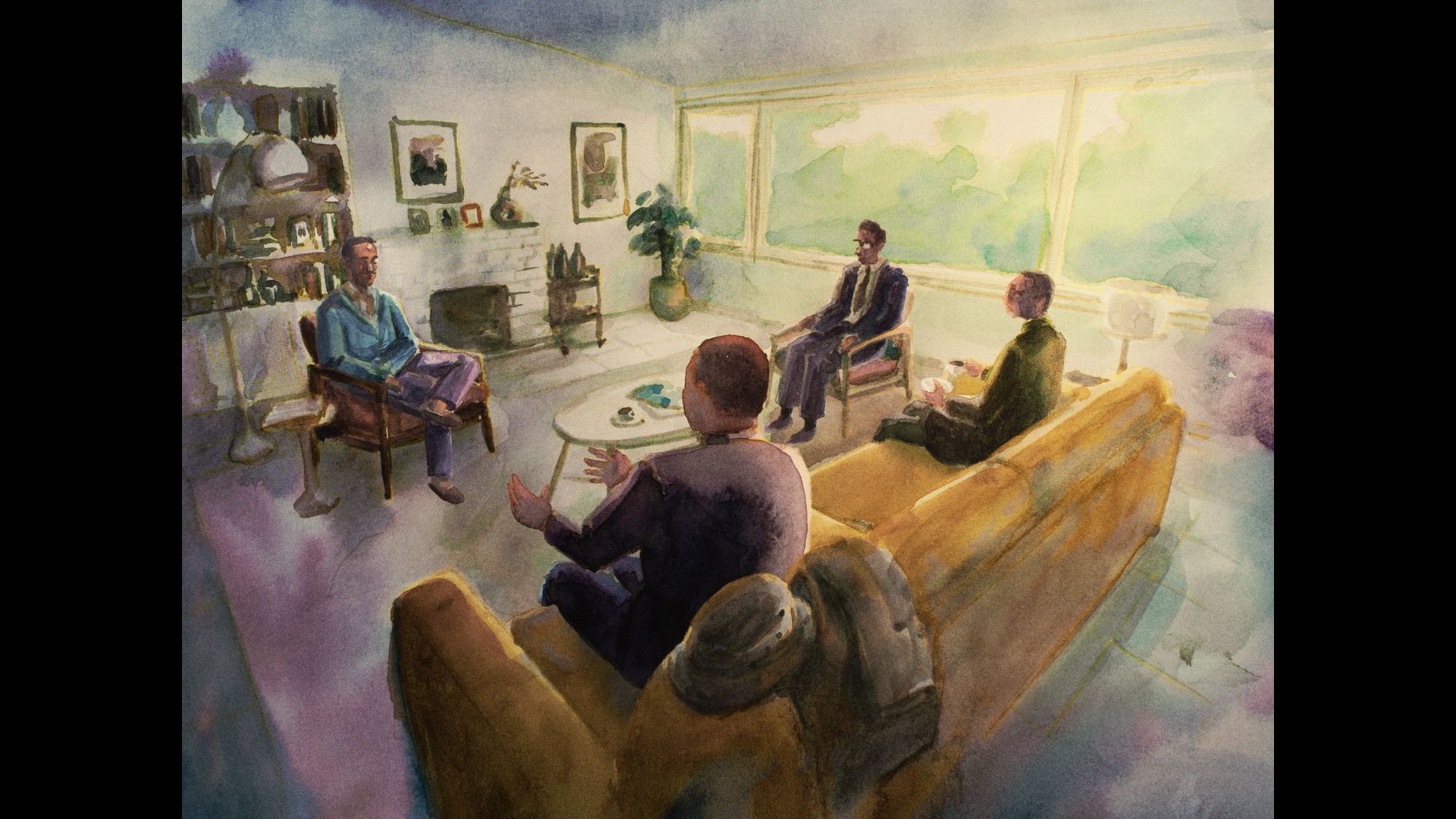
But it’s the directors’ deft use of watercolor animations by Brazilian artist Daniel Bruson’s (Autism Goes to College) that brings a tenderness to Jones’ sometimes cynical, always cut-to-the-chase personality.
You see, Jones is that cat who, back in the day, stayed casket clean in sharp three-piece suits and sparkling Rolex watches. He’s that uncle who dared white men to tell him that he didn’t belong; that educated Black man who didn’t have time for racism. And it’s for that reason, King kept him in the background, but also in his ear.
Clarence B. Jones in an animated scene from “The Baddest Speechwriter of All.”
“I told Martin straight up,” Jones says in Baddest, answering Curry, who is making his directorial debut with the film. “Don’t put me near any demonstration. … If a white man puts his hands on me, they are going down.”
Three thousand watercolor images move seamlessly through Baddest narrating Jones’ life in a slow, jazzy rhythm. We watch him develop civil rights strategies with King and a coalition of like-minded Jewish people.
We are with Jones the night he matter-of-factly writes the first seven paragraphs of King’s “I Have a Dream” speech, arguably one of the world’s most important addresses. We watch King give the speech as Jones looks from the wings, surprised and in awe.
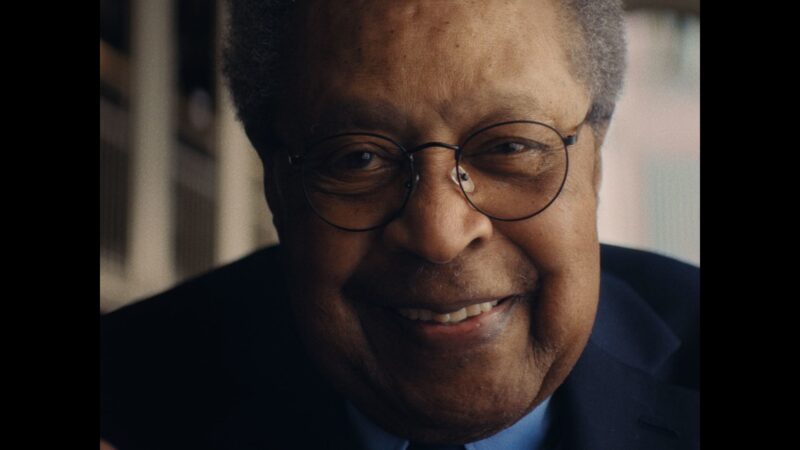
“I didn’t know he was going to read my words word-for-word,” Jones, 95, told The Inquirer in a recent video chat.
He closes his eyes often as he talks, punctuating his speech every so often with a well-placed, “You hear me?” or “You understand me?”
His hair is a short white Afro. Soft and defiant.
A wintertime soldier from North Philly
Jones was the only child of domestic workers, born in the 1300 block of Master Street, where Temple University’s sports complex stands today. Shortly after, his parents found work as live-in help at the Riverton, Burlington County, country estate of Edgar and Eleanora Lippincott, a Quaker family and part owners of a prosperous 19th-century Philadelphia-based clothing firm.
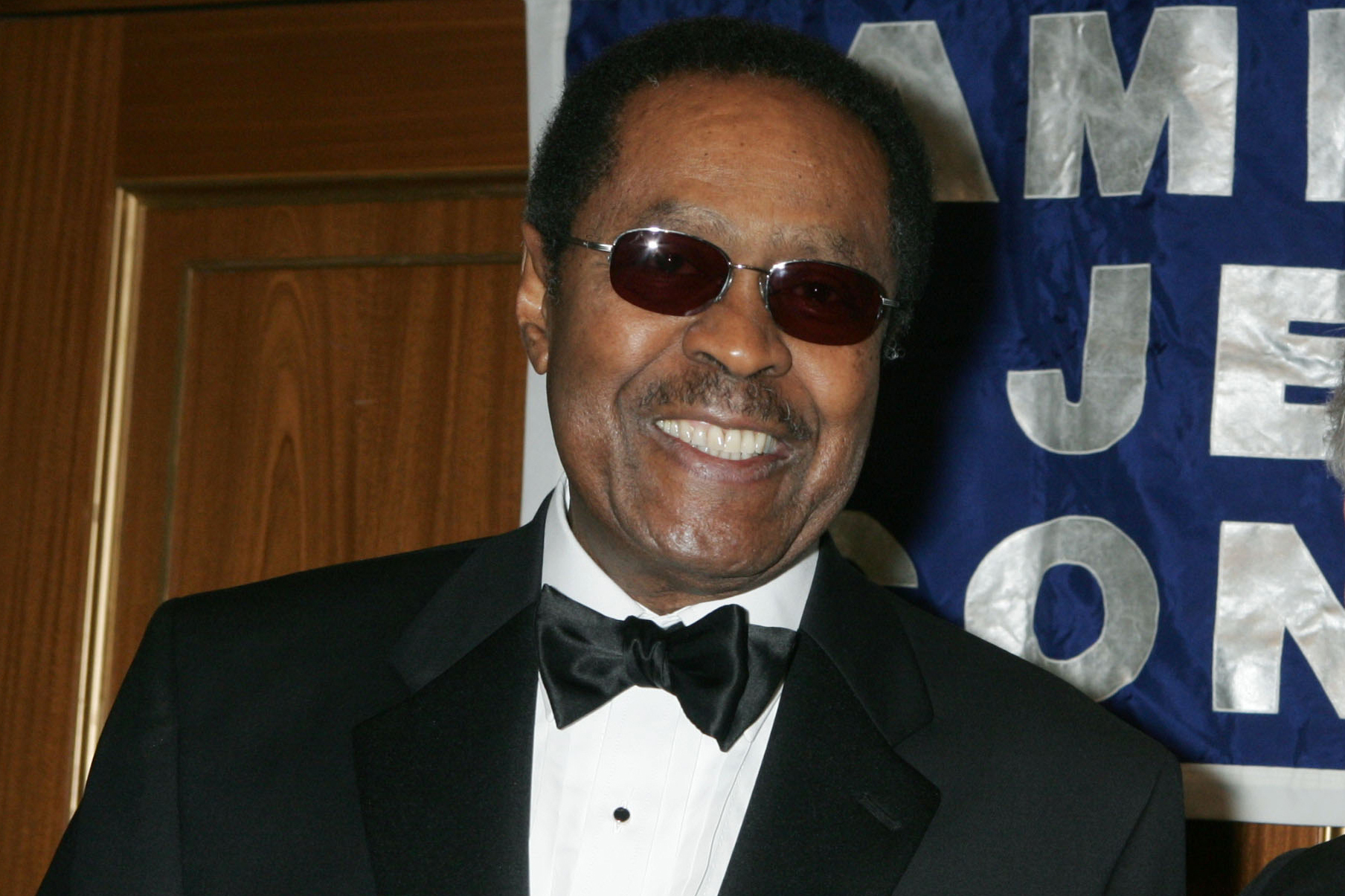
Clarence B. Jones before he received the American Jewish Congress’ “Isaiah Award,” on March 1, 2006, in New York.
“I lived there [with the Lippincotts] until they sent me to a Catholic boarding school [the Sisters of the Blessed Sacrament],” Jones said. “I was raised by Catholic nuns who told me, ‘Master Jones, you are a good boy, Jesus loves you. You are beautiful.’”
The positive reinforcement turned Jones into a force, at a time when Black people’s education and career options were limited by racism. He finished Palmyra High School in New Jersey, the current home of the Clarence B. Jones Institute of Social Advocacy, at the top of his class. He attended the summer program at the Juilliard School in Manhattan for two years and studied clarinet. There he fine-tuned the musical ear that, he said, aided him in writing King’s speeches.
He graduated from Columbia University, did a brief stint in the Army, and graduated from Boston University Law School. By the late 1950s, he was working as an entertainment lawyer for Revue Studios, which was absorbed into what is now Universal.
Clarence B. Jones in an animated scene in his living room in “The Baddest Speechwriter of All.”
Jones was at home one evening in 1960 when his mentor and former New York judge Hubert T. Delany asked him to defend King, then a young preacher and budding Civil Rights Movement leader, against a tax evasion charge in Montgomery, Ala.
Jones said no.
“I wondered whether he [King] was real,” Jones said. “‘Cause I’m saying he [King] comes from a middle-class Black family. He didn’t have to do this. I come from the kitchen.”
Yet, he agreed after hearing King preach at a church in neighboring Baldwin Hills. Jones was struck by his sermon imploring educated Black people not to turn their backs on the struggle.
In 1963, King was jailed again. This time in for leading demonstrations, marches, and sit-ins against racial segregation in Birmingham, Ala. Jones smuggled out notes that King wrote to his fellow clergymen while incarcerated and compiled the missives into King’s “Letter from a Birmingham Jail.”
That same year Jones worked with singer Harry Belafonte to secure $100,000 from the Rockefellers to bail Birmingham protesters out of jail. The Rockefellers asked him to sign a promissory note, that they later tore up. Jones references that promissory note in his draft of King’s speech.
“I was sharing a room with King in Albany, Ga.,” Jones told The Inquirer. “And he said, ‘Anybody can walk with me in the warm sunlight of an August summer. But only a wintertime soldier walks with me at midnight in the alpine chill of winter. You, Clarence, are my wintertime soldier.’”
How ‘Baddest’ came to be
Proudfoot and Curry met through a mutual friend in the late 2010s. A few years later, Curry helped produce Proudfoot’s 2022 Oscar-winning documentary The Queen of Basketball, the story of women’s basketball pioneer Lusia Harris.
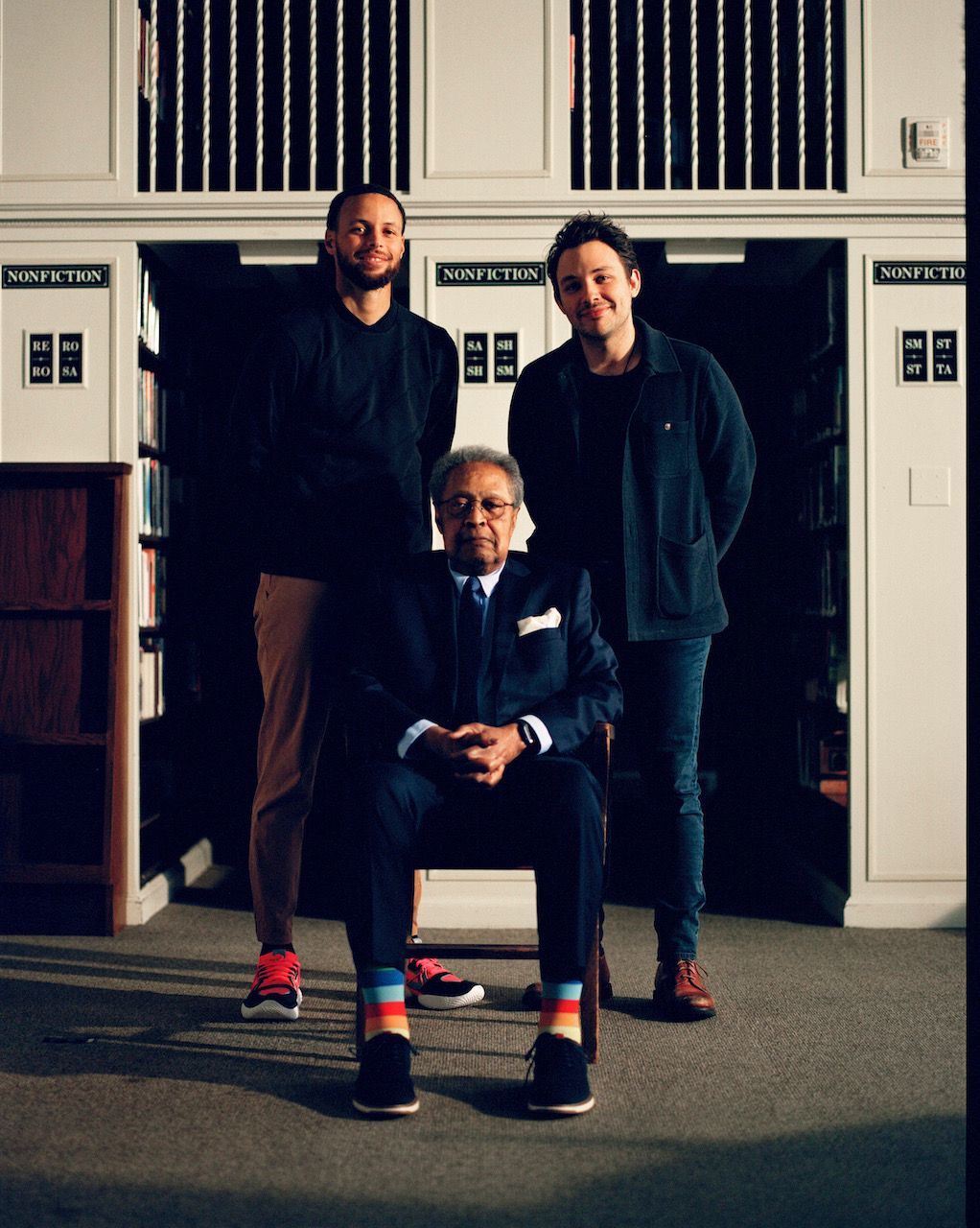
Curry met Jones in 2022 when Golden State Warriors coach Steve Kerr invited Jones to speak to the team. Curry was intrigued with the elder statesmen’s stories and asked Proudfoot if he would be interested in working on a documentary about Jones’ life.
Stephen Curry, Clarence B. Jones, and Ben Proudfoot on the set of “The Baddest Speechwriter of All.”
“As a storyteller, I’m always interested in approaching well-known pieces of history through a fresh perspective,” said Proudfoot, a 35-year-old Nova Scotia native and two-time Academy Award winner. (Proudfoot’s credits also include the 2024 Netflix documentary The Turn Around, about Phillies superfan John McCann.)
“Clarence wasn’t just sitting there waiting for Dr. King to call him,” Proudfoot said. “He was a reluctant participant. He made a decision to live in comfort or live with purpose.”
Jones was King’s attorney until his assassination in 1968. In the late 1960s he became a partner at what is now Cogan, Berlind, Weill & Levitt, making him the first African American partner at a Wall Street investment banking firm. During that time he also became the first Black person to become an allied member of the New York Stock Exchange.
During the 1970s, Jones served as the chairman of the New York-based Inner City Broadcasting, where he and Percy Sutton — once Malcolm X’s attorney — founded New York’s WBLS, the blueprint for today’s R&B radio stations. There, he also had a hand in developing the long-running variety show, . From 1971 to 1974, Jones was editor and publisher of the New York Amsterdam News.
“I’m telling you,” Jones said as a sly grin crawled across his face. “I was a bad man.”
In recent years, Jones has enjoyed a renewed spotlight.
He was featured in a 2024 Super Bowl commercial paid for by the Foundation to Combat Antisemitism. “I’d remind people that all hate thrives on one thing, silence,” he says, urging viewers to stand up to Jewish hate. President Joe Biden awarded him the Presidential Medal of Freedom — the highest civilian honor — in May that same year.
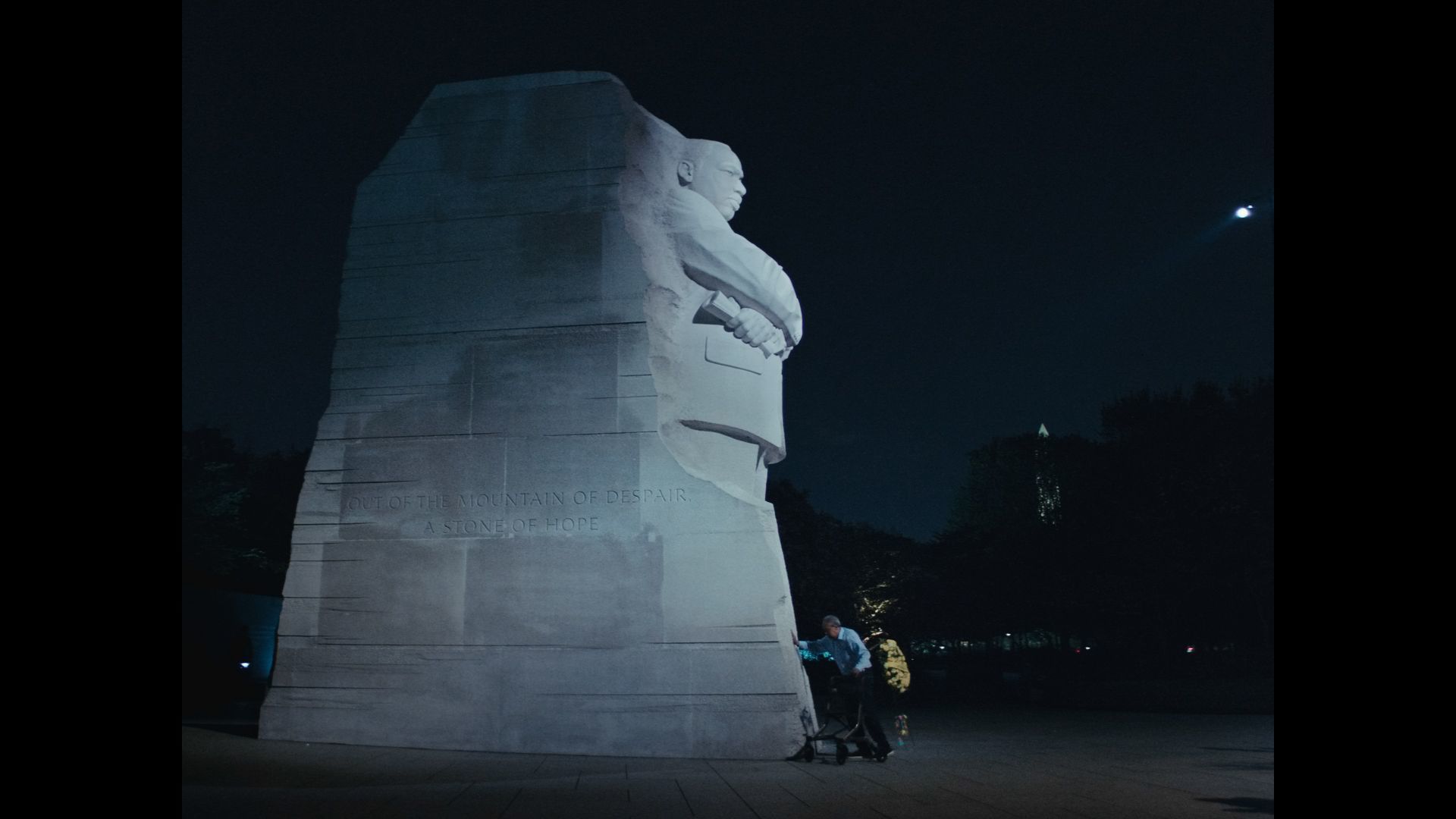
Clarence B. Jones visiting the Martin Luther King Jr. Memorial in Washington in an animated scene of “The Baddest Speechwriter of All.”
Just days after the death of the Rev. Jesse Jackson, Jones remembered Jackson as a leader in the civil rights struggle. “I looked upon Jesse Jackson as someone who was a warrior in the battle who has fallen,” Jones said. “I regard him with great love and affection.”
At a time when the historical civil rights language Jones had a hand in drafting is seen by this presidential administration as racist toward white Americans, Jones is reflective.
If people would focus more on love, perhaps America would be a better place.
“King’s work was about love,” he said. “The love he had for his work, for his people … the love he had for me.”
By the early 1980s, Philadelphia’s Chinatown was more than 100 years old and struggling to survive.
Boxed in by the Vine Street Expressway, Market Street, the old Metropolitan Hospital, and the Convention Center, the neighborhood had no space to grow and no way to shine.
In 1982, executive director of the Philadelphia Chinatown Development Corp. Cecilia Moy Yep — well-known for stopping the razing of Holy Redeemer Chinese Catholic Church — and architect James Guo went to China and formalized a Sister City agreement between Philadelphia and the northern Chinese city of Tianjin.
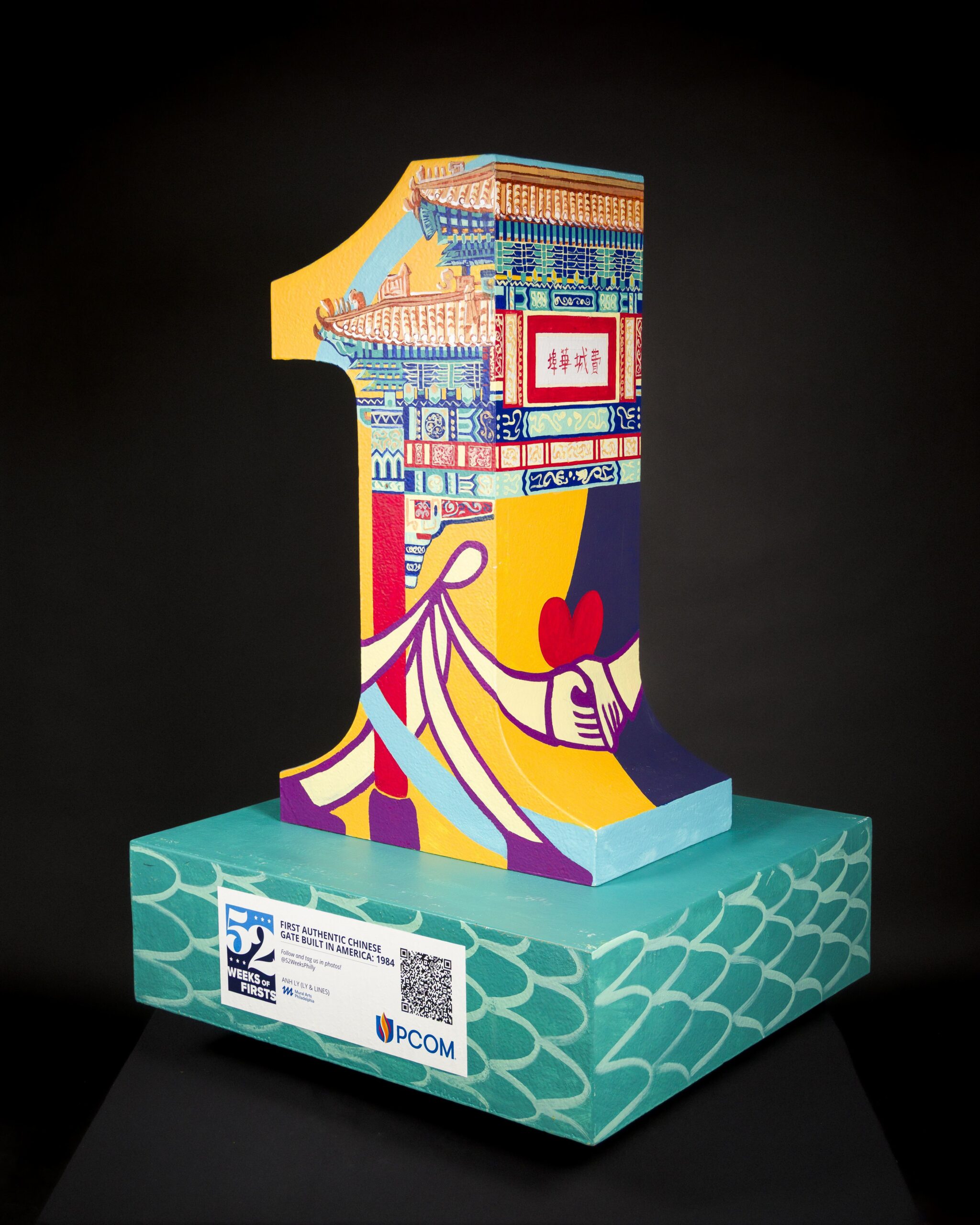
Anh Ly’s “One” sculpture unites Philly’s Friendship Gate and Tianjin’s Ferris wheel bridge. The supporting legs resemble two people holding hands across culture and distance. The Chinese dragon’s spirit reinforces this connection with resilience and reverence.
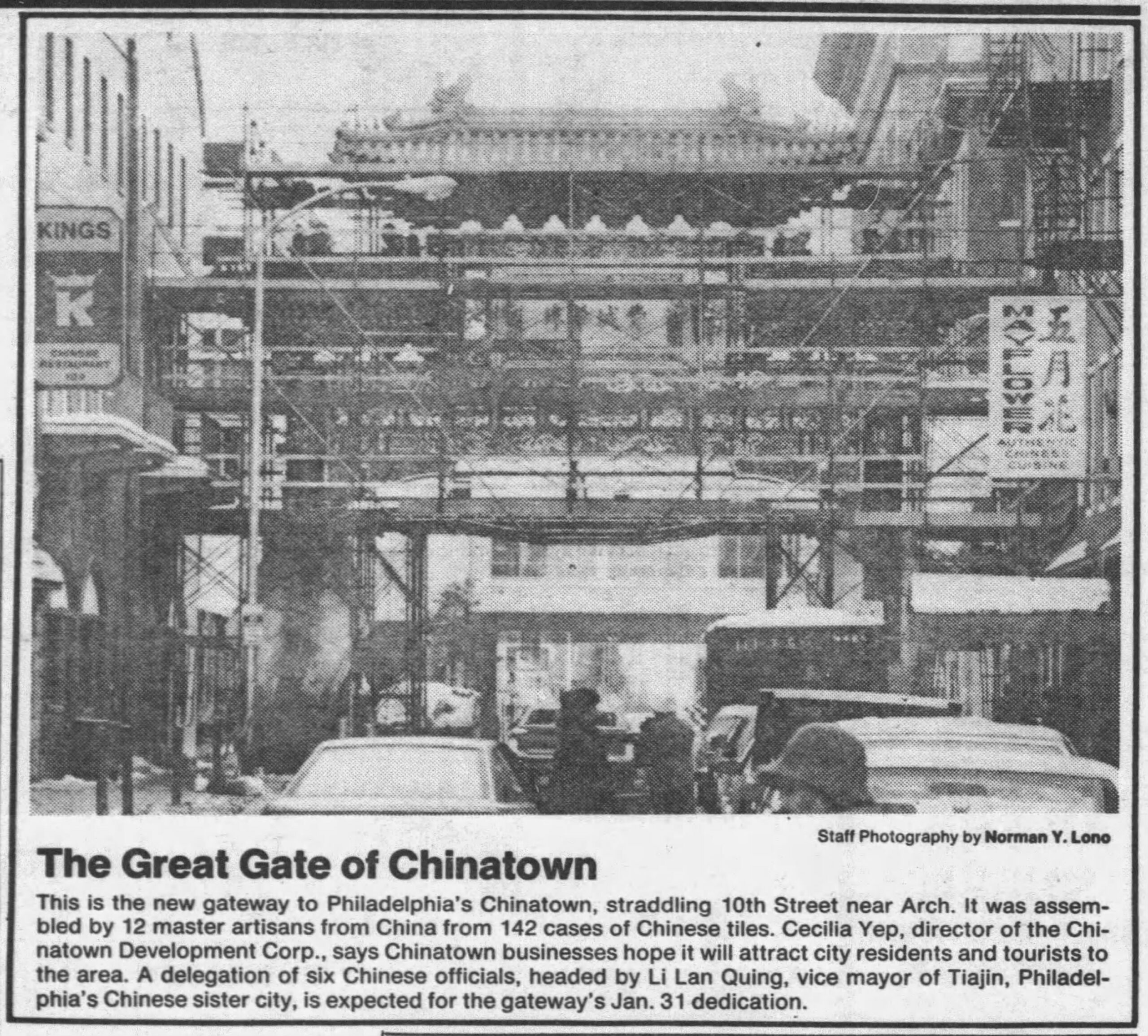
Plans for an ornate Chinatown entryway followed. In October 1983, 12 artisans from Tianjin and Beijing arrived in Philadelphia and spent three months building a 88-ton, 40-foot-tall gate with wood, tiles, stone bases, and a special material that incorporates pig’s blood that’s painted over the wood to stop it from fading and shipped from China.
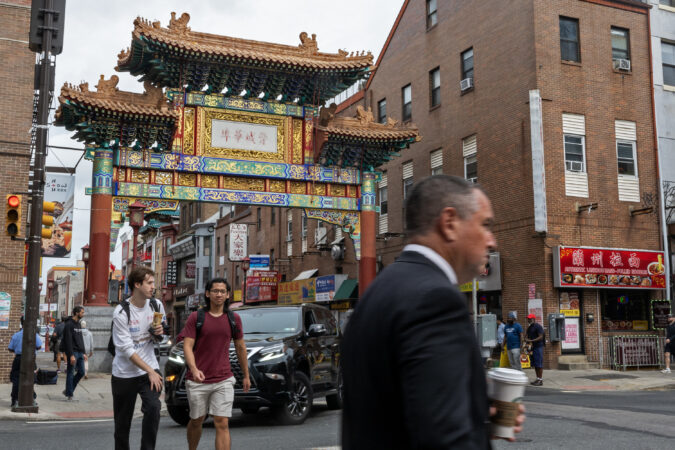
The San Francisco Chinatown Gate had been built in the 1970s and Boston’s was finished in 1982. But Philly’s Friendship Gate, erected at the intersection of 10th and Arch Streets, is the first Chinese American archway built with materials from Asia, making Philly’s gate the “authentic” deal.
That first authentic Chinese gate built in America will be feted Saturday in Chinatown at the Crane Community Center, this week’s Philadelphia Historic District’s Firstival celebration. Firstivals are a year’s worth of parties marking America’s 250th birthday, noting events that happened in Philadelphia before anywhere else in America and often the world.
The Friendship Gate, built in traditional Qing Dynasty style, cost more than $200,000 in city funds to construct. The ribbon-cutting ceremony in January 1984 featured the ceremonial dance of the Chinese lion known as Wushi, performed for good luck and to chase away evil spirits, and speeches from city officials in both Mandarin and English.
“We needed something to attract people into Chinatown,” Yep told The Inquirer, shortly after its Jan. 31, 1984, unveiling.
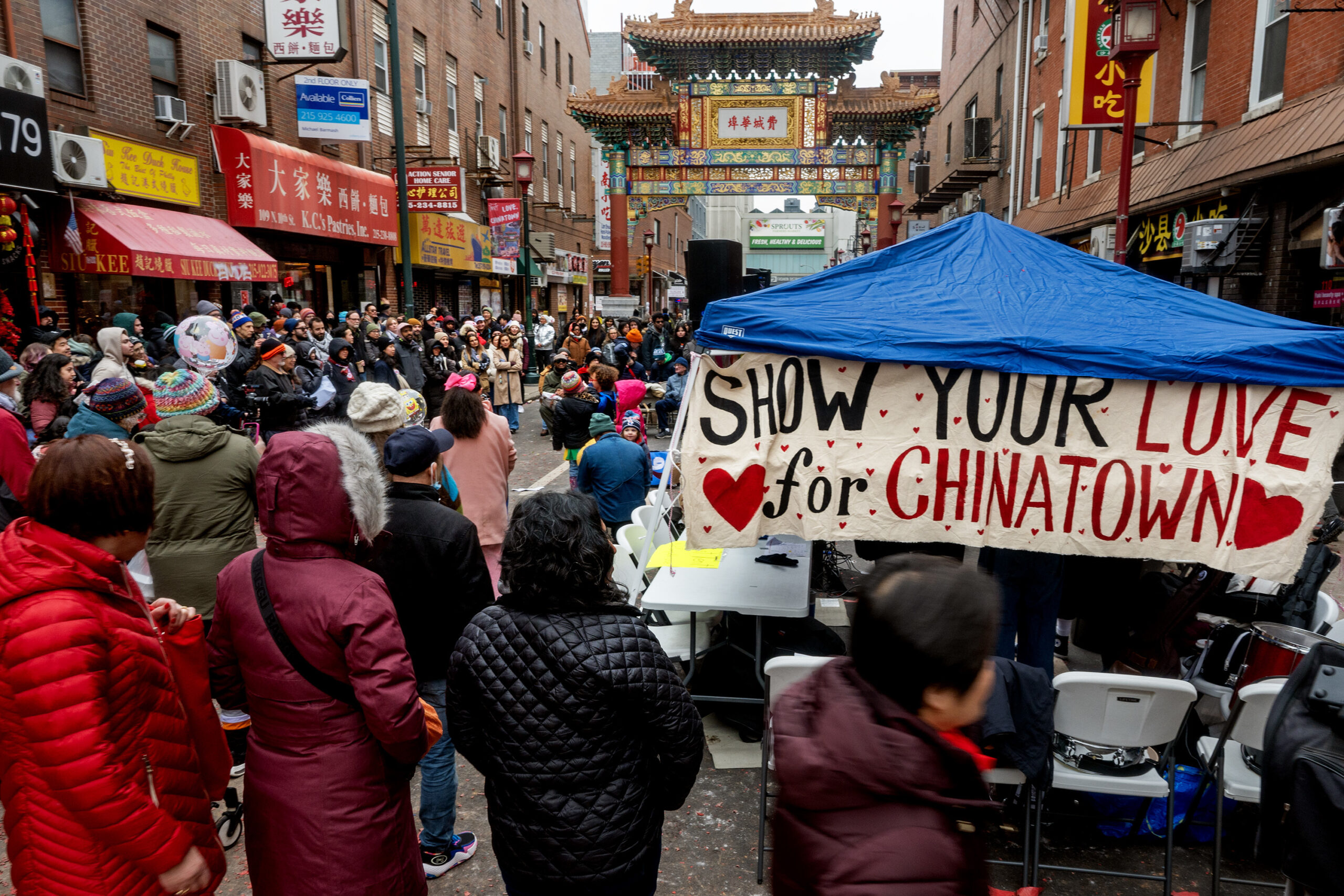
Its mud brown roof, square beams, dazzling green and gold patterns, and birds and dragons outlining the sky, mark the point where Center City meets the Chinese community.
A Daily News clipping from Jan. 23, 1984, shows Chinatown’s Friendship Gate during construction.
Five months after the Friendship Gate was completed, a fire — then the biggest in Center City history — raced north from 10th and Filbert Streets and stopped, almost magically, at the Friendship Gate.
“I am so glad the gate was not damaged,” T.T. Chang, then president of the Chinese Cultural Society — and unofficial mayor of Chinatown — told The Inquirer.
In September 1984, the Philadelphia Chinatown Development Corporation introduced the first official postcard with the Friendship Gate’s image, marking it as a bona fide tourist attraction. (Although its real goal was to raise $55,000 to pay for the portion of the gate the city refused to pay for.)
In 2008, in its 24th year as a recognized Philadelphia monument, the gate was rededicated after a yearlong, $200,000 renovation project.
Community organizers hold a “No Arena” block party near the Friendship Gate in Chinatown on Feb. 2, 2025, as the neighborhood celebrates the Lunar New Year with a parade, lion dancers, and fireworks.
Chinatown has had its challenges over the last decades, but it continues to thrive. For 41 years, the Friendship Gate has stood proudly, a welcoming archway rooted in resistance.
This week’s Firstival is Saturday, Feb. 21, 11 a.m.-1 p.m., Crane Community Center, 1001 Vine St. The Inquirer will highlight a “first” from the Philadelphia Historic District’s 52 Weeks of Firsts program every week. A “52 Weeks of Firsts” podcast, produced by All That’s Good Productions, drops every Tuesday.
When we first meet Bok High graduate Ozzie Phillips — one of three protagonists in Sadeqa Johnson’s latest novel, Keeper of Lost Children — a block party on South Philadelphia’s Ringgold Street is just winding down. In between the last dollops of creamy potato salad and sips of clear corn liquor, Ozzie’s friends and family wish the young serviceman a bon voyage.
He spends the last few weeks with his girlfriend, Rita, picnicking at the Lakes in FDR Park and walking through Center City department stores like Wanamaker’s and Strawbridge’s. One night the couple go to Ridge Avenue’s Pearl Theater to see Pearl Bailey perform.
The next morning, Ozzie’s Uncle Millard picks him up in a Vagabond-blue Oldsmobile and the two cruise down Broad Street, Count Basie tunes playing on WHAT AM. Uncle Millard circles City Hall, depositing Ozzie at Reading Terminal Station, where he hops on a train to Trenton’s Fort Dix Army Base before embarking on a steam boat to Germany.
It’s Ozzie’s time in Germany that fuels the plot of the sentimental historical novel.
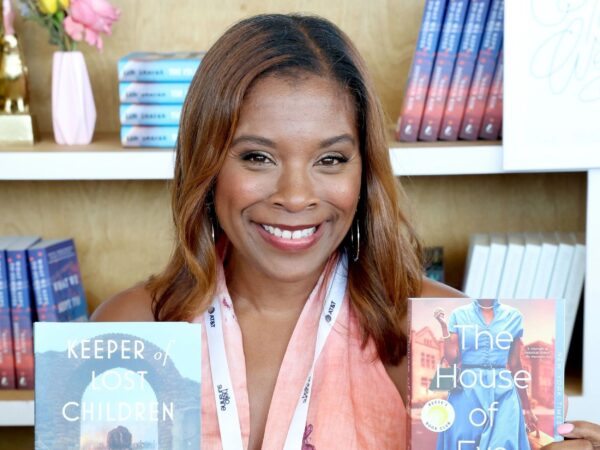
“It’s such a joy for me to write the Philly scenes,” Johnson said, during a recent video chat. The book publicist turned New York Times best-selling author was born in South Philadelphia, grew up in North, and graduated from George Washington Carver High School of Engineering and Science. Today, the married mom of three writes from her home in Virginia, right outside Richmond.
“I left Philly when I went to Marymount Manhattan College in New York,” Johnson said. “But where you grow up is always in your DNA. Philly is in my soul. When I sit down and paint pictures of historical moments in Philadelphia, I get to go home.”
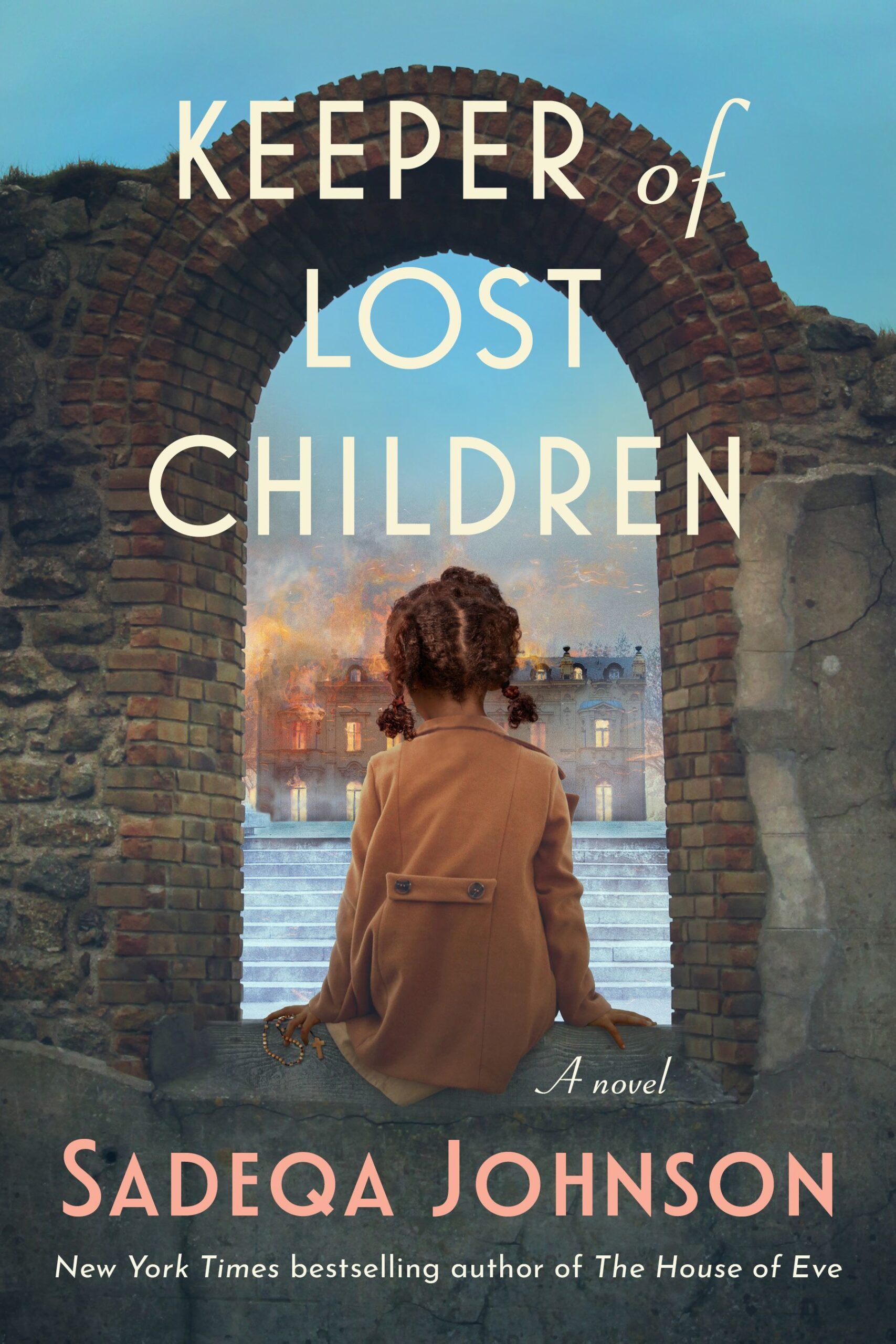
Cover art for Sadeqa Johnson’s 2026 novel, “Keeper of Lost Children” One of the main characters, Ozzie Ozbourne grew up in 1940s South Philadelphia.
Johnson has six books out in the world. She self-published her first,Love in a Carry-On Bag, in 2012.
Her books center young Black women in old-school and modern times trying to do the best with what they got. But in most of her works — especially the captivating historical fiction novels through which she’s made a name for herself on BookTok, podcasts, and traditional bestseller lists — her heroines face overwhelming odds.
Take theYellow Wife’s Pheby Delores Brown. Set in antebellum Virginia, Brown’s story is based on the harrowing real-life experience of enslaved woman Mary Lumpkin, who is forced into a relationship with her enslaver for whom she bears five children.
“I have this propensity to tell the story of young women 15, 16, 17, who are in a situation that feels insurmountable,” said Johnson, who, until 2023, taught creative writing in Drexel University’s master’s of fine arts program. “And I really love developing those stories that show how those young women get to the other side.”
The House of Eve, a 2023 New York Times bestseller and a Reese Witherspoon Book Club of the Month pick centers 1950s North Philadelphia teen Ruby Pearsall who falls in love with a Jewish boy whose family runs a corner store. In the book, Ruby must choose between a free ride to Cheyney University and motherhood.
“I love the research,” Johnson said. “I love learning interesting things about this city that I was brought up in.”
In Keeper — released this month by 37 INK, a division of Simon & Schuster — Ethel Gathers, a journalist and wife of an Army officer, also stationed in post World War II Germany, is the central character. There, she chances upon a group of multiracial children who she learns are the offspring of Black servicemen and German women.
Gathers, whose story is based on the life of journalist Mabel Grammer, adopts eight of the “Brown Babies” and starts an adoption agency, ultimately placing hundreds of the children with Black families in the United States. In the book, Grammer visits Philadelphia from her Washington home and books a room at the Divine Lorraine, the country’s first fully racially integrated hotel.
“I stumbled upon Ms. Grammer while researching The House of Eve,” Johnson said.“And in that moment, I knew I wanted to tell that story.”
Johnson breathes life into her fictional characters through extensive research, adding vivid details that take the readers back in time and thrust them into the rich tapestry of her story. Fans will often find connections to characters from previous books where they least expect it.
Ozzie’s military time and South Philly swag is based on Johnson’s great-uncle, 94-year-old Edgar Murray, who, like Ozzie, grew up in South Philly and spent the latter part of the 1940s in Germany. (For the record, Johnson said, her uncle didn’t suffer with alcoholism like Ozzie does in the book.)
It was Murray who suggested Ozzie live on Ringgold Street and take his date to the Pearl Theater.
“I like the factual things she puts in there,” said Murray, who lives with family in Denver, Colo. “It makes it more interesting.”
Philadelphia readers with an eye for history will enjoy seeing the city unfold through Ozzie’s eyes after his 1952 return.
He leafs through The Philadelphia Inquirer, reading detailed accounts of white veterans securing “large mortgages and moving out to lofty suburbs” on the GI bill that he too applied for. He works a job at the Navy Yard, gets married at Tasker Baptist Church, and experiences a miracle at West Philly’s Mercy-Douglass Hospital.
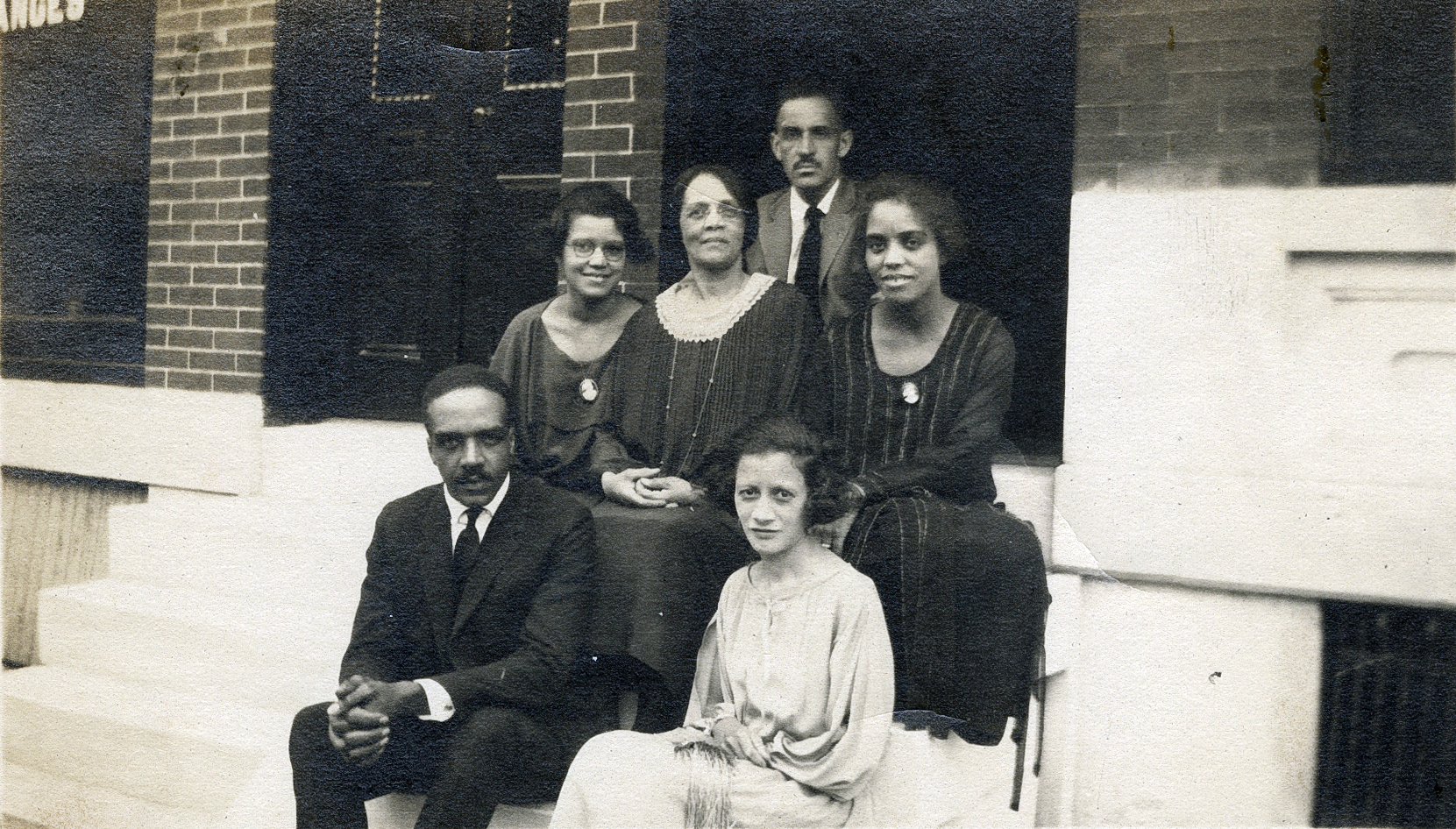
Tanner family members gather on the front steps of the Tanner House, at 2908 W. Diamond St. in Philadelphia, in this photo taken circa 1920. They are: Bottom row (l-r) Aaron A. Mossell Jr., and his wife, Jeanette Gaines Mossell; Middle row (l-r): Sadie T. M. Alexander, her mother, Mary L. Tanner Mossell, and Sadie’s sister, Elizabeth Mossell Anderson. Top row: Page Anderson, Elizabeth Anderson’s husband.
Halfway through Keepers, Ozzie attends a party thrown by elite Civil Rights husband-and-wife-team Raymond Pace Alexander and Sadie Tanner Mossell Alexander at their swanky home at 17th and Jefferson.
Attorneys John Francis Williams and Lewis Tanner Moore Sr., cofounder of the Pyramid Club and whose son, art collector Lewis Tanner Moore Jr. died in 2024 — shoot the breeze about an NAACP fundraiser and Buddy Powell, a 1940s jazz musician who was so severely beaten by the Philadelphia railroad police that he ended up in an asylum.
“In The House of Eve, I got to dig around in my mom’s memory for Ruby,” Johnson said. “This time around I got to dig around in my dad and Uncle Edgar’s head to get South Philly down. Let’s see what happens in the next book.”
Sadeqa Johnson will give an author’s talk at the Philadelphia Ethical Society, 1906 Rittenhouse Square, Friday, Feb. 13, 6:30 p.m. to 7:30 p.m. Tickets are $35 and include a copy of “Keeper of Lost Children”
In 1773 Dinah Nevil, an Indigenous, Black, and European multiracial woman and her four children arrived in Philadelphia from Flemington, N.J, under orders from a slave trader who intended to eventually sell Nevil to the Deep South, or perhaps the Caribbean.
Nevil protested.
Philadelphia authorities sympathetic to her plight, kept her in a work house for two years while figuring out the next steps to her freedom. The conditions were so horrid two of her children died.
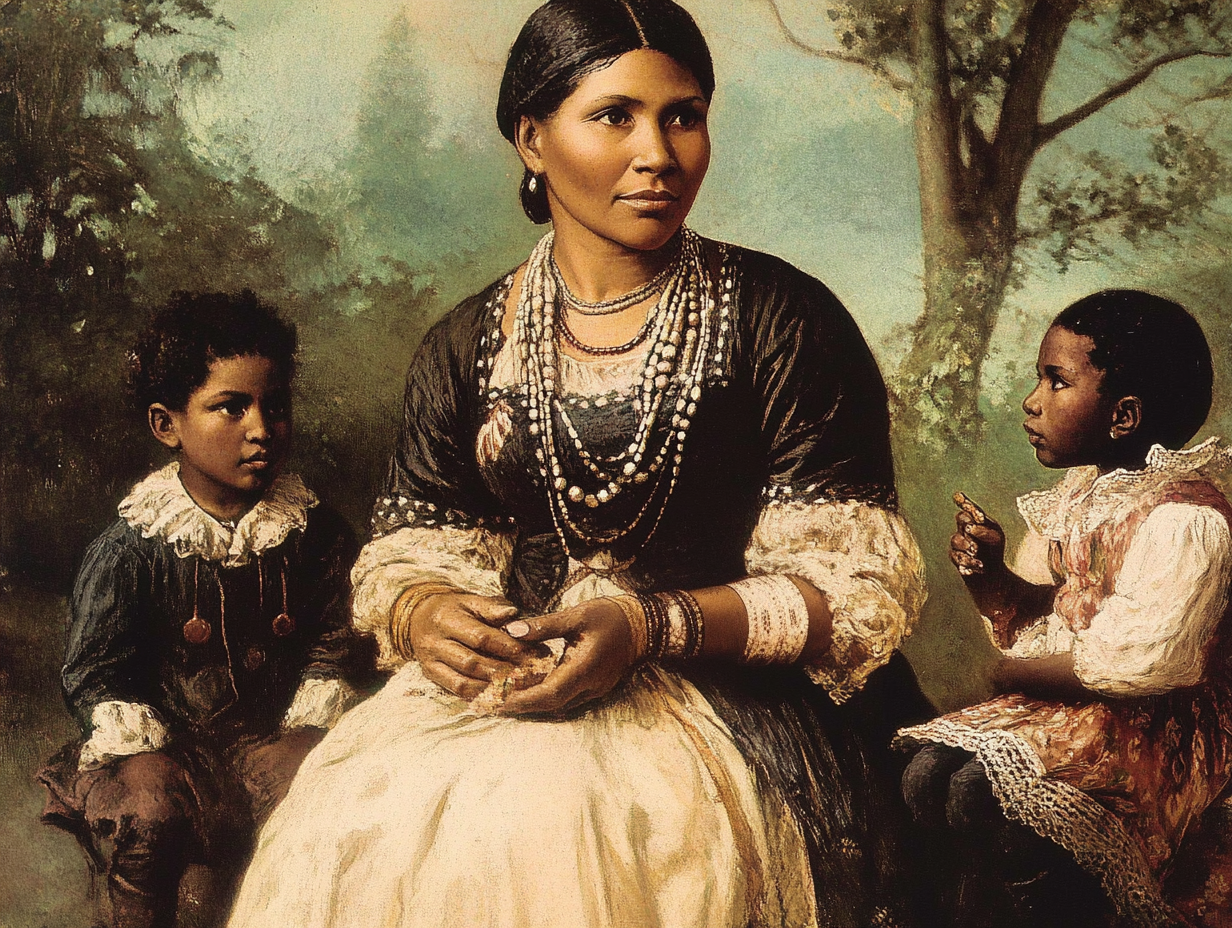
An image of Dinah Nevil imagined by the 1838 Black Metropolis.
Enter Israel Pemberton Jr. and Thomas Harrison, Quakers who, like most Quakers in colonial Philadelphia, actively fought slavery. Keeping people in bondage was considered immoral in their religion.
Pemberton and Harrison filed a lawsuit against Nevil’s enslaver because they sought to set a precedent by making it unlawful to sell Black people into slavery on free soil, not just in Pennsylvania, but in all of the colonies.
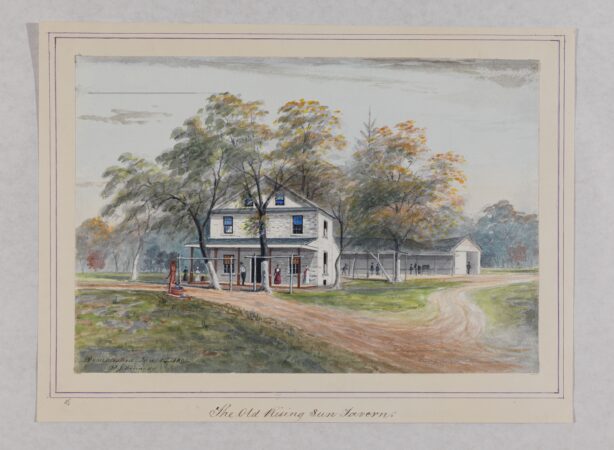
So, on April 14, 1775, Quaker leaders and educators Anthony Benezet and John Woolman gathered 24 men — 17 of whom were Quakers — at the Rising Sun Tavern to discuss legal strategies on how to make that happen.
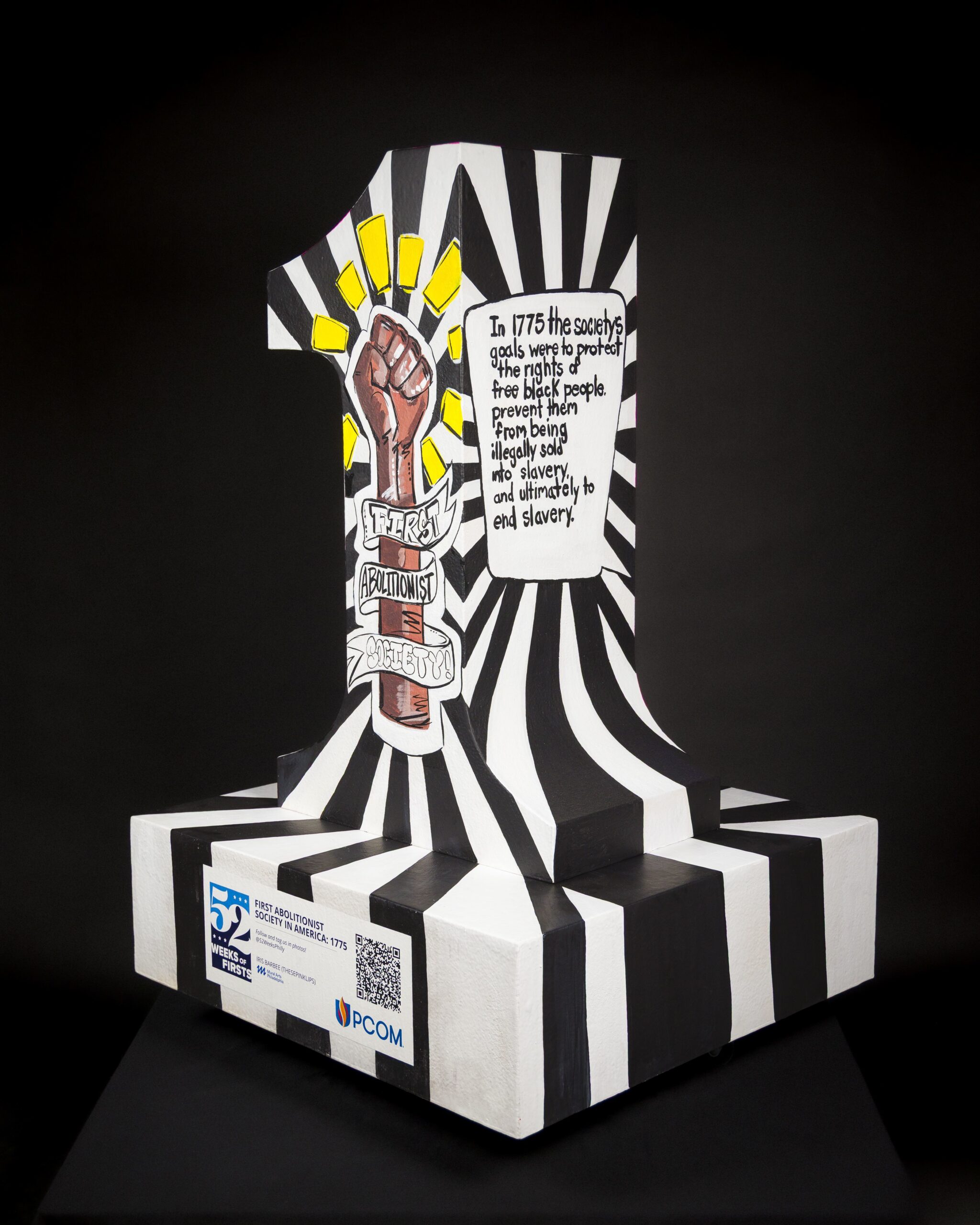
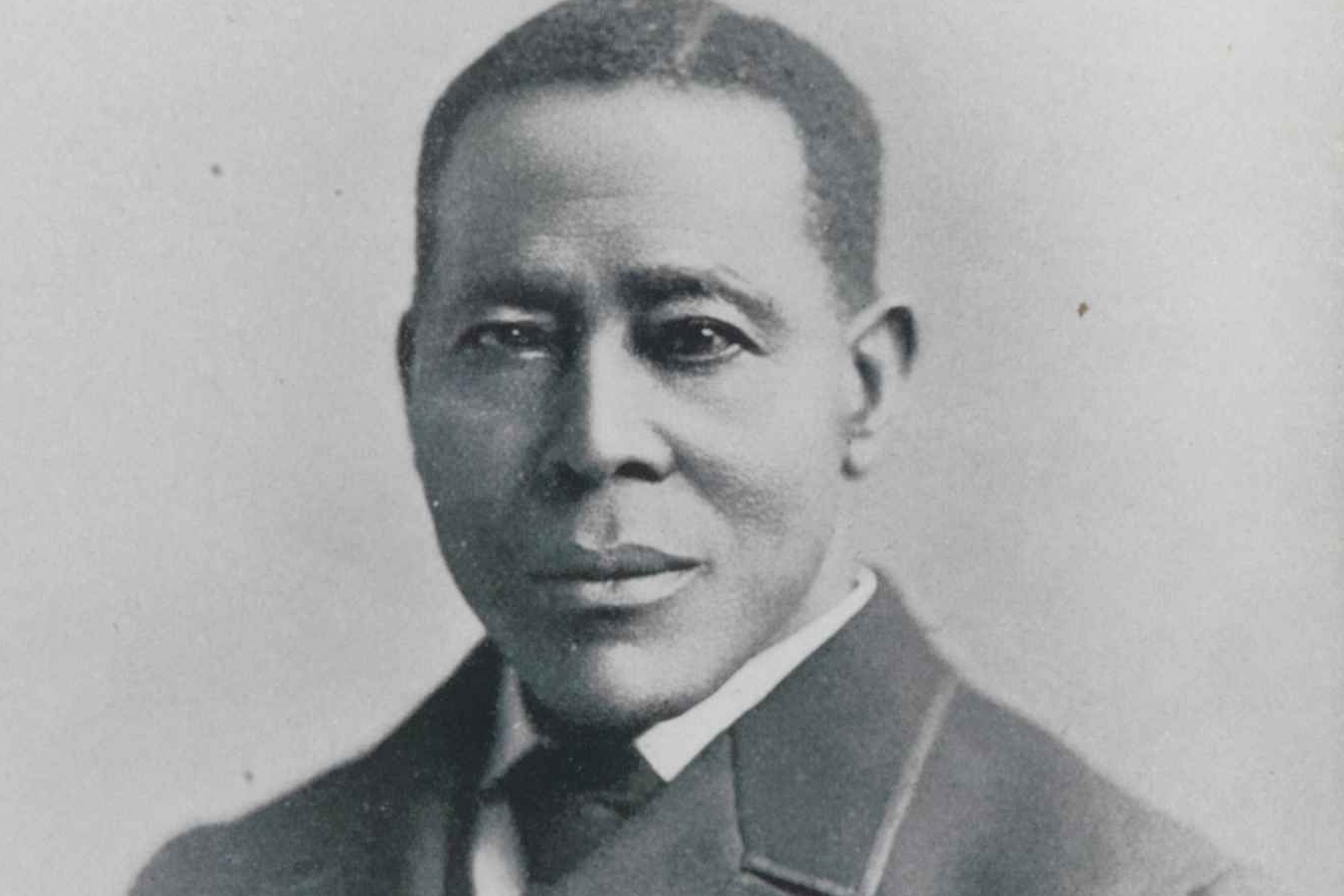
Artist Iris Barbee Bonner’s No. 1 statue pays homage to William Still, an Underground Railroad conductor and key member of the Pennsylvania Abolitionist Society.
That was the first gathering of an antislavery society in America and it will be celebrated Saturday at the African American Museum, part of the Philadelphia Historic District’s weekly firstival day party. Firstivals are a yearlong celebration of America’s 250th birthday marking events that happened in Philadelphia before anywhere else in America and often the world.
The group led by Benezet and Woolman named themselves the Society for Relief of Free Negroes Unlawfully Held in Bondage. In addition to Nevil’s case, they advocated for four other people of color who were in the midst of being sold away from their families. Nevil was ultimately freed when Harrison bought her and within days, signed manumission papers.
In 1776, 18 years after Quakers told their members they could no longer participate in the slave trade, Quakers were forbidden from enslaving people. Thanks to the Quakers’ advocacy, Pennsylvania enacted the 1780 Gradual Abolition of Slavery Act, America’s first law to end slavery.
Four years later, 18 Philadelphians resurrected the Society for Relief of Free Negroes and renamed it Pennsylvania Abolitionist Society, or PAS. Their goal was to stop Black and brown people from being indiscriminately picked up and sold into slavery in what was now a free state, but also to end slavery all together.
“They knew they couldn’t do it overnight,” said Emma Lapsansky-Werner, an American history professor at Haverford College. “What they did was organize so that one-by-one Black people would find freedom.”
Within two years, the PAS grew to 82 members and inspired other cities like New York and Boston to establish branches of their own. In 1787 — the same year the delegates voted that Black people were three-fifths of a person — Ben Franklin became the society’s president and under his leadership, the society petitioned the legislature to amend the act of 1780. This included preventing enslavers from taking pregnant enslaved women to the South so their children would remain property.
William Still was a member of the Pennsylvania Abolitionist Society and chair of the Vigilance Committee of the Pennsylvania Anti-Slavery Society.
The PAS still exists today and advocates for equal rights and opportunities for all Americans.
This week’s Firstival is Saturday, Feb. 14, 11 a.m.-1 p.m., The African American Museum Philadelphia, 701 Arch St. The Inquirer will highlight a “first” from Philadelphia Historic District’s 52 Weeks of Firsts program every week. A “52 Weeks of Firsts” podcast, produced by All That’s Good Productions, drops every Tuesday.
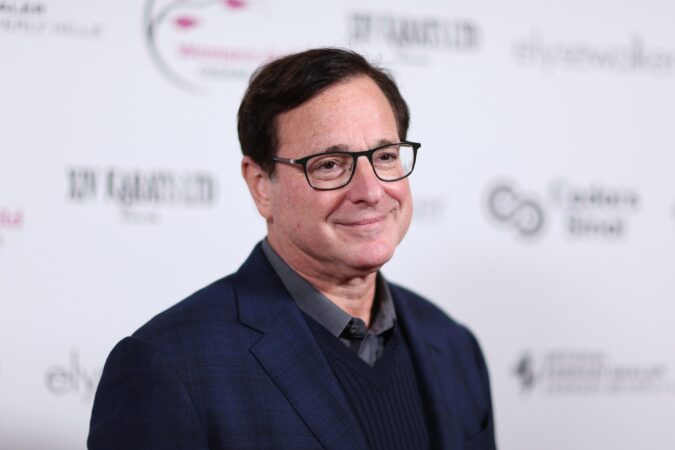
Old City-based 9.14 Pictures is working on an untitled documentary about comedian Bob Saget, the Philly-bred funny man who rose to fame in the 1980s as the affable Danny Tanner on the ABC sitcom Full House.
The announcementcomes on the heels of the studio’s successful projects centering celebrities with local ties including Disney+’s Taylor Swift: The End of an Era and Prime Video’s most-watched documentary, Kelce. Both were directed by the studio’s owners, Don Argott and Sheena M. Joyce.
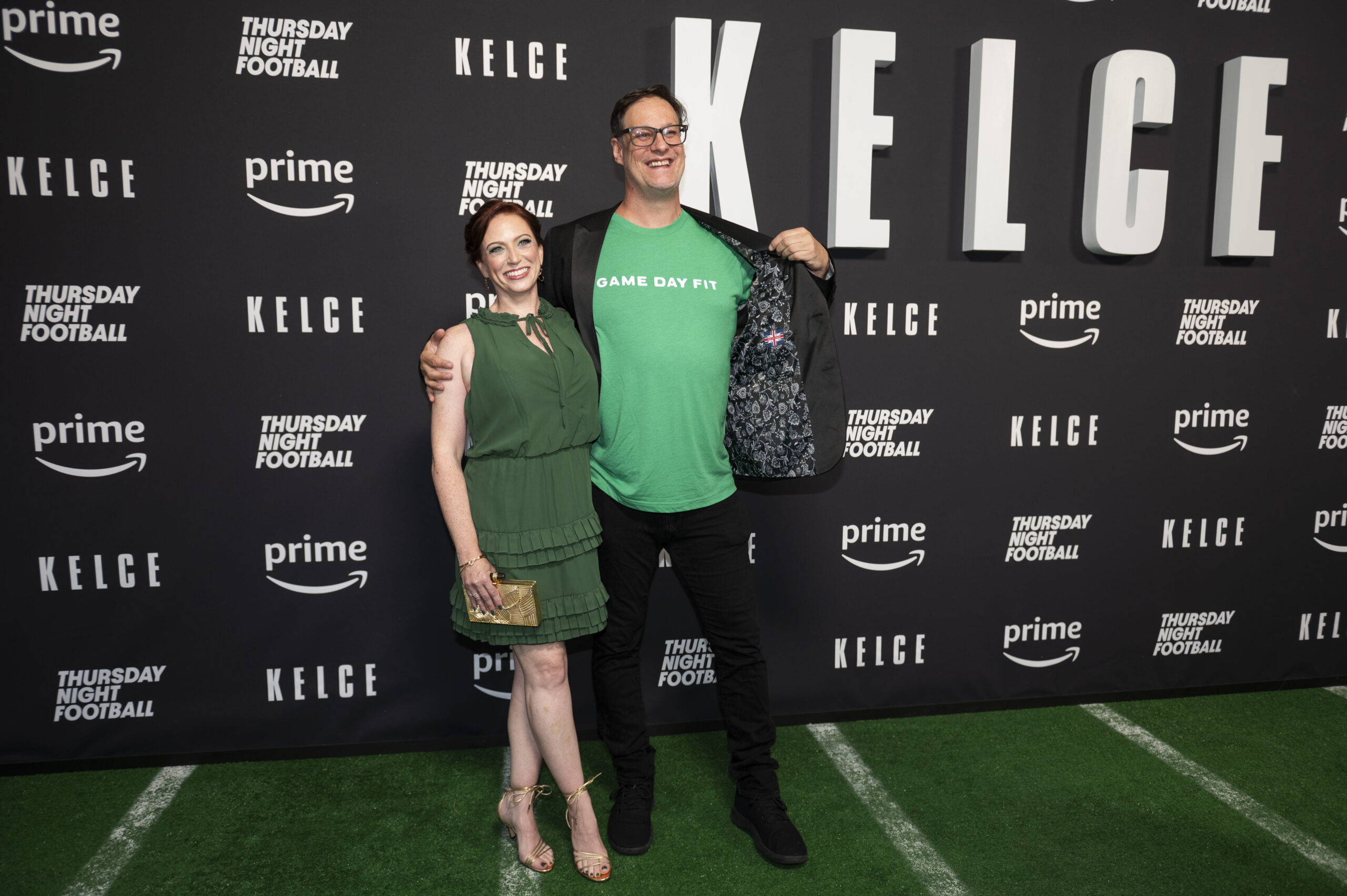
9.14 Pictures Sheena M. Joyce and Don Argott arrive at the premier of “Kelce” at the Suzanne Roberts Theater in Philadelphia on Friday, Sept. 9, 2023. The film is a feature-length documentary featuring Jason Kelce and the Eagles’ 2022-23 season.
According to Deadline, Argott and Joyce will direct this piece, too, and were given access to Saget’s rare home videos and never-before-seen footage.
“The film will reveal the complex life, devastating losses and enduring kindness behind the laughter,” Deadline stated.
The documentary will ultimately help viewers understand how and why Saget’s comedy turned so dark and raunchy before his untimely death in 2022 at a Ritz-Carlton in Orlando, from what medical examiners said was an accidental blow to the head. He was 65.
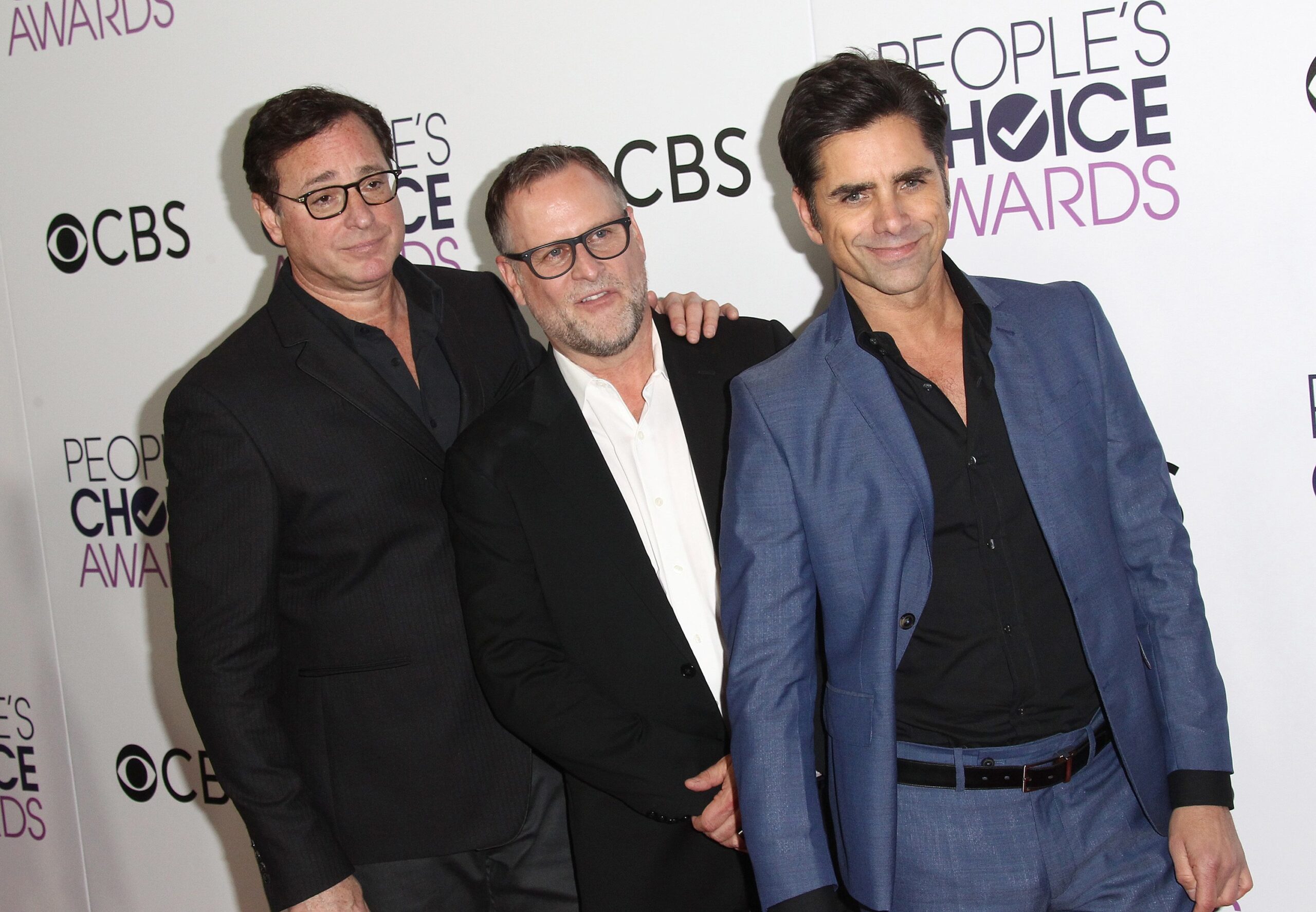
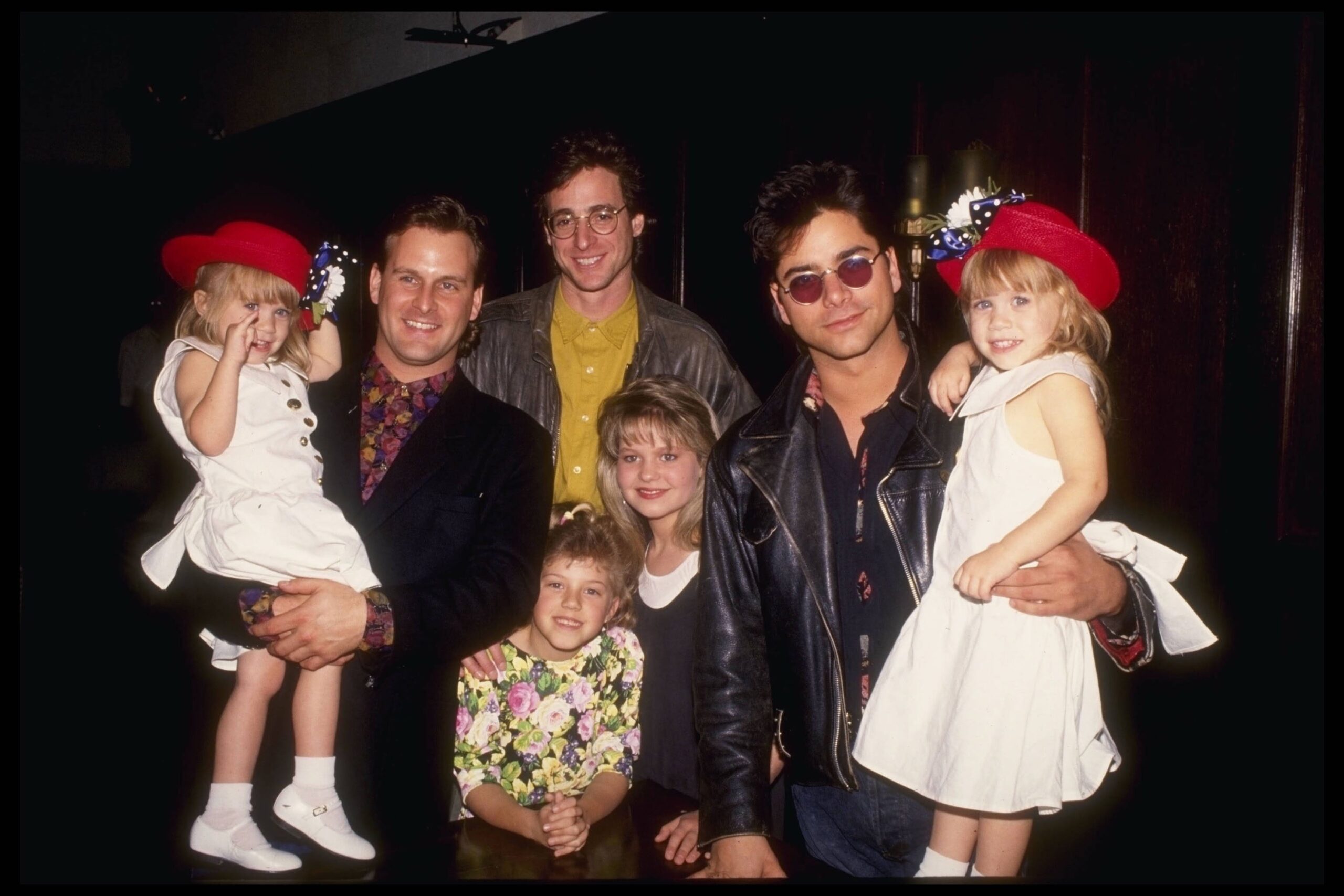
From left, actors Bob Saget, Dave Coulier, and John Stamos at the People’s Choice Awards 2017 at Microsoft Theater in Los Angeles on Jan. 18, 2017. (Tommaso Boddi/AFP/Getty Images/TNS)
Saget, who also hosted America’s Funniest Home Videos for eight seasons, was born in Mount Airy, moved to Virginia, and moved back to the area when he was a teenager. He graduated from Abington Senior High and went on to attend Temple University, where he studied film.
While at Temple University, he practiced his stand-up at Philadelphia restaurateur Stephen Starr’s then-Queen Village nightclub. He also won a student Oscar in 1978 for his 11-minute documentary, Through Adam’s Eyes, the story of an 11-year-old boy who underwent a grueling facial surgery.
After Temple, he moved to the West Coast and attended the University of Southern California’s film school but dropped out to do stand-up.
For the next seven years, he was the emcee at the Comedy Store, working among such comedians as David Letterman, Robin Williams, Michael Keaton, Billy Crystal, Jay Leno, Johnny Carson, and Richard Pryor.
He also warmed up the crowd before tapings of Bosom Buddies, the Tom Hanks-Peter Scolari sitcom. The producer later hired Saget to play Danny Tanner on Full House, on which he portrayed a morning TV host in San Francisco.
In an undated photo, the cast of the television sitcom “Full House,” from left, Ashley Olsen, Dave Coulier, Jodi Sweetin, Bob Saget, Candace Cameron, John Stamos and Mary-Kate Olsen. (Kathy Hutchins/Zuma Press/TNS)
Saget lost one sister to a rare autoimmune disease and another to a brain aneurysm, he told The Philadelphia Inquirer in 1994. Those losses, he said, helped him prioritize his life and led to his maudlin sense of humor.
The Bob Saget documentary will be produced by Story Syndicate, Revue Studios, and 9.14 Pictures.
Mark Tyler, historiographer and executive director of research and scholarship of the African Methodist Episcopal Church, often wonders: What if Christians stood up in the 1780s and challenged the articles of the U.S. Constitution that said Black people were not whole human beings?
What if the American branch of the Methodist church followed the teachings of its founder, John Wesley, who taught that slavery was a violation of Christian mercy? What if the ushers of Old City’s St. George’s Methodist Church didn’t kick formerly enslaved congregants Richard Allen and Absalom Jones out of the general congregation and force them to worship in segregated pews?
“We would have avoided the Civil War,” Tyler said. “We would have avoided Jim Crow. We would have avoided the moment in history we are in now.”
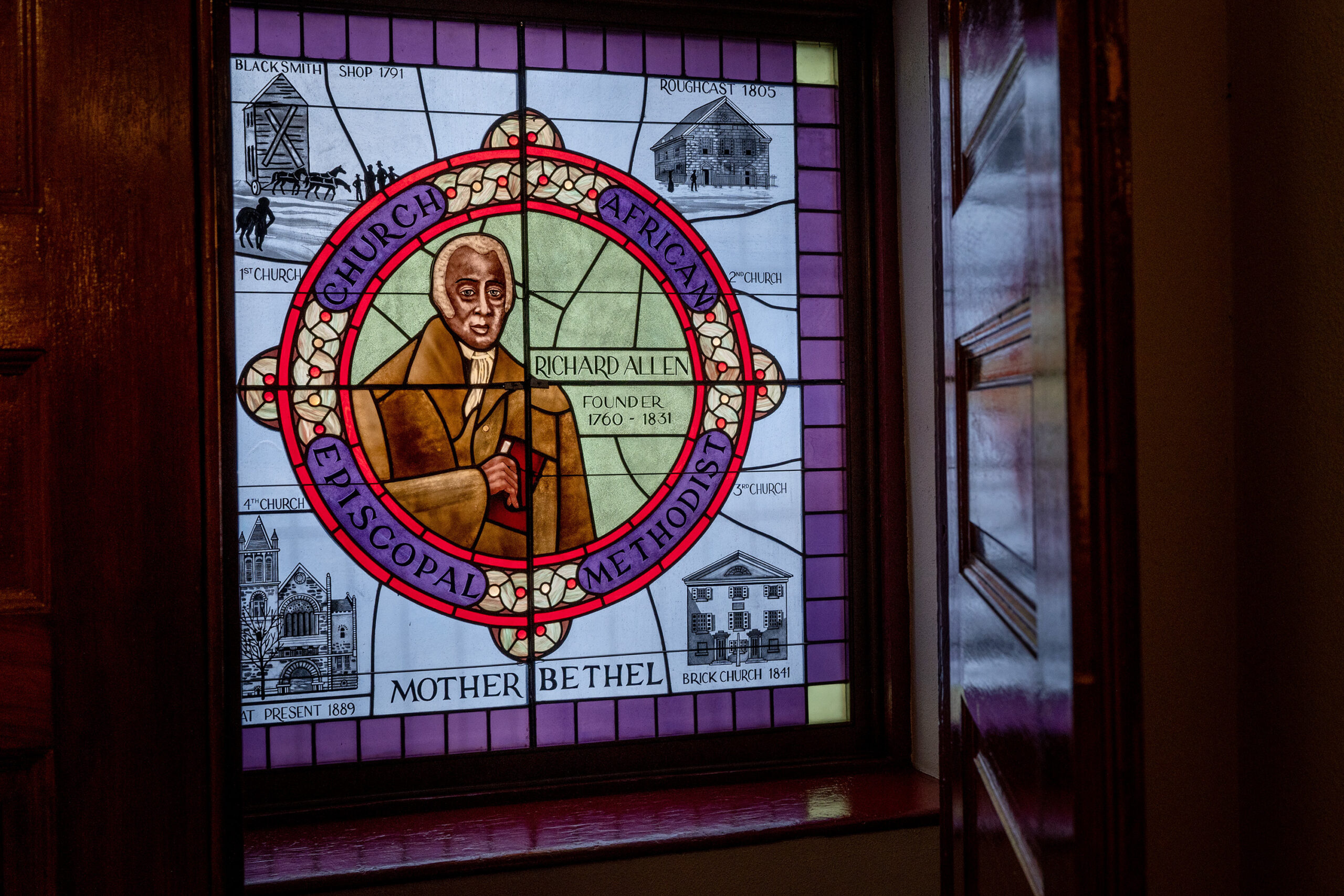
A stained glass window of founder Richard Allen and Mother Bethel AME Church’s previous homes is at entrance of the church.
Instead, American Methodists sided with southern landholders who relied on cost-free Black labor to build their empires. Evangelical churches, Tyler said, were among the first institutions to practice segregation.
Allen and Jones went on to start their own churches.
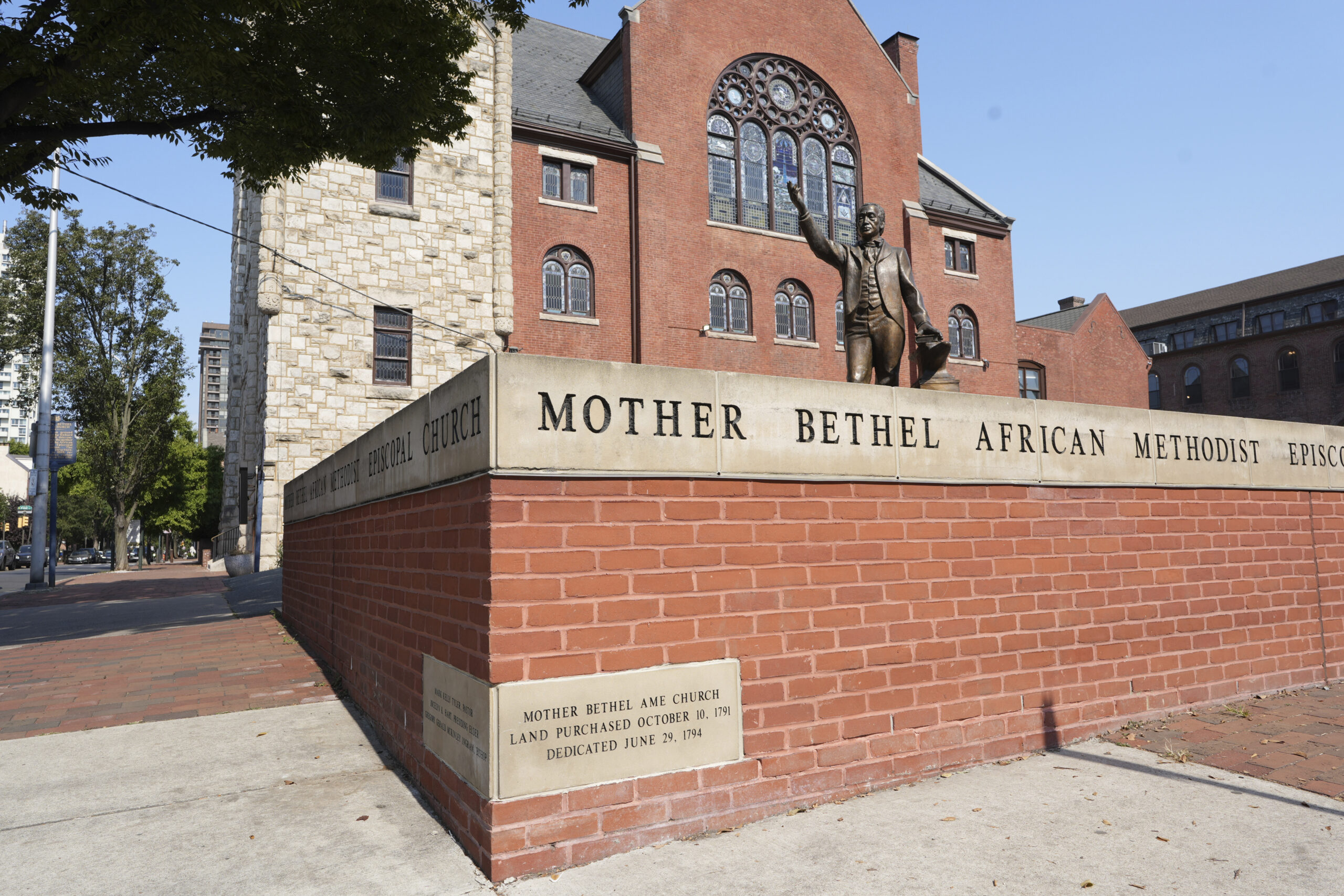
Allen established Mother Bethel African Methodist Episcopal Church, regarded as America’s — and the world’s — first AME congregation.
Mother Bethel will celebrate this history at the Philadelphia Historical District’s weekly “firstival,” part of a yearlong celebration of America’s 250th birthday. Each Saturday in 2026, the historic district is hosting a daytime shindig honoring an event that happened in Philadelphia before anywhere else in America and often the world.
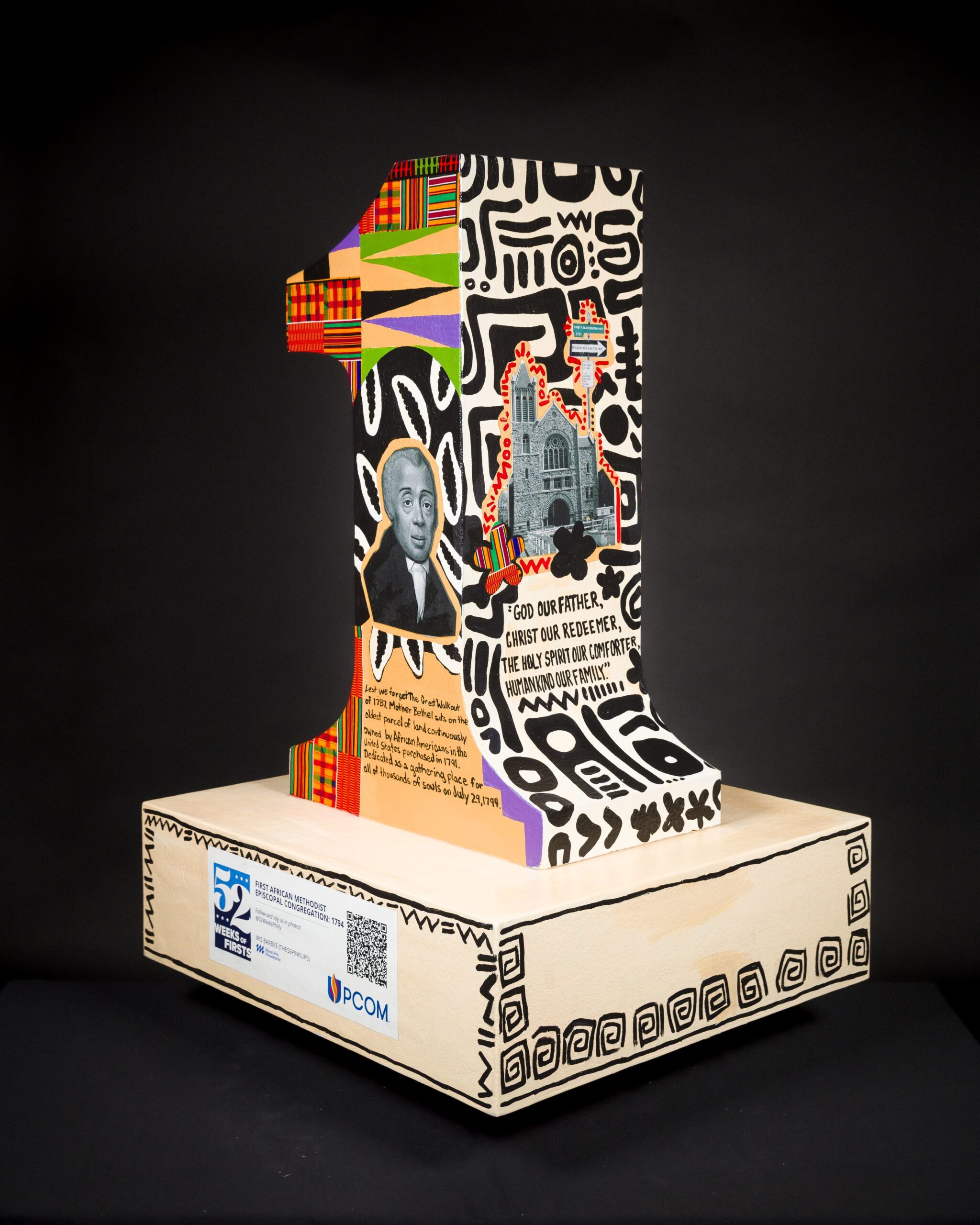
Iris Barbee Bonner is a fashion designer and graphic artist who brought her experience growing up in the AME Church to this 52 Weeks of Firsts No. 1
Allen was born into slavery in Philadelphia in 1760. He bought his freedom from his enslaver, a devout Methodist who converted many of the people he enslaved, in 1783. Allen answered the call to preach and traveled the mid-Atlantic for a few years evangelizing freed and enslaved people.
In 1786, he returned to Philadelphia, joined St. George’s, and started a 5 a.m. worship service. He led the service for a year-and-a-half before walking out in November of 1787.
“Certainly there had been moments of resistance in colonial Black communities,” Tyler said. “But this walkout was significant because it led to the emergence of the first American institutions by and for Black people,” Tyler said.
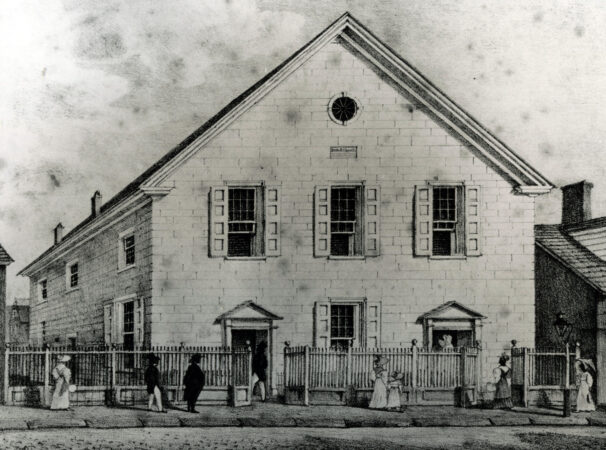
Allen bought land at Sixth and Lombard Streets — where Mother Bethel sits now — on Oct. 10, 1791. Mother Bethel’s first building, a repurposed blacksmith shop, was dedicated on July 29, 1794, by Bishop Francis Asbury.
A second building was erected in 1805, a third in 1841, and the current building was completed in 1890.
“We are the oldest independent denomination founded by people of color in the United States,” said the Rev. Carolyn C. Cavaness, pastor of Mother Bethel. “Our church sits on the oldest parcel of land continuously owned by African Americans.”
In 1816, 30 years after Allen established Mother Bethel, he invited delegates of Black Methodist churches in Pennsylvania, Baltimore, Maryland, Delaware, and New Jersey to a conference, establishing the AME Church as its own denomination.
A statue of Mother Bethel AME Church founder Richard Allen stands on the oldest parcel of land continuously owned by Black Americans in Philadelphia on Oct 13, 2024. (AP Photo/Luis Andres Henao)
Mother Bethel has stood at the center of civil rights for centuries, from serving as a station on the Underground Railroad to uniting interfaith clergy who questioned $50 million of community benefits slated to go to the Sixers arena in 2024.
“We are the Mother Church,” Cavaness said. “ … the foundation of so much Philadelphia history, so much American history. It’s an honor to be the sacred caretaker of this history.”
This week’s Firstival is Saturday, Feb. 7, 11 a.m.-1 p.m., at Mother Bethel, 419 S. Sixth St. The Inquirer will highlight a “first” from Philadelphia Historic District’s 52 Weeks of Firsts program every week. A “52 Weeks of Firsts” podcast, produced by All That’s Good Productions, drops every Tuesday.