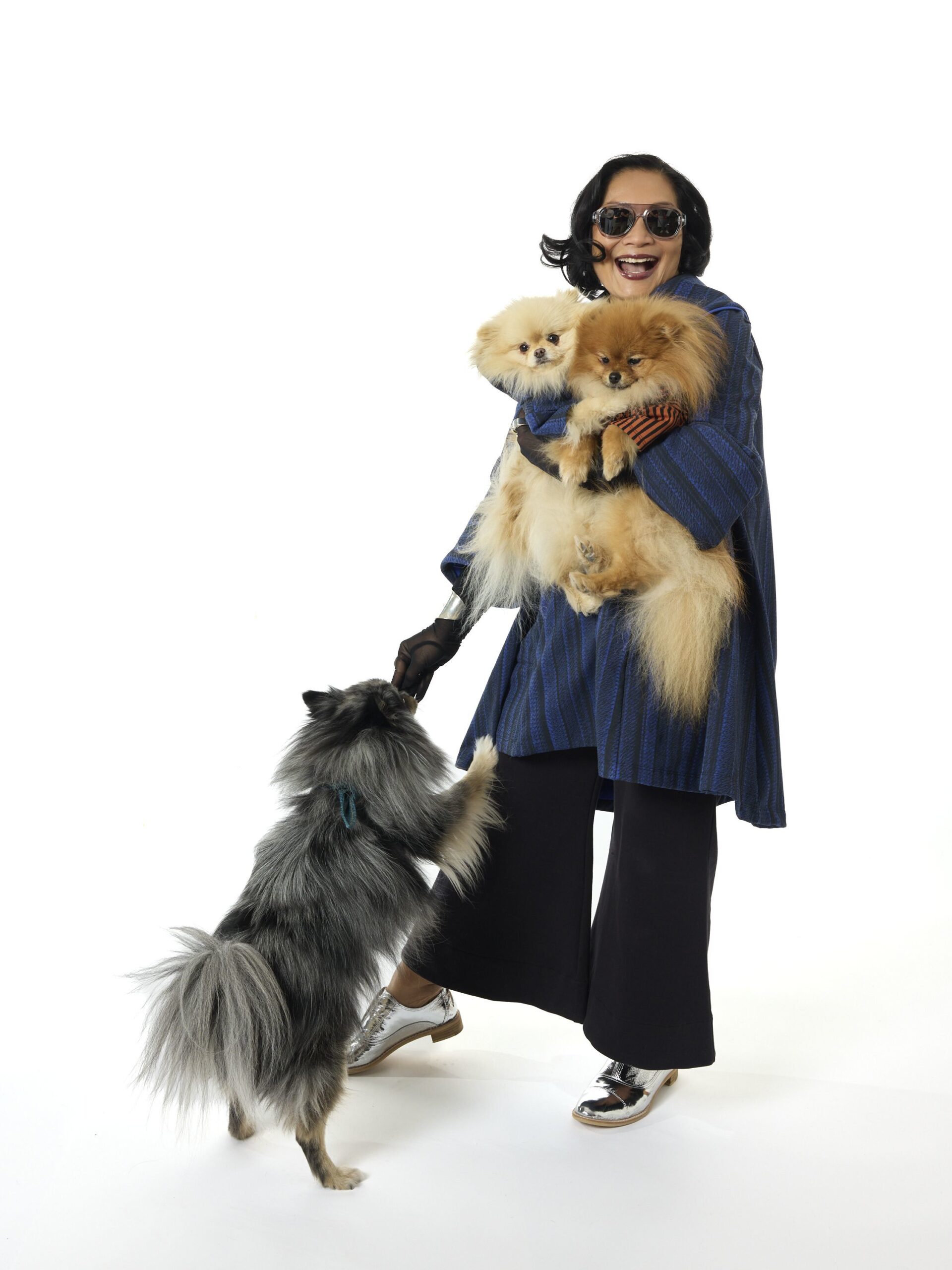
Chef Chutatip “Nok” Suntaranon — the culinary genius behind the James Beard Award-winning restaurant Kalaya — is known for her delicious Thai cuisine and trotting her adorable Pomeranians, Titi and Ginji, around her Queen Village neighborhood.
That’s how Suntaranon caught the eye of sustainable fashion designer and Lobo Mau boutique founder Nicole Haddad.
“To me, she was the lady with the restaurant and the Pomeranians,” Haddad said. “I would see her walking around Fourth Street and she’d have her Pomeranians with her. I have an obsession with Pomeranians. They are the most adorable creatures on the planet.”
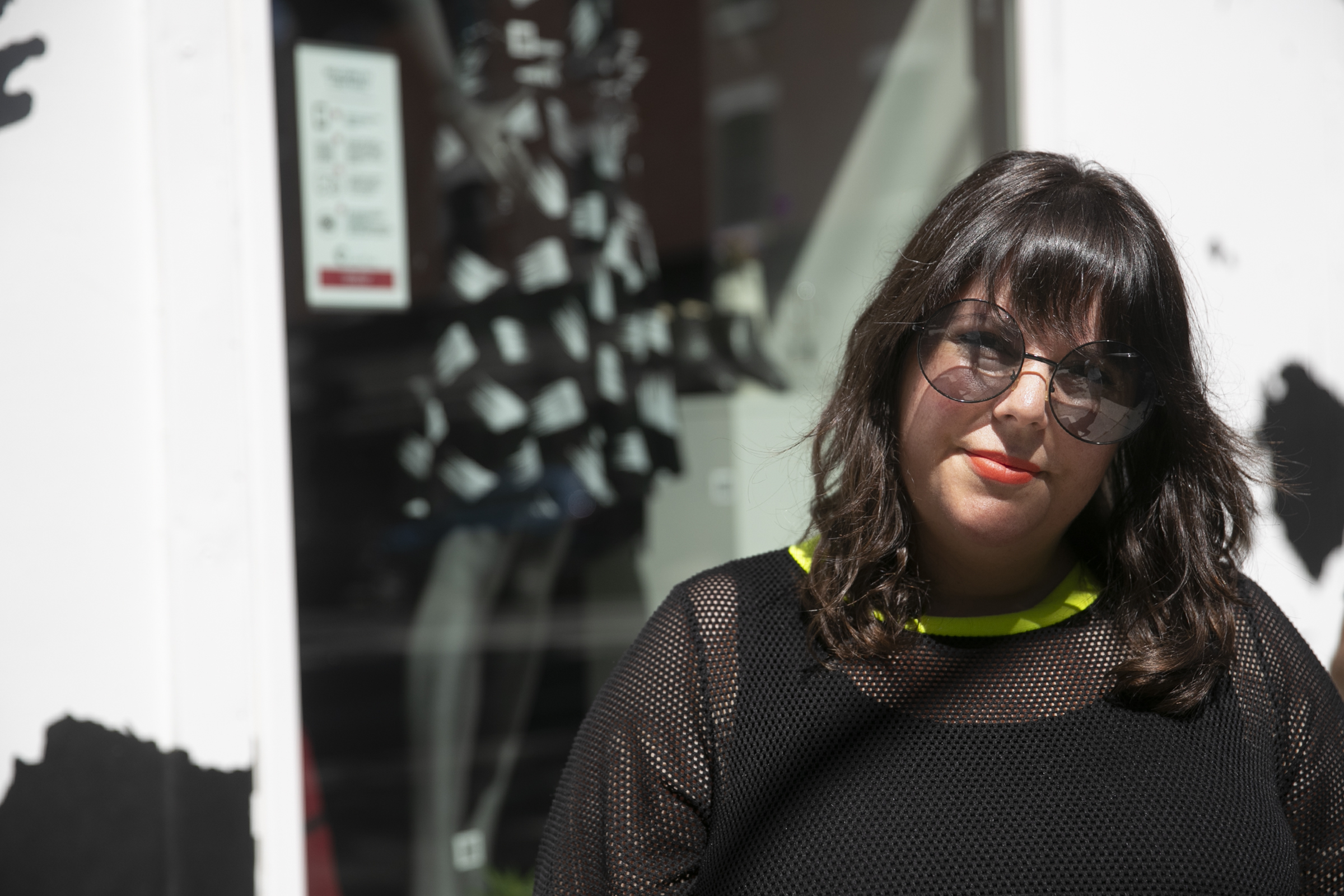
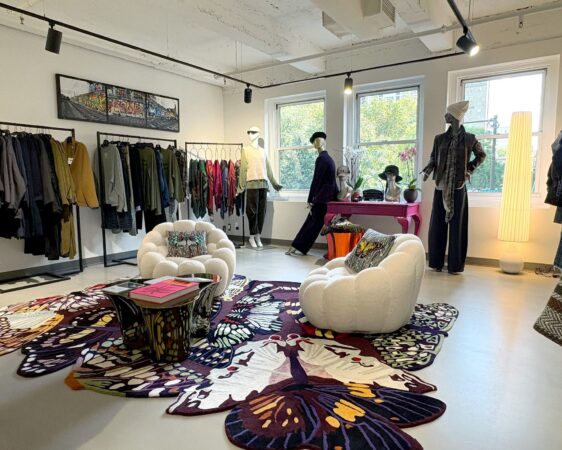
Nicole Haddad stands in front of her boutique, Lobo Mau, in Philadelphia before it closed in 2024.
So when a mutual acquaintance of Haddad and Suntaranon’s suggested the two entrepreneurs work together on a Philly fashion collaboration, Haddad jumped at the opportunity. She had the perfect project, a reimagining of Lobo Mau’s top-selling women’s swing coat, the Pom Jacket, named after Haddad’s favorite breed of dog.
“It felt like kismet from the beginning,” Haddad said.
The original
About 15 years ago, Haddad was in Venice visiting the Peggy Guggenheim Museum when she chanced upon a black-and-white photo of the New York heiress and art collector surrounded by her beloved Lhasa apsos.
“She was wearing a voluminous swing coat surrounded by five little dogs that reminded me of Pomeranians and I immediately thought, ‘I want to design something like this.’”
Back in Philly, Haddad made a black-and-white swing coat just like the ones popularized in the 1930s by jazz musicians. These coats were designed by the likes of Elsa Schiaparelli and Balenciaga and sold in the world’s top specialty stores, including Philadelphia’s Nan Duskin.
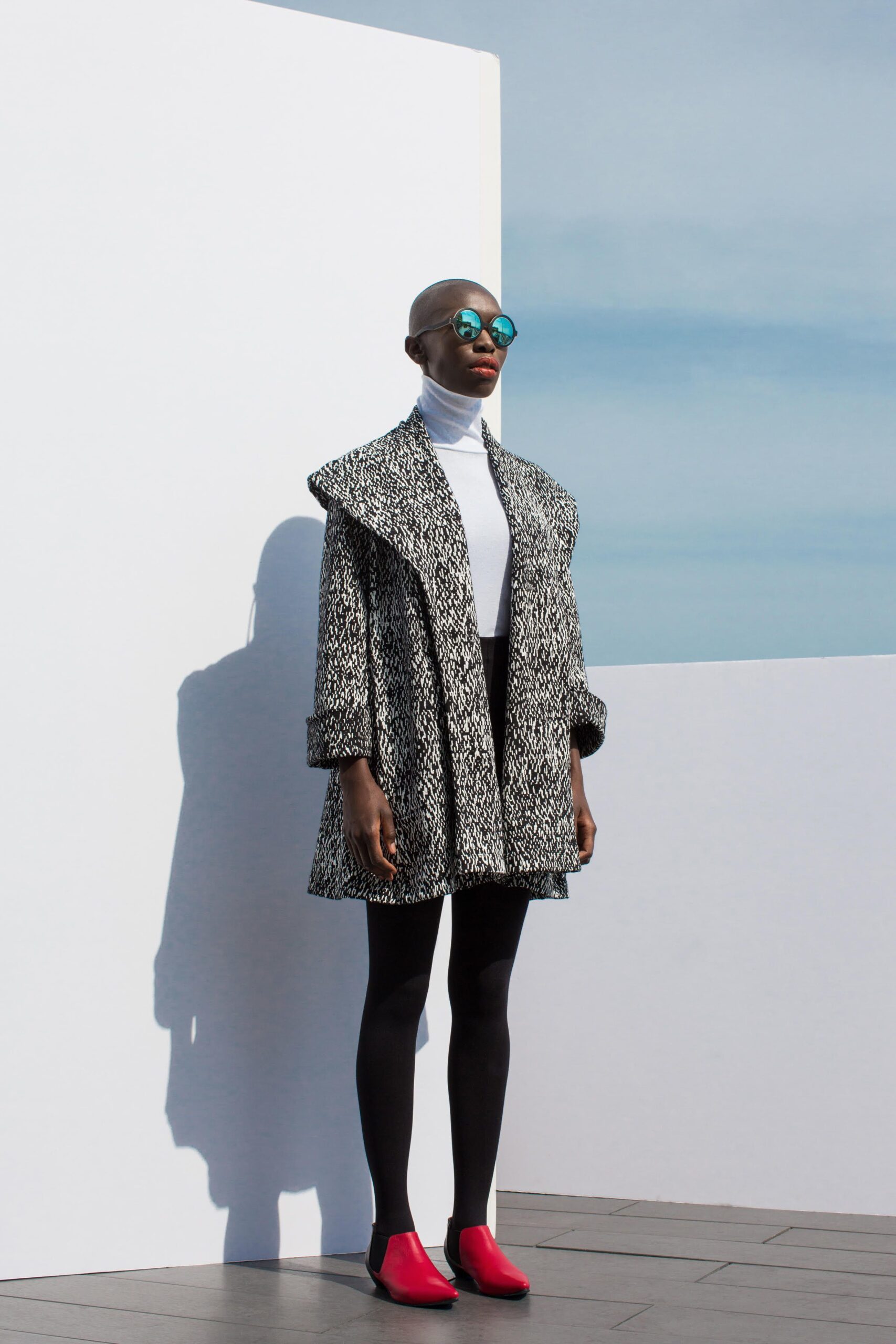
Haddad’s swing coat, the Pom Jacket, was tapered at the shoulders and flared at the waist, featuring a wide shawl collar and three-quarter-length cuffed sleeves. Priced at $398, it became a bestseller within weeks; finding a cult following, including NPR host Terry Gross, in the city.
Model Khalil Abner wears Nicole Haddad’s original Lobo Mau Pom Jacket.
In 2022, the Pom caught the eye of a buyer at New York’s Guggenheim Museum where it sold in the museum’s gift shop through 2024.
On a winter afternoon in 2019, Suntaranon stopped on a dime in front Lobo Mau’s then-Bainbridge Street boutique. She had to have the original black-and-white Pom Jacket in the window.
“Within two seconds, we sold her the jacket and she left,” Haddad said.
Suntaranon loved her jacket and has since been a supporter of Lobo Mau. It was Jesionka, a longtime Lobo Mau client who owned several iterations of the Pom, who suggested Suntaranon and Haddad collaborate.
Haddad knew Suntaranon gravitated toward bold-hued pieces that appeared architectural but flowed like liquid over women’s curves. She also knew that Suntaranon collected origami-inspired pieces by Japanese womenswear designer Issey Miyake.
“I’ve been collecting [Miyake] since I was 22,” Suntaranon, 57, said, mentioning the pleated teal, limited-edition Issey Miyake gown she wore to the 2025 James Beard Awards dinner in Chicago. “It’s timeless and beautiful.”
Suntaranon arrived at Haddad’s Bok Building studio in September 2025 — she closed her Bainbridge Street store in 2024 after landlords tripled the rent — with a clear idea of her dream Nok Pom.
She wanted a fuller silhouette that was longer in the back and had a button closure.
“I wanted a more dramatic look,” Suntaranon said.
Haddad created a print featuring a trompe-l’oeil 3D-effect that gave the illusion of Issey Miyake-style pleats. She had it digitally printed on cobalt blue sweatshirt material.
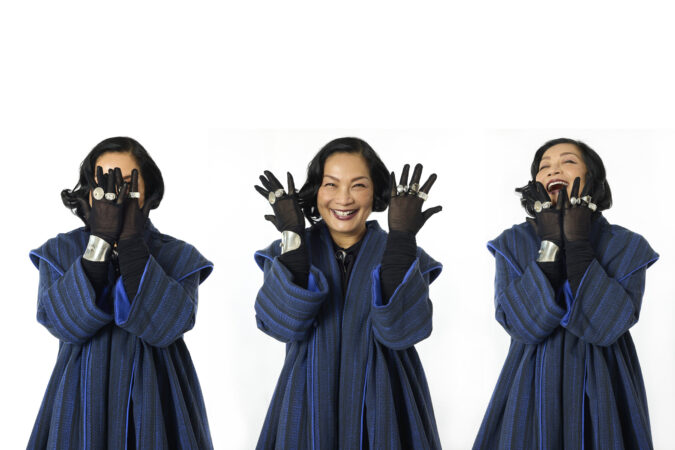
Kalaya’s chef Chutatip “Nok” Suntaranon poses in Lobo Mau’s exclusive Pom jacket. The acclaimed chef collaborated with local designer Nicole Haddad for an updated version of Hadddad’s original Pom Jacket. Styled by Nicole Haddad and Miranda Martel; jewelry by Feast and Forge and Finish; shoes by Elena Brennan; Hair and makeup by Tarah Yoder.
She added a box pleat in the jacket’s center back to create volume and drama, piping along the outer edge of the collar, and pockets on the inside and outside of the jacket. As a final touch, she put a big black button under the bustline.
The Nok Pom was ready.
“It’s beautiful,” Suntaranon said of her eponymous fashion piece. “It’s exactly how I envisioned it.”
The Nok Pom, priced at $450, is a limited-edition item and is available to order through Jan. 10.
In February , Haddad got a Pomeranian of her own that she named Johnny. She designed matching hoodies for Johnny, Titi, and Ginji, that are also for sale.
Suntaranon is flattered that she — and her pooches — are a part of the city’s food and fashion scene.
“Fashion — just like food — is a big part of my life,” Suntaranon said. “Fashion and food are an art. When the fashion industry is thriving and the food industry is thriving, the city is thriving.”
No one throws a “Happy 250th Birthday, America” jammy jam like a Philadelphia museum.
Embedded into the fabric of our nation’s birthplace, Philly cultural institutions are gearing up for high-level deep dives into history, fun, folly, and reflection. Just in time for the Semiquincentennial.
Our museums’ dynamic programming for America’s big birthday kicks off on Jan. 1.
The Philadelphia Art Museum, the National Constitution Center, the Museum of the American Revolution, and smaller outfits like Eastern State Penitentiary and Historic Germantown will, as expected, reimagine the history of our republic in an homage to the forefathers’ ingenuity.
Many are also honoring the perspective of marginalized Americans, upon whose backs this country was built.
Mixed into the Semiquincentennial festivities are other milestone birthdays. Carpenters’ Hall will celebrate the Commonwealth of Pennsylvania’s 250th with an exhibit, historical marker, statewide town halls, and virtual lecture series.
The new year also marks Germantown’s the Colored Girls Museum‘s 10th anniversary; it will open its fall 2026 season with a rare show from renowned sculptor vanessa german.
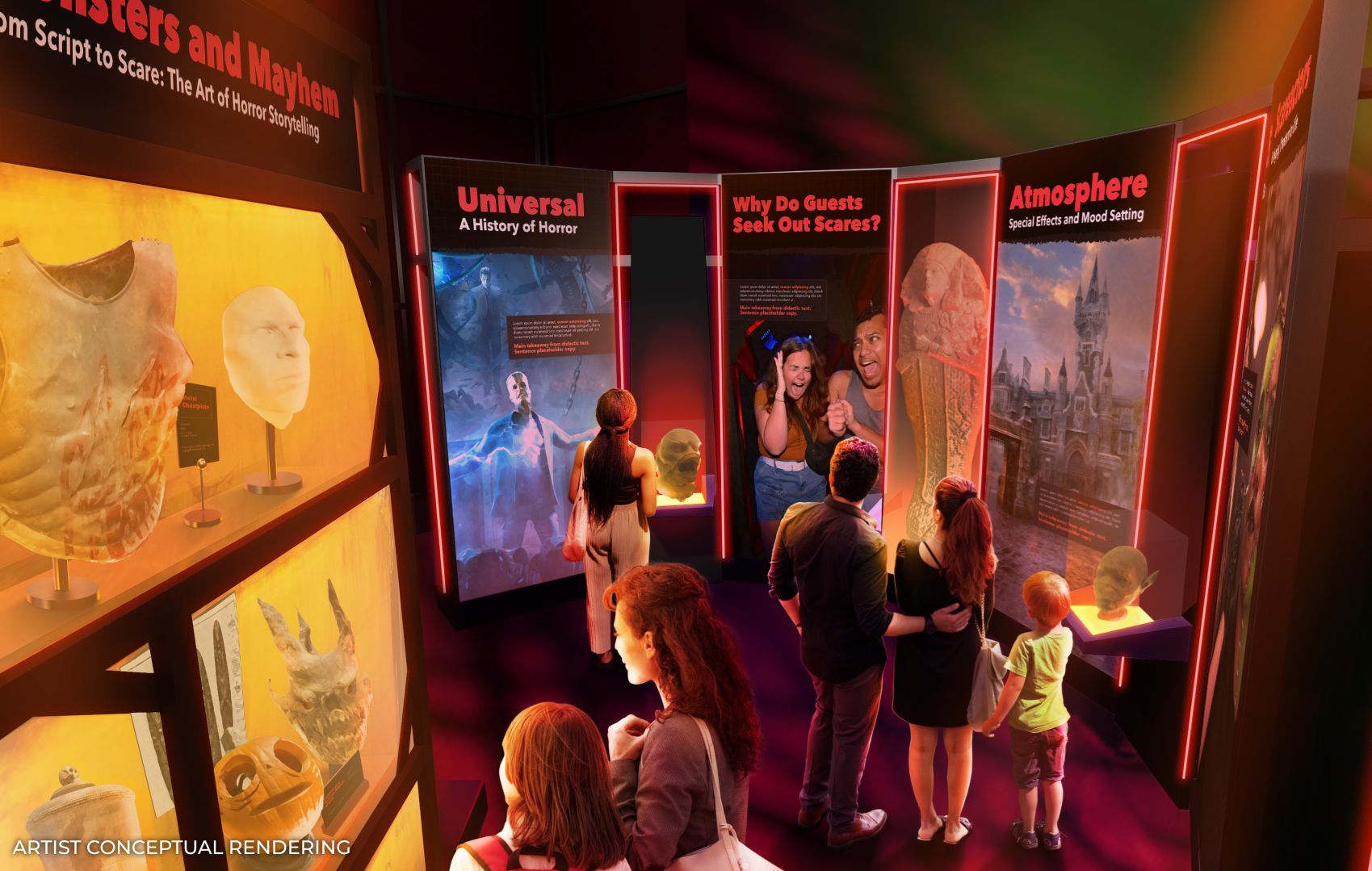
Renderings of The Franklin Institute’s world premiere of “Universal Theme Parks: The Exhibition” February 14, 2026 – September 7, 2026.
Philly is America’s birthplace. Our 250th birthday energy can’t be outdone.
From the looks of it, it won’t be.
Philadelphia Art Museum
The Philadelphia Art Museum has three major shows in 2026.
Noah Davis
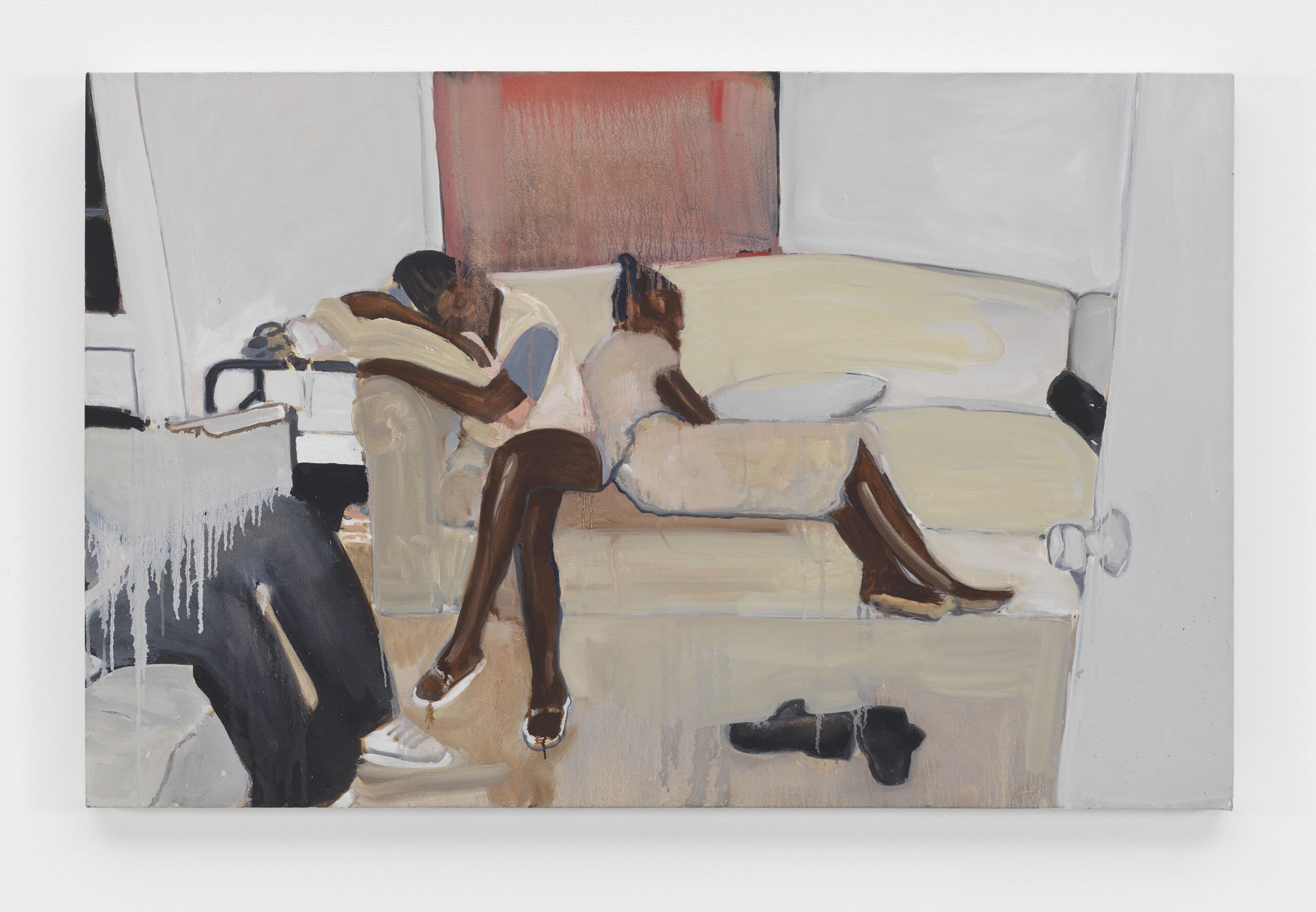
The art museum’s Morgan, Korman, and Field galleries will feature the work of the late African American artist Noah Davis (1983-2015). Davis’ paintings, sculpture, and works on paper capture the history and intricacies of American Black life from antebellum America through his untimely death. Jan. 24-April 26.
“Untitled Girls” This painting by Noah Davis will be on display in the Philadelphia Art Museum’s 2026 exhibition named after the late artist
A Nation of Artists
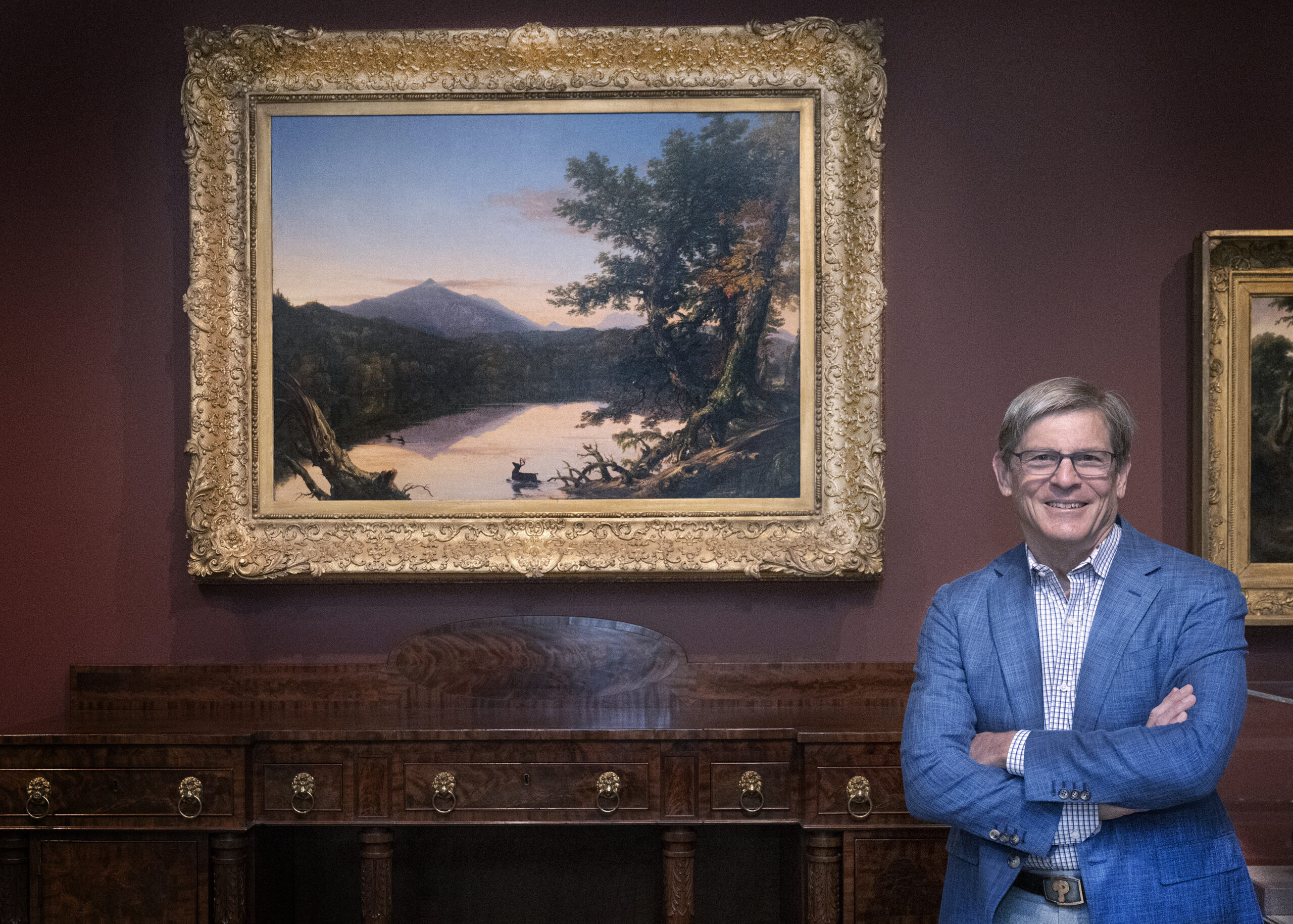
Paintings, furniture, and decorative arts from Phillies managing partner John Middleton and his wife, Leigh, will center the “A Nation of Artists” exhibit, telling the 300-yearslong story of American creativity. The exhibit is a joint project between the Philadelphia Art Museum and the Pennsylvania Academy of Fine Arts and is billed as “the most expansive presentation of American art ever mounted in Philadelphia.” Opens April 12.
Rising Up
2026 marks the 50th anniversary of the release of the first Rocky film. To coincide, the Art Museum in April will open “Rising Up: Rocky and the Making of Moments” in the museum’s Dorrance galleries. The exhibit will explore how the Rocky statue outside the museum brings people together. April 25-Aug. 2.
Phillies owner John Middleton is photographed next to a painting to his left, part of his personal collection and soon to be exhibited at the Philadelphia Museum of Art.
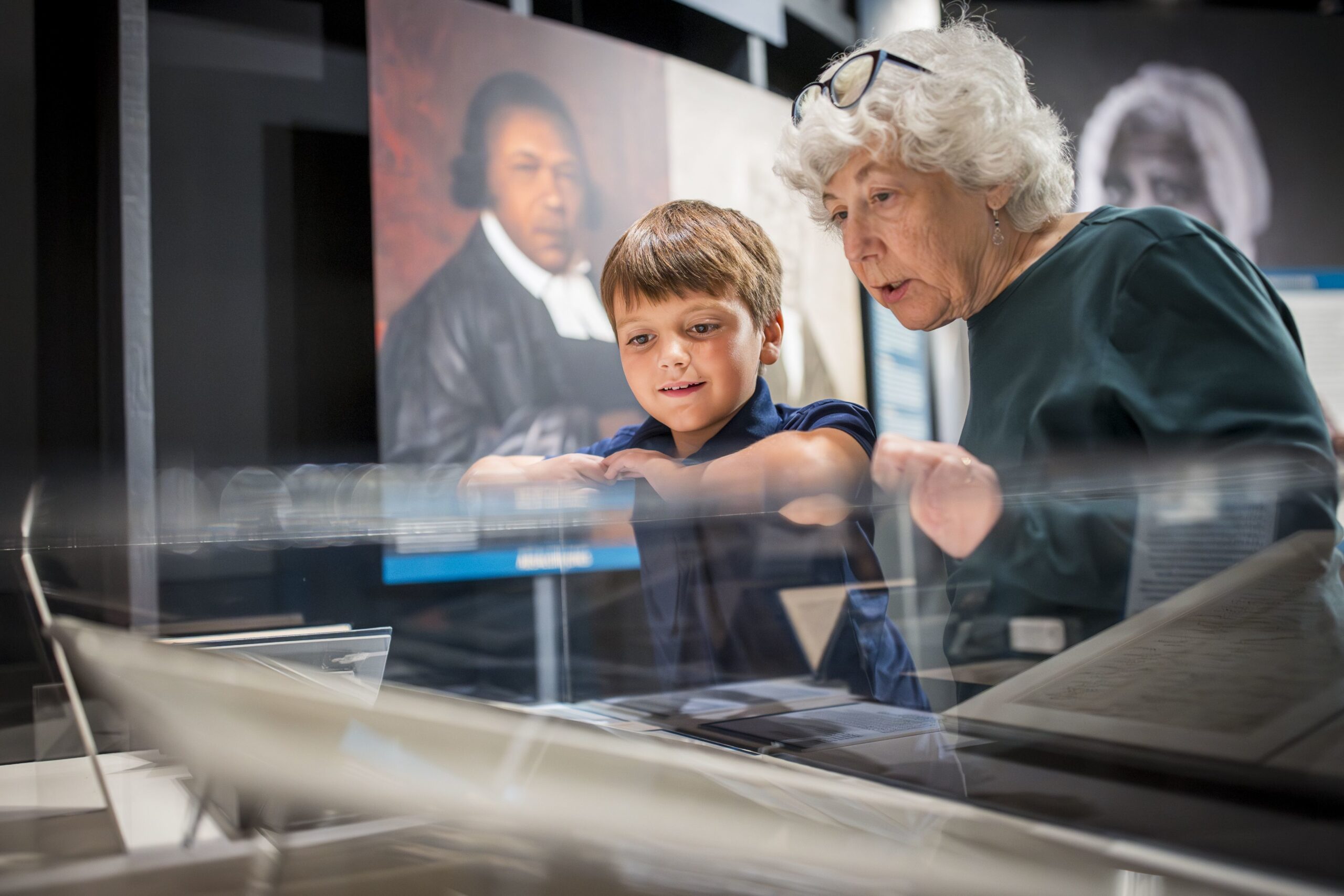
Visitors at the Museum of the American Revolution in front of a portrait of Absalom Jones, abolitionist and founder of The First African Episcopal Church of St. Thomas. Jones’ writings are on display.
Penn Museum
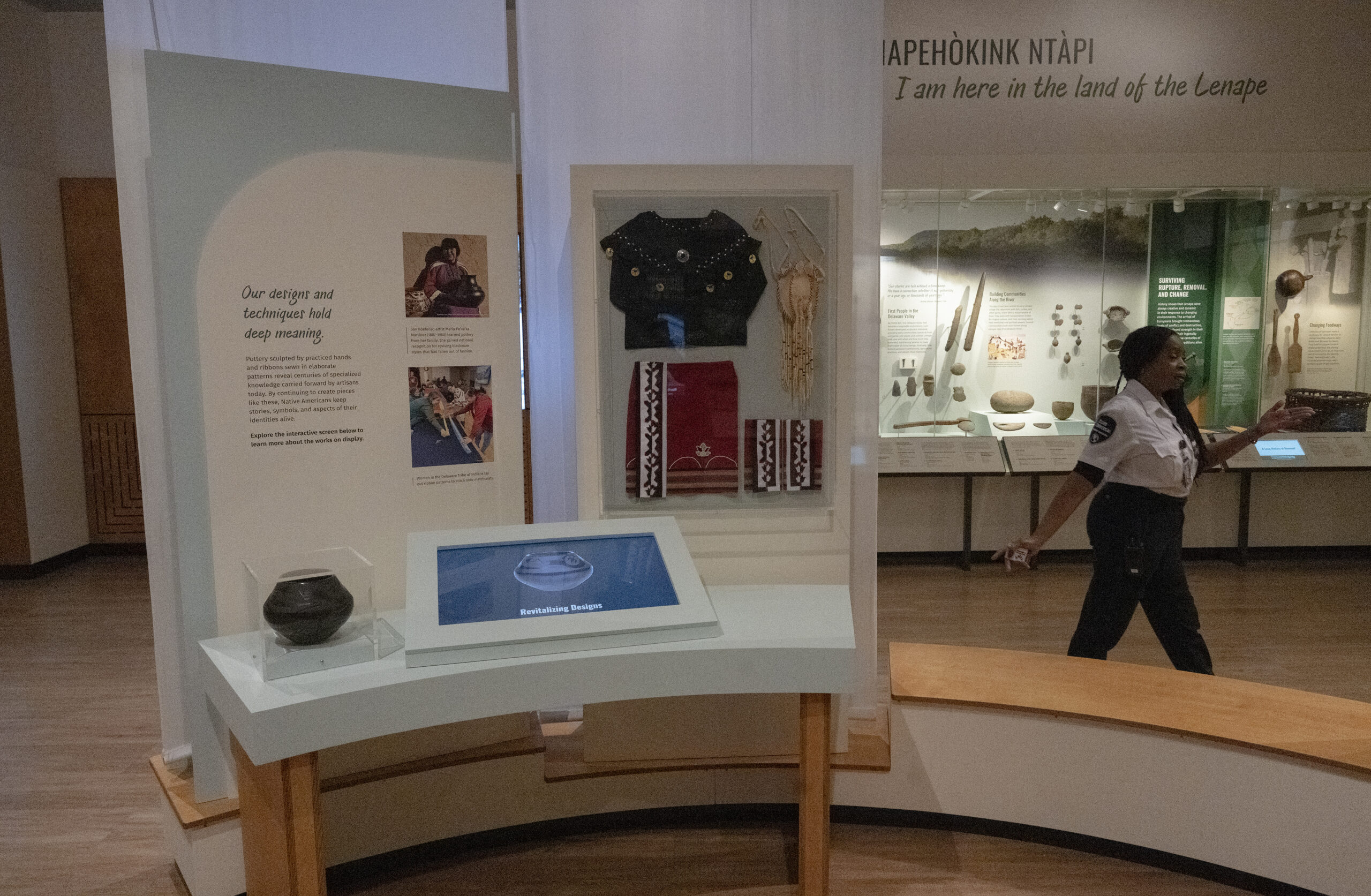
Spear points dating to 3,000 B.C., centuries-old bowls, and 19th century beaded collars are a few of the items that illustrate the lives Lenape Indians led fishing on the banks of the Schuylkill and hunting in Fairmount Park. These are on display at Penn Museum’s new Native North American gallery. Visiting curator Jeremy Johnson chose these artifacts because, he said, they best “tell the story of his people — who the Founding Fathers tried to erase.” Through 2027.
A gallery of Native American art is displayed at the Penn Museum on Friday, Nov. 21, 2025, in Philadelphia. As celebrations of Native American culture and precolonial Philadelphia plants grow, museums across the city prepare for America’s 250th birthday.
Weitzman National Museum of American Jewish History
On Nov. 16, 1776, the Andrew Doria brigantine arrived in the Caribbean on the British colony St. Eustatius, waving the first national flag of the United States. The Jewish merchants and English settlers, treated poorly by their antisemitic Anglican monarchs, greeted the newly minted Americans with a 13-cannon salute. In that moment, St. Eustatius became the first country to recognize America’s sovereignty.
Cannon from the shores of St. Eustatius much like those fired in the 18th century that will will be on display during “First Salute.” 250tharts-12-28-2025
Weitzman National Museum of American Jewish History’s“The First Salute” exhibit will recount this largely untold story — including how the Jewish merchants smuggled the Americans’ gunpowder in tea and rice bags, giving Pirates of the Caribbean meets Hamilton vibes. Artifacts on display will include 18th-century currency, a series of paintings from prominent Jewish Philadelphian Barnard Gratz’s art collection, and an actual cannon shot from the island’s shores. From April 23, 2026, through April 2027.
National Constitution Center
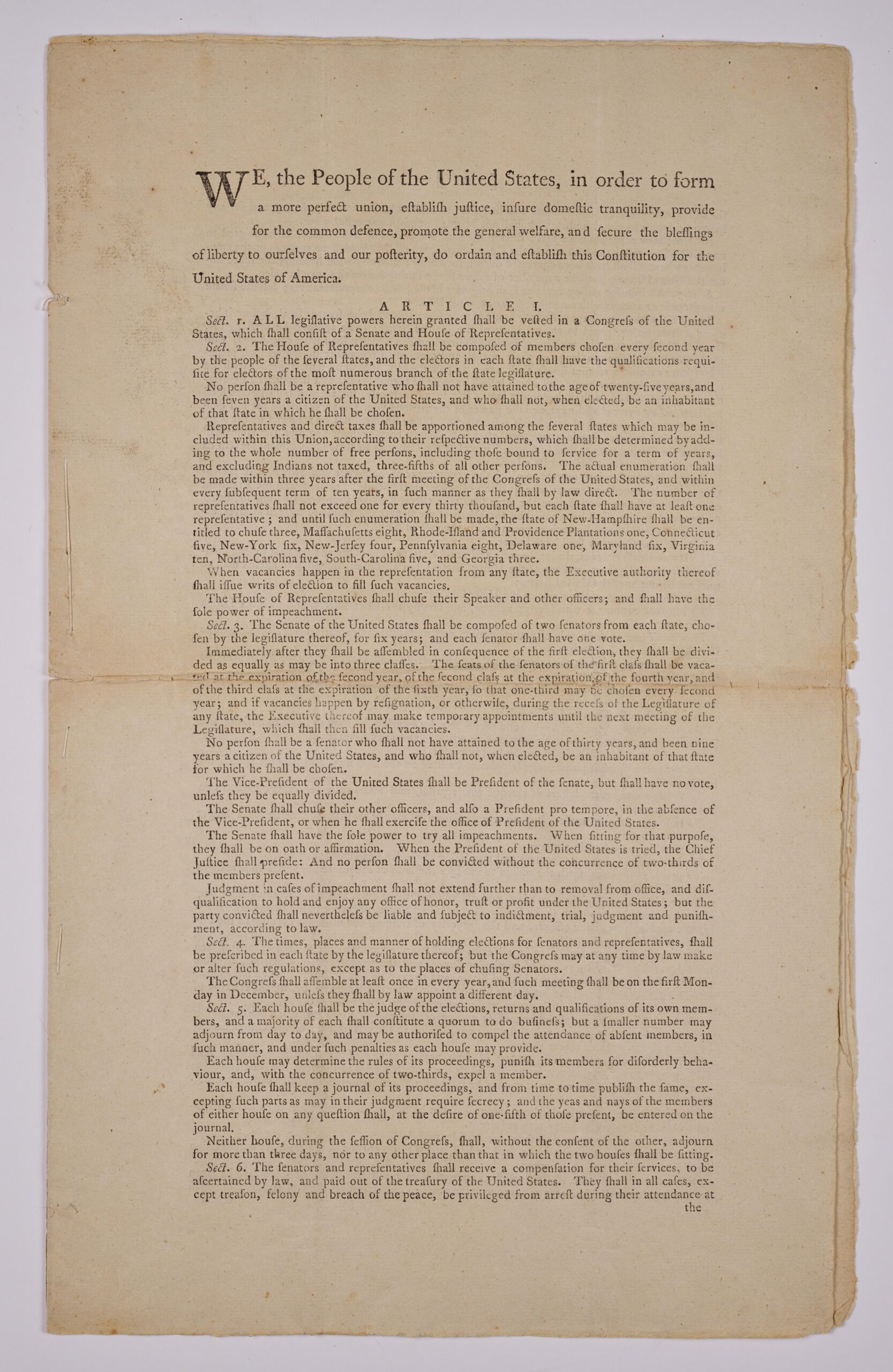
Centered around a rare, centuries-old copy of the U.S. Constitution — a gift from billionaire hedge fund manager Kenneth C. Griffin — the National Constitution Center will present “America’s Founding.“ The gallery will be dedicated to the exploration of our early, colonial principles that led our fight for independence. How do they stand up now? Opens Feb. 13.
This original copy of the U.S. Constitution, one of only 14, was donated to the National Constitution Center by billionaire hedge fund manager Kenneth C. Griffin. It will be featured in the Constitution Center’s upcoming “America’s Founding” exhibit.
A second gallery will explore how the Constitution defines roles and balances power between the legislative, judicial, and executive branches of government. Opens in May.
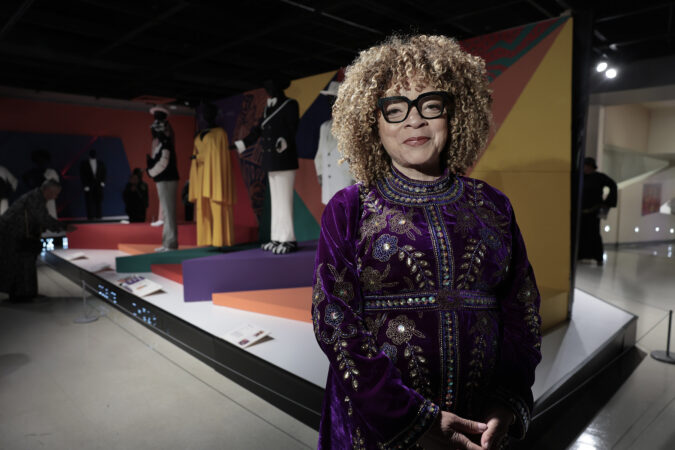
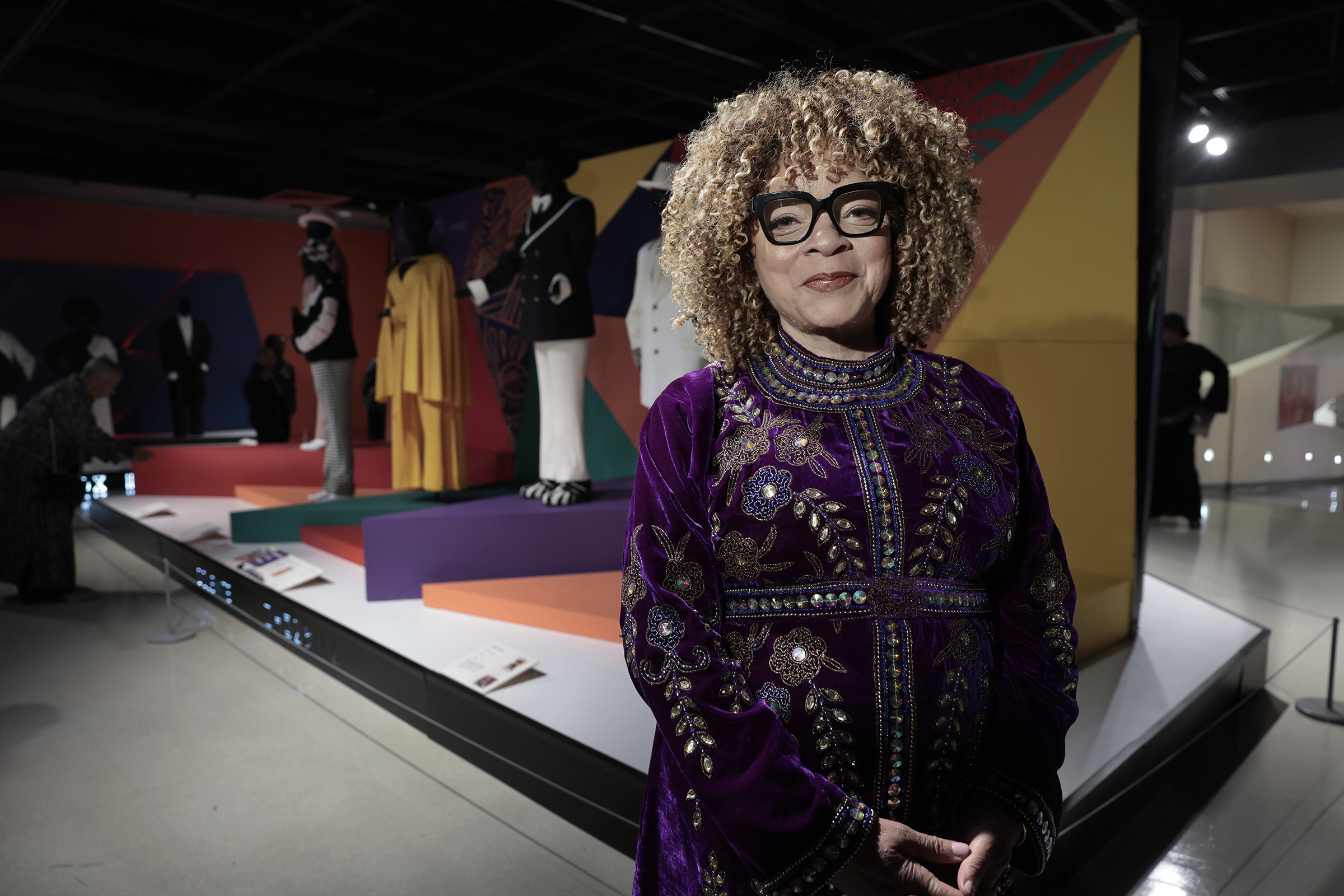
Ruth E. Carter pauses briefly during the “Ruth E. Carter: Afrofuturism in Costume Design” opening gala at the African American Museum in Philadelphia on Saturday, Nov. 1, 2025.
In October 2026, AAMP will premiere the extension of its “Audacious Freedom” exhibit. Currently on the ground floor, the exhibit is a study of Black Philadelphians from 1776 to 1876. The expanded show will bring “Audacious Freedom” up to present day and will include 20th-century artists and educators, from Charles Blockson to Jill Scott.
Woodmere Art Museum
Inspired by Philadelphia illustrator and friend of WoodmereJerry Pinkney, the Chestnut Hill museum’s Semiquincentennial show, “Arc of Promise,” acknowledges America’s painful histories of slavery, injustice, and displacement of its Indigenous people while affirming its capacity to rebuild, renew, and evolve. Featuring art by Philadelphians dating to 1790, “Arc of Promise’s” paintings, sculptures, maps, and flags explore what freedom and justice for all truly means. Opens June 20.
The Academy of Natural Sciences of Drexel University
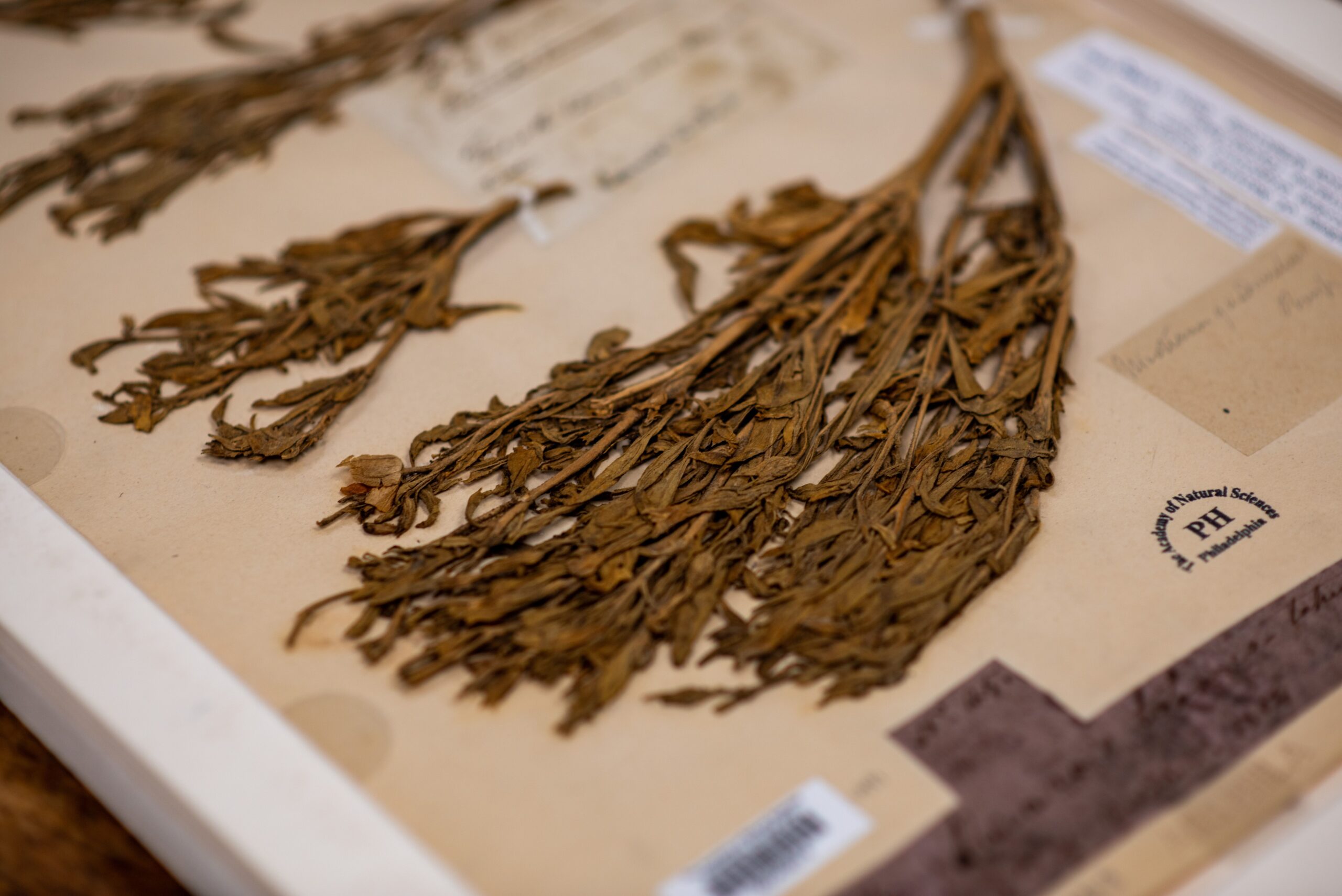
In collaboration with California State University ethnobotanist Enrique Salmón, the Academy of Natural Sciences at Drexel University will debut “Botany of Nations: Indigenous Ecological Knowledge and the Lewis & Clark Corps of Discovery.” These centuries-old plants, collected by explorers Meriwether Lewis and William Clark, were a gift to Philadelphia’s American Philosophical Society from Thomas Jefferson. Organizers hope the selection of now-pressed plants — prairie turnip, camas root, and Western red cedar — will be a vegetative portal to the Indigenous perspective in American frontier life. From March 28, 2026, through Feb. 14, 2027.
Samples from Botany of Nations. Academy of Natural Sciences of Drexel University, March 28, 2026 – February 14, 2027
The Clay Studio: Center for Innovation in Ceramic Art.
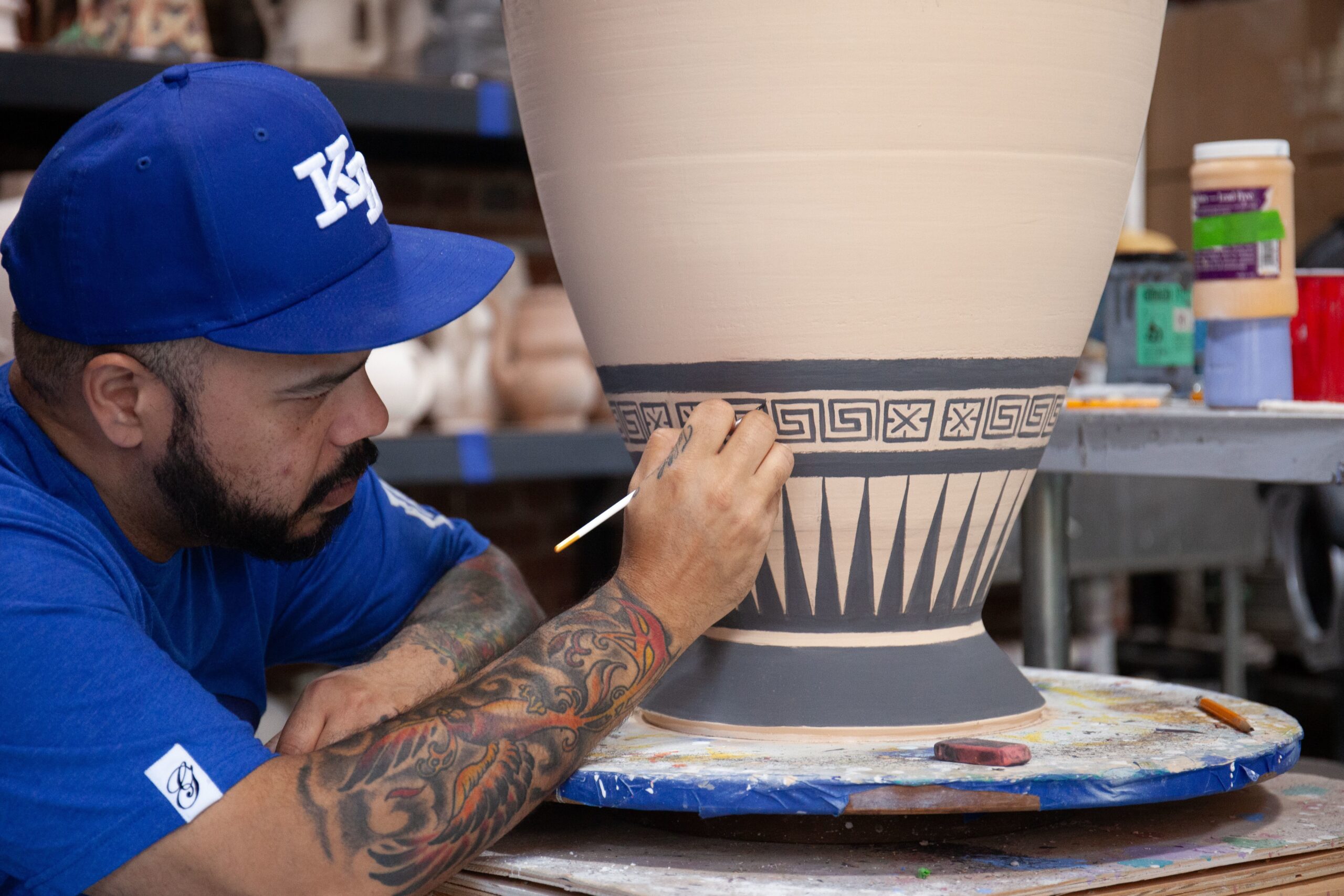
Twenty-five artists from 20 Philadelphia cultural institutions will present projects that show how the definition of independence evolved from 1776 through 1876, 1926, 1976, and 2026 under the umbrella of the Clay Studio. The exhibit, “Radical Americana,” will start with a compelling show by Kensington potter Roberto Lugo on April 9. Artists will mount additional shows at participating institutions throughout the year, including at the Museum for Art in Wood and Cliveden Historic House. A full list is available at theclaystudio.org. Opens April 9.
Roberto Lugo is shown working on one of his Greek vases that is now part of a new exhibition, “Roberto Lugo / Orange and Black” at Art@Bainbridge, a gallery project of the Princeton University Art Museum
Mural Arts Philadelphia
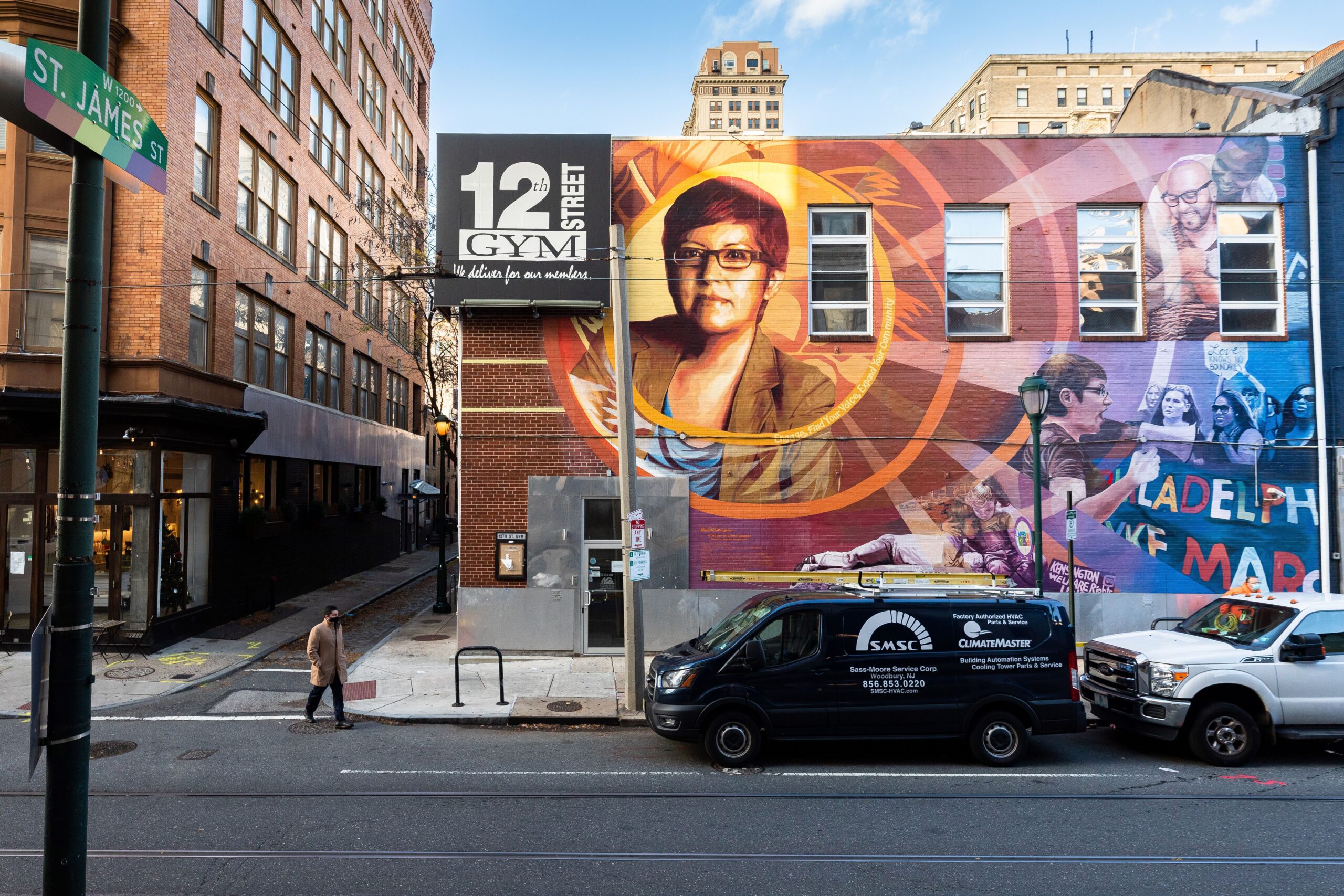
Mural Arts is working on several projects that will spruce up the city in 2026. That includes a new focus on the city’s entryways, the restoration of several murals, and a collaboration between Free Library of Philadelphia in a community printmaking project. At least three new murals will debut and include a tribute to artists Questlove (of the legendary Roots crew) and Boyz II Men. A refurbished mural in honor of Philadelphia’s first director of LBGTQ affairs, the late Gloria Casarez, will be unveiled. Mural Arts also is partnering with the Philadelphia Historic District on sculptures for next year’s 52 Weeks of Firsts programming and with the Bells Across PA program to create Liberty Bell replicas in neighborhoods throughout the city.
A rendering of a tribute to Gloria Casarez City of Philadelphia Mural Arts Program, Michelle Angela Ortiz, 12th Street Gym, 204 South 12th Street.
Three local bookstores are among eight in Pennsylvania to win a $500 grant from award-winning author James Patterson’s annual Holiday Bookstore Bonus Program.
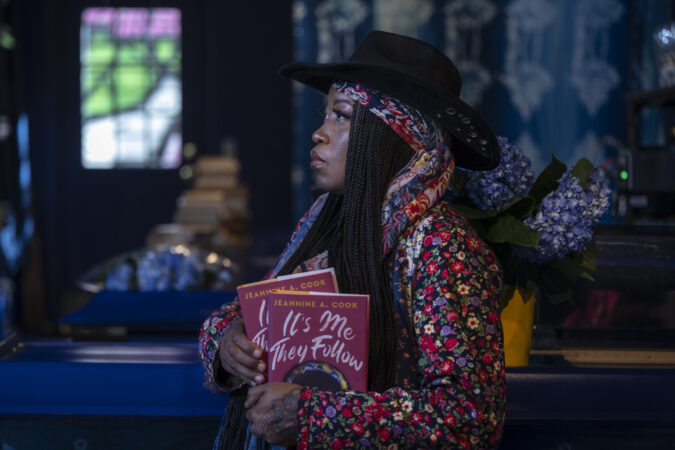
Harriett’s owner Jeannine A. Cook thanked Patterson on her Instagram.
“Thank you [James Patterson] for supporting Harriett’s in this way and spreading love to our bookshop cousins all across the country when many of us need it most,” Cook wrote, adding that she will use the money to support her Bookshop Without Borders project that brings books and companionship to people who are lonely.
This year’s winners were announced Wednesday. This is Main Point Books second consecutive bonus and it was Harriett’s first. In New Jersey, Inkwood Books in Haddonfield and Words Matter Bookstore in Pitman also received grants.
Patterson has been doling out cash to bookstores in this holiday bonus program since 2015. The gifts, he said to the New York Times in 2014, are to financially support and recognize the vital work of independent bookstore employees and librarians.
Patterson alludes to the need to fund independent bookstores in his 2024 book The Secret Lives of Booksellers and Librarians, True Stories of the Magic of Reading.
“Our bookstores in America are at risk,” he said in 2014 at the advent of the program. “Publishing and publishers as we’ve known them are at stake. To some extent the future of American literature is at stake.”
Taylor Swift is someone who can chill but will never be a chill person. Also, “All to Well,” the 10-minute version, tops the list of her favorite songs from her catalog.
These were among the many other revelations that Swift dropped during her first interview on Stephen Colbert’s The Late Show, Wednesday night.
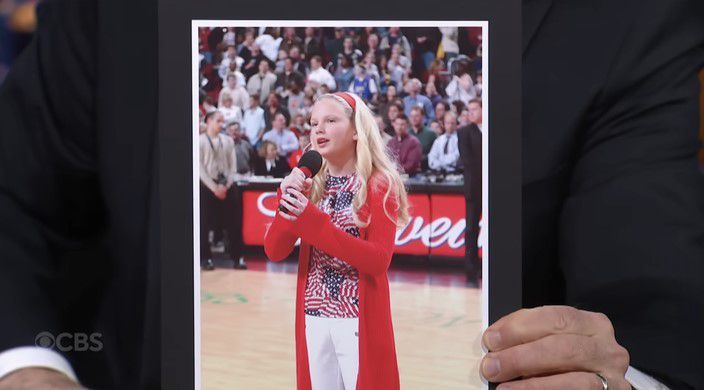
Philadelphia fans will most appreciate the 2001 flashback photograph of a tween Taylor singing the national anthem at a Sixers game in her very patriotic outfit: a red duster, an American flag top, and white pants.
On “The Late Show with Stephen Colbert,” Taylor Swift talks about her national anthem outfit: a red duster, white pants, and sparkly shirt for a performance of the national anthem at a Sixers game in 2001.
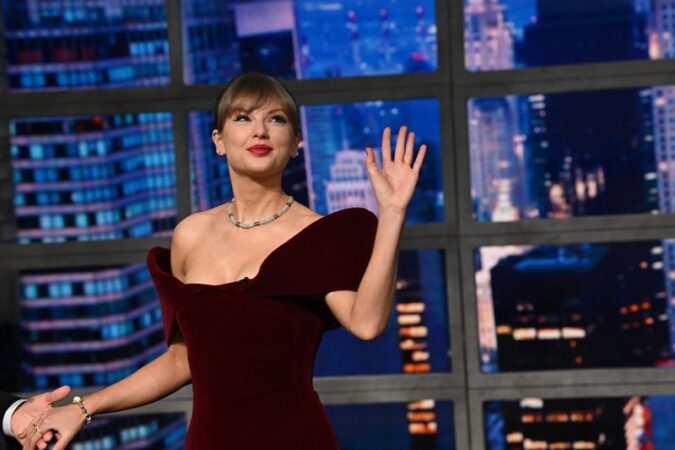
“You know when you are like 11 and you have that one outfit that you just know … goes so hard … when you just put this on and it’s like I’m sorry. I’m unstoppable today,” the Berks County native said on the talk show. She was dressed in a precariously fitting burgundy velvet mini with an off-the-shoulder Bardot neckline with winged sleeves giving early-Christmas-present energy to her fans.
Today, that unstoppable outfit for her is a sparkling Versace bodysuit, one of her many outfit changes on “The Eras Tour.”
“Anytime I put it on … I could be like coughing from a horrible virus. I could be aching,” Swift said. “When I put that on, I’m like, ‘This is popping.’ I’m doing it.”
The interview was light-hearted, fun, and thorough. Swift talked about her friendship with Stevie Nicks — we are jealous! — the excitement of her engagement to Kansas City Chiefs’ Travis Kelce, and the thrill of getting the master recordings of her first six albums back in May.
She had no idea of the impact of her tour on her fans until she learned they were passing out from joy.
Literally, passing out from joy.
“When I read articles that medical professionals are diagnosing fans who came to the Eras tour with post concert amnesia and joy blackouts, I was like, ‘Oh man, this is different,’” Swift said “The fans … People connecting to what we created made the Eras Tour what it was.”
The original Fresh Prince, Will Smith, makes a cameo in the final scene ofBel-Air, Peacock’s reimagining of the 1990s hit The Fresh Prince of Bel-Air.
The older, fictional Will has a heartfelt talk with his younger, fictional self (West Philly-born Jabari Banks) on a mountaintop overlooking Los Angeles.
After a tumultuous four seasons in Bel-Air, Will is returning to Philadelphia to attend the University of Pennsylvania. He’s worried he will forget the life lessons he learned with the Banks family.
Peacock dropped the season finale on Monday.
“You know I used to worry this city would make me forget who I was and where I came from,” the younger Will tells OG Will. “Now that I’m going back home I’m afraid I’ll forget who I became.”
“That’s good,” OG Will replies. “That means you’ve become something worth holding on to.”
OG Will goes on to tell young boul Will not to worry, that no one has all the answers, especially the people who pretend they do. He tells him that he will make mistakes. Then, he conspiratorially leans in as if he’s dropping knowledge forbidden by the Universe that the younger Smith will be OK.
In that moment, you wonder if Smith, the Academy Award-winning actor, is speaking to the 1990s version of the Fresh Prince of Bel-Air star.
“You are going to mess things up,” the older Smith continues. “You will learn, you will grow. Live. Laugh and cry.”
Then he adds a little levity.
“Eat a cheesesteak,” the older Smith says laughing. “Not every day, because cholesterol is real.”
Show us the lie.
Peacock debuted Bel-Air in 2022, after Kansas City writer Morgan Cooper posted a trailer titled, “What would happen if Will Smith was in ‘The Fresh Prince of Bel-Air’ today?” positioning the classic sitcom as a serious drama with 2020 technology and a modern soundtrack.
The viral video caught Will Smith’s attention, and after swearing he’d never return to the fictional world of Bel-Air, he signed on as one of the show’s executive producers. Shortly after it debuted, Bel-Air became Peacock’s most streamed original series ever, reaching 8 million subscribers.
“I almost played the father,” Smith said, of the role of Lou played by Marlon Wayans. “It just felt like it might be a little too meta, a little too weird.”
Smith’s cameo was a perfect ending to a series that was as emotional as it was nostalgic.
“Life goes by fast, man,” says the older Smith as he closes the series. “Try to enjoy the ride. I’ll let you in on a little secret. We’re going to be all right.”
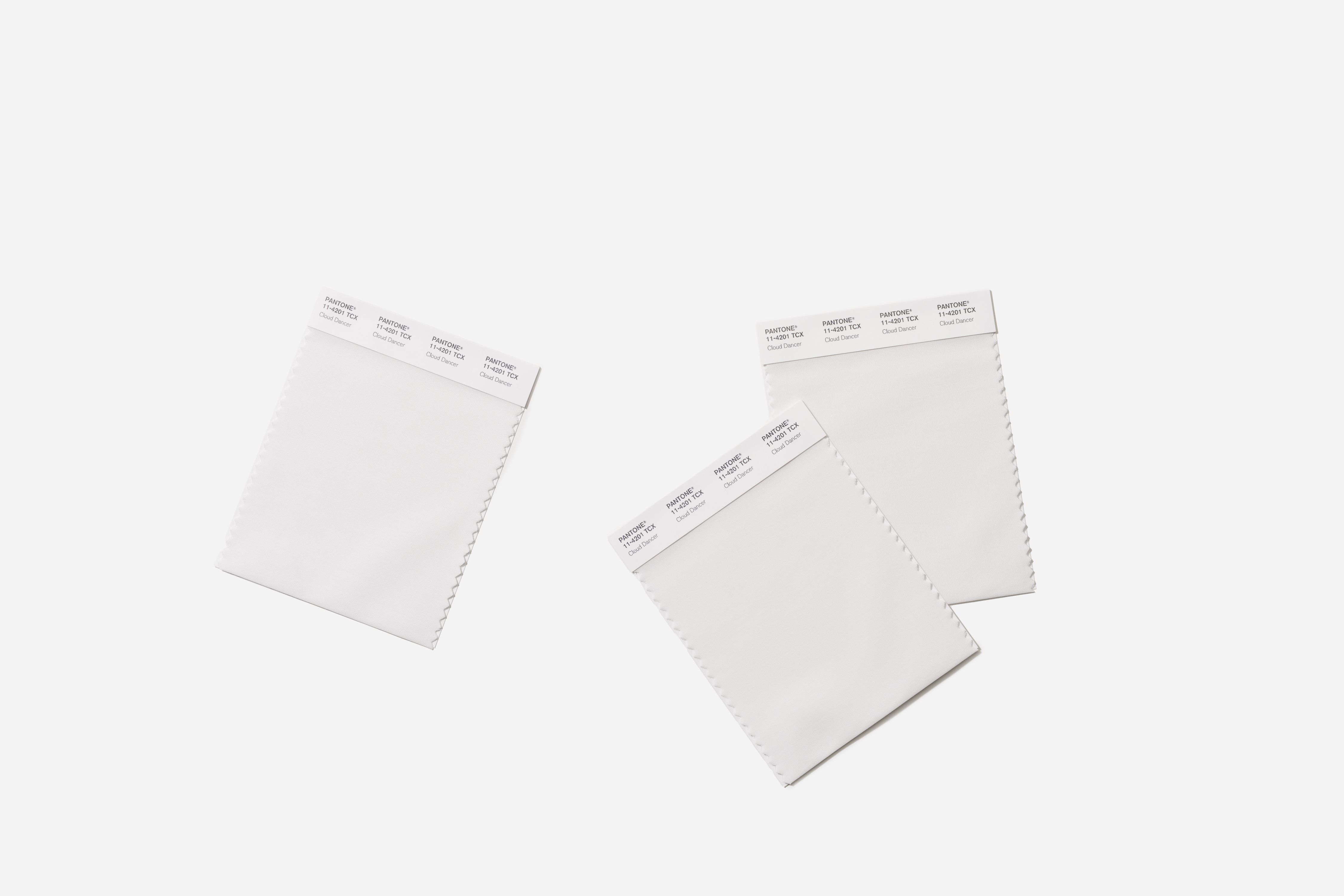
In a colorless move that, Pantone says, speaks to our collective longing for calmness, a clean slate, serenity, and focus, the New Jersey-based global color authority named Cloud Dancer — a billowy, balanced white — as its 2026 color of the year.
The blank hue’s uncluttered vibe, Pantone says, plucks us out of the day-to-day crazy of our newsfeeds, AI-generated madness, and hustle culture.
White, says Pantone Color Institute’s vice president Laurie Pressman, offers relief and respite. White noise silences the cacophony of worry rattling around in our overstimulated brains. The color gives us permission to think, refocus, and chart a new future.
The pause between the doing, white is the be-ing.
“White speaks to the value of measured consideration and quiet reflection,” Pressman said. “It represents a future free of toxicity and excess … contentment and peace, unity, and cohesiveness. It’s ethereal. White embraces the clouds.”
Sweet dollops of whipped cream are white, meringue is white. Fluffy mashed potatoes are white, too.
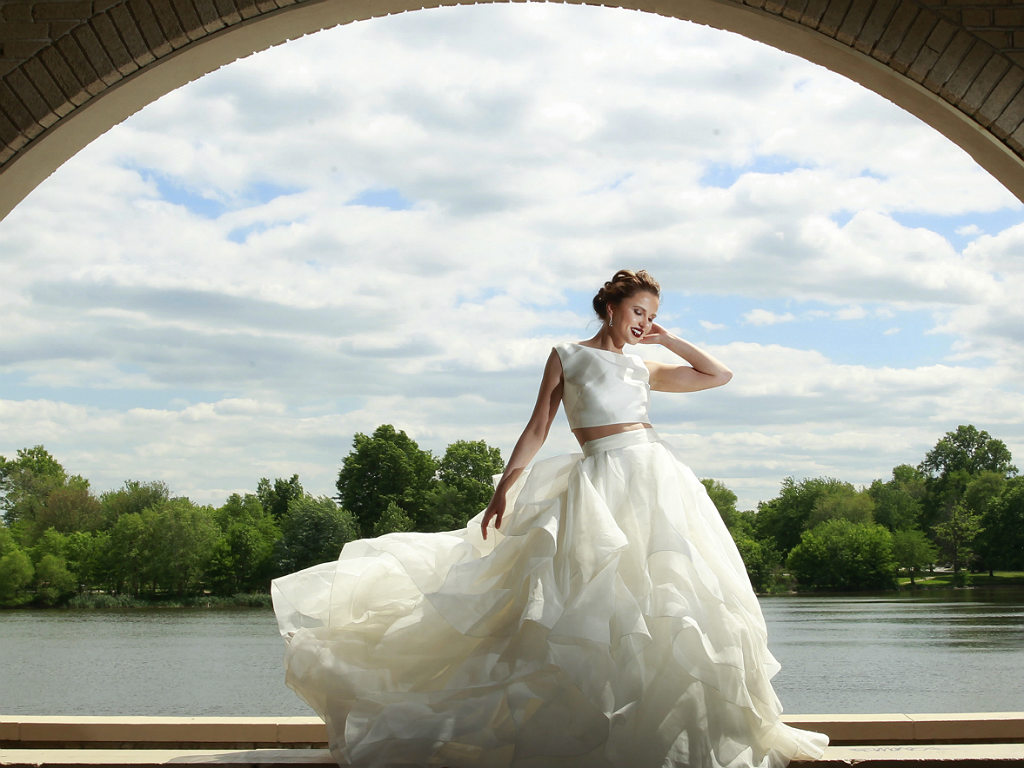
A fresh pair of Air Force 1s, patent leather go-go boots, a clean tee, a crisp button-up. A voluminous bridal gown. We ski in winter white.
Mikado crop top with organza ball-gown skirt, limited edition ($1,150) at David’s Bridal, with pearl-drop earrings ($1,300) at Rosnov Jewelers. (Michael Bryant/Staff Photographer)
White is fly.
“In fashion and interior design, white is in our comfort zone,” said Leatrice Eiseman, executive director of the Pantone Color Institute. “It’s natural and organic. It’s about sustainability.”
White is ethereal. She’s dreamy. She represents new beginnings. I’m overwhelmed, too. I would love to drop my precepts and jump into a world of my own making. Architectural white shirts and black pants are my grown woman fashion go-to.
I get it.
But y’all, white is the color of the year in 2026.
As a Black woman living in Trump’s America, I can’t help but wonder if Pantone’s choice of Cloud Dancer was much more of a nefarious harbinger than they perhaps realized.
No, I don’t think Pantone is low key promoting whiteness or advocating for a white savior.
Cloud Dancer, the 2026 Color of the Year, is billowy like this curtain blowing in the wind.
Fashion and style always gives us clues to the future. So, I asked Pantone if they were tapping into something that perhaps they weren’t even aware of?
“Absolutely not,” Pressman said, her tone pleading with me to stop with the correlation. “Pantone is not political.”
Pantone is not political, true. But its trend forecasters keep their manicured fingers on the pulse. And in this moment I’m unable to ignore Ku Klux Klan robes are white, too.
COY is always right
Pantone’s Color of the Year is rooted in fashion. Its early picks – oceanic Cerulean in 2000; orange Tiger Lilly in 2004; and golden Mimosa in 2009 – influenced clothing, accessories, and makeup. As we moved deeper into the millennium, COY was the trendy choice for Kitchen Aids, accent walls, and Post-it notes.
In the last decade, however, color of the year has come to define our collective moods more than just our fashion aspirations.
It’s the aura hovering over the world, indicative not just of the life we have, but the one we want. The colors have become a peek into the energy of the feelings driving tomorrow’s zeitgeist.
That became crystal clear in 2016, the first year Pantone chose two colors — a pink Rose Quartz and a baby blue Serenity. The dual hues were a nod to the emerging blurring of gender lines.
In 2021, Pantone chose two colors again: Ultimate Gray and Illuminating Yellow.
A key reason why Pantone chose white is because, Pressman said, people are craving blank slates.
“People have gotten to a point where they see what’s happening isn’t working for them anymore,” Pressman said. “They want something different, new, authentic.”
Debris is seen at a largely demolished part of the East Wing of the White House, Thursday, Oct. 23, 2025, in Washington, before construction of a new ballroom. (AP Photo/Jacquelyn Martin)
Cloud Dancer, Eiseman said, is a throwback to classic fashion, citing Coco Chanel and Audrey Hepburn. Sure, fashion of the “Golden Era” was glamorous. These women were undeniably well-dressed, but it was also a time when white gloves and girdles were the norm, and equally glamorous Black women like 1940 Academy Award winner Hattie McDanielwas forced to sit in a segregated section during the Oscar ceremony because her white colleagues didn’t want to sit next to her.
When the conversation turned to the yin (black) and yang (white) of fashion, I wondered aloud if, maybe this could have been a year when Pantone chose two colors: black and white. Perhaps this could signify harmony.
Crickets.
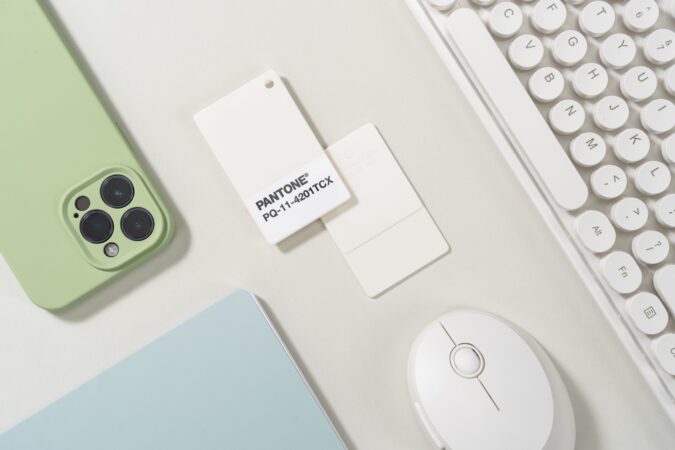
Pantone’s Color of the Year image of the Cloud Dancer.
Later, I realized Pantone didn’t pick the cooperative vibe up, because it just wasn’t there.
I’m not ready to wave the white flag yet. In the midst of all this, white remains a shade of hope, purity, and freedom. It’s the color of the Suffragist movement. Pantone’s is simply yet another canary in the coal mine which means I have a lot of work to do.
Talk about a great kick off to the holiday shopping season.
“I’m honored, proud, and excited,” Ellen Shepp said Monday morning. “I mean … I’m really over the moon.”z
Walking into a great clothing store, New York Times cultural trend reporter Steven Kurutz said, is like being “transported to a different world.” It “will make you think about who you are — and may change that perspective in real time.”
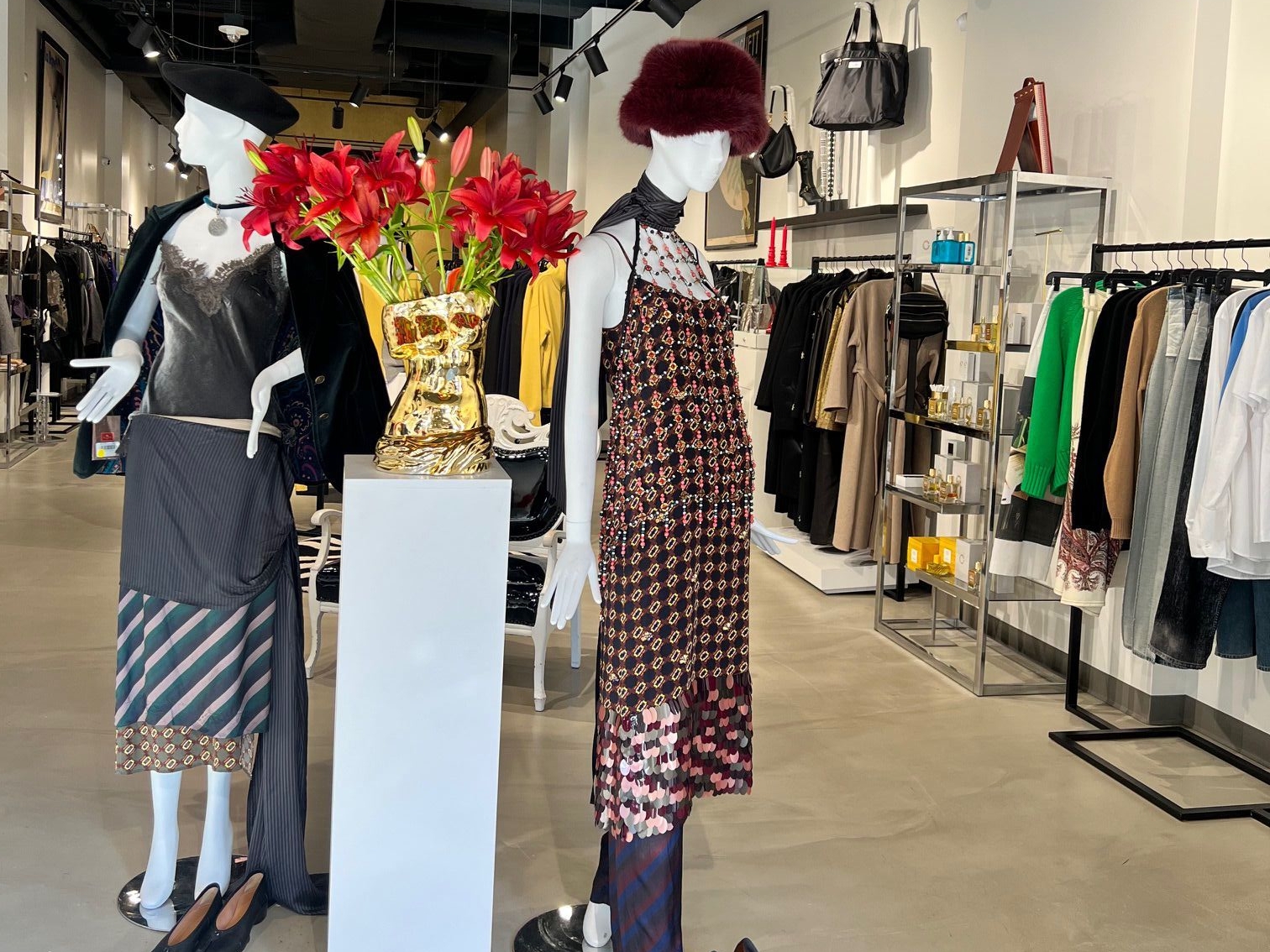
The interior of Joan Shepp at 1905 Walnut St. The 53-year-old store made the New York Times’ list of “50 Best Clothing Stores in America.”
And yes, walking into Rittenhouse Square’s Joan Shepp does feel like stepping into a sartorial fairytale, which you can leave holding a Yohji Yamamoto hoodie that doubles as a dress, or a perfectly tailored asymmetrical shirt dress from Sacai New York.
Everything is dreamy, but nothing comes cheap.
Back in the 1970s, Shepp opened her store to challenge the way the suburban career woman dressed in Philly and introduced her to designer wear, from Yohji Yamamoto to Maison Margiela. One of the earliest entrepreneurs to embrace the store-within-a-store approach to retail, Shepp made space for collections like Yamamoto’s Y-3 and Donna Karan’s Urban Zen.
The clothing sold alongside furniture, bedding, and candles, making Joan Shepp one of the region’s earliest concept boutiques.
Joan Shepp founded the store in 1971. She was a 30-year-old single mother of two young children in need of a flexible work schedule that allowed her time for school pickup and drops, to help her daughters with homework, and make them dinner.
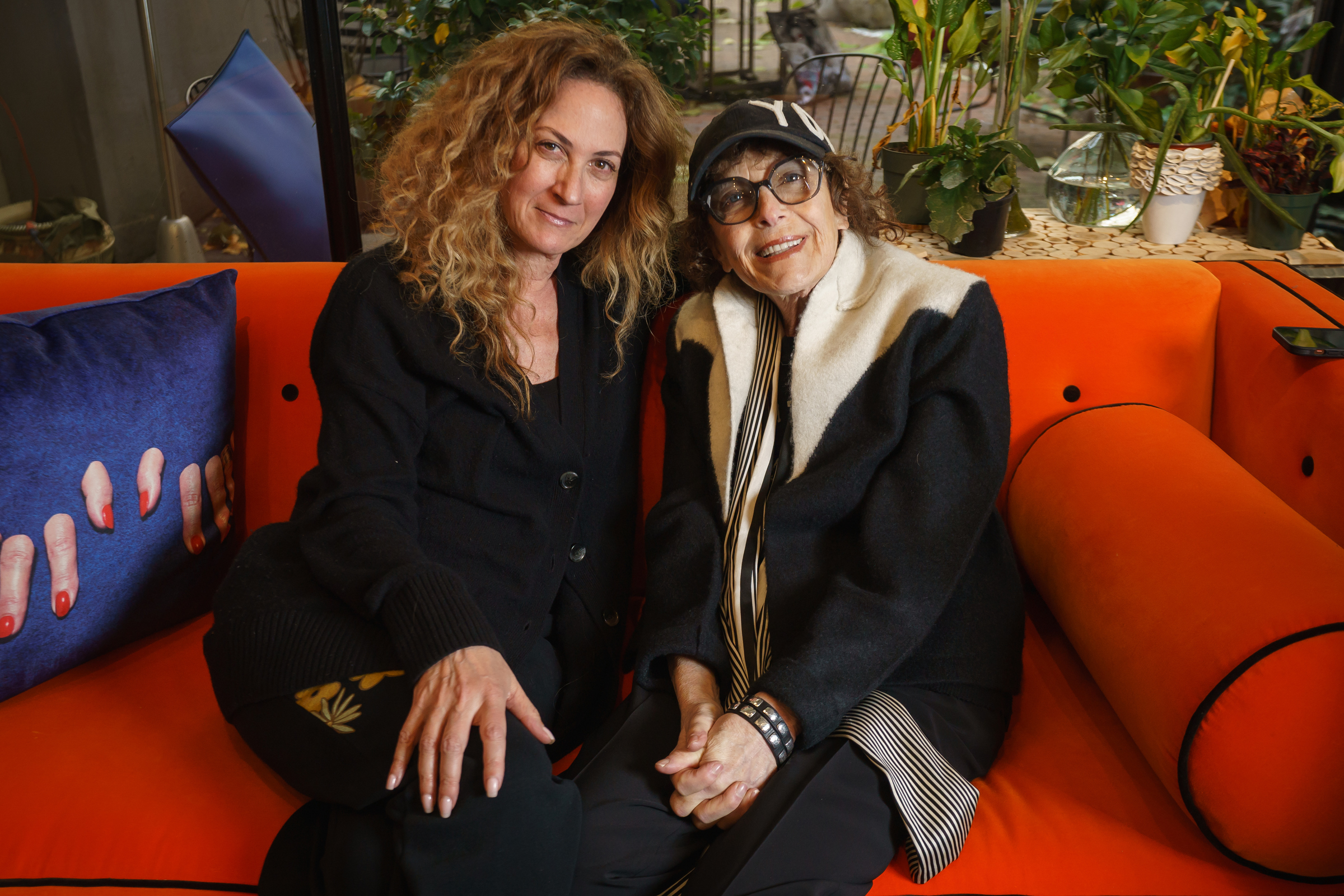
Joan Shepp and her daughter Ellen Shepp, shown here in their Center City store.
“I have so much fun finding things that are new,” she said to The Inquirer in 2022. “I listen to everyone who comes into my store. I watch them go through the racks. And whether/if they are a customer or a person who wants to open a store down the street, I can pick up on it.”
Hers is the only store on the Times list from the Philly region.
The closest is 7017 Reign in Fort Lee, N.J., described by the Times as an “under the radar, street and high fashion” specialty store. There are a handful of stores from downtown New York, but most are in the Midwest and California.
To produce the list, the Times team selected 120 stores, and then sent reporters, editors, and contributors to visit each of them, sometimes more than once.
A videographer visited Joan Shepp in early fall, shortly after the store moved to its new home at 1905 Walnut St.
Noting that Joan Shepp has been in business for more than 50 years — the specialty boutique is in the midst of celebrating its 53rd year — Kurutz wrote “Shepp has flavors of Barneys New York in its heyday.”
The Barney comparison wowed Ellen Shepp. Christmas had no doubt arrived early for the boutique owner and her team.
“The whole time they were like, ‘Listen we don’t know whether/if you made this list,’” she said. “They kept it a mystery until right this second.”
But what will the celebrity couple wear? Will Swift choose a strapless sheath or a princess gown with a halter bodice? Will she opt for a simple sheath? Perhaps a sparkling fishtail.
Do we see Kelce in a classic tux or an easy linen suit sans tie?
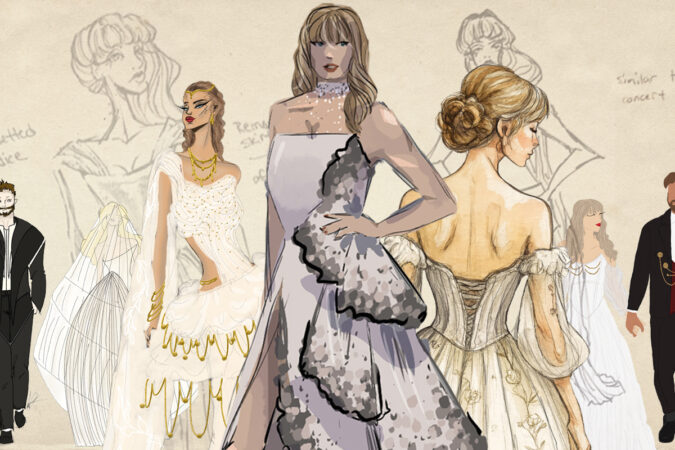
We asked fashion students — and Tayvis fans — at Drexel University, Moore College of Art and Design, and Thomas Jefferson University to sketch America’s favorite couple’s wedding day looks and share their inspirations.
Swifties picture their girl in gowns ranging from fanciful to architectural. And they envision Kelce donning classic or casual suiting with funky NFL detailing.
We combed through the selection and picked our favorites. Swifties, it’s time to vote for yours.
Taylor Swift’s wedding dress
Abigayle Brubaker, 21, Senior, Jefferson University
Abigayle Brubaker’s asymmetrical gown design features three tiers of ruffles along the right side complemented with a deep slit. It’s to be fashioned from silk satin and illusion mesh with hand-beaded crystals along its petal-shaped tiers. “It is slightly understated, to reflect how Swift often separates her personal life from her stardom,” Brubaker said in her design notes. “But it does have a few elements inspired by her career.”
For instance, she says, the strapless silhouette is areference to the custom Schiaparelli Swift wore to the 2024 Grammys and the floral print on the trio of tiers is reminiscent of the floral appliqued Oscar de la Renta mini Swift rocked at the 2021 Grammys. “Overall the dress exudes luxury and encompasses Swift’s style,” Brubaker explained, “while remaining traditional and elegant.”
Courtesy
Caroline Wickramaratna, 20, Junior, Jefferson University
Inspired by a vintage wedding cake, junior Caroline Wickramaratna, said the layered designs in this super-constructed frock “represent the tiers” of the classic dessert. The asymmetrical one-shouldered neckline speaks to the Kansas City Chiefs red Vivienne Westwood number Swift wore to the 2025 Grammys. Structured and fluid, the gown, Wickramaratna said, is a “testament to Swift’s layered personality.”
Courtesy
Ensaam Farraj, 22, Senior, Moore College of Art and Design
An off-the-shoulder, corseted bodice over a full princess skirt gives Ensaam Farraj’s design a hefty dose of delicate whimsy, while the floral designs etched in layers of ivory tulle give it its sweetness.
“Taylor is known for weaving romance, nostalgia, and fairy-tale imagery into both her music and personal style,” Farraj wrote. “The soft, off-the-shoulder sleeves, delicate corset bodice, and flowing embroidered skirt capture the same ethereal poetic energy, like a gown straight from her love songs.”
Courtesy
Gabbi Feaster, 21, Senior, Drexel University
Swift’s dramatic capes, structured bodices, and removable skirts were among the most memorable parts of Swift’s wildly successful “Eras Tour.”
Feaster incorporates the quick change feature — and boy shorts — into her wedding gown. After all, a girl might want a new look when she transitions from the ceremony to the reception. The gauzy silks in the flowing cape and train hearken back to Swift’s softer early pop style, Feaster said.
Courtesy
Who designed your favorite Swift dress?
Thanks for voting
Travis Kelce’s wedding outfit
Isabella Borst, 20, Junior, Jefferson University
The sporty tuxedo — fashioned from dark linen — features a wide lapel jacket and roomy trousers. The look, inspired by the football field, Borst said, would feature aggressive seams running along the arms and the legs, mimicking field lines on NFL turf.
Courtesy
Carly Marquess, 21, Junior, Jefferson University
Gold chains would be a great touch to Kelce’s look, said Carly Marquess. Kelce’s classic black tuxedo’s golden chains were inspired by the lyrics in Swift’s 2020 hit “Invisible String”: “One silver thread of gold tied me to you.”
Courtesy
Kyle Bakonyi, 25, Class of 2025, Drexel University
Kyle Bakonyi’s broad-shouldered silhouette reimagines the classic tuxedo. “The wrapped lapel and draped silk cravat instead of a tie gives the look a bold modern twist,” he said. The piece, Bakonyi said, would be crafted from a silk and wool blend. Straight-legged trousers give the full-shouldered look balance.
Courtesy
Ensaam Farraj, 22, Senior, Moore College of Art and Design
Ensaam Farraj imagines Kelce in a slim cut midnight blue tux with white rose or gardenia boutonniere, plucked from Swift’s bridal bouquet. The suit’s silk lining, Farraj said, would include lyrics from Swift’s love songs and a map of the world featuring the couple’s favorite vacation spots. “His look would be luxe, but refined,” she added.
Courtesy
Who designed your favorite Kelce outfit?
Thanks for voting
Subscribe to The Philadelphia Inquirer
Our reporting is directly supported by reader subscriptions. If you want more journalism like this story, please subscribe today
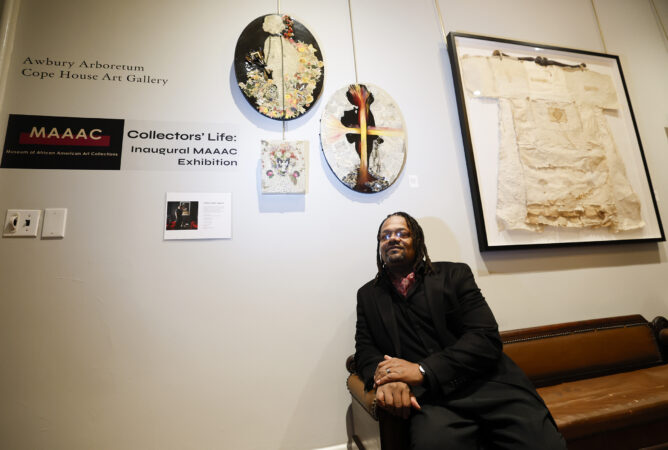
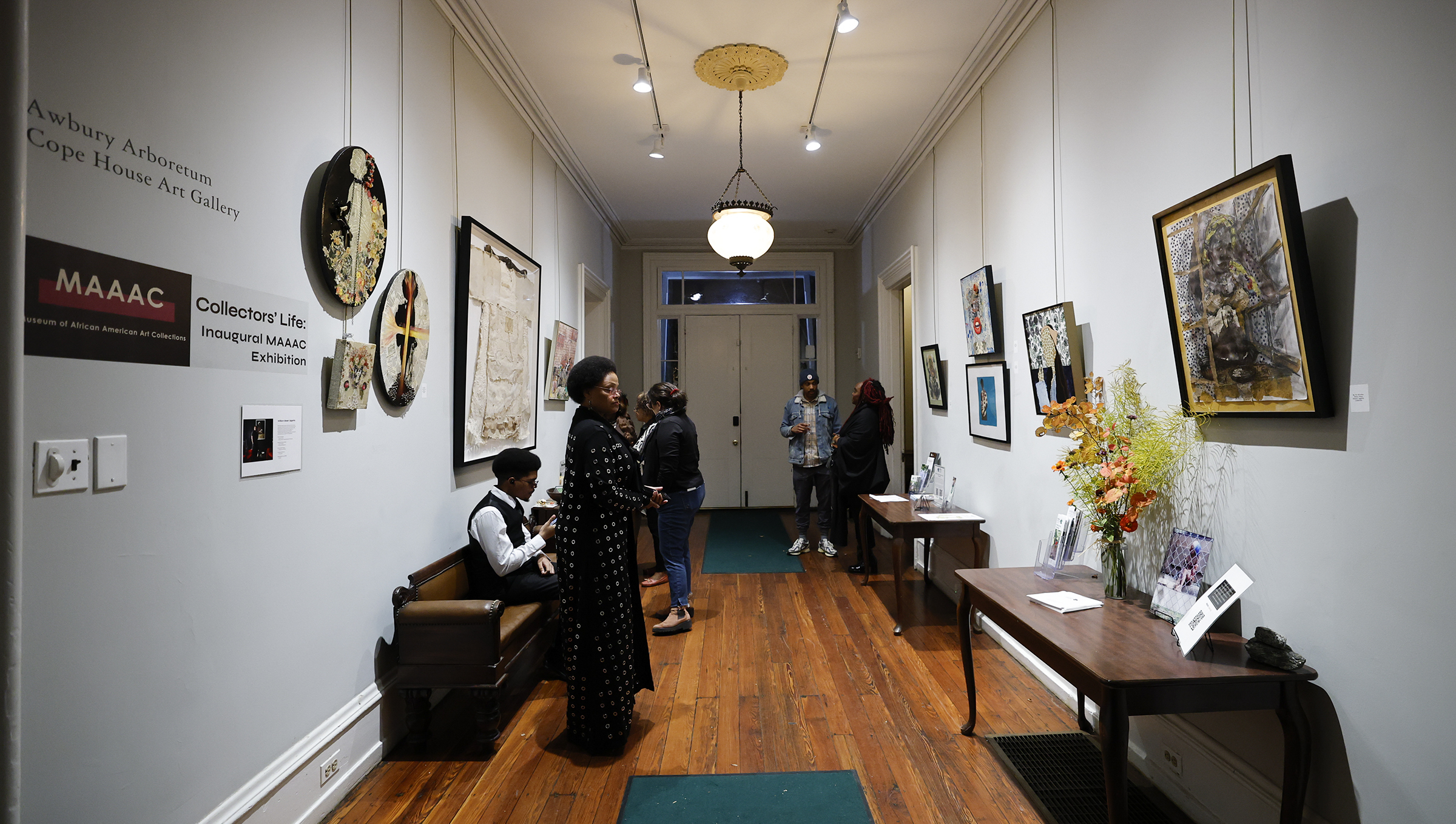
On a recent Thursday evening, Philadelphia art collector William Skeet Jiggetts sat in the foyer of Awbury Arboretum’s Francis Cope House surrounded by grand collages taken from the walls ofhisEast Falls home.
The art — all made by living artists and friends of Jiggetts — is striking. A framed paper and antique lace dress by textile artist Rosalind “Nzinga” Vaughn-Nicole sits next to portrait-size cameos that mixed media artist Danielle Scott fashioned from newspapers and other found objects.
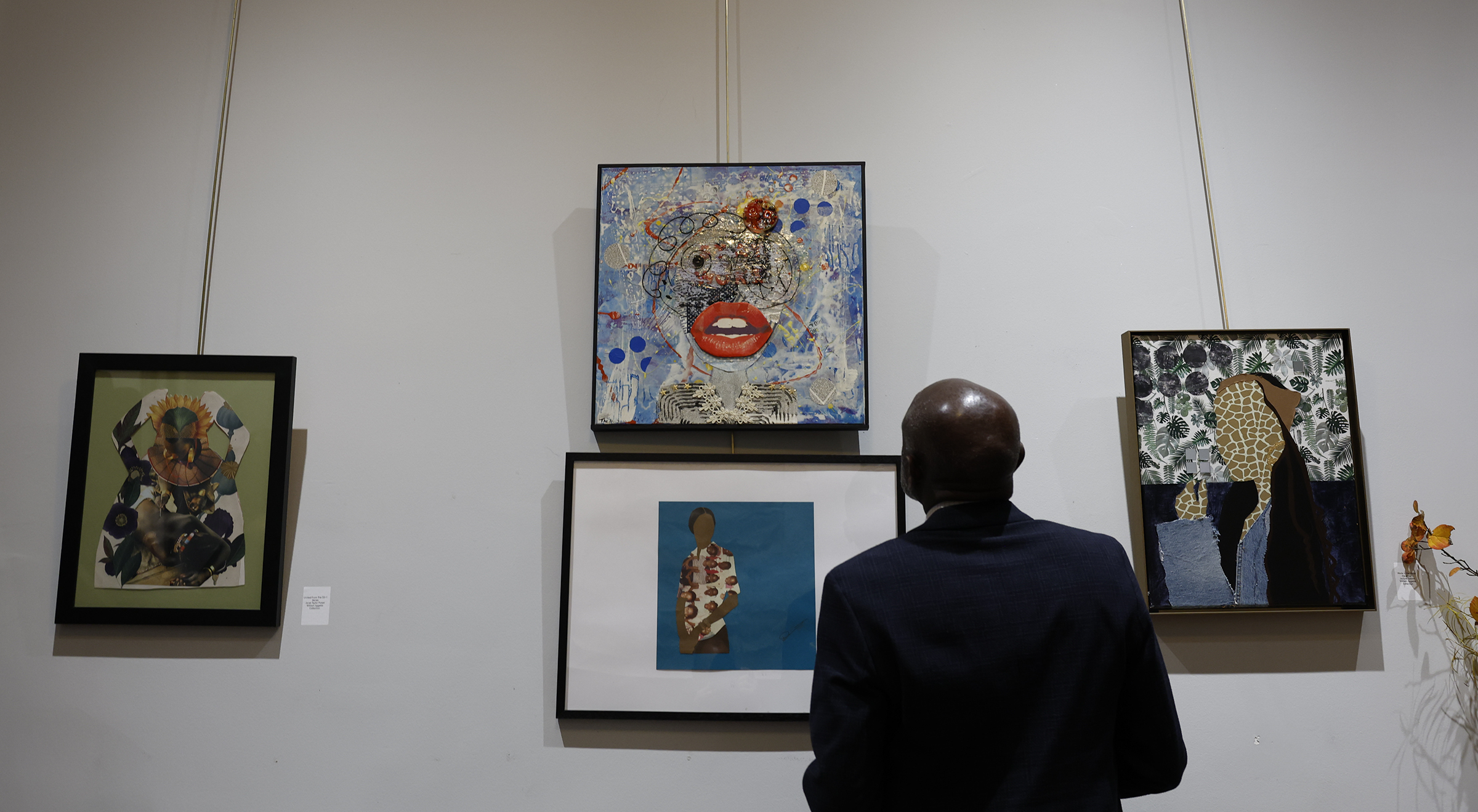
A guest looks at artwork collected by William Skeet Jiggetts during the Museum of African American Art Collections’ inaugural exhibit at the Awbury Arboretum in East Germantown.
Jiggetts, 57, an art collector for more than 30 years, has had pieces from his collection on display in small shows, but never in his wildest dreams did he think that they would anchor an exhibition — in a traveling museum that he founded.
While the Barnes Foundation houses the late chemist and art collector Albert C. Barnes’ collection, there are very few other — if any — museums whose walls are solely dedicated to the collections of collectors. Nomadic, traveling museums, at that.
“It got to the point where I had more art than walls,” Jiggetts said looking over his black-framed glasses. “Nobody saw it … I didn’t even see it. I thought, ‘Wouldn’t it be cool for a bunch of collectors to get together and create a space to show our work. Tell our story?’”
Guest look at art work during the Museum of African American Art Collections inaugural exhibit at the Awbry Arboretum in East Germantown on Thursday, Nov. 6, 2025.
Jiggetts got the itch to show his collection in the early 2020s after talking with colleagues who wanted to show theirs, too. In 2023 he set up a foundation, started approaching collectors, and began nailing down locations.
“There is a treasure trove of African American art in our living rooms, in our reading rooms, and in our dens that need to be shared,” Jiggetts said. “The Museum of African American Art Collections is a forum to host these collections and tell the stories that come with them.”
That’s how the Museum of African American Art Collections began.
A $200 frame and an obsession
Jiggetts, who works as a tax accountant, grew up in Germantown and spent Sunday afternoons at the Philadelphia Art Museum gazing at the impressionist works of Manet and Monet.
When he was in his 20s, he bought a poster of Vincent van Gogh’s Sunflowers. “I spent $200 of 1989 money on that frame,” he said with a laugh. That purchase marked the beginning of an obsession. He bought his first piece of original art from Germantown painter Lucien Crump Jr., who, according to a 2006 Inquirer obituary, owned the first gallery in the city dedicated to Black art.
Jiggetts scoured galleries and festivals for original art, buying any piece that tickled his fancy for under $500. In the early 2000s, his mentors — well known Philadelphia appraiser Barbara Wallace and the late African American collector Ronald Ollie — urged him to start evaluating his choices and he became a serious art collector.
“I figured out what it was I really liked,” Jiggetts said, describing his favorite pieces as ones that marry impressionist and abstract art, like the ones on display at Awbury Arboretum. “I realized I enjoyed the experience of buying art as much as the art. I like the company of artists.”
His collection is comprised of mostly living artists like the mixed media artist Danielle Scott; abstract painter Ben F. Jones; and Paul Goodnight, who is known for his colossal oil paintings featured in the backdrops of TV shows like Seinfeld and The Fresh Prince of Bel-Air. (Although Jiggetts does have a pencil sketch by the late Bahamian artist Purvis Young.)
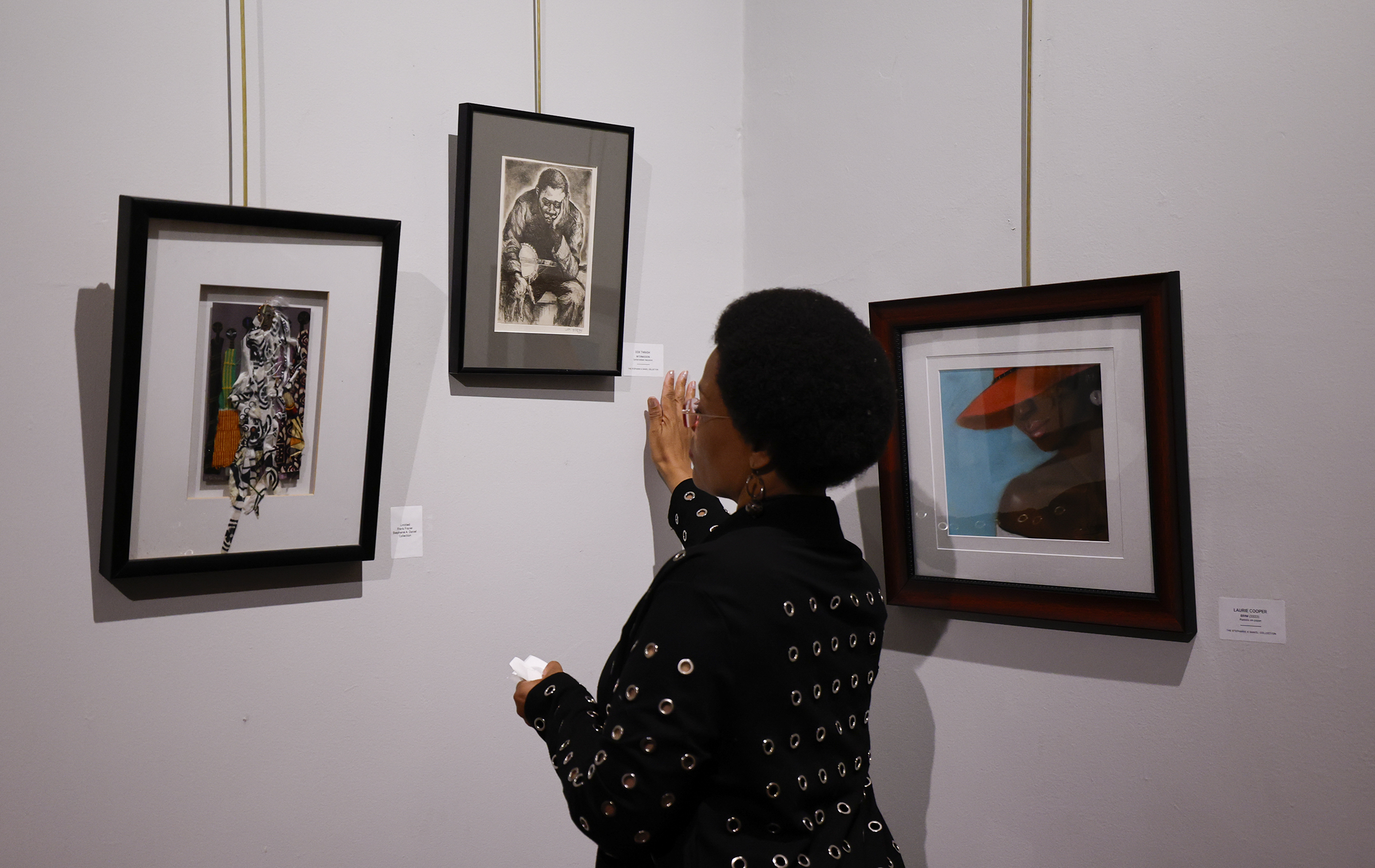
Graphic designer for the Museum of African American Art Collections, Staci Cherry, places labels for the art collection from Stephanie Daniel during the Museum of African American Art Collections inaugural exhibit at the Awbry Arboretum in East Germantown on Thursday, Nov. 6, 2025. The piece in the center is the Dox Thrash mezzotint.
Keepers of history
Collectors are the glue that keep the fine arts ecosystem — artists, patrons, buyers, gallerists, and museum creators — connected and running.
They are often patrons of the arts like James J. Maguire and his late wife, Frances, investing in artists and art institutions, building impressive art collections in their homes. Collectors Adrian Moody and Robyn Jones connect artists to buyers at Jenkintown’s Moody Jones Gallery, but their personal collection has more than 400 pieces.
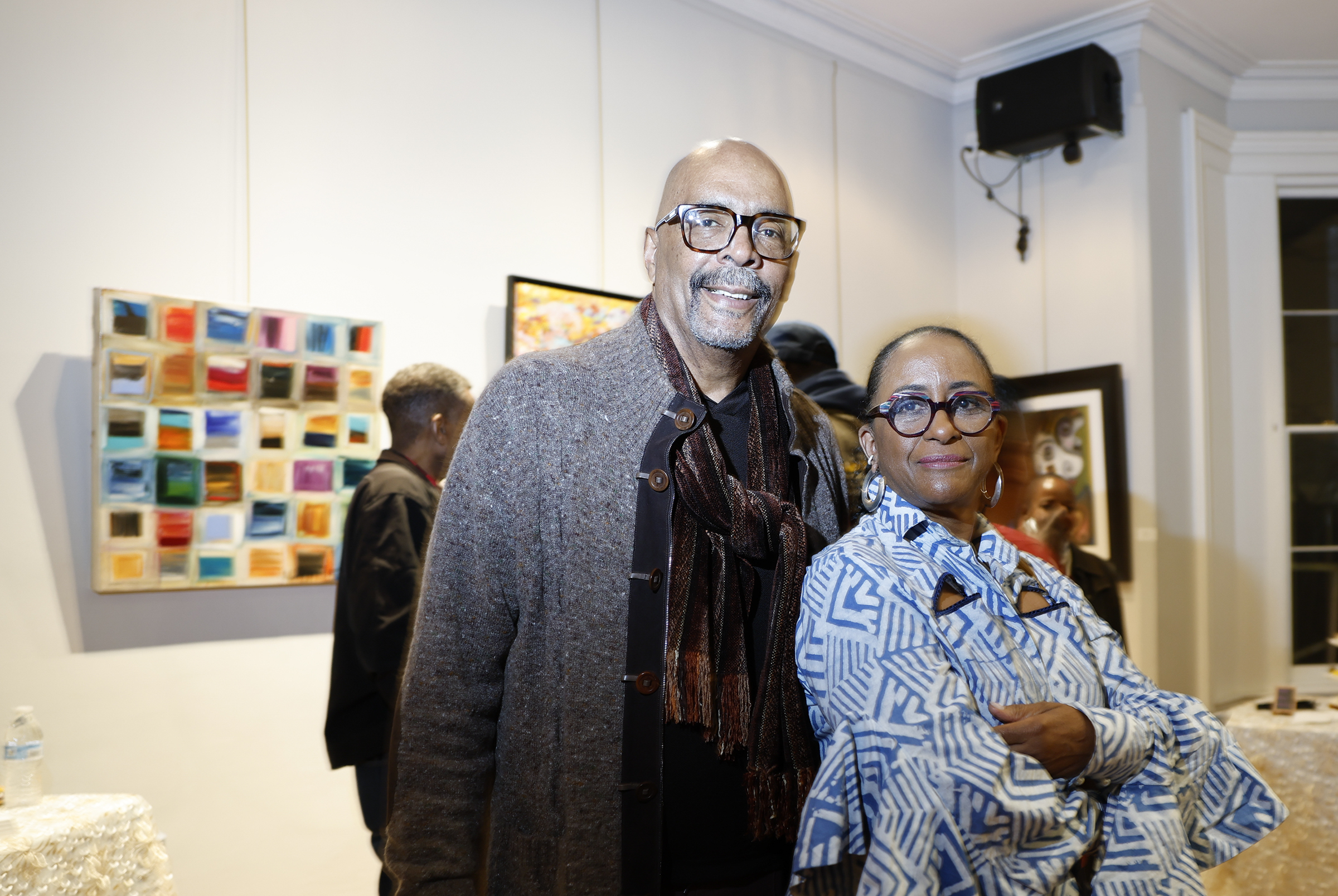
Art collectors Adrian Moody and Robyn Jones during the Museum of African American Art Collections’ inaugural exhibit at the Awbury Arboretum in East Germantown.
“Collectors drive the market,” said Valerie Gay, chief cultural officer for the city of Philadelphia. “They have the power to catapult an artist from obscurity to a household name.”
It’s the Black collector who discovers artists at street fairs, off-the-beaten-path galleries, hair salons, and their friend’s basement.
Their interest — like mid-20th-century author Ralph Ellison’s enthusiasm for Harlem Renaissance-era oil on canvas master Romare Bearden — brings artists’ work to a wider audience that can lead to cementing an artist’s place in the fine arts canon. Their picks speak to the collective Black experience, shaping Black America’s historical image.
“They are the keepers of our history,” Green said. “Mediators who carry the work forward and continue the legacy.”
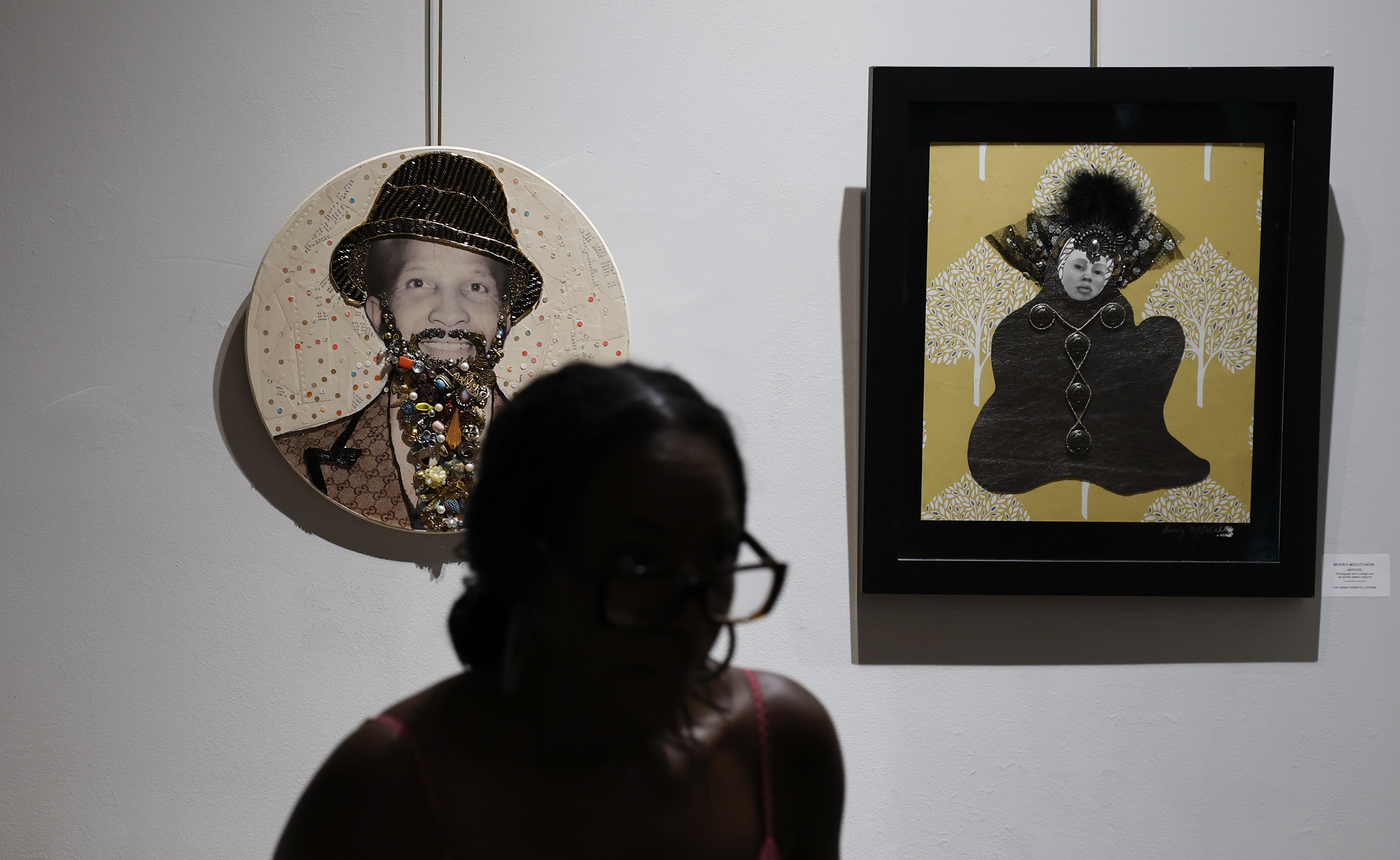
A guest walks past art collected by Diana Tyson during the Museum of African American Art Collections inaugural exhibit at the Awbry Arboretum in East Germantown on Thursday, Nov. 6, 2025. Artis Beverly McCutcheon created Dad (left) and a piece titled Untitled.
Setting value
The Black collectors’ library, Jiggetts says, is the first stop on living artists’ journeys to corporate boardrooms or the walls of major museums. “Our role is that of an economist,” Jiggetts said. “We set the value.”
Collectors shared their experiences over white wine and sweet potato cupcakes on opening night.
Daniel — whose collection features local masters — spoke effusively about her Dox Thrash mezzotint. She will never let the print by the important early 20th-century Black artist go, she said. Robyn Jones interpreted the Jesse Read and Antoinette Ellis-Williams vibrant abstracts. (This reporter thought both of those pieces were images of shoes.)
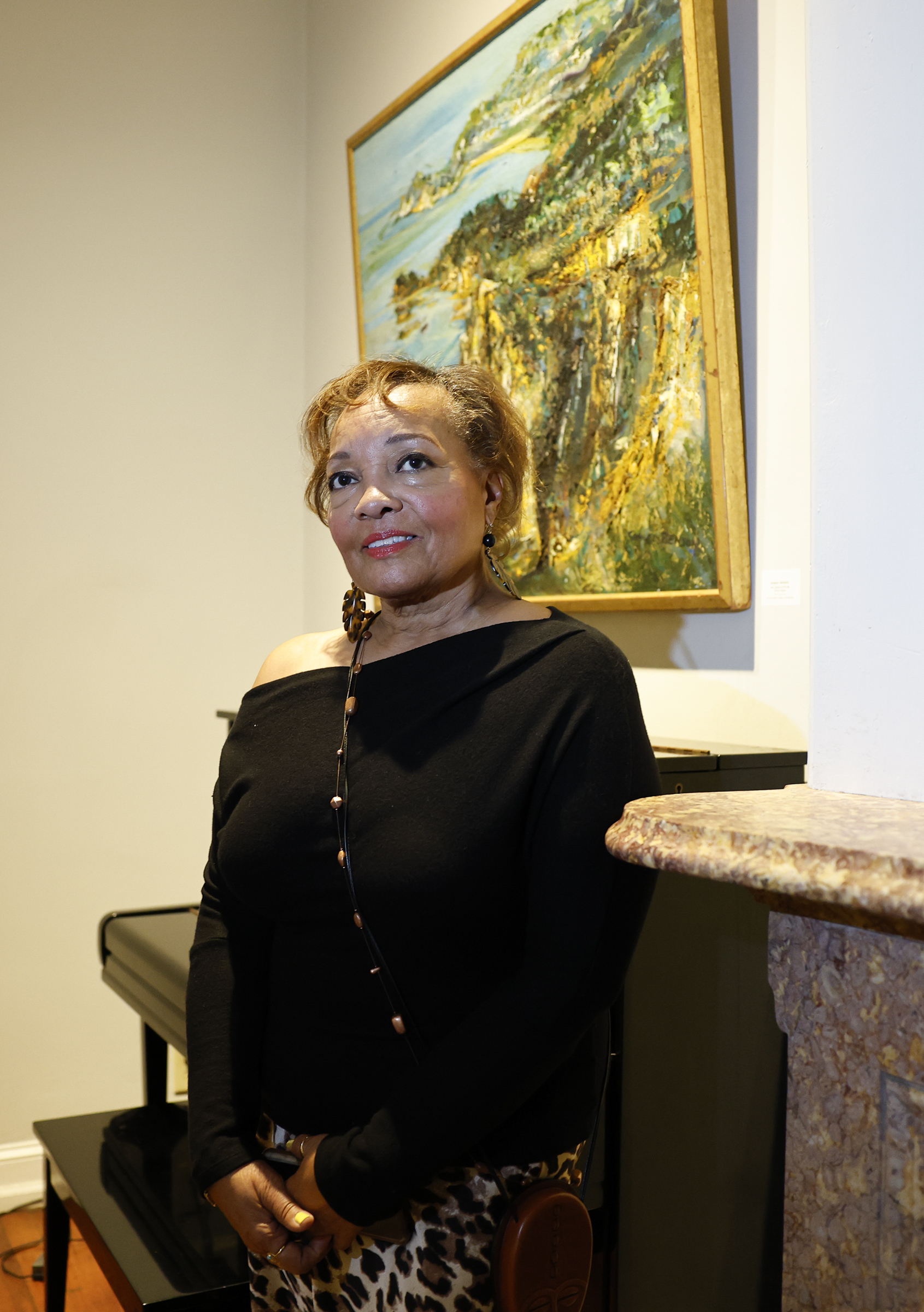
Art collector Stephanie A. Daniel with Samuel Benson’s.Gay Head Cliffs MV painting during the Museum of African American Art Collections inaugural exhibit at the Awbry Arboretum in East Germantown on Thursday, Nov. 6, 2025.
The concept of a collectors museum is a new one. Black collectors are not.
“We’ve always collected our work,” Jiggetts said, stressing that these times require Black people to be stewards of their own stories.
“At the Museum of African American Art Collections, no one can tell us what to do, what not to do, and what we need to do differently. We don’t have to worry about having it being taken away. It’s ours.”
The Museum of African American Art Collections, through Dec. 31, Awbury Arboretum’s Francis Cope House, 1 Awbury Rd., Phila.Monday to Thursday, 10 a.m. to 4 p.m.; Saturday and Sunday, 10 a.m. to 2 p.m. Admission is free.
The new show, aptly named Far Cry, was recently ordered by FX and will stream on Hulu in the United States and Disney+ internationally.
Mac will also star in the adaptation.
Far Cry is an anthology franchise of first-person shooter games created by French-based company, Ubisoft. The details for the television adaptation are still unknown, but it will be action packed, featuring a different cast and setting each season.
“Getting to work alongside Noah Hawley is a dream realized,” Mac, a South Philly native, told Variety. “Ubisoft has been remarkably generous, entrusting us with one of the most iconic video game worlds ever created. And through it all, my FX family continues to lift me up with their constant belief and support.”
Mac created and stars in It’s Always Sunny in Philadelphia, which aired its 17th season earlier this year. He also stars in and executive produces the Emmy-winning FX docuseries Welcome to Wrexham.
The forthcoming series, Mac told Variety, stands to deepen his friendship with Hawley, who also has a long-standing relationship with FX as the creator of Fargo and Alien: Earth
“Each game is a variation of a theme, the same way each season of Fargo is a variation on a theme,” Hawley told Variety. “To create a big action show that can change from year-to-year while always exploring the nature of humanity through this complex and chaotic lens is a dream come true.”