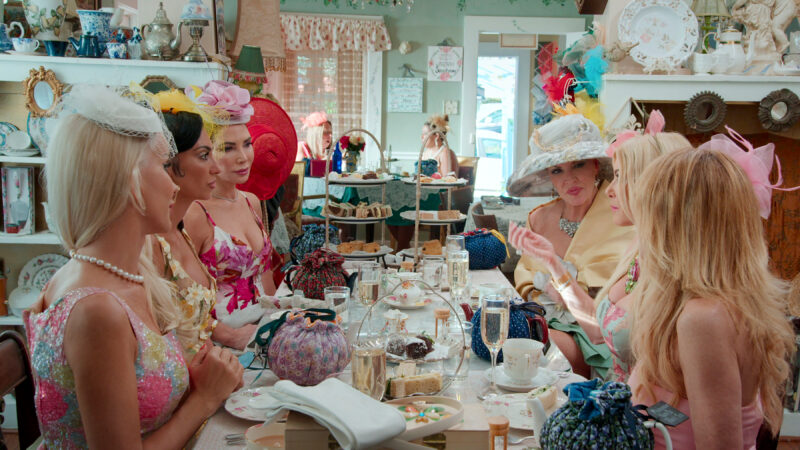
Author: Elizabeth Wellington

  • Four of the five Mar-a-Largo-faced women on ‘Members Only’ are from Philly. Why are we watching this?

    Four of the five Mar-a-Largo-faced women on ‘Members Only’ are from Philly. Why are we watching this?

    I’m embarrassed.

    I drank in the glamorous high-pitched cattiness of Netflix’s soapy reality TV series Members Only: Palm Beach — starring four women with Philadelphia ties — like a bottomless carafe of mimosas, finishing the eight 45-minute episodes in less than two days.

    Members Only debuted in the final days of 2025 on Netflix’s Top 10 list. It gives old-school Housewives vibes and throws a spotlight on the women who live in and around President Donald Trump’s 20-acre oceanfront Mar-a-Largo estate.
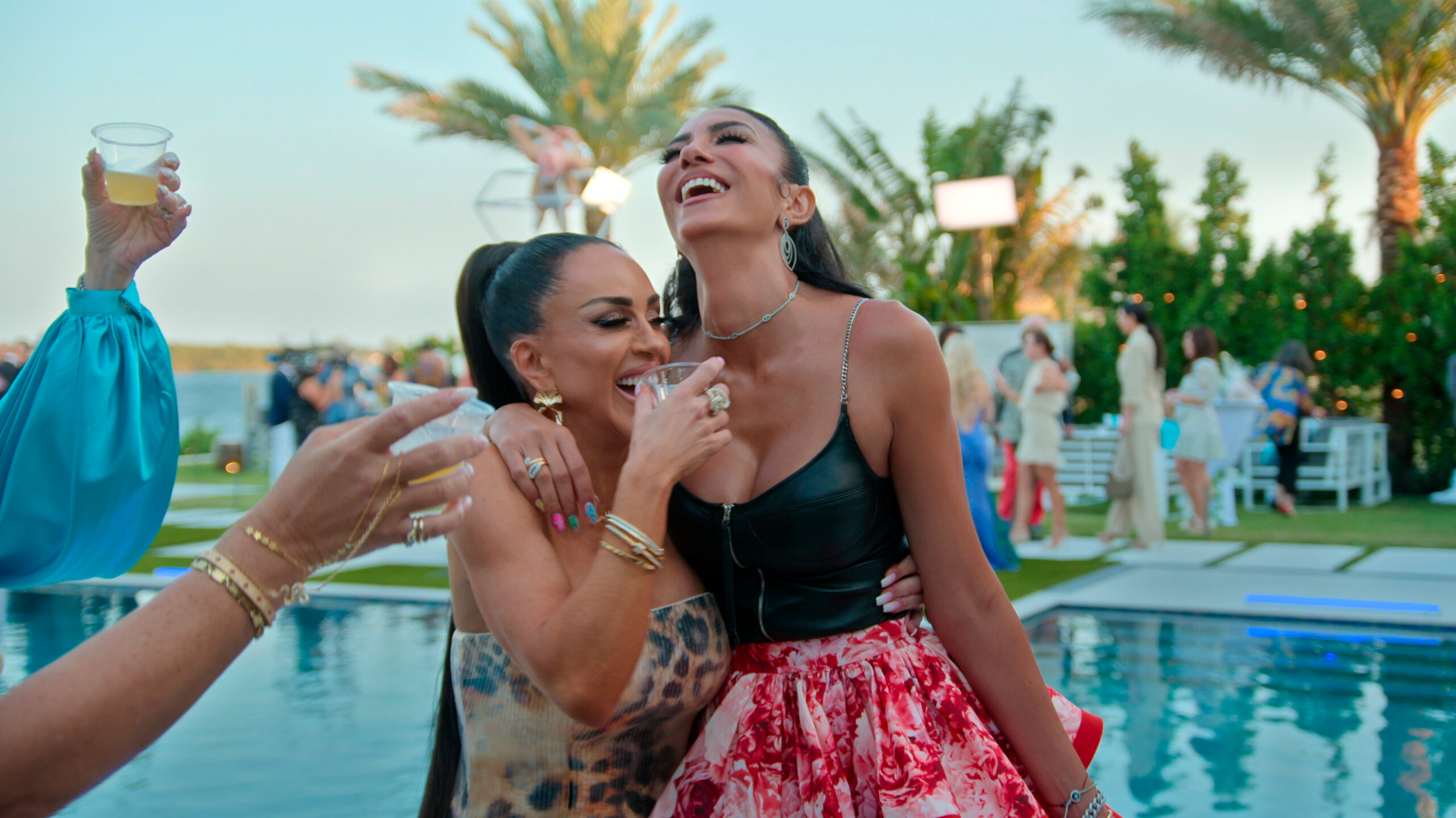
    Maria Cozamanis and Romina Ustayev in episode 101 of “Members Only: Palm Beach.”

    The gaudy maxi dresses, overfilled lips, horrible lace front wigs, and the backstabbing. It’s all a hot mess.

    Members Only is if Jersey Shore ran into a train wreck. But instead of getting caught up in the mean girl shenanigans of 20-somethings, I was gobsmacked by the ugly behavior of 50+ women acting like petty middle schoolers in the name of preserving high society.

    Former Bryn Mawr interior decorator and real estate mogul Hilary Musser, whose fifth wedding to a doorman is one of the ostentatious affairs featured, is the Queen Bee.

    Philadelphians will remember Musser’s 2005 divorce from late billionaire Pete Musser, whom she married in 1995 when she was 29 and he was pushing 70. (Some people are still talking about it.)

    Musser now sells million-dollar waterfront mansions in Palm Beach and it’s rumored she joined the rest of the relatively unknown cast to help sell her properties.
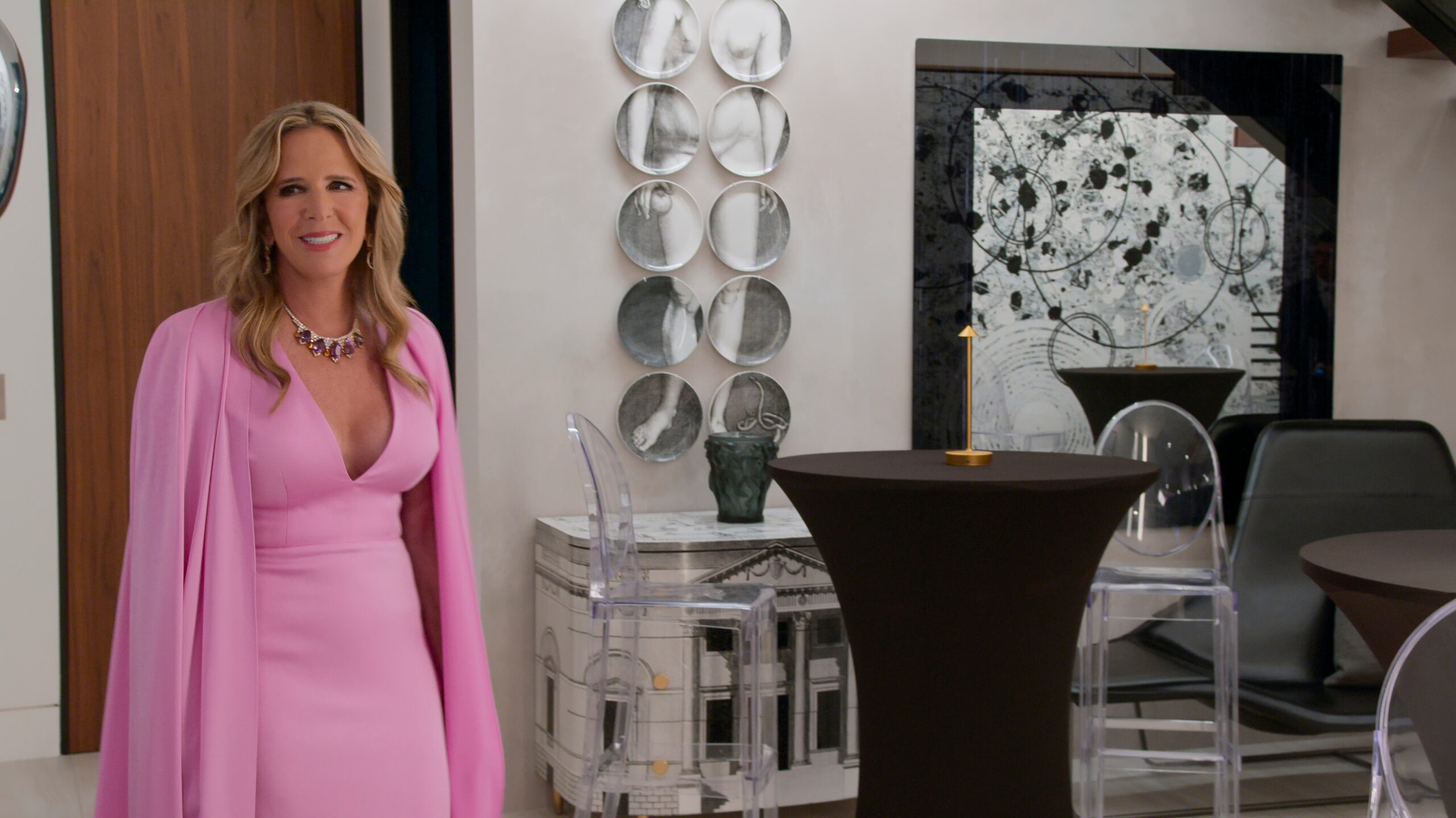
    Hilary Musser in episode 101 of “Members Only: Palm Beach.”

    She holds steadfastly to Palm Beach’s strict dress codes. (It’s improper to show cleavage and leg in the same ensemble as a Palm Beach rule). Four-letter words offend her. Crying in public is a no-no. She’s nice only to New Yorker-turned-wellness-entrepreneur Taja Abitbol, partner of former MLB pitcher David Cone and the only non-Philly-affiliated woman in this core group.

    The rest of the Philly-connected ladies smile in Musser’s face and grumble behind her haltered and tanned back.
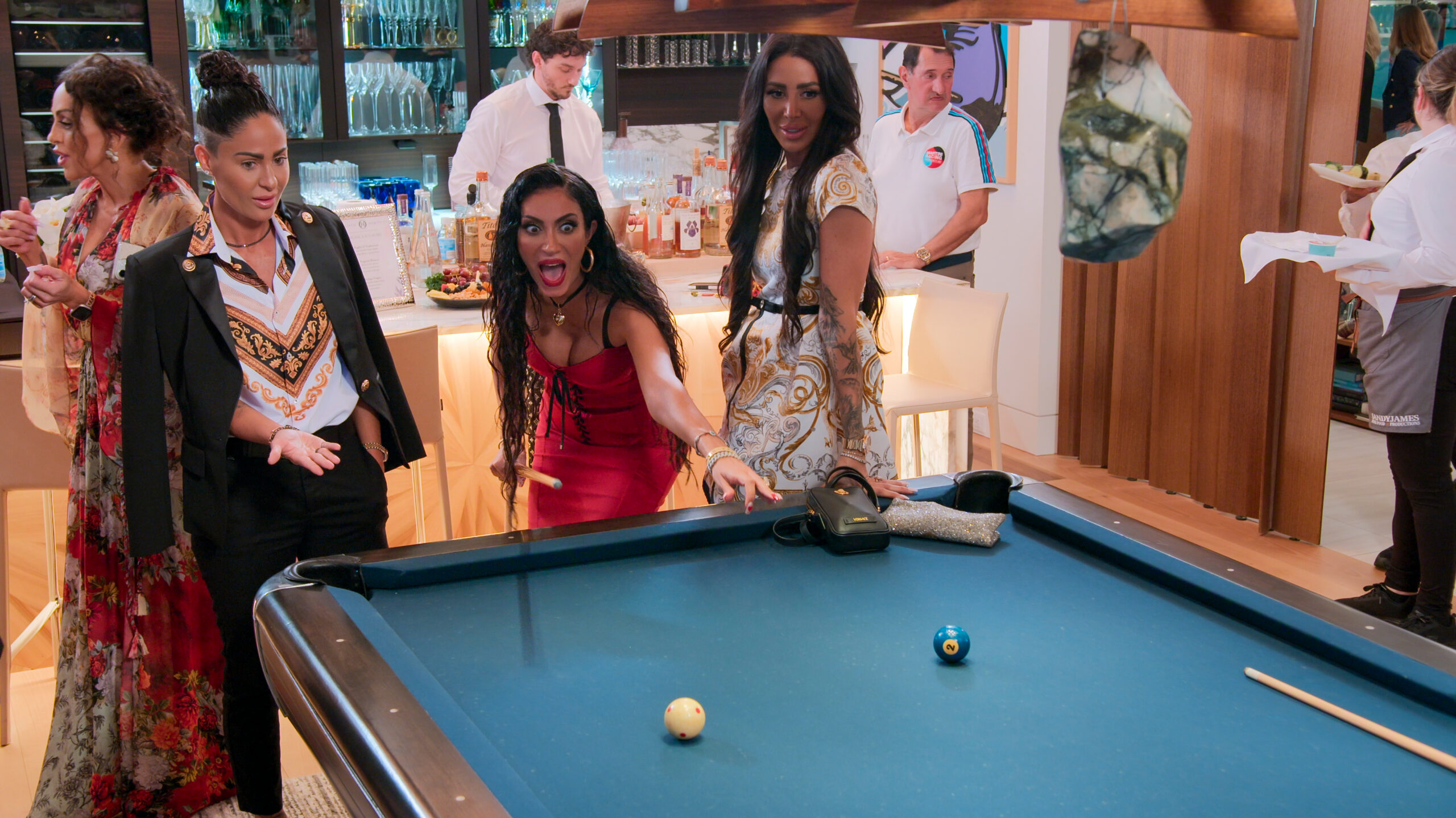
    Maria Cozamanis ad Romina Ustayev in episode 101 of “Members Only: Palm Beach.”

    They are: Maria Cozamanis, a DJ who moved from Philadelphia to Florida. As DJ Tumbles, she worked her way onto the Palm Beach society scene DJing lavish charity events at Mar-a-Largo. Roslyn Yellin is a former Bucks County Zumba teacher and grandmother with Cinderella ambitions. “My morals and values start at home with my family and husband,” she said in the first episode, as if reading from Vice President JD Vance’s family value cue cards.

    And finally, there’s Yellin’s frenemy, Romina Ustayev, an Uzbeki immigrant and former home care business and fashion line owner in Philadelphia. She calls herself the Kim Kardashian of Palm Beach.

    “I love going to Mar-a-Largo and being in the same room as the president and Elon Musk,” she said, near hysterically, in one episode. “You feel like, ‘Oh my God. You’ve made it.’”

    Maria Cozamanis and Romina Ustayev in episode 101 of “Members Only: Palm Beach.”

    I knew going in that Members Only’s garish opulence and prettied up gluttony was a gold-trimmed Trump fever dream, one where he sits at the center of all things tacky, loud, expensive, and hurtful. (He never makes an appearance in the show, but his name is uttered several times in awe and admiration.)

    But the moment Ustayev — an immigrant who is not quite as white as Trump’s favored Norwegian and Danish immigrants — stepped in, I knew I was watching the latest piece of Trump propaganda.
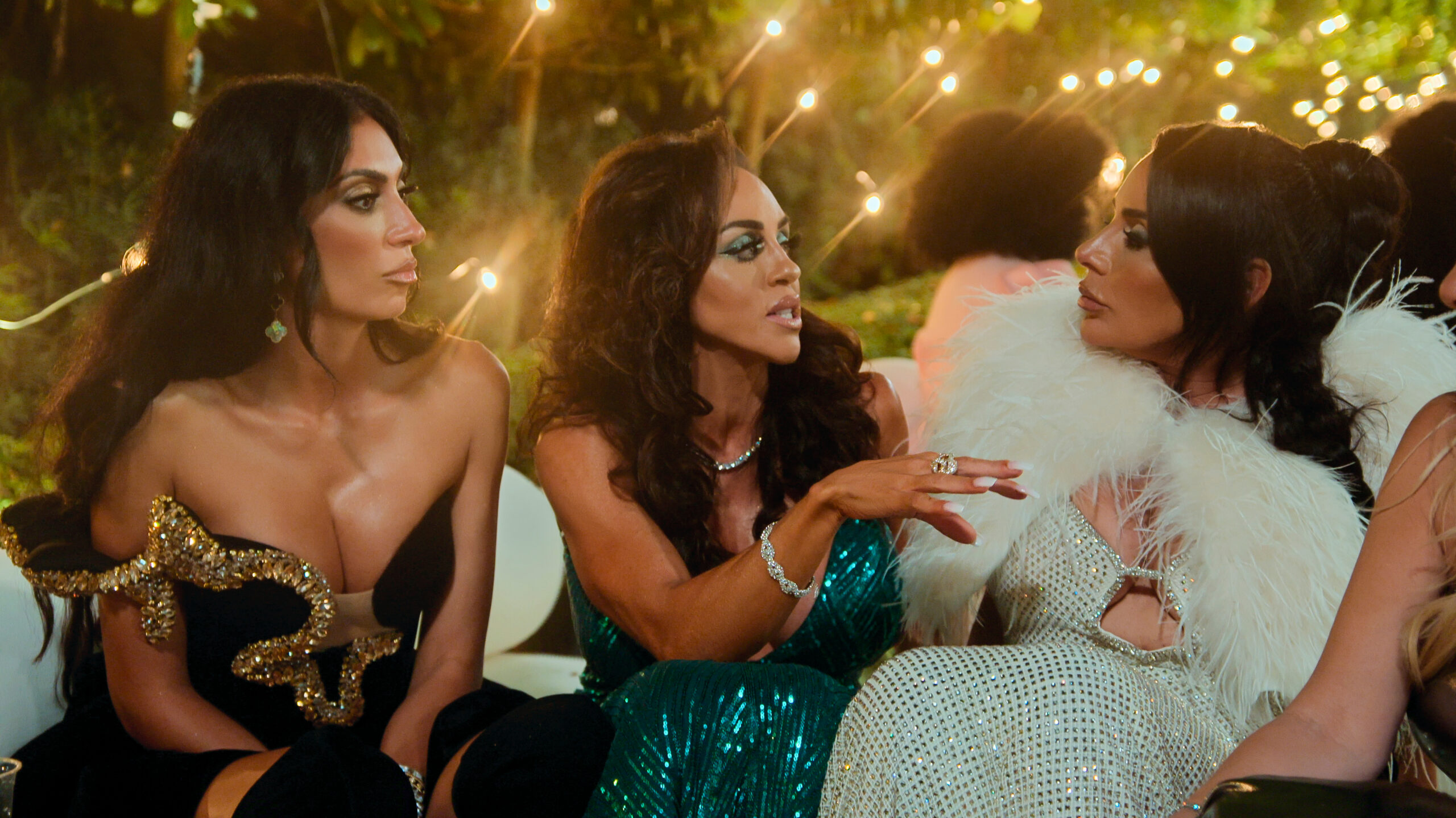
    Romina Ustayev, Maria Cozamanis, and Taja Abitbol in episode 101 of “Members Only: Palm Beach.”

    Members Only is Trump’s ideal vision of America where obscene wealth is valued and the rest of America can eat cake.

    Why is this show in our binging rotation now? Perhaps because Netflix is in the midst of finalizing a merger with Warner Bros. Discovery. The merger, which will give Netflix more than half the streaming market share, needs regulatory approval from the Trump administration.

    Thanks to Members Only, the Mar-a-Largo face doesn’t just appear in the context of the White House. Think Attorney General Pam Bondi, Secretary of Homeland Security Kristi Noem, and White House spokeswoman Karoline Leavitt, their plump lips, and heavily Botoxed and made-up faces.
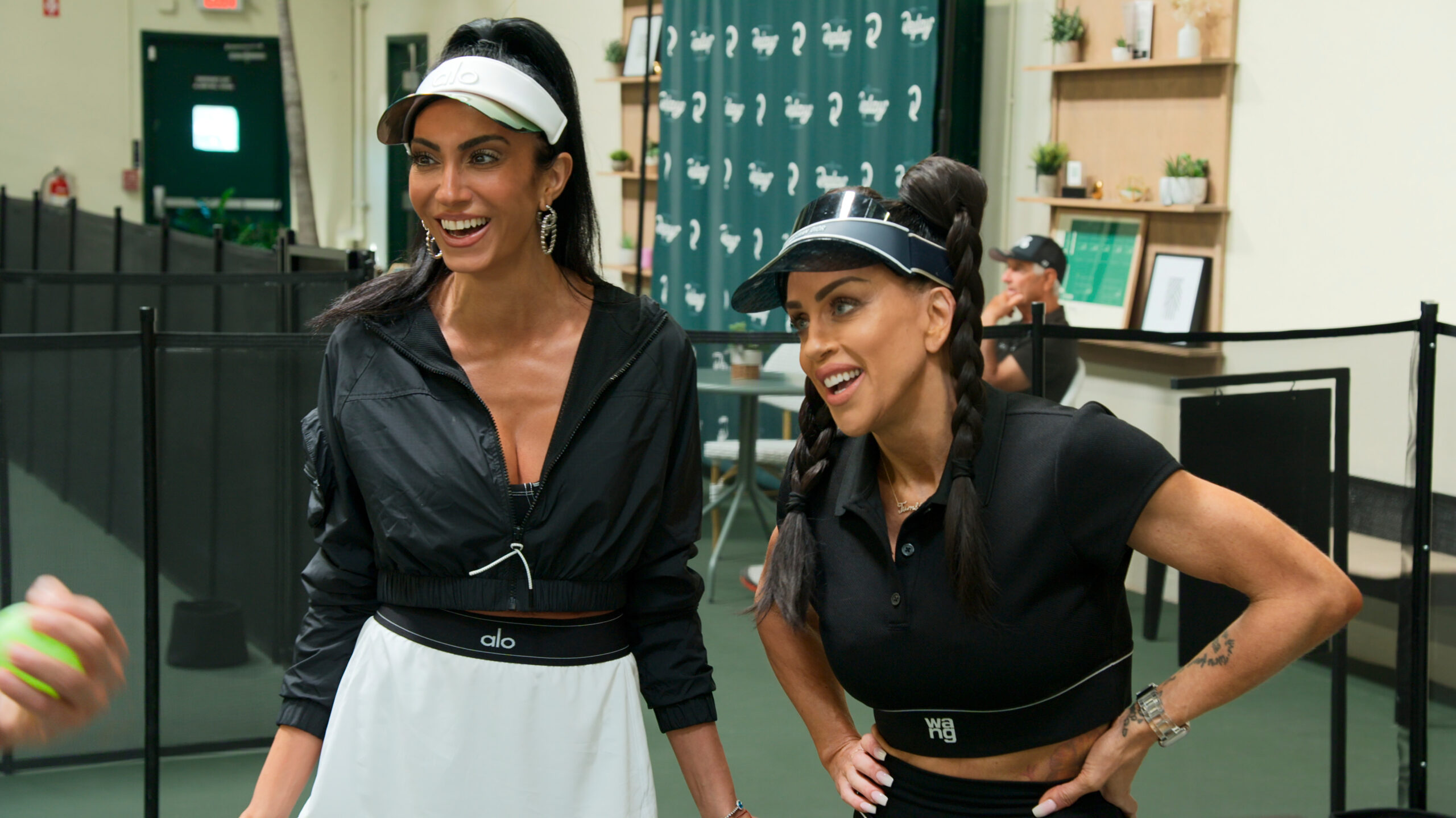
    Romina Ustayev and Maria Cozamanis in episode 101 of “Members Only: Palm Beach.”

    Now we see these faces as we try to relax and binge-watch trash television. There is no escaping.

    Members Only‘s arrival on Netflix is the next logical step in the White House’s messaging and shaping of America’s image. Trump started dismantling America’s diverse optics immediately after he took office and proceeded to remove photos of President Barack Obama from prominent places in the White House in an effort to erase evidence of the first Black president’s existence.

    In advance of last Thanksgiving’s travel season, Transportation Secretary Sean Duffy unveiled the Golden Age of Travel campaign, urging airline travelers to dress natty when flying. At the center of the campaign are black and white pictures of white travelers gussied up like the fictional Main Liners in Katharine Hepburn’s 1940 film Philadelphia Story.
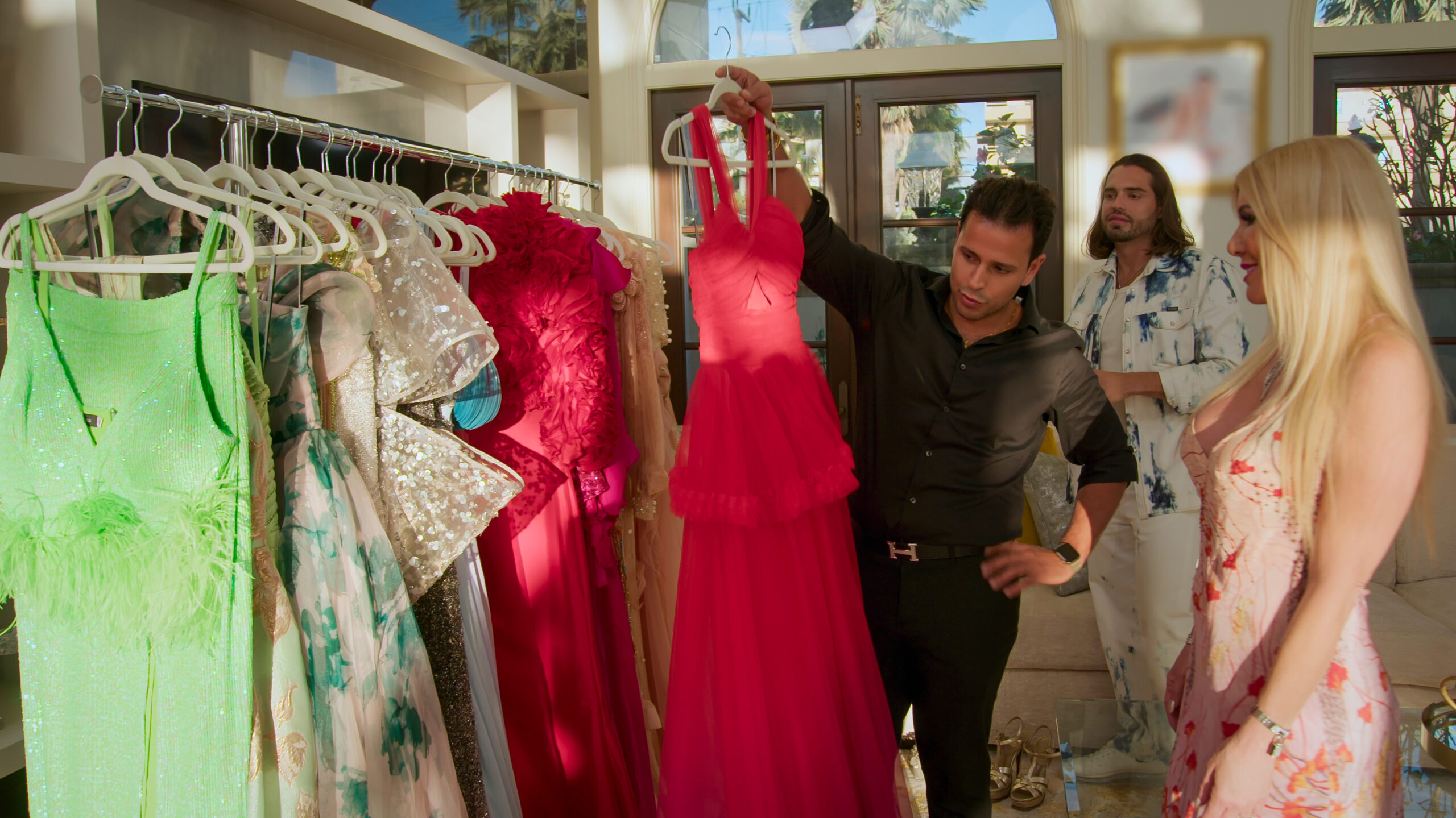
    Rosalyn Yellin in episode 101 of “Members Only: Palm Beach.”

    And then last summer, Department of Homeland Security used Norman Rockwell paintings in its social media marketing. The images — denounced by Rockwell’s family — show mid-20th-century suburban whites living a blissful white picket fence existence paired with the administration’s anti-immigration slogans “Protect our American way of life” and “DEFEND your culture.”

    During a tense moment on the show, Ustayev shares with Yellin and her mentor, New York socialite and Palm Beach grand dame Gale Brophy, that Palm Beach society did not respect her culture, which includes asking for money at birthday parties and eating with her fingers. (Clutching my pearls.)

    Brophy’s response: “Go back to your country.”

    The inclusion of this kind of xenophobia into pop culture is better than anything Fox News can drum up.

    Johnny Gould, founder and president of Superluna Studios and the executive producer of Members Only, insists his show is not political.

    He admitted Mar-a-Largo is in the zeitgeist. “After all it is the winter White House,” he said. But he made Members 0nly because he was intrigued with Palm Beach society’s social hierarchy, one of the last in America.

    The heart of Members Only, Gould said, is its “private club culture and B & T [Bath & Tennis] Boca Beach Resort, Breakers, and Mar-a-Largo [which] are at the center of social circles and drive societal rules and expectations,” Gould said. “That’s what connects these five ladies.”
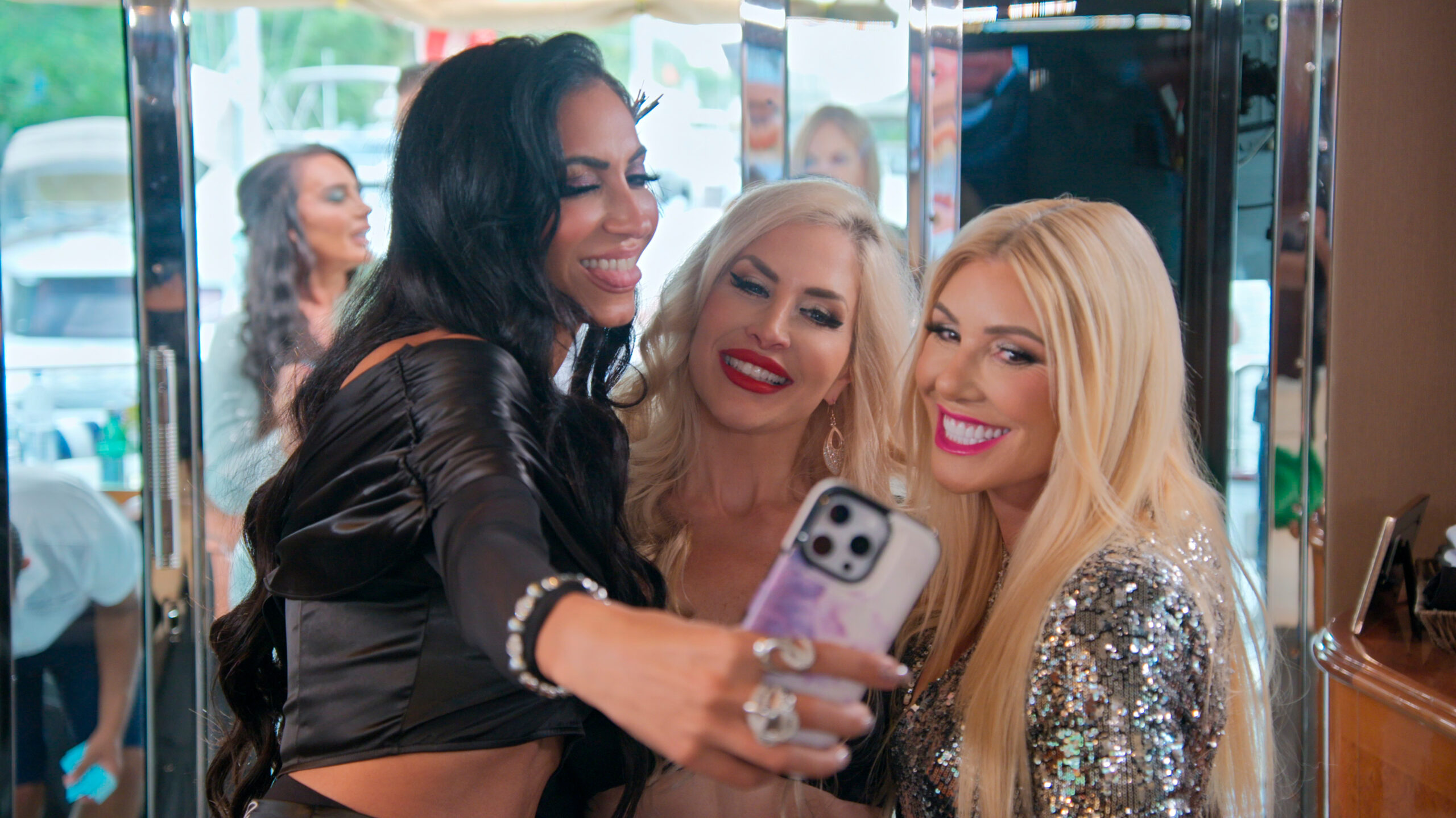
    Romina Ustayev, Rosalyn Yellin in episode 103 of “Members Only: Palm Beach.”

    The Philadelphia connection, Gould said, was a coincidence.

    “I didn’t set out to make a show about Palm Beach featuring Philadelphia society women,” Gould said.

    (Good thing, because except for Musser, some of the Philly ladies-who-lunch crowd say they have no idea who these women are, nor do they want to.)

    “It was about the chemistry,” Gould continued. “For example, when I went to Hilary’s house and she came sweeping down the stairs in a beautiful gown on a Tuesday, immediately, I was intrigued.”
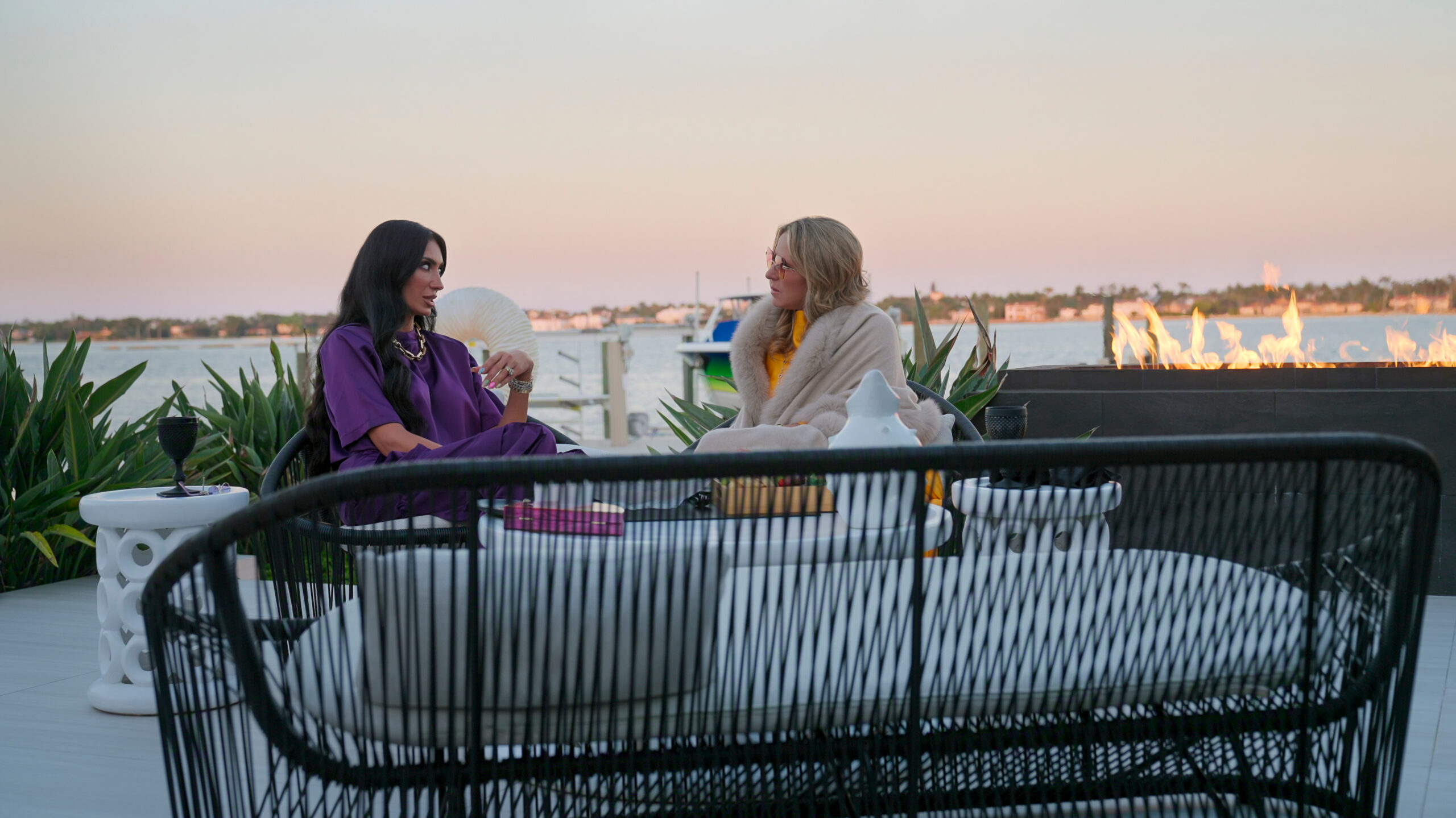
    Romina Ustayev and Hilary Musser in episode 101 of “Members Only: Palm Beach.”

    Everything else, Gould said, “fell into place.”

    [Members Only] is not about curing cancer,” he said. “It’s about pouring yourself a glass of wine [and taking] a really fun ride in a place that none of us will ever have access to and a lifestyle none of us will get a chance to experience.”

    That’s true.

    Of course, these women don’t care about curing cancer. (Trump’s secretary of health, Robert F. Kennedy Jr., is shutting down clinical trials that are meant to find cancer treatments.)

    The show sells viewers an “aspirational” lifestyle in Trump’s image. And if Trump has his way, soon we will be living in a society where there will be even more haves and have nots, completely robbing the poor — and the middle class— of upward mobility.
  • Founding Father Ben Franklin also founded America’s first volunteer fire department

    Founding Father Ben Franklin also founded America’s first volunteer fire department

    Colonial Philadelphia — a community of wooden dwellings and businesses along the Delaware River back in the 1700s — was under constant threat of burning to the ground. Fires could and did start from the haphazard fling of a cigarette, or burning the soot out of chimneys, or sometimes the accidental drop of a lantern.

    By 1730, the city had just one fire engine — a steam-powered box car — and dozens of buckets for carrying water to extinguish flames. When a fire that year on Fishbourne Wharf nearly destroyed the city, causing 5,000 pounds in property damage, Ben Franklin took notice.

    The incident prompted him to advocate for fire prevention in his newspaper, The Pennsylvania Gazette, coining the still-used fire safety mantra, “An ounce of prevention is worth a pound of cure.”

    On Dec. 7, 1736, Franklin and 24 other prominent Philadelphians established the Union Fire Company.

    The formation of the Union Fire Company will be remembered Saturday at the Firstival to be held at Fireman’s Hall Museum. Firstivals are the Philadelphia Historic District’s weekly day parties celebrating historic events that happened in Philadelphia before anywhere else in America, and often the world. They are part of a yearlong celebration of America’s 250th birthday.

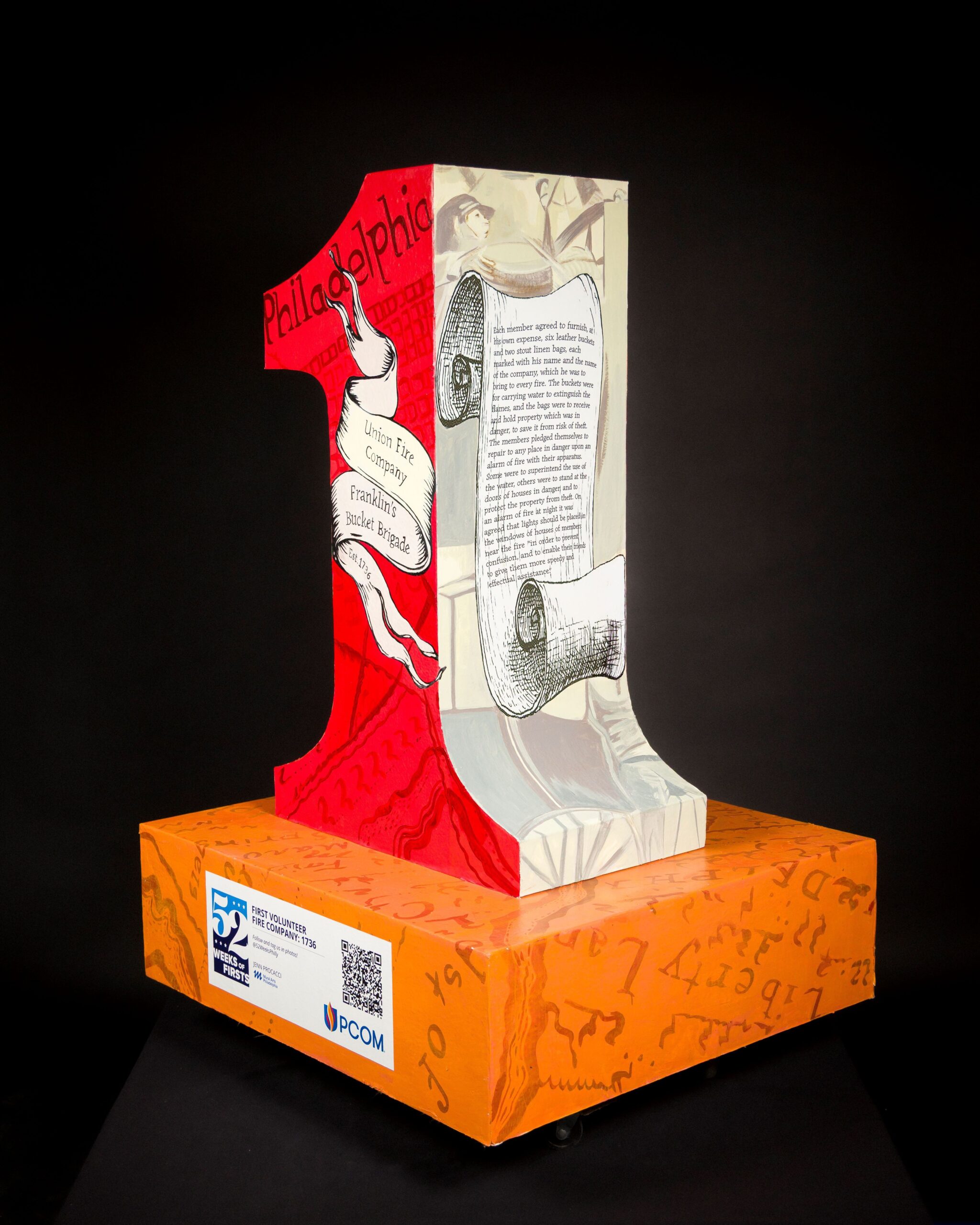
    Artist Jenn Procacci’s sculpture incorporates maps of 1700s Philadelphia highlighting routes volunteer firefighters would take to extinguish blazes.

    The Union Fire Company, also called the Bucket Brigade, was modeled after mutual aid firefighting organizations in Boston. In its early years, the company only helped its members put out fires in their homes or properties.

    In 1742, the members voted to help any Philadelphian whose home or property was ablaze. The fact that they helped all Philadelphians, not just members, made the company America’s first volunteer fire department.

    Within the decade, Philadelphia had eight volunteer fire companies.

    These early volunteer fire companies were elite organizations that capped their memberships at about 30, explained Carol Smith, curator and archivist at Fireman’s Hall Museum. Members provided their own equipment: buckets for carrying water to put out fires and bags to salvage items from being destroyed. Companies had several meetings a year and members were fined for absence or tardiness.

    As the home of the country’s first volunteer firefighting outfit, Philadelphia was progressive when it came to fighting fires — they were among the first companies in the country to experiment with innovative hoses. The city also was unique in establishing ways to support Philadelphia residents impacted by fire.

    In 1752, Franklin started the nation’s first property insurance company, the Philadelphia Contributionship for the Insurance of Houses from Loss by Fire, still operating today.

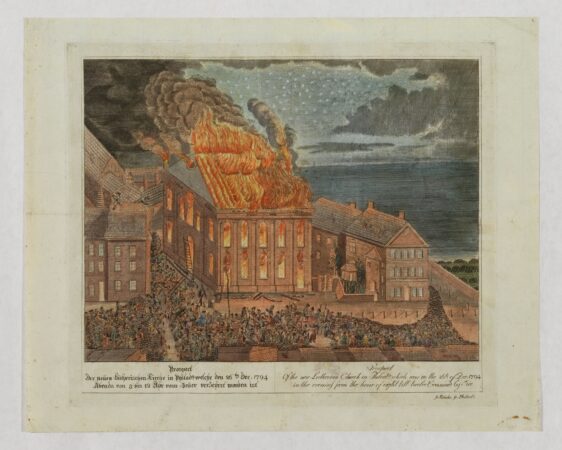
    Philadelphia’s early network of volunteer firefighters stopped major fires, like the 1794 burning of Zion Lutheran Church, and prevented extensive fire damage to the city.

    “A lot of it was because of the advances in firefighting technology like updated hoses,” Smith said. “Our volunteer fire departments were very proactive.”

    Today’s fire houses are descendants of Ben Franklin’s Union Fire Company.

    The Union Fire Company housed its equipment on Old City’s Grindstone Alley and was active through the early 1800s, disbanding in 1843. Its remaining members joined the Vigilant Engine Company, that, in 1871 became Engine 8, one of the city’s first municipal fire stations.

    It remains open.

    This week’s Firstival is Saturday, Jan. 17, 11 a.m. — 1 p.m., Fireman’s Hall Museum, 147 N. Second St. The Inquirer will highlight a “first” from Philadelphia Historic District’s 52 Weeks of Firsts program every week.

  • How is this Eagles fan keeping the faith? By churning out Billy Joel parodies

    How is this Eagles fan keeping the faith? By churning out Billy Joel parodies

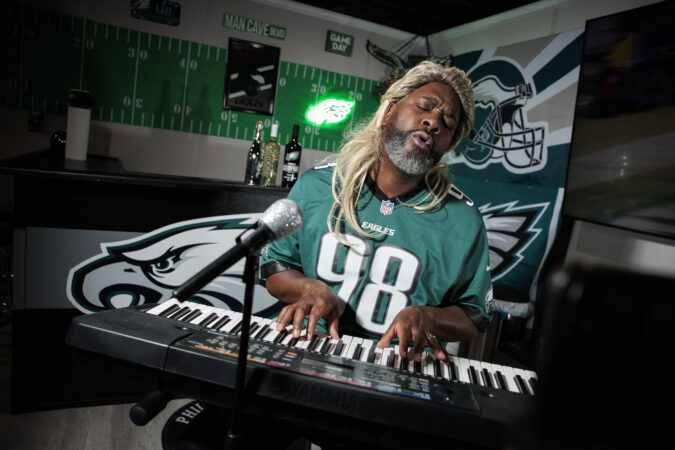
    Robert Williams III never knows which Yacht Rock tune or ’90s hip-hop jam he’ll parody when his beloved Birds take the field.

    But by the top of the fourth quarter, the Philadelphia Eagles fan and social media content creator not only has the song picked (more times than not, it’s a Billy Joel classic), but he has also written most of the lyrics, practiced the hook, the chorus, and the bridge.

    The result looks something like “Allen Down” — a hilarious remix of Joel’s 1982 hit “Allentown.”

    Williams, a retired Army veteran who served in the Afghanistan war, wrote that one as he watched the Birds beat the Buffalo Bills the Sunday after Christmas, clinching their spot in this Sunday’s first round of the NFL playoffs.

    In the video he’s dressed like a giant Eagle while clowning on Buffalo Bills quarterback Josh Allen. The clip has 19,000 likes on Instagram and tens of thousands of likes on TikTok and Facebook.

    “Philadelphia took Allen down

    Every time you looked he was on the ground.

    Vic Fangio did a heck of a job.

    I’m guessing the Bills drank too much eggnog,” the song goes.

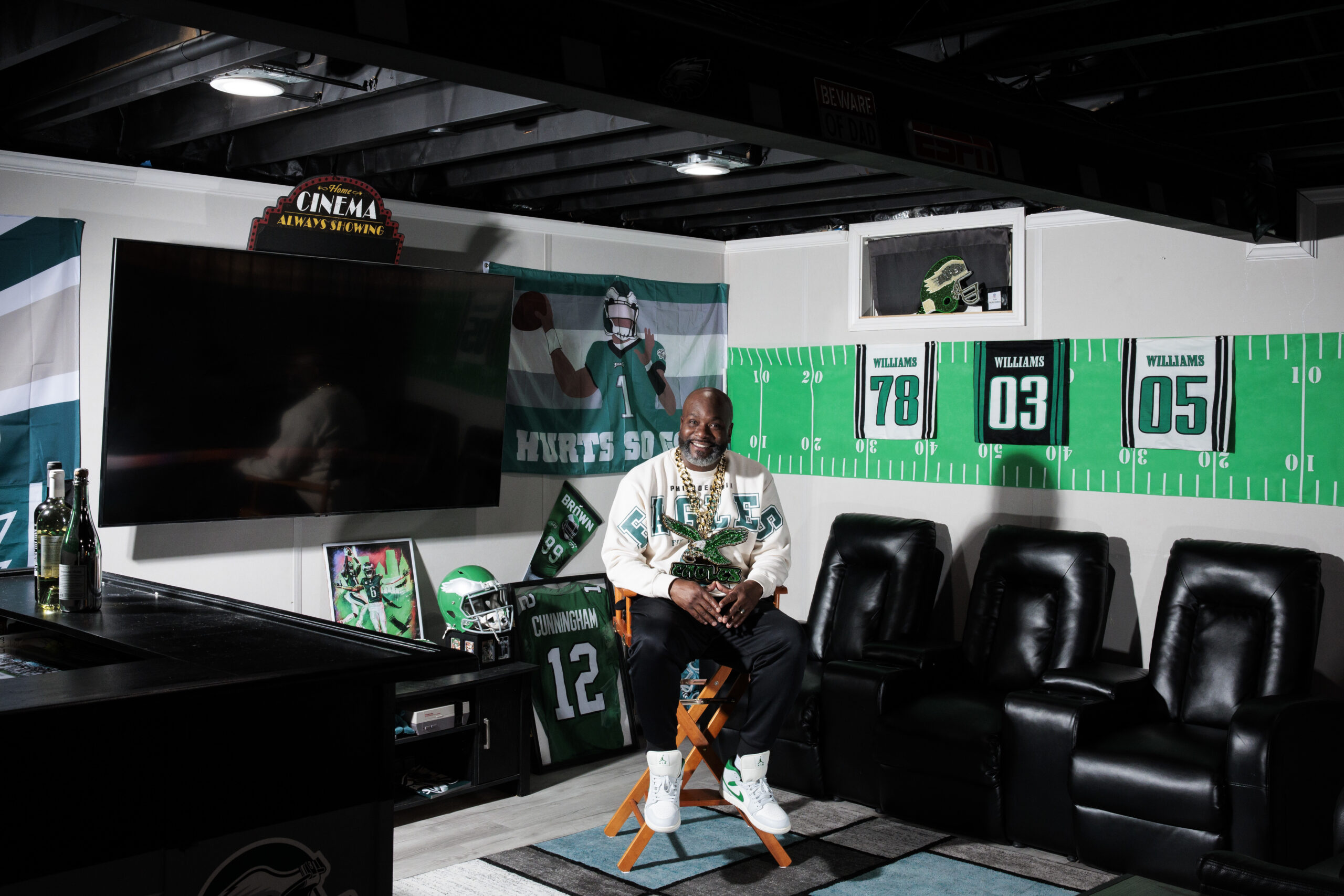
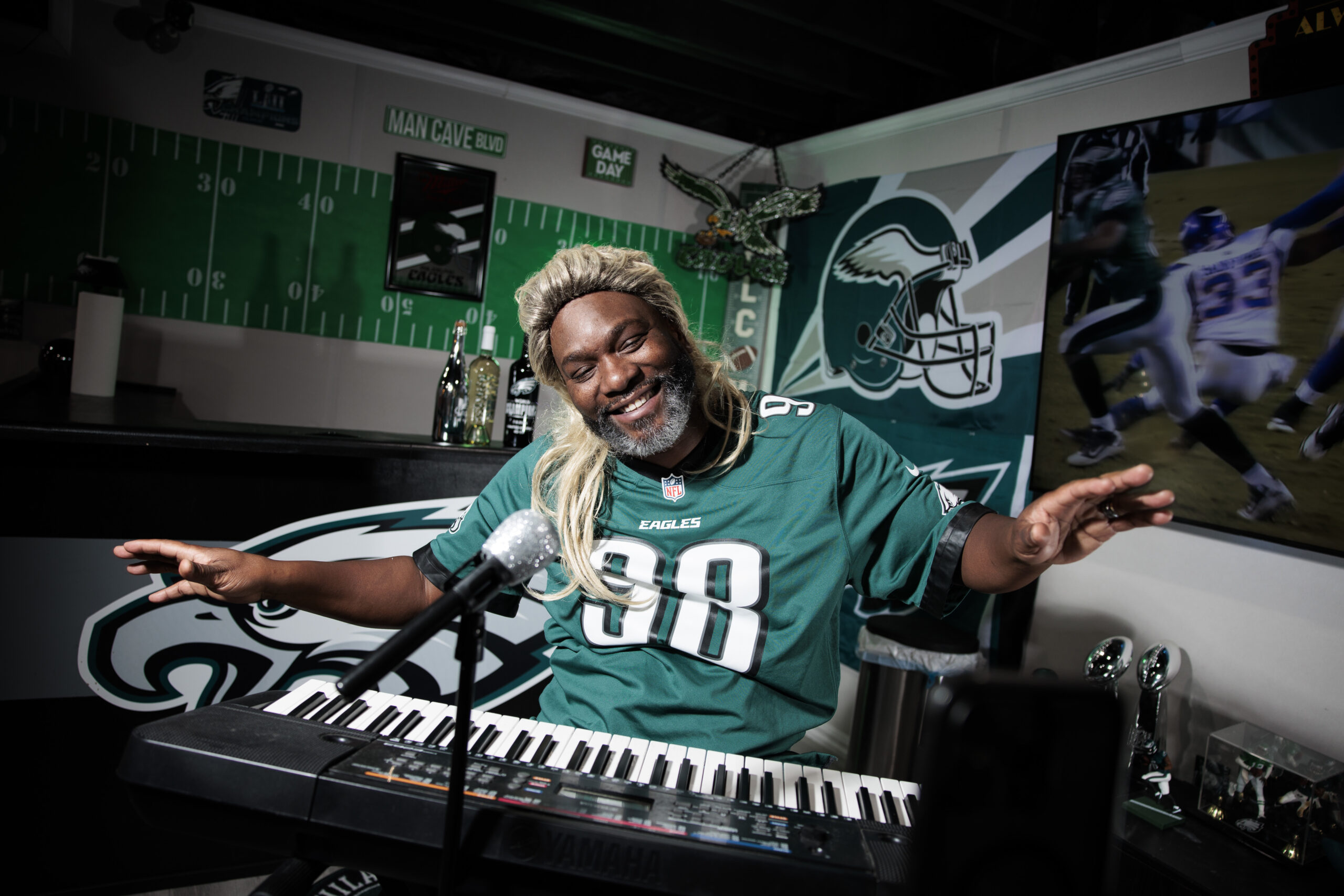
    Williams’ cheeky videos, filmed in his Severn, Md., Kelly green man cave, have earned the Hamilton, N.J., native a combined 2 million followers on TikTok, Instagram, and Facebook. And a lot of those followers are from Philly.

    That includes Questlove, Jazzy Jeff, Chill Moody, State Rep. Joanna McClinton (D., Philadelphia), and legendary WDAS announcer Patty Jackson.

    Robert Williams III posed for a portrait at his home on Thursday, Jan. 8, 2026 in Severn, Md. Williams has an Instagram page where he performs parodies of popular songs with lyrics about the Eagles.

    Star social media influencer Gillie Da King, too, is in on the fun.

    Before the 2025 NFL season even started, former NFL player-turned-podcaster Cam Newton ribbed Jalen Hurts, saying he wasn’t one of the league’s elite quarterbacks. Gillie took offense and hazed Newton on social media all season.

    After Hurts’ stellar game against the New York Giants in Week 8, Williams dropped a video sampling LL Cool J’s 1997 hit “4,3,2,1.” In it, Williams mocks Newton — complete with long hair, wide-brimmed hat, and round glasses offering a fake apology to Gillie through a series of crisp bars.

    Gillie liked and shared it.

    “I was like ‘Wow’,” Williams said. “That right there is a big thing for me.”

    Williams, who is known across social media as @robertwilliamsfilms, is also recognized as being among the influencers who trade in Gen X nostalgia, creators like Maria Ferrer and the Urban Rewind.

    His loyal fans include some of the biggest old-school rappers: Ice Cube, and Wu Tang Clan’s Ghost Face Killah and Inspectah Deck. Common began leaving friendly — albeit slick — comments on Williams’ parodies in Week 13 after the Birds’ devastating loss to the Chicago Bears.

    Williams quickly borrowed the arrangement of Common’s “Go,” changing the lyrics to “No.” That post has 74.3K likes on Instagram.

    Even famously estranged musicians Daryl Hall and John Oates both agree on Williams’ talent. Williams cover of Hall & Oates’ 1975 hit “Sara Smile” after Week 15’s game against the Las Vegas Raiders as ”Jalen Smile” drew likes and comments from each of the musicians.

    Williams’ devotion to the Eagles goes back to the mid-1980s when Buddy Ryan was coach and Randall Cunningham and Reggie White were on the team.

    “I fell in love with the passion they brought to the game,” he said

    Williams, 49, a fan of soft rock groups Tears for Fears, Toto, Air Supply, and Journey, watched a lot of MTV. He enjoyed Weird Al Yankovic’s parodies of ’80s icons Michael Jackson, Madonna, and later, Coolio.

    “I had such an admiration for Weird Al,” Williams said. “Me and my little brothers would walk to school making up our own lyrics … Songs would just pop in my head and I’d rearrange the lyrics.”

    He never stopped.

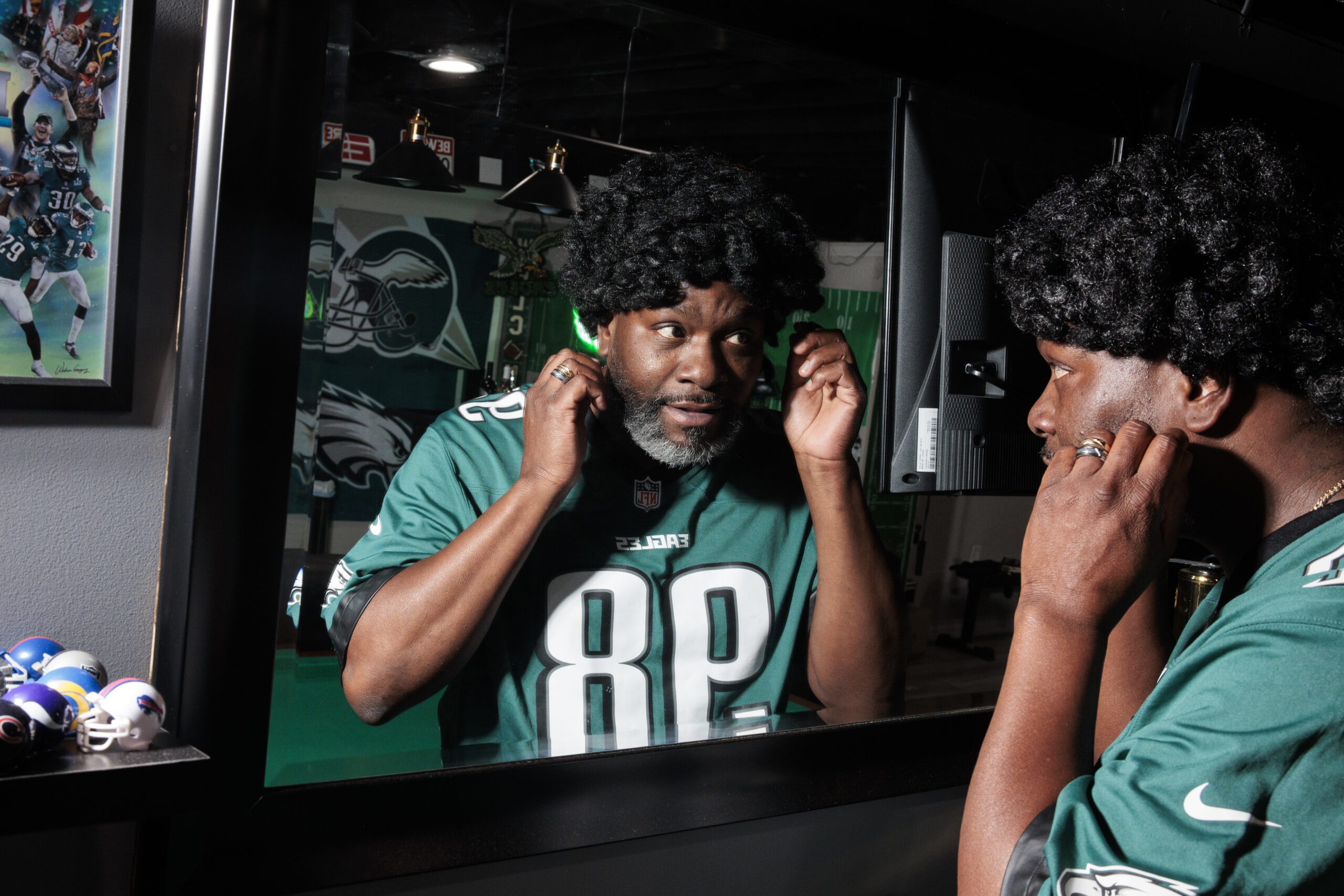
    Robert Williams III tries on one of his signature wigs for a portrait at his home on Thursday, Jan. 8, 2026 in Severn, Md. Williams has an Instagram page where he performs parodies of popular songs with lyrics about the Eagles.

    While still in the Army, Williams, now a husband and father of two, picked up a side hustle as a videographer, shooting weddings and other special events.

    “I was a student of YouTube University,” he said.

    COVID ended that gig but also marked the beginning of Williams’ social media career.

    He posted his first parody — “It’s Almost Thanksgiving” performed to the melody of The Golden Girls theme “Thank you for Being a Friend” — on social media in 2020.

    His bridge: “It won’t be a party, we’ll be talking to everyone on Zoom.”

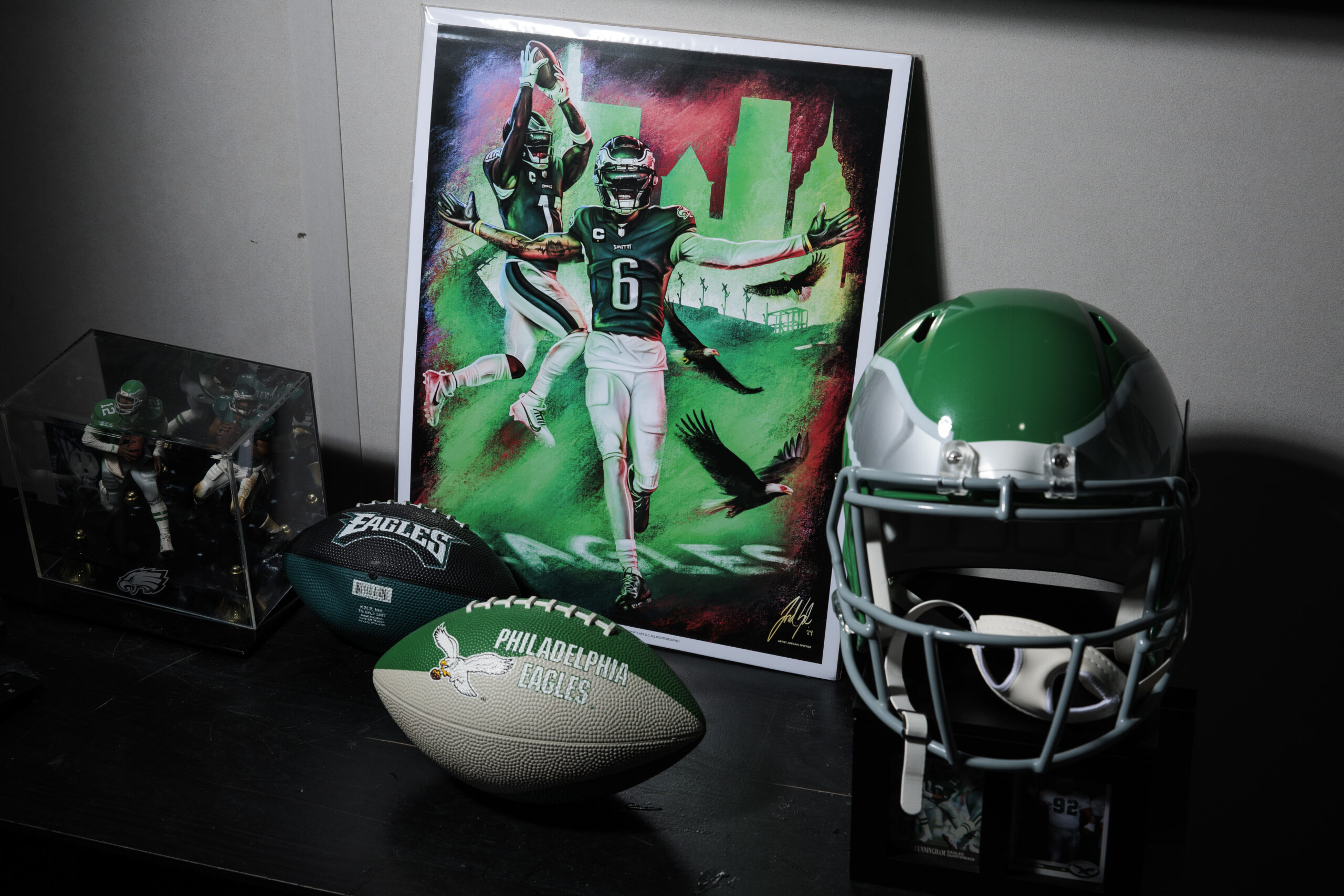
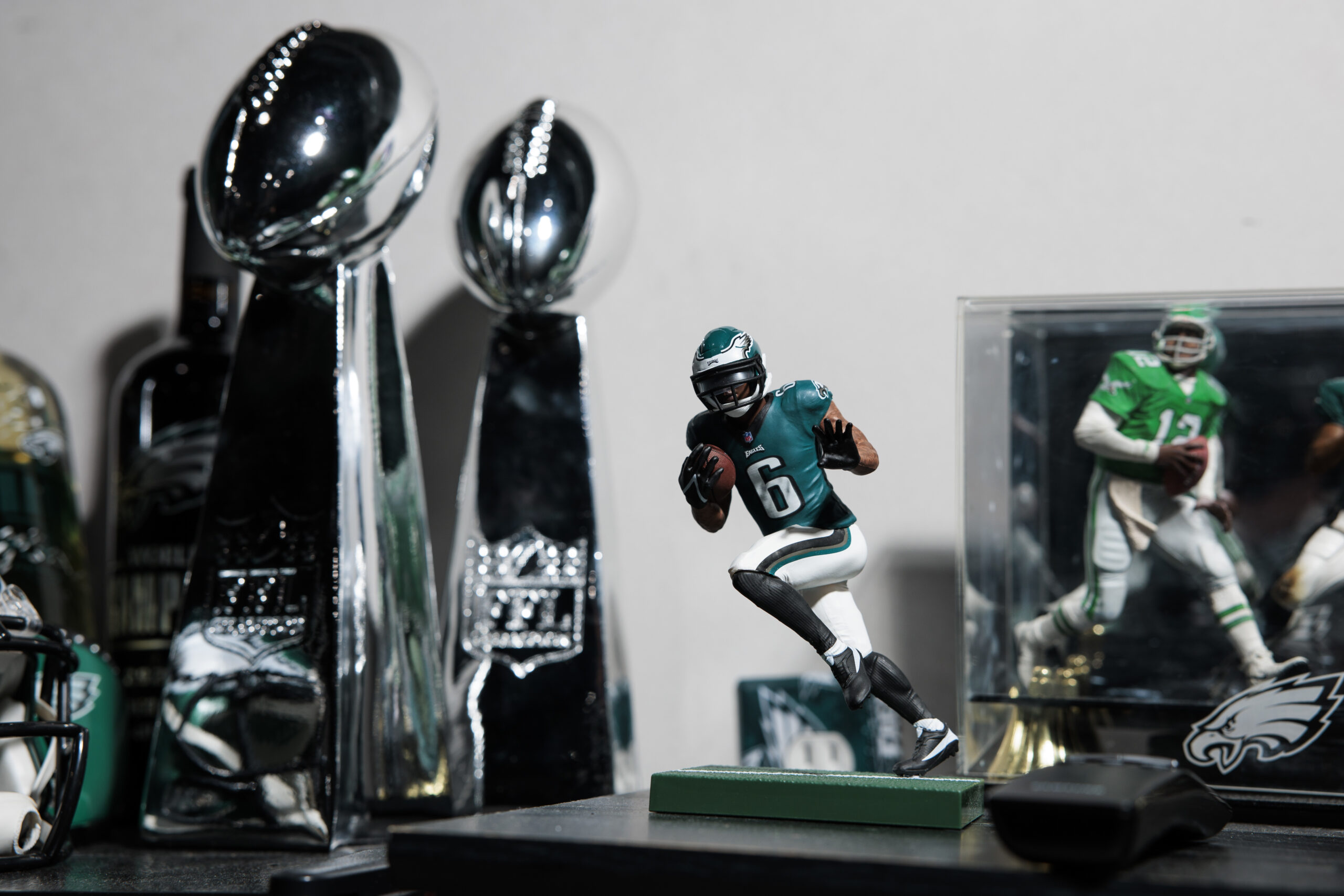
    Some of Robert Williams III’s Eagles collection at his home on Thursday, Jan. 8, 2026 in Severn, Md. Williams has an Instagram page where he performs parodies of popular songs with lyrics about the Eagles.

    He combined his love of sports and parodies during the 2023-24 NFL season. That first post centered on Williams’ disdain for the Dallas Cowboys. In it, his daughter slyly asks, “Daddy, how long has it been since the Cowboys won the Super Bowl?” Williams (also known as Billy Soul) puts on a strawberry blond wig and spoofs a 1984 Billy Joel hit: “For the Longest Time.”

    Some of Robert Williams III’s Eagles collection at his home on Thursday, Jan. 8, 2026 in Severn, Md. Williams has an Instagram page where he performs parodies of popular songs with lyrics about the Eagles.

    That video received 212K likes on Instagram and remains one of his top posts.

    “My Billy Joel parodies seem to do the best and I have a lot of fun doing them,” Williams said. “My favorite genres of music are hip-hop and R&B so those parodies are easy to me. When I’m doing Billy Joel, I’m challenging myself.”

    He is committed to posting an Eagles recap weekly during the 2025-26 season. This year his costumes are more elaborate — he has two boxes of wigs to choose from. His wife, Katrina, and his children, Rakim and Dayla, make regular appearances. He’s also monetized his page, earning a few hundred dollars a month.

    Williams’ videos do well because he’s fast. By the end of the game, not only is the song written but he has also cued up the footage to intersperse between verses. It takes him about a half an hour to record his voice and film the storyline.

    The videos are posted within two hours after the game ends.

    Robert Williams III posed for a portrait wearing his Hall & Oates wig at his home on Thursday, Jan. 8, 2026 in Severn, Md. Williams has an Instagram page where he performs parodies of popular songs with lyrics about the Eagles.

    But sometimes, Williams is scrambling.

    Last Sunday, after the Birds’ surprising fourth-quarter loss to the Washington Commanders, he had to quickly retool his version to Billy Joel’s “Keeping the Faith.”

    In the revamped final verse, he sang: “Some say sitting the starters was a good thing. Now we will play as the No. 3 seed. Now it’s time to be the Broad Street Bullies. ‘Cause the 49ers aren’t all that good and we’ll prove it at the Linc next week …”

    As for Sunday’s game, Williams is keeping the faith.

    “Some people think we can’t turn on a dime and win this whole thing,” Williams said. “But I believe we will.”

  • What was the first city-sponsored New Year’s Day procession in America? The answer lies in Philly.

    What was the first city-sponsored New Year’s Day procession in America? The answer lies in Philly.

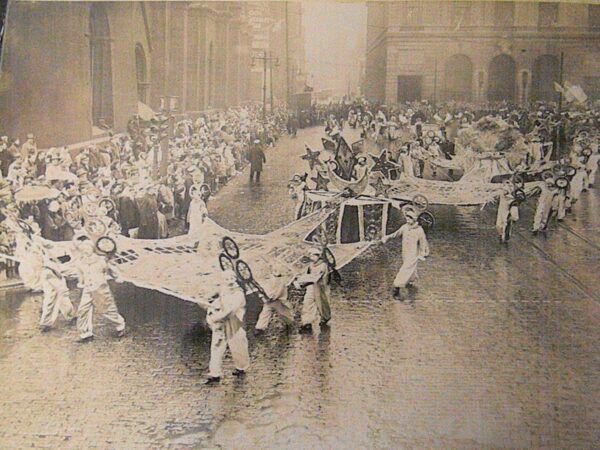
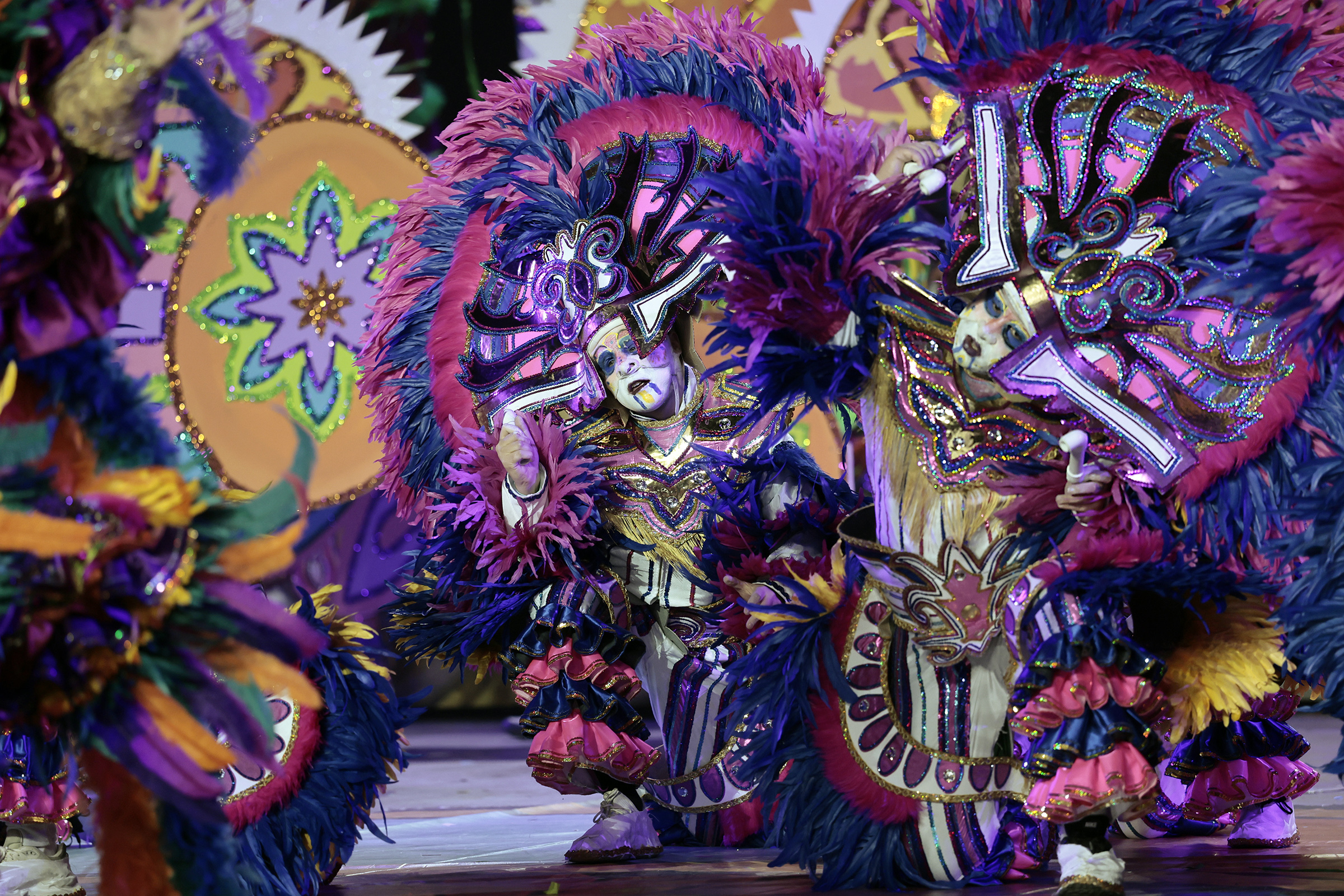
    As the fog lifted on Jan. 1, 1901, four Fancy Dress Clubs and 16 Comic Clubs gathered at the corner of Broad and Reed Streets for the first ever Mummers Parade.

    “Kings, emperors, knights and jesters, clothed in purple royal or tinkling tensel [sic], wended their way up the broad thoroughfare …” reads a front-page story from the Jan. 2, 1901, Philadelphia Inquirer. “In the throng of merry makers, no tribe no nation, scarcely an individual was neglected.”

    That inaugural Mummers Parade was America’s first folk parade. It also marks the first time an American city hosted a New Year’s Day procession.

    It will be remembered Saturday at the Firstival in the Mummers Museum. Firstivals are the Philadelphia Historic District’s weekly day parties celebrating historic events that happened in Philadelphia before anywhere else in America, and often the world. They are part of a yearlong celebration of America’s 250th birthday.

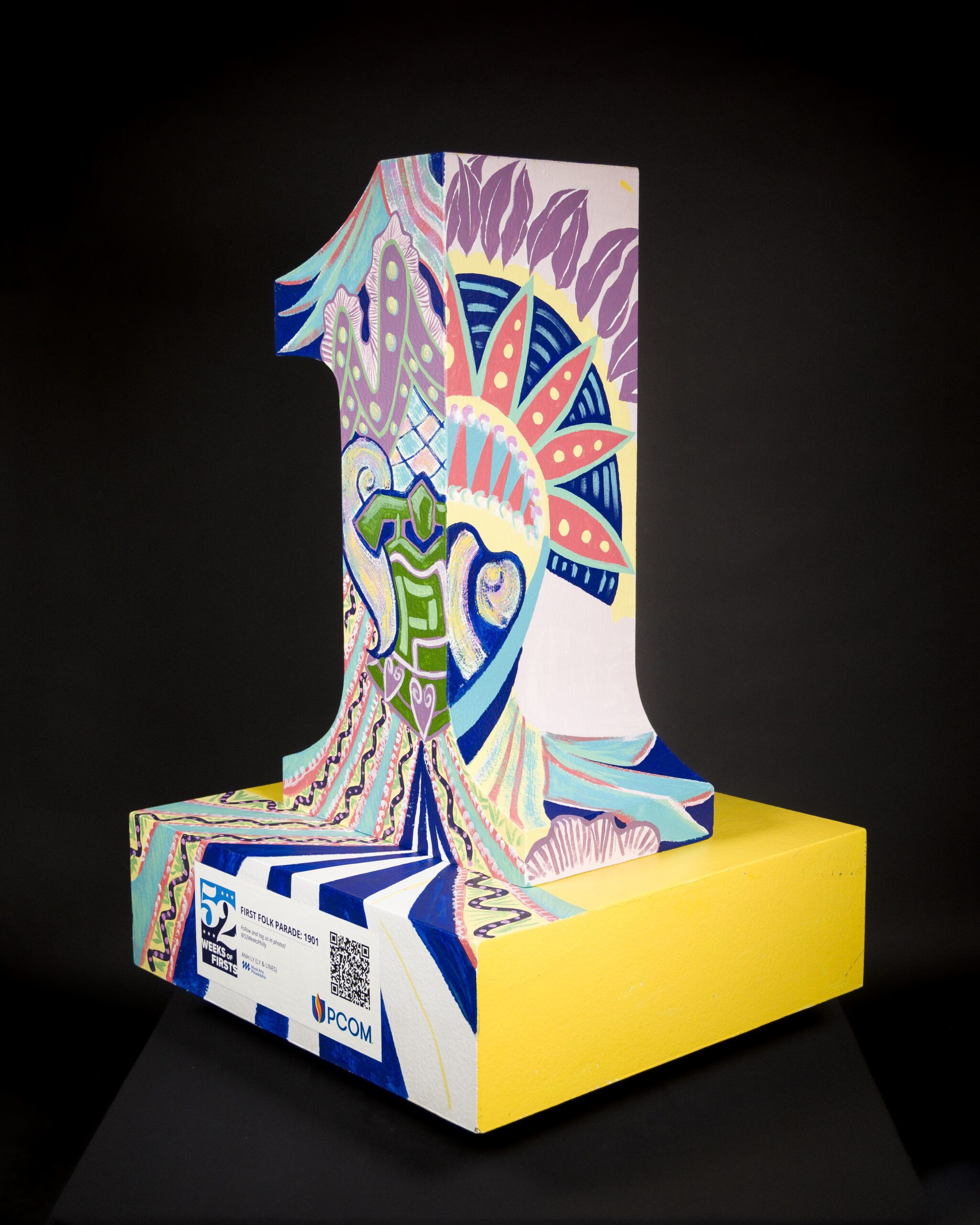
    Artist Anh Ly’s No. 1 highlights the Mummers Parade’s vibrant costumes, instruments and playful traditions.

    That first Mummers Parade began 125 years ago at 9 a.m. on a chilly overcast morning, said Mark A. Montanaro, the Mummers Museum’s curator. It took participants just two hours to march up Broad Street and around City Hall to Girard Avenue.

    Three hundred dollars — $11,575 in today’s money — was awarded to the parade’s two first-place winners: the Elkton Association, part of the Fancy Dressed Club; and the White Cap Association, belonging to the Comic Club.

    Revelers partied all day and into the night.

    The boisterousness remains to this day. So much so that the Philadelphia Historic District did not want to start the Firstival celebrations with the parade, even though that was the initial plan. Why? Because they assumed the Mummers would still be recovering from their parade.

    The word mummer is derived from Momus, the Greek god of satire and mockery. Mommer is the Old French word for mime.

    Philadelphia’s 17th century English and Swedish immigrants dressed in elaborate regalia during the days between Christmas and New Year’s, knocked on their neighbors’ doors, and demanded treats of sweets and nuts. Over the decades, the door-to-door tradition turned into rambunctious neighborhood parties as Dutch, Irish, and Italian immigrants joined in on the fun.

    In November of 1900, Philadelphia Evening Bulletin reporter and theatrical promoter H. Bart McHugh and City Councilman John H. Baizley asked Mayor Samuel Ashbridge if the city would consolidate the block parties into one big parade.

    Plans were finalized by mid-December.

    The Mummers Parade remains one of Philadelphia’s most enduring traditions. It’s only been canceled three times: during the 1919 Spanish Flu, 1934 during the Great Depression, and 2021 during COVID. (This year, the String Band Division called off its competition due to strong winds.)

    The Jokers perform during the Fancy Brigade Finale at the Pennsylvania Convention Center during the 2026 Mummers Parade in Philadelphia on Thursday, Jan. 1, 2026.

    Parade routes have changed; today it starts at City Hall and ends at Washington Avenue. At times its been fraught with racial controversy, as some members have appeared in blackface as recently as 2020.

    That’s all in the past, Montanaro stressed.

    “The Mummers are striving for inclusivity,” Montanaro said. “We are a little bit of Mardi Gras, a little bit of Carnival, and a whole lot of Philly.”

    This week’s Firstival is Saturday, Jan. 9, 11 a.m. — 1 p.m., at the Mummers Museum, located at 1100 S. 2nd Street. The Inquirer will highlight a “first” from Philadelphia Historic District’s 52 Weeks of Firsts program every week.

  • America’s first balloon ride happened right here in Philly, the birthplace of American aeronautics

    America’s first balloon ride happened right here in Philly, the birthplace of American aeronautics

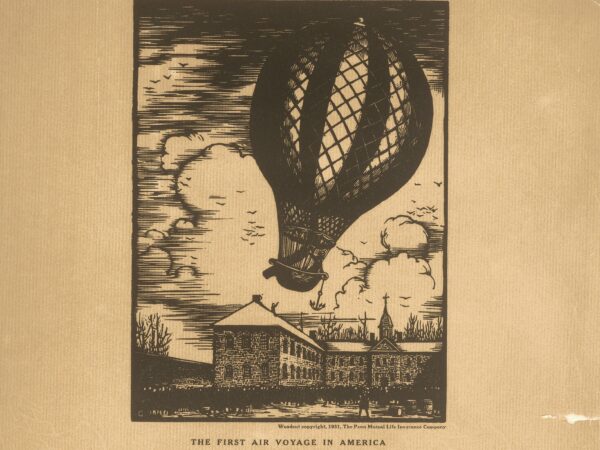
    It was a cold January morning in colonial Philadelphia. The year was 1793 and Thomas Jefferson, James Monroe, John Adams, and George Washington were among dozens of spectators gathered in the Walnut Street Prison workyard. The Founding Fathers watched in awe as French aeronaut Jean-Pierre Blanchard prepared to take flight.

    Blanchard’s hydrogen-powered balloon rose up into the sky. It was the first time someone had ever seen a balloon take off in America.

    Two and a half hours later, Blanchard landed the blue-and-yellow striped silk balloon 15 miles north in a Deptford, N.J., field that today is a Walmart Supercenter parking lot.

    That historic moment — America’s first balloon ride — will be remembered on Saturday at the Athenæum, where the Walnut Street Prison workyard once stood.

    The festivities will kick off the Philadelphia Historic District’s 52 Weeks of Firsts, a weekly day party marking events that happened in Philadelphia before anywhere else in America, and often the world. Each Saturday, the Historic District will partner with a local institution to host a free festival — or “Firstival.” This will be part of a yearlong celebration of America’s 250th birthday.

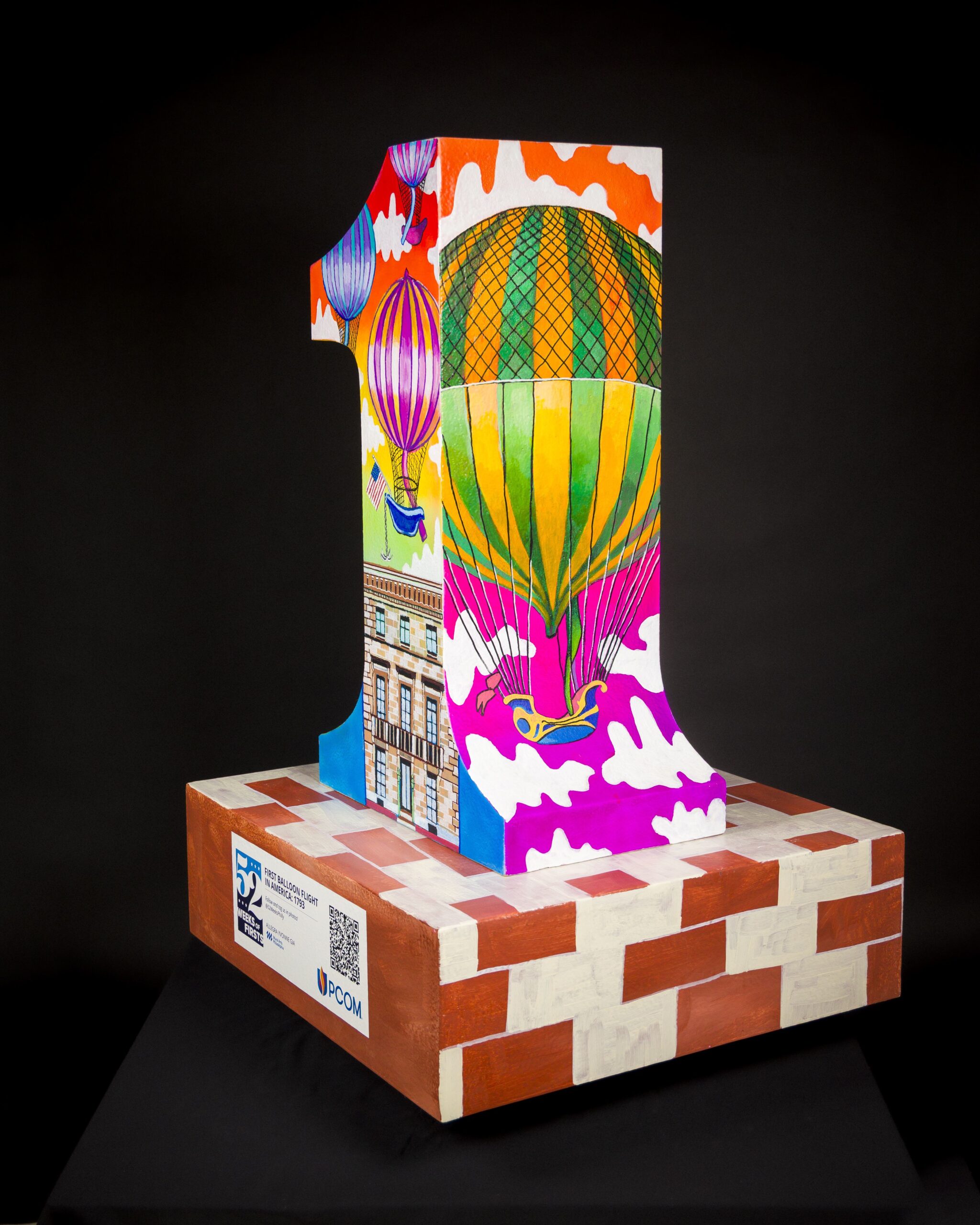
    Each of those locations will feature a foam sculpture illustrated by a Mural Arts of Philadelphia artist commemorating the historic event.

    Mural Arts artist Allegra Yvonne Gia infused images of the Walnut Street prison yard, The Athenæum of Philadelphia, and hydrogen balloons in this illustration.

    Blanchard’s historic balloon ride proves that even back then, Philadelphia resonated greatly with Parisian culture.

    While in Paris negotiating an end to the Revolutionary War in 1783, America’s A-list forefathers, Ben Franklin, John Adams, and John Jay witnessed some of the world’s first balloon rides. Impressed, they came back to Philadelphia raving about the innovation.

    Two years later, Blanchard, and co-aeronaut John Jefferies, became the first people to sail over the English Channel in a hydrogen balloon. (He chose hydrogen because hot air balloons were powered by fire and prone to explosion, thereby making any flight more than three miles risky.)

    The English Channel trip made Blanchard a big deal in aeronautical circles, and he started traveling around the world, flying balloons, and charging spectators, explained Beth Shalom Hessel, executive director of the Athenæum of Philadelphia

    On Jan. 9, 1793, Blanchard made his landmark 45th flight in Philadelphia, turning the Walnut Street Prison workyard into the birthplace of aeronautics in America.

    Onlookers paid $5 — more than $150 in today’s money — to witness Blanchard take off. He carried with him a dog and a letter from Washington. This letter, which demanded that Blanchard be offered safe passage wherever he landed, is considered by many to be the first ever American passport.

    “As a way of making money and drumming up interest in his balloon, Blanchard intentionally chose Philadelphia for his first American flight,” Hessel said. “And that’s fascinating.”

    This week’s Firstival is Saturday, Jan. 3, 11 a.m.- 1 p.m., at the Athenæum of Philadelphia, 219 S. Sixth St. The Inquirer will highlight a Philly “first” from the 52 Weeks of Firsts program every week.

  • Philadelphia’s latest fashion craze? A coat inspired by Kalaya’s Chutatip ‘Nok’ Suntaranon. And her dogs.

    Philadelphia’s latest fashion craze? A coat inspired by Kalaya’s Chutatip ‘Nok’ Suntaranon. And her dogs.

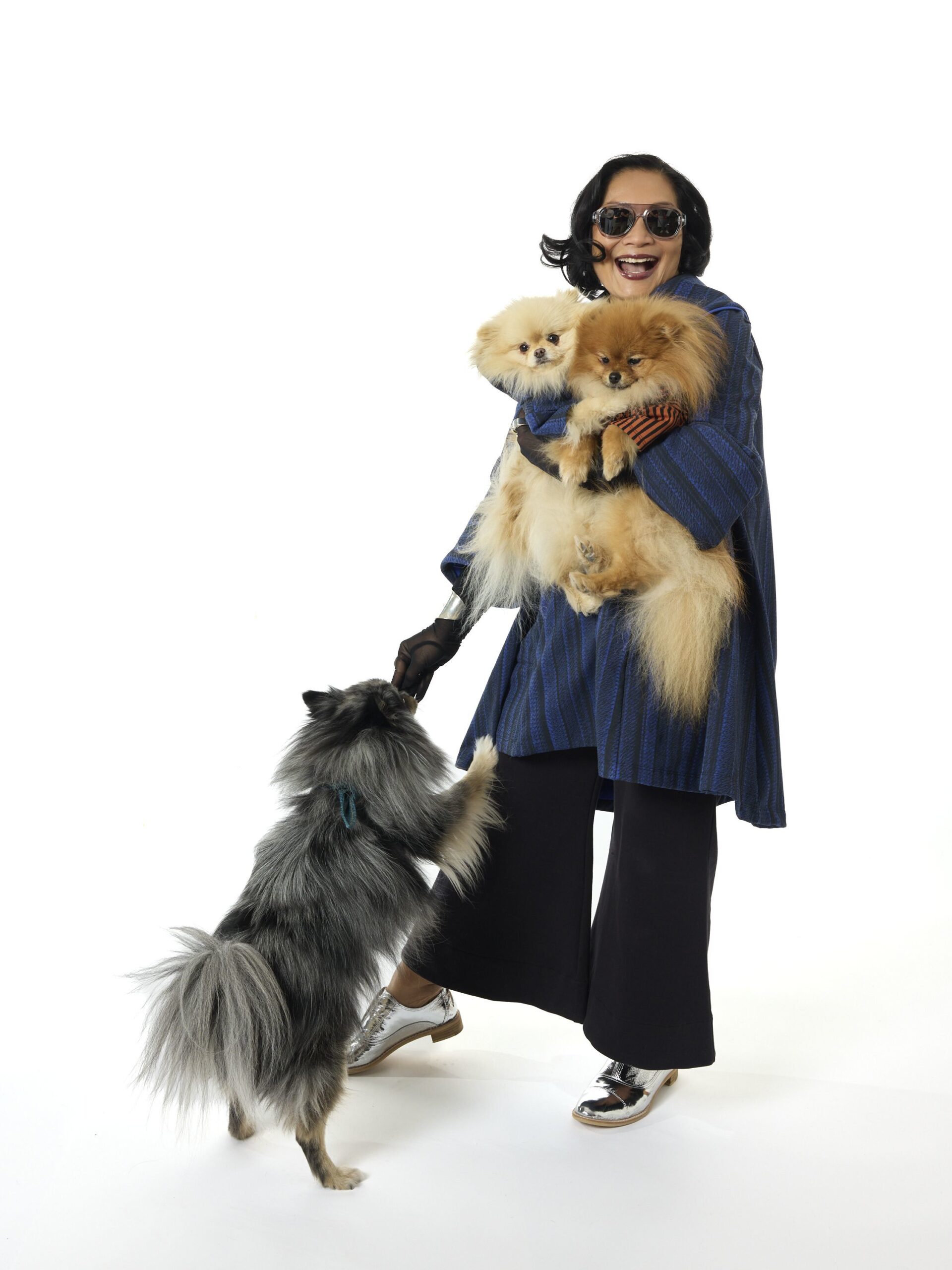
    Chef Chutatip “Nok” Suntaranon — the culinary genius behind the James Beard Award-winning restaurant Kalaya — is known for her delicious Thai cuisine and trotting her adorable Pomeranians, Titi and Ginji, around her Queen Village neighborhood.

    That’s how Suntaranon caught the eye of sustainable fashion designer and Lobo Mau boutique founder Nicole Haddad.

    “To me, she was the lady with the restaurant and the Pomeranians,” Haddad said. “I would see her walking around Fourth Street and she’d have her Pomeranians with her. I have an obsession with Pomeranians. They are the most adorable creatures on the planet.”

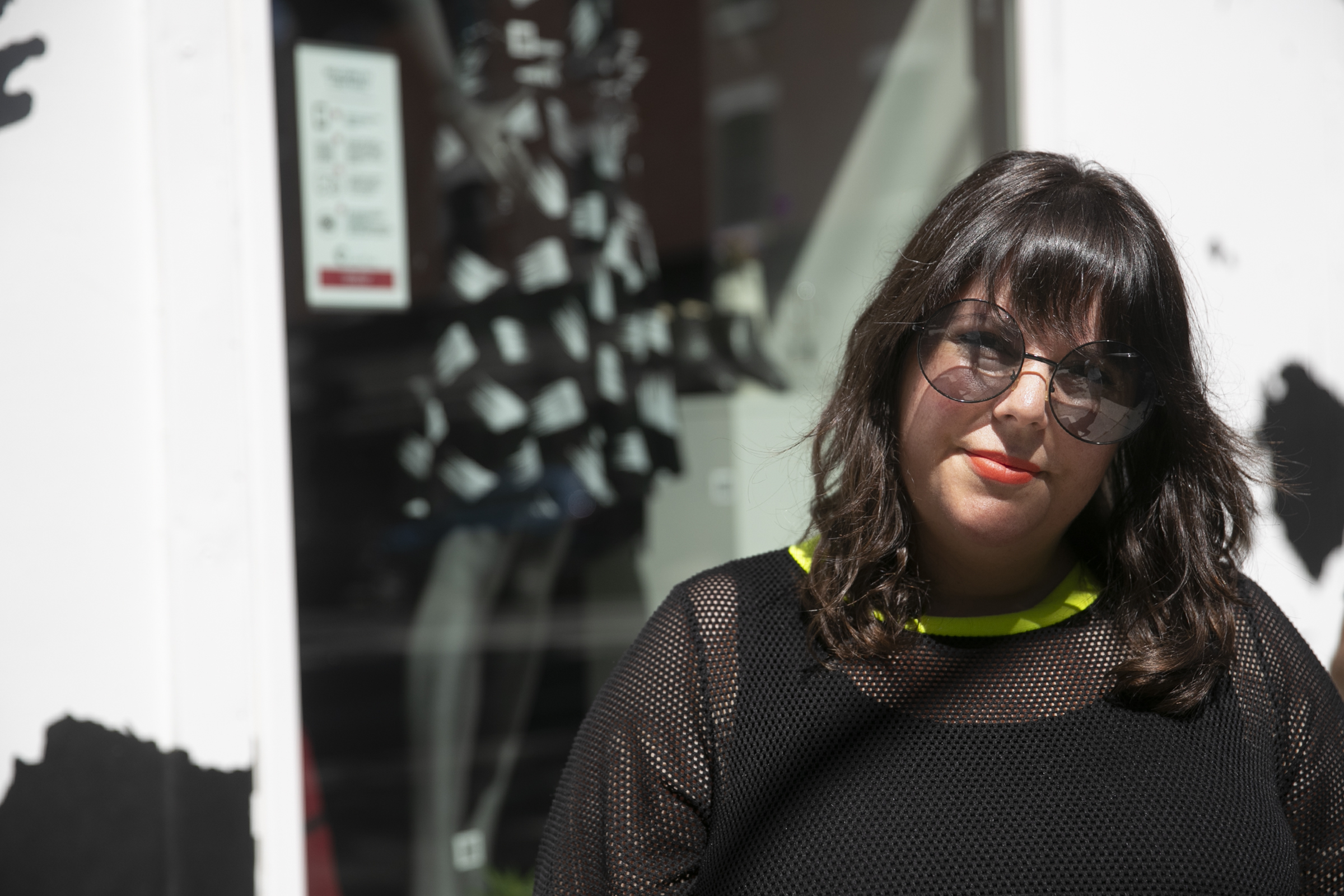
    Nicole Haddad stands in front of her boutique, Lobo Mau, in Philadelphia before it closed in 2024.

    So when a mutual acquaintance of Haddad and Suntaranon’s suggested the two entrepreneurs work together on a Philly fashion collaboration, Haddad jumped at the opportunity. She had the perfect project, a reimagining of Lobo Mau’s top-selling women’s swing coat, the Pom Jacket, named after Haddad’s favorite breed of dog.

    This new version would be called the Nok Pom.

    “It felt like kismet from the beginning,” Haddad said.

    The original

    About 15 years ago, Haddad was in Venice visiting the Peggy Guggenheim Museum when she chanced upon a black-and-white photo of the New York heiress and art collector surrounded by her beloved Lhasa apsos.

    “She was wearing a voluminous swing coat surrounded by five little dogs that reminded me of Pomeranians and I immediately thought, ‘I want to design something like this.’”

    Back in Philly, Haddad made a black-and-white swing coat just like the ones popularized in the 1930s by jazz musicians. These coats were designed by the likes of Elsa Schiaparelli and Balenciaga and sold in the world’s top specialty stores, including Philadelphia’s Nan Duskin.

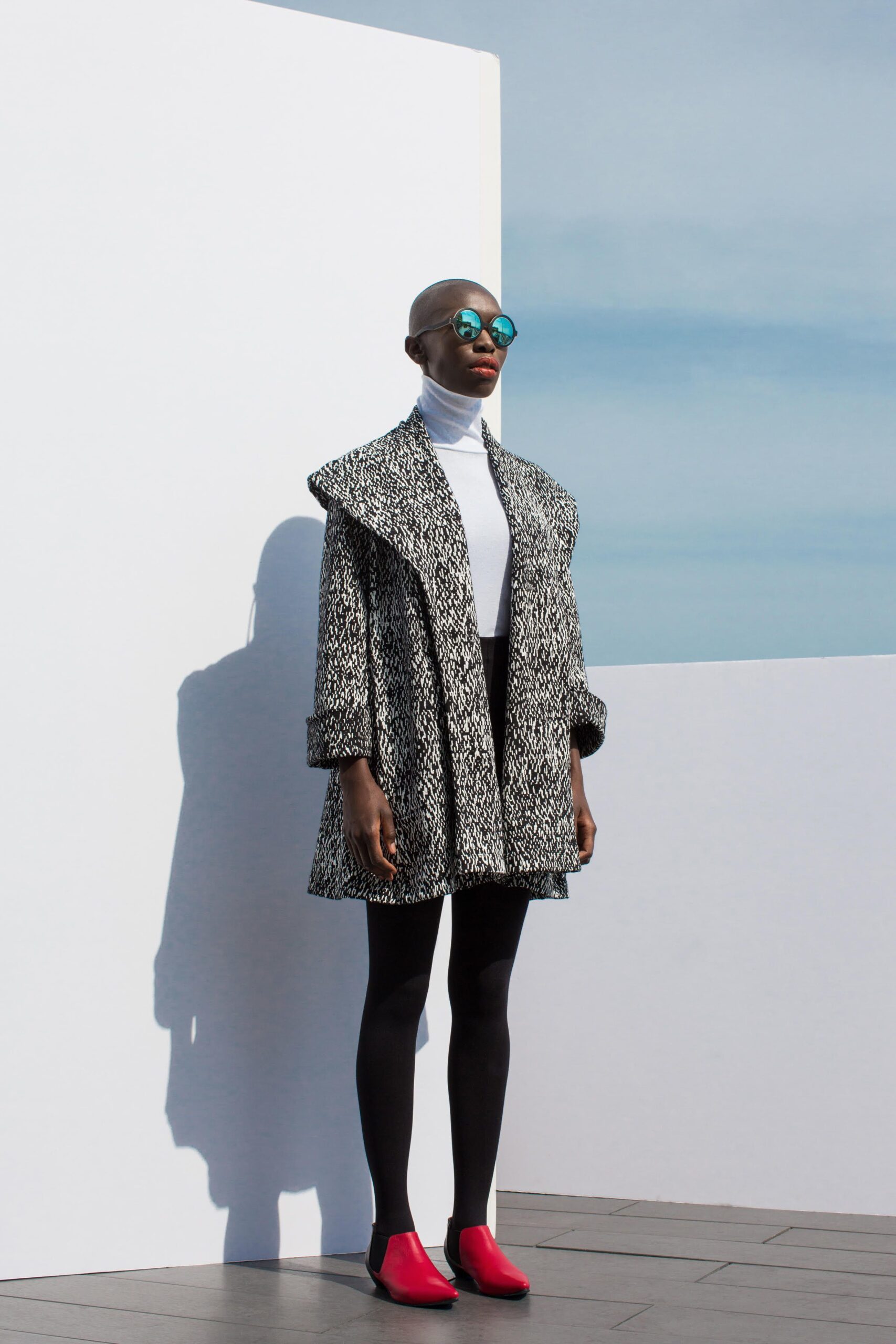
    Haddad’s swing coat, the Pom Jacket, was tapered at the shoulders and flared at the waist, featuring a wide shawl collar and three-quarter-length cuffed sleeves. Priced at $398, it became a bestseller within weeks; finding a cult following, including NPR host Terry Gross, in the city.

    Model Khalil Abner wears Nicole Haddad’s original Lobo Mau Pom Jacket.

    In 2022, the Pom caught the eye of a buyer at New York’s Guggenheim Museum where it sold in the museum’s gift shop through 2024.

    “It was a full circle moment,” Haddad said.

    Meanwhile Suntaranon and Natalie Jesionka, the coauthor of Suntaranon’s 2024 book, Kalaya’s Southern Thai Kitchen: A Cookbook, had their eyes set on the Pom Jacket.

    The remix

    On a winter afternoon in 2019, Suntaranon stopped on a dime in front Lobo Mau’s then-Bainbridge Street boutique. She had to have the original black-and-white Pom Jacket in the window.

    “Within two seconds, we sold her the jacket and she left,” Haddad said.

    Suntaranon loved her jacket and has since been a supporter of Lobo Mau. It was Jesionka, a longtime Lobo Mau client who owned several iterations of the Pom, who suggested Suntaranon and Haddad collaborate.

    Haddad knew Suntaranon gravitated toward bold-hued pieces that appeared architectural but flowed like liquid over women’s curves. She also knew that Suntaranon collected origami-inspired pieces by Japanese womenswear designer Issey Miyake.

    “I’ve been collecting [Miyake] since I was 22,” Suntaranon, 57, said, mentioning the pleated teal, limited-edition Issey Miyake gown she wore to the 2025 James Beard Awards dinner in Chicago. “It’s timeless and beautiful.”

    Suntaranon arrived at Haddad’s Bok Building studio in September 2025 — she closed her Bainbridge Street store in 2024 after landlords tripled the rent — with a clear idea of her dream Nok Pom.

    She wanted a fuller silhouette that was longer in the back and had a button closure.

    “I wanted a more dramatic look,” Suntaranon said.

    Haddad created a print featuring a trompe-l’oeil 3D-effect that gave the illusion of Issey Miyake-style pleats. She had it digitally printed on cobalt blue sweatshirt material.

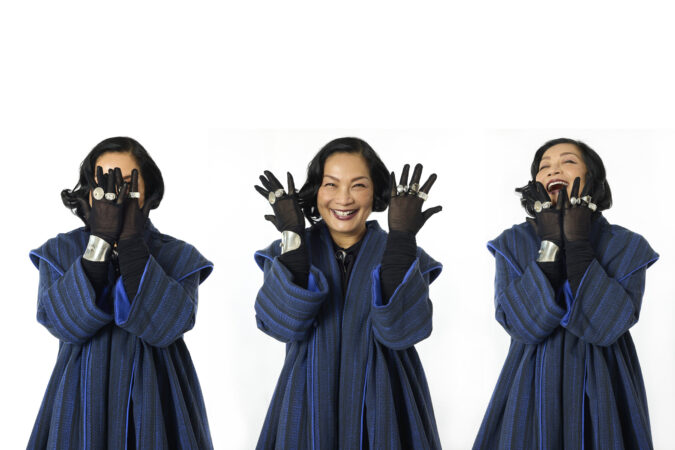
    Kalaya’s chef Chutatip “Nok” Suntaranon poses in Lobo Mau’s exclusive Pom jacket. The acclaimed chef collaborated with local designer Nicole Haddad for an updated version of Hadddad’s original Pom Jacket. Styled by Nicole Haddad and Miranda Martel; jewelry by Feast and Forge and Finish; shoes by Elena Brennan; Hair and makeup by Tarah Yoder.

    She added a box pleat in the jacket’s center back to create volume and drama, piping along the outer edge of the collar, and pockets on the inside and outside of the jacket. As a final touch, she put a big black button under the bustline.

    The Nok Pom was ready.

    “It’s beautiful,” Suntaranon said of her eponymous fashion piece. “It’s exactly how I envisioned it.”

    The Nok Pom, priced at $450, is a limited-edition item and is available to order through Jan. 10.

    In February , Haddad got a Pomeranian of her own that she named Johnny. She designed matching hoodies for Johnny, Titi, and Ginji, that are also for sale.

    Suntaranon is flattered that she — and her pooches — are a part of the city’s food and fashion scene.

    “Fashion — just like food — is a big part of my life,” Suntaranon said. “Fashion and food are an art. When the fashion industry is thriving and the food industry is thriving, the city is thriving.”

    The Nok Pom is available online through Jan. 10 on lobomau.com

  • America’s 250th birthday is the moment Philly museums have been waiting for

    America’s 250th birthday is the moment Philly museums have been waiting for

    No one throws a “Happy 250th Birthday, America” jammy jam like a Philadelphia museum.

    Embedded into the fabric of our nation’s birthplace, Philly cultural institutions are gearing up for high-level deep dives into history, fun, folly, and reflection. Just in time for the Semiquincentennial.

    Our museums’ dynamic programming for America’s big birthday kicks off on Jan. 1.

    The Philadelphia Art Museum, the National Constitution Center, the Museum of the American Revolution, and smaller outfits like Eastern State Penitentiary and Historic Germantown will, as expected, reimagine the history of our republic in an homage to the forefathers’ ingenuity.

    Many are also honoring the perspective of marginalized Americans, upon whose backs this country was built.

    Mixed into the Semiquincentennial festivities are other milestone birthdays. Carpenters’ Hall will celebrate the Commonwealth of Pennsylvania’s 250th with an exhibit, historical marker, statewide town halls, and virtual lecture series.

    The African American Museum in Philadelphia, the Mummers Museum, and the Please Touch Museum — all born out of the 1976 Bicentennial — are turning 50, expanding permanent exhibitions, hosting artist talks, and welcoming school children on field trips.

    The new year also marks Germantown’s the Colored Girls Museum‘s 10th anniversary; it will open its fall 2026 season with a rare show from renowned sculptor vanessa german.

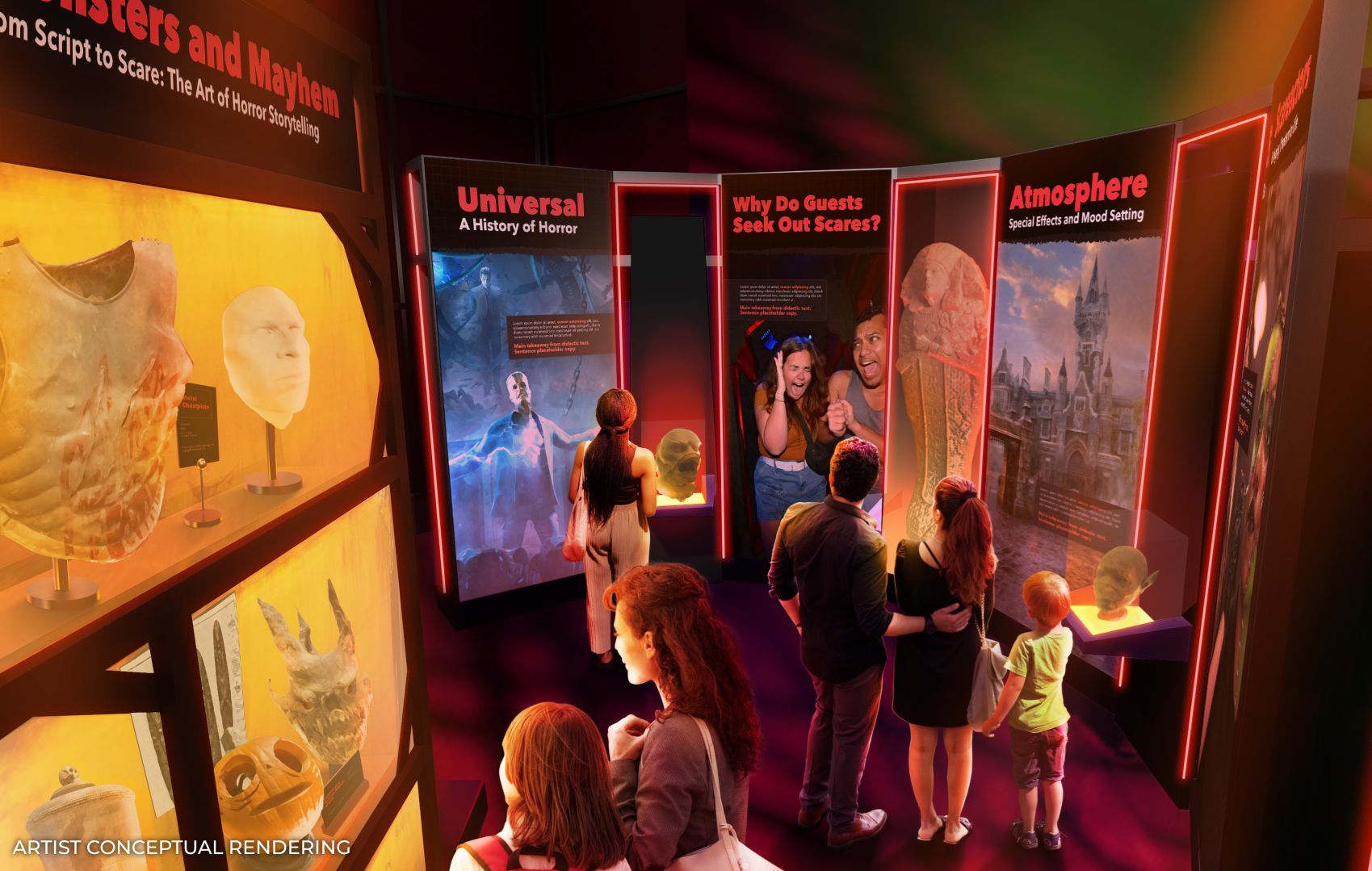
    In a nod to amusement parks — cornerstones of 20th century American entertainment — the Franklin Institute will premiere “Universal Theme Parks: The Exhibition” in February, taking visitors on a virtual trip through attractions from Jaws to Jurassic World.

    Renderings of The Franklin Institute’s world premiere of “Universal Theme Parks: The Exhibition” February 14, 2026 – September 7, 2026.

    Philly is America’s birthplace. Our 250th birthday energy can’t be outdone.

    From the looks of it, it won’t be.

    Philadelphia Art Museum

    The Philadelphia Art Museum has three major shows in 2026.

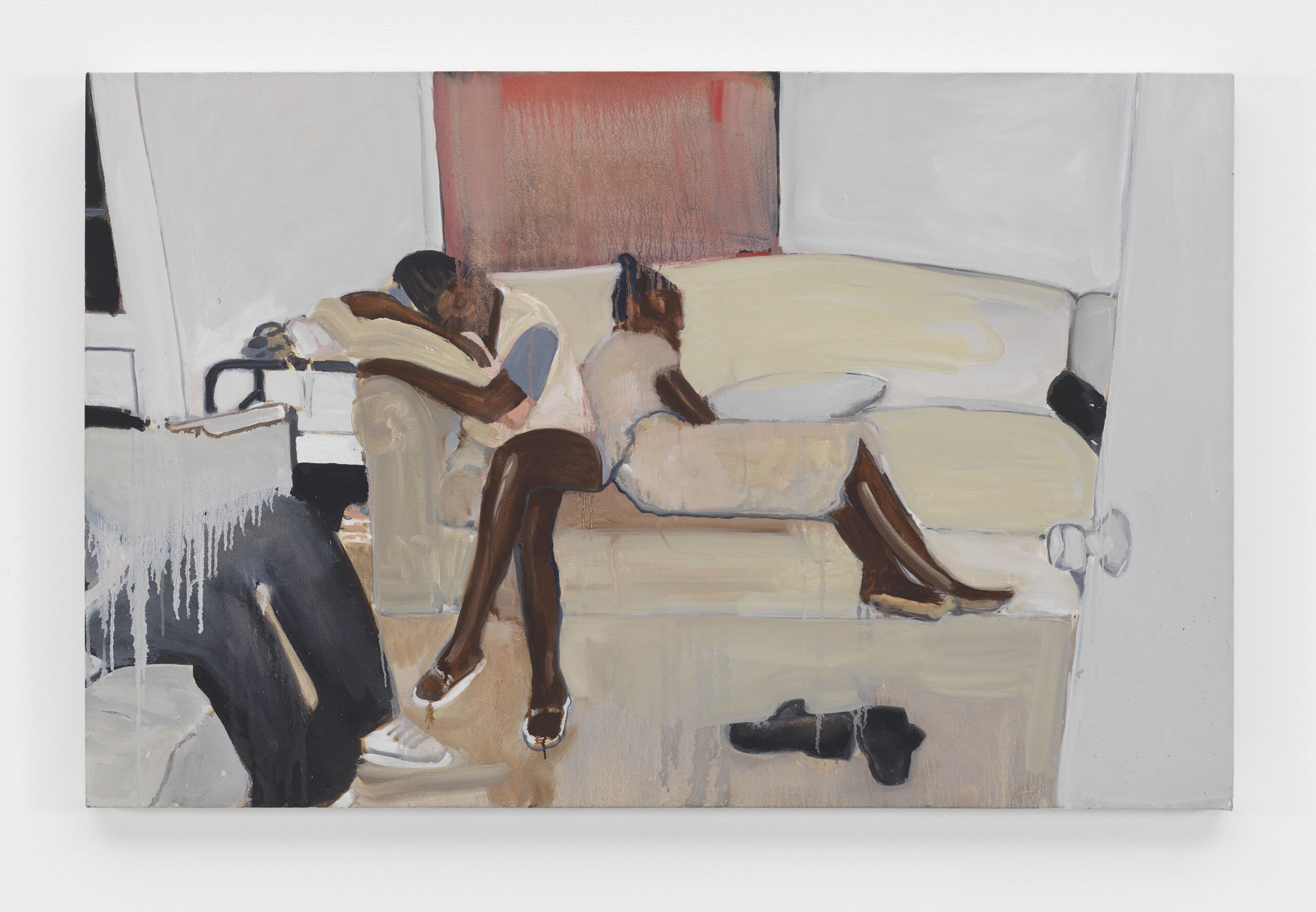
    Noah Davis

    The art museum’s Morgan, Korman, and Field galleries will feature the work of the late African American artist Noah Davis (1983-2015). Davis’ paintings, sculpture, and works on paper capture the history and intricacies of American Black life from antebellum America through his untimely death. Jan. 24-April 26.

    “Untitled Girls” This painting by Noah Davis will be on display in the Philadelphia Art Museum’s 2026 exhibition named after the late artist

    A Nation of Artists

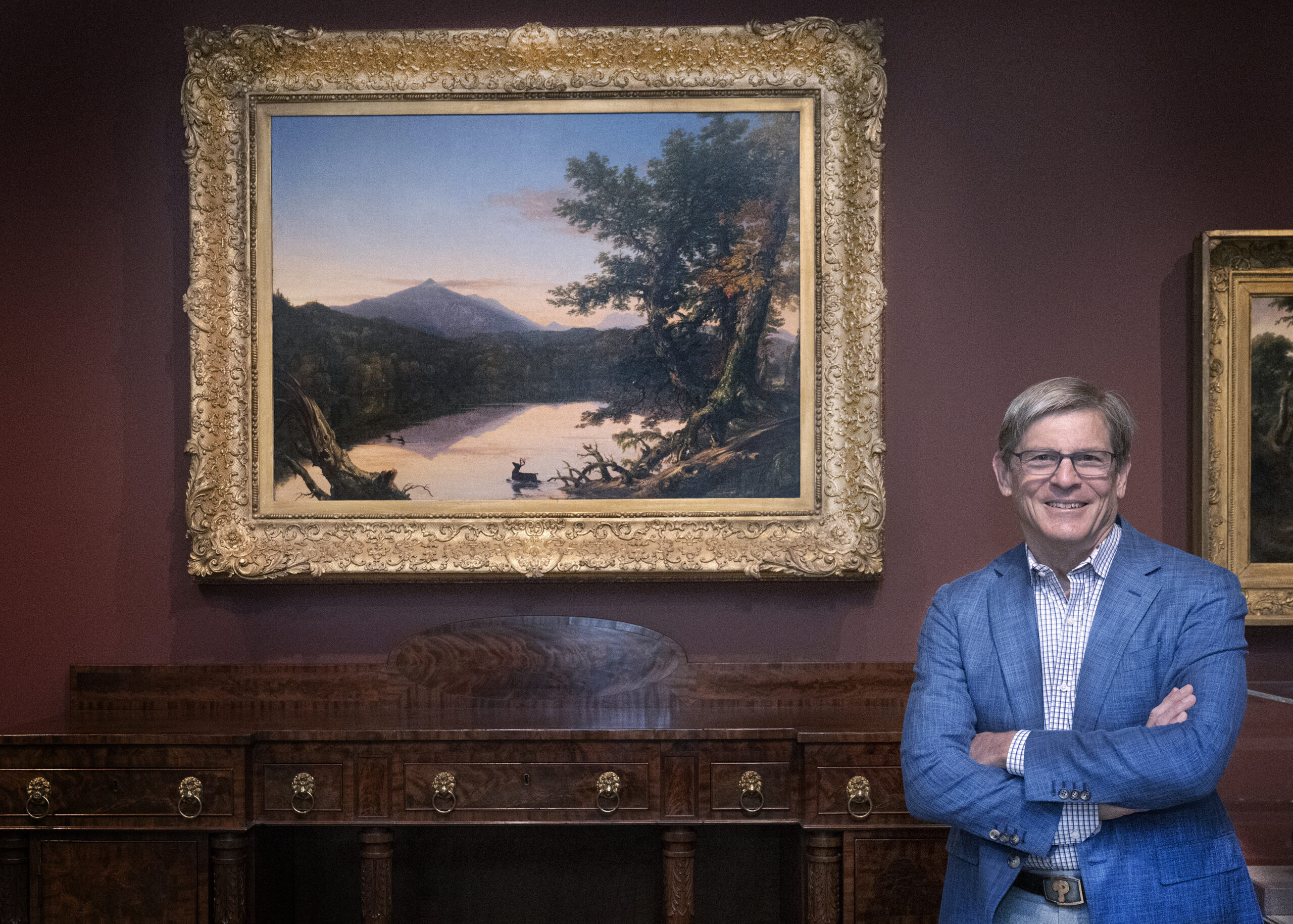
    Paintings, furniture, and decorative arts from Phillies managing partner John Middleton and his wife, Leigh, will center the “A Nation of Artists” exhibit, telling the 300-yearslong story of American creativity. The exhibit is a joint project between the Philadelphia Art Museum and the Pennsylvania Academy of Fine Arts and is billed as “the most expansive presentation of American art ever mounted in Philadelphia.” Opens April 12.

    Rising Up

    2026 marks the 50th anniversary of the release of the first Rocky film. To coincide, the Art Museum in April will open “Rising Up: Rocky and the Making of Moments” in the museum’s Dorrance galleries. The exhibit will explore how the Rocky statue outside the museum brings people together. April 25-Aug. 2.

    Phillies owner John Middleton is photographed next to a painting to his left, part of his personal collection and soon to be exhibited at the Philadelphia Museum of Art.

    Museum of the American Revolution

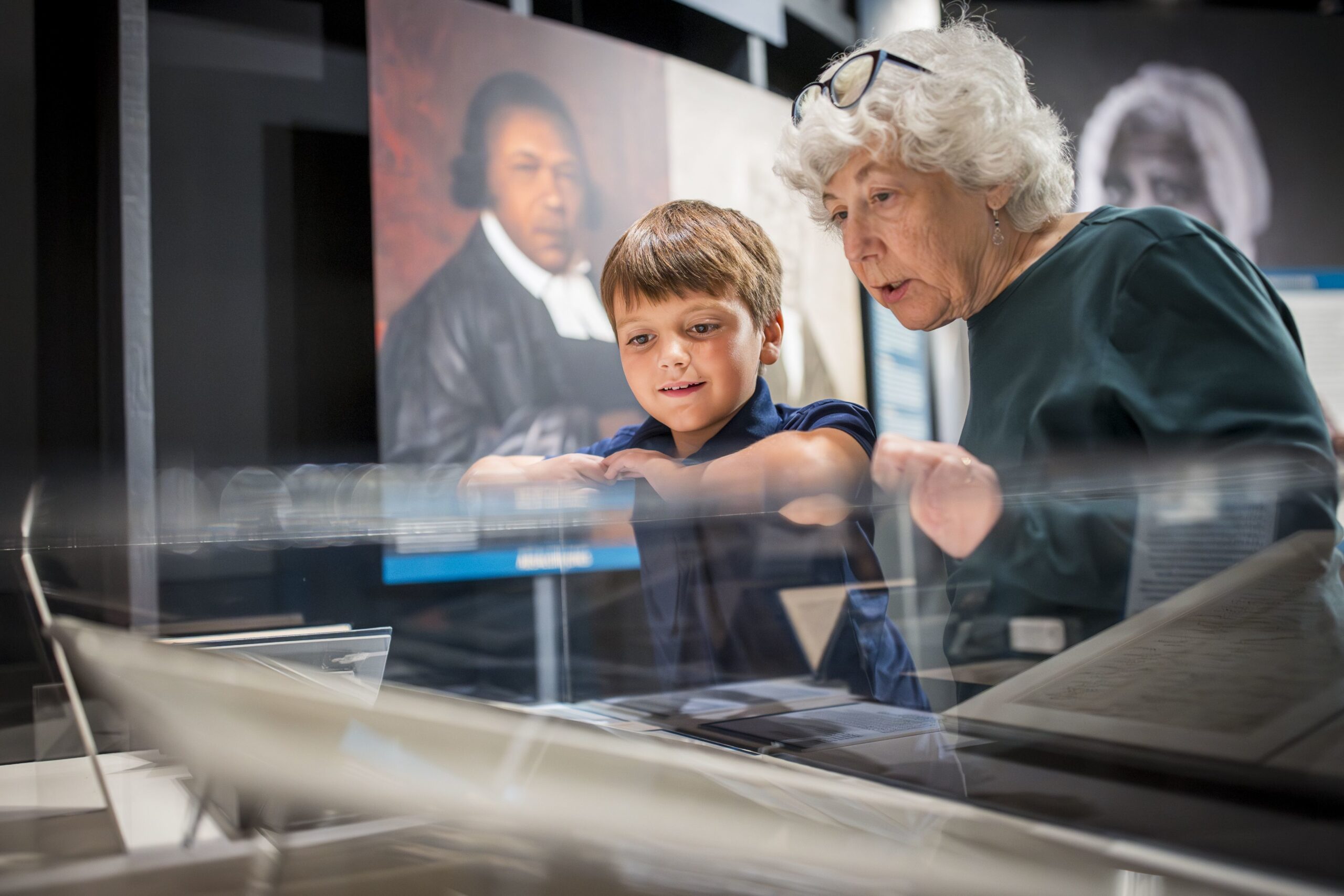
    The Museum of the American Revolution’s “The Declaration’s Journey” includes more than 100 objects that speak to the Declaration of Independence’s enduring power, complexity, and unfilled promise. A chair that once belonged to Thomas Jefferson and the Rev. Dr. Martin Luther King Jr.’s prison bench are on display, as well as manuscripts penned by abolitionists, clergymen, and Free African Society cofounders Absalom Jones and Richard Allen. Through Jan. 3, 2027.

    Visitors at the Museum of the American Revolution in front of a portrait of Absalom Jones, abolitionist and founder of The First African Episcopal Church of St. Thomas. Jones’ writings are on display.

    Penn Museum

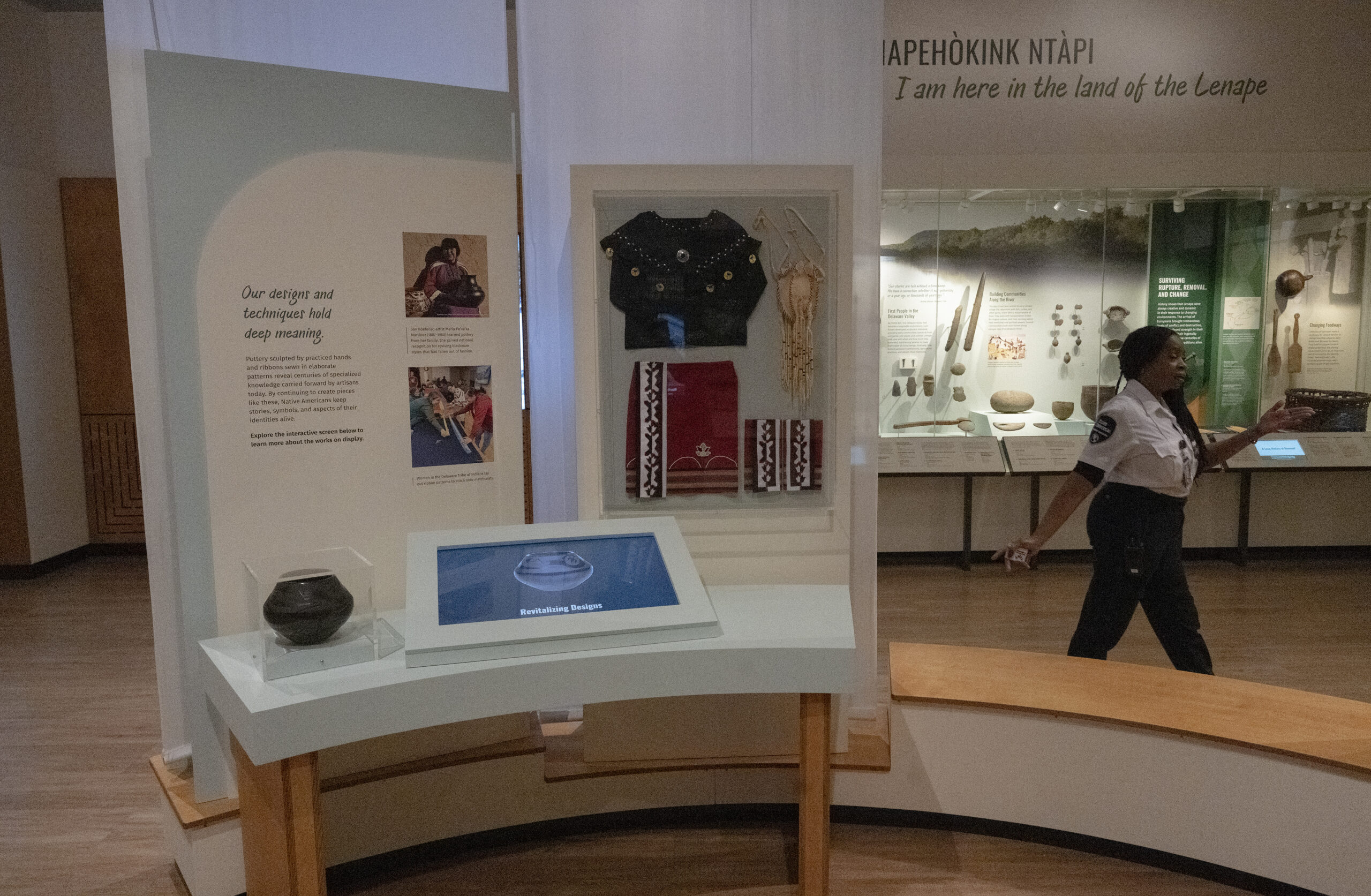
    Spear points dating to 3,000 B.C., centuries-old bowls, and 19th century beaded collars are a few of the items that illustrate the lives Lenape Indians led fishing on the banks of the Schuylkill and hunting in Fairmount Park. These are on display at Penn Museum’s new Native North American gallery. Visiting curator Jeremy Johnson chose these artifacts because, he said, they best “tell the story of his people — who the Founding Fathers tried to erase.” Through 2027.

    A gallery of Native American art is displayed at the Penn Museum on Friday, Nov. 21, 2025, in Philadelphia. As celebrations of Native American culture and precolonial Philadelphia plants grow, museums across the city prepare for America’s 250th birthday.

    Weitzman National Museum of American Jewish History

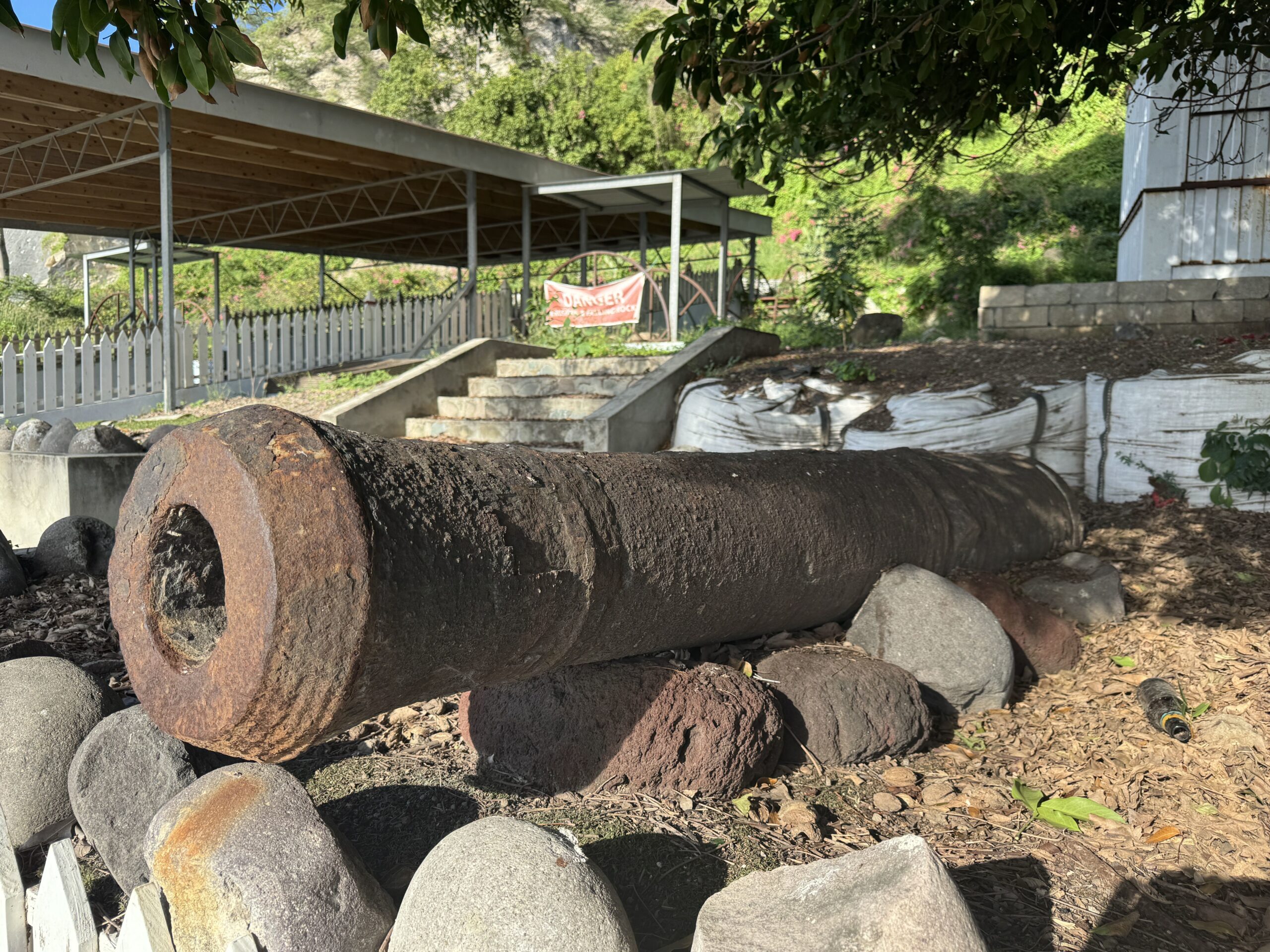
    On Nov. 16, 1776, the Andrew Doria brigantine arrived in the Caribbean on the British colony St. Eustatius, waving the first national flag of the United States. The Jewish merchants and English settlers, treated poorly by their antisemitic Anglican monarchs, greeted the newly minted Americans with a 13-cannon salute. In that moment, St. Eustatius became the first country to recognize America’s sovereignty.

    Cannon from the shores of St. Eustatius much like those fired in the 18th century that will will be on display during “First Salute.” 250tharts-12-28-2025

    Weitzman National Museum of American Jewish History’s “The First Salute” exhibit will recount this largely untold story — including how the Jewish merchants smuggled the Americans’ gunpowder in tea and rice bags, giving Pirates of the Caribbean meets Hamilton vibes. Artifacts on display will include 18th-century currency, a series of paintings from prominent Jewish Philadelphian Barnard Gratz’s art collection, and an actual cannon shot from the island’s shores. From April 23, 2026, through April 2027.

    National Constitution Center

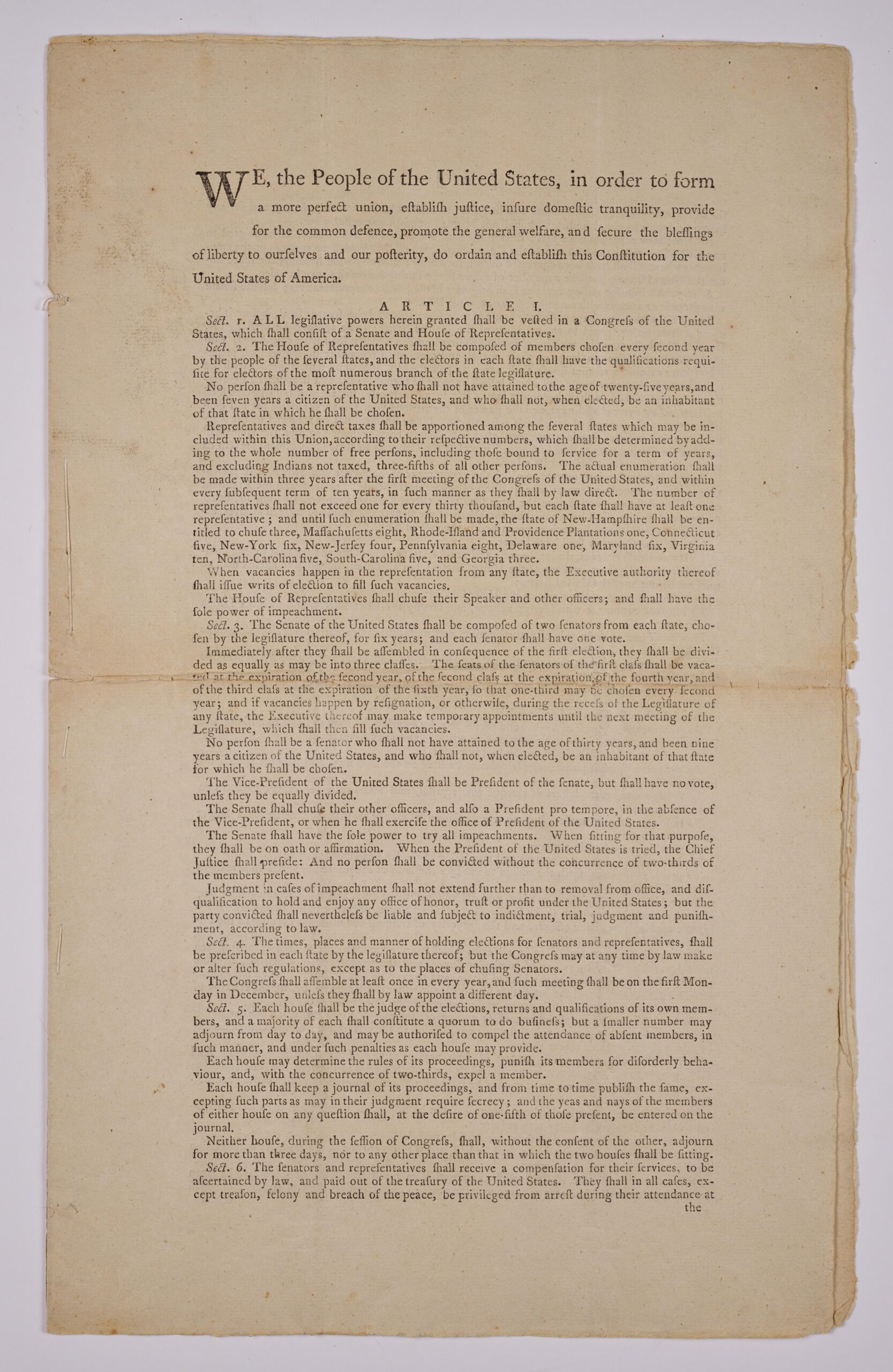
    Centered around a rare, centuries-old copy of the U.S. Constitution — a gift from billionaire hedge fund manager Kenneth C. Griffin — the National Constitution Center will present “America’s Founding.“ The gallery will be dedicated to the exploration of our early, colonial principles that led our fight for independence. How do they stand up now? Opens Feb. 13.

    This original copy of the U.S. Constitution, one of only 14, was donated to the National Constitution Center by billionaire hedge fund manager Kenneth C. Griffin. It will be featured in the Constitution Center’s upcoming “America’s Founding” exhibit.

    A second gallery will explore how the Constitution defines roles and balances power between the legislative, judicial, and executive branches of government. Opens in May.

    African American Museum in Philadelphia

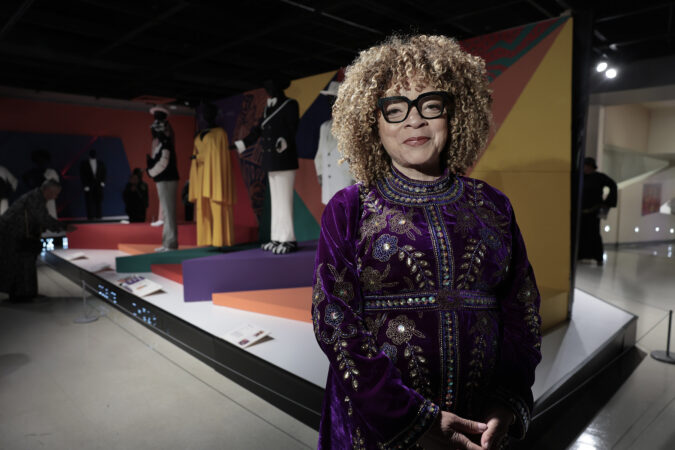
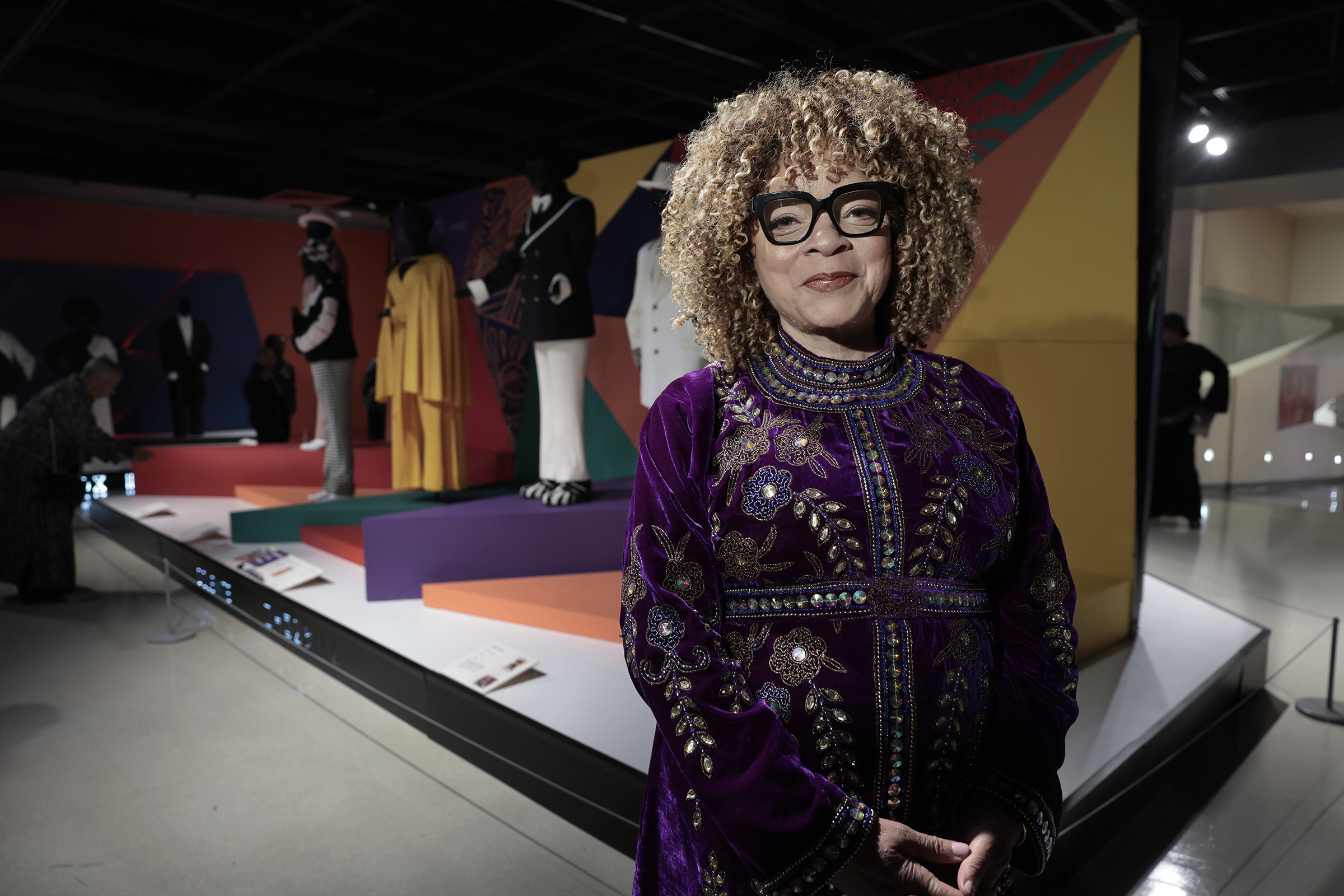
    The African American Museum in Philadelphia began its celebration of America’s 250th — and its own 50th — with a yearlong nod to the future with “Ruth Carter: Afrofuturism in Costume Design.” Through September.

    Ruth E. Carter pauses briefly during the “Ruth E. Carter: Afrofuturism in Costume Design” opening gala at the African American Museum in Philadelphia on Saturday, Nov. 1, 2025.

    In October 2026, AAMP will premiere the extension of its “Audacious Freedom” exhibit. Currently on the ground floor, the exhibit is a study of Black Philadelphians from 1776 to 1876. The expanded show will bring “Audacious Freedom” up to present day and will include 20th-century artists and educators, from Charles Blockson to Jill Scott.

    Woodmere Art Museum

    Inspired by Philadelphia illustrator and friend of Woodmere Jerry Pinkney, the Chestnut Hill museum’s Semiquincentennial show, “Arc of Promise,” acknowledges America’s painful histories of slavery, injustice, and displacement of its Indigenous people while affirming its capacity to rebuild, renew, and evolve. Featuring art by Philadelphians dating to 1790, “Arc of Promise’s” paintings, sculptures, maps, and flags explore what freedom and justice for all truly means. Opens June 20.

    The Academy of Natural Sciences of Drexel University

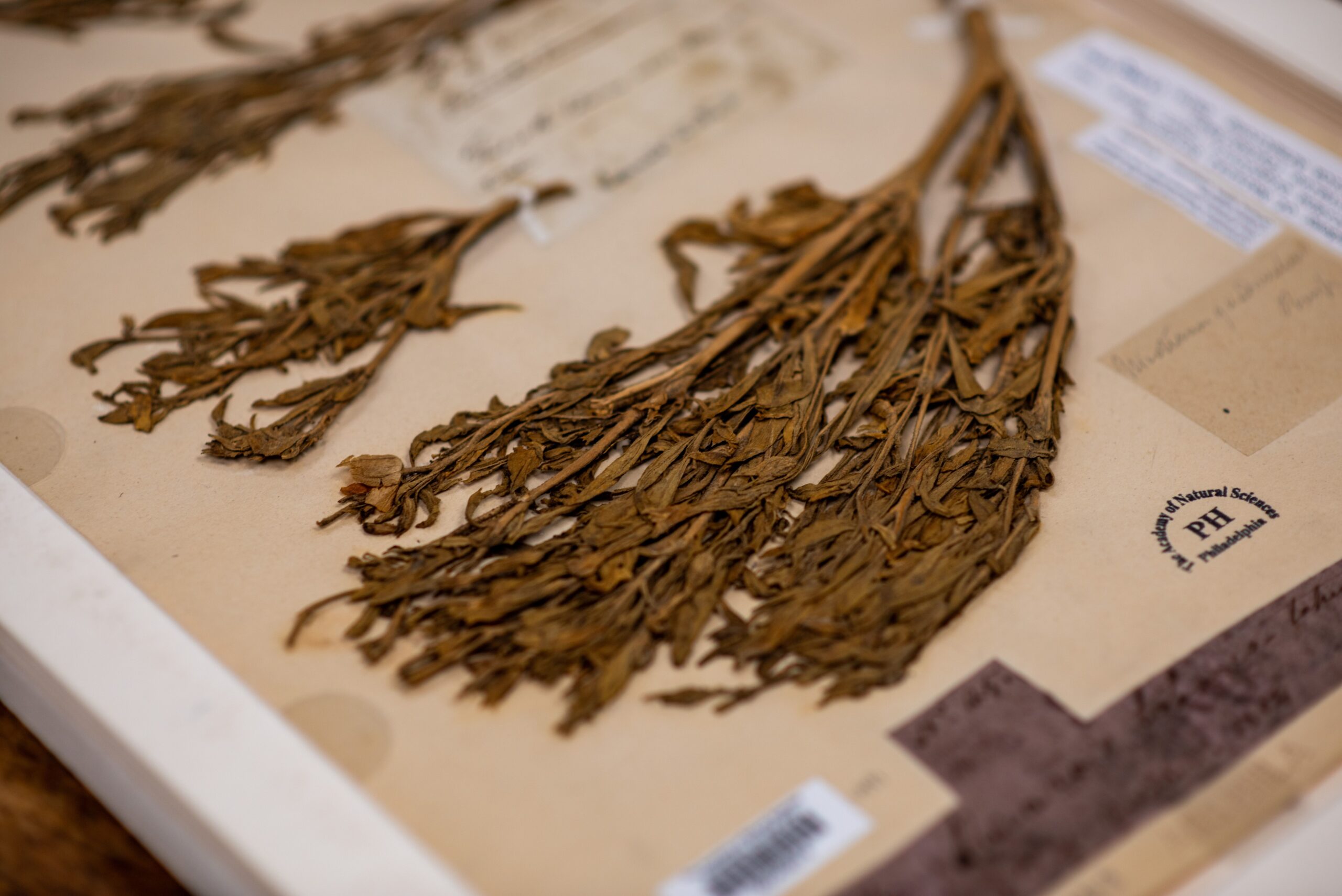
    In collaboration with California State University ethnobotanist Enrique Salmón, the Academy of Natural Sciences at Drexel University will debut “Botany of Nations: Indigenous Ecological Knowledge and the Lewis & Clark Corps of Discovery.” These centuries-old plants, collected by explorers Meriwether Lewis and William Clark, were a gift to Philadelphia’s American Philosophical Society from Thomas Jefferson. Organizers hope the selection of now-pressed plants — prairie turnip, camas root, and Western red cedar — will be a vegetative portal to the Indigenous perspective in American frontier life. From March 28, 2026, through Feb. 14, 2027.

    Samples from Botany of Nations. Academy of Natural Sciences of Drexel University, March 28, 2026 – February 14, 2027

    The Clay Studio: Center for Innovation in Ceramic Art.

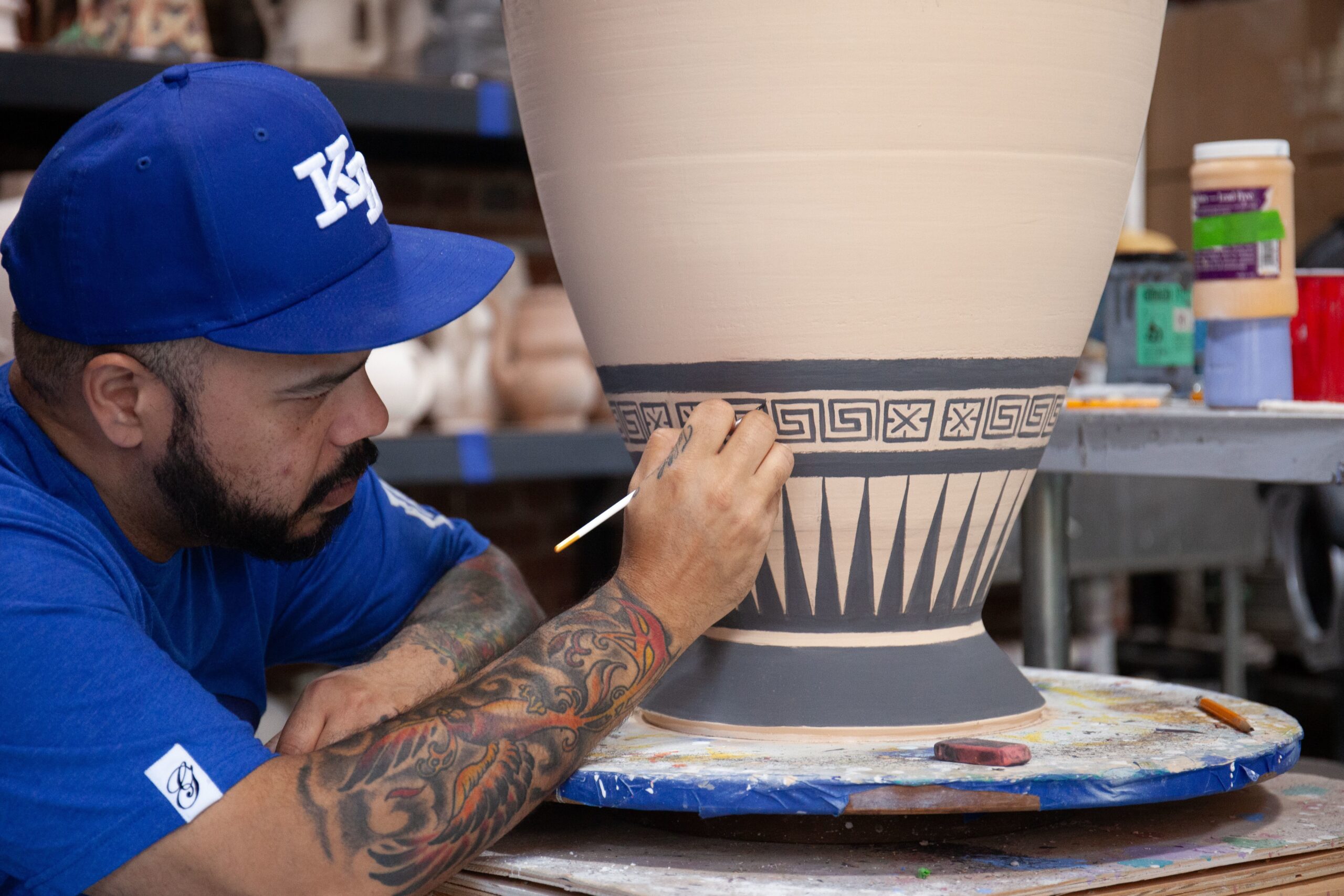
    Twenty-five artists from 20 Philadelphia cultural institutions will present projects that show how the definition of independence evolved from 1776 through 1876, 1926, 1976, and 2026 under the umbrella of the Clay Studio. The exhibit, “Radical Americana,” will start with a compelling show by Kensington potter Roberto Lugo on April 9. Artists will mount additional shows at participating institutions throughout the year, including at the Museum for Art in Wood and Cliveden Historic House. A full list is available at theclaystudio.org. Opens April 9.

    Roberto Lugo is shown working on one of his Greek vases that is now part of a new exhibition, “Roberto Lugo / Orange and Black” at Art@Bainbridge, a gallery project of the Princeton University Art Museum

    Mural Arts Philadelphia

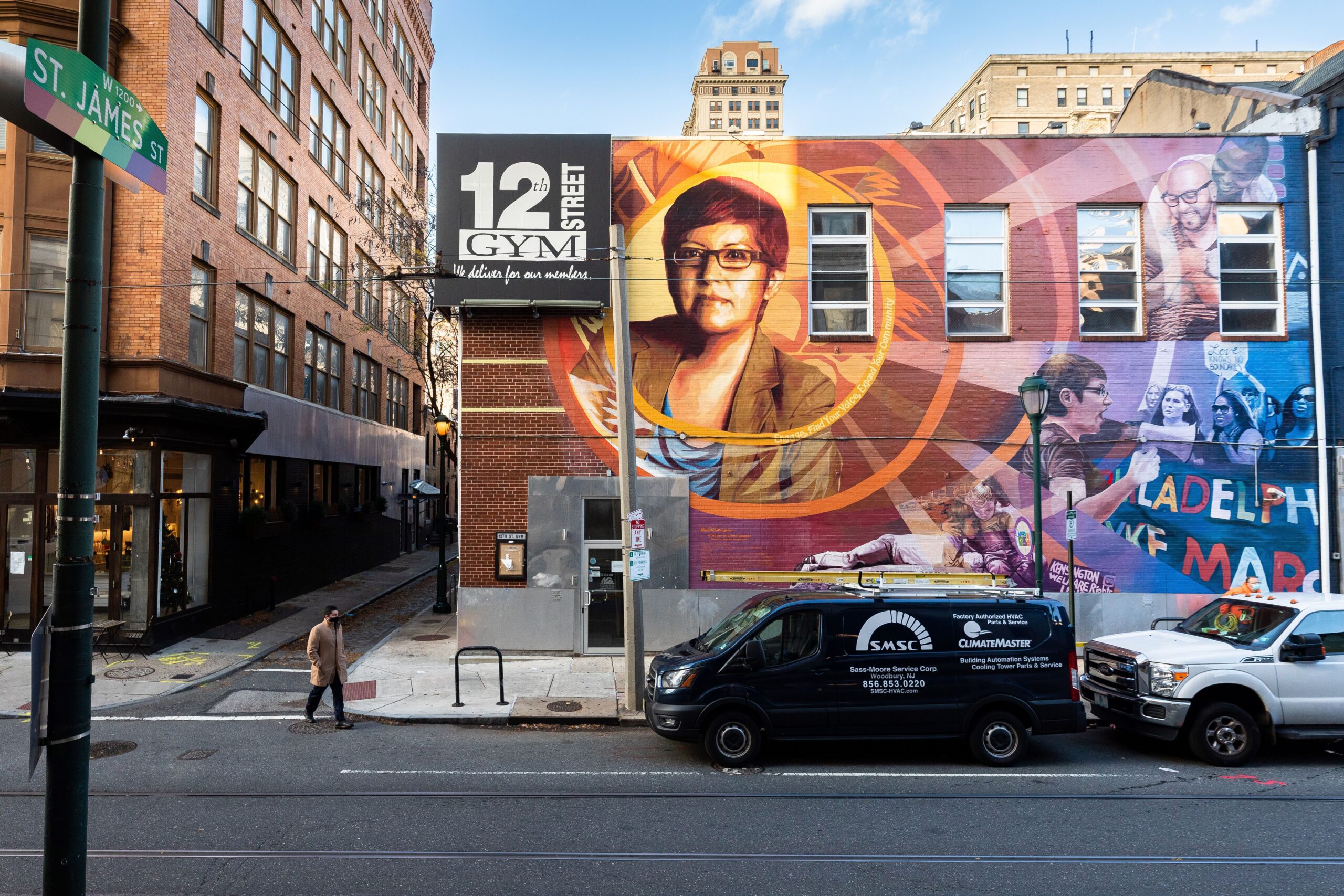
    Mural Arts is working on several projects that will spruce up the city in 2026. That includes a new focus on the city’s entryways, the restoration of several murals, and a collaboration between Free Library of Philadelphia in a community printmaking project. At least three new murals will debut and include a tribute to artists Questlove (of the legendary Roots crew) and Boyz II Men. A refurbished mural in honor of Philadelphia’s first director of LBGTQ affairs, the late Gloria Casarez, will be unveiled. Mural Arts also is partnering with the Philadelphia Historic District on sculptures for next year’s 52 Weeks of Firsts programming and with the Bells Across PA program to create Liberty Bell replicas in neighborhoods throughout the city.

    A rendering of a tribute to Gloria Casarez City of Philadelphia Mural Arts Program, Michelle Angela Ortiz, 12th Street Gym, 204 South 12th Street.
  • Harriett’s Bookshop among bookstores receiving a $500 Christmas bonus from James Patterson

    Harriett’s Bookshop among bookstores receiving a $500 Christmas bonus from James Patterson

    Three local bookstores are among eight in Pennsylvania to win a $500 grant from award-winning author James Patterson’s annual Holiday Bookstore Bonus Program.

    Harriett’s Bookshop in Fishtown, Main Point Books in Wayne, and the Doylestown Bookshop in Doylestown were the local winners.

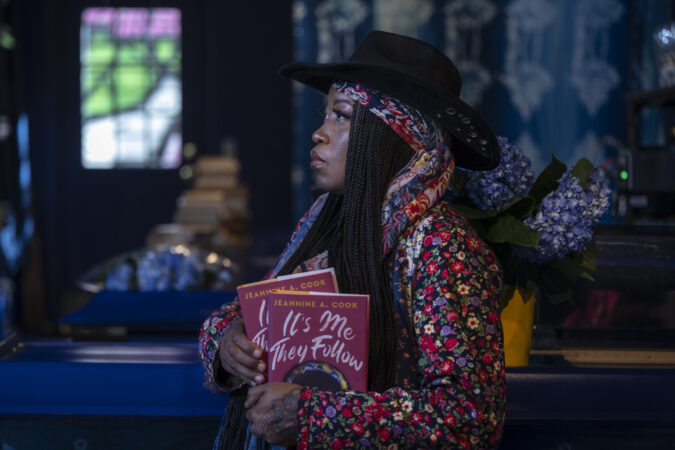
    Harriett’s owner Jeannine A. Cook thanked Patterson on her Instagram.

    “Thank you [James Patterson] for supporting Harriett’s in this way and spreading love to our bookshop cousins all across the country when many of us need it most,” Cook wrote, adding that she will use the money to support her Bookshop Without Borders project that brings books and companionship to people who are lonely.

    Patterson, who released Return of the Spider, the latest installment in the popular Alex Cross series in November, pledged $300,000 this year, distributing $500 to 600 booksellers and members of the American Bookstore Association. Bookstores are nominated by authors, customers, employees, fellow bookstore owners, and managers.

    This year’s winners were announced Wednesday. This is Main Point Books second consecutive bonus and it was Harriett’s first. In New Jersey, Inkwood Books in Haddonfield and Words Matter Bookstore in Pitman also received grants.

    Patterson has been doling out cash to bookstores in this holiday bonus program since 2015. The gifts, he said to the New York Times in 2014, are to financially support and recognize the vital work of independent bookstore employees and librarians.

    Patterson alludes to the need to fund independent bookstores in his 2024 book The Secret Lives of Booksellers and Librarians, True Stories of the Magic of Reading.

    “Our bookstores in America are at risk,” he said in 2014 at the advent of the program. “Publishing and publishers as we’ve known them are at stake. To some extent the future of American literature is at stake.”

  • Move over Versace, Taylor Swift debuted her first outfit ‘that goes hard’ at age 11 before a Sixers game

    Move over Versace, Taylor Swift debuted her first outfit ‘that goes hard’ at age 11 before a Sixers game

    Taylor Swift is someone who can chill but will never be a chill person. Also, “All to Well,” the 10-minute version, tops the list of her favorite songs from her catalog.

    These were among the many other revelations that Swift dropped during her first interview on Stephen Colbert’s The Late Show, Wednesday night.

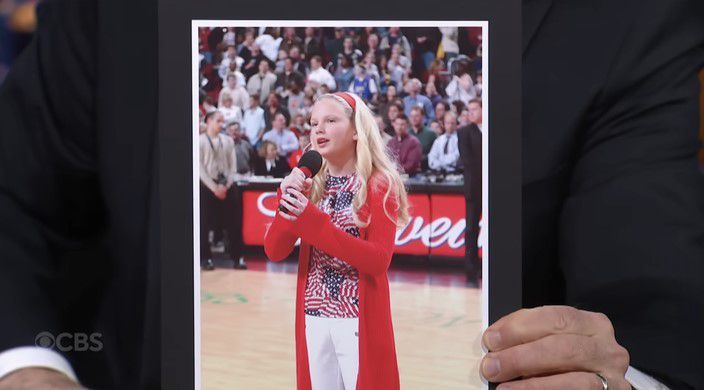
    Philadelphia fans will most appreciate the 2001 flashback photograph of a tween Taylor singing the national anthem at a Sixers game in her very patriotic outfit: a red duster, an American flag top, and white pants.

    On “The Late Show with Stephen Colbert,” Taylor Swift talks about her national anthem outfit: a red duster, white pants, and sparkly shirt for a performance of the national anthem at a Sixers game in 2001.

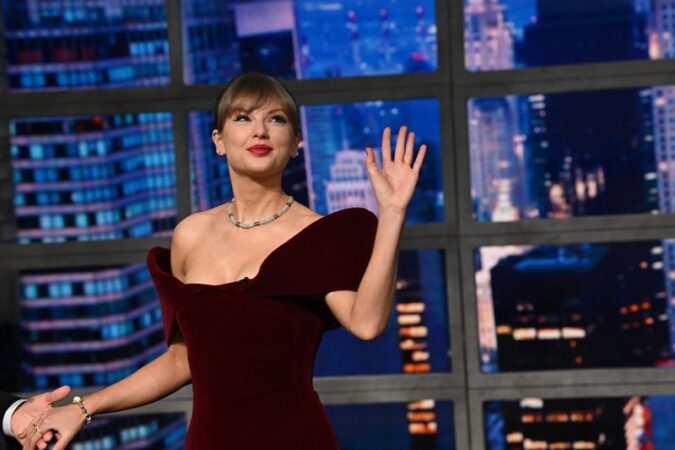
    “You know when you are like 11 and you have that one outfit that you just know … goes so hard … when you just put this on and it’s like I’m sorry. I’m unstoppable today,” the Berks County native said on the talk show. She was dressed in a precariously fitting burgundy velvet mini with an off-the-shoulder Bardot neckline with winged sleeves giving early-Christmas-present energy to her fans.

    Today, that unstoppable outfit for her is a sparkling Versace bodysuit, one of her many outfit changes on “The Eras Tour.”

    “Anytime I put it on … I could be like coughing from a horrible virus. I could be aching,” Swift said. “When I put that on, I’m like, ‘This is popping.’ I’m doing it.”

    Swift appeared on The Late Show to promote the Friday release of her six-part docuseries The End of an Era, and the concert film Taylor Swift | The Eras Tour | The Final Show on Disney+.

    The interview was light-hearted, fun, and thorough. Swift talked about her friendship with Stevie Nicks — we are jealous! — the excitement of her engagement to Kansas City Chiefs’ Travis Kelce, and the thrill of getting the master recordings of her first six albums back in May.

    She had no idea of the impact of her tour on her fans until she learned they were passing out from joy.

    Literally, passing out from joy.

    “When I read articles that medical professionals are diagnosing fans who came to the Eras tour with post concert amnesia and joy blackouts, I was like, ‘Oh man, this is different,’” Swift said “The fans … People connecting to what we created made the Eras Tour what it was.”

  • ‘Eat a cheesesteak’: Will Smith’s advice to a younger Will on ‘Bel-Air’ is the perfect ending to the series

    ‘Eat a cheesesteak’: Will Smith’s advice to a younger Will on ‘Bel-Air’ is the perfect ending to the series

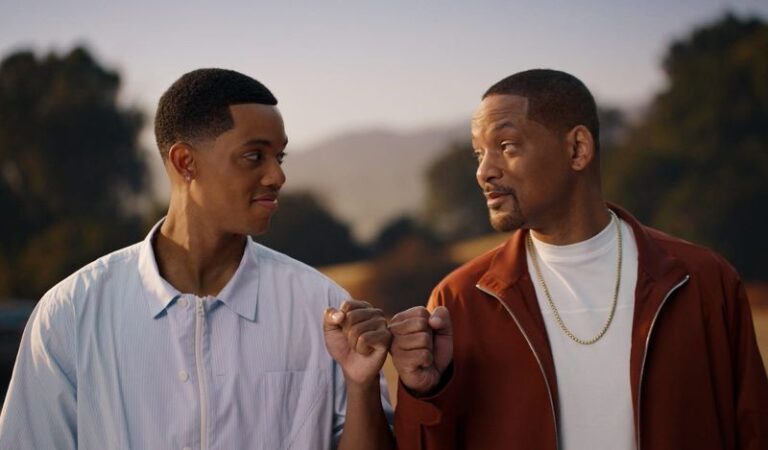
    The original Fresh Prince, Will Smith, makes a cameo in the final scene of Bel-Air, Peacock’s reimagining of the 1990s hit The Fresh Prince of Bel-Air.

    The older, fictional Will has a heartfelt talk with his younger, fictional self (West Philly-born Jabari Banks) on a mountaintop overlooking Los Angeles.

    After a tumultuous four seasons in Bel-Air, Will is returning to Philadelphia to attend the University of Pennsylvania. He’s worried he will forget the life lessons he learned with the Banks family.

    Peacock dropped the season finale on Monday.

    “You know I used to worry this city would make me forget who I was and where I came from,” the younger Will tells OG Will. “Now that I’m going back home I’m afraid I’ll forget who I became.”

    “That’s good,” OG Will replies. “That means you’ve become something worth holding on to.”

    OG Will goes on to tell young boul Will not to worry, that no one has all the answers, especially the people who pretend they do. He tells him that he will make mistakes. Then, he conspiratorially leans in as if he’s dropping knowledge forbidden by the Universe that the younger Smith will be OK.

    In that moment, you wonder if Smith, the Academy Award-winning actor, is speaking to the 1990s version of the Fresh Prince of Bel-Air star.

    “You are going to mess things up,” the older Smith continues. “You will learn, you will grow. Live. Laugh and cry.”

    Then he adds a little levity.

    “Eat a cheesesteak,” the older Smith says laughing. “Not every day, because cholesterol is real.”

    Show us the lie.

    Peacock debuted Bel-Air in 2022, after Kansas City writer Morgan Cooper posted a trailer titled, “What would happen if Will Smith was in ‘The Fresh Prince of Bel-Air’ today?” positioning the classic sitcom as a serious drama with 2020 technology and a modern soundtrack.

    The viral video caught Will Smith’s attention, and after swearing he’d never return to the fictional world of Bel-Air, he signed on as one of the show’s executive producers. Shortly after it debuted, Bel-Air became Peacock’s most streamed original series ever, reaching 8 million subscribers.

    Recently, Smith, the older actor, told ET that the series’ final scene almost didn’t happen.

    “I almost played the father,” Smith said, of the role of Lou played by Marlon Wayans. “It just felt like it might be a little too meta, a little too weird.”

    Smith’s cameo was a perfect ending to a series that was as emotional as it was nostalgic.

    “Life goes by fast, man,” says the older Smith as he closes the series. “Try to enjoy the ride. I’ll let you in on a little secret. We’re going to be all right.”