Author: Kayla Yup

  • Penn doctor studied PCOS symptoms for more than a decade to rename the syndrome PMOS

    Penn doctor studied PCOS symptoms for more than a decade to rename the syndrome PMOS

    University of Pennsylvania doctor Anuja Dokras spent the last 14 years working to rename a common medical condition that can impact fertility in women, called polycystic ovary syndrome, or PCOS.

    Rooted in outdated science, the name often confused her patients into incorrectly thinking they had cysts on their ovaries.

    It also made people think the disorder — which affects one in eight women — was primarily gynecologic in nature, when it actually has whole-body effects.

    “We knew this was a misnomer,” Dokras said.

    An international group of experts, including Dokras, announced in May that PCOS would now be called polyendocrine metabolic ovarian syndrome (PMOS), in an article published in the medical journal The Lancet.

    The new name is meant to capture the broader hormonal and metabolic effects of the condition.

    Dokras estimates it will take another three years to formally classify PMOS as an endocrine condition, change insurance billing codes, and update published literature.

    Scientists also need to get the word out to patients, doctors, and the public at large. The previous name had been around since 1935.

    The Inquirer spoke with Dokras, director of the Penn PMOS Center, about the name change and the impact she hopes it makes.
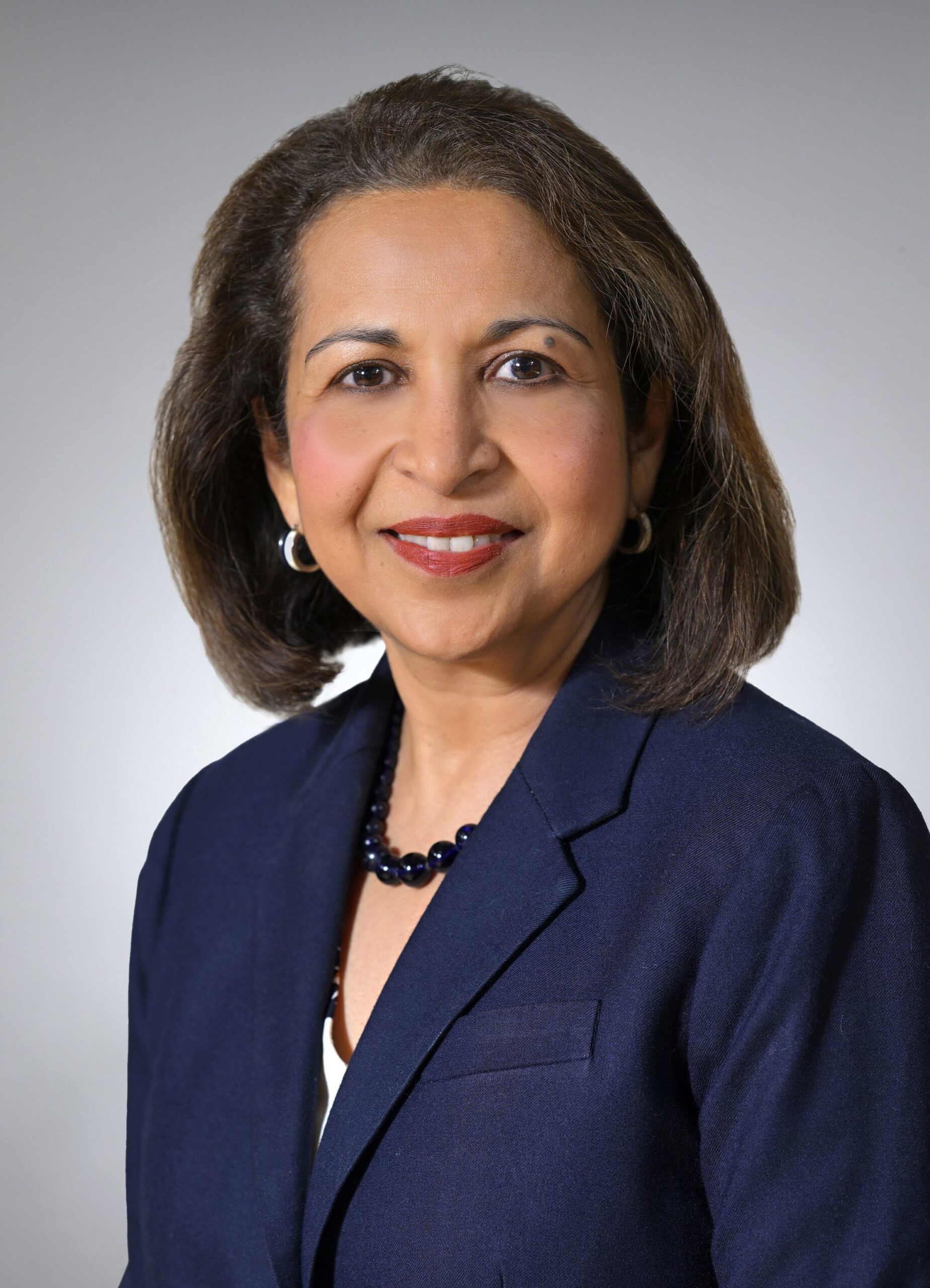
    Anuja Dokras directs the Penn PMOS Center and played a key role in the renaming process.
    What is PMOS?

    It’s the most common endocrine disorder in women.

    The presentations are typically irregular menses (menstrual periods) and increased hair growth and acne. We also typically see lots of follicles within the ovaries. Those three become the criteria for making the diagnosis.

    Research from my group and others has shown that these patients are at a high risk for cardiometabolic complications, including high cholesterol, high blood pressure, diabetes, or problems with their blood sugar and weight gain. They also have an increased risk of mental health conditions like depression, anxiety, and disordered eating.

    When did you start to question the name PCOS?

    When I began to work in this space, it was clear that women [with PCOS] did not have large cysts on their ovaries. What they had were small follicles, and each of the follicles contain eggs. It’s part of their fertility.

    As we asked patients what symptoms they were most concerned about, they talked about ovarian cysts, which was because of said misnomer.

    We spend a lot of time correcting that misinformation when patients come to see us. Then we have to reassure them and say, ‘you don’t have a big cyst in the ovary. It’s not going to rupture, it’s not going to twist.’

    How did the idea for a name change came up?

    The first time it was brought up was when we had a meeting at the National Institutes of Health in 2012. The reviewing panel came back and said, “We suggest you change the name, because the name doesn’t represent everything that you have shared with us about the advances in this condition.” That’s when the journey began.

    What did the renaming process involve?

    Surveys went out to patients and the providers that offer care. We made sure that there were responses from different world regions as well.

    The patients didn’t want a word that would be stigmatizing. If you have a condition that’s going to affect your fertility, that is not viewed favorably by families, and patients were very concerned about the choice of words. They also wanted words where there’s clarity, so you can communicate easily.

    Finally, there were workshops where the medical professional societies and patient groups across the globe sent one representative each.

    How did the name polyendocrine metabolic ovarian syndrome (PMOS) come about?

    This is an endocrine condition, which means that there are certain organs within the body that are making hormones and those hormones are not working well. They’re either over-secreted or under-secreted. The word ‘poly’ was attached, because it was not just one hormone. A lot of different endocrine glands or organs are involved.

    Then metabolic was added because there are a number of cardiometabolic abnormalities: the high cholesterol, glucose problems or diabetes, high blood pressure, and obesity.

    We left ovarian because we also had marketing input and there were some suggestions to not be completely different (from PCOS) because that’s going to be confusing.

    And we needed the word syndrome because it still describes a constellation of features.

    How has the response been to the name change?

    It was more than what we had expected. I think we live in a very different world now, where communicating with the patients is on a different level. It’s not just through publications. The patient community and the advocates got the news very quickly because of social media. It was lit up.

    In terms of getting the information out to the medical community, it’s always going to be a little slower. We’ll continue to do that at different meetings.

    We’ve said it may be a three-year transition.

    What work remains?

    The first step was the communication and getting the message out. Then in parallel, there needs to be a smooth transition in terms of our research publications. We don’t want to lose out what was published under the name of PCOS because now it’s PMOS.

    When patients go to see their doctors, there’ll have to be a transition in the electronic health records, in terms of the terminology and insurance companies trying to understand this new word PMOS. The codes for billing will need to change.

    We’re also trying to do a research reclassification. PMOS was formally considered an ovarian condition, and we’re trying to switch it now to become an endocrine condition.

    What do you hope this name change accomplishes?

    I’m hoping that, from the patient perspective, they’re going to be less worried about cysts in the ovaries. I’m also hoping they will get earlier diagnoses because the name includes endocrine and metabolic. Now we’re hoping that all these different specialties will take some ownership of the syndrome, and that way the patient is not hopping between different caregivers.

    For the researchers — I’m one of them — I do hope that there’ll be increased funding. We still have a lot of gaps in knowledge, and we need to do a lot more research.

    We hope that there would be funding, not just from the institutions that support women’s health, but from those that support diabetes, endocrinology, heart disease, dermatology, and mental health.

    We hope that a name that’s so comprehensive and broad gets more people invested in helping answer some of these very important questions.
  • Temple Hospital asks public for help identifying patient

    Temple Hospital asks public for help identifying patient

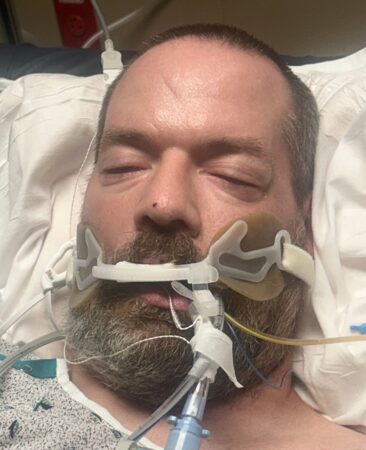
    Editor’s note: The patient has been identified, Temple officials said Wednesday afternoon.

    Temple Health seeks help from the community identifying a patient at its main hospital in North Philadelphia.

    The health system on Wednesday released a photo of the patient, who appears to be in his 50s and was admitted to Temple University Hospital on June 8. It hopes to locate his friends and family.

    Anyone with information can call 215-707-2000.

  • Could bees help relieve stress? A Temple researcher thinks so.

    Could bees help relieve stress? A Temple researcher thinks so.

    Dozens of bees crawled along the frame in Frances Ratay’s hands as she looked down at the colony in awe.

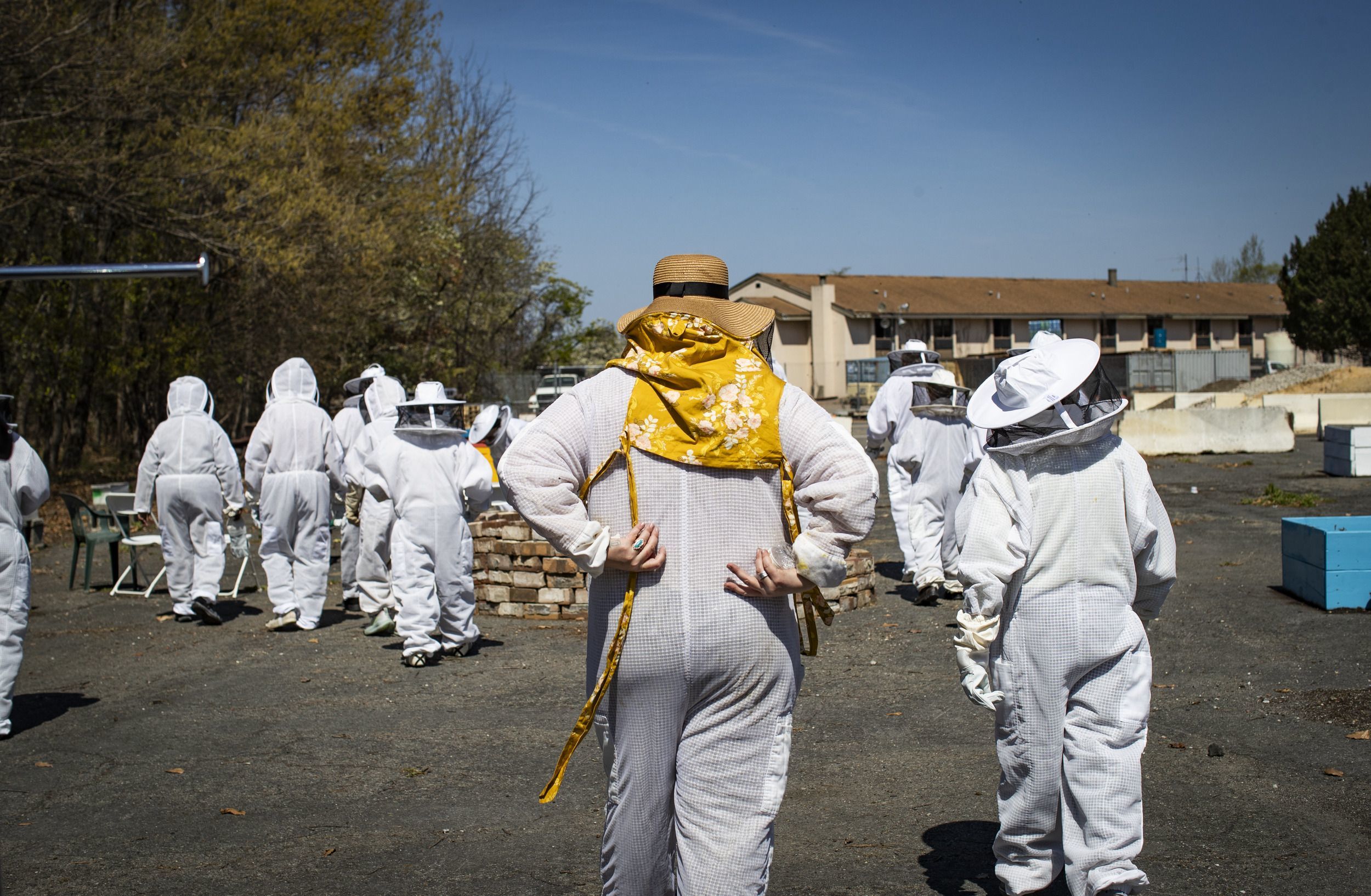
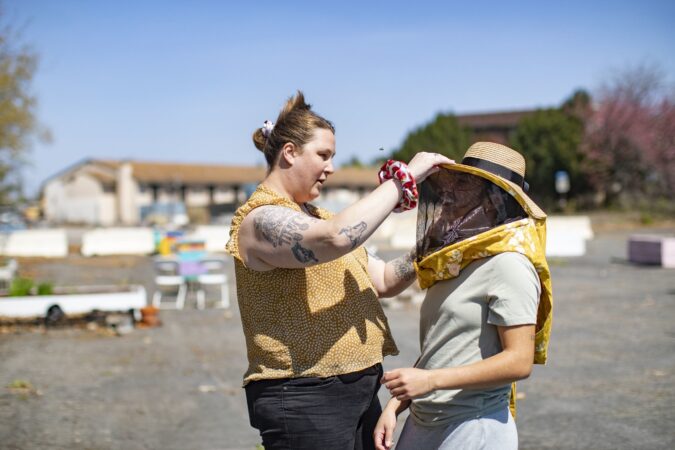
    The 70-year-old retiree from South Philadelphia ordinarily would avoid bees out of fear, but this spring she suited up for a study on therapeutic beekeeping at the Half Mad Honey apiary in the Navy Yard. Led by Temple University occupational therapy student Meghan Robertson, the project tested if beekeeping could improve mental health and well-being in older adults.

    Research has shown that exposure to nature can reduce stress and anxiety; however, less is known about the effects of beekeeping. Previous studies connecting the practice to improved well-being have been small and lacked quantitative data.

    Seeking to fill that gap, Robertson measured the mental health of 13 older adults (average age of 73) before and after a six-week beekeeping study. She found significant improvements in the average well-being, depression, and stress levels of the cohort immediately following the intervention.

    Her research is unpublished and has not yet been peer-reviewed. The limitations include the small sample size and lack of a control group or long-term data.

    The six sessions of the program taught participants about the structure of a beehive and the different roles in a colony.

    Ratay was among those who saw improvements in well-being, as her fear of bees transformed into a greater appreciation for nature.

    “It was really life-giving to me,” she said. “It makes me feel worthwhile.”

    Lessons from the bees

    Half Mad Honey founder Amelia Mraz started beekeeping as an undergraduate at Temple in 2016.

    At the time, she was at a low point in her own mental health, dealing with anxiety and depression. Beekeeping became a meditative practice.

    “Your worries just kind of melt away because you’re so immersed in the community of the bees,” Mraz said.

    She founded her Navy Yard-based apiary with the goal of bringing therapeutic experiences outside of the clinic into nature.

    Mraz offers beehive tours at Half Mad Honey that are designed to help participants practice stress reduction skills and mindfulness techniques.

    Partnering with Robertson for her research in senior citizens was a natural extension of that work.

    The study occurred at the Navy Yard-based Half Mad Honey.

    Together, they designed six weekly sessions where participants learned about the structure of a beehive, painted boxes for the bees, opened the hives to identify different roles in the colony, and tasted the honey.

    “They saw bees being born, they saw bees coming back with pollen on their legs, they saw the queen,” Mraz said.

    Ratay, who retired from her career as a biology teacher last year, enjoyed learning about how bees work together to maintain the well-being of the hive.

    Witnessing their interdependent nature boosted her own self-worth and feeling of belonging.

    “It made me realize that no role is less important than another,” she said.

    Robertson chose to study older adults specifically because they’re at an increased risk of experiencing mental health challenges due to loneliness, retirement, and major life changes, she said.

    She assessed the participants’ well-being on a scale of 0 to 100 using the World Health Organization-Five Well-Being Index. The mean score increased from 66.15 before the program to 75.38 after.

    The participants’ average depression score improved from mild to normal, while their average stress score decreased from moderate to normal.

    The study included 13 older adults.

    Ratay said the experience touched on her spirit of adventure and reminded her it’s never too late to try new things. She’s since returned to Half Mad Honey to help Mraz with the hives.

    “It not only buoys you up and gives you confidence, but it allows you to tackle the next fear,” she said.

    A small step forward

    Robertson’s next step, having recently graduated from her occupational therapy program, is to finish writing a paper detailing the research.

    Meanwhile, Mraz aims to continue developing therapeutic beekeeping programming, with the goal of bringing it to mental health organizations and expanding it beyond six weeks.

    Though the data is still preliminary and too small in scale to generalize beyond the study participants, Mraz is excited to have more quantitative evidence behind the practice.

    “It’s really my personal mission to share the joy, the relaxation, and the lessons of pollinators with folks,” she said.

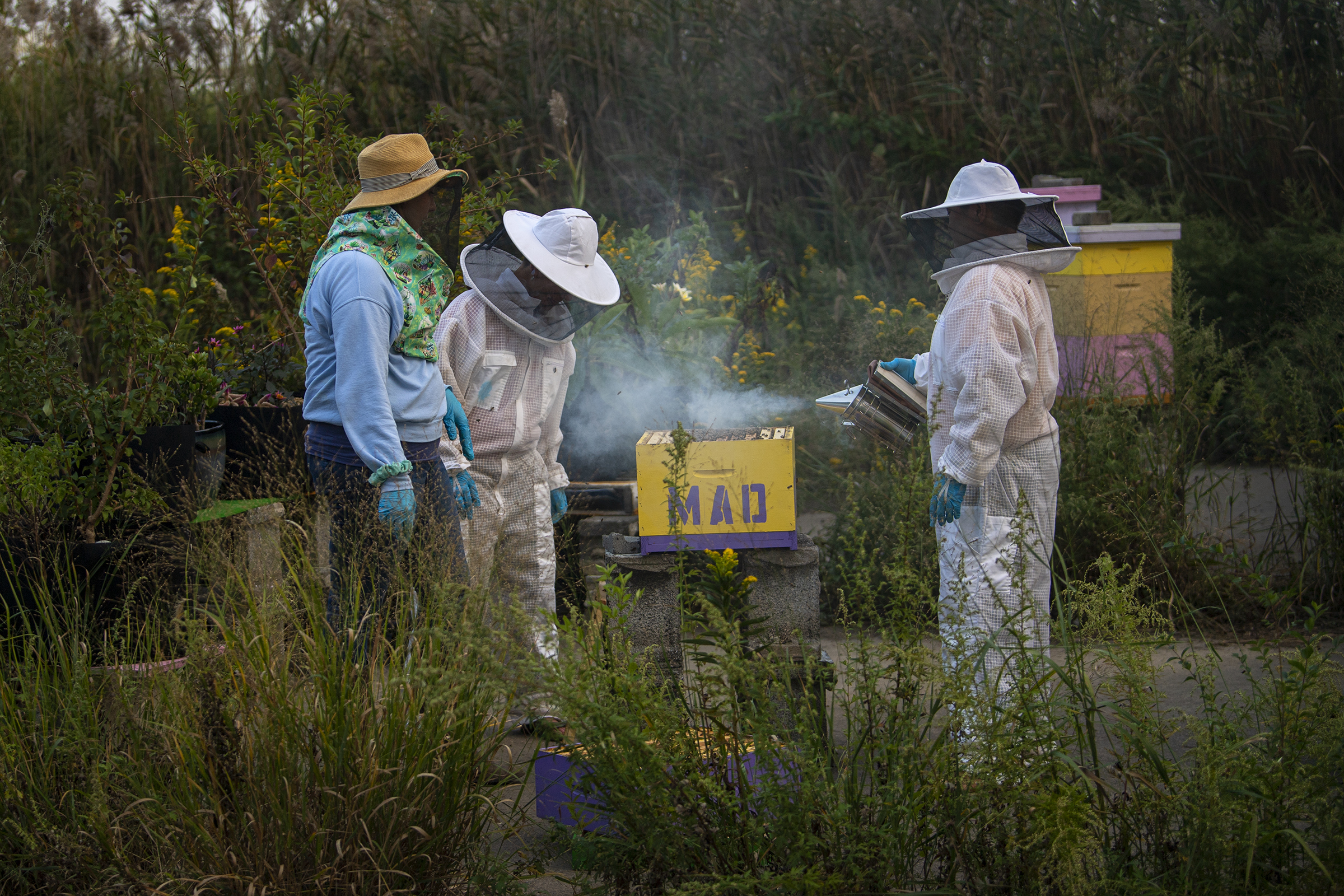
    Amelia Mraz (left), Amanda Geraci (center), and chef Natasha Pham are near their Half Mad Honey’s hives in Philadelphia. They use their beehives for mental health therapy.

    Another participant, Deborah Rosan, struggled to find purpose outside of the house since she stopped working as a schoolteacher two years ago.

    The 70-year-old from Ardmore had felt isolated and anxious adjusting to life outside the classroom.

    Participating in the program reminded her that, “with conscious effort, I really do not need to experience the feelings of being superfluous and sidelined in culture just because I’m older,” she said.

  • AI is reshaping childhood. Here are the risks and benefits parents should know about, according to CHOP researchers.

    AI is reshaping childhood. Here are the risks and benefits parents should know about, according to CHOP researchers.

    Artificial intelligence presents a mixed bag of risks and benefits for children that vary by age, according to Children’s Hospital of Philadelphia researchers who reviewed dozens of academic studies on the emerging technology.

    For young children, an AI chatbot could help with language development, yet it could also distort their perceptions of social interactions.

    For adolescents, the technology could help with career exploration, but its record of inappropriate responses to mental health matters raises concerns.

    The researchers summarized the current evidence on generative AI — tools that imitate human intelligence to produce content in the form of text, audio, images, or videos — in a review article published Wednesday in the medical journal Pediatrics. They reviewed 55 published works largely released in the last five years, including nearly three dozen peer-reviewed studies and a mix of news articles, blog posts, and pending legislation.

    They separated the potential effects across early childhood (ages 0 to 5), middle childhood (6 to 11), and adolescence (12 and older) to lay out the considerations for families.

    Guidance for parents on how AI might reshape childhood remains limited, despite its rapid spread into children’s learning and play, said Robert Grundmeier, a primary care pediatrician at the Children’s Hospital of Philadelphia and the lead author.

    Nearly two-thirds of teens use chatbots, like ChatGPT or Gemini, with 28% doing so daily, according to a Pew Research Center survey last year. They are using the tools for everything from searching for information to getting help on homework and having a digital companion to chat with.

    “Our children are getting exposed to AI at incredibly young ages, well before they have a smartphone,” Grundmeier said.

    The article was what’s called a “state-of-the-art review,” meaning it covers a topic that is rapidly changing, and for which there’s not yet a lot of rigorous research, he said.

    He hopes other researchers will dig deeper into the area “so that we can actually start to, in the future, make some concrete recommendations about best practices.”

    The Inquirer spoke with Grundmeier about what parents should know about children’s use of generative AI in a conversation lightly edited for clarity and length.

    Robert Grundmeier is a pediatrician at CHOP and lead author on the recent article
    What are the takeaways of your review?

    There’s a lot of opportunity, clearly in the educational domain, in helping to really creatively tailor and customize educational materials.

    One of the biggest concerns that came up had to do with the reliance on artificial intelligence as a companionship tool. You can interact with it in a way that you might a friend. And there are some nice things about that, in terms of being able to explore ideas in a non-judgmental way. But I think there’s a tremendous concern, especially from a child development perspective, that children could learn incorrect mental models of human interaction.

    How might interacting with AI differ?

    AI tools are typically designed to promote engagement. While a human might challenge your ideas and push back — friends do it all the time — an AI tool is typically a little less likely to push back and challenge you in a way that might make you unhappy with the interaction.

    There’s more nuance in the human interaction.

    What are the potential risks and benefits of AI in early childhood?

    There’s a lot of opportunity for creativity, storytelling, and supporting language development that could be a really nice benefit of AI in preschool-aged children. The concern regarding incorrect mental models and not correctly understanding what a human interaction is meant to be like is really most notable, however, in this age category.

    It’s really essential that a parent always remains involved in any AI interactions, looking at the output from AI alongside their child, and preferably pre-screening what’s being generated to make sure their young child is not accidentally exposed to any harmful content.

    What about for school-age children?

    There’s a lot more opportunity to personalize education to people’s different learning styles.

    But similarly, there are definitely school rules that have to be followed on the appropriate use of AI. To the extent parents can start to promote an idea of AI literacy and make sure that their child is not handing over their learning to the AI, then I think there’s a lot of good opportunity there.

    We want to promote skill development, not cause people to have their skills atrophy because they’re relying on the AI to do their homework.

    What are the considerations for adolescents?

    There are social interaction concerns. We reference some of the news related to problems with teenagers using AI tools as a companion or a friend. In particular, there was some research that showed that AI tools may respond very inappropriately to questions about mental health topics, including suicide. There really needs to be a lot of guardrail development on the part of the AI vendors to make sure that teenagers do not have harmful interactions with AI.

    What are potential benefits of adolescents using AI?

    AI is here to stay as part of our futures and our professional careers. To the extent that AI literacy can be supported in the adolescent age group, so that they can enter the workforce as a professional who knows how to use AI appropriately, I think that’s a worthwhile educational effort.

    It can also be a valuable tool for career exploration and college choice. There’s a lot of information about different colleges and career paths, and AI tools are good at summarizing, synthesizing, and interpreting something in light of what you might say are your priorities.

    Is there anything that you feel is still uncertain or needs to be clarified through future research?

    The manner of interacting with AI keeps changing. For example, various household ambient AI tools (devices that passively listen to us) have been in existence for a while, but now the types of interaction have become much more complicated. We need to understand what are safe and effective ways to use these tools in the household in a way that’s supportive of child development.

    Another category of research that is really important is developing guardrails, evaluating them, and making sure that they’re adapted appropriately for different age stages.

    As a pediatrician, what have you been hearing about AI from parents?

    I was chatting with the family of an elementary school-aged child about school performance, and the mom indicated some difficulties supporting his reading comprehension. They had discovered, with support from his school, that they could use AI tools to create reading comprehension paragraphs that they could practice with at home to help their child learn how to really focus on their reading. I thought that was actually a fantastic example.

    What I’m struck by is really the creativity that families are approaching this with. There’s a lot of good opportunity there, as long as we pay attention to the risks and make sure guardrails are in place appropriately.

  • Eating ice cream and paths to a healthy, fulfilling life, according to Penn expert Ezekiel Emanuel

    Eating ice cream and paths to a healthy, fulfilling life, according to Penn expert Ezekiel Emanuel

    University of Pennsylvania health expert Ezekiel Emanuel’s casual conversations often evolve into impromptu medical consultations.

    People ask Emanuel — an oncologist, bioethicist, and health policy scholar who helped write the Affordable Care Act — how to live healthier.

    He said that “incessant asking” inspired him at a time when both information and misinformation are booming in the wellness space.

    His new book, “Eat Your Ice Cream: Six Simple Rules for a Long and Healthy Life,” landed on bookshelves in January. He uses the pages to argue that the goal of life should not be to simply live the longest, but rather to lead a healthy and fulfilling life.

    The Penn professor, who has antique maps in his office and has taught a course on Ben Franklin, weaves in his appreciation for history throughout the book. Emanuel’s advice also addresses contemporary issues such as vaccines and vaping. And he shares personal family stories involving his father (to whom the book is dedicated).

    In one of his favorite anecdotes, he describes looking for a cheap car to buy with his bar mitzvah money. Thinking he found a great deal on a Volvo, Emanuel and his brother bought the car, brought it home, and realized it couldn’t go in reverse.

    “My father says, ‘You guys are schmucks!’” he recalled.

    That became the first of his six rules: “Don’t be a schmuck — avoid self-destructive risks.”

    The Inquirer spoke with Emanuel about tips for living a healthy life in a conversation lightly edited for length and clarity.

    Why do you think wellness has become so big?

    People feel like the world’s topsy-turvy. They’re not controlling it. It is controlling them. They want to assert control over the world, and one way they can do it is through wellness.

    What have people gotten wrong about wellness?

    Spending 10 hours a week on wellness, like some people recommend, is crazy. Just insane. You should not do that. You can spend two or three hours a week, get all the benefit you need, and focus your time on other things — your family, close friends, having a successful career, making the world better, making Philadelphia better. Those are the things that matter.

    What does your first rule (Don’t be a schmuck) mean?

    The first rule is, really, take reasonable risks, but not unreasonable risks.

    The most dangerous thing most of us do in everyday life is turn the ignition on in our car. Driving is actually quite dangerous over a lifetime. And you have to compare the risk you’re willing to take to the risk of driving. I try to organize a chapter laying out unreasonable risks like BASE jumping [an extreme sport in which a person parachutes from a dangerous height]. Why is that so stupid? Well, look at the data. I try to make that assessment much more quantitative.

    What is your second rule?

    The importance of social relations.

    It doesn’t get emphasized by almost anyone in the [wellness] field, and it’s vastly the most important for longevity, for health, and for happiness. We’ve got tons of data. There’s more than 3 million people who’ve been studied on the relationship between loneliness, social isolation, and ill health.

    If you look at the Harvard Study of Adult Development, which started in the late 1930s, the single most important predictor of a long, healthy life with the fewest comorbidities is the number and quality of your social relationships.

    Overall, a professor at Brigham Young University has summarized that being socially isolated is ‘like smoking 15 cigarettes a day.’

    Tell us about your last four rules.

    The third one is stay mentally sharp. If the body’s working fine, but cognitive decline has set in, that would be hell to me. I don’t want to live like that.

    There are only a few people like Ben Franklin where it does not appear to decline at all. One of the things actually I learned after I finished the book is Franklin was the oldest person (aged 81) at the Constitutional Convention in 1787. He was still very nimble with his mind, able to put things together, to craft compromises and things.

    Some of it’s obviously genes, but some of it’s also things you can do — what you can eat, how you exercise, your retirement, your strategies, social interaction, challenges, etc. The brain is a lot like muscle in that either you use it or you lose it.

    The last three rules are the typical: eating well, exercising, and sleeping advice.

    Are there things that you’d want the media to emphasize more when talking about wellness and health?

    There are two really fundamental things on the ‘to do’ side for eating.

    One is you should eat more fermented foods. Whether it’s yogurt or cottage cheese or aged cheeses or kimchi. It’s very important for the microbiome. In Philadelphia, one of our treasures is Di Bruno Bros. cheese shop. They have 200 cheeses on display. Go and get some cheese. It’s really good.

    The other is that more than 90% of Americans don’t get enough fiber in their diet every day. You need to eat more fruits and vegetables. I start out every day by merging these two. This morning, I had a bowl of berries, or some kind of fruit, with yogurt, granola, and oats. I also added hemp hearts, which are high in protein, good fats, omega-3s and omega-6s. Then add a salad at dinner, and you pretty much have enough fruits and vegetables.

    Can you explain the title of your book, “Eat Your Ice Cream?

    Ice cream is good. Dairy products are associated with higher height, especially if, early in life, you eat a lot of dairy. Second, [dairy consumption] is also associated with a lower risk of colorectal cancer, which is all in the news these days.

    And most importantly, it’s about joy. It’s fun. Who doesn’t like ice cream? But it’s important to get good ice cream, not stuff with emulsifiers and fillers and all of that.

    Have a little joy. It goes a long way toward making life lovely.

  • Intermittent fasting not more effective than conventional dieting, Rutgers researcher says

    Intermittent fasting not more effective than conventional dieting, Rutgers researcher says

    Intermittent fasting, one of America’s most popular diet trends, may be no more effective than simply cutting calories for weight loss, a new review of research shows.

    Researchers found little to no difference in the amount of weight loss across more than 20 studies comparing intermittent fasting, an eating pattern that cycles between periods of eating and fasting, with traditional dietary advice (which calls for restricting calories or the types of foods eaten).

    The findings were published this month in the Cochrane Library, home to evidence reviews that are considered the gold standard for evaluating health evidence.

    “From the results of this review, it doesn’t look like intermittent fasting is any better than regular dietary advice,” said Diane Rigassio Radler, a co-author on the study and a clinical nutrition professor at Rutgers School of Health Professions.

    The data came from 22 randomized controlled trials involving nearly 2,000 participants across Europe, North America, China, Australia, and South America. Interventions ranged from four weeks to six months long, and looked at participants’ outcomes up to a year later.

    In six of the trials, participants were picked at random to either practice intermittent fasting or do nothing. The difference in weight loss between the two groups was so small that it was not considered “clinically meaningful,” Radler said.

    People generally need to lose 5% of their body weight to see health benefits. When the research team pooled the results of studies, they found weight loss from intermittent fasting slightly exceeded that of the group that did nothing, but remained below the 5% threshold.

    “Anecdotally, people have told me that [intermittent fasting] might work for them, but the reasons for doing these systematic reviews is so that you can pull the evidence and make a stronger conclusion based on facts,” Radler said.

    The studies focused on people in the overweight or obese categories as measured by BMI, a calculation of a person’s body fat based on their height and weight. The relevance of the research findings to people in the healthy weight category remains unknown. (While widely used, BMI is often not a good predictor of an individual’s health, as people’s body types can vary widely depending on race, gender, and age.)

    The Inquirer spoke with Radler, who is also a registered dietitian by training, about the findings of the study and its implications, in an interview that was lightly edited for length and clarity.

    What is the theory behind intermittent fasting?

    From a physiological perspective, there’s sound science in terms of why fasting might have an edge over just calorie restriction alone.

    Number one, it involves calorie restriction. It’s thought to increase fat metabolism. There’s some hormonal stuff going on. It may enhance insulin sensitivity. When you’re fasting, you’re going to be breaking down fatty acids, and those can produce a significant source of energy.

    But from the available studies we were able to evaluate, the findings are that intermittent fasting was not really different [in terms of weight loss].

    There’s the theoretical framework, and then there’s what happens when you put it into reality.

    Instead of intermittent fasting, what would you recommend?

    It’s individualized. It depends on where the patient’s at and what they feel that they want to do.

    The cardinal rule of thumb is you create a calorie deficit, and whether that’s with restricted eating or increased energy expenditure (such as through exercise), or a combination of both, you’re looking to achieve calorie restriction over time. Generally, you’re going to probably sustain that for at least 12 weeks, and then look at some outcomes.

    We found that people who work with a registered dietitian on a weekly or every other week basis have the most success in terms of achieving weight management.

    Your study found that intermittent fasting wouldn’t necessarily be effective. But would it be harmful for people to do?

    You have to look at people’s baseline and their other comorbidities if they have any. But generally, we didn’t find that there were adverse effects, according to the studies that measured that as an outcome.

    When you fast, there’s a risk of dehydration and risk of low blood sugar, but generally, the studies that measured the adverse effects didn’t find significant differences.

    Are there any gaps in the research that you think should be looked into further?

    There could be room for more research with a wider diversity of subjects, because most of the studies were in high-income countries. We have to look at some of the cultural differences.

    Also, research with longer durations. We were not able to find studies that went out beyond 12 months of outcomes.

  • Penn expert says whether to take antidepressants during pregnancy is a ‘risk-risk conversation’

    Penn expert says whether to take antidepressants during pregnancy is a ‘risk-risk conversation’

    When Sarah Bynum was pregnant with her first child in 2017, her primary care doctor suggested she stop taking her antidepressant.

    He told her there wasn’t enough research to justify staying on the medication.

    By the time she delivered her daughter, the Delaware County woman’s anxiety was so bad that she decided never again to go through a pregnancy without her antidepressant.

    Bynum, who has taken medication for anxiety since she was a teenager, is one of the nearly 18% of women in the U.S. on an antidepressant. She takes a drug known as an SSRI, the most common class of antidepressants, which medical societies generally consider safe to use during pregnancy.

    Still, roughly half of women taking an antidepressant discontinue their use of the medication while pregnant, according to a 2025 study in the medical journal JAMA Network Open.

    Kelly Zafman, an OB-GYN at the Hospital of the University of Pennsylvania, decided to research the issue that has also recently been under discussion on the federal level. She’s observed that patients often get mixed-messaging from providers.

    “The other side of the conversation that gets missed is this risk of not continuing medications,” said Zafman, who is in her final year of fellowship training in maternal-fetal medicine.

    Preliminary findings from her research showed the risk of a mental health emergency nearly doubled in women who discontinued SSRIs or SNRIs (another popular type of antidepressant), compared to those who stayed on their medication. She presented the unpublished results this month at the meeting of the Society for Maternal-Fetal Medicine.

    The analysis used data from 1,462 privately insured Pennsylvania women with active antidepressant prescriptions who gave birth between 2023 and 2024. While pregnant, 81% of them stopped or interrupted usage.

    Zafman said the highly personal decision comes down to factors such as the patient’s prior pregnancies, mental health history, and how well-controlled their symptoms are.

    Ultimately, the potential risks have to be weighed against those of untreated depression or anxiety.

    “It’s really a risk‑risk conversation,” Zafman said.

    Evolving research

    The American College of Obstetrics and Gynecologists discourages discontinuing antidepressants based on pregnancy alone, highlighting the risks of untreated mental health conditions. Studies have linked uncontrolled depression during pregnancy with preterm birth, low birth weight, higher suicide risk, and impaired mother-infant attachment.

    Research on the safety of antidepressants in pregnancy continues to evolve. Some potential risks identified in older research appear overstated when compared with more recent, better-designed studies, Zafman said.

    She cited as an example a rare but serious condition called persistent pulmonary hypertension — which causes a breathing issue — for which scientific evidence remains conflicting.

    “There’s definitely an association, but it’s not totally clear how causative it is,” Zafman said.

    Another concern, neonatal adaptation syndrome, tends to involve mild difficulties with feeding and breathing that resolve within days. Medical intervention is rarely required, and the treatment essentially is to cuddle and feed your baby, Zafman said.

    While antidepressants potentially pose risks in pregnancy, she said, overall, the risks of long lasting effects are “extraordinarily low.”

    A personal decision

    Bynum, a patient at Penn Medicine, was not on antidepressants during her first pregnancy. (She was not part of this particular study but has participated in other research with Zafman.)

    Five months into the pregnancy, she learned her daughter would be born with a congenital heart defect that would require monitoring, and later, surgery.

    Family and friends tried to help her, but they weren’t able to calm her heightened anxiety the way her medication usually would.

    When she became pregnant with her second child, she knew she wanted to have a “more mentally healthy pregnancy.”

    “I needed to be mentally and physically present not just for myself, but my daughter,” she said.

    She asked her OB-GYNs if she could continue on her antidepressant, Paxil. They weren’t sure.

    She turned to the fetal heart experts at Children’s Hospital of Philadelphia, who looked into the medical evidence and told her it was fine to continue taking her antidepressant.

    Sarah Bynum decided she would not go without her antidepressant for future pregnancies.

    Bynum has since had three healthy pregnancies while taking the antidepressant.

    She felt it was the right decision.

    “I need to focus on having a healthy pregnancy with as minimal stress as possible,” Bynum said. “And if that means taking a medication, that’s what’s gonna work.”

    Editor’s note: This story has been updated to clarify a quote by the researcher.

  • Penn is part of a $135.7M federal effort to demystify a blind spot in medicine: the lymphatic system

    Penn is part of a $135.7M federal effort to demystify a blind spot in medicine: the lymphatic system

    The University of Pennsylvania is getting $7.8 million over the next two years to study an overlooked aspect of human health: the lymphatic system.

    Often described as the body’s sewer system, its main job is to maintain the body’s balance of fluid and filter out waste. Millions of Americans live with dysfunction in the system, often unknowingly.

    The time to diagnose some lymphatic disorders is at least five years, said Maxim Itkin, an interventional radiologist who directs Penn’s center specializing in lymphatic disorders.

    He’s even had a patient who experienced unexplained symptoms for 50 years before getting treatment.

    “Right now, most healthcare providers simply aren’t equipped — or trained — to recognize lymphatic dysfunction, and the tools they need are virtually nonexistent,” said Kimberley Steele, a program manager at the Advanced Research Projects Agency for Health (ARPA-H), the federal agency organizing the research effort.

    That’s why the government, through ARPA-H, is investing $135.7 million toward research headed by 11 institutions in the U.S. and Canada, including Penn, to improve detection of issues in the lymphatic system.

    With its slice of funding, the team at Penn will develop ways to image the network and identify hidden signs of disease.

    An inside look

    Similar to plumbing, fluids in the lymphatic system can be flowing, obstructed, or leaking.

    Doctors are able to “close” these leaks and even “open” obstructed areas, but the problem is knowing when those procedures are needed.

    Existing contrast agents — substances used to increase visibility of tissues during imaging — for the lymphatic system are largely considered obsolete and offer poor resolution, said Itkin, who is leading the Penn project, which started last October.

    When he began researching the system 20 years ago, he “started to realize that it’s of enormous importance, and it’s forgotten primarily because nobody can image [it] and do interventions,” he said.

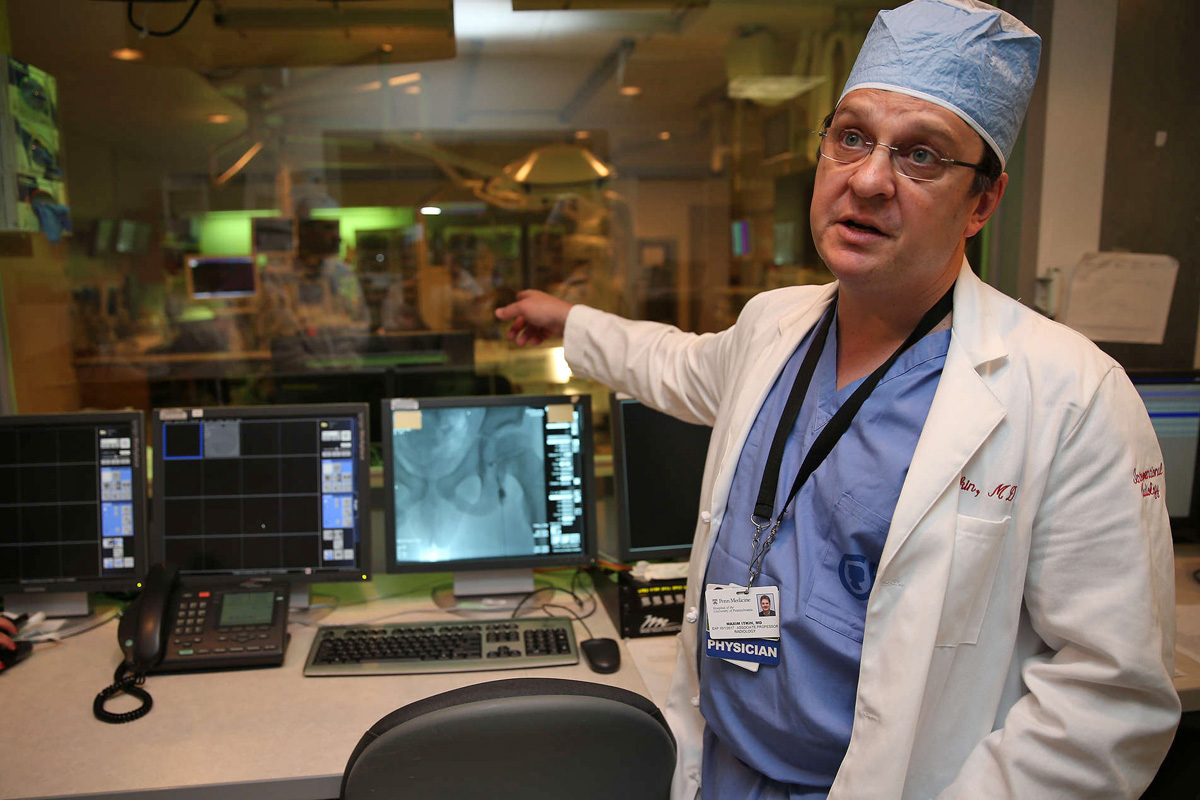
    Maxim Itkin, an interventional radiologist at the Hospital of the University of Pennsylvania, found a way to track the flow of lymphatic fluid using X-ray imaging equipment.

    Itkin and his team have come up with ways of imaging by injecting dye into lymph nodes and tissues and tracing the dye’s location. This has enabled him to diagnose hidden conditions and develop new treatment methods.

    The ARPA-H funding will allow them to go even further, developing imaging agents that focus on the parts of the lymphatic system in the liver and gut — organs that generate the majority of the network’s flow in the body.

    These will be used for CT (computed tomography) and MRI (magnetic resonance imaging) scans.

    One of the imaging candidates is designed to be swallowed and absorbed in the intestine, so doctors can see the lymphatic system in the gut. The second imaging agent will be administered via IV to show the system in the liver.

    “It was my dream to see the lymphatic system from inside by itself,” Itkin said.

    The Penn team will also be looking for biomarkers, or molecules in the body that indicate biological processes, that could give early hints of disease.

    They’ll be using an approach called AI-driven multi-omics, where AI will analyze samples for unique molecules being excreted by the lymphatic system in the liver.

    Penn and several other funded groups are working with the New York-based nonprofit Lymphatic Education and Research Network to help with research and patient recruitment.

    Current funding is for two years, with the potential to extend for another three years.

    Itkin says seeing the lymphatic system in the liver will be a thrill.

    “It’s absolutely a black hole,” he said.

  • One of the nation’s oldest hospitals will now be one of Philadelphia’s newest museums

    One of the nation’s oldest hospitals will now be one of Philadelphia’s newest museums

    Before 1751, sick Pennsylvanians had few healthcare options other than often expensive home visits from doctors. That changed when Benjamin Franklin and physician Thomas Bond established a medical institution to treat the physically and mentally ill for free.

    The result was the Pennsylvania Hospital on Spruce Street. The 275-year-old institution became home to the country’s first surgical amphitheater to teach students, the oldest medical library, and a nursing museum, among other historic firsts. It continues to advance medical research as part of Penn Medicine.

    Now the nation’s oldest chartered hospital will become Philadelphia’s newest museum.

    The hospital’s Pine Building, which started construction in 1755, will be converted to the Pennsylvania Hospital Museum, Penn announced on Monday. The museum in the majestic Georgian architecture building at Eighth and Pine Streets, designed by architect Samuel Rhoads, is scheduled to open to the public on May 8.

    “It’s a very Philadelphia story to hear the history of the hospital because it really is about caring for other people,” said Stacey Peeples, lead archivist at Pennsylvania Hospital.

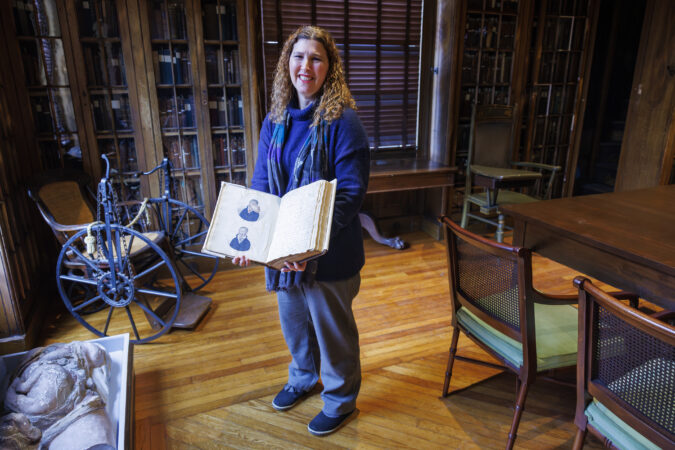
    Stacey Peeples, lead archivist at Pennsylvania Hospital, described artifacts in the hospital’s new museum.

    The medical library, surgical amphitheater, and apothecary have all been restored for the museum. Eight galleries will feature videos, hands-on activities, and archival objects describing the history of the hospital and the care it delivered.

    The opening of the museum in the hospital’s 275th year coincides with America’s Semiquincentennial celebrations. (The University of Pennsylvania Health System, which merged with the hospital in October 1997, will run the museum.)

    One of Peeples’ favorite items on display is a collection of medical cases compiled by the hospital’s doctors in the early 19th century.

    Housed in the historic library, the book is flipped to a page showing a man with a seven-pound tumor in his cheek and neck area. Visitors can also find the actual preserved tumor from 1805 on display in the back of the room.

    A historic medical book compiling interesting cases at Pennsylvania Hospital shows an image of Pete Colberry, a patient who fell from ship rigging and was stabilized on a bed to hold him in place, circa 1804.

    A look at early medicine

    Pennsylvania Hospital’s apothecary — where medicines were mixed and sold — was last used for that purpose in the early 1900s.

    Most recently, it served as a conference room.

    It’ll now be restored to its original layout, based on historic images from the 19th century. That includes bringing back alcoves filled with shelves of bottles, the scale used to weigh ingredients, as well as a giant counter where the apothecary could mix medications, Peeples said.

    An archival image of Mildred Carlisle working in the Pennsylvania Hospital apothecary, circa 1920s.

    In the historic library, the only room ready for news media to view this week, the artifacts remained scattered around.

    A tonsil guillotine, designed to remove tonsils using a blade, sat next to early surgical tools and stethoscopes. Some objects, such as the scalpel, have not changed significantly in form through the years.

    “But how we treat those objects certainly is very, very different. We want to make sure everything’s sanitized now,” Peeples said.

    Surgical instruments belonging to Dr. James Wilson from the 1800s.

    Other artifacts included old tools of medical education. Like three anatomical casts of women who died during childbirth in the mid-1700s that were used for anatomical study in lieu of cadavers.

    The museum’s exhibits will showcase the hospital’s history of delivering care related to behavioral health and women’s health, as well as its role treating patients during times of conflicts, beginning with the Seven Years’ War, and through pandemics.

    “People would always talk about us being able to do something on a larger scale like this, and I honestly wasn’t sure that was ever going to happen,” said Peeples, who has been at the hospital for 25 years.

    Tickets will go on sale at the end of the month and cost $12 per person, with discounts for those 12 and under, 65 and over, and the military.

    The plan is for the museum to be a permanent fixture, open Wednesdays to Sundays. The rest of the hospital will keep operating as normal.

    Interior of the Historic Library of Pennsylvania Hospital, located at Eighth and Pine Streets.

    The hospital, older than the nation, houses 517 licensed inpatient beds, and saw 19,759 adult admissions, 54,023 emergency department visits, and 5,163 births in fiscal year 2025, per Penn Medicine’s statement.

    “Pennsylvania Hospital is a jewel in the crown that is Penn Medicine, where our staff draw energy from our rich history to shape the future of medicine,” Alicia Gresham, CEO of Pennsylvania Hospital, said in a statement.

  • After a Philadelphia cancer patient ran out of options, a novel T-cell therapy at Rutgers kept her alive

    After a Philadelphia cancer patient ran out of options, a novel T-cell therapy at Rutgers kept her alive

    Jefferson Health oncologist Jennifer Johnson had exhausted all the standard treatment options for her 49-year-old patient with esophageal cancer, who was likely to die within months.

    Surgery, chemotherapy, radiation, and immunotherapy had kept the Northeast Philadelphia woman alive for six years after her diagnosis, but no longer were enough to stop her cancer from spreading.

    Johnson knew her patient needed something novel. She recalled a presentation several years prior at a conference for head and neck cancers, where a doctor discussed an experimental treatment called T-cell receptor (TCR) therapy.

    This type of cancer immunotherapy works by engineering the immune system to fight cancer, and falls into the same family of treatments as CAR-T, or chimeric antigen receptor (CAR) T cell therapy, an approach pioneered at the University of Pennsylvania that has revolutionized treatment for blood cancers.

    She thought TCR therapy’s clever approach could work against solid tumors, where CAR-T had not been effective.

    “I just remember sitting in the room and watching him present, thinking, I’m gonna use that one day,” the oncologist and cancer researcher recalled.

    As it would happen, the approach was being tested in a phase II clinical trial at Rutgers Cancer Institute against tumors just like her patient’s: metastatic cancers driven by a virus called human papillomavirus 16. One of the most common strains, HPV16 causes roughly half of cervical cancer cases worldwide, as well as cancers of the head and neck area, anus, and genitals.

    Cases that reach the metastatic stage like Johnson’s patient often run out of treatment options. Whether T-cell receptor therapy would work was unknown, but the alternatives were expected to fail.

    “Anything that you might offer them would definitely not be expected to make their cancer go away completely and do it for a long time,” said Christian Hinrichs, the oncologist and scientist heading the trial whose presentation Johnson saw.

    But interim results from the first half of the trial showed improvement in six out of 10 patients, whose tumors at least partially shrank. And two of them had no evidence of cancer after treatment.

    Johnson’s patient, Maria Pascale, was one of the two whose promising early results were presented at a medical conference and highlighted in a research abstract in the Journal for ImmunoTherapy of Cancer in November.

    She arrived at the health system in New Jersey in the summer of 2024 in such poor health that her lungs were starting to collapse.

    The therapy has enabled her to celebrate two birthdays, start martial arts classes, reunite with old friends visiting from Argentina, and see her 23-year-old son get engaged.

    “Imagine the wedding, then later the grandkids, I’m always thinking about [that],” she said.

    What is a T-cell receptor therapy?

    In the immune system, T cells act as frontline defenders against viruses, bacteria, and other threats.

    Sometimes, these cells aren’t great at their jobs.

    In the face of cancer, T cells can become exhausted over time, and fail to recognize invaders or mount attacks.

    The idea behind immunotherapy is to transform these regular immune cells into cancer-fighting super-soldiers.

    The Rutgers approach, an engineered TCR therapy, involves collecting T cells from a patient’s blood and genetically engineering them to better target a cancer cell for attack.

    Afterward, the scientists grow more of the enhanced T cells in the lab and infuse them back into the patient.

    The “prototype” for this style of therapy is CAR-T, a treatment that has saved tens of thousands of lives since the first FDA approval in 2017. Scientists have not yet been able to replicate the therapy’s success in blood cancers in solid cancers, although some early stage trials have shown potential.

    TCR therapy is thought to be more promising against the latter cancer type — which is what’s being treated in the Rutgers trial — due to differences in the way the engineered T cells identify cancer cells.

    CAR-T therapy uses what’s called a chimeric antigen receptor, a protein that recognizes a cell as cancer based on what’s on the outside of the cell.

    It’s like knowing you’re at your friend’s house because of a specific doormat or set of house numbers on the exterior.

    TCR therapy uses what’s called a T-cell receptor, which can recognize cancer cells based on what’s inside the cell.

    It’s like knowing you’re at your friend’s house because you can see your friend inside.

    Sometimes cancer cells have more unique identifiable elements on the outside, but other times they don’t. Imagine if multiple houses had the same doormat.

    “That target would be on other cells that aren’t cancer cells and cause lots of toxicity,” said Carl June, the pioneering cancer scientist at Penn who developed the first FDA-approved CAR-T therapy and was not involved in the Rutgers trial.

    That’s been the problem that’s held back CAR-T’s use in solid tumors.

    The target in the Rutgers trial is a protein called HPV16 E7, found inside the cell. In tumors driven by the virus HPV16, it plays a key role in turning a cell into cancer.

    “That’s like going after its Achilles’ heel,” June said.

    Swarming the cancer

    Pascale first arrived at Thomas Jefferson University Hospital in Center City in 2018 after suffering injuries in a car accident.

    Doctors found a mass in the 43-year-old’s neck that turned out to be cancer.

    Surgeons removed the mass, and she was fine until 2021 when doctors, including Johnson, found the cancer at the top of her esophagus.

    They treated her with a combination of chemotherapy and radiation, which worked until March of 2022, when the cancer started appearing in Pascale’s lungs.

    “All bets were off,” Johnson said.

    Doctors gave Pascale chemotherapy and immunotherapy over the next couple of years, but in the spring of 2024, she developed an allergy to one of her chemotherapy drugs.

    Around the same time, the cancer spread to the skin on Pascale’s back.

    That’s when Johnson transferred her care to Hinrichs’ team at Rutgers.

    Pascale started preparations for the treatment in July 2024, spending a couple weeks in the hospital.

    The Rutgers team took T cells from her blood, gave her chemotherapy to knock her immune system down, and then transfused the engineered cells back into her body.

    Within 48 hours, Pascale started feeling horrible.

    “It was painful. It was my whole body, like I had pneumonia,” she said.

    She had trouble breathing as the cells fought the cancer in her lungs. Hinrichs described it as “the T cells swarming the cancer,” leading to an inflammatory reaction.

    The same thing occurred on her back. When Pascale’s sister came over, she saw one of the tumors in her skin was suddenly the size of a lemon.

    Another one appeared red and felt like someone was burning a cigarette on her back.

    The pain continued for three days, and then she felt well enough to go home. Pascale and her sister could see and feel the nodules on her back get smaller, until eventually they were gone.

    Roughly five months later, Pascale’s scans showed no evidence of cancer. As of last month, a year and a half after she received the treatment, that was still true.

    “What’s three days of pain compared with the opportunity that I have to live a lot of beautiful things with my family and friends?” Pascale said.

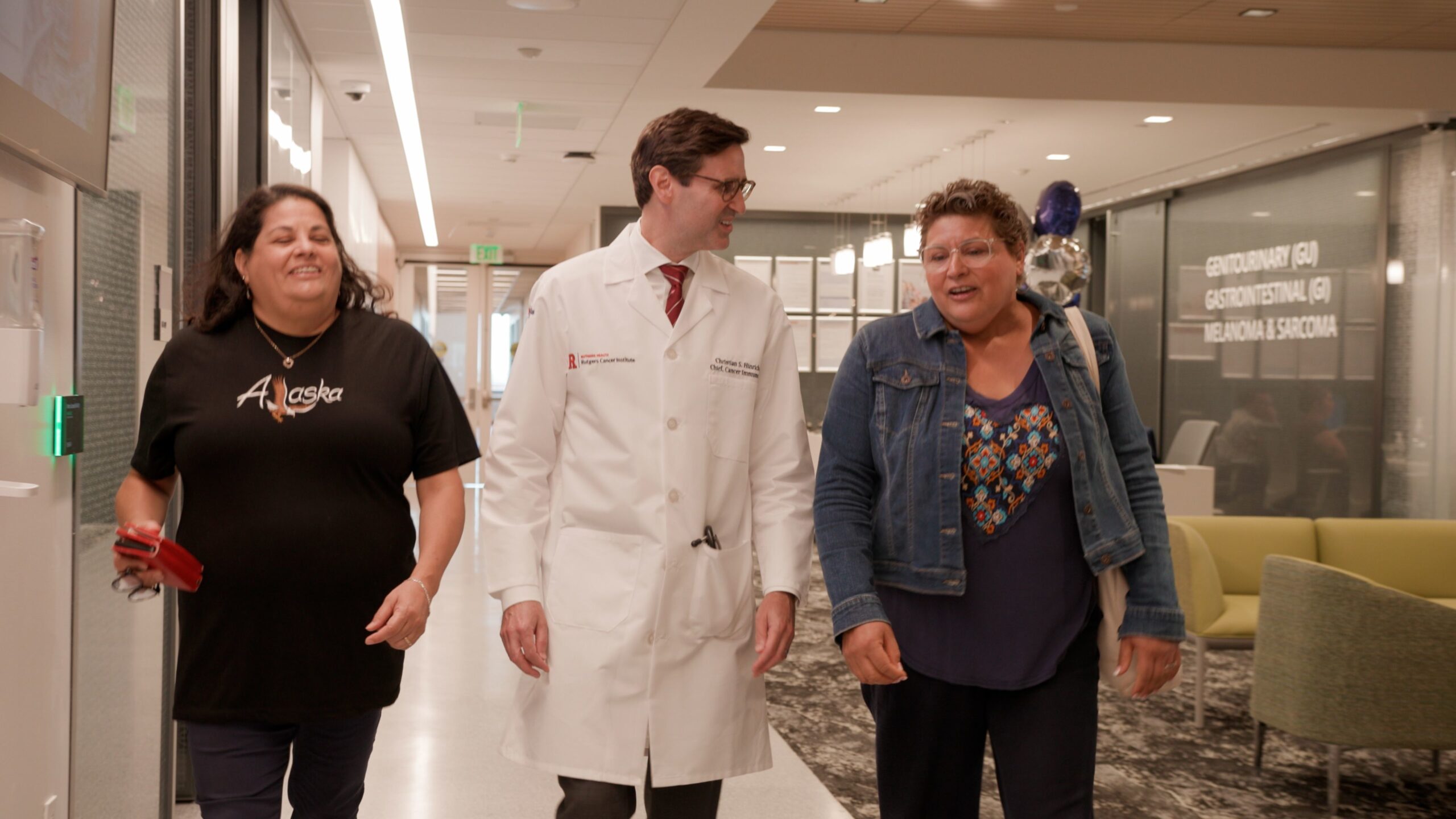
    Maria Pascale walks with her sister Maria Durante and her doctor Christian Hinrichs at Rutgers.

    The future of the treatment

    Hinrichs said his team is working to figure out why two of the patients, including Pascale and a patient with anal cancer, responded better to the treatment.

    He cautioned that it’s too early to draw sweeping conclusions since the sample size is small. (Researchers will seek to recruit another 10 patients for the ongoing trial.)

    The patients who had complete responses will need follow-up scans every few months to make sure their cancers have not returned.

    It will still take years to finish evaluating safety and efficacy. Treatments tested in clinical trials often do not advance to become standard practice.

    June, the Penn scientist, called the trial’s early results promising and noted that there weren’t any major safety problems reported.

    Adverse effects seen in the trial were mainly those caused by the chemotherapy.

    However, the drawback of using TCR therapy is that patients need a certain genetic background for it to work, June said. This is similar to how not every organ donor would be a good match for a recipient.

    The genetic profile chosen for the Rutgers therapy is the most common in America. However, it is less common in Black and Asian people compared to white people.

    Scientists hope it could one day be possible to manufacture the therapy with a warehouse approach, where TCR therapies that work across genetic backgrounds could be mixed and matched.

    “It’s a practical issue that the drug companies face,” June said.

    CAR-T, in comparison, can be used more broadly across different genetic backgrounds.

    What matters most, since the treatment is expensive to make, is that the responses hold up over time, June said.

    (The TCR therapy’s cost has not yet been set, Hinrichs said, since it is currently manufactured individually for each patient.)

    “If they’re long lasting, then it’s really going to be a huge advance because nothing else works in the patients he’s treated,” June said.

    At Jefferson, Johnson is cautiously optimistic about the treatment that has kept her patient alive.

    If the therapy makes it through the rest of the trial process and proves effective, she hopes it could become “another thing in our armamentarium against this type of cancer.” (A type that doctors would hope to see less of since the introduction of the HPV vaccine in 2006.)

    “I can’t tell you how wonderful it is to have a patient responding and living well when you saw things going the wrong way,” Johnson said.

    Editor’s note: This story has been updated to clarify where the research has been presented and a reference to the prevalence of the genetic profile used in TCR therapy.