Author: Kayla Yup

  • Black and low-income patients face disparities in access to genetic testing, Penn study finds

    Black and low-income patients face disparities in access to genetic testing, Penn study finds

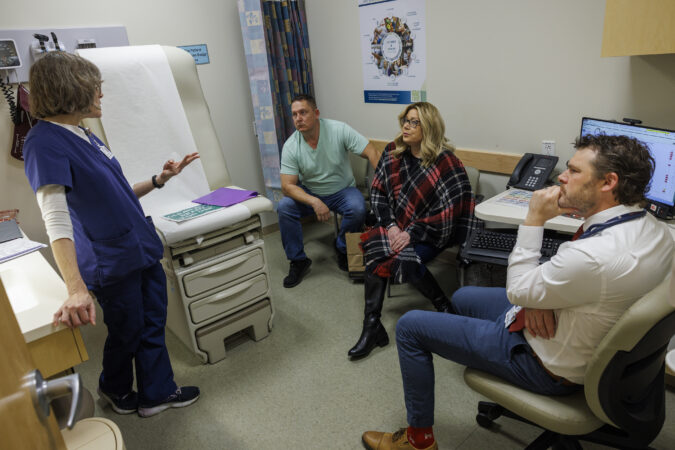
    At Penn Medicine’s clinic where adults receive genetic counseling and testing, about 9% of patients are Black.

    By contrast, one in four patients at the cardiology and endocrinology clinics located in the same facility in West Philadelphia are Black, while nearly 40% of city residents are. Those from low-income neighborhoods are also less likely to be seen at the genetics clinic, yet more likely to have positive results when tested, a recent Penn study found.

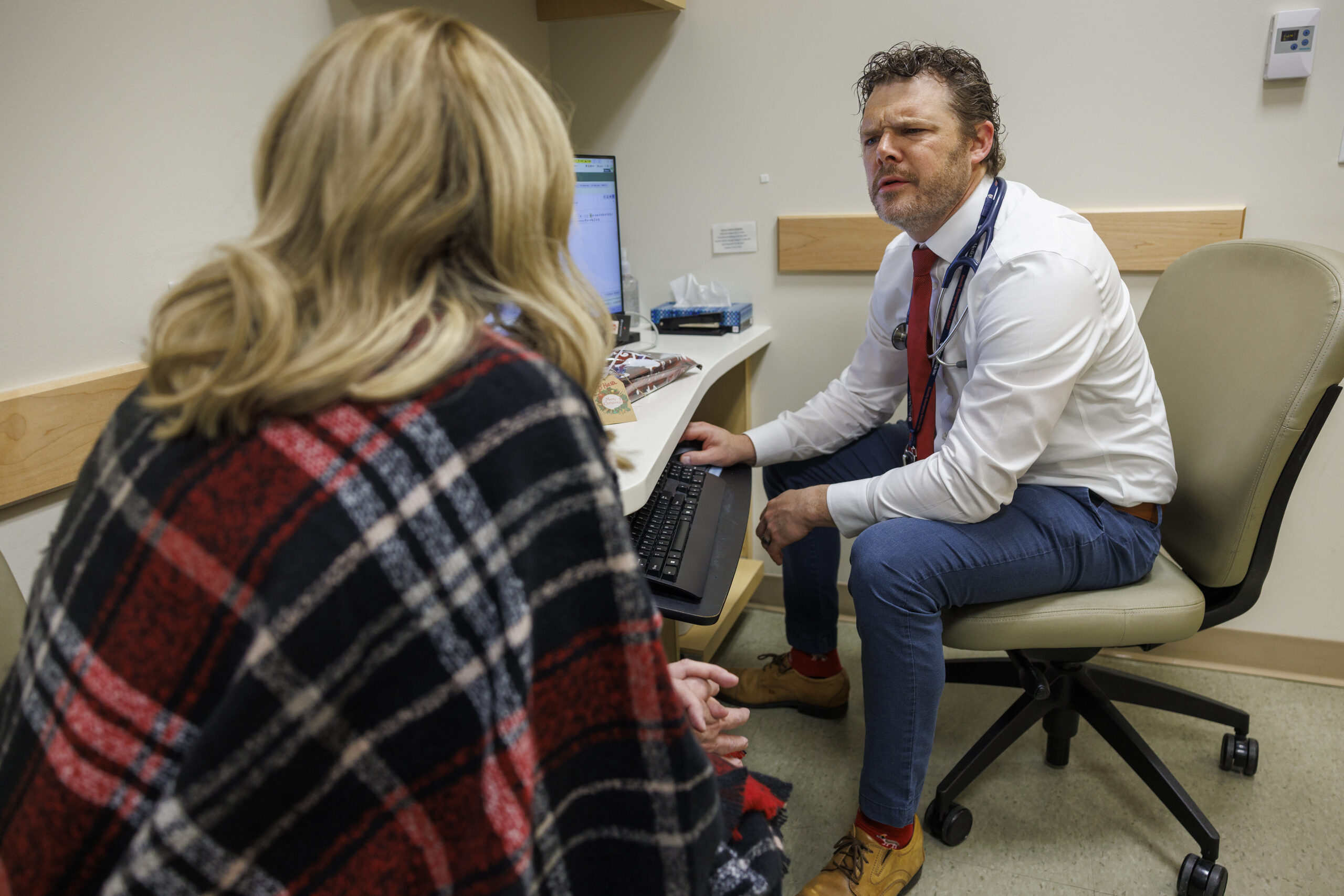
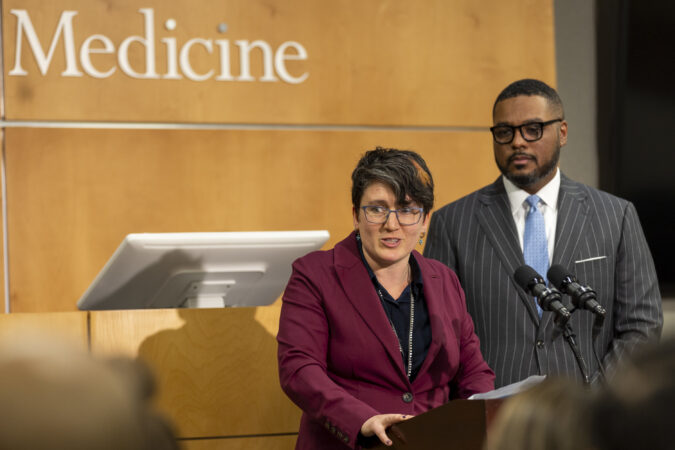
    These findings line up with what Theodore Drivas, a clinical geneticist and the study’s senior author, had long suspected about the impact of racial disparities based on his own experience seeing patients at Penn’s clinic.

    The study, published this month in the American Journal of Human Genetics, found that Black patients were also less likely to be represented at adult genetics clinics at Mass General Brigham, a Harvard-affiliated health system in Massachusetts.

    There’s no biological reason why rates of testing should differ, Drivas said. The overall rate of genetic disease should be similar regardless of race, even though certain diseases are more prevalent in some populations.

    “Genetic disease doesn’t favor one group or another,” he said.

    That means if one group isn’t getting tested as much, they’re probably missing out on key diagnoses.

    Racial disparities are an ongoing concern in medicine and have been attributed to a wide range of causes, including socioeconomic factors, unequal access to care, implicit bias, and medical mistrust due to historic injustices.

    In a study published last August, Drivas’ team found that the chances of a genetic condition being caught varied widely by race. Among patients admitted to intensive care units across the Penn health system, 63% of white patients knew about their genetic condition, compared to only 22.7% of Black patients.

    To address these disparities, Drivas is calling for changes to how the medical field approaches genetic testing, such as by integrating testing into standard protocols and improving national guidelines.

    “It’s not just a Penn problem or a Harvard problem. It’s a genetics problem in general,” Drivas said.

    Diving into the disparities

    Drivas’ team analyzed data from 14,669 patients who showed up at adult genetics clinics at Penn and Mass General Brigham between 2016 and 2021. The findings are limited to the two major academic centers on the East Coast, which tend to see sicker patients compared to community medical centers.

    Black patients were 58% less likely to be seen at Penn’s genetics clinic than would be expected based on the overall University of Pennsylvania Health System patient population.

    At Mass General Brigham, Black patients were 55% less likely than would be expected based on that system’s population.

    Some literature has suggested that Black patients and others from minority groups are less likely to agree to genetic testing because of an inherent distrust in the medical system due to historic injustices. “But we don’t see that in our data,” Drivas said.

    Once evaluated at Penn’s clinic, Black patients were 35% more likely to have testing ordered than white individuals.

    His team also found disparities affecting lower-income individuals. Each $10,000 increase in the median household income of a person’s neighborhood was associated with a 2% to 5% higher likelihood of evaluation at a genetics clinic.

    Meanwhile, patients from neighborhoods with lower median socioeconomic status were more likely to get positive results from testing than those from wealthier neighborhoods.

    “We’re relatively over-testing the people from higher socioeconomic brackets and under-testing the people from lower socioeconomic brackets,” Drivas said.

    The solution is not to stop testing the wealthier people, he clarified, but to improve access to testing for others.

    Undoing disparities

    People who want to get a genetic diagnosis often have to go to major medical centers.

    The University of Pennsylvania health system comprises seven hospitals across Pennsylvania and New Jersey. Its Perelman Center for Advanced Medicine, adjacent to the Hospital of the University of Pennsylvania in West Philadelphia, is the only one that has an adult genetics clinic.

    Drivas has many patients who drive two or three hours to be seen for genetic testing.

    The current wait time at his clinic is around three or four months, which he said is “pretty good” compared to others.

    He thinks part of the solution to reducing disparities requires expanding the size and diversity of the genetics workforce so more patients can be seen.

    Geneticists also need to better educate doctors in other fields about when to refer patients, he said. Creating better guidelines would help.

    Notably, Black patients in the study were more likely to be evaluated than white individuals for genetic risk factors of cancer — an area where there are clear clinical practice guidelines recommending genetic testing.

    They need to come up with similar guidelines for other conditions, such as cardiovascular and kidney diseases, he said.

    Another idea he had was to make genetic testing more integrated into standard care in the hospital.

    His earlier study found a surprising number of adults in ICUs at Penn had undiagnosed genetic conditions. Such testing is now widely available and often costs as little as a few hundred dollars.

    “It costs money, but I think there are cost savings and life-saving interventions that can come from it,” Drivas said.


  • Two men charged in decade-old N.J. home invasion homicide case

    Two men charged in decade-old N.J. home invasion homicide case

    Almost a decade after a 37-year-old New Jersey man was killed by home invaders, two men have been charged with his murder, the Burlington County Prosecutor’s Office announced Monday.

    Norman Mosley was fatally shot in September 2016 when intruders wearing masks broke into the trailer he shared with his girlfriend in the Browns Mills section of Pemberton Township.

    The investigation went on for years without arrests until detectives found DNA evidence on gloves located near the crime scene.

    Kevin D’Costa, 45, of Irvington, and Daemen Hodge, 32, of Brown Mills, were charged with first degree felony murder, first degree robbery, and unlawful possession of a weapon, among other charges, after their DNA matched what was found at the scene, according to the prosecutor’s office.

    Both men had already been named as suspects in the case.

    D’Costa was in custody at the Essex County Correctional Facility in Newark for unrelated charges when he was served last month with his warrant. Hodge was arrested at his girlfriend’s home in Bordentown Township on Friday and subsequently held at Burlington County Jail in Mount Holly.

    The next step in the case will be presenting it to a grand jury for potential indictment.

  • The Trump administration is targeting ultra-processed foods. A Penn researcher explains why that might be complicated. | Q&A

    The Trump administration is targeting ultra-processed foods. A Penn researcher explains why that might be complicated. | Q&A

    On the same day President Donald Trump’s administration targeted ultra-processed foods in its new federal nutrition guidelines, Penn researcher Alyssa Moran published an academic journal article explaining why they’re hard to regulate.

    For starters, there’s no consensus on how policymakers should define the term, she and two coauthors said in a Nature Medicine commentary piece. (The publication timing was a coincidence, but she welcomed the attention to an underestimated challenge.)

    Ultra-processed foods are generally understood to be those with industrially produced ingredients not found in home cooking, but experts have long debated how best to classify the foods for regulation. The wording would need to encompass all the possible variations, without being so rigid that the industry finds loopholes.

    The U.S. Food and Drug Administration and the Agriculture Department have said they are working on developing a federal definition to provide “increased transparency to consumers about the foods they eat.” It’s a key goal of the nation’s top health official, Robert F. Kennedy Jr., who blames ultra-processed foods for the United States’ “chronic disease epidemic.”

    Roughly 60% of an American child’s daily calorie intake is estimated to come from ultra-processed foods, which comprise up to 70% of the U.S. food supply. Studies have linked their consumption to a higher risk of obesity, diabetes, cancer, heart disease, and other harms.

    This is the first time U.S. dietary guidelines have explicitly called out ultra-processed foods, also called highly processed foods, and told Americans to limit consumption, Moran said. The guidance was part of a broader update by the Trump administration the first week of January that flipped the longstanding food pyramid on its head to promote consumption of whole foods, proteins, and some fats.

    Though health experts questioned changes, such as the vague guidance on drinking alcohol, the crackdown on ultra-processed foods mirrors what many health organizations and consumer advocacy groups have been saying for years.

    “I thought it was a bold move, and I was glad to see it,” she said.

    Moran talked with The Inquirer about what people should know about ultra-processed foods and the challenges that remain in regulating the products.

    This conversation has been lightly edited for length and clarity.

    Health & Human Services Secretary Robert F. Kennedy Jr. speaks during a press briefing with leading health officials and nutrition advisors at the White House in early January.
    What are ultra-processed foods?

    It’s a term that’s been used for decades and has been used, I think, interchangeably with ‘the Western diet’ or ‘junk foods’ or ‘highly processed foods.’

    Most foods are processed in some form, whether it’s physical processing, like slicing fruit before you eat it, or adding some chemical preservatives to foods that increase food safety. What changes with ultra-processing is the intent of the processing.

    With ultra-processing, the intent isn’t just to make the food safer or to extend shelf-life. It is to make it more cosmetically appealing and more likely to be overconsumed by individuals. They’re formulated in a way that makes them addictive, and they’re also aggressively marketed.

    What does it mean to make a food ‘cosmetically appealing’?

    It’s the overall sensation of eating the product.

    Companies are manipulating levels of highly palatable ingredients like sugar, salt, and fat to be at levels that are not naturally occurring and that are extremely palatable to consumers.

    They also add additives that enhance the naturally rewarding properties of things like sugar, salt, and fat. Some additives are added to food, for example, to mask a bitter flavor or prevent an aftertaste. They also add emulsifiers to change the mouth feel of a product. They pay attention to how the product sounds — even the crunch of a product when you’re chewing it — and add dyes to make them more visually appealing, especially to kids.

    There are all kinds of strategies that can take advantage of all of the senses to make the product almost irresistible.

    Why is there so much debate over how to define the products?

    The current administration has talked more than any prior administration about potentially limiting the production, marketing and sale, and availability of ultra-processed products. So, to be able to formulate policy to limit intake of these products, we have to be able to identify them.

    Many people have proposed going down the route of defining ultra-processed foods according to a list of additives. And there are many reasons why I don’t think that’s a good approach.

    What are the reasons?

    We need to really be thinking about how companies are going to respond to whatever definition we create.

    If we use a list of specific additives that makes something ultra-processed, companies are going to look at that list and they’re going to say, ‘How can we get around this. How can we skirt regulation?’ They’re either going to increase their use of additives that exist already but aren’t on that list, or they’re going to create new additives with very similar structures and functions as the existing additives.

    We see this happen all the time with commercially regulated products. When policies tax sugar, we see that companies increase their use of non-nutritive sweeteners, so the food supply is just as sweet, if not more. When Red Dye No. 2 was banned (in 1976), companies created Red Dye No. 3, which is almost identical and was also banned (in 2025), but 50 years later.

    Plus, we have hundreds of thousands of products on the marketplace and there are constantly new ones being added. And currently under FDA policy, companies don’t even need to notify the FDA when they add new ingredients to the food supply. So we don’t even have a complete list of every single additive in the food supply right now.

    What approach did you propose in your Nature article on this topic?

    Right now, it has been proposed to use a list of ingredients that would make a food ultra-processed. Everything else is non-ultra-processed.

    Our recommendation is really to flip that.

    We would say, ‘Here are all of the ingredients that make a food non-ultra-processed. Everything else is ultra-processed.’

    There are very few additives that make a food non-ultra-processed. The purpose (of the additive) would have to be for food safety or preservation, and that’s one reason why this is also a much simpler approach. Our approach is saying, for example, your yogurt is considered non-ultra-processed if it contains things like milk, live cultures, fruit, nuts, seeds, and honey, as well as some preservatives, vitamins, and minerals.

    If it has anything else, it’s an ultra-processed food and is in scope for regulation. Then, if companies introduce new additives, they’ll still be considered ultra-processed because they still fall into the ‘everything else’ bucket.

    Are there any other challenges that you see in terms of regulating the industry?

    The biggest one is the pushback from the food industry. They spend a lot of money fighting against policies to regulate production, marketing, and sale. We see it with sweet and beverage taxes that have been enacted in Philadelphia and other places. We see it with front-of-package labeling, which the FDA had been trying to pass.

    The lack of resources at our federal agencies is another barrier. This administration, early on, really dismantled the FDA, which I think would be the main regulatory body involved in creating this definition and potentially developing policy to regulate these products.

    If we don’t have people at those agencies, and they don’t have the resources they need to do their work, you could have a law on the books, but it’s not going to go anywhere.

    What are your tips for consumers?

    Shop on the grocery store perimeter and avoid the center aisles. Avoid ingredients that aren’t familiar to you.

    Classic examples of ultra-processed foods are box macaroni and cheese, many frozen pizzas or frozen prepared meals, and many boxed cookies, candies, cakes, and packaged foods.

    I would never tell consumers in this environment that you have to avoid every single ultra-processed food to be healthy. These products are everywhere. They’re cheap. They’re super convenient. Many people don’t have access to minimally processed whole foods.

    That’s why I think policy is so important — policies that both put limits on ultra-processed foods, but also promote and incentivize the production and sale and marketing of non-ultra-processed products.

  • Philadelphia-area blood banks call for donations as shortages loom

    Philadelphia-area blood banks call for donations as shortages loom

    Blood banks across the Philadelphia region say donations are urgently needed this week as they brace for anticipated post-holiday blood shortages.

    New Jersey Blood Services, whose coverage area includes South Jersey, declared a blood emergency on Tuesday, stating they had less than a two-day supply for the more than 200 hospitals they serve across New Jersey, New York, and Connecticut.

    The American Red Cross of Southeastern Pennsylvania separately said Philadelphia and South Jersey, as well as the nation at large, are on the cusp of a blood shortage.

    January is a difficult time for blood donations — so much so that President Richard Nixon signed a proclamation in 1969 declaring it “National Blood Donor Month.”

    This year, a trifecta of seasonal illness, severe weather, and holiday disruptions has resulted in a significant decline in donations, said Chelsey Smith, a spokesperson for New Jersey Blood Services.

    Flu cases surged in recent weeks. Meanwhile, Christmas and New Year’s Day both fell midweek, on days when the organization normally sees high collection. Blood donation levels dropped to almost 40% below what is needed to meet hospital demand.

    “We essentially experienced a mere total loss of midweek collections for two straight weeks, and that adds up very quickly,” Smith said.

    The most urgent needs are for red blood cells and platelets.

    The group urges people to donate at least once per season, emphasizing that blood is a perishable product. Red blood cells only last about 42 days after a donation. Platelets, which are especially critical for cancer patients going through chemotherapy, have a shelf life of just five to seven days.

    “When those donations drop, it directly impacts our blood supply, and hospitals usually feel the effects of that pretty quickly,” Smith said.

    Blood shortages are becoming more frequent

    Blood shortages and emergencies have become more common following the pandemic, Smith said.

    Fewer young people are donating, for starters, which she attributes to the loss of school collections during the height of COVID-19.

    “We weren’t able to go into high schools and instill those lifelong values of donating blood when they’re young,” she said.

    More people are also working from home, a challenge for the New Jersey organization that used to rely heavily on corporate workplace blood drives.

    New Jersey Blood Services declared a blood emergency last summer as well.

    “Pre-COVID, blood emergencies were not quite as common. Post-COVID, they’re almost routine,” Smith said.

    The American Red Cross also saw a lower number of people donate over the holidays than anticipated, according to Alana Mauger, a spokesperson for the Southeastern Pennsylvania chapter.

    Organizers released calls this week for donations in hopes of preventing a shortage, which they’re on the cusp of.

    The group also partnered with the National Football League this month to offer a chance at winning a trip to Super Bowl LX to those who donate.

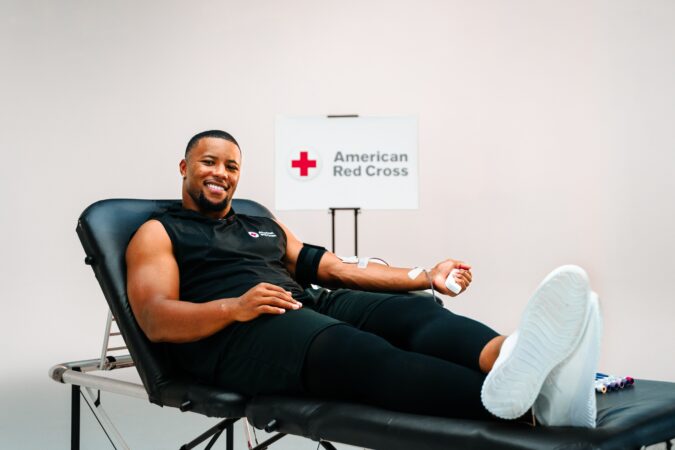
    Saquon Barkley is participating in the campaign, sharing his own experiences as a blood donor.

    “It only takes about an hour and once you realize in that short amount of time how much help it can bring — it’s a beautiful thing,” the Eagles running back said in a Monday news release.

    New Jersey’s acting health commissioner, Jeff Brown, urged donors not to wait to donate.

    “Schedule an appointment today or visit a walk-in center this week. Your donation can save a life,” he said in a statement.

    For information on donating to the American Red Cross, go to: redcross.org/local/pennsylvania/southeastern-pennsylvania.html

    For New Jersey Blood Services, which is a division of New York Blood Center Enterprises, go to: nybc.org/donate-blood/donation-locations/

  • Penn researchers gamified walking to boost heart health, and won a $25 million grant

    Penn researchers gamified walking to boost heart health, and won a $25 million grant

    University of Pennsylvania researchers recently won a $25 million grant to see if they can fight heart disease with a game that promotes a healthy behavior — walking.

    The intervention works by tracking how many steps a person takes each day and assigning points and levels accordingly. Participants get text messages with their daily tally.

    The Penn team previously tested the concept in a clinical trial with 1,062 patients and found the approach increased participants’ activity by an average of nearly 2,000 steps daily.

    Now, with funding from the nonprofit Patient-Centered Outcomes Research Institute, they hope to show that their game cannot only promote exercise, but can also reduce the incidence of heart events.

    Dozens of studies have already shown that people who take more steps a day experience fewer heart attacks and strokes. However, these findings have largely been based on observational data, which is not proof of a cause-and-effect relationship.

    The Penn team will be using the $25 million grant to pursue the gold standard for establishing scientific causality: a randomized controlled trial. Patients will get divided into two groups — one gets to play the game, and the other does not — so researchers can compare their outcomes.

    The clinical trial involving 18,000 participants will launch in a year and a half and run for roughly five years. Patients will be recruited through a partnership with the private healthcare system Ascension, which spans 15 states and the District of Columbia.

    Scientists theorize that walking could help by reducing blood pressure, blood sugar, and inflammation. Activity may also improve the way muscles get oxygen from the blood, “so that your heart doesn’t have to work as hard,” said Alexander Fanaroff, a Penn cardiologist and one of the lead researchers on the project.

    The research team will see whether the participants who had access to the game sustained significantly fewer instances of stroke, heart attack, or heart failure.

    Only people with an elevated risk of heart disease can take part in the trial.

    Making walking into a game

    As a cardiologist, Fanaroff spends a lot of time telling patients to exercise more.

    It doesn’t always work.

    “The hardest thing for people to do is change their behavior,” he said.

    The Penn team has spent the last decade using concepts from behavioral economics — a field that combines psychology and economics to understand human decision-making — to hone an intervention to promote exercise.

    The current program design, which works like a game, is the product of three previous clinical trials that showed the potential of Penn’s game-based approach to improving physical activity.

    Here’s how it works: First, participants establish their baseline step count over two weeks, and then set a goal to increase their daily steps by 33% to 50%.

    Each week, patients are given 70 points — that’s 10 per day. Every day that they meet their goal, they keep their points. If they fail to keep up, they lose 10 points.

    They move up or down levels each week, based on the cumulative points.

    Patients need only to own a smartphone to participate, since their steps are tracked by the built-in sensors now in most devices.

    Daily results are delivered through text.

    “If you have an app on your phone, you might not look at it, but if you’re getting a text message every day, you’re engaged,” Fanaroff said.

    Participants also identify a support partner, such as a family member or friend, who will get weekly email updates on how the person is doing in the game.

    The study is entirely remote, with patients enrolling via a web platform.

    Participants who are not sorted into the game approach will receive “usual care,” which consists of medical providers simply telling patients to be more physically active. They will also download a standard exercise app, which normally monitors their steps without turning it into a game.

    Trying to improve health and reduce costs

    The trial will enroll adults who have a 10% or higher chance of a cardiovascular event over the next 10 years, as determined by the American Heart Association’s PREVENT calculator.

    This includes anybody who has ever had a heart attack or stroke, or received a stent, Fanaroff said. It also includes almost all people over 65 with multiple cardiovascular risk factors such as high blood pressure, high cholesterol, obesity, or diabetes.

    “It’s not everybody, but it is a good-sized chunk of the population,” he said.

    If successful, he hopes the evidence could convince insurers to fund programs that increase physical activity.

    The Penn team estimates the game could be delivered for less than $50 per person.

    “If it’s effective at reducing cardiovascular events, it would actually probably be cost-saving to the health system,” Fanaroff said.

    He also hopes the results can guide doctors to better counsel patients.

    “We just don’t know the best way to get people to increase physical activity at all, so all we wind up doing is telling people, ‘Physical activity is important for your health,’” he said.

  • Pancreatic cancer is among the deadliest cancers. A new drug being tested at Penn is giving patients and doctors hope.

    Pancreatic cancer is among the deadliest cancers. A new drug being tested at Penn is giving patients and doctors hope.

    Irene Blair was expected to have another six to eight months to live in June, after her pancreatic cancer rapidly advanced to stage 4 less than a year after her initial diagnosis.

    A new drug being tested in clinical trials around the world, including at Penn Medicine’s Abramson Cancer Center, was the 59-year-old grandmother from Newark, Del.’s best hope for more time.

    The drug belongs to a class of pharmaceuticals long considered the holy grail of cancer research. It is a KRAS inhibitor, capable of blocking a protein that fuels an especially deadly cancer. Only 13% of pancreatic cancer patients are still alive five years after their diagnosis, the highest mortality rate of all cancers.

    Called daraxonrasib, the drug is not considered a cure. But the results emerging from clinical trials point to the first major advancement in decades for a devastating cancer usually caught in late stages. Former Nebraska Sen. Ben Sasse last week disclosed in a blunt social media post that he was recently diagnosed with metastasized, stage-four pancreatic cancer and is “gonna die.”

    In recent months, the federal government has sped up the review timeline for the drug made by California-based company Revolution Medicines, Inc., based on early clinical trial results.

    Across 38 patients in a phase 1 trial, the drug appeared to double the survival time for at least half of patients compared to standard chemotherapy, from roughly seven months to 15.6 months.

    “In pancreatic cancer, for too long, we haven’t had effective therapies beyond just chemotherapy,” said Mark O’Hara, Blair’s oncologist who leads multiple clinical trials testing KRAS inhibitors at Penn.

    Blair started the therapy through a phase 3 trial in July. Within three weeks, her cancer-associated pain went away.

    In October, her tumors looked stable or decreasing on scans. Her most recent December scan showed her cancer had not progressed.

    Aside from occasional facial rashes, she feels normal. It’s a big improvement from how she felt previously on chemotherapy, which caused her to lose 35 pounds and become so weak she couldn’t walk.

    The question now is how long the therapy can remain effective. Blair seeks extra time to “start living life.”

    She officially retired from her job in real estate in May and wants to travel, with trips planned to see family in California and Florida.

    Holidays have been especially hard for her.

    “You just wonder, ‘Will I be here next year?’” she said.

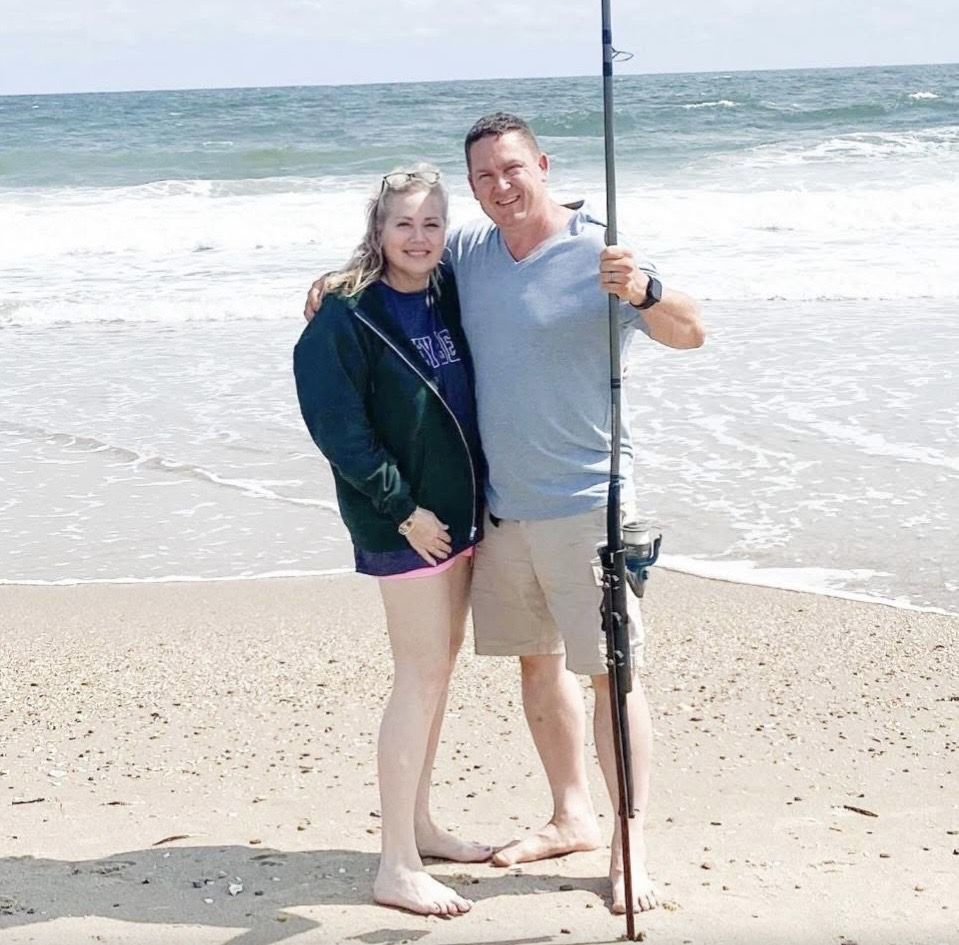
    Irene Blair and her husband, Charles, at a beach in Delaware.

    How does the therapy work?

    Cancer researchers have worked to design a drug targeting KRAS, a protein that acts like a “gas pedal” for cancer growth when mutated, since its discovery in 1982.

    The mutant protein is like a pedal stuck in the down position, driving uncontrolled proliferation — which tumors thrive on. These mutations are found in a quarter of human cancers, mostly aggressive cancers of the pancreas, lung, and colon.

    Scientists finally succeeded in 2021, when the first drugs capable of blocking KRAS were approved by the FDA for lung cancer. Dozens of KRAS inhibitors are now in various stages of development.

    Daraxonrasib is one of the first tested for pancreatic cancer, a tumor type where nearly 90% of cases have these mutations. Also called a ‘pan-RAS inhibitor,’ it not only targets KRAS, but two other related proteins that drive cancer when mutated, HRAS and NRAS.

    More than 90% of the 83 patients in a phase 1 trial saw their pancreatic cancer stall during treatment, and roughly 30% saw shrinkage.

    While taking the drug, at least half of patients gained more than eight months before the cancer started progressing again.

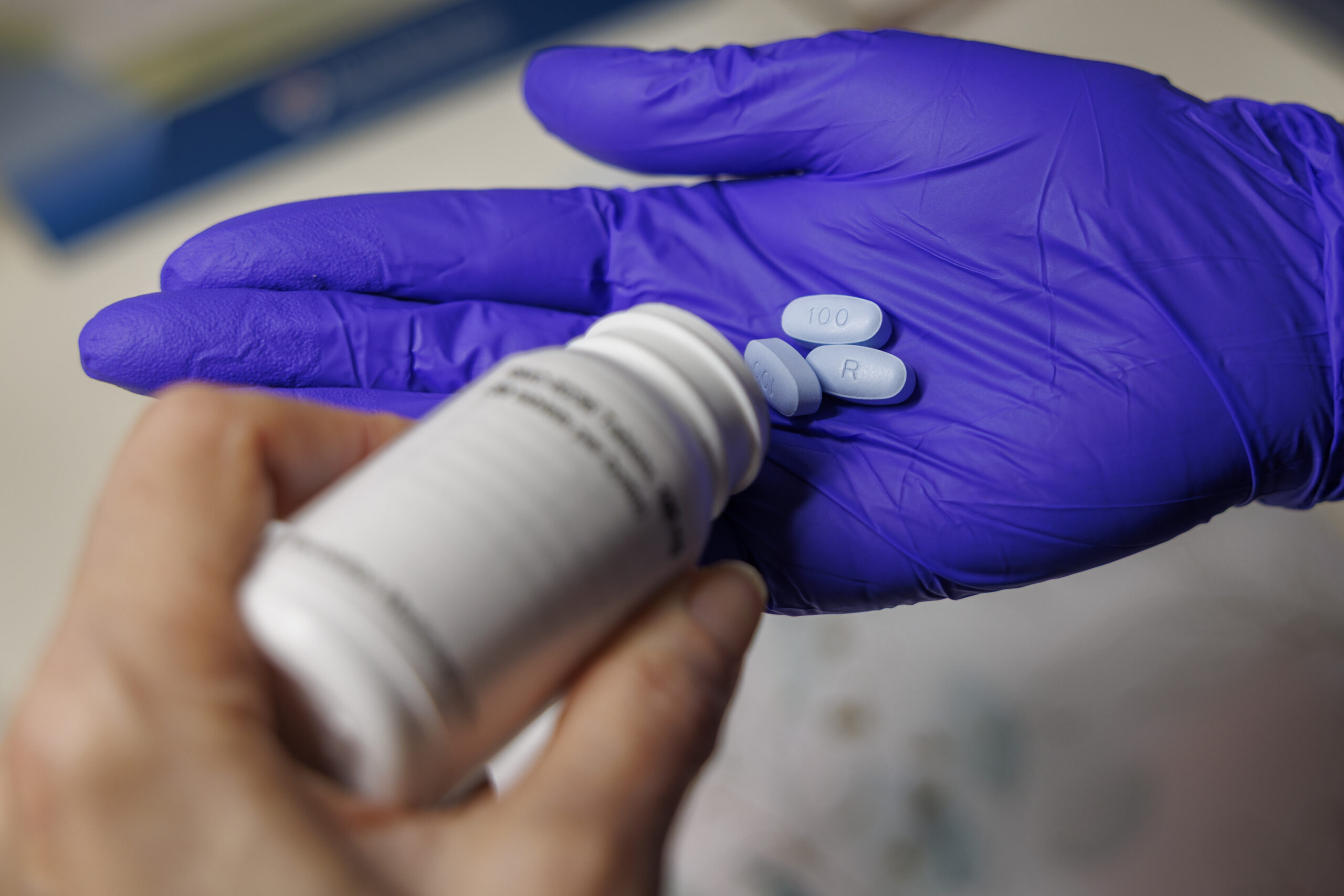
    The drug comes in pill form.

    The drug comes in the form of three pills, taken daily at home.

    The most prevalent side effect is a rash — 91% of patients in a phase 1 trial experienced this symptom, with 8% having severe cases. It often shows up on the face or scalp and is similar to acne, O’Hara said.

    Diarrhea, nausea, vomiting, and mouth sores are other common symptoms.

    O’Hara said these are manageable with medications for most patients and still allow them to have a better quality of life than chemotherapy.

    “I want to be able to give KRAS inhibitors to all my patients right now,” he said.

    Irene Blair of Newark, Del., meets with her doctor, Mark O’Hara, at her December appointment.

    Looking forward

    O’Hara runs multiple trials of KRAS inhibitors at Penn.

    Some of them are testing the inhibitor as a treatment for patients with metastatic cancer after other options have stopped working. Another is evaluating its use in combination with chemotherapy as an initial approach.

    “I’m looking for more tools to put in that toolbox, and I think this provides a new tool,” O’Hara said.

    Ben Stanger, a gastroenterologist and scientist at Penn, has led experiments in mice that showed combining a KRAS inhibitor with immunotherapy may be more effective than using the former alone.

    If this approach makes it into clinical trials as well, it could still take years to evaluate the safety and efficacy of the combination.

    He believes KRAS inhibitors could be “a game-changer” for pancreatic cancer if approved, particularly if paired with other anti-cancer drugs.

    “Goal number one would be to make pancreas cancer, instead of a death sentence, into a more ‘chronic’ disease that is treated over time,” he said.

    The federal government has granted the drug Breakthrough Therapy and Orphan Drug designations.

    In October, the drug was also one of the first selected for a new program that aims to accelerate review times for drugs from one year to as short as a month, potentially putting it on a faster path to approval.

    Daraxonrasib, also known as RMC-6236, earned Breakthrough Therapy and Orphan Drug designations in 2025.

    Limited options

    When Blair first started having back pain around May 2024, she thought it was a pulled muscle from kickboxing.

    She put a heating pad on the back of her chair and went on with life.

    After her father had a stroke that July, she got it checked out at the hospital where he was admitted.

    A day later, she was diagnosed with stage 2B pancreatic cancer.

    “My first thought is, ‘I’m dying,’” she said.

    Had she been diagnosed earlier, she would have retired early, instead of worrying about saving money.

    Instead, she spent her final working year undergoing surgery to remove part of her pancreas, spleen, and several lymph nodes, followed by 12 difficult sessions of chemotherapy.

    When she finished her last session in March, Blair’s scans showed no evidence of the cancer. But by late April, her back pain returned.

    Two months later, more scans showed that the cancer was now considered stage 4, as it had metastasized to her liver, forming 10 to 15 new tumors.

    Her best option was to enter a clinical trial of daraxonrasib at Penn.

    Much to her relief, she was chosen to receive the drug in July upon enrolling in a study in which half of patients are randomized to receive chemotherapy.

    “It’s enabled me to start living again,” she said, but knows eventually the therapy will likely stop working.

    In that case, doctors may try the standard chemotherapy — which usually works for three to four months — or test a different therapy based on her cancer’s genomic profile, O’Hara said.

    For now, she described herself as “living scan to scan,” seeking as much time as possible with her son, grandchildren, and husband.

    Irene Blair and her husband Charles, son Tom, daughter-in-law Kelsey, and two of her three grandchildren, Aidan and Madilynn.

    Blair’s next evaluation is in February. She hopes it shows her disease remains stable, and she can stay in the trial.

    “The alternative, honestly, is death,” she said.

  • Five Philly science wins of 2025: Big prizes, biotech moves, and global recognition for Baby KJ.

    Five Philly science wins of 2025: Big prizes, biotech moves, and global recognition for Baby KJ.

    Despite being one of the rockiest years yet for science — marked by millions of dollars in funding cuts and controversial shake-ups to the federal infrastructure — Philadelphia scientists still managed to celebrate many wins in 2025.

    Some institutions expanded their research with new centers dedicated to autoimmunity, HIV, Williams syndrome, and drug development. Others won big grants to develop better drugs for asthma and study the causes of autism.

    Local scientists published exciting research on treatments for type 1 diabetes and ovarian cancer, designed self-heating concrete, and proposed ways to turn toxic fungi, snake venom, and trees into medicine.

    They also won national and international honors for work in physics, cancer research, and drug repurposing. And although no local scientists won a Nobel Prize this year, two at Monell Chemical Senses Center were recognized by its satirical counterpart, the Ig Nobel Prize.

    Here are five notable Philly science wins from 2025:

    1. Baby KJ is successfully treated with personalized gene editing therapy

    Philadelphia-area child KJ Muldoon, now 16 months old, has already been called a “trailblazing baby” by the top scientific journal Nature and recognized by the publication as one of 10 people who helped shape science in 2025.

    This international recognition came after his life-threatening genetic condition was successfully treated with a personalized gene editing therapy earlier this year by doctors at Children’s Hospital of Philadelphia and the Hospital of the University of Pennsylvania.

    Baby KJ was born in August 2024 with a metabolic disorder that prevented his liver from being able to process protein. Called severe carbamoyl phosphate synthetase 1 (CPS1) deficiency, the disorder puts babies at risk of severe brain damage and is fatal more than half the time.

    With few options to treat him, the CHOP and Penn team — led by doctors Kiran Musunuru and Rebecca Ahrens-Nicklas — opted for a gene-editing technology known as CRISPR to create a customized drug for KJ that would fix the genetic mutation that was driving his disease.

    After receiving three doses, KJ was able to return home in June — ending his 307-day-long stay at the hospital. Though not a cure, the medication has dramatically improved his liver function and made the effects of his disease milder, doctors say.

    2. Penn physicists share the Breakthrough Prize in Fundamental Physics

    Penn particle physicists (from left) Joseph Kroll, Brig Williams, and Elliot Lipeles, pictured in 2011. They are part of the ATLAS research team that helped discover the Higgs boson, an elementary particle, and were honored with the 2025 Breakthrough Prize for their ongoing Higgs research.

    This year, Penn physicists shared one of science’s biggest honors: the Breakthrough Prize.

    They were among 13,000 scientists across more than 70 countries to be recognized for their involvement in particle physics experiments at the European Organization for Nuclear Research, known as CERN, in Switzerland.

    These decades-long research collaborations have explored the fundamental structure of particles that make up the universe, using CERN’s Large Hadron Collider, a 17-mile-long particle accelerator.

    The Penn team — consisting of more than two dozen scientists, including Joseph Kroll, Evelyn Thomson, Elliot Lipeles, Dylan Rankin, and Brig Williams — was specifically part of the ATLAS Experiment, which played a key role in the discovery of the Higgs boson particle, a critical particle in modern particle physics theory. The Higgs discovery helped confirm how fundamental particles acquire mass.

    3. David Fajgenbaum honored for drug repurposing research

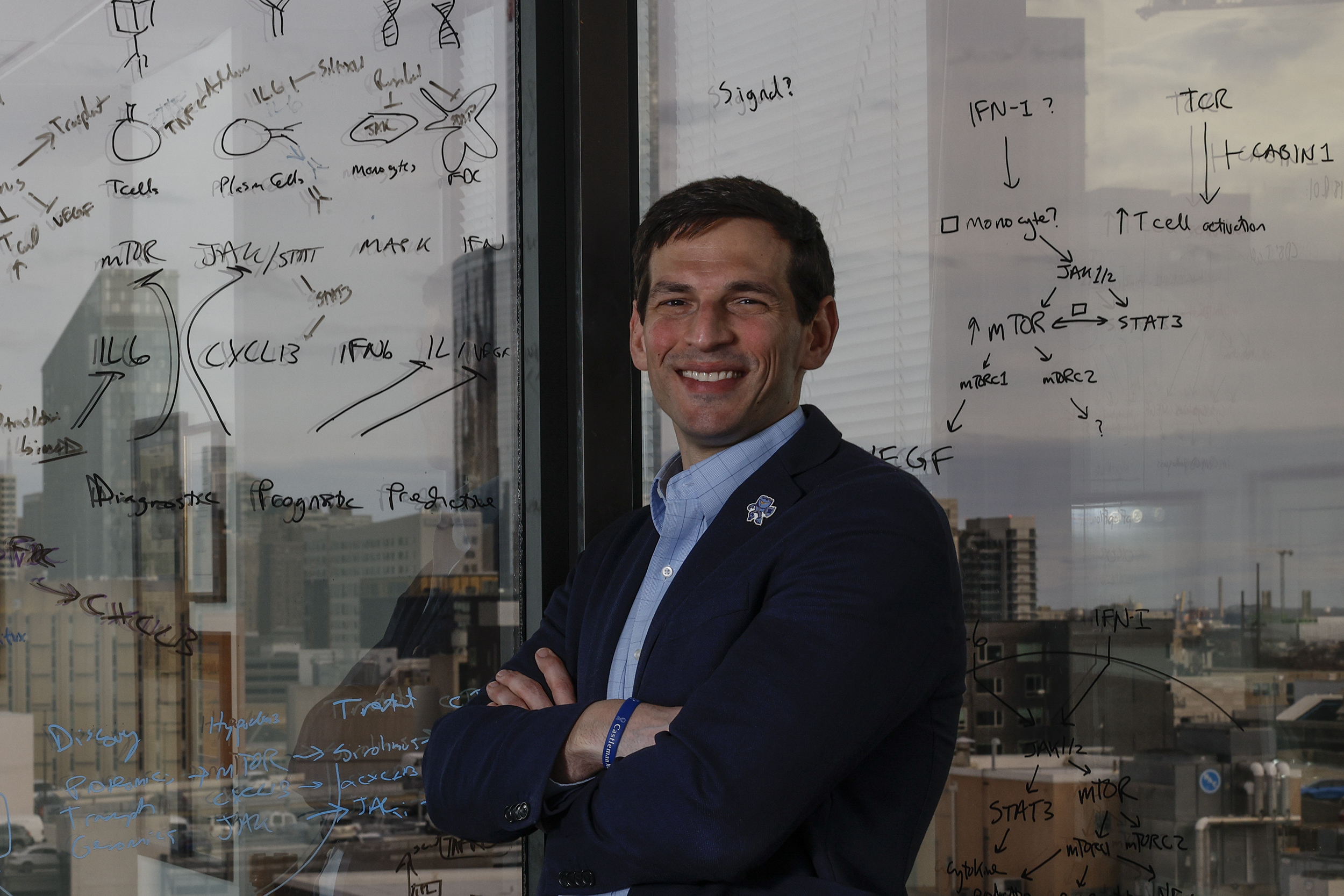
    David Fajgenbaum was diagnosed with Castleman disease, a rare lymph node disorder with limited treatment options. When chemotherapy didn’t work, the third-year medical student worked with his doctors to discover that a medication approved for preventing organ rejection in transplant patients could help him, too.

    Penn immunologist David Fajgenbaum received one of the nation’s oldest science prizes, the John Scott Award, this year for his pioneering work repurposing existing drugs for new uses.

    He entered this field 15 years ago after a rare and deadly diagnosis of idiopathic multicentric Castleman disease nearly killed him. The disease had no approved treatment nor any treatment guidelines at the time.

    Then a medical student at Penn, Fajgenbaum started collecting samples of his blood to test for abnormalities. The data helped him identify an existing drug called sirolimus — primarily given to organ transplant recipients — which has put him in remission for the last decade.

    Now through his nonprofit Every Cure, Fajgenbaum has made it his mission to use AI technology to match available medications with rare, hard-to-treat diseases.

    He published a case study in the New England Journal of Medicine in February, where his AI tool helped identify an off-label treatment for another patient with Castleman disease who, at the time, was entering hospice care after all available treatments had failed. As of that study’s publication, the patient has been in a yearslong remission.

    4. Lilly Gateway Labs biotech incubator coming to Philly

    Eli Lilly is opening a branch of Lilly Gateway Labs, an incubator for developing biotech companies, in Philadelphia, the Indianapolis company announced Wednesday. The site, in a new life sciences building at 2300 Market St. in Philadelphia, is the fifth in the United States for the pharmaceutical giant.

    Pharmaceutical giant Eli Lilly & Co announced in November its plans to open a Lilly Gateway Labs site — an incubator for early-stage biotech companies — in Center City.

    It was a positive sign for a biotech scene that otherwise lags behind other cities.

    The incubator, which will be Lilly’s fifth in the United States, will span 44,000 square feet on the first two levels of 2300 Market St. Since the program’s launch in 2019, companies at the other locations (in Boston, South San Francisco, and San Diego) have raised more than $3 billion from investors toward more than 50 therapeutic programs, according to Lilly.

    Lilly plans to house six to eight companies at the Philadelphia location, with the goal of welcoming the first startups in the first quarter of 2026.

    5. Carl June wins international honors for CAR-T research

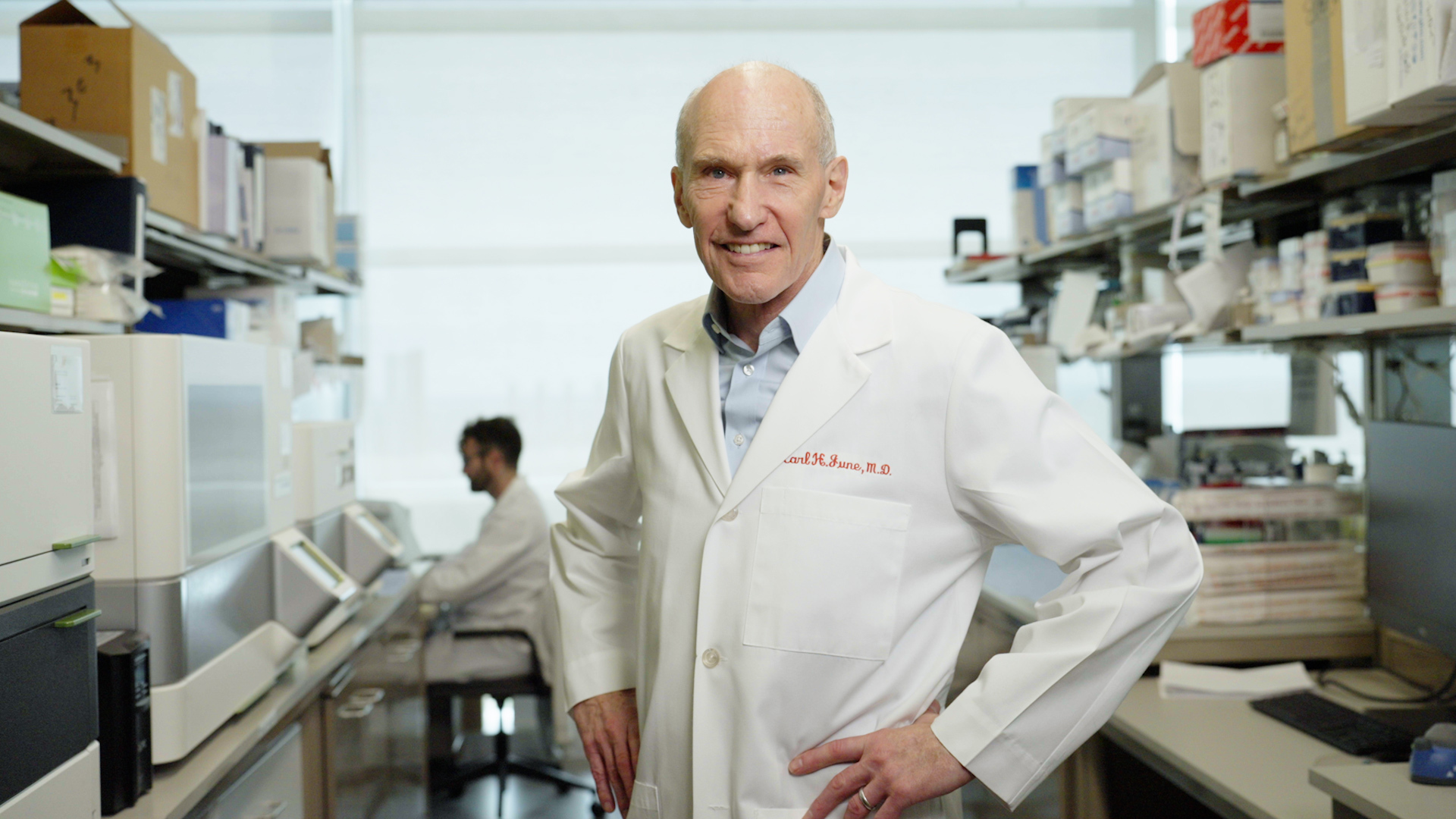
    Carl June won international prizes for his cancer research at the University of Pennsylvania.

    Penn cancer scientist Carl June added two more international prizes to his trophy case in September for his pioneering work engineering the body’s immune system to fight cancer.

    June is known for developing the first FDA-approved CAR-T therapy, an immunotherapy in which regular immune cells are genetically modified to become cancer-killing super soldiers. It has revolutionized treatment for blood cancers, saving tens of thousands of lives since its first use in a 2010 clinical trial he co-led at Penn.

    Though his past work is what won him the inaugural Broermann Medical Innovation Award and the 2025 Balzan Prize for Gene and Gene-Modified Cell Therapy this year, his lab has remained busy, working on ways to apply CAR-T to solid cancers, enhance the therapy for lymphoma, and even re-engineer cells inside the body.

    June has also made moves on the biotech front: A company he co-founded with the purpose of applying CAR-T to autoimmune diseases, Capstan Therapeutics, was bought by AbbVie this summer for $2.1 billion.

  • Forty years after a brain injury changed this veteran’s life, a Jefferson program helped him rebuild

    Forty years after a brain injury changed this veteran’s life, a Jefferson program helped him rebuild

    When Scott Edgell was discharged from the military after a service-related head injury at age 20, he thought he would resume life as normal.

    But over the next four decades, the Lancaster County man was troubled by frequent migraines, memory problems, dizziness, irritability, and balance issues. Even everyday activities, like grocery shopping or eating at a restaurant, became overwhelming.

    “I didn’t understand what was happening to my body,” said Edgell, who is now 57.

    He realized the head injury he suffered while serving in the military was to blame after watching the 2015 movie Concussion, but struggled to find doctors who knew how to help him.

    Just as he started to lose hope in late 2023, he learned about a Jefferson Health program in Willow Grove for veterans and first responders with traumatic brain injuries (TBIs). The clinic provides physical and cognitive rehabilitation to participants over a three-week intensive outpatient program.

    Edgell is among the estimated one in four veterans who have had a TBI. More than half a million U.S. military members have been diagnosed with the injury since 2000, according to the Department of Defense.

    Many suffer TBIs as a result of combat-related incidents, exposure to blasts during explosions, training accidents, and vehicle crashes.

    While some patients can recover completely, up to 30% of those with mild TBIs, also commonly called concussions — which account for the vast majority of TBI cases — experience long-term symptoms.

    The lasting effects of TBIs are often overlooked among veterans because of the injury’s invisibility. Yet they can be life-altering, affecting employment, personal relationships, and overall quality of life.

    Veterans with a TBI had suicide rates 55% higher than veterans without the injury, one study found.

    Jefferson’s program, called the MossRehab Institute for Brain Health, was founded in 2022 and has treated roughly 100 patients. It runs on donations — the biggest being from the veterans’ wellness nonprofit Avalon Action Alliance, which has provided $1.25 million annually.

    Donations allow them to offer the program at no out-of-pocket cost to veterans and first responders, and cover housing, transportation, and meals during the three weeks.

    “I walked in those doors at the lowest part of my life,” said Edgell, who participated in June 2024.

    Though there’s no cure for his injury, the program has helped him rebuild his life.

    “All you can do is learn to manage your symptoms,” he said.

    Edgell and his family, including his wife Tami, stepdaughter Monica Bressler, son-in-law Kenny Bressler, and granddaughter Hayvin.

    The program

    Edgell entered the MossRehab program in June 2024 as part of a cohort of four.

    The first step in his rehab was learning about what was happening to his brain.

    His accident occurred back in 1989, when a steel hatch swung shut and hit him in the back of the head during a training exercise at Fort Riley, Kan.

    Doctors at the time provided memory exercises, mental health support, and physical rehabilitation to improve his gait, but nothing brought him back to baseline.

    Edgell managed to push through his memory problems in college by putting in extra effort into studying, and ultimately became an electronics engineer.

    However, it became harder to cope with the symptoms as he got older.

    Even brief outings would exhaust him to the point of needing days to recover.

    When his wife, Tami, would ask what she could do to help him, he wouldn’t know what to say.

    One therapist at the program offered him a helpful analogy: If a normal brain is like a six-burner stove, then having a brain injury is like being down to only three burners.

    “You’re trying to do everything with two or three burners that you would normally do with six, and your brain just becomes very fatigued and overwhelmed,” Edgell said.

    The program teaches participants to adapt to their brain’s new way of functioning, whether through physical rehabilitation for symptoms such as dizziness, or cognitive rehabilitation to address issues affecting attention, concentration, memory, and mood.

    “We’re basically retraining the brain to do something that it’s having difficulty doing because of an injury,” said Yevgeniya Sergeyenko, a physical medicine & rehabilitation physician and clinical director of the program.

    Since treatment for TBIs revolves around managing the symptoms — which can vary widely between patients — the program has staff across an array of specialties that patients see throughout their three-week stay.

    One provider helped Edgell, who was struggling to get more than a few hours of sleep a night, find medication to help him sleep.

    A physical therapist, meanwhile, assisted with his balance and core structure, so he could walk and move around more easily.

    Others taught Edgell exercises to improve his dexterity, speech, and memory.

    Army veteran Scott Edgell participates in a cohort session at the MossRehab Institute for Brain Health.

    Some forms of therapy were less conventional.

    There was horticultural therapy — a therapy that involves working with plants — which Sergeyenko said has been shown to lower blood pressure and is intended to help with emotional regulation.

    Patients also did yoga and other mindfulness and movement activities intended to calm the nervous system.

    Edgell said yoga wasn’t his favorite, but he found art therapy helped him communicate more openly.

    One of the exercises at the start of the program asked him to draw a tree. He drew one that “was not doing very well,” he said.

    At the end of the three weeks, he drew a lush version full of leaves. The framed drawing now hangs in his dining room.

    “I look at that everyday to see where I came from,” he said.

    Army veteran Scott Edgell shows drawings of trees representing himself during a cohort session at the MossRehab Institute for Brain Health.

    Outcomes

    Program organizers say returning to a pre-injury baseline is not always a realistic goal.

    “There’s not a medicine that you can give that’s going to make all of your brain injury symptoms subside,” said Kate O’Rourke, the program director at the clinic.

    The program aims to improve function and quality of life.

    As of September, the last time outcome statistics were compiled, 82 patients had gone through the three-week intensive. Sixty-five percent saw significant reduction in their symptoms, as measured by their Neurobehavioral Symptom Inventory scores — which assesses a patient’s severity of neurobehavioral symptoms from 0 to 88. The average reduction was 13.26 points.

    Ninety-nine percent of patients reported that they personally felt they improved after the program.

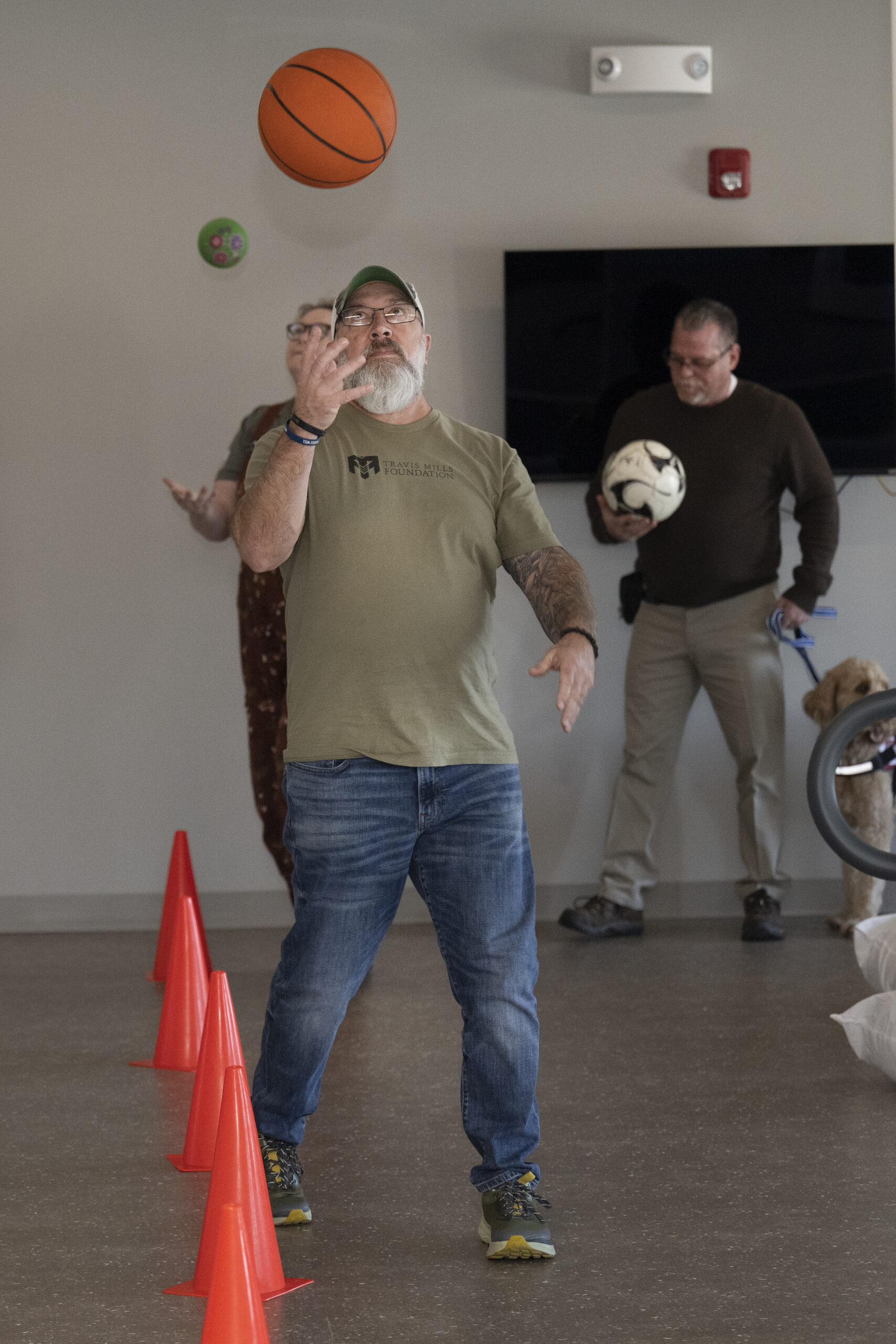
    Current patients (Jeff Todd Malloch and Jessica Mack) and Army veteran Scott Edgell participate in a cohort session with his therapy dog, Lars, at the MossRehab Institute for Brain Health.

    Edgell regularly reaches out to staff for advice, and meets with the program’s alumni in monthly conference calls.

    He still has bad days sometimes, but he’s able to manage them better.

    Before, when he would go to a grocery store or restaurant, he would become overwhelmed by the noise, lights, and commotion.

    “I couldn’t catch my triggers before I fell off the cliff,” Edgell said.

    He was only able to leave the house four to five times a month.

    Working with a service dog at MossRehab inspired him to get one of his own.

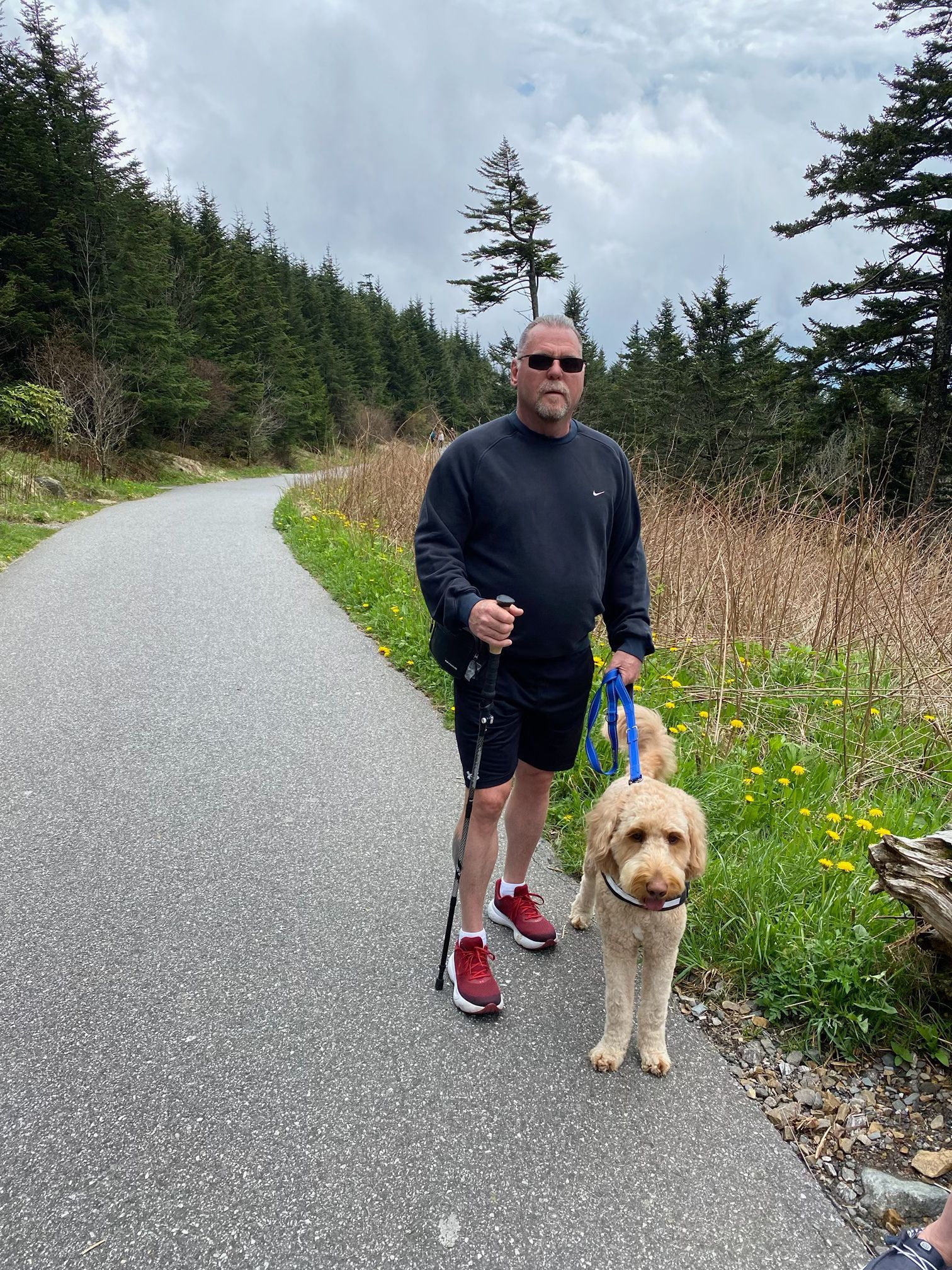
    Now, when he starts to react, a golden doodle named Lars will nudge him, giving him a moment to let his brain calm down.

    Edgell and his service dog, a golden doodle named Lars.

    Today, he’s able to leave the house more frequently and for longer.

    He and his wife have reconnected with friends and engaged more in social activities.

    “I still get tired, I still need breaks, but my recovery time is a lot faster, and it’s not nearly as devastating,” Edgell said.

  • Have that nasty stomach bug? It hit one South Jersey school hard. Here’s how to avoid it.

    Have that nasty stomach bug? It hit one South Jersey school hard. Here’s how to avoid it.

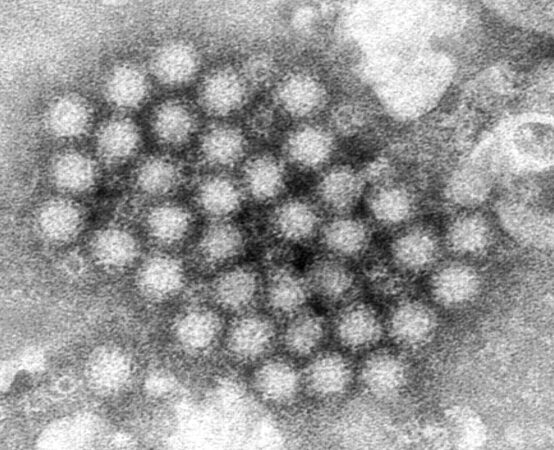
    A South Jersey school was hit with an outbreak of gastrointestinal illness last week, as cases of norovirus, a common stomach bug, recently surged nationwide.

    Camden County officials could not definitively say the illness was norovirus, since no lab testing has been done. However, they noted it was a candidate.

    “The symptoms, infectious period, and incubation periods seem to be consistent with norovirus,” said Caryelle Vilaubi, director of the Camden County Department of Health and Human Services.

    The school in Haddonfield, which officials declined to identify further, first reported a spike in gastrointestinal symptoms among students on Dec. 10, followed by an increase the next day.

    Cases have since fallen dramatically, Vilaubi said, as outbreak control measures — including use of disinfectants, sending sick students home, and promoting proper hand hygiene — have been put into place.

    They’re hoping to end the outbreak in the school community as early as next week, if they can go without new cases for four days, she said.

    A variety of sources can cause gastrointestinal illness, including viruses, bacteria, and parasites. Norovirus is one of the common culprits this time of year.

    “We typically see a spike from November through April, not just in Camden County, but throughout the state, and often throughout much of the country,” Vilaubi said.

    The highly contagious virus can spread through close contact with an infected person or with contaminated food, water, and surfaces. Symptoms usually include nausea, vomiting, diarrhea, and stomach pain, and start 12 to 48 hours after exposure.

    Most people will feel better after one to three days.

    Here’s what to know about the virus:

    How can you protect yourself against norovirus?

    Norovirus is a “hardy and resistant virus,” Vilaubi noted, making it especially hard to clean off. Hand sanitizers are not effective against it.

    People should instead wash their hands frequently with soap and water, and use bleach-based disinfectants (or any Environmental Protection Agency-registered disinfecting product against norovirus) on hard surfaces, according to the Centers for Disease Control and Prevention.

    How long does norovirus stay on surfaces?

    Norovirus can survive on surfaces for weeks.

    It is also relatively resistant to heat, able to survive temperatures up to 145°F.

    People should make sure to regularly disinfect high-touch surfaces such as doorknobs, keyboards, and light switches.

    How long does norovirus last in adults?

    Though people will usually feel better after one to three days, they are still highly contagious for a few days after.

    “If your child begins to show symptoms, please keep them home until at least 48 hours after symptoms resolve to prevent further spreading the illness,” Virginia Betteridge, liaison to the Camden County Department of Health and Human Services, said in a Dec. 12 news release.

    Those infected with norovirus should avoid contact with others as much as possible during this period.

    How to treat norovirus at home?

    There is no cure or specific treatment for norovirus. The advice generally is to let the virus run its course.

    To ward off dehydration, people should make sure to drink lots of fluids to replace what’s lost from vomiting and diarrhea. Taking small sips of water and sucking on ice chips may be easier on an upset stomach.

    People can also consider drinking clear broths, noncaffeinated sports drinks, and oral rehydration solutions, which are available over the counter.

    Drinks that contain a lot of sugar, including soft drinks and certain fruit juices, can make diarrhea worse and should be avoided.

    How does norovirus spread from person to person?

    Norovirus is considered highly contagious, as only a small amount of virus is needed to infect someone.

    People contract it by accidentally touching tiny particles of stool or vomit — where the virus is primarily shed — from an infected person and getting them in their mouths.

    These particles easily contaminate hands, surfaces, food, or water.

  • Hospital-based anti-violence programs get $3 million in state funding

    Hospital-based anti-violence programs get $3 million in state funding

    Several Philadelphia-area violence prevention efforts will benefit from nearly $3 million in newly released state funding to help hospitals address a leading cause of death and injury.

    The new funding for hospital-based violence intervention programs (HVIP) was announced by Pennsylvania Lt. Gov. Austin Davis on Wednesday at Penn Presbyterian Medical Center. One of the recipients, the Penn Trauma Violence Recovery Program, is based at the Penn Medicine hospital in University City.

    Other local awardees include Temple University Hospital in North Philadelphia and the Philadelphia-based nonprofit Urban Affairs Coalition. The coalition received funding on behalf of the Chester Community Coalition to relaunch a program that had been at the now-shuttered Crozer-Chester Medical Center.

    The University of Pittsburgh Medical Center also received funding. The amounts awarded to each program were not announced.

    The Pennsylvania Commission on Crime and Delinquency, which Davis chairs, received 15 applications in total seeking nearly $12 million in funding — four times what was available.

    “Addressing the epidemic of gun violence is a top priority for our administration,” Davis said.

    Lieutenant Governor Austin Davis speaks at a press conference announcing the $3 million in grants for hospital-based violence intervention programs.

    The programs aim to connect patients at risk of repeat violence with resources while they are in a hospital, so they leave with a safety plan. Services can include long-term community-based case management, mentoring, and home visits.

    Since the first HVIP was established in the mid-1990s, dozens have spread around the country and abroad, including in Philadelphia.

    Several local institutions have these programs, including Temple Health, Children’s Hospital of Philadelphia, Penn Medicine, Jefferson Health, and Drexel University. The City of Philadelphia, in conjunction with the area’s Level 1 trauma centers, launched an HVIP Collaborative in 2021.

    Studies have shown these programs reduce rates of repeat violent injuries and recidivism among participants.

    After shootings spiked during the COVID-19 pandemic, gun violence is now declining in Philadelphia. As of July, shootings for the year were at their lowest total since at least 2015.

    Davis noted that Philadelphia has seen a 15% decrease in homicides this year, with roughly four in five gunshot victims surviving their injuries.

    The new funding will allow the Penn Trauma Violence Recovery Program to increase its community presence and mental health programming, said its director, trauma surgeon Elinore Kaufman.

    Through her experience treating victims of violence, she has learned that injuries can be deeper than the physical wounds.

    The program was launched to address social factors often involved in violence by providing psychosocial support and connecting patients with services to help with education, job training, and housing.

    “We’ve worked with patients long enough now that we have high school graduation photos, we have baby pictures,” Kaufman said. “We have patients who want to give back and have joined our patient advisory board to help push us forward.”