Author: Kayla Yup

  • Wistar scientists pinpoint a new approach to ovarian cancer treatment

    Wistar scientists pinpoint a new approach to ovarian cancer treatment

    Wistar Institute scientist Maureen Murphy wants to solve a decades-long mystery: Why is ovarian cancer often resistant to hormone therapy?

    In a recently published study, she shared a new theory as to why treatments designed to block or remove hormones, known as hormone therapy, often fail in ovarian cancer — and a potential approach to make them more effective. Such therapies have cut the risk of death from certain breast cancers by a third and reduced the odds of a recurrence by half.

    She pinpointed a problem facing hormone therapy — the vast majority of ovarian cancer cases have mutations in a key protein called p53.

    Her study, published last month in the medical journal Genes and Development, suggests that mutations in p53, a protein that normally works to stop tumors from growing, drive resistance to hormone therapy and that their effects could be reversed.

    Ovarian cancer is notoriously deadly. The most common form of ovarian cancer, high-grade serous ovarian cancer, has an 80% relapse rate after initial treatment and a five-year survival rate of 34%. It’s also highly resistant to immunotherapy.

    “There are very few drugs that treat it,” Murphy said.

    Her p53 mutation discovery led to her identifying a drug currently in clinical trials that’s promising in a small number of cases. Murphy wants doctors to start testing the combination of the drug and hormone therapy in ovarian cancer.

    If the approach makes it into a clinical trial, it would still take years to evaluate the safety and efficacy of the combination. Most treatments tested in clinical trials do not become standard practice.

    “For ovarian cancer, the treatment hasn’t changed much in the last 20 years, and so we really do need new treatments,” Murphy said.

    How does hormone therapy work?

    Hormones are like the body’s mail service.

    These chemicals carry messages to cells throughout the body, controlling mood, growth, reproduction, and development.

    Tumors can co-opt hormones for their own purposes using proteins called receptors, which act like mailboxes to receive the messages.

    Breast cancers, for example, often have estrogen receptors so that they can receive more of a hormone called estrogen. Similar to how bodybuilders use steroids to build muscle, tumors use estrogen to grow and divide.

    “Breast and ovarian tumors love estrogen. They grow on it,” Murphy said.

    Hormone therapy works by either blocking the receptors from receiving the hormones, or reducing the amount of hormones in the body altogether.

    One of the first hormone therapy drugs for cancer, tamoxifen, was approved in the U.S. in 1977 to target the estrogen receptor in metastatic breast cancer.

    In this study, Murphy looked at fulvestrant and elacestrant, two anti-estrogen drugs approved for breast cancer.

    More than 70% of cases of the most common type of ovarian cancer express estrogen receptors, making them theoretically a good target for hormone therapy, if the p53 problem can be fixed.

    Solving the mystery

    In her first professor job at Temple’s Fox Chase Cancer Center in 1998, Murphy chose to study the tumor suppressor protein p53, with a focus on genetic variants in women of African and Ashkenazi Jewish descent that put them at risk of cancer.

    Decades later, Murphy expanded her focus at Wistar to look at hundreds of genetic variants of the protein found in the general population, in an effort to predict people’s risk of cancer.

    Murphy started to wonder whether mutant p53 controlled the function of the estrogen receptor, and how it might affect the response of tumor cells to hormone therapy.

    That led her team to look at ovarian cancer because of its high prevalence of p53 mutations. They used cell lines and a lab model to mimic stage 3 and 4 tumors.

    The researchers found that when mutant p53 was bound to the estrogen receptor in these models, it inhibited part of the estrogen receptor’s activity, driving resistance to hormone therapy.

    By simply removing the mutant protein, tumors “responded great” to the hormone therapy, Murphy said.
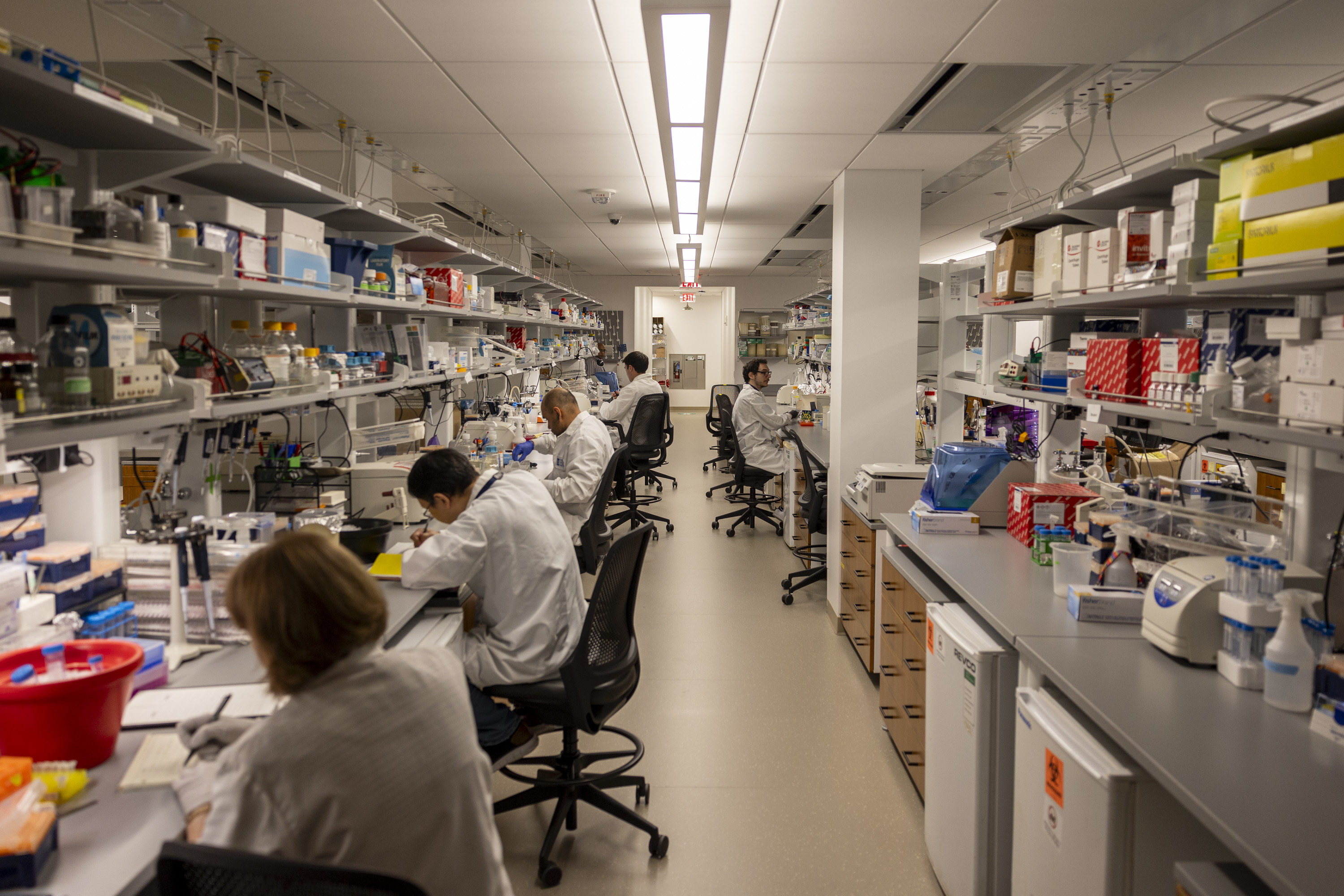
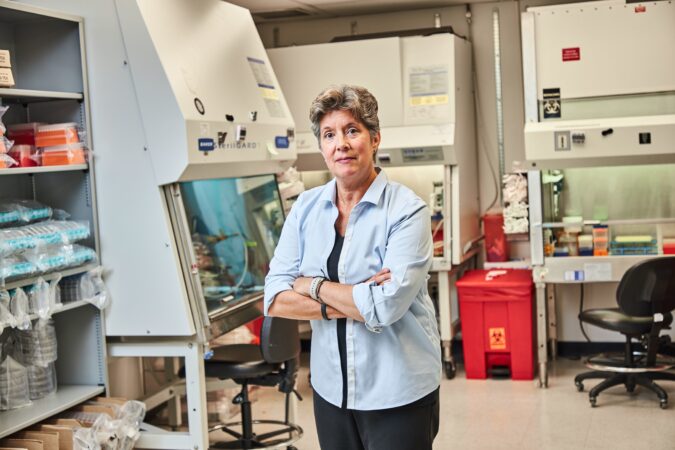
    A lab at the Wistar Institute in Philadelphia.

    Hope for hormone therapy?

    While it’s easy to take away p53 in the lab, it’s not as easy in a patient.

    There is, however, a promising drug currently being tested in clinical trials. Called rezatapopt, it can convert mutant p53 into a normal-functioning version of the protein.

    It works for one particular mutation, Y220C, found in roughly 4% of ovarian cancers.

    Murphy’s team found administering rezatapopt alongside hormone therapy led to 75% shrinkage of ovarian tumor models, versus 50% shrinkage when the hormone therapy was given alone.

    This finding lined up with rezatapopt’s early data from clinical trials.

    “For reasons we didn’t understand, women with ovarian cancer were responding best to this drug,” Murphy said.

    Nineteen out of 44 women treated with rezatapopt alone saw their tumors shrink, with one even having a complete response, according to recent interim results from a phase 2 trial.

    Murphy hopes this paper will prompt clinical trials to test rezatapopt in combination with anti-estrogen therapy.

    However, since rezatapopt only targets one p53 mutation, this approach is limited to a small subset of patients. Murphy hopes that more drugs can be developed that fix other mutant forms of p53 seen in ovarian cancer.

    Murphy’s findings make sense conceptually and present a “promising avenue for future clinical trials,” said Tian-Li Wang, the head of the Molecular Genetics Laboratory of Female Reproductive Cancer at Johns Hopkins University, who was not involved in the Wistar study.

    A caveat is that the study looked at a limited number of cell lines, she said.

    She thinks the results should be confirmed in cases of ovarian cancer that have other types of p53 mutations to see if it could be applied more broadly.

    “[I’m] really interested to see if the approach can benefit patients,” Wang said.
  • What to know about the hepatitis B vaccine schedule debate

    What to know about the hepatitis B vaccine schedule debate

    The nation’s top vaccine advisory panel is expected to debate whether to delay the first dose of the hepatitis B shot on Thursday.

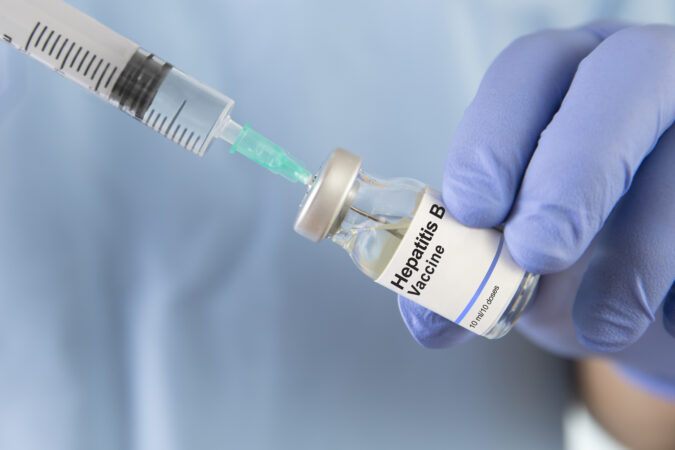
    The immunization, developed in Philadelphia and long recommended for all U.S. infants at birth, protects against a disease that can do permanent damage to the liver, and for which there is no cure.

    The shot is widely considered safe and effective, but who should receive it, and when, has come under scrutiny by President Donald Trump’s administration.

    The Advisory Committee on Immunization Practices (ACIP), an independent panel of experts reconstituted this past summer to include several vaccine skeptics, had tabled a vote on this topic in September. It is now scheduled to spend Thursday discussing the vaccine, according to a draft agenda of the group’s two-day December meeting.

    Vaccine experts and patient advocates have previously advocated against delaying the birth dose, citing concerns that unvaccinated children could be at risk of contracting the highly contagious virus.

    Here’s what to know about the vaccine.

    It’s recommended for all newborns at birth.

    Starting in 1991, the first dose of the hepatitis B vaccine has been universally recommended for all newborns within 24 hours of birth. Rates of infection among children and teens have since dropped by 99%.

    Prior to the universal birth dose recommendation, about half of infections in children were acquired from mothers infected with the virus, the Centers for Disease Control and Prevention found.

    The virus spreads through contact with blood and other body fluids.

    The virus can be transmitted from mother to baby, as well as through a variety of household sources, such as personal items like toothbrushes and razors that become contaminated with blood.

    The virus cannot be spread through casual contact such as hugging, touching, or sharing utensils, but it can be spread through open wounds.

    The disease is incurable.

    Hepatitis B is the most common chronic viral infection in the world. Over time, the disease can cause cirrhosis or severe scarring of the liver, liver failure, and liver cancer.

    Patients can take antiviral treatments to help control the virus, but there is no cure.

    The panel has previously considered delaying the birth dose until one month of age.

    ACIP previously debated delaying the first dose of the vaccine until one month of age for most babies.

    Some members had suggested the dose for newborns should instead be given only to the populations most at risk.

    The ACIP considered recommending doctors vaccinate only those newborns whose mothers test positive for the virus, and having the other babies wait a month for their first dose.

    Trump separately stated in a news conference, without citing scientific evidence, that he thinks newborns should no longer universally receive the shot and children should wait until age 12. Experts criticized Trump for incorrectly suggesting that hepatitis B is only transmitted sexually.

    Experts are concerned about a potential change to the guidelines.

    Leading medical societies and infectious-disease experts say there is no scientific evidence for changing the current guidelines.

    Experts worry that delaying the vaccine could affect its ability to prevent transmission of the virus from mother to baby. “If you wait longer than 24 hours, then the vaccine doesn’t work as well,” Chari Cohen, president of the Hepatitis B Foundation, told The Inquirer in an interview earlier this fall.

    Even if the ACIP were to recommend vaccinating only babies whose mothers have the virus, some cases could be missed. Universal testing for the virus has been recommended since the 1990s, but 15% to 16% of women still do not get tested.

    Such a policy also would not account for other exposures. Su Wang, a New Jersey physician who treats patients with hepatitis B and herself has the disease, told The Inquirer earlier this year that she likely caught hepatitis B as a child living with her grandparents. Her parents tested negative. “There are a lot of exposures that we aren’t testing for,” she said.

    The vaccine is a Philadelphia success story.

    The hepatitis B virus was first discovered by Baruch Blumberg, a scientist at Fox Chase Cancer Center, in 1967.

    He went on to win a Nobel Prize for that work, and later cocreated and developed the vaccine, which continues to be manufactured in and around the region.

    The Hepatitis B Foundation is also locally based, in Doylestown.

  • The Philadelphia scientists who studied garlic-flavored breast milk won a 2025 Ig Nobel Prize

    The Philadelphia scientists who studied garlic-flavored breast milk won a 2025 Ig Nobel Prize

    Philadelphia didn’t take home any Nobel Prizes this year, but work illuminating how babies respond to garlic-flavored breast milk at Monell Chemical Senses Center did get recognized by its satirical counterpart, the Ig Nobel Prize.

    Founded in 1991 by mathematician Marc Abrahams, the Ig Nobel Prize honors “achievements so surprising that they make people LAUGH, then THINK,” according to the Massachusetts-based organization’s website.

    Julie Mennella, a longtime scientist at the center in West Philadelphia, and Gary Beauchamp, Monell’s former director, won the prize earlier this fall for their 1991 study published in the academic journal Pediatrics that disproved popular folklore around breastfeeding.

    Their study examined whether eating garlic would flavor a mother’s breast milk and, if so, how a nursing baby would react to it.

    At the time, breastfeeding women were often told to eat bland foods, for fear their babies would reject strong flavors. However, the study’s results showed the opposite: Babies savored the garlic-flavored breast milk.

    “That simple, elegant study really showed how one of the first ways we learn about foods is through what our mothers eat,” Mennella said.

    These early life experiences shape food preferences and influence cultural food practices around the world, she emphasized. Babies whose mothers come from cultures in which garlic is a defining flavor would have experienced garlic long before their first meal.

    Mennella spoke with The Inquirer about the implications of her Ig Nobel Prize-winning work and her decades of research on flavor sciences and early nutritional programming.

    The following conversation has been lightly edited for length and clarity.

    What did you discover in your Ig Nobel Prize-winning study?

    We found in this study that not only did the milk get flavored with garlic, but contrary to a lot of the folklore, the babies actually liked it. They nursed longer when the milk was garlic-flavored than when it was bland and devoid of garlic.

    We went on to show that when women eat garlic, the flavor of amniotic fluid also gets altered.

    Through these first exposures, babies are learning about what mom is eating, what mom has access to, and what mom likes before their own first taste of solid food.

    What is the takeaway for breastfeeding mothers?

    Eat the healthy foods that you enjoy because your baby’s going to learn about the food. Food is much more than a source of calories. In many cases, it defines who we are as a people.

    What other flavors have you studied?

    A wide variety of flavors, from vanilla to even alcohol if a woman drinks it, get transmitted and flavors the milk. If women smoke, the tobacco flavor does, too. So it’s not only what you eat, but what you breathe.

    Why is it important for babies to learn about food this way?

    There’s a great story about the European rabbit (an animal that nurses), where they tagged the mother’s diet with juniper berry. What they were able to show is that in a group where the mothers ate juniper berry during either pregnancy or lactation, once those young rabbit pups left the nest, they were more likely to forage on juniper berry.

    So, she’s telling them, ‘These are the foods that are out there. I’m eating them. They’re safe.’ It’s really a very elegant, sustainable behavior, how moms transmit this information about the foods in the environment. She’s teaching her young and giving them an advantage early on.

    How long do these flavors last in the milk?

    Depending on the size of the chemical, some will get in fast. Garlic gets in a couple hours after the mom eats it, and then if she stops eating, it’s out of the milk like four or five hours later. The sensory experience of that baby is changing throughout the course of the day, day to day, depending on what she eats.

    What research have you been up to since?

    I’ve gone into so many different directions of looking at not only early flavor learning, but also nutritional programming. I also looked at the taste of medicine in children, looking at individual differences because taste is the primary reason for noncompliance. Children have a harder time because they can’t encapsulate the bad taste in a pill or tablet, so liquid medicines are particularly difficult.

    One study where we looked at variation in the taste of pediatric Motrin (among adult participants) was really interesting. Some people experience a tingle when they taste it. Others don’t. It makes you think that how one child tastes Motrin isn’t like how another does. If you don’t experience the tingle, or this burning sensation, all you taste is a sweet liquid, and those are the children that may be at risk of over-ingestion.

    What is your favorite project that you have worked on since the garlic study?

    I serendipitously found that another flavor that gets transmitted is alcohol, and that became a whole new area of research.

    We found that when women just have the equivalent of one or two glasses of wine or beer, not only did the alcohol get transmitted, but it flavored the milk. That became a lead article in the New England Journal of Medicine.

    At that time, there was talk about a folklore that women should drink when they’re breastfeeding, so they would make more milk. And contrary to that folklore, they actually made less milk.

    How did it feel to win an Ig Nobel?

    It was so nice to celebrate science. That’s really what that award does: It uses humor to teach about science.

  • Penn is testing beanies for NICU babies that block harmful noise and play parents’ messages

    Penn is testing beanies for NICU babies that block harmful noise and play parents’ messages

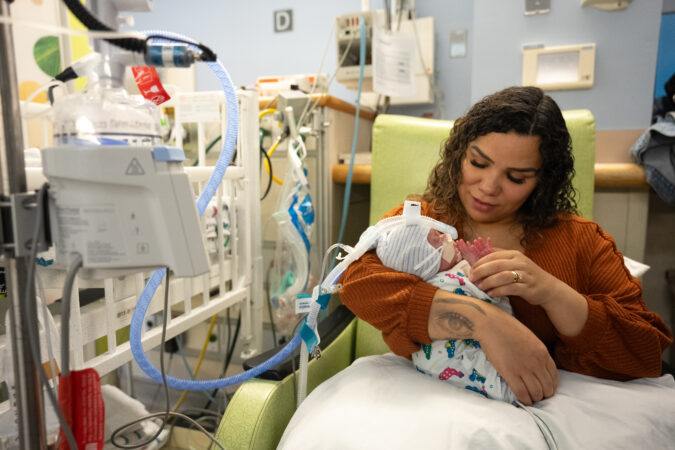
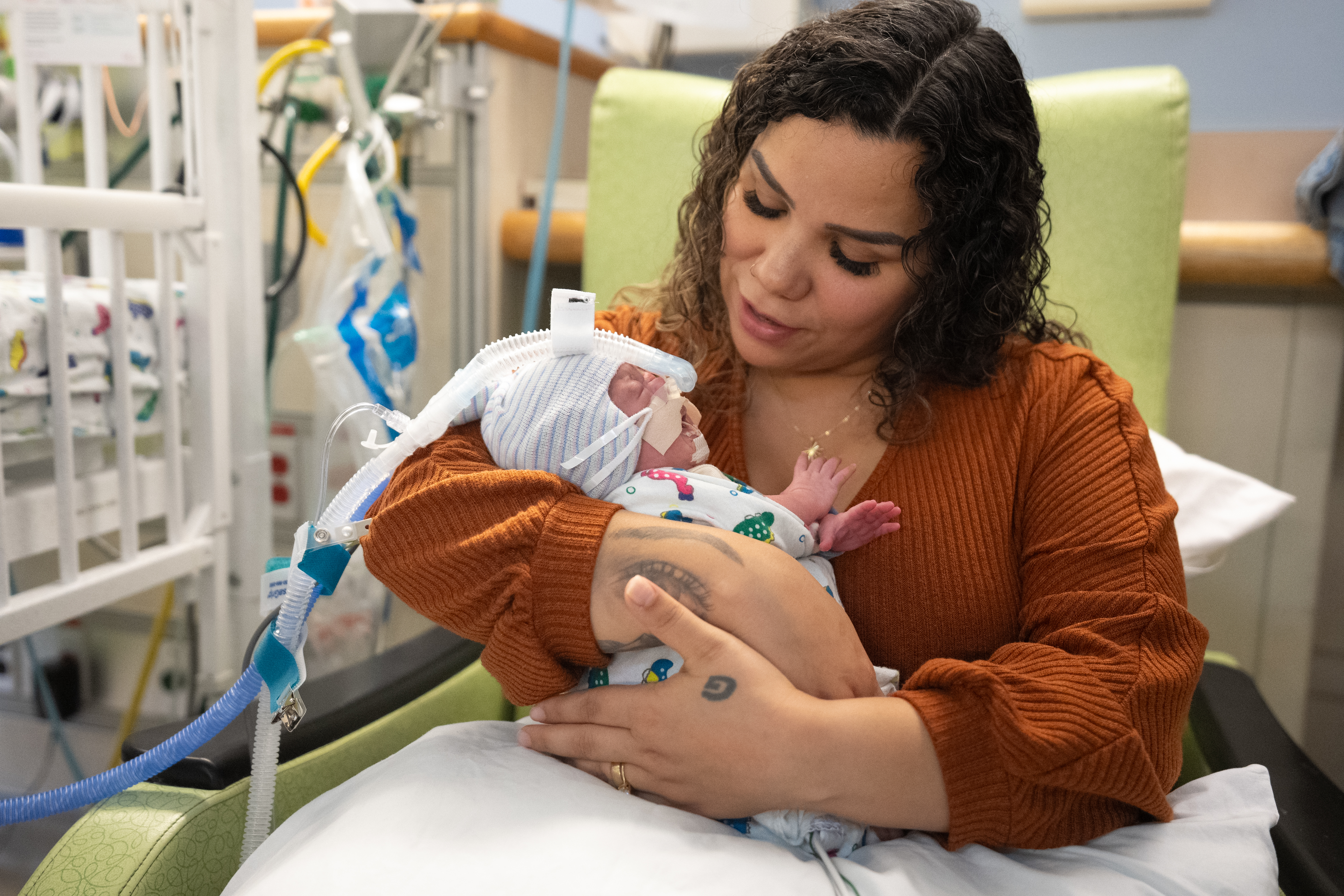
    When Pamela Collins was pregnant, she would talk and sing to her son through her belly, telling him he was loved.

    He was the “miracle” that the 32-year-old mother had been waiting for, after four miscarriages and an ectopic pregnancy.

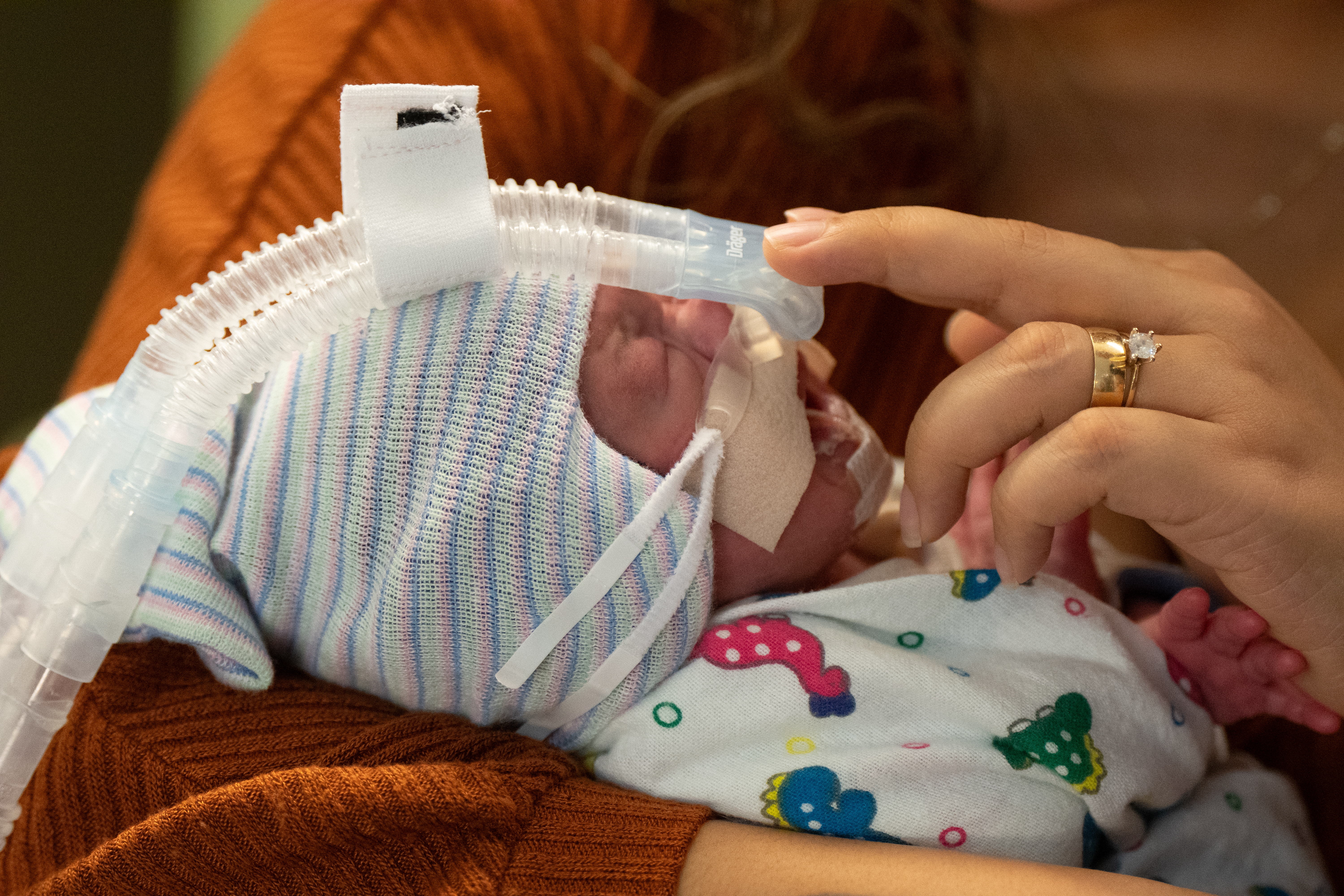
    She never expected that her son, John, would arrive early at 29 weeks in September and have to spend his first months in the intensive care nursery at the Hospital of the University of Pennsylvania.

    Her family has relocated from Mount Pocono to stay at the nearby Ronald McDonald House, a charity, so they can visit John every day. Even still, she wishes she could be with him all the time, to sing to him and tell him that he is strong and loved — just as she did when he was in her womb.

    A new medical device being tested at HUP could help her do just that.

    Collins’ son is one of five babies so far to try out the Sonura Beanie, a device that aims to connect NICU babies with their parents and block out harmful noises in the hospital environment.

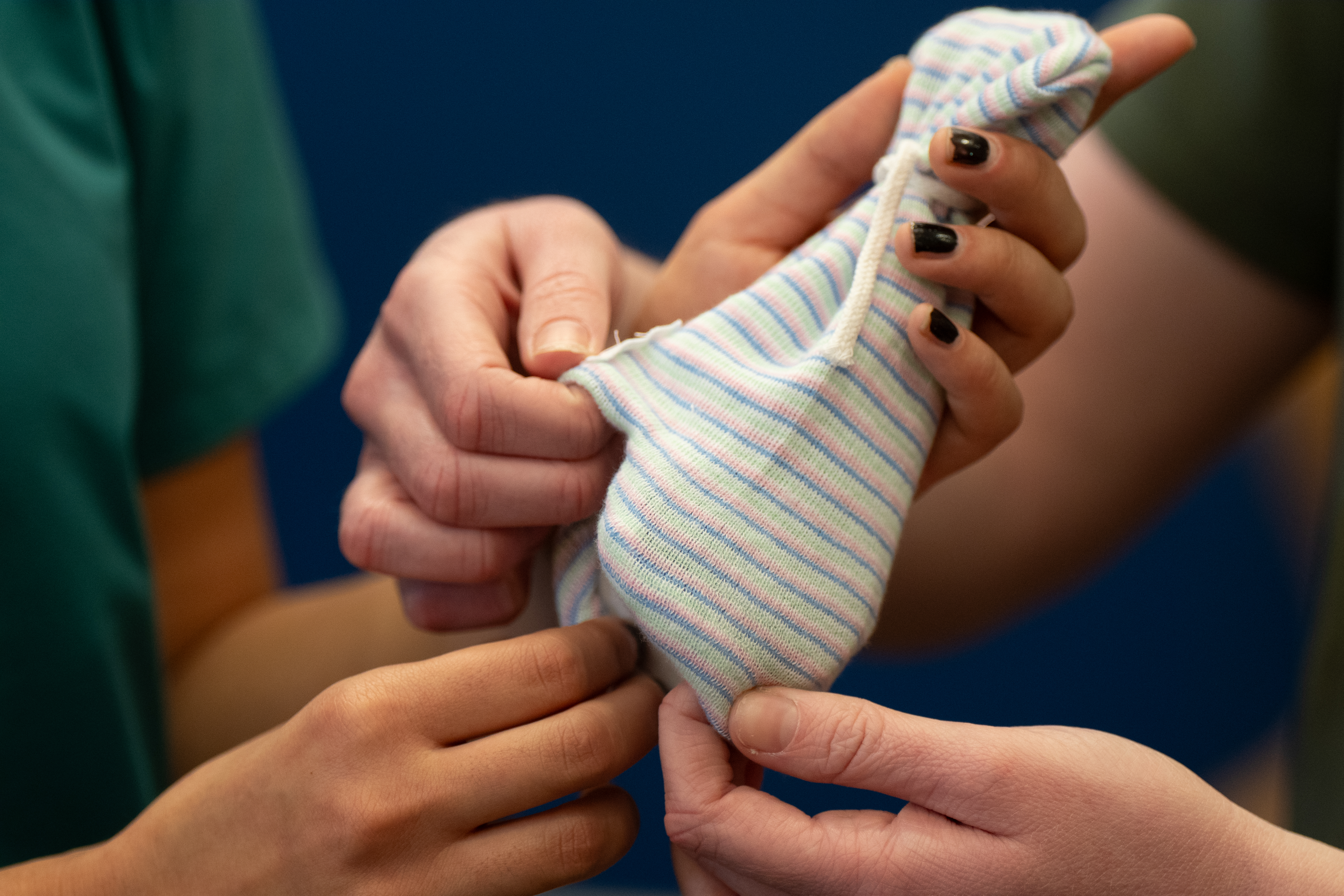
    Invented by five undergraduates at the University of Pennsylvania, the beanie is designed to mimic the womb, by filtering out high-frequency sounds like alarms — which frequently plague the NICU — while allowing human voices at low frequencies to be heard.

    The device can also deliver audio messages recorded by parents for their babies.

    “It’s as if they were laying on your chest [or] as if they were in the womb,” said Sophie Ishiwari, one of the founders.

    Their idea won Penn’s 2023 President’s Innovation Prize, which provided a $100,000 cash award and living stipends for the team to pursue their commercial project after graduation. Three of the original members went onto medical school, leaving two — Gabby Daltoso and Ishiwari — to continue working on the product full-time.

    In the two years since graduating, they’ve tested the device in the lab and pitched it to hospitals around the country, earning accolades along the way. Now, they’re putting the beanie on infants in the hospital for the first time.

    Over the next several months, Ishiwari and Daltoso will be testing the beanie on 30 infants in HUP’s intensive care nursery. They’ll be looking to see whether the beanie can reduce stress, based on changes in heart rate, respiratory rate, and oxygen saturation.

    They will also evaluate how easy it is for nurses to use, and how parents feel about the experience.

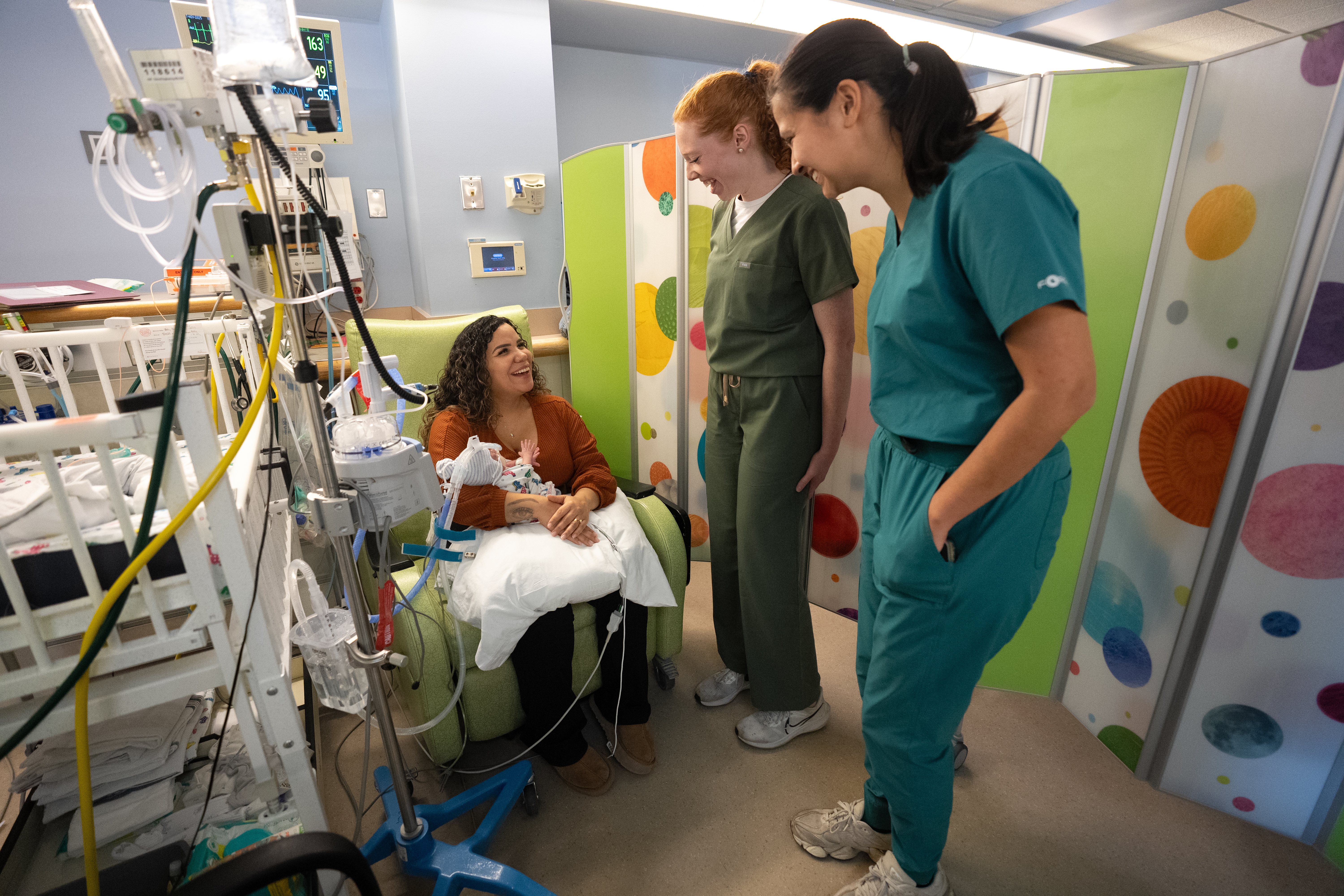
    Collins joined the study hoping the beanie could help her son feel calmer by hearing her voice, as well as that of his father and teenage sister.

    “I know my baby can listen more than he can see, and I’m excited to know he’s listening to our voices instead of this beeping,” she said, gesturing to the noisy NICU machines.

    Pamela Collins suffered four miscarriages and an ectopic pregnancy before giving birth to John.

    The origin

    The first thing Daltoso and Ishiwari noticed when shadowing in the NICU was how loud it was. Between beeping from machines to hospital alarms going off, it felt overwhelming even for adults.

    “They can’t turn the alarms off because it’s their job to keep patients alive,” Daltoso said.

    In the womb, a fetus would primarily be exposed to low frequency sounds under 500 Hertz. Alarms in the NICU can hit 2,000 Hertz and higher, Daltoso said. Imagine having to hear a fire alarm go off continuously throughout the day.

    A 2014 study found that babies in a NICU in Massachusetts were exposed to frequencies over 500 Hertz 57% of the time.

    Some medical equipment also emit high frequencies of sounds. Babies on a ventilator, for example, are exposed to sounds in the 8,000 Hertz range of frequencies, Daltoso said.

    “They’re in a room of 20, so if one baby’s on it, they’re all exposed,” she added.

    In the short term, this noise can stress babies out to the point of not being able to sleep or eat, Daltoso said. Babies may experience trouble gaining weight as a result and show unstable signs such as heart rates that are faster than normal.

    Babies in the NICU could also suffer long-term impacts from what is known as “language deprivation,” Ishiwari said.

    Normally, an infant would be exposed to language early in life, which is important for the infant’s neurodevelopment. But a baby in the NICU has less exposure to their parents’ speech.

    Studies have shown that preterm babies are generally at higher risk of language delays and deficits.

    Daltoso and Ishiwari, alongside those three other seniors majoring in bioengineering at Penn, were inspired to create the beanie for their senior capstone project in 2023.

    Through a sound-engineering class and interviews with hundreds of clinicians and parents, they devised the technology inside the beanie to cancel out high-frequency noises, particularly above the 2,000 Hertz range, while allowing lower frequencies through.

    A mobile app connects to the hat to enable parents to send songs, stories, audio messages, and recordings of their heartbeat to the baby remotely through a speaker in the hat.

    The babies wear the beanies during feeding so that it mimics a real-life interaction, where the baby would normally be lying against their mother’s chest.

    Ishiwari said she has teared up listening to some of the messages parents were leaving for their babies. They’ve so far included bedtime stories, songs, and shorter messages like “I love you” and “good night.”

    “A lot of them don’t know where to put that love and joy and excitement,” Daltoso said. “This is a place that they can.”

    Gabby Daltoso and Sophie Ishiwari are testing the beanie at the Hospital of the University of Pennsylvania.

    Sending love from afar

    When Collins and her husband, Franqlin, prepared to record messages for John, they turned off the lights in the room and prayed.

    Then they started recording.

    Collins, who is originally from Brazil, sang a Brazilian song to tell him that he is perfect the way he is. Her husband made up a story about John, and her 15-year-old daughter narrated another with the message that he is enough.

    A nurse told Collins that John was laughing when he wore the beanie.

    “I can tell he loved that,” Collins recalled the nurse telling her.

    Babies in the study wear the beanies for three 45-minute sessions a day, but Collins wishes her son could wear his the whole day.

    “I feel babies can be more calm now and [won’t] be crying all the time,” she said.

    The beanie designed by Gabby Daltoso and Sophie Ishiwari cancels out high-frequency sounds while allowing low-frequency sounds through.

    Michelle Ferrant, a clinical nurse specialist in HUP’s intensive care nursery, was excited that its NICU was chosen as a pilot site.

    Her team has done projects to try to reduce noise levels in the NICU, including putting signs up to remind people to use hushed voices, and closing doors and trash can lids as softly as possible.

    “There are a lot of things that might not seem very loud to us, but [if] you’re a small baby and it’s so close to [you], it sounds much louder,” Ferrant said.

    However, until the beanie study came along, they didn’t have a way of filtering which noises babies heard.

    The Sonura Beanie team is next looking to launch a multi-center trial that will evaluate whether wearing the beanie could help promote weight gain.

    Exposure to their mother’s voice and reduced noise levels can help preterm infants with weight gain and feeding, studies have shown.

    “We will be looking to prove that our hat is able to soothe the babies to the point where they are taking in more food, gaining more calories, growing faster, and hopefully going home faster,” Daltoso said.

    They also plan to launch in other hospitals, including Stanford Medicine Children’s Health, affiliated with Stanford Medicine and Stanford University in California, so that clinicians can test out the product and see how it fits into their workflow. These pilots would function like “a trial for a pre-purchase,” Daltoso said.

    They are currently working on submitting their medical device for clearance by the Food and Drug Administration so they can begin selling it.

    Because the product is deemed low-risk in terms of safety, they are eligible for fast-track approval, which they expect to get within the next year, Daltoso said.

    The team is still working on setting a price and declined to disclose details.

    They would eventually hope to get the product covered by insurance as a sensory-integrative technique. For that, they would need their larger clinical study to show that the beanie has functional outcomes.

    ‘Holding the miracle’

    John weighed only one pound and 14 ounces at birth.

    John doesn’t have a specific release date from the NICU. The timeline will depend on when he is able to breathe on his own and put on weight.

    At birth, he weighed only 1 pound, 14 ounces. Today, he weighs more than 4 pounds and no longer requires a feeding tube.

    Collins was 20 weeks pregnant when she found out that John had a heart defect that doctors said may one day require surgery. A few weeks after that, doctors found an issue with the placenta that ultimately led to his preterm birth.

    Now, when she holds her son in her arms, she feels like “I am holding the miracle,” she said.

  • A charity offered free MRIs to screen for brain cancer. Doctors worry they’re not worth the risks.

    A charity offered free MRIs to screen for brain cancer. Doctors worry they’re not worth the risks.

    Sherri Horsey Darden has no family history of brain cancer, nor has she been having persistent headaches, seizures, or any other symptoms that could suggest a tumor.

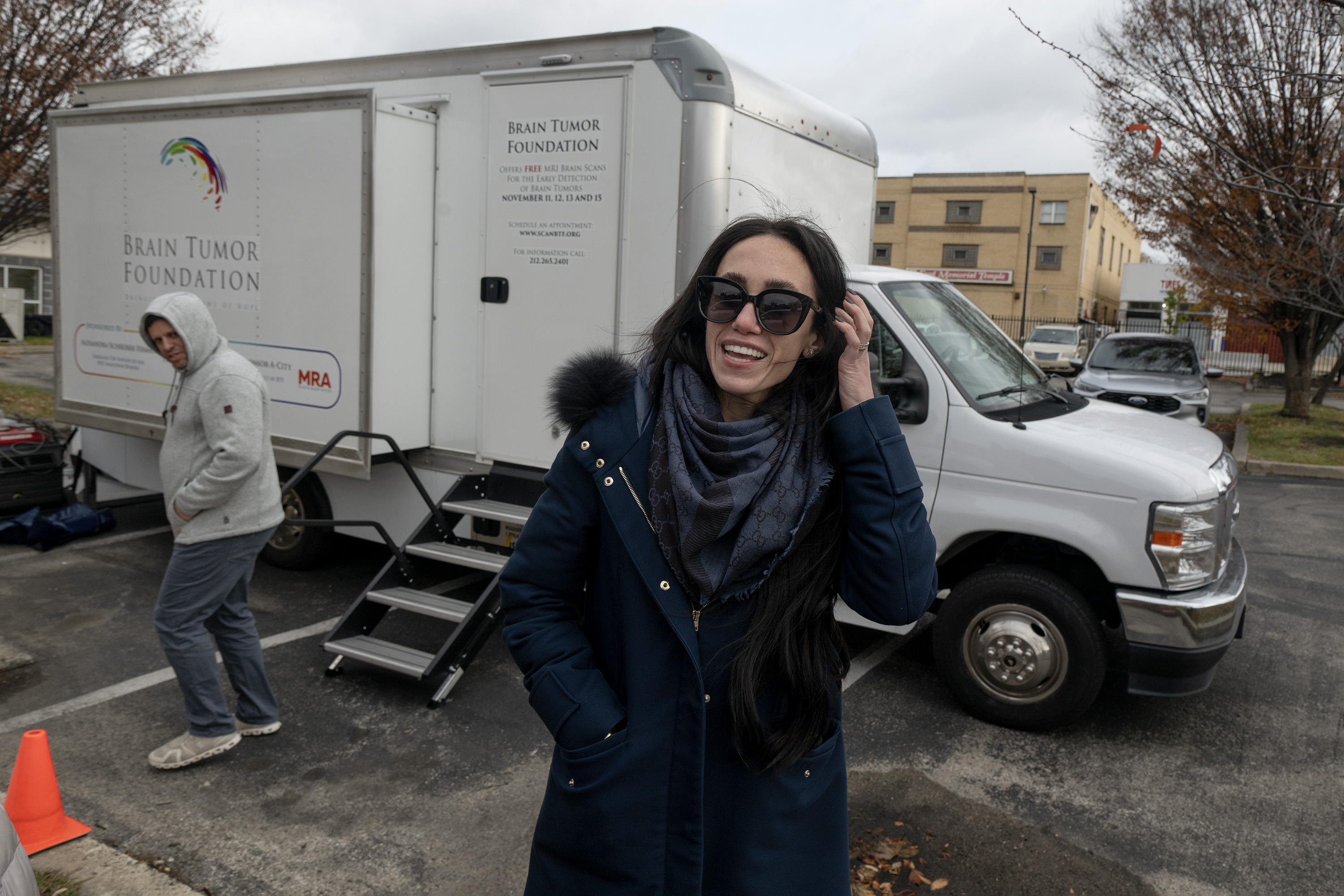
    But when she heard the Brain Tumor Foundation, a New York-based charity, was offering free magnetic resonance imaging (MRI) brain scans in Philadelphia, she made sure to get an appointment.

    “A lot of times people have things and don’t know,” she said.

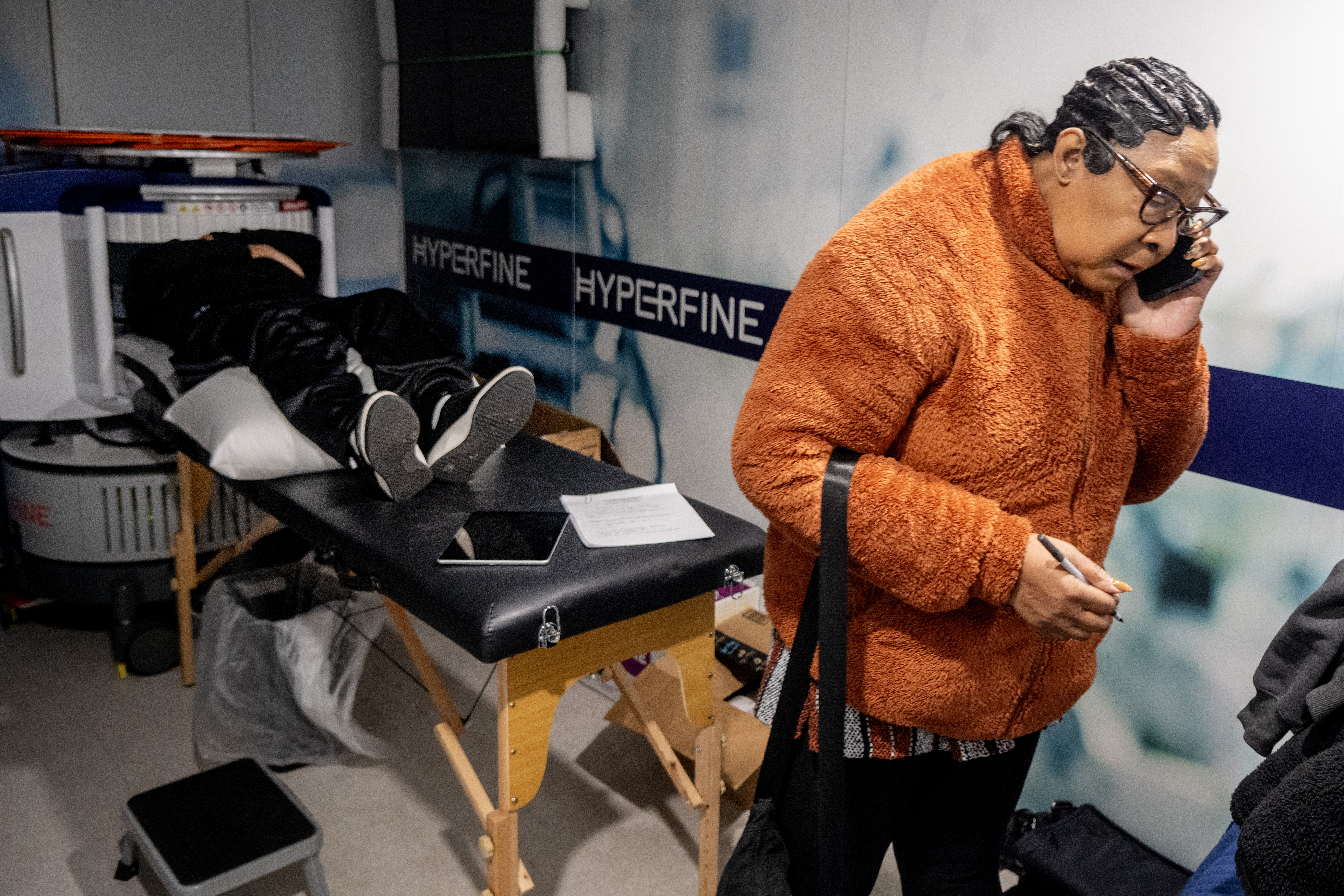
    She received her scan at Triumph Baptist Church of Philadelphia in North Philadelphia, where the foundation was offering scans last week to the general public. She’ll receive her results within a couple weeks.

    The foundation has hosted these screening events for more than a decade, with the goal of promoting early detection of brain tumors.

    Using MRI scans for preventive health screening has grown increasingly popular in recent years, with celebrities like Kim Kardashian touting expensive whole-body scans on social media.

    But many doctors worry that the risks outweigh the benefits. They say that screening MRIs of the brain could lead to unnecessary surgeries and anxiety, and that catching a brain tumor early wouldn’t always change a person’s outcomes. These scans are not typically covered by insurance if not ordered by a doctor, and can cost anywhere from $1,000 to $10,000.

    “There, to date, is no data available at all that would suggest that this is a useful approach,” said Stephen Bagley, a neuro-oncologist at Penn Medicine’s Abramson Cancer Center.

    In the best scenarios, preventive medical screening can help catch diseases early when they are most treatable, and give people peace of mind. But they can also lead to overdiagnosis, false positives, unnecessary stress, and costly follow-up procedures.

    This is why expert panels carefully evaluate which screening tools should be recommended to the general public. Decisions by the U.S. Preventive Services Task Force, considered the gold standard for evidence-based preventive care, weigh the potential harms involved against the likelihood of improving outcomes.

    Even the most common screenings for cancer, like mammograms for breast cancer and PSA tests for prostate cancer, have faced controversy and shifting guidelines regarding who should get them and how frequently they should be administered.

    There is no medical evidence showing that mass MRI screening is helpful. Still, all spots for the foundation’s multiday screening event at Triumph Baptist Church were claimed. Zeesy Schnur, executive director of the foundation, said they aim to scan 100 to 150 people in each city.

    Juanita Young, her husband, and her friend all booked consecutive appointments last week. Though she hasn’t had any symptoms that would make her think she had brain cancer, she signed up “just wanting to know,” she said.

    Juanita Young, her husband, and her friend all booked consecutive appointments to get screened.

    Philadelphia visit

    The idea for the early detection campaign came from Patrick Kelly, a now retired neurosurgeon who started the foundation in 1998.

    He was frustrated to see the majority of his brain cancer patients die from the disease, and felt that treatment would be more effective if the tumors were found earlier, explained Schnur, who has been at the foundation since 2000.

    Kelly envisioned a future where, similar to going through the scanners at an airport security checkpoint, people could get a full scan of their body, “and then this piece of paper would pop out and say, ‘Hey, you have a problem here,’” Schnur recalled.

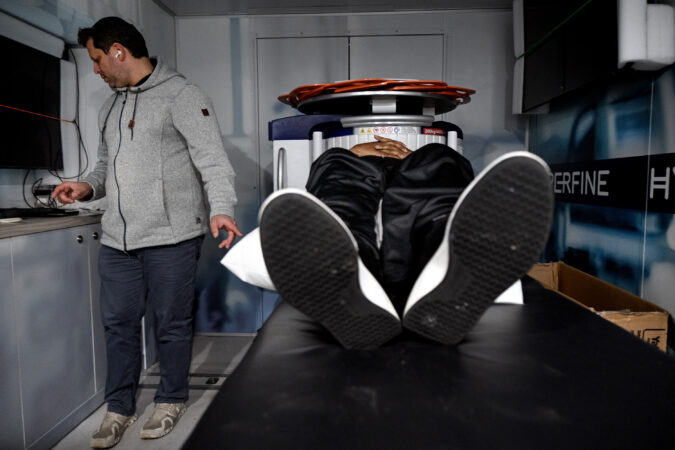
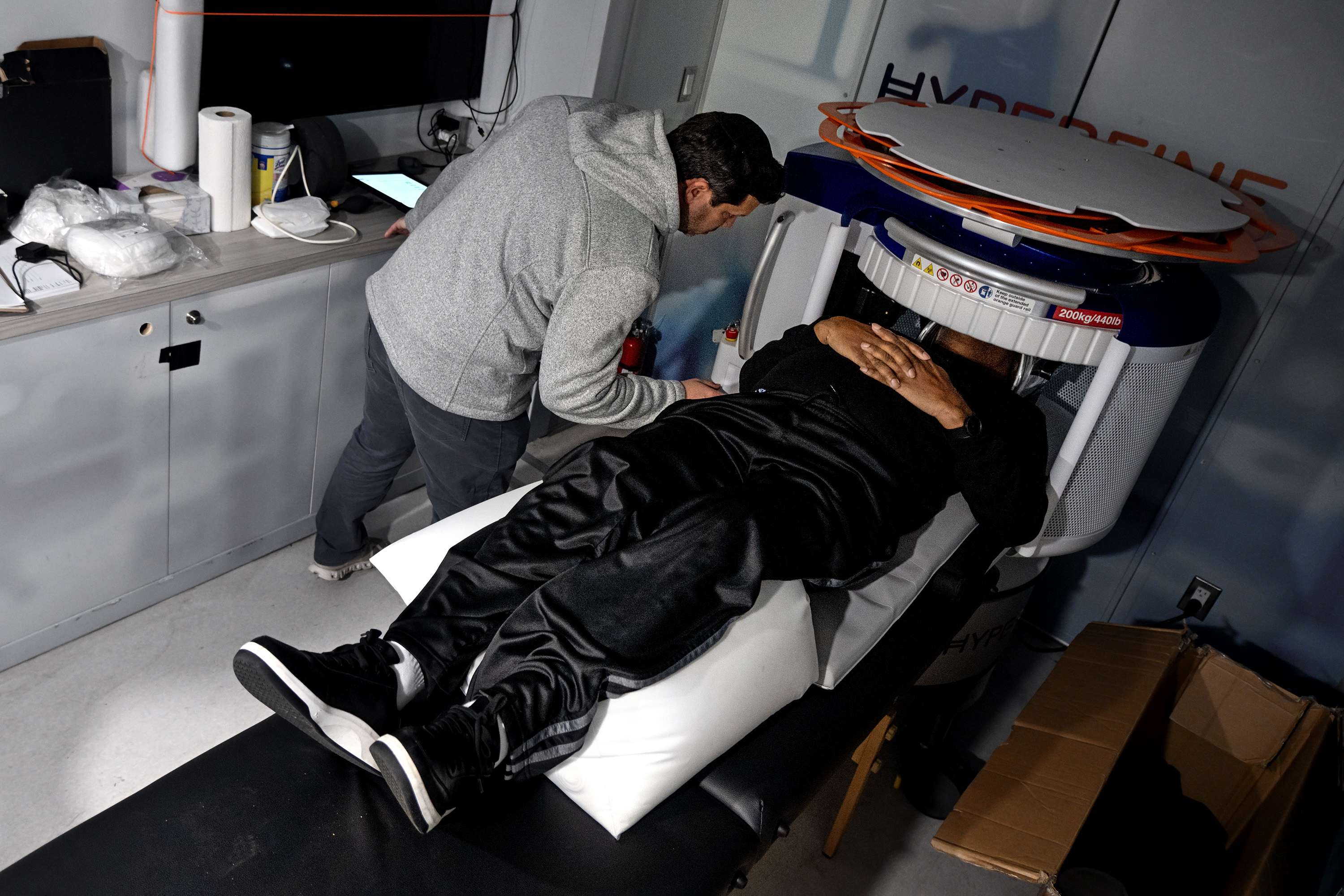
    The foundation offers brain MRIs for free at their events, covering the cost of administering the scan and having a radiologist read it. They use a portable MRI machine that only scans the brain and takes approximately 15 minutes.

    The foundation has chauffeured its machine all over the country through its “Sponsor-A-City” program, which allows people to donate the funds needed to bring the unit to a city of their choice. They usually pick cities that are demographically diverse.

    The event in Philadelphia was sponsored by Alexandra Schreiber Ferman, who lives in the area, through the more than $50,000 she raised from running the New York City Marathon.

    Schreiber Ferman’s paternal grandfather died from glioblastoma and was a patient of Kelly’s. Her family has been involved with the foundation since its inception.

    Schreiber Ferman got her first scan five or six years ago, after she had been having headaches. She pressured her parents to get her in for an MRI when the foundation’s unit was in Brooklyn.

    “Thankfully, everything was OK. I just was stressed out,” she said.

    Having a family history of the cancer makes her and her family more alert when it comes to headaches and other symptoms. Schreiber Ferman received her second scan Tuesday morning at the screening event.

    Alexandra Schreiber Ferman sponsored the Brain Tumor Foundation’s event in Philadelphia.

    She said her family and people at the foundation feel that these scans should be “something that’s routine,” like mammograms and skin checks.

    “My goal would be that getting a brain scan becomes just a routine part of aging,” she said.

    Her father, who serves as chairman of the foundation, wants other people to have the chance to get screened and has helped sponsor past city visits.

    However, he himself has only gotten one screening since the program first started, and no longer wants any more.

    “My dad is adamant that he does not want to get a scan. I think for him, ‘ignorance is bliss,’” she said.

    What doctors say

    Screening tests have to meet certain criteria in order to become standard practice, explained Richard Wender, chair of family medicine and community health at Penn and former chief cancer control officer for the American Cancer Society.

    A national leader in cancer screening, he would not recommend that people undergo MRIs to screen for brain cancer.

    The first criteria for a screening tool to be recommended for the general population is that the disease is common, he said. The disease must also come with a high risk of harm or death and must have stages, so that it can be found before it causes symptoms.

    Lastly, available treatments for the disease have to be able to reduce the risk of serious outcomes.

    Brain cancer is unlikely to ever meet that criteria, Wender said, mainly because it isn’t common enough. There also isn’t sufficient evidence that finding a brain cancer earlier reduces the risk of a person dying from it.

    For example, the most common malignant brain tumor, glioblastoma, is so aggressive and invasive from the start, it is always considered a grade four tumor, noted Bagley, who serves as section chief of neuro-oncology at Penn.

    These cancers grow so quickly that the time between the tumor developing and someone showing up to the emergency room with symptoms is typically on the order of months, he said.

    “You cannot cure it, no matter when you find it,” Bagley said.

    A subset of brain tumors called grade two gliomas are slow-growing enough that catching them earlier could give a patient a better outcome. However, “it’s so rare, you’d have to do so many of these MRIs to find those tumors,” he said.

    Another issue with screening the general population is that there will inevitably be false positives.

    Some abnormalities in the brain might look like possible tumors on MRIs but turn out to be harmless.

    Yet, the person would have to undergo a medical procedure, such as a brain biopsy, to prove that it isn’t cancer.

    “You end up putting the patient through invasive brain procedures, lots of anxiety, and existential distress for what ends up to be nothing,” Bagley said.

    The same goes for benign brain tumors like meningioma, the most common type of brain tumor in adults. Roughly 39,000 cases are reported each year in the United States. A “very tiny percentage” of these ever become malignant, and it’s unknown if catching them early would help the patient in the long run, Bagley said.

    It might just mean the patient has to get MRIs every year for the rest of their life, or get surgery to remove a tumor that probably never would have been become a problem.

    Some of these patients have ended up seeking follow-up care from Ricardo Komotar, a neurosurgeon who directs the University of Miami Brain Tumor Initiative in Florida, after finding out they had benign tumors from screening MRIs. He tells these “super nervous” patients that it’s nothing to worry about, but now that they’ve found it, he has to follow it.

    As of right now, there is no good screening mechanism when it comes to the brain, Komotar said. He recommends only imaging a person’s brain if there’s a reason, such as a seizure, weakness, or migraines, or an injury, such as in a car accident.

    “Brain MRIs as screening have not been proven to help and, in my experience, they only hurt,” Komotar said.

    More research needed

    Ethan Schnur checks on James Brown as he has his early detection brain tumor screening at the Brain Tumor Foundation event in Philadelphia.

    When the foundation first started offering scans, they were finding potential abnormalities in one out of every 100 people they screened. Those included anything from a brain tumor, to silent stroke, to an aneurysm.

    One example was a man from Staten Island who had no symptoms, but through the scan, found out he had a nonmalignant brain tumor. He got surgery to remove it.

    “He called us afterward to thank us,” Schnur said.

    Their stance is that these MRIs should be part of standard of care, so that anyone who wants one has the option.

    The foundation has partnered with Weill Cornell Medicine and NewYork-Presbyterian in New York City for a formal research study using data from their screening events.

    John Park, the lead researcher and chief of neurosurgery at NewYork-Presbyterian Queens Hospital, said the study will help assess whether screening MRIs for a general population could be useful. They aim to screen up to thousands of patients.

    “We don’t know if it will be effective or not,” Park said.

    If the study were to suggest the scans are effective, there would still need to be a large randomized trial to validate those conclusions, Wender said.

    Park’s team will also look at demographic information in an effort to identify risk factors for brain tumors and other abnormalities.

    Research into risk factors could help justify whether certain populations should get routine screening MRIs, Bagley said. He noted that patients with Li-Fraumeni syndrome, a rare genetic disease that predisposes people to developing cancer, are already recommended to get whole-body MRI scans yearly because they’re known to be at such high risk.

    Other than those patients, “we don’t really have any way to say this large group of patients is at high risk for this type of brain tumor,” Bagley said.

    A handful of patients have ended up seeking care at Penn from Bagley after paying for a whole-body MRI from a private company. These are people who were “completely fine” before happening to find a brain tumor on their scans, he said.

    One of them was diagnosed with glioblastoma.

    He isn’t sure yet whether being diagnosed earlier will actually extend the patient’s survival time. It might just mean the patient gets a few months’ head start on treating the tumor.

    “It’s totally unclear if he did himself any justice by finding this terrible brain cancer any earlier. It’s incurable either way,” Bagley said.

  • N.J. man is first documented death from tick-related red meat allergy

    N.J. man is first documented death from tick-related red meat allergy

    A 47-year-old man from New Jersey died within hours of eating a hamburger at a barbecue in the summer of 2024.

    He had no major medical problems prior, nor did his autopsy find a cause of death.

    But several months later, researchers at the University of Virginia pieced together a diagnosis: severe anaphylaxis linked to alpha-gal syndrome. It was a tick-related red meat allergy the man didn’t know he had.

    He would turn out to be the first documented death from anaphylaxis related to the red meat allergy, according to a study published Wednesday in the Journal of Allergy and Clinical Immunology: in Practice.

    In most cases of alpha-gal syndrome, the culprit is a Lone Star tick, which can transmit a sugar molecule called alpha-gal to a person during a bite. This can trigger the person’s immune system to react to the molecule, also found in meat from mammals, including beef, pork, and lamb, and in dairy and gelatin products.

    The man had received 12 to 13 bites around his ankles earlier that summer from what his wife had thought were “chiggers.”

    However, the bites were likely from the larvae of Lone Star ticks, which look similar to chiggers.

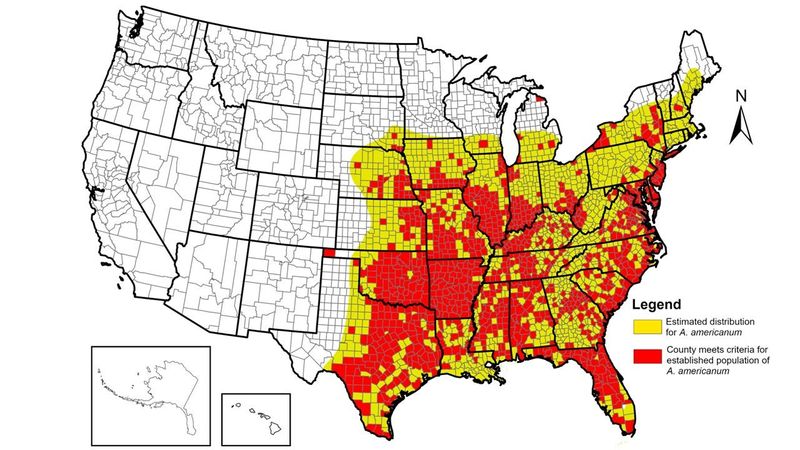
    Lone star ticks are native to the eastern United States, but were traditionally limited to southern states because of deforestation in early America. Forest regrowth and climate change have helped the ticks reclaim their territory and expand.

    Lone star ticks have been found in Pennsylvania since 2011, including in Bucks, Chester, Delaware, and Philadelphia Counties. A 2008 Rutgers study found them in every South Jersey county.

    The man who died was not identified in the newly published case study, nor was it revealed where he lived in New Jersey.

    The Centers for Disease Control and Prevention says nearly a half-million people are suffering from alpha-gal syndrome nationwide.

    Although this is the first deadly case documented that’s linked to the red meat allergy, reactions to the alpha-gal sugar in the targeted cancer therapy cetuximab have led to other deaths, however this is rare.

    Researchers say the man’s case calls for increased awareness of the symptoms of anaphylaxis, which go beyond hives and trouble breathing.

    “If you get the worst abdominal pain in your life, you need to consider the possibility of an allergic reaction,” said Thomas Platts-Mills, an allergist and immunologist at the University of Virginia and lead author on the study.

    A map shows the estimated area in which Lone star ticks are found in America.

    What happened

    The 47-year-old airline pilot had gone on a camping trip in an unidentified location with his wife and children back in summer 2024. They spent the whole day outside, followed by a meal of beef steak at 10 p.m. It was an unusual choice for the family, who normally ate chicken.

    Four hours later, the man woke up with abdominal pain that became so severe that he “was writhing in pain,” according to the study’s recount of the events. That was paired with diarrhea and vomiting.

    After a couple of hours, his symptoms improved, and he fell back asleep.

    The next morning, he rose feeling well enough to get a five-mile walk in before breakfast.

    He thought about consulting a doctor, but ultimately decided against it, unsure what he would say happened. Separately, he told one of his sons that he thought he was going to die during the episode.

    Two weeks passed, and the family, now home in New Jersey, attended a barbecue where the man ate a hamburger at around 3 p.m. He went home and spent an hour mowing the lawn.

    A few hours later, his son found him unconscious on the bathroom floor, surrounded by vomit.

    His son called 911 at 7:37 p.m. and initiated resuscitation until the paramedics arrived, but even after his father was transferred to the hospital, doctors could not save the man.

    An autopsy found no obvious problems with his heart, lungs, brain, or abdomen, and concluded it was a “sudden unexplained death.”

    The man’s wife, however, asked her friend, a pediatrician, to review the autopsy report. Suspecting the man could have had alpha-gal syndrome, the pediatrician contacted Platts-Mills, who first identified the syndrome back in 2007.

    Solving the mystery

    When Platts-Mills heard that the postmortem report gave no cause of death, he thought, “You can’t leave this lady losing her 47-year-old husband for no reason. That’s impossible.”

    He arranged for a sample of the man’s blood to be sent to his lab for testing.

    When they received it in April, their first move was to screen for a protein called immunoglobulin E, which the immune system releases during allergic reactions. They wanted to know whether his body was sensitive to anything it shouldn’t have been.

    Unsurprisingly, the test came back positive for rye grass and ragweed, two common seasonal allergens.

    But so did two other substances: alpha-gal and beef.

    While this helped establish his allergy to alpha-gal, their next step was to confirm whether he had anaphylaxis when he died. They sent the sample to be tested for an enzyme called tryptase, which the body releases during severe allergic reactions. High levels could indicate that he died from severe anaphylaxis.

    Not long after, a scientist called Platts-Mills to apologize and tell him they had to redo the test.

    Platts-Mills thought, “Oh my god, was it negative?”

    Instead, the scientist would tell him the levels of tryptase were bafflingly high.

    At over 2,000 nanograms per milliliter, there was so much tryptase in his system that they needed to dilute the sample and retake the value. That number astonished Platts-Mills, who himself had never seen levels surpass 200 nanograms per milliliter.

    “It absolutely says that he died of anaphylaxis,” Platts-Mills said.

    It is unclear why he had such a severe case of anaphylaxis. While the study listed some factors, such as his drinking beer with his burger and being exposed to ragweed pollen, that potentially could have influenced his outcome, Platts-Mills said these “probably weren’t really the reasons why his anaphylaxis was more severe.”

    Anaphylaxis very rarely causes death. One study found only 0.3% of cases in the emergency room are fatal.

    One of the takeaways from the man’s experience is not to ignore abdominal pain, Platts-Mills said. While many people know to look out for more common signs of anaphylaxis, such as hives and difficulty breathing, having abdominal pain without other symptoms can be a dangerous form of the reaction.

    In most cases, this pain takes three to five hours to show up after eating red meat. Had the man known his previous episode of abdominal pain was anaphylaxis, he could’ve avoided eating the burger.

    “That’s the tragedy from my point of view,” Platts-Mills added.

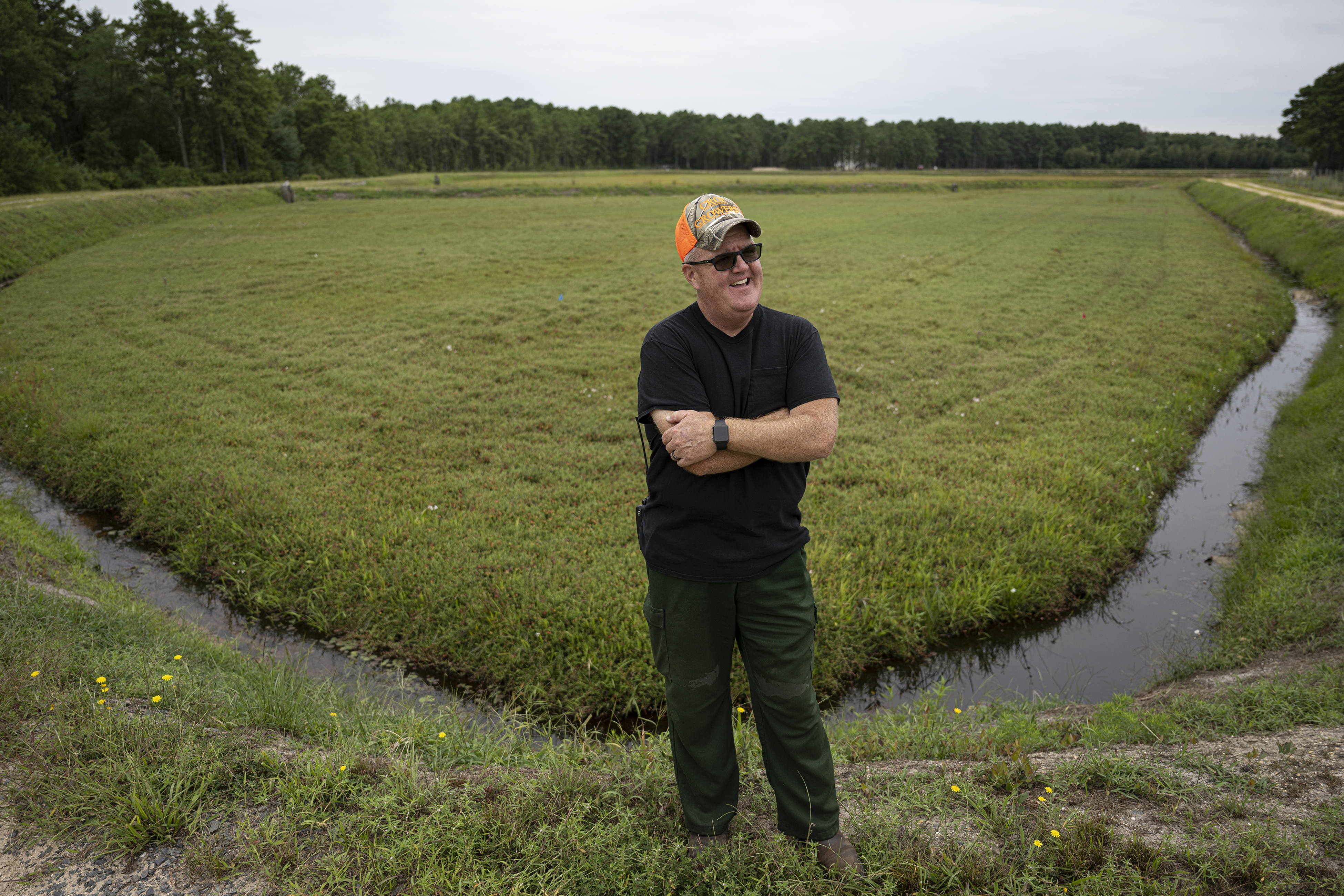
    Sam Moore suffers from Alpha-gal syndrome, which is brought on by an invasive tick bite. He is shown here at his cranberry farm in Tabernacle, N.J. in August 2023.

    Living with alpha-gal syndrome

    Samuel Moore, a cranberry farmer in Shamong, deep in the New Jersey Pinelands in Burlington County, has had many close calls and a handful of hospital visits due to alpha-gal. He was diagnosed several years ago and knows a handful of other locals who’ve been bitten and diagnosed.

    So far, Moore said there’s been no treatment that’s helped.

    “The only treatment,” he said,” is vigilance.”

    That means exhaustive label reading at the grocery store, rarely, if ever, dining out, and getting to know local deli owners personally. Moore said he could have a flare-up due to proteins left over on a lunchmeat slicer.

    “I’ve come to the point where I’ve felt anaphylaxis coming on and my throat closing up,” he said. “It’s not just breaking out in hives.”

    Moore recently celebrated his 52nd birthday at a plant-based restaurant in Haddonfield, where he was able to eat anything on the menu.

    “And I’ll tell you, I was still a little nervous,” he said.

    One of Moore’s friends, Albertus “Chippy” Pepper, also contracted alpha-gal syndrome. Like Moore, he’s a cranberry farmer, often outside in the bogs or clearing brush. His new diet has become a little bland.

    “I eat chicken, chicken, chicken, and more chicken,” he told The Inquirer in 2023.

    Editor’s note: The story has been updated to clarify that cetuximab is a targeted cancer therapy.

  • The clash between the federal government and states over vaccine policy is ‘unprecedented,’ Villanova health law professor says

    The clash between the federal government and states over vaccine policy is ‘unprecedented,’ Villanova health law professor says

    Villanova professor Ana Santos Rutschman would describe the current state of vaccine policy as a game of chess.

    When the federal government does something, some states — primarily Democratic-led states including Pennsylvania respond immediately to counter.

    A prime example followed the federal government’s move, through the Food and Drug Administration, in August to limit eligibility for the updated COVID-19 vaccine. Previously, the annual shot was recommended for all Americans 6 months and older. The new guidance was for people 65 or older and those at high risk of complications from COVID-19.

    Pennsylvania’s regulatory body for pharmacists opened up access by allowing pharmacists to follow the broader recommendations of professional medical societies.

    “It’s kind of [like] ‘Harry Potter’ chess. Remember when they climb on the gigantic pieces and then try to kill one another?” Rutschman said, referring to the fictional scene where chess pieces violently smash the opposing side’s pieces.

    “There’s a certain violence to this from a political perspective,” she added.

    States are allowed to diverge from the federal government on vaccine policy because our system of government, known as federalism, divides power between the federal government and the states.

    With vaccines, states historically have chosen to align in large part with the federal government’s recommendations.

    Rutschman says recent actions by Health and Human Services Secretary Robert F. Kennedy Jr. have ushered in a new era of what’s being called “vaccine federalism.” Kennedy is a longtime anti-vaccine activist now serving as President Donald Trump’s top health official.

    Many states, especially those with Democratic governors, including Pennsylvania and New Jersey, saw recent changes under his leadership as a sign that they “need to do something in direct opposition to the federal government,” Rutschman said.

    Now it’s a “head-on collision,” she added.

    The Inquirer spoke with Rutschman, who researches vaccine federalism as a health law professor and director of the Health Innovation Lab at Villanova University, to learn more about this new era and its possible consequences in a conversation lightly edited for length and clarity.

    What is vaccine federalism?

    For vaccination and everything else, our system is split in two. You have the states and then you have the federal government.

    There is room for tension between the federal level and the state level. Historically, that tension has been, I would argue, limited. It has existed, but it’s not been the defining feature. Now, particularly in the context of vaccines, it has become probably the most salient feature.

    How are states allowed to differ from the federal government as far as vaccine policy?

    States don’t have the power to authorize a new vaccine to come to market.

    But then you have a lot of things that the Centers for Disease Control have done that are more informational. The federal government recommends which shots children or adults should get, and the time frame for most children to get these shots.

    The federal government offers this kind of informational support, and then states set their own policy.

    How has vaccine federalism played out in the past?

    Examples from the past are not as salient or blatant as the ones you’re seeing right now.

    There was a lot of variability around the country, but the overall message was harmonious. Everybody was trying to get, by and large, most of the population vaccinated past herd immunity.

    What is happening now?

    Now it’s a head-on collision.

    States are saying, ‘We’re not going to implement requirements to restrict access to these vaccines.’ The Board of Pharmacy in Pennsylvania decided not to be bound by the CDC’s recommendations. This is a direct clash. We hadn’t had this before between the federal government and the states in the field of vaccines.

    What are examples of this new era of vaccine federalism?

    One example would be the formation of state clusters. These are a lot of neighboring states in agreement. They’re trying to share data and think of best practices, which is almost that informational function that traditionally fell to the [federal health agencies].

    The states are saying, ‘Well, you’re not doing that, so we will.’

    ‘We will pull resources and information to come up with our own advisory role.’ That’s unprecedented.

    You have sort of two speeds in the country. Some states are collaborating and very active in setting regional vaccine policy. And then you have a bunch of states that go completely the other way. You have the, for now, isolated case of Florida saying, ‘We’re going to just basically do away with all vaccination mandates,’ which is going further than the federal government.

    Now it’s a much messier situation, legally, philosophically, politically, etc.

    How effective are these regional coalitions?

    They are accomplishing something. You see fewer restrictions in access to vaccines in a place like Pennsylvania than other states.

    Whereas states who are not part of these kinds of coalitions — typically excluding the likes of Florida — a lot of them are waiting to see what happens, because this has never happened in the history of vaccination in the United States.

    In the meantime, there are a lot of people falling through the cracks who would have been indicated for a vaccine last year. Now they’re wondering what to do, and their providers are not entirely sure.

    There’s a lot of confusion about what happens now that federal policy has taken a completely different direction.

    What impacts do you see coming from this new era of vaccine federalism?

    People hearing one thing out of the CDC and another one out of the state of Pennsylvania may think, ‘Who’s correct? Who should I listen to?’ You start aggregating all the people who might forgo vaccination just because they don’t understand what’s going on.

    I think it continues to accelerate the overall phenomenon of vaccine mistrust, and we’re already seeing levels of herd immunity come down for many vaccine-preventable diseases.

    If I were a provider, I would be similarly confused and concerned, because nobody takes lightly the idea that from now on, ‘I’ll be doing something that’s in direct opposition to what the federal regulators are suggesting I should be doing.’ So I think there’s a fear factor and confusion.

    Lastly, I think there’s an overall chilling effect with regard to vaccines. Yes, some vaccines make money, but they don’t make a whole lot of money to begin with. They’ve never been one of the preferred products for manufacturers. These are not the most profitable things they can be doing.

    I think that we will see much less focus on vaccine development in years to come, because that’s the logical position for pharmaceutical companies, and for some funders even to take, which is unfortunate.

    What do you think of Pennsylvania’s response?

    I think it’s to Pennsylvania’s credit, and I think it’s to some degree reassuring for Pennsylvanians. Although it obviously makes me sad that we have sort of this two-speed mode in the country. Some part of this national fabric has ruptured.

    For now, Pennsylvania has protected itself as it can, but states alone don’t control everything. You have Pennsylvanians going to other states where you may have an outbreak of a vaccine-preventable disease. We don’t have real borders. We cross them all the time.

  • Penn is expanding its research in immunology — a field just honored with a Nobel Prize

    Penn is expanding its research in immunology — a field just honored with a Nobel Prize

    University of Pennsylvania professor E. John Wherry is good friends with Fred Ramsdell, who was recognized earlier this month with a Nobel Prize for his research in immunology.

    Wherry recalled sitting with Ramsdell, a scientific adviser for the California-based biotech company Sonoma Biotherapeutics, in a meeting two months ago and picking his brain about the future of autoimmunity research.

    “What are the opportunities? Where is the field going?” Wherry recalled asking.

    He said Ramsdell’s advice — to stay focused on supporting the foundational academic research — is helping to inform the scientific direction and programming at Penn’s Colton Center for Autoimmunity, which Wherry directs.

    The center opened in 2021 and is now the centerpiece of Penn’s recently launched $376 million research facility focused on immune health, autoimmunity, and infectious diseases.

    Wherry was happy to see Ramsdell awarded a 2025 Nobel Prize in Physiology or Medicine, shared among three scientists, for his research into peripheral immune tolerance, a process that prevents the immune system from attacking the body.

    “It could not have happened to a nicer guy,” he said.

    The Nobel Prize-winning discovery is especially important for understanding autoimmunity, he emphasized, and could be leveraged to treat autoimmune diseases.

    “We now have the power to push the immune system in different directions, not only to treat those diseases, but also to tell us about where the diseases are going,” Wherry said.

    Penn’s new research facility, which will span seven floors of an office building at 3600 Civic Center Blvd. in University City, is focused on using immunology to diagnose, treat, and prevent diseases.

    Wherry’s lab is moving into the space this month.

    “We are in the most exciting time in my lifetime for immunology,” he said.

    The Inquirer spoke with Wherry to learn more about the future of immunology research at Penn in a conversation lightly edited for length and clarity.

    How will this new center change how immunology research is carried out at Penn?

    We have the Colton Center for Autoimmunity, with really wonderful philanthropic support from Judy and Stewart Colton. They’re giving us resources to make bets on high-risk, high-reward science, and to do that at a pretty good scale. We made some big bets on CAR-T cells and autoimmunity, on mRNA therapeutics, on high-throughput screening, and on AI drug discovery.

    We have this Immune Health Platform lab. The idea is that we should be capturing samples theoretically from every patient we treat, ideally around the time they get a new treatment or there’s some change in their disease.

    Once we’ve built a model using this data and understand the rules by which the immune system functions, we can separate the model from the primary data. You can fine-tune the model and make predictions about other diseases, clinical trials that a company might want to do, and other health systems data.

    Our large database contains about 3,000 patients’ worth of data. We hope to get to 10 or 20,000 patients’ worth.

    Who will be part of this new research facility?

    There are about 25 immunology labs moving in. They include disproportionately younger labs, people who have just arrived at Penn in the last two to three years. We have enough space for probably around 35 to 37 labs, so we would like to recruit and bring new ideas in.

    The way things happen in science is because people talk. We’ve created a physical workspace that’s going to force people to interact in new and different ways and just create more opportunities for serendipity.

    The University of Pennsylvania opened a $376 million, 217,000-square-foot wet lab, office, and research facility at 3600 Civic Center Blvd. The seven-story facility was built on top of an active 250,000 square-foot office tower that opened in 2019.
    What are some of the new projects that have been funded?

    We have someone funded to work on the way the immune system recognizes our own DNA or RNA. lf the DNA in the nucleus of any cell in your body gets out of the nucleus, it’s a really bad thing, because that looks like a bacteria or a virus [to your immune system]. It triggers massive inflammation. The sensors for that can get miswired, and when they do, it can often lead to really devastating autoimmune disease, sometimes a fatal autoimmune disease within just a few years.

    We have a great researcher named Jonathan Miner who’s identified what happens when those proteins get mutated, and has also developed drugs that basically adapt the mutation to not be as pathogenic.

    We have some other really interesting studies on being able to regulate the way our bodies make antibodies, since that can be the pathogenic event in autoimmunity. If you make an antibody against proteins in your nerve ending, you can have diseases that end up causing muscle weakness. We’re starting to identify the way the immune system gets triggered to make antibodies against the wrong things.

    And then we have some really cool projects on CAR-T cells and autoimmunity, where we’re using standard CAR-T cells from cancer to get rid of B cells, which are cells that make antibodies in autoimmune diseases. We also have people inventing new kinds of CAR-T cells to help address other challenges in autoimmunity.

    What is the focus of your lab’s research?

    In the late 1990s and early 2000s, I became very interested in how the immune system deals with chronic infections. When you can’t fully eradicate an infection, what does the immune system do? Why doesn’t the immune system clear things like HIV or hepatitis B, and what are the mechanisms behind that failure?

    During our studies, we identified a process called T cell exhaustion. T cells are the part of the immune system that fights viruses and also tumors.

    Our core is always to understand this idea of immune exhaustion. It plays a role in infectious disease, it plays a role in cancer, and it definitely plays a role in autoimmunity.

    What are some of your current projects?

    We’re trying to understand the heterogeneity in different autoimmune diseases.

    To give an example, one is a really challenging kind of blistering inflammatory skin disease called Hidradenitis suppurativa, where there’s just massive inflammation of immune cells in your skin, and it causes really hard-to-treat skin lesions. We now are profiling all of the immune cells in the tissue in the skin and identifying new targets for therapeutics.

    We’re also interested in this idea that the immune system sees everything that’s happening in your tissues, meaning it acts like a biosensor. If we understand the things the immune system is seeing, we can start to predict trajectories of disease. The inspiration for our study on infant health [not yet published] came from a neonatologist who came to the lab and said, ‘These really premature infants have this kind of lung inflammation that we don’t understand.’

    We realized that somewhere around 10 or 20% of those really premature infants get infected while they’re in the ICU. And we were able to identify what those infections look like early in life.

    We think we can start to piece together ways that we might be able to use the immune system more effectively, or at least treat the damaging inflammation that might come from an early-life infection.

    What bets are you making on AI drug discovery?

    We’re very excited about an AI-based approach for drug discovery and drug repurposing that is being led by David Fajgenbaum, the physician who had Castleman disease and essentially cured himself.

    He has a big infrastructure to basically look at all FDA-approved drugs and identify ways to repurpose them for diseases they weren’t originally intended for. We can do AI predictions, take the top list of drugs from that, and then put that into a high throughput screening facility where Sara Cherry, who is brilliant and amazing, can now screen to identify which of those drugs might be able to provoke the effect we want from cells involved in autoimmunity.

  • A cold triggered an autoimmune disease in a Pa. man. Now he’s channeling his challenges into advocacy for people with rare diseases.

    A cold triggered an autoimmune disease in a Pa. man. Now he’s channeling his challenges into advocacy for people with rare diseases.

    Brian Dawson had just landed his dream job as Pennsylvania’s acting state librarian in 2015 when he came down with a cold.

    He tried to power through the sickness. But after a couple of weeks, he still couldn’t seem to kick it.

    Doctors at an outpatient clinic diagnosed Dawson with bronchitis and pneumonia, prescribed him antibiotics, and sent him home.

    A couple of days later, he developed a sharp pain in his left eye, which doctors attributed to sinus pressure.

    A few days after that, Dawson woke up in the middle of the night and told his wife he needed to go to the emergency room.

    He was admitted with severe abdominal pain, blurry vision, and trouble walking. In the span of five hours, Dawson would become blind in his left eye and paralyzed from the chest down.

    A doctor would tell him he had a rare autoimmune disease called neuromyelitis optica (NMO), and give him five to seven years to live.

    “I was in a really good trajectory in life, and then I got sick and had to pick up the pieces,” said Dawson, who lives in Harrisburg.

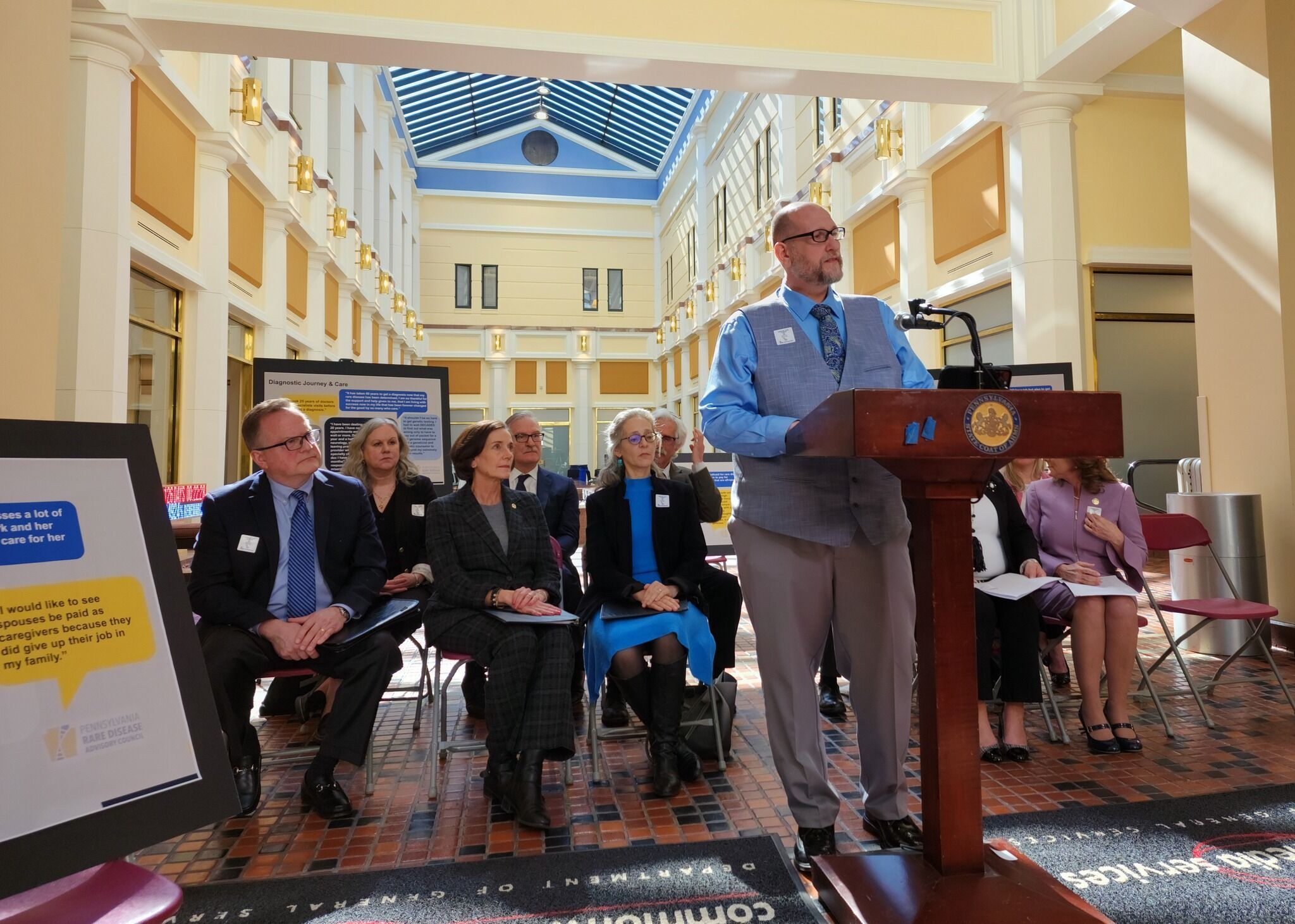
    Dawson saw his own struggles reflected in a recent survey of 1,214 rare disease patients in Pennsylvania that was spearheaded by the state’s Rare Disease Advisory Council, an advisory body to the General Assembly.

    The results, published last month in the medical journal Public Health Reports, painted a “concerning” picture of their lived experiences, said Dawson, the council’s secretary.

    For example, nearly half of the respondents waited more than two years for a diagnosis. Almost a third waited more than five years, and 37% received more than three incorrect diagnoses before their final diagnosis.

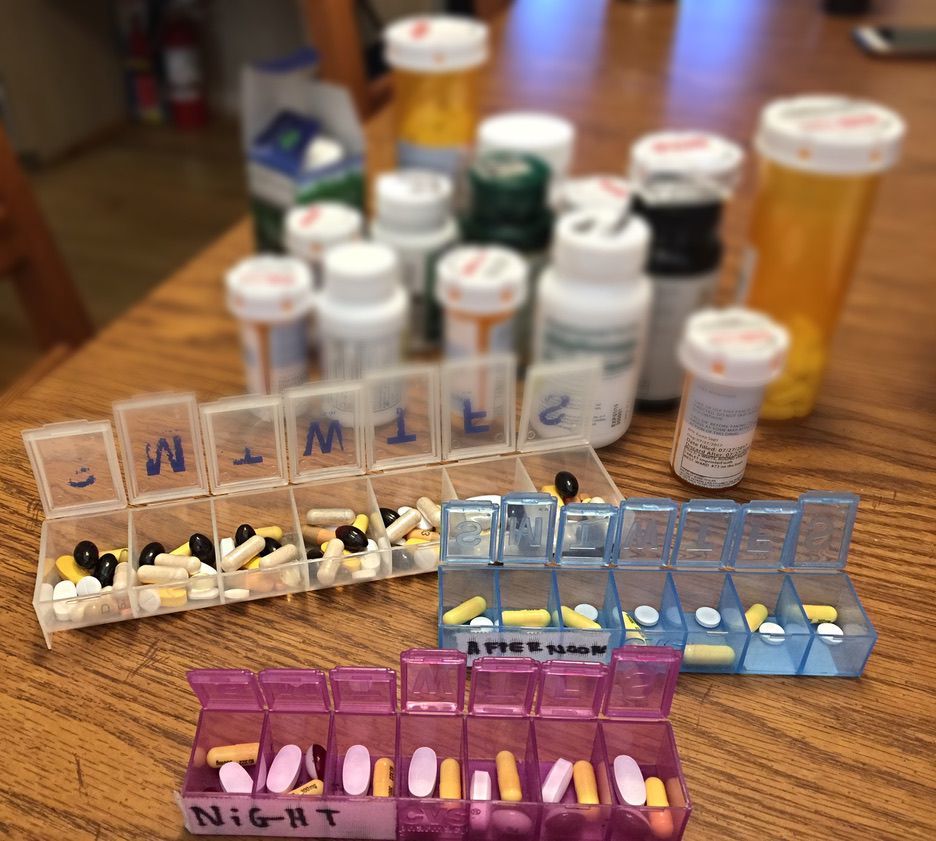
    Many respondents reported high annual spending on costs related to their disease, reduced work and school hours, and difficulty accessing medication or services after diagnosis.

    “There was a worse experience overall if there was a longer diagnosis [time],” said Jonathan Sussman, the lead author on the paper, who is working on his medical and doctoral degrees at the University of Pennsylvania’s Perelman School of Medicine.

    Misdiagnosed

    When Dawson’s symptoms progressed, doctors admitted him to the intensive care unit and started him on steroids.

    His vision returned a couple of days later, but he was still paralyzed.

    Imaging revealed that the majority of his thoracic spine — the middle section of the spine — was scarred, and his optic nerve was inflamed.

    Two weeks into his stay, a neurology fellow walked into his room, “all smiles,” Dawson recalled.

    The doctor said proudly they had figured out what he had, then leaned back on a red container on the wall, crossed his arms, and told Dawson that he had NMO.

    That meant his immune system was attacking his optic nerve and spinal cord, the doctor explained.

    He said Dawson would probably be completely blind in about five years.

    “A couple years after that, you’ll get a lesion high up on your spinal column or in your brain stem, you’ll be on a ventilator, and then pneumonia will probably kill you,” Dawson recalled him saying.

    The doctor concluded by telling him how many years he likely had left to live, and then walked out of the room.

    “The way I was told, it was horrendous,” said Dawson, who was then 42.

    Afterward, the hospital discharged him to a rehabilitation facility where he relearned how to walk for about two months.

    The next two years after that were a cycle of going on and off steroids with each relapse. He had recurring eye pain and blurriness, and pain in his legs that felt as though someone had poured searing hot coals inside them.

    “You grieve for the life that you had, grieve for the things you used to be able to do,” Dawson said.

    Dawson’s doctor put him on treatments like rituximab, an infusion meant to knock down his immune system, and gabapentin for nerve pain.

    Dawson’s doctor put him on treatments like rituximab, an infusion meant to knock down his immune system, and gabapentin for nerve pain.

    But nothing seemed to work.

    In one argument with his neurologist, he told her, “we’re doing something wrong.”

    In response, she said, “I don’t know what to do with you anymore,” he recalled.

    After that, she referred him to a neurologist at Johns Hopkins, who determined from new blood work that he didn’t have NMO.

    Almost three years after Dawson was misdiagnosed, the doctor gave him his correct diagnosis: MOGAD, or myelin oligodendrocyte glycoprotein antibody-associated disease. It was a rare autoimmune disease that was likely kicked off by the cold he had back in 2015.

    MOGAD had the same constellation of symptoms as NMO, but required different treatment. It also wasn’t thought to affect a person’s life expectancy.

    “This disease is not going to kill you. You’re going to grow old,” Dawson recalled the doctor saying.

    Advocacy

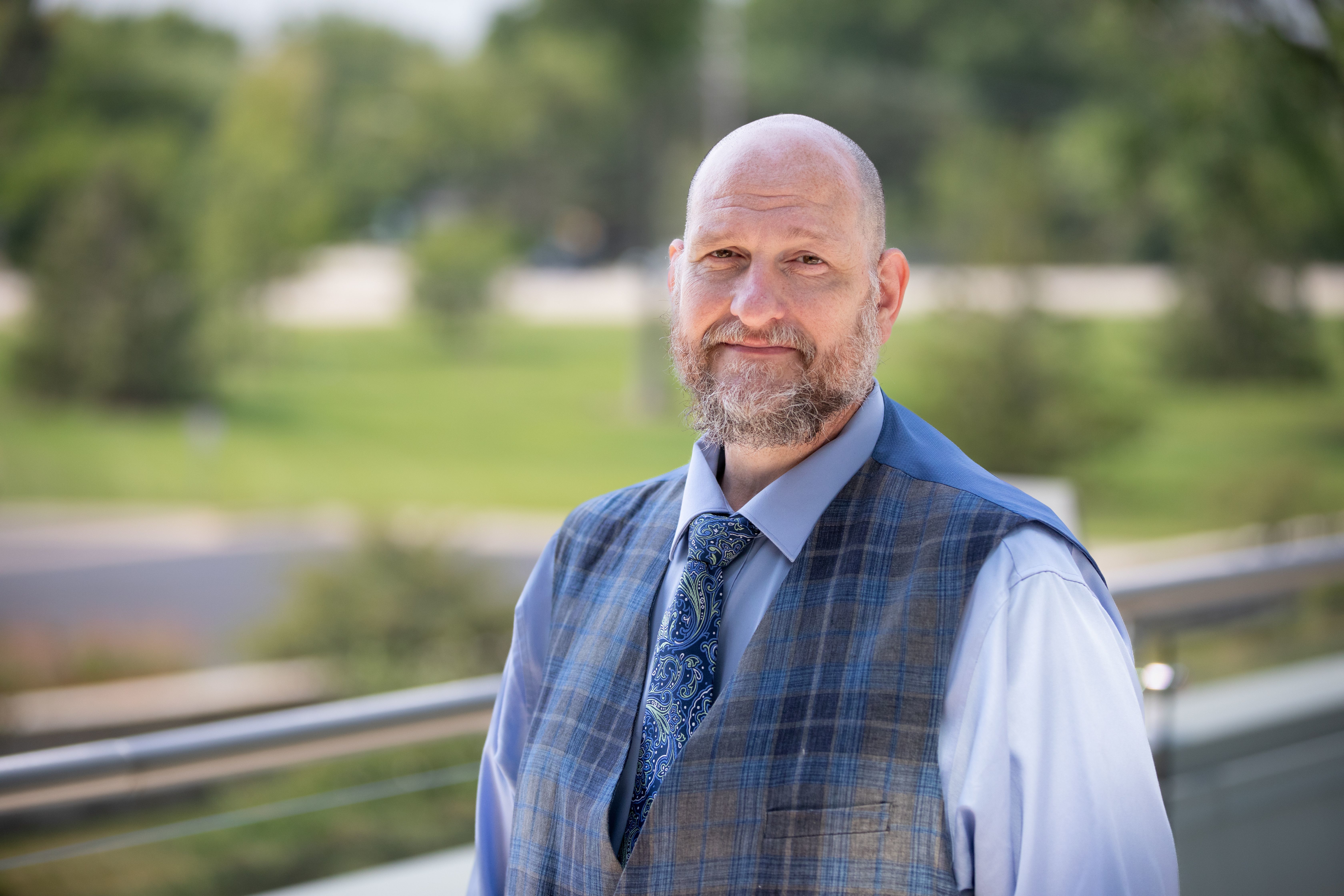
    Brian Dawson is a patient ambassador for the Sumaira Foundation and secretary of the Pennsylvania Rare Disease Advisory Council.

    The recently published survey was Dawson’s way of collecting data to substantiate trends he had heard of anecdotally.

    For example, 37% of survey respondents said they didn’t receive enough information at the time they were given a diagnosis, and 20.5% said they didn’t understand the information provided by their healthcare providers.

    As a patient ambassador for the Sumaira Foundation, a Massachusetts-based patient advocacy group for rare neuroinflammatory disorders, Dawson tries to help newly diagnosed patients navigate their own diagnoses, knowing that health literacy can be an added challenge.

    Another striking statistic to him was that half of the respondents spent more than $5,000 every year on their care, with others spending well over $10,000.

    A quarter of respondents were also unable to access medications because of co-pay costs or a lack of coverage.

    “Ninety-five percent of rare diseases don’t have an FDA-approved treatment. So a lot of times people are being treated off-label,” Dawson said.

    That means patients face barriers like prior authorizations and “flat out denials,” he added.

    Dawson himself just received a second denial from his insurance company for coverage of a medication he has been on for years, since it’s technically off-label for his condition.

    He hopes the results of the survey can inform policy to reduce barriers faced by rare disease patients.

    “There are people where it’s life or death for them dealing with some of the prior authorization stuff,” he said.

    Recovering

    When Dawson thought he only had five to seven years left to live, he “always heard the clock ticking,” he said.

    “Sometimes you could get distracted and focus on that, but if you’re focusing on that ticking clock, you’re missing everything else,” he added.

    He had hoped he could make his job as the acting state librarian into a permanent position, but with his health challenges, he had to let that dream go.

    Dawson went back to his previous role as the director of library development under the next state librarian.

    Dawson had hoped he could make his job as the acting state librarian into a permanent position.

    For the next few years, he tried to focus on making good memories for his family and minimizing the disease’s impact on them, but the effects inevitably spilled over.

    His oldest son quit a good job to move to Harrisburg to spend time with Dawson, thinking he only had a handful of years left.

    With Dawson’s new diagnosis, “our life had changed all over again,” he said.

    Now that he’s on the correct medication for his condition, Dawson is no longer experiencing the constant cycle of relapses.

    However, he still battles fatigue and brain fog from his condition, and has to be cautious about infections, since his immune system might react unpredictably.

    Brian Dawson, now 52, lives in Harrisburg.

    Even with his longer life expectancy, there’s always a chance he could relapse and become blind or paralyzed again.

    “I don’t hear the clock, but I know that reality is looming out there,” Dawson said.